


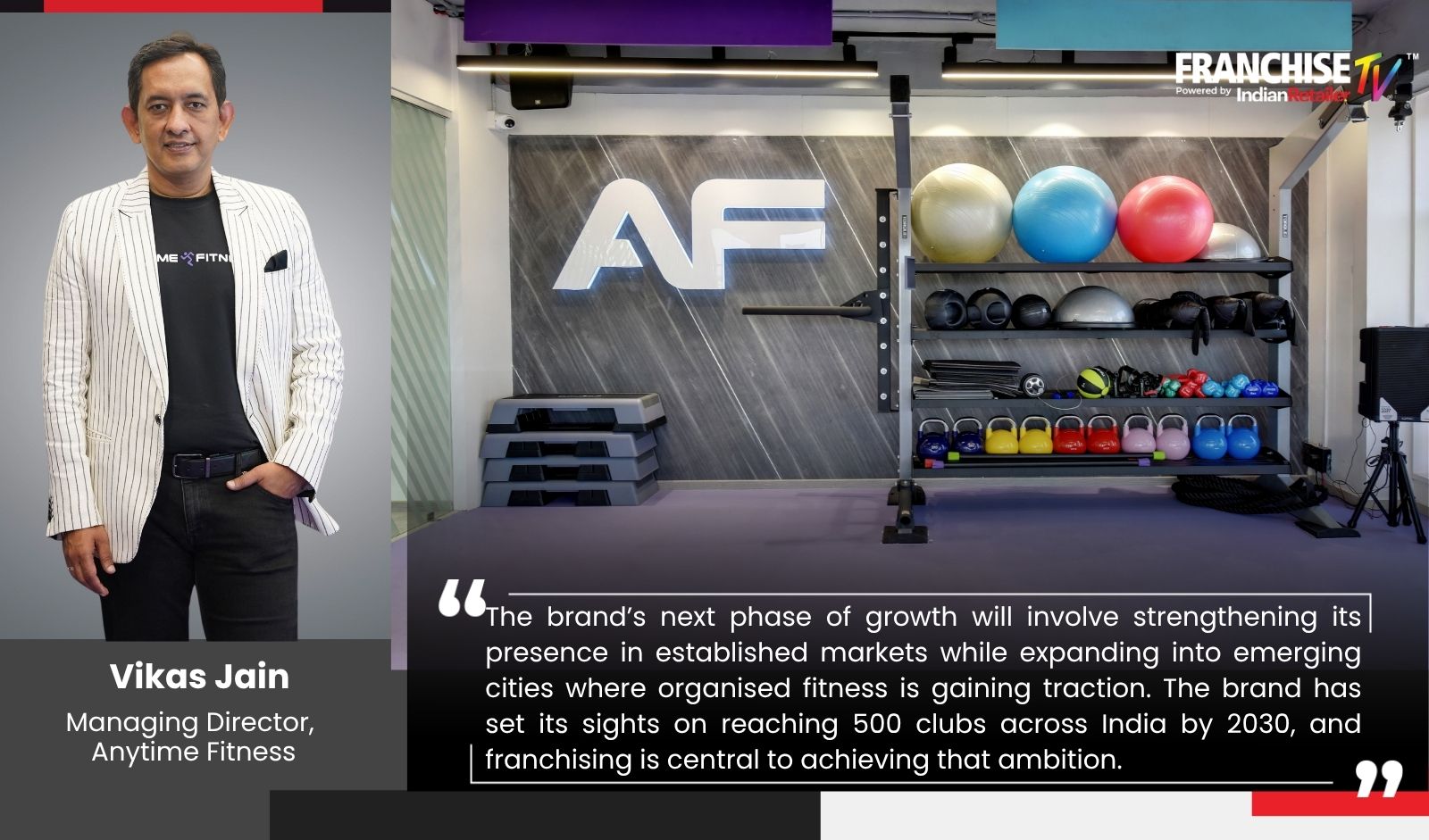
Anytime Fitness was founded in the United States in 2002 with a straightforward idea: fitness should fit into people’s lives, rather than people having to organise their lives around fitness. The brand built its model around round-the-clock gym access, convenience, professional guidance and a welcoming community. Today, it has grown into the world’s largest fitness franchise, with a global network of more than 6,000 clubs.
India’s Entry
The fitness brand entered India in 2013, when organised fitness was still developing as a mainstream consumer category. Over the years, the brand has expanded across cities, built a strong franchise network and introduced more people to structured fitness experiences.
‘‘Our opportunity was to bring an internationally established model to Indian consumers while understanding local market realities,’’ says Vikas Jain, Managing Director, Anytime Fitness India.
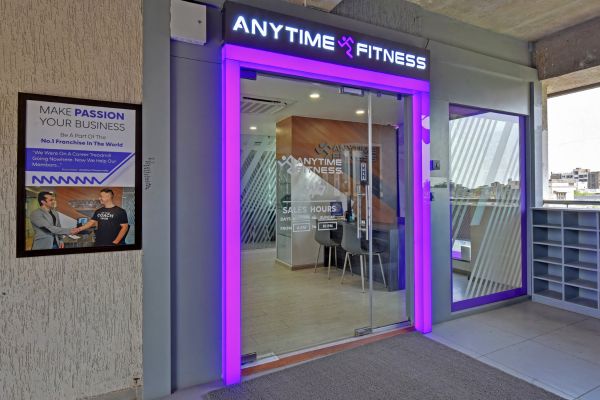
Discussing its fitness initiatives, Vikas says ‘‘Initiatives such as FitCraft and Be Fit Fest further strengthen the fitness ecosystem through professional development, learning and community participation. Every club represents a local business owner, fitness professionals and a community of members working towards better health.’’
Fitness Studios in India
Anytime Fitness has crossed the 200-club mark, serving more than two lakh members across 45+ cities in India. Internationally, the brand has a network of more than 6,000 clubs across 50 countries, giving Indian operations access to global fitness expertise and established operating practices.
Talking about the key markets in India, Vikas says, ‘‘Our priorities include markets across North and West India, alongside opportunities in the South. Cities such as Hyderabad, Bengaluru, Mumbai, Pune, Ahmedabad, Jaipur and Lucknow offer different growth possibilities, depending on local demand, suitable locations and the strength of potential franchise partners.’’
The brand’s next phase of growth will involve strengthening its presence in established markets while expanding into emerging cities where organised fitness is gaining traction. The brand has set its sights on reaching 500 clubs across India by 2030, and franchising is central to achieving that ambition.
‘‘Metropolitan centres continue to offer opportunities, but we also see considerable potential in Tier 2 cities, where rising aspirations and greater health awareness are creating demand for professionally managed fitness facilities, says Vikas. He adds, ‘‘We look beyond a city’s size when assessing its potential. Neighbourhood-level demand, accessibility, consumer spending patterns and business sustainability all matter. Our objective is to expand while ensuring that every new location delivers a consistent member experience.’’
Franchising Ecosystem Central to Brand’s Expansion Strategy
Fitness is a deeply local business where members value convenient locations, familiar faces, reliable coaching and an environment where they feel comfortable returning regularly, and therefore franchising is central to its expansion model.
Talking about the brand’s expansion strategy, Vikas said, ‘‘Anytime Fitness expansion strategy rests on a balance between a proven operating model and strong local ownership. Franchise partners bring local market knowledge, business networks and the entrepreneurial drive to build a club. We complement that with the brand’s operating framework, training, systems and ongoing support. The model allows us to expand across markets while maintaining common standards for the member experience.’’
Vikas further shares that for franchise partners, the opportunity lies in building a business in a sector with considerable long-term potential. From club setup to training and daily operations, consistency matters.The members should recognise the Anytime Fitness experience wherever they visit.
‘‘Success requires more than investing in equipment and securing a location,’’ says Vikas. ‘‘It calls for an understanding of people, service and the effort involved in building a community over time. Our growth will be shaped by the quality of our partnerships as much as by the pace of expansion.’’
Fitness Market in India
India’s commercial fitness market has significant room to grow. The India Fitness Market Report 2025, prepared by Deloitte India and the Health & Fitness Association, estimates that the market will grow from approximately INR 16,200 crore in 2024 to INR 37,700 crore by 2030.
A large population, a young consumer base, rising disposable incomes and greater awareness of long-term health are the driving demand for the segment. Fitness is also becoming more visible in everyday conversations around workplace wellness, sports and lifestyle choices. Moving ahead, the relatively low penetration of paid fitness services also leaves considerable scope for organised operators to reach new consumers.
‘‘However, market growth alone does not guarantee success,’ says Vikas. ‘‘Consumers are becoming more discerning about equipment, trainer expertise, hygiene, convenience and overall experience. They also expect value-for-money and guidance that helps them progress towards their goals. This creates an opportunity for organised fitness brands to build trust through consistent service and professional standards.’’
He further shares that the industry’s next phase will depend on turning interest in health into sustained participation by making fitness accessible, helping members develop lasting habits and giving them reasons to keep returning.
Evolution of Fitness Concept Over the Years
Fitness has moved beyond spending a fixed amount of time lifting weights or running on a treadmill. People increasingly recognise that health is shaped by connected factors such as physical activity, nutrition, sleep, recovery and mental well-being. Progress depends on how these elements work together over time.
‘‘We are seeing a shift in people’s exercise goals. Some aim to build strength or manage weight, while others want more energy, better mobility, improved athletic performance or a way to manage everyday stress. These goals require different approaches, and a good fitness environment should help people find what works for them. Nutrition and recovery are equally important. Training places demands on the body, while appropriate nutrition and rest help people adapt. Without adequate recovery, even a well-designed routine becomes difficult to sustain.’’
Vikas says that regular exercise also supports mental well-being, confidence and a sense of routine. This broader understanding informs initiatives such as FitCraft, which brings fitness professionals together to explore training, nutrition and recovery, and Be Fit Fest, which encourages people to engage with fitness as a community experience.
‘‘Our goal is to help members build sustainable routines. Fitness should contribute to how people feel, function and live over the long term, rather than being measured by a single workout or short-term physical change,’’ says Vikas.
How is Franchising Contributing to the Growth and Organized Development of the Sector?
Vikas shares that franchising is helping the fitness industry expand its reach while bringing greater structure to how facilities are established and managed. It enables established brands to enter new markets with local entrepreneurs, supported by operating processes, training and defined standards.This model is particularly relevant in India, where demand for organised fitness extends beyond major metropolitan areas.
He emphasizes, ‘‘Franchise partners understand the communities and local preferences, while the franchise system provides operational guidance, staff training and a recognised brand. A franchise network, however, is only as strong as the experience it delivers at each location. Expansion requires the right partners, effective training and ongoing attention to standards. In fitness, the quality of a member’s experience directly influences whether they continue exercising. Franchising will remain an important growth engine for India’s fitness industry, provided the focus stays on building sustainable businesses and delivering meaningful value to members.’’
The benefits extend beyond individual businesses. Organised operators create employment for trainers, club managers, sales professionals and support teams. They also help raise expectations around professional coaching, member safety, facility management and service quality.
Technology: The Transformative Force in the Fitness Industry
Moving ahead, technology is changing how people access fitness, track progress and stay connected to their health goals.
Talking about the role of technology in the fitness industry, Vikas says ‘‘ Fitness is both a physical and a human experience. The approach is to combine digital convenience with the expertise of fitness professionals. The best technology helps people make informed decisions, remain consistent and feel more confident about their progress.’’
Digital touchpoints also help the brand improve communication, support member engagement and identify areas where the experience can be enhanced.
Further discussing how the brand has converged technology into its fitness routine Vikas says, ‘‘At Anytime Fitness, we see digital tools as a way to make the member experience more convenient while keeping personal coaching and human interaction central to the journey. Our digital ecosystem includes the Anytime Fitness app, which supports members with workout plans and fitness guidance. Progress tracking, personalised coaching support, 24/7 access and global club access offer flexibility for people whose schedules or travel frequently change.’’
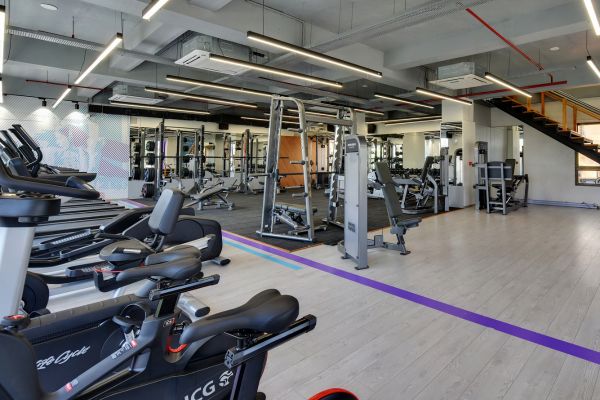
He outlines, ‘‘The priority is to use technology in ways that are practical and genuinely useful. At the same time, an app cannot fully replace a trainer who recognises when a member is struggling, adjusts an exercise or offers encouragement at the right moment.’’
Future Plans for Anytime Fitness
‘‘Our immediate ambition is to reach 500 clubs across India by 2030, says Vikas. ‘‘We see opportunities in established metropolitan markets as well as emerging Tier 2 cities. As we expand, we will focus on selecting the right locations, building strong franchise partnerships and maintaining consistent standards.’’
He highlights that sustainable growth matters more than expansion. India has substantial headroom for growth, alongside a need for more professionally managed facilities, stronger coaching standards and greater awareness of regular exercise. Every new club needs a strong foundation to serve members well and operate successfully.
‘‘Beyond the studio count, our priority is to make organised fitness accessible to more people across a wider range of cities and communities. We will also continue strengthening the experience within our existing network through professional development, trainer support, digital engagement and welcoming club environments.’’
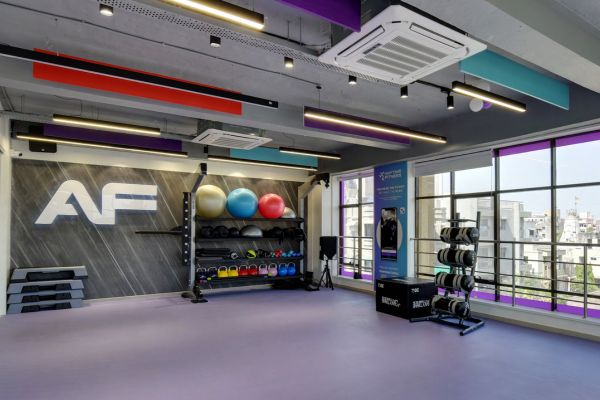
‘‘Over the next five to ten years, I would like Anytime Fitness to be recognised for both the scale of its network and the quality of its experience. Reaching more people matters, but helping them stay active, build confidence and make fitness a lasting part of their lives gives that growth real meaning. Our ambition is to keep building a business that serves members, creates opportunities for franchise partners and contributes to a stronger fitness culture in India,’’ signs off Vikas.
For Further Franchise Info Contact





Copyright © 2009 - 2026 Franchise Tv.