


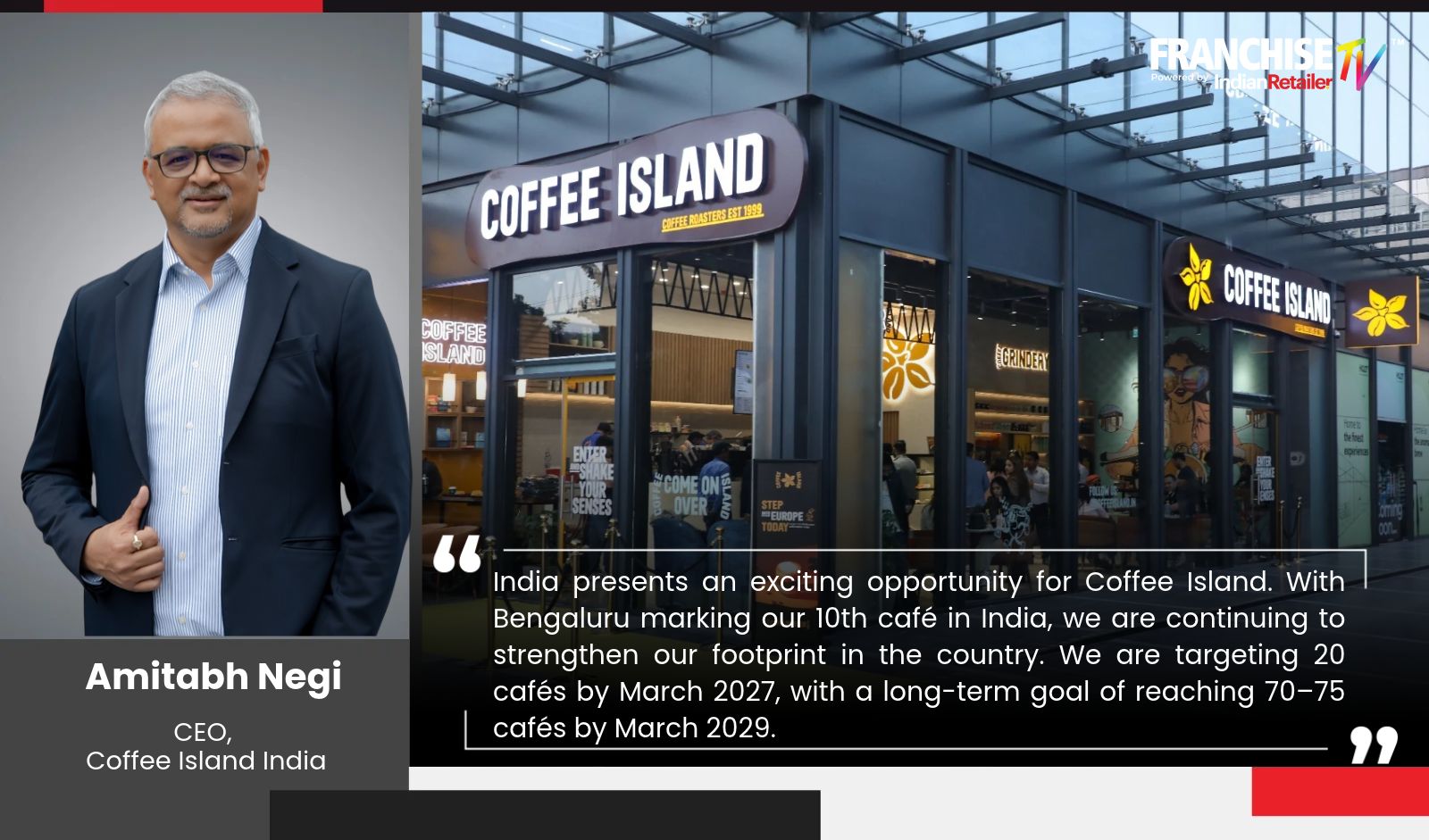
Coffee Island is a European coffee brand founded in 1999 in Patras, Greece. Starting as a single roasting shop, the brand has expanded its presence to 550 outlets worldwide with major presence in Cyprus, the UK (London), Canada (Toronto), Switzerland, the UAE (Dubai), Egypt, and Romania. The coffee chain debuted in India in 2025 and has steadily expanded its presence across Delhi NCR, Mumbai, Pune and Hyderabad.
‘‘With the recent opening of our first café in Bengaluru, at Koramangala, we have reached our 10th café in India, marking our entry into South India, says Amitabh Negi, CEO, Coffee Island India.
Brand’s Proposition
As part of its evolving brand proposition, the brand is continuously innovating its menus and expanding its food offerings to cater to changing consumer preferences. This includes introducing new food concepts, Greek-inspired selections and a dedicated dessert range featuring Opera Slice, New York Style Cheesecake and Pistachio Croissant.
‘‘Our focus is on making Coffee Island a destination that goes beyond coffee, offering customers a more complete experience across different dining occasions, says Amitabh.
Brand’s Expansion Strategy in India
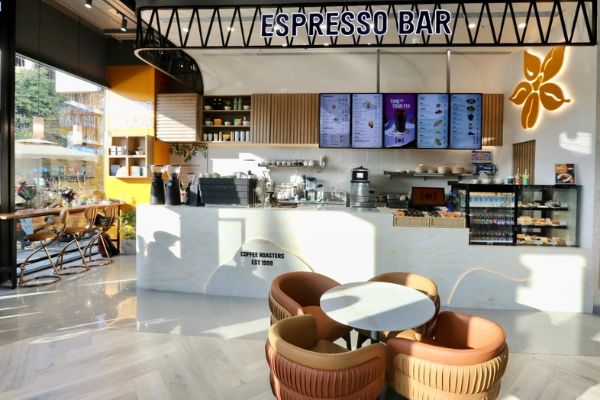
Coffee Island expansion strategy focuses on identifying the right locations, maintaining operational efficiency and building sustainable store-level economics. Alongside expanding its footprint, the brand is also evolving its café formats. Coffee Island Beyond brings together specialty coffee, an extensive all-day dining menu and a more immersive café experience.
Talking about the expansion in India, Amitabh says, "India presents an exciting opportunity for Coffee Island, and our expansion is centred on building a strong presence across key metropolitan markets. With Bengaluru marking our 10th café in India, we are continuing to strengthen our footprint in the country. Mumbai marks an important market for our next phase of growth. We are targeting 20 cafés by March 2027, with a long-term goal of reaching 70–75 cafés by March 2029. Our focus is on identifying the right locations and ensuring that our growth is supported by a sustainable operating model."
Brand’s USP, Menu and Price Range
Coffee Island differentiates itself through its Greece-founded heritage, European coffee craftsmanship and an experience-led café format. Founded in 1999, the brand focuses on specialty coffee, responsibly sourced beans, in-house roasting expertise and multiple brewing methods. Its Indian offering combines European café culture with locally relevant preferences, bringing together coffee, food and social dining experiences.
The menu features a selection of specialty coffees, handcrafted beverages and signature drinks, alongside an extensive all-day food offering. Its coffee range includes House Blend, Global Blend and Global Single Estate beans sourced from regions such as Kenya and Ethiopia, with brewing options including Chemex, AeroPress and Island Pour Over.
Amitabh adds, "Our proposition goes beyond serving specialty coffee. We want to bring together European coffee craftsmanship, an evolving food menu and experience-led hospitality. While our coffee remains at the heart of the brand, our all-day dining selection allows us to cater to different consumer preferences and occasions." The food menu includes Greek-inspired selections such as Gyros, Spanakopita and Koulouri Sandwiches, alongside all-day breakfast options such as Islander Eggs Your Way and Fluffy Café Pancakes. The wider dining menu features flatbreads, rice bowls, pasta and toasties. The brand is also introducing a new dessert range, featuring Devils Chocolate Cake, Choco Orange Cake (GF), Pistachio Tres Leches and Classic Tres Leches.
The brand’s indicative meal-for-two cost is approximately INR 1,000, depending on the selection of food and beverages.
Coffee Chain Market in India
According to a market report, the Indian coffee chain market is valued at USD USD 160.6 million in 2024 and is expected to reach USD 323.8 million by 2033. The segment is rising due to rising disposable income, expanding cafe culture in India, urbanization, changing lifestyles and significant potential in Tier II and Tier III cities, apart from metros and Tier I cities.
The growing momentum of these factors is making specialty coffee experiences more accessible to consumers across markets. Coffee chains are capitalising on this evolving trend by expanding their retail touch points and offering a diverse range of high-quality coffee options to cater to increasingly discerning consumer preferences.
Discussing the brand’s potential in the competitive market space, Amitabh says, ‘‘Our brand has a huge white space for growth in metros. We are focusing on growth in terms of opening at the right locations, gaining suitable traction from the customers.’’
Positive Brand Performance and Profitability
Coffee Island India achieved EBITDA positivity at the store level within its first year of operations. Mature cafés are recording early double-digit EBITDA margins, with the brand targeting store-level EBITDA margins of over 15% as newer outlets mature.
Amitabh Negi says,"Our focus has been on building a financially sustainable business while continuing to expand our presence in India. We have adopted a bootstrapped growth model, with a strong emphasis on unit economics, operational efficiency and store-level profitability. Achieving EBITDA positivity at the store level within our first year of operations is an important milestone for us. As we continue to scale, we remain focused on maintaining this financial discipline and building a sustainable business."
This reflects Coffee Island India's focus on maintaining strong unit economics, operational efficiency and building a financially sustainable business as it continues to expand its presence across India.
For Further Franchise Info Contact
Explore Franchise Opportunities by Industry





Copyright © 2009 - 2026 Franchise Tv.