


India, with its tropical season, natural fibers, and exquisite craftsmanship have been a hub for apparel industries and brands. The apparel in India is not just gaining the attention of its domestic market but making a mark in the international market as well.
One apparel retail chain that has made a mark for its natural fibers, craftsmanship and comfortable wear is Shree. The brand was founded in the year 2009 with a clear vision to provide stylish, comfortable and muti-category Indian women wear. The brand started its journey via e-commerce at the time when e-commerce was not formally present in India. The brand started selling 500-600 product samples on Amazon, E-bay and other cross border portals, expanding its international footprint in the UK, the US and Australia.
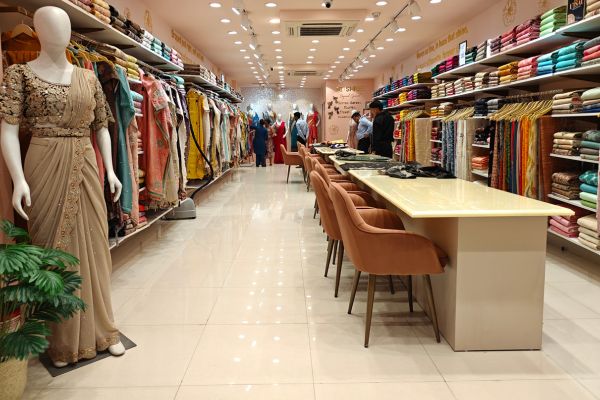
The brand opened its first exclusive brand outlet in 2015, and rapidly expanded to 10 stores in almost a year. By 2021, the brand’s store count reached the 100-store milestone, and opened its first international store in the UAE. Recently, in 2026, the brand opened its new large-store format called SHREE-Beyond Special in Lajpat Nagar, New Delhi, marking a major shift in the brand’s strategy.
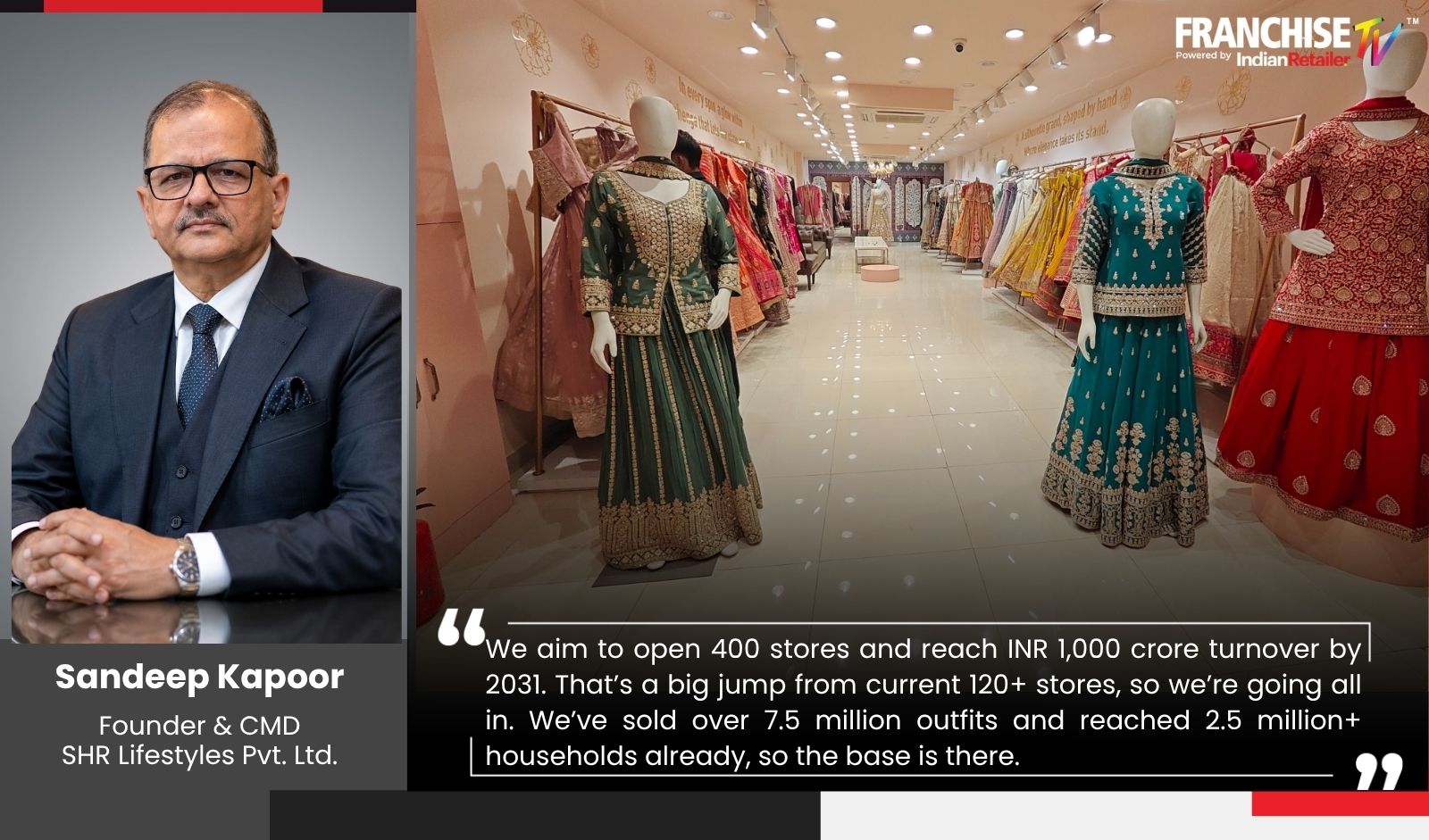
‘‘The new store format is bigger, and has a more immersive store experience bringing the full range of products together, ranging from everyday kurtas to occasion wear, fusion styles and accessories,’’ highlights Sandeep Kapoor, Managing Director, SHR Lifestyles Pvt. Ltd.
Retail Footprint in India
SHREE has 120+ stores across India and overseas, including the UAE, Saudi Arabia and Singapore.
Talking about the brand’s retail footprint in India, Sandeep says, ‘‘Our major presence is in North India where we have almost 100 stores. From last one year, we have started expanding to East and South India markets. We currently have five stores in the eastern part of the country, and have recently opened a new store in Telangana in the down South, last month. We plan to open one more store in the South state in the coming months.’’ He adds, ‘‘We aim to open 20-25 stores in the South in the near future.’’
Franchise Model of SHREE
SHREE’s franchise model was never a distinctive plan but an organic growth model for the brand, driven by its customers.
Discussing the franchise model, Sandeep says, ‘‘Our franchise story wasn’t planned. A customer of our first store opened our second store and a customer of that store opened our third store and this is how the brand’s early 5-6 stores came into operation, and they are still running successfully.’’
He further shares that the franchise model helps the brand to grow, as the franchise partners better understand the local customers, local market insights and local merchandise. Franchisees also provide capital support to the brand and help maintain the cashflow reserves.
The brand in turn provides high quality products, operational and marketing support to the franchise partners. The brand trains the stores’ team, provides display and merchandising support, and regularly reviews the store performance.
‘‘A store may look good from outside, but the numbers have to work for the franchise partner too, says Sandeep. ‘‘In SHREE, about 40% of our customers are repeat customers and they shop with us three to four times a year.’’
The brand needs a good location, stock that doesn’t run out, trained staff and a franchise owner who really cares for the brand and its franchisees to run successfully, outlines Sandeep.
Omnichannel Strategy
Talking about the brand’s Omnichannel strategy, Sandeep shares, ‘‘We have recently started an Omnichannel strategy for our brand. It basically facilitates the company’s inventory exposure to the market, and to the customers. Citing an example, he says, ‘‘We might have some inventory lying in Bhatinda which is not there in Delhi. This inventory can be optimized via Omnichannel. We have onboarded about 25 stores on digital platforms. Going forward, we aim to bring the entire store chain on the Omnichannel platform.’’
Role of Technology and Data Analytics in SHREE’s Retail Operations
Sandeep shares that the technology and data analytics play a crucial role in understanding market dynamics, as each store caters to a distinct consumer base with different preferences for colours, price points, and even sizes. Even stores located close to each other can exhibit different buying behaviours. Data-driven insights help the brand make informed decisions about product assortment and market expansion. Additionally, digital tools streamline business operations by monitoring store performance, team visits, store hygiene, and operational efficiency.
Apparel Market in India
According to IMARC, India's apparel market size was valued at USD 88 Billion in 2025 and is projected to reach USD 117.05 Billion by 2034, growing at a compound annual growth rate of 3.16% from 2026-2034.
The sector is undergoing a steady transformation due to rising disposable incomes, expanding urban middle-class demographics, and the deepening penetration of organized retail across Tier I and Tier II cities. The confluence of evolving consumer aspirations, digital commerce enablement, and organized retail expansion is reshaping the industry.
‘‘The apparel market in India is changing very drastically,’’ says Sandeep. ‘‘The consumers have become increasingly fashion conscious, value-driven, and more influenced by designer wear. The young adults are looking for trends that are not only stylish but also contemporary and comfortable to wear.’’
He adds, ‘‘If you look at our new store format, we have tried to put multiple categories under one roof-be it fashion, beauty, accessories, personal care and so on and so forth to meet the evolving customer demands.’’
Indian Textile and Craftsmanship
Indian textile and traditional craftsmanship have been central to the Indian apparel market, shaping its identity through the diversity of fabrics, weaving techniques, embroideries, and regional art forms. Today, brands are increasingly blending traditional craftsmanship with contemporary designs, making traditional Indian wear more relevant to younger consumers seeking distinctive designs, authenticity, and a deeper cultural connection through fashion.
Sharing about the indigenous textile and craftsmanship used in the apparel industry, Sandeep says,‘‘We have a lot of regional arts. Every state has their own signature styles. From the intricate Kutch embroidery of Gujarat to the vibrant Phulkari of Punjab, these traditional crafts play a significant role in shaping the apparel industry. Today, consumers are looking beyond garments for pieces that tell regional stories, celebrate cultural heritage, and blend traditional craftsmanship with contemporary fashion.’’
He adds, ‘‘If you look at the European market, they are also using a lot of Indian art and craft. Pastels are very popular in their fashion apparels. The florals and Dabu's motifs are very contemporary for the European market. We have lot more to offer to the global consumers.’’
Challenges Faced by the Apparel Industry
Sandeep shares that the apparel industry has become much more volatile with the yarn and chemical colour prices going up due to the increased petroleum and logistic costs. Apart from that, the evolving customer fashion trends and short seasonal window is another challenge for apparel brands as the entire shopfloor changes in a short span of time.
“With fashion trends evolving rapidly and festivities spanning Raksha Bandhan, Karwa Chauth, Diwali, and the wedding season, followed by harsh winters and the summer season, brands must continuously refresh their in-store merchandise to align with changing consumer needs. This makes timely merchandise planning and store-floor transitions one of the biggest challenges for apparel brands, particularly in North India, where seasonal shifts and festive occasions significantly influence purchasing behaviour. The key is to ensure that the right products reach the store at the right time, so customers can find what they are looking for,” says Sandeep.
He further highlights that fashion trends were once largely influenced by magazine covers and evolved at a relatively slower pace. However, today, trends can change almost daily, significantly shortening the shelf life of products. The fashion market is on a fast-track, driven by rapidly evolving consumer preferences and constant exposure to new styles across digital platforms.The customers expect brands to refresh their collections frequently. A product that attracts attention today may seem outdated when a customer revisits the store, reflecting the growing demand for novelty, variety, and continuous design innovation in the apparel industry.
Apart from that the rising burden of taxes, store rentals, GST, and product discount without much manufacturing incentives or export benefits for mid-scale manufacturers is another challenge in the bay.
Festive Season: A Boom for SHREE
Discussing the brand’s preparation for the upcoming festive season, Sandeep shares, “For the festive season, we have to work on our collections six months prior to the festive period. We decide on the colour palette and signature styles for the season. We also have to plan our marketing and consumer engagement campaigns accordingly, communicating to customers what we are doing this season, why we have created these collections, and the reason behind offering them. So, it is a complete package that we offer to the consumer. It depends on seasonality, fashion forecasting, and regional demands.”
Road Ahead: ‘Shree-Beyond Special’ Large-Store Format in the Making
Strategically, SHREE is changing its store format. The brand is coming up with a large retail store format ‘Shree Beyond Special’ encompassing occasion wear, menswear, jewelry, and personal care. The new retail concept will provide a comprehensive range of categories for the consumer under one roof.
The brand also aims to open 400 stores and reach INR 1,000 crore turnover by 2031.
‘‘That’s a big jump from 120+ today, so we’re going all in. We’ve sold over 7.5 million outfits and reached 2.5 million+ households already, so the base is there,’’ says Sandeep.
All in all, Shree provides comfortable, stylish and natural fiber apparels to its customers. The brand uses 99 percent natural fibers and wants to bring high quality Indian apparel to their consumer that suits the tropical climate of the country.
For Further Franchise Info Contact




Copyright © 2009 - 2026 Franchise Tv.