


 479
/ 23 MIN READ
 Follow Us
Farmscraft Targets 60+ Franchise Showrooms as It Plans Expansion Across India
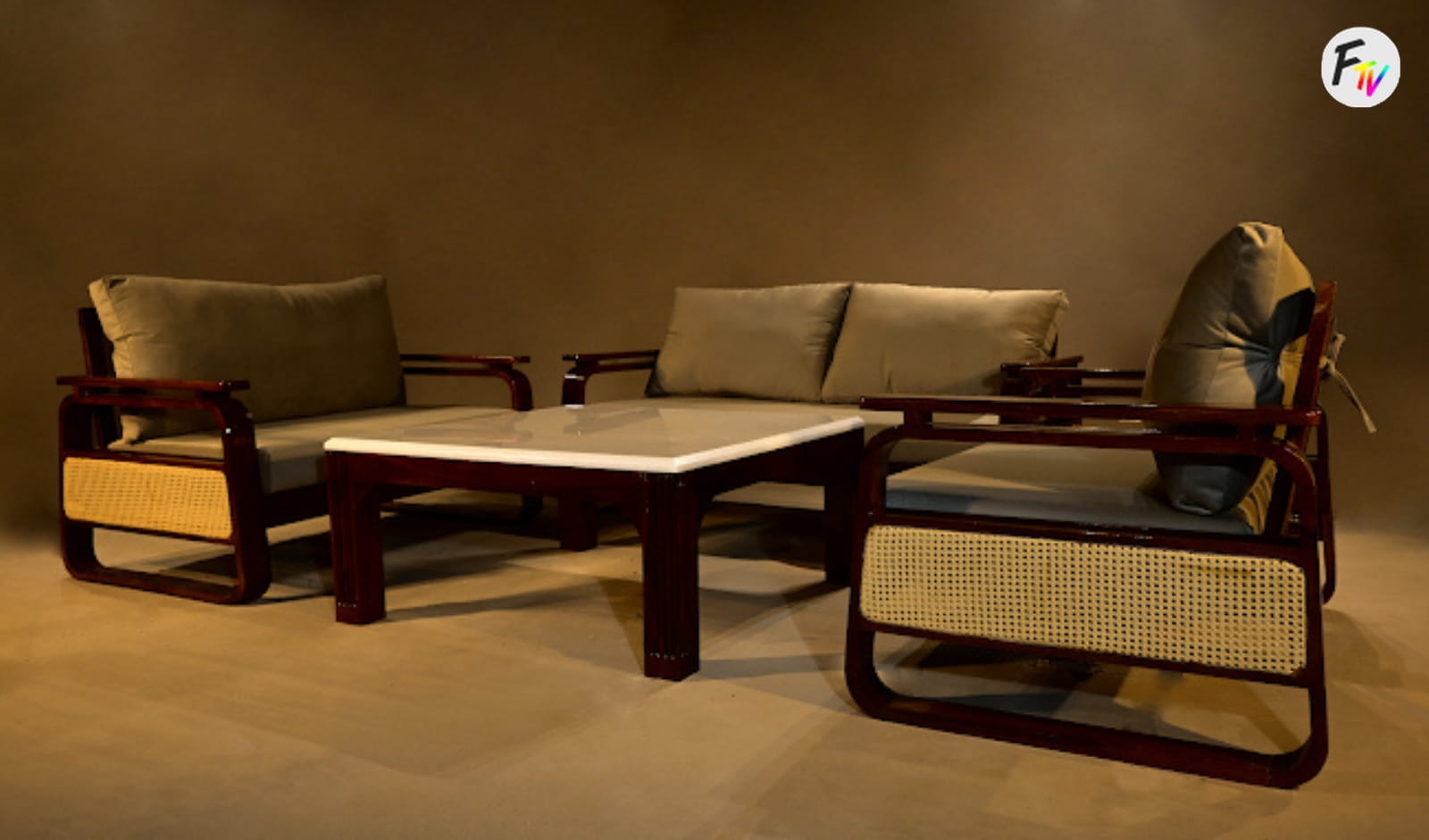
Premium handcrafted furniture brand Farmscraft is preparing to expand its retail presence across India through franchising, with an initial focus on Delhi NCR and other markets in North India. During a webinar, the company outlined its business journey, product portfolio, franchise investment structure and plans to establish more than 60 franchise showrooms within three to five years.
Founded by Amit Kumar, Farmscraft combines traditional Indian craftsmanship with contemporary furniture design. The business began with Kumar’s entrepreneurial experience in exotic vegetable farming before moving into premium hardwood furniture. Its manufacturing operations are based in Bhiwani, Haryana, where the company manages product design, manufacturing and quality control in-house.
Farmscraft has built a business with approximately ₹11 crore in revenue over five years. The brand is now looking to build on this foundation by entering new markets through franchise partnerships.
From Exotic Farming to Premium Handcrafted Furniture
Farmscraft’s journey reflects a shift from agricultural entrepreneurship to furniture manufacturing. The brand’s focus is on creating furniture that combines craftsmanship, functionality and contemporary aesthetics, rather than competing primarily through mass production.
The company works with premium hardwood, with solid teak highlighted as a key material in its current franchise offering. Its emphasis on in-house production allows the business to oversee design, execution and product quality while offering bespoke customisation.
Amit Kumar, Founder and CEO of Farmscraft, described craftsmanship as an essential part of the brand’s identity, highlighting the skill and patience of the artisans involved in making each piece.
The presentation also introduced co-founder Benita, who is involved in furniture design, while Kumar oversees the wider business and expansion strategy.
Five Product Categories Form the Brand’s Portfolio
Farmscraft’s product portfolio covers five principal categories: sofas, dining sets, beds, chairs and other furniture and accent pieces. The brand’s revenue distribution, as shared during the webinar, indicates that sofas are its largest category.
The company presented the following revenue split:
- Sofas: 30%
- Dining sets: 26%
- Beds: 25%
- Chairs: 7%
- Other furniture and accent pieces: 12%
These figures were presented as the brand’s category-wise revenue contribution. Sofas, dining sets and beds together account for 81% of the reported mix, making them central to the current product portfolio.
Farmscraft also highlighted bespoke customisation as a differentiator. Its in-house manufacturing setup allows the company to develop furniture according to customer requirements, while its focus on solid hardwood supports its positioning in the premium furniture segment.
Why Farmscraft Is Exploring the Franchise Model
The proposed franchise strategy is designed to extend Farmscraft’s presence beyond its home market without relying exclusively on company-owned retail expansion.
The brand is offering a Franchise Owned, Franchise Operated (FOFO) model. Under this structure, the franchise partner invests in and owns the showroom, manages its daily operations and generates local sales. Farmscraft retains central control over product development, manufacturing, quality standards, pricing, catalogues and brand guidelines.
The company has proposed a showroom format of approximately 3,000 square feet, intended to present its furniture range and provide customers with a retail experience suited to premium home furnishings.
The agreement period outlined during the webinar is five years. The brand also stated that franchise partners would receive a gross margin of 40% on inventory, subject to the applicable product and commercial terms.
Farmscraft Franchise Investment and Financial Projections
During the webinar, the Farmscraft team presented an estimated initial investment of ₹53 lakh to ₹55 lakh for the proposed 3,000-square-foot showroom.
The financial snapshot shared in the presentation included the following figures:
| Investment component | Amount shared |
|---|---|
| Facility setup, including interiors and fit-outs | ₹22 lakh |
| Franchise fee | ₹3 lakh |
| Display inventory | ₹11.375 lakh |
| Initial stock inventory | ₹16.65 lakh |
| Total initial investment estimate | ₹53–55 lakh |
| Marketing contribution | 2% of monthly revenue |
| Projected monthly revenue | ₹15–17 lakh |
| Projected payback period | 26 months |
| Projected IRR | 64% |
The display inventory figure reflects the discounted cost presented in the financial snapshot, while the initial stock inventory figure represents the amount quoted for the proposed inventory purchase. The webinar also discussed additional working capital, launch marketing, rental deposits and operating expenses as part of the broader financial planning process.
During the detailed financial discussion, the team explained that the business projections were based on a combination of retail walk-in orders, business-to-business projects and social-media-generated sales. The model assumed different average order values and margins for each sales channel.
The company’s financial presentation estimated monthly sales of approximately ₹17.7 lakh in its detailed model, while the summary slide showed a monthly revenue potential of ₹15 lakh to ₹17 lakh. These should be treated as brand-provided estimates rather than guaranteed sales or returns.
The projected 26-month payback period and 64% internal rate of return (IRR) were also presented as estimates based on the brand’s assumptions. Actual performance may vary depending on location, rent, customer demand, sales mix, operating expenses and working capital. Prospective franchisees should request the detailed financial model and validate its assumptions before investing.
Read more: How to Start an AI Automation Agency in India
Limelight Plans Franchise Expansion Across India Through Liberty Lights
What Farmscraft Provides to Franchise Partners
The franchise model separates central brand functions from local showroom responsibilities.
Farmscraft stated that it would retain responsibility for:
- Product design and development
- Manufacturing and quality control
- Brand guidelines and showroom standards
- Centralised pricing and product catalogues
- Supply-chain management and transportation from the warehouse to the franchise showroom
- Technology and ERP support
- Franchisee training and standard operating procedures
This structure is intended to maintain consistency across showrooms while allowing franchise partners to focus on local sales and operations.
The company also outlined a centralised manufacturing and supply-chain approach, with products dispatched from its facility in Bhiwani. The detailed delivery timelines and installation arrangements should be confirmed with the brand for each location and order type.
Responsibilities of the Franchise Partner
Under the proposed FOFO arrangement, franchisees would be responsible for the commercial and operational management of their outlets.
Their key responsibilities include:
- Acquiring customers and converting enquiries into sales
- Managing showroom operations, staffing and the customer experience
- Handling delivery and installation at customers’ homes
- Conducting local marketing and outreach
- Managing operating expenses and maintaining adequate working capital
- Following Farmscraft’s brand standards and operating procedures
The brand said it would assess prospective partners on strategic, financial, operational and marketing fit. Relevant experience in furniture retail, home interiors or premium retail may be beneficial, along with local market knowledge, team-management capabilities and the ability to manage the business through its initial ramp-up period.
Farmscraft also indicated that it would look for partners with sufficient investment capacity and working capital to support the business during its early months.
Delhi NCR and North India Lead the Expansion Roadmap
Farmscraft’s immediate expansion strategy centres on strengthening its presence around Bhiwani and entering priority markets across Delhi NCR.
The markets highlighted during the webinar include:
- Delhi
- Noida
- Gurugram
- Faridabad
- Chandigarh
- Mohali
- Jaipur
- Dehradun
The company’s rollout plan has three broad stages. The first is to consolidate its existing base and strengthen its presence in Haryana and Delhi NCR, including the proposed Gurugram showroom. The second is to enter priority metropolitan and regional markets such as Chandigarh, Mohali, Jaipur and Dehradun. The third is to build a wider network of more than 60 franchise showrooms across metropolitan and Tier 1 cities, with additional Tier 2 markets considered as the network develops.
The brand’s stated goal is to establish 60 or more franchise showrooms across India within three to five years. This remains an expansion target rather than a confirmed store-opening schedule.
Explore more: JSW One Homes Targets Expansion Through Home Construction Partnership Model
Top 10 Online Business Ideas You Can Start in India With Low Cost
Who Can Consider a Farmscraft Franchise?
The brand identified three broad groups as potential franchise partners: established furniture retailers, businesses operating in the home and interiors segment, and experienced entrepreneurs capable of managing a premium retail showroom.
Its partner assessment framework covers four areas:
Strategic fit: Understanding of the premium furniture market, local customer preferences and the brand’s positioning.
Financial fit: Sufficient investment capacity, working capital, a sound credit history and the ability to support the initial ramp-up period.
Operational fit: Retail or business experience, team hiring and management skills, and the ability to follow standard operating procedures.
Marketing fit: Strong local networks, customer relationships, social-media awareness and the ability to build visibility within the territory.
The proposed acquisition process begins with an initial application, followed by background and financial due diligence. The next steps include signing a non-disclosure agreement, discussing commercial terms and territory allocation, executing a letter of intent, and completing the legal agreement and onboarding process.
The webinar noted that the letter-of-intent stage may involve a token payment towards the franchise fee. Applicants should confirm the payment conditions, refundability and final contractual terms directly with Farmscraft before proceeding.
A Manufacturing-Led Approach to Furniture Retail Expansion
Farmscraft’s proposed franchise strategy combines centralised manufacturing with locally managed showrooms. Its focus on solid hardwood furniture, bespoke customisation and in-house production forms the foundation of its premium positioning, while the FOFO model is intended to help the business enter new markets through franchise partners.
For prospective investors, the opportunity involves more than the initial showroom setup. It requires an understanding of the premium furniture customer, local demand, inventory planning, project-based sales, delivery and installation costs, and the working capital needed to operate a large-format showroom.
As Farmscraft works towards its target of more than 60 franchise showrooms, its progress will depend on selecting suitable locations, identifying capable partners and translating its manufacturing capabilities into a consistent retail experience across markets.
Interested applicants can use the Franchise India team to seek a direct discussion with the brand and request detailed information on territory availability, investment assumptions, inventory terms and the franchise agreement.
For Further Franchise Info Contact

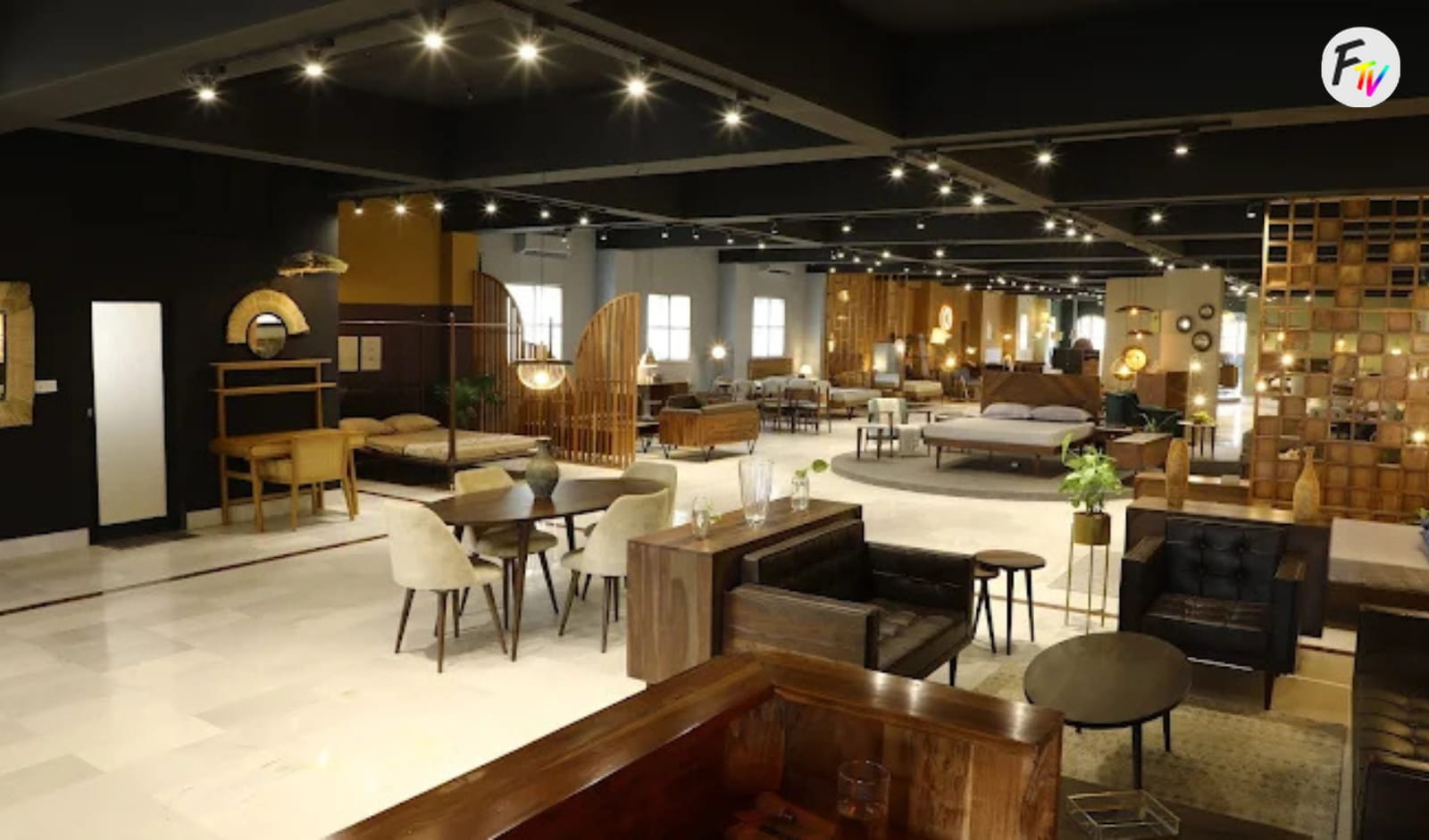
Orange Tree, a design-led furniture and home décor brand backed by Basant, is exploring franchise-led expansion in India. During webinar, the company outlined its FOFO (Franchise Owned, Franchise Operated) model, showroom requirements, manufacturing strengths and indicative investment.
A Furniture Brand Backed by Manufacturing Experience
Orange Tree was launched in 2014 as the domestic retail brand of Basant, a furniture manufacturing company established in Jodhpur in 1998. According to the webinar, the parent company has more than 27 years of manufacturing experience, a production footprint of approximately 10 lakh sq. ft., a network of over 1,500 designers and exports to more than 25 countries.
The brand focuses on contemporary, design-led furniture for Indian homes, combining manufacturing capabilities with curated retail displays. Its product portfolio covers living room, dining room and bedroom furniture, along with lighting, home décor and outdoor furniture.
By bringing multiple home lifestyle categories under one roof, Orange Tree aims to encourage customers to explore coordinated products and purchase across categories.
Orange Tree Franchise Model and Store Requirements
Orange Tree is seeking franchise partners through a FOFO model, in which the franchisee owns and operates the store. The brand is looking for partners with the financial capacity to establish a premium furniture showroom and manage the business over the longer term.
The webinar outlined a preferred showroom size of approximately 3,000–4,000 sq. ft. The format is designed to display furniture collections and room settings, allowing customers to assess products in a retail environment.
The brand also discussed support across product supply, training, marketing, technology and store operations. Its manufacturing background is intended to support product quality and supply-chain control, from raw material processing to finished furniture.
Orange Tree Furniture Franchise Cost and Investment
The webinar presented an indicative investment of approximately ₹85 lakh to ₹90 lakh for prospective franchise partners. A financial snapshot shared during the session listed the following components:
| Investment component | Amount presented |
|---|---|
| Store setup | ₹33.75 lakh |
| Opening inventory | ₹50 lakh |
| Launch marketing | ₹1.5 lakh |
| Total in financial snapshot | ₹84 lakh |
The webinar also discussed rental deposits and working capital in its detailed financial model. Since these items can affect the final amount required, prospective franchisees should request a complete cost breakdown and confirm what is included before making an investment decision.
Projected Returns and Payback Period
The brand's financial presentation projected a payback period of approximately 26 months and an internal rate of return (IRR) of 63%. These figures are estimates shared during the webinar, not guaranteed outcomes. Actual performance will depend on factors such as location, rent, sales, inventory management, operating costs and local demand.
Investors should independently review the financial model, clarify all recurring expenses and assess the assumptions behind projected sales before signing a franchise agreement.
Read also Peppe Planet Franchise Plans South India Expansion With Two Formats
Zoori Plans Jewellery Retail Expansion With a FOCO Franchise Model
Expansion Plans and Market Positioning
Orange Tree's positioning combines premium furniture retail with in-house manufacturing capabilities. Its range across furniture, lighting and décor gives the business multiple product categories to serve customers furnishing new homes or upgrading existing spaces.
During the webinar, the brand discussed a phased expansion strategy covering major cities such as Delhi NCR, Mumbai, Pune, Chennai and Bengaluru, followed by additional markets. The suitability of each location will depend on the target customer base, showroom economics and local demand for premium furniture.
For entrepreneurs exploring a furniture franchise in India, Orange Tree presents a retail opportunity built around design-led products and manufacturing support. However, investors should verify the final investment, franchise agreement, operational responsibilities and financial projections directly with the company before proceeding.
For Further Franchise Info Contact
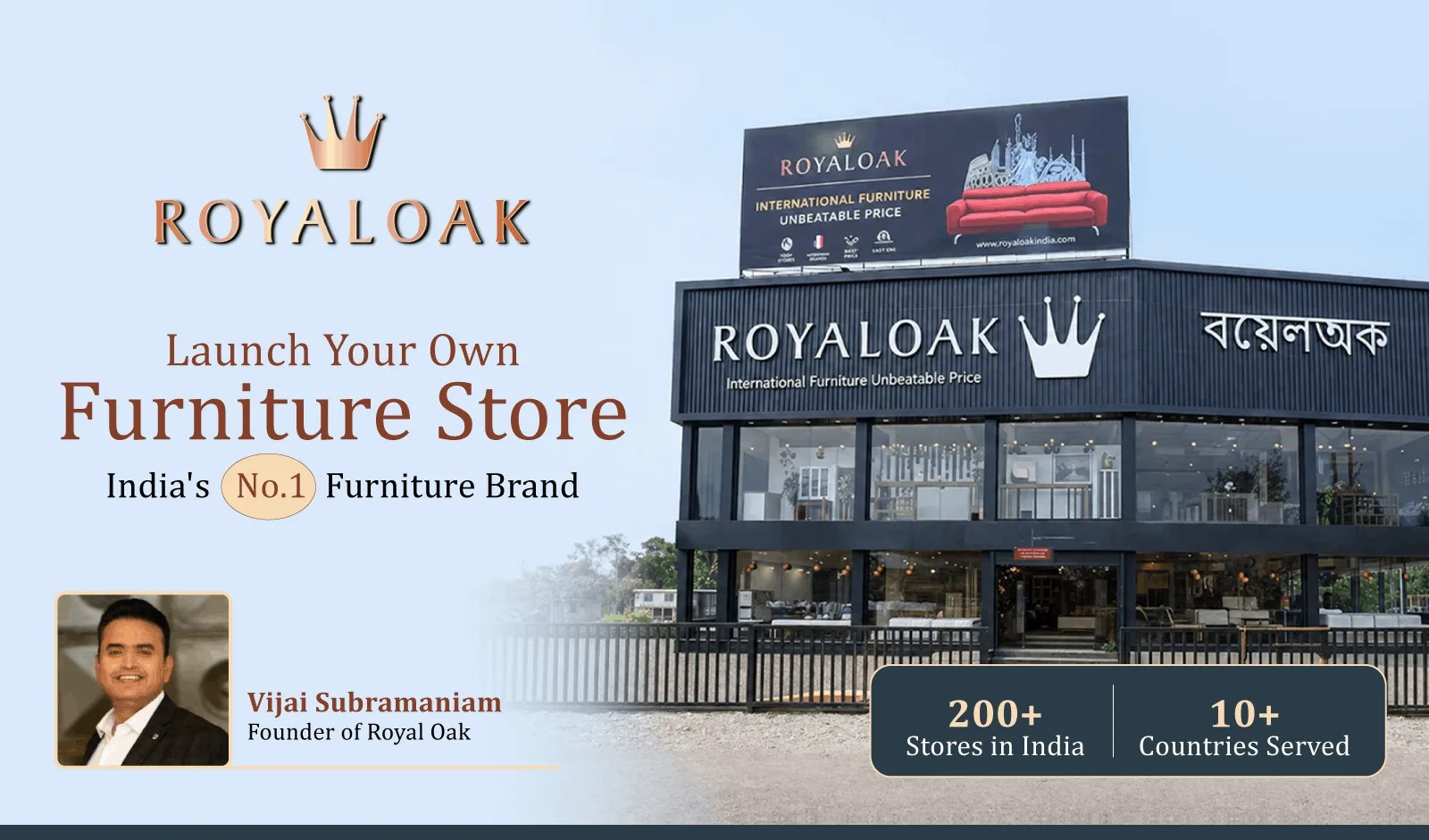
Royaloak is positioning its furniture franchise model as a scalable opportunity for entrepreneurs entering India’s expanding organized furniture market. Built around international designs and accessible pricing.
Founded in 2010 with one store, Royal Oak grew from 15 stores in 2017 into a national furniture retail network. The journey is driven by founders Vijay Subramaniam and Mathan Subramaniam, who built the business around furniture as a focused category and a vision of bringing global-quality products to Indian consumers at competitive prices.
The brand offers furniture across living, bedroom, dining, office, outdoor and home décor categories, alongside mattresses and modular kitchens. Its collections draw inspiration from America, Italy, Turkey and Malaysia. The company is also expanding internationally, with operations in the UAE and plans to explore markets including Africa and Sri Lanka.
A key strength is its backend infrastructure. Royal Oak operates a 5 lakh sq ft warehouse on a 25-acre property, supporting inventory management, distribution and exports. The company has also developed a digital ecosystem covering accounting, lead management, walk-in and conversion tracking, store operations and performance monitoring.
For franchise partners, support extends beyond store launch. Dedicated teams assist with store setup, logistics, hiring and training, marketing, purchasing, visual merchandising, operations and e-commerce. The e-commerce model allows franchisees to fulfil orders in their territories and participate in the resulting margins.
The company offers multiple formats, including Royal Oak Value Stores of around 5,000 sq ft and larger Royal Oak stores of approximately 15,000 sq ft. The presentation also outlined master franchise opportunities, alongside Casa Royal, mattress and home décor formats.
For the value format, the discussion indicated an investment of roughly Rs 35–45 lakh, monthly sales potential of around Rs 15–20 lakh, a 25% franchise margin and an indicative payback period of 18–22 months. The larger format was presented with investment of approximately Rs 1.3–1.6 crore, monthly sales of Rs 50 lakh to Rs 1 crore and an indicative 18–20 month payback period.
Expansion is focused on Tier 2 and Tier 3 markets, with opportunities discussed across Uttar Pradesh, Madhya Pradesh, Bihar, eastern India and other underserved territories. With organized furniture retail representing a relatively small share of the broader market, Royal Oak is positioning its network to capture demand for branded, affordable and complete home furnishing solutions.
For entrepreneurs seeking a retail opportunity backed by supply chain, technology and operational support, Royal Oak presents a model designed for expansion.
For Further Franchise Info Contact

India’s furniture market is booming with premium and D2C brands, driven by urbanization, rising disposable incomes, and a shift toward customized home solutions. With a projected CAGR of 10-12% through 2026, organized players are dominating as consumers seek branded, design-led experiences—making furniture franchises a top choice for high-ROI investments in metro and Tier 2 cities like Delhi NCR, Bangalore, and Indore.
Why Furniture Franchises Are Thriving
Furniture retail has evolved into a lifestyle-driven industry, fueled by real estate growth, Instagram-inspired trends, and demand for modular, premium interiors. Entrepreneurs benefit from high-ticket sales (₹50,000+ per order), 20-40% margins, repeat business, and strong support in training, supply chains, and marketing. Key advantages include scalability, low inventory risks via FOFO models, and tapping into the ₹2 lakh crore market expanding online-to-offline.
1. Gulmohar Lane
Gulmohar Lane leads luxury furniture franchises in India with handcrafted, customizable sofas, beds, and decor from a 1 lakh sq. ft. Jaipur facility employing 300 artisans—offering 70+ fabrics and 30+ wood finishes. FOFO model suits metro experience centers (1,000+ sq. ft.); investment ₹50 lakhs+ covers setup, ERP, SOPs, and fast custom shipments (30-45 days). Premium positioning yields 30%+ margins and quick ROI amid rising demand for bespoke luxury—perfect for design-savvy investors.
2. Ishvatam
Ishvatam excels in artisanal, eco-friendly furniture and home decor inspired by Indian craftsmanship, ideal for luxury niches with limited competition. Franchise opportunities via partnerships emphasize boutique showrooms (500-800 sq. ft.) in urban markets; investment ₹20-40 lakhs includes training, national supply, and no-experience-needed support from Franchise India networks. High margins (25-35%) from premium handcrafted pieces attract entrepreneurs eyeing sustainable, culturally rich furniture business opportunities.
Read more: Top 12 Fashion Franchise Opportunities Transforming India’s Retail Market
Top 9 Silver Jewellery Franchise Opportunities Growing in India
Affordable Fashion Franchise Opportunities in India for 2026
3. Oaktree
Oaktree dominates modular kitchen and wardrobe franchises with 20+ years of expertise, delivering 5,000+ sustainable projects using global designs and high-end finishes for homes/offices. Targets Tier 2 expansion; ₹30-60 lakhs investment for 800+ sq. ft. stores provides space planning tools, collaboration software, and steady real estate-driven demand. Modern minimalist appeal ensures 25% margins and reliable revenue—top pick for kitchen furniture franchises in booming urban areas.
4. Home Monde
Home Monde offers affordable luxury with global modular designs—sofas, beds, accents—at Indian prices, balancing style, function, and customization for contemporary homes. FOFO outlets (800+ sq. ft.) require ₹20-40 lakhs; brand support includes marketing, training, and inventory for 50+ city expansion. Faster turnover and 18-24 month payback make it a best furniture franchise 2026 for mid-range urban retail with wide appeal.
Read also Top 10 Gold & Diamond Jewelry Franchise Brands in India
Top 20 High-Demand Franchise Businesses in India Right Now
Top 8 Fast-Growing Biryani Franchise Opportunities in India
5. Three Sixty
Three Sixty provides 360-degree home solutions—furniture, fittings, decor—with innovative, customizable interiors via design software and artisan networks. Investment ₹25-50 lakhs for 1,000 sq. ft. concept stores; digital leads and end-to-end execution promise 25%+ margins in pan-India furniture expansion. Scalable for modern aesthetics-driven markets, it's ideal for entrepreneurs wanting full-service scalability and long-term growth.
6. TBS Studio
TBS Studio specializes in bespoke, designer furniture and turnkey interiors—sculptural beds, minimalist storage—for urban elites, with in-house prototyping and e-commerce ties. Low ₹10-20 lakhs entry for 600 sq. ft. studios yields quick 12-18 month breakeven and high-value projects. Bundled services boost revenue in studio furniture business India, positioning it as a complete solution for interior-focused franchises.
7. Damian
Damian delivers eco-friendly, contemporary lines—reclaimed wood tables, ergonomic chairs—for homes/offices, targeting Tier 2/3 growth like Lucknow with green certifications. ₹15-30 lakhs covers training, exclusivity, and 22% margins; lower investment suits scalable sustainable furniture opportunities. Emerging appeal among young homeowners ensures steady demand and profitability in affordable modern segments.
Know more: Top International Beauty Franchises expanding in India
Top 10 Home Décor Franchise Brands Expanding in Metro Cities
Top Laundry & Dry Clean Franchise Brands Expanding Fast
Investment Overview
Entering the furniture franchise business in India requires a moderate to high investment, typically ranging from ₹15 lakhs to ₹2 crore or more, depending on the brand positioning, showroom size, and inventory requirements. Most furniture brands prefer a retail space of around 500 to 1,500 sq. ft. in high-footfall locations such as malls, design hubs, or premium high streets. The break-even period generally ranges between 12 to 36 months, as furniture is a high-value purchase category. Profit margins usually fall between 20% to 40%, with higher returns in premium and customized furniture segments. Strong ROI is driven by high-ticket transactions, bespoke design offerings, and repeat or referral-based clientele.
Market Trends
Modular/custom furniture, D2C expansion, interior designer influence, and real estate booms propel growth—branded franchises capture 30%+ market share. Premium decor demand and offline experience centers align with 2026 trends for sustainable, Instagram-worthy homes.
India's furniture sector offers unmatched potential for entrepreneurs—contact these brands today to secure your spot in this high-margin revolution.
For Further Franchise Info Contact




Copyright © 2009 - 2026 Franchise Tv.