





 Follow Us
The Indian population’s love for Chinese delicacies has grown exponentially over recent years. Realizing this soaring demand, several Chinese franchise food brands, both international and domestic, have aggressively expanded their footprint in India. These brands have actively capitalized on established and emerging markets. They have tailored their menu according to traditional domestic and authentic flavors.
Metros and Beyond: The Strategic Playbook of India’s Chinese QSR Leaders
Dim sum, noodles, and Manchurian have grown in popularity. Established names are leading the pack, with Indian players focused on franchising to scale their operations. They target high-footfall regions to bolster visibility and accessibility. Multiple brands have embraced an approach that integrates dine-in, delivery, and takeaway models.
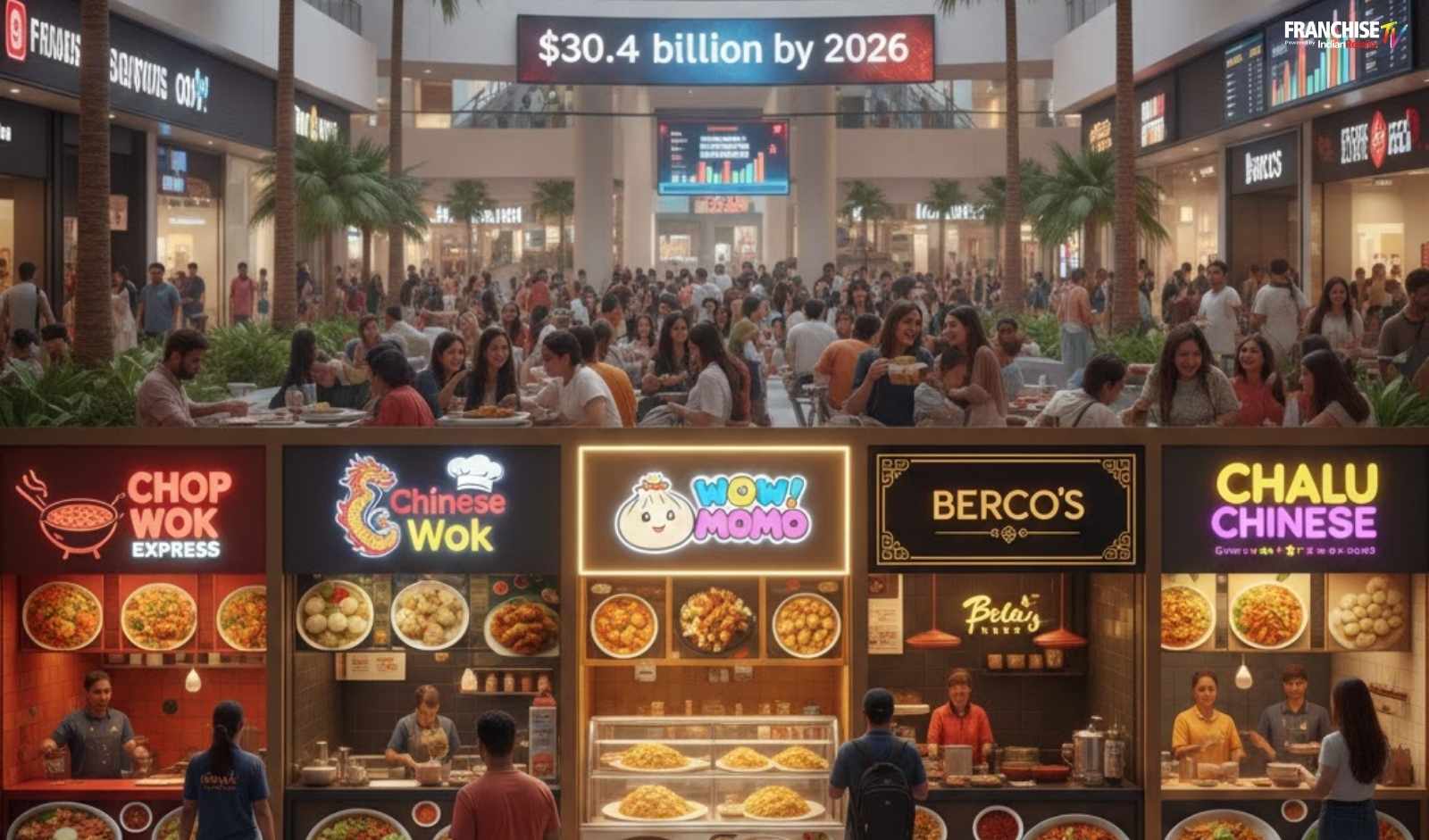
The QSR (quick-service restaurant) industry in India is experiencing a significant phase of high investment and rapid rise in brick-and-mortar presence in Tier II and Tier III markets. Between FY21 and FY25, the industry witnessed a CAGR growth of approximately 23 percent. The market stood at a valuation of $27.8 billion by the end of 2025 and is expected to reach $30.4 billion by the end of 2026.
With consumers' tastes constantly evolving and the demand for Chinese cuisine rising, some franchise brands are capitalizing on it with rapid expansion.
Top Five Chinese Food Franchise Brands Scaling Swiftly Across India
Chop Wok Express
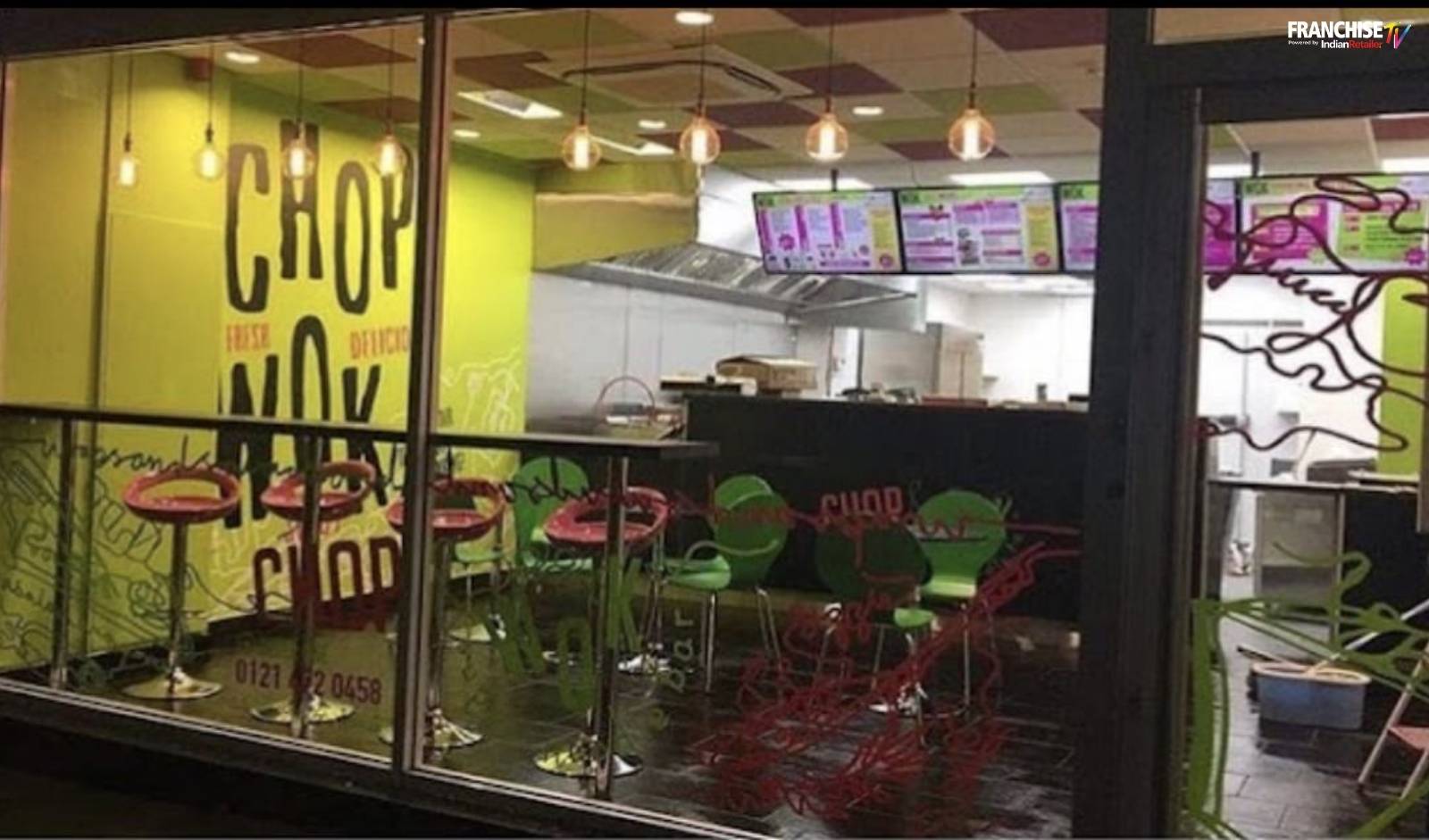
Chop Wok Express, a pan-Asian QSR, is renowned for serving fresh and wok-tossed Asian dishes. The brand emphasizes quick, affordable, high-quality meals in casual dining or takeaway formats.
Founded in 2009, the brand embraced franchising in 2023. Under its franchise model, the brand grants franchisees the rights to operate their own outlet under the Chop Wok Express brand. It currently operates around 10 to 20 stores and is targeting pan-India expansion to scale its presence and bolster its brick-and-mortar presence.
Chinese Wok
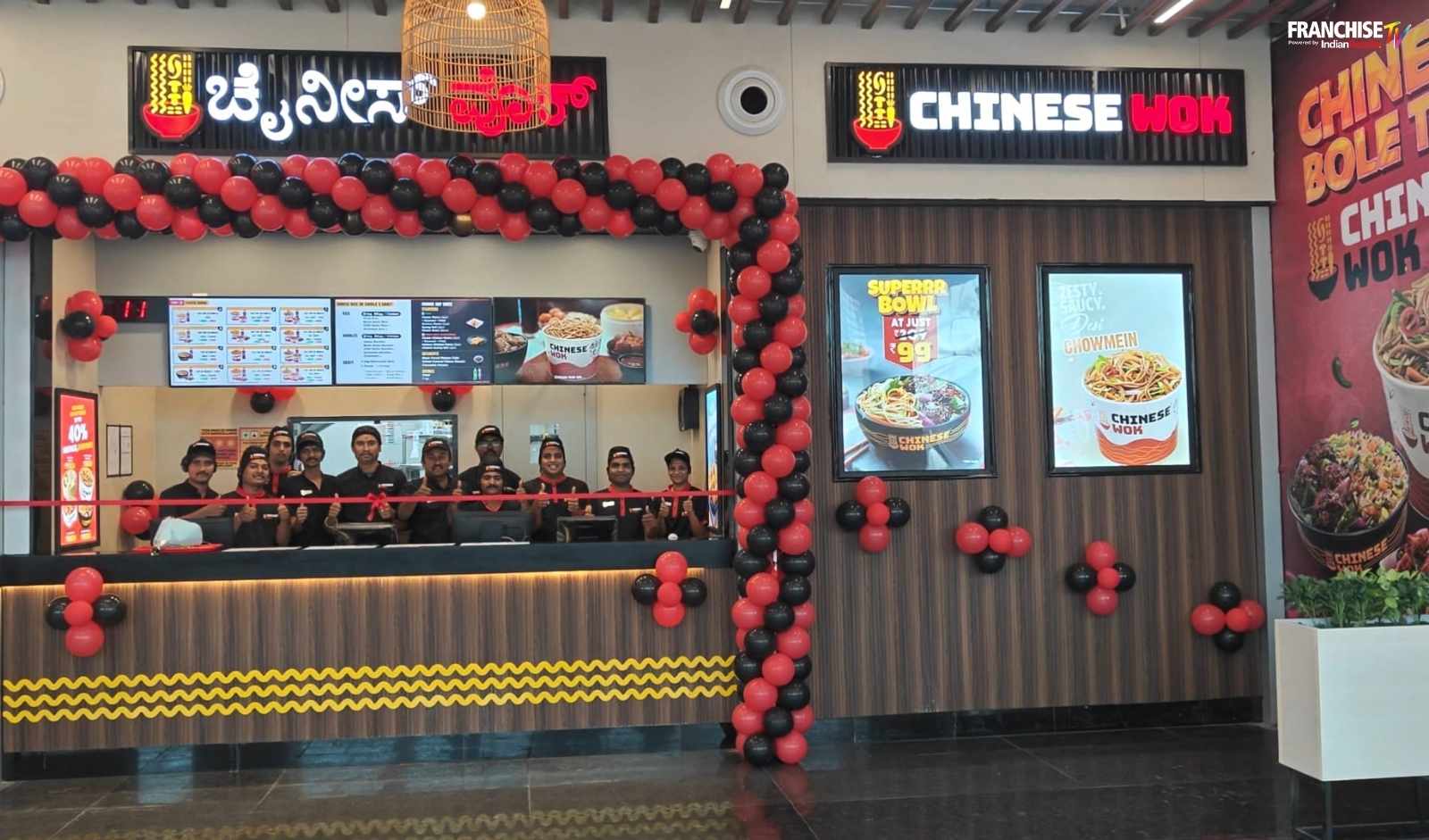
Chinese Wok, one of India’s leading Desi Chinese QSR brands from Lenexis Foodworks, has emerged as the preferred go-to option in the country.
The brand has been rapidly expanding its offline physical store presence across India. During the 2024-25 period, the brand unveiled over 60 new outlets and boasts a growing chain of more than 240 stores.
Chinese Wok’s broader strategy is to build strong regional clusters across South India by expanding beyond metros into high-potential Tier-II cities. In recent years, the brand has deepened its presence in the South market. It operates 36 outlets across Karnataka, including 31 in Bengaluru, and 87 outlets in South India.
Wow! Momo
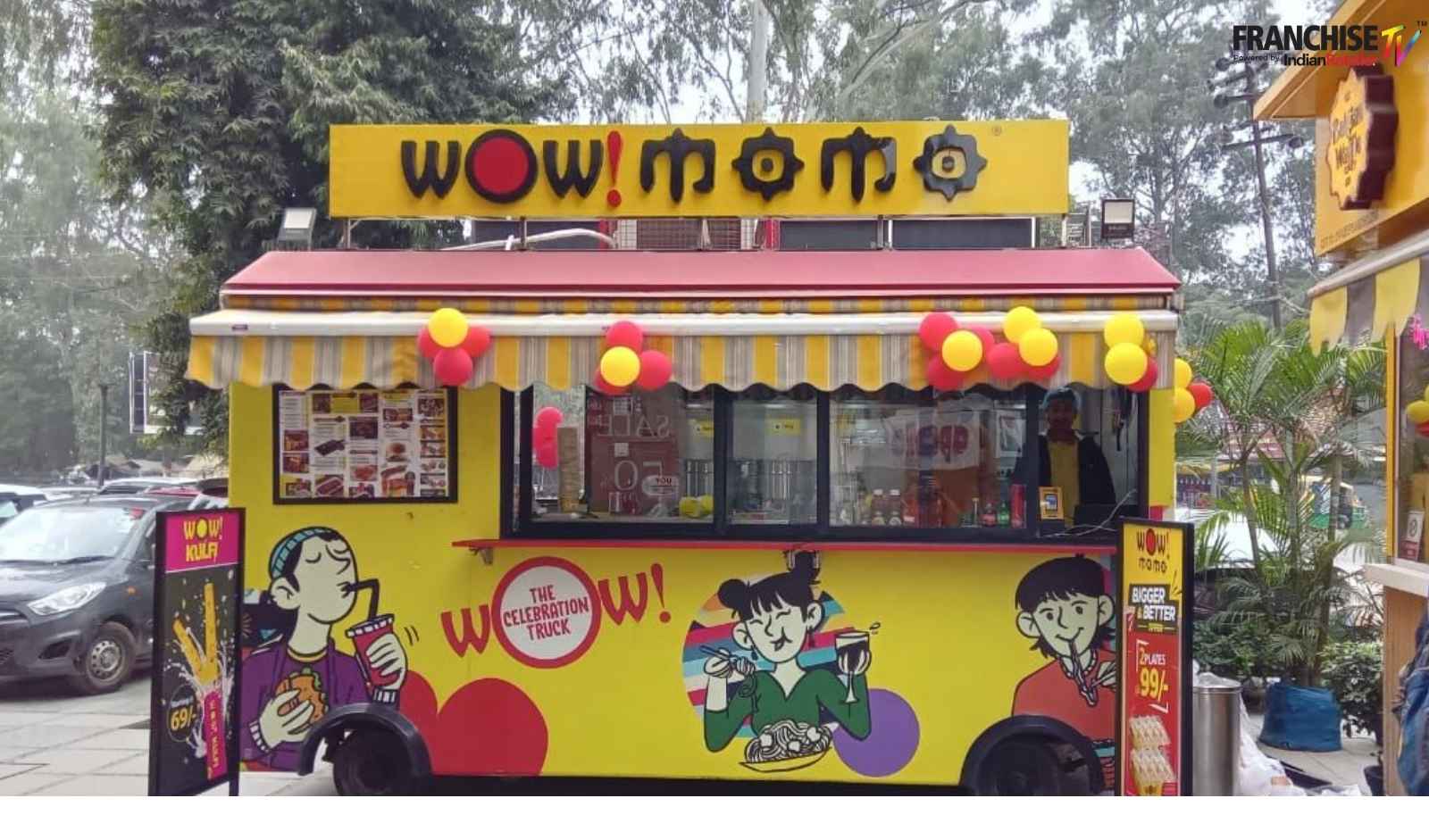
WOW! Momo, one of India's popular Chinese fast-food chains, has emerged as a top choice for momo lovers. Momos and QSR items have broad appeal across India. With a menu centred around different varieties of momos, the brand can attract a diverse segment of consumers.
Apart from established hubs, the brand has integrated Tier II cities into its plans to grow brand visibility and increase market share. The combination of category innovation in momos and adjacent cuisines, tech-led operations, and market expansion positions the company to consolidate its leadership in India’s QSR segment.
In the first four months of FY26, WOW! Momo opened 80 new stores, expanding its network to over 780 outlets across more than 75 cities.
WOW! Momo Foods stated its roadmap to cross a revenue topline of Rs 1000 crore and exceed 1,000 stores in the next 18 months, aligning footprint growth with margin discipline and customer experience.
Berco’s
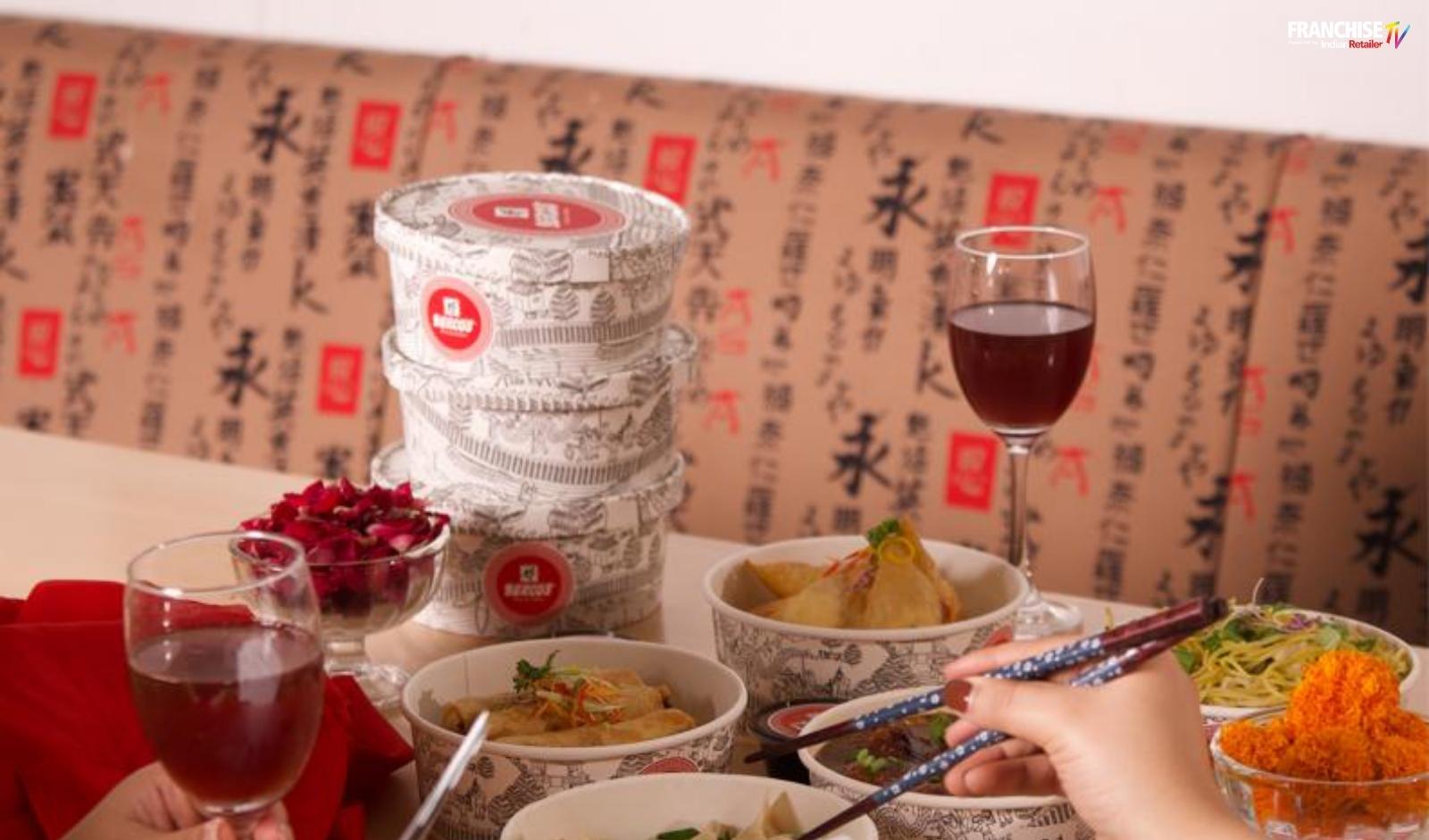
Dubbed as an established Indian restaurant chain, Berco’s is renowned for its Chinese and Pan-Asian cuisine. Since its debut in 1982 as a small snack outlet in Delhi’s famous Connaught Place, the brand has scaled its brick-and-mortar presence to more than 50 outlets across the country over four decades.
Over the years, the brand has earned a reputation for its specialization in authentic Chinese cuisine. From Delhi, Berco’s has expanded its presence into major cities and international airports. The brand offers franchise opportunities to deepen its presence in key hubs across India.
Chalu Chinese
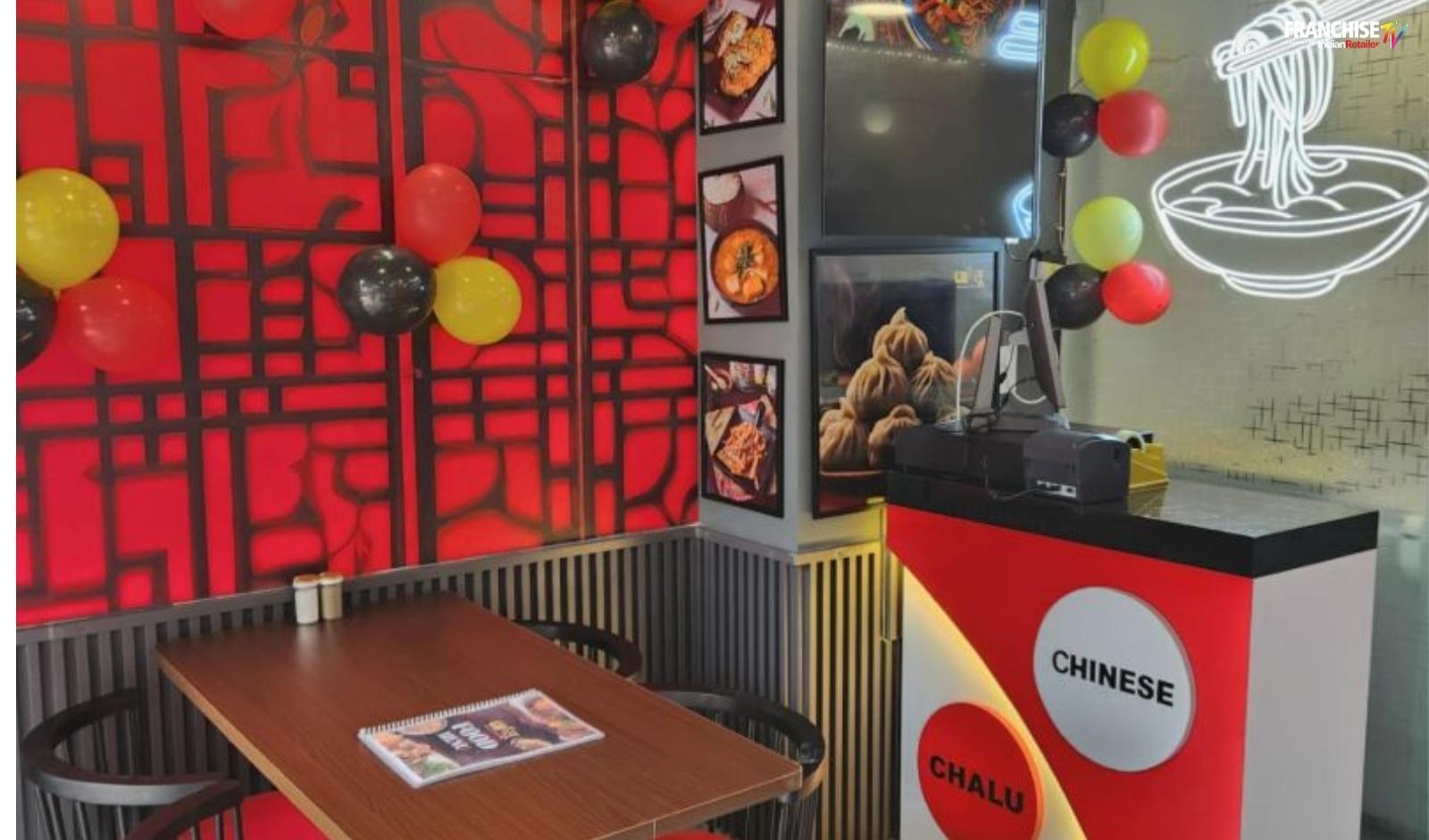
A casual dining and QSR brand focused on desi-twisted Chinese and Pan-Asian food has found a place in the hearts of the Indian audience. Chalu Chinese has been recognized as India’s biggest Indo-Chinese brand and operates over 200 outlets across India, in Tier I, Tier II and promising cities beyond them.
Vibhanshu Mishra founded the brand in 2020, which focuses on famous Chinese, Burmese, Thai and Korean dishes with an Indian twist. The brand separates itself from its competitors by adding a regional touch to the world's dishes with a twist of its own.
Conclusion
The remarkable growth of brands like Chinese Wok, WOW! Momo and Chalu Chinese signify a tremendous shift in India’s dining landscape. As the QSR sector moves toward a projected $30.4 billion valuation by the end of 2026, the success of these franchises lies in their ability to operate with local palates. These brands are not just capturing market share; they are redefining the standards of India’s dining habits.
FAQs
1) Which is the best Chinese food franchise in India?
Chinese Wok is one of the best Chinese restaurant franchises in India due to its strong brand recognition and proven business model.
2) How much does a Chinese food franchise cost in India?
Typical franchise investment ranges from around Rs 15 lakh to Rs 80 lakh. It depends on brand and outlet format.
3) Is Chinese food franchise profitable in India?
Yes, Chinese food franchise is a profitable venture in India, considering its attractive lucrative gains.
4) What is the investment required for a Chinese restaurant franchise?
Investment ranges roughly between Rs 15 lakh and Rs 80 lakh for setup, including franchise fees and infrastructure.
5) How to start a Chinese food franchise in India?
One needs to choose a brand, apply for franchise approval, secure required licenses, arrange space and equipment, and follow the franchisor’s setup and training process.
6) What space is required to open a Chinese food franchise outlet?
Most Chinese food franchises require a space of around 250–1,500 sq. ft., depending on the outlet format and brand.
For Further Franchise Info Contact

Tea culture is deeply rooted in everyday life, cutting across regions, age groups, and income segments. India is the second largest producer of tea in the world, with approximately 80 percent of tea consumed domestically. The major tea growing states are Assam, West Bengal, Tamil Nadu and Kerala, which accounts for 96 percent of tea production. India exports tea to 25 countries including Russia, Iran, the USA, the UK, the UAE, Germany and China.
However, tea selling business in India is gradually evolving, with organized brands introducing standardized products, differentiated menus, modern retail formats, and scalable business models. From roadside chai stalls and neighbourhood tea shops to contemporary tea cafés and specialty beverage outlets, tea continues to be one of the country’s most familiar and accessible beverages.
This transformation is creating new opportunities for franchising, positioning the tea sector as an emerging avenue for entrepreneurs and investors seeking to participate in India’s expanding food and beverage industry.
Why Franchising in Tea Brands?
Tea brands are selling as hot cakes in the franchise sector, due to the high consumption demands of the product and low investment set up model. Unlike other sectors that require huge operational space and high investments, tea brands often work on low investment models that require less space and even lesser investments.
Tea franchising usually requires compact kiosks and takeaway outlets that use relatively small space, reducing rent/ investment and interior costs compared with larger cafés. The technology and operations expenses are comparatively lower as compared to other sectors/ industries.
But small spaces and low investments alone cannot be the only factor driving the segment. Organized tea cafés are expanding the business prospect and opportunities as consumers these days are looking beyond traditional chai stalls to chai cafes that offer tea, snacks, comfortable seating, and social experiences. Seating, ambience, food specialty drinks, and social interaction can make these outlets destinations for students, young professionals, families, and informal business meetings. However, such formats may require higher initial investment and operating expenditure but can potentially generate revenue through a broader menu and longer customer visits.
Tea may be an affordable purchase, but a business must generate sufficient transaction volume and manage costs effectively to remain viable. Tea franchising offers business formats across different investment levels, making it relevant to both first-time entrepreneurs and experienced multi-unit operators.
Regional investors can invest in tea franchisees that are moving beyond metros in Tier II and Tier III cities. These markets showcase immense potential for the brands to grow. Brands can enter these markets through local entrepreneurs who understand consumer preferences, rental dynamics, competition, and suitable locations. However, expansion into smaller cities requires careful adaptation rather than a uniform rollout strategy.
Here are few tea franchisees that investors can look into:
1.Happitea
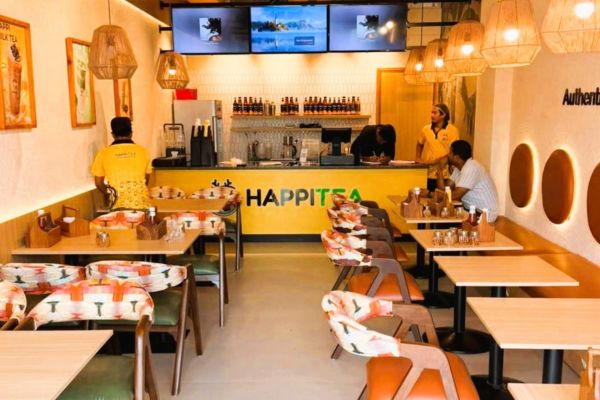
HappiTea is a Vietnamese tea and coffee chain that first started as Phúc Tea. With over 8 years of experience, the brand has grown to 150+ stores across Vietnam and the Philippines. It offers a wide range of milk teas, Vietnamese coffees, fruit teas, and other drinks made using high-quality local ingredients.
HappiTea has entered the Indian market with 35 franchise outlets across eight states and is aiming to expand its network to over 150 stores nationwide in 2026. Its growth in India is being driven through a master franchise partnership with Franchise India (FranGlobal), while regional master franchise and area developer opportunities are being rolled out across multiple markets. The brand has a sustainable franchise model and strong support in branding, operations, and customer experience. The tea chain focuses on quality, customer happiness, and social responsibility.
2. Tea Bro
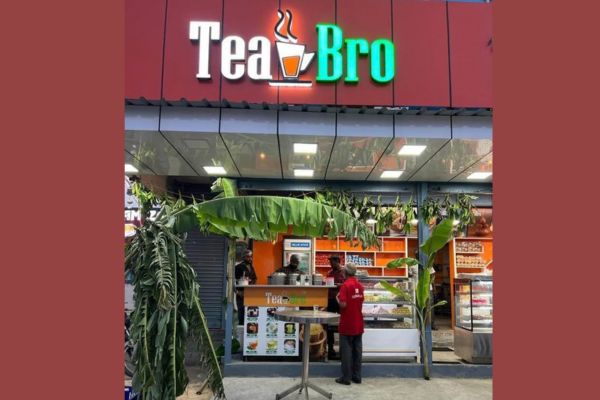
Tea Bro is a fast-growing tea café brand powered by Raalice Foods, a well-established bakery and snacks manufacturer headquartered in Chennai.With 14 years of rich experience in tea shop, bakery and snacks industry, the brand has 4 state of art production facilities in Chennai and Tirupathi, ensuring quality and hygienic products. The brand has 17 outlets spread across Andhra Pradesh and Tamil Nadu, and operates through franchise-operated models.
3. Chai Habbat
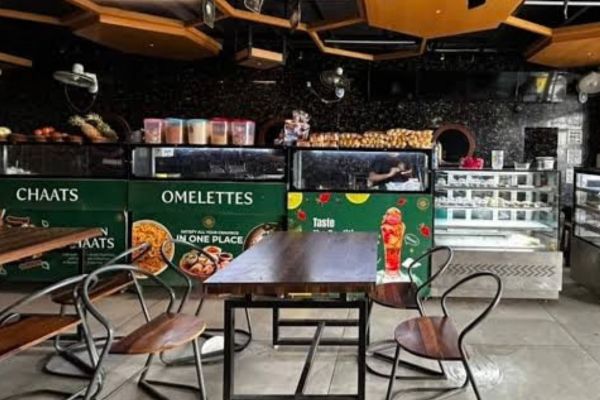
Chai Habbat is a quick-service tea cafe brand managed by the Habbat Restaurant Group. Known for its budget-friendly price point, the brand won the "Iconic Tea Chain of 2024" award at the Times Hospitality Icons in Chennai. The brand operates roughly 10 to 12 outlets in India, primarily concentrated in Tamil Nadu and Telangana. Chai Habbat primarily operates on a FOCO (Franchise Owned, Company Operated) retail model in kiosk, diner and full restaurant format.
4. Chai Garam
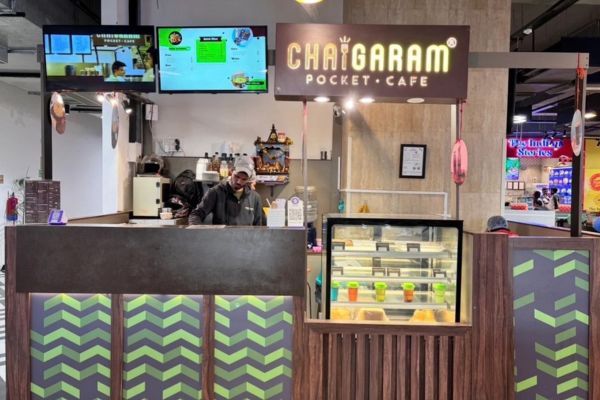
Chai Garam is an Indian tea café and quick-service restaurant (QSR) franchise founded in 2008. Headquartered in New Delhi, the brand focuses on delivering a modern café experience serving tea and snacks. The brand has over 400 retail outlets and kiosks. The company operates through a franchise model, offering End-to-End Support in site selection, commercial kitchen/furniture setup staff recruitment, operational training, supply chain logistics, and marketing.
5. Tea Avenue
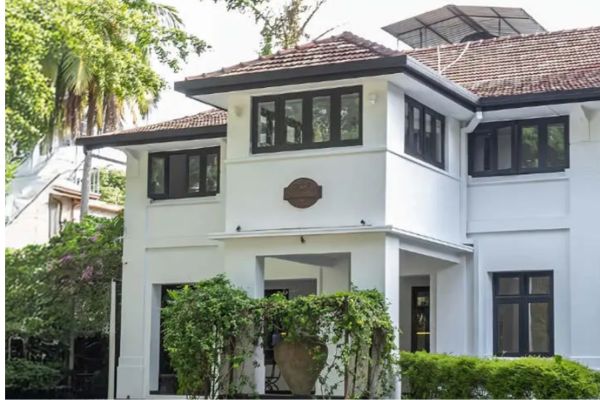
Tea Avenue is a Ceylon tea brand, founded by the De Silva family. With over 9 decades of experience, the brand is Sri Lanka's top five tea exporters, delivering over 14 million kilograms of premium Ceylon tea each year under the distinguished brands Hyson, Thurson, and Akina. The brand partnered with FranGlobal, the international business arm of the Franchise India Group, to establish 100 outlets across India over a five-years. The brand operates through the Franchise-Owned, Franchise-Operated (FOFO) framework.
Conclusion
The future of tea franchising in India will depend on the sector’s ability to combine its traditional consumption base with the operating discipline of organized retail. Compact formats, contemporary cafés, regional beverage concepts, and technology-enabled operations can create different pathways for growth, provided that each model is supported by sound unit economics. Product innovation and digital engagement are likely to remain important areas of focus.
All in all, tea franchising is not simply about replicating a beverage outlet. It is about transforming a familiar daily consumption occasion into a sustainable, standardized, and scalable business proposition.
For Further Franchise Info Contact
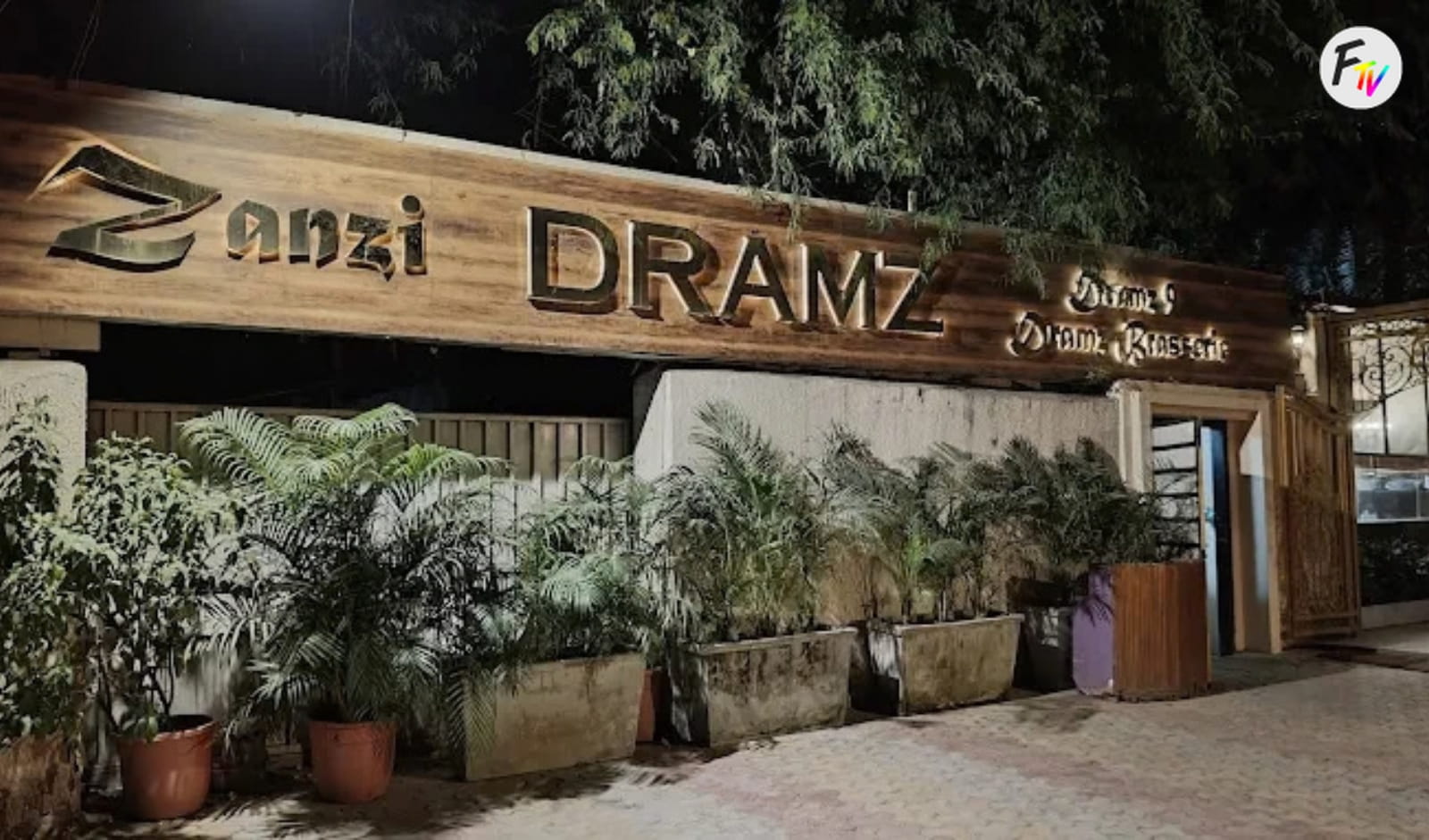
India’s dining-out culture is increasingly moving beyond food alone. Consumers are seeking ambience, views, entertainment, cocktails and memorable experiences, making experiential formats an important opportunity within the restaurant industry.
In a recent webinar, DRAMZ presented its expansion strategy and franchise opportunity for entrepreneurs looking to enter premium hospitality. Known for its rooftop destination overlooking the Qutub Minar in Delhi, the brand combines European and Asian cuisine, craft cocktails, music and destination-led experiences.
From Restaurant to Destination Experience
DRAMZ began in 2013 with a whiskey-oriented concept and has evolved into an experience-focused restaurant brand. The Delhi flagship has developed a strong emotional connection with customers, with the brand stating that it serves more than 1.2 lakh diners annually. The concept has become associated with celebrations, dates, anniversaries and special occasions.
According to the webinar, the brand believes that modern diners are looking for more than good food. The complete journey—from arrival and hospitality to food presentation, storytelling, ambience and service—forms part of the DRAMZ experience. This positioning aligns with the broader shift towards experiential dining in India.
A Rooftop Restaurant Franchise Built Around the View
The core proposition is to establish DRAMZ as an iconic-view dining restaurant brand across India. While the Qutub Minar provides a powerful destination attraction for its Delhi outlet, the brand says its repeat business is ultimately driven by food, hospitality and the overall experience.
The proposed rooftop restaurant franchise follows a FOCO (Franchise Owned, Company Operated) model. Under this structure, the franchise partner makes the investment, while DRAMZ manages the restaurant's operations, helping maintain consistency in food, service and brand experience.
₹5.76 Crore Investment for the FOCO Model
The proposed format requires approximately 7,500 sq. ft. of space and a total investment of ₹5.76 crore. The presentation breaks this into approximately ₹3.37 crore for outlet setup, ₹50 lakh as the franchise fee, ₹75 lakh for equipment and ₹1.57 crore as working capital.
The model includes a 10% minimum guarantee or 10% revenue share, whichever is higher, while the proposed payback period is 44 months. The agreement period is stated as 10 years.
The brand is targeting cities including Jaipur, Mumbai, Pune, Kolkata, Srinagar, Dehradun, Goa, Chandigarh, Hyderabad, Jodhpur and Bengaluru, focusing on metropolitan and tourist destinations where suitable locations can support an elevated dining experience.
Read also: Scissors Professionals Opens New Luxury Salon Franchise Opportunity Across South India
Top 10 Coffee Franchises in India to Explore in 2026
Support Beyond the Restaurant Setup
DRAMZ plans to provide extensive operational support under the FOCO structure, including menu creation, promotional activities, artist and entertainment curation, branding, table styling, food presentation, recipe protocols, hygiene standards and customer experience management.
For entrepreneurs evaluating Fine Dine Restaurants franchise opportunities, restaurant franchises and fine dining franchises, the DRAMZ model offers a high-investment, destination-led alternative to conventional QSR or casual dining formats. Its proposition is built around creating a memorable restaurant experience rather than competing only on cuisine.
The opportunity reflects a wider shift in India's restaurant brands, where experience, storytelling and consistency are becoming critical differentiators.
For Further Franchise Info Contact
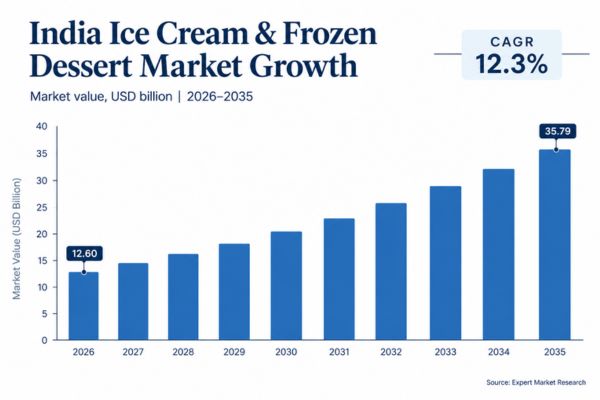
The ice cream and frozen dessert market is fast becoming a popular segment in India. The segment has reached USD 12.60 Billion in 2026, and is expected to become USD 35.79 Billion by 2035, growing at a CAGR of 12.30% during the forecast period of 2026-2035.
The segment is being supported by rising disposable incomes, urbanisation, premiumisation, exposure to global food trends and an increase in consumption occasions. Brands are focusing on expanding its store-centric models with premium experiential services, new flavour and product innovations in the ready-to-serve category, and premium ingredients to meet the evolving demands of the consumers.
Moreover, global dessert concepts, suited to Indian palettes, including Korean Bingsu, live real-fruit ice cream and creations of fusion desserts like Kunafa Bingsu are further attracting the attention of millennials and GEN-Zs in this segment, who are not just looking for an ice cream but an experiential dessert experience.
Growth of the Sector
The Indian ice cream and frozen dessert category is transforming from an occasion-led category to everyday indulgence, leading to the increasing growth and consumption of the segment. Apart from brick-and-mortar parlors, the rise of quick commerce, e-commerce and cold-chain infrastructure is deepening the segment penetration to more regions and consumer base, making it one of the fast-growing categories in the food and dessert segments.
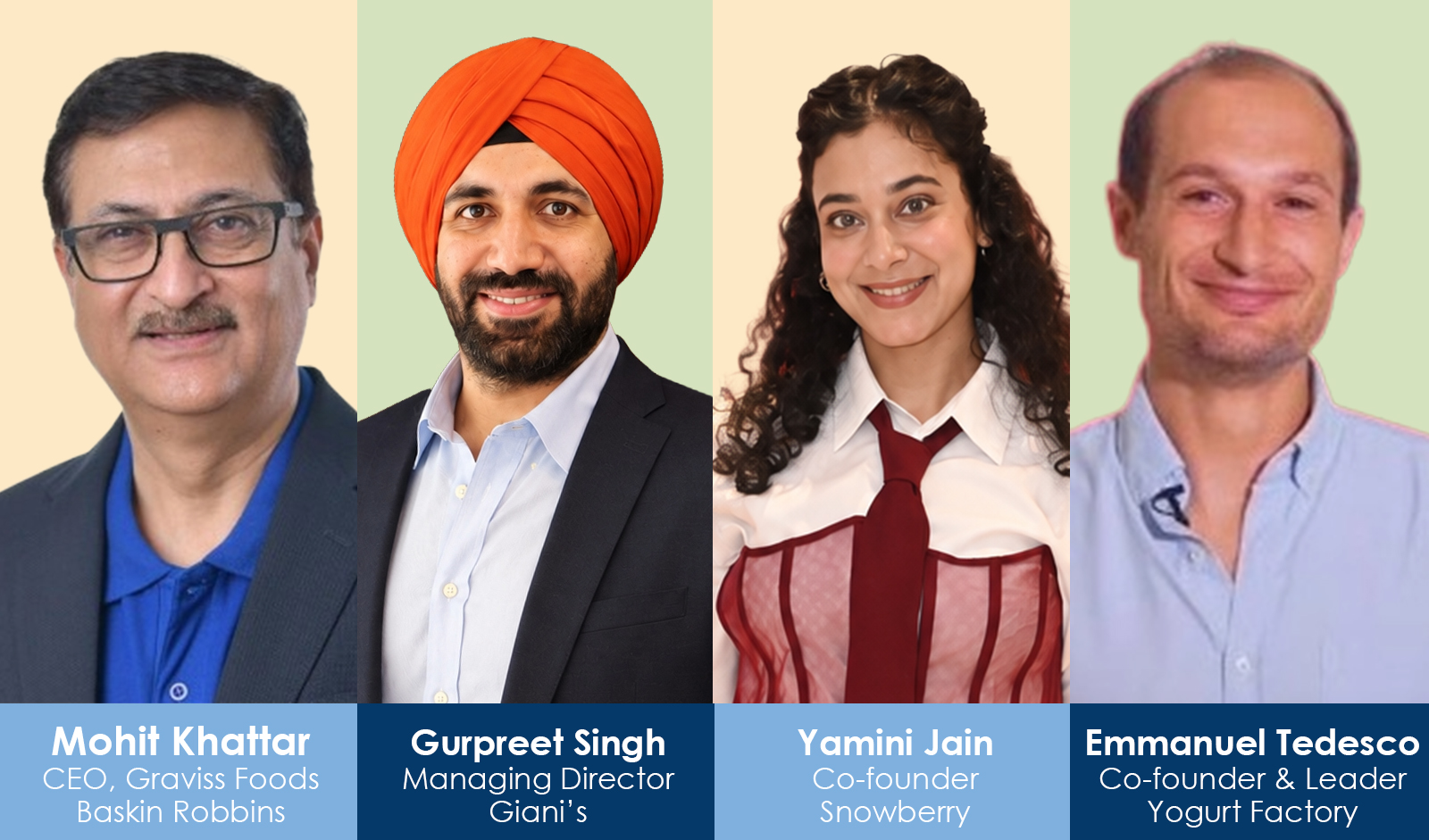
‘‘The Indian ice cream and frozen dessert category is undergoing an interesting phase of evolution,’’ says Mohit Khattar, CEO, Graviss Foods Pvt Ltd - Baskin Robbins. ‘‘Consumers are enjoying it across a wider range of occasions such as a social experience or an after-meal treat, turning this category from occasion-led to everyday indulgence.
Yamini Jain, Co-founder, Snowberry, shares that the market is moving beyond purely seasonal or impulse consumption towards premium, and experiential indulgence.
Gurpreet Singh, Managing Director, Giani’s Foods, shares that the growth of modern trade, quick commerce, food delivery and better cold-chain infrastructure is also making frozen products more accessible to a wider customer base.
New Trends & Innovations
Consumers are looking for greater variety, new flavours, unique experiences and different formats in the ice cream and frozen dessert segment that fit varied consumption patterns across different occasions.
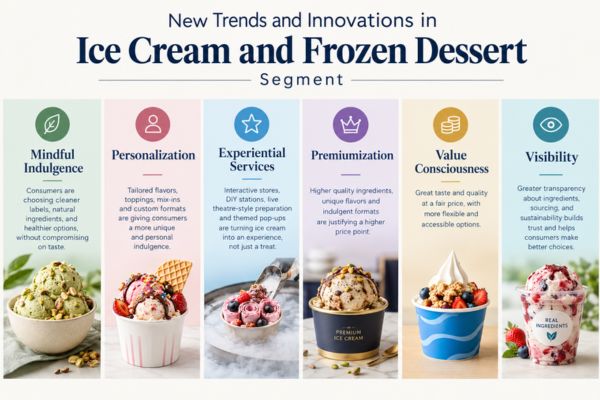
Emmanuel Tedesco, Co-founder and Leader, Yogurt Factory, says that there are several trends that are clearly shaping the segment. These include mindful indulgence where customers want pleasure, but with lighter and cleaner options such as frozen dessert products with less fat,less sugar, natural ingredients, and real fruit; personalisation where people create their own dessert, and experience with dessert being a social moment, creating a significance for design, colours and visual appeal.
He adds that the Indian ice cream and frozen dessert market is large and growing fast, dominated by traditional ice cream. However, the premium and “better-for-you” segments are growing faster than the market as a whole.
Further, Yamini shares that the consumers are increasingly looking for international dessert formats and global concepts that can be adapted to Indian tastes, to bring innovation, experience and familiarity in this segment, making them new and relevant. She further says that Snowberry offers global dessert concepts with Indian flavours, suited to Indian consumer preferences. These include Korean Bingsu, live real-fruit ice cream and Indian flavor inspired Kunafa Bingsu.
New formats, limited editions, seasonal toppings, and hybrid products such as blends of frozen desserts with bakery, drinks and snacking are also grabbing customer attention.
Gurpreet mentions single-serve and impulse formats such as cups, sticks, bars and sandwiches, occasion-led products, like ice cream cakes, sundaes and dessert formats, and premium and indulgent formats that offer distinctive flavour, ingredients, texture or presentation are further showcasing higher growth potential.
Another important trend is the combination of premiumisation and value consciousness. where consumers are willing to spend more on something special, but want it at accessible price points for everyday consumption. Pricing and pack architecture are important. A smaller pack at an accessible price can encourage trial, while a larger pack or premium format can increase the value of the occasion.
He then says that visibility also matters enormously in this segment because consumers cannot browse the category in the same way they can browse a normal shelf. Retailers should therefore focus on freezer productivity, visibility and assortment discipline.
Apart from SKUs, other metrics such as sales per freezer, sales per square foot, stock turns, SKU productivity are also significant for category growth.
Channels Catering the Segment
Further discussing the channels catering the segment, Mohit says that digital platforms and quick commerce have reduced the gap between discovery and consumption, making indulgence more accessible and spontaneous. At the same time, physical parlours continue to be an important aspect, as digital channels cannot fully replicate the experience of visiting a brand, trying new products and sharing the occasion with friends and family.
Yamini adds that she sees huge opportunities in the segment with large retail format stores, robust supply-chain and effective franchise ecosystem.
Franchising Model Ecosystem
Franchising has been an important part of this growth journey. A strong franchise ecosystem enables a brand to scale efficiently, enter new markets with local understanding and remain relevant to consumers, while maintaining consistency in quality, operations and customer experience.
Emmanuel says that India is one of the most dynamic franchising markets in the world, with a strong appetite for international brands, a growing base of entrepreneurs and investors, and a rapid development of organised retail (such as malls, airports and high streets) in tier-1 and tier-2 cities. The ecosystem is also becoming more professional, structured and requires more demanding operators.
Mohit further says that the franchise models allow the company to combine its strength as a brand, product expertise and operating systems with the local markets and ensure entrepreneurial commitment of the franchise partners.
He says, ‘‘For us, expansion is not simply about adding stores, it is about building sustainable businesses with our franchise partners while taking the brand closer to consumers.’’
Yamini says that the franchise ecosystem is becoming more organized and process-driven over time. For a food or dessert brand to scale successfully, having a strong franchise-ready system is important. These include standardized products and processes, reliable supply chains, training, clear unit economics, brand guidelines and ongoing support.
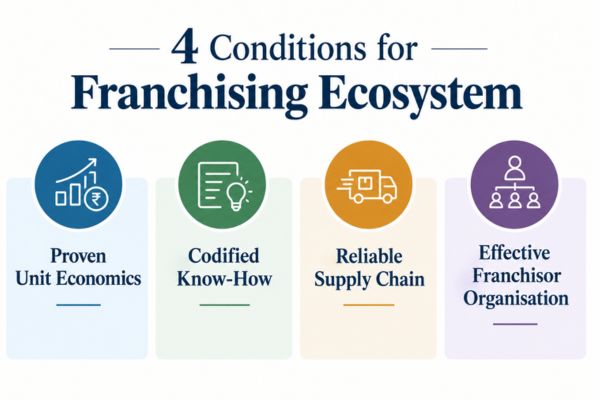
Emmanuel further adds for a business to be franchise-ready, four conditions needs to be met: a proven unit economics at several locations over several years, codified know-how that includes operations manual, recipes, training programme, a reliable supply chain that guarantees consistent product quality everywhere, and an effective franchisor organisation that enable support, train and control its network.
He then says ‘‘For international expansion like ours, I would add a fifth condition that is the ability to protect the brand’s standards through a solid contractual framework and a genuine partnership with the master franchisee.
Training and Ongoing Support
Training and ongoing support are fundamental to franchisee success. It is critical for brands to improve their product knowledge, provide better customer experience, enable higher marketing and business performance, and effectively communicate with franchise partners and consumers to understand different challenges at the ground level and respond quickly.
‘‘A franchise partnership should not end when the store opens; that is when the real partnership begins,’’ says Mohit. ‘‘‘At Baskin Robbins India, we work closely with our franchise partners across different areas such as operations, customer services, business and marketing.’’
It helps the brand maintain its standards but also evolves with changing consumer expectations. He emphasizes that the success of the brand and the success of our franchise partners are closely interconnected.
Yamini adds that training and ongoing support at Snowberry is critical to maintaining a consistent customer experience. The support extends from the initial setup of an outlet to ongoing product and operational training, marketing, digital platform management, campaigns and brand communication.
Emanuel further says that Yogurt Factory follows 2 weeks of training program in France for its new franchisees that includes hands-on time in its stores, product preparation, hygiene and food safety, customer service, store management and local marketing. The company’s team is present onsite at the opening of the new outlet, and field coordinators then follow each store with regular visits and performance reviews to maintain its operations and standards at franchise outlets.
Technology and Data Support
Technology is becoming an increasingly important enabler across the ice cream and frozen dessert retail ecosystem, improving both operational efficiency and consumer engagement.
‘‘At Baskin Robbins India, we are increasingly using data and technology to get a better understanding of our business and consumer behaviour, says Mohit. ‘‘This allows us to make more informed decisions and identify opportunities to improve the overall consumer experience.’’
Gurpreet says that as the network grows, innovation has to be scalable. The recipe, portion, product quality and consumer experience have to remain consistent across locations.
Yamini adds that technology and data are significant in understanding sales patterns, customer behaviour, product performance and campaign responses. Digital ordering platforms and aggregator data also help us understand product demand and customer preferences across different markets.
Citing an example of technology in use, Emmanuel says, ‘‘We have built our own internal platform, Cerca, which centralises data from our point-of-sale, delivery and loyalty tools. It gives us a clear view of each store’s performance – sales, average ticket, product mix, trends – and allows us to benchmark stores, detect early warning signs and focus our support where it matters most.’’
Yamini further shares that social media analytics play an important role in evaluating content and product launches, while digital platforms help execute promotions and campaigns at scale. Going forward, technology will play an even greater role in inventory management, customer insights, marketing optimization and operational efficiency.
Mohit believes technology will play a greater role in customer interface and data analytics to drive repeatability and seamless operations. Technology will not just simply serve as an enabler, but as a tool to make the business more efficient, responsive and consumer centric.
Future in India
Looking ahead, organised retail and quick commerce continue to increase the frozen dessert category, driven by consumer demands and productivity data. Numerous partnerships across the market value chain will strengthen the manufacturing ecosystems and help the growth of the segment. The entry of well-known international ice cream franchises will further boost the segment in India, with many new brands making its way to the subcontinent.
The sugar-free, low fat and the natural segment will attract the health-conscious consumer segment in urban and semi-urban parts of India, bringing more product portfolio and flavours under its wings. Lastly, artisanal ice creams and frozen desserts fusing global concepts with Indian taste will continue to take this segment to new heights in the future.
For Further Franchise Info Contact
India’s café market is moving beyond traditional coffee consumption as branded cafés increasingly become spaces for socialising, working, studying and casual dining. The expansion is also spreading beyond metros, with established and international coffee brands entering Tier-2 and Tier-3 markets. Barista, for example, has outlined plans to expand from around 510 stores toward 900 over the next five years, while Third Wave Coffee recently reached 250 cafés and is targeting about 320 by FY27.
At the same time, specialty coffee, international café concepts, experiential formats and compact outlets are adding new dimensions to the category. Recent industry coverage also points to specialty coffee chains expanding their physical café networks alongside roasting and supply capabilities.
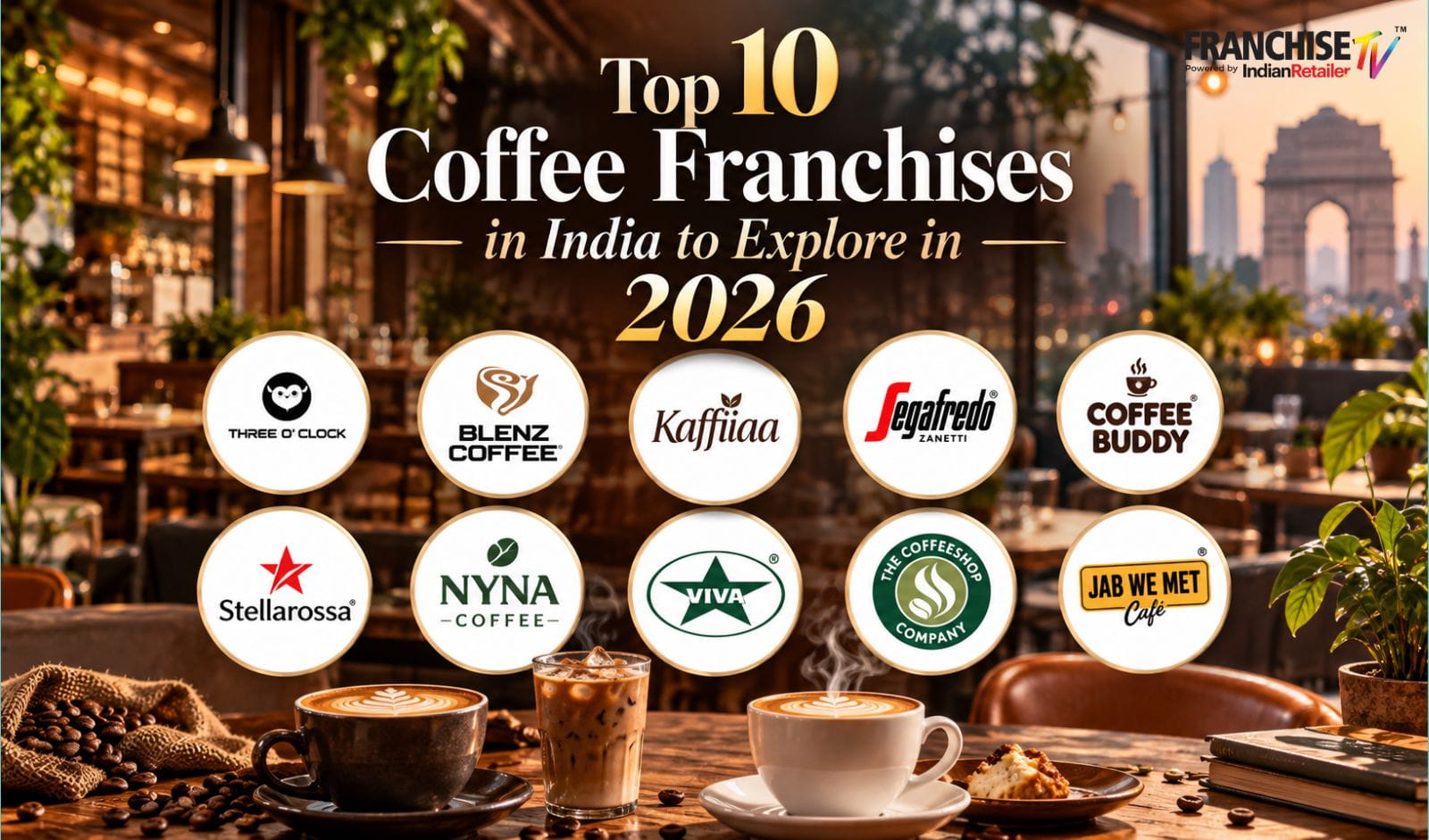
For entrepreneurs researching a coffee franchise in India, this changing market creates multiple formats to explore. Here are 10 coffee franchise brands that stand out for their concept, international positioning, format flexibility, investment range or expansion plans in 2026.
1. Three O’Clock
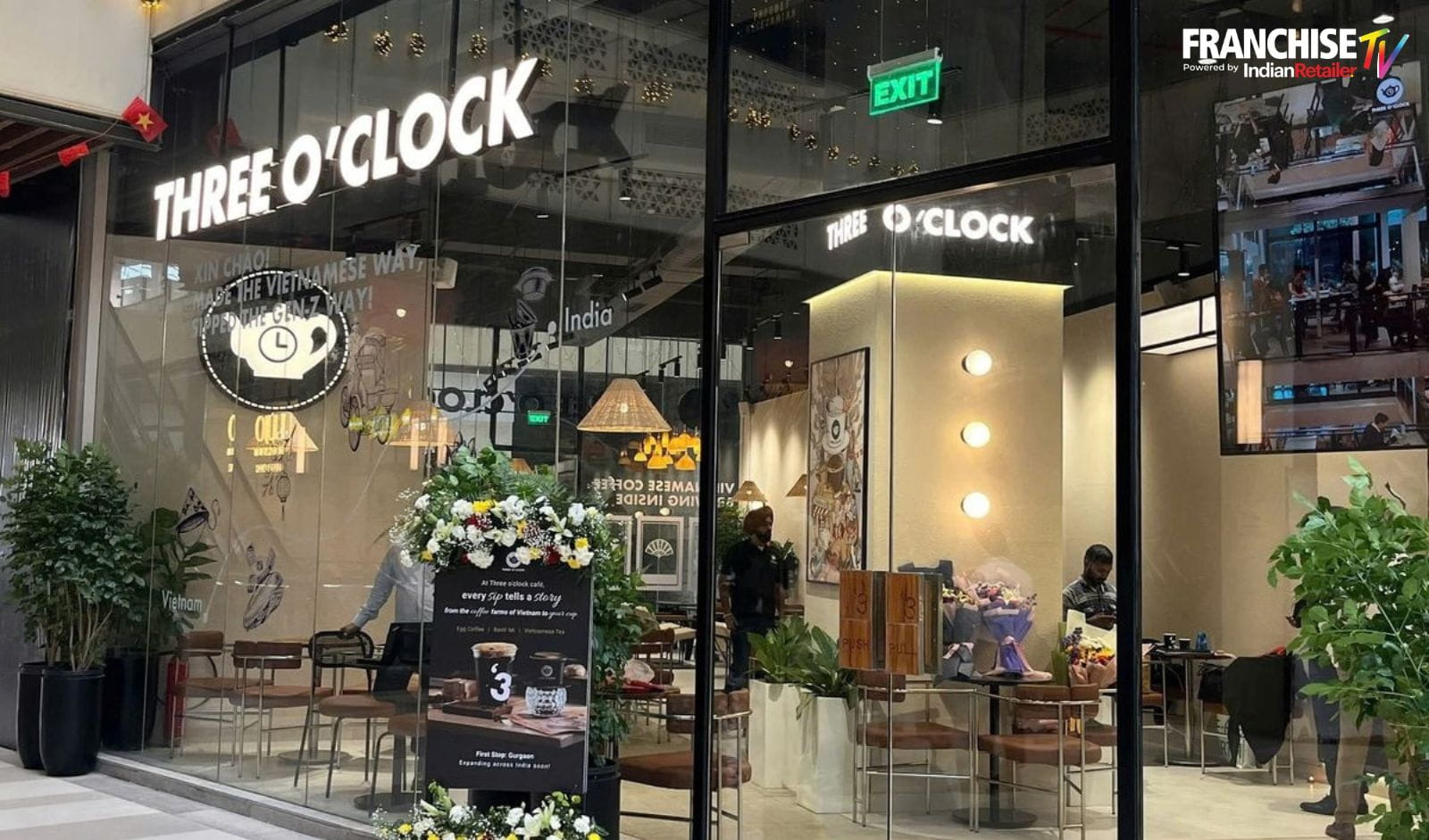
Three O’Clock is a Vietnam-origin café brand founded in 2016 in Ho Chi Minh City, built around coffee, fresh tea and a 24/7 café experience. Its proposition targets coffee lovers, tea enthusiasts, professionals, students and consumers looking for cafés beyond conventional daytime hours. Current franchise information lists a required area of 1,000–3,000 sq. ft. and an investment range of ₹50 lakh–₹1 crore, while the brand's FranchiseTV profile lists ₹30–50 lakh. The brand has also highlighted its modern café design, premium beverages and franchise support. Its India expansion is focused on building a wider franchise network, making the 24/7 café format one of its key differentiators.
Read more: McDonald’s Announces Mc Donald’s NEXT Strategy, Plans to Invest USD 8.5 Billion on its Franchisees
Rollti Brings Malaysian Roti Canai to India With a Grab and Go QSR Franchise Model
8 Food & Beverage Franchise Brands Bringing New Concepts to Indian Cities
2. Blenz Coffee
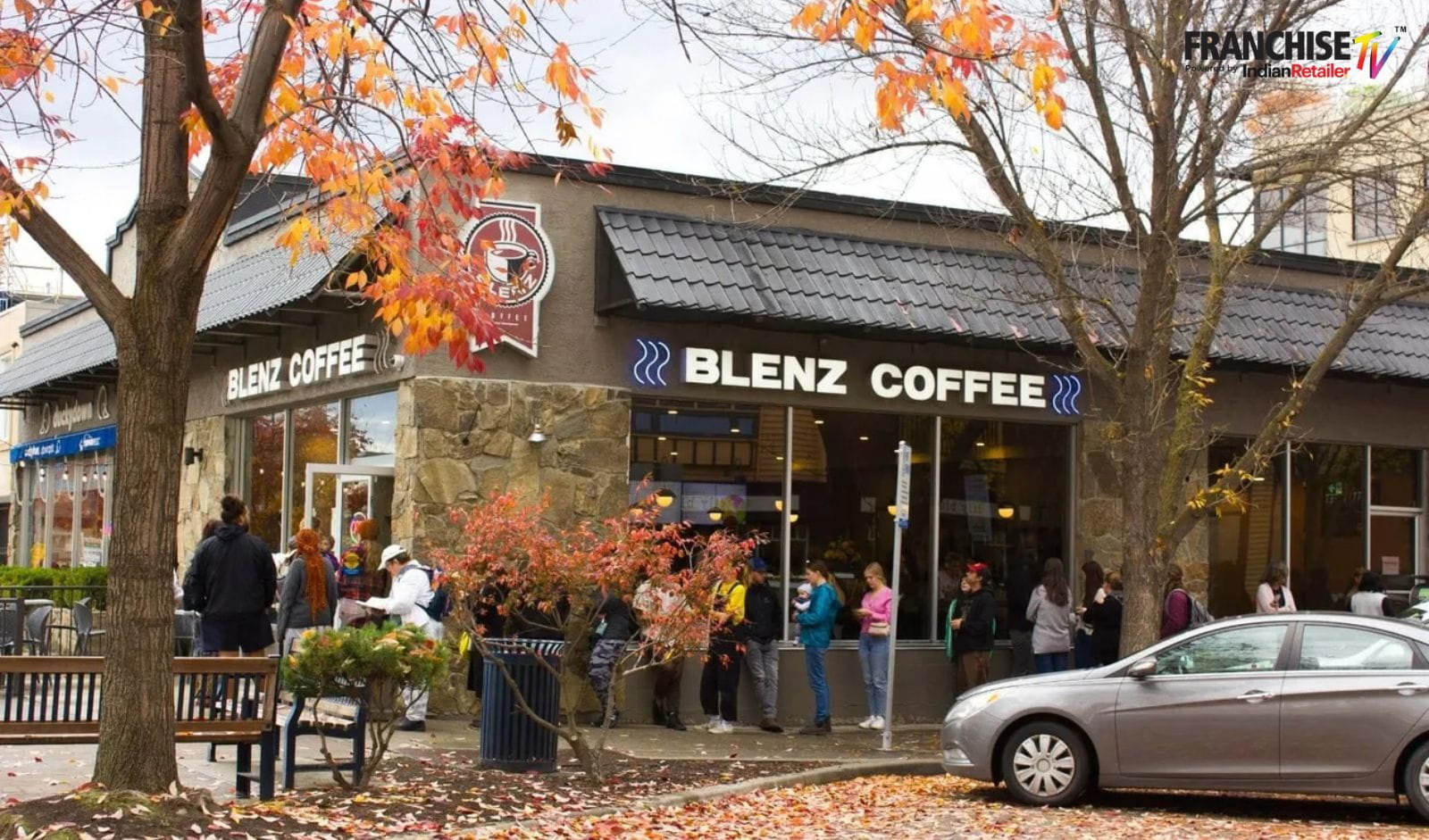
Founded in Vancouver in 1992, Blenz Coffee brings a Canadian coffee-shop concept built around handcrafted beverages, premium ingredients and a community-focused café environment. Its menu extends beyond coffee into tea and chocolate beverages, with the brand known for products such as matcha and specialty drinks. Blenz entered the Indian expansion pipeline through a master franchise partnership and is targeting major urban markets, including Mumbai, Delhi NCR, Bengaluru, Chennai and Pune. The brand profile lists 1,200–3,000 sq. ft. of space and an investment range of ₹30–50 lakh. Its India strategy combines global café standards with potential menu localisation for Indian consumers.
3. Kaffiiaa
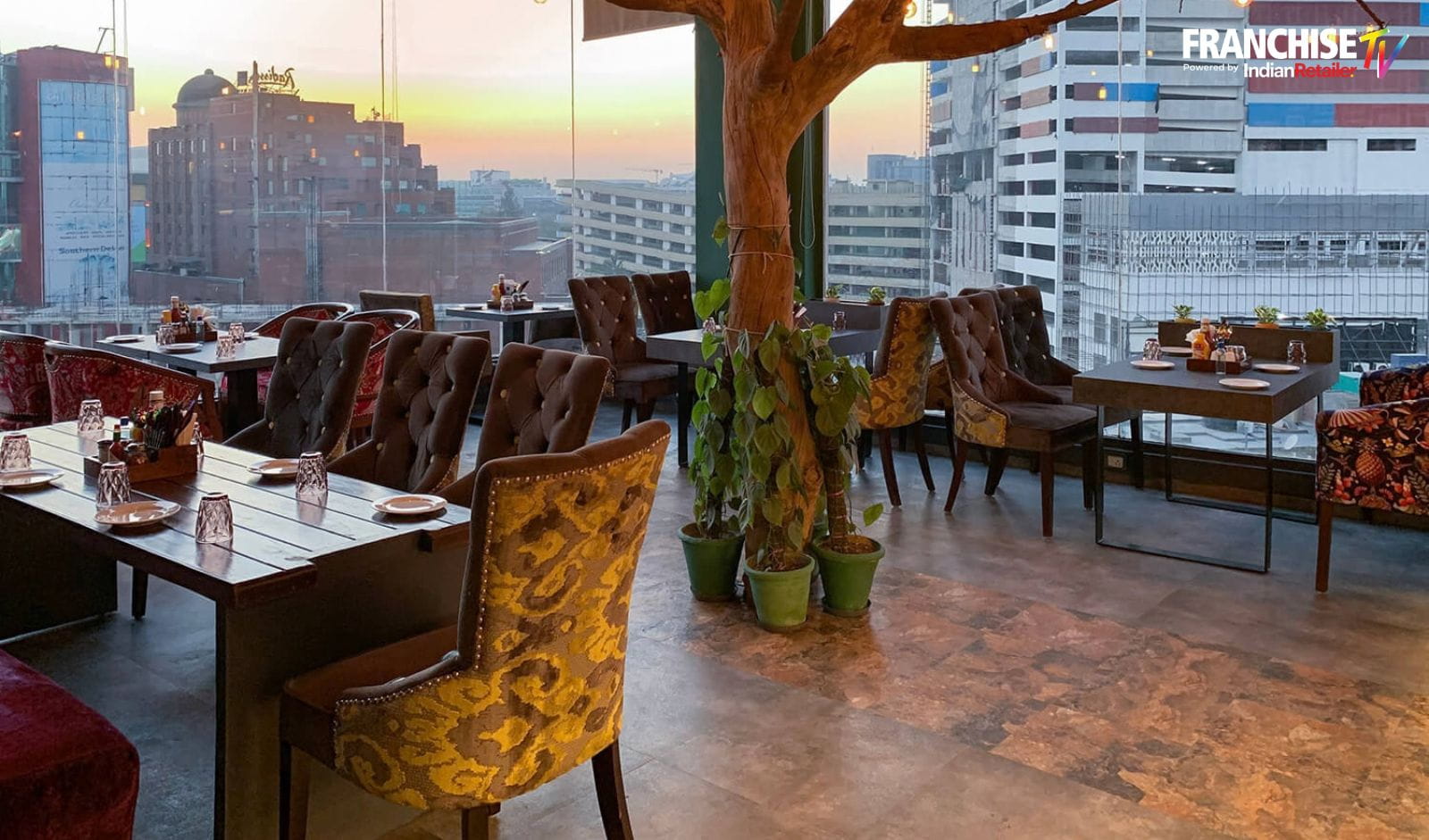
Kaffiiaa offers a different proposition from large international coffee chains, combining café dining with a casual hangout and rooftop experience. Originating from Noida, the brand is positioned around food, beverages, ambience and city-view dining. Current franchise information lists an investment range of ₹20–30 lakh and a space requirement of 300–2,000 sq. ft., with the franchise model listed as unit-based. Its existing concept is designed around an upbeat, social environment rather than a purely coffee-led format. This makes Kaffiiaa relevant to entrepreneurs looking at the broader café franchise segment, where coffee, food, ambience and customer experience increasingly work together to create longer customer visits.
4. Segafredo Caffè
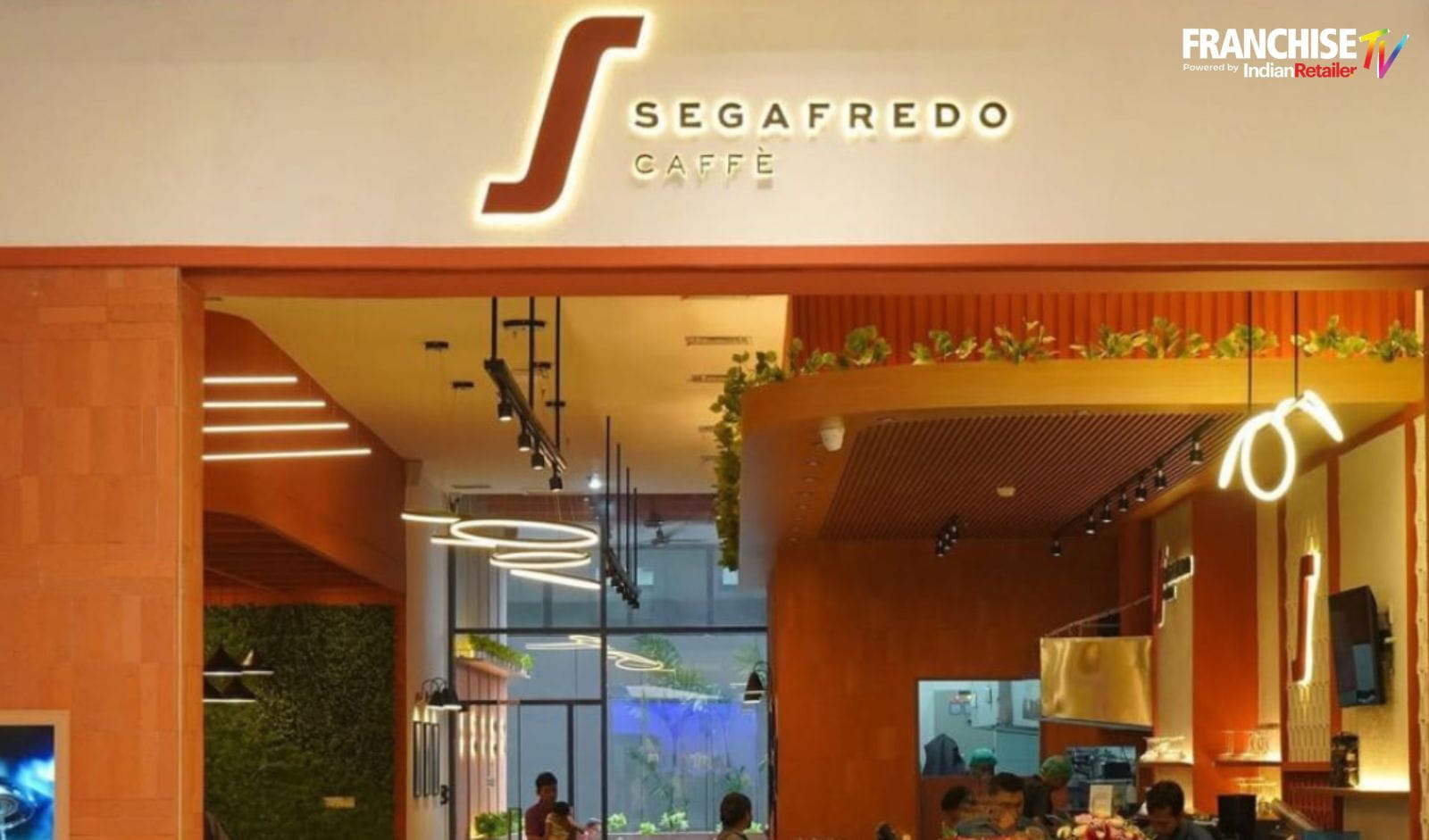
Segafredo Caffè brings an Italian coffee heritage to India's expanding premium café market. The brand traces its story to 1973 and its franchise journey to 1988, with the franchise brochure describing a presence across more than 100 countries and 450+ stores worldwide. Its Indian proposal offers three formats: a 300 sq. ft. corporate kiosk, a 1,000 sq. ft. café and a 1,500 sq. ft. signature café. The brochure lists investments of ₹30 lakh, ₹65 lakh and ₹1 crore respectively, with a 7% royalty and payback periods of 18, 17 and 23 months. Segafredo has separately announced plans to target 100 Indian stores over three years.
5. Coffee Buddy
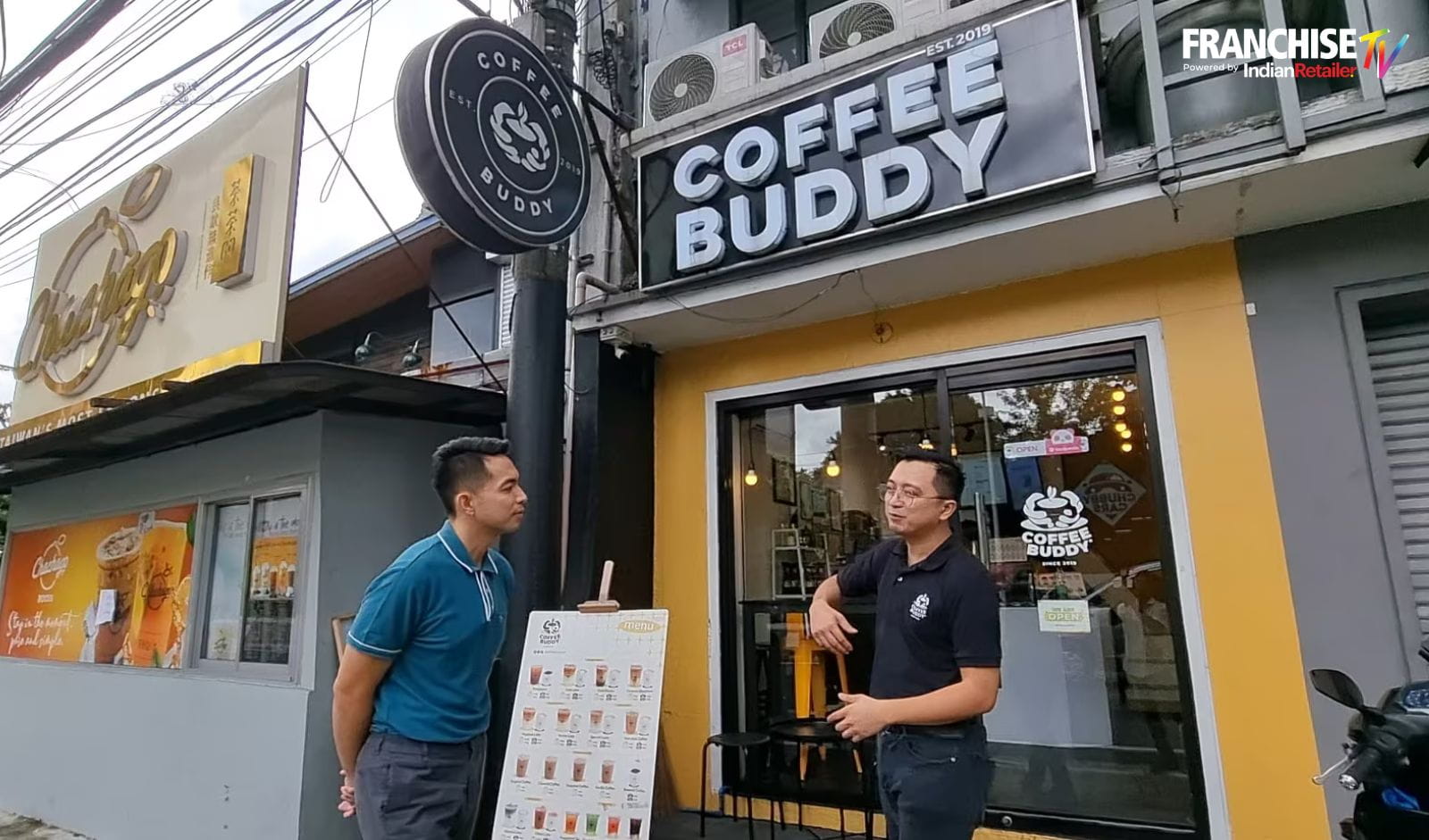
Coffee Buddy is a Filipino café brand built around the idea of making quality coffee affordable and part of everyday life. Its offering combines coffee, fruit teas and non-coffee beverages with pasta, cakes, cookies, bread and deli items. The brand is entering India through a franchise-led expansion model and has already opened its first Indian outlet in Mumbai. Its kiosk format requires 250–350 sq. ft., with a stated total investment of ₹22–25 lakh, a ₹4.5 lakh franchise fee and ₹20,000 monthly royalty. The stated payback period is 12–15 months under a five-year contract. Coffee Buddy is also targeting city and regional franchise partners for broader India expansion.
6. Stellarossa
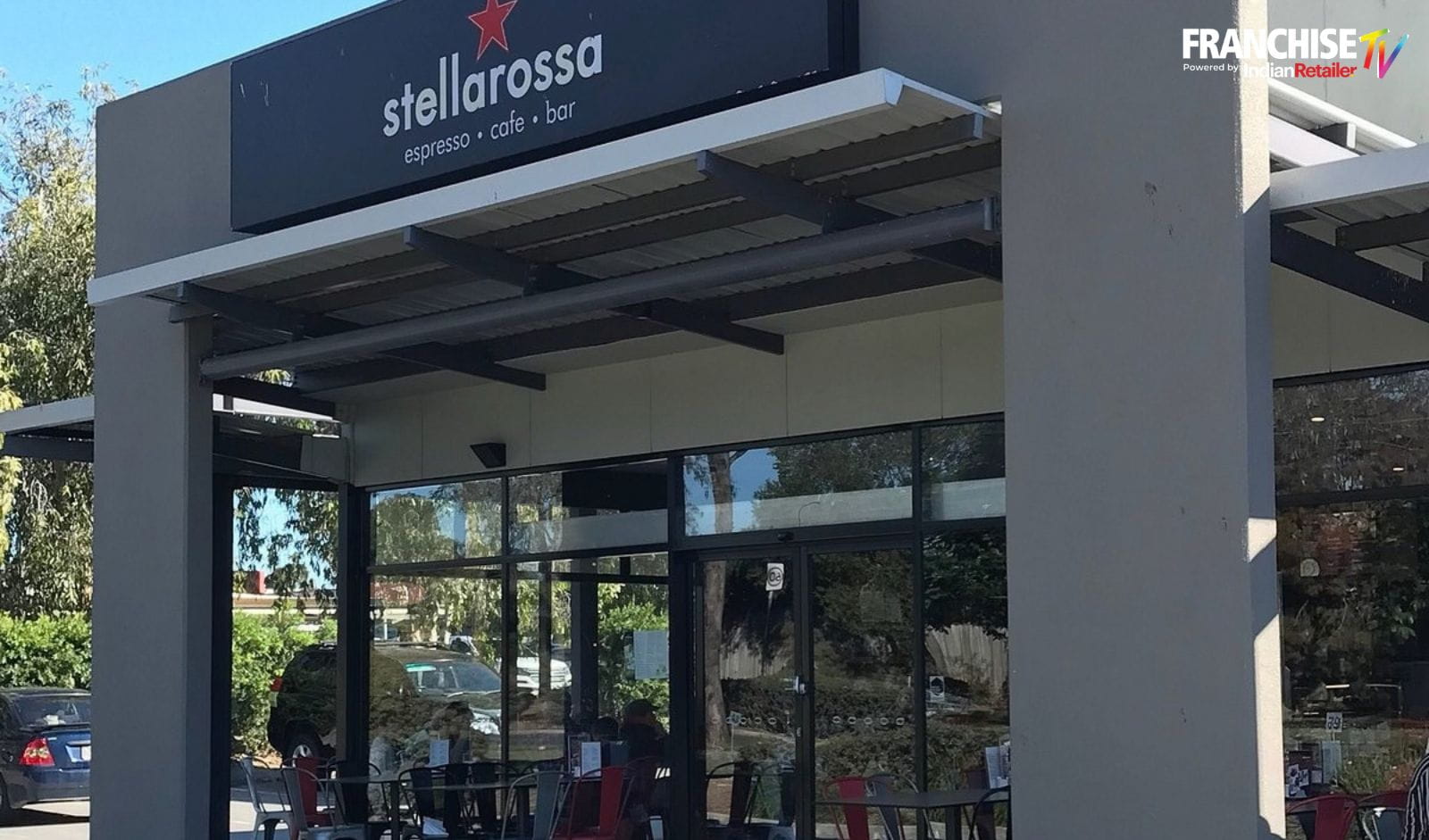
Australian café brand Stellarossa was founded in Brisbane in 2009 and combines specialty coffee with all-day dining and a community-oriented café experience. Its India proposition includes three formats: a Coffee & Wine Bar of around 2,500–3,000 sq. ft., a High Street Shop of about 1,500 sq. ft. and a Coffee Shop of around 1,200 sq. ft. Current franchise information places investment at ₹50 lakh–₹1 crore. The brand targets urban professionals, millennials and families, while its menu combines specialty coffee, bakery products, fusion food and premium wine and dessert offerings. Stellarossa has also outlined an India expansion ambition of 100 stores by 2030 through franchise-led growth.
7. NYNA Coffee
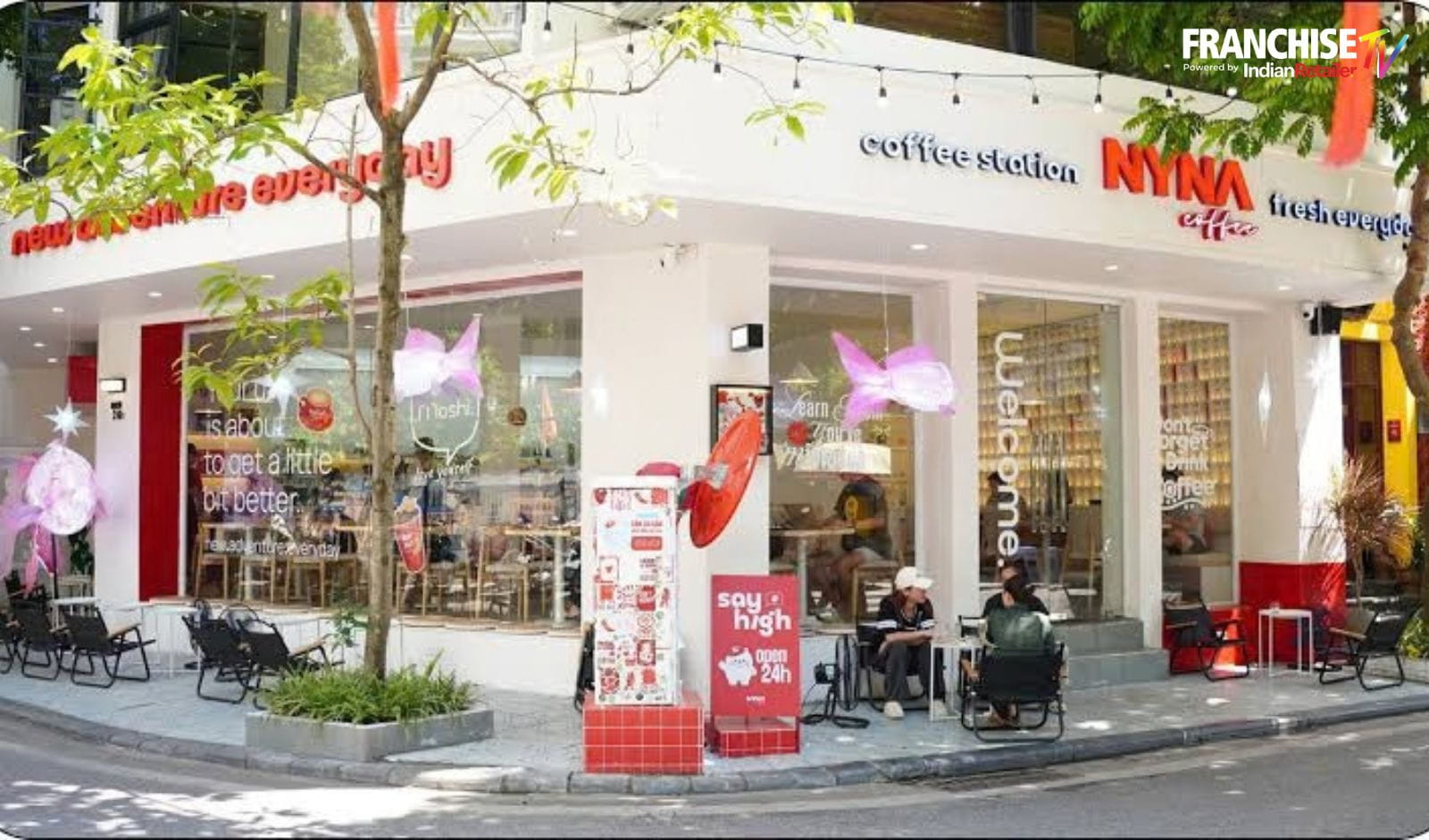
NYNA Coffee is positioned as a Vietnamese 24/7 lifestyle café built around its “Youthful – Creative – Ever-Striving” philosophy. The concept combines Vietnamese coffee heritage with spaces designed for working, socialising and longer café visits. Its menu includes signature Vietnamese coffee, brick coffee, matcha, yuzu beverages, bottled coffee, pizza and desserts. Current franchise information lists 300–2,000 sq. ft. of space and an investment range of ₹50 lakh–₹1 crore. Earlier franchise communication has also highlighted multiple formats, including a 300 sq. ft. kiosk and larger lifestyle café formats. Its 24/7 positioning and experiential approach give NYNA a distinct place in India's evolving lifestyle café segment.
8. Viva Star Coffee
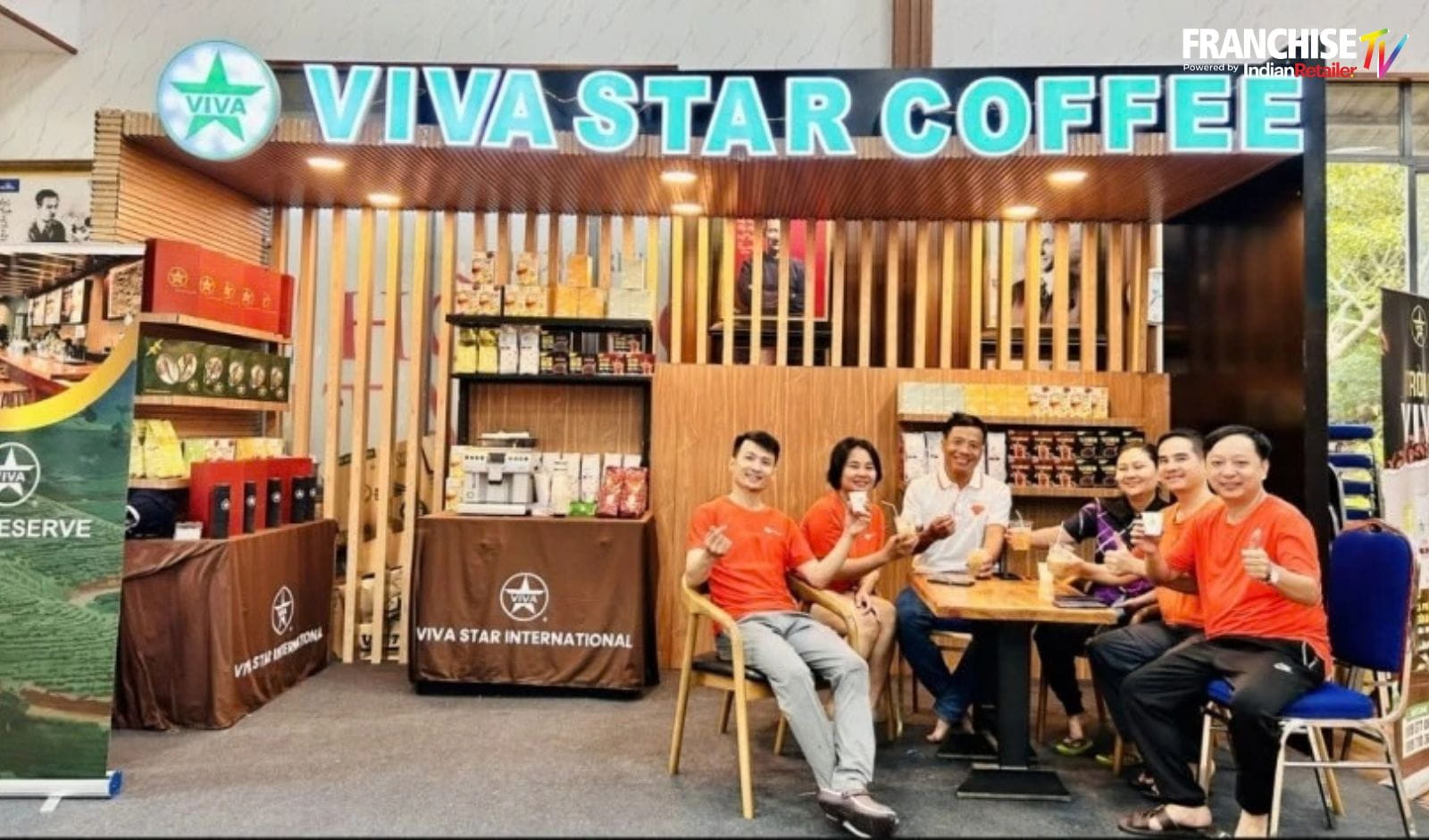
Viva Star Coffee brings Vietnamese coffee heritage to India, tracing its origins to Vietnam in 1994. Its franchise material describes the brand as having more than 400 coffee shops across 13 countries and positions it as Vietnam's third-largest coffee network. The India franchise proposal follows a FOFO model with three formats: a 300 sq. ft. kiosk requiring ₹27 lakh, a 1,000 sq. ft. Express/QSR format requiring ₹47 lakh and a 2,000 sq. ft. café-dining format requiring ₹56 lakh. The proposal lists a 7% royalty and five-year contract, with payback periods of 19, 15 and 14 months respectively.
9. The Coffeeshop Company
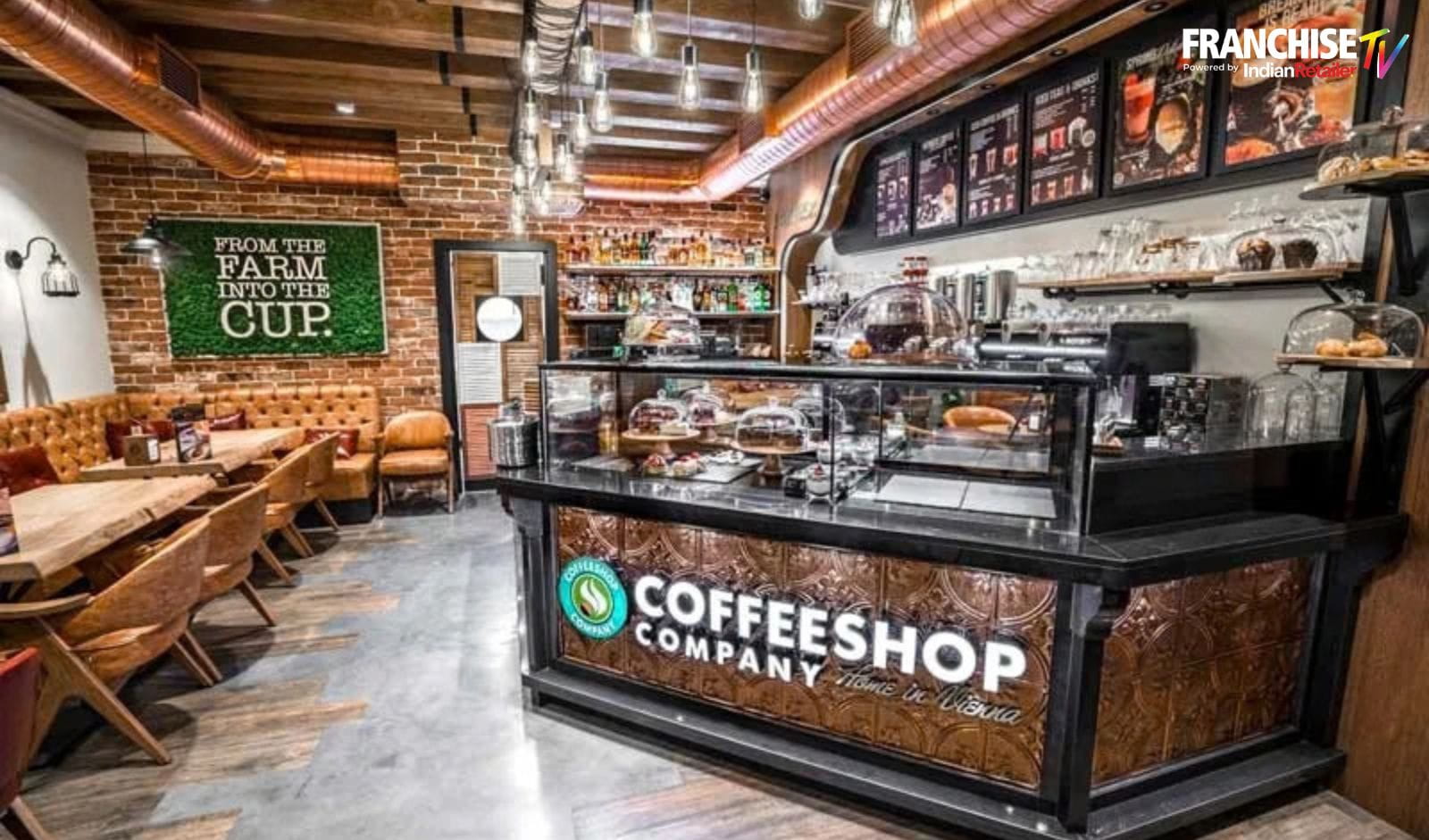
The Coffeeshop Company is an Austrian coffeehouse brand founded in 1999 and associated with Vienna's coffee culture. Its brand proposition combines premium coffee, contemporary café design and a warm, lifestyle-oriented environment. The provided brand material describes more than 100 outlets across seven countries and highlights Arabica-based products, sustainability, training and franchise support. Current India franchise listings show an investment range of ₹50 lakh–₹1 crore, with space requirements of 300–1,200 sq. ft. and a listed franchise network range of 100–200 outlets. The brand is also pursuing an India expansion strategy, with New Delhi serving as an early market for its planned rollout.
10. Jab We Met Café
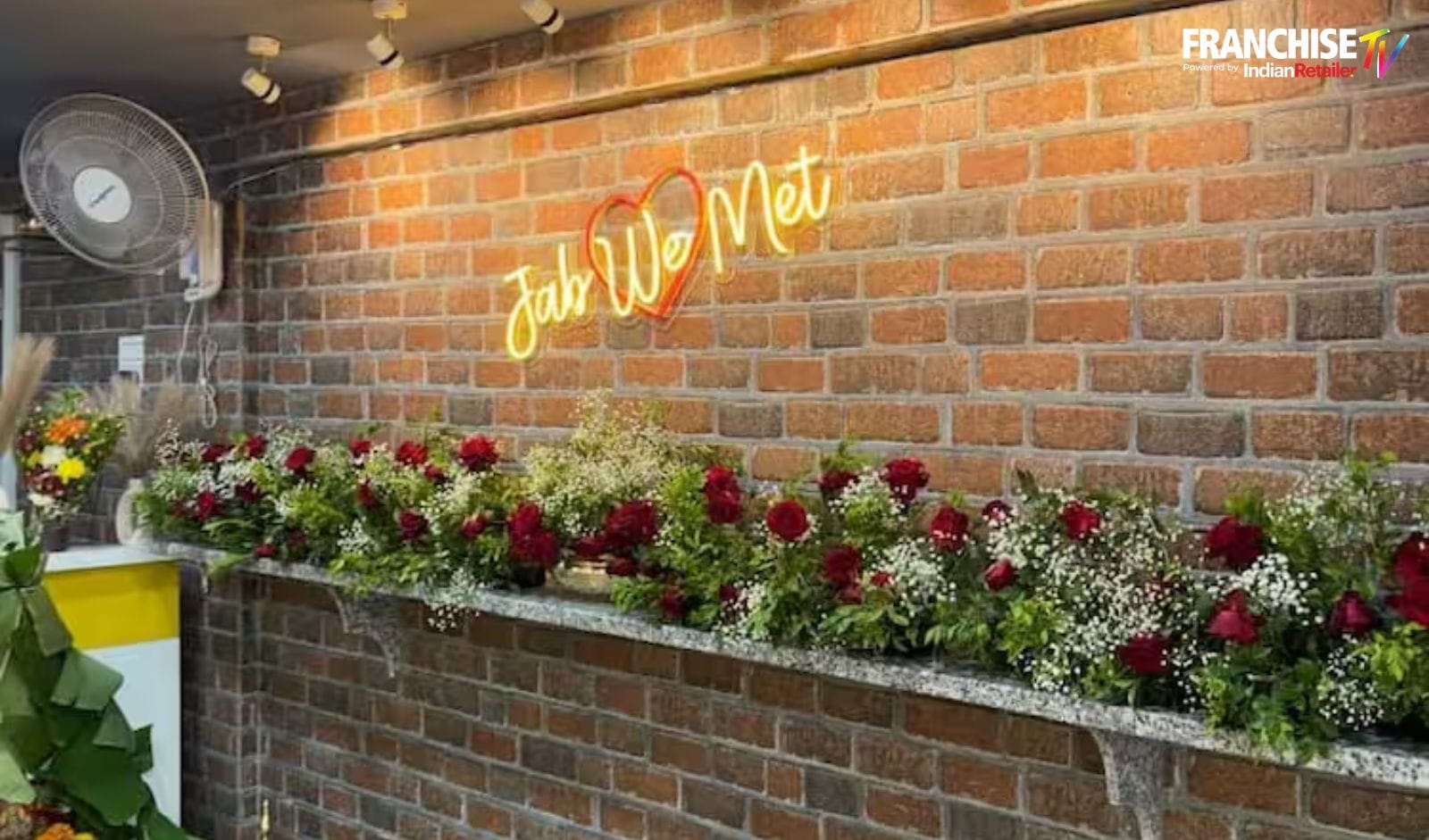
Jab We Met Café brings a more experiential approach to the coffee franchise segment, combining Bollywood nostalgia with a contemporary neighbourhood café. The concept is designed around young professionals, students and travellers, with a menu spanning coffee and tea, hot and cold beverages, shakes, breakfast, pizza, pasta, noodles, sides and desserts. Its franchise presentation offers three formats: Kiosk at 300–400 sq. ft. with ₹24 lakh investment, Express at 600–700 sq. ft. with ₹32 lakh, and Café at 800–1,000 sq. ft. with ₹40 lakh. The proposal lists a ₹6 lakh franchise fee plus GST, 6% royalty or ₹25,000, whichever is higher, and a 5+5-year agreement.
Explore more: 6 Franchise Brands for Entrepreneurs Looking to Start With ₹20–50 Lakh
Thirstea Brings US Beverage and Cafe Franchise Model to India
7 International Foodservice Brands Looking for Indian Franchise Partners
What Is Driving Coffee Franchise Growth in India?
The coffee franchise opportunity is being shaped by several overlapping trends: specialty coffee, international café concepts, experiential dining, compact formats and expansion into emerging cities. Consumers are increasingly looking beyond a simple cup of coffee for ambience, customisation, food choices and spaces where they can spend time.
The format itself is also becoming more flexible. Kiosks can serve high-footfall locations, while larger cafés can combine coffee with food, desserts, work-friendly spaces or lifestyle experiences. This makes coffee franchise investment in India highly dependent on format, property, city and customer profile rather than one standard business model. Industry coverage also shows international brands increasingly entering India through master-franchise and franchise-led expansion strategies.
What Should Entrepreneurs Check Before Choosing a Coffee Franchise?
Investment should not be the only consideration when evaluating a coffee franchise opportunity in India. Entrepreneurs should compare the required space, outlet format, franchise fee, royalty, contract duration, menu, location requirements, supply chain and training support. The distinction between a kiosk, express outlet and full café can substantially change the capital requirement and operating structure.
Location is equally important because a premium high-street café, mall kiosk and neighbourhood café can serve very different customer occasions. Franchise terms should also be verified directly with the brand before signing, particularly where investment figures, outlet counts or expansion plans can change.
Conclusion
India's coffee franchise market is becoming more diverse, with international brands, Vietnamese and Italian coffee concepts, lifestyle cafés, compact kiosks and experiential formats entering the market. The 10 brands covered here represent different approaches to the growing café opportunity, from 24/7 coffee formats and specialty beverages to international heritage and Bollywood-inspired experiences. For entrepreneurs, the next step is to compare the latest investment terms, location requirements, operating model and support structure of each brand before moving forward.
For Further Franchise Info Contact
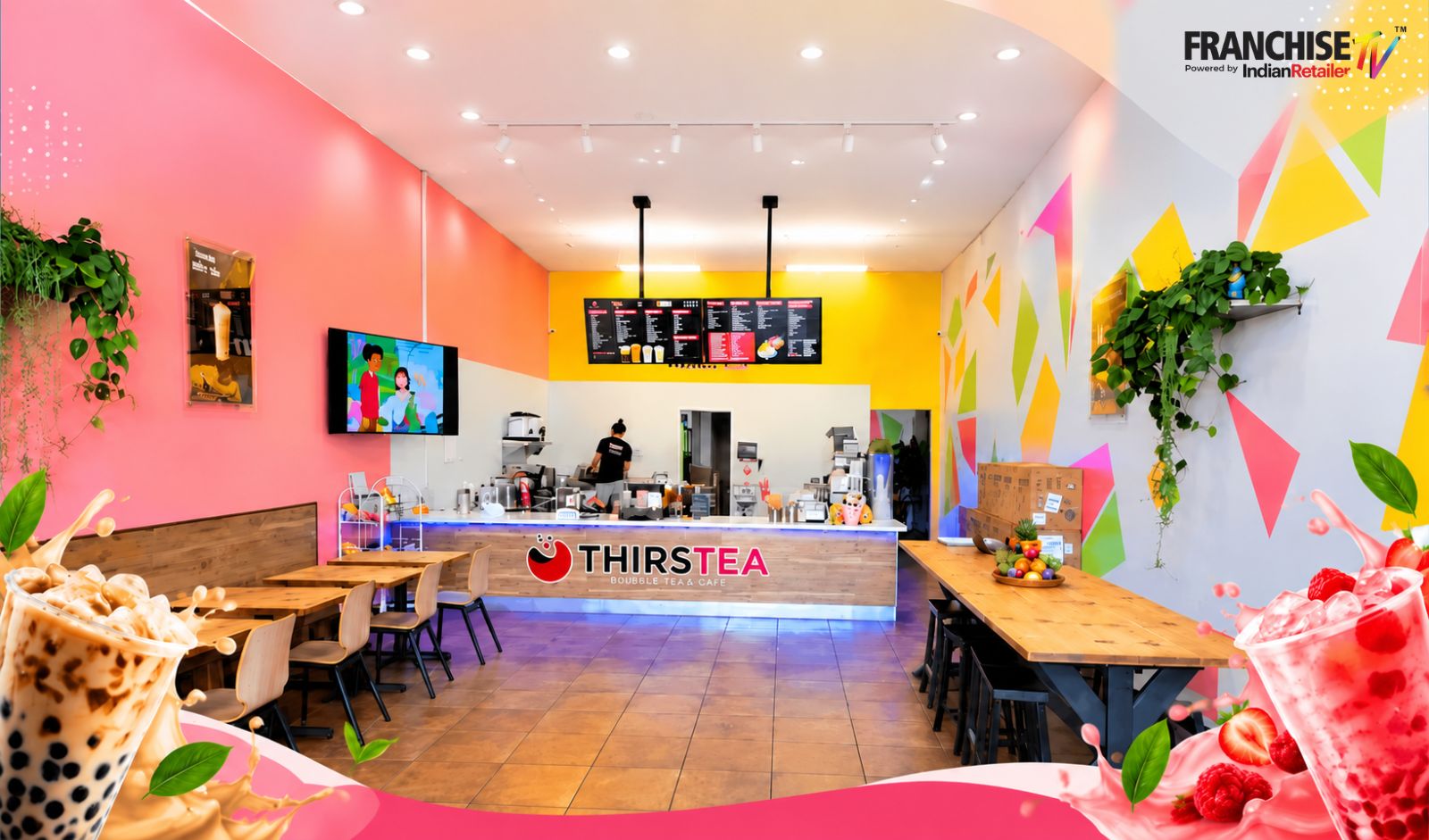
Thirstea Brings Its Beverage Concept From the US to India
The Indian beverage and cafe segment is seeing growing interest in international-style drinks, particularly among younger consumers looking for variety, customization and new experiences. Against this backdrop, Thirstea is preparing to expand its beverage and frozen dessert concept into India through a franchise-led model.
Founded in California in 2019, Thirstea offers a diverse portfolio spanning milk tea, boba tea, smoothies, milkshakes, slushies, coffee, chai, lemonades and rolled ice cream. During the webinar, the brand's founder and team explained how the concept developed through corporate stores before expanding across the US and Canada.
The brand currently has more than 18 locations across the US and Canada, according to the webinar, and is now opening its franchise opportunity across India.
A Wide Menu Built Around Beverage Variety
One of Thirstea's key propositions is its extensive product range. The menu includes milk teas, boba beverages, smoothies, slushies, fraps, hot and iced coffee, chai and rolled ice cream.
The brand also highlights a wide range of flavours and says it continuously introduces new products. According to the webinar, milk teas are the top-selling category across its US locations, followed by smoothies, while chai, coffee and other beverages also contribute to the product mix.
Thirstea also plans to adapt selected food and snack offerings to Indian preferences. Local menu additions can be considered where they suit regional demand and operational requirements.
Two Store Formats for the Indian Market
The franchise proposal presented during the webinar includes two formats.
The 350 sq. ft. format is designed primarily for mall food courts and requires an estimated investment of ₹33.5 lakh, including the franchise fee. The franchise fee is ₹6 lakh, with a 6% royalty on sales.
The larger 750 sq. ft. format can operate in a mall or high-street location. The estimated investment is ₹41.25 lakh, with a ₹7.5 lakh franchise fee and the same 6% royalty structure. The proposed agreement period for both formats is five years.
The financial presentation also shows brand-projected IRRs of 34% for the smaller format and 80% for the larger format, with projected payback periods of 30 months and 17 months respectively. These figures are projections presented during the webinar and should not be treated as guaranteed returns.
Area Developer Opportunity Across India
Beyond individual outlets, Thirstea is also offering an Area Developer model. The presentation divides territories into three categories.
Category A, including Delhi and Mumbai, carries an area developer fee of ₹40 lakh and provides rights for up to 20 units. Category B territories include markets such as Hyderabad, Bengaluru, Chennai, Gujarat, Punjab, Uttar Pradesh and Uttarakhand, with a ₹30 lakh area developer fee and up to 15 units. Category C territories carry a ₹20 lakh fee and provide up to 10 units.
Read more: Yashasvi Jewellers Expands Retail Footprint With Multi Brand Franchise Strategy
7 International Foodservice Brands Looking for Indian Franchise Partners
Automated Operations and Franchise Support
The brand says its operating model is designed to reduce dependence on highly skilled manpower. Several preparation processes use standardised recipes, equipment and automated systems to maintain consistency.
Thirstea also provides franchise training and setup support. The webinar mentions approximately 8–10 days of on-site training, along with assistance during store setup and ongoing operational support.
For India, the company plans to supply core ingredients such as tea leaves, powders, syrups, jams, boba and toppings through its supply chain, while perishables such as milk are expected to be sourced locally through approved suppliers.
Thirstea's India Expansion Strategy
The brand currently has no operating stores in India, with its existing locations concentrated in the US and Canada. Its India strategy includes single-unit, area developer and master franchise opportunities across different markets.
The webinar also highlighted localized digital marketing, including social media pages, paid advertising and geo-targeted campaigns around individual franchise locations.
For entrepreneurs exploring the beverage franchise business in India, Thirstea is positioning its international menu, multiple outlet formats, standardized operating systems and area development model as the foundation for its India expansion.
For Further Franchise Info Contact
India today is emerging as a fast-growing market for international foodservice brands with young consumers not only experimenting with global cuisines but looking for premium dining experience, differentiated concepts and quick and organised formats.
Foodservice Market in India
According to Fortune Business Insights, the Indian foodservice market size is worth USD 126.43 billion in 2026 and expected to reach USD 282.04 billion by 2034.
The foodservice market in India has witnessed exponential growth, driven by rising disposable income, growing appetite for global cuisines, expansion opportunities beyond metros and enhanced food delivery networks.
Cake Walk for Franchising Model
Many international foodservice brands can enter through master franchise, area-development or joint-venture models, allowing them to leverage Indian partners' understanding of real estate, sourcing, operations and consumer preferences. International QSR brands operating in India commonly use franchise structures.
Localization on the Top
Localization is becoming a growth strategy for international brands to be able to penetrate Indian markets. International brands are increasingly adapting their menus, pricing, formats and communication to Indian preferences rather than simply replicating their overseas model. Regional flavours, vegetarian options, smaller formats and localized pricing help brands address India's diverse consumer base.
Tier-2 and Tier-3 Cities Driving the Growth
India with its vast population and growth opportunities in the Tier 2 and Tier 3 cities is creating a vast landscape for international brands to create a bigger space for themselves rather than focusing on matured Tier 1 cities and metros. The international brands coming to India are not only tapping the metros but smaller cities for rapid expansion and brand positioning without much competition. India is a growing economy, creating growth opportunities for international brands.
Robust Delivery Platform Network
Unlike many countries, India has strong delivery platforms that allow brands to reach consumers beyond their immediate catchment areas. India's foodservice delivery segment has grown substantially with third-party food delivery platforms and omni channel strategy, making it easy for brands to reach beyond the core areas.
Substantial Room for Organized Foodservice
Although there are many foodservice brands in India, there is still room for organised foodservice in many categories, providing scope for international brands to enter the market and prosper. The market remains fragmented, with independent restaurants and traditional food outlets accounting for a large share, creating an opportunity for branded international concepts to build organized networks and establish new categories.
Here are 7 international brands making their way in India through franchising format:
1. FLAM’S
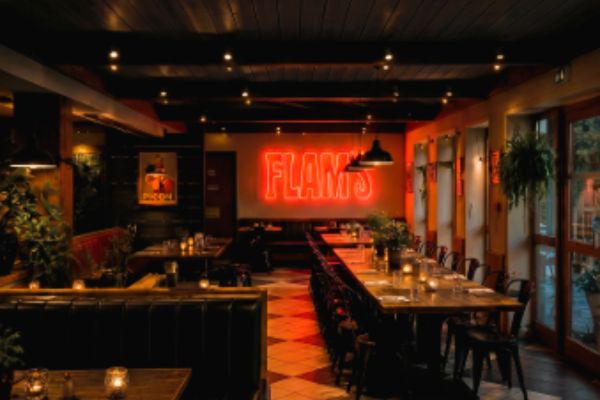
Founded by Franck Riehm and Éric Senet in1990, FLAM's is a French based casual dining restaurant tht has entered India with its first outlet in Hyderabad. The brand has 14 restaurants in France, 3 in Paris, 2 in Strasbourg and other outlets in other provincial cities. In India, the food service brand plans to open 50 restaurants in the next 2 years. Flam’s aim is to use the franchising model to accelerate its expansion into new domestic and international markets.
2. Doner Shack
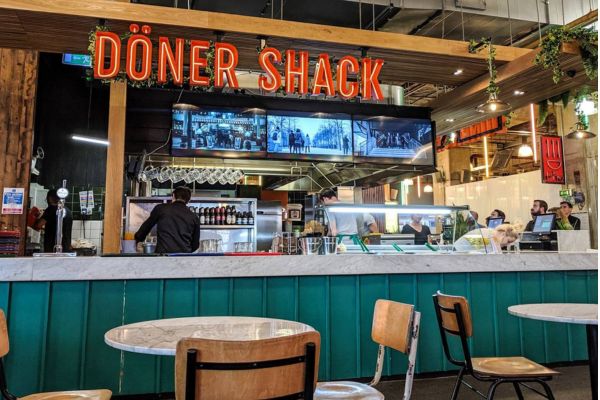
Doner Shack is a UK based fast casual dining brand known for its Berlin-inspired kebabs. The brand has its presence in the US and India. The brand has hundreds of multi-unit outlets in these countries. In India, the brand has close to 10 outlets and aims to roll out 150 outlets over the next five years with FranGlobal.
3. Sabrosa Tacos
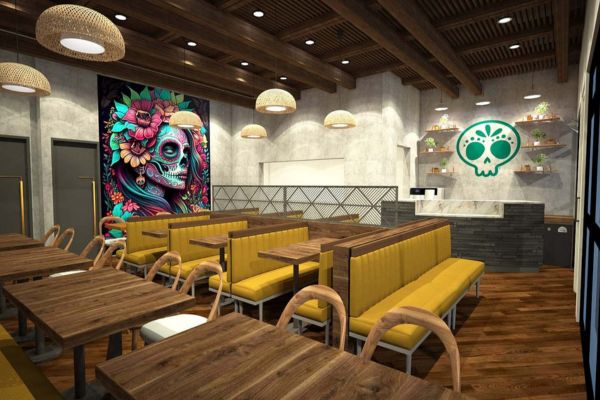
Sabrosa Tacos, a UK-based taco brand that started as a dark kitchen and then transitioned to a fast dining brand. The brand has entered into the Indian and Middle East market. The brand plans to open over 100 outlets in India through its master franchise partnership with Franchise India, via FOFO (franchise-owned and franchise-operated) format.
4. Seven Fries
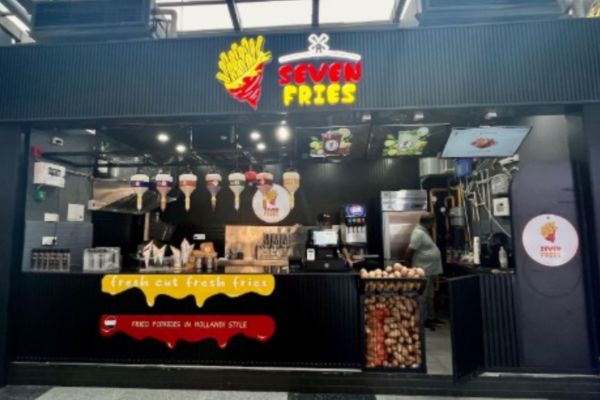
Launched in 2021, Seven Fries is Oman’s first fresh French fries brand spanning markets including the UAE, the US, Bahrain, Pakistan, and Iran. The brand has over 55 outlets in these regions. The brand has targeted key cities of India for its franchise-led expansion including Mumbai, Delhi NCR, Bangalore, Hyderabad, Chennai, and Pune. The brand has signed over 27 franchise agreements, with operational outlets and upcoming launches.
5. Barcelos
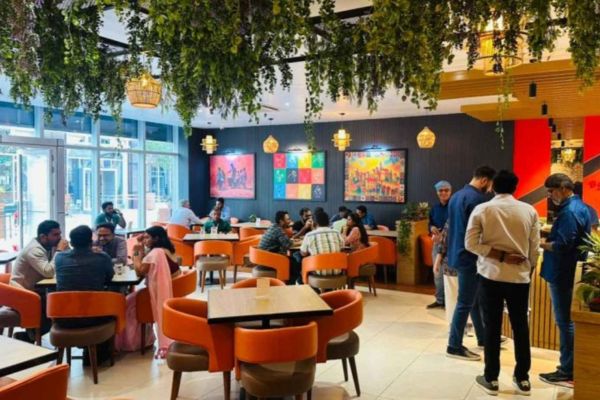
Barcelos is a South-Africa based QSR brand founded in 1993 by Costa Mazziz. Named after a Portuguese town legendary for its iconic rooster symbol, Barcelos has built a global footprint across more than 20 countries with over 130 locations. Most Barcelos outlets follow a FOFO (franchise-owned and franchise-operated) model. The brand has partnered with Franchise India to increase its brick-and-mortar presence across the country through franchising. The brand currently operates more than 180 outlets across Africa, the Middle East, Europe, Canada, the UK, and India.
6. Boston Burger Company
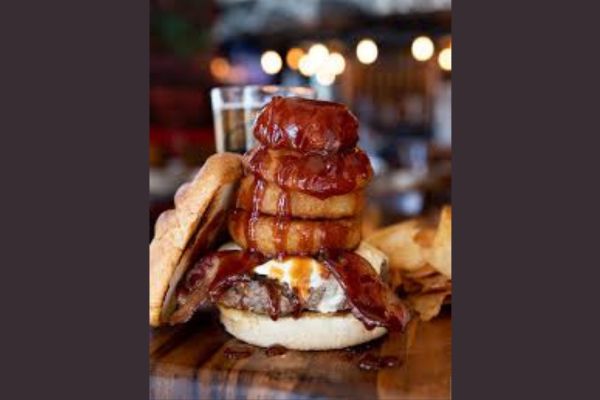
Started in 2009, Boston Burger Company is a US-based QSR brand, known for its gourmet burgers, premium ingredients, handcrafted sauces, and indulgent side dishes. The brand has 4 outlets in the US. The brand is underway to make its entry in India. The brand has partnered with FranGlobal to facilitate its entry into this fast-growing market. The brand aims to expand its QSR outlets across major Tier-1 cities in India.
7. Figaro's Italian Pizza
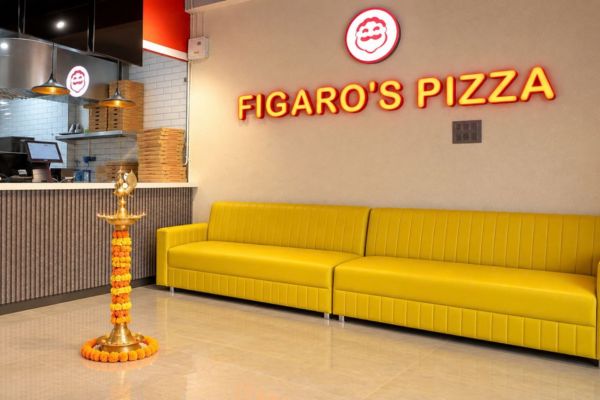
Established in 1991, Figaro's Italian Pizza is an American multinational quick-service restaurant chain specializing in premium Italian-style pizzas and other Italian dishes. The brand has made its entry in India through FranGlobal, the international arm of Franchise India Holding Limited. The brand currently has approximately 45 operational franchise outlets in India. The brand aims to open 100 operational national outlets by 2027 via franchising
Conclusion
The current trend of international brands entering India is not simply about brands wanting to sell foreign food in India. It is about India becoming a market where global concepts can localize, franchise can help it scale across cities and build long-term consumer categories.
For Further Franchise Info Contact
From Traditional Roti Canai to a Modern QSR Format
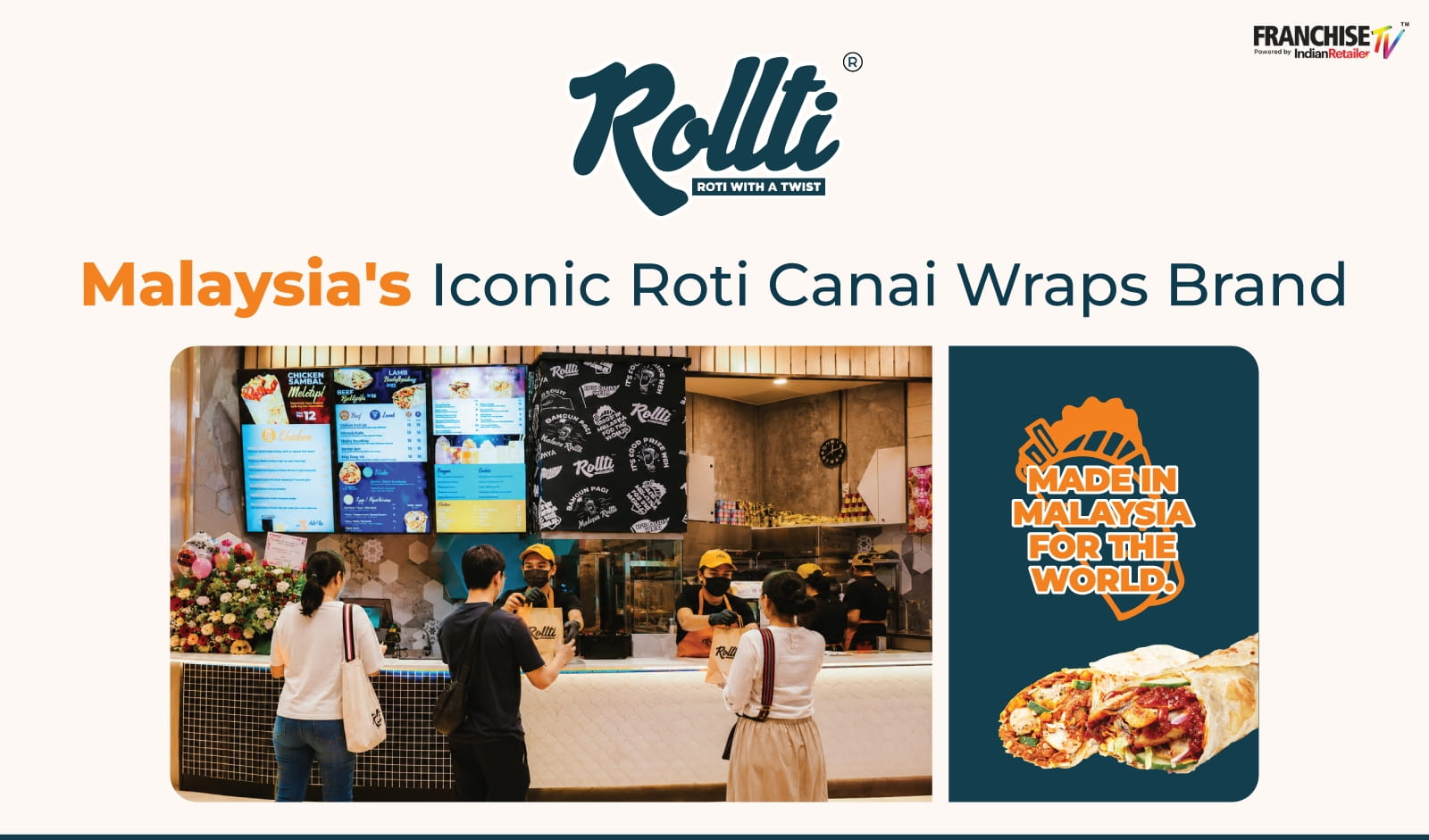
Roti canai has been a familiar part of Malaysian food culture for decades, but Rollti has built a branded format around the product. Instead of serving the flatbread as a traditional plate-based meal, the brand turns it into a convenient wrap that can be consumed on the move, ordered for delivery or purchased as a quick meal at high-footfall locations.
The concept is built around three key factors — authentic Malaysian flavours, convenience and operational consistency. Its grab-and-go format is designed for malls, food courts, business districts, food hubs and other locations with strong customer movement.
A Business Built Around Operational Simplicity
Rollti's model focuses on standardized recipes, ingredients and processes, allowing outlets to operate with a relatively simple assembly-line structure. The menu includes vegetarian options along with chicken, seafood and other offerings in its existing markets, complemented by beverages, desserts and combo options aimed at increasing average order value.
The brand also highlights its halal-certified positioning, while its standardized operating model is designed to make training and day-to-day outlet management more structured.
Rollti's India Expansion Opportunity
The brand has already established outlets in Malaysia and expanded internationally with a location in Singapore. According to the webinar presentation, Rollti has sold more than 453,000 units and generated approximately RM4.2 million in revenue, with three outlets highlighted across its existing markets.
India is now positioned as the next major expansion market. The brand's familiar wrap-based consumption format could align with existing Indian preferences for rolls, frankies and other handheld meals, while its Malaysian flavour profile gives the concept a distinct positioning.
Rollti Franchise Formats and Investment
For India, Rollti is offering two primary outlet formats. The food court format requires approximately 300–500 sq ft, with a stated store investment of around INR 30 lakh. The larger dine-in format requires approximately 700–1,000 sq ft, with an investment of around INR 39 lakh. The presentation states a 7% royalty for both formats and a 5+5 year contract period. Working capital and property-related deposits are additional requirements.
The presentation also outlines projected break-even periods of around 23 months and projected IRRs of 54% for the food court format and 57% for the dine-in format. These figures are projections presented as part of the franchise proposal and should not be treated as guaranteed returns.
Read also: Rambhajo Jewellery Franchise Plans 30 Showrooms Across India
Frozen Yogurt Changing the Dessert and Yogurt Market Dynamics with Its Growth-led Franchising Model
Unit Franchise and Area Development Opportunities
Beyond individual outlets, Rollti is also looking at area franchise partnerships across selected Indian territories. Area partners can receive exclusive rights for an identified territory, subject to the agreed rollout requirements and franchise terms. The proposed territories include Delhi NCR, Greater Mumbai, Hyderabad, Bengaluru, Chennai, Gujarat, Uttar Pradesh excluding NCR, AP and Telangana, Rajasthan, Pune, Punjab and other regions.
With its Malaysian heritage, compact QSR formats and focus on a familiar handheld food format, Rollti is positioning its India entry around a combination of international food appeal, operational standardization and franchise-led expansion. The brand's next phase will focus on translating its Malaysian roti canai proposition for Indian consumers while building a scalable outlet network.
For Further Franchise Info Contact
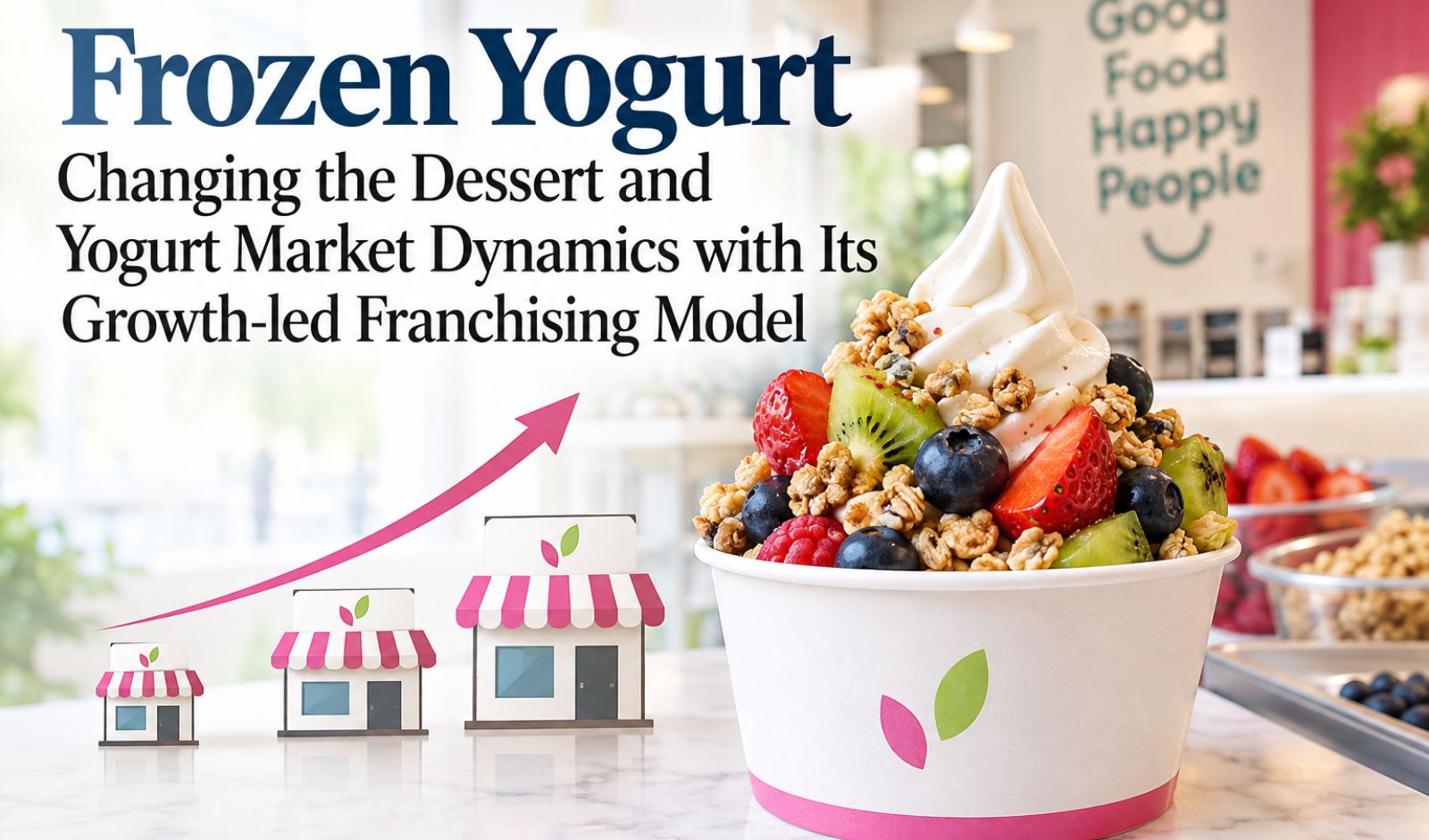
Desserts and yogurts have long been a taste palette for Indian consumers. But with rising health issues, especially diabetes in India, consumers are looking for sweets and deserts that do not have unhealthy impacts. This rise of healthy choices has expanded the frozen yogurt market in India that has the sweetness of dessert and the health benefit of a yogurt.
Flavoured and frozen yoghurt is a sweet dessert prepared by fermenting milk with various bacteria, such as lactobacillus bulgaricus and streptococcus thermophilus, available in a wide variety of flavors, offering necessary nutritional requirements and probiotics for gut health and healthy immune system.
The frozen yogurt market in India has reached 52.9 Million Litres in 2025, and is expected to reach 163.7 Million Litres by 2034, exhibiting a growth rate (CAGR) of 12.98% during 2026-2034.
How the Segment Evolved?
The frozen yogurt came into ‘popularity radar’ when a fashion retail brand Bloomingdale's in the 1970s wanted to sell a trendy, low-fat frozen dessert to health-conscious shoppers. The brand approached HP Hood, a prominent dairy company in New England that successfully created frozen yogurt branding it Frogurt.
Later Danon also launched its version in 1978, but it failed to please its customers due to its high sour taste. However, with the rise of the guilt-free dessert concept in the 1980s-2000, and a sweeter version, it began to attract the attention of the consumers. Today, this segment has evolved into a healthy dessert option, leading to an uprising of brands across the world.
Frozen Yoghurt Market Trends
Health Conscious Consumers: With the rise of consumer demands for low-calorie, high-protein, and healthy desserts due to changing consumer preferences and adoption of a healthy lifestyle and fitness level is propelling the growth of the frozen yogurt market in India.
Rise of Vegan and Plant Based Food Habits: In addition to this, the growing vegan and plant based food habits is further increasing the demand of this segment with frozen yoghurts made from various plant-based milk such as almonds, oat, rice, and soy milk, for vegans and lactose-intolerant individuals.
Variety and Customization: Another important trend that is attracting the growth of this segment is the variety and customization aspect. Frozen yogurt has an enormous range of toppings and flavours, gaining the attention of young consumers in India, who want to experiment with various flavours, keeping in mind the no-artificial flavour and sugar format. The brands are capitalizing on this trend, creating a niche and distinctive segment in the market.
Convenience and Accessibility: The frozen yogurt products are easily available not just in nearby stores but also e-commerce and quick commerce platforms, making it a convenient choice for the customers as opposed to choices that require specialized orders like cakes and mithais.
4 Prominent Frozen Yogurt Chains
There has been an increasing number of frozen yoghurt chains, along with standalone retailers offering premium quality flavoured and frozen yoghurt in the country. Many of the dairy and ice cream brands are also entering this arena. Some of the dairy brands in this segment include Amul, Mother Dairy, Nestle, and Danone. However there are some brands that particularly cater to this segment.
Here is a list of franchising yogurt brands that are expanding its presence and solidifying its position in this segment.
1. MyFroyoLand
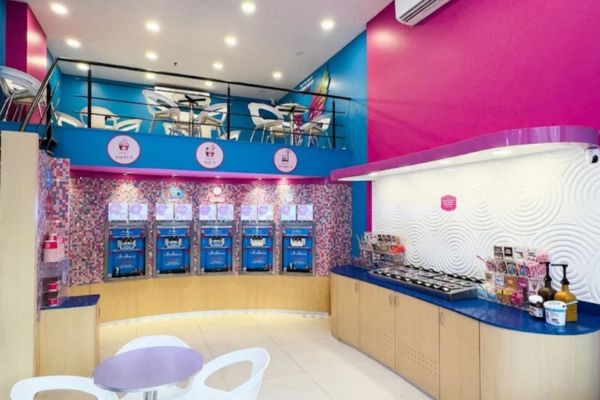
Based in Mumbai, this yogurt chain introduced a unique "pay-by-weight" dessert model where customers can choose from 150 flavours and 60 toppings. The brand has over 45 operating stores with presence in key cities like Mumbai, Delhi, Bangalore, Pune, Chennai, Jaipur and Chandigarh. The brand also has international presence in the United Kingdom and the Democratic Republic of Congo. The brand usually opens its store in an area of 500 to 1,000 sq. ft. with small investments, making it an easy investment option for the investors. Their franchise model supports pre-opening infrastructure design, certified machinery setup, raw material supply chains, and on-ground workforce training programs to support its franchise partners.
2. Yogurt Factory
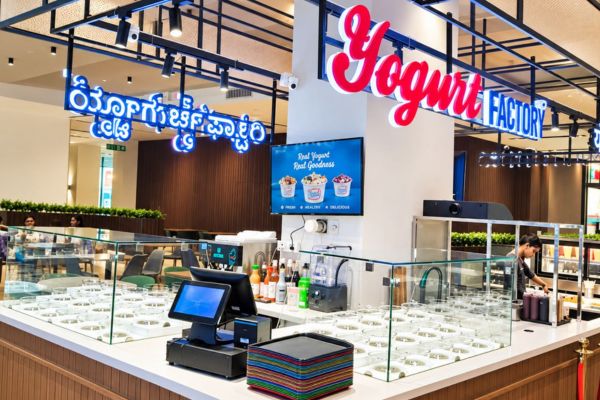
France based brand Yogurt Factory has entered the Indian market with a new outlet in Hyderabad. The brand has more than 85 stores in 10 countries. The brand aims to aggressively expand in tier 1 cities catering to the younger Indian demographics. The brand operates in self-serve and kiosks formats having an area of 15–25 sq. m., shopping malls,city-centre stores spanning 30–60 sq. m area, and standalone outlets having a store size of approximately 800 sq. ft. The brand has a strong social media presence and is targeting premium shopping malls and high-street locations in India. Their investment range is small in India making it a preferred choice for investors in different countries.
3. Cocoberry

Based in Delhi, Cocoberry is a prominent frozen yogurt chain in India. The brand has gained quick market attention and footfall due to its digital marketing and word-of-mouth promotions. The brand operates 18 outlets across India with presence in major cities like Kolkata and Delhi and several prominent Northeast locations like Shillong, Kohima, Dimapur, Aizawl, and Itanagar. The brand is known for its unique Froyo flavours. The brand requires an operating area of 250-500 sq. ft. and requires small investment scope.
4. Sour Sally
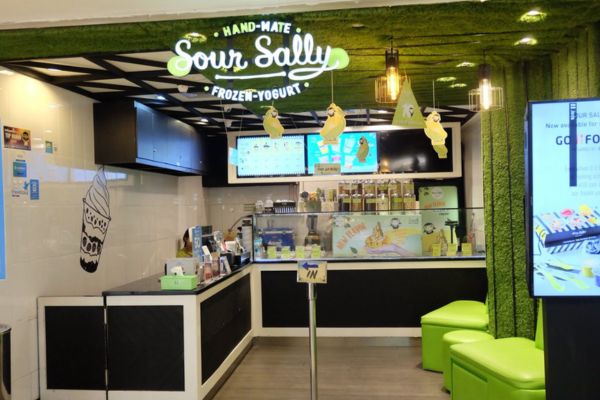
Indonesia based Sour Sally has entered the Indian market through FranGlobal and is actively advancing its footprint in India. The brand has 150 stores across UAE (Dubai), Saudi Arabia, and the Philippines, and operates through premium retail outlets and Sally Mini, a compact 3x3 meter outlet model designed for high-traffic, non-premium locales to capture the broader consumer market. The brand is known for Sour Sally Green, an eco-environment-themed dessert house concept designed to mimic nature. The brand is targeting malls, food courts, kiosks, airports, and premium high streets across major metro and tier-1 cities in India. The brand also has Black Sakura Yogurt, the world's first black frozen yogurt, infused with activated charcoal for natural detoxification and delicate Sakura blossom extract. The brand also offers customized menu setups like Riche-frozen yogurt layered with five choices of toppings, and Lykone -served with toppings in colorful waffle cones to attract customers.
Conclusion
Frozen yogurt is a high-growth market. But with increasing popularity of this segment, new entrants, and smaller franchising investments, the segment is facing competition. The frozen yogurt can tap into unique product innovation, healthier, personalized, and eco-friendly alternatives to stand against competitors and attract the attention of the consumers.With franchising model, the segment can further grow taking its presence to untapped areas with little capital investment, providing quick physical retail growth and brand recognition.
For Further Franchise Info Contact
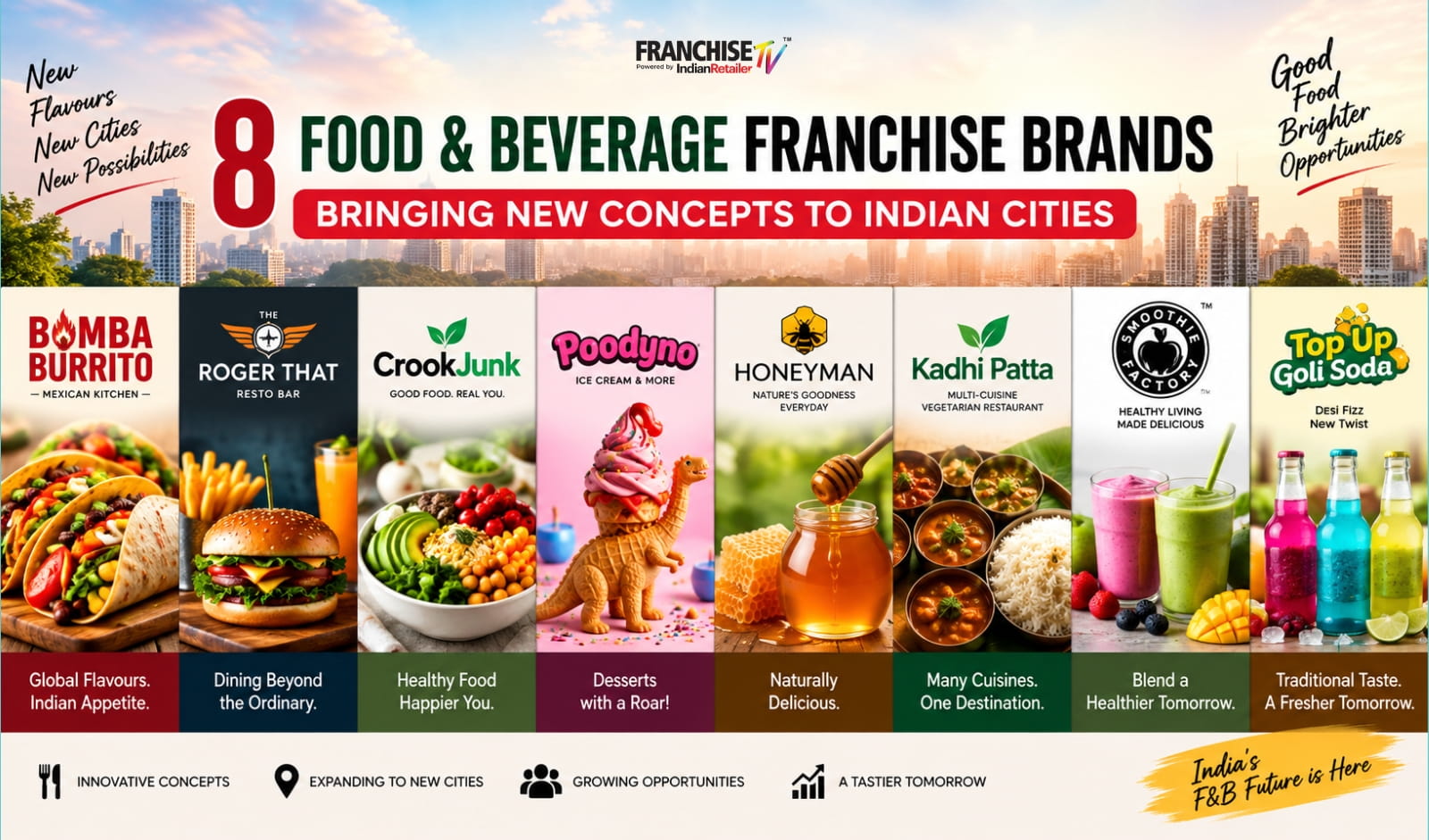
India's Food Franchise Story Is Getting a Makeover
Walk into any mall or high street today, and you'll notice something different — the food isn't just food anymore, it's an experience. India's food-service sector is projected to nearly double, growing from roughly ₹7.95 lakh crore in FY26 to ₹14.28 lakh crore by FY31, with organised brands already commanding an estimated 45–50% share of the market.
What's really interesting, though, is where the growth is happening. A joint study by Grant Thornton Bharat and NRAI found that 94% of restaurant operators are eyeing Tier-II cities for expansion, moving away from a one-size-fits-all metro playbook. Add to that a sharp jump in food delivery orders from smaller cities — from around 60 million in FY21 to nearly 180 million in FY26 — and it's clear: the next big F&B opportunity in India isn't confined to Delhi, Mumbai or Bengaluru anymore.
Against this backdrop, here are eight franchise brands bringing something genuinely new to the table.
1. Bomba Burrito — Mexican Flavours Go Mainstream
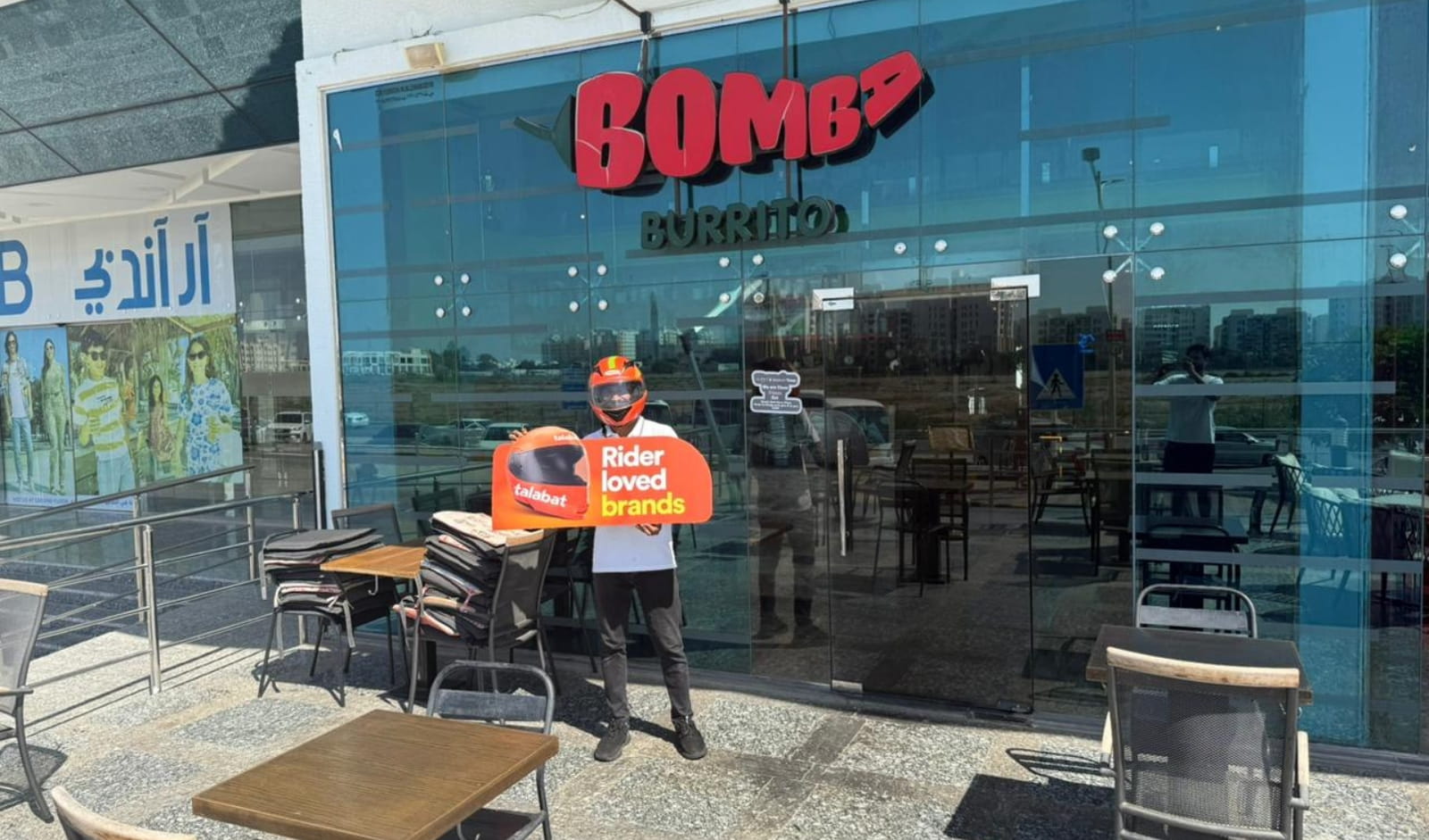
Bomba Burrito is riding India's growing appetite for global cuisine, serving up tacos, burritos, quesadillas and loaded nachos with vegetarian and gluten-free options built in. With an investment range of ₹30–50 lakh and a compact 600–1,000 sq. ft. footprint, it's designed for operators who want a premium international concept without a mega-format commitment.
Read more: Franchising In The Air: A Niche Franchising Model Surging in India
4 Fitness Franchisees To Watch
MELTS Targets Scalable Growth With Its Loaded Mac N’ Cheese Franchise Model
2. The Roger That — Where Dining Meets Entertainment
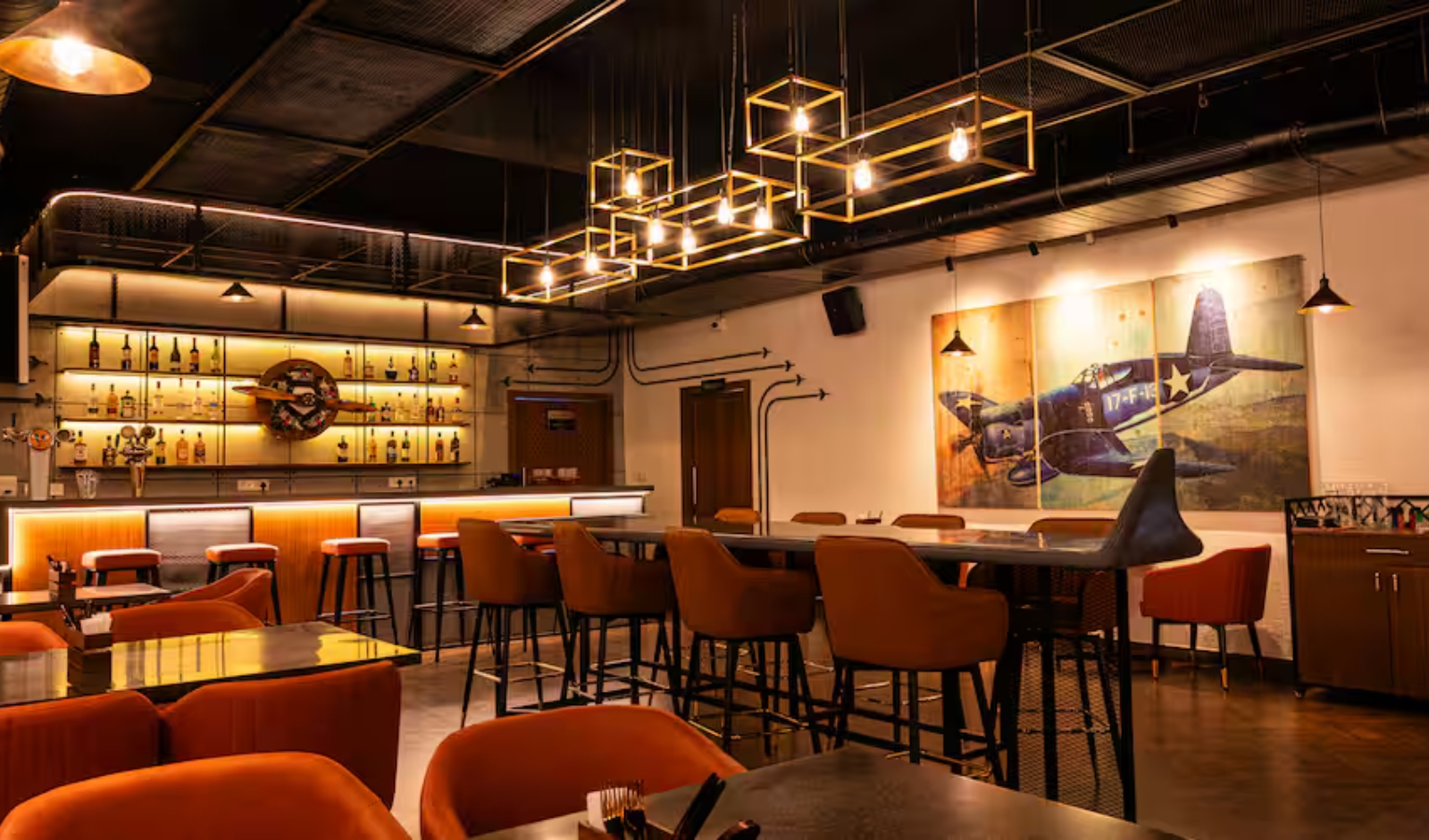
Launched in Chennai in 2024, The Roger That turns mealtime into an event with its aviation-themed resto-bar concept — think music nights, live sports and multi-cuisine food and drinks under one roof. It's a bigger bet, needing ₹1–2 crore and 3,500–5,000 sq. ft., with expansion plans across Delhi NCR, Mumbai, Bengaluru, Hyderabad and Goa.
3. CrookJunk — Healthy Eating, Made Simple
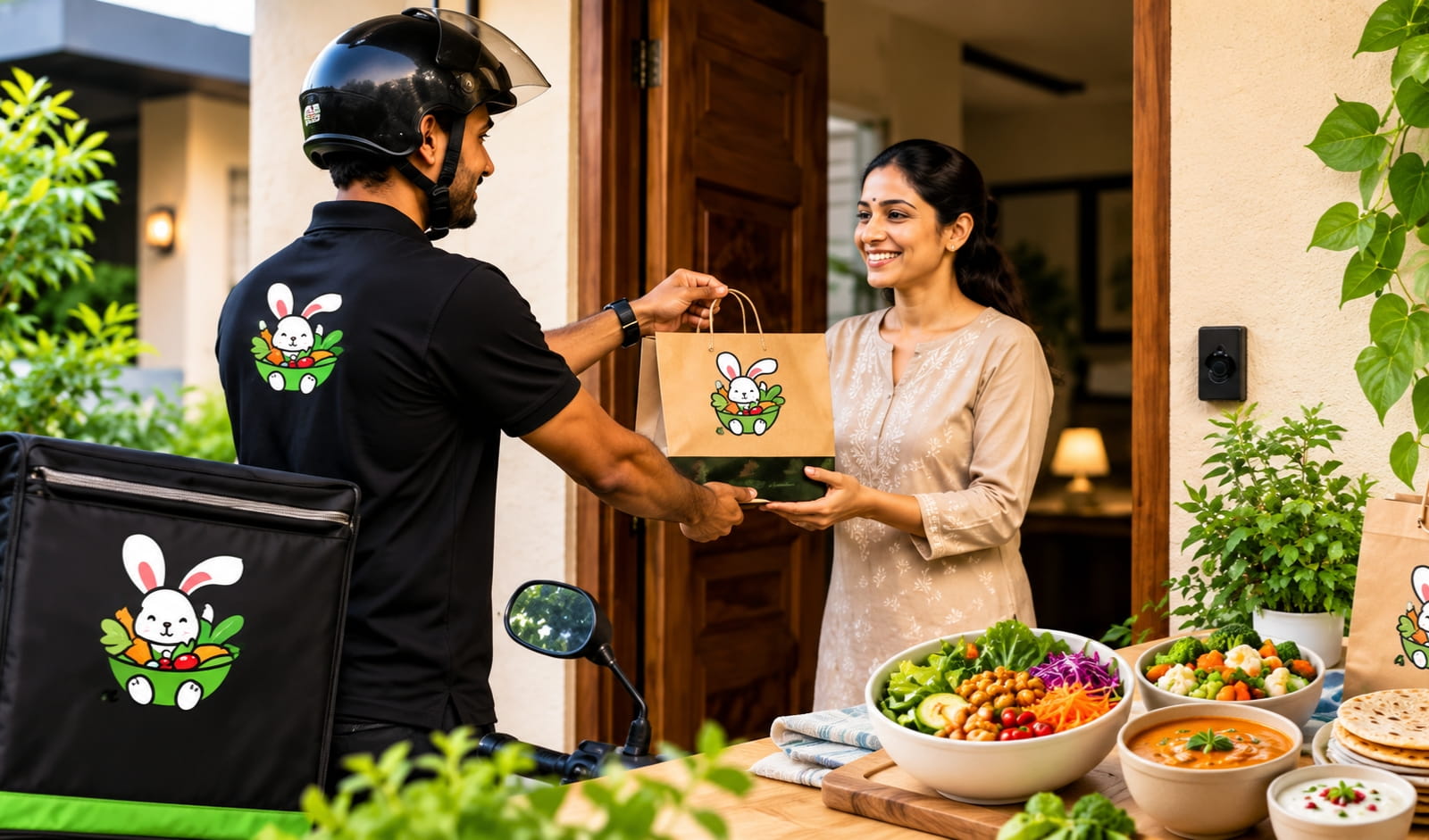
As health-conscious eating goes mainstream, CrookJunk is carving out space with fresh salads, smoothies, breakfast bowls and customisable meals through a lean FOFO kiosk model. Starting from Chennai and expanding across South India, it needs just ₹20–30 lakh and 300–500 sq. ft. — a low-risk entry into the wellness food space.
4. Poodyno — Dessert as a Visual Spectacle
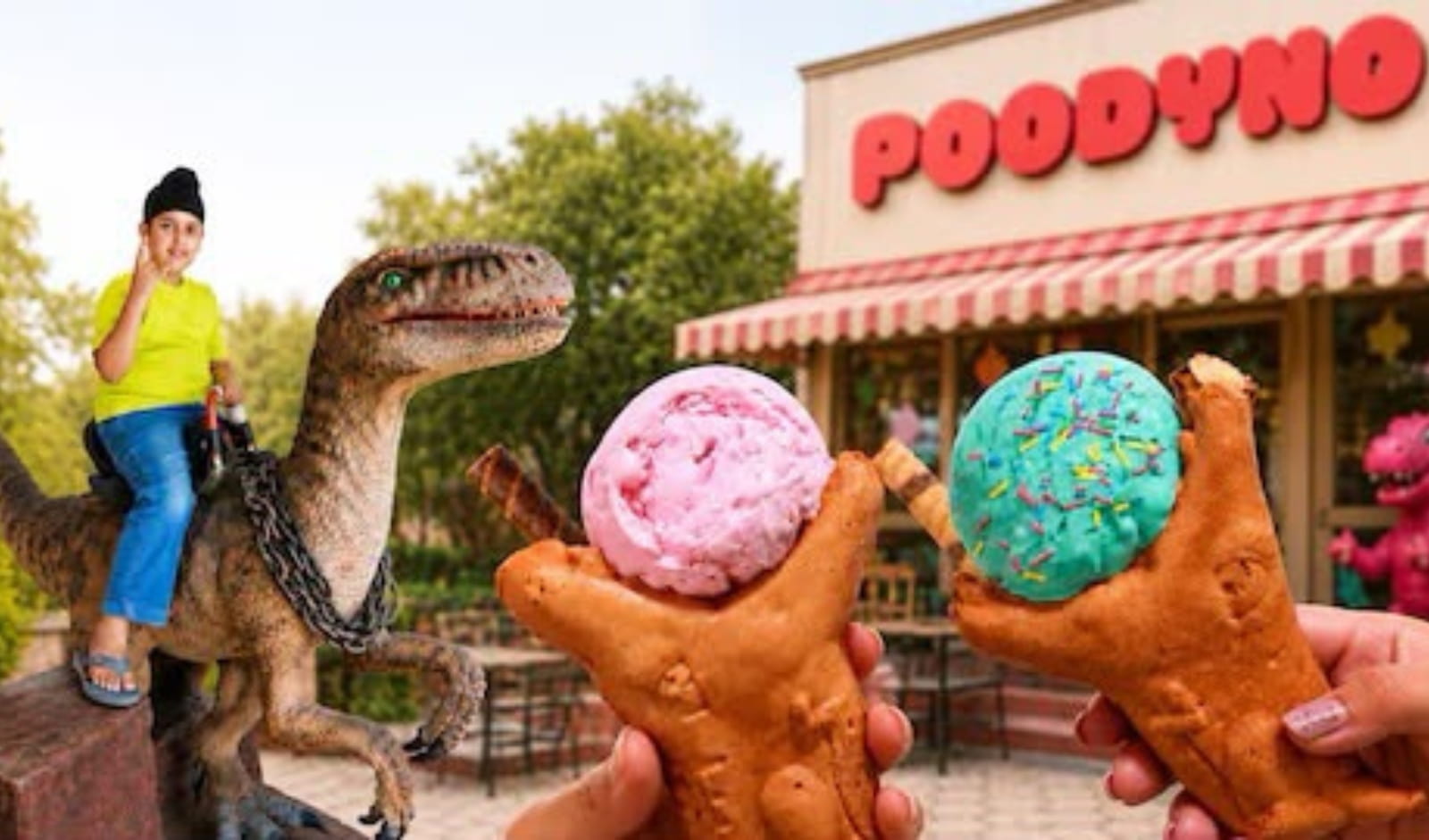
In an Instagram-driven world, presentation sells. Poodyno has built its identity around dinosaur-shaped waffle cones and playful dessert formats like cotton-candy burritos. With Cart, Kiosk and full-scale outlet options starting from as little as 40 sq. ft., it's an accessible entry point for first-time franchisees chasing footfall through novelty.
5. Honeyman — One Ingredient, Many Businesses
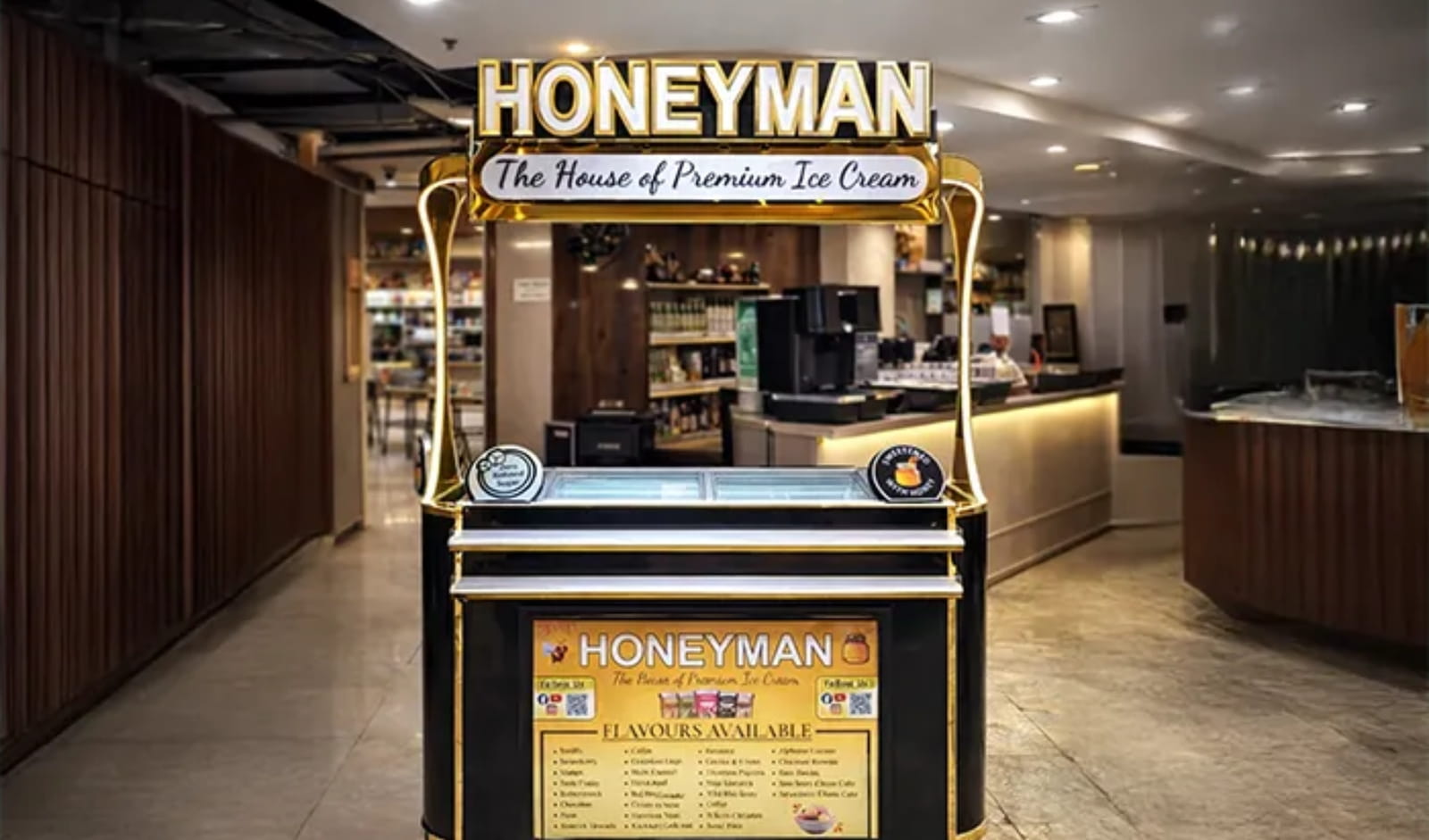
Honeyman has built an entire ecosystem around a single natural product — honey — spanning cafés, ice cream parlours, Chai Plus outlets and honey-based retail. Backed by a long beekeeping heritage and already running 180+ stores nationwide, it's a strong example of how one core ingredient can power multiple franchise formats.
6. Kadhi Patta — One Restaurant, Every Craving
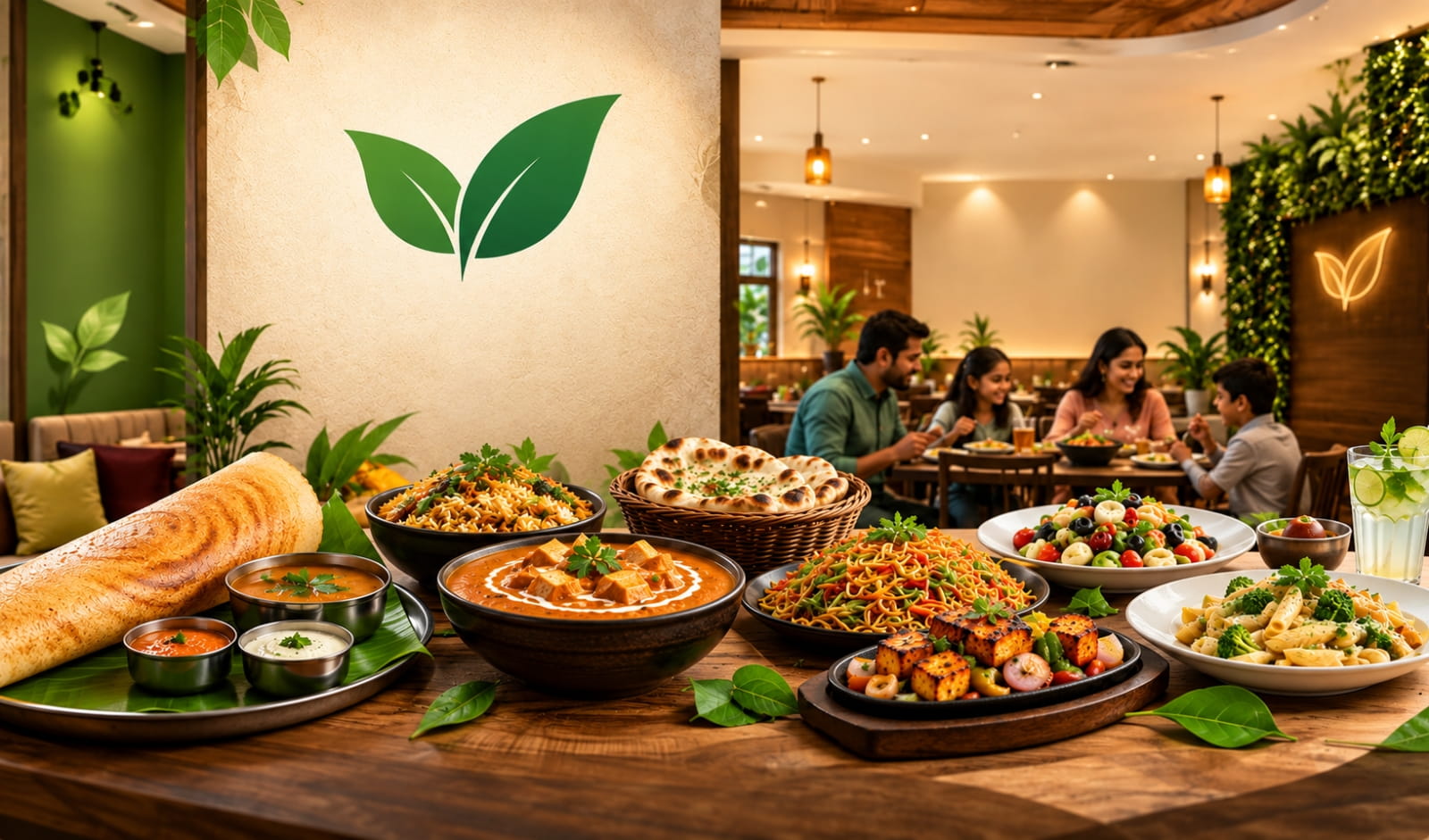
Rather than betting on a single cuisine, Kadhi Patta offers South Indian, North Indian, Chinese, Tandoor, Continental and Oriental dishes all under one roof. Operating out of Ranchi and Jamshedpur with a target of 50+ outlets by 2028, it's a family-dining model built for cities where one outlet needs to satisfy many different palates.
7. Smoothie Factory — Wellness You Can Sip
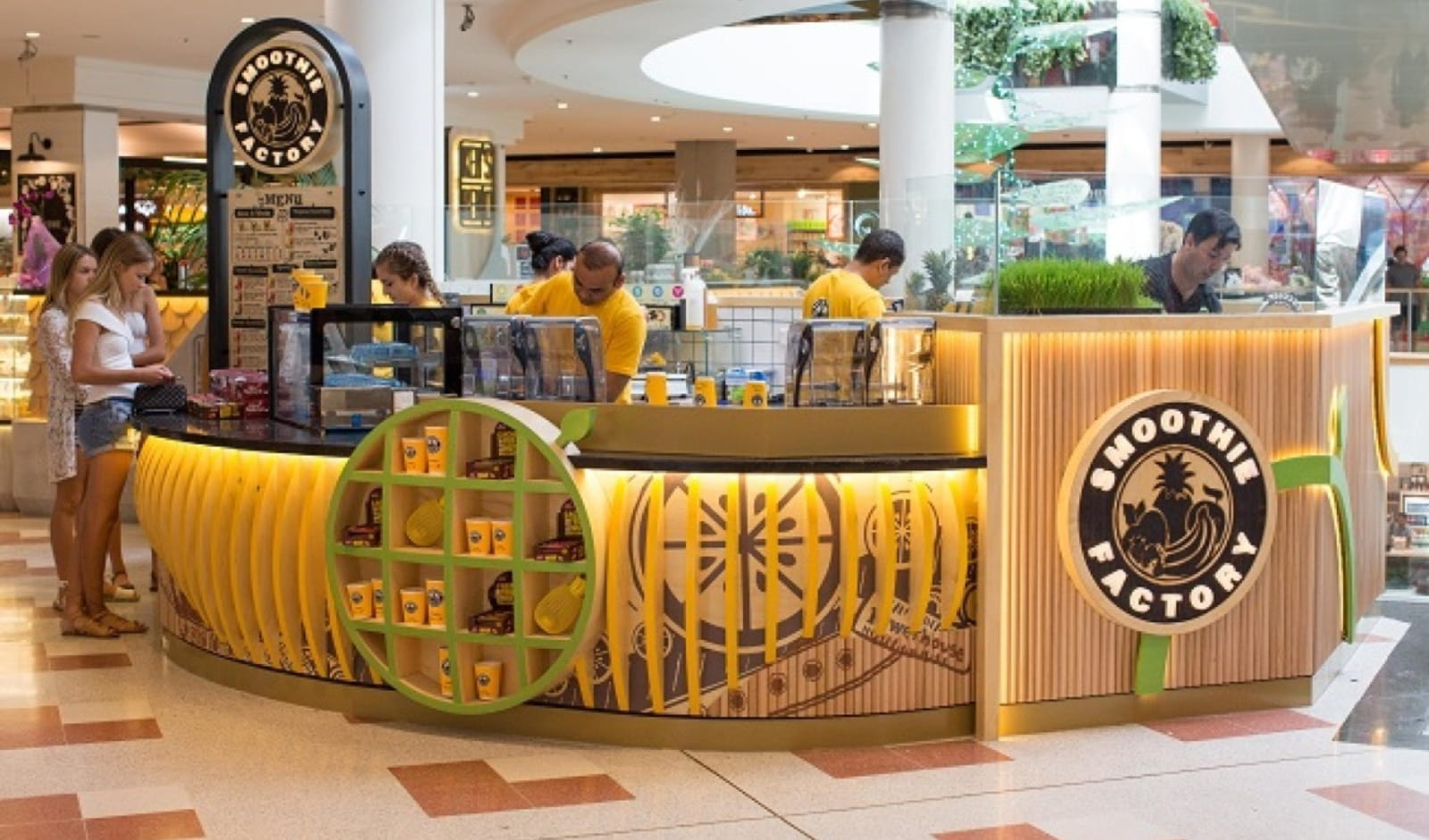
Handcrafted smoothies, fresh juices and superfood bowls make Smoothie Factory a natural fit for India's growing health-and-fitness crowd. Already present across Mumbai, Thane, Pune, Chennai, Hyderabad and Ambala, it taps into the rising demand for quick, nutritious food that fits urban lifestyles.
8. Top Up Goli Soda — Nostalgia, Rebranded
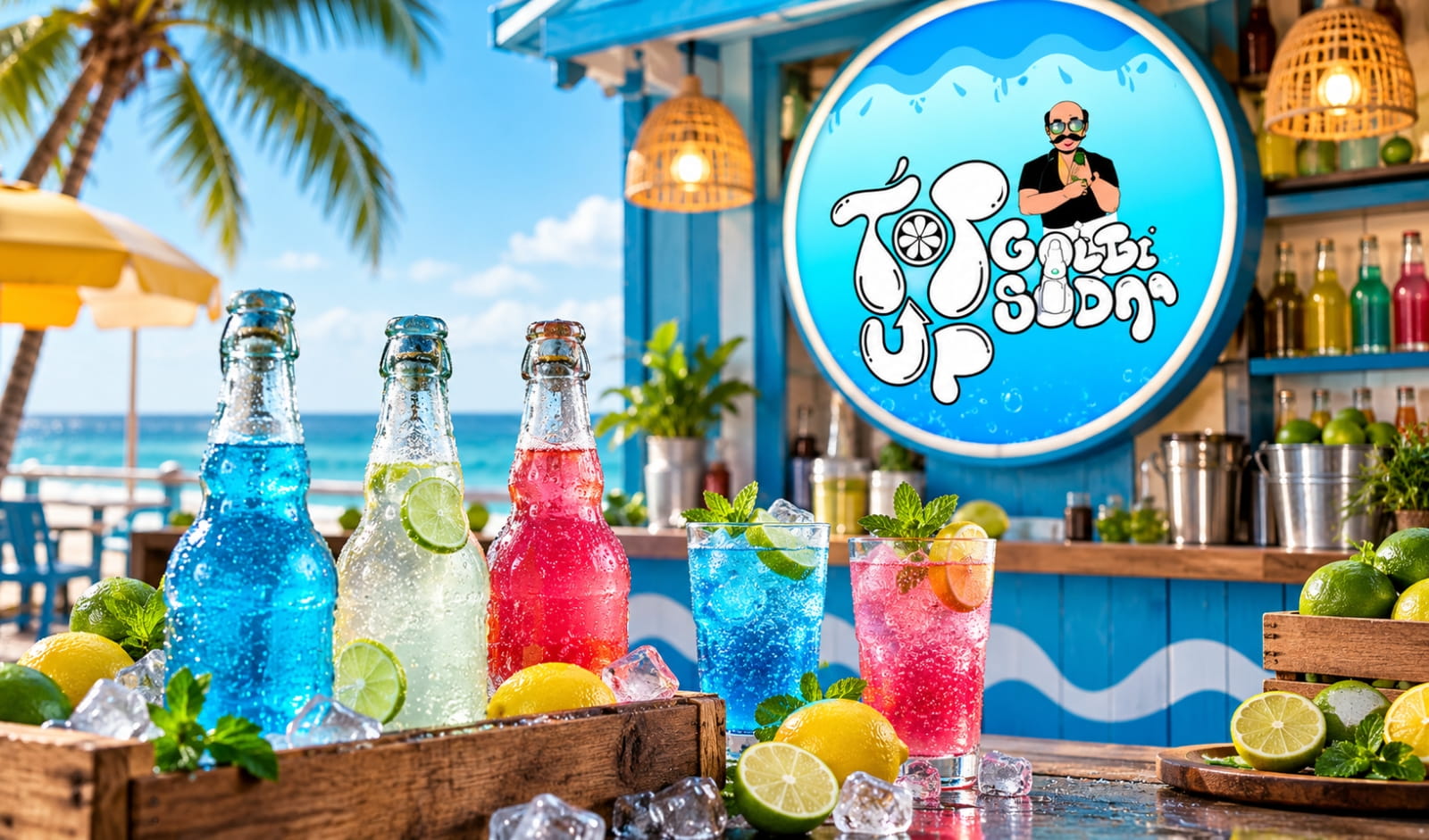
Top Up Goli Soda takes a beloved Indian classic and gives it a modern makeover — think fusion mocktails, masala soda and fruit-based fizzy drinks alongside the original goli soda. Running on a FOFO model across Tier-I and Tier-II cities, it shows how heritage flavours can be repackaged for a new generation without losing their charm.
Read also Odette Expands Its Premium Fashion Footprint With Franchise Opportunities Across India
5 Best Salon Franchises to Look at in 2026
5 Pizza Franchise Opportunities to Consider
The Bigger Picture: What This Means for Franchise Investors
These eight brands may look different on the surface, but they point to the same shift — Indian consumers now want cuisine variety, healthier choices, and experiences, not just a meal. And increasingly, that demand is coming from Tier-II and Tier-III cities, not just the metros.
For anyone exploring a food franchise business in India, the takeaway is simple: success isn't just about picking a recognisable brand name. It's about matching the right concept, format and city to the right audience — and being ready to adapt as local tastes evolve.
For Further Franchise Info Contact
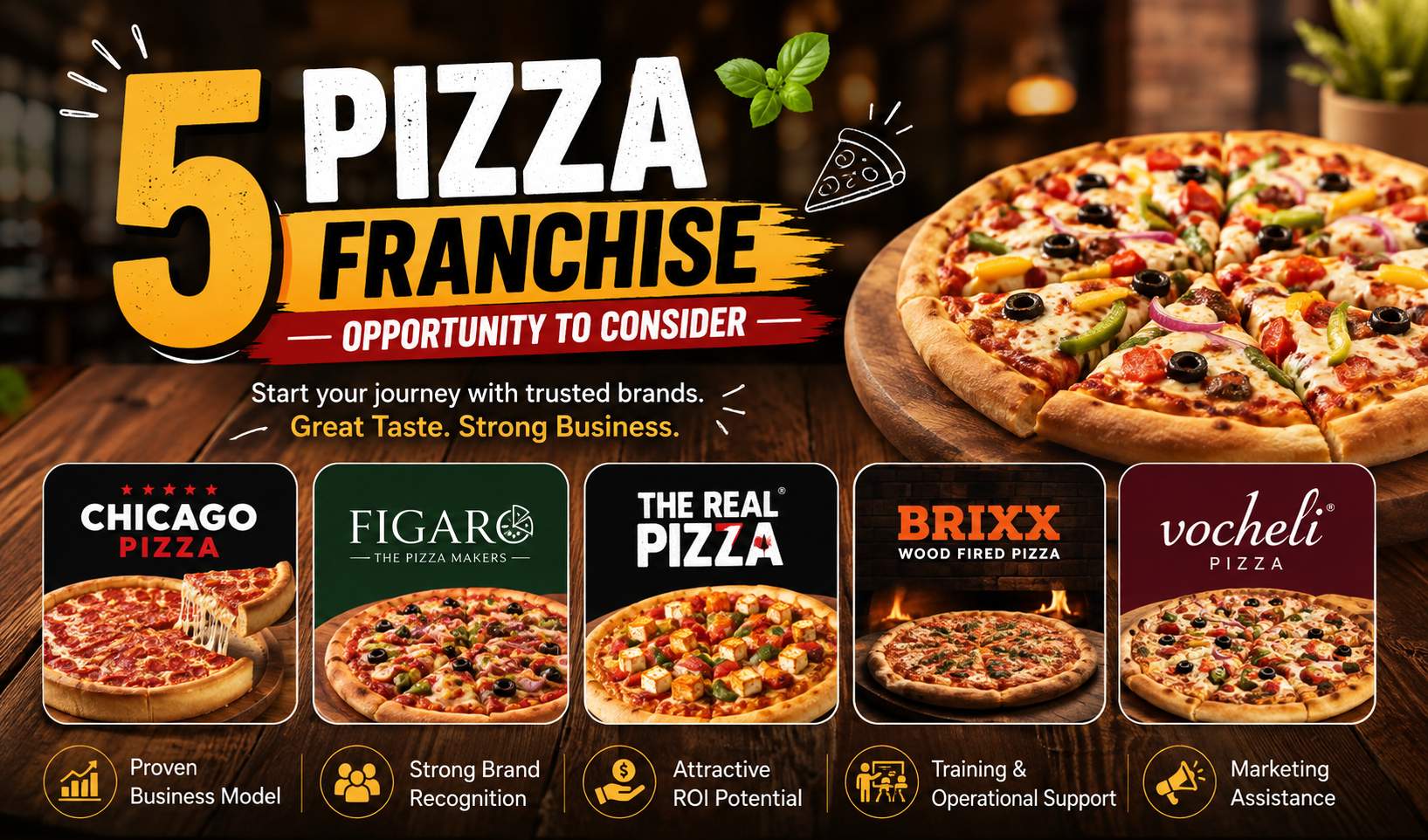
Pizza remains one of India's most reliable QSR bets. Here's a look at five franchise brands — one homegrown, two newly launched in India, and two established international names — worth evaluating for investment in 2026.
Pizza continues to be one of the most dependable categories in India's organised food service industry. With the market estimated between US$5.44 billion and US$5.81 billion in 2025 and projected to grow at a CAGR of nearly 9 percent, investors keep circling back to this comfort-food segment. Beyond the big three — Domino's, Pizza Hut, and La Pino'z — a fresh set of brands is opening up franchise opportunities across formats and budgets. Here are five worth a closer look.
1. Chicago Pizza
Chicago Pizza has built its identity around India's love for grab-and-go food, popularising a single-slice, by-the-pizza-slice concept that suits high-footfall locations like malls, food courts, and takeaway counters. The Delhi-based chain has scaled to over 250 outlets nationwide, with roughly 150–200 of them franchise-run, spread across cities including Mumbai, Pune, Delhi, Kolkata, and Gurgaon.
The brand offers three franchise formats: a compact takeaway model (100–200 sq ft) for around ₹15 lakh, a sit-down format (500–1,000 sq ft) at approximately ₹16 lakh, and a bar-lounge format (500–1,000 sq ft) requiring about ₹30 lakh — all inclusive of the franchise fee. This tiered structure makes Chicago Pizza accessible to first-time investors as well as those looking to run a larger dine-in outlet.
2. Figaro's Pizza
Figaro's Italian Pizza is a 40-plus-year-old American multinational QSR chain that entered India in a big way through a 2022 franchise development agreement with FranGlobal, the international arm of Franchise India Holding Limited. The deal is the largest in Figaro's history, targeting more than 250 outlets across India within four years, and the brand has already opened multiple stores, including in Hyderabad.
According to its brand profile, Figaro's requires 300–500 sq ft of space and an investment of roughly ₹30–50 lakh, with 10–20 outlets currently operating in the country. The brand is positioned for entrepreneurs who want an internationally recognised name with a compact, food-court-friendly footprint rather than a large standalone restaurant.
3. The Real Pizza Company
One of the newest entrants to India's pizza space, The Real Pizza Company is a UK brand founded in 2012 and known for its wood-fired, stone-baked pizzas made with daily-prepared dough. It opened its first Indian outlet in 2025 at Prestige Tech Park, Marathahalli, Bangalore, in partnership with Franchise India as its master franchise developer.
The brand is now actively seeking Master Franchisees, Regional Developers, and Unit Partners across metro, Tier-I, and Tier-II Indian cities. Its franchise formats include dine-in, takeaway, delivery, and cloud kitchen setups, giving investors flexibility depending on location and budget — though exact India investment figures are shared during direct franchise discussions rather than published upfront.
4. Brixx Wood Fired Pizza
Brixx is a Charlotte, North Carolina-based casual dining chain founded in 2006, built around brick-oven pizzas cooked at temperatures exceeding 800°F, alongside pastas, salads, and a full bar. In the US, franchise investment for Brixx typically runs into several hundred thousand dollars, reflecting its full-service, sit-down restaurant format rather than a quick-service one.
Brixx does not currently have a confirmed franchise presence in India. It's included here as a brand to watch: its premium, experience-led wood-fired pizza concept aligns with the kind of international dining formats that Indian metros have increasingly welcomed in recent years, following the entry of brands like The Real Pizza Company.
5. Vocelli Pizza
Headquartered in Pittsburgh, Vocelli Pizza operates more than 80 locations in the US and has built its reputation on hand-tossed dough, vine-ripened tomato sauce, and a low-cost delivery-first model. In June 2025, Vocelli announced an exclusive partnership with FranGlobal — the same Franchise India arm behind Figaro's and The Real Pizza Company's India entries — to accelerate its expansion across the Gulf Cooperation Council region.
While Vocelli hasn't formally announced Indian franchise operations yet, its connection to Franchise India's network places it in a similar pipeline to brands that have recently entered the Indian market, making it worth tracking for investors interested in early-mover opportunities.
Before You Sign
Pizza franchise costs in India vary sharply — from ₹15 lakh for a Chicago Pizza takeaway counter to ₹50 lakh-plus for premium international formats. Before committing, verify current investment figures, royalty terms, and territory rights directly with the franchisor, since these details can change. Space requirements, format flexibility (delivery vs dine-in), and the strength of local supply-chain support are equally important factors in choosing the right pizza franchise for your budget and city.
For Further Franchise Info Contact
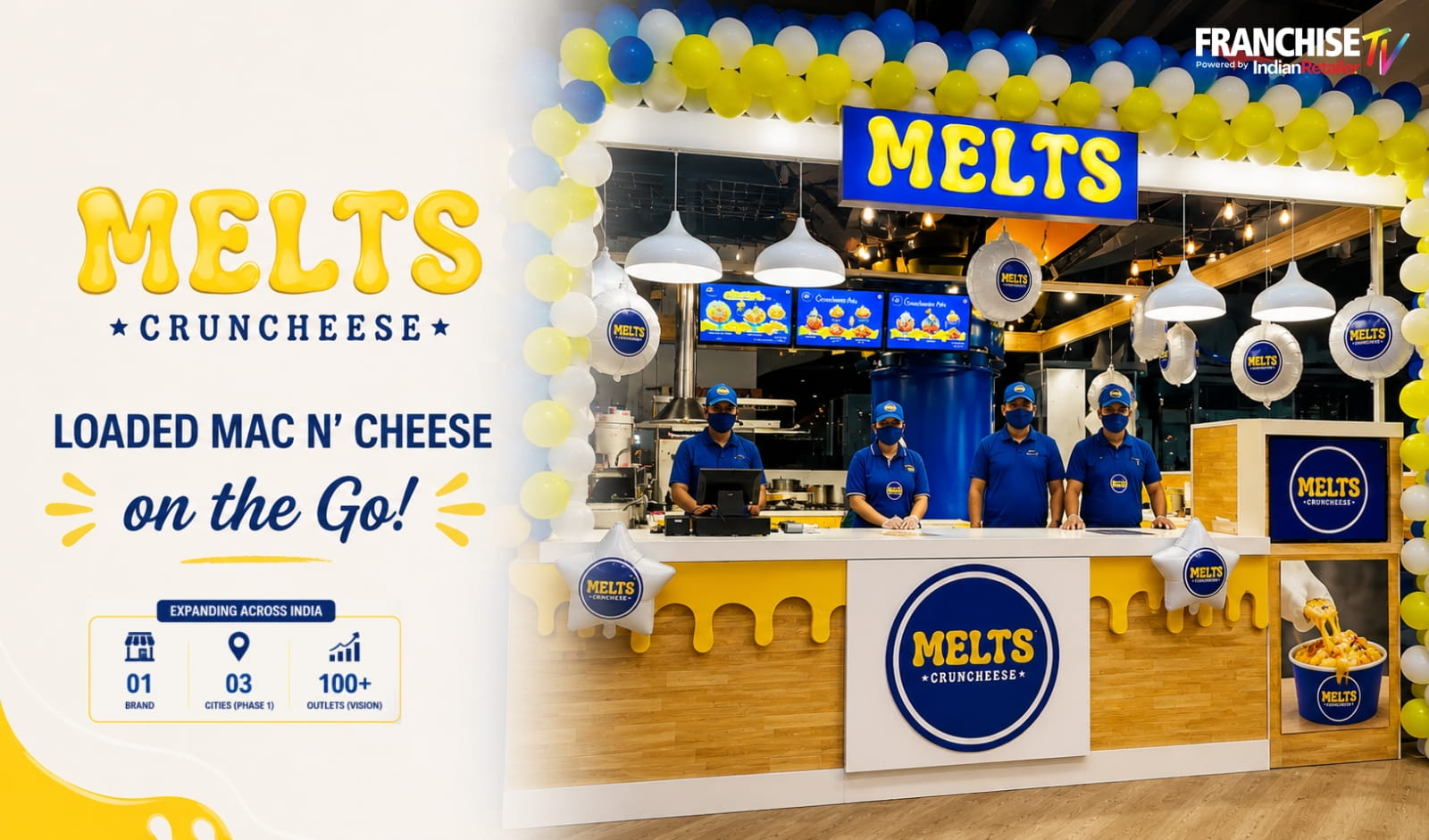
Bengaluru-based MELTS, founded in 2021, is building a differentiated position in India’s fast-growing QSR market with a focused proposition: Loaded Mac N’ Cheese made for the Indian palate. Positioned around comfort food, the brand combines 100% vegetarian offerings, bold flavours and its signature in-house Cheese Lava sauce.
MELTS stands out as a focused QSR brand built around a single hero category rather than a broad fast-food menu. Its product portfolio includes Plain Cheesy Mac, Double Loaded variants, Build Your Mac, Loaded Fries and CrunchCheese Pots, giving customers multiple ways to customise a familiar comfort-food format.
For entrepreneurs exploring a restaurant franchise, MELTS presents a compact Franchise Owned, Franchise Operated model designed around operational simplicity. The concept uses a 150 sq. ft. kiosk format, with the presentation highlighting mall locations, standardised processes and a chef-less operating approach intended to support consistent execution.
The brand is led by Co-Founders Devasenapathi Ratnakaram and Thasaie Madurai. Ratnakaram brings experience as a restaurateur, while Madurai’s background as a nutritionist has contributed to the brand’s product and food philosophy. Their combined perspective has shaped MELTS around quality ingredients, vegetarian food and Indian-adapted flavours.
For those evaluating a QSR franchise, the financial snapshot presented by MELTS outlines ₹20.6 lakh in capex, a ₹3 lakh franchise fee and total initial investment of ₹23.6 lakh, with working capital estimated at ₹2–3 lakh. The model carries a 6% royalty on monthly revenue and indicates a 14-month payback period and 110% IRR.
MELTS plans a phased expansion beginning with Bengaluru, followed by Hyderabad and Chennai, before targeting the vegetarian belt including Ahmedabad, Surat and Gurugram/NCR. Partners also receive structured support, including 14-day certification training, opening-week supervision, monthly field visits, audits, central marketing, SOPs and technology support.
For Further Franchise Info Contact
India’s food and beverage franchise market in 2026 is moving beyond conventional restaurants. Investors are increasingly looking at scalable café franchises, tea and bubble tea concepts, global street-food formats, compact QSR outlets and delivery-friendly food businesses that can serve high streets, malls, corporate hubs and emerging cities.
The opportunity is being driven by young consumers, app-led ordering, demand for new flavours and the growing preference for organised, hygienic food formats. India’s QSR market is expected to grow at roughly 9.26 percent annually between 2026 and 2031 and reach around USD 47.28 billion by 2031. Digital orders now account for about 70 percent of the category’s growth, making digital readiness essential for modern food franchise businesses.
Here are seven brands bringing distinct food and beverage franchise ideas to the Indian market.
Coffee Buddy
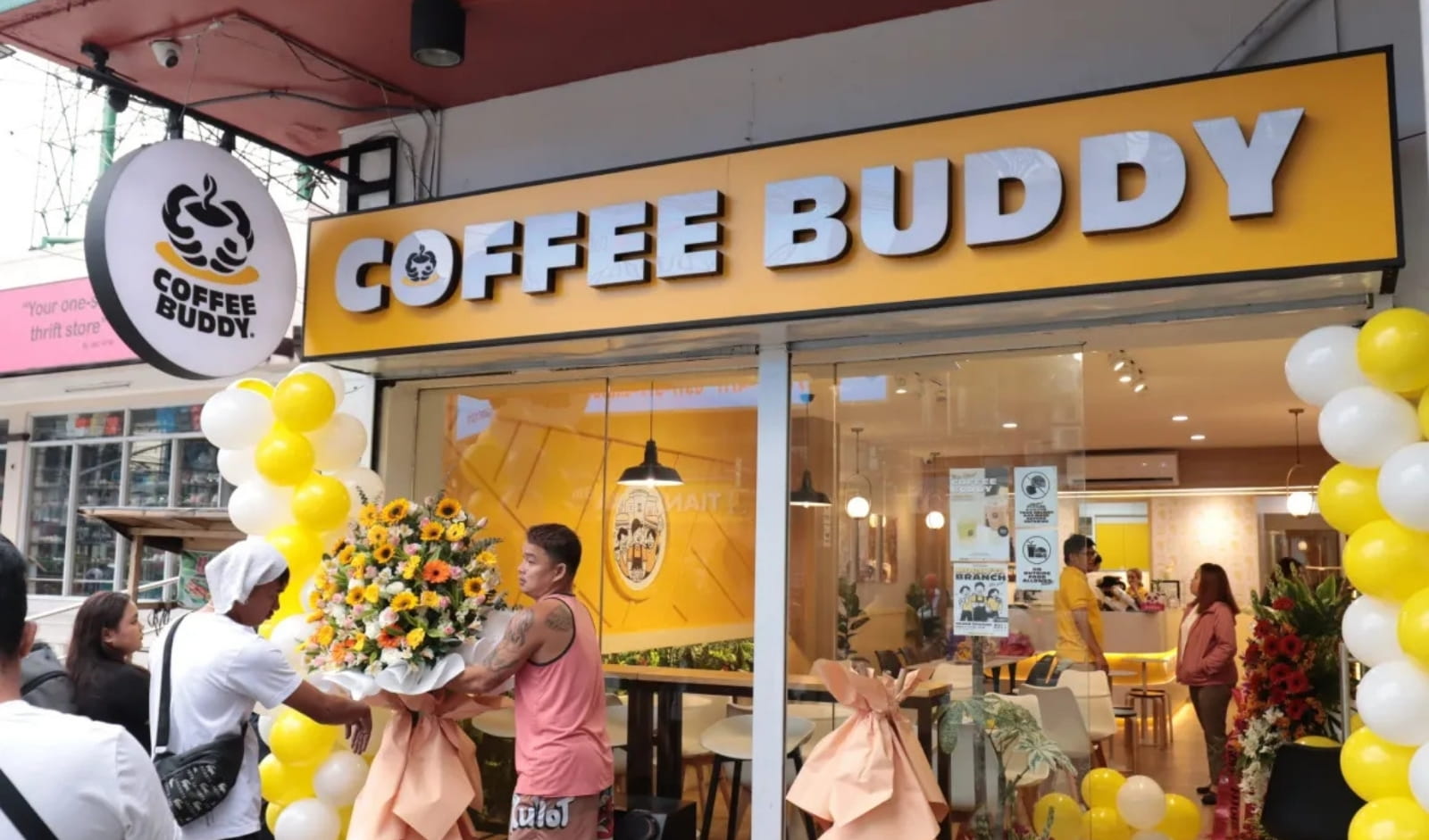
Coffee Buddy represents the everyday café opportunity, built around repeat beverage consumption rather than only occasional dining. The coffee category is evolving through takeaway counters, cold coffee, iced beverages, quick snacks and accessible social spaces. For franchise investors, a coffee-led format can be relevant in office districts, college catchments, transit areas, high streets and mall food courts. The key is to assess menu simplicity, ingredient sourcing, delivery capability, staffing needs and location economics before committing to a franchise model.
HappiTea
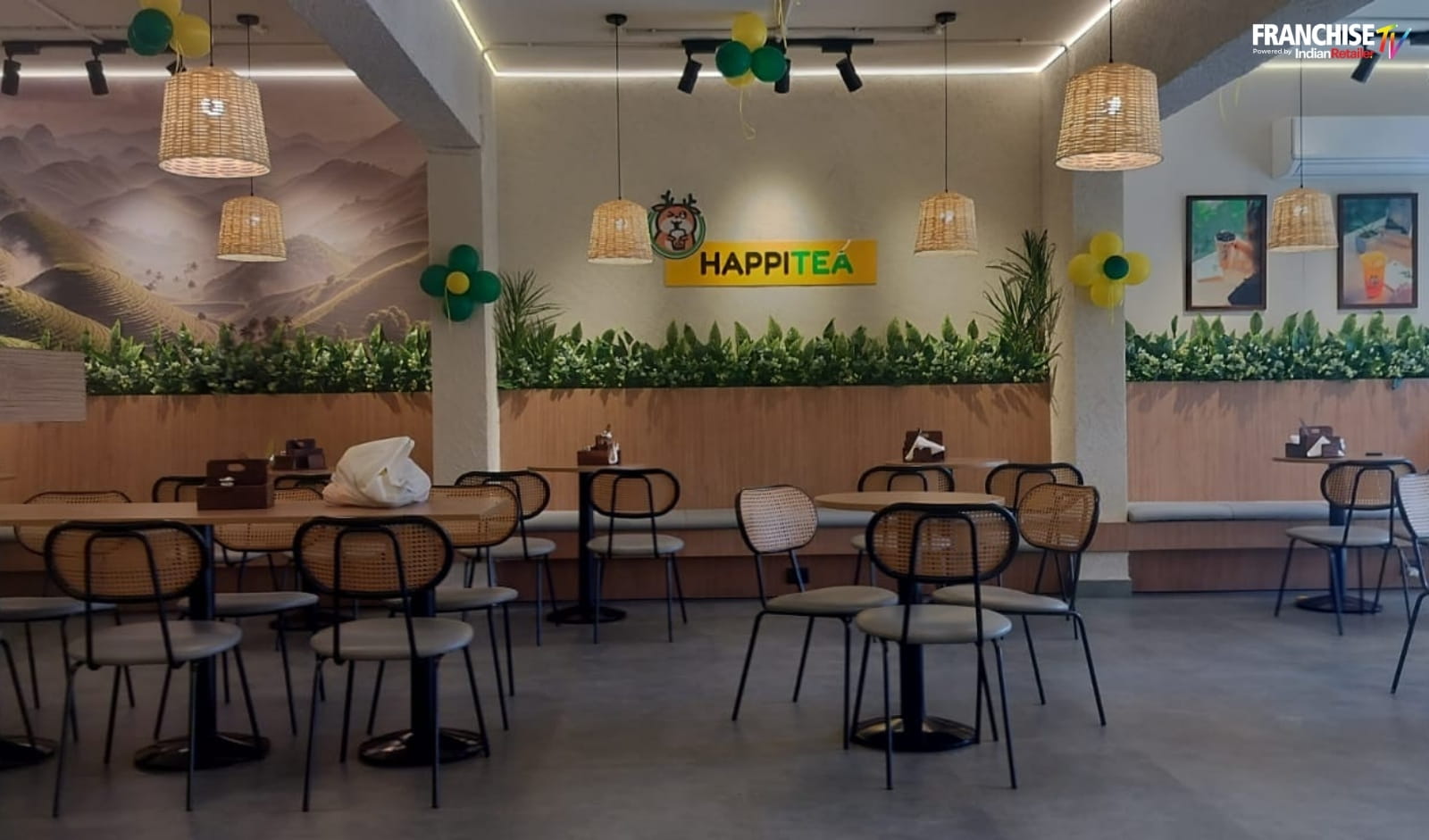
HappiTea brings a Vietnamese tea café concept to India at a time when bubble tea, fruit tea, matcha and customised beverages are attracting Gen Z and millennial consumers. The brand combines Vietnamese tea and coffee with milk tea, fruit beverages, chocolate drinks and food offerings. Its compact 200 to 500 square feet kiosk and store formats can suit malls, high streets, education hubs and densely populated neighbourhoods. HappiTea entered India in 2025 and continues its India expansion in 2026 through master, area-development and unit franchise opportunities.
Related News: HappiTea Plans to Open 35 Stores in India Over the Next Eight Months
Guac Mexi Grill
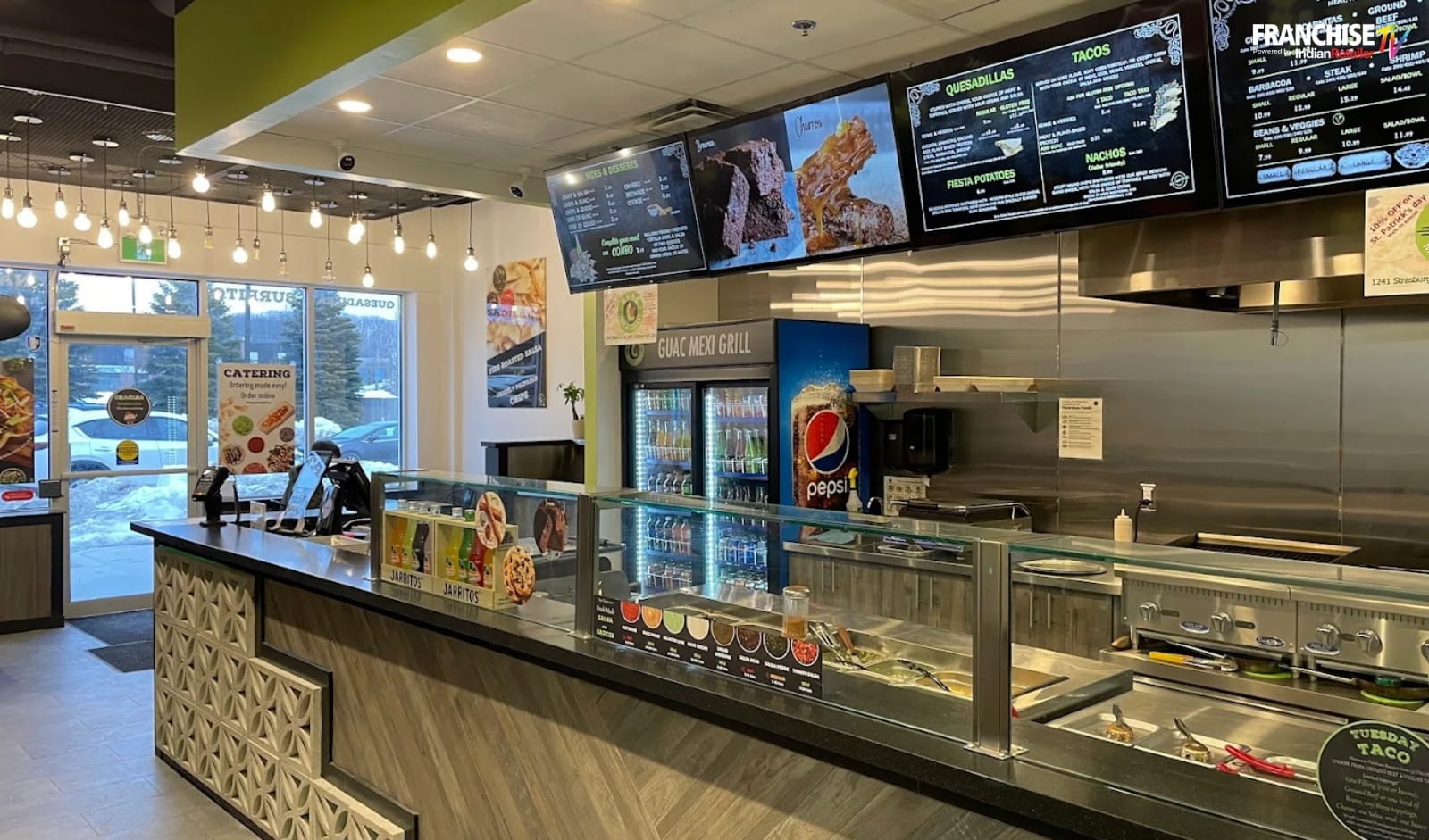
Guac Mexi Grill is a Canadian premium fast casual Tex Mex brand that entered India in 2026 through a master franchise partnership with FranGlobal. The concept is built around compact restaurant formats, delivery potential and made to order meals such as burritos, burrito bowls, tacos and house made sauces. With 55 plus locations in Canada, the brand brings a scalable global QSR proposition for Indian investors targeting malls, food courts, high streets and delivery-led markets.
Coffeeshop Company
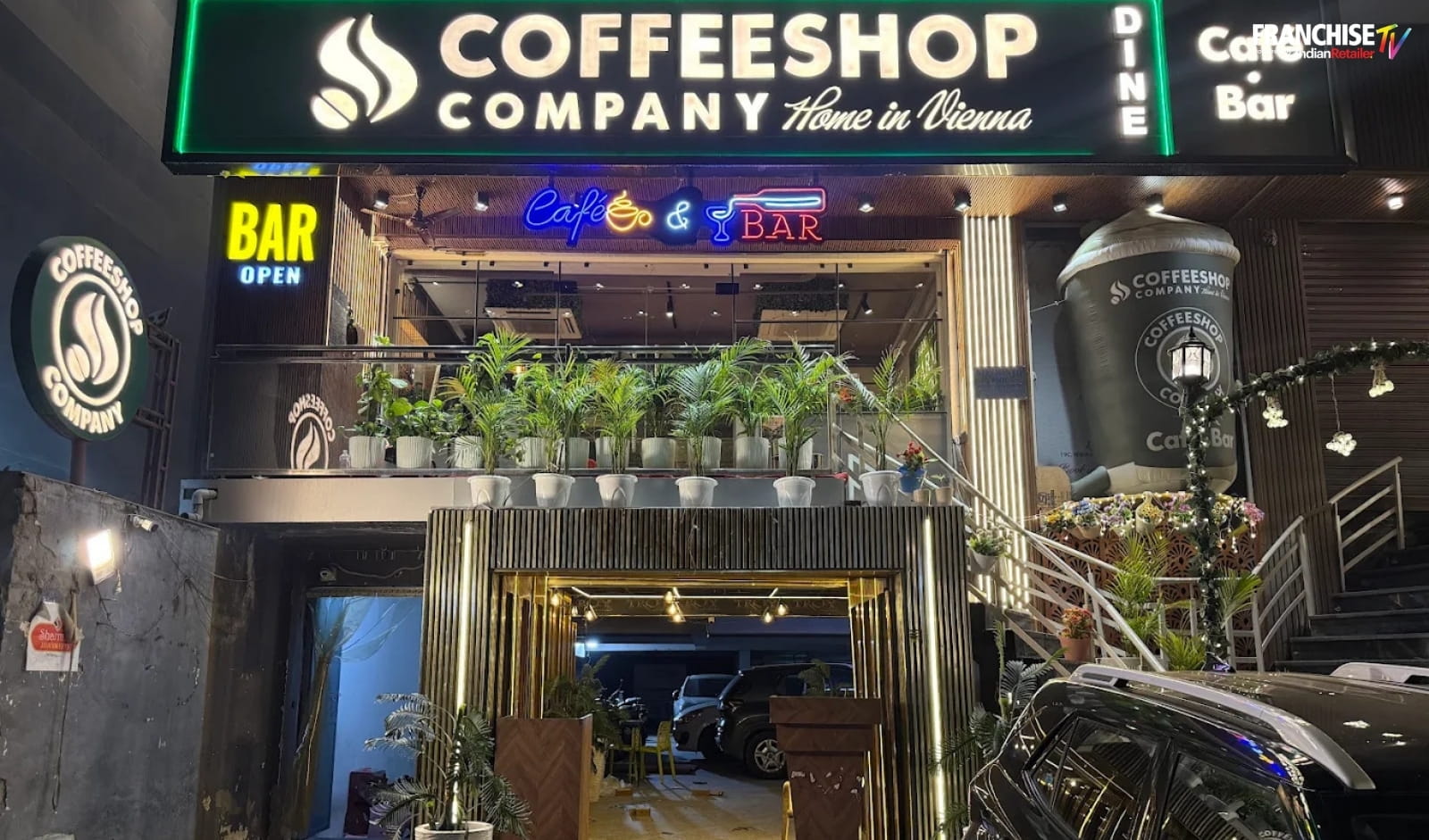
Coffeeshop Company represents an experience-led café format, where consumers may visit for coffee, conversations, meetings and longer dwell times. Unlike a pure takeaway kiosk, this model needs careful location planning, store ambience, operational consistency and a clear understanding of local customer spending power. International café brands can offer familiarity and premium appeal, particularly in affluent high streets, malls, business districts and travel hubs. Investors should compare seating requirements, rent exposure, menu mix, delivery contribution and brand support before assessing the opportunity.
Blenz Coffee
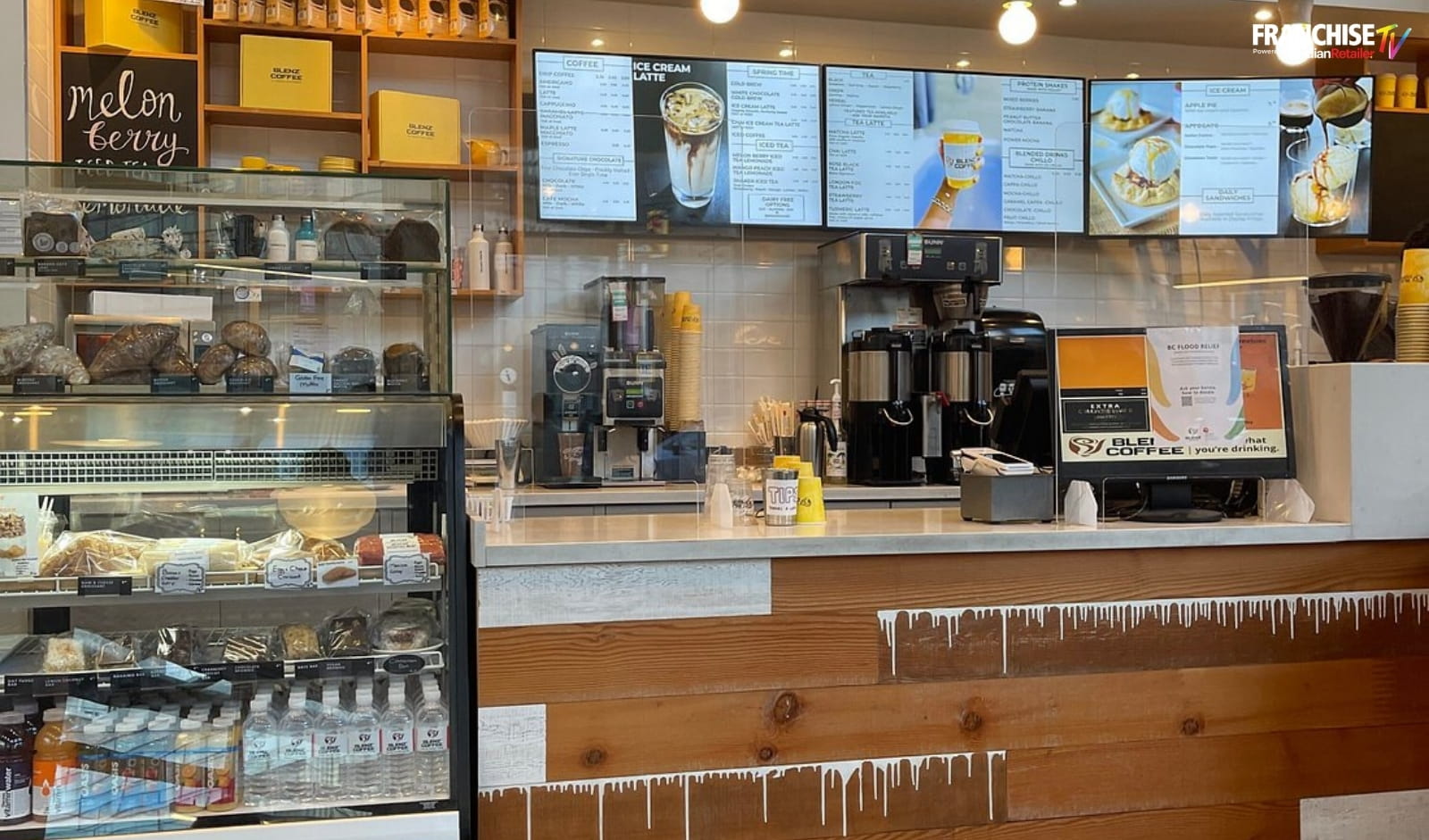
Blenz Coffee fits the shift towards coffee as a lifestyle category rather than simply a morning habit. India’s café consumer is increasingly looking for espresso-based drinks, cold brews, iced beverages, flavoured coffees and snack pairings that work across work, social and delivery occasions. A focused coffee franchise can benefit from strong product consistency, efficient service, clear pricing and a recognisable store identity. For investors, the right location, daily footfall, peak-hour capacity, product margin mix and local competition should guide the final decision.
Doner Shack
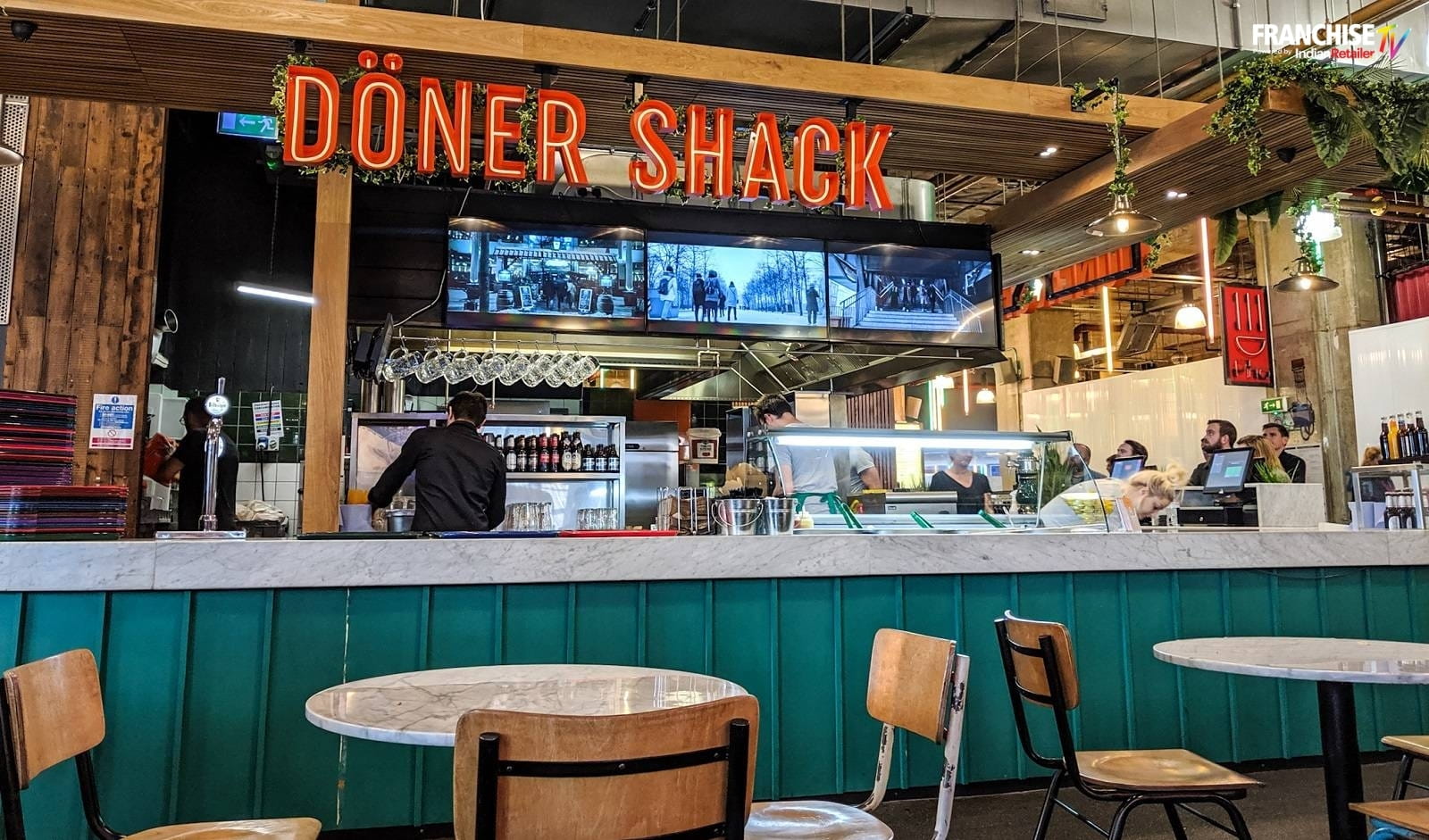
Doner Shack brings global street food into the QSR conversation. Doner-style concepts are relevant for consumers seeking fast, flavour-forward and portable meals that can be eaten in-store, carried away or ordered online. A focused menu can support faster service, clearer training and better operational control when supported by a dependable supply chain. The concept may be suited to high-traffic food courts, malls, airports, commercial centres and delivery catchments. Investors should seek verified information about India availability, kitchen format, localisation strategy and franchise support before proceeding.
Rollti
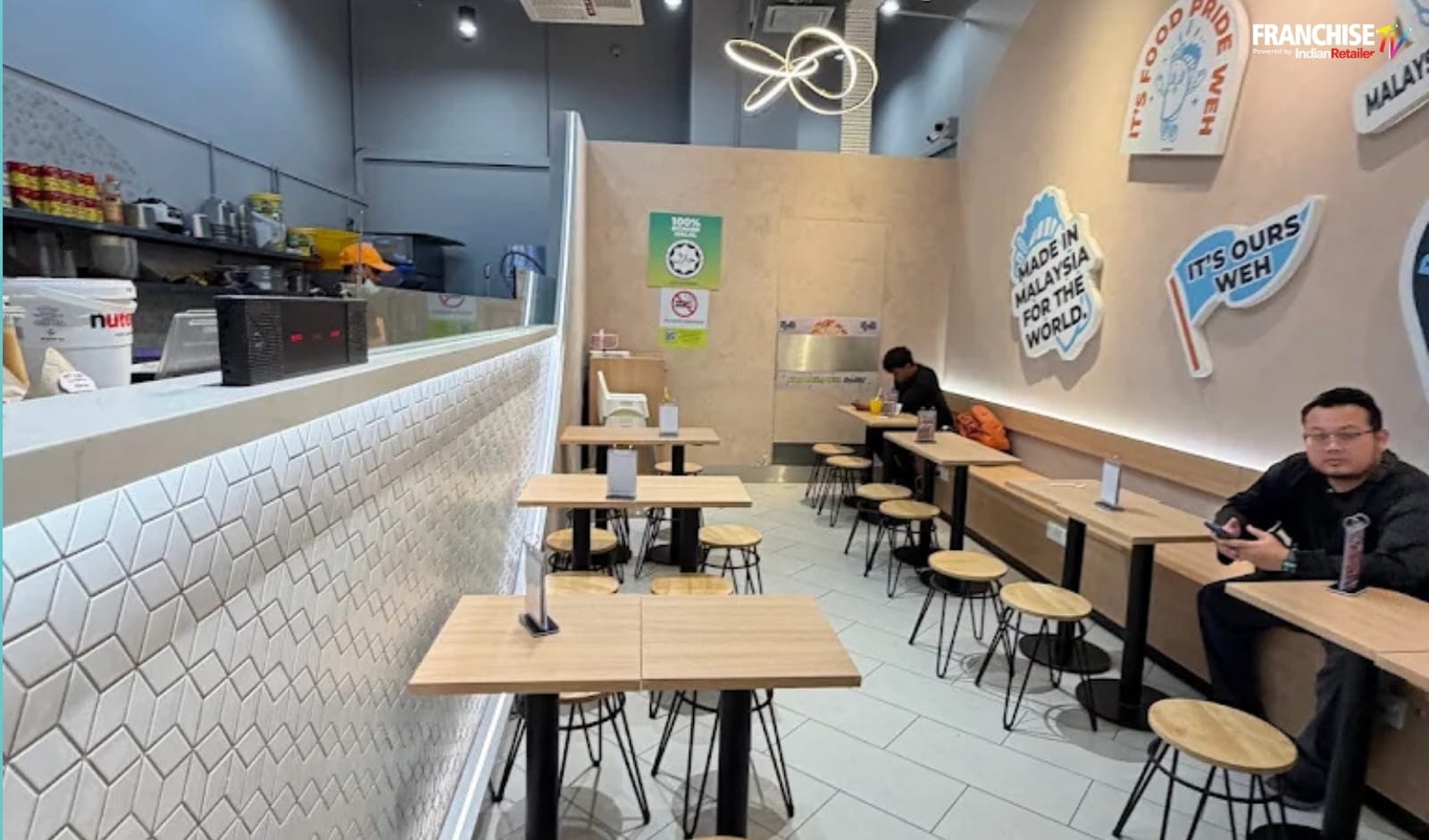
Rollti builds on India’s long-standing preference for convenient, affordable and filling handheld meals. Rolls, wraps and quick Indian bites have broad relevance across office districts, college zones, transit points, food courts and residential delivery markets. The category benefits from high-frequency demand, quick preparation and menu flexibility, but franchise success depends on quality consistency, speed, hygiene, packaging and local price positioning. A roll-focused QSR format can be attractive for entrepreneurs seeking an accessible food franchise model with a compact operational footprint.
What investors should compare
Food franchise opportunities should not be judged on brand popularity alone. Investors must compare the operating model, cost structure and local-market fit before taking a decision.
India’s food and beverage sector is expected to see increasing store expansion beyond metros, where new demand pockets, lower occupancy costs and digital ordering are enabling franchise growth. Industry estimates indicate that nearly 40 percent of new QSR store openings are now taking place outside metro cities.
Explore the right opportunity
The best food franchise is not necessarily the most visible brand. It is the one that aligns with an investor’s budget, preferred city, operating involvement, location access and ability to execute consistently.
From Vietnamese tea and everyday coffee to Mexican-inspired QSR, global street food and Indian rolls, these concepts show how food franchising in 2026 is expanding into more specialised and consumer-led formats. Before investing, seek official franchise disclosures, verify financial assumptions independently and consult experienced franchise advisors.
Interested in food and beverage franchise opportunities? Connect with Franchise India to explore café, QSR, tea, coffee and restaurant franchise formats that match your investment goals and market potential.
For Further Franchise Info Contact
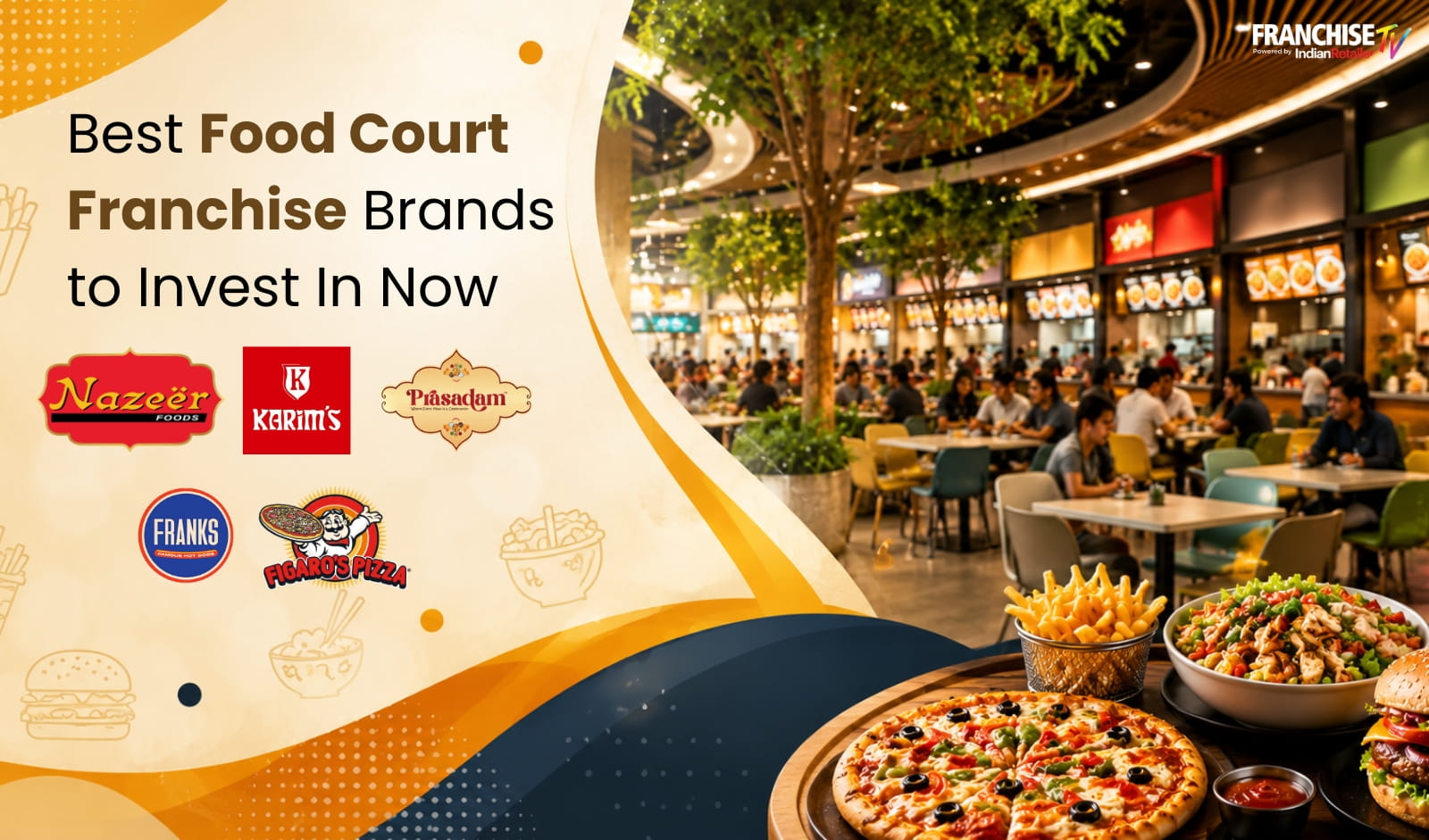
India’s food business is moving beyond traditional restaurants, with QSRs, compact food outlets, delivery-led formats and branded dining concepts gaining traction among consumers and franchise investors. India’s food services market is projected to reach about US$150 billion by FY31, while organised food service brands already account for roughly 45–50% of the market. Online food services are also expected to increase their share, making location, convenience and digital ordering increasingly important for food businesses.
For entrepreneurs looking for a food franchise, restaurant franchise or food court business, the opportunity is particularly interesting because food courts and high-footfall retail destinations can combine dine-in, takeaway and delivery demand. Recent retail trends also show F&B continuing to contribute significantly to retail space absorption, while food brands are expanding beyond traditional malls into high streets and other high-traffic locations.
Based on the brand details provided, here are five food concepts worth exploring.
1. Nazeer Foods
Nazeer Foods is a strong option for investors looking for an established Indian food and Mughlai restaurant franchise. According to the provided brand profile, the business was established in 1983 and lists Aftab Ahmed as Founder, with Imran Ahmed, Abdul Kalam Shah Nawaz Ahmed and Farman Ahmed in leadership roles. The brand profile highlights its focus on quality, quantity and price, along with Mughlai flavours and an experience designed for a broad customer base. It reports more than 65 operational outlets as of 2023 and an expansion ambition of 500 outlets. The listed franchise requirement is 500–600 sq. ft., with investment of approximately ₹30–50 lakh and 50–100 outlets listed in the profile.
Best suited for: Investors seeking an established Indian restaurant concept with a broader menu and strong brand positioning.
2. Karim’s
Karim’s brings a heritage-led proposition to the restaurant franchise segment. The attached profile traces the brand to 1913 and identifies Haji Karimuddin as its founder. The brand is positioned around Mughlai cuisine and its long-standing culinary legacy. For an investor, its strongest proposition is the combination of heritage, established food identity and recognition associated with a traditional Indian restaurant brand. The profile lists a space requirement of 250–2,000 sq. ft., an investment range of ₹50 lakh–₹1 crore, and 20–50 outlets in India. Its relatively wide space requirement means investors can evaluate different formats depending on location, seating capacity and food-court specifications.
Best suited for: Entrepreneurs looking for a premium, heritage-driven restaurant franchise.
3. Prasadam
Prasadam stands out as a comparatively accessible option for entrepreneurs exploring a low-investment food franchise. The profile identifies Chef Abhishek Sharma as the founder and lists 1999 as the establishment year. The brand operates under a quick-service restaurant positioning and is associated with the renowned Vyankatesh & Vaikuntha Group. Its profile highlights a technology-supported, service-focused approach and multiple franchise formats. The listed investment range is ₹10–20 lakh, while the required area is approximately 200–1,250 sq. ft. and the profile lists fewer than 10 outlets in India. This comparatively flexible space requirement could make the concept worth evaluating for compact food-court or high-footfall locations.
Best suited for: First-time entrepreneurs searching for a food franchise under ₹20 lakh.
4. Franks Famous Hot Dog
For investors interested in a focused QSR franchise, Franks Famous Hot Dog offers a different proposition from conventional Indian restaurants. The brand profile describes its concept around hot dogs and sausages, with recipes developed around variations of the classic hot dog. It was established in 2014 and requires approximately 300–3,000 sq. ft., according to the provided profile. The listed investment range is ₹10–20 lakh, with fewer than 10 outlets in India. Its focused menu can potentially work well in locations where speed, takeaway and grab-and-go consumption matter. This makes the concept particularly relevant when evaluating compact food-court, mall or high-footfall QSR opportunities.
Best suited for: Entrepreneurs looking for a ₹10–20 lakh QSR franchise with a focused menu.
5. Figaro’s Italian Pizza
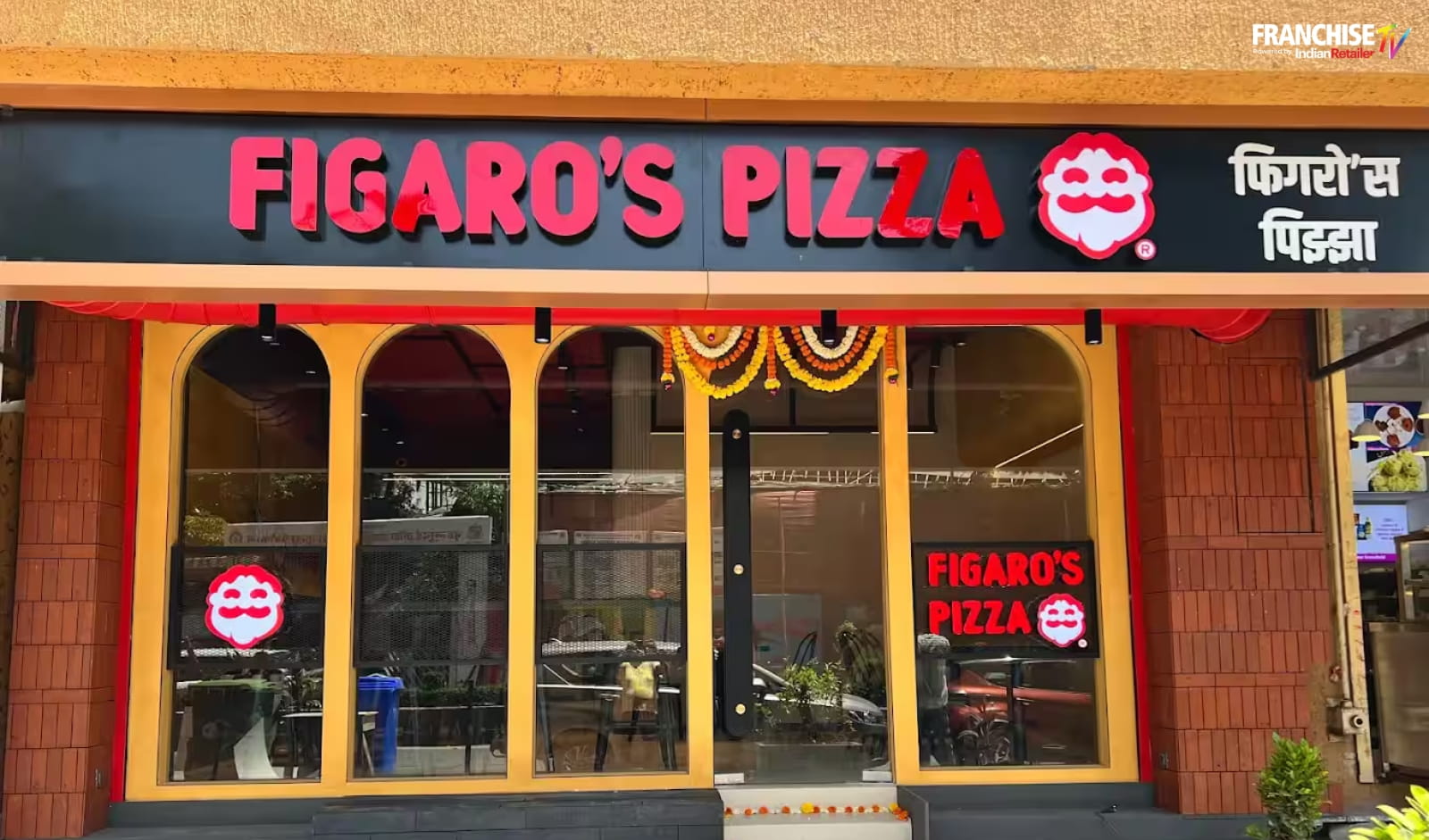
Figaro’s Italian Pizza provides an international-style pizza and quick-service concept for investors interested in the growing demand for global food formats. The brand profile describes it as an American multinational quick-service restaurant concept and highlights training, operational support, product quality, regional marketing assistance and franchise support. The profile lists an establishment year of 1981, an area requirement of 300–500 sq. ft., investment of approximately ₹30–50 lakh, and 10–20 outlets in India. Its relatively compact space requirement can be relevant for food courts and other high-footfall retail environments where pizza, takeaway and quick-service dining can work together.
Best suited for: Investors seeking an international-style pizza franchise with a compact outlet model.
Which Food Franchise Is Best for Your Budget?
The right choice depends heavily on investment capacity and location. Prasadam and Franks Famous Hot Dog sit in the ₹10–20 lakh range and may therefore appeal to first-time investors looking for a relatively lower-entry food business. Nazeer Foods and Figaro’s Italian Pizza fall into the ₹30–50 lakh range, while Karim’s represents the highest investment bracket at ₹50 lakh–₹1 crore.
For food-court investors, however, investment alone should not determine the decision. Menu demand, average order value, kitchen requirements, delivery potential, seating arrangement, mall revenue-sharing terms, royalty, manpower and expected footfall should all be evaluated before signing a franchise agreement.
Why Food Court Franchises Are Attracting Investors
The broader food franchise market is benefiting from several structural trends. Organised food services are expanding faster than the unorganised segment, while consumers increasingly value convenience, consistency, branded experiences and digital ordering.
The QSR franchise model is also expanding into Tier-II and Tier-III cities, where lower operating costs and growing consumer demand can create new opportunities. Industry research and franchise-sector coverage increasingly highlight smaller cities, compact formats, technology-enabled ordering and menu localisation as important growth themes.
Food courts are also evolving into experience-led destinations rather than simply collections of restaurants. Indian malls are increasingly positioning food and dining as major reasons for consumers to visit, while F&B operators are expanding across malls, high streets and other high-traffic locations.
What Investors Should Check Before Buying a Food Franchise
Before investing in any food franchise business, entrepreneurs should compare the total investment rather than only the franchise fee. Check the required area, kitchen and equipment costs, royalty, rent or revenue share, manpower requirements, raw-material supply, delivery economics, marketing support, training and expected break-even period.
It is equally important to verify the latest commercial terms directly with the franchisor because franchise fees, investment requirements, outlet counts and territory availability can change.
The Bottom Line
The Indian food franchise industry is entering a phase where established restaurant brands, focused QSR concepts and compact food formats can all find opportunities across malls, food courts, high streets and emerging cities. The five brands featured here offer different investment levels and business propositions—from Prasadam and Franks Famous Hot Dog for lower-entry opportunities to Nazeer Foods, Figaro’s Italian Pizza and Karim’s for larger investments.
For investors, the best food court franchise is ultimately the one that matches budget, location, customer demand, operating capability and long-term expansion goals rather than simply the brand with the lowest investment.
For Further Franchise Info Contact
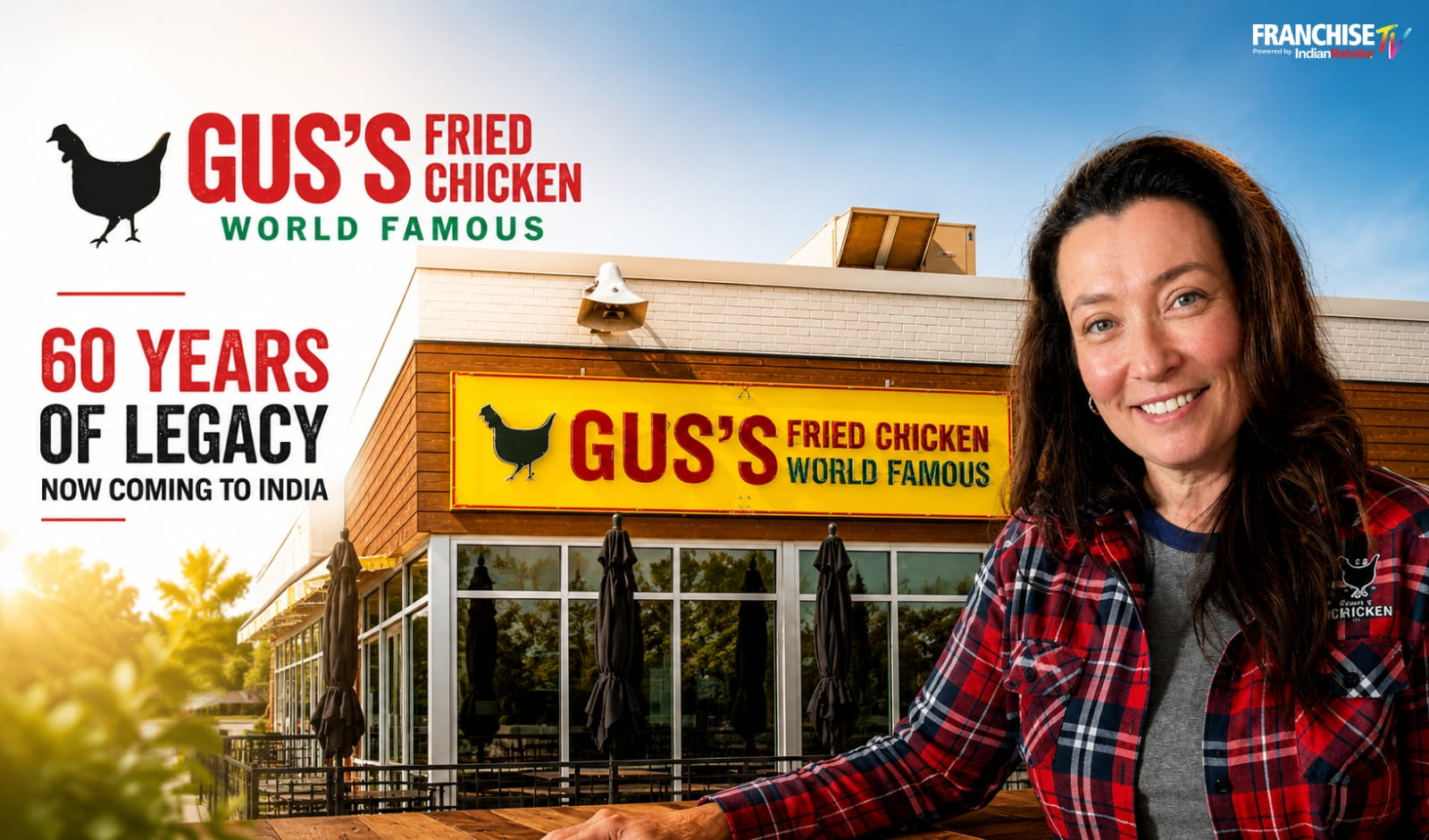
Gus’s World Famous Fried Chicken traces its story to Mason, Tennessee, where Napoleon “Na” Vanderbilt and his wife, Maggie, developed a hot and spicy fried chicken recipe more than six decades ago. What began as chicken sold from the back of a tavern grew into Maggie’s Short Orders in 1973. In 1984, their son Vernon “Gus” Bonner reopened the restaurant under the Gus’s World Famous Hot and Spicy Fried Chicken name. The webinar describes this family-led evolution and the preservation of the original recipe.
The brand has retained its original recipes and Southern identity while expanding across the United States. Its positioning is built around fresh, never-frozen chicken, distinctive spices and a dining experience rooted in community, tradition, quality and hospitality. GQ has also recognised Gus’s among America’s top meals worth travelling for.
A Premium QSR Opportunity in India
The webinar highlighted India’s growing appetite for branded food experiences, supported by urbanisation, rising disposable income, delivery adoption and interest in Western food. Fried chicken was presented as an attractive QSR category with room for differentiated premium concepts.
The brand’s vision is to become a preferred destination for fried chicken lovers while staying true to its roots. Its mission focuses on bringing people together through food and creating welcoming spaces for families, friends and communities.
Menu and Customer Experience
The proposed menu includes fried okra, fried pickles and fried green tomatoes, alongside chicken plates, à la carte options, snacks, kids’ meals and sides such as mac and cheese, fries, potato salad and baked beans. The India offering may add items while maintaining the brand’s core ethos.
Read also: Just Buy Cycles Reveals EV Franchise Growth Plan Under Rohit Kuttappa
Sadashri Jewels Invites Franchise Partners with Premium FOCO Jewellery Business Model
Franchise Model and Investment
The webinar outlined a 1,000–2,000 sq. ft. sit-down QSR format accommodating around 40–80 covers. Indicative total investment was presented at INR 55–75 lakh, including a INR 15 lakh franchise fee, fit-out, launch marketing, training, architecture and equipment. Property deposits were excluded. The franchise term is five years, with renewal available, while royalty was stated at 7% of sales.
The expansion strategy includes unit and area franchise opportunities, with priority markets including Delhi NCR, Hyderabad, Chennai, Bengaluru, Mumbai and Pune. Partners are expected to bring operational involvement and leadership, rather than only capital.
Wendy McCrory, President and owner of Gus’s World Famous Fried Chicken, represents the brand’s leadership, while Manish Kumar is leading its India expansion initiative.
Building the Next Chapter in India
With its long-standing recipe, strong identity and premium fried chicken positioning, Gus’s is looking to build a new chapter in India. The webinar invited entrepreneurs who can combine operational commitment with a passion for hospitality to explore the opportunity and help establish the brand in new markets.
For Further Franchise Info Contact
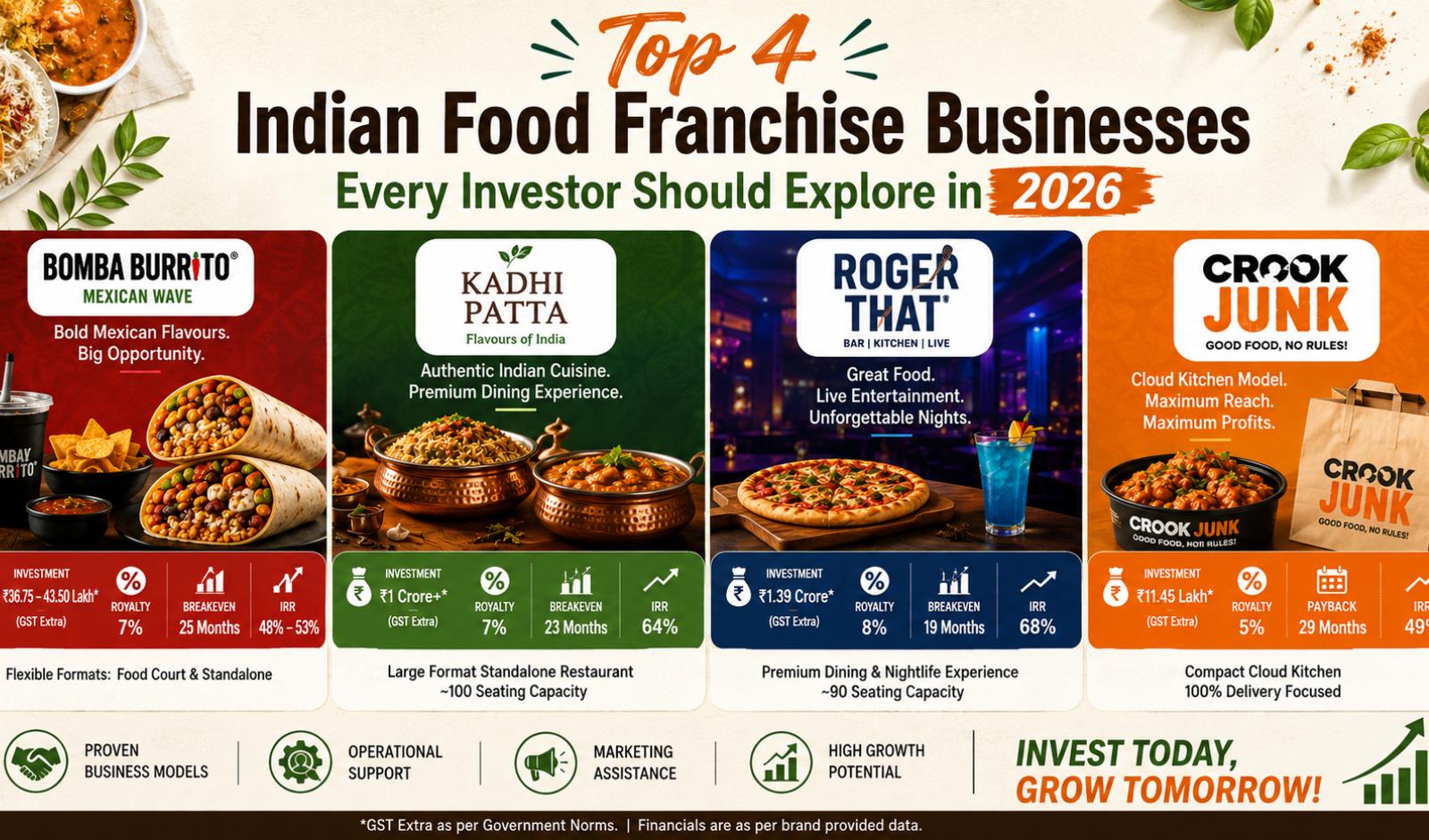
India's food service industry is one of the fastest-growing sectors in the country, driven by changing consumer preferences, rapid urbanization, and increasing demand for organized dining experiences. From quick-service restaurants and cloud kitchens to premium casual dining concepts, the market offers immense opportunities for entrepreneurs looking to build successful businesses through franchising.
Franchising has become a preferred route for investors because it minimizes many of the risks associated with launching an independent restaurant. Established brands provide standardized operating procedures, staff training, marketing assistance, supplier networks, and ongoing business support, enabling franchisees to focus on customer experience and business growth.
Whether you are looking for a low-investment delivery model or a premium dine-in restaurant, India's food franchise landscape offers options for every type of investor. Here are four promising food franchise brands that deserve attention.
Bomba Burrito
With Mexican cuisine gaining popularity among Indian consumers, Bomba Burrito has created a niche by offering burritos, tacos, rice bowls, quesadillas, nachos, and other Tex-Mex favorites in a quick-service restaurant format. The brand caters to young professionals, students, families, and food enthusiasts seeking fresh, flavorful meals served quickly.
One of Bomba Burrito's biggest strengths is its flexible franchise model. Entrepreneurs can choose between a food court outlet of approximately 600-800 sq. ft. or a larger standalone restaurant ranging from 800–1,000 sq. ft. The company provides comprehensive support, including store design, equipment planning, staff training, operational guidance, and launch marketing, helping franchise partners establish their business with standardized systems.
The investment requirement ranges between ₹36.75 lakh and ₹43.50 lakh, depending on the chosen format. Franchisees pay a 7 percent royalty, while the projected breakeven period is approximately 25 months. The franchise model estimates an Internal Rate of Return (IRR) of 48–53 percent, with annual EBITDA projections exceeding ₹13 lakh, making it an attractive opportunity in India's growing QSR segment.
Why invest?
Growing demand for international quick-service cuisine
Flexible outlet formats for different locations
Comprehensive franchise training and operational support
Attractive projected returns with a 25-month breakeven
Strong scalability across malls, high streets, and commercial hubs
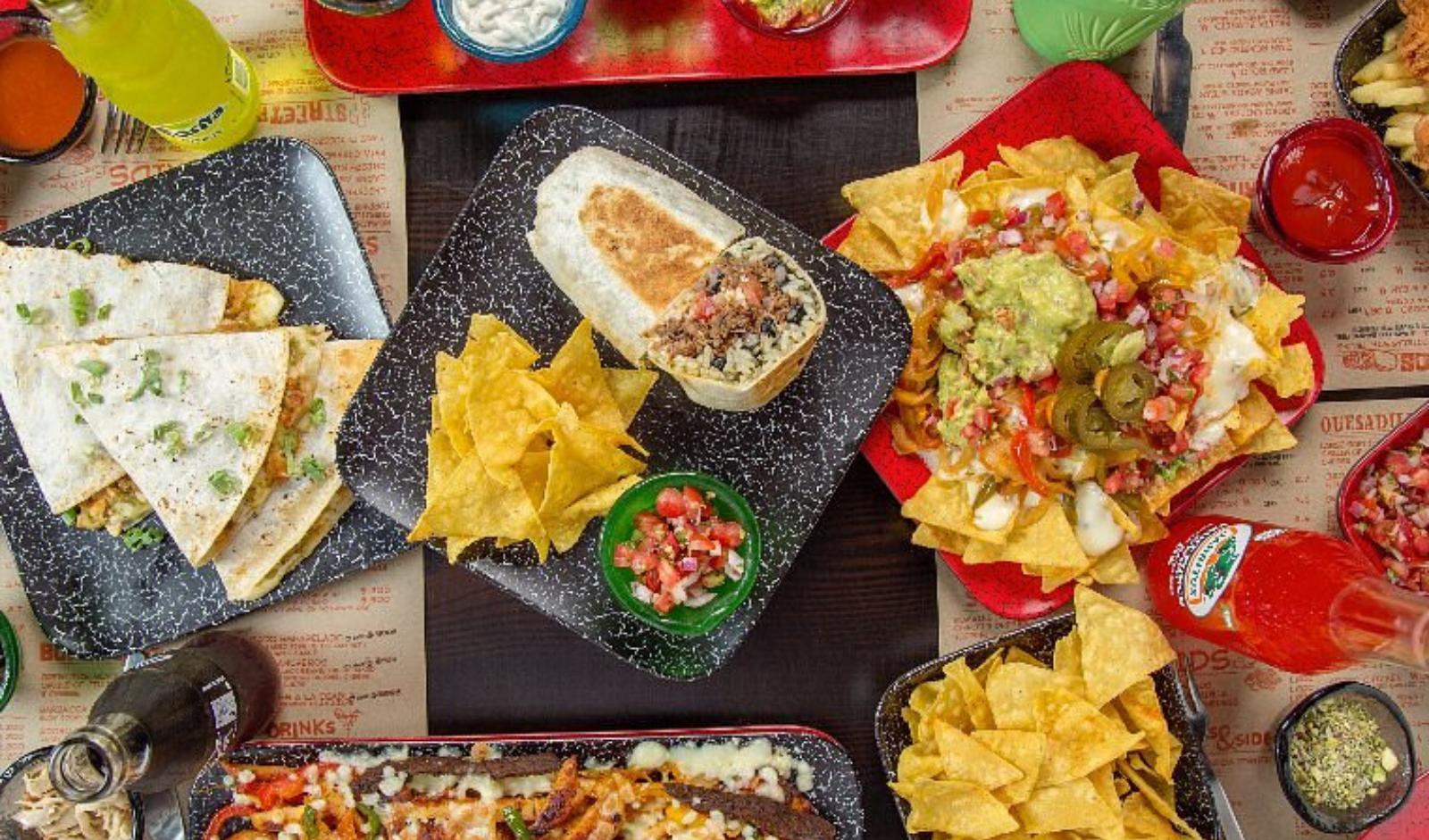
Kadhi Patta
Kadhi Patta celebrates authentic Indian cuisine by presenting regional flavours in a premium dining environment. Designed as a destination restaurant rather than a quick-service outlet, the brand caters to families, celebrations, business lunches, and social gatherings.
The franchise model recommends a large-format standalone restaurant of around 4,000 sq. ft., accommodating nearly 100 diners. The investment includes premium interiors, commercial kitchen equipment, furniture, branding, signage, technology infrastructure, and initial inventory, ensuring franchisees can deliver a consistent dining experience from day one.
According to the franchise model, the estimated store investment exceeds ₹1 crore, with additional working capital requirements. The business projects annual first-year sales of over ₹4.45 crore, while the expected breakeven period is around 23 months. An estimated IRR of 64 percent and annual EBITDA of more than ₹42 lakh reflect the brand's focus on high-volume premium dining. These projections position Kadhi Patta as an attractive opportunity for investors targeting the organized casual dining segment.
Why Invest?
Premium Indian dining concept
Large-format restaurant suitable for destination locations
High projected revenue potential
Strong profitability projections
Suitable for experienced hospitality investors
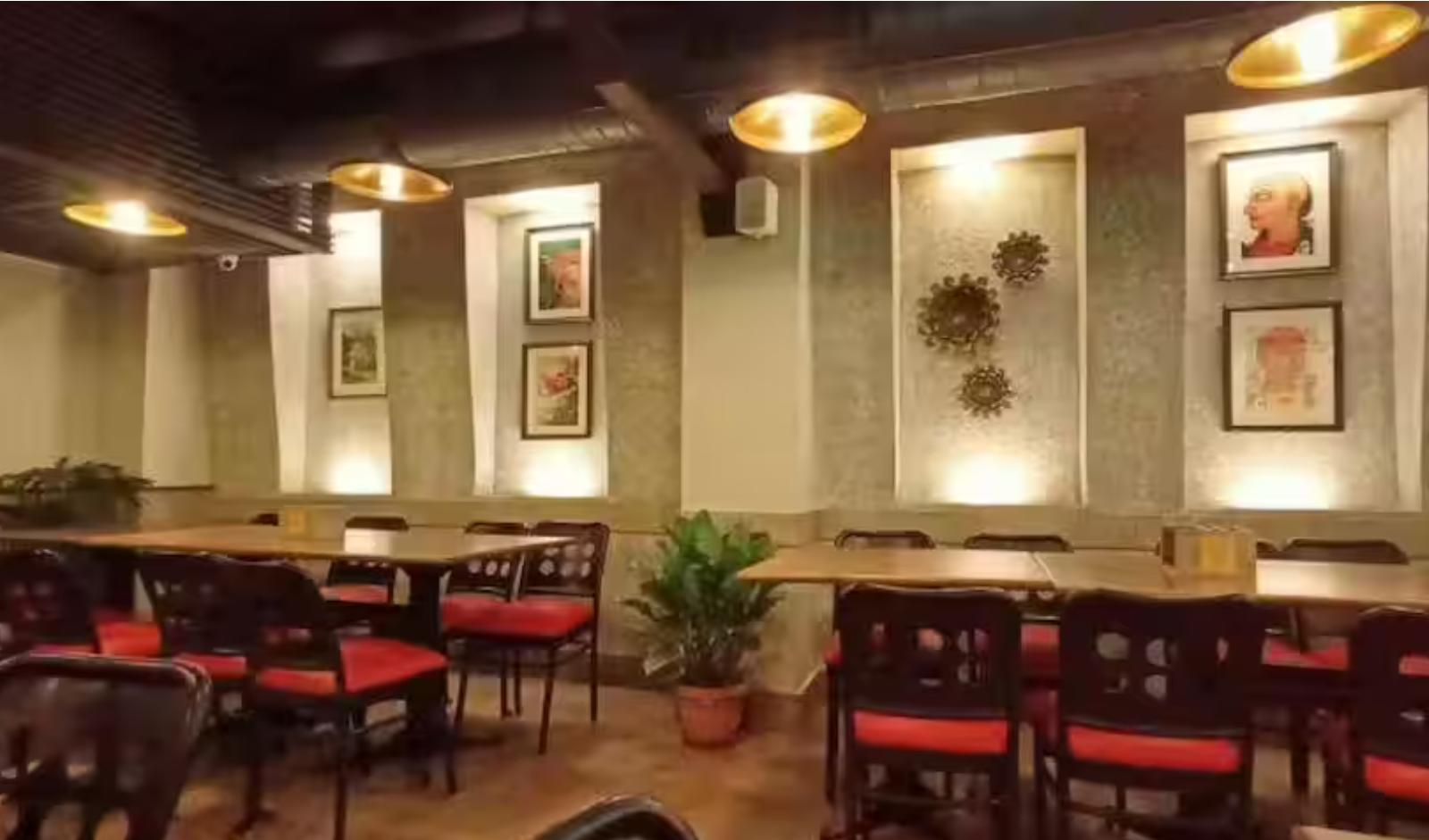
Roger That
Roger That offers more than just dining it delivers an entertainment-driven hospitality experience. Combining premium food, beverages, music, and live entertainment, the concept is designed to attract consumers seeking vibrant nightlife alongside quality dining.
The recommended outlet size is approximately 3,500 sq. ft., with seating for around 90 guests. Investment covers restaurant interiors, kitchen setup, branding, POS systems, furniture, networking infrastructure, entertainment equipment, and launch marketing.
The estimated store investment is around ₹1.39 crore, while additional working capital is required before launch. According to the financial model, the business projects annual sales of approximately ₹5.5 crore, an expected breakeven period of just 19 months, and a strong 68 percent IRR. These projections highlight the earning potential of an experiential restaurant format when executed in high footfall urban markets.
Why Invest?
Premium dining with entertainment
Strong projected sales and profitability
Fast projected breakeven
High customer engagement model
Suitable for metro and large city locations
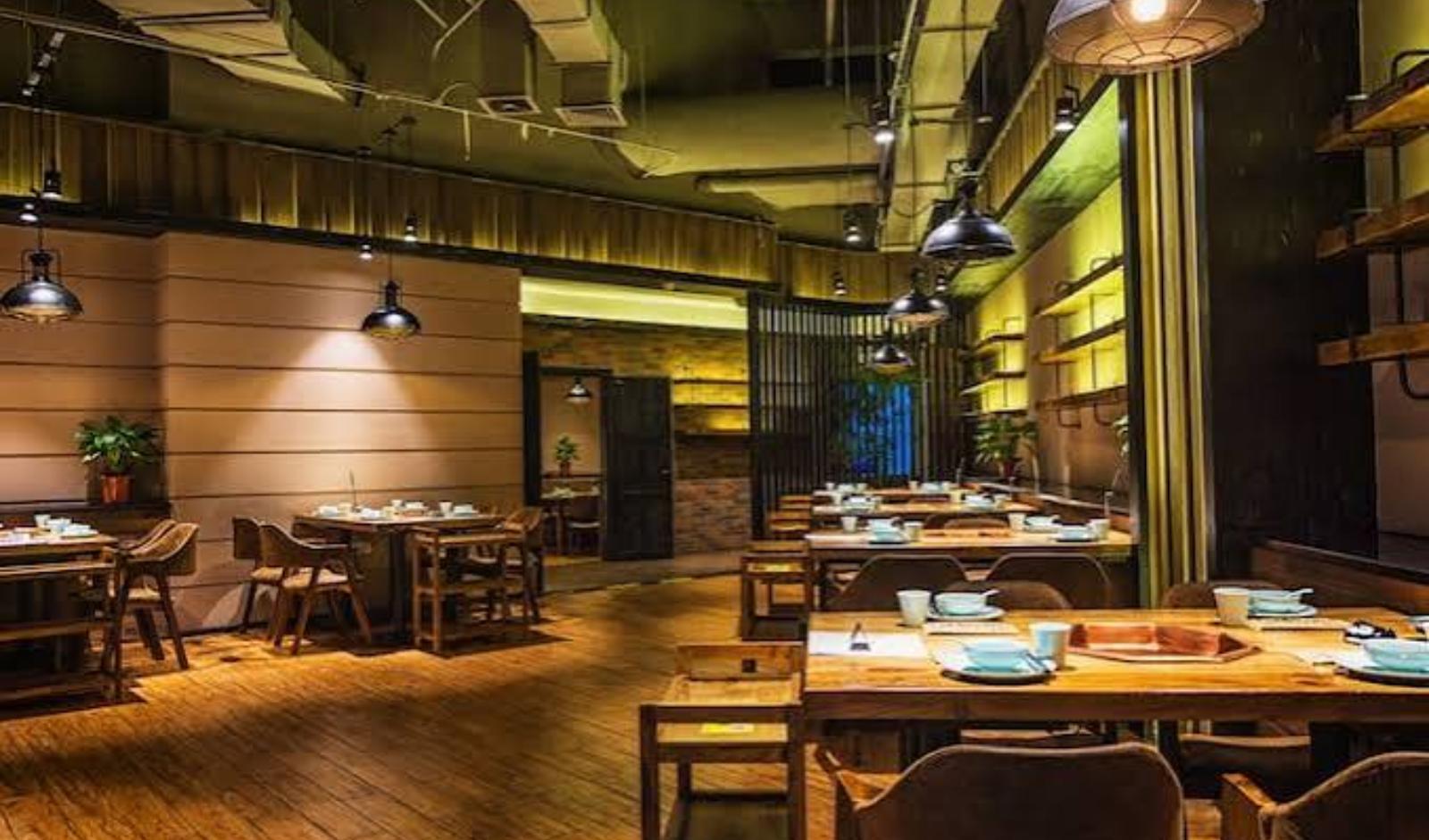
CrookJunk
As food delivery continues to reshape India's restaurant industry, CrookJunk has adopted a cloud kitchen-first approach. The concept eliminates the need for dine-in space, allowing entrepreneurs to focus entirely on delivery and takeaway operations while reducing rental and infrastructure costs.
The recommended kitchen size is approximately 300 sq. ft., making it suitable for densely populated urban areas where online ordering dominates consumer behaviour. Franchise support includes equipment planning, software integration, licensing assistance, branding, marketing, and operational guidance.
The franchise requires an estimated store investment of around ₹11.45 lakh, making it the most affordable option among these four brands. The model carries a 5 percent royalty, projects a 29-month payback period, and estimates an IRR of 49 percent. For entrepreneurs entering the organized food business with limited capital, CrookJunk offers an accessible and scalable business model focused on digital food delivery.
Why Invest?
Low investment requirement
Cloud kitchen and delivery-first model
Compact space requirement
Technology-enabled operations
Ideal for first-time food entrepreneurs
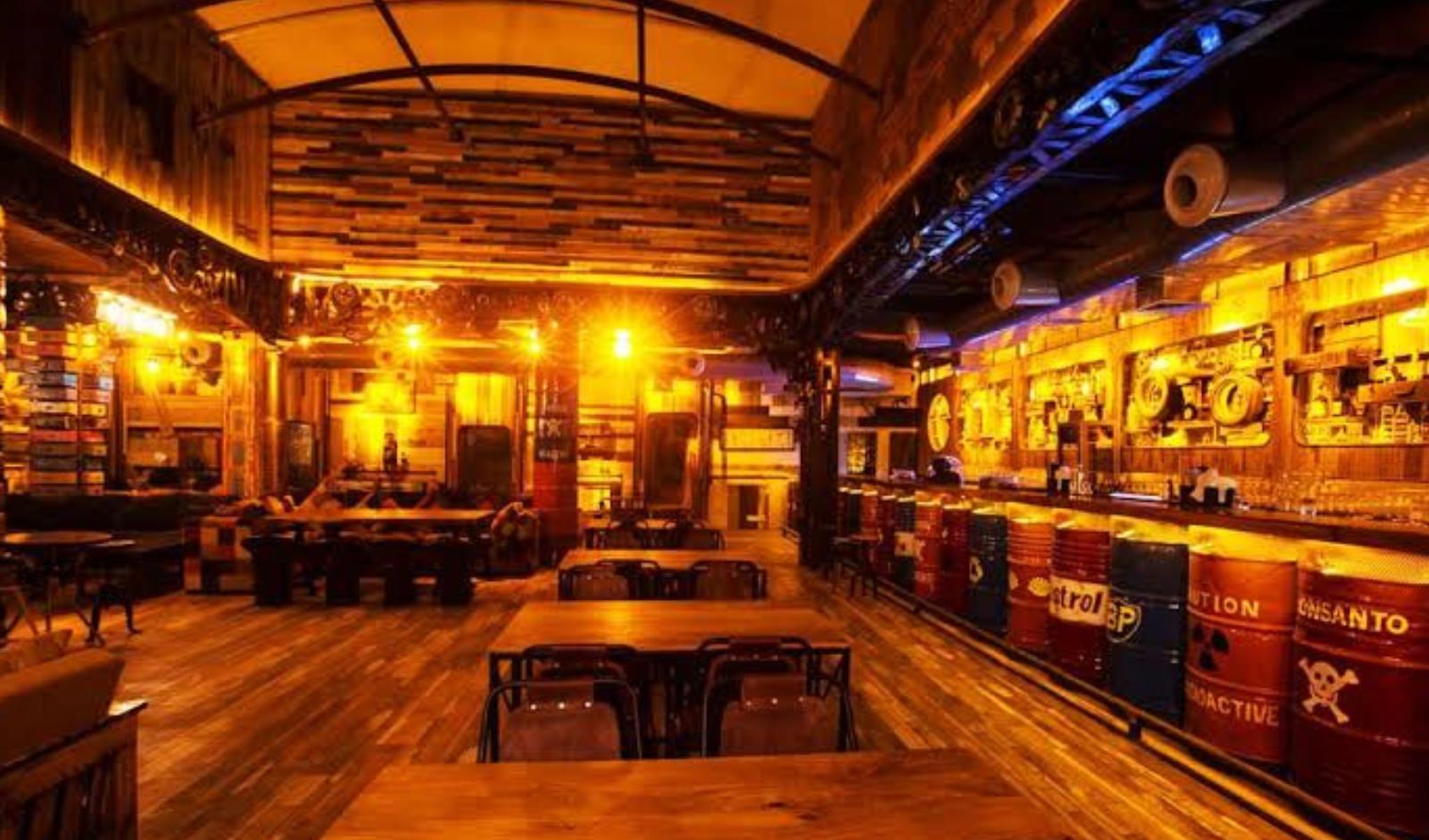
Conclusion
India's food franchise market is evolving rapidly, creating opportunities across multiple formats—from premium restaurants and experiential dining destinations to quick-service outlets and delivery-first kitchens. Each of these four brands caters to a different customer segment and investment profile, allowing entrepreneurs to choose a business that aligns with their financial capacity and long-term goals.
Bomba Burrito offers a contemporary QSR concept with strong scalability, while Kadhi Patta targets premium Indian dining with significant revenue potential. Roger That brings together hospitality and entertainment to create a differentiated customer experience, whereas CrookJunk demonstrates how cloud kitchens can deliver an affordable entry into the organized food business.
Before investing, entrepreneurs should evaluate market demand, location potential, operational support, financial projections, and the brand's long-term growth strategy. Choosing a franchise with a proven operating model and strong business fundamentals can help investors build a sustainable and profitable food business in India's expanding restaurant industry.
For Further Franchise Info Contact
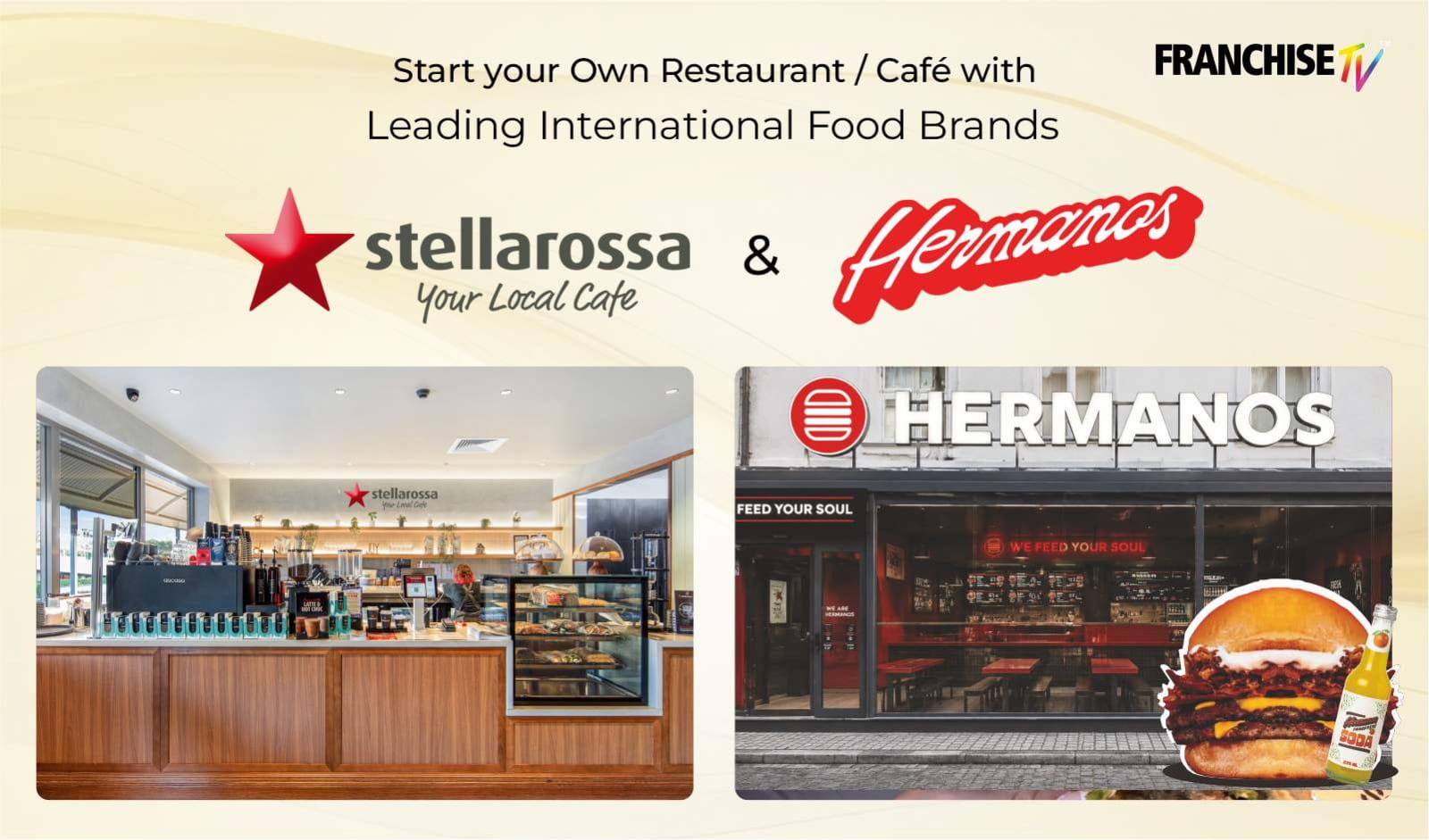
Two internationally recognized food brands, Stellarossa from Australia and Hermanos Burgers from Malta, have announced ambitious expansion plans for the Indian market, inviting entrepreneurs to become part of their next growth phase. During an exclusive webinar, the leadership teams of both brands shared their business philosophies, franchise models, investment structures, and long-term vision for India.
Opening the session, the presenters highlighted India's rapidly expanding organized café and quick service restaurant (QSR) industry. Increasing disposable income, urban lifestyles, premium dining preferences, and growing mall developments are creating significant opportunities for international food brands seeking long-term expansion.
Stellarossa Eyes India's Premium Café Market
Founded in Australia, Stellarossa has positioned itself as a premium café brand offering an extensive all-day menu featuring breakfast options, gourmet sandwiches, pasta, pizzas, desserts, and specialty beverages. Rather than operating as a coffee-only chain, the brand focuses on maximizing customer visits throughout the day with a diversified menu.
During the presentation, the leadership explained that India's café market is witnessing exceptional growth, supported by rising demand for premium café experiences and organized retail spaces. The company emphasized its "first mover advantage," encouraging entrepreneurs to secure territories before competition intensifies.
The webinar introduced three franchise formats designed for different locations and investment capacities:
- Café Format – approximately 1,000 sq. ft. with an investment of around ₹75.3 lakh
- High Street Mall Format – approximately 1,200 sq. ft. requiring nearly ₹93.3 lakh
- Café & Bar Format – approximately 2,000 sq. ft. with an investment of around ₹1.46 crore
All models operate with a 7 percent royalty, 5+5 year agreement, and projected payback periods ranging from 12 to 18 months, depending on the selected format.
The presenters also outlined the ideal franchise partner as someone with business management experience, sufficient operating capital, strong local market knowledge, and a long-term commitment to building premium hospitality businesses.
Hermanos Burgers Brings Gourmet Burger Experience to India
The second half of the webinar focused on Hermanos Burgers, a fast-growing gourmet burger brand founded by Vincenzo Raspisarda in Malta. Inspired by flavors collected from more than 50 countries, the brand combines international recipes with premium ingredients to deliver distinctive gourmet burgers and casual dining experiences.
The leadership explained that Hermanos was created with a mission of bringing people together through food while maintaining consistent quality and operational excellence. The presentation highlighted the brand's identity around creativity, authenticity, and community-driven dining.
For India, Hermanos is introducing multiple franchise opportunities, including standalone restaurants, larger dine-in formats, area development rights, and master franchise partnerships. The investment presentation showcased a standalone model requiring approximately 1,200–1,500 sq. ft. with an estimated investment of around ₹70 lakh, while larger restaurant formats require higher investments with similar operational support and long-term agreements.
Strong Operational Support for Franchise Partners
Both brands emphasized that franchise success depends on comprehensive business support rather than simply licensing a brand name. Entrepreneurs receive assistance in site selection, store planning, interior design, equipment sourcing, recruitment, staff training, launch marketing, supply chain management, digital marketing, and ongoing operational guidance.
The presenters also explained that localized supply chains, dedicated India-based support teams, and structured training programs will help franchise partners maintain international quality standards while adapting to Indian consumer preferences.
Read more: How Indian jewellery brands are expanding beyond traditional showrooms
Top 8 Premium International Cafe Franchise Brands in India
A Growing Opportunity for Food Entrepreneurs
The webinar concluded with the message that India's premium café and gourmet burger segments continue to offer significant expansion potential. With increasing consumer spending, organized retail growth, and demand for global dining experiences, both Stellarossa and Hermanos Burgers aim to establish strong footprints across major metropolitan cities.
Backed by proven international business models and comprehensive franchise support systems, both brands are positioning themselves as attractive opportunities for entrepreneurs looking to enter India's premium food service industry.
For Further Franchise Info Contact
India's franchise industry is witnessing a major transformation as brands move beyond metropolitan cities to tap the immense potential of smaller markets. Rising disposable incomes, rapid urbanisation, better infrastructure, and changing consumer preferences have made Tier-II and Tier-III cities the next growth engine for organised businesses. Today, entrepreneurs are increasingly looking at top multi city franchise brands in India that offer proven business models, established customer trust, and long term scalability.
From quick-service restaurants to cafés and dessert chains, several franchise brands in India are aggressively expanding through franchise partnerships. This trend has created exciting franchise opportunities in India, particularly for investors looking to benefit from business expansion in Tier II cities and emerging markets where organised retail is still growing. Whether it is a food franchise, restaurant franchise, cafe franchise, or retail franchise, these brands are building extensive networks of franchise outlets across the country.
1. Subway
One of the world's largest quick-service restaurant chains, Subway has built a strong presence in India by offering freshly prepared sandwiches, wraps, salads, and beverages. Its flexible outlet formats make it suitable for malls, high streets, airports, and commercial hubs, enabling expansion across multiple cities.
Franchise Highlights
- Approximate Investment: ₹60 lakh - ₹1.2 crore
- Space Required: 3000 - 600 sq. ft.
- Strong international brand recognition
- Comprehensive franchise training
- Centralised supply chain support
- Technology-enabled operations
- Suitable for Tier-I, Tier-II, and Tier-III markets
Read also: Top 8 Premium International Cafe Franchise Brands in India
10 Key Steps to Opening a Successful Franchise Business
The Trends Transforming India’s Ice Cream Franchise Industry
2. La Pino'z Pizza
La Pino'z Pizza has emerged as one of India's fastest-growing pizza chains with hundreds of outlets nationwide. Known for its affordable pricing and wide menu, the brand has successfully expanded into smaller cities through an efficient franchise model.
Franchise Highlights
- Approximate Investment: ₹35 lakh–₹60 lakh
- Space Required: 500–1,200 sq. ft.
- Delivery-focused business model
- Strong digital ordering presence
- Marketing and promotional support
- Operational training for franchise partners
- High demand among young consumers
3. Burger Singh
Burger Singh has created a unique identity by combining international burger formats with Indian flavours. The homegrown QSR chain continues to expand rapidly across North, West, and South India, making it one of the fastest-growing Multi-City Franchise Brands.
Franchise Highlights
- Approximate Investment: ₹30 lakh - ₹55 lakh
- Space Required: 300 - 800 sq. ft.
- Multiple outlet formats
- Centralised procurement
- Brand marketing support
- Technology-driven operations
- Suitable for high-footfall commercial locations
4. Chicago Pizza
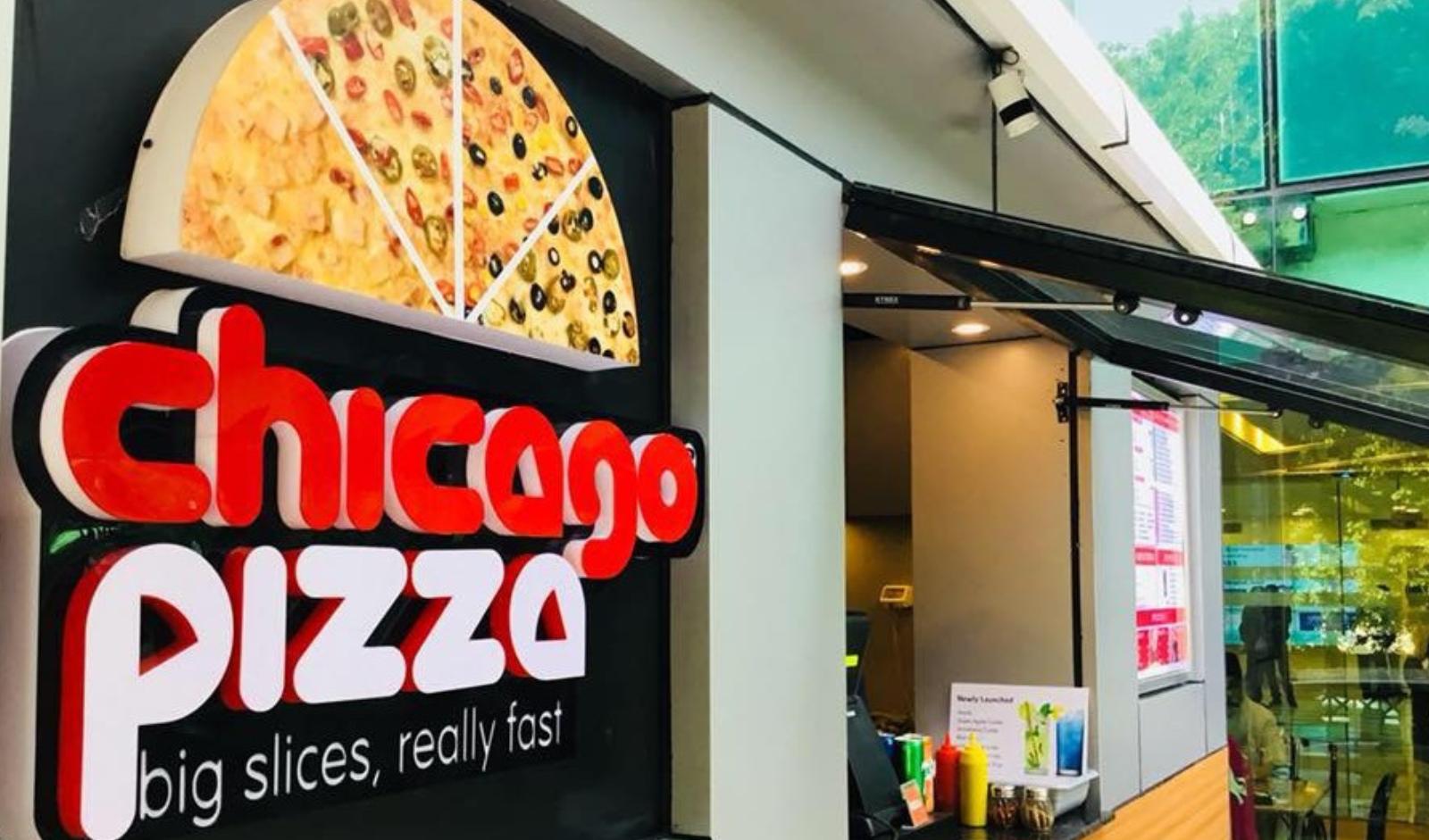
Chicago Pizza has steadily expanded its footprint by offering handcrafted pizzas, pasta, garlic bread, and beverages. The brand's affordable investment and operational simplicity have made it attractive for franchise investors in emerging cities.
Franchise Highlights
- Approximate Investment: ₹20 lakh–₹40 lakh
- Space Required: 400–900 sq. ft.
- Delivery and dine-in model
- Standardised operating procedures
- Staff training support
- Marketing assistance
- Strong expansion focus in Tier-II markets
5. Karim's
With a legacy of authentic Mughlai cuisine dating back more than a century, Karim's has successfully expanded beyond Delhi through franchising. The brand attracts customers seeking premium North Indian dining experiences.
Franchise Highlights
- Approximate Investment: ₹40 lakh–₹80 lakh
- Space Required: 1,000–2,000 sq. ft.
- Heritage brand value
- Standardised recipes
- Kitchen setup guidance
- Operational training
- Strong customer loyalty
6. Giani's
Giani's is among India's most recognised dessert brands, offering premium ice creams, sundaes, shakes, kulfis, and frozen treats. Its compact outlet formats and consistent demand make it a preferred investment option in smaller cities.
Franchise Highlights
- Approximate Investment: ₹18 lakh–₹35 lakh
- Space Required: 250–600 sq. ft.
- Attractive product margins
- Compact business model
- Store setup assistance
- Marketing support
- Growing demand throughout the year
7. Belgian Waffle Factory
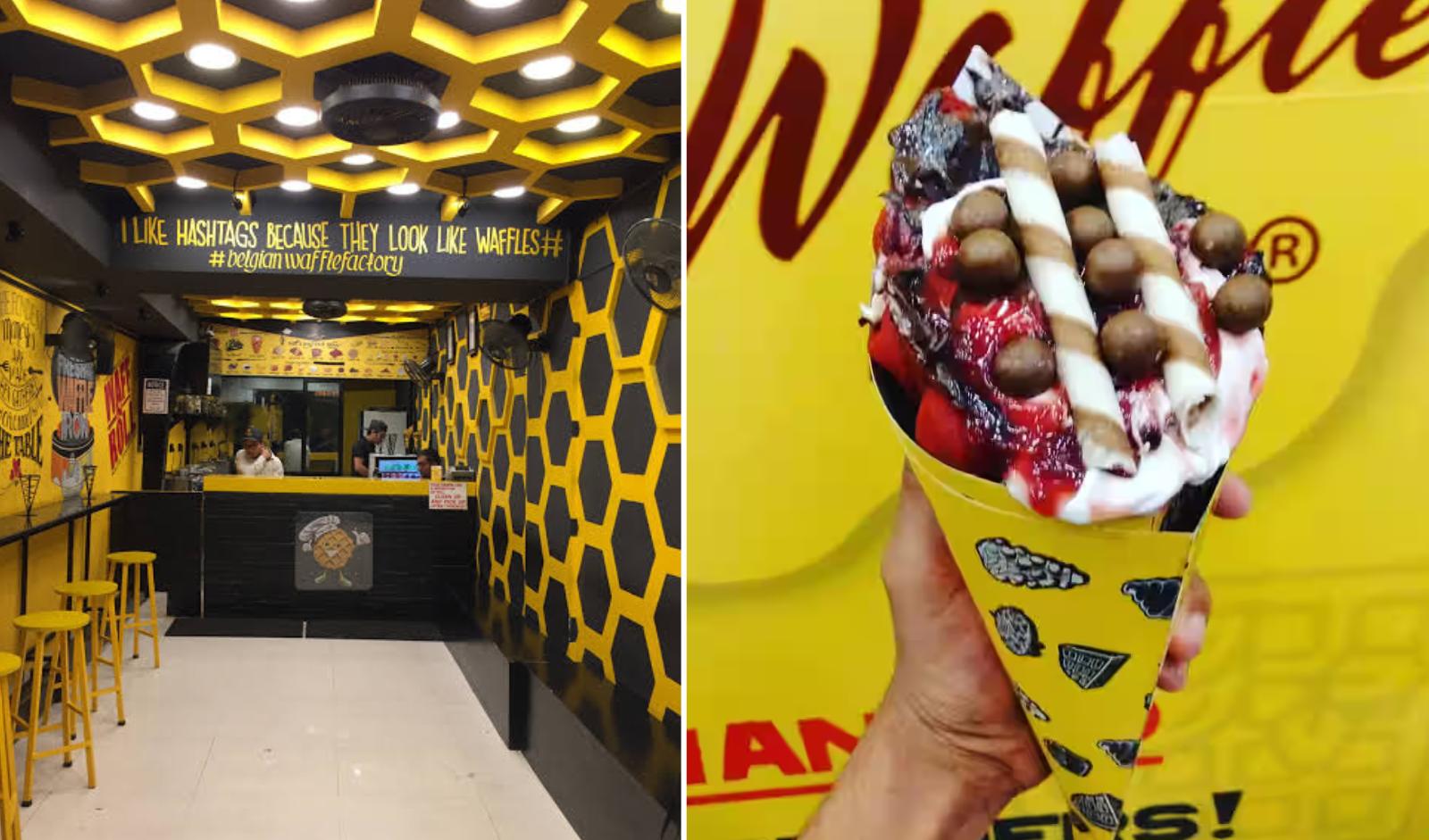
Belgian Waffle Factory has capitalised on India's growing appetite for desserts and grab-and-go snacks. Its kiosk and compact café formats allow quick expansion across malls, multiplexes, and commercial centres.
Franchise Highlights
- Approximate Investment: ₹18 lakh–₹30 lakh
- Space Required: 150–350 sq. ft.
- Easy-to-manage operations
- Quick service format
- Franchise training programme
- Centralised supply chain
- Strong takeaway business
8. Tea Bro
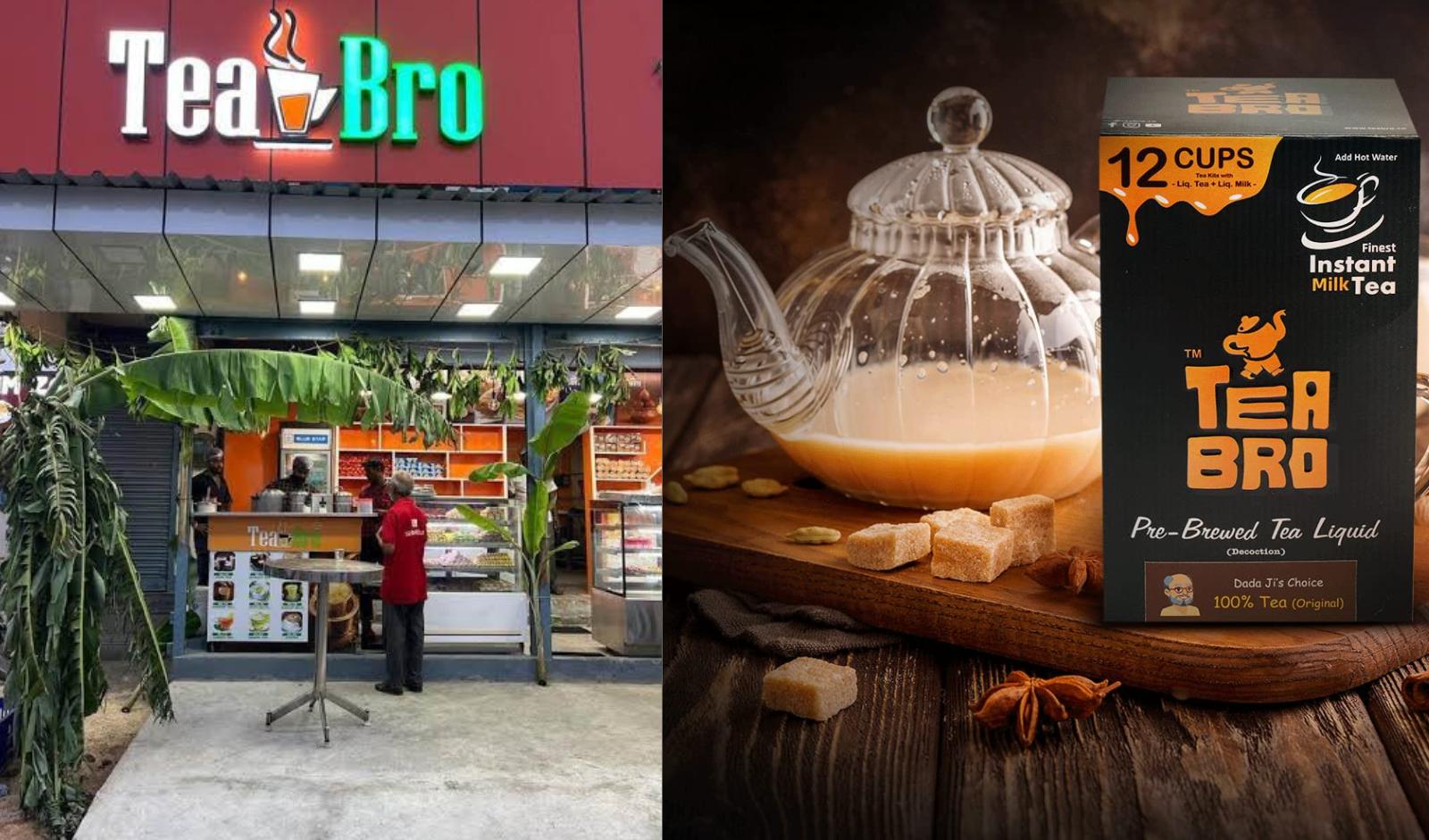
Tea Bro is gaining popularity by offering premium tea, coffee, snacks, and café-style experiences at affordable prices. Its low investment requirement makes it particularly attractive for first-time entrepreneurs exploring a Tier II city franchise opportunity.
Franchise Highlights
- Approximate Investment: ₹12 lakh–₹25 lakh
- Space Required: 200–500 sq. ft.
- Affordable business model
- Multiple beverage options
- Operational support
- Marketing assistance
- Fast-growing presence across India
9. Coffeehouse Company
Coffeehouse Company brings an international café experience to Indian consumers with premium coffee, beverages, desserts, and light meals. The brand is expanding steadily through franchise partnerships in growing urban markets.
Franchise Highlights
- Approximate Investment: ₹35 lakh–₹70 lakh
- Space Required: 800–1,500 sq. ft.
- International café concept
- Premium customer experience
- Barista and staff training
- Store design support
- Strong focus on customer engagement
10. Dosaka
Dosaka has established itself as a specialised South Indian quick-service restaurant brand serving dosas, idlis, vadas, beverages, and regional delicacies. The brand's standardised kitchen model supports efficient expansion across multiple cities.
Franchise Highlights
- Approximate Investment: ₹15 lakh–₹30 lakh
- Space Required: 300–700 sq. ft.
- Standardised recipes
- Quick-service operations
- Franchise training
- Supply chain support
- Suitable for high-demand food markets
Know more: Top 5 Fashion Retail Franchise Brands for Delhi Entrepreneurs
Top 10 International Food Franchise Brands to Start a Business in India
Top 5 Fine Dining Restaurant Franchise Businesses to Invest in India
Why These Brands Are Growing in Tier-II & Tier-III India
Several factors are driving the success of multi-city franchise brands across emerging markets:
- Lower rental and operating costs
- Rising disposable incomes
- Growing preference for organised food brands
- Improved logistics and digital payments
- Better commercial infrastructure
- Increasing demand for branded dining experiences
- Untapped customer base compared to metros
Conclusion
The future of franchising in India lies beyond metropolitan cities. As consumer aspirations continue to evolve, leading brands are investing heavily in expanding their franchise outlets across smaller markets. For entrepreneurs, partnering with established names such as Subway, La Pino'z Pizza, Burger Singh, Chicago Pizza, Karim's, Giani's, Belgian Waffle Factory, Tea Bro, Coffeehouse Company, and Dosaka offers access to proven business systems, brand recognition, and operational support. Before making an investment, prospective franchisees should evaluate total setup costs, location viability, franchise support, and long-term growth potential to select the business that best aligns with their investment goals.
For Further Franchise Info Contact
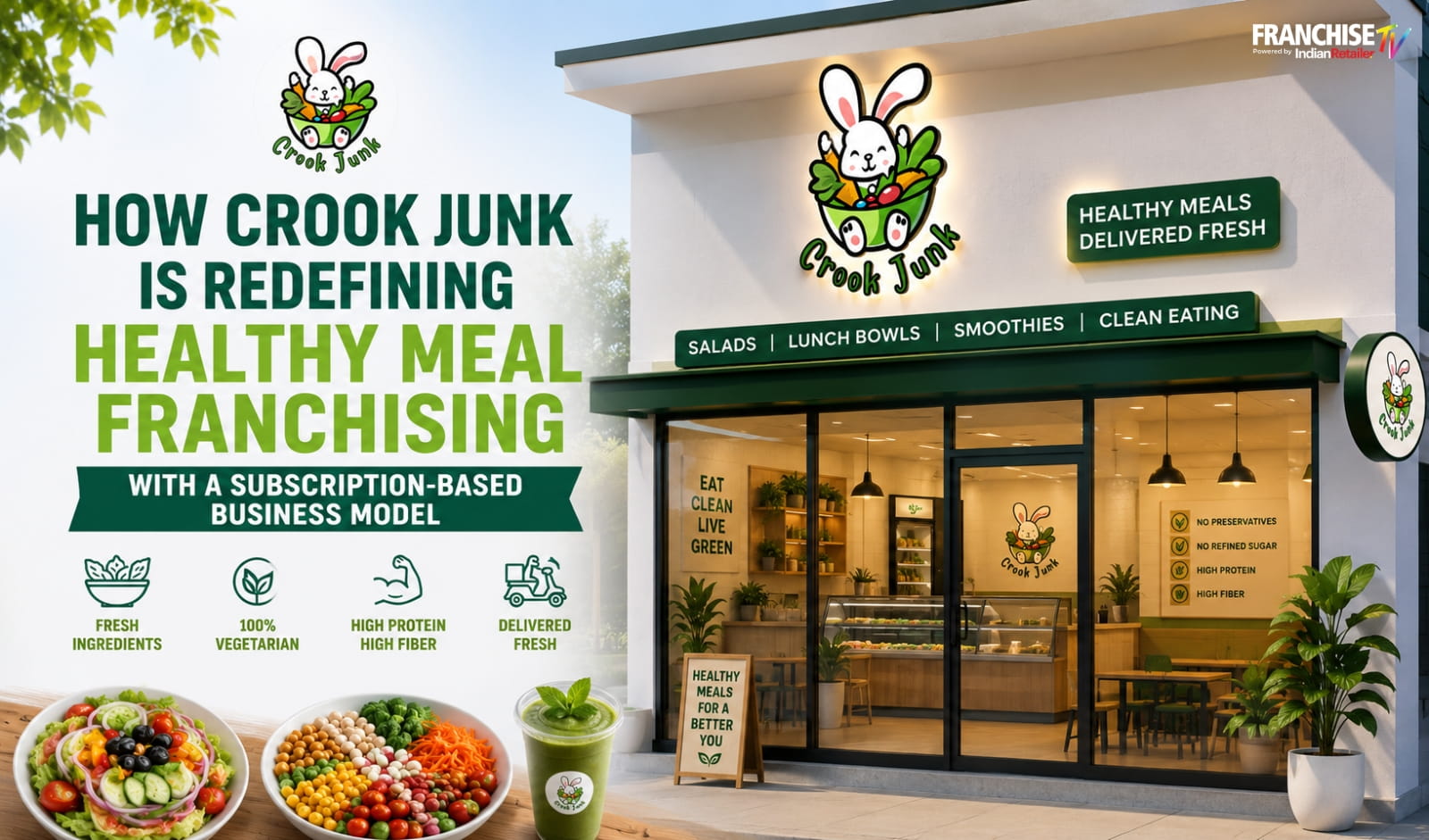
India's healthy food industry is witnessing rapid growth as more consumers prioritize nutritious, preservative-free meals without compromising on convenience. During an insightful webinar, Balaji Vasu, Co-Founder & CEO of Crook Junk, shared how the Chennai-based healthy meal brand has built a sustainable subscription-driven business while creating an attractive franchise opportunity for aspiring entrepreneurs.
Founded with the vision of making healthy eating simple and accessible, Crook Junk offers freshly prepared vegetarian meals delivered directly to customers' doorsteps. Unlike conventional cloud kitchens, the brand focuses on long-term wellness by serving protein-rich salads, balanced lunches, and nutritious smoothies designed by considering fiber, protein, and complex carbohydrate requirements.
Balaji Vasu explained that the company primarily serves working professionals, fitness enthusiasts, individuals managing lifestyle diseases, and customers seeking convenient yet wholesome meals. Through a rotating weekly menu, Crook Junk ensures customers enjoy variety while maintaining nutritional balance, helping reduce menu fatigue that is common in subscription food businesses.
One of the biggest highlights discussed during the webinar was the brand's operational success. Over the last three years, Crook Junk has delivered more than 100,000 healthy meal boxes, serves 600+ active subscribers, and has earned an impressive 4.9-star Google rating. The company currently delivers nearly 350–400 meal boxes daily across Chennai while maintaining a customer retention rate of approximately 66 percent, reflecting strong customer satisfaction and recurring demand.
The webinar also highlighted the franchise business model. Crook Junk follows a FOFO (Franchise Owned Franchise Operated) model with a cloud kitchen format requiring approximately 300 sq. ft. of operational space. Since food preparation happens through a centralized production kitchen, franchise partners mainly handle portioning, final packaging, local marketing, and last-mile delivery, making operations comparatively simple and efficient.
According to Balaji Vasu, the estimated investment ranges between ₹22 lakh and ₹24 lakh, including setup costs, franchise fees, branding, initial marketing, and working capital. Franchisees pay a 5 percent royalty on monthly revenue, while the company provides comprehensive support including store setup guidance, branding, digital marketing assistance, POS systems, operational training, inventory management, and ongoing business mentoring.
Read also: Top 8 Premium International Cafe Franchise Brands in India
10 Key Steps to Opening a Successful Franchise Business
Expansion plans are currently focused on strengthening Chennai before entering other South Indian cities such as Bengaluru, Hyderabad, Coimbatore, and Vizag. The leadership believes increasing awareness around healthy lifestyles, preventive healthcare, and nutrition creates significant long-term opportunities for entrepreneurs entering this category.
The webinar concluded by emphasizing that Crook Junk is not merely selling food but building a recurring subscription-based wellness ecosystem. With centralized production, structured operational support, innovative menus, and growing consumer demand, the brand presents an opportunity for entrepreneurs looking to participate in one of India's fastest-growing healthy food segments.
For Further Franchise Info Contact
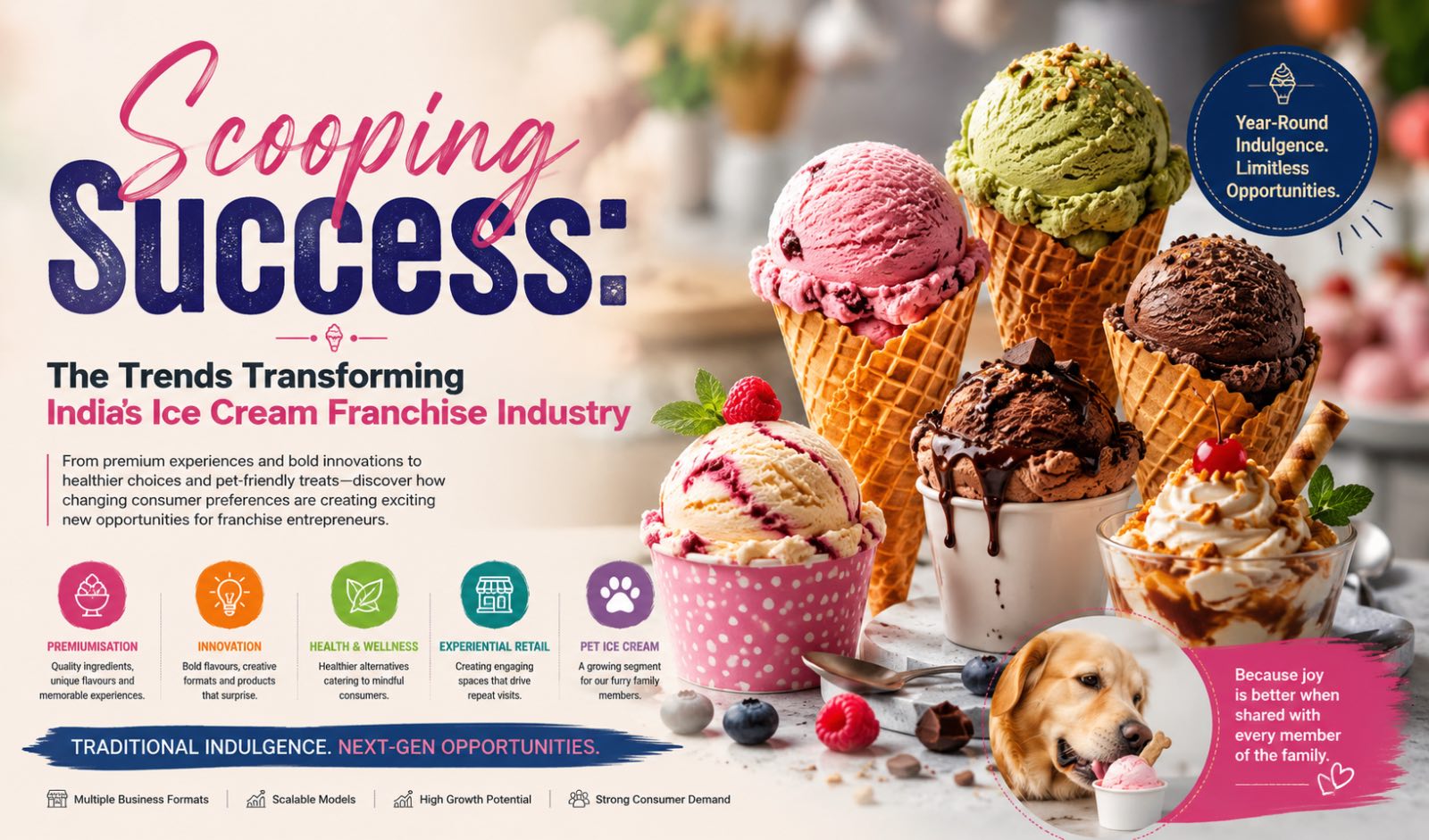
Ice cream has long been one of India’s most popular indulgences, bringing together nostalgia, celebration and everyday consumption. From traditional family parlours to premium dessert destinations, the category has continued to evolve with changing consumer preferences. Today, consumers are looking beyond familiar flavours and conventional formats, creating new opportunities for brands and entrepreneurs.
The opportunity is reflected in the category’s strong growth trajectory. India’s ice cream market is entering a new phase of expansion, with changing lifestyles, rising disposable incomes and increasing acceptance of ice cream as an everyday indulgence driving demand. According to IMARC Group, the market is estimated to reach INR 271.7 billion in 2026 and is projected to grow to INR 639.4 billion by 2034, reflecting a CAGR of around 11.3% during the period.
Beyond traditional flavours and seasonal consumption, the category is being reshaped by premiumisation, bold flavour innovations, healthier alternatives and experiential retail formats. At the same time, new opportunities are emerging in specialised segments such as pet-friendly ice cream, creating fresh possibilities for brands and franchise entrepreneurs beyond the conventional ice cream parlour model.
From a Summer Treat to a Year Round Business
Ice cream has traditionally been associated with hot weather, but the category has increasingly become a year-round business. Consumers now purchase ice cream for celebrations, social occasions, late night indulgence and everyday cravings.
The emotional connection remains one of the category’s biggest strengths. Amul captured this sentiment through its message:
“Ice cream is the universal language of joy. Be happy.”
This emotional appeal gives ice cream businesses a strong foundation for repeat consumption. However, as competition increases, brands need to offer more than a familiar product. For franchisees, location remains important, but product differentiation, customer experience and brand recall are becoming equally critical.
This is where innovation is playing a larger role.
Innovation Is Becoming the Key to Differentiation
The Indian ice cream market is witnessing a steady expansion of flavours, formats and product concepts. Brands are experimenting with bold combinations, nostalgic flavours, premium ingredients and innovative formats that encourage trial and impulse purchases.
Ankit Chona, Founder of HOCCO Ice Creams, HOCCO Kitchen and HOCCO Latte, has highlighted the importance of creating memorable brand experiences, noting that “unpredictable gets remembered” and “visibility brings sales, but innovation builds legacy.”
Along with new flavours, brands are increasingly focusing on premium ingredients, distinctive presentations and experience-led concepts to attract consumers who are willing to explore beyond traditional offerings.
For franchise businesses, a strong innovation pipeline can directly influence customer retention. Seasonal launches, limited-edition flavours and unique formats give consumers new reasons to return while strengthening brand visibility.
A Strong Brand Philosophy Can Create Long Term Value
Some of India’s most recognised ice cream brands have built their identities around a clear philosophy.
The late Raghunandan Srinivas Kamath, Founder of Naturals Ice Cream, famously said:
"If I want to sell ice cream, I will invest in trees."
The quote reflects a long-term approach to sourcing and business building. Whether focused on natural ingredients, sustainability, affordability or innovation, a clear brand philosophy helps create consistency across locations and build customer loyalty.
For franchise businesses, a strong identity is becoming increasingly important in a crowded market. Consumers are often drawn to brands that offer a clear point of view rather than simply another dessert option.
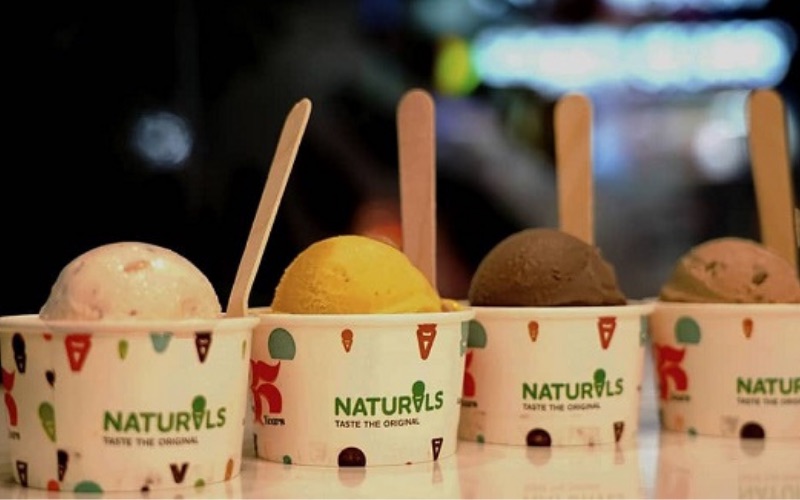
Franchise Models Are Driving Growth
As the ice cream category becomes more organised, franchising is emerging as a key growth strategy for brands looking to expand beyond their home markets. Instead of relying only on company-owned outlets, brands are partnering with entrepreneurs to build wider networks while maintaining consistency in quality, operations and customer experience.
Brands including Baskin Robbins, Giani’s, Naturals Ice Cream, Cream Stone and NIC Ice Creams have expanded through franchise-led models across multiple cities. Most operate through formats such as FOFO (Franchise Owned, Franchise Operated) and FOCO (Franchise Owned, Company Operated), allowing investors to choose models based on their involvement and business goals.
Depending on the brand, location and outlet format, investments can range from compact kiosks to full-scale parlours. As the market evolves, strong supply chains, franchise support, product innovation and scalable formats are becoming key factors for entrepreneurs evaluating opportunities in the ice cream business.
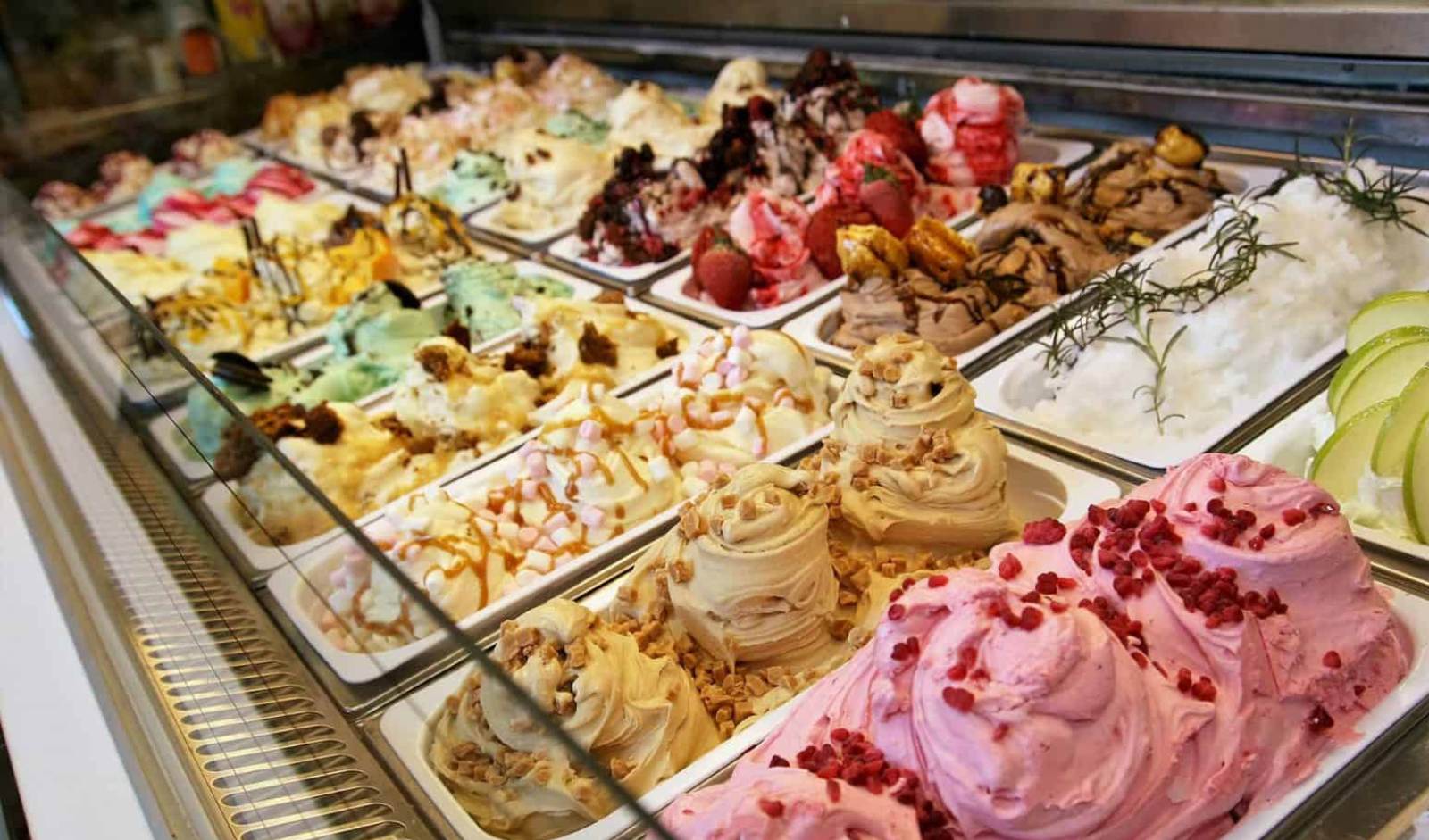
The Next Phase of Ice Cream Franchising: Pet Ice Cream
One of the most interesting developments in the evolving dessert and pet care market is the emergence of ice cream created specifically for pets. As pets increasingly become a part of everyday family life, pet parents are looking for new ways to celebrate moments and include their companions in shared experiences.
Pet ice cream is emerging as a niche category that combines indulgence with specialised nutrition. Unlike conventional ice cream, these products are designed with pet friendly ingredients and dietary considerations, allowing owners to offer a safer treat option.
For entrepreneurs, the segment opens new possibilities across pet cafes, speciality stores, pet events, pop up experiences and delivery led businesses. Existing ice cream brands and franchise operators can also explore this space as an additional offering, creating new consumption occasions while connecting with the growing community of pet-focused consumers.

The Scoop Ahead: Where Tradition Meets the Next Big Opportunity
India’s ice cream industry stands at the intersection of tradition and transformation. While classic flavours and nostalgic experiences remain strong, the future of the category will be driven by innovation, premium offerings, and a deeper understanding of evolving consumer needs.
As new formats, specialised products and lifestyle-focused concepts emerge, the ice cream business is expanding beyond its conventional boundaries. For franchise entrepreneurs, this is a chance to be part of a growing market where success depends on both the product and creating meaningful experiences for diverse consumers.
The next wave of ice cream franchises will belong to brands that can adapt, innovate and connect with changing lifestyles. As the industry moves forward, the biggest opportunities will come from those willing to look beyond the traditional scoop and redefine what the future of ice cream can be.
For Further Franchise Info Contact
India's food service industry is evolving at an unprecedented pace. Rising disposable incomes, urban lifestyles, international travel, and the rapid adoption of food delivery platforms have transformed how consumers eat. From handcrafted pizzas and gourmet burgers to healthy sandwiches and European street food, Indian diners are embracing global cuisines like never before.
For entrepreneurs, this shift has opened the door to franchise opportunities that combine established brand value with proven operating systems. While every business carries its own risks, investing in a reputed food franchise often provides access to standardized operations, staff training, marketing support, and a recognizable name that can accelerate growth.
Here are ten international food franchise brands worth considering if you're planning to enter India's booming food and beverage market:
1. Chicago Pizza
Chicago Pizza has built a loyal customer base with its signature deep-dish pizzas, stuffed crust offerings, and value-driven menu. The brand operates through compact quick-service restaurant (QSR) formats, making it suitable for malls, food courts, and busy commercial areas.
The investment requirement typically falls in the mid range compared to premium pizza chains, making it attractive for first-time entrepreneurs. A well located outlet with efficient delivery operations can achieve healthy margins, while many franchise partners target a payback period of around two to three years depending on sales performance. ational guidance, menu training, and marketing support, helping franchisees establish The brand also provides operthemselves quickly.
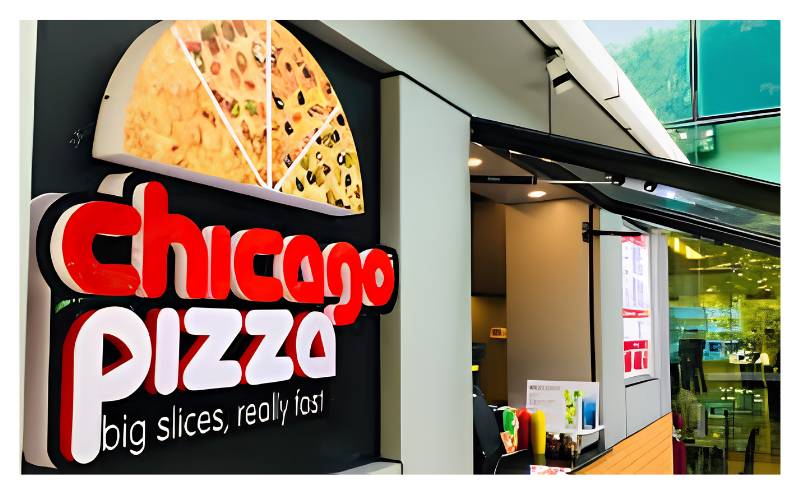
Read also: 10 Key Steps to Opening a Successful Franchise Business
The Trends Transforming India’s Ice Cream Franchise Industry
Top 5 Fashion Retail Franchise Brands for Delhi Entrepreneurs
2. La Pino'z Pizza
La Pino'z Pizza has become one of India's fastest-growing pizza chains by offering oversized pizzas, pasta, garlic bread, desserts, and value meals. Its popularity among young consumers has helped the brand expand rapidly across multiple cities.
A typical franchise requires an investment of approximately ₹50 lakh to ₹1 crore, depending on the store format and location. Most outlets operate within 250 to 1,000 square feet, making the concept flexible for high streets as well as shopping complexes. The company claims a relatively quick payback period for well-performing stores, supported by strong delivery demand and consistent customer traffic. Franchisees also receive training, supply chain assistance, and branding support.
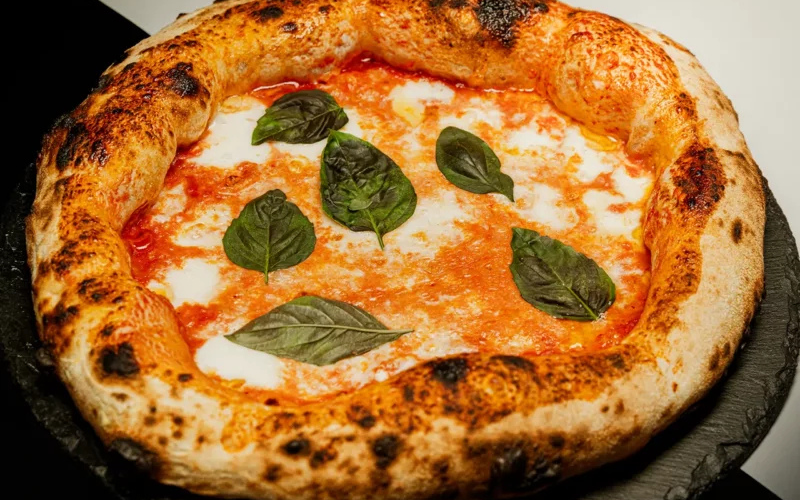
3. Impasti Pizzeria
Impasti Pizzeria caters to customers looking for authentic Italian dining rather than conventional fast food. Its menu includes handcrafted pizzas, fresh pasta, gourmet starters, and premium beverages, creating a more upscale casual dining experience.
While the company does not publicly disclose standard franchise investment figures, the concept is best suited for entrepreneurs willing to invest in premium locations and quality interiors. The higher average customer spending can contribute to stronger long-term returns, particularly in metro cities and affluent residential neighbourhoods. Investors also benefit from the growing demand for authentic international dining experiences in India.
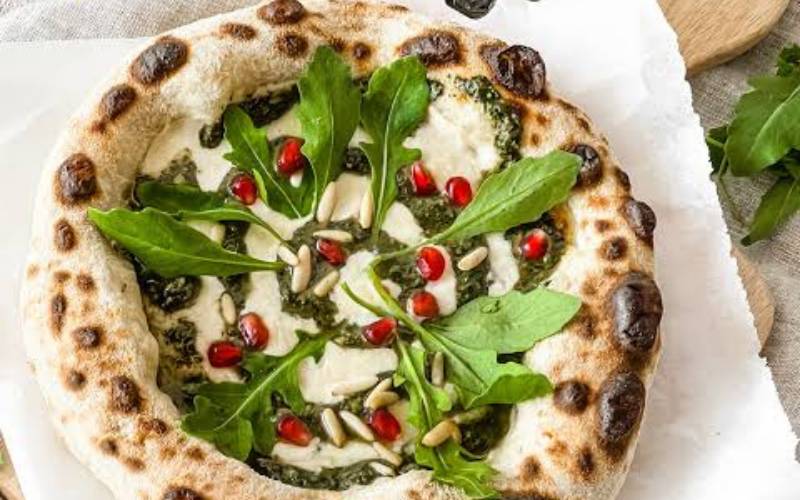
4. The Real Pizza Company
The Real Pizza Company focuses on freshly prepared pizzas using traditional recipes and premium ingredients. Instead of competing solely on pricing, the brand positions itself around quality, authenticity, and handcrafted preparation.
Franchise investment varies depending on the market and outlet format, with final costs generally shared during the franchise evaluation process. Premium pizzas often generate higher average order values, helping improve revenue potential. The business performs particularly well in urban markets where customers are willing to spend more for authentic food experiences. Strong branding and consistent product quality remain its biggest strengths.
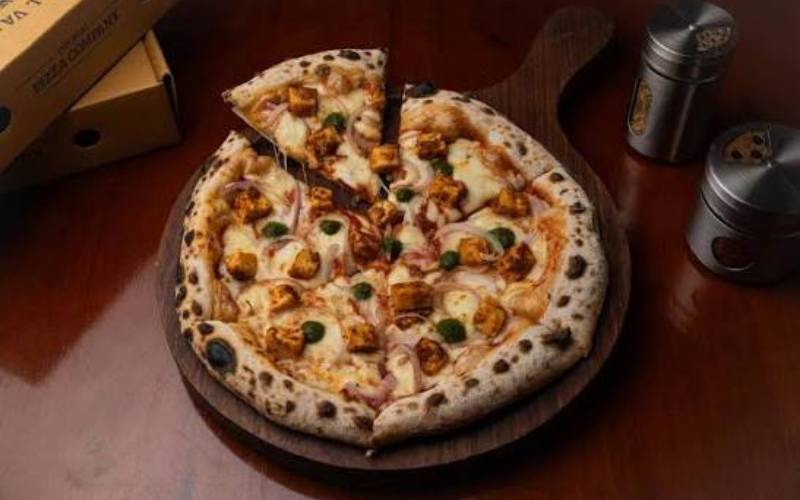
5. Pizza Factory
Pizza Factory offers an extensive menu that goes beyond pizzas to include pasta, wraps, garlic bread, beverages, desserts, and snack items. This menu diversity helps increase average customer spending while attracting families and young professionals alike.
The franchise model is flexible enough to accommodate cloud kitchens, takeaway outlets, kiosks, or full-service restaurants. Investment requirements depend on the chosen format, allowing entrepreneurs to select a model that matches their budget. Multiple revenue streams through dine-in, takeaway, and online delivery improve profitability and reduce dependence on a single sales channel.
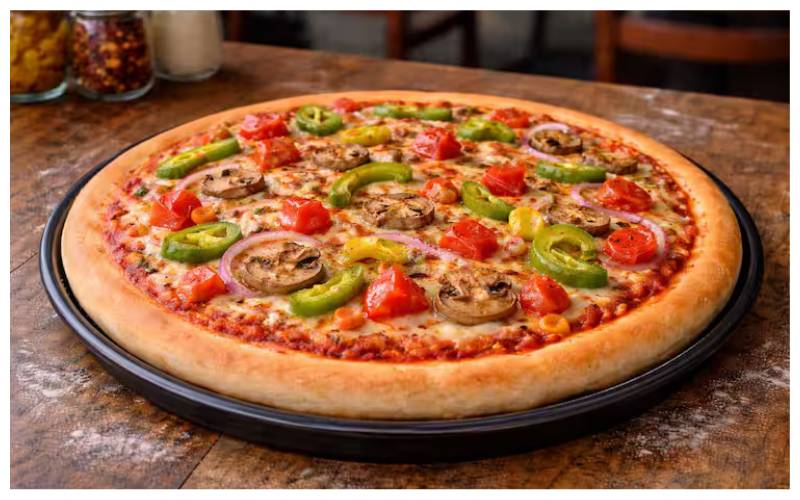
6. Subway
Subway remains one of the world's most recognized sandwich brands and continues to enjoy strong customer trust. Its customizable sandwiches, wraps, salads, and healthier meal options appeal to consumers seeking fresh and convenient food.
Opening a Subway franchise generally requires an investment ranging from ₹50 lakh to ₹70 lakh, depending on location and store size. Outlets typically perform well in airports, malls, business districts, educational institutions, and hospitals where daily footfall is high. With standardized operating procedures, comprehensive staff training, and a globally established supply chain, Subway offers franchisees a structured business model. Most successful outlets target investment recovery within two to three years, depending on operating efficiency and location.
7. Burger Company
Burger Company has established itself in India's competitive burger segment by offering gourmet burgers, loaded fries, shakes, and quick-service meals designed for younger consumers. The brand blends international recipes with flavours that appeal to Indian tastes.
Franchise investment is generally positioned in the moderate range, making it suitable for entrepreneurs looking to enter the fast-growing burger market. The company supports franchise partners through store setup, kitchen planning, menu development, and marketing initiatives. Its strong presence on online food delivery platforms further strengthens revenue opportunities while reducing dependence on dine-in sales alone.
8. Boston Burger Company
Boston Burger Company brings an American-style casual dining experience with gourmet burgers, premium ingredients, handcrafted sauces, and indulgent side dishes. The concept targets customers looking for quality rather than conventional fast-food offerings.
Although franchise information is not publicly standardized, entrepreneurs considering the brand should expect a higher investment due to its premium positioning and restaurant design. Higher average billing and a differentiated customer experience create opportunities for stronger long-term profitability, especially in metro cities with a growing premium dining culture.
9. Mr. Sandwich
Mr. Sandwich focuses on freshly prepared sandwiches, wraps, grilled snacks, beverages, and quick meals that cater to office-goers, students, and health conscious consumers. The relatively simple kitchen operations help reduce operational complexity compared to larger restaurant formats.
The investment requirement is generally lower than many full scale QSR concepts, making it attractive for first-time franchise investors. Compact outlets can operate successfully in business districts, educational institutions, transit hubs, and shopping centres. As demand for convenient grab-and-go meals continues to rise, sandwich-focused brands are expected to benefit from changing consumer lifestyles.
10. Doner Shack
Inspired by popular European street food, Doner Shack serves authentic doner kebabs, wraps, rice bowls, loaded fries, and grilled meat specialties. The concept introduces Indian consumers to flavours that remain relatively untapped compared to pizzas and burgers.
Investment depends on outlet size and location, but the streamlined kitchen setup and delivery-friendly menu help optimize operating costs. The brand particularly appeals to young consumers looking to explore international street food experiences. As India's organised food market continues to diversify, niche concepts like Doner Shack offer entrepreneurs an opportunity to stand apart from traditional QSR brands.
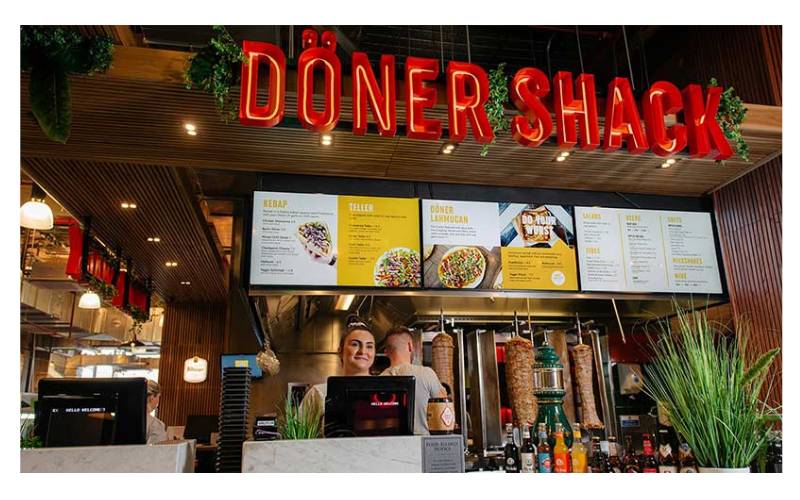
Know more: How to Start a Cafe Franchise Business in India
Top 5 Fine Dining Restaurant Franchise Businesses to Invest in India
Top 5 South Indian Restaurant Franchise Brands to Start a Profitable Business in 2026
Final Thoughts
Selecting the right food franchise goes beyond choosing a popular brand. Entrepreneurs should evaluate investment requirements, rental costs, local demand, competition, operational support, and long-term scalability before making a decision. Pizza brands continue to dominate India's QSR landscape, while burgers, sandwiches, and globally inspired street food are witnessing increasing consumer acceptance across both metro and Tier II cities.
Brands such as La Pino'z Pizza and Subway offer established business systems with strong market recognition, while concepts like Impasti Pizzeria, Boston Burger Company, and Doner Shack provide opportunities in premium and niche dining segments. Whether you're a first-time entrepreneur or an experienced investor looking to diversify, these international food franchise brands represent promising opportunities in India's expanding food service industry. With the right location, disciplined operations, and a customer-first approach, a food franchise can become a rewarding long-term business in one of the world's fastest-growing consumer markets.
For Further Franchise Info Contact

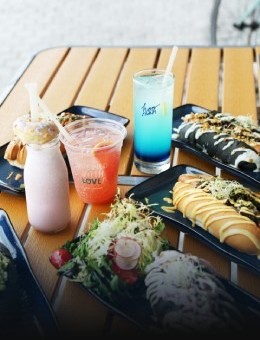



Copyright © 2009 - 2026 Franchise Tv.