





 Follow Us
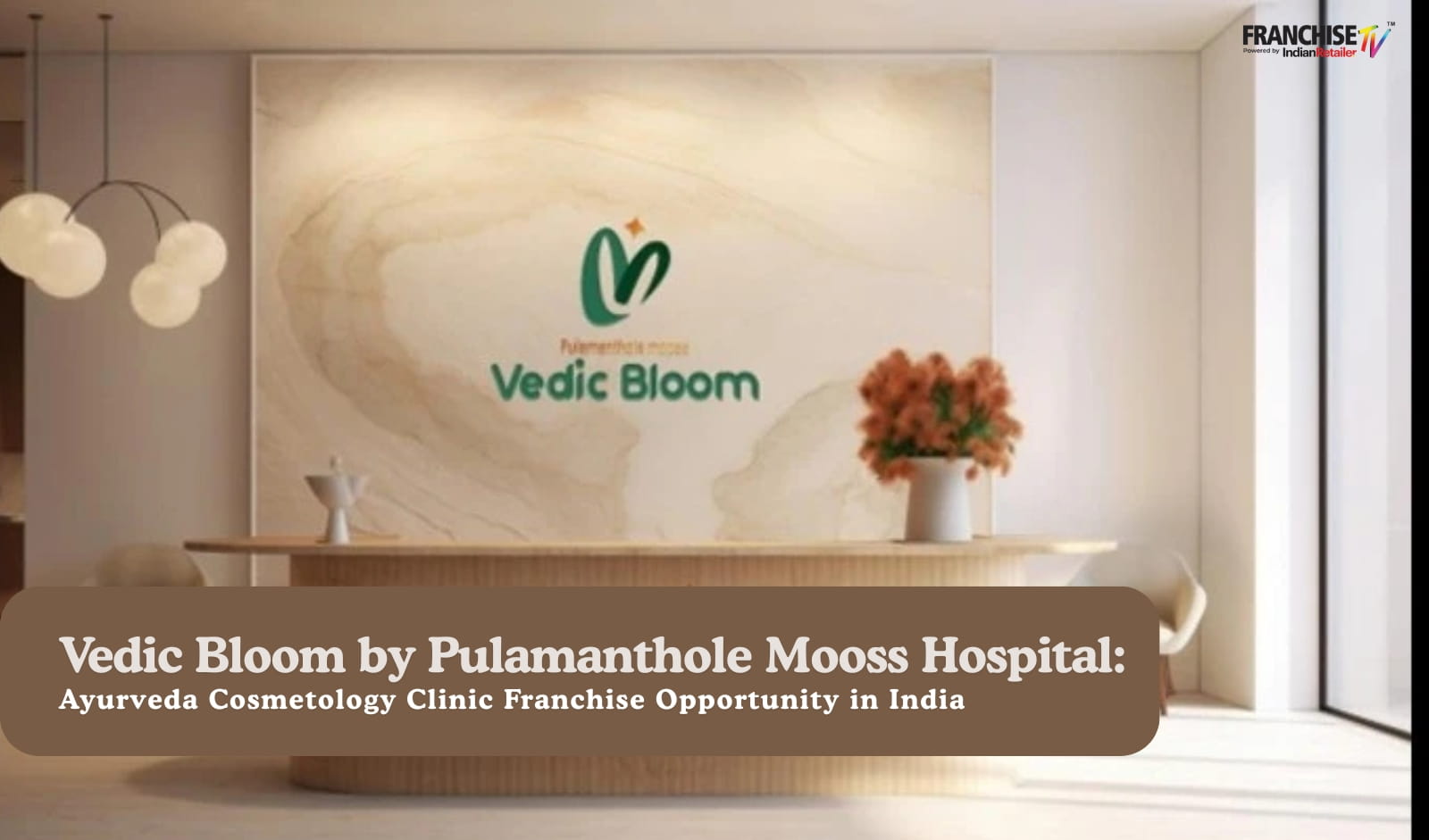
Vedic Bloom brings a rare combination of 100+ years of Kerala Ayurveda medical legacy into a modern Ayurveda cosmetology clinic and pharmacy franchise model. Backed by Pulamanthole Mooss Hospital’s Ashtavaidya heritage, GMP-certified formulations, and doctor-led therapies, this opportunity allows entrepreneurs to enter India’s fast-growing wellness, beauty, and preventive healthcare market with authenticity, credibility, and strong unit economics.
A 100+ Year Ayurveda Legacy Meets Modern Cosmetology
Rooted in the Ashtavaidya tradition of Kerala, the brand carries forward deep clinical expertise into cosmetology, Panchakarma, post-natal wellness, and herbal skincare. Unlike typical spa formats, this model is treatment-oriented, doctor-supervised, and product-backed with exclusive Mooss formulations.
Watch the full video to explore the complete business model, numbers, and real insights behind this opportunity. Click here
Dual Revenue Model: Clinic Services + Pharmacy Sales
Each center operates as an Ayurveda cosmetology clinic combined with a pharmacy, ensuring two stable revenue streams. Customers visit for facial therapies, detox, hair and skin care, bridal Ayurveda care, and also purchase herbal medicines, oils, and powders with 30 percent plus margins.
Franchise Model and Investment Snapshot
The FOFO (Franchise-Owned Franchise-Operated) model is offered in two formats—clinic plus pharmacy (~500 sq ft, ~₹17.5 lakh investment) and standalone pharmacy (~250 sq ft, ~₹5 lakh investment). The so-called franchise fee is adjusted into inventory, making it a product-backed investment. Monthly revenue potential ranges from ₹2.5 to ₹5 lakh with a payback period close to 12 months.
Read also How to Choose the Right Franchise Business in India
Difa Franchise Opportunity in India: Women’s Accessories Retail Brand Scaling Nationwide
Budget 2026: A ₹40,000 Crore Catalyst for India’s Consumer Tech Revolution
Ideal Locations and Expansion
The brand targets Tier I and top Tier II cities, especially premium residential clusters, high streets, healthcare zones, and wellness tourist belts, where demand for natural and preventive care is rising rapidly.
Strong Operational and Clinical Support
Doctors and therapists are selected and trained by the brand. SOPs, quality checks, product supply, and treatment protocols are centrally controlled to maintain Kerala Ayurveda standards across India.
FAQs on Ayurveda Cosmetology Clinic Franchise
1. What is the investment required for the Vedic Bloom Ayurveda cosmetology clinic franchise?
The investment is approximately ₹17.5 lakh for the clinic + pharmacy model and ₹5 lakh for the standalone pharmacy model. This includes setup, equipment, and initial inventory.
2. How much profit can be earned from an Ayurveda clinic and pharmacy franchise?
On average, centers can generate ₹2.5 to ₹5 lakh monthly revenue with healthy margins from treatments and 30 percent + margin on product sales, leading to strong profitability.
3. Are doctors and therapist training provided in the Ayurveda franchise model?
Yes. The brand provides mandatory training, certification, and SOP-based guidance to doctors and therapists to ensure authentic treatment delivery.
4. What products are sold in the Vedic Bloom Ayurveda pharmacy franchise?
Exclusive Mooss herbal powders, oils, facial products, classical formulations, and cosmetology products are manufactured under GMP standards.
5. Which cities are suitable for an Ayurveda cosmetology franchise in India?
Tier I and top Tier II cities, especially locations near residential hubs, hospitals, high streets, and wellness zones.
6. What is the ROI and payback period for the Ayurveda franchise business?
The expected payback period is around 12 months, with an IRR above 100 percent due to the dual revenue model and strong product margins.
For Further Franchise Info Contact

India’s growing interest in fitness, gym memberships and everyday wellness is creating opportunities for specialist sports nutrition retailers. However, as the supplement market expands, product authenticity, informed buying and access to trusted brands remain important considerations for consumers.
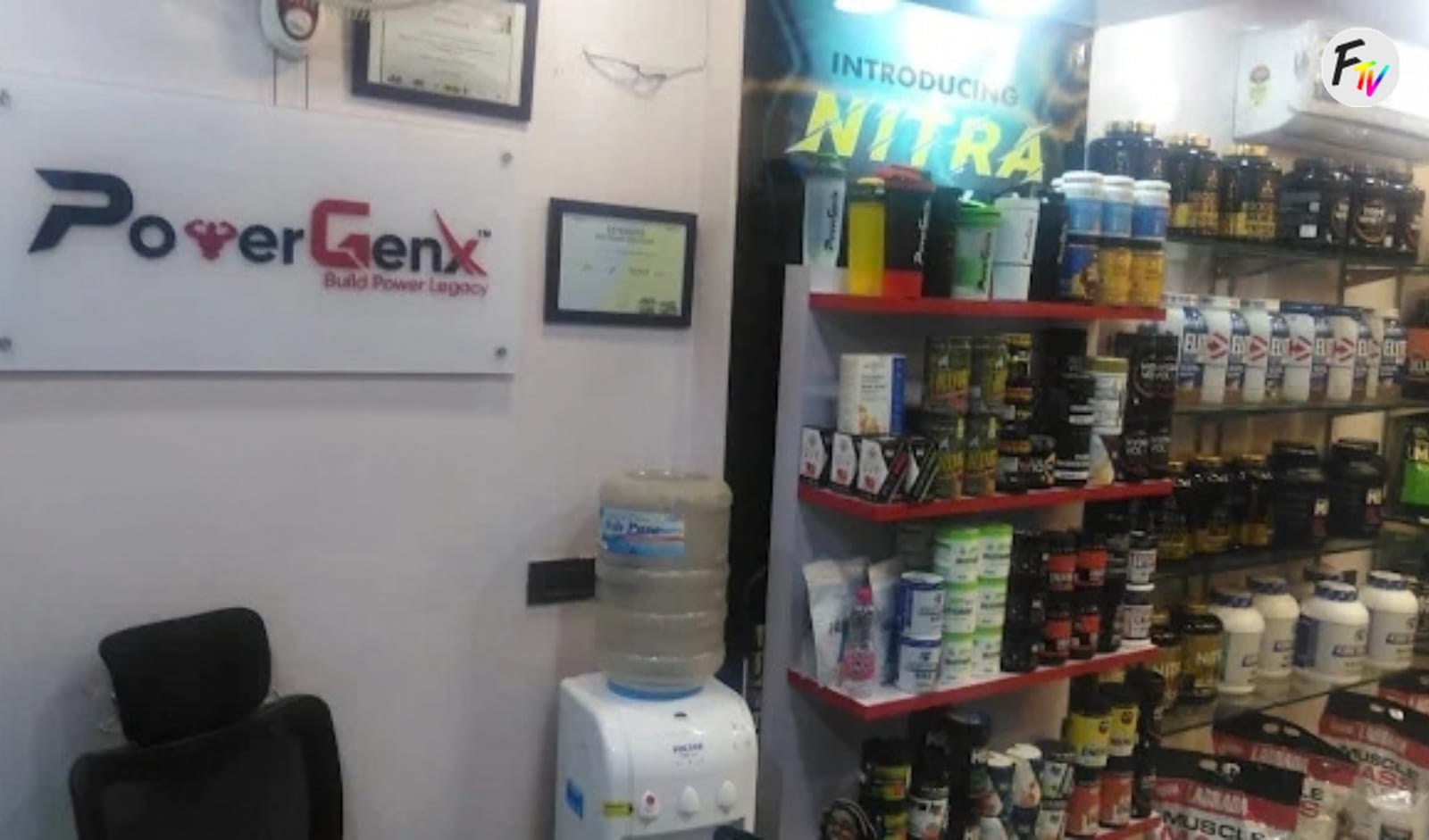
PowerGenX is looking to address this demand through a franchise expansion strategy built around multi-brand sports nutrition retail and its proprietary VSN private-label portfolio. During a recent webinar, the company’s co-founders and team outlined its retail model, investment structure and plans to expand its store network across India.
The business, which began developing its specialist retail concept in 2021, is now inviting franchise partners to help take the model into new markets.
PowerGenX Combines Multi Brand Retail With Its Own Supplement Range
PowerGenX was developed to bring multiple sports nutrition and supplement brands under one roof. According to co-founder Sumit Arora, his experience in the industry and supply chain helped shape the idea of creating a dedicated retail destination where customers could access products from different brands.
The company’s model rests on two key pillars: a multi-brand assortment and its own private-label range, Vital Sports Nutrition (VSN).
The multi-brand portfolio includes products sourced from authorised importers and distributors. This sourcing approach is intended to help customers access authentic supplements while giving them a choice across established international and Indian brands.
Alongside these products, VSN provides a proprietary range that includes whey protein isolate, pre-workout supplements, creatine monohydrate, BCAA, EAAs, L-glutamine powder and L-carnitine liquid. The company positions this range as a way to offer additional product choices while creating greater control over pricing and margins.
The assortment extends beyond bodybuilding supplements. Its broader categories include protein products, performance nutrition, vitamins and minerals, omega-3 supplements and other wellness products.
This wider product mix allows the retailer to serve several customer groups, including gym-goers, athletes, people focused on weight management, everyday wellness consumers and first-time supplement buyers.
Why Sports Nutrition Retail Is Becoming an Expansion Opportunity
The webinar highlighted changing consumer attitudes towards fitness and nutrition as a major opportunity for specialist retail. Sports supplements are increasingly relevant to consumers beyond professional athletes and serious bodybuilders, with interest extending to regular gym users and people looking for nutritional products as part of their wellness routines.
For retailers, this creates demand for a more organised buying experience where customers can compare products, seek guidance and purchase supplements from a dedicated store.
PowerGenX is positioning itself around this need, particularly through product authenticity and its combination of established brands with a private-label offering. The company said it sources products through authorised channels and trains its staff to help customers understand and verify the products they purchase.
Its online and offline presence is another part of the business model. The brand operates an e-commerce platform alongside physical retail outlets, creating the potential to connect digital orders with its store network.
The opportunity, however, depends on more than market growth alone. Store location, customer trust, inventory management, product knowledge and repeat purchases will remain important factors in determining how individual franchise outlets perform.
Read more: ICA Gallery Opens Art Gallery Franchise Opportunity with ₹1.47 Crore Investment
PowerGenX Targets 50 Plus Stores Through a Franchise Model
PowerGenX currently operates six company-owned locations, comprising four full-format stores and two kiosks, according to the presentation shared during the webinar.
Having established its initial retail footprint in North India, the company is now planning to expand through a franchise-owned and franchise-operated model, commonly referred to as FOFO.
Under this structure, the franchise partner will invest in and operate the outlet, while PowerGenX will provide brand standards, product access, sourcing and procurement support, training, marketing assistance and operational guidance.
The company has outlined a target of expanding to more than 50 stores over the next three to five years. Its proposed rollout is cluster-led, beginning with North India before moving into additional regions.
The first phase is intended to consolidate the brand’s presence across North Indian markets, including Delhi NCR, Haryana, Punjab, Uttar Pradesh and Uttarakhand. The second phase focuses on building regional clusters, while the third phase envisages expansion into South India, including markets such as Karnataka, Telangana, Hyderabad and Kerala.
The company indicated that the phased approach would help it build on its existing supply chain, refine operating procedures and maintain closer operational oversight as the network grows. These store-count figures represent expansion targets rather than confirmed openings.
Read also: DRAMZ Brings Its Rooftop Dining Franchise Opportunity to New Indian Cities
PowerGenX Franchise Investment and Store Requirements
The franchise proposal shared during the webinar outlines a compact retail format designed for high-footfall locations. The indicative store size is 250 to 300 square feet, with locations near gyms, fitness centres, corporate areas and other relevant customer catchments preferred.
The investment breakdown presented by the company is as follows:
| Investment component | Indicative amount |
|---|---|
| Total initial investment | ₹15 lakh |
| One-time franchise fee | ₹4 lakh |
| Initial inventory | ₹7 lakh |
| Store setup cost | ₹3.5 lakh |
| Miscellaneous expenses, including IT and licences | ₹0.5 lakh |
| Expected payback period stated by the brand | 14 months |
| IRR stated in the presentation | 97% |
The amounts and return estimates above are based on the brand’s webinar presentation. Prospective investors should confirm the final commercial terms, taxes, rental deposits, working capital requirements, recurring expenses and any additional costs directly with the company before committing funds.
The presentation describes the investment as an initial outlay for a small-format store. However, the actual capital required may vary depending on the city, property, lease conditions, fit-out requirements and the outlet’s operating needs.
The brand also indicated that a minimum inventory investment of approximately ₹7 lakh to ₹8 lakh may be required, with more than 50 stock-keeping units across its assortment. During the discussion, the team said inventory rotation at existing outlets typically takes around 30 to 45 days, although this can vary by product and sales performance.
What Franchise Partners Can Expect From the Brand
PowerGenX plans to retain responsibility for brand identity, product sourcing, central marketing and franchise training. The franchisee, meanwhile, will manage local operations, staffing, working capital, customer acquisition and day-to-day store management.
This division of responsibilities is intended to combine centralised brand and supply support with local knowledge of the customer base.
The company is particularly interested in entrepreneurs who understand fitness, health and wellness retail. Existing gym owners, fitness entrepreneurs, sports retailers and people with relevant industry experience may be well placed to understand customer needs and build relationships within local fitness communities.
Location selection will be another important consideration. The brand indicated a preference for stores near gyms and other high-footfall areas, while also discussing a proposed minimum distance of approximately five kilometres between outlets. Final territory and site-selection terms should be confirmed with the company.
Can PowerGenX Build a Scalable Sports Nutrition Retail Network?
PowerGenX’s franchise proposition brings together three elements: a multi-brand product range, a proprietary supplement portfolio and a compact store format. Its online channel adds another layer to the model, while its planned cluster-based rollout is intended to support expansion beyond its current markets.
The business will need to translate these advantages into consistent store-level performance as it moves from company-operated outlets to a larger franchise network. Product availability, authentic sourcing, inventory discipline, trained staff and customer retention will be central to that transition.
For prospective franchise partners, the opportunity is worth evaluating alongside the commercial risks. The brand’s stated payback period and IRR are projections presented during the webinar, not guaranteed returns. Investors should examine the detailed franchise agreement, actual outlet-level financials, margins by product category, operating costs, territory rights and exit provisions before making a decision.
As PowerGenX works towards its target of more than 50 stores, its next phase will test whether the specialist sports nutrition retail model can be replicated across different cities while maintaining product trust, operational consistency and franchisee profitability.
For Further Franchise Info Contact
For Further Franchise Info Contact
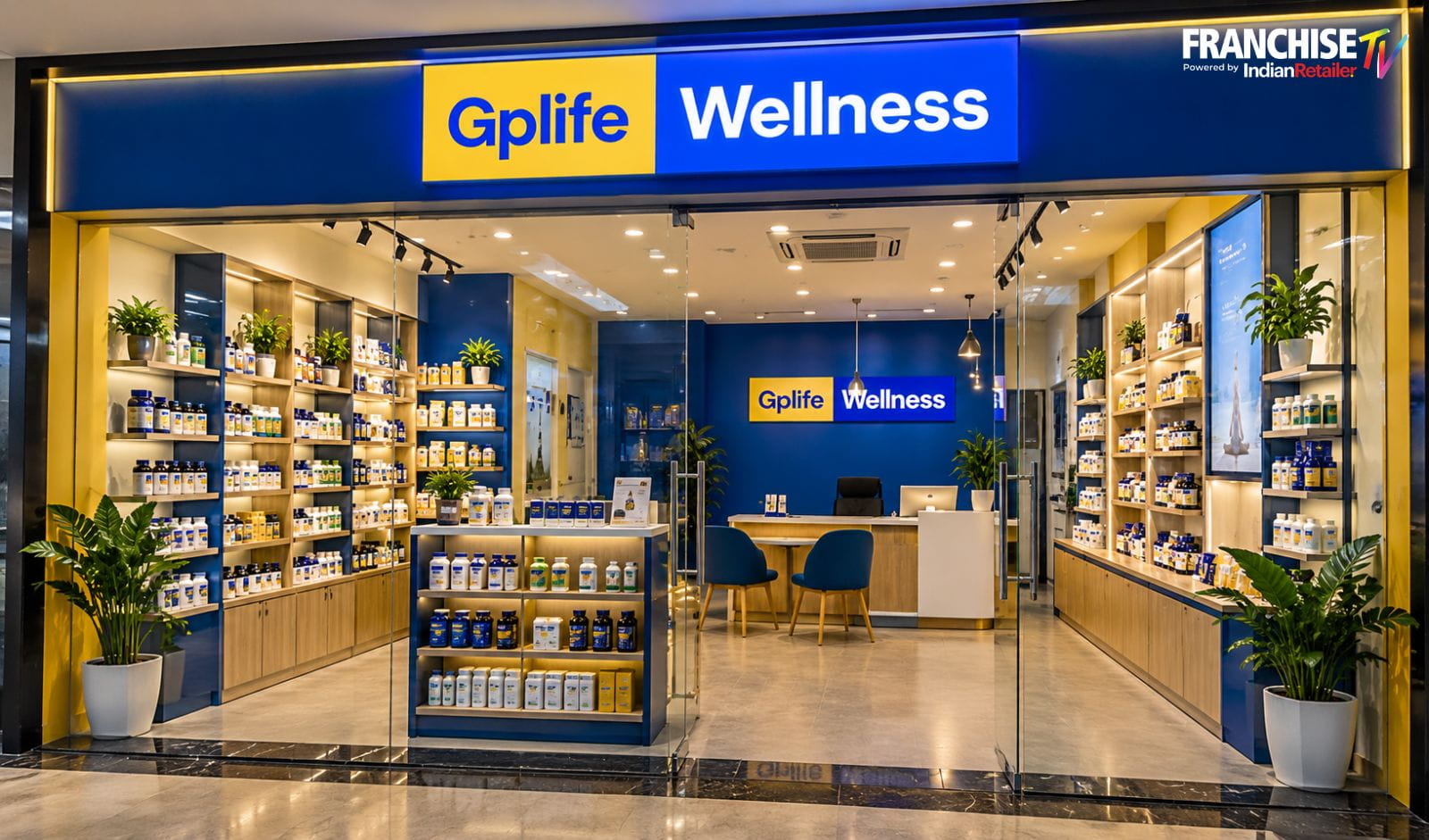
GP Life Wellness Takes Its Research Led Wellness Model Into Retail
GP Life Wellness is expanding its presence in India's wellness market through a franchise-led retail model built around plant-based supplements and preventive healthcare solutions.
The brand's webinar presentation highlighted a research journey beginning in 2006–07, with work across formulation technology, phytochemical screening, advanced processing, clinical studies and product development. According to the company presentation, GP Life Wellness has worked across areas including diabetes management, joint and muscle care, immunity, digestion, vitamins and minerals, personal care and longevity.
The company says its research ecosystem has grown to include more than 20 years of R&D, a team of scientists, patents, research publications and clinical studies. The webinar also discussed its participation in the XPRIZE Healthspan initiative, where the brand said it was selected among the top 200 global teams and later progressed to the top 40 semifinalists.
The presentation positions GP Life Wellness as a plant-based wellness company with an integrated approach spanning research, formulation, manufacturing and retail.
From Wellness Products to a Complete Health Retail Experience
Rather than positioning the franchise only as a supplement store, GP Life Wellness presented its Wellness Hub as a broader customer engagement model.
Its product categories include lifestyle and chronic disease support, vitamins and minerals, antioxidant and immunity products, gut health, personal care, men's and women's wellness and gym and athletic products.
The brand also highlighted its digital health application, which is designed to support health analysis and customer follow-up. During the webinar, the team explained that customers can upload health reports through the application and receive ongoing tracking and recommendations.
The model therefore combines wellness products, health analysis, customer follow-up and professional support within the retail experience.
GP Life Wellness Franchise Investment Starts With a 300 Sq Ft Format
The franchise presentation outlines a Wellness Hub format requiring approximately 300 sq. ft. of space.
The webinar presentation showed a total investment of around ₹30 lakh, including:
- Franchise fee: ₹6 lakh
- Initial stock: ₹9 lakh
- Interiors: approximately ₹13 lakh
- Other equipment: approximately ₹2 lakh
The presenter separately described the overall investment as approximately ₹25 lakh to ₹30 lakh, with fixed one-time capital expenditure of around ₹21 lakh to ₹23 lakh.
The webinar also discussed monthly operating expenses, including staff, rental, electricity and other operating costs. These figures were presented as business calculations during the session and should be evaluated against the actual location and operating requirements before investment.
Three Revenue Channels Beyond Retail Sales
One of the central elements of the GP Life Wellness franchise model is its proposed multi-channel structure.
The first channel is the Wellness Hub's direct retail business, where customers purchase products from the franchise store.
The second is the Wellness Coach network. According to the webinar, healthcare professionals, physiotherapists, gym owners, clinic owners and other relevant practitioners can become wellness coaches and source products through the franchise network.
The third channel is the rack model, where products can be placed at locations such as gyms and clinics that have suitable space.
The brand presented these channels as a way for franchise owners to build distribution beyond walk-in customers.
Franchise Support Covers Training Marketing and Technology
GP Life Wellness outlined several support areas for franchise partners, including intellectual property rights, training and skill development, marketing and branding support, supply chain management, rack and affiliate support and application-based health analysis.
The company said it provides training covering nutrition, wellness, marketing, sales and product knowledge. Its presentation also showed an Excellence Academy with recurring training sessions for store owners and wellness coaches.
For marketing, the brand said it provides performance marketing support for new stores, social media content, physical activity plans and launch-to-post-launch marketing assistance. The webinar stated that the company provides marketing support of up to ₹10,000 for a new store for the first year, alongside additional incentive-based initiatives.
Its supply chain is centrally managed, with the company stating that products are shipped from its facilities and generally reach franchise locations within two to three days after an order is placed.
GP Life Wellness Has Expanded Across Multiple Indian Markets
The webinar stated that GP Life Wellness had 22 stores, including locations under construction, with a presence across approximately 20 states through its store, rack and wellness coach models.
The locations mentioned during the session included Surat, Ahmedabad, Vadodara, Chandigarh, Jodhpur, Gurugram, Bengaluru, Navsari, Vapi and Anand.
The brand's presentation also showed a broader India presence covering markets across North, West, South and East India.
A Franchise Model Built Around Preventive Wellness
GP Life Wellness is entering a market where consumers are increasingly exposed to supplements, preventive health products, nutrition services and wellness programmes. The brand's franchise proposition attempts to combine these areas with physical retail, health analysis, professional networks and digital engagement.
For prospective franchise partners, the webinar presents the opportunity as more than a conventional supplement outlet, with revenue channels extending across retail sales, wellness coaches and rack partnerships.
The investment figures, margins, revenue calculations and return projections discussed during the webinar are brand-presented business estimates and should not be treated as guaranteed financial outcomes. Prospective franchisees would need to conduct independent due diligence covering location economics, regulatory requirements, product claims, operating costs, demand and the final franchise agreement.
For Further Franchise Info Contact
India's beauty and wellness industry is no longer driven solely by luxury spending. Today, professional makeup services, bridal transformations, premium hair care, and personalized beauty treatments have become a part of everyday consumer lifestyles. From weddings and festive celebrations to corporate grooming and influencer culture, demand for organized beauty services continues to rise across metros as well as Tier II and Tier III cities.
This shift has created a significant opportunity for entrepreneurs looking to invest in salon and makeup studio franchises. Established brands offer standardized operating models, professional training, marketing support, and loyal customer bases, reducing many of the challenges associated with starting an independent salon.
If you're planning to enter the beauty business, these five makeup studio franchise brands stand out for their market presence, business support, and long-term growth potential.
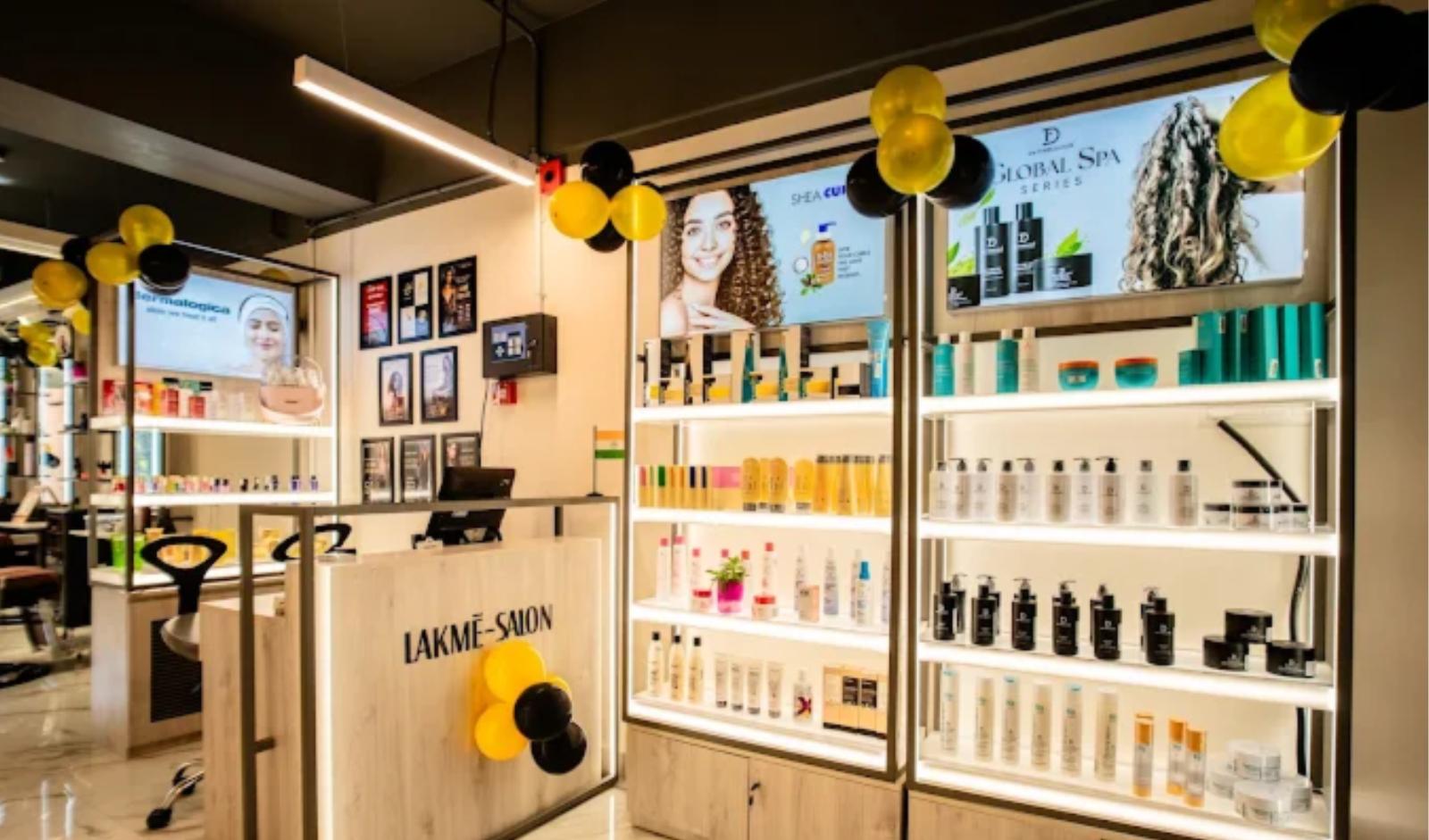
Lakmé Salon
Few names enjoy the level of trust that Lakmé has built over decades in India's beauty industry. Established in 1980, Lakmé Salon operates under the Lakmé brand from Hindustan Unilever and has become one of the country's largest organized salon chains.
Today, the brand has more than 450 salons across over 200 cities, making it one of the biggest salon networks in India. It offers a complete range of beauty services, including hair styling, skincare, bridal makeup, nail services, professional grooming, and premium beauty treatments.
For entrepreneurs, Lakmé Salon brings the advantage of investing in a highly recognized brand with established operating systems and continuous innovation in beauty services.
Estimated Investment: ₹50 lakh–₹1 crore
Expected ROI: Approximately 3–5 years
Why Invest?
One of India's most trusted beauty brands
Presence across hundreds of cities
Extensive franchise training and operational support
Strong bridal and premium beauty business
Multiple revenue streams through salon services and retail product
Marie Claire Paris Salon
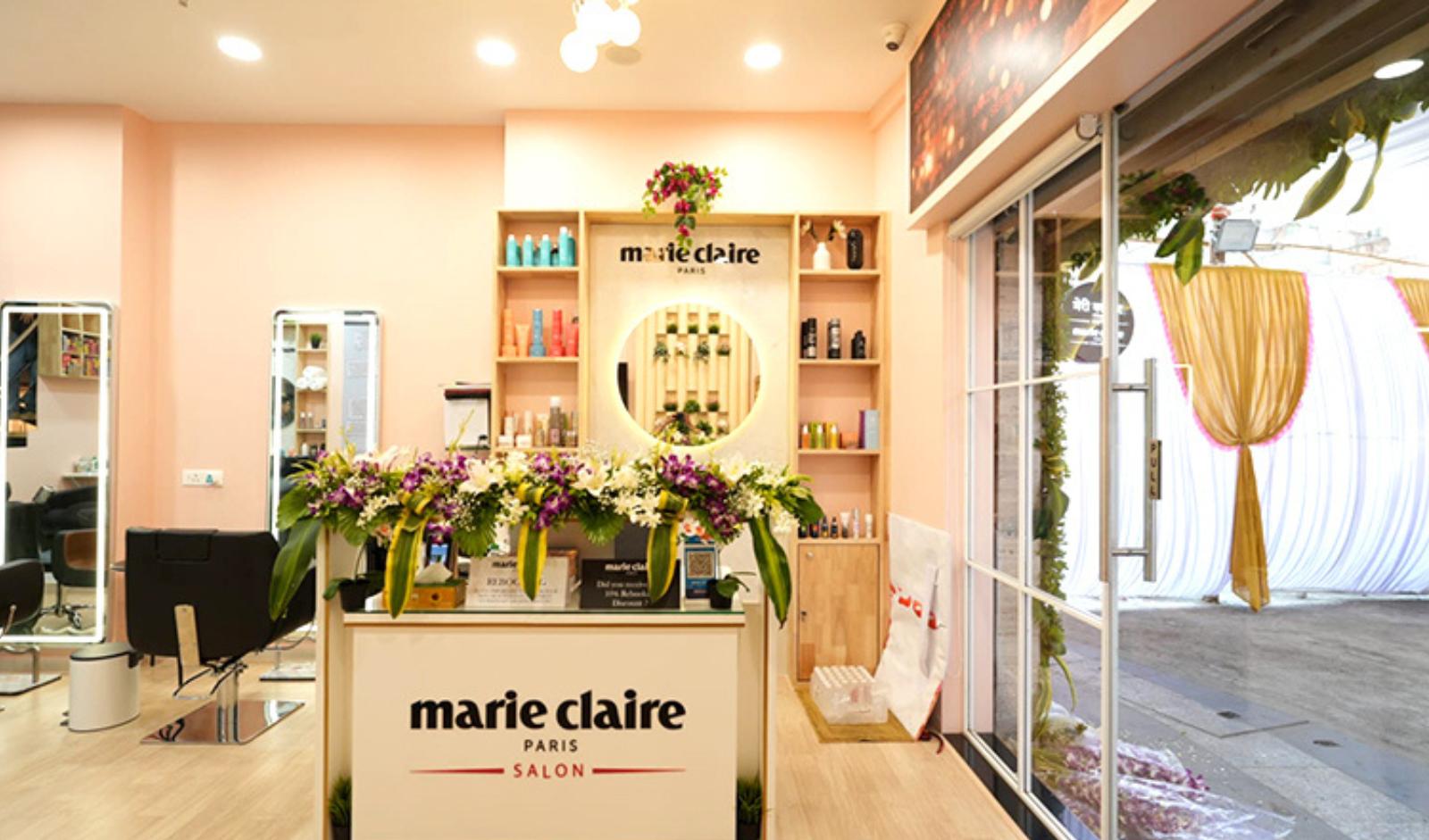
Inspired by the globally recognized French fashion and lifestyle brand, Marie Claire Paris Salon entered India with a vision to bring premium European beauty experiences to Indian consumers.
The salon chain has steadily expanded its footprint through franchising and is known for offering luxury hair care, skin treatments, bridal makeovers, makeup services, and advanced beauty solutions using international techniques and products.
Its premium positioning allows franchise partners to target urban consumers seeking high-end salon experiences while benefiting from international brand recognition.
Estimated Investment: ₹45 lakh–₹80 lakh
Expected ROI: Around 3–4 years
Why Invest?
Internationally recognized beauty brand
Premium customer positioning
Comprehensive professional training
Strong demand for bridal and makeover services
Modern salon design and operational support
Studio Vogue
Studio Vogue has emerged as a growing name in India's professional beauty segment by focusing on personalized beauty services and bridal transformations. The brand has built its reputation through high-quality makeup artistry, hairstyling, skincare treatments, and wedding packages.
Unlike many traditional salons, Studio Vogue places significant emphasis on customized beauty consultations, helping create a premium customer experience that encourages repeat business.
Its comparatively moderate investment requirement also makes it attractive for first-time franchise investors looking to enter the organized beauty sector.
Estimated Investment: ₹20 lakh–₹40 lakh
Expected ROI: Approximately 2–4 years
Why Invest?
Growing presence in the premium beauty segment
Strong focus on bridal makeup services
Lower investment than many national chains
Personalized customer experience
Franchise guidance for setup, operations, and marketing

Gallantry Salon
Gallantry Salon has positioned itself as a contemporary beauty destination offering a combination of salon, skincare, makeup, and grooming services under one roof. The brand caters to both men and women and focuses on delivering premium services at competitive prices.
Its expansion strategy emphasizes quality training, standardized customer experiences, and modern salon infrastructure. With increasing awareness around professional grooming, Gallantry Salon continues to attract entrepreneurs seeking opportunities in emerging urban markets.
The brand also benefits from the growing demand for wedding and event-related beauty services throughout the year.
Estimated Investment: ₹25 lakh–₹45 lakh
Expected ROI: Approximately 2.5–4 years
Why Invest?
Comprehensive beauty and grooming services
Expanding customer base in growing cities
Professional franchise training
Bridal and festive beauty demand
Opportunity for recurring monthly revenue

Da Salon
Da Salon has established itself as a modern beauty destination that combines premium salon services with personalized customer care. Offering everything from haircuts and coloring to advanced skincare, makeup, bridal packages, and wellness treatments, the brand appeals to a wide customer demographic.
Its franchise model is designed to help entrepreneurs establish professionally managed salons with standardized operations and ongoing support. The relatively lower investment requirement compared to larger national chains makes Da Salon particularly attractive for aspiring business owners entering the beauty industry.
As organized salon brands continue to gain market share over independent neighborhood parlors, Da Salon is positioning itself to benefit from this shift.
Estimated Investment: ₹20 lakh–₹35 lakh
Expected ROI: Approximately 2–3 years
Why Invest?
Affordable investment compared to larger brands
Wide portfolio of beauty services
Training and operational assistance
Growing demand for organized salon experiences
- Suitablefor both metro and emerging city markets
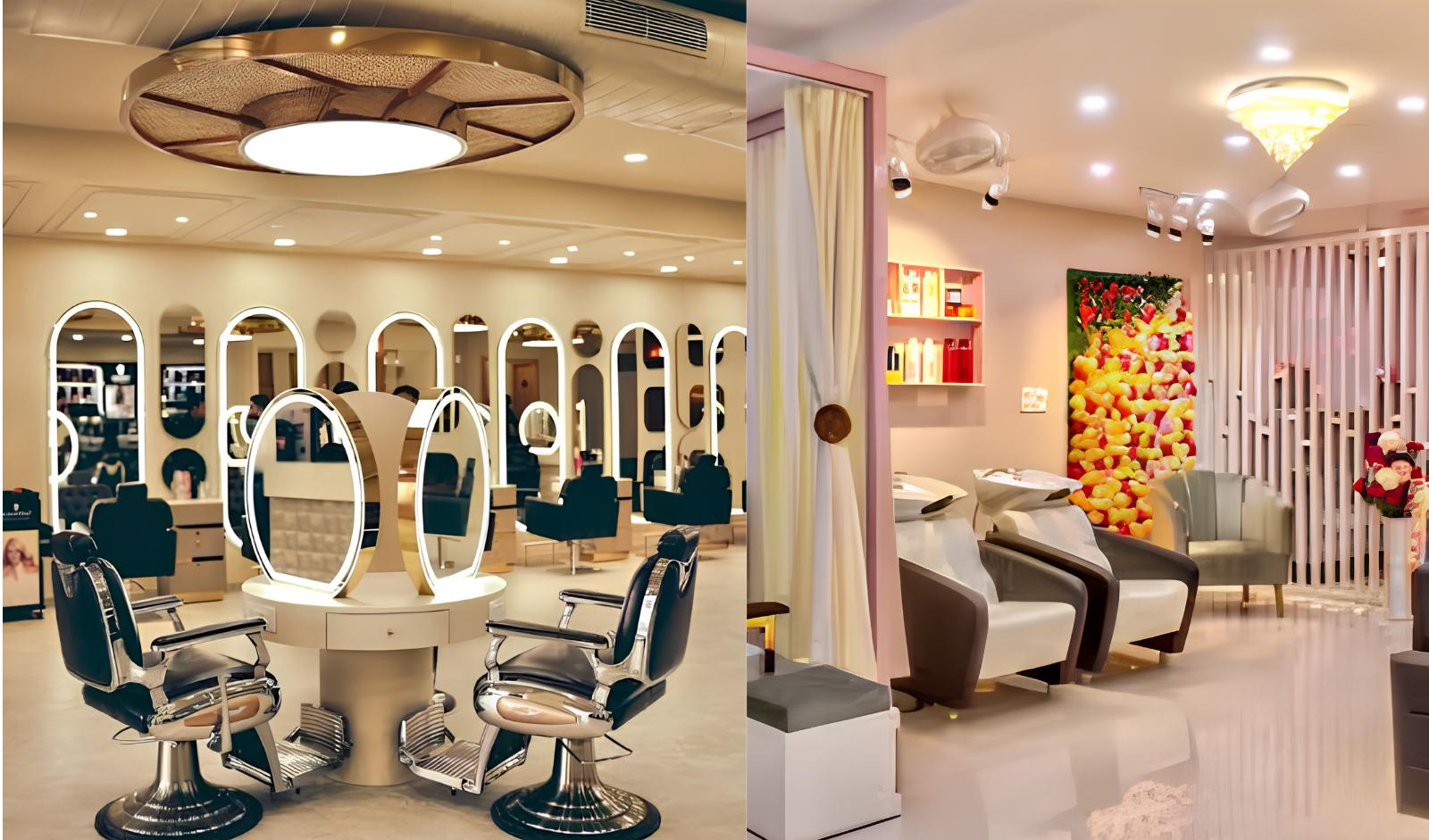
The Growing Opportunity in Beauty Franchising
The Indian beauty and salon industry continues to evolve rapidly as consumers increasingly prioritize professional grooming, skincare, and personalized beauty services. Rising disposable incomes, the influence of social media, destination weddings, and a growing preference for branded salons have created strong demand throughout the year rather than only during festive seasons.
For entrepreneurs, investing in an established makeup studio franchise offers advantages that independent salons often struggle to match brand recognition, standardized operations, marketing support, supplier networks, and professional training. While the initial investment varies across brands, choosing a franchise with a proven business model and strong customer trust can significantly improve the chances of long-term success.
Whether it's the nationwide presence of Lakmé Salon, the international appeal of Marie Claire Paris Salon, or the growing footprints of Studio Vogue, Gallantry Salon, and Da Salon, each brand offers a distinct value proposition for investors looking to capitalize on India's expanding beauty and wellness market.
For Further Franchise Info Contact
Healthcare in India has quietly split into two businesses: treatment and detection. The second one is where a lot of new franchise money is heading right now. Test volumes are climbing every year on the back of health insurance penetration, corporate check-up programs, and a population that's simply getting tested more often than it used to. Industry estimates put the sector past the ₹1 lakh crore mark by 2026, growing at roughly 15% a year. For someone weighing up a diagnostic centre franchise, that translates into a business with unusually steady footfall. People don't stop getting blood work done because the economy slowed down.
Three names come up often when investors start comparing costs and returns in this space: Premier Health Center (PHC), Cell Health, and Dr. Morepen. Each takes a slightly different route to the same opportunity.
1. Premier Health Center (PHC)
PHC has been around since 1980, back when combining imaging and lab testing under a single roof was still a fairly new idea in Indian diagnostics. The brand now runs 60-plus centres and has been pushing hard into South India with a stated goal of scaling well beyond that footprint.
What it costs, what it returns:
- Entry into a collection-centre format like this generally sits between ₹2–10 lakh, depending on the city and the space you're working with.
- Franchises at this scale tend to post 25–30% returns annually once the first year is behind them, with most operators breaking even somewhere between 12 and 24 months.
- PHC's existing volume works in a new partner's favour the brand already handles close to 200 home collections a day, which shortens the time it takes a new centre to build a real patient base.
Why it's worth a look:
- A test menu running past 2,500 investigations, so patients rarely need to be referred elsewhere.
- Home collection at no extra charge, which pulls in customers who'd otherwise skip a visit altogether.
- Four-plus decades in the business in a category where people are naturally cautious about who draws their blood, that history counts for something.
- A publicly stated growth plan (100+ branches by 2024, 200+ across South India by 2027), which suggests the franchisor is actively investing in the network rather than just collecting fees.
- Space requirements stay modest: 250 to 500 sq. ft. keeping rent and fit-out costs within reach for a first-time operator.
Read also: Best Gold Jewellery Franchise Opportunities for Entrepreneurs in 2026
Top Multi-City Franchise Brands Expanding Across India
Top 8 Premium International Cafe Franchise Brands in India
2. Cell Health
Cell Health leans toward a leaner model less about owning heavy lab infrastructure, more about running an efficient front-end collection point that feeds into centralised processing.
What it costs, what it returns:
- Entry costs for this kind of format usually land between ₹3–8 lakh once you account for the franchise fee, interiors, and basic equipment.
- Return expectations track fairly closely with the rest of the collection-centre segment commonly 25- 40% a year, with breakeven inside 12–18 months in areas with decent walk-in traffic.
- One caveat worth flagging: the brand doesn't publish a fixed, current investment slab, so anyone seriously considering it should get exact numbers directly from the franchisor rather than relying on category averages.
Why it's worth a look:
- Smaller footprint requirement, which opens the door for investors in Tier-II and Tier-III towns where big real estate isn't an option anyway.
- Less staffing pressure than a full diagnostic lab, since actual testing happens off-site at a central facility.
- Room to grow gradually starts with one collection point, add more once the first one proves itself.
- Fits the broader hub-and-spoke pattern that's becoming common in Indian diagnostics, where the franchisee's capital goes into the storefront, not expensive lab machines.

3. Dr. Morepen
Dr. Morepen Labs sits under Morepen Laboratories, a listed pharma and healthcare company which gives the diagnostics arm a financial backbone most standalone franchise brands don't have. Its pitch centres on a cloud-based reporting system that keeps the operation light on infrastructure.
What it costs, what it returns:
- Because partners aren't expected to buy expensive lab equipment, the entry cost tends to sit at the lower end of the ₹3–10 lakh range typical for this segment.
- Turnaround time is a real differentiator here, reports back within four hours and faster reporting tends to translate into better repeat business, which is really where the long-term returns come from in this category.
Why it's worth a look:
- A listed parent company behind the brand adds a layer of financial credibility that smaller diagnostic franchises can't match.
- A fully digital reporting system cuts down on the manual overhead most labs still carry.
- Built to work for both solo practitioners and larger multi-specialty setups, so franchisees aren't locked into one type of client.
- Pricing aimed at volume rather than margin per test, which suits operators targeting price-sensitive Tier-II and Tier-III markets.

Know more: Top 8 Premium International Cafe Franchise Brands in India
10 Key Steps to Opening a Successful Franchise Business
Top 5 Fashion Retail Franchise Brands for Delhi Entrepreneurs
The Bigger Picture
Strip away the branding and all three models are chasing the same thing: low fixed costs, demand that doesn't dry up, and a name patients already trust something almost impossible to build from scratch as an independent lab. Across the category, a 12 to 24 month breakeven and 25-40% annual returns are fairly typical for a well-run diagnostic franchise, numbers that hold up well against most other franchise sectors in India right now.
If you're choosing between these three, it mostly comes down to what you're optimising for. PHC brings decades of trust and one of the widest test menus around. Cell Health suits someone who wants to start small and scale carefully. Dr. Morepen offers a digital-first setup with the financial weight of a listed company behind it. Different entry points, same underlying bet: diagnostics aren't slowing down anytime soon.
For Further Franchise Info Contact
The Indian healthcare industry is witnessing unprecedented growth as consumers increasingly prioritize wellness, preventive care, diagnostics, and specialized medical treatments. With healthcare spending rising across metro cities as well as Tier II and Tier III markets, entrepreneurs are actively exploring healthcare franchise opportunities that offer stability and recurring demand.
Unlike many retail sectors that fluctuate with economic cycles, healthcare remains an essential service. This makes healthcare franchises in India a relatively resilient business model. The growing acceptance of organized healthcare brands, digital health solutions, wellness clinics, and specialized treatment centers has created a favorable environment for investors looking for long-term returns.
For aspiring entrepreneurs, the combination of increasing healthcare awareness, aging populations, lifestyle-related health concerns, and rising disposable incomes makes 2026 an ideal time to invest in a healthcare business.
Healthcare Industry Trends Driving Growth in 2026
Several trends are reshaping the healthcare landscape in India. Preventive healthcare is becoming mainstream, with consumers actively seeking wellness solutions before health issues become severe. At the same time, alternative medicine, physiotherapy, aesthetic treatments, and specialized clinics are witnessing strong growth.
Medical tourism continues to attract international patients, while digital technologies are improving treatment outcomes and operational efficiency. Consumers are also increasingly looking for trusted clinic franchise brands that provide standardized care and professional management.
These trends are creating opportunities for investors to partner with established healthcare brands that already possess operational expertise, clinical systems, and market credibility.
What Makes a Healthcare Franchise a High-ROI Investment?
Healthcare businesses benefit from consistent demand, strong customer trust, and recurring revenue opportunities. Patients often return for follow-up consultations, therapies, wellness programs, and long-term treatment plans.
Established healthcare franchise opportunities provide investors with proven business models, operational support, training, technology systems, and marketing assistance. This reduces startup risk compared to launching an independent healthcare venture.
As demand for specialized healthcare services continues to expand, many top healthcare franchises in India are positioning themselves for rapid expansion across multiple cities.
Read also: Kohira Eyes National Expansion as Lab-Grown Diamond Jewellery Demand Surges in India
Top 4 Organic Beauty Brands Driving Growth in India's Franchise Sector
7 Reasons Smart Entrepreneurs Are Choosing Franchising Over Startups in 2026
Top 6 Healthcare Franchise Opportunities in India for High ROI in 2026
The healthcare sector today extends far beyond hospitals. Entrepreneurs can choose from specialty clinics, wellness centers, physiotherapy businesses, Ayurvedic healthcare networks, and premium aesthetic treatment centers. The following brands stand out among the top healthcare franchise opportunities in India because of their growth potential, market demand, and differentiated healthcare offerings.
Healing Hands Clinic
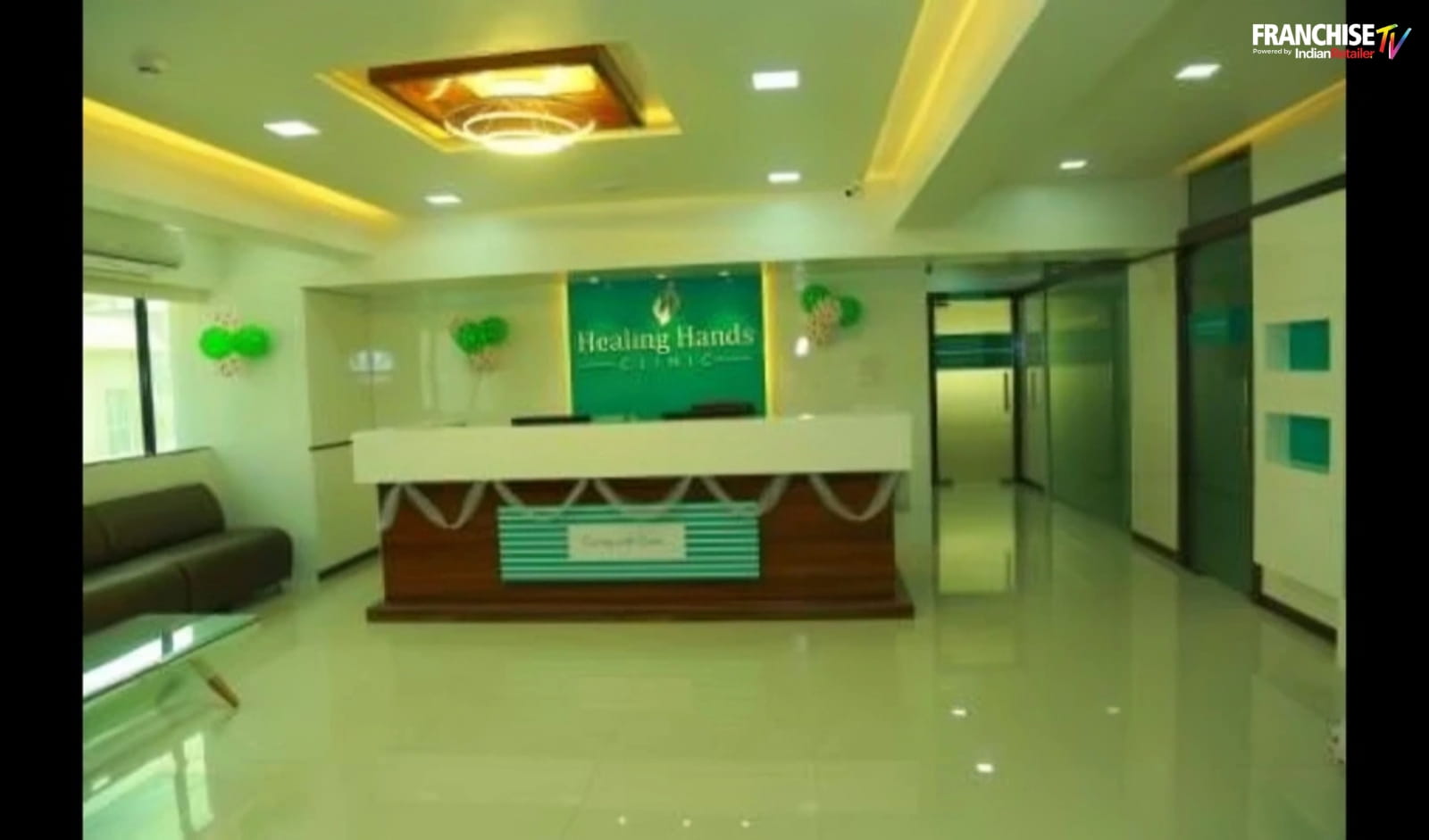
Healing Hands Clinic is one of India's most recognized specialized proctology clinic chains focused on anorectal disorders. Established in 2014, the brand has built a strong reputation through advanced treatment protocols, NABH-accredited care, and long-term patient support. The clinic has reached more than 200,000 people through awareness initiatives and served over 16,000 beneficiaries through medical camps and healthcare programs. With a current network of multiple centers across major cities such as Pune, Gurgaon, Mysore, and Indore, the brand aims to expand significantly in the coming years. Its strong digital presence, high patient satisfaction ratings, and growing medical tourism appeal make Healing Hands Clinic one of the most promising clinic franchise brands for healthcare investors seeking a specialized healthcare business.
Nuvana Healthcare
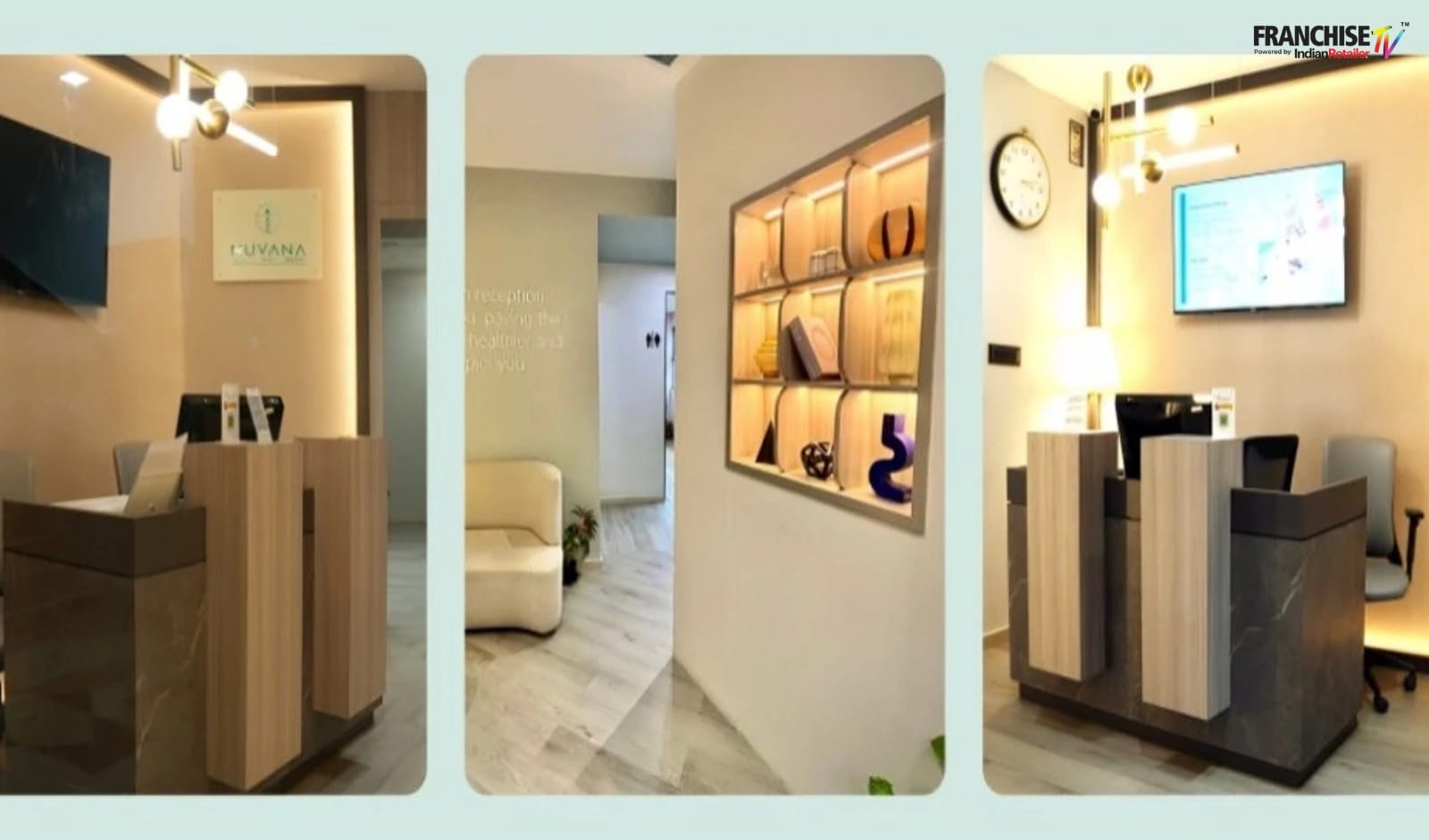
Nuvana Healthcare represents the growing demand for integrative and preventive healthcare solutions. Founded in 2020, the brand combines modern medical science with traditional healing approaches through its Medicine 3.0 framework. The clinic focuses on prevention, personalized healthcare, and holistic wellness programs designed for long-term health outcomes. Its offerings include IV therapies, acupuncture, physiotherapy, skincare treatments, dental care, stress management programs, and wellness solutions. Positioned as a premium healthcare destination, Nuvana Healthcare caters to consumers seeking personalized health experiences rather than symptom-based treatments. As preventive healthcare gains popularity across India, Nuvana Healthcare is emerging as a unique healthcare franchise opportunity that aligns perfectly with evolving consumer preferences.
Pulamanthole Mooss Vedic Bloom
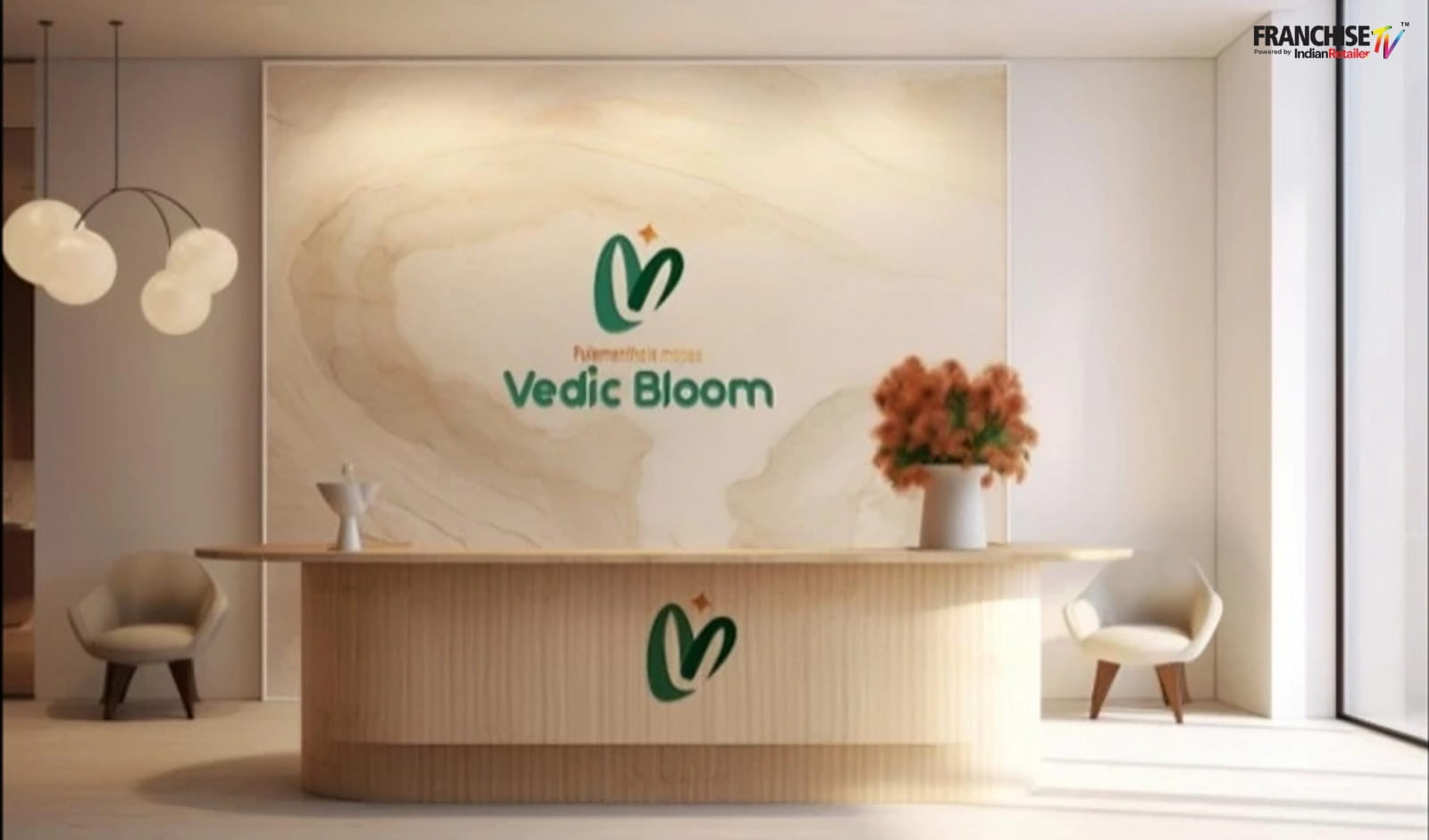
Pulamanthole Mooss Vedic Bloom brings more than a century of Ayurvedic heritage into a modern franchise format. Originating from Kerala's renowned Ashtavaidya tradition, the brand combines authentic Ayurvedic treatments with modern clinical practices and GMP-certified manufacturing. Its services include Panchakarma therapies, rejuvenation treatments, wellness programs, Ayurvedic consultations, and pharmacy products. The brand's heritage, credibility, and focus on evidence-based Ayurvedic care create strong differentiation in India's growing wellness market. With increasing consumer interest in natural healing and preventive wellness, Pulamanthole Mooss Vedic Bloom represents one of the most attractive healthcare franchises in India for entrepreneurs interested in the Ayurveda and wellness segment.
FORM Pilates & Physio

FORM Pilates & Physio is a premium wellness brand focused on physiotherapy-led fitness and rehabilitation solutions. The company operates modern Pilates studios and combines evidence-based physiotherapy with globally recognized Pilates training methodologies. Its services include group Pilates classes, personalized coaching, rehabilitation-focused sessions, physiotherapy treatments, and long-term wellness memberships. As awareness around posture correction, injury recovery, mobility enhancement, and preventive fitness continues to increase, FORM is positioned to capitalize on one of the fastest-growing segments within healthcare and wellness. The growing popularity of Pilates among fitness-conscious consumers further strengthens its franchise potential in major urban markets.
Potenza Wellness
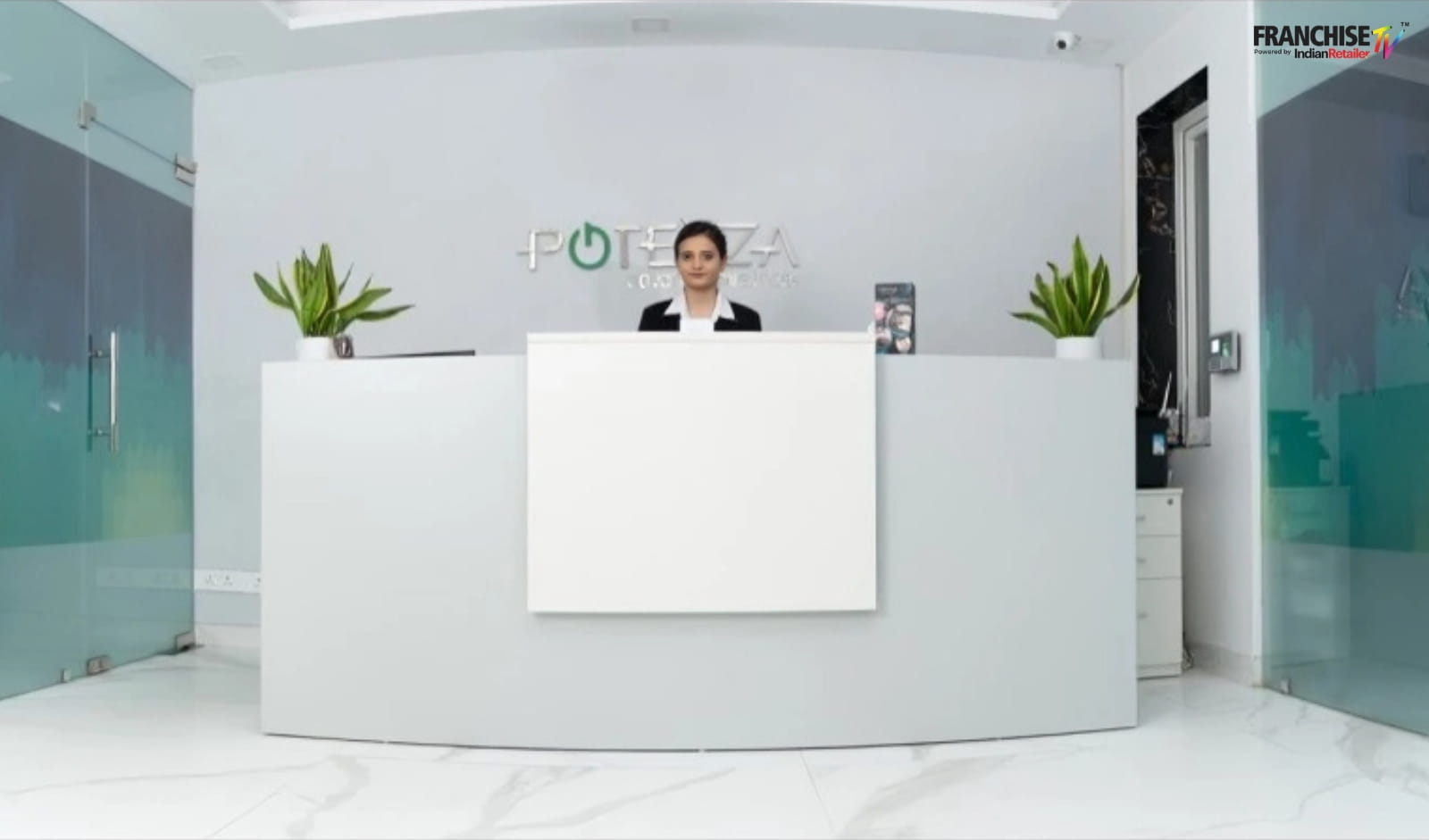
Potenza Wellness is positioned as one of India's most luxurious aesthetic and wellness clinic concepts. The brand combines advanced dermatology, weight management, anti-aging treatments, hair restoration, and aesthetic procedures under one premium healthcare platform. Supported by award-winning medical professionals, Potenza offers globally sourced treatments and advanced technologies designed for high-end clientele. The brand's focus on aesthetics, wellness, and lifestyle enhancement aligns with rising consumer spending in personal care and beauty services. With India's aesthetics market projected to expand rapidly over the coming years, Potenza Wellness offers investors access to a premium healthcare category with substantial long-term growth potential.
Uncover Wellness
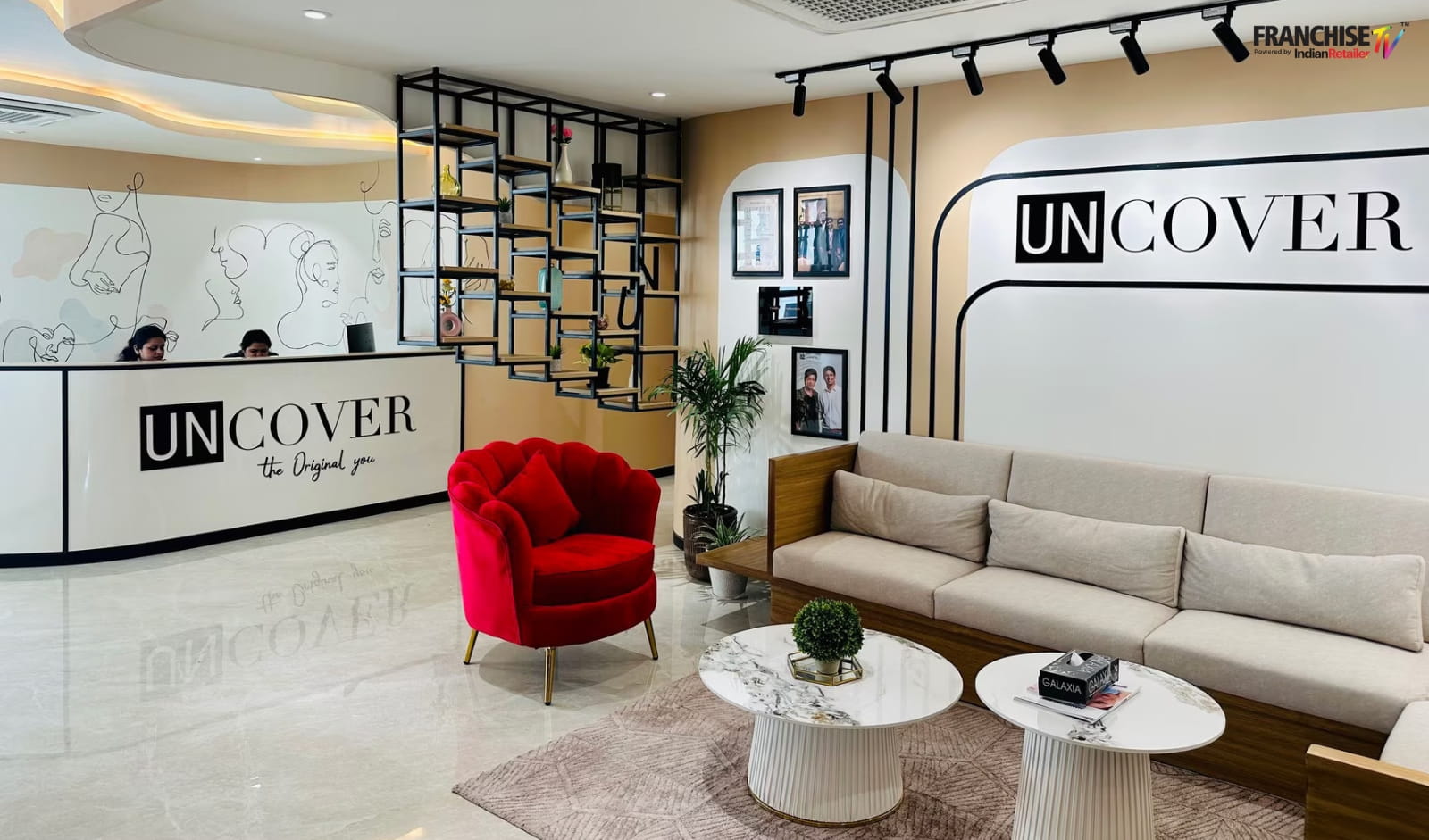
Uncover Wellness has emerged as a fast-growing player in India's premium skin, laser, and hair treatment segment. The brand differentiates itself through AI-powered skin analysis, advanced clinic management systems, and a scalable business model designed for rapid expansion. It offers a unique profit-sharing structure while providing franchisees with business management tools, training, marketing support, and operational assistance. The company highlights strong revenue potential and accelerated break-even timelines, making it attractive for growth-oriented investors. As demand for professional skincare, cosmetic treatments, and wellness solutions continues to increase, Uncover Wellness stands out as one of the top healthcare franchise opportunities in India.
Best Locations to Start a Healthcare Franchise in India
Healthcare businesses perform exceptionally well in densely populated urban areas, residential hubs, and emerging Tier II cities. Cities such as Bengaluru, Pune, Hyderabad, Ahmedabad, Jaipur, Indore, Kochi, Lucknow, Chandigarh, and Coimbatore are witnessing increasing demand for organized healthcare services.
Locations near residential communities, commercial districts, educational institutions, and high-income neighborhoods often provide strong patient acquisition opportunities. Wellness-focused healthcare businesses are also finding success in premium urban markets where preventive care and lifestyle management services are growing rapidly.
Explore more: Why Modern Jewelry Brands Are Betting Big on Franchising
Top 6 Dessert & Sweet Franchise Brands Expanding Fast in India
Top 5 Women's Wear Franchise Brands in India for Profitable Retail Growth
Key Factors to Consider Before Investing
Before selecting a healthcare franchise opportunity, investors should evaluate brand reputation, treatment specialization, regulatory compliance, operational support, technology infrastructure, training programs, and market demand. It is also important to assess scalability, territory rights, and long-term industry trends.
Healthcare is a trust-driven industry, making brand credibility and patient outcomes critical factors in business success.
The Future of Healthcare Franchising in India
The future of healthcare franchises in India looks exceptionally promising. Rising healthcare awareness, aging demographics, increasing wellness spending, and advancements in medical technology are expected to drive sustained industry growth.
From hospital franchise models and clinic franchise brands to wellness centers and specialized healthcare businesses, entrepreneurs have multiple avenues to participate in this expanding sector. As consumers increasingly seek professional, organized, and technology-enabled healthcare services, top healthcare franchises in India are well positioned to benefit from long-term market expansion.
Final Takeaway
Healthcare remains one of the strongest and most future-ready business sectors in India. The six brands featured above represent diverse opportunities across specialized clinics, wellness services, Ayurveda, physiotherapy, and aesthetic healthcare. For entrepreneurs seeking stable demand, long-term scalability, and strong growth potential, these top healthcare franchise opportunities in India offer a compelling path toward building a successful healthcare business in 2026.
For Further Franchise Info Contact
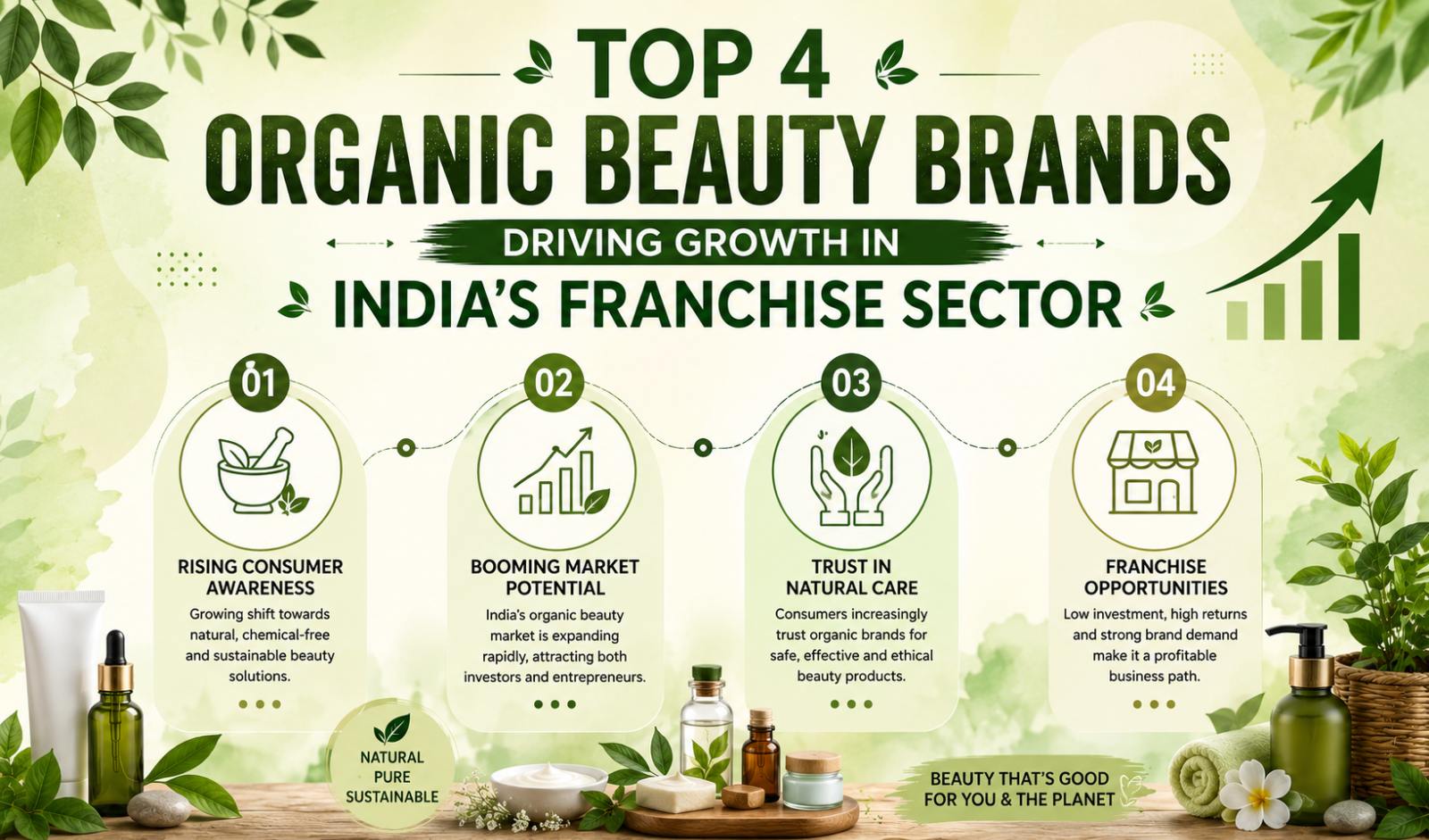
India's growing focus on healthier living is transforming the beauty and wellness landscape. Consumers today are paying greater attention to the ingredients in the products they use, whether it's skincare, personal care, or nutrition. This shift toward conscious consumption is creating significant opportunities for brands that prioritize natural, sustainable, and wellness-focused offerings.
For entrepreneurs, this evolution presents a compelling business opportunity. Organic beauty and wellness franchises benefit from increasing consumer awareness, repeat purchases, and a market that continues to expand beyond major cities. As demand rises, franchise models in this segment offer investors the advantage of entering a high-growth industry with the support of established brands. Among the names making an impact in this space are Lumiere Organics, The Organic Place, Spiritin Organics, and Risshi Millet.
Lumiere Organics: Tapping into the Clean Beauty Boom
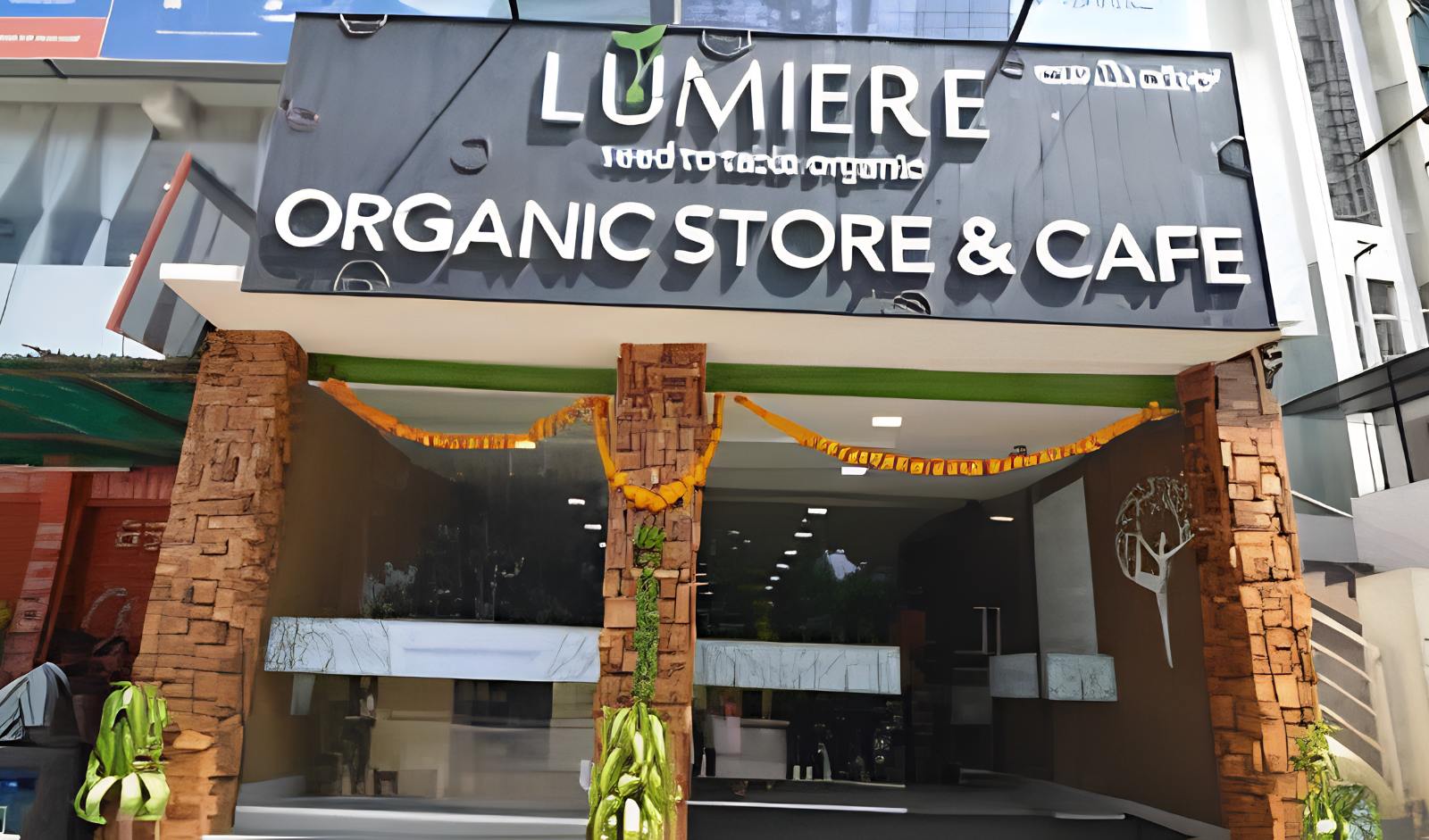
What was once a niche segment has become a mainstream preference. More consumers are choosing skincare products based on ingredient quality rather than brand popularity alone, creating a favourable environment for organic beauty brands like Lumiere Organics.
Focused on organic skincare and beauty solutions, the brand caters to consumers seeking alternatives to conventional beauty products. For franchise investors, this presents an opportunity to participate in a category that continues to attract attention from health-conscious shoppers. As clean beauty gains wider acceptance, brands operating in this segment are well-positioned to benefit from sustained consumer demand and brand loyalty.
The Organic Place: Building a Business Around Conscious Consumption
The Organic Place is capitalizing on a consumer shift that extends beyond beauty and into everyday lifestyle choices. As more people seek healthier, more sustainable products, the demand for trusted organic brands continues to grow.
This trend makes the brand an attractive option for franchise investors. By catering to consumers who prioritize wellness and mindful living, The Organic Place operates in a category that enjoys strong repeat business and increasing market relevance. For entrepreneurs looking to enter the organic retail space, the brand offers an opportunity to align with one of the fastest-growing consumer movements in the country.
Spiritin Organics: Catering to India's Wellness-Focused Consumers
Wellness has become a priority for consumers across age groups, driving demand for products that support healthier lifestyles. Spiritin Organics has positioned itself within this growing market by focusing on natural and organic offerings designed to meet evolving consumer expectations.
For franchise partners, the brand provides access to a customer base that values quality, authenticity, and transparency. As wellness continues to influence purchasing decisions, businesses operating in this segment are likely to benefit from increasing consumer engagement and long-term growth prospects.
Risshi Millet: Riding the Wave of India's Millet Revival
The resurgence of millets is one of the most notable developments in India's health and wellness sector. Once considered a traditional dietary staple, millets are now being embraced by fitness enthusiasts, health-conscious families, and consumers looking for nutritious alternatives to heavily processed foods.
Risshi Millet has successfully tapped into this growing demand by building its business around millet-based products. For franchise investors, the brand offers an opportunity to participate in a category that combines nutrition, wellness, and evolving consumer preferences. With awareness around healthy eating continuing to rise, millet-focused businesses are finding themselves at the center of a rapidly expanding market.
Why Organic Franchises Are Gaining Investor Attention
The appeal of organic and wellness franchises goes beyond current consumer trends. These businesses are built around lifestyle shifts that are expected to shape purchasing behavior for years to come. Customers who embrace organic products often become repeat buyers, creating strong opportunities for customer retention and recurring revenue.
Franchise ownership also provides entrepreneurs with the advantages of brand recognition, operational support, marketing assistance, and established business processes. This combination reduces entry barriers while allowing investors to focus on growing their customer base and local presence.
Read also: Top 6 Healthcare Franchise Opportunities in India for High ROI in 2026
7 Reasons Smart Entrepreneurs Are Choosing Franchising Over Startups in 2026
Why Modern Jewelry Brands Are Betting Big on Franchising
The Growing Opportunity in Organic Franchising
Consumer preferences across India are changing rapidly, with increasing emphasis on health, sustainability, and product transparency. From organic skincare and natural beauty products to wellness foods and nutrition-focused offerings, consumers are actively seeking brands that reflect these values.
This shift is creating a favorable environment for businesses operating in the organic and wellness space. Brands such as Lumiere Organics, The Organic Place, Spiritin Organics, and Risshi Millet are benefiting from this momentum while offering entrepreneurs an opportunity to enter a category with strong growth potential.
For investors looking beyond traditional retail concepts, organic beauty and wellness franchises represent a sector where consumer demand, market expansion, and long-term relevance come together. As the clean living movement continues to gain ground, these brands are well-positioned to capitalize on one of the most promising opportunities in India's franchise landscape.
For Further Franchise Info Contact
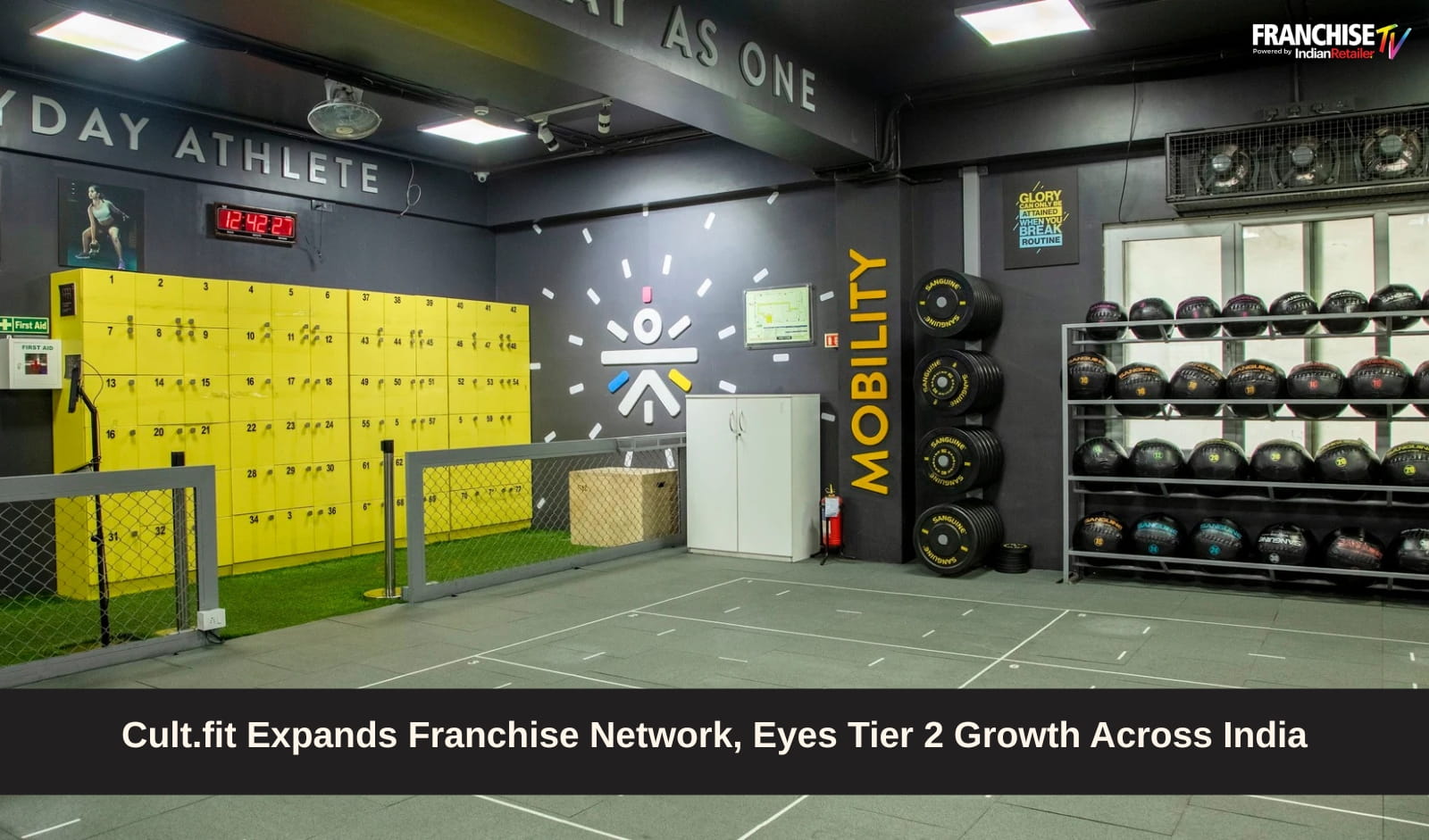
India’s organized fitness industry is witnessing rapid momentum, and cult.fit is positioning itself at the center of this transformation through its aggressive franchise expansion strategy. During a recent Franchise India webinar, Abhishek Khanna, Head – Franchise Business Expansion at cult.fit, shared insights into the brand’s growth plans, operational model, and market opportunities.
Highlighting the growing potential of India’s fitness market, Khanna stated that paid fitness penetration in the country is still below 1 percent, leaving massive room for expansion. He emphasized that increasing health awareness, rising disposable incomes, and demand for premium wellness experiences are accelerating the sector’s growth.
Cult.fit currently operates over 700 centers across 60+ cities, including both company-owned and franchise-led formats. The company has already crossed 180 live franchise centers and plans to add several more outlets across metro and emerging Tier 2 markets including Lucknow, Ahmedabad, Indore, Jaipur, and Raipur.
The webinar showcased cult.fit’s FOCO (Franchise Owned, Company Operated) model, where franchise partners invest in the infrastructure while the company manages operations, staffing, technology, marketing, and customer acquisition. According to Khanna, this model reduces operational stress for investors while ensuring standardized member experiences across all centers.
Discussing the economics of the business, cult.fit revealed that its Elite format requires an investment of approximately Rs 2–3 crore with expected ROI ranging between 25–27 percent after stabilization. The format includes gym facilities along with group fitness classes powered through the cult app ecosystem.
The company also highlighted its data-driven site selection process that uses demographic intelligence, spending patterns, booking behavior, and retail mapping to identify high-potential locations. Pre-sales campaigns before launch help onboard nearly 250–300 members even before a center becomes operational, enabling early cash flow generation.
Read also: Best Fashion Franchise Businesses to Start in India Under ₹50 Lakhs
How to Start a Beauty Salon Business in India
Khanna further noted that Tier 2 markets are already showing encouraging performance, with cities like Lucknow delivering revenue profiles close to metro markets. He added that cult.fit’s technology-led ecosystem, centralized marketing engine, and growing member base continue to strengthen its position as one of India’s fastest-growing fitness franchise brands.
For Further Franchise Info Contact

India’s healthcare industry is emerging as one of the country’s most promising sectors for franchise-led growth. Rising healthcare awareness, increasing demand for quality medical services, and stronger penetration of organised healthcare businesses are creating opportunities for entrepreneurs across urban as well as Tier II and Tier III markets. According to industry estimates, India’s healthcare market is expected to reach nearly $650 billion by 2028, driven by pharmaceutical expansion, preventive healthcare adoption, diagnostics growth, and rising consumer spending on wellness.
The growing shift toward organised healthcare services is also changing how healthcare businesses scale in India. Consumers are increasingly preferring trusted healthcare providers that offer transparency, product reliability, and standardised service experiences. This transition has accelerated franchise expansion across pharmacy retail, wellness centres, specialised treatment clinics, and healthcare product distribution networks. For franchise investors, healthcare offers a relatively resilient business opportunity because demand remains consistent regardless of economic conditions.
Healthcare Franchising is Becoming a High-Growth Business Category
The healthcare franchise market in India is no longer limited to standalone medical stores and diagnostic labs. The sector now includes specialised healthcare services, preventive wellness brands, rehabilitation centres, and healthcare retail businesses backed by technology and organised operations. One of the biggest advantages of healthcare franchising is recurring consumer demand. Medicines, wellness products, rehabilitation support, and preventive healthcare services continue to witness stable consumption patterns. Additionally, organised franchise models provide entrepreneurs with operational support, training, supply chain assistance, and branding advantages that reduce entry barriers.
The expansion of health insurance, digital healthcare platforms, and preventive healthcare awareness is also strengthening long-term demand within the sector. Below are five healthcare franchise businesses that are building scalable models within India’s growing healthcare ecosystem.
1. Britacel Healthcare
Britacel Healthcare has established its presence in the pharmaceutical and healthcare products segment, focusing on improving healthcare accessibility across different consumer markets. The company’s business model aligns with the increasing demand for organised healthcare retail and wellness-focused products in India. Healthcare and pharmaceutical distribution remain one of the more stable segments within the franchise industry because of its necessity-driven demand. Consumers continue to spend on medicines, healthcare essentials, and wellness products irrespective of broader market conditions.
For franchise investors, Britacel Healthcare offers opportunities in a category that benefits from long-term market demand and rising healthcare awareness. The company supports franchise operations through product distribution systems and operational guidance, helping entrepreneurs build structured healthcare businesses. As organised healthcare penetration increases across smaller cities, healthcare product and pharmaceutical businesses are expected to witness continued expansion opportunities.
Read also: Top 5 Fast-Growing Street Food Franchise Brands in India Low Investment Picks
10 Best QSR Franchise Opportunities in India You Shouldn't Miss in 2026
Top Viral Food Franchise Opportunities Taking Over India in 2026
2. Dr. Morepen
Dr. Morepen is among India’s recognised healthcare and wellness brands, known for its range of diagnostic devices and preventive healthcare products. The brand has strong visibility in categories such as blood glucose monitoring, blood pressure devices, and immunity-focused healthcare solutions. India’s preventive healthcare market has grown significantly over the past few years as consumers become more health-conscious and proactive about managing lifestyle-related illnesses. Rising cases of diabetes, hypertension, and cardiovascular conditions are increasing the demand for personal healthcare monitoring products.
For franchise operators, Dr. Morepen’s established market presence offers a significant advantage in customer trust and brand recall. Consumers often prefer familiar healthcare brands when purchasing wellness and diagnostic products. The company’s portfolio allows franchisees to cater to multiple healthcare segments simultaneously, including home healthcare, wellness products, and preventive care solutions. This diversified product mix supports stable demand across different customer categories.
3. Pharmacy Bazar
Pharmacy Bazar operates in India’s organised pharmacy retail segment, which continues to grow rapidly due to increasing medicine consumption and healthcare awareness. The pharmacy business remains one of the most scalable healthcare franchise categories because of its repeat customer base and recurring demand patterns. India’s pharmacy retail market is still highly fragmented, but organised pharmacy chains are steadily expanding through standardised operations, inventory management systems, and improved customer service models. Pharmacy Bazar’s business structure is designed around this transition toward organised healthcare retail.
For franchisees, pharmacy businesses offer relatively predictable revenue opportunities through prescription medicines, over-the-counter products, healthcare supplements, and personal wellness categories. Growing adoption of digital inventory systems and prescription management platforms is also improving operational efficiency within the sector.
The demand for organised pharmacy businesses is expected to rise further as healthcare access expands in non-metro regions and consumers increasingly prioritise convenience and reliability.
4. Orthocure
Orthocure focuses on specialised orthopaedic care and pain management services, a segment witnessing strong demand across India. Sedentary lifestyles, increasing sports injuries, posture-related disorders, and ageing demographics are contributing to higher cases of joint pain, arthritis, spine issues, and mobility-related conditions. The orthopaedic healthcare segment has seen increasing consumer demand for rehabilitation support, physiotherapy, and non-surgical pain management therapies. Consumers are also becoming more willing to seek professional treatment for chronic pain conditions at specialised care centres.
Orthocure’s franchise model caters to this growing demand for accessible orthopaedic healthcare services outside traditional hospital systems. For franchise operators, specialised healthcare services often create stronger customer retention because treatment cycles usually involve repeated consultations and long-term care support. As awareness around musculoskeletal health continues to grow, specialised orthopaedic healthcare centres are expected to see rising demand across urban and semi-urban markets.
5. Nuvana Healthcare
Nuvana Healthcare operates within the preventive healthcare and wellness segment, which has emerged as one of the fastest-growing areas of India’s healthcare industry. Consumers are increasingly focusing on immunity management, nutrition, wellness, and preventive healthcare practices as part of long-term lifestyle planning. The pandemic accelerated awareness around preventive healthcare, encouraging consumers to invest more in wellness-driven healthcare solutions. This shift has created opportunities for healthcare businesses that focus on preventive care rather than only reactive treatment.
Nuvana Healthcare’s model reflects this broader transition in consumer healthcare behaviour. The company focuses on healthcare services and wellness-oriented solutions designed around preventive care and healthier living. For franchise entrepreneurs, preventive healthcare businesses often require lower infrastructure investment compared to full-scale medical facilities while benefiting from expanding consumer demand. The category also appeals to a broader demographic, including younger urban consumers focused on fitness and lifestyle management.
Key Factors to Evaluate Before Investing in a Healthcare Franchise
Entrepreneurs planning to enter the healthcare franchise sector should evaluate several operational and market factors before making investment decisions. Understanding local healthcare demand is important, as pharmacy retail, wellness services, and specialised healthcare categories each cater to different customer segments. Location selection remains critical for healthcare businesses. High-density residential areas, suburban growth zones, and mixed commercial locations often provide stronger business opportunities for healthcare franchises.
Investors should also assess the franchisor’s support systems, including training, compliance guidance, supply chain management, and marketing assistance. Regulatory approvals and licensing requirements are especially important within healthcare businesses and should be carefully evaluated before operations begin. Technology integration is another important factor shaping the future of healthcare franchises. Businesses using digital systems for inventory tracking, appointment management, and customer engagement are likely to achieve stronger operational efficiency.
Explore more: Best Franchise Businesses Under ₹50 Lakhs in India
Best Low Investment Food Franchise Under ₹30 Lakhs in India
Top 10 Apparel Franchise Brands Growing Rapidly Across India
The Future of Healthcare Franchising in India
The outlook for healthcare franchising in India remains strong as healthcare awareness, organised retail penetration, and preventive care adoption continue to increase. Rising disposable incomes, ageing populations, and growing healthcare spending are expected to support long-term industry growth. The integration of telemedicine, digital healthcare platforms, and technology-led healthcare services will further reshape the sector over the coming years. Franchise businesses that combine operational efficiency with consumer convenience are likely to remain competitive in this evolving market.
For entrepreneurs, healthcare franchising offers a long-term business opportunity supported by recurring demand and strong market fundamentals. As organised healthcare businesses continue expanding across India, franchise-led models are expected to play a larger role in improving healthcare accessibility while creating scalable growth opportunities for investors.
FAQs on Top Healthcare Franchise Opportunities in India
1. Why is healthcare franchising growing rapidly in India?
Healthcare franchising is expanding because of rising healthcare awareness, growing preventive care adoption, and increasing demand for organised healthcare services across urban and non-metro markets.
2. Is healthcare a profitable franchise sector in India?
Yes, healthcare is considered a stable and high-potential franchise category because medicines, wellness products, and healthcare services generate recurring demand.
3. Which healthcare franchise categories are growing the fastest?
Pharmacy retail, preventive healthcare, wellness services, orthopaedic care, diagnostics, and home healthcare are among the fastest-growing healthcare segments in India.
4. Do healthcare franchise businesses require medical expertise?
Many healthcare brands provide operational support and training to franchisees. However, specialised healthcare categories may require certified professionals and regulatory approvals.
5. What should investors consider before choosing a healthcare franchise?
Investors should evaluate market demand, investment requirements, operational support, compliance regulations, technology integration, and location potential before selecting a healthcare franchise.
For Further Franchise Info Contact

India’s pharmacy market is undergoing a silent but powerful transformation. While over 10 lakh chemists operate across the country, only a small fraction belongs to the organized retail ecosystem. Rising health awareness, chronic disease prevalence, insurance penetration, online ordering behavior, and demand for quality medicines are pushing consumers toward trusted branded pharmacy chains. This is where Dr. Morepen Pharmacy is creating a strong foothold with a franchise model designed for rapid cluster expansion, high inventory efficiency, and superior customer trust.
Backed by 40+ Years of Pharmaceutical Legacy
Dr. Morepen is not a new retail brand trying to enter pharmacy. It is the consumer-facing arm of a ₹2000+ crore pharmaceutical group with API manufacturing, formulations, medical devices, OTC wellness, generics, diagnostics, and home healthcare. This vertical integration gives franchise partners a major edge: better margins, trusted quality, and access to a 1500+ product portfolio along with 4000+ external SKUs.
Watch the full webinar video to understand the complete franchise model, margins, and expansion strategy in detail. Click here
Why Organized Pharmacy Retail is Growing at 18–20% CAGR
Consumers today prefer:
- Quality-assured medicines from known brands
- Savings through generics
- Home delivery and WhatsApp ordering
- Clean, modern pharmacy environments
- One store for medicines, OTC, devices, and wellness
Organized chains meet all these expectations, and Dr. Morepen Pharmacy combines brand trust with retail efficiency.
FOFO Multi-Unit Franchise Model
Instead of one large store, the brand promotes 5 smaller stores within 10 months to dominate a micro-market and ensure faster delivery, higher recall, and better customer convenience.
| Store Size | Total Setup | Inventory | Gross Margin | Payback | IRR |
| 200 sq ft | ₹6.9 L | ₹20 L | 25% → 28% | 31 months | 37% |
| 350 sq ft | ₹7.95 L | ₹25 L | 25% → 28% | 29 months | 43% |
| 500 sq ft | ₹13.25 L | ₹30 L | 25% → 28% | 31 months | 39% |
Agreement: 5 Years
Model: FOFO (Franchise Owned, Franchise Operated)
Revenue Mix That Drives Consistent Cash Flow
- 70% Prescription Medicines (with 10–15% high-margin generics)
- 15% OTC & Wellness
- 15% FMCG, Devices, Nutrition
- Additional revenue from lab tie-ups, home healthcare, and rentals
Generics provide up to 70% savings to customers while delivering higher margins to franchisees.
Read more: Best Pizza Franchises to look forward to
Top Chinese Food Franchise Brands Expanding Rapidly Across India
Top 15 International Food Brands to Franchise in India in 2026
Inventory Buyback & Risk Reduction
Dr. Morepen supports partners with:
- Extra inventory at launch for stronger start
- Buyback/adjustment after 3–6 months for slow movers
- Expiry management support
- 5–7 days rolling credit after stabilization
This ensures optimal stock turnover from 90 days to 30–45 days over time.
Phase-1 Expansion Cities (North & West India Focus)
NCR, Rajasthan, Haryana, Punjab, Gujarat, UP, Uttarakhand, HP, MP are priority markets where organized pharmacy penetration is still low.
What Makes This Different from Apollo, Tata 1mg, Others?
- Dr. Morepen’s own generics division (higher margins)
- Deep pharmaceutical manufacturing legacy
- Smaller stores = faster reach & lower rentals
- Hyperlocal marketing within 1 km radius
- Technology integration (App, WhatsApp, POS tracking)
- Lab collection, home doctor visits, equipment rentals planned
Ideal Franchise Partner Profile
- Comfortable managing retail operations
- Willing to be involved in day-to-day store performance
- Focused on inventory rotation and customer service
- Interested in multi-unit expansion
For Further Franchise Info Contact
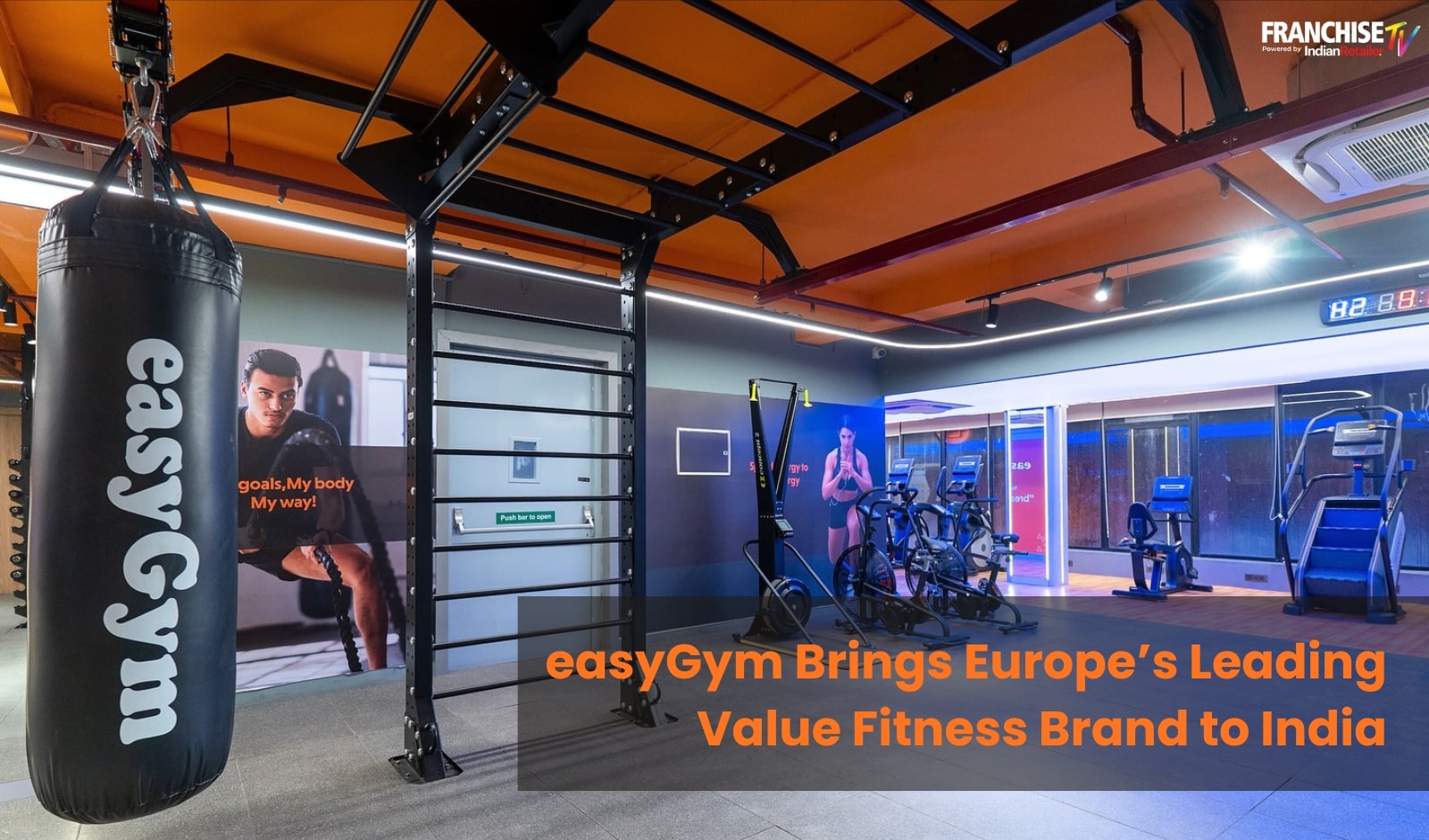
Franchise India’s latest Business Opportunity webinar highlighted easyGym, a fast-growing fitness brand from the UK’s easyGroup, the same company behind EasyJet. easyGroup operates more than 100 easy brands across more than 30 countries, spanning airlines, hotels, travel, mobility, and consumer services. All these brands believe in delivering high-quality products at innovative and affordable prices.
easyGym was created in Europe to make premium fitness accessible to more people. The brand focuses on large, well-designed gyms, high-end equipment, and simple membership plans. Over the years, it has expanded through franchising in markets like the UK and France, backed by strong standard operating procedures, uniform design guidelines, and tech-led member experience.
Watch the complete webinar for in depth insights: Click here
A Strategic Alliance Set to Redefine Affordable Premium Fitness in India
In 2025, easyGym entered India through a partnership with Franchise India and FranGlobal, who now hold the master franchise rights. The brand launched its first flagship club in Model Town, New Delhi, spread across nearly 15,000 sq. ft. across two floors, making it one of the country’s largest single-location gyms. The site was intentionally chosen in a highly competitive fitness market packed with well-known domestic and international players, positioning easyGym as a strong upgrade and conversion-driven option for serious fitness consumers.
The India model combines European-quality fitness infrastructure with pricing and services suited to the local market. Key features include large open gym layouts with 75–80 percent space dedicated to cardio, strength, and functional training zones; global-standard equipment from brands like Matrix and Pulse Fitness; PACK45, a signature 45-minute small-group HIIT workout; a strong focus on personal training as a major value driver; and additional offerings such as a health café, steam and shower facilities, and secure lockers in larger clubs. Operations stay seamless through app-based access, bookings, and membership management.
Read more: 7 Things You Need to Know Before Becoming a Franchise Owner
On the expansion front, easyGym plans to open 100–300 locations across India through a Franchise-Owned, Franchise-Operated (FOFO) model. The immediate focus is on major markets, including Delhi-NCR, Mumbai, Bengaluru, Hyderabad, Pune, Ahmedabad, and the Chandigarh–Tricity region. The brand offers flexible formats, from approximately 5,000 sq. ft. express gyms to 7,500–15,000 sq. ft. urban and premium clubs, depending on area potential and demand.
Supported by Franchise India’s 27+ years of franchising leadership and easyGroup’s global brand power, easyGym aims to fill the large gap between low-quality budget gyms and high-priced luxury fitness clubs. The goal is clear: bring premium, well-priced, accessible fitness to India’s fast-growing, health-conscious urban audience.
For Further Franchise Info Contact






Copyright © 2009 - 2026 Franchise Tv.