




Correspondent, IndianRetailer.com & Retailer Media Dec 26, 2025 /
 726
/ 12 MIN READ

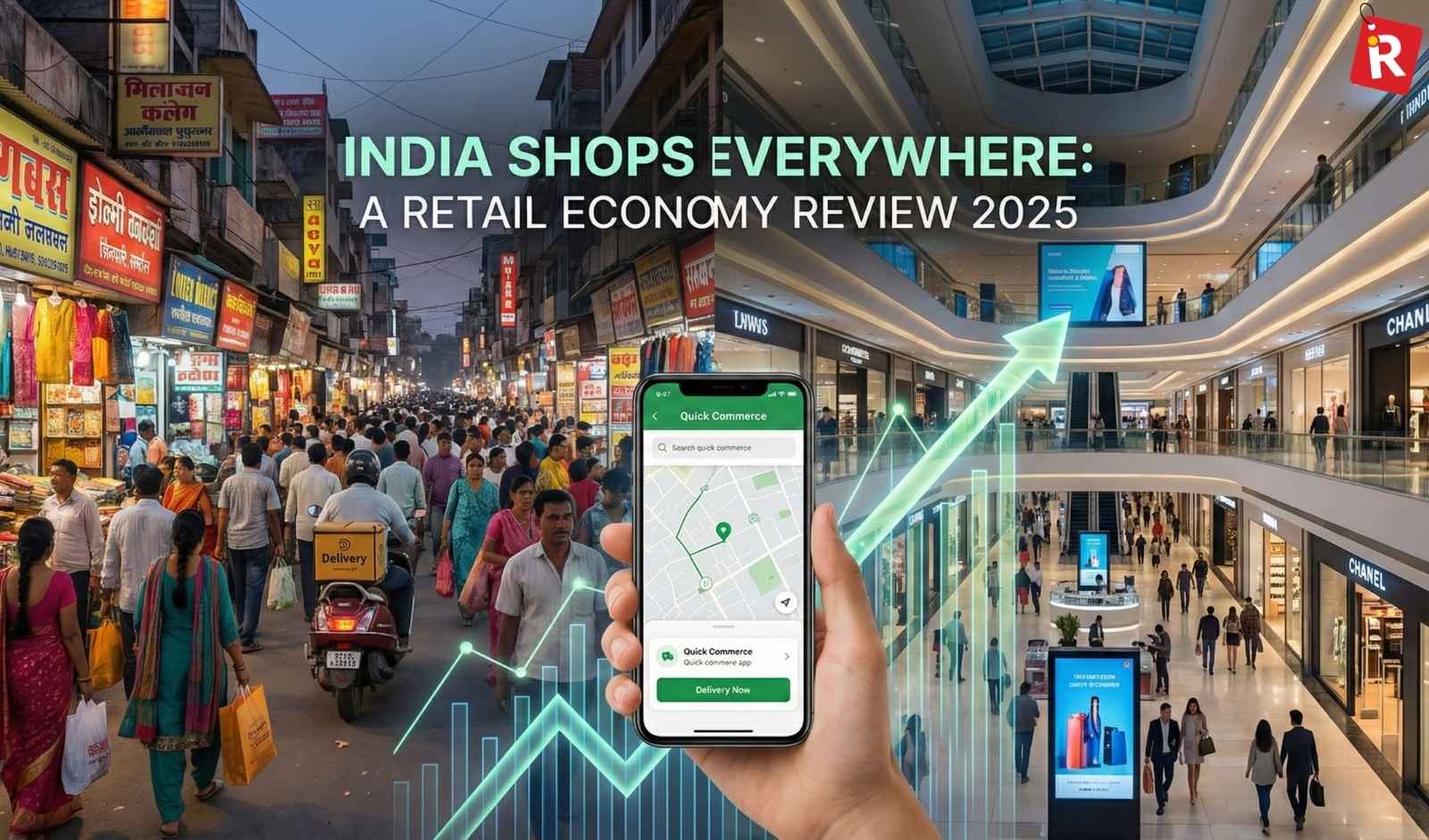
2025 has been a defining year for Indian commerce, a year that blurred the boundaries between online, offline, and “instant” retail. From bustling high streets and packed malls to 10-minute deliveries arriving at doorsteps, Indian consumers proved there’s no single way to shop anymore.
The numbers tell a powerful story. According to Deloitte-FICCI and IBEF, India’s retail market stood at $1.06 trillion in 2025 and is projected to nearly double to $1.93 trillion by 2030. Retail contributes over 10 percent of India’s GDP and employs nearly 8 percent of its workforce, making it one of the country’s most influential economic engines.
Digital retail has gained unprecedented momentum too. The Indian e-commerce market touched $211.6 billion in 2025, maintaining double-digit growth. Meanwhile, quick commerce, the 10–30 minute delivery segment, turned into one of the fastest-growing consumer channels, valued at over Rs 64,000 crore this year and expected to touch Rs 2 trillion by FY28.
What connects all of this is a shared pulse of innovation: from Tier l mega-malls to Tier lll grocery apps, India shopped more frequently, more digitally, and more confidently than ever before. Here’s how the country’s top ten retail-driven industries performed when evaluated on growth, profitability, innovation, and Tier ll/lll expansion in 2025.
1. Fashion and Apparel – The Style Engine of Growth
Fashion and apparel continued to be India’s leading organized retail driver. With strong leasing momentum and expansion across emerging cities, apparel retailers claimed nearly 30 percent of new mall space this year (CBRE, Cushman and Wakefield data). Both value and premium brands saw healthy topline growth as consumer spending shifted from essentials to lifestyle. Tier ll/lll penetration deepened sharply, not just through franchise stores but via online marketplaces where apparel remained a top-performing category for Flipkart, Amazon, and Myntra.
E-commerce discounts, influencer-led discovery, and “shop-the-look” integrations kept fashion sales high throughout the festive period. Several brands also piloted quick-commerce tie-ups for basics and accessories, a small category today, but a sign of format convergence.
2. Grocery and FMCG – The Everyday Growth Powerhouse
The grocery and FMCG sector remained the backbone of Indian retail, driving consistent revenue across modern trade, e-grocery, and neighbourhood kiranas. Organized grocery chains like Reliance Smart, DMart and Spencer’s expanded across smaller cities, supported by steady economic recovery and rural demand uplift. Quick commerce became the game-changer here; Zepto, Blinkit, and Instamart now dominate India’s top metro grocery baskets. According to Rediff Money and Statista estimates, India’s quick commerce sector generated $5.3 billion in revenue in 2025, with a three-fold jump projected by FY28.
Supermarket chains continued innovating via hybrid models, offering both large-format shopping and rapid online fulfilment. Local brands expanded private labels, improving margins and scale.
3. Consumer Electronics and Durables – The Festive Winner
The electronics and durables sector clocked its best performance since the pandemic years, riding on premiumisation and easy financing. From smartphones to air conditioners, consumers aspired for better specifications and brand assurance. E-commerce accounted for nearly one-third of total electronics sales in 2025, boosted by exclusive launches and attractive exchange offers. Large-format retailers like Croma, Reliance Digital, and Vijay Sales reported high footfalls, while Tier ll towns drove much of the volume during festive weeks.
Offline and online innovation blended seamlessly, hybrid showrooms, same-day shipping, and virtual demos became standard across brands.
4. Beauty and Personal Care – Reinvention at Every Shelf
India’s beauty and personal care industry grew at a fast clip in 2025, powered by a young consumer base, digital storytelling, and D2C experimentation. Premium skincare, gender-inclusive grooming, and wellness-oriented beauty contributed to double-digit growth, with Nykaa, Purplle, and new-age indie brands leading the wave.
Brick-and-mortar expansion was equally active, specialty beauty brands leased new spaces across top 8 cities as mall developers highlighted experiential retail. Quick commerce platforms also reported a jump in last-minute beauty orders before social occasions, highlighting shifting consumption behaviour.
5. Jewellery and Luxury – The Shining Performer
Jewellery and luxury retail had a record-setting 2025. India’s festive sales crossed Rs 5.4 trillion, with jewellery accounting for nearly 10 percent of the overall value, according to CAIT surveys. Gold demand rebounded strongly in urban and smaller markets alike.
Major chains like Tanishq, Malabar Gold, and Kalyan Jewellers opened dozens of new showrooms across Tier ll/lll towns, while global luxury brands expanded in India’s high-end malls such as Jio World Plaza and Phoenix Palladium. Digital tools, online appointments, AR try-ons, personalized product videos, helped make high-value jewellery shopping omnichannel.
6. Food Service and QSR – India Eats Out Again
The food services and QSR sector thrived this year as dining-out and delivery habits both strengthened. According to CBRE India, F&B accounted for 25 percent of new store leasing in 2025, reflecting growing demand for social dining experiences.
Major QSR players like McDonald’s, Domino’s, and Burger King saw double-digit same-store growth, while homegrown brands captured strong regional markets. Quick commerce now complements food delivery by expanding ready-to-eat and express snacks, forming a parallel, convenience-driven micro-market.
7. Home and Furniture – Comfort Meets Commerce
India’s furniture and home improvement market saw consistent expansion in 2025. Brands like Pepperfry, IKEA, and HomeTown benefited from rising urban housing demand and aspirational interior design trends.
CBRE reported strong leasing from furniture and home improvement players, with home décor now one of the fastest-growing lifestyle categories online. Tier ll shoppers increasingly prefer hybrid models, showroom visits combined with digital customization and doorstep assembly.
8. Pharmacy and Health Retail – The Everyday Necessity
Pharmacy and wellness retail sustained steady growth, cementing its central role in post-pandemic consumption. Organized pharmacy chains like Apollo, Netmeds, and Wellness Forever expanded rapidly. E-pharmacy adoption surged, merging healthcare and retail through teleconsultations and prescription deliveries. Quick commerce has also become a critical enabler for instant OTC medicine fulfilment in metro cities.
9. Consumer Services and Entertainment – Retail’s Emotional Core
2025 marked a comeback for cinemas and experience-driven retail. Multiplex chains reported near pre-pandemic footfalls during blockbuster releases, while mall developers designed “experience ecosystems” with retail, food, and recreation. Offline entertainment formats thrived as consumers sought social engagement beyond e-commerce. This category helped lift in-store visit time, indirectly benefiting neighbouring fashion and F&B outlets.
10. E-commerce and Quick Commerce – The Twin Growth Engines
India’s overall e-commerce industry touched $211.6 billion in 2025 (Asian Business Review), placing it among the world’s fastest-growing digital economies. The sector is expected to cross $326 billion by 2029, driven by better digital infrastructure, expanding ONDC participation, and Tier ll–lll growth.
Quick commerce stood out as the year’s breakout segment. From groceries and gifting to electronics accessories, 10-minute commerce became a daily convenience for urban consumers. Its estimated market value of Rs 64,000 crore in FY25, set to triple by 2028, showcases how Indian consumer behaviour keeps evolving at a remarkable speed.
Whether it’s Blinkit’s festive gifting blitz or Zepto’s metro grocery push, 2025 firmly established express delivery as a new retail norm.
The Final Word: India’s Commerce Renaissance
As 2025 closes, India’s retail story reads like an economic diary of confidence. With record mall leasing, festive spending highs, and nearly every household connected digitally, the country’s consumption base has truly diversified.
Retail, e-commerce, and quick commerce are no longer separate sectors; they are interlinked chapters of the same growth narrative. India now shops across channels, geographies, and price points, proving that in 2025, the nation quite literally shopped everywhere.



The demand for convenience is reshaping India's consumer services market, with more consumers turning to digital platforms for everyday household assistance, beauty treatments and personal grooming. From booking domestic help for routine chores to accessing professional salon services at home, technology-enabled platforms are making traditionally offline services more accessible.
This shift is creating opportunities for businesses that combine digital bookings, trained service professionals and doorstep delivery. While platforms such as Snabbit and Pronto are focusing on on-demand household assistance, others, including Billu Salon, GetLook and Yes Madam, are bringing salon and beauty services directly to consumers. Urban Company, meanwhile, has built a broader service ecosystem spanning home maintenance, cleaning and personal care.
Here are six instant service platforms changing how Indian consumers access household and personal care services.
1. Snabbit: Making On-Demand Household Help Accessible
Snabbit is an on-demand home services platform designed to simplify everyday household chores through quick bookings and access to trained professionals. Its services include cleaning, dishwashing and other routine domestic tasks, catering to urban households seeking assistance with their daily responsibilities.
By focusing on accessible household help and flexible service requirements, Snabbit is addressing a consumer need that has traditionally been met through informal domestic worker networks. Its model reflects the growing demand for technology-enabled solutions that make everyday household assistance easier to access.
2. Billu Salon: Bringing Professional Salon Services Home
Billu Salon is tapping into the growing demand for at-home beauty and grooming services through a technology-enabled booking platform. It allows consumers to access salon services without travelling to a physical establishment, making personal care more convenient.
Its offerings extend beyond conventional beauty treatments to include services such as at-home shampooing, conditioning and blow-drying. By bringing salon-like experiences into consumers' homes, Billu Salon is catering to individuals seeking professional grooming services with greater flexibility.
3. Urban Company: Building an Organised Home Services Ecosystem
Urban Company is among India's recognised technology-led home services platforms, connecting consumers with professionals across household maintenance, cleaning, repairs and personal care.
Its service categories include home cleaning, plumbing, appliance repairs, beauty treatments and salon services. Through its app-based ecosystem, the company enables consumers to discover services, schedule appointments and access professionals across multiple categories.
By bringing diverse service requirements onto a single platform, Urban Company represents the shift towards organised home services, where digital discovery, service standardisation and professional access play an important role in shaping consumer experiences.
4. Pronto: Bringing Instant Domestic Assistance to Urban Households
Pronto is addressing the demand for on-demand domestic assistance by connecting consumers with professionals for everyday household tasks. Its services focus on activities such as cleaning, dishwashing and other routine chores that require regular attention.
The platform's model caters particularly to urban consumers managing busy work schedules and household responsibilities. By facilitating digital bookings for domestic assistance, Pronto is part of an emerging segment of instant home services that aims to make household support more accessible and flexible.
5. GetLook: Expanding Access to At-Home Beauty and Grooming
GetLook is an at-home salon and beauty services platform connecting consumers with beauty professionals through a technology-enabled booking system. Its portfolio covers a range of personal care requirements, including facials, clean-ups, waxing, threading, manicures, pedicures, haircuts, hair treatments and massages.
The platform also caters to specialised requirements through bridal makeup and pre-bridal services. Consumers can browse professionals, assess their experience and reviews, and schedule appointments based on their preferences.
Operating across multiple Indian cities, including Bengaluru, GetLook reflects the growing demand for personalised beauty services that combine professional expertise with the convenience of doorstep appointments.
6. Yes Madam: Making At-Home Beauty and Wellness More Accessible
Yes Madam is an at-home beauty and wellness platform that brings salon and personal care services directly to consumers. Its offerings span skincare, haircare, beauty treatments and grooming, with appointments facilitated through its digital platform.
By connecting consumers with beauty professionals at their homes, the platform eliminates the need for salon visits and offers greater flexibility in accessing personal care services.
Yes Madam represents the expanding at-home beauty and wellness segment, where consumers are increasingly looking for professional services that fit into their schedules and individual preferences.
The Growing Demand for Instant Services in India
The emergence of platforms such as Snabbit, Pronto, Urban Company, Billu Salon, GetLook and Yes Madam reflects a broader shift in India's service economy. Convenience is increasingly influencing how consumers discover, book and experience everyday services.
As digital adoption expands and urban lifestyles become more time-conscious, household assistance, beauty treatments and personal grooming are becoming important categories within the on-demand services ecosystem. For businesses, this presents an opportunity to organise fragmented service markets, improve service discovery and build stronger consumer relationships through technology-enabled doorstep experiences.

Building wealth over ten or fifteen years usually means juggling more than one product: a policy to protect your family and a separate investment for goals like a child’s education or retirement. A ULIP scheme brings both into a single plan. Its real value shows up when you stay invested long term and understand how the plan’s features work in your favour.
What Is a ULIP Scheme?
A Unit Linked Insurance Plan (ULIP) combines life insurance with market-linked investment. Part of each premium pays for your life cover, while the rest is invested in funds you choose, such as equity funds, debt funds, or a mix of both. Your investment is held in units, and each unit's value, called the Net Asset Value (NAV), moves with the market.
Because returns depend on market performance, they are not guaranteed. The investment risk rests with the policyholder, which is why ULIPs generally suit people with a longer horizon more than those looking for quick gains.
Key ULIP Benefits for Long-Term Investors
Several features make a ULIP worth considering if your goals are a decade or more away.
- Protection and investment in one plan: Your family stays covered while your money is invested. Under IRDAI rules, the amount paid to your nominee cannot be less than 105% of the total premiums paid.
- Freedom to choose and change funds: You can pick funds that match your risk appetite and switch between them as your circumstances change.
- Room to invest more: Many plans accept top-up premiums when you have surplus money, such as an annual bonus. Each top-up is locked in for five years from the date you pay it.
- Clear view of your money: IRDAI requires insurers to publish each fund’s performance on their website over periods of up to five years and since launch, alongside a benchmark index. You also receive an annual statement showing the charges deducted and your fund value at the start and end of the year.
- Tax advantages, within limits: If you opt for the old tax regime, your premiums count towards the deduction of up to ₹1,50,000 a year under Section 123 of the Income-tax Act, 2025, Schedule XV. The amount you receive from the policy can also be tax-free under Schedule II, as long as the premium generally stays within 10% of the sum assured.
- No GST on premiums: Since 22 September 2025, premiums on individual life insurance policies, including ULIPs, have been exempt from GST.
Why Patience Pays in a ULIP
The five-year lock-in set by IRDAI is often seen as a drawback, but it serves a purpose. Partial withdrawals are not allowed during this period, which keeps your money invested through short-term market swings and gives your funds time to recover from a fall.
Staying invested can also help with costs. Some plans reward long-term policyholders directly. For example, one of Aviva India’s ULIPs refunds up to 100% of the mortality and policy administration charges at maturity, depending on the premium size.
Once the lock-in is over, you also gain some flexibility. Partial withdrawals become available, subject to the plan’s limits, so you can draw on your fund for a planned expense without closing the policy. If the policy covers a child, you can withdraw only after the child turns 18.
Points to Weigh Before You Invest
ULIP benefits work best when you go in with clear expectations. Keep these points in mind:
- Market risk: Fund values can fall as well as rise, and past performance does not indicate future returns.
- Charges: ULIPs carry charges such as premium allocation, policy administration, mortality and fund management charges. Compare them across plans using the benefit illustration.
- Limited early liquidity: If you stop paying premiums or surrender the policy within the first five years, your fund value, after discontinuance charges, moves to a Discontinued Policy Fund and your life cover ends. This fund earns at least 4% a year, and you receive the money only after the lock-in ends.
Weighing these points against your goals and investment horizon helps you choose a ULIP that suits you and stay invested long enough to benefit.
Conclusion
The main ULIP benefits build over time, as your family stays covered and your fund choices adjust to each life stage. These advantages are strongest for investors who can commit for well beyond the five-year lock-in and accept that returns move with the market. If that describes you, compare the charges, fund options and long-term features of different plans before deciding which one fits your goals.

Taking a loan can help you meet a lot of your financial costs related to medical expenses, home renovation, education, travel, wedding, etc. However, borrowing without considering its impact on your finances can put pressure on your monthly budget and affect your ability to meet your financial commitments. To avoid this, here are some tips that can help you borrow responsibly without straining your monthly budget.
- Know your finances and revise your budget
Before applying for a loan, get a clear understanding of your monthly cash flow to determine how much money you have available after accounting for all your financial commitments. Start by determining how much of your monthly income is spent towards fixed expenses such as groceries, rent, and other recurring financial obligations.
Once you have a clear picture of your spending and your savings, create a revised budget plan. While doing so, cut down on any unnecessary expenses and account for upcoming expenses too, such as vehicle servicing, planned medical expenses, festival shopping, annual insurance premiums, school fees, etc. Additionally, set aside a portion of your income for your contributions to emergency funds to ensure you have sufficient savings to meet unexpected costs.
- Borrow as per your need and not your approved limit
Qualifying for a higher loan amount does not mean you should borrow it entirely. Instead, you should carefully consider how much you actually need to meet your financial requirements. Taking a higher loan amount than what you actually need will increase your EMI and total interest cost, unnecessarily adding pressure on your monthly budget.
Also, avoid availing loans for discretionary purchases or lifestyle expenses that can be postponed or funded through savings. Keeping your borrowing limited to actual financial needs will help you manage your EMIs comfortably, retain more disposable income, and avoid unnecessary debt accumulation.
- Assess your EMI affordability
A loan EMI should fit comfortably within your income alongside your existing financial obligations so you don’t compromise essentials like rent, food, or school fees. Thus, evaluate how much money you can comfortably keep aside for the new EMI before applying for a loan.
Lenders usually prefer approving loan applications of those whose total monthly debt repayments, including the EMI of the proposed loan, are within 50-60% of their monthly income. This limit may vary across lenders. Therefore, use the 50-60% range as a broad reference and try to keep your total monthly loan obligations within this limit so you have enough money to cover your living expenses, savings, and unexpected financial needs. If your total EMIs exceed this limit, consider opting for a lower loan amount or a longer repayment tenure to bring down the proposed EMI.
- Compare multiple loan offers to find the affordable loan option
The interest rates offered on a loan can vary widely across lenders based on the applicants’ credit profiles. Also, the varying credit risk assessment policies of lenders may give you varied results for the same applicant in terms of his/her loan approval chances and offered interest rate. Therefore, it is important for applicants to compare loan offers from multiple lenders before applying for a loan. The best way to approach this is by visiting online financial marketplaces like paisabazaar, where you can easily view and compare offers from multiple banks and NBFCs based on your credit profile.
Besides comparing the interest rates, check for loan amount, tenure, processing fees, prepayment/foreclosure charges, disbursal time, and other loan terms before making the final loan selection. Knowing the related costs and having all information on the loan terms will help you choose a more affordable loan and avoid surprises and expenses that could strain your monthly budget later on.
- Select loan tenure based on your repayment capacity
Another aspect to consider when borrowing responsibly is loan tenure, as it directly impacts your EMI and total interest cost. A shorter repayment tenure leads to higher EMIs but reduces the overall interest cost. A longer tenure, on the other hand, reduces the EMIs but increases the total interest cost payable on the loan. Choose your loan tenure based on your loan repayment capacity and use an online loan EMI calculator to see how different tenures affect your EMIs and total interest cost.
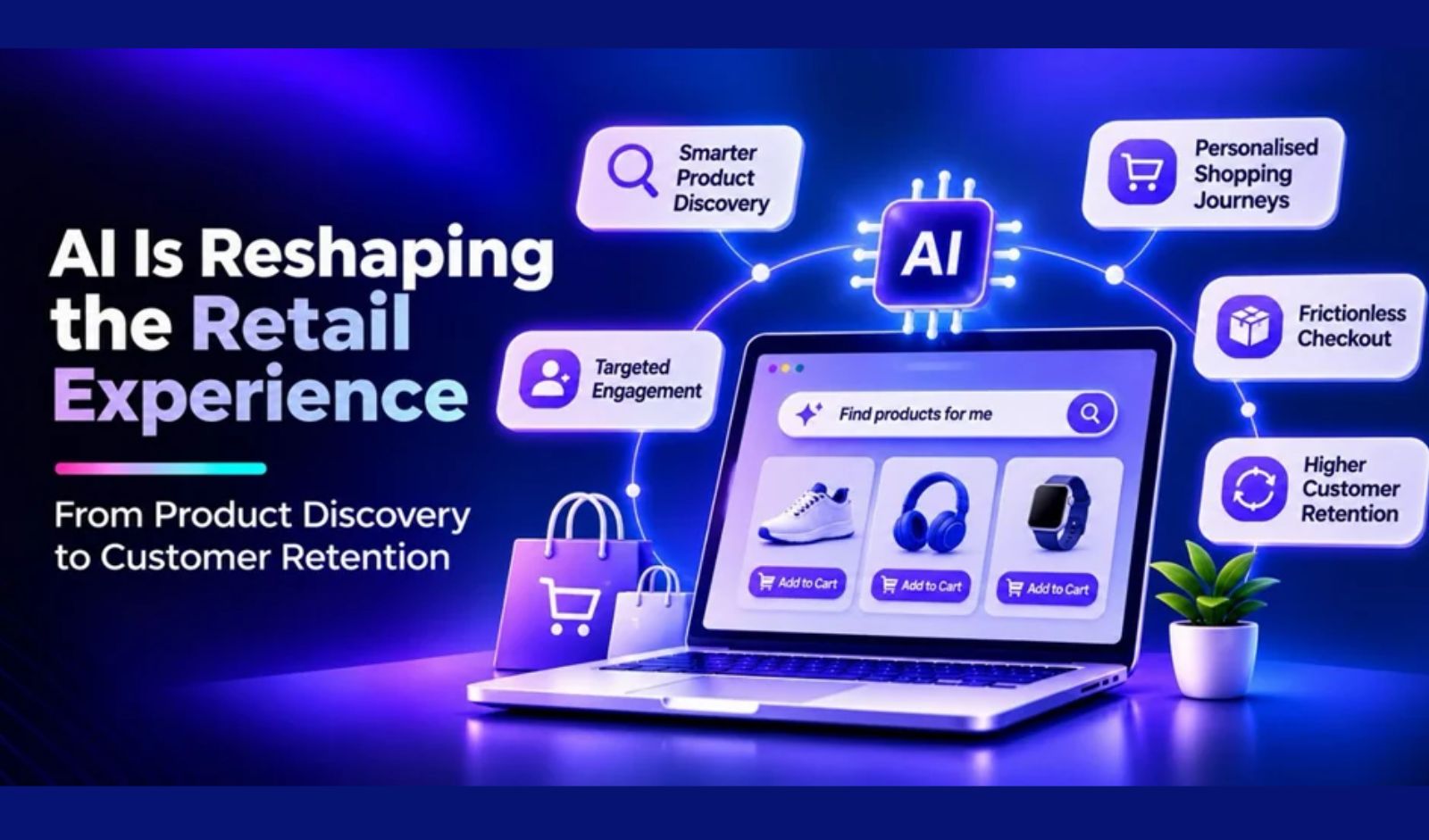
A customer looking for a new pair of running shoes no longer has to browse dozens of websites, read multiple product descriptions, and compare specifications manually. They can simply ask an AI assistant to recommend shoes based on their running style, budget, and preferences. Similarly, someone shopping for skincare can seek recommendations based on ingredients, skin type and specific concerns.
These seemingly small changes reflect a much larger transformation in retail. Artificial intelligence (AI) is changing how consumers discover products, evaluate brands and make purchase decisions. For retailers, this means the traditional approach of attracting visitors to a website and converting them into customers is no longer sufficient. Businesses must rethink how they engage with shoppers throughout the buying journey.
According to NielsenIQ's Agentic Commerce India 2026 study, 92% of consumers surveyed across India's top eight metros have used AI while shopping. As these behaviours become more mainstream, retailers will need to adapt their strategies to remain relevant.
1. Product Discovery Will Become More Intent-Driven
Traditional product discovery relies heavily on keywords, categories, and filters. Consumers search for a product, browse available options, and narrow down their choices.
AI is making this process more conversational through AI shopping assistants. Instead of searching for a specific product, consumers can describe what they need and receive recommendations based on their requirements.
For retailers, this creates two priorities. First, product information must be detailed and accurate. Descriptions should include relevant attributes, specifications, usage instructions and other information that helps consumers make informed decisions.
Second, brands must consider how their products appear across AI-powered discovery platforms. Structured product information, authentic reviews and consistent brand details can improve the quality of information available to these systems.
What retailers can do: Audit product listings, improve descriptions, add relevant product attributes, and ensure that information remains consistent across their website and marketplaces.
2. Personalisation Will Move Beyond Discounts
Many retailers use discounts and promotional campaigns to influence purchase decisions. However, not every customer is motivated by the same offer.
A first-time visitor may need product education, while a returning customer may be more interested in complementary products. Someone who has repeatedly browsed a particular category may simply need relevant recommendations to make a decision.
AI can help retailers identify these differences by analysing browsing behaviour, purchase history, and customer preferences.
For example, a fashion retailer could recommend products based on previously purchased styles, while a beauty brand could suggest complementary products based on a customer's buying patterns.
This makes personalisation more contextual and potentially more effective than sending the same promotional message to every customer.
What retailers can do: Start with basic customer segmentation, identify high-value customer groups, and use behavioural insights to make recommendations and communication more relevant. Ensure customer data is used transparently and with appropriate consent.
3. AI Can Help Reduce Purchase Hesitation
Getting a customer interested in a product is only half the job. Questions around product suitability, quality, delivery timelines and payment options can still prevent a purchase.
This is where AI-powered shopping assistants can make a difference. They can answer routine product questions, explain features, compare alternatives, and guide customers towards suitable choices.
Consider an electronics retailer. A shopper comparing two laptops may want to understand differences in battery life, performance, and suitability for work. An AI assistant can help explain these differences without requiring the customer to navigate multiple product pages.
Retailers should also examine friction during checkout. Repeated form filling, unclear delivery estimates, and limited payment options can lead to abandoned carts.
What retailers can do: Identify frequently asked customer questions, introduce AI-assisted product guidance where useful, and regularly test the checkout experience, particularly on mobile devices.
4. Inventory and Demand Planning Will Become Smarter
AI's role in retail extends beyond customer-facing interactions. It can also help businesses make better operational decisions.
Demand forecasting is a significant challenge, particularly for retailers dealing with seasonal products, changing consumer preferences, and multiple sales channels.
AI-powered forecasting systems can analyse historical sales, seasonal trends and other relevant signals to estimate future demand.
For example, a fashion retailer preparing for a festive sale can use historical demand patterns to plan inventory more effectively. A grocery business can use sales trends to anticipate replenishment requirements and reduce wastage.
Although forecasting is not always accurate, better predictions can help retailers reduce stockouts, avoid excess inventory, and improve working capital efficiency.
What retailers can do: Begin by consolidating historical sales and inventory data. Identify products with unpredictable demand and evaluate whether forecasting tools can improve replenishment decisions.
5. Customer Retention Will Depend on More Relevant Engagement
For many D2C brands, acquiring a customer is only the beginning. The real challenge is encouraging that customer to return.
AI can help retailers identify customers who are likely to make repeat purchases, recommend relevant products, and automate timely communication.
For instance, a wellness brand could send replenishment reminders based on typical product consumption cycles rather than relying on generic promotional campaigns.
Similarly, retailers can analyse customer feedback and purchase behaviour to identify reasons behind declining engagement.
The objective should be to build meaningful customer relationships rather than increase the frequency of promotional messages.
What retailers can do: Track repeat purchase rates, identify products with natural replenishment cycles, and create customer segments based on actual buying behaviour.
6. The Biggest Challenge Will Be Connecting Disconnected Systems
As retailers adopt more technology, another challenge emerges: fragmented data and disconnected platforms.
A business may use separate systems for marketing, customer data, product discovery, checkout, inventory, and customer engagement. When these systems do not communicate effectively, valuable insights remain scattered.
This is where integrated commerce platforms become relevant. Solutions such as fastrr by Shiprocket bring together AI-powered commerce capabilities, including shopper intelligence, product discovery, checkout optimisation and customer engagement.
For growing eCommerce businesses, this offers an opportunity to address multiple stages of the customer journey through a connected technology ecosystem.
The platform's seller outcomes also provide an indication of its business impact. Parcos achieved a 27.86% checkout conversion rate, while Zop reported a 10–15% increase in daily units sold without increasing website traffic or advertising spend.
These examples highlight why retailers should evaluate technology not just by the number of features it offers, but by the measurable improvements it can deliver to their businesses.
Where Should Retailers Begin?
AI adoption does not have to involve a complete transformation of existing systems. Retailers can begin with specific business problems and expand their use of technology as they see results.
A practical starting point is to:
Identify the biggest friction points in the customer journey.
- Consolidate customer, sales and inventory data wherever possible.
- Prioritise repetitive processes that can benefit from automation.
- Experiment with AI in areas such as customer support, product recommendations and demand forecasting.
Measure outcomes through conversion rates, inventory efficiency, repeat purchases and customer satisfaction.
Retailers should also remain mindful of data privacy, information accuracy and the limitations of AI-generated recommendations. Human oversight remains essential, particularly where decisions directly affect customers.
The Next Retail Advantage Will Come From Better Decisions
AI will not replace the fundamentals of retail: understanding customers, offering relevant products, maintaining trust, and delivering a good experience. What it will change is how effectively businesses can execute these fundamentals.
The retailers that gain an advantage will not necessarily be those adopting the most AI tools. They will be those using technology to understand customers better, make smarter operational decisions, and remove friction from the buying journey.
Ultimately, the next retail revolution is not just about making shopping more intelligent. It is about making retail businesses more responsive to what their customers actually need.
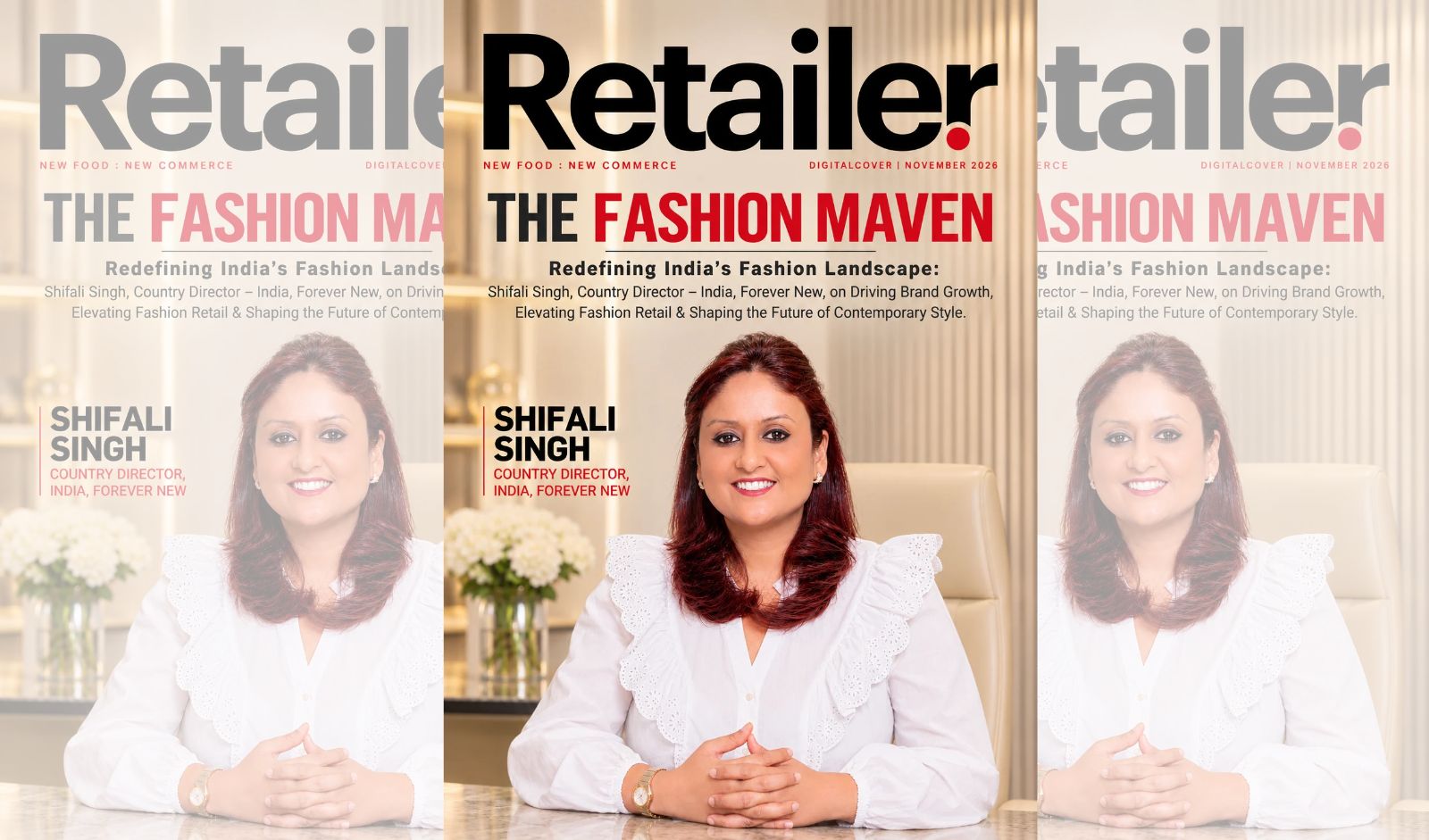
Two decades into its India journey, Australian fashion brand Forever New is entering a new chapter—one defined not merely by expansion, but by evolving with the modern Indian woman. From its origins as an occasionwear-led brand to a broader wardrobe destination spanning workwear, casualwear, dresses and statement fashion, the company is building its next phase around customer relevance, product versatility and experience-led retail.
India is currently the third-largest market for Forever New’s global parent company, underlining the country’s growing significance in the brand’s international growth strategy. Having established a strong foothold in the premium women’s westernwear segment, the retailer is now looking to deepen its presence across established markets while unlocking opportunities in Tier II cities.
“We have continued to be relevant in India because we’ve evolved with the customer in the last 20 years. We have worked very closely with our customer and seen her evolution—whether it is her choices of products or where she is plugging our products into her lifestyle,” said Shifali Singh, Country Director – India, Forever New.
Evolving Beyond Occasionwear
Forever New entered India with a strong association with dresses, eveningwear and occasion-led dressing. Over the years, however, the brand has steadily expanded its offering to reflect the changing needs of women who want fashion that fits multiple aspects of their lives—from professional settings and everyday outings to celebrations and social occasions.
Its portfolio now spans eight to nine categories within women’s westernwear, including workwear, day-to-evening styles, dresses, denim, trousers, T-shirts, shirts and blouses, alongside its signature occasionwear.
This shift reflects a larger opportunity in premium fashion: consumers increasingly expect their wardrobes to be versatile without compromising on design, quality or style. Forever New has responded by strengthening its casualwear offering while retaining its identity in feminine, occasion-led fashion.
The brand’s tops category, particularly shirts and blouses, has emerged as a notable growth driver. Its satin shirts, lyocell styles and design-led silhouettes have found traction across age groups and occasions. The category is priced broadly between Rs 4,000 and Rs 6,000, with its performance exceeding internal expectations.
“Other than dresses, it’s actually shirts and blouses. We’ve had resounding success in that. We did not expect it, but I would say my hottest-selling category is my shirts and my blouses,” Singh stated.
She added that the versatility of tops is helping the brand attract a younger audience, with the category performing at nearly three times the numbers anticipated. Topwear has also been registering growth of close to 30 percent, reinforcing the opportunity in premium everyday fashion.
Expansion with Profitability in Focus
Forever New currently operates 50 stores in India, alongside a large-format presence through partner retailers such as Shoppers Stop, Iconic and Lifestyle. The company puts its overall offline footprint at approximately 123 stores and counters.
Its expansion strategy is focused on strengthening its presence in key metropolitan markets such as Delhi, Mumbai and Bengaluru, while exploring opportunities in capital cities and Tier II markets where it already has an established customer base.
Jaipur is part of its next phase of retail expansion, with Goa also on the roadmap for early 2027. Other markets being considered include Agra, Vizag, Indore and Bhopal—cities where consumers are already engaging with the brand through its website and marketplaces.
The company is not driven by a fixed store-count target. Instead, it is prioritizing sustainable growth and the economics of individual retail opportunities. “We don’t target a particular number of counters or stores. We are driven by a deep sense of passion for servicing our consumers and a strong sense of being a profitable business. Profit before sales is our mantra,” Singh explained.
The brand nevertheless has ambitious growth aspirations, aiming to double its business over the next three to five years. Singh said Forever New is targeting a business of around Rs 500 crore over the next two to three years and is currently witnessing double-digit growth across platforms.
A Premium Opportunity Beyond Metros
The growth opportunity in smaller cities is increasingly relevant for premium fashion retailers. Forever New’s research and customer data indicate that cities such as Jaipur, Indore and Bhopal have affluent and aspirational consumers who are already purchasing its products digitally, despite limited physical access.
Singh believes the premium customer is not confined to metropolitan markets. Occasion-led shopping, social gatherings, celebrations and kitty parties create meaningful demand for premium apparel in Tier II and III cities as well.
“We classify ourselves as a bridge-to-luxury brand, as a premium brand, which is solving for a unique experience or event. It could be an anniversary; it could be a birthday,” she noted.
The strategy is therefore to build on existing demand rather than enter markets purely for the sake of footprint expansion. Physical stores will serve as access points to the brand, while digital platforms will continue to reach consumers in markets where a store may not yet be viable.
Larger Stores, More Experiential Retail
As Forever New expands, it is also rethinking the format of its stores. While its existing stores typically span around 1,200 sq. ft., upcoming formats are expected to be larger, measuring approximately 1,800–2,000 sq. ft.
The new stores are designed to offer a more immersive shopping environment, with refreshed branding, larger spaces and a stronger integration of digital touchpoints. The objective is to make the entire product assortment accessible, even when a particular store does not carry every style or size.
All Forever New stores in India are company-owned, allowing the brand to maintain direct control over store experience, service standards and merchandising.
“We strictly operate on owning our experience. We believe, as a philosophy of the brand, that we want to control the experience that customers have at our stores,” Singh highlighted.
Omnichannel Convenience as a Growth Lever
Digital is emerging as one of the most important pillars of Forever New’s growth strategy. Online channels contribute upwards of 25 percent of the brand’s business, combining its own website with marketplaces including Myntra, Ajio and Nykaa.
The brand has recently migrated its website to Shopify, creating a more automated and experience-led platform. It is also leveraging its store network through an omnichannel model, allowing stores to fulfil website orders and helping customers access products that may not be available at their nearest location.
The approach is centred on faster fulfilment rather than conventional quick-commerce partnerships. Forever New says its website can service deliveries within 24 hours, while Delhi-NCR customers may receive orders in under eight hours. The brand is also planning same-day delivery initiatives for festive shopping, with orders placed before noon eligible for same-day delivery in the stated service areas.
“We have ensured that while we are giving her the physical experience, we’re also giving her the digital touchpoint. All my stores have an interface that the customer can browse and see something else she likes, and we can have it delivered,” Singh said.
Product, Femininity and Versatility at the Centre
Product remains the brand’s principal differentiator. Forever New continues to invest in its in-house design capabilities in Australia, with collections shaped by consumer insights, lifestyle needs and usage occasions.
Its anniversary-led Aurora collection, inspired by the Northern Lights, is one of its limited-edition signature launches. The brand plans to introduce two to three capsule collections annually, with festive periods such as Diwali and Christmas playing an important role.
Looking ahead, Singh sees femininity, softer palettes, flowing fabrics, lace, satin, shimmer and subtle branding influencing premium fashion. At the same time, versatility is becoming increasingly important, with consumers looking for pieces that transition seamlessly from work to evening and across multiple occasions.
“Versatility of the garment is becoming a key ask from our consumers. Can I use it for multiple occasions? Can I wear it to work as well as in the evening?” she stated.
Building Relevance, Not Just Scale
Forever New’s next phase in India will be shaped by three interconnected priorities: expanding its digital ecosystem, strengthening physical retail in promising markets, and staying closely aligned with the evolving needs of its customers.
For Singh, the brand’s ambition is not simply to sell apparel, but to become part of the moments customers dress for.
“Forever New’s philosophy is—we’re not in the business of selling clothes. We are in the business of selling an amazing experience to our customers. We want her to feel wow wearing the outfit that she has planned for that event.”
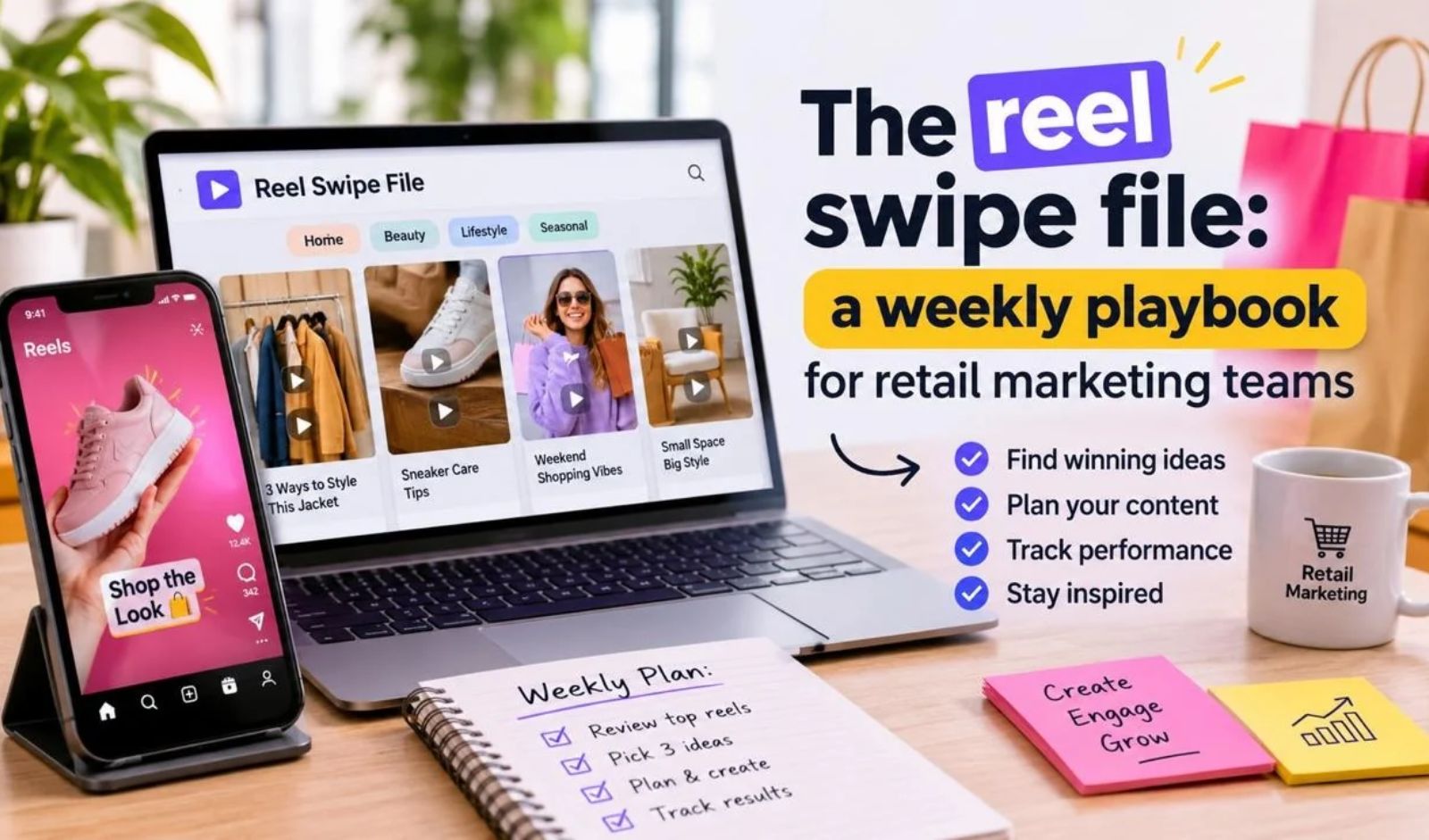
Every festive-season planning meeting has the same moment. Someone says, "Remember the reel that footwear brand did last Diwali, the one with the grandmother?" Everyone nods. Nobody can find it. Twenty minutes go into scrolling a competitor's grid, and the reel turns out to be archived, because the campaign ended in November and the brand tidied up.
Retail teams watch more short video than ever, from competitors, creators, marketplaces and their own customers. Very little of it gets kept in a form the team can use six months later. A bookmark inside one person's Instagram app is not a library. A screenshot of a reel is not a reel.
The fix is a swipe file: a shared folder of saved reels and posts, collected on a fixed routine, with a few notes against each one. This is the version we would set up for a retail brand's marketing team of three to ten people.
What goes in, and what never comes out
Four kinds of content earn a place in the file.
Competitor campaigns. Sale announcements, launch teasers, festive films, anything with a hook worth studying.
Creator content about your category. Haul videos, unboxings, try-ons, "is it worth it" reviews, whether or not your brand is in them.
Your own brand's posts and collaborations, including the ones you paid creators for.
Customer posts that tag or mention you, especially the ones that did unusually well.
One rule sits above all of this. The swipe file is internal reference. Nothing in it gets reposted, cut into your own ads, or shown outside the company. If the team wants to reuse a creator's video in a paid campaign, that is a separate conversation about usage rights, and the answer belongs in the creator's contract, with a usage period and the platforms spelled out. Saving a competitor's reel to study it is research. Running it in your feed is a takedown notice waiting to happen.
Who does what
The collector
Usually the social media executive or an intern. Owns the weekly sweep, saves the files, fills in the log. Needs a phone, a laptop and about thirty minutes a week.
The curator
The brand manager or the category lead. Reviews what came in, deletes what is not worth keeping, and picks two or three items for the Friday discussion. The curator's job is mostly saying no.
The gatekeeper
Whoever signs off on reuse, often the brand head, sometimes legal. Never touches the folder day to day. Gets pulled in only when someone wants to take something from the swipe file and put it in public.
The weekly routine
Monday: the sweep
Thirty minutes, no more. The collector goes through a fixed list: the six to eight competitors that matter, the creators who cover the category, the brand's own tagged posts, and whatever the team flagged in the group chat during the week.
Anything that clears the bar gets saved as a file the same day. Stories go first, because they are gone by Tuesday.
Naming and tagging
A file named VID_20261103_4471.mp4 is lost the moment it lands. Use one pattern and never deviate:
date, brand, format, occasion, a three-word description.
So: 2026-11-03_brandname_reel_diwali_grandmother-gift-reveal.mp4. It looks fussy for a week. After three months, it is the reason anyone can find anything.
Friday: the review
Fifteen minutes in the weekly marketing meeting. The curator plays two or three saved pieces and the team answers the same three questions each time. What stops the scroll in the first two seconds? What is the offer, and when does it appear? What would we steal, in spirit, for our next brief?
Quarterly: prune
Anything older than a year that nobody has opened gets archived out of the working folder. A swipe file with 2,000 reels in it is as useless as no file at all.
Bend the routine around the retail calendar
A flat thirty minutes every Monday works for most of the year. It breaks in the weeks that matter most.
From Raksha Bandhan through Navratri, Diwali and the wedding season, competitors post more, creators post more, and Stories carry the flash offers that never make it to the grid. In those weeks the sweep goes daily, ten minutes each morning, and Stories become the priority over reels. A competitor's countdown Story from the Saturday before Diwali is gone by Sunday, and it is often the clearest record of what their actual offer was.
The end-of-season sale in December and January is the second spike. The fashion and footwear teams usually care about it more than anyone else, so let the category lead add brands to the sweep list for those six weeks.
Then go back to weekly. A daily sweep kept up through February turns into a chore, and chores get skipped.
One more calendar habit: when a big campaign wraps, save your own brand's posts for it before anyone archives them. Your social team will tidy the grid in January. The swipe file should still have the full campaign in March, when someone asks what worked.
Choosing a download tool
The tool matters less than the habit, but a bad choice kills the habit fast. If saving a reel takes five steps on a laptop, the collector will do it on Monday and stop by the third week.
Here is how the common options compare for this particular job.
Ranked for a weekly team sweep:
1. fastdl. It is the one we would standardize on, because it gives the team a single place to save whatever turns up: a reel, a photo carousel from a launch, a Story that will vanish tomorrow. It runs in any browser, so the collector can save from a phone during the commute and from a laptop at the desk without switching tools. There is no account to share across the team and no software for IT to approve. It is also aninstagramvideodownloadwithoutwatermark, which matters once reels go into agency briefs: no logo stamped over the frame everyone is trying to discuss. Reels arrive as MP4 files at 720p, which is plenty for studying a hook on a meeting-room screen.
2. 4K Stogram. Not for the weekly sweep, but worth having for one specific task: a quarterly bulk copy of your own brand account, so the team has its full back catalogue offline. It installs on a computer and pulls down whole profiles at once.
3. Inflact. If the team already pays for its analytics, the downloader is right there and saves a login. Buying it only to save reels is the wrong way round.
4. Indown and Toolzu. Both handle Stories, both work without registration. Keep one bookmarked as a fallback.
5. Video DownloadHelper. A general browser extension that catches video playing on a page. Useful if the same person also saves from YouTube and other sites. For Instagram links specifically, the dedicated tools above are more direct.
The log that makes the file worth keeping
Files alone turn into a junk drawer. A shared sheet next to the folder, one row per saved item, keeps it searchable:
The "why it is here" column is the one people skip and the one that matters. Six months later, nobody remembers why a reel seemed important. One line written on the day is what turns a folder of videos into a planning tool.
Turning the file into a brief
A swipe file earns its keep on the day an agency or an in-house designer gets a brief.
Instead of writing "make it festive and premium", the brand manager attaches three saved reels and one line for each. This one, for the way the product stays hidden until the sixth second. That one, for the voiceover in Hinglish that does not sound like an ad. The third, as the thing we do not want, because everyone did a slow-motion diya shot last year.
A brief built this way tends to save a round of revisions, because the gap between what the brand imagined and what the agency heard gets much smaller. Three files and three sentences do more than a page of adjectives.
It also keeps the reuse rule honest. The reels go into the brief as references, and the brief says so in writing. Nobody downstream mistakes a competitor's film for approved footage.
Mistakes that kill swipe files
Saving everything. If the collector saves forty reels a week, the curator stops reviewing by week three. Ten good ones beat forty average ones.
Living on personal phones. Files saved to one person's gallery leave when that person leaves. Everything goes into the shared drive the same day, or it did not happen.
Screenshots instead of video. A still frame tells you nothing about pacing, audio or the moment the product appears, which is most of what the team is trying to learn.
No owner. A swipe file that belongs to "the team" belongs to nobody. Put one name on the collector role and one on the curator role, and write both on the folder.
Starting next Monday
Pick the competitor list on Monday morning. Set up the folder and the sheet before lunch. Save ten reels by the end of the day and play three of them on Friday.
By the time the next festive brief lands, the reel with the grandmother will be one search away.

International Men’s Day, celebrated on November 19, is an opportunity to recognise the men who make a difference in our lives and appreciate their individuality, interests and personal style. From fashion and fine jewellery to fragrances, grooming and fitness essentials, gifting has evolved beyond conventional choices to include products that reflect personal preferences and everyday lifestyles. For those looking for thoughtful International Men’s Day gifts, the retail market offers several options across categories and price points. Whether it is a wardrobe addition, a signature scent or a fitness essential, here are six gift ideas worth considering for the occasion.
Best Gifting Ideas for Men on International Men’s Day
1. Gatim – Yellow Men’s Flower Printed Cotton Kurta
A comfortable yet distinctive wardrobe addition, Gatim’s Yellow Men’s Flower Printed Cotton Kurta is suited to men who enjoy experimenting with prints and colours. Made from pure, lightweight cotton, the kurta features a bright yellow base with an all-over floral print that lends it a cheerful appeal. Its full sleeves and knee-length silhouette retain a classic ethnic look, making it suitable for festive gatherings, casual celebrations and family occasions. It can be styled with white trousers or denim and simple footwear for a relaxed ensemble. For International Men’s Day, this kurta makes a thoughtful fashion gift for someone who appreciates comfortable ethnic wear with a contemporary touch.
2. Rumi Fine Fragrances – Floris
For men who appreciate fresh and understated fragrances, Floris by Rumi Fine Fragrances offers a refreshing gifting option. The 50 ml fruity-floral composition opens with notes of tangerine, bergamot, lemon and rosemary, followed by a heart featuring orange flower, magnolia, lavender and lemongrass. Musks and dry amber form the base, lending the fragrance a subtle finish. Its fresh profile makes it suitable for daytime outings, weekend travel, brunches and everyday wear. The fragrance offers an alternative to conventional colognes and can complement both relaxed and smart-casual dressing. It is a considered gift for someone who enjoys exploring distinctive fragrance profiles.
3. Dishis Jewels – Eternal Split Diamond Ring
For a gift that marks a milestone or a meaningful personal occasion, the Eternal Split Diamond Ring from Dishis Jewels brings together classic diamond detailing and contemporary design. Featuring a graceful split silhouette adorned with sparkling diamonds, the ring offers a refined interpretation of fine jewellery. It can be customised in white, yellow or rose gold, with 14KT, 18KT and 22KT options available. The choice of metal and finish allows buyers to select a design that reflects the wearer's individual preferences. Whether celebrating a personal achievement, anniversary or special milestone, this diamond ring makes a distinctive gifting choice for men who appreciate fine jewellery.
4. Gargee Designer’s – Maroon Floral Embroidered Shirt
Gargee Designer’s Maroon Floral Embroidered Shirt is an option for men who prefer statement pieces with distinctive detailing. The shirt features a rich maroon base complemented by white floral embroidery and geometric accents, creating a balance between traditional craftsmanship and contemporary styling. Its camp collar lends the design a relaxed finish, while the long sleeves make it suitable for dinners, celebrations and occasion dressing. It can be paired with tailored trousers or understated bottoms to keep the embroidery as the focal point of the outfit. As an International Men’s Day gift, the shirt offers a wardrobe addition for those who enjoy experimenting with colour, texture and detail-led fashion.
5. Nisara Beauty – Gift Set for Him
Nisara Beauty’s Gift Set for Him brings together four Eau de Parfum variants in convenient 15 ml bottles, making it a suitable choice for men who enjoy switching fragrances across occasions. The collection includes Men of the Night, Spice Absolut, Aqua Day and Aqua Night, covering citrus-musky, woody-spicy, fresh aquatic and marine-woody fragrance profiles. The assortment offers options for different moods, from fresh daytime scents to warmer compositions for evening wear. Its compact format also makes it convenient for travel and everyday use. For International Men’s Day, the set offers a way to explore multiple fragrance profiles without committing to a single full-sized perfume.
6. HyugaLife – Hyuga One Bio Impact Whey + Yeast Protein Blend
For men who prioritise fitness, training and nutrition, HyugaLife’s Hyuga One Bio Impact Whey + Yeast Protein Blend offers a practical addition to their routine. The Dutch chocolate-flavoured formula combines whey and fermented yeast protein, providing 24g of protein and 5.5g of BCAAs per serving. It also contains bromelain digestive enzyme and 1 billion CFU of Bacillus Coagulans probiotic. Made with real Dutch cocoa and stevia, the 1kg blend contains no artificial flavours or colours. It can be considered as part of a balanced nutrition and training routine, making it a relevant gifting option for fitness enthusiasts who value convenient protein supplementation.
Conclusion
International Men’s Day gifting is an opportunity to move beyond conventional presents and choose products that reflect individual interests and lifestyles. From printed ethnic wear and embroidered shirts to fine jewellery, fragrances and fitness nutrition, these six options cover different aspects of men's fashion, personal care and everyday routines. As gifting preferences become increasingly diverse, brands across retail categories are expanding their offerings to cater to consumers looking for thoughtful and lifestyle-led choices. Ultimately, a meaningful gift is one that reflects the recipient's personality and makes the occasion memorable.
Frequently Asked Questions (FAQs)
1. When is International Men’s Day celebrated in 2026?
International Men’s Day is celebrated on November 19 every year. In 2026, the occasion falls on Thursday.
2. What are some thoughtful gift ideas for International Men’s Day?
Popular gifting options include clothing, fragrances, fine jewellery, grooming products, fitness accessories and wellness essentials. The choice can depend on the recipient's interests and lifestyle.
3. What are some fashion gift ideas for men?
Printed cotton kurtas, embroidered shirts, casual wear and accessories are some fashion gifting options. These can add variety to a man's everyday or occasion wardrobe.
4. Are fragrances a good gift for International Men’s Day?
Yes. Fragrances make versatile gifts, particularly for men who enjoy experimenting with different scents. Fragrance gift sets with multiple variants also allow recipients to explore different profiles.
5. What are some fitness-related gifts for men?
Protein blends, fitness accessories, workout essentials and nutrition products are options for men who regularly exercise or follow a fitness-focused lifestyle. It is important to consider individual dietary preferences and requirements when choosing nutrition products.

India’s D2C beauty, grooming and fragrance brands witnessed encouraging demand during the 2026 festive season, driven by increased spending on makeup, personal care and premium fragrances. The wedding and festive shopping period brought traction across online and offline channels, while quick commerce emerged as an important platform for consumers seeking convenience and immediate access to products.
Omnichannel Retail Drives Consumer Engagement
D2C beauty brands reported strong traction across online and offline channels, with consumers showing increased interest in makeup and festive-ready products.
Garima Bansal, Chief Marketing Officer, Recode Studios, said, “We observed strong traction across both online and offline channels, reflecting growing consumer preference for products that combine affordability, quality and convenience.”
She added that e-commerce platforms emerged as an important touchpoint, while the brand continued to focus on converting marketing investments into actual sales and repeat purchases.
Quick Commerce Gains Ground in Personal Care
Quick commerce also recorded significant momentum, particularly in grooming and personal care.
Karun Arora, AVP, Quick Commerce, Pee Safe, said "FURR brand recorded nearly 3x growth during the festive period.”
He attributed the increase to demand for grooming products ahead of festive gatherings and celebrations, adding that quick commerce offered consumers the convenience of accessing these products at short notice.
Experiential Retail Influences Fragrance Purchases
Meanwhile, offline experiences continued to play an important role in the premium fragrance segment. Rumi Fine Fragrances, which commenced operations in August 2026, witnessed encouraging traction through offline events and pop-ups around Diwali.
"Our brand recorded conversion rates of up to 90% among customers who experienced our fragrances at these events," shared Rajnish Kumar, Founder, Rumi Fine Fragrances.
The brand also saw an increase in online sales, with nearly half of its website customers making purchases without using coupons or promotional offers. Kumar said this indicated that consumers were responding to “the brand, its positioning and the value of the product, rather than being driven solely by discounts.”
Quality and Convenience Shape Purchase Decisions
The festive season highlighted three emerging consumption trends across the D2C segment: demand for quality products at accessible price points, quick commerce-led convenience and the growing importance of offline experiences in driving product discovery. For brands, the next focus will be on sustaining festive momentum through repeat purchases, stronger omnichannel presence and profitable growth.
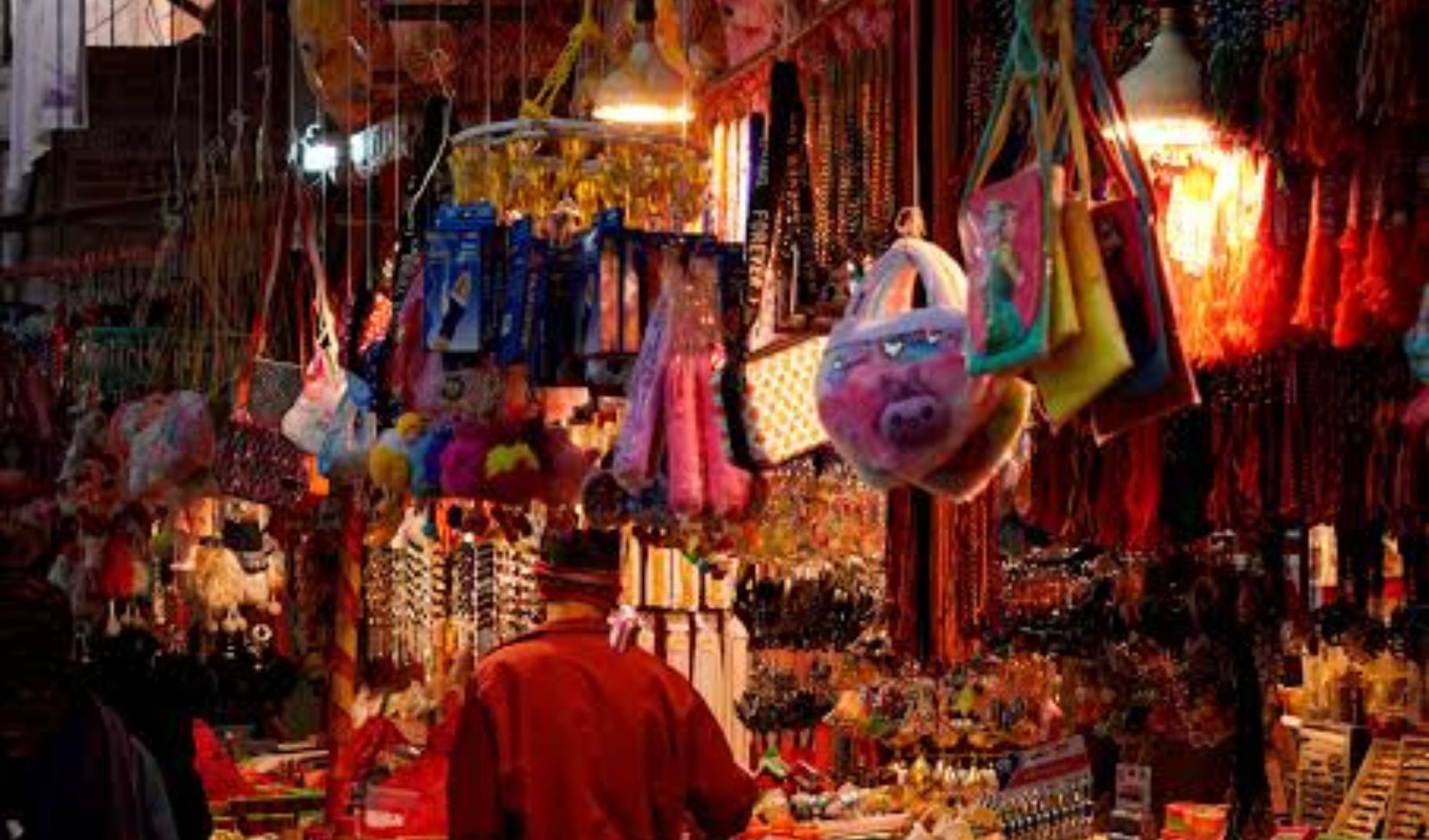
India’s festive retail market is heading into another year of strong growth, but the nature of that growth is changing. Consumers are expected to shop more frequently, spread their spending across a wider range of categories and make smaller purchases rather than concentrate their budgets on a few big-ticket products. As quick commerce expands its reach and everyday essentials take a larger share of festive spending, the season is increasingly becoming a story of changing consumption habits.
According to Datum Intelligence’s Festive Barometer Study 2026, the festive market is estimated to reach Rs 1.50–1.55 lakh crore ($17–17.6 billion) in 2026, registering growth of 25–29% over the Rs 1.20 lakh crore recorded in 2025. The market has expanded consistently since 2014, with the exception of a three-year period of slower growth. In 2025, festive sales rebounded by 25%, setting the stage for another strong season.
However, the 2026 outlook points to a more distributed pattern of consumption. Around 20 million additional shoppers are expected to participate in the festive market, while purchase frequency is also likely to increase. At the same time, the average basket value is projected to decline by 1.5%, suggesting that consumers are dividing their budgets across more transactions.
More Shoppers, More Frequent Purchases
The expected increase in shopper participation reflects improving consumer sentiment and a wider appetite for discretionary spending. Urban non-essential spending sentiment registered a net score of 3.3 in July, more than twice the previous peak recorded across 22 rounds of tracking.
Household spending intentions also indicate a positive festive outlook. Around 72% of households plan to spend more during the season, while 48% expect their spending to increase by more than 10%. The median planned festive expenditure stands at Rs 12,500.
Yet, stronger spending intentions do not necessarily translate into larger individual purchases. With more shoppers entering the market and buying more frequently, retailers are likely to see demand distributed across multiple transactions and categories.
This shift also reflects consumers' growing preference for managing their budgets carefully. Affordable instalment options have gained importance, with 51% of consumers citing them as a reason to make purchases, an increase of seven percentage points. This was the largest rise among the purchase motivations tracked.
The trend suggests that consumers remain willing to spend during the festive season but are increasingly conscious of affordability and payment flexibility.
Quick Commerce Moves Into the Festive Basket
One of the most significant changes in the 2026 festive outlook is the growing role of quick commerce. The channel is expected to account for 16% of festive-season spending, compared with 12% in the previous year.
Its expanding contribution indicates that festive shopping is no longer limited to planned purchases of apparel, electronics, home products and gifts. Consumers are also using digital platforms to meet everyday requirements, replenish household essentials and make smaller, more immediate purchases.
The category outlook reinforces this shift. Grocery spending is projected to grow by 41%, making it one of the strongest-performing segments during the season. Mobile sales, in comparison, are expected to grow by 6%.
The difference in growth rates points to a gradual change in the composition of festive consumption. Smartphones and other high-value electronics continue to remain part of the shopping season, but everyday categories are gaining greater traction. The change is not necessarily a contraction in mobile demand; rather, groceries and other essentials are expanding at a faster pace and taking a larger share of the overall spending mix.
For retailers, this means festive demand is increasingly being generated through both planned purchases and frequent replenishment orders. Quick-commerce platforms are positioned to benefit from this behaviour, particularly as consumers become accustomed to ordering across categories throughout the day.
Logistics and Hiring Prepare for Higher Demand
The expected rise in purchase frequency also places greater importance on fulfilment networks and last-mile delivery. Logistics companies have reported significant parcel-volume growth in the lead-up to the festive season.
Delhivery handled 322 million parcels in the June quarter, registering 55% growth, including volumes from Ecom Express. Shadowfax processed 198 million parcels during the same period, up 94%.
While these figures reflect quarterly logistics activity rather than festive-season volumes, they indicate the scale of fulfilment capacity being deployed as e-commerce demand expands. A market characterised by more shoppers and smaller, more frequent orders will require retailers and delivery partners to manage higher transaction volumes, efficient sorting and faster fulfilment.
Seasonal employment is also expected to rise by 16–25%, reflecting the additional manpower required across warehousing, logistics, retail operations and customer-facing roles.
The combination of higher parcel volumes and seasonal hiring points to the operational demands of a festive market that is expanding beyond traditional large-ticket shopping.
A Different Shape to India's Festive Retail Market
The 2026 festive season is shaping up to be more than another year of higher sales. It signals a change in how consumers distribute their spending and how retailers capture demand.
The expected addition of 20 million shoppers, increased purchase frequency and a 1.5% decline in average basket size indicate that growth is increasingly being driven by the number of transactions rather than simply the value of individual purchases.
At the same time, quick commerce is moving closer to the centre of festive consumption, while grocery and everyday essentials are gaining ground alongside traditional festive categories. Mobile purchases are still expected to grow, but at a slower pace than grocery, reflecting a broader retail mix.
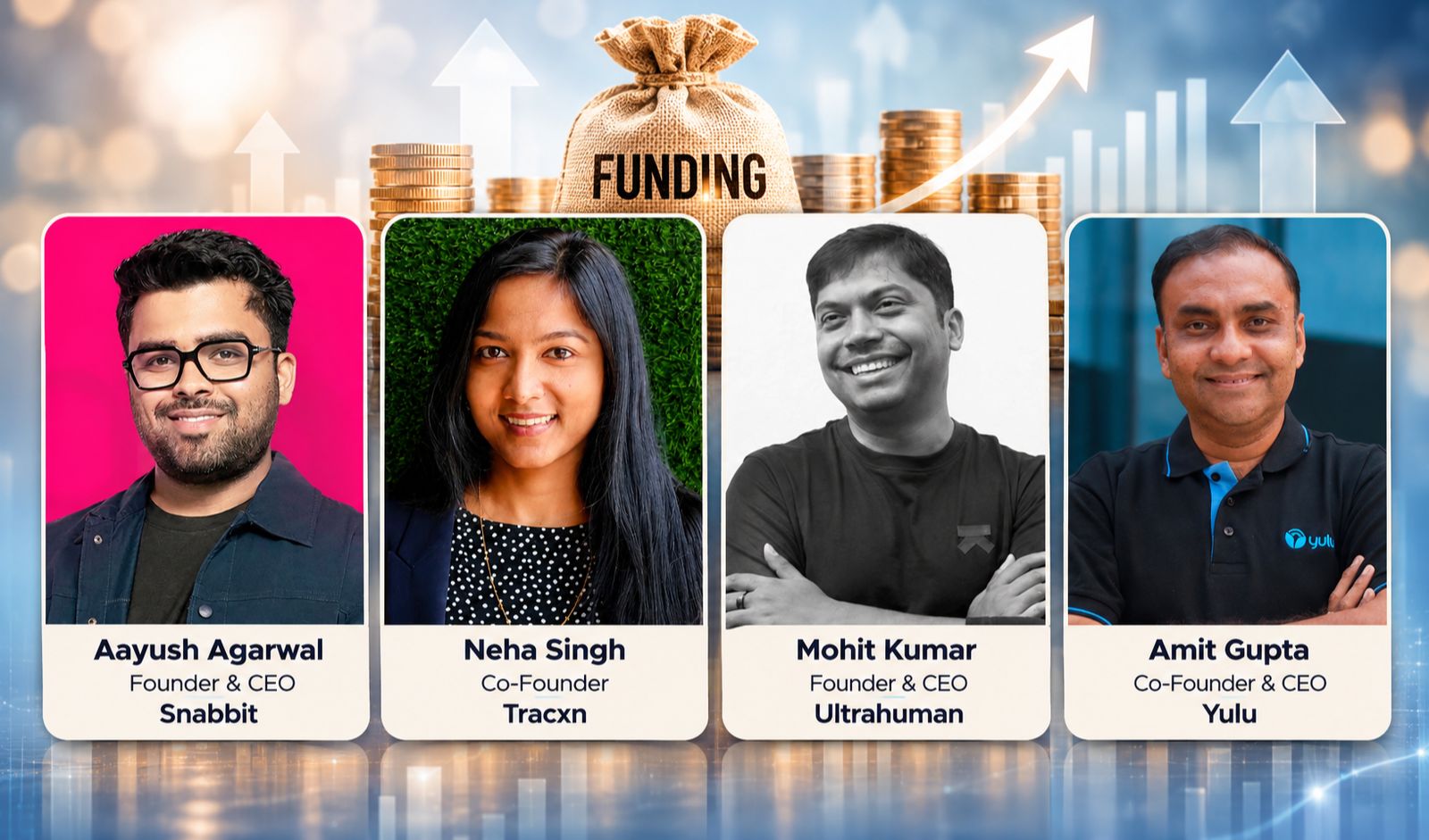
India’s digital retail landscape continues to evolve, with consumer-facing businesses attracting investments across categories such as beauty, wellness, quick commerce, and local services. However, the pace of funding has slowed in 2026 as investors become more selective about where they deploy capital. While established businesses face greater scrutiny over valuations and profitability, early-stage companies continue to find opportunities, indicating that investor interest in the sector remains intact despite a cautious funding environment.
According to the India B2C E-Commerce Report released by Tracxn Technologies on November 5, 2026, companies in the sector raised USD 1.6 billion between January 1 and November 3, 2026, across 356 funding rounds. This represents a 33 percent decline compared with the USD 2.4 billion raised through 621 rounds in 2025.
The report tracks funding activity, investors, exits, unicorn creation, and city-level developments across India's business-to-consumer (B2C) e-commerce ecosystem.
Also read: How Jaipur Rugs Is Expanding Its Global Footprint
Investors Become More Selective
The decline in funding reflects a shift in investment priorities, with investors increasingly focusing on business fundamentals, sustainable growth, and clear routes to profitability.
Neha Singh, Co-founder of Tracxn, said, “The 33 percent year-to-date decline in India's B2C e-commerce funding to USD 1.6 billion in 2026 reflects a strategic calibration in investor sentiment rather than a structural retreat from the digital retail ecosystem, which has cumulatively raised USD 49.2 billion across over 47,300 companies.”
She added that the reduction in deal activity indicates a more selective approach to capital allocation. Investors are giving greater importance to strong unit economics and businesses that can demonstrate a clear path to profitability.
The difference is particularly visible across funding stages. Early-stage investments remained relatively stable, while late-stage and seed-stage funding experienced significant declines.
Also read: How Ambrane is Creating Its Next Growth Chapter
Early-Stage Funding Shows Resilience
Early-stage companies raised USD 872 million in 2026 YTD, registering a 3 percent increase from USD 846 million in 2025. This segment accounted for 54 percent of the total capital deployed during the period, across 97 funding rounds.
In comparison, late-stage funding declined 51 percent to USD 587 million from USD 1.2 billion in 2025. Seed-stage investments also fell 50 percent, reaching USD 169 million compared with USD 339 million in the previous year.
Among the notable transactions, FS Life raised USD 110 million through a Series B round in February, making it the largest funding round of 2026 YTD. Ultrahuman followed with a USD 65 million Series C round in May. At the seed stage, Elixiir Foods raised USD 9 million in February.
The decline in later-stage investments also points towards caution around company valuations and exit opportunities, particularly as acquisition and public listing activity remained lower than the previous year.
Also read: How India’s Beverage Shelf Is Evolving
Six Companies Attract Significant Capital
Despite the overall slowdown, a small group of companies continued to attract substantial investor interest. Six businesses raised USD 50 million or more during 2026 YTD, collectively accounting for a significant share of the sector's funding.
These included FS Life with USD 110 million, Ultrahuman with USD 113 million across two Series C tranches, Yulu with USD 63 million, Snabbit with USD 56 million, FirstClub with USD 55 million, and Nua with USD 50 million.
Together, the six companies raised USD 447 million, accounting for 28 percent of total funding during the period. Their investments highlight interest in differentiated consumer brands, health and wellness, shared electric mobility, quick commerce and high-frequency household services.
Ultrahuman raised USD 48 million in March and another USD 65 million in May. Founder and CEO Mohit Kumar said the company is working towards building technology that can continuously understand the human body and translate health-related signals into useful everyday insights.
“For the longest time, computers have understood almost everything about the world except the person using them,” Kumar said.
He added that the company aims to combine sensing technology, engineering, algorithms, physiology and clinical science to develop products that can help consumers better understand areas such as sleep, cardiovascular health, fertility and metabolic health.
Also read: From Organic Hampers to Personalised Gifts
Meanwhile, Yulu is looking to expand its shared electric mobility operations. Amit Gupta, Co-founder and CEO of Yulu, said its USD 93 million Series C fundraise would support its ambition to build shared EV infrastructure across major Indian cities.
“Our EBITDA-positive growth model — a function of full ecosystem ownership, operational excellence and disciplined unit economics — positions Yulu to become the default mobility option for quick commerce and services platforms and gig workers in India,” Gupta said.
He added that Yulu plans to quadruple its fleet to 200,000 electric vehicles over the next two years and expand its mid-speed EV offering for bike taxis and e-commerce deliveries.
Snabbit, which raised USD 56 million in a Series D round led by SIG, is also preparing for its next phase of expansion. Founder and CEO Aayush Agarwal said the company intends to strengthen its balance sheet while expanding its presence across micro-markets and entering new service categories.
“We have raised USD 56 million in Series D round funding, led by SIG, along with Mirae and Bertelsmann,” Agarwal said, adding that existing investors, including Lightspeed, Elevation and Nexus, continue to support the business.
Also read: Diwali Brings Growth in Furniture and Home Decor Sales
Bengaluru Leads City-Wise Funding
Bengaluru remained the largest funding destination for India's B2C e-commerce companies in 2026 YTD, attracting USD 686 million, or 43 percent of the total capital raised. Its cumulative funding across the segment has reached USD 29 billion.
Ultrahuman's two Series C rounds and Yulu's USD 63 million fundraise contributed to the city's performance.
Mumbai ranked second, attracting USD 286 million, supported by Nua's USD 50 million Series C investment. Gurugram followed with USD 199 million in funding during the period.
The concentration of capital in these three cities reflects their continued importance as centres for consumer-focused startups and digital businesses.
Also read: India’s Alco-Bev Market Sees Festive Push as Premium Spirits Gain Ground
Acquisitions and IPO Activity Slow
Exit activity also moderated during 2026. The sector recorded 19 acquisitions compared with 25 in 2025, while IPO activity declined to seven listings from 13 in the previous year.
L'Oréal's USD 434 million acquisition of beauty and personal care company Innovist in June was the largest disclosed acquisition during the period. Other notable transactions included USV India's USD 138 million acquisition of Wellbeing Nutrition and Wipro Consumer Care's USD 41 million acquisition of Dermatouch. Marico also acquired 4700BC and Cosmix for USD 25 million each.
Across the sector, 261 acquisitions have been recorded over the years, with Reliance Retail emerging as the most active acquirer with 10 deals.
On the public markets front, Purple Style Labs and Rentomojo listed in September, recording market capitalisations of USD 488 million and USD 438 million, respectively. The remaining five listings had market capitalisations of USD 43 million or less.
Astrotalk was the only new unicorn in the B2C e-commerce segment in 2026 YTD. The previous addition was quick-commerce company Zepto in August 2023.
Also read: Diwali Demand Puts India’s Home Appliance Market on a Premium Growth Path
Measured Growth Expected in 2027
Looking ahead, the funding environment is expected to remain measured, with investors likely to continue prioritising sustainable business models over aggressive expansion.
Singh said, “Looking ahead to 2027, funding trends may indicate a measured stabilization rather than an aggressive rebound.”
She added that capital deployment could remain focused on early-stage innovation and capital-efficient omnichannel models. Late-stage investments, meanwhile, may depend on the performance of recently listed companies and the ability of established businesses to demonstrate disciplined margin expansion.
The latest funding trends suggest that India's B2C e-commerce sector is entering a more disciplined phase. While the overall investment pool has contracted, capital continues to flow towards businesses with differentiated offerings, strong operating models and opportunities to scale. The coming year will indicate whether this cautious approach translates into a broader recovery in funding or becomes a longer-term feature of the sector.
Also read: How India’s Edible Oil Market Is Evolving
-
Check out the best at home salon service platforms in India.
 Shoppers Stop's beauty subsidiary GSSBB has added French luxury beauty brand Sisley Paris to its international portfolio. The partnership will focus on expanding the brand's presence in India's premium skincare and beauty market.
 Procter & Gamble Home Products recorded revenue of Rs 9,359.34 crore in FY26, compared with Rs 9,054.11 crore in FY25. However, net profit fell to Rs 664.8 crore during the financial year.
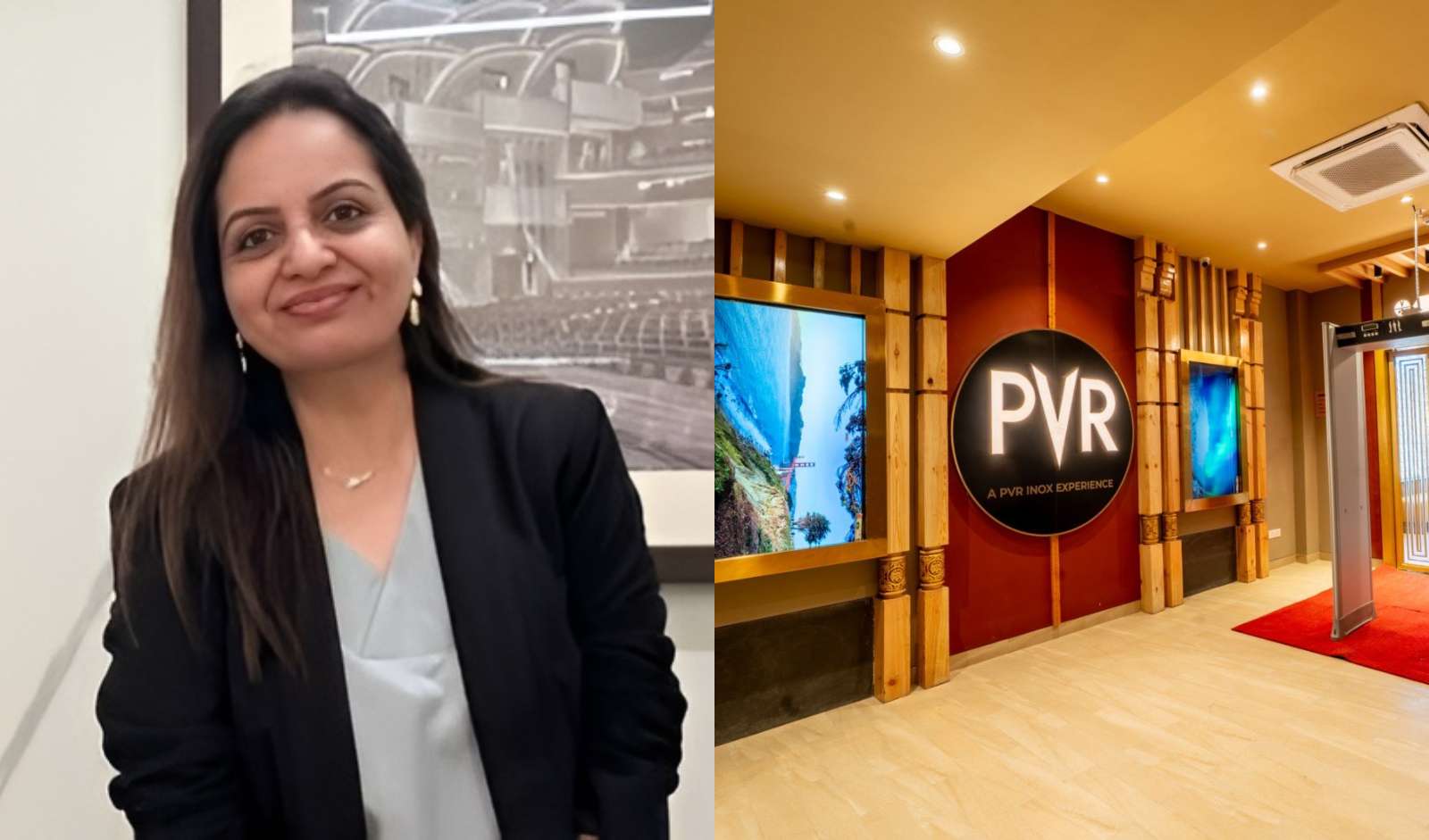 PVR INOX has appointed an experienced cinema industry executive to strengthen its business development operations. Trivedi's experience includes expansion initiatives, strategic partnerships and multiplex real estate.






Copyright © 2009 - 2026 Franchiseindia.com Ltd