




 214
/ 8 MIN READ
214
/ 8 MIN READ

Every decision in eCommerce comes with a ‘What If.’ Will a new launch cannibalize an existing SKU? How should ad spend be distributed before Marketplace Mega Days? What’s the optimal pricing strategy for product bundles? These aren’t just hypothetical concerns—they dictate business success. Whether it’s pricing, inventory, or marketing strategy, businesses constantly weigh risks that could make or break their growth.
The ‘What If’ Problem
Inventory teams fear stockouts of bestsellers at critical moments. Marketing teams debate ad budgets ahead of mega sale events. Pricing teams struggle to balance discounts with profitability. These decisions make or break an eCommerce business, yet they are often driven by intuition rather than data.
Consider a leading D2C brand gearing up for a major sale with Rs 2 crore worth of inventory spread across three fulfillment centers and ambitious sales targets analyzing their best move. Should we slash prices early to capture initial surge, or hold firm for better margins? Is the inventory positioned correctly for the expected demand across regions? Every decision could mean the difference between record profits and costly mistakes.
This complexity increases with trends like ONDC, where brands now must navigate an open marketplace with fluctuating consumer demand. Quick commerce has further shortened reaction time—brands need to predict what consumers will buy even before they search for it. In short, Indian eCommerce isn’t just about selling; it’s about predicting what, when, and where customers will buy.
How Predictive Models Are Transforming Decision-Making
Predictive models analyze vast amounts of historical and real-time data to forecast outcomes with a level of accuracy human intuition simply can’t match. These models help eCommerce businesses eliminate guesswork, replacing uncertainty with precise, data-driven strategies.
Take new product launches, for instance. Before investing heavily in production and marketing, brands can simulate the impact of a new SKU on existing products. Will it eat into an established bestseller’s sales? Should the launch be accompanied by a targeted ad campaign or a limited-time bundle? Predictive analytics helps brands avoid costly missteps before they happen.
Similarly, advertising spend can now be optimized down to the last rupee. Instead of making broad assumptions about ad distribution leading into a sales event, models can analyze past performance to determine the most effective pacing—whether more should be spent on D-2 or D-1 of a mega sale. For brands that operate across Amazon, Flipkart, and D2C websites, these insights ensure maximum efficiency in their ad budgets.
Product bundling, too, benefits from predictive intelligence. Instead of guessing which products should be paired together, models analyze purchase patterns to suggest the most effective combinations. Not only that, but they also determine the optimal pricing strategy for the top 20 bundles, balancing conversion rates with profitability.
Another area where predictive analytics proves invaluable is elasticity-based discounting. Should a premium range be offered at a price markdown or with a discount voucher? By analyzing past consumer behavior, models can recommend the most effective approach while ensuring minimal margin erosion.
Inventory forecasting, one of the biggest challenges in Indian eCommerce, is also revolutionized through predictive modeling. Models can analyze sales velocity, regional demand patterns, and supply chain constraints to suggest ideal reorder intervals for different SKUs. This ensures that businesses never have excess stock tying up capital or, worse, lost sales due to stockouts.
E-Commerce Trends Driving the Need for Predictive Models
The rise of Quick Commerce and 10-minute delivery services means brands must forecast demand with near real-time precision. Whether it’s groceries, personal care, or electronics, brands need to fulfill orders within minutes.
Festive sales continue to dominate Indian eCommerce, with events like Big Billion Days and Great Indian Festival driving massive spikes in demand. With predictive models, brands can fine-tune inventory levels and pricing strategies to handle massive demand spikes without carrying excessive post-sale stock.
Regional expansion into Tier II and III cities adds another layer of complexity. Unlike metros, where consumer behavior is well-documented, these emerging markets present a challenge—limited historical data makes demand forecasting harder. Predictive analytics bridges this gap by using AI-driven modeling to anticipate sales trends in new geographies.
The introduction of ONDC further underscores the importance of predictive intelligence. As brands navigate the shift to decentralized commerce, relying solely on historical platform-specific data is no longer enough. Predictive models help businesses anticipate demand across sales channels, ensuring optimal inventory and pricing.
Intelligent Commerce
As e-commerce in India matures, predictive modeling is becoming the backbone of decision-making. Businesses that embrace predictive modeling won’t just react to demand—they will shape it. They will allocate resources with precision, optimize pricing for profitability, and eliminate inefficiencies across the value chain. The future of Indian eCommerce belongs to those who can anticipate change before it happens. The winners won’t just be the ones who sell the most; they will be the ones who predict the best.
Authored By:

Prem Bhatia, CEO and Co-founder, Graas



With Indian summers becoming increasingly intense, consumers are looking beyond traditional cooling solutions and opting for air coolers tailored to their specific needs. The market is witnessing a shift from one-size-fits-all products to specialised cooling appliances designed for different environments, ranging from compact urban apartments and family living rooms to large commercial spaces and industrial facilities.
Manufacturers are also focusing on energy efficiency, sustainability, durability, and convenience, introducing features such as honeycomb cooling pads, inverter compatibility, anti-bacterial technology, and larger water tanks. As a result, today's air cooler market offers products that cater to a wide spectrum of users, proving that effective cooling is no longer limited to a single category of appliance.
Why India's Air Cooler Market Is Shifting Towards Specialised Cooling Solutions
The modern consumer has increasingly specific cooling requirements. Urban apartment dwellers seek compact and aesthetically designed coolers that fit smaller spaces, while businesses and large establishments require powerful machines capable of cooling expansive areas. This has led manufacturers to diversify their portfolios and introduce products tailored to distinct use cases rather than relying solely on generic cooling solutions.
The trend is also being driven by rising electricity costs and growing awareness around sustainability. Consumers are prioritising energy-efficient products that deliver effective cooling while minimising power consumption and environmental impact. Consequently, brands are innovating across categories, introducing personal, desert, and commercial coolers that cater to varied lifestyles and budgets.
Air Coolers Designed for Every Space and Cooling Need
The latest generation of air coolers demonstrates how the category has evolved to address multiple consumer segments. Eco-friendly residential coolers, compact room coolers, and heavy-duty commercial units now coexist within the same market, offering buyers greater flexibility and choice.
Features such as anti-bacterial cooling pads, inverter compatibility, silent operation, easy mobility, and durable components have become key differentiators. Instead of merely offering relief from the heat, modern air coolers are increasingly being positioned as lifestyle and productivity solutions that enhance comfort across homes, offices, retail outlets, restaurants, and industrial facilities.
From compact room coolers designed for apartments to heavy-duty commercial coolers built for warehouses and large halls, the market is witnessing significant innovation. Consumers are increasingly looking for products that combine energy efficiency, portability, and high cooling performance without compromising on sustainability and durability.
Best Air Coolers for Summer 2026
1. Surya Roshni – Breezo and Chill Air Coolers

Surya Roshni has expanded its consumer appliances portfolio with the launch of its eco-friendly Breezo and Chill air cooler range. Designed for both residential and commercial applications, the series offers multiple variants with tank capacities ranging from 45 litres to 150 litres. The coolers feature high-efficiency honeycomb cooling pads with anti-bacterial properties, powerful air throw, and silent operation to enhance user comfort. Additional features such as inverter compatibility, pump protection technology, heavy-duty castor wheels, and easy-drain functionality make the range highly practical. Select models also feature 100% copper winding pumps and durable fan blades, making them suitable for diverse cooling requirements.
2. THERMOCOOL – Boss Commercial Cooler
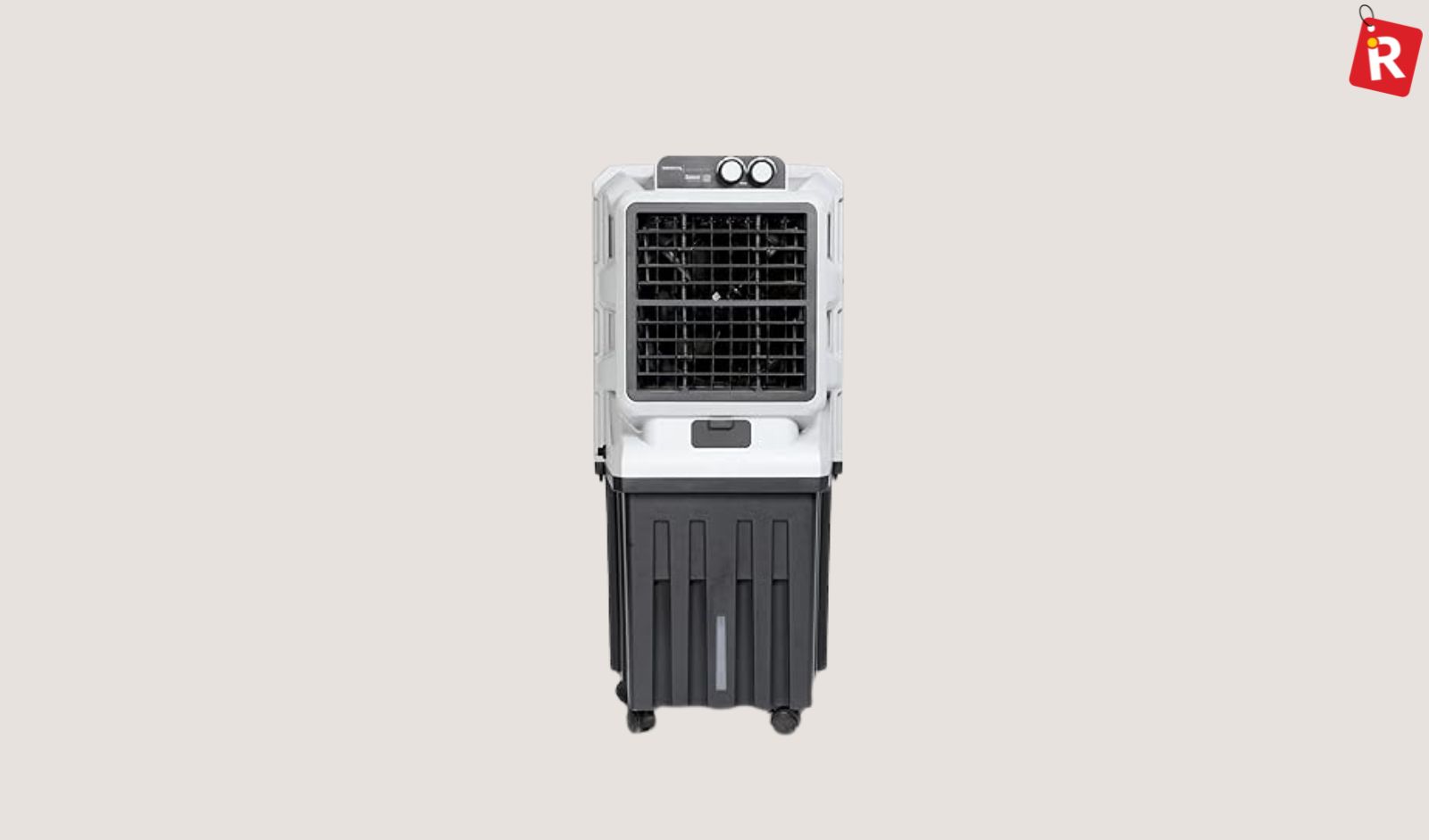
The THERMOCOOL Boss Commercial Cooler is designed for users seeking industrial-grade cooling performance. Equipped with a large-capacity water tank and a powerful 24-inch commercial fan, the cooler is capable of efficiently cooling large halls, factories, warehouses, workshops, restaurants, and event venues. Its robust build and high air throw make it particularly suitable for commercial and semi-industrial environments where conventional residential coolers may prove inadequate. The large water reservoir enables longer operating hours with fewer refills, while the heavy-duty construction ensures durability and reliable performance under demanding conditions. It is a practical option for businesses prioritizing cooling efficiency and operational convenience.
3. Godrej – Edge MiniCool

The Godrej Edge MiniCool caters to consumers looking for a compact and stylish personal room cooler without compromising on functionality. Designed for rooms of up to 23 square metres, the cooler features mobility-friendly wheels, thermal safety mechanisms, and antibacterial cooling pads. One of its standout attributes is its transparent approach to specifications, with the brand highlighting a true water capacity measurement that factors in the overflow outlet, helping consumers better understand runtime expectations. Available in contemporary colour options, the Edge MiniCool breaks away from the conventional design language of cooling appliances. Its compact footprint and efficient performance make it particularly suitable for apartments, bedrooms, and smaller urban living spaces.
4. Symphony – Diet 3D Air Cooler

Symphony's Diet 3D Air Cooler continues to be a popular choice among consumers seeking an energy-efficient and space-saving cooling solution. The cooler is equipped with advanced honeycomb cooling technology and a three-side cooling pad design that enables better airflow and enhanced cooling efficiency. Its compact design makes it ideal for bedrooms, study rooms, and smaller apartments where space is a premium. The inclusion of features such as i-Pure technology for improved air quality and low power consumption further enhances its appeal. The Diet 3D range demonstrates how compact coolers can deliver effective performance while remaining economical and easy to use.
5. Crompton – Ozone Desert Air Cooler
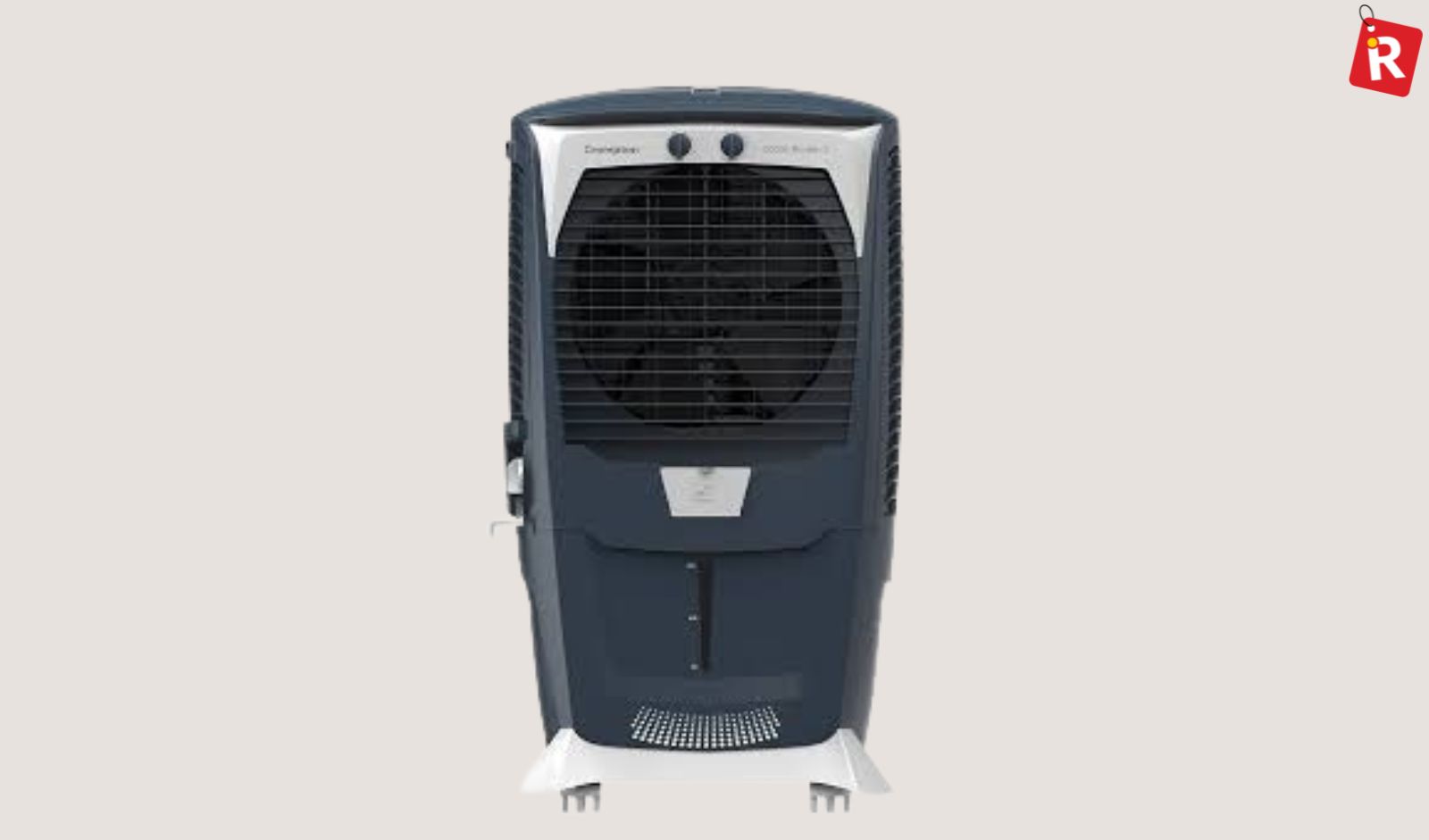
The Crompton Ozone Desert Air Cooler is designed to address the cooling needs of medium to large rooms. Known for its high air delivery and large-capacity tank, the cooler offers prolonged cooling even during extreme summer conditions. The use of high-density honeycomb cooling pads improves cooling efficiency and moisture retention, resulting in better air circulation. Features such as inverter compatibility and easy mobility add to its practicality, particularly during extended power outages. The Ozone series has gained popularity among households seeking a balance between powerful performance, durability, and energy efficiency, making it a strong contender in India's growing air cooler market.
Rising Demand for Energy-Efficient and Sustainable Cooling Solutions
India's air cooler market is witnessing strong growth, driven by rising summer temperatures, increasing electricity costs, and greater consumer awareness around energy-efficient appliances. Manufacturers are increasingly introducing products that incorporate eco-friendly materials, advanced cooling technologies, and features such as inverter compatibility and antibacterial cooling pads. There is also a noticeable shift towards specialised products catering to different use cases, ranging from compact room coolers for urban apartments to heavy-duty commercial coolers for industrial spaces. As consumers seek affordable and sustainable alternatives to air conditioning, the air cooler segment is expected to remain a key growth category in the home appliances market.
Conclusion
The Summer 2026 air cooler market offers a diverse range of products designed to cater to varying consumer requirements. Whether it is Surya Roshni's environmentally friendly Breezo and Chill series, THERMOCOOL's heavy-duty commercial cooler, Godrej's compact Edge MiniCool, or trusted offerings from Symphony and Crompton, consumers today have access to feature-rich and energy-efficient cooling solutions across categories. As innovation continues to shape the segment, choosing the right air cooler depends on room size, cooling requirements, and the desired balance between performance, convenience, and energy savings.
Frequently Asked Questions (FAQs)
1. Are air coolers more energy-efficient than air conditioners?
Yes. Air coolers generally consume significantly less electricity than air conditioners, making them a cost-effective option for summer cooling.
2. Which type of air cooler is best for large rooms?
Desert coolers and commercial coolers with larger water tanks and high air throw are better suited for large rooms and open spaces.
3. Do air coolers work during power cuts?
Many modern air coolers feature inverter compatibility, allowing them to operate seamlessly during power outages.
4. What features should consumers consider while buying an air cooler?
Important factors include tank capacity, cooling pad type, air throw, energy efficiency, inverter compatibility, mobility features, and maintenance requirements.
5. Are modern air coolers suitable for small apartments?
Yes. Compact personal room coolers with smaller footprints and efficient cooling technologies are specifically designed for apartments and smaller living spaces.
The modern kitchen has evolved into a multifunctional space where cooking, wellness, and convenience come together. As urban lifestyles become busier and homes increasingly adopt modular designs, smart kitchen appliances have become essential for simplifying daily routines while maintaining an organized and clutter-free environment.
Today's consumers are looking for appliances that offer efficiency, save time, and complement contemporary kitchen aesthetics. From intelligent cooking solutions to compact wellness gadgets, leading appliance brands are introducing innovative products that make everyday tasks easier and more enjoyable.
Why Smart Kitchen Appliances Are Becoming Everyday Essentials
The demand for smart kitchen appliances has grown significantly due to changing consumer preferences. Modern families seek appliances that not only perform multiple functions but also reduce effort, save space, and encourage healthier lifestyles. Features such as energy efficiency, easy maintenance, compact designs, and smart technology integration are now key factors influencing purchasing decisions.
The Rise of Functional and Space-Saving Kitchen Solutions
Modular kitchens prioritize clean designs and maximum functionality. Appliances that blend seamlessly into kitchen layouts while offering superior performance are increasingly preferred by homeowners. Whether it's a built-in cooking appliance, a high-performance blender, or a portable nutrition companion, smart appliances are redefining the way people interact with their kitchens.
5 Smart Kitchen Appliances for Everyday Use
1. KAFF Appliances
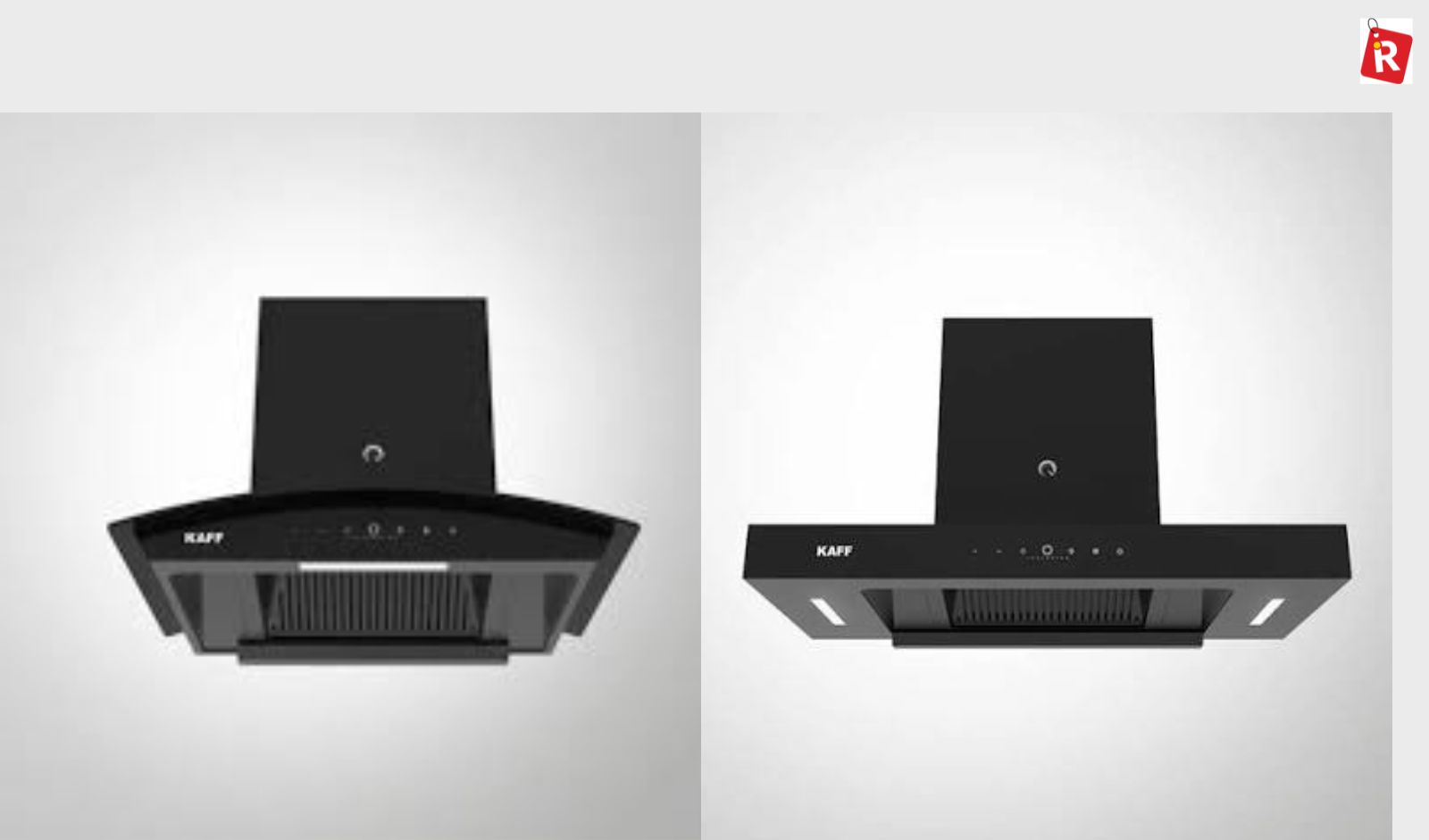
KAFF Appliances has established itself as a leading name in premium kitchen solutions, offering products that combine aesthetics with functionality. Its product portfolio includes built-in matte finish hobs, auto-clean chimneys such as Lynn, Casto, and Vasco, built-in dishwashers, ovens, microwaves, and induction cooktops. Designed specifically for modular kitchens, these appliances help maintain clutter-free countertops and create a seamless cooking environment. The brand focuses on innovation, energy efficiency, and easy maintenance, making its products suitable for contemporary households seeking stylish and practical kitchen solutions that enhance both convenience and everyday cooking experiences.
2. Jaypee Plus
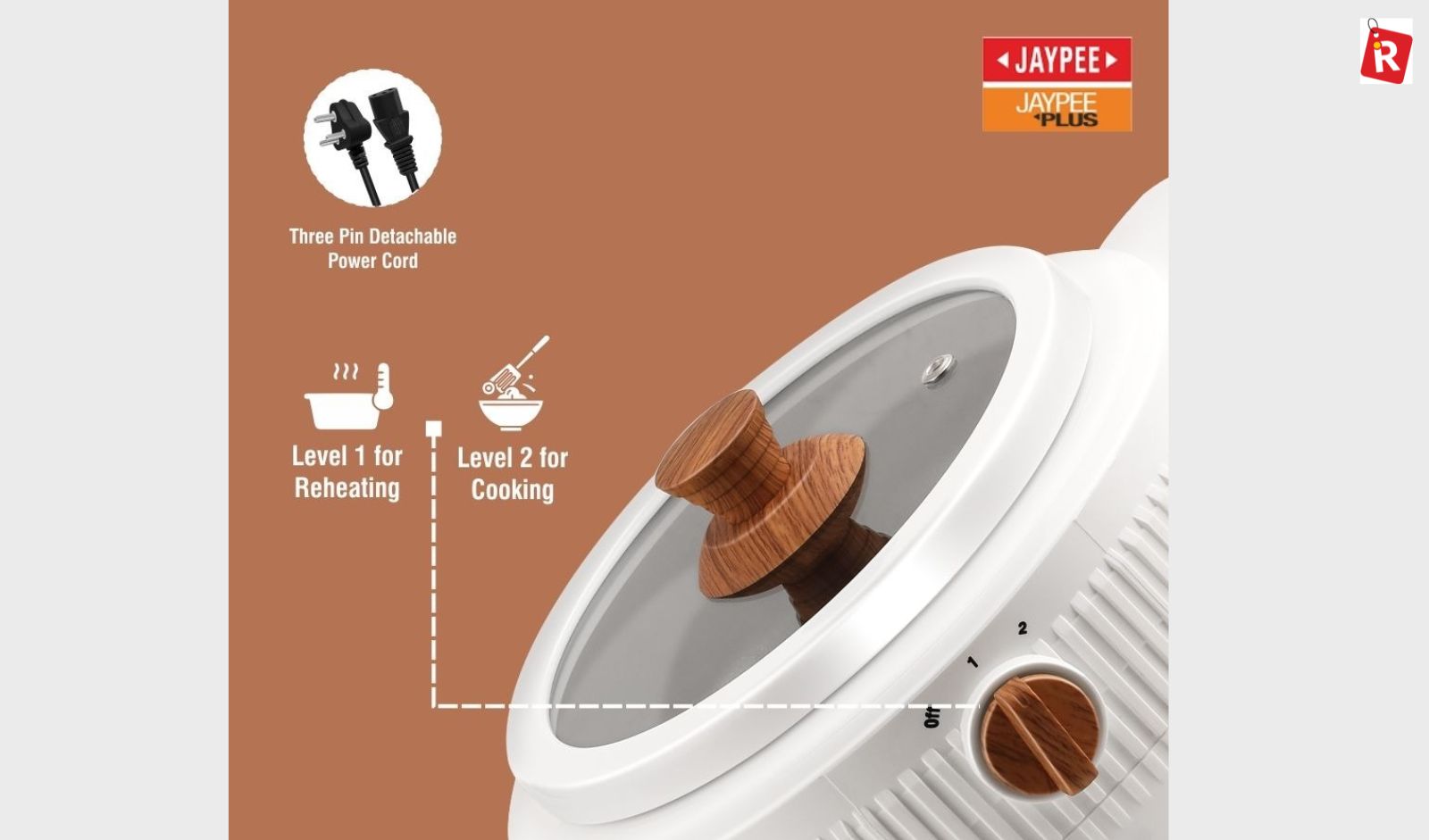
Jaypee Plus offers a thoughtfully curated range of kitchen appliances that combine functionality, wellness, and convenience for modern households. Its portfolio includes mixer grinders, personal blenders, electric kettles, food processors, and innovative solutions such as the Nutri Blend Turbo, Twister portable blender, and the CookSmart Electric Casserole. The Nutri Blend Turbo features a powerful motor and multiple jars for preparing smoothies, shakes, and everyday meal ingredients with ease. The compact Twister personal blender is designed for people with active lifestyles, enabling quick and convenient nutrition on the go. For cooking enthusiasts, the CookSmart Electric Casserole is a versatile 3-in-1 appliance that allows users to cook, reheat, and serve in a single stylish unit. Featuring a non-stick interior and a toughened glass lid, it simplifies meal preparation while reducing kitchen clutter. Together, these appliances reflect Jaypee Plus's focus on practical innovation, healthy living, and effortless everyday cooking experiences.
3. Philips
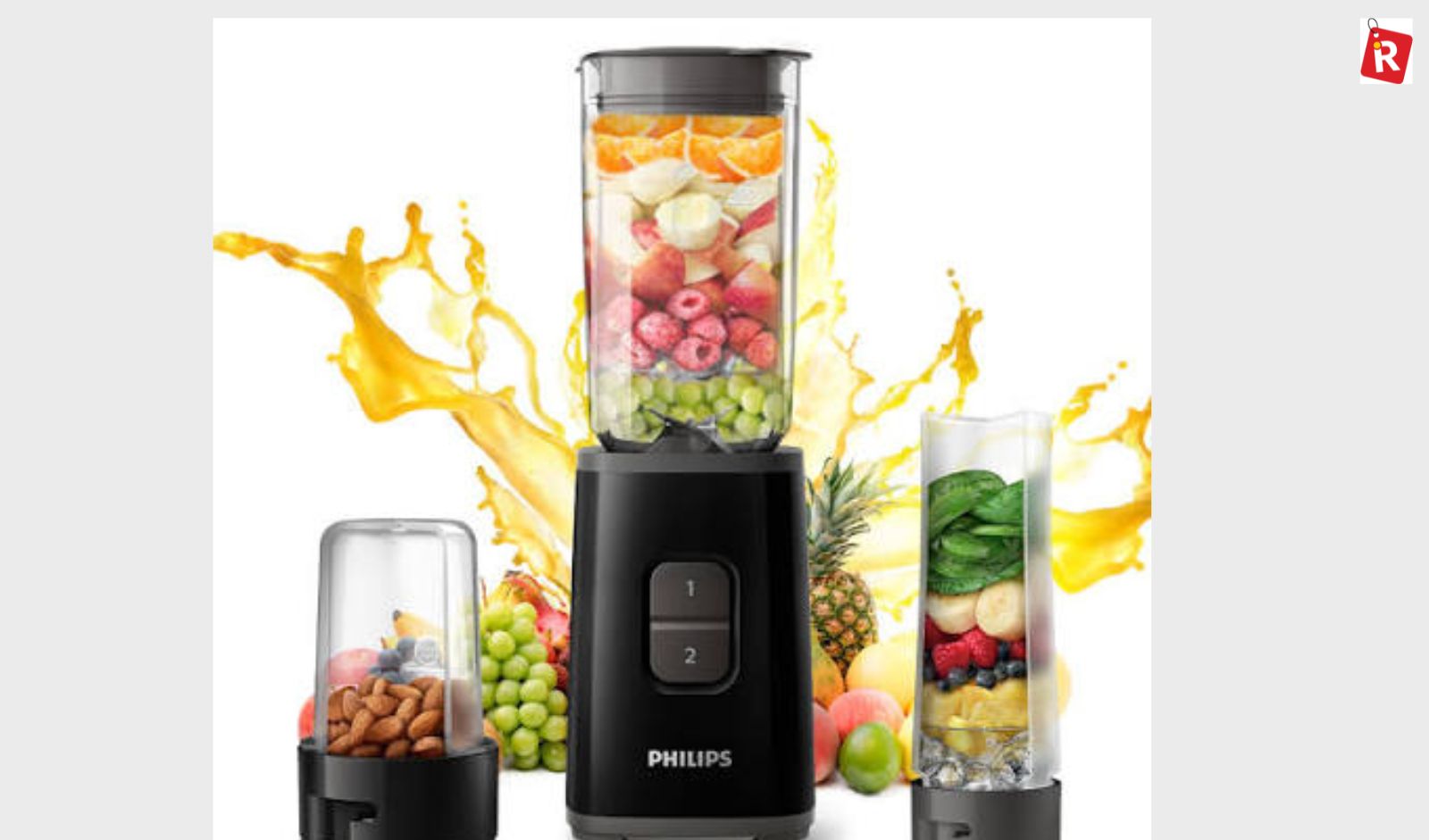
Philips is widely recognized for its innovative kitchen appliances that focus on healthier cooking and user-friendly technology. The brand's extensive product portfolio includes air fryers, mixer grinders, food processors, induction cooktops, coffee makers, electric kettles, and blenders. Its air fryers have gained popularity for enabling low-oil cooking while delivering convenience and versatility. Philips appliances are designed with intuitive controls, energy-efficient technologies, and compact footprints that fit seamlessly into modern kitchens. The brand continuously invests in innovation to help consumers simplify meal preparation while supporting healthier lifestyle choices and improving overall kitchen efficiency.
4. Bosch
Bosch has positioned itself as a premium appliance brand known for precision engineering and smart technology integration. Its kitchen appliance range includes built-in dishwashers, ovens, hobs, chimneys, refrigerators, and coffee machines. Bosch dishwashers are particularly valued for their water-efficient cleaning technologies and quiet operation, making them ideal for contemporary modular kitchens. The brand's products are designed to optimize space, reduce maintenance requirements, and deliver consistent performance. By integrating advanced features and elegant designs, Bosch offers kitchen solutions that cater to consumers seeking convenience, sustainability, and sophisticated living experiences.
5. Prestige
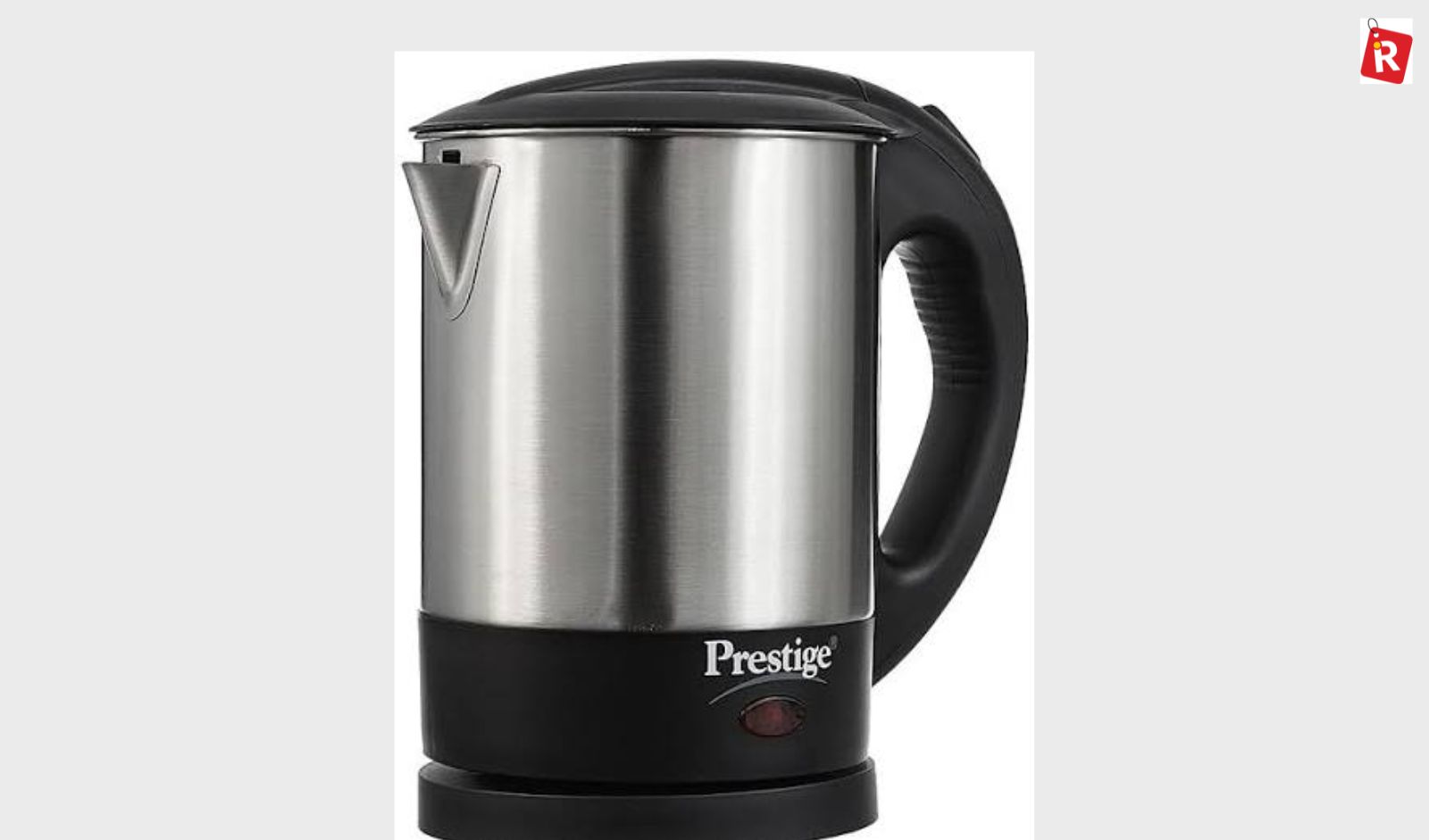
Prestige has become a household name by offering a diverse range of kitchen appliances tailored to everyday Indian cooking needs. Its product lineup includes induction cooktops, air fryers, mixer grinders, rice cookers, electric kettles, sandwich makers, and pressure cookers. The brand focuses on creating appliances that simplify daily cooking routines while maintaining affordability and functionality. Prestige induction cooktops and air fryers have gained widespread acceptance due to their ease of use, compact designs, and energy-efficient performance. With a strong understanding of Indian cooking habits, the brand continues to develop products that deliver convenience and versatility for modern households.
Market Insights
The global smart kitchen appliance market is witnessing steady growth, driven by rapid urbanization, increasing disposable incomes, and rising awareness of healthy lifestyles. Consumers are increasingly investing in appliances that save time, conserve energy, and support multifunctional cooking experiences. The growing popularity of modular kitchens and compact living spaces has further accelerated demand for built-in appliances, portable blenders, air fryers, and smart cooking devices. Additionally, technological advancements and the integration of intelligent features are expected to shape the future of kitchen appliances, making convenience and connectivity key drivers of market expansion.
Conclusion
Smart kitchen appliances have become indispensable in modern homes, offering the perfect balance of functionality, efficiency, and aesthetics. Brands such as KAFF Appliances, Jaypee Plus, Philips, Bosch, and Prestige are continuously innovating to meet evolving consumer needs with products that simplify everyday tasks and enhance kitchen experiences. From built-in cooking solutions and auto-clean chimneys to portable blenders and healthy cooking appliances, these brands are helping homeowners create organized, efficient, and future-ready kitchens that support contemporary lifestyles.
FAQs
1. What are smart kitchen appliances?
Smart kitchen appliances are advanced devices designed to improve convenience, efficiency, and functionality through innovative technologies, compact designs, and user-friendly features.
2. Why are built-in appliances becoming popular in modular kitchens?
Built-in appliances create a seamless and organized appearance, maximize available space, and contribute to a clutter-free and modern kitchen environment.
3. Are air fryers suitable for everyday cooking?
Yes, air fryers are versatile appliances that support healthier cooking by using minimal oil while preparing a wide range of everyday dishes.
4. How do portable blenders benefit busy consumers?
Portable blenders allow users to prepare fresh smoothies and beverages conveniently, making them ideal for individuals with active and fast-paced lifestyles.
5. Which factors should be considered when choosing kitchen appliances?
Consumers should consider functionality, energy efficiency, ease of maintenance, available space, design compatibility, and whether the appliance aligns with their daily cooking and lifestyle requirements.

The last few years have seen a flood of cashback offers across India. Almost every new app, whether fintech, e-commerce, food delivery, or even some banks, was busy trying to outdo the other with instant rewards. “Sign up and get cash back”, “Pay now and earn instant discount” these lines became very common. And for some time, this strategy worked well. Many companies saw their user numbers grow fast and transactions pick up quickly.
But now, things are starting to look different. A lot of brands are realising that while cashback helped them acquire customers quickly, it has come at a heavy price. Marketing budgets are getting burnt fast, but the loyalty they were hoping for isn’t really showing up. This has led to a noticeable shift, as companies are slowly moving away from depending so much on discounts and looking at smarter, engagement-led approaches instead.
The Cashback Reality
Let’s be clear, cashback does have its advantages. Customers like getting money back, and it makes trying a new service feel less risky. For new players trying to break into tough markets, it has been a useful weapon to get noticed fast.
The problem, however, is who this money attracts. Too often, it brings in deal hunters people who keep jumping from one brand to another looking for the best offer. You spend a lot to bring them in, but they don’t stick around once the rewards dry up. This keeps acquisition costs high while lifetime value remains low.
Cashback tends to work better in categories where transactions happen often and don’t involve much thought. It doesn’t deliver the same results in areas where trust and long-term relationships matter more.
The biggest issue is this: cashback is quite good at bringing customers in especially during launches and big sales, but very poor at keeping them. Once people get used to discounts, they start waiting for the next offer before they make any transaction. Brands slowly get trapped in a cycle where they keep paying customers to use their service. They simply cannot be the main strategy for sustainable growth. Real loyalty takes time and needs consistent value.
Why Engagement Makes More Sense
That’s why more brands are now focusing on genuine engagement. Instead of giving the same flat offer to everyone, they are trying to understand their customers properly; their habits, needs, and what actually matters to them at different stages.
This means building a proper view of each customer across all channels. It means offering rewards that feel relevant and timely. Some brands are creating milestone benefits for regular users, personalised recommendations, or experiential rewards that add real value.
Many are also building bigger ecosystems where customers can earn and redeem points across different partners in shopping, travel, dining, entertainment and more. This makes the entire program much more useful in everyday life. Brands that have successfully made this transition are seeing significantly higher customer retention and stronger business results.
Making the Shift
This transition is not easy. It requires a fundamental change in mindset, moving away from the acquire-customers-at-any-cost approach.
Companies need to invest in strong customer data, design better journeys, and create meaningful rewards that truly resonate with people. It also demands patience. While short-term growth may slow down, the long-term benefits in retention, engagement, and profitability make it worthwhile.
The brands that succeed are those willing to play the long game.
Looking Ahead
Customers in India have become much smarter. They’ve seen too many cashback campaigns to get excited by them anymore. What they value now is brands that understand them and deliver consistent, meaningful experiences.
Loyalty is rarely built with one big discount. It grows through many small, relevant interactions over time that show the customer they matter.
This is the direction we are supporting our clients at Loylty Rewardz, helping them move beyond the burn of endless discounting and build engagement that drives real, sustainable growth. In my view, this shift is not just necessary, it’s long overdue.
Authored By
Amresh Acharya, Managing Director & Chief Executive Officer, Loylty Rewardz

India's relationship with garment care has always been deeply rooted in tradition. For generations, local dhobis formed the backbone of fabric care services across cities and towns. Their role extended beyond washing clothes; they were trusted custodians of wardrobes, serving households for decades through personal relationships and community trust.
However, as India has evolved into a consumption-driven economy, wardrobes have transformed significantly. The average urban consumer today owns a wider variety of garments than ever before, ranging from business wear and designer apparel to luxury ethnic clothing, premium casuals, leather accessories, and delicate fabrics requiring specialised treatment. This shift has fundamentally changed expectations from garment care providers.
The fabric care industry, estimated to be worth over ₹15,000 crore, is now witnessing the same transition that food delivery, mobility, and retail experienced over the last decade—from fragmented local operators to organised, technology-enabled brands focused on convenience, consistency, and customer experience.
Consumers no longer view garment care as a basic utility. It has become a service category where reliability, speed, transparency, and sustainability matter as much as cleaning quality.
One of the most visible changes in this evolution is the growing demand for convenience. Traditional models often required customers to physically visit retail outlets or coordinate manually with service providers. Today's consumers expect services to fit into their schedules rather than the other way around.
Speed, however, is only meaningful when combined with reliability. Garments entrusted for premium care require specialised handling and quality control. That is why operational processes must balance efficiency with precision. Through standardised workflows and technology-led operations, organised fabric care brands are increasingly delivering predictable turnaround times. At Pressmate.in, our target turnaround time is typically 72 hours, enabling customers to plan their wardrobe management with confidence.
Technology has emerged as the defining differentiator in this industry transformation. Historically, garment care was largely opaque. Customers had little visibility into where their garments were, what processes were being applied, or when they would be returned.
Modern fabric care platforms are changing that through end-to-end digitisation. Mobile applications now allow customers to schedule services, generate self-invoices, manage orders, and make payments seamlessly. Real-time notifications keep customers informed throughout the garment care journey.
Advanced tracking technologies are further improving transparency. RFID-based garment identification enables accurate tracking at every operational stage, significantly reducing errors and enhancing accountability. Geo-tagged pickups and deliveries provide greater visibility, while live order tracking ensures customers remain informed from pickup to delivery.
The result is a customer experience that mirrors the transparency consumers have come to expect from e-commerce and food delivery platforms.
Alongside convenience and technology, sustainability is becoming a central theme in the future of fabric care. The traditional laundry and cleaning industry has historically been resource intensive, particularly in terms of water consumption and packaging waste.
As environmental awareness grows, consumers are increasingly evaluating brands not only on service quality but also on their environmental impact.
At Pressmate.in, sustainability is integrated into operational decision-making rather than treated as a marketing initiative. One of the most significant examples is our adoption of advanced hydrocarbon cleaning technology. Unlike conventional cleaning processes that consume substantial amounts of water, our waterless garment care systems utilise solvent recovery mechanisms capable of recovering up to 99 percent of the cleaning solvent for reuse.
This approach delivers two important benefits. First, it ensures effective garment care for delicate and premium fabrics. Second, it significantly reduces freshwater consumption. Through these systems, Pressmate.in is projected to conserve approximately 35 lakh litres of water annually, contributing to responsible resource management in an increasingly water-stressed world.
Packaging is another area undergoing transformation. Polybags have long been an industry standard despite their environmental impact. Recognising the need for change, Pressmate.in has consciously moved away from conventional plastic packaging. Instead, we use compostable garment bags designed to degrade within approximately 180 days under suitable conditions. While seemingly a small operational change, such decisions contribute meaningfully to reducing long-term plastic waste.
The sustainability journey extends beyond garment processing and packaging. Last-mile logistics represent a growing source of urban emissions, particularly as service businesses expand. To minimise environmental impact, Pressmate.in's delivery operations are focused on electric vehicles, reducing dependence on fossil-fuel-based transportation while supporting cleaner urban mobility.
The evolution of India's fabric care industry reflects a broader shift in consumer expectations. Convenience is becoming non-negotiable. Transparency is replacing uncertainty. Sustainability is becoming a business imperative. And technology is transforming an industry that remained largely unchanged for decades.
Just as organised brands reshaped sectors such as food delivery, grocery commerce, and mobility services, the fabric care industry is entering a new era driven by innovation and customer-centricity.
The local dhobi will always remain an important part of India's service heritage. But the future belongs to organised, technology-enabled fabric care platforms capable of delivering superior convenience, consistent quality, environmental responsibility, and complete transparency.
India's wardrobes are evolving. The way we care for them must evolve too.
Authored By
Bajrang Saharan, Founder & CEO, Pressmate.in

Maintaining a healthy appetite and efficient digestion is essential for overall wellness, energy levels, and nutrient absorption. Poor digestion can impact metabolism, reduce nutrient uptake, and lead to fatigue, while a healthy appetite ensures the body receives adequate nutrition to support daily functions.
As consumers become increasingly health-conscious, there is growing interest in supplements that support digestive wellness and appetite management. From Ayurvedic formulations to protein-rich nutritional blends, a variety of products are designed to help improve gut health, stimulate appetite, and support overall metabolic function.
Why Appetite and Digestive Health Matter
A healthy digestive system plays a critical role in breaking down food, absorbing nutrients, and maintaining overall bodily functions. Digestive issues such as bloating, indigestion, poor appetite, and nutrient deficiencies can negatively affect quality of life and long-term health.
Supplements formulated with herbs, proteins, vitamins, minerals, and botanical extracts can help address these concerns by supporting digestive function, improving appetite, enhancing metabolism, and promoting better nutrient utilization. When combined with a balanced diet and healthy lifestyle, these products can contribute to improved energy, strength, and overall well-being.
Top 5 Supplements That Help Improve Appetite and Digestion
1. Ayuvya i-Gain+ Weight Gainer

Ayuvya i-Gain+ Weight Gainer is formulated to support healthy weight gain through improved appetite, digestion, and nutrient utilization. Designed around holistic wellness principles, the supplement helps the body absorb nutrients more effectively while supporting lean muscle development and overall strength. Its formulation works to naturally stimulate hunger and promote digestive efficiency, helping individuals meet their nutritional requirements consistently. By supporting metabolic function and energy production, it may also help reduce fatigue and improve overall vitality. Suitable for individuals seeking a balanced and sustainable approach to weight management, Ayuvya i-Gain+ focuses on promoting healthy weight gain rather than excessive calorie accumulation.
Read more: Best Slow Juicers in India for Summer
Best Spiritual Home Décor Brands to Watch For
Best Footwear Brands and Sneaker Destinations in India
2. Quista PRO Mass by Himalaya Wellness

Quista PRO Mass from Himalaya Wellness combines Ayurvedic ingredients with modern nutritional science to support healthy weight gain and digestive health. The supplement features a balanced carbohydrate-to-protein ratio designed to support muscle growth, repair, and recovery while providing sustained energy. It is enriched with essential vitamins, minerals, and botanical ingredients that help improve appetite, support digestion, and strengthen overall nutritional status. The formulation also aims to address common nutritional deficiencies that may affect energy levels and metabolic performance. By promoting better nutrient absorption and digestive function, Quista PRO Mass offers a comprehensive approach to healthy weight management and overall wellness.
3. Dabur Himalayan Shilajit Resin
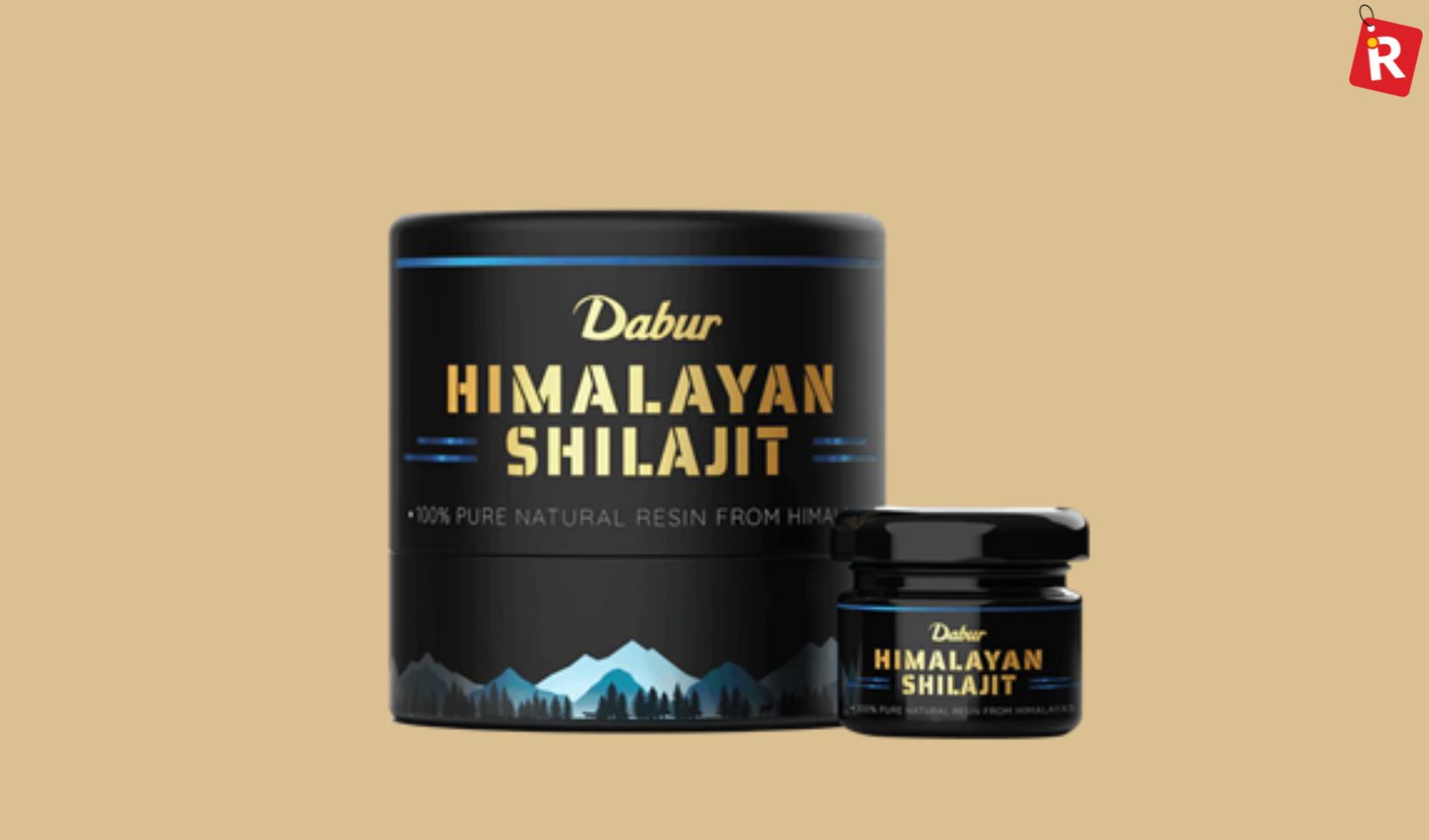
Dabur Himalayan Shilajit Resin is a traditional wellness supplement derived from naturally occurring shilajit sourced from the Himalayan region. Rich in fulvic acid and trace minerals, it is widely recognized for supporting stamina, energy production, and metabolic balance. The formulation helps combat fatigue and supports the body's natural ability to absorb and utilize nutrients effectively. Its antioxidant properties may help reduce oxidative stress and support overall vitality. Regular use can contribute to improved endurance, better physical performance, and enhanced well-being. Carefully processed and tested for purity, Dabur Himalayan Shilajit offers a natural solution for individuals seeking greater strength, resilience, and digestive support.
4. Goodcare Garcinia Juice by Baidyanath
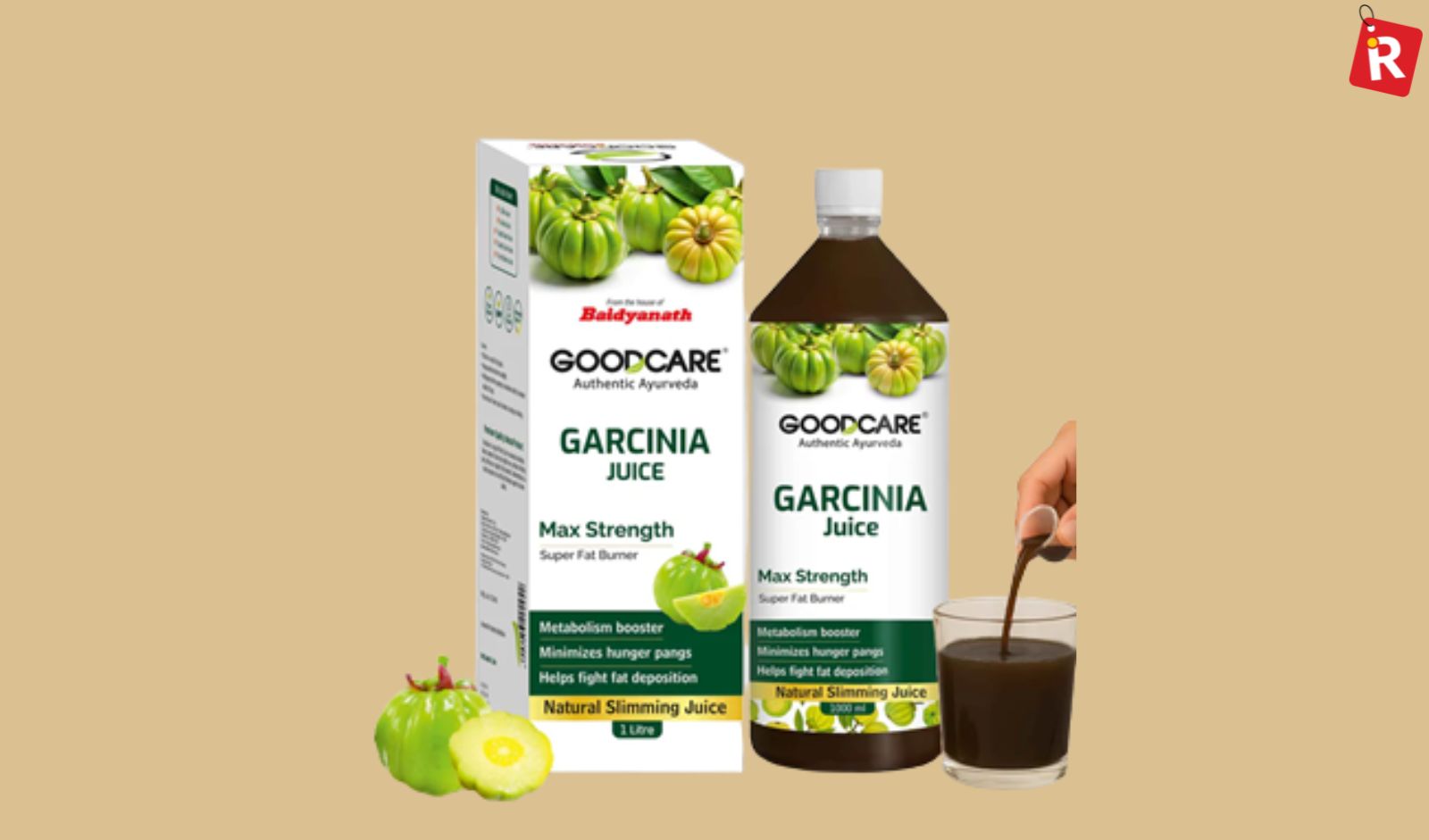
Goodcare Garcinia Juice is formulated using Garcinia Cambogia, a fruit known for its Hydroxycitric Acid (HCA) content and its role in appetite regulation. The supplement helps promote healthy eating habits by supporting appetite control and reducing unwanted cravings. It also assists the body's natural metabolism of fats and carbohydrates, encouraging balanced energy utilization throughout the day. Free from artificial additives, the formulation offers a simple and natural approach to digestive and metabolic wellness. Its refreshing composition can be easily incorporated into daily routines, making it suitable for individuals seeking long-term support for weight management, digestive health, and overall lifestyle improvement.
5. Oziva Protein & Herbs for Men
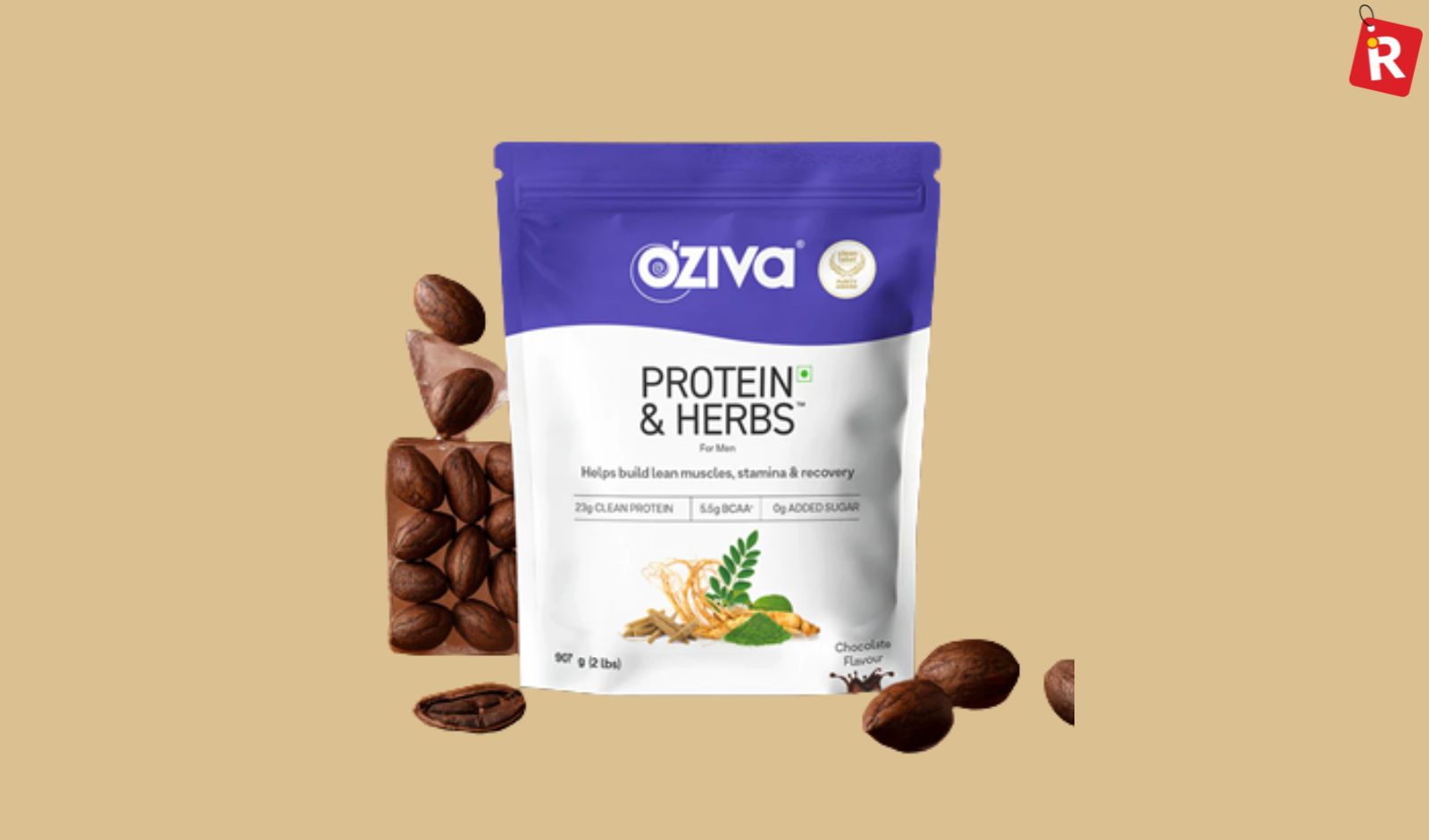
Oziva Protein & Herbs for Men combines clean protein sources with Ayurvedic herbs such as ginseng and green tea to support muscle development, stamina, recovery, and metabolic health. The formulation helps provide essential protein required for muscle repair while supporting sustained energy levels and physical performance. Herbal ingredients contribute additional wellness benefits by supporting digestion, metabolism, and overall vitality. Designed for active individuals, the supplement helps meet daily nutritional requirements while promoting better recovery following physical activity. Its balanced nutritional profile makes it suitable for those looking to support fitness goals, maintain energy levels, and improve overall health through a combination of protein and herbal nutrition.
Know more: Top 6 Talcum Powder Brands in India for Everyday Freshness and Comfort
5 Best Robot Vacuum Cleaners in India for Effortless Daily Cleaning
Best Tech Gadgets Every Student Needs to Stay Productive
Market Insights: Growing Demand for Digestive and Wellness Supplements
India's dietary supplement market continues to witness strong growth, driven by increasing awareness of preventive healthcare, nutrition, and holistic wellness. Consumers are increasingly seeking products that support digestive health, immunity, appetite management, and overall vitality. The growing popularity of Ayurvedic ingredients such as shilajit, herbal extracts, and plant-based formulations has further fueled demand across age groups. Additionally, rising interest in fitness, healthy weight management, and personalized nutrition is encouraging consumers to incorporate supplements into their daily routines. As a result, brands are expanding their portfolios with innovative formulations that combine traditional wellness principles with modern nutritional science.
Conclusion
A healthy appetite and efficient digestion are fundamental to maintaining overall health, energy, and nutritional balance. Whether the goal is healthy weight gain, improved nutrient absorption, enhanced stamina, or better digestive wellness, the right supplement can provide valuable support when combined with a balanced diet and active lifestyle. From Ayurvedic formulations and herbal extracts to protein-rich nutritional blends, today's market offers a wide range of options tailored to diverse wellness needs. Consumers should evaluate their individual health goals, dietary requirements, and lifestyle preferences before selecting a supplement that best aligns with their long-term wellness journey.
Frequently Asked Questions (FAQs) on Best Suppliments
1. What supplements help improve appetite naturally?
Supplements containing Ayurvedic herbs, digestive botanicals, vitamins, and nutritional blends may help stimulate appetite and support healthy eating habits naturally.
2. Can digestive supplements improve nutrient absorption?
Yes. Many digestive supplements are formulated to support gut health and digestive efficiency, which may help the body absorb nutrients more effectively.
3. Are Ayurvedic supplements beneficial for digestion?
Ayurvedic ingredients such as shilajit and herbal extracts have traditionally been used to support digestion, metabolism, and overall wellness.
4. How long does it take for appetite-support supplements to show results?
Results vary depending on individual health conditions, dietary habits, and the specific formulation being used. Consistent use alongside a balanced diet is generally recommended.
5. Should supplements replace a healthy diet?
No. Supplements are intended to complement a balanced diet and healthy lifestyle, not replace nutritious foods and proper eating habits.
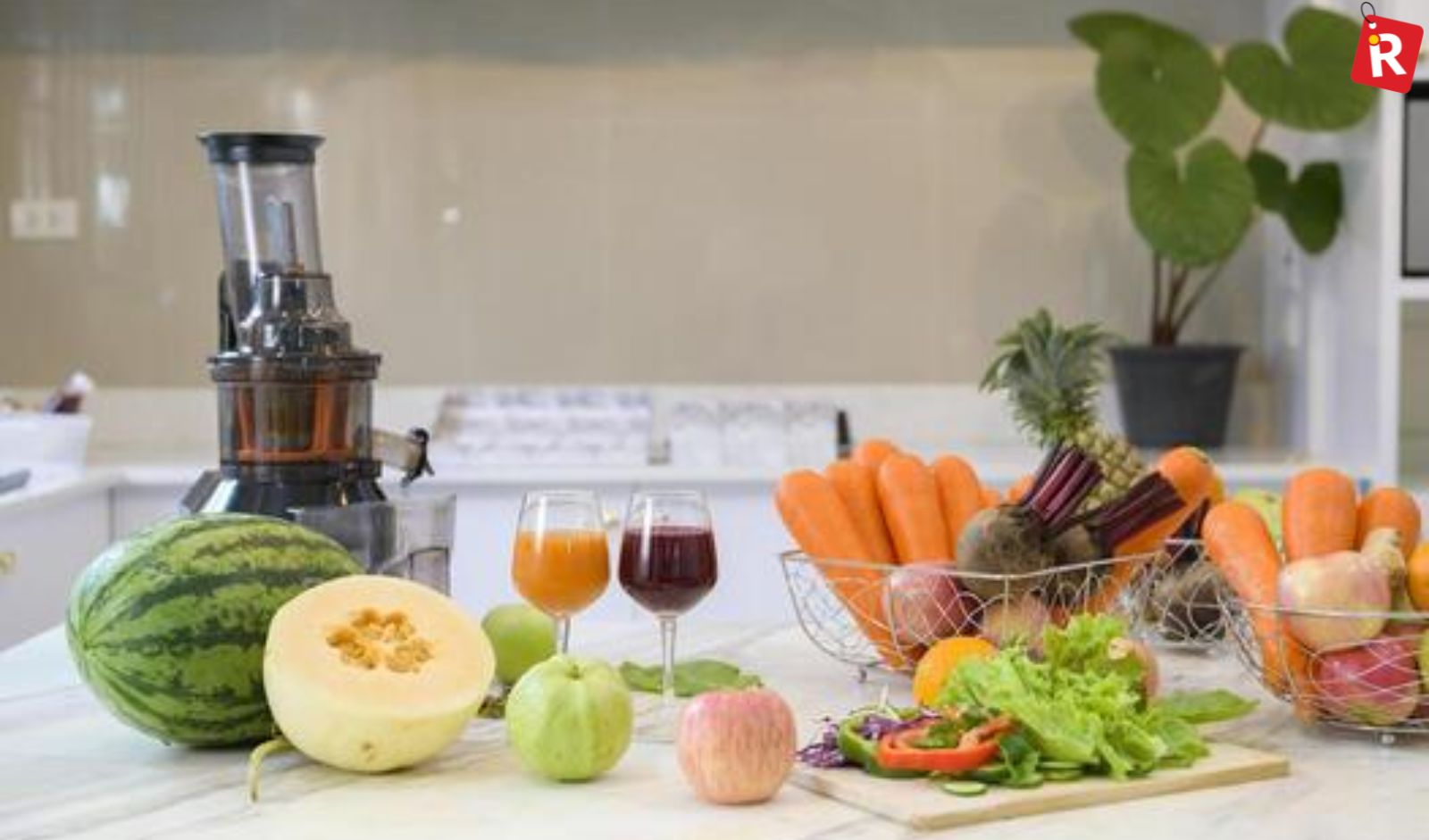
As temperatures rise across India, staying hydrated becomes a top priority for many households. While packaged juices and soft drinks offer convenience, health-conscious consumers are increasingly turning to fresh, homemade beverages made from fruits and vegetables. This shift has fueled growing demand for slow juicers, which are designed to extract juice while preserving nutrients, vitamins, and natural flavors.
Unlike conventional centrifugal juicers that generate heat during extraction, slow juicers use a cold-press mechanism that minimizes oxidation and helps retain more nutrients. Whether it's watermelon juice, citrus blends, green detox drinks, or nut milk, slow juicers provide a healthier and more versatile solution for daily hydration.
Why Slow Juicers Are Gaining Popularity in India
India's growing focus on preventive healthcare, wellness, and clean eating has significantly increased the adoption of kitchen appliances that support healthy lifestyles. Consumers are becoming more aware of the benefits of fresh juices free from preservatives, artificial flavors, and added sugar.
Additionally, the rise of fitness-conscious millennials and urban households has boosted demand for appliances that combine convenience, functionality, and nutrition. As a result, cold-press and slow juicers are emerging as one of the fastest-growing categories within the kitchen appliance segment.
Best Slow Juicers in India for Summer
1. Dylect NutriPro Cold Press Slow Juicer
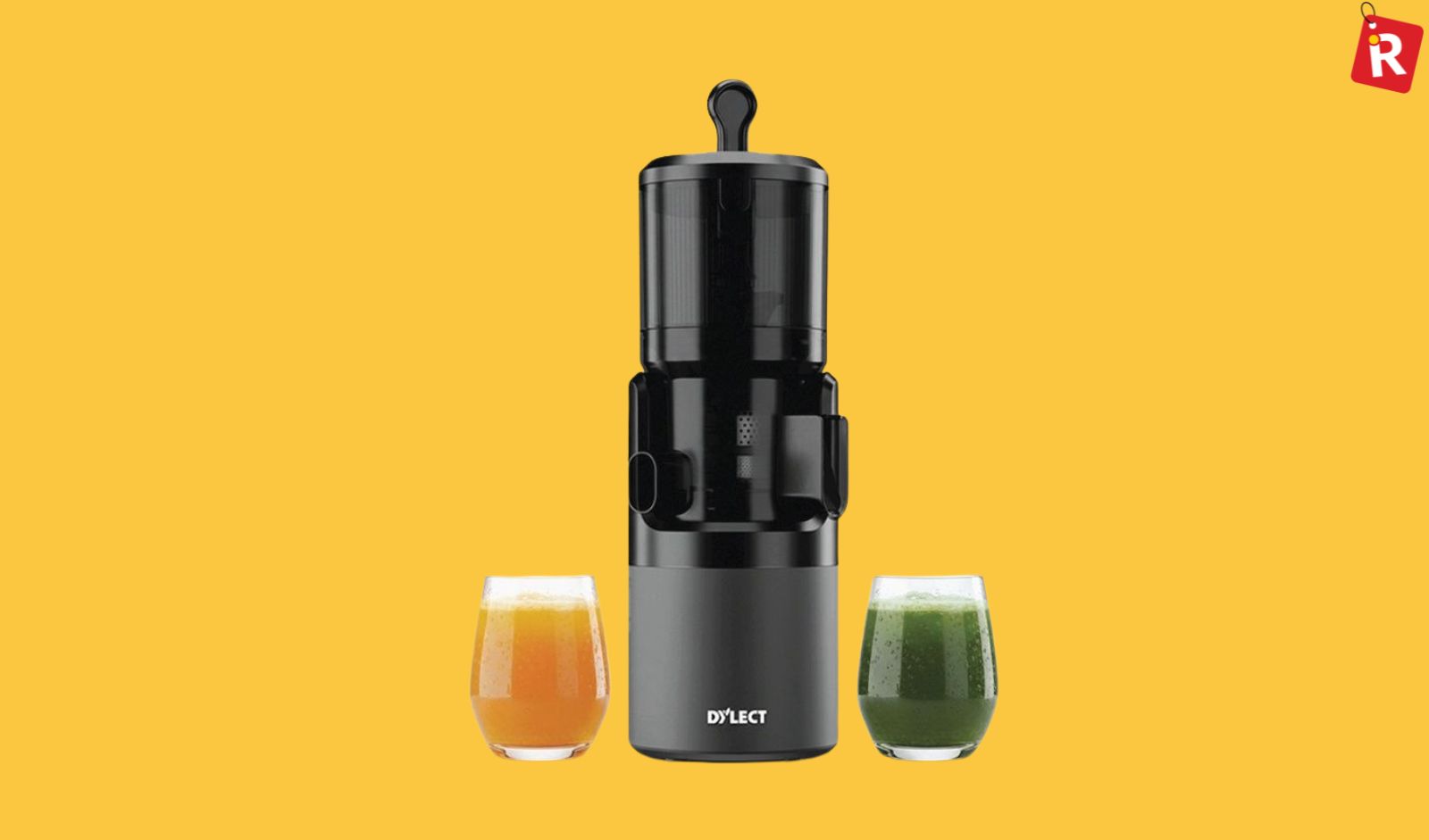
The Dylect NutriPro Cold Press Slow Juicer is designed for consumers seeking a convenient and efficient juicing experience at home. Equipped with advanced cold-press technology, it helps retain nutrients and natural flavors while minimizing heat generation and oxidation during extraction. Its powerful AC motor enables smooth processing of fruits, vegetables, leafy greens, and nuts.
One of its key highlights is the wide feeding tube that reduces preparation time by allowing larger fruit and vegetable pieces to be inserted directly. The appliance also features low-noise operation, making it suitable for everyday household use. Its simple three-part assembly and detachable components make cleaning quick and hassle-free. Whether preparing fresh fruit juices, vegetable blends, nut milk, or wellness beverages, the Dylect NutriPro offers a practical combination of performance, convenience, and ease of maintenance.
Read also: Top 5 Supplements That Help Improve Appetite and Digestion Naturally
Best Spiritual Home Décor Brands to Watch For
Best Footwear Brands and Sneaker Destinations in India
2. AGARO Imperial Slow Juicer
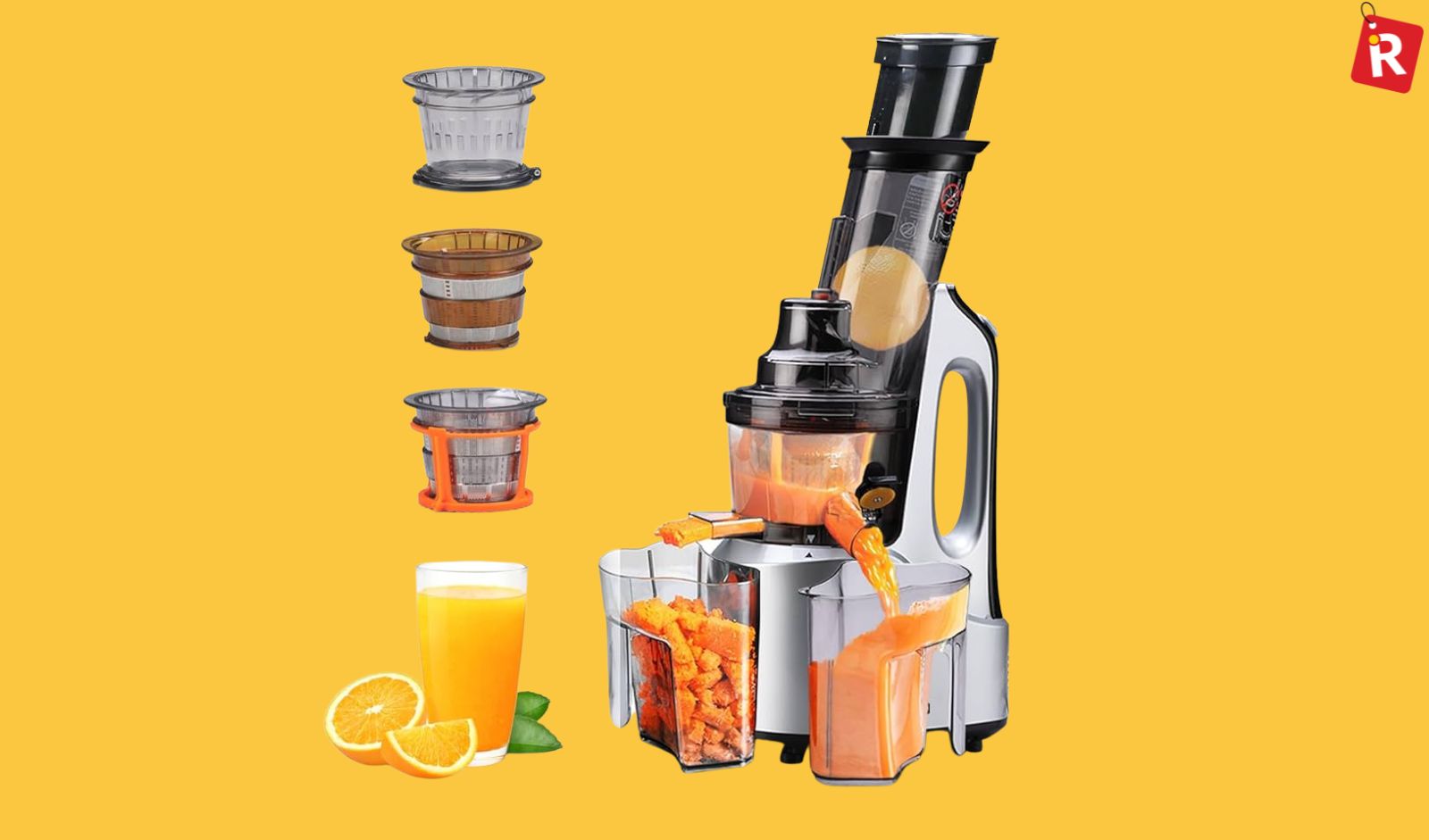
The AGARO Imperial Slow Juicer is a popular choice among consumers looking for reliable daily juicing performance. It uses slow-speed extraction technology that helps preserve nutrients while maximizing juice yield from fruits and vegetables. The appliance is designed to reduce oxidation, allowing juices to retain freshness and natural taste for longer periods.
The juicer also comes equipped with a reverse function that helps prevent clogging and ensures smooth operation. Its modern design and intuitive controls make it easy to use even for first-time buyers. Suitable for preparing a variety of fruit and vegetable juices, the AGARO Imperial Slow Juicer combines practicality with nutritional benefits, making it a valuable addition to health-conscious kitchens.
3. Sujata Slow Juicer
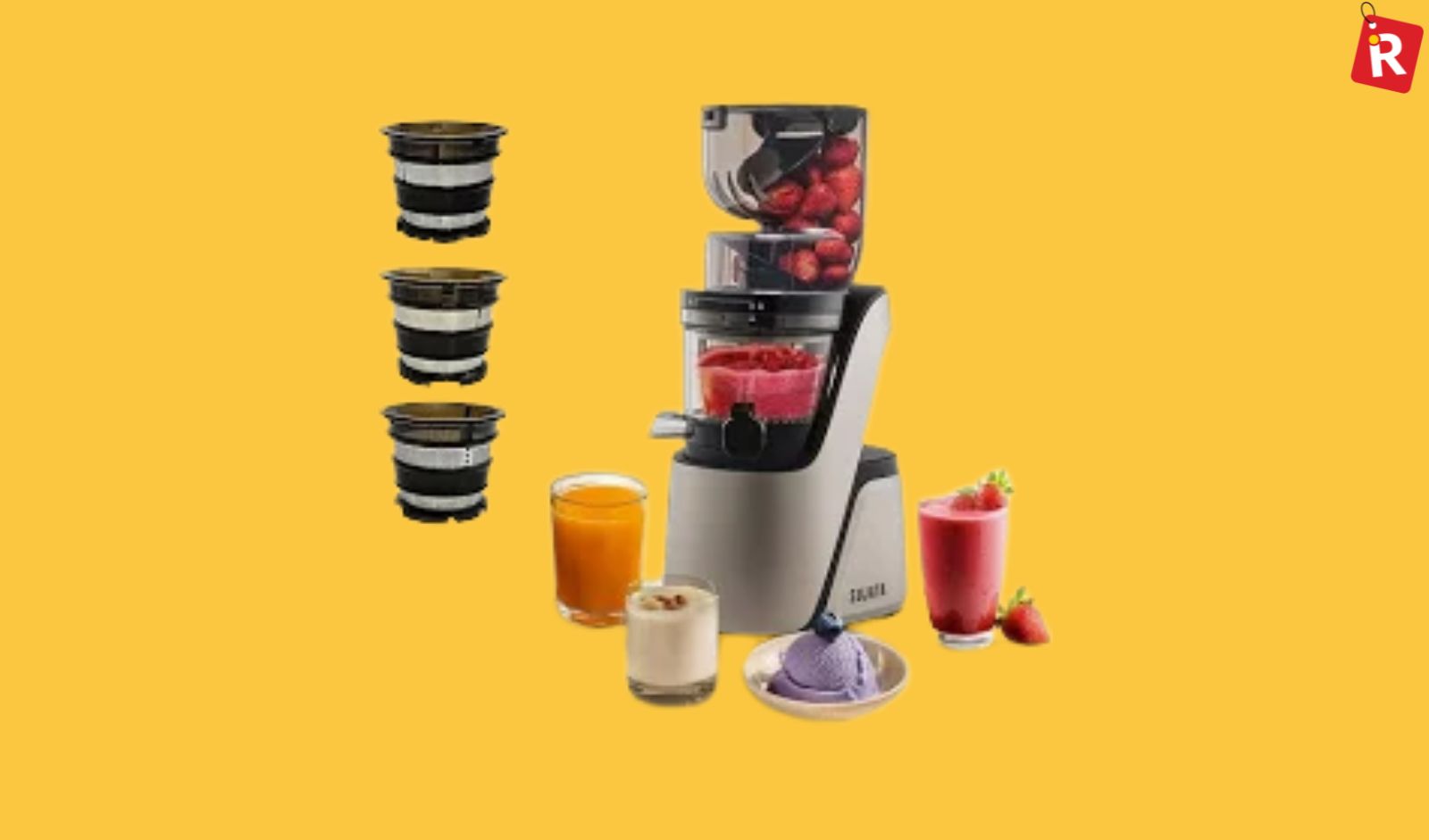
Sujata has built a strong reputation in Indian households for durable and high-performance kitchen appliances. Its slow juicer follows the same philosophy by offering dependable juicing performance and long-term reliability. Designed for regular use, it supports juice extraction from fruits, vegetables, and leafy greens while helping preserve natural nutrients and flavor.
The appliance features a sturdy build and user-friendly operation, making it suitable for families looking for a long-lasting investment. Its efficient extraction process helps maximize juice output while minimizing waste. For consumers who prioritize durability and consistent performance, the Sujata Slow Juicer remains a trusted option in the Indian market.
4. Solara Cold Press Slow Juicer
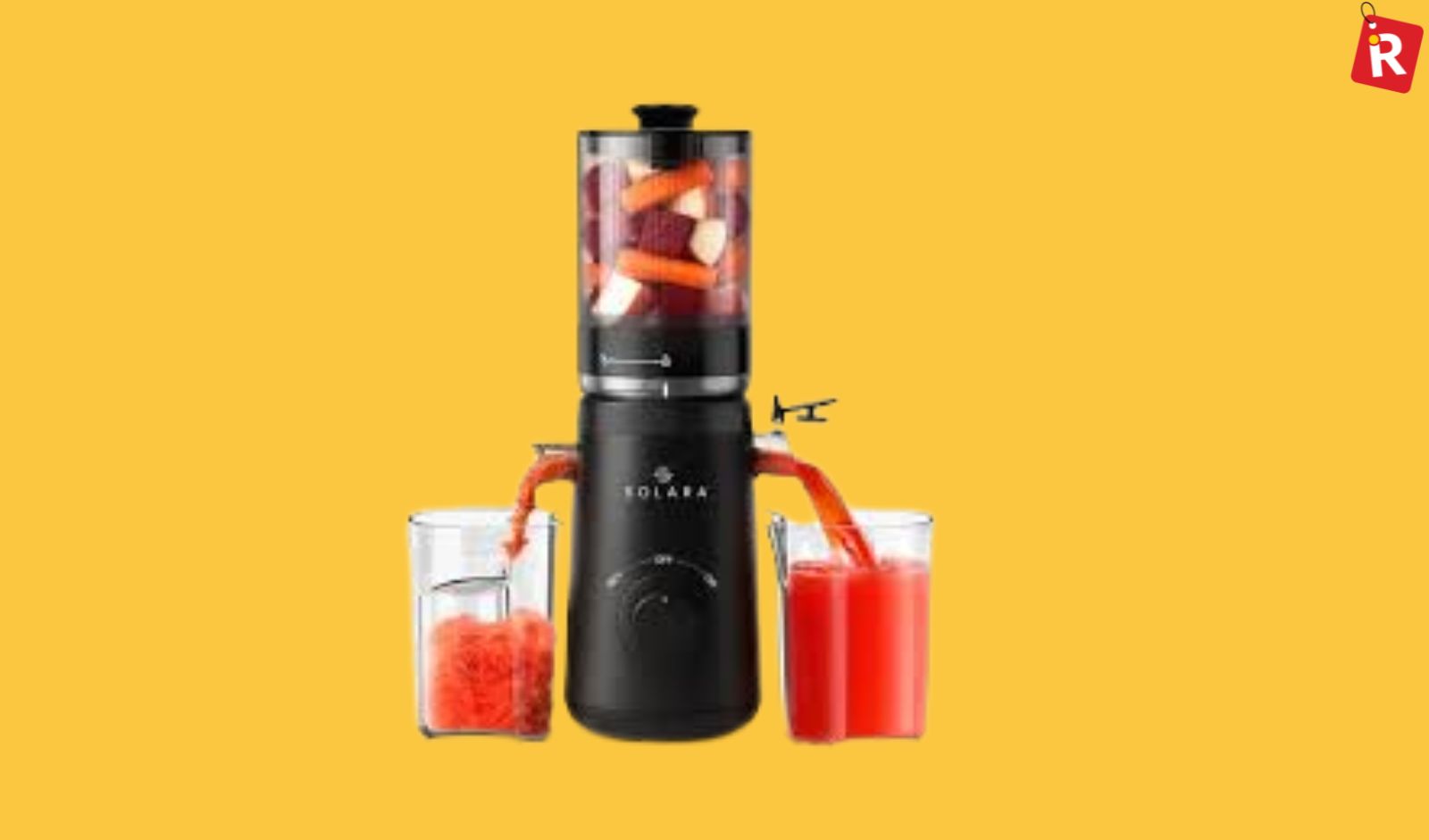
The Solara Cold Press Slow Juicer combines contemporary design with efficient cold-press technology. It is designed to deliver nutrient-rich juices with minimal oxidation, helping retain freshness, taste, and essential vitamins. The appliance can process a wide variety of fruits and vegetables, making it versatile for everyday use.
One of its standout features is its quiet operation, which enhances user comfort during daily juicing. The easy-clean design further adds to convenience, reducing maintenance effort. With its sleek aesthetics and efficient performance, the Solara Cold Press Slow Juicer appeals to consumers seeking both functionality and modern kitchen styling.
5. Nuuk Cold Press Juicer
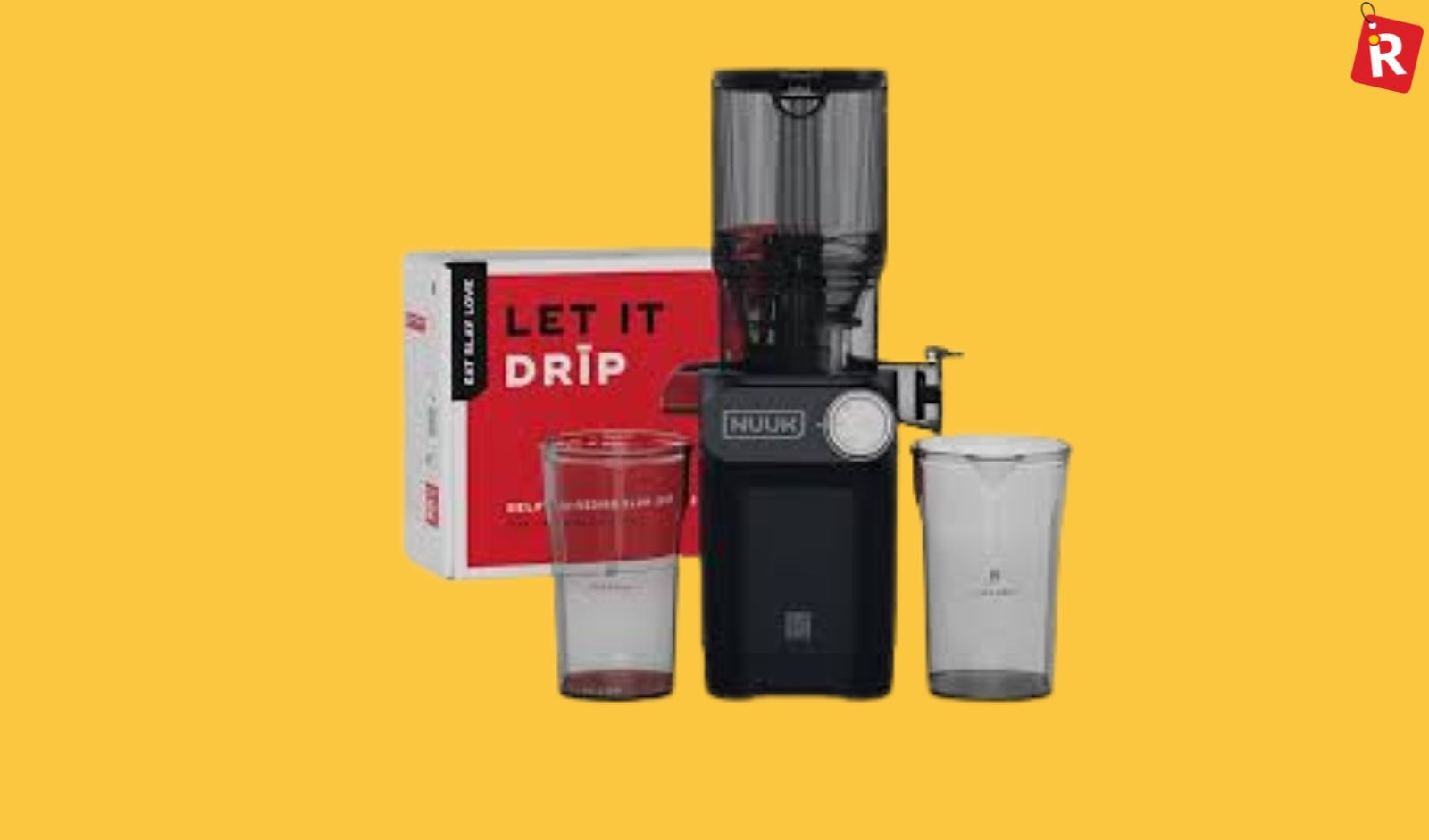
The Nuuk Cold Press Juicer is designed for consumers seeking a compact and straightforward juicing solution. Utilizing slow extraction technology, it helps maximize juice yield while preserving nutrients and minimizing oxidation. Its lightweight design makes it especially suitable for smaller households, apartments, and first-time juicer users.
The appliance features a simple three-part assembly that allows for easy setup, disassembly, and cleaning. This makes it particularly convenient for consumers who want a hassle-free juicing experience without complex maintenance requirements. With its compact footprint and user-friendly design, the Nuuk Cold Press Juicer serves as a practical option for everyday home use.
Explore more: Top 6 Talcum Powder Brands in India for Everyday Freshness and Comfort
5 Best Robot Vacuum Cleaners in India for Effortless Daily Cleaning
Best Tech Gadgets Every Student Needs to Stay Productive
Market Insights: Growing Demand for Slow Juicers in India
India's kitchen appliance market is witnessing growing demand for products that support healthier lifestyles. Rising awareness about nutrition, increasing fitness adoption, and the popularity of homemade beverages are driving interest in cold-press and slow juicers. Consumers are increasingly seeking appliances that allow them to prepare fresh juices, detox drinks, smoothies, and plant-based beverages at home while maintaining nutritional quality.
The trend is particularly visible among urban households, young professionals, and wellness-focused consumers who view kitchen appliances as tools for supporting long-term health goals. As a result, brands are introducing more advanced, user-friendly, and easy-to-maintain slow juicers to cater to evolving consumer preferences.
Conclusion
With growing awareness around healthy hydration and nutrition, slow juicers have become an increasingly popular kitchen appliance for Indian households. They offer an easy way to prepare fresh fruit and vegetable juices without preservatives or added sugar while helping retain more nutrients compared to traditional juicers.
Among the available options, the Dylect NutriPro Cold Press Slow Juicer stands out for its powerful AC motor, user-friendly three-part assembly, wide feeding tube, and easy-clean design. However, consumers should evaluate factors such as capacity, ease of maintenance, motor performance, and intended usage before selecting the slow juicer that best fits their requirements.
FAQs on Best Slow Juicers in India for Summer
1. What is the difference between a slow juicer and a regular juicer?
A slow juicer uses cold-press technology and operates at lower speeds, helping retain more nutrients and reduce oxidation compared to conventional centrifugal juicers.
2. Are slow juicers better for health?
Yes. Slow juicers preserve more vitamins, minerals, and enzymes because they generate less heat during the extraction process.
3. Which fruits and vegetables can be used in a slow juicer?
Most slow juicers can process fruits, vegetables, leafy greens, citrus fruits, and even nuts for preparing nut milk.
4. Is a slow juicer worth buying for daily use?
For consumers who regularly consume fresh juices, smoothies, or wellness drinks, a slow juicer can be a valuable long-term investment for healthier beverage preparation.
5. Which is the best slow juicer for home use in India?
The ideal choice depends on individual requirements, but factors such as motor performance, ease of cleaning, capacity, and durability should be considered when evaluating options.

Indian homes are undergoing a subtle yet meaningful transformation. Beyond aesthetics and functionality, homeowners today are increasingly seeking spaces that foster peace, positivity, and emotional well-being. As lifestyles become more fast-paced and digitally driven, many consumers are turning to spiritual décor as a way to create calming sanctuaries within their homes.
From intricately crafted idols and sacred symbols to heritage-inspired decorative accents, spiritual home décor has evolved beyond traditional worship spaces. Modern consumers are embracing pieces that seamlessly blend devotion, craftsmanship, and contemporary design. Whether placed in living rooms, entryways, meditation corners, or home temples, these décor elements serve as reminders of mindfulness, gratitude, and cultural heritage.
Where Spirituality Meets Interior Design
The rise of wellness-focused living has significantly influenced interior design choices across India. Consumers are increasingly choosing décor pieces that not only beautify their homes but also create an environment of harmony and positivity. Spiritual décor has become a natural extension of this movement, combining traditional symbolism with artistic expression.
Designers and homeowners alike are incorporating sacred motifs, handcrafted idols, and heritage-inspired decorative elements into modern interiors. This shift reflects a broader appreciation for meaningful design—where every object tells a story and contributes to a sense of emotional comfort and personal connection.
Why Spiritual Décor Is Becoming a Lifestyle Choice
Today's consumers are looking beyond trends and investing in pieces that hold lasting significance. Spiritual décor offers a unique blend of cultural identity, craftsmanship, and wellness. Whether it's a beautifully sculpted Ganesha idol symbolizing wisdom and prosperity or a Radha Krishna sculpture representing love and devotion, these pieces add both visual appeal and emotional value to living spaces.
As a result, spiritual décor is increasingly finding a place in contemporary homes, luxury residences, boutique hospitality spaces, and even modern work environments, making it one of the fastest-growing segments within the home décor market.
Read also: Best Footwear Brands and Sneaker Destinations in India
Top 6 Talcum Powder Brands in India for Everyday Freshness and Comfort
5 Best Robot Vacuum Cleaners in India for Effortless Daily Cleaning
Best Spiritual Home Décor Brands to Watch For
1. Swastika
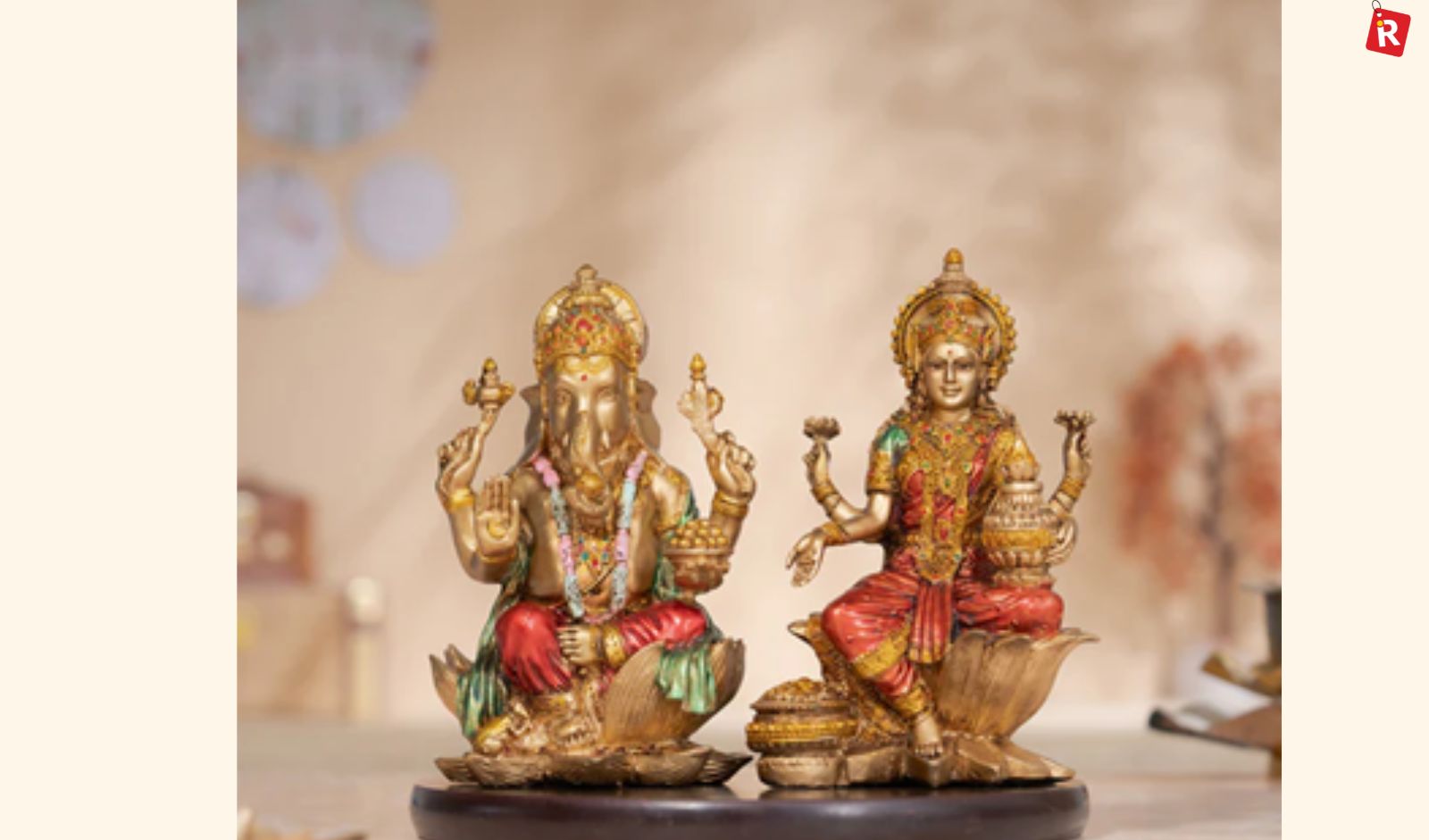
The Antique Ganesh Lakshmi Murti Pair by Swastika beautifully captures the essence of prosperity, wisdom, and traditional craftsmanship. Designed with intricate detailing and finished with an antique aesthetic, the statues offer a timeless appeal that complements both traditional and modern interiors. Lord Ganesha symbolizes wisdom and the removal of obstacles, while Goddess Lakshmi represents wealth and abundance, making this pairing especially popular during festive occasions and housewarming ceremonies. The thoughtful craftsmanship and elegant finish transform the idols into statement décor pieces that enhance spiritual spaces while adding warmth and cultural richness to the home.
2. Yellow Verandah

Yellow Verandah's Ganesha Sculpture combines spirituality with artistic sophistication. Crafted with a refined design language, the sculpture reflects the brand's commitment to creating décor pieces that are both meaningful and visually striking. Its graceful detailing and elegant finish make it suitable for a variety of spaces, from pooja rooms and entryways to contemporary living areas. Beyond its decorative appeal, the sculpture serves as a symbol of wisdom, prosperity, and positive beginnings. The versatility of the piece allows it to blend seamlessly into modern interiors while preserving the spiritual significance that makes Lord Ganesha one of the most revered deities in Indian culture.
3. Amala Earth

Available through Amala Earth, the Brass Divine Ganesha by ExclusiveLane brings together traditional artistry and enduring elegance. Crafted from premium brass, the idol showcases intricate workmanship that highlights the rich heritage of Indian metal craftsmanship. Its timeless design allows it to function as both a spiritual symbol and a decorative accent, making it ideal for home temples, workspaces, and living areas. The idol's detailed finish and classic appeal create a sense of serenity and positivity within any environment. As consumers increasingly seek handcrafted products with cultural value, brass spiritual décor pieces such as this continue to enjoy growing popularity.
4. Swaha

The Radha Krishna Cow Idol by Swaha captures themes of love, devotion, harmony, and prosperity through a beautifully crafted silver-toned design. Depicting Radha and Krishna alongside the sacred cow, the piece carries deep spiritual symbolism while offering strong decorative appeal. The intricate detailing and graceful composition make it an eye-catching addition to home temples, living rooms, and office spaces. Its devotional significance resonates strongly with those seeking to create spiritually uplifting environments. The idol's elegant aesthetic also makes it a thoughtful gifting option for festive occasions, weddings, and housewarming celebrations.
5. Prachyam

Prachyam's Hand-Painted Wooden Panchmukhi Lord Ganesha Moorti celebrates India's rich tradition of handcrafted artistry. Made from quality wood and adorned with vibrant hand-painted details, the moorti showcases the rare Panchmukhi form of Lord Ganesha, symbolizing wisdom, protection, prosperity, success, and spiritual growth. The handcrafted nature of the piece ensures that each creation possesses a unique artistic character. Its colorful detailing and traditional design make it a standout addition to home temples, meditation spaces, and cultural décor collections. By combining craftsmanship with spiritual symbolism, the moorti offers both aesthetic beauty and devotional significance.
Explore more: Best Tech Gadgets Every Student Needs to Stay Productive
Best Hair Oils Popular Among Indian Consumers
Top 5 Perfume Brands for Men and Women to Elevate Your Signature Scent
Market Insight: The Rise of Spiritual and Wellness-Oriented Home Décor
India's home décor market is witnessing a growing preference for products that blend wellness, culture, and personal expression. Consumers are increasingly investing in décor items that contribute to emotional well-being and create meaningful living environments. This trend is particularly evident among urban homeowners, who are seeking ways to balance modern lifestyles with traditional values.
The increasing popularity of meditation, mindfulness, yoga, and wellness-focused living has further accelerated demand for spiritual décor. Brands are responding by introducing handcrafted idols, artisanal wall art, sacred symbols, and heritage-inspired décor pieces that cater to contemporary tastes. The result is a category that continues to evolve beyond religious utility and into a broader lifestyle segment centered on positivity, self-expression, and mindful living.
Conclusion
Spiritual décor is no longer limited to traditional prayer rooms. It has become an integral part of modern interior design, helping homeowners create spaces that feel peaceful, purposeful, and deeply personal. Whether through handcrafted Ganesha idols, Radha Krishna sculptures, or artisanal wooden moortis, these pieces offer a meaningful way to celebrate heritage while enhancing contemporary living environments. As consumers continue to prioritize wellness and emotional comfort, spiritual décor is poised to remain a defining trend in Indian homes for years to come.
Frequently Asked Questions (FAQs)
1. What is spiritual home décor?
Spiritual home décor includes decorative items inspired by faith, mindfulness, and cultural traditions, such as idols, sacred symbols, meditation accessories, and heritage-inspired artworks.
2. Why is spiritual décor becoming popular in modern homes?
Consumers are increasingly seeking peace, positivity, and emotional well-being within their living spaces, making spiritual décor a natural addition to contemporary interiors.
3. Which deity idols are most commonly used in home décor?
Lord Ganesha, Goddess Lakshmi, Radha Krishna, Shiva, and Buddha are among the most popular spiritual décor choices for Indian homes.
4. Can spiritual décor be incorporated into modern interior design?
Yes. Many contemporary spiritual décor pieces are designed to complement modern interiors while retaining their cultural and spiritual significance.
5. Is spiritual décor suitable as a gift?
Absolutely. Spiritual décor items are popular gifts for housewarmings, weddings, festivals, anniversaries, and other special occasions due to their symbolic meaning and aesthetic appeal.

India's sneaker culture has witnessed remarkable growth over the past few years. What was once a niche interest has evolved into a thriving community of collectors, fashion enthusiasts, athletes, and streetwear fans. Limited-edition sneaker drops, exclusive collaborations, and premium footwear collections have transformed sneakers from everyday essentials into coveted fashion statements.
Driven by growing disposable incomes, global fashion influences, and social media trends, Indian consumers are increasingly seeking premium footwear that blends comfort, performance, and style. From luxury sneakers to rare collectibles and streetwear-inspired designs, sneaker enthusiasts today have access to a wider range of options than ever before.
Best Footwear Brands in India for Sneaker Enthusiasts
1. Crepdog Crew
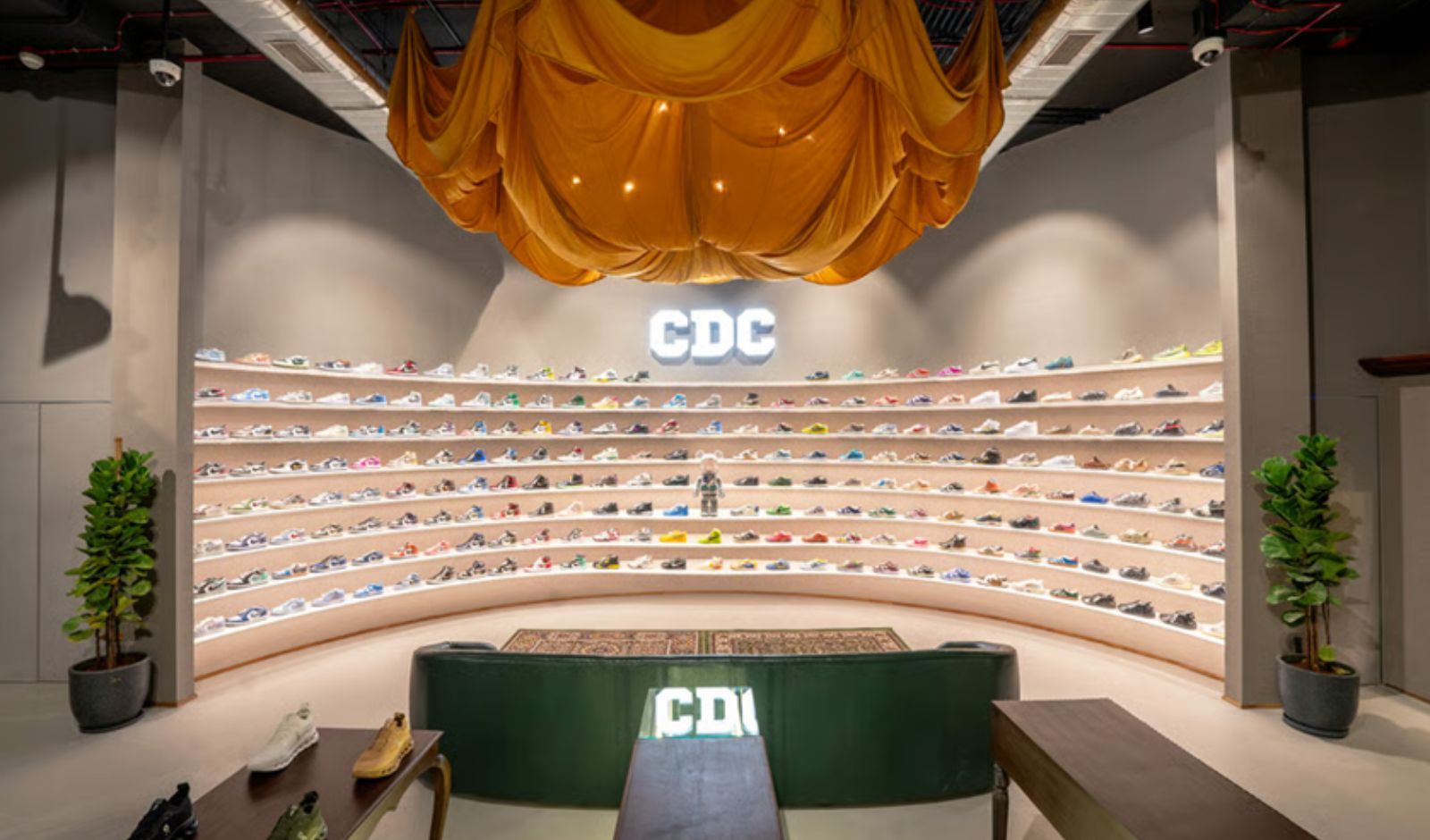
Crepdog Crew has emerged as one of India's most influential sneaker and streetwear platforms. Known for bringing together some of the world's most sought-after sneaker releases, the brand caters to collectors, enthusiasts, and fashion-forward consumers looking for exclusive footwear. Its curated selection includes limited-edition sneakers, luxury footwear, and contemporary streetwear from globally recognized brands. Beyond retail, Crepdog Crew has played a significant role in building India's sneaker community through events, collaborations, and cultural initiatives. Its focus on authenticity, exclusivity, and sneaker culture has made it a preferred destination for consumers seeking rare and hard-to-find footwear.
Read also: Best Heels and Flats Brands for Women Trending in 2026
Top 5 Sneaker Brands for Women in India Driving Everyday Fashion Trends
Top 7 Shoe Brands Becoming Bestsellers Across Online Retail
2. Foot Locker
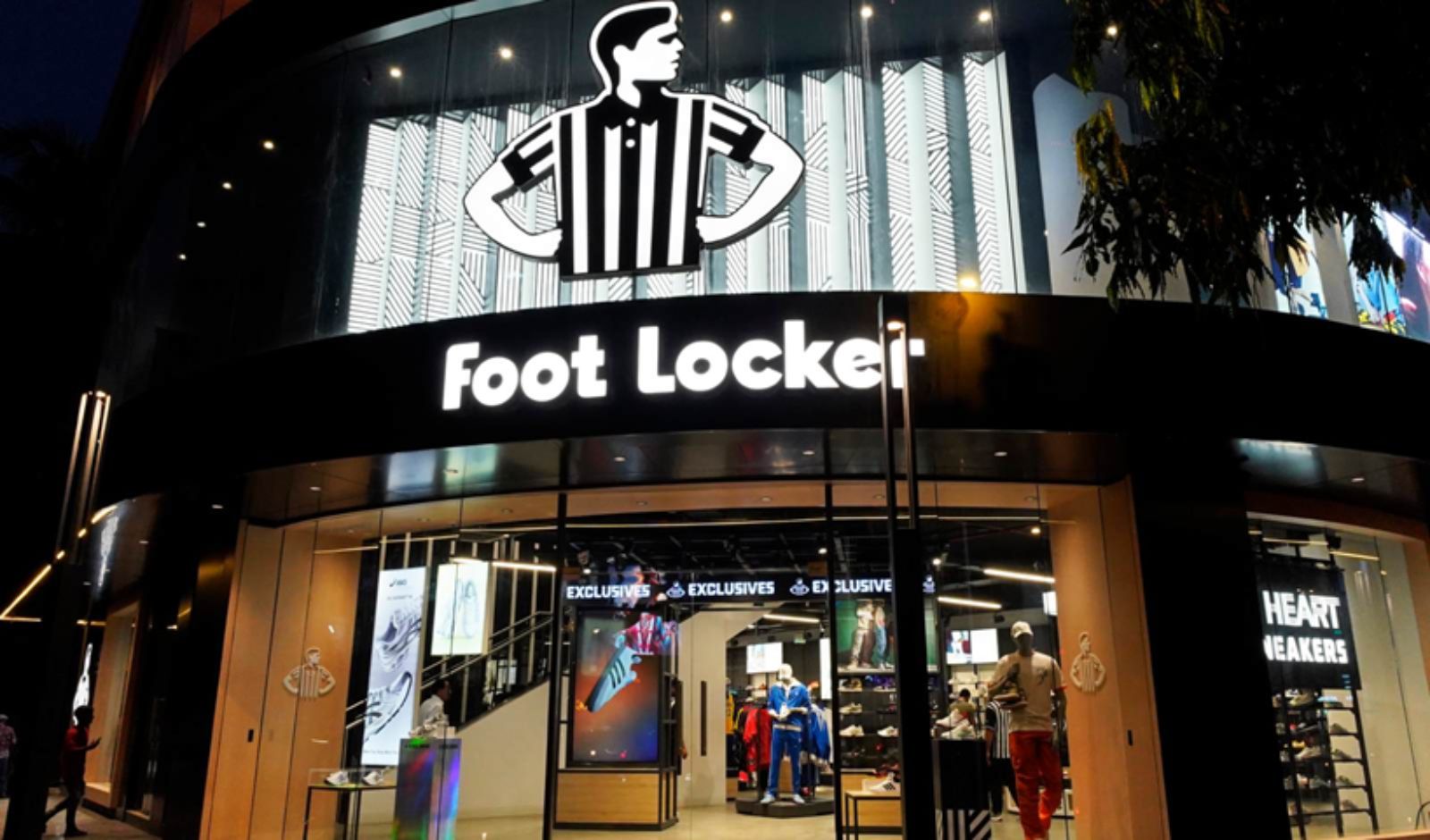
Foot Locker is one of the world's most recognized footwear and sportswear retailers, offering an extensive selection of performance and lifestyle sneakers. The brand serves a diverse customer base ranging from athletes and fitness enthusiasts to casual sneaker lovers. Known for stocking products from leading global sportswear companies, Foot Locker provides access to both classic silhouettes and the latest innovations in sneaker technology. Its arrival in India has strengthened the country's premium footwear ecosystem by offering consumers greater access to globally popular sneaker collections. The retailer continues to attract customers through exclusive launches, trend-focused assortments, and a strong connection with sneaker culture worldwide.
3. Superkicks
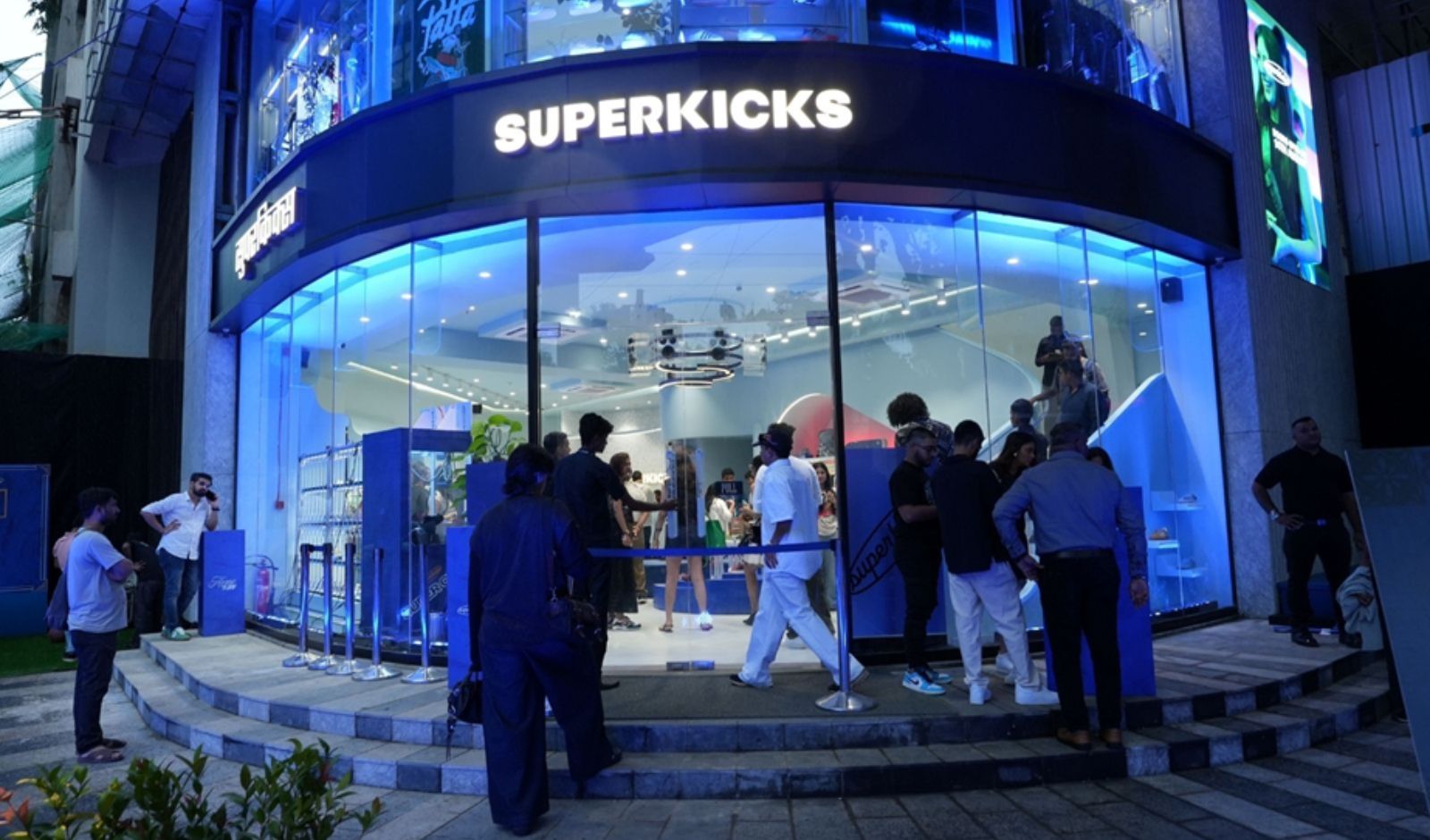
Superkicks has established itself as one of India's most respected sneaker boutiques, known for its carefully curated footwear and streetwear offerings. The retailer collaborates with leading international brands and frequently hosts exclusive launches and limited-edition releases. What sets Superkicks apart is its emphasis on community engagement, storytelling, and sneaker culture. The brand regularly organizes events, creative collaborations, and experiential activations that bring together sneaker enthusiasts across the country. With a strong focus on authenticity and innovation, Superkicks has become a trusted destination for consumers looking to stay ahead of global sneaker trends while discovering unique and premium footwear collections.
4. The Collective
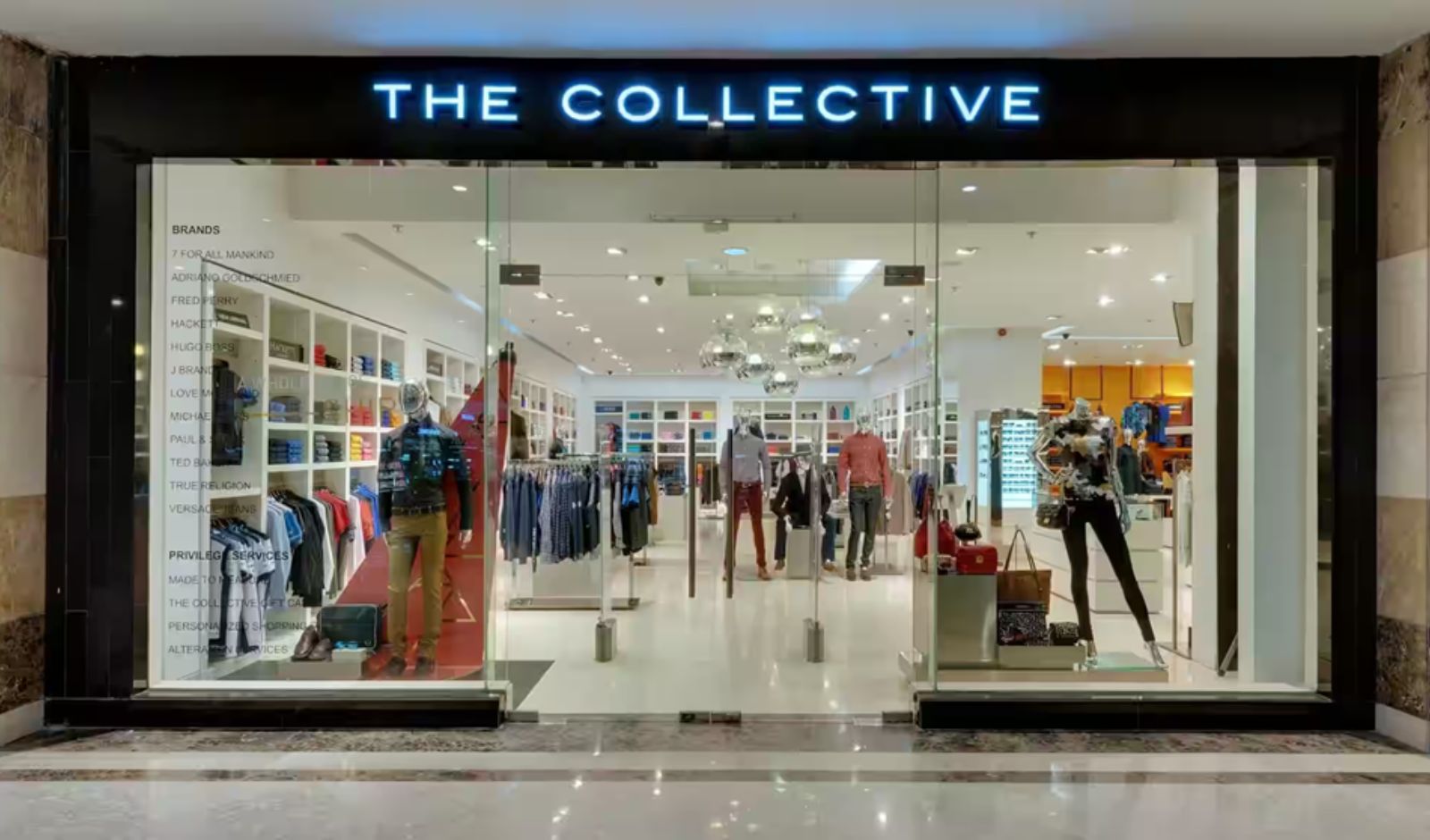
The Collective is a premium fashion destination that offers a carefully curated assortment of international luxury and contemporary brands. While it is widely known for apparel and accessories, the platform also features an impressive selection of premium footwear from globally renowned labels. The Collective caters to consumers seeking sophistication, quality craftsmanship, and elevated fashion experiences. Its footwear portfolio includes luxury sneakers that combine comfort with high-end design aesthetics. By bringing together some of the world's most respected fashion houses under one roof, The Collective has become a preferred shopping destination for consumers looking to invest in premium and designer footwear that reflects both style and exclusivity.
5. VegNonVeg
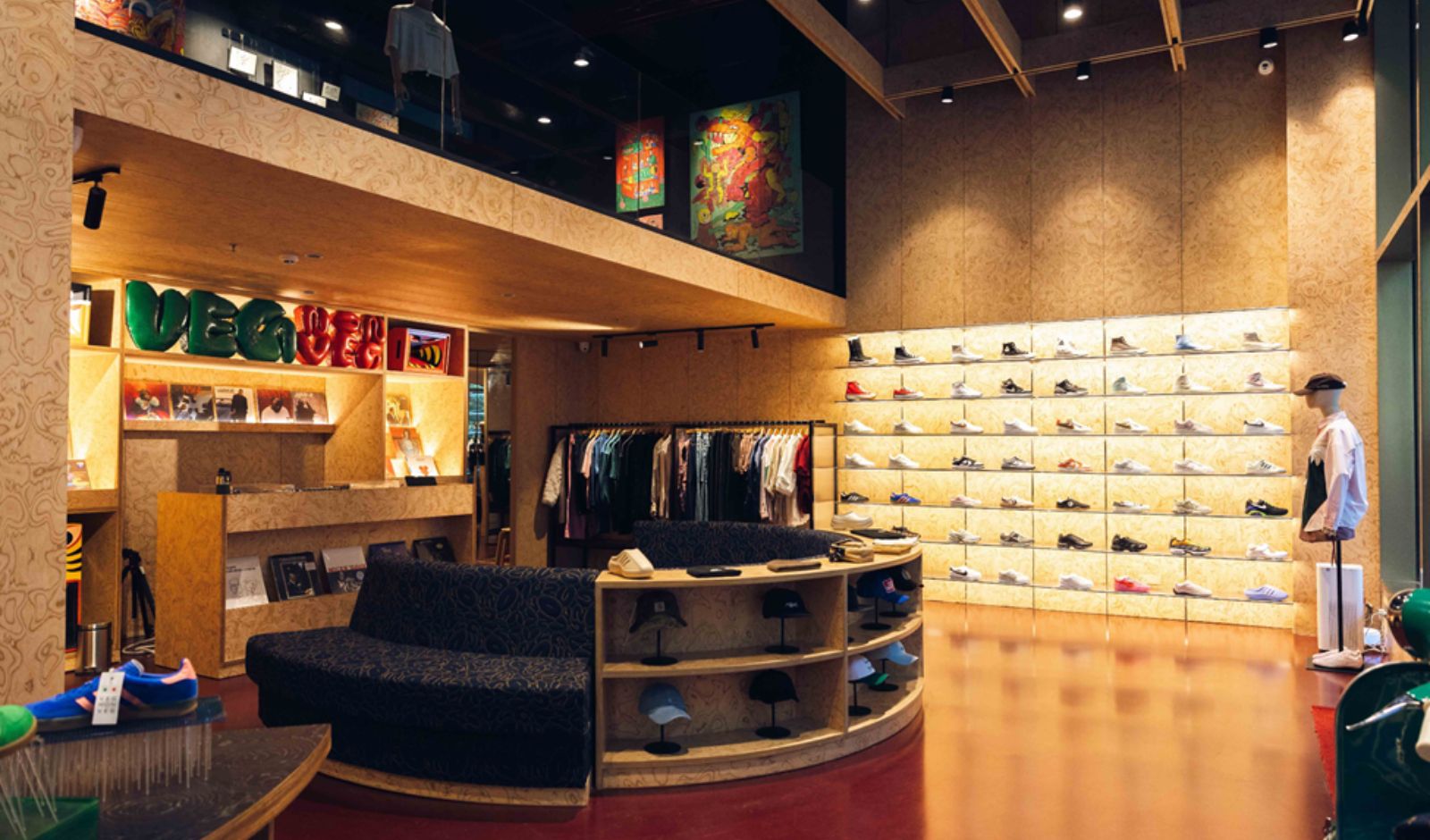
VegNonVeg is widely regarded as one of India's pioneering sneaker and streetwear retailers. The brand has played a pivotal role in shaping the country's sneaker culture by introducing consumers to exclusive releases, global collaborations, and premium footwear collections. Known for its carefully curated product selection, VegNonVeg combines retail with storytelling, art, and community engagement. Its stores and digital platforms serve as cultural hubs where sneaker enthusiasts can explore the latest trends and discover unique releases. With a strong emphasis on authenticity and design, VegNonVeg continues to be a leading destination for consumers seeking premium sneakers and contemporary streetwear in India.
Market Insights: India's Growing Sneaker Economy
India's sneaker market is experiencing significant momentum as consumers increasingly view sneakers as lifestyle products rather than purely functional footwear. The rise of streetwear culture, celebrity endorsements, sports influence, and social media-driven fashion trends has fueled demand for premium and limited-edition sneakers. Younger consumers, particularly Gen Z and millennials, are driving this growth by prioritizing individuality, self-expression, and brand storytelling.
The growing presence of global footwear retailers, exclusive sneaker boutiques, and digital-first resale platforms has further expanded access to premium footwear across the country. Industry observers expect the segment to continue growing as brands invest in exclusive collaborations, experiential retail formats, and community-led engagement strategies.
Read more: 5 Best Robot Vacuum Cleaners in India for Effortless Daily Cleaning
Best Tech Gadgets Every Student Needs to Stay Productive
Best Hair Oils Popular Among Indian Consumers
Conclusion
India's sneaker ecosystem has evolved into a dynamic and rapidly growing market where culture, fashion, and commerce intersect. From exclusive sneaker boutiques such as Crepdog Crew, Superkicks, and VegNonVeg to global retailers like Foot Locker and luxury destinations such as The Collective, consumers today have access to a diverse range of premium footwear options. As sneaker culture continues to gain mainstream acceptance, these brands are expected to play a crucial role in shaping the future of footwear retail in India.
Frequently Asked Questions (FAQs)
1. What are the best sneaker stores in India?
Some of the most popular sneaker destinations in India include Crepdog Crew, Foot Locker, Superkicks, The Collective, and VegNonVeg, known for their premium footwear collections and exclusive releases.
2. Why are sneakers becoming popular in India?
Sneakers have gained popularity due to the rise of streetwear culture, social media influence, celebrity endorsements, and growing consumer interest in fashion-forward and comfortable footwear.
3. Where can sneaker collectors find limited-edition releases in India?
Retailers such as Crepdog Crew, Superkicks, and VegNonVeg are known for offering exclusive sneaker drops, collaborations, and hard-to-find releases.
4. Are luxury sneakers gaining demand among Indian consumers?
Yes. Increasing disposable incomes and evolving fashion preferences have contributed to growing demand for premium and luxury sneakers among Indian consumers.
5. What trends are shaping India's sneaker market?
Key trends include limited-edition collaborations, sneaker reselling, premium streetwear adoption, community-driven retail experiences, and growing interest in global sneaker culture.

The Indian beauty consumer is no longer buying only into claims. They are buying into the possibility of progress. A serum is bought with the expectation of improving dullness, pigmentation, acne or barrier health. A hair reduction or skin-focused service is booked because the consumer expects visible change. The purchase may look like a product or a session, but the expectation behind it is much sharper: will this work for me?
That question is shaping the next phase of the category.
India’s beauty and personal care market is expanding quickly. Redseer estimates that India’s BPC market could reach US$40 billion by 2030, making it the fourth-largest BPC market globally. Online BPC is already estimated at around US$5.9 billion, growing at roughly 35% year-on-year.
These numbers show a market that is expanding fast. But the stronger signal is behavioural. Indian consumers are spending more, experimenting more and moving towards premium choices when the value is clear. The opportunity now is to build beauty models where science, expertise and visible progress work together.
The consumer is already thinking in outcomes
The Indian beauty consumer is no longer discovering beauty only through brand names, packaging or celebrity endorsements. A large part of the conversation has moved towards science, actives and routines.
Niacinamide, vitamin C, salicylic acid, glycolic acid, retinol, ceramides and peptides are now part of everyday skincare discussions, especially among younger, urban and digital-first consumers. This does not mean every consumer understands chemistry deeply. But it does mean they are asking sharper questions. What does this active do? What concentration is suitable? Can it be combined with another ingredient? Is this concern routine-led, or does it need something more structured?
That is the real shift. Consumers are not only trusting the brand. They are increasingly trusting the active, the formulation, the clinical claim and the idea that beauty should be more evidence-led.
Products are still the foundation of beauty. A well-formulated serum, sunscreen, moisturiser or targeted treatment has a clear role in daily care. But products have a ceiling. They cannot assess every consumer’s suitability. They cannot adjust a protocol based on how a concern is responding. They cannot create continuity across a care journey on their own. This is where clinical beauty services become important.
For concerns like hair reduction, acne, pigmentation or significant texture issues, the consumer often needs more than a product shelf. They need trained execution, professional judgement and structured repeat care.
In India, beauty has turned clinical
Consumers are already adopting services that sit closer to visible outcomes: laser hair reduction, active-led facials, peels, acne-focused treatments, pigmentation protocols and other specialised services. These are not commodity services. They require trained professionals, hygiene, protocols, equipment, pre-care, aftercare and judgement.
The data points in the same direction. Grand View Research estimates India’s aesthetic beauty market at about US$2.01 billion in 2024, projected to reach around US$7.42 billion by 2033, growing at a CAGR of 15.6%.
This shift is important because India is a fast-adoption market. When a behaviour is useful, aspirational and accessible, it can scale quickly. Korean beauty is a good example. What began as a niche interest moved into mainstream routines because Indian consumers were willing to learn, experiment and commit to multi-step care when they saw value.
Clinical beauty is now moving through a similar curve. Awareness is growing. The consumer is ready. The services layer is maturing. At-home services play an important role here, but not only because it is convenient. Convenience gets the consumer to try. Structure gets them to continue. Many clinical beauty outcomes do not happen in one sitting. Hair reduction needs multiple sessions. Acne and pigmentation-led care often need continuity.
If the consumer has to fight time, travel and scheduling friction at every step, the journey can break before the outcome is reached. At-home clinical services reduce that friction and make repeat care more realistic. In that sense, at-home delivery is not just a convenience layer. It is an enabler of continuity.
From sessions to personalised journeys
Many beauty services are still described only by the appointment: book a session, receive the service, move on to the next booking. That format is simple, and it works well for many categories. But clinical beauty needs a more personalised lens because the same service can behave differently for different people.
No two consumers respond in exactly the same way. Skin type, sensitivity, hair growth pattern, pigmentation depth, acne history, lifestyle, aftercare and consistency can all influence the result. This is where services have a clear advantage. Once a consumer has taken a session, the provider can understand how the skin or concern is responding and use that learning to guide the next step.
That may mean adjusting the intensity, changing the frequency, modifying aftercare, recommending a different service combination, or deciding that the consumer needs more time before the next session. This is where expert-backed care becomes valuable. The consumer is not left to interpret progress alone. The service professional, backed by the right protocols and expert oversight, can help shape the journey based on individual response.
This is where outcome-based pricing becomes relevant.
Outcome-based pricing does not mean promising perfect results. Beauty outcomes depend on skin type, hormones, lifestyle, age, aftercare, consistency and medical history. No serious provider should promise certainty in a category influenced by so many variables.
What it does mean is a more honest value exchange.
The consumer is still paying for the service, but the value is not limited to the appointment alone. The value also lies in the assessment, the personalisation, the expert-backed judgement, the aftercare and the ability to refine the approach across sessions. A hair reduction plan can factor in growth pattern and response over time. A skin-focused service can be adjusted based on sensitivity, reaction and visible progress.
The provider is not just delivering a service. They are building a more personalised care journey around the consumer. And that is where pricing can begin to reflect not just access to a session, but the structure, expertise and accountability behind it.
This also means knowing when to say no. If a consumer is not suitable for a service, if the timing is wrong, if the skin is reacting differently than expected, or if another concern needs to be addressed first, that judgement is part of the clinical value. It is also what builds trust.
The businesses that will win this category
The next phase of Indian beauty will be defined by which players can build trusted pathways to visible progress.
That requires a specific kind of business: one that designs journeys, not just sessions; one that brings trained professionals, clinical protocols and consistent delivery together; one that is accessible enough in pricing, logistics and repeat care to make the journey realistic; and one that is honest enough to set expectations clearly from the start.
Outcome-based pricing is not just a pricing tactic. It is the commercial expression of a more mature service model. It signals that the provider is confident enough in its process, training and protocols to price the journey, not just the access point.
The Indian beauty consumer has already started thinking in actives, routines, progress and outcomes. The industry now has to build models that meet them there.
That is where outcome-based pricing begins. Not as a promise of perfection, but as a more honest way to price progress.
Authored by:
Abhinav Kumar, Co-Founder, Cura Care

For years, e-commerce growth was largely driven by speed. Brands scaled rapidly by chasing discounts, pouring money into ads, expanding SKU portfolios aggressively, and prioritising GMV over profitability. During the post-pandemic digital boom, almost every growth graph pointed upward. Demand surged, online adoption accelerated, and marketplace expansion created the illusion that rapid scaling alone was enough to build long-term success.
But the e-commerce environment of 2026 looks fundamentally different.
Customer acquisition costs have increased sharply. Retail media is more expensive. Competition across categories has intensified. Marketplaces have become algorithmically more sophisticated. At the same time, investors and founders are increasingly prioritising sustainable profitability over vanity growth metrics.
In this environment, the next generation of successful e-commerce brands will not be built on shortcuts. They will be built on systems.
The Era of Growth-at-All-Costs Is Ending
The old e-commerce playbook relied heavily on aggressive customer acquisition and discount-led scaling. Brands focused on visibility first and operational discipline later. For a while, this approach worked because digital commerce itself was expanding rapidly enough to absorb inefficiencies.
Today, however, those inefficiencies are becoming increasingly expensive. Many brands are discovering that revenue growth without operational structure often leads to shrinking margins, unstable inventory cycles, rising advertising dependency, and unpredictable profitability. Businesses that scaled quickly without building strong operational foundations are now facing margin compression across categories.
The market is shifting from growth velocity to growth quality.
Systems Are Becoming the Real Competitive Advantage
The strongest e-commerce businesses today are not necessarily the ones spending the most on advertising. They are the ones building repeatable systems that allow them to scale efficiently across channels, geographies, and marketplaces.
This includes strong inventory planning, contribution margin tracking, campaign architecture, forecasting models, pricing strategy, and retail media governance. In many ways, modern e-commerce has evolved from campaign management into system management.
The brands winning today are those that understand their retail math deeply. They know which SKUs drive profitability, which channels generate sustainable returns, and which customer acquisition models can scale without eroding margins. Instead of reacting to problems after they occur, system-driven businesses build operational visibility that allows them to anticipate issues early.
Retail Media Alone Cannot Sustain Growth
One of the biggest shifts in e-commerce has been the rising cost of retail media. Marketplace advertising has become increasingly competitive, particularly across beauty, wellness, FMCG, electronics, and personal care categories.
As CPCs continue to rise globally, brands that rely purely on paid growth are becoming more vulnerable. Advertising can drive visibility, but without strong conversion architecture and operational discipline, it cannot create long-term profitability.
This is why leading brands are increasingly focusing on integrated growth systems where paid media, organic visibility, inventory management, pricing, and customer experience work together. Organic ranking velocity, review management, search relevance, and inventory availability now influence advertising efficiency just as much as bid strategies do.
The future belongs to businesses that can connect these moving parts into one scalable system.
AI Is Exposing Weak Businesses Faster
Artificial intelligence has become one of the most discussed topics in e-commerce over the last two years. AI tools are helping brands optimise listings, automate bids, improve forecasting, and accelerate content generation.
But AI is not fixing broken businesses. In reality, AI is amplifying the strengths and weaknesses that already exist inside organisations. Brands with clean data systems, strong operational discipline, and structured workflows are using AI to accelerate efficiency. Brands with fragmented operations are often seeing AI create more noise rather than clarity.
Technology cannot replace operational fundamentals. Businesses that treat AI as a shortcut to growth without strengthening their internal systems often struggle to create meaningful long-term impact. The real advantage comes when automation is layered onto strong commercial foundations.
Cross-Border Expansion Requires Operational Maturity
Global expansion has become another major growth opportunity for modern brands, particularly for Indian companies looking to enter the US, UK, Europe, UAE, and emerging international marketplaces.
However, cross-border commerce is no longer simply about launching products internationally. It requires systems capable of handling compliance, logistics, localisation, forecasting, taxation, and contribution margin management across geographies.
Many brands underestimate the operational complexity involved in scaling internationally. Without structured systems, cross-border growth can quickly become financially unsustainable. The brands succeeding globally are those building resilient operating models before scaling aggressively.
International commerce rewards preparation, not improvisation.
Founders Must Shift from Campaign Thinking to Infrastructure Thinking
One of the most important mindset shifts happening across e-commerce is the transition from short-term campaign thinking to long-term infrastructure thinking.
Founders are increasingly realising that sustainable growth depends less on occasional viral moments and more on building operational engines that perform consistently over time. This includes strong forecasting systems, structured retail media allocation, margin-led decision making, scalable inventory operations, centralised data visibility, marketplace governance frameworks, and customer retention systems.
The companies that invest in these foundations today will likely become the category leaders of the next decade.
The Future of E-Commerce Will Reward Discipline
The next phase of e-commerce growth will not be driven by who scales fastest. It will be driven by who scales most intelligently. Markets are becoming more competitive, algorithms more demanding, and consumers more selective. In this environment, operational discipline is becoming a stronger differentiator than aggressive expansion alone.
For firms, this shift reflects a larger transformation taking place across global commerce. Brands today require more than advertising support or marketplace management. They need structured digital growth systems capable of protecting margins, improving operational resilience, and enabling sustainable international expansion.
The future of e-commerce will belong to businesses that understand one simple reality: shortcuts may create temporary growth, but systems create enduring companies.
Authored By:
Subarna Mukherjee, Founder & Global CEO, Shop Culture
-
Check out the best air coolers offering sustaianable cooling solutions this summer.
 Furlenco plans to electrify a larger portion of its logistics fleet as part of its sustainability strategy. The partnership with Green Drive Mobility now spans three major Indian cities.
 Ahmedabad-based Riyaasat Lifestyle aims to raise Rs 30.77 crore through its IPO opening on June 18. The company currently operates six exclusive brand outlets across Gujarat and Maharashtra.
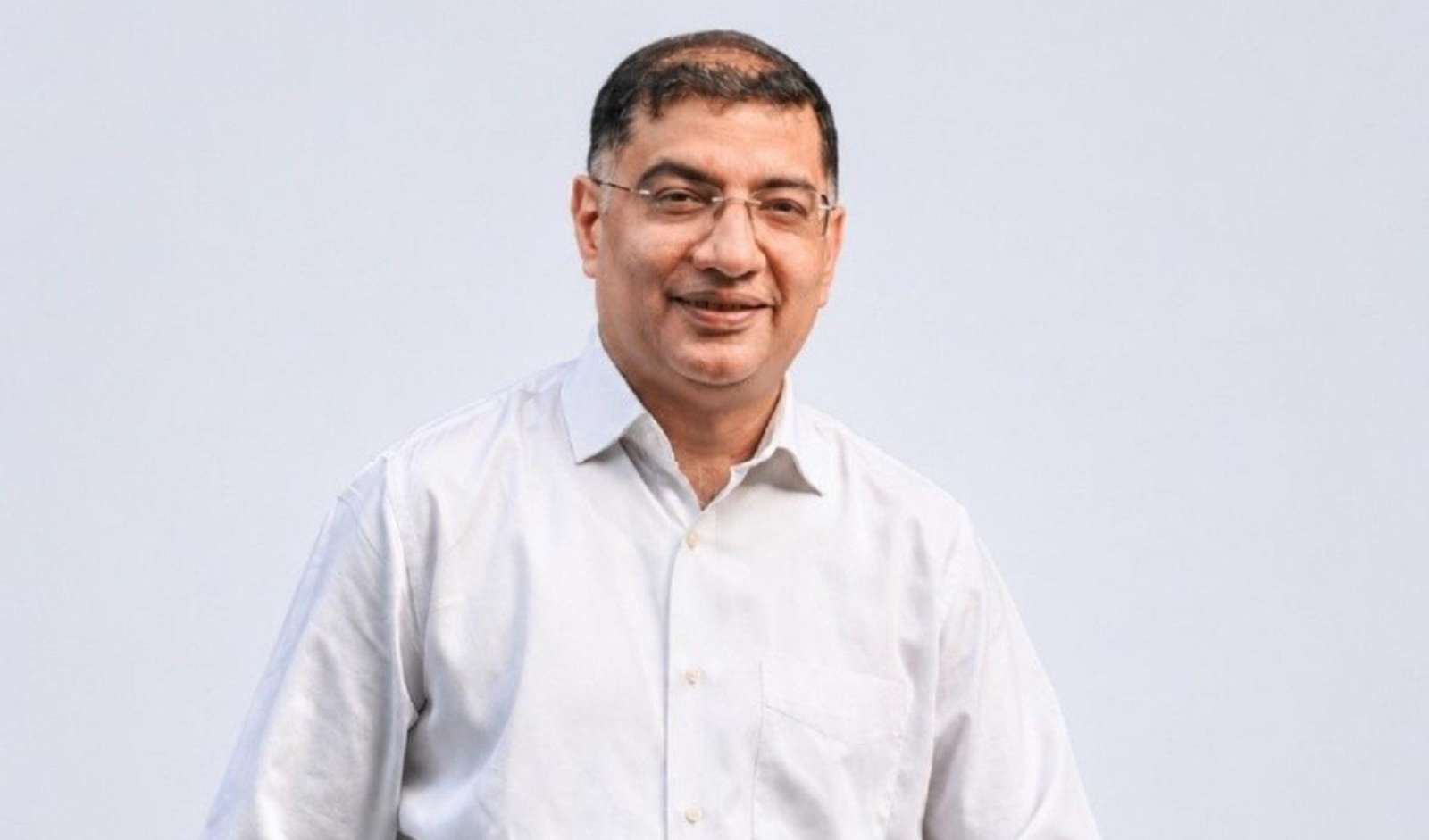 BigBasket has announced a leadership transition as founder Hari Menon exits the CEO role. The company is entering its next growth phase under new chief executive Amit Nanda.






Copyright © 2009 - 2026 Franchiseindia.com Ltd