





Features Editor, IndianRetailer.com & Retailer Media 12 Jun, 2024 /


 Follow Us
As Pride Month 2024 kicks off, brands across the globe are donning their rainbow colors and launching creative initiatives to support LGBTQIA+ rights. From fast food chains to fashion labels, companies are stepping up with unique campaigns and special products that celebrate diversity and inclusivity. Recently, Target Corporation, an American retail corporation announced that it will limit its number of stores which will sell LGBTQ-themed products following last year's firestorm over its decision to sell products designed for transgender people.
Its Pride merchandise is available in a select number of its nearly 2,000 stores and on its website this year, citing “historical sales performance.” It added that in addition to selling LGBTQ-themed home and food and beverage items, apparel from its Pride collection this year will be tailored to adults. No Pride apparel for children will be sold.
Target spokesperson released a statement, "Target is committed to supporting the LGBTQIA+ community during Pride Month and year-round. Most importantly, we want to create a welcoming and supportive environment for our LGBTQIA+ team members, which reflects our culture of care for the over 400,000 people who work at Target. We have long offered benefits and resources for the community, and we will have internal programs to celebrate Pride 2024."
Brands Connecting with LGBTQIA+ Community
According to activists closely working with the queer community, 10 percent of the Indian population is LGBTQIA+. However, there are no official demographics for the LGBTQIA+ population in India. The Government of India submitted figures to the Supreme Court in 2012, estimating about 2.5 million gay people in the country. These figures are based on the number of individuals who have self-declared to the Ministry of Health and Family Welfare.
Experts estimate that globally, the purchasing power of the LGBTQIA+ community is more than $3.7 trillion, motivating brands to make serious efforts to cater to them. Multiple brands in India and abroad are not only donating towards the social cause of supporting the LGBTQIA+ community but are also showing their support through Licensing and Merchandising (L&M) deals with renowned celebrities and community leaders.
In India, popular burger chain Wendy’s has collaborated with MindPeers to celebrate Pride Month. The collaboration “We Take Pride in Pride” aims to support the LGBTQ+ community with two special initiatives: Unlimited Counseling, which offers Wendy's community access to unlimited counseling sessions through MindPeers for the entire month of June, and the Queer Identities and Allyship Workbook, a specially designed workbook to promote understanding and support for queer identities and allyship.

Wendy's has designed customized packaging with a QR code that links to a special co-branded landing page. From this page, users can access the workbook and a button to initiate counseling sessions. Users can choose to download the workbook or proceed to counseling services.
A Wendy’s spokesperson said, “We are proud to partner with MindPeers for Pride Month. This initiative aligns with our commitment to diversity and inclusion, and we believe it will make a positive impact on our community.”
Kanika Agarwal, Founder, MindPeers said, "We appreciate the proactiveness that Wendy’s India has shown about this. Taking pride and being vocal about our community, our identities and our vulnerabilities has become important to address stigma. And this campaign is a testimony to that conversation."
Members of the LGBTQ+ community often experience "minority stress," a condition resulting from living in hostile environments as minorities. Common mental health issues within the community include depression and anxiety. This collaboration aims to offer free counseling to members of the LGBTQ+ community and Wendy's clientele, helping them begin their healing journey with MindPeers.
SKITTLES’ Pride Pack
Mars Wrigley’s SKITTLES is kicking off its annual Pride celebration by spotlighting the many interests, talents, and hobbies within the LGBTQ+ community. SKITTLES has teamed up with GLAAD, Meetup, and five local LGBTQ+ community groups to celebrate how human connections can help us all “See The Rainbow.”
SKITTLES has also released its annual limited-edition 2024 Pride pack, which celebrates the message of community. The pack was designed in partnership with female- and minority-owned production company, NERD Productions and their talented LGBTQ+ artists, to illustrate the dynamic individuals and diverse groups that make up the LGBTQ+ community. For the fifth year in a row, SKITTLES will donate $1 per every Pride pack sold (up to $100,000) to GLAAD in support of its ongoing efforts to increase visibility for the LGBTQ+ community through media. The pack release will be followed by a year of celebrations of local groups and communities that help fans "See the Rainbow."
"We know the LGBTQ+ community is one that is comprised of strong, dynamic individuals with a wide array of interests and passions," said Gabrielle Wesley, Chief Marketing Officer, Mars Wrigley North America. "Our SKITTLES Pride pack and community celebrations are intended to inspire moments of everyday happiness by celebrating the LGBTQ+ community in a way that lets all unique colors shine."
"The year, 2024 is our fifth year partnering with SKITTLES, and we are thrilled by their unwavering support of the LGBTQ community," said Raymond Dooley, VP of Marketing at GLAAD.
Dooley added, "Here at GLAAD, we are proud to help the brand create connections for everyone this Pride, and always." While the SKITTLES Pride packs will only be on the shelf for a limited time this summer, SKITTLES will continue celebrating the LGBTQ+ community past Pride month in June.
Skullcandy’s Limited Edition Speakers
In celebration of Pride Month, Skullcandy unveiled its limited-edition All Love Terrain XL Wireless Bluetooth Speaker in partnership with To Write Love on Her Arms (TWLOHA), a nonprofit movement dedicated to presenting hope and finding help for people struggling with depression, addiction, self-injury, and suicide.
The limited-edition speaker is decorated with doodles to celebrate individuality, self-expression, and creativity, while the ombre colorway puts a fresh spin on the traditional rainbow. Each speaker comes with a beaded lanyard for easy carrying. A portion of the proceeds from the sale of the limited-edition All Love Terrain XL speakers will help TWLOHA fund mental health support programs designed specifically for the LGBTQIA+ community.

"Skullcandy actively champions mental health, with a focus on supporting programs dedicated to the LGBTQ+ community during this time of year," said Justin Regan, VP of Marketing, Skullcandy.
Regan said, "Through our longstanding partnership with To Write Love on Her Arms, we're able to raise awareness, provide critical mental health resources, and advocate alongside the LGBTQIA+ community."
Dockers X Rawley Clark
Dockers collaborated with artist Rawley Clark for its new Pride collection, which features five gender-inclusive styles inspired by love, community, and growth. Clark, whose artwork manifests the intersections of queer identity and Black womanhood, used whimsical graphics that nod to nature, the relationship between humans and Earth, and the cycle of inspiration for Black creatives.
The designs are done in an ombre palette that’s incorporated on T-shirts, a tank top, and pull-on shorts. Meanwhile, a lilac T-shirt features the Dockers logo designed in the Pride Progress Flag colors, which celebrate diversity in the queer community.
“With our longstanding support of the LGBTQIA+ community and our love for our hometown, it only made sense to feature an artist like Rawley. Tenderness, love, community, and support is something we all deserve each and every day, and Rawley’s work is the perfect expression of that," said Nic Rendic, Global Creative Director at Dockers.
Celebrating in Style
Celebrating its 10th annual Pride campaign, Converse continues its long-standing commitment to the LGBTQIA+ community through ongoing social and community-impact partnerships, as well as its annual Proud to Be collection.
In designing this year's Proud to Be collection, Converse LGBTQIA+ employees and allies infused it with a Western-inspired aesthetic that nods to the queer community's trailblazing spirit with a vibrant spectrum of colors that help empower individuals to stand out and live unapologetically.

Converse enlisted photographer Cully Wright, whose work embodies the meaning of creating space, to capture the essence of its 2024 Proud to Be campaign. Wright said, "When we create a safe space to fully express who we are, we allow others to do the same. That's the goal. As I keep growing, I want to inspire people and evoke emotions. I want to tell stories and give people the space to feel. I think the more diversity showcased in art, entertainment, and media, the more opportunities for acceptance."
Wright's role in the campaign reflects Converse's aim to celebrate the community in meaningful ways by showcasing creators who are pushing boundaries in their fields and building a future where everyone can unapologetically be their full selves. For past Pride campaigns, Converse has worked with creative voices from the community across music, fashion, and sports, including Big Freedia, Richie Shazam, Alexis Sablone, and Munachi Osegbu.
NYX X House of Avalon Collective
NYX Professional Makeup is tapping into its core brand values of inclusivity, authenticity, and diversity by teaming up with members of the House of Avalon collective for its 2024 ‘Family Can’t Be Framed’ Pride campaign.
Members of the House of Avalon collective, which is a group of drag queens, stylists, and creatives, including 'RuPaul's Drag Race' winner Symone and finalist Gigi Goode, celebrity stylist Marko Monroe, co-founder Hunter Crenshaw, makeup artist Riley Holden, drag queen Grant Vanderbilt, and social media personality Caleb Feeney, professional football cheerleaders Napoleon Jinnies, Jose Capetillo, and Eswinn Diaz, LA LGBT Center members Jack Alghannam, Mark Chavez, Heather Torres, Roblez, Daniella David, and Rhanyon Orosco.
"To us, family isn't always defined as the people who are related to you," said Marko Monroe, House of Avalon member. "Family is, most importantly, the people in your life who are honest, unconditionally loving, and will be there for you no matter what."
"We are proud to highlight chosen families in celebration of our 'Family Can't Be Framed' Pride campaign this year, and continue our always-on brand commitment behind Proud Allies for All," said Andrea Muguerza, VP of Marketing at NYX Professional Makeup. Muguerza said, "We want to emphasize the importance of inclusion and acceptance of the LGBTQIA+ community and their chosen families as an essential support system."
For Further Franchise Info Contact
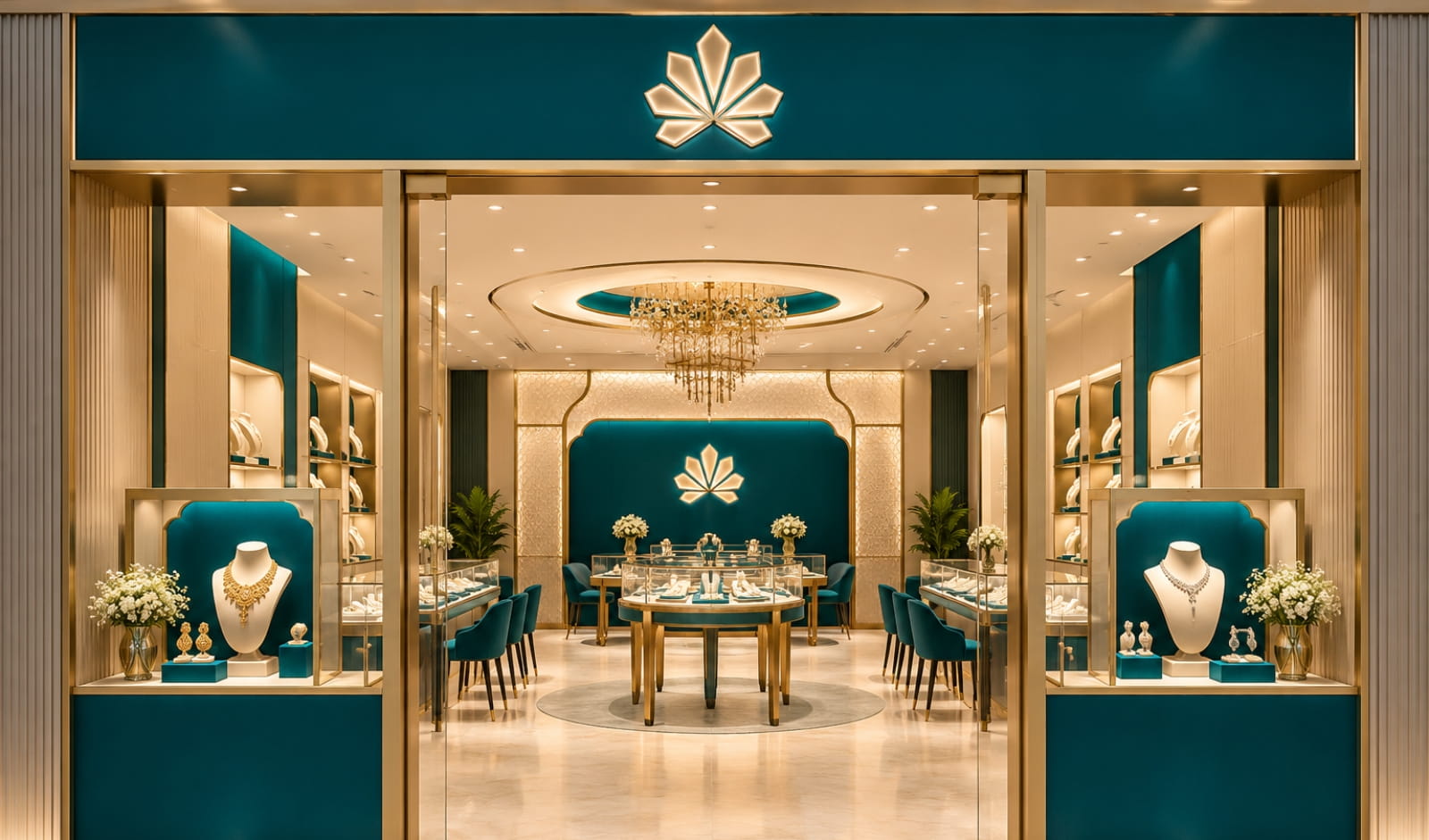
India’s jewellery retail market is evolving as consumers increasingly seek lightweight designs, everyday wear, transparent pricing and reliable after-sales services. In a franchise opportunity presentation, Zoori outlined its expansion strategy built around these changing preferences, combining physical retail, certified product expertise and a franchise-owned, company-operated model.
During the webinar, co-founders Mr. Sai Vineeth and CA Ankush Surana presented the brand’s proposed business model, investment structure, operating responsibilities and expansion roadmap.
A Jewellery Retail Model Focused on Transparency
Zoori aims to differentiate itself through transparent pricing, product certification and customer education. According to the presentation, the brand focuses on gold, diamonds and everyday jewellery, with staff trained to explain product specifications, gold standards and cost structures.
The company also highlighted its manufacturing experience, stating that its jewellery production background spans approximately 20 years. Its pricing approach was presented as another differentiator, with the brand claiming lower making charges than many traditional retailers. These are company-stated propositions that prospective partners should independently verify.
Understanding the FOCO Franchise Model
Zoori follows a Franchise Owned Company Operated (FOCO) structure. Under this arrangement, the franchise partner provides the investment and owns the store asset, while Zoori manages day-to-day operations.
The brand’s presentation lists staff recruitment and salaries, store rent, interiors, maintenance, security deposits, marketing, inventory and operational management among the responsibilities handled by the company. The objective is to allow investors to participate in jewellery retail without managing the store themselves.
Investment and Expected Returns
The financial snapshot presented during the webinar outlines the following proposed terms:
- Initial investment: ₹3.5 crore
- Initial inventory: ₹3.5 crore in the financial snapshot
- Store format: Approximately 1,200 sq. ft.
- Monthly minimum guarantee: ₹3.5 lakh
- Revenue share: 11% for monthly sales of ₹35 lakh to ₹45 lakh and 12% above ₹45 lakh, as presented
- Projected payback period: 50 months
- Projected IRR: 28%
The presentation also refers to approximately ₹4 crore in physical gold, diamond and gemstone stock in its offer summary. Because the inventory and guarantee figures appear differently across the slides, investors should obtain a written financial proposal clarifying the exact investment, stock valuation, payment obligations and commercial terms. The stated returns are projections, not guaranteed outcomes.
Customer Retention and Expansion Strategy
Zoori highlighted services designed to encourage repeat purchases, including jewellery cleaning and polishing, a 20-day return policy, diamond exchange, loyalty benefits, insurance options and customer support.
Its expansion roadmap proposes 10 stores in the first year, 15 stores in the second year and 25 stores by the third year. The initial focus includes Andhra Pradesh and Telangana, followed by wider expansion across South India and major cities. The presentation also discusses exclusive territories and early-partner location advantages.
Read also 5 Tea Franchise Brands Brewing New Growth Opportunities in India
What Prospective Franchise Partners Should Consider
Zoori’s proposition combines investor ownership with company-managed operations, transparent product positioning and a service-led retail experience. However, the brand is at an early expansion stage, making due diligence especially important.
Before investing, prospective partners should verify the minimum guarantee terms, operating expenses covered by the company, inventory ownership and insurance, exit and buyback conditions, territory protection and the assumptions behind projected returns.
Zoori’s model may appeal to investors seeking exposure to jewellery retail without direct store management, provided the final agreement clearly defines responsibilities, risks and financial commitments.
For Further Franchise Info Contact
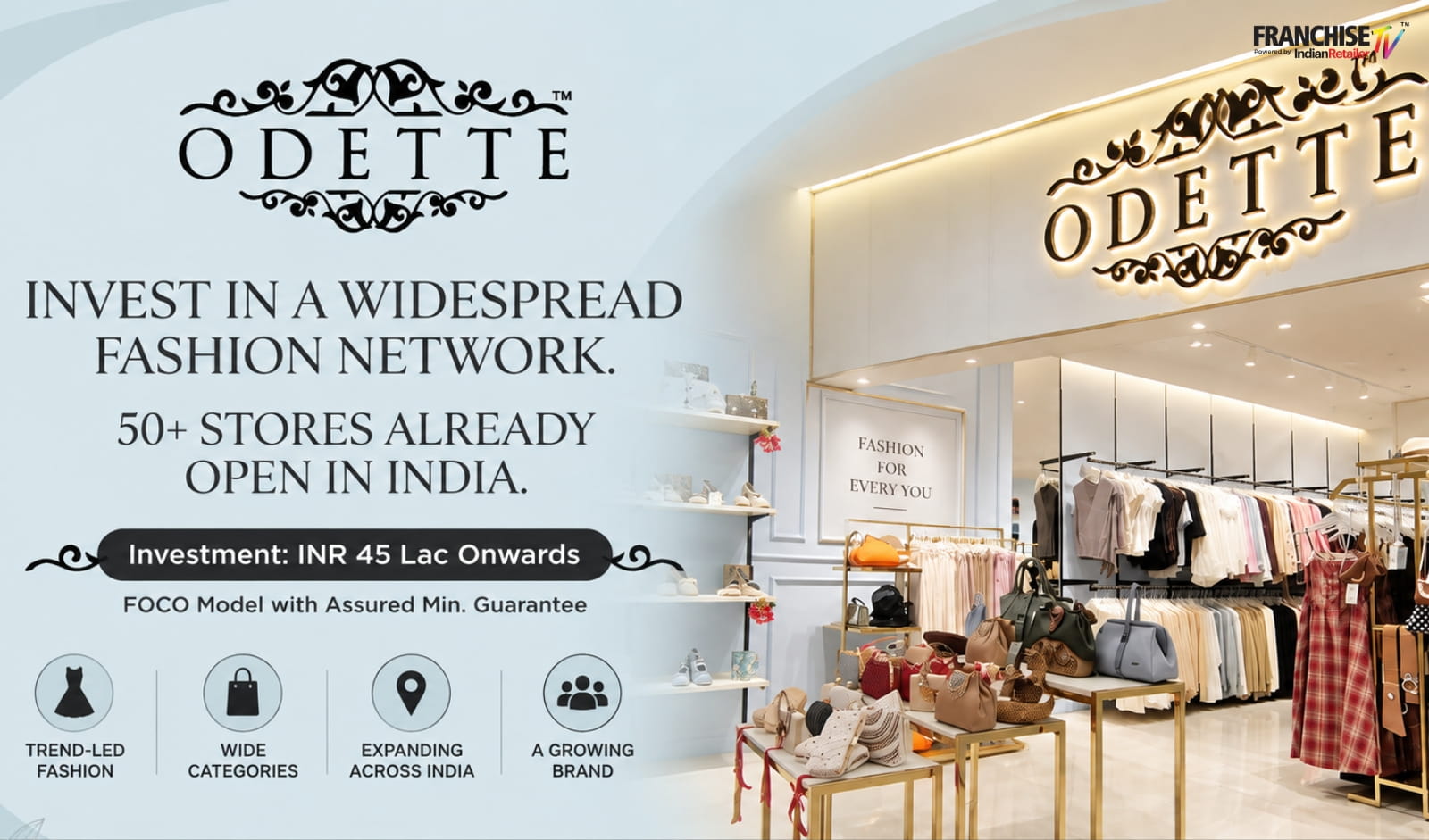
Odette is strengthening its presence in India’s organised fashion retail market with a focus on contemporary women’s fashion, quality and accessible premium pricing. Founded in Bengaluru in 2020, the brand has developed an omnichannel presence spanning its own D2C platform, marketplaces and physical retail.
The brand was founded by Mamta Roy, with Amit Roy as Co Founder. Coming from a family with three decades of manufacturing experience, Mamta Roy brings extensive expertise in garment production and international exports. The founders have positioned Odette around the mass premium segment, aiming to bridge the gap between affordable mass fashion and higher priced premium fashion.
Today, Odette has 56 live stores across India, with another 22 stores in the pipeline. The expansion covers malls and high streets across multiple markets, while the brand is also moving deeper into Tier 2 cities. For entrepreneurs exploring a restaurant franchise, this opportunity belongs to a completely different but equally expanding consumer category, with fashion retail at its core.
Odette offers a broad portfolio spanning dresses, trousers, jackets, handbags, footwear, co ord sets, lingerie, sleepwear, accessories and perfumes. The brand follows a limited edition approach, generally maintaining three size sets per store while selectively repeating proven bestsellers.
For those researching a QSR franchise, the operating model differs significantly, as Odette follows a franchise invested company operated approach. The investment structure discussed includes a Capex model and an inventory model, with a five year agreement period.
Read also 5 Best Salon Franchises to Look at in 2026
The brand currently has a 60 percent mall and 40 percent high street mix, while its three year roadmap targets 250 stores. With its expanding category portfolio and focus on accessible premium fashion, Odette is seeking franchise partners to support its next phase of nationwide growth.
For Further Franchise Info Contact
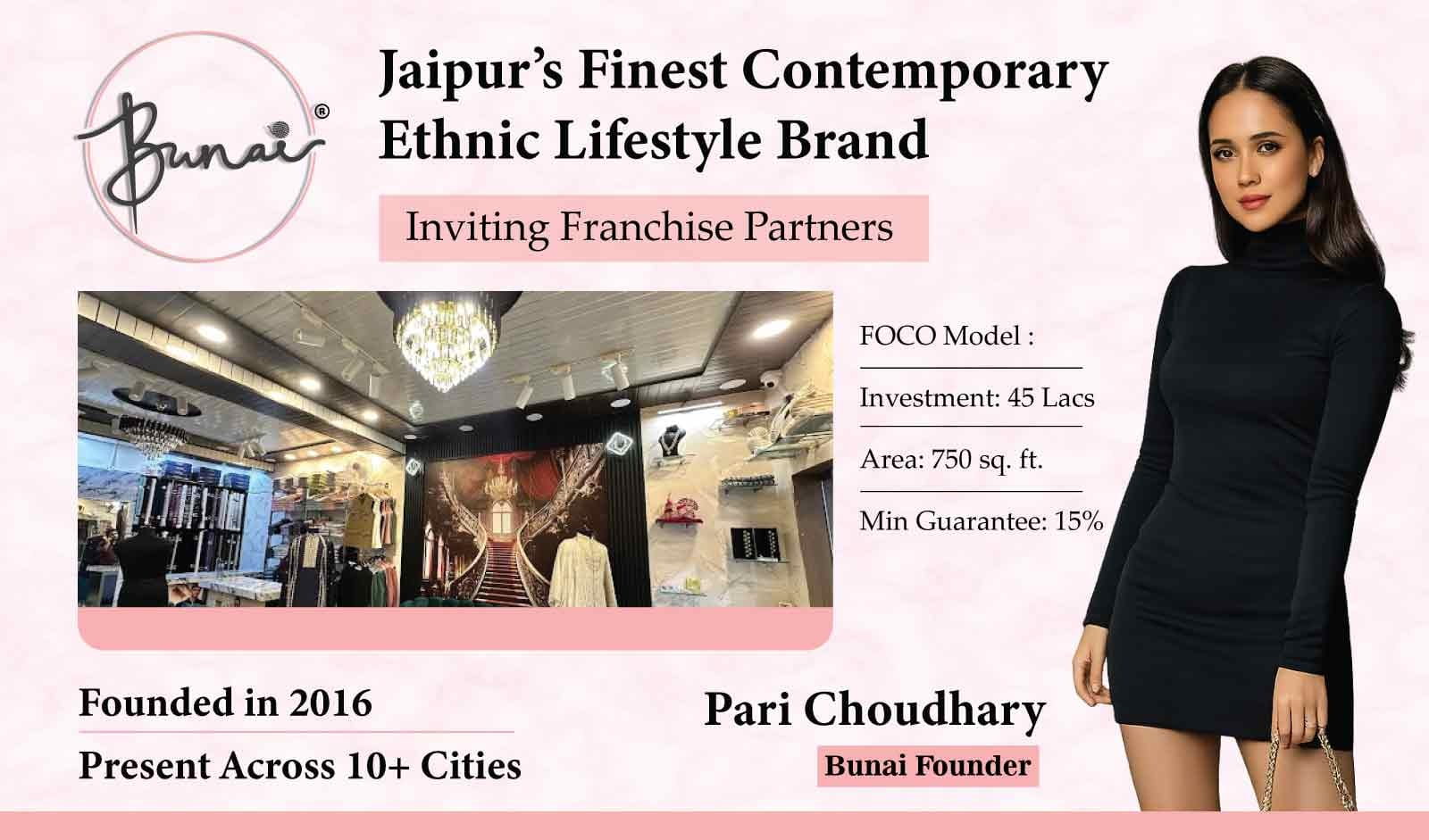
Founded in 2016 by Pari Choudhary, Bunai has grown from a Jaipur-based ethnic wear label into a contemporary fashion brand rooted in Indian craftsmanship. The brand focuses on bringing traditional techniques into modern silhouettes across suits, kurtas, dresses, sarees, menswear and home linen, creating a broader proposition for today’s consumers.
Choudhary identified a gap between expensive designer Indian wear and mass-produced ethnic fashion, leading Bunai towards an accessible premium positioning. With a strong digital-first presence and demand across more than 10 prominent Indian cities, the brand has built visibility across leading online channels while continuing to explore offline retail expansion. Its approach reflects the changing opportunity for fashion brands seeking to combine heritage, accessibility and contemporary design.
The brand’s portfolio spans multiple everyday and occasion-led categories, while its positioning targets the premium end of the market. Bunai and its sister brand Mulmul.com serve the ethnic and fusion we
ar segment, with the presentation highlighting the segment’s growth potential and increasing demand for women’s apparel. This creates a compelling proposition for entrepreneurs exploring an ethnic wear franchise.
Bunai’s expansion model is designed around premium multi-brand outlets and selected locations across Rajasthan and Tier 1 cities, including Jaipur, Alwar, Jodhpur, Udaipur, Bikaner, Kota, Delhi NCR, Kolkata and Lucknow. The proposed format requires around 600 sq. ft., with a total investment of approximately ₹36.2 lakh. For the combined Bunai and Mulmul.com format, the requirement rises to 750 sq. ft. with an estimated investment of ₹44.9 lakh. This positions the concept among emerging womens fashion franchise opportunities.
The model outlines a 35% gross margin, an estimated payback period of around 30 months for Bunai and 29 months for the combined format, with a five-year agreement period renewable for another five years.
Read more: Geetanjali Studio Expands Its Premium Salon Franchise Opportunity Across India
Top 5 Jewellery Brands Taking Over India's Metro Cities
With its focus on Indian craftsmanship, premium positioning, digital reach and structured retail expansion, Bunai is presenting a clear roadmap for entrepreneurs looking to enter the evolving ethnic and contemporary fashion market.
For Further Franchise Info Contact
Today, jewelry is no longer confined to tradition or reserved for weddings and special occasions. It has evolved into an everyday fashion and lifestyle category, with younger consumers increasingly experimenting with designs, styles and ways of wearing jewelry. This shift is particularly visible among younger consumers, who are moving away from the conventional idea of jewelry as something to be stored away for special occasions to an extension of their personality that expresses individuality, mood and personal style. From everyday minimal pieces to statement designs, jewelry is becoming more versatile, accessible and deeply personal. This changing consumer mindset is also pushing brands to rethink how they approach design, pricing, collections and the overall jewelry-buying experience.
Why Younger Indian Consumers are Shifting to Everyday Wear Jewelry Over Traditional Jewelry
Young consumers increasingly view fashion jewelry as an extension of their personality rather than simply a symbol of wealth, tradition or social status. They are increasingly favoring jewelry franchise brands that are innovative and personalized and that blend traditional aesthetics with modern appeal, particularly among Millennials and Gen Z buyers seeking lightweight pieces for everyday wear.
Self-expression, affordability and social media influence are reshaping the buying habits of young consumers in fashion jewelry. Pop culture, influencers, and short-form video have completely transformed how people discover and buy jewelry. They are no longer just restricted to store shopping but the discovery, decision making and purchase behaviour is now defined by online scrolling, social media reels and influencer videos, celebrity showcase and nostalgia marketing.
Online platforms like Eternz and social commerce platforms like Instagram Shopping and TikTok Shop have become new channels for acquiring fashion jewelry. According to Salesforce, almost 40% of Gen Z use social commerce for finding products online. Affordable, lightweight and trend-led jewelry and accessories has become a preferred choice for modern Indian consumers. From established jewelry retail to emerging fashion labels, this’ lightweight, affordable, dailywear’ jewelry category is redefining how India shops and styles themselves in the current times.
Policy Shift With the Changing Jewelry Demands By Young Consumers
This changing trend in the jewelry sector has even transitioned the government policies around jewelry. The Government of India has asked jewelry manufacturers and retailers to hallmark even 9-carat gold jewelry with the rising demand for such categories in India.
Why Established Brands are Transitioning & New Players Emerging in Fashion Jewelry Segment
The rise of this affordable, dailywear fashion jewelry segment is influencing even the most established players to rethink their portfolios. Brands like Titan and Kalyan that were earlier limited to high-end jewelry are coming with brands like Carat Lane, Mia by Tanishq and Candere to highlight their affordable, modern, lightweight jewelry range. This has opened space for Houses-of-Brand approach where companies are operating multiple brands targeting different target consumers, price range and applications.
Apart from that, there is an emergence of many brands in the last decade that are specifically targeting this fashion jewelry segment, focusing particularly the young Indian consumers.
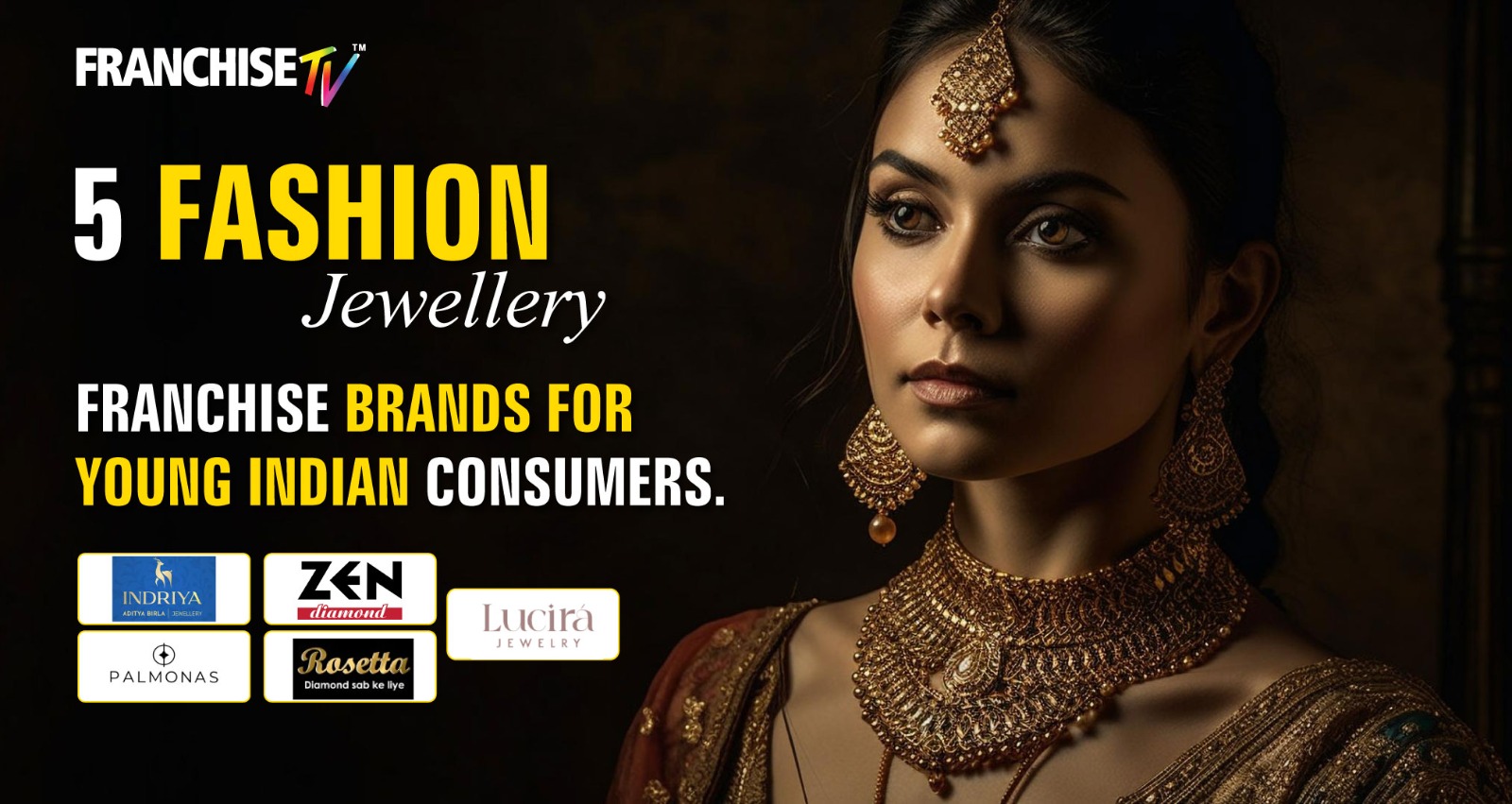
Here are 5 brands that are an attraction point for the young Indian consumers:
Zen Diamond
Zen Diamond is a natural diamond jewelry brand that operates more than 450 stores across Europe, the United States, the Middle East, and Asia. The brand's roots trace back to 1890 when the predecessors of Zen Diamond engaged in jewelry craftsmanship, passed down through generations.In 2000, this heritage came under the Zen Diamond, marking the formal beginning of the brand. The diamond jewelry brand is establishing a presence across 22 countries and is positioned among the world's leading natural diamond jewelry manufacturers. Zen Diamond launched in India under Managing Director Neil Sonawala, bringing the brand's global craftsmanship and design philosophy to India. The brand has since expanded its retail footprint to Bengaluru, Chandigarh and Hyderabad, alongside a partnership with Pernia's Pop Up Shop, and built a growing omnichannel presence spanning its own website, Amazon and Myntra, meeting the demands of modern Indian customers.
Lucira Jewelry
Lucira Jewelry is a lab-grown diamond (LGD) jewelry brand founded by Rupesh Jain and Vandana Jain. From its flagship store in Chembur, Mumbai, the company has 6 more stores in India in Mumbai, Pune, and Delhi-NCR. The company is known for its designs ranging from modern appeal, sustainability, and lightweight designs for dailywear to traditional heavy jewelry and solitaires for special occasions. As of 2025, the company aims to bring the total store count to more than 20, strengthening its footprint in India. Lucira offers exceptional pricing, constant product innovation, VC-backed credibility (from Blume Ventures), and has an omnichannel presence, targeting urban millennials of the country.
Indriya
Indriya translates to ‘belonging to Indra’, embodying strength and the power of the five senses. This Aditya Birla Group’s brand has scaled to 80 stores in 50 cities in the last two years. The brand is known for its exquisite craftsmanship in jewelry and deals in gold, natural diamonds and precious stones. The company has gold exchange and buyback programmes and uses BIS Hallmark gold and certified natural diamonds for all our products. The brand has special category collections under ‘An Ode to India’ and ‘The Indriya Woman’. The brand garners trust and reliability of the Aditya Birla Group, ensures fair & transparent pricing, hassle-free exchanges and personalized experience.
Palmonas
Co-founded by actor Shraddha Kapoor, Palmonas is an affordable luxury jewelry brand for fashion-conscious women. The brand’s mission statement is “Luxury made affordable for modern youth.’’ driven by the belief that everyone deserves to experience the pleasure and confidence that come from owning and wearing luxurious jewelry, regardless of their income or social status. Headquartered in Pune, the brand has over 80 stores in India and plans to reach a 100-store milestone. The company also ships its products to 200 countries. The brand is known for its demi-fine dailywear jewelry.
Rosseta
Established in 1985, Rosetta Diamond Jewellery (formerly known as Moradiya Diamonds and Institute), is an ancestral business rooted in a legacy of craftsmanship of diamonds and jewelry. The journey began with the thought to make high-end jewelry feasible to all for any and every occasion. Mr. Raju Moradiya accommodated pocket-friendly real fine diamond jewelry beginning from just INR 5,999. The company has over 850 outlets all over India and exports to 10+ foreign countries. Rosetta’s diamond jewelry is accompanied by a certificate of authenticity, such as IGI, SGL, ROSETTA, with HUID and Hallmark Stamping, and offers customized jewelry. The company also has affiliations from GJPEC, International Gemological institute, SGCCI and SJMA. It brings together tradition and innovation to offer a collection that resonates with grace and radiance.
Conclusion
Everyday fashion jewelry can potentially generate more frequent purchases and encourage consumers to build a jewelry wardrobe rather than make occasional high-value purchases. Rather than buying high-end jewelry once in a blue moon at the time of weddings, festivals or other important occasions, the young generation are acquiring a pair of everyday earrings, a delicate necklace, stacking rings, a bracelet for work and a statement piece for an evening out. The jewelry is no longer an heirloom or a locked-up commodity, it is gradually becoming an everyday fashion statement of self-expression and confidence.
For Further Franchise Info Contact
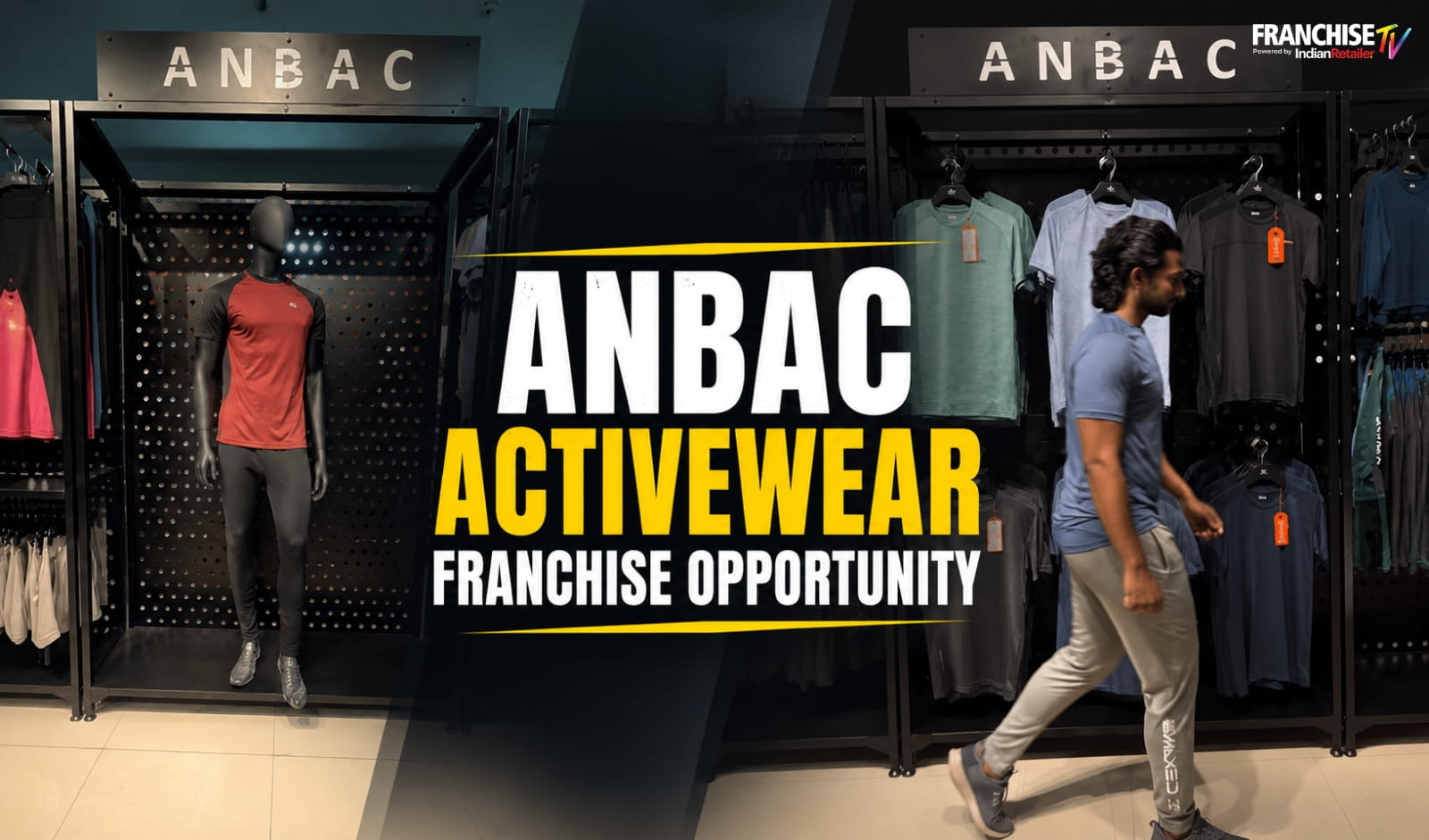
India's activewear and athleisure market is witnessing unprecedented growth, creating significant opportunities for entrepreneurs looking to invest in organized retail. During a recent webinar, Anbac CEO Shivaranjini Alagarraj, outlined the company's expansion vision and explained why the brand believes Tier 2 and Tier 3 cities are the next growth engine for performance apparel retail.
The session introduced Anbac as a premium yet affordable activewear brand built on a vertically integrated manufacturing model. Unlike traditional fashion retailers, the company manages everything from product development and fabric sourcing to manufacturing and retail, allowing it to maintain quality while offering competitive pricing. This approach also enables the brand to launch new collections every 45 days and respond quickly to changing consumer demand.
One of the webinar's key highlights was Anbac's focus on reducing investment risk for franchise partners. The company discussed common challenges in fashion retail, including seasonal demand, dead inventory, trend obsolescence, gender-specific product categories, and limited customer segments. To overcome these issues, Anbac has built a multi-category portfolio covering men's, women's, kids', and plus-size activewear, helping franchisees attract a wider customer base and increase average basket size.
Another standout feature is the brand's Inventory Buyback Programme. Every franchise store undergoes a 90-day inventory review where slow-moving products are identified, rotated, or replaced. After two seasons, eligible unsold inventory can be bought back by the company and exchanged for fresh stock, helping franchise partners maintain healthy working capital while reducing the burden of dead inventory.
The financial model also received significant attention. According to the presentation, the franchise follows a FOFO (Franchise Owned Franchise Operated) format with an investment of approximately ₹21.25-23 lakh, including franchise fee, store setup, and opening inventory. The company offers zero royalty, estimated franchise margins of 38-40 percent, and projected payback within 15-20 months, depending on market performance.
How Indian jewellery brands are expanding beyond traditional showrooms
Beyond financial returns, the speakers emphasized community-driven marketing as a long-term growth strategy. The brand plans to organize marathons, yoga camps, wellness boot camps, and fitness challenges to generate local engagement, improve repeat purchases, and strengthen customer loyalty. These initiatives will be supported directly by the brand to help franchisees build visibility within their target markets.
During the discussion, CEO Shivaranjini Alagarraj also highlighted the company's data-driven inventory management system, which analyzes local buying patterns, colour preferences, sizes, and product demand. This enables stores to replenish only fast-moving products, ensuring efficient stock management and better profitability for franchise partners.
As activewear demand continues to rise across India, Anbac believes its manufacturing-led business model, affordable pricing strategy, inventory protection mechanism, and operational support position the brand as a compelling franchise opportunity for entrepreneurs seeking long-term growth in the organized apparel sector.
For Further Franchise Info Contact
The jewellery counter hasn't vanished; it has only moved further along the customer's path. Today's shopper begins on a screen browsing, bookmarking favourites, and comparing prices across several websites late into the night. But at some point, before any money changes hands, they want to step into a store, hold the piece, and hear someone explain why it's worth the price. The counter hasn't disappeared it has simply shifted from the start of the journey to its very end.
These evolving consumer habits and what they mean for the industry's future were among the central topics discussed on the sidelines of JewelX 2026, where retail leaders examined how omnichannel strategies, franchise-driven expansion, experiential stores, and the growth of Tier-II and Tier-III markets are reshaping India's jewellery business.
That gap between browsing and buying is exactly where big brands are quietly eating into territory that used to belong to small, independent jewelers. Industry watchers expect branded players to control something like 43-47% of India's jewelry market by 2029, up from roughly 37% in 2024, in a market projected to be worth $130-140 billion. And it's not happening because branded jewelry is cheaper. It's happening because people are craving something to trust. To earn that trust, brands are leaning into omnichannel selling, pushing into smaller cities, making in store visits feel more personal, and using malls as a kind of live showroom for all of it.
Where Online Meets Offline
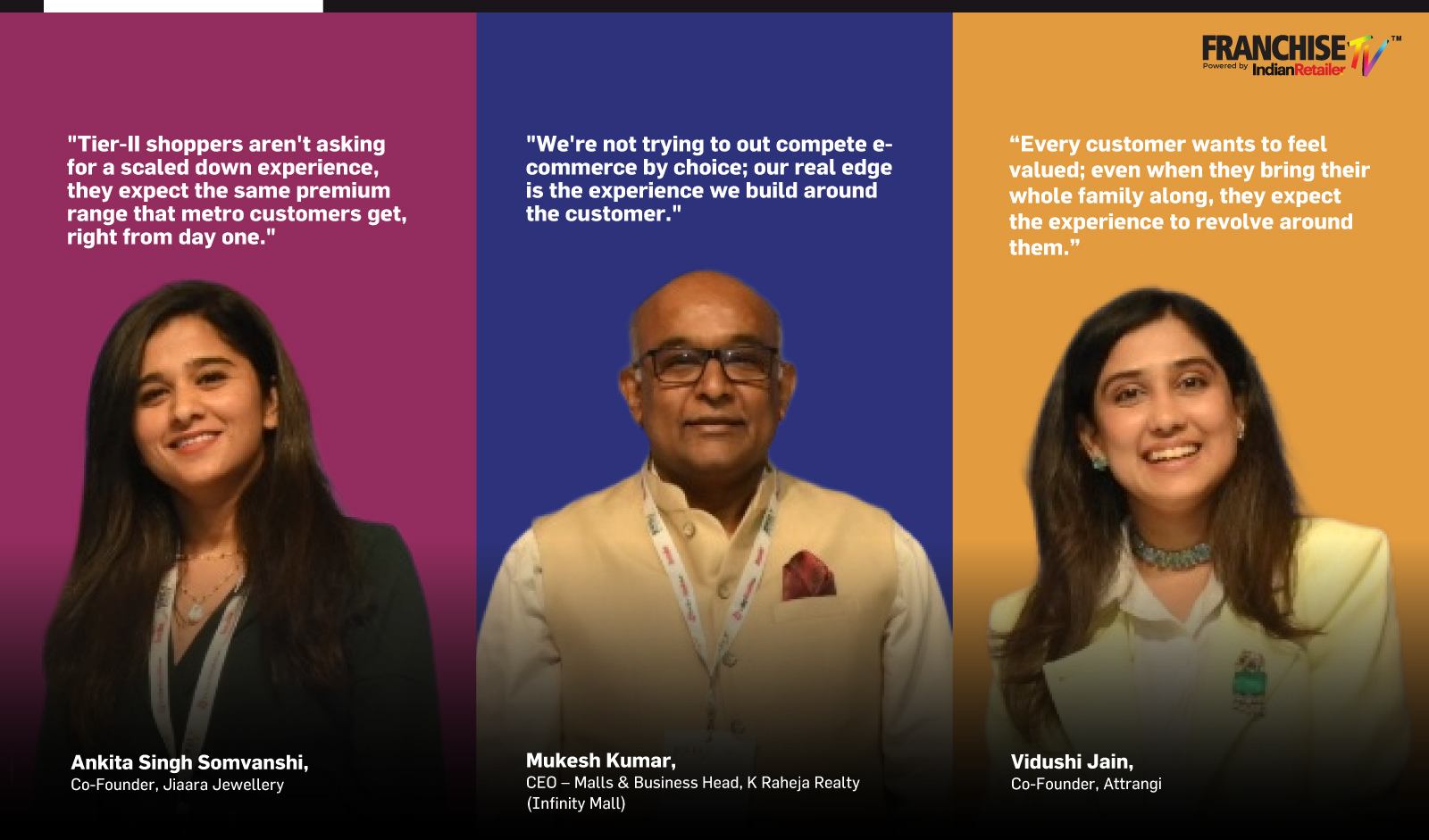
Jewellery has long resisted pure e-commerce, and the reason hasn't changed: trust. What has changed is where that trust journey now begins. For most shoppers, discovery starts on a screen, a reel, a story, a saved collection well before it ever reaches a shop floor. Ankita Singh Somvanshi, Co-Founder, Jiaara Jewellery, has watched this play out consistently with her own customers, who browse online but still show up in person before they'll commit to a piece.
"They want to visit an offline store to see, understand and experience the jewellery before making a purchase," she said, describing a pattern that has quietly become the norm rather than the exception.
What's changed is how deliberately brands are now chasing that in store moment. Somvanshi's team maps expansion around customer behaviour and average selling prices well before a single store opens, treating each new market as a hypothesis to be tested rather than a hunch to be followed. And for a brand built on handcrafted work, the store carries a job e-commerce simply can't do explaining where a piece came from.
"Customers genuinely want to understand the craftsmanship and the story behind each piece," she noted, a line that could double as Jiaara's entire retail philosophy.
Vidushi Jain, Co-Founder, Attrangi, has arrived at a similar conclusion from a different angle. Nine years into the category, her team now leans on data sharp enough to answer questions that once took gut instinct which products are moving, in which cities, and why. "AI and customer data tell us exactly what's selling, where, and which regions are responding to different collections," she explained. But Jain is quick to draw a line most brands still blur: a bestseller online rarely walks off a store shelf the same way.
"What sells online doesn't necessarily sell offline," she stated, a reminder that the two channels, however connected, are still running fundamentally different playbooks.
Smaller Cities Fueling Growth
Metro first expansion is no longer the default playbook. Somvanshi points to Jiaara's own numbers as evidence of where demand is actually building. "Around 40 to 45 percent of our customers come from Tier II cities, which clearly shows the growing demand beyond metros," she said. Crucially, these buyers are not settling for a scaled down catalogue.
"Consumers in Tier II markets don't want a watered-down version of what Tier-I customers receive. They expect access to the same premium product assortment from day one," Somvanshi added a shift the brand is addressing through franchise partnerships in cities like Surat, Indore, Chandigarh, Dehradun and Lucknow.
Mukesh Kumar, CEO – Malls & Business Head, K Raheja Realty (Infinity Mall), attributes this leveling to years of digital exposure reshaping expectations everywhere at once.
"I believe the difference between Tier-I, Tier-II and Tier-III cities has become extremely thin today," Kumar observed. E-commerce, he argues, did the groundwork long before organised retail arrived in these markets.
"Consumers across India have developed strong aspirations over the last fifteen to sixteen years, regardless of whether they live in metros or smaller cities," he added.
Beyond Products, Towards Experiences
Jewellery has always carried emotional weight engagements, weddings, milestones and brands are now designing around that instead of around the transaction. Jain describes a customer base that wants recognition, not just service.
"Customers want to feel important. Even when they visit with their families, they expect an experience that is built around them," she shared, noting how personalisation has become central to Attrangi's in-store and online interactions alike.
For Jiaara, scaling that kind of experience has meant leaning on franchise partners rather than company-owned stores alone. "Franchising gives us partners who truly understand local markets and customer behaviour," Somvanshi said, framing the model as a collaboration rather than a landlord arrangement.
From Shopping Centres to Experience Hubs
As digital channels absorb more of the browsing, malls are repositioning themselves around what they can offer that a screen cannot.
"Today's malls are creating the physical spaces that brands need to connect with customers offline," Kumar said, describing a shift from pure retail towards social infrastructure places where families spend time together, not just money. "Today's malls are essentially creating social spaces where people come together beyond just shopping," he added.
Within that ecosystem, jewellery has quietly become one of the standout performers. "Fashion jewellery has become one of the strongest-performing retail categories inside malls," Kumar noted, pointing to the category's high engagement and premium positioning as reasons mall operators are courting these brands actively.
The Next Wave of Jewellery Retail
No single channel is carrying this industry on its own anymore and honestly, that's the whole plot twist. Online flirting, getting customers curious and scrolling. Stores seal the deal, turning that curiosity into actual conviction. Franchise partners are the ones pushing the map outward, into cities that barely used to register on a growth chart. And malls? They're the stage where all of this finally comes together in person.
Here's the real shift, though: smaller cities aren't the "someday" market anymore; they're where the next big wave of demand is already brewing. The brands that figure this out early won't be the ones with the flashiest ad campaign or the biggest store. They'll be the ones smart enough to treat trust, data, and genuine customer experience as one single strategy not three separate boxes to check.
The future of jewellery retail, it turns out, isn't about choosing between the phone and the store. It's about making sure both are telling the same story.
For Further Franchise Info Contact
India’s love for gold jewellery has remained deeply connected with culture, celebrations, weddings, and wealth creation. However, the way consumers purchase jewellery has changed significantly over the years. Buyers are increasingly moving towards organised jewellery brands that offer certified products, transparent pricing, modern designs, and a trusted shopping experience.
This shift has created strong opportunities for entrepreneurs looking to enter the jewellery retail sector through established franchise models. According to industry estimates, India’s gems and jewellery market is expected to continue its growth trajectory, supported by rising disposable incomes, urbanisation, wedding consumption, and increasing demand for branded jewellery.
For aspiring business owners, investing in a recognised jewellery franchise can provide the advantage of brand credibility, operational support, product expertise, and access to an established customer base. Here are seven trusted gold jewellery franchise brands entrepreneurs can explore.
Senco Gold & Diamonds
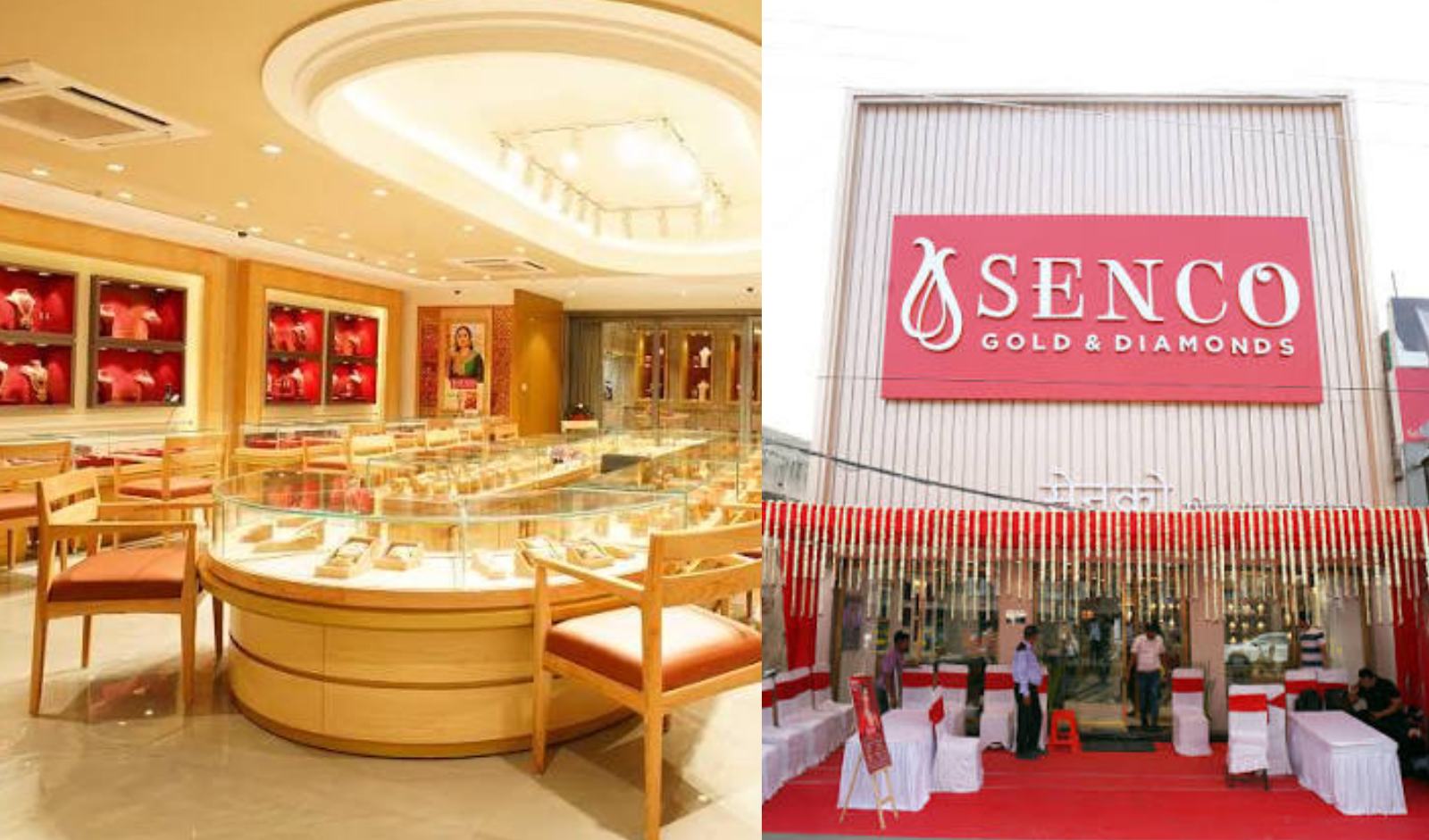
Founded in 1948, Senco Gold & Diamonds has built a strong position in India’s jewellery market with decades of experience in gold, diamond, platinum, and gemstone jewellery. The brand operates a large retail network across India and has expanded its presence beyond its traditional markets.
The company’s franchise model provides entrepreneurs an opportunity to associate with an established jewellery name with strong consumer recognition. The investment requirement for a Senco Gold franchise starts from around ₹5 crore onwards, depending on the store format and location.
For franchise partners, the key advantage lies in Senco’s brand reputation, wide product portfolio, marketing support, and experience in handling jewellery retail operations. With bridal jewellery contributing significantly to India’s jewellery consumption, brands with strong wedding collections continue to have consistent business potential.
Read more: Top Multi-City Franchise Brands Expanding Across India
Top 8 Premium International Cafe Franchise Brands in India
10 Key Steps to Opening a Successful Franchise Business
Neel Jewels
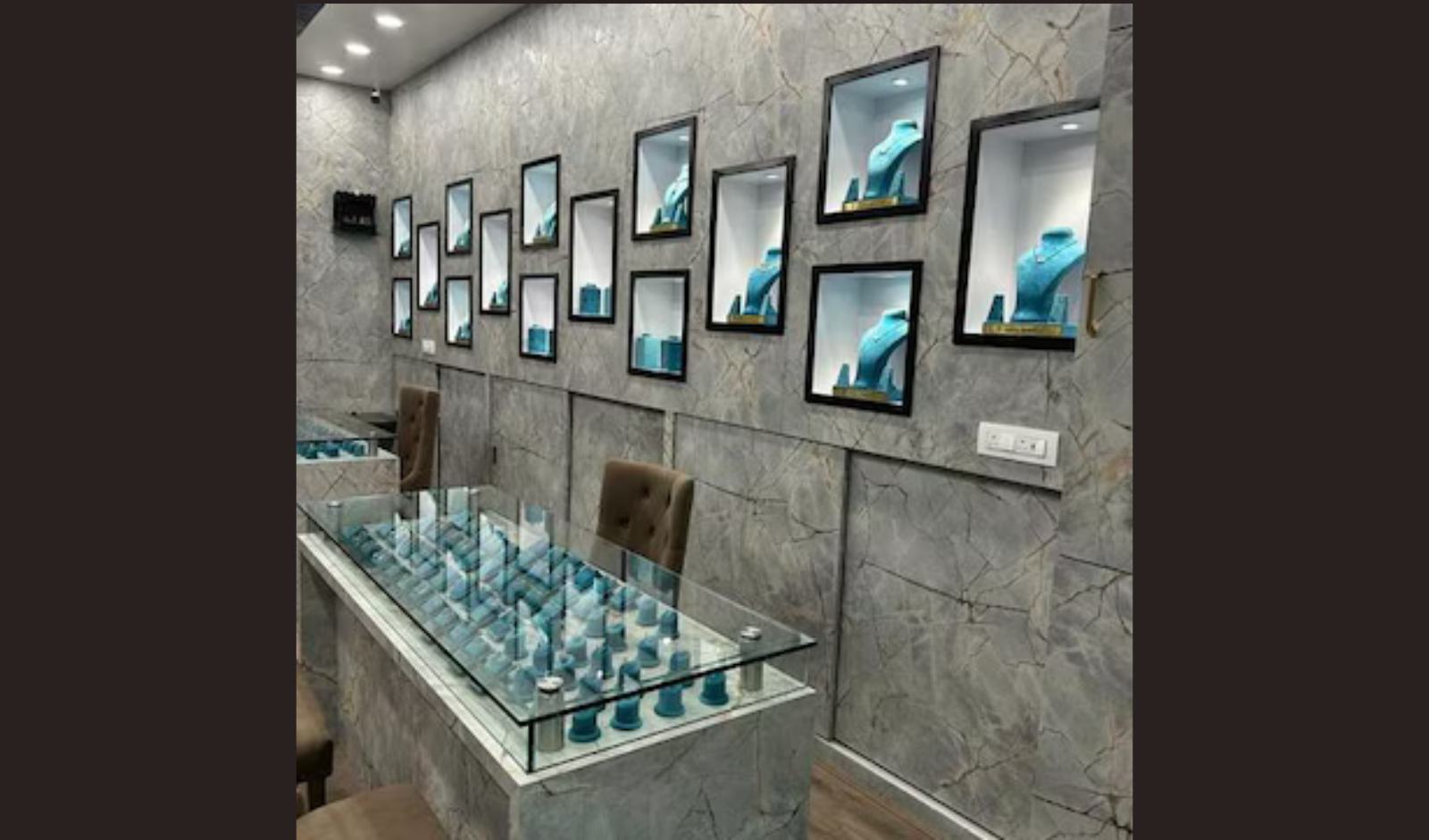
Neel Jewels has established its presence by focusing on finely crafted jewellery designs and customer-oriented retail experiences. The brand offers collections designed around traditional occasions as well as changing lifestyle preferences.
For entrepreneurs, jewellery businesses offer the benefit of year-round demand driven by weddings, festivals, gifting occasions, and investment purchases. A brand like Neel Jewels provides an opportunity to operate within a category where trust, purity, and product quality are key drivers of customer decisions.
With consumers increasingly preferring organised jewellery retailers over traditional unorganised players, jewellery brands focusing on reliability and customer relationships have significant growth potential.
Zoniraz
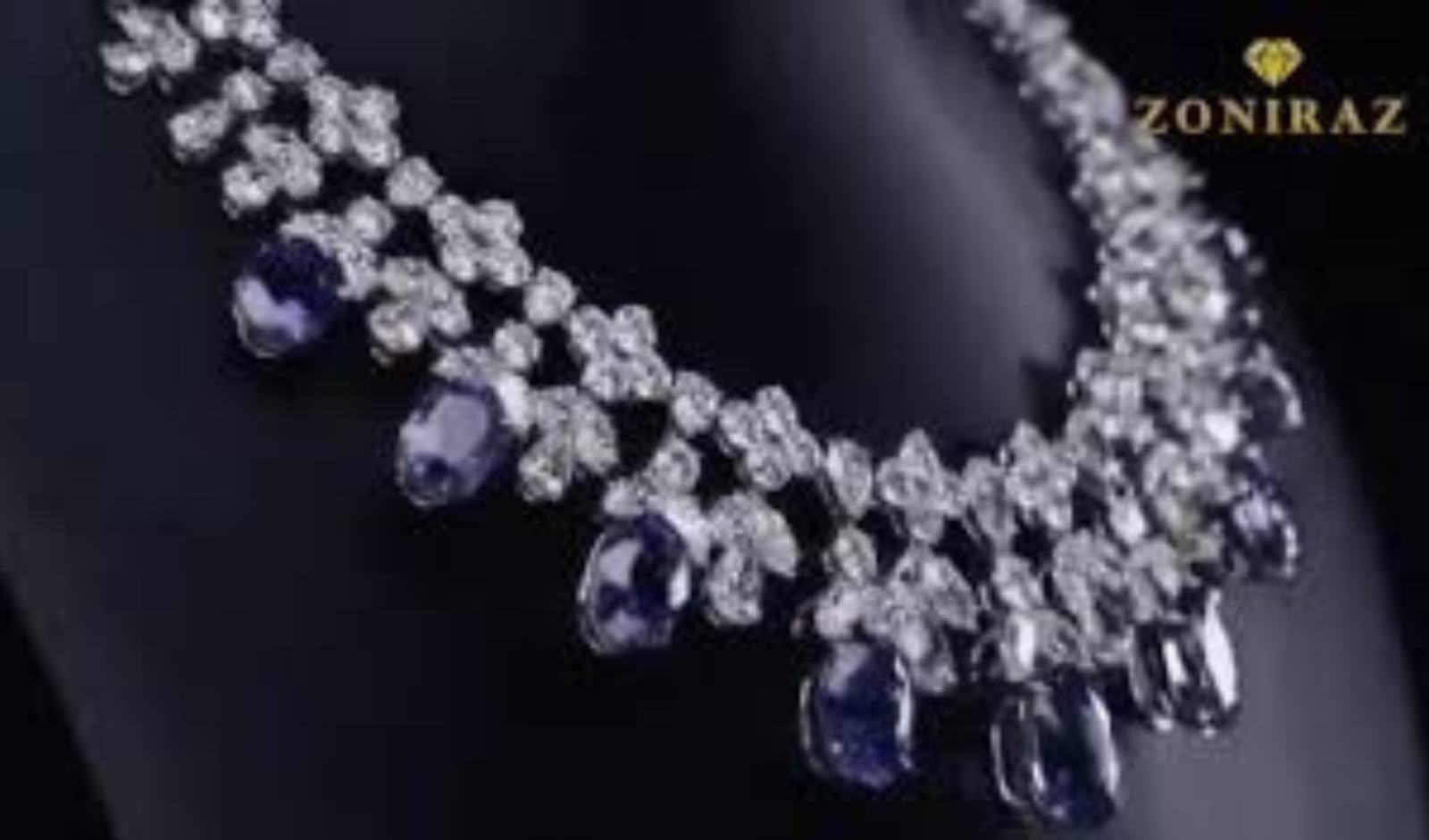
Zoniraz is an emerging jewellery brand offering a wide range of products including gold, diamond, kundan, polki, gemstone, and designer jewellery. The brand has been expanding its presence through franchise partnerships while focusing on premium jewellery retail.
The investment requirement for a Zoniraz franchise is reported to be above ₹10 crore, with a franchise fee ranging between ₹10 lakh and ₹15 lakh. The expected store size requirement is approximately 1,000–2,000 sq. ft.
One of the biggest advantages for franchise partners is access to a diverse jewellery portfolio. From bridal collections to luxury designs, the brand model allows entrepreneurs to serve multiple customer segments under one retail format.
Vasundhra Raj
Vasundhra Raj has created a niche in the premium jewellery segment with designs inspired by Indian heritage and contemporary luxury. The brand focuses on handcrafted jewellery pieces that appeal to customers looking for exclusivity and personalised experiences.
For entrepreneurs, premium jewellery retail offers opportunities in markets where customers value design, craftsmanship, and brand identity. A strong focus on unique collections and customer engagement can help jewellery businesses build long-term relationships and repeat purchases.
As luxury consumption continues to expand in India, premium jewellery brands are finding new opportunities beyond traditional metropolitan markets.
Kalyan Jewellers
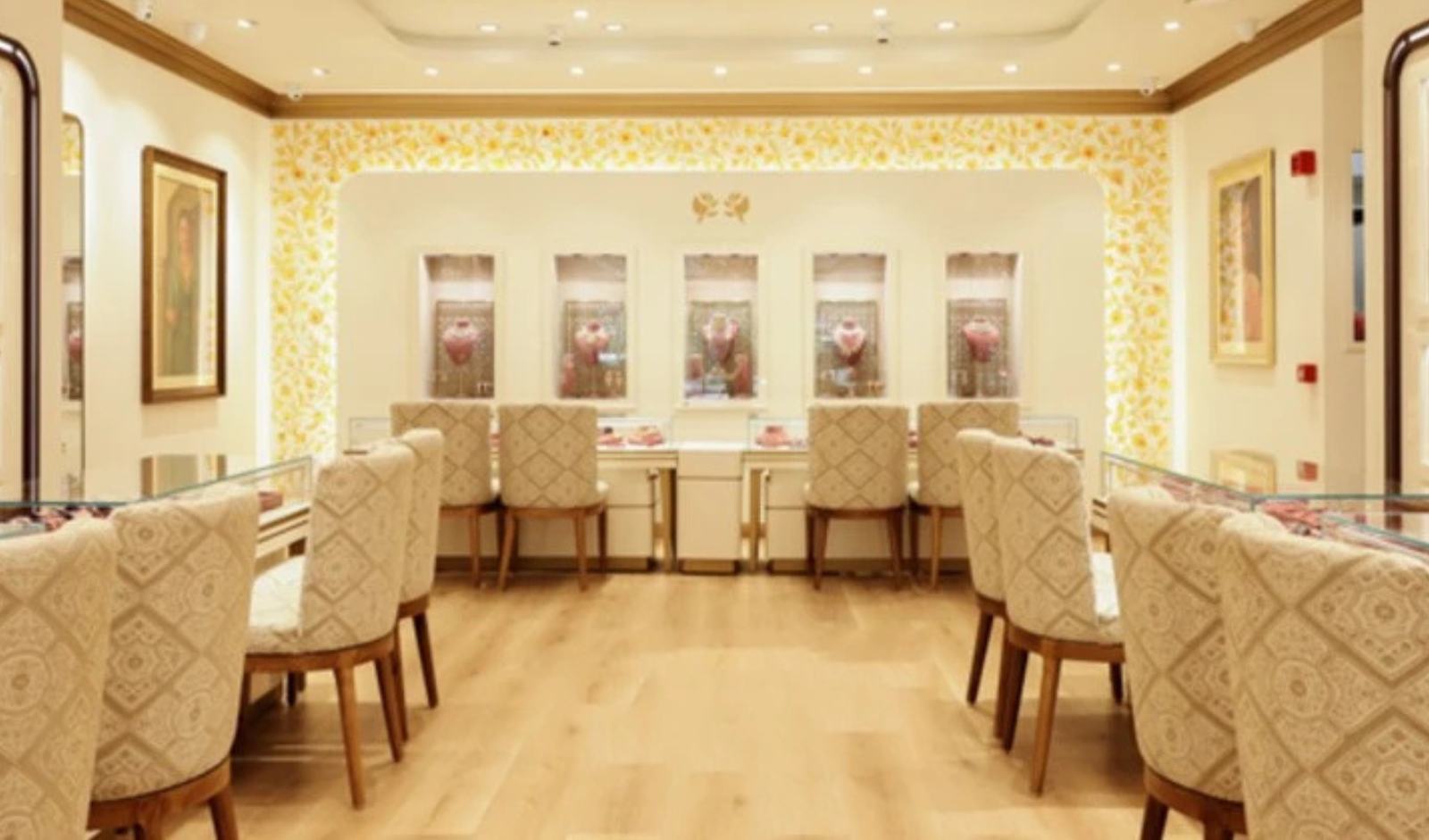
Kalyan Jewellers is among India’s most recognised jewellery retailers with a strong presence across domestic and international markets. The company has built its reputation through extensive collections, transparent business practices, and strong customer trust.
The franchise investment requirement for Kalyan Jewellers is generally around ₹5 crore and above, with additional franchise-related costs depending on the format and location. Industry sources mention franchise opportunities with a royalty structure and potential ROI based on store performance.
The brand provides franchise partners support across multiple areas including store setup, training, inventory planning, marketing, and operational processes. Its strong bridal jewellery portfolio and nationwide brand recognition make it an attractive option for entrepreneurs looking for a large-format jewellery retail opportunity.
Know more: Top 5 Fashion Retail Franchise Brands for Delhi Entrepreneurs
Top 10 International Food Franchise Brands to Start a Business in India
How to Start a Cafe Franchise Business in India
Jewellery Franchise: A Growing Opportunity for Entrepreneurs
The organised jewellery sector in India is entering a new phase of growth as consumers increasingly prefer trusted brands over traditional buying methods. Certification, transparency, modern designs, and better shopping experiences are becoming important factors influencing purchase decisions.
For entrepreneurs, a jewellery franchise provides the advantage of entering a high-value retail category with established systems and brand support. While investment requirements can be significant, the sector offers long-term growth potential due to India’s cultural connection with gold and jewellery.
Brands such as Senco Gold & Diamonds, Kalyan Jewellers, Zoniraz, Neel Jewels, and Vasundra Raj represent different opportunities within this evolving market. Entrepreneurs who understand their target customers, choose the right location, and align with a trusted brand can build sustainable businesses in India’s expanding jewellery retail landscape.
For Further Franchise Info Contact
The fashion retail sector in Delhi is an incredibly lucrative space for business investments. Driven by strong consumer spending, high density of commercial markets, and an appetite for diverse styles, setting up a franchise allows entrepreneurs to bypass the risks of supply chain development and brand building from scratch.
This analysis details five fashion and footwear franchise avenues Skechers, Zudio, Reliance Trends, Trends Footwear, and Arayia by Aza highlighting verified investment numbers, real estate mandates, and regional growth dynamics in the capital.
1. Skechers
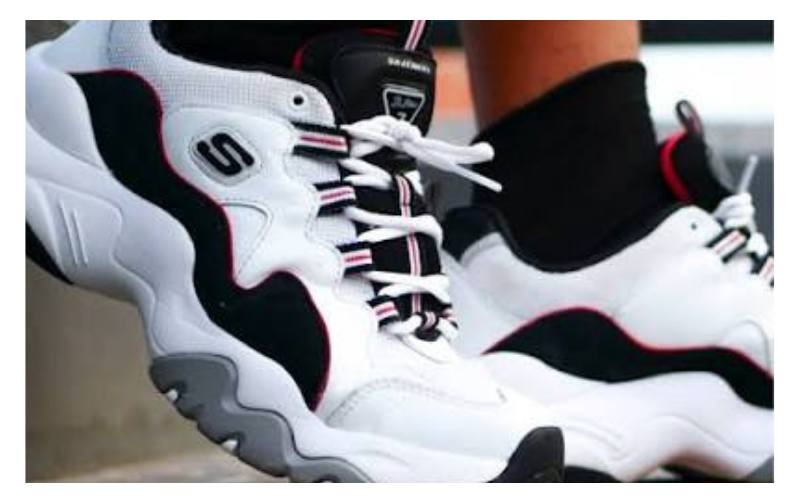
Skechers is a globally recognized athletic lifestyle and footwear brand. It expands its retail presence through Exclusive Brand Outlets (EBOs) in premium high-street and mall markets.
Financial Investment: Establishing a Skechers exclusive retail store requires a core setup capital expenditure (CapEx) starting from ₹80 Lakh. This covers storefront creation, initial stock procurement, a security deposit of roughly ₹15 Lakh, and an operating working capital pool.
Space Requirement: The brand specifies a ground-level retail carpet area ranging from 1,000 to 1,400 square feet.
Returns and Profitability: The business model operates on product distribution margins rather than recurring royalty cuts. Franchisees work with a gross product margin structure spanning 38% to 50%, with a typical capital payback window of 2 to 3 years under stable footfall.
Delhi Growth Factors: Premium high-streets and high-footfall lifestyle complexes in Delhi such as South Extension, Rajouri Garden, Select CITYWALK, and DLF Promenade line up perfectly with the target demographics of the city's premium athleisure consumers.
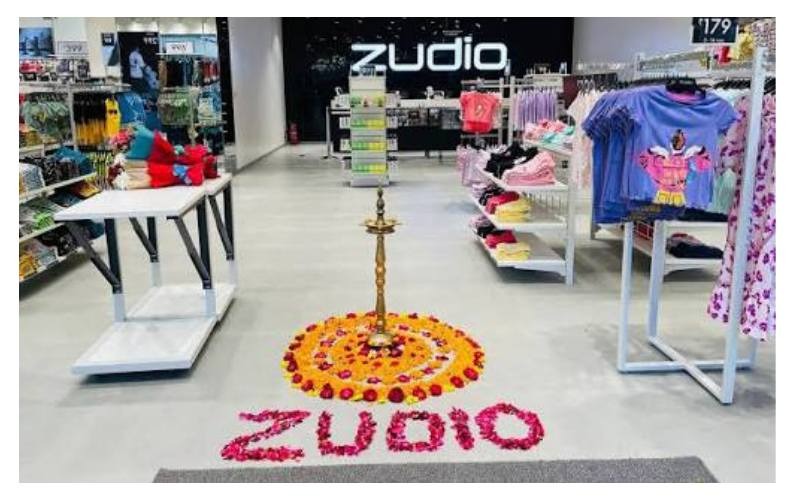
2. Zudio
Administered by Trent Limited, the retail branch of the Tata Group, Zudio has scaled rapidly across India through a volume-driven, value fast-fashion model.
Financial Investment: The cumulative initialization cost for a Zudio setup stands between ₹1 Crore and ₹3 Crores. This includes a one-time franchise fee of ₹10 Lakh to ₹15 Lakh, a refundable security deposit of ₹20 Lakh to ₹30 Lakh, storefront infrastructure and interior setup costs between ₹30 Lakh and ₹80 Lakh, initial stock capital of ₹30 Lakh to ₹50 Lakh, and an operating working capital buffer of ₹40 Lakh.
Space Requirement: To handle high-volume visual merchandising, the store layout demands an expansive floor footprint of 5,000 to 6,000 square feet in prime commercial zones.
Returns and Profitability: Operating under a Franchise Owned Company Operated (FOCO) model, day-to-day operations are handled by the brand. The typical net profit margin range sits between 10% and 20%. Well-located outlets record gross monthly sales ranging from ₹70 Lakh to ₹1 Crore, placing the capital return on investment (ROI) timeline at 3 to 5 years.
Delhi Growth Factors: High-density residential zones and student-populated micro-markets including Laxmi Nagar, Rohini, Dwarka, and commercial streets surrounding Delhi University campuses provide the heavy foot traffic necessary to clear Zudio's rapid stock cycles.
3. Reliance
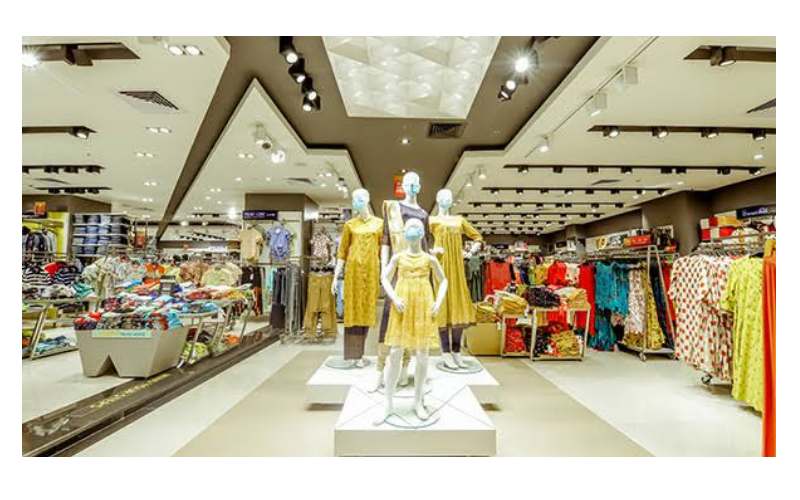
Operating as the primary apparel arm under Reliance Retail, Reliance Trends functions as a widespread, multi-category department store catering to the entire family.
Financial Investment: Activating a full-format Reliance Trends outlet requires a large-scale enterprise investment ranging between ₹2 Crore and ₹5 Crore. This layout features a brand entry fee of ₹10 Lakh alongside a recurring 10% royalty or commission structure on operational pipelines.
Space Requirement: Given the massive product range spanning mens, womens, and kids apparel, the brand mandates an expansive store layout covering 10,000 to 12,000 square feet.
Returns and Profitability: Backed by persistent national marketing frameworks and strong household recognition, units achieve rapid localized sales, offering a stable capital payback duration of 2 to 3 years.
Delhi Growth Factors: Widespread, multi-generational family neighborhoods across Outer, West, and East Delhi such as Janakpuri, Vikaspuri, and Mayur Vihar favor comprehensive, multi-category family retail destinations over specialized clothing boutiques.
4. Trends Footwear
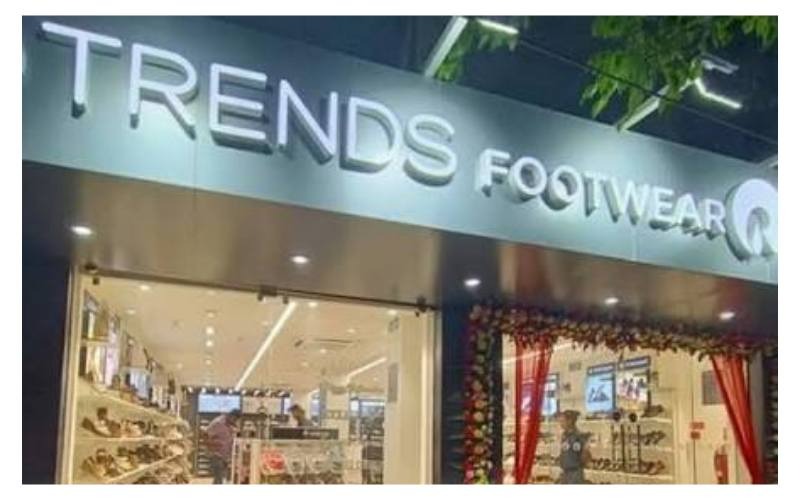
For retail investors looking to partner with Reliance Retail on a smaller, more specialized footprint, Trends Footwear targets family-focused footwear segments.
Financial Investment: The brand offers an accessible entry point compared to large apparel departments, with setup and capital investments totaling between ₹30 Lakh and ₹40 Lakh. The franchise fee is waived under specific early-bird brand structures.
Space Requirement: Property mandates call for a retail area of 1,200 to 1,500 square feet. The space must feature a minimum 20-foot street frontage situated on a ground-floor commercial layout.
Returns and Profitability: Operating on a "Sell or Return" consignment inventory model, franchisees get a risk-free 28% net margin. The operational return on investment (ROI) fluctuates between 25% and 30%, which shortens the initial capital recovery timeline to an estimated 2 to 3 years.
Delhi Growth Factors: Placing a store in established, dense retail hubs like Karol Bagh, Lajpat Nagar, and Kamla Nagar allows investors to leverage a built-in consumer base while competing directly with unorganized local shoe markets.
5. Arayia by Aza
Launched by Alka Nishar, founder of the luxury multi-designer destination chain Aza Fashions, Arayia by Aza addresses the accessible luxury and contemporary Indo-Western womenswear segment.
Financial Investment: Establishing an exclusive boutique outlet under this brand requires an investment range of ₹50 Lakh to ₹1 Crore. A major percentage of this capital goes into upscale store aesthetics, visual design elements, and premium lighting configurations to match luxury buyer expectations.
Space Requirement: The property specification requires an elegant boutique layout spanning 800 to 1,500 square feet.
Returns and Profitability: Because it operates strictly in the premium tier, individual item margins are high. Supported by organized inventory curation and low direct brand competition in its unique segment, the capital payback timeline ranges from 1.5 to 2.5 years, heavily accelerated by wedding and festive shopping seasons.
Delhi Growth Factors: Delhi’s affluent demographic profile and festive culture make it an optimal market. Premium high-streets and affluent micro-markets such as Greater Kailash, Defence Colony, and Punjabi Bagh perfectly match the buyer persona of this upscale label.
Strategic Selection Criteria for Delhi
When finalizing a retail path, a Delhi-based entrepreneur must audit local rental values against the brand's volume model.
High-street sectors like Connaught Place or Khan Market carry high overheads that require premium, high-ticket items like Skechers or Arayia by Aza to cover fixed costs. On the other hand, setting up in high-density residential hubs allows investors to leverage the massive daily transaction volumes of value giants like Zudio or Reliance Trends for reliable long-term security.
For Further Franchise Info Contact
The Indian retail sector is going through a massive structural shift, and the children’s apparel market is one of its fastest-growing segments. What used to be a highly fragmented space run by unorganized local shops has turned into a sophisticated, brand-focused industry. This change is driven by clear economic trends: urban families have higher disposable incomes, and modern parents consistently prefer well-made, safe branded kidswear.
Because children outgrow their clothes so quickly, the kidswear business benefits from a natural cycle of frequent, repeat purchases. This consistent demand makes the sector resilient against broader economic slowdowns. For entrepreneurs evaluating a stable retail investment, a kids fashion franchise offers an entry point with a reduced risk profile. Working with established corporate networks grants franchise owners instant access to built-in brand trust and tested logistics systems, allowing them to scale successfully in metros and growing Tier-2 and Tier-3 markets alike.
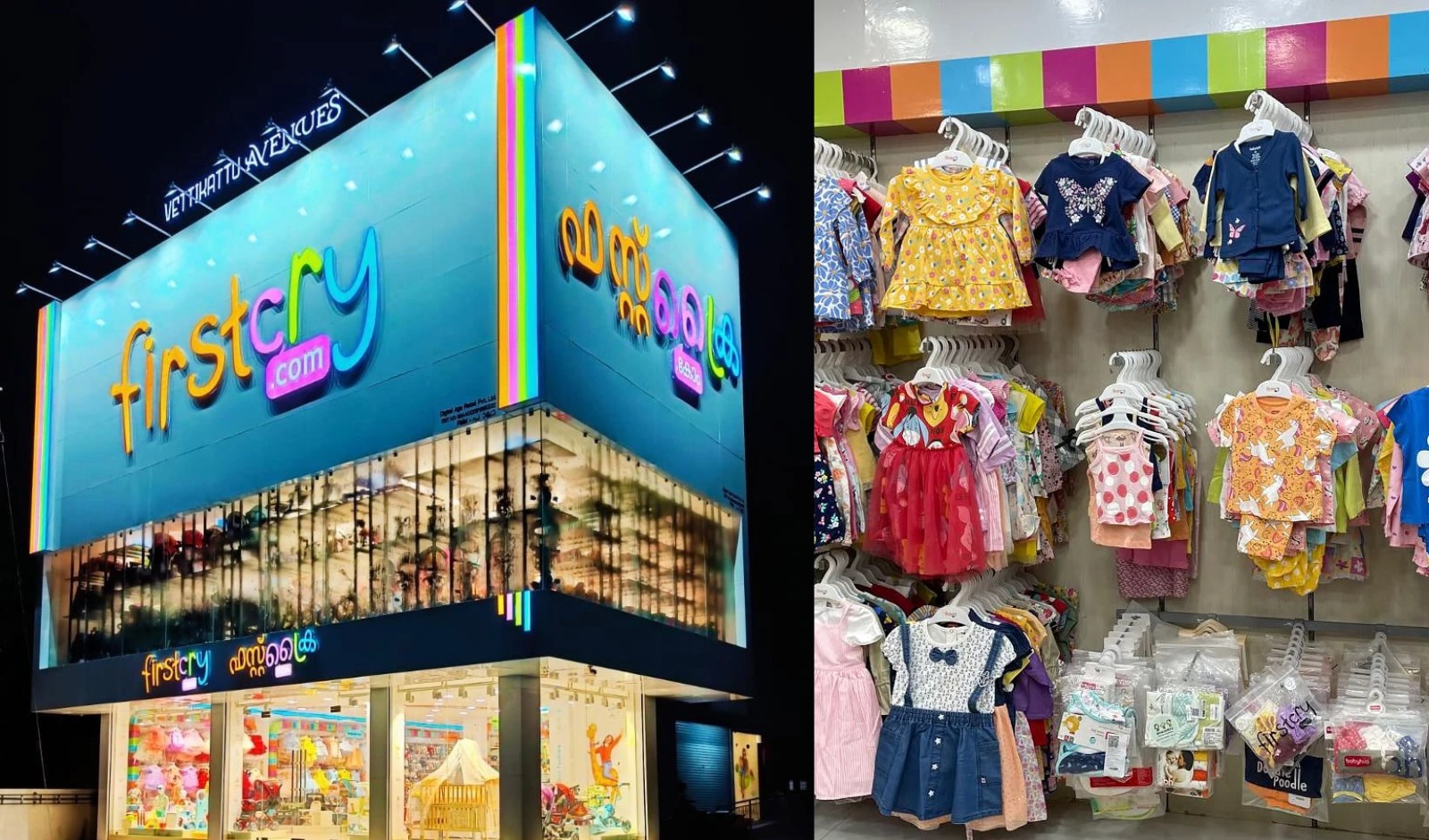
1. FirstCry
FirstCry operates as India’s largest integrated platform for children's apparel, baby gear, and maternal essentials. Catering to a broad demographic from infancy up to 12 years of age, the brand strategically balances everyday budget essentials with high-end international collections. Its main competitive edge is a unified omnichannel distribution system, which connects its dominant online marketplace with hundreds of physical stores nationwide to keep inventory moving efficiently. The company's current expansion strategy focuses on deepening its physical footprint within developing urban areas and tier-2 smart cities.
- Investment Required: ₹50 Lakh – ₹1 Crore
- Store Size: 700 – 2,000 sq. ft.
- Investor’s Take: FirstCry provides immense market share and a sophisticated supply chain network, making it a highly secure foundation for large-scale retail operators.
2. Biglilpeople
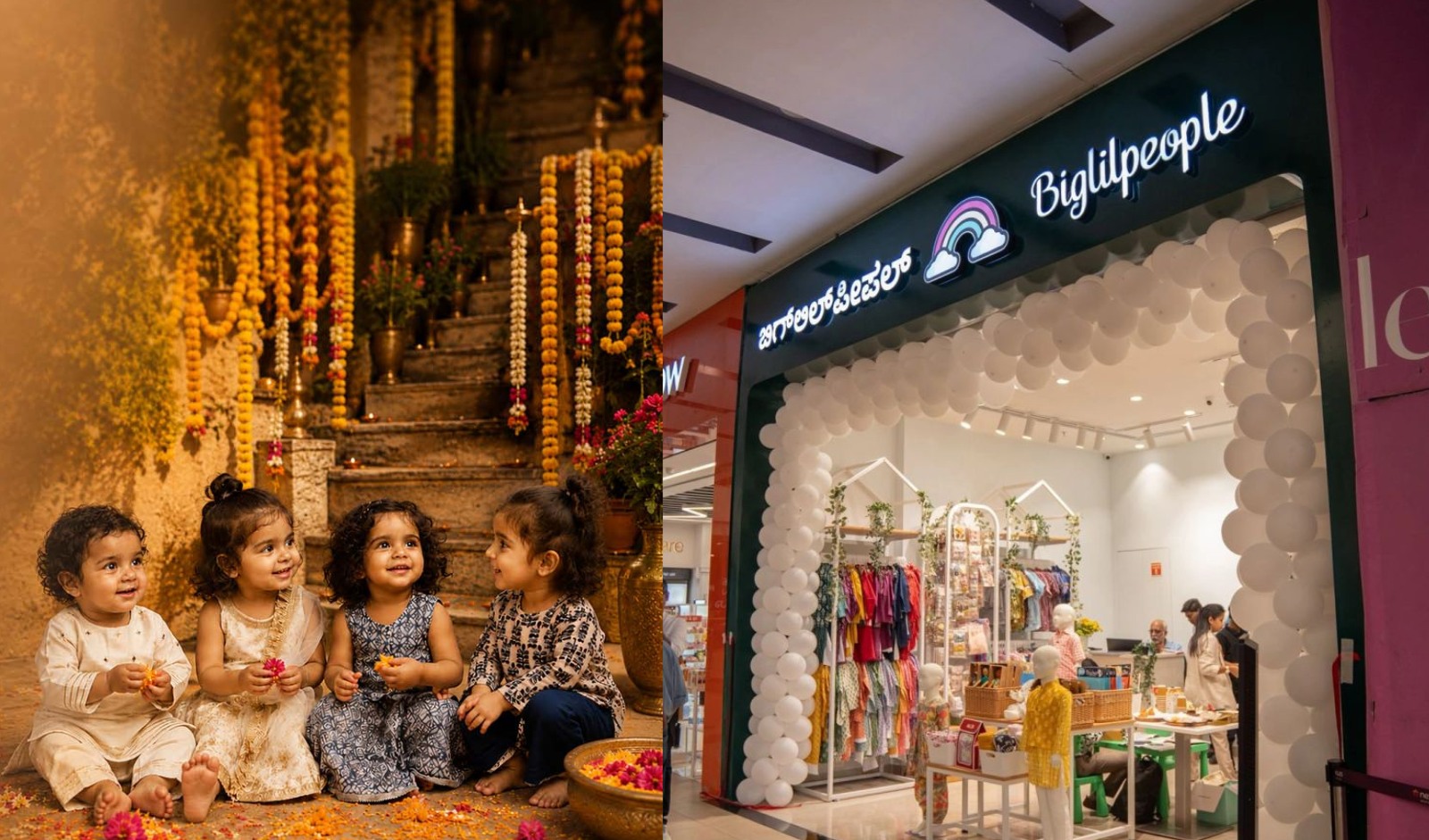
Founded in 2020 and based in Bengaluru, Biglilpeople focuses on providing trendy, durable, and reasonably priced clothing options for young children. The brand specifically appeals to style-conscious parents who want well-constructed clothes that stand up to everyday wear. Its business model relies on a centralized, ERP-integrated inventory system that removes the operational burden of stock tracking from the store owner. Biglilpeople is executing a deliberate expansion plan across high-potential markets like Jaipur, Indore, and Coimbatore, providing a highly structured boutique retail model.
- Investment Required: ₹20 Lakh – ₹30 Lakh
- Franchise Fee: ₹3 Lakh
- Store Size: 500 sq. ft.
- Payback Period: 18 – 24 months
- Investor’s Take: With direct operational backing from the corporate team and a highly predictable capital recovery timeline, Biglilpeople is well-suited for mid-tier retail portfolios.
3. Winterbear
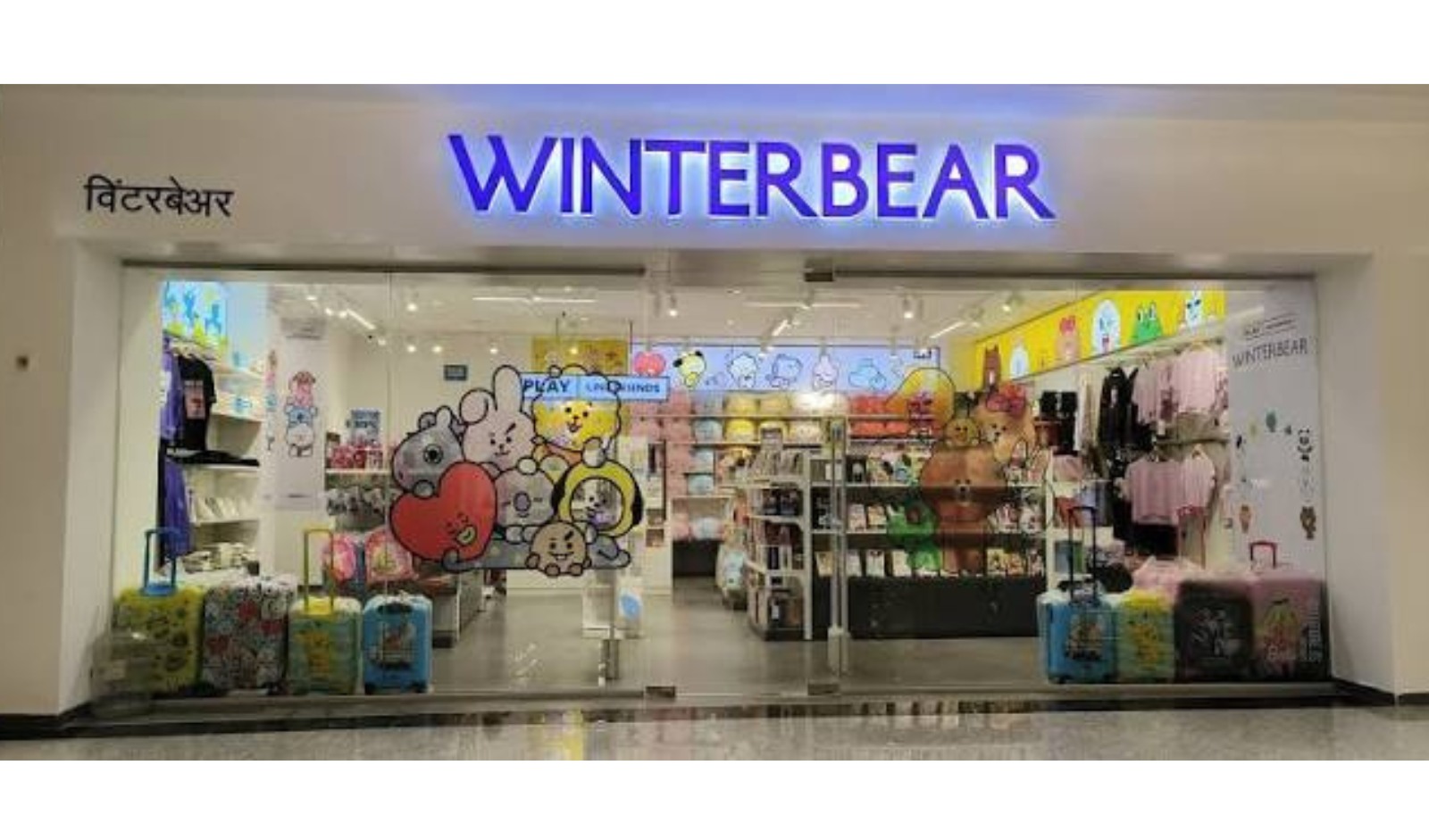
Winterbear targets a specific premium segment of the children's fashion industry, offering minimalist, sustainably produced clothing for infants and toddlers. Positioned as a luxury-comfort brand, Winterbear builds its line around hypoallergenic, certified organic fabrics that protect sensitive skin. The target audience comprises modern parents who choose muted, classic European styles over bright graphics. The brand's primary asset is its clean, uncluttered store environment, which attracts high spending per visit and strong customer retention. Its growth strategy prioritizes high-street commercial spots and prominent malls in tier-1 cities.
- Investor’s Take: Winterbear allows owners to capture premium margins by catering directly to an affluent customer base that values sustainable production and material quality.
4. Little Wings
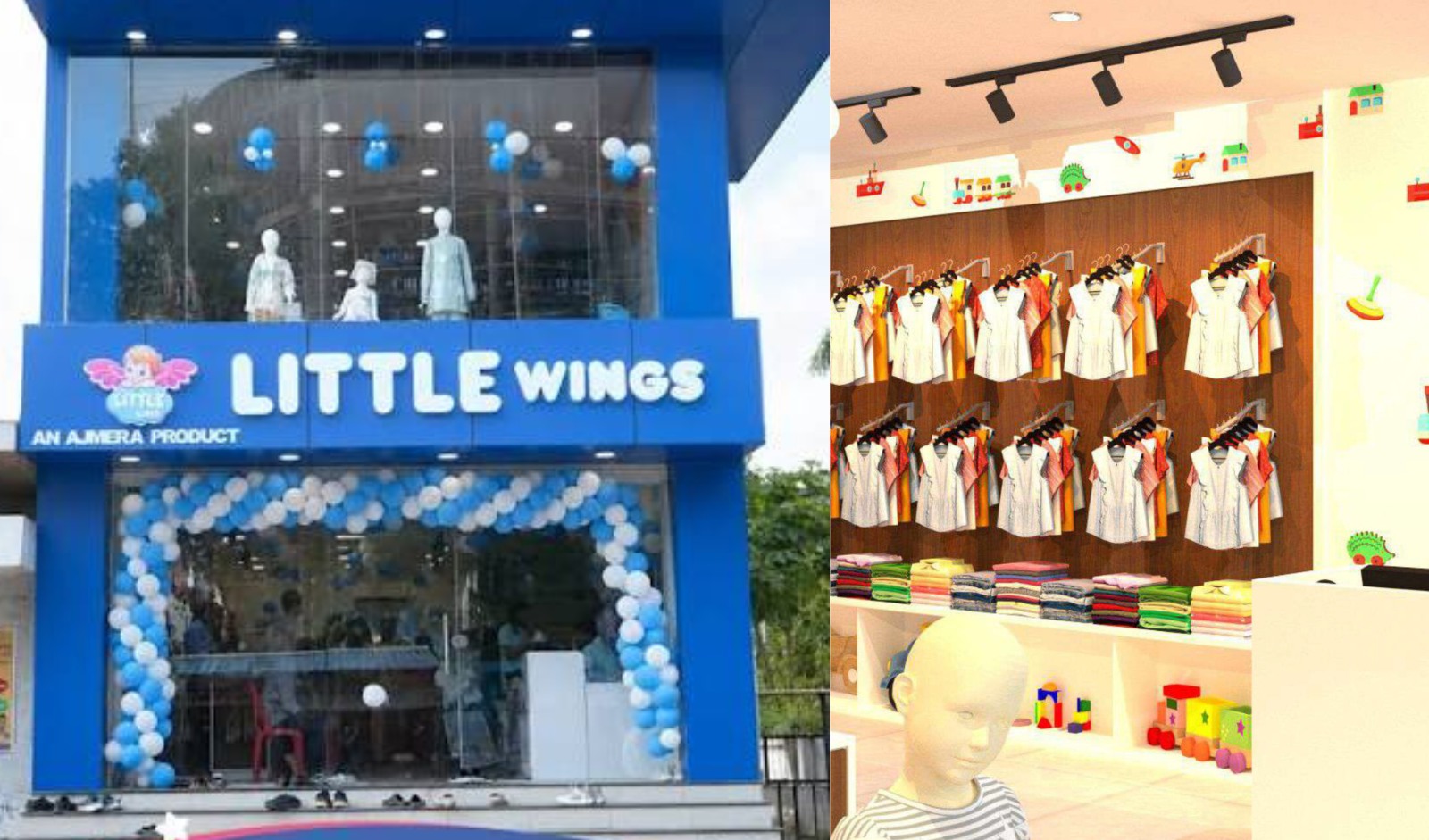
Operating under the corporate direction of Ajmera Fashion Limited, Little Wings has established a firm position in the value-driven, mass-premium kids clothing franchise sector. The brand produces durable, fashionable everyday apparel and festive clothing for children from infancy up to age 14. Its clear operational advantage is a direct-from-factory sourcing model that bypasses traditional distributors, passing the cost savings directly to the franchise partner. By running on a zero-royalty framework, the brand ensures store owners keep their entire operational profit to fuel local business growth.
- Investor’s Take: Backed by decades of industrial textile manufacturing experience, Little Wings offers a highly resilient business model built to scale rapidly in regional commercial centers.
5. Ajmera Trends
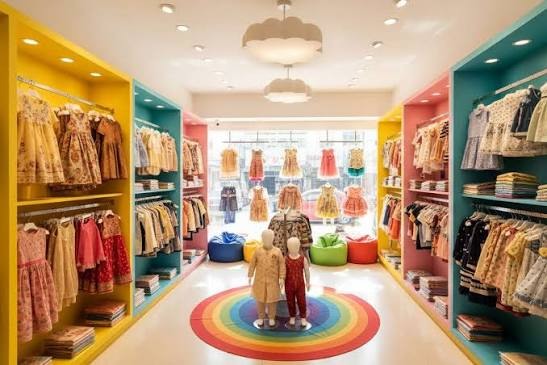
While Ajmera Trends serves as a complete apparel hub for the entire family, its dedicated children's clothing sections have secured substantial market share across suburban and semi-urban India. The brand focuses on regional middle-class households by supplying affordable, culturally relevant everyday clothes and ethnic wear. Its greatest strength is a deep understanding of local style preferences and seasonal Indian wedding wear. The brand's expansion approach prioritizes extensive training for new business owners, giving them complete assistance with regional store marketing and inventory planning.
- Investor’s Take: Ajmera Trends is a practical choice for capturing high sales volumes outside major metros, especially during peak traditional festive seasons.
6. Mumkins
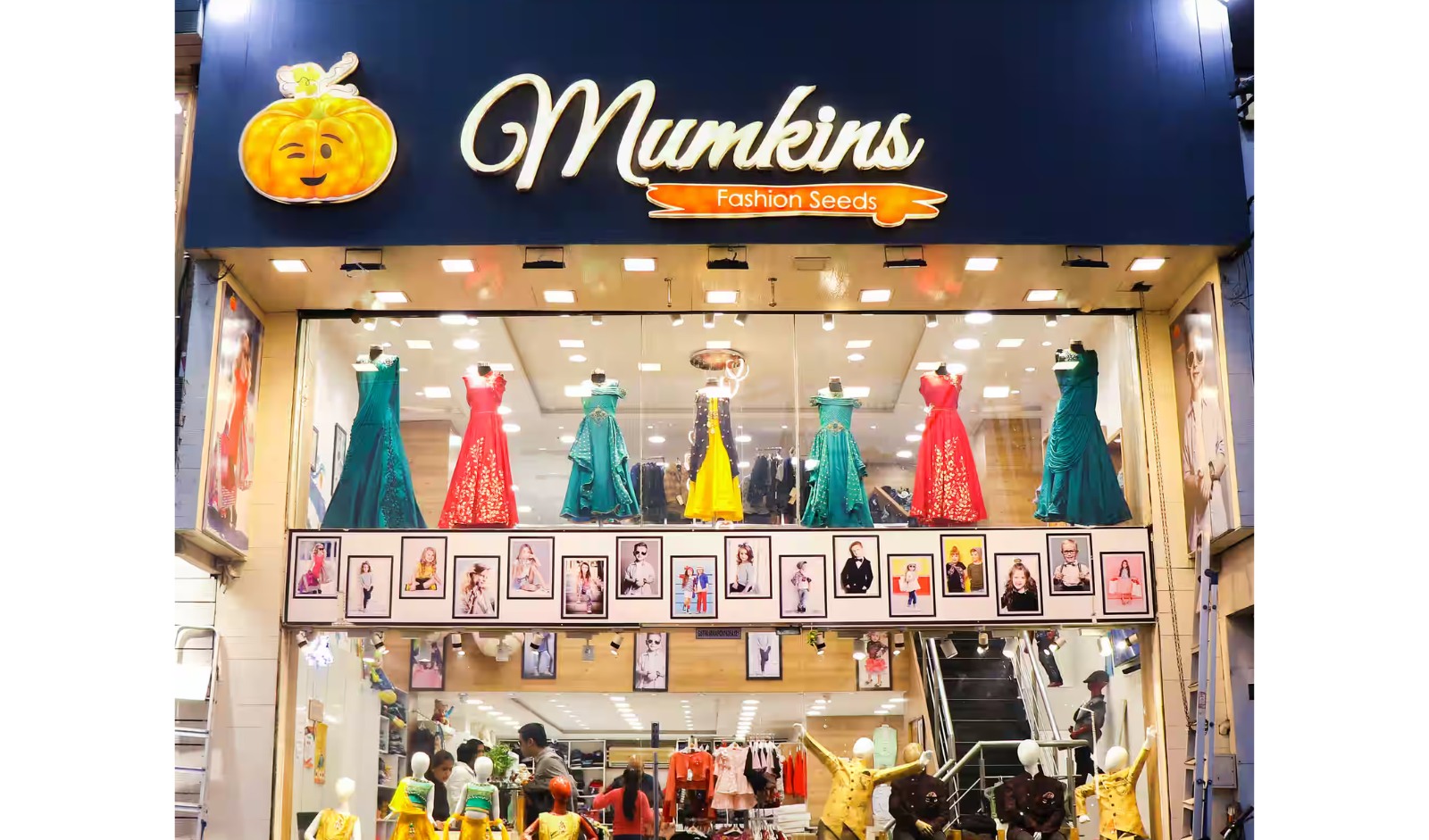
Mumkins has built a distinct corporate identity by focusing specifically on premium celebration and ethnic wear for children. Offering an expansive range of detailed festive dresses, gowns, sherwanis, and formal suits, the brand captures the highest-margin slice of the kids' market. Mumkins targets parents who want exclusive designs coupled with rigorous fabric quality control. With a retail footprint extending past 50 stores in more than 20 cities, the brand utilizes a vertically integrated setup to transform current international design styles into retail-ready apparel quickly.
- Investor’s Take: By establishing an authoritative position in the celebration wear category, Mumkins insulates its franchise partners from mass-market price wars and benefits from emotion-driven family spending.
Conclusion: A Sustainable Commercial Path
The transition from unorganized local apparel shops to structured, reliable retail brands in the Indian kidswear space is a long-term economic shift. Today's parents are consistently increasing their household allocation for children's clothing to guarantee better comfort, durability, and safety.
Securing a kidswear franchise in India allows business owners to sidestep the high failure rates and heavy costs associated with building an independent brand from scratch. Partnering with a proven concept provides instant access to functioning supply chains, predictable product lines, and immediate consumer trust. For investors looking for sustainable, recurring cash flows, India's organized children's retail sector offers a highly reliable investment option.
For Further Franchise Info Contact
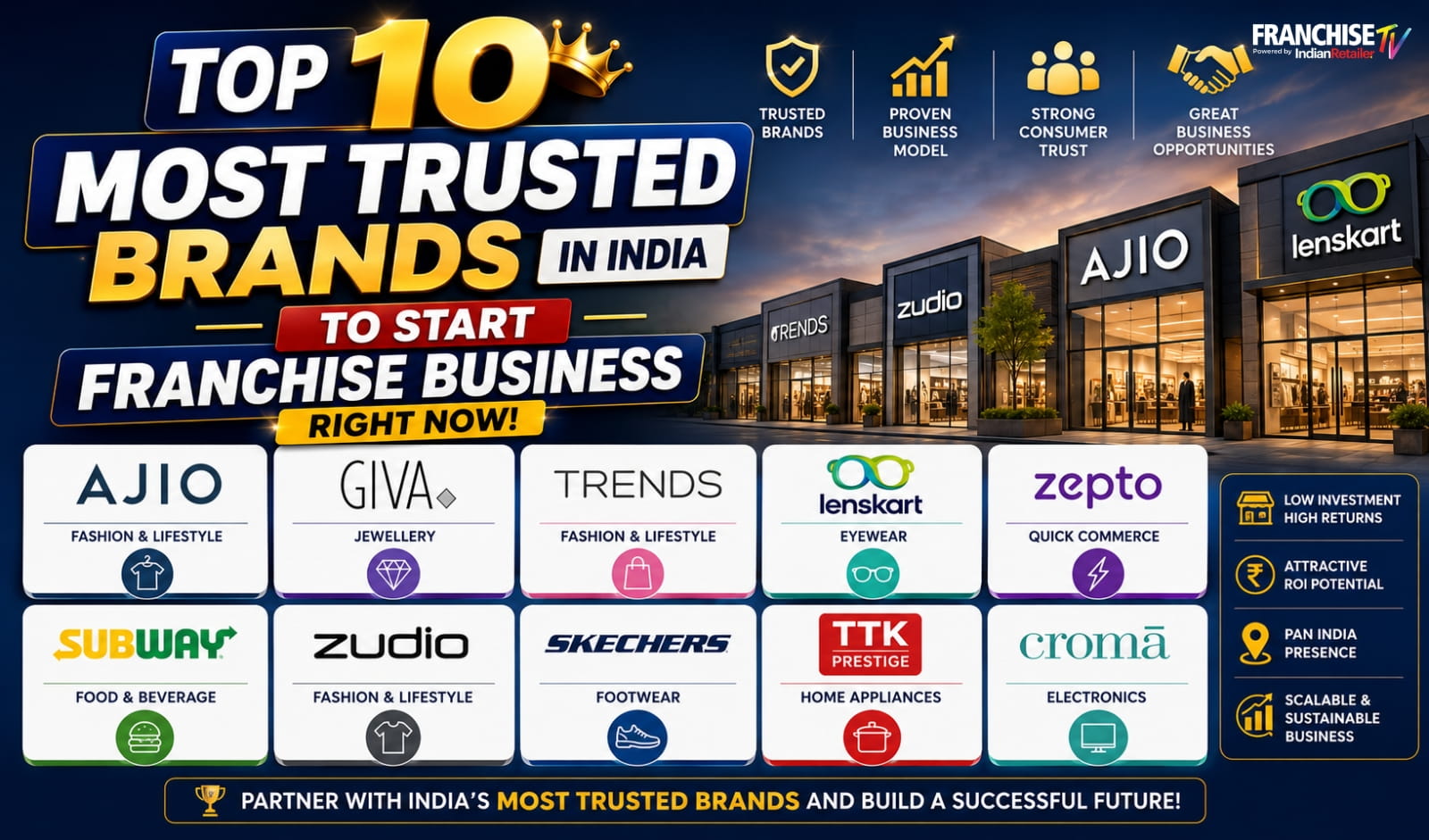
India's franchise industry continues to expand as entrepreneurs increasingly prefer investing in established business models rather than building brands from scratch. Trusted franchise businesses offer the advantage of brand recognition, operational support, proven systems, and an existing customer base. As consumer spending grows across fashion, food, electronics, and lifestyle categories, franchise opportunities linked to well-known brands are attracting significant interest from investors.
The rise of organized retail, digital commerce, omnichannel shopping, and aspirational consumer behavior has further strengthened the franchise ecosystem. For individuals planning to start a franchise business, partnering with a trusted brand can significantly reduce risk while improving long-term growth potential.
What Makes a Franchise Brand Trustworthy?
Consumer trust is built through consistent product quality, strong customer experience, nationwide visibility, and brand credibility. The most trusted franchise businesses often have established supply chains, robust marketing support, strong management systems, and proven profitability.
The following brands have built strong recognition among Indian consumers and continue to expand across multiple markets.
Ajio
Ajio has emerged as one of India's leading online fashion and lifestyle platforms under Reliance Retail. Since its launch in 2016, the brand has gained popularity among fashion-conscious consumers through its wide assortment of apparel, footwear, accessories, and lifestyle products. Backed by Reliance Industries, Ajio benefits from one of India's strongest retail ecosystems. The brand's success reflects the growing demand for digital-first retail experiences and omnichannel commerce. While Ajio primarily operates as an online platform, its strong market presence demonstrates how trusted retail brands continue to influence India's fashion landscape and create opportunities within the broader retail ecosystem.
Read more: How to Choose the Right Franchise Business in India
Top 6 Healthcare Franchise Opportunities in India for High ROI in 2026
Top 4 Organic Beauty Brands Driving Growth in India's Franchise Sector
GIVA
GIVA has become one of India's fastest-growing jewellery brands by combining affordability with premium design. The company specializes in sterling silver, gold-plated jewellery, and modern accessories that appeal to young consumers. With a franchise-operated model and strong focus on operational support, GIVA offers investors access to the rapidly growing jewellery retail segment. The brand's emphasis on design innovation, gifting solutions, and premium customer experience has helped it establish a loyal customer base. As organized jewellery retail continues to expand in India, GIVA stands out among the most trusted franchise businesses in the fashion accessories category.
Trends
Trends, part of Reliance Retail, is one of India's largest fashion retail chains. Since its establishment in 2007, the brand has expanded across metros, Tier II cities, and emerging markets. Offering fashion for men, women, and children, Trends combines affordability with style, making it accessible to a broad customer base. The brand's large-scale retail presence, strong supply chain, and extensive product portfolio have contributed to its popularity. Supported by Reliance Retail's retail expertise and operational capabilities, Trends remains one of the most trusted franchise brands for entrepreneurs interested in fashion retail opportunities.
Lenskart
Founded by Peyush Bansal in 2010, Lenskart transformed India's eyewear industry through technology-driven retail and customer-focused innovation. The brand offers prescription eyewear, sunglasses, contact lenses, and eye-care services through its omnichannel network. With hundreds of stores across India and strong digital integration, Lenskart has become synonymous with affordable and accessible eyewear. Its technology-backed approach, including virtual try-on features and advanced eye-testing solutions, has strengthened customer trust. As vision care awareness continues to increase, Lenskart remains among the top franchise opportunities in India's eyewear sector.
Zepto
Zepto has rapidly established itself as one of India's most talked-about quick-commerce brands. Founded in 2021, the company revolutionized grocery delivery through its ultra-fast delivery model. Serving millions of customers across major Indian cities, Zepto leverages advanced technology, supply chain efficiency, and dark-store operations to fulfill orders within minutes. The brand's strong growth trajectory, expanding customer base, and increasing demand for convenience-driven services position it as a significant player in India's retail ecosystem. Zepto reflects the evolving preferences of urban consumers and the growing potential of quick-commerce business opportunities.
Subway
Since its beginnings in 1965, Subway has grown into one of the world's most recognized quick-service restaurant brands. Known for fresh sandwiches, salads, and customizable meal options, Subway appeals to consumers seeking healthier fast-food alternatives. The brand's proven business model, extensive training programs, operational support, and marketing assistance make it an attractive option for entrepreneurs. With strong global brand recognition and continued expansion across India, Subway remains one of the most trusted franchise businesses in the food and beverage segment. Its focus on fresh ingredients and customer customization continues to drive demand among modern consumers.
Zudio
Zudio has become one of India's fastest-growing value fashion retailers by offering affordable fashion across apparel, footwear, and accessories categories. Operated under the Tata Group's retail portfolio, Zudio targets value-conscious consumers seeking trendy products at accessible prices. The brand has expanded aggressively across India and gained popularity among young shoppers and families. Supported by Tata's retail expertise and efficient supply chain management, Zudio continues to attract strong consumer demand. Its combination of affordability, product variety, and brand trust makes it one of the most recognized names in India's fashion retail sector.
Skechers
Skechers is one of the world's leading footwear and lifestyle brands, known for combining comfort, performance, and style. The company entered India and quickly gained popularity among consumers looking for quality footwear across sports, casual, and lifestyle segments. Available in more than 100 countries, Skechers benefits from strong international brand recognition and extensive product innovation. Its focus on comfort technology, premium designs, and diverse product categories has helped the brand build a loyal customer base. As fitness and lifestyle trends continue to influence purchasing behavior, Skechers remains a trusted name in footwear retail.
TTK Prestige
TTK Prestige is India's leading kitchen appliances and cookware brand with decades of consumer trust. The company offers a wide range of products including pressure cookers, gas stoves, mixer grinders, induction cooktops, and kitchen essentials. With manufacturing facilities across India and a strong retail network, Prestige has built a reputation for quality and innovation. The brand's franchise model benefits from strong consumer demand, repeat purchases, and category leadership. For entrepreneurs interested in home and kitchen retail, TTK Prestige represents one of India's most trusted franchise opportunities.
Croma
Croma, a Tata Group enterprise, has become one of India's most recognized consumer electronics retailers. Established in 2006, the brand offers thousands of products across smartphones, laptops, televisions, appliances, and digital devices. Its omnichannel retail model combines physical stores with online shopping experiences, delivering convenience and product variety to customers. Croma's emphasis on customer service, technology expertise, transparency, and after-sales support has strengthened consumer trust. As India's electronics market continues to grow, Croma remains a leading retail brand serving the country's expanding digital consumer base.
Why These Brands Stand Out in 2026
The brands featured above have successfully built trust through innovation, customer satisfaction, operational excellence, and market leadership. They represent some of the most trusted franchise brands in India across multiple industries including fashion, jewellery, food service, electronics, eyewear, and home appliances.
For entrepreneurs planning to start a franchise business, choosing an established brand can provide access to proven systems, customer loyalty, and scalable growth opportunities. As India's consumer economy continues to expand, trusted franchise businesses are expected to play a central role in shaping the next phase of retail and franchise growth.
Read more articles: Top 5 Women's Wear Franchise Brands in India for Profitable Retail Growth
Top 5 Chinese & Pan-Asian Franchise Brands in India
Top 4 Small Business Ideas You Can Start With Just 5 Lakhs
Conclusion
The demand for trusted franchise brands in India continues to rise as consumers increasingly prefer established names with proven credibility. Whether it is fashion, food, electronics, eyewear, jewellery, or lifestyle retail, these brands have demonstrated their ability to adapt, innovate, and grow. If you are looking to start a franchise business in 2026, exploring opportunities associated with these most trusted franchise businesses could be a strategic step toward building a successful and sustainable venture.
For Further Franchise Info Contact
India’s women’s wear market is one of the fastest-growing segments in the fashion industry, driven by rising disposable incomes, increasing fashion awareness, and the rapid expansion of organized retail. According to industry estimates, the Indian apparel market is projected to grow at a CAGR of around 9-10% over the coming years, with women’s fashion accounting for a significant share of this growth. The surge in ethnic wear, fusion fashion, premium handcrafted apparel, and D2C-led brands has created lucrative opportunities for entrepreneurs seeking a profitable fashion franchise business.
For investors looking to capitalize on this growing market, women’s wear franchise brands offer the advantage of established brand recognition, proven business models, and increasing consumer demand. Here are five promising women’s wear franchise opportunities in India.
Why Women’s Wear Franchises Are Booming in India
The women’s fashion segment is evolving rapidly as consumers seek premium designs, personalized shopping experiences, and quality craftsmanship. The expansion of Tier II and Tier III cities, social commerce, digital influence, and growing demand for ethnic and fusion wear have further accelerated growth. Investors are increasingly choosing fashion retail franchises because they combine strong repeat purchases with scalable growth potential.
1. Shades of India
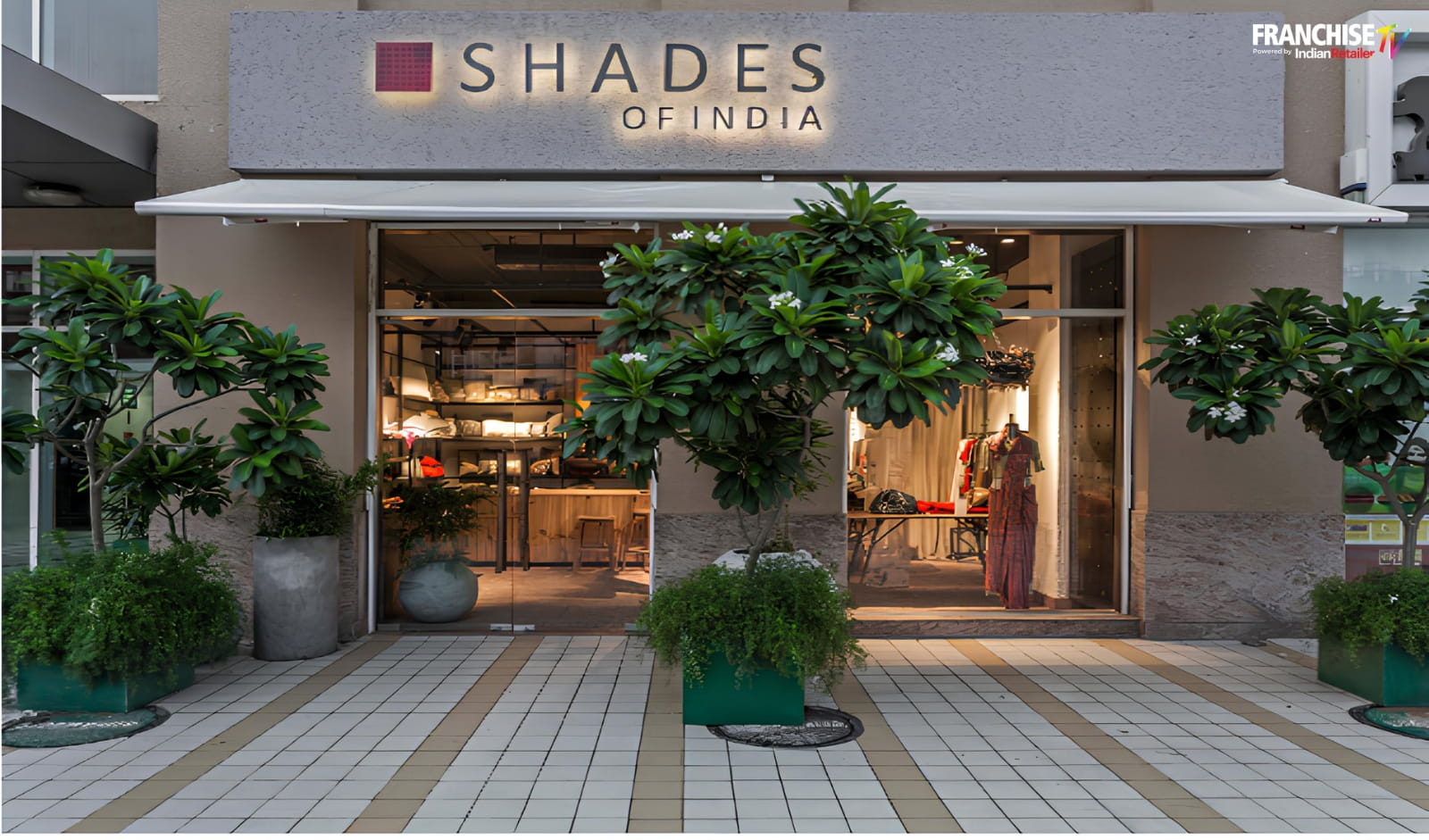
Founded in 1997 by Mandeep Nagi and David Housego, Shades of India has established itself as a premium lifestyle and women’s fashion brand known for blending contemporary aesthetics with traditional Indian craftsmanship.
The brand offers apparel, textile jewelry, bags, and home furnishings, making it more than just a clothing label. Its collections are recognized for rich fabric textures, handcrafted detailing, artistic prints, and premium-quality fabrics that appeal to urban consumers seeking unique fashion choices.
Investment Range: ₹50 lakh – ₹1 crore
Area Requirement: 400–500 sq. ft.
Store Presence: Less than 10 outlets
Shades of India is ideal for entrepreneurs targeting premium fashion consumers and luxury lifestyle shoppers.
Related articles: Top 10 Retail Franchise Brands Expanding Rapidly in India
7 Best Lab-Grown Diamond Jewelry Franchise Brands in India to Watch
Top 10 Women's Fashion Franchise Brands in India
2. MISH Fashion
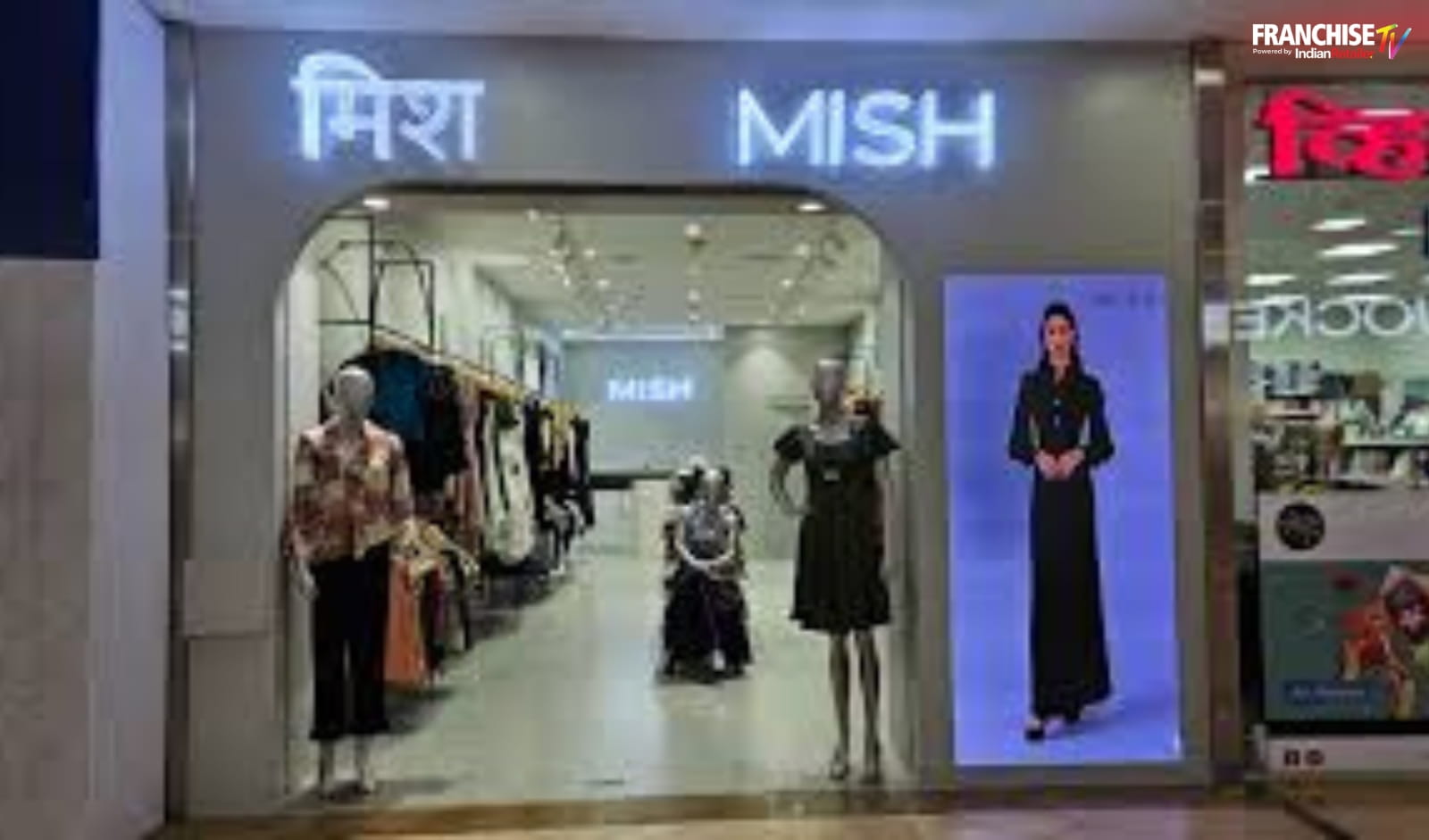
MISH Fashion caters to modern, trend-conscious women through a portfolio of dresses, tops, co-ords, bottoms, T-shirts, and plus-size apparel.
The brand focuses on contemporary fashion, affordability, and comfort while providing franchise partners with extensive operational support. Its centralized marketing, technology systems, supply chain management, and training programs create a structured franchise ecosystem.
Investment Range: ₹30 lakh – ₹50 lakh
Area Requirement: 800–1000 sq. ft.
Store Presence: Less than 10 outlets
For investors looking at fast-growing western wear and contemporary fashion categories, MISH Fashion offers strong growth potential.
3. Zolo Label
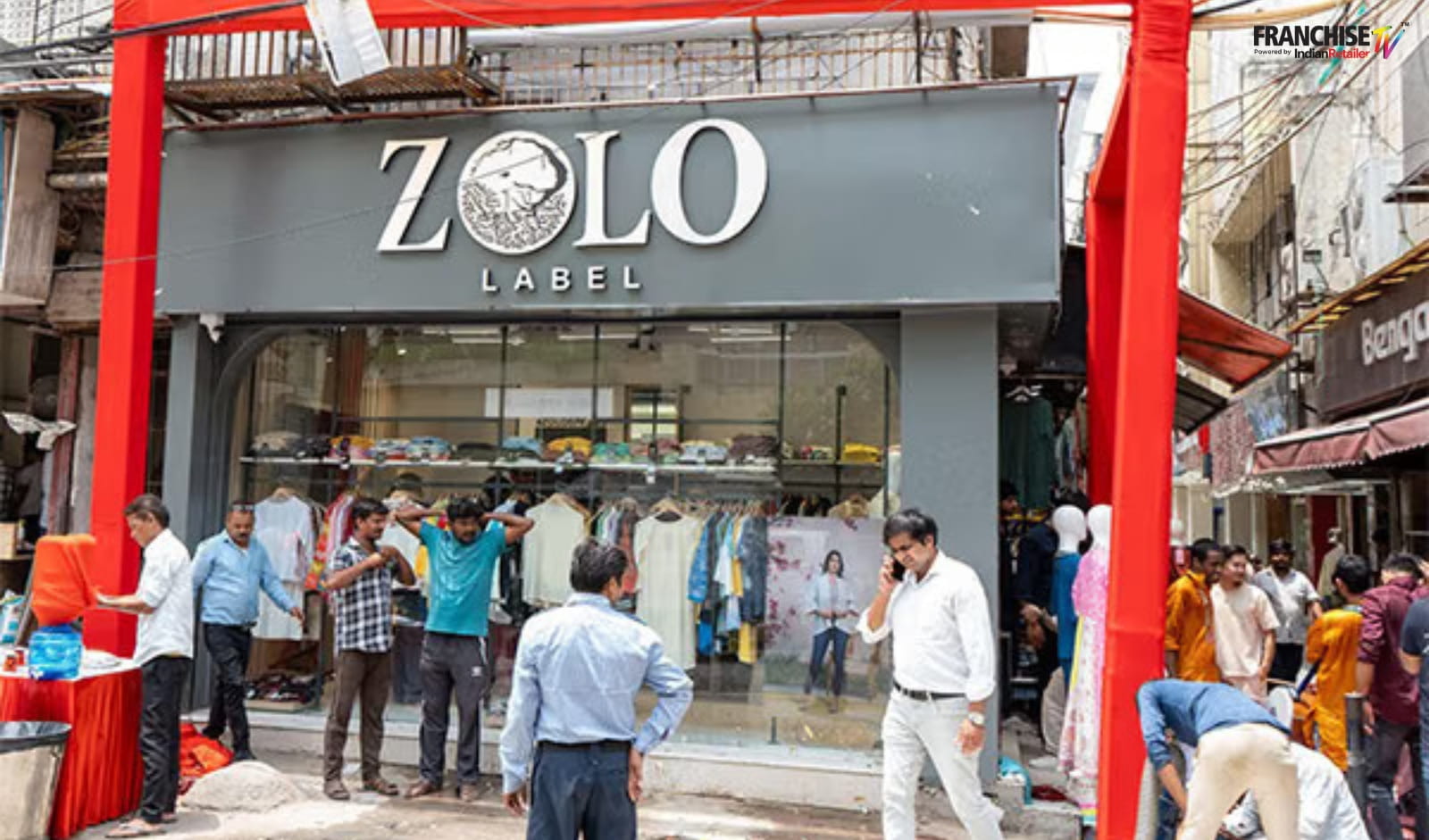
Founded by Raghunandan Rawat in 2021, Zolo Label has quickly gained popularity among young consumers through its trendy ethnic and fusion wear collections.
Its product portfolio includes jackets, sharara sets, suit sets, dresses, kaftans, co-ord sets, lehengas, bags, and fashion accessories. The brand combines digital-first growth with franchise expansion, creating opportunities for entrepreneurs to tap into the premium ethnic wear market.
Investment Range: ₹50 lakh – ₹1 crore
Area Requirement: 800–1000 sq. ft.
Store Presence: Less than 10 outlets
Zolo Label stands out for its strong appeal among younger fashion-conscious shoppers and occasion-wear consumers.
4. Fashor
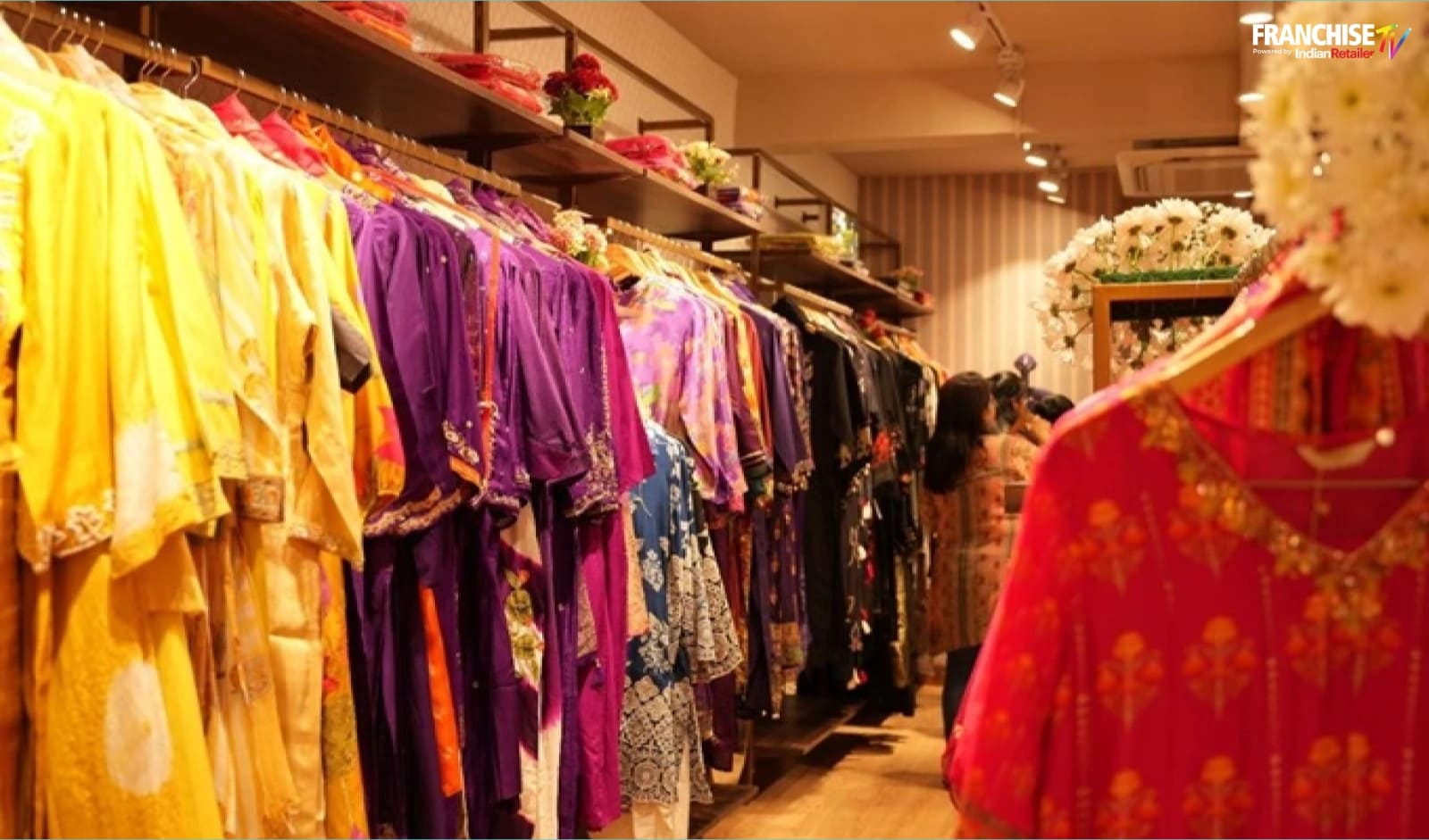
Fashor has emerged as one of India’s fastest-growing women’s ethnic and fusion wear brands. Established in 2017 by Vikram and Priyanka Kankaria, the brand serves a large customer base through affordable and fashion-forward collections.
Its offerings include kurta sets, kurtas, dresses, Indo-western wear, occasion wear, casual wear, workwear, and premium collections under Fashor Luxe. The company frequently launches new designs, helping stores stay aligned with changing consumer preferences.
Investment Range: ₹50 lakh – ₹1 crore
Area Requirement: 1000–2000 sq. ft.
Store Presence: Less than 10 franchise outlets
Fashor is particularly attractive for investors seeking a scalable franchise in the ethnic and fusion wear segment.
5. Ethnava
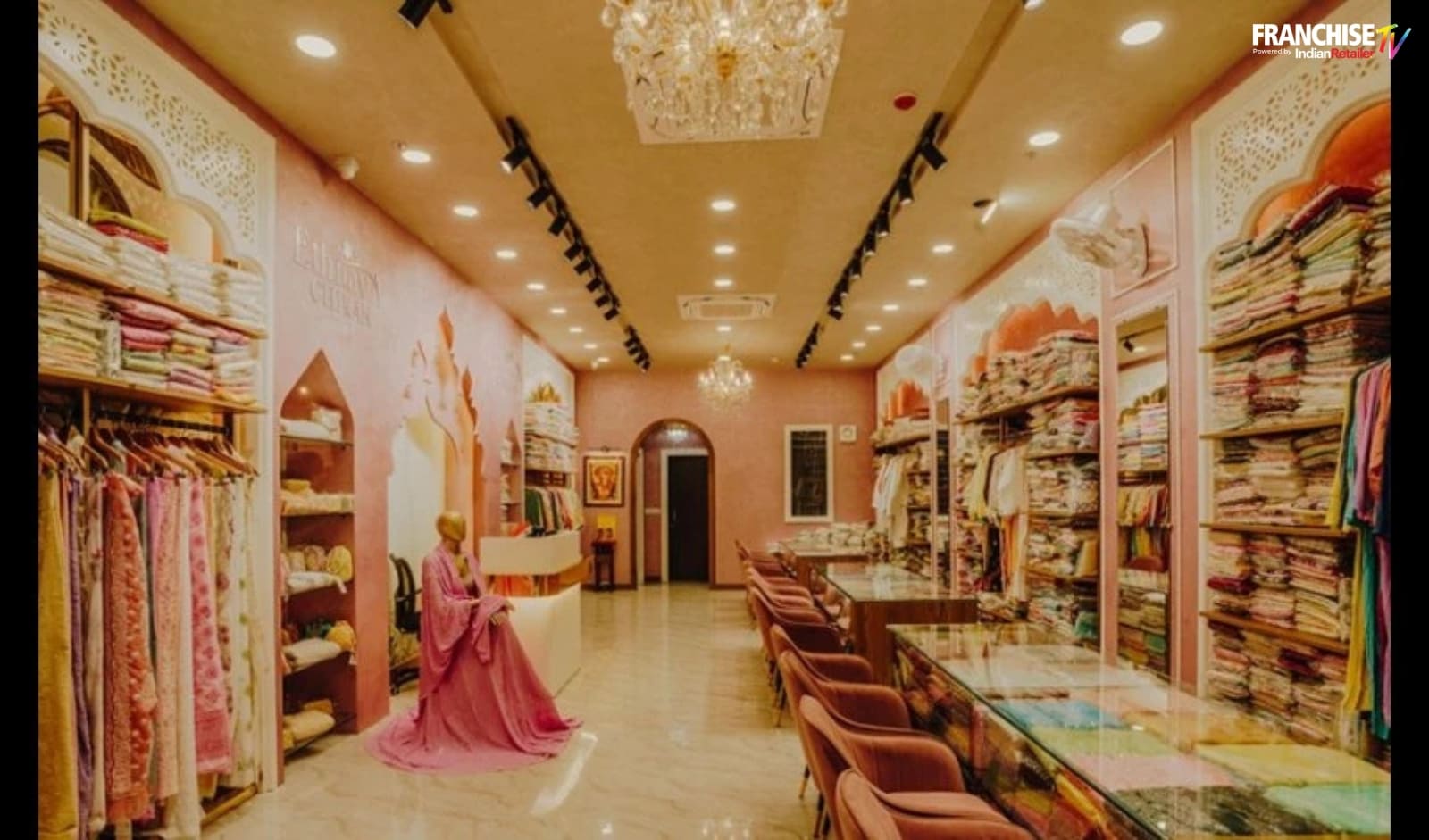
Founded by Suryash Agarwal, Ethnava is a premium Lucknow-based Chikankari fashion brand focused on preserving traditional craftsmanship while building a modern retail experience.
The brand offers handcrafted and certified Lucknowi Chikankari apparel across premium collections. Its royalty-free FOFO (Franchise Owned, Franchise Operated) model, high gross margins of 40–45%, and focus on premium ethnic wear make it a compelling franchise opportunity.
Investment Range: ₹30 lakh – ₹50 lakh
Area Requirement: 600–1200 sq. ft.
Store Presence: Less than 10 outlets
Ethnava is ideal for entrepreneurs interested in premium ethnic fashion and artisan-driven luxury retail.
Read also: Top 5 Chinese & Pan-Asian Franchise Brands in India
Top 4 Small Business Ideas You Can Start With Just 5 Lakhs
Best Fashion Franchise Businesses to Start in India Under ₹50 Lakhs
Which Women’s Wear Franchise Should You Choose?
The best women’s wear franchise depends on your target market and investment capacity. Shades of India and Ethnava cater to premium and handcrafted fashion segments, while MISH Fashion focuses on contemporary western wear. Zolo Label appeals to younger ethnic fashion buyers, and Fashor offers a strong blend of ethnic and fusion wear with scalable retail potential.
With women’s fashion continuing to outperform several retail categories, these brands present attractive opportunities for entrepreneurs seeking long-term growth in India’s expanding fashion retail market.
For Further Franchise Info Contact
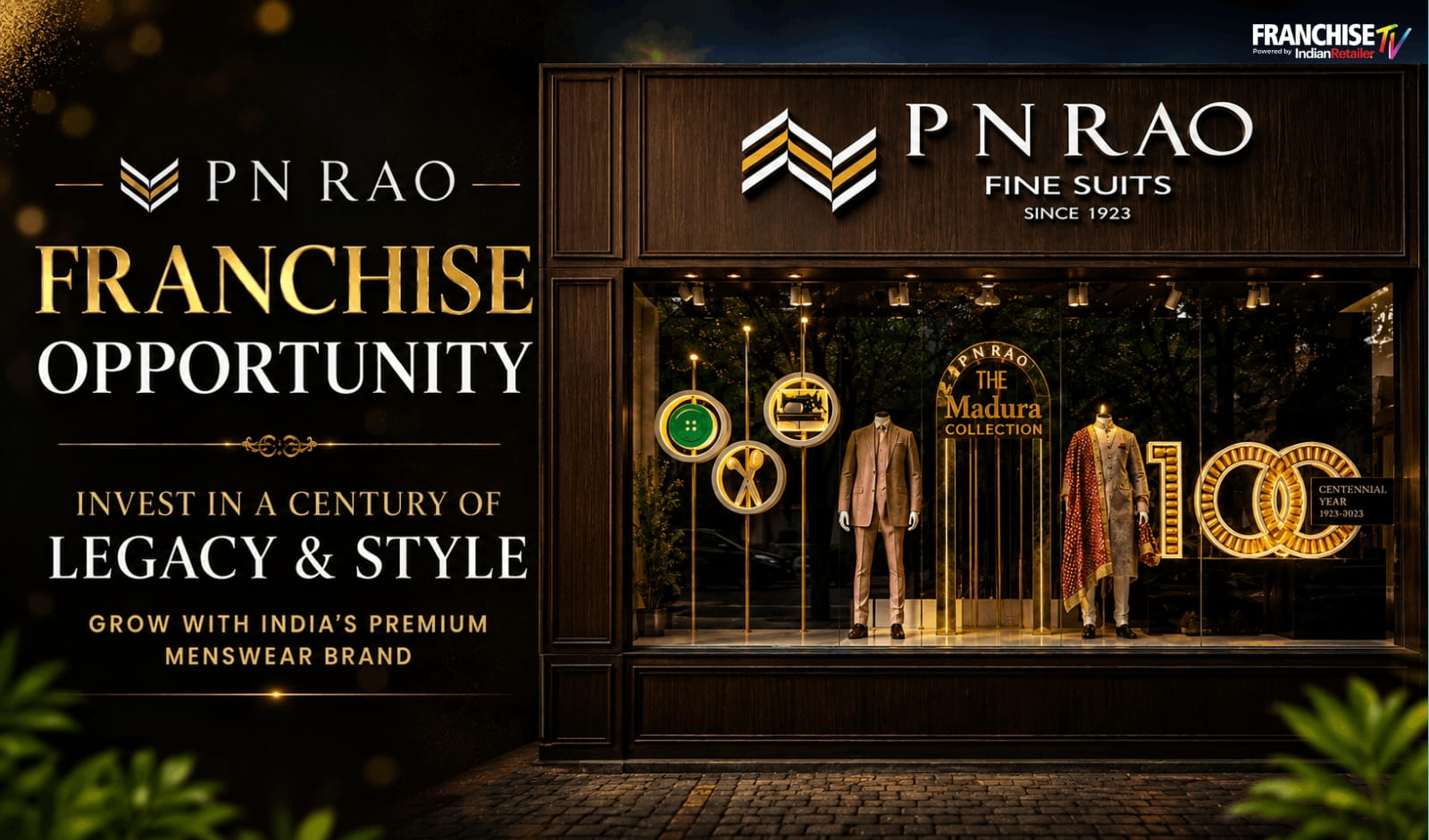
India’s premium menswear market is witnessing strong growth, driven by rising disposable incomes, wedding spending, corporate dressing trends, and increasing demand for bespoke tailoring. Capitalizing on this opportunity, PN RAO, one of India’s oldest luxury menswear brands, is inviting franchise partners to join its expansion journey across key Tier 1 and Tier 2 cities. The insights were shared during a recent Franchise India webinar.
A Legacy Brand with Over 100 Years of Heritage
Founded in 1923 in Bengaluru by the late Pishe Narayan Rao, PN RAO has evolved from a single tailoring store into a respected premium menswear destination. The brand is known for its expertise in bespoke tailoring, made-to-measure apparel, business suits, ceremonial wear, ethnic clothing, footwear, and accessories.
Today, PN RAO serves professionals, entrepreneurs, wedding shoppers, and affluent consumers seeking superior craftsmanship, personalized fitting, and premium fabrics sourced from leading global textile houses.
Why India’s Premium Menswear Market Is Growing
The Indian apparel industry is experiencing a shift toward premiumization. Consumers are increasingly choosing customized clothing, tailored fits, and luxury fashion experiences over mass-produced garments.
PN RAO believes this growing gap between affordable luxury and high-end designer labels presents a significant opportunity. The brand is positioned in the premium value segment, offering world-class tailoring and international fabric options while maintaining accessibility for aspirational consumers.
Strong Retail Presence and Expansion Strategy
The company currently operates stores across Bengaluru, Chennai, Hyderabad, and Hubli, with additional expansion planned in cities such as Kochi, Mangalore, Visakhapatnam, Vijayawada, and Coimbatore.
According to the management, newer stores have demonstrated encouraging traction, supported by growing demand for premium menswear in emerging urban markets where organized luxury apparel options remain limited.
Franchise Investment and Business Model
PN RAO follows a FOFO (Franchise Owned Franchise Operated) model.
Key investment highlights include:
- Tier 1 City Investment: Approx. ₹1.60 crore
- Tier 2 City Investment: Approx. ₹1.37 crore
- Store Size Requirement: 2,000 sq. ft. (Tier 1) and 1,500 sq. ft. (Tier 2)
- Franchise Agreement: 7 years
- Expected Payback Period: 38 months
- Average 7-Year ROI: 52–53%
- IRR: Approximately 35%
Read also: Top 4 Small Business Ideas You Can Start With Just 5 Lakhs
5 Profitable AI-Powered Business Ideas You Can Start in Mid-2026
6 Consumer Brands Scaling Aggressively Across India
Comprehensive Franchise Support
PN RAO offers end-to-end support including site selection, showroom design, inventory management, centralized tailoring operations, staff training, POS implementation, logistics, digital marketing, and ongoing business guidance.
The company’s centralized production infrastructure helps franchisees maintain consistent quality, timely delivery, and operational efficiency across locations.
The Opportunity Ahead
With over a century of brand trust, strong customer loyalty, international fabric partnerships, and rising demand for customized menswear, PN RAO presents a compelling franchise opportunity in India’s premium fashion retail sector. For entrepreneurs looking to enter the luxury apparel business, the brand offers a blend of heritage, scalability, and long-term growth potential.
For Further Franchise Info Contact
India’s fashion retail industry is witnessing massive growth as organised retail, digital commerce, and aspirational spending continue to rise across the country. The Indian fashion market has already crossed the $100 billion mark, and fashion franchise businesses are becoming one of the most preferred investment categories for entrepreneurs looking for scalable and profitable retail opportunities.
From Tier 1 metros to rapidly developing Tier 2 and Tier 3 cities, consumers are increasingly spending on ethnic wear, western fashion, footwear, jewellery, and lifestyle accessories. Compared to independent retail stores, fashion franchise businesses offer stronger brand trust, proven supply chains, operational support, and better customer retention.
For first-time investors, the under ₹50 lakh segment has emerged as the ideal entry point into organised retail. It provides access to established fashion brands without the high operational risk of launching an independent business. In this article, we explore the best fashion franchise businesses in India under ₹50 lakhs that are expected to perform strongly in 2026.
Why Fashion Franchises Are the Smartest Retail Investment Right Now
India’s growing middle class and rising disposable income are fueling demand for branded fashion products across all age groups. Fashion retail has evolved into an experience-driven business where consumers actively seek trusted brands, premium store environments, and trend-focused collections.
Fashion franchise businesses also benefit from omnichannel retail growth, where online visibility supports offline store sales. Established brands provide inventory planning, merchandising, branding, and marketing support, reducing operational pressure on franchise partners.
Youth-driven fashion consumption, seasonal shopping trends, festive demand, and social media influence are helping fashion brands scale faster than ever. With repeat purchases and loyal customer bases, fashion retail continues to remain one of the most profitable franchise sectors in India.
Key Factors Every Investor Must Evaluate Before Signing a Fashion Franchise Deal
Before investing in a fashion franchise business, entrepreneurs should carefully evaluate the total setup cost, working capital requirements, and expected return on investment. Understanding the brand’s market reputation, expansion plans, and customer demand is equally important.
Investors should also check royalty fees, profit margins, territory exclusivity, and operational flexibility. Strong franchise support in areas such as staff training, visual merchandising, marketing campaigns, and inventory management can significantly improve long-term profitability.
Choosing the right location, store format, and target audience is critical for building a successful fashion franchise business in India.
Read also: How to Start a Beauty Salon Business in India
10 Franchise Brands in India That Are Perfect for First-Time Entrepreneurs
Top Franchise Trends in 2026: What’s Driving Growth Now
10 Best Fashion Franchise Brands in India You Can Start Under ₹50 Lakhs
KhanBaba
Investment Range: ₹30 Lakhs – ₹50 Lakhs
Franchise Fee: Included in overall investment
ROI Timeline: 18–24 Months
Category/Specialty: Men’s ethnic and traditional fashion
Support Offered: Branding, inventory, merchandising, and operational support
KhanBaba is a premium men’s ethnic wear brand known for blending South Asian traditional fashion with modern tailoring. The brand offers curated collections including Pathani suits, ethnic footwear, accessories, and occasion wear targeted at fashion-conscious consumers across Tier 1 and Tier 2 cities. With growing demand for ethnic menswear in wedding and festive categories, KhanBaba presents a scalable retail opportunity for investors. The franchise benefits from strong brand identity, refined store aesthetics, and increasing consumer preference for occasion-based fashion retail. Its premium positioning and expanding market presence make it a strong fashion franchise investment for 2026.
Gossip by Senco
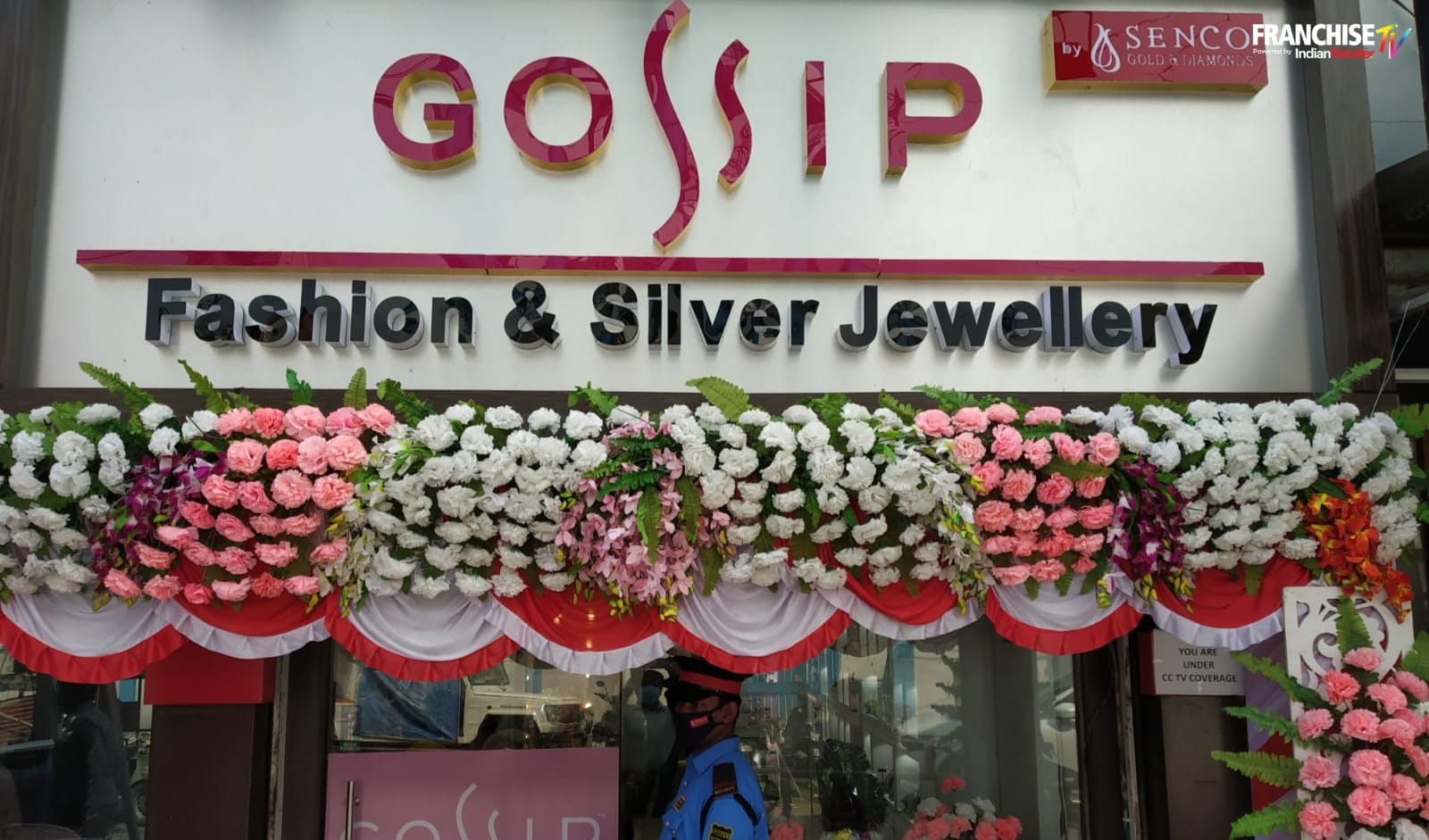
Investment Range: ₹30 Lakhs – ₹50 Lakhs
Franchise Fee: Included in investment
ROI Timeline: 18–24 Months
Category/Specialty: Fashion jewellery and accessories
Support Offered: Product sourcing, branding, retail setup, and marketing support
Gossip by Senco is a contemporary jewellery and accessories brand launched by Senco Gold & Diamonds. The brand focuses on affordable luxury with stylish collections featuring sterling silver, oxidized silver, American diamonds, and fashion jewellery. Targeting urban consumers and gifting markets, Gossip combines affordability with premium retail presentation. The brand has expanded through online marketplaces and modern retail channels, helping franchise partners benefit from increasing demand for affordable fashion jewellery in India. With rising interest in occasion-based accessories and trend-driven jewellery collections, Gossip by Senco is emerging as a profitable fashion retail franchise opportunity in metro and urban markets.
TRENDZILA
Investment Range: ₹10 Lakhs – ₹20 Lakhs
Franchise Fee: Flexible model
ROI Timeline: 12–18 Months
Category/Specialty: Fast fashion and youth apparel
Support Offered: AI-driven merchandising, branding, inventory, and marketing support
TRENDZILA is a fast-growing youth fashion brand redefining urban streetwear and modern apparel retail in India. The brand combines premium-quality fashion with AI-powered trend forecasting to deliver contemporary collections for Gen Z and millennial consumers. TRENDZILA’s hyperlocal fast-fashion strategy, scalable store model, and strong focus on social media-driven fashion trends make it highly attractive for investors targeting youth-centric markets. The brand is rapidly gaining popularity due to its affordable pricing, edgy designs, and fast inventory cycles. With increasing demand for youth fashion and quick retail expansion opportunities, TRENDZILA is one of the strongest low-investment fashion franchise businesses in India.
Biglilpeople
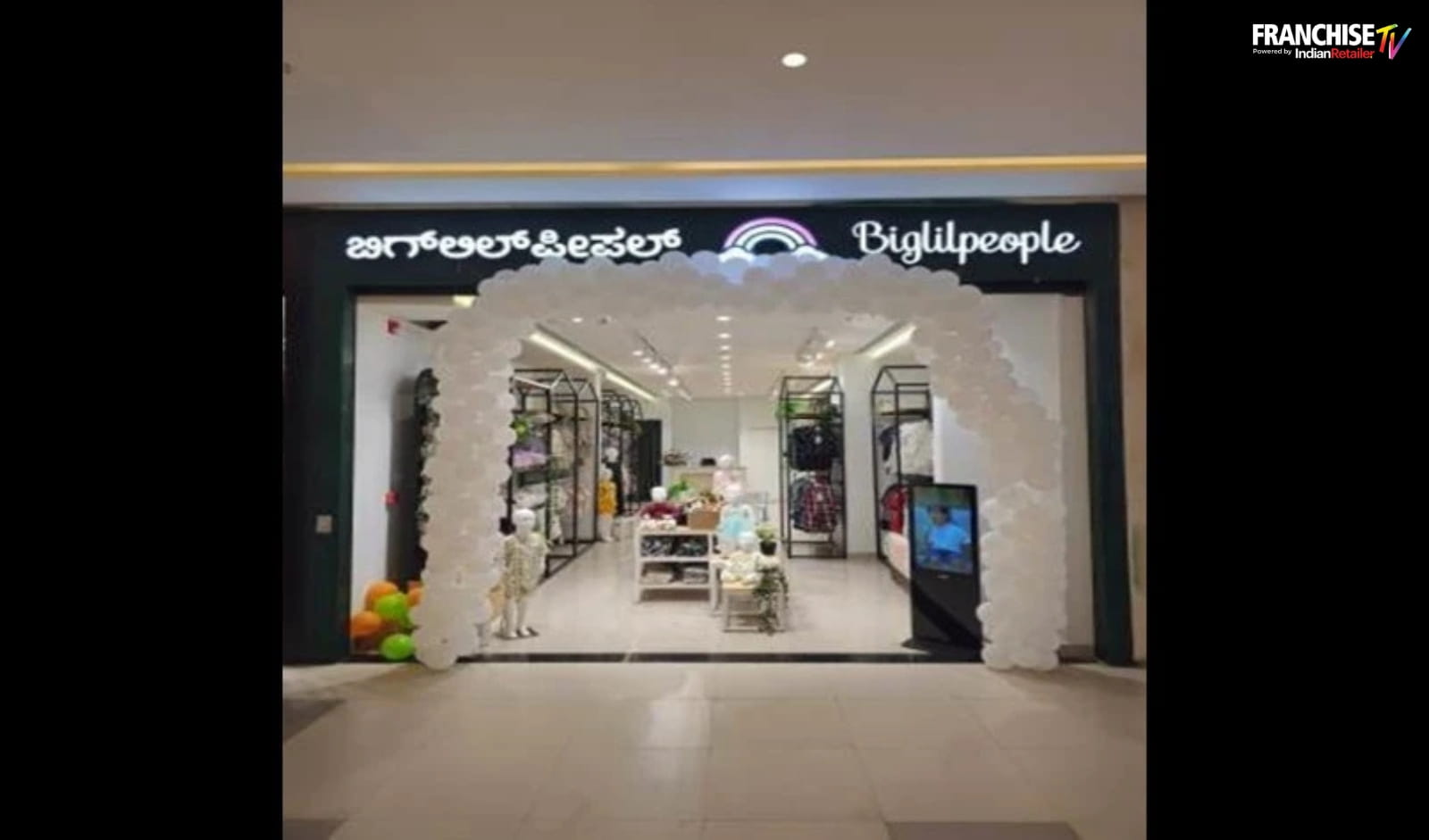
Investment Range: ₹20 Lakhs – ₹30 Lakhs
Franchise Fee: Included in investment
ROI Timeline: 15–24 Months
Category/Specialty: Kids and family fashion retail
Support Offered: Managed operations, supply chain support, and merchandising assistance
Biglilpeople is one of India’s fastest-growing kids wear brands focused on comfort-driven and sustainable fashion for children. The brand specializes in breathable fabrics, durable materials, and affordable premium fashion for modern families. Biglilpeople follows a professionally managed model that reduces operational burden for franchise partners while maintaining strong quality control and brand consistency. With increasing spending on premium children’s apparel and family-focused retail destinations, the brand is expanding rapidly across urban and emerging cities. Biglilpeople’s scalable model, sustainable positioning, and growing customer trust make it a promising fashion franchise business under ₹50 lakhs.
Ethnava Chikan
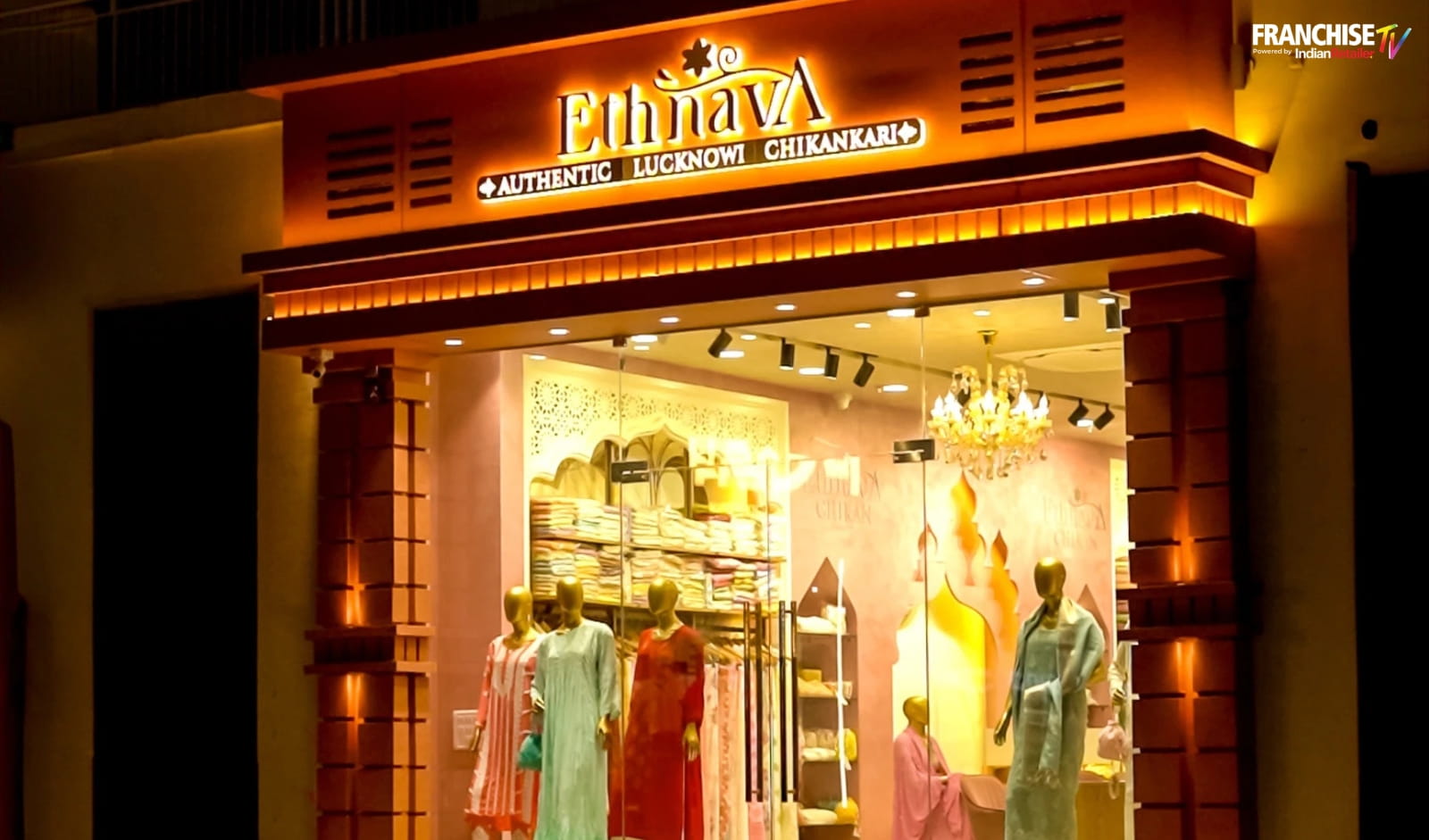
Investment Range: ₹30 Lakhs – ₹50 Lakhs
Franchise Fee: Included in investment
ROI Timeline: 18–24 Months
Category/Specialty: Lucknowi chikankari ethnic wear
Support Offered: Manufacturing support, branding, training, and merchandising assistance
Ethnava Chikan is a premium ethnic wear brand rooted in authentic Lucknowi chikankari craftsmanship. Backed by over two decades of heritage through Balaji Handicrafts Pvt. Ltd., the brand combines handcrafted artistry with modern retail aesthetics. Ethnava focuses on luxury ethnic wear while empowering thousands of artisans, especially women. Its strong storytelling, premium positioning, and growing demand for handcrafted Indian fashion make it highly attractive in the organised ethnic wear segment. With high-margin collections, strong cultural branding, and increasing nationwide interest in heritage fashion, Ethnava Chikan offers a unique and profitable franchise opportunity for investors targeting premium ethnic fashion markets.
Trends Footwear
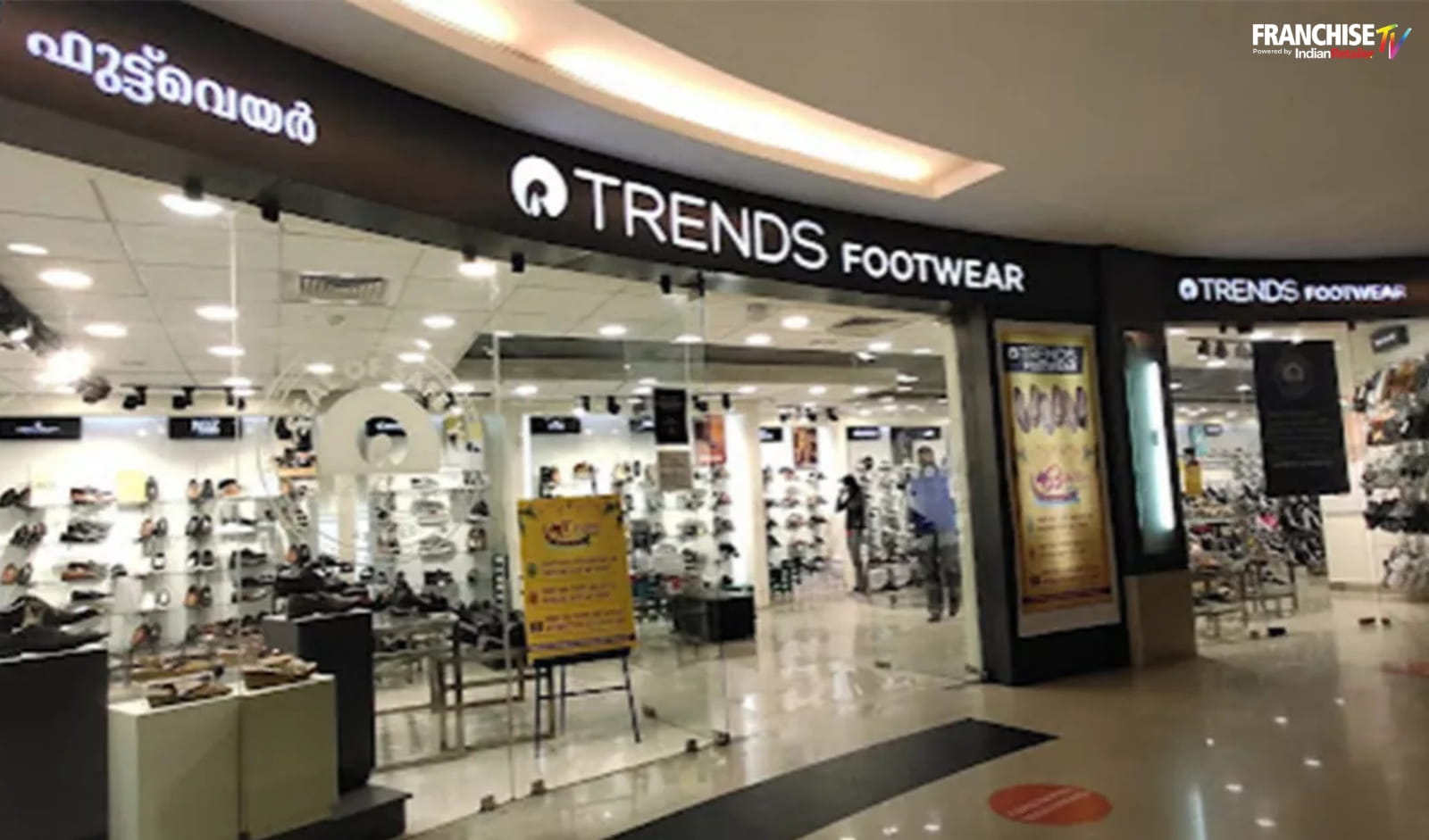
Investment Range: ₹20 Lakhs – ₹30 Lakhs
Franchise Fee: Waived under selected models
ROI Timeline: 18–24 Months
Category/Specialty: Affordable lifestyle footwear
Support Offered: CRM, billing systems, training, marketing, and inventory support
Trends Footwear, backed by Reliance Retail, is one of India’s most scalable footwear retail brands with a strong presence across Tier 1, Tier 2, and Tier 3 cities. The brand offers stylish and affordable footwear across formal, casual, ethnic, and athleisure categories. Its FOFO franchise model, strong supply chain, and extensive brand recall provide investors with operational stability and consistent demand. Trends Footwear benefits from growing lifestyle consumption and high repeat customer purchases. Supported by Reliance’s retail ecosystem and aggressive expansion plans, the brand remains one of the most reliable fashion franchise opportunities under ₹50 lakhs in India.
NETRE
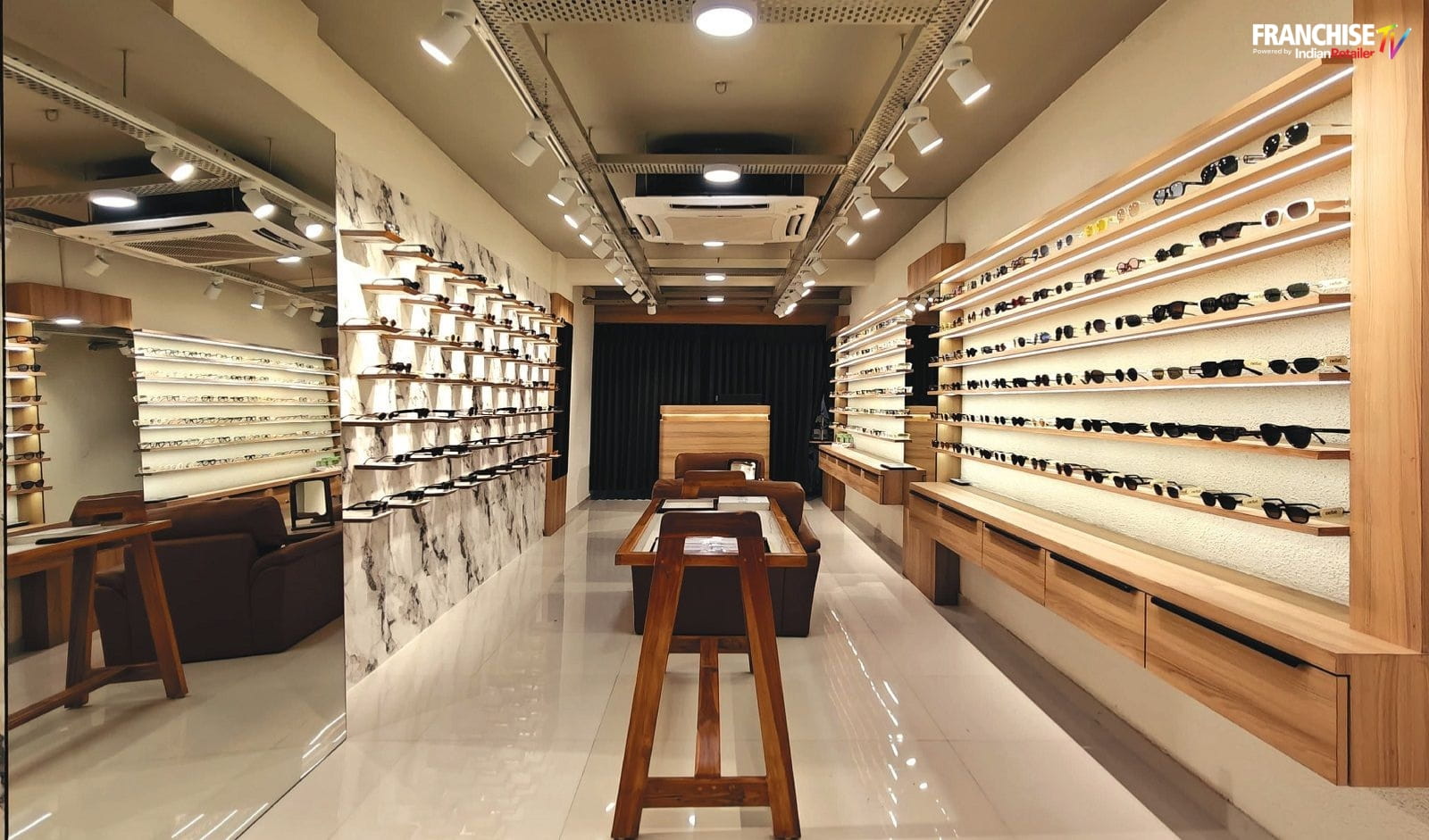
Investment Range: ₹30 Lakhs – ₹50 Lakhs
Franchise Fee: Included in investment
ROI Timeline: 18–30 Months
Category/Specialty: Premium eyewear and fashion accessories
Support Offered: Store development, product sourcing, branding, and operational support
NETRE is a modern Indian eyewear and eye-care brand designed to redefine value retail in the optical segment. Founded under Eye Centric Pvt. Ltd., the company focuses on premium eyewear collections combined with customer-centric consultation services. NETRE has already launched flagship stores and plans aggressive expansion across India. The brand differentiates itself through stylish eyewear collections, premium customer experience, and strong focus on clarity, confidence, and care. With growing consumer awareness around fashion eyewear and eye-care solutions, NETRE is positioned as a strong premium franchise opportunity for entrepreneurs looking to enter the organised optical retail market.
1717 by Simmi Saboo
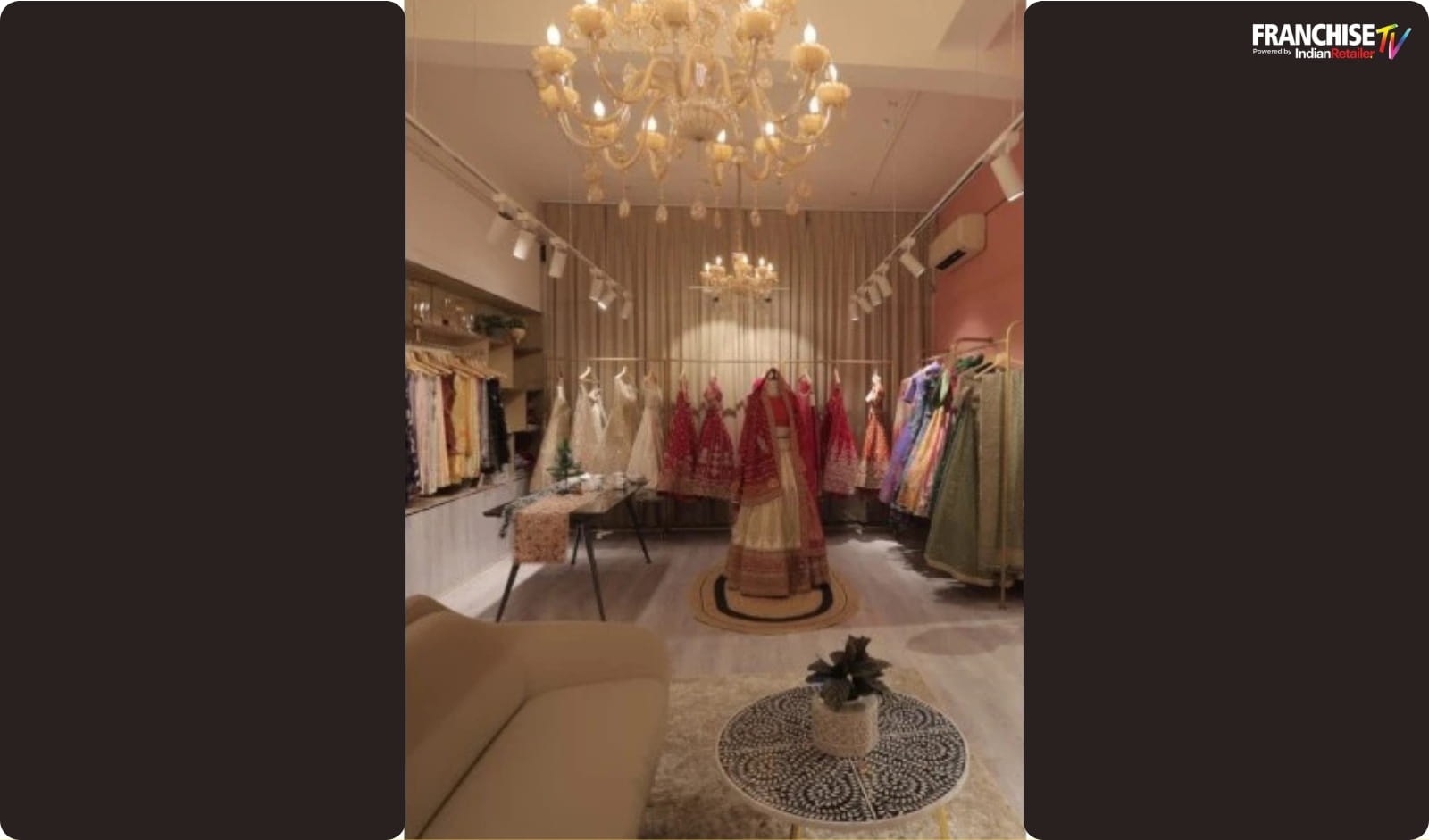
Investment Range: ₹10 Lakhs – ₹20 Lakhs
Franchise Fee: Flexible investment model
ROI Timeline: 18–24 Months
Category/Specialty: Designer pret and luxury contemporary fashion
Support Offered: Product curation, branding, retail guidance, and merchandising support
1717 by Simmi Saboo is a luxury contemporary Indian wear label inspired by modern couture and handcrafted artistry. Founded by designer Simmi Saboo, the brand is known for refined silhouettes, premium fabrics, couture finishing, and bridal-inspired collections. The label has already gained visibility through fashion events and premium retail platforms such as Aza and Pernia’s Pop-Up Shop. With growing demand for designer pret wear and occasion-based luxury fashion, the brand offers strong growth potential in metro and premium urban markets. Its niche positioning and modern Indian aesthetic make it an attractive boutique fashion franchise business in India.
VSTAR
Investment Range: ₹30 Lakhs – ₹50 Lakhs
Franchise Fee: Included in overall setup
ROI Timeline: 18–24 Months
Category/Specialty: Innerwear, kids apparel, and lifestyle products
Support Offered: Inventory management, branding, marketing, and training support
VSTAR is a lifestyle apparel brand promoted by the V-Guard Group and known for its strong presence in South India. Initially focused on ethnic wear, the brand has expanded into innerwear, children’s fashion, and lifestyle products for men, women, and kids. VSTAR emphasizes product quality, comfort, affordability, and ethical manufacturing standards. Backed by a trusted corporate group and growing consumer recognition, the brand is expanding steadily through organised retail formats. With increasing demand for affordable lifestyle fashion and family-focused retail destinations, VSTAR offers investors a strong and diversified fashion franchise business opportunity under ₹50 lakhs.
Pan America
Investment Range: ₹20 Lakhs – ₹30 Lakhs
Franchise Fee: Included in investment
ROI Timeline: 15–24 Months
Category/Specialty: Western and casual menswear fashion
Support Offered: Inventory supply, branding, operational guidance, and retail support
Pan America is a well-established menswear fashion brand known for offering premium-looking apparel at accessible prices. The brand focuses on stylish western wear including shirts, jeans, trousers, and casual fashion collections designed for urban consumers aged 22–45 years. Pan America benefits from strong retail presence, fast-moving inventory, and seasonal trend-focused collections. With India’s growing casual fashion segment and increasing demand for affordable lifestyle apparel, the brand offers strong scalability for franchise investors. Its value-driven positioning, quick inventory cycles, and broad customer appeal make Pan America a profitable and sustainable fashion franchise business opportunity in India.
Know more: Top 5 Fast-Growing Street Food Franchise Brands in India Low Investment Picks
Top 5 Healthcare Franchise Opportunities in India with Growing Demand
10 Best QSR Franchise Opportunities in India You Shouldn't Miss in 2026
How to Make Your Fashion Franchise Profitable From Day One
Success in the fashion franchise business depends heavily on selecting the right location and creating a strong in-store customer experience. High streets, malls, and premium standalone locations generally perform best for fashion retail. Franchise partners should actively use Instagram marketing, influencer collaborations, and local digital campaigns to improve visibility and footfall. Seasonal inventory planning, festive promotions, customer engagement, and trained staff can significantly improve conversion rates and repeat business in fashion retail stores.
Start Your Fashion Franchise Journey With the Right Brand in 2026
India’s fashion retail sector continues to create strong opportunities for entrepreneurs looking to invest in scalable and profitable businesses. From ethnic wear and jewellery to footwear, kids fashion, and lifestyle retail, several established and emerging brands now offer affordable franchise opportunities under ₹50 lakhs. Choosing the right brand with strong support systems, customer demand, and scalable operations can help investors build a successful retail business in 2026.
For Further Franchise Info Contact
Trenzilla is rapidly gaining attention as one of India’s most promising youth-focused fashion brands, built around bold designs, affordability, and fast-moving trends. Founded in 2018, the brand is designed to bridge the gap between expensive global labels and basic budget fashion by delivering premium-looking streetwear at accessible price points.
The brand’s philosophy revolves around creating expressive fashion inspired by music, art, and street culture, making it highly relevant for Gen Z and young professionals. With most products priced between ₹500 to ₹1200, Trenzilla has positioned itself as a value-driven alternative to global fashion giants while maintaining strong design appeal and quality.
Franchise Opportunity Backed by Strong Demand
Trenzilla has already established a growing retail footprint across India and Nepal, with over 35 stores operating in multiple cities. The brand performs exceptionally well not only in metro cities but also in Tier 2 and Tier 3 markets, where demand for trendy yet affordable fashion is rapidly increasing. Its ability to attract repeat customers and generate consistent footfall makes it a strong contender in the fast-fashion segment.
During a recent webinar, the brand showcased multiple franchise models designed to suit different investor profiles. These include compact metro kiosks, full-scale showrooms, low-investment formats, and even passive investment models with assured returns. With entry investments starting from around ₹6 lakhs and going up to ₹18 lakhs, the opportunity remains accessible while offering scalable growth potential.
High Margins, Low Risk, and Fast Growth Potential
One of the biggest advantages of the Trenzilla franchise is its unique business structure that minimizes risk for investors. The company follows a sale-or-return inventory model, ensuring that unsold products can be returned, effectively eliminating dead stock issues. This is a major differentiator compared to traditional apparel businesses, where unsold inventory often impacts profitability.
The brand also operates on a fast-fashion model with limited production, ensuring high demand and quick inventory turnover. Some outlets have reported monthly sales ranging from ₹5 lakhs to ₹15 lakhs, with peak performance going even higher. Additionally, strong digital marketing, influencer collaborations, and high-footfall locations like metro stations contribute to rapid customer acquisition and brand visibility.
Read also: Best Franchise Businesses Under ₹50 Lakhs in India
Best Low Investment Food Franchise Under ₹30 Lakhs in India
Top 10 Apparel Franchise Brands Growing Rapidly Across India
Final Takeaway
Trenzilla stands out as a modern, scalable, and youth-driven fashion brand that aligns perfectly with current market trends. With its affordable pricing, strong brand positioning, and flexible franchise formats, it offers a compelling opportunity for investors looking to enter the booming streetwear and fast-fashion segment in India.
For Further Franchise Info Contact
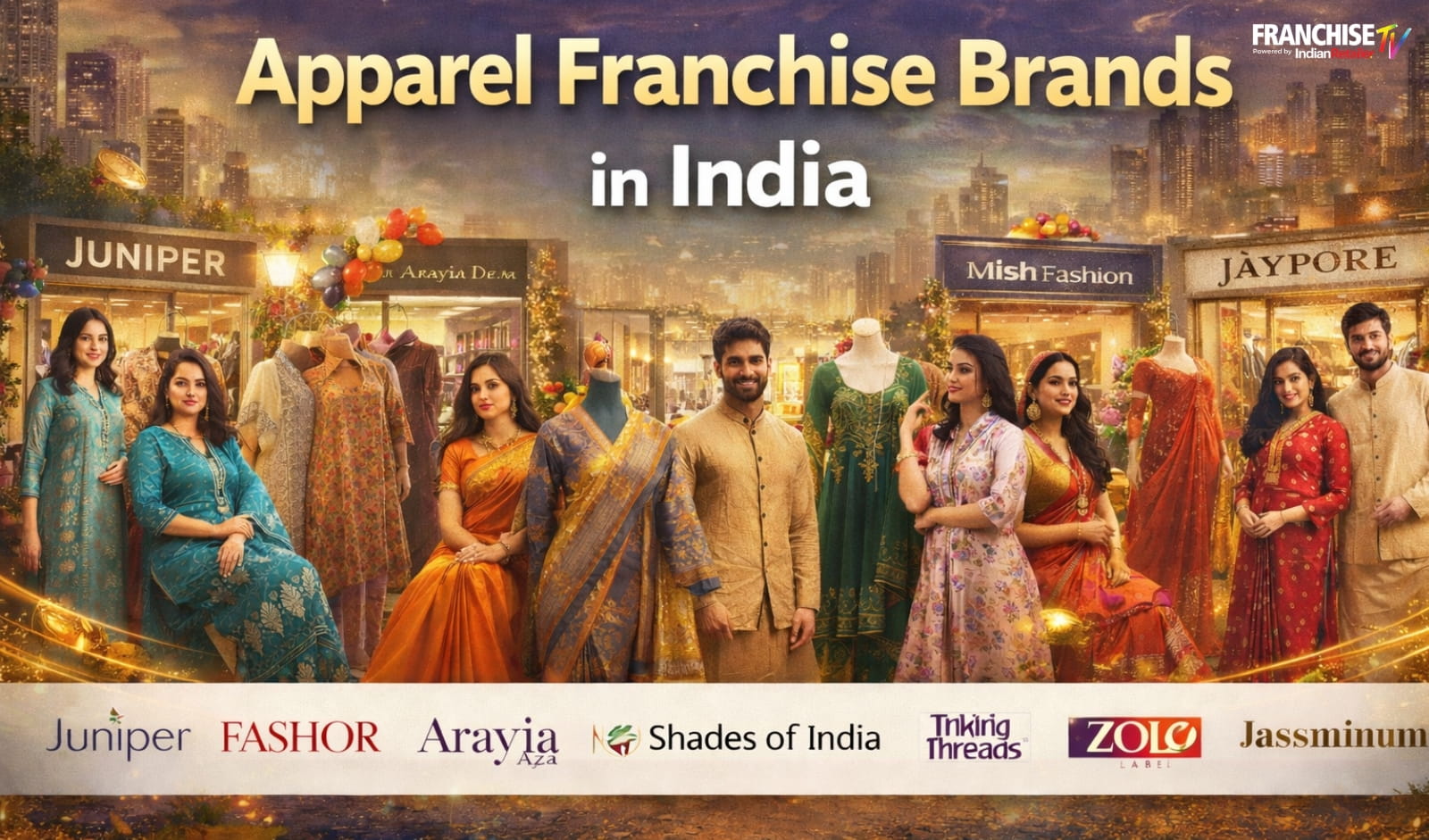
India’s apparel industry is witnessing massive transformation, driven by rising disposable income, Gen-Z fashion trends, and the rapid expansion of organized retail. The market is expected to cross ₹16 lakh crore by 2030, with organized retail growing faster at 10–13% CAGR.
At the same time, the women’s apparel segment alone is growing at 12–14% CAGR, fueled by increasing fashion awareness and urban demand.
With this rapid growth, apparel brands are aggressively expanding through franchise models, offering entrepreneurs a scalable and profitable business opportunity.
Let’s explore the Top 10 Apparel Franchise Brands Growing Rapidly Across India that are attracting investors and redefining fashion retail.
Why Apparel Franchise Business is Booming in India
The apparel franchise business is becoming one of the most preferred investment options due to rising demand for branded fashion, especially in Tier 2 and Tier 3 cities. Consumers today are shifting from unorganized markets to branded retail experiences.
Fashion is no longer limited to metros. Social media influence, fast fashion trends, and increased purchasing power are driving consistent demand. Franchise models help brands scale faster while providing investors with ready-to-run business systems, marketing support, and supply chain efficiency.
Key Trends Driving Apparel Franchise Growth
India’s apparel market is being shaped by fast fashion, ethnic fusion wear, and affordable luxury segments. The rise of digital-first brands, omnichannel retailing, and influencer-driven shopping is accelerating brand visibility.
Ethnic wear and fusion fashion are seeing massive demand due to wedding culture and festive shopping. At the same time, value fashion brands are expanding rapidly due to price-sensitive consumers. These trends are making apparel franchising one of the most future-ready business opportunities.
Read also Top 10 Retail Franchise Brands Expanding Rapidly in India
Top 5 Healthy Food Franchise Brands Riding India’s Wellness Trend
Top 10 Women’s Fashion Franchise Brands Growing Rapidly in India
Top 10 Apparel Franchise Brands in India
1. Juniper
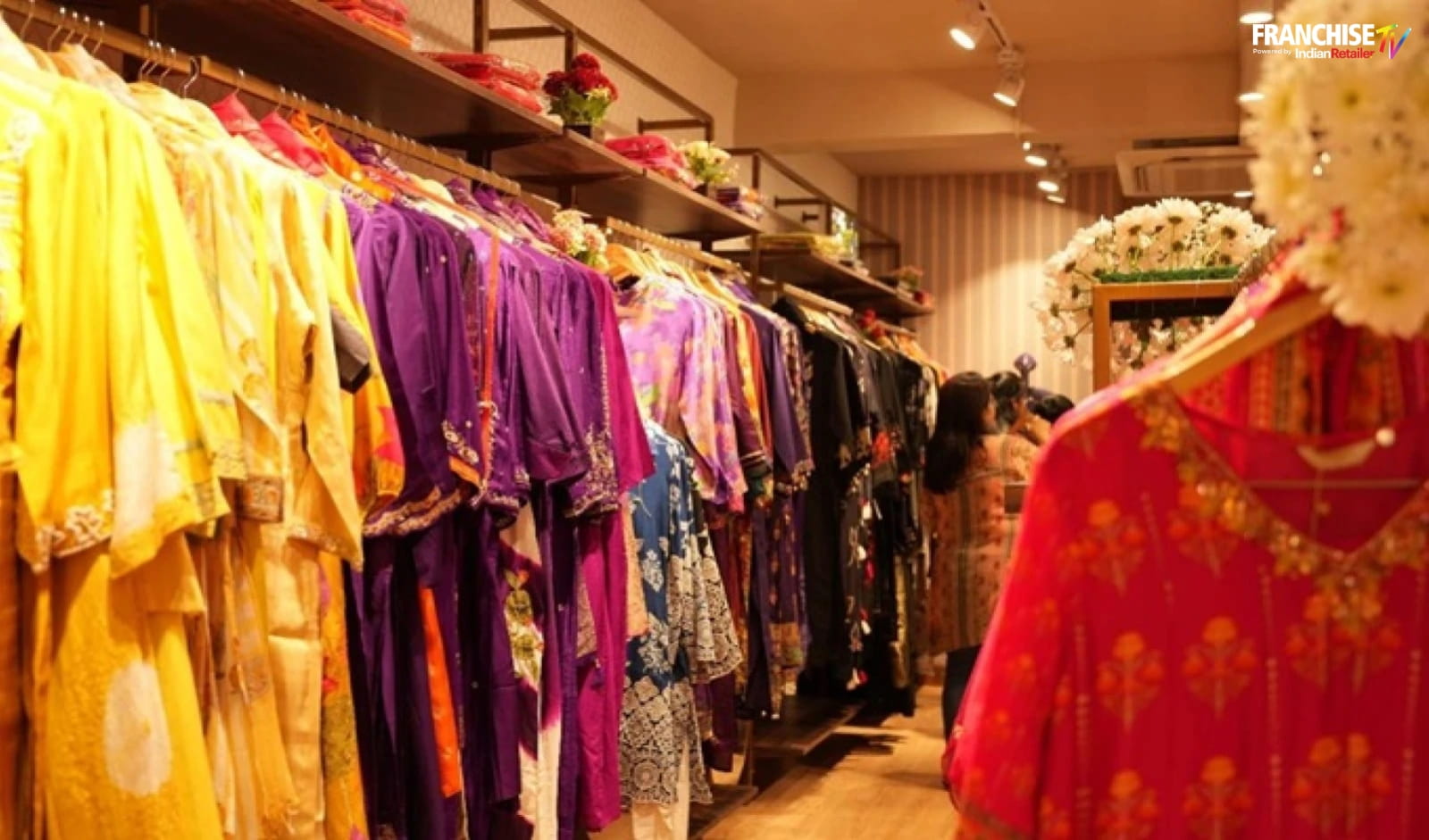
Juniper is a well-known ethnic and fusion wear brand by Aman Exports International, blending traditional Indian craftsmanship with modern silhouettes. Since its launch in 2012, the brand has expanded steadily across India through franchise-led growth, especially in malls and high-street locations.
The franchise investment typically ranges from ₹30 lakh to ₹50 lakh with space requirements of around 800–1200 sq. ft. Juniper offers strong backend support including supply chain, branding, and store setup assistance. With increasing demand for affordable ethnic wear among urban women, the brand ensures consistent footfall. Its focus on premium yet accessible fashion, combined with growing presence in Tier 1 and Tier 2 cities, makes Juniper a reliable and scalable franchise opportunity.
2. Fashor
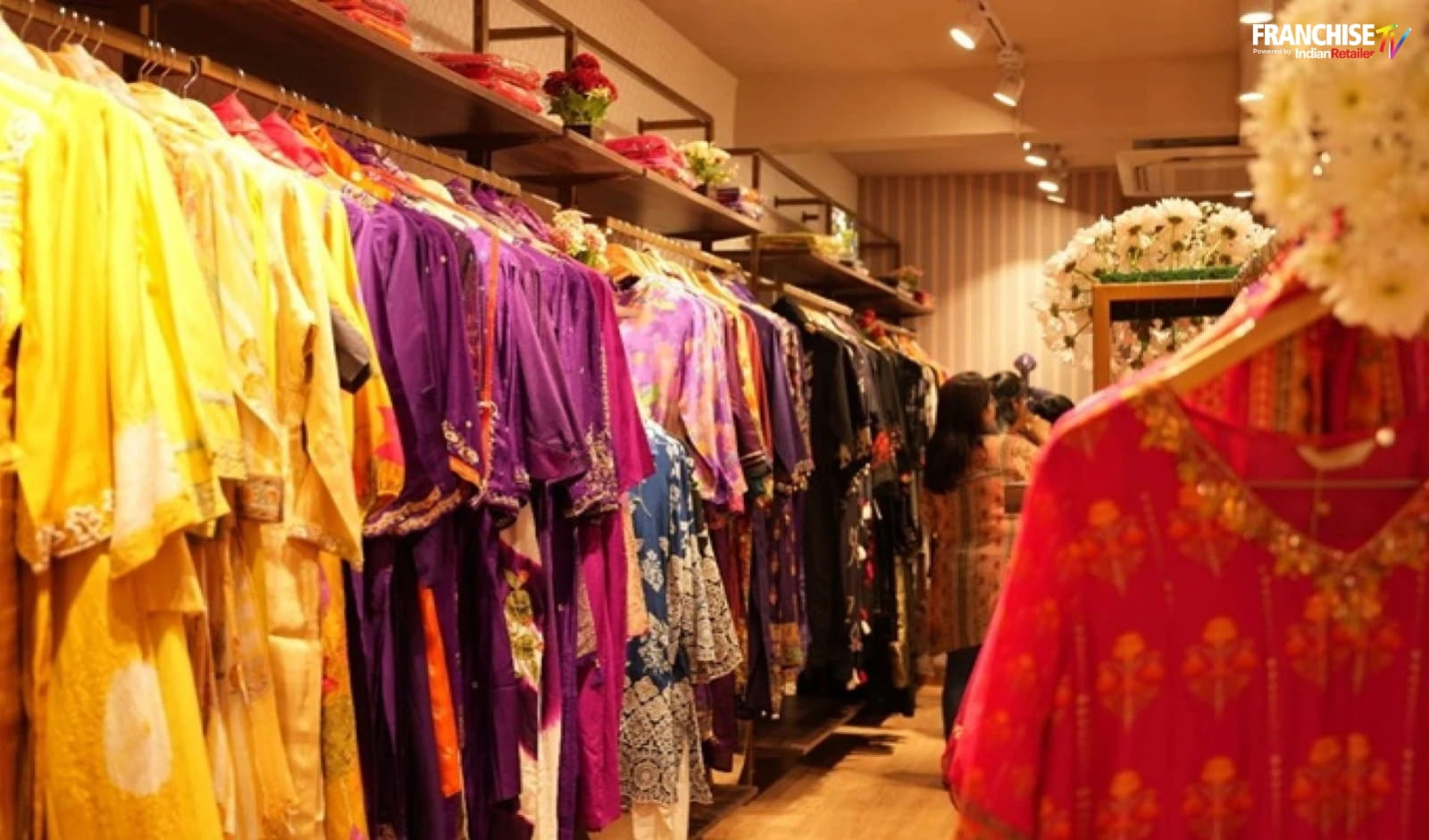
Fashor is a fast-growing women’s ethnic and fusion wear brand known for offering stylish apparel at affordable price points. The brand caters to a wide age group and has built a strong customer base across India with over 150 crore revenue scale.
The franchise investment ranges between ₹50 lakh to ₹1 crore, with store size requirements of 1000–2000 sq. ft. Fashor provides complete support including inventory management, marketing strategies, and store design. Its strong presence in metro and Tier 1 cities ensures brand visibility and demand. With rising interest in affordable ethnic wear and daily fashion, Fashor offers strong ROI potential and scalability for franchise partners.
3. Arayia by Aza
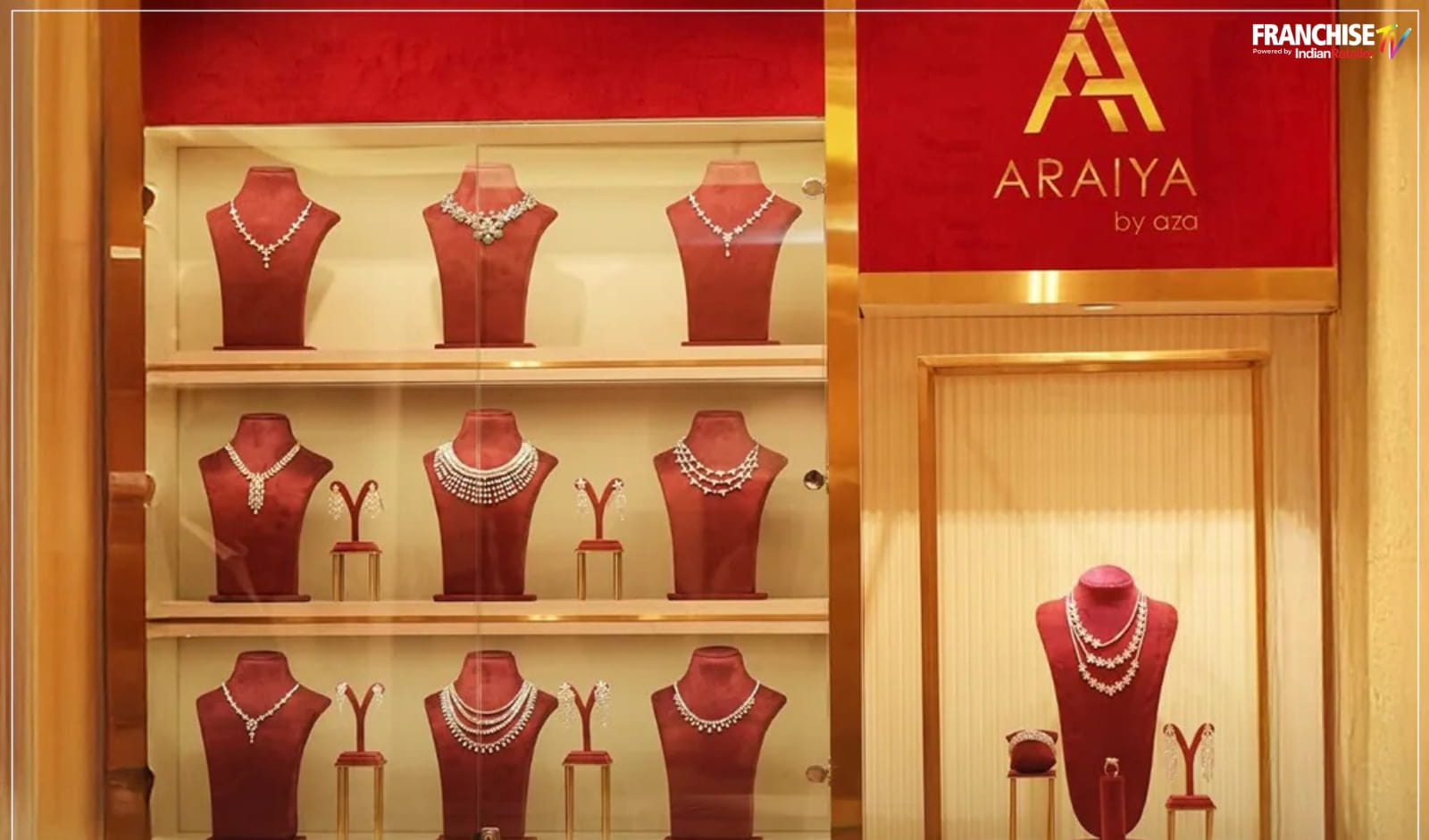
Arayia by Aza is a premium fashion brand backed by the renowned Aza Fashions group, focusing on luxury ethnic and contemporary wear. The brand targets affluent consumers looking for designer-inspired collections at accessible price points.
The franchise model requires high-investment retail setups in premium locations, typically malls and luxury high streets. With strong brand backing and curated collections, Arayia ensures high-ticket transactions and premium customer experience. The brand benefits from India’s growing demand for designer wear and occasion-based shopping. It is an ideal opportunity for investors targeting high-end fashion retail with strong margins and brand recall.
4. Shades of India
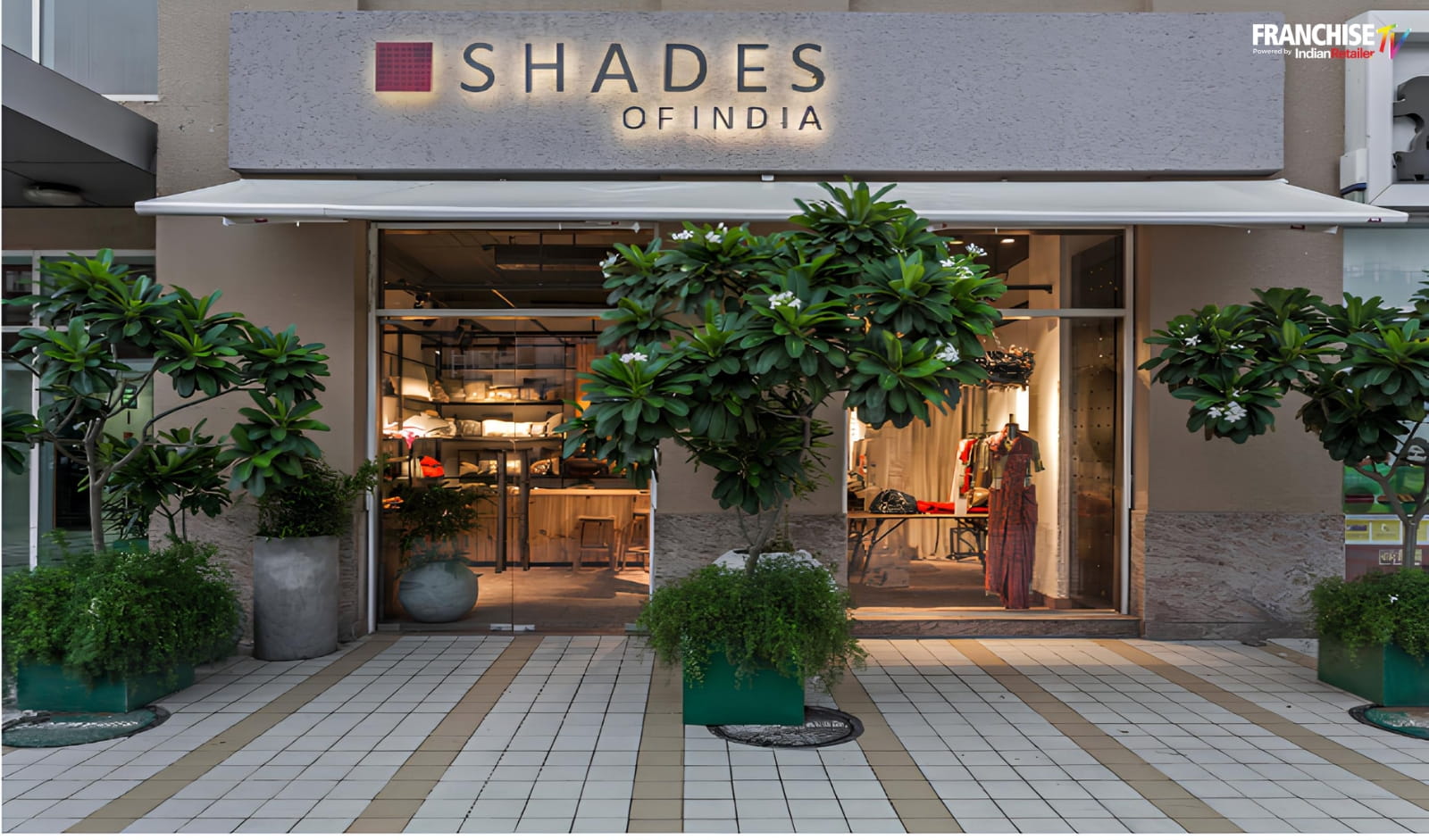
Shades of India is a premium lifestyle and apparel brand known for its handcrafted garments, textiles, and contemporary Indian designs. The brand focuses on sustainable fashion and artisanal craftsmanship, attracting niche and premium customers.
Franchise investment typically ranges between ₹50 lakh to ₹1 crore with store size around 400–500 sq. ft. The brand offers unique positioning through handcrafted products and global design appeal. With increasing demand for sustainable and premium fashion, Shades of India provides strong differentiation in the market. Its curated collections and high-margin products make it a profitable option for boutique-style retail investors.
5. Talking Threads
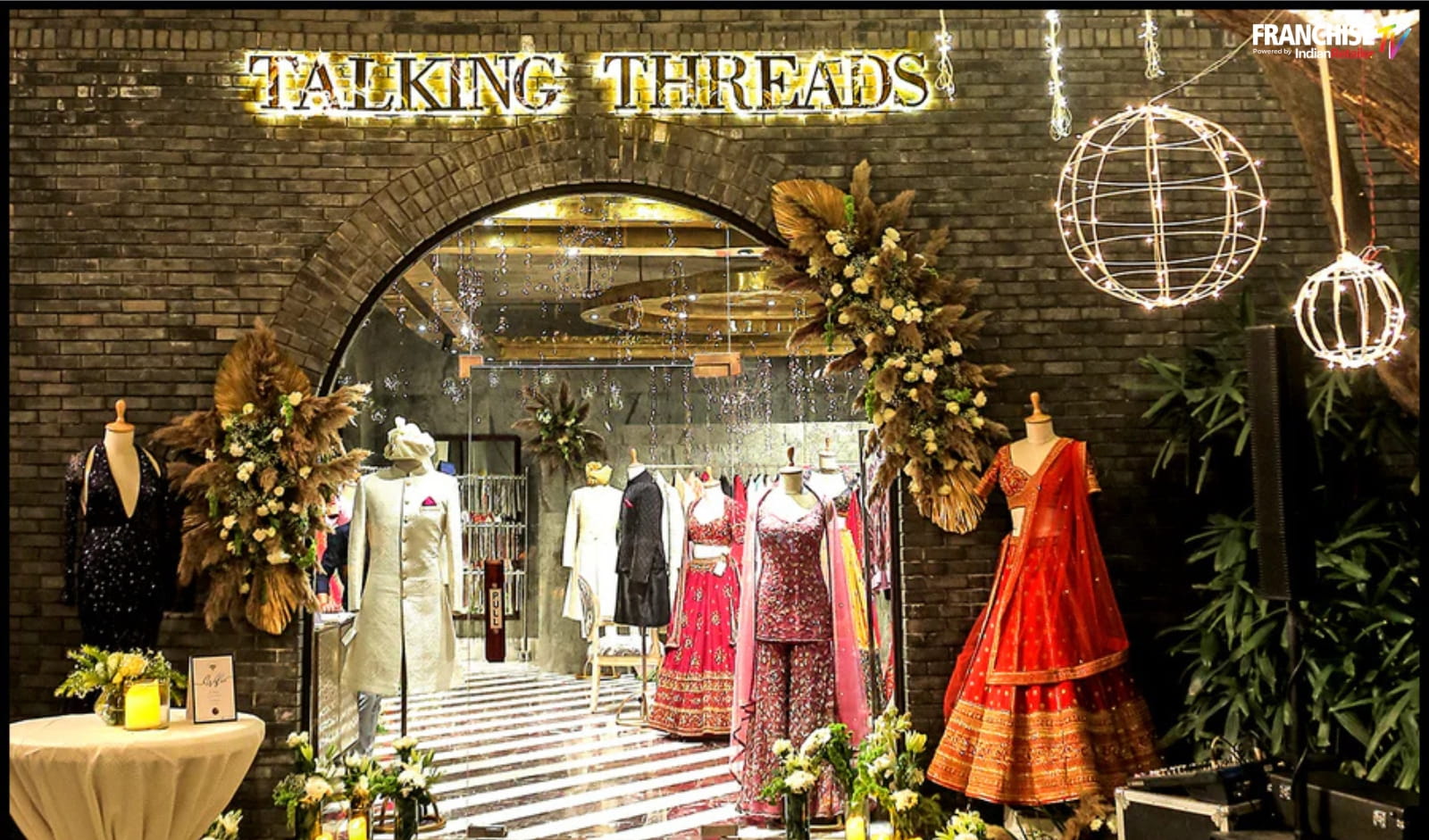
Talking Threads is an emerging women’s fashion brand focusing on contemporary ethnic wear and modern silhouettes. The brand is gaining popularity for its design-driven collections and affordable pricing strategy.
The franchise model supports investors with store setup, sourcing, and marketing assistance. Store sizes generally range between 800–1200 sq. ft., depending on location. With increasing demand for fusion wear among young consumers, Talking Threads is positioned for rapid growth. Its focus on trendy designs and mid-range pricing makes it attractive for Tier 2 and Tier 3 markets, offering steady revenue and expansion potential.
Know more: Top 10 Profitable Franchise Opportunities Investors Are Choosing
Top 10 Ethnic Wear Franchise Brands Expanding Fast in India
Top 10 International Franchise Brands Gaining Massive Popularity in India
6. Mish Fashion
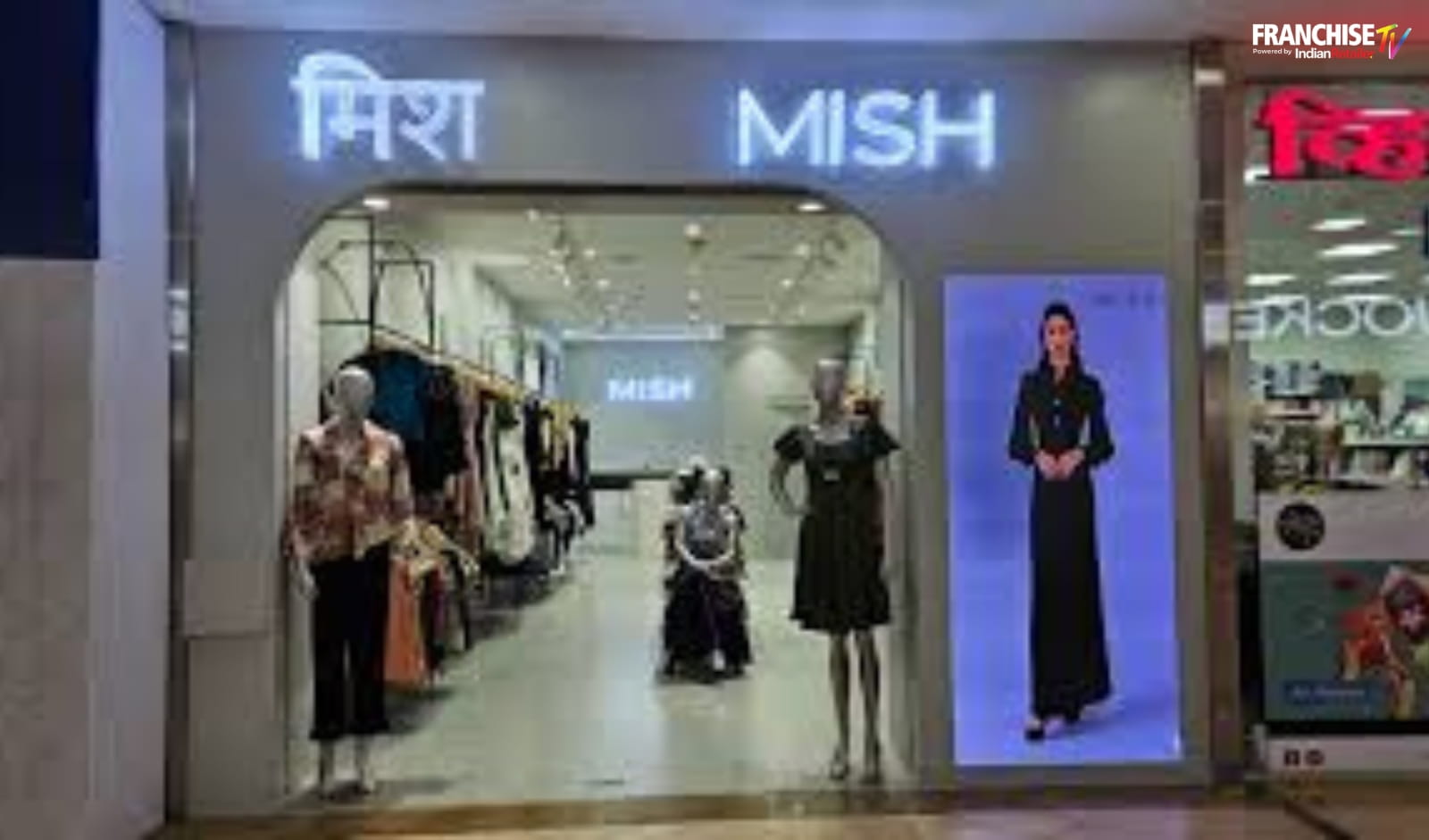
Mish Fashion is a contemporary women’s wear brand known for its premium fabrics, stylish designs, and focus on modern consumers. The brand emphasizes quality craftsmanship and evolving fashion trends, making it popular among urban women.
The franchise investment typically ranges from ₹30 lakh to ₹50 lakh with store requirements of 800–1000 sq. ft. Mish offers extensive support including branding, technology integration, and marketing campaigns. With increasing demand for premium yet affordable fashion, the brand ensures strong margins and repeat customers. Its expansion strategy and design innovation make it a promising franchise opportunity.
7. Zolo Fashion
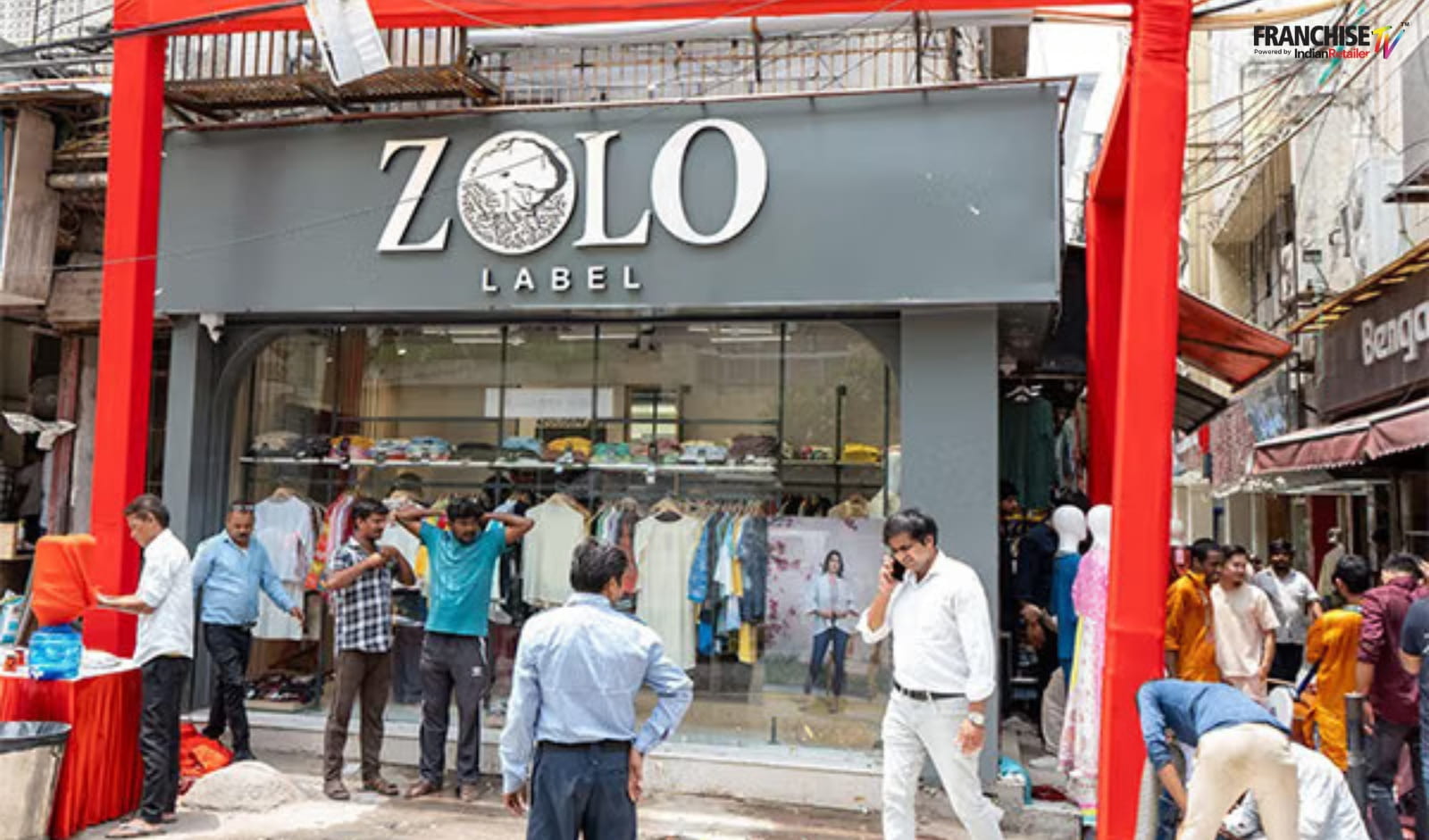
Zolo Fashion (Zolo Label) is an emerging ethnic wear brand rooted in Indian craftsmanship, working with artisans across Rajasthan and Gujarat. The brand offers cotton-based apparel blending traditional designs with modern aesthetics.
The franchise investment starts from around ₹25 lakh, with store sizes of 800–1000 sq. ft. It offers margins of around 35% and ROI potential up to 50%, with a payback period of around 3 years. With rising demand for sustainable and handcrafted fashion, Zolo Fashion presents a strong growth opportunity. Its focus on artisan-based production and affordability gives it a unique edge in the market.
8. Jassminum
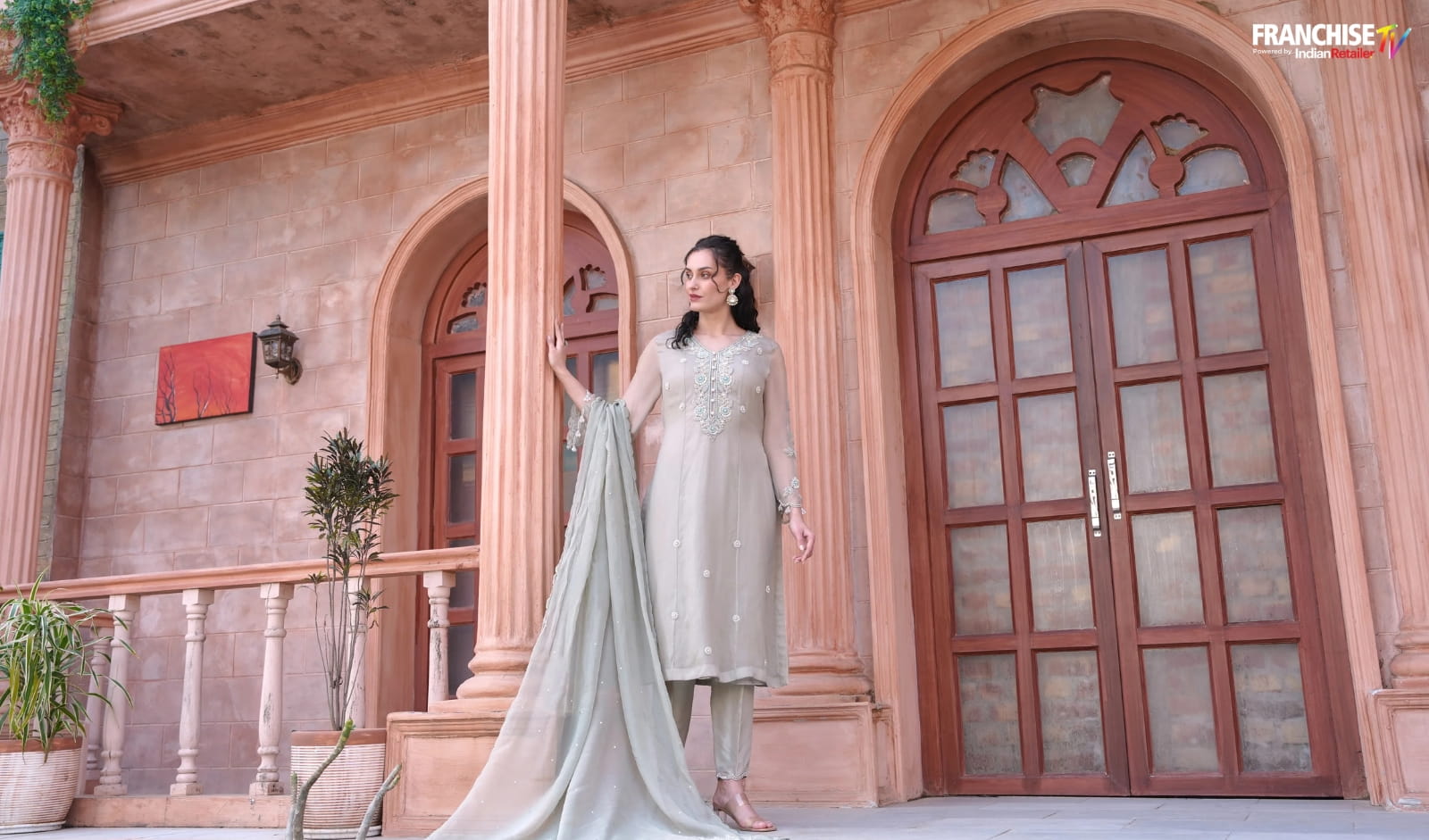
Jassminum is a niche women’s fashion brand offering ethnic and contemporary clothing with a focus on design innovation and premium styling. The brand caters to urban customers seeking unique and stylish outfits.
The franchise model typically requires mid-range investment and boutique-style store formats. With increasing demand for designer-inspired fashion in Tier 1 and Tier 2 cities, Jassminum offers strong growth potential. Its focus on curated collections and premium positioning helps maintain higher margins and customer loyalty.
9. Arushi Oswal
Arushi Oswal is a designer-led fashion brand known for premium ethnic wear and modern Indian couture. The brand caters to high-end customers seeking exclusive designs and occasion wear.
Franchise opportunities are positioned in premium retail locations with higher investment requirements. The brand benefits from India’s growing demand for designer wear and wedding fashion. With strong brand identity and niche positioning, Arushi Oswal offers high-margin opportunities for investors targeting luxury fashion retail.
10. Jaypore
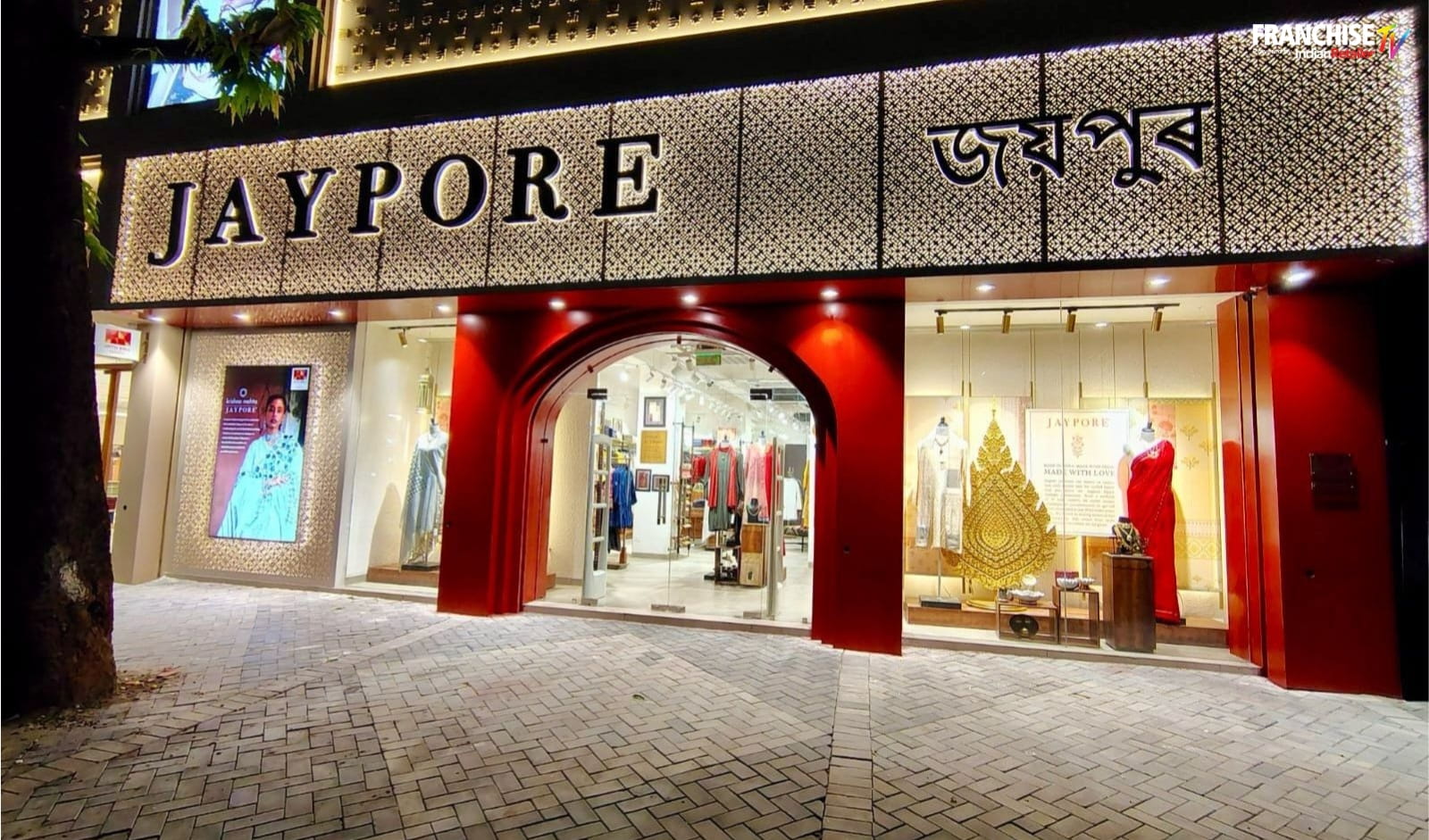
Jaypore is a well-established premium ethnic wear and lifestyle brand known for handcrafted apparel and artisan products. Backed by strong retail presence, it offers curated collections inspired by Indian heritage.
Franchise investment typically ranges from ₹1 crore and above, with large-format store requirements. The brand operates across major cities and has strong brand recall. With increasing interest in sustainable and heritage fashion, Jaypore offers long-term growth potential. Its premium positioning and loyal customer base make it a reliable franchise investment.
Explore more: Top 8 Furniture Franchise Brands Expanding Across India
Top 12 Fashion Franchise Opportunities Transforming India’s Retail Market
Top 9 Silver Jewellery Franchise Opportunities Growing in India
Investment, ROI & Profit Potential in Apparel Franchises
Apparel franchise investments in India typically range from ₹25 lakh to ₹1 crore+, depending on brand positioning and store size. Mid-range brands offer margins between 30–50%, while premium brands generate higher ticket sizes.
Most apparel franchises achieve break-even within 18–36 months, depending on location, pricing strategy, and demand. Key ROI drivers include product turnover, brand recognition, and customer retention.
Final Insights: Is Apparel Franchise Worth It in 2026?
The Indian apparel industry is evolving rapidly with strong growth across ethnic wear, fusion fashion, and value segments. With increasing consumer demand and expanding retail infrastructure, apparel franchising offers one of the most scalable and future-ready business opportunities.
For investors, choosing the right brand based on budget, target audience, and location is crucial. With the right strategy, apparel franchises can deliver consistent revenue, strong ROI, and long-term growth in India’s booming retail market.
For Further Franchise Info Contact
India’s women’s fashion market is witnessing a massive transformation, driven by rising disposable income, increasing fashion awareness, and the rapid shift toward organized retail. With the apparel industry projected to grow at a CAGR of 10–12%, franchise-led expansion is becoming the preferred route for brands looking to scale across Tier 1, Tier 2, and emerging Tier 3 cities.
The demand for ethnic wear, occasion wear, and Indo-western fashion is particularly booming due to weddings, festivals, and social events—making women’s fashion one of the most profitable segments in India’s retail franchise ecosystem. Investors are increasingly choosing fashion franchises because of high margins, strong brand recall, and repeat purchase behavior.
Why Women’s Fashion Franchises Are Becoming High-ROI Business Models
Unlike many retail categories, women’s fashion benefits from frequent inventory turnover, seasonal demand, and strong emotional buying behavior. Brands with strong design identity, digital presence, and omnichannel strategies are scaling faster than ever.
Franchise partners benefit from centralized supply chains, branding support, and proven retail models, reducing operational risks while maximizing profitability. With premium and affordable luxury segments growing simultaneously, investors now have multiple entry points depending on their budget.
Here’s the list of Top 10 Women’s Fashion Franchise Brands in India driving growth in the retail sector:
1. Juniper
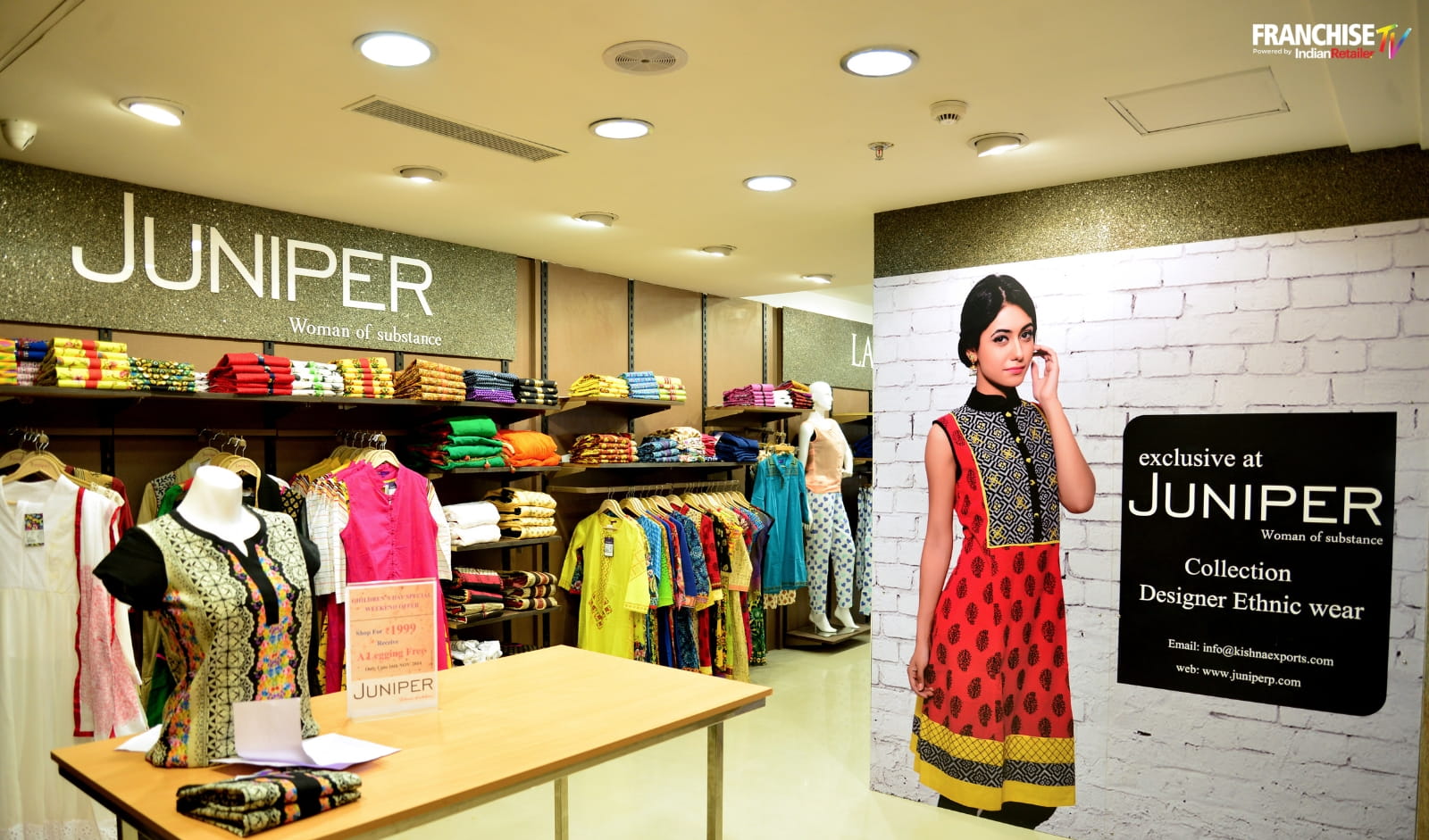
Juniper, backed by Aman Exports International, has emerged as a strong player in India’s ethnic and fusion wear segment. Known for blending traditional Indian craftsmanship with modern silhouettes, the brand caters to urban women seeking affordable yet stylish outfits. Since its launch in 2012, Juniper has steadily expanded its retail footprint through franchise partnerships, especially in high-footfall malls and high streets.
From a franchise perspective, Juniper offers a structured business model with strong backend manufacturing support, ensuring consistent inventory flow and quality control. With investment typically ranging between ₹30–50 lakh and space requirements of around 800–1200 sq. ft., the brand provides attractive margins driven by high-volume sales and repeat customers, making it a reliable entry point into fashion retail.
Read also Top 10 Profitable Franchise Opportunities Investors Are Choosing
Top 10 Ethnic Wear Franchise Brands Expanding Fast in India
Top 10 International Franchise Brands Gaining Massive Popularity in India
2. Fashor
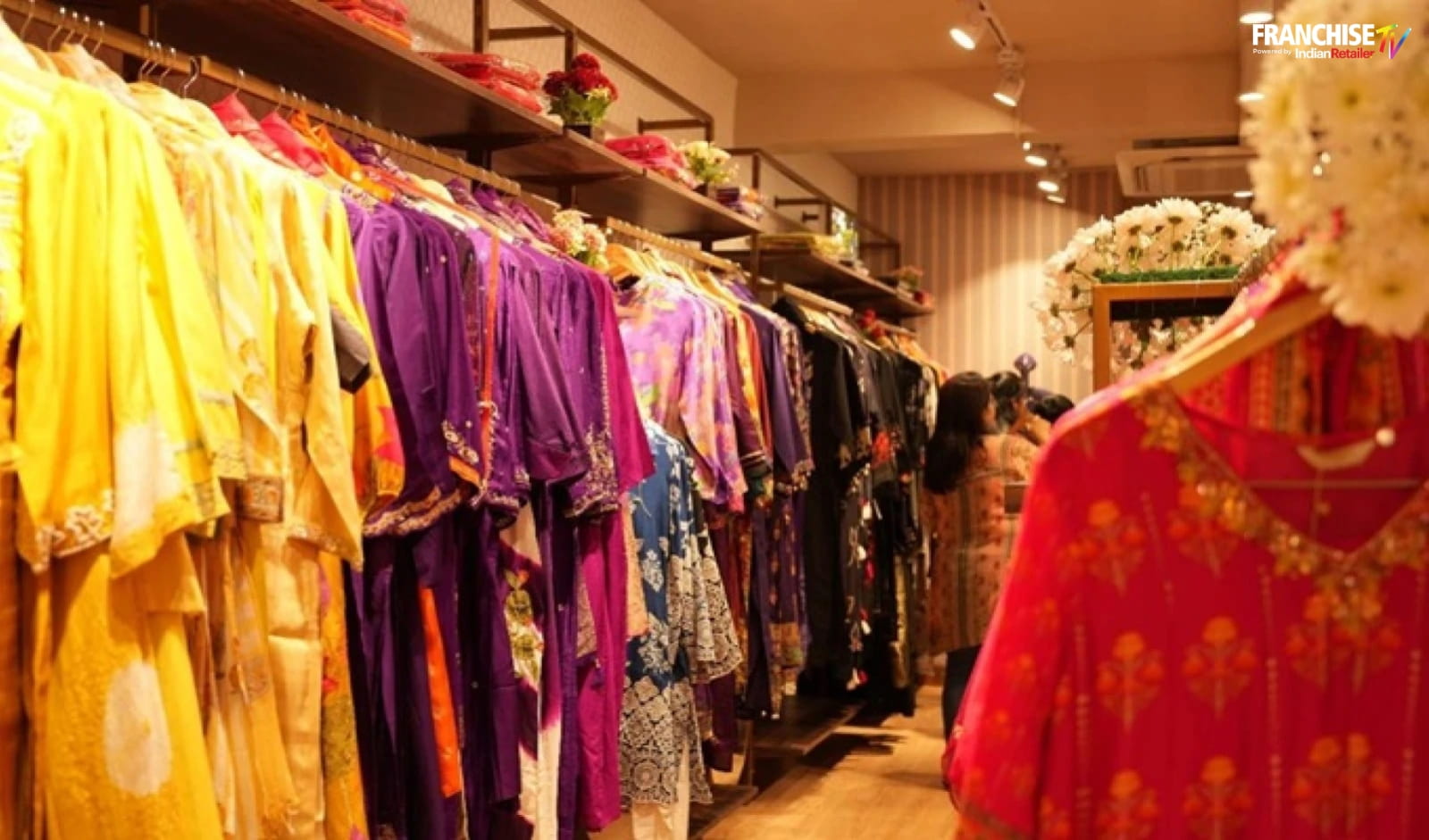
Fashor is one of the fastest-growing D2C-driven women’s fashion brands in India, offering trendy ethnic and Indo-western wear at accessible price points. With a strong digital presence and rapidly expanding offline stores, Fashor has successfully built a loyal customer base among young urban women.
The franchise model is designed for scalability, with investment requirements ranging from ₹50 lakh to ₹1 crore and store sizes between 1000–2000 sq. ft. Its product mix—including kurtas, dresses, and occasion wear—ensures high inventory turnover and consistent demand. Backed by aggressive marketing and strong brand positioning, Fashor offers investors a high-growth opportunity in the affordable premium segment.
3. Arayia by Aza
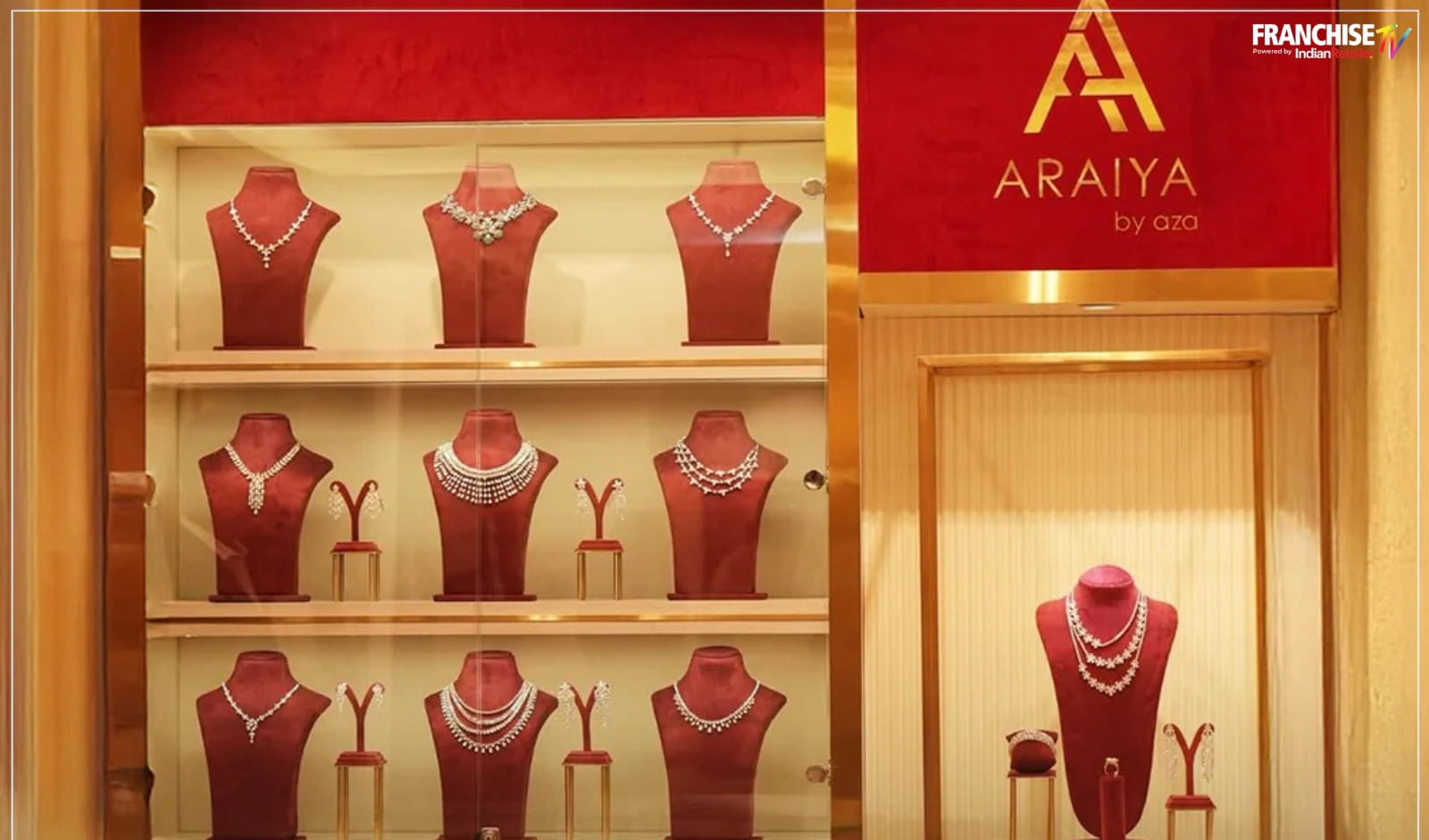
Arayia by Aza is a premium lab-grown diamond jewellery and fashion-forward luxury brand launched under the renowned Aza Fashions umbrella. The brand represents the growing shift toward sustainable luxury and conscious fashion, catering to modern consumers seeking elegance with ethical value.
With a presence across major cities and plans for expansion through franchise and EBO (Exclusive Brand Outlet) formats, Arayia offers a high-end retail opportunity. The brand benefits from strong design credibility, curated collections, and rising demand in the lab-grown diamond segment, which is growing at over 14% CAGR in India. For investors, it represents a premium, future-ready business with strong margins and aspirational positioning.
4. Shades of India
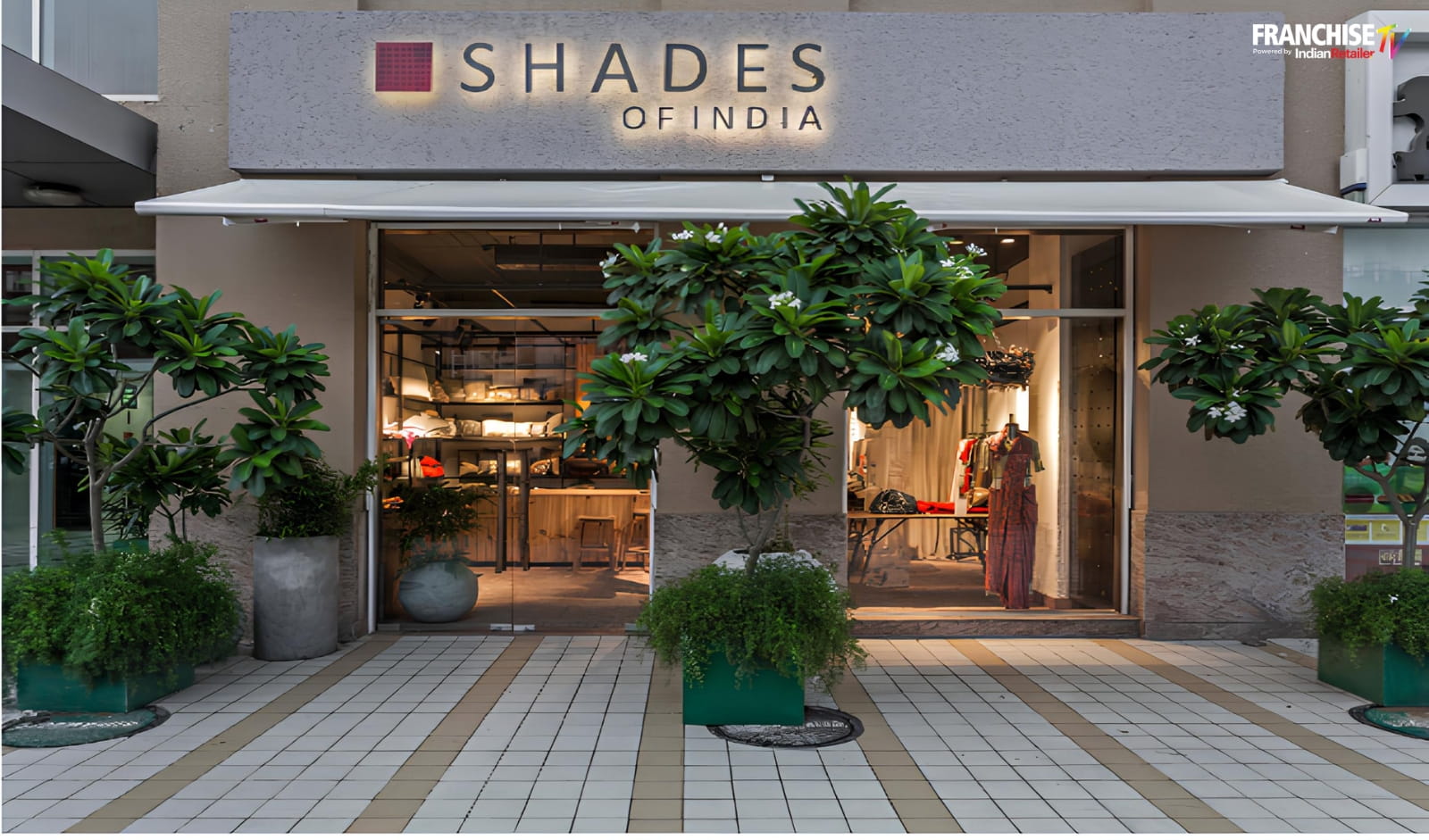
Shades of India stands out as a premium lifestyle brand that combines traditional Indian textiles with contemporary design aesthetics. Known for its craftsmanship and global appeal, the brand caters to niche customers who value heritage, quality, and exclusivity.
The franchise model focuses on premium retail environments, typically requiring investments between ₹50 lakh and ₹1 crore. Its diversified offerings—including apparel, home textiles, and accessories—create multiple revenue streams. With increasing demand for handcrafted and sustainable fashion, Shades of India offers a strong long-term growth opportunity for investors targeting the luxury segment.
5. Talking Threads
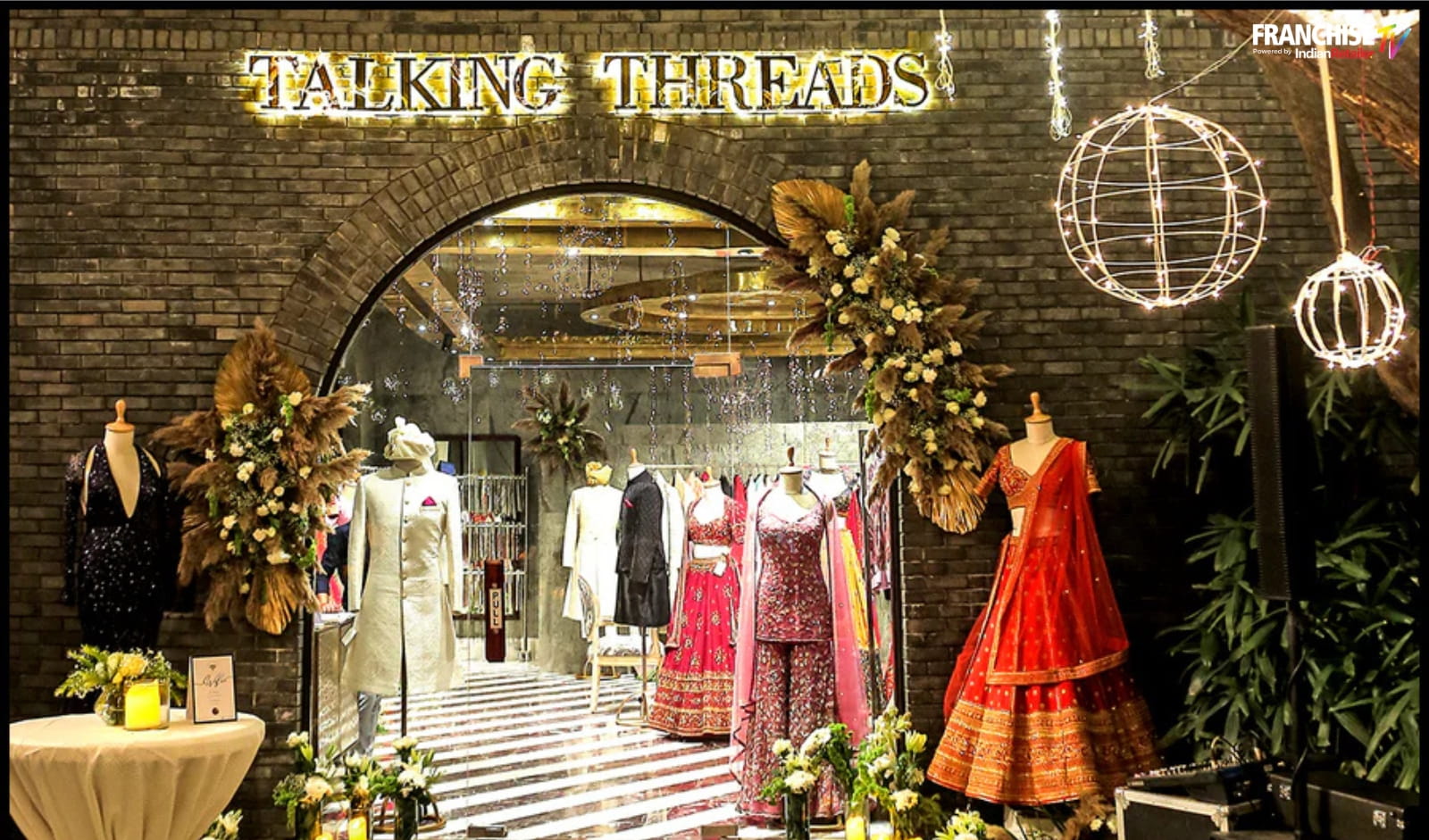
Talking Threads is a fast-emerging couture and occasion wear brand founded by Pearl Uppal, focusing on bridal and celebration fashion. The brand has already established a global presence, serving customers in over 700 cities across 65 countries, highlighting its strong international appeal.
Its franchise model is designed for premium markets, with store sizes starting from around 600 sq. ft. and a focus on metro and Tier 1 cities. With India’s wedding market estimated at $60 billion annually, Talking Threads is strategically positioned to capitalize on this demand. The brand’s emphasis on customization, craftsmanship, and high-ticket purchases makes it a high-margin franchise opportunity.
Know more: Top 8 Furniture Franchise Brands Expanding Across India
Top 12 Fashion Franchise Opportunities Transforming India’s Retail Market
Top 9 Silver Jewellery Franchise Opportunities Growing in India
6. Mish Fashion
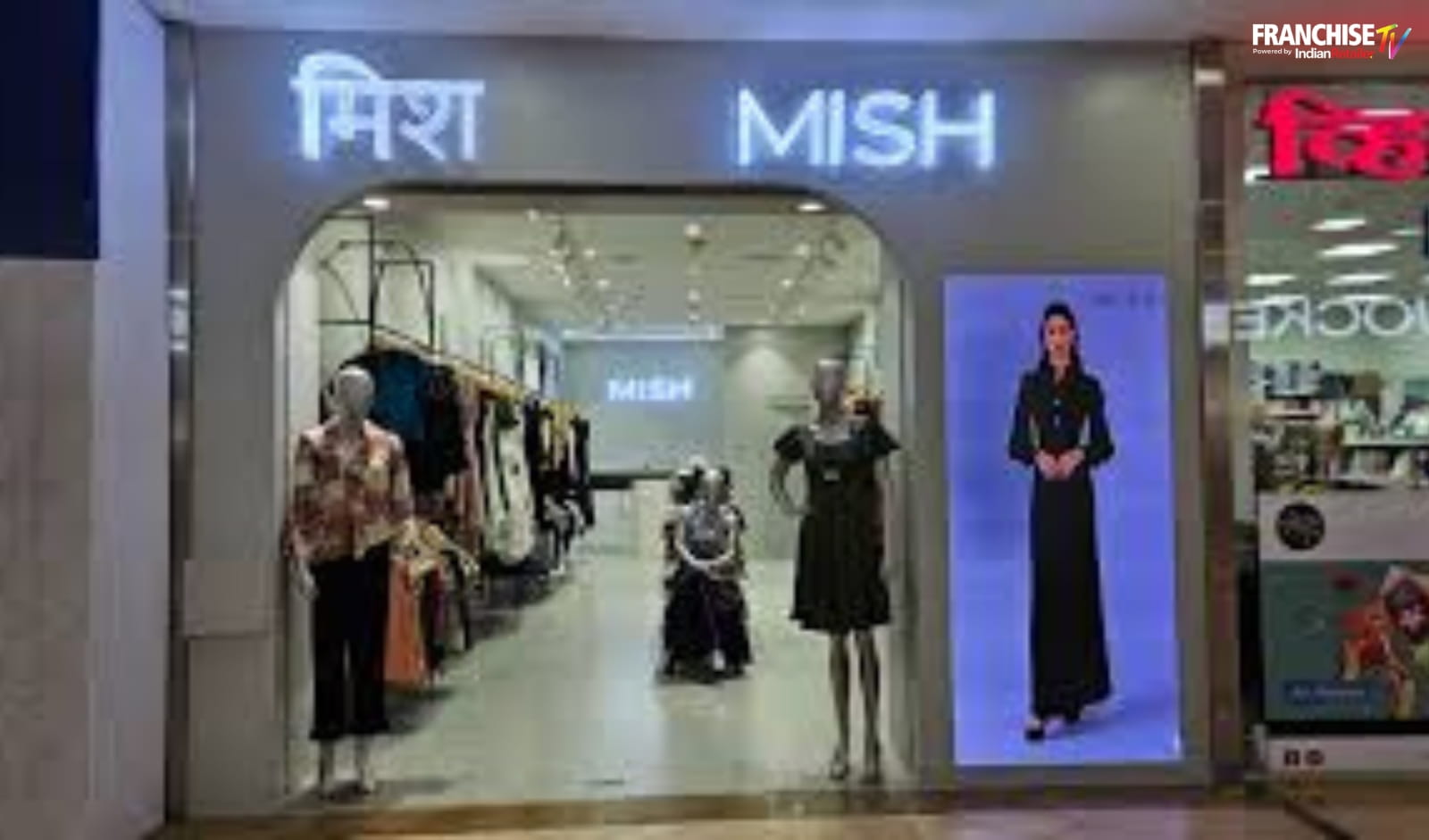
Mish Fashion is a contemporary women’s wear brand that focuses on premium quality fabrics, modern designs, and affordable pricing. The brand has built a strong reputation among urban consumers for delivering stylish outfits with consistent quality.
Its franchise model offers comprehensive support, including store setup, licensing, supply chain management, and marketing assistance. With investment requirements typically between ₹30–50 lakh and store sizes of 800–1000 sq. ft., Mish Fashion provides a scalable and accessible business opportunity. Its focus on product innovation and branding ensures steady customer footfall and repeat purchases.
7. Miss Jo
Miss Jo is a luxury silver jewellery brand known for its artistic craftsmanship and premium collections. With a legacy of over two decades, the brand has built a strong identity in the high-end jewellery segment, catering to customers seeking exclusive and design-led pieces.
The franchise investment ranges from ₹1 crore to ₹2 crore with compact store formats of 400–600 sq. ft., making it ideal for premium retail spaces. Miss Jo’s strong emphasis on quality, customer experience, and curated collections ensures high margins and brand loyalty, making it a compelling investment for entrepreneurs targeting affluent consumers.
8. Zolo Label
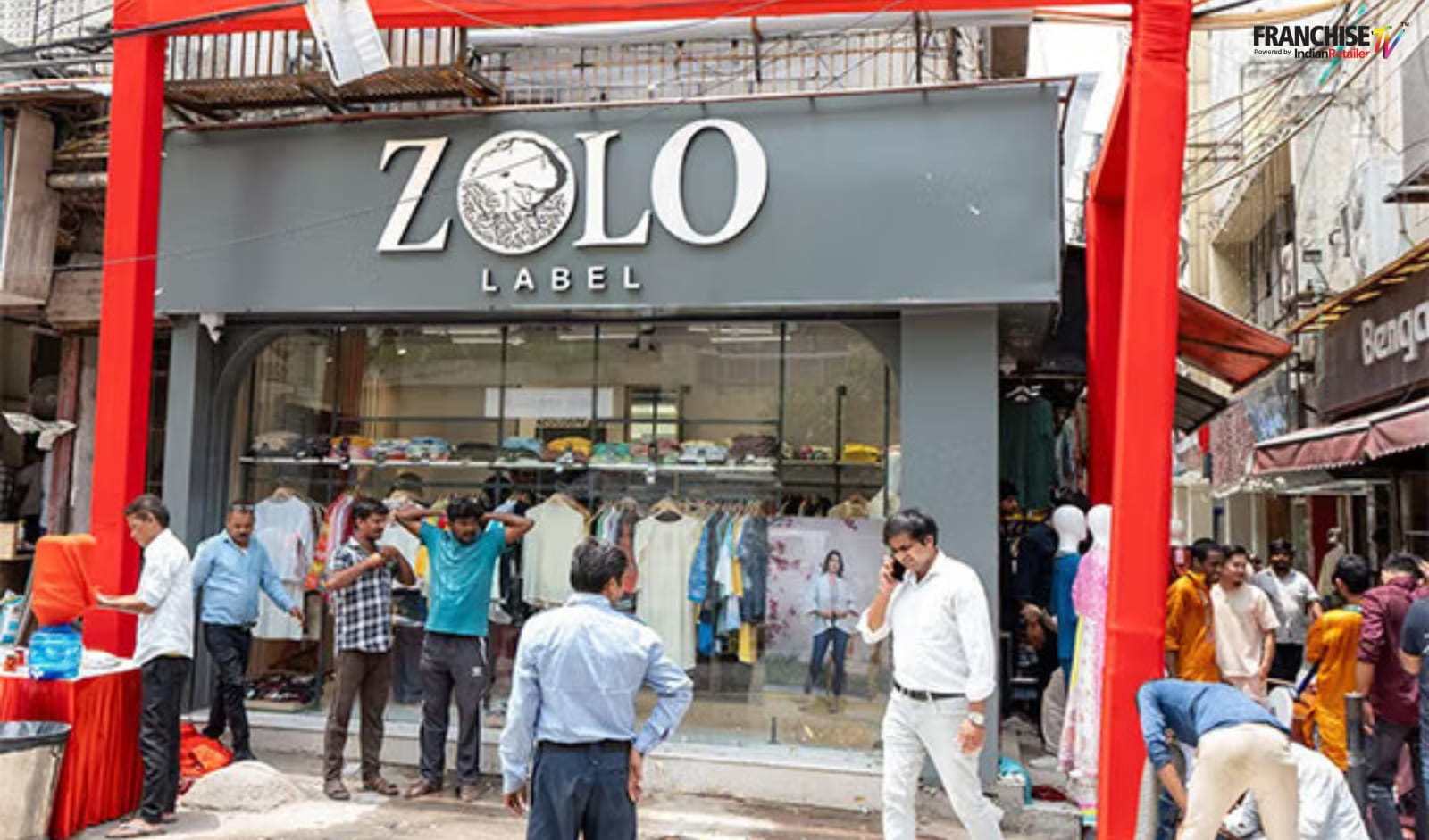
Zolo Label is a rapidly growing women’s fashion brand that blends affordability with trend-driven designs. Its product range includes dresses, co-ord sets, kurtas, and occasion wear, making it highly appealing to Gen Z and millennial consumers.
With franchise investment ranging between ₹50 lakh and ₹1 crore and store sizes of 800–1000 sq. ft., the brand offers a scalable retail model with strong ROI potential. Its digital-first approach, influencer-driven marketing, and high product turnover make it a fast-growing player in India’s competitive fashion landscape.
9. Jasminum
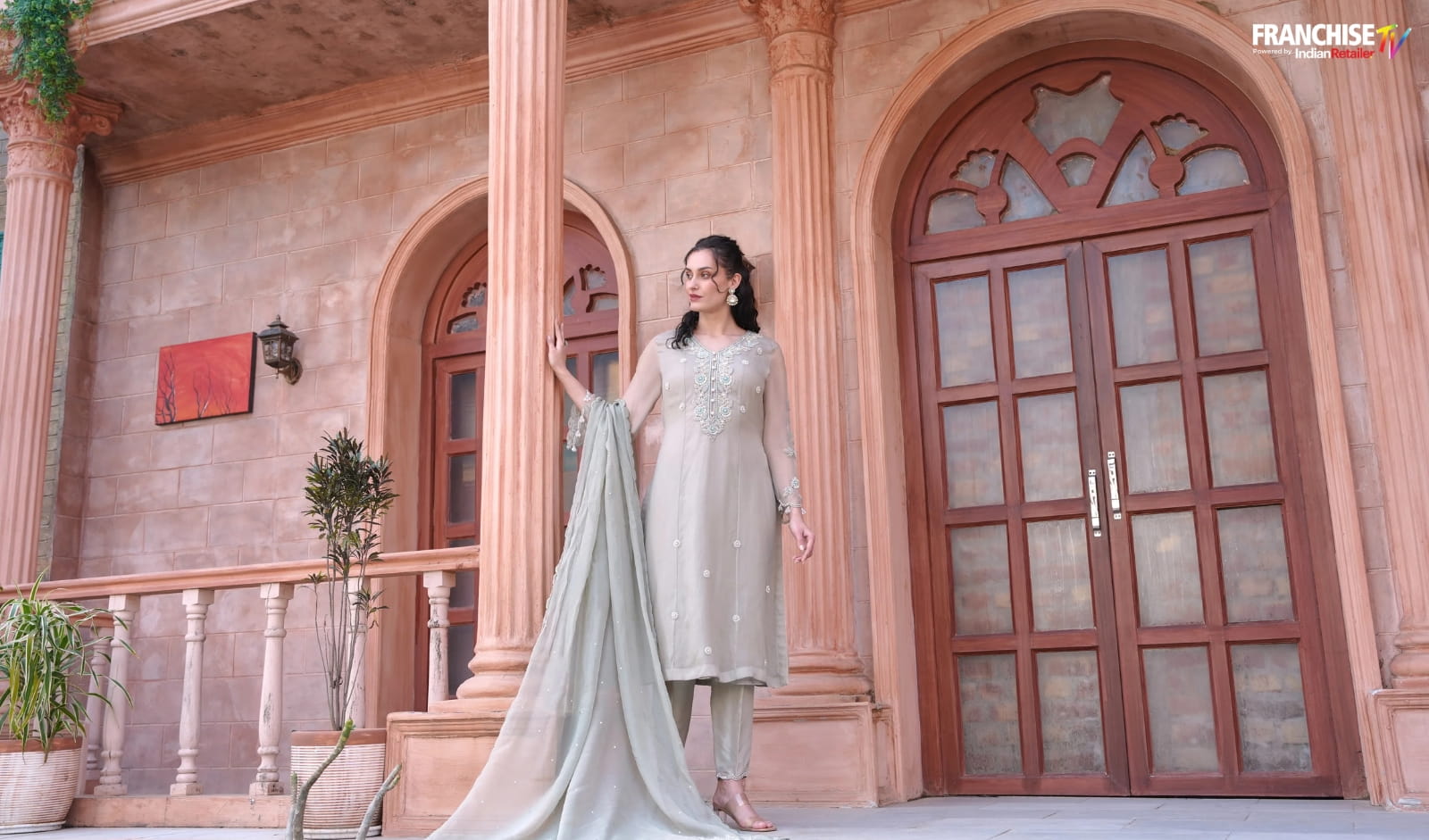
Jasminum is a celebrity-led fashion label that has gained massive popularity through social media and strong personal branding. With over 3 million followers across platforms, the brand has successfully built a loyal community and strong digital presence.
The brand specializes in wedding wear, festive outfits, and size-inclusive fashion, catering to a wide audience. Its franchise model benefits from strong demand in occasion wear and bridal segments, which drive high-ticket sales. With India’s growing appetite for designer yet accessible fashion, Jasminum offers a high-growth opportunity for franchise investors.
10. Aarushi Oswal Makeup, Hair Studio & Academy
Aarushi Oswal is a premium beauty and fashion services brand that combines makeup artistry with education and retail. With over 18 years of expertise, the brand offers multiple revenue streams including bridal services, academy courses, and beauty retail.
The franchise model requires an investment of approximately ₹35–45 lakh with studio setups around 1000 sq. ft. The brand reports an impressive ROI potential of up to 90%+ annually with a payback period of 21–23 months, making it one of the most lucrative opportunities in the beauty-fashion segment. Its strong brand positioning and growing demand for premium beauty services make it a high-return investment.
Investment & ROI Insights for Women’s Fashion Franchises in India
Women’s fashion franchises typically require an investment ranging from ₹30 lakh to ₹2 crore depending on the brand positioning and store format. Premium brands generate higher margins through high-ticket sales, while affordable brands rely on volume-driven revenue.
The average break-even period ranges between 12 to 36 months, with profit margins between 20% to 40%. Key success factors include location selection, inventory management, and strong brand alignment.
Explore more: Affordable Fashion Franchise Opportunities in India for 2026
Top 10 Gold & Diamond Jewelry Franchise Brands in India
Top 8 Fast-Growing Biryani Franchise Opportunities in India
Key Trends Driving Women’s Fashion Franchise Growth in 2026
The rapid growth of women’s fashion franchises is driven by increasing digital influence, celebrity-led brands, and the rise of sustainable and lab-grown fashion segments. Consumers are now more brand-conscious, preferring organized retail over unbranded markets.
Additionally, the expansion of fashion brands into Tier 2 and Tier 3 cities is unlocking new growth opportunities, making franchise investment more accessible and scalable than ever before.
Conclusion: A High-Growth, Future-Ready Franchise Segment
Women’s fashion franchises are no longer just retail businesses—they are brand-driven, experience-led ecosystems with strong scalability. For investors looking to enter a high-demand, high-margin industry, these brands offer some of the best opportunities in India’s evolving retail landscape.
For Further Franchise Info Contact
India’s franchise industry is entering a strong growth phase, with the market expected to grow at a CAGR of 30–35% over the next few years, driven by retail expansion and rising entrepreneurship. Within this, fashion and ethnic wear are emerging as high-demand segments, supported by India’s wedding economy, festive culture, and increasing preference for branded apparel.
The ethnic wear market itself continues to expand steadily, as consumers shift from unorganized tailoring to ready-to-wear branded collections. This combination of high emotional demand and structured retail expansion is making ethnic wear one of the most attractive franchise opportunities in India today.
Changing Consumer Behavior Is Powering Organized Ethnic Wear Retail
Today’s consumers are not just buying clothes—they are buying experiences. Ethnic wear brands are responding by offering curated collections, modern store formats, and strong brand narratives. Social media trends, influencer marketing, and destination weddings have further accelerated demand, especially among younger audiences.
For entrepreneurs, this shift translates into a clear opportunity: partnering with brands that already have strong design, supply chain, and marketing capabilities. Franchise-led expansion is helping these brands scale rapidly across metros as well as tier-2 and tier-3 cities.
Raymond
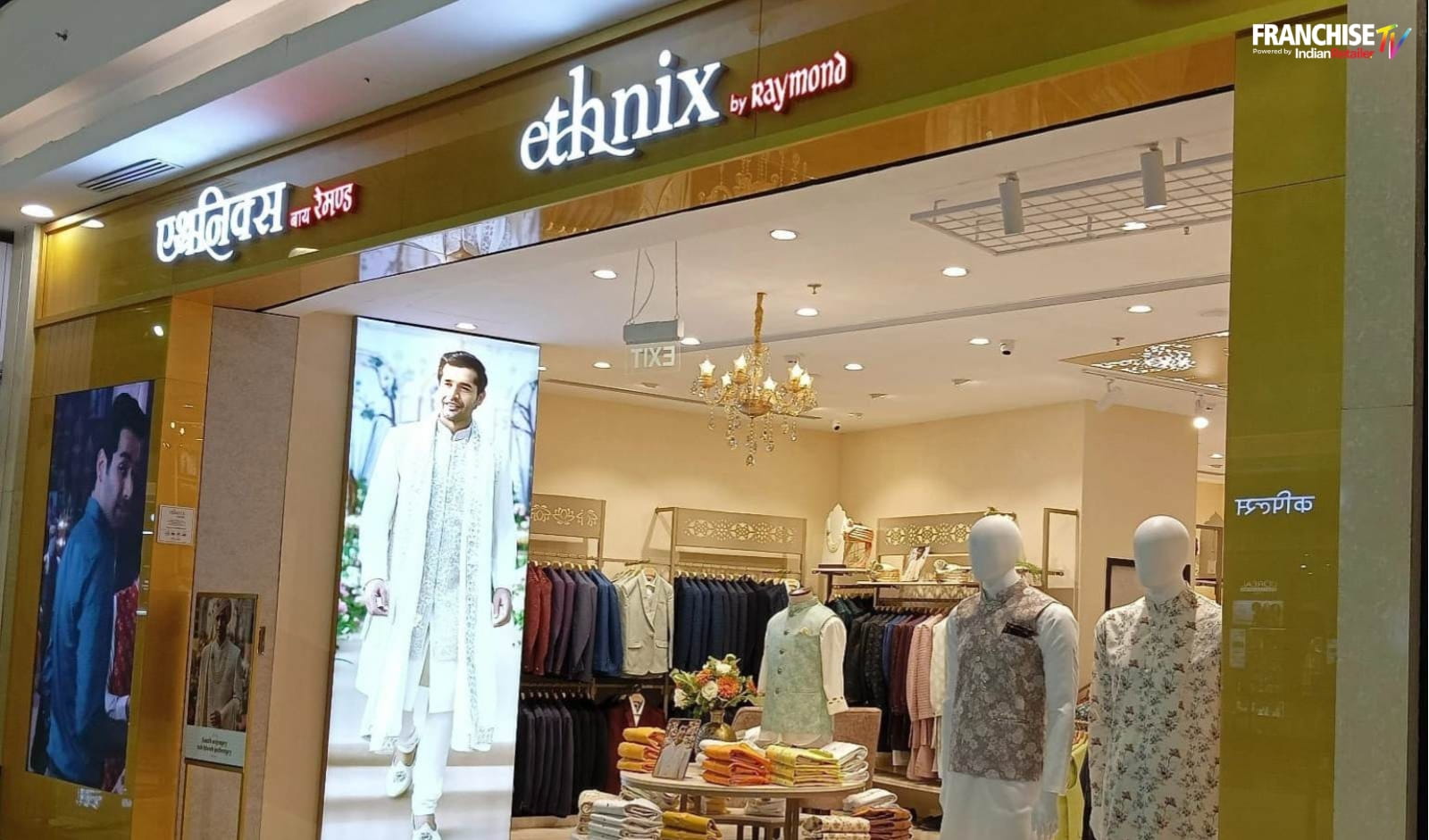
Raymond’s entry into ethnic wear builds on decades of trust in textiles and menswear. Its ethnic collections, including sherwanis, kurtas, and bandhgalas, are positioned strongly in the premium wedding segment. The brand’s franchise model typically involves large-format stores in high-footfall areas, supported by strong backend supply chains and marketing. What makes Raymond a compelling opportunity is its established brand recall and consistent demand during wedding seasons. Franchise partners benefit from high average billing values and structured retail operations, making it a relatively stable and scalable business in the premium ethnic wear category.
Read also Top 10 International Franchise Brands Gaining Massive Popularity in India
Top 8 Furniture Franchise Brands Expanding Across India
Top 12 Fashion Franchise Opportunities Transforming India’s Retail Market
Tasva
Tasva has quickly emerged as a modern ethnic menswear brand backed by Aditya Birla Fashion and designer Tarun Tahiliani. The brand is aggressively expanding its retail footprint across India through franchise and partner-led stores. Its focus on wedding and occasion wear ensures high-ticket transactions and strong seasonal demand. Tasva’s franchise model benefits from strong brand storytelling, premium store design, and centralized product development. For entrepreneurs, it offers an entry into a fast-growing premium segment where customers are willing to spend significantly on curated, designer-inspired collections.
Jaypore
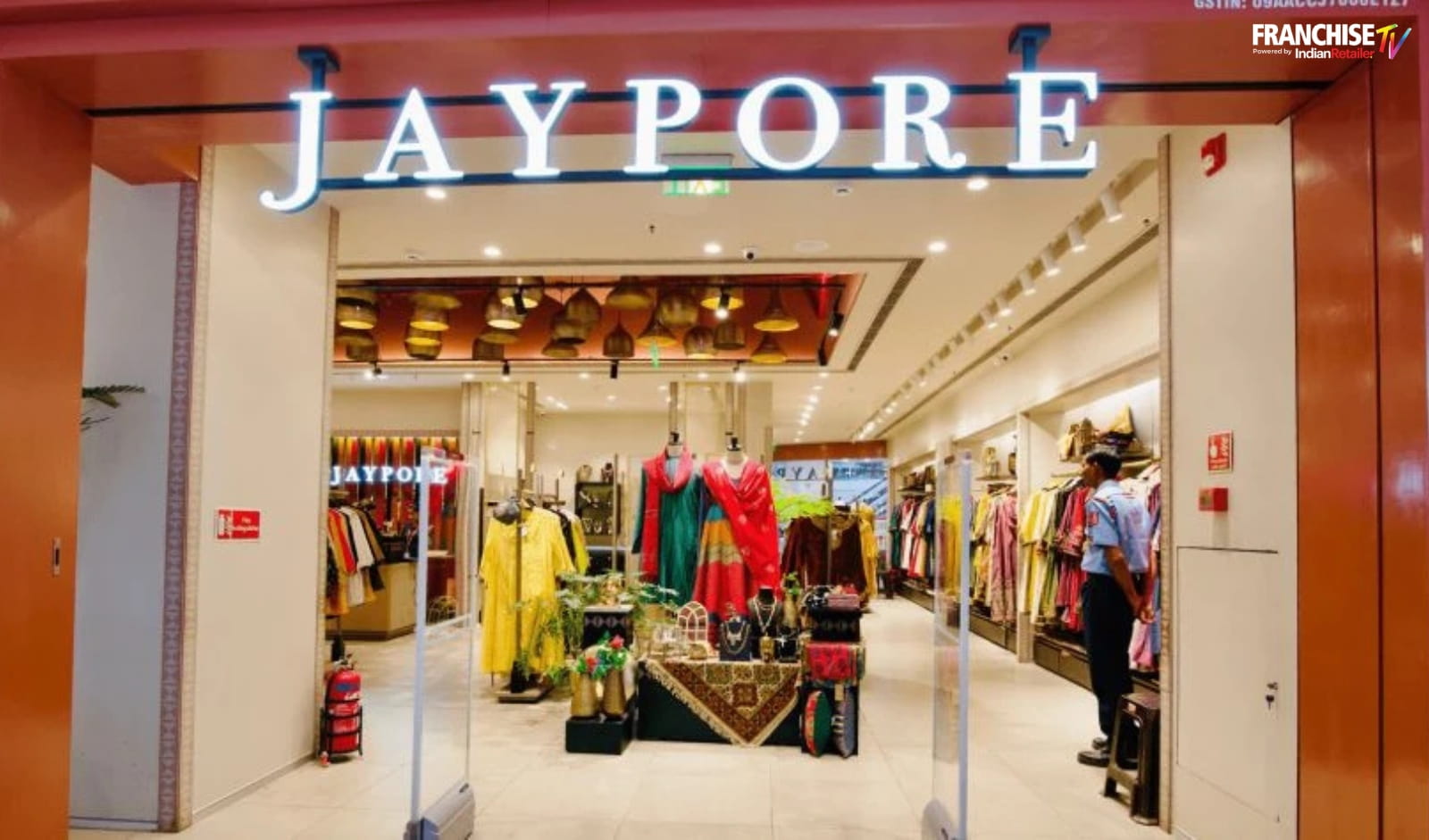
Jaypore’s approach is very different from mass-market brands. It focuses on handcrafted ethnic wear and artisanal products, creating a niche but premium segment. Its stores are designed as experience centers rather than just retail outlets, which enhances customer engagement. While the brand operates selectively, its expansion into new markets opens opportunities for curated retail partnerships. Franchise or partner stores can benefit from high margins due to premium pricing and a loyal customer base that values authenticity and craftsmanship.
Simmi Saboo
Simmi Saboo operates in the designer ethnic wear space, focusing on high-end women’s fashion. The brand is known for its detailed craftsmanship and contemporary styling, which appeals to wedding and occasion buyers. Its expansion is largely driven through boutique formats and selective retail partnerships. For entrepreneurs, this segment offers high-margin potential due to premium pricing and exclusivity. However, success depends on location and customer profile, as the brand caters to a niche but high-spending audience.
Javinishka
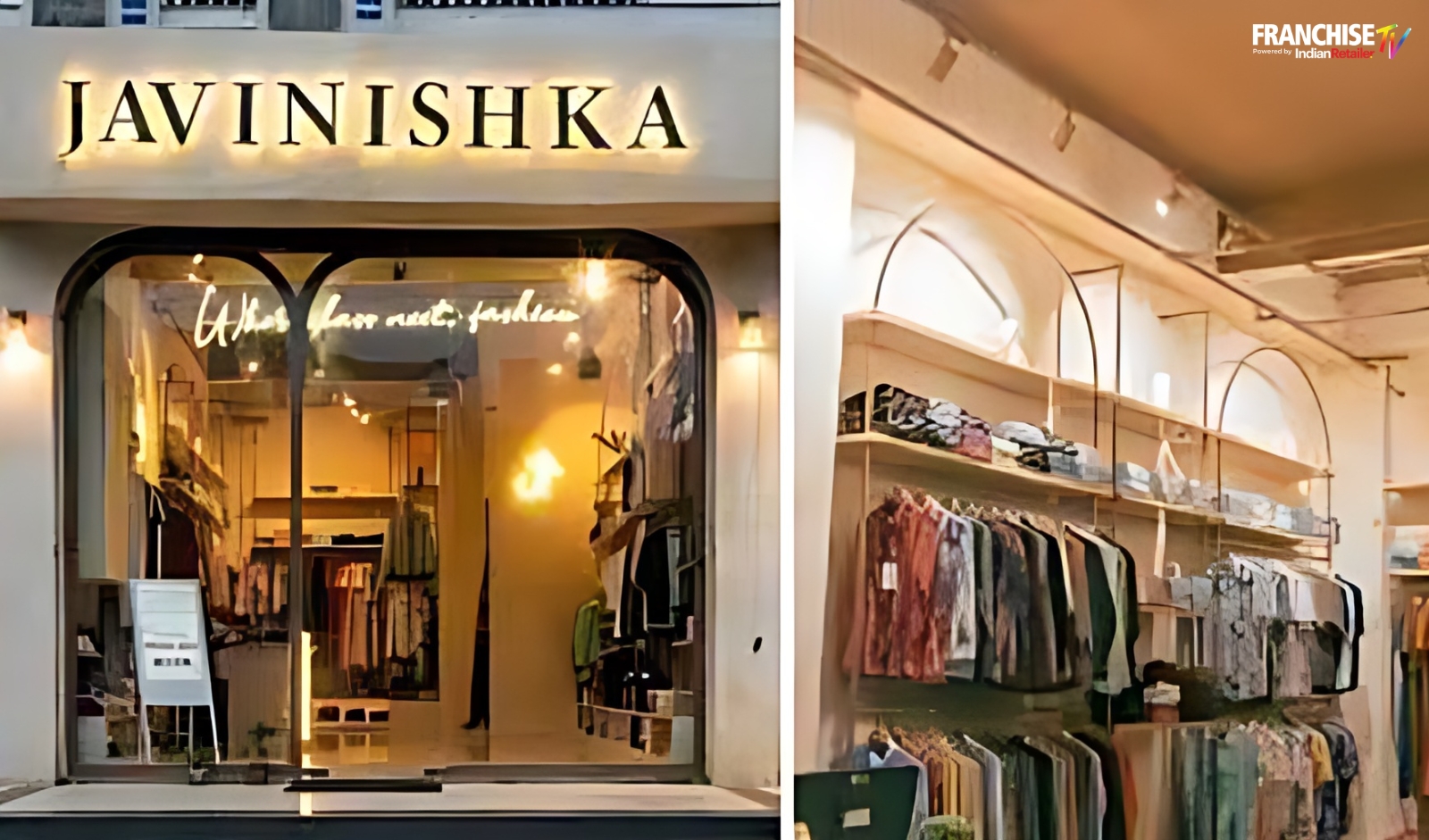
Javinishka represents the fast-growing affordable ethnic wear category, which is seeing strong demand in tier-2 and tier-3 cities. The brand focuses on trendy designs at accessible price points, making it suitable for a wider customer base. Its retail expansion model allows entrepreneurs to enter the business with relatively moderate investment compared to premium brands. The key advantage here is faster inventory turnover and repeat purchases, which help generate steady revenue. This makes Javinishka a practical option for investors targeting volume-driven growth.
Know more Top 9 Silver Jewellery Franchise Opportunities Growing in India
Affordable Fashion Franchise Opportunities in India for 2026
Top 10 Gold & Diamond Jewelry Franchise Brands in India
DOHR
DOHR positions itself as a lifestyle brand with a strong focus on handcrafted products, including ethnic wear and home décor. Its expansion strategy revolves around curated retail spaces that reflect craftsmanship and sustainability. For franchise partners, this creates an opportunity to operate in a niche premium segment with limited direct competition. The brand’s focus on design and storytelling helps build customer loyalty, while its product mix allows for diversified revenue streams within a single store format.
Indian Silk House
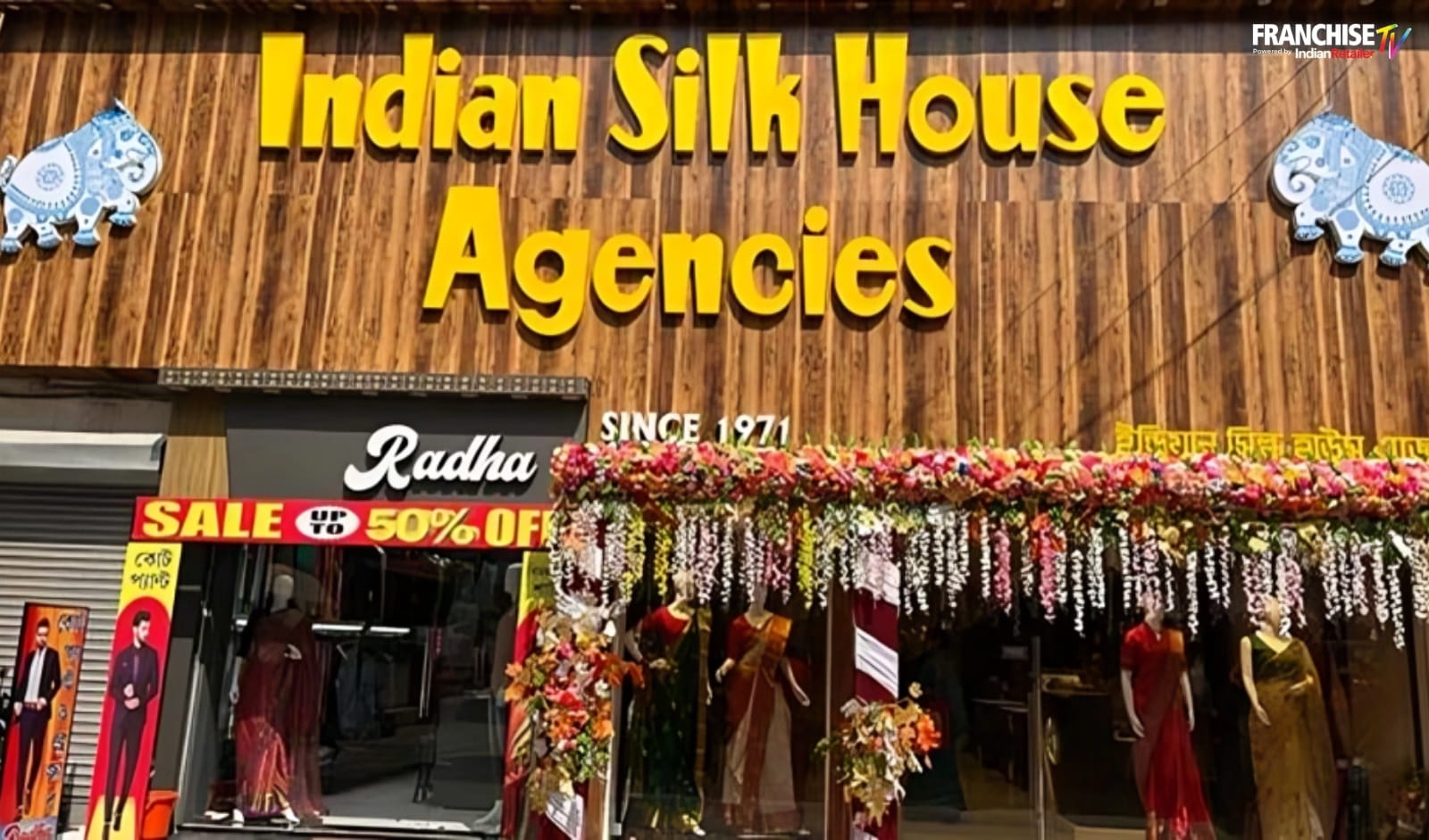
Indian Silk House has built its reputation over decades in sarees and traditional ethnic wear. Its expansion into new markets is supported by strong brand trust and consistent demand during weddings and festive seasons. Franchise or partner-led stores benefit from this legacy, especially in regions where traditional attire dominates purchasing behavior. The business model offers stability, with repeat customers and predictable seasonal demand, making it a reliable choice for entrepreneurs looking for long-term retail presence.
Ethnava
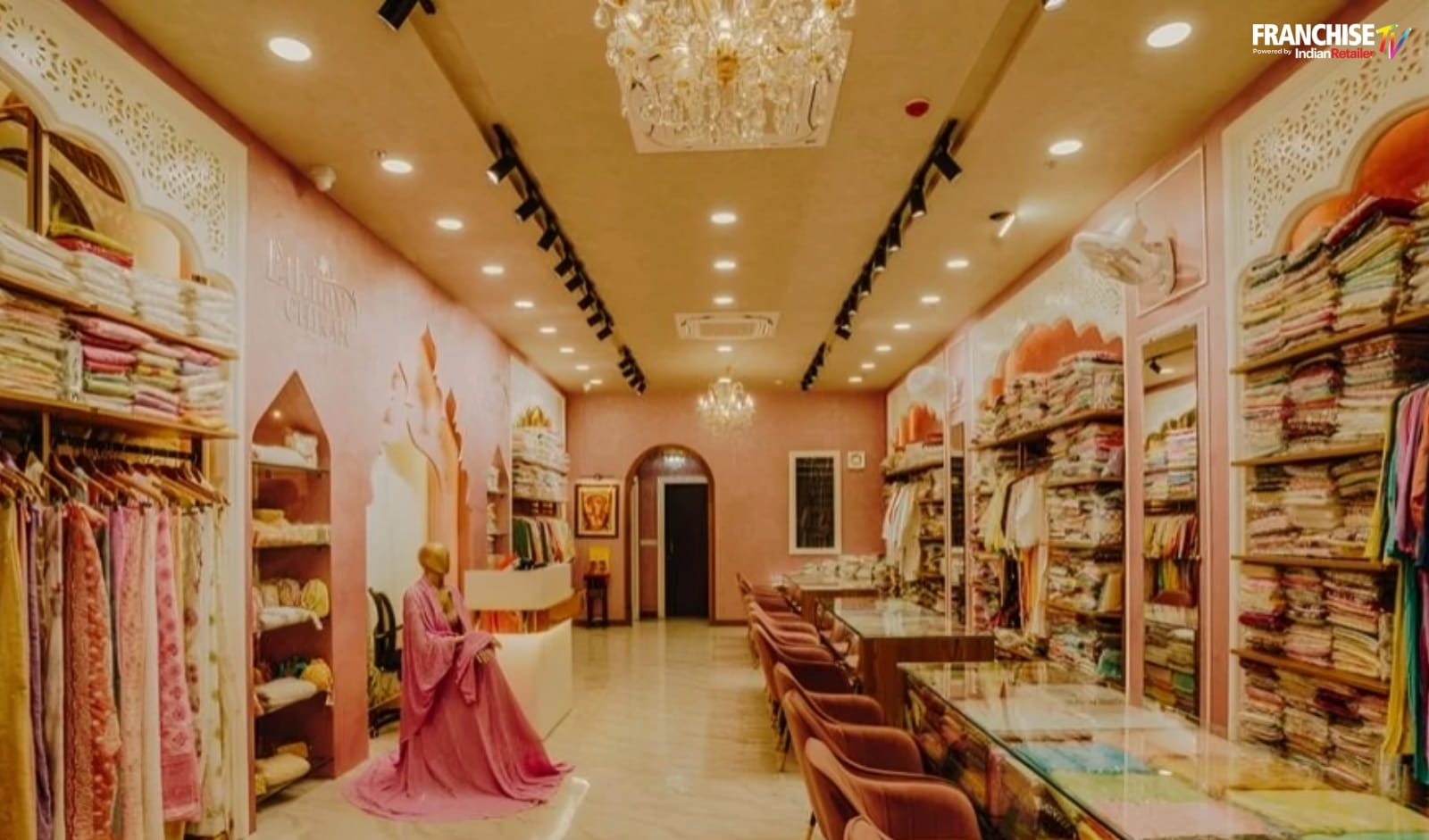
Ethnava focuses on chikankari and handcrafted ethnic wear, bringing regional craftsmanship into contemporary retail. As demand for handmade and sustainable fashion grows, the brand is finding strong traction among urban consumers. Its expansion through boutique stores and online channels provides flexible business opportunities for entrepreneurs. The niche positioning allows for better margins and differentiation, especially in markets where customers are looking for unique, culturally rooted designs.
Juniper
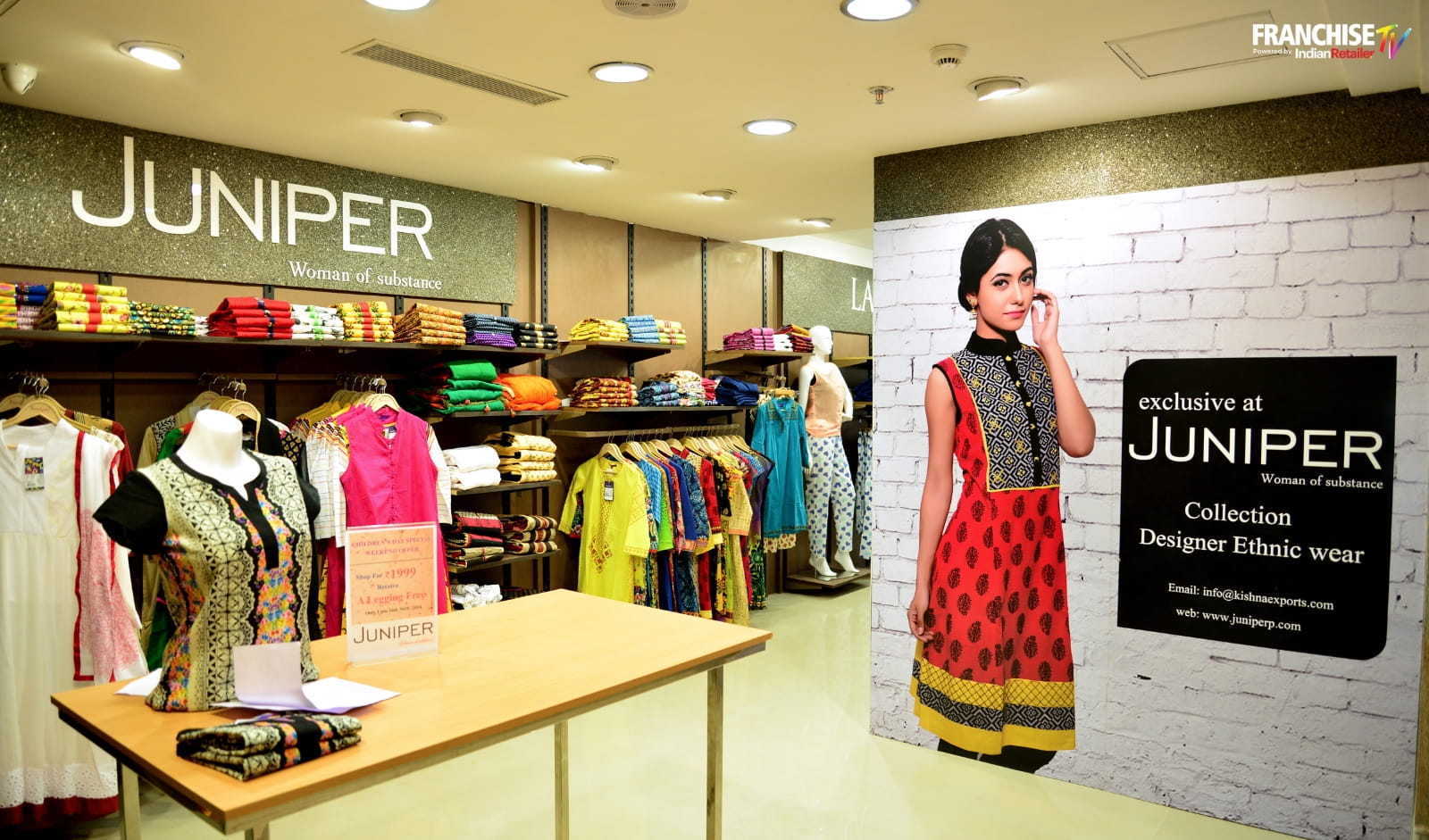
Juniper operates in the affordable women’s ethnic wear segment, offering stylish yet comfortable outfits for daily use. The brand benefits from high demand and frequent purchases, making it one of the more scalable models in ethnic retail. Its presence in malls and high-street locations reflects strong retail expansion. For franchise partners, Juniper offers a balance of moderate investment and consistent footfall, supported by fast-moving inventory and wide customer appeal.
Ramji Sons
Ramji Sons specializes in premium groom wear, including sherwanis and occasion-specific outfits. The brand is deeply connected to India’s wedding market, which continues to grow significantly each year. Its retail expansion focuses on locations with strong wedding demand. For entrepreneurs, this translates into high-ticket sales and strong seasonal revenue. While the business is influenced by wedding cycles, the margins and average transaction values make it a highly profitable segment within ethnic wear.
Explore more Top 20 High-Demand Franchise Businesses in India Right Now
Top 8 Fast-Growing Biryani Franchise Opportunities in India
Top International Beauty Franchises expanding in India
Ethnic Wear Franchises Are Becoming a High-Growth Investment Category
What makes ethnic wear franchises particularly attractive is the combination of emotional buying behavior and strong margins. Customers are willing to spend more on weddings and celebrations, which increases average billing values. At the same time, brands are offering structured franchise models, marketing support, and supply chain efficiency.
As India’s franchise market continues to grow at a rapid pace, ethnic wear stands out as a category that offers both stability and scalability, making it ideal for entrepreneurs entering organized retail.
Final Perspective
Ethnic wear in India is no longer just a cultural necessity—it is a fast-evolving fashion and business segment. With strong demand across price points and regions, brands are expanding aggressively through franchise models to capture this opportunity.
For entrepreneurs, choosing the right brand is key. With the right location, execution, and brand partnership, ethnic wear franchises can deliver consistent growth, strong margins, and long-term business success.
For Further Franchise Info Contact
India’s fashion retail market, valued at over $110 billion (Rs 9.30 lakh crore), is projected to surge to $190 billion (Rs 16 lakh crore) by 2030 at a 7-12% CAGR, driven by rising incomes, Gen Z demand, and Tier II/ III expansion. These opportunities offer scalable models with high ROI, perfect for entrepreneurs entering organized retail amid 65% YoY mall leasing growth and omnichannel shifts.
India’s Fashion Boom Phase
Fast fashion grows at 16-21% CAGR, fueled by influencer trends and youth preferences for affordable branded apparel. Tier II/ III cities see explosive demand, with franchises providing low-risk entry via proven supply chains and repeat purchases. Organized retail’s rise makes fashion one of India’s top high-footfall sectors for investors seeking profitable ventures.
Why Fashion Franchises Excel
Franchises thrive on branded trust, volume sales, and support like training/site selection, yielding 18-36 month paybacks. Mall culture, digital integration, and value pricing target diverse buyers. Entrepreneurs gain scalability in a market favoring omnichannel brands—ideal for retail aspirants exploring business opportunities.
Reliance Fashion World
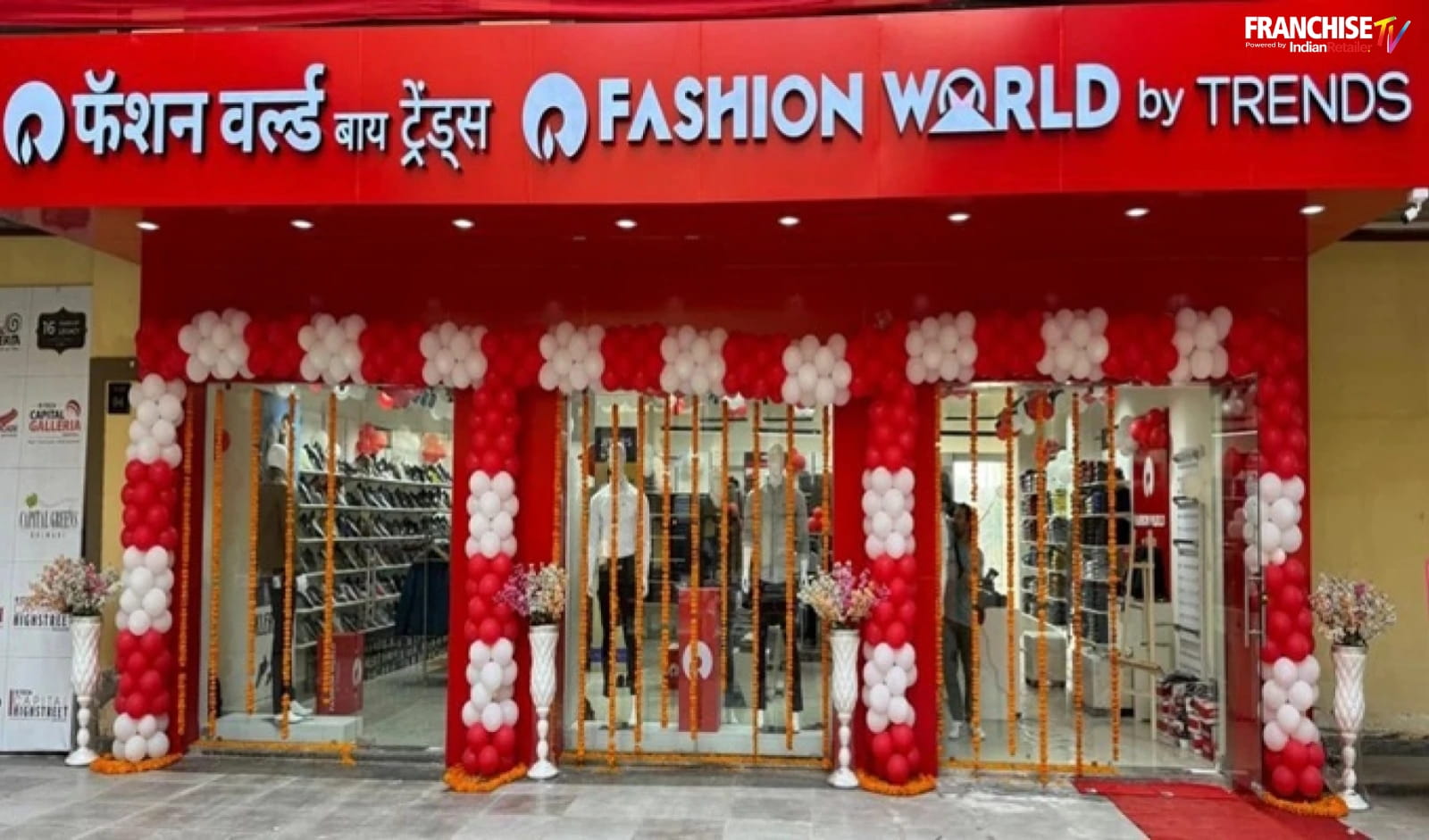
Reliance Fashion World, powered by Reliance Retail, dominates value fashion with apparel, footwear, accessories, kids’ wear, and ethnic lines across 1,000+ large-format stores. Franchisees leverage unmatched supply chains, zero-inventory models, AJIO omnichannel synergy, and full support including store design, marketing, and training. Investment starts at Rs 50 lakh+, delivering 25-35% margins and 20-30% yearly ROI via high footfall in malls/high streets. Entrepreneurs choose it for national scalability, consistent demand across demographics, and Reliance’s Rs. 105 billion backing—transforming local ventures into retail giants in mass markets. Ideal for volume-driven growth seekers.
Read also Top 9 Silver Jewellery Franchise Opportunities Growing in India
Affordable Fashion Franchise Opportunities in India for 2026
Top 10 Gold & Diamond Jewelry Franchise Brands in India
Lee Cooper
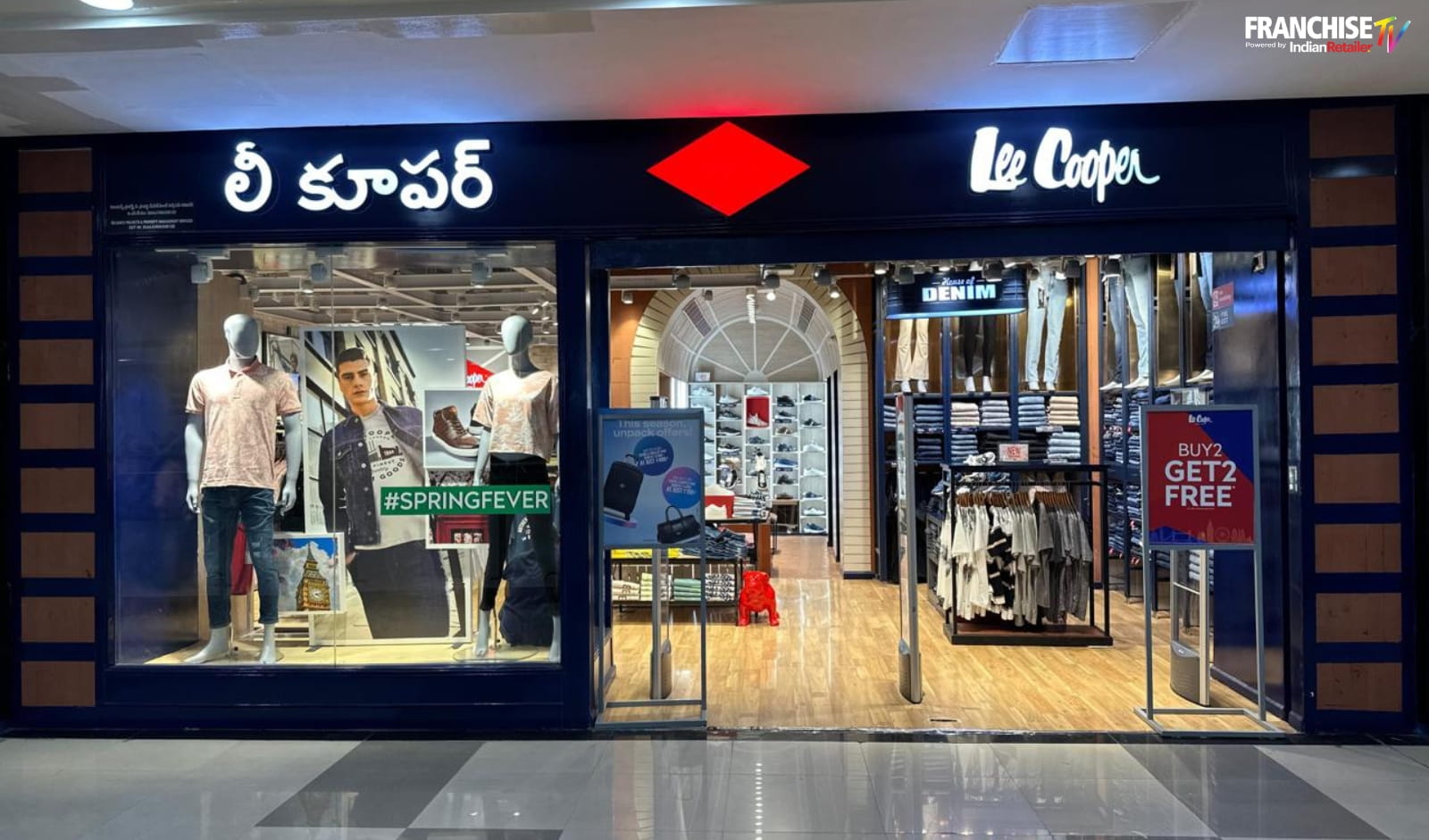
Lee Cooper, a global denim leader under VF Corporation, offers premium jeans, jackets, shirts, casual footwear, and lifestyle apparel targeting urban youth and professionals. Franchise model features 75% flat commissions, Rs 50-75 lakh infrastructure plus Rs 3-5 lakh fee, with merchandising, training, and location guidance. Investors secure 25-30% ROI and 12-18 month breakeven from evergreen denim demand and sustainability focus aligning with trends. Strong international recognition ensures high turnover in exclusive or multi-brand outlets. Entrepreneurs benefit from stable cash flows, youth loyalty, and premium casual surge in India’s 7% CAGR apparel market.
John Player
John Player, Reliance-acquired from ITC, specializes in menswear including formal shirts, trousers, innerwear, and accessories with 130+ stores emphasizing value pricing. Franchisees gain robust logistics, inventory management, staff training, and brand campaigns for Tier II/ III cities. Affordable staples drive 25%+ ROI via high-velocity sales and wide appeal in price-sensitive segments. Post-acquisition expansion boosts reliability, promising quick break-even and steady revenue. Entrepreneurs select it for corporate backing, menswear surge amid rising incomes, and low-risk scalability—capitalizing on loyalty in everyday formal wear for consistent profits.
Yousta
Yousta, Reliance Retail’s youth brand, focuses on trendy streetwear, athleisure, tops, bottoms, and fast-fashion staples for Gen Z across 55+ stores in 27 cities. Rs. 15-25 lakhs investment with Rs 5 lakh fee yields 25-35% margins and 18-24 month payback via small-format flexibility and digital marketing. Quick inventory turnover matches trend cycles, boosted by omnichannel support. Investors choose it for high sales volume, low pricing appeal, and Tier II mall dominance—ensuring scalable growth in value fashion’s boom with rapid returns.
Yard
Yard (Yard brand from Bizotic, Ahmedabad) curates discounted premium apparel, ethnic wear, western outfits, and urban styles in large 16,000 sq ft discount outlets. Franchise model offers 60-90% margins through bulk sourcing and vast selections for high turnover. Modern boutique appeal suits young consumers seeking stylish value buys. Entrepreneurs gain supplier networks, operations support, and niche positioning in competitive markets. Highlights its ROI potential amid 2026 affordable fashion waves, making it ideal for volume-driven retail in urban discount segments with strong profitability.
Know more Top 8 Fast-Growing Biryani Franchise Opportunities in India
Top 20 High-Demand Franchise Businesses in India Right Now
Top International Beauty Franchises expanding in India
V Star
V Star excels in lifestyle innerwear, athleisure, and family apparel via exclusive outlets with proven rapid expansion. High repeat purchases in comfort essentials ensure 30%+ ROI and stable margins with small-to-mid store formats. Comprehensive training and low competition amplify profitability. Entrepreneurs opt for its brand recall, quality focus, and everyday demand—delivering low-overhead, reliable growth in a recession-proof category aligned with sustainable basics for long-term success.
Urban United
Urban United delivers affordable men’s shirts, trousers, formals, and streetwear with international flair from its Ahmedabad HQ, running 30+ stores in Rajasthan and expanding to Bihar/UP. Franchise invites leverage regional logistics, customization, and bold trends for 25% ROI in Tier II/ III malls/high streets. High customer loyalty stems from pocket-friendly quality. Positions it as scalable for menswear voids, with urban culture appeal ensuring long-term profitability and expansion potential.
Mish Fashion
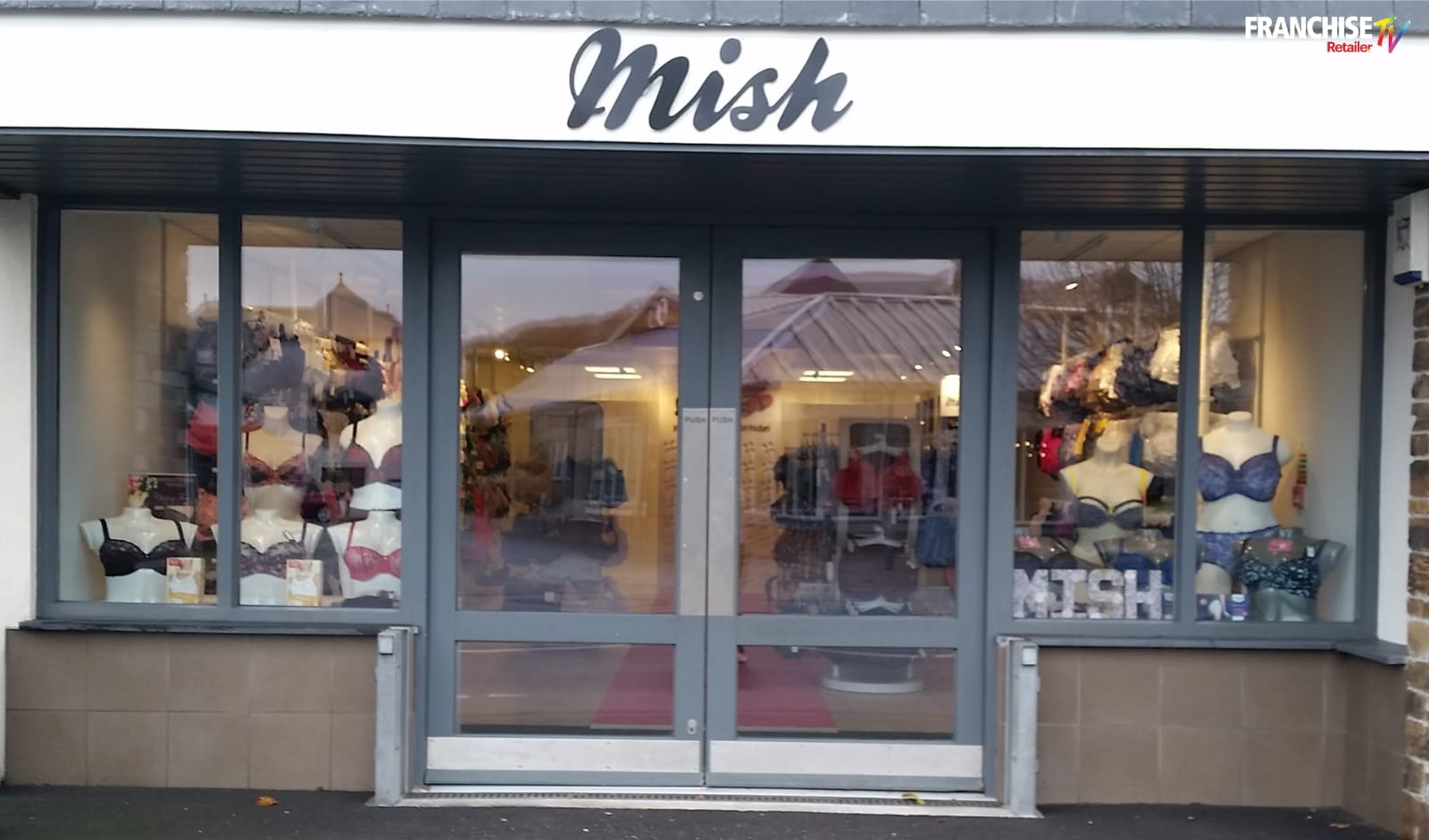
Mish Fashion offers women’s ethnic fusion, contemporary dresses, and trendy apparel with innovative VR/AR mirrors in 10 new franchise stores post-online success. Targets style-savvy metro/Tier II/ III buyers with fast-moving, budget designs for 28% ROI and quick stock turnover. European credibility and tech-forward retail redefine experiences. Investors benefit from offline pivot momentum, premium margins, and dynamic disruption in women’s fashion for high-growth returns.
Tasva
Tasva by Aditya Birla Fashion & Retail (ABFRL) specializes in premium ethnic menswear like kurtas, sherwanis, and occasion wear for weddings/festivals in 1,200-1,800 sq ft stores. Rs 1-1.5 crore investment yields 30%+ ROI via aspirational pricing and high-value transactions in premium zones. Blends traditional craftsmanship with modern fits, plus event tie-ups. Entrepreneurs choose its iconic branding and festive peaks for scalable luxury growth in high-demand segments.
Jaypore
Jaypore curates handcrafted ethnic wear, artisanal jewelry, and heritage lifestyle products with a new 2026 Mumbai store signaling offline expansion. Premium positioning supports local artisans in sustainable trends, drawing upscale loyalty for 25% returns in boutique formats. Unique visuals enhance Discover appeal. Highlights its niche ethical growth, visual storytelling, and conscious consumer base for differentiated profitability and market edge.
Trends Footwear
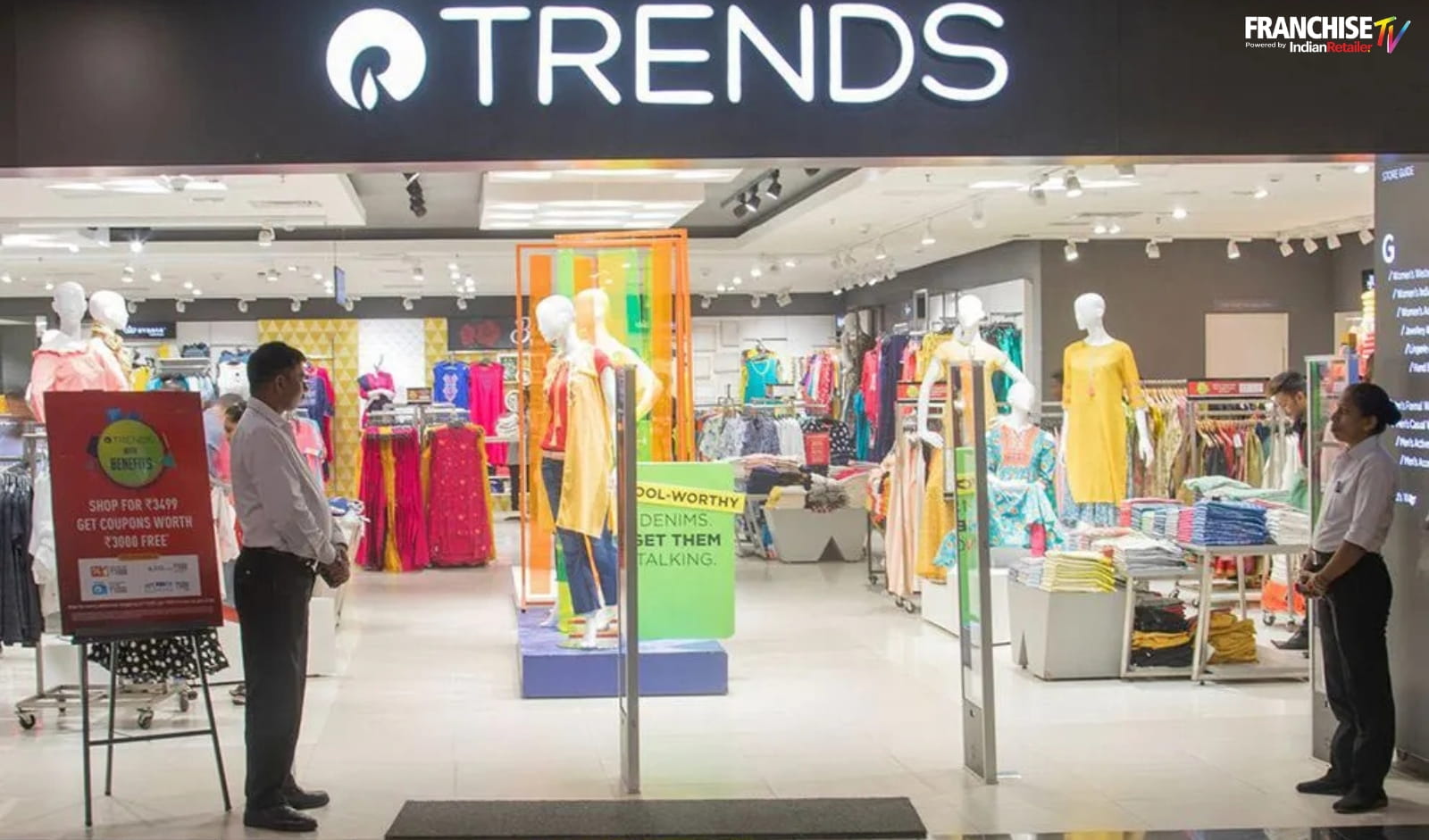
Trends Footwear, Reliance Retail’s value arm, provides casual, sports, kids’, and women’s shoes across 720+ outlets in 28 states with waived fees for early franchisees. End-to-end CRM, billing, and training support deliver 25-30% ROI from family demand and mass pricing. Pan-India network ensures high footfall. Investors secure steady revenue in everyday essentials, dominating Tier III expansions with reliable cash flow.
Explore more Top 10 Home Décor Franchise Brands Expanding in Metro Cities
Top Laundry & Dry Clean Franchise Brands Expanding Fast
Top salon franchises in India that are making a mark
Multi-Brand Fashion Franchise Opportunities in India
Multi-brand fashion franchise opportunities in India allow entrepreneurs to combine top brands like Reliance Fashion World, Lee Cooper, and Tasva under one roof, minimizing risk through diversified product mixes of apparel, footwear, and accessories. Ideal for small to mid-size retail spaces (500-1,500 sq ft) in high streets or malls, this model offers flexible pricing, broader customer appeal from Gen Z streetwear to premium ethnic wear, and high repeat visits for one-stop shopping. Investments range Rs 30-60 lakhs with 20-28% margins and 15-24 month break-even, supported by vendor tie-ups and inventory software. Recommended for beginners seeking scalability without single-brand dependency in Tier II/ III growth hubs.
Fashion Franchise Investment & ROI in India 2026
Fashion franchise investment in India 2026 spans Rs. 20 lakhs to 1.5 crore+, depending on brand and format, with break-even timelines of 12-24 months across value to premium segments. ROI averages 20-35% yearly, driven by high repeat purchases (innerwear/footwear at 40%+), volume sales in malls (65% leasing surge), and margins from 25-60% via efficient supply chains. Key factors include site selection support, digital marketing, and omnichannel boosts reducing risks. Top performers like Reliance models hit 30%+ ROI amid 7-12% market CAGR—low entry barriers make it ideal for scaling retail portfolios with strong returns.
Key 2026 Fashion Franchise Trends in India
Key 2026 fashion franchise trends in India feature fast fashion at 16-17% CAGR, online integration growing 21%, and Gen Z/influencer-driven styles pushing streetwear and sustainable apparel. Tier III city expansions, eco-friendly fabrics, and AR/VR retail experiences dominate, alongside 65% mall leasing growth and omnichannel hybrids blending physical stores with apps like AJIO. Value brands lead with quick-turnover models, while ethnic wear surges in wedding markets. Forecasts personalized sizing via AI and resale integrations boosting footfall—entrepreneurs must prioritize tech-savvy, green franchises for top profitability in this $190 billion trajectory.
Final Thoughts
India’s fashion franchise landscape offers unmatched potential in 2026, blending booming 7-12% CAGR growth with proven high-ROI models from Reliance Fashion World to Tasva. Entrepreneurs can capitalize on Tier II/ III expansions, Gen Z trends, and omnichannel innovations for 20-35% returns and rapid scalability. Whether value apparel, premium ethnic wear, or footwear, these 12 opportunities minimize risks through robust support systems while riding fast fashion’s 16-21% surge. Act now to secure your stake in this $190 billion retail revolution—start your profitable journey today.
For Further Franchise Info Contact

Affordable fashion franchises are emerging as one of the most promising retail opportunities in India as the country’s apparel market continues to expand rapidly. Rising disposable incomes, fashion awareness among younger consumers, and demand for value-driven apparel are accelerating this trend. As a result, many brands are adopting franchise-led expansion strategies to strengthen their presence across both metro and emerging Tier II and Tier III markets.
Category growth
The sector is poised for robust growth in the coming decade, with the organised apparel retail segment anticipated to expand at an annual rate of 10–13%, driven by consumers’ increasing preference, awareness and spending for branded fashion and organised retail formats.
Affordable premium and high-volume fashion brands are attracting significant investor interest, as demand rises for stylish yet value-driven clothing among price-conscious consumers. The franchise model is the preferred route for quick expansion, allowing national brands to leverage local partners in high-potential, smaller markets.
Investment required
Starting an affordable fashion franchise in India typically requires an investment ranging from Rs 15 lakh to Rs 50 lakh, with store space requirements generally between 500 and 1,500 sq. ft. Budget-friendly brands and several regional ethnic wear labels offer comparatively lower entry costs than premium apparel brands.
Some niche or boutique clothing franchises can be launched with investments below Rs 5 lakh. However, well-known national affordable brands usually require a starting investment of around Rs 15–Rs 20 lakh. Established mass-market brands require a typical investment range of Rs 20-Rs40 lakh.
The initial capital generally covers security deposits, store interiors and fixtures, initial merchandise inventory, and franchise or branding fees.
Depending on the brand format, outlets usually need 500–1,500 sq. ft. of retail space, with smaller boutiques requiring less area and larger stores needing more display space.
Affordable fashion franchises often achieve quicker break-even timelines due to lower upfront investment and high product turnover, though success largely depends on store location and brand strength.
Many apparel brands operate on the FOFO (Franchise Owned, Franchise Operated) model, where the franchisee manages day-to-day operations and expenses such as rent, utilities, and staff salaries.
Cities poised for growth
Tier II & III Cities (Lucknow, Indore, Nagpur, Bhubaneswar): These cities are experiencing rapid growth in fashion consumption, as consumers increasingly seek branded apparel that combines style with affordability.
Surat & Jaipur: Known as major textile centres, these markets offer advantages such as lower sourcing costs and a strong base of fashion-aware consumers.
Delhi-NCR & Mumbai: Although operational costs are higher, these metros provide exceptional brand visibility and access to high-footfall retail zones that support strong sales potential.
State Capitals: Regional capitals often present an ideal mix of growing demand and manageable costs, making them attractive markets for lifestyle and ethnic wear brands.
Affordable Fashion Franchise Opportunities in India
Ekadhi
Ekadhi primarily targets urban women aged 25–45 who appreciate contemporary ethnic wear with a handcrafted appeal. The brand appeals to working professionals, boutique shoppers, and consumers who prefer sustainable fabrics, minimalist designs, and artisanal craftsmanship. Its audience typically belongs to the upper-middle-income segment seeking stylish yet comfortable ethnic outfits suitable for office wear, casual gatherings, and festive occasions.
Pan America
Pan America caters mainly to young men and women in the 18–35 age group who prefer casual, trendy western wear at accessible prices. Its core consumers include college students, young professionals, and value-conscious shoppers looking for everyday fashion such as denim, t-shirts, and casual apparel. The brand attracts middle-income urban customers who prioritize affordability and style.
Saint G
Saint G targets fashion-forward women aged 25–45 who seek premium handcrafted footwear with contemporary designs. The brand appeals to affluent urban consumers, including professionals and fashion enthusiasts, who value quality leather products and global design aesthetics. Its customers typically belong to upper-middle and high-income groups looking for statement footwear for work, travel, and social occasions.
Vivi Blu
Vivi Blu focuses on urban women aged 22–40 who seek stylish handbags and fashion accessories that balance luxury aesthetics with affordability. The brand appeals to working professionals, fashion-conscious millennials, and social media–driven shoppers who prefer trendy designs for everyday use. Its core audience typically falls within the middle to upper-middle income bracket.
First Avenue
First Avenue caters primarily to men aged 28–50 looking for formal and semi-formal clothing for business and professional environments. Its target customers include corporate employees, executives, and entrepreneurs who prefer polished yet affordable menswear. The brand resonates with middle and upper-middle income professionals seeking quality workwear with modern styling.
Fashion World
Fashion World targets price-conscious families and young shoppers seeking affordable clothing options. The brand’s core customers include middle- and lower-middle-income consumers in Tier II and Tier III cities who prioritize value and variety. Its product range typically appeals to everyday shoppers looking for casual apparel, seasonal fashion, and budget-friendly wardrobe updates.
Neeman’s
Neeman’s targets environmentally conscious consumers aged 22–40 who prefer sustainable and comfortable footwear. The brand appeals to urban millennials and professionals who value eco-friendly materials and minimalist design. Its audience often includes tech-savvy shoppers with moderate to high disposable incomes who prioritize comfort, sustainability, and modern lifestyle products.
Reliance Trends
Reliance Trends targets a broad consumer base including men, women, and children across middle-income households. The brand appeals to families seeking affordable fashion across western and ethnic categories. Its key audience includes shoppers in both metro and Tier II cities who want trendy clothing at competitive prices within organized retail environments.
Jaypore
Jaypore caters to affluent consumers aged 30–55 who value handcrafted, artisanal fashion and home décor rooted in Indian heritage. The brand’s customers include professionals, designers, and culturally aware buyers who appreciate traditional craftsmanship with contemporary design. Its audience generally belongs to upper-middle and premium income segments.
Fashor
Fashor targets women aged 23–40 seeking stylish ethnic wear for daily use and small celebrations. The brand appeals to young professionals and urban homemakers who prefer trendy kurtas, co-ord sets, and fusion ethnic outfits at mid-range price points. Its core audience belongs to middle and upper-middle income groups across metro and Tier II cities.
Ethenix
Ethenix targets modern Indian men aged 25–45 looking for contemporary ethnic wear for weddings, festivals, and celebrations. The brand appeals to professionals and young entrepreneurs who want stylish kurtas, sherwanis, and festive outfits without the high cost of designer labels. Its consumers typically belong to middle and upper-middle income groups.
Lee Cooper
Lee Cooper targets young men and women aged 18–35 who prefer stylish casual fashion inspired by global trends. The brand appeals to college students, young professionals, and urban shoppers seeking denim, casual apparel, and footwear at accessible prices. Its core audience typically belongs to the middle-income segment.
Parx
Parx targets urban men aged 22–40 looking for smart casual clothing that blends comfort with modern styling. The brand appeals to young professionals and college graduates who want relaxed yet polished apparel for work and social settings. Its consumers generally belong to middle and upper-middle income groups.
Park Avenue
Park Avenue caters to corporate professionals aged 28–50 seeking premium formal wear, grooming products, and business attire. The brand appeals to executives, managers, and entrepreneurs who prefer sophisticated clothing for workplace environments. Its core customers typically belong to upper-middle and affluent income groups.
Indian Silk House
Indian Silk House primarily targets women aged 30–60 who appreciate traditional sarees and ethnic textiles. The brand appeals to consumers seeking premium silk sarees for weddings, festivals, and cultural occasions. Its core audience includes affluent families, bridal shoppers, and heritage textile enthusiasts from upper-middle and high-income segments.
Conclusion
Looking ahead, affordable fashion franchises are set to play a key role in India’s evolving retail landscape. The shift toward branded and organised retail formats is expected to continue. For entrepreneurs, this category offers relatively lower entry costs, scalable franchise models, and strong consumer demand. As value-conscious shoppers increasingly seek stylish yet affordable clothing, affordable fashion brands will remain a major driver of retail expansion across India.
FAQS on affordable fashion franchises
- Why are affordable premium brands attracting investors?
Affordable premium and high-volume fashion brands are attracting strong investor interest because they cater to value-conscious consumers who want trendy apparel without paying premium designer prices. These brands offer a balance between affordability and style, enabling high sales volumes and faster retail expansion.
- What is the typical investment required to start an affordable fashion franchise in India?
Starting an affordable fashion franchise generally requires an investment of Rs 15 lakh to Rs 50 lakh. This investment varies depending on the brand, store location, and format. Some boutique clothing franchises may require less than Rs 5 lakh, while established mass-market brands typically require investments ranging from Rs 20 lakh to Rs 40 lakh.
- What costs are included in the initial franchise investment?
The initial investment typically covers security deposits, store interiors and fixtures, initial merchandise inventory, and franchise or branding fees. These costs ensure the store meets the brand’s visual standards and has sufficient inventory to start operations.
- How much retail space is needed for an affordable fashion franchise?
Most affordable fashion franchise stores require 500 to 1,500 square feet of retail space. Smaller boutique stores may operate with limited space, while larger outlets need more area to display a wider product range and provide a better shopping experience.
- Which cities offer the best opportunities for affordable fashion franchise expansion?
High-growth opportunities are emerging in Tier II and III cities such as Lucknow, Indore, Nagpur, and Bhubaneswar, where demand for branded apparel is rising rapidly. Cities like Surat and Jaipur benefit from strong textile ecosystems, while Delhi-NCR and Mumbai offer high visibility and strong retail footfall.
For Further Franchise Info Contact
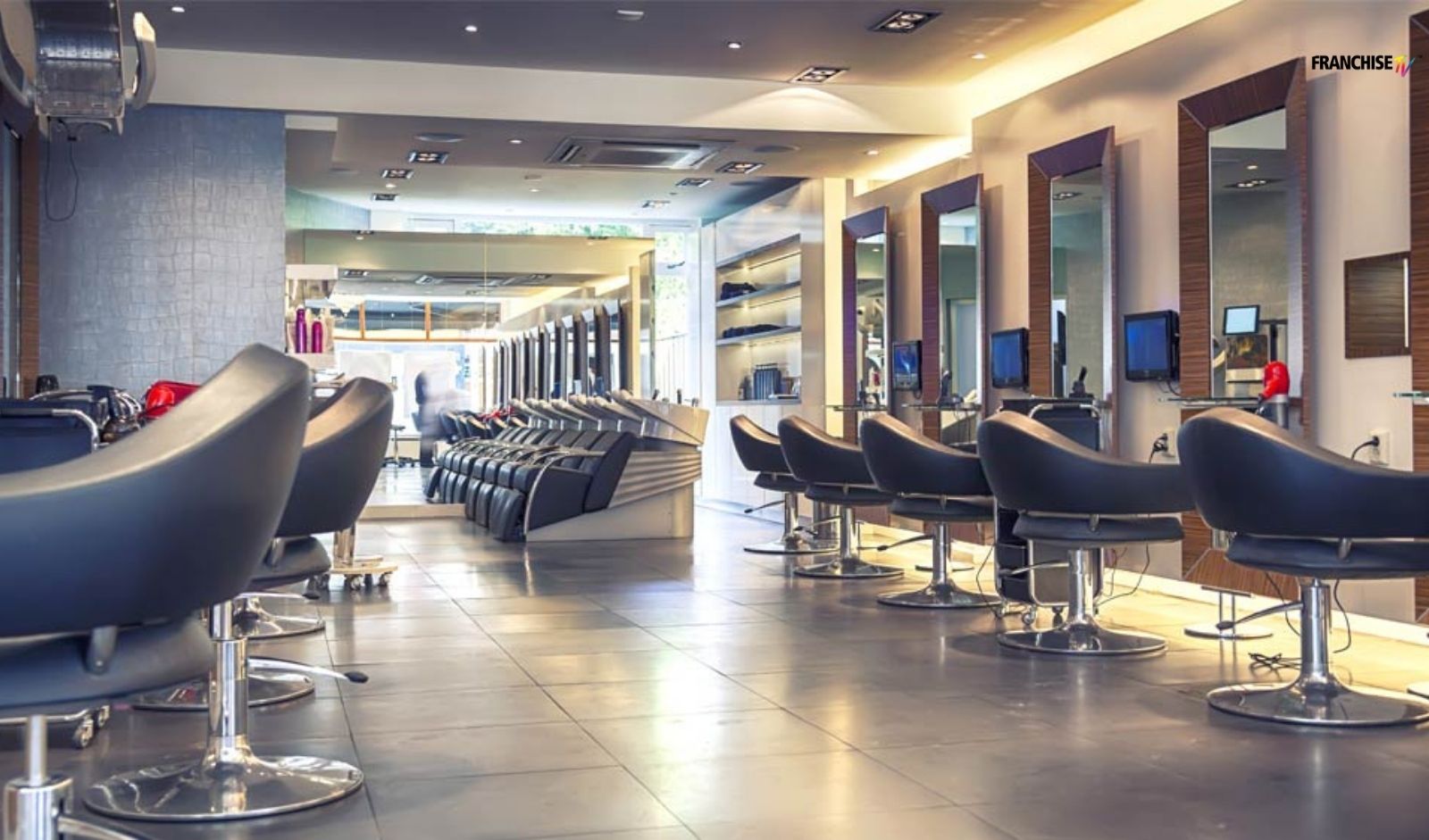
International beauty franchises are increasingly expanding in India, tapping into one of the world’s fastest-growing beauty and personal care markets. The international beauty, salon, and wellness franchise segment in India is experiencing robust growth, fueled by rising disposable incomes, urban lifestyles, and stronger preference for branded grooming and personal care services, focusing on grooming among both men and women. With structured franchise models, global expertise, and advanced service standards, international beauty brands are reshaping India’s organised salon and wellness landscape.
Category growth
The organised beauty and salon market — including premium, international, and franchise-led outlets — is expanding rapidly, with some estimates indicating 18–20 per cent annual growth and projections that the overall beauty & wellness industry could reach around $25 billion by 2030. Salon and aesthetic services are major contributors to this growth, supported by an expanding middle and upper-income customer base, increased brand awareness, and higher demand for global beauty trends.
The premium salon segment alone is growing at approximately 10–15 per cent annually, while organised franchise models are gaining share from unorganised salons as customers increasingly seek standardised quality and hygiene. International players are leveraging this momentum to open more outlets in major Indian metros and emerging cities, reflecting expanding opportunities for international beauty franchises in the Indian market.
Investment required
Premium and international brands: Rs 70 lakh – Rs 1.5 crore or more. This range is typical for larger salons, advanced aesthetic clinics, or full-service beauty and wellness centres under a well-known global brand.
International education and training franchises: Rs 15 lakh – Rs 40 lakh for beauty and wellness academies with certification programs.
Indian cities best for expansion
While Mumbai, Delhi-NCR, Bengaluru, Hyderabad, and Chennai remain the top picks for international beauty franchise visibility and revenue potential, cities like Kolkata, Pune, Ahmedabad, and Surat are emerging as strong secondary markets as organised beauty spending expands across India.
Read more: Top 8 Fast-Growing Biryani Franchise Opportunities in India
Top 10 Home Décor Franchise Brands Expanding in Metro Cities
Top Laundry & Dry Clean Franchise Brands Expanding Fast
Top International Beauty Franchises expanding in India
Australian Beauty Institute
Australian Beauty Institute, an Australia-based beauty education brand, primarily targets aspiring beauty professionals aged 18–30 seeking international certification and career advancement. The core demographic includes students from middle- and upper-middle-income families in metro and Tier-II cities who can invest in skill-based education programs. Many candidates aim to work in premium salons, cruise lines, or overseas markets. The brand also appeals to career switchers and entrepreneurs planning to open salons. Income profiles reflect families willing to invest in vocational education with global recognition and strong placement potential.
Bestshape
Bestshape, a European-origin body contouring concept, targets upper-middle-income and affluent urban consumers aged 25–50 focused on body contouring and aesthetic wellness. Its clientele includes working professionals, entrepreneurs, and image-conscious individuals seeking non-invasive slimming and toning solutions. Customers typically reside in metro cities and have discretionary income for premium wellness treatments. The brand appeals particularly to women and fitness-oriented men who prioritize appearance, health, and lifestyle enhancement, positioning itself within the premium beauty and body-care segment.
Headcase
Headcase, a salon brand which originated in the UK, caters to urban millennials and Gen Z consumers aged 18–35. Its core audience includes students, young professionals, and fashion-forward individuals in metro cities. Income levels are middle to upper-middle, with spending focused on grooming, styling, and trend-led hair services. The brand resonates with aspirational customers who value edgy aesthetics, social-media-driven looks, and affordable premium salon experiences. It thrives in high-footfall malls and youth-centric neighborhoods.
Lay Bare Waxing Salon
Lay Bare Waxing Salon, which was founded in the Philippines, targets middle- and upper-middle-income urban women aged 20–40. The brand appeals to working professionals, college students, and young homemakers seeking hygienic, affordable, and specialized waxing services. Customers are price-conscious yet quality-aware, preferring branded salons over local parlors. Located in metro malls and busy retail areas, the brand thrives among repeat-service users looking for consistent grooming standards.
Marie Claire Paris
Marie Claire, a French brand extended into salons via licensing, primarily serves upper-middle-income and affluent women aged 25–55. The clientele includes corporate professionals, entrepreneurs, and socially active urban consumers seeking premium hair, skin, and makeup services. Customers are brand-conscious and influenced by global beauty trends. The brand attracts individuals willing to pay for international-quality service, luxury ambiance, and professional expertise in metro and upscale residential areas.
The Massage Company
The Massage Company, a UK-based wellness brand, primarily targets upper-middle-income urban professionals aged 25–50 seeking structured wellness and stress-relief services. Customers include corporate executives, entrepreneurs, and health-conscious individuals with subscription-based spending capacity. Income levels are moderate to high, with clients prioritizing regular therapeutic massages as part of their lifestyle routine. The brand appeals to time-constrained metro consumers who value standardized, membership-driven wellness experiences in premium retail locations.
Know more: Top salon franchises in India that are making a mark
Top grocery franchise brands gaining a strong foothold in India
Top Chinese Food Franchise Brands Expanding Rapidly Across India
Conclusion
The expansion of international beauty franchises in India reflects the country’s evolving lifestyle aspirations and demand for world-class grooming experiences. As consumers increasingly prioritise quality, hygiene, innovation, and brand credibility, global beauty players find strong growth opportunities across metro and emerging Tier II cities. For entrepreneurs, these franchises offer structured systems, strong brand recall, and scalable business potential. With sustained category growth and rising premiumisation, international beauty brands are poised to play a significant role in shaping the future of India’s organised beauty and wellness industry.
FAQs with regard to international beauty franchises
Why are international beauty franchises expanding in India?
India’s beauty and personal care industry is witnessing strong growth due to rising disposable incomes, increasing urbanisation, social media influence, and growing grooming awareness among men and women. Metro cities, in particular, have a strong appetite for premium, global beauty experiences, making India a high-potential expansion market.
Which cities are ideal for international beauty franchise expansion?
Top metro markets include Mumbai, Delhi-NCR, Bengaluru, Hyderabad, and Chennai due to high spending power and premium mall/high-street presence. Emerging Tier II cities like Pune, Ahmedabad, and Kolkata are also showing strong demand for organized and international beauty brands.
What is the typical investment required?
Investment usually ranges between Rs 70 lakh – Rs 1.5 crore or more, depending on the brand’s positioning (premium salon, luxury spa, aesthetic clinic, or cosmetic retail), store size, interior specifications, imported equipment, and location. Metro city rentals and fit-outs significantly impact overall investment.
What is the growth outlook for this category?
The international beauty segment is growing rapidly, driven by demand for advanced skincare treatments, premium hair services, aesthetic procedures, and high-end cosmetic retail. The category benefits from aspirational consumers seeking global standards and trusted brand names.
For Further Franchise Info Contact




Copyright © 2009 - 2026 Franchise Tv.