





In 2021, Rohit Nagdewani embarked on a mission that would radically transform India’s fresh produce market. Recognizing inefficiencies in the supply chain and growing consumer demand for fresher, higher-quality produce, Nagdewani founded Fresh From Farm (F3) to create a solution. F3’s goal was simple yet profound: establish a direct link between farmers and consumers, cut out intermediaries, and ensure the delivery of fresh produce while empowering the farmers who grow it.
"Our goal from day one has been to transform the way fresh produce is delivered to consumers while empowering farmers in the process. By cutting out the middlemen, we ensure that consumers receive fresher, high-quality fruits, and farmers are fairly compensated for their hard work," says Nagdewani.
Since its inception, F3 has redefined how fresh produce moves from farms to cities, and in doing so, it has set new standards for quality, transparency, and sustainability.
Bridging the Gap between Farmers and Consumers
The idea for Fresh From Farm was born out of a deep understanding of the pain points in India’s fresh produce industry. Prior to F3, the supply chain was long and convoluted, involving numerous intermediaries that added costs, delays, and reduced product quality. Fresh From Farm sought to change this by eliminating unnecessary links in the chain.
"We saw a huge opportunity in connecting farmers directly with consumers. It wasn’t just about getting fresh produce to people’s homes—it was about redefining the entire supply chain, from farm to table," explains Nagdewani.
This direct farm-to-consumer model not only guarantees fresher produce but also ensures farmers receive better compensation for their work, bypassing middlemen who often take a significant portion of profits. This, Nagdewani says, is at the heart of what F3 stands for fairness and quality for both consumers and farmers.
Revolutionizing the Supply Chain
F3 has revolutionized the supply chain by establishing a direct relationship with farmers, ensuring that fresh fruits reach consumers faster and with less handling than traditional supply routes. This streamlined approach is a marked departure from the complex and often inefficient distribution systems of conventional retailers.
"Traditional supply chains often involve multiple intermediaries, which not only increase costs but also lead to quality degradation. At F3, we’ve eliminated these inefficiencies by dealing directly with farmers. This way, we’re able to deliver fresher produce and offer better prices to both farmers and consumers," says Nagdewani.
By cutting out the middlemen, F3 significantly reduces the time produce spends in transit, which means fruits and vegetables retain their freshness and nutritional value. This direct sourcing model also enables F3 to offer a more competitive price point to customers, while paying farmers fairer prices—ensuring that both ends of the chain benefit.
A Just-In-Time Approach
One of the key pillars of Fresh From Farm’s success is its focus on reducing waste. Fresh produce is highly perishable, and delays in the traditional supply chain often result in significant spoilage. F3 has tackled this problem head-on by implementing a just-in-time inventory system that holds stock for no more than six to eight hours.
"Our control over the entire operational cycle—from procurement to distribution—enables us to manage quality at every step. By using technology to forecast demand, we’re able to reduce waste and ensure that our customers always receive the freshest produce," Nagdewani points out.
F3's approach minimizes spoilage and ensures that only the freshest produce reaches the customer. Technology plays a crucial role in this process, with advanced demand forecasting systems powered by machine learning. These systems enable F3 to accurately predict consumer needs and adjust procurement and distribution accordingly.
The Key to Delivering Fresh Produce in Record Time
Technology has always been at the core of F3’s business model. From advanced logistics software that optimizes delivery routes to machine learning algorithms that predict customer demand, F3’s operations are built on cutting-edge technology that ensures speed and efficiency.
"Technology is at the core of everything we do. It allows us to streamline our operations, minimize waste, and ensure that our produce reaches customers as quickly and as fresh as possible," says Nagdewani.
F3’s logistics software uses real-time data to plan the most efficient delivery routes, taking into account factors such as traffic, weather, and distance. This reduces delivery times and ensures that produce reaches customers at peak freshness. The company’s use of machine learning for demand forecasting also allows it to better manage its inventory, reducing the risk of overstocking or understocking.
A Private Label Success
One of the company’s recent successes has been the launch of its private label, F3 Fruits, on quick commerce platforms like Zepto and Amazon Fresh. This move is part of F3’s direct-to-consumer strategy, which aims to increase its brand visibility and provide customers with an exclusive, trusted source of fresh produce.
"Launching our private label, F3 Fruits, has been a game-changer for us. It allows us to maintain full control over the quality of the produce we deliver, while also building a direct relationship with our customers," explains Nagdewani.
By selling F3 Fruits through quick commerce platforms, the company can deliver its products directly to consumers, bypassing traditional retail stores. This allows F3 to maintain higher quality standards and create a more intimate relationship with its customers, who now associate the brand with freshness and reliability.
A $2 Million Boost to Scale Operations
In May 2024, Fresh From Farm raised $2 million in funding, led by Inflection Point Ventures and notable investor Ashish Kacholia. This significant investment has allowed F3 to scale its operations and enhance its technological and logistical capabilities. The funds are being channeled toward expanding the company’s infrastructure, ensuring that F3 can keep pace with growing consumer demand.
"The $2 million we raised in May is helping us scale faster than ever. We’re expanding our logistics infrastructure, upgrading our technology, and increasing our delivery capacity. This funding is essential as we prepare for our next phase of growth," Nagdewani shares.
One of the primary areas of focus for F3 is expanding its distribution capabilities. With more customers turning to online platforms for their fresh produce, it has become crucial for F3 to deliver high-quality fruits swiftly and efficiently. The company is investing heavily in technology to streamline its logistics and ensure timely deliveries.
Plans to Enter New Markets
With its logistics infrastructure bolstered by the latest round of funding, F3 is now gearing up for a major expansion. The company is preparing to enter six new cities in the Delhi NCR region and one city outside the region. This expansion is a pivotal moment in the company’s growth journey, allowing F3 to bring its fresh produce to a wider audience.
"We’re excited to bring Fresh From Farm to more cities. Expanding into new markets means we can reach even more consumers with our fresh, high-quality produce. Our goal is to make it as easy as possible for people to access fresh fruits, no matter where they are," says Nagdewani.
The company is preparing for this expansion by strengthening its supply chain, upgrading its logistics software, and increasing partnerships with local farmers to ensure that it can meet the growing demand without compromising on quality or service.
Reaching Rs 100 Crore in ARR
Fresh From Farm is on track to hit an ambitious goal of reaching 100 crore in annual recurring revenue (ARR) by early 2025. To achieve this, the company has implemented several strategic initiatives focused on improving logistics, expanding its vendor network, and using technology to optimize operations.
"To reach our target of Rs 100 crore in ARR by early next year, we are focused on improving our distribution efficiency and expanding our vendor network. We are also leveraging technology to make data-driven decisions that help optimize our operations and maximize revenue," explains Nagdewani.
F3 is positioning itself for sustained growth, aiming to become a leading player in India’s fresh produce market by continuing to innovate and streamline its operations.
Shaping the Future of Fresh Produce
As the fresh produce industry evolves, Fresh From Farm is well-positioned to remain at the forefront of change. With increasing consumer awareness about health, sustainability, and transparency, F3’s business model aligns perfectly with the shifting market trends. The company’s focus on direct sourcing, sustainability, and technology-driven operations puts it in a strong position to shape the future of the industry.
"Our long-term vision is to redefine the fresh produce supply chain. We want to set new standards for quality, sustainability, and transparency in the industry. By staying true to our mission and embracing innovation, we believe we can make a lasting impact," says Nagdewani.
With its innovative approach and commitment to sustainability, Fresh From Farm is set to lead the charge in reshaping India’s fresh produce market. As it continues to expand and evolve, F3 is well on its way to becoming a household name in fresh food retail.
The Fresh Future of F3
Fresh From Farm’s journey is a testament to the power of innovation, sustainability, and vision. From humble beginnings in 2021 to becoming a major disruptor in the fresh produce industry, F3 has transformed the way fruits and vegetables reach consumers. With plans for rapid expansion, continued investment in technology, and an unwavering commitment to quality, Fresh From Farm is poised to shape the future of fresh produce in India.
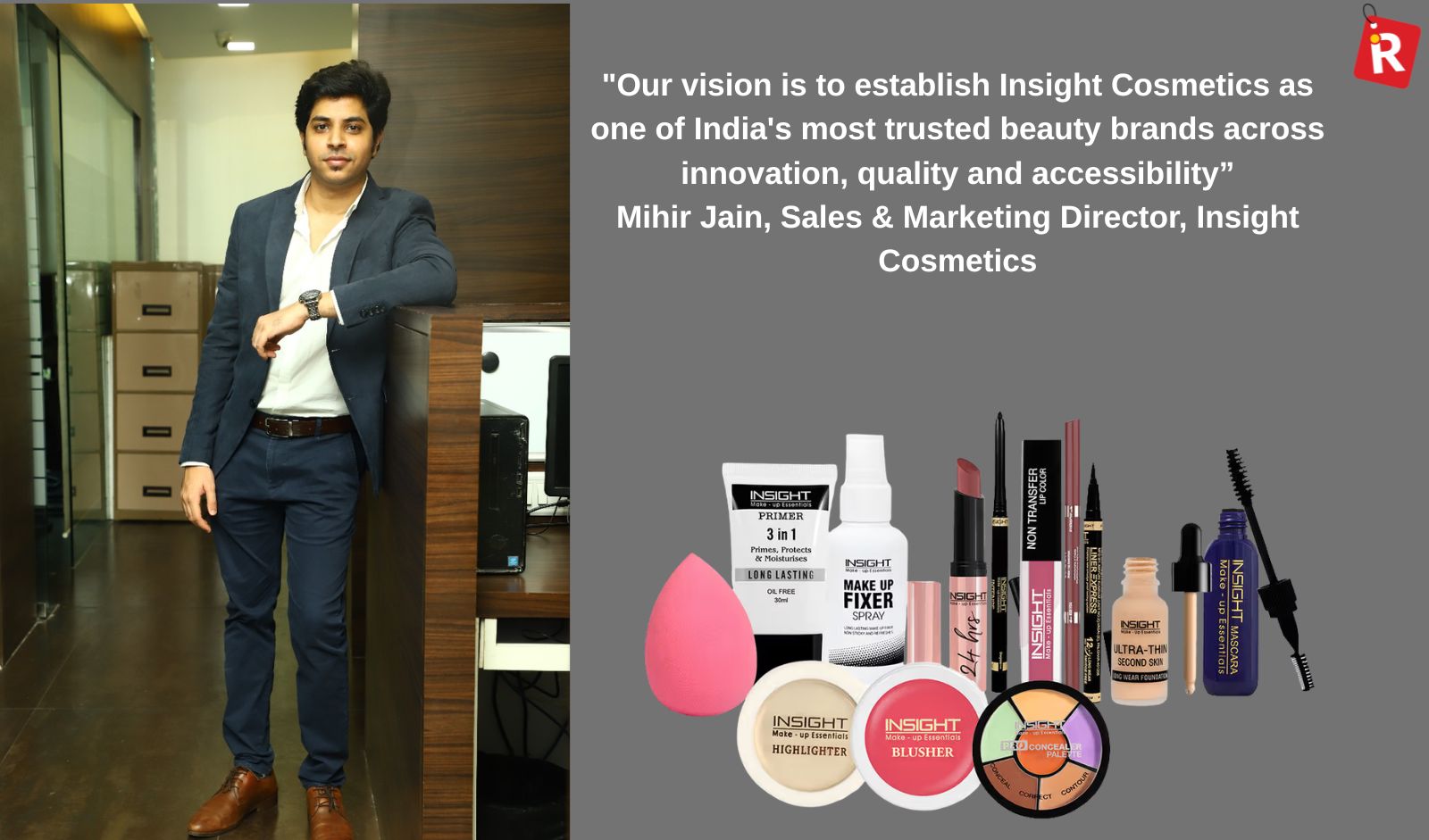
India's beauty industry is evolving rapidly as consumers seek products that combine performance, safety, affordability, and innovation. Amid this transformation, Insight Cosmetics has quietly built one of the country's strongest omnichannel beauty businesses. What began over 30 years ago with nail polish has grown into a diversified cosmetics portfolio spanning makeup, skincare, fragrances, and more, supported by an extensive retail network and in-house manufacturing,
"Our mission has always been making premium-quality beauty products accessible to every Indian consumer without compromising on safety or affordability," expressed Mihir Jain, Sales and Marketing Director, Insight Cosmetics.
Democratizing Beauty for Every Consumer
Insight Cosmetics was founded with the belief that quality beauty products should not be limited to premium price segments. Starting from a small region in Maharashtra, the company has steadily expanded its reach across India and today is present in more than 35,000 retail stores, alongside major e-commerce platforms.
"Our goal has always been to democratize beauty by offering high-quality products backed by strong research and development while maintaining affordability," shared Jain.
Its product portfolio has evolved significantly over the years. While the brand initially focused on nail polish, it now offers products across face, lips, eyes, fragrances, and skincare, allowing it to cater to a much wider consumer base.
A significant milestone came two years ago when Insight Cosmetics became India's first toxic-free beauty brand certified by Bureau Veritas, reinforcing its focus on product safety and consumer trust.
Building a Omnichannel Beauty Brand
Despite the rapid growth of online beauty shopping, physical retail remains central to Insight Cosmetics' strategy.
The company has built an extensive omnichannel presence through beauty counters, cosmetic stores, modern trade outlets, shopping malls, and general trade retailers. Today, it operates through over 35,000 retail stores, more than 360 modern trade outlets, and has a presence in over 25 malls across the country.
"Retail is extremely important because consumers want to touch, feel and test cosmetics before making a purchase," shared Jain
Offline retail continues to dominate the company's business, contributing nearly 65 percent of total revenue, while online channels account for the remaining 35 percent.
Tier II and Tier III Cities Drive the Next Phase of Growth
Looking ahead, Insight Cosmetics plans to significantly strengthen its retail presence beyond metropolitan markets.
The company aims to expand its distribution network to more than 60,000 retail stores within the next two years, with particular emphasis on emerging cities where demand for quality beauty products continues to grow.
"We see significant opportunities in expanding across Tier II and Tier III cities while continuing to strengthen consumer experiences," expressed Jain.
Alongside retail expansion, the company is also investing in experiential shopping through mall presence, allowing consumers to discover and test products before purchasing.
The Rise of Skincare-Infused Makeup
Changing consumer preferences are shaping Insight Cosmetics' innovation pipeline.
Rather than treating skincare and makeup as separate categories, the company is increasingly focusing on hybrid beauty products that combine cosmetic performance with skincare benefits. Upcoming launches will feature formulations enriched with skincare ingredients while offering long-lasting wear, waterproof performance, and inclusive shade ranges.
"Many of our upcoming launches will integrate skincare ingredients into makeup formulations," shared Jain.
Insight Cosmetics also sees growing demand for non-transfer lipsticks, hydrating lip colors, skin tints, and other multifunctional products that align with evolving consumer expectations. Fragrance is another category receiving increased attention, with plans to further expand the existing portfolio.
Science-Led Innovation at the Core
"We have more than 35 in-house scientists, beauty researchers and formulation experts evaluating every ingredient that goes into our products," shared Jain.
Research and development remain one of the company's strongest differentiators.
Insight Cosmetics employs over 35 in-house scientists and formulation experts who oversee product development, ingredient selection, and quality evaluation. Every product undergoes extensive dermatological and ophthalmological testing where applicable, ensuring safety and efficacy before reaching consumers.
Transparency has become increasingly important as consumers become more ingredient-conscious, and the company positions itself as a safe beauty brand backed by validated product claims and rigorous testing standards.
Manufacturing Built Around Quality
Unlike many beauty brands that outsource manufacturing, Insight Cosmetics produces all of its products in-house. The company operates two manufacturing facilities in Maharashtra, located in Vasai and Ghoisa, supported by multiple warehouses and stringent quality-control processes.
Product development begins with research and formulation before ingredients are sourced from leading suppliers across the United States, Germany, Japan, and Taiwan.
"Every product undergoes a development cycle of approximately 12 to 18 months before reaching the market," said Jain.
Each product is subjected to technical quality assessments as well as practical evaluations by a team of 12 in-house makeup artists. Selected products are also tested with consumers in smaller markets before being introduced nationally, ensuring valuable real-world feedback is incorporated into the final offering.
Innovation Meets Digital Discovery
Beyond product development, Insight Cosmetics is also investing heavily in digital engagement. Creator-led discovery, influencer collaborations, and social media platforms play an increasingly important role in helping the company understand consumer behavior while introducing new products to younger audiences.
The insights gathered from these platforms are helping shape future product development, particularly in rapidly evolving beauty categories.
"Social media and creator-led platforms help us understand emerging trends and changing consumer preferences," expressed Jain.
The Road Ahead
Over the next three to five years, Insight Cosmetics plans to deepen its presence across categories where it currently has lower market share, particularly eye makeup and nail products, while expanding into newer product segments.
With continued investments in retail expansion, product innovation, manufacturing capabilities, digital engagement, and customer experience, the company aims to build a truly omnichannel beauty ecosystem that remains true to its founding philosophy—making quality beauty accessible to every Indian consumer.
"Our vision is to establish Insight Cosmetics as one of India's most trusted beauty brands across innovation, quality and accessibility," concluded Jain.
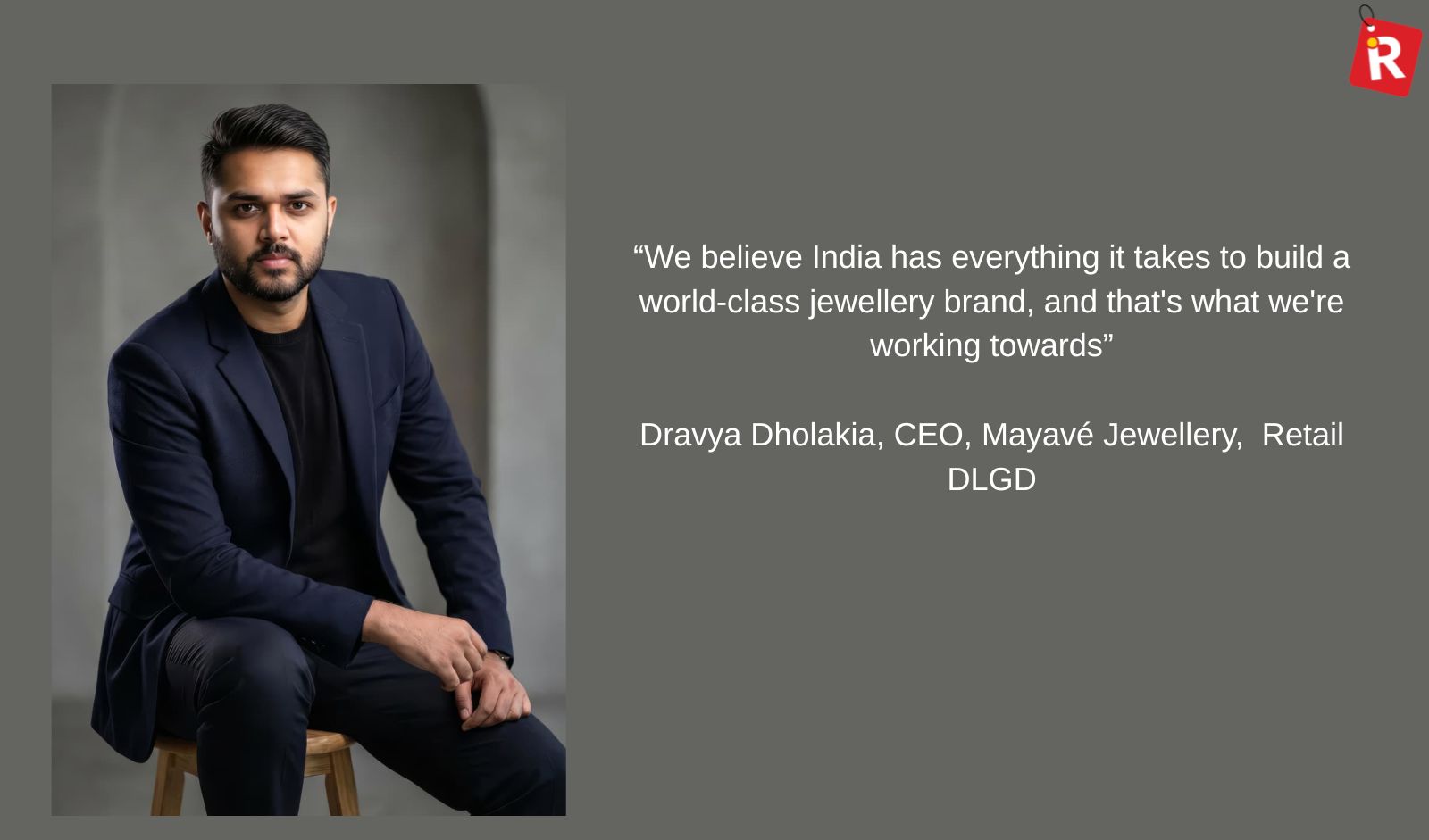
As India's jewellery industry enters a new era, legacy players are reinventing retail through immersive store formats, omnichannel strategies and design-led brand identities. For Dravya Dholakia, CEO, Mayavé Jewellery, the Hare Krishna Group's retail lab-grown diamond (LGD) brand, the future of jewellery retail lies not just in selling products but in creating memorable consumer experiences.
The Indian jewellery industry is witnessing a structural shift. While trust, craftsmanship and legacy continue to define the category, changing consumer preferences and the rapid rise of lab-grown diamonds are encouraging brands to rethink conventional retail formats.
For the Hare Krishna Group, this evolution has resulted in the launch of Mayavé Jewellery, an omnichannel lab-grown diamond brand that marks the group's foray into experiential consumer retail.
"We're trying to build a jewellery brand from India that we can eventually take to the world," said Dravya Dholakia, CEO, Mayavé Jewellery. "While we come from a legacy business, the thinking and culture we've built are completely fresh because today's consumer is very different. They think differently, their expectations are different, and the experience they seek is different."
Retail Is No Longer Just About Selling Jewellery
According to Dholakia, the next phase of jewellery retail will be defined by customer experience rather than product display alone.
Traditional jewellery stores have largely followed the same format for decades—long counters, dense showcases and transactional selling. However, younger consumers increasingly expect retail environments that are immersive, personalised and aligned with global luxury standards.
"We want to bring a different flavour to how jewellery is sold in India," Dholakia explained. "Buying jewellery is one of the most significant purchases in a person's life, yet the experience often lacks privacy and emotional engagement."
To address this, Mayavé is creating larger, experience-led stores where customers can explore collections in a relaxed environment. A typical 2,200-2,500 sq. ft. Mayavé store will house inventory comparable to a conventional jewellery outlet occupying almost half the space, allowing for wider layouts, greater privacy and richer storytelling.
"The first impression should feel less like a jewellery store and more like a museum. That's the kind of experience we're trying to create," he added.
Omnichannel Is the New Standard
While digital commerce has become an essential part of retail, Dholakia believes jewellery remains a category where physical stores will continue to play a pivotal role.
"Digital has become a default in today's time," he noted. "You have to be digital whether you're digital-first or offline-first. But we're going very aggressive on offline retail while maintaining a strong online presence."
The group's portfolio reflects this omnichannel approach. While Verlas operates as an online-first jewellery brand, Mayavé has been conceived as an omnichannel business with physical retail at its core.
According to Dholakia, the nature of jewellery purchasing makes offline retail indispensable.
"When consumers are spending Rs 50,000, Rs 1 lakh or more, they want to touch it, wear it and experience it. Jewellery has always been an emotional purchase. People bring their families and friends, seek opinions and enjoy the buying journey. We don't see offline retail disappearing in this category," he observed.
Building a 100-Store Retail Network
Backing its retail-first philosophy is an ambitious expansion strategy.
Mayavé plans to launch its first stores in the NCR region before expanding across India, with a target of opening over 100 stores within the next two-and-a-half to three years. The initial rollout will consist primarily of company-owned outlets, followed by a franchise partnership model.
"We've spent nearly two years preparing before launch because we didn't want to rush," Dholakia said. "Now that we're ready, we'll scale at full speed."
The company also views increasing competition in the lab-grown diamond segment as a positive indicator.
"We're actually excited to see more brands entering the category because it validates that we're in the right space at the right time," he added.
Design as the Biggest Differentiator
While affordability has helped fuel the growth of lab-grown diamonds, Dholakia believes design will ultimately separate successful brands from the rest.
Instead of focusing primarily on bridal jewellery, Mayavé is positioning itself around contemporary everyday luxury, with collections featuring innovative cuts, colours and settings developed under the guidance of a Milan-based creative director with more than two decades of experience.
"Gold is gold and diamonds are diamonds," Dholakia remarked. "What ultimately differentiates one brand from another is design."
The brand's offerings begin at around Rs 30,000-35,000, extend to exclusive creations priced above Rs 20 lakh, with the majority of its assortment positioned in the Rs 80,000 to Rs 1 lakh range.
One Brand Cannot Cater to Everyone
Dholakia also expects jewellery retail to become increasingly segmented as younger consumers develop distinct preferences and shopping behaviours.
"There can't be one brand catering to everyone," he pointed out. "Different consumers have different aspirations, budgets and lifestyles. That's why you'll continue to see greater segmentation across jewellery retail."
This philosophy has also shaped the Hare Krishna Group's broader strategy of developing multiple brands to cater to different consumer segments and shopping occasions.
Lab-Grown Diamonds Are Creating a New Consumer Base
Despite ongoing comparisons with natural diamonds, Dholakia believes the two categories will coexist rather than compete directly.
"Less than one percent of India's population has experienced diamonds," he said. "It's not that the remaining population doesn't aspire to own them. For many consumers, affordability has simply been the barrier. Lab-grown diamonds make that aspiration accessible to a much larger audience."
Rather than replacing natural diamonds, he believes lab-grown diamonds will significantly expand the overall jewellery market by attracting first-time buyers.
The Next Chapter in Jewellery Retail
As India's jewellery market evolves, the focus is steadily shifting from transactional retail to experience-driven engagement. Larger stores, omnichannel integration, differentiated design and sharper consumer segmentation are emerging as the key pillars of future growth.
For Dholakia, however, the ambition extends well beyond India's borders.
"Nobody has taken an Indian jewellery brand and built it into a global luxury name," he concluded. "That opportunity excites us. We believe India has everything it takes to build a world-class jewellery brand, and that's what we're working towards."
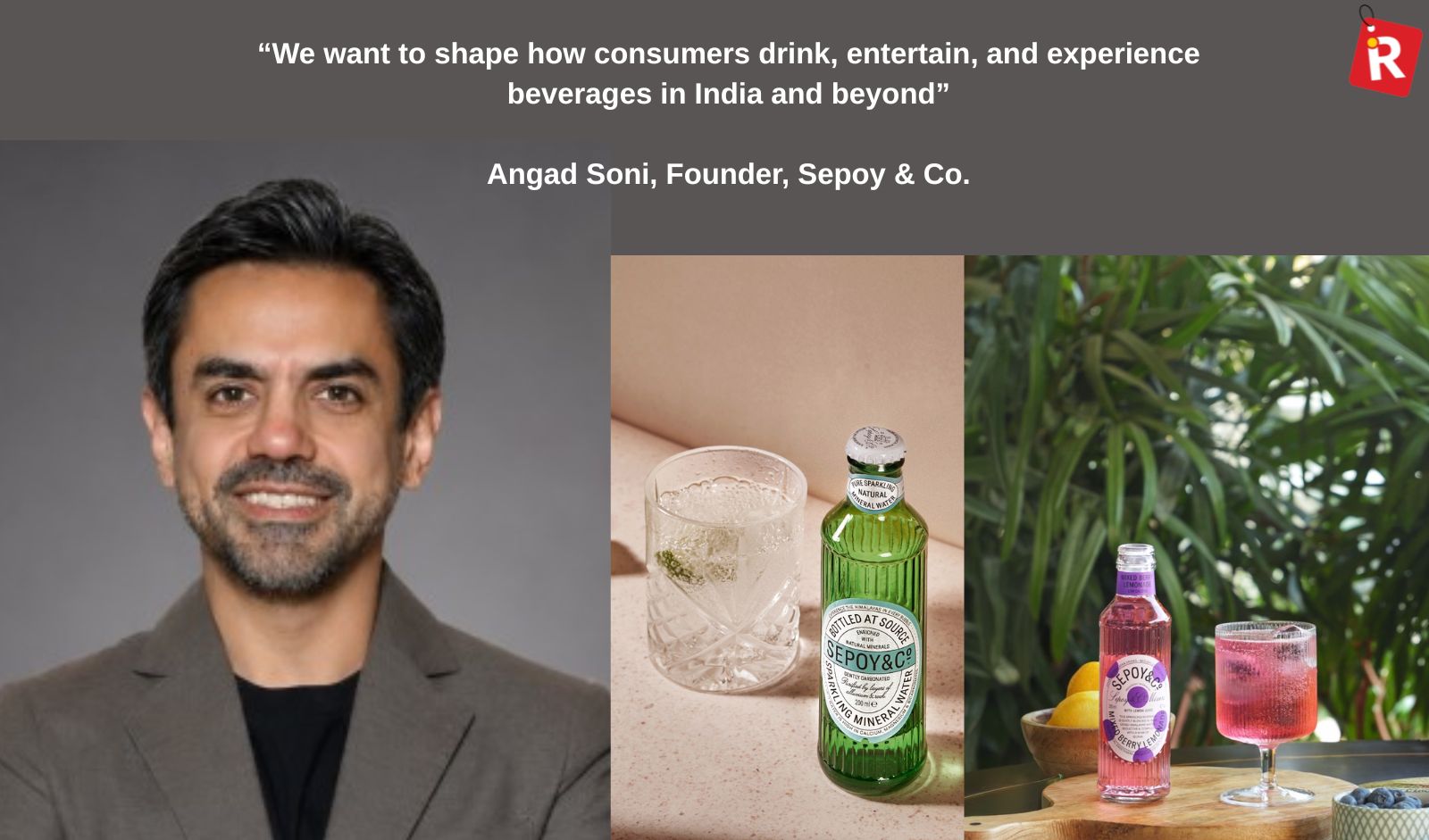
As premiumisation reshapes India's alcobev landscape, mixer brands are emerging as critical players in the drinking experience. At the forefront of this shift is Sepoy & Co., the Delhi-born premium mixer company betting on flavour innovation, quick commerce, and evolving consumption habits to build a global Indian brand.
The brand was born when founder Angad Soni realised that while India was witnessing the rise of craft spirits and premium gin labels, quality mixers remained conspicuously absent.
"People were literally bringing tonic waters back from Europe because there wasn't an Indian option that matched international standards. That's when we realised there was an opportunity to build a world-class mixer brand from India," said Angad Soni, Founder, Sepoy & Co.
Founded in 2018 and produced in the Himalayan foothills of Uttarakhand, Sepoy & Co. was built on three non-negotiable principles: natural ingredients, low-calorie formulations, and uncompromising quality standards. The company deliberately chose premium glass packaging over cans, signalling its ambition to create a sophisticated beverage brand rather than just another mass-market soft drink.
Premiumisation Is No Longer Limited to Spirits
India's premiumisation story has largely revolved around spirits such as gin, tequila, and craft whiskies. However, the next wave of growth is increasingly extending to the mixers that accompany them.
"One of the biggest misconceptions is that consumers are drinking less. In India, consumers aren't reducing consumption—they're becoming significantly more selective about what they drink. People are looking for flavour, quality, and experiences, and mixers have become an important part of that premium occasion," shared Soni.
This behavioural shift is driving demand for natural, flavour-led, and low-calorie products that can elevate simple serves into curated drinking experiences. Consumers increasingly expect the same level of quality from mixers that they demand from spirits, particularly as at-home cocktail culture gains momentum.
Building Products Around Consumption Occasions
Sepoy & Co. has responded by building one of India's most extensive premium mixer portfolios. Its range includes multiple tonic variants, ginger mixers, sparkling lemonades, premium sodas, and sparkling waters, each designed around specific spirits and flavour pairings.
"We don't think about products in isolation. We think about occasions and pairings. A single bottle of gin can become multiple drinking experiences depending on the mixer consumers choose," said Soni.
The company has also launched products such as Yuzu Jalapeño Soda and Pink Grapefruit Soda to complement the growing popularity of tequila and agave-based cocktails in India. This approach reflects a broader retail trend in which consumers increasingly seek customisation, experimentation, and flavour discovery.
Role of quick commerce
Quick commerce plays a pivotal role in Sepoy & Co.'s retail strategy. The company is projecting 80-100 percent growth this financial year, driven by rising consumer adoption and expanding distribution across instant-delivery platforms.
"Following our appearance on Shark Tank India Season 5, we recorded our highest-ever quick-commerce sales in March 2026 and then broke that record again in April. It demonstrated that premium mixers are moving from niche products to mainstream consumption," said Soni.
Quick commerce is also accelerating the democratisation of premium beverage experiences, enabling consumers across smaller cities and emerging lifestyle markets to access products that were once restricted to premium bars and metropolitan retailers.
Identifying Future Trends
Innovation has been central to Sepoy & Co.'s strategy since inception. The company entered the premium lemonade category before it existed in India and later introduced flavour-forward sodas in anticipation of the rise of tequila-led serves.
"Our philosophy has always been to identify future drinking occasions before they become mainstream. Products like Yuzu Jalapeño Soda and Pink Grapefruit Soda were built because we saw the agave movement coming," highlighted Soni.
The company is now exploring categories such as Espresso Tonics and Matcha Tonics, allowing it to participate in café culture, wellness-led consumption, and premium non-alcoholic occasions. It also sees significant opportunities in premium vodka pairings as Indian consumers increasingly gravitate toward lighter and cleaner drinking experiences.
Global Ambitions, Local Roots
Having already expanded into markets including the UAE, Singapore, the UK, and Italy, Sepoy & Co. now has its sights set on becoming India's definitive global mixer brand.
"Our vision is simple but ambitious—to be present at every bar that matters, whether that's a consumer's bar at home, a favourite restaurant, a luxury hotel, or a cocktail destination anywhere in the world," said Soni.
The company's future growth strategy is built around deepening hospitality partnerships, strengthening quick-commerce capabilities, accelerating retail expansion across India, expanding internationally, and continuing to innovate around emerging consumer preferences.
"Ultimately, we don't want to simply sell mixers. We want to shape how consumers drink, entertain, and experience beverages in India and beyond," concluded Soni.
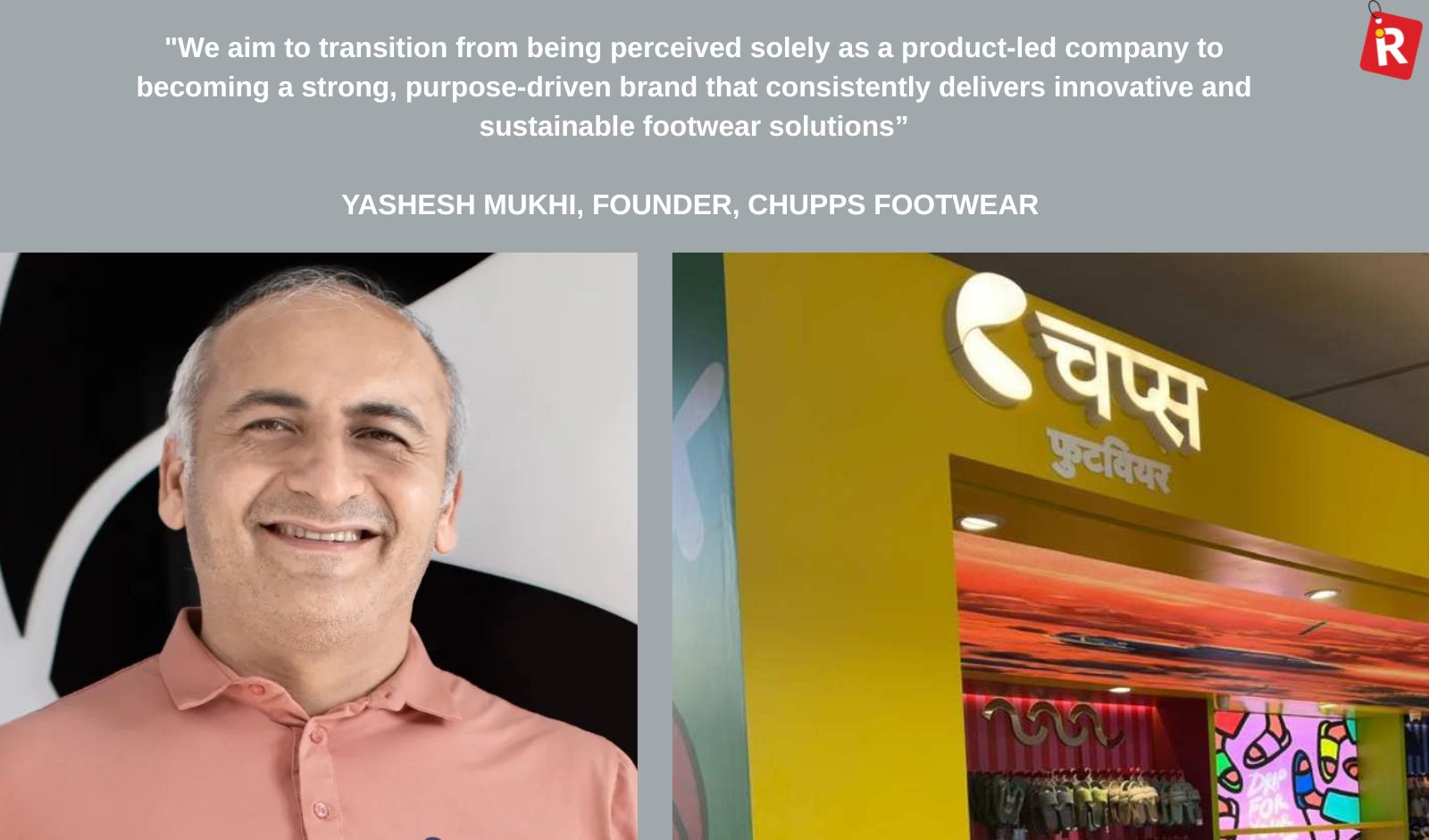
Launched in June 2022, Chupps began to address a significant gap in India's open footwear market. While affordable products priced below Rs 400 account for nearly 70-75 percent of the country's open footwear segment, there was a lack of stylish, comfortable, and high-quality offerings in the mid-premium price bracket.
Post-Covid, open footwear has evolved from being merely 'ghar ka chappal' to becoming a socially accepted fashion and lifestyle category, worn for activities ranging from movie outings and social gatherings to pre- and post-sport recovery.
"Chupps was created to cater to this growing demand by offering premium-quality slides and sandals at accessible price points. Our products range from Rs 600 to Rs 2,500, with our sweet spot around Rs 1,100," shared Yashesh Mukhi, Founder, Chupps Footwear.
The brand also differentiates itself through sustainability, offering fully biodegradable footwear that decomposes within two to four years in landfill conditions, helping address the issue of plastic waste and landfill pollution.
Product Offerings
Chupps introduces around 20-25 new styles every month while phasing out underperforming products. Initially focused solely on men's footwear, the brand has since expanded into women's and kids' categories, creating products for the entire family.
The company has recently entered the sandals category, particularly backstrap sandals, an underserved segment in the Indian market. Chupps plans to introduce nearly 50 SKUs in this category.
Additionally, the brand is launching comfortable home footwear, open footwear suitable for colder climates, and functional innovations such as Quick Dry Technology and Massage Footbeds.
"Quick Dry Technology offers 90 percent water resistance and allows the footwear to dry completely within two to three minutes. Our Massage Footbeds are designed with ventilation channels that improve airflow and provide a massaging effect for enhanced comfort," explained Mukhi.
However, the company does not intend to enter the closed footwear or shoes category in the near future and will continue focusing on opportunities within the open footwear segment.
Expansion Plans
Chupps has already signed a few store locations and is actively scouting for more. The brand plans to open around 15 stores this year and aims to reach approximately 50-60 retail stores across India over the next three years.
Currently, the company operates through more than 30 distributors and has a presence in over 3,000 footwear stores nationwide. It is also available across more than 500 modern retail and large-format retail stores and operates one exclusive store at R City Mall, Mumbai. Online, the brand retails through marketplaces as well as its own website.
"Offline sales contribute nearly two-thirds of our revenues, while the remaining comes from online channels," said Mukhi.
Differentiating in the Market
Chupps places a strong emphasis on customer-centric product development and innovation. One of its key differentiators is its proprietary rubberized foaming technology, which makes the products anti-slip, lightweight, and highly durable.
Another major differentiator is sustainability. The company claims to be the only footwear brand in India currently offering fully biodegradable products.
Its continuous innovation in comfort, functionality, and styling through features such as Quick Dry Technology and Massage Footbeds further strengthens its positioning in the market.
"We believe our combination of premium product quality, innovation, sustainability, and affordable pricing creates a strong competitive advantage," said Mukhi.
Long-Term Vision
Chupps aims to become one of the leading brands in India's open footwear category over the next three years. The company sees significant opportunities to introduce new categories and premium products within the open footwear segment and believes there is considerable whitespace in the market.
From a business perspective, the company is targeting a topline revenue of around Rs 400-500 crore over the next three years.
"We aim to transition from being perceived solely as a product-led company to becoming a strong, purpose-driven brand that consistently delivers innovative and sustainable footwear solutions," concluded Mukhi.
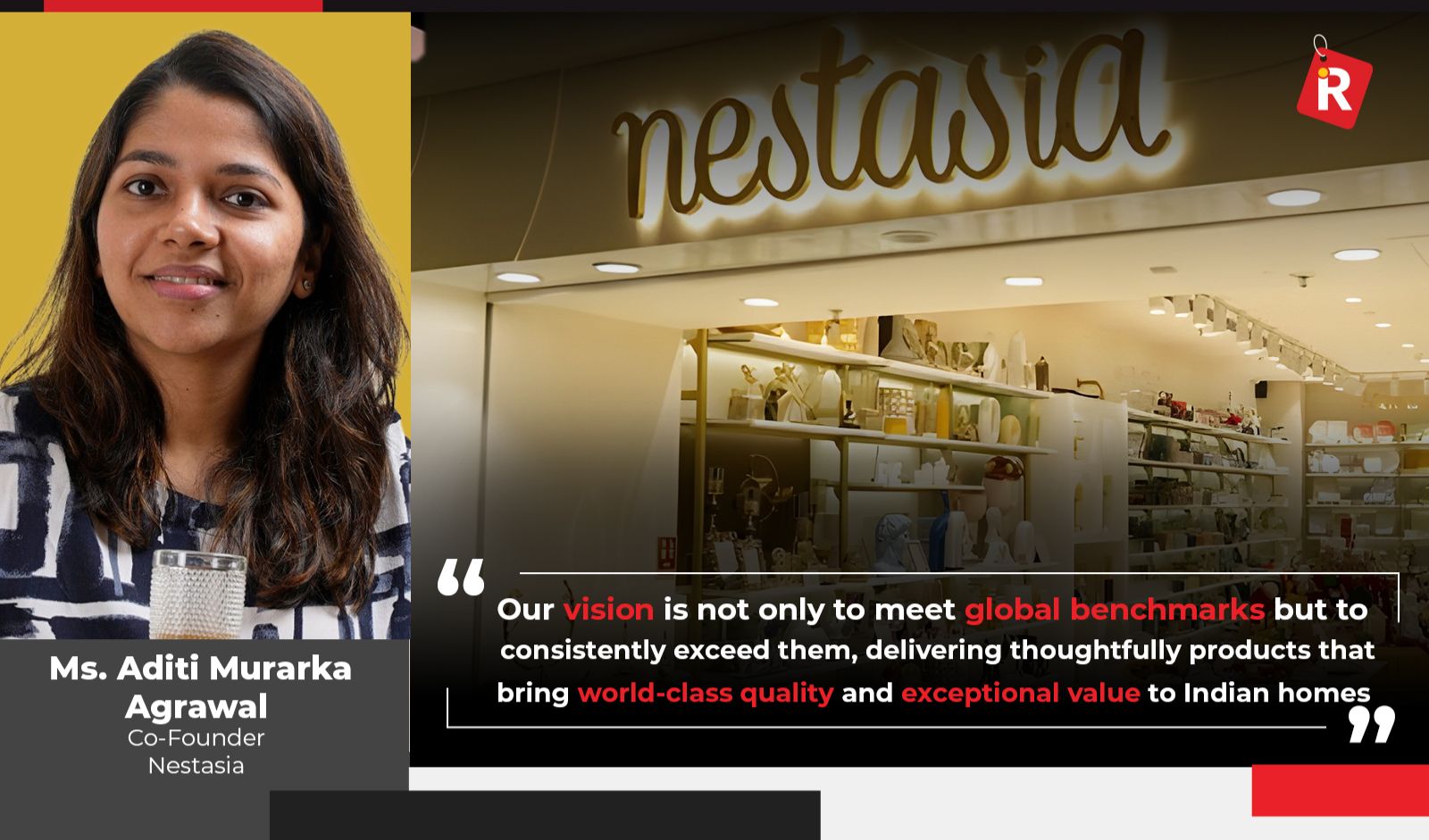
Founded by Aditi Murarka Agrawal and Anurag Agrawal, Nestasia was born from a shared passion for creating beautiful and meaningful living spaces. While working in Singapore and later in Hong Kong, the couple moved homes several times across Southeast Asia and set up three homes from scratch within just two years. During this experience, they discovered their love for curating spaces and thoroughly enjoyed selecting products that reflected their personal style and transformed houses into homes.
This passion inspired them to return to India and establish Nestasia—an exciting destination for all things home. Their vision was to create a brand that seamlessly blends functionality, aesthetics, and contemporary design, helping people build homes that are a true reflection of their identities.
At the heart of Nestasia's journey is a strong commitment to sustainability and ethical business practices. The company incorporates eco-friendly materials and processes, including upcycling fabric scraps for packaging, underscoring its dedication to responsible innovation and the artisans who bring its creations to life.
Today, Nestasia is not only a successful home and lifestyle brand but also a vibrant community of customers who value thoughtful design and elevated living,” expressed Aditi Murarka Agrawal, Co-Founder, Nestasia.
Retail Presence
Nestasia has significantly expanded its offline footprint, operating 14 stores across nine major Indian cities and creating a seamless omnichannel experience for consumers. The brand has established a strong presence in Noida, Bengaluru, Hyderabad, and Pune, with additional stores in Kolkata, Gurugram, Delhi, Chandigarh, and Dehradun.
"Our retail touchpoints reflect our commitment to moving beyond e-commerce and offering customers an elevated, immersive home-shopping experience," says Aditi Murarka Agrawal, Co-Founder, Nestasia.
Expansion Plans
Nestasia is strategically strengthening its offline presence across key Tier I cities, reinforcing its omnichannel model that combines digital convenience with immersive physical retail experiences. The expansion aims to make its contemporary home and lifestyle collections more accessible to consumers across India.
"By deepening our physical presence, we continue to bridge the gap between aspirational design and everyday utility, ensuring that our philosophy of 'making everyday living feel special' reaches more homes across India," says Agrawal.
Product Offerings and Diversification
Nestasia aspires to become the ultimate one-stop destination for modern home setups and makeovers. While the brand has built a strong foundation in design-led tableware, kitchen essentials, home décor, and soft furnishings, it is now entering a new phase of growth by scaling its existing categories and strategically expanding into new lifestyle segments.
"Our goal is to become a comprehensive lifestyle destination that accompanies our customers through every stage of their home-styling journey, empowering them to create spaces that are not only functional but also a true reflection of their identity," adds Agrawal.
Growth Targets and Long-Term Vision
Having served over one million consumers, Nestasia's next ambition is to reach 10 million households and become India's most loved home, kitchen, and lifestyle brand. As it continues to scale, the company remains committed to being a design-led brand that thoughtfully integrates technology to deliver meaningful, seamless, and enriching consumer experiences while staying true to its customer-first philosophy.
Through backward integration and greater ownership of its supply chain, Nestasia aims to strengthen every aspect of its business—from product innovation and craftsmanship to quality control and functionality.
“Our vision is not only to meet global benchmarks but to consistently exceed them, delivering thoughtfully designed products that bring world-class quality and exceptional value to Indian homes,” concluded Agrawal.
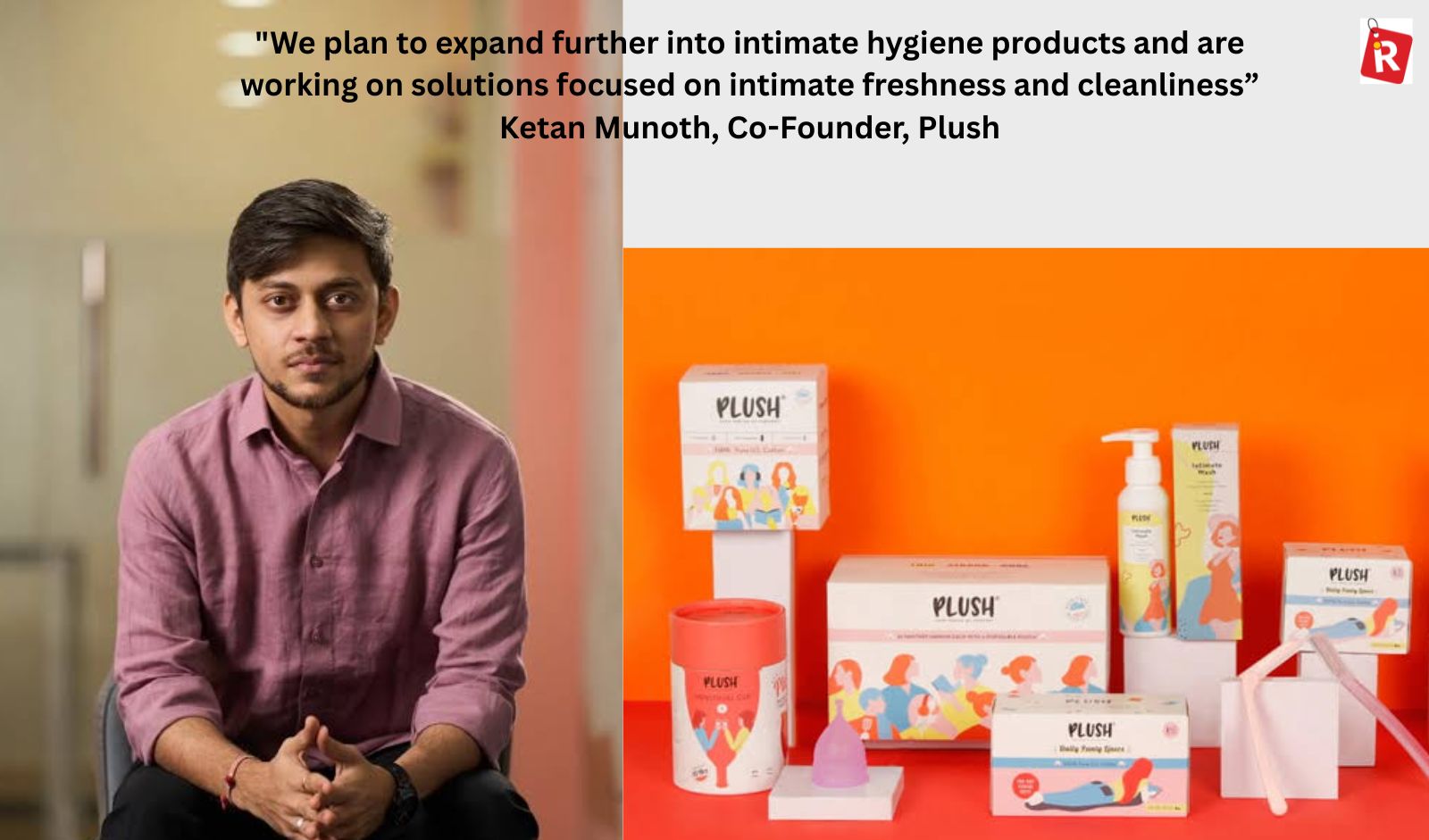
Founded by Ketan Munoth and Prince Kapoor seven years ago, Plush has emerged as one of India's leading online-first menstrual hygiene brands with a growing presence across the country. Before commercialising the business, the founders spent nearly two years on research and development to create products that effectively address period rashes and improve menstrual comfort.
"The brand started as a period-care company focused on sanitary napkins and has since evolved into a women's health and wellness brand, expanding into categories such as hair removal and intimate wellness," said Ketan Munoth, Co-Founder, Plush.
Strengthening Retail Presence
Initially, Plush adopted a balanced approach towards both online and offline channels. However, the pandemic prompted the brand to shift its focus towards digital platforms such as Amazon and Flipkart, driven by stronger customer reach, direct engagement opportunities, and improved distribution efficiencies. Over the past few years, the company has also expanded into quick commerce while simultaneously reviving its offline growth strategy.
"Plush currently has an offline presence across around 12 cities. The brand has a stronger foothold in six major metro cities, including Bengaluru, Chennai, Hyderabad, Delhi and Mumbai. Recently, we have expanded into cities such as Ludhiana and Kochi and plan to continue entering newer markets," explained Munoth.
The brand's offline footprint has grown significantly, with the number of retail accounts increasing to around 2,500 stores from nearly 1,000 a year ago. Despite this rapid offline expansion, online channels continue to contribute the majority of Plush's revenue. The company also views quick commerce as a hybrid model that combines the advantages of both online convenience and offline accessibility.
Expansion Plans and New Categories
Plush aims to strengthen product availability and distribution to drive repeat purchases and improve accessibility. Over the next year, the company plans to deepen its presence in its existing 12 cities by expanding its store footprint. Over the next two to three years, it aims to nearly double its offline presence, taking its reach to approximately 25 cities while also improving delivery speed through its direct-to-consumer platform.
The company is also focused on expanding its portfolio within the women's health and wellness segment. It recently launched a maternity range comprising maternity pads and maternity period panties.
"We plan to expand further into intimate hygiene products and are working on solutions focused on intimate freshness and cleanliness. Additionally, Plush is preparing to launch deodorants, including intimate hygiene deodorants and underarm deodorants," shared Munoth.
Standing Out in the Market
Plush positions itself as a performance-driven brand centred on comfort and convenience. From product design and packaging to digital interactions, the company focuses on creating positive experiences across every consumer touchpoint.
"These attributes help us stand out in the period care space," said Munoth.
IntrCity Smart Bus Partnership
Recently, Plush announced its partnership with IntrCity Smart Bus under its initiative, 'Map The Gap. Period.', which aims to improve menstrual hygiene accessibility. The initiative was born from a simple observation: women often lack access to period products while travelling, particularly during long-distance journeys.
Through this partnership, women travelling on IntrCity buses across South India receive period care kits containing sanitary pads, stickers, and a curated playlist designed to make the travel experience more comfortable.
The brand now plans to expand the initiative to additional locations. It is currently in discussions with several airport authorities and has already partnered with Marina Mall and Ampa Skywalk in Chennai, as well as Sky City Mall in Mumbai.
"Plush wants to identify places where menstrual hygiene products are not easily accessible and bridge those gaps. Based on feedback received through social media, we identified airports, stadiums and malls as spaces where accessibility remains limited. A dedicated team is working on expanding partnerships to make period products available in such locations," highlighted Munoth.
Long-Term Vision
Plush is witnessing strong customer advocacy and high repeat purchase rates. The company aims to strengthen its position as a women's health and wellness brand by expanding into new categories, reaching more consumers, and further growing its distribution network.
"We are currently transitioning from a '10 to 100' growth journey and are strengthening our leadership team to support this next phase of expansion," concluded Munoth.
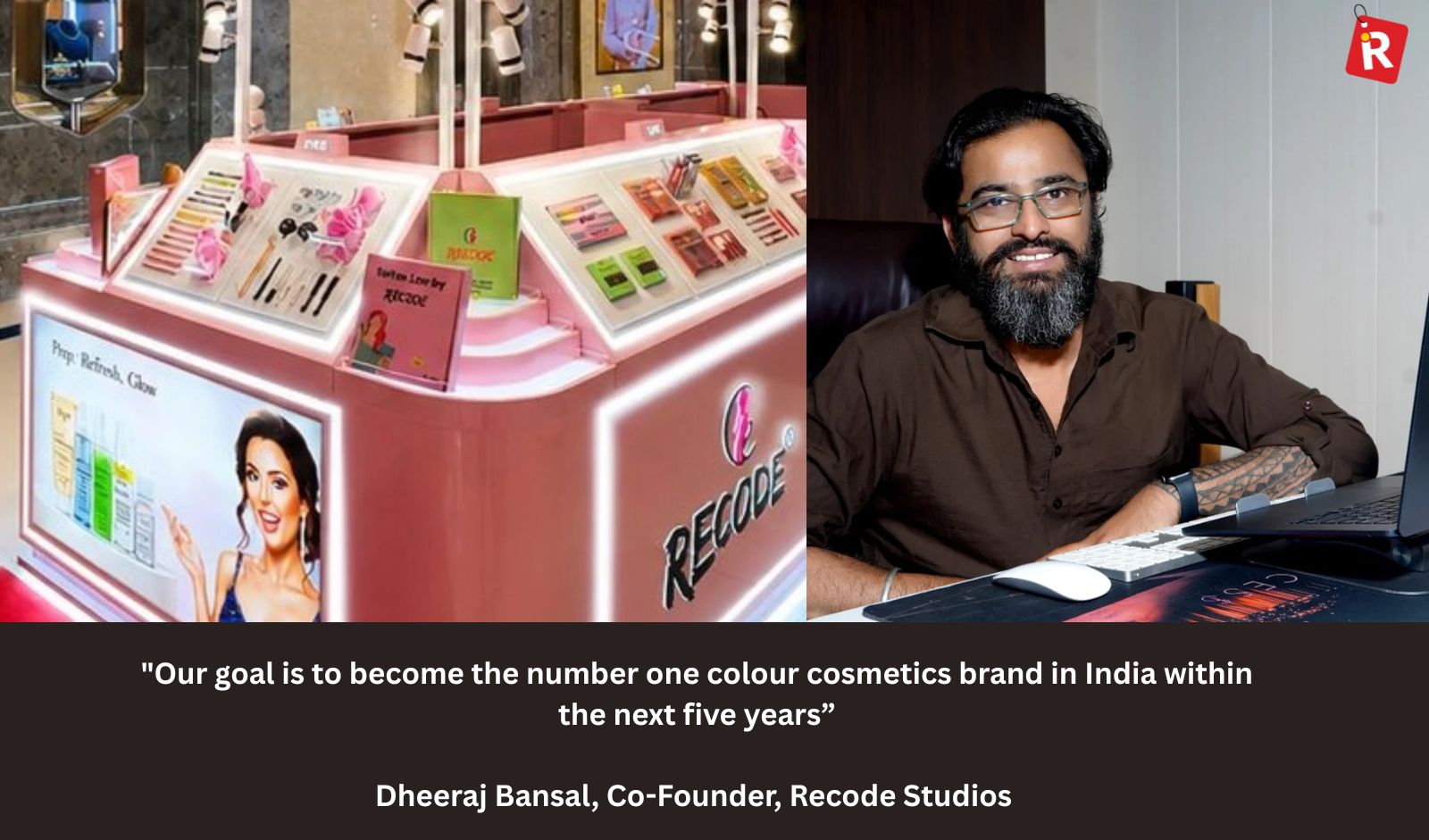
Founded by Dheeraj Bansal and Rahul Sachdeva in 2018, Recode Studios is a colour cosmetics brand known for offering premium-quality products at accessible price points. Initially launched as an offline brand in Central India, the company pivoted to an online-first model during the pandemic.
Alongside its digital expansion, the brand introduced self-grooming masterclasses for aspiring makeup artists and college students.
"These sessions allowed consumers to experience our products firsthand while learning makeup techniques. In 2023, we gained significant visibility through our appearance on Shark Tank India, even though we did not secure funding. More recently, we became a publicly listed company," shared Dheeraj Bansal, Co-Founder, Recode Studios.
Highest-Selling Categories
Face makeup remains Recode Studios' strongest category, with products such as primers, foundations, concealers, and other face-preparation products contributing significantly to sales.
"Our strongest category is face makeup. Products such as primers, face preparation products, foundations, and concealers are our biggest contributors. Face cosmetics remain the most visible and important segment in our portfolio," said Bansal.
Retail Presence Across India
Recode Studios has built a pan-India presence and is available in most cities with populations exceeding 200,000–300,000. Its footprint spans from Trichy in the south to Udhampur, Jammu, and Srinagar in the north.
"We are present in cities such as Surat, Ahmedabad, Guwahati, Nagpur, Hyderabad, and even in states like Tripura. We also operate franchise stores in select locations," shared Bansal.
Manufacturing Process
Recode Studios follows an asset-light manufacturing model and does not produce products in-house. Instead, it partners with third-party manufacturers and follows stringent quality-control and batch-testing protocols.
"All our products are outsourced. Foundations are produced in Thailand, eyeliners in Taiwan, and kajals in Germany. Packaging is sourced from China. Some products, including a viral foundation, are procured from Mumbai, while certain lipsticks are manufactured in Gurgaon. Our popular Perfect Grip Primer and Perfect Grip Spray are made in Parwanoo, Himachal Pradesh," highlighted Bansal.
Differentiating in a Competitive Market
According to Bansal, Recode Studios identified a market gap where international brands offered superior-quality cosmetics at premium prices, while many domestic alternatives struggled to match those standards.
"We positioned Recode as an affordable luxury brand. Rather than benchmarking ourselves against Indian brands, we compare ourselves directly with international players. Our focus is on delivering global-quality products at more accessible price points," he said.
Competitive Pricing Strategy
The brand's products are often compared with international beauty labels due to similarities in formulation quality while being offered at significantly lower prices.
"Our primer is often compared with Smashbox, which retails at around Rs 3,200, while our version is priced at approximately Rs 1,500. Our foundation is manufactured by the same supplier that produces for Charlotte Tilbury, yet our product is available at around Rs 1,000 compared to Rs 4,500 for similar international offerings," shared Bansal.
Marketing Strategy
While Recode Studios invests in digital advertising across Meta and Google, its masterclass programme remains one of its most effective consumer-acquisition tools.
"Participants pay a fee, receive products worth the same amount, and also enjoy refreshments. Effectively, the class itself becomes free while giving consumers the opportunity to learn makeup and experience our products firsthand. This creates strong product trials and repeat purchases, making it one of our most effective marketing channels," said Bansal.
Collaborations with Makeup Artists
The company also collaborates extensively with makeup academies and professional artists, whose recommendations help drive product adoption.
"Some notable partners include Manakshi Dutt Makeovers and Guneet Virdi in Delhi, Plush Lounge and Shirdi in Chennai, and Amit Karmakar in West Bengal. Across India, we collaborate with leading makeup artists, academies, and influencers," expressed Bansal.
Expansion Plans and Long-Term Vision
Recode Studios is currently focusing on expanding its Exclusive Brand Outlet (EBO) network through kiosk formats and plans to open between 8 and 12 kiosks during the current financial year, primarily in shopping malls.
"Our goal is to become the number one colour cosmetics brand in India within the next five years. We are growing at a healthy pace and intend to continue along the same trajectory," concluded Bansal.
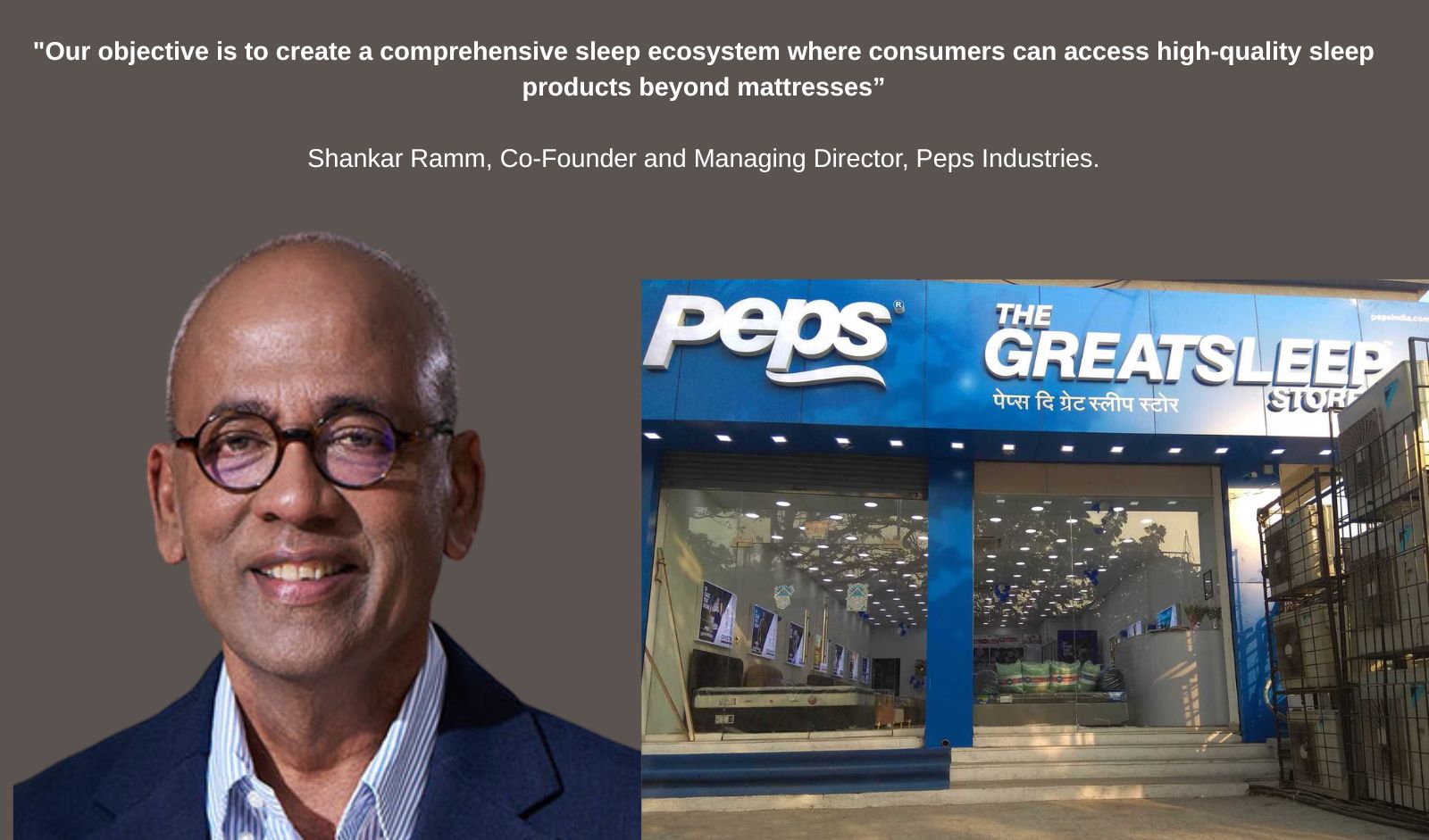
India's mattress industry is undergoing a transformation as consumers increasingly prioritize sleep quality, comfort, and wellness. Amid this shift, Peps Industries is charting an ambitious growth path, leveraging its stronghold in South India while expanding its footprint across the country.
Founded over two decades ago, Peps Industries has established itself as one of India's leading spring mattress brands. The company operates under a licensing arrangement with American mattress brand Restonic and has built its reputation on product innovation, technical expertise, and customer satisfaction.
"Our growth has been driven by continuous product innovation, technical expertise, and a strong focus on customer delight. Positive customer experiences led to strong word-of-mouth recommendations, which played a significant role in building the brand," said Shankar Ramm, Co-Founder and Managing Director of Peps Industries.
Strengthening Retail Presence
While Peps has a presence across multiple regions, South India continues to be its strongest market. The company sees significant opportunities for further growth in the region and is actively expanding its retail network.
"We currently operate around 135 exclusive stores in South India and plan to increase that number to 200–225 stores by the end of the year," shared Ramm.
The expansion reflects the company's strategy of deepening its market penetration while improving accessibility for consumers seeking premium sleep solutions.
Building Differentiation Through Innovation
In an increasingly competitive mattress market, Peps continues to differentiate itself through its focus on spring mattresses and proprietary product technologies.
The company believes spring mattresses remain the preferred choice globally, with nearly 70 percent of consumers opting for the category. Alongside this, Peps has invested in rubberized coir mattresses and developed patented sag-resistant technologies designed to enhance durability and comfort.
"Our focus has always been on delivering quality sleep solutions that match customer needs and budgets. Additionally, around 92 percent of our products are biodegradable, which is an important differentiator in today's environmentally conscious market," noted Ramm.
Sustainability and innovation are becoming increasingly important purchasing considerations, particularly among younger consumers seeking products that combine comfort with environmental responsibility.
Expanding Beyond South India
While South India remains a key market, Peps is preparing for a broader national expansion. The company plans to strengthen its presence across western and northern India in the coming months before accelerating growth in eastern markets.
"Our immediate focus remains South India, where we aim to deepen our presence across districts and smaller markets. Over the next four to five months, we will strengthen our presence in the West and North regions, followed by expansion into the East by the end of the year," explained Ramm.
Rather than focusing exclusively on metropolitan cities, the company sees significant potential in Tier II and Tier III markets, where rising incomes and growing awareness of sleep wellness are creating new demand opportunities.
"We will identify strong districts within each state and establish a presence there while also creating a smaller footprint in select Tier I cities," he added.
Growth Ambitions and Future Outlook
Peps Industries has set aggressive growth targets for the coming years. The company reported revenues of approximately ₹450–460 crore last year and expects substantial growth as its expansion strategy gains momentum.
"We expect to reach approximately Rs 630–640 crore this year and Rs 800–850 crore the following year. Our goal is to become a Rs 1,000 crore company within the next few years," said Ramm.
The company believes its combination of retail expansion, product innovation, and market penetration will support its long-term growth ambitions.
From Mattresses to Complete Bedroom Solutions
Beyond mattresses, Peps is expanding its portfolio to become a comprehensive bedroom solutions brand. The company is increasingly focusing on accessories such as pillows, mattress protectors, fitted sheets, bed sheets, comforters, blankets, and related products.
"Many of these products are already available, and we expect the category to grow significantly over the next six to twelve months," said Ramm.
The accessories segment forms part of the company's broader vision of creating a complete sleep ecosystem that addresses multiple consumer needs.
"Our objective is to create a comprehensive sleep ecosystem where consumers can access high-quality sleep products beyond mattresses. We expect strong momentum in this segment over the coming months and believe it can become an important growth driver for the company," he concluded.
India's manufacturing sector is undergoing a significant transformation. As global supply chains diversify and domestic consumption continues to grow, manufacturers are being pushed to move beyond traditional production models. Today, factors such as engineering expertise, product design, speed-to-market and supply-chain resilience are becoming key differentiators.
For brands operating in consumer electronics and appliances, the expectations from manufacturing partners have changed dramatically. Instead of simply assembling products, brands are increasingly looking for partners that can support product development, engineering, prototyping and large-scale manufacturing.
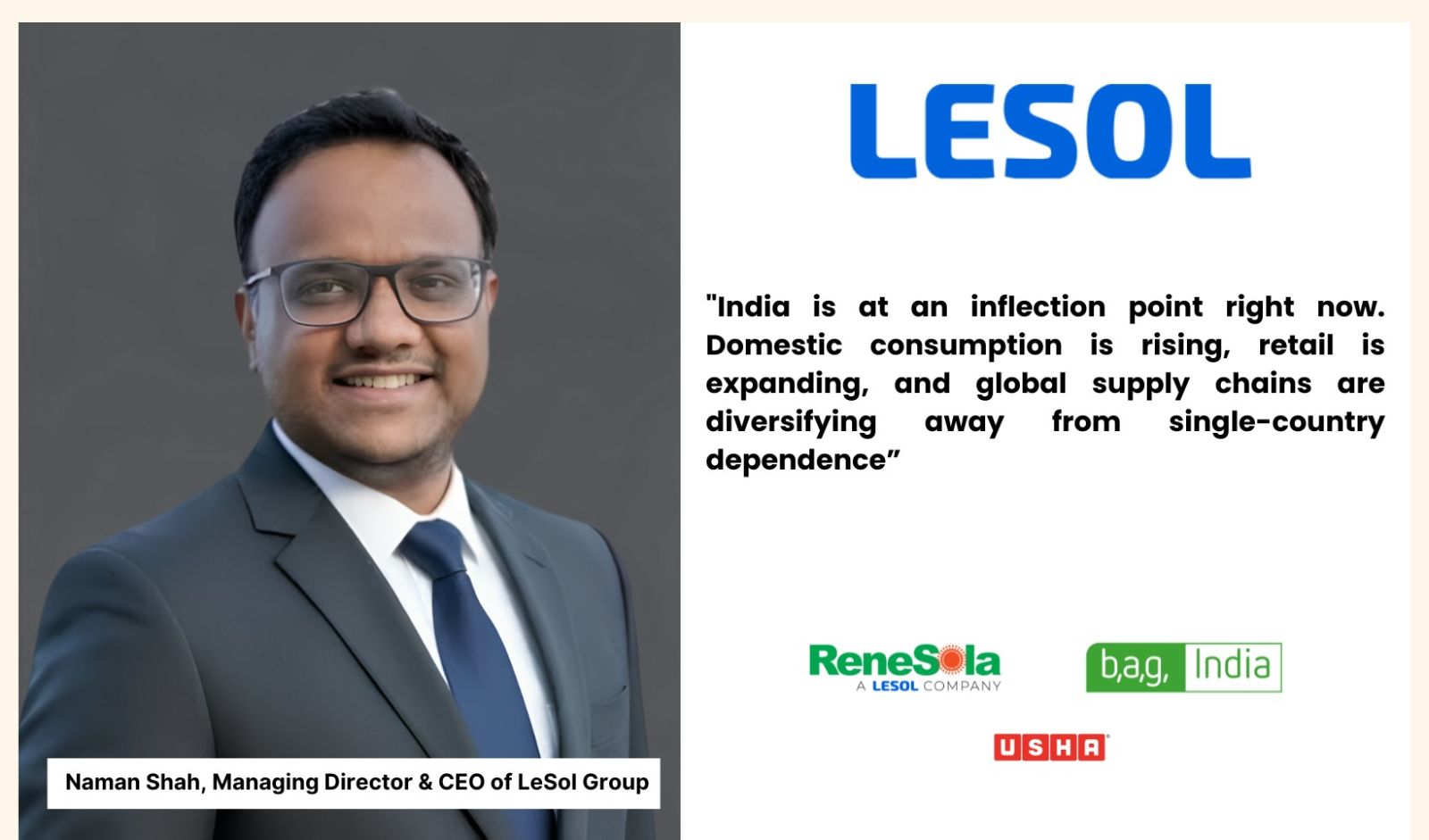
"LeSol today is fundamentally an engineering-led manufacturing company. The real moat in manufacturing is technology depth and engineering capability, not just having more machines," expressed Naman Shah, Managing Director & CEO of LeSol Group.
Today, LeSol operates across automotive electronics, healthcare devices, industrial systems, EV battery management systems, and consumer brands such as ReneSola and Usha Shriram.
Faster Product Development Becoming a Priority
One of the biggest changes in the industry is the growing pressure on brands to launch products faster.
According to Shah, product development timelines that once stretched between nine and twelve months are now expected to be completed within four to five months, without compromising on quality.
"The major change that we can see today is the extent to which the brands are trying to cut down the time-to-market process. Something that traditionally took them between nine to twelve months, they now require them to be completed in four to five months. But still, they want quality,” shared Shah.
He pointed out that fragmented product development processes often slow brands down, with multiple vendors handling design, prototyping, tooling and manufacturing separately.
To address this challenge, LeSol has built an integrated model where several stages of product development are managed under one roof.
"When everything sits under one roof, decisions happen faster, problems get caught earlier, and you don't lose weeks waiting for some third-party vendor to respond," Shah noted.
Engineering Takes Centre Stage
As consumer products become increasingly connected and technology-driven, engineering capabilities are becoming more important than ever.
From smart appliances and IoT-enabled devices to energy-efficient products, brands are relying on innovation and product differentiation to stand out in a competitive market.
"The role of engineering in manufacturing has fundamentally changed over the last few years. Brands are fighting for differentiation, and differentiation comes from product engineering, user experience, energy efficiency, smart features, and things that require real engineering depth," shared Shah.
He added that brands today expect manufacturing partners to contribute much earlier in the product development process, supporting everything from product architecture and embedded systems to testing, validation and scalability.
As a result, engineering expertise is becoming just as important as manufacturing capacity for companies looking to stay competitive.
Manufacturers Becoming Strategic Partners
The relationship between brands and manufacturers is also evolving.
Traditionally, manufacturers were largely focused on production and execution. Today, brands are seeking partners that can actively contribute to innovation, design improvements and product development.
"The conversation with brands has changed quite a bit even compared to three or four years ago," Shah said. "Back then, the first question was always about price. Today, the first question is usually about capability and speed."
This shift is encouraging manufacturers to invest more heavily in engineering talent, design capabilities and research and development infrastructure.
"The role of the manufacturing partner has transformed from a mere producer to a more strategic partner," Shah added. "You're part of the brand's growth engine now, not just a line item in their cost sheet."
India's Manufacturing Moment
As India positions itself as a global manufacturing hub, industry leaders believe the next phase of growth will be defined not by low-cost labour alone but by engineering excellence, innovation and end-to-end capability.
For manufacturers, the challenge is no longer simply producing at scale. It is building the ability to transform ideas into market-ready products while maintaining speed, quality and resilience.
"India is at an inflection point right now. Domestic consumption is rising, retail is expanding, and global supply chains are diversifying away from single-country dependence," concluded Shah.
As Indian malls transform from shopping destinations into experience-driven social hubs, family entertainment centres (FECs) have emerged as one of the fastest-growing categories in modern retail. At the forefront of this evolution is Timezone India, which has steadily expanded its footprint across the country while redefining how consumers engage with entertainment.
From metro cities to emerging Tier II markets, Timezone has built a robust network of gaming and entertainment destinations that cater to families, children, teenagers, and corporate groups alike. Today, the company operates 74 Timezone venues and 19 Play and Learn centres across India, taking its total footprint to 93 locations.
Experiences Are the New Retail
The role of malls in India has undergone a significant shift over the past decade. While retail once dominated mall spaces, experiences are increasingly becoming the primary reason consumers visit these destinations.
"Today's generation is not going to malls to buy things; they are going to malls to do things," said Abbas Jabalpurwala, CEO, Timezone India. "Anything barcoded can be purchased online. Experiences like entertainment, cinema and food are what people increasingly seek out, and that's exactly where Timezone comes in."
The company's venues are designed as complete entertainment destinations, offering a mix of arcade games, bowling, laser tag, VR attractions, bumper cars, party rooms and food offerings. At flagship locations such as Inorbit Mall Malad, visitors can spend hours engaging in multiple activities under one roof.
"We are creating destinations inside malls that become reasons for people to visit. Whether it's a family outing, a birthday celebration, a college group gathering, or a corporate event, we have something for everyone," Jabalpurwala explained.
Expanding Beyond Metros
While Timezone initially established itself in metropolitan markets such as Mumbai, Bengaluru, Chennai and Delhi, its growth strategy has evolved significantly over the past few years. The company has consciously moved deeper into Tier I and II markets, identifying untapped demand for quality entertainment experiences.
"We wanted to be present in most state capitals first, and over the last four to five years we have achieved that. Now we're entering the second- and third-largest cities within states," noted Jabalpurwala.
The strategy has already seen Timezone establish operations in cities such as Bhubaneswar, Gwalior, Siliguri, Rourkela, Bhopal and most recently Amravati.
According to Jabalpurwala, India still offers significant room for expansion. "We currently have around 50 white-space cities where we are not present and need to be. Most of these are Tier I and II markets, and they represent a substantial growth opportunity for us."
This expansion reflects a broader trend in Indian consumption patterns, where rising aspirations and increasing disposable incomes are driving demand well beyond traditional urban centres.
Tier II Cities Becoming Growth Engines
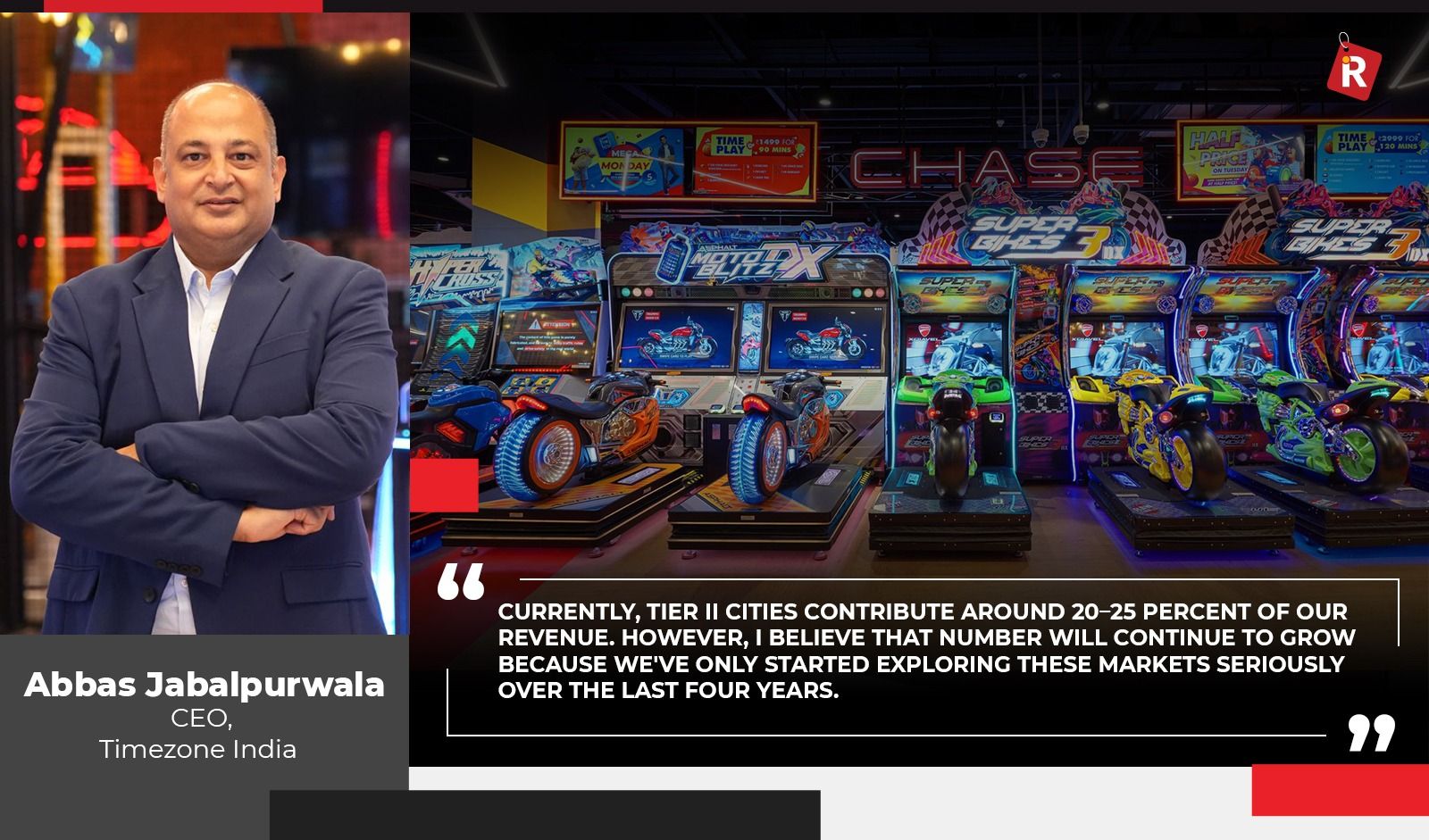
Tier II markets are already making a meaningful contribution to Timezone's business. "Currently, Tier II cities contribute around 20–25 percent of our revenue. However, I believe that number will continue to grow because we've only started exploring these markets seriously over the last four years," stated Jabalpurwala.
Interestingly, consumer expectations in smaller cities are becoming increasingly sophisticated. "Today, because of social media, someone sitting in a remote city knows exactly what's new and trending. We cannot offer a diluted experience in smaller markets. If you visit our store in Bareilly, you'll find games that are just as current as those in Noida or Faridabad."
This commitment to consistency has become a key differentiator for the brand.
Betting Big on Technology
The company has been an early adopter of emerging entertainment technologies, introducing several concepts ahead of the broader market. "We were among the first to bring bowling into malls, among the first to introduce laser tag, and we started installing VR attractions as early as 2018 when very few people even knew what virtual reality was," Jabalpurwala explained.
Today, Timezone is one of India's largest operators of VR-based attractions and offers several immersive experiences, including role-play virtual reality formats.
"We were the first to introduce Hologate role-play VR in India along with experiences such as Transformer VR and Arcadia. Going forward, I see AR and VR becoming a much larger part of the entertainment landscape."
What makes these technologies particularly exciting, he highlighted, is their universal appeal. "We're seeing guests in their fifties and sixties enjoying VR experiences as much as younger audiences. The appeal is much broader than people initially expected."
A Disciplined Growth Model
Unlike many retail and entertainment operators that rely on franchising, Timezone has adopted a company-owned model across all its locations.
"We only operate company-owned stores," he said. "Financial discipline, safety standards and product refreshes are critical in our business. We want complete control over the guest experience."
Expansion is also entirely self-funded. "Our growth is funded through internal accruals. On average, we open around 10 to 12 stores annually. With an investment of approximately Rs 10,000 per square foot, each store requires a capex investment ranging between Rs 9.5 crore and Rs 12.5 crore."
This translates into annual reinvestments exceeding Rs 100 crore back into the business. "We're redeploying well over Rs 100 crore every year into expansion and upgrades. That's a reflection of our confidence in the long-term potential of the Indian market."
Chasing Quality, Not Numbers
Despite operating one of the largest entertainment networks in the country, Timezone is not focused solely on aggressive expansion targets. "I don't believe in getting into a numbers race," asserted Jabalpurwala. "The moment you start chasing numbers, there's always a risk of compromising on quality."
That said, the company is approaching a major milestone. "With 93 venues already operational, our first goal is naturally to cross the 100-venue mark across Timezone and Play and Learn. We expect to achieve that milestone by 2027."
The company continues to target approximately 10 to 12 new openings annually, balancing growth with operational excellence.
"India is now our second-largest market globally after Australia, underscoring the remarkable scale and significance of our business in the country. Given the momentum we are witnessing, I am confident that India will continue to be a key growth driver for us in the years ahead,” he concluded.
-
Backed by three decades of experience, Insight Cosmetics is expanding its retail footprint, investing in R&D-led innovation, and making safe, high-quality beauty products accessible to consumers across India.
-
As India's jewellery industry enters a new era, legacy players are reinventing retail through immersive store formats, omnichannel strategies and design-led brand identities. For Dravya Dholakia, CEO, Mayavé Jewellery, the Hare Krishna Group's retail lab-
-
As premiumisation reshapes India's alcobev landscape, mixer brands are emerging as critical players in the drinking experience. At the forefront of this shift is Sepoy & Co., the Delhi-born premium mixer company betting on flavour innovation, quick commer
-
Chupps introduces around 20-25 new styles every month while phasing out underperforming products. Initially focused solely on men's footwear, the brand has since expanded into women's and kids' categories, creating products for the entire family.






Copyright © 2009 - 2026 Franchiseindia.com Ltd