




 945
/ 8 MIN READ
945
/ 8 MIN READ
![[Funding Alert] NeoSapien-A Game-Changer in Wearable Tech Secures Rs 80L on Shark Tank India](https://indian-retailer.s3.ap-south-1.amazonaws.com/s3fs-public/2025-01/%5BFunding%20Alert%5D%20NeoSapien%20Secures%20Rs%2080%20L%20on%20Shark%20Tank%20India%20A%20Game-Changer%20in%20Wearable%20Tech.jpg "[Funding Alert] NeoSapien-A Game-Changer in Wearable Tech Secures Rs 80L on Shark Tank India")
NeoSapien, an AI-powered wearable pendant, is set to make waves in the wearable tech market. Featured on Shark Tank India Season 4, NeoSapien showcases a unique approach to personal assistance and productivity. Founded by cousins Dhananjay Yadav and Aryan Yadav, the brand's mission is to augment human intelligence, enhancing memory, focus, and decision-making capabilities.
The Story Behind NeoSapien
NeoSapien was born out of a personal tragedy that profoundly impacted Dhananjay Yadav. His cousin, an army officer, unexpectedly passed away while Dhananjay was in Berlin. The loss left him with regret for not expressing his feelings openly. This experience inspired Dhananjay and his cousin Aryan Yadav, an AI engineer, to develop NeoSapien—a wearable device that simplifies task management and fosters deeper connections.
NeoSapien Pitch on Shark Tank India
During the Shark Tank India pitch, Dhananjay and Aryan sought Rs 80 lakhs for a 2.5 percent equity stake. The cousin co-founders presented a vision of a future where personal assistants are more accessible and personalized.
Although some Sharks questioned the product’s ability to stand out in a smartphone-dominated market, Namita Thapar saw the potential and invested Rs 80 lakhs for a 4 percent equity stake. Interestingly, Anupam Mittal was already an investor in NeoSapien, having recognized its promise early on.
“To an extent, we felt that Ritesh also joined around as well. The most fruitful discussion was with Namita because she kept on asking questions and kept on grilling us and after all the negotiations she stuck around, which means a lot to us,” said Dhananjay Yadav, Co-founder and CEO, NeoSapien.
Adding to their impressive network of support, NeoSapien boasts an esteemed founding advisor in Anupam Mittal, a stalwart of India’s startup ecosystem. Alongside him are visionary investors such as Sameer Mehta, co-founder and CEO of boAt; Srivatsan Chari, co-founder of Clear; Tanuj Choudhry and Srikanth Iyer, co-founders of HomeLane; and Untitled Ventures, renowned for backing transformative startups. As Anupam Mittal puts it "I don’t just back good ideas—I back bold ones. When two boys from India came to me with a vision to create the world’s first AI-native neckwear, I thought, ‘This is crazy, and maybe it’s exactly what the world needs."
NeoSapien’s innovative edge lies in its proprietary Second Brain OS, which powers Neo 1 to go beyond conventional wearables. Unlike static apps or gadgets, Neo 1 learns, adapts, and evolves with its users, capturing fleeting moments and transforming them into actionable insights.
The funds from Shark Tank will fuel the launch of its initial production batches, expand R&D capabilities, and foster a community of early adopters.
Addressing a Real Problem
In today’s fast-paced world, professionals often struggle to remember details from meetings and conversations. NeoSapien solves this issue by acting as a digital extension of the user’s brain.
NeoSapien is more than just a wearable device; it acts as a digital “second brain” for users, offering features that simplify daily life and enhance productivity.
With 75 percent of the world’s data created in just the last five years, managing information has become overwhelming. NeoSapien helps users manage this flood of data effectively.
Designed for professionals and leaders, NeoSapien aims to revolutionize how people retrieve information and manage tasks seamlessly.
Market Potential and Pricing Strategy
NeoSapien is targeting professionals and leaders who seek to maximize their productivity. The wearable device is priced at Rs 14,999 which includes a one-year subscription to services like unlimited transcription and full access to its functionalities.
The founders project Rs 16 crore in revenue within the first 18 months of launch. With a long-term goal is to achieve Rs 85 crore in revenue within five years.
Securing the Future
The funding from Shark Tank India provides NeoSapien with the resources to refine its product and expand its user base. The founders have set immediate priorities to ensure the wearable’s success.
NeoSapien is working on a local storage system to improve data efficiency and security. Following Namita Thapar’s advice, the team is exploring partnerships with mental health platforms to offer additional value to users. The brand plans to ramp up marketing efforts to effectively reach its target audience of professionals and leaders.
“We are going to utilize the funds to strengthen our tech team and secondly to build our hardware. Things like battery, PCB fabrication and molding require investment. So for all these things, we would require the investment.” Dhananjay explained.
Upcoming Enhancements:
The brand further aims to work on continuous improvements in AI to enhance the device’s ability to provide personalized insights and plans to integrate NeoSapien with more productivity tools and platforms. NeoSapien thus, aims to reach international markets and become a global leader in wearable tech.
Future Vision
NeoSapien’s journey is just beginning. With its unique positioning and innovative approach, the wearable has the potential to carve out a distinct niche in the market. The co-founders are focused on improving the product and expanding the brand's customer base. NeoSapien is not just a wearable device; it represents a vision to turn Homo sapiens into Neo sapiens.


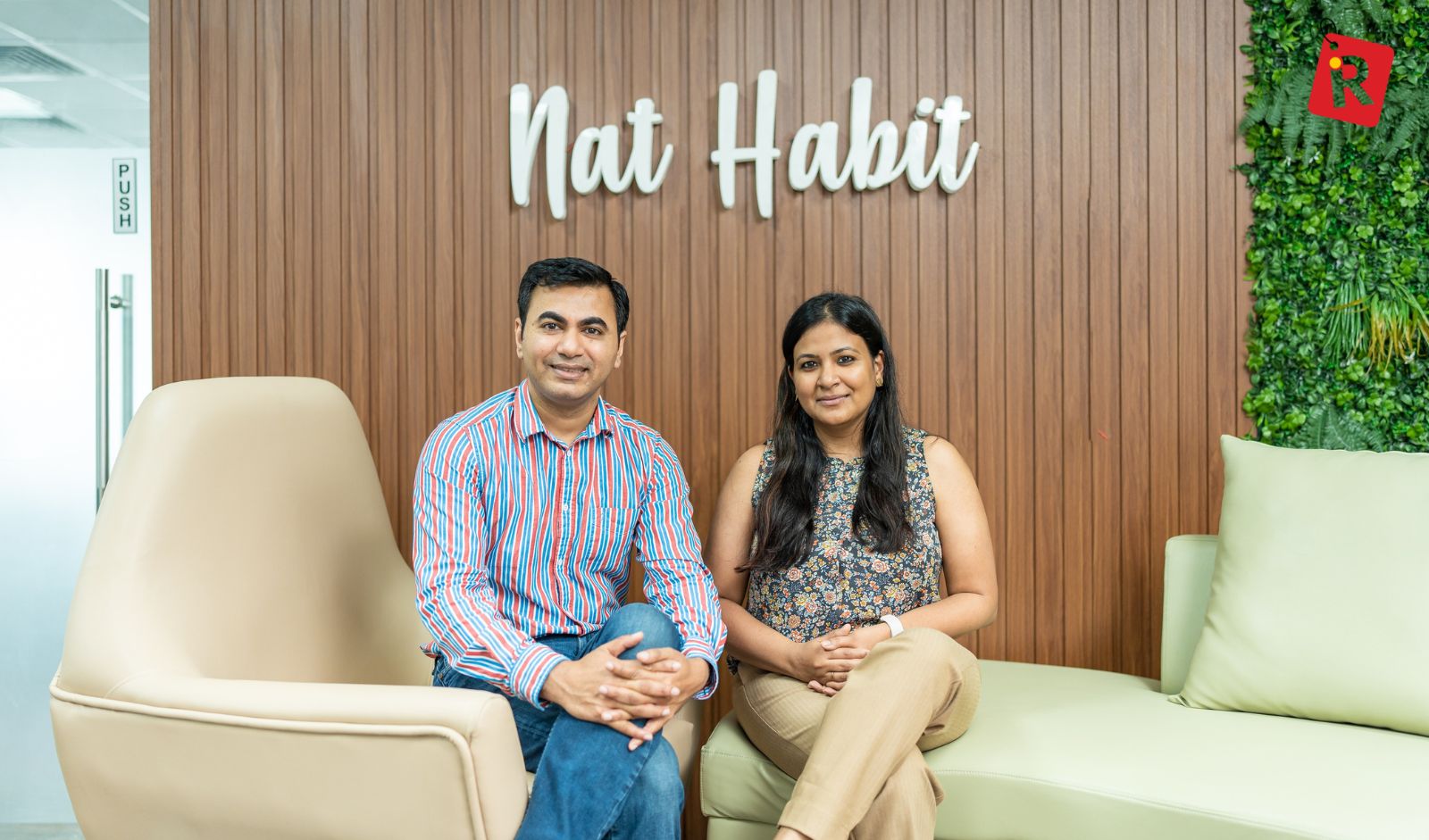
Nat Habit, an Indian personal care brand built around its Fresh Ayurveda philosophy, has raised Rs.142 crore in a Series C funding round led by Trident Growth Partners. Existing investors Bertelsmann India Investments, Mirabilis Investment Trust and Sharrp Ventures participated in the round, alongside new investors Physis Capital and Hero Family Office. The funding round comprised entirely primary capital.
The investment comes as Nat Habit reports annualised gross revenue of Rs. 330 crore, reflecting the brand's growth in India's natural personal care market.
Founded in 2019 by Swagatika Das and Gaurav Agarwal, Nat Habit combines traditional Ayurvedic principles with modern science to develop fresh personal care formulations. The company has built in-house research and development and manufacturing capabilities, with products spanning hair care, skin care, body care and baby care. It has served more than 60 lakh households across India.
Funding to Support Product and Distribution Expansion
Nat Habit plans to deploy the fresh capital across three key areas: expanding its product portfolio, strengthening distribution through quick commerce and offline retail, and increasing its digital reach in Tier-II and Tier-III cities.
The company will also continue investing in its formulation and manufacturing capabilities to support its Fresh Ayurveda proposition as it scales its operations.
The focus on distribution reflects a broader shift in the personal care market, where brands are exploring multiple channels to reach consumers. By strengthening its presence across online platforms, quick commerce and physical retail, Nat Habit aims to make its products accessible to a wider consumer base.
Trident Growth Partners Backs Nat Habit's Growth Plans
Commenting on the investment, Atul Gupta, Managing Partner, Trident Growth Partners, said the brand's positioning, product development capabilities and growth trajectory were key factors behind the investment.
“India’s personal care market is evolving, with consumers increasingly seeking all-natural products they can trust for the whole family. Nat Habit has built a compelling business around Fresh Ayurveda, bringing natural goodness to everyday personal care through advanced in-house R&D, formulation and manufacturing,” Gupta said.
He added that the company's ability to combine scale with profitability, while maintaining its core proposition, had strengthened the investment firm's confidence in its next phase of growth.
Gupta said Trident Growth Partners would work with the founders and its operating partners to strengthen the organisation and expand the brand across online and offline channels.
Nat Habit Looks to Reach More Indian Households
Swagatika Das, Co-founder, Nat Habit, said the company was founded on the belief that natural personal care products should deliver both freshness and efficacy.
“We started Nat Habit with a simple belief: natural personal care should never require consumers to compromise on freshness or efficacy. That belief has shaped our journey, from developing our formulations in-house, to building a brand that brings the goodness of Ayurveda into everyday personal care routines,” Das said.
She added that the latest investment would help the company expand its product range, strengthen its presence across quick commerce and offline retail, and reach more consumers in emerging markets.
The funding marks the next stage of Nat Habit's expansion as it looks to build on its existing consumer base and scale distribution across India. Its ability to maintain product differentiation while expanding manufacturing capacity and reaching new markets will be important as competition intensifies in the natural personal care segment.
![[D2C 100] Yes Madam: From Marketplace to Beauty Ecosystem](https://indian-retailer.s3.ap-south-1.amazonaws.com/s3fs-public/2026-05/Article%20Image%20Manyank%20Arya.jpg.jpg)
Yes Madam began its journey as a marketplace addressing critical gaps in the beauty services industry—trust, hygiene, and standardization. At a time when consumers were wary of inconsistent service quality, the brand positioned itself as a reliable, tech-enabled solution. Over the years, it has evolved into a more integrated beauty platform, combining at-home services with a growing D2C product ecosystem.
“We started with a clear mission to solve trust and standardization challenges in the beauty services space, but over time, we realized the opportunity was much larger—to build a holistic beauty ecosystem,” said Mayank Arya, Co- Founder, Yes Madam.
Transitioning to a Product-Led Ecosystem
A key milestone in Yes Madam’s journey has been its expansion into D2C products through in-house brands like Sokora and Organica Da Roma. These brands have significantly contributed to repeat customer demand, with Sokora emerging as a strong driver of customer loyalty and product adoption.
Each product is designed with a blend of science-backed formulations and sensorial appeal, aligning global skincare innovation with local consumer needs. This strategic shift has enabled Yes Madam to move beyond services and build a deeper, long-term relationship with its users.
“Our product ecosystem is a natural extension of our services business. It allows us to engage customers beyond a single transaction and build lasting affinity,” added Arya.
A Digital-First Omnichannel Model
Yes Madam operates on a digital-first, service-led omnichannel strategy. Unlike traditional beauty brands that rely heavily on physical retail, the platform follows an online-to-offline (O2O) model, where discovery, booking, and engagement are managed digitally, while services are delivered at home.
This asset-light approach enables scale without the constraints of physical infrastructure. The platform currently fulfils over 2.5 lakh monthly bookings, driven by strong repeat usage and word-of-mouth growth.
Strategic Collaborations for Cultural Relevance
Collaborations have played a vital role in amplifying Yes Madam’s brand visibility. The onboarding of Shraddha Kapoor as brand ambassador significantly boosted reach, while partnerships with personalities like Ekta Kapoor, Shweta Tiwari, and others have strengthened audience connect.
The brand’s focus on moment-led marketing—aligning collaborations with cultural trends and conversations—has helped it remain relevant and relatable.
The Road Ahead
Looking forward, Yes Madam aims to expand into new cities while strengthening its partner ecosystem. The company is also focused on enhancing operational efficiency and maintaining profitability.
“Our vision is to scale sustainably while continuing to innovate across both customer and partner experiences,” Arya concluded.
With a strong foundation in services and a growing D2C layer, Yes Madam is steadily redefining the beauty ecosystem in India.
![[D2C 100] Jiaara: The Rise of Affordable Luxury](https://indian-retailer.s3.ap-south-1.amazonaws.com/s3fs-public/2026-05/Article%20Image%20jiaara.jpg.jpg)
India’s jewelry market, valued at $94–105 billion in 2025, continues to be a cornerstone of the retail sector, with strong growth projected over the next decade. Within this, the fashion and semi-precious jewelry segment—currently estimated at $1.28–4.98 billion—is undergoing a notable transformation. Consumers are moving away from purely transactional, trend-driven purchases toward more conscious, design-led consumption. This shift has opened up a significant whitespace between fast fashion and traditional luxury—giving rise to the “affordable luxury” segment, where quality, design, and meaning intersect.
A Brand Born from Purpose and Community
Jiaara’s journey reflects this new wave of retail entrepreneurship. Founded by three sisters across geographies, the brand began with exhibitions and direct selling, allowing the founders to build a strong, feedback-driven community from the ground up.
Identifying a clear gap for jewelry that is bold yet wearable, and premium yet accessible, Jiaara evolved into a digital-first brand offering handcrafted pieces made from clean metals and natural stones. The brand also places a strong emphasis on empowering women artisans, embedding purpose into its core business model.
As Ankita Singh, Co-Founder, Jiaara puts it, “Jiaara was built across geographies, but rooted in one shared belief—that jewelry should empower both the woman who makes it and the woman who wears it.”
Omnichannel as a Natural Consumer Experience
Jiaara’s omnichannel strategy is built on the understanding that modern consumers do not differentiate between channels. With a current business split of 60 percent digital and 40 percent offline, the brand leverages its website, social platforms, WhatsApp commerce, and physical touchpoints like pop-ups to create a seamless experience.
While offline channels help build trust and provide a tactile connection, digital platforms enable scale and international reach, with early traction in markets such as the UK and Australia.
Technology Meets Craftsmanship
Despite its handcrafted ethos, Jiaara is deeply invested in leveraging technology. AI and data are used across demand forecasting, marketing optimization, and customer engagement. The brand is also exploring innovations like virtual try-ons to enhance the online shopping experience.
“We use technology to scale the business, but craftsmanship to define it—both have to coexist,” added Singh.
The Road Ahead
Looking forward, Jiaara aims to strengthen its global footprint, expand its omnichannel presence, and deepen its impact by empowering more artisans.
As Singh summarizes, “The future of this category lies in affordable luxury that doesn’t compromise on design, quality, or meaning—and that’s the space we are building in.”
With evolving consumer preferences and a clear focus on purpose-driven growth, brands like Jiaara are well-positioned to shape the next chapter of India’s jewelry retail landscape.
![[D2C 100] Ubuy Eyes Global Growth as Cross-Border E-Commerce Surges](https://indian-retailer.s3.ap-south-1.amazonaws.com/s3fs-public/2026-05/Dhari%20AlAbdulhadi.jpg.jpg)
The global cross-border e-commerce market is entering a high-growth phase, with projections indicating it will surpass $3 trillion in the coming years. Riding this wave is Dhari AlAbdulhadi, whose platform Ubuy has carved a niche by enabling seamless access to international products across markets.
Founded in 2012, Ubuy was built with a clear vision—to bridge the accessibility gap for consumers in regions where global product availability was limited. “From the outset, our goal was to simplify international shopping by building a scalable cross-border infrastructure rather than a traditional inventory-led model,” said AlAbdulhadi.
Today, Ubuy operates across more than 180 countries, offering access to over 300 million products sourced from key global markets such as the US, UK, Germany, and Japan. The platform runs on a multi-million dollar GMV scale, backed by a robust global supply chain and fulfillment network. Its business model focuses on localized user experiences, transparent pricing, and end-to-end logistics, ensuring a frictionless international shopping journey.
The brand caters primarily to digitally savvy consumers, ranging from urban middle-class buyers to premium shoppers seeking authenticity, variety, and global access. “We are also seeing strong traction in emerging markets, where cross-border ecommerce is increasingly becoming a key consumption driver,” he noted.
Operating as a digitally native platform, Ubuy’s omnichannel strategy is rooted entirely in online ecosystems. With nearly 100 percent of transactions happening digitally, the company leverages multiple touchpoints including web platforms, mobile apps, localized domains, and even assisted commerce channels like WhatsApp. This diversified approach ensures accessibility and convenience for a wide consumer base.
Technology remains central to Ubuy’s scale and efficiency. The platform uses automation and AI to enhance product data, streamline operations, and improve customer experience. “We leverage intelligent systems to enrich product content and use AI to summarize customer reviews, helping users make quicker, more informed decisions,” explained AlAbdulhadi.
Strategic collaborations also play a critical role in Ubuy’s expansion. Partnerships with global logistics providers and localized payment solutions enable smoother cross-border transactions, while regional licensing alliances—particularly in the Gulf—support faster deliveries and localized offerings.
Looking ahead, Ubuy is focused on aggressive global expansion. “Our roadmap for 2026–2027 includes strengthening our presence in Europe, Asia, and the Middle East, with planned entries into markets like Spain and France,” he shared. The emphasis will remain on enhancing last-mile delivery, fulfillment efficiency, and overall customer experience.
As cross-border e-commerce continues to redefine global retail, Ubuy stands at the intersection of global supply and local demand, enabling consumers worldwide to shop beyond borders with ease.
![[D2C 100] How ZOFF Foods is Spicing Up India’s Modern Kitchen](https://indian-retailer.s3.ap-south-1.amazonaws.com/s3fs-public/2026-05/Article%20Image%20Akash.jpg.jpg)
India’s branded spice market is witnessing strong momentum, with the organized segment projected to reach Rs 50,000 crore by 2025. Positioned within this evolving landscape, ZOFF Foods has carved a niche as a digital-first, premium spice and kitchen-solutions brand catering to modern Indian households.
“The branded spice market is still highly under-penetrated, which presents a significant opportunity for organized, quality-driven players like us,” said Akash Agrawalla, Co-Founder, ZOFF Foods. “Our focus has always been on delivering purity, convenience, and consistency to consumers.”
From Regional Startup to National Brand
Founded in 2018 in Raipur, ZOFF began with a simple yet powerful vision—to make spices fresher, cleaner, and more trustworthy. Early differentiation came through its cold-grinding technology, which preserves natural oils and aroma, along with zip-lock packaging that ensures freshness—both of which became strong brand identifiers.
Building a robust D2C foundation played a crucial role in its early growth. Direct engagement through its website and marketplaces enabled the brand to gather real-time feedback and continuously refine its offerings.
“Our D2C journey allowed us to stay closely connected with our consumers and evolve quickly based on their needs,” Agrawalla explained.
Expanding Beyond Spices
A key inflection point in ZOFF’s journey was its expansion from whole spices to blended spices and further into adjacent categories such as dry fruits, ready-to-cook gravies, and marinades. This strategic diversification has repositioned the brand as a holistic kitchen-solutions provider.
Offline expansion through partnerships with major retailers like Reliance Retail and D-Mart has further strengthened its reach. Additionally, brand-building efforts, including its association with Shilpa Shetty and onboarding Chef Natasha Gandhi as a digital ambassador, have enhanced consumer trust and engagement.
Crossing Rs 150 crore in revenue in FY26 and raising $2 million in a Pre-Series B round have marked significant milestones in its growth trajectory.
Omnichannel Growth with a Digital Core
ZOFF’s omnichannel strategy is anchored in digital, with quick commerce contributing nearly 70 percent of sales, followed by e-commerce at 15 percent, and the remainder coming from modern and general trade.
“We are omnichannel by design, but digital continues to be our strongest growth engine, especially with the rise of quick commerce,” said Agrawalla.
The Road to a Rs 1,000 Crore Brand
Looking ahead, ZOFF aims to deepen its presence across channels while expanding into new product categories. The brand is targeting revenue of Rs 250–300 crore in the near term, with a long-term ambition of building a Rs 1,000 crore-plus food brand.
“Our vision is to build ZOFF into a complete kitchen-solutions brand while maintaining profitable and sustainable growth,” Agrawalla concluded.
With a strong blend of product innovation, omnichannel strategy, and consumer-centricity, ZOFF Foods is well on its way to becoming a staple in Indian kitchens.
![[D2C 100] Traya’s Rapid Rise in Hair Wellness](https://indian-retailer.s3.ap-south-1.amazonaws.com/s3fs-public/2026-05/Article%20Image%20saloni.jpg.jpg)
India’s hair loss treatment market, currently valued at over $280 million, is poised for significant expansion, with projections indicating it could nearly double over the next decade. Alongside this, the broader hair care market continues to grow into a multi-billion-dollar opportunity, creating substantial headroom for innovation in personalised wellness solutions.
Operating at the intersection of healthcare and beauty, Traya has emerged as a leading player in this space with its integrated approach combining Ayurveda, dermatology, and nutrition. The brand caters to urban, health-conscious individuals aged 25–45 across Tier I and II cities who are seeking effective, science-backed solutions for chronic hair concerns.
From Digital-First to Omnichannel Expansion
Traya began as an online-only D2C brand, leveraging digital platforms to build awareness, educate consumers, and establish a loyal customer base of over 1.2 million users. Its strong focus on personalized treatment plans and root-cause analysis helped differentiate it in a category often dominated by generic solutions.
“In FY24, we strategically expanded into offline retail to address the need for more personalized, face-to-face consultations around hair loss—an area where trust and guidance play a critical role. Since then, we have launched three stores in Mumbai, five in Pune, four in Hyderabad, and one in Nagpur,” highlighted Saloni Anand, Co-Founder, Traya Health.
Strong Growth Backed by Consumer Trust
Traya’s growth trajectory reflects the increasing demand for holistic and result-oriented hair care. The company’s revenue scaled from Rs 61 crore in FY23 to Rs 236 crore in FY24 and is projected to reach Rs 500–600 crore in FY25. Backed by approximately Rs 150 crore in funding, the brand is well-positioned to accelerate its expansion across channels and markets.
A key driver of this growth has been its ability to combine medical expertise with a consumer-first approach, ensuring both efficacy and engagement. Its digital foundation continues to power acquisition and retention, while offline stores are emerging as critical touchpoints for deeper consultation and conversion.
Expanding Holistic Wellness and Global Reach
Looking ahead, Traya’s vision extends beyond business growth to building a culture of well-being. The brand aims to raise awareness around the importance of in-depth diagnosis and personalized solutions in combating hair loss, while also protecting consumers from misleading, mass-market offerings.
In addition to strengthening its leadership in male hair fall solutions, Traya is expanding into female-specific concerns through its Santulan range, targeting root causes unique to women. The brand also plans to extend its expertise into adjacent areas such as gut health and skin health, leveraging its core philosophy of root-cause treatment.
Geographical expansion is another key focus, with pilot operations already underway in the UAE.
![[D2C 100] Comet: India’s Rising Sneaker Disruptor](https://indian-retailer.s3.ap-south-1.amazonaws.com/s3fs-public/2026-05/Article%20Image%20Utkarsh.jpg.jpg)
India’s sneaker market, currently valued at approximately $3 billion, is witnessing a cultural and commercial shift driven by rising demand from Gen-Z and fashion-forward millennials. At the forefront of this evolution is Comet, a homegrown, design-first sneaker brand that is redefining how Indian consumers engage with footwear through a sharp D2C-led strategy and strong cultural storytelling.
Founded in 2022 by Utkarsh Gupta and Dishant Daryani, Comet was born out of a clear gap in the Indian market—while global brands thrived on innovation and narrative, the local sneaker landscape remained largely functional. Comet set out to change this by building a bold, culture-first brand rooted in storytelling and design differentiation. After nearly a year of development, the brand launched in July 2023 with its debut drop, Mango, a nostalgia-led concept that quickly resonated with consumers and established its unique positioning.
“Since then, we have expanded our portfolio with multiple silhouettes including xLows, Aeons, Alters, and Slides, alongside limited-edition collaborations such as Comet x Naru, Comet x Farak, “Extra Toppings Only,” and Scribble. These drops have not only driven strong organic engagement but also contributed to high repeat purchase rates, underlining our focus on product quality, comfort, and fit,” said Utkarsh Gupta, Co-Founder, Comet.
Omnichannel Strategy
Comet operates on a D2C-first model, with its website serving as the primary sales and engagement channel. This approach enables the brand to stay closely connected to its community, gather real-time feedback, and continuously refine its offerings. Complementing this is a growing physical retail presence with experience-led stores in Bengaluru, Hyderabad, and Delhi, designed to deepen brand interaction and drive discovery. While digital continues to account for the majority of revenue, offline retail is emerging as a strategic growth lever.
Expansion Plans
Over the next two years, Comet’s vision is to evolve from a fast-growing D2C sneaker brand into a leading Indian lifestyle footwear brand with strong cultural equity.
“From an expansion standpoint, we’re looking at widening our product portfolio with new sneaker silhouettes and adjacent footwear categories, while continuing to innovate on materials, comfort, and fit. Physical retail will expand selectively into key metros through experience-led stores that strengthen brand connection, supported by an increasingly integrated omnichannel ecosystem,” he added.
International exploration and strategic collaborations are also on the horizon, allowing us to introduce Comet’s design-first, culture-led approach to new audiences.
![[D2C 100] Miraggio Building an Accessible Premium Handbag Brand](https://indian-retailer.s3.ap-south-1.amazonaws.com/s3fs-public/2026-05/Article%20Image%20Mohit%20jain.jpg.jpg)
India’s women’s handbags and accessories market, valued at over Rs 25,000 crore, is witnessing strong growth, driven by rising fashion consciousness and an increasing shift toward accessible premium brands. Positioned within this space, Miraggio has emerged as a digital-first, D2C brand operating at a multi-hundred-crore GMV scale.
The brand caters to the modern, urban Indian woman—style-conscious, digitally native, and seeking trend-led yet functional handbags at accessible price points. By blending fashion-forward aesthetics with practicality, Miraggio has carved a niche in a category that is rapidly evolving beyond basic utility to lifestyle-driven consumption.
A Design-Led Journey
Founded in 2019, Miraggio began with a clear vision—to create a premium-looking handbag brand rooted in fast-moving fashion trends and consumer insights. Leveraging a D2C-first approach, the brand has stayed agile, with quick design cycles enabling it to remain closely aligned with changing consumer preferences.
A key driver of its growth has been its ability to build cultural relevance through strategic collaborations. Partnerships with celebrities such as Shanaya Kapoor, Athiya Shetty, Gabriella Demetriades, and Sharvari have significantly boosted the brand's visibility and strengthened its connection with its target audience.
Strong performance across its own website and leading marketplaces, combined with key funding milestones, has enabled Miraggio to scale its product portfolio and invest in supply chain capabilities. This design-led, consumer-first strategy continues to underpin its growth in the competitive D2C ecosystem.
Omnichannel Expansion and Tech-Driven Experience
While Miraggio remains deeply rooted in digital channels, it is actively building a structured omnichannel presence. The brand is set to launch its first physical store, marking a significant step toward enhancing consumer engagement and brand experience. As offline retail scales, Miraggio expects a more balanced business mix between online and physical channels.
Technology plays a critical role in driving efficiency and improving customer experience. The brand has implemented advanced inventory planning tools to enable accurate demand forecasting, optimised stock allocation, and disciplined cash flow management.
“On the consumer side, we are enhancing the online shopping journey through initiatives such as a 24/7 WhatsApp commerce bot, enabling seamless browsing and purchases. Additionally, we are developing an interactive visualization tool to address a key online challenge—bag size clarity—offering real-life comparisons and simulated views to help customers make informed decisions,” asserted Mohit Jain, Founder & CEO, Miraggio.
Collaborations and the Way Forward
Miraggio’s collaboration strategy is curated and purpose-driven, focusing on partnerships that align with its design-first ethos. Collaborations with brands like Deme by Gabriella Demetriades and select celebrity tie-ups have enabled the brand to expand its reach, drive innovation, and introduce limited-edition collections.
Looking ahead, the brand aims to accelerate growth while strengthening its position as a premium lifestyle label. Plans include scaling revenue, expanding retail presence, and creating immersive, experiential spaces. With a focus on innovation, storytelling, and consumer-first strategies, Miraggio is poised to deepen its market presence while building a strong emotional connection with its community.
India’s direct-to-consumer (D2C) industry is entering a decisive new phase. What began as a digital-first disruption led by urban startups and social media-led brands has now evolved into a deeply consumer-driven ecosystem powered by trust, repeat consumption, community influence, and cultural relevance. As the market matures, the conversation is no longer limited to customer acquisition or online visibility — it is increasingly about retention, credibility, and long-term brand affinity.
The timing of this D2C evolution aligns with India’s larger retail growth story. According to the latest report by SGA PR, India’s retail market is projected to cross $1.5 trillion by 2030, with the sector expected to grow at a CAGR of 9–10 percent between FY25 and FY30. This makes India one of the fastest-growing retail markets globally.
Yet despite the buzz surrounding digital-first brands, the report notes that D2C players still account for only a small portion of the total retail market. This leaves significant room for expansion across multiple categories, including beauty, fashion, wellness, nutrition, and lifestyle.
What is particularly noteworthy is how consumer expectations have evolved. Indian shoppers today are no longer buying products purely based on celebrity endorsements or discount-led marketing. Instead, they are increasingly prioritizing efficacy, ingredient transparency, authenticity, and community trust. This behavioral shift is reshaping the playbook for emerging brands.
Tier II and III India Become the New Growth Engine
Perhaps the biggest takeaway from the report is the rapid rise of Tier II and III India as a major driver of D2C growth. Cities such as Indore, Ahmedabad, Coimbatore, and Udaipur are no longer merely consumption hubs — they are also becoming breeding grounds for nationally scalable digital-first brands.
This marks a major shift from the earlier perception that premium skincare, wellness supplements, protein nutrition, and trend-led fashion were largely metro-centric categories. Consumers in smaller cities are now embracing science-backed skincare, health-focused food products, and premium lifestyle offerings through online channels at an unprecedented pace.
Affordable internet access, growing digital literacy, UPI-led payment adoption, and improved logistics infrastructure have significantly accelerated this trend. Additionally, aspirational consumption is rising sharply in non-metro markets, with consumers seeking products that align with evolving lifestyle aspirations rather than simply fulfilling utility-driven needs.
Rahul Jain, CEO of SGA PR, said, “India’s D2C ecosystem is becoming increasingly behavior-led, where consumers are buying into trust, communities, and cultural relevance, not just products. The founder who cracks Patna today is building something as valuable as the one who dominated Powai a decade ago.”
Digital Beauty Consumption Witnesses Explosive Growth
The beauty and personal care category continues to emerge as one of the strongest growth drivers within the D2C ecosystem. The report highlights that online beauty penetration in India, which stood at just 6 percent in FY20, is projected to rise sharply to 34 percent by FY30.
This growth reflects a larger transformation in how beauty products are being discovered and consumed. Consumers today are increasingly relying on creators, skincare educators, peer reviews, and short-form video content to make purchase decisions. Ingredient-focused conversations around retinol, niacinamide, peptides, and dermat-backed routines are becoming mainstream, especially among Gen Z consumers.
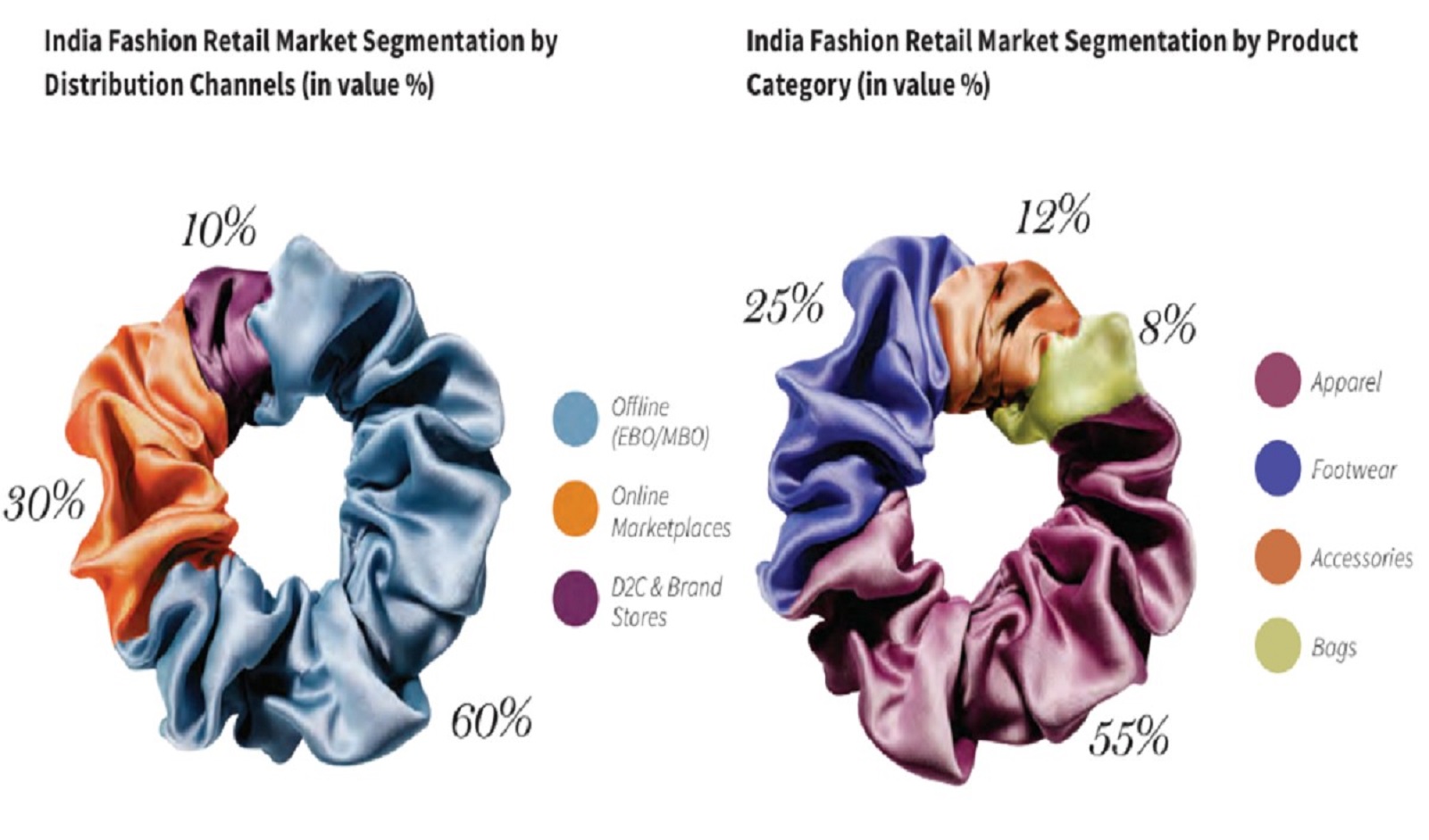
The rise of online marketplaces has further amplified this shift. According to the report, marketplaces currently contribute nearly 60 percent of fashion retail by value, while D2C and brand-owned stores contribute another 30 percent. This demonstrates how digital channels are now central to modern retail consumption patterns.
Men’s Grooming and Wellness Categories Accelerate
One of the most interesting findings from the report is the rapid rise of men’s skincare and wellness consumption in India. Men’s skincare consumption has doubled in recent years, while nearly half of Gen Z men are now actively engaging with facial care products.
This represents a major cultural shift in Indian consumer behavior. Grooming is no longer viewed as a niche or vanity-driven category among male consumers. Instead, skincare, wellness, and self-care are increasingly being normalized across younger demographics.
The wellness segment overall is also witnessing strong investor confidence. Health and wellness D2C brands alone have attracted nearly $971 million in disclosed funding, while fashion-focused D2C brands have raised close to $390 million.
Consumers are also increasingly prioritizing convenience-led wellness purchases. The report notes that nearly 45 percent of protein category revenue now comes from quick commerce and e-commerce platforms, highlighting how instant delivery is reshaping impulse-led health consumption.
Quick commerce platforms are no longer limited to groceries and essentials. They are rapidly emerging as high-frequency discovery channels for protein snacks, supplements, skincare, and personal care products — categories that traditionally relied on planned purchases.
Shark Tank India and Investor Validation
The report also sheds light on the growing influence of startup visibility platforms such as Shark Tank India in accelerating D2C growth. Around 80 percent of brands featured on the show were digital-first at the time of pitching, while nearly 30 percent subsequently secured follow-on venture capital funding.
This highlights how storytelling, founder visibility, and community engagement are increasingly becoming critical components of brand-building in the D2C ecosystem. Consumers today are not just buying products; they are investing emotionally in founder journeys, brand missions, and community narratives.
Offline Retail Expansion Gains Momentum
Even as D2C brands continue to dominate digital channels, offline retail is becoming an increasingly important growth lever. In H1 2025 alone, D2C brands leased nearly 595,000 sq. ft. of retail space, accounting for 18 percent of total retail leasing activity — up significantly from just 8 percent a year earlier.
Fashion and apparel brands contributed nearly 60 percent of this expansion, reflecting the growing importance of experiential retail. Consumers still value touch-and-feel interactions, trial experiences, and immersive brand environments, particularly in categories like fashion, beauty, and lifestyle.
This signals the emergence of a true omnichannel era, where successful D2C brands are integrating online discovery with offline engagement to build stronger customer relationships.
The Road Ahead
India’s D2C ecosystem is no longer operating in an experimental phase. It is becoming a serious force within the country’s retail economy. The next wave of winners will likely be brands that move beyond aggressive marketing and focus instead on building long-term trust, product efficacy, repeat behavior, and culturally relevant storytelling.
As digital adoption deepens across smaller cities and consumer expectations continue to evolve, India’s D2C sector is poised for its most transformative decade yet. The shift from “attention” to “acquisition” may have defined the first chapter of India’s D2C revolution, but the next chapter will belong to brands that can sustain loyalty, build communities, and remain deeply connected to changing consumer lifestyles.
![[D2C 100] Plush: From Period Care to Everyday Essentials](https://indian-retailer.s3.ap-south-1.amazonaws.com/s3fs-public/2026-05/Plush.jpg)
The Indian feminine hygiene market is witnessing strong momentum, currently valued at approximately $1.16 billion and expected to reach $2.29 billion by 2031, growing at a CAGR of 11.7 percent. While penetration has improved over the years, the real opportunity now lies beyond access—in upgrading the overall consumer experience. Increasingly, women are shifting from simply using available products to actively choosing options that offer greater comfort, safety, and alignment with their lifestyles.
At the center of this shift is Plush, which has emerged as one of the fastest-growing players in the category. Operating through a Q-commerce and D2C-led model, the brand has scaled to a multi-crore GMV business driven by strong repeat usage. Its core audience—urban women aged 18–45 across metros—is actively seeking better alternatives across period care, hair removal, and intimate wellness.
Plush’s journey has been methodical. In its early phase, the brand focused on deep consumer research, identifying gaps in product quality and emotional connection. Its initial offering—sanitary pads with cottony top sheets and a relatable brand voice—helped establish trust. As the brand scaled, retention, repeat purchases, and word-of-mouth became key growth levers, supported by digital-first distribution.
Omnichannel: Driven by Access and Convenience
In just a few years, Plush has earned the trust of over 1M+ consumers, emerging as one of the fastest-growing brands in its category. “We are present across leading online platforms including Amazon, Nykaa, Flipkart, BigBasket, Zepto, Blinkit, Swiggy Instamart & more while also expanding offline through modern trade partners like Health & Glow, Wellness Forever, D-Mart, Guardian Pharmacy, Apollo Pharmacy & more,” said Prince Kapoor, Co-Founder, Plush.
Leveraging Tech for Smarter Growth
The brand is also integrating technology and AI in a focused manner. Current applications include creative testing to accelerate marketing output and dashboarding tools for better decision-making. Rather than overhauling operations, Plush is layering AI into existing workflows to improve efficiency, speed, and clarity across teams.
From Monthly to Daily Relevance
Looking ahead, Plush aims to evolve into a high-frequency personal care brand rather than remaining a “once-a-month” period care option. Its two-year vision focuses on increasing usage frequency, expanding into adjacent everyday categories, and deepening consumer relevance.
In a category historically dominated by price competition and limited innovation, Plush’s growth strategy signals a broader shift—where success will be defined not just by distribution, but by meaningful product differentiation, stronger emotional connection, and consistently superior consumer experiences.
-
Nat Habit has raised Rs 142 crore in a Series C funding round led by Trident Growth Partners.
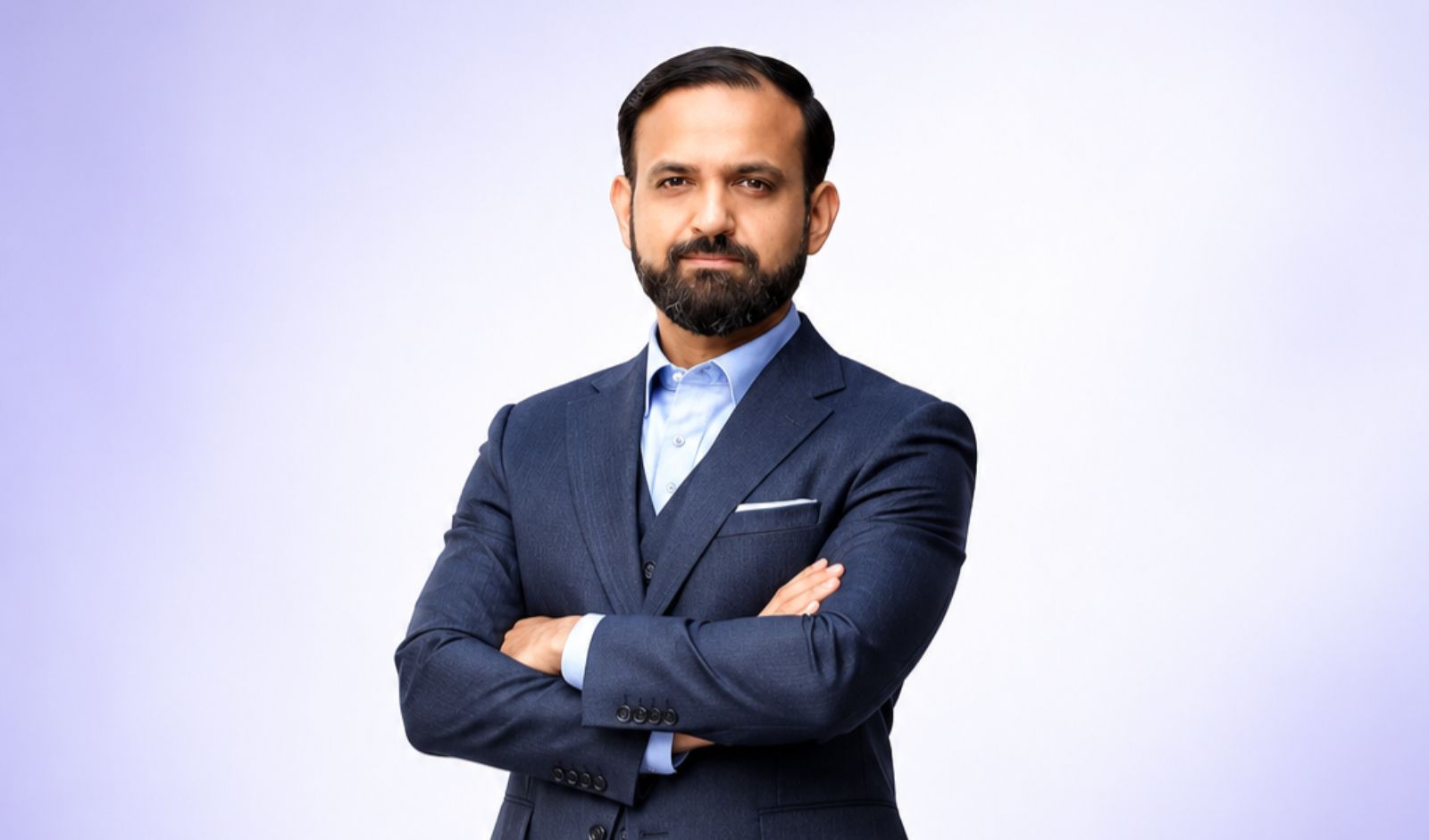 Backed by Eleven, aiqa generates approximately Rs 100 crore in revenue and adds nearly one lakh members monthly. It has also appointed Anuj Arora as CEO for its partner and employer business.
 Veil of Veda’s latest festive offering focuses on skincare and makeup benefits in a simplified routine. The duo includes products aimed at hydration, skin preparation, and lip care.
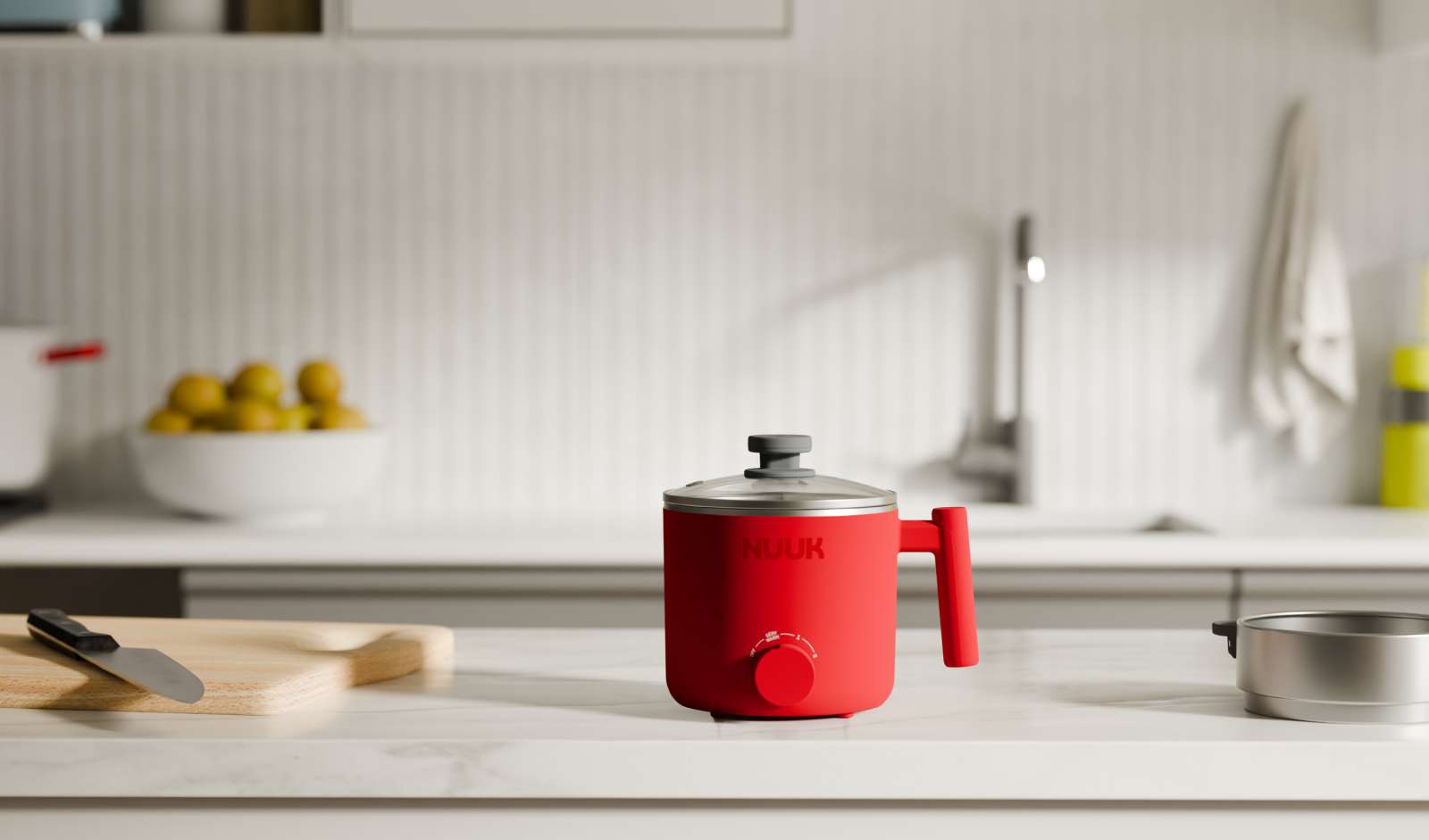 The D2C home appliance brand has introduced a new kitchen appliance aimed at simplifying everyday meal preparation. SĒRV MAX combines multiple cooking functions in a single device.






Copyright © 2009 - 2026 Franchiseindia.com Ltd