




 443
/ 5 MIN READ
443
/ 5 MIN READ

Bioderma is one of the 3 NAOS brands founded by Jean-Noël Thorel, a pharmacist-biologist in 1977and it specializes in medication for dermatological and hair/scalp conditions, as well as for Pediatry, and cell regeneration. At a very early stage, he conquered the established understanding of the beauty industry. Starting from the principle that – ‘when skin is suffering, rather than over-treat it, it must be taught to function properly’, he created innovative product concepts with the support of renowned dermatology and biology researchers and registered his first patents.
The brand is a part of the NAOS' universal ambition with a specific commitment to make dermatology accessible to the widest possible public, with care and special attention to all skin sensitivities. The brand is passionate about caring for, supporting, and improving the quality of life of everyone through its patented formulas and industry excellence. It believes in constant innovation to offer effective dermatological solutions that truly respect the skin and are easy for daily use.
“Our approach put simply and in two words, is ‘Care First’. We begin by taking care of the skin, and by caring for the skin, we hope to do more, in our own humble way,” asserted Sanjay Sahu, Managing Director, NAOS-India (Bioderma).
“Through a unique ‘Ecobiology Approach’, Bioderma products help strengthen and preserve one’s natural skin structure. We have adopted this approach with an aim to heal the skin from deep underneath and restore it therapeutically,” he further added.
At present, the brand’s product portfolio is divided into hygiene, skincare, sun care, and baby products. Based on the patient's requirements, dermatologists prescribe the products and regime.
Catering to Ever-Evolving Consumer Needs
The evolved beauty consumers of today are more informed, engaged, and connected than ever before.
“These consumers who are more focused on holistic wellness are also mindfulness-oriented and more likely to seek out and adhere to daily routines that they can trust and rely upon. In this context, skincare routines not only become an important ritual but also something that drives higher retention and lifetime value for the brands,” he explained.
“The rise of the informed Indian skincare consumer has seen a significant increase in skincare consumption since the recent COVID-19 pandemic. Consumers are growing more selective and aware of the skin products they use. This change in consumer preference has led to a substantial shift towards the increase in demand for clinically tested products and Bioderma having expertise in offering products based on the patented technologies has a bright future in the market,” he further added.
Future Plans
Bioderma is focused on expanding its footprint across Tier II and III cities and increasing its customer base. With this strategy on board, it has consciously reduced the price of some of its bestseller hygiene products, reducing the profit margins with a vision to make skincare affordable to all. Additionally, the brand also has the strategy to multiply its modern trade presence across the nation.
As the brand has an aggressive expansion plan for FY23 with multiple innovative products being launched for the Indian market, it is looking at doubling its business revenue in FY23.
“The H1 2022 growth has been very encouraging for the brand, and we have registered a steep spike with multiple new innovative launches across all the product ranges, which has been accepted well by the consumers and dermatologists. We have achieved triple-digit growth vs pre-Covid numbers, witnessing a significant growth for our core categories – Sebium and Atoderm,” asserted Sahu.
Going ahead, the brand is looking forward to increasing its presence and awareness amongst the customers and educating them about why they should choose science-based dermatologically tested products for their skin-related problems.


India's beauty and luxury retail landscape is evolving as consumers gain greater exposure to international brands, premium products and global shopping experiences. While e-commerce has improved product accessibility, physical malls continue to play an important role in brand discovery, experiential shopping and consumer engagement.
For mall developers and beauty retailers, the opportunity lies not in choosing between online and offline channels, but in understanding how they complement each other. From the appeal of international luxury brands to the need to touch, feel and test beauty products, physical retail continues to hold relevance in an increasingly digital marketplace.
Post-Pandemic Travel Is Raising Luxury Aspirations
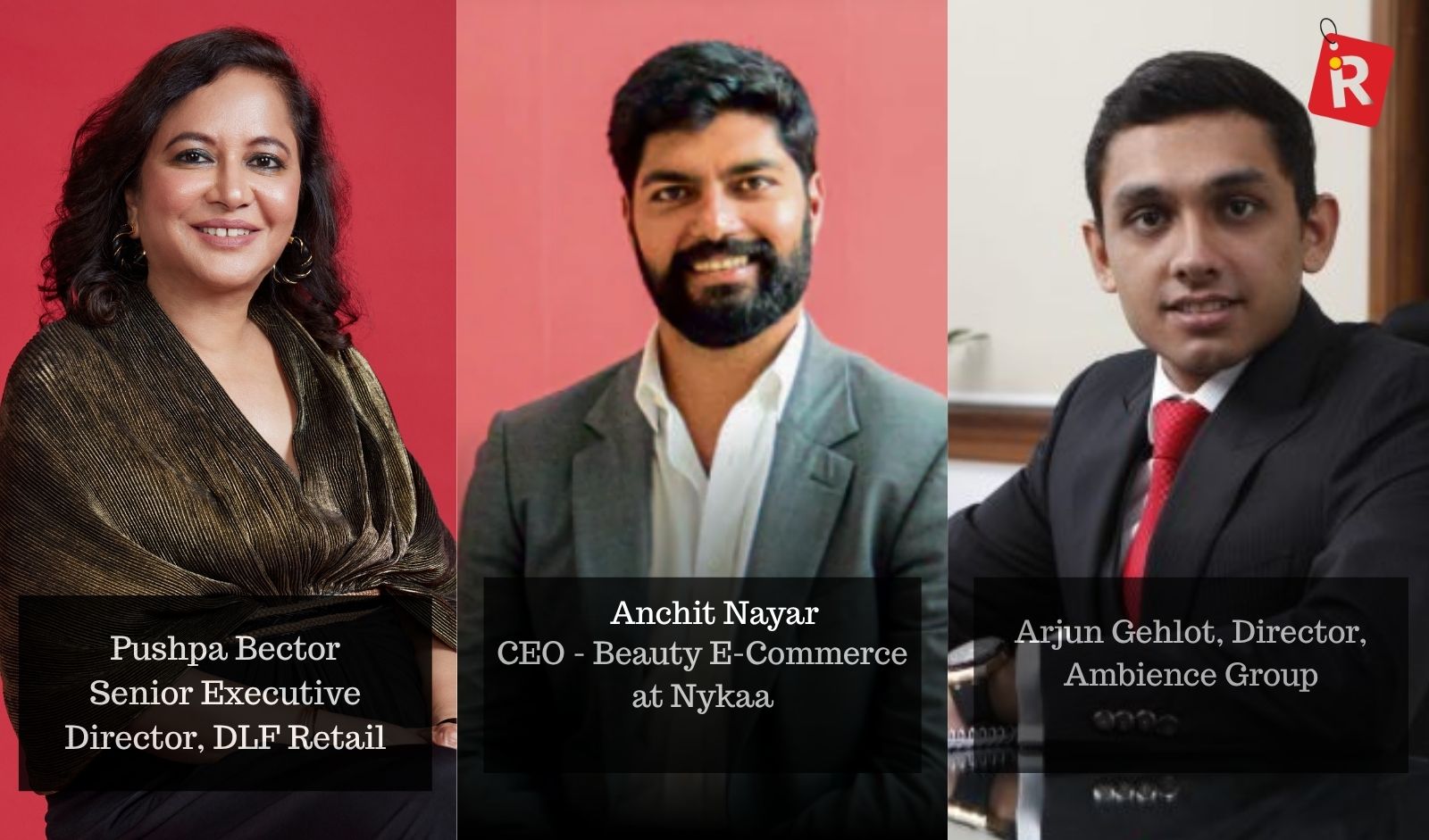
The pandemic and the years that followed changed consumer lifestyles, with international travel exposing more Indian shoppers to global brands and premium retail destinations. According to Arjun Gehlot, Director, Ambience Mall, this exposure has influenced consumer expectations from India's retail landscape.
As consumers encounter luxury brands in international shopping destinations, finding those labels in domestic malls can create a sense of gratification. Access to global brands closer to home also allows malls to meet the aspirations of consumers seeking international shopping experiences without travelling abroad.
For mall operators, this makes brand curation an important part of retail strategy. Bringing sought-after international labels into a mall can strengthen its premium positioning, improve its appeal and give consumers more reasons to visit.
E-Commerce and Physical Retail Serve Different Needs
The rise of e-commerce once prompted widespread speculation about whether online shopping would fundamentally change the future of physical retail. However, Gehlot believes both channels have established distinct roles in the consumer journey.
“I think a few years back, we had a lot of discussions, a lot of conferences saying that e-commerce is here, eat up everything, everything is going to change dramatically. But what we forget is change is the only constant,” he said.
According to Gehlot, e-commerce has made products more accessible, while physical shopping continues to offer an experience that digital platforms cannot fully replicate.
“E-commerce has added luxury to the customer's life by giving them that ease and necessity of the availability of products. However, that internal want of going out shopping, having that shopping bag in your hand and feeling that dopamine effect, nothing is going to replace that,” he added.
For luxury retail, this distinction is particularly relevant. Online platforms enable consumers to discover products, compare options and make purchases conveniently. Physical stores, meanwhile, allow shoppers to engage with brands, experience the retail environment and enjoy the process of shopping.
For mall developers, the challenge is to create destinations that offer more than a collection of stores. Brand experiences, premium environments and carefully curated offerings remain important in attracting consumers and encouraging longer visits.
Why Beauty Retail Needs a Physical Experience
The role of physical retail becomes even more significant in beauty, where consumers often want to test products before making a purchase. Texture, shade matching, fragrance, application and expert guidance can all influence buying decisions.
Nykaa has recognised the importance of this experience-led approach as part of its omnichannel strategy. Anchit Nayar, CEO - Beauty E-Commerce at Nykaa, highlighted the role of mall partnerships in the company's retail journey.
“We would not be where we are today without our mall partners. Very early on in 2014 we realised that we had to be an omnichannel retail company and physical retail was incredibly important to the category and we started investing in our stores very early on,” Nayar said.
Nykaa operates more than 300 stores and works with major mall developers across key markets. Its physical expansion illustrates how stores can complement digital discovery, allowing consumers to explore products in person while giving brands another channel to engage with customers.
For beauty retailers, malls provide an environment where shoppers can compare products, understand formulations and receive personalised assistance. These interactions are especially valuable for consumers experimenting with unfamiliar brands or considering premium products.
The opportunity for mall operators is to bring together beauty brands and retail platforms that offer different price points, product categories and shopping experiences, making beauty a more compelling part of the overall mall proposition.
Luxury Retail: Competing on Curation, Experience and Convenience
Beyond beauty, luxury retail is also being shaped by consumers who expect international standards of product selection, service and store ambience. For mall developers, meeting these expectations requires more than bringing global labels into India; it involves creating experiences that can stand alongside those offered by leading international shopping destinations.
Pushpa Bector, Senior Executive Director, DLF Retail, highlighted the importance of curation and maintaining global standards in luxury retail.
“At DLF Emporio, we aim to get the best of international and Indian brands and designers, while creating the best of collections and experiences. Therefore, our marquee properties such as Treasury of Trousseau help bring future trends and newness to the forefront, so customers can experience what's coming next and make more informed choices,” Bector said.
She added that Indian luxury consumers increasingly compare domestic shopping experiences with those available internationally, leaving little room for retailers to compromise on service or presentation.
“It takes an honest acknowledgment that this consumer is comparing us against the best in the world, whether we like it or not, so there's no room for a ‘good enough for India’ mindset anywhere in the experience. That means matching international benchmarks on curation, service, and ambience without exception,” she said.
However, delivering an international-standard experience locally also offers a practical advantage: convenience. Consumers can access premium brands and curated collections without the time and expense associated with overseas shopping.
Bector explained that making local retail destinations special enough to visit, while keeping them accessible, is central to attracting luxury consumers.
“But what actually keeps this consumer shopping locally rather than treating every trip abroad as a shopping opportunity is convenience layered with genuine occasion, a destination that feels special enough to visit, but close enough that it doesn't require the effort of international travel. When we get that balance right, we're not competing with Dubai or Paris, we're offering something those cities can't: proximity without compromise,” she said.
Her comments underline a broader retail strategy: luxury malls must combine global standards with local accessibility. For consumers, this means access to premium brands and experiences closer to home. For mall operators, it means investing in the right brand mix, service standards and destination positioning.
The Future Lies in Complementary Retail Experiences
As beauty and luxury retail continue to evolve, physical malls and digital platforms are likely to remain complementary parts of the shopping ecosystem. E-commerce offers convenience, product discovery and easy replenishment, while physical retail provides opportunities for consultation, product trials and experience-led shopping.
For beauty brands, an omnichannel strategy can connect these different shopping occasions. For mall developers, the priority is to create destinations that give consumers compelling reasons to visit, whether through international brands, premium beauty counters or curated luxury experiences.
The continued relevance of physical retail will depend on how effectively malls respond to changing consumer expectations. In beauty and luxury, where aspiration, product experience and service influence purchase decisions, the in-person shopping journey remains an important part of the value proposition.
Ultimately, the opportunity for India's malls lies in offering what digital platforms cannot fully replicate: a carefully curated environment where consumers can discover brands, experience products and access global retail experiences closer to home.
India's beauty retail industry is entering a new phase of expansion, driven by rising consumer spending, premiumisation and changing shopping habits. As skincare, cosmetics, fragrances and personal care become part of everyday consumption, brands are looking beyond product launches to build stronger retail networks and reach consumers across multiple channels.
The market opportunity is significant. According to Euromonitor International's May 2026 report, India's beauty and personal care market recorded 9% growth in retail sales in 2025. Premium beauty and personal care grew faster, expanding 15% to reach ₹13,220 crore. Rising disposable incomes, a growing middle class and demand for science-led formulations are supporting this growth.
The broader market outlook is equally encouraging. According to 1Lattice, India's beauty and personal care market was valued at US$27 billion in FY25 and is projected to reach US$39 billion by FY30. A separate estimate by Aditya Birla Capital projects the market to grow from US$23 billion in FY26 to US$42 billion by FY31. Although the estimates use different base years and methodologies, both point to significant expansion opportunities.
However, a growing market does not automatically translate into profitable retail growth. For beauty brands, the next challenge is to convert consumer interest into repeat purchases by making products accessible through the right channels, price points and shopping experiences.
Omnichannel Retail Becomes Central to Expansion
Digital platforms have transformed how consumers discover beauty products. Social media, creator recommendations, online reviews and ingredient-focused content have made consumers more informed about product performance, formulations and pricing. Yet, while online platforms help generate awareness, physical retail continues to play an important role in product trials, consultations and purchase decisions.
The shift is encouraging brands to rethink how online and offline channels work together. According to a market assessment report of March 2026, India's online beauty and personal care market has doubled since 2020. The report also identified quick commerce as an emerging channel, estimating that it accounted for around 14% of online beauty and personal care sales and could reach approximately 30% by 2030.
For brands, the opportunity lies in building a connected retail strategy rather than treating each channel as a separate business.
RENÉE Cosmetics Co-founder Ashutosh Valani believes changing consumer expectations are reshaping the premium beauty market.
“Consumer behaviour in India's premium beauty segment has evolved significantly. Today's consumers are far more informed, they research products, read reviews, understand ingredients, and invest in products that deliver genuine performance and value,” said Valani.
This shift has implications for product positioning, distribution and customer engagement. While e-commerce enables brands to offer a wider assortment, stores allow consumers to test products and receive guidance. Quick commerce, meanwhile, can serve immediate needs and repeat purchases.
The commercial challenge is to make these channels complement one another while managing inventory, fulfilment costs, pricing and customer acquisition expenses. Simply expanding across platforms may increase reach, but sustained growth depends on whether that reach translates into sales and repeat purchases.
Rahul Shanker, CEO of Quest Retail, also sees the future of beauty retail in how effectively brands integrate their channels.
“Today is not just about digital. It is about omni-play. The brands who are really making it are the brands that know the omni game well. It is how you intersperse online with the right kind of offline,” said Shanker.
His observation reflects a broader shift in retail strategy: digital discovery and physical shopping need to work together to create a consistent customer journey.
Beyond Metros: Reaching the Next Wave of Beauty Consumers
While omnichannel retail is changing how brands sell, geographic expansion is creating another growth opportunity. Consumers in Tier-II and Tier-III cities are increasingly able to discover and purchase beauty products through digital platforms, expanding the potential market beyond major metropolitan areas.
For emerging brands, online distribution offers a way to test demand and build awareness before committing to a large physical retail network. Established brands can use a combination of marketplaces, quick commerce, retail partnerships and selected stores to reach new consumer segments.
However, growing online demand does not automatically justify opening standalone stores in every market. Brands must evaluate local purchasing power, category preferences, competition, rental costs and the likely productivity of each outlet.
A more selective approach could help businesses expand their reach while controlling investment. Stores in high-potential locations can support product trials and brand visibility, while digital channels can serve consumers in surrounding areas.
This also creates opportunities for retail partners and distributors that can help brands enter new markets without building an entirely company-owned network. For retailers, the next phase of expansion will depend on identifying where consumer demand is strong enough to support a viable business.
Global Beauty Brands Look to Local Retail Partnerships
India's growth potential is also attracting international beauty brands seeking to strengthen their presence through local retail partnerships and omnichannel distribution.
Italian cosmetics brand KIKO Milano offers an example of this approach. The company announced plans in October 2026 to double its Indian retail footprint by the end of the year. Its reported network comprised 20 points of sale across eight cities, including 11 standalone stores and nine outlets through Reliance Retail's Tira beauty platform, according to Financial Express.
The strategy illustrates how international brands can combine their own stores with established retail ecosystems to accelerate market access. Partnerships can provide access to existing infrastructure, consumer insights and digital distribution while helping brands reach shoppers across multiple locations.
For Indian beauty retailers, international labels can strengthen product assortments and attract consumers looking for global brands. At the same time, homegrown businesses are building differentiated propositions around formulations, packaging and products developed for Indian consumers.
The competition is therefore not limited to international versus domestic brands. It is increasingly about which businesses can understand local needs, establish consumer trust and deliver a compelling product experience.
Kairavi Bharat Ram, founder of Typsy Beauty, identifies product development as a key factor in the brand's growth.
“One of the biggest growth drivers for Typsy Beauty has been getting the product right,” said Bharat Ram.
She highlighted the importance of combining international-grade quality and packaging with formulations suited to Indian skin, climate and everyday needs.
This approach points to an important opportunity for homegrown beauty businesses: differentiation must go beyond marketing. Products that address specific consumer needs can help brands establish credibility and build repeat demand in an increasingly crowded market.
Quick Commerce and the Economics of Repeat Purchases
As beauty retail expands across channels, quick commerce is emerging as another route to consumers, particularly for frequently replenished products such as cleansers, moisturisers, sunscreens and lip care.
The appeal lies in convenience. Consumers can quickly replenish familiar products without planning a separate shopping trip, while brands gain another route to reach customers at the moment of need.
However, rapid delivery also comes with commercial considerations, including platform commissions, fulfilment costs, promotional spending and inventory availability. Not every product category will perform equally well on quick commerce. Everyday essentials may benefit from frequent replenishment, while premium fragrances, makeup and specialised skincare may require consultation, sampling or a more considered shopping experience.
Brands must therefore determine which products belong on each platform and how each channel contributes to the overall business.
Quick commerce can support convenience and replenishment, e-commerce can provide broader assortment and discovery, and physical stores can offer consultations and product trials. The opportunity lies in aligning product selection and customer needs with the strengths of each channel.
From Market Growth to Profitable Expansion
India's beauty retail boom presents opportunities across premium products, smaller cities, global brand partnerships and emerging digital channels. Yet the ability to capture this growth will depend on more than expanding distribution.
Brands must assess customer acquisition costs, repeat purchase rates, inventory turnover and store productivity alongside revenue growth. Physical expansion needs to generate sufficient sales to justify rental and staffing costs, while digital channels must deliver profitable orders rather than growth driven primarily by discounts.
Product differentiation will also be critical. As consumers become more informed, brands need to offer clear benefits, reliable quality and relevant formulations to encourage repeat purchases. For retailers, the right assortment, customer service and channel strategy can help convert consumer interest into long-term loyalty.
The next phase of India's beauty retail growth will be shaped by how effectively brands connect these elements. Premiumisation may increase spending, smaller cities may widen the customer base, and quick commerce may improve convenience. But omnichannel execution will determine how well businesses bring these opportunities together.
For beauty brands and retailers, the next growth battle is not simply about reaching more consumers. It is about reaching them through the right channels, delivering products that meet their needs and building a retail model that can scale sustainably.
India’s fashion and lifestyle retail market is witnessing a shift as consumers increasingly seek products that combine cultural identity with contemporary design. For Fabindia, the opportunity lies in translating its legacy of Indian crafts, textiles and artisanal techniques into a wider lifestyle proposition while expanding its retail presence across emerging markets.
With more than 360 stores across 127 Indian cities and six decades in the business, Fabindia is focusing on younger consumers, contemporary western wear, omnichannel retail and experience-led formats to strengthen its next phase of growth. Its strategy also includes strengthening its presence in larger cities and exploring new international markets.
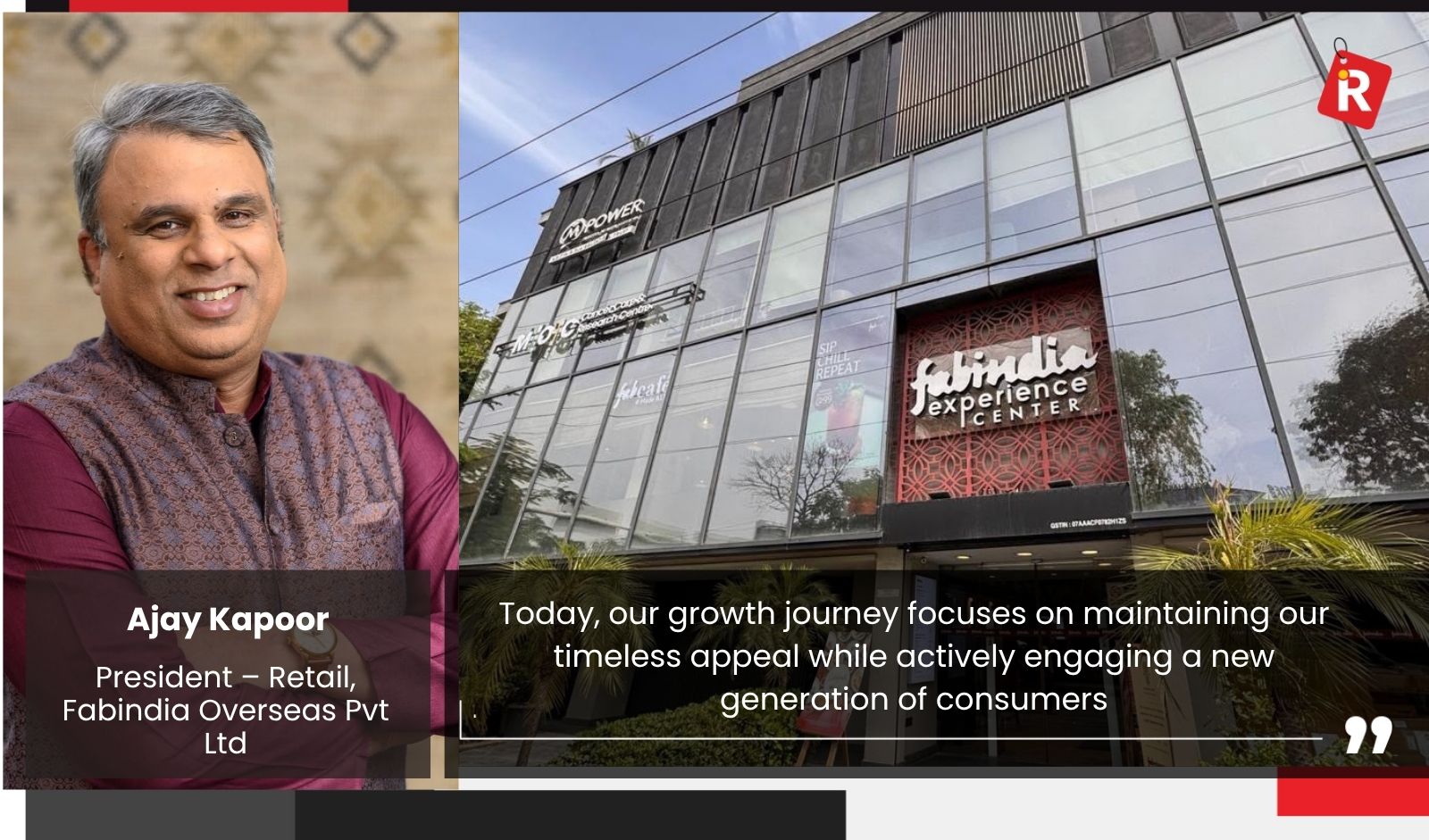
“Today, our growth journey focuses on maintaining our timeless appeal while actively engaging a new generation of consumers,” said Ajay Kapoor, President – Retail, Fabindia Overseas Pvt Ltd.
The company’s approach reflects an effort to build on its established brand identity while creating new growth opportunities through product diversification, market expansion and experience-led retail.
Fables Expands Fabindia’s Contemporary Fashion Proposition
Fabindia’s traditional strength lies in its use of natural fabrics, Indian prints, craft techniques and artisan-led production. However, changing consumer preferences are creating opportunities for the brand to extend these elements into contemporary clothing that fits everyday lifestyles.
Fables, Fabindia’s fusion and western wear proposition, plays an important role in this strategy. The range brings Indian design elements into contemporary silhouettes, including dresses, skirts and tops for women, as well as bush shirts and straight-fit pants for men.
The move allows Fabindia to address consumers seeking contemporary fashion without moving away from the cultural and craft-led identity associated with the brand.
“Fables is an important part of this evolution and reflects our growing focus on fusion and western wear. It allows us to bring Fabindia’s design and craft vocabulary into contemporary silhouettes and create more choices for younger consumers who want Indian sensibilities to be a part of their everyday wardrobes,” Kapoor said.
The focus on contemporary fashion also responds to a broader shift in how younger consumers approach ethnic and Indian-inspired clothing. Rather than limiting traditional apparel to festivals and special occasions, consumers are increasingly incorporating Indian design elements into their everyday wardrobes.
For Fabindia, expanding its product proposition could help widen its addressable consumer base while creating more opportunities to engage shoppers beyond its established ethnicwear category.
Younger Consumers and Craft Storytelling Drive Brand Relevance
Fabindia is also looking to strengthen its relationship with Gen Z and millennial consumers, who are showing greater interest in expressing their cultural identity through fashion and lifestyle choices.
According to Kapoor, younger consumers are increasingly comfortable incorporating Indian clothing and design into contemporary settings. This shift creates opportunities for brands that can combine cultural relevance with modern styling and product choices.
At the same time, product storytelling is becoming an important part of Fabindia’s consumer engagement strategy. The company highlights the origin of its fabrics, the colours and prints used, and the techniques employed by artisans in creating its products.
“Being transparent about the end-to-end journey of the product and celebrating the artisan, the creator, has enabled us to build a long and fruitful relationship with our consumers and our artisans,” Kapoor said.
For a craft-led retail business, this emphasis on provenance and authenticity can help differentiate products in a competitive market. It also gives the brand an opportunity to communicate the value of artisanal techniques beyond the finished garment or home product.
Tier II and III Cities Emerge as Expansion Priorities
Fabindia’s next phase of retail growth will focus on expanding its presence in smaller cities while continuing to strengthen its position in established urban markets.
The company currently operates more than 360 stores across 127 cities in India, alongside 13 international outlets across seven countries. Its existing footprint provides a base for further expansion into markets where digital discovery and growing interest in contemporary Indian products are creating new opportunities.
“Going forward, we will be looking at Tier II/III cities as we see a huge opportunity for growth here, but we will continue to strengthen our presence in the larger cities and explore new international markets,” Kapoor said.
The opportunity in smaller cities is supported by wider access to fashion trends through social media and digital platforms. Consumers can increasingly discover new styles and brands without relying solely on physical retail availability in major metropolitan markets.
For Fabindia, expansion in these locations will involve translating brand awareness and consumer interest into sustainable store performance. At the same time, its continued focus on larger cities and international markets indicates that the strategy is not limited to geographic expansion within India.
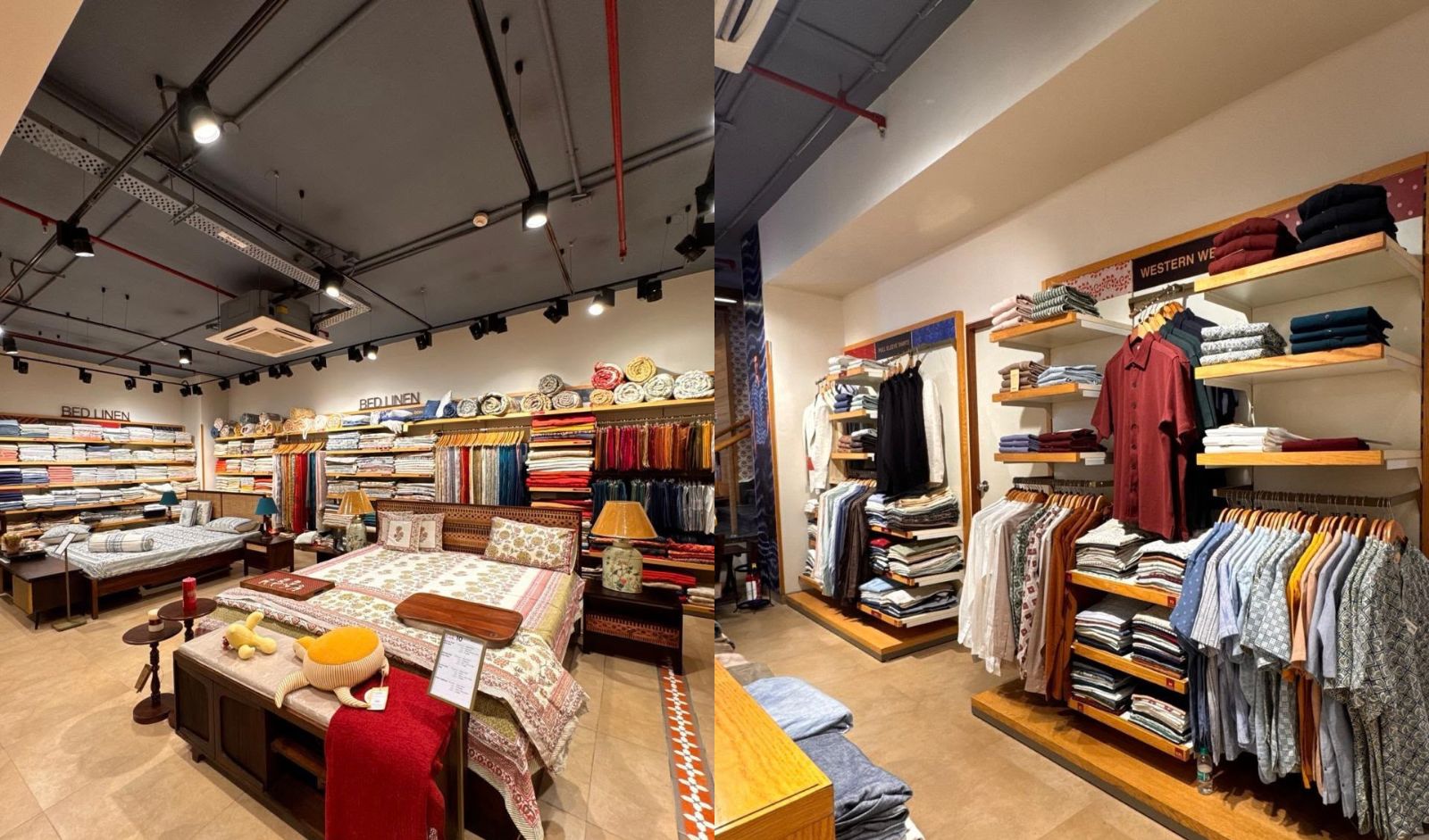
Physical Retail and Experience Centres Strengthen Omnichannel Strategy
While e-commerce has expanded consumer access to fashion and lifestyle products, Fabindia continues to view physical retail as a central part of its business.
The company’s omnichannel approach combines digital discovery and convenience with the in-store experience. Its physical outlets provide services such as bespoke tailoring, alterations and interior design consultations, offering customers reasons to visit stores beyond product purchases.
“Physical retail is no longer the only access point of a brand for a consumer, but one of many channels,” Kapoor said.
The company is also developing its Experience Centre format across cities including Delhi, Mumbai, Bengaluru, Chennai, Hyderabad and Pune. These locations offer a broader representation of the Fabindia brand, bringing together apparel, home décor, wellness services and, at select centers, food.
Unlike a traditional store focused primarily on merchandise, Experience Centres are designed to offer a more immersive environment in which consumers can engage with multiple parts of the brand’s lifestyle portfolio.
The format creates an opportunity to increase consumer engagement and encourage cross-category discovery. From a business perspective, its effectiveness will depend on the ability to translate longer customer interactions and a broader product offering into store productivity, repeat visits and higher spending across categories.
Conclusion
Fabindia’s growth strategy combines expansion into emerging markets with product diversification and a stronger emphasis on customer experience. Fables provides an avenue to reach younger consumers through contemporary fashion, while Experience Centres and omnichannel retail support a broader lifestyle proposition.
With an established domestic network and an international presence, the company is positioned to pursue multiple growth avenues. The next phase will depend on how effectively Fabindia converts consumer interest in Indian design and craftsmanship into demand across new categories and markets, while maintaining consistent store performance and a differentiated retail experience.
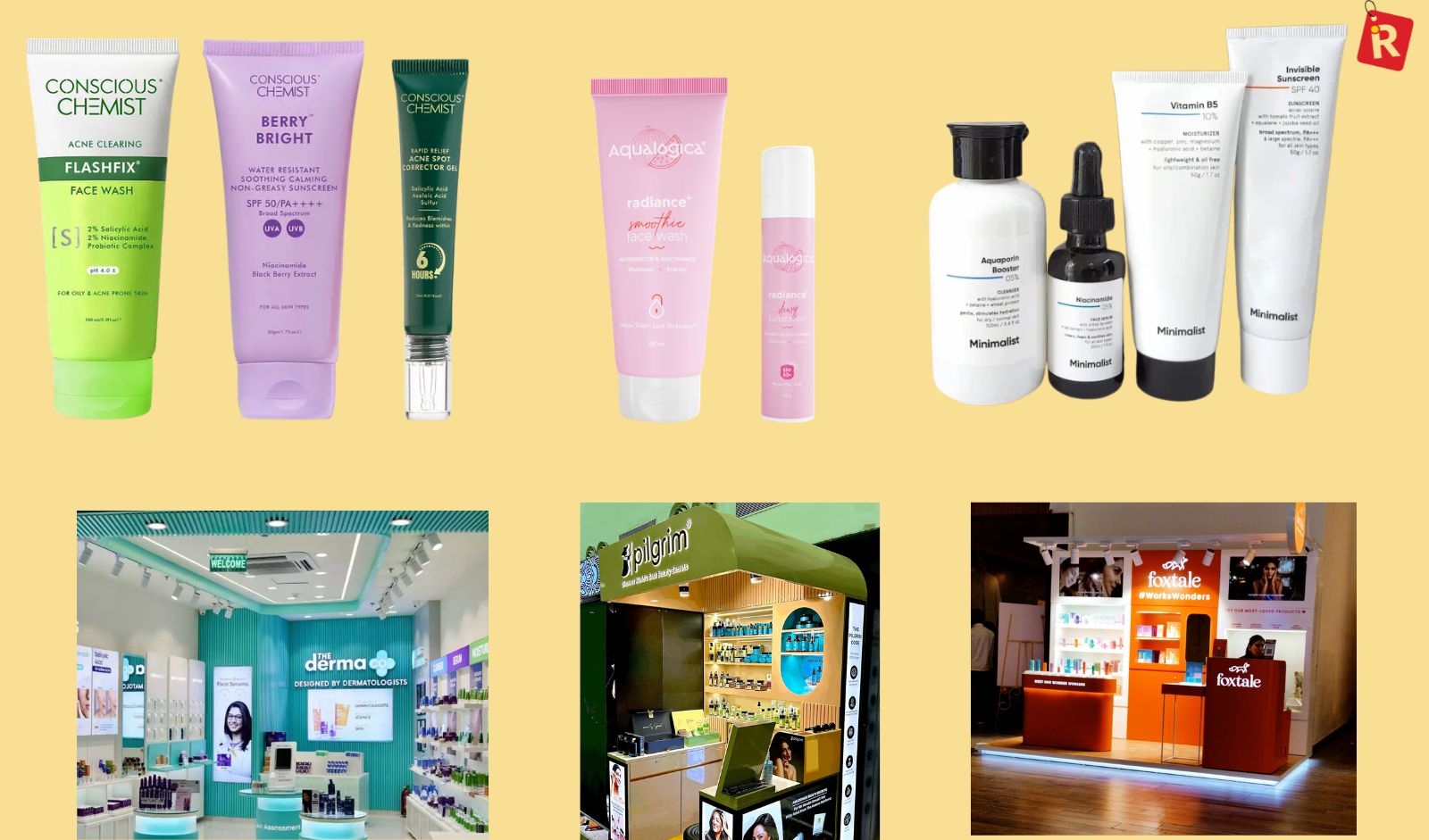
India’s beauty and personal care industry is witnessing a shift as consumers explore newer brands offering specialised products, ingredient-focused formulations, personalised experiences, and differentiated price points. Digital platforms and social media have helped emerging beauty businesses reach customers without relying entirely on traditional retail distribution.
However, as competition intensifies, the challenge for D2C beauty brands is moving from customer acquisition to sustainable growth. Brands are increasingly exploring physical stores, beauty retail partnerships, marketplaces, and quick commerce to expand their reach and improve product discovery.
For emerging players, the ability to build consumer trust, encourage repeat purchases, manage customer acquisition costs, and establish a profitable omnichannel presence could shape their next phase of growth. Here are 10 emerging D2C beauty brands to watch in India in 2026.
Here are 6 emerging D2C beauty brands that are growing significantly in India:
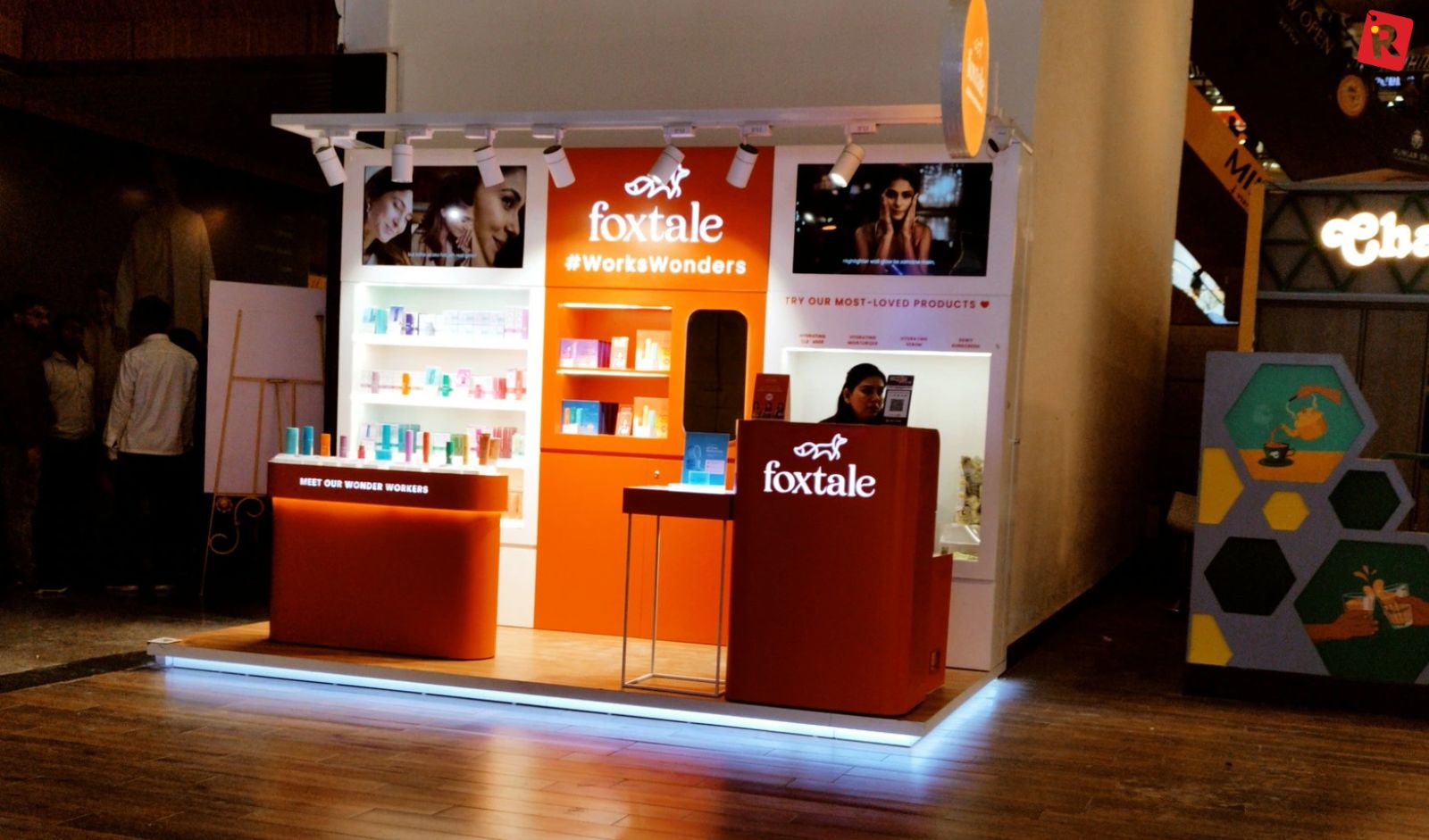
1. Foxtale
Category: Skincare
Foxtale operates in India's competitive skincare market, focusing on products designed around specific skin concerns. Its portfolio includes serums, sunscreens, moisturizers, and other skincare essentials. The brand's product-led positioning gives it an opportunity to build customer loyalty through targeted routines and repeat purchases.
Popular products to explore:
- Vitamin C Serum
- Ultra Matte Sunscreen SPF 50
- Rapid Spot Reduction Drops
- Overnight Glow Mask
Read also New Skincare Brands Gaining Rapid Popularity in India’s Beauty Market
Top 5 Skincare and Haircare Brands for Monsoon
Top 5 Peptide Skincare Brands Driving India's Science-Backed Beauty Trend
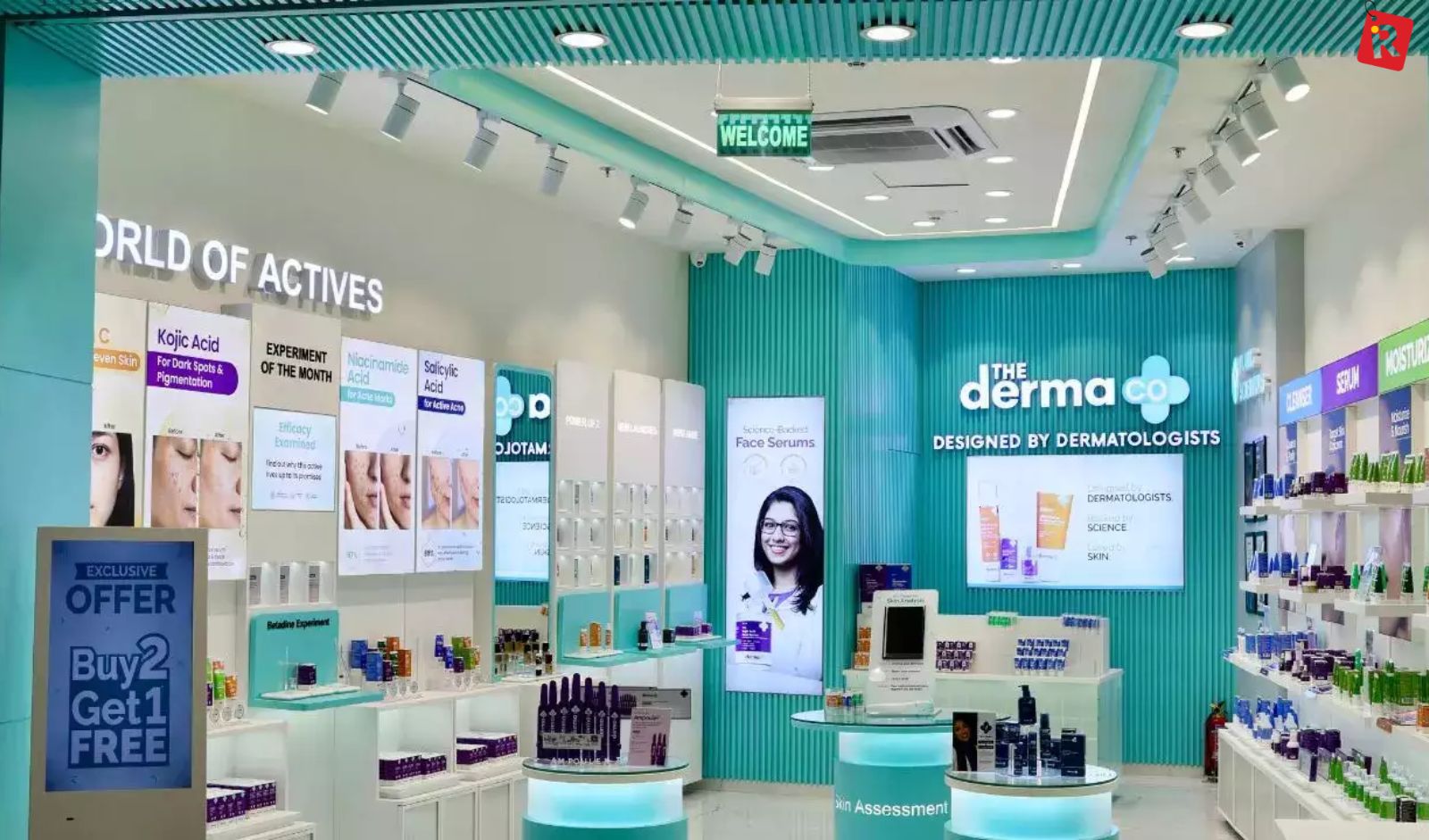
2. The Derma Co.
Category: Active-ingredient skincare
The Derma Co. focuses on skincare formulations built around active ingredients and specific concerns, including acne, pigmentation, and sun protection. Its portfolio reflects consumer interest in targeted skincare products and ingredient-led routines.
Popular products to explore:
- 10% Niacinamide Face Serum with 2% Zinc PCA
- 2% Sali-Cinamide Anti-Acne Face Wash
- 1% Hyaluronic Sunscreen Aqua Gel SPF 50
- 2% Kojic Acid Face Serum with 1% Alpha Arbutin and Niacinamide
3. Aqualogica
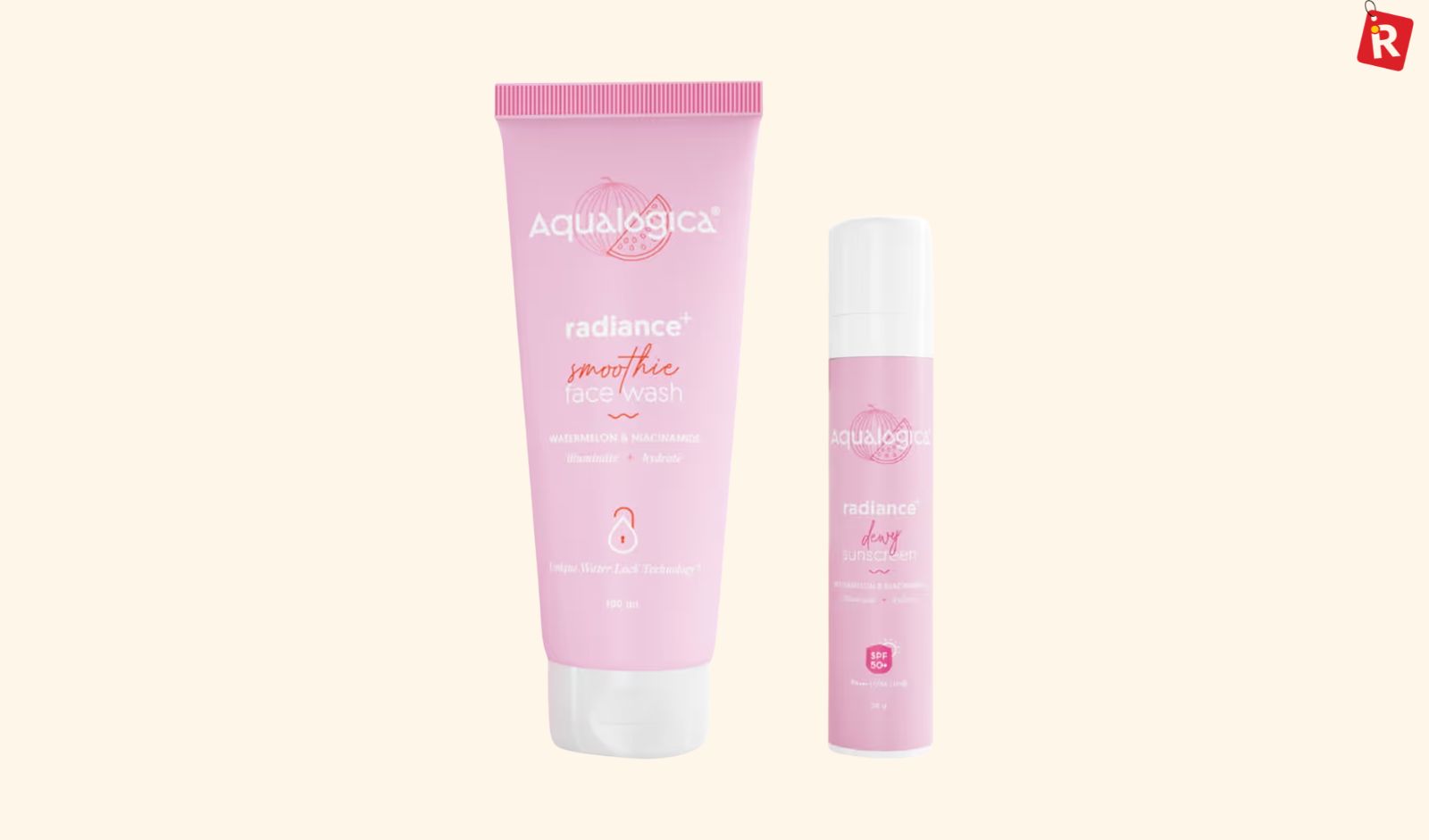
Category: Hydration-focused skincare
Aqualogica offers skincare products centered on hydration, sun protection, and brightening. Sunscreens and gel moisturizers form an important part of its product range, while its body mist collection also gives the brand a presence in fragrance and body care.
Popular products to explore:
- Glow+ Dewy Gel Sunscreen SPF 50+ PA++++
- Detan+ Dewy Gel Sunscreen SPF 50+ PA++++
- Radiance+ Dewy Sunscreen with Watermelon and Niacinamide
- Glow+ Hydra Gel Moisturiser with Vitamin C and Papaya
4. Pilgrim
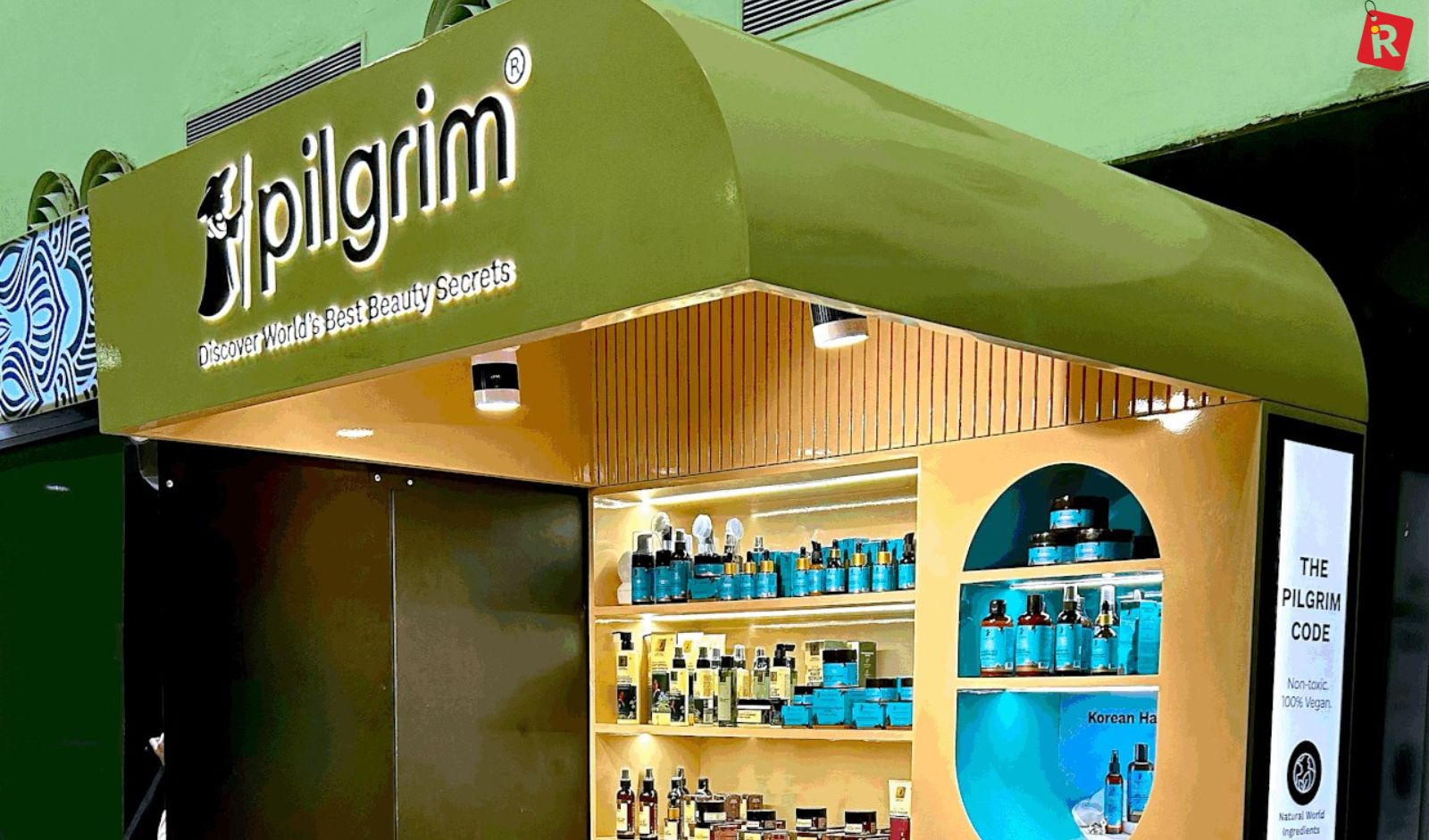
Category: Skincare, haircare, makeup, and fragrance
Pilgrim has built a multi-category beauty portfolio spanning skincare, haircare, makeup, and fragrance. Its product strategy combines ingredient-focused formulations with beauty concepts inspired by different global traditions. The brand's broader category presence offers an opportunity to reach consumers across multiple beauty needs.
Popular products to explore:
- 10% Vitamin C Face Serum
- Redensyl and Anagain Hair Growth Serum
- Korean Hydra Glow Moisturiser
- Dubai Bling Glitter Lipstick
5. Minimalist

Category: Science-led skincare
Minimalist focuses on ingredient transparency and formulation-led skincare. Its products address concerns such as acne, uneven skin tone, dehydration, and sun exposure. This approach positions the brand within a segment where consumers increasingly research ingredients and product benefits before making purchases.
Popular products to explore:
- Niacinamide 10% Face Serum
- Vitamin C 10% Face Serum
- Salicylic Acid 2% Face Serum
- SPF 50 Sunscreen
- Vitamin B5 10% Moisturiser
6. Conscious Chemist
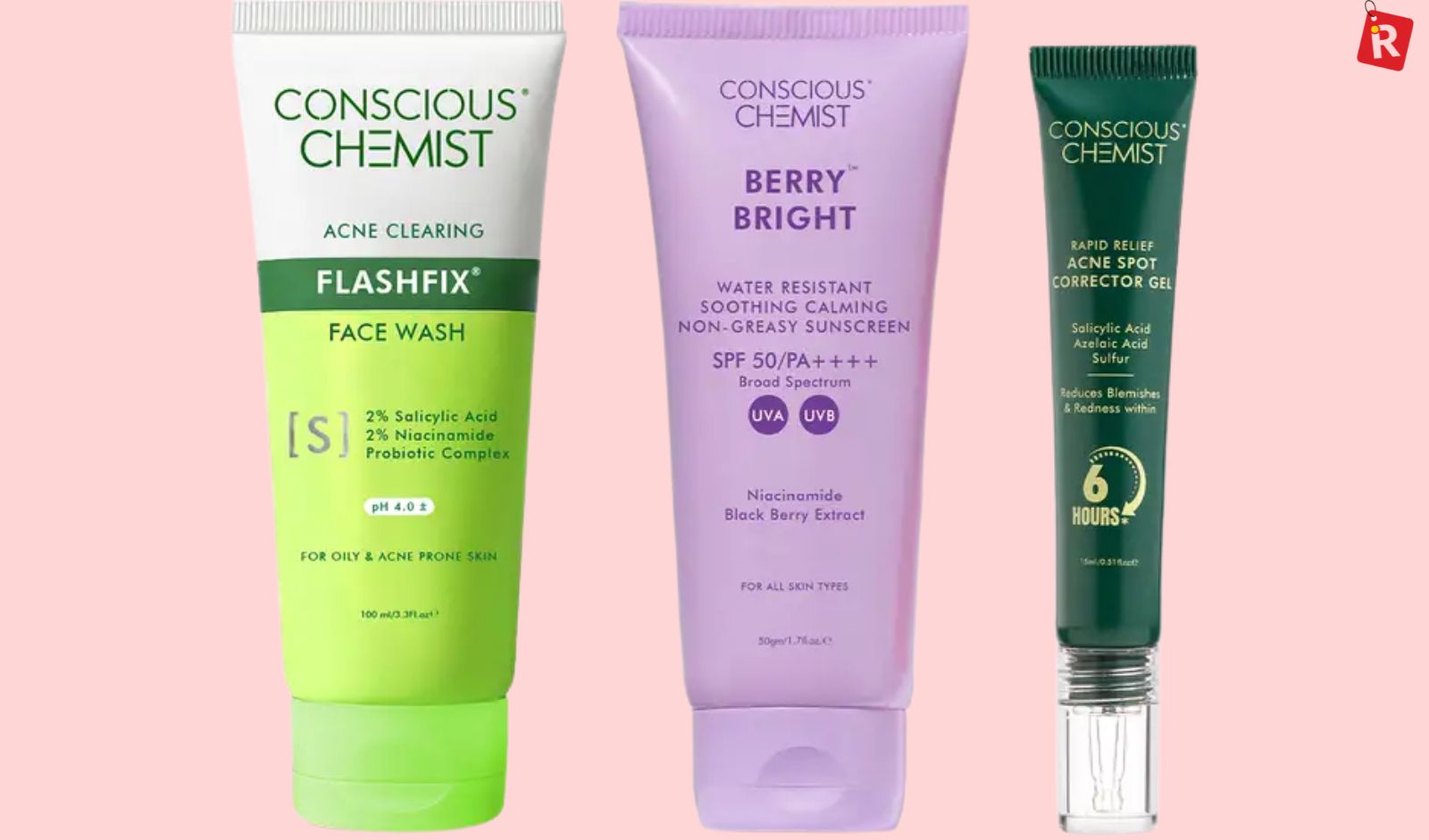
Category: Active skincare and haircare
Conscious Chemist focuses on targeted skincare formulations and has expanded into haircare. Its range includes products designed for concerns such as acne, skin texture, and hair fall. The brand's opportunity lies in building repeat purchases while broadening its reach across digital platforms and retail channels.
Popular products to explore:
- Acne Spot Corrector Gel
- Anti-Hairfall Shampoo
- Defender Multi Peptide Retinol Night Anti-Aging Cream
- 6 Peptide Booster Complex
Know more: Top 5 Cookware Brands to Watch for Modern Indian Kitchens
Best Perfume Brands for Young Men in India
5 Fresh Kitchen Staples Brands to Watch This Monsoon
FAQs on D2C Beauty Brands in India
1. What are the emerging D2C beauty brands in India in 2026?
Emerging D2C beauty brands in India include Foxtale, Conscious Chemist, Inde Wild, and FAE Beauty, among others. These brands are building their businesses through differentiated products, digital marketing, direct customer engagement, and expanding distribution channels. Their current growth and financial performance should be verified before ranking them.
2. What is a D2C beauty brand?
A direct-to-consumer (D2C) beauty brand sells products directly to customers through its own website or other direct channels, reducing its dependence on traditional intermediaries. Many brands also sell through online marketplaces, quick-commerce platforms, beauty retailers, and physical stores.
3. Why are D2C beauty brands growing in India?
D2C beauty brands are benefiting from digital discovery, social media marketing, growing interest in specialized skincare and makeup, and easier access to online shopping. Consumers are also exploring products based on specific concerns, ingredients, price points, and personal preferences.
4. Which product categories are popular among Indian D2C beauty brands?
Popular categories include skincare, active-ingredient formulations, haircare, makeup, fragrances, and personal care. Many brands focus on specific consumer needs, such as hydration, acne care, skin barrier support, inclusive makeup shades, or niche fragrance profiles.
5. How do D2C beauty brands sell their products in India?
D2C beauty brands sell through their own websites, e-commerce marketplaces, social commerce, and quick-commerce platforms. Several also expand through beauty retailers, multi-brand outlets, and company-owned or partner-operated physical stores to reach customers beyond digital channels.
For India’s growing D2C and e-commerce ecosystem, celebrity involvement is also creating new routes for brand discovery, customer acquisition and premiumisation. Several celebrity-led brands have subsequently expanded into marketplaces, organised retail and larger consumer ecosystems.
Bollywood Moving Into E-commerce
The rise of celebrity-led consumer brands comes at a time when India's e-commerce and D2C ecosystem is creating relatively accessible routes to market.
For celebrities, building a consumer brand offers an opportunity to move beyond traditional endorsement-led revenue models and participate more directly in product development, brand building and consumer relationships.
For brands, celebrity founders can bring an existing audience, content capabilities and strong visibility at the discovery stage.
However, sustained growth ultimately depends on factors beyond celebrity recognition, including product quality, repeat purchases, pricing, distribution, unit economics and the ability to build a brand independent of the founder's personal image.
From D2C to Omnichannel
Another important shift is the movement of celebrity-led brands beyond their own websites.
As these businesses mature, marketplaces, organised retail, brand stores, quick commerce and other distribution channels can become important components of their expansion strategies.
This creates an increasingly omnichannel model, where social media drives discovery, e-commerce enables conversion and physical retail provides consumers with product experience and accessibility.
Here are five e-commerce and consumer brands associated with Bollywood stars that highlight this evolving trend.
1. Kay Beauty – Katrina Kaif
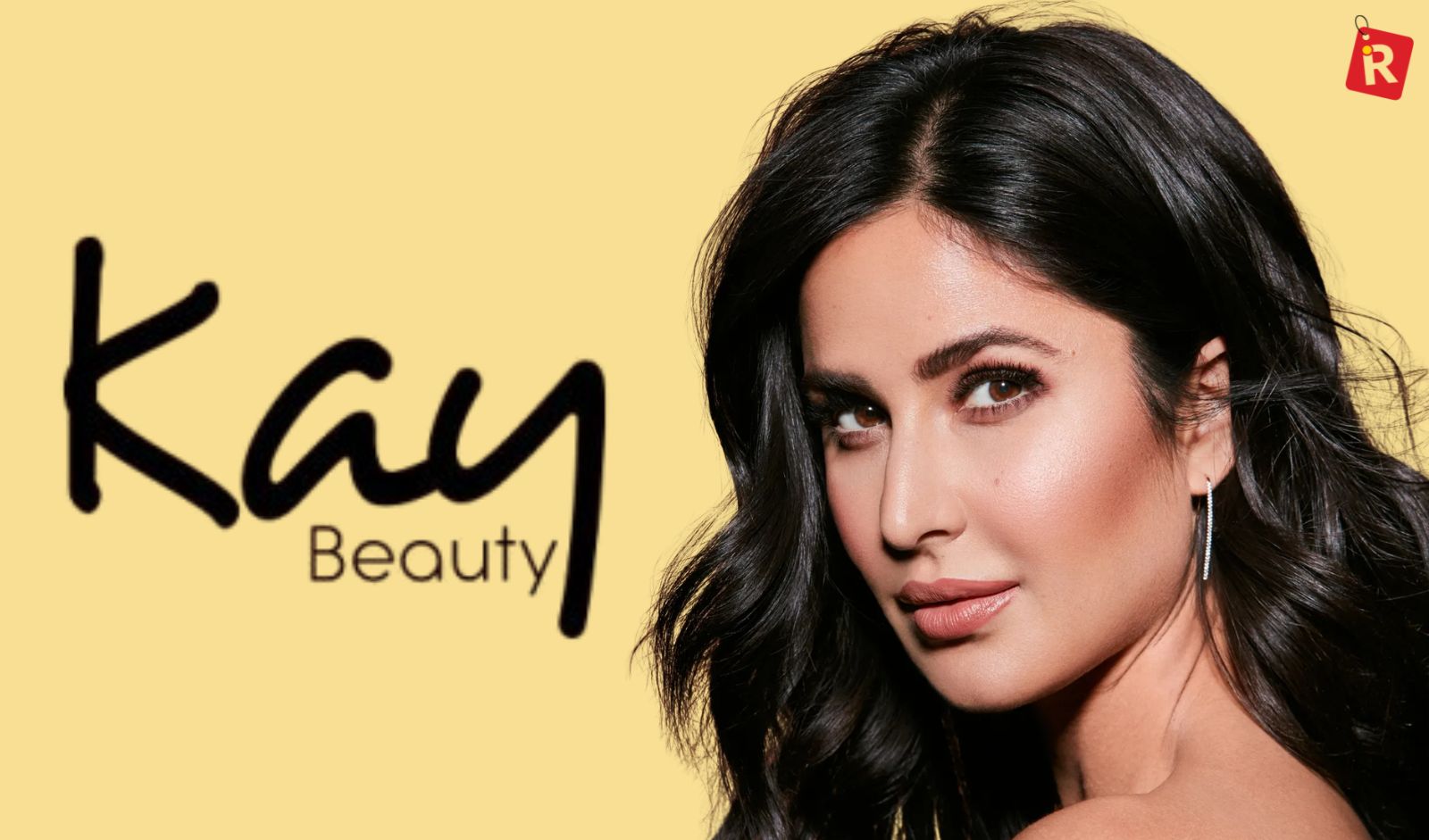
Katrina Kaif entered the beauty entrepreneurship space with Kay Beauty, launched in partnership with Nykaa. The brand focuses on makeup and beauty products and has used a combination of celebrity visibility, digital discovery and Nykaa’s retail ecosystem to reach consumers.
The brand represents the growing intersection between celebrity influence and organised beauty retail, particularly as India’s cosmetics market becomes increasingly driven by social media, content and online discovery.
Read more: Top 5 Indian Celebrity-Owned beauty Brands
Best Performing Retail Brands in India
Best 5G Smartphone Brands With Huge Discounts Know Before It Ends
2. 82°E – Deepika Padukone
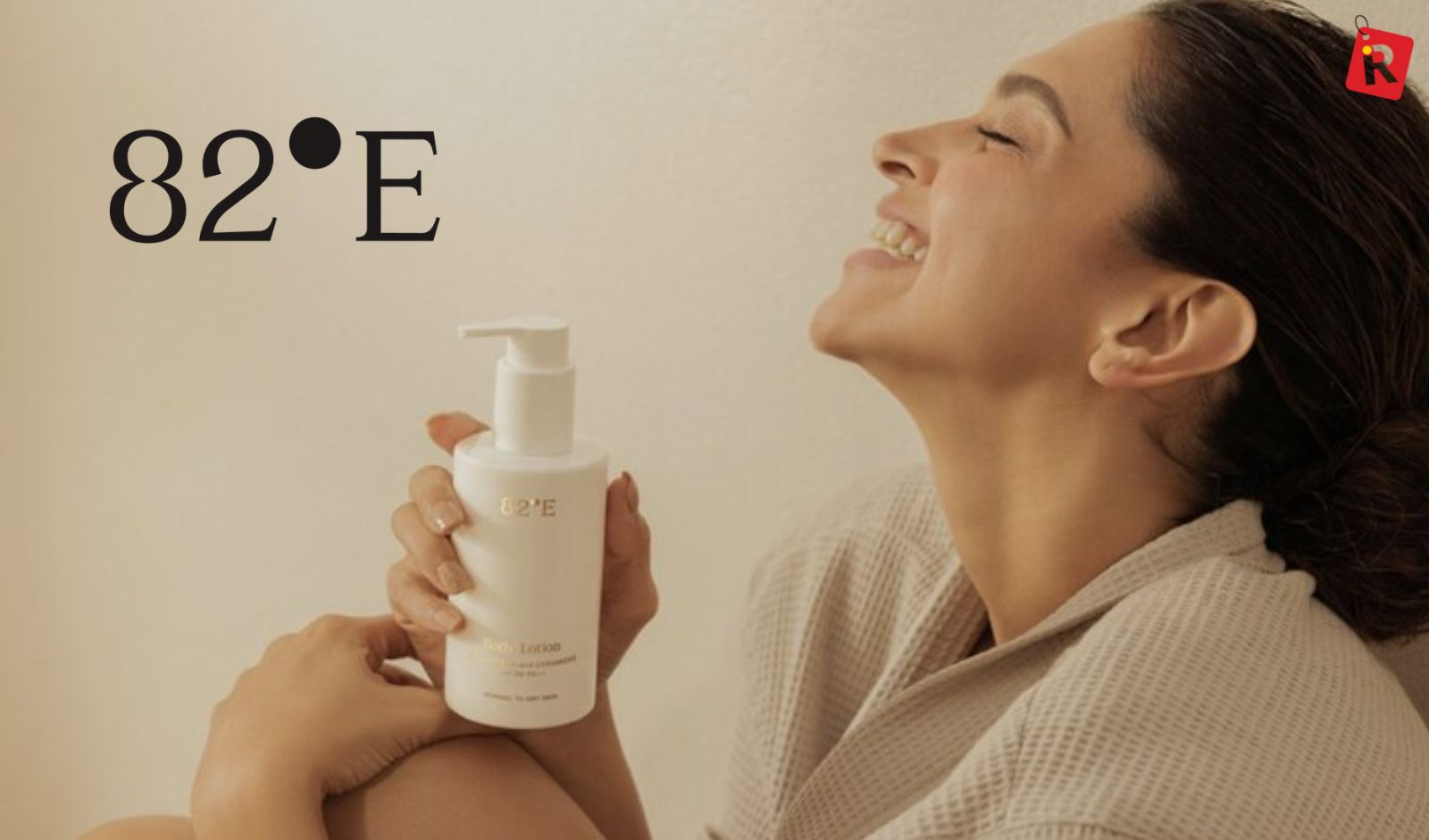
Deepika Padukone entered the consumer wellness space with 82°E, a self-care brand built around skincare and wellness.
The brand reflects the growing opportunity in India’s premium wellness and beauty market, where consumers are increasingly looking for products that combine functionality, lifestyle positioning and strong brand narratives.
Its digital-first approach also highlights how celebrity-led businesses can use e-commerce to establish a consumer base before expanding their broader retail presence.
3. Ed-a-Mamma – Alia Bhatt
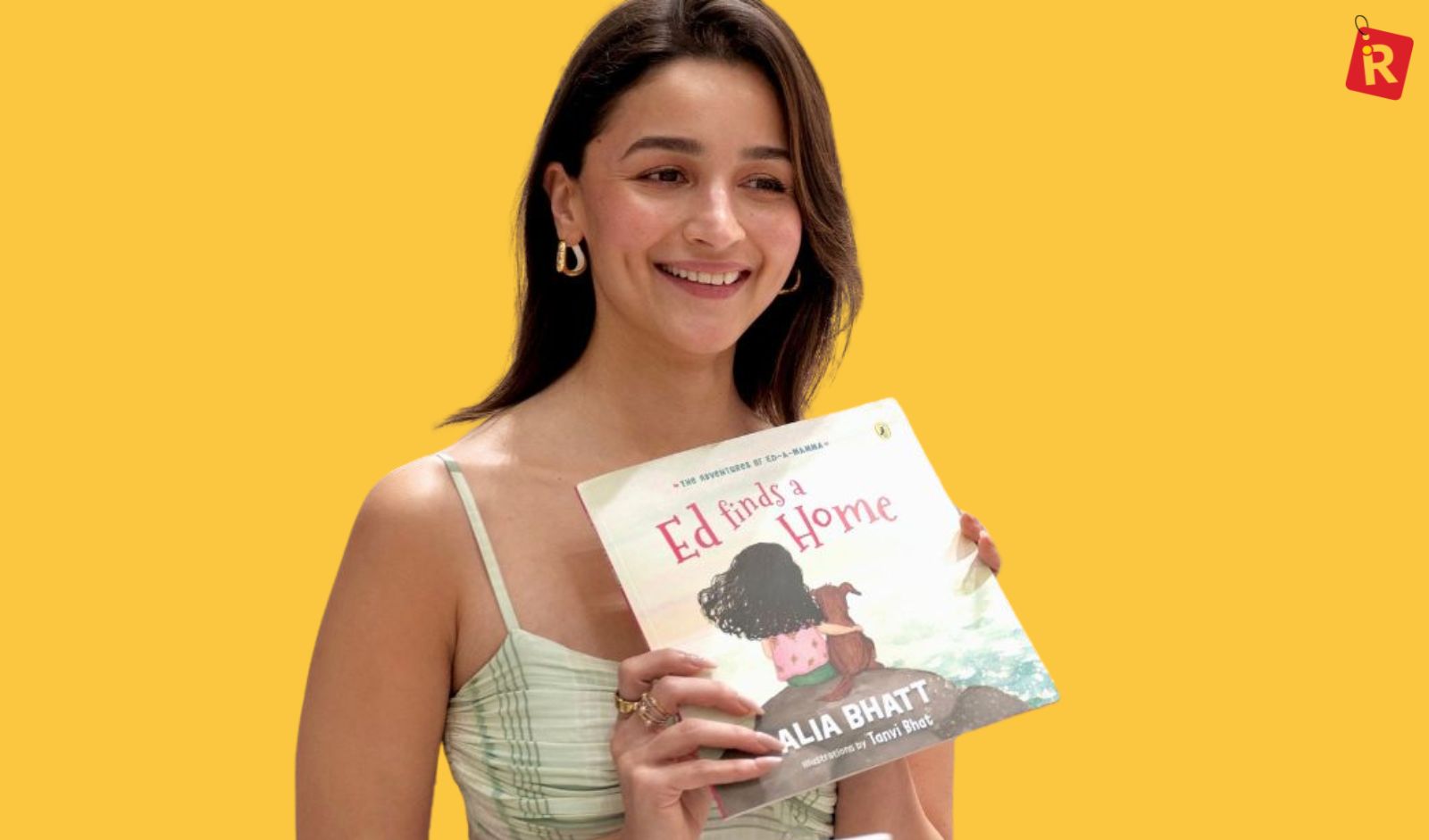
Alia Bhatt founded Ed-a-Mamma, a children's and maternity-focused brand that built its proposition around sustainability and conscious consumption.
The brand subsequently became part of Reliance Retail's portfolio, highlighting another route available to celebrity-founded consumer businesses: strategic acquisition by a large retail ecosystem.
Ed-a-Mamma's journey demonstrates how a celebrity-led D2C business can evolve from a founder-driven venture into a larger organised retail opportunity.
4. LoveChild – Masaba Gupta
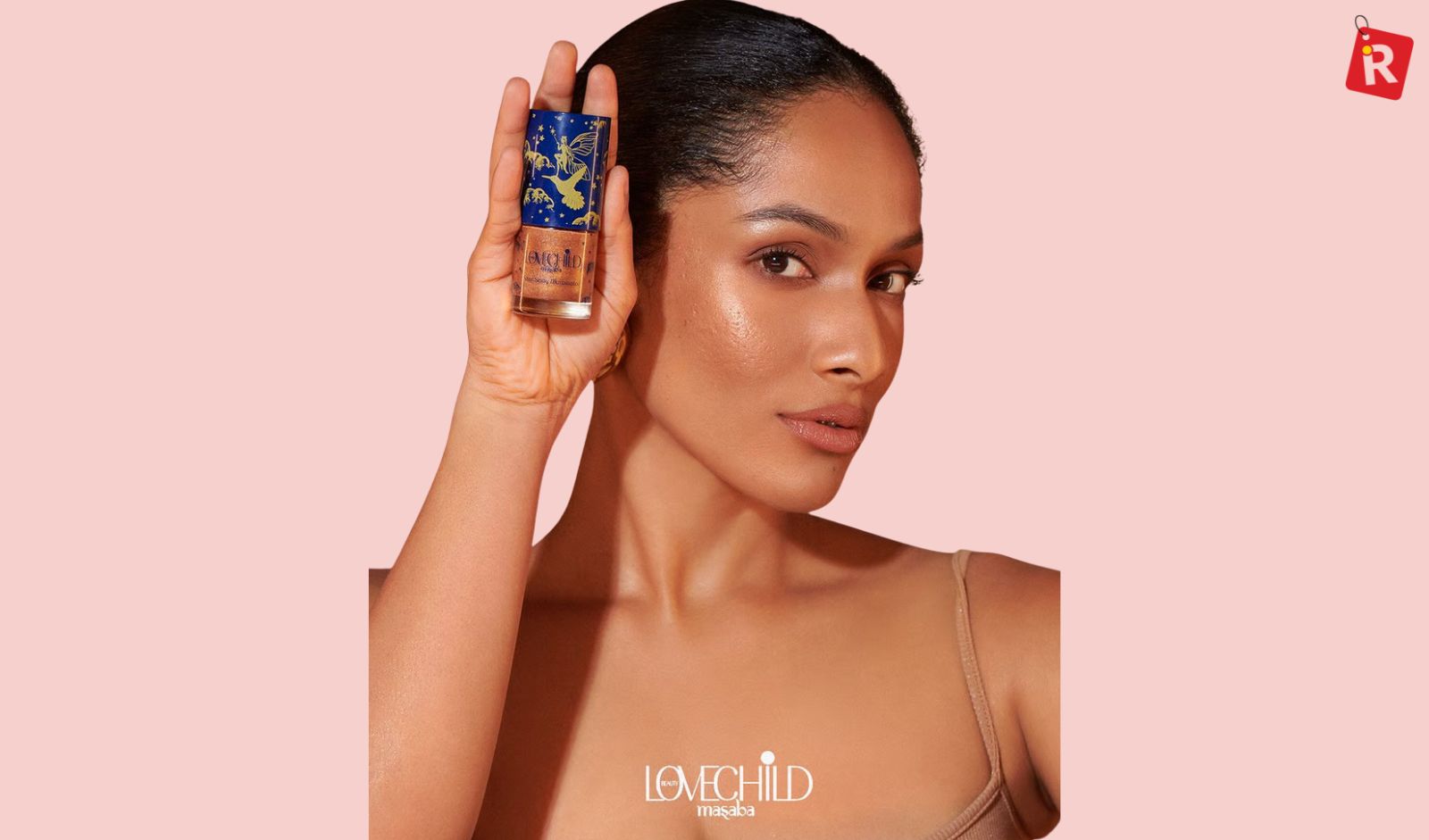
Designer and actress Masaba Gupta expanded into beauty with LoveChild, a brand focused on makeup, skincare and beauty products.
LoveChild taps into the intersection of fashion, beauty and celebrity influence, while also reflecting the increasing opportunities for Indian founders to build beauty brands through digital channels.
The brand's positioning around inclusivity and contemporary Indian beauty narratives gives it another layer of differentiation in an increasingly crowded BPC market.
5. Being Human Clothing – Salman Khan
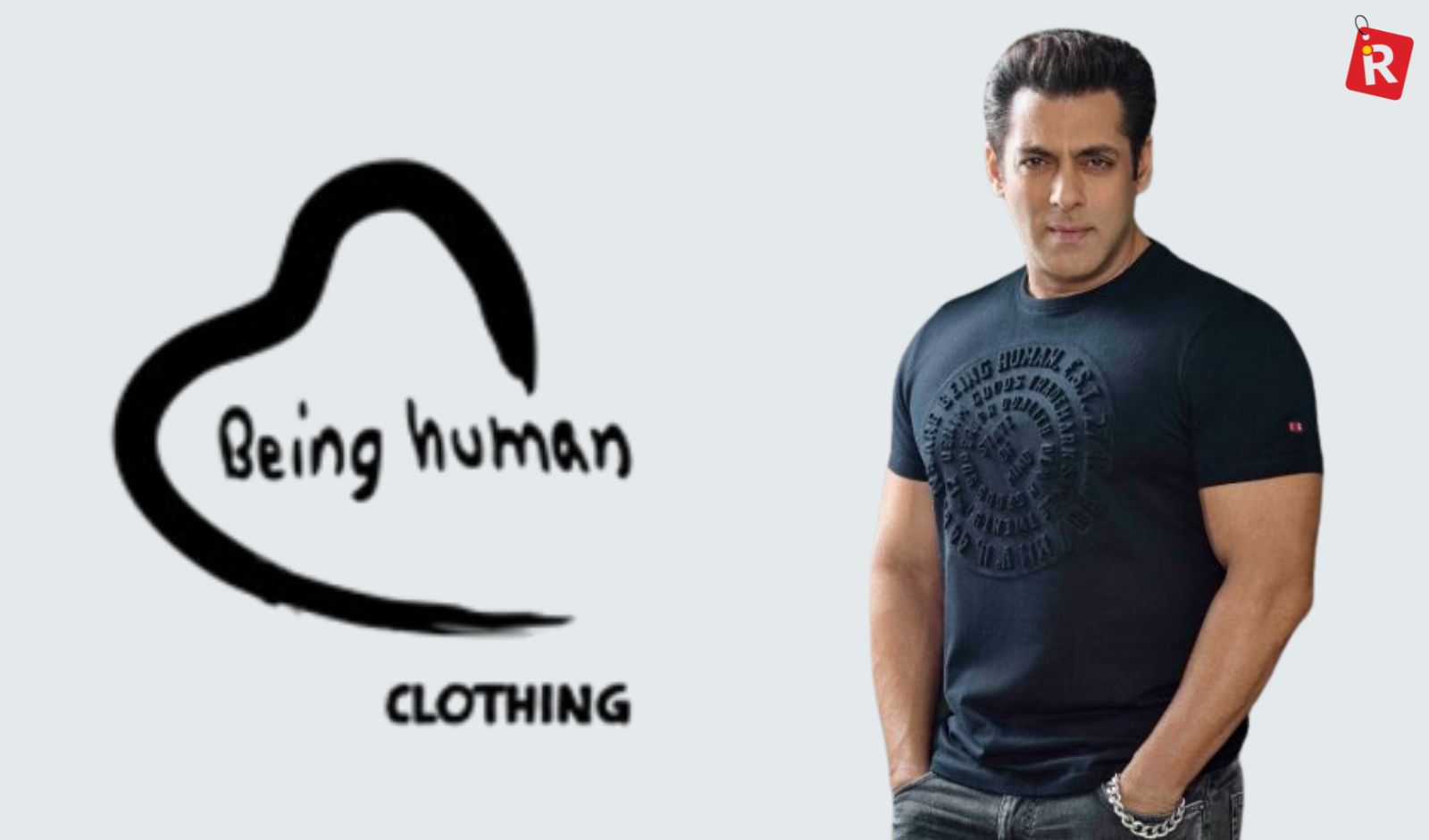
Being Human Clothing, associated with actor Salman Khan, represents a more established model of celebrity-led consumer retail.
Unlike newer digital-first celebrity ventures, the brand has developed across fashion, retail and e-commerce, offering an example of how celebrity equity can be translated into a broader consumer-facing business.
Its journey also demonstrates the evolution from celebrity licensing and brand association towards a more structured retail proposition.
Explore more: Top 6 Beard Care Brands Every Modern Man Should Know
Top 5 Hand Wash Brands in India Driving Everyday Hygiene Demand
7 Must-Have Jacket Brands Every Modern Man Should Own This Winter
Conclusion
The rise of actress-led consumer brands reflects a broader shift in India's retail landscape, where celebrity influence, entrepreneurship and e-commerce are increasingly converging. While beauty remains a major category, Bollywood-backed ventures are expanding into fashion, wellness and lifestyle, creating new models of brand building and consumer engagement. For the next phase, the ability to scale beyond celebrity visibility and build strong fundamentals could shape how these businesses evolve across India's increasingly competitive consumer market.
FAQs on E-commerce Brands Built by Bollywood Actresses
1. Which Bollywood actresses have launched their own brands?
Bollywood actresses including Katrina Kaif, Deepika Padukone, Alia Bhatt and Masaba Gupta have entered entrepreneurship through ventures spanning beauty, wellness, fashion and lifestyle.
2. What are some popular celebrity-led e-commerce brands in India?
Some notable examples include Kay Beauty by Katrina Kaif, 82°E by Deepika Padukone, Ed-a-Mamma by Alia Bhatt and LoveChild by Masaba Gupta.
3. Why are Bollywood celebrities entering the D2C and e-commerce space?
E-commerce and D2C platforms allow celebrities to leverage their existing audience, social media presence and personal brand to build direct relationships with consumers while participating more closely in product and brand development.
4. Which categories are popular among celebrity-led brands?
Beauty, personal care, wellness, fashion and lifestyle are among the key categories attracting celebrity entrepreneurs, supported by growing online discovery and consumer demand.
5. How are celebrity-led brands expanding beyond e-commerce?
As brands scale, many explore marketplaces, organised retail, physical stores, quick commerce and other distribution channels, creating an omnichannel model that combines digital discovery with offline consumer experiences.
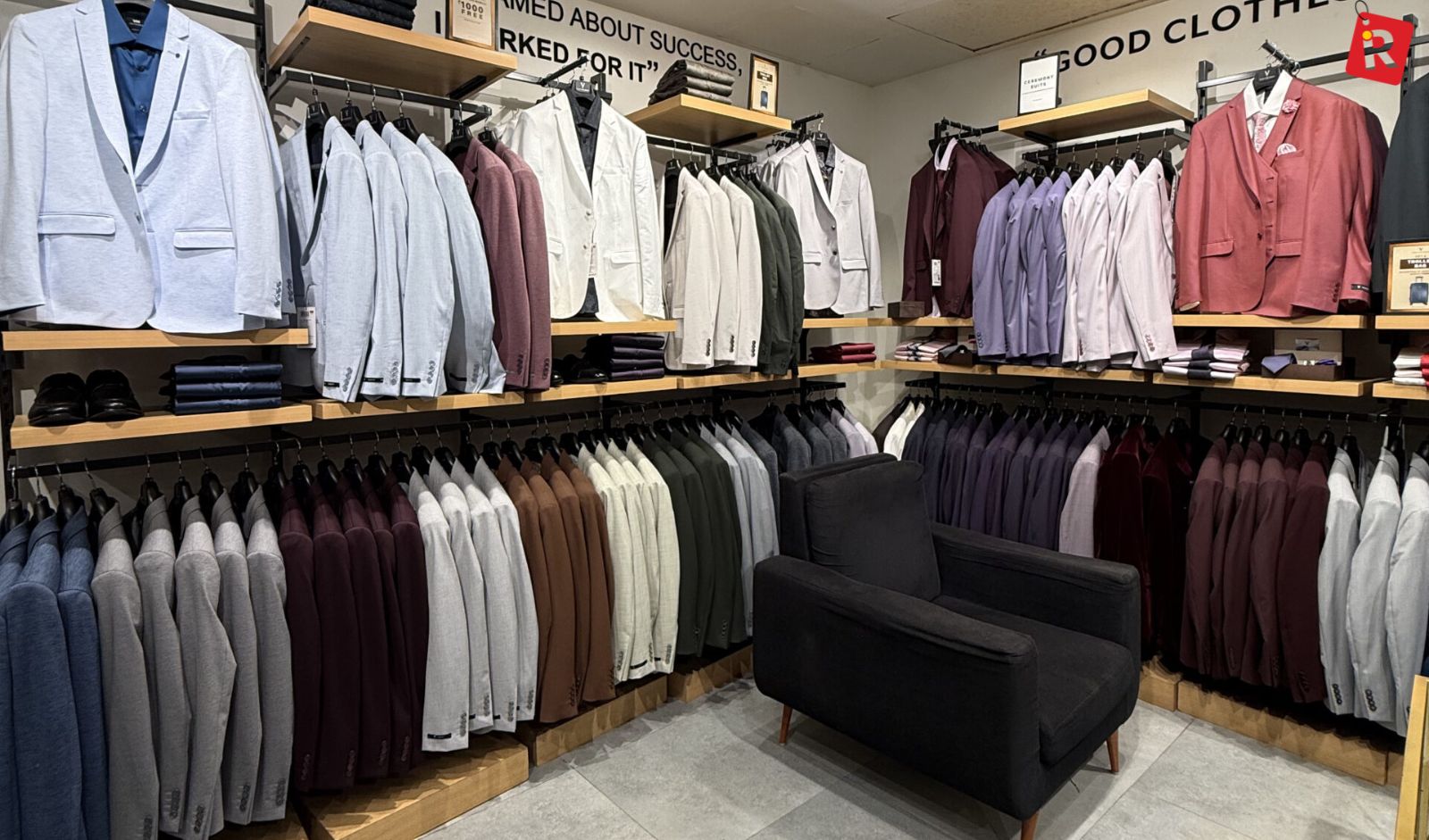
India's men's apparel market has been witnessing significant growth, supported by rising disposable incomes, changing fashion preferences, premiumisation and the expansion of organised retail.
Men's apparel accounted for approximately 40.5 per cent of India's total apparel market in FY2024, highlighting the segment's importance within the broader fashion industry.
The market is also becoming increasingly organised. Organised retail accounted for around 52 per cent of men's apparel sales in FY2024, with the organised men's apparel segment projected to grow at around 14.2 per cent CAGR between FY2024 and FY2029, according to Technopak estimates.
The shift indicates a gradual movement from fragmented and unorganised channels towards branded stores, modern retail and digital commerce.
Activewear and Casualisation Add New Growth Avenues
Changing consumer lifestyles are also reshaping the men's apparel opportunity. Consumers are increasingly looking for clothing that can move across work, leisure, travel, fitness and social occasions, encouraging demand for casualwear, athleisure and activewear.
According to Technopak, activewear is among the fastest-growing men's apparel categories, with a projected CAGR of 18.4 per cent between FY2024 and FY2029. The growth of the category reflects the broader casualisation of men's wardrobes, with consumers increasingly prioritising comfort, versatility and functionality alongside fashion.
This shift is also creating opportunities for brands to increase purchase frequency by offering products for multiple occasions rather than relying primarily on formal or occasion-led purchases.
Tier-II and Tier-III Cities Emerge as a Major Opportunity
While metros continue to remain important fashion markets, the next phase of menswear growth is increasingly extending into smaller cities. Rising aspirations, greater spending capacity, growing exposure to national and international fashion trends and increasing access to branded products are encouraging consumers in Tier-II and Tier-III cities to spend more on apparel.
An IPO document of Credo Brands, citing Technopak data, noted that Tier-II and Tier-III cities together accounted for 57 per cent of India's urban apparel demand in FY2022.
More recent estimates underline the scale of the opportunity. Wazir's FY2025 city-tier analysis estimated India's overall apparel market at approximately ₹9.5 trillion, with Tier-II cities contributing around ₹2 trillion and Tier-III and beyond accounting for approximately ₹4.6 trillion. Together, these markets represented a substantial share of India's apparel consumption.
For menswear brands, this creates a sizeable addressable market beyond the traditional metropolitan customer base. Smaller-city consumers are increasingly seeking branded products, better quality, contemporary designs and improved retail experiences, while brands are responding through new stores, franchise networks and regional expansion.
Omnichannel Is Bridging the Metro–Small City Gap
The growth of smaller-city menswear is also closely linked to the rise of omnichannel retail. Consumers in Tier-II and Tier-III markets may not have access to the same breadth of physical retail as metropolitan shoppers, but smartphones, marketplaces, brand websites and social media are helping bridge that gap.
A consumer in a smaller city can now discover a brand through Instagram or YouTube, browse its wider product assortment online, visit a physical store to understand the fit and quality, and subsequently purchase through whichever channel offers the most convenience.
For brands, this creates a more interconnected retail model. Physical stores can build trust, enable trials and strengthen local visibility, while e-commerce expands assortment and geographic reach. Social media, meanwhile, acts as a discovery and consideration platform.
From Store Expansion to Market Expansion
The omnichannel model is also changing the way brands approach expansion. Instead of viewing a city only through the lens of store potential, brands can use online demand, customer data and digital engagement to identify markets with emerging demand and subsequently establish a physical presence.
Franchise-led expansion can further accelerate this process by allowing brands to enter smaller cities with lower capital intensity while leveraging local market knowledge.
For established menswear companies, the opportunity lies in strengthening their presence across multiple formats, from exclusive brand outlets and franchise stores to department stores, marketplaces, brand websites and quick-commerce or hyperlocal delivery where relevant.
For newer brands, particularly digital-first menswear companies, the challenge is different: converting online awareness into profitable offline demand without losing the convenience and wider assortment offered by e-commerce.
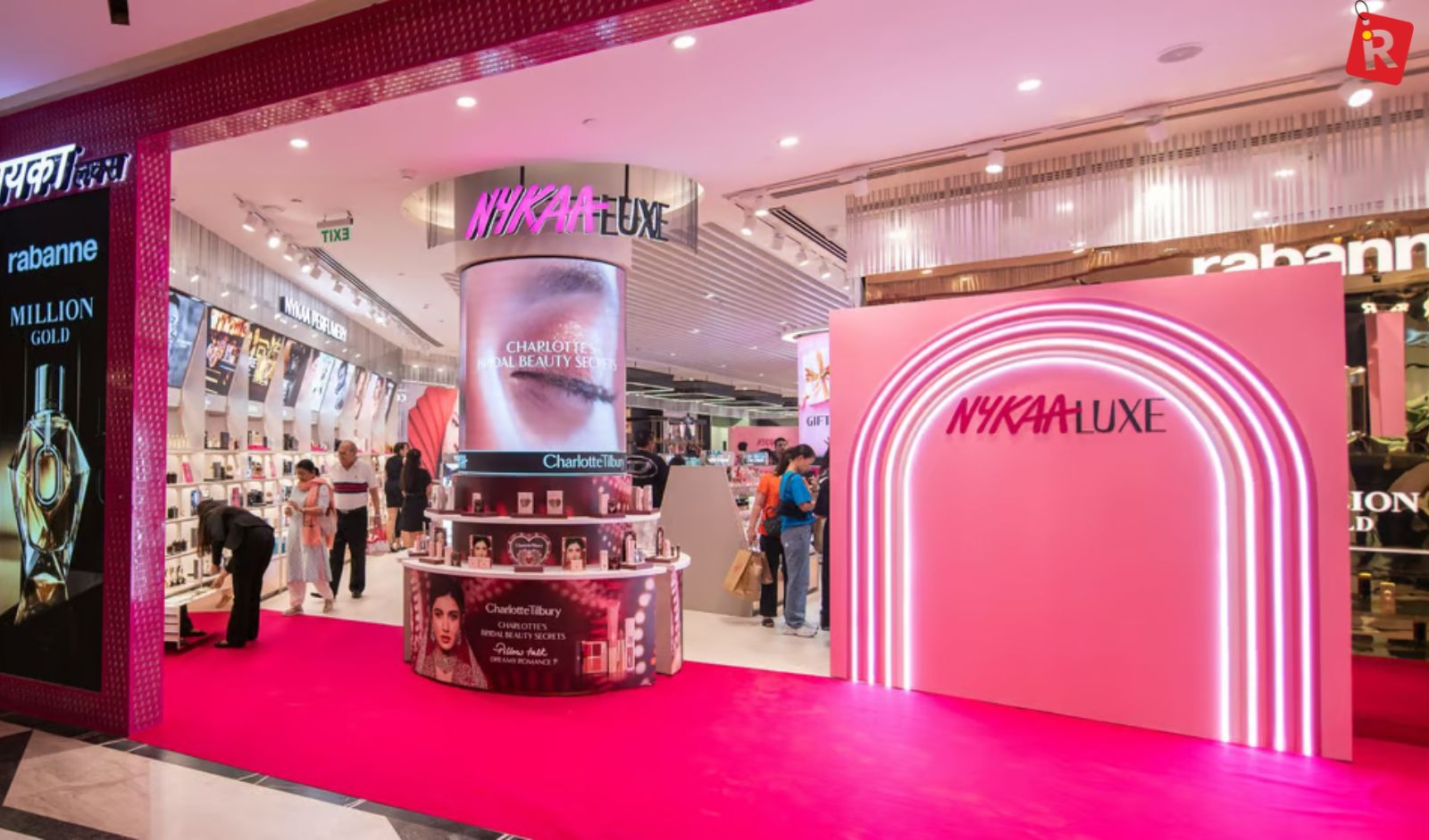
Fragrance is becoming an important part of India’s beauty, grooming and gifting landscape, particularly during Diwali, weddings and festive celebrations. The organised Indian perfume market is estimated at around Rs 4,500 crore and is growing at approximately 15%, according to Titan’s FY2025-26 disclosures.
Titan’s fragrance business grew 38% during the year. Premiumisation, e-commerce, quick commerce, sampling and experiential retail are also reshaping fragrance discovery and purchasing.
For the festive season, here are some of the fragrance brands worth considering:
1. SKINN by Titan
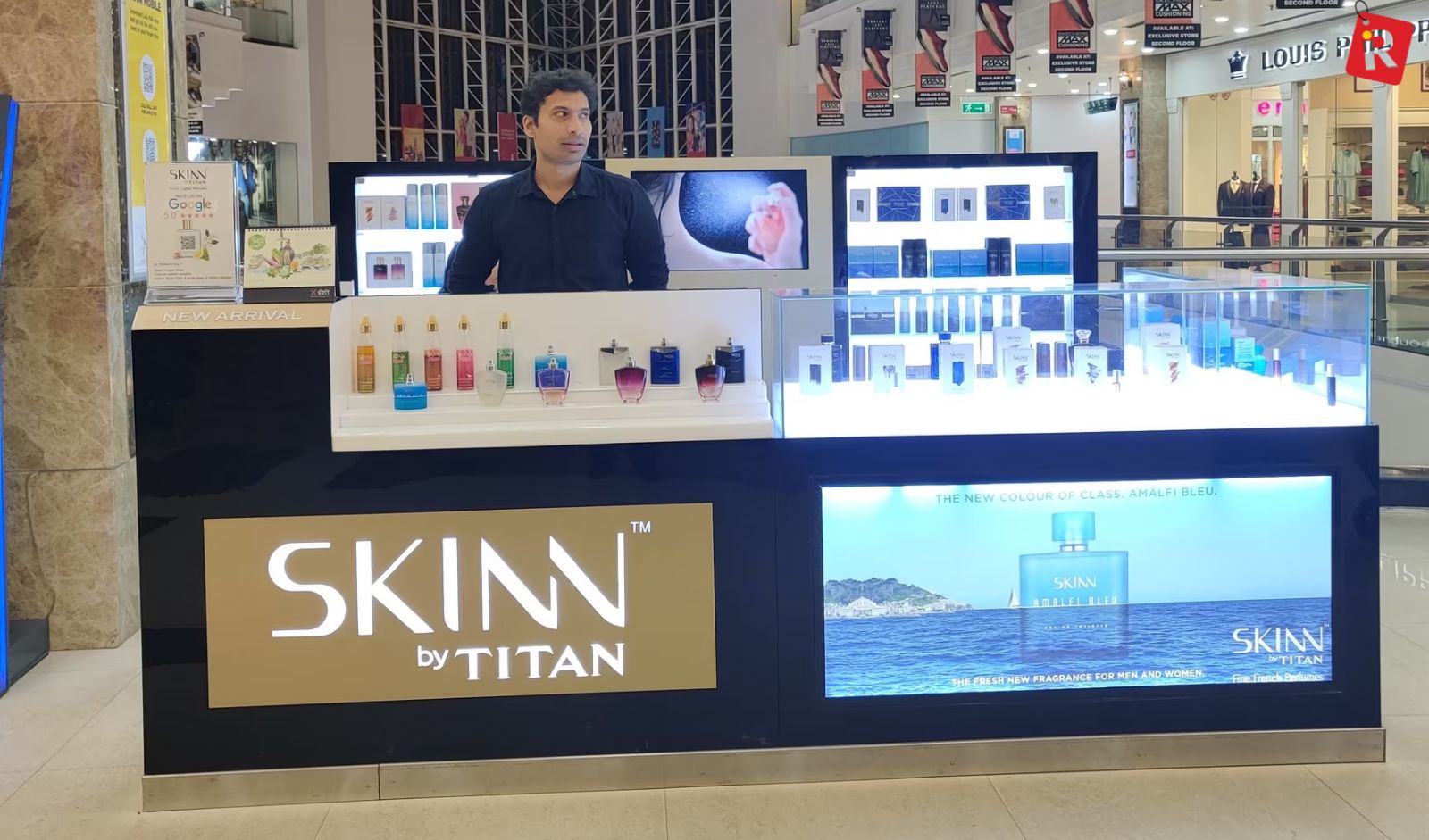
Best for: Premium Indian fragrance at accessible price points
SKINN has emerged as a significant player in India's masstige fragrance segment. The brand's portfolio spans everyday fragrances as well as more premium offerings, including SKINN Nox Oud, which Titan lists at Rs 4,995 for 100 ml.
Titan says its fragrance portfolio is available through SKINN kiosks, around 3,000 multi-brand outlets, department stores, e-commerce and quick-commerce platforms. The company also reported more than 6 million on-ground fragrance trials for SKINN during FY2025-26.
The brand is particularly relevant for festive gifting because its portfolio covers different price points and consumer preferences.
Festive pick: SKINN Nox Oud
Read also India’s Home Fragrance Market Moves Beyond Freshness
Top 8 AI Gadgets Changing How Indians Work and Live
Top 5 Indian Homegrown Ethnic Brands to Shop for this Festive Season
2. Ajmal Perfumes
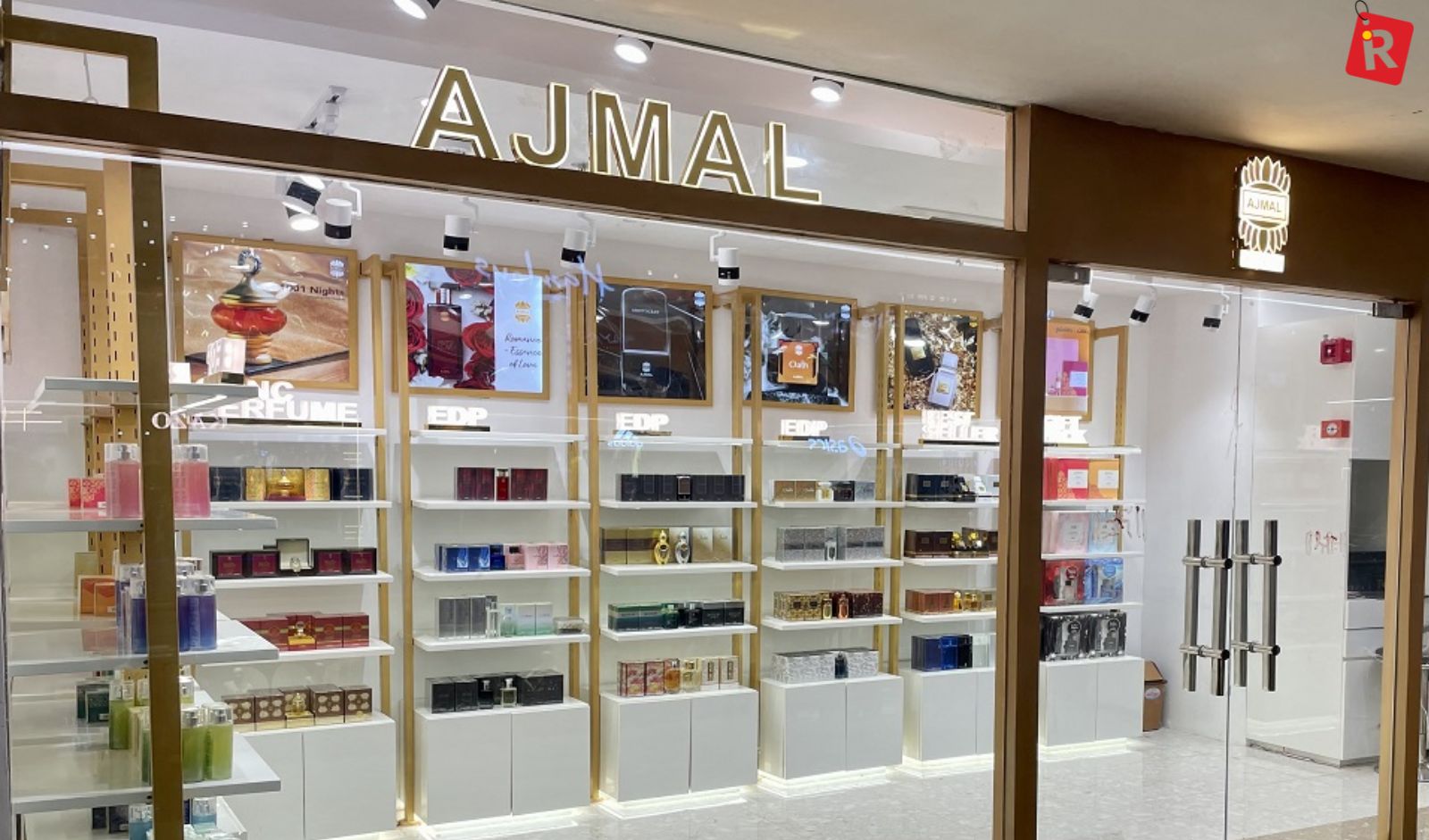
Best for: Traditional Middle Eastern-inspired perfumery
Ajmal brings decades of perfumery heritage and a strong presence across India. Its portfolio spans perfumes, attars, oud-based fragrances and contemporary compositions.
The brand is also undergoing an aggressive retail expansion. Ajmal said it had around 105 exclusive brand outlets in India and was targeting 170+ stores by the end of 2026. Its e-commerce business contributes around 50% of its India sales, highlighting the importance of both online discovery and physical fragrance experiences.
For festive occasions, oud, amber, musk and oriental fragrance profiles make Ajmal particularly relevant.
Festive pick: Oud- and amber-led fragrances
3. Bella Vita Luxury
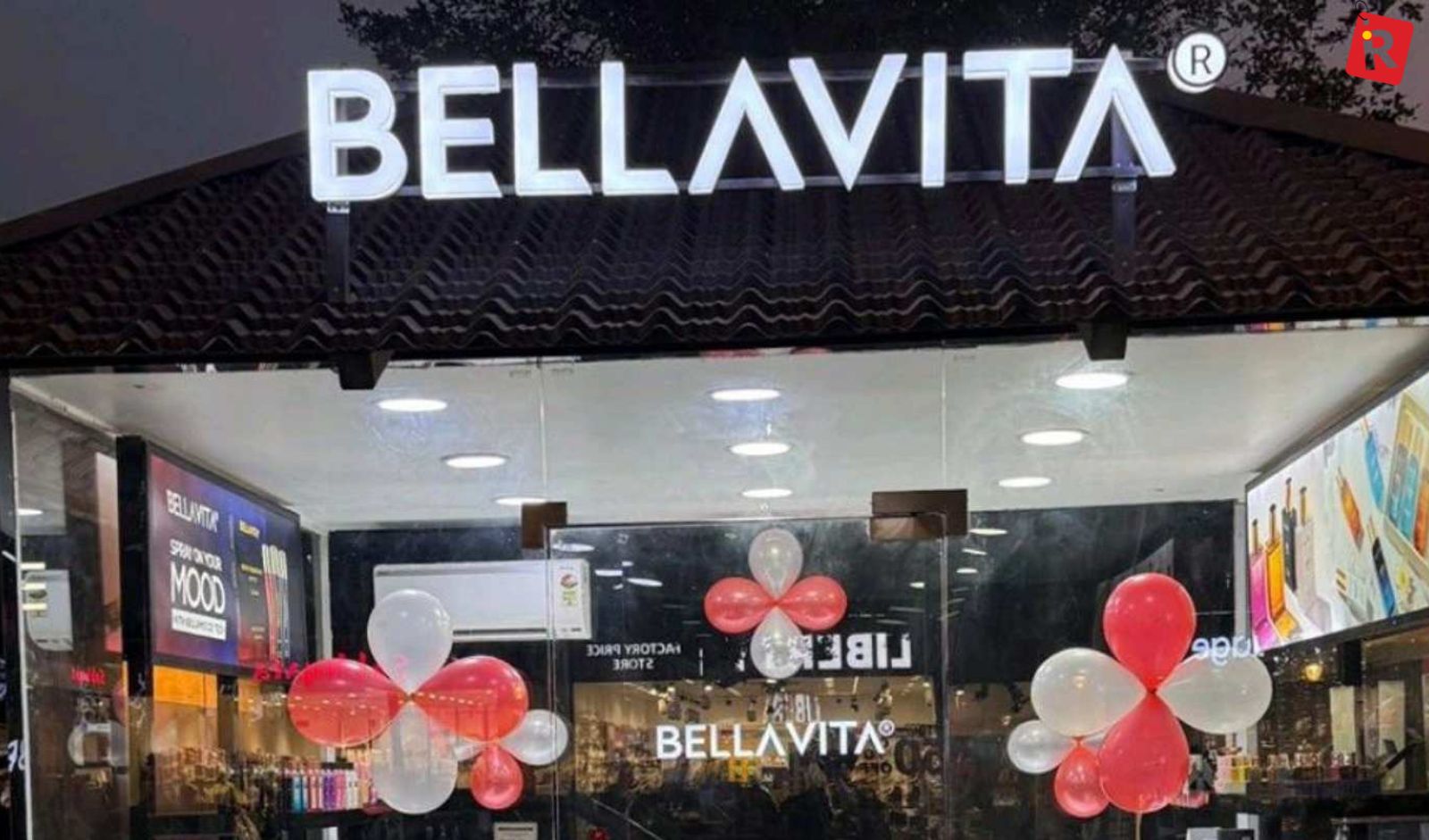
Best for: Affordable fragrance gifting
Bella Vita Luxury has built visibility around affordable perfumes and fragrance gift sets, making it relevant for consumers looking for multiple gifting options without moving into luxury price points.
Its proposition is particularly suited to festive shopping, where consumers often purchase fragrances not only for themselves but also as gifts for friends, colleagues and family members.
Festive pick: Perfume gift sets
4. Kama Ayurveda
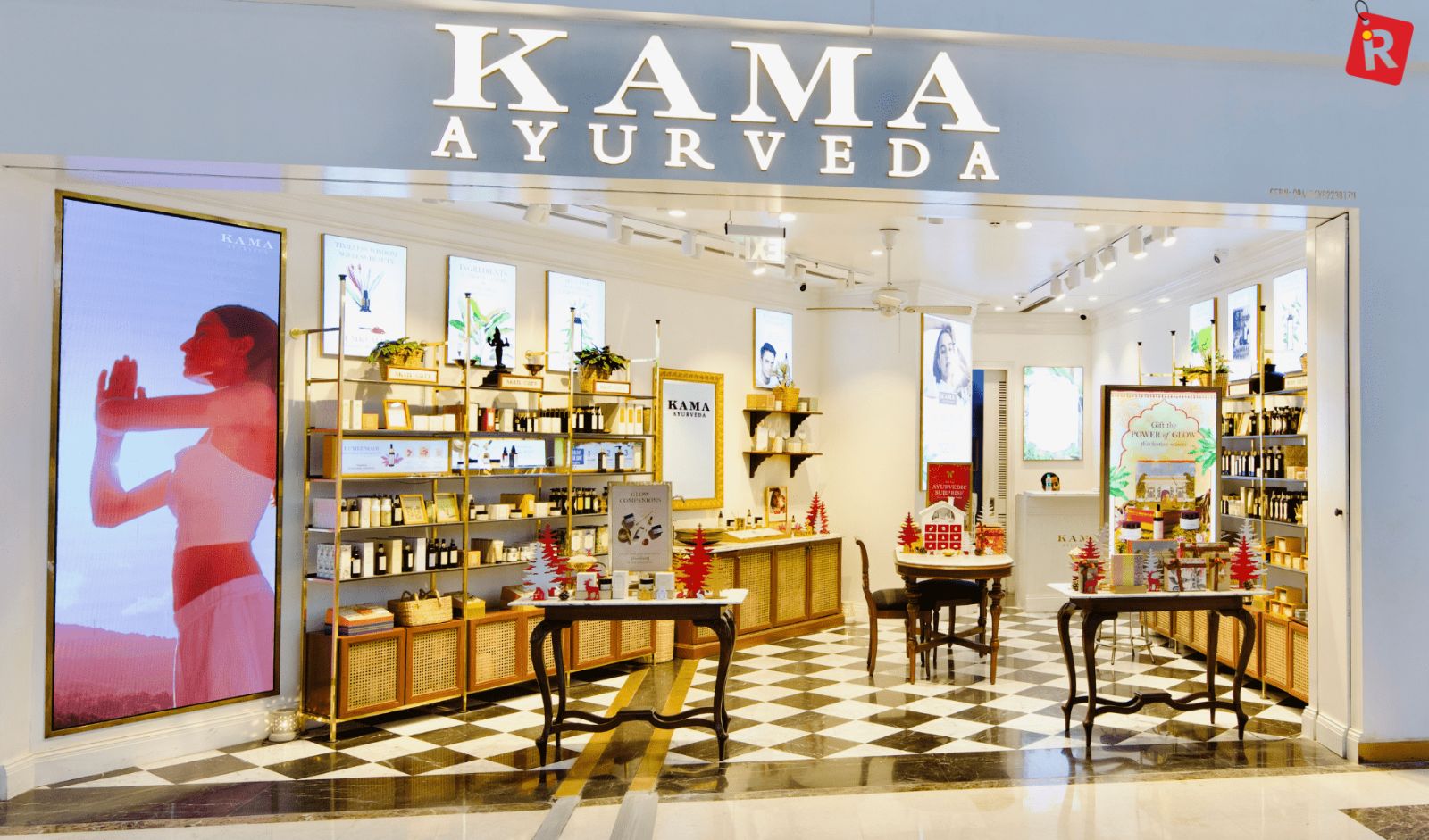
Best for: Ayurvedic and sensorial fragrance
Kama Ayurveda combines traditional Indian wellness positioning with contemporary beauty. Its fragrance portfolio complements the brand's broader emphasis on Ayurveda and sensorial rituals.
This makes the brand relevant for consumers seeking Indian-origin, premium and wellness-oriented gifting options during the festive season.
Festive pick: Traditional Indian floral and botanical profiles
5. The Body Shop
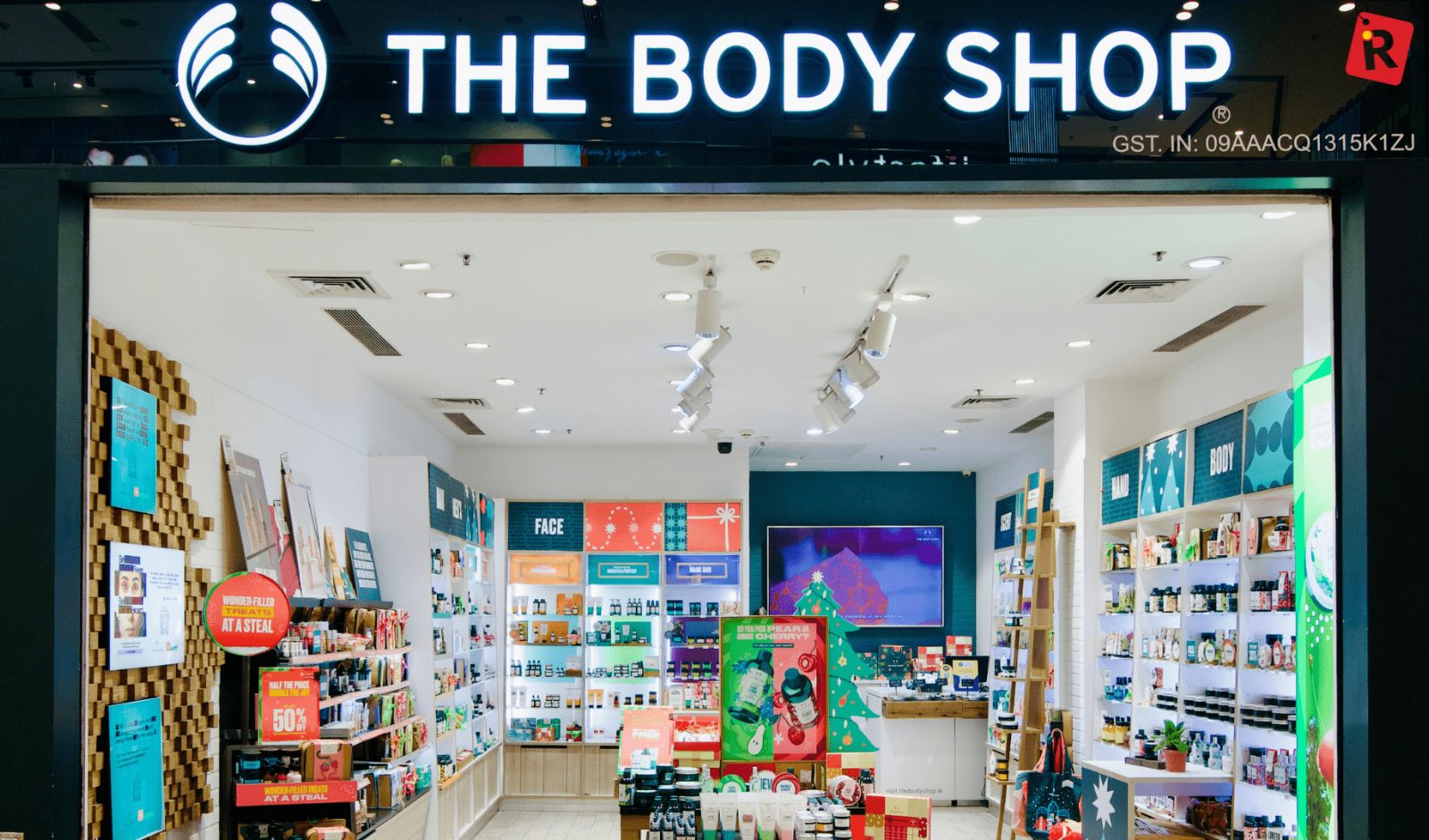
Best for: Everyday fragrances and gifting
The Body Shop has traditionally occupied the accessible-premium beauty space, with fragrances forming part of a wider bath, body and personal-care portfolio.
For festive shopping, its combination of fragrances, body products and gift sets makes it relevant for consumers looking for ready-to-gift beauty combinations.
Festive pick: Fragrance and body-care gift sets
6. Jo Malone London
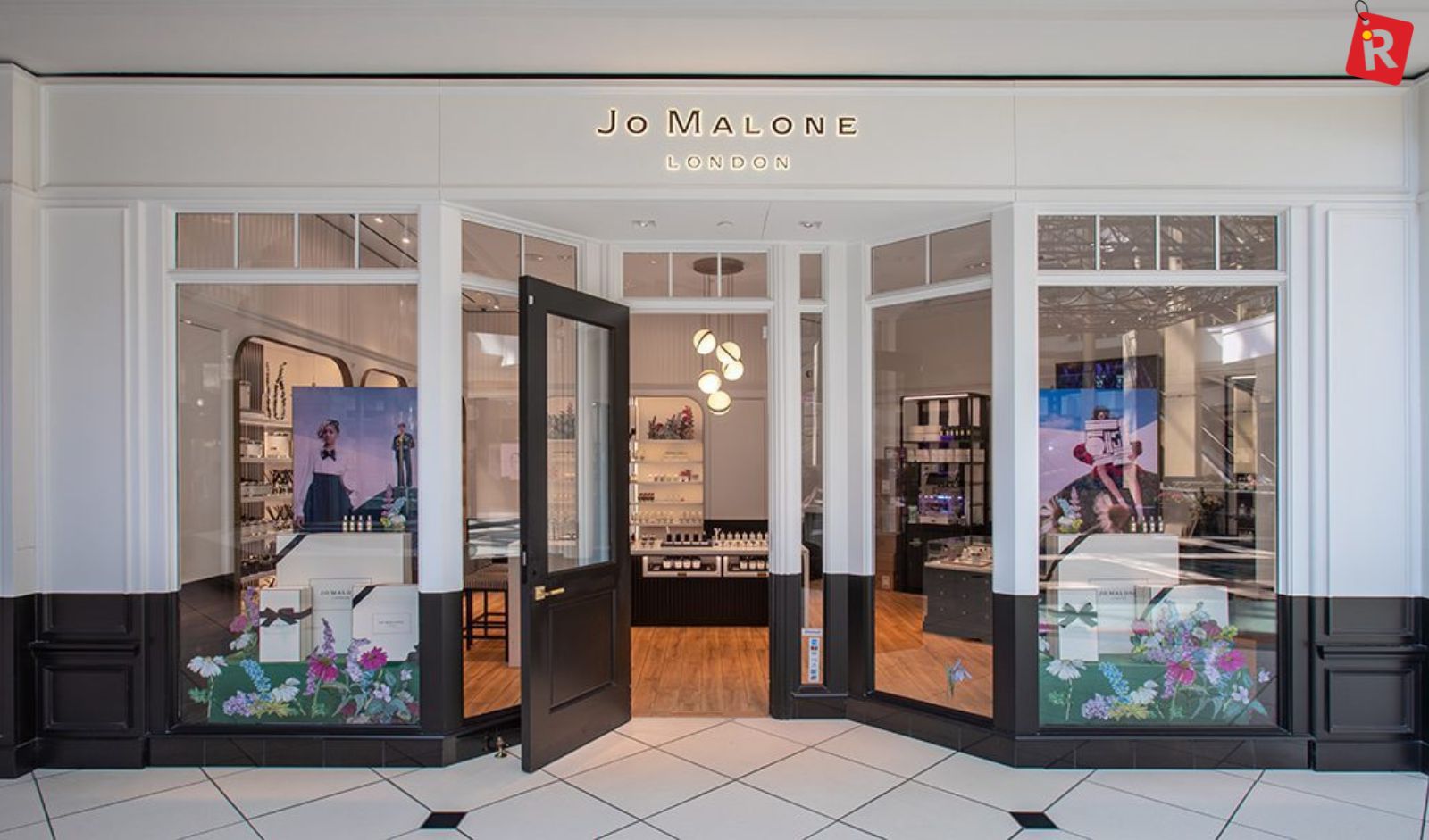
Best for: Luxury fragrance gifting
For consumers looking at premium and luxury gifting, Jo Malone London occupies a different segment of the Indian fragrance market.
Its discovery sets and smaller-format offerings can also make luxury fragrance more accessible to consumers who want to experience several scents before committing to a full-size bottle. Current Nykaa bestseller listings include Jo Malone London discovery products among popular fragrance kits.
Festive pick: Cologne discovery collections
7. Chanel
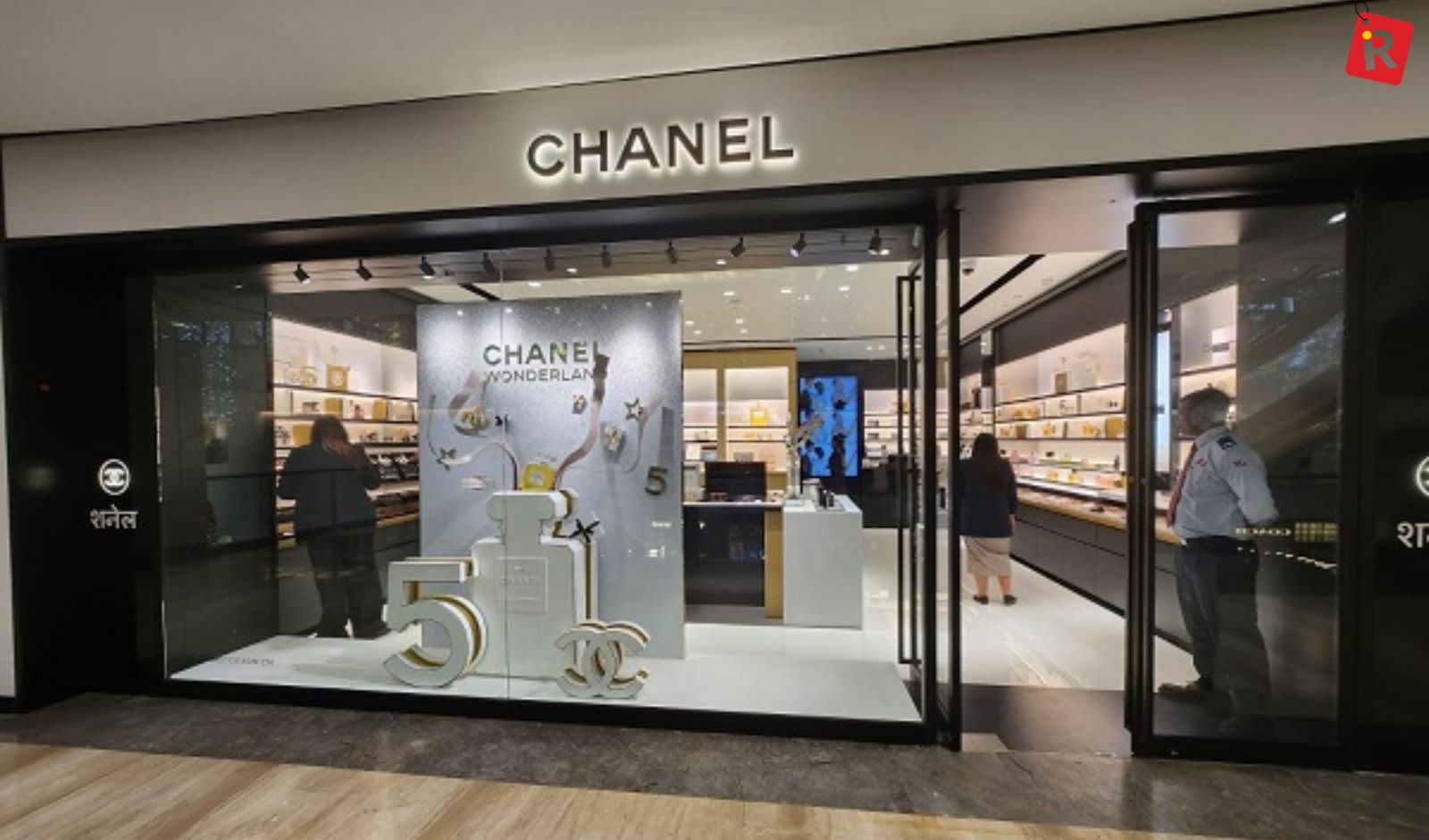
Best for: Classic luxury perfumery
Chanel continues to represent the global luxury end of the fragrance category, with iconic fragrances making it a prominent choice for premium festive and wedding-season gifting.
For consumers buying a fragrance as a luxury statement or milestone gift, established international perfume houses continue to hold relevance alongside India's growing homegrown fragrance market.
Festive pick: Chanel's iconic perfume collections
8. Nykaa
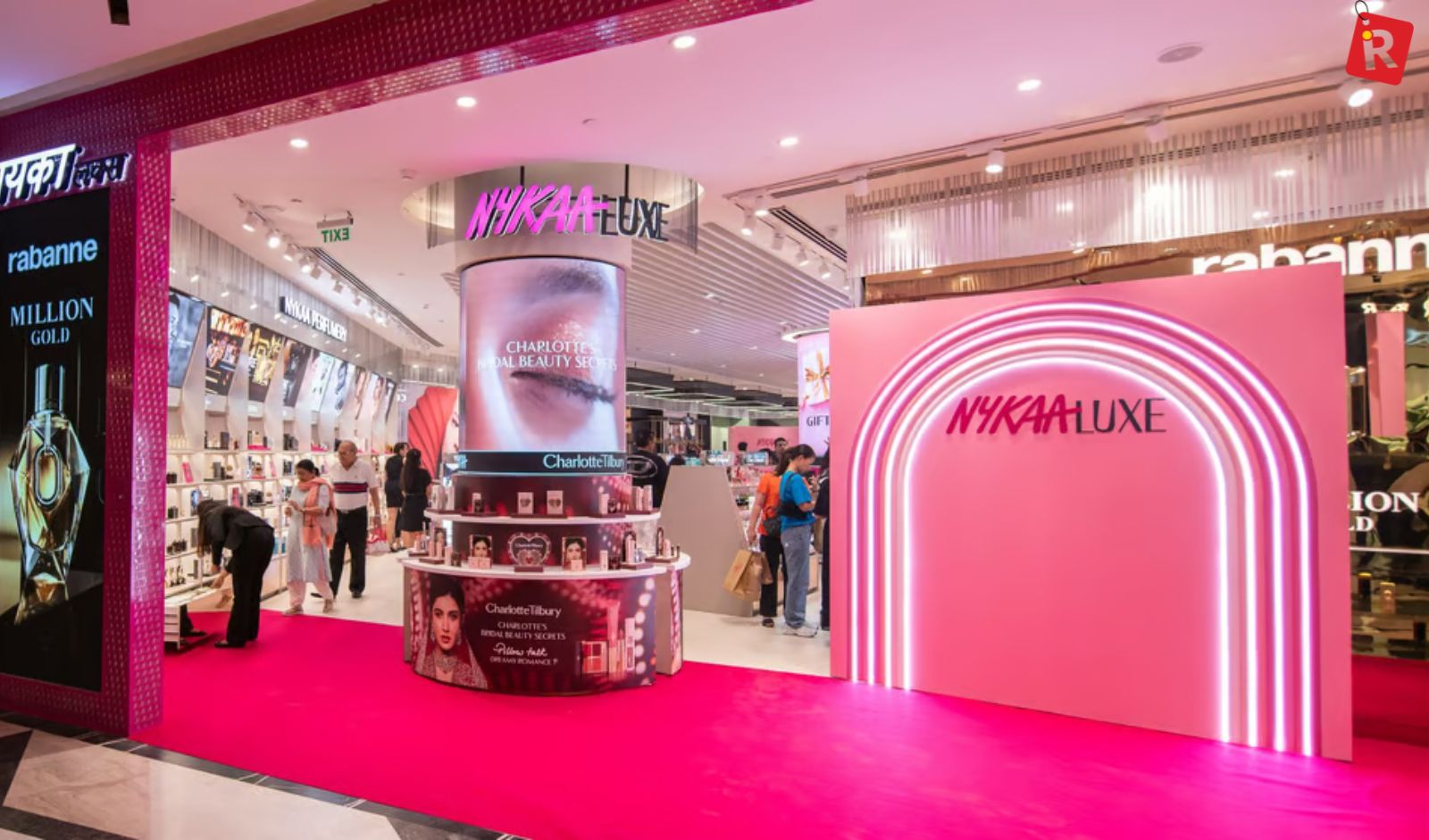
Best for: Multi-brand fragrance discovery
While Nykaa is not a single fragrance house, its importance to India's fragrance ecosystem comes from its role as a multi-brand beauty platform.
Its fragrance assortment spans Indian brands, Middle Eastern perfume houses, global luxury labels and discovery kits. Its current fragrance-kit bestseller listings include Ajmal, Jo Malone London, Forest Essentials and Nykaa's own fragrance products, illustrating the breadth of the festive gifting opportunity.
Festive pick: Discovery and gifting sets
9. La Pink
Best for: Accessible fragrance & festive gifting
La Pink is building its fragrance portfolio around accessible perfumes that allow consumers to explore different scents without entering premium luxury price points. With fragrances designed across a range of moods and preferences, the brand is making it easier for consumers to discover and build a personal fragrance wardrobe.
As festive shopping increasingly brings together self-purchase and gifting, La Pink sees perfumes emerging as an easy, versatile choice for celebrations. From sophisticated oud-led fragrances such as Unique Oud and Imperial Oud to warm and comforting Warm Vanilla and fresher profiles such as Bliss Aqua, Luscious Apple and Lychee Love, the range offers options across occasions and personalities.
Festive pick: Luxury Perfume Gift Set for Woman & Man
Know more: 5 Baby Care Brands in India for Everyday Baby Essentials
5 Best Sports Gear Brands in India 2026 for Cricket, Football, Badminton, and Gym
5 Best Wireless Earbuds Brands in India 2026 for Calls and Music
Conclusion
India’s fragrance market is benefiting from premiumisation, gifting and omnichannel growth. As festive and wedding shopping expands beyond traditional categories, perfumes are emerging as an increasingly popular choice for both personal use and gifting.
FAQs on Top Fragrance Brands in India
1. Which are the top fragrance brands in India?
Some prominent fragrance brands available in India include SKINN by Titan, Ajmal, Forest Essentials, Bella Vita Luxury, Kama Ayurveda, Fastrack, Jo Malone London and Chanel.
2. Which perfume brands are good for festive gifting?
SKINN, Ajmal, Forest Essentials, Jo Malone London and Bella Vita Luxury offer products across different price points and gifting formats.
3. Is India's perfume market growing?
Yes. Titan estimates the organised perfume market at around ₹4,500 crore and says it is growing at approximately 15%.
4. Are consumers moving towards premium fragrances?
There are indications of premiumisation in the category. Titan has increased its focus on fragrances priced between ₹3,000 and ₹5,000, while also expanding sampling and premium retail touchpoints.
5. Why are perfumes popular during the festive season?
Perfumes work both as personal grooming products and as gifts, allowing brands to benefit from festive dressing, celebrations, weddings and gifting occasions.
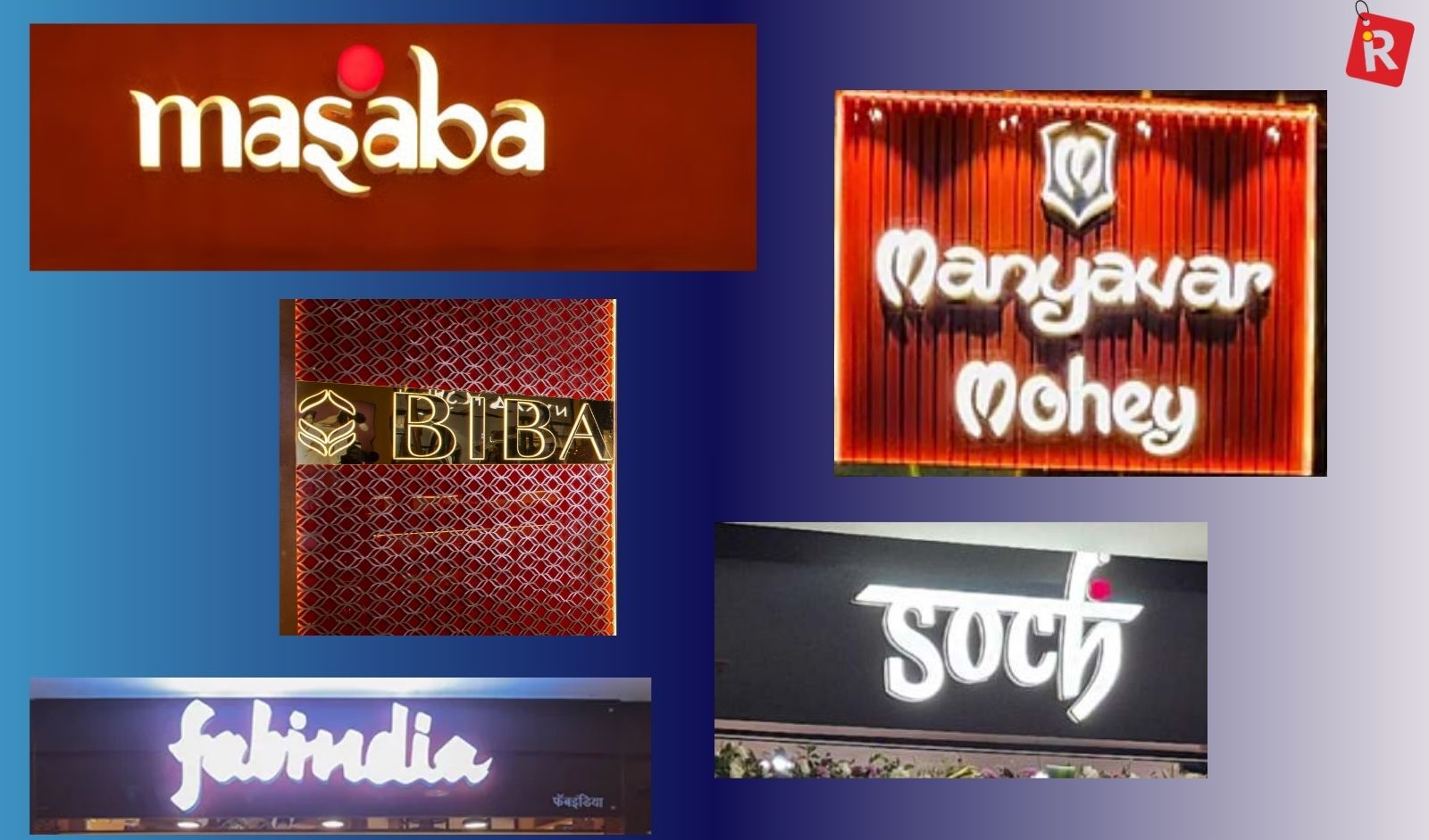
The festive season is one of the strongest periods for ethnic and occasion wear in India, with consumers increasingly looking beyond traditional sarees and kurtas for contemporary silhouettes, fusion styles and versatile festive separates.
From established names such as Fabindia and Biba to newer designer-led propositions such as House of Masaba, Indian homegrown brands are combining traditional craftsmanship with modern cuts, prints and styling.
Here are five brands to consider this festive season:
1. Fabindia
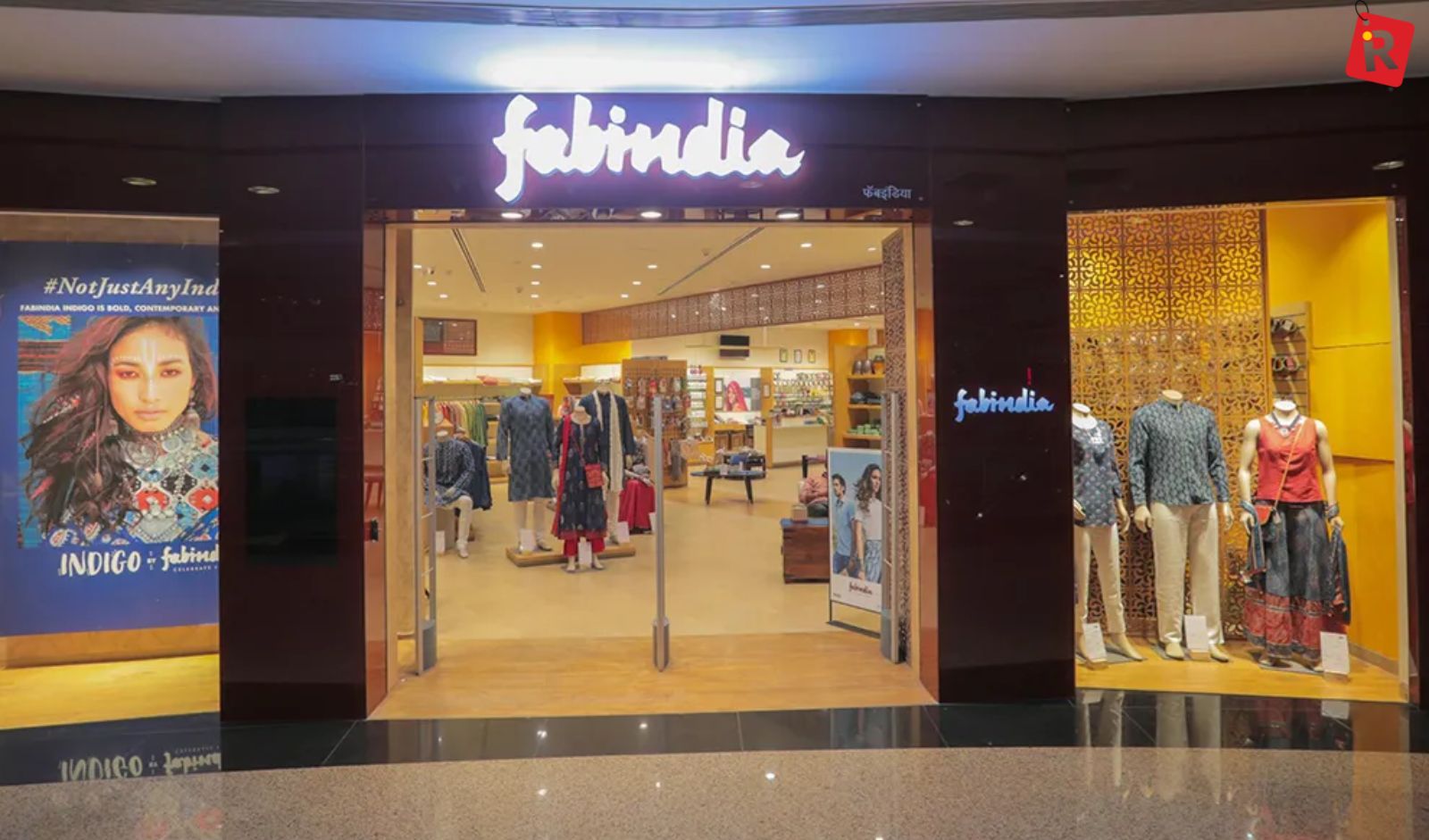
Founded in 1960, Fabindia has built its proposition around Indian textiles, traditional craftsmanship and artisanal products. Its festive assortment spans kurtas, sarees, lehengas, kurta sets and occasion wear, making it relevant for both intimate celebrations and larger festive gatherings.
The brand's appeal lies in its use of Indian fabrics, crafts and traditional techniques while keeping the silhouettes relatively contemporary.
Revenue: Fabindia reported revenue of approximately INR 1,309.46 crore in FY25, up 5 percent from the previous year.
Popular festive picks: Handcrafted kurtas, sarees, embroidered sets and lehenga sets.
Where to shop: Fabindia's website and stores; its products are also available on AJIO.
Read more: 5 Baby Care Brands in India for Everyday Baby Essentials
5 Best Sports Gear Brands in India 2026 for Cricket, Football, Badminton, and Gym
5 Best Wireless Earbuds Brands in India 2026 for Calls and Music
2. Biba
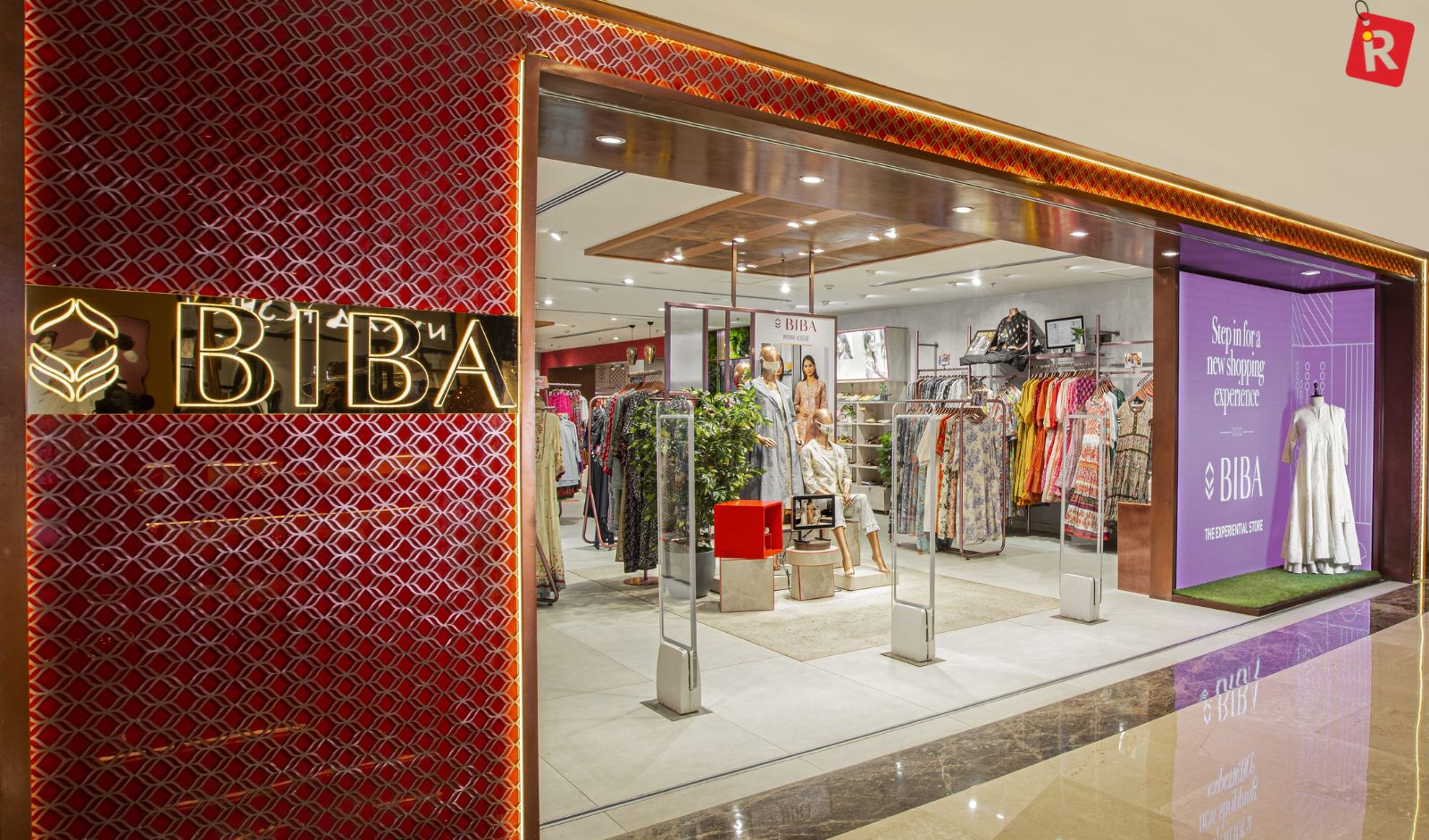
Biba is among India's established women's ethnic wear brands, offering a mix of traditional Indian silhouettes and contemporary styling. Its festive collection includes embroidered straight suits, Anarkalis, kurta sets, sarees and lehengas.
For consumers looking for relatively accessible festive fashion, Biba offers a wide range of coordinated sets that can be styled with jewellery and accessories for different occasions.
Revenue: Biba Fashion reported approximately INR 798.12 crore in FY25 revenue, registering around 4 percent growth year-on-year.
Popular festive picks: Embroidered Anarkali sets, straight suit sets, kurta-palazzo sets and festive sarees.
Where to shop: Biba's website and stores, Myntra and AJIO.
3. Manyavar
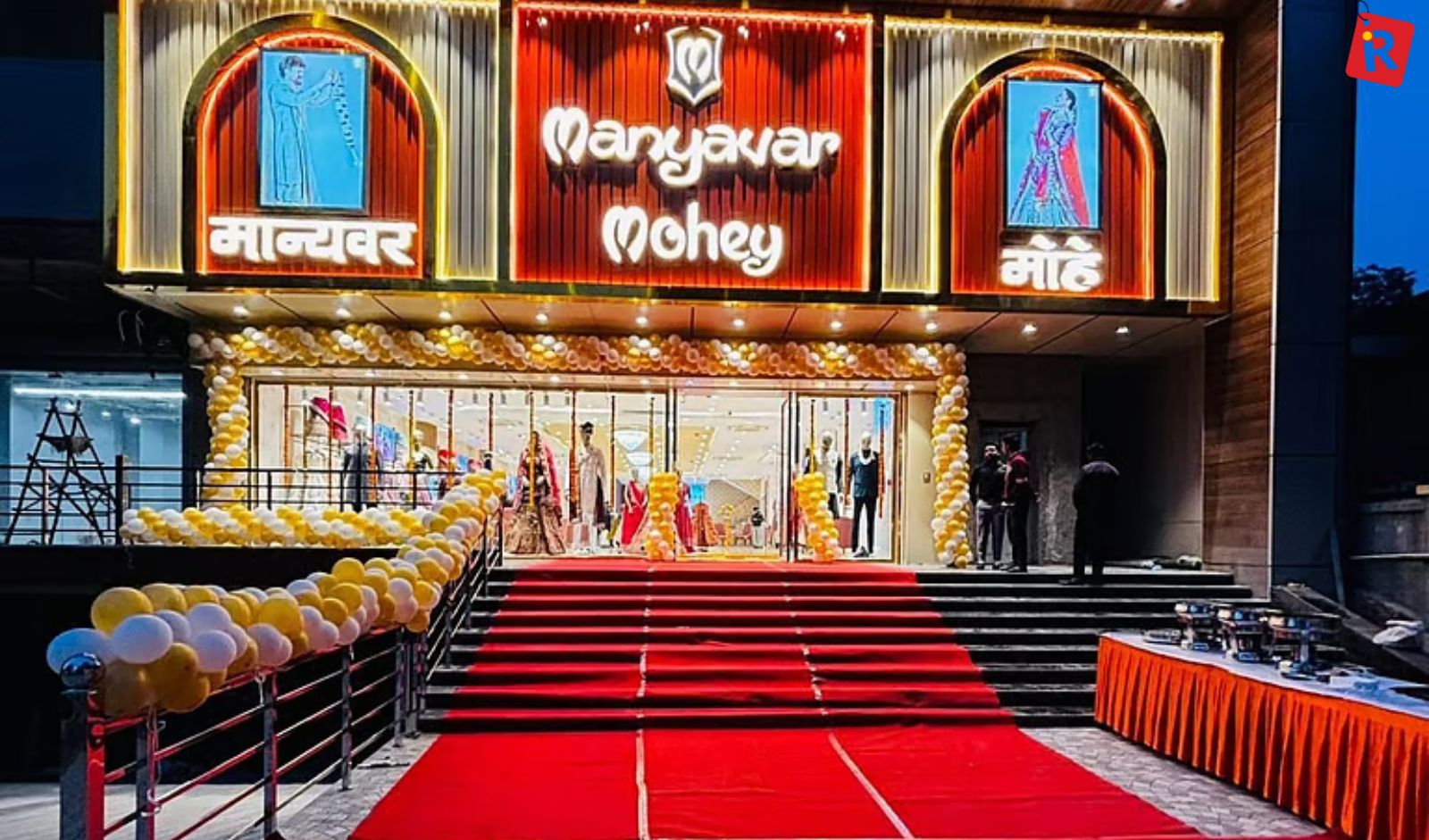
For men's festive dressing, Manyavar remains a prominent homegrown celebration-wear brand. Its portfolio spans kurtas, kurta-pyjama sets, Indo-Western outfits, sherwanis and Jodhpuri suits.
Its range allows consumers to move from relatively simple festive dressing to more elaborate wedding and occasion wear.
Revenue: Vedant Fashions, the parent company behind Manyavar and other celebration-wear brands, reported INR 1,386.48 crore in revenue from operations in FY25. Its wider portfolio includes Manyavar, Mohey, Mebaz, Twamev and Manthan.
Popular festive picks: Kurta-pyjama sets, embroidered kurtas, Indo-Westerns and sherwanis.
Where to shop: Manyavar's website and stores, AJIO, and its other online retail channels.
4. House of Masaba
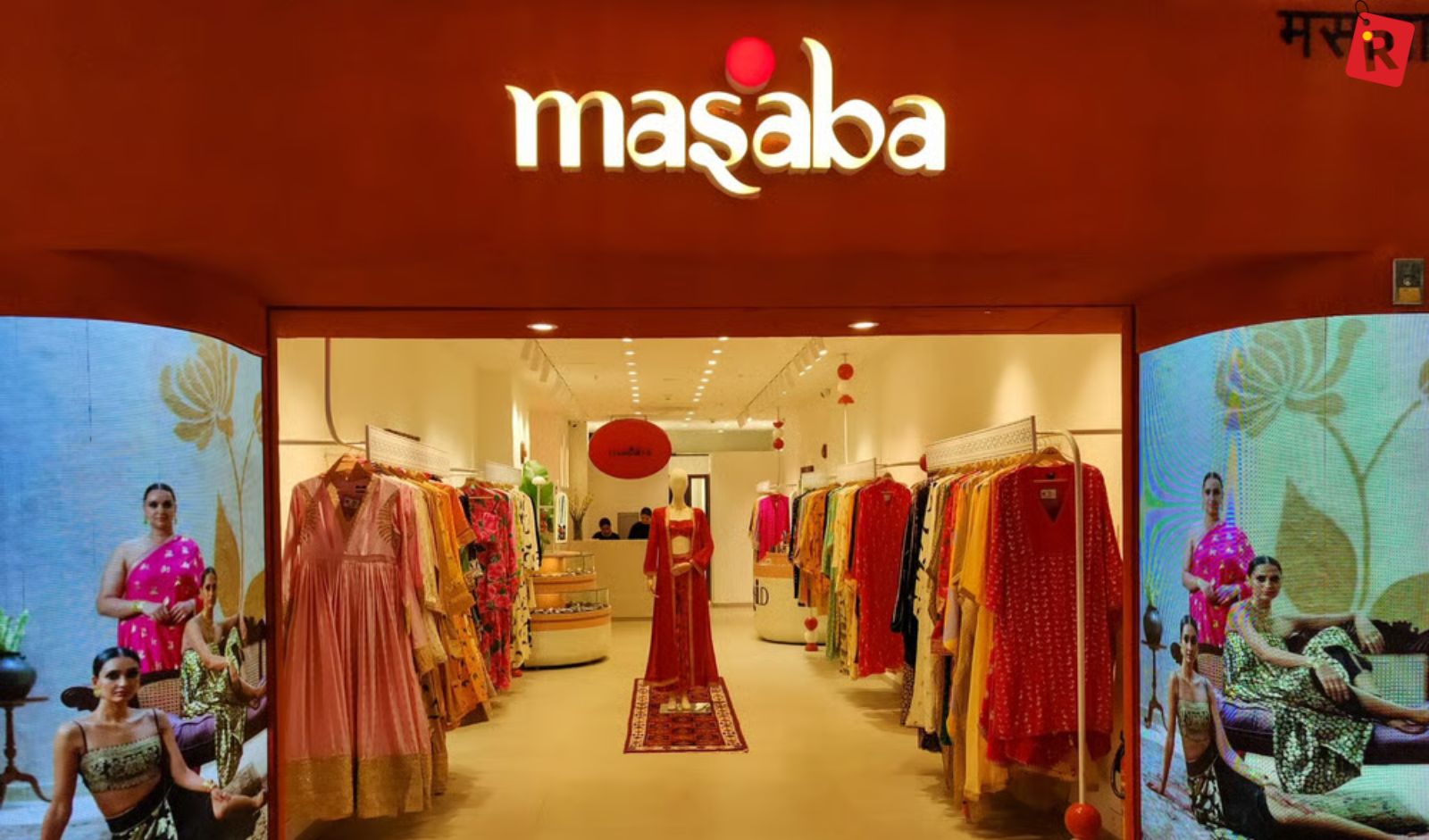
Founded by designer Masaba Gupta, House of Masaba brings a more contemporary and designer-led interpretation to Indian occasion wear. The brand is known for distinctive prints and modern takes on traditional silhouettes.
Its current festive range includes sarees, kurtas and sets, kaftans, fusion sets and lehengas, alongside men's kurtas and occasion wear.
Revenue: House of Masaba Lifestyle reported INR 115.88 crore revenue in FY25, up 65 percent year-on-year. Fashion accounted for the larger portion of revenue, while the company's beauty business, LoveChild, contributed around INR 44 crore.
Popular festive picks: Statement sarees, printed kurtas, fusion sets, lehengas and kaftans.
Where to shop: House of Masaba's website and stores; selected products are also available through Myntra.
5. Soch
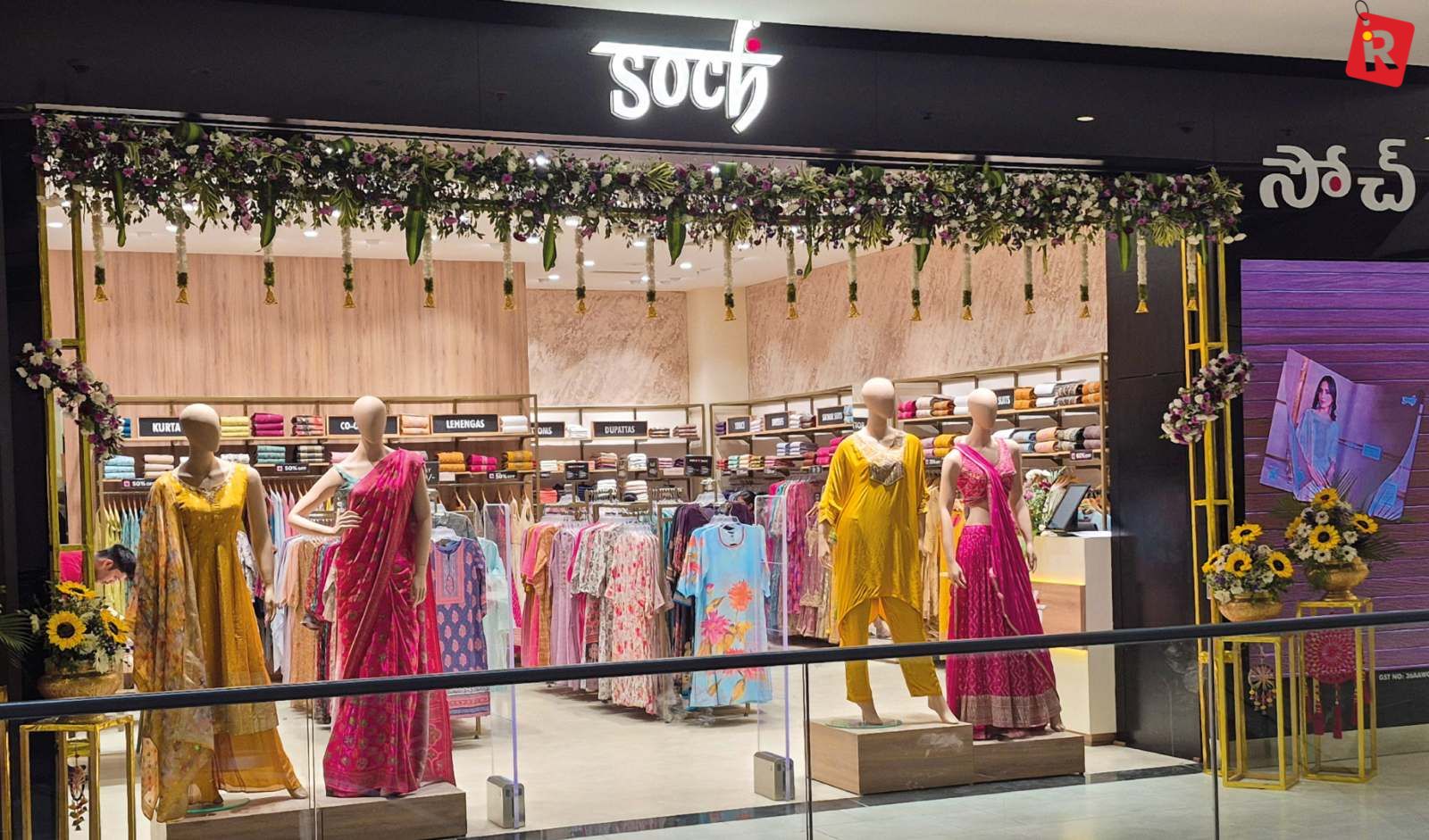
Soch focuses on contemporary Indian womenswear, with its assortment covering sarees, kurta sets, kurtas, lehengas, salwar suits and occasionwear.
Its festive proposition is particularly suited to consumers looking for Indian silhouettes that can work across family celebrations, office festivities and smaller social occasions.
Revenue: Soch Apparels reported approximately INR 428.57 crore revenue in FY25, according to company-financial data.
Popular festive picks: Sarees, embroidered kurta sets, Anarkalis, salwar suits and occasion wear. Soch's own bestseller assortment highlights sarees, lehenga sets, salwar suits and kurta sets.
Where to shop: Soch's website and stores, Myntra and other online marketplaces.
Know more: Top 5 Trimmer Brands for Men in India 2026
5 Best Instant Coffee and Tea Brands in India 2026 for Daily Use
Best Gin Brands in India as Premium Craft Cocktails Go Mainstream
Conclusion
The festive wear market is increasingly moving beyond a one-size-fits-all definition of ethnic fashion. Consumers today have options ranging from Fabindia's craft-led aesthetic and Biba's accessible ethnic wear to Manyavar's celebration dressing, House of Masaba's designer-led contemporary Indian fashion and Soch's versatile womenswear.
Together, these brands reflect the broader evolution of Indian ethnic wear, where heritage, contemporary design, comfort and occasion-led dressing are increasingly converging.
FAQs on Top Indian Homegrown Ethnic Brands
Which are some popular Indian homegrown ethnicwear brands?
Fabindia, Biba, Manyavar, House of Masaba and Soch are among the established Indian brands offering ethnic and festivewear across different categories and price points.
Which brand is best for men's festivewear?
Manyavar has a dedicated celebration-wear proposition for men, including kurtas, kurta-pyjama sets, Indo-Westerns and sherwanis.
Which brands offer women's festivewear?
Fabindia, Biba, House of Masaba and Soch offer women's festivewear across sarees, kurta sets, Anarkalis, lehengas and fusion styles.
Where can consumers shop for these ethnicwear brands?
Most of these brands operate their own websites and physical stores. Several are also available on marketplaces such as Myntra and AJIO, although assortment can vary by platform.
What are the key festivewear trends?
Contemporary kurta sets, statement sarees, embroidered Anarkalis, fusion silhouettes, Indo-Western outfits and occasion-led separates are among the prominent choices across these brands' current festive collections.
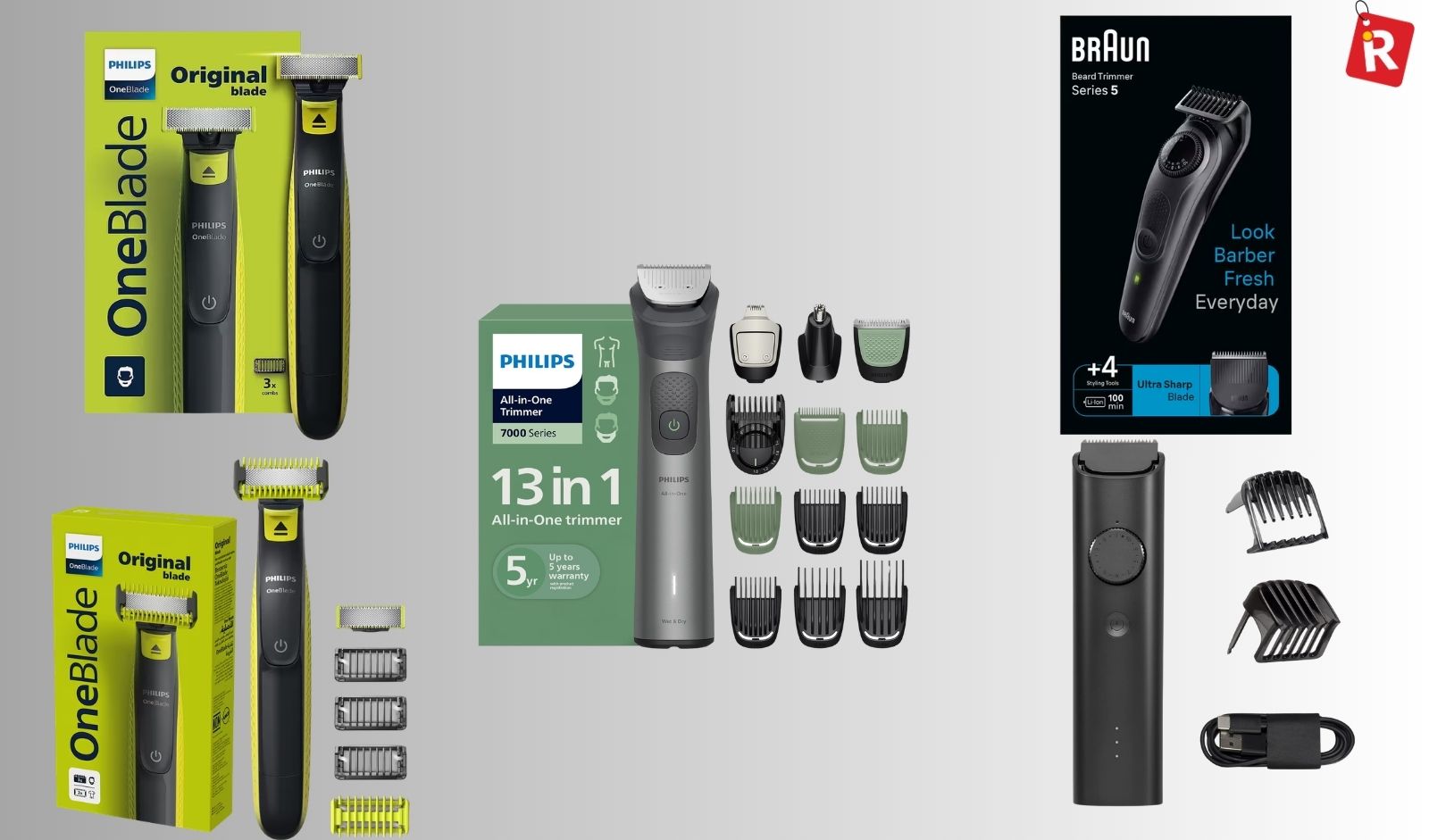
Moving beyond traditional shave-and-haircut routine, men's grooming in India has evolved significantly. Consumers, now, are keen on investing more of their personal care and appearance, and this has led to the rapid growth of men's grooming market in the country.
In the men's grooming kit, one essential is the trimmer. It is used for styling facial hair, and trimming body hair. Modern trimmers are increasingly designed to serve multiple purposes. Brands are also differentiating their products through features such as precision length settings, self-sharpening blades, longer battery life, waterproof designs and multiple attachments.
Here are five trimmers that stand out across different grooming needs and price points.
1. Philips All-in-One Trimmer | 7000 Series | MG7922
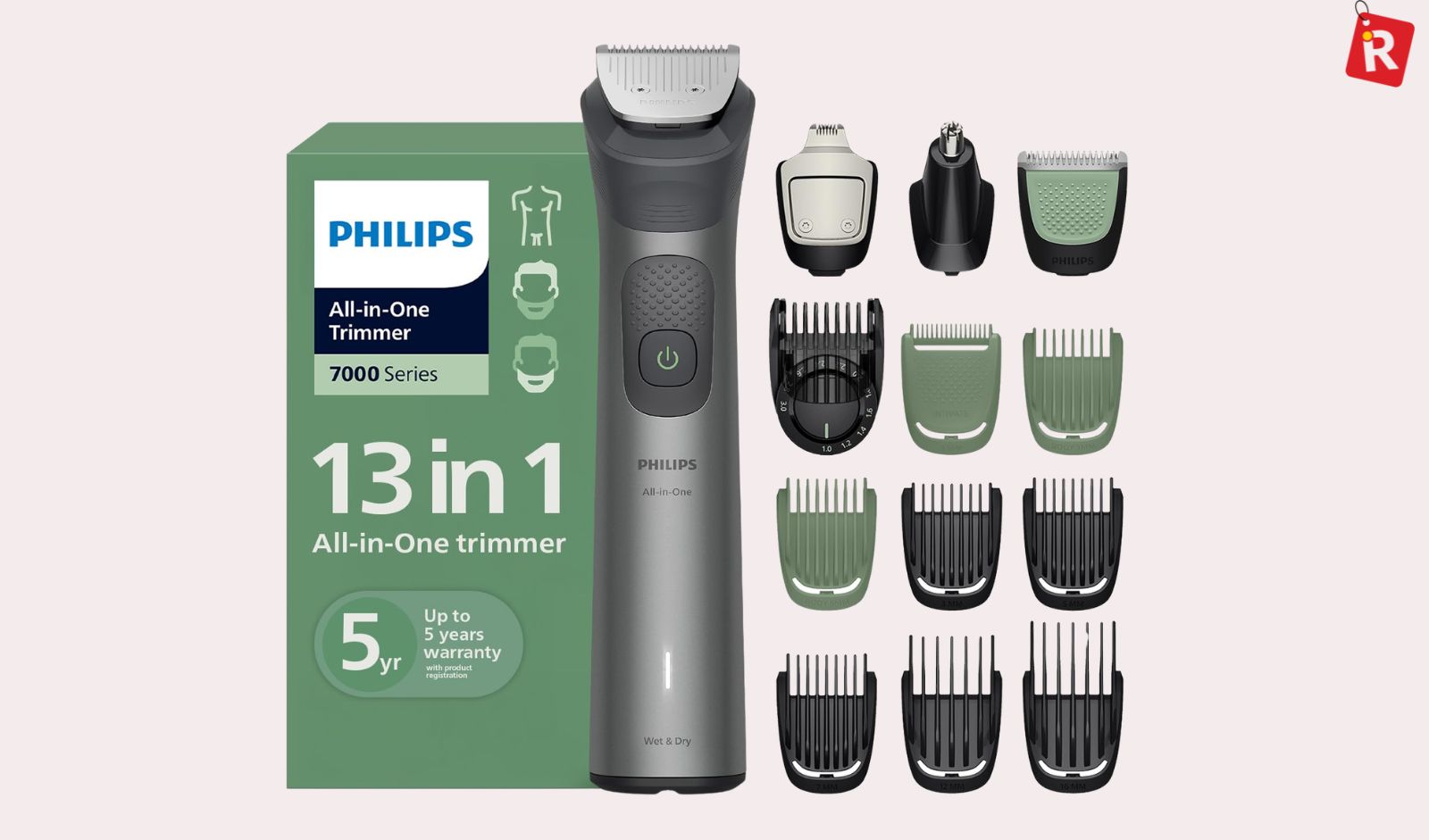
For consumers looking for an all-in-one grooming device, the Philips All-in-One Trimmer 7000 Series MG7922/15 is among the more versatile options. The device comes with 13 tools designed for face, head and body grooming, allowing users to trim facial hair, style their beard, cut hair and groom the body using a single device.
Its key differentiator is Philips' BeardSense technology, while self-sharpening steel blades are designed to maintain cutting performance. The trimmer also features a precision comb with 11 length settings in 0.2 mm steps from 1 to 3 mm.
Best for: Men looking for a complete, multi-purpose grooming kit.
Brand: Philips
Price: ₹4,999
USP: 13-in-1 grooming system with BeardSense technology
Read more: Best Shoe Brands in India Leading the Comfort-First and Sneaker Trend
Top Wash Basin Brands in India: Types, Designs & Applications
New Beauty Launches 2026: Skincare, Haircare and Makeup Products to Know
2. Xiaomi Beard Trimmer 2C
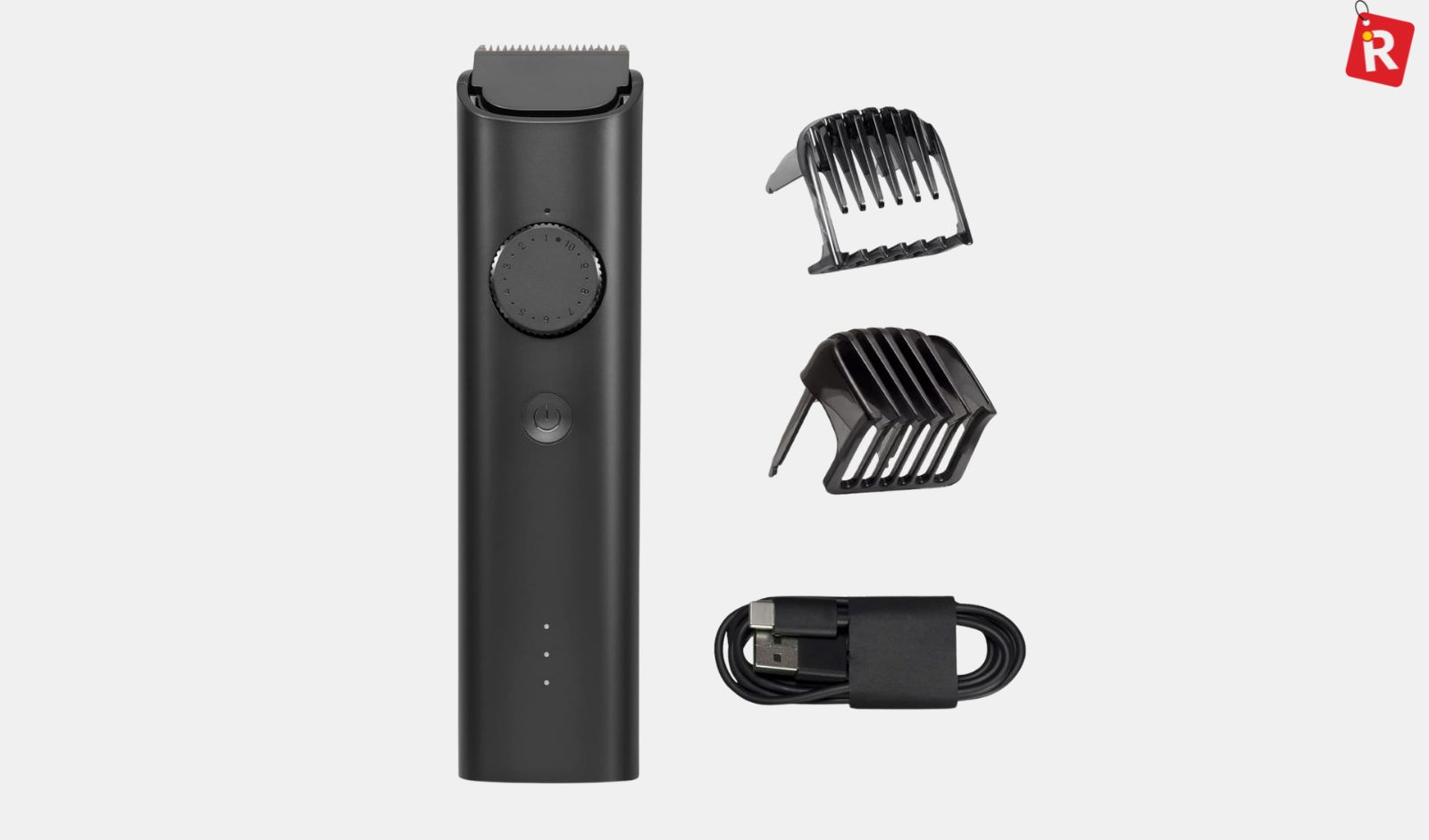
The Xiaomi Beard Trimmer 2C makes a strong case for consumers looking for precision without spending heavily. It offers 40 length settings, covering 0.5–20 mm, along with stainless-steel blades and around 90 minutes of cordless runtime. The IPX7-rated washable design and USB-C charging add to its everyday convenience.
Its proposition is particularly suited to consumers who prefer maintaining a specific beard length and want the flexibility to make small adjustments.
Best for: Value-conscious consumers who prioritise precision.
Brand: Xiaomi
Approx. price: ₹1,199
USP: 40 length settings and USB-C charging
3. Philips OneBlade QP2724/10
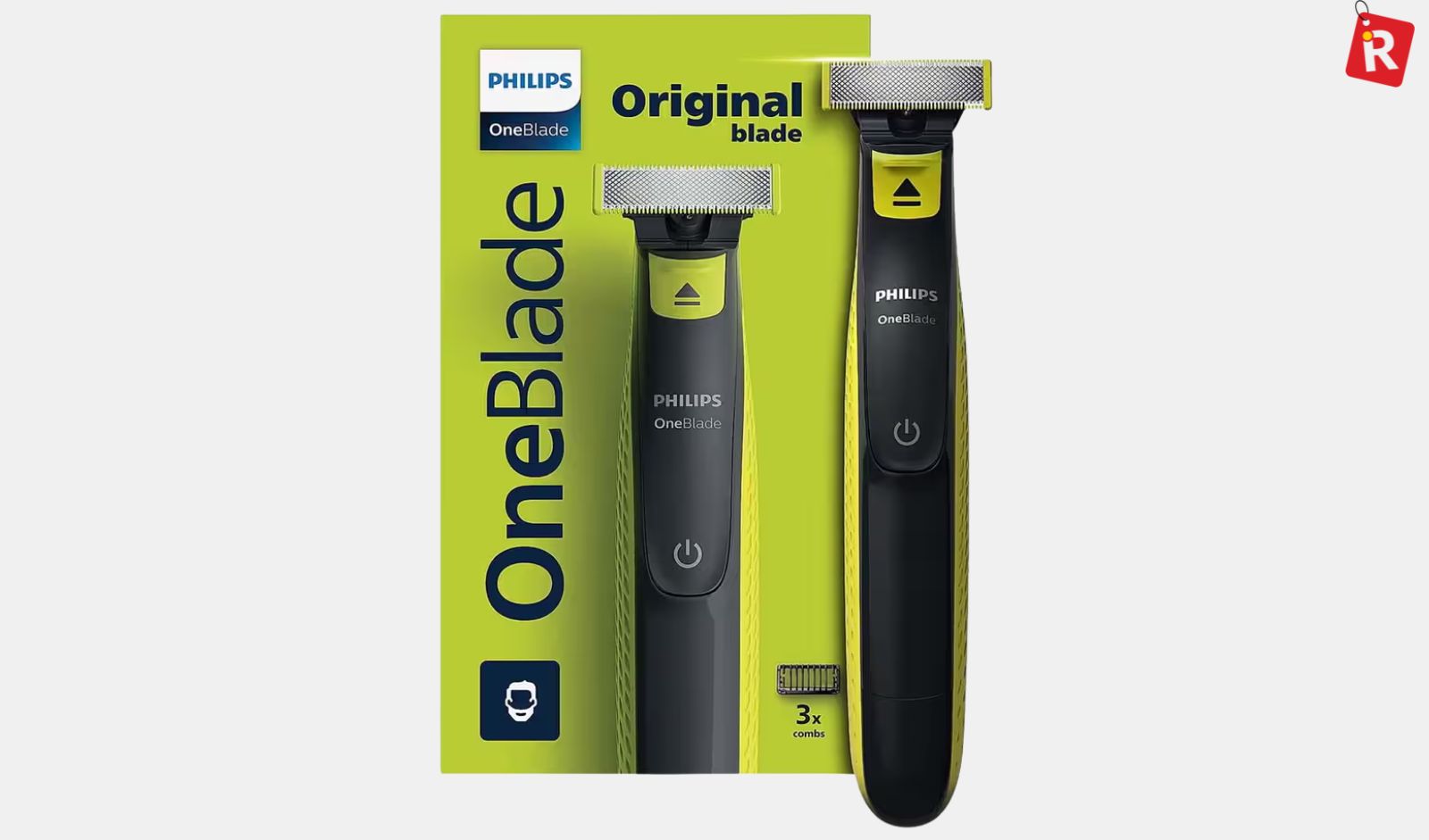
The Philips OneBlade takes a different approach to conventional beard trimmers. Instead of focusing only on length adjustment, it is designed for trimming, edging and shaving, making it suitable for men who regularly switch between stubble, a short beard and a cleaner look.
The device is particularly appealing to consumers who want a compact grooming solution rather than a large collection of attachments.
Best for: Men who want both trimming and shaving capabilities.
Brand: Philips
Approx. price: ₹1,649
USP: Trim, edge and shave with one device
4. Braun Series 5 BT5420
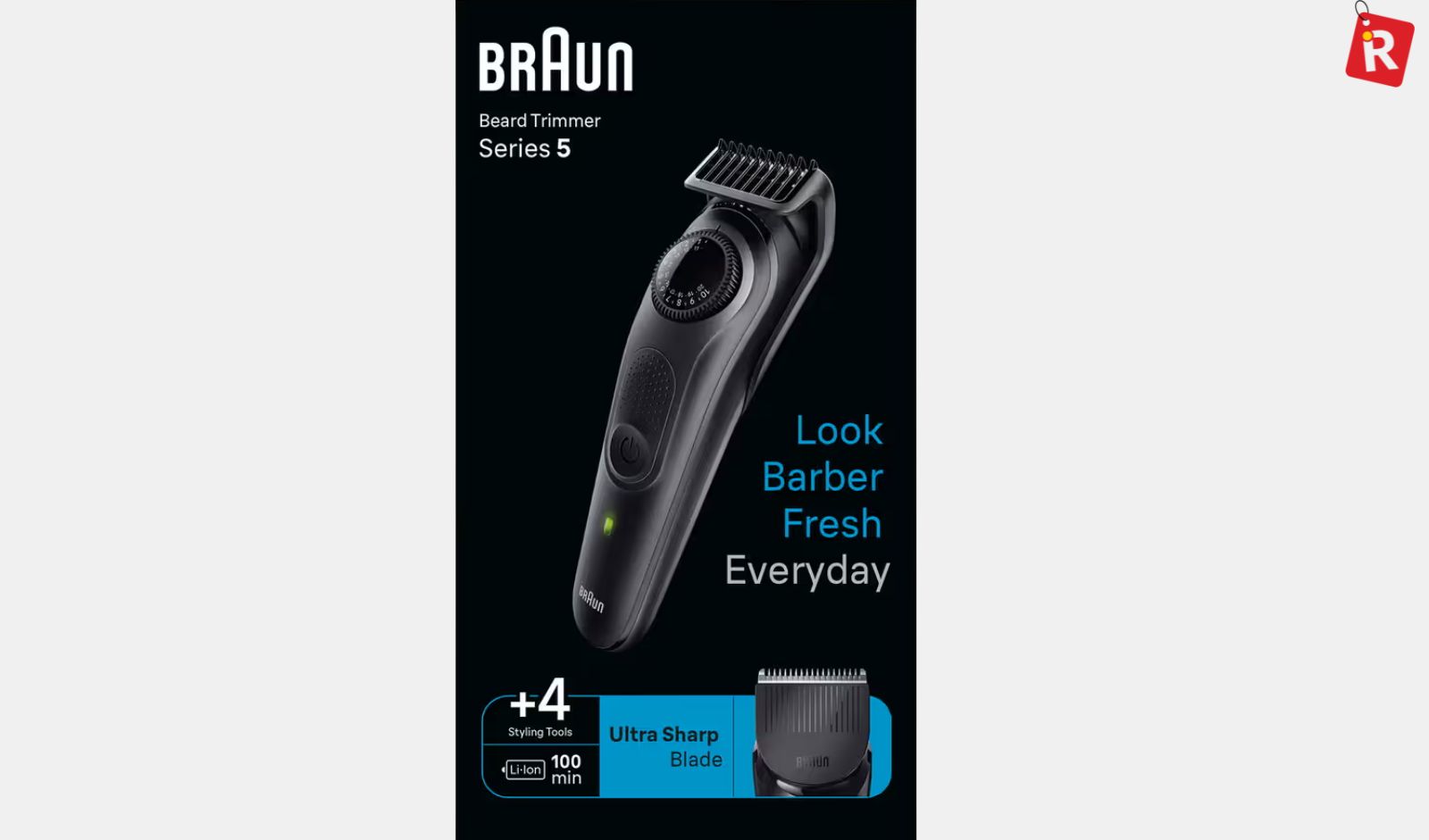
The Braun Series 5 BT5420 sits in the premium beard-trimming segment, targeting consumers who are willing to spend more for precision and a more dedicated beard-grooming experience.
Rather than being an all-purpose grooming kit, its proposition is centred on beard and stubble management, making it suitable for consumers who maintain their facial hair regularly and want greater control over their styling.
Best for: Consumers looking for a premium dedicated beard trimmer.
Brand: Braun
Approx. price: ₹3,300+
USP: Precision beard and stubble styling
5. Philips OneBlade Turbo 2X QP2824/10
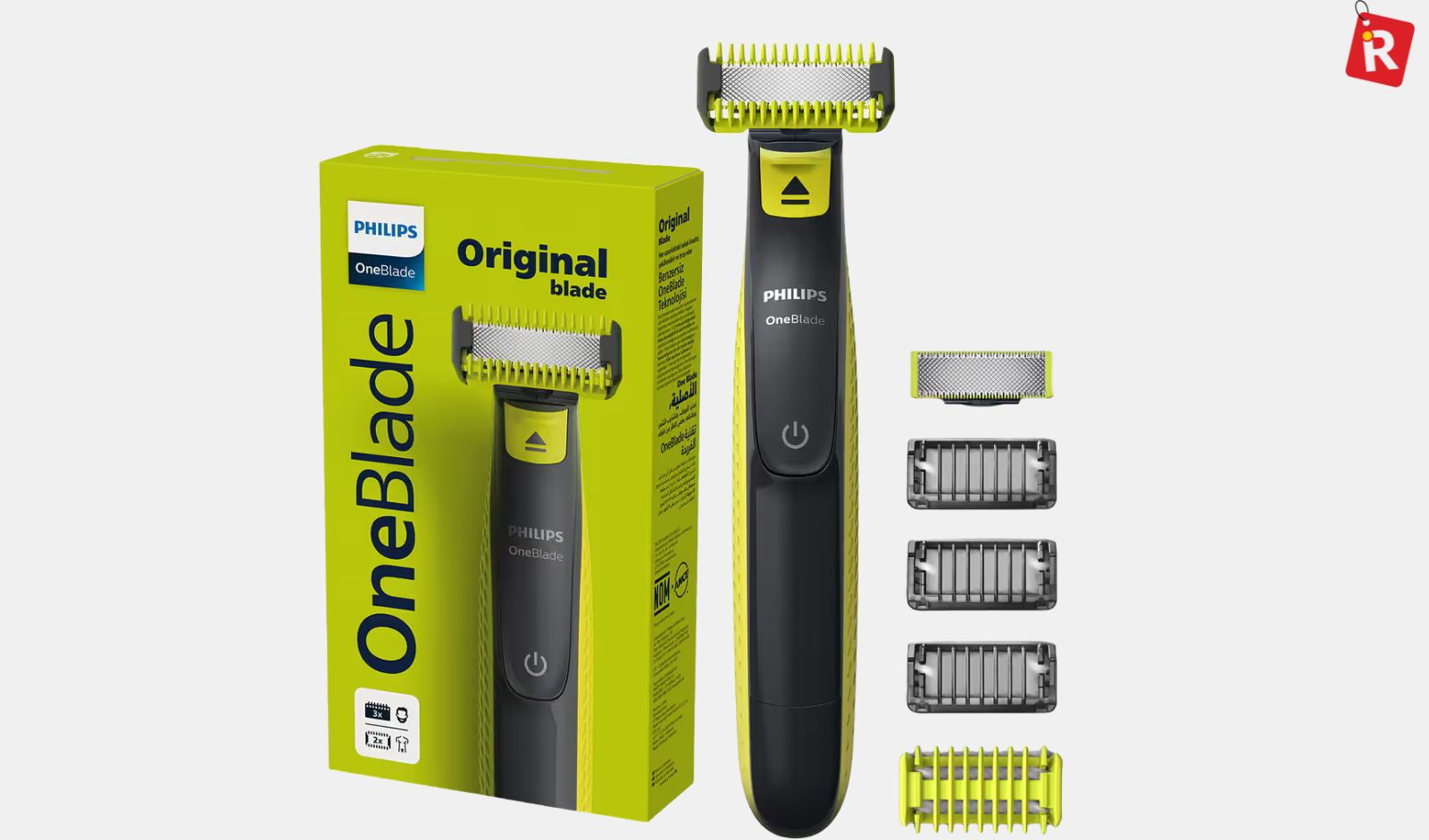
The OneBlade Turbo 2X is positioned for consumers who want more versatility from a compact grooming device. It is designed for face and body grooming, while its Turbo feature is intended to provide additional power when dealing with denser hair.
At around ₹2,350, it sits between conventional beard trimmers and more expensive multi-grooming kits.
Best for: Men looking for a compact face-and-body grooming solution.
Brand: Philips
Approx. price: ₹2,349
USP: Turbo-powered trimming with face and body versatility
Know more: Top 6 Jewellery Brands Winning India’s New-Age Jewellery Shopper
Tata Watch Brands From Sonata to Titan Lead India’s Premium Watch Shift
5 Best Monsoon Hair Care Products to Fight Frizz and Dryness
Conclusion
The growing variety of men's grooming devices reflects a broader change in consumer behaviour. Men are increasingly treating grooming as a regular part of their personal-care routine rather than an occasional activity. This is creating opportunities for brands to compete not only on price but also on technology, convenience, precision and multifunctionality. The category now spans entry-level beard trimmers, precision styling devices and premium multi-grooming systems. For consumers, the choice increasingly depends on whether they need a simple beard-maintenance tool or a device capable of handling their entire grooming routine.
FAQs on Trimmer Brands for Men in India
1. Which is the best trimmer for men?
The best trimmer depends on individual grooming needs. The Philips All-in-One Trimmer 7000 Series MG7922 is a strong choice for consumers looking for an all-in-one grooming device, while the Xiaomi Beard Trimmer 2C is suited to consumers seeking value and precision.
2. Which trimmer is best for beard grooming?
The Braun Series 5 BT5420 is a suitable option for dedicated beard and stubble grooming, offering precision-focused trimming and styling.
3. Which trimmer is best for both trimming and shaving?
The Philips OneBlade QP2724/10 is designed for trimming, edging and shaving, making it a versatile choice for consumers who want multiple functions in one device.
4. Which trimmer is best for full-body grooming?
The Philips All-in-One Trimmer 7000 Series MG7922 is particularly suitable for full grooming, with multiple attachments designed for the face, head and body.
5. What should you consider before buying a men's trimmer?
Consumers should consider trimming length options, battery life, charging time, blade quality, waterproofing, attachments and intended use. Those looking for more versatility may benefit from an all-in-one grooming kit, while consumers who primarily maintain their beard may prefer a dedicated trimmer.
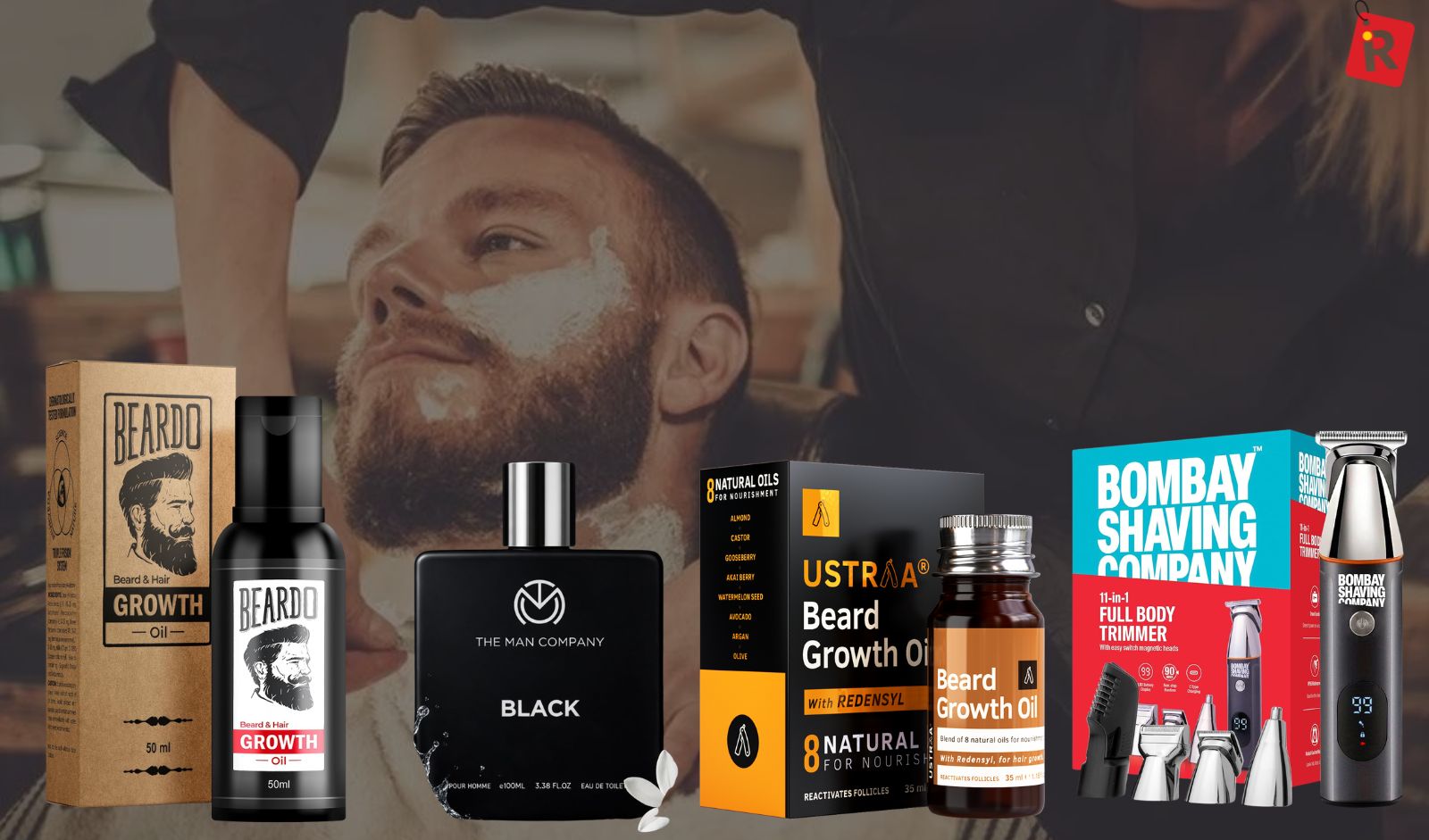
The men’s grooming industry in India has seen significant growth. Today, men’s personal care has come to the forefront, and people are increasingly choosing to indulge in personal care routines.
What was earlier confined to only a shave and haircut has now transformed into personalised self-care. This has led to the emergence of many men’s grooming brands like Beardo, The Man Company, Bombay Shaving Company, and more.
Siddharth Bhagat, Director, Amazon Beauty, Personal Care & Fashion Accessories, added, “Men’s grooming on Amazon.in is growing 1.6X year-on-year, with customers moving beyond basic grooming to explore skincare, body care and fragrances. With this in mind, we’re excited to launch PROWL’s expanded range on Amazon.in, including fragrances exclusive to Amazon. The range is designed around everyday utility and accessible pricing, qualities that align with what we’re seeing customers look for. As this category continues to grow, we remain focused on bringing customers greater choice and relevant products suited to their evolving grooming needs.”
The change in this preference for men’s grooming is led by the changing attitude towards masculinity and the endorsement of men’s personal care through social media platforms.
Especially, younger buyers today have become aspirational to spend on men’s grooming. Grooming is increasingly becoming associated with self-expression, confidence and lifestyle, encouraging consumers to explore categories beyond traditional shaving and haircare. The market is also becoming more competitive, with D2C brands, established FMCG companies and beauty players looking to capture a larger share of the male consumer’s wallet.
Men’s grooming expands beyond traditional categories
The Indian men’s grooming market is gradually moving from a function-led category towards a broader lifestyle and self-care proposition. Consumers are increasingly exploring skincare, fragrances, beard care, hair styling, body care and specialised grooming solutions.
According to Euromonitor, India’s men’s grooming market recorded 9 per cent value growth in 2025, with retail sales reaching around INR 18,630 crore. The competitive landscape is also becoming more fragmented, with Gillette’s value share declining from 15 per cent in 2020 to 14 per cent in 2025.
This shift is creating opportunities for new-age brands to build specialised propositions around the evolving needs of Indian men.
Tier II and Tier III cities emerge as growth markets
While metros have traditionally been the key markets for premium grooming products, Tier II and Tier III cities are increasingly becoming important growth markets for the industry.
Greater digital connectivity, rising disposable incomes, e-commerce penetration and growing exposure to social media are encouraging consumers in smaller cities to experiment with new grooming categories. Men in these markets are increasingly gaining access to products that were earlier largely concentrated in metropolitan markets.
The growing aspirational mindset among younger consumers is further accelerating this shift. Social media platforms have exposed consumers in smaller cities to grooming routines, international trends, celebrity endorsements and specialised products, helping brands create demand beyond the major metros.
For grooming companies, this is opening up a larger addressable market. E-commerce and quick commerce are allowing brands to reach consumers without having to build a large physical retail network immediately, while offline expansion is helping them improve visibility and accessibility.
Brands increase investments in the category
The growth opportunity is also attracting significant investment from both new-age grooming companies and established FMCG players.
Brands such as Beardo, The Man Company, Bombay Shaving Company, Ustraa and LetsShave have played an important role in building the specialised men's grooming category in India. Several of these brands have subsequently attracted strategic interest from larger consumer companies. Marico acquired Beardo, Emami acquired The Man Company, VLCC acquired Ustraa, while Wipro Consumer Care invested in LetsShave.
Beardo, for instance, has expanded beyond its original beard-care proposition into skincare, bath care and other grooming categories. The brand also has a growing offline presence, with its franchise model targeting premium grooming destinations across metros and emerging markets.
Bombay Shaving Company is another example of the increasing investment interest in the category. The company raised INR 136 crore from Sixth Sense Ventures and former cricketer Rahul Dravid in 2025, with the investment highlighting the growing investor interest in India's men's grooming opportunity.
The category has also started attracting larger strategic acquisitions. Godrej Consumer Products acquired men's grooming brand Muuchstac in a deal valued at around INR 450 crore in 2025, signalling the growing strategic importance of men's grooming for large FMCG companies.
Meanwhile, established companies are also expanding their propositions. Emami renamed its Fair and Handsome brand as Smart and Handsome as part of its broader effort to tap the expanding men's grooming market.
The road ahead
India's men's grooming industry is therefore moving beyond the traditional perception of grooming as simply shaving, deodorants and haircuts. It is evolving into a broader personal-care and lifestyle category, supported by changing consumer attitudes, younger buyers, digital influence, premiumisation and expanding retail access.
With Tier II and Tier III cities opening up new consumption opportunities and both D2C brands and large FMCG companies investing in the category, the next phase of men's grooming growth could be driven by deeper penetration, wider product portfolios and a stronger omnichannel presence.
As consumers become increasingly comfortable spending on specialised grooming products, men's grooming is gradually becoming an important growth opportunity within India's wider beauty and personal-care industry.
-
India’s beauty and luxury retail sector is strengthening its physical presence as consumers seek premium brands, immersive experiences and international-standard shopping.
-
Onichannel approach, rising disposable income, and greater consumer awareness are among the primary reasons driving the growth of Indian beauty market.
-
With more than 360 stores across 127 Indian cities and six decades in the business, Fabindia is focusing on younger consumers, contemporary western wear, omnichannel retail and experience-led formats to strengthen its next phase of growth.
-
From ingredient-led skincare to multi-category beauty, these emerging D2C brands are expanding their reach across India’s fast-evolving beauty market.





Copyright © 2009 - 2026 Franchiseindia.com Ltd