




 793
/ 10 MIN READ


Amaretto is an Italian treasure, cherished for its sweet, nutty flavor. Its story begins in Saronno, Italy, where it was crafted with almonds or apricot kernels. Over time, this liqueur became a symbol of indulgence and tradition. Amaretto is more than just a drink. It’s a versatile delight used in cocktails, desserts, or simply enjoyed neat. Imagine its warm almond notes enhancing a creamy tiramisu or elevating an evening cocktail.
In India, premium liqueurs are gaining popularity. Amaretto, with its unique taste and charm, has become a favorite for those seeking something different. Its growing demand reflects how Indian consumers are exploring global flavors. Whether you’re a seasoned liqueur lover or new to it, amaretto offers an experience like no other. From its rich Italian roots to its modern-day appeal, amaretto is a journey of taste you’ll want to explore.
Check more: 7 Best Premium Dark Rum Brands in India: A Complete Guide
8 Best Coconut Rum Brands to Try in India
7 Best Jamaican Rum Brands in India to Sip and Savor
What is Amaretto?
Amaretto is an almond-flavored liqueur. It originated in Saronno, Italy, and is known for its rich, sweet taste with a slight bitterness. The name "amaretto" comes from the Italian word "amaro," meaning bitter. This liqueur is often made using apricot kernels or almonds, combined with sugar, spices, and alcohol. It usually has an alcohol content of 24–28%, making it a perfect ingredient for cocktails and desserts.
Read more: 6 Best Feni Brands That Capture Goa in Every Sip
8 Best Deluxe Blended Scotch Whisky Brands in India
How is Amaretto Made?
The process of making amaretto involves:
- Flavor Extraction: Almonds or apricot kernels are soaked in alcohol to extract the nutty flavors.
- Sweetening: Sugar is added to balance the bitterness.
- Blending: Spices like vanilla or cinnamon are mixed for extra depth.
- Aging: Some brands age their amaretto to develop a smooth texture.
Know more: 6 Best Canadian Whiskey Brands in India: A Guide for Whiskey Lovers
6 Best Amaretto Brands in India
Here are the best amaretto brands you can try in India, offering unique flavors, rich traditions, and versatility, making them ideal for sipping, mixing in cocktails, or enhancing your desserts.
1. Disaronno Amaretto

Disaronno traces its origins back to a romantic tale from 1525, when a Renaissance artist received a gift of homemade liqueur from his muse. This story of creativity and affection is infused in every bottle. Known for its trademark smooth almond essence, Disaronno has a rich heritage of quality and craftsmanship. Its velvety texture and sweet apricot undertones make it a standout, perfect for both sipping and mixing. The iconic square bottle design with a carved cap represents the artistry behind this drink. Disaronno is a timeless classic that continues to captivate liqueur enthusiasts worldwide.
- Why Choose It?
The classic square bottle with its signature cap is a symbol of luxury. Disaronno is perfect for sipping neat or in cocktails like an Italian Margarita.
2. Phillips Amaretto

Phillips Amaretto is a testament to how simplicity can deliver exceptional taste. This brand is rooted in offering accessible luxury, focusing on creating a versatile, approachable almond liqueur. Whether making classic cocktails or giving desserts a delightful twist, Phillips adds charm with its rich yet subtle flavor. It's crafted to ensure consistent quality, making it a popular choice for home bars. The affordability of Phillips does not compromise on its smoothness, making it ideal for beginners or seasoned drinkers alike.
- Why Choose It?
Ideal for cocktails and baking, Phillips Amaretto offers excellent value for money.
3. Veroni Amaretto

Veroni stands out as a brand that bridges the gap between traditional Italian liqueur-making and modern-day flair. Every bottle of Veroni Amaretto is a tribute to the art of distillation passed down through generations. The almond richness is delicately balanced with hints of vanilla and caramel, giving it a comforting sweetness. Veroni’s warm, inviting notes make it a favorite for celebrations, and its unique smoothness pairs well with coffee or pastries. It’s a drink that feels like home, perfect for creating cherished memories with loved ones.
- Why Choose It?
Its smooth texture makes it perfect for desserts and after-dinner drinks.
4. Tosalini Saliza Amaretto

Tosalini Saliza is the epitome of artisanal excellence, handcrafted in the heart of Italy. The Tosalini family has been perfecting liqueur recipes for decades, ensuring that each bottle represents tradition and authenticity. Saliza’s almond-forward profile is complemented by a velvety finish, making it a sophisticated addition to your drink collection. Its gluten-free composition and use of natural ingredients reflect a commitment to health-conscious consumers. Whether enjoyed neat or in an indulgent cocktail, Tosalini Saliza is a symbol of Italian luxury.
- Why Choose It?
Tosalini Saliza is gluten-free and made with natural ingredients, offering a truly luxurious experience.
5. Adriatico Amaretto

Adriatico is a modern brand with a unique philosophy: to create amaretto that celebrates Italy’s southern almonds while being sustainable and ethical. Crafted with roasted almonds, cinnamon, and a hint of sea salt, Adriatico delivers a nuanced flavor profile unlike any other. The brand’s story revolves around innovation, offering a refreshing twist on a traditional favorite. Adriatico is also celebrated for its creamy texture, which makes it perfect for crafting inventive cocktails or pairing with desserts like tiramisu. It’s more than a drink; it’s an experience that embraces modern values.
- Why Choose It?
It’s vegan, gluten-free, and uses sustainable ingredients. Great for conscious consumers.
6. Lazzaroni Amaretto

Lazzaroni’s legacy dates back to the 19th century, earning its reputation as the original amaretto. Its secret family recipe involves the use of Amaretti di Saronno cookies, setting it apart from other brands. This unique ingredient gives the liqueur its distinct almond and apricot kernel notes, creating a truly authentic taste. Lazzaroni embodies Italian craftsmanship, making every sip a journey into tradition. Whether poured over ice cream or enjoyed in a cocktail, it delivers a rich, nostalgic flavor that has been cherished for over 170 years.
- Why Choose It?
Perfect for purists who want to taste the original amaretto.
Interesting Facts About Amaretto
- Cultural Significance: Amaretto is a key ingredient in Italian desserts like tiramisu and biscotti.
- Cocktail Favorite: Popular drinks like the Amaretto Sour and Godfather feature this liqueur.
- Not Always Almonds: Many brands use apricot kernels instead of almonds.
- DIY Tip: You can make amaretto at home using vodka, almond extract, sugar, and spices.
How to Enjoy Amaretto
- Cocktails:
- Amaretto Sour: Mix amaretto with lemon juice and simple syrup.
- Italian Margarita: Combine tequila, amaretto, and lime juice.
- Desserts: Add to tiramisu, chocolate mousse, or coffee.
- Pairings: Enjoy it with dark chocolate, nuts, or fruit-based desserts.
Let’s Saluti(Cheers)!
Amaretto is a liqueur that brings a touch of elegance to any occasion. Its sweet, nutty flavor works perfectly in drinks and desserts. Whether you enjoy the classic Disaronno or want a vegan choice like Adriatico, there's an amaretto for everyone. The smooth almond taste adds warmth to cocktails, and it’s a delightful addition to treats like cakes and ice cream. In India, more people are discovering the magic of amaretto. With so many brands to choose from, each offering its unique twist, it’s easy to find the perfect bottle to suit your taste.



The Indian electric fan market is moving on from the old model of providing basic cooling with energy efficiency, design and changing consumer preference shaping the market. Fans are increasingly becoming part of home interiors, as consumers pay more attention to their appearance, electricity consumption, performance and technology.
According to the Red Herring Prospectus of Kent RO Systems, the Indian fan market grew from Rs 10,860 crore to Rs 15,000 crore at a CAGR of around 6.7 per cent from FY2019 to FY2024, according to Technopak Analysis. The market is expected to register a CAGR of 11.2 percent between FY2024 and FY2029 to reach Rs 25,500 crore. These estimates exclude exports.
The industry is also trending in favor of premium products.
"The Indian electric fan market is estimated to be around Rs 17,000 crore and growing at around 10 percent year-on-year," said Bishan Jain, Director, Goldmedal Electricals.
Ashutosh Gupta, Director, Sales and Marketing, Summercool Home Appliances Limited puts it at about Rs 15,000 crore and expects it to grow at 8-10 per cent year-on-year for the next two to three years. Meanwhile, Naman Shah, Director, ReneSola India (LeSol Group), estimates the ceiling fan market at USD 1.28 billion in 2025, which is projected to reach USD 1.52 billion in 2026, growing at around 9.2 percent.
Also read: How EPACK Durable Is Rewriting Its Growth Story
Premium Fans Gain Share
Premium fans are gaining popularity as consumers increasingly prefer better designs, stylish finishes and energy-efficient features over basic cooling functionality.
Goldmedal Electricals sells premium fans which form about 30 percent of the total sales, compared to 20 per cent two to three years ago.
“This growth is a reflection of consumer preference toward products that offer energy efficiency along with contemporary aesthetics,” said Jain. “Our BLDC decorative fans have been a key player in this change by providing reduced power consumption, in addition to modern designs and finishes.”
According to Gupta, the premium fan segment's share increased from 12.5 percent in FY19 to 24 percent in FY25.
However, premiumisation is progressing differently across companies. Summercool sells around one million fans annually, but its main business remains air coolers. ReneSola India, which recently entered the fan market with conventional models under ReneSola and Usha Shriram, currently has no premium or BLDC fan sales. Its upcoming BLDC range is expected to make premium products a meaningful part of sales from FY28.
Also read: How Archies Is Reimagining India's Gifting Market
Rs 3,000–Rs 5,000 Segment Sees Faster Growth
The Rs 3,000–Rs 5,000 segment is witnessing faster growth at Goldmedal, while the Rs 2,000–Rs 3,000 range continues to lead in sales volumes. Jain said, “This shift is being driven by rising income levels, growing aspirations for better home interiors, and increasing demand for products that offer a combination of performance, energy efficiency, and design.”
Shah also identifies Rs 3,000–Rs 5,000 as the fastest-growing segment, driven by demand for lower electricity bills, quieter operation and remote controls. At Summercool, the Rs 1,500–Rs 2,000 segment sees strong demand due to affordability. Gupta said, “Fans are increasingly becoming a part of home décor, reflecting interior luxury, an upgraded standard of living and aesthetic preferences, with consumers choosing ceiling fan colours that match their bedroom interiors.”
Also read: From Clean Water to Clean Energy: Kent's Next Growth Chapter
BLDC Technology Drives Upgrades
Energy efficiency is driving fan upgrades as consumers seek lower electricity bills. BLDC technology, quieter operation, remote controls, smart connectivity and modern designs are encouraging households to replace conventional fans with advanced models.
Shah said, “Energy efficiency and BLDC technology are the biggest upgrade drivers, followed by design. India's 2025 star-rating reset downgraded older induction fans, accelerating replacement. Smart connectivity is growing but remains largely urban.”
Goldmedal is also seeing growing interest in decorative fans that combine energy efficiency with modern styling.
Jain said, “Energy efficiency is one of the primary factors driving consumers to upgrade from conventional fans to newer technologies. Growing awareness of electricity consumption, along with government initiatives promoting energy-efficient products, is further encouraging this transition. BLDC technology is gaining traction by offering lower power consumption without compromising on performance.”
Also read: Aadyam Handmade Looks Beyond Traditional Textiles
Summercool also sees changing lifestyles influencing consumer choices. Gupta said, “Consumers are upgrading to fans that combine energy efficiency, better performance and modern design. BLDC technology is a key driver, as it consumes significantly less electricity, helping households save money over time. At the same time, changing lifestyles and increasingly expensive tastes are driving demand for stylish designs, smart features and premium fans that complement modern interiors.”
The opportunity is also supported by rising household penetration. NITI Aayog estimates that ceiling fan penetration is expected to reach 100 percent by 2030, compared with 96 percent in urban and 85 percent in rural households in 2020.
Also read: How Ambrane is Creating Its Next Growth Chapter
Electrical Dealers Continue to Lead Sales
Despite the growth of online shopping and modern retail, electrical dealers remain the main sales channel for fans in India. People frequently wish to visit stores so that they can investigate the products available, analyse styles and receive specialist guidance.
Jain said, “The premium fan category continues to be driven largely by traditional electrical retail, where consumers benefit from product demonstrations, expert guidance, and the ability to evaluate products before making a purchase.”
Goldmedal continues to focus on strengthening its dealer network while also using e-commerce and modern retail to reach more consumers.
For Summercool, sales primarily come through electrical dealers and institutional sales. The company has more than 350 dealers and reaches approximately 6,000–10,000 retailers through its distribution network. It operates over 600 cities, with online sales contributing 5–10 percent and offline channels accounting for 90–95 percent of its business.
ReneSola India also sells its fans mainly through electrical dealers. Its network includes more than 1,000 distributors, of which over 400 are active, and more than 20,000 retail outlets. The company plans to expand its presence in online and modern retail channels after launching its BLDC range.
Also read: India’s B2C E-Commerce Funding Falls 33 Pc to USD 1.6 Bn in 2026 YTD
What is the future of the fan market?
The next stage of growth for makers will be to offer products at different price points, while improving energy efficiency, design and performance.
Founded in 1992, Summercool has an annual turnover of about Rs 500 crore and an overall company sales growth of 15-20 percent year-on-year. It has an estimated 8-10 percent share in the appliance market, especially coolers. Between Rs 1,500 and Rs 2,000 is the company’s most popular fan pricing range.
Since setting up in 2005, ReneSola aims to achieve between Rs 30-40 crore of fan sales by FY28. It achieved sales of Rs 200 crore in FY26.
As consumers become more educated about the cost of electricity and home design, fans are slowly moving away from their basic cooling function. Sales volumes will continue to be driven by affordable models but premium designs and energy efficient technology are opening up new avenues for manufacturers. The category is no longer just about keeping homes cool; it is also about saving electricity and matching changing lifestyle preferences.
Also read: How Jaipur Rugs Is Expanding Its Global Footprint

As Black Friday gains momentum in India's retail landscape, brands and e-commerce platforms are rolling out promotional campaigns to attract shoppers across categories. From fashion and beauty to electronics and home essentials, the shopping event is increasingly becoming an opportunity for consumers to discover new products, explore brands and make value-driven purchases ahead of the year-end holiday season.
Women’s apparel brand Kraus Jeans has announced its Black Friday sale, offering discounts of up to 60% on selected styles through its website, alongside exclusive multi-buy offers at its Exclusive Brand Outlets (EBOs) across India. Meanwhile, government-backed e-commerce platform DigiHaat has launched its Black Friday Sale, powered by Portronics, offering discounts of up to 80% across multiple product categories.
DLF Malls Expect Double-Digit Footfall Growth
The growing popularity of Black Friday is also translating into increased engagement across physical retail destinations. At DLF Malls, the Black Friday weekend is expected to drive double-digit growth in footfalls compared with a regular weekend, alongside an estimated 15–20% increase in sales across retail partners.
“Black Friday has steadily evolved into an important part of the retail calendar in India, reflecting the growing willingness of consumers to seek value, discover new brands and shop across categories. What began largely as an online-led event is now driving meaningful engagement in physical retail as consumers continue to value in-store experiences alongside attractive offers,” said Pushpa Bector, Group Executive Director and Business Head, DLF Retail.
According to Bector, categories such as fashion, beauty, footwear, jewellery and watches, along with electronics, are expected to see strong traction during the shopping weekend.
She added that Black Friday is increasingly moving beyond immediate sales by attracting new shoppers, encouraging cross-category spending and supporting brand discovery. The event also serves as an important bridge between the festive season and the year-end shopping period, helping sustain retail momentum.
Kraus Jeans Offers Up to 60% Off on Selected Styles
As part of its Black Friday campaign, customers shopping on the Kraus Jeans website can avail discounts of up to 60% across selected styles and collections. Shoppers across both online and offline channels can also benefit from multi-buy offers.
The brand is offering 10% off on purchasing one article, 20% off on two articles and 30% off on four or more articles, encouraging customers to mix and match styles while refreshing their wardrobes.
Known for its focus on fit, comfort and contemporary styling, Kraus Jeans offers a diverse portfolio of women's denim and casualwear. Its collection includes classic straight-fit and skinny jeans, alongside flared, wide-leg and baggy silhouettes.
Beyond denim, the brand offers cargos, trousers, jeggings, joggers, tops, sweatshirts, jackets and shirts, providing consumers with options for everyday dressing, casual outings and the upcoming party season.
Customers can explore the sale through the Kraus Jeans website or visit their nearest Exclusive Brand Outlet.
DigiHaat Rolls Out Black Friday Deals With Up to 80% Off
Expanding the reach of Black Friday promotions beyond fashion and lifestyle, DigiHaat has introduced its Black Friday Sale, powered by Portronics, with discounts of up to 80% across a wide range of products.
The sale features deals on electronics, beauty, grocery, home essentials and other everyday categories, giving consumers access to promotional offers ahead of the holiday season.
Among the highlighted electronics deals, the Portronics Air X 3-in-1 H13 True HEPA Air Purifier is available at ₹11,049, while the Portronics SoundDrum 1 12W TWS Portable Bluetooth Speaker is priced at ₹717.
Another highlighted product is the Portronics Power Shutter 20K, featuring 15W wireless charging, available at ₹1,300.
The platform is also extending offers beyond electronics, with products from brands such as VGR, Lal Sweets and Renée. Shoppers can explore deals across beauty, grocery and home essentials, with coupons available on most products in the Black Friday Sale assortment and applicable at checkout.
Through the campaign, DigiHaat aims to expand consumer choice and provide better value while increasing the reach of sellers operating on an open digital commerce network.
Customers can explore the full range of offers on the DigiHaat platform.
Black Friday Strengthens India's Retail Calendar
The growing participation of fashion brands, electronics companies, e-commerce platforms and shopping malls highlights how Black Friday is becoming a broader retail opportunity in India.
While attractive discounts continue to drive purchase decisions, the event is also creating opportunities for brands to attract new consumers, improve product discovery and encourage shopping across categories.
With online platforms and physical retail destinations participating in the same shopping season, Black Friday is increasingly emerging as a bridge between festive shopping and year-end consumption.

The demand for convenience is reshaping India's consumer services market, with more consumers turning to digital platforms for everyday household assistance, beauty treatments and personal grooming. From booking domestic help for routine chores to accessing professional salon services at home, technology-enabled platforms are making traditionally offline services more accessible.
This shift is creating opportunities for businesses that combine digital bookings, trained service professionals and doorstep delivery. While platforms such as Snabbit and Pronto are focusing on on-demand household assistance, others, including Billu Salon, GetLook and Yes Madam, are bringing salon and beauty services directly to consumers. Urban Company, meanwhile, has built a broader service ecosystem spanning home maintenance, cleaning and personal care.
Here are six instant service platforms changing how Indian consumers access household and personal care services.
1. Snabbit: Making On-Demand Household Help Accessible
Snabbit is an on-demand home services platform designed to simplify everyday household chores through quick bookings and access to trained professionals. Its services include cleaning, dishwashing and other routine domestic tasks, catering to urban households seeking assistance with their daily responsibilities.
By focusing on accessible household help and flexible service requirements, Snabbit is addressing a consumer need that has traditionally been met through informal domestic worker networks. Its model reflects the growing demand for technology-enabled solutions that make everyday household assistance easier to access.
2. Billu Salon: Bringing Professional Salon Services Home
Billu Salon is tapping into the growing demand for at-home beauty and grooming services through a technology-enabled booking platform. It allows consumers to access salon services without travelling to a physical establishment, making personal care more convenient.
Its offerings extend beyond conventional beauty treatments to include services such as at-home shampooing, conditioning and blow-drying. By bringing salon-like experiences into consumers' homes, Billu Salon is catering to individuals seeking professional grooming services with greater flexibility.
3. Urban Company: Building an Organised Home Services Ecosystem
Urban Company is among India's recognised technology-led home services platforms, connecting consumers with professionals across household maintenance, cleaning, repairs and personal care.
Its service categories include home cleaning, plumbing, appliance repairs, beauty treatments and salon services. Through its app-based ecosystem, the company enables consumers to discover services, schedule appointments and access professionals across multiple categories.
By bringing diverse service requirements onto a single platform, Urban Company represents the shift towards organised home services, where digital discovery, service standardisation and professional access play an important role in shaping consumer experiences.
4. Pronto: Bringing Instant Domestic Assistance to Urban Households
Pronto is addressing the demand for on-demand domestic assistance by connecting consumers with professionals for everyday household tasks. Its services focus on activities such as cleaning, dishwashing and other routine chores that require regular attention.
The platform's model caters particularly to urban consumers managing busy work schedules and household responsibilities. By facilitating digital bookings for domestic assistance, Pronto is part of an emerging segment of instant home services that aims to make household support more accessible and flexible.
5. GetLook: Expanding Access to At-Home Beauty and Grooming
GetLook is an at-home salon and beauty services platform connecting consumers with beauty professionals through a technology-enabled booking system. Its portfolio covers a range of personal care requirements, including facials, clean-ups, waxing, threading, manicures, pedicures, haircuts, hair treatments and massages.
The platform also caters to specialised requirements through bridal makeup and pre-bridal services. Consumers can browse professionals, assess their experience and reviews, and schedule appointments based on their preferences.
Operating across multiple Indian cities, including Bengaluru, GetLook reflects the growing demand for personalised beauty services that combine professional expertise with the convenience of doorstep appointments.
6. Yes Madam: Making At-Home Beauty and Wellness More Accessible
Yes Madam is an at-home beauty and wellness platform that brings salon and personal care services directly to consumers. Its offerings span skincare, haircare, beauty treatments and grooming, with appointments facilitated through its digital platform.
By connecting consumers with beauty professionals at their homes, the platform eliminates the need for salon visits and offers greater flexibility in accessing personal care services.
Yes Madam represents the expanding at-home beauty and wellness segment, where consumers are increasingly looking for professional services that fit into their schedules and individual preferences.
The Growing Demand for Instant Services in India
The emergence of platforms such as Snabbit, Pronto, Urban Company, Billu Salon, GetLook and Yes Madam reflects a broader shift in India's service economy. Convenience is increasingly influencing how consumers discover, book and experience everyday services.
As digital adoption expands and urban lifestyles become more time-conscious, household assistance, beauty treatments and personal grooming are becoming important categories within the on-demand services ecosystem. For businesses, this presents an opportunity to organise fragmented service markets, improve service discovery and build stronger consumer relationships through technology-enabled doorstep experiences.

Building wealth over ten or fifteen years usually means juggling more than one product: a policy to protect your family and a separate investment for goals like a child’s education or retirement. A ULIP scheme brings both into a single plan. Its real value shows up when you stay invested long term and understand how the plan’s features work in your favour.
What Is a ULIP Scheme?
A Unit Linked Insurance Plan (ULIP) combines life insurance with market-linked investment. Part of each premium pays for your life cover, while the rest is invested in funds you choose, such as equity funds, debt funds, or a mix of both. Your investment is held in units, and each unit's value, called the Net Asset Value (NAV), moves with the market.
Because returns depend on market performance, they are not guaranteed. The investment risk rests with the policyholder, which is why ULIPs generally suit people with a longer horizon more than those looking for quick gains.
Key ULIP Benefits for Long-Term Investors
Several features make a ULIP worth considering if your goals are a decade or more away.
- Protection and investment in one plan: Your family stays covered while your money is invested. Under IRDAI rules, the amount paid to your nominee cannot be less than 105% of the total premiums paid.
- Freedom to choose and change funds: You can pick funds that match your risk appetite and switch between them as your circumstances change.
- Room to invest more: Many plans accept top-up premiums when you have surplus money, such as an annual bonus. Each top-up is locked in for five years from the date you pay it.
- Clear view of your money: IRDAI requires insurers to publish each fund’s performance on their website over periods of up to five years and since launch, alongside a benchmark index. You also receive an annual statement showing the charges deducted and your fund value at the start and end of the year.
- Tax advantages, within limits: If you opt for the old tax regime, your premiums count towards the deduction of up to ₹1,50,000 a year under Section 123 of the Income-tax Act, 2025, Schedule XV. The amount you receive from the policy can also be tax-free under Schedule II, as long as the premium generally stays within 10% of the sum assured.
- No GST on premiums: Since 22 September 2025, premiums on individual life insurance policies, including ULIPs, have been exempt from GST.
Why Patience Pays in a ULIP
The five-year lock-in set by IRDAI is often seen as a drawback, but it serves a purpose. Partial withdrawals are not allowed during this period, which keeps your money invested through short-term market swings and gives your funds time to recover from a fall.
Staying invested can also help with costs. Some plans reward long-term policyholders directly. For example, one of Aviva India’s ULIPs refunds up to 100% of the mortality and policy administration charges at maturity, depending on the premium size.
Once the lock-in is over, you also gain some flexibility. Partial withdrawals become available, subject to the plan’s limits, so you can draw on your fund for a planned expense without closing the policy. If the policy covers a child, you can withdraw only after the child turns 18.
Points to Weigh Before You Invest
ULIP benefits work best when you go in with clear expectations. Keep these points in mind:
- Market risk: Fund values can fall as well as rise, and past performance does not indicate future returns.
- Charges: ULIPs carry charges such as premium allocation, policy administration, mortality and fund management charges. Compare them across plans using the benefit illustration.
- Limited early liquidity: If you stop paying premiums or surrender the policy within the first five years, your fund value, after discontinuance charges, moves to a Discontinued Policy Fund and your life cover ends. This fund earns at least 4% a year, and you receive the money only after the lock-in ends.
Weighing these points against your goals and investment horizon helps you choose a ULIP that suits you and stay invested long enough to benefit.
Conclusion
The main ULIP benefits build over time, as your family stays covered and your fund choices adjust to each life stage. These advantages are strongest for investors who can commit for well beyond the five-year lock-in and accept that returns move with the market. If that describes you, compare the charges, fund options and long-term features of different plans before deciding which one fits your goals.

Taking a loan can help you meet a lot of your financial costs related to medical expenses, home renovation, education, travel, wedding, etc. However, borrowing without considering its impact on your finances can put pressure on your monthly budget and affect your ability to meet your financial commitments. To avoid this, here are some tips that can help you borrow responsibly without straining your monthly budget.
- Know your finances and revise your budget
Before applying for a loan, get a clear understanding of your monthly cash flow to determine how much money you have available after accounting for all your financial commitments. Start by determining how much of your monthly income is spent towards fixed expenses such as groceries, rent, and other recurring financial obligations.
Once you have a clear picture of your spending and your savings, create a revised budget plan. While doing so, cut down on any unnecessary expenses and account for upcoming expenses too, such as vehicle servicing, planned medical expenses, festival shopping, annual insurance premiums, school fees, etc. Additionally, set aside a portion of your income for your contributions to emergency funds to ensure you have sufficient savings to meet unexpected costs.
- Borrow as per your need and not your approved limit
Qualifying for a higher loan amount does not mean you should borrow it entirely. Instead, you should carefully consider how much you actually need to meet your financial requirements. Taking a higher loan amount than what you actually need will increase your EMI and total interest cost, unnecessarily adding pressure on your monthly budget.
Also, avoid availing loans for discretionary purchases or lifestyle expenses that can be postponed or funded through savings. Keeping your borrowing limited to actual financial needs will help you manage your EMIs comfortably, retain more disposable income, and avoid unnecessary debt accumulation.
- Assess your EMI affordability
A loan EMI should fit comfortably within your income alongside your existing financial obligations so you don’t compromise essentials like rent, food, or school fees. Thus, evaluate how much money you can comfortably keep aside for the new EMI before applying for a loan.
Lenders usually prefer approving loan applications of those whose total monthly debt repayments, including the EMI of the proposed loan, are within 50-60% of their monthly income. This limit may vary across lenders. Therefore, use the 50-60% range as a broad reference and try to keep your total monthly loan obligations within this limit so you have enough money to cover your living expenses, savings, and unexpected financial needs. If your total EMIs exceed this limit, consider opting for a lower loan amount or a longer repayment tenure to bring down the proposed EMI.
- Compare multiple loan offers to find the affordable loan option
The interest rates offered on a loan can vary widely across lenders based on the applicants’ credit profiles. Also, the varying credit risk assessment policies of lenders may give you varied results for the same applicant in terms of his/her loan approval chances and offered interest rate. Therefore, it is important for applicants to compare loan offers from multiple lenders before applying for a loan. The best way to approach this is by visiting online financial marketplaces like paisabazaar, where you can easily view and compare offers from multiple banks and NBFCs based on your credit profile.
Besides comparing the interest rates, check for loan amount, tenure, processing fees, prepayment/foreclosure charges, disbursal time, and other loan terms before making the final loan selection. Knowing the related costs and having all information on the loan terms will help you choose a more affordable loan and avoid surprises and expenses that could strain your monthly budget later on.
- Select loan tenure based on your repayment capacity
Another aspect to consider when borrowing responsibly is loan tenure, as it directly impacts your EMI and total interest cost. A shorter repayment tenure leads to higher EMIs but reduces the overall interest cost. A longer tenure, on the other hand, reduces the EMIs but increases the total interest cost payable on the loan. Choose your loan tenure based on your loan repayment capacity and use an online loan EMI calculator to see how different tenures affect your EMIs and total interest cost.
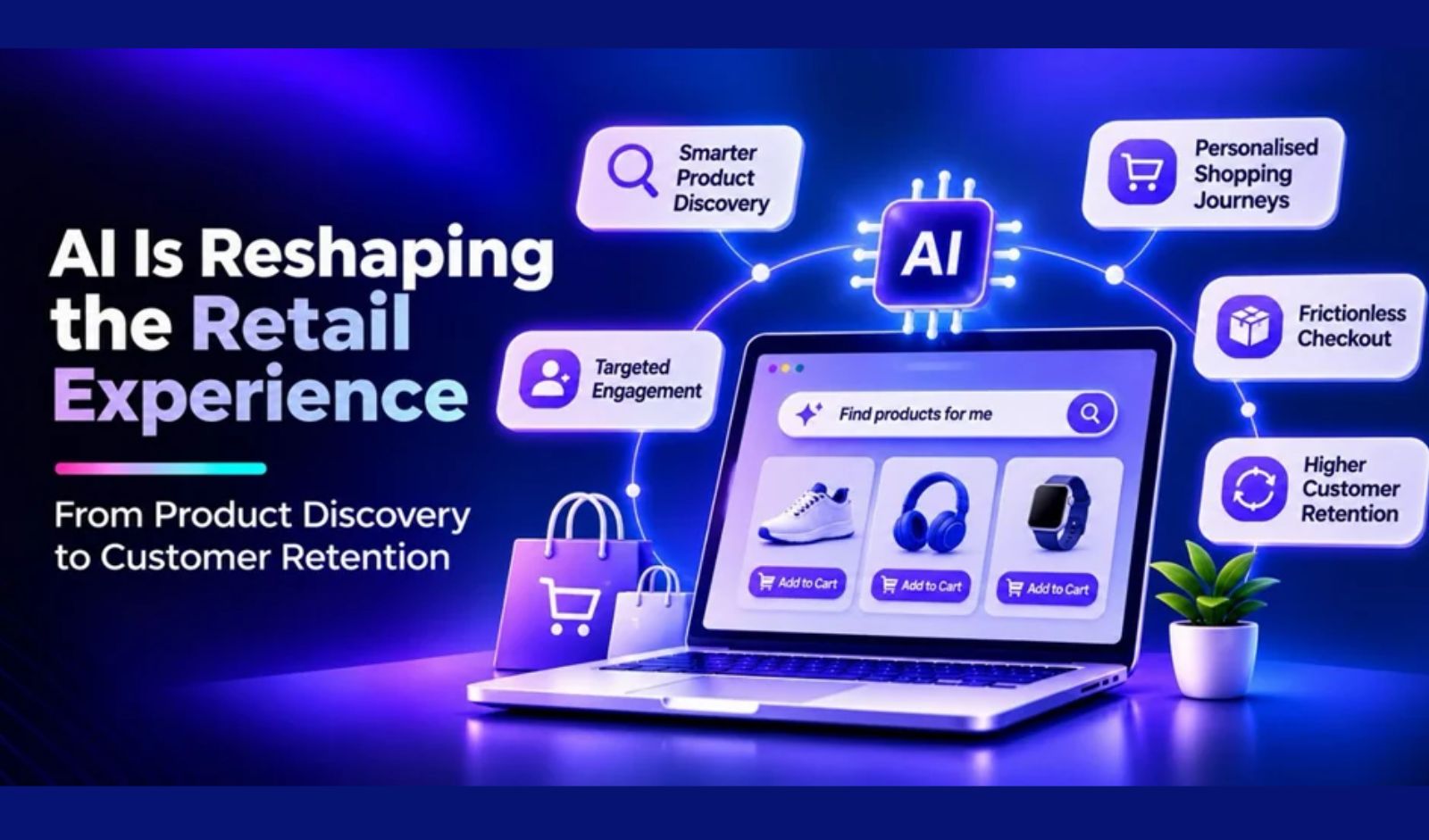
A customer looking for a new pair of running shoes no longer has to browse dozens of websites, read multiple product descriptions, and compare specifications manually. They can simply ask an AI assistant to recommend shoes based on their running style, budget, and preferences. Similarly, someone shopping for skincare can seek recommendations based on ingredients, skin type and specific concerns.
These seemingly small changes reflect a much larger transformation in retail. Artificial intelligence (AI) is changing how consumers discover products, evaluate brands and make purchase decisions. For retailers, this means the traditional approach of attracting visitors to a website and converting them into customers is no longer sufficient. Businesses must rethink how they engage with shoppers throughout the buying journey.
According to NielsenIQ's Agentic Commerce India 2026 study, 92% of consumers surveyed across India's top eight metros have used AI while shopping. As these behaviours become more mainstream, retailers will need to adapt their strategies to remain relevant.
1. Product Discovery Will Become More Intent-Driven
Traditional product discovery relies heavily on keywords, categories, and filters. Consumers search for a product, browse available options, and narrow down their choices.
AI is making this process more conversational through AI shopping assistants. Instead of searching for a specific product, consumers can describe what they need and receive recommendations based on their requirements.
For retailers, this creates two priorities. First, product information must be detailed and accurate. Descriptions should include relevant attributes, specifications, usage instructions and other information that helps consumers make informed decisions.
Second, brands must consider how their products appear across AI-powered discovery platforms. Structured product information, authentic reviews and consistent brand details can improve the quality of information available to these systems.
What retailers can do: Audit product listings, improve descriptions, add relevant product attributes, and ensure that information remains consistent across their website and marketplaces.
2. Personalisation Will Move Beyond Discounts
Many retailers use discounts and promotional campaigns to influence purchase decisions. However, not every customer is motivated by the same offer.
A first-time visitor may need product education, while a returning customer may be more interested in complementary products. Someone who has repeatedly browsed a particular category may simply need relevant recommendations to make a decision.
AI can help retailers identify these differences by analysing browsing behaviour, purchase history, and customer preferences.
For example, a fashion retailer could recommend products based on previously purchased styles, while a beauty brand could suggest complementary products based on a customer's buying patterns.
This makes personalisation more contextual and potentially more effective than sending the same promotional message to every customer.
What retailers can do: Start with basic customer segmentation, identify high-value customer groups, and use behavioural insights to make recommendations and communication more relevant. Ensure customer data is used transparently and with appropriate consent.
3. AI Can Help Reduce Purchase Hesitation
Getting a customer interested in a product is only half the job. Questions around product suitability, quality, delivery timelines and payment options can still prevent a purchase.
This is where AI-powered shopping assistants can make a difference. They can answer routine product questions, explain features, compare alternatives, and guide customers towards suitable choices.
Consider an electronics retailer. A shopper comparing two laptops may want to understand differences in battery life, performance, and suitability for work. An AI assistant can help explain these differences without requiring the customer to navigate multiple product pages.
Retailers should also examine friction during checkout. Repeated form filling, unclear delivery estimates, and limited payment options can lead to abandoned carts.
What retailers can do: Identify frequently asked customer questions, introduce AI-assisted product guidance where useful, and regularly test the checkout experience, particularly on mobile devices.
4. Inventory and Demand Planning Will Become Smarter
AI's role in retail extends beyond customer-facing interactions. It can also help businesses make better operational decisions.
Demand forecasting is a significant challenge, particularly for retailers dealing with seasonal products, changing consumer preferences, and multiple sales channels.
AI-powered forecasting systems can analyse historical sales, seasonal trends and other relevant signals to estimate future demand.
For example, a fashion retailer preparing for a festive sale can use historical demand patterns to plan inventory more effectively. A grocery business can use sales trends to anticipate replenishment requirements and reduce wastage.
Although forecasting is not always accurate, better predictions can help retailers reduce stockouts, avoid excess inventory, and improve working capital efficiency.
What retailers can do: Begin by consolidating historical sales and inventory data. Identify products with unpredictable demand and evaluate whether forecasting tools can improve replenishment decisions.
5. Customer Retention Will Depend on More Relevant Engagement
For many D2C brands, acquiring a customer is only the beginning. The real challenge is encouraging that customer to return.
AI can help retailers identify customers who are likely to make repeat purchases, recommend relevant products, and automate timely communication.
For instance, a wellness brand could send replenishment reminders based on typical product consumption cycles rather than relying on generic promotional campaigns.
Similarly, retailers can analyse customer feedback and purchase behaviour to identify reasons behind declining engagement.
The objective should be to build meaningful customer relationships rather than increase the frequency of promotional messages.
What retailers can do: Track repeat purchase rates, identify products with natural replenishment cycles, and create customer segments based on actual buying behaviour.
6. The Biggest Challenge Will Be Connecting Disconnected Systems
As retailers adopt more technology, another challenge emerges: fragmented data and disconnected platforms.
A business may use separate systems for marketing, customer data, product discovery, checkout, inventory, and customer engagement. When these systems do not communicate effectively, valuable insights remain scattered.
This is where integrated commerce platforms become relevant. Solutions such as fastrr by Shiprocket bring together AI-powered commerce capabilities, including shopper intelligence, product discovery, checkout optimisation and customer engagement.
For growing eCommerce businesses, this offers an opportunity to address multiple stages of the customer journey through a connected technology ecosystem.
The platform's seller outcomes also provide an indication of its business impact. Parcos achieved a 27.86% checkout conversion rate, while Zop reported a 10–15% increase in daily units sold without increasing website traffic or advertising spend.
These examples highlight why retailers should evaluate technology not just by the number of features it offers, but by the measurable improvements it can deliver to their businesses.
Where Should Retailers Begin?
AI adoption does not have to involve a complete transformation of existing systems. Retailers can begin with specific business problems and expand their use of technology as they see results.
A practical starting point is to:
Identify the biggest friction points in the customer journey.
- Consolidate customer, sales and inventory data wherever possible.
- Prioritise repetitive processes that can benefit from automation.
- Experiment with AI in areas such as customer support, product recommendations and demand forecasting.
Measure outcomes through conversion rates, inventory efficiency, repeat purchases and customer satisfaction.
Retailers should also remain mindful of data privacy, information accuracy and the limitations of AI-generated recommendations. Human oversight remains essential, particularly where decisions directly affect customers.
The Next Retail Advantage Will Come From Better Decisions
AI will not replace the fundamentals of retail: understanding customers, offering relevant products, maintaining trust, and delivering a good experience. What it will change is how effectively businesses can execute these fundamentals.
The retailers that gain an advantage will not necessarily be those adopting the most AI tools. They will be those using technology to understand customers better, make smarter operational decisions, and remove friction from the buying journey.
Ultimately, the next retail revolution is not just about making shopping more intelligent. It is about making retail businesses more responsive to what their customers actually need.
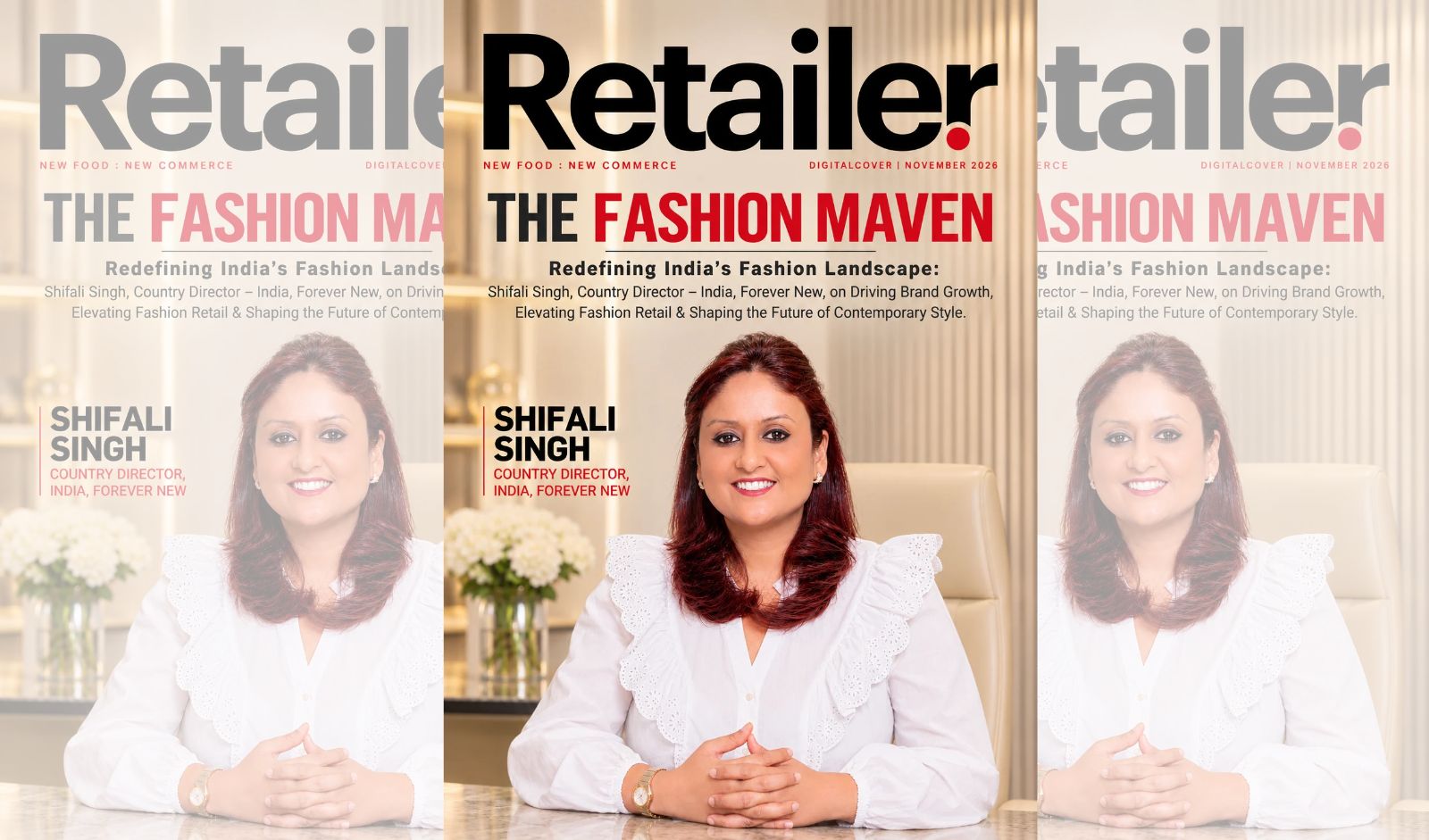
Two decades into its India journey, Australian fashion brand Forever New is entering a new chapter—one defined not merely by expansion, but by evolving with the modern Indian woman. From its origins as an occasionwear-led brand to a broader wardrobe destination spanning workwear, casualwear, dresses and statement fashion, the company is building its next phase around customer relevance, product versatility and experience-led retail.
India is currently the third-largest market for Forever New’s global parent company, underlining the country’s growing significance in the brand’s international growth strategy. Having established a strong foothold in the premium women’s westernwear segment, the retailer is now looking to deepen its presence across established markets while unlocking opportunities in Tier II cities.
“We have continued to be relevant in India because we’ve evolved with the customer in the last 20 years. We have worked very closely with our customer and seen her evolution—whether it is her choices of products or where she is plugging our products into her lifestyle,” said Shifali Singh, Country Director – India, Forever New.
Evolving Beyond Occasionwear
Forever New entered India with a strong association with dresses, eveningwear and occasion-led dressing. Over the years, however, the brand has steadily expanded its offering to reflect the changing needs of women who want fashion that fits multiple aspects of their lives—from professional settings and everyday outings to celebrations and social occasions.
Its portfolio now spans eight to nine categories within women’s westernwear, including workwear, day-to-evening styles, dresses, denim, trousers, T-shirts, shirts and blouses, alongside its signature occasionwear.
This shift reflects a larger opportunity in premium fashion: consumers increasingly expect their wardrobes to be versatile without compromising on design, quality or style. Forever New has responded by strengthening its casualwear offering while retaining its identity in feminine, occasion-led fashion.
The brand’s tops category, particularly shirts and blouses, has emerged as a notable growth driver. Its satin shirts, lyocell styles and design-led silhouettes have found traction across age groups and occasions. The category is priced broadly between Rs 4,000 and Rs 6,000, with its performance exceeding internal expectations.
“Other than dresses, it’s actually shirts and blouses. We’ve had resounding success in that. We did not expect it, but I would say my hottest-selling category is my shirts and my blouses,” Singh stated.
She added that the versatility of tops is helping the brand attract a younger audience, with the category performing at nearly three times the numbers anticipated. Topwear has also been registering growth of close to 30 percent, reinforcing the opportunity in premium everyday fashion.
Expansion with Profitability in Focus
Forever New currently operates 50 stores in India, alongside a large-format presence through partner retailers such as Shoppers Stop, Iconic and Lifestyle. The company puts its overall offline footprint at approximately 123 stores and counters.
Its expansion strategy is focused on strengthening its presence in key metropolitan markets such as Delhi, Mumbai and Bengaluru, while exploring opportunities in capital cities and Tier II markets where it already has an established customer base.
Jaipur is part of its next phase of retail expansion, with Goa also on the roadmap for early 2027. Other markets being considered include Agra, Vizag, Indore and Bhopal—cities where consumers are already engaging with the brand through its website and marketplaces.
The company is not driven by a fixed store-count target. Instead, it is prioritizing sustainable growth and the economics of individual retail opportunities. “We don’t target a particular number of counters or stores. We are driven by a deep sense of passion for servicing our consumers and a strong sense of being a profitable business. Profit before sales is our mantra,” Singh explained.
The brand nevertheless has ambitious growth aspirations, aiming to double its business over the next three to five years. Singh said Forever New is targeting a business of around Rs 500 crore over the next two to three years and is currently witnessing double-digit growth across platforms.
A Premium Opportunity Beyond Metros
The growth opportunity in smaller cities is increasingly relevant for premium fashion retailers. Forever New’s research and customer data indicate that cities such as Jaipur, Indore and Bhopal have affluent and aspirational consumers who are already purchasing its products digitally, despite limited physical access.
Singh believes the premium customer is not confined to metropolitan markets. Occasion-led shopping, social gatherings, celebrations and kitty parties create meaningful demand for premium apparel in Tier II and III cities as well.
“We classify ourselves as a bridge-to-luxury brand, as a premium brand, which is solving for a unique experience or event. It could be an anniversary; it could be a birthday,” she noted.
The strategy is therefore to build on existing demand rather than enter markets purely for the sake of footprint expansion. Physical stores will serve as access points to the brand, while digital platforms will continue to reach consumers in markets where a store may not yet be viable.
Larger Stores, More Experiential Retail
As Forever New expands, it is also rethinking the format of its stores. While its existing stores typically span around 1,200 sq. ft., upcoming formats are expected to be larger, measuring approximately 1,800–2,000 sq. ft.
The new stores are designed to offer a more immersive shopping environment, with refreshed branding, larger spaces and a stronger integration of digital touchpoints. The objective is to make the entire product assortment accessible, even when a particular store does not carry every style or size.
All Forever New stores in India are company-owned, allowing the brand to maintain direct control over store experience, service standards and merchandising.
“We strictly operate on owning our experience. We believe, as a philosophy of the brand, that we want to control the experience that customers have at our stores,” Singh highlighted.
Omnichannel Convenience as a Growth Lever
Digital is emerging as one of the most important pillars of Forever New’s growth strategy. Online channels contribute upwards of 25 percent of the brand’s business, combining its own website with marketplaces including Myntra, Ajio and Nykaa.
The brand has recently migrated its website to Shopify, creating a more automated and experience-led platform. It is also leveraging its store network through an omnichannel model, allowing stores to fulfil website orders and helping customers access products that may not be available at their nearest location.
The approach is centred on faster fulfilment rather than conventional quick-commerce partnerships. Forever New says its website can service deliveries within 24 hours, while Delhi-NCR customers may receive orders in under eight hours. The brand is also planning same-day delivery initiatives for festive shopping, with orders placed before noon eligible for same-day delivery in the stated service areas.
“We have ensured that while we are giving her the physical experience, we’re also giving her the digital touchpoint. All my stores have an interface that the customer can browse and see something else she likes, and we can have it delivered,” Singh said.
Product, Femininity and Versatility at the Centre
Product remains the brand’s principal differentiator. Forever New continues to invest in its in-house design capabilities in Australia, with collections shaped by consumer insights, lifestyle needs and usage occasions.
Its anniversary-led Aurora collection, inspired by the Northern Lights, is one of its limited-edition signature launches. The brand plans to introduce two to three capsule collections annually, with festive periods such as Diwali and Christmas playing an important role.
Looking ahead, Singh sees femininity, softer palettes, flowing fabrics, lace, satin, shimmer and subtle branding influencing premium fashion. At the same time, versatility is becoming increasingly important, with consumers looking for pieces that transition seamlessly from work to evening and across multiple occasions.
“Versatility of the garment is becoming a key ask from our consumers. Can I use it for multiple occasions? Can I wear it to work as well as in the evening?” she stated.
Building Relevance, Not Just Scale
Forever New’s next phase in India will be shaped by three interconnected priorities: expanding its digital ecosystem, strengthening physical retail in promising markets, and staying closely aligned with the evolving needs of its customers.
For Singh, the brand’s ambition is not simply to sell apparel, but to become part of the moments customers dress for.
“Forever New’s philosophy is—we’re not in the business of selling clothes. We are in the business of selling an amazing experience to our customers. We want her to feel wow wearing the outfit that she has planned for that event.”
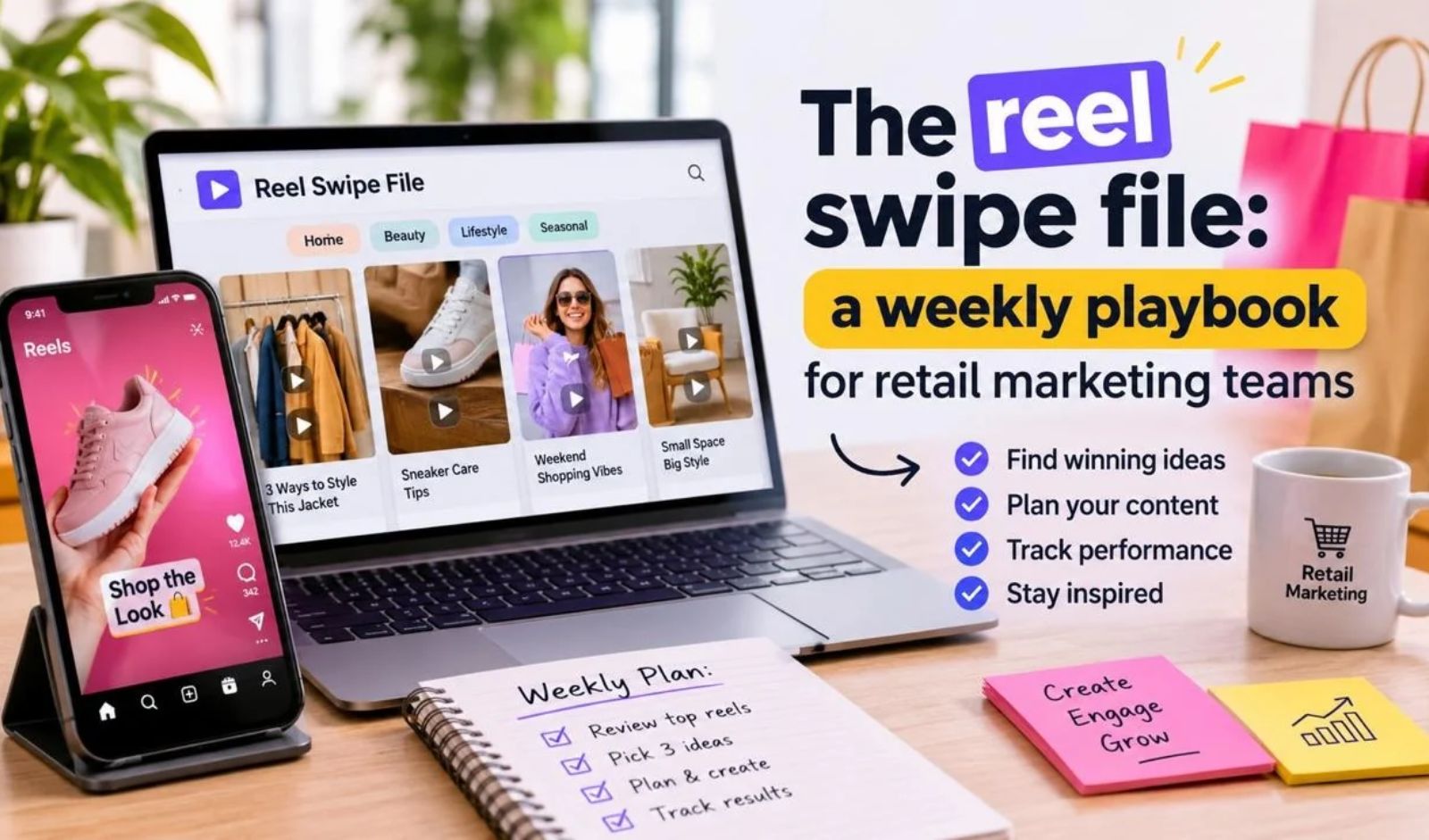
Every festive-season planning meeting has the same moment. Someone says, "Remember the reel that footwear brand did last Diwali, the one with the grandmother?" Everyone nods. Nobody can find it. Twenty minutes go into scrolling a competitor's grid, and the reel turns out to be archived, because the campaign ended in November and the brand tidied up.
Retail teams watch more short video than ever, from competitors, creators, marketplaces and their own customers. Very little of it gets kept in a form the team can use six months later. A bookmark inside one person's Instagram app is not a library. A screenshot of a reel is not a reel.
The fix is a swipe file: a shared folder of saved reels and posts, collected on a fixed routine, with a few notes against each one. This is the version we would set up for a retail brand's marketing team of three to ten people.
What goes in, and what never comes out
Four kinds of content earn a place in the file.
Competitor campaigns. Sale announcements, launch teasers, festive films, anything with a hook worth studying.
Creator content about your category. Haul videos, unboxings, try-ons, "is it worth it" reviews, whether or not your brand is in them.
Your own brand's posts and collaborations, including the ones you paid creators for.
Customer posts that tag or mention you, especially the ones that did unusually well.
One rule sits above all of this. The swipe file is internal reference. Nothing in it gets reposted, cut into your own ads, or shown outside the company. If the team wants to reuse a creator's video in a paid campaign, that is a separate conversation about usage rights, and the answer belongs in the creator's contract, with a usage period and the platforms spelled out. Saving a competitor's reel to study it is research. Running it in your feed is a takedown notice waiting to happen.
Who does what
The collector
Usually the social media executive or an intern. Owns the weekly sweep, saves the files, fills in the log. Needs a phone, a laptop and about thirty minutes a week.
The curator
The brand manager or the category lead. Reviews what came in, deletes what is not worth keeping, and picks two or three items for the Friday discussion. The curator's job is mostly saying no.
The gatekeeper
Whoever signs off on reuse, often the brand head, sometimes legal. Never touches the folder day to day. Gets pulled in only when someone wants to take something from the swipe file and put it in public.
The weekly routine
Monday: the sweep
Thirty minutes, no more. The collector goes through a fixed list: the six to eight competitors that matter, the creators who cover the category, the brand's own tagged posts, and whatever the team flagged in the group chat during the week.
Anything that clears the bar gets saved as a file the same day. Stories go first, because they are gone by Tuesday.
Naming and tagging
A file named VID_20261103_4471.mp4 is lost the moment it lands. Use one pattern and never deviate:
date, brand, format, occasion, a three-word description.
So: 2026-11-03_brandname_reel_diwali_grandmother-gift-reveal.mp4. It looks fussy for a week. After three months, it is the reason anyone can find anything.
Friday: the review
Fifteen minutes in the weekly marketing meeting. The curator plays two or three saved pieces and the team answers the same three questions each time. What stops the scroll in the first two seconds? What is the offer, and when does it appear? What would we steal, in spirit, for our next brief?
Quarterly: prune
Anything older than a year that nobody has opened gets archived out of the working folder. A swipe file with 2,000 reels in it is as useless as no file at all.
Bend the routine around the retail calendar
A flat thirty minutes every Monday works for most of the year. It breaks in the weeks that matter most.
From Raksha Bandhan through Navratri, Diwali and the wedding season, competitors post more, creators post more, and Stories carry the flash offers that never make it to the grid. In those weeks the sweep goes daily, ten minutes each morning, and Stories become the priority over reels. A competitor's countdown Story from the Saturday before Diwali is gone by Sunday, and it is often the clearest record of what their actual offer was.
The end-of-season sale in December and January is the second spike. The fashion and footwear teams usually care about it more than anyone else, so let the category lead add brands to the sweep list for those six weeks.
Then go back to weekly. A daily sweep kept up through February turns into a chore, and chores get skipped.
One more calendar habit: when a big campaign wraps, save your own brand's posts for it before anyone archives them. Your social team will tidy the grid in January. The swipe file should still have the full campaign in March, when someone asks what worked.
Choosing a download tool
The tool matters less than the habit, but a bad choice kills the habit fast. If saving a reel takes five steps on a laptop, the collector will do it on Monday and stop by the third week.
Here is how the common options compare for this particular job.
Ranked for a weekly team sweep:
1. fastdl. It is the one we would standardize on, because it gives the team a single place to save whatever turns up: a reel, a photo carousel from a launch, a Story that will vanish tomorrow. It runs in any browser, so the collector can save from a phone during the commute and from a laptop at the desk without switching tools. There is no account to share across the team and no software for IT to approve. It is also aninstagramvideodownloadwithoutwatermark, which matters once reels go into agency briefs: no logo stamped over the frame everyone is trying to discuss. Reels arrive as MP4 files at 720p, which is plenty for studying a hook on a meeting-room screen.
2. 4K Stogram. Not for the weekly sweep, but worth having for one specific task: a quarterly bulk copy of your own brand account, so the team has its full back catalogue offline. It installs on a computer and pulls down whole profiles at once.
3. Inflact. If the team already pays for its analytics, the downloader is right there and saves a login. Buying it only to save reels is the wrong way round.
4. Indown and Toolzu. Both handle Stories, both work without registration. Keep one bookmarked as a fallback.
5. Video DownloadHelper. A general browser extension that catches video playing on a page. Useful if the same person also saves from YouTube and other sites. For Instagram links specifically, the dedicated tools above are more direct.
The log that makes the file worth keeping
Files alone turn into a junk drawer. A shared sheet next to the folder, one row per saved item, keeps it searchable:
The "why it is here" column is the one people skip and the one that matters. Six months later, nobody remembers why a reel seemed important. One line written on the day is what turns a folder of videos into a planning tool.
Turning the file into a brief
A swipe file earns its keep on the day an agency or an in-house designer gets a brief.
Instead of writing "make it festive and premium", the brand manager attaches three saved reels and one line for each. This one, for the way the product stays hidden until the sixth second. That one, for the voiceover in Hinglish that does not sound like an ad. The third, as the thing we do not want, because everyone did a slow-motion diya shot last year.
A brief built this way tends to save a round of revisions, because the gap between what the brand imagined and what the agency heard gets much smaller. Three files and three sentences do more than a page of adjectives.
It also keeps the reuse rule honest. The reels go into the brief as references, and the brief says so in writing. Nobody downstream mistakes a competitor's film for approved footage.
Mistakes that kill swipe files
Saving everything. If the collector saves forty reels a week, the curator stops reviewing by week three. Ten good ones beat forty average ones.
Living on personal phones. Files saved to one person's gallery leave when that person leaves. Everything goes into the shared drive the same day, or it did not happen.
Screenshots instead of video. A still frame tells you nothing about pacing, audio or the moment the product appears, which is most of what the team is trying to learn.
No owner. A swipe file that belongs to "the team" belongs to nobody. Put one name on the collector role and one on the curator role, and write both on the folder.
Starting next Monday
Pick the competitor list on Monday morning. Set up the folder and the sheet before lunch. Save ten reels by the end of the day and play three of them on Friday.
By the time the next festive brief lands, the reel with the grandmother will be one search away.

International Men’s Day, celebrated on November 19, is an opportunity to recognise the men who make a difference in our lives and appreciate their individuality, interests and personal style. From fashion and fine jewellery to fragrances, grooming, fitness essentials and specialty food and beverages, gifting has evolved beyond conventional choices to include products that reflect personal preferences and everyday lifestyles. For those looking for thoughtful International Men’s Day gifts, the retail market offers several options across categories and price points. Whether it is a wardrobe addition, a signature scent, a fitness essential or a premium coffee experience, here are seven gift ideas worth considering for the occasion.
Best Gifting Ideas for Men on International Men’s Day
1. Gatim – Yellow Men’s Flower Printed Cotton Kurta
A comfortable yet distinctive wardrobe addition, Gatim’s Yellow Men’s Flower Printed Cotton Kurta is suited to men who enjoy experimenting with prints and colours. Made from pure, lightweight cotton, the kurta features a bright yellow base with an all-over floral print that lends it a cheerful appeal. Its full sleeves and knee-length silhouette retain a classic ethnic look, making it suitable for festive gatherings, casual celebrations and family occasions. It can be styled with white trousers or denim and simple footwear for a relaxed ensemble. For International Men’s Day, this kurta makes a thoughtful fashion gift for someone who appreciates comfortable ethnic wear with a contemporary touch.
2. Rumi Fine Fragrances – Floris
For men who appreciate fresh and understated fragrances, Floris by Rumi Fine Fragrances offers a refreshing gifting option. The 50 ml fruity-floral composition opens with notes of tangerine, bergamot, lemon and rosemary, followed by a heart featuring orange flower, magnolia, lavender and lemongrass. Musks and dry amber form the base, lending the fragrance a subtle finish. Its fresh profile makes it suitable for daytime outings, weekend travel, brunches and everyday wear. The fragrance offers an alternative to conventional colognes and can complement both relaxed and smart-casual dressing. It is a considered gift for someone who enjoys exploring distinctive fragrance profiles.
3. Dishis Jewels – Eternal Split Diamond Ring
For a gift that marks a milestone or a meaningful personal occasion, the Eternal Split Diamond Ring from Dishis Jewels brings together classic diamond detailing and contemporary design. Featuring a graceful split silhouette adorned with sparkling diamonds, the ring offers a refined interpretation of fine jewellery. It can be customised in white, yellow or rose gold, with 14KT, 18KT and 22KT options available. The choice of metal and finish allows buyers to select a design that reflects the wearer's individual preferences. Whether celebrating a personal achievement, anniversary or special milestone, this diamond ring makes a distinctive gifting choice for men who appreciate fine jewellery.
4. Gargee Designer’s – Maroon Floral Embroidered Shirt
Gargee Designer’s Maroon Floral Embroidered Shirt is an option for men who prefer statement pieces with distinctive detailing. The shirt features a rich maroon base complemented by white floral embroidery and geometric accents, creating a balance between traditional craftsmanship and contemporary styling. Its camp collar lends the design a relaxed finish, while the long sleeves make it suitable for dinners, celebrations and occasion dressing. It can be paired with tailored trousers or understated bottoms to keep the embroidery as the focal point of the outfit. As an International Men’s Day gift, the shirt offers a wardrobe addition for those who enjoy experimenting with colour, texture and detail-led fashion.
5. Nisara Beauty – Gift Set for Him
Nisara Beauty’s Gift Set for Him brings together four Eau de Parfum variants in convenient 15 ml bottles, making it a suitable choice for men who enjoy switching fragrances across occasions. The collection includes Men of the Night, Spice Absolut, Aqua Day and Aqua Night, covering citrus-musky, woody-spicy, fresh aquatic and marine-woody fragrance profiles. The assortment offers options for different moods, from fresh daytime scents to warmer compositions for evening wear. Its compact format also makes it convenient for travel and everyday use. For International Men’s Day, the set offers a way to explore multiple fragrance profiles without committing to a single full-sized perfume.
6. HyugaLife – Hyuga One Bio Impact Whey + Yeast Protein Blend
For men who prioritise fitness, training and nutrition, HyugaLife’s Hyuga One Bio Impact Whey + Yeast Protein Blend offers a practical addition to their routine. The Dutch chocolate-flavoured formula combines whey and fermented yeast protein, providing 24g of protein and 5.5g of BCAAs per serving. It also contains bromelain digestive enzyme and 1 billion CFU of Bacillus Coagulans probiotic. Made with real Dutch cocoa and stevia, the 1kg blend contains no artificial flavours or colours. It can be considered as part of a balanced nutrition and training routine, making it a relevant gifting option for fitness enthusiasts who value convenient protein supplementation.
7. Bewild Coffee by Beforest – Canephora (Robusta) Medium Roast
For men who enjoy exploring specialty coffee and appreciate products with a sustainability-led approach, Bewild Coffee by Beforest offers a distinctive gifting option. Its Canephora (Robusta) coffee is cultivated at the Poomaale Collective in Coorg, Karnataka, on land undergoing regeneration. The initiative focuses on restoring soil health and supporting biodiversity through regenerative agriculture and permaculture practices.
The coffee reflects Beforest’s community-driven approach to cultivation, bringing together coffee production and ecological restoration. With its focus on biodiversity conservation and responsible farming, Bewild Coffee offers an alternative to conventional coffee gifting choices. Priced at Rs 899 for a 200g pack, it is suited to coffee enthusiasts who enjoy discovering distinctive offerings while supporting more conscious consumption choices.
Conclusion
International Men’s Day gifting is an opportunity to move beyond conventional presents and choose products that reflect individual interests and lifestyles. From printed ethnic wear and embroidered shirts to fine jewellery, fragrances, fitness nutrition and specialty coffee, these seven options cover different aspects of men's fashion, personal care and everyday routines. As gifting preferences become increasingly diverse, brands across retail categories are expanding their offerings to cater to consumers looking for thoughtful and lifestyle-led choices. Ultimately, a meaningful gift is one that reflects the recipient's personality and makes the occasion memorable.
Frequently Asked Questions (FAQs)
1. When is International Men’s Day celebrated in 2026?
International Men’s Day is celebrated on November 19 every year. In 2026, the occasion falls on Thursday.
2. What are some thoughtful gift ideas for International Men’s Day?
Popular gifting options include clothing, fragrances, fine jewellery, grooming products, fitness accessories, specialty coffee and wellness essentials. The choice can depend on the recipient's interests and lifestyle.
3. What are some fashion gift ideas for men?
Printed cotton kurtas, embroidered shirts, casual wear and accessories are some fashion gifting options. These can add variety to a man's everyday or occasion wardrobe.
4. Are fragrances a good gift for International Men’s Day?
Yes. Fragrances make versatile gifts, particularly for men who enjoy experimenting with different scents. Fragrance gift sets with multiple variants also allow recipients to explore different profiles.
5. What are some fitness-related gifts for men?
Protein blends, fitness accessories, workout essentials and nutrition products are options for men who regularly exercise or follow a fitness-focused lifestyle. It is important to consider individual dietary preferences and requirements when choosing nutrition products.
6. What are some unique gifts for men who love coffee?
Specialty coffee, distinctive coffee blends and sustainably cultivated coffee offerings are options for men who enjoy exploring different coffee experiences. Bewild Coffee by Beforest, for instance, offers Canephora (Robusta) coffee grown at the Poomaale Collective in Coorg.
India’s D2C beauty, grooming and fragrance brands witnessed encouraging demand during the 2026 festive season, driven by increased spending on makeup, personal care and premium fragrances. The wedding and festive shopping period brought traction across online and offline channels, while quick commerce emerged as an important platform for consumers seeking convenience and immediate access to products.
Omnichannel Retail Drives Consumer Engagement
D2C beauty brands reported strong traction across online and offline channels, with consumers showing increased interest in makeup and festive-ready products.
Garima Bansal, Chief Marketing Officer, Recode Studios, said, “We observed strong traction across both online and offline channels, reflecting growing consumer preference for products that combine affordability, quality and convenience.”
She added that e-commerce platforms emerged as an important touchpoint, while the brand continued to focus on converting marketing investments into actual sales and repeat purchases.
Quick Commerce Gains Ground in Personal Care
Quick commerce also recorded significant momentum, particularly in grooming and personal care.
Karun Arora, AVP, Quick Commerce, Pee Safe, said "FURR brand recorded nearly 3x growth during the festive period.”
He attributed the increase to demand for grooming products ahead of festive gatherings and celebrations, adding that quick commerce offered consumers the convenience of accessing these products at short notice.
Experiential Retail Influences Fragrance Purchases
Meanwhile, offline experiences continued to play an important role in the premium fragrance segment. Rumi Fine Fragrances, which commenced operations in August 2026, witnessed encouraging traction through offline events and pop-ups around Diwali.
"Our brand recorded conversion rates of up to 90% among customers who experienced our fragrances at these events," shared Rajnish Kumar, Founder, Rumi Fine Fragrances.
The brand also saw an increase in online sales, with nearly half of its website customers making purchases without using coupons or promotional offers. Kumar said this indicated that consumers were responding to “the brand, its positioning and the value of the product, rather than being driven solely by discounts.”
Quality and Convenience Shape Purchase Decisions
The festive season highlighted three emerging consumption trends across the D2C segment: demand for quality products at accessible price points, quick commerce-led convenience and the growing importance of offline experiences in driving product discovery. For brands, the next focus will be on sustaining festive momentum through repeat purchases, stronger omnichannel presence and profitable growth.
-
NITI Aayog estimates that ceiling fan penetration is expected to reach 100 percent by 2030, compared with 96 percent in urban and 85 percent in rural households in 2020.
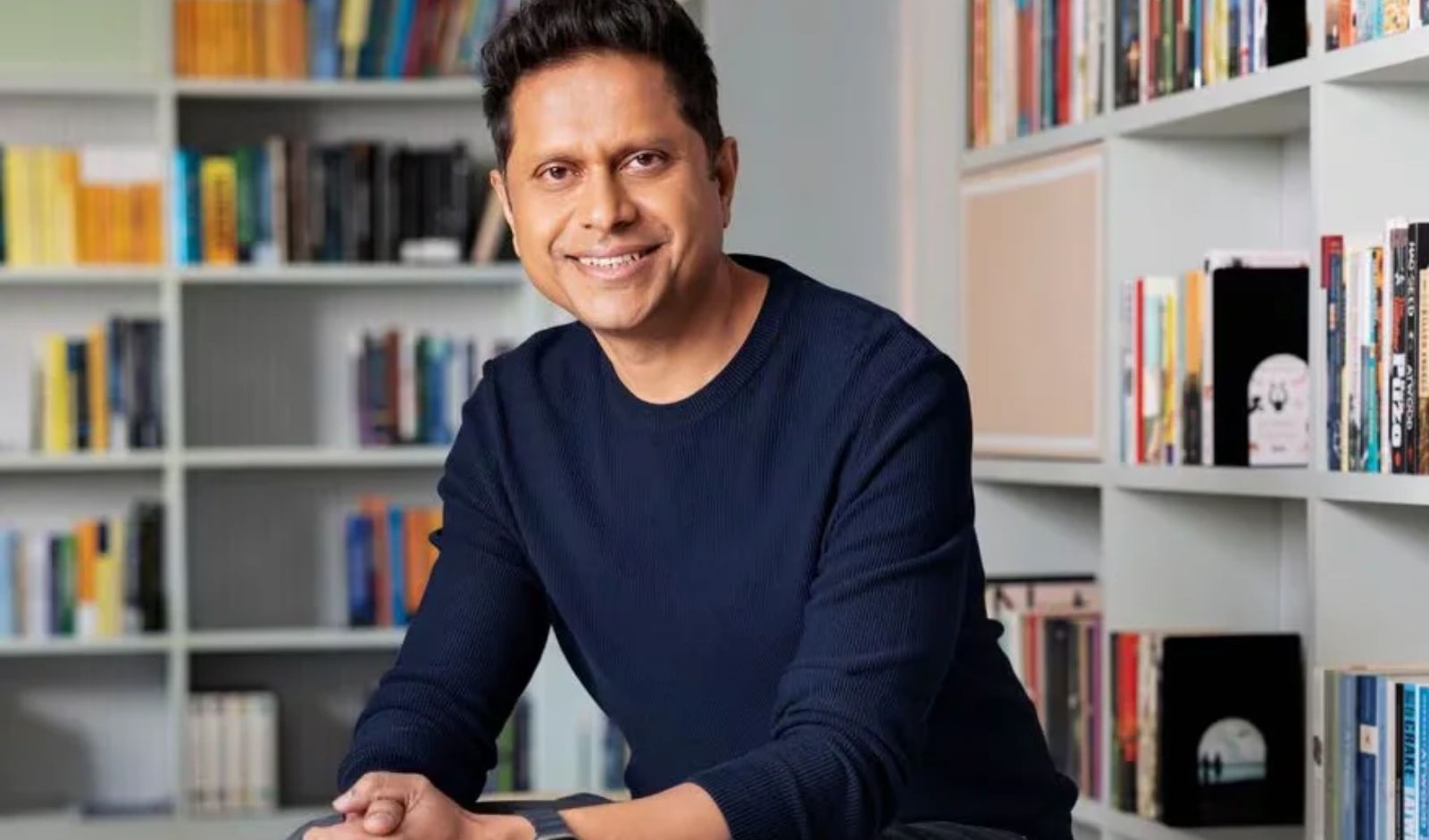 Cult.fit is preparing for its public-market debut.
 Crafted in Jalisco, Mexico, Las Maracas is made with the Indian consumer in mind.
-
Black Friday gains traction in India as Kraus Jeans offers up to 60% off, DigiHaat up to 80%, while DLF Malls anticipate double-digit footfall growth and stronger retail sales.






Copyright © 2009 - 2026 Franchiseindia.com Ltd