






 930
/ 7 MIN READ
930
/ 7 MIN READ
 Follow Us
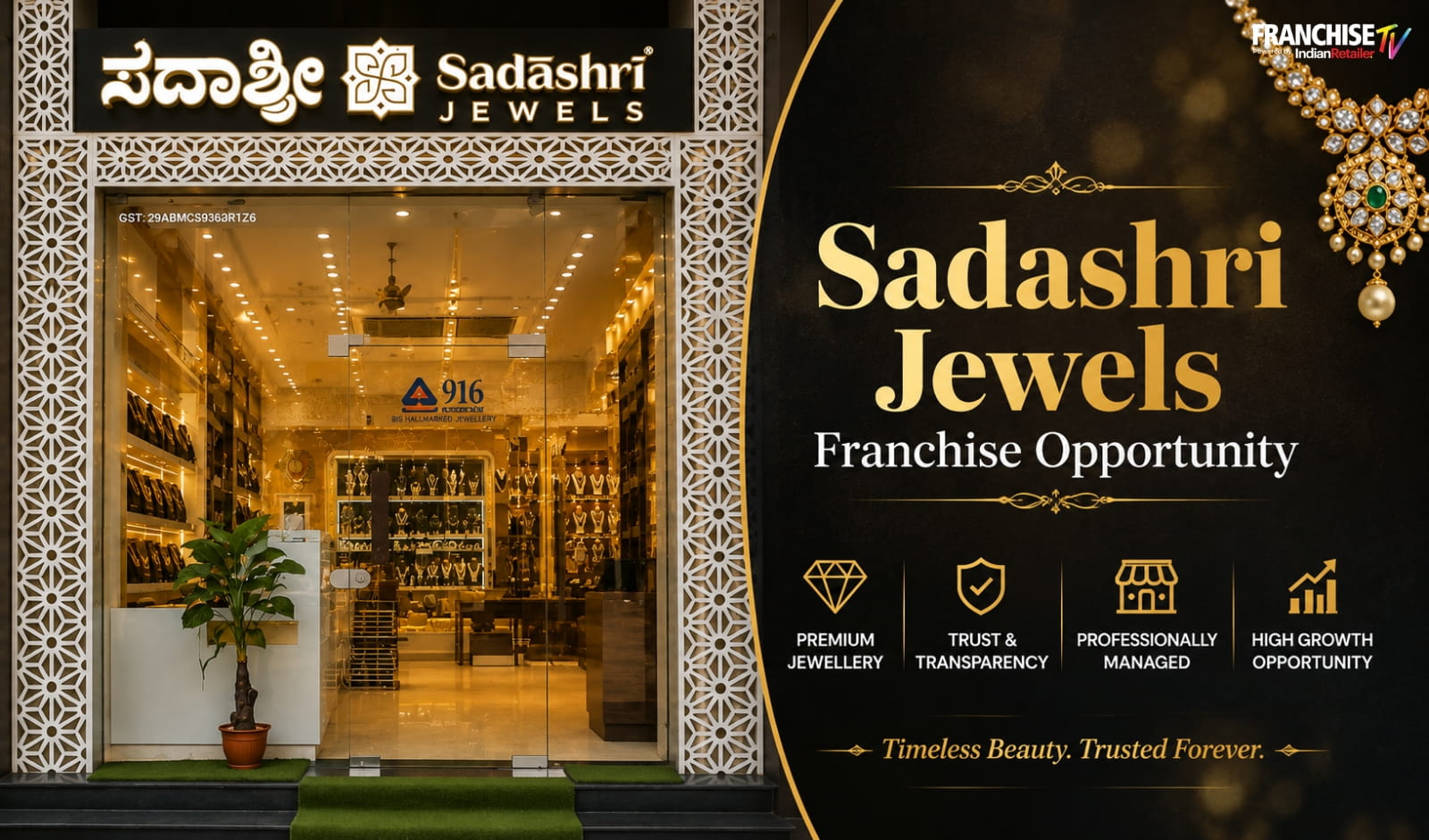
As India's organized jewellery sector continues to expand, Bengaluru-based Sadashri Jewels is positioning itself for its next phase of growth by inviting entrepreneurs to become part of its premium retail network. During an exclusive webinar, Founder Satyanarayan Choudhary shared the company's vision of creating a modern jewellery brand that combines timeless craftsmanship with professionally managed retail operations through a structured Franchise Owned Company Operated (FOCO) model.
Founded in 2023, Sadashri Jewels has been built around the philosophy of offering jewellery that celebrates life's most meaningful moments while blending traditional artistry with contemporary elegance. The brand focuses on delivering premium-quality products supported by transparent pricing, certified materials, and an enhanced customer experience. Its portfolio includes gold jewellery, sterling silver collections, gemstone jewellery, and an upcoming range of lab-grown diamond jewellery, catering to customers seeking both luxury and everyday elegance.
During the webinar, the brand highlighted several curated collections developed for different customer occasions. These include Wedding Wonders for bridal jewellery, Graceful Anniversary collections celebrating milestones, Everyday Elegance for daily wear, Gemdistrict featuring premium gemstones, Ratnaprabha offering hallmarked silver articles, and Flovira, the brand's contemporary lab-grown diamond collection. Alongside its product portfolio, Sadashri Jewels also showcased its personalized jewellery customization services, enabling customers to create bespoke pieces tailored to their individual style and preferences.
The presentation emphasized the strong fundamentals of India's jewellery market. With the industry valued at over USD 90 billion and projected to continue growing steadily, increasing disposable incomes, rising demand for organized jewellery retailers, and growing consumer preference for certified products are creating attractive business opportunities. The company also noted that demand is expanding beyond traditional bridal purchases as millennials and Gen Z consumers increasingly invest in lightweight gold, silver, and everyday jewellery.
A major focus of the webinar was Sadashri Jewels' FOCO (Franchise Owned Company Operated) business model. Under this structure, investors own the franchise while the company manages retail operations, merchandising, branding, staff training, technology, and customer experience. According to the presentation, this approach enables investors to participate in the premium jewellery business while benefiting from standardized operations and consistent brand management.
The proposed investment model requires approximately 1,200 sq. ft. of retail space with an estimated total investment of ₹16.26 crore, including store setup and inventory. Since the business follows the FOCO format, no franchise fee is charged. The model offers product margins ranging from 8 percent to 35 percent, depending on jewellery categories, while presenting a projected 17.2 percent Internal Rate of Return (IRR) and an estimated payback period of five years over a 10-year franchise tenure. The company also discussed a minimum guarantee and revenue-sharing mechanism designed to create a balanced partnership between the brand and franchise investors.
As part of its initial expansion strategy, Sadashri Jewels plans to strengthen its presence across Karnataka, targeting key markets including Bengaluru, Mysuru, Mangaluru, Hubballi-Dharwad, Belagavi, and Tumakuru. These cities were identified during the webinar as attractive markets due to rising disposable incomes, strong wedding demand, tourism, NRI spending, and increasing consumer preference for organized jewellery retail.
The webinar concluded with Founder Satyanarayan Choudhary reaffirming the brand's commitment to building a scalable premium jewellery network through craftsmanship, technology-driven retail operations, personalized customer experiences, and long-term partnerships. With its professionally managed FOCO model, diversified jewellery portfolio, and Karnataka-focused expansion strategy, Sadashri Jewels aims to create sustainable business opportunities for investors while strengthening its position in India's organized jewellery retail market.
For Further Franchise Info Contact

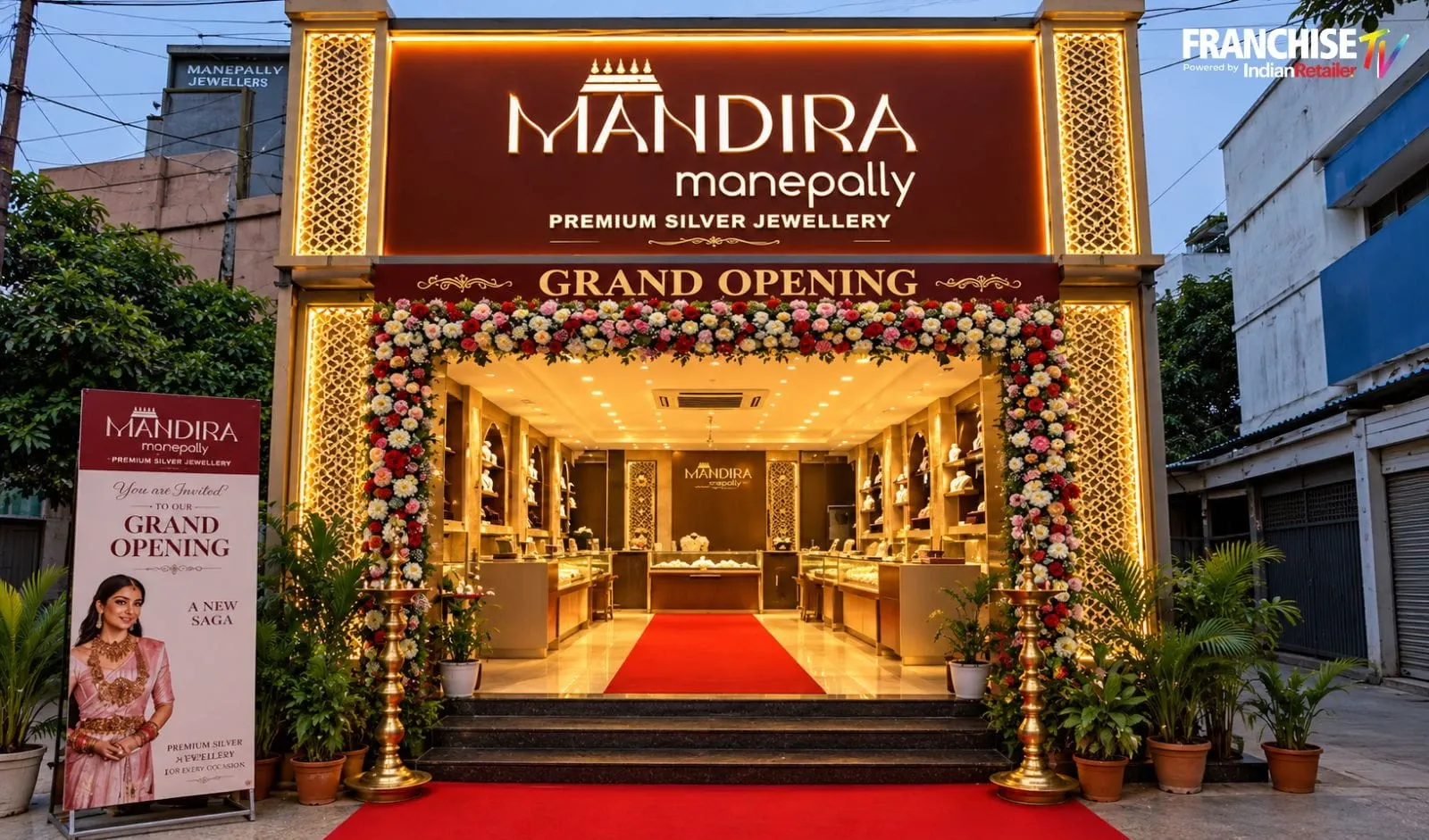
Mandira Brings Heritage to Premium Silver Jewellery
Mandira by Manepally is a premium gold-plated silver jewellery brand created around the growing demand for accessible bridal and occasion jewellery. The brand is backed by Manepally Jewellers, established in 1890 and now spanning six generations. According to the webinar presentation, Manepally has six stores across Hyderabad and has served more than 35 million customers in Telangana.
Mandira was developed to offer bridal jewellery with the appearance and craftsmanship associated with traditional gold jewellery at a more accessible price point. The brand's collections are positioned toward weddings, special occasions and premium jewellery purchases.
Silver Jewellery Market Creates New Retail Opportunity
The webinar highlighted changing jewellery preferences as gold prices rise, with some consumers considering silver jewellery for part of their wedding and occasion purchases. The brand also pointed to demand in Tier 1 and Tier 2 cities for organised, branded silver jewellery with greater consistency in quality, pricing and customer experience.
Mandira positions itself in the mid-to-high-end segment, with a focus on upper-middle-income consumers rather than competing only in lightweight everyday silver jewellery. Its gold-plated silver collections are designed to provide a premium bridal jewellery appearance while keeping the purchase price lower than comparable gold pieces.
Mandira Franchise Opportunity Across South India
Mandira is initially targeting markets across Telangana and Andhra Pradesh, including Hyderabad, Warangal, Nizamabad, Karimnagar, Ramagundam, Rangareddy, Vizag, Nellore, Tirupati, Guntur, Anantapur and Kurnool.
The franchise proposal includes FOFO and FOCO models across 1,100 sq. ft. and 1,800 sq. ft. formats.
For the 1,100 sq. ft. format, the stated total investment is about ₹3.18 crore, including a ₹6 lakh franchise fee, approximately ₹60 lakh store setup cost and ₹2.5 crore initial inventory. The 1,800 sq. ft. format requires approximately ₹4.48 crore, including ₹6 lakh franchise fee, ₹90 lakh store setup and ₹3.5 crore inventory.
Know more: House of Aadyaa Expands Silver Jewellery Retail With a FOFO Franchise Model
Abate Eye Hospital Expands Eye Care Hospital Franchise in India With FOCO Model
FOFO and FOCO Models Offer Different Structures
Under the FOCO model, the presentation states a 12% minimum guarantee, 8% revenue share, 23% IRR and 52-month projected payback. The FO model offers a 35% gross margin, with projected payback of around 31–32 months depending on store format. These figures are projections presented during the webinar and are not guarantees.
With its heritage foundation, premium silver jewellery positioning and South India expansion roadmap, Mandira is building a structured retail proposition around bridal and occasion jewellery.
For Further Franchise Info Contact
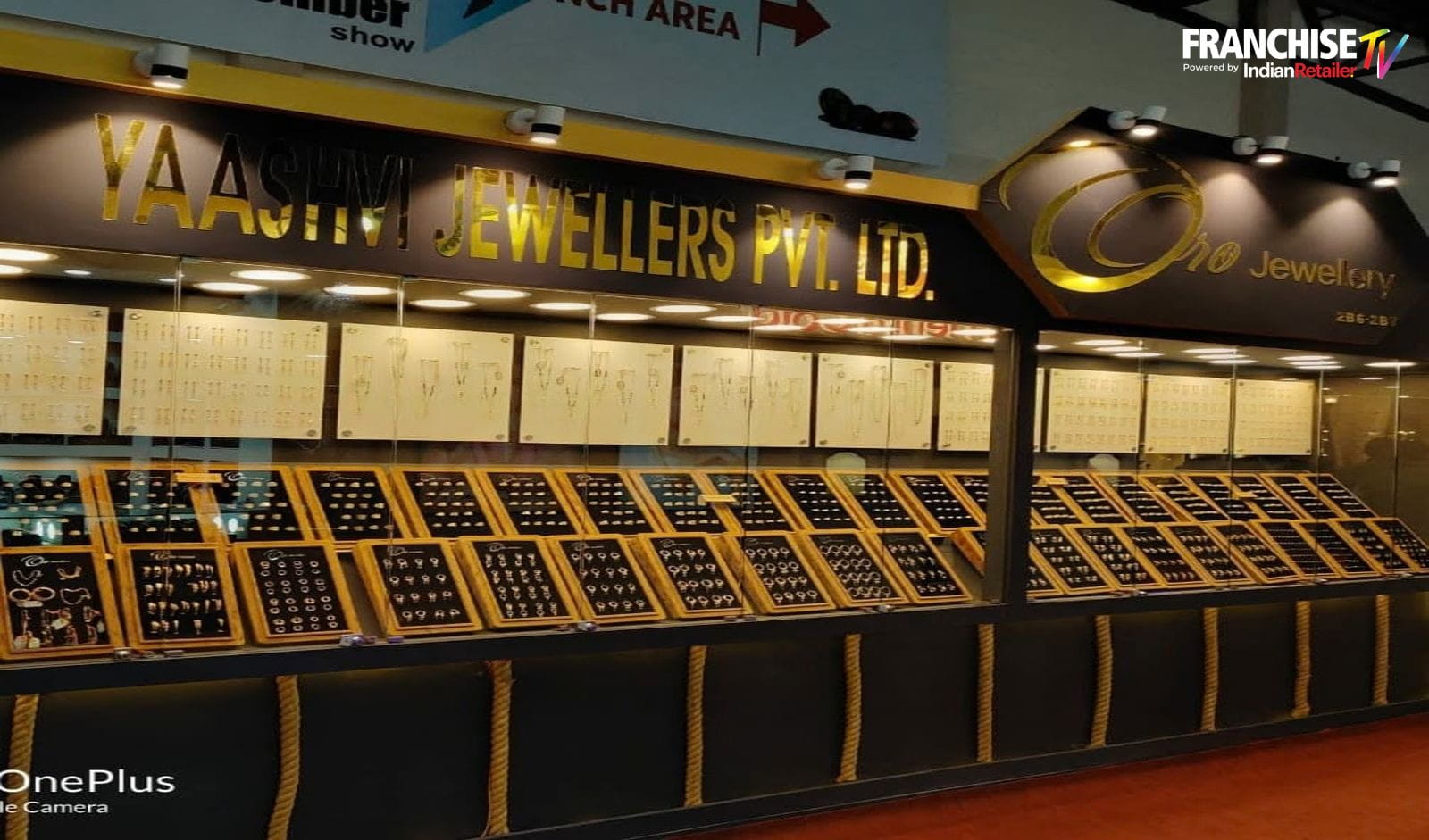
From Manufacturing to Consumer Facing Jewellery Retail
Yashasvi Jewellers Limited was founded in 2016 by Ankit Aggarwal and Ankita Aggarwal, according to the company's presentation. The business initially developed around jewellery manufacturing and B2B supply, with North India identified as an important market.
The company is now strengthening its direct-to-consumer retail presence through Yashasvi Jewellers, while also developing specialised brands targeting different jewellery consumption segments.
During the webinar, the brand team highlighted its focus on lightweight jewellery, everyday wear and affordability as key elements of its retail proposition.
The portfolio currently includes Yashasvi, NauKarat, PureSoul and PureHira, allowing the group to address gold, 9K gold, silver and diamond jewellery segments.
Four Brands Target Different Jewellery Segments
Yashasvi Jewellers is positioned as the group's comprehensive jewellery format, offering gold, silver and diamond jewellery. The presentation describes the brand as a premium consumer-facing retail business with a focus on affordable pricing, designs and everyday jewellery.
NauKarat focuses on lightweight 9K gold jewellery. The brand is positioned around affordability, durability and contemporary designs, particularly for consumers looking for everyday gold jewellery.
PureSoul is the group's 925 sterling silver jewellery brand. According to the webinar, it is positioned toward Gen Z and millennial consumers with accessible, contemporary and trend-led products.
PureHira focuses exclusively on natural diamond jewellery and is being developed for selected cities based on consumption and purchasing patterns.
Franchise Expansion Targets Multiple Indian Markets
The webinar outlined different geographical priorities for each format.
For Yashasvi, the company is considering markets across Rajasthan, Delhi NCR and Chandigarh, along with Tier 1 and Tier 2 cities in Telangana, Andhra Pradesh, Karnataka, Tamil Nadu and Kerala.
NauKarat is targeting Rajasthan, Uttar Pradesh, Haryana and Madhya Pradesh, alongside selected southern markets.
PureSoul's initial expansion plan includes Rajasthan, Haryana and Madhya Pradesh, while PureHira is being considered for selected Tier 1 cities and Kanpur.
This differentiated approach allows the group to match each jewellery brand with markets based on affordability, consumption patterns and product demand.
Yashasvi Franchise Model Requires 2,500 Sq Ft
The flagship Yashasvi format requires approximately 2,500 sq ft of carpet area. The presentation puts the store setup cost at around Rs 2 crore, with initial inventory of approximately Rs 19.5 crore, taking the overall investment to about Rs 21.5 crore.
The model is structured as FOCO or Franchise Owned Company Operated. The franchise partner makes the investment while the brand operates the store.
The presentation states that there is no franchise fee. It outlines a 12% minimum guarantee or 10% revenue share, whichever is higher, with a 10-year agreement period.
The financial projections presented during the webinar estimate a payback period of around 4 years and 6 months for the total investment. These figures are projections shared by the brand and should not be treated as guaranteed returns.
Read more: 7 International Foodservice Brands Looking for Indian Franchise Partners
Intellectual Property Can Shape the Future of a Franchise Business
PureSoul and PureHira Offer Smaller Formats
PureSoul is designed as a smaller 1,200 sq ft FOFO format. The presentation shows store setup costs of around Rs 67 lakh, along with approximately Rs 3 crore in initial inventory, taking the investment to roughly Rs 3.7 crore.
The model presented carries a 30% gross margin, with a projected payback period of around 2 years and 10 months.
PureHira requires approximately 600 sq ft and focuses exclusively on diamond jewellery. The presentation shows setup costs of about Rs 47.8 lakh and initial inventory of approximately Rs 2 crore, resulting in total investment of around Rs 2.5 crore.
The FOFO model is presented with a 40% gross margin and a projected payback period of approximately 2 years and 11 months.
Everyday Jewellery Is Changing Retail Demand
The webinar also highlighted a broader shift in jewellery consumption, with younger consumers increasingly viewing jewellery as part of everyday fashion rather than limiting purchases to weddings and festivals.
The speakers pointed to growing interest in lightweight jewellery, affordability and organised retail, particularly as consumers increasingly look for hallmarking, transparent pricing and established brands.
For Yashasvi Jewellers, the franchise strategy combines this changing consumer behaviour with its existing manufacturing and B2B capabilities to build a wider organised retail presence.
The company's multi-brand approach also allows it to address different price points and jewellery categories, from affordable 9K gold and sterling silver to diamond and traditional gold jewellery.
For Further Franchise Info Contact
Rambhajo Takes Its Heritage Jewellery Business Into Organised Retail
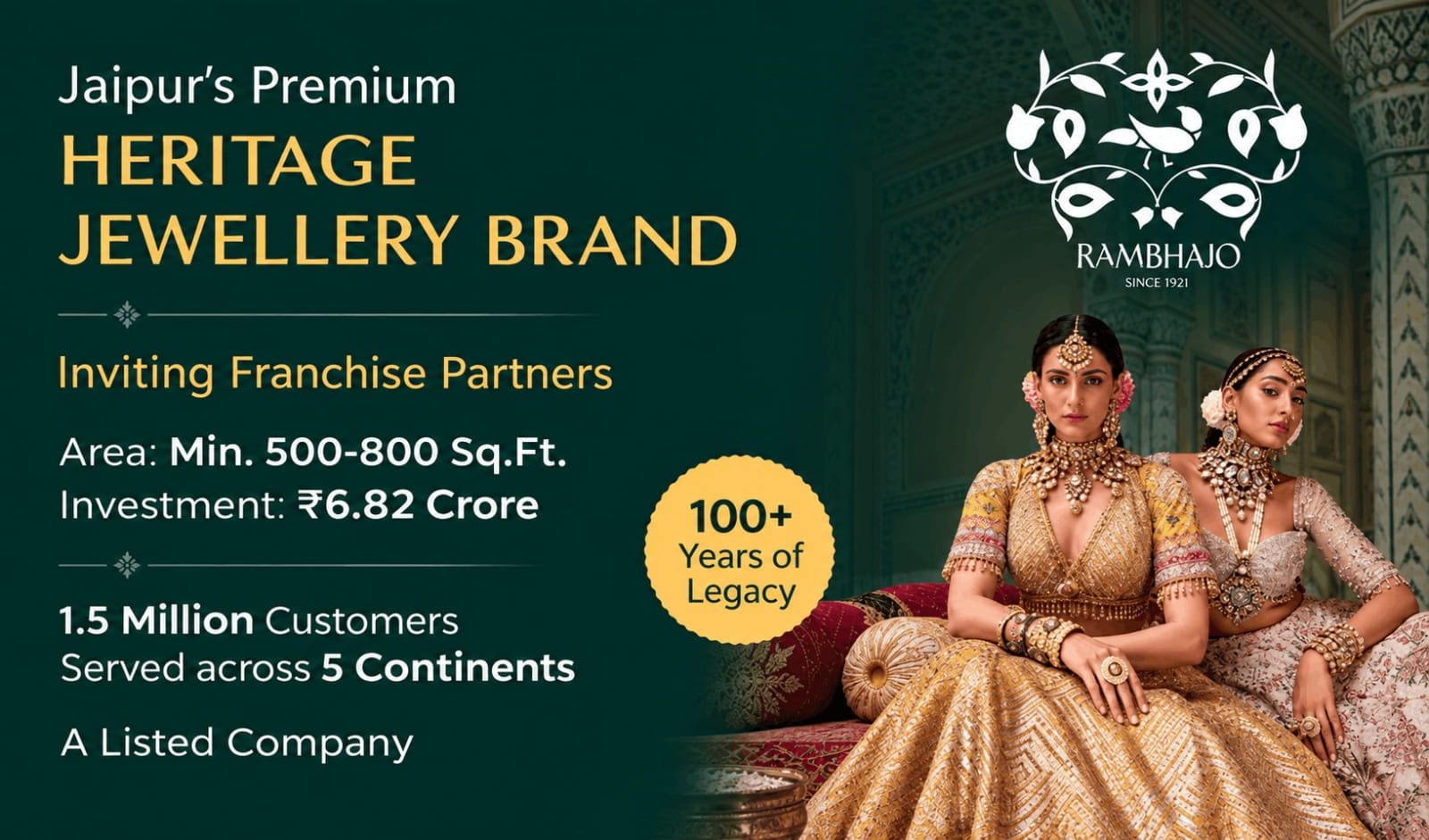
Founded in Jaipur in 1921, Rambhajo is entering a new phase of retail expansion with a focus on taking its traditional jewellery expertise to customers across India. During the webinar, the brand highlighted its 105-year legacy in Kundan, Mina, Jadau, Polki and diamond jewellery, supported by in-house manufacturing and design capabilities.
According to the presentation, Rambhajo has served more than 8.5 lakh customers approx across five continents and operates with 100% in-house manufacturing. The company said its current manufacturing capacity stands at around 400 kg, with utilisation at approximately 45%.
The brand currently derives a significant portion of its business from wholesale, but its strategy is shifting towards a stronger B2C presence through company-owned and franchise-operated stores.
30 Plus Showrooms Planned Across India
Rambhajo has announced plans to establish more than 30 showrooms across India over the next three years. The expansion includes company-owned stores in major cities and franchise-operated outlets, particularly across selected Tier 2 and Tier 3 markets.
Cities highlighted during the webinar include Lucknow, Kanpur, Ludhiana, Chandigarh, Varanasi, Coimbatore, Guwahati, Bhubaneswar, Ranchi, Pune, Surat, Indore, Nagpur, Raipur, Vadodara, Nashik, Mysuru and Kochi.
The franchise format is designed around stores of approximately 500 to 800 sq ft, preferably in prime and highly visible locations.
Franchise Model Focuses on Premium Jewellery
The proposed model follows a FOFO structure, with the franchise partner responsible for store operations and associated operating expenses, while Rambhajo provides inventory, brand guidelines and support.
The presentation indicated an initial setup cost of around Rs 72 lakh, a franchise fee of Rs 10 lakh, inventory requirement of approximately Rs 6 crore and working capital requirements of around Rs 7 lakh, taking the presented total investment to approximately Rs 6.89 crore.
The brand presented a projected 25% gross margin, 3.7-year payback period and 35% IRR. These figures are based on the financial assumptions shared during the webinar and should not be interpreted as assured returns.
Traditional Craftsmanship Meets Contemporary Jewellery
Beyond bridal jewellery, Rambhajo is also looking to expand into fashion-led and everyday jewellery to broaden its customer base. The brand said its target audience includes brides and grooms as well as affluent and upper-middle-income consumers seeking design-focused jewellery.
The company also highlighted its in-house design capabilities, with separate teams working on traditional and contemporary jewellery. This approach is intended to help the brand retain its heritage craftsmanship while responding to changing consumer preferences.
Read also: Frozen Yogurt Changing the Dessert and Yogurt Market Dynamics with Its Growth-led Franchising Model
Granitogres Builds a Zero Inventory Tile Franchise Model for South India
Rambhajo's Expansion Comes as India's Jewellery Retail Landscape Evolves
Rambhajo's move towards organised retail comes at a time when India's jewellery sector is seeing greater focus on branded experiences, premium retail formats and new business models. Industry platforms such as Jewel Z are bringing together jewellery brands, retailers, designers, investors and other stakeholders to discuss the changing retail landscape, business expansion and emerging opportunities across the sector.
For Rambhajo, the planned franchise expansion represents an effort to take its traditional Kundan, Mina, Jadau and Polki craftsmanship beyond its established markets and into a wider network of Indian cities.
With its manufacturing heritage, in-house designers and planned retail expansion, Rambhajo is positioning its franchise opportunity around traditional Indian jewellery craftsmanship combined with a more organised retail experience.
For Further Franchise Info Contact
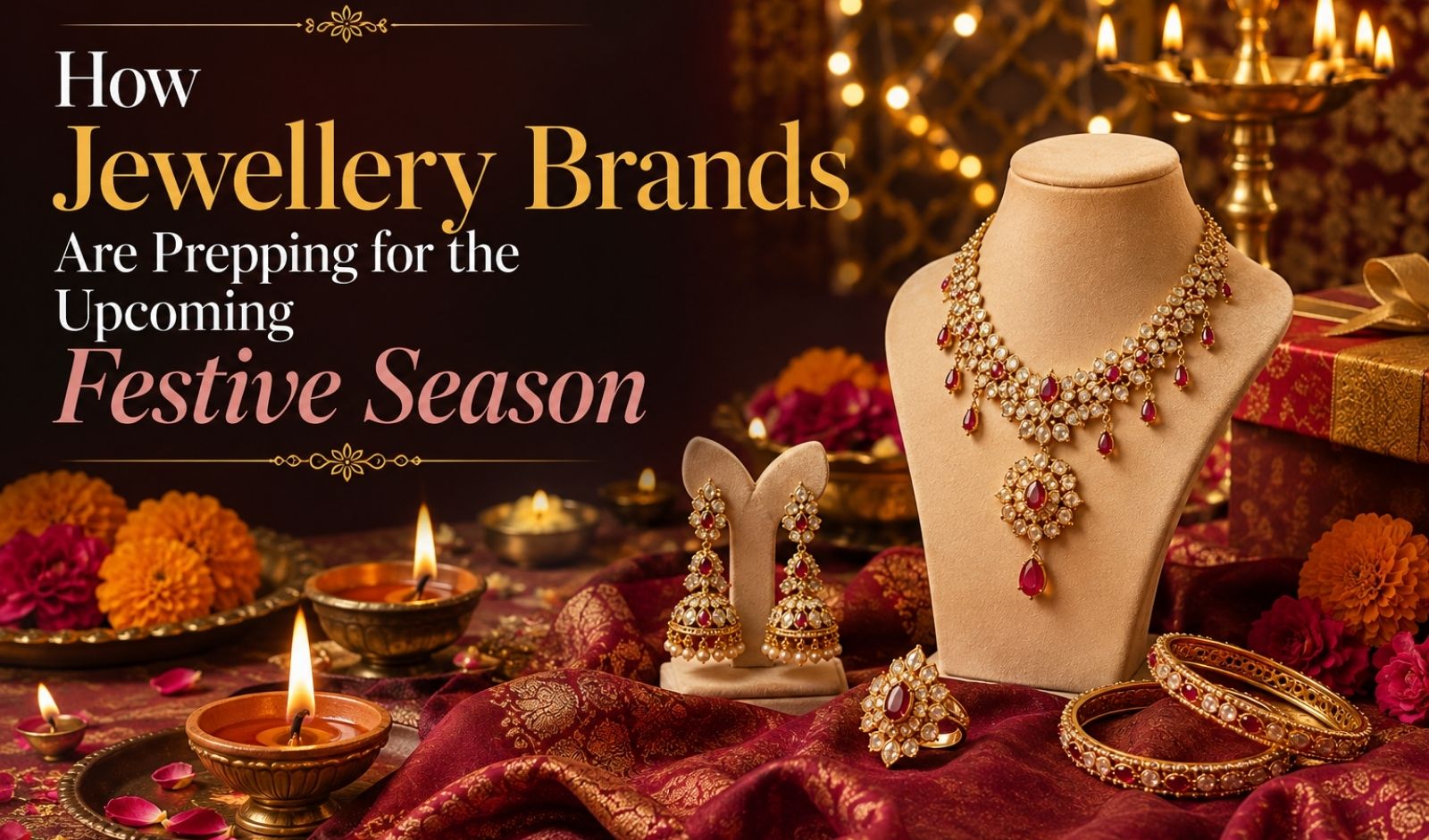
Festivals in India have long been a reason for jewelry buying, creating opportunities for the brand to increase its footfalls, sales and strengthen the brand positioning. Festivals such as Diwali, Akshaya Tritiya, Dhanteras, Raksha Bandhan, Navratri and other regional celebrations create strong buying occasions.
According to a report by GoKwik, India's e-commerce platform, North India led shopping activity during the festive season (Raksha Bandhan: 10-days run up to the festival) contribute 32% of orders processed, South India accounted for 26.2% of orders, followed by West India at 22.7% and East and Northeast India at 13.5%. Jewellery recorded a modest 1.23X lift despite average discounts and coupon usage.
With festival season coming up, the brands are introducing affordable jewelry like pendants, bracelets, earrings, silver jewellery and demi-fine collections as accessible gifts and self-purchase options. Many brands come up with specific campaigns and limited -edition collections to boost sales during this season.
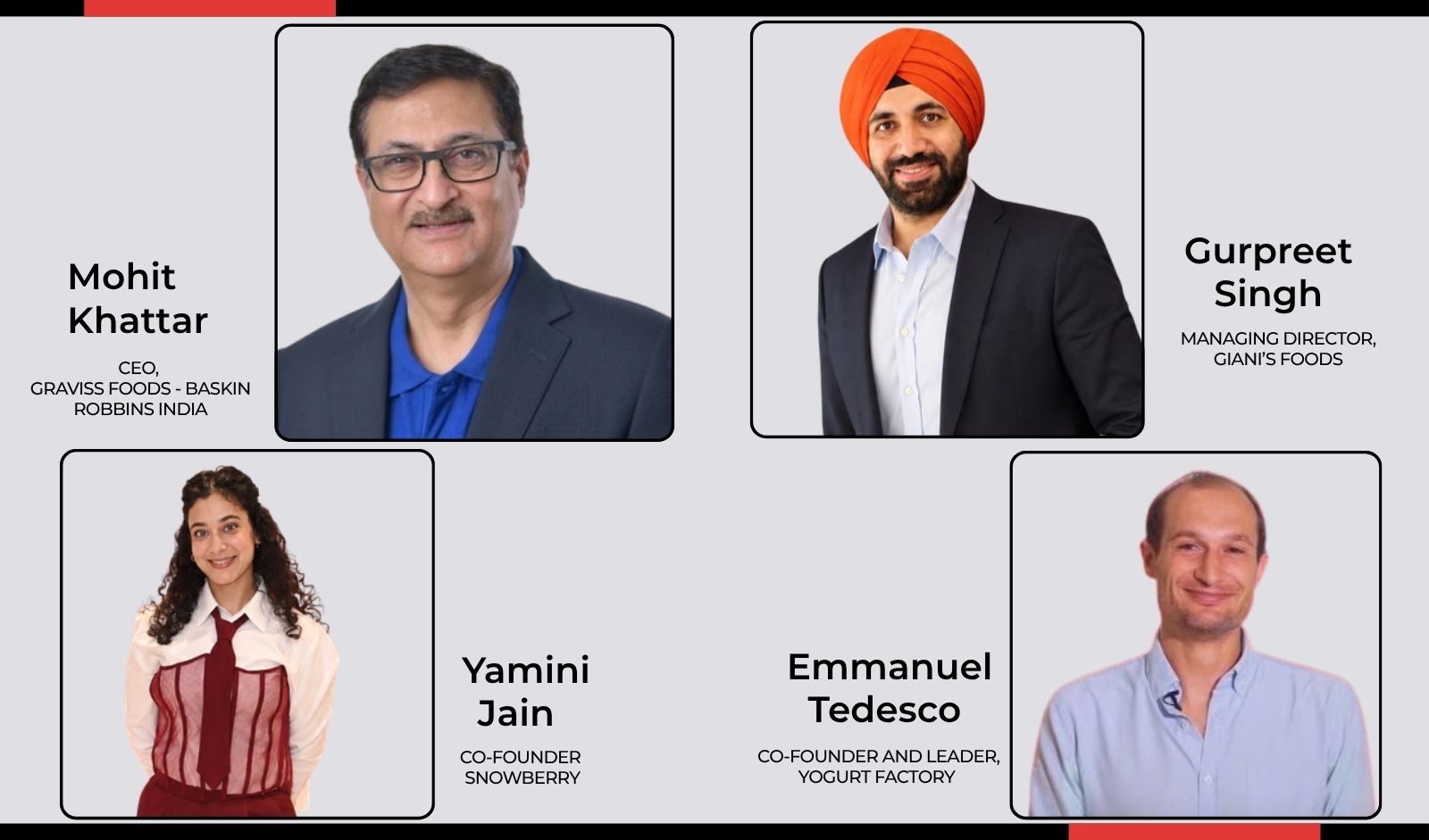
‘‘As we move through the festive calendar, our focus will be on creating products and campaigns that make gifting more personal, while building memorable brand moments around the relationships and occasions that make the festive season special,’’ says Pallavi Mohadikar, Founder, Palmonas.
Shaifali Gautam, Chief Marketing Officer, CaratLane, added,‘‘We're using the festive season to build visibility and expanding store network.’’
‘‘‘We started our planning for the festive season at the end of Q1 as a made-to-order brand cannot begin in September. We are focusing on corporate and B2B gifting, which we're building seriously this year.,’’ says Parag Agrawal, Co-Founder & CEO, Fiona Diamonds. He adds, ‘‘To add cherry on the cake, we are also coming up with a Bhubaneswar franchise store in Janpath Road, Delhi, taking us to ten stores across Mumbai, Delhi NCR, Bengaluru, Prayagraj and Bhubaneswar.’’
Consumer Demands and Inventory Plannings
Every year, there is a clear influx in consumer demand and a significant spike in sales around the festive season. So demand planning becomes an important aspect during this time.
Talking about the demand planning, Shaifali says,‘‘Demand planning is more hyper-local as the requirements are skewing towards lightweight, everyday diamond and gold jewelry, and inventory is being weighted accordingly.
Further Pallavi says,‘‘We use learnings from previous festive seasons to anticipate the categories, designs and volumes that are likely to see higher traction and plan our inventory accordingly. We also work closely with our production house to reduce the turnaround time for new designs and pieces. This gives us greater flexibility to respond to demand quickly and replenish faster, rather than relying solely on inventory planned well in advance.’’ She adds, ‘‘We are also leveraging AI as a planning tool to forecast the expected growth spike during the festive period. By analysing patterns and learnings from our previous festive seasons, we are using these insights to build more informed demand projections and align our production and inventory planning accordingly.’’
Parag says ‘‘Consumer demand varies significantly across festive occasions. Navratri and Karva Chauth tend to see higher demand for lightweight, self-purchase jewellery, while Dhanteras emerges as a peak period for high-ticket gifting. Diwali, meanwhile, is driven by family gifting, followed closely by the wedding season.To prepare for these demand spikes, the brand’s forecasting and inventory planning operates at the SKU level, leveraging ERP data and analysing the rate of sale across individual stores and channels over the past three festive cycles. The brand maintains inventory depth only for a defined festive core—key styles that must remain in stock across locations—while offering broader design variety through a made-to-order model. This approach allows the brand to offer a significantly wider design assortment without tying up excessive capital in inventory. However, the strategy requires careful manufacturing planning, with production capacity (in Surat) having to be secured several months in advance to ensure timely fulfilment during the festive and wedding seasons.’’
Exclusive Festive Collections, Limited-edition Designs and Customization
Discussing the new designs and limited edition during festive season, Pallavi says, ‘‘I believe exclusive festive collections and limited-edition designs are important because they make the product feel more special to the occasion. Festive shopping is often driven by a sense of timing and emotion, and when something is created specifically for that moment, it naturally creates a sense of urgency and encourages consumers to shop for it while it is available.’’ She adds, ‘‘At Palmonas, we look beyond just creating limited-edition products. Our focus is on building a gifting ecosystem that caters to the complete needs of the occasion. It allows us to meet the demand around the occasion while giving consumers a more holistic gifting experience. For us, the opportunity is not simply about selling a festive product, but about understanding what consumers want to gift, how they want to express themselves, and making that entire experience more thoughtful, convenient and memorable.’’
To this, Shaifali adds, ‘‘Exclusive festive collections, limited-edition designs and customization matter, but our focus for this festive season is broader. It is to build CaratLane as a brand for both everyday and celebratory jewellery, rather than only occasion-led limited drops.’’ She further says, ‘‘We lean into everyday, versatile diamond and gold pieces, alongside men's and kids' jewellery ranges, designed to appeal to a wide set of consumers across occasions and price points.’’
Parag says,‘‘We've built products that were hardly imagined to exist in fine jewellery, thereby disrupting the gifting and the diamond jewellery market at the same time. I believe that limited collection drops create urgency without discounting...and customisation isn't an exception for us as made-to-order and hyper-personalisation is native to our brand. A customer can change metal, carat, stone size, or bring us an idea entirely their own, and we build it. During the festive, when budgets and ideas are both fixed, customisation closes sales that the showcasing tray can't.’’
Key Consumer Trends
India’s upcoming festive season is likely to be shaped by a value-conscious but emotionally driven consumer. Consumers look for products that not only feel ‘personal’ but are also ‘easy-to-buy’ in terms of availability and price points.
‘‘Gifting will be one of the biggest drivers of jewellery purchases this festive season, particularly as consumers look for products that feel personal but are also easy to buy and present. We are seeing a growing preference for bundles and curated gifting options, where jewellery is paired with complementary products to create a more complete gift,’’ says Pallavi. She adds,‘‘Interestingly, even last-minute festive purchases are becoming more thoughtful. Consumers may be shopping closer to the occasion, but they still want the gift to feel considered and meaningful.
‘‘Self-gifting is a growing trend, particularly among younger women, alongside the demand for lightweight, everyday jewelry,’’ adds Shaifali.
Parag adds, ‘‘Gold prices are reshaping the jewelry purchasing trend, where consumers are shifting to light-weighted gold pieces with larger stones, or directly choosing lab-grown diamonds, which is the major driver this season.’’
Marketing Campaigns
Standing out in the festive marketplace requires campaigns that not only touch the emotional chords of the customers but also provide relevant messages. It is very important for the brands' campaigns to understand the deep connection that the audience/ target customers can form with the campaign, and if it goes wrong, there can be a bigger price to pay in terms of brand positioning in the market. The recent GIVA Rakhi campaign backlash is a relevant example of this.
‘‘For us, marketing campaigns are less about being louder and more about being relevant,’’ says Pallavi. ‘‘We closely follow what is happening in culture, what consumers are talking about and how their preferences are evolving, and then build our communication around those insights.’’
Shaifali adds it is important to have a campaign with sharper customer targeting, leaner channel mix, and hyper-local features rather than ‘one-size-fits-all’. This helps us stand apart in a category rather than relying heavily on traditional marketing methods during the festive.
Talking about marketing initiatives other than public campaigns, Parag adds that the brand follows a layered communication strategy, combining a national brand narrative with localised activations at the store level, recognising that customers have distinct preferences and consumption patterns across different regions (like Prayagraj, Bandra and Gurugram). Existing customers are given first access through WhatsApp CRM, ahead of any public-facing campaign. This early-access strategy has consistently emerged as the brand’s highest-return festive activity, driving engagement and conversions among its most valuable customer base.’
Digital Platforms, Social Media Influencers and Celebrity Collaborations
Digital platforms, social media, influencers and celebrity collaborations are set to play a key role in jewellery brands’ festive strategies, enabling them to connect with consumers at multiple touchpoints throughout the purchase journey. Beyond creating visibility, the platforms allow brands to reach wider and more diverse audiences, build stronger engagement and understand changing consumer preferences through real-time interactions and data.
Social media platforms such as Instagram and YouTube have become important spaces for jewellery discovery, with brands using festive campaigns, short-form videos, influencer styling, celebrity endorsements and product showcases to make jewellery more aspirational and relevant to younger consumers. Influencers help brands demonstrate how traditional and contemporary jewellery can be styled for different occasions, while celebrity collaborations can add credibility, aspiration and cultural relevance to festive collection.
''Digital platforms, social media, influencers and celebrity collaborations will play a primary role in our festive strategy. They help us reach a wider audience, understand evolving consumer demand and communicate what Palmonas is bringing to the season. It also helps make our offerings more visible, relevant and easy to discover,'' says Pallavi.
‘‘We're running a 50-50 split between digital and outdoor campaigns. Digital platforms give us precision, letting us target ‘intent-heavy’ audiences and reallocate quickly based on what's converting, which marks a real shift from previous years when TV (electronic platform) took a larger share, adds Shaifali.
Parag says, ‘‘We are a digital-first platform and prefer creators and a wide base of micro and mid-tier voices over celebrity endorsement as it provides better economics, measurable, and repeatable results. Further, we match creators to sub-collection rather than brands (such as devotional creators for The Divine Edit), which is far better than a generic placements, as the viewer already has the emotional reason to buy. Our Meta and Google performance sits on top of organic search and our team creates meaningful, short-form content that covers every touch point and actually produces walk-ins.’’
Operational Challenges and Other Barriers During the Season
The biggest challenge during the festive season is maintaining accurate inventory across diverse channels (both digital inventory and store collections) while anticipating demands.
Pallavi shares, ‘‘With festive demand being more concentrated and time-sensitive, ensuring product availability across our online and offline channels is critical. We focus on strong inventory planning, supply chain coordination and timely replenishment so that customers can find what they are looking for when they need it.’’
Shaifali too emphasized that managing regional demand at scale is the biggest challenge during festive season, as the demands peak at different times across markets. The inventory availability and consistent stock units across our store network and online has to be planned at a much more granular level than a pan-India demand outlook.
Parag shares that gold volatility, peak-season craft capacity and consistency across formats are further barriers during the festive seasons. He discusses that when gold prices and availability fluctuates, every price tag and made-to-order demand magnifies the challenge. Managing repricing cadence mid-season is a real discipline. Staying ahead of these shifts while maintaining a disciplined repricing cadence is crucial to manage during the season.
Further, karigars or craftsmen have their own festive calendars.The demand peaks when the manufacturing capacity thins. However, we block our (Surat) capacity well in advance and freeze new SKU introductions about three weeks before festivals, so that the shop floor produces known designs at speed. He adds, the customers must also see the same core range, pricing and delivery promise at various channels that require stringent ERP control and daily exception alerts.
Measuring Success
Apart from sales conversions, there are various indicators to measure the success of the brands during the festive season. According to Pallavi, Palmonas looks at the quality of customer engagement and the strength of the new customer funnel. New customer acquisition, repeat purchases, digital engagement and store footfalls are important indicators. She says that the brand also looks at how consumers respond to the festive collections and gifting offerings, building stronger customer relationships while driving festive sales.
Shaifali says that sales conversion is the primary metric for success, but the company is equally focused on brand outcomes, reinforcing CaratLane as a brand for everyday and celebratory jewellery, building visibility for older and newer categories (like men's and kids collections) alike.
Parag says new customer acquisition, channel costs and its ROI, repeat purchases, referrals, walk-in-to-billing conversion, and online session-to-enquiry rates help assess customer engagement. Further, for made-to-order jewellery demands, ‘on-time deliveries’ will be equally critical, as a delayed festive purchase can permanently erode customer trust. Franchise partner profitability is also closely monitored, given its direct impact on future network expansion.
To conclude, the festive season is not just about driving sales; it is about building profitable, sustainable growth. From profit margins to customer acquisition, on-store, online and delivery experience, franchise profitability and repeat purchase measures the success of the season. All in all, the festive season is not just a sales opportunity, but a foundation for the brand’s next phase of growth.
For Further Franchise Info Contact
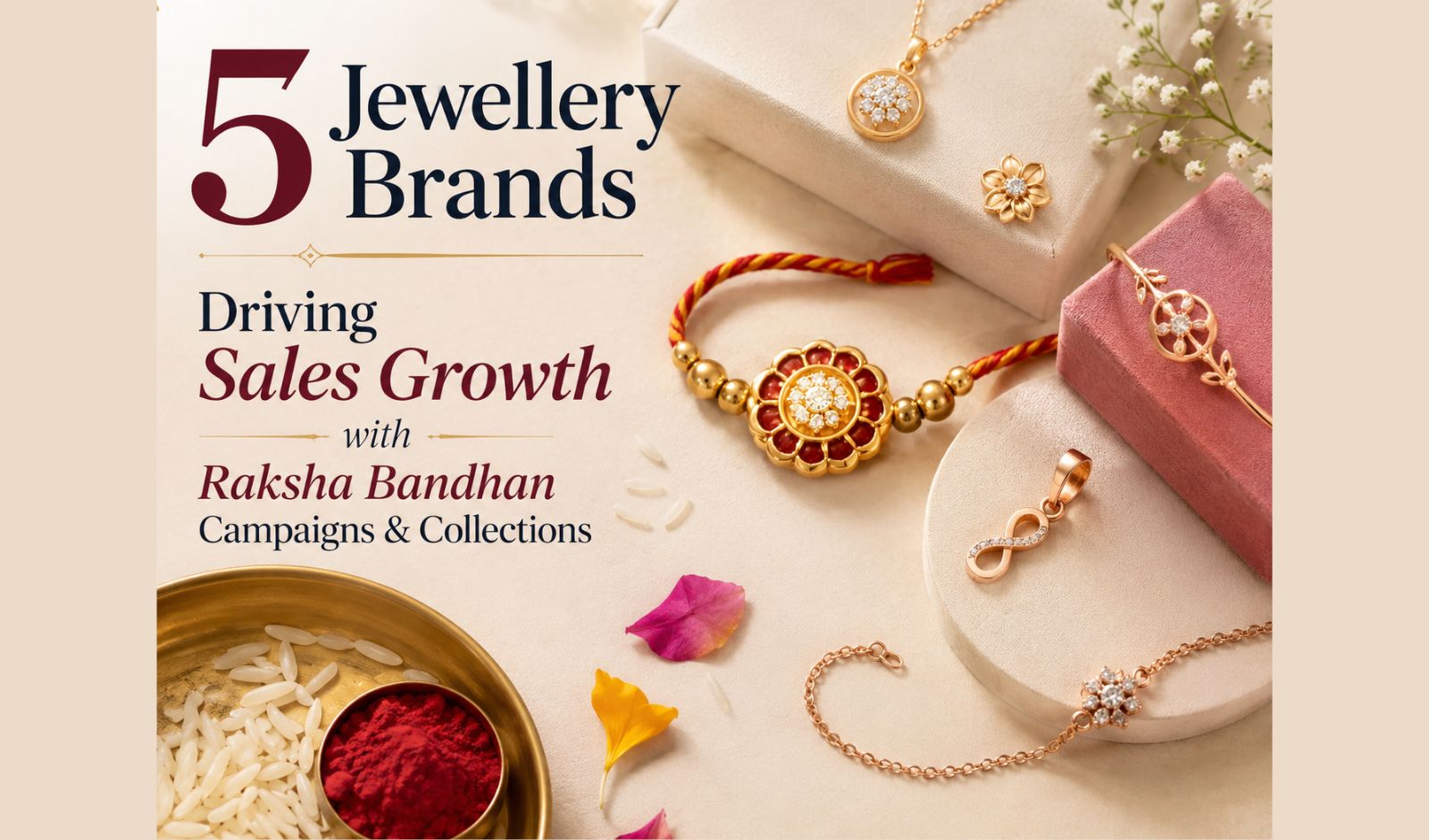
As Rakhsha Bandhan is around the corner, jewelry brands across India are cherishing the sibling relationship with new campaigns and collections to create meaningful engagement for the brand.
The brand is leveraging the festivity to drive growth and sales by introducing affordable jewelry range, curated giftings and demi-fine or silver rakhis, catering to the younger and price conscious customers.
Affordable, Versatile And Value-Driven Preferences
Expanding beyond traditional jewellery, jewelry brands are introducing products that are light on the pocket while carrying meaningful symbolism and offering long-term utility. Rather than positioning Raksha Bandhan purchases as a one-day gifting option, the focus is now shifting towards jewellery that can be worn and cherished well beyond the festive occasion. Affordable demi-fine jewellery, silver rakhis and versatile everyday jewelry pieces are emerging as gift products that combine the emotional significance with lasting value.
A rakhi that can be transformed into a wearable bracelet or as a pendant as shown by Palmonas, or affordable jewelry pieces designed by jewelry brands for gifting purposes, are attracting the attention of the consumers. The preferences are standing on the three pillars: affordability, versatility and value-driven purchases, creating opportunities to drive sales during festive season, while building longer-term customer engagement and growth.
Here are 5 leading jewelry brands that have unveiled campaigns and collections for this Raksha Bandhan.
1. Carat Lane
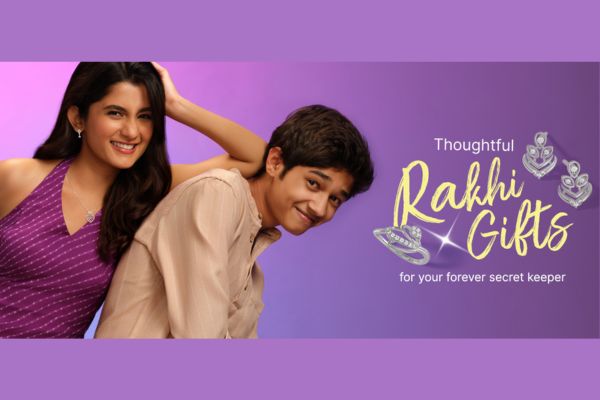
CaratLane, a Tata Product, has unveiled its latest Raksha Bandhan campaign, ‘Bhai Knows Best’, an ad film that captures the familiar sibling dynamic with humour and warmth, bringing alive the idea that sometimes, a brother knows exactly what his sister wants, even before she says it. The campaign celebrates the unique bond between siblings through a light-hearted story about knowing, understanding, and appreciating the person, who has been a constant through every stage of life.
The film brings out the playful equation shared by on-screen siblings Ashlesha Thakur & Vedant Sinha where teasing, banter, and unspoken understanding come together to create moments of genuine affection.
Speaking about the campaign, Saumen Bhaumik, Managing Director, CaratLane, said, ‘‘With this film, we wanted to capture that familiar dynamic between the siblings in a way that it feels real and relatable. With the Raksha Bandhan campaign, we are celebrating that bond with thoughtful diamond jewellery starting at INR 5,000, making the joy of gifting a little more special and accessible.”
Read more: 4 South India’s Jewelry Brands to Watch
Top 5 Jewellery Brands Taking Over India's Metro Cities
5 Fashion Jewelry Franchise Brands for Young Indian Consumers
2. Palmonas
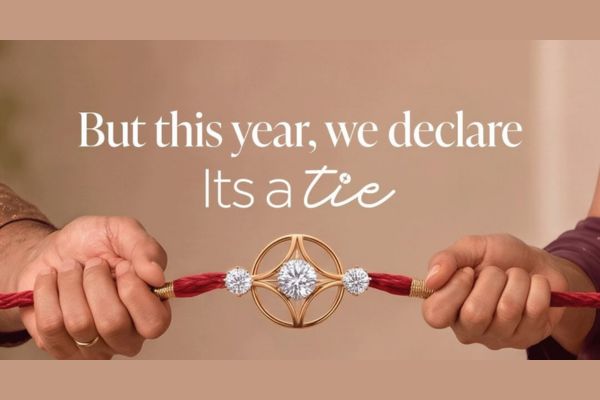
For Raksha Bandhan, Palmonas has launched its campaign, ‘Let’s Call It a Tie,’ which explores the unique, often unspoken bond between siblings, while subtly playing on the idea of the rakhi as a tie that holds the relationship together. The campaign is rooted in the idea that while sibling relationships can take many forms, the underlying bond remains constant.
As a part of the campaign, the company has introduced two new Raksha Bandhan collections— demi-fine Rakhi and Silver Rakhi, starting at INR 399, having anti-tarnish properties, high-quality finishes, and enduring design. The collections reflect the brand’s belief that brothers deserve long-lasting symbols of love.
Alongside this, the brand has also unveiled curated gifting combos that include Palmonas gilded rings, layered necklace paired with the LoveChild by Masaba Bare Browns Luxe Matte Lipstick, priced at INR 1,999. The collection is targeted at Gen Z and Millennials in the 22–45 age group, who are increasingly seeking gifts that feel personal, stylish and meaningful.
‘‘Moving beyond the traditional idea of a rakhi as something worn for a day, these demi-fine or silver rakhis are designed to be long-lasting keepsakes that brothers can continue to wear and cherish.’’ says Pallavi Mohadikar, Founder & CEO, Palmonas. ‘‘As we move through the festive calendar, our focus will continue to be on creating products and campaigns that make gifting more personal, while building memorable brand moments around the relationships and occasions that make the festive season special.’’
3. Mia by Tanishq
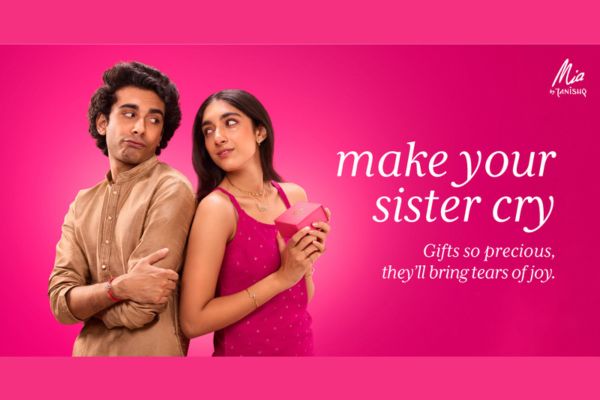
Mia by Tanishq brings a playful new perspective to Rakshabandhan with its latest campaign, built around the cheeky yet heartfelt thought, ‘Make Your Sister Cry.’ The campaign encourages brothers to return the favour of Rakhi not by annoying their sisters, but by making them cry out of happiness with a thoughtful gesture of love. At the heart of the campaign is a familiar sibling dynamic, a bond shaped by inside jokes, playful fights and countless memories, where affection is often left unspoken.
As a part of the campaign, the brand introduces six silver rakhis starting at INR 799, inspired by the theme ‘Value of Community Bonding’ and recognising the evolving meaning of Rakshabandhan beyond siblings to include friends, neighbours and communities. Each rakhi comes with a small potli comprising ‘roli, chawal, haldi and alava,’ symbolising purity, prosperity, health, protection and love. The collection is complemented by jewelry pieces starting at INR 4,999, making Mia a thoughtful choice for Rakhi gifting.
Mr. Ajay Maurya, Head of Marketing and Category, Mia by Tanishq , said, ‘‘With this campaign, Mia by Tanishq brings its contemporary jewelry into the world of Rakhi gifting, celebrating the bonds of love, trust and belonging.’’
4. Limelight Diamonds
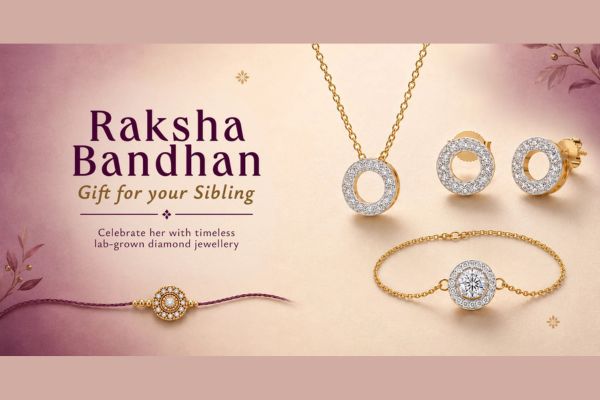
Limelight Diamonds has come up with ‘Raksha Bandhan Gift for Sister: Lab Grown Diamond Jewellery That Celebrates Your Bond’. Under this, the brand suggests why lab grown diamond jewelry makes sense for Rakhi giftings.
Sharing that the brother-sister bond rarely leaves room for pretence, the brand says that the gift should feel just as honest. ‘‘At Limelight Diamonds, we see Rakhi giving less about choosing the biggest piece and more about choosing the piece that suits her,’’ shares the brand.
The brand has come up with lab grown diamond jewelry that brings clarity to luxury, with certified quality, transparent value and the freedom to choose a finer design within a budget. The brand suggested products like Curly Apex Diamond Stud Earrings, Sparkling Dewdrop Diamond Earrings, Daily Wear Earrings Collection, Love Letters Diamond Pendants, Lyanne Diamond Pendant, Sits Like Silk Diamond Tennis Bracelet, and Little Sparkles Diamond Earrings with earrings under INR 20,000 as gifting options for the sister.
5. Indriya
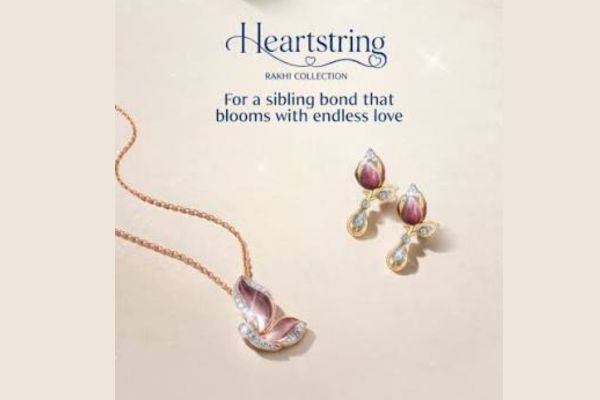
Indriya has unveiled its ‘Heartstring Collection’ this Raksha Bandhan, celebrating the unique and enduring bond between siblings. The collection brings alive the essence of a bond that portrays the warmth and familiarity of sibling relationships, where teasing and playful moments coexist with deep affection and unwavering support. It captures how sibling love continues to grow and evolve over time, blooming through countless shared experiences and an endless connection.
Talking about the collection, the brand shares, “Celebrate the bond that speaks through the love language of banter with timeless jewelry from Indriya’s Heartstring Collection.”
Conclusion
Together, these campaigns and collections highlight how jewellery brands are combining emotional significance and lasting value to their products, creating affordable, meaningful gifts and keepsakes that can be cherished long after Raksha Bandhan. The brands are tapping into evolving consumer preferences, making Raksha Bandhan festival an opportunity to strengthen customer engagement, drive gifting-led purchases and unlock new avenues for growth.
For Further Franchise Info Contact
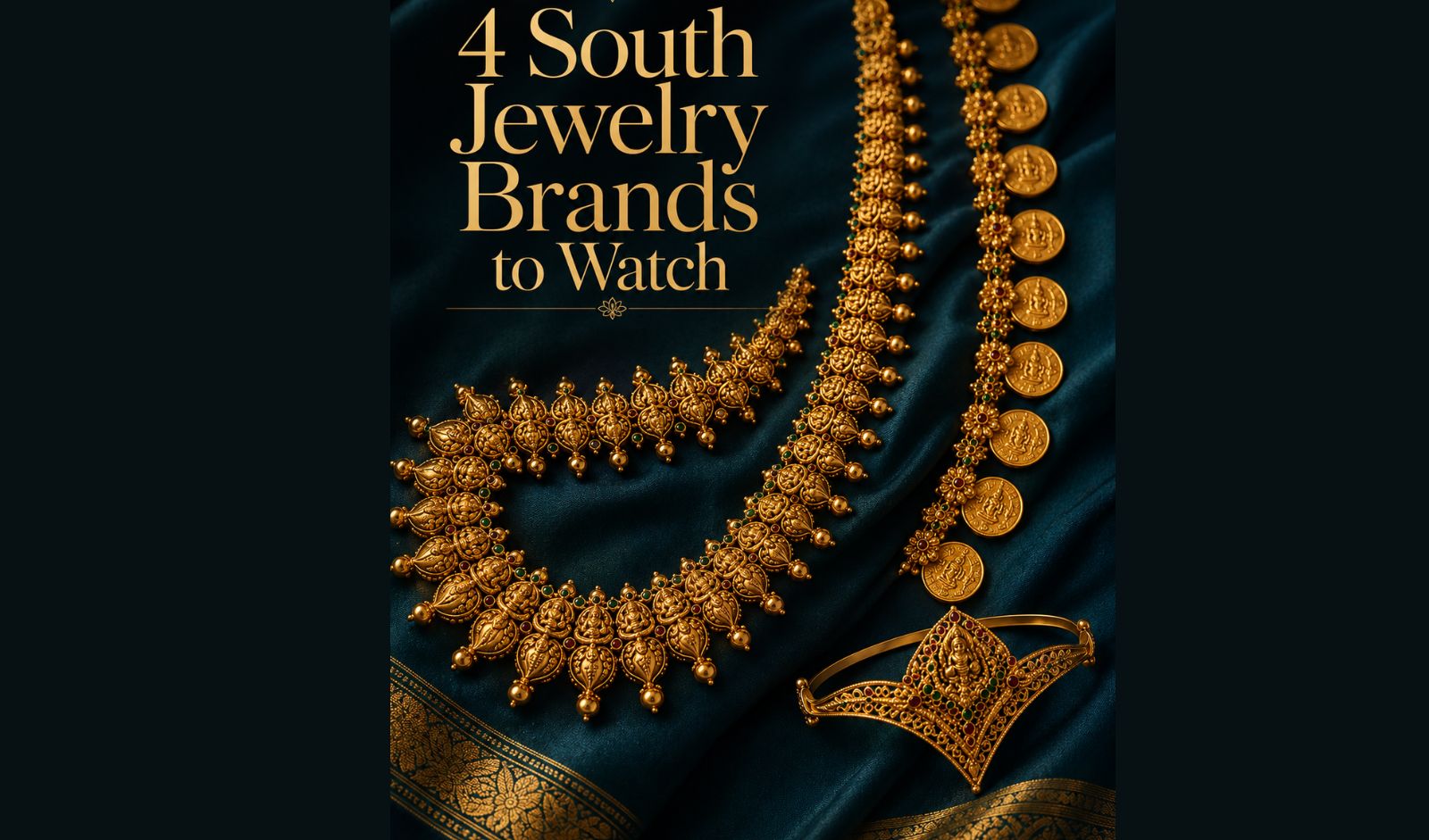
Jewelry brands based in South India stand out for their craftsmanship, cultural engravings and unique designs. The region is known for its cultural reverence to the gold and embellished stone artistry. Temple jewelry having hard engraved motifs of God and Goddesses is one the origin of the region. Apart from that, one can also find Nakashi and Kemp stone craftsmanship in the terrain. There are some iconic jewelry formats that are particularly found in the South like Mango mala, Kasuleperu (coin necklace) and Vanki (v-shaped armlet/ ring).
Temple Jewelry Heritage
Temple Jewelry designs in South India date back to Pandya and Chola dynasty, featuring hand-engraved deities on gold metal. Apart from deities, the jewelry designs include temple towers, lotus flowers, peacocks and other sacred symbols, associated with temple rituals and adornments for idols. The distinctive craftsmanship, intricate detailing and deep cultural symbolism have been for centuries, making it one of the most celebrated and timeless jewelry traditions of India, that have received global recognition.
Nakashi and Kemp Craftmanship
Nakashi and Kemp craftsmanship are two defining elements of traditional South Indian temple jewelry that uses vibrant colour stones arranged around gold metal to give an ornate, colourful and regal look.
Unique Formats
Jewelry pieces in the southern part of India are also known for unique formats and designs that are different from North India. They are inspired by the historical Shringar pratha in India, where ladies were adorned with 16 kinds of ‘shringar’ and most of it require innovative format like Bajubandh (ornamental armband), Kamarbandh (ornamental waist band), Bichhiya (toe rings), Payal (anklet), Nath (nose ring) and so on and so forth.
Other iconic formats include the Kasumala, featuring coin-like motifs, the Mango Mala, inspired by the traditional mango motif, and Vaddanam or Oddiyanam, an ornate waist belt commonly worn as part of bridal attire.
Contemporary Jewelry in the Picture
Contemporary jewelry in South India is increasingly creating a distinct identity by modernising centuries-old traditions with modern demands. One of the best known examples of this is Vanki rings that are increasingly becoming popular with celebrity influence, unique designs, and easy-to-wear choice for daily use. Actor Aishwarya Rai wearing this ring has been a hot topic of discussion among the jewelry enthusiasts.
In essence, contemporary jewelry in South India is defined by the transformation of heritage into modern expression, where temple motifs become minimalist pendants, Kemp stones enter everyday designs, and centuries-old craftsmanship finds relevance beyond the wedding and festive wardrobe.
Here are 4 jewelry brands in South India that is gaining attraction for their exquisite designs and craftsmanship:
1. Sadashri Jewels
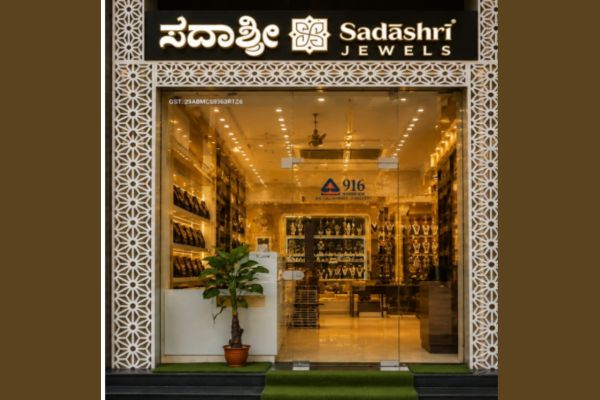
Sadashri Jewels is a legacy brand built on vision, craftsmanship, and innovation. Based in Bengaluru, the brand's luxury store is meticulously curated to create an environment of elegance and comfort, offering personalized services to the customers. The brand deals in fine jewelry with over 500 exquisite pieces, crafted to perfection by skilled artisans. The brand offers handcrafted designs and tech-forward solutions, creating timeless designs and innovative creations to bridge the gap between the traditional and the modern world. From timeless jewelry to dynamic business ventures, the brand is guided by the principles of integrity, sustainability, and social responsibility.
2. Gautam Banerjee
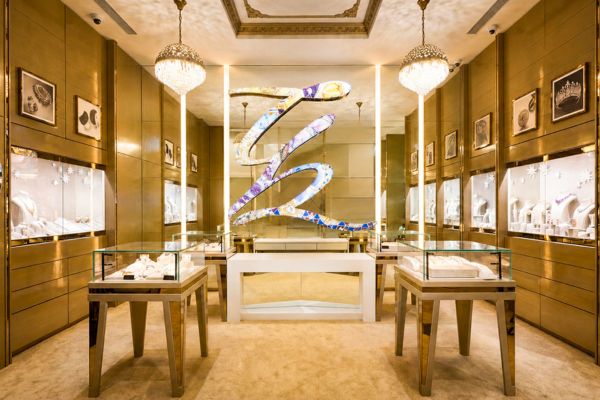
Gautam Banerjee by Jewel Paraiso LLP is a brand co-founded by Gautam Banerjee and Archana Behede more than 25 years ago. The brand is known for its high end jewelry in gold, diamonds, pearls and other gem stones. From exhibiting its jewelry in India as well as USA, the brand has opened its own store at the Pavillion Mall, Pune. The brand also has a studio & design house in Mumbai. The jewelry brand has been awarded as the "The Best Designer Jewellery" consistently for 4 years in 2016, 2017,2018 and 2019, by Times Retail Icon, Pune. All the collections under the brand name of Gautam Banerjee define a particular style, facet, or era, showcasing exquisite jewelry both construction and design with unusual stone cuts, design innovations, and luxurious, setting a dramatic exuberance to the jewelry line. Gautam Banerjee’s jewelry design inspiration stems from the customers' personas, passions, and preferences.. The brand also customized its jewelry for individual customers. Gautam Banerjee jewelry offers a wide range of designer jewelry with masterpieces that have a high dose of style, fashion, and the longevity to live past trends.
3. Diahart
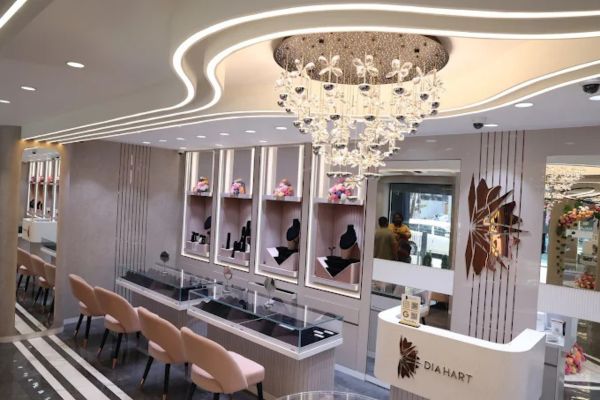
Diahart is a lab grown diamond jewelry brand in Chennai, with unique designs that blend elegance, style,and luxury. The brand is known for its sustainability, innovative designs and affordability. The brand has a store in Chennai and runs three diamond manufacturing units in Mumbai and Surat. The lab-grown diamonds are crafted using cutting-edge technology products and are crafted with the finest precision, providing brightness and quality equivalent to mined diamonds.
4. Manepally Jewellers
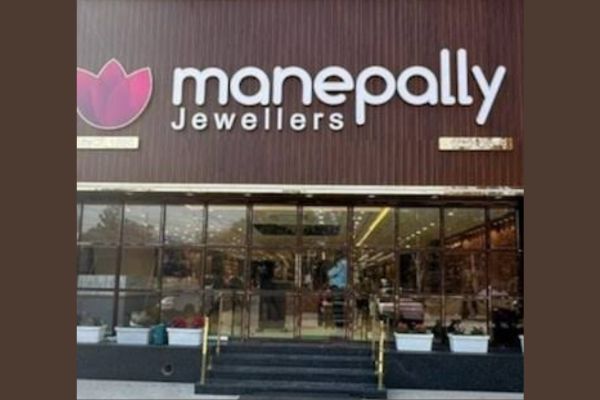
Founded by Manepally Raghavulu in 1890, Manepally Jewellers Pvt. Ltd, based in the historic city of Hyderabad, has been in the jewelry business for over 5 generations. The brand is known for its fine collection of jewelry, etched in the echelons of royalty. The exquisite jewelry designs are made from diamonds, pearls, and gems and has a globally renowned Nizam jewel collection which is rich in tradition and known for its quality. This 127-year-old jewelry store brings with it a rich history and exquisite carvings on gold, creating rare jewelry pieces in fusion jewelry, temple jewelry and bridal jewelry. The jewelry house features a wide range of jewelry from gold, kundan, diamond, and crafting special necklaces, neckpieces, ear rings, bangles, bracelets, arm band, rings, toe rings, gold chains, platinum bracelets and more.
Conclusion
As India’s jewelry market evolves, these regional traditions continue to remain relevant, adapting to the changing preferences of a new generation of consumers. Indian jewelry designers and brands are increasingly reinterpreting traditional crafts, motifs and techniques through a contemporary lens, creating designs that balance heritage with modernity. The jewelry market is witnessing a greater fusion of regional aesthetics,and traditional craftsmanship that serves as a connection bridging the old from the new, and emerging as a powerful source of inspiration for innovation, and versatility.
For Further Franchise Info Contact
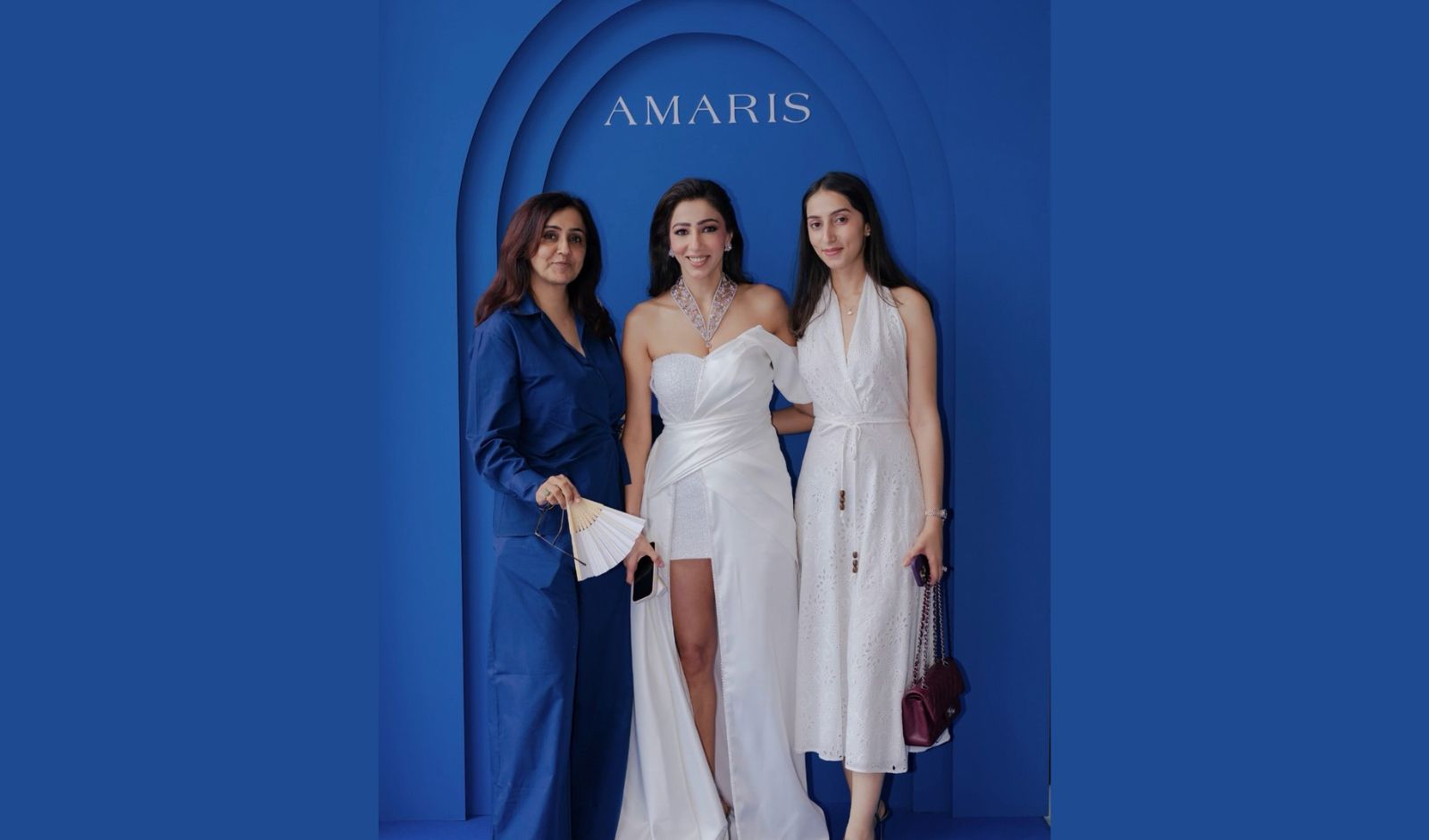
Established in 2015 by Prena Rajpal, AMARIS is a fine jewelry brand for women who seek luxury jewelry designs. The brand provides specially-designed fine jewels for its global customers. The jewelry brand blends global designs with Indian craftsmanship, bringing its products on the global stage.
“Honestly, I just wanted jewelry that felt like me. So I made it—and turns out, many women felt the same,’’ says Prena Rajpal, Founder and CEO, AMARIS. ‘‘Today, AMARIS is a bold, global voice in fine jewelry, where global savoir-faire meets Indian craftsmanship. Every piece is crafted with intention, designed for women who want to be seen, heard, and remembered.’’
Brand’s Origination and Growth
The brand started its journey with a 600 sq. feet place in Chattarpur, Delhi. This boutique hits a 50 percent conversion rate, claims the brand. In 2017, the brand was picked for actor Aishwarya Rai’s Bride Today cover shoot, giving it early fame. In 2018, the brand set up an in-house manufacturing workshop, a full-fledged design lab for creating its innovative designs. Currently, the lab has more than 70 full-time highly skilled artisans, creating unique designs for the brand.
In 2020, the brand moved to Delhi’s popular fashion destination, Ambawatta One in Mehrauli which is a premium shopping destination for Delhiities, having leading luxury labels and couture houses. In 2022, post pandemic, the brand made entry into e-commerce platforms, expecting an average order value of INR 50,000.
Focusing on Fine Jewelry and Design Statement
AMARIS focuses on the fine-jewelry segment made from high quality stone, and fine materials, The brand is known for its innovative designs, making every jewelry piece a bold statement of self-expression, ambition and liberation, claims the brand on its digital platform.
According to Future Market Insights, the luxury fine jewelry market has reached USD 51.3 billion in 2025 and is expected to reach 92.83 billion in 2035 with a CAGR of 6%. Gold jewelry leads the segment with 46 percent market share. The demand for luxury fine jewelry is driven by affluent buyers' demands for personal and portable wealth, investment grade pieces bought by collectors, and jewelry being seen as a long-term asset. There is a growing network of luxury retail in India like Zoya, Indriya, Cartier, Tiffany & Co.etc. The segment is evolving from status led accessory to wealth storage and long-term asset investments. With an ethical sourcing and authentication system in place, it has become a growing segment in the jewelry sector.
Celebration of Feminine Power
At AMARIS, ‘women’ is the central nucleus of the brand. ‘‘AMARIS is a celebration of feminine powers, and all that we, as women, have achieved together,’’ says Prena. ‘‘The women we know and love are the stars of their own lives. Whether you are a CEO, a stay-at-home mother, a hobbyist, or a professional taking a break, we celebrate you and all you have achieved,’’ quotes Prena on her digital platform.
She adds, ‘‘At AMARIS, we imagine a world where women are celebrated for everything they do, working and unwinding, partying and parenting, and most importantly, for simply being themselves. For over a decade, we’ve crafted not just jewels but stories - talismans of ambition, joy, and individuality. ’’
Strong Digital Presence & Celebrity Influence
From an early stage, the brand is known for its celebrity-led marketing. In 2023, actor Deepika Padukone wore AMARIS at Cannes. In 2024, the brand reached 100k followers on Instagram, clearly showcasing how celebrity led marketing translates into strong digital presence. The brand has collaborated with 200-plus Bollywood actors over time.
Store Expansion to New Regions
In 2025, the brand opened two new boutiques in Hyderabad and Gurugram. The brand has recently opened its fifth store in Ludhiana.
‘‘We always knew Ludhiana had taste and you (customers) just proved us right. AMARIS has officially landed in Ludhiana with its fifth store. and we’re very excited for what’s next,’’ posted Prena on its official handle.
Future Plans
AMARIS is a fashion-forward brand for jewellery connoisseurs, stylists and taste makers across the globe. The brand is known for its fine-jewelry, unique designs and 100% in-house manufacturing. The brand is constantly investing in cutting-edge technology, laser tools and master artisans to create detailed, fine jewelry pieces that are timeless. The brand is solidifying its physical and digital footprint and plans to open 5 stores in the coming time.
‘‘With 3 stores thriving and 5 more on the horizon, AMARIS is on its way to becoming India’s most trusted and loved fine jewelry brand, redefining how the modern woman experiences luxury — personal, powerful, and unforgettable,’’ claims the brand on its website.
For Further Franchise Info Contact
The approach of Indian jewellery brands in metro cities has evolved significantly, from traditional neighbourhood and family-run establishments, to a more formal, organised and experience-led retail model. Today, jewellery stores and chains are no longer focused solely on expanding their physical presence. They are increasingly investing in experiential retail, personalised customer engagement and technology-driven experiences, both within stores and across digital platforms, to connect with the evolving urban consumer.
Experiential Stores
Modern showrooms in metro cities are designed to encourage discovery and interaction, with curated collections, personalised consultations, private lounge areas and distinctive store interiors creating a more premium and engaging experience with the customers.
Technology-Led Interactions
At the same time, brands are leveraging technology through virtual try-ons, digital catalogues, interactive displays, AI-led recommendations and seamless online-to-offline journeys to attract customers in the metro cities that have no time to run through a store to make jewelry purchases.
Phygital Formats
Further the integration of physical and digital touchpoints allows brands to understand consumer preferences better, offer greater convenience to them and build stronger, more personalised relationships with increasingly discerning urban customers.
Mall Culture
The growing momentum of mall culture in metro cities has further enhanced the brand’s visibility and touch points, increasing the jewelry brands’ organised retail presence in India. According to CBRE, the organised retail leasing for the jewelry sector has increased from 2% in 2019 to 8% in 2025, placing jewellery among the top three demand drivers after fashion & apparel and food & beverage.
High Street Opportunities
Jewelry brands are turning to high streets as standalone brand format or EBO, attracting much more visibility and brand recognition. The brands in such affluent residential and commercial locations offer much more reach to targeted audience/ customers, providing nearby accessibility for repeat purchases or exchanges. This sometimes works better than multi store formats as the brand presence is strong and catches the attention of the customers, making them a loyal consumer of the brand.
Read also 5 Fashion Jewelry Franchise Brands for Young Indian Consumers
4 Gold Plated Jewellery Brands Building India’s Affordable Luxury Market
Top 5 Jewellery Franchise Brands to Invest in India
Why Do Metro Cities Matter?
India's metro cities remain crucial for organised retail experience as the population living in cities is considered to have high purchasing power, lifestyle needs, and aspirational consumption from branded retail. North India dominates the jewelry market with a share of 36% in 2025, with Delhi-NCR being a major retail hub in the jewelry market. Other significant cities for jewelry sector are Jaipur, Kolkata, Pune, Mumbai
Here are Top 5 brands that are popular choices for customers living in different metro cities:
1. Gautam Banerjee
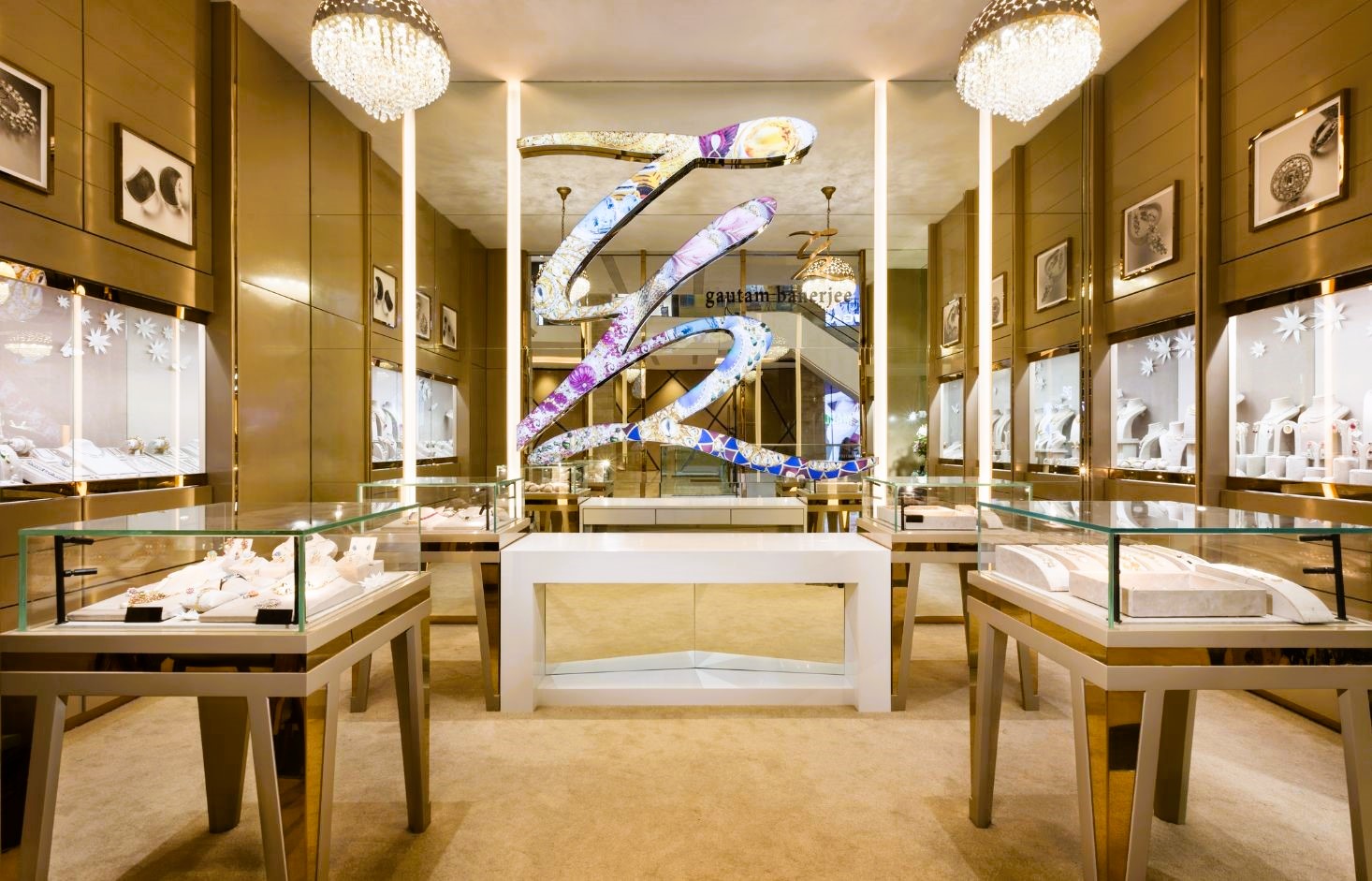
Co-founded by Gautam Banerjee and Archana Behede more than 25 years ago, Gautam Banerjee by Jewel Paraiso LLP, is a designer jewelry brand in Pune that offers unique collections to its customers. The brand has been awarded as the "The Best Designer Jewellery" for the year 2016, 2017,2018 and 2019 by Times Retail Icon, Pune. The brand has a flagship store at The Pavillion Mall, Senapati Bapat Road, Pune, and a studio & design house in Mumbai. The store is one of the most luxurious and premium shopping destinations in the city. From contemporary designs for professional women to traditional jewellery for brides, the brand’s jewelry design spans a distinct range of ideas, inspirations, and innovations. The company's products include earrings, pendants, rings, necklaces and other accessories and their products’ craftsmanship isn’t just about the jewellery, it is also about the appeal, functionality, and comfort. As a result, this brand is one of the prominent choices for metro cities customers.
2. Divine Solitaires
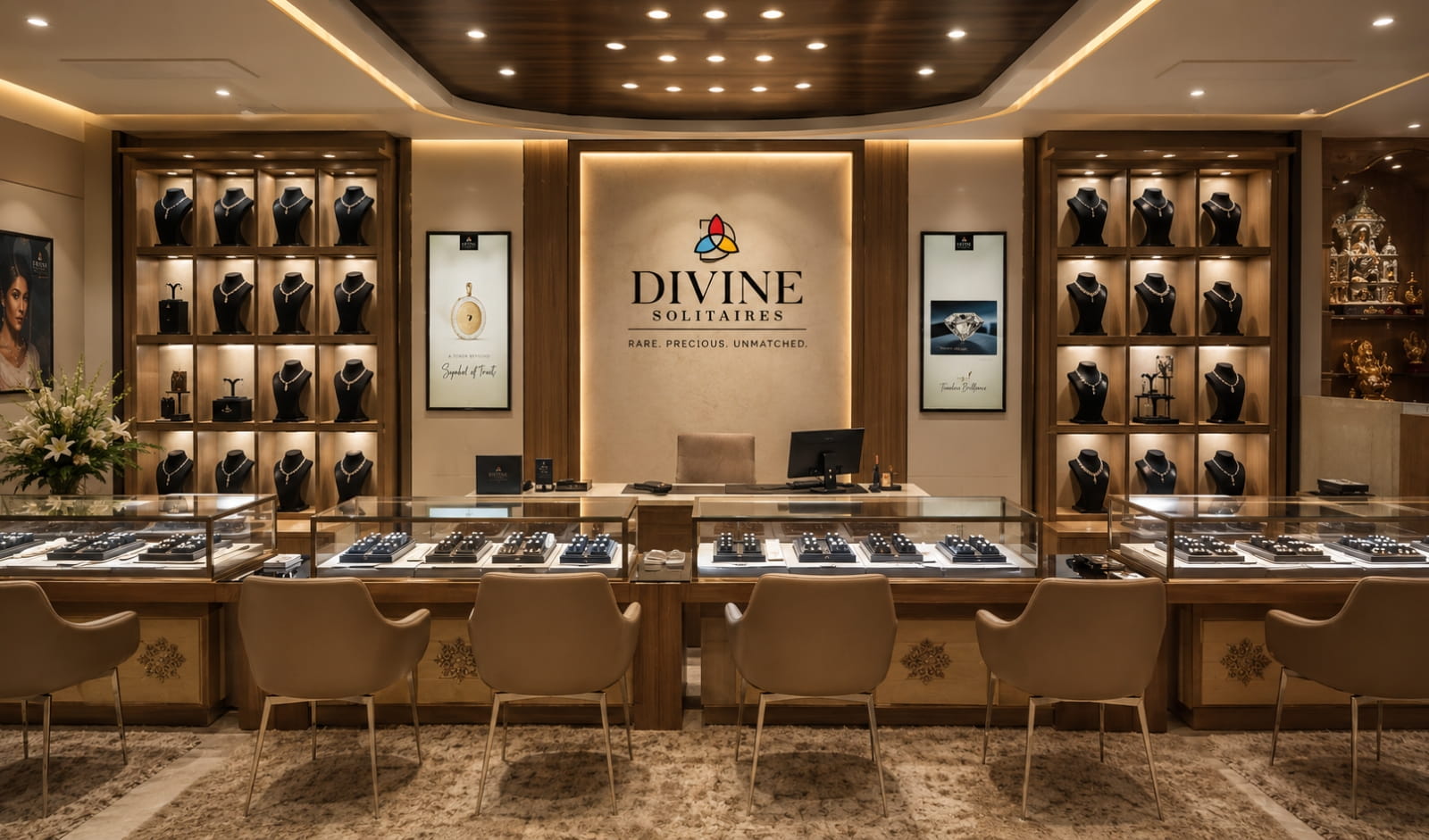
Founded in 2006 by Jignesh Mehta, Divine Solitaires is a fine craft diamond jewelry brand based in Mumbai that specializes in high-end diamond solitaires. The company also provides customizable jewelry to its customers, innovating and launching trendy designs, apt for customer demands especially in the metro cities. The brand has strict quality control measures, ensuring that the diamonds are graded on very stringent standards and have the highest level consistency. The company also provides transparency and price standardization for its products, enhancing customer trust and satisfaction while purchasing the product. The brand offers complete information on its value chain, providing an open, comfortable and transparent relationship with its customers.
3. Luke Diamonds
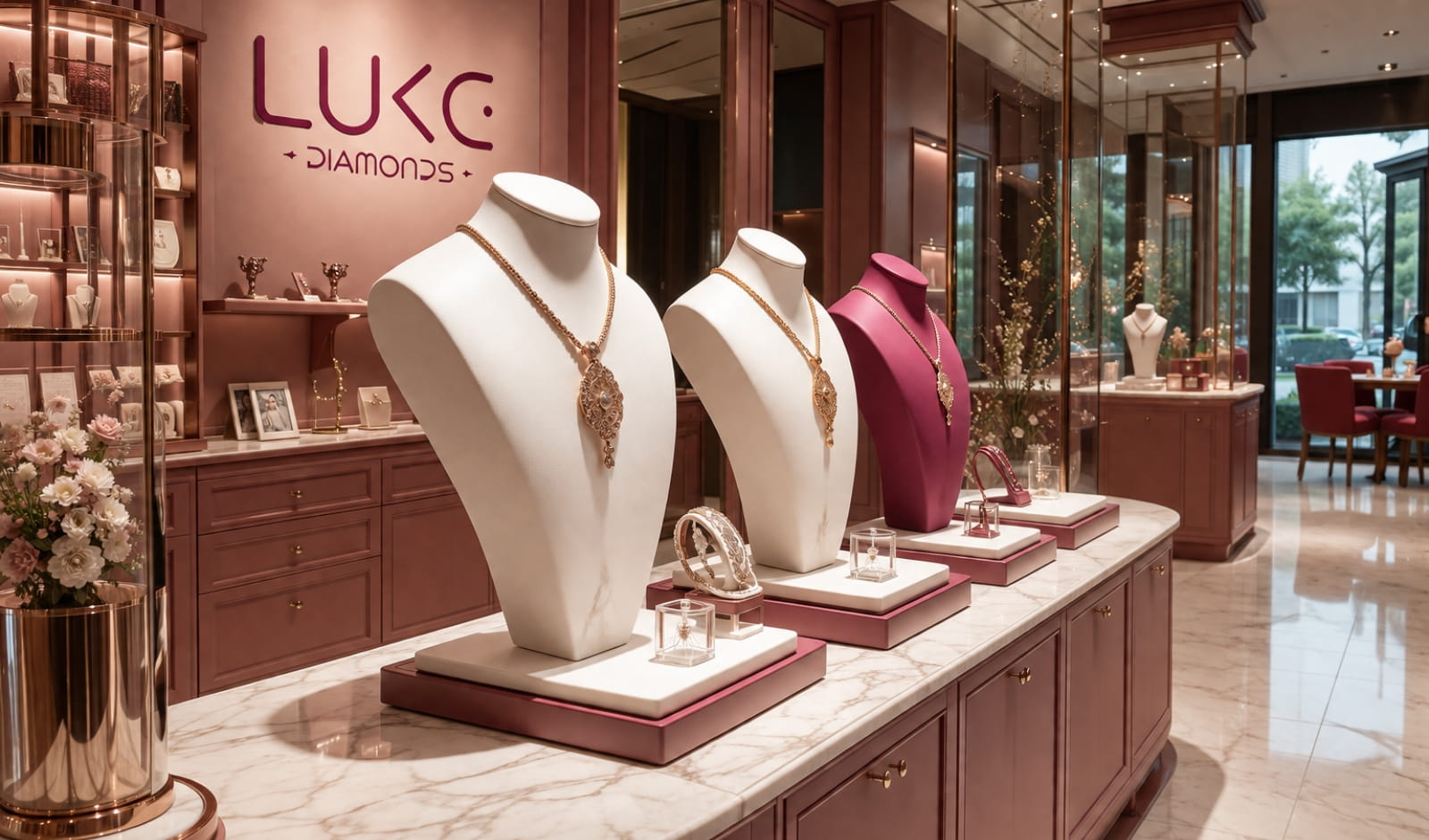
Luke Diamonds is a Dubai-based luxury jewelry brand that deals in fine jewelry and precious metals. The brand operates through shop-in-shop format and is expanding through this format as well as EBO (Exclusive Brand Outlet) to create a luxury retail network. The brand gives luxury experience to its customers via 3-D product reviews, try-on simulations and share and save options on digital websites, making it a popular choice for customers in metro cities who want convenient and on-the go experience in jewelry purchase. The brand portfolio includes lab-grown diamonds, gold and silver coins, custom jewelry and high-end jewelry for its customers. The brand not only has physical presence but also provides technology-led experience for metro cities customers, for quick decision making, holistic and convenient customer journey.
4. House of MBJ
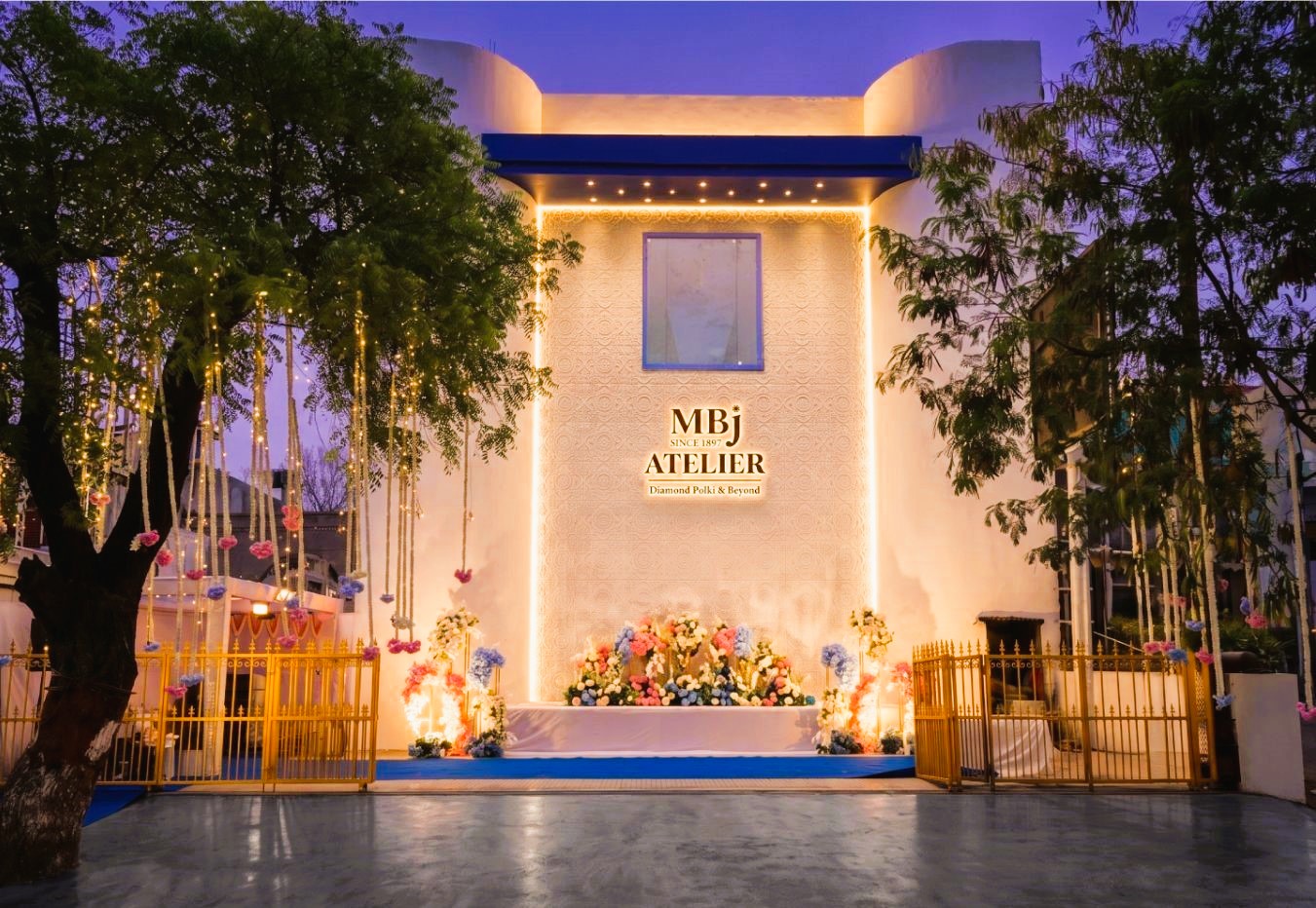
Established in 1897, House of MBJ is a legacy jewelry brand based in Jaipur, Rajasthan. The brand is known for their heirloom jewelry, infusing Indian artisanship with innovation. The brand has a rich legacy of 129 years and is reinstating the ancestral skill of jewelry making to create testament pieces for the customers. The brand deals in handcrafted Polki, diamond, and gold jewellery, and has retail presence in Jaipur and Kolkata, two artistic cities of India. In 2026, the brand launched MBJ Atelier, its new store in Jaipur. Upholding regal Rajasthani provenance and consummate craft, the House of MBJ envisions a brand where each masterpiece of a jewellery is a testament to the imperial lineage, has bold embrace and a future of eternal possibilities in jewelry designs and innovations, creating a demand for modern yet tradition embracing consumers in the metro cities linking them to their past and rich lineage of Indian heritage.
5. SPJ Jewellers
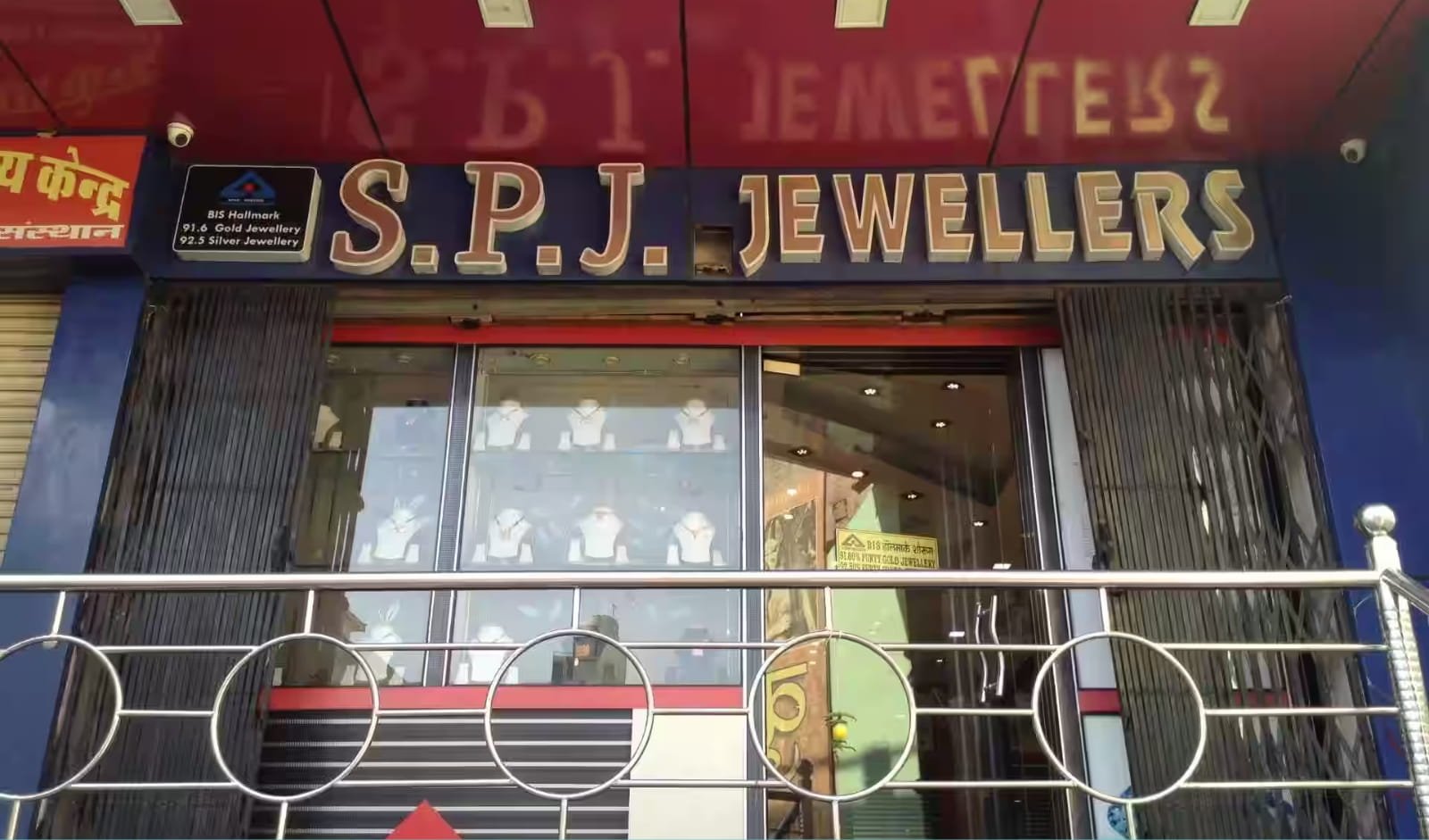
SPJ Jewellers is a premier jewelry brand in Jaipur, Rajasthan that deals in gold, silver, and polki jewelry. The company sources one of the finest materials, including ethically sourced gold, sterling silver, and authentic polki stones, to create jewelry pieces that have high quality, craftsmanship and fine detailing, attracting the customers in different metro cities. The brand has an exclusive range of necklaces, earrings, pendants, rings in 91.6 Hallmark gold & 92.5 silver jewelry, ensuring durability, transparency and quality for its customers. The brand has a rich tapestry of contemporary and traditional designs and also offers personalized jewelry that is a rising demand for customers, especially in metro cities.
Know more: 5 Best Early Learning Franchise Brands Offering Business Opportunities
5 Best Makeup Studio Franchise Brands Worth Investing in India in 2026
Top 3 Diagnostic Centre Franchise Brands in India
Conclusion
There is a rapid expansion and densification of organised jewelry retail in Indian metro cities where brands are evolving from normal retail presence to experiential offerings. The sector is moving from conventional showrooms to technology-led experiential ecosystems with the rise of exclusive brand stores, mall destinations., high street outlets and digitally connected/ omnichannel formats.
The consumer preferences in urban/metro cities are also transitioning from in-store purchase to 3-D product reviews, try-on simulations and experiential store experience, making the metro cities a central hub for organised retail/ brand expansion.
For Further Franchise Info Contact
India’s jewellery market is steadily moving beyond locker-bound, investment-only gold into a new space where style, self-expression and affordability matter just as much as purity and weight. Young consumers today want pieces they can actually wear to work, brunch, weddings and vacations—without needing to visit a traditional bullion-heavy showroom every time.
Gold plated and demi-fine jewellery sit at the heart of this shift. By combining sterling silver or other base metals with high-quality gold plating, brands are delivering the look and feel of fine jewellery at far more accessible price points. This “affordable luxury” segment is especially popular with Gen Z, millennials and urban professionals who want premium-looking designs that fit monthly budgets and modern wardrobes.
From contemporary silver-led labels to new-age demi-fine brands, India is seeing a wave of players who are redefining what luxury looks like, how it is priced and where it is sold. In this article, we focus on four such brands—GIVA, Miss Highness, Miss JO and Palmonas—and how they are helping build India’s affordable luxury jewellery market.
Why Indian Consumers Are Choosing Gold Plated and Affordable Luxury Jewellery
The appeal of gold plated and demi-fine jewellery in India is rooted in both economics and lifestyle:
Gold prices and budgets: As gold prices rise, many consumers are unwilling—or unable—to lock large amounts of money into heavy jewellery. Gold plated and silver-based pieces provide a premium look at a fraction of the cost.
Jewellery as fashion, not just finance: Younger buyers see jewellery as an extension of their personal style, not only a long-term investment. They want pieces to match outfits, moods and occasions, not just a few heirloom sets for weddings.
Everyday and occasion wear: Office wear, college fashion, travel, brunches, small functions and destination weddings create multiple use-cases for lighter, versatile jewellery that can be reworn in different combinations.
Social media influence: Instagram, Reels and creator-led styling have accelerated trend cycles. Consumers discover new looks constantly and want jewellery they can experiment with, without feeling guilty about the spend.
Demi-fine and plated quality: Better plating technology, anti-tarnish coatings and water-safe finishes have made mid-priced jewellery more durable and reliable than older “costume jewellery” options.
Together, these factors are pushing consumers toward brands that offer fine-jewellery aesthetics, modern design and transparent quality—without the price tag of solid gold.
Read also: 5 Fashion Jewelry Franchise Brands for Young Indian Consumers
Top 5 Jewellery Franchise Brands to Invest in India
Best Gold Jewellery Franchise Opportunities for Entrepreneurs in 2026
4 Gold Plated Jewellery Brands in India
India’s affordable luxury jewellery landscape includes a mix of silver specialists, demi-fine innovators and contemporary fashion labels. In this article, we take a closer look at four brands that represent different sides of this market:
GIVA – contemporary sterling silver and gold plated jewellery with a strong franchise model
Miss Highness – premium silver jewellery with an emphasis on style and service
Miss JO – long-established silver brand known for timeless elegance and craftsmanship
Palmonas – demi-fine, fashion-forward jewellery designed for modern women
Below we examine each brand through the lens of product range, consumer appeal and—where applicable—franchise or retail opportunity.
GIVA
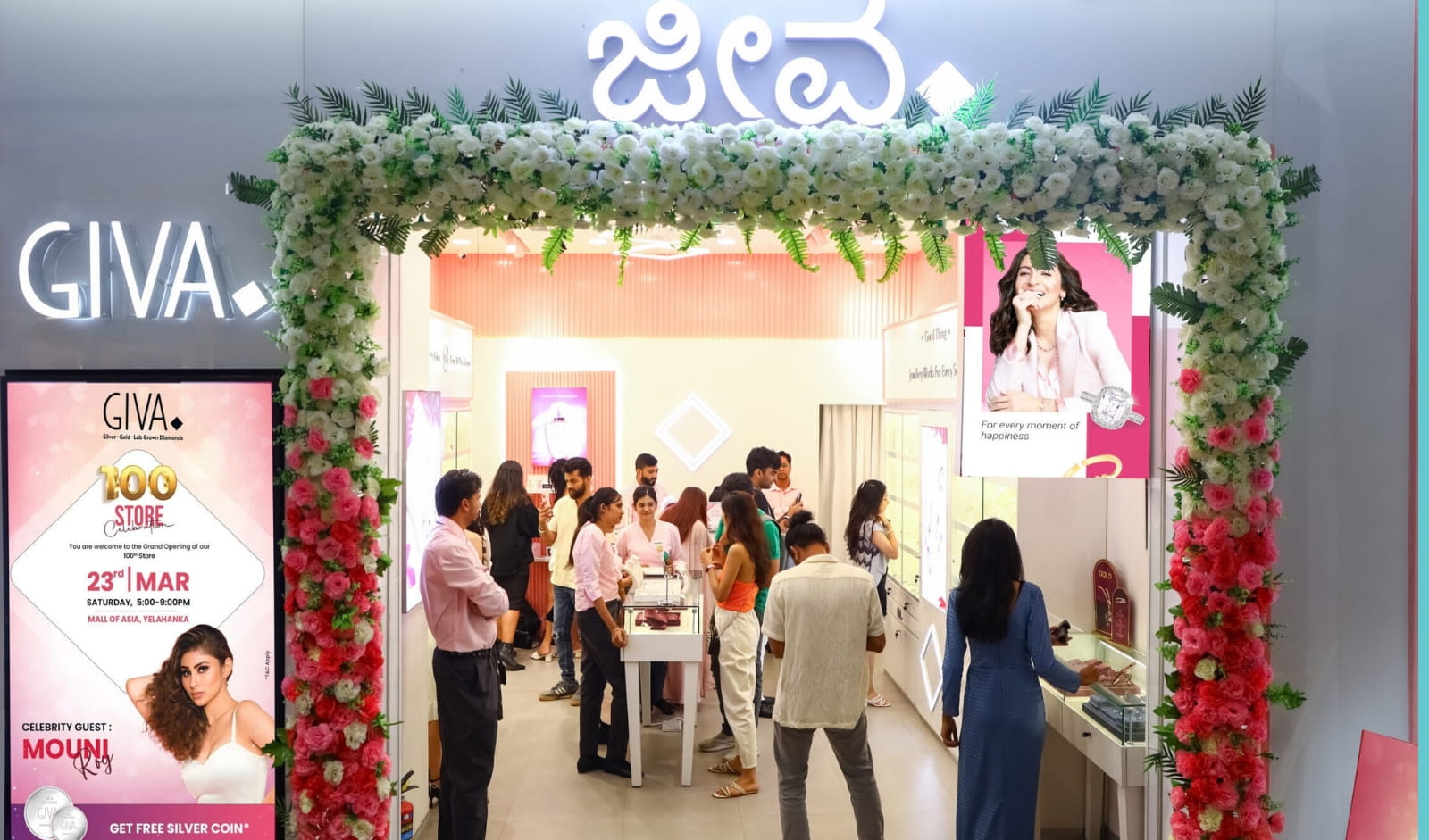
GIVA is a contemporary jewellery brand based out of Bengaluru that blends elegance with everyday affordability. Known for its intricate yet wearable designs, the brand focuses on sterling silver and gold-plated jewellery that caters to diverse tastes and occasions. From minimal daily wear to statement pieces and personalised gifts, GIVA positions itself as a go-to label for modern consumers who want premium-looking jewellery without traditional fine-jewellery pricing. Its growing retail presence and strong digital footprint make it a prominent player in India’s new jewellery landscape.
Signature gold plated and silver range
GIVA’s assortment spans:
Sterling silver and gold plated jewellery
Delicate necklaces, pendants and chains
Earrings ranging from studs to drops and hoops
Rings and bracelets for stacking and self-styling
Personalised pieces ideal for gifting and milestones
The focus is on clean, contemporary forms and designs that can move easily from work to evening wear.
Why consumers love it
Consumers gravitate toward GIVA for its balance of design, quality and price. The brand’s pieces feel modern and aspirational but remain accessible for self-purchase, gifting and small celebrations. Intricate detailing, thoughtful packaging and a strong online presence help create a premium experience. For young shoppers especially, GIVA offers a way to build a jewellery wardrobe that looks luxurious while staying within realistic budgets.
Franchise and retail opportunity
GIVA has moved aggressively into organised retail with a structured Franchise-Owned, Franchise-Operated (FOFO) model:
Investment: Approx. Rs 70 lakh to Rs 99 lakh, with total investment (including inventory, fixed assets and security components) often in the Rs 1.5 crore to Rs 2 crore band depending on store specifics.
Margin / MG structure: Franchisees earn 10% on gold jewellery and 23% on silver jewellery, or a monthly minimum guarantee of 1.5–2% on total investment over and above operational expenses—whichever is higher.
Reconciliation: Quarterly reconciliation ensures that if margin earnings are lower than MG, margins for the next three months are adjusted upward to honour the MG understanding.
Investment security: Fixed assets (approx. Rs 30–40 lakh) are depreciated at 20% annually, with the remaining value refundable at the end of tenure. The security deposit is backed by GIVA, reducing direct landlord exposure for the franchisee.
Tenure: 5-year franchise agreement with a 1-year lock-in.
Manpower management: All staff are employed by GIVA through a separate manpower agreement, which helps standardise service and reduce HR management burden for the investor.
This structure positions GIVA as a relatively high-investment but high-support affordable luxury jewellery franchise for organised retail locations.
Miss Highness
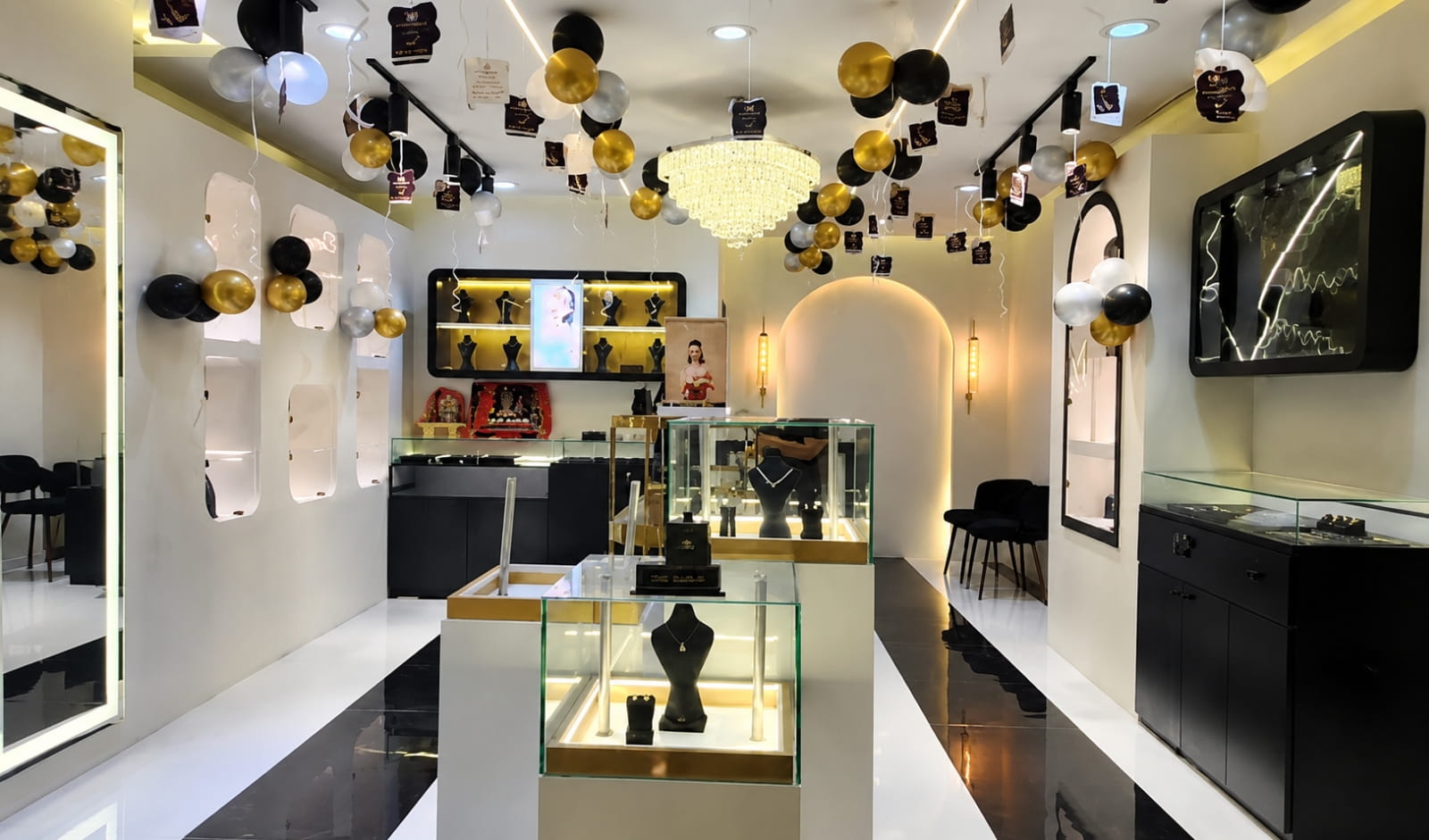
Miss Highness is a premium silver jewellery brand from India, positioned at the intersection of elegance, style and modern convenience. Its collections are crafted using high-quality materials and are designed to deliver a refined shopping experience through superior product quality, fast delivery and easy returns. With a focus on contemporary, feminine aesthetics, Miss Highness targets women who want jewellery that feels sophisticated yet practical enough for daily and occasion wear. The brand currently has fewer than 10 store outlets in India, making it an emerging player with room to grow.
Signature silver and plated range
Miss Highness offers a wide array of:
Silver earrings, studs, hoops and danglers
Necklaces and pendants for both casual and dressy looks
Bracelets, cuffs and bangles
Rings and statement pieces
Modern, trend-led designs as well as classic silhouettes
While the core is silver, many designs carry a polished, gold-plated or luxe finish that aligns the brand firmly with the affordable luxury segment rather than basic costume jewellery.
Why consumers love it
Shoppers appreciate Miss Highness for its combination of style, quality and service. The brand’s jewellery feels contemporary without being overly experimental, making it suitable for office wear, outings and small events. Its promise of fast delivery and easy returns builds trust with first-time buyers, while the design language appeals to women who desire a balanced mix of sophistication and trend. For many consumers, Miss Highness offers a way to enjoy premium-feeling jewellery at prices that support regular self-purchase and gifting.
Franchise and retail opportunity
Based on the shared data, Miss Highness is suited to compact, premium retail spaces:
Area required: Approx. 300–500 sq. ft.
Investment range: Roughly Rs 30 lakh to Rs 50 lakh
Current footprint: Less than 10 outlets in India
This profile suggests a boutique-style opportunity in malls, high streets or premium neighbourhood markets, especially where there is demand for modern, silver-led jewellery and a younger, style-conscious clientele.
Miss JO
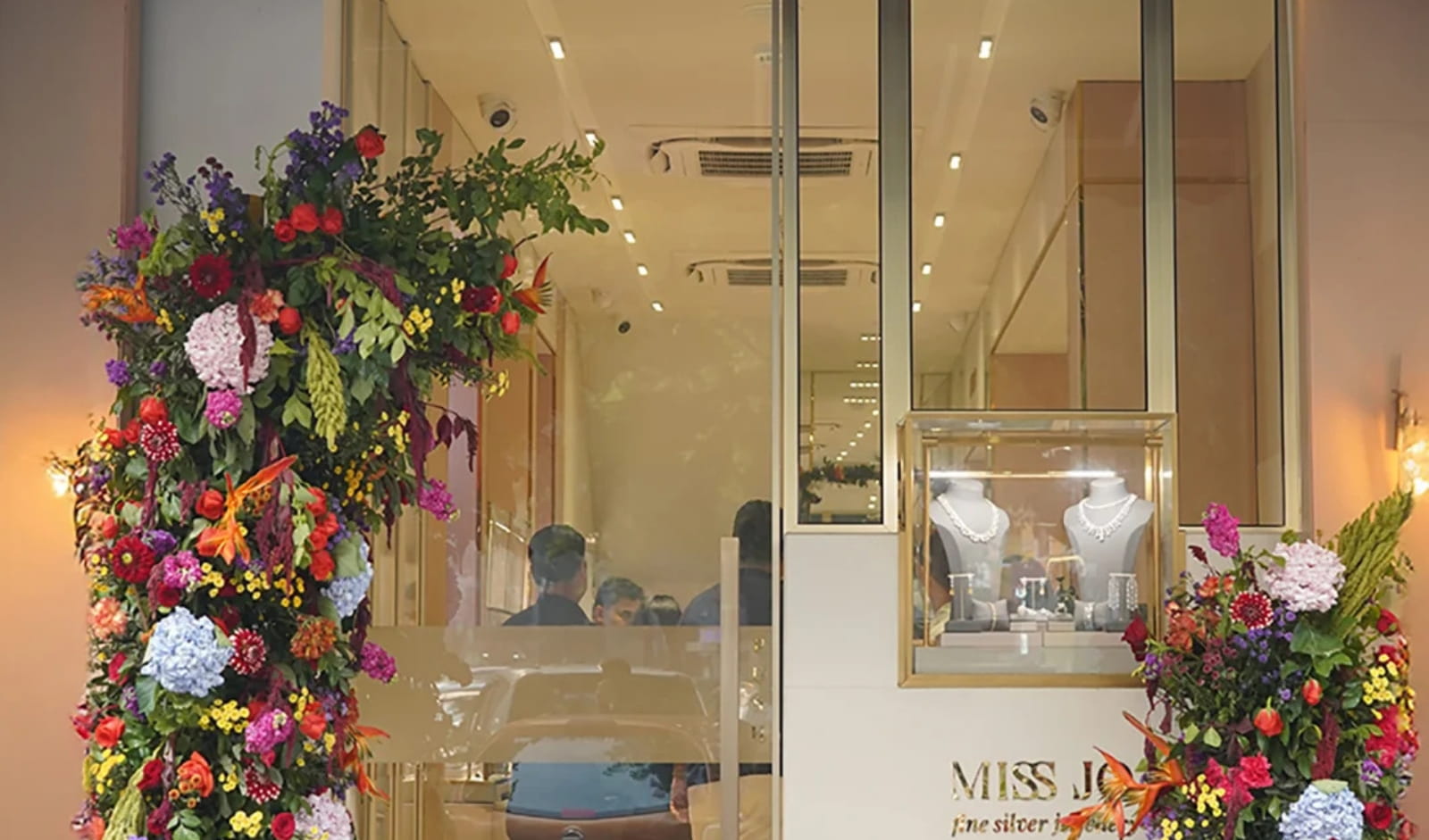
Miss JO, operated under Bigjo’s Global Corporation LLP, is a long-established name in India’s silver jewellery space. With over 20 years of industry experience, the brand is known for its exceptional craftsmanship and commitment to timeless, elegant design. Unlike purely trend-driven labels, Miss JO focuses on pieces that outlast fashion cycles and remain relevant for years, making them suitable for both everyday wear and gifting. The brand’s strong customer-centric approach and attention to detail contribute to its reputation as a premium silver jewellery house.
Signature collections and range
Miss JO’s portfolio is structured into multiple collections that cater to diverse tastes:
Signature Collection: Classic, elegant designs that define the brand’s identity
Kaleidoscope: Bold, colourful and expressive pieces for modern consumers
Objet D’art: Artistic, statement-making jewellery
Secret Garden: Nature-inspired, delicate and feminine designs
Enchanted Forest: Playful, whimsical creations with a magical feel
Across these lines, Miss JO offers rings, earrings, necklaces, pendants and bracelets crafted with an emphasis on premium materials and refined detailing.
Why consumers love it
Consumers turn to Miss JO for timelessness and trust. Each piece is designed to look current while avoiding short-lived fads, ensuring wearers can use their jewellery for years. The brand’s core values—elegance, creativity, quality craftsmanship and a customer-first mindset—resonate with buyers seeking jewellery that feels both luxurious and meaningful. For gifting, Miss JO’s aesthetic and brand heritage make its pieces particularly attractive.
Franchise and retail opportunity
Miss JO’s profile positions it as a premium investment opportunity:
Area required: Around 400–600 sq. ft.
Investment range: Approximately Rs 1 crore to Rs 2 crore
No. of outlets in India: Less than 10
Country of origin: India
Given the higher investment range, Miss JO is best suited for investors targeting upscale markets, destination malls or premium high streets, where consumers are willing to pay more for craftsmanship, artistry and lasting style.
Palmonas
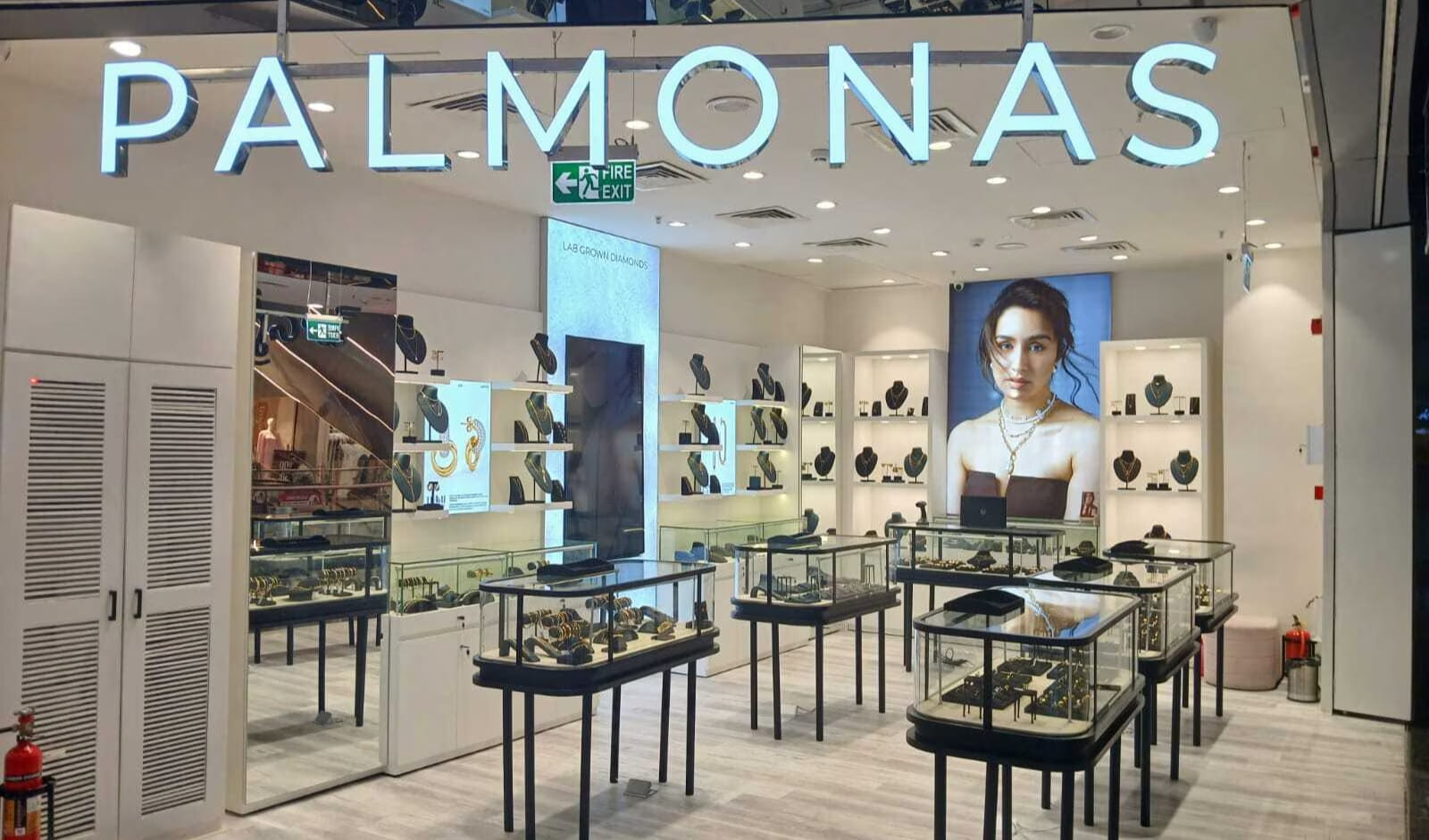
Palmonas is a demi-fine jewellery brand that positions itself as the “No. 1 Demi-Fine Jewelry Brand for Modern Women.” Launched in 2022, the brand designs all of its original, eye-catching products in-house at its Pune-based headquarters. Palmonas focuses on elevating everyday self-expression through fashionable jewellery that can be worn daily, reinforcing the idea that luxury-inspired pieces should be part of routine dressing, not reserved for special occasions alone.
Signature demi-fine range
Palmonas specialises in:
Rings, earrings and statement studs
Pendants and layered necklaces
Chains and bracelets for stacking
Mangalsutras with a modern twist
Men’s jewellery collections
The brand highlights high-quality craftsmanship and water-safe designs, positioning its pieces squarely in the affordable luxury space, ideal for daily wear and modern bridal add-ons.
Why consumers love it
Consumers appreciate Palmonas for its on-trend aesthetics and practical functionality. Pieces are designed to be stacked, layered and styled in multiple ways, making them ideal for capsule wardrobes and repeat use. Water-safe construction and a focus on durability address a key concern for fashion-conscious buyers who want to wear jewellery daily without constant worry about damage. The brand’s visual language and marketing align well with younger, digital-first shoppers.
Retail and growth opportunity
Palmonas is still in an early stage of physical expansion but shows clear retail intent:
Area required: Around 300–500 sq. ft.
Investment range: Approximately Rs 30 lakh to Rs 50 lakh
Number of stores in India: Less than 10
With a strong demi-fine positioning and a relatively moderate investment requirement, Palmonas is well placed for compact stores or shop-in-shop formats in urban centres where fashion-forward consumers seek everyday luxury.
How Gold Plated Jewellery Is Building India’s Affordable Luxury Market
Taken together, brands like GIVA, Miss Highness, Miss JO and Palmonas illustrate how gold plated, silver and demi-fine jewellery are reshaping India’s jewellery industry:
From investment to indulgence: Consumers are more willing to buy jewellery for style and mood, not only for long-term financial reasons. This expands the category from infrequent purchases to regular, smaller-ticket buys.
New retail formats: Compact stores and kiosks allow these brands to enter malls and high streets where traditional jewellers may not have a strong everyday or youthful offer. For franchise and retail partners, this opens up high-footfall, mid-sized spaces.
Omnichannel journeys: Many buyers first discover products via social media or D2C websites, then validate their choice in-store—or vice versa. Brands that integrate online discovery with offline trial and after-sales support are well positioned to win.
Portfolio diversification: Silver and demi-fine collections also give traditional jewellers a way to reach younger consumers without diluting their core gold and diamond proposition. For pure-play affordable luxury brands, these collections are their main identity.
In short, this segment is no longer a side category—it is becoming a meaningful driver of volume, footfall and new customer acquisition.
Explore more: How is the Demi Fine Jewelry Segment Growing in India?
Royal Oak Furniture Franchise Offers Strong Growth to Indian Investors
Sadashri Jewels Invites Franchise Partners with Premium FOCO Jewellery Business Model
Indian Consumers’ New Jewellery Buying Habits
The growth of these brands reflects several clear shifts in how Indians shop for jewellery:
Everyday wear focus: Consumers now expect jewellery that can be worn to the office, college, cafés and airports—not just ceremonies and weddings.
Stacking and layering: Rather than buying one heavy piece, buyers prefer multiple lighter items they can mix and match, which suits gold plated and demi-fine ranges perfectly.
Durability expectations: Anti-tarnish finishes, water-safe claims and clear care instructions have become decisive factors. Buyers want pieces that hold up to frequent use.
Influence of creators: Styling videos, OOTD posts and influencer edits highlight how to wear jewellery in daily life, driving trial for new brands and categories.
Self-purchase and small gifting: Birthdays, promotions, travel, friendships and micro-celebrations are all occasions for jewellery now, especially within the Rs 1,000–Rs 15,000 bracket.
These behavioural shifts collectively support sustained growth for affordable luxury jewellery brands.
Where to Find These Gold Plated and Demi-Fine Jewellery Brands
Consumers and potential partners can discover these brands through multiple touchpoints:
Official websites and D2C platforms for complete catalogues, new collections and brand storytelling.
Brand-owned stores and kiosks in malls and high streets for try-ons, consultations and gifting.
Select marketplaces and multi-brand outlets where brands have official listings or counters.
Social media channels such as Instagram, where styling ideas, launches and collaborations are announced first.
Before purchasing, buyers should always check:
Plating and base metal details
Water resistance or anti-tarnish claims
Warranty and after-sales policies
Return and exchange terms
This ensures realistic expectations about longevity and care.
Conclusion
Gold plated, silver and demi-fine jewellery are at the core of India’s affordable luxury wave. Brands like GIVA, Miss Highness, Miss JO and Palmonas show how design, finish and brand experience can deliver a feeling of luxury without demanding the budget of traditional fine jewellery. For consumers, this means more opportunities to wear jewellery as an everyday expression of personality. For retailers and potential franchise partners, it opens up a growing category with strong repeat-purchase behaviour and multi-occasion demand.
Whether you are building your own jewellery wardrobe or exploring the category for business, understanding how these brands balance style, quality and accessible pricing is the first step to tapping into India’s evolving jewellery market.
For Further Franchise Info Contact
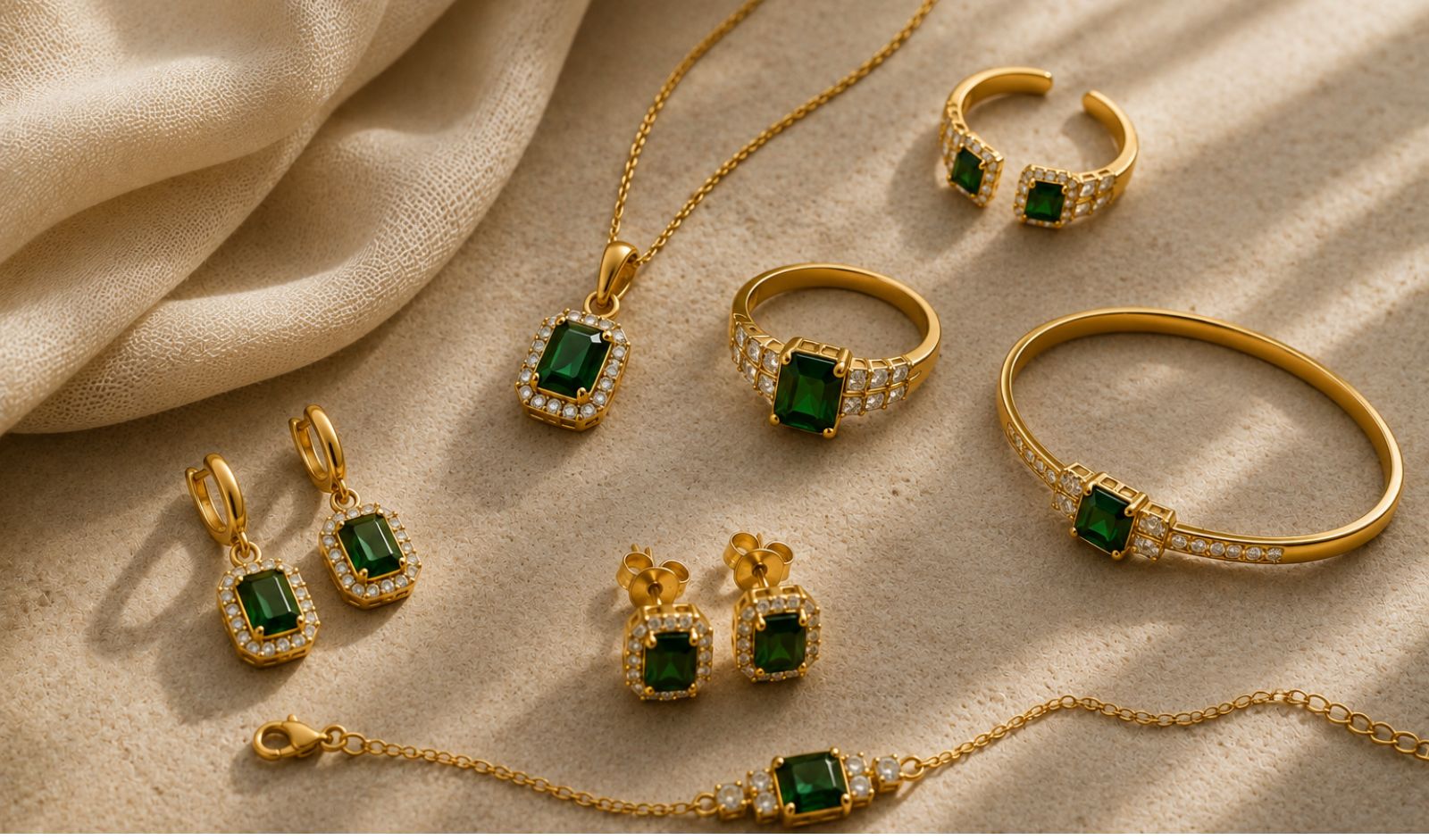
The India’s jewelry sector is witnessing a significant transformation with the demi-fine jewelry segment reshaping the traditional perceptions around jewelry buying, and usage patterns. The use of jewelry is no longer restricted to certain special occasions nor does its purchasing depend on deep pockets of the customers.
‘‘India's jewelry market is undergoing a significant transformation, driven by rising disposable incomes, increasing digital adoption, and evolving consumer preferences. Today's consumers are looking for jewelry that seamlessly fits into their everyday lives, balancing design, quality, trust, and accessibility,’’ says Ishendra Agarwal, Founder and CEO, GIVA.
The Demi fine jewelry segment is increasing in India due to the rise of consumer preference for affordable luxury. Consumers are increasingly looking for jewelries that have aesthetic appeal without a high price tag and are long-lasting, durable, comfortable and suitable for everyday use. The growing interest in this category is also reflected in industry conversations and platforms such as JewelzX, where changing jewellery preferences, retail opportunities and emerging market trends are gaining attention.
Demi fine jewelry is a rising segment between fashion jewelry and fine jewelry, made of premium metal plating like gold, silver, rhodium or stainless steel. It is built for every-day use, providing premium looks at affordable prices.
Following extensive research and development, we introduced India's first Demi-Fine brand, with a strong focus on building trust and familiarity around an entirely new jewelry proposition, says Pallavi Mohadikar, Founder, Palmonas. She further adds, ‘‘While Demi-Fine remains the foundation of Palmonas, we've continued to evolve by expanding into 9KT Gold, Silver, and now Platinum. These introductions reflect our ambition to serve customers across different purchase occasions while maintaining the same commitment to exceptional design, quality, and value.’’
Market of Demi Fine Jewelry Segment in India
According to Grand View’s insights the Indian demi-fine jewelry market generated a revenue of USD 224.4 million in 2025 and is expected to reach USD 523.0 million by 2033. The India market is expected to grow at a CAGR of 11.3% from 2026 to 2033.
Some of the key demi fine jewelry brands in India are Palmonas, GIVA, Zaisha, and Mia by Tanishq etc.
The key factors for the success of demi-fine jewelry segment are:
High quality jewelry at affordable price
E-commerce accelerating the visibility and product sales of demi fine jewelry brands
Unisex jewelry segment used by both male and female customers
Evolving fashion trends adopted by the customers
Market Segmentation: Price, Distribution and Application
The demi fine jewelry market is broadly segmented based on price, distribution channel and application. Retailers are increasingly promoting the price range through targeted marketing campaigns, seasonal collections and loyalty programs.
‘‘We are catering the jewelry market between 40k to 1 lakh. That is the only market we want to capture’’ says Rupesh Jain, Founder, Lucira.
He adds that Kalyan and Tanishq are catering above 1 lakh market. He further mentions that from the very beginning our price strategy was very clear. ‘‘We wanted to sell diamonds below INR 30 K and less than 1 carat.’’ He reveals, ‘‘We tried selling high-end jewelry like solitaire but with an increasing price band between INR 3-4 lakhs, there was a limited reach to this product in the Indian consumer market. On the other hand, there was no sufficient margin to scale for products below the price range of 25k. So, we decided to cater the mid-segment consumer market in the jewelry sector.’’
Devangi, Founder, Araiya by Aza, shares a contrary view on the pricing strategy. She believes that price regulation must not be the ultimate motivation behind selling demi fine jewelry. Brand identity, quality and trust plays a pivotal role in creating a long-term consumer base.
Distribution Channel is another significant factor for the growth of the demi-fine jewelry segment. Retail brands promote their campaigns all across the digital channels while their physical presence helps the customers get the ‘touch and feel’ of the products. However, with time, the two modes have converged, creating the necessary medium for the growth of this segment.
Rupesh from Lucira highlights that there is no ‘retail-first’ and ‘digital-first’ approach in today’s time. ‘‘Our brand adopts a cohesive strategy where 80 percent of our offline conversions come through online mode.’’
Further, the segment is not just restricted to the female gender but is also becoming an emerging market for the men section as well. There has been a rise of unisex demi jewelry designs in India that can easily be worn by both partners depending on the occasion, thus increasing the overall usability of the product.
Gifting Culture, Omnichannel Brand Presence and Customization
The market growth is supported by gifting culture, particularly among younger generations and the omni-channel retail presence of different brands that drives the demand for such jewelry.
‘‘Whether customers discover us through Instagram, shop on our website, engage with our AI-powered touchpoints, or visit one of our stores, the brand experience remains consistent. Together, these touchpoints create a seamless customer journey built on trust, convenience, and accessibility.’’ says Pallavi.
Rupesh further adds, ‘‘A robust sales funnel is necessary for brands to reach customers. We make sure that every customer’s journey is convenient and in the right way, generating a long-term customer base from offline and online channels. We handhold and guide our customers through the entire purchase process.’’
Further personalization and customization is bringing a boost in this segment. The availability of customized designs, contemporary styles, durable material and lightweight products is increasing the demands for this segment.
‘‘We are the very few brands that enable customization to consumers. At our 105 stores we continue to customize products for our consumers, says Pooja Madhavan, Founder & MD, Limelight Diamonds. She further shares that demi-fine jewelry brands need backward integration to play in the customization field so that there is no disruption in the supply chain from manufacturing to end-retail customer touch points.
Many national jewelry brands including Tanishq, Bluestone, Malabar Gold & Diamonds are also into vertical/ backward integration. GIVA too offers customization in its products. Ishendra further emphasizes the importance of customization in the demi fine jewelry sector. He says, ‘‘Customers can discover collections, receive styling guidance, and enjoy personalized services at GIVA.’’
Future of Demi Fine Jewelry Brands
Today’s generation is not looking for jewelries that are precious and sitting inside a locker. They want masterpieces that are unique, personalized, easy-to-wear, dailywear, lightweight and practical, offering durability, elegance and long-lasting impressions.
‘‘Gen Z does not want jewellery sitting in a box waiting for a special occasion. They want trendy designs that actually last, bold statement pieces that match their unapologetic style, and jewellery that works with every occasion without any effort. Demi fine jewellery is built exactly for that and that is why it has become the go-to choice, says GIVA.
As more customers look for this practical choice with minimal design, contemporary look, and instant elegance over traditional jewelry, this segment certainly has a bright future in the coming times.
For Further Franchise Info Contact
India's jewellery industry continues to shine as one of the country's most resilient retail sectors. Driven by rising disposable incomes, growing demand for branded jewellery, and increasing preference for certified diamonds and hallmark gold, the market presents attractive opportunities for entrepreneurs. While many jewellery companies are expanding through company-owned and partner-led retail formats, only a few publicly share detailed business information. Here are five jewellery brands with strong market presence and verified credentials that investors should consider.
1. The House of MBJ
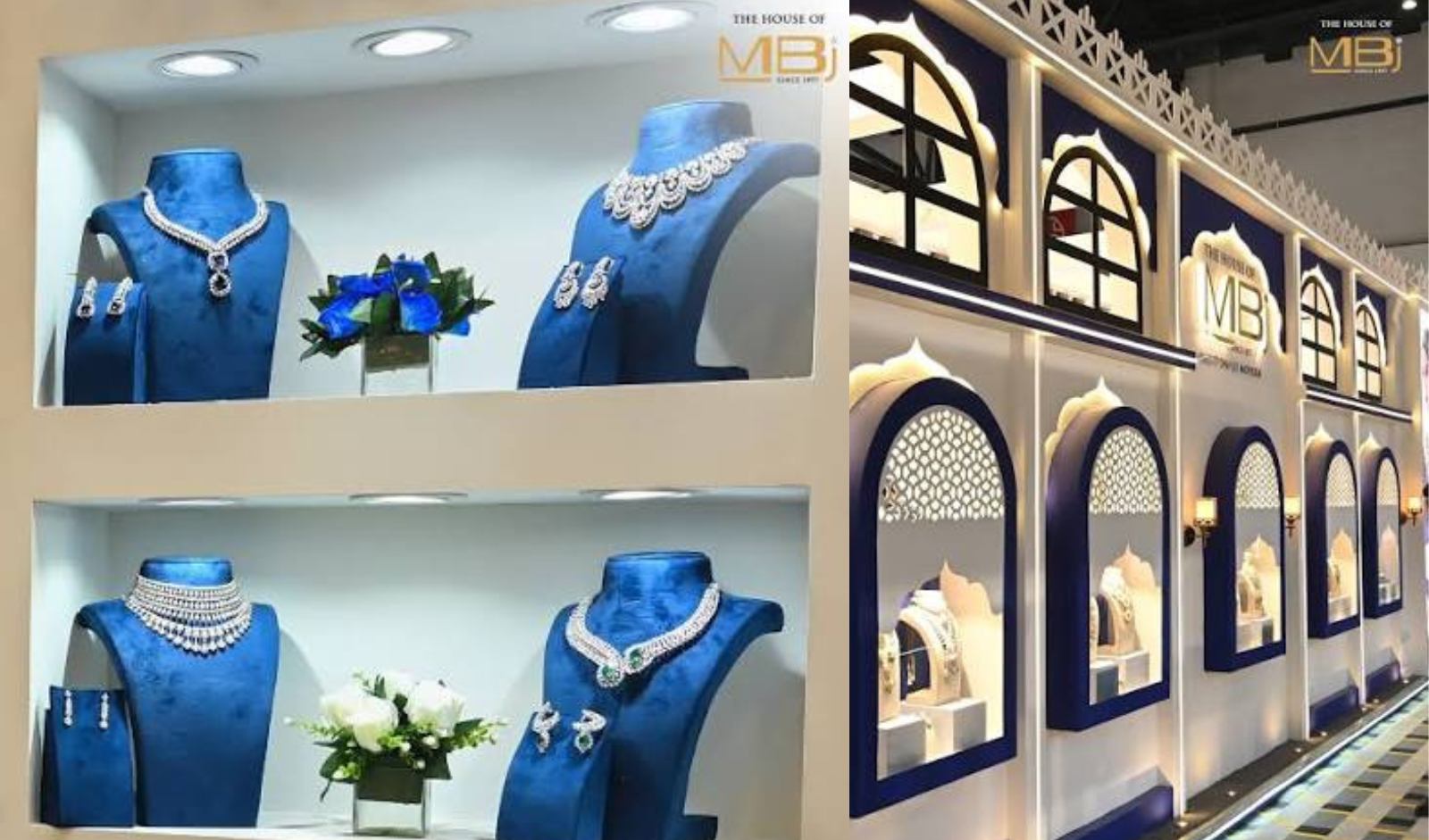
With a legacy dating back to 1897, The House of MBJ has evolved into one of India's renowned luxury jewellery houses. The Jaipur-headquartered brand traces its roots to Rajasthan's royal craftsmanship and has preserved its heritage across seven generations. Today, it is recognized for handcrafted Polki, diamond, and gold jewellery that blends traditional artistry with contemporary aesthetics.
The company has steadily expanded its retail presence over the decades, opening stores in Kolkata, Jaipur, and New Delhi while also strengthening its manufacturing capabilities. In 2026, it further expanded with the launch of MBJ Atelier in Jaipur. Celebrity associations and bespoke bridal collections have helped position the brand in the premium jewellery segment.
Why Invest
- Heritage brand with over 125 years of craftsmanship
- Strong presence in premium bridal and luxury jewellery
- Wide portfolio across Polki, gold, and diamond collections
- Trusted reputation built over seven generations
Read also: 5 Best Early Learning Franchise Brands Offering Business Opportunities
Best Bakery Franchise Brands to Explore This World Cheesecake Day
How Indian jewellery brands are expanding beyond traditional showrooms
2. Divine Solitaires
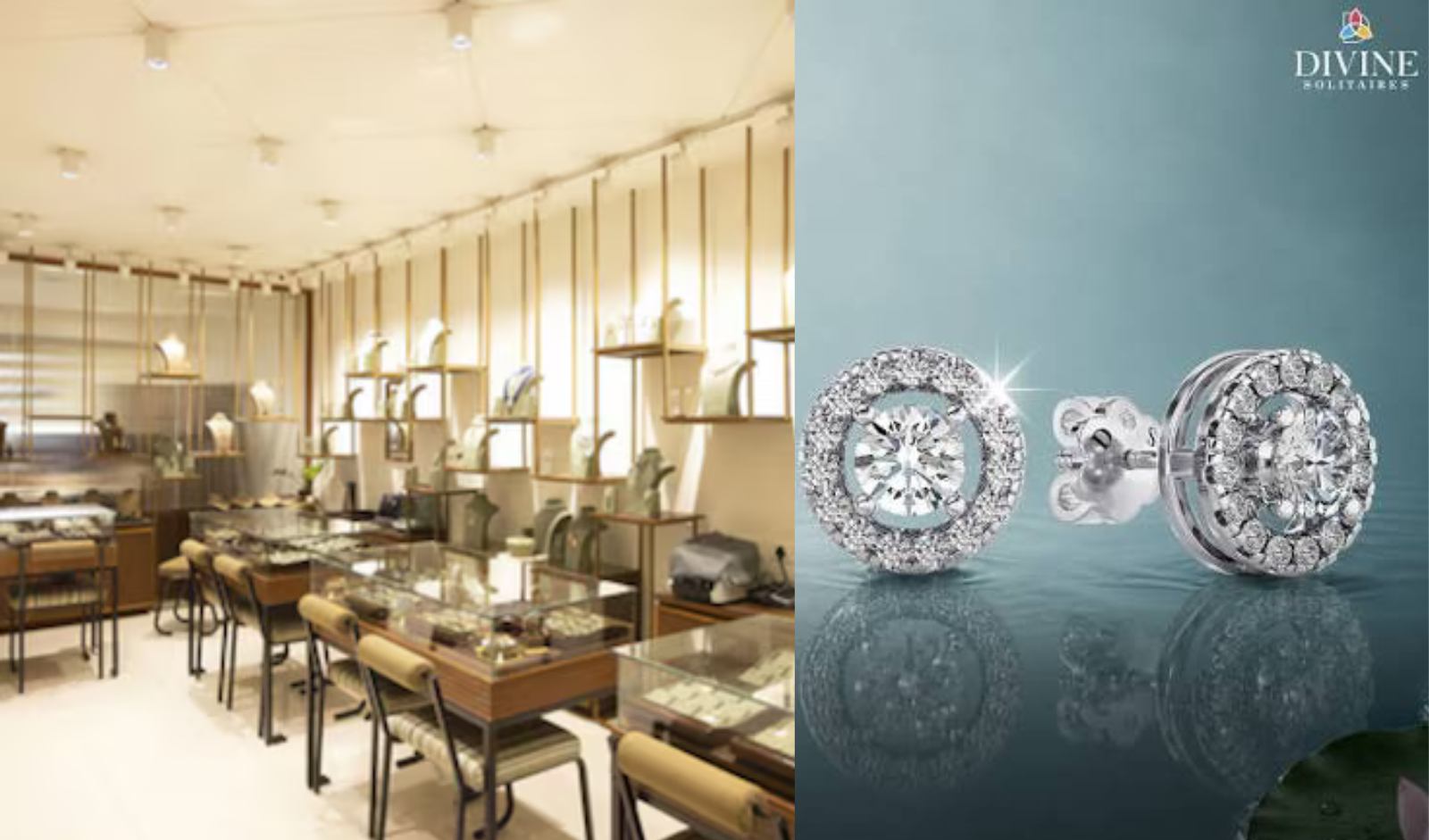
Founded in 2006 by Jignesh Mehta, Divine Solitaires has carved a niche in India's organised diamond jewellery market. The Mumbai based company specializes in certified solitaire diamonds and is known for introducing standardized pricing, transparent grading, buyback options, and upgrade programs that have strengthened customer confidence.
Rather than competing across every jewellery category, the brand has focused exclusively on premium solitaire diamonds, making it a preferred choice for engagement rings and fine diamond jewellery. Its emphasis on quality assurance and customer education has contributed to its growing recognition across India.
Why Invest
- Strong brand positioning in the solitaire diamond segment
- Transparent pricing model
- Focus on certified diamonds and premium jewellery
- Established nationwide brand recognition
3. Palmonas
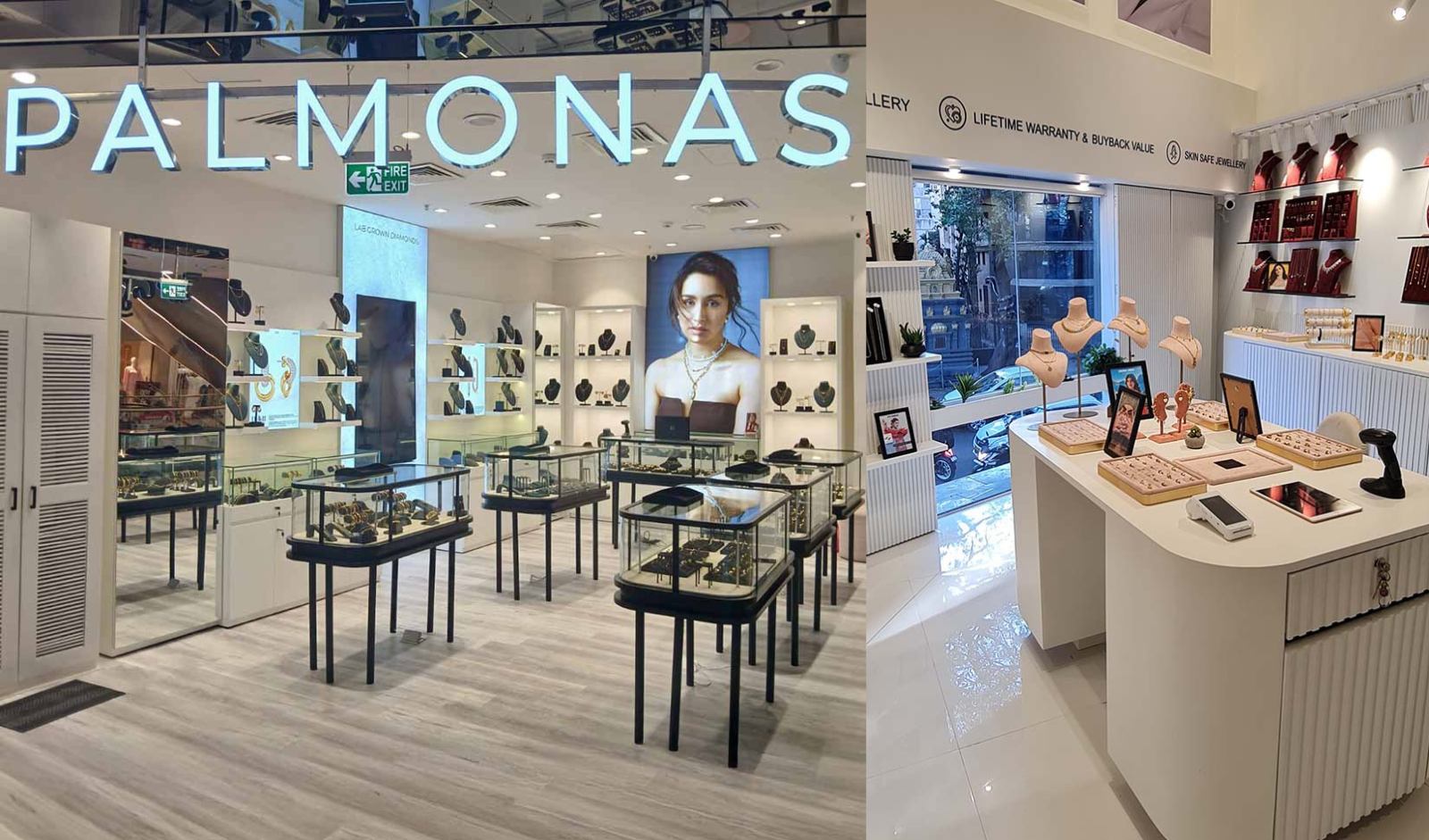
Founded in 2022, Palmonas has quickly emerged as one of India's fastest-growing demi-fine jewellery brands. Headquartered in Pune, the company combines fashion-forward designs with affordable luxury, making premium jewellery accessible to younger consumers. The brand gained significant visibility through collaborations with actress Shraddha Kapoor, who is also associated with the company. Public information from the brand states that it serves customers in more than 200 countries through its online platform.
Palmonas specializes in tarnish-resistant jewellery crafted for everyday wear, including necklaces, rings, bracelets, earrings, and contemporary collections. Its digital-first strategy, influencer collaborations, and growing offline presence make it an attractive emerging retail brand.
Why Invest
- Fast-growing new-age jewellery brand
- Strong digital and omnichannel presence
- Appeals to Gen Z and millennial consumers
- Affordable luxury positioning with global customer reach
4. Gautam Banerjee
Gautam Banerjee has built a reputation for creating handcrafted luxury jewellery inspired by India's rich heritage. The brand is known for bridal jewellery, bespoke creations, diamonds, Polki, and precious gemstone collections that cater to premium customers seeking exclusive designs.
Its emphasis on craftsmanship, personalized service, and high-quality materials has helped establish a loyal clientele among wedding and luxury jewellery buyers. The brand continues to focus on design excellence and customized jewellery experiences, making it appealing for entrepreneurs targeting the premium segment.
Why Invest
- Strong reputation in luxury bridal jewellery
- Focus on handcrafted and bespoke collections
- Premium customer base
- Heritage-inspired design philosophy
5. Manepally Jewellers
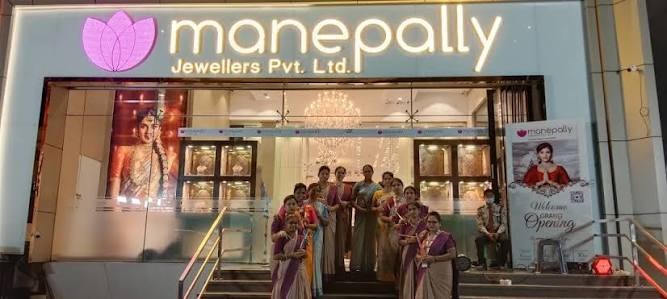
Established in 1890 by Manepally Raghavulu, Manepally Jewellers is among Hyderabad's oldest jewellery brands with a legacy spanning more than five generations. The company has earned customer trust through its commitment to quality, traditional craftsmanship, and certified jewellery offerings.
Over the years, Manepally has expanded beyond jewellery into other business ventures while continuing to strengthen its core jewellery business. Its collections include gold, diamond, bridal, and temple jewellery designed to cater to diverse customer preferences.
Why Invest
- More than 130 years of heritage
- Trusted regional brand with strong customer loyalty
- Extensive bridal and traditional jewellery collections
- Long-standing reputation for quality and craftsmanship
Key Factors to Consider Before Investing in a Jewellery Franchise
Before selecting a jewellery franchise, entrepreneurs should evaluate the brand's reputation, product quality, certification standards, supply chain, marketing support, and after-sales service. It is equally important to understand the target customer segment, showroom location requirements, inventory management, and training support offered by the company.
For brands that do not publicly disclose franchise investment or return expectations, prospective investors should request detailed financial information directly from the company before making a decision.
Explore more: Top Multi-City Franchise Brands Expanding Across India
Top 8 Premium International Cafe Franchise Brands in India
Top 5 Fashion Retail Franchise Brands for Delhi Entrepreneurs
Conclusion
India's jewellery retail market continues to offer promising business opportunities as consumers increasingly prefer trusted and branded jewellery over unorganised retailers. Brands such as The House of MBJ, Divine Solitaires, Palmonas, Gautam Banerjee, and Manepally Jewellers have built strong reputations through craftsmanship, innovation, and customer trust. While franchise investment details are not publicly available for all these brands, their established brand value, quality offerings, and growing retail presence make them noteworthy options for entrepreneurs exploring opportunities in India's expanding jewellery industry.
For Further Franchise Info Contact
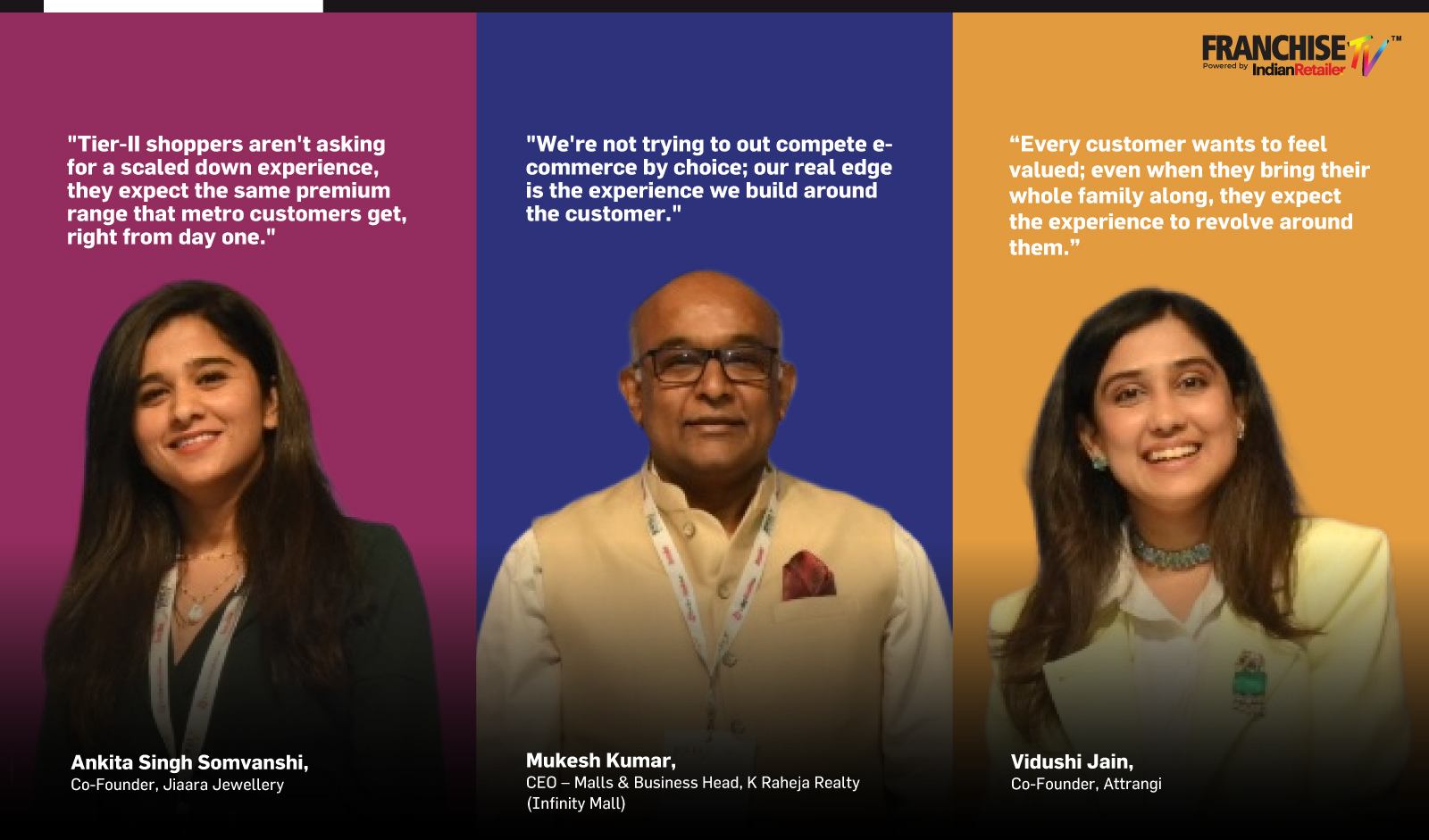
The jewellery counter hasn't vanished; it has only moved further along the customer's path. Today's shopper begins on a screen browsing, bookmarking favourites, and comparing prices across several websites late into the night. But at some point, before any money changes hands, they want to step into a store, hold the piece, and hear someone explain why it's worth the price. The counter hasn't disappeared it has simply shifted from the start of the journey to its very end.
These evolving consumer habits and what they mean for the industry's future were among the central topics discussed on the sidelines of JewelX 2026, where retail leaders examined how omnichannel strategies, franchise-driven expansion, experiential stores, and the growth of Tier-II and Tier-III markets are reshaping India's jewellery business.
That gap between browsing and buying is exactly where big brands are quietly eating into territory that used to belong to small, independent jewelers. Industry watchers expect branded players to control something like 43-47% of India's jewelry market by 2029, up from roughly 37% in 2024, in a market projected to be worth $130-140 billion. And it's not happening because branded jewelry is cheaper. It's happening because people are craving something to trust. To earn that trust, brands are leaning into omnichannel selling, pushing into smaller cities, making in store visits feel more personal, and using malls as a kind of live showroom for all of it.
Where Online Meets Offline
Jewellery has long resisted pure e-commerce, and the reason hasn't changed: trust. What has changed is where that trust journey now begins. For most shoppers, discovery starts on a screen, a reel, a story, a saved collection well before it ever reaches a shop floor. Ankita Singh Somvanshi, Co-Founder, Jiaara Jewellery, has watched this play out consistently with her own customers, who browse online but still show up in person before they'll commit to a piece.
"They want to visit an offline store to see, understand and experience the jewellery before making a purchase," she said, describing a pattern that has quietly become the norm rather than the exception.
What's changed is how deliberately brands are now chasing that in store moment. Somvanshi's team maps expansion around customer behaviour and average selling prices well before a single store opens, treating each new market as a hypothesis to be tested rather than a hunch to be followed. And for a brand built on handcrafted work, the store carries a job e-commerce simply can't do explaining where a piece came from.
"Customers genuinely want to understand the craftsmanship and the story behind each piece," she noted, a line that could double as Jiaara's entire retail philosophy.
Vidushi Jain, Co-Founder, Attrangi, has arrived at a similar conclusion from a different angle. Nine years into the category, her team now leans on data sharp enough to answer questions that once took gut instinct which products are moving, in which cities, and why. "AI and customer data tell us exactly what's selling, where, and which regions are responding to different collections," she explained. But Jain is quick to draw a line most brands still blur: a bestseller online rarely walks off a store shelf the same way.
"What sells online doesn't necessarily sell offline," she stated, a reminder that the two channels, however connected, are still running fundamentally different playbooks.
Smaller Cities Fueling Growth
Metro first expansion is no longer the default playbook. Somvanshi points to Jiaara's own numbers as evidence of where demand is actually building. "Around 40 to 45 percent of our customers come from Tier II cities, which clearly shows the growing demand beyond metros," she said. Crucially, these buyers are not settling for a scaled down catalogue.
"Consumers in Tier II markets don't want a watered-down version of what Tier-I customers receive. They expect access to the same premium product assortment from day one," Somvanshi added a shift the brand is addressing through franchise partnerships in cities like Surat, Indore, Chandigarh, Dehradun and Lucknow.
Mukesh Kumar, CEO – Malls & Business Head, K Raheja Realty (Infinity Mall), attributes this leveling to years of digital exposure reshaping expectations everywhere at once.
"I believe the difference between Tier-I, Tier-II and Tier-III cities has become extremely thin today," Kumar observed. E-commerce, he argues, did the groundwork long before organised retail arrived in these markets.
"Consumers across India have developed strong aspirations over the last fifteen to sixteen years, regardless of whether they live in metros or smaller cities," he added.
Beyond Products, Towards Experiences
Jewellery has always carried emotional weight engagements, weddings, milestones and brands are now designing around that instead of around the transaction. Jain describes a customer base that wants recognition, not just service.
"Customers want to feel important. Even when they visit with their families, they expect an experience that is built around them," she shared, noting how personalisation has become central to Attrangi's in-store and online interactions alike.
For Jiaara, scaling that kind of experience has meant leaning on franchise partners rather than company-owned stores alone. "Franchising gives us partners who truly understand local markets and customer behaviour," Somvanshi said, framing the model as a collaboration rather than a landlord arrangement.
From Shopping Centres to Experience Hubs
As digital channels absorb more of the browsing, malls are repositioning themselves around what they can offer that a screen cannot.
"Today's malls are creating the physical spaces that brands need to connect with customers offline," Kumar said, describing a shift from pure retail towards social infrastructure places where families spend time together, not just money. "Today's malls are essentially creating social spaces where people come together beyond just shopping," he added.
Within that ecosystem, jewellery has quietly become one of the standout performers. "Fashion jewellery has become one of the strongest-performing retail categories inside malls," Kumar noted, pointing to the category's high engagement and premium positioning as reasons mall operators are courting these brands actively.
The Next Wave of Jewellery Retail
No single channel is carrying this industry on its own anymore and honestly, that's the whole plot twist. Online flirting, getting customers curious and scrolling. Stores seal the deal, turning that curiosity into actual conviction. Franchise partners are the ones pushing the map outward, into cities that barely used to register on a growth chart. And malls? They're the stage where all of this finally comes together in person.
Here's the real shift, though: smaller cities aren't the "someday" market anymore; they're where the next big wave of demand is already brewing. The brands that figure this out early won't be the ones with the flashiest ad campaign or the biggest store. They'll be the ones smart enough to treat trust, data, and genuine customer experience as one single strategy not three separate boxes to check.
The future of jewellery retail, it turns out, isn't about choosing between the phone and the store. It's about making sure both are telling the same story.
For Further Franchise Info Contact
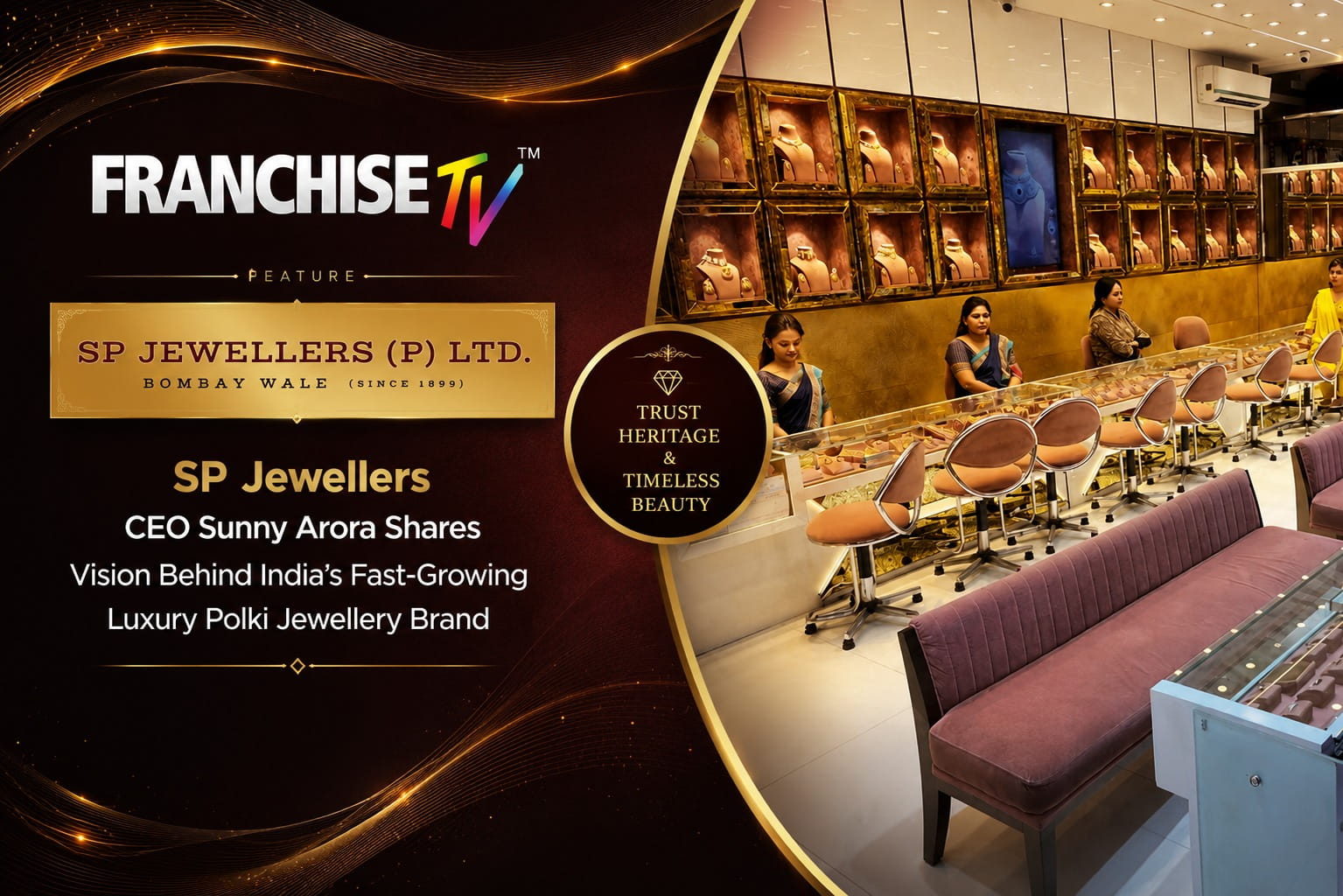
India's luxury jewellery industry continues to witness strong momentum, driven by premiumization, rising disposable incomes, destination weddings, and increasing preference for branded heritage jewellery. Capitalizing on this trend, SP Jewellers Pvt. Ltd., a fourth-generation Polki jewellery brand, is steadily expanding its footprint while maintaining its focus on craftsmanship and exclusivity.
During a recent webinar, Sunny Arora, CEO of SP Jewellers, shared the brand's journey, business philosophy, and long-term expansion plans. He explained how the company has built its reputation around handcrafted Polki jewellery supported by one of North India's largest manufacturing facilities, enabling superior quality while maintaining competitive pricing.
The brand operates with a fully integrated manufacturing ecosystem where more than 200 skilled artisans work under one roof. This vertically integrated model eliminates multiple intermediaries, allowing SP Jewellers to offer luxury Polki collections at more accessible price points without compromising craftsmanship. According to Sunny Arora, this manufacturing strength remains the company's biggest competitive advantage in the premium jewellery segment.
SP Jewellers currently serves customers through its flagship stores in Delhi while catering to clients across India and overseas markets including Dubai, Canada, the United States, and Nepal. The company has also built a strong online presence and regularly hosts exclusive exhibitions across major Indian cities, attracting affluent buyers seeking bespoke bridal and heritage jewellery. Its clientele includes business families, high-net-worth individuals, and celebrities looking for handcrafted Polki collections.
A key highlight of the discussion was the company's FICO (Franchise Invested, Company Operated) expansion strategy. Under this model, investors fund the retail outlet while the brand manages day-to-day operations, merchandising, inventory, marketing, and customer experience. This approach allows investors to participate in the luxury retail segment while benefiting from the operational expertise of an established jewellery brand.
Read also: Best Gold Jewellery Franchise Opportunities for Entrepreneurs in 2026
Top Multi-City Franchise Brands Expanding Across India
Sunny Arora also emphasized that demand for premium Polki jewellery is no longer limited to North India. Markets such as Hyderabad and Bengaluru have emerged as strong consumption centres, supported by affluent consumers, destination weddings, and increasing appreciation for handcrafted luxury jewellery. These cities have therefore become priority destinations in the brand's expansion roadmap.
With its four-generation heritage, large-scale in-house manufacturing, premium positioning, and expansion-focused business model, SP Jewellers is strengthening its presence in India's organised luxury jewellery market. As consumer demand for heritage craftsmanship continues to rise, the company is positioning itself for sustained growth while delivering a differentiated retail experience rooted in quality, exclusivity, and trust.
For Further Franchise Info Contact
India’s jewellery market is rapidly shifting towards branded, certified, and design-led retail, creating a massive opportunity for premium jewellery businesses. As customers increasingly prefer hallmark gold, certified natural diamonds, transparent pricing, and trusted retail experiences, organized jewellery brands are witnessing strong growth across metro, tier 2, and tier 3 cities. In this growing landscape, Neel Jewels is emerging as a promising name in the premium gold and diamond jewellery segment with a scalable franchise expansion model.
Founded in 2007, Neel Jewels has built a strong reputation in the B2B jewellery industry with more than 15 years of wholesale expertise across India. The brand specializes in certified natural diamond jewellery, hallmark gold jewellery, silverware, coins, gemstones, and contemporary jewellery collections designed for modern Indian consumers. With a strong backend network, in-house design expertise, and deep understanding of regional customer preferences, the company is now expanding aggressively through franchising.
A Luxury Jewellery Brand Built on Design, Trust, and Accessibility
During a recent webinar, Neel Jewels Co-Founder Varsha Kachroy shared the brand’s vision of making luxury jewellery more accessible while maintaining quality, authenticity, and premium customer experiences. The brand combines elegant design aesthetics with transparent pricing, helping bridge the gap between high-end jewellery chains and local unorganized jewellers.
One of the biggest strengths of Neel Jewels is its complete jewellery portfolio under one roof. Franchise stores offer gold jewellery, certified diamond jewellery, silver jewellery, coins, gemstones, birthstones, and bridal collections, making the outlet a complete destination for jewellery buyers within a local market radius. The brand also focuses heavily on design-led collections tailored to regional buying preferences, backed by years of wholesale market experience.
Franchise Model Designed for Long-Term Retail Growth
Neel Jewels operates on a FOFO (Franchise Owned Franchise Operated) model while offering strong operational assistance from the company side. The brand provides store setup support, centralized sourcing, inventory planning, SOP implementation, training, branding guidance, and even a company-appointed store manager to ensure smooth operations and consistency across franchise locations.
The franchise investment ranges around ₹5 crore to ₹6 crore, including approximately ₹5 crore inventory investment and a franchise fee of ₹10 lakh. The company recommends showroom spaces of around 1,000 to 1,500 sq. ft. in premium jewellery retail markets with strong visibility and neighbouring national jewellery brands. According to the brand, franchise partners can expect attractive margins across diamond jewellery, making charges, gemstones, and other jewellery categories, with ROI projections estimated within two to three years.
Why Neel Jewels Sees Massive Potential in India’s Jewellery Market
The Indian jewellery industry continues to witness rising demand due to increasing disposable income, aspirational purchases, emotional attachment to jewellery, and the growing trust in organized brands. Consumers are increasingly moving away from local unorganized jewellers towards certified and transparent retail formats. This shift creates strong long-term opportunities for brands like Neel Jewels that combine affordability, design innovation, and trust.
With a scalable expansion strategy, strong backend support, and an omni-channel retail approach, Neel Jewels aims to establish itself among India’s leading fine jewellery franchise brands while offering investors an opportunity to enter one of the country’s most stable and emotionally driven retail sectors.
Read also: Top Viral Food Franchise Opportunities Taking Over India in 2026
Best Franchise Businesses Under ₹50 Lakhs in India
Best Low Investment Food Franchise Under ₹30 Lakhs in India
Summary
Neel Jewels is expanding its premium gold and natural diamond jewellery franchise network across India with a FOFO model, strong backend support, certified jewellery collections, and design-led retail strategies. The brand offers investors an opportunity to enter the growing organized jewellery retail market with long-term scalability and premium positioning.
For Further Franchise Info Contact
India’s jewelry industry is one of the largest in the world and continues to grow rapidly due to cultural demand, weddings, and rising disposable incomes. According to industry estimates, the Indian gems and jewelry market is expected to grow steadily over the next decade, driven by organized retail, digital commerce, and increasing trust in branded jewellery chains.
Consumers today prefer certified gold and diamond jewelry from trusted brands instead of unorganized local jewelers. As a result, many jewelry companies are expanding their presence through franchise stores, partner outlets, and retail expansion models.
For entrepreneurs looking to enter luxury retail, jewelry brands provide strong opportunities with high-value products, strong margins, and brand-driven demand. Here are ten gold and diamond jewellery brands that are creating promising business opportunities in India.
Why Jewelry Franchise Businesses Are Growing in India
The organized jewelry sector is expanding rapidly because customers now demand hallmark certification, transparent pricing, and modern store experiences. Branded jewelry retailers offer these advantages while also building strong trust among customers.
Jewelry brands are also investing heavily in marketing, celebrity endorsements, and digital platforms, which helps attract younger consumers to designer gold and diamond collections. Because of this shift, investors are increasingly exploring jewelry retail as a profitable long-term business opportunity.
Top 10 Gold & Diamond Jewelry Franchise Brands in India
1. Lukson
Lukson is an emerging jewelry brand known for its modern designs and focus on lab-grown diamond jewelry combined with gold and silver collections. The brand aims to make diamond jewelry more accessible by offering affordable yet premium designs for everyday wear and gifting.
With increasing consumer interest in ethical and sustainable diamonds, Lukson has positioned itself strongly in the lab-grown diamond segment. For entrepreneurs, the brand represents a promising opportunity to enter the fast-growing lab-grown jewelry market through online retail, boutique stores, or jewelry retail partnerships.
Read more: Top 20 High-Demand Franchise Businesses in India Right Now
Top 8 Fast-Growing Biryani Franchise Opportunities in India
Top International Beauty Franchises expanding in India
2. Lucira
Lucira is known for its elegant diamond jewelry collections designed for modern consumers who prefer lightweight and contemporary jewelry styles. The brand focuses on offering stylish diamond pieces that combine luxury with everyday wearability.
Lucira jewelry collections are particularly popular among younger buyers and working professionals looking for elegant diamond accessories. From a business perspective, the growing popularity of modern diamond jewelry presents opportunities for entrepreneurs to explore jewelry retail, boutique partnerships, and online jewelry stores built around contemporary diamond designs.
3. Zen Diamond
Zen Diamond is a premium jewelry brand focused on high-quality diamond jewellery and sophisticated designs. The brand emphasizes craftsmanship, premium materials, and stylish collections that appeal to urban jewelry buyers.
As demand for diamond jewelry increases among younger consumers and wedding shoppers, brands like Zen Diamond are gaining visibility in India’s organized jewelry market. For entrepreneurs, working with premium diamond jewelry brands or retailing curated collections can provide a strong entry point into the high-value jewelry retail business.
4. TBZ – Tribhovandas Bhimji Zaveri
TBZ – The Original is one of India’s most iconic jewelry brands with a legacy of more than a century. The brand is known for its gold and diamond jewelry collections and its reputation for quality craftsmanship and trust.
TBZ offers a wide range of bridal jewellery, designer collections, and everyday jewellery pieces. The company has also explored franchise expansion, allowing entrepreneurs to open TBZ retail outlets and sell thousands of in-house jewellery designs.
Because of its heritage and brand recognition, TBZ remains one of the most attractive jewellery retail opportunities in India.
5. Indriya
Indriya is a premium jewelry brand that focuses on contemporary gold and diamond jewelry designs inspired by Indian craftsmanship. The brand combines traditional artistry with modern aesthetics, making its collections suitable for both festive occasions and everyday fashion.
Indriya has been expanding its presence through premium jewelry stores and designer collections targeting urban consumers. Entrepreneurs interested in the luxury jewelry segment may find brands like Indriya appealing because of their focus on premium design, exclusivity, and curated jewelry retail experiences.
Know more: Top 10 Home Décor Franchise Brands Expanding in Metro Cities
Top Laundry & Dry Clean Franchise Brands Expanding Fast
Top salon franchises in India that are making a mark
6. Giva
Giva is one of India’s fastest-growing jewelry brands, particularly known for silver, gold-plated, and lab-grown diamond jewelry collections. The brand has gained strong popularity among younger consumers due to its trendy designs and strong online presence.
Giva also offers franchise opportunities that allow entrepreneurs to open branded jewelry stores with complete business support, inventory access, and marketing assistance.
With its strong digital presence and rapidly expanding retail stores, Giva has become one of the most promising jewelry franchise opportunities in India.
7. EEVEE
EEVEE is a modern jewelry brand that focuses on stylish and contemporary jewelry pieces designed for fashion-conscious consumers. The brand emphasizes elegant designs, modern aesthetics, and versatile jewelry collections.
EEVEE jewelry appeals to customers looking for lightweight gold and diamond pieces suitable for both everyday wear and special occasions. As the fashion jewelry and designer jewelry markets continue to expand in India, brands like EEVE offer opportunities for entrepreneurs to explore boutique jewellery stores or luxury accessory retail businesses.
8. MISS JO
MISS JO is a fashion-forward jewelry brand offering stylish designs that blend traditional jewelry inspiration with modern fashion trends. The brand caters primarily to younger consumers looking for statement jewelry pieces.
MISS JO’s collections are designed for occasions such as weddings, parties, and celebrations, making it a popular choice among fashion-oriented jewelry buyers. Entrepreneurs interested in the designer jewelry market may find brands like Miss Jo attractive due to their strong appeal among fashion-focused consumers.
9. Roomy’s
Roomy’s is a jewelry brand known for its diverse range of gold and diamond jewelry collections designed for both traditional and modern tastes. The brand focuses on elegant jewelry pieces that reflect craftsmanship and timeless design.
With increasing demand for premium jewelry stores across Indian cities, brands like Roomy’s are building strong recognition in the jewelry retail market. Investors exploring jewelry retail opportunities can benefit from offering curated collections that combine classic designs with modern styling.
10. JS Solitaire
JS Solitaire specializes in high-quality solitaire diamond jewelry collections. Solitaire diamonds are increasingly popular in India due to their premium appeal and strong demand for engagement rings and wedding jewelry.
Brands focusing on solitaire diamonds cater to a niche but high-value segment of the jewelry market. Entrepreneurs entering the jewelry retail industry may find solitaire-focused brands particularly attractive because of the high margins and strong consumer demand associated with premium diamond jewelry.
Explore more: Top grocery franchise brands gaining a strong foothold in India
Best Pizza Franchises to look forward to
Top Chinese Food Franchise Brands Expanding Rapidly Across India
Key Factors to Consider Before Investing in a Jewellery Franchise
Before investing in a jewelry franchise or starting a jewelry retail business, entrepreneurs should evaluate several important factors including:
- Brand reputation and trust
- Investment requirements
- Store location and customer demographics
- Supply chain and inventory management
- Marketing and brand support
Selecting the right brand partner can significantly improve the chances of building a successful jewelry retail business.
The Future of Jewelry Retail in India
India’s jewelry industry continues to evolve as modern consumers prefer branded jewelry stores offering certified gold, ethical diamonds, and stylish designs. With increasing urbanization, rising disposable income, and growing demand for designer jewellery, the organized jewelry retail sector is expected to expand significantly in the coming years.
For entrepreneurs looking to enter the luxury retail market, partnering with an established jewelry brand or launching a branded jewelry store can be a powerful way to build a long-term business in one of India’s most stable and profitable industries.
For Further Franchise Info Contact
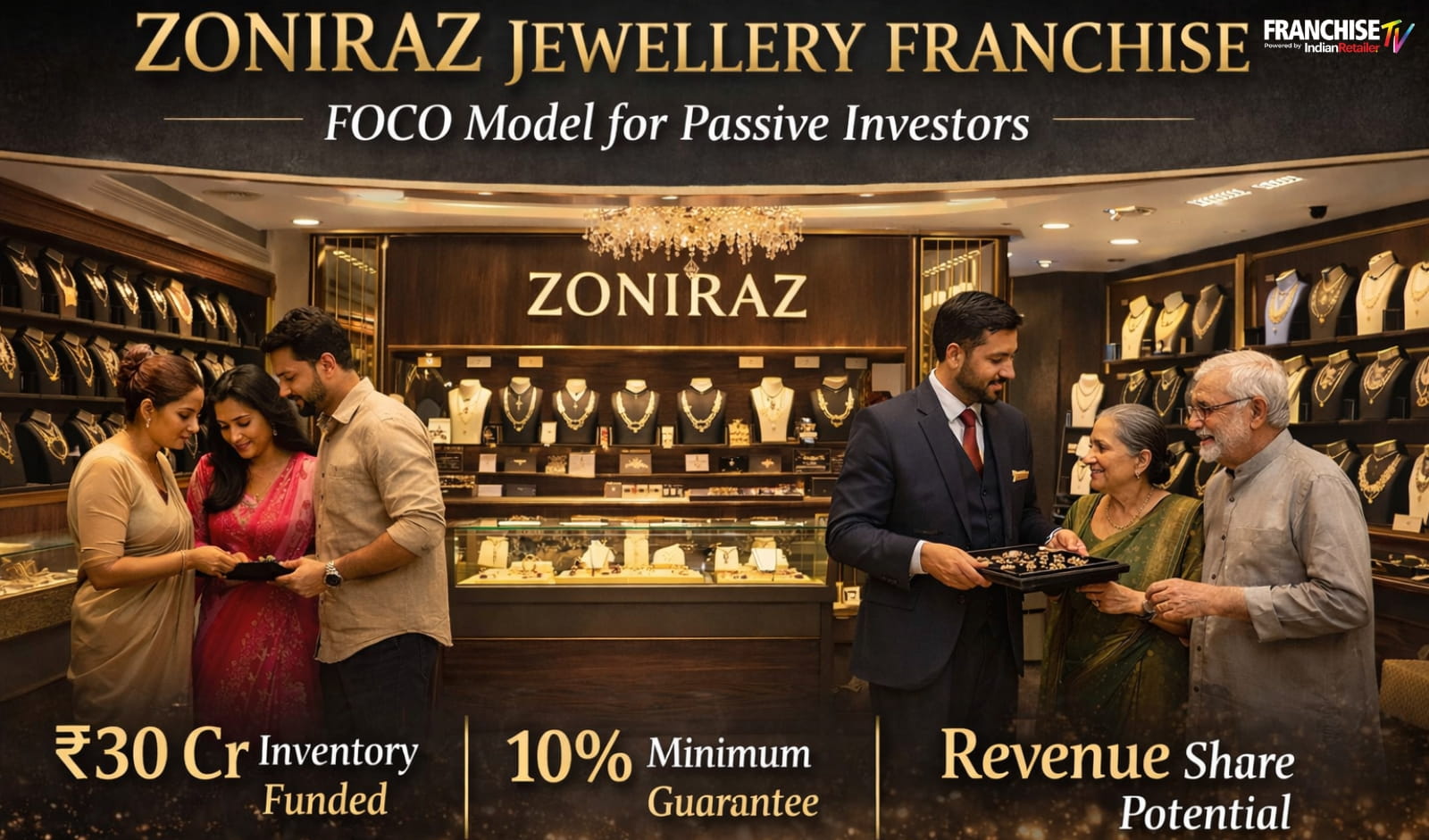
ZONIRAZ is emerging as a premium gold and diamond jewellery retail brand backed by a 45–50 year family legacy in bullion, gold, and silver trading from Alwar, Rajasthan. Built on decades of trust, deep supply chain knowledge, and strong customer relationships, the brand is now expanding into modern Exclusive Brand Outlets (EBOs) across Gurgaon, Delhi, and Jaipur. Positioned in the upper-middle, premium, and luxury segments, ZONIRAZ focuses on high-finish designer gold and diamond jewellery with competitive making charges and strong buyback credibility—two factors today’s informed jewellery buyers value most.
Watch the full webinar to understand the FOCO math, inventory appreciation, and how ZONIRAZ plans to compete with large jewellery chains: Click here
Brand Positioning: Premium Quality at Smarter Making Charges
ZONIRAZ is clearly mapped in the high product quality and mid-to-high price band—targeting customers who want branded trust without overpaying on making charges. Compared to large chains charging ~20 per cent making, ZONIRAZ typically works around ~15 per cent, while maintaining finish, purity (Hallmark HUID), and design parity with national brands. This creates a strong value proposition for premium buyers and wedding shoppers.
Expansion Plan: Focused Rollout in High-Visibility NCR Markets
The first phase targets Gurgaon, Delhi, and Jaipur—markets close to Alwar for tighter control, faster logistics, and superior service. The strategy is to open stores near established jewellery clusters, leveraging existing footfall while differentiating on pricing transparency and product finish.
Read more: Top grocery franchise brands gaining a strong foothold in India
Premium Handcrafted Furniture & Home Décor Business Opportunity in India
FOCO Franchise Model: Investor Funds, Brand Operates
Key Numbers (FOCO):
- Area: ~1500 sq. ft.
- Store Setup: ₹1.23 Cr
- Franchise Fee: ₹7.5 L
- Initial Inventory: ~₹30 Cr (at cost)
- Minimum Guarantee: 10 per cent on total investment
- Revenue Share: 3 per cent (Gold sales), 16 per cent (Diamond sales)
- CapEx Payback: ~5 months
- 10-Year Earning Potential: ~4.5× original investment
- Agreement: 10 years
The investor owns the assets and inventory. ZONIRAZ manages staffing, merchandising, billing, training, and daily operations—ideal for passive investors entering jewellery retail without operational burden.
Partner Profile & Support
Best suited for investors who:
- Can fund CapEx + inventory
- Have strong local networks
- Prefer passive income over daily management
- Seek long-term ROI in a trust-driven sector
ZONIRAZ brings established sourcing from Mumbai manufacturers, hyperlocal design selection, inventory rotation discipline, and trained store teams.
Know more: Difa Franchise Opportunity in India: Women’s Accessories Retail Brand Scaling Nationwide
Dr. Morepen Pharmacy Franchise: Inside India’s Fast-Growing Organized Pharmacy Retail Opportunity
Why This Works in Today’s Jewellery Market
Indian consumers are shifting from unorganized jewellers to branded stores for purity assurance, transparent making charges, and reliable buyback. With gold prices rising, trust and documentation (HUID, certification) matter more than ever. ZONIRAZ leverages legacy trust while offering a modern retail experience and investor-friendly structure.
For Further Franchise Info Contact
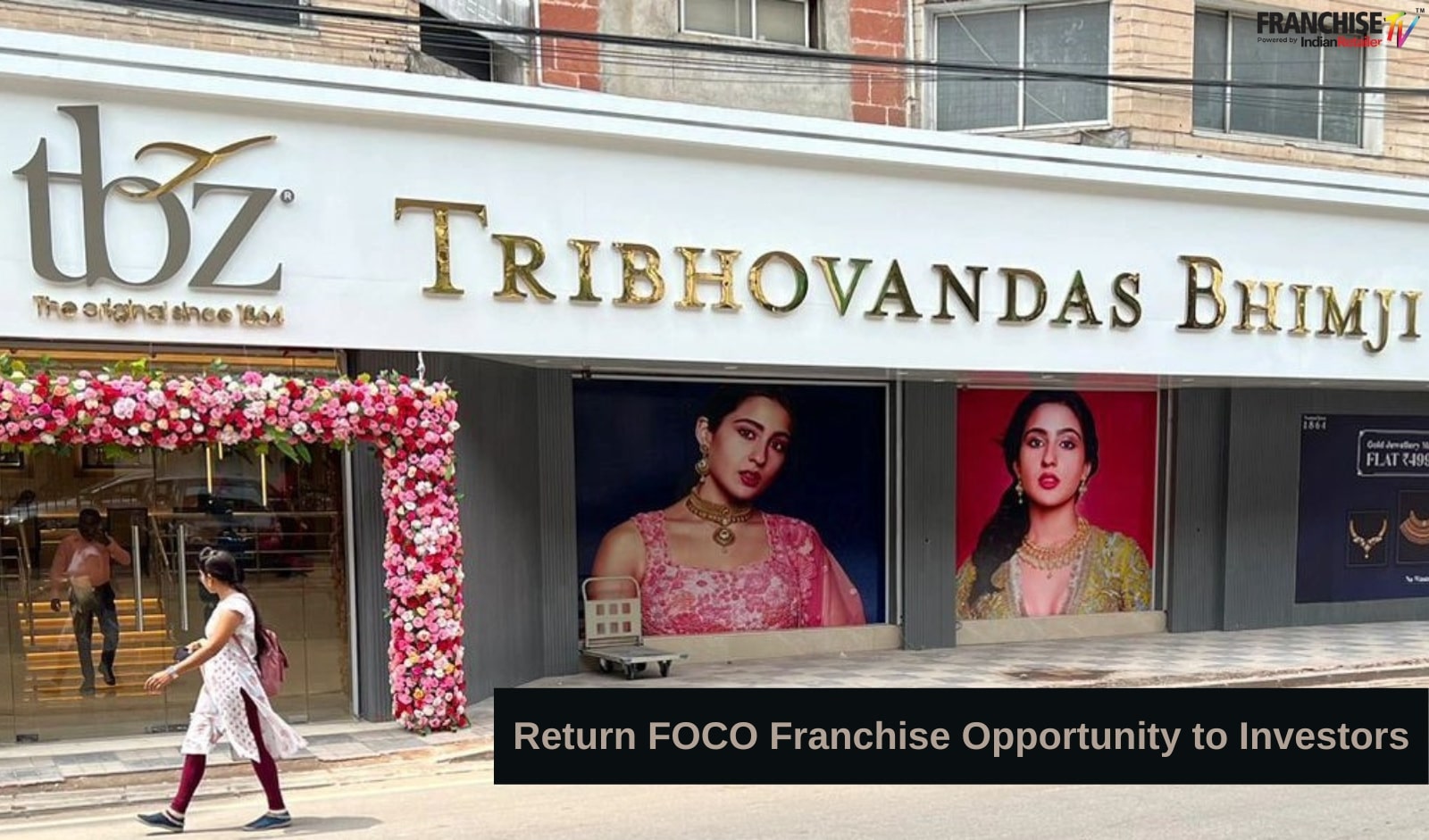
India’s organized jewelry retail market continues to attract strong investor interest, and one of the country’s most respected jewelry brands is now opening structured franchise opportunities. Tribhovandas Bhimji Zaveri (TBZ Jewellers) recently participated in Franchise India’s Business Opportunity Over Chai webinar, where the brand detailed its expansion strategy through a Franchise-Owned Company-Operated (FOCO) model.
A Legacy Brand with Deep Consumer Trust
Founded in 1864 in Mumbai’s Zaveri Bazaar, TBZ Jewellers has built a legacy of trust over more than 160 years. The brand has been a pioneer in Indian jewelry retail, becoming the first to introduce a buyback guarantee as early as 1938. TBZ is also known for offering 100 percent hallmarked jewelry across its collections.
Now managed by the fifth generation of the Zaveri family, TBZ offers a wide portfolio of jewelry, including gold, diamond, platinum, and precious gemstone jewelry. Wedding- and occasion-led collections remain the brand’s core strength, catering to high-value, emotionally driven purchases.
For more details, watch the complete webinar discussion video: click here
Growing Presence Across India
TBZ currently operates more than 30 stores across 27 cities in 13 states, with a strong presence in Maharashtra and Gujarat. Nearly 65 percent of the brand’s sales come from wedding and festive jewelry, highlighting its leadership in the premium jewelry segment.
In recent years, TBZ has expanded into cities such as Jaipur, Bhubaneswar, Raipur, Ahmedabad, Vapi, and Hyderabad. Going forward, the brand plans to strengthen its footprint in Andhra Pradesh, Telangana, Karnataka, and select North Indian markets.
Read more: Winning Footwear Franchise Opportunities for Retailers Ready to Scale
FOCO Model for Consistency and Professional Management
Under TBZ’s FOCO franchise model, the franchise partner invests in the store and owns the inventory, while TBZ manages day-to-day operations. This includes staffing, procurement, merchandising, marketing, and overall store management.
This structure allows the brand to maintain uniform service standards and customer experience across locations, while investors benefit from a professionally run business with minimal operational complexity.
Investment Details and Store Format
A typical TBZ showroom requires 2,000 to 2,500 sq ft of premium high-street retail space. The total investment ranges from Rs 20 crore to Rs 40 crore, depending on the store size and format.
For a full-format store, inventory investment is approximately Rs 37–38 crore. Store interiors and fit-outs cost between Rs 1.5 crore and Rs 2 crore, while the security deposit is around Rs 50 lakh. Since inventory remains on the franchise partner’s balance sheet, investors also benefit from any appreciation in gold and diamond prices.
Know more: Top 7 Jewelry Brands Making Big Through Collaborations
Assured Returns and Predictable Payback
One key highlight of TBZ’s FOCO model is its assured return structure. The brand offers a minimum guaranteed return of 10 percent annually on the total investment, providing stability and downside protection.
The expected break-even period is around 6 to 6.5 years, supported by guaranteed returns and improving inventory turns as the store stabilizes. TBZ charges a 1 percent management fee on annual net sales to cover operating costs.
A Strong Long-Term Play in Organised Jewellery Retail
With a century-long heritage, a clear expansion roadmap, and a well-defined FOCO franchise model, TBZ Jewellers offers a compelling opportunity for serious investors. For those looking to enter India’s organized jewelry retail space with a trusted national brand, TBZ’s franchise model offers a stable, long-term business proposition.
For Further Franchise Info Contact




Copyright © 2009 - 2026 Franchise Tv.