




Web Content Writer, IndianRetailer.com & License India Aug 05, 2025 /


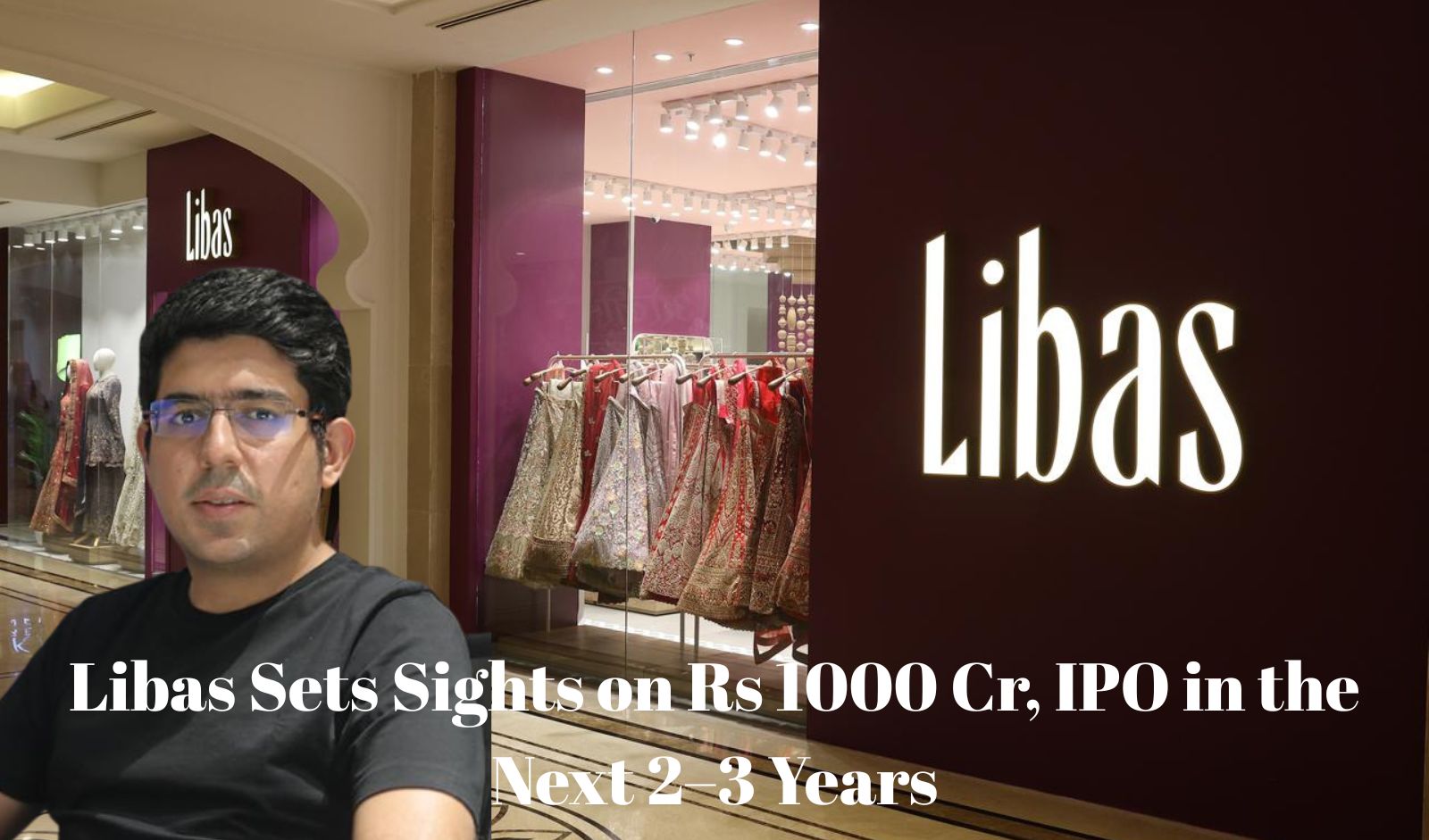
In a fashion landscape crowded with brands all claiming to offer the best, Libas has carved a distinct niche for itself—by doing things a little differently. The brand has not only reimagined ethnic and fusion wear but also redefined what it means to be a modern Indian fashion label. From its early days as a marketplace-first player to becoming one of India’s fastest-growing digital-first brands, Libas is now gearing up for its next big leap, with a goal to cross the Rs. 1000 crore mark and go public. Powered by speed, technology, and deep consumer insight, the brand is shaping a bold new chapter in Indian fashion—one that speaks directly to the aspirations of today’s Indian woman.
As stated by Siddhant Keshwani, Founder, Libas, “Over the last 10–11 years, Libas has transitioned from a marketplace-first brand to a leading digital-first D2C player in India’s fashion landscape. Around 2018–19, we pivoted into fast fashion, and that shift set the tone for everything that followed. We now operate as a true omnichannel brand, with over 40 exclusive stores and a strong presence across our own platform, marketplaces, and quick commerce. Our focus has been on speed, freshness, and affordability, launching 70–80 new styles every week, which makes us one of the fastest in the Indian fashion market.”
Fast Fashion, Indian Style
In 2018–19, Libas took a bold step—moving out from the scene of conventional seasonal launches and adopting fast fashion principles. The brand’s focus shifted to creating affordable, trendy Indian wear with lightning-fast design-to-launch cycles. That decision turned out to be a game-changer.
This move aligned Libas with the preferences of modern Indian women aged 18–35, who seek frequent style refreshes without breaking the bank. Libas has successfully brought the global fast fashion experience—often associated with brands like Zara or H&M—into the Indian ethnic wear space.
“We’re redefining what Indian wear can look and feel like. We bring fast fashion principles to Indian silhouettes, offering modern, wearable styles with a rapid turnaround. Our speed from trend discovery to market is unmatched, and all our marketing, design, and tech capabilities are built in-house. Unlike legacy brands, we’ve created an experience that mirrors global fast fashion, think of it like walking into Zara but for modern Indian wear,” stated Keshwani.
Aiming High: Rs 1000 Cr Target and IPO Plans
Following a strong growth trajectory, Libas closed the last fiscal at a run rate of approximately Rs. 650 crore. For the current year, the brand is aiming to clock in Rs. 850–900 crore, buoyed by offline expansion, quick commerce integration, and a strong festive season lineup.
“For the previous fiscal year, while our audited numbers are still being finalised, we’ve closed at a run rate of approximately Rs. 650 crore. For the current fiscal, we’re targeting a topline of Rs. 850–900 crore, driven by continued offline expansion, growth in quick commerce, and a strong festive season pipeline,” shared Keshwani.
“We are currently tracking key topline and bottom-line benchmarks internally. Once those thresholds are met and we have a clear view of sustained profitability and scalability, we’ll be in a position to firm up the IPO timeline. As of now, we’re aiming for a window in the next two years, post achieving our internal targets and audited financial clarity,” expressed Siddhant, highlighting plans about the IPO.
Offline Growth Set to Explode
While 80 percent of Libas’ revenue still comes from online channels, the offline story is unfolding quickly. With 3–4 new store launches each month, Libas is on track to reach 75–80 stores by the end of the year.
The brand expects offline sales to scale up to 50 percent of its total revenue in the next 12–18 months—a significant shift for a company that started its journey online.
Data-Led Marketing with a Sharp Edge
Libas’ marketing strategy is built for the digital age. The brand runs hyper-targeted, data-led campaigns across WhatsApp, SMS, email, and social platforms, tailored to specific customer segments and behaviors.
“Our marketing playbook is centered around agility and data-backed drops. We run segmented campaigns via WhatsApp, email, SMS, and social media based on deep insights into customer cohorts. For example, if we launch a chikankari collection, we target users who’ve previously purchased similar styles. Instead of long-term brand ambassadors, we collaborate with a mix of celebrities and influencers for short-term and high-impact campaigns. Around 8–10 percent of our revenue is allocated to marketing,” commented Siddhant.
Instead of long-term brand ambassadors, Libas prefers short-term, high-impact collaborations with celebrities and influencers, keeping the brand fresh and dynamic. Around 8–10 percent of the brand’s revenue is consistently invested in marketing.
Looking Ahead: Building a Global Benchmark
Over the next 3–5 years, Libas envisions itself as Rs. 1000 crore D2C fashion brand—a category-defining name not just in India but on the global stage.
“Our broader vision for Libas over the next 3–5 years is to become Rs. 1000 crore D2C fashion brand and establish ourselves as a category-defining name on the global stage. We’re focused on scaling our offline presence, expanding into new categories, leading quick commerce, and pioneering omnichannel retail. At the core of our growth strategy is an unwavering commitment to speed, accessibility, and customer obsession. We’re also preparing to launch our IPO in the coming years, marking a significant milestone in our journey towards building Libas into a global benchmark for modern Indian fashion,” explained Keshwani.
With bold ambitions and a sharp playbook, Libas isn’t just navigating the Indian fashion space—it’s reshaping it.
India's jewellery retail market is already one of the largest and most established markets in the world. Yet, it has significant potential for further growth as the industry adapts to changing consumer preferences and retail dynamics.
In today's market, the increasing demand for specialised product propositions, stronger differentiation, and greater flexibility for retail partners is particularly significant.
Growth prospect in natural diamond solitaire category
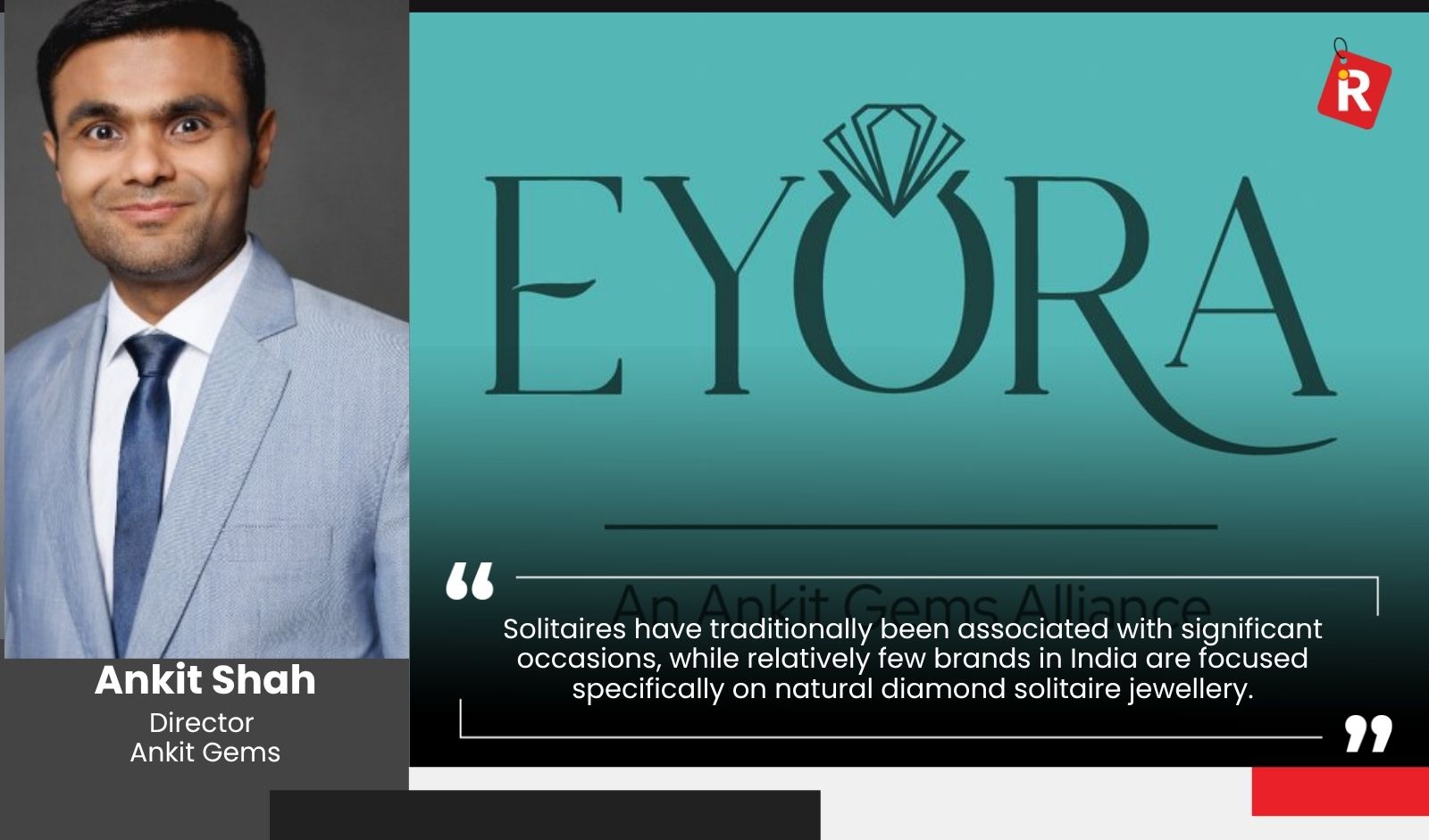
Ankit Shah, Director, Ankit Gems, said, "The natural diamond solitaire category presents an interesting opportunity in this context. Solitaires have traditionally been associated with significant occasions, while relatively few brands in India are focused specifically on natural diamond solitaire jewellery."
Shah mentions that the limited focus on natural diamond solitaire jewellery leaves room for a more specialised proposition that retailers can build around, rather than treating solitaires as one component of a broader jewellery portfolio.
"This is where Eyora positions itself. Through an alliance with my parent company, Ankit Gems, Eyora brings decades of natural diamond sourcing and manufacturing expertise into a dedicated retail proposition," said Shah.
He also stated, "Our model is designed to work with existing jewellery retailers, giving them access to a focused solitaire assortment, digital design capabilities, inventory flexibility, and a unified brand experience."
Consumer Support
At the consumer level, the opportunity is also being supported by changing purchase behaviour. Younger consumers are increasingly choosing jewellery for themselves and looking for designs that are contemporary, versatile, and relevant beyond traditional occasions.
Eyora addresses this through lightweight natural diamond solitaire jewellery, with distinctive fancy shapes and designs suited to everyday as well as occasion wear.
Eyora’s Journey
Eyora was born from conversations with jewellery retailers and an observation we made within the market. Retailers recognised the value of natural diamond solitaire jewellery, but many were looking for greater confidence and flexibility while entering or expanding the category.
"Inventory commitment, assortment depth, and stock management were important considerations. We saw an opportunity to address these needs through a more structured retail proposition," said Shah.
The founding vision was to create Eyora not simply as another jewellery brand, but as a dedicated natural diamond solitaire proposition built around the realities of jewellery retail.
Ankit adds, "Through an alliance with Ankit Gems, we brought more than three decades of natural diamond sourcing and manufacturing expertise into the business."
Conclusion
With India’s jewellery market evolving around specialised offerings and changing consumer preferences, Eyora is positioning natural diamond solitaire jewellery as a focused growth opportunity. Backed by Ankit Gems’ sourcing and manufacturing expertise, its retailer-led model aims to offer greater assortment, inventory flexibility and contemporary designs, while tapping the growing demand for versatile, self-purchase jewellery.
For most Indians, applying fragrance was once considered a luxury. Families would often have a single bottle of perfume, shared by everyone and brought out during festivals, weddings or other special occasions. That picture has swiftly transformed, with fragrance evolving from an occasion-led category into an everyday lifestyle choice. Today, applying perfume or fragrance is becoming as routine as applying moisturiser.
The shift is reflected in the industry's growth. The latest Euromonitor data indicates that fragrances in India recorded 15% value growth in 2025, reaching retail sales of INR 6,640 crore.
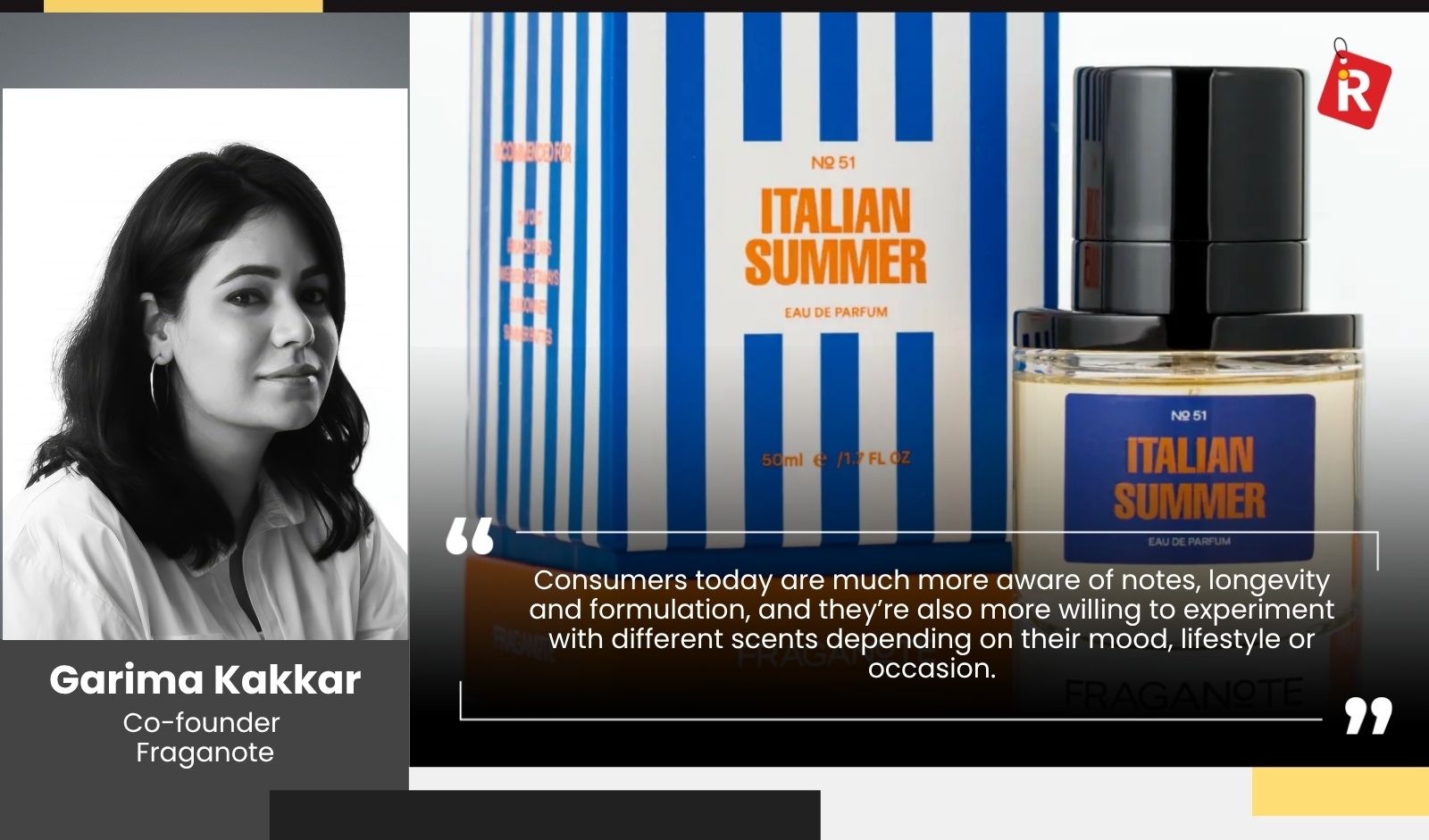
Garima Kakkar, Founder, Fraganote, said, "I think the biggest shift is that fragrance in India is moving from being an occasional purchase to becoming part of everyday self-expression. Consumers today are much more aware of notes, longevity and formulation, and they’re also more willing to experiment with different scents depending on their mood, lifestyle or occasion."
She also points to the growing preference for premium fragrances that offer better performance without feeling inaccessible. According to Kakkar, the expansion of D2C brands, quick commerce and wider offline availability has made fragrance discovery and purchase easier, further contributing to the category's growth in India.
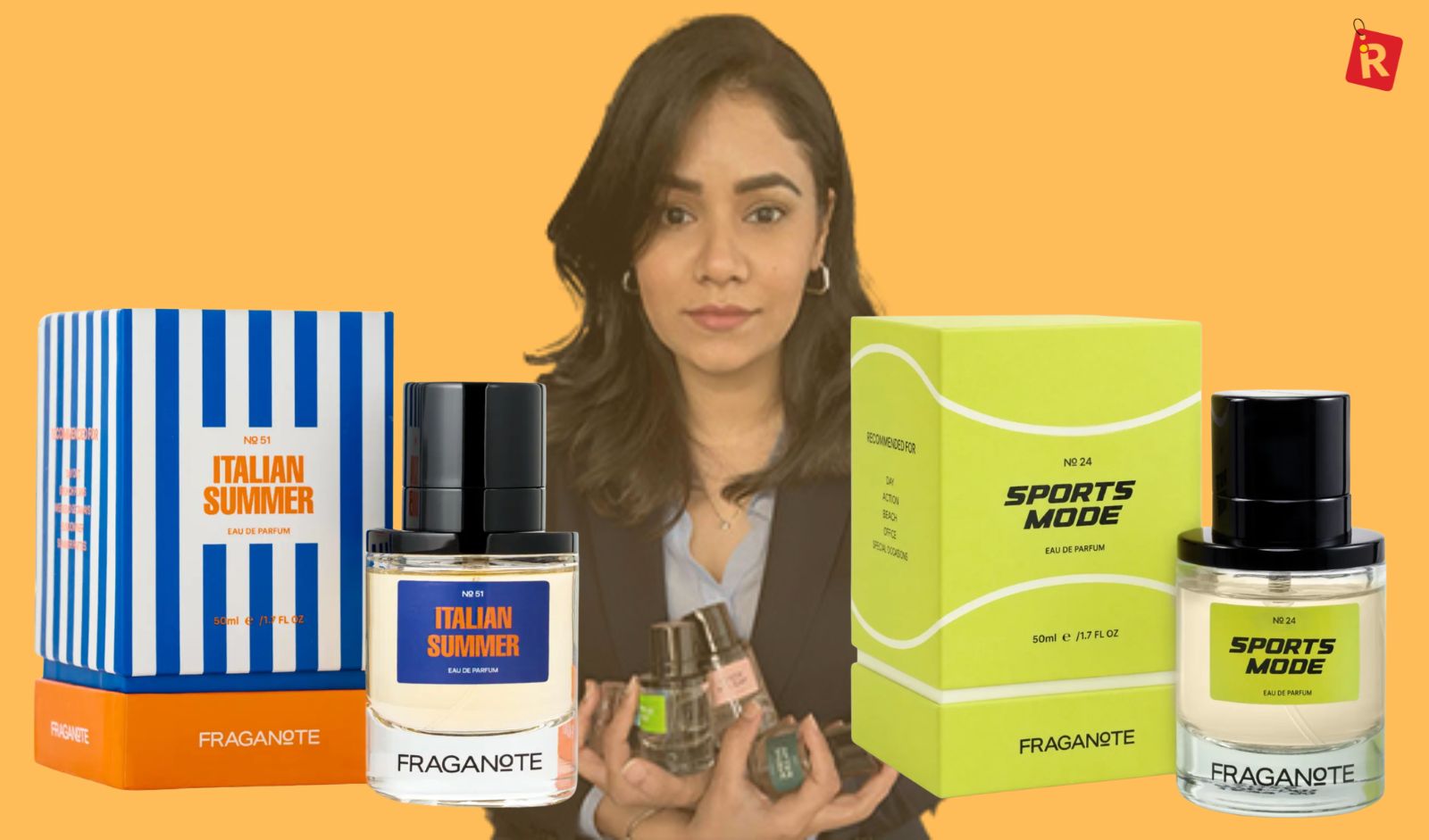
The rise of the fragrance market has also led to the emergence and expansion of multiple categories, including body mists, perfumes, deodorants and attars. While each format caters to a different consumer need, perfumes, particularly Eau de Parfums (EDPs), are gaining increasing attention as consumers become more informed and discerning.
" I think perfumes are seeing the most interesting growth right now, especially Eau de Parfums, because consumers are becoming much more discerning about what they’re actually buying," Kakkar told IndianRetailer.com.
She notes that consumers are no longer looking for products that simply smell good. They are increasingly seeking longevity, character and fragrances that feel worth investing in.
"That’s why at Fraganote we’ve stayed firm on formulating our EDPs at 20–25% oil concentration with globally sourced ingredients. Consumers can tell the difference, and that’s what earns repeat purchases," adds Kakkar.
At the same time, more accessible formats continue to play an important role in expanding fragrance usage. Kakkar said, "Body mists and deodorants will always have a strong role because they are more functional and habit-driven, but perfumes are moving into a space where people are exploring fragrance almost like a wardrobe."
Challenges Behind the Growth
While the fragrance industry is witnessing significant growth, its rapid expansion is also creating challenges for brands and consumers. According to Kakkar, the sheer number of brands entering the category can make it difficult for consumers to understand differences in quality, formulation and performance, creating considerable noise in the market.
"There are many brands entering the category, but the quality, formulation and performance can vary significantly, so building trust and helping consumers understand what they’re paying for becomes important," Kakkar said.
Price sensitivity is another challenge. As genuine products compete with very low-priced alternatives, as well as counterfeit and grey-market products, brands that invest in formulation, sourcing and consistency can find it difficult to maintain quality while keeping products accessible.
Kakkar added, "Then there’s the challenge of discovery; fragrance is inherently sensory, and selling it online means brands have to find better ways to communicate what a scent actually feels like through storytelling and concept-driven positioning."
Conclusion
India's fragrance market is entering a new phase, where perfume is no longer simply associated with occasions but is increasingly becoming an extension of personal identity and everyday grooming. As consumers become more knowledgeable, the market is likely to see greater demand for quality, performance and differentiated fragrance experiences. At the same time, brands will need to navigate price sensitivity, counterfeits, market clutter and the inherent challenge of selling a sensory product online. The winners in this evolving market will be those that can combine accessible pricing with credible formulations, strong storytelling and experiences that help consumers discover their own signature scents.
READ: How Attrangi Is Carving a Niche in India’s Imitation Jewellery Space
The Indian retail market is increasingly moving towards an omnichannel and digitally driven ecosystem. Brands across categories are investing heavily in strengthening their digital presence, expanding their reach and improving brand discovery. The shift is particularly visible in the beauty and personal care segment, where digital platforms have emerged as an important channel for both discovery and sales.
For instance, Nykaa attracted 1.89 billion visits in FY26, recorded 44.7 million monthly average unique visitors and served 19.7 million annual transacting customers, according to recent data.
Beyond online platforms, beauty brands are also expanding their offline presence through retail stores and strategically located outlets, particularly in malls and high-footfall locations.
Amid this rapidly evolving retail landscape, however, one beauty and wellness company continues to rely significantly on a traditional yet evolving business model, direct selling.
What is direct selling?
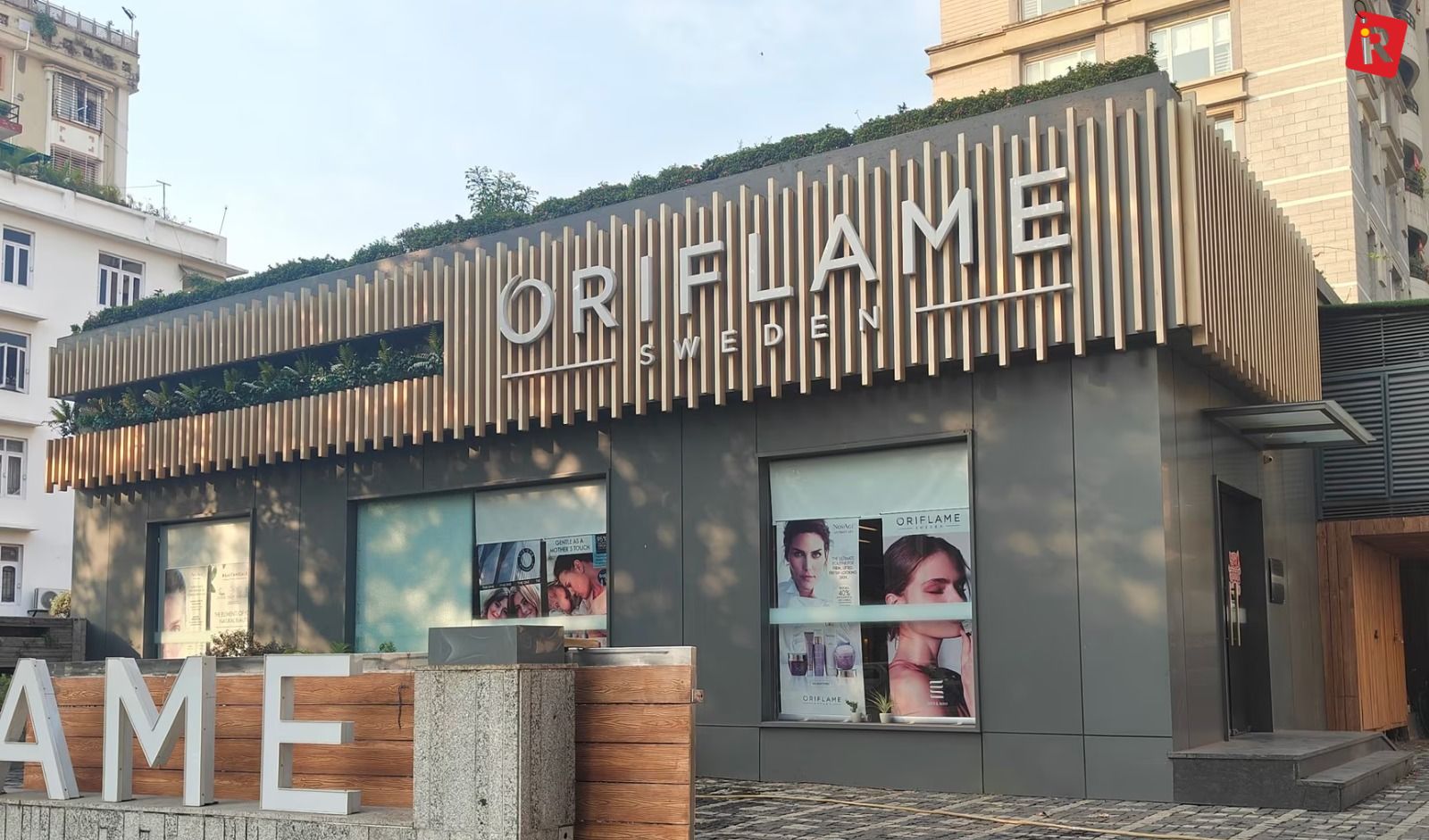
Oriflame, which operates largely through the direct-selling model, believes that personal recommendations and relationship-driven commerce continue to have relevance even in an increasingly digital marketplace.
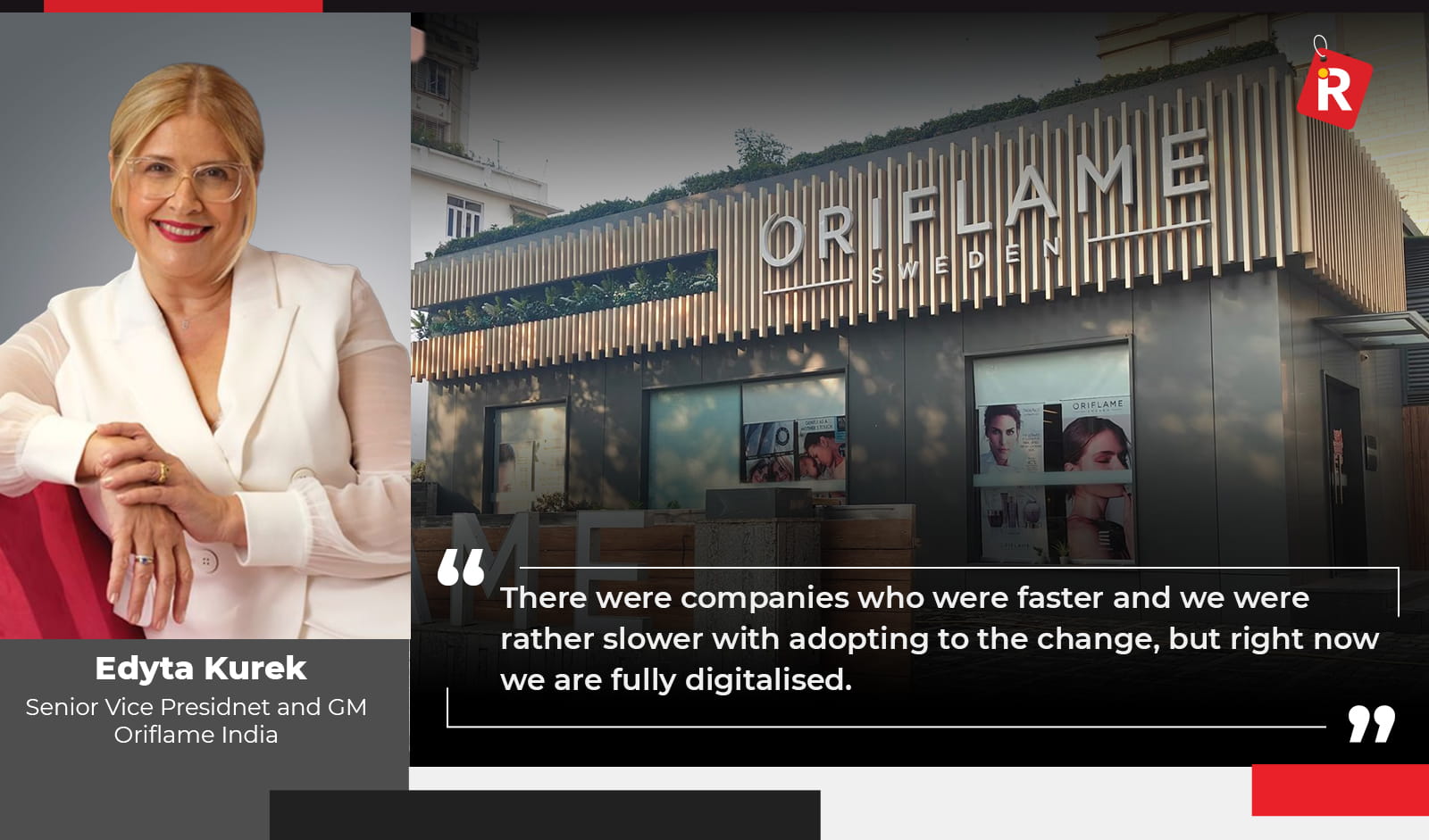
Speaking to Retailer Media, Edyta Kurek, Senior Vice President and General Manager, Oriflame India, said, “Direct Selling is one of the oldest business models. It is a business model based on recommendation, but it also provides an opportunity to build your own business by inviting people, training them on how to recommend and sell the products, and also inviting more people.”
According to Kurek, the model combines product recommendations with an opportunity for individuals to build their own businesses. The model also comes with a system of discounts, incentives and benefits, including financial rewards and opportunities such as international conferences. READ
At Oriflame, consumers can participate in the ecosystem at different levels. They can simply purchase products at a discounted price, become a brand partner who recommends and sells products, or build a larger business through the network.
Kurek also highlighted that individuals do not need specific educational qualifications or prior professional skills to join Oriflame's direct-selling network.
Direct selling vs pyramid schemes
One of the key questions surrounding direct selling is how it differs from pyramid schemes and other potentially exploitative business structures.
Explaining the distinction, Kurek said, “The major and first difference in direct selling in India is clearly defined, there is no entrance fee. Other companies benefit from the entry fee.”
India's direct-selling regulations introduced in 2021 prohibit direct-selling entities from charging entry or joining fees.
Kurek further explained that the fundamental difference lies in how income is generated and distributed.
“In the pyramid scheme, the person who comes on top benefits the most. The spreading of the income is not proportional,” she said.
According to her, legitimate direct-selling companies also have systems and processes to monitor the conduct of their networks and ensure adherence to ethical business practices.
“There are clear dos and don'ts,” Kurek said, adding that Oriflame takes action against individuals found to be engaging in unethical business practices and can terminate their association with the company. READ.
How is Oriflame adapting to the digital world?
While India's beauty industry has rapidly embraced e-commerce, social media, quick commerce and omnichannel retail, Oriflame's transition towards digital has been comparatively gradual.
Kurek acknowledged that the company was slower than some of its peers in adapting to the digital shift.
“There were companies who were faster and we were rather slower with adopting to the change, but right now we are fully digitalised,” she said.
However, digital transformation has also brought new challenges, particularly when it comes to engaging younger consumers. Kurek said that one of the areas Oriflame continues to work on is attracting the younger generation, whose expectations around product choice, digital engagement and beauty trends are significantly higher.
“The younger generation has very high expectations and requires a high portfolio, and we are working on that,” she added.
As India's beauty market becomes increasingly digital and omnichannel, Oriflame's continued reliance on direct selling offers a different perspective on how brands can build consumer relationships. While e-commerce and physical retail are becoming critical engines of beauty growth, the company's model highlights the continued relevance of recommendation, community and personalised consumer engagement in the beauty ecosystem.
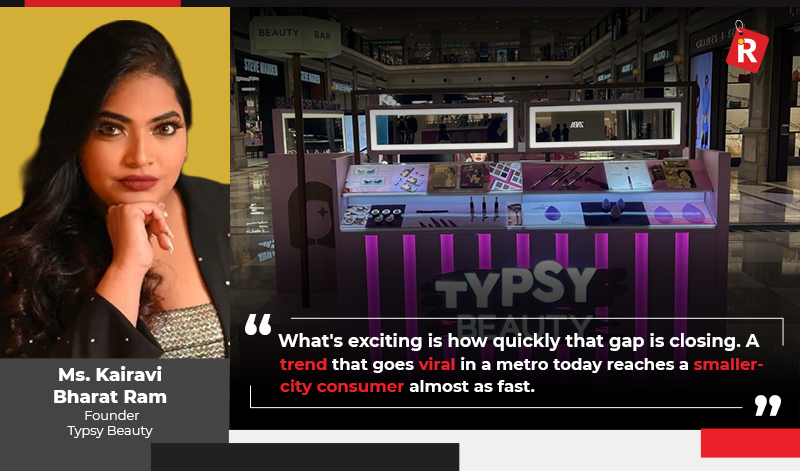
Typsy Beauty, a D2C beauty and personal care brand, raised INR 20 crore in a fresh funding round on August 6, led by Saama Capital, with participation from Genesis Luxury funder Sanjay Kapoor and SRF Family Office. Existing investors, including Borderline Media founder Tanaaz Bhatia and the family offices of Havells and Eicher Motors, also participated in the round.
Founded in 2021 by Kairavi Bharat Ram, Typsy Beauty is a homegrown, internet-first makeup brand. It positions itself around high-performance, playful and multifunctional makeup, with a strong emphasis on experimentation and self-expression.
Talking to Retailer Media, founder of Typsy Beauty Kairavi Bharat Ram said that Typsy Beauty was built on a simple belief that beauty should feel like joy, not a chore. Read.
"We started as a personality-first, experiential brand in a market that was largely dominated by legacy giants who spoke to function but rarely to feeling. But personality is only half of who we are. We invest just as heavily in product innovation, formulation quality and genuine performance, because experience without efficacy doesn't last," said founder Kairavi Bharat Ram.
As India's beauty industry witnesses rapid growth, many homegrown beauty brands are coming into the spotlight for their personalised and ingredient-led products. Typsy Beauty focuses on consistently bringing something extra and unique to the table through the product itself, and not just through packaging or campaigns.
The founder said, "We sit at the intersection of joyful design and real performance, which is exactly what our tagline, 'feels like joy, works like magic', is meant to capture."
According to Kairavi, one of the biggest growth drivers for Typsy Beauty has been getting the product right. She explained, "Bringing international-grade quality and packaging to India while making sure every formulation is genuinely built for Indian skin, our climate and our everyday realities, rather than a global product simply repackaged for the market..."
She added, "What really cemented loyalty, though, was our feel-good energy and a genuinely experiential take on makeup that let us connect with our community from day one, and a 360-degree approach to the experience, from product quality to packaging to customer service, that gives people a reason to come back for their favourites again and again."
Smaller-city consumers become more beauty-aware
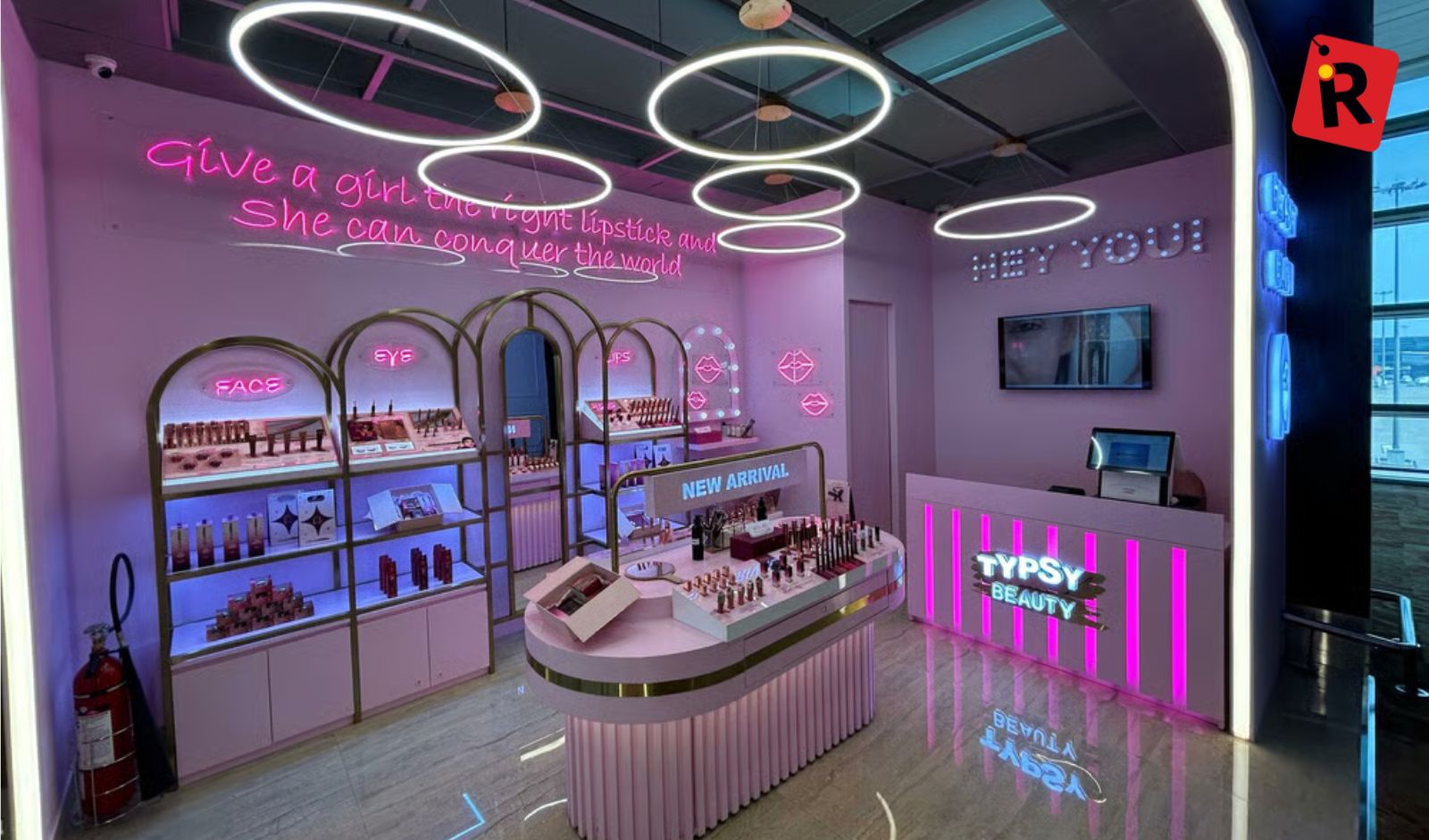
The growing beauty market is not limited to India's metro cities. Tier 2 and Tier 3 cities are playing an increasingly significant role as consumers in smaller cities become more informed about beauty products and increasingly willing to invest in premium beauty.
Also read: Top 5 Ethnic Wear Brands For Women To Shop This Festive Season
The spread of social media has made beauty trends, product information and consumer reviews more accessible, giving consumers in smaller cities greater awareness and aspirations around premium beauty products.
Kairavi explained that Indian consumers today are far more informed, more visually driven and less brand-loyal by default.
"They're loyal to what works and what feels authentic. They discover products through creators and peer reviews rather than traditional advertising, and they expect brands to have a point of view, not just a product line," she said.
According to Typsy Beauty, while consumers in metro cities are early adopters, trend-led and more experimental, buyers in smaller cities, although catching up fast, still tend to favour trusted, multi-use products and value-conscious pack sizes.
However, the gap between metro and smaller-city consumers is narrowing rapidly.
Kairavi said, "What's exciting is how quickly that gap is closing. A trend that goes viral in a metro today reaches a smaller-city consumer almost as fast."
Conclusion
For beauty brands such as Typsy Beauty, the changing consumer landscape presents an opportunity beyond the metros. As consumers in Tier 2 and Tier 3 cities become more informed, digitally connected and willing to explore premium beauty, the distinction between metro and smaller-city consumers is gradually narrowing. With trends and product discoveries reaching these markets faster than before, smaller-city consumers are increasingly becoming an important part of India's evolving beauty consumption story.
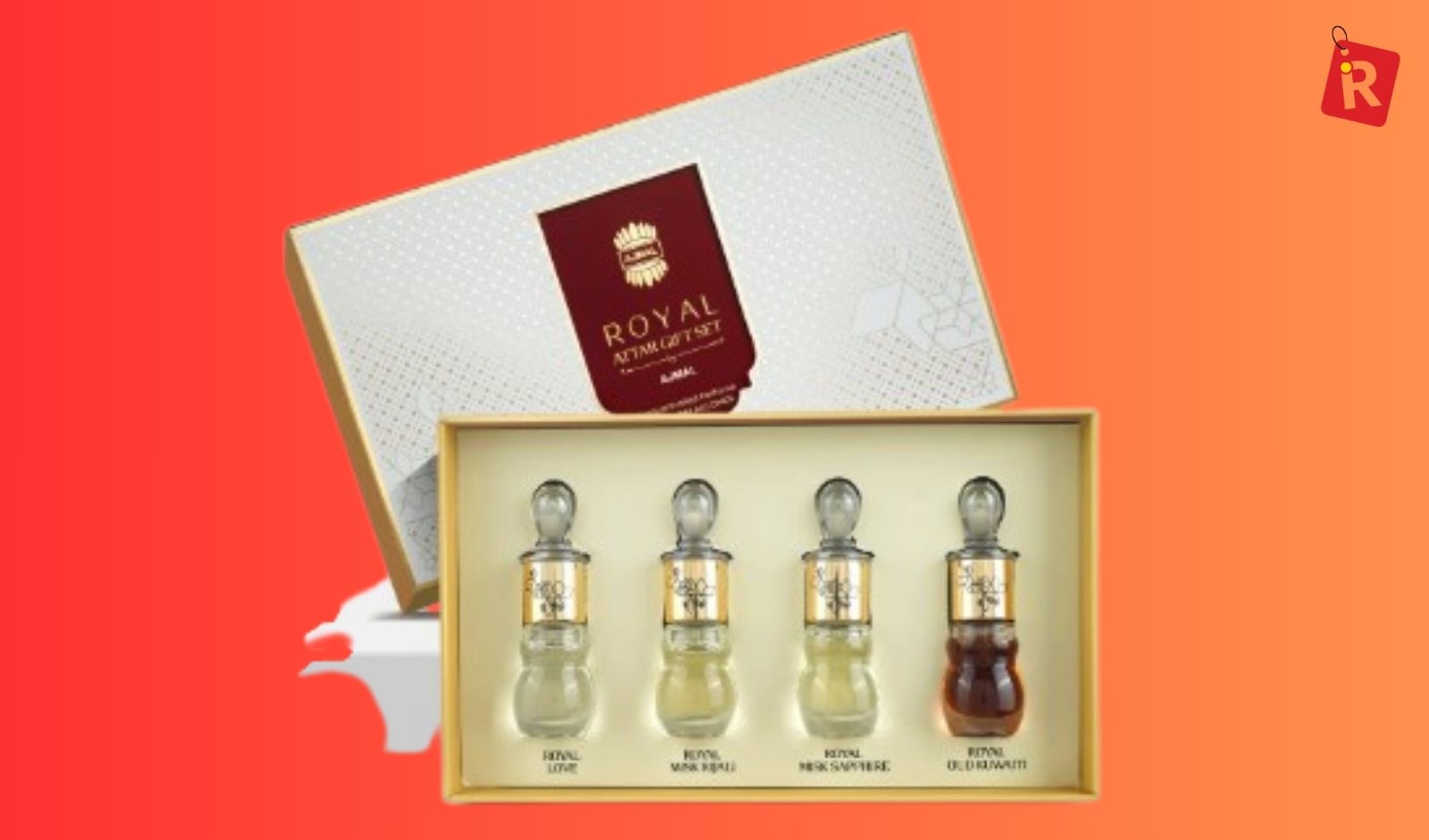
Fragrance market of our country is witnessing a rapid transformation. Driven by rising digital boom, evolving consumer preferences, and premiumisation. At the forefront of this shift is Ajmal Perfumes, which is strengthening its omnichannel strategy by expanding both its online presence and offline retail footprint.
E-commerce has emerged as one of Ajmal India's strongest growth engines, contributing nearly 50 percent of the brand's overall sales. The company has also reported approximately 150 percent year-on-year growth in its online business, underscoring the growing demand for premium fragrances across digital channels.
Ajmal's products are currently available across more than 15 e-commerce platforms, including its own D2C website, Amazon, Nykaa, Myntra, and other leading marketplaces. This digital presence complements an extensive offline distribution network of over 3,000 points of sale spanning exclusive brand outlets, modern trade, general trade, and multi-brand retail partners. Among its online portfolio, Silver Shade and Aristocrat continue to rank among the brand's best-selling fragrances.
Despite the rapid rise of digital commerce, Ajmal believes physical retail remains indispensable for fragrance brands. Unlike many consumer categories, fragrances rely heavily on sensory engagement, making in-store discovery a critical part of the purchase journey.
"Digital platforms are driving customer acquisition, convenience, and repeat purchases, while offline stores continue to offer the immersive experiences that consumers seek before making a fragrance purchase," said Abdulla Ajmal, CEO of Ajmal Group, highlighting the complementary role of both channels in its omnichannel strategy.
To further strengthen its retail presence, Ajmal is embarking on an aggressive offline expansion. The company currently operates 105 exclusive brand outlets across India and plans to increase this number to more than 170 stores by the end of 2026 and over 225 stores by 2027.
Added the Ajmal Group CEO, "While digital platforms continue to drive customer acquisition, convenience and repeat purchases, offline retail remains equally important because fragrance is an inherently experiential category. Consumers value the opportunity to discover, test and experience scents in person, making both channels complementary within Ajmal's omnichannel strategy."
Its multi-brand retail network is also set for significant growth, expanding from approximately 1,200 outlets today to 2,500 by 2026 and 3,500 by 2027. Strategic partnerships, including its collaboration with Shoppers Stop, are expected to play a key role in accelerating this expansion.
Beyond store expansion, Ajmal is placing greater emphasis on experiential retail to deepen customer engagement. The brand is enhancing the in-store journey through personalised fragrance consultations, scent discovery experiences, fragrance masterclasses, and curated brand events designed to educate consumers and encourage product exploration.
In another step toward building long-term customer relationships, Ajmal plans to introduce its customer loyalty programme in India within the next six months. Inspired by the success of its GCC loyalty programme, the initiative aims to create a more connected omnichannel experience by rewarding customers across both digital and physical touchpoints.
As India's premium fragrance market continues to evolve, Ajmal's balanced investment in technology-enabled commerce and immersive offline experiences reflects a broader shift in the retail landscape. Rather than viewing e-commerce and brick-and-mortar stores as competing channels, the brand is leveraging both to create a seamless customer journey—one that combines the convenience of digital shopping with the sensory richness of physical retail.
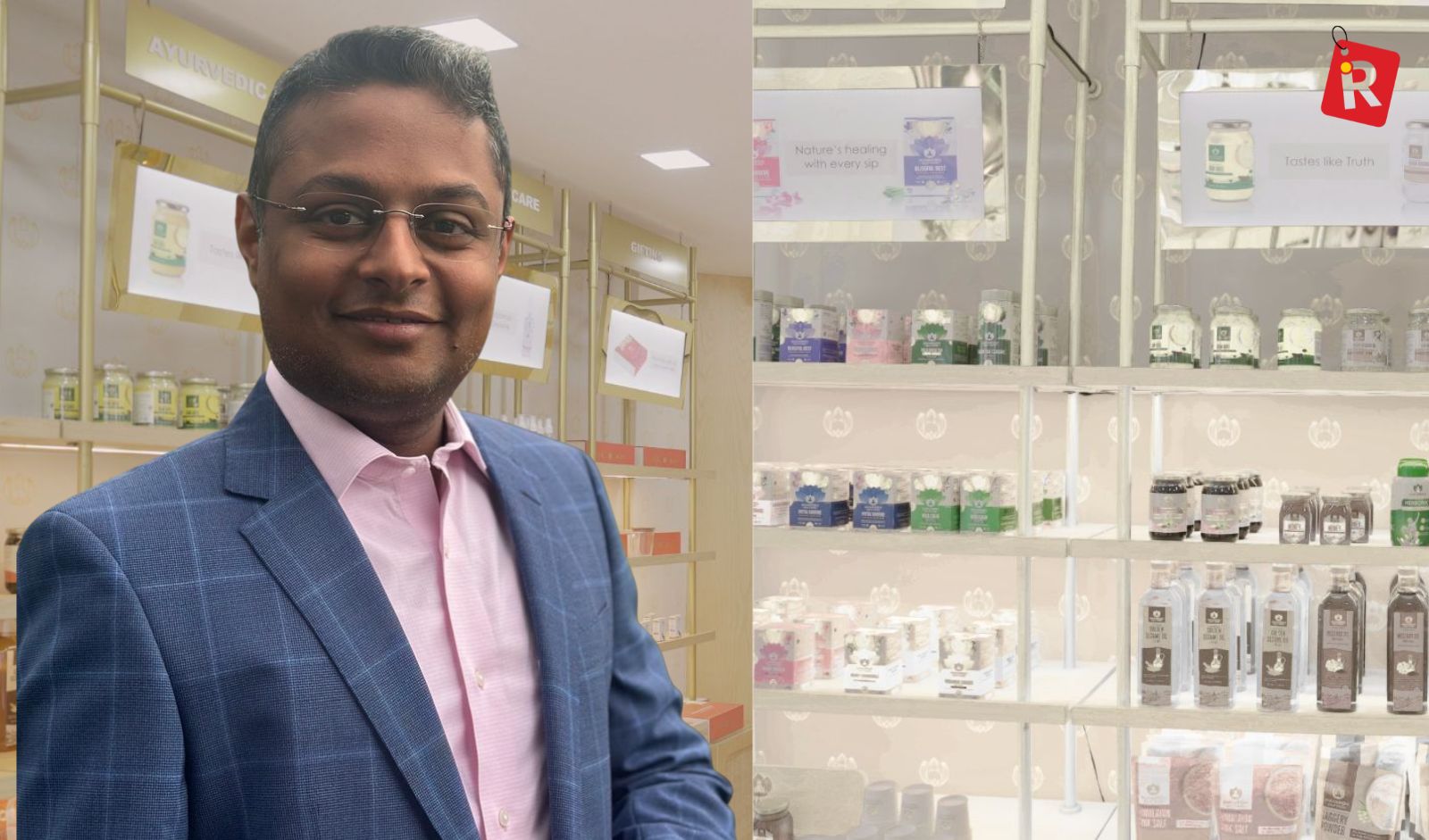
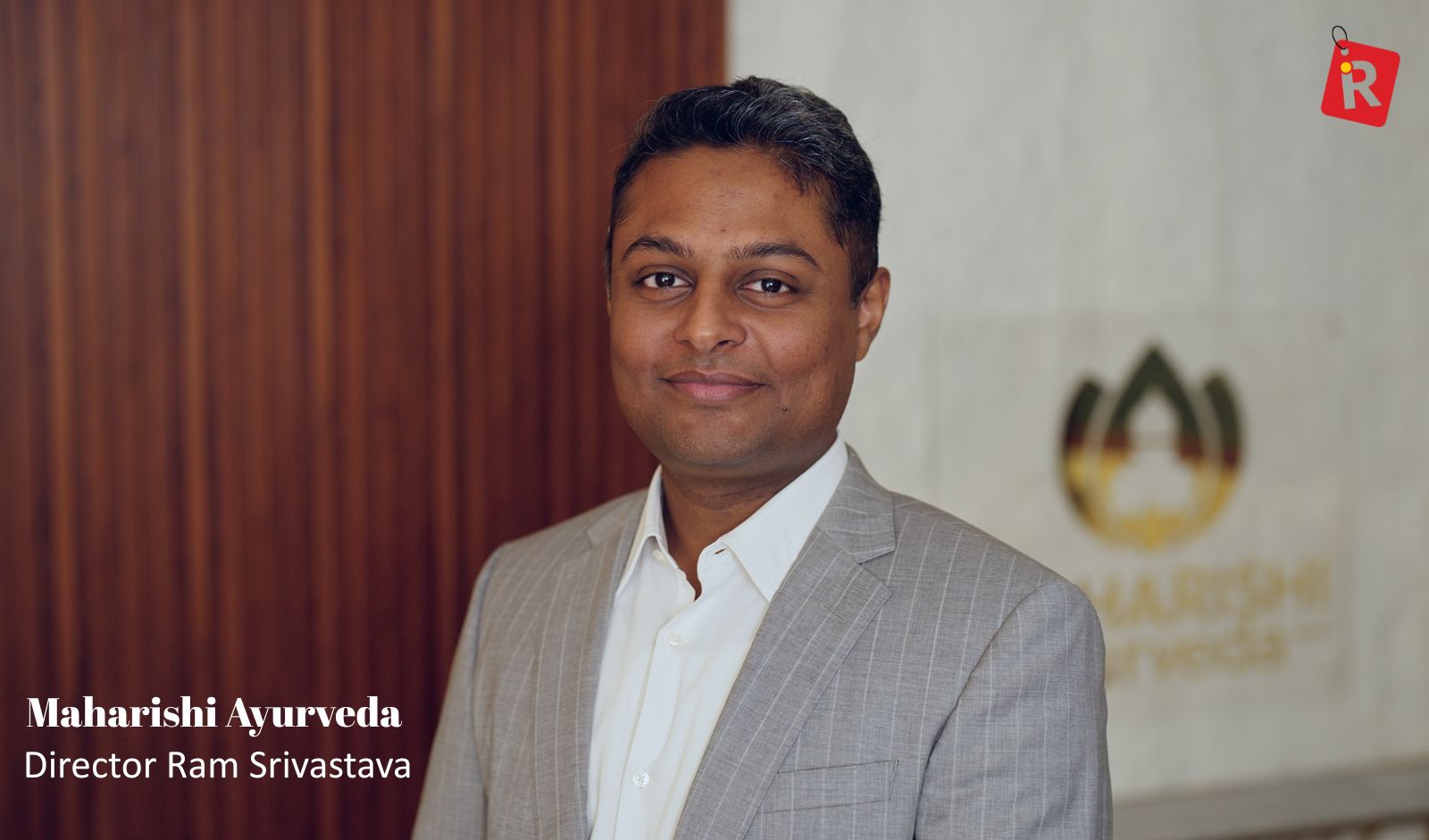
System-based treatments are gaining popularity in India to embrace preventive healthcare and holistic well-being. This shift driving a rise in the demand for authentic Ayurvedic solutions, creating new growth opportunities for brands in both digital and offline retail.
Maharishi is one such Indian Ayurveda and wellness company that develops and markets Ayurvedic medicines, dietary supplements, herbal formulations, personal care products, teas, organic foods, and wellness solutions.
According to Maharishi Ayurveda, modern consumers are more informed towards making health choices and seek products that address the root cause of heath concerns rather than offering temporary relief.
Speaking to Indianretailer.com, Maharishi Ayurveda Products Director Ram Shrivastava said, "The biggest shift we've witnessed in consumer behaviour is the growing awareness around preventive and holistic health. Rather than seeking quick fixes, consumers are increasingly looking for solutions that address the root cause of an issue and support long-term wellness."
He believes that the evolution is consumer mindset is giving a boost to greater adoption of natural, sustainable, and evidence-based wellness solutions, reinforcing Ayurveda's relevance in today's healthcare landscape.
"Every Ayurveda" is emerging as the fastest-growing categories and it is now being identified as a major consumption trend. Consumers are increasingly integrating Ayurvedic products into their daily routines through simple lifestyle substitutions.
Highlighting the growing interest in products supporting stress management, healthy ageing, vitality, and longevity.
Ram Shrivastava said, "Consumers are shifting their focus from treating symptoms to strengthening overall health and resilience. Globally, conversations around biohacking, healthy ageing and longevity reflect this growing interest in optimizing health rather than merely managing disease."
Omnichannel Strategy Strengthens Consumer Trust
Omnichannel strategy has become a driving force of growth for all sectors. Similarly, this change is being witnessed in the wellness sector as well. Mr Srivastav believes that while e-commerce improves accessibility, physical retail still plays a vital role in educating consumers and building trust.
"An omnichannel presence not only makes Ayurveda more accessible but also strengthens trust in the brand. Physical stores allow consumers to interact with experts, understand products better and experience Ayurveda firsthand," added Ram Srivastava.
Beyond retail expansion, Maharishi Ayurveda aims to reposition Ayurveda as an everyday wellness practice rather than a solution used only during illness.
Maharishi Ayurveda Products Director Ram Shrivastava says, "Our stores are designed as wellness destinations where people can take simple, everyday steps towards better health."
Blending Ancient Wisdom with Scientific Validation
Product development at Maharishi Ayurveda begins with understanding consumer health needs before turning to classical Ayurvedic literature for solutions.
The company then validates these formulations through modern clinical research to ensure efficacy, safety, and quality.
"We begin with the consumer's needs, draw upon the depth of Ayurvedic knowledge, and then use scientific research to validate those solutions. It is a thoughtful integration of ancient wisdom and modern evidence," clarifies Mr Srivastava.
Investor Confidence Reflects Growing Consumer Demand
India's wellness sector has attracted significant investor interest in recent years, a trend Maharishi Ayurveda attributes to rising consumer demand for preventive and natural healthcare.
"Investment naturally follows consumer demand, and the growing interest in Ayurveda reflects the increasing preference for preventive, holistic and natural healthcare solutions," the director said.
The company believes greater investment will accelerate research, innovation, quality standards, and accessibility, helping evidence-based Ayurveda reach a wider consumer base both in India and internationally.
Conclusion
As consumer preferences continue to shift towards preventive healthcare and holistic wellness, Ayurveda is emerging as a key growth driver within India's wellness industry. Increasing awareness around natural, evidence-based solutions, coupled with the expansion of omnichannel retail, is enabling brands to reach a wider audience across both metro and emerging markets. For Maharishi Ayurveda, the focus remains on making Ayurveda a part of everyday living by combining traditional wisdom with scientific validation, strengthening retail accessibility, and catering to evolving consumer needs.
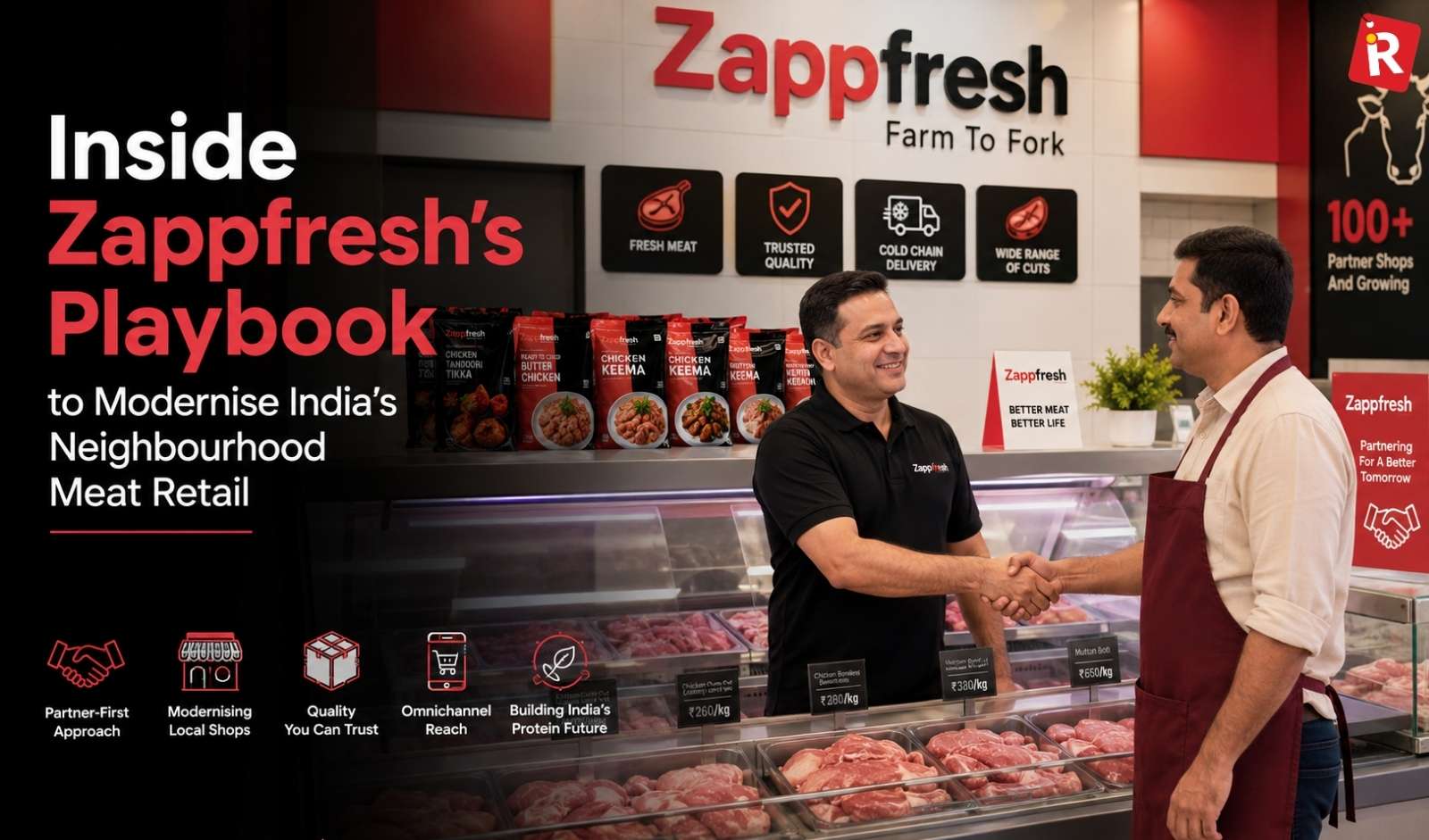
India's meat retail market has long remained one of the country's most fragmented sectors, with neighbourhood butcher shops continuing to be the preferred choice for millions of consumers. While organised retail and quick commerce have transformed several grocery categories, fresh meat is still largely driven by local retailers who have built trust within their communities over decades.
Instead of competing with these stores, ZappFresh is betting on a different approach. The company is working to modernise neighbourhood meat shops by helping them upgrade their infrastructure, improve product quality, and join an organised supply network. For Founder, Chairman, and Managing Director Deepanshu Manchanda, the future of meat retail lies not in replacing traditional retailers, but in empowering them.
Modernising Local Meat Retail Via Partnerships
Unlike many retail businesses that rely on company-owned outlets or franchising, ZappFresh has adopted a partnership model that allows independent meat retailers to retain ownership while benefiting from the company's infrastructure and supply capabilities.
The initiative, which began as a pilot, has already expanded to around 100 partner shops in Mumbai. The company now plans to scale the network to nearly 400 stores over the next financial year, with a primary focus on western and southern India.
Explaining the model, Manchanda said the idea was to create value for local retailers without interfering in how they run their businesses.
"We already have about 100 shops in Mumbai where we're upgrading the infrastructure and making them our partners. It's not a franchise model. Think of us like an OYO for meat shops. We don't own the stores, we don't run them, and we don't take a share of their revenue. We simply improve their infrastructure, and in return, they become our customers."
The strategy also enables ZappFresh to expand faster while keeping its operations asset-light, an important consideration in a category where traditional retail continues to dominate consumer purchases.
"Our industry is still highly fragmented, and most consumers continue to buy from neighbourhood meat shops. Instead of trying to do everything ourselves, we chose a partner approach because it allows us to scale much faster while helping local businesses grow alongside us."
Looking Beyond Fresh Meat
While fresh meat remains the foundation of the business, ZappFresh is steadily expanding into categories that reflect changing consumer lifestyles. The company has launched Meeba Foods, a new brand focused on ready-to-eat, ready-to-cook, and protein-rich products, targeting consumers who are looking for healthier and more convenient food options.
For Manchanda, the move is a natural extension of changing eating habits, particularly among younger consumers who are increasingly prioritising nutrition without compromising on convenience.
"We're focusing on superfoods, nutrition, and high-protein categories. Meeba Foods will bring together all our new products around healthier eating. It's still at an early stage, but over the next two to three years, we expect these new categories to contribute around 20 to 25 percent of our overall business."
The company has also strengthened its international portfolio by adding capabilities in frozen, ready-to-eat Indian snacks, enabling it to serve overseas markets and diversify beyond its domestic business.
"We now have products like frozen aloo paratha, samosa, and spring rolls for international markets, especially for NRIs. Alongside that, we're building a high-protein product range for consumers who are becoming more health-conscious."
Rather than treating these initiatives as separate businesses, ZappFresh sees them as part of a broader strategy to build a stronger presence across India's growing protein economy, while creating multiple avenues for future growth.
Building an Omnichannel Business
As ZappFresh expands beyond fresh meat, the company is also broadening the ways consumers discover and buy its products. While neighbourhood meat shops remain central to its retail strategy, digital channels are becoming increasingly important, particularly for its newer product categories. Manchanda believes quick commerce and e-commerce will play a bigger role as the company builds its portfolio of ready-to-eat and high-protein products aimed at younger consumers.
"Quick commerce will play an immense role because these products directly target the youth. We may have been a little late in taking it seriously, but today the ecosystem has matured, and we're investing in it with a long-term view. Along with quick commerce, e-commerce and international distribution will remain key growth channels for us."
Alongside its consumer business, ZappFresh has also built a strong presence in the Horeca segment, supplying fresh meat to more than 400 restaurants across the country. This diversified distribution network allows the company to balance consumer demand with institutional sales while strengthening its market presence.
Using Technology to Scale Smarter
Managing growth across multiple channels requires strong backend systems, and technology has become a key part of ZappFresh's expansion strategy. Rather than viewing automation as a cost-saving exercise, the company sees it as a way to improve operational efficiency and build a more scalable business.
"Improving efficiency is a continuous process. We keep working on automation, process improvements, and infrastructure development. Personally, I'm very interested in using AI and technology in the backend so that we reduce ambiguities, strengthen controls, and minimise operational leakages."
As the partner network grows, technology will also help maintain consistency across operations while supporting the company's asset-light retail model.
Looking Beyond Retail
While retail remains the immediate priority, ZappFresh is also investing across the broader protein value chain. The company has launched an aquaculture venture under Varuna Aquarium, bringing together nearly 400 acres of fish farming operations while working with around 1,000 farmers through a farmer-producer organisation.
For Manchanda, these initiatives are part of a larger vision to strengthen India's protein ecosystem through better sourcing, greater backward integration, and improved nutritional awareness. He has also been appointed a Goodwill Ambassador for a United Nations initiative promoting spirulina as a sustainable source of protein to help address malnutrition. While separate from ZappFresh's commercial operations, the role aligns with his long-term focus on nutrition and responsible food production.
"India is slowly recognising the importance of protein, which is encouraging. At the same time, brands have a responsibility to be transparent about what they're offering. Consumers today want healthier choices, but they also want to trust what's written on the label. Building that confidence will be just as important as introducing new products."
The Road Ahead
For ZappFresh, growth is no longer just about adding more customers or launching new products. It is about creating an ecosystem where traditional retailers, technology, distribution, and nutrition work together to strengthen the country's protein supply chain.
The company plans to expand its partner network from 100 to around 400 neighbourhood meat shops over the next financial year while continuing to invest in omnichannel retail, product innovation, and backend capabilities.
Rather than replacing local retailers, ZappFresh is working to bring them into an organised ecosystem where they can benefit from better infrastructure, stronger supply chains, and access to a wider range of products. As India's food retail landscape continues to evolve, the company is positioning itself not just as a meat brand, but as a long-term partner for neighbourhood retailers and a broader player in the country's growing protein economy.
The jewellery market is witnessing significant transformations these days, elevating the landscape to an entirely new level. In the same spirit, Jiaara Jewellery, founded by sisters Ankita Singh, Garima Singh, and Sushmita Singh, is carving a distinct niche by celebrating handcrafted artistry and heritage. Inspired by India’s rich craft traditions, the brand is built on the idea of restoring authenticity and soul to jewellery.
“We are three co-founders of Jiaara, and we are not just co-founders, we are three sisters who grew up closely watching Indian craft and Indian heritage,” stated Ankita Somvanshi, Co-founder, Jiaara Jewelry.
Over time, the founders observed a shift in the jewellery industry, where handcrafted pieces were increasingly replaced by mass-produced designs. This realization became the driving force behind Jiaara’s creation.
She further stated, “We realised the Indian jewellery segment was kind of losing its soul to mass-produced products, and our intention with Jiaara was to bring the soul back, and that's when we launched Jiaara. Our entire collection is made by women artisans. It's completely handmade.”
The Idea of Crafting Jewellery with Purpose
At the core of Jiaara Jewellery lies a commitment to authenticity, sustainability, and craftsmanship. Every piece in the brand’s collection is handmade and crafted by women artisans, reinforcing its focus on both traditional artistry and women-led craftsmanship.
“We use clean and sustainable metals and semi-precious stones. Our idea is to blend international global designs with Indian heritage and create a wonderful range for our customers,” Ankita stated.
The brand’s design philosophy revolves around blending global aesthetics with Indian heritage. By combining contemporary international trends with traditional techniques, Jiaara aims to offer customers jewellery that feels both timeless and modern.
Rapid Growth in Two Years
Despite being a relatively young brand, Jiaara Jewellery has experienced significant traction within a short span of time. The company launched two years ago and has already taken important steps toward building its direct-to-consumer presence.
“We launched Jiaara two years back and we launched our own B2C website six months back. Response has been very overwhelming. We got a lot of love from our customers. We have done more than 20 celebrity collaborations,” shared Ankita.
Marketing collaborations have also played a key role in the brand’s growth strategy. Jiaara has worked extensively with both celebrities and influencers to strengthen its brand recall and reach newer audiences.
“We have done 40–50 influencer collaborations. We are very happy with the journey so far, and that gives us confidence to keep working harder and keep going up,” she added.
Setting Sights on Global Expansion
Looking ahead, Jiaara Jewellery is keen to extend its design philosophy beyond Indian borders. The brand sees international collaborations and global market expansion as natural next steps in its journey.
“We always want to become a brand which is blending international designs and Indian craftsmanship. We are looking forward to expanding to the international market and bringing global design into our portfolio. We will keep looking for collaboration and expansion opportunities where we can do global expansion,” Ankita said.
Funding and Future Plans
As Jiaara continues to scale its operations and expand its reach, the company is also exploring funding opportunities to support its growth.
“We are already in early talks with some of the investors. As and when we scale, we would like to raise funds,” Ankita explained.
Such investments could help the brand strengthen its product development, marketing initiatives, and international expansion plans.
Crafting the Future of Heritage Jewellery
With a foundation rooted in sisterhood, craftsmanship, and sustainability, Jiaara Jewellery is steadily building a brand that celebrates heritage while embracing contemporary design. As it moves toward global expansion and potential funding, the company remains committed to its core vision—restoring the artistry and soul of handcrafted jewellery.

Women’s lives are constantly evolving, balancing careers, personal aspirations, and daily routines. Yet, much of fashion still expects them to fit into rigid molds. Rareism was created to challenge that norm, offering clothing that adapts to the modern woman rather than forcing her to conform.
Founded by Akshika Poddar, Rareism is built on a simple yet powerful idea—fashion should be effortless, versatile, and empowering. Instead of chasing trends for the sake of it, the brand focuses on creating wearable, thoughtfully designed pieces that women can move, work, and live in comfortably. Whether it’s structured yet breathable workwear, relaxed silhouettes that don’t compromise on style, or elegant staples that transition seamlessly from day to evening, every Rareism collection is shaped by real-life needs rather than passing fads. “My travels and exposure to diverse cultures have played a huge role in shaping Rareism’s aesthetic,” says Akshika Poddar, Director and Founder of Rareism.
Akshika’s vision for Rareism has been shaped by years of observing how women engage with fashion. With exposure to different cultures, retail landscapes, and shifting consumer preferences, she recognized a gap between what brands were offering and what women actually needed. Rareism was born from that understanding—fashion that doesn’t dictate, but instead complements the individuality of the wearer. With a growing presence in both online and offline retail, Rareism is continuously refining its approach to engage with customers where they shop, how they shop, and on their own terms. Its expansion into new product categories, collaborations, and sustainable practices signals a brand that is not just following the market but actively shaping it.
Consumer Trends and Evolving Collections
The rising demand for inclusivity has driven the brand’s expansion into extended size ranges. The introduction of RareZ targets Gen Z customers, offering trend-driven styles that resonate with younger audiences.
“At Rareism, we have observed several emerging trends and shifts in consumer preferences. A major trend is the demand for inclusivity, which led to the launch of Curvism, a size-inclusive line that spans from XXS to 6XL, catering to women of all body types,” explains Akshika.
Understanding these evolving preferences allows Rareism to design collections that are not just stylish but also deeply relevant to its customer base.
“We have also seen a shift in our target audience, with a wider age bracket and changing purchase habits. Our premium line, Ruby, addresses the needs of the more discerning customer, while Ism offers affordable fashion for price-sensitive shoppers,” she adds.
Strategic Collaborations
“While we are currently exploring potential partnerships, we see great opportunities in working with like-minded brands and creatives in the future to bring fresh, innovative experiences to our customers,” says Akshika.
Rareism remains selective about collaborations, ensuring they align with its signature aesthetic and core values. The future will see the brand teaming up with designers, brands, and influencers who share its mission of empowering and inclusive fashion.
“In 2024, Rareism’s growth journey took a significant step forward with key investments from A91 Partners and the family offices of Nikhil Kamath and Ravi Modi (Manyavar). Their support has been instrumental in accelerating our expansion plans,” she adds.
Balancing Omni
Rareism follows a balanced retail strategy, with 40 percent of its sales coming from direct-to-consumer (D2C) platforms and 60 percent from marketplaces.
“Our digital and physical retail strategy follows a similar 40:60 split. While our online presence, including the House of Rare app and website, ensures convenience and accessibility, our expanding retail footprint strengthens brand experience and customer engagement,” explains Akshika.
This strategy allows Rareism to maintain its identity while expanding its reach through leading e-commerce platforms. By catering to diverse shopping preferences, the brand ensures sustainable growth.
Expanding Horizons
Rareism has been steadily expanding across India, with upcoming stores in Kolkata, Gujarat, Aurangabad, Coimbatore, and Visakhapatnam. A strong retail presence remains a crucial part of its strategy, allowing customers to experience the designs firsthand.
Beyond apparel, Rareism is evolving into a complete lifestyle destination. Recognizing the importance of accessories and footwear in creating a complete look, the brand is set to expand into these categories.
“This expansion allows us to offer a more holistic style experience, making Rareism a go-to destination for effortless, sophisticated living,” says Akshika.
Growth and Milestones
In just five years, Rareism has doubled its exclusive brand stores to 45 and achieved profitability despite industry challenges. The brand has expanded to over 200 points of sale across metro and tier II cities in India.
“Our average order value and units per transaction have also improved, reflecting a stronger customer connection and demand for our designs. A key business milestone has been achieving an SSPD (Sales per Square Foot per Day) at par with leading brands, reinforcing our position in the market,” emphasizes Akshika.
Reaching sales performance levels comparable to top fashion brands highlights Rareism’s unique market positioning and deep understanding of customer preferences.
Technology-Driven Innovation
Technology has played a significant role in Rareism’s journey, driving efficiency in design, production, and customer experience. The brand leverages advanced tools to streamline operations and enhance product development.
“Our design process leverages advanced technology to minimize fabric wastage, incorporating sustainable practices such as using recycled fabrics, 100 percent recycled polyester, and eco-friendly packaging,” says Akshika.
Rareism has also taken significant steps in creating a seamless digital shopping experience. By integrating all four brands under the House of Rare app and website, the company has ensured a unified shopping experience for customers. This digital transformation has enhanced customer engagement and brand loyalty.
Sustainability at the Core
Rareism takes sustainability seriously, integrating eco-friendly practices across its operations. The brand uses recycled materials such as EvoV thread, ensuring that all merchandise is produced with minimal environmental impact.
“Our zippers are made from waste collected from the Indian Ocean, further supporting our commitment to sustainable sourcing,” says Akshika.
Beyond materials, Rareism prioritizes sustainable packaging. Online orders are shipped in biodegradable packaging made from corn starch or other vegetable starch, replacing plastic alternatives. “We also prioritize eco-friendly packaging for our online orders. Our packaging is made from 100 percent recycled and recyclable materials, and plastic packaging is replaced with biodegradable options,” she adds. Additionally, Rareism has adopted energy-saving practices in its offices, further reducing its environmental footprint.
A Vision for the Future
Looking ahead, Rareism aims to expand internationally, broaden its product categories, and deepen its impact on women’s empowerment. “I want to see Rareism evolve into a lifestyle brand, not only offering fashion but also expanding into accessories, footwear, and other categories that reflect the diverse needs of women,” Akshika concludes.
Rareism’s goal is clear: to be more than just a fashion label. The brand aspires to become a global leader in inclusive, sustainable, and empowering fashion. The next five years will be transformative, positioning Rareism as a pioneering force in contemporary fashion.

It was an enlightening journey for Jyoti when she visited Japan between 2013 and 2015, wherein she discovered that Japan had a thriving beverage market that has no sugar and no added preservatives! The drinks were full of healthy nutrients! Observing the products at close range inspired her so much that she decided to launch a healthy beverage brand that was mindful of using natural ingredients. In the year 2021, Jyoti founded Teafit for those who were health-conscious.
The health beverage industry is estimated to reach $30 billion by 2026, which is triple the size of the industry right now. Demand for natural and premium products is rising day by day in the country, making the CAGR increase by 9.89 percent. Teafit is a D2C brand that serves beverages made with natural ingredients and no added sugar, focusing on health and wellness.
“At TeaFit, we are positioned to meet this demand by offering a range of beverages that are both delicious and crafted with a focus on health. Our products are made with natural ingredients, no added sugar, and are designed to provide functional benefits.” explained Jyoti Bharadwaj, Founder, Teafit. “Our USPs include being completely free from added sugars and artificial additives, which sets us apart from many competitors. Each product is crafted with care to ensure it supports wellness and fits into a balanced lifestyle.”
Expanding Health Beverage Reach
Teafit has set its presence on offline as well as online platforms, although e-commerce platforms are the major source of sales for the brand. It emphasizes premium retail locations and health-focused outlets in the country. The brand had partnered with cafes and fitness centers as well, intending to make Teafit a staple health beverage brand.
“In the retail landscape, we at TeaFit have strategically positioned ourselves to reach health-conscious consumers across various channels. Our goal is to make TeaFit a staple for those seeking better beverage options, whether they’re shopping in-store or online, ensuring we’re available wherever our customers are looking for healthier alternatives.” claims Jyoti.
The health beverage brand is present across urban cities, and also targets Tier II and III cities. It centers around health-conscious individuals, which encompasses a wide range of age groups, from young professionals to older adults. The brand is exploring the opportunity to enter the global market.
"We focus on several major demographics. Our primary target includes health-conscious individuals who are dedicated to maintaining a balanced lifestyle. Geographically, we are expanding our presence across major urban centers in India where there is strong demand for healthy beverages. We are also targeting Tier II and III cities to reach a broader audience. Additionally, we’re exploring opportunities to enter international markets with a growing interest in premium, health-focused products,” she said.
Strengthening Online and Offline Presence
Teafit is present on quick-commerce platforms (Zepto and Blinkit) as well as on e-commerce platforms Amazon, Flipkart, and Big Basket. Its products are also available in modern trade outlets, Reliance and Nature’s Basket. The product portfolio for the brand includes three items with bottled and sachet packaging, overall making 10 SKUs.
“We’re also enhancing our online presence by investing in digital marketing and e-commerce platforms to reach more customers nationwide. Additionally, we’re building strategic partnerships with retailers, health stores, and cafes to increase our physical retail footprint.” elaborates, Jyoti.
Ensuring Quality and Consistency
Being a D2C brand, Teafit has optimized its supply chain, enhanced efficacy, and given a competitive pricing opportunity. With an online presence, it has extended its reach, creating a promising customer base.
“This direct relationship helps us tailor our products and marketing strategies to better meet their needs. Additionally, it enables us to maintain control over the quality and presentation of our products, ensuring a consistent brand experience,” she said.
The brand upholds premium standards and quality by partnering with trusted suppliers and undergoing the vetting process for purity and sustainability. Adapting and updating industrial practices to ensure quality control measures in production.
To maintain and ensure precision, the brand uses technology in the production process while blending and packaging. State-of-the-art technology is used in the manufacturing process, promising monitoring and control. The brand has streamlined operations, optimized cost, and supply chain management contributing to premium standards.
“We also utilize technology for real-time quality checks and data analysis, which helps us promptly address any issues. Additionally, technology plays a crucial role in managing our supply chain, from sourcing ingredients to distribution, allowing us to streamline operations and optimize costs. By integrating these technological advancements, we uphold our commitment to premium standards and effectively meet our customers' growing demands.” added Jyoti.
Future Vision
The brand aims to expand its retail on international grounds, including the US and UAE, keeping its national presence. Leading the healthy beverage industry with transparency, promoting a healthy lifestyle along the way. By adapting and upgrading from the market opportunities, Teafit develops for sustained expansion.
“We aim to have a strong presence across major cities in India and expand into international markets where there’s growing demand for premium, health-focused beverages. Our product portfolio will continue to evolve, offering a diverse range of options that cater to various health needs and preferences. We plan to strengthen our retail partnerships and enhance our digital platforms to reach a wider audience. Ultimately, we aspire to be a trusted brand that inspires healthier living and sets new standards in the industry,” concludes Bharadwaj.
-
Incorporated in 2025, Eyora focuses on the rising demand of natural diamonds in India. Ankit Shah, Director at Ankit Gems speaks to Indianretailer.com and explain Eyora’s vision, idea, and more.
-
Founder of Fraganote, Garima Kakkar speaks to indianretaier.com and describe what has led to the growth of fragrance industry of India and the challenges still faces by fragrance brands in the country.
-
Oriflame India Senior Vice President and GM Edyta Kurek speaks to Retailer Media and explains why this beauty brand prioritises direct selling even in the age of digital boom. Read here to know more.
-
Typsy Beauty talks to Retailer Media around the market trends in India in beauty and personal care segement and shared their insight on how consumer behavior is changing even in the smaller cities of the country.






Copyright © 2009 - 2026 Franchiseindia.com Ltd