





In the tranquil embrace of verdant landscapes, nestled between whispers of the wind and the fertile soil, the seeds of Farmio were sown. Sunny Khattar, a zealous advocate for sustainable agriculture, envisioned a brand that would transcend the mere supply of food to champion ethical farming practices and nourish a community bound by shared values.
The story of Farmio unfolds with a vision born from a deep-seated passion for offering consumers access to high-quality organic seafood, chicken, fruits, and vegetables. Sunny Khattar's journey began with an earnest commitment to fostering sustainable and responsible farming practices. "We aimed to provide people with the option to choose products that not only tantalize the taste buds but also resonate with their values," recalls Khattar.
Cultivating Core Values
At the heart of the brand lies an unwavering dedication to core values—integrity, sustainability, and transparency. "We believed in forging a profound connection between consumers and their food sources," asserts Khattar. The brand emphasized the significance of ethical farming practices that contributed not just to the well-being of individuals but also to the sustenance of the planet's ecological balance.
The journey of Farmio meandered through rugged terrains marked by challenges. "From grappling with the intricacies of the agricultural industry to maintaining steadfast quality, each obstacle was a crucial lesson," reflects Khattar. Yet, amidst these trials, Farmio cultivated adaptability and resilience, rooted deeply in their commitment to unwavering principles.
Embracing Technology's Bounty
What sets Farmio apart is an uncompromising dedication to organic farming practices. "Our foremost priority was the holistic well-being of consumers and the environment," highlights Khattar. This commitment resonated through their produce, ensuring that each item exceeded the stringent standards of quality and sustainability.
Technology became this brand’s trusted ally in the quest for excellence. Leveraging cutting-edge advancements in agricultural technology optimized farming processes, monitored crop health, and facilitated the consistent delivery of premium organic products.
Sustainable Practices Woven into Operations
Sustainability lies at the core of Farmio's DNA. From the inception of eco-friendly packaging to ongoing conservation initiatives, the brand sought continuous innovation to diminish its environmental footprint. "Being responsible stewards of the land and ecosystems where we operate is a non-negotiable commitment," emphasizes Khattar.
Building a robust community around the brand was pivotal. Farmio actively engaged with its customers, inviting feedback, organizing community events, and fostering meaningful connections through various social platforms. "The relationship with our customers extends beyond transactions; it's about cultivating a shared ethos," states Khattar.
Direct-to-Consumer Synergy
Embracing a direct-to-consumer approach forged deeper connections. "Direct interaction facilitated us in communicating our values and providing tailored experiences," acknowledges Khattar. This strategy not only empowered Farmio to understand customer needs better but also allowed for a more personalized brand experience.
Strategic partnerships and investments acted as catalysts in Farmio's journey. These alliances bolstered the brand's expansion, broadened its offerings, and fortified its presence in the market.
With a keen eye on global expansion, it aimed to resonate with regions where the demand for organic and sustainable products was burgeoning. "Expanding our reach means reaching out to communities that align with our values," envisages Khattar.
Contribution to Local Ecosystems
Farmio is committed to being a responsible corporate citizen, actively engaged with local communities. Through sustainable agriculture initiatives and the creation of employment opportunities, the brand aimed to contribute positively to the regions where it operated.
The brand’s vision for the future depicted a landscape where the brand stood as a global torchbearer for organic farming. "Our long-term aspirations revolve around expanding our product line, integrating cutting-edge technology, and leading the paradigm shift towards sustainable agriculture," envisions Khattar.
Moreover, Farmio's narrative encapsulates a commitment to quality, sustainability, and a vision of a future where ethical farming practices are not just a choice but the norm. It's a story of nurturing not just produce but a thriving ecosystem where harmony between nature and humanity thrives.
Future Plans
In the next five years, Farmio envisions being a global leader in organic farming, offering a diverse range of sustainable products. Our long-term goals include expanding our product line, enhancing technological integration, and being at the forefront of positive change in the agricultural industry.
The brand is keen on embracing emerging trends such as regenerative agriculture, blockchain in the supply chain, and further advancements in precision farming. “These trends align with our commitment to innovation and sustainability, and we see them playing a significant role in shaping the future of agriculture,” concludes Khattar.
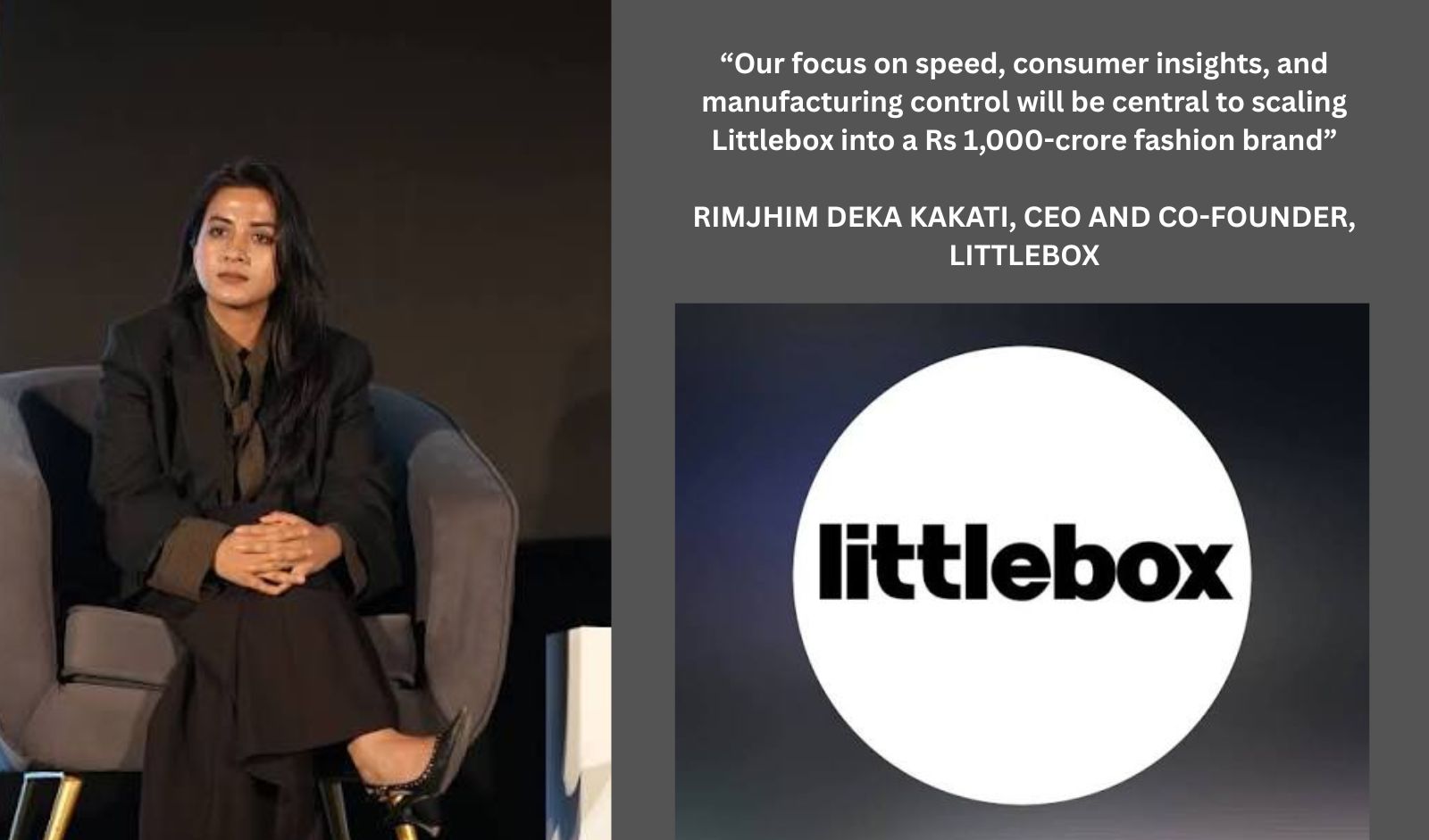
India’s fast-fashion market is seeing brands compete not only on pricing and design but also on how quickly they can identify trends, develop products, and bring them to consumers. For Littlebox, the answer lies in combining an online-first business model with control over manufacturing, technology-led production, and a product assortment that evolves every week.
Founded in 2022 by Rimjhim Deka Kakati and her husband, Partha Kakati, Littlebox has built its business around Gen Z consumers seeking access to global fashion trends at affordable price points. The brand currently sells exclusively through its own website and app, with no marketplace presence. As it prepares to enter offline retail, Littlebox is looking to extend its reach while retaining control over its customer relationships and product development.
“We wanted to cater to the Gen Z audience in the country. We could see that Gen Z consumers were very much exposed to all the trends happening around the world through social media. At Littlebox, we wanted to bring those fashion trends to them at an affordable and accessible price point,” said Rimjhim Deka Kakati, Co-Founder and CEO, Littlebox.
The company’s next phase of growth will focus on expanding its retail presence, strengthening its operating model, and increasing its share of consumers’ wardrobes. Over the next four to five years, Littlebox aims to become a Rs 1000 Cr brand in five years.
Building an Online-First Fashion Business
Littlebox began in Guwahati, where the founders started operations from a rented one-bedroom flat with a small team. Having spent nearly a decade in fashion before launching the brand, Kakati brought experience in brand building, factory operations, and supply-chain management. The company established its manufacturing base in Delhi while maintaining offices in both Guwahati and Delhi.
The founders’ focus extended beyond creating a fashion label. They wanted to build a business with greater control over its distribution, production, and consumer insights. Littlebox remained bootstrapped until it raised its first round of funding in 2025, following which it began expanding more aggressively, according to Kakati.
From the outset, the brand chose a direct-to-consumer (D2C) model, selling exclusively through its own digital channels. This has allowed it to retain access to customer feedback and purchasing data while making decisions on product development, pricing, and assortment.
“From the very beginning, we have been selling through our website and app. We are not on any marketplaces, and we want the larger share of our sales to continue coming from our own app and website in the near future,” Kakati said.
She acknowledged that marketplaces can provide substantial sales volumes, particularly for young brands trying to establish themselves. However, Littlebox has prioritized direct consumer relationships over the additional reach that third-party platforms can offer.
“For me, it was very important that I know my consumers. I understand the data behind the purchases. I could analyze the data behind the transactions, which would help me take decisions. And then you control your price point at every step. There is a bigger control, a better decision-making capacity if you are on your own platform,” she said.
According to Kakati, the brand has seen consumers return to purchase through its own channels, reinforcing its decision to continue investing in the model. The objective is to build on this base rather than pursue marketplace expansion simply to increase volumes.
Relevance Over Exclusivity in Fast Fashion
Littlebox primarily targets consumers aged 18 to 26, a segment that encounters fashion trends from different markets through social media and expects brands to respond quickly. In this environment, the company sees speed, affordability, and trend relevance as key factors in attracting repeat purchases.
Rather than positioning its products as designs unavailable elsewhere, Littlebox focuses on identifying emerging styles and making them accessible to its customers at the right time.
“I believe it is not about differentiation, but about how relevant you are for them,” Kakati said.
She explained that if a product such as a corset top gains popularity, the brand must ensure it reaches consumers while the trend is still relevant and at a price they can afford. This approach informs the company’s product-development cycle.
“In fast fashion, your whole idea is how fast you can make a product and bring it to your shelf, online or offline. At Littlebox, we launch around 150 products every week in order to maintain that freshness and relevance for the consumer,” she said.
The frequent launches are also intended to give customers reasons to return to the platform. Kakadi said the company regularly surveys consumers to understand what encourages them to shop with the brand again, with trend relevance emerging as an important response.
This model requires the brand to balance a constantly evolving assortment with the operational capacity to develop, produce, and launch products at speed.
Technology and Manufacturing at the Core
Littlebox’s product-launch frequency is supported by its focus on managing the supply chain and integrating technology into production. The company handles its manufacturing process from the early stages, including raw-material procurement, and has built in-house systems to track consumer preferences, fabric performance, and emerging trends.
It also gathers customer feedback before developing product samples, using these insights to inform the assortment. This process allows the company to assess consumer interest before committing to production.
“We do not just work like a fashion brand where we spot a trend, make a product, and just go out there. We try to be very data-oriented. We also have a process where we take feedback from consumers even before making any sample,” Kakati said.
The company describes its model as real-time retail, with technology supporting both production planning and weekly launches. Kakadi said Littlebox maintains around 17 days of inventory stock, which she attributed to its technology-enabled operating system.
For the brand, the challenge has been to combine India’s established garment-manufacturing ecosystem with a more technology-led approach to fashion retail.
“India always had the manufacturing platform. There are so many export houses in India where we are manufacturing, and there are so many domestic brands. We had access to skilled laborers. Our job was to ensure that, as a modern, technology-first fashion company, we could marry technology with the supply chain,” she said.
By integrating consumer insights, product development, and manufacturing, Littlebox aims to shorten the gap between identifying a trend and making it available to customers. The model is central to its ability to introduce new products frequently without relying solely on seasonal collections.
Offine Retail Expansion Plans
Although Littlebox has built its business entirely through digital channels, the company is preparing to enter physical retail. It plans to open around 30–40 stores across India in 2027, marking a significant step in its distribution strategy.
The initial expansion is expected to focus on markets where the brand already has a strong customer base. Delhi is likely to be the starting point, supported by the company's manufacturing presence in the region, before it expands into other parts of the country. The brand's existing order distribution provides a starting point for identifying potential markets. Delhi-NCR, Mumbai, Bengaluru, and Hyderabad together account for around 50 percent of Littlebox's orders, while the remaining half comes from other markets, including Tier I and Tier II cities.
This distribution indicates that the brand's customer base extends beyond the largest metropolitan markets. Its planned stores will give the company an additional channel to reach consumers who currently shop through its website and app.
For Littlebox, offline expansion will add a new dimension to its existing model. While its current business allows it to control the digital shopping experience and access purchasing data directly, physical stores will extend the brand's presence into markets where consumers may prefer to discover and shop for fashion in person.
Rethinking Festive Demand
Littlebox's approach to seasonal demand also reflects its focus on fast-moving trends rather than relying exclusively on traditional festive merchandising.
Kakati said the brand does not need to stock up specifically for Diwali in the way some other fashion retailers do. Instead, it adapts its marketing to the festive calendar while continuing to introduce products aligned with its core positioning.
The company's stronger months are generally December, January, and February, driven by occasions such as Christmas, New Year, and Valentine's Day. For the recent festive season, Littlebox introduced a collection that adapted Indian prints into Western silhouettes. The company also incorporated festive themes into its marketing and was working on a Halloween campaign.
However, the festive period creates operational challenges for its supply chain. Many of its textile and clothing manufacturers are based in Gujarat, where factory closures and labor shortages during festivals can disrupt production.
“The preparation for us is at the back end. Our supply chain gets disrupted because our vendors and clothing manufacturers are based in Gujarat, and there is a labor shortage as workers go home during festivals,” Kakadi said.
The brand therefore focuses on preparing for supply-chain interruptions while maintaining a relatively consistent customer-facing approach. Its festive collections are designed to fit its modern fashion positioning rather than shift entirely toward traditional occasionwear.
Building a Larger Share of Consumers' Wardrobes
As Littlebox prepares to expand beyond its online-only model, its longer-term ambition is to become a regular destination for consumers shopping for dresses and other fashion products.
Kakadi recognizes that young consumers are unlikely to remain loyal to a single fashion brand. They experiment with different labels, silhouettes, and styles, creating an opportunity for retailers that can consistently offer relevant products.
“At Littlebox, it is important to understand how much of the wardrobe share we can take from our consumers. That is what we are focusing on from the consumer's point of view,” she said.
The ambition is to build repeat engagement by offering an assortment that evolves with consumer preferences, rather than depending on exclusivity or a limited set of signature products. Over the next five years, Littlebox aims to reach revenue of Rs 1,000 crore.
Achieving that scale will require Littlebox to sustain its product-launch pace, strengthen its supply-chain capabilities, and execute its planned offline expansion while continuing to grow its owned digital channels.
“As we expand into a larger retail business, our focus will remain on speed, consumer insights, and manufacturing control. These capabilities will be key to realizing our vision of building a Rs 1,000-crore fashion brand,” concluded Kakati.
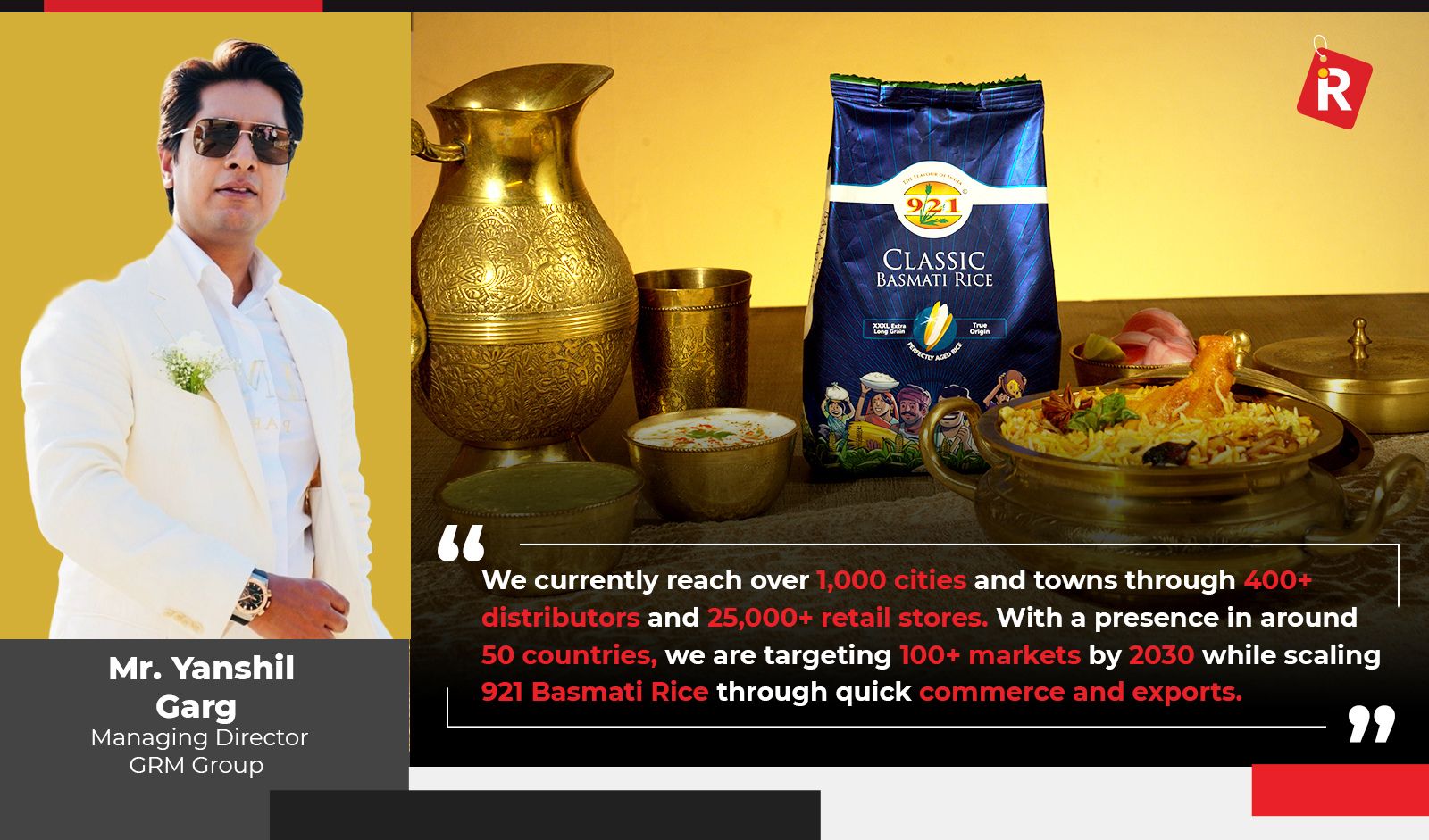
India’s packaged rice market is changing as more consumers look for good quality, trusted brands, and convenient ways to shop. According to GRM Foods, its brand 921 Basmati Rice has expanded its reach to more than 25,000 retail stores across over 1,000 cities and towns in India.
The company, which started its journey in 1972, is now focusing on building its consumer brands, growing its online business and expanding into international markets. Yanshil Garg, Managing Director of GRM Group, is leading this next phase of growth. Under his leadership, the company is working to build on its long history in the rice industry while meeting the changing needs of consumers.
Also read: BMW Group India’s Hardeep Singh Brar on Luxury Car Retail Trends
From a family business to a consumer brand
Garg comes from Ladwa (Haryana), a region known for its rice trade. Growing up around the business gave him an early understanding of the industry. He later pursued higher education abroad before taking charge of GRM Foods, with the aim of taking the family business forward.
The company was founded in 1972 by his grandfather, Late Shri Dhanpat Rai Garg, as Ganesh Rice Mills in Kurukshetra. For many years, it mainly supplied rice to businesses and institutions. Over time, the company began focusing more on its own consumer brands.
“Our brands, including 921 Basmati Rice and Rehaan Basmati Rice, represent this transformation,” Garg said.
“Today, GRM Foods has a presence in around 50 countries. Our manufacturing facilities use advanced technology from Germany, the UK and Japan to maintain product quality and meet the needs of different markets,” he added.
The company is using this experience and infrastructure to grow its brands in India and overseas.
Also read: Bharath Rao on Indian Interior Materials Market Growth
Growing through retail and quick commerce
The growth of 921 Basmati Rice has been supported by a wider distribution network and changing shopping habits. According to Garg, the brand's general trade business has been growing at around 20 percent year-on-year. Quick commerce has also become an important channel for the company.
GRM Foods said it reaches more than 1,000 cities and towns through over 400 distributors and 25,000 retail stores. While local grocery stores remain important, online platforms are helping the brand reach consumers who prefer shopping from their phones.
“Our goal is simple: meet modern consumers wherever they shop. Whether a family picks up a bag at a local kirana store or orders a 10-minute delivery on an app, we want 921 to be seamlessly accessible,” Garg said.
The brand is available on platforms such as Swiggy Instamart, Zepto, BigBasket, Amazon and Flipkart.
According to the company, quick commerce contributes around 10 percent of its revenue and generates approximately Rs 50 crore in annual sales. The channel is growing at around 30 percent month-on-month, with a reported customer repeat rate of 30 percent.
The company plans to build on this growth while continuing to strengthen its presence in traditional retail, especially in smaller cities and towns.
Also read: From Craft to Commerce: How Indian Fashion Brands Are Building the Next Premium Retail Market
Meeting the demand for premium rice
Consumers are becoming more particular about the rice they buy. Grain length, aroma, ageing and cooking quality are increasingly important, especially when choosing Basmati rice for special meals and family occasions.
Garg believes this change is creating opportunities for brands that can offer consistent quality and products for different needs.
The 921 range includes Biryani, Super and Classic variants, while Rehaan caters to other consumer requirements. The company has also introduced Sticky Rice for specific cooking preferences. Its 30 kg Rehaan pack is aimed at large family gatherings, festive occasions, and the hotel, restaurant, and catering (HORECA) sector.
“Sales of premium and super-premium rice increase by around 25% during festive periods, when consumers tend to opt for higher-quality products for family gatherings and celebrations,” Garg mentioned.
For the company, the focus is on offering more choices while maintaining product quality across its range.
Also read: From Illumination to Expression: How Luxury Lighting Is Reshaping Indian Spaces
Expanding into international markets
Exports are becoming an important part of GRM Foods' growth plans. The company began exporting in 2022 and has since expanded into around 50 countries.
According to the company, its annual rice export volume stands at approximately 375,000 metric tonnes, with exports growing at around 15 percent year-on-year.
The UAE is currently its main export market. The company is also looking to expand its business across the Gulf, Africa, Australia, New Zealand, Europe and Nepal.
“Global consumers want authentic, high-quality Basmati,” Garg added.
“Currently, around 80 percent of the company’s revenue comes from India, while exports contribute the remaining 20 percent. GRM Foods aims to bring this closer to a 50:50 split between domestic and international markets in the coming years,” he added.
To achieve this, the company plans to work with more local partners, improve distribution and expand into new markets. Its target is to reach more than 100 countries by 2030.
Also read: India’s Baby-Care Market Moves Beyond Basics
Plans for the coming years
According to Garg, GRM Foods recorded revenue of Rs 350 crore in FY25 and Rs 500 crore in FY26. It is targeting Rs 700 crore in FY27 and has a longer-term goal of crossing Rs 3,000 crore in revenue.
Quick commerce is expected to play a bigger role in reaching these targets. Garg aims to increase its contribution from around 10 percent to 40 percent of the company's domestic business. The company also plans to invest in premium products, distribution and manufacturing facilities.
Achieving these targets will depend on how well the company responds to changing consumer preferences, maintains quality, and expands its presence in India and overseas.
As Garg put it, “We aren't just selling rice; we're building a global, digital-first FMCG powerhouse.”
The coming years will show how GRM Foods turns its long-standing experience in the rice industry into a larger consumer business in India and international markets.
Also read: From Coffee to Culture: How Cafés Are Rewriting India’s Retail Experience
Facts:
- Inception: 1972
- Revenue: Rs 500 Cr (FY26); Rs 700 Cr target (FY27)
- Countries: 50+; target 100+ by 2030
- Distributors: 400+
Faridabad is emerging as a key market in Bhumika Realty’s expansion strategy as the real estate arm of Bhumika Group strengthens its presence across residential, plotted and mixed-use developments. The company expects its cumulative land investments in the city to exceed Rs 1,000 crore by March 2027, following investments of more than Rs 550 crore over the past 12 months.
The investment push reflects the company’s confidence in Faridabad’s potential as a real estate destination within the National Capital Region (NCR), supported by improving connectivity, infrastructure development and relatively affordable land compared with several other established NCR markets.
For Uddhav Poddar, Chairman and Managing Director of Bhumika Group, the opportunity lies in the city’s ability to attract both homebuyers and investors seeking access to the wider NCR without the higher entry costs associated with some neighbouring markets.
“Affordability and land affordability is there in Faridabad,” Poddar said, highlighting the city’s connectivity with Delhi and other parts of the NCR as a key factor supporting the company’s investment outlook.
Experience-led development takes centre stage
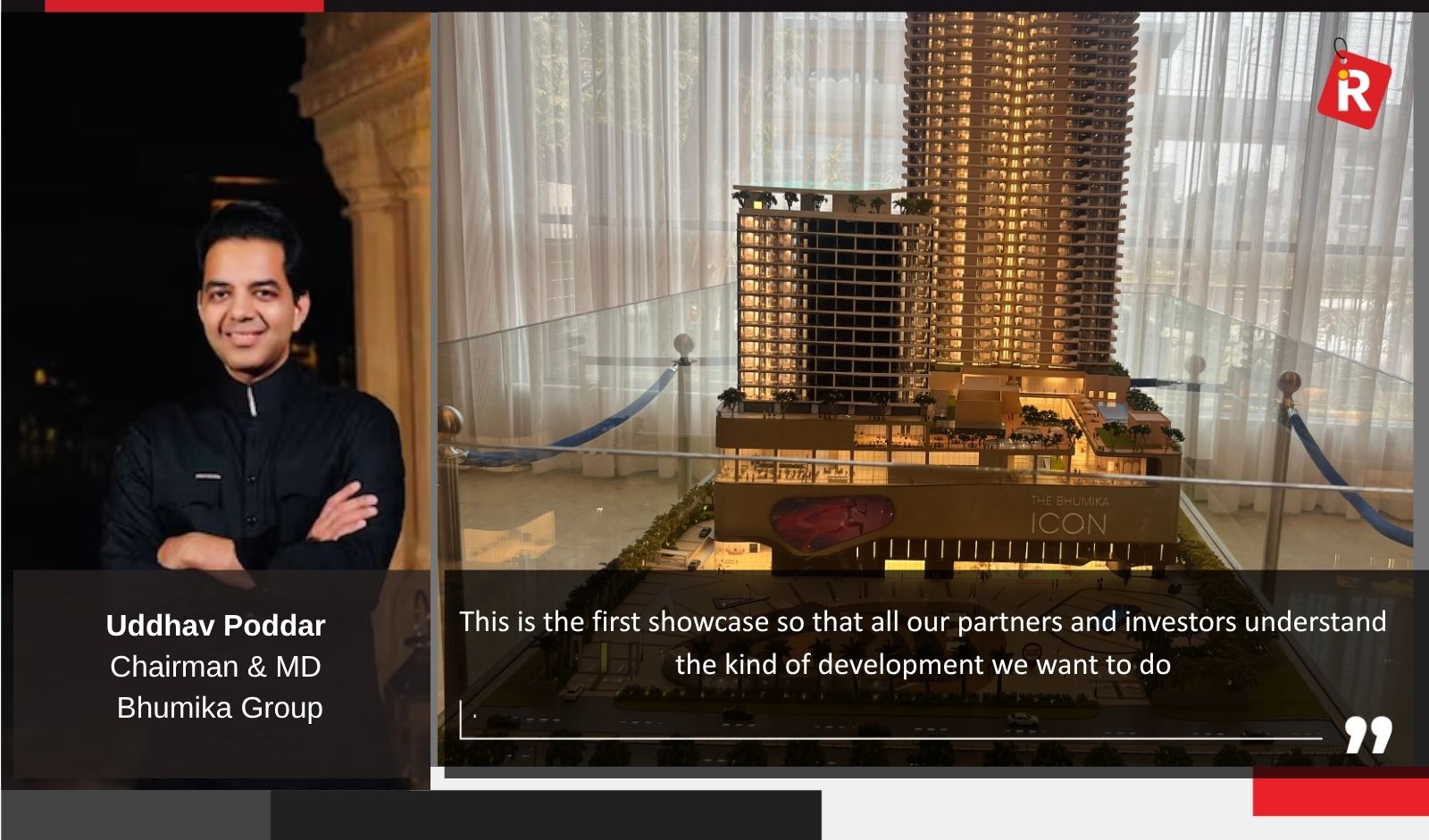
A key step in the company’s strategy is the inauguration of a 15,000 sq. ft. Experience Centre at ICON, its flagship mixed-use development on Delhi–Mathura Road. Featuring a sample apartment, the centre is designed to give prospective customers, investors and institutional partners a clearer understanding of the project’s planning, design and development approach. Construction at ICON is currently underway.
“This is the first showcase so that all our partners and investors understand the kind of development we want to do,” Poddar said.
Spread across approximately five acres in Sector 27A, ICON combines retail and residential components. The residential offering includes three-bedroom apartments, with prices starting at Rs 3.58 crore. The land cost associated with the development is approximately Rs 400 crore, according to the company’s inputs.
The project reflects Bhumika Realty’s approach to mixed-use development, bringing residential and retail spaces together within a single destination. For the company, this format also builds on its experience in retail-led real estate, which has played a significant role in shaping its portfolio.
ICON has secured approximately one lakh sq. ft. of retail leasing, with brands including Lifestyle, PVR INOX, Samsung and an Apple reseller. The leasing pipeline points to the role organised retail and branded consumption can play in strengthening the commercial appeal of mixed-use developments.
Retail remains central to the growth strategy
While Bhumika Realty is expanding its residential and plotted development portfolio, retail continues to be an important part of the group’s real estate strategy.
Poddar said the group began its real estate journey with retail-led development, with Urban Square in Udaipur among its early investments. The project established a foundation for the company’s subsequent expansion and helped it build experience in developing commercial destinations.
“Udaipur was our first real estate investment and it was primarily a retail-centric development. So, retail has been a very important part of our growth story,” Poddar said.
He also credited the group’s performance in retail for opening up further opportunities and supporting its growth across real estate segments.
The approach is significant as developers increasingly explore mixed-use formats that combine shopping, entertainment, hospitality and residential spaces. By integrating retail into larger developments, companies can create destinations that serve multiple consumer needs while diversifying their revenue opportunities.
At ICON, the presence of established retail and entertainment brands is expected to contribute to the project’s commercial positioning. The development also provides Bhumika Realty with an opportunity to apply its retail experience to a market where organised consumption and residential expansion are evolving alongside infrastructure improvements.
Institutional partnerships support expansion
Bhumika Realty’s expansion is also backed by institutional capital and partnerships. The company has secured a Rs 170 crore funding arrangement with BGO for ICON, while a separate Rs 500 crore platform with Blackstone-backed ASK Property Fund is aimed at plotted development opportunities. An initial Rs 125 crore investment under the latter arrangement has been deployed in Faridabad.
These partnerships provide financial support for the company’s development pipeline as it pursues opportunities across multiple real estate formats.
Alongside ICON, Bhumika Realty has acquired land across several sectors in Faridabad. Its plotted development in Sector 114 has received its development licence and is awaiting RERA registration. The company is also exploring further land acquisitions in two to three additional sectors for plotted developments, according to Poddar.
The expansion indicates a strategy that extends beyond a single project or property format. By pursuing residential apartments, plotted developments and retail-led mixed-use projects, the company is seeking to build a broader presence in Faridabad while responding to different categories of real estate demand.
Faridabad’s affordability proposition
Faridabad’s appeal for developers lies in its position within the NCR, its connectivity to Delhi and neighbouring urban centres, and the availability of land for larger developments. For buyers, the city offers an alternative to more expensive markets, while developers can explore projects across residential, commercial and plotted formats.
However, converting this potential into sustained growth will depend on execution, infrastructure delivery, demand absorption and the ability to create developments that attract both end users and investors.
For Bhumika Realty, the target of crossing Rs 1,000 crore in cumulative land investments by March 2027 signals a long-term commitment to the market. Its current pipeline combines land acquisitions with institutional funding, retail leasing and residential development, providing several avenues for growth.
As the company expands its footprint, its retail-led background is likely to remain an important part of its strategy. The group’s experience in building retail destinations, combined with its move into mixed-use and residential development, positions Faridabad as a key market in its broader real estate ambitions.
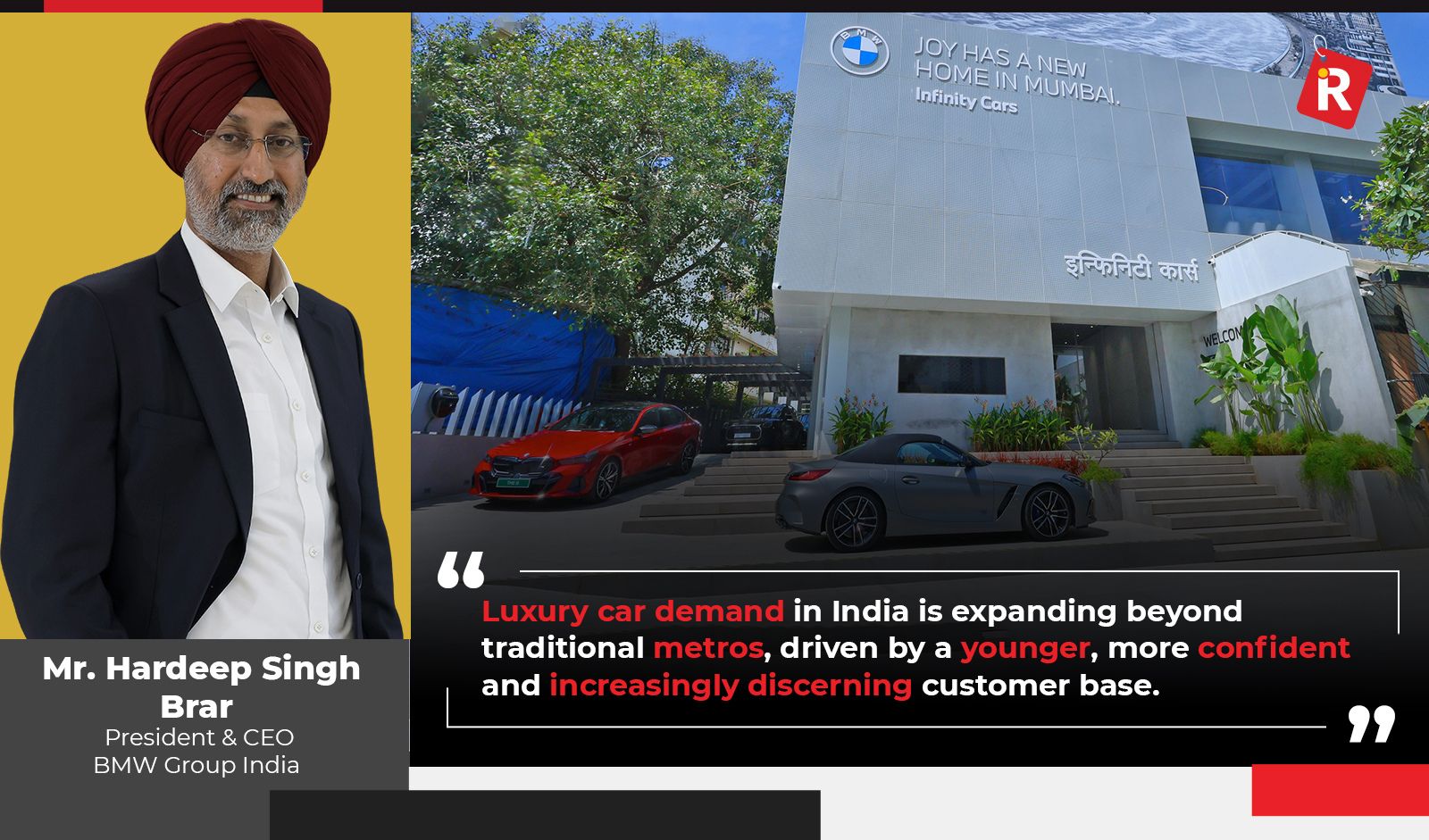
India’s luxury car segment is reaching out from its traditional metropolitan centers to younger buyers and customers in fast-growing cities. The shift in preferences for SUVs, electric vehicles, roomy cabins, and customized experiences, combined with climbing expectations, is transforming the way luxury vehicles are purchased.
To grow, auto makers must increasingly understand these changing customers and build retail networks that marry digital convenience with personalized service.
Hardeep Singh Brar, President and CEO, BMW Group India, discusses the evolving luxury car buyer, expansion of non-metro markets, digital-led retail and the growing importance of after-sales service.
Also read: Bharath Rao on Indian Interior Materials Market Growth
Also read: Bharath Rao on Indian Interior Materials Market Growth
Changing Buyer Profiles
Luxury car demand is expanding beyond established metropolitan markets as entrepreneurs, professionals, and first-generation wealth creators enter the segment. Cities such as Surat, Indore, Jaipur, Lucknow, Patna, Ranchi, Vijayawada, and Guwahati are contributing to this shift.
“Luxury car demand in India is expanding beyond traditional metros, driven by a younger, more confident and increasingly discerning customer base,” said Brar.
The customer profile is also changing. Around 50 percent of BMW Group India’s customers are first-time luxury buyers. Customers aged 20–39 account for 45 percent of its customer base, while those aged 40–49 contribute another 33 percent.
“Many enter the BMW Group through BMW, MINI or BMW Premium Selection and then continue to upgrade within the portfolio,” Brar explained.
The figures highlight the growing importance of attracting new buyers while building relationships that encourage customers to remain within the brand ecosystem.
Also read: From Craft to Commerce: How Indian Fashion Brands Are Building the Next Premium Retail Market
SUVs And Electric Mobility
Changing consumer preferences are influencing the company’s product mix. Sports Activity Vehicles (SAVs), BMW’s term for its SUV-style models, account for 65 percent of sales, compared with 54 percent in 2023, and have recorded 35 percent growth. Long-wheelbase models have also gained popularity, contributing 52 percent of sales, up from 22 percent in 2023.
“SAVs remain the biggest volume driver,” Brar said, while noting that “the Long Wheelbase range has become a clear customer preference.”
Electric vehicles are another growth driver. EVs account for 26 percent of sales, compared with 10 percent in 2023, registering 78 percent growth. “Today every fourth BMW Group India car sold is an EV,” he added.
BMW Group India recorded its highest-ever first-half car sales of 9,075 units, representing 17 percent year-over-year growth. The changing mix indicates that luxury buyers are increasingly considering space, comfort, technology, and electric mobility alongside traditional premium attributes.
Also read: From Illumination to Expression: How Luxury Lighting Is Reshaping Indian Spaces
Expanding Retail Networks
As demand spreads beyond metros, dealership expansion is becoming an important part of the retail strategy. The top five metros contribute approximately 70 percent of BMW Group India’s volumes, while non-metro and smaller-tier markets account for nearly 30 percent. According to the company, these emerging markets are growing faster than the metros.
“Our network expansion is not just about adding outlets; it is about taking the BMW Group experience closer to where our customers live, work and aspire,” Brar said.
The company claims to have 97 touchpoints across BMW, MINI, BMW Motorrad, and BMW Premium Selection in 40 cities. It plans to add 19 outlets across 18 cities in 2026.
Its Retail.NEXT initiative aims to make dealerships more experience-led, combining contemporary design, digital tools, product visualization, and personalized consultations. The approach, Brar says, “reimagines the dealership from a transactional space to a fully immersive brand destination.
Also read: India’s Baby-Care Market Moves Beyond Basics
Digital First Purchase Journeys
Digital research is increasingly affecting luxury car sales. Customers explore models, compare features, configure vehicles, and evaluate financing options online before visiting a showroom. This allows dealership conversations to focus more closely on individual preferences.
“Digital touchpoints have become a decisive part of the luxury car buying journey,” Brar stated. He notes that customers often arrive with “a sharper sense of what they want and what matters to them.”
According to the company, online research, virtual configurators, and digital leads have grown steadily year over year. However, digital engagement remains complementary to personal consultations.
“The future of luxury retail is clearly phygital,” Brar added, describing a model built around “digital convenience supported by personal consultation, immersive brand spaces and a premium human experience.”
Also read: From Coffee to Culture: How Cafés Are Rewriting India’s Retail Experience
Aftersales Drives Loyalty
Beyond vehicle sales, after-sales service remains important for customer retention and dealer relationships. Service quality, maintenance convenience, trained technicians, genuine parts, and transparent packages can influence the ownership experience and repeat purchases.
“Aftersales is a critical pillar of BMW Group India’s dealer business and a key part of our customer promise,” Brar said.
He added that “its real value lies in building confidence long after the car is delivered.” Existing customers account for approximately 22–23 percent of repurchases, according to the company, highlighting the importance of maintaining relationships beyond the initial transaction.
Also read: India’s Luggage Industry Moves to Premium Travel
Personalization Shapes Retail
Luxury customers increasingly expect personalized configurations and attentive service. Dealership visits are becoming more purposeful as buyers research and shortlist vehicles before arriving.
“The biggest shift we are seeing is that dealership visits have become more intentional,” Brar said. He added that “the quality of engagement is significantly stronger.”
As luxury demand expands across India, automakers must balance digital convenience with human interaction, regional accessibility, and consistent service. The next phase of growth will depend not only on attracting new customers but also on delivering an ownership experience that supports long-term loyalty.
Also read: Indian Craft and Design Drive Growth in Home Textiles
Facts
- Top-Selling Models: BMW X1 and BMW 5 Series
- Top-Selling Cities: Delhi-NCR, Mumbai, Chennai, and Bengaluru
- Best-Selling Segment: Sports Activity Vehicles (SAVs)/SUVs
- First-Time Luxury Buyers: ~50% (2026)
- Highest-Demand Regions: Delhi-NCR, Maharashtra, Karnataka, and Tamil Nadu
- Average Delivery Time: 2 weeks to 2 months, depending on the model and availability
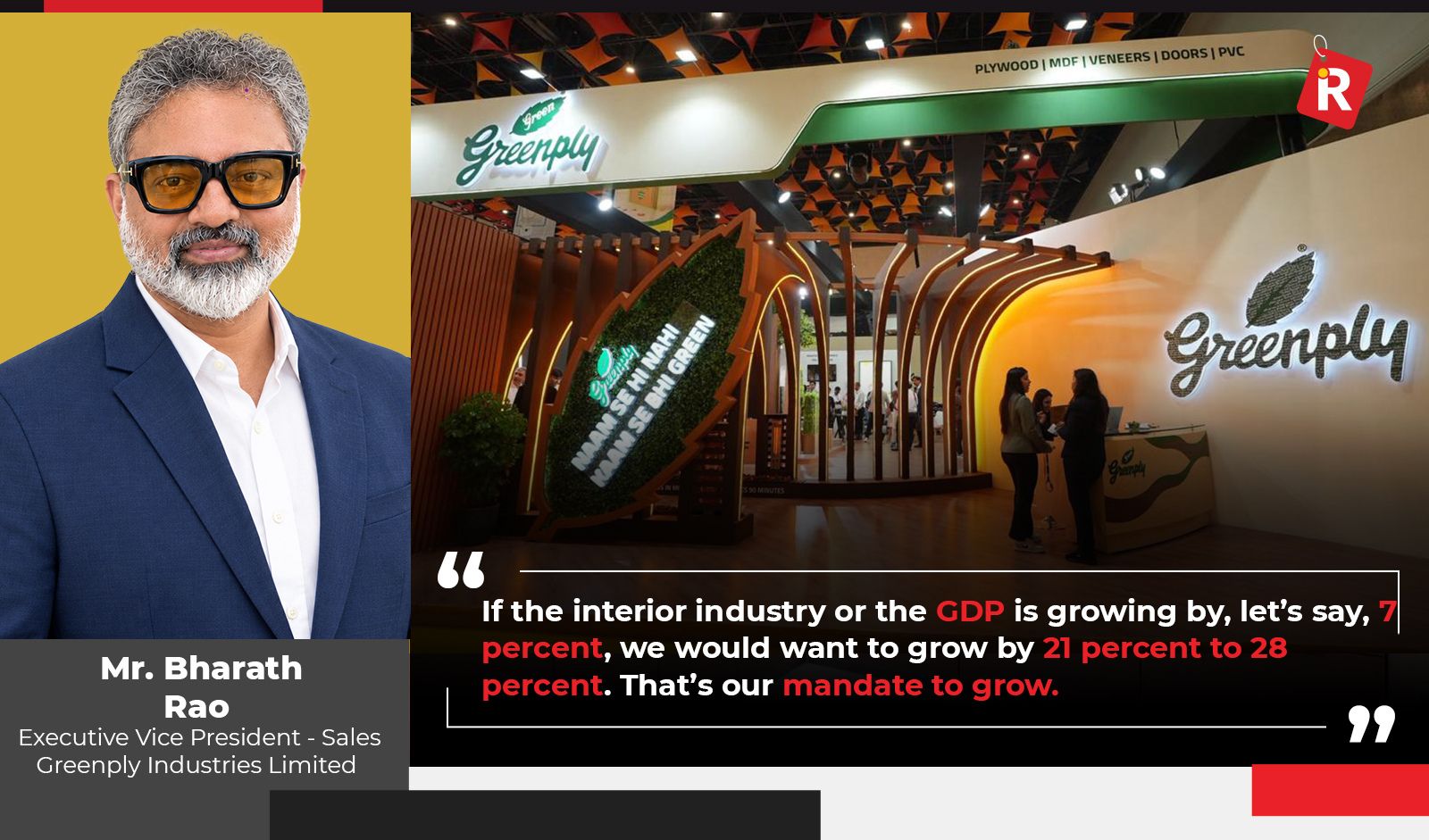
The interior and building materials industry in India is undergoing a change as consumers seek better quality, more functionality, and products that match modern lifestyles. The move to organized businesses, the changing manufacturing practices, and the growing demand from smaller cities are all creating new opportunities in the sector.
Bharath Rao, Executive Vice President – Sales, Greenply Industries Limited said, “Such developments are changing the way manufacturers look at products, pricing and distribution."
Rao, who joined Greenply a year ago, has prior industry experience including a decade-long stint at Pidilite Industries Limited. Greenply marks 42 years in the industry; the Kolkata-based company is operating in a market that is becoming more discerning, with consumers and retail partners becoming more important.
Greenply operates across three broad business verticals: plywood and allied products, medium-density fiberboard (MDF), and furniture hardware and fittings through a joint venture with Samet. Its portfolio includes plywood, blockboard, decorative veneers, doors, PVC products, and other interior solutions.
Also read: From Craft to Commerce: How Indian Fashion Brands Are Building the Next Premium Retail Market
Three shifts reshaping the market
According to Rao, three major developments are influencing India's interior materials market: the transition from unorganized to organized businesses, a shift from on-site to off-site execution, and consumers’ growing willingness to pay for premium products that deliver tangible value.
“Today’s consumer is willing to pay a price for a premium product as long as it serves his or her purpose,” he said.
These shifts are encouraging manufacturers to focus on product quality, functionality, and differentiated offerings. Consumers are increasingly evaluating the value a product delivers rather than making purchasing decisions based on price alone.
Also read: From Illumination to Expression: How Luxury Lighting Is Reshaping Indian Spaces
Premiumization and affordability
For Greenply, premiumization involves offering products that provide additional value, including solutions designed with indoor air quality and health considerations in mind. Rao points to the company’s E-zero, or zero-emission, product offering as an example.
“We offer a zero-emission product, E-zero, which the consumer is really willing to pay a price for because it keeps his or her home and family healthy,” he said.
However, premium products must also remain affordable. Rao identifies manufacturing scale, efficient sourcing, and an understanding of consumer requirements as important factors in balancing quality with price. The objective is to offer high-value products at competitive prices while demonstrating the benefits that justify the purchase.
Also read: India’s Baby-Care Market Moves Beyond Basics
Smaller cities drive expansion
Beyond major metropolitan areas, Tier II and Tier III cities are becoming important markets for interior materials. Rao said much of Greenply’s recent channel expansion has taken place in these locations, reflecting growing demand and changing consumer expectations.
The company’s distribution network spans more than 1,100 cities, towns, and villages, supported by over 3,000 dealers and a wider network of retailers and influencers.
“In the last two years, the majority of our expansion of channel partners has happened in the Tier II and Tier III cities,” he said.
Reaching these markets requires investment in people, distribution, and technology to serve customers across geographically diverse locations.
Also read: From Coffee to Culture: How Cafés Are Rewriting India’s Retail Experience
Supporting retail partners
Retailers and dealers remain essential links between manufacturers and consumers. According to Rao, helping these partners improve profitability requires consistent demand, faster inventory movement, and better operational support.
Greenply’s sales force generates consumer-level demand, helping dealers rotate inventory faster. Technology also supports this process by generating leads and enabling retailers to place orders more efficiently.
“When the tertiary demand gets created, rotation becomes much faster. Hence, the stickiness of the dealer to work with a company like Greenply increases,” he said.
Rao believes retailers can benefit from improved inventory management, demand planning, and digital tools. Modern trade remains at an early stage in the plywood industry, but he expects the channel to evolve as organized retail formats and exclusive brand outlets develop.
Also read: India’s Luggage Industry Moves to Premium Travel
Expanding the product portfolio
Changing consumer expectations are also influencing how manufacturers plan their product portfolios. Rao expects more customers to seek a single source for a wider range of interior requirements, creating opportunities for companies to expand beyond traditional categories.
“You will see a lot of new product lines getting added so that we can offer it as a huge bouquet of offerings to our customers,” he said.
Greenply operates five key manufacturing facilities across Nagaland, West Bengal, Uttar Pradesh, and Gujarat. It also has a joint-venture manufacturing unit for furniture hardware and fittings in Vadodara.
Also read: Indian Craft and Design Drive Growth in Home Textiles
Revenue and growth ambitions
Greenply reported consolidated revenue of Rs 2,739 crore in FY 2025–26, compared with Rs 2,488 crore in FY 2024–25, representing year-over-year growth of 10.1 percent. EBITDA increased by 13.8 percent to Rs 270.53 crore, while total income stood at Rs 2,758 crore.
Rao links the company’s growth ambitions to the broader expansion of the interior industry. He said Greenply aims to grow at three to four times the growth rate of the underlying market.
“If the interior industry or the GDP is growing by, let’s say, 7 percent, we would want to grow by 21 percent to 28 percent. That’s our mandate to grow,” he said.
Quality and partnerships matter
As competition increases, Rao identifies brand strength, product quality, people, and channel partners as key factors that help businesses differentiate themselves. Technology is also becoming an important driver of growth.
“Whenever you see competition, there are only three things that help any company stand out. It is the brand, the quality, the people, and the channel partners,” he said.
For the broader interior materials industry, the next phase of growth will depend on how effectively companies respond to changing consumer expectations, expand into emerging markets, and help retail partners adapt to new ways of doing business. The opportunity lies not only in selling more products but also in making interior materials more accessible, relevant, and aligned with the needs of a changing Indian consumer.
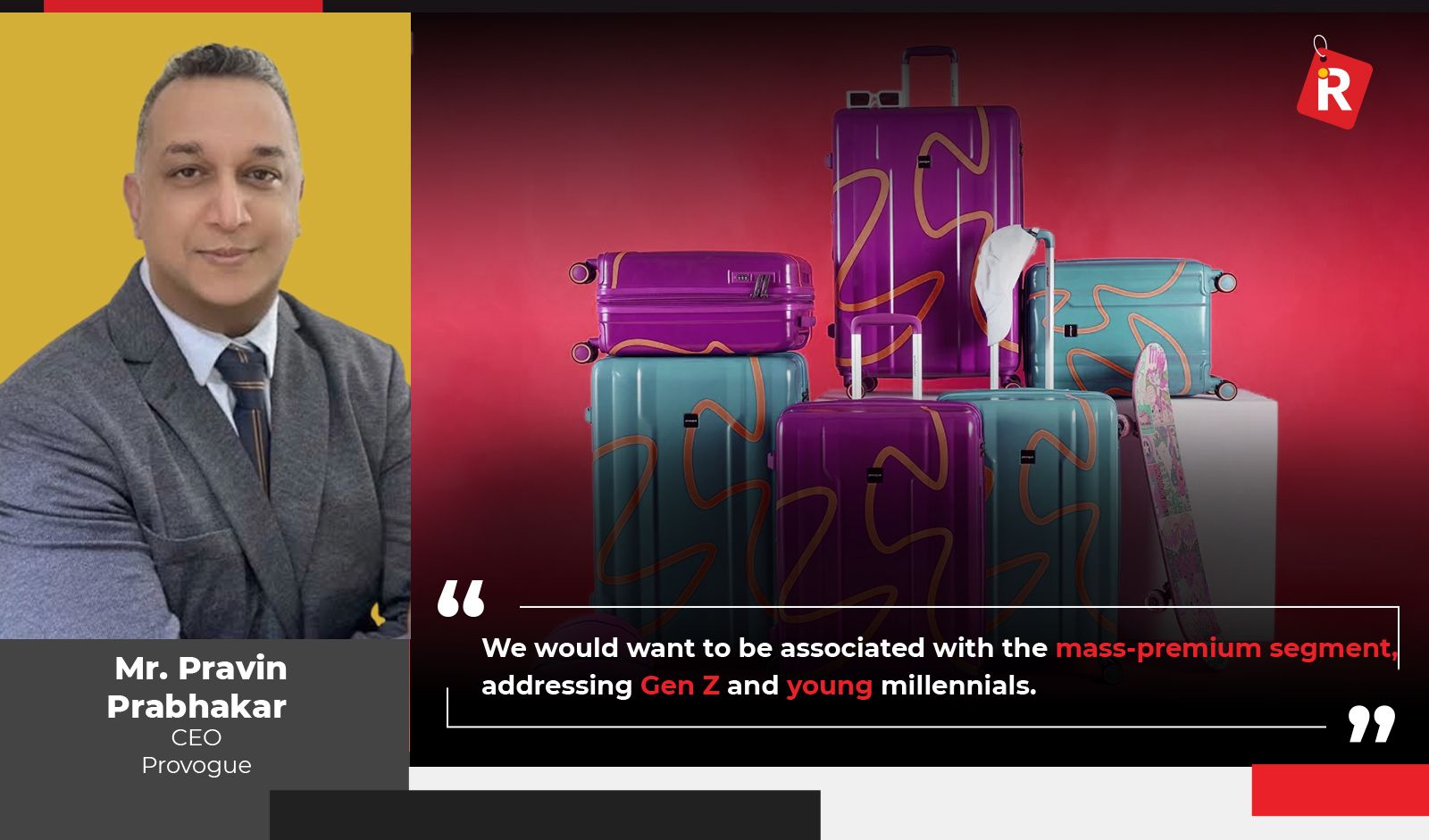
Once known for its fashion-forward identity, Provogue is looking to strengthen its position in India’s lifestyle market by expanding beyond apparel into luggage, backpacks, and accessories. Following a brand repositioning exercise, the company is focusing on style-led products, accessible pricing, and a wider retail presence to appeal to Gen Z consumers and young millennials.
With plans to expand into general trade and modern retail, Provogue is working to build a broader distribution network across India. The company is targeting Rs 300 crore in revenue by 2027, with its growth plans centered on strengthening its presence in the lifestyle accessories market.
From Fashion Label to Lifestyle Brand
Provogue built its identity as a fashion-oriented brand, gaining visibility through celebrity endorsements and a strong association with contemporary style. Following a change in ownership, the brand underwent a repositioning exercise to make its identity more relevant to contemporary consumers.
According to the company, consumer research confirmed that fashion remained central to Provogue’s brand equity. The brand subsequently extended this positioning into lifestyle products, identifying luggage, backpacks, and accessories as key categories for its next phase of growth.
“We felt that the brand can be easily positioned for Gen Z and young millennials. And when I'm saying that, not just demographically, but also in terms of their state of mind,” said Pravin Prabhakar, CEO, Provogue.
The brand introduced its revamped product range through online channels, using its digital presence to establish a foothold in the category. The move reflects Provogue’s effort to combine its fashion heritage with functional lifestyle products, offering consumers an alternative to conventional luggage brands.
Fashion and Functionality Drive Product Differentiation
Provogue is positioning its luggage range around design, color, and functionality. Its products feature pastel shades, contrasting shells, dual-color designs, and coordinated accessories, distinguishing them from more conventional offerings in the market.
Explaining the brand’s approach, Prabhakar said, “Our first promise to the customer is the affiliation to fashion and the affiliation to style. So we take a lot of care and do a lot of research in terms of the kind of products that we want to launch and their aesthetic values.”
Alongside aesthetics, the brand has focused on practical consumer requirements, including storage flexibility and ease of movement. Its luggage features built-in expanders and specially developed wheels designed to improve maneuverability and provide a smoother, quieter travel experience.
“All Provogue bags today come with a built-in expander. The bag can actually be expanded by about 20 percent, which allows the consumer the flexibility of carrying more if they so desire,” he added.
The brand has also developed its Flow Motion Wheels feature to improve the movement of luggage across different surfaces. According to the company, the objective is to combine distinctive design with functional benefits at competitive price points.
Cascade has emerged as one of Provogue’s best-selling products, according to the company. The brand is also catering to value-conscious consumers through Latitude by Provogue, a separate brand designed to reach shoppers seeking more accessible luggage options.
Offline Retail Expansion Plans
After establishing its online presence, Provogue is preparing to expand into physical retail channels, beginning with general trade, followed by modern trade and exclusive brand stores.
“We will start with the West because it is closest to our head office. But we are going to go pan-India very quickly,” said Prabhakar, outlining the company’s distribution plans.
The expansion is intended to improve brand visibility, widen consumer access, and allow shoppers to experience the products directly. General trade will provide an opportunity to build distribution across markets, while modern retail and exclusive brand stores could help strengthen the brand’s presence in key retail locations.
The company is also evaluating the possibility of establishing its own manufacturing facility to strengthen supply-chain control as the business grows.
Through these initiatives, Provogue aims to build a more extensive retail network while maintaining a consistent brand identity across online and offline channels.
E-Commerce and Quick Commerce Remain Important
Online channels continue to play a central role in Provogue’s distribution strategy, with the brand selling through marketplaces and its direct-to-consumer platform. The company is also present on quick-commerce platforms, which it sees as an evolving opportunity for product discovery and convenience-led shopping.
However, luggage presents operational challenges because of the storage space required for larger products. Marketplaces are expected to remain important for the category, while quick-commerce platforms could expand their role as they improve their ability to accommodate bulky products and offer wider assortments.
“In a place like India, a densely populated market, quick commerce is here to stay and grow. It is just that these platforms need to find ways to manage inventories,” said Prabhakar.
He added that the limited assortment currently available on quick-commerce platforms, compared with traditional marketplaces, remains a challenge. As these platforms improve their storage and inventory capabilities, their role in categories such as luggage could grow.
Personalization and Collaborations
Provogue is exploring personalization and collaborations as additional ways to strengthen its fashion identity. Its Mine by Provogue initiative allows consumers to create personalized luggage designs through the brand’s direct-to-consumer platform.
Customers can submit designs online, which are then printed onto their luggage before the finished product is delivered. The initiative also creates opportunities for collaborations with fashion designers, artists, and other brands that share a similar audience.
Explaining the concept, Prabhakar said, “It is a way of expressing yourself. One could have a collection with any of the top designers in the country or with some of the well-known artists.”
The initiative allows Provogue to extend its fashion-led positioning into product customization, giving consumers greater scope to express their individual preferences. It also opens up possibilities for co-branded partnerships that align with the brand’s identity and appeal to a similar consumer base.
Building a Multi-Category Lifestyle Brand
Provogue’s growth plans center on expanding distribution, strengthening its product portfolio, and consolidating its position in the mass-premium segment. The company aims to reach Rs 300 crore in revenue by 2027 while building a stronger presence across online and offline retail.
“We would want to be associated with the mass-premium segment, addressing Gen Z and young millennials,” said Prabhakar.
By combining fashion-led design with functional products and accessible pricing, Provogue aims to build on its established brand equity and develop a broader lifestyle proposition for Indian consumers. Its focus on luggage, backpacks, accessories, personalization, and wider retail distribution will be central to its efforts to strengthen its presence in India’s evolving lifestyle market.
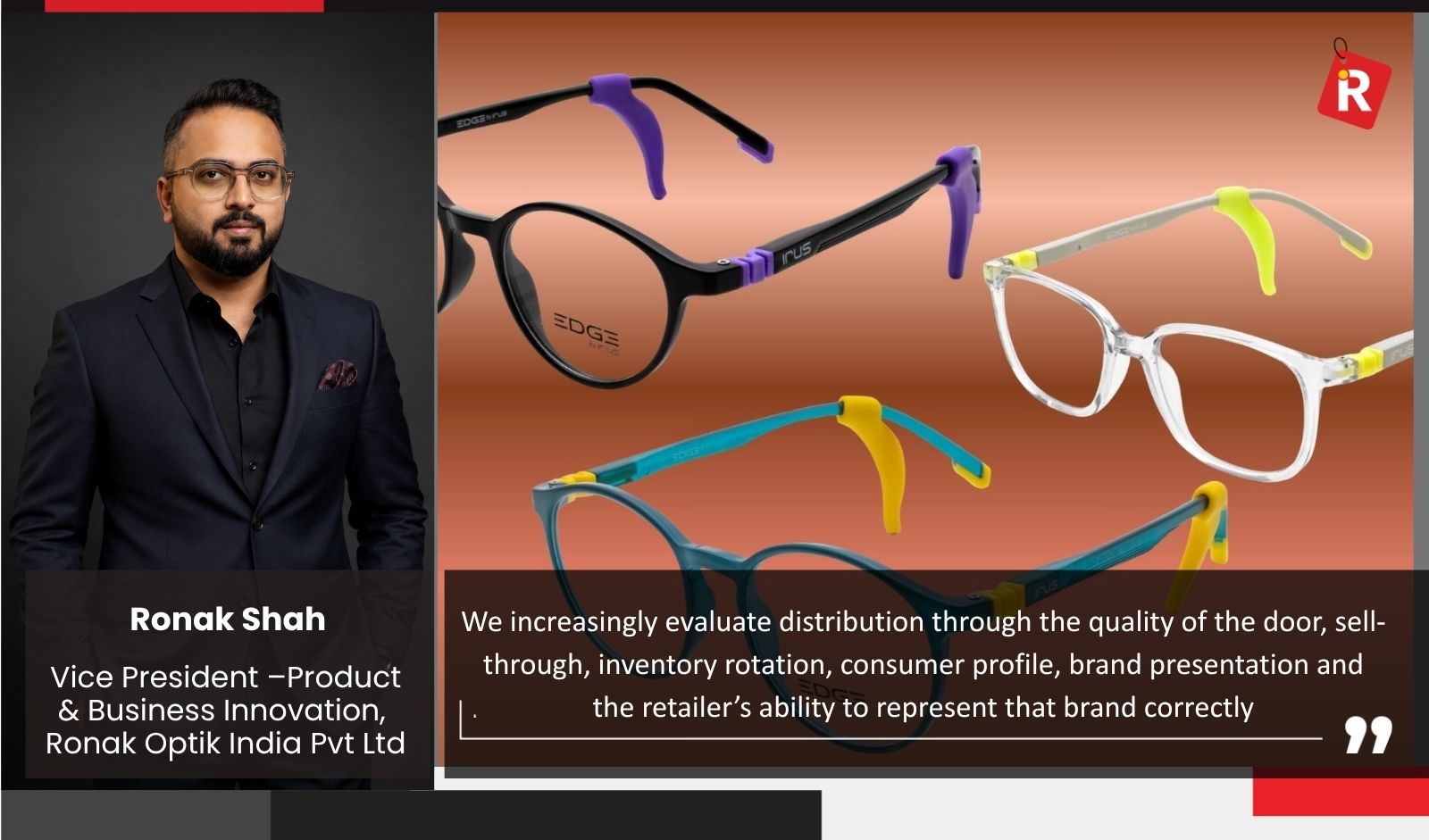
India’s eyewear market is witnessing a shift as consumers increasingly view eyewear as both a functional necessity and a fashion accessory. Rising aspirations, changing purchasing behaviour and growing demand for premium products are creating opportunities for brands across value, mid-market and luxury segments. For Ronak Optik India Pvt Ltd, the strategy is to tap this demand through a diversified brand portfolio, a distribution-led retail network and a stronger focus on product innovation.
The company’s portfolio includes its own brands, IDEE, IDEE Black, IRUS and EDGE by IRUS, alongside international brands such as POLICE, FILA, Furla, Just Cavalli, Roberto Cavalli, Rodenstock Frames, Philipp Plein and Chopard. By addressing different consumer segments, Ronak Optik aims to strengthen its market presence while adapting to evolving preferences across India.
“India is not one eyewear market; it is several consumer markets coexisting at the same time. There is a highly value-conscious consumer, an increasingly design-conscious middle, an aspirational premium consumer and a sophisticated luxury customer, and each needs a very different product and distribution strategy,” said Ronak Shah, Vice President – Product & Business Innovation, Ronak Optik India Pvt Ltd.
According to Shah, the company’s growth has been driven by three key business engines: its own-brand portfolio, product development for international brands tailored to Indian consumers, and the distribution of premium and luxury eyewear. He added that distribution depth has also played a significant role in connecting product development with market access.
Distribution-Led Retail Strategy
Ronak Optik operates through a distribution-led retail network, working with more than 3,500 retailers across India. Its presence also extends to over 250 shop-in-shop counters in large-format retail outlets, including Shoppers Stop and Lifestyle, alongside e-commerce and emerging channels.
Rather than focusing solely on increasing its retail presence, the company is prioritising the productivity and quality of its distribution network. Factors such as sell-through, inventory rotation, consumer profile and brand presentation are becoming increasingly important in evaluating retail performance.
“A brand being present in 1,000 outlets means very little if it is productive in only 300. We increasingly evaluate distribution through the quality of the door, sell-through, inventory rotation, consumer profile, brand presentation and the retailer’s ability to represent that brand correctly,” Shah said.
The company’s expansion strategy varies across brands. While IDEE and IRUS are positioned for wider distribution and deeper national penetration, premium offerings such as IDEE Black and international luxury brands require a more selective approach.
Ronak Optik also sees opportunities in organised retail through the shop-in-shop model, which provides brands with dedicated visibility while leveraging the infrastructure and customer traffic of established retail chains.
Going forward, the company plans to strengthen its presence in high-potential Tier II and Tier III markets while improving distribution depth in established consumption centres.
“The ambition is not to be available everywhere. It is to be relevant wherever we are available,” Shah said.
Premiumisation and Changing Consumer Preferences
Changing consumer expectations are influencing Ronak Optik’s product mix and brand strategy. According to Shah, Indian consumers are becoming more value-conscious while simultaneously aspiring to premium products, making differentiation and pricing increasingly important.
The company’s portfolio is designed to address this range of demand. EDGE by IRUS focuses on value, IRUS serves another segment of the market, IDEE combines accessibility with fashion, and IDEE Black targets consumers seeking more premium and design-led eyewear.
International brands further expand the portfolio across fashion, premium and luxury categories.
“Consumers will question a ₹2,000 purchase if they don't perceive enough value, yet the same consumer may willingly spend significantly more on a product where the design, brand, experience or emotional appeal justifies it. That has changed the way we build our portfolio,” Shah said.
The shift is also reflected in purchasing behaviour. Shah cited Redseer estimates indicating that the average prescription-eyewear user in India purchased approximately 1.8 pairs over two years in FY2025, compared with around 0.7 pairs in FY2010. This suggests potential for greater purchase frequency as consumers increasingly consider eyewear for different occasions and personal styles.
“The opportunity is no longer merely to sell somebody a pair of spectacles. It is to create different products for different moments, personalities and reasons to buy,” he added.
Product Differentiation Beyond Functionality
As eyewear becomes more closely associated with fashion and personal expression, design, craftsmanship and materials are gaining importance, particularly in the premium segment.
Ronak Optik believes premiumisation requires more than higher price points or prominent branding. Product construction, frame materials, finishing, detailing, lens treatments and overall design must offer consumers a tangible distinction.
“Functionality is the entry ticket; it is no longer the differentiator,” Shah said. “A consumer spending meaningfully on eyewear expects the basic parameters, comfort, fit, quality and durability—to already be taken care of. What creates desire beyond that is design identity, craftsmanship, detailing, materials, finishing, exclusivity and the story behind the product.”
This approach is reflected in IDEE Black, which the company is developing as a premium Indian eyewear brand. At the luxury end, international labels such as Chopard, Philipp Plein and Roberto Cavalli cater to consumers seeking distinctive design identities.
Shah noted that consumers are increasingly exposed to global fashion trends through social media, travel and digital platforms. Consequently, premium eyewear brands in India must compete against international standards of design and quality.
“Premium today is not about how prominently you display the logo. It is about how consistently every detail justifies it,” he said.
International Brand Portfolio and Distribution
Optical frames remain the backbone of Ronak Optik’s international eyewear business, while sunglasses are gaining importance as eyewear increasingly becomes a fashion, travel and lifestyle purchase.
The company’s international portfolio spans different consumer segments, with POLICE and FILA providing opportunities to develop products around Indian preferences while adhering to their global brand identities. Its distribution portfolio also includes Furla, Just Cavalli, Roberto Cavalli, Rodenstock Frames, Philipp Plein and Chopard.
Ronak Optik evaluates potential additions to its portfolio based on consumer relevance, price architecture, brand positioning, market potential and operational requirements rather than brand recognition alone.
“We are not interested in adding brands simply to make the portfolio larger. When evaluating a new brand, the first question is never, ‘How famous is it?’ We ask: What consumer need or portfolio gap does this brand solve?” Shah said.
He added that a brand’s long-term success depends on the strength of its product offering, pricing, replenishment capabilities, after-sales support and the commitment of its international partners to the Indian market.
“A famous name can generate an opening order. A relevant product, the right price architecture and a committed partnership are what generate the reorder. And in distribution, the reorder is where the real business begins,” he said.
Managing the Challenges of Premium and Luxury Eyewear
Scaling a multi-brand eyewear business presents challenges around inventory management, distribution discipline and consumer education. These become particularly important in the luxury segment, where retailers must offer a broad assortment without tying up excessive working capital in slow-moving inventory.
The company also recognises the importance of trained retail teams who can communicate the craftsmanship, design language, materials and positioning of individual brands.
For distributors, the challenge is to balance the expectations of international brand owners with the realities of the Indian market through appropriate assortments, disciplined inventory planning and consistent after-sales support.
“Luxury requires scale, but it can be destroyed by indiscriminate scaling,” Shah said, adding that the quality of retail partnerships is particularly important when building premium and luxury brands.
“The future of premium and luxury eyewear in India is very strong, but the brands that endure will be those that protect desirability while building accessibility carefully,” he added.
Future Expansion: Building an Indian Eyewear Brand for Global Markets
Ronak Optik’s future strategy centres on deeper domestic penetration, stronger direct consumer engagement and international expansion for its homegrown brands.
In India, the company plans to strengthen IDEE and IRUS, expand EDGE by IRUS and continue developing IDEE Black in the premium segment. Modern trade, shop-in-shop formats, selective premium distribution and new product technologies are also expected to play a role in its growth strategy.
The company intends to explore company-owned IDEE stores over time, allowing it to exercise greater control over the customer experience, showcase its portfolio and gain direct insights into consumer preferences.
Beyond India, Ronak Optik aims to take IDEE into additional international markets through carefully selected partnerships. The company is also evaluating opportunities to strengthen its Make in India initiatives across product development, engineering and manufacturing, where commercially and technically viable.
“We want to see an Indian eyewear brand present, respected, and commercially successful across more international markets. IDEE has been built in India over more than two decades, and the next opportunity is to take that design understanding, product capability, and brand confidence to consumers beyond our home market through carefully chosen international partnerships,” Shah said.
He believes India has the potential to move beyond being a market for international eyewear brands and emerge as a source of globally competitive brands built on design, engineering and manufacturing capabilities.
“Make in India should not merely describe where a product was manufactured. It should represent design capability, engineering, quality, and global competitiveness,” Shah said.
“The long-term aspiration is clear: create from India, increasingly make in India, build strongly in India and take an Indian eyewear brand confidently to the world.”
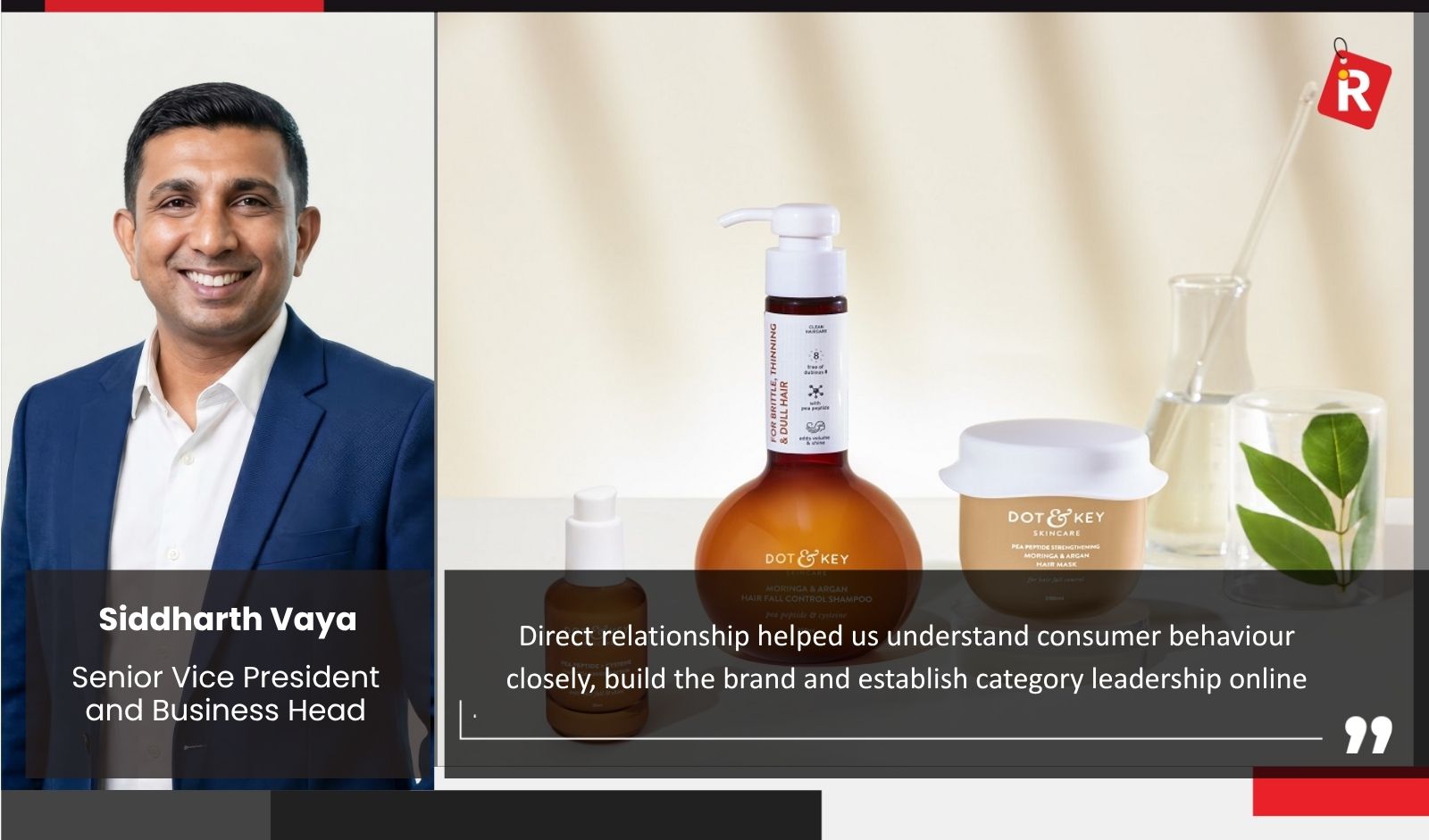
An Euromonitor report published in 2026 estimated that Indian skincare retail sales grew 13% in 2025 to ₹32,210 crore. Separately, TechSci Research valued the market at US$2.96 billion in 2024 and projected it to reach US$7.11 billion by 2030, representing a forecast CAGR of 15.78%.
These estimates point to the rapid growth of India's skincare industry. However, what is driving this expansion, and how are brands adapting to changing consumer expectations?
A key growth driver is consumer-led innovation, with brands developing products around evolving skincare needs, ingredient preferences and demand for effective formulations.
Siddharth Vaya, Senior Vice President and Business Head of Dot & Key, attributes the brand's business growth to its focus on these fundamentals, alongside a gradual expansion beyond its digital-first roots.
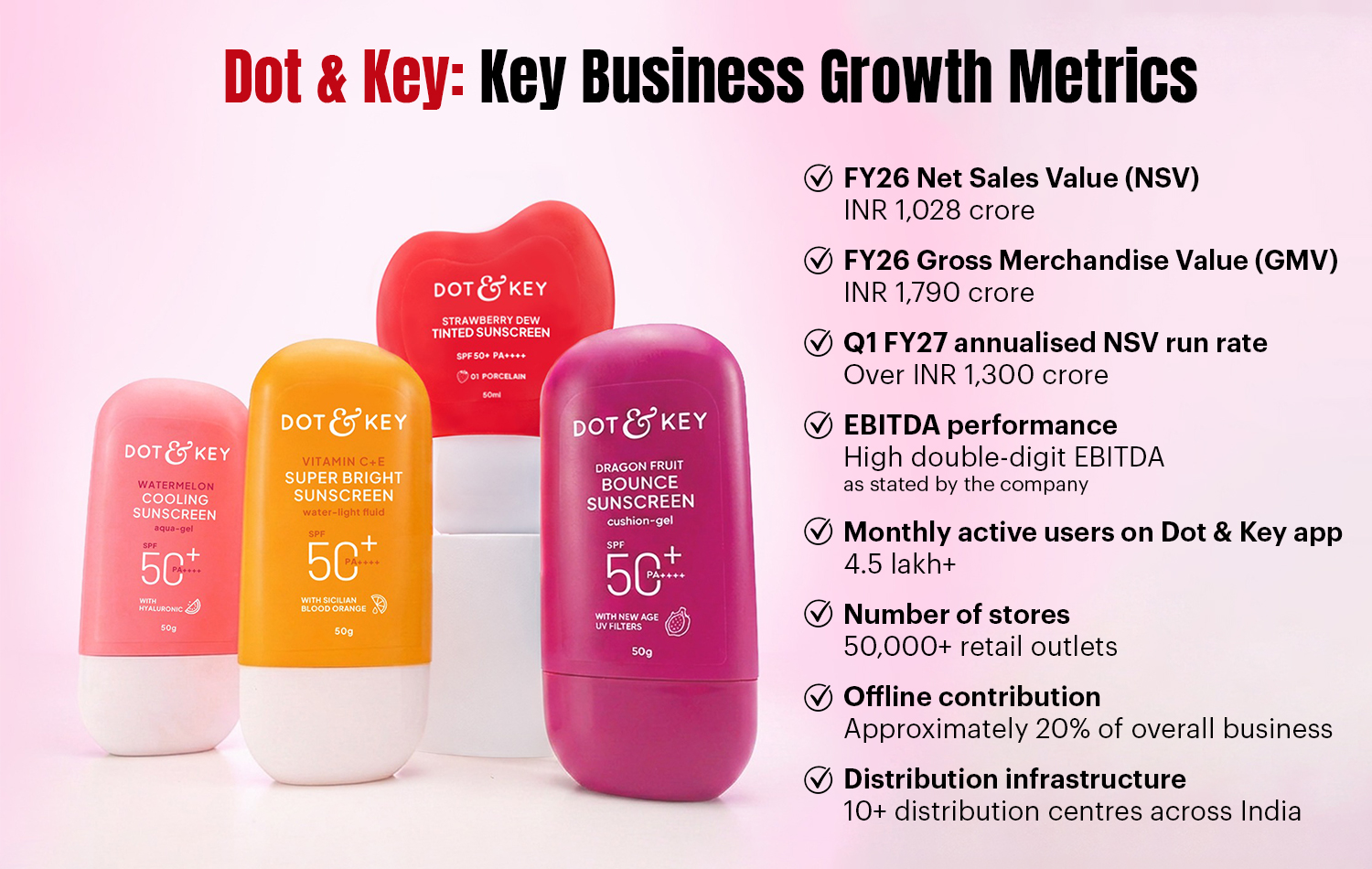
"Over the last three years, the business has grown nearly 13x while remaining profitable and capital-efficient, with high double-digit EBITDA. FY26 marked our third successive year of doubling the business, closing with ₹1,028 crore in Net Sales Value on a GMV of ₹1,790 crore. Based on Q1 FY27 performance, we're currently tracking to an annualised NSV run rate of over ₹1,300 crore," he said.
Vaya highlighted that Dot & Key has focused on building leadership in high-growth categories such as sunscreens, moisturisers and lip care. He noted that sun care is becoming an increasingly established part of Indian consumers' skincare routines, with demand growing for high-performance, in-vivo-tested formulations featuring advanced UV filters.
Role of D2C and Digital Channels in Brand Evolution
Dot & Key started with a strong digital-first proposition. However, D2C has evolved from being the brand's primary route to market into one part of a broader consumer ecosystem.
"In the early stages, the direct relationship helped us understand consumer behaviour closely, build the brand and establish category leadership online," Vaya said.
As the category has matured, Dot & Key has moved beyond a predominantly D2C-led model towards a multichannel ecosystem spanning marketplaces, quick commerce and physical retail.
With consumers becoming increasingly comfortable shopping across platforms, product discovery and purchase are no longer tied to the same channel. A consumer might discover a product on social media, research its ingredients and read reviews on a marketplace, and then choose to purchase it through the brand's D2C platform, a quick-commerce service or a physical store.
"We have crossed 1 million Instagram followers and built a community of 4.5 lakh+ monthly active users on the Dot & Key app, giving us valuable first-party signals and a direct understanding of consumer engagement and retention, independent of any single platform or algorithm," Vaya added.
Importance of Physical Retail in Skincare
India's skincare market is increasingly shaped by informed consumers who pay close attention to ingredients, formulations and product performance. While digital platforms help brands educate consumers and communicate product benefits, physical retail offers another route for product discovery and purchase.
"Digital touchpoints allow brands to build this educational depth and communicate product benefits and experience well before a purchase happens," Vaya said.
As consumer journeys become more fragmented across channels, discovery and purchase are increasingly decoupled. A consumer may research a product online and complete the purchase minutes later through quick commerce, or choose to buy it from a physical store.
This shift is making an integrated retail strategy increasingly important for skincare brands seeking to improve accessibility and meet consumers wherever they prefer to shop.
Dot & Key's Retail Expansion
Dot & Key's physical retail expansion has been driven by consumer demand and the need to make the brand more accessible across shopping environments, according to Vaya. The move was a deliberate strategic decision taken after the brand had established category leadership online and crossed ₹250–300 crore in revenue.
"Today, Dot & Key has expanded its offline presence to 50,000+ retail outlets, with offline contributing approximately 20% of the overall business," Vaya said.
Going forward, the brand plans to strengthen its physical availability in markets where it sees consumer demand while expanding access through newer formats such as quick commerce. According to the brand, quick commerce is expected to grow from roughly 5% of India's beauty and personal care market today to 10–12% by 2031.
The strategy is focused less on expanding the retail footprint for its own sake and more on ensuring that consumers can access the brand through the channels best suited to their shopping needs.
Expansion Plans: Building an Integrated Retail Ecosystem
Dot & Key's next phase of growth will focus on building the infrastructure required to support an increasingly omnichannel consumer journey. This involves expanding distribution while ensuring that inventory, technology and consumer insights work together across touchpoints.
The brand is present across D2C, marketplaces, quick commerce and physical retail, with a focus on making these channels increasingly complementary.
Product innovation remains another important part of the strategy. Every launch goes through an in-house R&D ecosystem with more than 50 years of cumulative formulation expertise and a structured, agile new product development process. This enables the brand to move from concept to shelf quickly without compromising on quality.
"Our distribution network spans 10+ centres across India, which helps us stay closer to our retail partners and improve availability across markets. Technology is increasingly central to how we operate this network, with demand forecasting by region helping us anticipate consumption patterns, optimise inventory and improve fulfilment," Vaya said.
The brand's objective is to build a scalable and capital-efficient operating model that can respond to demand more quickly while maintaining a consistent Dot & Key experience across channels.
India’s rehabilitation and mental wellness landscape is undergoing a gradual shift. As awareness around mental health increases, families are becoming more informed about treatment options and are increasingly seeking professional intervention before a situation reaches a crisis point.
For Veda Rehabilitation & Wellness, this changing consumer mindset is creating an opportunity to build a differentiated model around personalised, private and clinically driven care.
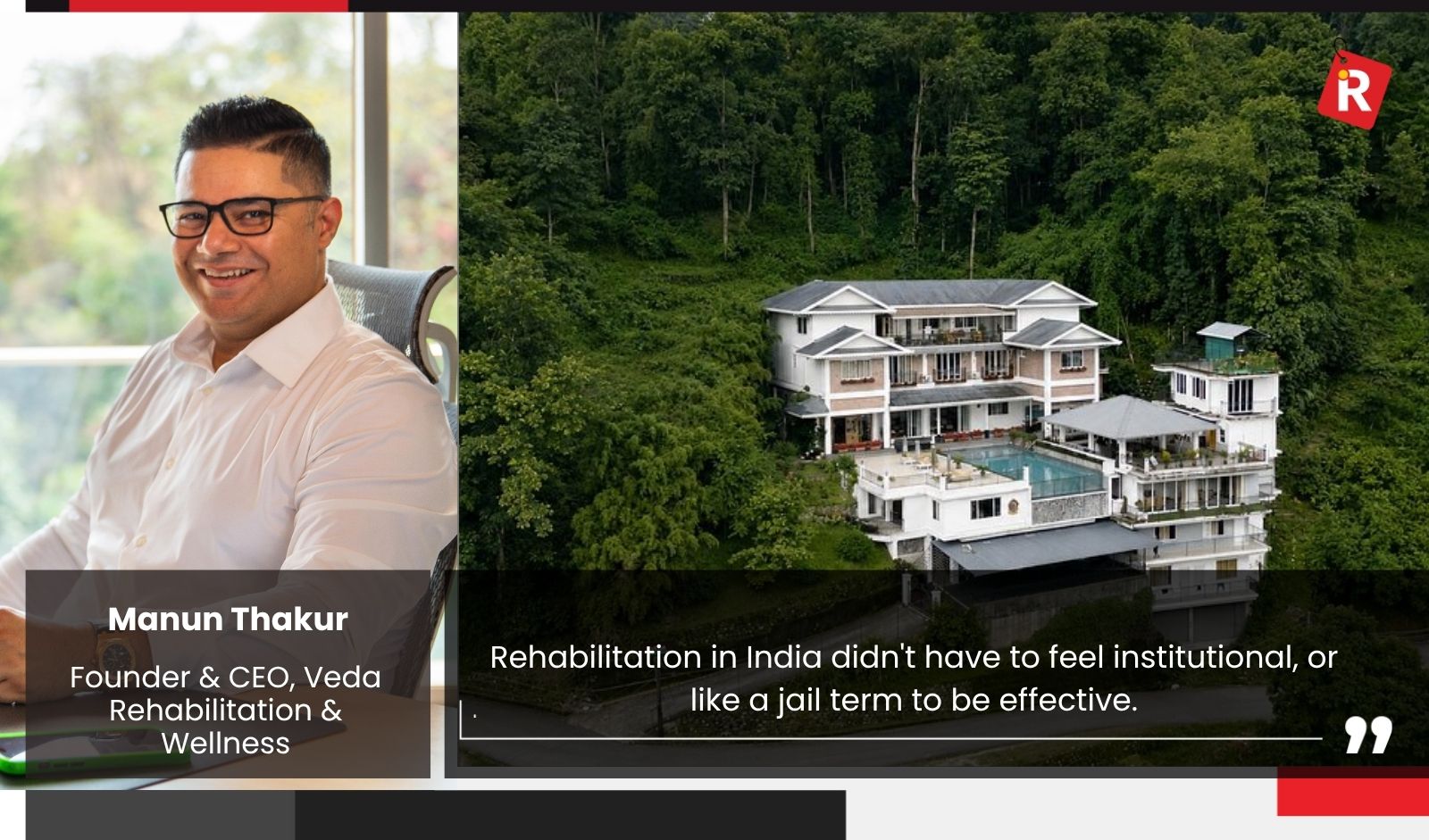
Founded in 2021, Veda began with the belief that rehabilitation did not have to feel institutional or punitive to be effective. Instead, the company set out to create a recovery environment that combines clinical intervention with privacy, dignity and individual attention.
Building a Personalised Rehabilitation Model
Veda started with its first centre in Mumbai and has since expanded its footprint to five centres across Mumbai, Bengaluru, Delhi and Gangtok, Sikkim. The company currently operates two centres in Mumbai, with its latest facility located in Gangtok.
Unlike conventional high-volume rehabilitation models, Veda has deliberately kept its centres small. Its facilities typically accommodate around five to eight residents at a time, supported by a therapist-to-client ratio that is close to 1:1.
“We started Veda in 2021 with a simple conviction: rehabilitation in India didn't have to feel institutional, or like a jail term to be effective. We believed recovery could be deeply clinical while also being dignified, private, and genuinely healing,” said Manun Thakur, Founder & CEO, Veda Rehabilitation & Wellness.
The Gangtok centre represents this philosophy through a retreat-led model, using its Himalayan setting to create a quieter environment for recovery.
The company has also experimented with digital healthcare through Let’s Get Happi, an online therapy platform. While the platform did not scale as expected, the experience provided insights into the maturity of India’s digital mental healthcare market.
“While Let's Get Happi didn't scale the way we had hoped, it became an important learning experience. It reinforced that while awareness around mental health is growing, India is still in the early stages of embracing digital mental healthcare,” Thakur said.
Trust Emerges as a Key Growth Driver
For a rehabilitation business, building consumer trust can be particularly challenging. Unlike conventional consumer businesses, rehabilitation centres cannot publicly showcase client journeys or outcomes because of the sensitive nature of the services.
Veda has therefore relied heavily on word-of-mouth referrals and family testimonials.
“Our growth has mostly come from organic leads that converted into success stories. Since we cannot publicly showcase the success of our clients, we encouraged their family members to share their experiences with us,” said Thakur.
He describes the company’s growth philosophy through the ACT framework, Accountability, Credibility and Trust.
“The journey went from accountability towards our clients to credibility and finally to trust. ACT has become the trifecta of our business,” Thakur said.
The company has also attempted to differentiate itself through transparent pricing. Its residential programmes offer clearly defined accommodation categories, ranging from shared rooms to private suites, allowing families to understand the cost structure before committing to treatment.
“In a sector where opacity has historically been the norm, transparency has become its own quiet growth driver for us. Families know exactly what they're paying for, without hidden mid-tier costs or surprises,” Thakur added.
Residential Programmes Remain Core Revenue Driver
Residential recovery programmes continue to contribute the majority of Veda’s revenue. These programmes provide structured and immersive treatment, with clients staying at the centre for the duration of their recovery.
Substance-related recovery, particularly alcohol and drug dependency, remains the backbone of the business. However, the company is seeing demand broaden into more complex areas.
“Substance-related recovery of alcohol and drug dependency remains the backbone of what we do, simply because that's where the most acute and urgent need still sits in India,” Thakur said.
One such area is dual diagnosis, where addiction occurs alongside mental health conditions such as depression or anxiety.
Veda is also witnessing growing interest in behavioural addiction and digital detox programmes. Excessive screen use, gaming, social media and internet dependency are increasingly becoming concerns for families, particularly among teenagers and young adults.
“We're also seeing growing demand for digital detox and behavioural addiction programmes. Families today are seeking professional support for excessive screen use, gaming, social media and internet dependency, especially among teenagers and young adults,” he added.
Digital Detox Could Become the Next Growth Opportunity
While individual families and self-referrals currently represent the majority of Veda’s clientele, the company sees significant potential in shorter-duration wellness and digital detox programmes.
According to Thakur, increasing digital stimulation, burnout, poor sleep and mental fatigue are creating demand for structured interventions that allow individuals to temporarily disconnect from their digital environments.
“I believe one of the biggest growth opportunities lies in short-term digital detox programmes. Increasingly, people are dealing with constant digital stimulation, burnout, poor sleep and mental fatigue,” Thakur said.
He expects structured seven- to 14-day programmes to become an emerging opportunity for consumers looking to temporarily step away from digital environments and reset.
“I think we'll see growing demand for structured seven- to 14-day programmes that allow people to step away, reset, and give their over-stimulated minds the space to recover,” he added.
Changing Consumer Expectations Reshape Rehabilitation
Three major trends are influencing the sector. The first is the gradual reduction in stigma surrounding mental health and rehabilitation. More consumers are now willing to acknowledge the need for professional support.
The second is the emergence of a more informed consumer. Families are increasingly evaluating rehabilitation centres based on clinical credentials, treatment methodologies, therapist-to-client ratios, outcomes and standards of care rather than relying only on reputation.
“Families are becoming far more informed and discerning. They're no longer choosing a rehabilitation centre based solely on reputation; they're asking deeper questions about clinical credentials, treatment methodologies, therapist-to-client ratios, outcomes and standards of care,” Thakur said.
The third is the growing importance of dignity and privacy.
“There's a growing expectation that recovery should be rooted in dignity and compassion. People no longer want rehabilitation to feel punitive or institutional. They want an environment that is private, respectful and genuinely conducive to healing,” he added.
Veda is positioning itself around these expectations through personalised treatment, voluntary admissions and an evidence-based clinical approach. Its treatment programmes include CBT, DBT, EMDR and motivational interviewing.
The company is also focusing on clinical standards, accreditations and professional certifications as it looks to strengthen credibility in a sector where quality and trust are becoming increasingly important.
From Crisis Response to Preventive Healthcare
The post-pandemic period has further accelerated India’s mental health conversation. Greater exposure to isolation, anxiety, grief, burnout and uncertainty has made mental wellbeing a more visible part of household healthcare discussions.
For rehabilitation providers, one of the biggest changes has been the shift in the timing of intervention.
“Earlier, rehabilitation was often seen as a last resort, something families considered only when a situation had become unmanageable. Today, we're seeing more people reach out much earlier, recognising that timely intervention leads to better outcomes,” Thakur said.
He believes this shift could have a lasting impact on the sector.
“The shift from viewing rehabilitation as a crisis response to seeing it as a responsible healthcare decision is one of the most significant changes I've witnessed in this industry. It's a positive cultural shift, and one I believe will continue to strengthen in the years ahead,” Thakur added.
As India’s rehabilitation market matures, the competition may therefore move beyond infrastructure and capacity. Clinical credibility, personalisation, transparency, privacy and consumer trust could increasingly determine which providers are able to build sustainable businesses.
For Veda, the next phase of growth will be about expanding its presence while retaining the personalised model that has defined the brand since its inception.
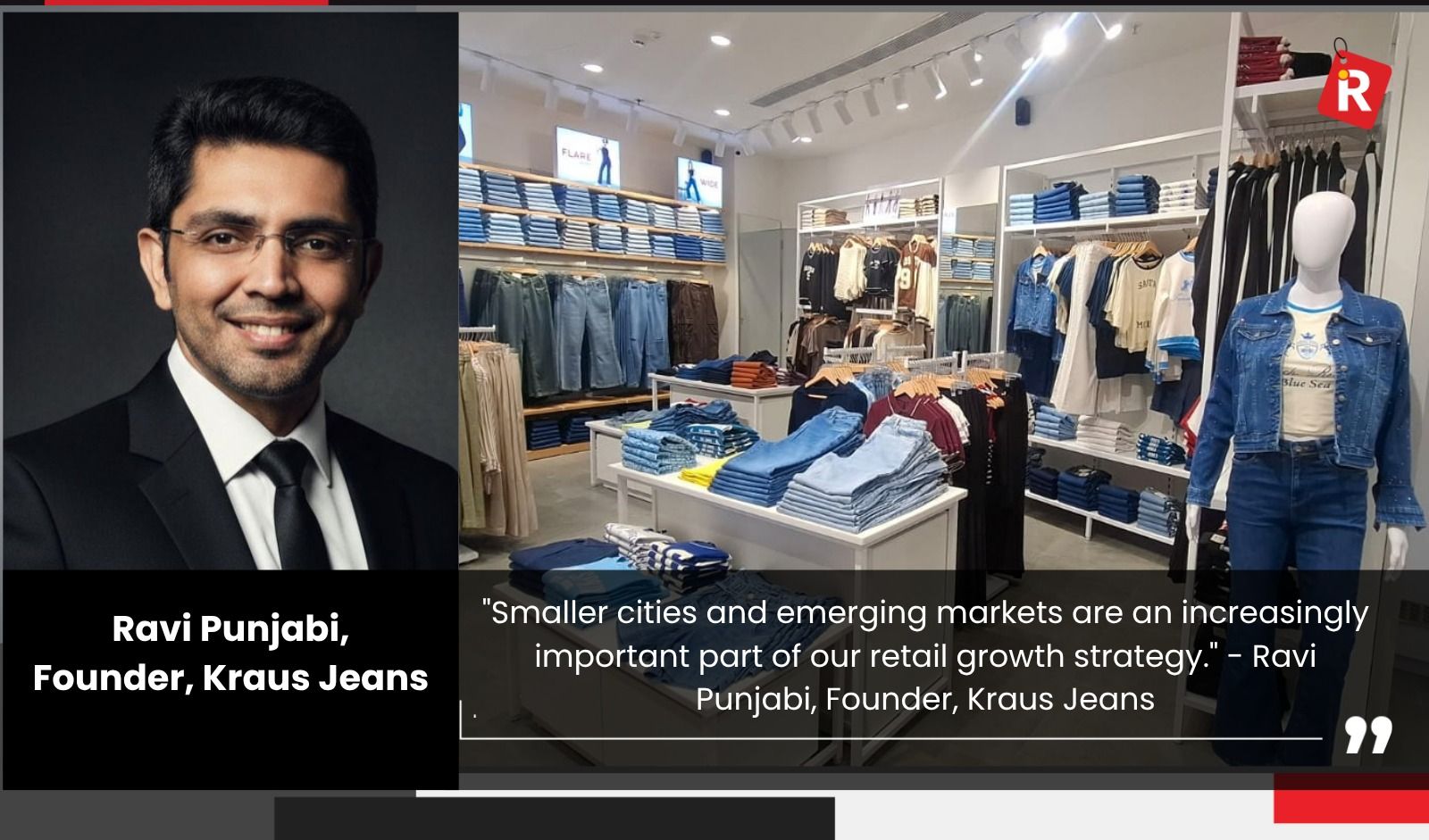
The Indian fashion retail landscape is changing rapidly. Consumers today are looking for fashion that is relevant, comfortable, and accessible, while their discovery journeys increasingly move between physical stores and digital platforms. For Kraus Jeans, this shift is creating opportunities well beyond the traditional metro markets.
The brand currently operates close to 37 exclusive brand outlets (EBOs) across India and has expanded into several markets over the past six months, including Prayagraj, Nashik, Nagpur, Solapur, Rajkot, Guwahati, Pune, Aurangabad, Kolhapur, Karnal and Bhopal.
According to Ravi Punjabi, Founder, Kraus Jeans, the brand’s retail strategy is centred on building a wider and more accessible presence across the country. “Kraus Jeans’ retail strategy is focused on building a wider and more accessible presence across India, with a strong emphasis on emerging markets alongside a steady presence in metros.”
Taking the Brand Beyond the Metros
For Kraus Jeans, the next phase of retail growth is not simply about adding more stores. The focus is on identifying markets where consumers are increasingly looking for premium yet accessible fashion and where organized retail is gaining momentum.
The brand’s recent expansion reflects this thinking. Its entry into Guwahati, in particular, marks its first store in the North East and represents an important step in broadening its consumer base.
“We see significant opportunities in emerging cities and markets beyond the traditional metros, where fashion preferences are evolving, and purchasing power is increasing,” said Punjabi.
The strategy is to build a balanced presence across exclusive stores, franchise partners and multi-brand retail, depending on the potential and characteristics of each market. This allows Kraus Jeans to take its proposition closer to consumers while scaling in a measured manner.
Smaller cities and emerging markets are therefore becoming increasingly important to the brand’s future. At the same time, metros continue to remain part of its retail network, creating a broader footprint across different consumer segments.
A Balanced Retail Model
Kraus Jeans views its retail expansion as an omnichannel journey rather than a choice between physical and digital retail. Its EBOs provide an opportunity to create a strong brand experience and gain a closer understanding of customers. Franchise stores, meanwhile, offer a way to expand the physical footprint efficiently across markets. Multi-brand stores continue to play an important role in accessibility and product discovery, particularly in emerging markets.
Online channels complete this ecosystem by allowing consumers to access the brand beyond its physical store network. The objective is to find the right balance between brand control, market reach, and scalability as the company expands.
Staying Relevant to Younger Consumers
A major focus for Kraus Jeans is keeping its product offering relevant to younger consumers, particularly Gen Z and millennials. For this audience, fashion is increasingly about a combination of comfort, versatility, trend relevance, and value.
The brand refreshes its collections approximately every two months and closely monitors international fashion movements to identify trends that can be adapted for Indian consumers. Punjabi stated, “Our approach is not simply to follow trends, but to adapt them for the Indian consumer while maintaining the fit, quality and affordability that are central to the Kraus proposition.”
Alongside its core denim portfolio, the brand has expanded into categories such as baby tees, flat-knit tops, linen pants and athleisure.
Data-Led Retail Decisions
As the retail network grows, data is playing an increasingly important role in decisions around inventory, merchandising, pricing and product assortment. Kraus Jeans tracks several indicators, including sell-through rates, replenishment frequency, repeat purchases, return rates, customer reviews, and regional demand patterns.
Among these, sell-through and replenishment frequency are particularly important. When a new style performs significantly better than the category average and requires multiple replenishments, it provides a clear indication of sustained consumer acceptance.
The brand can then respond by increasing production, introducing additional colours or seasonal variations, and giving the product greater visibility across stores and digital platforms.
Customer feedback and return rates provide another layer of insight, helping the company understand whether strong sales are also supported by positive experiences around fit and comfort.
Differentiating Through Product
Competition in the denim and fashion space is intensifying, with established denim brands as well as fast-fashion players competing for consumers. Kraus Jeans believes its differentiation lies in combining trend-forward fashion with Indian consumer-focused fits, quality, and accessible pricing.
As a Made-in-India brand, the company focuses on offering fashion-led products while maintaining its quality proposition. Understanding Indian women’s body types is another important part of the product strategy. Fits such as wide-leg and straight-fit denims have performed strongly because they offer comfort, versatility and everyday wearability.
For the brand, retail experience therefore begins with the product itself. New silhouettes, fabrics, colors and styling options are introduced while maintaining a focus on functionality and everyday relevance.
Growth with Discipline
Physical retail expansion brings its own challenges, from rentals and store economics to inventory management and talent. For Kraus Jeans, the answer is measured expansion rather than growth purely for the sake of store count.
The company aims to identify markets with sufficient demand for western wear and denim while ensuring that the store format and assortment are suited to local consumer preferences.
Inventory remains particularly important in a fast-changing fashion environment. By monitoring sell-through, replenishment, regional demand, and customer feedback, the brand seeks to ensure that its growing retail network remains commercially sustainable.
Measuring Success Beyond Store Count
As Kraus Jeans looks towards the next three to five years, the objective is to strengthen its presence in high-potential markets, expand its product portfolio, and continue understanding changing consumer preferences.
For Punjabi, success in retail cannot be measured simply by the number of stores. “Retail success is not defined by store count alone. It is about building a sustainable retail network that delivers strong consumer engagement, healthy product performance and consistent brand growth across markets,” he concluded.
-
Founded in 2022 by Rimjhim Deka Kakati and her husband, Partha Kakati, Littlebox has built its business around Gen Z consumers seeking access to global fashion trends at affordable price points. The brand currently sells exclusively through its website.
-
GRM Foods reaches 1,000+ cities through 400+ distributors and 25,000+ retail stores, with a presence in 50 countries and plans to expand to 100+ by 2030.
-
With more than Rs 550 crore invested in Faridabad over the past 12 months, Bhumika Realty is expanding across residential, plotted and mixed-use developments.
-
BMW Group India recorded its highest-ever first-half car sales of 9,075 units, representing 17 percent year-over-year growth.






Copyright © 2009 - 2026 Franchiseindia.com Ltd