




Associate Editor, IndianRetailer.com & Retailer Media Dec 21, 2023 /


Libas, a second-generation brand with a rich history in various businesses, initially thrived with an offline store and successful export ventures. However, around 2012, the business faced challenges and began to decline. In 2014, a significant turning point occurred when Sidhant Keshwani joined the company and spearheaded a complete reimagining of the brand. “Despite its prior establishment, we consider our official founding year as 2014, marking the beginning of our digital-first transformation,” said Sidhant Keshwani, Founder and CEO, Libas.
Having graduated from the University of Manchester, Sidhant observed the global rise of e-commerce and envisioned its potential success in India. This insight led to the decision to venture into the e-commerce space, particularly focusing on fashion. “The initial foray into online marketplaces yielded rapid success, instilling confidence in the viability of the industry. This success prompted us to evolve and expand our offerings beyond workwear, catalyzing substantial growth,” he stated.
In 2018, the brand took a significant step by launching its direct-to-consumer (D2C) platform, which quickly became its fastest-growing channel. The brand's momentum continued, and by 2021, amidst the challenges posed by the COVID-19 pandemic, it made a strategic move into offline retail. “Over the past two years, we have successfully established 15 stores and expanded our presence to 500-600 shop-in-shops across India, partnering with prominent retail chains like Lifestyle, Shopper Stop, and Reliance,” he added.
Distribution Strategy
Libas strategically focuses on three primary online channels – its official website, Myntra, and Flipkart. While its D2C website's share was once below 1 percent, it has remarkably surged to 20-25 percent this year, with plans to scale up to 40-45 percent in the coming year. The majority of its offline presence comprises 15 stores, strategically located in metros and high-footfall areas.
The brand’s store expansion strategy is meticulous, targeting metros primarily and a select few Tier I and II cities where its online performance has been exceptional. A curated list of 50-100 stores is in the pipeline, ensuring a balanced mix of locations based on consumer presence and preferences.

“Currently, our revenue share stands at 85 percent from online channels and 15 percent from offline channels. However, the rapid growth of our offline segment is evident, and we anticipate it reaching 25 percent by the next year,” noted Keshwani.
Beyond Ethnic Wear
Libas products are available in esteemed stores such as Shoppers Stop, Lifestyle, Centro, Reliance Trends, Amantra, and Kala Niketan. Additionally, we've established a significant presence in smaller mom-and-pop shops across India, strengthening our reach and accessibility nationwide.
Libas, as a fast fashion brand, boasts an extensive product range with over 4000 SKUs. While it has a diverse array of offerings spanning various categories, its Kurta sets category stands out as the cornerstone, representing the majority of its business. Beyond Kurta sets, the brand’s product portfolio extends to include bottom wear, mix-and-match kurtas, saris, lehengas, co-ord sets, dresses, and, most recently, a successful foray into kids' clothing.
“Looking ahead, we have ambitious plans for category diversification. In the next one and a half years, we will gradually introduce three to four new categories, beginning with accessories such as costume jewelry. Our expansion roadmap also includes venturing into footwear and handbags, with a long-term vision of entering the home furnishings space. Our meticulous approach involves six to eight months of thorough research before introducing any new category, reflecting our commitment to thoughtful and market-driven expansion,” he explained.
Growing Advent of Live Commerce
Libas is at the forefront of embracing the dynamic landscape of social commerce, particularly the burgeoning market of live commerce. This modern approach, marked by real-time product experiences, has proven to be exceptionally successful. Through strategic partnerships with major platforms like Myntra and Flipkart, it has delved into live commerce channels, witnessing tremendous success.
The live commerce trend is gaining substantial traction as consumers increasingly seek visual and real-time experiences with products. With internet penetration reaching Tier II and III cities, and even smaller towns and villages, the future of live commerce appears robust, especially with the advent of 5G technology.
“Influencers and marketers alike are adapting to this evolving concept, while continuous technological advancements are making the live commerce experience more interactive and user-friendly. We recognize the potential in this space and have collaborated with Myntra, leveraging their well-executed live commerce features. The results have been impressive, with performance metrics showing rapid month-on-month growth. As technology continues to evolve, we anticipate a sustained upward trend in the realm of live commerce over the next one or two years,” asserted Keshwani.
Tech-Forward Brand
Leveraging advanced customization tools, the brand has placed a strong emphasis on personalization, a crucial element for a fast fashion brand with an expansive assortment. “In anticipation of an increased SKU count—aiming for 8,000 to 10,000 next year—we recognize the potential for consumer confusion. Addressing this challenge, we have incorporated AI-driven solutions to understand customer behavior, offering personalized listings based on past preferences. This approach aligns with the overarching goal of preventing consumer overwhelm and enhancing the shopping experience,” he said.

Its commitment to technological excellence extends to an AI-driven search feature that efficiently connects users with their desired products, ensuring a seamless and focused shopping journey. These innovations collectively position Libas as a tech-forward brand, dedicated to enhancing customer satisfaction through a combination of advanced AI and a user-centric approach.
READ MORE: How to Launch a Successful Fashion Brand in 2023 and Beyond
Growth Outlook
Libas has consistently exhibited remarkable growth, achieving over 100 percent year-on-year expansion since its inception. Despite the challenges posed by COVID-19, the brand maintained a robust 10-12 percent growth during the pandemic. Over the last one and a half to two years, Libas is poised to close this year with an impressive growth rate of around 55 percent, projecting similar momentum for the upcoming year.
In terms of revenue, the brand anticipates closing the current year with a Gross Merchandise Value (GMV) of approximately Rs 950 crore, a substantial increase from the previous year's Rs 600 crore.
As a bootstrapped business since its inception, Libas is now strategically considering its first round of fundraising. The primary focus of this funding will be to accelerate offline expansions, a capital-intensive endeavor that requires careful planning. “Having spent one and a half years understanding market behaviors and customer preferences, we are well-positioned to embark on an ambitious plan to open 100 stores in the next year,” concluded Keshwani.
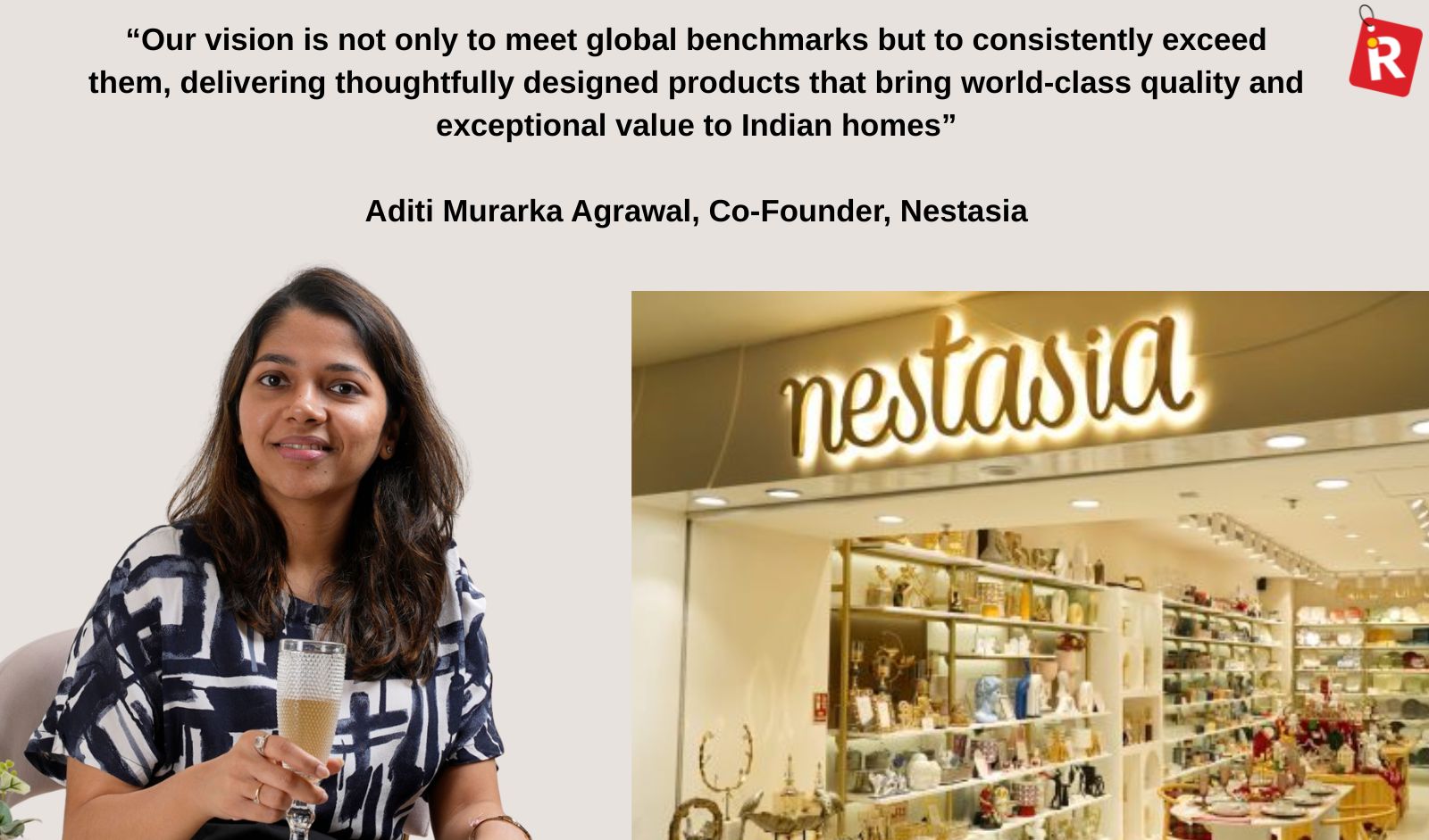
Nestasia Eyes Offline Expansion Across Tier I Cities, Plans Entry into New Lifestyle Categories
Founded by Aditi Murarka Agrawal and Anurag Agrawal, Nestasia was born from a shared passion for creating beautiful and meaningful living spaces. While working in Singapore and later in Hong Kong, the couple moved homes several times across Southeast Asia and set up three homes from scratch within just two years. During this experience, they discovered their love for curating spaces and thoroughly enjoyed selecting products that reflected their personal style and transformed houses into homes.
This passion inspired them to return to India and establish Nestasia—an exciting destination for all things home. Their vision was to create a brand that seamlessly blends functionality, aesthetics, and contemporary design, helping people build homes that are a true reflection of their identities.
At the heart of Nestasia's journey is a strong commitment to sustainability and ethical business practices. The company incorporates eco-friendly materials and processes, including upcycling fabric scraps for packaging, underscoring its dedication to responsible innovation and the artisans who bring its creations to life.
Today, Nestasia is not only a successful home and lifestyle brand but also a vibrant community of customers who value thoughtful design and elevated living,” expressed Aditi Murarka Agrawal, Co-Founder, Nestasia.
Retail Presence
Nestasia has significantly expanded its offline footprint, operating 14 stores across nine major Indian cities and creating a seamless omnichannel experience for consumers. The brand has established a strong presence in Noida, Bengaluru, Hyderabad, and Pune, with additional stores in Kolkata, Gurugram, Delhi, Chandigarh, and Dehradun.
"Our retail touchpoints reflect our commitment to moving beyond e-commerce and offering customers an elevated, immersive home-shopping experience," says Aditi Murarka Agrawal, Co-Founder, Nestasia.
Expansion Plans
Nestasia is strategically strengthening its offline presence across key Tier I cities, reinforcing its omnichannel model that combines digital convenience with immersive physical retail experiences. The expansion aims to make its contemporary home and lifestyle collections more accessible to consumers across India.
"By deepening our physical presence, we continue to bridge the gap between aspirational design and everyday utility, ensuring that our philosophy of 'making everyday living feel special' reaches more homes across India," says Agrawal.
Product Offerings and Diversification
Nestasia aspires to become the ultimate one-stop destination for modern home setups and makeovers. While the brand has built a strong foundation in design-led tableware, kitchen essentials, home décor, and soft furnishings, it is now entering a new phase of growth by scaling its existing categories and strategically expanding into new lifestyle segments.
"Our goal is to become a comprehensive lifestyle destination that accompanies our customers through every stage of their home-styling journey, empowering them to create spaces that are not only functional but also a true reflection of their identity," adds Agrawal.
Growth Targets and Long-Term Vision
Having served over one million consumers, Nestasia's next ambition is to reach 10 million households and become India's most loved home, kitchen, and lifestyle brand. As it continues to scale, the company remains committed to being a design-led brand that thoughtfully integrates technology to deliver meaningful, seamless, and enriching consumer experiences while staying true to its customer-first philosophy.
Through backward integration and greater ownership of its supply chain, Nestasia aims to strengthen every aspect of its business—from product innovation and craftsmanship to quality control and functionality.
“Our vision is not only to meet global benchmarks but to consistently exceed them, delivering thoughtfully designed products that bring world-class quality and exceptional value to Indian homes,” concluded Agrawal.
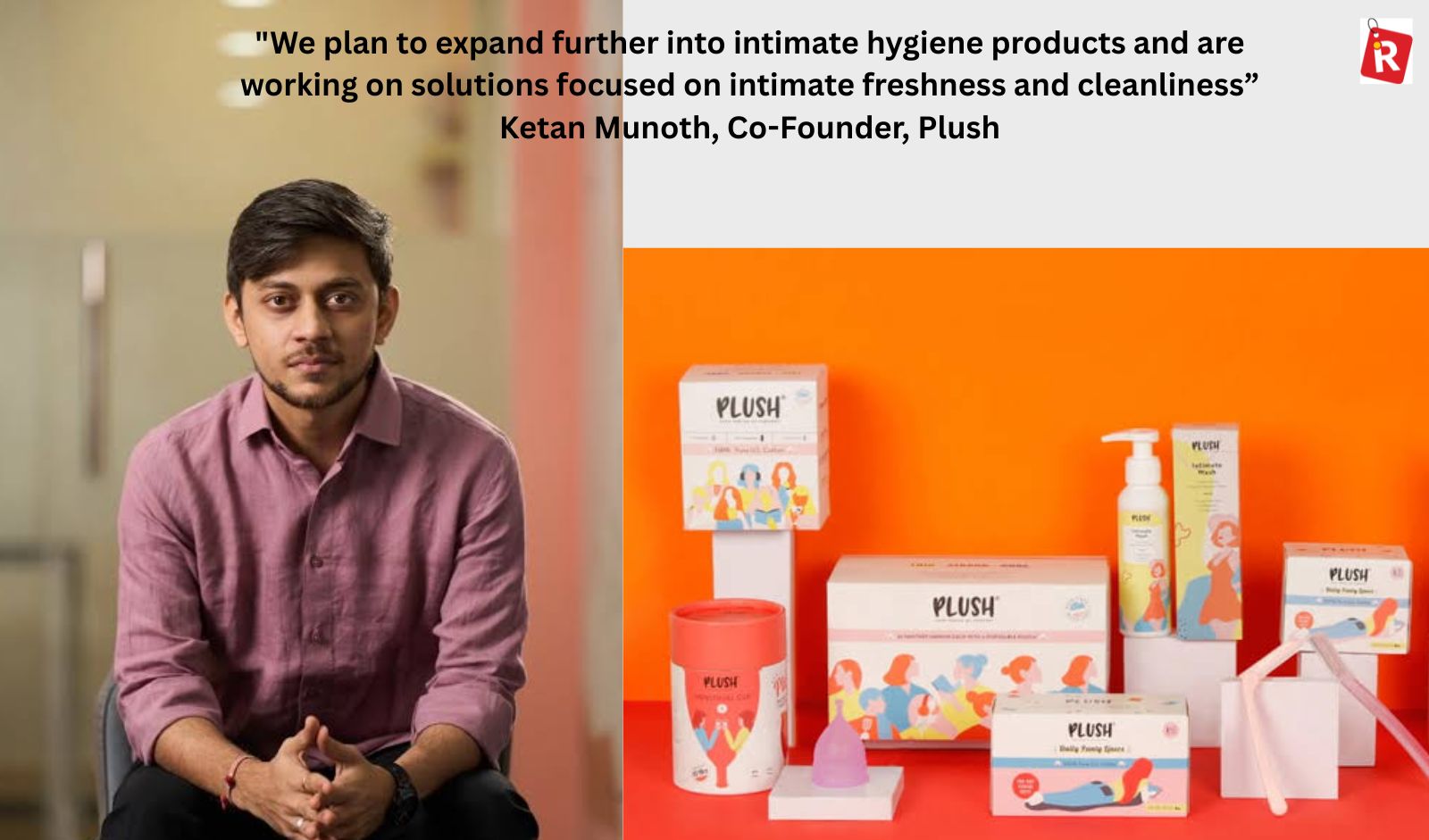
Founded by Ketan Munoth and Prince Kapoor seven years ago, Plush has emerged as one of India's leading online-first menstrual hygiene brands with a growing presence across the country. Before commercialising the business, the founders spent nearly two years on research and development to create products that effectively address period rashes and improve menstrual comfort.
"The brand started as a period-care company focused on sanitary napkins and has since evolved into a women's health and wellness brand, expanding into categories such as hair removal and intimate wellness," said Ketan Munoth, Co-Founder, Plush.
Strengthening Retail Presence
Initially, Plush adopted a balanced approach towards both online and offline channels. However, the pandemic prompted the brand to shift its focus towards digital platforms such as Amazon and Flipkart, driven by stronger customer reach, direct engagement opportunities, and improved distribution efficiencies. Over the past few years, the company has also expanded into quick commerce while simultaneously reviving its offline growth strategy.
"Plush currently has an offline presence across around 12 cities. The brand has a stronger foothold in six major metro cities, including Bengaluru, Chennai, Hyderabad, Delhi and Mumbai. Recently, we have expanded into cities such as Ludhiana and Kochi and plan to continue entering newer markets," explained Munoth.
The brand's offline footprint has grown significantly, with the number of retail accounts increasing to around 2,500 stores from nearly 1,000 a year ago. Despite this rapid offline expansion, online channels continue to contribute the majority of Plush's revenue. The company also views quick commerce as a hybrid model that combines the advantages of both online convenience and offline accessibility.
Expansion Plans and New Categories
Plush aims to strengthen product availability and distribution to drive repeat purchases and improve accessibility. Over the next year, the company plans to deepen its presence in its existing 12 cities by expanding its store footprint. Over the next two to three years, it aims to nearly double its offline presence, taking its reach to approximately 25 cities while also improving delivery speed through its direct-to-consumer platform.
The company is also focused on expanding its portfolio within the women's health and wellness segment. It recently launched a maternity range comprising maternity pads and maternity period panties.
"We plan to expand further into intimate hygiene products and are working on solutions focused on intimate freshness and cleanliness. Additionally, Plush is preparing to launch deodorants, including intimate hygiene deodorants and underarm deodorants," shared Munoth.
Standing Out in the Market
Plush positions itself as a performance-driven brand centred on comfort and convenience. From product design and packaging to digital interactions, the company focuses on creating positive experiences across every consumer touchpoint.
"These attributes help us stand out in the period care space," said Munoth.
IntraCity Smart Bus Partnership and 'Map the Gap' Initiative
Recently, Plush announced its partnership with IntraCity Smart Bus under its initiative, 'Map the Gap', which aims to improve menstrual hygiene accessibility. The initiative was born from a simple observation: women often lack access to period products while travelling, particularly during long-distance journeys.
Through this partnership, women travelling on IntraCity buses across South India receive period care kits containing sanitary pads, stickers, and a curated playlist designed to make the travel experience more comfortable.
The brand now plans to expand the initiative to additional locations. It is currently in discussions with several airport authorities and has already partnered with Marina Mall and Ampa Skywalk in Chennai, as well as Sky City Mall in Mumbai.
"Plush wants to identify places where menstrual hygiene products are not easily accessible and bridge those gaps. Based on feedback received through social media, we identified airports, stadiums and malls as spaces where accessibility remains limited. A dedicated team is working on expanding partnerships to make period products available in such locations," highlighted Munoth.
Long-Term Vision
Plush is witnessing strong customer advocacy and high repeat purchase rates. The company aims to strengthen its position as a women's health and wellness brand by expanding into new categories, reaching more consumers, and further growing its distribution network.
"We are currently transitioning from a '10 to 100' growth journey and are strengthening our leadership team to support this next phase of expansion," concluded Munoth.
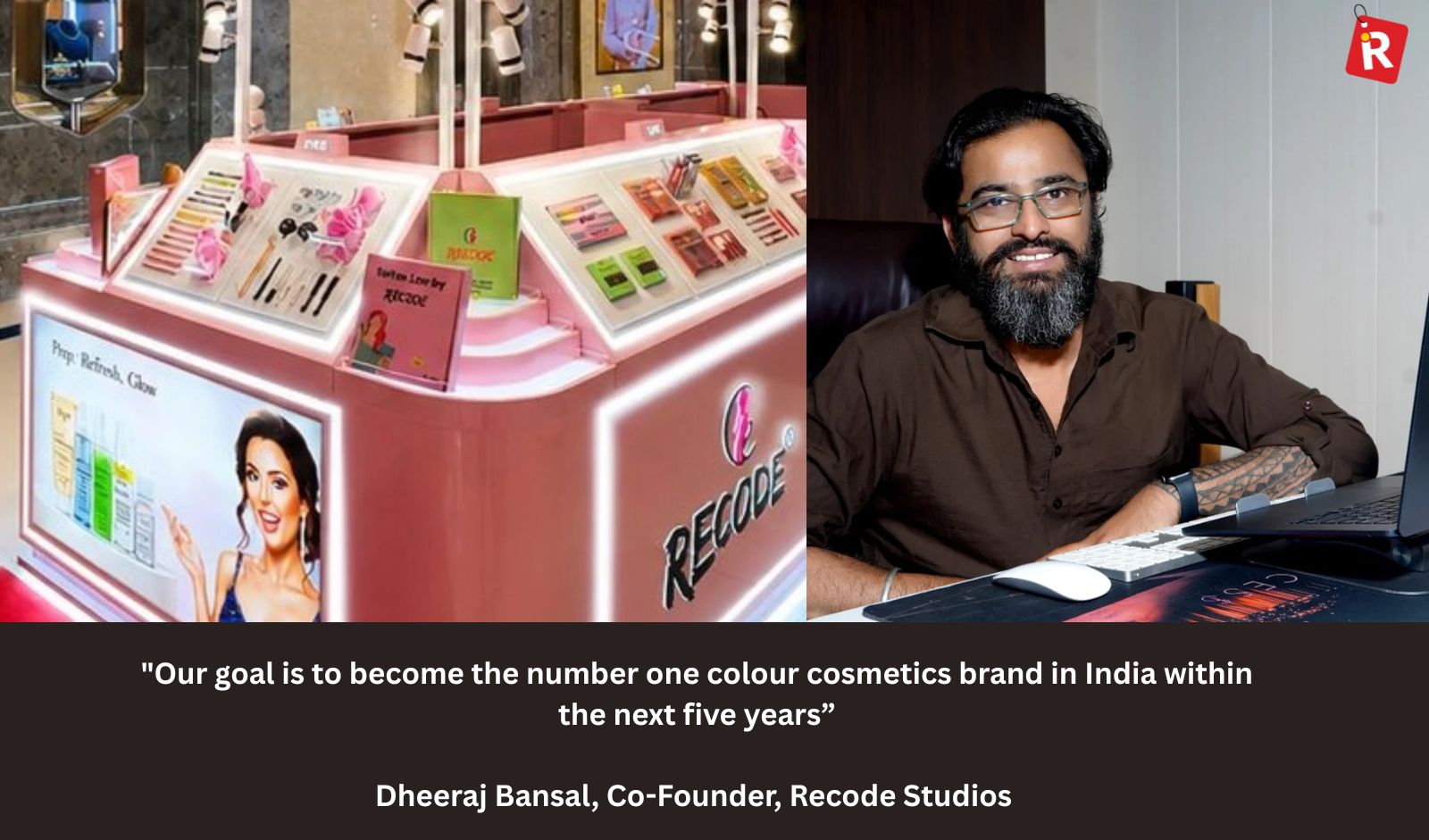
Founded by Dheeraj Bansal and Rahul Sachdeva in 2018, Recode Studios is a colour cosmetics brand known for offering premium-quality products at accessible price points. Initially launched as an offline brand in Central India, the company pivoted to an online-first model during the pandemic.
Alongside its digital expansion, the brand introduced self-grooming masterclasses for aspiring makeup artists and college students.
"These sessions allowed consumers to experience our products firsthand while learning makeup techniques. In 2023, we gained significant visibility through our appearance on Shark Tank India, even though we did not secure funding. More recently, we became a publicly listed company," shared Dheeraj Bansal, Co-Founder, Recode Studios.
Highest-Selling Categories
Face makeup remains Recode Studios' strongest category, with products such as primers, foundations, concealers, and other face-preparation products contributing significantly to sales.
"Our strongest category is face makeup. Products such as primers, face preparation products, foundations, and concealers are our biggest contributors. Face cosmetics remain the most visible and important segment in our portfolio," said Bansal.
Retail Presence Across India
Recode Studios has built a pan-India presence and is available in most cities with populations exceeding 200,000–300,000. Its footprint spans from Trichy in the south to Udhampur, Jammu, and Srinagar in the north.
"We are present in cities such as Surat, Ahmedabad, Guwahati, Nagpur, Hyderabad, and even in states like Tripura. We also operate franchise stores in select locations," shared Bansal.
Manufacturing Process
Recode Studios follows an asset-light manufacturing model and does not produce products in-house. Instead, it partners with third-party manufacturers and follows stringent quality-control and batch-testing protocols.
"All our products are outsourced. Foundations are produced in Thailand, eyeliners in Taiwan, and kajals in Germany. Packaging is sourced from China. Some products, including a viral foundation, are procured from Mumbai, while certain lipsticks are manufactured in Gurgaon. Our popular Perfect Grip Primer and Perfect Grip Spray are made in Parwanoo, Himachal Pradesh," highlighted Bansal.
Differentiating in a Competitive Market
According to Bansal, Recode Studios identified a market gap where international brands offered superior-quality cosmetics at premium prices, while many domestic alternatives struggled to match those standards.
"We positioned Recode as an affordable luxury brand. Rather than benchmarking ourselves against Indian brands, we compare ourselves directly with international players. Our focus is on delivering global-quality products at more accessible price points," he said.
Competitive Pricing Strategy
The brand's products are often compared with international beauty labels due to similarities in formulation quality while being offered at significantly lower prices.
"Our primer is often compared with Smashbox, which retails at around Rs 3,200, while our version is priced at approximately Rs 1,500. Our foundation is manufactured by the same supplier that produces for Charlotte Tilbury, yet our product is available at around Rs 1,000 compared to Rs 4,500 for similar international offerings," shared Bansal.
Marketing Strategy
While Recode Studios invests in digital advertising across Meta and Google, its masterclass programme remains one of its most effective consumer-acquisition tools.
"Participants pay a fee, receive products worth the same amount, and also enjoy refreshments. Effectively, the class itself becomes free while giving consumers the opportunity to learn makeup and experience our products firsthand. This creates strong product trials and repeat purchases, making it one of our most effective marketing channels," said Bansal.
Collaborations with Makeup Artists
The company also collaborates extensively with makeup academies and professional artists, whose recommendations help drive product adoption.
"Some notable partners include Manakshi Dutt Makeovers and Guneet Virdi in Delhi, Plush Lounge and Shirdi in Chennai, and Amit Karmakar in West Bengal. Across India, we collaborate with leading makeup artists, academies, and influencers," expressed Bansal.
Expansion Plans and Long-Term Vision
Recode Studios is currently focusing on expanding its Exclusive Brand Outlet (EBO) network through kiosk formats and plans to open between 8 and 12 kiosks during the current financial year, primarily in shopping malls.
"Our goal is to become the number one colour cosmetics brand in India within the next five years. We are growing at a healthy pace and intend to continue along the same trajectory," concluded Bansal.
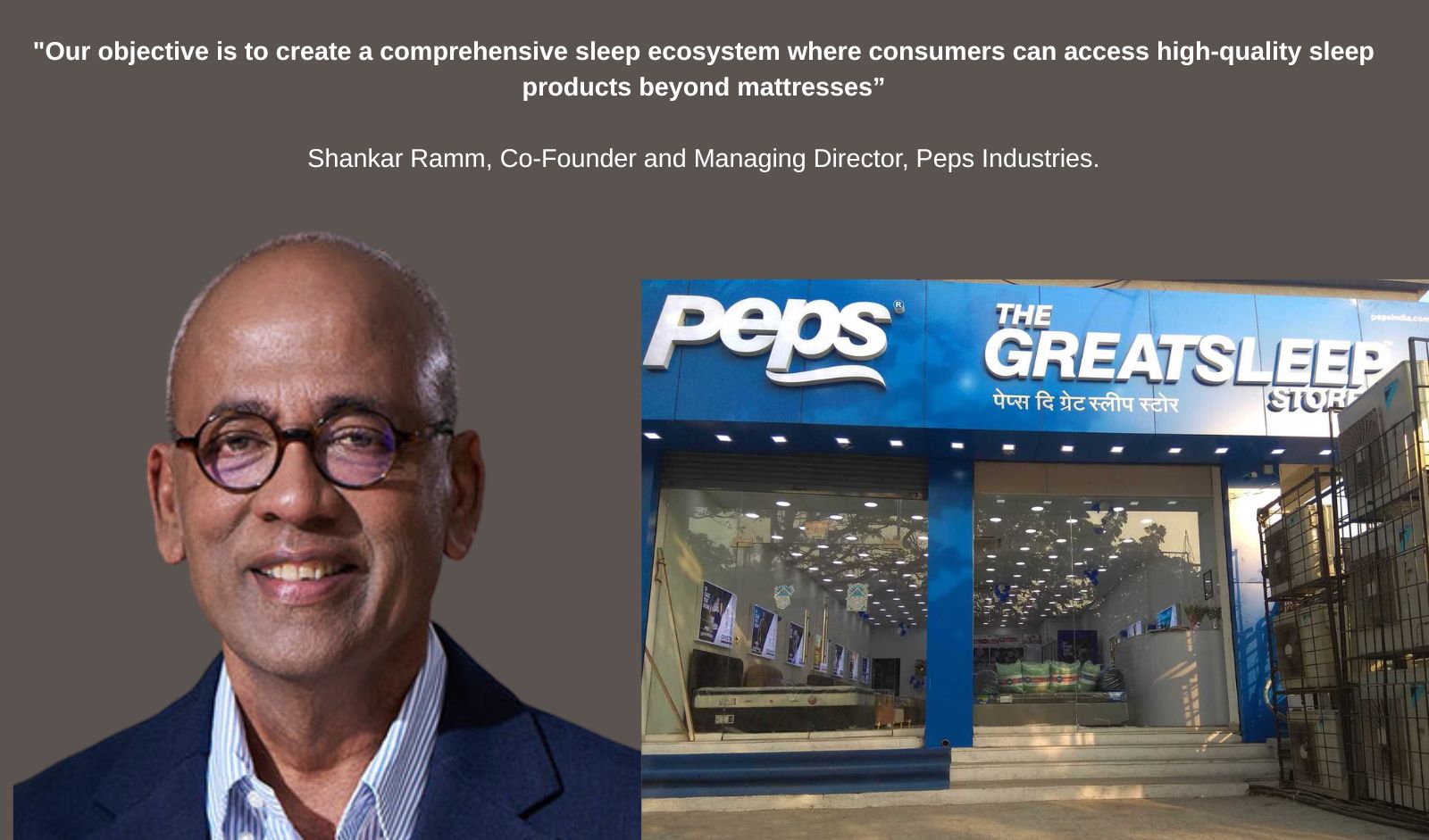
India's mattress industry is undergoing a transformation as consumers increasingly prioritize sleep quality, comfort, and wellness. Amid this shift, Peps Industries is charting an ambitious growth path, leveraging its stronghold in South India while expanding its footprint across the country.
Founded over two decades ago, Peps Industries has established itself as one of India's leading spring mattress brands. The company operates under a licensing arrangement with American mattress brand Restonic and has built its reputation on product innovation, technical expertise, and customer satisfaction.
"Our growth has been driven by continuous product innovation, technical expertise, and a strong focus on customer delight. Positive customer experiences led to strong word-of-mouth recommendations, which played a significant role in building the brand," said Shankar Ramm, Co-Founder and Managing Director of Peps Industries.
Strengthening Retail Presence
While Peps has a presence across multiple regions, South India continues to be its strongest market. The company sees significant opportunities for further growth in the region and is actively expanding its retail network.
"We currently operate around 135 exclusive stores in South India and plan to increase that number to 200–225 stores by the end of the year," shared Ramm.
The expansion reflects the company's strategy of deepening its market penetration while improving accessibility for consumers seeking premium sleep solutions.
Building Differentiation Through Innovation
In an increasingly competitive mattress market, Peps continues to differentiate itself through its focus on spring mattresses and proprietary product technologies.
The company believes spring mattresses remain the preferred choice globally, with nearly 70 percent of consumers opting for the category. Alongside this, Peps has invested in rubberized coir mattresses and developed patented sag-resistant technologies designed to enhance durability and comfort.
"Our focus has always been on delivering quality sleep solutions that match customer needs and budgets. Additionally, around 92 percent of our products are biodegradable, which is an important differentiator in today's environmentally conscious market," noted Ramm.
Sustainability and innovation are becoming increasingly important purchasing considerations, particularly among younger consumers seeking products that combine comfort with environmental responsibility.
Expanding Beyond South India
While South India remains a key market, Peps is preparing for a broader national expansion. The company plans to strengthen its presence across western and northern India in the coming months before accelerating growth in eastern markets.
"Our immediate focus remains South India, where we aim to deepen our presence across districts and smaller markets. Over the next four to five months, we will strengthen our presence in the West and North regions, followed by expansion into the East by the end of the year," explained Ramm.
Rather than focusing exclusively on metropolitan cities, the company sees significant potential in Tier II and Tier III markets, where rising incomes and growing awareness of sleep wellness are creating new demand opportunities.
"We will identify strong districts within each state and establish a presence there while also creating a smaller footprint in select Tier I cities," he added.
Growth Ambitions and Future Outlook
Peps Industries has set aggressive growth targets for the coming years. The company reported revenues of approximately ₹450–460 crore last year and expects substantial growth as its expansion strategy gains momentum.
"We expect to reach approximately Rs 630–640 crore this year and Rs 800–850 crore the following year. Our goal is to become a Rs 1,000 crore company within the next few years," said Ramm.
The company believes its combination of retail expansion, product innovation, and market penetration will support its long-term growth ambitions.
From Mattresses to Complete Bedroom Solutions
Beyond mattresses, Peps is expanding its portfolio to become a comprehensive bedroom solutions brand. The company is increasingly focusing on accessories such as pillows, mattress protectors, fitted sheets, bed sheets, comforters, blankets, and related products.
"Many of these products are already available, and we expect the category to grow significantly over the next six to twelve months," said Ramm.
The accessories segment forms part of the company's broader vision of creating a complete sleep ecosystem that addresses multiple consumer needs.
"Our objective is to create a comprehensive sleep ecosystem where consumers can access high-quality sleep products beyond mattresses. We expect strong momentum in this segment over the coming months and believe it can become an important growth driver for the company," he concluded.
India's manufacturing sector is undergoing a significant transformation. As global supply chains diversify and domestic consumption continues to grow, manufacturers are being pushed to move beyond traditional production models. Today, factors such as engineering expertise, product design, speed-to-market and supply-chain resilience are becoming key differentiators.
For brands operating in consumer electronics and appliances, the expectations from manufacturing partners have changed dramatically. Instead of simply assembling products, brands are increasingly looking for partners that can support product development, engineering, prototyping and large-scale manufacturing.
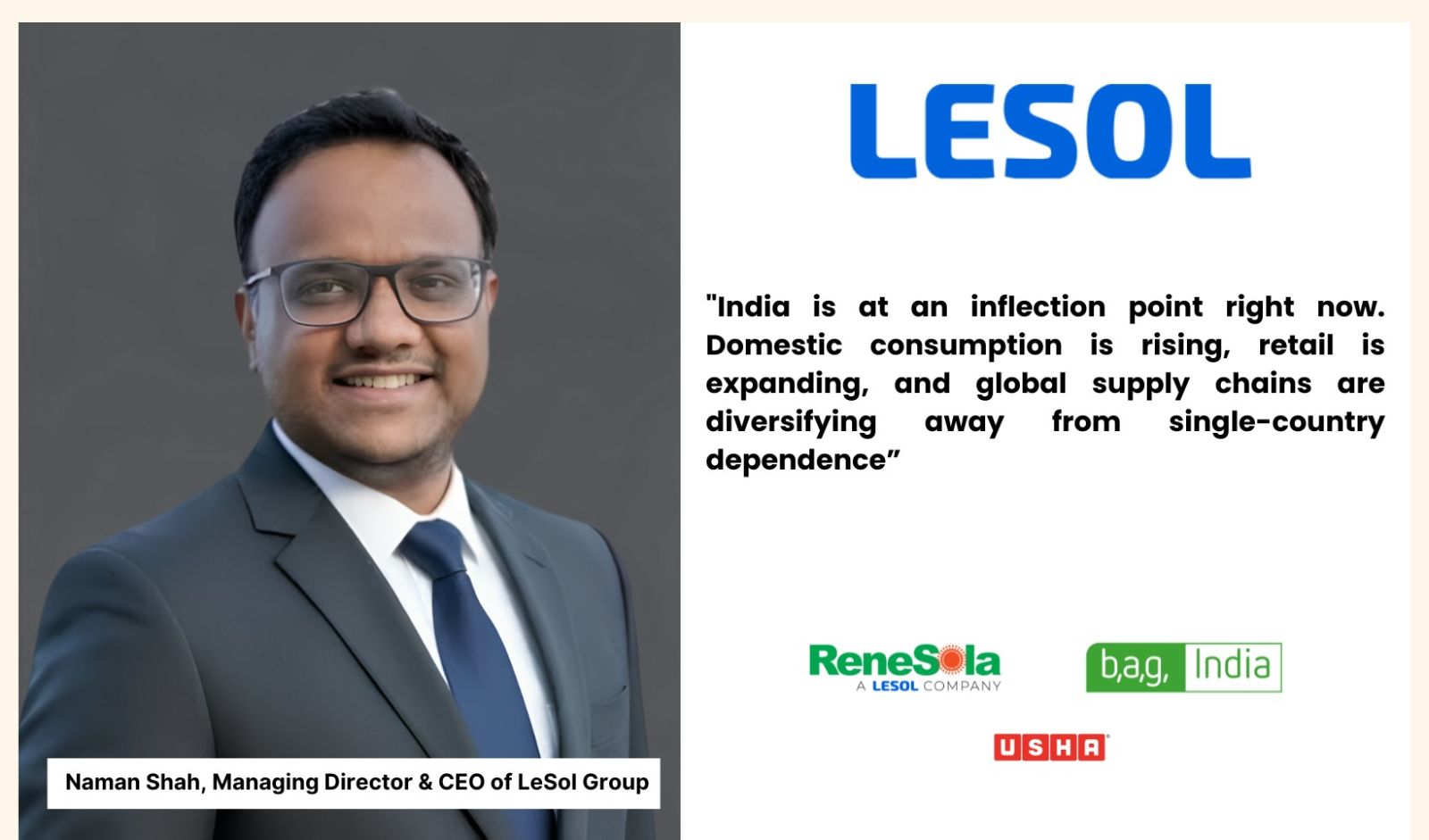
"LeSol today is fundamentally an engineering-led manufacturing company. The real moat in manufacturing is technology depth and engineering capability, not just having more machines," expressed Naman Shah, Managing Director & CEO of LeSol Group.
Today, LeSol operates across automotive electronics, healthcare devices, industrial systems, EV battery management systems, and consumer brands such as ReneSola and Usha Shriram.
Faster Product Development Becoming a Priority
One of the biggest changes in the industry is the growing pressure on brands to launch products faster.
According to Shah, product development timelines that once stretched between nine and twelve months are now expected to be completed within four to five months, without compromising on quality.
"The major change that we can see today is the extent to which the brands are trying to cut down the time-to-market process. Something that traditionally took them between nine to twelve months, they now require them to be completed in four to five months. But still, they want quality,” shared Shah.
He pointed out that fragmented product development processes often slow brands down, with multiple vendors handling design, prototyping, tooling and manufacturing separately.
To address this challenge, LeSol has built an integrated model where several stages of product development are managed under one roof.
"When everything sits under one roof, decisions happen faster, problems get caught earlier, and you don't lose weeks waiting for some third-party vendor to respond," Shah noted.
Engineering Takes Centre Stage
As consumer products become increasingly connected and technology-driven, engineering capabilities are becoming more important than ever.
From smart appliances and IoT-enabled devices to energy-efficient products, brands are relying on innovation and product differentiation to stand out in a competitive market.
"The role of engineering in manufacturing has fundamentally changed over the last few years. Brands are fighting for differentiation, and differentiation comes from product engineering, user experience, energy efficiency, smart features, and things that require real engineering depth," shared Shah.
He added that brands today expect manufacturing partners to contribute much earlier in the product development process, supporting everything from product architecture and embedded systems to testing, validation and scalability.
As a result, engineering expertise is becoming just as important as manufacturing capacity for companies looking to stay competitive.
Manufacturers Becoming Strategic Partners
The relationship between brands and manufacturers is also evolving.
Traditionally, manufacturers were largely focused on production and execution. Today, brands are seeking partners that can actively contribute to innovation, design improvements and product development.
"The conversation with brands has changed quite a bit even compared to three or four years ago," Shah said. "Back then, the first question was always about price. Today, the first question is usually about capability and speed."
This shift is encouraging manufacturers to invest more heavily in engineering talent, design capabilities and research and development infrastructure.
"The role of the manufacturing partner has transformed from a mere producer to a more strategic partner," Shah added. "You're part of the brand's growth engine now, not just a line item in their cost sheet."
India's Manufacturing Moment
As India positions itself as a global manufacturing hub, industry leaders believe the next phase of growth will be defined not by low-cost labour alone but by engineering excellence, innovation and end-to-end capability.
For manufacturers, the challenge is no longer simply producing at scale. It is building the ability to transform ideas into market-ready products while maintaining speed, quality and resilience.
"India is at an inflection point right now. Domestic consumption is rising, retail is expanding, and global supply chains are diversifying away from single-country dependence," concluded Shah.
As Indian malls transform from shopping destinations into experience-driven social hubs, family entertainment centres (FECs) have emerged as one of the fastest-growing categories in modern retail. At the forefront of this evolution is Timezone India, which has steadily expanded its footprint across the country while redefining how consumers engage with entertainment.
From metro cities to emerging Tier II markets, Timezone has built a robust network of gaming and entertainment destinations that cater to families, children, teenagers, and corporate groups alike. Today, the company operates 74 Timezone venues and 19 Play and Learn centres across India, taking its total footprint to 93 locations.
Experiences Are the New Retail
The role of malls in India has undergone a significant shift over the past decade. While retail once dominated mall spaces, experiences are increasingly becoming the primary reason consumers visit these destinations.
"Today's generation is not going to malls to buy things; they are going to malls to do things," said Abbas Jabalpurwala, CEO, Timezone India. "Anything barcoded can be purchased online. Experiences like entertainment, cinema and food are what people increasingly seek out, and that's exactly where Timezone comes in."
The company's venues are designed as complete entertainment destinations, offering a mix of arcade games, bowling, laser tag, VR attractions, bumper cars, party rooms and food offerings. At flagship locations such as Inorbit Mall Malad, visitors can spend hours engaging in multiple activities under one roof.
"We are creating destinations inside malls that become reasons for people to visit. Whether it's a family outing, a birthday celebration, a college group gathering, or a corporate event, we have something for everyone," Jabalpurwala explained.
Expanding Beyond Metros
While Timezone initially established itself in metropolitan markets such as Mumbai, Bengaluru, Chennai and Delhi, its growth strategy has evolved significantly over the past few years. The company has consciously moved deeper into Tier I and II markets, identifying untapped demand for quality entertainment experiences.
"We wanted to be present in most state capitals first, and over the last four to five years we have achieved that. Now we're entering the second- and third-largest cities within states," noted Jabalpurwala.
The strategy has already seen Timezone establish operations in cities such as Bhubaneswar, Gwalior, Siliguri, Rourkela, Bhopal and most recently Amravati.
According to Jabalpurwala, India still offers significant room for expansion. "We currently have around 50 white-space cities where we are not present and need to be. Most of these are Tier I and II markets, and they represent a substantial growth opportunity for us."
This expansion reflects a broader trend in Indian consumption patterns, where rising aspirations and increasing disposable incomes are driving demand well beyond traditional urban centres.
Tier II Cities Becoming Growth Engines
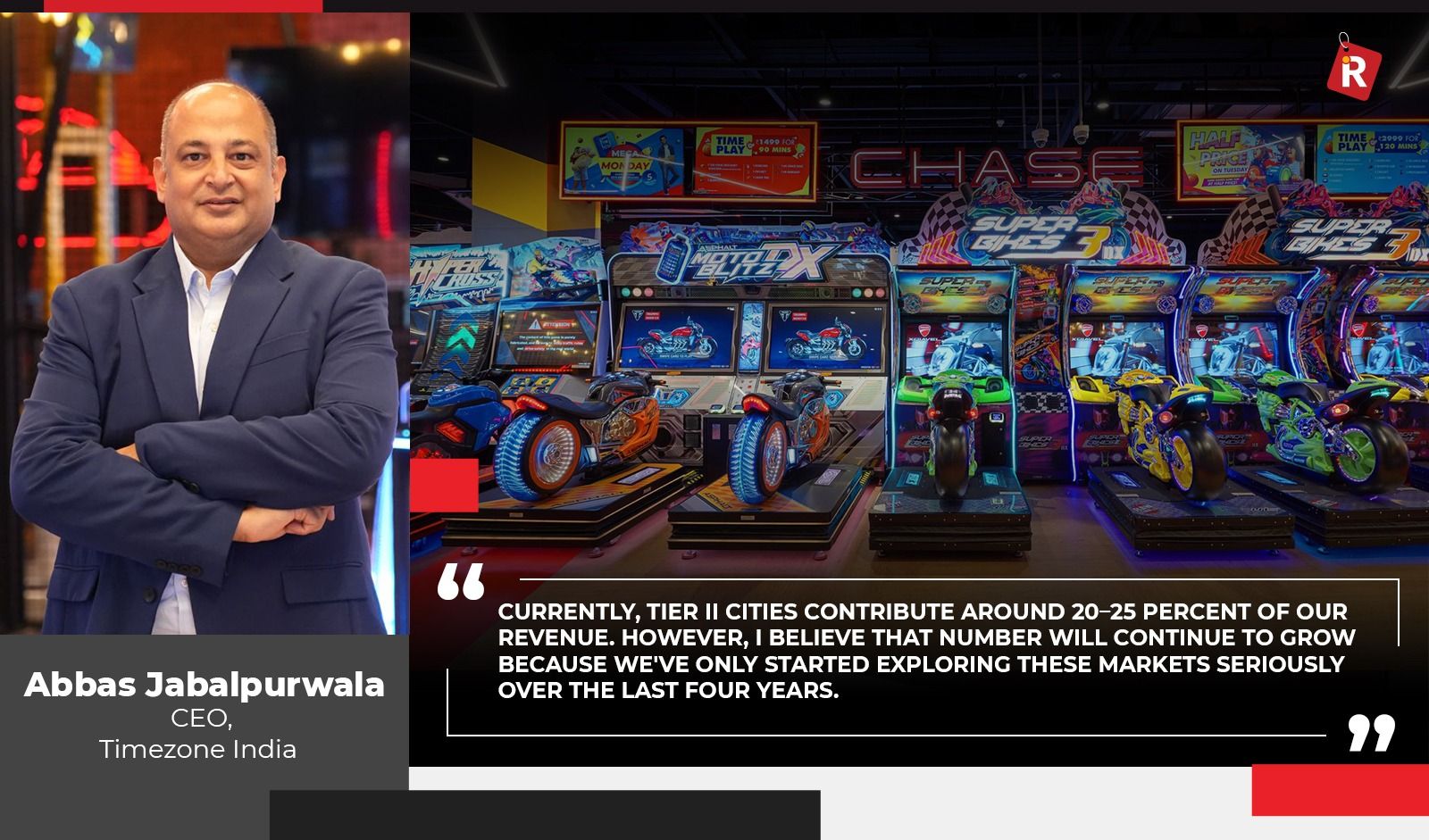
Tier II markets are already making a meaningful contribution to Timezone's business. "Currently, Tier II cities contribute around 20–25 percent of our revenue. However, I believe that number will continue to grow because we've only started exploring these markets seriously over the last four years," stated Jabalpurwala.
Interestingly, consumer expectations in smaller cities are becoming increasingly sophisticated. "Today, because of social media, someone sitting in a remote city knows exactly what's new and trending. We cannot offer a diluted experience in smaller markets. If you visit our store in Bareilly, you'll find games that are just as current as those in Noida or Faridabad."
This commitment to consistency has become a key differentiator for the brand.
Betting Big on Technology
The company has been an early adopter of emerging entertainment technologies, introducing several concepts ahead of the broader market. "We were among the first to bring bowling into malls, among the first to introduce laser tag, and we started installing VR attractions as early as 2018 when very few people even knew what virtual reality was," Jabalpurwala explained.
Today, Timezone is one of India's largest operators of VR-based attractions and offers several immersive experiences, including role-play virtual reality formats.
"We were the first to introduce Hologate role-play VR in India along with experiences such as Transformer VR and Arcadia. Going forward, I see AR and VR becoming a much larger part of the entertainment landscape."
What makes these technologies particularly exciting, he highlighted, is their universal appeal. "We're seeing guests in their fifties and sixties enjoying VR experiences as much as younger audiences. The appeal is much broader than people initially expected."
A Disciplined Growth Model
Unlike many retail and entertainment operators that rely on franchising, Timezone has adopted a company-owned model across all its locations.
"We only operate company-owned stores," he said. "Financial discipline, safety standards and product refreshes are critical in our business. We want complete control over the guest experience."
Expansion is also entirely self-funded. "Our growth is funded through internal accruals. On average, we open around 10 to 12 stores annually. With an investment of approximately Rs 10,000 per square foot, each store requires a capex investment ranging between Rs 9.5 crore and Rs 12.5 crore."
This translates into annual reinvestments exceeding Rs 100 crore back into the business. "We're redeploying well over Rs 100 crore every year into expansion and upgrades. That's a reflection of our confidence in the long-term potential of the Indian market."
Chasing Quality, Not Numbers
Despite operating one of the largest entertainment networks in the country, Timezone is not focused solely on aggressive expansion targets. "I don't believe in getting into a numbers race," asserted Jabalpurwala. "The moment you start chasing numbers, there's always a risk of compromising on quality."
That said, the company is approaching a major milestone. "With 93 venues already operational, our first goal is naturally to cross the 100-venue mark across Timezone and Play and Learn. We expect to achieve that milestone by 2027."
The company continues to target approximately 10 to 12 new openings annually, balancing growth with operational excellence.
"India is now our second-largest market globally after Australia, underscoring the remarkable scale and significance of our business in the country. Given the momentum we are witnessing, I am confident that India will continue to be a key growth driver for us in the years ahead,” he concluded.
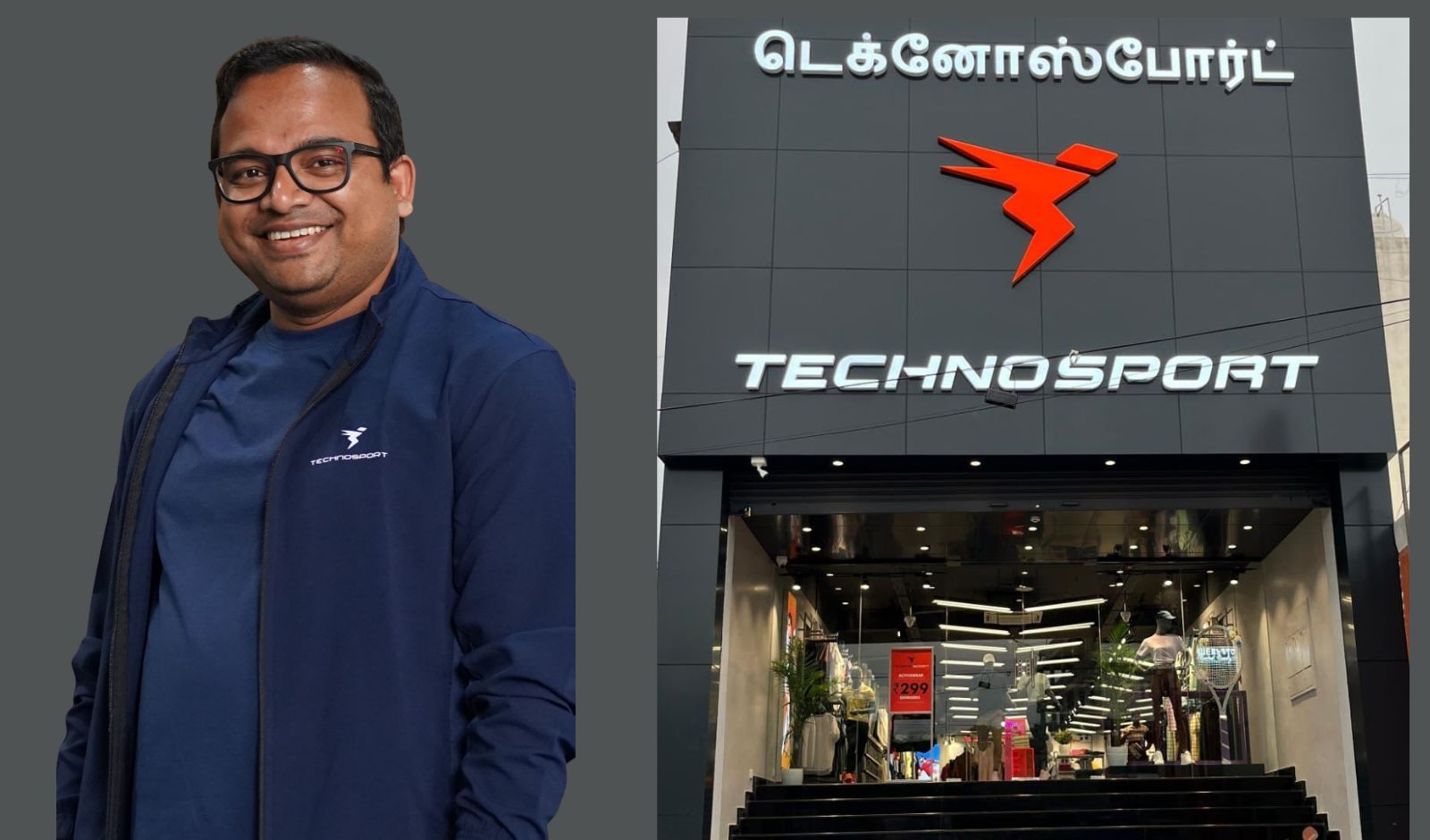
As India's activewear market continues to evolve beyond fitness enthusiasts and professional athletes, homegrown brands are finding new opportunities by catering to everyday consumers seeking comfort, functionality, and affordability. Among the brands driving this shift is TechnoSport, which has built its business around a simple yet ambitious goal: making performance-led activewear accessible to a much larger segment of Indian consumers.
The brand is leveraging its manufacturing strengths, expanding retail footprint, and growing product portfolio to deepen its presence across the country. With plans to significantly expand its exclusive store network and a target of reaching Rs 1,000 crore in revenue by FY27, TechnoSport is positioning itself for its next phase of growth.
Democratizing Performance-Led Activewear
The inspiration behind TechnoSport stemmed from a gap in the Indian activewear market. At a time when performance apparel was largely dominated by international brands and premium pricing, the company identified a large aspirational consumer segment looking for quality, comfort, and functionality at a more accessible price point.
"Performance-led activewear should not remain limited to a premium audience. We saw a significant opportunity to bring activewear technology to a much wider set of Indian consumers," shared Puspen Maity, CEO, TechnoSport.
Unlike brands focused solely on sports performance, TechnoSport's approach has centered on creating products designed for Indian weather conditions and everyday lifestyles. The focus has been on delivering performance benefits that fit seamlessly into daily routines, whether consumers are exercising, commuting, travelling, or simply seeking greater comfort throughout the day.
Manufacturing as a Competitive Advantage
A major pillar of TechnoSport's growth strategy has been its vertically integrated manufacturing ecosystem in and around Tiruppur.
The brand manages multiple stages of the value chain, including fabric manufacturing, knitting, dyeing, processing, finishing, garmenting, warehousing, and dispatch. Most of its fabric production is carried out in-house, enabling tighter control over quality, production timelines, and costs.
This manufacturing depth not only supports product innovation but also provides operational flexibility as the company expands its retail footprint across the country.
"Being vertically integrated allows us to maintain stronger control over quality, speed and cost while reducing dependence on external suppliers," explained Maity.
Building a Strong Omnichannel Presence
TechnoSport has adopted a diversified retail strategy that balances traditional trade, exclusive brand outlets, and digital channels.
General trade remains the company's largest and most established channel, supported by a network of approximately 13,000 retailers across India. This widespread presence has helped the brand reach consumers across both metropolitan and smaller markets.
"Whether consumers choose to shop at a neighbourhood retailer, one of our exclusive stores, or online, our objective is to make performance-led activewear easily accessible across the country," said Maity.
At the same time, TechnoSport has steadily expanded its exclusive brand outlet (EBO) network, which currently stands at more than 50 stores. These outlets serve as important brand-building destinations where consumers can experience the company's product technologies, fabric innovations, fits, and performance features firsthand.
The online business, comprising both direct-to-consumer (D2C) operations and marketplace platforms, has also emerged as an important growth driver, helping the brand reach consumers across geographies and reinforcing its national footprint.
Aggressive Retail Expansion on the Cards
As part of its next growth phase, TechnoSport is significantly increasing its offline presence.
The brand plans to add approximately 78 to 80 new exclusive brand outlets during the current fiscal year, taking its total store count to around 128-130 outlets nationwide. According to Maity, these stores will continue to play a crucial role in strengthening consumer engagement and accelerating brand awareness.
"Exclusive brand outlets allow consumers to experience our product technology, comfort and fit firsthand. They play a very important role in building stronger consumer connections and increasing brand visibility," he said.
Beyond EBO expansion, the company also intends to deepen its presence within the general trade channel. Strengthening retailer partnerships, improving local visibility, and enhancing retailer support initiatives will remain key focus areas as TechnoSport expands into newer markets.
Deepening Focus on Core Apparel Categories
While many activewear brands are diversifying into multiple adjacent segments, TechnoSport sees substantial headroom within apparel itself.
"Apparel continues to be our biggest opportunity. We see significant scope to build deeper category leadership across men, women and kids while continuing to innovate around comfort, functionality and performance," said Maity.
Menswear continues to be the company's strongest category, but women's activewear has witnessed strong momentum in recent years and remains a major growth driver. The brand is also investing in kidswear, a relatively underpenetrated segment within the activewear category.
Beyond T-shirts and tops, the company is witnessing increasing demand across bottomwear categories such as track pants, shorts, cargo pants, and casual performance wear.
"We are seeing strong consumer response across bottomwear categories, particularly products that combine versatility, comfort and everyday usability," added Maity.
Winterwear and seasonal collections are also expected to gain greater importance as the company expands further into northern Indian markets where weather-driven demand patterns differ significantly.
The brand is evaluating opportunities in adjacent categories such as accessories and innerwear, though apparel remains the primary growth engine for the foreseeable future.
Chasing the Rs 1,000 Crore Milestone
Looking ahead, TechnoSport's long-term vision extends beyond store expansion and category growth.
At the heart of the company's strategy is its mission to democratize performance-led clothing for Indian consumers. The brand believes that activewear technology, comfort, durability, and functionality should be available to consumers across income segments rather than being restricted to premium buyers.
"The larger mission remains unchanged. We want performance-led clothing to be accessible to all consumer cohorts who need comfort, durability and functionality in their everyday lives," said Maity.
To support this vision, TechnoSport is focusing on sustainable growth driven by manufacturing excellence, deeper retail penetration, product innovation, and growing consumer adoption. It is targeting revenue of approximately Rs 1,000 crore by FY27, reflecting its confidence in the continued expansion of India's activewear market and the growing relevance of affordable performance apparel.
"Our Rs 1,000 crore target reflects the scale of opportunity we see in India. We believe this growth will be supported by our manufacturing strength, expanding retail footprint and rising consumer demand for performance wear," concluded Maity.
The Indian quick service restaurant (QSR) industry is witnessing a remarkable transformation, driven by changing consumer preferences, increasing urbanization, rising disposable incomes, and a growing appetite for global food brands. Amid this dynamic landscape, Popeyes India has emerged as one of the fastest-growing players in the country's highly competitive fried chicken segment.
Since its entry into India through franchise partner Jubilant FoodWorks, Popeyes has steadily expanded its footprint while building a strong consumer following around its distinctive Louisiana-style flavors, premium product quality, and digitally driven brand experience. Today, with more than 80 stores across the country and ambitious plans to scale further, the brand is positioning India as one of its most important growth markets globally.
"India is a very strategic market for Popeyes globally, given the scale of the opportunity, the young consumer base, and the strong affinity for chicken-led QSR formats," said Vibhor Gupta, Executive Vice President and Chief Business Officer, Popeyes India.
"The market is witnessing a growing demand for bold flavors, indulgent food experiences, and premium QSR offerings, which aligns very well with the Popeyes brand proposition. For Popeyes, India is not just another expansion market; it is one of the key long-term growth markets," he added.
Building Momentum Through Strategic Expansion
Popeyes' recent entry into Pune marks another significant milestone in its growth journey. Rather than adopting a cautious single-store approach, the brand entered the city with three outlets simultaneously across Phoenix Market City, Seasons Mall, and Elpro Mall.
"Ever since we launched in Mumbai, we had been receiving a lot of customer love and strong demand from consumers in Pune, especially through Instagram and digital channels," Gupta explained. "From a strategy standpoint, when entering a new city as a relatively young brand, visibility and awareness become extremely important. That is why it was important for us to launch with multiple stores across marquee locations rather than entering with a single outlet."
Differentiation Through Product Excellence
Competition in India's fried chicken category has intensified significantly in recent years. However, Popeyes believes its product proposition remains a key differentiator. At the heart of the brand's offering are its bold Cajun-inspired flavors, adapted to suit Indian tastes while retaining the authenticity of the global Popeyes experience. The brand's commitment to quality is reflected in its use of fresh, antibiotic-free chicken that undergoes a 12-hour marination process before being prepared using Popeyes' signature breading technique.
"For us, it starts and ends with customer love and product quality," Gupta stated. "We serve fresh chicken, not frozen; it is antibiotic-free and goes through a 12-hour marination process. We also have a unique breading and battering technique that delivers both crunch and juiciness."
Beyond food, Popeyes is investing heavily in creating an engaging dine-in experience through contemporary store designs, premium locations, and a youthful brand identity that resonates strongly with India's younger consumers.
Winning Over India's New-Age Consumer
Consumer behavior within the QSR sector has evolved rapidly over the last few years. Today's consumers are looking beyond convenience and value, seeking memorable dining experiences, bold flavors, social sharing opportunities, and brands that connect with them culturally.
Popeyes has adapted quickly to these shifts. "Consumers today are looking for much more than just convenience," Gupta noted. "They are seeking flavor-led experiences, shareable occasions, visually engaging food, and brands that feel culturally relevant and digitally connected."
This insight has driven the success of several recent product innovations, including the Hot & Messy Chicken range and Dip N' Drip Sauces, both of which have generated strong consumer engagement.
The brand's marketing strategy has also become increasingly digital-first. Recognizing that product discovery now happens through creators, short-form videos, and social media conversations, Popeyes has invested heavily in influencer partnerships and culturally relevant campaigns.
Recent collaborations with actress Rashmika Mandanna in South India and content creator Kusha Kapila have helped strengthen the brand's relevance among younger audiences while driving substantial online engagement.
Innovation Driving Repeat Consumption
Product innovation continues to play a central role in Popeyes' growth strategy. Its iconic Chicken Sandwich remains one of the strongest-performing products globally and in India, often serving as the entry point for first-time customers. Alongside this flagship offering, flavor-forward innovations such as the Hot & Messy Chicken range and Flavor Burst Burgers have resonated strongly with consumers seeking indulgent experiences.
The company also reports strong demand for bucket meals and shareable formats, particularly among younger consumers and group dining occasions.
Balancing Dine-In and Delivery
As delivery continues to reshape the food service industry, Popeyes is pursuing a balanced omnichannel strategy. While delivery has become a major growth engine, the company views physical stores as equally important, particularly in building awareness and facilitating product trials in new markets.
"Dine-in remains critical, as prominent physical locations help drive awareness, discovery, and first-time trials for a relatively young brand like Popeyes in India," Gupta explained.
At the same time, Popeyes benefits from the delivery expertise of Jubilant FoodWorks, which has built one of the country's most sophisticated food delivery ecosystems through its operations. The brand operates its own app and manages its own last-mile delivery capabilities, while also leveraging third-party aggregators to maximize reach and convenience.
Ambitious Roadmap to 300 Stores
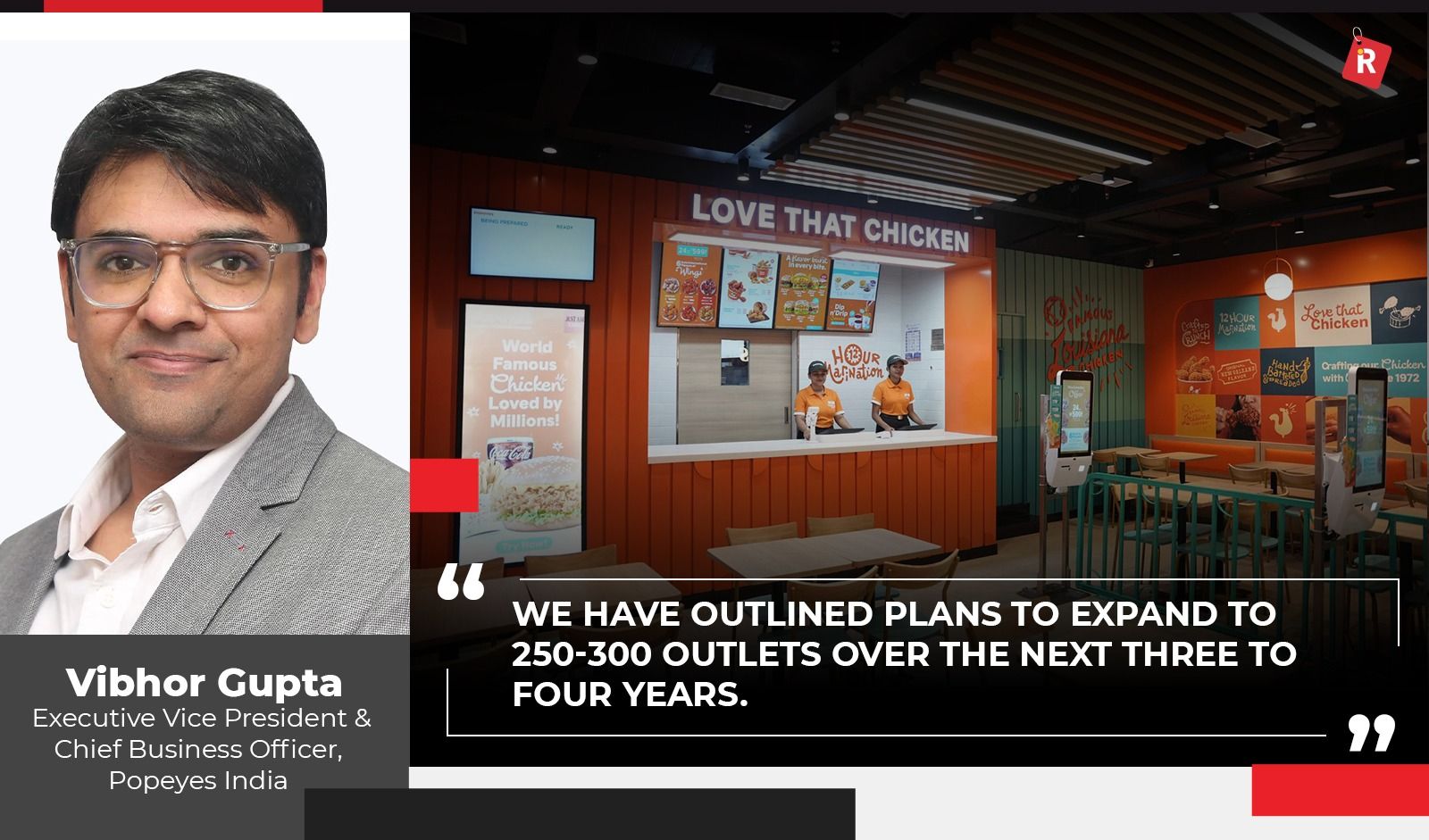
Popeyes India is currently in an aggressive expansion phase. With over 80 operational stores nationwide, the company has outlined plans to expand to 250-300 outlets over the next three to four years.
The growth ambition goes beyond store count. The brand is also aiming to become one of the fastest food service brands in India to cross the Rs 1,000-crore revenue milestone.
While South India remains a stronghold due to consumers' affinity for chicken-based formats, Popeyes is witnessing encouraging traction across western markets, including Mumbai and Pune. Key focus regions for future growth include NCR, Bengaluru, Chennai, Hyderabad, and Maharashtra.
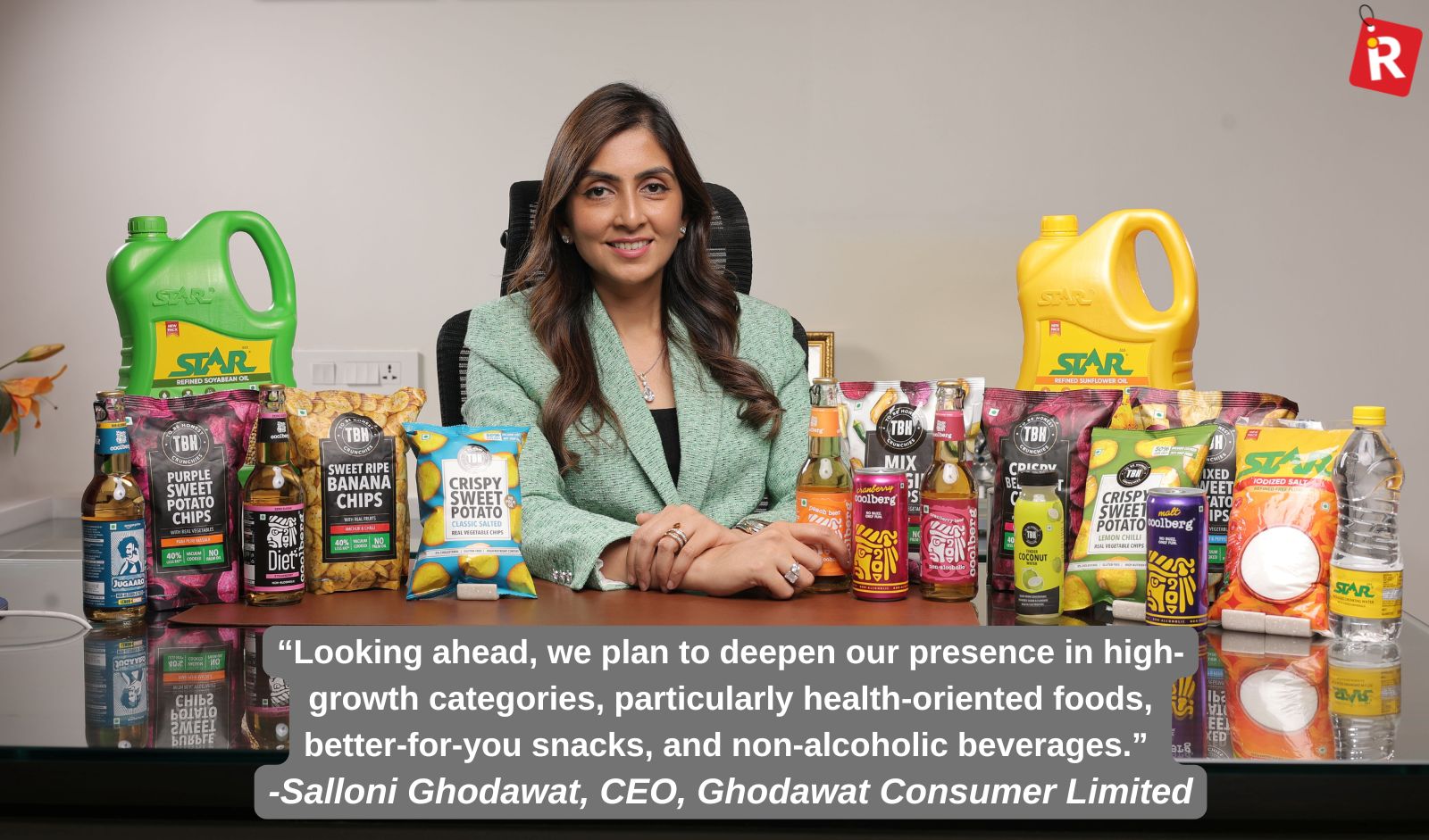
In India's fast-evolving FMCG landscape, where consumer preferences are shifting rapidly and competition continues to intensify, Ghodawat Consumer Limited (GCL) is carving a distinct identity through innovation, digital transformation, and a deep understanding of consumer needs. With a diversified portfolio spanning food staples, snacks, beverages, and emerging health-focused categories, the company is steadily strengthening its position as a formidable player in the sector.
"Our focus is on consistently delivering high-quality products that cater to the evolving needs and aspirations of Indian consumers," said Salloni Ghodawat, CEO, Ghodawat Consumer Limited. "We have strategically developed brands such as Star, TBH, and Coolberg to serve distinct consumer segments. This diversified approach allows us to remain relevant across a broad spectrum of consumer preferences while reinforcing trust, quality, and value."
Riding the Wave of Emerging Consumer Trends
India's Tier II and III markets have emerged as key growth engines for the FMCG industry, and GCL is actively capitalizing on the opportunities these regions present. Rising disposable incomes, growing aspirations, and increased digital penetration are transforming consumption patterns beyond metropolitan cities.
According to Ghodawat, consumers in these markets are increasingly seeking products that deliver both quality and convenience without compromising affordability. The growing influence of digital platforms has also changed how brands engage with customers.
"We are witnessing a remarkable shift in consumer behavior across smaller cities and towns. Digital adoption is enabling consumers to discover new products, compare options, and make informed choices. This has encouraged us to invest in regional marketing initiatives, vernacular communication, and stronger last-mile delivery capabilities," she explained.
Omnichannel Strategy Driving Market Expansion
The company currently reaches more than 250,000 retail outlets across India while simultaneously expanding its footprint across e-commerce and quick commerce platforms. This integrated approach ensures that consumers can access GCL products seamlessly across multiple touchpoints.
"Omnichannel distribution is no longer optional—it is critical to sustained growth," stated Ghodawat. "While general trade and modern trade remain the backbone of our distribution network, digital platforms have become significant growth accelerators. Our objective is to create a seamless shopping experience, whether consumers choose to shop offline or online."
To support this strategy, GCL has invested heavily in technology-driven infrastructure, including SAP, Sales Force Automation (SFA), Distribution Management Systems (DMS), and advanced analytics tools. These investments are helping the company improve operational efficiency, optimize inventory management, and enhance decision-making across the supply chain.
Expanding Product Portfolio and Global Presence
GCL's growth ambitions extend beyond domestic market expansion. The company is steadily increasing its international footprint, with products now available in more than 25 countries.
Looking ahead, the company plans to deepen its presence in high-growth categories, particularly health-oriented foods, better-for-you snacks, and non-alcoholic beverages. These segments have witnessed strong double-digit growth, driven by rising health consciousness among consumers.
"We see significant opportunities in categories that combine convenience with wellness," noted Ghodawat. "Consumers today are actively seeking healthier alternatives, and we are committed to developing products that align with these changing lifestyles. Our robust R&D capabilities and consumer insights help us identify emerging trends and create differentiated offerings."
The company is also exploring adjacent categories and value-added products that can complement its existing portfolio while strengthening long-term growth prospects.
Strengthening Distribution Partnerships
A key pillar of GCL's success has been its extensive distribution network and collaborative approach toward channel partners. Rather than viewing distribution solely as a logistical function, the company treats it as a strategic growth driver. GCL continues to strengthen partnerships with distributors through improved operational alignment, enhanced market support, and shared growth opportunities.
"We believe distribution partnerships are essential for building sustainable scale," she highlighted. "By leveraging technology, data-driven insights, and collaborative planning, we are creating a more agile and future-ready distribution ecosystem that benefits both our partners and consumers."
In addition to strengthening traditional channels, GCL is increasing its presence across modern trade, organized retail, and emerging FMCG formats to improve product accessibility and visibility.
Innovation at the Core
GCL has placed significant emphasis on packaging innovation, assortment expansion, and brand-building initiatives to drive consumer engagement. According to Ghodawat, packaging today serves a far greater purpose than simply protecting products. It plays a crucial role in convenience, trust-building, and shelf visibility.
"Consumers increasingly evaluate products based on the complete experience. Packaging, product quality, assortment, and brand visibility collectively influence purchase decisions and loyalty. By continuously innovating across these areas, we are able to strengthen consumer engagement and drive sustainable growth," she asserted.
Leveraging Technology and Data for Smarter Decisions
Technology has become a cornerstone of GCL's transformation journey. The company's 'Digital First' philosophy enables it to harness data and analytics to better understand consumer behavior and respond swiftly to changing market dynamics.
By integrating business intelligence tools with operational systems, GCL can track demand patterns, optimize supply chains, personalize marketing campaigns, and improve product availability.
"Our ability to make real-time decisions is significantly enhanced through data and analytics," explained Ghodawat. "The insights we derive help us personalize consumer experiences, improve operational efficiency, and stay ahead of emerging trends." The company also relies on continuous feedback mechanisms, both online and offline, to ensure products and strategies remain aligned with consumer expectations.
Preparing for the Quick Commerce Era
The rapid rise of quick commerce is reshaping FMCG distribution, particularly in urban markets where convenience and instant gratification are becoming major purchase drivers. Recognizing this shift, GCL has partnered with leading quick commerce platforms and is optimizing its supply chain for faster fulfillment and improved last-mile delivery.
"Quick commerce is fundamentally changing how consumers shop," said Ghodawat. "Categories such as snacks and beverages are particularly benefiting from this trend. By enhancing inventory visibility, demand forecasting, and supply chain responsiveness, we are ensuring that our products are available whenever and wherever consumers need them."
Vision 2030: A Rs 5,000 Crore FMCG Enterprise
As GCL looks toward the future, its ambitions are both bold and transformative. The company has set a target of achieving Rs 5,000 crore in revenue by 2030 while simultaneously advancing its sustainability agenda.
"Our vision is to establish GCL as a leading, future-ready FMCG enterprise driven by innovation, sustainability, and consumer trust," concluded Ghodawat. "We are committed to creating long-term value for consumers, employees, partners, and communities while setting new benchmarks for growth and responsible business practices."
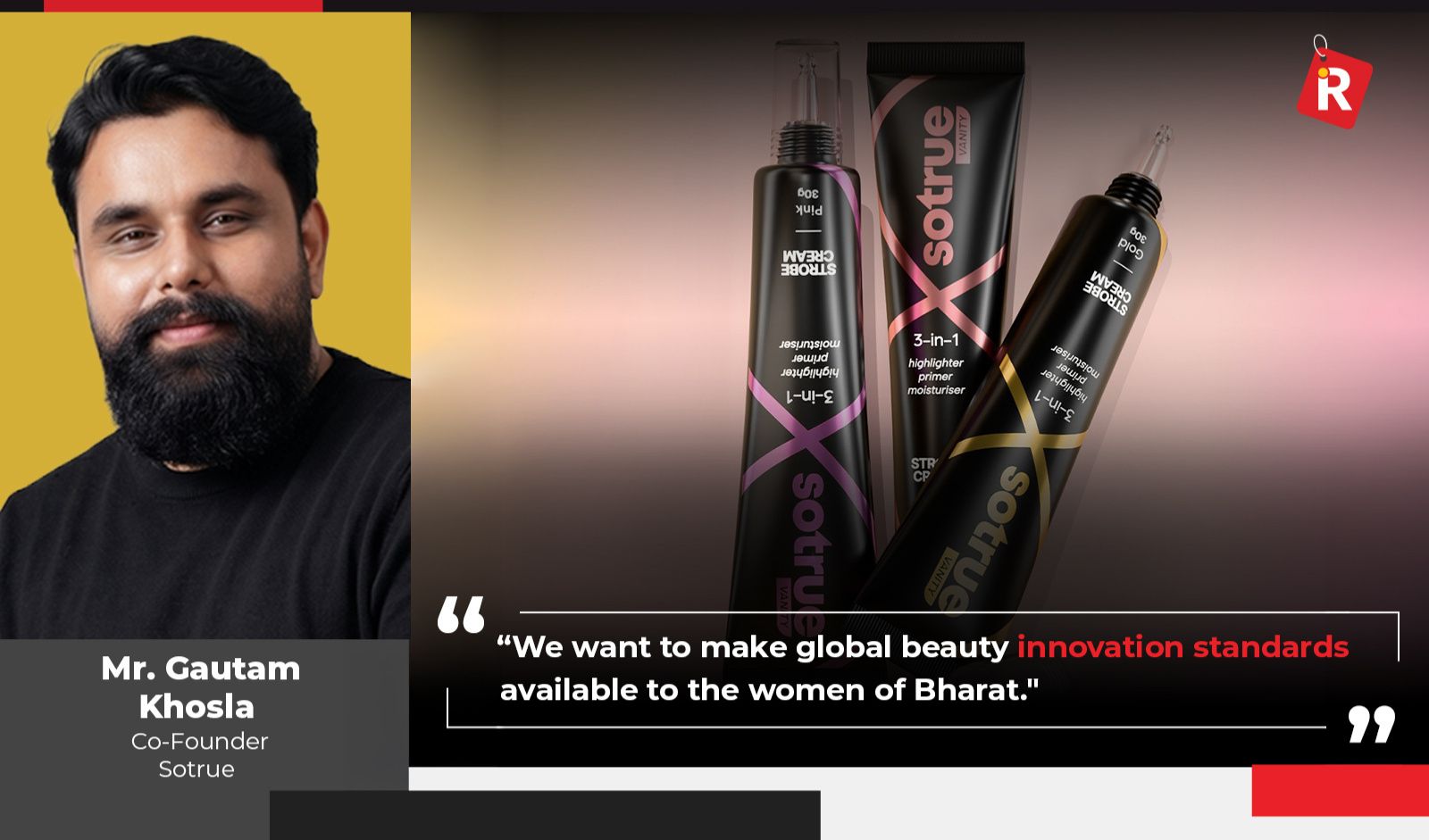
India’s beauty and personal care market has seen an influx of brands over the past few years, but Sotrue is carving a distinct identity by focusing on innovation-led products designed specifically for Bharat consumers. Founded by Gautam Khosla, the brand has rapidly grown by addressing gaps in accessible beauty solutions while building a strong connection with women from Tier-II, Tier-III, and emerging markets.
Before entering entrepreneurship, Gautam spent over seven years in the corporate sector and had personally experienced the lack of quality grooming products available at affordable price points in India.
“Male grooming was something that I had been passionate about throughout my college and corporate days. I saw this gap in the market where Indian consumers were not offered quality products at an accessible and affordable price point. That was the opportunity we decided to solve for,” shared Gautam Khosla, Founder, Sotrue.
Expanding Beyond Male Grooming
While initially focused on men’s grooming, the company soon noticed strong traction among female consumers as well. Post-pandemic, the brand identified a larger white space in India’s beauty industry — the lack of innovative yet affordable products for women in Tier-II, Tier-III, and Tier-IV markets.
“In 2020–21, after COVID, we realised that quality innovative beauty products were available for elite and Tier-I consumers. But when it came to Tier-II, Tier-III, and Tier-IV markets — the Bharat consumer — there was a significant gap in access to quality products and global innovations,” shared Khosla.
It then shifted its focus toward democratizing beauty innovation for Bharat consumers.
Building an Innovation-led Beauty Brand
Innovation remains central to Sotrue’s product strategy. Instead of entering saturated categories like shampoos or face washes, the brand focused on underserved beauty segments.
“We were never out there to solve problems that were already solved. We wanted to innovate in underserved categories,” he explained.
Sotrue became one of the first Indian brands to launch a Made-in-India sunscreen stick at an accessible price point.
“We were the first Indian brand to crack the formulation and make sunscreen sticks available at around ₹500, while imported products retailed at nearly ₹3,000,” he said.
The company also introduced products like acne patches and hair finishing sticks early in the market, strengthening its positioning as an innovation-focused beauty brand.
Expanding Across Beauty Categories
Today, Sotrue broadly operates across four beauty categories — face, eyes, lips, and body — although the face glow segment remains its primary focus.
“In the last two quarters, we launched eye makeup products like Kohl Kajal, which is already gaining tremendous traction and has become our second bestseller,” expressed Khosla.
The company is now preparing to expand aggressively into lip and body makeup categories with skincare-infused formulations.
“Our formulations are mostly skincare-infused makeup hybrids. Traditionally, makeup is perceived as harmful or unsafe for skin. We want to change that perception by offering products that provide skincare benefits alongside makeup functionality,” he explained.
Recently, the brand also introduced a skin tint product aimed at delivering glow along with medium, buildable coverage suitable for daily wear.
Best selling categories
Although strobe creams existed globally, Gautam observed that premium international brands priced them beyond the reach of most Indian consumers.
“MAC launched Strobe Cream globally years ago, but it retailed at around ₹3,500–₹4,000. We wanted to make the concept accessible while tailoring the formulation for Indian consumers,” said Khosla.
Sotrue’s Strobe Cream combined the benefits of a primer, moisturizer, and highlighter into a single product designed for quick application and instant glow.
Standing Out in a Competitive Beauty Market
Despite intense competition from brands like Renee and others operating in the glow and makeup categories, Gautam believes Sotrue’s differentiation lies in its deeper understanding of evolving female lifestyles.
“We are not focused on products alone. We are focused on culture and empowering women. We want to add confidence to women’s lifestyles,” expressed Khosla.
According to him, while skincare routines demand consistency over months and makeup often requires expertise, Sotrue’s products are designed to simplify beauty for everyday consumers.
“We are trying to solve real lifestyle problems that have emerged because of changes in women’s lives over the last decade,” he noted.
Retail Expansion Plans
Currently, Sotrue products are available across nearly 5,000 retail touchpoints in India.
“In the next three to five years, we intend to expand to at least 50,000 retail touchpoints across beauty stores and general trade outlets,” revealed Khosla.
The company’s strongest presence currently lies in North India, followed by West, East, and South markets respectively.
“South India remains a huge opportunity for us and will be a major focus area over the next two to three years,” he added.
At present, the brand does not plan to launch exclusive brand outlets (EBOs) and instead intends to strengthen distribution through beauty retail and general trade channels.
Manufacturing and Sustainability
Sotrue currently follows an outsourced manufacturing model while working closely with contract manufacturers on formulations, sourcing, packaging, and R&D.
“We work very deeply with our manufacturing partners. In fact, our first manufacturing partner still produces most of our products,” shared Khosla.
The company has also started collaborating with some of India’s largest contract manufacturers that work with legacy beauty brands.
On the sustainability front, Sotrue follows Extended Producer Responsibility (EPR) practices related to plastic recycling and compliance.
Long-term Vision and Growth Targets
Sotrue currently operates at an annual recurring revenue (ARR) of around Rs 150 crore and is targeting significant scale over the next five years.
“In the next five years, we want to build an Rs 500 crore brand,” Khosla stated.
While online channels continue to dominate revenues, the company sees offline retail as a major future growth lever.
The broader vision, however, remains rooted in accessibility and democratization of beauty innovation.
“We want to make global beauty innovation standards available to the women of Bharat, even till Tier-IV markets. Beauty should be accessible to all — price and accessibility should never become barriers,” he concluded.
-
Nestasia is strategically strengthening its offline presence across key Tier I cities, reinforcing its omnichannel model that combines digital convenience with immersive physical retail experiences.
-
Founded by Ketan Munoth and Prince Kapoor seven years ago, Plush has emerged as one of India's leading online-first menstrual hygiene brands with a growing presence across the country.
-
Founded by Dheeraj Bansal and Rahul Sachdeva in 2018, Recode Studios is a colour cosmetics brand known for offering premium-quality products at accessible price points.
-
Founded over two decades ago, Peps Industries has established itself as one of India's leading spring mattress brands.






Copyright © 2009 - 2026 Franchiseindia.com Ltd