




 177
/ 7 MIN READ
177
/ 7 MIN READ

There was a time when health insurance was viewed as a “purchasable deferred good”, an umbrella you would only purchase when the sky turned grey. For that mindset, there is no use today. As medical inflation continues soaring, health needs are becoming increasingly unpredictable and lifestyles are changing. Health insurance has transitioned from being a “good-to-have” product to a compulsory one.
This is no longer just some future distant safety net. In a world where even a simple hospital visit can turn into a five-figure bill overnight, this is your first line of financial defence.
The Rising Cost of Healthcare
Medical inflation in India is among the highest in the world, growing at nearly 14% annually. A hospital stay that cost ₹50,000 a few years ago could now set you back by ₹1.5 lakh or more.
Even a day in an ICU at a decent private hospital can cost ₹10,000–₹30,000, depending on the city. And if surgery is involved, the costs shoot up further. In such a scenario, a health insurance policy ensures that a single hospital bill doesn’t wipe out your savings.
Insurers like ACKO General Insurance are working to simplify this space. With features like 100% bill coverage and zero waiting period, the ACKO policy aims to bring more value to customers. Choosing the right policy doesn't need to be a challenge if you're working with an insurer that believes in transparency and digital ease.
One Size Doesn’t Fit All
Today, the health insurance market offers a range of plans to suit different life stages and health profiles. Whether you want an individual plan, a family floater, or critical illness cover, there’s a policy out there that fits. What matters is making a start, so you can build on it later as life circumstances change.
Lifestyle Diseases Are No Longer “Old People Problems”
The boundaries between sickness and age are blurring. Disorders like diabetes, hypertension, PCOS, and anxiety disorders are becoming increasingly common among individuals in their 20s and 30s. This is attributed mainly to jobs that are sedentary, unhealthy food consumption, the high levels of stress, and insufficient sleep.
The frightening aspect? Many of these medical ailments need not only one-time treatment but regular medication, diagnostics, and periodic hospitalisation. Without insurance, all these expenses can catch you out and silently chip into your monthly pay. Medical insurance today usually pays for OPD consultations, diagnostic procedures, and wellness benefits that can considerably mitigate this pressure.
Emergency Care: No One Plans for It
Accidents, infections, or sudden illnesses don’t wait for you to be “ready” with funds. They come unannounced, and when they do, there’s hardly any time to think about finances. Imagine the added anxiety of arranging money while dealing with a loved one’s emergency or your own hospitalisation.
This is where cashless health insurance policies become essential. At network hospitals, you can receive treatment without paying out of pocket and let your insurer handle the bill directly. This system not only speeds up the admission process but also ensures that financial worries don’t delay critical medical decisions.
Financial Stability Through Tax Benefits
Health insurance also saves you on tax under Section 80D of the Income Tax Act. You can avail of deductions up to ₹25,000 annually on premiums paid for yourself, your spouse, and your children. If you're paying premiums for your parents as well, you can claim a deduction of ₹25,000 if they're under 60 and ₹50,000 if they're older than that.
Thus, health insurance insures your finances and health and helps with tax planning in a very real, tangible sense.
Employer Health Cover is not Always Enough
Most salaried employees depend on the group insurance issued by their employers. Although this is an excellent benefit, it's usually capped when it comes to the amount of cover and the hospitals covered. Additionally, as soon as you change jobs or become self-employed, the cover disappears.
Having one's own health insurance policy ensures continuity of coverage. It also provides you with the autonomy to customise your plan, selecting the sum insured, hospital network, and add-ons according to your individual needs.
Don’t Wait for a Wake-Up Call
Too many people delay buying health insurance because they feel invincible, until something happens. The truth is, once you fall ill or are diagnosed with a condition, your ability to buy insurance becomes limited, and premiums shoot up. The best time to buy a health policy was yesterday. The second-best time is today.
Final Thoughts
With rising health risks, skyrocketing treatment costs, and evolving coverage options, not having insurance is no longer a risk worth taking. Think of it not just as protection, but as an investment in your peace of mind, your financial stability, and your freedom to choose the best healthcare when you need it most. In a world full of surprises, health insurance is something you can count on.



The financial market in India recently witnessed significant activity with the launch of the Infonative Solutions IPO. This initial public offering has drawn strong interest from growth-oriented funds, signalling confidence in the company’s future prospects. For many Indian investors, understanding such IPOs and associated concepts like the cut off price in IPO becomes crucial to making informed investment decisions.
This article offers a detailed, simple, and informative overview of the Infonative Solutions IPO. We will explore why it gained strong bids, explain the importance of the cut off price in an IPO, and guide you on what this means for individual investors.
Overview of infonative solutions ipo
An IPO, or Initial Public Offering, is when a company offers its shares to the public for the first time. It is a significant move that helps companies raise capital for expansion, pay debts, or invest in new projects. The Infonative Solutions IPO was eagerly awaited, considering the company’s impressive track record in the tech sector.
Infonative Solutions Limited is a technology-driven firm that provides comprehensive IT solutions to various sectors such as telecom, banking, and retail. The company has been steadily growing, benefiting from India’s thriving digital economy and increased adoption of technology across industries.
When a company like Infonative Solutions decides to go public, it opens an opportunity for common investors to become part-owners. This instils a sense of participation in India's dynamic growth story, especially for young professionals aged 20 to 40 who are increasingly looking for diverse investment options outside traditional savings.
Reasons for strong bids from growth-oriented funds
The Infonative Solutions IPO received overwhelming interest, particularly from growth-oriented funds. But what exactly made this IPO so attractive?
Solid business fundamentals
The company has shown consistent revenue growth in the last few years, driven by strong demand for IT services in India and abroad. Their well-diversified client base and innovative product offerings give investors confidence that the business can maintain its momentum.
Favourable market conditions
At the time of the IPO launch, the Indian stock market was witnessing positive sentiments, with indices showing upward trends. Many mutual funds and institutional investors were on the lookout for promising opportunities, which made the Infonative Solutions IPO stand out as a viable option.
Attractive valuation and pricing
A key aspect which attracted growth funds was the fair valuation of the company. The IPO price band was set reasonably, balancing the company’s prospects and the current market environment. This makes it not only a potentially lucrative investment but also lowers the risk of overvaluation.
Understanding cut off price in ipo
When investing in an IPO, it is important to understand the concept of the cut off price. The cut off price in IPO refers to the final price at which the shares are allotted to investors during the bidding process. It is ideally the price that is acceptable to the majority of investors.
Investors can bid at any price within the IPO price band, but the shares are allotted at one uniform cut off price, not at the individual bid prices. This price is determined after the bidding closes, depending on demand and supply factors.
For example, if the IPO price band is Rs. 100 to Rs. 110, and the demand crunches near Rs. 108, then Rs. 108 can be fixed as the cut off price. All successful bidders will then receive shares at Rs. 108, regardless of their individual bids.
Understanding the cut off price is especially relevant for retail investors looking to make smart bids without overpaying. It helps them gauge the market's real interest in the IPO and decide how much to invest.
How investors can benefit from the infonative solutions ipo
Investing in the Infonative Solutions IPO can be a promising strategy for those seeking growth in the Indian stock market. Here are some key benefits:
Opportunity to invest in a growing sector
IT services and technology are among India’s fastest-growing sectors. By investing in Infonative Solutions, investors tap into the sector’s long-term growth potential.
Potential for wealth appreciation
If the company continues its growth trajectory post-IPO, investors stand to benefit from an increase in the stock price, translating into capital gains.
Diversification of investment portfolio
For many retail investors, equity investments form a part of a balanced portfolio. An IPO like Infonative Solutions provides an opportunity to diversify beyond traditional sectors like banking or manufacturing.
Tips for common investors interested in IPOs
Navigating IPO investments can be tricky, especially for first-time investors. Here are some simple tips to keep in mind:
- Do your research: Understand the company’s business, financial health, and growth prospects before applying.
- Check the price band and cut off price: Don’t blindly bid at the highest limit. Consider your affordability and the cut off price dynamics.
- Invest according to your goals: IPOs can be volatile initially. Ensure your investment horizon aligns with your financial goals.
- Use reliable platforms: Apply through trusted channels such as certified brokers or fintech websites. The Infonative Solutions IPO details and application options at Bajaj Finserv are a good example.
- Avoid herd mentality: Strong bids from funds are encouraging but assess individual risk appetite.
Conclusion
The Infonative Solutions IPO has indeed created a buzz in the Indian investment landscape, drawing strong bids from many growth-oriented funds. This is a testament to the company’s robust fundamentals and the exciting growth prospects it offers in the technology sector. For retail investors, especially those aged 20-40, it presents a unique opportunity to grow their wealth by participating early in a promising business.
A clear understanding of key terms like the cut off price in IPO can empower investors to make smarter decisions and benefit fully from such market opportunities.
By staying informed and cautious, the everyday Indian investor can leverage IPOs like Infonative Solutions to build a stronger financial future.

Today’s era of digitalisation has entirely changed the way business is conducted, bringing diverse domains closer together. The world has embraced concepts like metaverse, allowing people to congregate from different regions. Imagine a business executive interacting with the CEO of an MNC on Miami Beach, or an engineer in Dubai meeting a gifted content creator in Burj Khalifa! The web has made such connections possible, leading to the evolution of a new concept: bleisure.
With comprehensive travel insurance plans at their disposal, new-age corporates now prefer to go on bleisure trips, fulfilling their recreational and professional needs simultaneously.
Let’s now understand the concept of leisure and the role of international travel insurance in making it more enjoyable.
What is bleisure?
‘Bleisure’ is a new term in travel that refers to trips that combine business and leisure (Business + Leisure = ‘Bleisure’!).
Traditional travel insurance policies often focus on either business or leisure travel, but not both. As bleisure travel has increased, insurance providers have begun adapting their offerings to better suit the needs of these travellers.
Why are travel insurance plans adapting to the bleisure concept?
Travel insurance plans are adapting to the bleisure concept for these reasons:
- Increasing demand: More travellers combine business and leisure, increasing demand for insurance covering both aspects.
- Changing travel trends: Traditional travel insurance often separates business and leisure trips. As work and personal life blend, insurance needs to reflect this change.
- Meeting customer needs: Insurance providers recognise the need to cater to the specific requirements of bleisure travelers, who need coverage for both work equipment and leisure activities.
- Competitive advantage: Offering specialised bleisure coverage allows insurers to differentiate themselves and attract a growing market segment.
- Addressing unique risks: Bleisure travel introduces unique risks, such as damage to business equipment or disruptions to leisure plans due to work obligations, which traditional plans might not fully cover.
- Market growth: The bleisure travel market is expanding, and insurers want to tap into this growth by offering relevant and comprehensive coverage options.
How are travel insurance plans adapting to the bleisure concept?
As more travellers combine business and leisure, their insurance needs are evolving. Here are seven key trends that demonstrate how international travel insurance is adapting to the bleisure concept:
- Coverage for business equipment
To cater to the needs of bleisure travellers, some insurers have broadened their coverage to include valuable business equipment. Many innovative travel insurance plans now cover laptops, smartphones, and other business equipment that travellers may bring. This expanded coverage acknowledges the dual nature of bleisure trips, where these items are not merely personal belongings but vital business equipment to fulfil professional responsibilities during the business trip.
- Flexibility for trip extensions
Modern travel insurance policies are adapting by allowing policyholders to extend their coverage for recreational activities soon after their business obligations are fulfilled. This integration provides comprehensive protection for their extended journey, including medical and non-medical emergencies, trip cancellations, lost luggage and personal liability. The increased flexibility and dual coverage simplify planning and offer peace of mind, covering both professional and leisure travel.
- Coverage for business activities
The new age travel insurance plans are designed to cater to the unique risks associated with business travel. These may include coverage for lost or delayed business equipment, protection against professional liability during meetings, or even compensation for cancelled business appointments due to unforeseen circumstances like medical emergencies. So, whether you are attending a conference or conducting field research, alongside your leisure pursuits, such a plan will ensure that you are comprehensively covered during your 'bleisure' travel.
- 24/7 assistance services
Several well-competent plans offer round-the-clock assistance for business and leisure travellers, including help with lost luggage, emergency medical care, and business risks. Robust third-party aid makes it possible to access emergency services during crises.
- More options to upgrade coverage
Modern travel insurance plans can offer more options to upgrade their coverage to include additional benefits related to business and leisure needs. Business coverage may consist of lost or delayed equipment, unexpected event cancellations, or even legal assistance for business-related issues during travel, such as loss or piracy of presentation materials or samples essential for meetings. Similarly, the leisure segment might offer increased coverage for adventure sports like scuba diving and skiing.
- Customised packages for frequent travellers
Some insurers now offer customised packages for frequent leisure travellers, offering comprehensive coverage for multiple trips and activities. Instead of purchasing separate policies for each trip, leisure travellers can benefit from multi-trip policies that cover numerous journeys throughout the year.
- Coverage for work-related injuries/accidents
Some specialised plans include coverage for injuries or accidents during work-related activities while travelling. While traditional travel insurance often focused solely on either business or leisure, leaving a gap in coverage for those who combine both, specialised plans are now emerging that specifically address this need, offering comprehensive protection for the entire 'leisure' experience.
These are the seven key trends suggesting a positive shift of traditional travel insurance plans towards the emerging trend of bleisure trips.
Wrapping up!
With that, you are now familiar with the concept of bleisure trips and how comprehensive travel insurance plans can help in making such trips seamless by providing all-around coverage. Before you plan your business or recreational trip abroad, it is vital to understand the key considerations associated with your trip, and purchase a travel insurance plan that best suits the purpose of your trip.
Disclaimer: Verifying the policy details and coverage with the official policy documents is essential. Also, kindly consult a professional medical expert to verify the details of your health concerns.
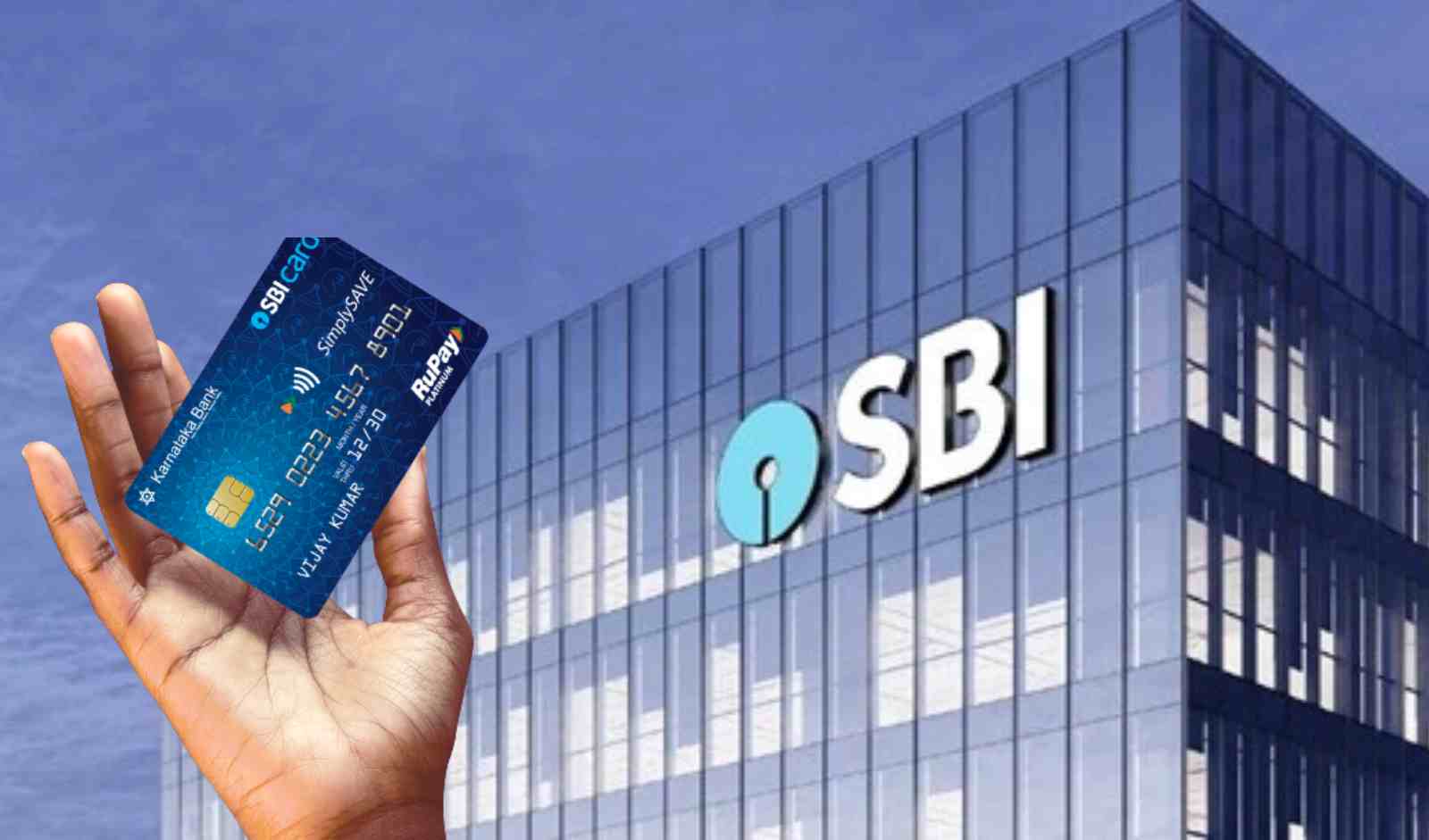
With its wide range of offerings and reputation, SBI Card stands as one of the most sought-after credit card issuers in India. As a result, a significant number of individuals submit applications for an SBI credit card every day. Once you've taken that important first step, keeping tabs on your application's journey becomes essential.
To facilitate this,
St
This method is convenient and provides real-time updates regarding your application. To track the status of your SBI Card application online, you can follow the steps below:
- Visit the official SBI Card website
- Go to the ‘Track Your Application’
- Click on the ‘Track Application’ tab to proceed
- Enter your Application Number or Reference Number in the designated field
- Click on the ‘Track’ button to view the current status of your credit card application
St
You can also check the status of your SBI credit card application through offline methods. One option is to contact the card issuer’s customer care. Another is to visit the nearest SBI Card branch and speak with a representative for assistance. Find the details below:
You can enquire about the status of your SBI Card application by contacting customer care. The toll-free numbers for assistance are provided below:
- 1860 500 1290
- 1800 180 1290
Customer service representatives are available from Monday to Saturday from 8:00 AM to 8:00 PM.
You may also raise your concerns by sending an email to customercare@sbicard.com.
Visit the nearest SBI branch to check the status of your credit card application. A representative will request your application reference number to provide the relevant information. To locate your nearest walk-in desk address, follow these steps:
- Visit the SBI Card website
- Navigate to the ‘Get in Touch’ tab at the top of the page
- Scroll down to the ‘Walk-in Desk Address’ section and click on the link provided
- You will be redirected to a PDF page displaying a list of cities and corresponding addresses
- Find your nearest branch and visit it to enquire about your application status
Understand the Results
Once you know how to check your SBI Card application status, it is important to understand the different status outcomes. Below is a breakdown of the various statuses that indicate the progress of your application:
|
Status |
Meaning |
|
In-Progress |
Your SBI Card application has been received and is currently under review. The issuer is verifying your details and documents before making a decision. |
|
Approved |
Your application has been approved after successful verification. The card is being processed and will be dispatched to your registered address shortly. |
|
Dispatched |
Your SBI Card has been shipped and is en route to your communication address. You will receive tracking details once available. |
|
On-Hold |
Your application is temporarily paused due to incomplete details or issues with document verification. Further action may be required from your end. |
|
Disapproved |
Your SBI Card application has been declined after careful evaluation. This may be due to not meeting the required eligibility criteria, an unsatisfactory credit profile, or internal risk assessment policies of SBI Card. |
Tips for a Successful Credit Card Application
Submitting a well-prepared application can significantly improve your chances of approval. Keep the following tips in mind before applying:
- Apply for a card that suits your income, spending habits, and lifestyle to improve your chances of approval.
- Check the specific eligibility criteria for the card you are applying for, including income, employment, etc.
- Ensure you maintain a healthy credit score (typically 750 or above) to increase your chances of approval.
- Make sure that all personal, employment, and financial details provided during the application are complete and error-free.
- Avoid applying for multiple credit cards simultaneously, as it can negatively impact your credit profile due to hard enquiries.
To Conclude
Recognised for its diverse financial products and status as a prominent issuer, SBI Card remains a top choice for credit cards in India. Through marketplaces like Bajaj Markets, a significant number of individuals can conveniently apply for the various SBI credit card options available. Once an application is submitted, staying informed about its progress is a natural next step.
By following the required steps, you can easily stay informed about the status of your credit card application. Now that you understand the meanings of the different outcomes, you can take timely action when required. For any issues, contact the bank’s representative when the status is ‘on-hold’ or ‘disapproved’.
This ensures you are promptly guided and can resolve any issues that may arise during the process. Once approved, you will receive the physical card. It will arrive within approximately 15 working days after submitting the required documents.
Why Premium Spirits Make Perfect Father's Day Gifts
Father's Day 2025 is approaching fast, and if you're looking for a gift that combines sophistication, quality, and personal appreciation, premium spirits top the list. Whether your dad is a whisky connoisseur, rum enthusiast, or cocktail lover, the right bottle can create memorable moments and show your thoughtfulness.
This guide features 8 exceptional spirits perfect for Father's Day gifting, ranging from award-winning Indian craft distillers to legendary international brands. We'll cover everything from budget-friendly options under ₹2,000 to luxury bottles that make once-in-a-lifetime gifts.
Top 8 Father's Day Spirit Gifts for 2025
1. Indri Trini Single Malt Whisky - Best Award-Winning Indian Whisky
Price: ₹3,000 (Haryana) | ₹3,700 (Delhi) | ₹5,400 (Maharashtra)

Why Dad Will Love It: Indri Trini has won over 40 global awards and was recently named Best 'New World' Whiskey by VinePair, making it a prestigious gift that showcases India's rising whisky craftsmanship.
Tasting Notes: This triple-cask aged single malt (42.8% ABV) offers deep amber color with notes of caramelized pineapple, vanilla, black tea, raisins, and honey, finishing with sweet fruity flavors.
Perfect For: Dads who appreciate craft spirits, whisky collectors, and fathers proud of Indian craftsmanship.
2. Camikara 3YO Aged Rum - Best Indian Craft Rum
Price Range: ₹1,500-₹3,500 (varies by state)
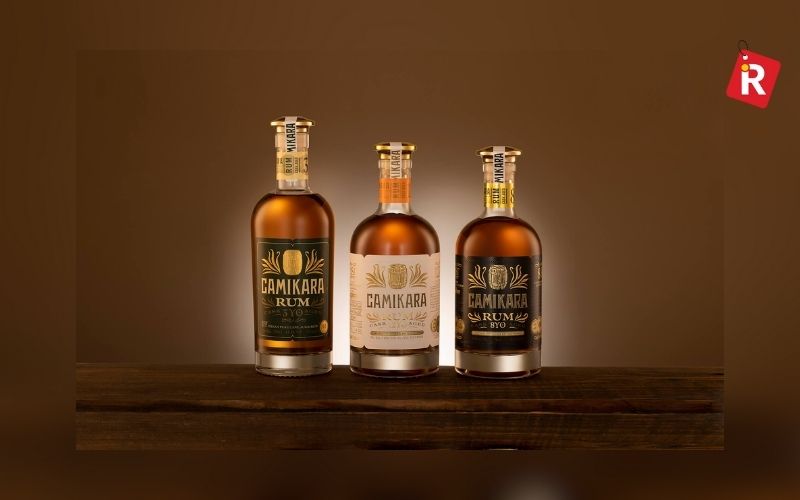
Why It's Special: India's first pure cane juice rum, recently awarded silver at The Rum & Cachaça Masters 2024 competition - the only Indian brand to earn this honor.
Key Features:
- 3-year aging process
- 42.8% ABV
- Derived from Sanskrit meaning "liquid gold"
- Perfect neat or in cocktails
Available In: Haryana (₹1,500), Maharashtra (₹3,500), Rajasthan (₹2,410), Uttarakhand (₹1,830), Goa (₹1,800), Assam (₹2,200), Madhya Pradesh (₹3,385)
Perfect For: Rum enthusiasts, cocktail-loving dads, and those who appreciate traditional craftsmanship.
3. Blenders Pride Four Elements - Best Mid-Premium Whisky
Price: ₹1,000 (Uttar Pradesh) | ₹715 (Goa)
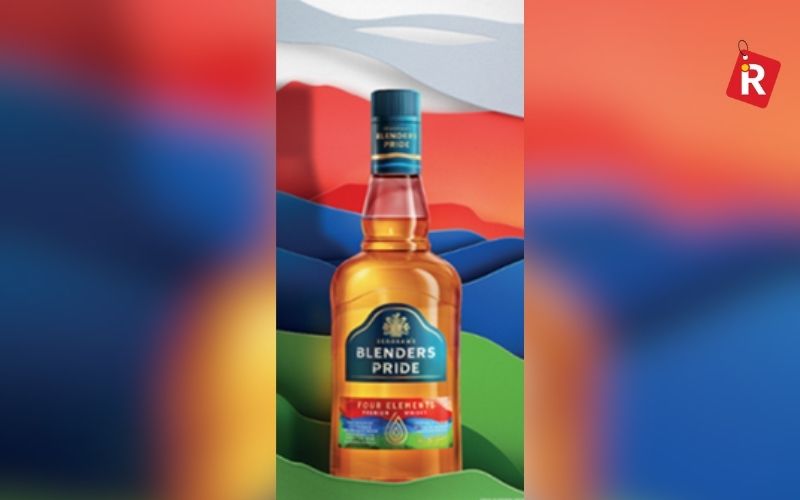
Innovation Factor: Master Blender Kevin Balmforth combines four styles of Scotch malts with select Indian grain spirits, inspired by Earth, Air, Fire, and Water elements.
Flavor Profile: Delicate interplay of mellow woody sweetness with fresh, rich fruit notes.
Perfect For: Dads new to premium whisky, nature lovers, and those who enjoy balanced flavors.
4. Seagram's Longitude 77 Collector's Edition - Best Limited Edition Gift
Price: ₹3,000+ | Available: Gurgaon and Mumbai only
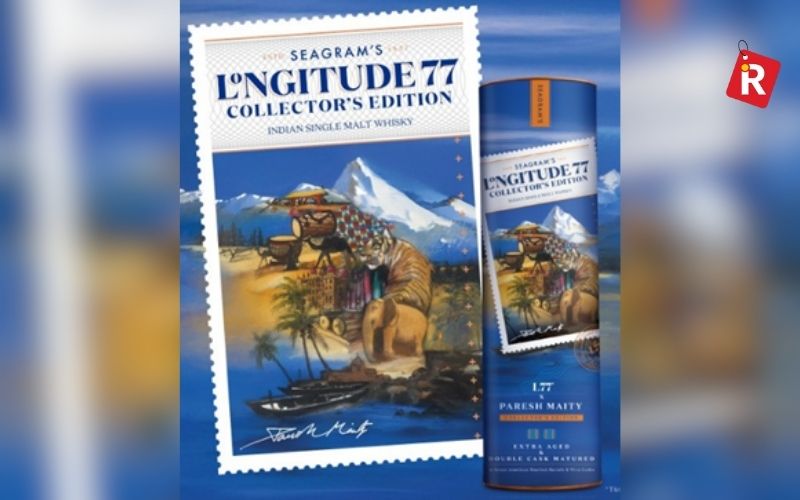
Exclusivity Factor: Limited release of only 650 cases, featuring artistic packaging by renowned artist Paresh Maity.
Heritage: Crafted in small batches in Dindori, Nashik, this Indian single malt celebrates India's diverse terroir and indigenous ingredients.
Tasting Notes: Rich and mellow with oak, vanilla, and subtle fruit hints.
Perfect For: Collectors, art enthusiasts, and dads who appreciate exclusivity.
5. Ballantine's 30-Year-Old - Best Luxury Father's Day Gift
Price: ₹32,000 (Haryana) | ₹54,000 (Maharashtra)
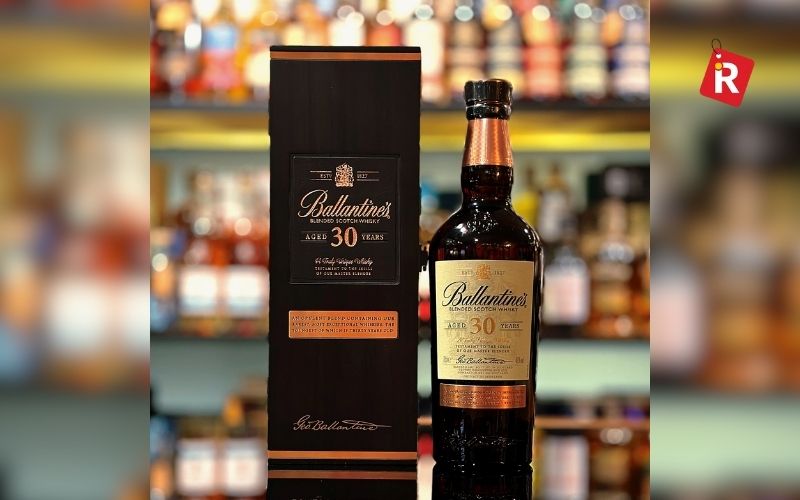
Ultra-Premium Appeal: Features extremely rare whiskies aged for at least 30 years, some from 'ghost' distilleries that no longer exist.
Serving Recommendation: Best enjoyed neat, on the rocks, or with a few drops of water.
Flavor Profile: Elegant sweetness and oakiness with balanced floral and fruity flavors.
Perfect For: Milestone celebrations, whisky aficionados, and luxury gift occasions.
6. Absolut Vodka - Best Classic Spirit Gift
Widely Available | Mid-Range Pricing
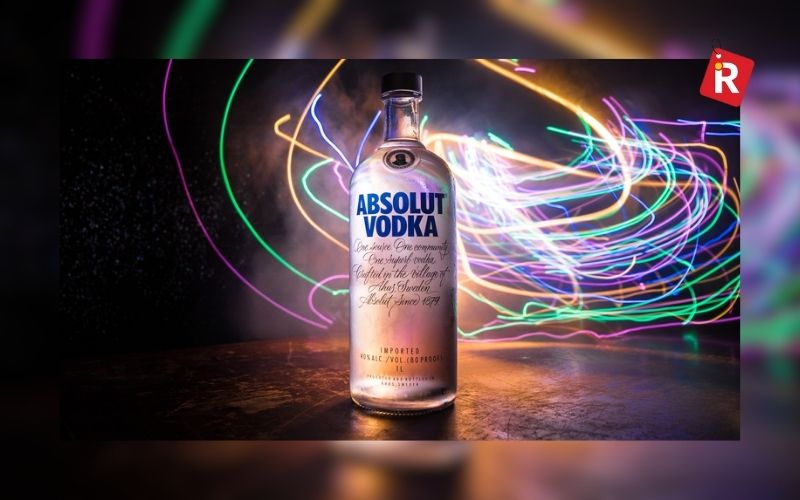
Why It's Reliable: Swedish-origin vodka known for pure, smooth taste made exclusively from natural ingredients without added sugar.
Versatility: Perfect for crafting cocktails from classic martinis to contemporary mixes.
Perfect For: Cocktail enthusiasts, entertaining dads, and those who prefer clean, neutral spirits.
7. Khukri White Rum - Best Smooth Sipping Rum
Competitive Pricing | Widely Available
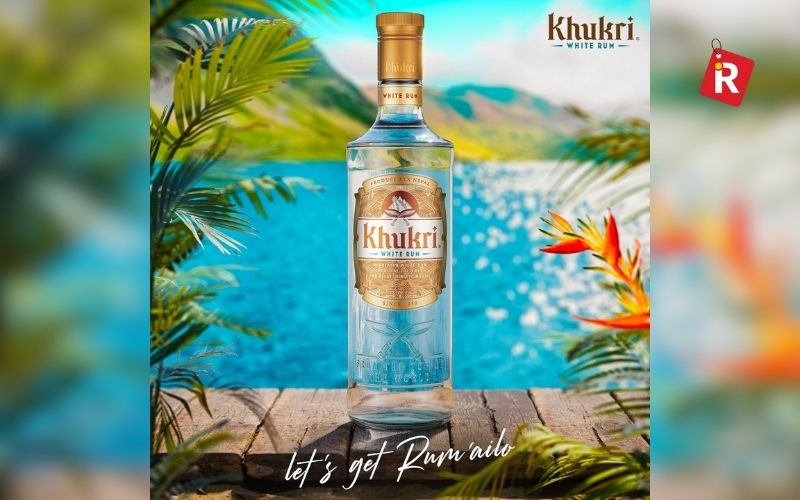
Unique Characteristics: Complex yet light white rum with tropical fruit notes, rich nutty undertones, and creamy character.
Special Process: Charcoal filtered for extra smoothness, perfect for neat sipping or cocktail mixing.
Perfect For: Rum newcomers, tropical flavor lovers, and versatile drinkers.
8. Khukri XXX Rum - Best Traditional Craft Rum
Premium Positioning
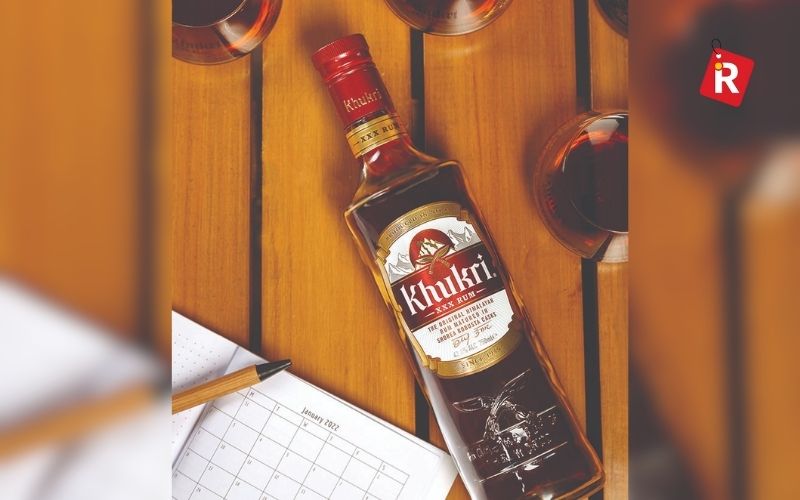
Himalayan Heritage: Crafted in the Himalayas using rich molasses, pristine Himalayan spring water, and artisanal flavors.
Aging Process: Aged in exclusive Shorea Robusta tree casks, creating complex taste with earthy undertones and smooth caramel finish.
Legacy: From Nepal's first distillery (established 1959), utilizing mountain temperatures and fresh spring water.
Perfect For: Adventure-loving dads, rum connoisseurs, and those who appreciate traditional craftsmanship.
Father's Day Gift Selection Guide
By Budget:
- Under ₹2,000: Khukri White Rum, Camikara (Haryana)
- ₹2,000-₹4,000: Indri Trini, Camikara (most states), Longitude 77
- ₹4,000+: Blenders Pride Four Elements premium variants
- Luxury (₹30,000+): Ballantine's 30-Year-Old
By Dad's Preference:
- Whisky Lovers: Indri Trini, Blenders Pride Four Elements, Longitude 77
- Rum Enthusiasts: Camikara, Khukri White, Khukri XXX
- Cocktail Makers: Absolut Vodka, Khukri White Rum
- Collectors: Longitude 77 Collector's Edition, Ballantine's 30-Year-Old
By Occasion:
- First-Time Premium Gift: Blenders Pride Four Elements
- Milestone Birthday: Ballantine's 30-Year-Old
- Appreciation Gift: Indri Trini
- Casual Celebration: Camikara, Khukri varieties
Where to Buy Father's Day Spirits in India
Online Platforms:
- State-licensed online retailers
- Brand official websites (like Camikara.com)
- Premium liquor e-commerce platforms
Retail Locations:
- Licensed liquor stores in major cities
- Premium wine and spirits outlets
- Duty-free shops for international brands
Regional Availability:
Note that prices and availability vary significantly by state due to local taxation and regulations. Always check local availability before purchasing.
Tips for Gifting Spirits on Father's Day
Presentation Matters:
- Consider gift wrapping or premium packaging
- Include a personalized note about why you chose that specific spirit
- Add complementary items like premium glasses or cocktail accessories
Responsible Gifting:
- Ensure the recipient enjoys alcoholic beverages
- Consider their taste preferences and drinking habits
- Include information about serving suggestions or cocktail recipes
Storage Recommendations:
- Advise proper storage away from direct sunlight
- Include serving temperature recommendations
- Suggest appropriate glassware for optimal enjoyment
Conclusion: Making Father's Day 2025 Memorable
Choosing the right spirit for Father's Day 2025 depends on understanding your dad's preferences, your budget, and the message you want to convey. Whether you select an award-winning Indian single malt like Indri Trini, a craft rum like Camikara, or a luxury option like Ballantine's 30-Year-Old, the key is selecting something that reflects his personality and your appreciation.
Remember, the best Father's Day gift combines quality, thoughtfulness, and the promise of shared moments. These eight premium spirits offer options for every type of dad and every budget, ensuring your Father's Day 2025 celebration is both memorable and meaningful.
Ready to make this Father's Day special? Start shopping early to ensure availability, especially for limited editions like Longitude 77 Collector's Edition. Check local regulations and pricing in your state, and don't forget to plan the perfect moment to share a toast with dad.
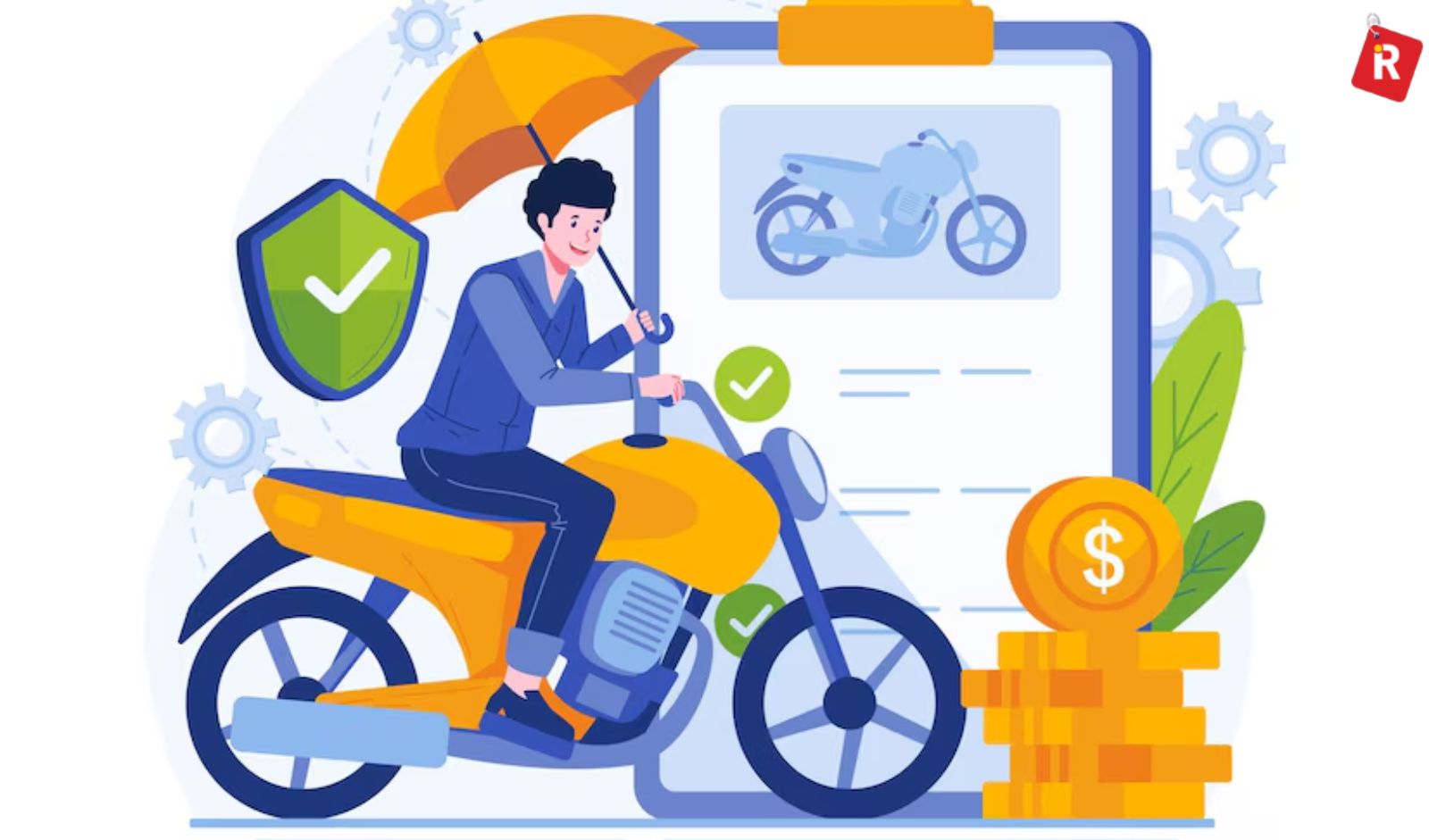
In India, owning a bike is considered a smart and economical choice. However, due to traffic congestion in urban spaces and the increasing cost of living, commuting by bike is a practical solution. But what most first-time owners don’t realise is that the initial purchase price is just the beginning. When assessing the costs of bike ownership, additional ongoing, small maintenance expenses such as bike insurance and fuel quickly begin to add up. To avoid any surprises down the road, it’s essential to look beyond the showroom price and understand what you’ll really be spending. Here’s a comprehensive breakdown of the cost of owning a bike in India.
Read more: 72 Retail Business Ideas in India in 2024 (Low Investment, High Profit)
Basic Cost Breakdown of Owning a Bike in India
The following factors mainly decide the cost of ownership of your two-wheeler.
1. Fuel
Fuel is a continuing and predictable cost, but the impact depends on the usage. Petrol prices are hovering around Rs 100/litre in many parts of India, and a daily 30 km commute can cost you Rs 10,000–Rs 15,000 annually. Upgrading to a new bike with improved mileage can help you save money, but city traffic and poor road conditions can still impact fuel efficiency.
2. Maintenance
For regular commuter bikes, basic servicing, oil changes, and minor part replacements may cost around Rs 2,000 to Rs 5,000 annually. However, premium bikes or older models may need more frequent attention. Ignoring minor repairs can result in bigger bills down the line.
3. Bike Insurance
Bike insurance is not only a legal requirement; it’s an essential safety net. Third-party cover is the minimum legal requirement, but it does not cover damage to your vehicle. A two-wheeler insurance plan is a far better option than a comprehensive one, as it covers theft, accidents, fire damage, and even natural disasters.
The cost varies by model, age, and location but is usually between Rs 1,200 and Rs 5,000 per year. Bike insurance is available online from many insurers, making it easy to compare plans and find the best value.
Also check: Top 10 Best Helmet Brands in India 2024
4. Depreciation
Every bike starts losing value the moment you ride it out of the dealership. On average, expect a depreciation rate of 15–20 percent per year. After five years, your bike may be worth half or less of what you paid, regardless of its condition. Depreciation cannot be stopped, but a well-maintained and insured bike will maintain its value longer and enhance its resale prospects.
What are the Hidden Costs of Owning a Bike?
Many bike owners make the mistake of budgeting only for the cost of the vehicle. However, ongoing ownership entails a range of additional expenses. Some are obvious, like fuel and servicing, while others, such as insurance renewals or depreciation, can sneak up on you if you're unprepared.
Here are some commonly overlooked costs:
● Annual or long-term bike insurance renewal
● Regular maintenance and wear-and-tear repairs
● Replacement of tyres, brake pads, or batteries
● Fluctuating fuel prices
● Penalties for lapsed bike insurance
● Value depreciation over time
● Unexpected repairs due to accidents or weather damage
While many of these are unavoidable, understanding them in advance helps you budget more wisely and avoid last-minute financial stress.
Know more: Profit and Loss Statements Explained: Essential Guide for Businesses
Why Comprehensive Bike Insurance is a Smart Choice?
Many riders opt for the cheapest third-party option to fulfil the legal requirement when purchasing a bike insurance plan. However, comprehensive bike insurance offers significantly more protection and long-term savings.
Comprehensive insurance covers:
● Own damage from accidents, fire, and theft
● Third-party liabilities
● Natural calamities like floods or earthquakes
● Personal accident cover for the owner
● Add-on options like zero depreciation, roadside assistance, and engine protection
Investing in a strong policy from the start and renewing bike insurance online will save you from the potentially high costs of accidents or theft.
Things to Consider While Budgeting for Your Bike
Now that we’ve looked at all the major costs, let’s talk about smart budgeting. Here’s an annual estimate for a typical mid-range commuter bike:
| Expense Type | Annual Cost (INR) |
| Fuel | Rs 10,000 – Rs 15,000 |
| Servicing & Maintenance | Rs 2,000 – Rs 5,000 |
| Bike Insurance | Rs 1,200 – Rs 5,000 |
| Depreciation | 15–20 percent of bike’s value |
| Unexpected Repairs/Spare Parts | Rs 1,000 – Rs 3,000 |
| Total Estimated Annual Cost | Rs 15,000 – Rs 28,000+ |
Smart Tips:
● Set reminders for bike insurance renewal online to avoid penalties or gaps in coverage.
● Use mobile apps to track fuel usage and servicing dates.
● Choose long-term two-wheeler insurance online plans for better discounts and less paperwork.
● Store a small monthly amount as a contingency fund for unexpected breakdowns or emergencies.
Bikes in India are convenient and affordable, but it's essential to be aware of all the associated costs. These costs quickly add up, including basic costs such as routine maintenance and fuel, as well as variable costs like two-wheeler insurance renewal. The primary consideration is that opting for bike insurance is crucial for mitigating the financial risks associated with ownership. It is a wise decision to opt for comprehensive two-wheeler insurance through online bike insurance portals, which provide peace of mind and long-term value. By staying proactive about your bike insurance renewal, maintenance schedule, and budgeting, you’ll ensure your ride remains reliable, affordable, and stress-free.

The consumer durables market covers various products such as electronics, furniture, and other household items. Today this sector is going through a big transformation driven by changing consumer expectations. In the past, consumers faced numerous challenges when selecting and using durable goods. Many products needed more modern features and efficiencies taken for granted today; frustration over reliability and performance was inherent. The appliances could have been more efficient, resulting in higher utility bills, and, with smart technology, it was easier for users to monitor their usage effectively. Consumers did not have a lot of information regarding their purchase; this further limited them from comparing products or reading reviews, and they lacked a sense of long-term value. These happenings consequently made many consumers take a market of uncertainty to settle on goods that did not exactly meet their requirements. Today, with technology still advancing, the game has dramatically changed; consumers today have more options, along with new capabilities. Understanding the previous dynamics can help shine a light on the current expectations as well as the innovational waves transforming consumer durables.
Consumers now prioritize quality and durability; they are willing to pay more for products that last longer and are reliable. Sustainability is also a big consideration, many consumers are looking for eco-friendly and ‘ethically produced’ products, so brands need to be more responsible. Smart and connected technologies are also changing expectations, consumers want advanced features and better user experience. Personalization is also key; companies are using data analytics to offer personalized products that exactly cater to individual preferences. All these changing expectations are driving innovation and forcing companies in the consumer durables market to rethink their strategies and product development process.
Consumer expectations have changed a lot in the last ten years. According to a Consumer Behavior Report, 70 percent of consumers now value quality and durability more than price, reflecting an increased desire to invest in products for the long haul. This is also corroborated by a survey in 2023, which stated that 62 percent of consumers would pay more for products if they are sustainable and produced ethically. In this article, we will talk about the main causes of these shifts as well as the creative tactics businesses are using to satisfy and surpass customer expectations in this ever-changing environment.
Key Factors Driving Rising Expectations
- Information Access: Easier access to the internet has allowed people to find crucial information. They can evaluate, contrast, and even read product ratings before their purchase. For instance, statistics data shows that 79 percent of buyers read reviews while buying sustained goods, highlighting the importance of transparency and customer feedback in today’s market.
- Sustainability: Nowadays, consumers tend to be cautious about the effects of their purchases on the environment. A recent survey indicated that 55 percent of customers cited sustainability as a crucial consideration when selecting brands. This has prompted firms to include sustainable development as part of their product development strategy.
- Personalization: Data analytics and artificial intelligence have enabled brands to offer personalized experiences. As per a report, 36 percent of consumers would welcome personalized marketing; thus, brands have been personalizing their offerings based on consumers' likes and behavior.
- Technological Development: Smart technology has raised the bar for consumers in terms of how innovatively functional a product can be. According to a report, it is projected that more than half of household appliances will be Internet of Things (IoT) enabled by the year 2025, to the great benefit of enhanced innovations and customer satisfaction.
The Role of Innovation in Reshaping the Market
As consumer expectations rise, innovation has become an essential element that drives success in consumer durables. Companies use the latest technology to meet and exceed this level of expectation across myriad dimensions.
- Smart and Connected Products: The integration of smart technology into consumer durables is transforming how consumers interact with products. For instance, smart appliances can be controlled remotely, provide energy and usage statistics and even more advanced ones come with self-diagnosis. A recent survey revealed the market for smart home devices is expected to increase from $79 Billion in 2020 to $135 Billion by 2025. This is attributed to the widened consumer base for interconnected devices.
- Enhanced Durability and Quality: The improvement in materials science and manufacturing concepts has prompted companies to diversify their product range into more enduring and quality products. Today, technologies such as 3D printing and nanotechnology allow companies to design lighter yet more robust materials to extend product lifespan. According to a report, the global market for smart home appliances is likely to touch $86 billion by 2025 primarily because of innovations that contribute to greater durability and better performance.
- Sustainability Initiatives: Innovation is also pivotal in meeting sustainability expectations. Businesses are embracing a circular economy through emphasis on product life cycle, and environmental-friendly materials, among other aspects. A survey estimated that between 2015 and 2030 the adoption of circular economy practices could unlock over $4.5 trillion worth of economic development. Such businesses would, therefore, enjoy increased brand reputation and attract consumers conscious of their choices.
- Technological Advances in Personalization: Personalization has most certainly become an integral part of consumer engagement. Brands can analyze their consumers' data using AI and machine learning algorithms and formulate products as per the tastes and preferences of individual customers. In this regard, companies may offer personalized settings in a smart appliance and make their use more engaging for the users. According to research, this helps explain why most businesses today must invest so much and focus on scientific innovation with the aid of applications installations aka apps for smart devices.
Challenges and Considerations
While the opportunities presented by rising consumer expectations and innovation are significant, there are also challenges that companies must navigate.
- Rapid Technological Change: The rapid pace at which technology is evolving can be quite reassuring, especially for businesses. Companies should be prepared to enhance their products and services over time for them to be considered in the market and this may strain their resources and increase operational costs. Moreover, the fast-changing rate of technology and the embrace of new trends and styles makes it impossible for several items or designs to continue production making product design and product life cycle management fundamental.
- Quality Versus Cost: Today, the consumer has a high preference for better and stronger products so companies will have to navigate quality and pricing. This is made worse by the fact that the prices of components and materials are rising, and there are also disruptions in the supply chains, which can impact the overall production costs. It involves intelligent decisions about how to procure materials and how to design the manufacturing process to compete.
- Meeting Diverse Consumer Expectations: Consumer expectations differ depending on age, location, and even personal tastes. Thus, brands should carry out appropriate market research to appreciate such factors and plan for ways of addressing the different consumers’ needs. The contrary is dangerous as it could result in lost chances and gradual attrition of the market.
- Supply Chain Complexity: Globalization of supply chains increases the complexity of production systems. Disruptions can make it more difficult to obtain raw materials and components, as was the case during the COVID-19 epidemic. Companies must create supply networks that are more robust so they can adjust to unforeseen difficulties.
- Regulatory Compliance: Due to the increased focus on sustainability and safety, the brands must operate within a complex regulatory landscape. It is resource-intensive, and sometimes it demands changes in product design or sourcing, adding complexity to operations.
- Consumer Trust and Transparency: As the consumer becomes more discerning, the brand needs to be more communicative and open about its practices. Trust is built on transparency over sources, manufacture, and commitment to sustainability. Failure here will give way to a form of consumer backlash and repute damage.
- High Competition: Consumer durables have crowded markets with both established brands and new entrants. Increased competition makes it harder to make a differentiation. Organizations in a saturated market, therefore, must innovate and provide more value propositions continuously.
- Adaptation to Changing Consumer Behavior: Brands must modify their marketing and distribution plans in response to the swift transition towards e-commerce and digital interaction. Businesses that don't use internet platforms to their full potential run the danger of becoming irrelevant in the market as customer buying habits change.
India's Growing Influence in the Consumer Durables Market
India's rapidly expanding middle class and rising urbanization make it a key player in the consumer durables market's changing landscape. Indian initiatives such as "Make in India" increase local manufacturing, making more global brands invest in the country, hence increasing the supply of different kinds of goods. Additionally, the internet has changed how people consume brands: it is easier to access information, and there are more choices to choose from. The youth is the most important demographic power in India and this makes the country highly sensitive to all technological innovations. As a result, there is a huge demand for smart devices and eco-products. In this regard, sustainability and personalization would become the most important factors as companies reach out to these niche preferences of Indian consumers, making India the market leader in consumer durables globally. The Confederation of Indian Industry (CII) projects that by FY30, India's consumer durables market will have grown to $59.96 billion (Rs 5 lakh crore), making it the fourth largest in the world by 2027.
The Future of the Consumer Durables Market
The consumer durables market is ever-changing as consumer demands and innovations are on the rise. The following major trends will determine these changes:
- Continued Emphasis on Sustainability: Sustainability will emerge as a non-negotiable factor in consumer choice. Brands that would embrace sustainable practices will drive the industry. Innovations based on sustainable materials and eco-friendly production will be strong enablers for driving the consumption of environmentally friendly consumers.
- Growth of Smart Home Technology: The addition of smart capabilities to durable consumer goods is expected to extend as consumers seek more comfort, better performance, and interconnectivity. Thus, brands investing in developing interoperable and user-friendly smart devices will get the benefits of market shares.
- Greater Consumer Interaction: As data analytics become more widely used, brands will be able to interact with customers in more meaningful ways. Personalized interactions, customized suggestions, and proactive customer service will become commonplace as businesses work to establish lasting connections with customers.
- Concern for Health and Well-being: Health and well-being-related issues became a priority for consumers because of the global pandemic. Therefore, their buying behavior began to change. Consumer durables that promote health benefits, such as air purifiers, water filtration systems, and ergonomic furniture, are likely to see a hike in demand. Brands that innovate to address these concerns will look forward to growth.
- Omni Modal Retail Experiences: The future of shopping would be a seamless blend of online and offline interactions. With the continued rise of e-commerce, companies must strive to achieve an integrated shopping experience by allowing consumers to research, buy, and interact with products online and in real life. Visualization of what the product will look like in customers' homes before buying should involve some form of VR or AR technologies.
The consumer durables market is changing significantly as it is shaped by new consumer expectations. Concerns about quality, sustainability, and innovation demand greater agility and forwardness to be competitive. The rise of smart technologies offers not just convenience but also new ways for consumers to interact with products, enhancing their overall experience. As personalization is a prime differentiator, the companies that would utilize data effectively to satisfy their individual preferences would make connections deeper with customers. In addition to that, health and wellness trends present a chance for the brands to go with the flow of the consumers’ needs which will also increase sales. Companies embracing these trends will be better equipped to deal with the current scenario and poised for future growth. The redefinition of innovation and responsiveness toward consumer needs and value delivery would help brands make an impactful difference in an industry constantly in flux. Strategic alignment with consumer expectations will prove to be the long-term success mantra in the consumer durables sector.
Authored By

Harshit Aggarwal, Founder and CEO, Novamax Appliances

Imagine walking into a store where the moment you step inside, the ambiance feels like it was designed just for you. The lighting is warm, the scents are subtle but captivating, and every corner seems to tell a story that resonates with your tastes and lifestyle. As you explore, you’re not just browsing products—you’re experiencing the brand in a way that feels personal and engaging. This isn’t your typical shopping trip, it is an experience that leaves a lasting impression.
In today’s rapidly evolving retail landscape, such immersive in-store experiences are becoming the norm rather than the exception. Gone are the days when shopping was merely a transactional activity—a means to an end. Today’s consumers are seeking something more meaningful. They crave experiences that align with their personalities, values, and aspirations. Data shows that 91 percent of shoppers report a positive association with brands after attending experiential events, leading to a 74 percent increase in purchasing promoted products. This shift towards experiential retail is revolutionizing how brands engage with customers, forging deeper connections and fostering enhanced brand loyalty through thoughtfully crafted environments that invite exploration and interaction.
Enhanced Brand Loyalty through Immersive Experiences
Retailers have recognized that by engaging the senses and offering memorable interactions, they can significantly enhance brand loyalty. Luxury brands have long understood the power of creating an aspirational environment that immerses customers in their world.
A perfect example of the impact of an immersive in-store experience comes from Payless, a discount shoe retailer that completely transformed how people perceived its brand through a clever and elaborate marketing campaign. Payless set up a fake luxury store called "Palessi," filled with shoes from their regular inventory but marketed as high-end designer footwear. The store's ambiance was curated to exude luxury, with elegant decor, sophisticated lighting, and a red-carpet event that attracted influencers and fashionistas. The attendees, convinced by the environment and the branding, were willing to pay hundreds of dollars for shoes they would have otherwise dismissed as cheap. This campaign effectively demonstrated how a well-executed in-store experience could completely alter consumer perceptions. It wasn't just about the product, it was about the environment and the emotions it evoked, which led people to see value where they hadn't before.
Moreover, the trend towards experiential retail is not confined to luxury brands alone. Even mainstream retailers are embracing this approach, realizing that a well-crafted in-store experience can differentiate them from competitors.
Experience as a Key Influence on Purchase Decisions
The influence of in-store experiences on purchase decisions cannot be overstated. In a world where online shopping offers convenience and endless options, physical stores must provide something more to entice customers. This is where the power of experiential retail comes into play.
Studies have shown that customers who have a positive in-store experience are more likely to make a purchase and spend more than they initially intended. The reason is simple: experiences tap into emotions, and emotions drive decisions. When customers are engaged in an immersive environment that reflects their tastes and aspirations, they are more likely to feel confident in their purchasing choices. The act of shopping becomes enjoyable and fulfilling, rather than just a means to an end.
In the surface décor industry, this connection is even more pronounced. Choosing laminates, or other surface materials is an inherently tactile process. Customers need to touch, feel, and visualize how these materials will transform their spaces. A well-crafted in-store experience can elevate this decision-making process by creating an environment that showcases the full potential of surface décor. When consumers can see how a plywood can turn a simple piece of furniture into a designer statement or how a laminate can add warmth and luxury to a room, they are more likely to appreciate the value and artistry involved. This immersive experience not only enhances customer satisfaction but also reinforces the brand's identity as a provider of high-quality, aesthetically pleasing products that resonate with their lifestyle and aspirations.
Indian Luxury Consumers Value Unique and Personalized Experiences
In India, the luxury market has witnessed a significant evolution as consumers increasingly value unique and personalized experiences over mere products. This shift is driven by a growing segment of affluent consumers who seek to differentiate themselves through their purchases. For these consumers, the experience surrounding the product is just as important, if not more so, than the product itself.
Brands have responded to this trend by offering highly personalized services that cater to the individual preferences of their customers. From custom-tailored products to private shopping appointments, the focus is on making the customer feel special and valued. This level of personalization enhances the customer experience and reinforces the brand’s exclusivity.
Special Events as Opportunities to Showcase Brand Identity
Special events within the retail space have become an increasingly popular way for brands to showcase their identity and craftsmanship. These events, whether they are product launches or interactive workshops, provide a unique platform for brands to engage with their customers on a more personal level.
Furthermore, these events often attract media attention, further amplifying the brand’s reach and influence. In a crowded marketplace, where consumers are bombarded with choices, standing out is crucial. Special events provide the perfect opportunity to do just that, offering a tangible experience that customers can associate with the brand.
The Shift from Transactional to Relational Marketing
The trend towards experiential retail reflects a broader shift in marketing strategies from purely transactional relationships to more relational ones. In the past, the focus was on closing the sale, with little emphasis on building a long-term relationship with the customer. Today, however, brands recognize that the key to sustained success lies in creating meaningful connections with their customers.
Relational marketing is about understanding the customer’s needs, preferences, and values, and aligning the brand’s offerings with them. It’s about engaging customers in a way that feels authentic and personalized, rather than just pushing a product. Experiential retail is the perfect embodiment of this approach, as it allows brands to connect with customers on a deeper level.
By focusing on the overall experience rather than just the transaction, brands can build trust and loyalty over time. Customers are more likely to return to a brand that they feel understands and values them, and they are more likely to recommend it to others. In this way, the in-store experience becomes a powerful tool for driving long-term growth and success.
Authored By

Mehul Agarwal, Director & CEO, Dorby

In the ever-evolving landscape of nutritional trends, one remarkable shift has been the growing popularity of millet-based breakfast options among health-conscious individuals. Once relegated to the sidelines, millets are experiencing a renaissance, emerging as a sought-after choice for those seeking not just sustenance but genuine nourishment in their morning meal. This resurgence is not merely a fad but a reflection of a deeper understanding of nutrition, combined with a reconnection to traditional culinary practices.
Millet, a group of small-seeded grasses, has been a staple in various cultures for thousands of years. Its cultivation dates back to ancient civilizations in Africa and Asia, where it served as a vital source of sustenance due to its resilience in diverse environmental conditions. Despite its rich history, millet fell out of favor with the advent of modern agricultural practices that prioritized high-yield crops like wheat and rice. However, the tide is turning as people rediscover the nutritional treasures hidden within these tiny grains.
One of the key driving forces behind the growing preference for millet-based breakfast options is their exceptional nutritional profile. Millets contain essential nutrients, including protein, fiber, vitamins, and minerals. Unlike refined grains, which often lack nutritional depth, millets offer a well-rounded package of nutrients that support overall health and well-being. Additionally, millets are gluten-free, making them an ideal choice for individuals with gluten sensitivities or those looking to diversify their diet.
For example, pearl millet is one of the most widely consumed varieties. It is rich in iron, magnesium, phosphorus, and potassium, essential minerals that play crucial roles in various bodily functions, including energy production, bone health, and muscle function. Finger millet, another popular variety, is renowned for its high calcium content, making it an excellent choice for maintaining bone health and preventing osteoporosis. These nutritional powerhouses offer a compelling alternative to processed breakfast cereals or refined grain-based dishes, providing a wholesome start to the day.
Beyond their nutritional benefits, millets hold significant cultural significance in many communities around the world. In regions like India and Africa, millets have been integral to traditional cuisines for centuries, featuring prominently in staple dishes and festive celebrations. The resurgence of millets in breakfast choices is, in part, a reclaiming of cultural heritage—a way to honor ancestral wisdom while embracing modern dietary preferences.
Moreover, the cultivation and consumption of millet contribute to sustainable agriculture and food security. These hardy grains require minimal water and are well-adapted to challenging growing conditions, making them a resilient crop in the face of climate change. By incorporating millets into our breakfast repertoire, we not only nourish our bodies but also support environmentally friendly farming practices and promote food sovereignty.
The versatility of millets further enhances their appeal as a breakfast staple. From porridges and pancakes to granolas and muffins, the possibilities are endless. Millets lend themselves well to both sweet and savory preparations, allowing for creative culinary exploration. Their mild flavor profile provides a blank canvas for a myriad of ingredients, from fresh fruits and nuts to savory spices and vegetables, catering to diverse taste preferences and dietary restrictions.
In addition to their role as a standalone breakfast option, millets can also be integrated into hybrid dishes that combine elements of different culinary traditions. For example, millet-based breakfast burritos or sushi rolls offer a fusion of flavors and textures, showcasing the adaptability of these ancient grains in contemporary cuisine. As consumers increasingly seek out globally inspired flavors and innovative dining experiences, millets provide a unique opportunity to bridge culinary traditions while promoting health and sustainability.
The growing availability of millet-based breakfast products in mainstream markets reflects the shifting preferences of consumers toward healthier, more sustainable food choices. From specialty health food stores to major supermarket chains, millet-based cereals, bread, and baked goods are becoming increasingly accessible, catering to the rising demand for nutritious breakfast options. This widespread availability not only makes it easier for individuals to incorporate millets into their daily diet but also signals a broader shift towards a more holistic approach to food consumption.
As we embrace the morning millet, it's essential to recognize that dietary choices extend beyond mere sustenance—they are a reflection of our values, beliefs, and aspirations for a healthier, more sustainable future. By choosing millet-based breakfast options, we not only nourish our bodies but also honor the rich cultural heritage and ecological wisdom embodied in these ancient grains. In doing so, we take a small yet meaningful step towards creating a world where nutrition is not just a commodity but a cornerstone of holistic well-being. So, let us savor the humble millet and celebrate the journey towards a healthier breakfast and a brighter tomorrow.
Authored By

Prashant Parameswaran, MD & CEO, Tata Consumer Soulfull

The traditional approach of saving for the future and spending in the present is getting a modern twist with the rise of spendvesting. This innovative financial strategy merges these seemingly opposing concepts, encouraging individuals to Prioritize saving, i.e., setting aside a portion of their income towards long-term goals like retirement or a down payment on a house; and Allocating funds for desired experiences - earmarking specific amounts for lifestyle aspirations and travel adventures. As interest and participation in spendvesting grows, it is set to capture a wide ranging audience, capitalising on India’s expected digital economy boom to $1 trillion by 2030.
A recent report by multipl has revealed that Indians are saving up to 20 percent on all lifestyle spends, with travel topping the spendvesting categories with 50 percent consumers aged between 26-34 years.
The report, developed in collaboration with prominent partners such as Blume Ventures, Augmont - Gold for All, DSP Mutual Funds, and EaseMyTrip, meticulously tracked the shifting landscape of Indian spending habits. It observed a departure from traditional banking and credit-centric approaches towards a more balanced spendvesting methodology, fostering positive financial habits for a stable future.
A significant revelation from the report is the identification of travel as the top category for spendvesting enthusiasts, with gadgets and shopping also emerging as substantial areas of interest. These preferences underscore the prevalent lifestyle goals that steer financial decisions among spendvestors.
Notably, the report highlighted that 50 percent of Indian spendvestors belonged to the 26-34 age group, indicating the resonance of this strategy with the younger demographic, particularly Millennials and Gen Z. It addressed the growing concern of credit card defaults and debt accumulation among the youth, emphasizing the necessity for financial discipline.
Illustrating the investment tendencies of younger demographics, the report showcased the preference of Millennials and Gen Z for fintech startups offering tailored investment advice. An eye-opening statistic from the report revealed that an average software engineer earning between Rs 12 lakhs – Rs 14 lakhs annually could save approximately Rs 1.2 lakhs per annum by embracing the spendvesting strategy.
It also recommended a blend of short-term debt/hybrid mutual funds and digital gold investments, seamlessly integrated with daily lifestyle expenditures like travel, gadgets, and insurance. This unique approach sought to simplify modern financial literacy demands while encouraging healthy and rewarding spending habits through gains from investments and contributions from partner brands.
Paddy Raghavan, co-founder of multipl, stated, "Spendvesting is not merely a financial strategy; it represents a shift towards mindful and gainful consumer behavior." He adds, "Our collaboration with Blume Ventures, Augmont, and DSP Mutual Funds, has enabled us to offer a report that is intended to inform and equip consumers to meet their financial objectives while pursuing the lifestyle they aspire for."
In essence, the Spendvesting Report not only unveiled an avant-garde financial strategy but also underscored the transformative potential it held, particularly for the younger generation, in reshaping their financial habits and securing a more prosperous future.

The ethnic wear industry in India provides a vibrant and diverse range of traditional clothing options for people of all ages and backgrounds. With its rich cultural heritage, India has a long-standing tradition of ethnic wear, which has gained popularity not only within the country but also internationally. From sarees and salwar suits to lehengas and kurta pajamas, the industry offers a plethora of choices to cater to different tastes and occasions.
The ethnic wear industry in India is a thriving market, driven by factors such as changing fashion trends, increased disposable income, and a growing preference for traditional attire. It encompasses a wide range of players, including renowned ethnic wear brands in India, local artisans, and small-scale businesses. These brands and designers play a crucial role in preserving and promoting Indian traditional clothing, blending traditional craftsmanship with modern design elements.
When exploring the market, you'll come across a variety of options, and to help you make an informed choice, here's a list of the 10 best ethnic wear brands in India that have left a significant mark in the industry.

Ethnic Wear Industry: An Overview
The Ethnic Wear Industry in India provides a vibrant and diverse range of traditional clothing options for people of all ages and backgrounds. With its rich cultural heritage, India has a long-standing tradition of ethnic wear, which has gained popularity not only within the country but also internationally. From sarees and salwar suits to lehengas and kurta pajamas, the industry offers a plethora of choices to cater to different tastes and occasions.
The ethnic wear industry in India is a thriving market, driven by factors such as changing fashion trends, increased disposable income, and a growing preference for traditional attire. It encompasses a wide range of players, including renowned brands, local artisans, and small-scale businesses. These brands and designers play a crucial role in preserving and promoting Indian traditional clothing, blending traditional craftsmanship with modern design elements.
Read Here: Ethnic Wear Market Analysis: Detailed
The industry has also witnessed a surge in online retail, with offering a convenient and accessible way to purchase ethnic wear. This has further contributed to the growth of the industry, allowing consumers from across the country and abroad to explore and purchase a wide range of traditional clothing options.
Top 10 Ethnic Wear Brands in India 2024
Here is a list of the best ethnic wear brands in India as of the 2024 update:
1. Biba

Biba, a renowned ethnic wear brand in India, offers a wide range of traditional clothing options for women that blend traditional craftsmanship with modern design elements. Established in 1988 by Meena Bindra, Biba has become a go-to brand for women seeking elegant and contemporary ethnic wear.
Biba's collection includes a variety of outfits, such as kurtas, salwar suits, lehengas, and sarees, catering to different occasions and preferences. The brand is known for its attention to detail, exquisite prints, and vibrant colors, which add a touch of grace and charm to its garments. Whether it's a casual gathering, a formal event, or a festive celebration, Biba offers a plethora of options to suit every woman's style and taste.
One of the key highlights of Biba's designs is the fusion of traditional and modern elements. The brand seamlessly combines traditional Indian craftsmanship, such as intricate embroidery, hand block printing, and mirror work, with contemporary cuts, silhouettes, and fabrics. This unique blend creates a perfect balance between the timeless appeal of Indian ethnic wear and the latest fashion trends.
Biba has gained immense popularity not only in India but also internationally. With its commitment to quality, innovation, and customer satisfaction, Biba has become a trusted name in the ethnic wear industry. Whether it's a classic kurta set or a stylish lehenga, Biba is the brand that offers women an opportunity to embrace their cultural heritage while staying fashionable and chic.
Key Products:
- Salwar Kameez: Biba’s salwar kameez sets are known for their vibrant colors, intricate patterns, and comfortable fabrics, making them perfect for everyday wear as well as special occasions.
- Kurtis: The brand offers a wide range of kurtis, from casual daily wear to more formal and festive options.
- Lehenga Cholis: Biba’s lehenga cholis are popular for weddings and festive occasions, featuring elaborate embroidery and rich fabrics.
- Mix-and-match sets: Biba’s mix-and-match collections allow customers to create their own unique outfits, offering a variety of tops and bottoms in different styles and colors.
- Anarkalis: The brand’s Anarkali suits are known for their elegant designs and flattering fits, suitable for a variety of body types.
Store Presence:
Biba has over 275 stores across India.
Brand Ambassador:
Kareena Kapoor Khan
Retailer Tips:
- Stock a variety of sizes to cater to a wider customer base.
- Promote the latest collections during festive seasons.
- Use visual merchandising to display coordinated outfits.
Why This Brand Is Popular:
- Affordability: Fashionable ethnic wear at reasonable prices.
- Trendy Designs: Contemporary and trendy designs that appeal to modern women.
- Availability: Widely available across various retail formats.
2. Libas

Established as a prominent player in the ethnic wear industry, Libas offers a diverse range of traditional clothing options for women that exude elegance and sophistication. With a focus on creating garments that showcase the rich cultural heritage of India, Libas has become a go-to brand for women seeking stylish and authentic ethnic wear.
Libas understands the importance of staying true to traditional craftsmanship while also incorporating modern design elements. Their collection includes a wide array of sarees, salwar suits, lehengas, and kurtis, each crafted with intricate embroidery, vibrant colors, and luxurious fabrics. Whether it's a festive occasion, a wedding, or a formal event, Libas has something to suit every woman's taste and style.
What sets Libas apart from other brands is their attention to detail and commitment to quality. Each garment is carefully crafted to ensure a perfect fit and impeccable finish. The brand's dedication to customer satisfaction is evident in their emphasis on using only the finest materials and employing skilled artisans to create their stunning designs.
Libas has also made its mark internationally, with a growing presence in countries like the United States, Canada, and the United Kingdom. Their commitment to delivering high-quality ethnic wear has earned them a loyal customer base both in India and abroad.
3. Fab India

Fab India is a well-known brand in India that specializes in offering a wide range of high-quality ethnic wear for men, women, and children. With its roots deeply embedded in traditional Indian craftsmanship, Fab India has become synonymous with authentic and sustainable fashion.
Fab India's collection includes a diverse array of clothing options, ranging from sarees, kurtas, and salwar suits for women, to dhotis, kurtas, and sherwanis for men. The brand also caters to children with its range of vibrant and comfortable ethnic wear.
What sets Fab India apart is its commitment to promoting traditional Indian textiles and crafts. The brand works closely with artisans and weavers across the country, ensuring that their skills and artistry are preserved and celebrated. Fab India's products are handcrafted using techniques such as block printing, handloom weaving, and embroidery, which add a unique charm to each garment.
Apart from clothing, Fab India also offers a range of home furnishings and personal care products, all made with the same dedication to craftsmanship and sustainability.
Key Products:
- Kurtas and Kurtis: Fabindia’s kurtas and kurtis are known for their simple yet elegant designs, often featuring traditional block prints, hand embroidery, and natural dyes.
- Sarees: The brand offers a range of sarees in various materials like cotton, silk, and linen, known for their unique patterns and handcrafted techniques.
- Sherwanis: Fabindia’s sherwanis are popular for their classic designs and comfortable fabrics, making them ideal for weddings and formal occasions.
- Jackets: The ethnic jackets are crafted with rich fabrics and detailed embroidery, perfect for adding a touch of sophistication to any outfit.
- Accessories: Fabindia also offers a variety of stoles, dupattas, and jewelry, complementing their clothing range.
Store Presence:
Fabindia boasts over 327 stores across India, making it widely accessible.
Brand Ambassador:
Fabindia does not typically use celebrity endorsements, focusing instead on the craftsmanship and quality of its products.
Retailer Tips:
- Highlight the brand's focus on natural fabrics and sustainable practices.
- Create dedicated sections for Fabindia products to showcase their variety and quality.
- Emphasize the unique handcrafting techniques in marketing materials.
Why This Brand Is Popular:
- Quality: High-quality natural fibers and dyes.
- Variety: Extensive collection for men, women, and children.
- Sustainability: Emphasis on sustainable fashion and supporting rural artisans.
4. Meena Bazaar

Continuing the exploration of renowned ethnic wear brands in India, Meena Bazaar stands out as a prominent name in the industry. With a rich history dating back to 1970, Meena Bazaar has become synonymous with exquisite traditional clothing for women. Known for its timeless designs, intricate embroidery, and high-quality fabrics, the brand has successfully carved a niche for itself in the competitive market.
Meena Bazaar offers a wide range of ethnic wear options, including sarees, salwar suits, lehengas, and fusion wear. Each piece is meticulously crafted, blending traditional elements with contemporary styles. The brand's attention to detail and commitment to craftsmanship have earned it a loyal customer base across the country.
One of the key factors that sets Meena Bazaar apart is its ability to cater to diverse tastes and preferences. Whether it's a simple, elegant saree for a formal occasion or a heavily embellished lehenga for a wedding, the brand offers something for every occasion. Additionally, Meena Bazaar ensures that its collections are accessible to a wide range of customers by offering products at different price points.
In addition to its physical stores, Meena Bazaar has embraced e-commerce to reach a larger audience. The brand's online presence allows customers to browse and purchase their favorite pieces from the comfort of their homes, further enhancing the brand's accessibility and convenience.
5. Global Desi

Global Desi is a well-known Indian ethnic wear brand that offers a diverse range of fashionable clothing for women. Founded in 2007 by Anita Dongre, Global Desi aims to celebrate the rich cultural heritage of India through its trendy and contemporary designs. The brand takes inspiration from the vibrant colors, prints, and motifs of various Indian regions, creating a fusion of traditional and modern styles.
Global Desi's collection includes a wide range of clothing options, including kurtas, tunics, dresses, skirts, and bottoms. The brand is known for its attention to detail, exquisite craftsmanship, and high-quality fabrics. Each garment is carefully crafted to cater to the modern Indian woman who seeks comfort, style, and cultural significance in her wardrobe.
What sets Global Desi apart from other ethnic wear brands is its ability to strike a perfect balance between traditional aesthetics and contemporary fashion. The brand offers a unique blend of Indian and Western elements, making it suitable for various occasions and preferences.
With its extensive presence across India and an online shopping platform, Global Desi has become a go-to brand for women seeking trendy ethnic wear. The brand's commitment to promoting Indian culture and empowering local artisans has garnered it a loyal customer base. Global Desi continues to redefine the fashion landscape with its innovative designs and commitment to sustainability.
Key Products:
- Tunics: Global Desi’s tunics are known for their vibrant prints and comfortable fabrics, perfect for casual wear.
- Dresses: The brand offers a variety of dresses that combine traditional Indian elements with modern styles.
- Kurtis: Global Desi’s kurtis are popular for their trendy designs and vibrant colors, suitable for both casual and festive occasions.
- Palazzos: The brand’s palazzos are known for their comfort and style, often paired with tunics and kurtis.
- Skirts: Global Desi offers a range of skirts that feature traditional Indian prints and patterns, perfect for creating bohemian looks.
Store Presence:
Global Desi has over 146 exclusive brand outlets and numerous multi-brand stores.
Brand Ambassador:
Anushka Sharma
Retailer Tips:
- Showcase the fusion of traditional prints with modern silhouettes.
- Target younger demographics with trendy and vibrant designs.
- Utilize social media to promote new arrivals and collections.
Why This Brand Is Popular:
- Fusion Fashion: Combines traditional and modern styles.
- Affordability: Trendy ethnic wear at accessible prices.
- Youth Appeal: Popular among young and fashion-forward women.
6. W for Woman

W for Woman is a renowned Indian ethnic wear brand that offers a wide range of fashionable clothing options for women. With its commitment to design excellence and quality craftsmanship, W for Woman has become a popular choice among fashion-conscious women across the country.
The brand's collection showcases a perfect blend of traditional aesthetics and contemporary designs, catering to the diverse needs and preferences of modern Indian women. From elegant sarees and salwar suits to trendy kurtis and fusion wear, W for Woman offers a plethora of options to elevate your ethnic wardrobe.
What sets W for Woman apart is its attention to detail and focus on creating garments that not only look good but also feel comfortable to wear. The brand uses high-quality fabrics and employs skilled artisans to ensure that every piece is crafted with utmost precision and finesse.
In addition to its exquisite collection, W for Woman also provides a seamless shopping experience through its online and offline stores. With a strong presence in major cities across India, the brand ensures easy accessibility for its customers.
Whether you are attending a festive celebration or a casual get-together, W for Woman has the perfect ethnic wear options to make you look effortlessly stylish and elegant. Embrace the charm of Indian ethnic wear with W for Woman and redefine your fashion statement.
Key Products:
- Kurtas: W for Women’s kurtas are known for their stylish designs and comfortable fabrics, suitable for office wear and casual outings.
- Palazzo Pants: The brand offers a variety of palazzo pants that are perfect for creating trendy ethnic looks.
- Skirts: W for Women’s skirts feature modern designs with traditional elements, ideal for both casual and formal occasions.
- Dresses: The brand’s dresses combine contemporary styles with ethnic prints, making them versatile and fashionable.
- Dupattas: W for Women offers a range of dupattas that complement their kurtas and other ethnic wear, adding a touch of elegance to any outfit.
Store Presence:
W for Women has over 400 stores across India.
Brand Ambassador:
No specific celebrity ambassador; focuses on real women.
Retailer Tips:
- Stock a variety of office-appropriate ethnic wear.
- Promote mix-and-match options to encourage multiple purchases.
- Highlight the brand’s commitment to comfort and style.
Why This Brand Is Popular:
- Comfort: Emphasis on comfortable yet stylish ethnic wear.
- Versatility: Suitable for both office wear and casual outings.
- Contemporary Designs: Modern designs that cater to today’s women.
7. Manyavar

Manyavar is a well-established Indian ethnic wear brand known for its extensive range of traditional clothing options for men. Founded in 1999 by Ravi Modi, Manyavar has become a go-to destination for men looking to add charm and elegance to their wardrobe. The brand's commitment to quality and craftsmanship has made it a favorite among Indian consumers.
Manyavar offers a wide variety of ethnic wear options, including sherwanis, kurta-pajamas, Indo-western outfits, and accessories like turbans and stoles. The brand's designs are a perfect blend of tradition and contemporary fashion, catering to the modern Indian man who wants to embrace his cultural roots while staying stylish.
One of Manyavar's key strengths lies in its ability to cater to different occasions. Whether it's a traditional wedding, a festive celebration, or a formal event, Manyavar has something to offer for every occasion. The brand's attention to detail, use of high-quality fabrics, and intricate embroidery sets it apart from its competitors.
Manyavar has also expanded its presence globally, with stores in the United States, the United Arab Emirates, Bangladesh, Nepal, and Saudi Arabia. This international expansion has allowed the brand to reach a wider audience and showcase the rich heritage of Indian ethnic wear to the world.
Key Products:
- Sherwanis: Manyavar’s sherwanis are highly sought after for weddings, featuring rich fabrics, detailed embroidery, and traditional designs.
- Kurtas: The brand offers a wide range of kurtas, from simple daily wear to more elaborate festive options.
- Indo-Western Outfits: Manyavar’s Indo-Western collections combine traditional Indian designs with modern styles, appealing to a younger audience.
- Nehru Jackets: The brand’s Nehru jackets are perfect for adding a touch of sophistication to any outfit, available in a variety of fabrics and colors.
- Accessories: Manyavar also offers a range of accessories, including stoles, turbans, and footwear, complementing their clothing collections.
Store Presence:
Manyavar operates over 600 stores, including its women’s line, Mohey.
Brand Ambassador:
Virat Kohli
Retailer Tips:
- Create a dedicated wedding collection section.
- Offer complementary accessories to increase sales.
- Provide excellent customer service to assist with fitting and style advice.
Why This Brand Is Popular:
- Specialization: Focus on wedding and festive wear.
- Brand Recognition: Strong brand presence and recognition.
- Quality: High-quality fabrics and craftsmanship.
8. Anita Dongre

Anita Dongre is a prominent Indian fashion designer renowned for her exquisite ethnic wear creations. With a career spanning over two decades, Dongre has established herself as one of the leading names in the Indian fashion industry. Her designs are a perfect blend of traditional craftsmanship and contemporary aesthetics, making her a favorite among fashion enthusiasts.
Dongre's brand, Anita Dongre, offers a wide range of ethnic wear options for both men and women. From stunning bridal lehengas to elegant sarees and chic Indo-western outfits, her collections cater to the diverse fashion needs of individuals. Her designs are known for their attention to detail, impeccable craftsmanship, and use of high-quality fabrics.
What sets Anita Dongre apart is her commitment to sustainability and empowerment. She believes in promoting traditional Indian crafts and supporting local artisans. Through her brand, she has provided employment opportunities to numerous skilled craftsmen, ensuring the preservation of age-old techniques. Dongre has also been actively involved in various social initiatives, focusing on education, healthcare, and women empowerment.
Anita Dongre's designs have been worn by numerous celebrities and have graced the runways of prestigious fashion events. Her brand has garnered a loyal customer base not only in India but also internationally. With her timeless and elegant creations, Anita Dongre continues to redefine ethnic wear fashion in India and beyond.
Key Products:
- Bridal Wear: Anita Dongre's bridal collections are renowned for their luxurious fabrics, intricate embroidery, and timeless designs.
- Lehengas: The brand offers a variety of lehengas that are perfect for weddings and festive occasions.
- Sarees: Anita Dongre's sarees feature elegant designs and high-quality fabrics, suitable for various events.
- Kurtas and Tunics: The brand offers a range of kurtas and tunics that combine traditional elements with modern styles.
- Accessories: Anita Dongre also offers a variety of accessories, including jewelry and footwear, that complement their clothing collections.
Store Presence:
Anita Dongre has over 100 stores across India and a strong international presence, making her collections widely accessible.
Brand Ambassador:
Anita Dongre typically focuses on relatable women and sustainability rather than using celebrity endorsements.
Retailer Tips:
- Highlight the brand's focus on sustainability and support for traditional artisans.
- Create dedicated sections for Anita Dongre's bridal and festive collections.
- Emphasize the brand's luxurious fabrics and intricate designs in marketing materials.
Why This Brand Is Popular:
Luxury: Known for luxurious and high-end ethnic wear.
Design: Elegant and sophisticated designs.
Sustainability: Emphasis on sustainable fashion and supporting traditional artisans.
9. Ritu Kumar

Continuing our exploration of prominent Indian fashion designers, we now turn our attention to Ritu Kumar, a renowned name in the world of ethnic wear. Ritu Kumar is a pioneer in reviving traditional Indian craftsmanship and showcasing it on a global platform. With a career spanning over five decades, she has been instrumental in preserving and promoting India's rich textile heritage.
Ritu Kumar founded her label in 1969 and since then has been a driving force behind the resurgence of Indian handlooms and handcrafted textiles. Her designs seamlessly blend traditional techniques with contemporary aesthetics, resulting in exquisite garments that are both timeless and chic.
Known for her meticulous attention to detail and fine craftsmanship, Ritu Kumar has earned a reputation for creating luxurious and elegant ethnic wear. Her collections feature a wide range of ensembles, including sarees, lehengas, salwar suits, and fusion wear, all crafted with the utmost precision and finesse.
Ritu Kumar's designs have been showcased on prestigious platforms like the Lakme Fashion Week and have been worn by celebrities and fashionistas alike. Her label has also gained international recognition, with stores across India and in cities like London, Dubai, and New York.
With her unwavering commitment to preserving traditional Indian textiles and promoting sustainable fashion, Ritu Kumar continues to be a leading figure in the world of ethnic wear.
Key Products:
- Bridal Wear: Ritu Kumar’s bridal collections are renowned for their exquisite craftsmanship, featuring rich fabrics, intricate embroidery, and traditional designs.
- Evening Gowns: The brand offers a range of evening gowns that blend traditional Indian elements with contemporary styles.
- Sarees: Ritu Kumar’s sarees are known for their luxurious fabrics and detailed designs, making them perfect for weddings and special occasions.
- Lehenga Cholis: The brand’s lehenga cholis are popular for their elaborate embroidery and rich textures, suitable for bridal and festive wear.
- Ethnic Dresses: Ritu Kumar also offers a range of ethnic dresses that are perfect for formal events and celebrations.
Store Presence:
Ritu Kumar has over 93 stores across India.
Brand Ambassador:
Dia Mirza
Retailer Tips:
- Highlight the exclusivity and craftsmanship of the products.
- Focus on bridal and festive collections.
- Create an elegant store ambiance to match the brand's image.
Why This Brand Is Popular:
- Luxury: Known for luxurious and high-end ethnic wear.
- Design: Intricate and unique designs.
- Heritage: Strong legacy and recognition in the fashion industry.
10. Sabyasachi Mukherjee

Sabyasachi Mukherjee, a prominent Indian fashion designer, is renowned for his exquisite creations in ethnic wear. Known for his unmatched craftsmanship and attention to detail, Mukherjee has carved a niche for himself in the world of fashion. His designs are a perfect blend of traditional aesthetics and contemporary sensibilities, making him a favorite among Indian celebrities and fashion enthusiasts alike.
Mukherjee's designs reflect a deep understanding and appreciation for Indian culture and heritage. He often draws inspiration from vintage textiles, handcrafted techniques, and traditional motifs, infusing them with his unique vision to create stunning ensembles. From opulent bridal lehengas and sarees to elegant anarkalis and sherwanis, his collections showcase the rich diversity of Indian craftsmanship.
What sets Mukherjee apart is his ability to create timeless pieces that transcend trends. His designs have a timeless elegance and sophistication that make them relevant for generations to come. With a focus on quality and craftsmanship, his creations are made with the finest fabrics and intricate embellishments, ensuring that each garment is a work of art.
Sabyasachi Mukherjee's designs have not only made waves in India but have also gained international recognition. His label, Sabyasachi, has become synonymous with luxury and style, attracting clients from around the world. From Bollywood celebrities to international personalities, Mukherjee's designs have graced red carpets and magazine covers, solidifying his position as one of the top ethnic wear brands in India.
Key Products:
- Bridal Wear: Sabyasachi’s bridal collections are renowned for their opulence and attention to detail, featuring luxurious fabrics, intricate embroidery, and traditional motifs.
- Lehengas: The brand offers a variety of lehengas that are perfect for weddings and festive occasions.
- Sarees: Sabyasachi’s sarees are known for their luxurious fabrics and elaborate designs, making them perfect for special events.
- Sherwanis: The brand’s sherwanis are highly sought after for weddings, featuring rich fabrics and detailed embroidery.
- Accessories: Sabyasachi also offers a range of accessories, including jewelry and footwear, that complement their clothing collections.
Store Presence:
Sabyasachi has flagship stores in major cities like Mumbai, Delhi, and Kolkata, and a strong international presence.
Brand Ambassador:
The brand does not typically use celebrity endorsements, as the designer’s name itself is a significant draw.
Retailer Tips:
- Highlight the brand’s focus on luxurious fabrics and intricate designs.
- Create dedicated sections for Sabyasachi’s bridal and couture collections.
- Emphasize the brand’s heritage and craftsmanship in marketing materials.
Why This Brand Is Popular:
- Luxury: Known for luxurious and high-end ethnic wear.
- Craftsmanship: Exquisite craftsmanship and attention to detail.
- Recognition: Strong brand recognition and association with high-profile weddings and events.
Conclusion
In conclusion, India's ethnic wear market is a treasure trove of brands that represent the country's rich cultural legacy. Leading ethnic wear brands in India like Biba, Libas, and Fab India, along with esteemed designers such as Anita Dongre and Sabyasachi Mukherjee, offer a wide selection of ethnic clothing. These brands embody India's heritage through their exceptional designs and craftsmanship, making them essential choices for anyone passionate about ethnic fashion. Their collections are a testament to the enduring allure and diversity of Indian ethnic wear.
-
This article offers a detailed, simple, and informative overview of the Infonative Solutions IPO. We will explore why it gained strong bids, explain the importance of the cut off price in an IPO, and guide you on what this means for individual investors.
-
With comprehensive travel insurance plans at their disposal, new-age corporates now prefer to go on bleisure trips, fulfilling their recreational and professional needs simultaneously.
-
You can also check the status of your SBI credit card application through offline methods. One option is to contact the card issuer’s customer care.
-
Find the perfect Father's Day gift with our curated list of premium whisky, rum, and vodka options. From award-winning Indian single malts to luxury international brands, find the ideal spirit to celebrate dad.





Copyright © 2009 - 2026 Franchiseindia.com Ltd