




Web Content Writer, IndianRetailer.com & License India Jan 16, 2026 /
 1025
/ 13 MIN READ
1025
/ 13 MIN READ


Whether it’s fashion, food, travel, healthcare, or emerging lifestyle categories, the industry today is buzzing with ambitious brands entering the market with a bang. While established labels continue to shape consumer behaviour and set benchmarks, a new wave of D2C startups is confidently carving out its own space—digital-first, consumer-centric, and built to scale. Targeting today’s youth, these newly launched brands are not only creating products that resonate with Gen Z sensibilities but are also reshaping the rules of marketing, leveraging community-led storytelling, social media, and purpose-driven branding to connect more deeply with their audiences.
Backed by innovation, strong founder vision, and a deep understanding of niche audiences, the market today has several D2C startups that have successfully caught the attention of leading investors in 2025 and 2026. By raising fresh rounds of funding, they are accelerating growth, expanding reach, and challenging traditional players across categories.
D2C Startups, Fresh Capital & the New Consumer Playbook
The industry today is like a vast ocean, filled with countless players—each catering to different tastes, needs, and perspectives. In this dynamic ecosystem, D2C startups are making waves, entering the market with consumer-first offerings and bold strategies. Brands like EDT Appliances, The Croffle Guys, and many others have secured funding from Shark Tank India, which, after a successful Season 4, has recently resumed its latest season. Season 5 has already become a hotbed for innovative startups, with entrepreneurs pitching everything from food and beverages to travel and wellness, capturing investor attention and winning significant capital to scale their businesses.
Here, we have a list of eight standout D2C startups — from consumer appliances and food brands to travel platforms and pet care — that have made headlines with their funding wins in the past year and a half.
Supertails
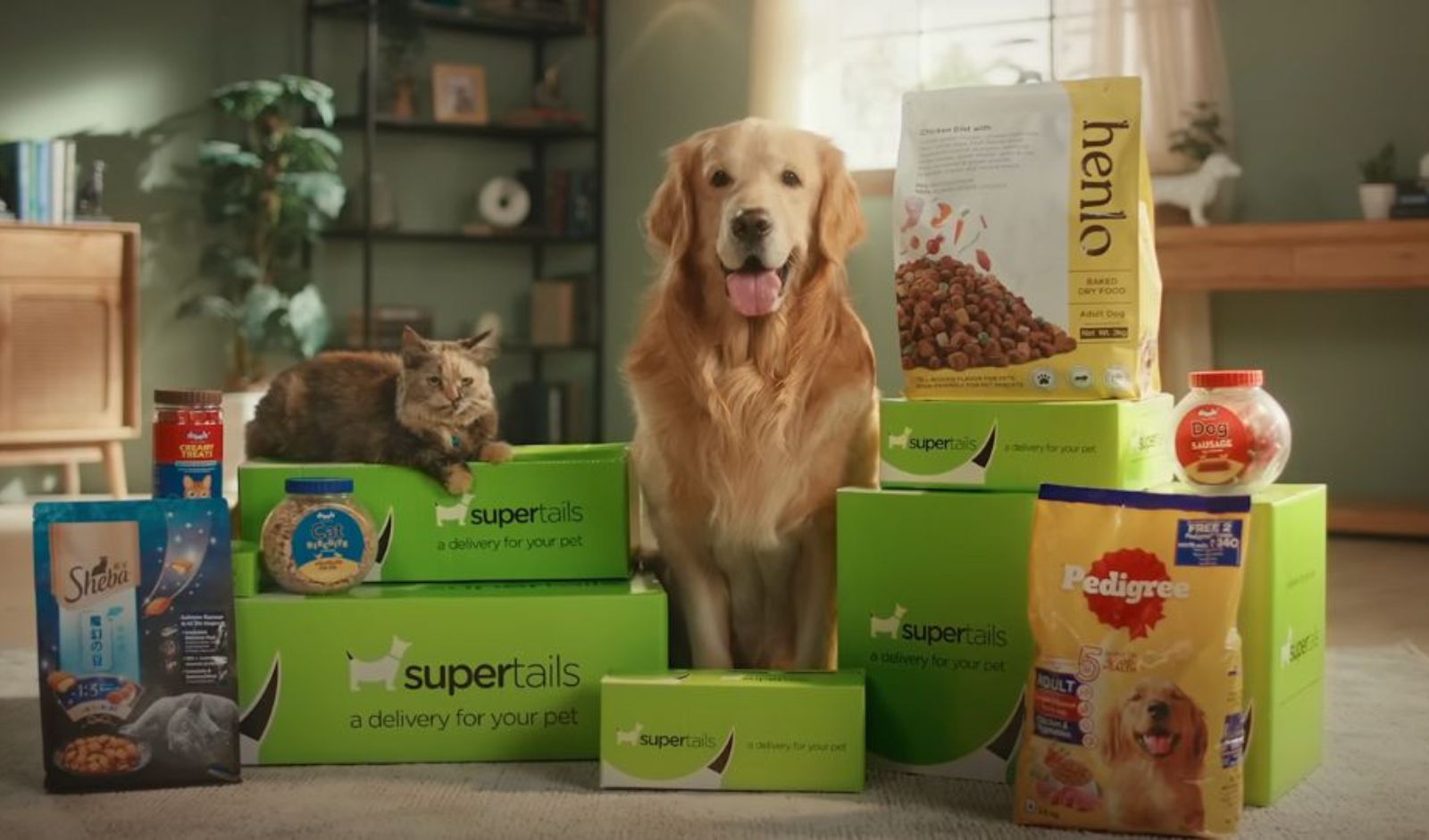
Founded in 2021 by former Licious executives Varun Sadana, Aman Tekriwal, and Vineet Khanna, Supertails has rapidly emerged as one of India’s most promising petcare D2C platforms, offering everything from pet food and accessories to online vet consultations, grooming, training, and pharmacy services — reaching over 18,000 pin codes nationwide. The startup has shown impressive market traction, nearly doubling revenues from Rs 33 crore in FY23 to Rs 63 crore in FY24, and achieving an annualised revenue run rate of around Rs 250 crore, reflecting strong consumer demand in India’s fast-growing petcare segment.
Building on earlier rounds — including a $15 million equity raise led by RPSG Capital Ventures — Supertails is now in advanced talks to raise a fresh $15–20 million funding round led by Singapore-based Venturi Partners.
Moxie Beauty
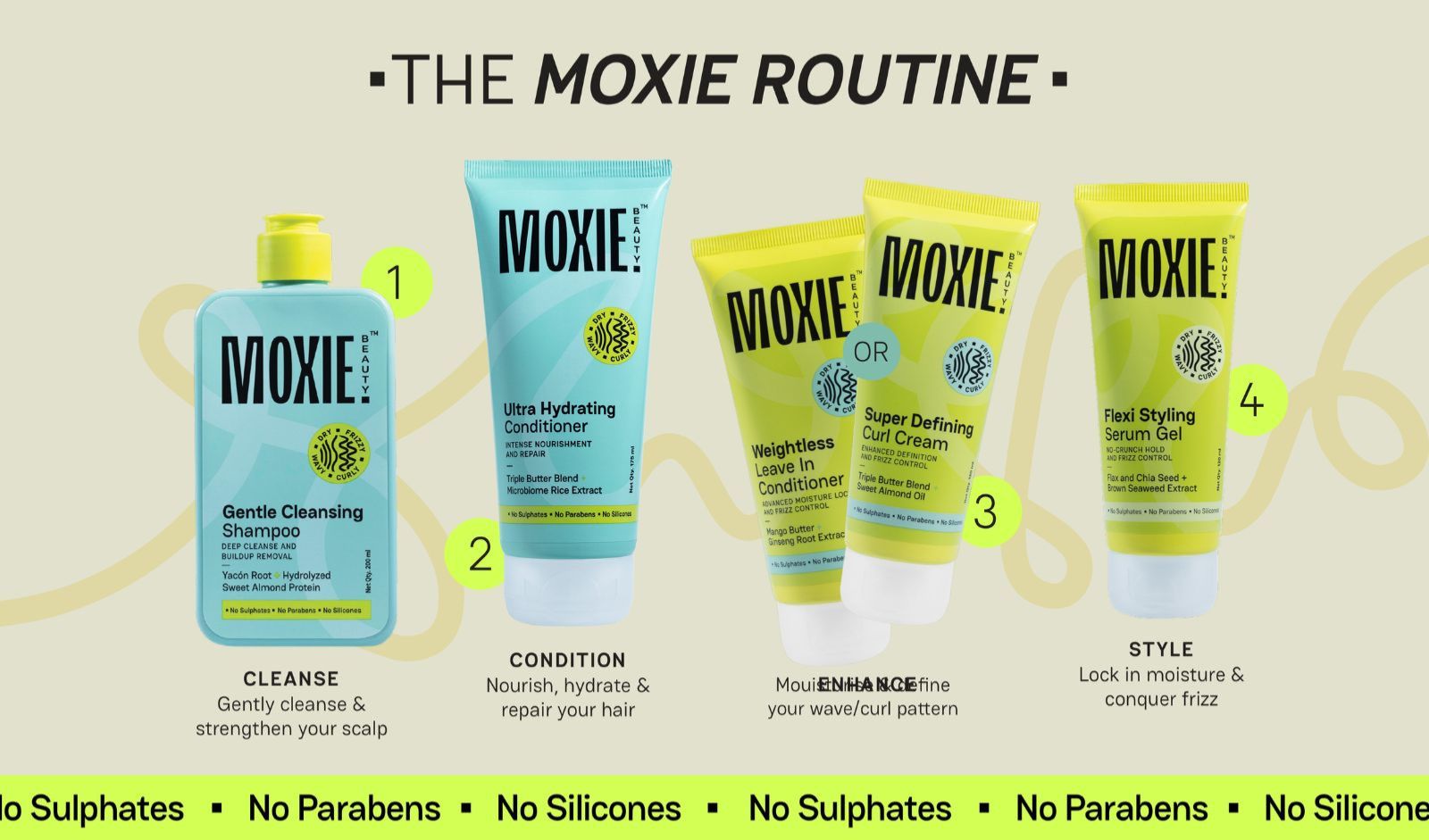
Moxie Beauty is a rapidly growing Indian D2C haircare brand founded in 2023 by Nikita Khanna and Anmol Ahlawat, built around the idea of clean, salon-grade haircare formulated specifically for Indian hair textures and climatic conditions. Within just two years of launch, the brand has crossed an annual revenue run rate (ARR) of over Rs 100 crore, driven by strong traction across digital platforms like Nykaa, Amazon, and its own D2C site, and a growing portfolio of 19 products spanning haircare, styling, and scalp health. In December 2025, Moxie Beauty secured a $15 million Series A funding round led by Bessemer Venture Partners, with participation from existing investor Fireside Ventures and angel backers including Navin Parwal, Sangeet Agarwal, and Arjun Purkayastha.
The brand planned to deploy the raised capital toward product innovation and research, expanding distribution channels, hiring talent across functions, and strengthening brand presence to meet rising consumer demand for high-performance, India-centric haircare solutions.
Antinorm
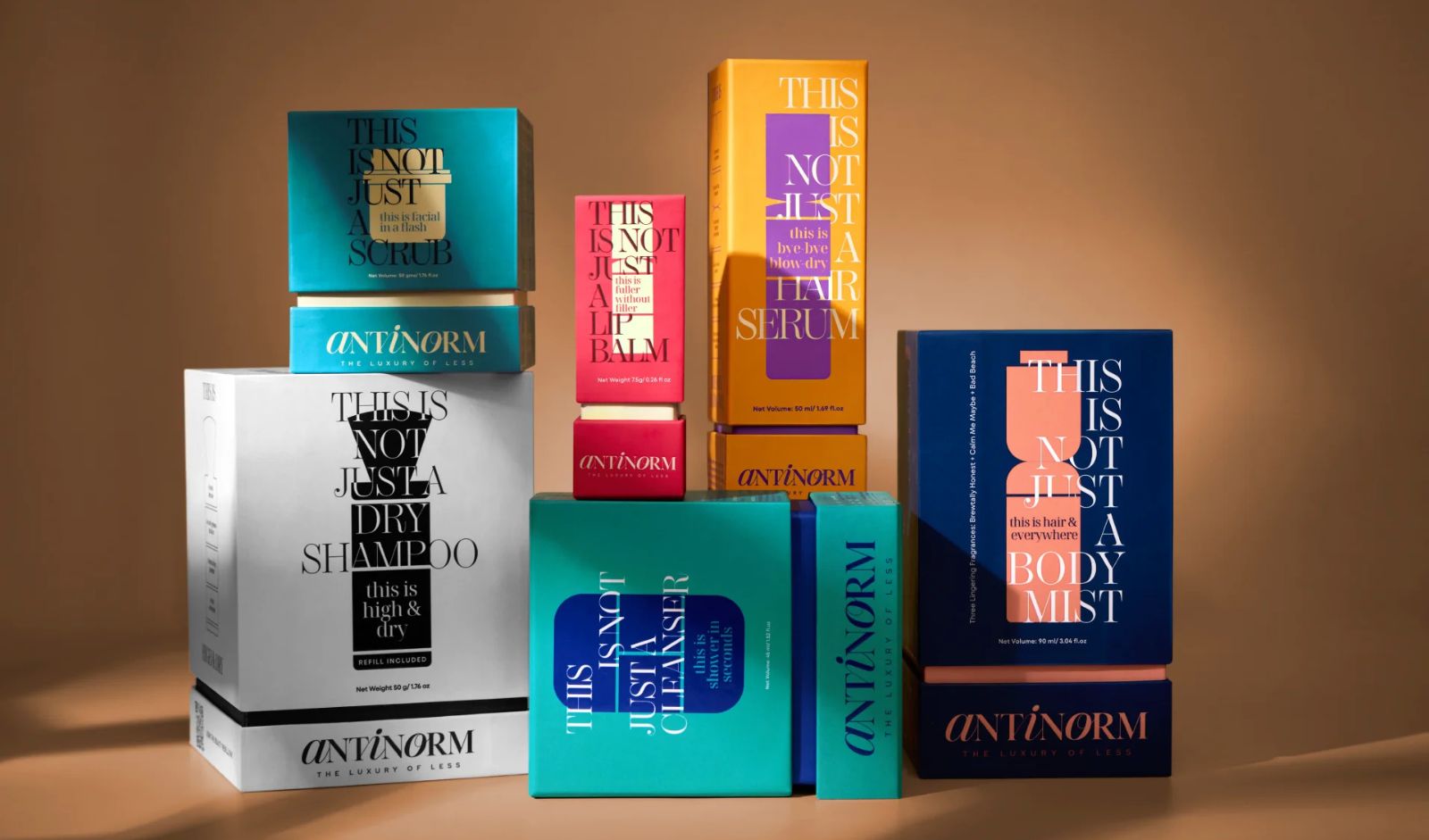
Antinorm is a fast-emerging D2C beauty and personal care startup built for modern, multitasking consumers with high-performance, multifunctional products designed to simplify everyday grooming routines. Founded in 2024 by Aparna Saxena, the brand has rapidly gained traction among urban women seeking efficient, results-oriented formulations that reduce complexity in beauty regimens. In January 2026, Antinorm secured a Rs 28 crore seed funding round led by Fireside Ventures, with continued participation and increased investments from existing backers V3 Ventures and Rukam Capital.
This fresh capital will be deployed across three core priorities: scaling the D2C platform, strengthening research and development capabilities, and expanding both digital and offline distribution channels.
Rotoris

The Indian analog watch startup, Rotoris, founded in 2025 by Aakash Anand, Prerna Gupta, Anant Narula, and Kunal Kapania, made headlines when it announced its funding led by Zerodha co-founder Nikhil Kamath, actor-entrepreneur Vivek Anand Oberoi, Venture Catalysts, 100 Unicorns, and comedian-investor Tanmay Bhat, among others. The startup raised $3 million in a seed funding round, marking strong investor confidence in its vision to build a premium, engineering-led watch brand from India. Positioned in the affordable luxury segment, Rotoris focuses on precision-crafted analog timepieces, blending mechanical excellence with contemporary design.
The brand planned to deploy the raised funds to scale manufacturing and assembly operations, strengthen supply-chain partnerships, expand product collections, and hire talent across engineering, design, and brand teams. As part of its growth strategy, Rotoris is gearing up for a commercial launch in early 2026.
Mitra
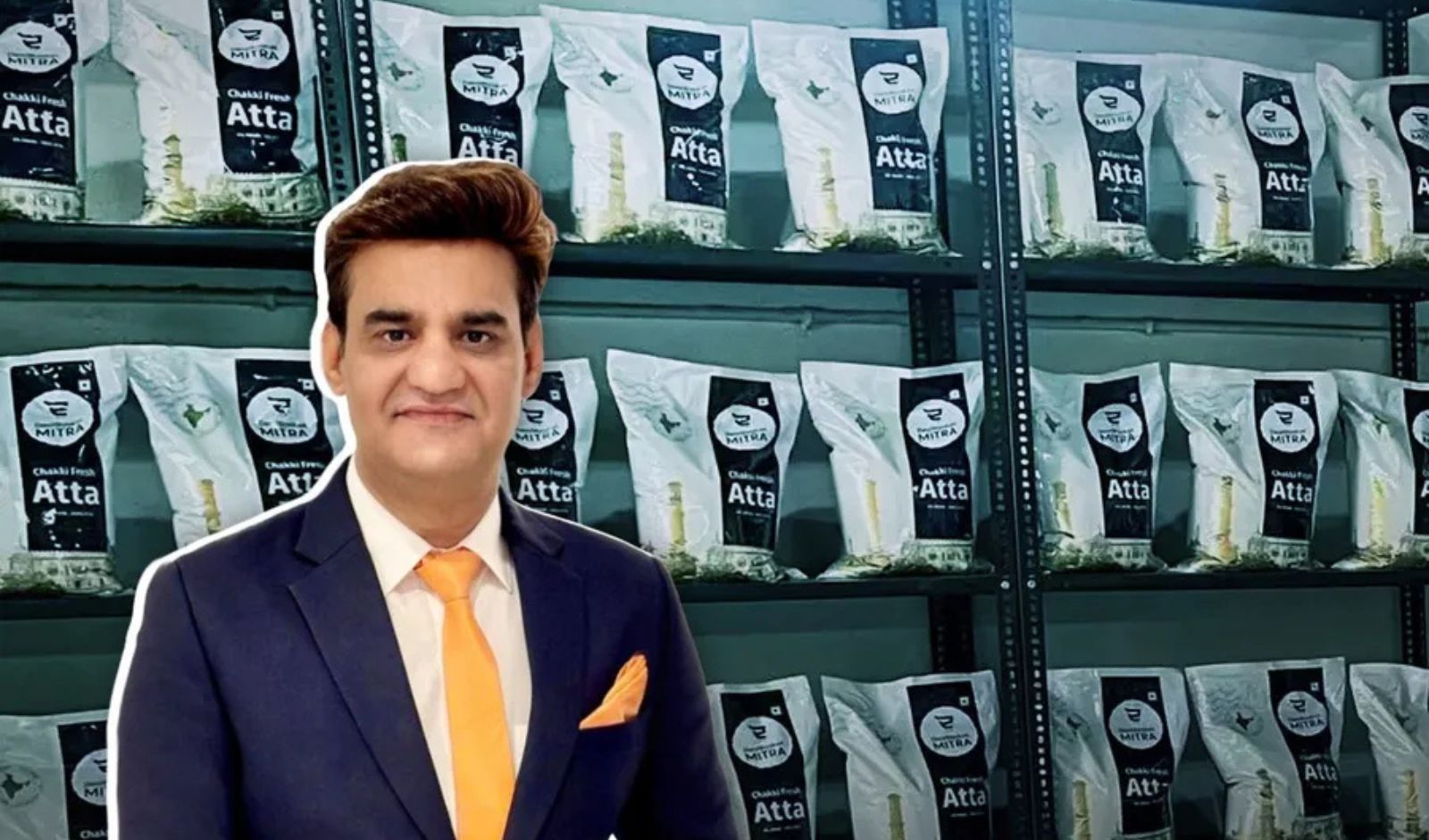
The Delhi-based FMCG startup Mitra has carved a strong niche in India’s fast-moving consumer goods landscape by blending traditional quality with modern distribution strategies. Founded in 2023, the brand has seen rapid growth, boosting its revenue from Rs 11 crore in FY 24 to Rs 40 crore in FY 25 and is on track to cross Rs 120 crore in FY 26 — all while maintaining a strong presence across over 500 distributors and 40,000 retail touchpoints. In August 2025, Mitra secured Rs 14 crore in bridge funding led by Bestvantage Investments, with participation from existing backers, including a Dubai-based family office, underscoring investor confidence in its trajectory.
The brand then made it clear that the fresh capital will be used to launch a 3,000-ton refined flour (maida) plant, expand into millet-based and lifestyle categories like gluten-free and diabetic-friendly products, strengthen distribution across India and GCC markets, and integrate smart manufacturing technologies to enhance efficiency.
Drickle
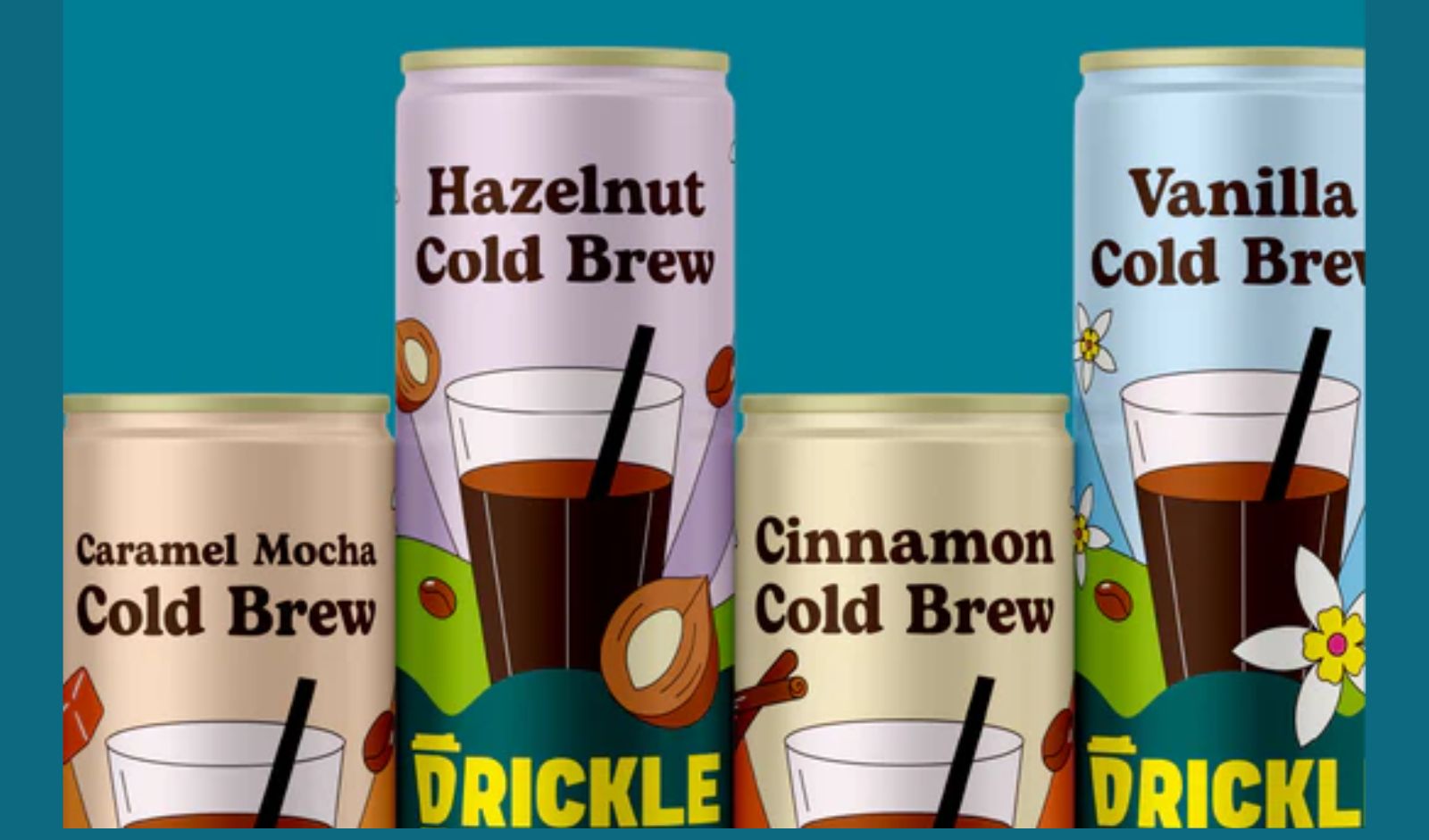
The Bengaluru-based coffee-first beverage QSR brand Drickle (formerly BONOMI) has rapidly positioned itself as an accessible, flavour-forward alternative in India’s bustling coffee market. Founded by Rahul Nijhawann and Vardhman Jain, the brand operates compact-format outlets that focus on fresh-brewed flavoured coffees alongside popular beverages like matcha, boba, and Thai tea — all priced in the affordable Rs 100–Rs 150 range to attract frequent, everyday consumption.
Recently, Drickle secured close to Rs 6 crore in seed funding through equity, led by a strong lineup of angel investors and operators such as Param Kandhari, Naresh Krishnaswamy, Abhinav Mathur, Hemanshu Jain, Vinay Bhopatkar, Vaibhav Sisinty, Dalvir Suri, and Rishit Jhunjhunwala, with Shaili Chopra participating via Ideabaaz. This comes after an earlier April 2025 raise of Rs 5.3 crore plus a Rs 50 lakh extension.
The Croffle Guys

The Croffle Guys, a Mumbai-based dessert brand founded by Rahul Vinod Vohra, Annanya Agarwal, Amay Thakkar, and Veer Pinto, is capturing consumer interest with its signature croffle—a hybrid of a croissant and a waffle that blends sweet and savoury flavours. The concept, born out of a friend’s trip to Thailand, quickly found traction locally with multiple storefronts and growing footfall. The brand made a memorable debut on Shark Tank India Season 5, where it became the first pitch of the latest season. The founders asked for Rs 1 crore for 1 percent equity in their company, which implied a strong valuation, and impressed the panel with their youthful energy, storytelling, and vision.
Shark investors Kunal Bahl and Mohit Yadav ultimately agreed to invest Rs 2.5 crore in exchange for 5 percent equity, marking a significant funding milestone for the startup and validating its growth potential.
Virohan Healthcare
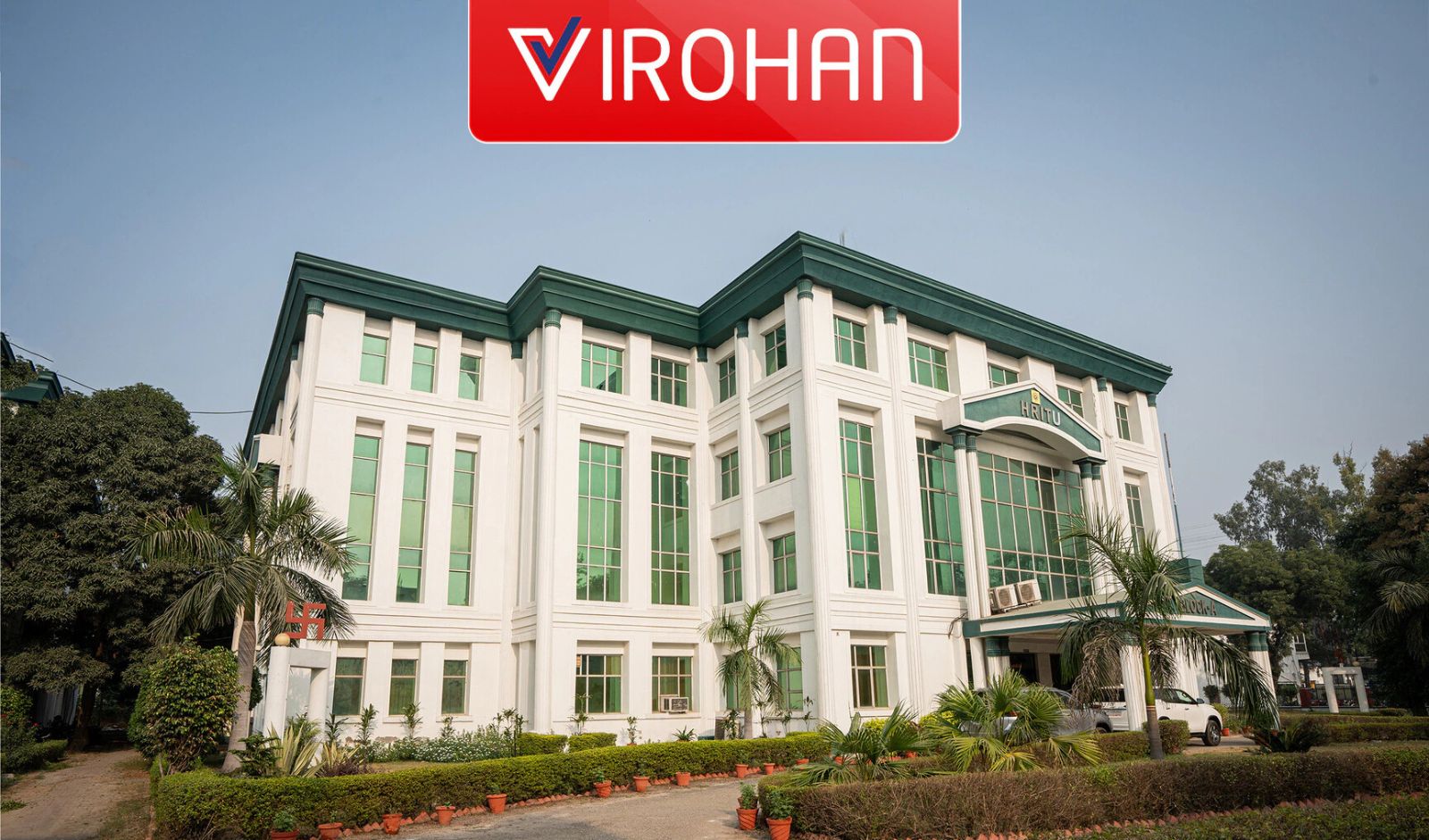
Virohan Healthcare — a Gurugram-based healthcare education and edtech startup — has carved out a unique niche by addressing India’s growing demand for skilled allied healthcare professionals. Founded in 2018 by Kunaal Dudeja, Nalin Saluja, and Archit Jayasal, the company blends hybrid vocational training with industry partnerships to prepare students for in-demand roles such as medical lab technicians, phlebotomists, and operating theatre technicians. In December 2025, Virohan raised Rs 65 crore (around $7.5 million) as part of its ongoing Series B funding round, led by Japan-based Mynavi Corporation, with support from existing backers including Blume Ventures, Bharat Inclusive Technologies Seed Fund, and Rebright Partners.
This funding milestone reflects growing investor confidence in the future of healthcare education and workforce development in India’s rapidly evolving healthcare ecosystem.
The 2025-26 funding landscape for D2C startups is vibrant, dynamic, and full of promise. As these startups deploy fresh capital to scale, innovate, and expand, the future of India’s D2C ecosystem looks more resilient and diversified than ever — offering a compelling narrative for investors, founders, and consumers alike.



India has always had an intimate relationship with jewellery. It is woven into our culture, our celebrations, and our sense of identity. But the way Indians buy jewellery is changing — and changing fast. A new generation of consumers has emerged: style-conscious, value-aware, and deeply sceptical of synthetic imitations. They want jewellery that is real, meaningful, and beautiful. They want it at a price point that does not require a special occasion to justify.
Enter semi-precious stone jewellery — arguably the most exciting and underserved category in India’s jewellery retail landscape today. Sitting confidently between costume jewellery and high-end fine jewellery, semi-precious stone jewellery is redefining what affordable luxury looks and feels like for the modern Indian consumer.
The Affordable Luxury Gap — and Why Jewellery Fills It
Affordable luxury as a concept is not new. It has powered the growth of premium skincare, craft beverages, and artisan home décor in India over the past decade. But jewellery has been slower to catch up — largely because the category has traditionally been polarised between cheap fashion pieces on one end and expensive gold and diamond jewellery on the other.
Semi-precious stone jewellery bridges this gap elegantly. Pieces crafted from stones like amethyst, turquoise, labradorite, rose quartz, moonstone, and lapis lazuli carry genuine material value. They are visually striking, versatile, and deeply personal — many stones carry cultural, spiritual, or symbolic meaning that resonates strongly with Indian buyers. And critically, they are accessible. A beautifully crafted semi-precious stone piece can be owned for a fraction of what fine jewellery costs, without any compromise on authenticity or craftsmanship.
What Is Driving the Demand?
Several converging trends are accelerating the appetite for semi-precious stone jewellery in India:
The Rise of the Conscious Consumer. Today’s Indian shopper — particularly the urban millennial and Gen Z buyer — wants to know what they are buying and where it comes from. Semi-precious stones, when paired with clean metals and ethical craftsmanship, offer exactly the kind of transparency these consumers demand. They are buying not just an accessory, but a story.
The Self-Purchase Revolution. Indian women are increasingly buying jewellery for themselves rather than waiting for it as a gift or a family heirloom. This shift fundamentally changes the purchasing dynamic. Self-purchasers prioritise personal taste, everyday wearability, and individual expression — all areas where semi-precious stone jewellery excels.
The Wellness and Mindfulness Wave. Semi-precious stones have long been associated with wellness, healing energies, and mindfulness traditions. As interest in holistic living grows among urban Indians, stones like amethyst, rose quartz, and lapis lazuli carry additional layers of meaning beyond their aesthetic appeal. Wearing them becomes an intentional act, not just a style choice.
The D2C and Instagram Commerce Boom. The explosion of D2C brands and social commerce has made it possible for niche, handcrafted jewellery labels to reach and build loyal audiences at scale. Consumers who would never have discovered an artisan jewellery brand through traditional retail are now finding and falling in love with these products on Instagram, Pinterest, and curated online stores. Semi-precious stone jewellery photographs beautifully, making it naturally suited to discovery through visual platforms.
Craftsmanship as a Differentiator
Not all semi-precious stone jewellery is created equal. The category’s growth has inevitably attracted low-quality entrants — mass-produced pieces that use inferior stones and base metals dressed up with marketing language. Discerning consumers are learning to tell the difference, and this is where brands grounded in genuine craftsmanship have a significant and durable advantage.
Brands like JIAARA, for instance, have built their entire identity around the integrity of their materials and their making process. Founded by three sisters — Ankita Singh, Sushmita Singh, and Garima Singh — JIAARA is a women-led brand that works exclusively with women artisans to create handcrafted pieces using semi-precious stones and clean, skin-safe metals. Every piece is made entirely by hand, ensuring authenticity that mass production simply cannot replicate.
“Our customers are not just buying a piece of jewellery — they are buying into a craft tradition that has been kept alive by skilled women artisans. The semi-precious stones we use are chosen for their quality, their character, and their connection to the wearer,” says Garima Singh, Co-Founder, JIAARA.
This level of intentionality — in sourcing, in making, in storytelling — is precisely what elevates a piece of semi-precious stone jewellery from a purchase into a treasured possession.
The Retail Opportunity: A Category Ready to Scale
For retailers and investors watching India’s jewellery market, the semi-precious stone jewellery segment represents a significant white space. The overall Indian jewellery market is projected to grow substantially over the next five years, and within it, the artisan and affordable luxury segment is growing at a notably faster pace than the traditional fine jewellery market.
The category is also well-positioned across multiple retail channels. D2C digital storefronts allow brands to build direct consumer relationships and tell nuanced stories. Premium multi-brand boutiques and lifestyle concept stores provide physical discovery and gifting opportunities. Corporate gifting is an emerging revenue stream, as organisations seek meaningful, handcrafted alternatives to generic gift options.
What the category needs to fully realise its potential is greater visibility, editorial credibility, and mainstream retail adoption. Collaborations like JIAARA’s exclusive partnership with Marie Claire are a strong signal that fashion media is beginning to take artisan, semi-precious stone jewellery seriously as a category worth covering and championing.
What Retailers Should Know
For retailers considering entering or expanding within this space, a few principles are worth keeping in mind:
Authenticity cannot be faked. Consumers in this category are educated and engaged. Brands that cut corners on stone quality or metal purity will lose credibility quickly. Invest in genuine materials and let them speak for themselves.
Story is the product. Semi-precious stone jewellery sells because of what it represents — the artisan who made it, the stone’s origin, the cultural or spiritual significance it carries. Retailers who invest in storytelling infrastructure — detailed product pages, artisan profiles, stone guides — will see significantly higher conversion and repeat purchase rates.
Women are both the maker and the buyer. The most resonant brands in this space, including JIAARA, are built around women at every level: women founders, women artisans, and women consumers. This alignment of values is a genuine competitive moat, not just a positioning choice.
Price integrity matters. The affordable luxury positioning only works if the price point is defended with confidence. Discounting erodes the perceived value of handcrafted, material-led jewellery. Brands in this space should invest in communicating value rather than competing on price.
The Moment Is Now
India’s semi-precious stone jewellery market is at an inflection point. Consumer demand is rising, craft infrastructure exists, and a new generation of purpose-led brands is demonstrating that this category can be both commercially successful and deeply meaningful. The brands and retailers who move decisively into this space now — with genuine product integrity and compelling storytelling — will be well placed to define the category as it scales.
Affordable luxury in India is no longer just about price. It is about value in the fullest sense of the word. And in the jewellery category, nothing embodies that more completely right now than a beautifully handcrafted piece of semi-precious stone jewellery.

There is a quiet revolution happening in India’s jewellery market. It is not driven by scale or celebrity endorsements. It is being led by a handful of purpose-driven brands that believe the way a piece of jewellery is made matters just as much as how it looks. JIAARA is one of them — and it is fast earning its reputation as one of the best jewellery brands to emerge from the Indian D2C ecosystem.
Founded by three sisters — Ankita Singh, Sushmita Singh, and Garima Singh — JIAARA is a women-led artisan best jewellery brand that blends the beauty of traditional craftsmanship with a deeply modern sense of purpose. Every decision the brand makes, from the metals it uses to the artisans it works with, is guided by a single principle: clean commerce. Commerce that is transparent, ethical, and empowering.
The Sisters Behind the Brand
JIAARA was not born in a boardroom. It was born out of a shared vision between three sisters who grew up watching skilled artisans at work and felt a deep pull to preserve those traditions while reimagining them for the modern consumer.
Ankita, Sushmita, and Garima — co-founders and directors of JIAARA — bring complementary strengths to the brand: design sensibility, business acumen, and an unwavering commitment to their founding mission. Being women-led is not a tagline for JIAARA; it is the foundation on which every part of the business has been built.
“We wanted to create a brand that we could stand behind completely — one that reflected our values at every single touchpoint. That meant being honest about what goes into our pieces, and being intentional about who makes them,” says Ankita Singh, Co-Founder, JIAARA.
Clean Metals, Real Craft
At the heart of JIAARA’s offering is an uncompromising approach to materials. Every piece in its collection is crafted using semi-precious stones and clean metals — materials that are safe for the skin, responsibly sourced, and built to last. In a category where low-quality alloys and synthetic stones are the norm, this commitment sets JIAARA apart immediately.
But the brand’s definition of “clean” goes beyond the physical composition of its jewellery. It extends into every layer of the business. Clean in how it communicates with customers. Clean in how it prices its products. And clean in how it treats the artisans who bring each piece to life by hand.
Each JIAARA piece is entirely handcrafted — a process that ensures no two pieces are identical and that every item carries the distinct imprint of the artisan who made it. This is not assembly-line jewellery. It is wearable art.
A Business That Puts Women First
What truly distinguishes JIAARA in the crowded artisan jewellery space is its deliberate and deeply felt commitment to women’s empowerment. All of JIAARA’s artisans are women — skilled craftswomen who are not just employees but collaborators in the truest sense.
By building its production ecosystem entirely around women artisans, JIAARA creates economic opportunity where it is most needed, preserves traditional craft techniques that might otherwise be lost, and ensures that the brand’s growth directly translates into better livelihoods for its makers.
“Every ring, every earring, every necklace that leaves our studio carries the skill and story of a woman who made it with her hands. That is what makes JIAARA jewellery truly precious,” says Sushmita Singh, Co-Founder, JIAARA.
This women-first model is not merely a CSR exercise. It is a fundamental business choice that gives JIAARA its character, its community, and its competitive edge.
The D2C Opportunity: Building Direct Relationships
JIAARA’s growth story is also a masterclass in the D2C model done right. Rather than chasing distribution at scale through third-party marketplaces, the brand has focused on building a loyal, value-aligned customer base through its own digital storefront at www.jiaarajewellery.com.
This direct relationship with customers allows JIAARA to tell its story fully and authentically — to explain why a piece is priced the way it is, who made it, and what it stands for. For a brand built on purpose, that narrative transparency is not optional; it is essential.
The brand’s recent exclusive collaboration with Marie Claire, one of the world’s most respected fashion and lifestyle publications, signals a significant step in its visibility journey. The collaboration brings JIAARA’s handcrafted aesthetic and purposeful ethos to a new audience of fashion-forward, values-conscious consumers — exactly the audience the brand was built to serve.
Why JIAARA Matters to the Future of Indian Retail
For Indian retail observers, JIAARA’s rise is instructive on multiple levels. It demonstrates that purpose-led positioning is not just a marketing strategy — it is a genuine growth driver. It shows that women-led businesses in the craft and jewellery sector can achieve mainstream fashion credibility. And it proves that the best jewellery brand is not always the biggest one, but the one with the clearest soul.
At a time when consumers — especially younger buyers — are demanding more from the brands they support, JIAARA offers something genuinely rare: jewellery you can feel good about wearing, from a brand you can feel proud of supporting.

India’s direct-to-consumer (D2C) revolution is no longer just about survival—it's about scale, strategy, and smashing revenue milestones. As consumer preferences evolve and digital adoption skyrockets, homegrown brands are rewriting the rules of retail, proving that the Rs 100 crore mark isn’t just a dream but an achievable reality.
From beauty to dairy, a new wave of Indian brands is crossing this coveted threshold, signaling not just growth but a seismic shift in how businesses engage with consumers. Skincare disruptor Hyphen shattered expectations by hitting Rs 100 crore in just a year, while Minimalist and Akshayakalpa Organic continue to scale new heights, surpassing Rs 300 crore. What’s fueling this explosive growth? A mix of product innovation, omnichannel expansion, and an unwavering focus on consumer trust.
With the D2C market projected to hit a staggering $61.3 billion by 2027, the question isn’t whether homegrown brands can thrive—it’s how fast they can scale. This shift is driven by the rise of e-commerce, quick commerce, and an advanced digital ecosystem. Customer preferences have evolved, leaning towards convenience, speed, and personalization. This has prompted brands to form direct relationships with customers and curate personalized experiences for them.
Rise of Homegrown Brands
As the birthplace of over 800 brands, India’s D2C space is more competitive than ever. Despite this, many homegrown brands have succeeded in crossing Rs 100 crore in annual revenue in recent years. These brands have disrupted the market by adapting to consumer demands, creating omnichannel strategies, and expanding into new product categories.
In the beauty and personal care segment, brands like Minimalist and Hyphen have left a lasting impression on customers by offering high-quality skincare and body care products. On the other hand, Akshayakalpa Organic, a premium dairy brand, has scaled new heights through sustainable practices and a farmer-first approach.
Minimalist: Science-Backed Growth and Expansion
Minimalist, founded by siblings Mohit Yadav and Rahul Yadav in 2020, achieved a significant milestone by crossing Rs 300 crore in revenue in 2024. The brand’s growth is driven by its commitment to high-quality, science-backed products and expansive market reach.
"We don’t chase trends or release products in rapid cycles. Every formulation undergoes extensive research and is introduced only if the ingredient or product is scientifically superior and proven to add value," said Mohit Yadav, CEO & Co-founder of Minimalist.
Diversification and Quick Commerce Expansion
Minimalist expanded its product portfolio to include baby care and hair care categories. It also ventured into quick commerce to enhance accessibility.
"By maintaining a balance between premium quality and affordability, we ensure that effective skin care remains accessible to all," Yadav shared.
Expanding into offline retail and global markets has been a key component of Minimalist’s strategy.
“By maintaining transparency and putting customers first, we’ve earned trust across borders. Today, we are available in key markets, including the US, UK, UAE, Malaysia, Indonesia, and Saudi Arabia,” Yadav highlighted.
Hyphen: The Fastest Beauty Brand to Rs 100 Crore
Hyphen was co-founded in 2023 by the creators of mCaffeine—Vaishali Gupta, Tarun Sharma, Saurabh Singhal, Mohit Jain, and Vikas Lachhwani—along with Bollywood actor Kriti Sanon. Within a year, the brand achieved an impressive turnover of over Rs 100 crore.
The experience and expertise from scaling mCaffeine played a crucial role in Hyphen’s rapid growth.
“Our seasoned team and its experience in scaling brands gave us a competitive edge,” said Vaishali Gupta, Co-founder and Chief Growth Officer of Hyphen.
D2C Expansion and Consumer Engagement
Hyphen built a strong D2C presence, reaching over a million customers across 19,000 pin codes in India. The brand used a consumer-centric approach and innovated products based on direct customer feedback.
“We have strived to establish a personal dynamic with our customers. Our website helped us hugely in this endeavor. As a result, 60 percent of our sales come from repeat customers, establishing Hyphen as one of the most trusted skincare brands,” Gupta shared.
By focusing on consumer needs, product categories, and sales channels, Hyphen effectively navigated the competitive beauty and personal care segment. “We listen, build the right categories, and ensure we are available across different channels to expand access to our consumers,” expressed Gupta.
Kriti Sanon’s role in Brand Building
The involvement of Bollywood actor Kriti Sanon as a co-founder and brand face significantly boosted Hyphen’s reach.
“Kriti’s involvement goes far beyond being the face of the brand—she’s deeply engaged in every step, from product development to consumer feedback,” said Gupta.
Akshayakalpa Organic: Scaling Sustainable Dairy
Akshayakalpa Organic was founded in 2010 by Shashi Kumar and GNS Reddy with the mission to empower farmers through sustainable organic dairy farming. The brand crossed Rs 300 crore in revenue and aims to reach Rs 400 crore by the end of 2025. It has earned consumer trust by offering high-quality organic products and engaging customers in farm visits.
“Our brand is trusted and loved by consumers because it offers high-quality organic products and also encourages consumers to visit the farms, where they can experience firsthand where their food comes from,” explained Shashi Kumar, CEO & Co-founder.
The brand emphasizes sustainability and ethical practices, ensuring better prices for farmers while maintaining a reliable supply chain.
"We emphasize sustainability and ethical practices, ensuring higher prices for farmers, fostering a reliable supply chain, and enhancing overall profitability,” Kumar highlighted.
Beyond Dairy: Diversifying Revenue Streams
Akshayakalpa expanded its offerings beyond organic dairy to include fruits, vegetables, coconuts, cheese, and yogurt.
“Instead of depending solely on dairy, the company has developed six diverse income streams across its farms, including direct consumer sales, digital market platforms, and income from coconuts, bananas, vegetables, poultry eggs, and seasonal fruits like mangoes, jamuns, and sapotas,” Kumar shared.
The Road Ahead
After becoming the fastest direct-to-consumer brand to hit Rs 100 crore, Hyphen aims to double its revenue next year and create a skincare movement focused on efficacy, transparency, and real results.
"Our vision is to expand our reach, ensuring that every Indian home has access to high-quality, effective skincare without the hassle of complex routines," Gupta expressed.
Recently acquired by Hindustan Unilever, Minimalist looks forward to increasing its retail footprint and furthering its global expansion. Keeping innovation at the core of its growth strategy, the brand aims to develop more effective products backed by science.
Akshayakalpa Organic plans to deliver organic and nutritious food to households across three states. It also plans to expand to Mumbai and Pune to onboard farmers who wish to transition to organic farming.
"We are not just scaling operations; we are creating an ecosystem where sustainable farming becomes a viable and rewarding career for Indian farmers," Kumar emphasized.

In the rapidly evolving retail landscape, Direct-to-Consumer (D2C) brands have emerged as powerful players, redefining how products reach consumers. With the advent of quick commerce, D2C brands are experiencing exponential growth, leveraging technology and consumer-centric strategies to build loyalty and profitability. This shift reflects changing consumer expectations, where convenience and immediacy have become paramount. Here, we explore the key trends and factors driving the popularity and profitability of D2C brands through quick commerce.
Meeting Consumer Expectations for Speed and Convenience
● Modern consumers expect instant gratification. The rise of quick commerce—with delivery windows of 10-15 minutes—has aligned perfectly with this demand.
● D2C brands adopting quick commerce platforms can cater to time-sensitive needs, offering products such as health essentials, grocery staples, or beauty products directly to consumers’ doorsteps.
● According to a recent report, the global quick commerce market is expected to grow at a CAGR of 24.8 percent from 2023 to 2030, presenting a significant opportunity for D2C brands to scale rapidly.
Enhanced Profit Margins Through Direct Engagement
● Unlike traditional retail models, D2C brands bypass intermediaries, leading to higher profit margins. Quick commerce strengthens this model by reducing dependency on third-party logistics and retail partners.
● By owning the entire supply chain—from manufacturing to delivery—brands can exercise greater control over pricing and customer experience.
● Additionally, data-driven strategies enable precise pricing adjustments based on consumer preferences and demand trends.
Leveraging Technology for Operational Excellence
● Technology lies at the heart of quick commerce. Real-time inventory tracking, AI-driven demand forecasting, and route optimization have made it possible for D2C brands to offer ultra-fast deliveries.
● Brands are investing in cloud-based systems that integrate orders, inventory, and logistics seamlessly, ensuring minimal delays and maximum customer satisfaction.
● Innovative approaches, such as micro-fulfillment centers located strategically in urban areas, allow brands to reduce delivery times while optimizing costs.
Building Brand Loyalty Through Personalized Experiences
● Quick commerce allows D2C brands to create personalized touchpoints with consumers. With real-time data, brands can tailor recommendations, promotions, and communications.
● For instance, a skincare D2C brand can send a reminder about replenishing a product based on the customer’s purchase history, fostering a sense of exclusivity and care.
● Personalized packaging and loyalty programs further enhance the brand experience, ensuring repeat purchases.
Expanding Product Categories to Capture Demand
● D2C brands are diversifying their offerings to include high-demand categories suitable for quick commerce, such as health supplements, snacks, and everyday essentials.
● This expansion caters to consumer preferences for “need it now” items, ensuring relevance across various consumer segments.
● By aligning their product portfolios with quick commerce trends, brands can tap into impulse buying behavior, which accounts for a significant portion of quick commerce sales.
Strengthening Consumer Trust Through Transparency
● Quick commerce requires flawless execution to gain consumer trust. D2C brands are focusing on transparent processes, including real-time order tracking and consistent communication.
● Ethical practices such as sustainable packaging and fair labor policies resonate well with the values of modern consumers, strengthening long-term loyalty.
● According to a survey by Edelman, 67 percent of consumers are more likely to trust a brand that demonstrates social responsibility, an area where D2C brands can excel.
The Role of Social Media in Quick Commerce Success
● Social media platforms have become vital for D2C brands to engage directly with consumers and drive quick commerce sales.
● Features like Instagram’s “Shop Now” and TikTok’s in-app shopping enable consumers to make instant purchases, seamlessly integrating with quick commerce.
● Influencer collaborations further amplify brand visibility and trust, leading to higher conversion rates in a competitive market.
Tackling Challenges in Quick Commerce
While quick commerce offers immense potential, it is not without challenges:
● Operational Costs: Maintaining a quick commerce model requires significant investment in infrastructure and technology.
● Inventory Management: Real-time inventory updates are crucial to avoid order cancellations and consumer dissatisfaction.
● Workforce Optimization: Ensuring a reliable and efficient delivery workforce is critical to maintaining brand reputation.
To overcome these challenges, D2C brands are adopting solutions like automated inventory systems, gig economy partnerships, and AI-driven logistics tools.
Future Trends in D2C Quick Commerce
● Hyper-Personalization: With advancements in AI, D2C brands will offer increasingly personalized shopping experiences, from product recommendations to exclusive offers.
● Subscription Models: Quick commerce will integrate subscription services for recurring purchases, ensuring convenience and brand loyalty.
● Sustainability Initiatives: Eco-conscious consumers will drive brands to adopt greener practices, such as carbon-neutral deliveries and recyclable packaging.
● Rural Market Penetration: Expanding quick commerce to Tier II and III cities will unlock significant growth opportunities for D2C brands.
Conclusion
D2C brands are redefining the retail landscape by leveraging the speed, convenience, and personalization offered by quick commerce. As consumer expectations continue to evolve, the ability to deliver value-driven experiences at lightning speed will remain a key differentiator. By embracing technology, optimizing operations, and focusing on consumer trust, D2C brands can not only achieve profitability but also set new benchmarks in the retail industry. Quick commerce is no longer just a trend; it is the future of D2C success.
Authored By

Avinandan Choudhary, Founder and CEO, Formis Health

The global eCommerce industry in 2024 faced muted growth compared to previous years, with notable trends including TikTok, Shein, and Temu. India, on the other hand, has seen Quick Commerce emerge as a key growth driver. What initially started as an experimental channel for the FMCG sector has rapidly expanded across categories such as beauty, electronics, and even fashion.
Rising Challenges
Despite these advancements, challenges persist. Customer acquisition costs (CAC) and the rising cost of advertising remain pain points for brands globally. Platforms such as Meta and Google continue to dominate ad spend, but the landscape is shifting. Marketplaces like Amazon, Flipkart, Myntra, and Nykaa are positioning advertising as a core revenue driver. For brands, securing traffic and capturing consumer attention have become top priorities, followed by promotional strategies and discounting to drive conversions.
Revolutionizing the eCommerce
Generative AI has been a beacon of innovation in 2024, revolutionising how brands operate. Over two-thirds of eCommerce businesses have integrated generative AI into their workflows, leveraging it across the eCommerce value chain to create personalized shopping experiences, optimize inventory, and streamline operations.
In advertising, generative AI has enabled the rapid production of content and hyper-personalized campaigns. Content creation has streamlined the generation of multilingual content and improved optimization. For fulfilment, AI-driven demand forecasting has allowed businesses to predict inventory needs more accurately, ensuring product availability. These advancements underscore the role of AI as a catalyst for operational efficiency and customer satisfaction.
Equally intriguing is the rise of agentic AI—systems capable of making decisions independently. These technologies are reshaping customer service and supply chain management, operating seamlessly to predict and address consumer needs before they are articulated. This allows businesses to anticipate and fulfill consumer demands more effectively than ever before.
Festive Season Trends
The festive season highlighted the adaptability of eCommerce, with platforms reporting around a 20% increase in sales compared to the previous year. First-time online shoppers, many from Tier 2 and Tier 3 cities, contributed significantly to this growth. These areas are no longer secondary markets—they are central to the future of eCommerce.
Personalization and Authenticity
Consumer preferences have shifted toward brands offering personalization and authenticity, signaling the importance of trust in building long-term customer relationships. Data-driven strategies played a pivotal role in helping businesses deliver record-breaking sales while catering to these nuanced demands.
Quick commerce has solidified its position as a growth pillar in India, reflecting the operational scale needed to meet growing demand. Major players across categories have embraced this model, reinforcing its potential to redefine the eCommerce landscape in India. For consumers, speed and convenience have become non-negotiable, driving businesses to innovate continuously.
Data Privacy
However, this progress is not without challenges. Data privacy concerns have become increasingly prominent, with stricter regulations compelling businesses to prioritize transparency and security. For companies, this is not merely about compliance—it’s about building trust with a more aware customer base. Organizations that proactively address these concerns are setting benchmarks for the future.
Omnichannel Strategies
Omnichannel strategies have also become indispensable. The seamless integration of online and offline channels is no longer a luxury but an expectation. Whether it’s buying online and picking up in-store or personalized digital experiences inspired by physical interactions, businesses excelling in this domain are capturing a significant competitive edge.
Preparing for 2025
As we look toward 2025, the road ahead is clear. Indian eCommerce is poised for continued growth, driven by innovation, trust, and customer-centric strategies. Investments in generative AI, operational efficiency, and localized solutions will play a crucial role in shaping the industry’s trajectory. While challenges like rising CAC and data privacy persist, businesses that adapt and innovate will remain at the forefront of this dynamic and ever-evolving landscape.
Author By:
Prem Bhatia, CEO & Co-Founder, GraasPrem Bhatia, CEO & Co-Founder, Graas

In recent years, the restaurant industry has seen a major shift with the rise of Direct-to-Consumer (D2C) dining. This approach allows restaurants to take full control of their brand, connect directly with customers, and manage their operations more efficiently. As a restaurant owner, I’ve witnessed how this model is changing the way we do business, making it easier for restaurants to grow and thrive. By cutting out middlemen, D2C dining empowers restaurants to create stronger relationships with their customers while improving their bottom line.
Traditionally, many restaurants have relied on third-party platforms, like food delivery apps and aggregators, to reach a wider audience. While these platforms offer convenience, they also come with challenges. High commission fees, reduced control over branding, and limited access to customer data can make it hard for restaurants to build their identity and maintain profitability. D2C dining changes this by allowing restaurants to sell directly to their customers, giving them full ownership of the customer experience. This direct interaction not only helps restaurants better understand their diners but also provides a more personalized and seamless dining experience.
One of the main reasons for the growing popularity of D2C dining is the shift in consumer behavior. Today’s diners expect more than just good food – they want convenience, customization, and a connection with the brands they choose. D2C dining allows restaurants to meet these expectations by offering a direct, hassle-free way for customers to order their favorite meals. Restaurants can tailor their online ordering platforms to reflect their unique brand and provide personalized offers or discounts, strengthening customer loyalty. On the flip side, third-party platforms often treat restaurants as just another listing in a crowded marketplace, which dilutes the brand’s identity. By going direct, restaurants can stand out and create lasting impressions.
Another significant factor behind the rise of D2C dining is the financial advantage it offers. Third-party platforms often charge restaurants a hefty commission, sometimes up to 30 percent, which eats into already thin profit margins. By adopting a D2C model, restaurants can keep more of the revenue they generate, making it a more sustainable option in the long run. Additionally, the ability to own and manage customer data is a game-changer for restaurants. With direct access to insights about customer preferences, ordering habits, and feedback, restaurants can fine-tune their offerings and create targeted marketing campaigns to drive repeat business. This data is crucial for building lasting relationships and improving the overall customer experience.
The technological advances of the past decade have made it easier than ever for restaurants to embrace the D2C model. Today, there are numerous user-friendly platforms that help restaurants manage their own online ordering, delivery, and customer interactions without needing to rely on third-party services. This has opened the door for smaller, independent restaurants to compete with larger chains by providing them with the tools they need to run their business effectively. The COVID-19 pandemic accelerated this shift, as restaurants had to quickly adapt to new delivery and takeaway models to survive. Many discovered that by going direct, they not only saved on commissions but also gained greater control over their customer relationships.
One of the biggest advantages of D2C dining is the ability to control every aspect of the brand experience. When restaurants work with third-party platforms, they often have little say in how their food is presented, marketed, or delivered. This can lead to inconsistent customer experiences, which may harm the brand in the long run. With a D2C model, restaurants can ensure that every touchpoint – from the online ordering process to the packaging of the food – reflects their brand’s identity. This creates a more cohesive experience that customers are more likely to remember and come back for.
In addition to brand control, D2C dining allows restaurants to experiment and innovate more freely. Without the restrictions imposed by third-party platforms, restaurants can try out new menu items, offer special deals, or even introduce unique services like meal kits or virtual cooking classes. The ability to quickly adapt to changing customer preferences or market trends gives restaurants a competitive edge, allowing them to stay ahead in an increasingly crowded market. Moreover, D2C dining gives restaurants the flexibility to introduce loyalty programs, subscription services, or exclusive offers that help drive repeat business.
However, transitioning to a D2C model does come with its own set of challenges. One of the biggest hurdles is setting up the right infrastructure to manage online orders, payments, and deliveries. While there are plenty of platforms available to help streamline these processes, restaurants still need to invest time and resources into building a seamless system that works for them. Another challenge is managing logistics. Without the support of third-party delivery services, restaurants need to find reliable ways to ensure that food reaches customers quickly and in good condition. This might mean hiring an in-house delivery team or partnering with local couriers.
Marketing is another important aspect of D2C dining. Without the visibility offered by third-party platforms, restaurants need to actively promote their direct channels through digital marketing, social media, and search engine optimization. While this requires effort, the long-term benefits of owning the customer relationship and growing a loyal customer base make it worth the investment.
In conclusion, the rise of D2C dining is not just a trend but a fundamental shift in how the restaurant industry operates. By taking control of their brand and building direct relationships with customers, restaurants can offer a more personalized dining experience, improve profitability, and strengthen customer loyalty. The move towards D2C dining represents a new era of empowerment for restaurants, giving them the tools and flexibility they need to thrive in an ever-changing market.
For restaurateurs looking to take control of their future, now is the time to embrace the D2C model and start building stronger, more meaningful connections with their customers. The benefits of direct engagement, brand control, and increased revenue are too significant to ignore, and those who take the leap will be well-positioned for success in the years to come.
Authored By

Kewal Ashwani Ahuja, Founder, SGF India

The retail landscape is dynamic, ever-changing and ever-evolving. Businesses face a crucial decision: embrace the Direct-to-Customer (D2C) model or stick with Traditional Retail. Both approaches offer distinct advantages and present unique challenges, influencing everything from customer relationships to profit margins.
The Indian retail market is predicted to grow 9 percent from $779 billion in 2019 to $1,407 billion by 2026 and exceed $1.8 trillion by 2030.
When various companies sell their products and services through different retail sales methods and store types globally directly to the customers is known as retail.
The retail industry in a country is considered to be crucial for its economy. The Indian retail sector contributes about 10 percent of the GDP and makes up 8 percent of employment, putting India in fifth place for the retail landscape globally.
This guide will help you navigate the differences, weighing the pros and cons of each model to determine which path is right for your business. Whether you're a startup looking to make a direct connection with consumers or an established retailer considering a shift, understanding these two retail strategies is essential for future success.

What is D2C and Traditional Retail?
Direct-to-customer or D2C is selling products or services directly to the customer without the involvement of various intermediaries like wholesalers, distributors or physical stores. From developing, marketing, selling and delivery everything is done by the company making the supply chain smaller and easier.
The D2C market has grown by 38 percent from $17 billion in FY23 and is projected to triple in size in the next four years, reaching $61.3 billion by FY27.
Advantages
| Sales | Direct sales channels – E-commerce and social media platforms |
| Customer-centric | Value customer experience – personalization and feedback |
| Identity | Brand image and storytelling – building unique identity and relations with customers |
| Cost | Competitive pricing and cost-saving – compete with consumers |
| Customer insights and Agility – understand and improve as per the preferences and trends |
Challenges
| High customer acquisition cost | Marketing and customer retention- relying on advertisements and keeping customer attraction |
| Scalability | Infrastructure and product quality – Maintaining and increasing quality, technology, logistics and customer services |
| Customer trust and awareness | Investment and competition- building brand identity and standing out in market competition |
| Inventory | Demand and storage cost- Avoid overstocking or stock outs along with managing storage |
Traditional Retail is a standard process of selling products or services via actual stores where a consumer can have a tangible experience. This model is lengthier as it involves various intermediaries till the product reaches the consumer.
Advantages
| Physical appearance | Brick-and-mortar stores – ranging from small tuck shops to stores in a mall |
| Mediators | Manufacturers, distributors and retailers |
| Promoting | Traditional methods like billboards or print ads, and digital platforms like social media |
| Customer experience | In-person shopping and physical interactions |
| Supply chain | Complex logistics and inventory |
Challenges
| Overhead cost | Physical stores and staffing- rent, utilities, hiring, staffing and operational expenses |
| E-commerce | Online and Omnichannel – combining physical store and online with Omnichannel experience |
| Customer Experience | Consistency and in-store experience- same appeal in all stores along with online competition |
| Competition | Price and consumer needs- keeping up with online and offline competitors and evolving with customer needs and trends |
Difference between D2C and Traditional Retail
- Sales
D2C sell directly to consumers via online and offline mediums eliminating the middlemen.
Traditional retail uses physical stores and retail chains along with middlemen.
- Net Margin
D2C is cost cost-efficient and productive way of attracting customers without increasing the net margin.
Traditional retail comparatively draws more net margin due to middlemen resulting in less command in pricing.
- Customer bond
D2C can have direct contact with the final customer uplifting customer relationship for a longer term.
Traditional retail faces difficulty in engaging with customers directly leading to limited access to feedback and data collection.
- Digitalization
D2C extensively uses digital platforms like e-commerce websites or in-house websites to gather consumer traffic.
Traditional retailing used to face difficulty in generating customer bases. Now retailers with physical retail chains are opting for an Omnichannel approach to expand and reach consumers.
- Data Collection
D2C leverages real-time consumer feedback that encourages improvements and evolution for a brand.
Traditional retail has finite access to consumer data and tends to depend on third-party parts for consumer insights.
- Reach
D2C inherent the chance of going global with online attendance and catering to more audiences.
Traditional retail is hanging on with partners for expansion on global grounds.
Last Word
In the eyes of Indian Retailer, the retail industry is transforming each day packed up with an immense amount of opportunities. With the rise of digital mediums, both D2C and traditional retail are adapting to the changes and improvising to stand in the market. D2C has its charm in catering directly with consumers without making an increase in net profit. Whereas traditional retail companies give a tangible experience to consumers to shop with ease and security. Both mediums are now graduating towards omnichannel retailing – a hybrid!
FAQs
The key difference between D2C and traditional retail?
D2C does not have any middlemen whereas the traditional model deals with intermediaries.
What is the full-form of D2C in retail?
Direct-to-customer
What is the difference between D2C and e-commerce?
D2C deals with customers directly and e-commerce caters to customers with online presence.
What is the format of traditional retail?
Physical stores, departmental stores, pop-up stores, Kiranas, Bazaars and weekly markets.

Ever wondered how your favorite products reach you so swiftly? Behind the scenes, top logistics companies in India are orchestrating seamless operations, ensuring timely delivery from origin to consumption. These logistics brands are the backbone of the supply chain, driving India's economy forward.
The Indian Logistics Industry: A Snapshot
The logistics sector supports over 22 million livelihoods and contributes 14.4 percent to India’s GDP. Expected to grow by over 8 percent CAGR, the sector is on track to reach $320 billion by 2025. This rapid growth underscores the importance of logistics brands in India, as they innovate and expand to meet rising demands.
Top 10 Logistics Companies in India
Here are the leading logistic brands in India, each contributing uniquely to the industry’s landscape and driving its evolution.
1. Gati Limited: Leading Logistics and Supply Chain Solutions in India

Founded in 1989, Gati Limited is a pioneer in India's express distribution and supply chain solutions. As a part of the Allcargo Group, Gati’s extensive network covers 99 percent of India’s districts, ensuring unparalleled reach. The company recorded its highest-ever quarterly revenue of Rs 379 crore in Q3 FY 2023, with EBITDA growth of 28 percent YoY. Recently, Gati partnered with Tech Mahindra to develop the Gati Enterprise Management System (GEMS 2.0), enhancing productivity, and customer experience, and reducing costs. Vivek Agarwal, President of Tech Mahindra, emphasized that this partnership will help Gati scale performance and lead tech-led transformation in the express logistics segment.
2. Unicommerce: Leading E-commerce Logistics Brand

Unicommerce, established in 2012, is India’s largest e-commerce enablement SaaS platform, facilitating end-to-end e-commerce management for brands and logistics service providers. The company reported an 8 percent net profit growth in FY23 and operating revenues of Rs 51 crore in H1 FY24. Recently, Unicommerce partnered with Wonderchef to streamline e-commerce supply chains and enhance customer experience through automated order processing. "With Unicommerce’s reliable platform, we are confident of staying ahead of the competition as our innovative products gain traction in Indian and overseas markets," said Ravi Saxena, Founder & CEO, Wonderchef.
| Data Point | Details |
|---|---|
| Founded | 2012 |
| Headquarters | Gurgaon, Haryana, India |
| Services Offered |
|
| Key Milestones |
|
| Market Presence | Supports over 3,500 brands and retailers, operating in 220+ cities in India and the Middle East. Processes over 100 million orders annually, representing 15-20% of Indian e-commerce transactions. |
3. DTDC: Leading Technology-Enabled Logistics Brand

DTDC offers a wide range of technology-enabled logistics solutions for various industries. Transitioning from a home-grown courier service to a recognized express logistics brand, DTDC now provides integrated delivery solutions to retail customers and businesses. In FY23, DTDC's operating revenues surpassed Rs 2000 crore, a 21.8 percent increase from the previous year, with PAT growing at a 59.78 percent CAGR over three years.
The brand expanded into the Malaysian market, enhancing its presence in Southeast Asia. Collaborating with Aramex, DTDC strengthened its cross-border logistics capabilities, offering export and import services between India, Singapore, and Australia, and managing local deliveries in Malaysia.
| Data Point | Details |
|---|---|
| Founded | 1990 |
| Headquarters | Bangalore, Karnataka, India |
| Services Offered |
|
| Key Milestones |
|
| Market Presence | DTDC operates in over 240 countries with a direct international presence in 21 countries including Singapore, U.S., UK, Canada, UAE, China, and Australia. |
4. Mahindra Logistics: Aiming for Rs 10,000 Crore by FY 2026

Mahindra Logistics aims to become a Rs 10,000 crore logistics service provider by FY 2026, focusing on seamless logistics solutions and stakeholder collaboration. Its partnership with Seino Holdings enhances integrated logistics solutions in India, emphasizing technology, innovation, and operational excellence. Mahindra Logistics is dedicated to creating efficient supply chains and delivering optimal logistics solutions nationwide. "In collaboration with Mahindra Logistics, we aim to serve Japanese customers in India with comprehensive logistics solutions supported by digitization and innovation," said Yoshitaka Taguchi, CEO, Seino Holdings.
| Data Point | Details |
|---|---|
| Founded | 2007 |
| Headquarters | Mumbai, Maharashtra, India |
| Services Offered |
|
| Key Milestones |
|
| Market Presence | Mahindra Logistics operates in China, South Korea, Southeast Asia, Western Europe, and the US. It provides logistics solutions to various industries, including automotive, engineering, consumer goods, telecommunications, and pharmaceuticals. |
5. Apollo Supply Chain: Leading Integrated Logistics Provider

Apollo Supply Chain, part of the Apollo Group, is a leading integrated logistics provider serving industries like consumer durables, automotive, and e-commerce. With a turnover of $2.3 billion, Apollo Supply Chain partners with over 150 brands, offering services such as transport management and warehouse solutions. The brand’s extensive network covers over 18,000 pin codes, delivering optimized logistics solutions across India. Its technology services include transport management systems, warehouse management systems, control tower, and analytics solutions.
| Data Point | Details |
|---|---|
| Founded | 2009 |
| Headquarters | Gurgaon, Haryana, India |
| Services Offered |
|
| Key Milestones |
|
| Market Presence | Apollo Supply Chain serves over 150 leading brands, providing pan-India logistics support and maintaining a global partner network. |
6. Delhivery: Leading Logistics Brand with Nationwide Coverage

With a nationwide network covering over 18,400 pin codes, Delhivery provides a comprehensive suite of logistics services including express parcel transportation, PTL freight, TL freight, cross-border, supply chain, and technology services. The company has successfully fulfilled over 1.7 billion shipments since its inception and works with over 28,000 customers, including large and small e-commerce participants, SMEs, and other enterprises. Delhivery recorded a 20 percent year-on-year growth in operating revenue to Rs 2,194 crore during Q3 FY24, while total expenses rose only 7 percent to Rs 2,290 crore. Globally, over 242 companies have adopted Delhivery as a shipping and fulfillment tool in 2024.
| Data Point | Details |
|---|---|
| Founded | 2011 |
| Headquarters | Gurgaon, Haryana, India |
| Services Offered |
|
| Key Milestones |
|
| Market Presence | Delhivery operates over 85 fulfillment centers, 29 automated sort centers, 160 hubs, and 7,500+ partner centers, with a direct presence in 21 countries. The company delivers 1.5 million packages daily across India and internationally. |
7. Ekart Logistics: India’s Largest Supply Chain Company
Founded in 2009, Ekart Logistics is India's largest supply chain company, known for its consistent excellence in consumer experience, reliable delivery, and managing variability at scale. Ekart is the preferred partner for various businesses across India. The brand covers 14,000 pin codes, offering same-day or next-day delivery for short distances, and guaranteed delivery within 48-96 hours for longer distances.
| Data Point | Details |
|---|---|
| Founded | 2009 |
| Headquarters | Bangalore, Karnataka, India |
| Services Offered |
|
| Key Milestones |
|
| Market Presence | Ekart Logistics operates across 3,800+ PIN codes in India, delivering around 10 million shipments a month. |
8. Ecom Express: Leading E-commerce Logistics Provider

Founded in 2012, Ecom Express is a prominent player in the e-commerce logistics sector in India. The company offers comprehensive logistics solutions, including express parcel delivery, ground services, warehousing, fulfillment services, reverse logistics, and cross-border services. Ecom Express operates in over 2,650 towns, covering more than 27,000 PIN codes across India, ensuring extensive reach and reliable delivery. In FY23, the company achieved significant growth, reflecting its strong market position and commitment to customer satisfaction.
| Data Point | Details |
|---|---|
| Founded | 2012 |
| Headquarters | Gurugram, Haryana, India |
| Services Offered |
|
| Key Milestones |
|
| Market Presence | Ecom Express operates in over 2,650 towns across 27,000+ PIN codes in India, covering more than 95% of India’s population. |
9. Shadowfax: Hyperlocal Logistics Leader

Founded in 2015, Shadowfax is a leading hyperlocal logistics provider in India, specializing in quick commerce, e-commerce logistics, and reverse logistics. The company operates in over 2,500 cities, managing a network of 30 lakh verified riders and delivering over 15 lakh orders daily across 15,000+ PIN codes. Shadowfax’s innovative technology and efficient delivery model make it a preferred partner for businesses looking to enhance their logistics operations.
| Data Point | Details |
|---|---|
| Founded | 2015 |
| Headquarters | Bengaluru, Karnataka, India |
| Services Offered |
|
| Key Milestones |
|
| Market Presence | Operates in over 2,500 cities across India, managing a network of 30 lakh verified riders and delivering over 15 lakh orders daily across 15,000+ PIN codes. |
10. Pidge: Unified Logistics Platform for SMEs

Founded in 2019, Pidge empowers small and medium businesses with a unified logistics platform. Pidge’s innovative approach allows businesses to choose their delivery partners, facilitating deeper supply penetration. With a network of over 200 regional and national partners, Pidge supports brands like Blue Tokai and Dana Choga. The company has raised $6.86 million in funding, including a $3 million seed round in March 2023. Pidge aims to create interoperable hybrid micro-networks where businesses can select delivery partners, democratizing access to logistics.
| Data Point | Details |
|---|---|
| Founded | 2019 |
| Headquarters | Gurugram, Haryana, India |
| Services Offered |
|
| Key Milestones |
|
| Market Presence | Pidge operates across five cities in the Delhi-NCR region: Delhi, Noida, Faridabad, Gurgaon, and Ghaziabad. The company focuses on radius-free deliveries, leveraging technology for real-time tracking, dynamic batching, and ensuring minimal lead times. |
Detailed Considerations When Choosing a Logistics Company in India
1. Shipping Cost
Evaluate the shipping rates of different logistics companies to ensure they align with your budget while meeting your service requirements. Hidden fees can often surprise businesses, so it's important to understand the complete cost structure. Assess whether the logistics provider offers discounts for bulk shipments, long-term contracts, or frequent usage. Comparing base rates, surcharges, and potential discounts helps in selecting a cost-effective partner.
2. Greater Pin Code Coverage
Opt for a logistics company that offers extensive pin code coverage to ensure your packages reach even the most remote areas. This is especially vital for e-commerce businesses aiming to serve a wide customer base across the country. Comprehensive coverage reduces the risk of delivery failures and enhances customer satisfaction by ensuring reliable service in urban and rural regions alike.
3. Order Tracking Facility
Ensure the logistics provider offers robust order tracking facilities. Real-time tracking allows both businesses and customers to monitor shipment statuses, improving transparency and trust. Features like SMS updates, mobile app tracking, and web-based tracking systems can significantly enhance the customer experience by providing timely information about their deliveries.
4. Delivery Speed
Assess the delivery times guaranteed by the logistics company. Faster delivery speeds can enhance customer satisfaction and boost repeat business. Evaluate whether the company offers express delivery options for urgent shipments and how they manage peak periods to maintain consistent delivery times. Reliable and swift deliveries are crucial for maintaining a competitive edge in the market.
5. RTO (Return to Origin) Percentage
Check the logistics provider's RTO percentage, which indicates how often packages are returned to the sender due to delivery failures. A lower RTO percentage reflects a higher success rate in deliveries and fewer complications. Understanding the reasons behind RTOs, such as incorrect addresses or customer unavailability, can help in selecting a provider that minimizes these issues.
6. Efficient Returns Management
Efficient returns management is crucial for customer satisfaction, especially in e-commerce. Choose a logistics company that provides hassle-free return solutions and quick processing of returned goods. A well-managed returns process enhances customer trust and encourages repeat business. Look for features like easy return labels, automated processing, and transparent refund policies.
7. Secured Delivery
Ensure the logistics provider guarantees secure delivery of packages. This includes measures to prevent theft, damage, and loss of goods. Security protocols such as tamper-proof packaging, real-time tracking, and insured shipments build customer confidence and protect your business from potential losses. Reliable security measures are essential for maintaining a good reputation.
8. Track Record
Research the logistics company's track record in terms of reliability and customer satisfaction. Look for reviews, testimonials, and case studies to gauge their performance and reputation in the industry. A company with a proven track record of timely deliveries, good customer service, and positive feedback is more likely to meet your business needs effectively.
Final Words
India's logistics industry is transforming rapidly, driven by technology and strategic partnerships. Leading logistics brands are crucial in this evolution, aiming for a $320 billion market by 2025. With logistics costs currently at 13-14% of GDP, these companies are set to enhance efficiency and reliability, driving economic growth.
For more insights on the logistics industry and its impact, read the following articles:
- Global Logistics Finance Market Booming: Here's Why
- Meesho Ventures into Logistics Sector with Valmo, Currently Serving 6000+ Pincodes
- Understanding Retail Supply Chain Management
FAQs on Top Logistics Brands in India
1. Who is the market leader in logistics in India?
Allcargo Logistics Ltd. is a significant player in the Indian logistics market, offering extensive logistics and supply chain solutions, and is part of the Allcargo Group which also includes Gati Ltd .
2. Who is the largest logistics company?
Container Corporation of India Ltd. (CONCOR) is one of the largest logistics companies in India, particularly known for its market leadership in container transportation and handling .
3. Who leads the logistics industry?
Allcargo Logistics Ltd., Blue Dart Express Ltd., and Container Corporation of India Ltd. (CONCOR) are among the leading logistics companies in India .
4. What is the rank of India in logistics?
India is ranked 44th in the World Bank's Logistics Performance Index .

As the mercury rises, the demand for these thirst-quenching top beverage brands in India surges, highlighting their importance in ensuring comfort and health during the sweltering summer months. During intense heat waves, these beverage brands in India are becoming vital allies against the harsh heat. In addition to offering immediate respite from the sweltering heat, these beverage brands are contributing to preserving hydration and general health.
The domestic market for beverage brands in India is poised to reach a size of $21.5 billion by 2028, growing at a CAGR of 6.72 percent over the next 4 years. Increasing health consciousness and growing disposable incomes are steering demand towards a varied range of healthier alternatives. The beverage industry in India is one of the fastest-growing sectors, fuelled by a robust raw material production base.
Top 9 D2C Non-Alcoholic Brands
Here are the top 9 D2C non-alcoholic beverage brands.
1. Starbucks

Starbucks revenue from operations grew 12 percent in fiscal year 2024, according to TCPL's annual report on beverage brands in India. Tata Consumer Products invested Rs 25 crore in Tata Starbucks Private Limited in FY24. Starbucks' coffee supply chain is vertically integrated from coffee estate, to roasting, and into a beverage cup. This allows Starbucks to exercise greater control over costs, processes, and quality. It also helped establish the company's global economies of scale.
Starbucks will open a new cafe every third day in India to reach the 1,000 mark by 2028 said Laxman Narasimhan, Chief Executive, Starbucks. The company is focusing on the tea-drinking nation's impressive development and improved ease of doing business.
2. Nestle

Nestlé showed off its significant financial power and market impact in 2023 with $95.701 billion in sales making space in the list of best non-alcoholic beverage brands in India. A net income of $18.496 billion further highlights the company's strong financial performance by showcasing its profitability and operational effectiveness. The company's market value surged to $372.720 billion, demonstrating its leadership position in the world's food and beverage sector.
It offers a wide range of beverages such as nescafé classic, nescafé sunrise, nestea iced lemon tea, nescafé gold premix, nescafé latte cold coffee can, and nescafé intense cold coffee, and more, starting from Rs 30 for 28 g sachet to Rs 900 for a 1 kg packet.
3. Paper Boat

Paper Boat has achieved significant financial milestones. As of March 31, 2023, the company has secured a total funding of $147 million. It has also reported an annual revenue of $63.4 million for the fiscal year, showcasing its robust business performance and effective market strategies. These achievements position Paper Boat as a leader in the competitive beverage market, poised for continued growth and success.
It targets urban India, particularly aged between 20-40, a large part of the demographic that grew up in 1990s India. The brand offers its products at a reasonable price, capturing a significant market share in India. The affordable pricing has made the brand accessible to a wide range of consumers across the country.
4. RAW Pressery

The brand has secured a total funding of $45.3 million. The company was valued at $11.3 million, reflecting its potential in the competitive market. In its latest funding round, RAW Pressery raised $543,000 in a Series C investment. Demonstrating robust financial performance, the company reported an annual revenue of $18.2 million as of March 31, 2023.
This trajectory highlights RAW Pressery's successful expansion and strong market presence in the health and wellness sector. The pricing range starts from Rs 120 for 250 ml to Rs 330 for 1 L along with various package deals.
5. Lahori Zeera

Lahori Zeera has demonstrated outstanding financial growth and stability. As of March 31, 2023, the company has secured a total funding of $22.8 million. Demonstrating robust business performance, the brand has reported an impressive annual revenue of $26.8 million. This financial success is further underscored by a net profit of $983,000, highlighting the company's efficient management and profitable operations.
These figures reflect Lahori Zeera's strong market presence and strategic direction, positioning it well for continued success and expansion in the competitive beverage sector. The brand has a shelf life of four months at the price of Rs 240 for 160 ml in a pack of 24 bottles.
6. Coolberg

Coolberg has garnered a total funding of $5.49 million, fuelling its growth and innovation. As of March 31, 2022, the company reported an annual revenue of $3.38 million, demonstrating its increasing market penetration and customer acceptance. These financial figures highlight Coolberg's promising trajectory and its ongoing efforts to solidify its foothold in the competitive beverage industry.
The beverage brand largely has a presence in Tier I and II cities in India. It aims to cover more cities across India along with deeper market penetrations and then eventually explore international markets as well. It focuses on providing a category-busting range of beverages that are cutting-edge, fashionable, and aspirational to millennials and teetotallers.
7. Jimmy Cocktails

Founded in 2019, Jimmy Cocktails has quickly carved a niche in the beverage brand in India with its innovative offerings. The company has raised a total of $4.81 million in funding, with the latest round being a $1.46 million Seed investment on May 31, 2023. This round valued the company at $24.9 million, reflecting strong investor confidence in its potential. As of March 31, 2023, the brand reported an annual revenue of $4.32 million, showcasing significant growth and market acceptance in a relatively short span.
These milestones underscore Jimmy Cocktails' dynamic presence and promising future in the cocktail market. Its products have a shelf life of 12 months. It is considered to be a healthier alternative for athletes and are catching up strongly with fitness enthusiasts
8. Kati Patang

The beverage brand has a total funding of $2.67 million, and leveraged these resources to innovate and expand its offerings. Founded in 2017, Kati Patang has made an entry in the top beverage brands in India list. As of April 30, 2023, Kati Patang achieved a valuation of $3.38 million, reflecting its growth and potential in a competitive market. The business has released its Zesty Amber Ale, which is made under contract at the Ser Bhum Brewery in Bhutan.
Kati Patang's bottle cost ranges from Rs 200 for 330 ml in Bengaluru and Rs170 in Delhi.
9. Svami

Svami, a rising star in the mixer beverage brand in India, has secured a total funding of $2.9 million, enabling its growth and innovation. As of March 31, 2022, the company reported an annual revenue of $1.17 million, contributing to its total revenue of $86.9 million for the same period. These financial metrics reflect Svami's aggressive expansion strategy and its potential for future profitability as it continues to establish its presence in the beverage sector in India.
The brand has collaborations with Gud Gum, Amazon Original Series Maradona, and Moët Hennessy India. Along with that, the brand created a ginge ale partnering with PCO.
FAQ's on Top D2C Non-Alcoholic Beverage Brands in India
1. What are some popular non-alcoholic beverage brands in India?
- Paper Boat: Known for traditional Indian drinks like Aam Panna, Jaljeera, and more.
- Raw Pressery: Specializes in cold-pressed juices and smoothies.
- Svami: Provides a variety of non-alcoholic tonics and sodas.
2. Are there any exclusive retail partnerships for non-alcoholic beverage brands in India?
Yes, some non-alcoholic beverage brands have exclusive retail partnerships:
Raw Pressery: Often partners with premium retail chains like Foodhall and Nature’s Basket.
Svami: Frequently found in high-end retail stores and exclusive hotel chains.
Coolberg: Available in select modern trade outlets and specialty stores.
Jimmy’s Cocktails: Stocks its products in upscale supermarkets and through direct-to-consumer platforms.
3. Which brands offer unique packaging and marketing strategies to attract retail consumers?
Brands offering unique packaging and marketing strategies include:
- Paper Boat: Eye-catching packaging with a nostalgic theme, coupled with storytelling in marketing.
- Raw Pressery: Clean, minimalistic packaging emphasizing health benefits, supported by influencer marketing.
- Svami: Premium packaging targeting upscale consumers, using sophisticated branding and digital campaigns.
- Jimmy’s Cocktails: Vibrant, attractive packaging with a focus on ready-to-drink convenience, marketed through social media and events.
4. What future trends can we expect for non-alcoholic beverages in the Indian retail market?
- Health and Wellness: Increased demand for health-oriented drinks like cold-pressed juices, detox beverages, and functional drinks.
- Sustainability: Eco-friendly packaging and sustainable production practices becoming key differentiators.
- Flavor Innovations: Experimentation with unique and exotic flavors to cater to adventurous consumer palates.
- Tech Integration: Use of technology for personalized marketing, direct-to-consumer sales, and enhanced consumer engagement.
- Omnichannel Presence: Blending online and offline retail strategies for a seamless consumer experience.
5. How popular are Non-Alcoholic Beverages in India?
India’s non-alcoholic beverage industry is flourishing, propelled by a youthful, and increasingly prosperous demographic and backed by the availability of ample raw materials. The domestic market is poised to reach a size of $21.5 billion by 2028, growing at a CAGR of 6.72 percent over the next 4 years.

In the ever-changing landscape of the skincare industry, the rise of Direct-to-Consumer (D2C) models has been a transformative force, reshaping the way natural skincare products are sold and experienced. The fascinating world of (D2C) marketing has had a profound impact on natural skincare sales, centered around the key element of customer engagement.
Lifting The Curtain: Enhanced Transparency: Transparency and sustainability have become critical for conscious consumers seeking for natural skincare solutions. D2C brands, equipped with the ability to communicate directly with their target audience, have the opportunity to showcase their meticulous sourcing practices, manufacturing ethics, and commitment to sustainability. This not only aligns with the values of environmentally conscious consumers but also develops a sense of trust and authenticity.
Tailoring Customer’s Skincare Journeys: D2C models build direct communication channels, allowing brands to offer their customers a personalized and customized experience. Through engaging interactions, brands gain insight into individual preferences, skin concerns, and feedback. This personal touch fosters a sense of connection, converting a transaction into a relationship. The skincare journey is transformed into a one-of-a-kind and personalized experience that resonates strongly with customers.
Building A Skincare Community: D2C brands thrive on community building, cultivating an environment where customers feel valued and connected. Exclusive benefits, early access to new products, special discounts, and loyalty rewards programs are the foundation of establishing a skincare community. This increases customer retention and also converts customers into brand advocates, which starts a chain reaction of positive word-of-mouth marketing.
Overcoming Geographical Barriers: Natural skincare brands that use direct-to-consumer methods are no longer constrained by traditional retail limitations. Brands can reach a broader audience, including those in remote areas, by moving beyond physical stores towards online platforms. The virtual shelf space has no boundaries, making it accessible to all those looking for high-quality natural skincare solutions.
Data-Driven Marketing: In the age of analytics, direct-to-consumer brands use data to understand the nuances of customer preferences, behaviors, and purchasing patterns. This wealth of data is an extremely effective tool for targeted advertising and strategic marketing. Brands can create compelling campaigns that resonate with their customers and foster a deeper connection by acquiring a detailed understanding of their audience.
The Backbone of Brand Credibility: Trust is the backbone of successful direct-to-consumer natural skincare sales. Positive feedback, customer loyalty, and word-of-mouth recommendations increase a brand's credibility. When customers believe in the efficacy and quality of the products, trust increases. D2C models strengthen trust by promoting direct communication and community engagement, laying the foundation for long-term success.
The Online Advantage Offers Maximum Reach at Lower Prices: Online platforms and targeted marketing strategies enable D2C brands to reach a wide range of demographics and geographic locations. The low cost of online channels allows for maximum visibility, propelling brands into untapped markets and increasing market reach while eliminating the constraints of traditional retail overheads.
Real-Time Feedback Loops: Direct sales channels allow brands to create real-time feedback loops with their customers. This process of continual improvement enables brands to improve their products and services in response to community preferences and needs. The dialogue between brand and consumer grows into a dynamic collaboration, ensuring that skincare offerings evolve according to customer expectations.
Subscription Services: Subscription models are emerging as a strategic play for direct-to-consumer natural skincare brands. Brands can secure a steady stream of revenue by offering subscription services, as customers commit to receiving products regularly. This not only ensures consistent sales and cash flow but also strengthens the brand's relationship with its subscribers, ultimately leading to a loyal customer base.
Social Media Influence: Influencers have a significant influence on consumers in today's social media age. D2C natural skincare brands can tap into this power by collaborating with influencers who authentically represent their brand's values. User-generated content (UGC) which demonstrates real people using the brand's products is valuable social proof. Utilizing this content across social media platforms and the brand's website creates a compelling narrative that appeals to potential customers.
Conclusion: Direct-to-consumer (D2C) models have a significant impact on natural skincare sales. Enhanced transparency, personalized experiences, community building, increased accessibility, data-driven marketing, trust-building, online reach, feedback loops, subscription services, and social media influence all contribute to a shift in the way consumers perceive and interact with natural skincare brands. As brands navigate this transformative landscape, the key is to harness the power of direct-to-consumer models to not only sell products but also build long-term relationships with a community of skincare enthusiasts. The future of natural skincare sales is more than just a transaction; it's an immersive experience in which brands and consumers interact to create a narrative of beauty, authenticity, and sustainability.
Authored By

Himanshu Sharma, Co-founder & Managing Director, ORGATRE
-
As Indian consumers grow more discerning, semi-precious stone jewellery is emerging as the sweet spot between everyday fashion accessories and aspirational fine jewellery — and the market opportunity is enormous.
 The startup will use funds to expand markets, strengthen distribution, develop products, and invest in AI for forecasting and optimisation.
 The brand currently sells through its own website and operates 16 company-owned retail stores across India.
 According to its DRHP, the IPO will include a fresh issue of shares worth Rs 150 crore along with an offer for sale of up to 28.4 million equity shares by existing shareholders.






Copyright © 2009 - 2026 Franchiseindia.com Ltd