Top 5 Arabic Perfume Brands Gaining Popularity in India

Indian fragrance market has been dominated by French luxury perfumes traditionally, however, in recent times, Arabic perfumes are steadily carving it's own space in the industry. Driven by changing consumer preferences, affordable luxury, and a growing appreciation for long-lasting fragrances.

The trend is particularly visible among millennials and Gen Z consumers, who are increasingly experimenting with niche and international fragrance houses instead of limiting themselves to mainstream designer labels. Social media influencers, fragrance reviewers, and online communities have given a further boost to the  awareness of Middle Eastern perfumes.

As premiumisation gathers pace in India's beauty and personal care market, Arabic perfume brands are attracting consumers seeking high-quality fragrances with better longevity and distinctive scent profiles at competitive prices.

Here are 5 Arabic perfume brands that are witnessing growing popularity in India.

1. Ajmal Perfumes

Top 5 Arabic Perfume Brands in India, Arabic Perfume Brands in India, Best Arabic Perfume Brands, Indian Perfume Industry, Best Arabic Perfume in India, fragrance brands, Luxury Arabic Perfume Brands, Arabic Perfume for Women, perfume for men, Arabic Perfume for Men, Imported Perfume Brands, Luxury Perfumes in India, Dubai Perfume Brands, Arabic Fragrance Brands, Long Lasting Perfume

Established over seven decades ago, Ajmal perfumes has successfully blended traditional Middle Eastern perfumery with modern fragrance preferences. It has the strongest retail footprints in India's fragrance market.

Popular products: Popular offerings such as Wisal, Aristocrat, Blu, and Sacred Love have helped Ajmal appeal to both first-time fragrance buyers and premium consumers.

Revenue: The Indian operating entity, Ajmal Fragrances and Fashions Pvt. Ltd., is estimated to have an annual turnover between Rs 25 crore and Rs 100 crore based on GST records.

Read also: Top 8 Body Mist Brands Winning India's Everyday Fragrance Market

Top 5 Perfume Brands for Men and Women to Elevate Your Signature Scent

Top 5 Ladies' Perfume Brands in India Dominating the Fragrance Market

2. Lattafa Perfumes

Top 5 Arabic Perfume Brands in India, Arabic Perfume Brands in India, Best Arabic Perfume Brands, Indian Perfume Industry, Best Arabic Perfume in India, fragrance brands, Luxury Arabic Perfume Brands, Arabic Perfume for Women, perfume for men, Arabic Perfume for Men, Imported Perfume Brands, Luxury Perfumes in India, Dubai Perfume Brands, Arabic Fragrance Brands, Long Lasting Perfume

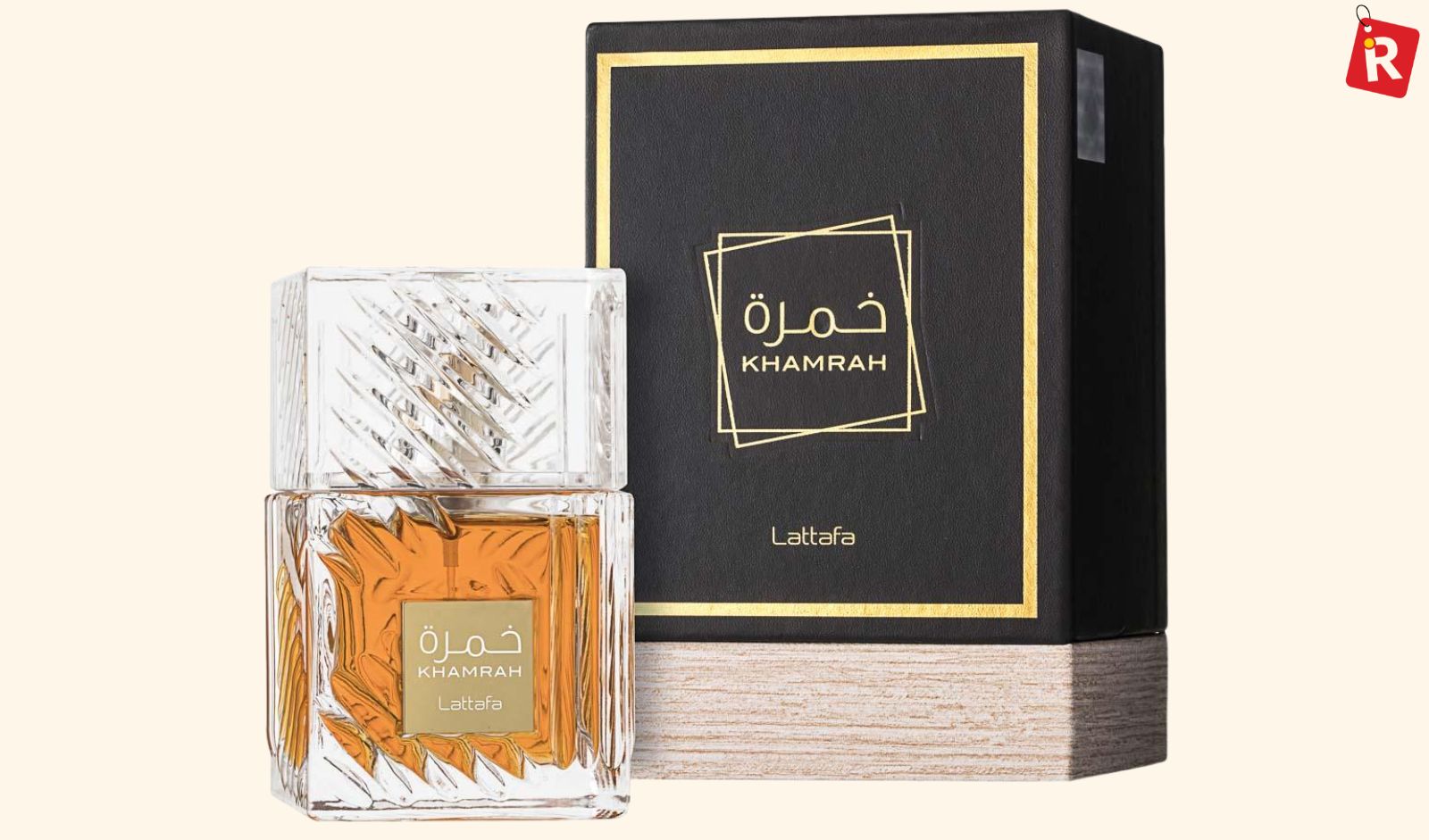
Lattafa perfumes has garnered huge popularity in India. Fuelled by Youtube reviewers, Instagram creators, and fragrance enthusiasts who regularly recommend the brand for delivering premium-quality, the sale of Lattafa has gone up significantly.

Popular products: Perfumes such as Khamrah, Yara, Asad and Fakhar have become bestsellers among Indian consumers looking for rich oriental fragrances with impressive longevity.

Revenue: Lattafa perfumes does not publicly disclose its revenue or financial statements.

3. Rasasi Perfumes: Balancing Tradition and Modernity

Top 5 Arabic Perfume Brands in India, Arabic Perfume Brands in India, Best Arabic Perfume Brands, Indian Perfume Industry, Best Arabic Perfume in India, fragrance brands, Luxury Arabic Perfume Brands, Arabic Perfume for Women, perfume for men, Arabic Perfume for Men, Imported Perfume Brands, Luxury Perfumes in India, Dubai Perfume Brands, Arabic Fragrance Brands, Long Lasting Perfume

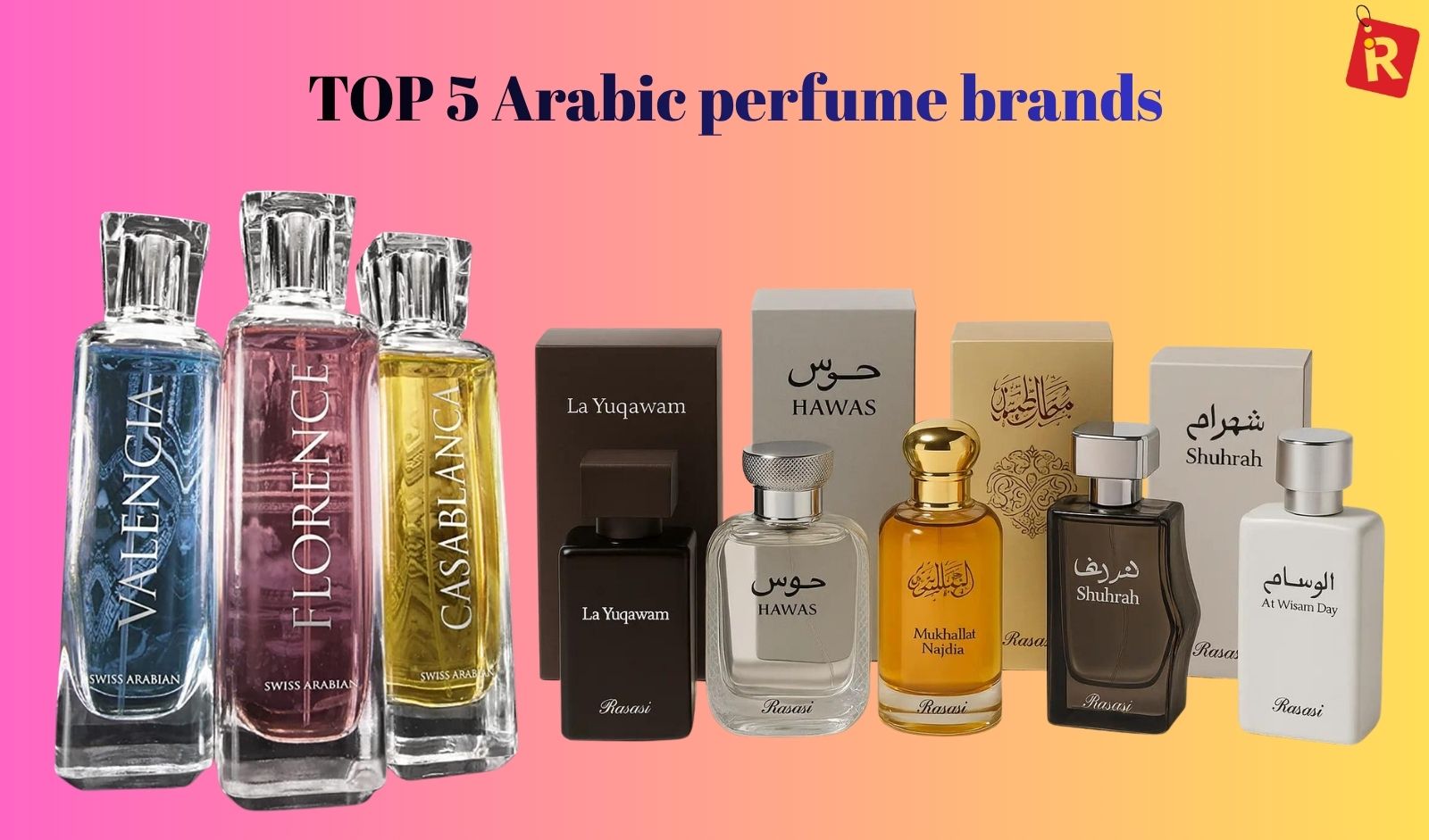
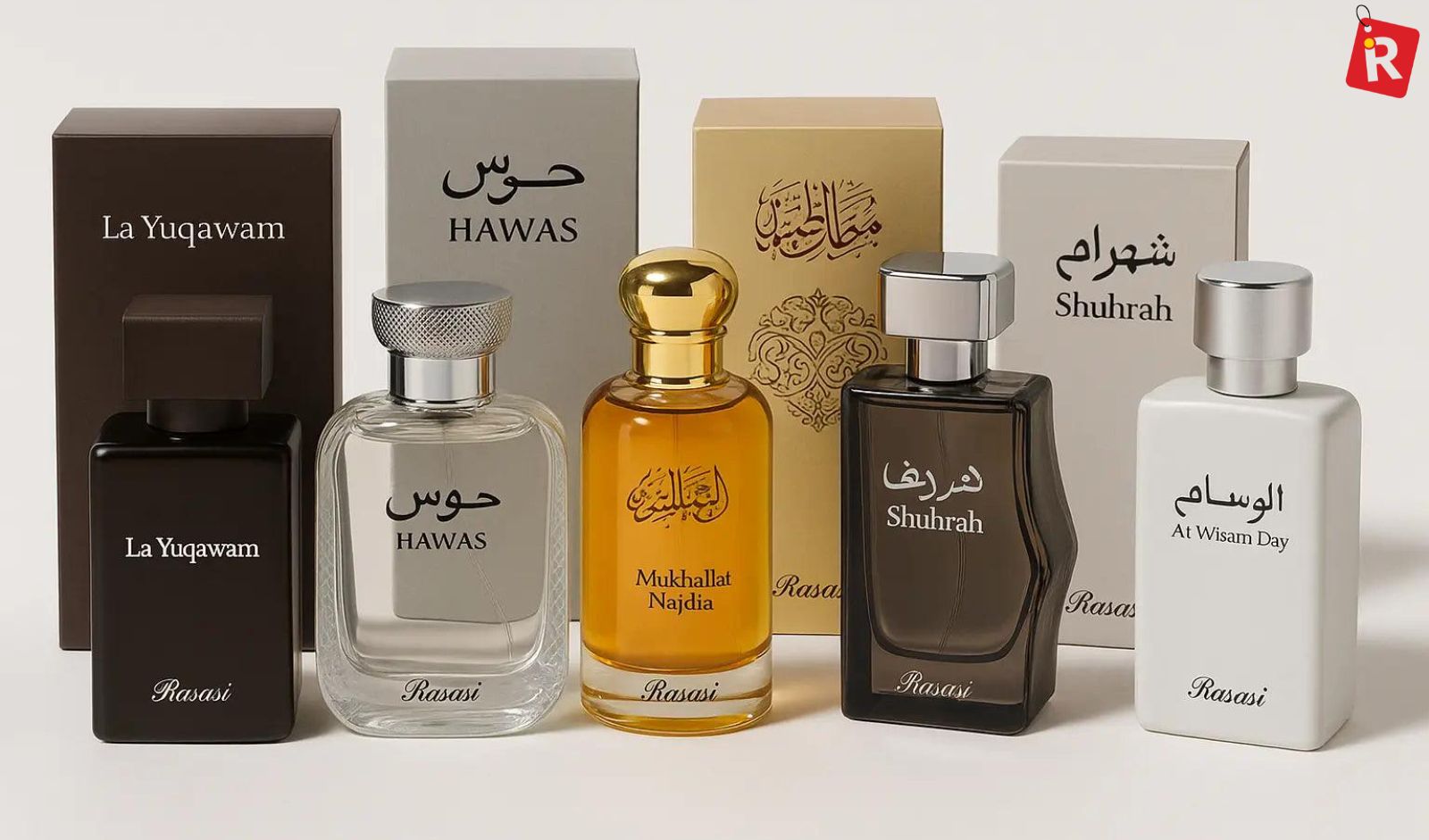
Rasasi is a Dubai-based perfume brand which has steadily built a loyal consumer base in India. Its blend of traditional Arabic craftsmanship and contemporary fragrance compositions has made it popular in the Indian market.

Popular products: Hawas, Daarej and Shuhrah remain among the brand's most recognised offerings. The brand's growing availability through online marketplaces has also made it more accessible to fragrance enthusiasts across Tier II and Tier III cities.

Revenue: While the company does not publicly disclose its financials, it is regarded as one of the leading Arabic fragrance houses globally.

4. Swiss Arabian: Bringing Heritage to Modern Consumers

Top 5 Arabic Perfume Brands in India, Arabic Perfume Brands in India, Best Arabic Perfume Brands, Indian Perfume Industry, Best Arabic Perfume in India, fragrance brands, Luxury Arabic Perfume Brands, Arabic Perfume for Women, perfume for men, Arabic Perfume for Men, Imported Perfume Brands, Luxury Perfumes in India, Dubai Perfume Brands, Arabic Fragrance Brands, Long Lasting Perfume

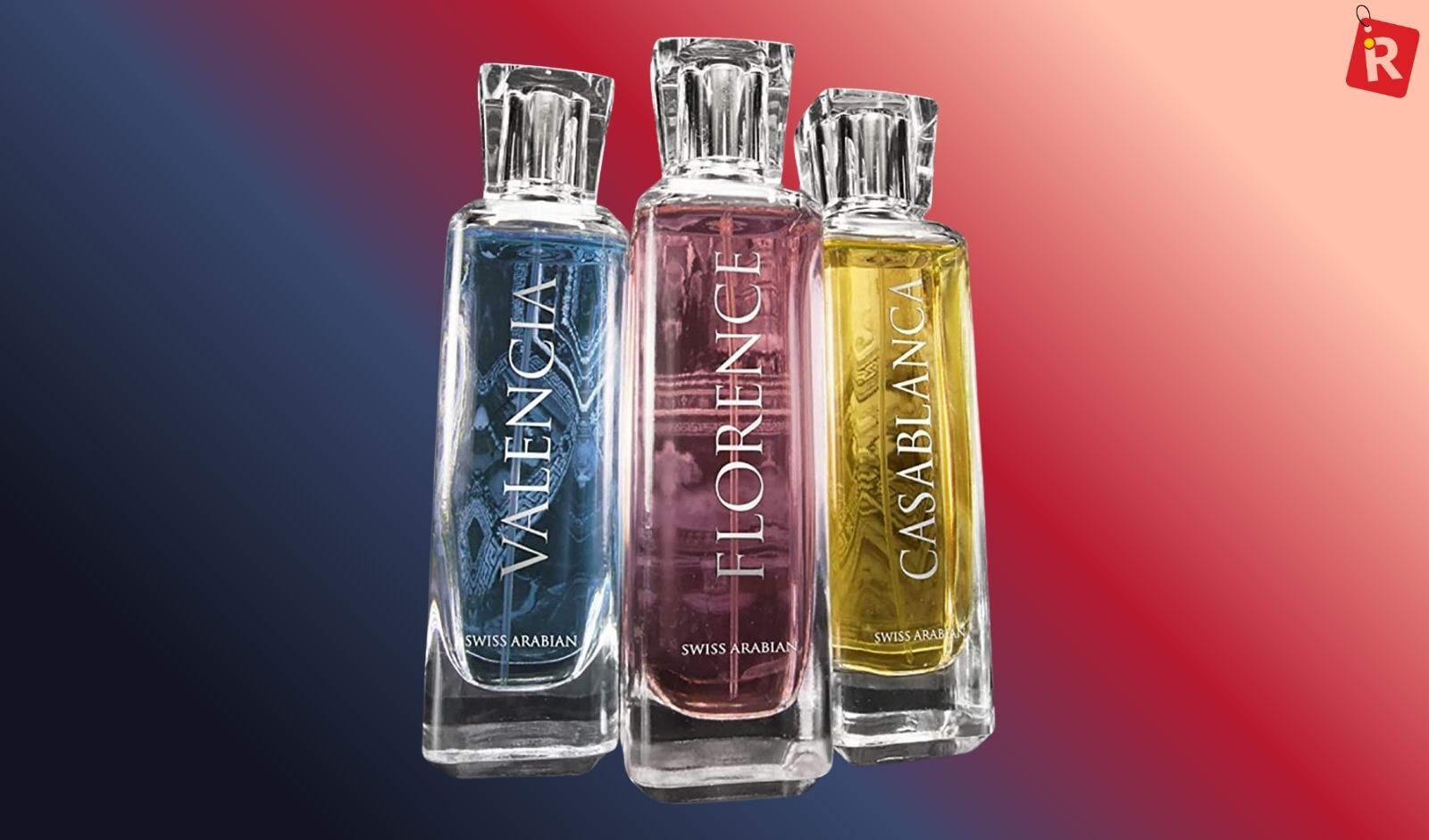
Swiss Arabian combines Middle Eastern fragrance traditions with European perfume-making techniques, creating products that appeal to both oriental fragrance lovers and consumers seeking contemporary blends.

Popular products: Among its most popular collections is Shaghaf Oud, which has gained considerable traction among Indian fragrance enthusiasts. The brand offers a wide range of oud, amber, musk and floral fragrances, allowing consumers to explore different scent families without entering the ultra-luxury price segment.

Revenue: The annual revenue of Swiss Arabian is estimated to be Rs 860 crore– Rs 4,300 crore.

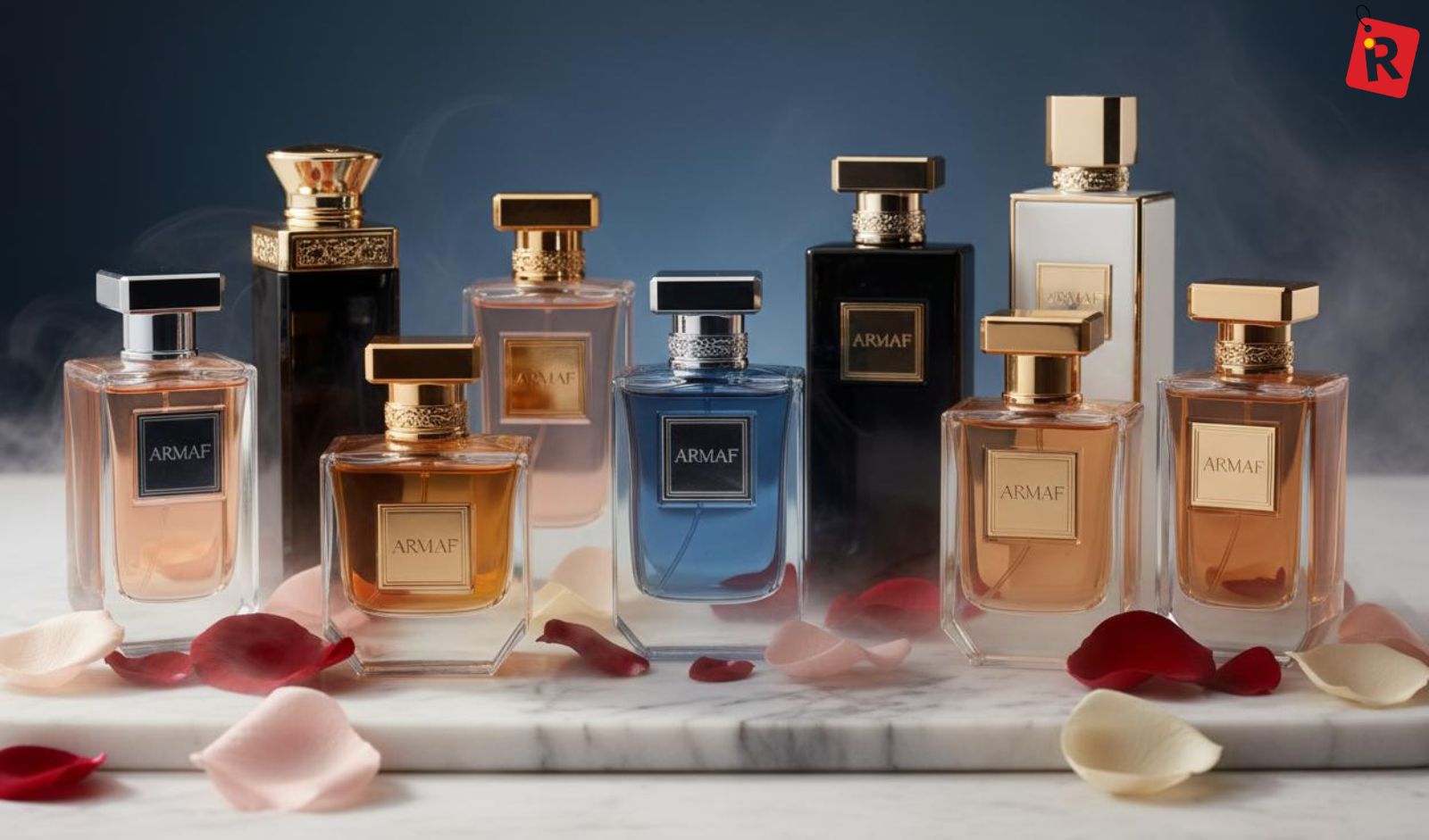
5.  Armaf: Affordable Luxury for Aspirational Consumers

Top 5 Arabic Perfume Brands in India, Arabic Perfume Brands in India, Best Arabic Perfume Brands, Indian Perfume Industry, Best Arabic Perfume in India, fragrance brands, Luxury Arabic Perfume Brands, Arabic Perfume for Women, perfume for men, Arabic Perfume for Men, Imported Perfume Brands, Luxury Perfumes in India, Dubai Perfume Brands, Arabic Fragrance Brands, Long Lasting Perfume

Armaf is emerged as one of the fastest-growing Arabic fragrance brands globally. The brand appeals particularly to young professionals entering the premium fragrance category. Attractive packaging, strong online visibility, and positive consumer reviews have helped Armaf establish itself as a preferred choice in India's growing premium perfume segment.

Popular product: Its flagship Club de Nuit collection has gained immense popularity among Indian consumers seeking luxury-inspired fragrances at comparatively affordable prices.

Revenue: Although the official global revenue is not disclosed, GST records classify the Indian entity in the Rs 5 crore– Rs 25 crore annual turnover bracket for FY2024–25.

Know more: India Fragrance Market: How Growth, Investment, and Retail Trends Are Shaping the Industry

Best Sunscreens for Men and Women in India

Top 6 Beard Care Brands Every Modern Man Should Know

Conclusion

Arabic perfume brands are steadily reshaping India's premium fragrance landscape by offering a blend of heritage, craftsmanship, and accessible luxury. As consumers increasingly seek long-lasting fragrances with distinctive scent profiles, brands such as Ajmal, Lattafa, Rasasi, Armaf, and Swiss Arabian are finding greater acceptance across both online and offline retail channels.

The trend also reflects broader shifts in India's beauty and personal care market, where premiumisation, rising disposable incomes, and growing fragrance awareness are encouraging consumers to explore niche and international brands. For retailers, this presents an opportunity to diversify their fragrance portfolios and cater to evolving consumer preferences.

 
Stay on top – Get the daily news from Indian Retailer in your inbox
Innovation, Sustainability, And E-Commerce : How RENÉE Cosmetics Is Building a Rs 440 Crore Beauty Brand
  • IR
  • IR
  • IR
Innovation, Sustainability, And E-Commerce : How RENÉE Cosmetics Is Building a Rs 440 Crore Beauty Brand
 

The ever evolving beauty market of India is growing day-by-day. With omnichannel approach adopted by beauty brands, and rise in disposable income of consumers in the country, the beauty and personal care industry has gained rapid momentum. E-commerce plays  crucial role in this as the emergence of digitalisation has brought in awareness of brands among buyers, and it gave a great reach to brands.

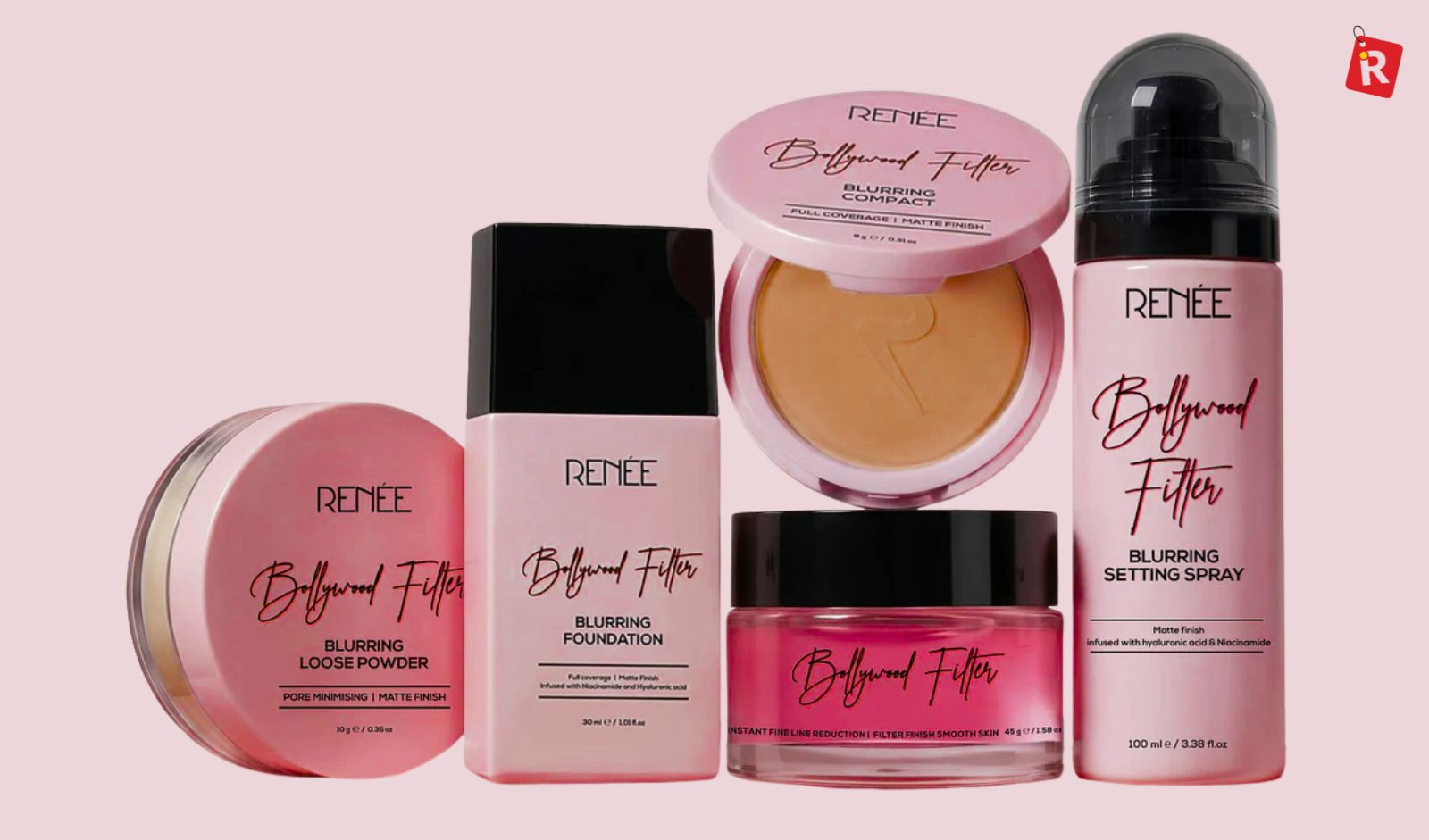
Premium brands are also moving towards affordable products to cater to consumers from varied demographics and income groups. In this quest, among many other beauty brands is Renee. The products of RENÉE Cosmetics has rapidly gained attention of Indian customers. Especially, millennials and Gen Z. Lipsticks, Eyeliners, Kajal, Foundations, Face makeup, Eye makeup, Skincare, Fragrances, Gift set are some of the popular products of RENÉE Cosmetics.

RENÉE products are available through its D2C website. They are also sold on major marketplaces, including Nykaa, Amazon, Myntra, Flipkart, Tata CLiQ, and Purplle. They are also available on quick-commerce platforms such as Blinkit, Zepto, Swiggy Instamart, and Flipkart Minutes. The brand is also expanding its offline footprint through exclusive brand outlets, beauty retailers, and general trade. 

READ: Plum Bets Big on Omnichannel Retail as India's Premium Beauty Market Booms

How is e-commerce driving growth of RENÉE Cosmetics?

RENÉE Cosmetics, an Indian beauty and personal care brand founded in 2018 by Aashka Goradia Goble, Ashutosh Valani, and Priyank Shah experienced the shift in buyers behaviour post the emergence of online shopping. 

Speaking to Indianretailer.com, RENÉE Cosmetics Co-founder Ashutosh Valani said, "The growth of e-commerce has been a key driver for RENÉE Cosmetics. As a digital-first brand, it has enabled us to reach consumers across India, particularly in Tier 2 and Tier 3 markets, while making beauty shopping more accessible and convenient. Today's consumers are well-informed, they research products, read reviews, compare ingredients, and make conscious purchase decisions online."

The co-founder also highlighted that e-commerce is not merely a sales channel for RENÉE Cosmetics, but it is also a powerful platform for product discovery and consumer engagement. "Combined with our strong omnichannel presence, it has helped us expand our reach, build trust, and drive sustained growth," said Mr Valani.

With e-commerce emerging as primary shopping platform, and the rise of disposable income of people, behaviour of buyers has also evolved over time. Particularly, in the beauty segment. Today, consumers are more aware of what they want to put their money on. 

Ashutosh Valani, on the changing habits of buyers said, "Consumer behaviour in India's premium beauty segment has evolved significantly. Today's consumers are far more informed, they research products, read reviews, understand ingredients, and invest in products that deliver genuine performance and value."

What are the difficulties faced by RENÉE Cosmetics?

Even with accessibility and affordability, Valani mentions that it is easier for them to reach consumers and to drive the first purchase through creators, quick commerce, and promotional offers, the real challenge is earning the second purchase. Repeat buying happens only when a product consistently delivers on its promise and becomes part of a consumer's routine.

He said, "At RENÉE Cosmetics, our focus is on creating innovative, high-performance products that build lasting trust. We believe the future of premium beauty will be led by brands that don't just acquire customers, but retain them through quality, innovation, and a superior consumer experience."

What is RENÉE Cosmetics primary focus?

Co-founder Ashutosh Valani says that, RENÉE Cosmetics' focus has always been on building an innovative and sustainable brand with long-term value. That approach has helped them scale steadily, with RENÉE closing FY26 with an operating revenue of Rs 440 crore, reflecting the trust consumers have placed in the brand over the years.

He added, "We continue to invest in product innovation, strengthen our omnichannel presence, and expand into new markets. Internationally, we've already entered the GCC region and see strong growth opportunities ahead. As for funding, we'll continue to evaluate opportunities that align with our long-term growth strategy and support responsible scaling."

Conclusion

The boom of social media, e-commerce, and quick commerce has helped a challenger brand like RENÉE Cosmetics become a mainstream player. With focus on innovation and sustainability with long-term value, RENÉE Cosmetics has gained the trust of its buyers. It is now one of India's fastest-growing homegrown beauty brands. 


Next Story
India Fragrance Market: How Growth, Investment, and Retail Trends Are Shaping the Industry
  • IR
  • IR
  • IR
India Fragrance Market: How Growth, Investment, and Retail Trends Are Shaping the Industry
 

The Indian market has undergone rapid change in recent years. Rising disposable income, premiumisation, and the boom of social media have been the dominant factors influencing consumer trends. The beauty and personal care segment, in particular, has witnessed massive growth.

Why is the fragrance industry of India growing rapidly?

Today, buyers are well-informed and willing to invest in beauty and personal care products. This has resulted in the fragrance segment emerging as one of the biggest beneficiaries. Once dominated by deodorants and traditional attars, the market is now witnessing strong demand for perfumes, body mists, and niche fragrances across both urban and emerging markets.

Looking at the growth of India's fragrance industry, Godrej has launched Park Avenue for Her, expanding the perfume brand's portfolio. Samir Suryawanshi, Head of Marketing – Personal Care, Godrej Consumer Products Limited (GCPL), said, "India’s fragrance category is growing rapidly. This shift is accelerating the premiumisation of the category and creating strong momentum within women’s fragrances as well, where female consumers are seeking sophisticated and long-lasting fragrances. With a strong presence in the male perfumes category, Park Avenue Fragrances sees this as an opportunity to expand and build a holistic fragrance portfolio that caters to female consumers as well."

What are the factors driving growth of India's fragrance industry?

One of the primary factors behind the surge in India's fragrance industry is the emergence of quick commerce and the growth of e-commerce.

Commenting on the development, Sonam Khurana, Founder and CEO of Vokka, said, "Quick commerce is changing the way consumers shop for beauty and personal care products. Customers increasingly expect convenience, speed and value, and this expansion allows us to meet those expectations. With our availability across Blinkit, Zepto, Swiggy Instamart and Amazon Now, consumers can access Vokka's range of perfumes, combo packs, gift sets and body lotions in as little as 10 minutes. Our focus remains on making premium fragrance experiences affordable and easily accessible to consumers across India."

Abdula Ajmal, CEO of Ajmal Group, told Indianretailer.com, "The company has recorded approximately 150% year-on-year growth in e-commerce sales, reflecting the rapid adoption of premium fragrances across digital platforms. The brand is present across nearly 15+ e-commerce platforms, including its own D2C website, Amazon, Nykaa, Myntra and other leading marketplaces, complementing an extensive offline network."

Looking ahead, Abdulla Ajmal expects digital commerce to continue gaining momentum as consumer shopping habits evolve. At the same time, he reiterates that Ajmal will continue investing in its physical retail network, recognising that fragrance remains a category where consumers value in-store discovery and sensory experiences.

According to industry estimates, India's fragrance market is valued at approximately Rs 12,500 crore to Rs 14,500 crore in 2025. It is expected to grow at a CAGR of 10-12 per cent over the next five years.

Read also: Top 5 Arabic Perfume Brands Gaining Popularity in India

Top 6 Beard Care Brands Every Modern Man Should Know

What are some of the significant investments made towards fragrance brands?

More and more investors are also investing in the fragrance industry. In August 2025, Fraganote, an Indian direct-to-consumer (D2C) fragrance brand founded in 2021 by Siddharth Jain and Anurag Mittal, raised Rs 9.6 crore in a pre-Series A funding round led by Rukam Capital. Similarly, EM5 (House of EM5), an Indore-based direct-to-consumer (D2C) fragrance brand founded in 2022 by Shashank Chourey, secured Rs 1 crore on Shark Tank India Season 4 from Aman Gupta.

Fifth Sense, a D2C fragrance startup, raised Rs 6.3 crore in a pre-seed round led by OTP Ventures, with participation from Sadev Ventures, ISV Capital, and angel investors.

Conclusion

Going by the market standpoint, it is safe to say that more and more investors, as well as beauty brands, are taking the fragrance segment more seriously. The retail expansion of various brands, portfolio expansions, and the increase in omnichannel presence indicate that the fragrance segment has grown in India beyond being a luxury product. It is now an everyday essential. Driven by millennials and Gen Z, the fragrance industry in India is gaining rapid momentum, opening up vast opportunities for brands in the beauty and personal care segment.


Next Story
7 Things You Should Know Before Choosing a Lumba Rakhi
  • IR
  • IR
  • IR
7 Things You Should Know Before Choosing a Lumba Rakhi
 

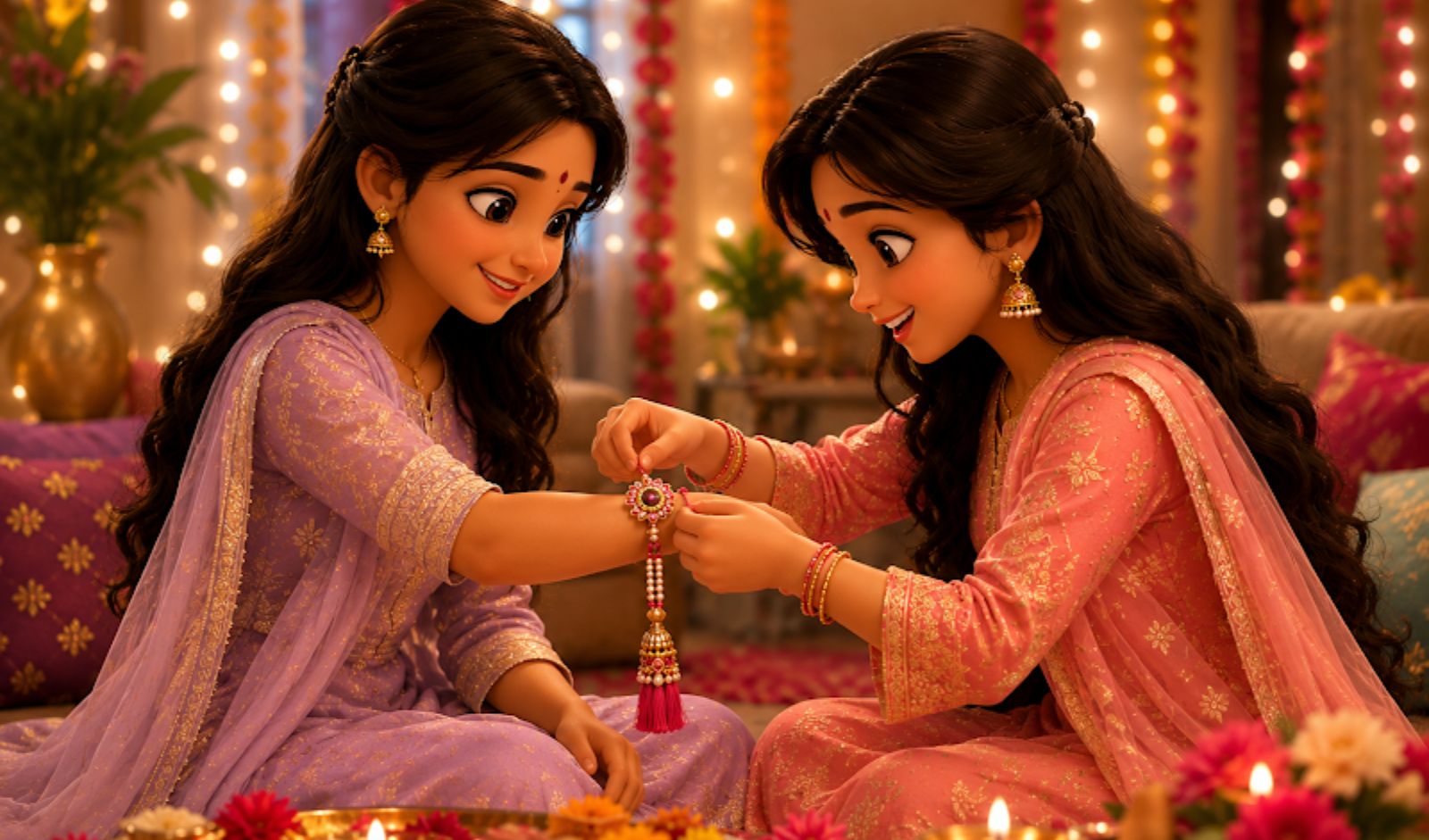
Raksha Bandhan has been about tying a thread on the brother's wrist, but what about the person he shares everything with, his wife? The Lumba hanging off the bhabhi's bangle carries just as much meaning. It has long been part of the celebration in many Marwari and Rajasthani families, even if it has only recently gained wider popularity. This age-old tradition reflects a shift toward inclusivity, with families celebrating the festival together and making sure the woman who married in feels part of the family. Yet most people still shop for it last, treating it as a small add-on to the main rakhi, picked up in the last five minutes, with little thought. If you're buying one this year, it deserves the same attention as the rakhi it's paired with. Here are a few things to consider before buying a lumba rakhi.

1. Getting the Design Right

The first mistake people make is thinking a Lumba rakhi is the same as a rakhi. Lumba rakhis, tassel-style rakhis that are tied to a bangle, come in many styles. The traditional-style Lumba rakhis feature zardosi, kundan, and pearl work. They are fancy and usually stand out. Then there are the contemporary-style Lumba rakhis. These have thread and tassels in colours, small metallic charms, and even simple stone designs that look like everyday jewellery. Since these hang from a bangle rather than sit flat on the wrist, the way a lumba rakhi falls and moves matters as much as how it looks.

2. What Does It Really Mean?

Raksha Bandhan is a festival in which a brother promises to protect his sister when she ties rakhi. The Lumba takes the same idea, but it is for bhabhi. It is a gesture that says she is part of the family and celebrations. It is a way of saying that bhabhi is sister’s partner in crime.

3. Matching to Outfits

If she wears silk sarees on festivals, get a Lumba rakhi with zardosi or kundan work. It looks good in pictures and also goes well with the outfits. If she likes to wear Indo-Western clothes, a simpler design, with crystals or metalwork, is better. Avoid purchasing one just because it looks pretty if it is not her style.

4. Buying It as a Set

Buying the brother's rakhi and the bhabhi's Lumba separately works well if their tastes are quite different; it lets each piece be chosen purely for what suits the wearer. Buying them as a set works just as well when their styles align, in colours or a design theme that ties the two pieces together. It doesn't have to be identical, just connected enough that it reads as one thought. Several sets now also allow some personalization, like an initial or a small shared symbol, which makes the pair feel a little more specific to them.

5. What Happens After the Festival?

Raksha Bandhan is one day. The rakhi doesn't have to be. The Lumba can be taken off the bangle and worn on its own as a regular bracelet. A delicate chain-style Lumba passes easily as a fine wrist chain for daily wear. One with beads or small tassels can double as a casual, boho-style bracelet. Sturdier metal or kundan pieces often hold up as a statement cuff, the kind that pairs well with a simple kurta or a plain western outfit.

6. Weight and Comfort

This one gets overlooked a lot. A Lumba hangs, so unlike a flat rakhi, its weight is actually felt through the day, especially with guests over, photos being taken, and general running around. If she prefers lighter everyday jewellery, a long or heavily loaded Lumba can start to feel like a nuisance. A moderate, well-balanced, comfortable piece can be worn longer.

7. What Makes It Feel Personal?

The Lumbas people remember aren't always the most expensive ones; they're the ones with a small detail added specifically for her. An initial, a birth sign, a tiny evil eye charm- just something that makes it clear this particular piece was picked for her and not for "a bhabhi" in general. While shopping, if you have the option to customize, it's usually worth the extra time.

Making the Final Call

When choosing a Lumba rakhi, you do not have to think about it much. Just think about this: will the Lumba rakhi look good with a bangle, or is it better on its own on the wrist? Does the Lumba rakhi match the kind of clothes she likes to wear? Does the Lumba rakhi go well with the brother's rakhi? Will she still wear the Lumba rakhi after the festival? Is the Lumba rakhi heavy, or is the weight okay for her to wear all day while she is moving around? Is there something special about the Lumba rakhi that makes it just for her? Usually when you think about these things, you can see that a few of the Lumba rakhi options are better than the others.


Next Story
Why Gen Z Is Redefining India's Beauty Market for FMCG Companies?
  • IR
  • IR
  • IR
Why Gen Z Is Redefining India's Beauty Market for FMCG Companies?
 

Mass-market with affordability, accessibility, and brand familiarity on priority were driving India's beauty market for decades. However, the new generation of consumers are reshaping the industry. Gen Z and millennials are demanding products that have clean ingredients, authenticity, personalisation, sustainability. Along with this, the new age generations are also pushing brands to push beyond physical retail stores and are forcing them to head towards omnichannel approach.

The challenge for Fast-Moving Consumer Goods (FMCG) companies are no longer limited to launching a new product, but to understand a customer base which values transparency as much as performance and social influence as much as price. The question, therefore, is: Can FMCG companies truly win over Gen Z?

A New Beauty Consumer

Social media platforms like Instagram, YouTube, creator-led content, and short-form videos have become some of the more popular means of discovering a product, as suppose to the traditional advertising channels. Product recommendations from influencers, dermatologists, and online communities often carry more weight than celebrity endorsements now.

This shift has become a fundamental on how beauty brands are building trust among the buyers now. Consumers are reading ingredient labels, comparing formulations, and researching reviews before making purchases. Instead of buying a single cream or face wash, they are investing in complete skincare routines, multifunctional makeup, and products tailored to specific concerns such as acne, pigmentation, or barrier repair.

For FMCG companies, this means competing not only with multinational beauty giants such as Hindustan Unilever, L'Oréal India, and Procter & Gamble, but also with agile D2C brands like Minimalist, Foxtale, Pilgrim, The Derma Co., Dot & Key, and Plum. These contemporary brands have built loyal communities by focusing on ingredient transparency, science-backed formulations, educational content, and direct engagement with consumers through social media and digital platforms.

Read: How Indian FMCG Brands Are Reinventing Everyday Pantry Staples 

Premiumisation Is Redefining the Market

Even though, India is a price-sensitive market largely, Gen Z buyers show willingness to spend more on products that offer value. The new generation is increasingly leaning towards science-backed skincare, vegan formulations, refillable packaging, or dermatologist-tested products.

This trend gave a boost to FMCG companies to expand into premium beauty segments. Established players such as Hindustan Unilever (Lakmé, Simple), L'Oréal India (L'Oréal Paris, Garnier), and Dabur (Dermoviva) are also expanding into specialised skincare ranges, ingredient-led formulations featuring niacinamide, hyaluronic acid, and vitamin C, as well as premium makeup collections to stay relevant in a rapidly evolving market.
However, premiumisation does not necessarily mean luxury pricing. Instead, consumers are seeking products that justify their price through efficacy, innovation, and brand credibility.

Digital-First Shopping Is the New Normal

Along with customer preferences for products, the new-age shopping habits have also evolved. Gen Z consumers have increasingly become reliant on purchasing beauty products, while supermarkets and beauty stores continue to play an important role. Several reports cite that beauty e-commerce and quick commerce sales grew around 39 percent by value between June and November 2024, compared to just 3 percent growth in physical stores.

The ability to compare products, access reviews, watch tutorials, and receive same-day delivery has made digital commerce an integral part of the beauty buying journey.

As a result, FMCG companies are strengthening their omnichannel approach by integrating online and offline experiences. Exclusive product launches, digital loyalty programs, virtual consultations, and personalised recommendations are becoming essential components of customer engagement.

Beyond the Metros

The digitalisation has also expanded the horizon of consumers for FMCG brands with tier 2, tier 3 cities emerging as major growth engines.  Improved internet penetration, rising disposable incomes, greater beauty awareness, and expanding retail infrastructure have introduced premium beauty brands to consumers beyond urban centers.

Conclusion

The road ahead can only be won by pushing the boundaries beyond conventional business models for FMCG companies. Success, in the coming times, will heavily rely on building authentic brand narratives, embracing digital commerce, investing in sustainability, and delivering personalized experiences that resonate with a generation that values both individuality and transparency.


Next Story
Top 6 Beard Care Brands Every Modern Man Should Know
  • IR
  • IR
  • IR
Top 6 Beard Care Brands Every Modern Man Should Know
 

We have all grown up seeing our fathers using a razor and shaving foam to shave off their beard, following by a few dabs of aftershave lotion. And that was it for beard care. However, in modern times when beard looks are taking the centre stage, more and more men are indulging into dedicated beard care routines.

The rise of awareness around personal care and grooming, the influence of social media, rising disposable incomes, and the popularity of beards has pushed modern men to invest in beard oils, balms, washes, serums, and grooming kits, creating opportunities for both legacy FMCG players and D2C brands.

From natural formulations to premium grooming experiences, brands are catering to a generation of consumers seeking quality, convenience, and personalisation.

Here is a list of Top 6 beard care brands that every modern man should know:

1. Beardo

Top 6 Beard Care Brands, Beard Care Brands, Top Beard Care Brands, top Indian bread care brands, men grooming brands, men personal care brands, men grooming kit, Indian men grooming brands, beardo, The Man Company, fashion and beauty, retail business, D2C, indianretailer.com

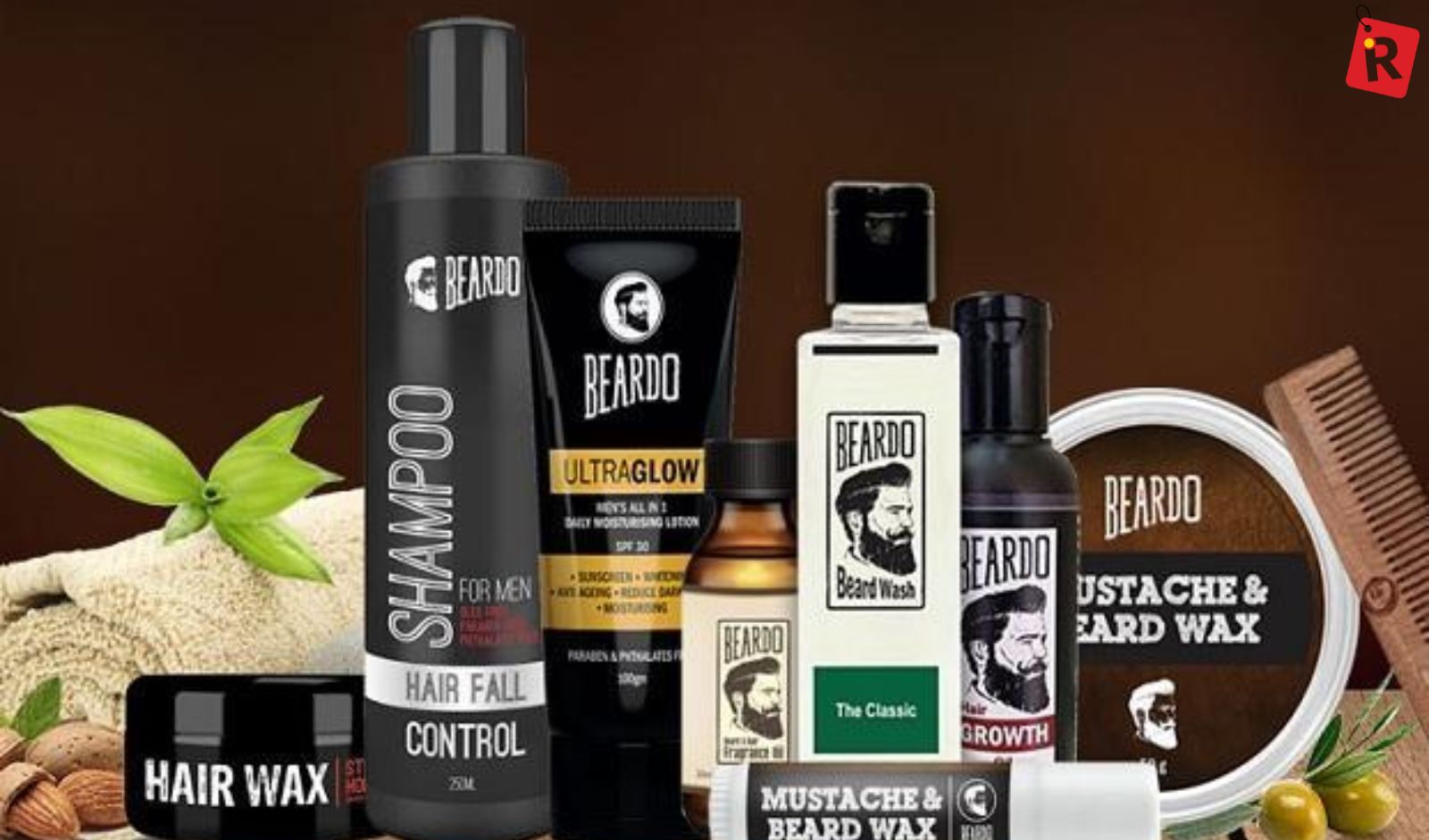
Beardo was founded in 2015 by Ashutosh Valani and Priyank Shah. It is India's leading men's grooming brands, specialising in beard care and personal grooming products. This brand was created to address India's growing demand for dedicated beard care solutions. However, later on, Beardo grew from being a brand dedicated to beard care to include skincare, hair care, fragrances, shaving essentials, and grooming accessories.

Popular products: Beardo's beard care range includes beard oils, beard washes, beard balms, beard waxes, beard growth oil, beard combs, and complete grooming kits.

Beardo has built a strong omnichannel presence through its D2C website, leading e-commerce platforms, quick commerce channels, and offline retail stores.

Revenue: According to the company's standalone financial statement, Beardo's  revenue from operations in FY25 was Rs 214 crore, up from Rs 173 crore in FY24.

Related articles: Best 5 Lip Balms for Men in India Seeing Rising Demand in Grooming Retail

Top 10 Hair Styling Brands for Men in India

Top 8 Men’s Grooming D2C Brands Defining India’s Market

2. Ustraa

Top 6 Beard Care Brands, Beard Care Brands, Top Beard Care Brands, top Indian bread care brands, men grooming brands, men personal care brands, men grooming kit, Indian men grooming brands, beardo, The Man Company, fashion and beauty, retail business, D2C, indianretailer.com

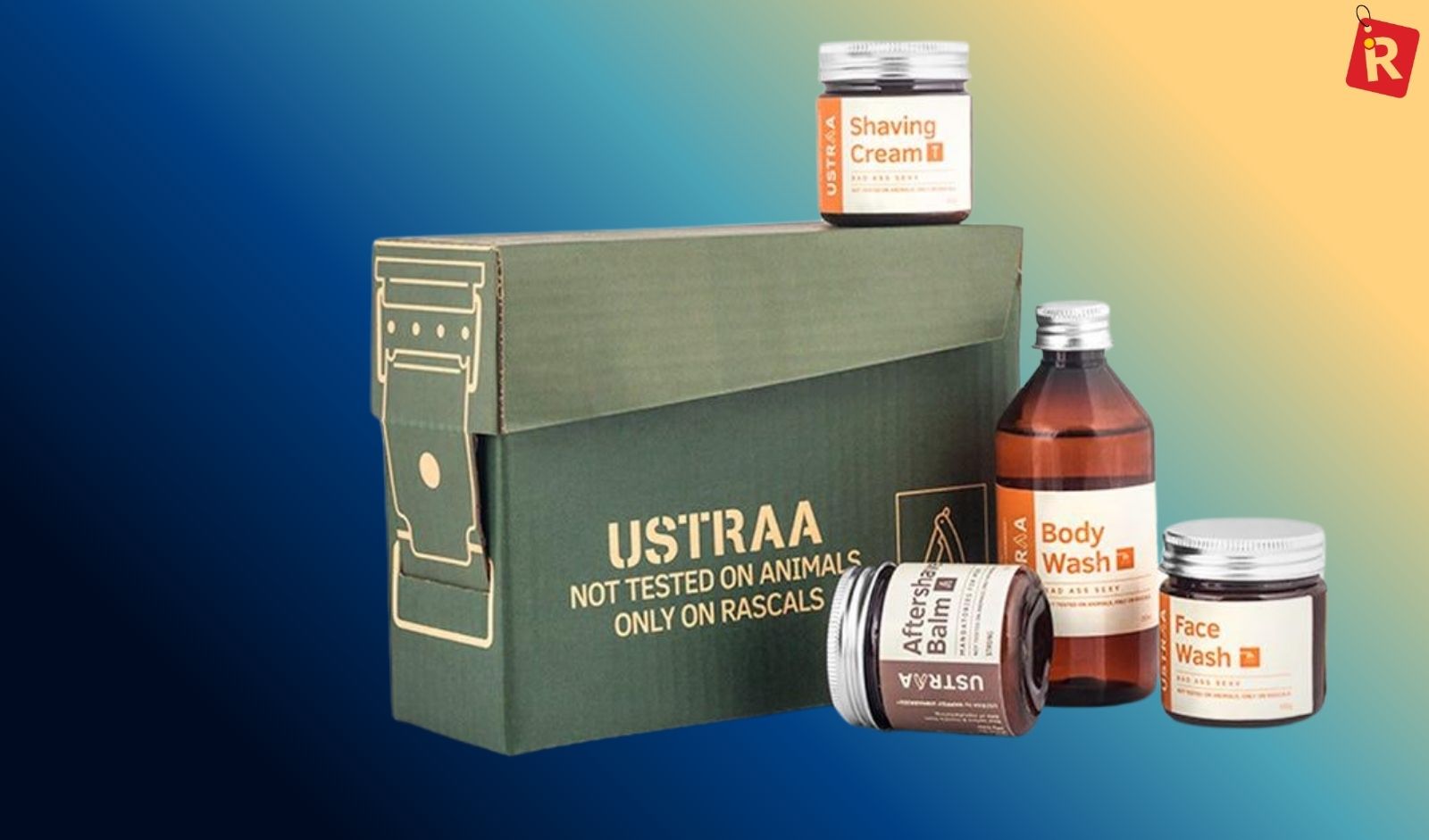
Founded by Happily Unmarried in 2015, Ustraa has established itself as one of India's leading men's grooming brands by offering products designed exclusively for men. The brand entered the market with a focus on addressing unmet grooming needs and has since built a diverse portfolio spanning beard care, hair care, skincare, fragrances, and body care. 

Popular products: Ustraa's beard care range includes beard oils, beard growth oil, beard softeners, beard washes, beard waxes, and grooming kits, catering to consumers seeking both functionality and premium quality.

Ustraa emphasises on ingredient-led formulations and positions itself as a solution-driven grooming company rather than a conventional personal care brand.

Revenue: In FY25, the VLCC-owned brand reported revenue from operations of Rs 73 crore.

3. Bombay Shaving Company

Top 6 Beard Care Brands, Beard Care Brands, Top Beard Care Brands, top Indian bread care brands, men grooming brands, men personal care brands, men grooming kit, Indian men grooming brands, beardo, The Man Company, fashion and beauty, retail business, D2C, indianretailer.com

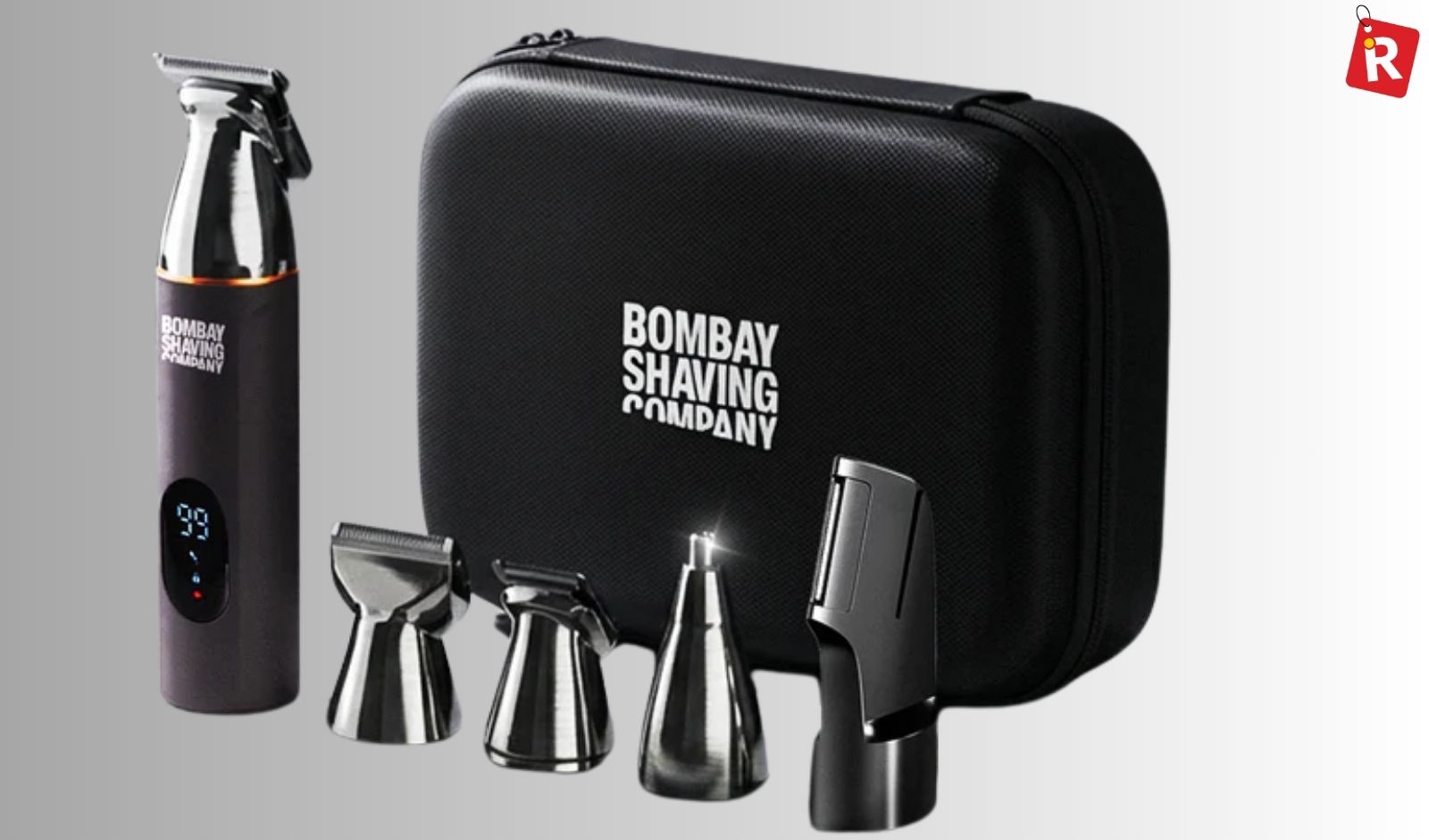
The Bombay Shaving Company was founded in 2015 by Shantanu Deshpande. The company offers a wide range of men's grooming and personal care products.

Popular products: The company offers beard care, shaving essentials, skincare, hair care, fragrances, body grooming, and grooming devices.

Bombay Beard Company expanded its presence through its D2C website, major e-commerce marketplaces, quick commerce platforms, and offline retail, making it one of the fastest-growing omnichannel grooming brands in India.

Revenue: According to the company's financial reports, Bombay Beard Company's revenue from operations in FY25 was Rs 420 crore, as suppose to Rs 315 crore in FY24.

4. The Man Company

Top 6 Beard Care Brands, Beard Care Brands, Top Beard Care Brands, top Indian bread care brands, men grooming brands, men personal care brands, men grooming kit, Indian men grooming brands, beardo, The Man Company, fashion and beauty, retail business, D2C, indianretailer.com

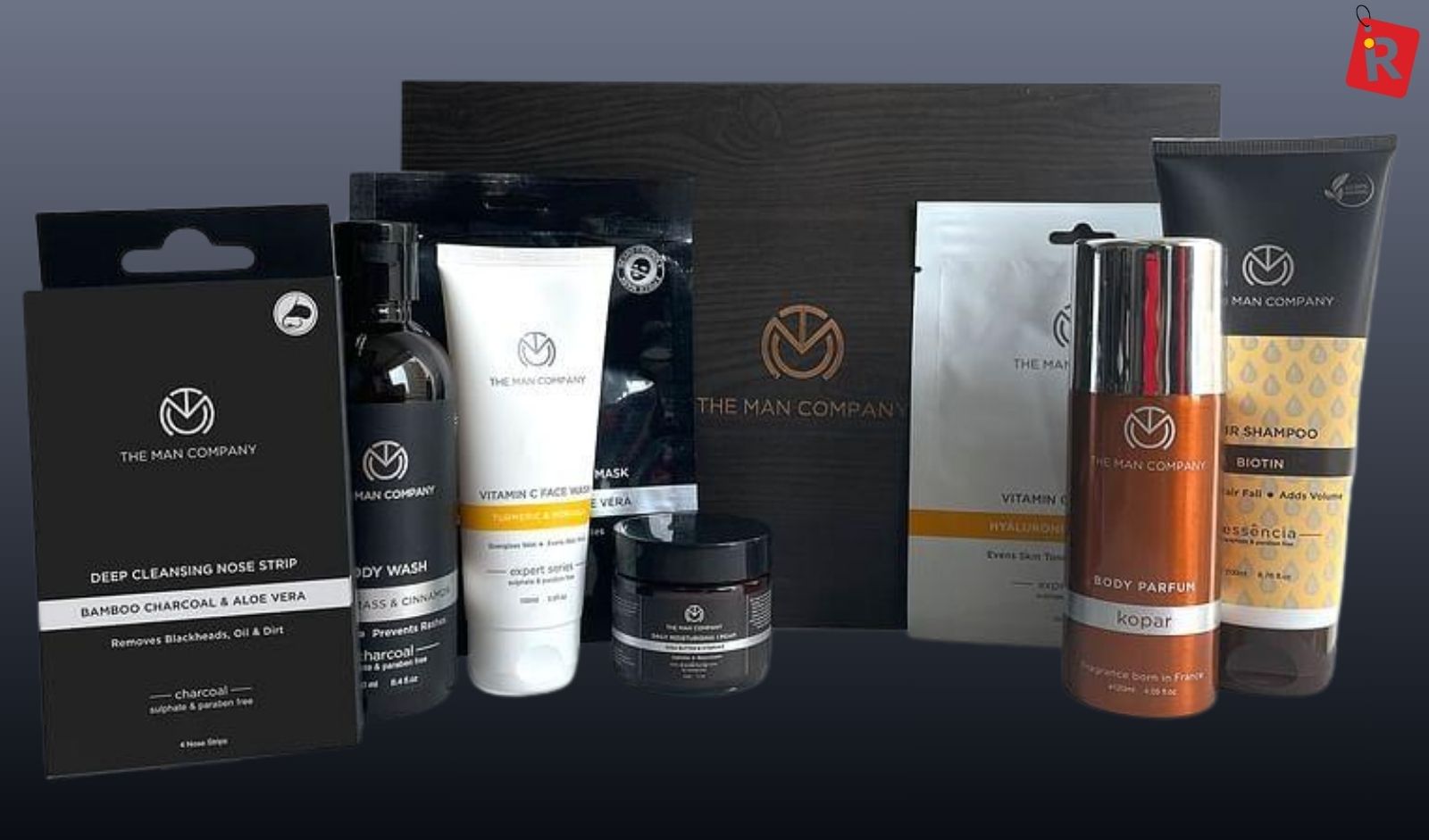
The Man Company was founded by Hitesh Dhingra, Bhisham Bhateja, Parvesh Bareja, Rohit Chawla, and Mohit Saxena in 2015. The brand has built a strong omnichannel presence through its D2C platform, leading e-commerce marketplaces, quick commerce channels, and offline retail, catering to the growing demand for premium men's personal care products.

Popular products: The Man Company offers a wide range of beard grooming products, including Beard Oil, Beard Wash, Beard Wax, Beard Softener, Beard Comb, Beard Growth Oil, Beard Grooming Kit.

Revenue: In FY24, the company's revenue was Rs 154 crore. Whereas, in FY24, the company's revenue was Rs 183 crore.

5. UrbanGabru

Top 6 Beard Care Brands, Beard Care Brands, Top Beard Care Brands, top Indian bread care brands, men grooming brands, men personal care brands, men grooming kit, Indian men grooming brands, beardo, The Man Company, fashion and beauty, retail business, D2C, indianretailer.com

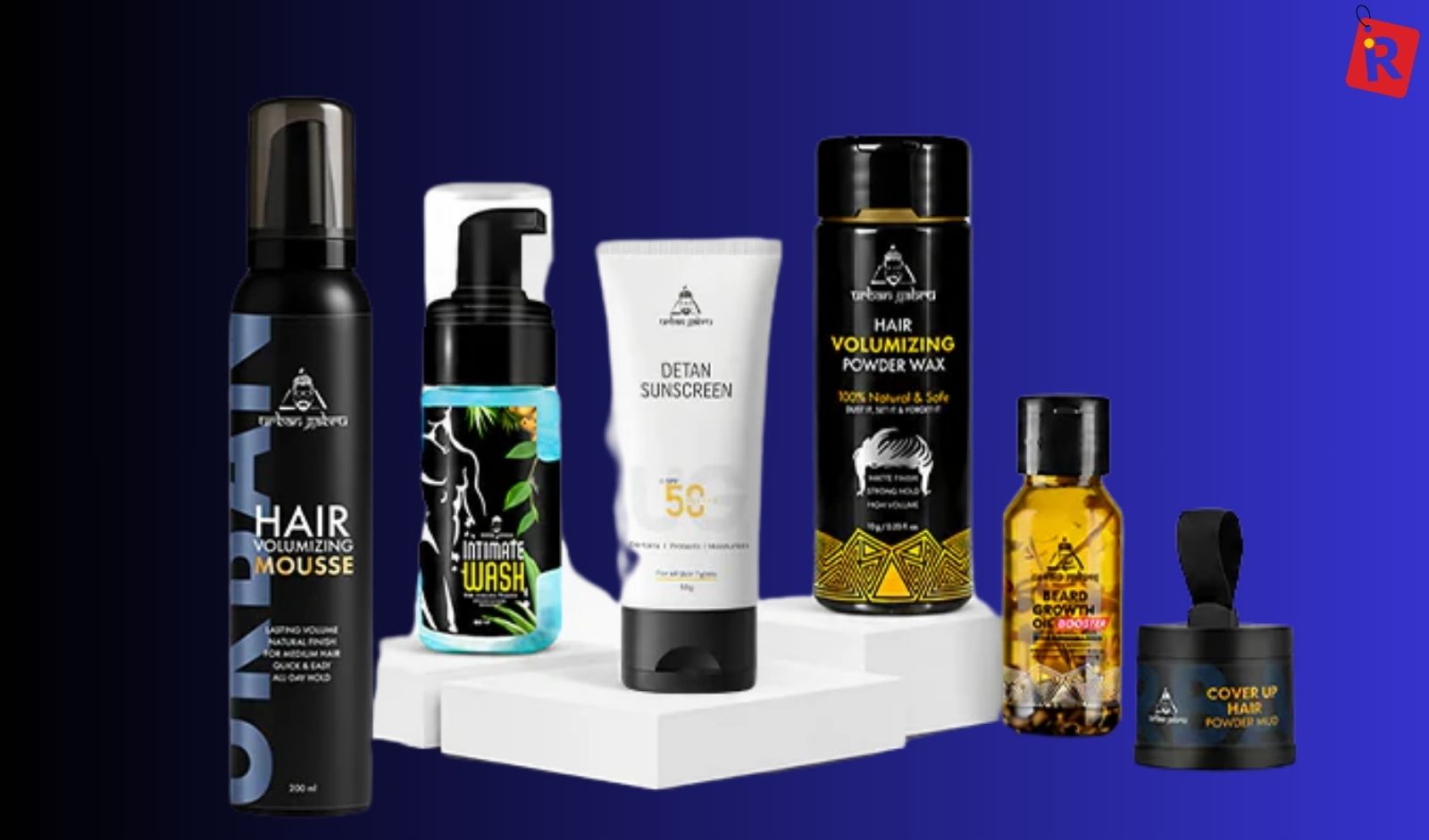
UrbanGabru has emerged as one of India's fastest growing men's grooming brands that offers affordable, trend-driven personal care products targeting, Gen Z and millennials primarily.

Popular brand: Beard Booster Oil, Beard Wax, Beard Growth Serum, Beard Shampoo & Wash, Beard Grooming Combo Kit, Beard & Hair Styling Products.

Revenue: UrbanGabru is a privately held company and does not publicly disclose its annual revenue or financial statements, making verified revenue figures unavailable.

6. Man Arden

Top 6 Beard Care Brands, Beard Care Brands, Top Beard Care Brands, top Indian bread care brands, men grooming brands, men personal care brands, men grooming kit, Indian men grooming brands, beardo, The Man Company, fashion and beauty, retail business, D2C, indianretailer.com

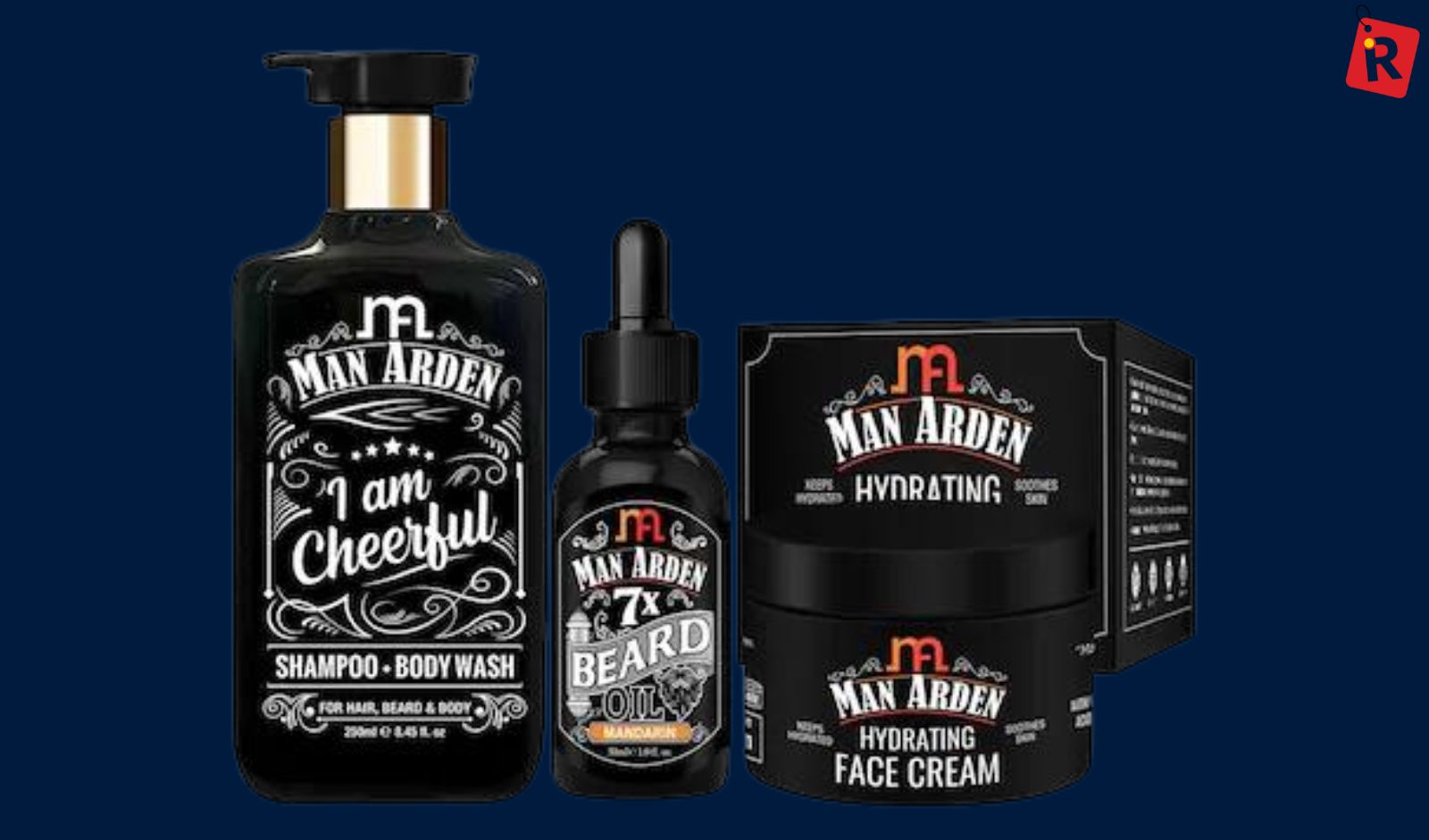
An Indian premium men' grooming and personal care brand, Man Arden offers high-quality, ingredient-focused grooming solution.  This brand caters to modern consumers with a portfolio spanning beard care, skincare, hair care, fragrances, and shaving essentials.  

Popular products: Beard Oil, Beard Growth Oil, Beard Wash, Beard Wax, Beard Balm, Beard Grooming Kit, Beard Comb & Grooming Accessories.

Read more: Best Sunscreens for Men and Women in India

Top 5 Indian Celebrity-Owned beauty Brands

Top 5 Skin Brightening Soaps in India for Naturally Radiant Skin

Conclusion

The beard care segment has evolved from a niche category into one of the fastest-growing verticals within India's men's grooming market. Driven by changing consumer preferences, rising disposable incomes, social media influence, and greater awareness around personal grooming, brands are expanding beyond basic beard oils to offer comprehensive grooming solutions that include balms, washes, serums, waxes, and grooming kits. As competition intensifies, companies are differentiating themselves through premium formulations, ingredient-led innovation, omnichannel distribution, and personalized product offerings. With increasing demand from Tier II and Tier III cities and the rapid growth of e-commerce and quick commerce, the beard care market presents significant opportunities for both established players and emerging brands.

FAQs on Top Beard Care Brands for Man

1. Which are the best beard care brands in India?

Some of the leading beard care brands in India include Beardo, Ustraa, Bombay Shaving Company, The Man Company, UrbanGabru, and Man Arden.

2. What are the essential beard care products every man should use?

A basic beard care routine typically includes beard oil, beard wash, beard balm or wax, a beard comb, and a beard trimmer to keep facial hair clean, healthy, and well-groomed.

3. Why is beard oil important?

Beard oil helps moisturise facial hair and the skin underneath, reducing dryness, itchiness, and beard dandruff while making the beard softer and more manageable.

4. How often should I use beard care products?

Beard oil can be applied daily, while beard wash is generally recommended two to three times a week, depending on your skin type and lifestyle.

5. Which beard care brand is best for beard growth?

Several brands, including Beardo, Ustraa, The Man Company, and Bombay Shaving Company, offer beard growth oils and serums formulated to nourish hair follicles and support healthier beard growth.


Next Story
Why Beauty Brands Continue to Prefer Physical Stores in India's Shopping Malls?
  • IR
  • IR
  • IR
Why Beauty Brands Continue to Prefer Physical Stores in India's Shopping Malls?
 

Every mall you go to features multiple homegrown and international cosmetics and beauty brands. Even when digital commerce is experiencing a massive boom, many brands continue to prioritise physical retail expansion. High footfall of people from diverse demographics make mall the favorite destination for almost all beauty brands.

In this article let us explore how malls are playing the catalyst in the rise of India's beauty industry.

Here are the five key factors driving beauty brands' continued preference for physical stores in malls:

1. High Footfall and Diverse Consumer Base

Thousands of people visit malls everyday bringing shoppers from across age groups, income levels, and lifestyles under one roof. This gives beauty brands access to a broad and diverse customer base. This consistent footfall provides beauty brands with greater visibility and access to a broad customer base, increasing opportunities for product discovery, trials, and purchases.

Read: Beauty Brands and Quick Commerce: Why Is It A Winning Formula for Growth?

2. Product Discovery and Trial

shopping malls, malls helping beauty brands, beauty brands in mall, cosmetic shops in mall, beauty products, retail store, offline shopping, experience-led shopping, indianretailer.com, beauty shopping, beauty brands, indian beauty products

Mall allows shoppers to try and test a product before purchasing which gives them a more experience-based purchasing scope. Unlike online shopping, where buying decisions rely on images and reviews, physical stores enable consumers to assess product quality, suitability, and performance in real time.

Malls also offer consumers with complimentary samples, skin analysis, and make up consultations, enhancing the shopper's experience. For beauty brands, these interactions not only increase conversion rates but also foster consumer trust and loyalty. Click here. 

3. Premium Brand Positioning

shopping malls, malls helping beauty brands, beauty brands in mall, cosmetic shops in mall, beauty products, retail store, offline shopping, experience-led shopping, indianretailer.com, beauty shopping, beauty brands, indian beauty products

A presence in premium malls is more than just a retail strategy for beauty brands. It is a powerful branding tool. Malls that have luxury fashion, lifestyle, and international brands create an aspirational shopping environment that strengthens a beauty brand's premium image and enhances consumer perception.

Being located with famous global and luxury brands boosts credibility and visibility of a beauty brand. Consumers often associate a mall's premium retail mix with quality and trust, making them more inclined to explore and purchase from beauty brands within malls.

4. Omnichannel Growth

shopping malls, malls helping beauty brands, beauty brands in mall, cosmetic shops in mall, beauty products, retail store, offline shopping, experience-led shopping, indianretailer.com, beauty shopping, beauty brands, indian beauty products

With beauty retail brands becoming more and more omnichannel, rather than being a competitor to online platforms, physical store in malls complement them by offering consumers a seamless and integrated shopping experience.

There are several beauty brands that uses mall stores as experience centres for the consumers to discover, test new products. For brands, mall stores also generate valuable consumer insights by capturing in-store interactions that can be integrated with digital data to deliver more personalised marketing and product recommendations.

5. Boost in Impulse Purchases

shopping malls, malls helping beauty brands, beauty brands in mall, cosmetic shops in mall, beauty products, retail store, offline shopping, experience-led shopping, indianretailer.com, beauty shopping, beauty brands, indian beauty products

Beauty products are among the most impulse-driven purchase in retail, and malls offer the ideal environment to encourage spontaneous buying. It is common tendency in people who visit malls to browse through multiple stores. This habit increases the chances of a product being discovered and purchased.

Also read: Plum Bets Big on Omnichannel Retail as India's Premium Beauty Market Booms

Conclusion

In conclusion it is safe to say that physical stores in malls create a more experience-led shopping opportunity to the buyers which often translates into an increased possibility of impulse buying. Strategic store placement and attractive decorations grabs buyers' attention from different demographics, age and income groups. Which helps in boosting the sale of multiple products.

A mall presence also built people's trust in the brand and reinstate, a brand's premium positioning. Also the physical interaction at stores also creates a loyal buyer stream for beauty brands. 


Next Story
Beauty Brands and Quick Commerce: Why Is It A Winning Formula for Growth?
  • IR
  • IR
  • IR
Beauty Brands and Quick Commerce: Why Is It A Winning Formula for Growth?
 

The Gross Merchandise Value (GMV) of the Beauty and Personal Care category on quick commerce platforms has grown 22.5 times between 2022 and 2025, making it one of the fastest-growing segments in the quick commerce market.

Even the beauty, fashion, wellness and personal care industry is also experiencing this shift. Almost all brands are now adopting an omnichannel approach. Brands like Plum, while believing that offline is an integral part of building a modern beauty brand, are still resorting to digital platforms for a broader market reach.

According to the founder of Plum, Shankar Prasad, the new-age buyers discover a product on social media, try it at a retail store, replenish it on quick commerce and sometimes buy directly from brands' retail stores. Read.

This is also one of the major factors behind many premium brands collaborating with quick commerce platforms like Blinkit, Zepto, Swiggy Instamart and Amazon Now. The quick commerce platforms are becoming a driving force in expanding market reach.

Vokka, an Indian fragrance and personal care brand recently announced that it's products are now available across India's leading quick commerce platforms. The expansion takes Vokka's quick commerce presence to 320+ cities across India, including 240+ cities on Blinkit, 60+ cities on Zepto, 10+ cities on Swiggy Instamart and Delhi NCR cities on Amazon Now. Read

Commenting on the development, Founder and CEO at Vokka, Sonam Khurana, said, "Quick commerce is changing the way consumers shop for beauty and personal care products. Customers increasingly expect convenience, speed and value, and this expansion allows us to meet those expectations."

Similarly, Wildflower Naturals, a beauty and wellness brand focused on natural ingredient-based skincare products, also announced its launch on quick commerce platform Blinkit, a few days ago. Read

This rise in brand collaboration with quick commerce platforms have turned beauty and wellness as the second-largest category in quick commerce platforms after grocery.

How does quick commerce benefit brands?

Quick commerce presents an opportunity for the brands to expand their reachability. The premium beauty brands that were limited to metropolitan cities, due to the offline retail store set-up have now been able to expand their reach to tier 2 and tier 3 cities as well with quick commerce and online sopping trends pushing the benchmark significantly.

With the emergence of social media influences, buyers in tier 2-tier 3 cities have become well informed. This raised the demand for accessibility of beauty products in non-metro cities as well, ultimately benefitting the sale of products.

What is driving rise of beauty and personal care products purchase on quick commerce?

According to various media reports, this rise is purchase of beauty and personal care products is driven by impulse buying, daily replenishment and one-cart convenience.

Products such as face washes, shampoos, deodorants, body lotions, and sunscreens are frequently replenished, making them ideal for quick commerce.

What are top beauty and personal care brands available on quick commerce?

Major brands such as L'Oréal Paris, Lakmé, Maybelline, Mamaearth, Minimalist, Cetaphil, Dove, Nivea, Plum, Pilgrim, Foxtale, WishCare, and The Derma Co. are now widely available through quick commerce platforms, alongside emerging D2C beauty brands.

Conclusion

With people becoming comfortable shopping online and the quick accessibility, buyers are becoming more and more reliant on quick commerce platforms for shopping beauty and personal care products. Recognising this trend, various top national and international brands are collaborating with quick commerce platforms. 


Next Story
Katrina Kaif to Deepika Padukone: Here are Top 5 Indian Celebrity-Owned beauty Brands
  • IR
  • IR
  • IR
Katrina Kaif to Deepika Padukone: Here are Top 5 Indian Celebrity-Owned beauty Brands
 

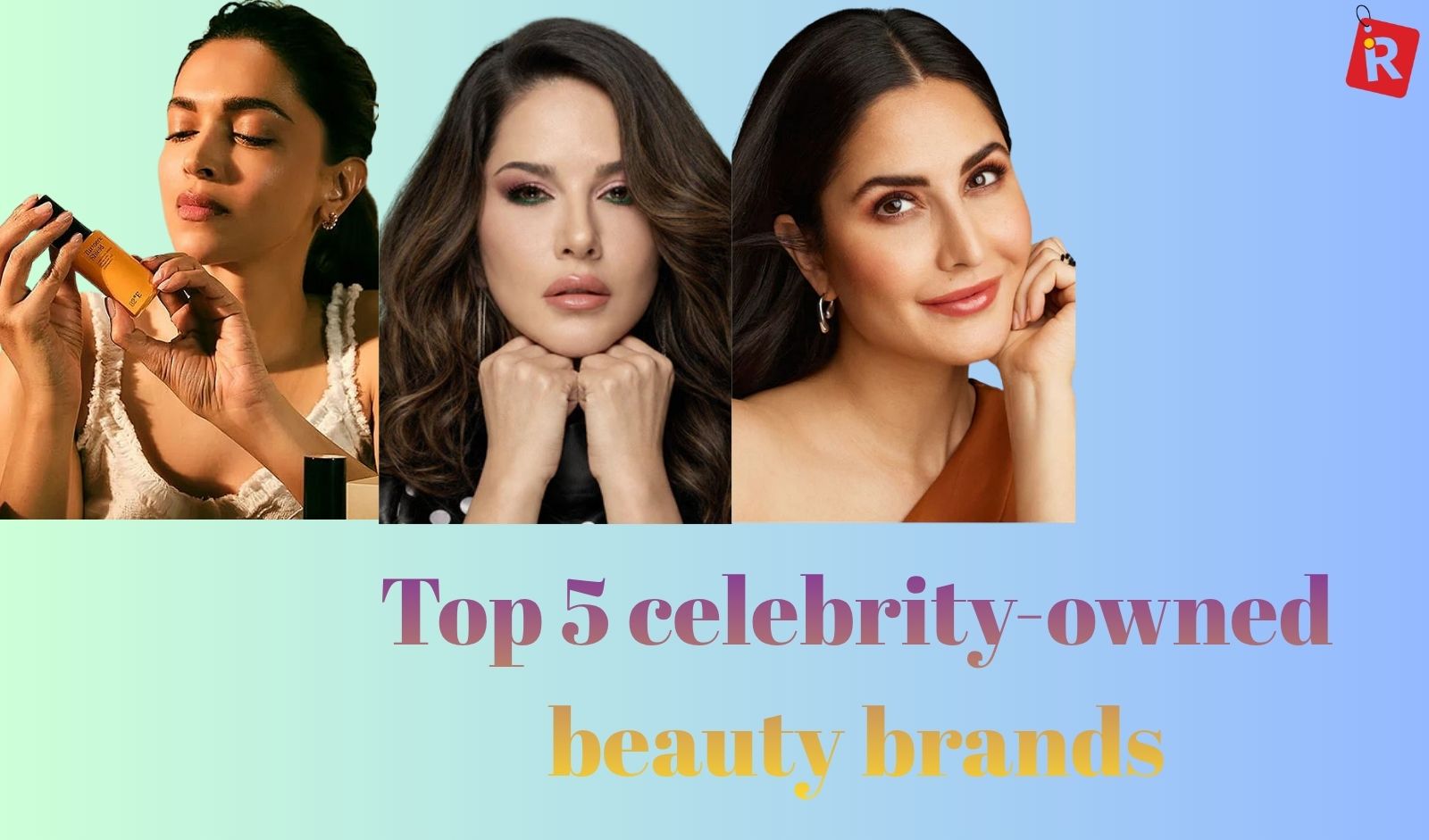
As the country's beauty and personal care market grows rapidly, more and more celebrities continue to launch their own make-up and skin care labels. Backed by strong personal branding and social media influence, these ventures are reshaping competition in the beaty industry.

Targeted to young, digitally savvy audience, celebrity-led brands are carving out a significant niche in India's beauty market. Here is a list of top five celebrity-owned cosmetics and beauty brands that are gaining momentum in the Indian market.

Top 5 celebrity-owned cosmetics brands

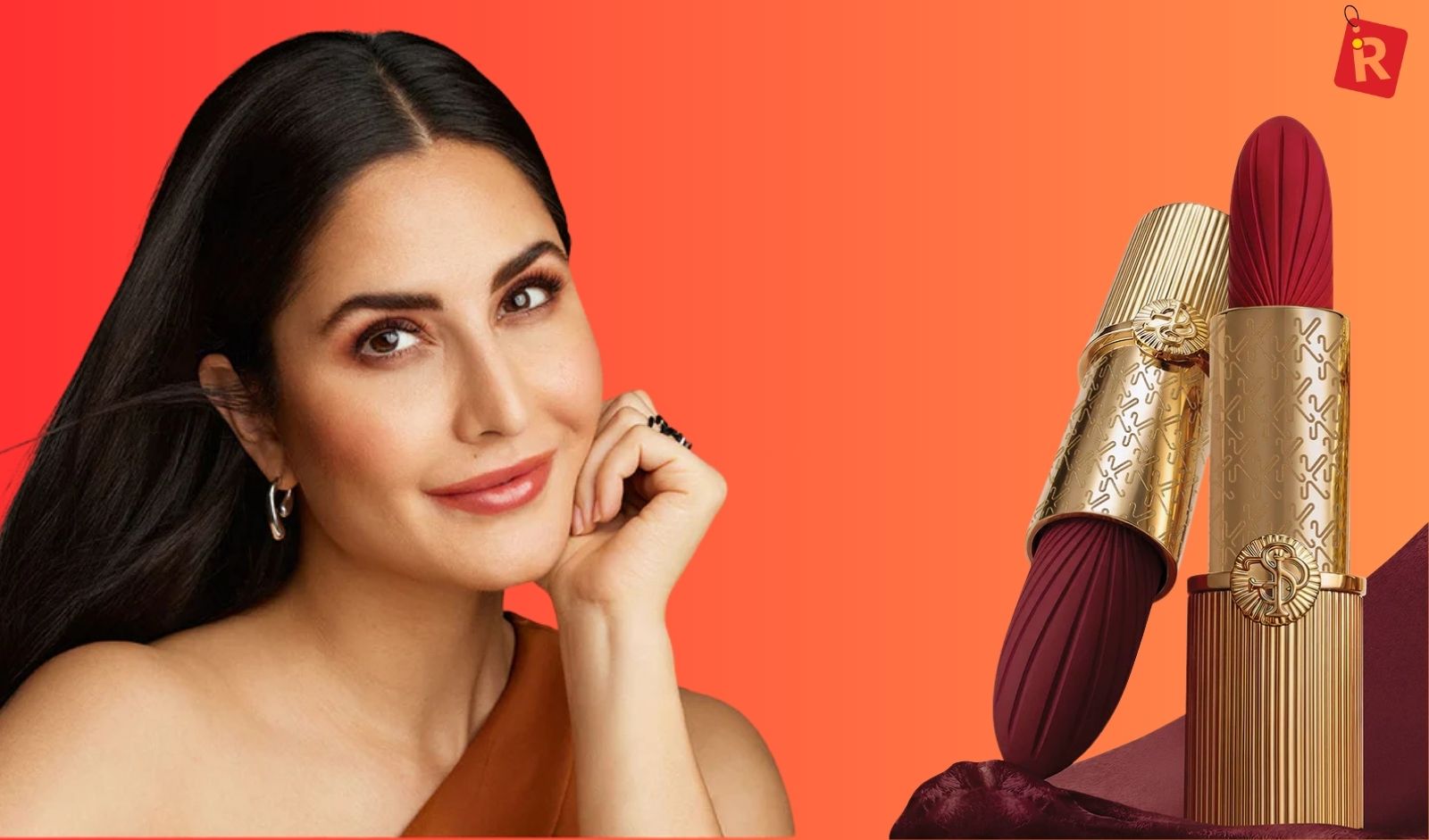
Kay beauty - Katrina Kaif

Kay Beauty, actor Katrina Kaif's brand, was launched in 2019.

Kay Beauty, actor Katrina Kaif's brand, was launched in 2019. It was created in partnership with Nykaa. Positioned as a premium yet accessible makeup label, the brand was built with a focus on inclusivity, offering products that cater to diverse Indian skin tones, complexions, and climatic conditions.

Kay Beauty offers a wide range of cosmetics products including foundations, concealers, lipsticks, kajals, eyeliners, blushes, mascaras, and setting products.

Popular products: The brand's emphasis on inclusivity, innovation, and long-lasting formulations has resonated strongly with consumers, helping it establish a loyal customer base across online and offline channels.

Kartina Kaif's brand has also emerged as a key growth driver within Nykaa's portfolio. According to Nykaa's FY25 Integrated Annual Report, Kay Beauty crossed Rs 240 crore in gross merchandise value (GMV) making it highest-performing in-house beauty brands of Nykaa.

Read also: Top 5 Best Brands Offering Pedicure Kits to Try at Home

Top International Beauty Brands Expanding Aggressively in India

Top 7 Clean Beauty Brands Expanding Offline in India

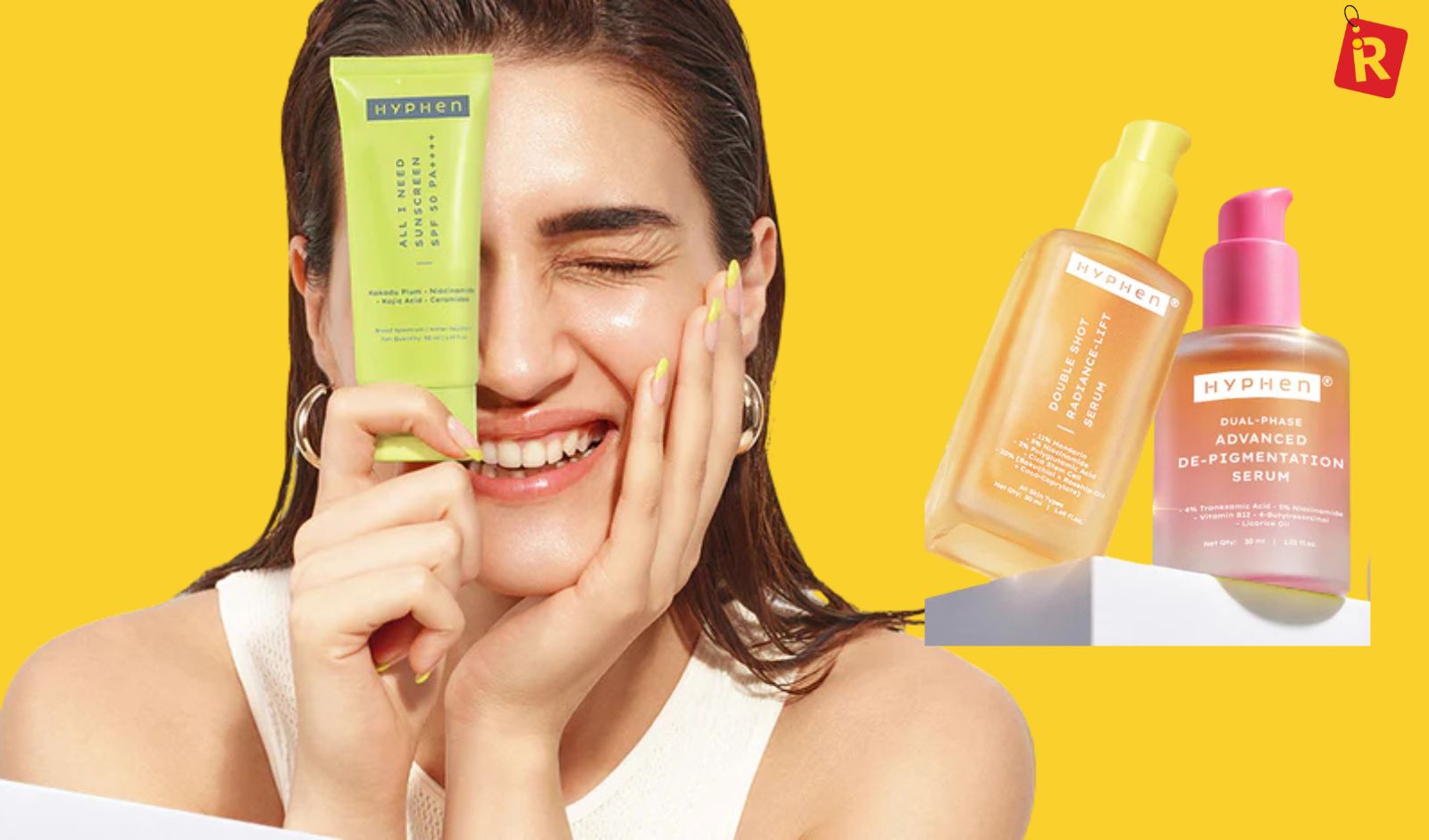
Hyphen- Kriti Sanon

Actor Kriti Sanon founded this cosmetics brand in 2023 in collaboration with Pep Technologies.

Actor Kriti Sanon founded this cosmetics brand in 2023 in collaboration with Pep Technologies. Hyphen is a digital-first skincare brand with focus on science-based, began, and affordable skincare products.

Popular products: Golden Hour Glow Sunscreen, Barrier Care Cream, Lip Balms, Vitamin C Serum, Gel Moisturizer are some of Hyphen's popular products.

Hyphen products are available on Nykaa, Amazon, Myntra, and other leading beauty marketplaces.

Kriti Sanon's brand reportedly achieved an Annual Revenue Run Rate (ARR) exceeding Rs 100 crore within its first year, making it one of India's fastest-growing celebrity skincare startups.

READ: Plum Bets Big on Omnichannel Retail as India's Premium Beauty Market Booms

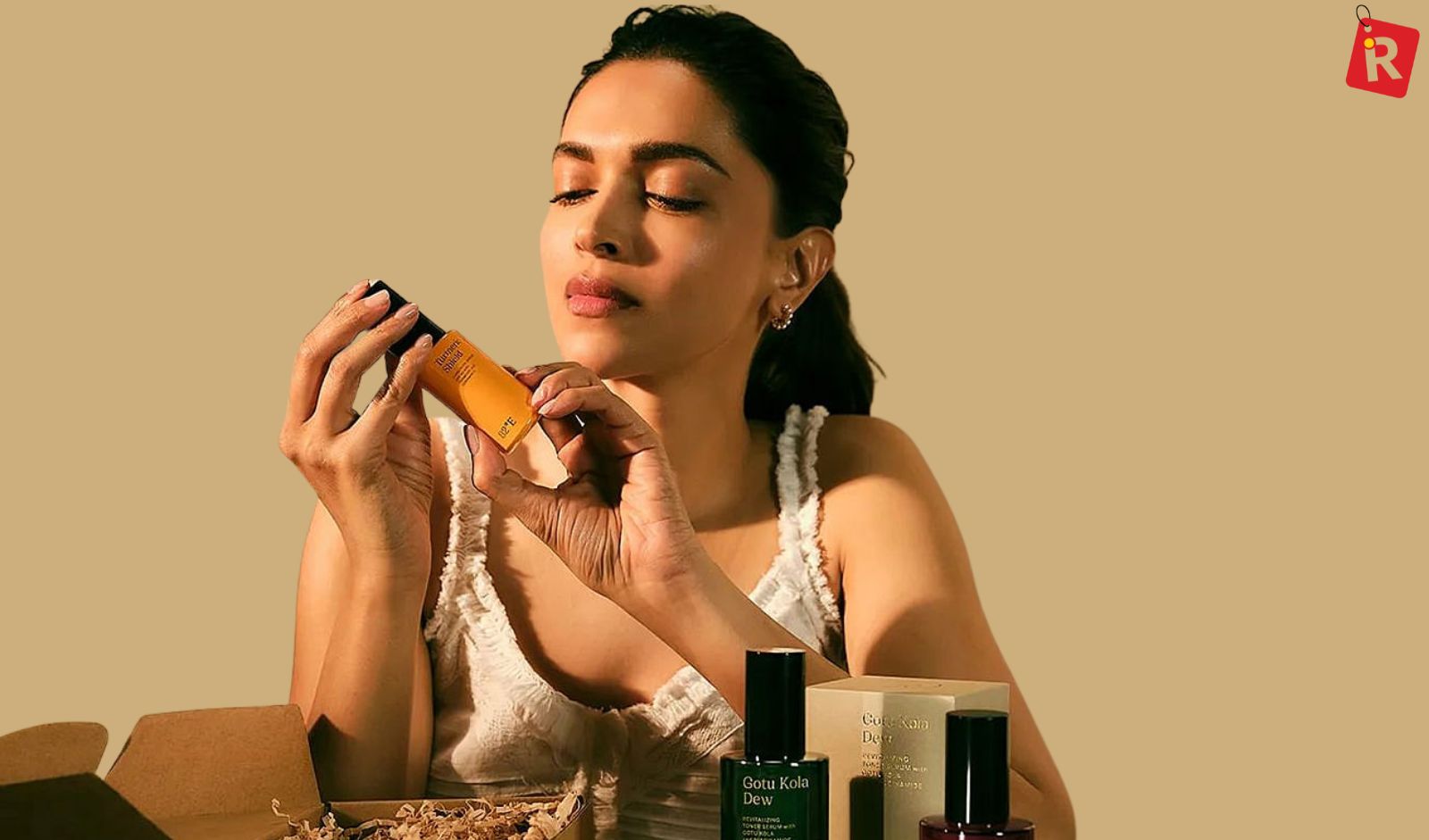
82°E – Deepika Padukone

Actor Deepika Padukone's brand, 82°E, was launched in 2022.

Actor Deepika Padukone's brand, 82°E, was launched in 2022. It is a premium skincare brand which combines scientifically tested actives with Indian botanical ingredients.

Popular products: Lotus Splash Cleanser, Ashwagandha Bounce, Moisturizer, Sunscreen Drops, Serum Drops, Moisturizers.

Unique selling points: 82°E is positioned as a premium skincare brand.  

Recent reports suggest that the brand has been facing losses since it's launch. It declared net losses of Rs 12.3 crore in FY25 dropping the brands revenue from Rs 21.2 in FY24 to Rs 14.7 crore in FY25.

Some reports also suggest that Nykaa is in talks with actor Deepika Padukone to acquire the brand, although there has been no official confirmations on this yet.

Read more:  Top 8 Body Mist Brands Winning India's Everyday Fragrance Market

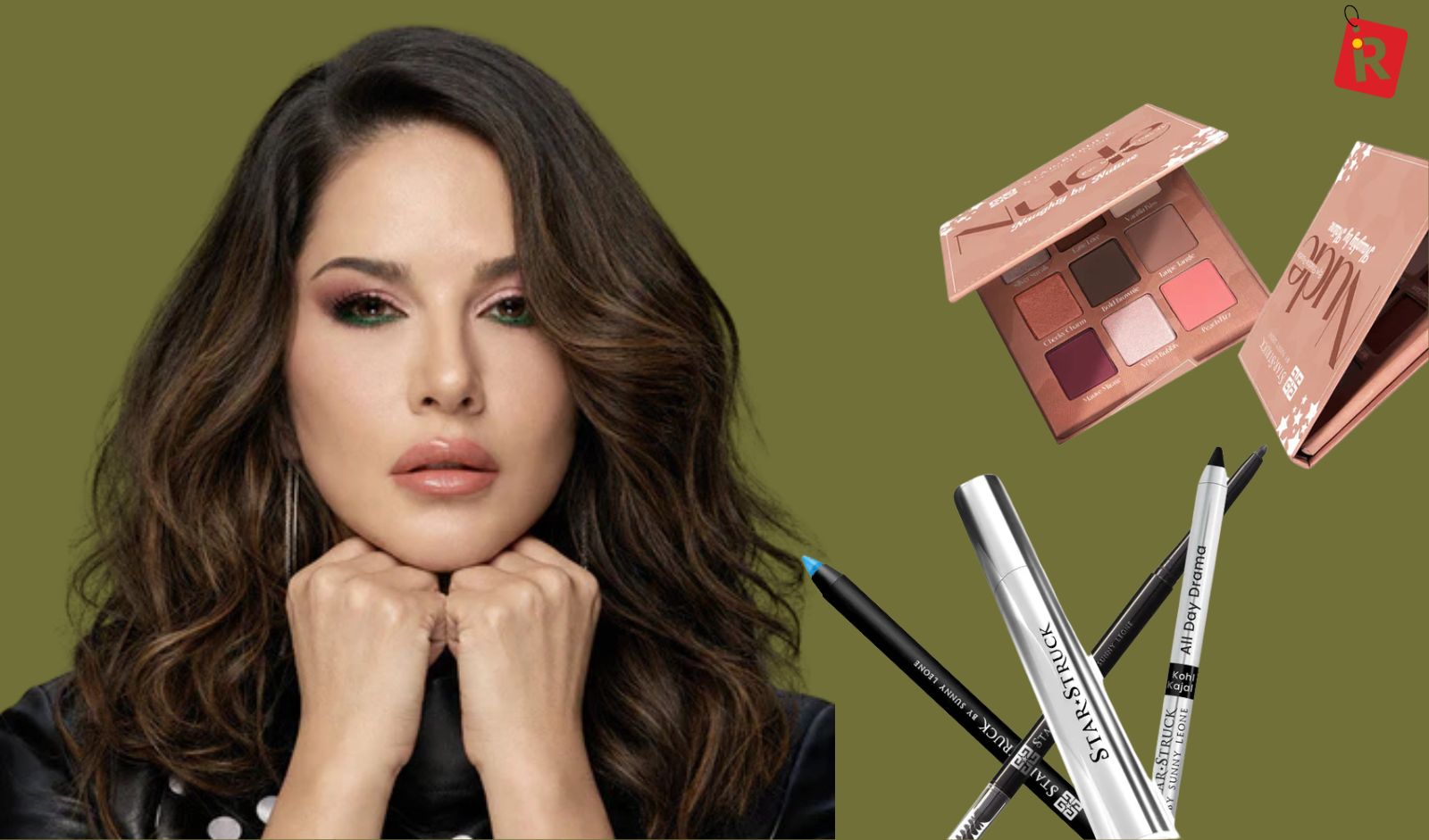
Star Struck by Sunny Leone

Launched in 2018 by actor Sunny Leone Star Struck is India's first fully celebrity-owned cosmetics brand.

Launched in 2018 by actor Sunny Leone Star Struck is India's first fully celebrity-owned cosmetics brand. It caters to the mass-premium makeup segment.

Since its inception, Star Struck has expanded its portfolio to more than 250 product variants across makeup and fragrances.

Unique Selling Point: Star Struck is an affordable premium brand with products across multiple price points. This brand PETA-certified, vegan, and follows cruelty-free formulations.

Retail presence: Star struck follows an omnichannel approach, selling through its official D2C website as well as leading e-commerce marketplaces. In addition to cosmetics, its fragrance line is available in more than 500 retail outlets across India

Brand growth: Star Struck crossed an annual turnover of over ₹10 crore in 2024 after starting with an initial investment of ₹10 lakh in 2018.

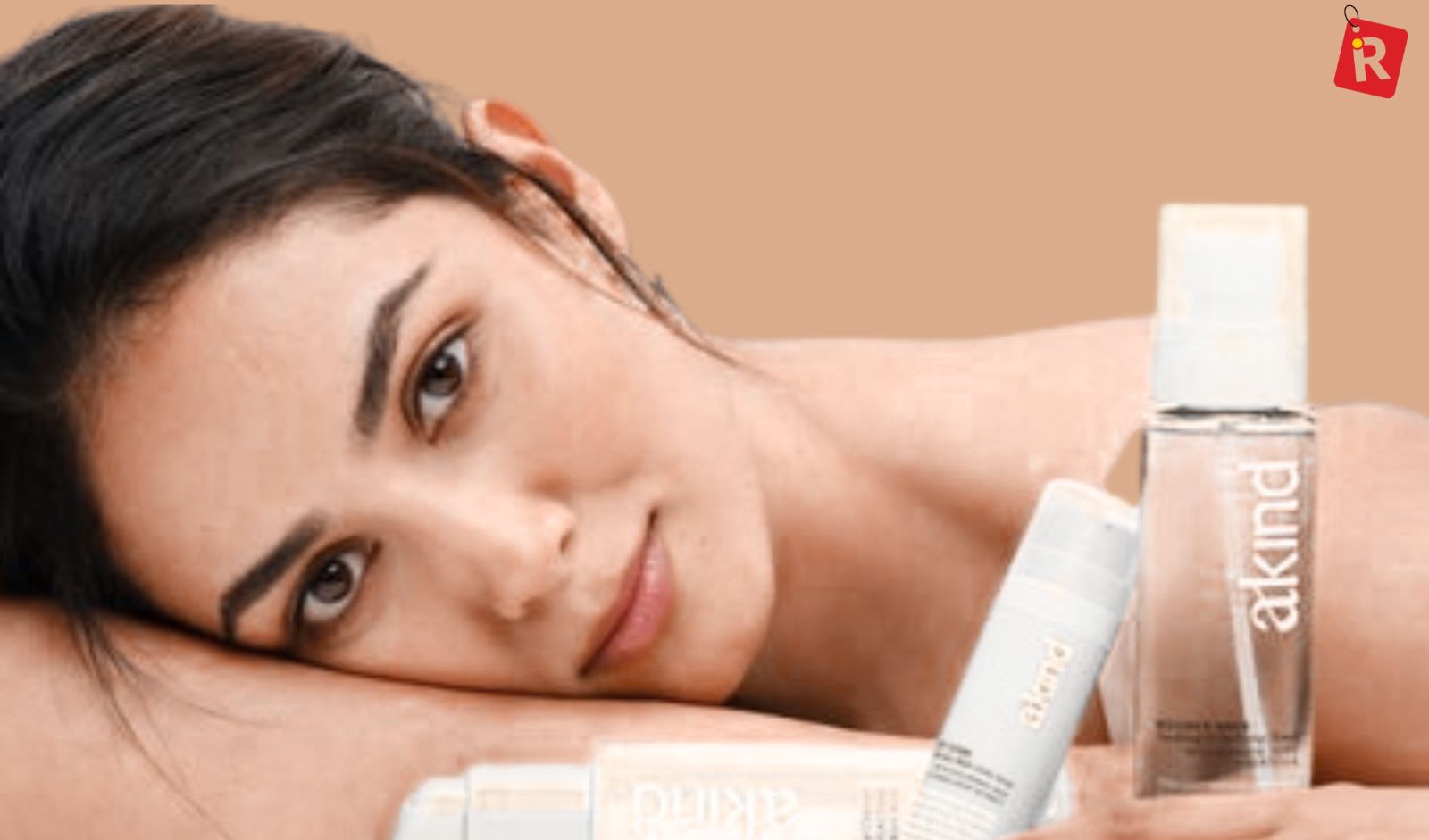
Akind – Mira Rajput Kapoor

Co-founded by Mira Rajput Kapoor in partnership with Reliance Retail's Tira,led by Isha Ambani, AKind was launched in June 2024.

Co-founded by Mira Rajput Kapoor in partnership with Reliance Retail's Tira,led by Isha Ambani, AKind was launched in June 2024.  Built around the philosophy "Your Skin is One of a Kind," the brand focuses on barrier-first skincare with science-backed formulations tailored to different skin concerns.

Unique selling point: Its products are vegan, cruelty-free, and designed to simplify skincare routines through targeted solutions. It is a premium cosmetic brand at affordable prices, with products ranging from approximately Rs 220 to Rs 134.

Retail presence: Akind follows an omnichannel retail strategy through Reliance Retail's beauty platform Tira.

Know more: Protein, Clean Labels, and Quick Commerce Fuel India's Healthy Snacking Evolution

Top 5 Skin Brightening Soaps in India for Naturally Radiant Skin

Top 8 Body Mist Brands Winning India's Everyday Fragrance Market

Conclusion

Celebrity-led brands are expected to play a huge role in driving premiumisation, product innovation, and omnichannel expansion as India's beauty and personal care market continues to grow. There ventures represent more than just endorsement-led businesses to retailers. These brands are emerging as influential players shaping consumer preferences and the future of India's beauty retail industry.

FAQ on Indian Celebrity-Owned beauty Brands

1. Which is the most successful celebrity-owned beauty brand in India?

Kay Beauty, co-founded by Katrina Kaif in partnership with Nykaa, is widely regarded as one of India's most successful celebrity-owned beauty brands. It has crossed Rs 240 crore in GMV and has a strong omnichannel presence.

2. Which celebrity launched the first beauty brand in India?

Several celebrities have launched beauty brands over the years, but Star Struck by Sunny Leone, launched in 2018, is considered one of India's first fully celebrity-owned cosmetics brands.

3. Which celebrity-owned skincare brand is growing the fastest in India?

Hyphen, co-founded by Kriti Sanon, has emerged as one of the fastest-growing skincare startups, reportedly surpassing ₹100 crore in annual revenue run rate (ARR) within its first year.

4. Are celebrity-owned beauty brands available in offline retail stores?

Yes. Brands such as Kay Beauty, 82°E, and Akind have expanded beyond online channels through partnerships with retailers like Nykaa, Tira, and Sephora India, strengthening their omnichannel presence.

5. Why are celebrity-owned beauty brands gaining popularity in India?

These brands combine celebrity influence with quality formulations, strong digital marketing, and omnichannel distribution. Consumers are increasingly drawn to brands that offer authenticity, innovation, and products tailored to Indian skin tones and preferences.


Next Story
Top 8 Body Mist Brands Winning India's Everyday Fragrance Market
  • IR
  • IR
  • IR
Top 8 Body Mist Brands Winning India's Everyday Fragrance Market
 

India's fragrance market has evolved rapidly from a niche luxury category to on of country's fastest growing beauty and personal care segment. Social media influence, rising awareness of personal grooming, increased disposable income, and the emergence of affordable premium brands are some of the factors that greatly expanded the usage of fragrance. Fragrance has become more than just a wearable on special occasions. Fragrance has now become an everyday part.

The Indian Body Mist Segment's Boom: What’s Fueling It?

Gen Z and millennials are embracing fragrances as an extension of personal style rather than an occasional luxury. Consumers are increasingly moving from deodorants to perfumes, eau de parfum (EDP), and body mists.

Even in the fragrance industry, body mists have evolved into one of the fastest-growing segments of the fragrance industry. Unlike tradition perfumes, body mists offer a lighter concentration of fragrance, making it an ideal choice for frequent use.

What Are Some of the Brands Offering Premium and Affordable Body Mists in India? 

Companies such as Bella Vita Luxury, Villain, The Man Company, Plum, HEIR, ISAK Fragrances, and others are reshaping the market with affordable premium offerings.

India's fragrance market is expected to grow from around Rs 9,500 crore in 2025 to nearly Rs 29,000 crore by 2034, registering a CAGR of approximately 12.8 per cent.

Read more: Top 5 Perfume Brands for Men and Women to Elevate Your Signature Scent

5 Wellness Essentials Gen Z & Millennials Need This Monsoon

Top 5 Indian brands for affordable fashion

Top 8 Body Mist Brands in India

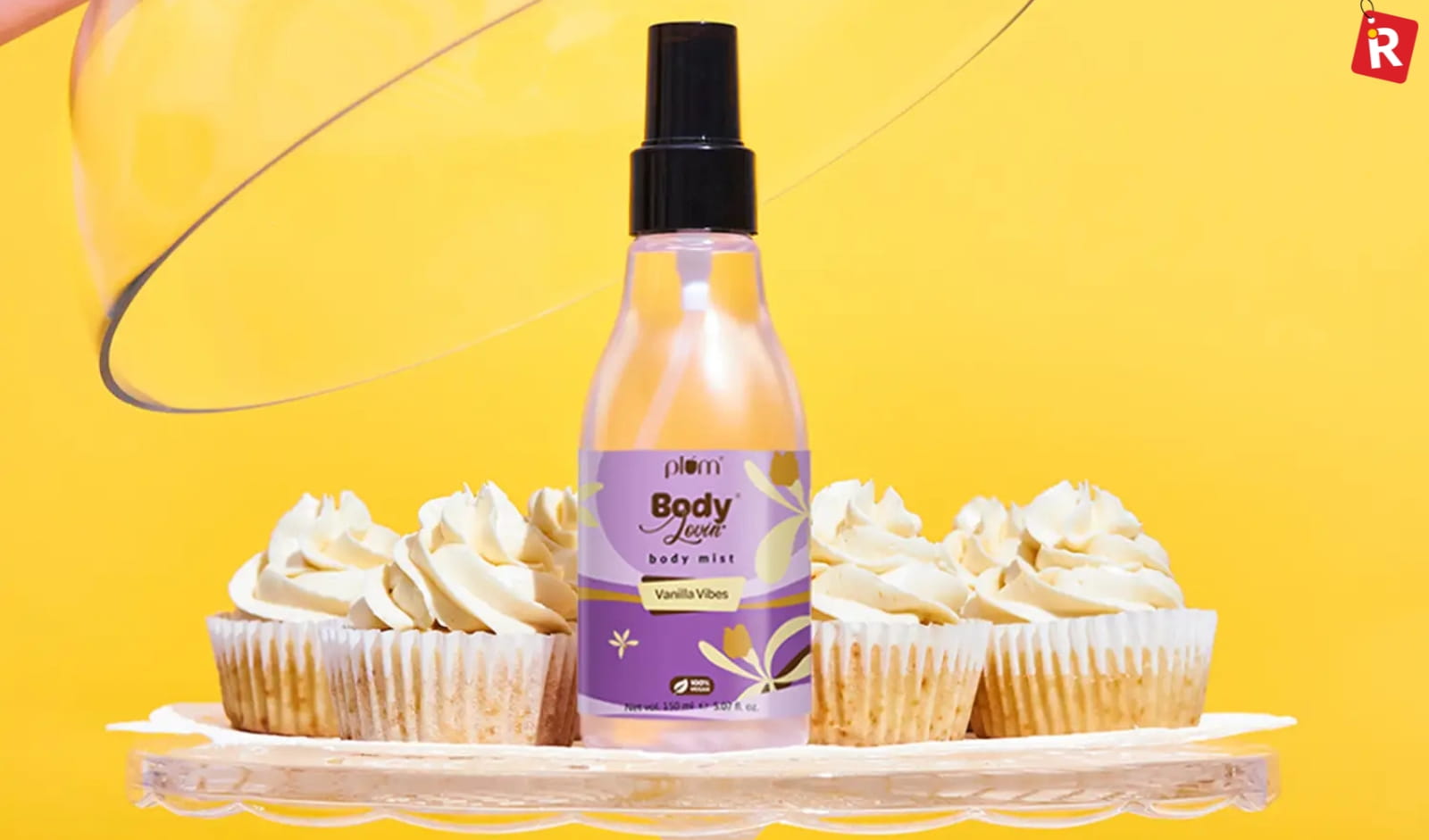
Plum BodyLovin'
Plum BodyLovin

Launched in June 2020, Plum BodyLovin' is the bath and body care sub-brand of Indian beauty company Plum, one of the country's leading vegan and cruelty-free personal care brands. BodyLovin' marked Plum's expansion beyond skincare into the bath, body, and fragrance category, with a focus on fun, youthful, and affordable products. BodyLovin' is positioned as an everyday fragrance and body care brand targeting Gen Z and millennial consumers.

Presence: Plum BodyLovin' has established a strong omnichannel presence across India through direct-t-consumer (D2C) website, leading beauty marketplaces such as Nykaa and Amazon, quick-commerce platforms, modern retail outlets, and more.

Most body mists are priced between Rs 395 and R 550, making them accessible to first-time fragrance buyers.

Bath & Body Works
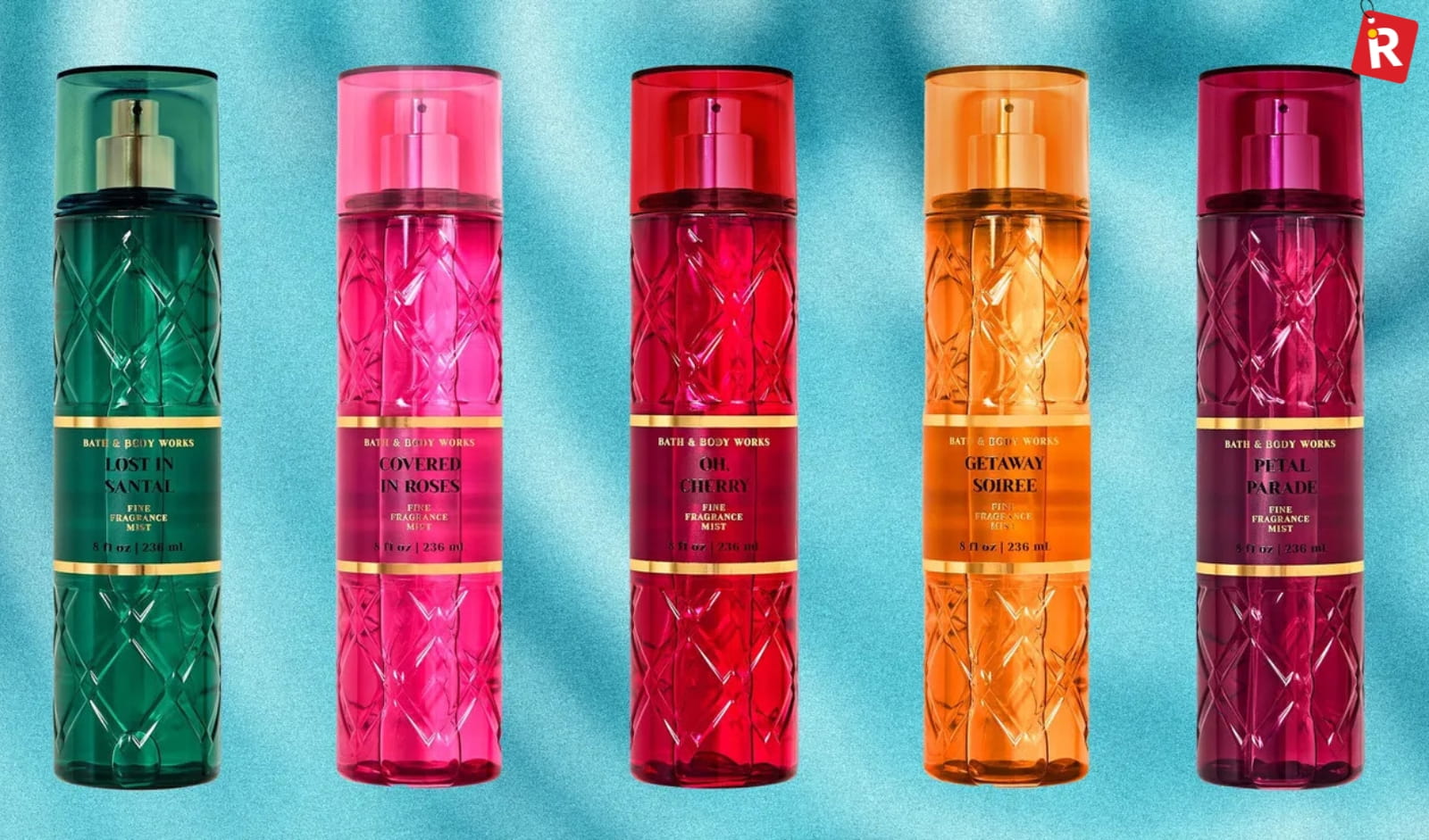
Bath & Body Works

Bath & Body Works is a leading American personal care and home fragrance brand, founded in 1990 in New Albany, Ohio. Known globally for its Fine Fragrance Mists, body lotions, shower gels, candles, and hand care products, the brand has built a strong reputation for offering premium fragrances at accessible prices.

Bath & Body Works entered the Indian market through a partnership with Major Brands India Pvt. Ltd., which operates the brand under a franchise model. The brand has steadily expanded its retail footprint, catering to urban consumers seeking premium fragrance and personal care products.

Some of the brand's most popular fragrances include; Japanese Cherry Blossom, Into the Night, A Thousand Wishes, Gingham, Champagne Toast, Warm Vanilla Sugar, You're the One.

Price: In India, its body mists are generally priced between Rs 1,099 and Rs 2,299.

Growth Drivers in India: Bath & Body Works offer a wide assortment of signature and seasonal fragrances. It frequently launches limited-edition. Strong gifting appeal during festive seasons. An omnichannel retail strategy combining physical stores and e-commerce.

Victoria's Secret
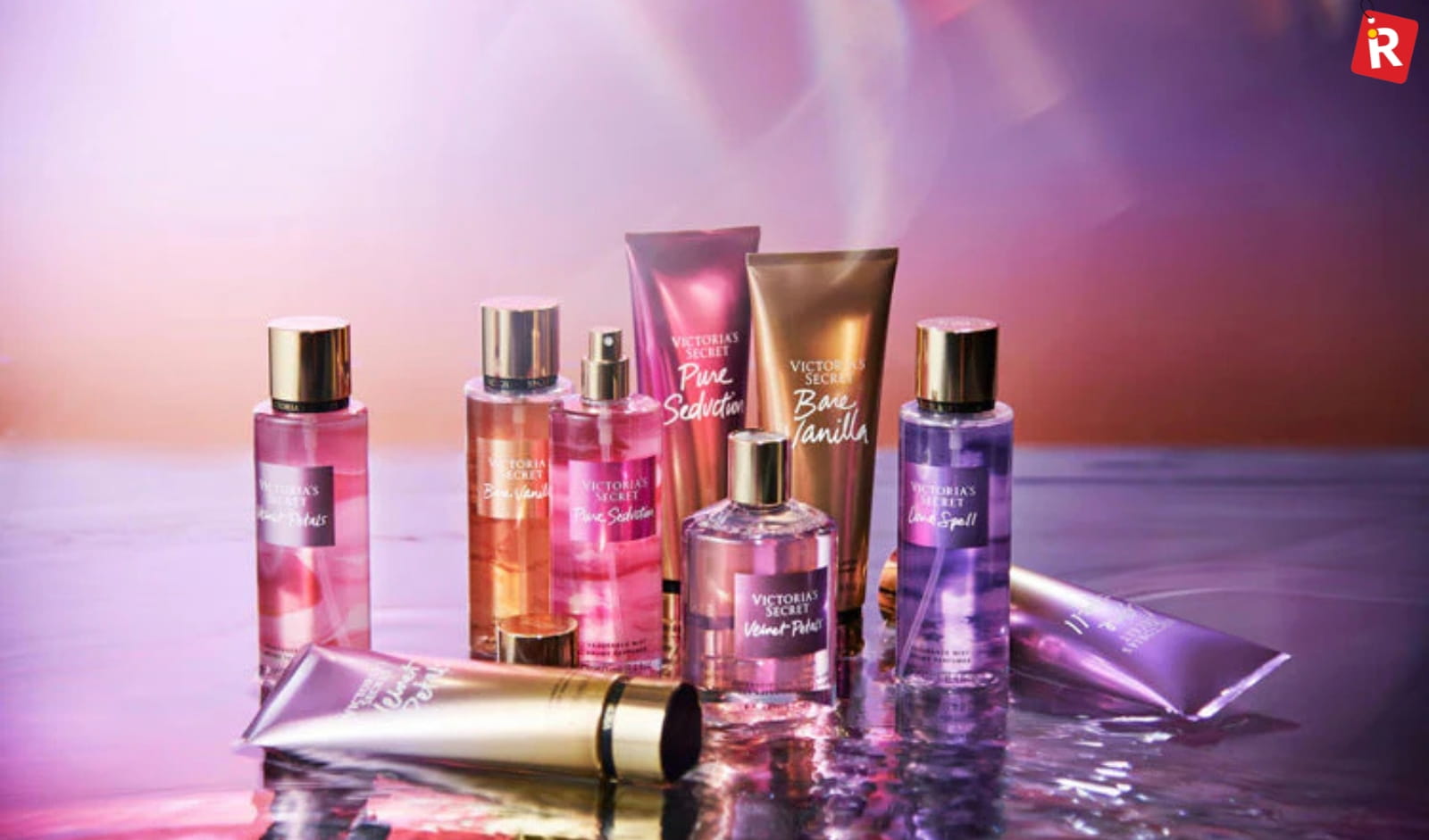
Victoria's Secret Body Mist

Victoria's Secret is an American lingerie, beauty, and fragrance brand founded in 1977. While globally recognized for its lingerie, the brand has also built a strong following for its Fragrance Mists, perfumes, body lotions, and beauty products. Its signature body mists have become some of the best-selling products in the affordable premium fragrance segment worldwide.

In India: Victoria's Secret has expanded its presence in India through exclusive brand stores, airport outlets, and e-commerce platforms. The brand is also available through leading beauty retailers and marketplaces, making its fragrance collection accessible to consumers across major cities.

Typical price ranges between Rs 1,500–Rs 2,500 for Victoria Secret fragrance mists.

Growth Drivers in India: Among the primary factors behind Secret Victoria's mists are an omnichannel strategy spanning physical retail and online platform. The brand also focuses significantly on creating a high brand visibility through influencer marketing and social media.

The Body Shop
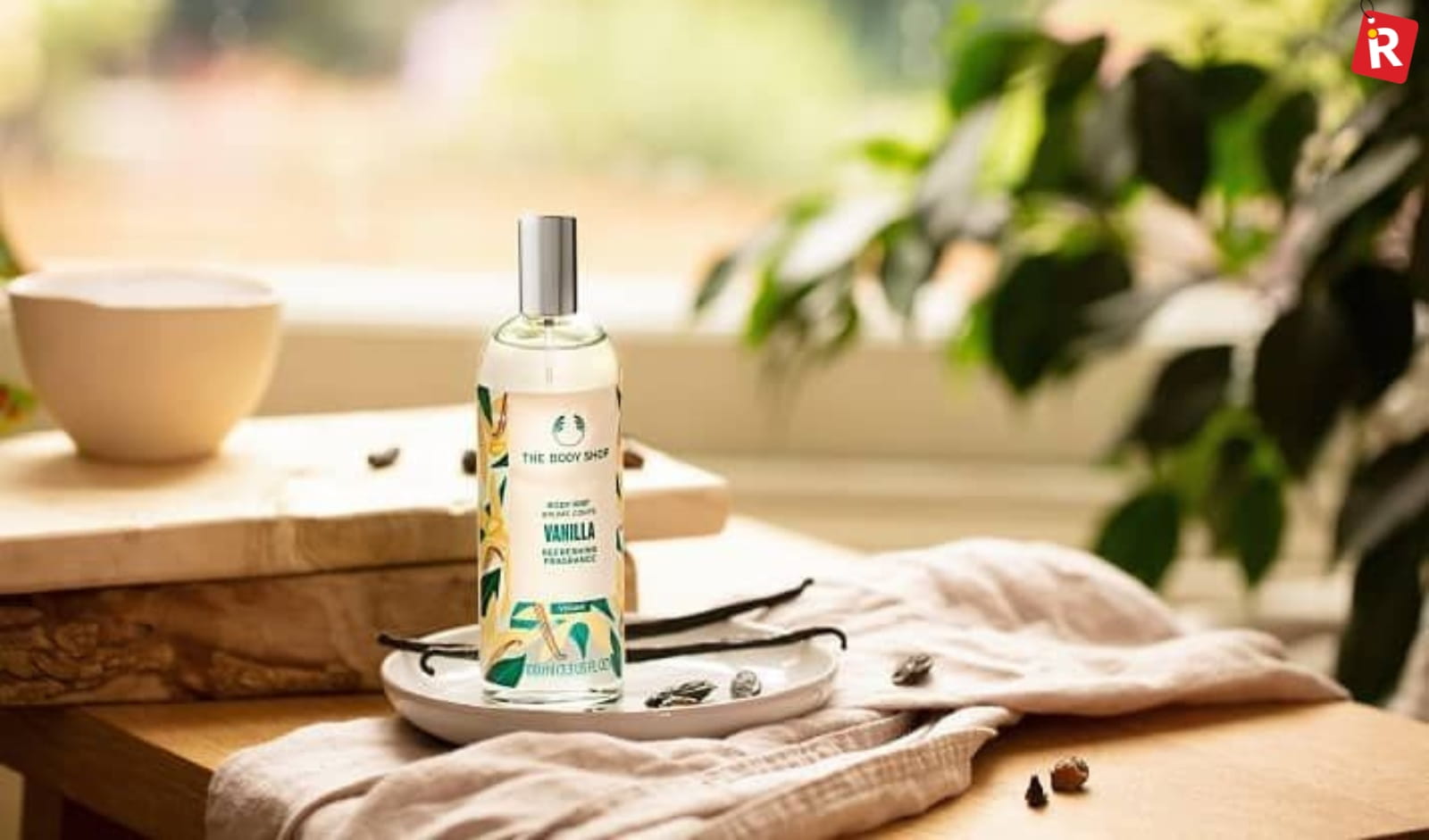
The Body Shop Body Mist

The Body Shop is a British beauty and personal care brand founded in 1976 by Anita Roddick. Renowned for its ethically sourced ingredients, cruelty-free philosophy, and sustainability initiatives.

Presence in India: The Body Shop entered India in 2006 through a franchise partnership with Quest Retail Pvt. Ltd. Since then, it has built a strong omnichannel presence with more than 200 stores across the country, alongside its official website and leading beauty and e-commerce platforms.

Its retail network spans metro cities as well as Tier II markets, making it one of the most accessible international beauty brands in India.

Unique seing point: The Body Shop's body mists are particularly popular for their light, refreshing fragrances inspired by botanicals and natural ingredients.

Positioned in the premium masstige segment, The Body Shop's products typical price range from Rs 1,295–Rs 1,995 for body mists.

Layer'r Wottagirl
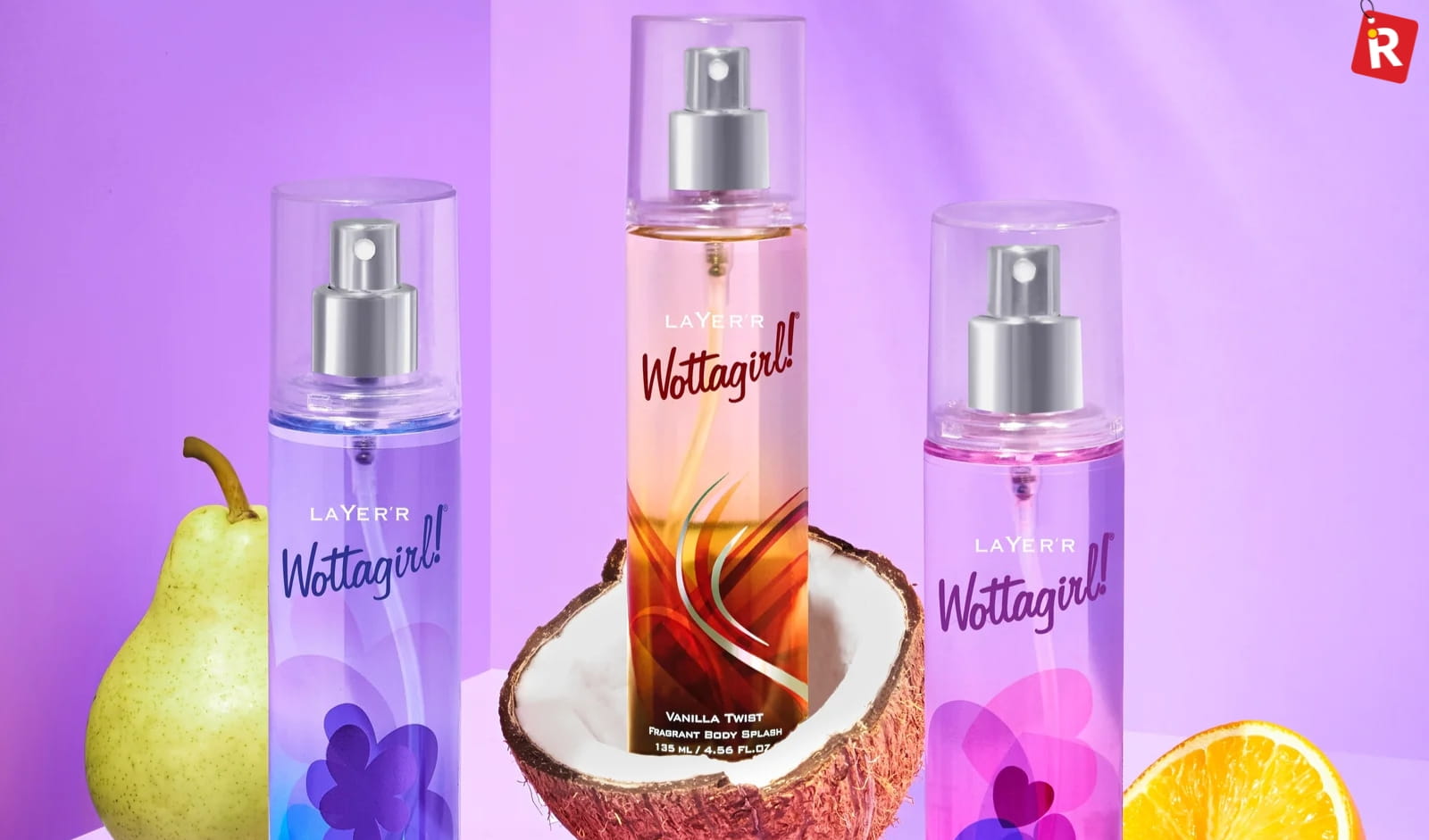
Layer'r Wottagirl Body Mist

Layer'r Wottagirl is one of India's most recognized body mist and body splash brands and is marketed by Adjavis Venture Limited (AVL).

Market presence: Layer'r Wottagirl enjoys a strong nationwide presence through modern retail chains, general trade outlets, cosmetic stores, e-commerce platforms, and its D2C website

Typically priced at Rs 199– Rs 799, Layer'r Wottagirl's affordable pricing has made it especially popular among college students and first-time fragrance buyers.

Unique selling point: Layer'r Wottagirl stands out because it is India's first dedicated body splash brand for women with strong distribution across urban and semi-urban India. Additionally, there's a high brand recall among gen Z and millennials.

Renee Cosmetic
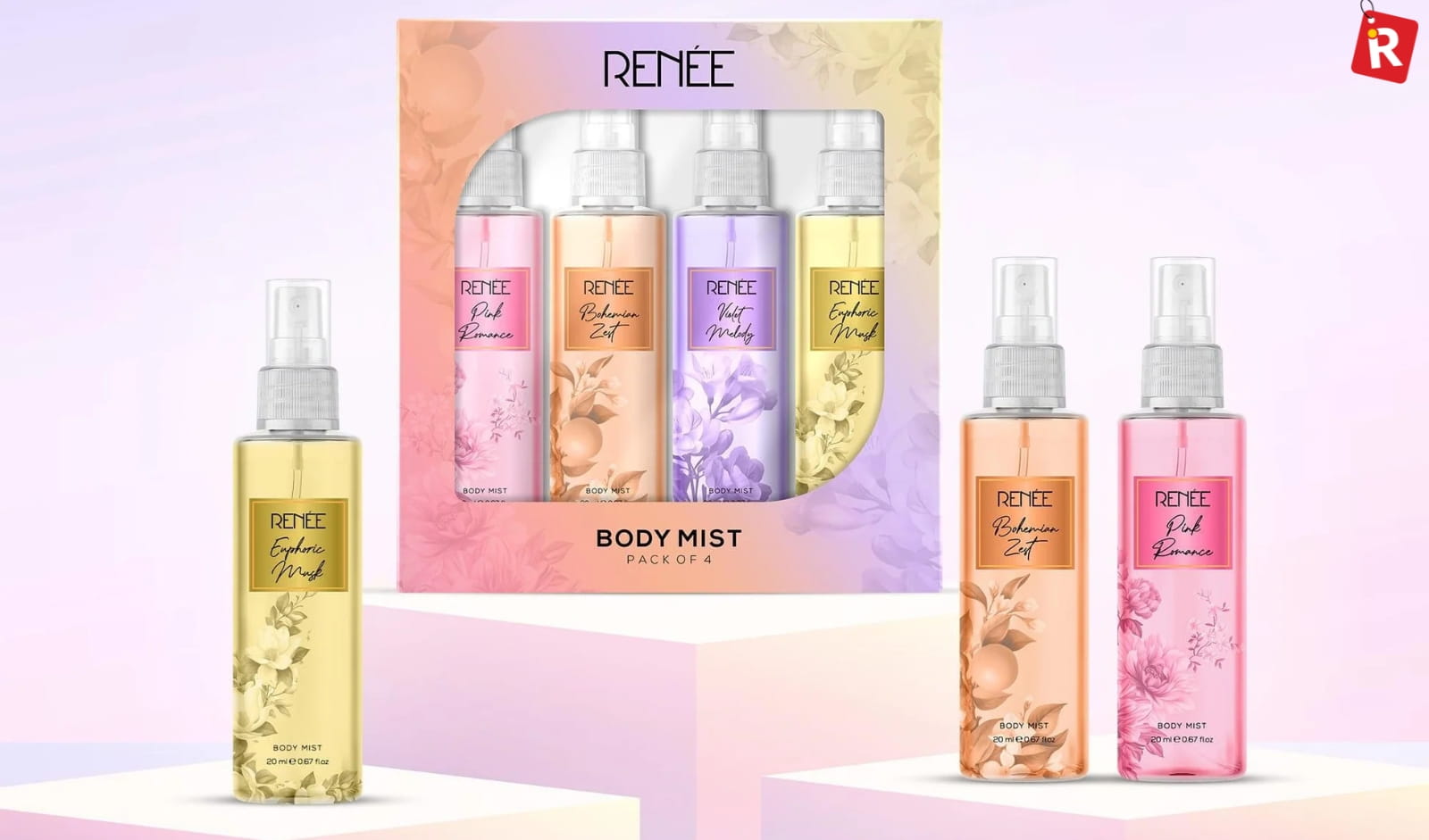
Renee Cosmetic Body Mist

This Indian beauty brand, Renee was founded in 2018. It was initially known for its make-up portfolio before expanding into fragrances.  

The company has positioned itself as a premium yet affordable beauty brand targeting digitally savvy consumers through innovation and influencer-led marketing.

Market presence: RENEE has built an extensive omnichannel network through D2C website, Nykaa, Amazon, Flipkart, quick-commerce platforms, modern retail, and beauty stores across India.

Aqualogica
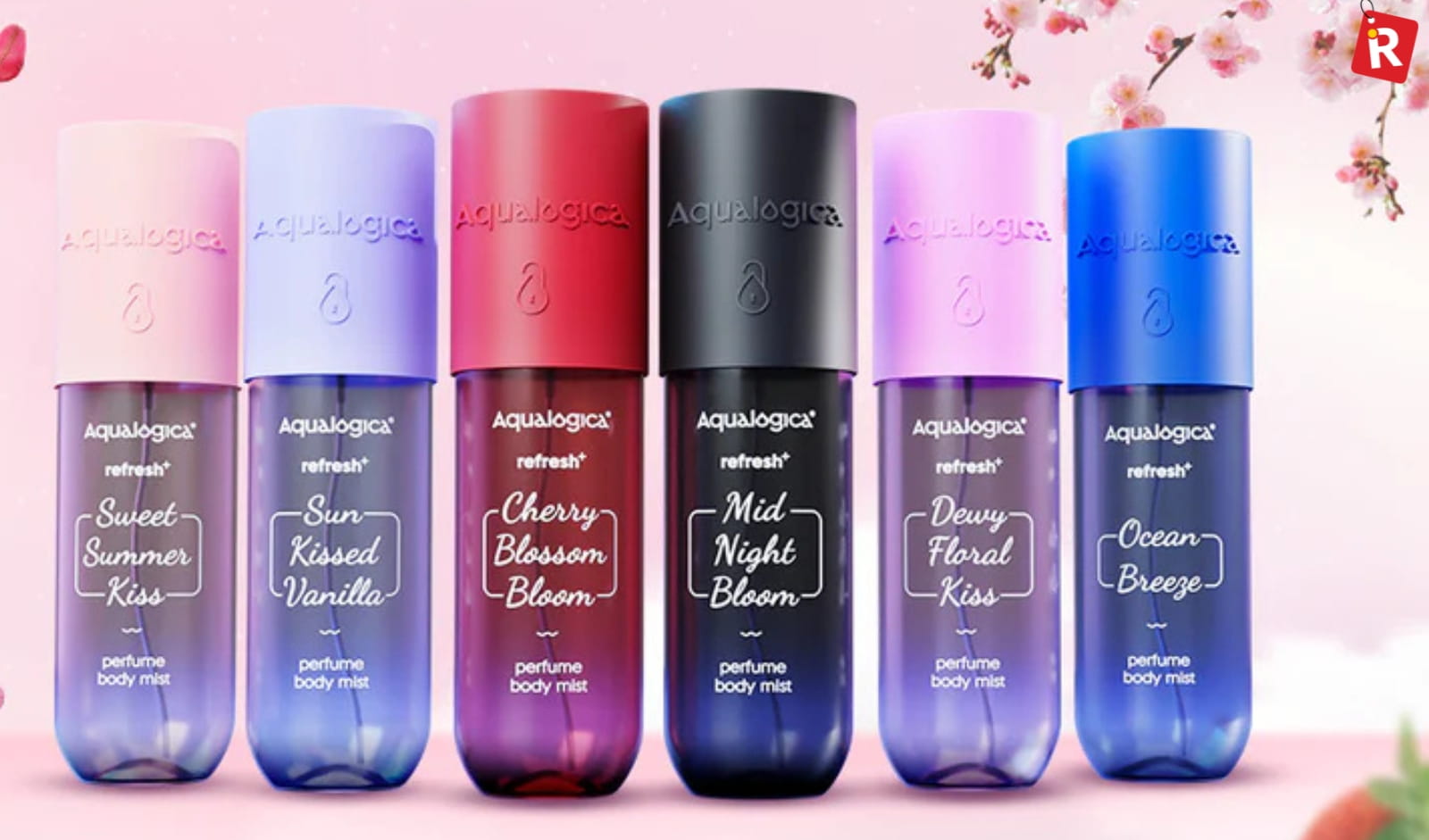
Aqualogica Body MIst

Aqualogica is a contemporary Indian skincare brand launched by Honasa Consumer Ltd., the parent company behind Mamaearth, The Derma Co., and BBlunt. Built around the concept of hydration-focused skincare, Aqualogica has gradually expanded into body care and fragrances with its hair and body mist range. The brand combines skincare benefits with fragrance, positioning its mists as multifunctional products suitable for daily use.

Aqualogica has rapidly expanded through D2C website, Nykaa, Amazon, Flipkart, quick-commerce platforms, modern retail

Typically priced at Rs 499– Rs 799, Aqualogica's affordable pricing makes it popular among college students and first-time fragrance buyers.

The Love Co.
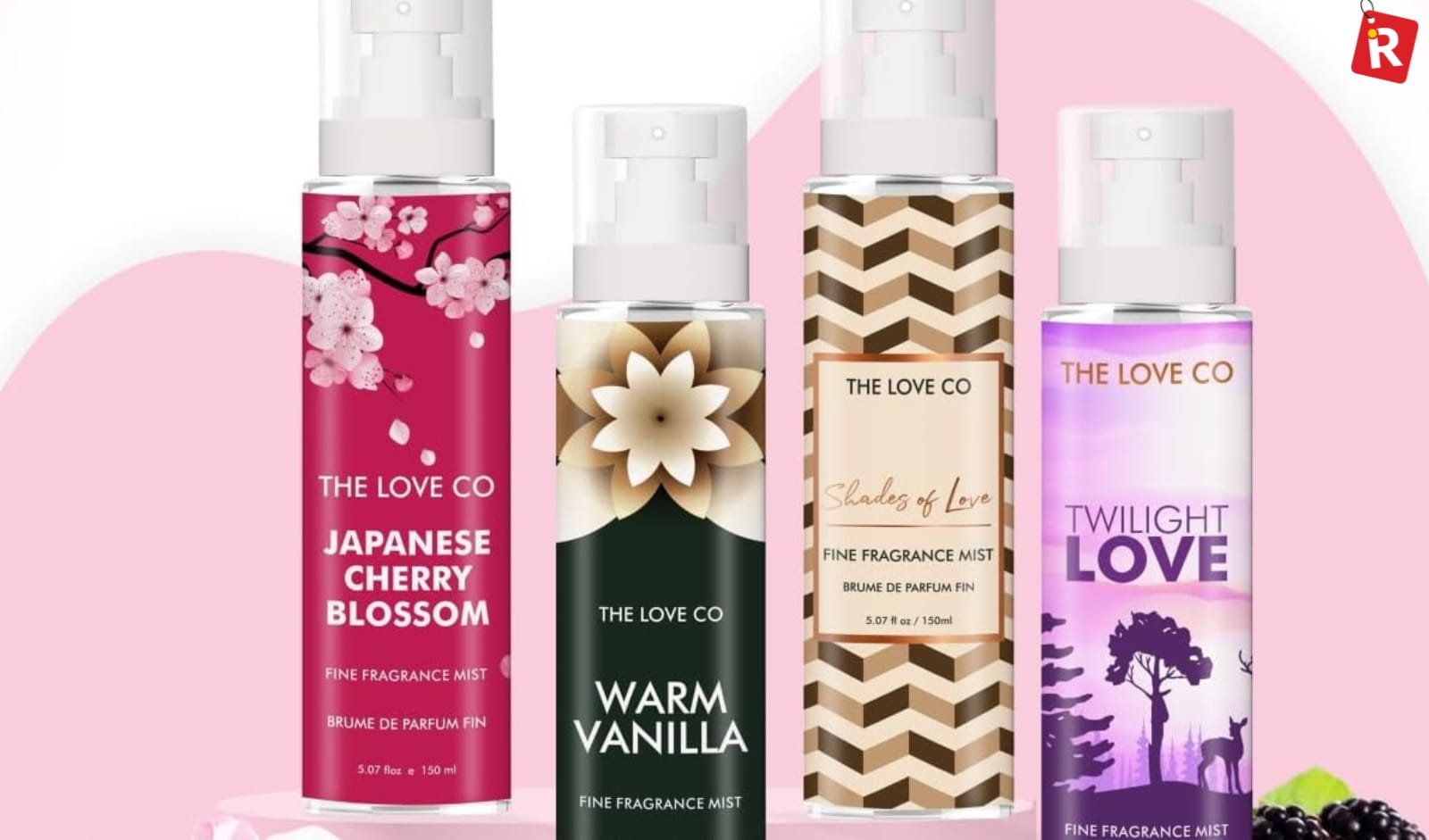
The Love Co. Body Mist

Founded in 2019 by Hemang Jain, The Love Co. is an Indian body-care brand that positions itself as a fragrance-led body care company. Unlike conventional personal care brands, The Love Co. places fragrance at the centre of its product development, creating complete scent routines through body washes, lotions, mists, and perfumes. The company says it formulates products specifically for Indian skin, climate, and fragrance preferences.

The Love Co. has built a growing omnichannel presence through D2C website, Nykaa, Vanity Wagon, selected lifestyle retail stores, an online marketplaces.

Popular body mist range: Among some of the popular body mists by The Love Co. are, Wrapped in Vanilla, Fresh fragrance collection, and the Floral and gourmand variants.

Unique selling point: It is one of India's few fragrance-first body-care brands. It focuses on fragrance layering through complete body-care rituals. This brand uses Indian ingredients an formulations designed for local climate conditions. 

Know more: Best Cafes in Delhi NCR for Weekend Brunches and Coffee Dates

Top Lightweight Jewellery Brands Offering Luxury for Modern Women

Top 8 International Watch Brands Defining Luxury and Lifestyle Trends in India

What Lies Ahead: The Future of India's Body Mist Market

India's body mist market is set for strong growth, driven by changing consumer preferences, premiumisation, and increasing demand for affordable everyday fragrances. Gen Z and millennials are leading this shift, using body mists as part of their daily grooming routines rather than for occasional use. As digital commerce, quick commerce, and omnichannel retail expand, brands are reaching a wider audience while social media continues to influence buying decisions. Product innovation, including longer-lasting formulations, skin-friendly ingredients, and fragrance layering, is expected to further boost demand. With both Indian and global players investing in the category, body mists are poised to become a major growth engine for India's fragrance industry.

Frequently Asked Questions (FAQs) on Best Body Mist Brands in India

1. What is a body mist?

A body mist is a lightweight fragrance with a lower concentration of perfume oils than an Eau de Parfum (EDP) or perfume. It is designed for everyday use and can be reapplied throughout the day.

2. Why are body mists becoming popular in India?

Body mists are gaining popularity due to their affordability, lighter fragrance profiles, and suitability for daily wear. Growing interest in personal grooming, social media influence, and the rise of affordable premium brands have also accelerated demand.

3. Who are the primary consumers of body mists in India?

Gen Z and millennials are the biggest consumers of body mists. They view fragrances as an expression of personal style and prefer products that are affordable, versatile, and suitable for everyday use.

4. How are body mists different from perfumes?

Body mists contain a lower concentration of fragrance oils, making them lighter and less long-lasting than perfumes. They are ideal for casual, everyday use, while perfumes are generally preferred for longer wear and special occasions.

5. What factors are driving the growth of India's body mist market?

Key growth drivers include premiumisation, rising disposable incomes, omnichannel retail expansion, digital commerce, influencer marketing, and increasing consumer preference for everyday fragrances.

 

Next Story
Top Beauty and Skincare Brands Celebrating Women’s Day 2026
  • IR
  • IR
  • IR
Top Beauty and Skincare Brands Celebrating Women’s Day 2026
 

Every year, International Women’s Day becomes more than just a symbolic occasion for the beauty and skincare industry. It is a moment for brands to spotlight women’s empowerment, celebrate individuality, and launch meaningful campaigns that resonate with their audiences. In 2026, several leading beauty and skincare brands are marking the occasion with impactful initiatives, special collections, and campaigns that highlight confidence, inclusivity, and self-expression.

From homegrown powerhouses to global cosmetic giants, brands are using the occasion to strengthen their connection with women consumers while reinforcing messages of empowerment and representation. Here are some of the top beauty and skincare brands celebrating Women’s Day 2026 and how they are honoring women through innovation, storytelling, and community engagement.

Nykaa 

For International Women’s Day 2026, Nykaa is celebrating the occasion with its highly anticipated Women’s Day Sale, offering shoppers exciting deals across makeup, skincare, haircare, and wellness categories. The sale features attractive discounts on a wide range of beauty essentials, including popular products from brands like Lakmé, Dove, and TRESemmé, making it an ideal time for consumers to refresh their beauty routines. Many items are available with price reductions of up to 30–60 percent, along with limited-time offers and curated product selections.

Typically held around early March and peaking near March 8, the sale also includes additional perks such as exclusive bundles, app-only deals, and special offers for loyal customers. 

MamaEarth

For Mamaearth, International Women’s Day 2026 is marked with a special Women’s Day Sale, encouraging consumers to celebrate self-care while honoring the women in their lives. The limited-period sale, typically held from March 1 to March 8, features attractive deals across skincare, haircare, and beauty categories. Shoppers can explore popular Mamaearth ranges, including Ubtan and other natural skincare products, with beauty essentials starting from around ₹149. In addition, select product categories offer discounts of up to 20 percent, while curated gift packs are available with a flat 30 percent off, making them ideal for Women’s Day gifting.

The campaign also reflects the brand’s message of celebrating equality and empowering individuals through safe, toxin-free products inspired by nature and science.

Anastasia Beverly Hills

Global beauty brand Anastasia Beverly Hills is celebrating Women’s Day 2026 with a campaign that highlights bold beauty and confidence. Known worldwide for its iconic brow products and professional-grade makeup, the brand has built a reputation around empowering women to express themselves unapologetically.

This year, Anastasia Beverly Hills is focusing on the idea that makeup is not just about aesthetics—it is about creativity and self-expression. Through social media collaborations with makeup artists and beauty influencers, the brand is showcasing diverse beauty looks created by women from across the globe. The campaign also celebrates the entrepreneurial journey of its founder, emphasizing how women in leadership continue to shape the global beauty industry. By spotlighting artists, creators, and professionals, Anastasia Beverly Hills is reinforcing its message that beauty is a powerful form of self-expression.

Kiko Milano

For KIKO Milano, International Women’s Day 2026 is being celebrated with a special loyalty-driven beauty promotion designed to reward its community of makeup lovers. Through its KIKO ME loyalty program, the brand is offering an exclusive Buy 2, Get 1 Free deal across its website from March 5 to March 8, giving customers the opportunity to explore a wide range of makeup products while celebrating the occasion. The campaign encourages consumers to celebrate Women’s Day in their own unique way—whether through experimenting with bold makeup looks or indulging in their favorite beauty essentials.

By combining special rewards with its vibrant cosmetic portfolio, KIKO Milano aims to empower women to express confidence, creativity, and individuality through beauty.

Swiss Beauty

For Swiss Beauty, International Women’s Day 2026 is being celebrated with a dedicated Women’s Day Special collection, offering curated makeup products designed to help consumers create bold and confident looks for the occasion. The collection features a wide range of bestselling cosmetics, including matte lipsticks, lip crayons, eyeshadows, blushers, and nail lacquers, available in multiple shades suited for different skin tones and styles. The brand is also offering attractive discounts and coupon-based price reductions on several products, making popular items like HD matte lipsticks, metallic eyeshadows, and professional blushers more accessible during the celebration period.

Through this Women’s Day initiative, Swiss Beauty encourages women to experiment with vibrant colors, express their individuality, and celebrate the occasion through makeup that enhances confidence and personal style.

Beauty as a Celebration of Identity

Ultimately, Women’s Day campaigns in the beauty industry are about more than cosmetics—they are about celebrating individuality and identity. By creating initiatives that highlight real stories and empower women to express themselves, brands are contributing to a broader cultural conversation about confidence and self-acceptance.


Next Story
Also Worth Reading