




Managing Editor, IndianRetailer.com & Retailer Media Aug 11, 2023 /
 84
/ 5 MIN READ
84
/ 5 MIN READ


‘Less is more’, ‘never give in, never give up’, ‘persistence’… these may sound like clichés but are, in fact, the success mantras of the top D2C founders who graced the cover of the Special D2C 100 issue of the Retailer magazine. Talking during a fireside chat at the D2C 100 Summit of the Entrepreneur Show 2023, the four founders - Bala Sarda, CEO & Founder, VAHDAM; Ankit Garg, CEO & Co-Founder, Wakefit; James Wellwood, Founding Partner, Urbanic; and Sahil Dharia, CEO & Founder, Paree Sanitary Pads - Soothe Healthcare, spoke about how they disrupted the traditional platforms and charted their stupendous success stories.
Elaborating on the global tea market, which is dominated by the wellness revolution, especially after the Covid pandemic, Sarda emphasized, “A lot of people are not consuming the traditional Indian chai but have moved towards green teas, herbal teas, infused with superfoods, etc. The other category is the lifestyle consumer who is consuming functional teas for health benefits, such as stress management and inflammation, and much more. This is the category that will drive growth in the tea market, for the young consumer who is well-traveled, has a sizable disposable income, and is aware of the product.

For Urbanic, their strategy to select a new market depends on where they can make the most impact. “We scout countries where we can offer premium high-quality fashion, in European designs, at an affordable cost. So India and Mexico, where we are now venturing, fit perfectly with our philosophy,” elaborated Wellwood.
Soothe’s journey began with education about women’s menstrual hygiene. “Our three pillars for expansion are first access and distribution; second the affordability – we can manufacture 1 billion sanitary pads. That’s the scale of the high-tech technology which we have invested in for the brand. It can produce 1000 pads per minute! Third is awareness, we deal in the world of taboos, so mobile phones are our tools for disseminating correct content,” explained Dharia.
Mattresses were a traditional brick-and-mortar retail category, but Wakefit managed to disrupt the vertical and today have managed to become a leading furniture and mattress brand. Adopting an omnichannel expansion, Garg said that the key to their instant success was the D2C channel wherein they interacted directly with the consumer. “The customer-friendly policy, after-sales service, and designing products based on customer feedback, all contributed to our story.”

The Special issue was unveiled amidst much fanfare and marked a significant step in acknowledging the remarkable achievements and future potential of the D2C movement in India. The summit, graced by industry titans, entrepreneurs, investors, and enthusiasts alike, was met with excitement and anticipation, as attendees gathered to witness a comprehensive overview of the brands that were reshaping India’s retail industry and forever changing the way we shop, consume, and experience products and services. The special issue, meticulously curated by Team Retailer, showcased a diverse array of brands that have harnessed the power of technology, data analytics, and consumer insights to thrive in a competitive market.


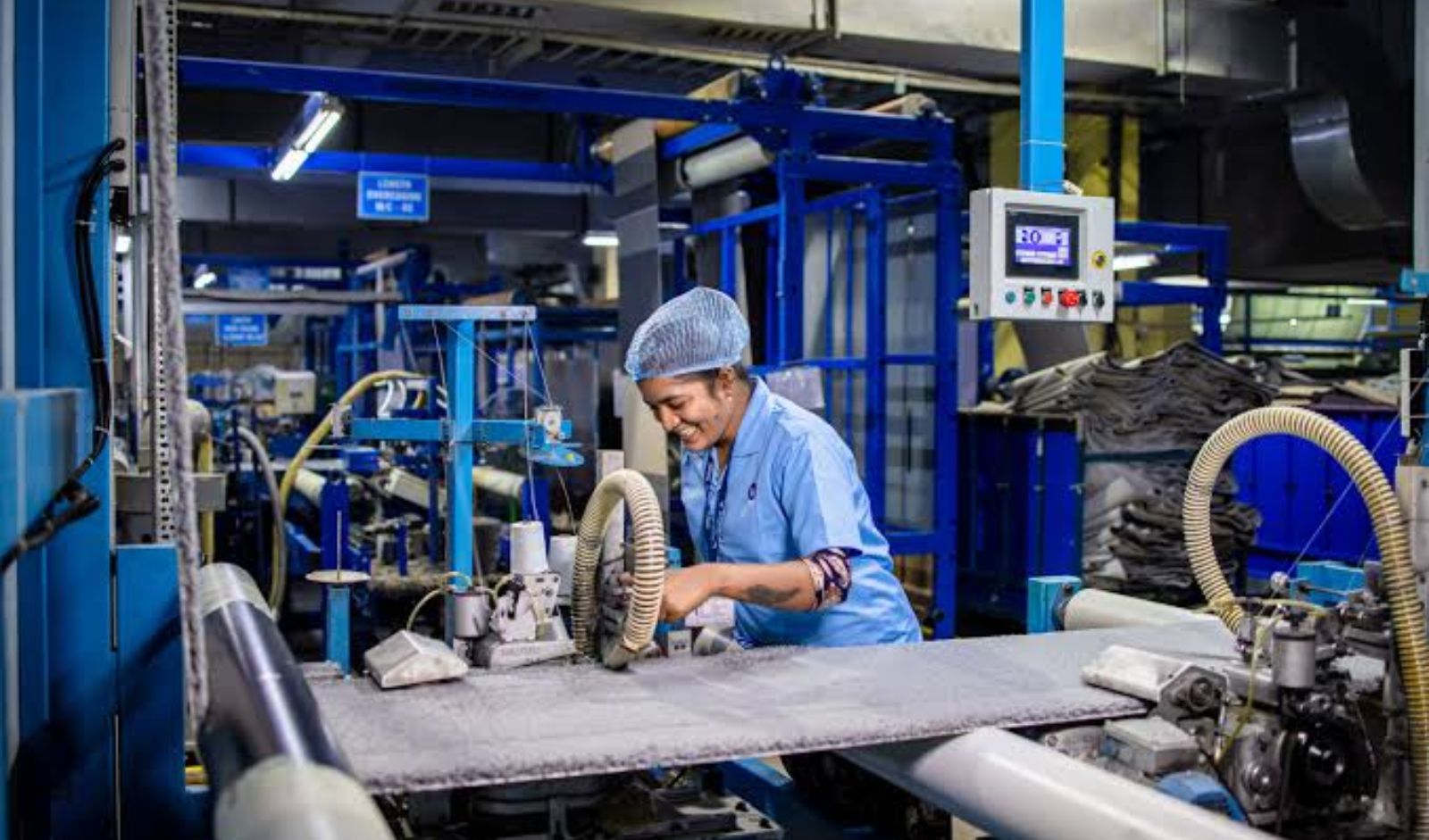
For a long time, India’s manufacturing strength was closely associated with its ability to produce competitively. Cost efficiency, scale, and a large talent pool helped establish India as an important manufacturing destination. Today, that strength has gone up several notches with India becoming a place where products are also being imagined, designed, and taken to the next level of innovation.
The consumer is changing the conversation
One of the biggest forces shaping this change is the Indian consumer. Today’s consumers are clued in to everything from global geopolitics to trends, making them more discerning, and willing to question what they are buying. A purchase journey can begin with an online search, move through reviews and social media, continue with a store visit or product demonstration, and eventually culminate online – or the other way around. Every touchpoint is now part of the decision.
KPMG’s India CX Report 2025 found that 41% of consumers consider the pre-purchase stage the most impactful part of the experience for large appliances, with ease of comparing options and the relevance of customer reviews among the leading considerations. For small appliances, 36% place the greatest emphasis on the pre-purchase stage. This has fundamentally changed what consumers expect. The question has shifted from, “Does this product work?” to, “How does it work for me?”
From functionality to relevance
Greater consumer awareness is shifting the definition of value from basic functionality to living the complete product experience. Everyday products are being evaluated not just for their core function, but for how well they fit into the increasingly busy, design-conscious, and space-conscious lifestyles of today.
A fan can now be expected to combine performance with aesthetics and BLDC energy-saving motors. Lighting can influence both the functionality and design language of a space. Kitchen appliances are increasingly expected to offer convenience, versatility, and multi-purpose functionality. Increasingly, they are also becoming enablers of healthier and more active living, with products such as air-fryers and cold-pressed juicers reflecting how consumers are choosing products that support everyday wellness without compromising on convenience. The common thread is a desire for products can also be aesthetically pleasing while making everyday life simpler, more efficient, and more considered.
This is where innovation takes on a broader meaning. It is not necessarily about adding more technology or features; it is about making a product more relevant to the way people experience it and integrate it into their everyday lives. It can translate as making a product easier to use, creating a multi-purpose solution, improving energy efficiency, designing for different spaces, or bringing together aesthetics and functionality. This is also reshaping premiumisation. Consumers aren’t shying away from spending, however they do expect a higher price to translate into tangible value – better design, durability, performance, convenience, or experience. For 32% of consumers, high-quality large appliances command a premium when they offer greater durability, performance, and long-term value.
India’s complexity can become its advantage
For Indian businesses these changing expectations are not just raising the bar; they are also providing a rich source of insight into where innovation needs to go. India’s diversity makes this particularly relevant. Products have to work across coastal humidity to northern winters, and sprawling multi-gen homes to compact studio apartments, enhancing lifestyles, consumption patterns and increasingly aspirational consumers in emerging markets.
Designing for this diversity requires companies to understand not only what consumers buy, but how they live, what they value, and what they expect products to do differently. The broader ecosystem is moving in the same direction. Medium- and high-technology industries now account for 46.3% of India’s manufacturing value added, signalling the country’s movement towards more sophisticated production and higher-value capabilities. The opportunity is to build on these capabilities by bringing consumer insight, design, and innovation into the product journey, so that what India makes is increasingly aligned with how its consumers live.
The next chapter of “Made in India”
India’s manufacturing advantage has been built on scale, efficiency, and cost competitiveness and, as capabilities deepen, this strength can support a broader ambition – to develop and manufacture products that respond to evolving consumer needs while meeting the demands of quality, performance and scale.
For India, the opportunity lies in building on what it already does well: combining a strong manufacturing base with greater understanding of local markets, product design, and engineering. In a market as diverse as India, that combination can create products that are relevant at home and competitive beyond it.
That is how “Made in India” can evolve from a mark of origin into a mark of capability – reflecting not just where products come from, but also the quality, thought, and value built into them.
Authored By
Anil Dua, COO, Usha International

Anyone who has ordered branded merchandise for a company event knows the process. You choose a product, adjust the design and check pricing tiers. Then you wait for a mock-up and wait again for production. For years, that complexity has limited how many custom orders a promotional commerce business can handle at once. AI and automation are changing that, but only when they are applied in the right order and to the right problems.
Why Custom Orders Have Always Been Trickier to Scale
A standard online order is a transaction. A custom order is a small project, and no two are alike. Each one needs correct logo placement, brand-accurate colors, the right pricing tier and often an artwork approval before production.
Most of these steps depend on people passing information along. An order arrives by email as a PDF and gets retyped into a system. The artwork moves to a separate design tool. The proof goes back by email. Pricing is checked against a spreadsheet. Each handoff is a chance for a detail to slip.
As volume grows, so do the coordination and rework. The usual answer is more hires, which ties growth to headcount.
Buyer expectations are rising too. PPAI Research found that 68.8% of distributors said buyers were prioritizing faster turnaround and rush delivery. In the same research, 64.6% of distributors named customization and innovation as important buyer priorities. Buyers want more personal products, delivered faster. Manual processes struggle to deliver both at volume.
Where Automation Makes the Biggest Difference
Automation is most useful when it connects steps that used to sit in silos. Product selection, pricing, artwork, approvals, purchasing and shipping should all work from one shared record. When a customer picks a product and a decoration option, those choices should flow straight to pricing, order processing and fulfillment without being retyped.
Once the steps are connected, automation can route orders, trigger proofs, send approval reminders and issue supplier purchase orders. That reduces the small errors common in repetitive work. A mismatched size or a missed logo placement can mean a costly reprint. A pricing slip can eat into the margin. Fewer handoffs also mean faster delivery.
Sequence matters. Adding AI to a disconnected process only helps a business make mistakes faster. Connecting the data comes first.
How AI Adds Intelligence to the Process
Automation moves the order along. AI adds judgment at key points.
AI can help buyers choose. Recommendation tools can narrow a huge catalog to a shortlist that fits a buyer's budget, timeline and event. That cuts the back-and-forth at the start of an order.
AI can read incoming orders. Many orders still arrive as emails or PDFs. AI can turn the products, quantities, colors and ship dates into a structured order for a person to review.
AI can speed up mock-ups. Automated virtual proofs let buyers see their product almost right away, which speeds up approvals.
AI can validate orders before production. It can flag a low-resolution logo, the wrong file type, a color outside brand guidelines or a design that will not fit the imprint area. Catching these issues early saves time and materials.
Our company began as ArtworkservicesUSA, so artwork is the step we know best. It is also where custom orders often stall. Across the more than 40,000 orders we process each day for promotional products businesses, one pattern holds. Orders checked early move quickly. Orders fixed late cost time, materials and goodwill.
What This Means for Scaling Promotional Commerce
Together, AI and automation change how a promotional commerce business grows. The same team can handle more custom orders without adding staff for every increase in volume.
The human touch still matters, because it is what makes promotional products personal. A logo is part of a client's identity, so final approval should stay with people. AI flags problems, and people make the decisions. Teams focus on creative direction, client relationships, quality assurance and exceptions.
Building Toward a More Scalable Future
The technology to make this shift exists today. Four steps can help businesses get started.
Map one order end to end. Count every time someone re-enters data or waits on an email. Each one is a hidden cost that grows with volume.
Connect before you automate. Put orders, artwork, pricing and purchasing on one shared system. Then automate the handoffs.
Add AI where the rules are clearest. Order intake and artwork checks are good places to begin.
Measure what changes. Track the time to approved proof, revisions per order and the reprint rate. These numbers show whether you are scaling or just getting busier.
A Final Thought
Custom orders will not get simpler, and buyers will keep asking for more in less time. The businesses adapting fastest use AI and automation to remove friction from tasks that never needed a person. That frees their teams for work that needs human judgment. The next phase of growth will belong to companies that treat automation as infrastructure: quiet, reliable and built to scale. Creativity and customer relationships will stay in human hands.
Authored by:
Mr. Pratik Thakore- COO, Powerweave Business Head-aws promostack.

The festive season brings opportunities to discover new cuisines, enjoy special meals, and reconnect with family and friends over good food. With Navratri underway, diners are exploring everything from traditional Indian fare to international cuisines and menus suited to festive dietary preferences. Whether planning a family lunch, a celebratory dinner, or a casual catch-up over coffee, choosing the right restaurant can add to the occasion.
Festive Dining Brings Family and Friends Together
With Navratri celebrations underway, restaurant outings range from meals that accommodate traditional dietary preferences to indulgent dinners and leisurely brunches with family and friends. From regional Indian specialties to international cuisines, dining destinations are offering varied experiences for different occasions, making the festive season an opportunity to explore new flavors while celebrating togetherness.
From Qawwali evenings and European-inspired menus to Sichuan specialties and South Indian festive dishes, these 10 dining destinations offer distinct culinary experiences for different tastes and occasions.
Top 10 Dining Destinations to Visit This Festive Season
1. Qavalli
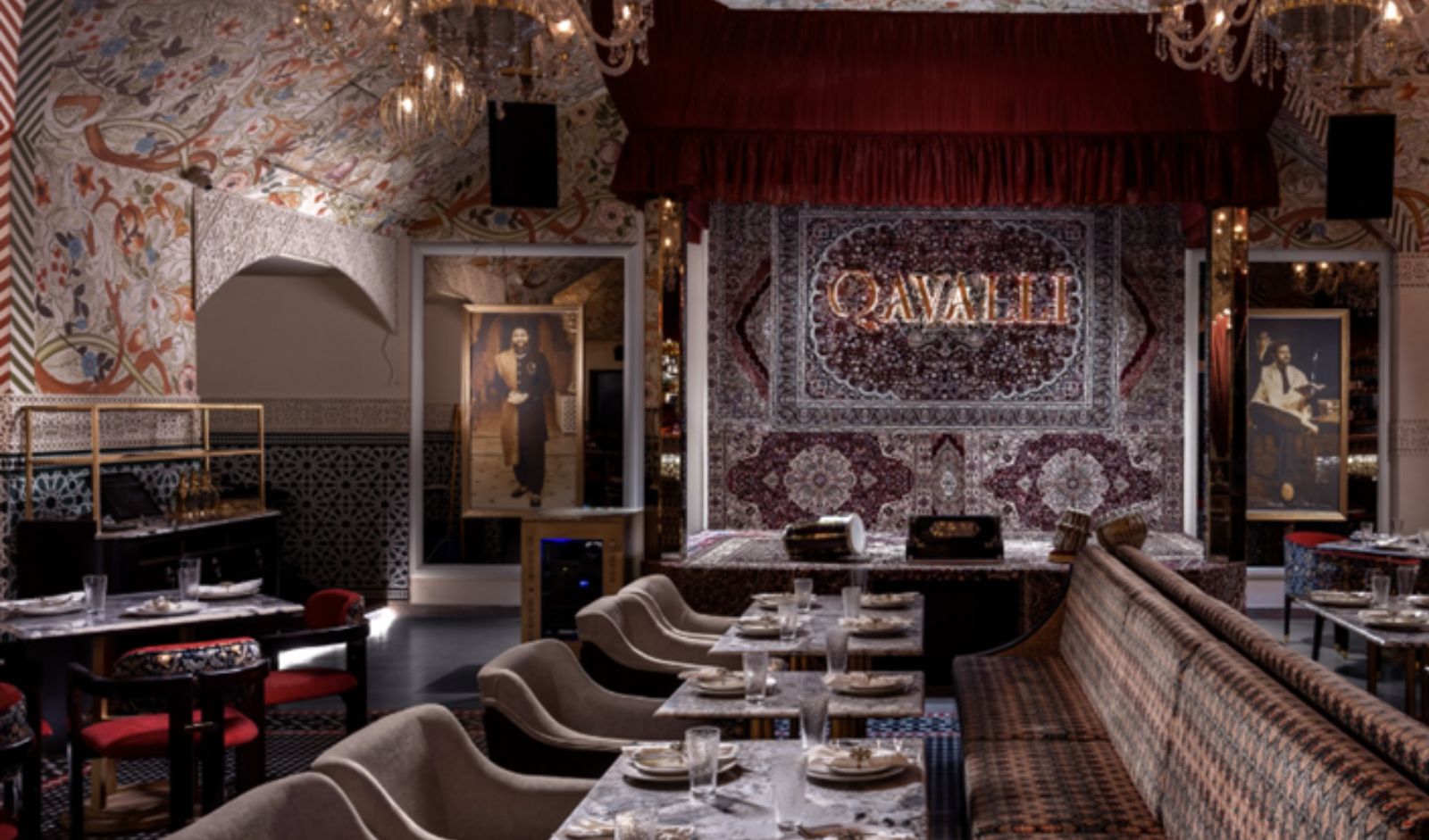
Qavalli celebrates the traditions of Indian hospitality through North Indian and Mughlai cuisine, featuring kebabs, slow-cooked curries, and biryanis. Its interiors draw inspiration from the traditional mehfil, while its signature Qavalli Nights feature live Qawwali performances that bring music and dining together. The combination of regional specialties and cultural entertainment makes it an option for those looking to turn a festive dinner into an evening experience. Location: Multiple locations; check the restaurant's official channels for outlet details.
2. Dodicci
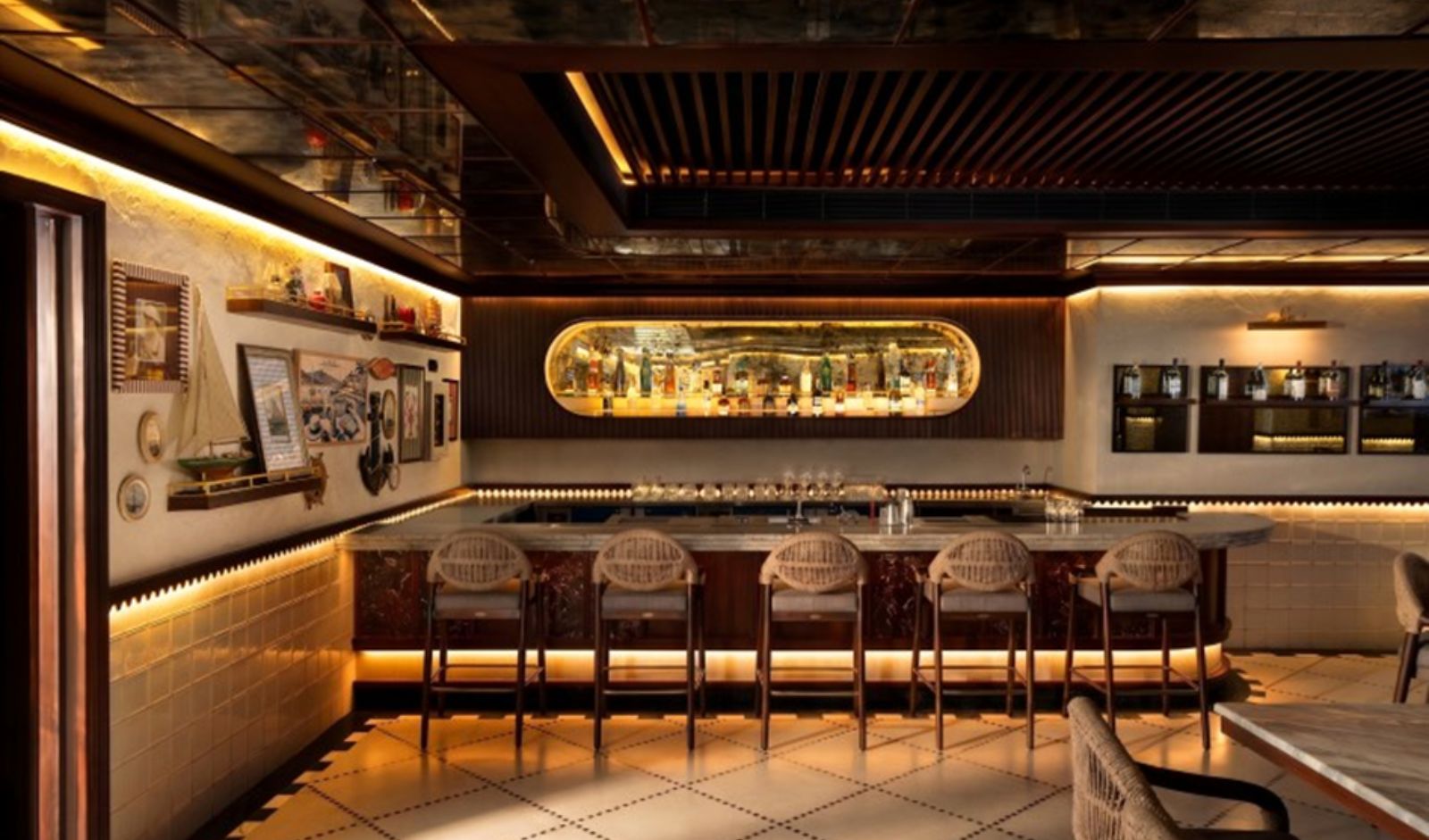
At Dodicci, La Casa Europa brings European culinary influences to a contemporary dining setting, with Italian cuisine at the center of the experience. The menu features handmade pastas, pizzas, European-inspired plates, and indulgent desserts, complemented by a curated cocktail program. Its refined setting lends itself to special-occasion dining and leisurely meals for those looking to explore European flavors during the festive season. Location: The Ashoka Hotel, Chanakyapuri, New Delhi.
3. China Club
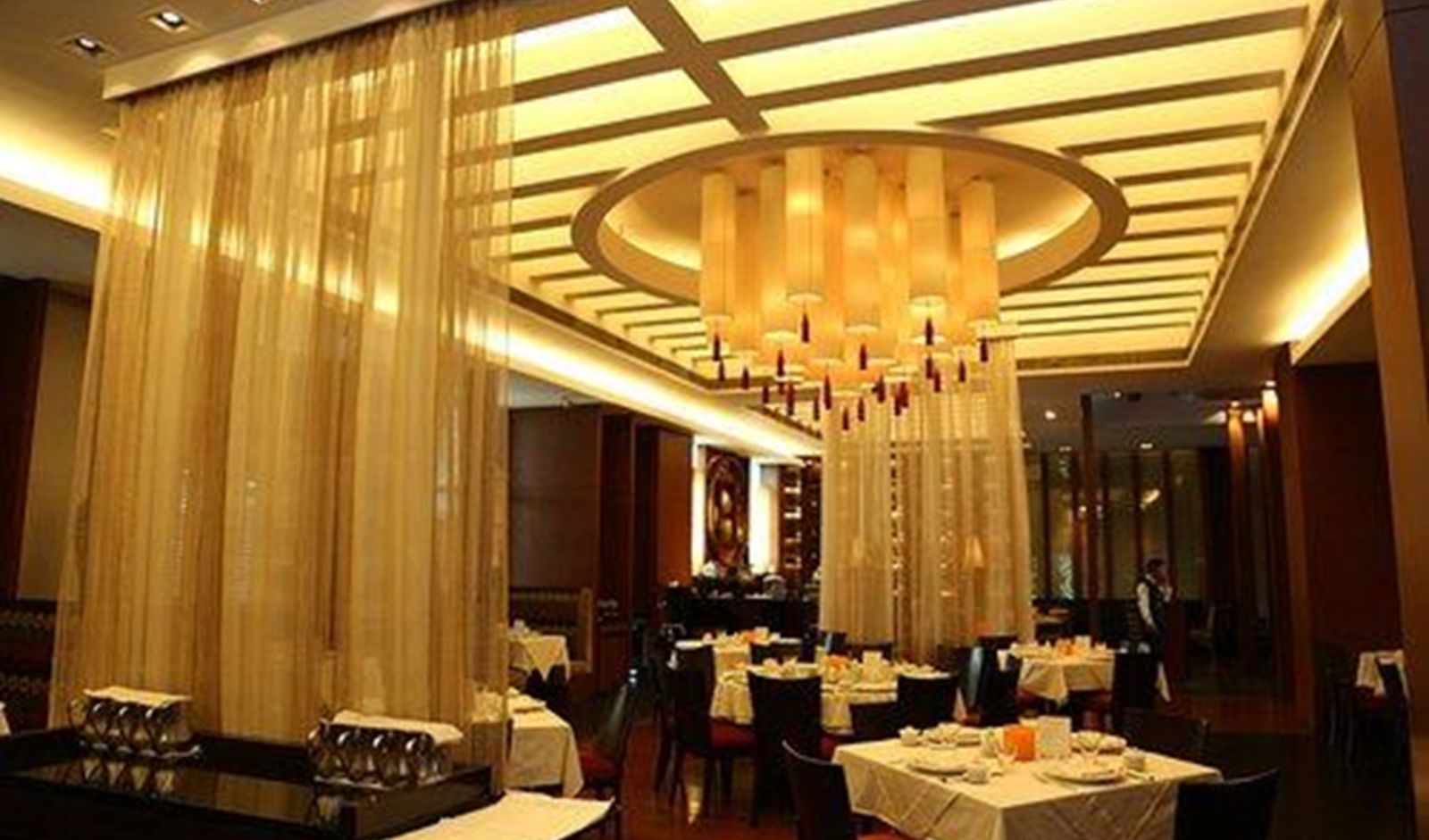
China Club focuses on regional Chinese cuisine, particularly the bold, layered flavors associated with Sichuan cooking. Traditional techniques, aromatic ingredients, and nuanced spices shape its menu, offering an alternative to familiar Chinese favorites. An elegant setting and curated cocktail program complement the culinary experience, making it worth considering for diners interested in exploring regional Chinese dishes over a festive meal. Location: Global Business Park, Gurugram, Haryana.
4. Mido House
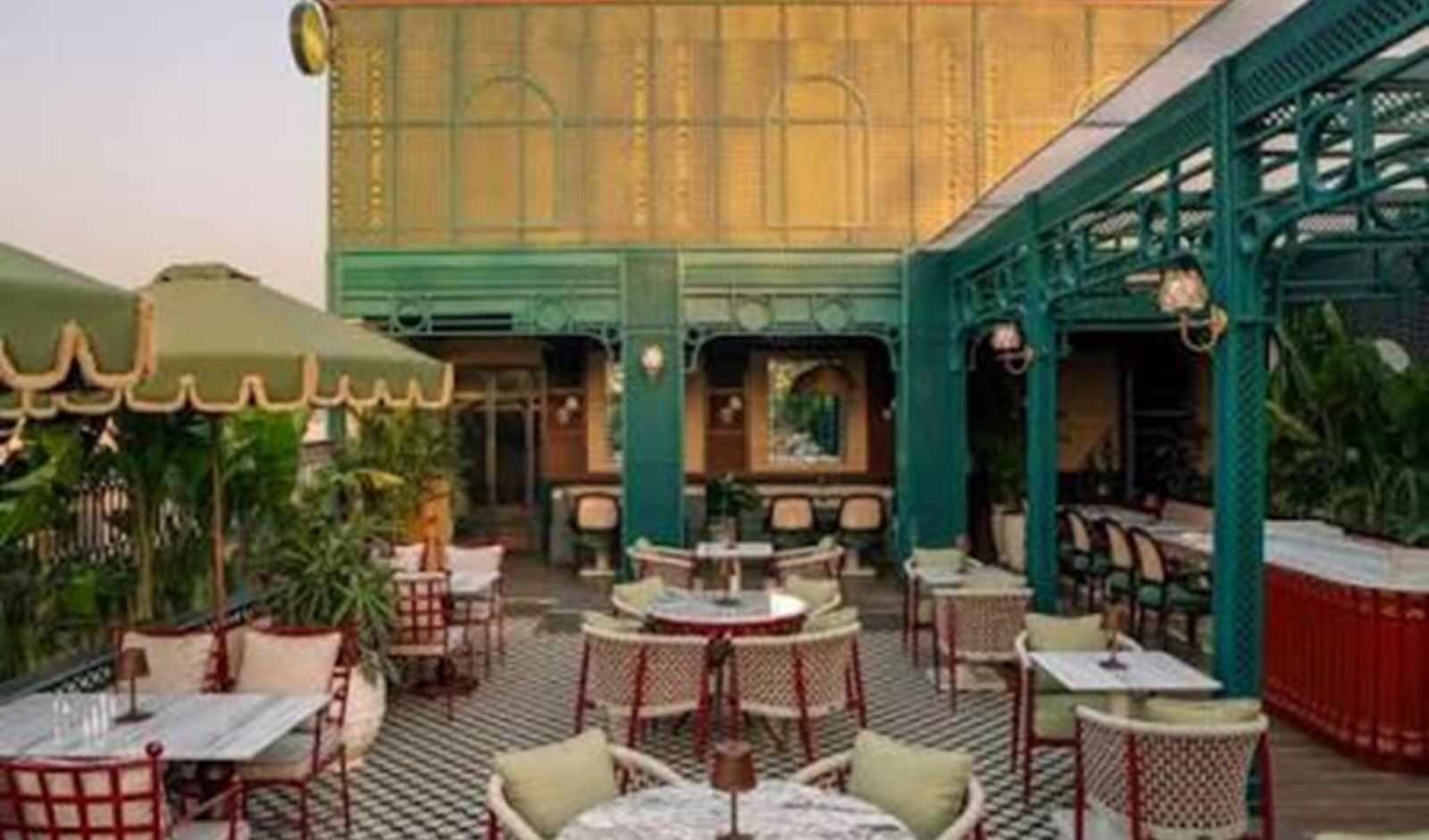
Mido House brings European and Asian influences together through a menu of globally inspired plates and comforting favorites. Stylish interiors, music, and an eclectic cocktail program give the restaurant a contemporary, social atmosphere that suits evening outings. It is an option for diners who want to combine a varied menu with a lively setting for a festive get-together. Location: Greater Kailash, New Delhi.
5. Chica
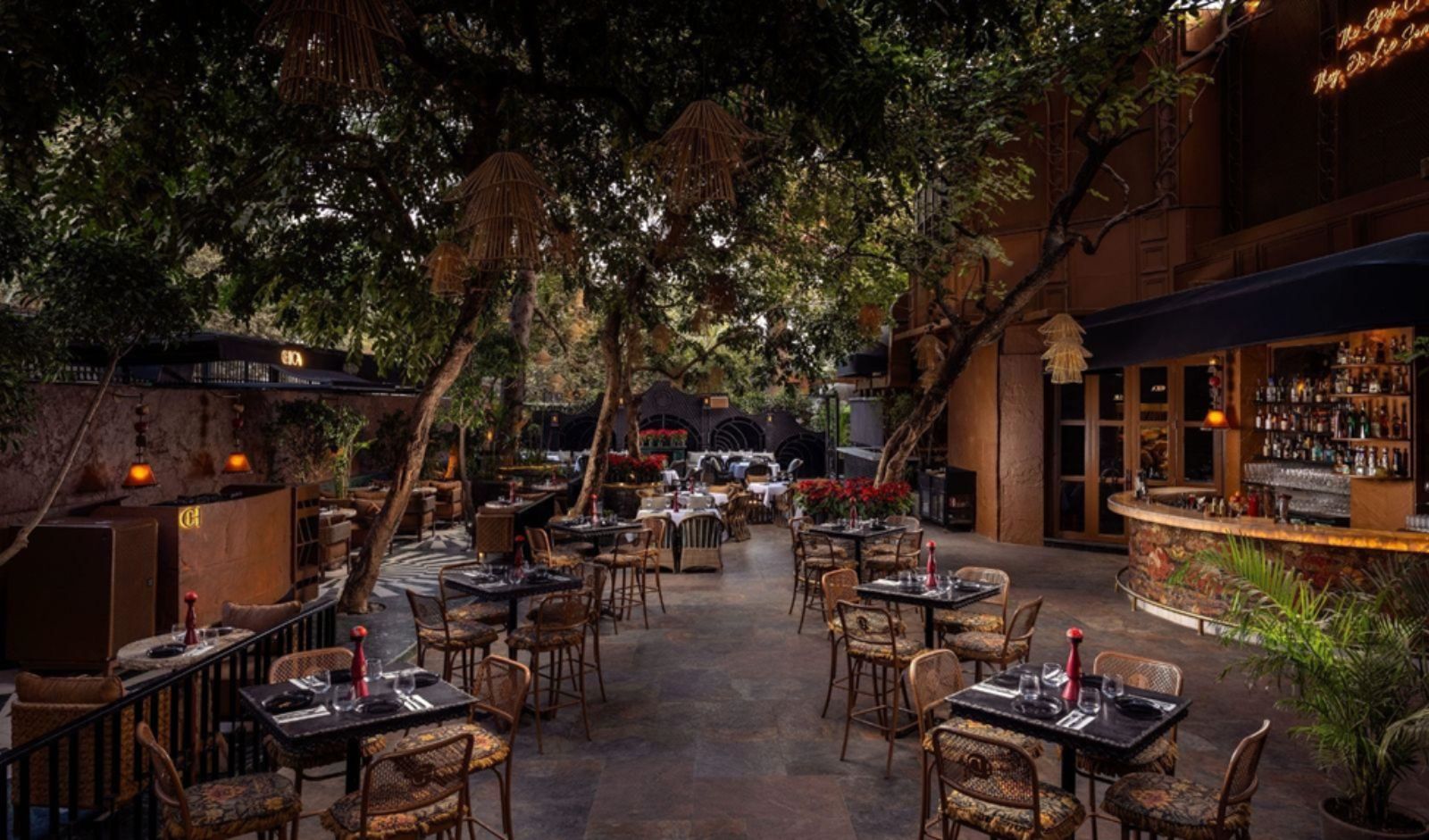
With a menu spanning pizzas, pastas, sushi, and pan-Asian dishes, Chica offers a mix of European and Asian flavors in a lush, elegant setting. Its broad menu gives groups the flexibility to explore different cuisines, while cocktails and music contribute to its evening atmosphere. The restaurant is worth considering for festive dinners and occasions that call for a combination of diverse dishes and a contemporary dining environment. Location: One Golden Mile, Block A, Bhikaji Cama Place, New Delhi.
6. Café De Flora
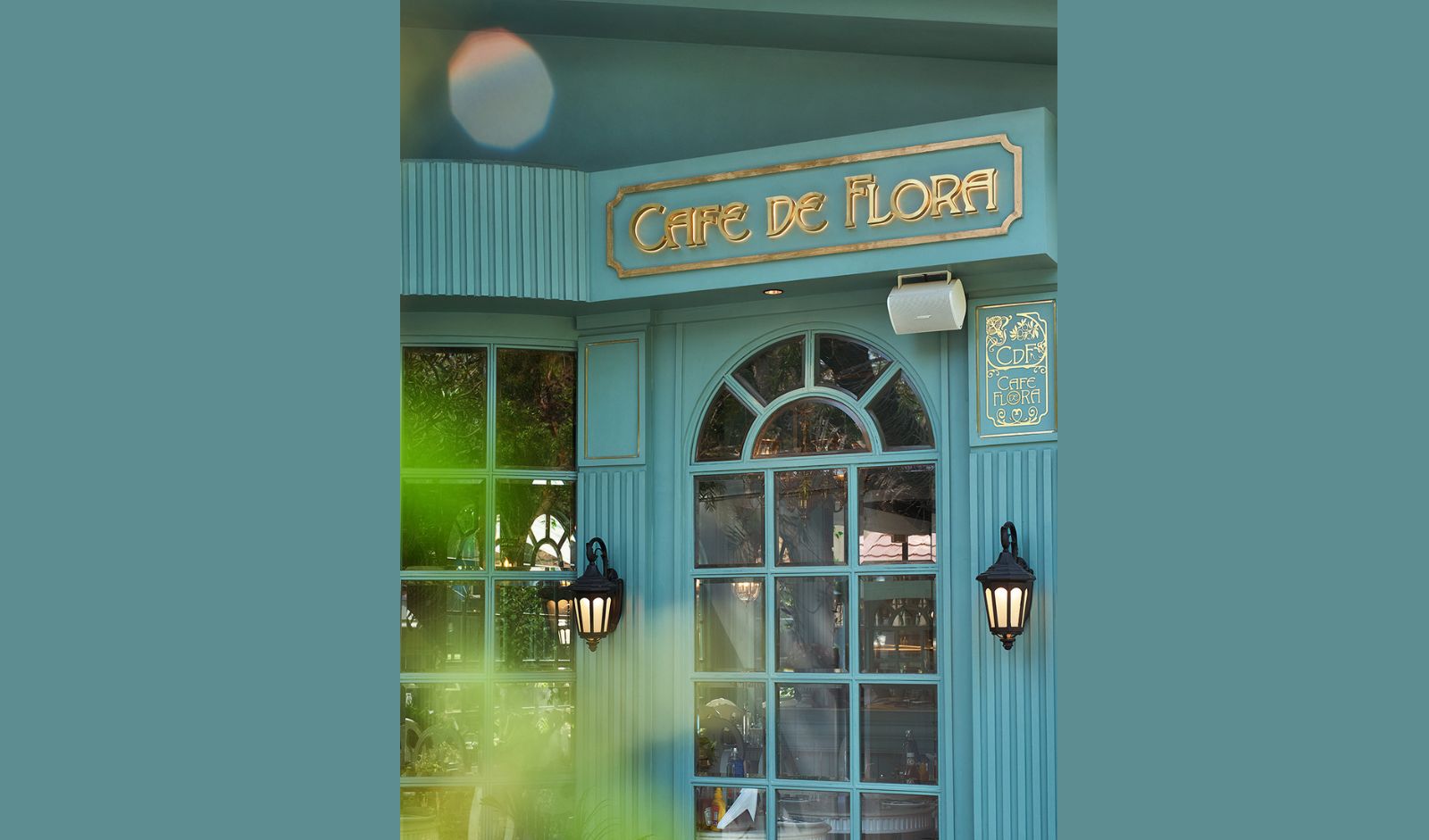
Café De Flora brings a Parisian-inspired aesthetic to its café experience, with floral interiors that create a distinctive backdrop for brunches and leisurely meals. The setting is suited to coffee catch-ups, family outings, and relaxed festive celebrations. Open from 9 AM to 11 PM, it accommodates visits throughout the day. Location: Shop 24 and 25, West Flank, Santushti Shopping Complex, Chanakyapuri, New Delhi.
7. NOD
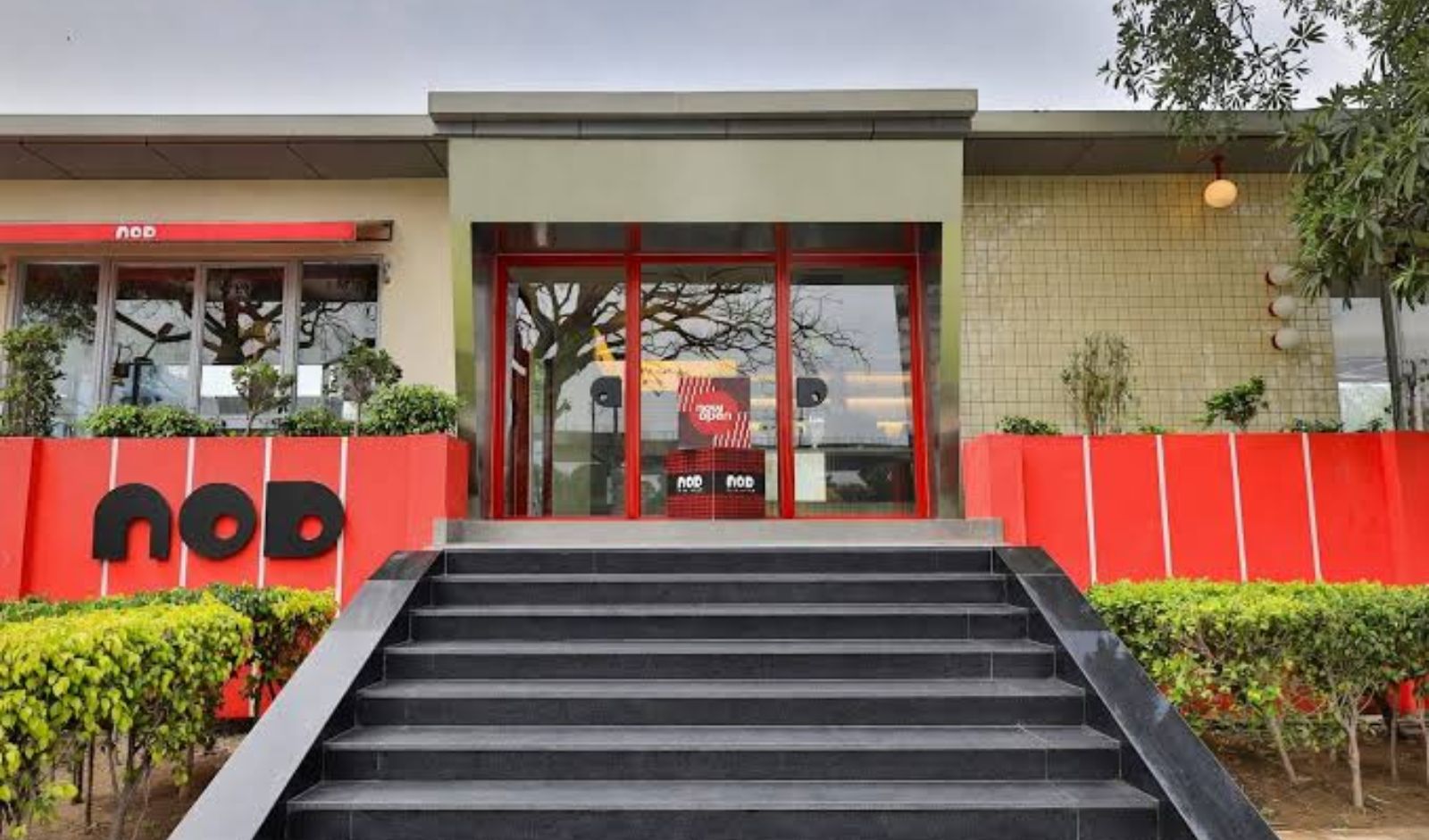
NOD offers an all-day dining menu built around global flavors and modern comfort food, supported by spacious seating. Its extended hours, from 7 AM to 11 PM, make it suitable for everything from breakfast outings to evening meals. For groups with varied food preferences or schedules, the restaurant provides a flexible option for festive gatherings. Location: Club Road, Punjabi Bagh, New Delhi.
8. Colosseum
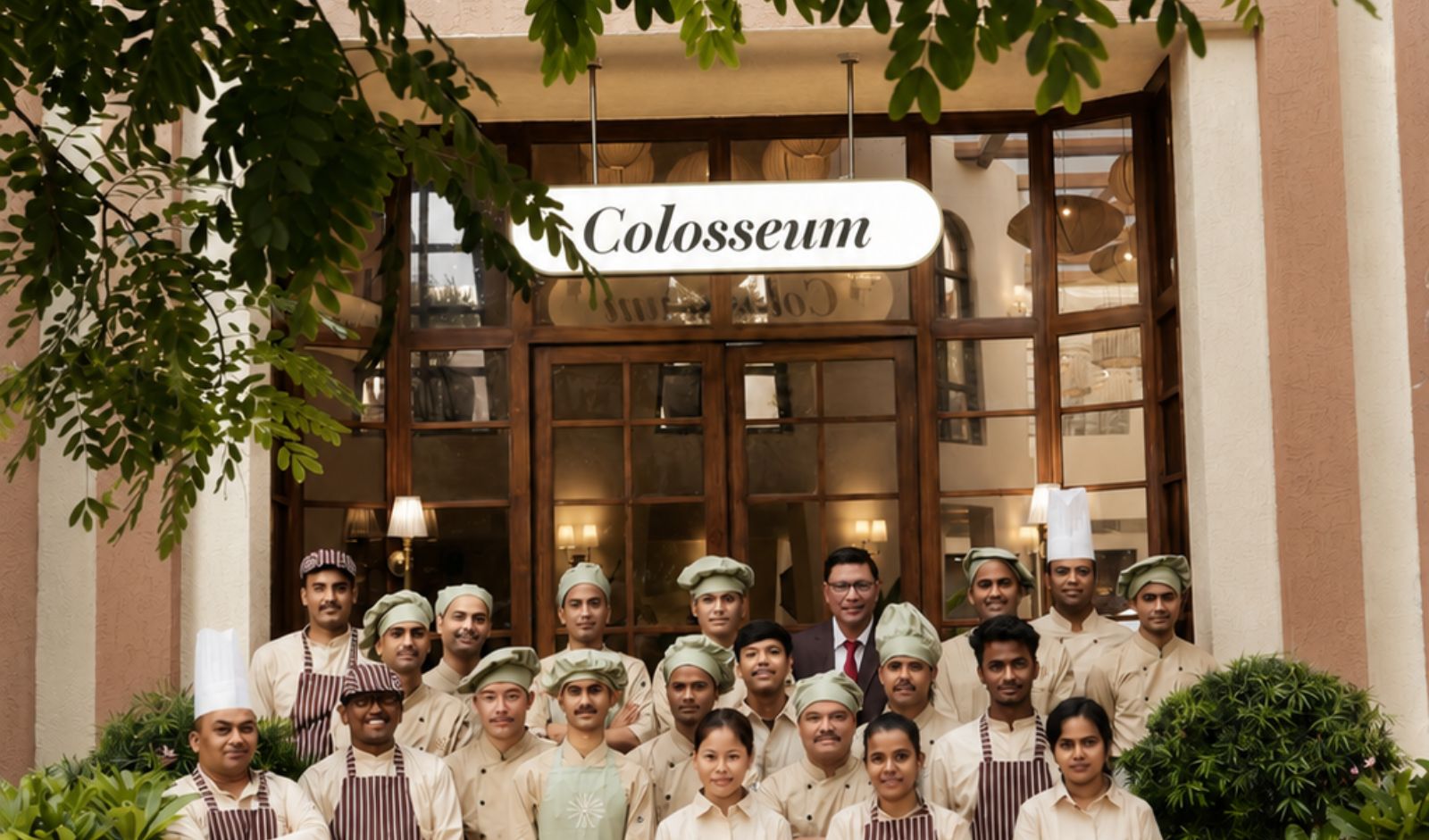
Colosseum is an option for diners planning a meal or group gathering in Noida during the festive season. Located in Sector 117, it offers a destination for lunch outings and dinner plans with family and friends. The restaurant operates from 12 PM to 11 PM, making it suitable for daytime visits as well as evening meals. Location: Sector 117, Noida, Uttar Pradesh.
9. ORO
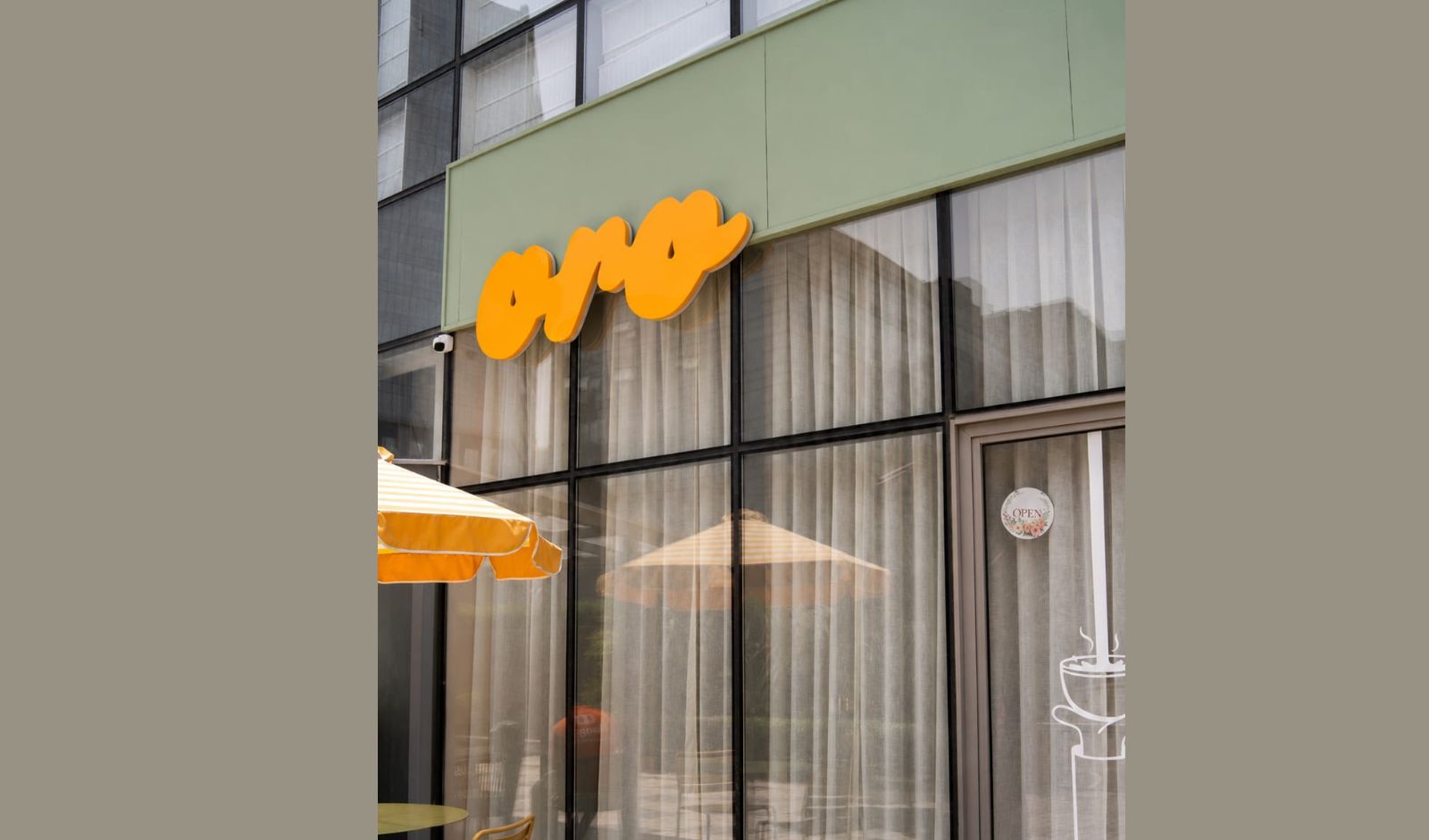
ORO combines contemporary café culture with a neighbourhood coffee and dining experience. Its relaxed setting is suited to informal meetings, coffee breaks, and casual meals for those who prefer quieter festive outings. Open from 9 AM to 8 PM, it is particularly convenient for morning visits and daytime catch-ups. Location: Sector 58, Gurugram, Haryana.
10. Idlinama
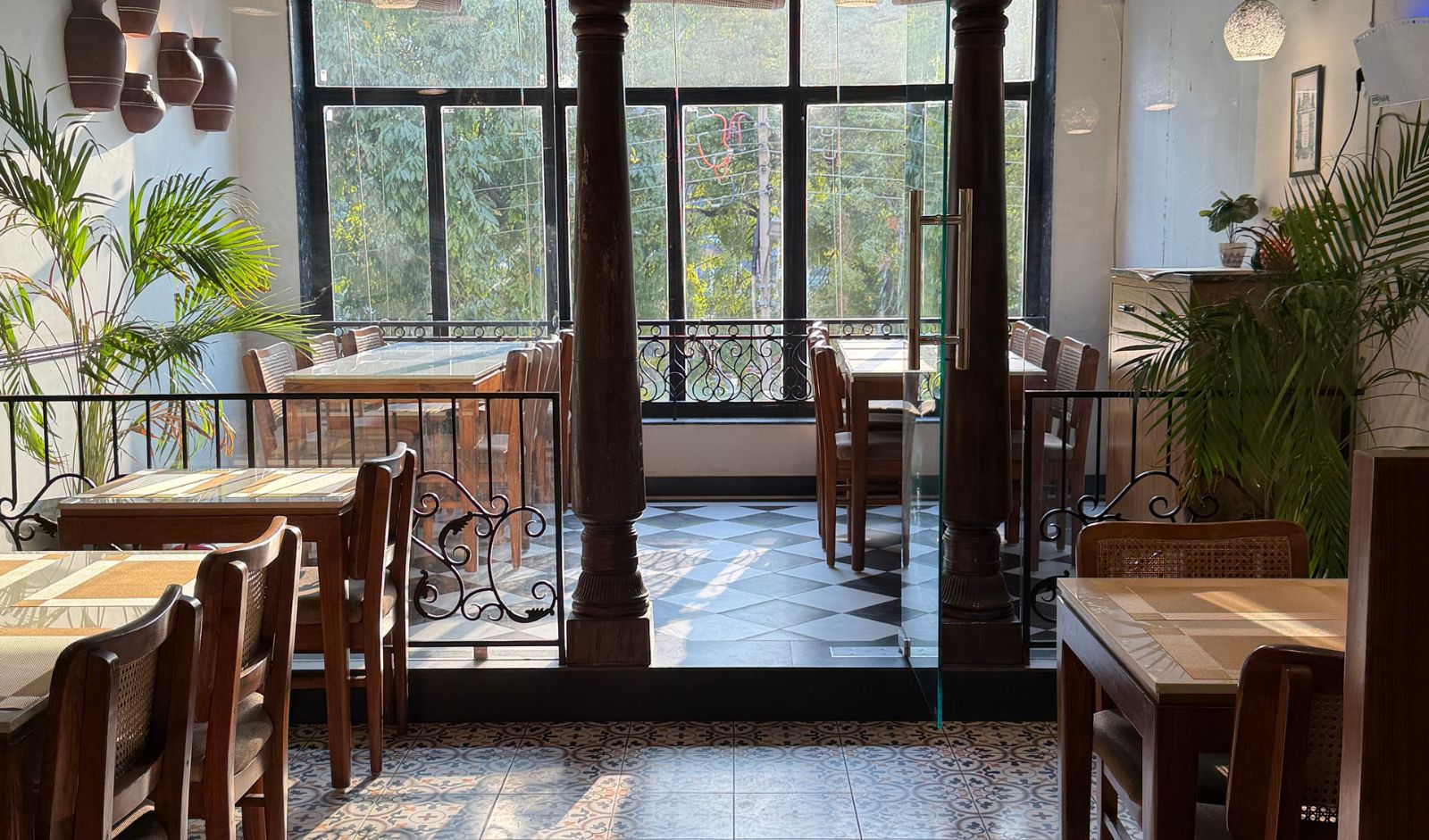
Idlinama brings Tamil Nadu-inspired cuisine to the festive dining scene with a special menu featuring dishes prepared without onion and garlic. The offering caters to diners who follow traditional dietary preferences during Navratri and want to explore regional South Indian flavors. Located in the M Block Market, the restaurant is open daily from 9 AM to 11 PM. Diners observing specific fasting rules should confirm ingredients and preparation methods before ordering. Location: M-50, First Floor, M Block Market, Greater Kailash II, New Delhi – 110048.
Conclusion
From the cultural dining experience at Qavalli to the European-inspired menu at Dodicci and the Navratri specials at Idlinama, these restaurants offer varied ways to enjoy the festive season. Whether the plan involves exploring international cuisines, enjoying a leisurely brunch, or finding dishes suited to traditional dietary preferences, diners can choose a destination that fits the occasion. Checking current menus, operating hours, and reservation availability before visiting can help ensure a smooth dining experience.
FAQs
1. What are some dining destinations to visit during the festive season?
Qavalli, Dodicci, China Club, Mido House, Chica, and Café De Flora offer distinct dining experiences, ranging from Indian and Mughlai cuisine to European and Asian specialties.
2. Which restaurant offers a special menu for Navratri?
Idlinama has introduced a festive menu featuring dishes prepared without onion and garlic. Diners should confirm individual ingredients and preparation methods to ensure they meet their dietary requirements.
3. Where can diners explore international cuisines during the festive season?
Dodicci features Italian and European-inspired dishes, China Club focuses on regional Chinese cuisine, and Chica offers a mix of European and Asian flavors.
4. Which restaurants are suitable for a festive brunch or casual outing?
Café De Flora is an option for leisurely brunches, while NOD and ORO cater to casual meals and daytime gatherings.
5. What should diners check before visiting during Navratri?
Check current opening hours, menus, prices, and reservation availability. If observing dietary restrictions, confirm that the restaurant can accommodate your specific requirements.
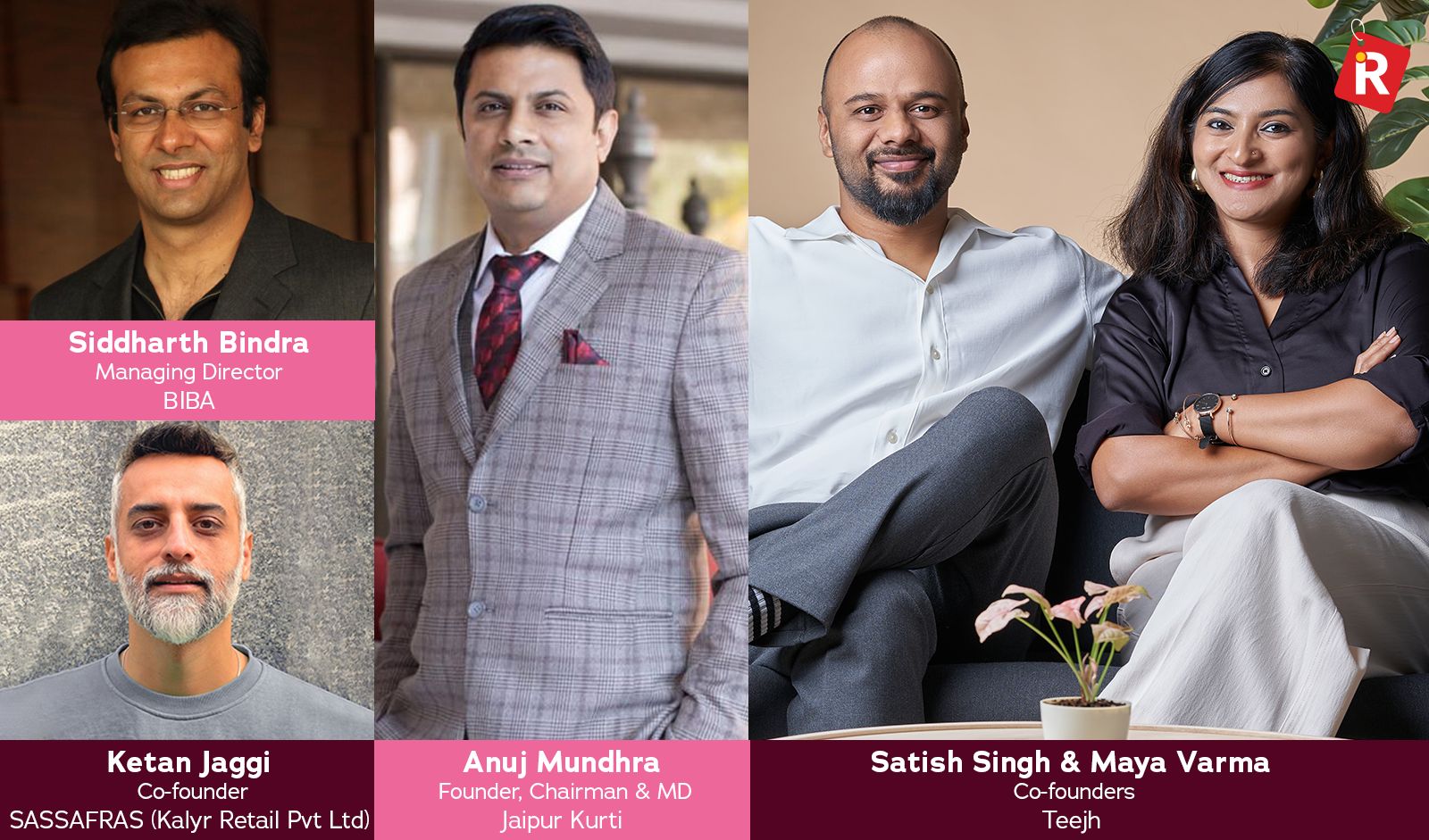
With Diwali round the corner, ethnicwear brands are preparing for the festive rush with a mix of contemporary designs, affordable options and convenient online shopping.
From fusion wear and coordinated sets to metallic sarees and statement jewellery, brands are broadening their collections to cater to different tastes, occasions and budgets.
SASSAFRAS expects festive sales to increase by 25 percent, while Teejh expects sales to rise by 10–15 percent. BIBA is looking at double-digit growth; Jaipur Kurti expects 30-35 per cent growth. These estimates suggest a healthy festive opportunity with shoppers looking for more style-driven outfits to wear beyond Diwali and other celebrations.
Also read: How GRM Foods Is Growing 921 Basmati Rice Globally
Value Takes Centre Stage
Festive shoppers are considering options across the price spectrum, but affordability and versatility remain top considerations. Brands are responding with collections that combine festive appeal with everyday wearability, giving consumers more value for their money.
Ketan Jaggi, Co-founder of SASSAFRAS (Kalyr Retail Pvt Ltd), said, “We expect strongest demand in the Rs 1,500–Rs 2,000 range, where customers can access fashionable festive styles without compromising value.” He added, “Consumers remain price-conscious, but are willing to trade up for elevated fabrics, detailing and versatile designs for multiple occasions.”
Teejh is targeting consumers through affordable jewelry and sarees. Maya Varma, Co-founder and Chief Brand and Product Officer, stated, “Value-led festive shopping is expected to remain strong, with consumers looking for accessible pieces that offer a festive update without being overly occasion-specific.” She expects strong demand for “jewellery in the Rs 300–800 range” and sarees priced between Rs 1,500 and Rs 1,800.
Siddharth Bindra, Managing Director, BIBA, said, “We are seeing demand across price points.” He added that the brand's “Rs 2,599 range of two- and three-piece sets has received a strong response for the value it offers,” while premium occasion wear also attracts shoppers.
Jaipur Kurti is following a similar approach. Anuj Mundhra, Founder, Chairman and Managing Director of Nandani Creation Limited, noted, “We expect the strongest demand in the Rs 1,500–Rs 4,000 price range, where customers seek a balance of style, quality and value.” He noted that festive occasions encourage “selective trading up for better fabrics, designs and occasion-ready collections.”
Also read: BMW Group India’s Hardeep Singh Brar on Luxury Car Retail Trends
Contemporary Styles Redefine Festive Dressing
Traditional ethnicwear remains central to Diwali wardrobes, but contemporary silhouettes and versatile designs are influencing purchasing decisions. Coordinated sets, fusion outfits, embellished dresses, and modern sarees are expanding the choices available to consumers.
SASSAFRAS expects “festive fusion wear, contemporary ethnic sets, embellished dresses and statement separates” to perform strongly. Jaggi also highlighted the appeal of “modern silhouettes that blend traditional detailing with contemporary styling,” alongside rich jewel tones, reds, pinks, greens, and metallic accents.
For Teejh, sarees remain a key festive category. Varma said, “Sarees are expected to remain a key festive choice, with consumers increasingly gravitating towards contemporary interpretations of traditional dressing.” She also expects “bold colours, metallic hues like Gold, Pista, Teal and tissue fabrics” to be particularly relevant this season.
BIBA is witnessing continued demand for coordinated and fusion styles. Bindra said, “There seems to be a continued demand for coord sets and fusion looks.” He added, “With festivities around the corner, we are also finding women buying traditional suit sets in festive colours.” The brand is also seeing increased interest in kidswear and unstitched suit sets.
Jaipur Kurti expects kurta sets, sarees, and festive ethnicwear to attract shoppers. Mundhra said, “This Diwali, we expect strong demand for kurta sets, sarees and festive ethnic wear.” He added, “Customers are looking for comfortable, stylish outfits with simple detailing that can be worn beyond the festive season.”
Also read: Bharath Rao on Indian Interior Materials Market Growth
 Digital Channels and Inventory Drive Competition
As festive shopping spreads across online and offline channels, brands are focusing on inventory availability, regional demand patterns, and product discovery. Digital platforms are becoming particularly important for reaching consumers beyond major metropolitan markets.
Jaggi says SASSAFRAS is “strengthening our festive assortment, inventory planning, digital merchandising and performance marketing to capture demand across channels.” He added, “Online will remain a key growth driver, supported by marketplaces and our D2C platform,” with demand expected from metropolitan areas and emerging Tier II and Tier III markets.
Teejh is prioritizing digital availability and product discovery. Varma said, “For Diwali, Teejh is strengthening its inventory across festive sarees and jewellery, with a focus on ensuring availability across its key price points.” She added, “The brand is also building a more occasion-led digital shopping experience, bringing together sarees, jewellery and festive styling options.” Teejh expects all its Diwali sales to come through online channels.
BIBA is adapting its inventory to regional festive calendars. Bindra said, “We are well stocked across stores and digital channels, with inventory planned around regional festive calendars.” He explained that “Demand peaks vary by market, so allocations are managed accordingly,” with eastern India's festive activity around Durga Puja preceding the broader Navratri and Diwali shopping period.
Jaipur Kurti is strengthening availability through its retail network and online channels. Mundhra said, “We are strengthening inventory across stores and online channels, with a focus on festive collections and fast-moving styles.” He added that the brand is “improving product availability, replenishment on time through our own manufacturing setup and visibility across marketplaces.”
Also read: From Craft to Commerce: How Indian Fashion Brands Are Building the Next Premium Retail Market
Collections Become More Occasion-Focused
Beyond product design, brands are refining their festive strategies through curated collections, expanded assortments, and targeted offers. The aim is to serve shoppers looking for everything from everyday festive updates to wedding and celebration wear.
SASSAFRAS is broadening its mix of Western, fusion, and ethnic styles. Jaggi said, “This year, our focus is on a broader mix of fusion, Western, and ethnic festive styles, with stronger digital storytelling and curated occasion-led collections.” He added that the brand is “combining newness, accessible pricing and targeted festive offers” to address different consumer preferences.
Teejh is expanding its festive range through the Tatva Collection. Varma said, “This Diwali, Teejh is expanding its festive edit with the Tatva Collection, featuring metallic-hued tissue sarees and Statement Oxidised Silver Jewellery.” She explained that the collection emphasizes “Indian craftsmanship-inspired aesthetics with a modern, versatile approach.”
BIBA has expanded its assortment across occasions and price points. Bindra said, “This year, the biggest shift is greater width across price and occasion.” He added, “We have introduced Rs 2,599 two and three-piece sets, strengthened our fusion offering, and added new propositions such as BIBA NXT and the Wedding Edit.”
Mundhra said, “This Diwali, Jaipur Kurti is focusing on a wider festive collection featuring stylish kurta sets, suit sets and versatile ethnic wear.” He added that, compared with last year, “the focus is on a broader assortment, more contemporary designs and a stronger omnichannel festive experience.”
Also read: From Illumination to Expression: How Luxury Lighting Is Reshaping Indian Spaces
Competing for the Festive Wallet
The festive season presents an opportunity for ethnicwear brands to grow sales, but meeting consumer expectations requires more than seasonal launches. Pricing, design versatility, product availability, and convenient shopping are all shaping the competition.
The strategies outlined by SASSAFRAS, Teejh, BIBA, and Jaipur Kurti point to a market serving multiple needs: affordable festive updates, traditional clothing with contemporary styling, and premium outfits for special occasions. As brands compete for a larger share of festive spending, their ability to combine style with value and accessibility will remain central to their growth ambitions.
Also read: India’s Baby-Care Market Moves Beyond Basics

India’s at-home services market is evolving as consumers increasingly seek professional beauty treatments, grooming, appliance repairs, and household support without leaving their homes. Digital platforms are bringing these services online, creating opportunities for organized players in a largely unorganized industry.
Changing lifestyles and rising expectations around convenience are driving adoption. However, sustained growth will depend on more than making services accessible. Platforms must ensure consistent quality, transparent pricing, and reliable service delivery to encourage repeat bookings.
For beauty and grooming platforms, the shift is creating demand for a wider range of services at home. Yes Madam, for instance, is seeing growing interest in specialized treatments, including Hydra Derma Facials, Laser Hair Reduction, and spa services. The company’s operating revenue increased from Rs 94 crore in FY25 to Rs 195 crore in FY26.
“Customers are no longer booking at-home services only for everyday grooming. They are also exploring premium skincare, spa services and advanced treatments that were traditionally only available at salons or skin clinics,” shared Aditya Arya, Co-founder and CEO, Yes Madam.
Similarly, Billu Salon also observes convenience and affordability driving demand for home-based grooming.
"Consumers are increasingly looking to save time while maintaining expectations around service quality," expressed Nilesh Kothari, Founder, Billu Salon.
While beauty and grooming platforms are expanding their reach, appliance service providers are addressing a different set of consumer concerns, including repair costs, technician reliability, and after-sales support. Saurabh Luthra, Co-founder and CEO of Eazzy, said changing expectations around service availability are creating opportunities across the broader home-services market.
“Quick commerce taught urban India to expect a stranger at the door within the hour, and that expectation transferred to household work,” Luthra added.
Beauty and Grooming Move Beyond Traditional Salon Visits
For consumers, at-home beauty services offer flexibility while eliminating travel and waiting times. The model is particularly relevant for working professionals and households seeking convenient access to grooming and wellness services.
Kothari said time savings and affordability are central to the growing preference for home-based grooming.
“The clients are looking for good quality of service at a reasonable price. They are willing to pay some additional amount of money for the sake of convenience, but they have high expectations of the service.”
At Yes Madam, consumer interest is also extending beyond routine grooming to specialized treatments and premium experiences. The company is broadening its portfolio to cater to customers who want salon-style services without visiting a physical location.
The two businesses, however, follow different approaches to service delivery. Yes Madam has a network of more than 10,000 service professionals, according to Arya. Its onboarding process includes profile screening, skill assessments, and training in hygiene, product usage, and customer experience.
“For us, building a strong service partner network has always been as important as growing the customer base. After all, when a customer books a service at home, it is the professional who ultimately delivers that experience,” Arya said.
Billu Salon follows a directly managed model, with professionals employed on its payroll and undergoing regular training and performance assessments. Kothari said this helps the company identify areas where individual stylists need improvement.
“Quality is our top concern. We have our own employees who are on our payroll, and we train them regularly."
For both businesses, maintaining service quality is essential to building customer confidence and encouraging repeat bookings. While the range of treatments and operating models may differ, the ability to deliver a dependable experience at home remains central to their growth.
Appliance Repairs Bring New Opportunities to the At-Home Services Market
Beyond beauty and grooming, digital platforms are extending the at-home services model to appliance repairs and maintenance. Here, customer expectations center on transparent pricing, reliable diagnosis, genuine spare parts, and support if a repair does not resolve the problem. One of the biggest barriers to booking repairs is uncertainty around costs. Luthra believes upfront pricing can help reduce friction and make the process more transparent.
“The biggest friction in repair is not knowing the cost until the machine is already open. An upfront quote removes a negotiation most people dread.”
Eazzy also provides a 30-day post-completion support window, according to Luthra, alongside its focus on warranties and service accountability.
Unlike beauty services, which often depend on repeat appointments and expanding treatment portfolios, appliance care can also create opportunities around product replacement and resale. Eazzy is developing this additional revenue stream through recommerce, which involves buying back unwanted devices, refurbishing them, and reselling them.
Luthra said recommerce revenue overtook service revenue in July and accounted for close to 80% of the company's revenue in August.
“The interesting shift is that recommerce overtook service revenue from July onward, and accounted for close to 80% of revenue in August. That wasn't a pivot. It's the natural consequence of being inside the home at the exact moment a customer decides a device isn't worth fixing.”
This model allows the company to build additional business around the point at which customers decide whether to repair, replace, or sell an appliance.
Technology and Service Networks Support Growth
Across beauty, grooming, and appliance care, technology is increasingly being used to manage more than discovery and bookings. Demand forecasting, professional allocation, customer support, and post-service assistance are becoming important parts of the operating model.
Arya said Yes Madam has evolved from manually recording appointments in its early days to offering app-based service discovery, pricing, and bookings. The company also uses demand forecasting to plan product supplies and identify locations that require additional professionals. It is developing an AI-powered chatbot to handle customer queries.
Billu Salon also sees technology as a way to simplify bookings and payments, although Kothari believes digital access must be supported by reliable execution.
“Good service still depends on trained people and proper execution.”
At Eazzy, technology supports upfront pricing, appointment scheduling, technician tracking, and customer assistance through its app and WhatsApp. Luthra said operational efficiency depends on coordinating the right professional, parts, and service location for each job.
“Fulfilment is where most of the hard engineering sits: routing the right skill to the right job, parts availability, and knowing when a job needs a workshop instead of a home visit.”
The operating requirements vary by category, but all three businesses need systems that can match customer demand with the right professionals while maintaining consistent service standards.
Expansion Beyond Major Cities
As awareness of organized at-home services grows, companies are exploring opportunities beyond major metropolitan areas. However, expansion requires more than making an app available in a new market. Businesses must establish local professional networks, build sufficient demand, and maintain service quality across locations.
Yes Madam already serves customers in Tier II and Tier III cities, according to Arya, where consumers are gradually shifting from traditional salons to at-home beauty services. The company is also strengthening its presence in markets including Delhi-NCR, Bengaluru, Mumbai, Hyderabad, Pune, Kolkata, and Ahmedabad.
Billu Salon plans to expand beyond Delhi-NCR into markets including Mumbai, Bengaluru, Chennai, Hyderabad, Pune, Ahmedabad, Surat, and Raipur. Kothari said the company intends to strengthen its existing business and move closer to break-even before expanding further.
Eazzy sees opportunities in smaller towns where authorized appliance service networks can be limited. Luthra said partner-led coverage could help address these gaps while expanding access to organized repair services.
The Road Ahead
India’s at-home services market offers significant growth potential, but its next phase will depend on repeat bookings, efficient operations, and customer trust.
Yes Madam is expanding its beauty and wellness portfolio, while Billu Salon is prioritizing service quality and geographic expansion. Eazzy, meanwhile, is connecting appliance maintenance with recommerce opportunities, demonstrating how platforms can build additional revenue streams beyond individual service transactions.
For Luthra, the broader opportunity lies in organizing a fragmented industry.
“Online home services will roughly double by FY30, but will still be a low single-digit share of a ₹5 lakh crore market. So the real contest isn't platform versus platform. It's organised versus unorganised.”
As consumers increasingly turn to digital platforms for services at home, businesses will need to combine convenience with transparent pricing, skilled professionals, and dependable execution. Online discovery may bring customers to a platform, but consistent service quality will determine whether they return.

India’s beauty and personal care market is expanding as consumers spend more on skincare, cosmetics, haircare, and grooming products. According to IMARC Group, the Indian beauty and personal care market was valued at $31.19 billion in 2025 and is projected to reach $48.72 billion by 2034. Rising beauty awareness, digital discovery, and demand for specialised products are creating opportunities for brands to expand their distribution networks.
For direct-to-consumer (D2C) beauty brands, physical retail is emerging as an important growth channel. While e-commerce enables convenient shopping and product discovery, offline stores allow consumers to test makeup shades, assess product textures and seek recommendations. CBRE reported that D2C brands accounted for 18 percent of India's retail leasing activity in the first half of 2025, compared with 8 percent in the same period of 2024. The shift highlights how digital-first businesses are increasingly combining online sales with physical retail to reach more consumers.
Why D2C Beauty Brands Are Expanding Offline
Beauty purchases often involve personal preferences and product evaluation. Physical stores help consumers make informed choices while giving brands opportunities to improve visibility, attract new customers, and encourage repeat purchases. However, expansion also brings challenges such as rental expenses, inventory management, and store-level profitability.
Against this backdrop, five D2C beauty brands are building their presence beyond online platforms.
Top 5 D2C Beauty Brands Expanding Their Offline Presence
1. SUGAR Cosmetics
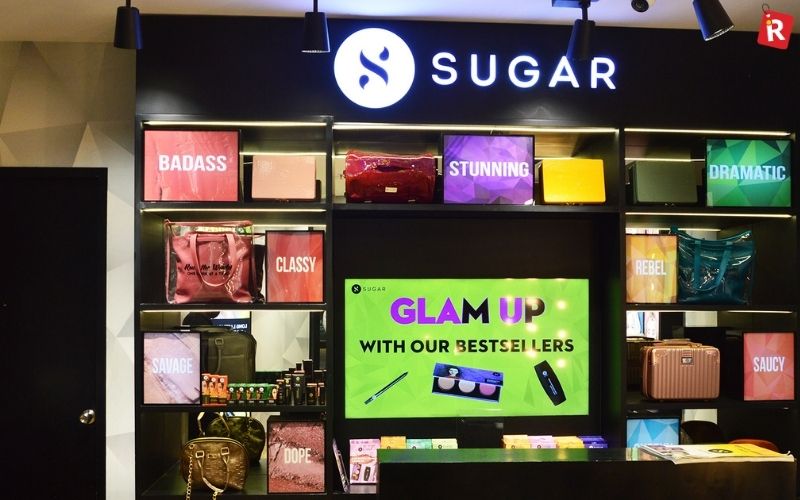
SUGAR Cosmetics has built its identity around makeup products for Indian consumers, including lipsticks, foundations, and eye makeup. After establishing a strong digital presence, the brand expanded through exclusive outlets and retail partnerships. In 2025, the company reported a presence across more than 550 cities and over 50,000 retail touchpoints. Its offline network allows consumers to test shades, compare finishes, and explore products before purchasing.
Physical retail is particularly relevant for colour cosmetics, where shade matching and texture influence buying decisions. For SUGAR, the priority is to make its stores commercially sustainable while maintaining consistent product availability and customer experience across online and offline channels.
2. Plum
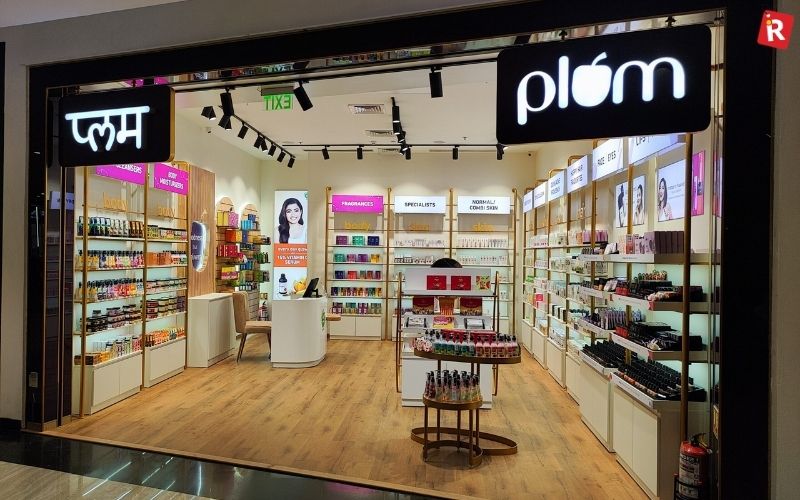
Founded in 2013, Plum focuses on vegan beauty and personal care products across skincare, haircare, body care, and cosmetics. Its digital-first model helped the brand communicate product ingredients and routines, while its offline presence has widened access to its portfolio. Plum products are available through exclusive stores and selected retail outlets, alongside its online channels. Physical retail enables customers to explore cleansers, moisturisers, sunscreens and other products before choosing what suits their needs.
The brand's opportunity lies in combining product education with accessibility. Maintaining consistent information, availability, and service across channels will remain important as it expands its retail footprint.
3. Minimalist
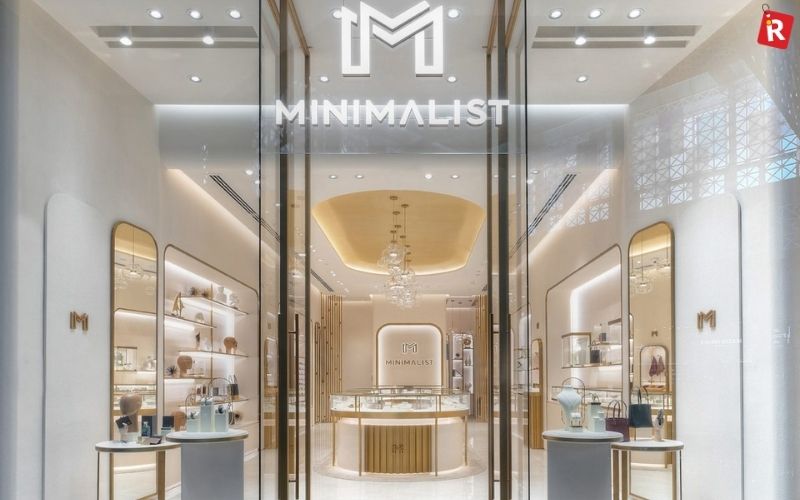
Minimalist built its reputation around ingredient-focused skincare and formulations targeting specific consumer concerns. Its digital-first approach appealed to shoppers seeking greater transparency about skincare ingredients. In 2025, Hindustan Unilever agreed to acquire a 90.5 percent stake in Minimalist for Rs 3,000 crore. The partnership created an opportunity to use HUL's distribution network to expand the brand's reach.
A March 2025 report outlined plans to increase Minimalist's retail presence from approximately 2,000 stores to 20,000 over two years. This was an expansion target, not confirmation that the full network had been established. Wider distribution can improve access to serums, cleansers and moisturisers, particularly among consumers who prefer buying skincare products in physical stores. The challenge will be to retain the brand's ingredient-led positioning while ensuring accurate product information and appropriate consumer guidance.
4. Pilgrim
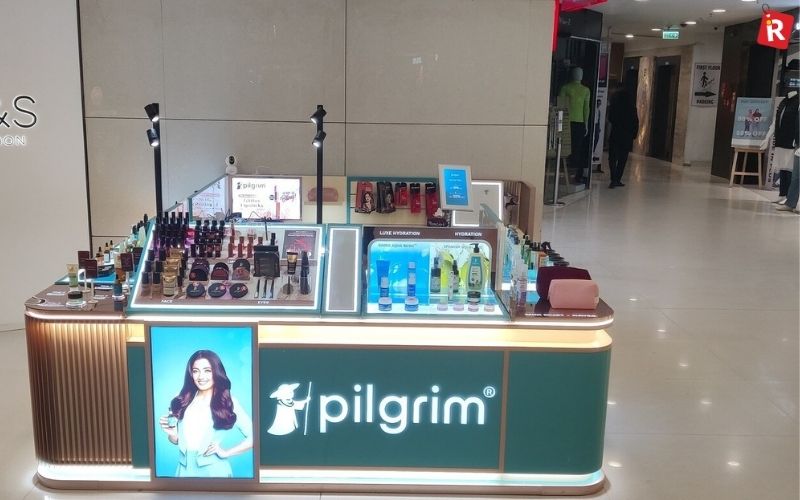
Pilgrim has developed a multi-category beauty and personal care business covering skincare, haircare, makeup and fragrances. Its digital presence has supported product discovery, while offline distribution has created additional opportunities to reach consumers. In March 2025, The Economic Times reported that Pilgrim products were available in more than 10,000 retail stores across India. At the time, the company stated that offline sales contributed approximately 20 percent of its revenue and outlined plans for further expansion.
Its diverse portfolio offers several opportunities for in-store discovery. Customers can explore skincare products, evaluate fragrances, and discover makeup through retail outlets rather than relying solely on online descriptions. Pilgrim's next phase of growth will depend on balancing exclusive outlets with broader retail distribution while maintaining product availability and controlling expansion costs.
5. Mamaearth
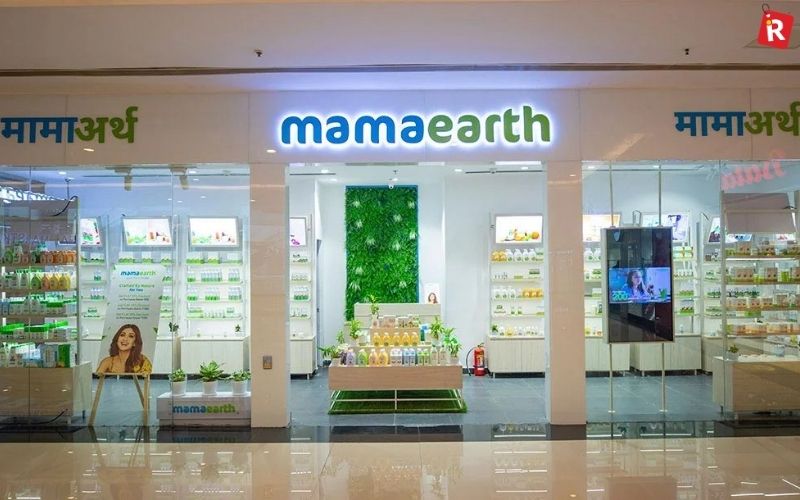
Mamaearth entered the market as a digital-first personal care brand, with products across skincare, haircare, baby care, and everyday grooming. Its move into physical retail reflects the growing importance of offline distribution for online-originated businesses. For a brand offering frequently purchased personal care products, retail availability can support repeat purchases and improve access for consumers who prefer shopping in neighbourhood stores or organised retail outlets.
Physical shelves also offer opportunities to introduce customers to related categories, including face washes, moisturisers and shampoos. However, wider distribution must translate into sustainable sales rather than simply increasing the number of outlets. Inventory management, product placement and consistent availability will remain central to Mamaearth's ability to strengthen its omnichannel business.
The Road Ahead for D2C Beauty Retail in India
The expansion of D2C beauty brands into physical retail reflects a broader shift in India's consumer market. Online platforms remain important for discovery and convenience, while stores offer product trials, immediate purchases, and greater accessibility. For brands, the challenge is to ensure that offline expansion improves customer acquisition and repeat sales without compromising profitability. Businesses that effectively integrate e-commerce, exclusive outlets and retail partnerships will be better positioned to serve India's evolving beauty consumers.
Frequently Asked Questions
1. What is a D2C beauty brand?
A D2C beauty brand sells products directly to consumers through its website, app, or exclusive stores. Many brands also use marketplaces and retail partners to expand their reach.
2. Why are D2C beauty brands opening physical stores?
Physical stores allow consumers to test products, compare shades and textures, receive guidance, and purchase products immediately.
3. Which D2C beauty brands are expanding offline in India?
SUGAR Cosmetics, Plum, Minimalist, Pilgrim, and Mamaearth are examples of digital-first beauty businesses with physical retail or broader offline distribution strategies.
4. Does offline retail replace online sales?
No. Many brands follow an omnichannel model in which websites, marketplaces, exclusive stores, and retail partners complement one another.
5. What challenges do D2C beauty brands face offline?
Key challenges include rental costs, inventory management, distribution expenses, product availability, and maintaining profitability across retail channels.
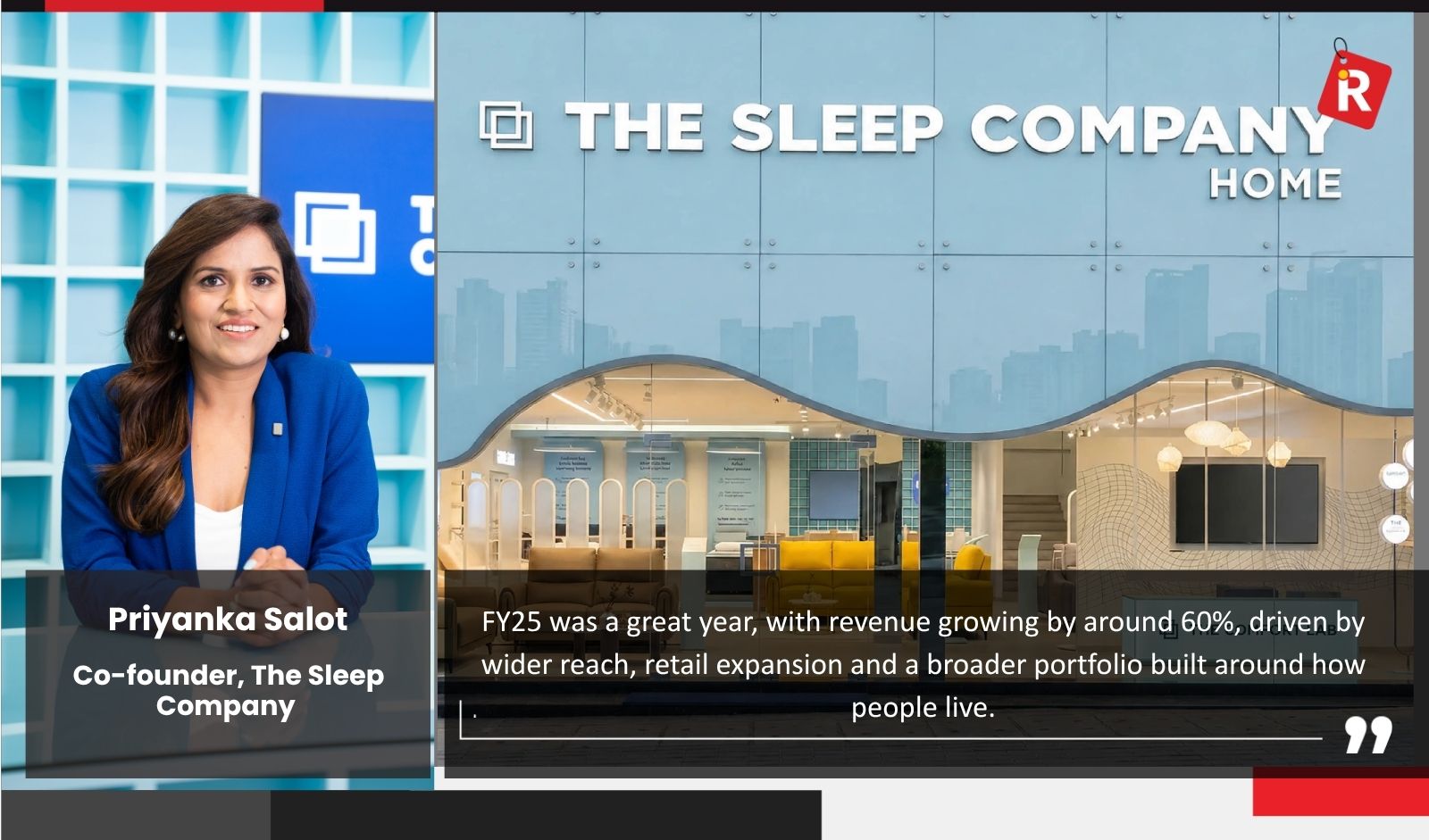
The Sleep Company is sharpening its focus on physical retail as it works towards crossing Rs. 1,000 crore in revenue, with store expansion, category diversification and deeper penetration into smaller cities shaping its next phase of growth.
The company, which reported revenue of approximately Rs. 770 crore and year-on-year growth of around 58% in FY25, currently operates more than 220 stores across over 55 cities. It plans to expand its retail network to 400 stores over the next two to three years, strengthening its reach across established markets and emerging consumption centres.
For The Sleep Company, the expansion reflects a business strategy built around experiential retail. While digital channels help consumers discover products and research their features, physical stores allow them to test mattresses, experience product technology and make more informed purchasing decisions.
“FY25 was a great year, with revenue growing by around 60%, driven by wider reach, retail expansion and a broader portfolio built around how people live. Consumers discover us online but increasingly want to experience comfort in-store before buying,” said Priyanka Salot, Co-founder, The Sleep Company.
Physical Stores Form the Core of Its Business Model
Retail has become a central component of The Sleep Company's growth strategy, contributing approximately 80% of its business, while online channels account for the remaining 20%.
The channel mix highlights the importance of physical stores in a category where comfort, material quality and individual preferences influence purchase decisions. Unlike products that can be evaluated largely through specifications or online reviews, mattresses often require consumers to experience the product before committing to a purchase.
“For us, retail is about experience, not just store count,” said Salot.
The company is therefore focusing on building stores that allow customers to understand its product range and technology through direct interaction. This approach also supports its premium positioning by helping consumers assess the differences between products and identify solutions suited to their needs.
As the network expands, the challenge will be to maintain a consistent in-store experience while increasing the number of locations. The planned addition of stores also provides an opportunity to reach consumers in Tier-II and Tier-III markets, where organised retail and demand for premium home products are creating new growth avenues.
“Online remains important for discovery, but in our category, experience is sacrosanct. Consumers want to see, touch and experience the technology before they buy,” Salot said.
Expansion Strategy Supports Rs. 1,000 Crore Revenue Ambition
The Sleep Company expects to cross Rs. 1,000 crore in revenue within the current financial year, with retail expansion, a wider product portfolio and deeper geographic penetration expected to support the target.
Its current revenue base of approximately Rs. 770 crore provides a foundation for the next phase of expansion. However, achieving the milestone will depend on the company's ability to convert its growing retail presence into higher sales while sustaining demand across its product categories.
“Retail has been our biggest growth engine, and our expanding portfolio and deeper geographic penetration will drive the next phase,” said Salot.
The company has indicated that its FY26 performance has been strong so far, although it expects full-year growth to remain broadly aligned with overall market conditions. It has not specified a separate growth rate for the financial year.
Expanding into new markets can help the company access additional consumer segments, while a broader product portfolio creates opportunities to increase sales across existing stores. Together, these initiatives form the basis of its strategy to scale beyond its current network.
From Sleep Products to Whole-Home Comfort
Alongside its store expansion, The Sleep Company is broadening its business beyond mattresses through Home Stores, an initiative focused on premium comfort-tech products for the entire home.
The move represents a shift from a sleep-focused product offering towards a wider home-comfort proposition. It could also allow the company to serve customers across more categories and strengthen the role of its stores as destinations for home-related purchases.
“We are also expanding into Home Stores, focused on premium comfort-tech products for the entire home. We see this as the next big opportunity to revolutionise how India experiences comfort,” said Salot.
For the company, category diversification offers an additional route to growth beyond opening new stores. A wider range of products could increase the relevance of its retail network, create cross-selling opportunities and support its ambition to establish itself as a broader comfort-tech brand.
The strategy also places greater importance on store design, product demonstrations and the ability to communicate the functional benefits of technology-led products to consumers.
India's Mattress and Home Furniture Markets Offer Headroom
The Sleep Company's expansion comes amid growth in India's mattress and home furniture markets.
According to Mordor Intelligence, India's mattress market was valued at approximately US$2.4 billion in 2025 and is projected to reach US$3.89 billion by 2031, growing at a compound annual growth rate (CAGR) of 8.6%.
The broader home furniture market was valued at US$25.2 billion in 2025 and is projected to reach US$40.53 billion by 2031, registering a CAGR of 8.24%, according to the same research firm.
These market projections point to opportunities for brands that combine differentiated products with wider distribution and stronger consumer engagement. For The Sleep Company, physical retail provides a platform to demonstrate product features, while its expanding portfolio allows it to address a wider range of home-comfort needs.
Scaling Retail While Broadening the Business
The Sleep Company's next phase will depend on how effectively it combines store expansion with product diversification. Its target of 400 stores, approximately 80% retail contribution and ambition to cross Rs. 1,000 crore in revenue underline the importance of physical distribution in its business model.
At the same time, the move into whole-home comfort products signals an effort to build additional growth drivers beyond mattresses. As the company expands into new markets and categories, maintaining store productivity, customer experience and operational efficiency will be important to sustaining growth.
The larger business ambition is to use its retail network not only to sell products but also to build a broader consumer-facing comfort-tech brand across India's evolving home market.
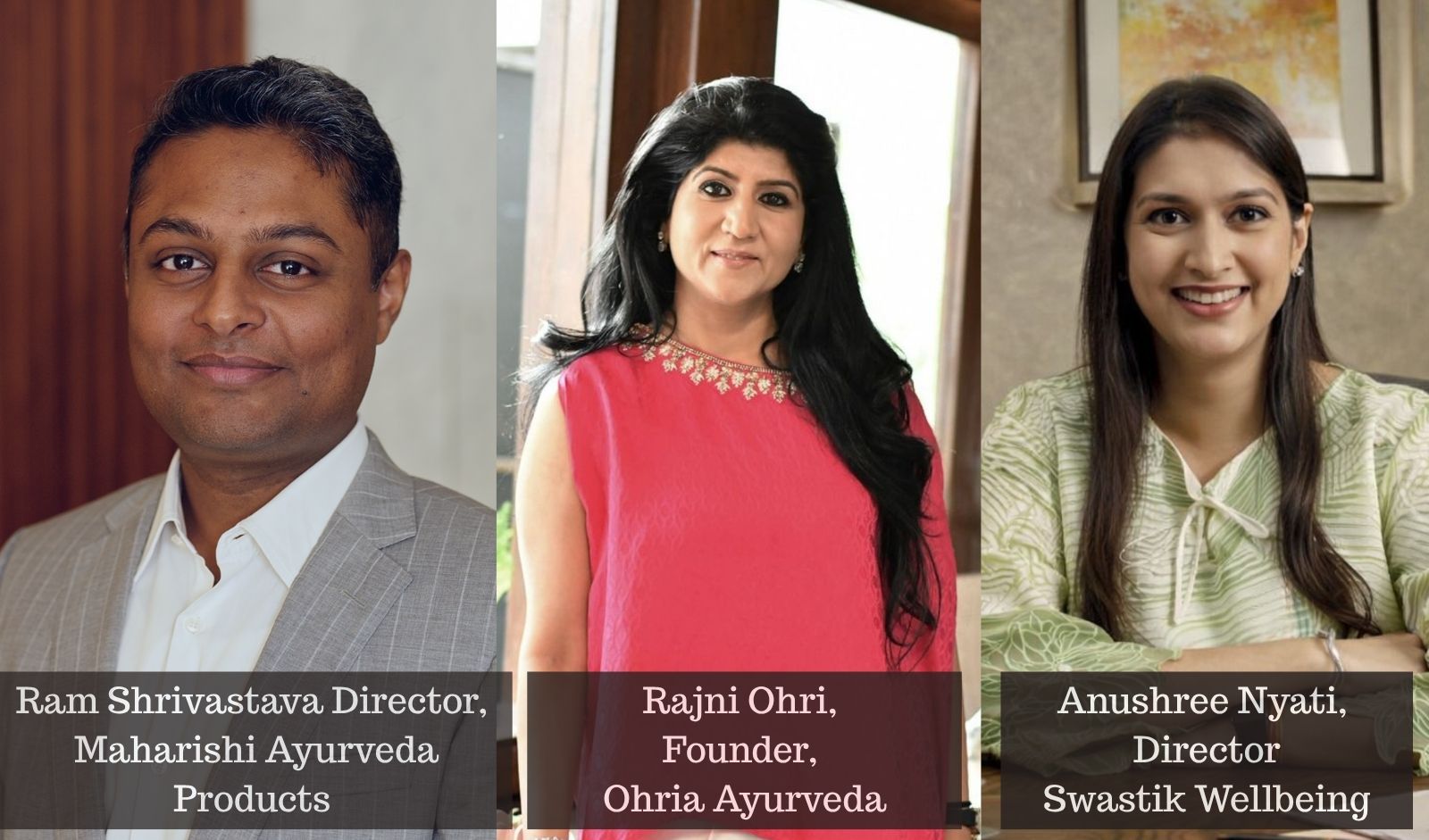
India’s wellness industry is witnessing a shift from occasional self-care and relaxation towards preventive health, personalised wellbeing and everyday wellness routines. From luxury hospitality and longevity-focused retreats to Ayurvedic products and omnichannel retail, businesses are increasingly exploring ways to integrate wellness into consumers’ daily lives.
The shift is being driven by growing awareness of holistic health, demand for natural and transparent products, and a greater emphasis on long-term wellbeing. Consumers are increasingly looking for solutions that support sleep, stress management, skin and hair health, vitality and healthy ageing, creating opportunities for businesses across hospitality, healthcare, personal care and traditional wellness systems.
Industry players, including Swastik Wellbeing Sanctuary, Ohria Ayurveda and Maharishi Ayurveda Products, are approaching this opportunity from different segments of the wellness ecosystem, reflecting how traditional Indian wellness practices are being adapted to contemporary consumer needs.
Luxury Hospitality Shifts Towards Personalised Wellness
Luxury hospitality is increasingly exploring wellness as a core part of the guest experience, moving beyond conventional spa treatments and short-term relaxation towards personalised programmes focused on longer-term wellbeing.
According to Anushree Nyati, Director, Swastik Wellbeing Sanctuary, India has a natural advantage in this emerging segment because of its heritage of Ayurveda, yoga, meditation and spiritual healing.
“India has always had a deep relationship with healing, Ayurveda, yoga and spirituality, but wellness is now evolving from a traditional offering into personalised wellbeing supported by new technologies,” Nyati said.
She believes the next phase of luxury wellness hospitality will combine traditional healing practices with modern science, diagnostics, technology and individualised care. Rather than positioning retreats solely as destinations for relaxation, the opportunity lies in creating experiences that help guests understand their wellbeing needs and build healthier habits beyond their stay.
Nyati describes this approach as Regenerative Wellness, which brings together traditional wisdom, modern science, technology and personalised healing.
The shift also reflects changing expectations among affluent consumers, who are increasingly seeking tangible value from premium wellness experiences. Better sleep, improved energy, metabolic health, cognitive wellbeing and healthy ageing are becoming important considerations when evaluating wellness programmes.
“The future of premium wellness will depend on outcomes and personalisation rather than luxury alone. When the proposition is credible, personalised and demonstrates meaningful value, consumers are willing to make a much more significant investment in their long-term wellbeing,” she said.
However, delivering personalised experiences while maintaining commercial viability remains a challenge for wellness operators. Nyati believes businesses need structured methodologies, specialised expertise, technology and clear operating frameworks to balance therapeutic depth with operational efficiency.
For Swastik, the Swastik Method is central to this approach, bringing together different disciplines within a structured wellness framework. The company is also exploring opportunities beyond the traditional destination-resort format, including urban wellbeing centres, shorter-format experiences, partnerships and asset-light models.
Over the next three to five years, the sanctuary sees potential across India, the Middle East, Europe and selected international wellness destinations. Its stated ambition is to establish the methodology in India before expanding internationally.
Everyday Wellness Becomes a Consumer Priority
While luxury hospitality is developing immersive wellness experiences, the consumer wellness and self-care segment is witnessing a parallel shift towards products and practices that fit into everyday routines.
According to Rajni Ohri, Founder, Ohria Ayurveda, consumers are increasingly prioritising transparency, ingredient awareness and efficacy when choosing wellness products. Rather than seeking quick fixes, they are showing greater interest in solutions that align with their long-term health and lifestyle goals.
“Consumers are no longer chasing instant fixes; they’re investing in long-term wellbeing. Today’s wellness buyer is highly informed, ingredient-aware, and actively seeks clean, transparent, and efficacy-led solutions rooted in purpose and authenticity,” Ohri said.
This shift is broadening the role of wellness in everyday life. Skincare, nutrition, sleep, movement and stress management are increasingly being viewed as interconnected elements of overall wellbeing rather than isolated categories.
Ohri identifies preventive wellness, clean beauty, skin and hair health, and sleep and stress management among the categories attracting consumer interest. She also sees younger consumers playing an important role in reshaping the market by demanding transparency, credible formulations and products that combine traditional practices with contemporary lifestyles.
Demand is also extending beyond metropolitan markets. Consumers in Tier II and Tier III cities are becoming more aware of wellness options, including those rooted in traditional Indian systems such as Ayurveda.
For brands, this creates opportunities to build offerings that combine authenticity with accessibility. Partnerships with luxury hotels, healthcare providers and lifestyle businesses can further extend wellness experiences beyond conventional retail channels.
Ohri also points to sustainability as an increasingly important consideration, with consumers paying greater attention to responsible sourcing, mindful formulations, reduced waste and long-term product value.
Ayurveda Builds on Preventive Health and Everyday Consumption
The growing focus on preventive health is also influencing demand for Ayurvedic products, as consumers explore ways to incorporate traditional wellness practices into their daily routines.
According to Ram Shrivastava, Director, Maharishi Ayurveda Products, the post-pandemic period has strengthened consumer awareness of holistic health and the importance of addressing underlying health concerns rather than relying exclusively on short-term solutions.
“The biggest shift we've witnessed in consumer behaviour is the growing awareness around preventive and holistic health. Today, people are far more informed about their well-being and are paying attention to health concerns that were often overlooked in the past,” Shrivastava said.
He identifies two areas of opportunity within the category: everyday Ayurveda and foundational health. The former includes products that consumers can incorporate into existing routines, while the latter encompasses solutions aimed at supporting stress management, vitality, healthy ageing and overall wellbeing.
Everyday Ayurveda, in particular, reflects an opportunity to make traditional wellness practices more accessible without requiring consumers to make substantial lifestyle changes. Products such as herbal infusions and traditional nourishment-focused offerings can help brands position Ayurveda as part of daily living rather than something consumers turn to only when they feel unwell.
Shrivastava believes the category's long-term opportunity lies in combining the depth of Ayurvedic knowledge with scientific research and quality validation.
“Our approach begins with the consumer, not the laboratory. We first understand people's health concerns and everyday wellness needs. Our Ayurvedic experts then turn to classical Ayurvedic texts to identify time-tested solutions and develop formulations rooted in this traditional wisdom,” he said.
He added that scientific validation plays an important role in establishing the efficacy, safety and quality of formulations, helping traditional wellness brands address contemporary consumer expectations.
Omnichannel Retail and Emerging Markets Shape Growth
As wellness becomes a more regular part of consumer spending, distribution and accessibility are emerging as important considerations for brands.
For Maharishi Ayurveda Products, an omnichannel approach brings together e-commerce, online marketplaces and physical stores to reach consumers across different stages of their purchase journey.
“Today's consumers value convenience, accessibility and trust. While e-commerce has made wellness products easily available, it has also increased the number of choices consumers face. That's why it's important for us to be present across every touchpoint, whether through our website, online marketplaces, or our neighbourhood stores,” Shrivastava said.
Physical retail also provides an opportunity for consumers to understand products, interact with experts and explore traditional wellness practices. This allows brands to build familiarity and encourage repeat engagement beyond individual product purchases.
Shrivastava said Maharishi Ayurveda Products sees opportunities across established urban markets and emerging cities. Markets such as Bengaluru, Hyderabad, Chennai, Pune, Coimbatore and Kochi remain important, while cities including Ludhiana, Nashik, Nagpur, Mysuru, Mangaluru, Visakhapatnam, Rishikesh and Puducherry are also part of the company's broader growth focus.
Strengthening distribution and consumer engagement across these markets will be important as the company seeks to expand its reach.
For the wider industry, the combination of digital discovery, physical retail, partnerships and experiential engagement offers multiple ways to connect with consumers. The challenge is to maintain consistency in product quality, customer experience and brand credibility across these channels.
Traditional Wisdom Meets Modern Wellness
Despite operating across different segments, Swastik Wellbeing Sanctuary, Ohria Ayurveda and Maharishi Ayurveda Products share a common emphasis on integrating traditional wellness knowledge into contemporary lifestyles.
For luxury hospitality, the opportunity lies in developing personalised experiences that extend beyond a short stay. For consumer wellness brands, it lies in making everyday routines more accessible, while for Ayurvedic product companies, the focus is on combining traditional formulations with modern research, retail and distribution.
The next phase of the industry will depend on how effectively businesses translate consumer interest into credible offerings, sustainable operating models and experiences that deliver lasting value.
As Nyati puts it, “We should not dilute our traditions to make them global. At the same time, we need to make them understandable, measurable and relevant to modern lifestyles.”
For India's wellness industry, this convergence of traditional knowledge, personalisation, science and accessibility could help establish wellness as a more integral part of both consumer lifestyles and the country's premium hospitality and retail landscape.

The festive season brings a packed calendar of celebrations, from Navratri gatherings to Karwa Chauth festivities. While makeup and festive outfits often take center stage, a well-rounded beauty routine begins with skincare, hydration and grooming. Preparing the skin in advance can help create a smoother base for makeup, while regular hair and body care can add to an overall fresh, well-groomed look.
For consumers looking to update their festive beauty shelves, several beauty and personal-care brands offer products across skincare, haircare, body care and grooming. From accessible beauty essentials to Ayurvedic-inspired formulations and nature-led personal care, here are five brands to explore for your Navratri and Karwa Chauth beauty routine.
Best Skincare and Grooming Brands to Add to Your Festive Routine
1. Insight Cosmetics: Everyday Beauty and Skincare Essentials

Known for making beauty accessible, Insight Cosmetics offers products beyond makeup, with a skincare portfolio designed around everyday needs. Its range includes essentials for hydration, brightening, sun protection, skin preparation and targeted care.
For festive occasions, skincare can be an important first step before applying makeup. Hydrating products can help keep the skin feeling comfortable, while suitable sunscreen supports daily sun protection. Skin-prep products can also help create a more even base for festive makeup looks.
Why explore the brand: Insight Cosmetics is worth considering for consumers looking to bring everyday skincare and makeup preparation into one beauty routine.
2. Novology: Targeted Skincare for Pigmentation, Sun Protection and Barrier Care

Novology offers a targeted skincare range designed to address concerns such as pigmentation, uneven skin tone, sun exposure, dryness, and skin-barrier support. Its portfolio includes the Pigmentation Reduction Bi-Phasic Serum (Rs 850), Pigmentation Reduction Moisturizer (Rs 850), Tinted Sunscreen SPF 50 PA++++ (Rs 850), Ultra Light Gel Sunscreen SPF 50 PA++++ (Rs 600), Moisture Barrier Booster Cleanser (Rs 450), and Moisture Barrier Booster Cream (Rs 400). The formulations feature ingredients such as hexylresorcinol, niacinamide, glycerin, and pro-vitamin B5, with products designed for different skin types and concerns.
For festive skincare routines, the range brings together targeted pigmentation care, daily sun protection, cleansing, and hydration. Its sunscreens cater to different preferences, including a tinted option designed for melanin-rich Indian skin and a lightweight gel formulation for oily and acne-prone skin. The cleanser and moisturizer focus on maintaining hydration and supporting the skin barrier, while the pigmentation-focused products target dark spots and uneven skin tone.
Why explore the brand: Novology offers a targeted approach to everyday skincare, with products across pigmentation care, sun protection, and moisture-barrier support.
3. Suroskie: Skincare and Skin Prep for a Festive Glow

For consumers who prefer to focus on skincare before reaching for makeup, Suroskie offers a portfolio spanning cleansers, face washes, masks, scrubs, moisturizers, serums, sunscreens, face mists and makeup fixers.
A simple routine can begin with cleansing and moisturizing, followed by sunscreen during the day. Depending on individual skin needs, serums and masks can be added to support specific skincare goals. Face mists and makeup fixers may also be useful additions when getting ready for festive events.
Why explore the brand: Suroskie brings together everyday skincare and makeup-preparation products, making it an option for consumers building a routine around cleansing, hydration and a fresh-looking finish.
4. Ashpveda: Ayurvedic-Inspired Skincare, Haircare and Body Care

Ashpveda combines traditional Ayurvedic ingredients with modern approaches to personal care. Its portfolio spans skincare, haircare and body care, with products intended to address concerns such as dryness, dullness, pigmentation, acne, tanning and sun protection.
For festive preparation, the brand offers an option for consumers interested in incorporating Ayurvedic-inspired products into their regular routines. Rather than relying on last-minute treatments, maintaining consistent cleansing and moisturizing habits can help support the skin's comfort and appearance through a busy celebration schedule.
Why explore the brand: Ashpveda brings a traditional ingredient-led approach to contemporary personal care, with options across multiple skincare and grooming categories.
5. Wildflower Naturals: Nature-Inspired Skincare and Everyday Self-Care

Wildflower Naturals combines nature-inspired skincare with modern actives and everyday personal-care rituals. Its portfolio covers face care, body care, men's care, fragrance and gifting, with skincare products addressing concerns such as hydration, dullness, pigmentation, uneven texture and skin radiance.
The brand's range can appeal to consumers looking to extend their festive preparation beyond facial skincare. Body care and fragrance can complement a personal grooming routine, while face-care products can be selected according to individual needs.
Why explore the brand: Wildflower Naturals offers a mix of skincare, body care, fragrance and grooming categories for consumers looking to build a broader festive self-care shelf.
6. FURR by Pee Safe: Beauty and Grooming from Head to Toe

Festive preparation extends beyond the face to hair, body and everyday grooming. FURR by Pee Safe offers products across face care, body care, haircare, foot care and grooming, giving consumers options for a broader self-care routine.
As celebrations involve long days, social gatherings and time spent getting ready, a consistent grooming routine can help consumers feel fresh and comfortable. Face and body care can support daily cleansing and moisturization, while hair and foot care products can be incorporated into personal grooming before festive outings.
Why explore the brand: FURR offers a range of personal-care and grooming categories for consumers who want to cover more than just skincare in their festive preparation.
How to Build a Simple Festive Beauty Routine
A festive beauty routine does not need to involve an extensive collection of products. The key is to choose products suited to your skin type and grooming needs, and use them consistently.
- Start with cleansing: Use a gentle cleanser to remove dirt, oil and impurities.
- Focus on hydration: Apply a moisturizer suited to your skin type to help maintain skin comfort.
- Use sunscreen during the day: Choose a broad-spectrum sunscreen and reapply as directed, particularly when spending time outdoors.
- Prepare before makeup: Give skincare products time to settle before applying makeup. Avoid trying several unfamiliar products immediately before an important event.
- Include hair and body care: Choose suitable products for hair, body and foot care as part of your overall grooming routine.
- Keep the routine consistent: Avoid introducing multiple strong active ingredients or aggressive exfoliation just before celebrations, as these may irritate the skin.
From accessible beauty essentials and skin-prep products to Ayurvedic-inspired personal care and nature-led formulations, Insight Cosmetics, FURR by Pee Safe, Suroskie, Ashpveda and Wildflower Naturals offer different ways to approach festive skincare and grooming.
The right choice depends on individual preferences, skin type and personal-care needs. By focusing on cleansing, hydration, sun protection and regular grooming, consumers can build a practical routine to carry them from Navratri celebrations through Karwa Chauth and the rest of the festive season.
FAQs
1. What is a good skincare routine for Navratri and Karwa Chauth?
A simple festive skincare routine includes cleansing, moisturizing and applying sunscreen during the day. You can add a serum or other targeted product based on your skin type and concerns. Follow a consistent routine rather than experimenting with several new products just before a celebration.
2. Which skincare and grooming brands can you explore for the festive season?
Insight Cosmetics, FURR by Pee Safe, Suroskie, Ashpveda and Wildflower Naturals are five brands to explore. Their portfolios cover different categories, including skincare, skin preparation, haircare, body care and everyday grooming.
3. How can you prepare your skin before festive makeup?
Start with a gentle cleanser and a moisturizer suited to your skin type. Apply sunscreen during the day and allow skincare products to settle before applying makeup. Avoid aggressive exfoliation or unfamiliar products immediately before an important event.
4. Which beauty products are useful for festive grooming beyond skincare?
Depending on your needs, useful additions may include haircare products, body moisturizers, foot-care essentials and fragrance. Choosing products you already know work for you can help keep your festive grooming routine simple and comfortable.
5. How do you choose the right skincare products for the festive season?
Choose products according to your skin type, concerns and ingredient preferences. Look for essentials that support cleansing, hydration and sun protection, and introduce targeted products gradually. If you have sensitive skin, patch-test new products before regular use.
If one were to look back to the beauty buyer about a decade ago, and compare her to the buyer today, one would feel that two different countries are being described. The consumer of yesterday’s India picked up whatever was available on the retail shelf and seldom looked past the packaging. On the contrary, today’s Indian buyer reads ingredient lists like fine print on a contract. This complete transformation, from passive assimilation to active curation, is the single biggest change that has reshaped this industry.
From Shopper to Scholar
Modern Indian beauty consumer behaves more like an amateur dermatologist than just a shopper. Courtesy the Millennials and Gen Z, who now contribute a major part of the category growth, buyers no longer respond to dime-a-dozen promises of glowing skin. They cross-reference formulations for specific actives, just as the previous generation checked nutrition labels. Ingredient literacy is the bare minimum expectation now, and interestingly, it is not a niche behaviour.
As a matter of fact, this scrutiny has paved the way for the evolution of the formula itself. We’re witnessing an appetite for products that multitask; a lip gloss infused with peptides, a foundation carrying a serum’s worth of actives. As consumers increasingly want colour cosmetics to do double duty as skincare, brands that continue to treat makeup and skincare as completely separate categories risk falling behind.
Trust Has Changed Hands
Celebrity endorsement, once the currency that sold everything from bath soaps to cosmetics in this country, has lost its monopoly. Today, discovery runs through peer networks and micro-influencers a lot more than through a popular face on a billboard. Platforms have built entire discovery engines around thousands of creators driving trend-led conversations every month, rewriting how trust gets built without much hullabaloo.
Not too surprisingly, this has changed how founders show up for their own brands. Buyers today place real value on founder-led narratives; visibility on platforms like Instagram and LinkedIn is not vanity, in fact, it is an indication of trust. Brands ready to place a real, accountable face behind their formulations are more likely to build a stronger bond with buyers than those hiding behind a logo. Authenticity has become a genuine competitive advantage, not a mere marketing checkbox.
The Ten-Minute Consumer
It is important to note that the most structurally disruptive shift has been witnessed in delivery expectations. From being a category that once operated on a three-day e-commerce wait, it is now increasingly flourishing, thanks to the ten-minute quick-commerce window. The myriad quick commerce platforms have not just moved logistics in top gear, but they have also brought about a paradigm shift in the beauty purchasing behaviour. No longer a considered, monthly stock-up, but high-frequency and occasion-led, it is now closer to how people buy groceries than how they used to buy skincare.
Of course, this has real operational consequences. Brands are re-engineering supply chains especially to cater to quick-commerce hubs in metros like Mumbai, Delhi-NCR, and Bengaluru, so impulse-level demand can be addressed in the moment it is felt. Speed is no longer a differentiator; it is table stakes.
Digital Discovery, Physical Trust
It must also be mentioned that digital-first does not mean digital-only. While the initial wave of D2C beauty in India was built almost entirely on online storefronts, today’s consumer considers a brand’s physical footprint as a badge of credibility. The journey is genuinely hybrid; the discovery happens on Instagram, research takes places on the brand website, but the final layer of trust often still comes from a physical touchpoint: an experience centre, a consultation, a chance to see and feel the product before committing. Not surprising that even the biggest digital-native players have aggressively moved into offline retail to capture precisely this kind of conversion.
Beyond the Metros
The ultimate, and perhaps the most exciting shift, is geographic. The centre of gravity in Indian beauty consumption has moved well past the top metros, and how! Tier-2 and tier-3 markets are now the real growth engines, powered by regional-language internet access, rising disposable incomes, and an appetite for global beauty rituals that mirrors the biggest cities. Interestingly, consumers in what is increasingly called “Bharat” are not a diluted version of the metro buyer. Their aspirations are just as informed and equally demanding as well.
What This Means for Founders
Collectively, these shifts describe a consumer who has fundamentally outgrown the D2C playbook most beauty brands were originally built on. They want proof, not promises. They want a real person behind the brand, not a faceless logo. They want their product in minutes, not days. And they want all of this whether they are browsing from Mumbai, Delhi, Bengaluru, or from a small town a couple of states away.
So, building for them is not an option anymore. It is the only way forward.
Authored By
Swagatika Das, CEO & Co-Founder, Nat Habit
-
For a long time, India’s manufacturing strength was closely associated with its ability to produce competitively. Cost efficiency, scale, and a large talent pool helped establish India as an important manufacturing destination.
-
Buyer expectations are rising too. PPAI Research found that 68.8% of distributors said buyers were prioritizing faster turnaround and rush delivery. In the same research, 64.6% of distributors named customization and innovation as important buyer prioriti
-
Check out the top ten restuarants to visit this festive season with your family and friends across Delhi NCR.
-
SASSAFRAS expects 25 percent festive sales growth, Teejh projects 10–15 percent, BIBA anticipates double-digit growth, while Jaipur Kurti expects 30–35 percent growth, reflecting strong festive demand across ethnicwear segments.






Copyright © 2009 - 2026 Franchiseindia.com Ltd