




Associate Editor, IndianRetailer.com & Retailer Media Oct 13, 2023 /
 1117
/ 7 MIN READ


In the ever-evolving landscape of retail, Lenskart has emerged as a trailblazer, revolutionizing the eyewear industry in India. Founded in 2010, the brand has redefined the way consumers shop for eyewear, leveraging technology and innovation to enhance customer experiences and bridge the gap between online and offline retail.
“We embarked on our journey with a mission to address common pain points faced by eyewear shoppers, such as uncertainty about prescriptions, size, and aesthetics. Recognizing the transformative power of technology, we made it a cornerstone of our operations,” said Ramneek Khurana, Co-Founder and Head of Product & Technology, Lenskart.
Technology-Driven Solutions
The brand’s success story is intrinsically tied to its ability to leverage technology to solve customer problems. The company identified three major issues - prescription confusion, size fitting, and aesthetics - and employed innovative tech solutions to address them.
Virtual Try-On: The brand introduced a virtual try-on feature to tackle the challenge of assessing how glasses would look on a person's face. Users could access their phone cameras and instantly try on glasses in a 3D virtual space. This feature replicated the experience of trying on glasses in-store and made it accessible to anyone with a smartphone.
Eye Test at Home: Lenskart's tech innovation extended to providing convenient eye tests at customers' doorsteps. Users could book an appointment through the app, and within 30 minutes, an optometrist equipped with the necessary equipment would arrive to conduct the test. This on-demand service catered to over 5,000 tests daily.
“Looking ahead, we envision an even more personalized experience for its customers. We aim to further harness machine learning to recommend eyewear based on facial features and past purchases. This proactive approach aims to simplify the decision-making process for consumers, given the relatively low buying frequency of eyeglasses,” asserted Khurana.
Tapping into Subcultures
Lenskart's commitment to innovation extends beyond technology. The company has strategically ventured into tapping into subcultures, starting with the K-Pop collection. Recognizing the popularity of K-pop in India, it introduced a collection that resonated with K-pop enthusiasts.
The introduction of the K-Pop collection demonstrates Lenskart's ability to align its offerings with cultural trends and subcultures, positioning itself as a brand that not only provides eyewear but also helps customers express their unique styles and interests.
To create an immersive experience for K-Pop enthusiasts, the brand introduced "Astro Iris." This virtual K-Pop band is not a real-world entity but comprises four virtual characters that exist within a multiverse. By leveraging generative AI, Lenskart brought these characters to life, allowing customers to explore eyewear collections in a K-Pop-inspired context.
“The Astro Iris concept helps us showcase our K-Pop collection in a way that aligns with the aesthetics and ethos of the genre, fostering a deeper connection with K-Pop fans and enthusiasts,” he explained.
Omnichannel Strategy
The brand’s omnichannel approach seamlessly integrates online and offline retail, enhancing the customer journey at every touchpoint.
Online Journey: Customers typically discover Lenskart through word of mouth or social media. Its app allows users to explore new collections, get recommendations, and virtually try on glasses. The app also encourages users to visit nearby stores for prescription updates, creating a synergy between online and offline channels.
In-Store Experience: The company's physical stores are strategically located in high-population areas across major cities. Equipped with state-of-the-art medical facilities, these stores offer comprehensive eye checkups. Staff members use technology to provide personalized recommendations based on customers' online browsing history and previous purchases.
Seamless Transition: Lenskart's technology-driven approach ensures that customers can seamlessly transition between online and offline channels, providing a consistent and convenient shopping experience.
Social Commerce Integration
The company recognizes the potential of social commerce to deepen its engagement with specific customer segments. By tailoring its products and marketing efforts to align with subcultures, sports enthusiasts, and music aficionados, Lenskart seeks to become an integral part of these communities.
“Our marketing strategy is product-centric, focusing on educating consumers about the diverse range of eyewear options available. Rather than emphasizing pricing or promotions, we highlight how eyewear can enhance various aspects of consumers' lives, from sports performance to fashion,” Khurana noted.
READ MORE: The Future of Eyewear Industry in India: B2B Distribution
Expanding the Market
Lenskart's future plans revolve around expanding access to eye checkups, a critical step in raising awareness about eyewear needs. “By increasing the number of eye checkup centers and daily tests, we aim to tap into underserved markets and further our mission of improving eye health across India,” Khurana stated.
“With our omnichannel approach, commitment to social commerce, and dedication to expanding access to eye checkups, we are poised for continued growth and influence in the Indian eyewear market,” he concluded.



Changing consumer habits, higher-value orders and the need for convenience are changing the face of India’s retail landscape. Quick commerce is now moving beyond groceries to medicines, beauty products, smartphones, apparel and home appliances. What started as a convenient way to restock groceries is evolving into a wider retail channel for beauty, healthcare, fashion and electronics.
According to Ashutosh Goyal, CEO of Hyyzo, a report by Google and Redseer projects India’s quick commerce market to be USD 13 billion in FY2026 and USD 90 billion by FY2031. Beauty, home, and electronics in quick commerce are expected to grow from USD 3 billion to USD 21–27 billion over the same period.
Also read: Retail Sales Grow 8 Pc in September 2026 Ahead of Festive Season
Beyond Grocery: A Wider Retail Basket
Quick commerce is expanding beyond groceries into personal care, medicines, fashion, and electronics, catering to immediate consumer needs while adapting fulfilment models to category-specific requirements.
“Quick commerce is evolving from being a grocery convenience model into a broader on-demand retail infrastructure,” said Saquib Ali, Co-founder of DocPharma.
Ali said healthcare requires more than fast delivery. “A medicine cannot simply be treated like another SKU in a grocery basket,” he said, highlighting the importance of prescription validation, pharmacist intervention, inventory accuracy, compliance, and appropriate storage.
He added that consumer adoption depends on more than delivery speed. “What is driving adoption is not speed alone. It is the combination of availability, convenience and reliability.”
For healthcare, this shift matters because medical needs can be urgent and unplanned. “The opportunity is therefore not simply to make delivery faster, but to build the infrastructure that makes faster fulfilment possible,” Ali said.
Also read: How India’s Fragrance Retail Is Evolving
Consumer Behaviour Is Changing
Quick commerce is also changing shopping frequency and purchase occasions. Consumers increasingly place smaller, immediate orders instead of waiting for their next planned shopping trip.
“The biggest change is the shift from ‘I need to shop’ to ‘I need this now,’” Ali said.
He noted that expectations now extend beyond delivery time to include real-time inventory visibility, easy ordering, accurate fulfilment and transparent tracking. In healthcare, he said, “A customer may want a medicine quickly, but they also expect the system to get the right medicine to them.”
Hyyzo's data for October 1–13, compared with September, reflects the expansion of shopping occasions. Orders placed between midnight and 6 AM increased from 1.3 percent to 15.1 percent of total quick commerce orders, while the share of orders between 6 AM and noon rose from 21 percent to 29 percent.
“Quick commerce is changing not just what people buy, but when and how,” Goyal said.
The data also shows a shift towards higher-value purchases. Orders exceeding Rs 2,000 increased from 6.7 percent to 19.2 percent of total orders, while the average non-electronics order value rose approximately 74 percent, from Rs 544 to Rs 946.
Also read: India’s Ethnicwear Battle for the Festive Wallet
Beauty and Personal Care Find New Opportunities
Beauty and personal care are emerging as important categories in quick commerce, supported by immediate consumption needs and repeat purchases.
Dhruv Sayani, Founder and Managing Director of KT Professional and Ccigmaa Lifestyle, said the channel has changed when consumers purchase personal care products. “People now order more often, and more of those orders are on impulse, because quick commerce has become part of everyday retail,” he said.
Brands are also using product recommendations to encourage complementary purchases. Sayani explained that consumers purchasing hair colour may also need specialised shampoo and conditioner, creating an opportunity to introduce related products during checkout.
He said the company's shampoo and conditioner lines under KT Professional are growing month on month, with repeat purchases remaining strong.
“After that, retention is easy, because the whole game is product quality,” Sayani said, explaining the importance of product performance in encouraging customers to return.
Seasonality also influences demand. According to Sayani, winter sales of the brand's haircare products can increase threefold to fivefold compared with off-peak months. To meet demand, the company adjusts production schedules, stock buffers, and dark-store allocation in advance.
Also read: How GRM Foods Is Growing 921 Basmati Rice Globally
Higher-Value Orders Reshape Retail Economics
Electronics is contributing to the increase in quick commerce order values, particularly during festive sales. According to Hyyzo, mobiles accounted for approximately 30 percent of Flipkart sales value through its platform in early October, compared with 14 percent in September.
The average Flipkart order value through Hyyzo rose approximately 75 percent, from Rs 2,786 in September to Rs 4,886 in early October, driven by purchases of mobiles, laptops and televisions.
Goyal said that although higher-value categories increase order sizes, their profitability varies. “Electronics drives scale but carries much thinner margins than fashion, footwear, watches and beauty, which remain the margin engine,” he said.
He added that consumers continue to compare prices and look for cashback and bank offers, particularly when purchasing expensive products. As quick commerce expands, balancing speed with value will remain important.
Sayani, meanwhile, reported an average selling price of Rs 550 and an average order value of Rs 2,350 across his brand. He said higher basket values can help cover picking, packing and last-mile delivery costs more effectively than smaller grocery orders.
Also read: BMW Group India’s Hardeep Singh Brar on Luxury Car Retail Trends
Infrastructure Will Determine the Next Phase
As quick commerce expands into specialised categories, inventory management, fulfilment infrastructure and retail partnerships will become increasingly important.
DocPharma recently raised USD 2 million in Pre-Series A funding led by Equentis. The company plans to expand its healthcare fulfilment network from more than 12 cities towards 50-plus cities, including the addition of 100 licensed dark stores. It has fulfilled more than 800,000 orders and works with over 30 healthcare and wellness platforms.
Ali said the company's focus is on creating a connected network that integrates inventory, technology, pharmacists, dark stores, pharmacies and delivery infrastructure.
“We see quick commerce moving from a delivery proposition to an infrastructure proposition,” he said, adding that healthcare fulfilment must be built around accuracy, compliance, availability and trust.
For Hyyzo, expansion will focus on reaching more shoppers through retail partnerships rather than building its own warehouses or delivery network. Goyal said the company is targeting 20 million active users and more than Rs 1,000 crore in gross merchandise value over the next 18 months.
Sayani said his company's plans include strengthening its presence in core cities while entering additional urban markets, supported by consumer marketing and product availability on quick commerce platforms.
As more retail categories move to faster delivery models, the opportunity will depend on whether platforms and brands can combine convenience with reliable fulfilment, competitive pricing and sustainable economics. Quick commerce is no longer limited to replenishing household essentials; it is becoming another route through which consumers discover, purchase and replenish products across India's retail market.
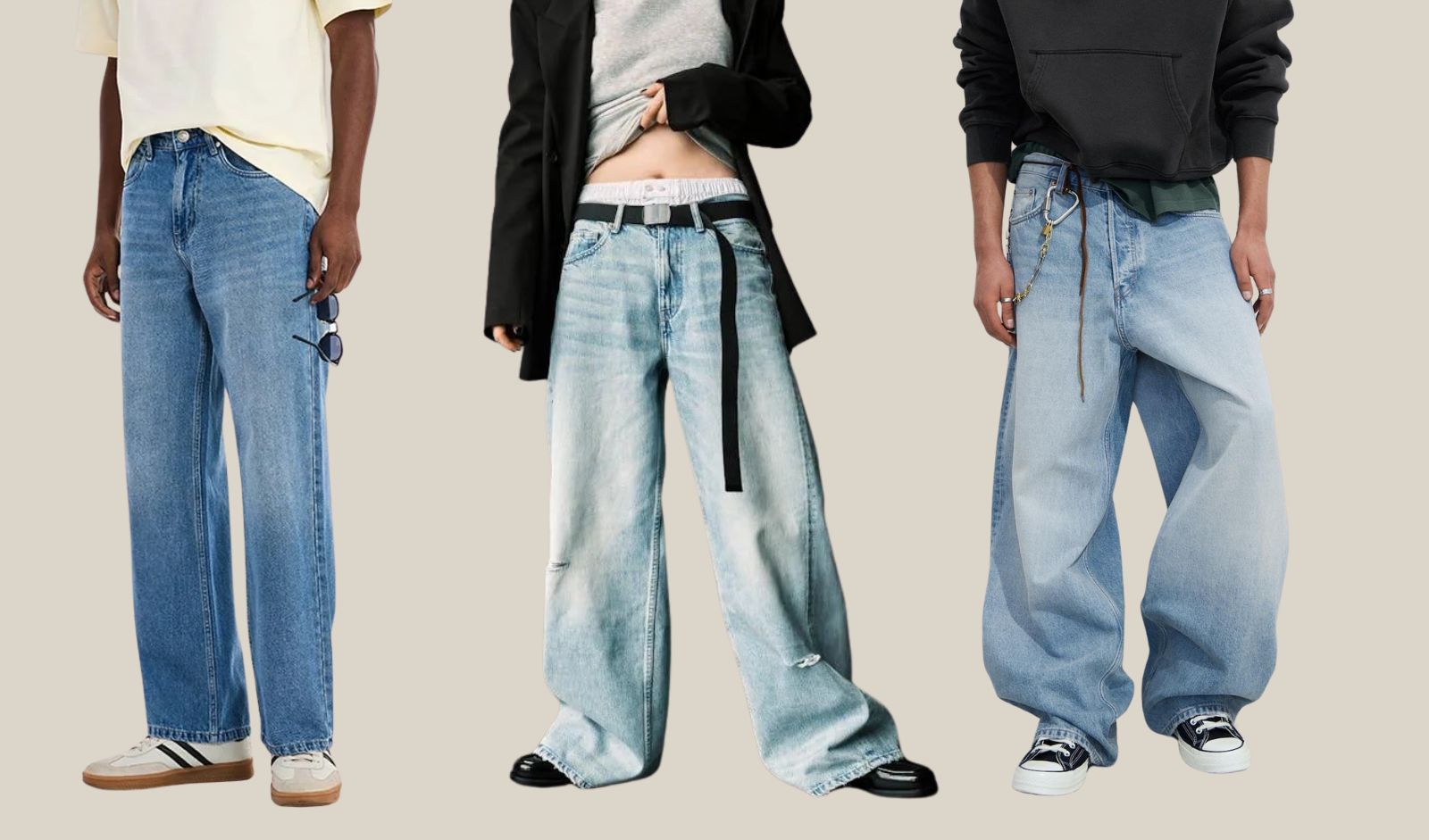
Baggy jeans have become a popular choice for fashion enthusiasts looking to combine comfort with contemporary streetwear style. With their relaxed silhouettes, loose leg openings and versatile designs, baggy-fit denim works across casual outfits, oversized T-shirts, hoodies, crop tops and sneakers.
From established denim labels to trend-led fashion brands, shoppers in India can choose from a wide ranger of baggy jeans in different washes, fits and price segments. Whether you prefer a minimalist look, vintage-inspired denim or bold streetwear styling, the right brand can help you build a versatile wardrobe.
Here are six baggy jeans brands in India worth exploring for your streetwear wardrobe.
1. Levi's

Levi's is a well-established denim brand offering a range of fits, including baggy and relaxed silhouettes. Its baggy jeans are an option for shoppers who want a streetwear-inspired look while prioritising classic denim styling.
The brand's loose-fit designs can be paired with oversized graphic T-shirts, sweatshirts, sneakers and casual jackets. Blue, black and faded denim washes offer flexibility for everyday styling.
Why choose Levi's?
- A recognised denim brand with multiple fits and washes.
- Options for casual, vintage-inspired and contemporary streetwear looks.
- Suitable for shoppers seeking baggy silhouettes from an established denim label.
Read also: How AI Is Rewriting the Rules of India’s Fast-Fashion Retail
5 Hair Care Products to Add to Your Festive Beauty Routine
The Cold Revolution: Why Frozen Foods Are India’s Next FMCG Growth Engine
2. H&M

H&M offers trend-led denim styles for shoppers who want to experiment with contemporary silhouettes. Its baggy and ultra-baggy jeans can work well for relaxed streetwear outfits, particularly when paired with oversized tops and chunky sneakers.
The brand is worth considering for shoppers who like to update their wardrobes with changing fashion trends. Depending on the collection, shoppers can find different washes, rises and leg shapes.
Why choose H&M?
- Trend-focused denim silhouettes.
- Options for relaxed and oversized styling.
- Easy pairing with everyday casual and streetwear staples.
3. Zara

Zara is an option for shoppers who prefer fashion-forward denim with a contemporary, more polished streetwear aesthetic. Its denim collections feature relaxed and wide-leg silhouettes, offering alternatives to traditional slim and straight-fit jeans.
For a balanced outfit, baggy jeans can be styled with a fitted T-shirt, a cropped jacket or a structured shirt. Minimal accessories and clean sneakers can help create a more refined streetwear look.
Why choose Zara?
- Contemporary silhouettes and trend-led styling.
- Options for casual outfits with a more elevated finish.
- Versatile denim that can transition from everyday wear to social outings.
4. Freakins

Freakins is a homegrown fashion brand known for its denim-focused range and trend-led women's styles. It is worth exploring for shoppers looking for baggy jeans, wide-leg fits and distressed designs that complement contemporary streetwear.
Its fashion-led approach makes it relevant for those who want denim to be a statement piece rather than simply an everyday wardrobe essential. Depending on the style, baggy jeans can be paired with crop tops, oversized shirts, fitted tanks or graphic tees.
Why choose Freakins?
- Denim styles designed around contemporary women's fashion.
- Options for wide-leg, baggy and distressed looks.
- Styling flexibility for casual and street-inspired outfits.
5. Urbanic

Urbanic caters to shoppers interested in trend-driven fashion, including relaxed silhouettes and contemporary denim styling. Its fashion offering makes it an option for those looking to experiment with baggy jeans as part of a youthful, social-media-influenced wardrobe.
Baggy denim can be styled with fitted tops, oversized sweatshirts, statement belts and platform shoes. Light-wash denim works well for laid-back daytime looks, while darker washes can create a more understated streetwear outfit.
Why choose Urbanic?
- Trend-led designs for fashion-conscious shoppers.
- Options to experiment with contemporary silhouettes.
- Styling possibilities across casual and streetwear-inspired looks.
6. Snitch

Snitch is an Indian menswear brand offering contemporary casualwear, including loose and baggy denim styles. It is worth considering for shoppers who want to build relaxed outfits around oversized T-shirts, shirts, sneakers and other streetwear staples.
Washed denim, distressed detailing and loose silhouettes can help create a casual, urban look. Shoppers should compare the individual product's cut, rise and length to find the fit that suits their preferred styling.
Why choose Snitch?
- Contemporary menswear with casual, trend-led styling.
- Baggy and loose-fit denim options.
- Denim that can be incorporated into everyday streetwear wardrobes.
Know more: How D2C Brands Can Build Stronger Teams While Scaling Across Markets
Premiumization Reshapes India’s Home Appliance Retail Market
Top 10 Dining Destinations to Visit During the Festive Season
How to Style Baggy Jeans for Streetwear
Choosing the right pair is only part of creating a streetwear look. Styling, proportions and footwear also influence the overall appearance.
- Oversized T-shirts: Pair baggy jeans with graphic tees for a relaxed, urban aesthetic.
- Fitted tops and crop tops: Balance the volume of loose denim with a more fitted upper silhouette.
- Hoodies and sweatshirts: Combine baggy jeans with layered casualwear for a laid-back look.
- Sneakers: Chunky sneakers, skate shoes and classic low-tops complement loose denim.
- Denim washes: Light blue and faded washes work well for vintage-inspired outfits, while black and dark blue denim offer a more understated look.
Conclusion
Baggy jeans have become a versatile option for building a contemporary streetwear wardrobe, offering an alternative to conventional slim and straight-fit denim. Brands such as Levi's, H&M, Zara, Freakins, Urbanic and Snitch provide different approaches to relaxed denim, from established denim styling to trend-focused designs.
The best baggy jeans brand in India ultimately depends on individual preferences, budget, fit and styling requirements. Before purchasing, compare waist measurements, rise, leg width, fabric composition and length to find a pair that delivers both comfort and the desired streetwear aesthetic.
Frequently Asked Questions (FAQs) on Baggy Jeans Brands in India
1. Which are the best baggy jeans brands in India?
Levi's, H&M, Zara, Freakins, Urbanic and Snitch are six brands worth exploring for baggy jeans. Their offerings vary by fit, style, price and target audience.
2. How are baggy jeans different from wide-leg jeans?
Baggy jeans generally feature a loose fit through the waist, hips and legs, depending on the design. Wide-leg jeans primarily have a wider leg opening and may fit more closely around the waist and hips.
3. How can you style baggy jeans for a streetwear look?
Pair baggy jeans with oversized graphic T-shirts, hoodies, crop tops or casual jackets. Sneakers, belts and simple accessories can complete the outfit.
4. Are baggy jeans suitable for everyday wear?
Yes. Baggy jeans can be suitable for everyday wear because their relaxed fit allows freedom of movement. Comfort also depends on the fabric, waistband, rise and overall cut.
5. Which colour baggy jeans should you choose?
Blue and light-wash denim are versatile choices for casual outfits. Black and dark blue jeans work well for understated styling, while grey and distressed washes can add a more statement-driven streetwear element.

Karwa Chauth is a celebration of love, thoughtful gestures and the little things that make a relationship special. While jewellery, clothing and beauty hampers remain popular gifting choices, perfumes offer a more personal alternative. A fragrance can become part of someone's everyday routine, evoke memories and add a special touch to festive occasions.
From affordable perfume gift sets to curated fragrance discoveries and traditional Indian perfumery, several brands offer options for different tastes and budgets. Whether you're looking for a collection of scents to explore or a distinctive fragrance for your partner, here are five perfume brands to consider for Karwa Chauth gifting.
1. Vanesa: Perfume Gift Sets for Every Mood
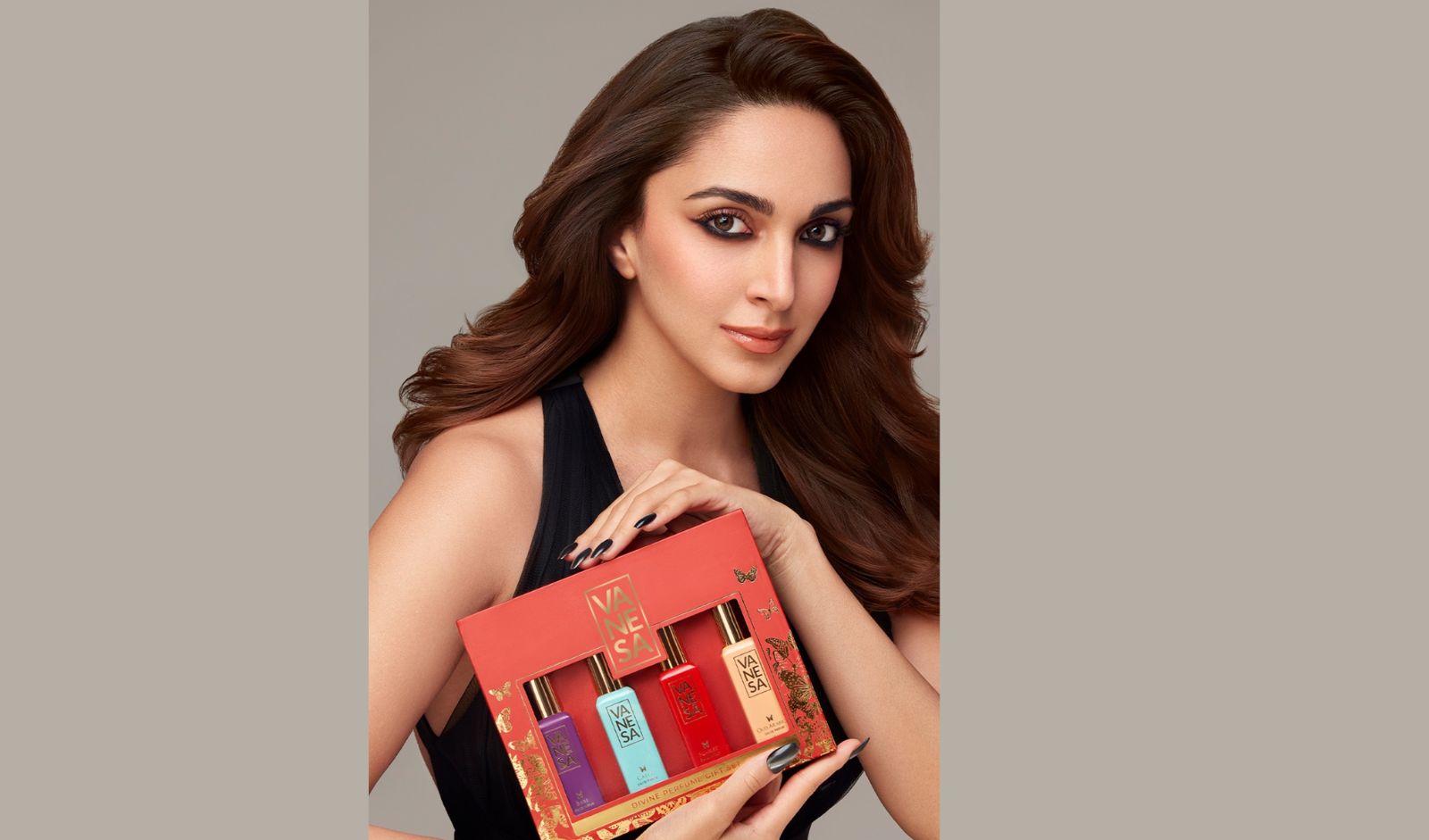
For those looking for an affordable yet thoughtful Karwa Chauth gift, Vanesa's perfume gift sets offer variety in one package. Its Divine, Luxury and Intense collections each feature four 20 ml fragrances, allowing the recipient to experiment with different scents depending on the occasion, outfit or mood.
Priced at ₹559 each, the sets offer an accessible gifting option for those who want to go beyond a single perfume. The Divine set includes Scarlet, Babe, Caper and Oud Arabica, bringing together different fragrance profiles, from floral and fruity notes to warmer, deeper accords. The Luxury set features Enigma, Magic Pearl, Babe and Caper, while the Intense set includes Shero, Magic Pearl, Mystique and Oud Love.
The compact bottles are convenient for travel and everyday use, making these sets suitable for someone who enjoys switching fragrances. Available through Amazon, Flipkart, Myntra and VanesaStore.com, they offer a practical way to make festive gifting more personal.
2. Kastoori: A Celebration of India's Fragrance Heritage
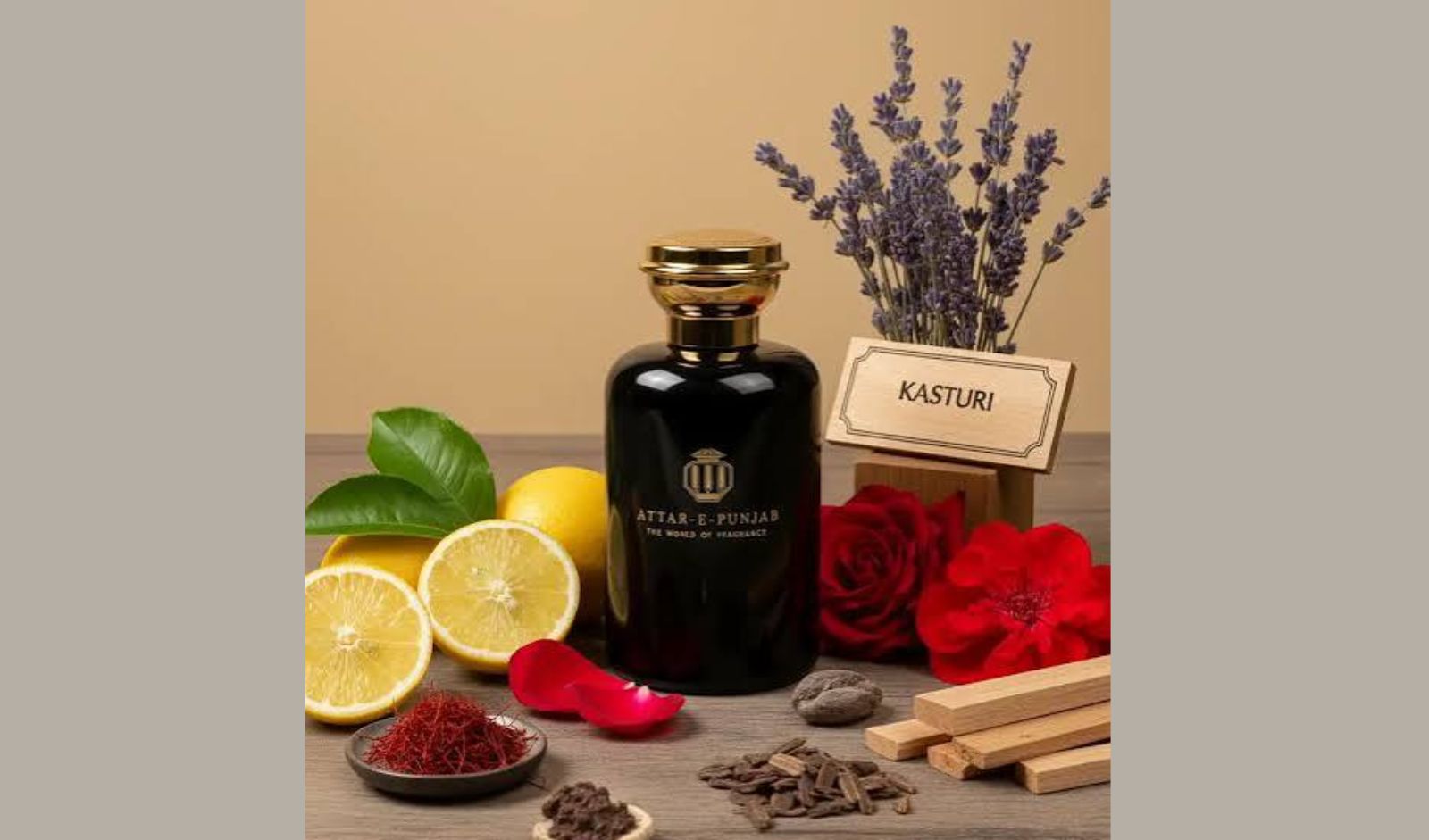
For those who appreciate traditional Indian perfumery alongside contemporary fragrances, Kastoori offers a gifting option rooted in Kannauj's fragrance-making heritage. Established in 2019 as a home-based fragrance experiment, the Indian fragrance and lifestyle brand has expanded its portfolio to include personal fragrances, traditional attars, solid perfumes, fragrance oils and home-fragrance products.
Its gifting range includes curated fragrance sets, festive hampers, wedding and return gifts, and customised fragrance combinations. The brand has also introduced an Inspired Fragrance range designed for everyday wear and special occasions, combining affordability with its handmade approach.
Beyond personal perfumes, Kastoori offers products such as room fresheners, car perfumes, handmade soaps, gulabjal and dhoop batti, providing options for those who enjoy fragrance across different aspects of daily life.
With its roots in Kannauj, a city known for its traditional perfumery, and a presence in Kanpur and Bengaluru, Kastoori brings an Indian fragrance perspective to festive gifting. Its assortment is worth exploring for someone who appreciates attars, fragrance-based lifestyle products or a customised gifting combination.
3. L'eau Maliz: Five French Fragrances in One Discovery Kit
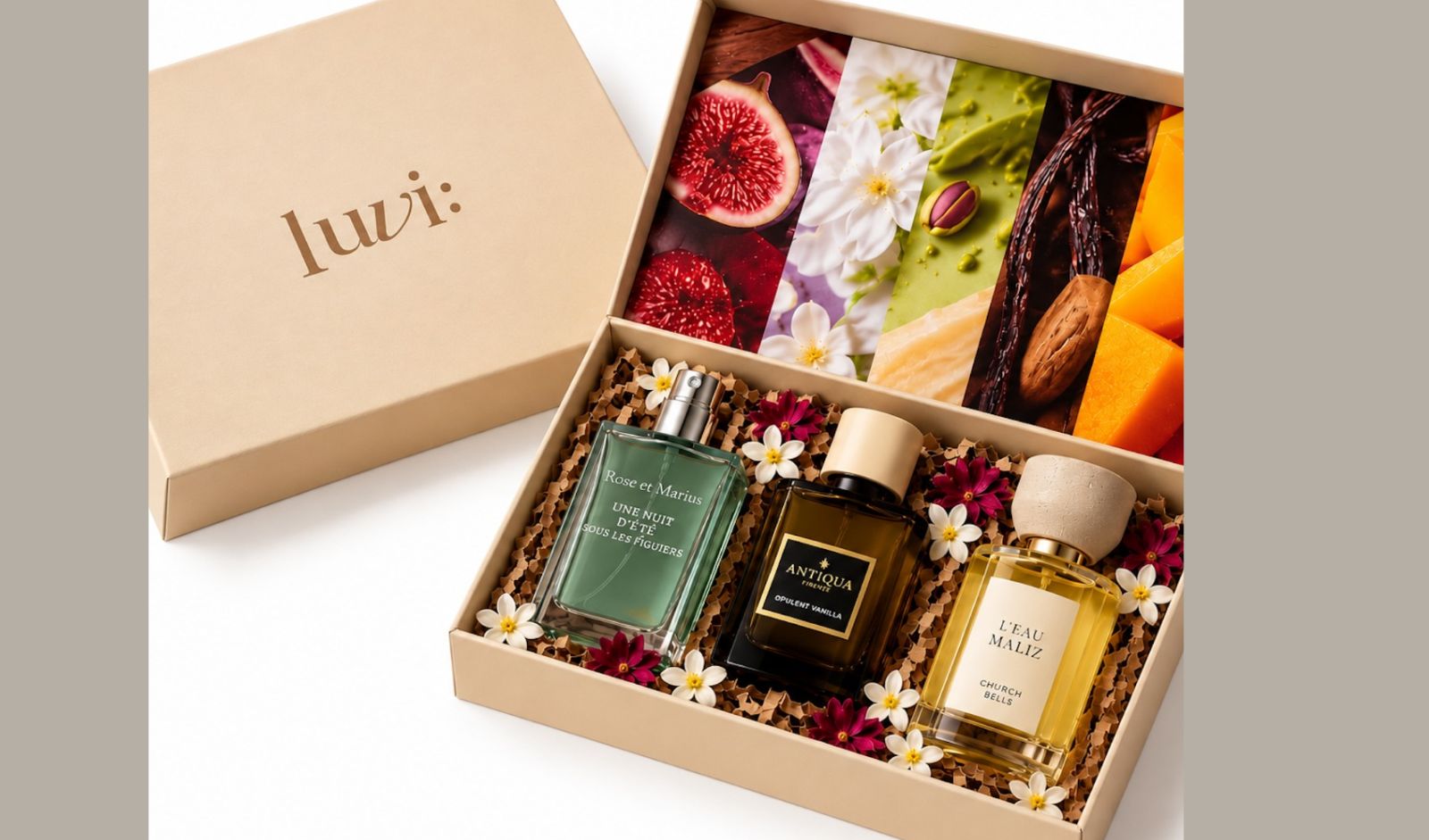
For fragrance enthusiasts who enjoy exploring different scent profiles, L'eau Maliz offers a discovery kit featuring five distinct French fragrances. Curated by perfumista Vanesha Majithia, the L'eau Maliz Discovery Kit is designed to take the wearer through different olfactory experiences, making it a distinctive option for festive gifting.
Priced at ₹4,451, the kit brings together fragrances ranging from rich boozy leather and smoky woods to crisp ozonic aquatic notes and warm Mediterranean accords. Each scent offers a different character, giving the recipient the flexibility to choose a fragrance according to their mood, personal style or occasion.
The discovery format makes the kit particularly suitable for someone who enjoys experimenting with perfumes rather than sticking to one signature scent. The variety also allows the wearer to explore different fragrance families, from deeper, warmer compositions to fresher, lighter profiles.
For Karwa Chauth, the set can be a considered choice for someone who appreciates fragrance as a personal interest and enjoys discovering new scents. It is available through Luvih for ₹4,451.
4. Skinn by Titan: For a Premium Gifting Experience

For those who prefer a polished presentation and a premium fragrance experience, Skinn by Titan is another brand to consider. Its fragrance portfolio includes options across different scent profiles, along with miniature perfume sets and coffrets that allow recipients to explore more than one fragrance.
The brand's gifting assortment includes options for women as well as men, with different formats suited to varied preferences and budgets. Miniature sets can be particularly useful for someone who enjoys experimenting with fragrances, while larger fragrance combinations may appeal to those who prefer a more substantial gift.
For Karwa Chauth, a perfume set offers an opportunity to choose fragrances for different occasions, from everyday wear to festive evenings. With floral, fruity, woody and other fragrance profiles available across its collection, Skinn by Titan provides options for those looking for a contemporary perfume gift.
Explore the available options on the official Skinn by Titan website.
5. Ajmal Perfumes: For Rich and Distinctive Fragrances

For someone who prefers fragrances with depth and character, Ajmal Perfumes offers a range of options spanning floral, musky, woody and oud-based compositions. The brand's collection includes individual perfumes, discovery formats and gifting options, making it worth exploring for those who enjoy distinctive fragrance profiles.
Ajmal's range caters to different preferences, from fragrances suited to everyday wear to richer compositions for evening occasions. Its gifting assortment includes options such as the Unisex Royal Series Giftpack and other fragrance sets, subject to current availability.
For Karwa Chauth, Ajmal can be a suitable choice for a partner who enjoys warm, woody or oriental-inspired scents. A fragrance set can also make the experience more personal by allowing the recipient to discover different compositions and choose a favourite.
Make Karwa Chauth Gifting More Personal with Fragrance
A perfume can be more than an accessory; it can become a small but meaningful part of someone's everyday life. From Vanesa's affordable multi-fragrance sets and Kastoori's Indian perfumery-inspired offerings to L'eau Maliz's French fragrance discovery kit, Skinn by Titan's contemporary collections and Ajmal's distinctive scent profiles, there are options for different tastes and budgets.
The best perfume gift is ultimately one that reflects the recipient's personality. Whether they prefer fresh florals, warm woods, traditional attars or the opportunity to experiment with different fragrances, choosing a scent around their preferences can make Karwa Chauth gifting feel more thoughtful and personal.
FAQs
1. Which perfume brands are good for Karwa Chauth gifting?
Vanesa, Kastoori, L'eau Maliz, Skinn by Titan and Ajmal Perfumes are five brands to consider for Karwa Chauth gifting. They offer a range of options, from affordable multi-fragrance sets and traditional attars to premium perfume collections and discovery kits.
2. What is a good affordable perfume gift for Karwa Chauth?
Vanesa's Divine, Luxury and Intense perfume gift sets are affordable options, priced at ₹559 each. Each set includes four 20 ml fragrances, allowing the recipient to explore different scents for everyday wear and special occasions.
3. What makes Kastoori a distinctive fragrance gifting option?
Kastoori draws inspiration from Kannauj's traditional perfumery heritage. Its portfolio includes attars, inspired perfumes, solid perfumes, fragrance oils and curated gifting hampers, making it an option for those who appreciate Indian fragrance traditions and customised gifts.
4. Which perfume gift set is suitable for someone who enjoys trying different fragrances?
The L'eau Maliz Discovery Kit is worth considering. Priced at ₹4,451, it features five French fragrances curated by perfumista Vanesha Majithia, with scent profiles ranging from smoky woods and boozy leather to fresh aquatic notes and warm Mediterranean accords.
5. How do you choose the right perfume for Karwa Chauth gifting?
Consider the recipient's fragrance preferences and lifestyle. Floral and fresh scents can work well for everyday wear, while woody, musky and oriental fragrances may appeal to those who prefer richer compositions. Discovery kits and multi-fragrance gift sets are useful choices when you want to offer variety without committing to a single scent.

In fast fashion, a trend can go from viral to outdated in a matter of weeks. For brands, the challenge is not just to launch new styles quickly, but to spot what consumers want before the trend peaks. Artificial intelligence (AI) is helping fashion businesses do this by analysing social media trends, online searches and shopping behaviour to understand what is gaining popularity and translate those insights into products.
For India’s fast-fashion brands, this is changing how collections are planned, products are developed and inventory is managed. Instead of relying solely on intuition, brands are increasingly using data to decide what to make, how much to produce and when to launch it.
Littlebox and NewMe are adopting different approaches to this shift. Littlebox uses consumer feedback and purchase data to guide product decisions, while NewMe has developed an AI-led system that analyses social media and website activity to forecast trends every week. Both approaches reflect a broader change in the industry, where success depends not just on how quickly brands launch new styles, but on how well they understand what consumers will buy.
From Social Media Signals to Product Decisions
Trend identification has traditionally relied on designers, buyers and merchandising teams tracking fashion weeks, influencers, celebrity looks and changing consumer preferences. AI is expanding this process by helping brands analyse much larger volumes of information across social media, search behaviour, customer reviews, website activity and transaction data.
Sohom Banerjee, Founder, Quantive Advisory LLP, sees AI becoming an increasingly integral part of the fashion value chain. Its role extends beyond customer-facing applications to trend forecasting, product decisions, supply-chain planning and the speed at which businesses respond to changing consumer preferences.
For fast-fashion brands, the advantage lies in connecting these signals to commercial decisions. A trend gaining traction online does not automatically translate into a product that will sell. Brands must also understand which customer segments are responding to it, whether the style fits their price points, what variations consumers are looking for and whether demand is likely to last long enough to justify production.
NewMe has built its own trend forecaster that scrapes social media and analyses data from its website to predict trends every week. The insights feed into its efforts to refresh its assortment, with the company introducing around 500 new styles weekly.
“We are not a fashion or D2C company; we are a data and tech company that sells fashion. Everything runs on data, technology, and AI. Everything is AI-led. We built our own trend forecaster that scrapes social media and analyses our website data to predict trends every week. Tech is the backbone of the company," said Sumit Jasoria, Co-Founder, NewMe.
The focus is not simply on spotting what is trending globally, but on understanding how those trends translate to Indian consumers. NewMe closely monitors local preferences, seasonal requirements, fabrics and body shapes while developing its collections.
Using Consumer Data to Reduce the Guesswork
While AI can identify patterns across large datasets, brands also need to interpret those signals in the context of their own customers. Website visits, product searches, purchase histories and feedback can help businesses understand which styles are attracting attention and which are converting into sales.
Littlebox has built its online-first model on the back of consumer understanding. The brand, founded by Rimjhim Deka Kakati and Partha Kakati in 2022, sells through its own website and app rather than external marketplaces. This gives it direct access to transaction and consumer behaviour data that can inform decisions on product development, pricing and assortment.
“For me, it was very important that I know my consumers. I understand the data behind the purchases. I could analyze the data behind the transactions, which would help me take decisions. And then you control your price point at every step. There is a bigger control, a better decision-making capacity if you are on your own platform,” shared Rimjhim Deka Kakati, Co-Founder and CEO, Littlebox.
The brand also gathers consumer feedback before developing samples, allowing it to assess demand and refine product ideas earlier in the process. This is particularly relevant in fast fashion, where a delay between identifying a trend and launching a product can reduce its commercial relevance.
“We do not just work like a fashion brand where we spot a trend, make a product, and just go out there. We try to be very data-oriented. We also have a process where we take feedback from consumers even before making any sample,” Kakati added.
Speeding Up the Journey from Trend to Shelf
The fast-fashion model depends on shortening the time between identifying a consumer preference and making a product available to buy. AI-supported forecasting can help accelerate the initial decision-making process, but execution depends on product development, sourcing, manufacturing capacity and inventory availability.
Littlebox launches around 150 products every week to keep its assortment fresh. Its model combines frequent launches with close attention to consumer feedback and manufacturing control, allowing the company to respond to changing preferences while managing the operational requirements of a fast-moving business.
“In fast fashion, your whole idea is how fast you can make a product and bring it to your shelf, online or offline. At Littlebox, we launch around 150 products every week in order to maintain that freshness and relevance for the consumer,” Kakati said.
For NewMe, speed is supported by its trend forecasting system and plans to expand production capacity. The company intends to increase the monthly capacity of its Bhiwandi factory from 1.5 lakh pieces to 3 lakh pieces over the next 12 months. It also plans to expand its supplier base from 20 partners to 30–40 partners by next December.
Forecasting Demand and Managing Inventory
Fast fashion requires brands to balance newness with inventory discipline. Introducing more styles can help keep consumers engaged, but it also increases the number of decisions around production quantities, sizes, replenishment and markdowns. AI-led demand forecasting can help brands identify patterns in sales and product performance, while more granular analysis can inform size-level planning and inventory allocation. Better demand estimates can help reduce the risk of producing too much of a style that fails to gain traction or running out of products that sell quickly.
" AI’s impact extends across the value chain, from interpreting consumer signals to supporting supply-chain decisions. The opportunity is to make these processes more responsive, so product and inventory decisions can be updated as new information becomes available," expressed Banerjee.
Fast-fashion brands use AI led forecasting to predict consumer demand and reduce inventory waste.
“We have the industry’s lowest inventory wastage—around 1 percent—making us one of India’s best-managed inventory companies. All our factories follow strong compliance standards. Our packaging is already biodegradable; we’ve been using it for the last one and a half years,” Jasoria shared.
Technology as the Foundation for Scale
As fast-fashion brands expand across online and offline channels, integrating consumer insights with retail operations is becoming increasingly important. While digital platforms provide visibility into browsing patterns, searches and purchases, physical stores offer an additional understanding of regional preferences and buying behaviour. Combining these insights can help brands refine their assortments, improve product availability and respond more effectively to changing demand.
For Littlebox, the next phase of growth includes plans to open 30–40 stores in 2027, beginning with Delhi. As the brand expands beyond its online-first model, it aims to retain its focus on speed, consumer insights and manufacturing control. For Kakati, sustainable growth ultimately depends on understanding what consumers value.
“I believe it is not about differentiation, but about how relevant you are for them,” she said.
NewMe, meanwhile, is extending its presence through physical retail and faster fulfilment. Its NewMe Zip service currently offers delivery within 60 minutes in select pin codes in Bengaluru and Delhi, with plans to expand to Pune and Mumbai next year.
In an increasingly competitive fast-fashion market, the advantage will lie not simply in launching more styles, but in anticipating demand more accurately and turning those insights into relevant products at the right time.
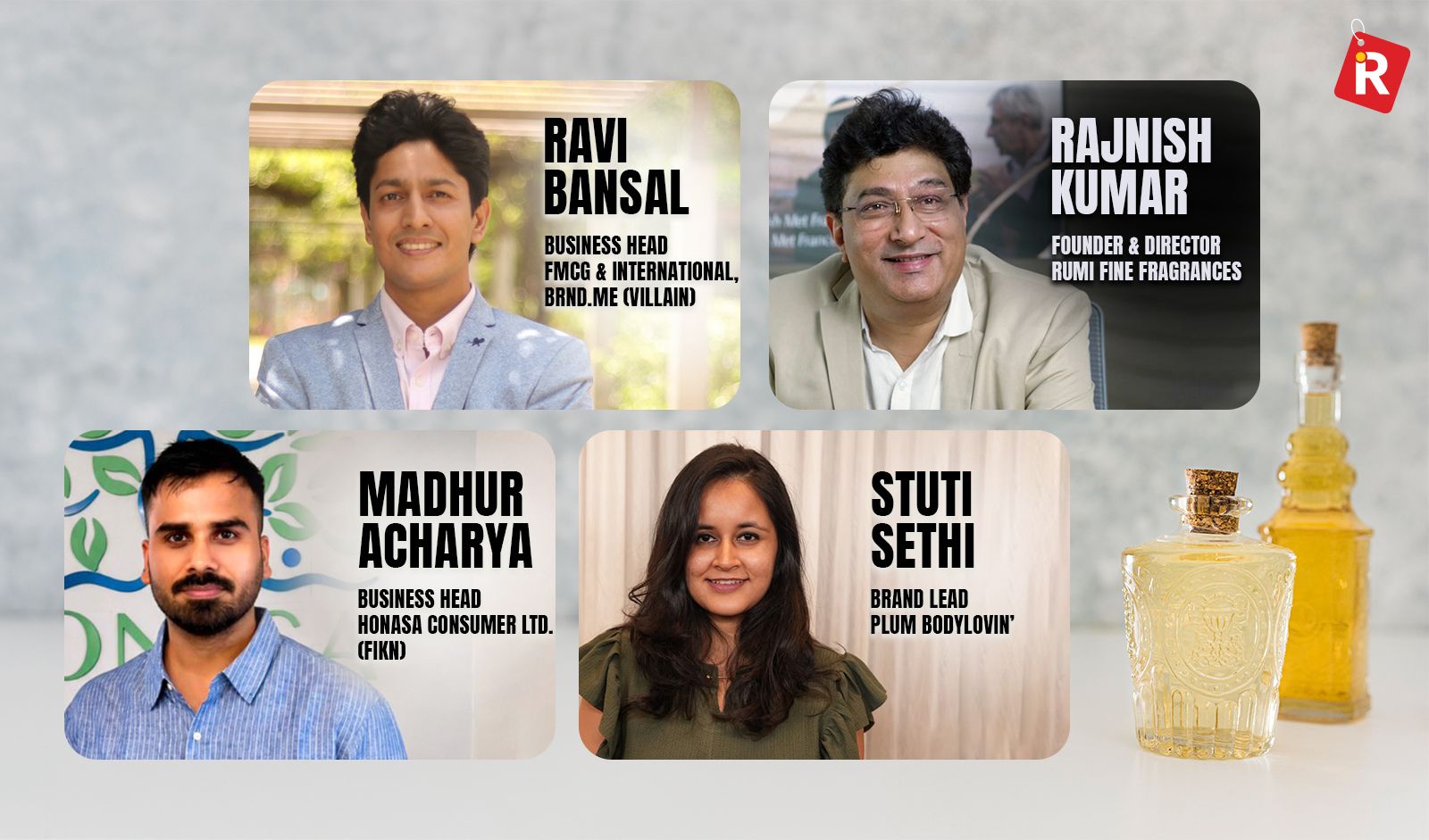
Perfumes are becoming part of everyday grooming in India, moving beyond special occasions and gifting. From office wear to gym sessions and evening outings, consumers are exploring fragrances across price points.
According to Euromonitor International’s Fragrances in India report, the market recorded 15 percent value growth in 2025, reaching retail sales of Rs 6,640 crore. Younger consumers, in particular, are experimenting with different scents and making fragrances a part of their personal style. For brands, this shift presents an opportunity to turn perfumes from occasional purchases into everyday essentials through accessible pricing, distinctive fragrances, and greater product variety.
Also read: Retail Sales Grow 8 Pc in September 2026 Ahead of Festive Season: Report
Perfumes Find a Place in Everyday Grooming
One of the biggest changes in the market is the shift from deodorants to perfumes. Consumers are increasingly looking for fragrances that last longer and offer a more distinctive experience, without necessarily spending a fortune.
Ravi Bansal, Business Head - FMCG and International, Brnd.Me said the market had moved beyond its traditional dependence on occasions and gifting. "Over the last 2–3 years, consumers have become more willing to upgrade from traditional deodorants to Eau de Parfum, driven by better fragrance quality, stronger longevity and more aspirational brands at accessible price points."
Rajnish Kumar, Founder and Director of Rumi Fine Fragrances, has also noticed this change in consumer behaviour. He said, "The market used to be dominated by deodorants but is now seeing increased sales of perfumes, which are affordably priced at Rs 500-700."
Affordable perfumes are opening up the category to a wider consumer base but Kumar thinks there is still scope for growth at the premium end, particularly as shoppers become more aware of fragrance quality, ingredients and brand recognition.
Stuti Sethi, Brand Lead – Plum BodyLovin’, said, “Consumption of fragrance is moving toward daily use, and accessible premium and premium products are gaining traction. E-commerce has also made it easier for consumers to explore a wider range of fragrances."
Also read: Premiumization Reshapes India’s Home Appliance Retail Market
The Rs 500–Rs 1,000 Sweet Spot
For many consumers, price remains an important consideration. They want a perfume that smells good and lasts, but may not be ready to spend several thousand rupees on a single bottle. This has created an opportunity for brands in the affordable-premium segment.
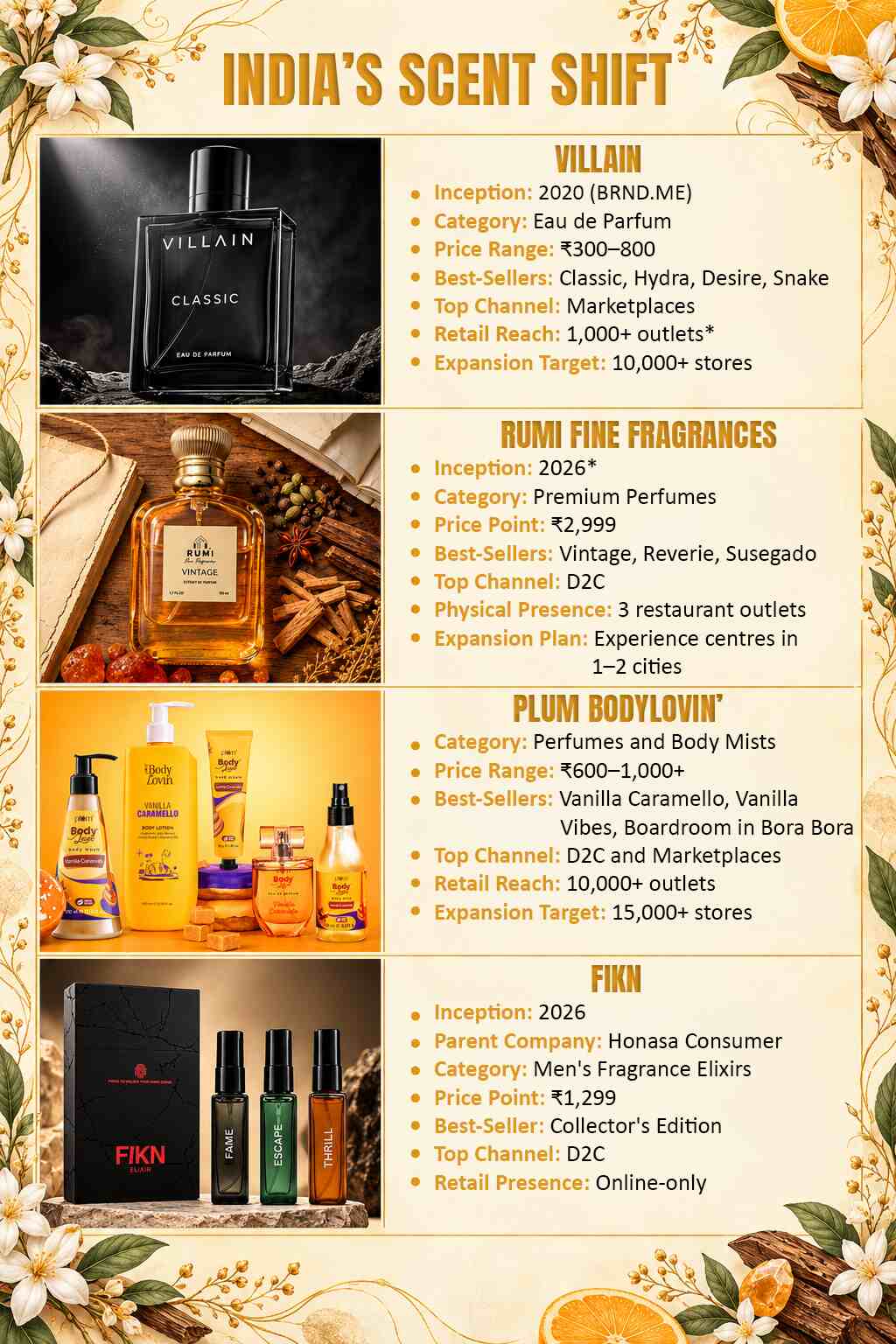
Bansal said Villain’s strongest demand currently comes from the Rs 300–Rs 800 range, where consumers can explore different fragrance profiles without making a large investment.
Madhur Acharya, Business Head at Honasa Consumer Ltd., which operates the FIKN fragrance brand, said demand was particularly strong in the Rs 500–Rs 2,000 segment.
"Today's buyer judges a fragrance on how long it lasts and whether people notice it, not on the label," Acharya said.
For Rumi Fine Fragrances, however, the opportunity lies in moving beyond price-led purchases. Kumar said consumers were increasingly looking for fragrances that reflected their individual preferences.
"Today, the buyers want to have unique scents which define them, and can become their signature," he said.
Kumar sees potential in the Rs 1,500–Rs 2,000 segment and among consumers willing to spend more than Rs 2,500 on perfumes. According to him, distinctive fragrances, authenticity and a strong brand story will become increasingly important as consumers become more selective.
Also read: Diwali Dressing Gets a Retail Makeover
 Online Shopping Changes How Consumers Discover Fragrances
Buying a perfume without smelling it first can be difficult. Yet, online platforms are playing a growing role in fragrance sales, with reviews, creator recommendations and social media helping consumers discover new brands.
For Villain, marketplaces and its D2C website remain the main sales channels, while quick commerce is emerging as a faster-growing avenue, particularly for impulse purchases and gifting.
The brand is also expanding its offline presence. It plans to increase its reach to more than 10,000 general trade stores over the next 12–18 months.
FIKN, meanwhile, began with a D2C-led approach. Acharya said selling directly had helped the company understand its customers and respond to their feedback. The brand is now expanding across major marketplaces and quick-commerce platforms.
Plum BodyLovin' is also seeing opportunities across online channels. Sethi said D2C and marketplaces remain important for the brand, while quick commerce is gaining relevance for gifting and occasion-led purchases.
For Rumi Fine Fragrances, the approach is more selective. Kumar said the brand's website remained its primary sales channel, alongside three restaurant outlets in Bengaluru. The company is exploring opportunities to reach customers through premium venues and complementary categories rather than focusing only on the number of outlets.
Also read: How GRM Foods Is Growing 921 Basmati Rice Globally
One Perfume Is No Longer Enough
The way people use fragrances is changing, too. Instead of sticking to one or two familiar scents, some consumers are building collections for different occasions.
Kumar calls this trend fragrance wardrobing. Consumers may choose one fragrance for the gym, another for work, and a different one for a date or an evening out. He believes the practice, which is particularly visible among younger shoppers, is also gaining interest among older age groups.
According to Bansal, younger consumers were showing interest in bold woody, fresh and distinctive fragrances. Social media creators and lifestyle communities are also influencing their choices.
Acharya said younger buyers were increasingly prioritising performance, personalisation and social discovery. This is contributing to interest in concentrated formats such as fragrance elixirs, which are positioned for consumers seeking greater intensity and longevity.
Plum BodyLovin' is seeing demand for sweeter, dessert-inspired fragrances, including vanilla-based scents. Sethi also pointed to interest in body mists, minis and layered fragrances, giving consumers more ways to experiment without committing to a single scent.
Also read: BMW Group India’s Hardeep Singh Brar on Luxury Car Retail Trends
Premium Fragrances Find Their Audience
Even as affordable perfumes attract new buyers, premium fragrances are finding customers willing to pay more for distinctive products.
Kumar said Rumi Fine Fragrances' Vintage, Reverie and Susegado, priced at Rs 2,999, together account for almost 40 percent of its fragrance sales. He sees this as an indication that some consumers are moving beyond price comparisons and looking for products that stand apart.
FIKN's experience has been different but equally telling. According to Acharya, its Collector's Edition discovery set accounts for more than 80 percent of fragrance sales so far. The format allows customers to explore different scents before purchasing full-sized bottles.
Meanwhile, Plum BodyLovin’ is available in more than 10,000 fragrance retail outlets and hopes to expand to over 15,000 stores by year-end, Sethi said.
The fragrance market in India is now catering to consumers with different budgets, preferences and shopping habits. Price will always be an entry point for people to come in, but the quality, performance and variety of the fragrance will keep them coming back. As perfumes become part of everyday grooming, brands will have to do more than smell nice to stand out.
Also read: How Indian Fashion Brands Are Building the Next Premium Retail Market

Royal Enfield bikes now cover far more than the traditional 350cc roadster space. The current India range includes roadsters, heritage motorcycles, cruisers, scramblers, adventure bikes and 650cc models, so choosing the right one depends on where you ride, how much performance you need and how much ownership cost you are comfortable carrying.
A two-wheeler loan can make the purchase easier to spread across monthly instalments, but financing should come after the motorcycle decision. The right Royal Enfield is the one that fits your riding before it fits an EMI.
Which Royal Enfield bike suits your riding style?
Royal Enfield currently groups its range across several clear categories. Hunter 350, Guerrilla 450, Shotgun 650 and Interceptor 650 sit in the roadster space, while Classic 350, Bullet 350, Goan Classic 350, Classic 650 and Bullet 650 carry the heritage theme. Meteor 350 and Super Meteor 650 focus on cruising, while Himalayan 450 and Himalayan 440 serve adventure riders.
That makes it easier to shortlist by use rather than engine size alone.
Riding need | Royal Enfield models to consider | Why they fit |
Everyday city riding | Hunter 350, Classic 350 | Manageable performance and familiar ergonomics |
Traditional road presence | Bullet 350, Classic 350 | Heritage styling and relaxed character |
Highway cruising | Meteor 350, Super Meteor 650 | Laid-back ergonomics and long-distance focus |
Adventure touring | Himalayan 450, Himalayan 440 | Upright stance and rough-road ability |
Stronger road performance | Guerrilla 450, Interceptor 650 | More performance for open roads |
Sportier riding | Continental GT 650 | Café-racer ergonomics and twin-cylinder performance |
The largest engine is not automatically the better choice. A lighter 350cc motorcycle can be easier to manage in dense traffic, while a 450cc or 650cc model makes more sense if faster roads form a large part of your week.
Why are the 350cc models still the easiest starting point?
The 350cc range remains relevant because it combines recognisable Royal Enfield character with more manageable performance and ownership costs than the larger-capacity bikes.
The current Hunter 350 uses a 349cc single-cylinder engine producing 20.2 PS at 6,100 rpm and 27 Nm at 4,000 rpm. In Metro form, it has a 790 mm seat height, 181 kg kerb weight, a 13-litre tank, an assist-and-slip clutch, LED headlamp, Tripper navigation and Type-C charging.
The Bullet 350 uses the same basic J-series engine output but takes a more traditional route. Its 805 mm seat height and 195 kg kerb weight make it feel more substantial, while the long bench seat and 13-litre tank suit relaxed riding.
The Classic 350 sits between those ideas, combining heritage-led design with broader everyday usability.
When should you move to a 450cc or 650cc Royal Enfield?
Move up when your riding genuinely needs the extra capability.
The Guerrilla 450 gives road-focused riders a stronger performance step without moving straight to a twin-cylinder 650. The Himalayan 450 adds adventure-oriented suspension, ground clearance and touring equipment for riders who regularly encounter broken roads or travel with luggage.
The 650cc range offers a different experience again. The Interceptor 650 is the most straightforward all-round roadster, the Continental GT 650 is more committed and sporty, the Super Meteor 650 focuses on cruising, while the Shotgun 650, Bear 650 and newer 650cc models offer more specialised personalities.
Larger motorcycles can improve highway performance, but they also tend to increase tyre, fuel, insurance and sometimes servicing costs. Buy the additional capability only if you will use it.
What should you compare beyond engine size?
Kerb weight matters whenever you push a motorcycle backwards or manoeuvre it in a tight parking space. Seat height affects confidence at traffic lights. Ground clearance matters on poor roads, while fuel-tank capacity influences how often you stop on longer rides.
Pillion use should also shape the decision. A motorcycle that feels ideal solo may become less comfortable when regularly carrying another person.
A proper test ride should include slow U-turns, braking, broken roads and parking. These situations reveal more about long-term ownership than a short acceleration run.
How should you budget for a Royal Enfield purchase?
Start with the on-road price of the exact model and variant, then add riding gear, insurance, fuel, servicing and likely accessories. This prevents the purchase price from looking artificially low.
If paying the full amount upfront would reduce useful savings, a two-wheeler loan can spread the on-road cost across monthly instalments. Subject to eligibility and applicable terms, loan amounts can range from Rs. 35,000 to Rs. 21 lakh, repayment tenures can run from 6 to 84 months, and financing may cover up to 100%* of the two-wheeler's on-road price.
A worked example helps show the trade-off. Suppose your chosen Royal Enfield has an illustrative on-road price of Rs. 2 lakh and you pay Rs. 40,000 upfront. Financing the remaining Rs. 1.60 lakh for 36 months at an illustrative 14% p.a. would result in an EMI of about Rs. 5,468 per month.
This is only an example, not a quoted offer. Your actual EMI will depend on the loan amount, interest rate, tenure, city, model and eligibility. A longer tenure can reduce the monthly EMI but may increase the total interest paid.
If you are buying during Navaratri or Diwali, check Bajaj Mall for current Royal Enfield festive offers before booking. Use any worthwhile benefit to reduce the cost of the model you already want rather than as a reason to step into a costlier motorcycle.
Should you buy Royal Enfield bikes with a two-wheeler loan?
Yes, a two-wheeler loan can be a practical way to buy a Royal Enfield when the motorcycle already fits your riding needs and you prefer to preserve cash instead of paying the entire on-road amount at once.
The Hunter 350 makes sense for city-focused riders, the Bullet 350 and Classic 350 suit buyers who value heritage character, the Meteor range favours cruising, the Himalayan models support adventure use, and the 450cc and 650cc motorcycles suit riders who will genuinely use the additional performance.
Choose the motorcycle first, then the variant, and only then decide how much to finance. That order keeps the loan as a tool for managing the purchase rather than a reason to stretch the budget.

Festive season calls for a little extra attention to hair care, with celebrations often bringing frequent styling, late nights, changing weather and exposure to pollution. From scalp care and nourishment to managing frizz and improving softness, a well-planned hair care routine can help keep hair looking healthy and manageable through the festivities.
For those preparing their hair ahead of Diwali parties, family gatherings and wedding celebrations, choosing the right products can make everyday care easier. From targeted scalp serums and nourishing hair oils to gentle cleansers, smoothing serums and conditioning masks, several hair care brands offer products suited to different needs. Here are five hair care brands to watch for festive season prep, with options to consider at different stages of your routine.
How to Prepare Your Hair for the Festive Season
Festive hair preparation starts with understanding what your hair needs. A gentle cleanser helps remove accumulated oil and product residue, while hair oils and conditioning masks can help address dryness and improve manageability. Scalp serums offer a targeted addition to a routine, while smoothing serums can help control the appearance of frizz before styling.
Rather than introducing several new products immediately before an event, it is worth incorporating them gradually and checking how your hair and scalp respond. The following brands offer different approaches to festive hair care, from scalp-focused formulations to products designed to support softness, shine and styling.
1. &Done Turning Point Hair Growth Serum

&Done’s Turning Point Hair Growth Serum is designed for those looking to add a targeted scalp care product to their festive hair preparation routine. Formulated with Biotech HexaGrowth Technology, powered by French biomimetic peptide science, the serum is designed to target six biological pathways associated with hair growth.
Hair fall can have several contributing factors, including stress, hormonal changes, genetics and seasonal shifts. The serum focuses on scalp care and the conditions associated with healthier-looking hair rather than simply addressing the appearance of the hair lengths. Its lightweight formulation absorbs quickly and leaves no residue, making it convenient to incorporate into an everyday routine. For those planning their hair care in advance of the festive season, it offers an option to explore targeted scalp care alongside cleansing and conditioning. However, visible hair growth changes generally require consistent use over time, rather than a few days of festive preparation.
2. Traya Nourish Hair Oil
Traya Nourish Hair Oil is an option for those looking to incorporate oiling into their hair care routine before the festive season. Priced at Rs 450, the formulation combines nine cold-pressed oils with ingredients such as amla, bhringraj, jatamansi and ratanjot, alongside argan, castor and rosemary oils.
The oil is designed to nourish the hair and support moisture and shine, making it suitable for a pre-wash care ritual. It can be massaged into the scalp and lengths, left on for an hour or overnight, and then washed out. For people dealing with dry-feeling hair after frequent washing or styling, oiling can be a useful addition depending on their hair and scalp type. Incorporating it into the days leading up to a celebration can help hair feel softer and more manageable. Those with oily or sensitive scalps should adjust the frequency according to their individual needs.
3. Forest Essentials Hair Cleanser, Bhringraj & Shikakai
Forest Essentials Hair Cleanser, Bhringraj & Shikakai is a sulphate-free Ayurvedic cleanser designed for those who want to build their festive hair care routine around gentle cleansing. Priced at Rs 1,599, it features ingredients including reetha, bhringraj, shikakai and liquorice.
The cleanser is intended to remove dirt and buildup while helping maintain the hair’s natural oils. It can be diluted, massaged into wet hair for one to two minutes and rinsed thoroughly. As festive preparations often involve styling products, heat tools and multiple outings, cleansing is an important step in keeping hair fresh between occasions. Using a cleanser suited to your hair type can help create a clean base before conditioning and styling. For those planning several festive looks, this product can be considered as part of a regular wash-day routine rather than an occasional styling treatment.
4. Pilgrim Patuá & Hyaluronic Acid Smoothing Hair Serum
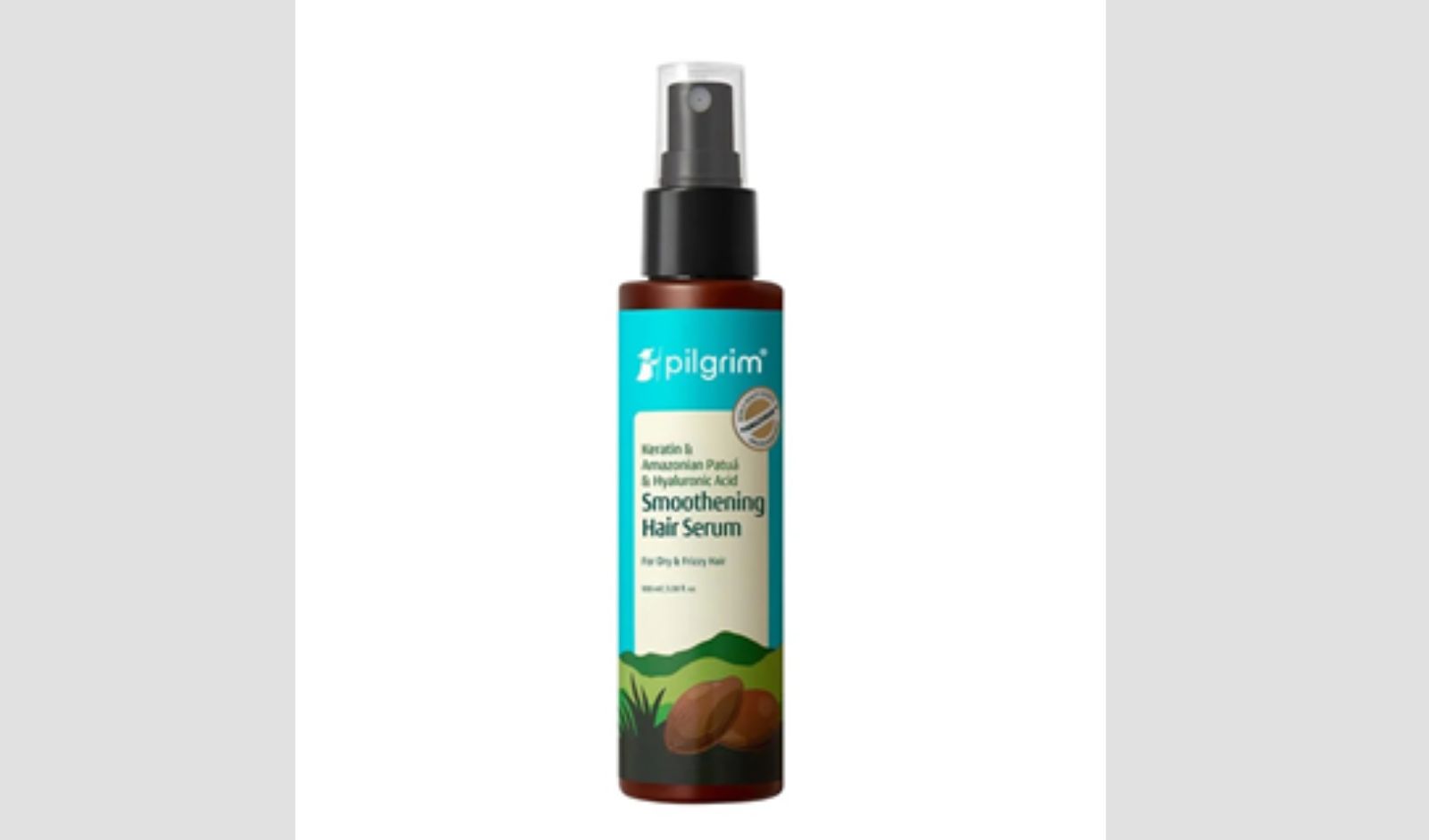
Pilgrim’s Patuá & Hyaluronic Acid Smoothing Hair Serum is designed for dry and frizzy hair that needs an additional finishing step before styling. Priced at Rs 471, the serum combines patuá oil and hyaluronic acid in a formulation intended to smooth the appearance of hair and improve manageability.
A small amount can be applied to towel-dried hair or concentrated on the ends while styling. This makes it a practical addition to a festive routine, particularly for those planning blowouts, curls or other styled looks. Hair can become more difficult to manage when exposed to humidity, pollution and repeated heat styling, so a smoothing product can help improve the appearance of the lengths and reduce the look of flyaways. The serum can also serve as a finishing touch before heading out for an event. Using an appropriate heat protectant separately is advisable when styling with hot tools.
5. Methi Dana 8-in-1 Hair Mask
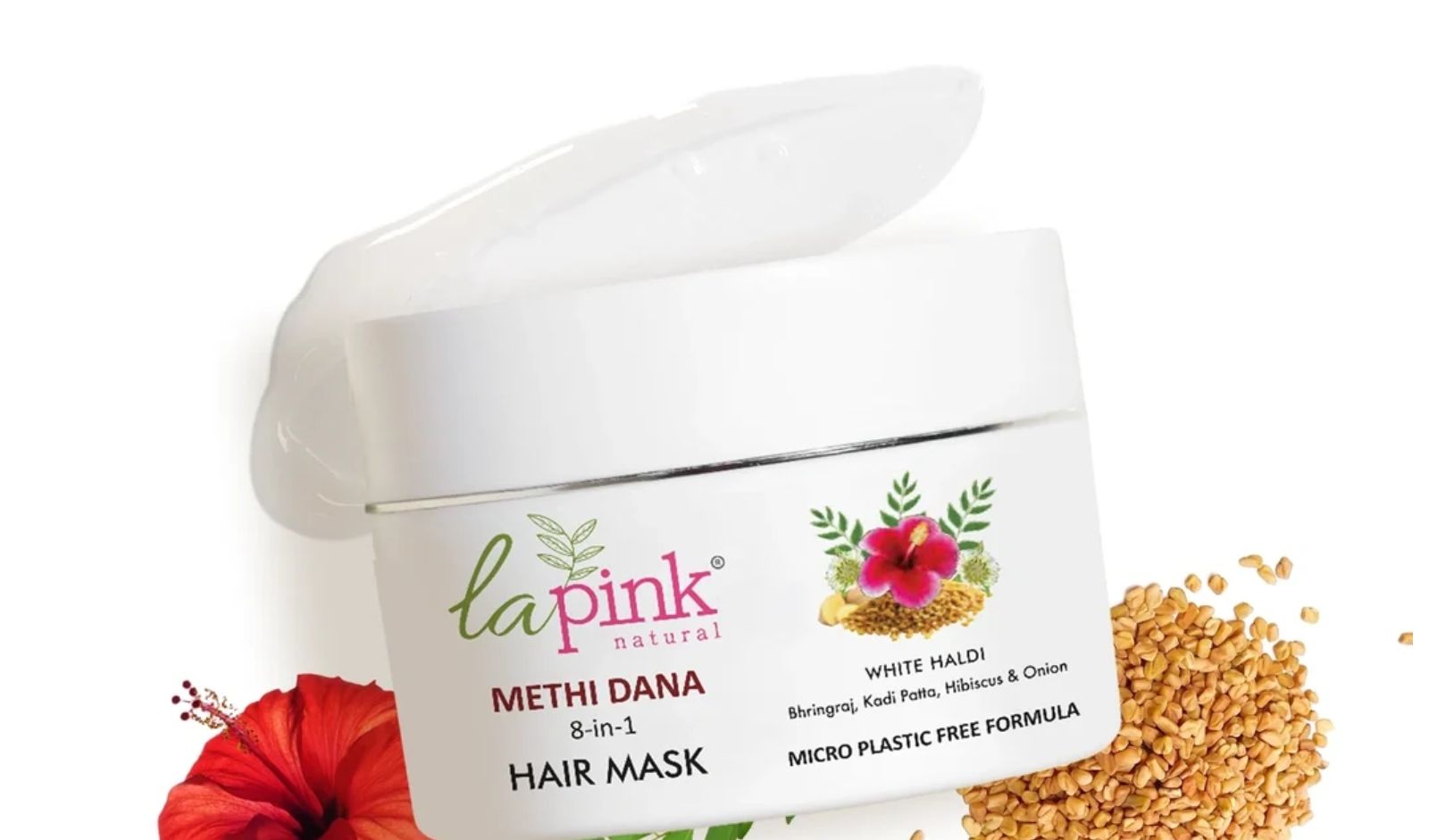
La Pink Methi Dana 8-in-1 Hair Mask is a 100% natural formulation engineered to repair frizzy, dry hair while promoting double volume with shiny luster, making it the best hair mask for hair that feels dull and damaged. Formulated with 8 premium natural elixirs incorporating Methi Dana, Onion, Bhringraj, Hibiscus, Kadi Patta, Coconut Oil, Almond Oil, and White Haldi, it boosts hair luster by 35% within two weeks, thus making it the best hair mask for dry and damaged hair. This advanced blend delivers antioxidants, vitamins, proteins, sulfur, and fatty acids, promoting voluminous growth and enhancing scalp health while preventing microbial infections, positioning it as the best hair mask for achieving stronger, shinier, and healthier-looking hair. It confirms zero irritations after usage.
The 100% Microplastic-Free Formula helps maintain a good balance between scalp and hair pH, thus enhancing glossy and voluminous hair in just two weeks, making it the best hair mask for hair repair and nourishment.
Conclusion
Preparing your hair for the festive season involves more than choosing a styling product for the day of an event. A considered routine that includes cleansing, nourishment, conditioning and targeted scalp care can help address different hair concerns over time.
&Done offers a targeted approach to scalp care with its Turning Point Hair Growth Serum, while Traya Nourish Hair Oil focuses on nourishment and moisture. Forest Essentials provides a cleansing option, Pilgrim offers a smoothing serum for styling, and Kama Ayurveda brings a conditioning mask to the routine. The right combination depends on individual hair type, scalp condition and styling habits. Starting early and introducing products gradually can help you find a routine that works for your hair throughout the festive season.
Frequently Asked Questions (FAQs)
1. How early should I start preparing my hair for the festive season?
Ideally, begin a few weeks before major celebrations. This gives you time to establish a consistent cleansing and conditioning routine and assess how your hair responds to new products. Products intended to support hair growth may require considerably longer to show results.
2. Which hair care products should I use before festive styling?
A basic routine can include a cleanser suited to your scalp, a conditioner or hair mask for the lengths, and a smoothing serum if you experience frizz. Hair oils and scalp serums can be added depending on your specific concerns and product suitability.
3. Which product is suitable for dry and frizzy hair?
Pilgrim Patuá & Hyaluronic Acid Smoothing Hair Serum is designed for dry and frizzy hair. Kama Ayurveda Bringaras Regenerating Hair Mask is another option for conditioning dry lengths and improving manageability.
4. Can hair growth serums help with seasonal hair fall?
Hair growth serums are formulated to support specific scalp or hair concerns, but results depend on the formulation and underlying cause of hair fall. Persistent or significant hair loss should be evaluated by a dermatologist, as a cosmetic serum may not address every cause.
5. How can I maintain healthy-looking hair during festive celebrations?
Use a cleanser and conditioner suited to your hair type, avoid excessive heat styling, and use heat protection when required. Keep hairstyles comfortable, handle wet hair gently and avoid introducing too many new products at once. A consistent routine can help maintain hair softness and manageability through frequent celebrations.
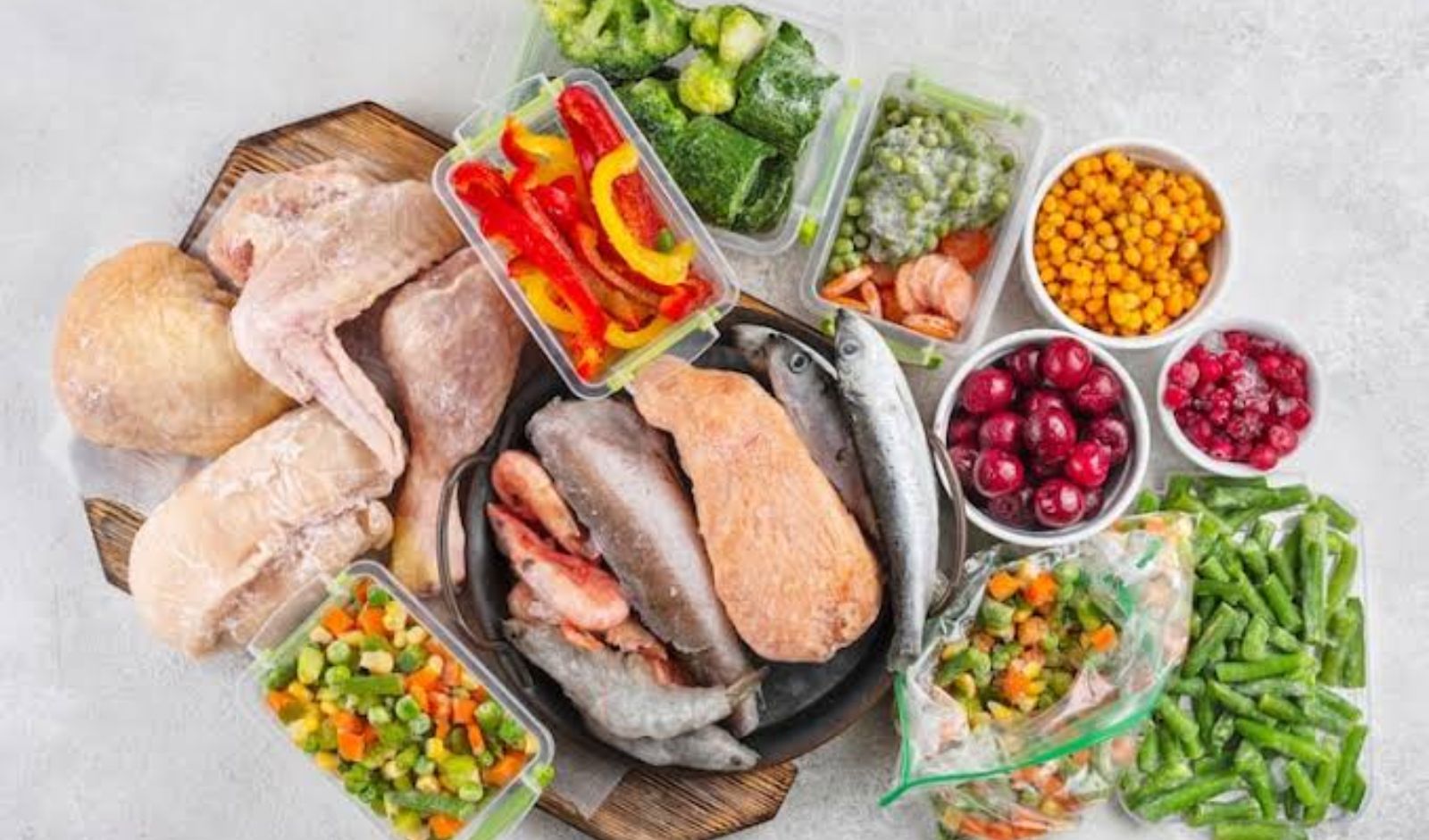
The Indian frozen food market is standing at a major inflection point. Currently valued at ₹14,400 Crore (US$ 1.7 Billion), the sector is tracking toward ₹35,000 Crore (US$ 4.2 Billion), compounding at an annual rate of 15% to 17%. To put these numbers into context, standard packaged FMCG categories in India typically grow at 8% to 10% annually. The frozen food category is expanding at roughly double the speed of traditional ambient grocery baskets. What was historically viewed as an emergency backup limited primarily to frozen green peas and basic potato fries is rapidly becoming a main-course staple for urban households.
Macro Shifts: Income, Time, and Quick Commerce
For decades, low home refrigerator capacity and deeply ingrained habits of daily visits to local fresh markets kept frozen food spend below 1% of total household grocery budgets. That structural baseline has shifted due to three major economic and consumer trends:
- Changing Urban Demographics: India now counts over 115 million urban households, with dual-income families rising rapidly across major metropolitan areas. As a result, average weeknight meal preparation time in urban homes has dropped from 90 minutes down to under 30 minutes over the past decade.
- Rising Per Capita Income: As India's per capita GDP crossed $2,500, discretionary spending on time-saving kitchen solutions increased. Working professionals are now willing to pay a moderate premium to skip labor-intensive chopping, grinding, and prep work.
- The Quick-Commerce Surge: Delivery platforms like Blinkit, Zepto, and Instamart have fundamentally altered retail distribution. Frozen snacks and ready-to-heat meals represent one of the fastest-growing segments in quick commerce, posting 35% to 40% year-on-year growth. Dark stores equipped with micro-freezers have effectively solved the last-mile temperature breaks that previously stalled traditional distribution through neighborhood kirana stores.
Modernizing the Cold Chain Infrastructure
Historically, the single largest drag on the industry was not consumer willingness to buy, but logistics. Inconsistent temperature regulation during transit frequently led to product thawing and spoilage before inventory reached store counters. That infrastructure bottleneck is finally clearing. Government initiatives alongside private equity investments have expanded cold-chain networks nationwide. India's cold storage capacity has crossed 39 million metric tonnes, while the fleet of temperature-controlled reefer transport trucks is growing at over 12% annually. At the retail level, modern supermarkets and hypermarket chains have doubled their dedicated freezer floor space over the last three years. Retail operators recognize that frozen items yield higher profit margins per square foot than standard ambient shelf goods.
Preservation Technology and Local Palates
The technical turning point for consumer acceptance has been the implementation of Individual Quick Freezing (IQF) technology. Unlike standard home freezers that cool items slowly and create large ice crystals that damage food texture, IQF freezes food rapidly at ultra-low sub-zero temperatures. This locks in cellular integrity, natural moisture, and up to 90% of nutritional content without requiring added chemical preservatives. When consumers realized that frozen parathas, momos, kebabs, and curry bases matched the taste, aroma, and texture of freshly prepared meals, trial purchases converted into regular monthly buys.
The product mix is also broadening significantly:
- Vegetarian Dominance: While non-vegetarian options like chicken nuggets and sausages led early sales in organized retail, vegetarian snacks, snacks, and readyto-cook items now command over 65% of total market volume.
- Regional Preferences: Western-style finger foods established the category, but regional choices stuffed parathas, kulchas, authentic snacks, and regional gravies are driving high repeat order rates in non-metro regions.
Tapping Growth in Tier 2 and Tier 3 Markets
The next major wave of growth will extend well beyond top-tier metropolitan areas. Tier 2 and Tier 3 cities currently represent under 20% of total frozen food sales, but they are expanding at a rapid 22% annually. Rising disposable incomes, expanding internet connectivity, and exposure to global food choices are creating a strong aspirational consumer base across regional centers.
To capture this growing demand, manufacturers and distributors must address two primary operational tasks:
- Unbroken Regional Cold Chains: Expanding reliable regional distributor networks equipped with proper sub-zero storage facilities to prevent stock degradation during distribution.
- Clear Labeling and Consumer Education: Overcoming remaining consumer misperceptions about food additives through transparent, clean-label packaging. Packaging needs to clearly communicate a simple fact: sub-zero temperatures serve as nature’s natural preservative.
The Road Ahead for FMCG Leaders
The Indian frozen food industry is no longer an emerging test case; it is becoming a foundational pillar of modern food retail. Supported by strong demographic tailwinds, expanding micro-fulfillment delivery networks, and a maturing national cold chain, frozen foods present one of the most compelling long-term expansion opportunities across the consumer goods sector over the coming decade.
For FMCG leaders, retailers, and supply chain partners, the takeaway is straightforward: convenience food in India is moving fast, building scale, and cementing its place in freezers nationwide.
Authored by:
By Dhruv Arora, Managing Director, Jasper Group
The interaction between customers and businesses has transformed with the introduction of direct-to-consumer (D2C) brands. These brands can sell directly through digital channels, enabling them to build stronger customer relationships. These brands have been able to gather valuable insights and reach out proactively to changing market preferences. D2C brands are expanding actively across various cities, regions, and international markets. However, this growth has also posed a new challenge: building teams which are able to scale as efficiently and quickly as the business.
If they have to enter a given market, they do not just have to increase sales or launch a new website. They also have to train their employees to acquire different skills, market knowledge, and deal with various kinds of customers. These brands should also be familiar with various regulations and operating models. Therefore, D2C brands must invest in continuous learning and role clarity.
Making Continuous Learning a Part of Daily Processes
The skills required by D2C brands are continuously evolving. The capability of employees is no longer enough to carry out daily operations. They also need to be familiarised with digital marketing, customer experience, analytics, and the application of artificial intelligence.
D2C companies need to incorporate continuous learning into the daily routine of the employees. It should not be treated as a one-time activity during their onboarding process. They need to have ongoing learning programmes focused on both the current responsibilities and the future requirements of the organization.
Currently, teams are looking forward to expanding their marketing domain, and therefore, they need to become familiar with customer behavior. The customer support teams might also need to become trained in various regional languages and local cultural expectations. As a result, companies need to create continuous learning opportunities for the employees.
How Can Companies Provide Role Clarity?
As the teams grow, the reporting structures can become unclear, and the responsibilities might overlap for different employees. In a D2C company, employees are expected to perform various duties. With the scaling of the organization, this can create missed responsibilities and duplicated work.
As the teams expand across markets, companies should be able to clearly define the roles. Employees should understand the duties expected of them daily and how the company will measure their performance. They should feel valued and know how their work contributes to the broader business objectives. Companies should clearly define their job roles and the performance indicators.
Defining the job roles does not mean having a rigid structure. It would instead provide the employees with a solid foundation and also give them the flexibility when the market undergoes a change.
Using Data for Workforce Planning
The demand continues to fluctuate in a global environment. In such cases, D2C companies should make good use of the available data to plan their workforce. The increased demand can be a result of social media interactions of the brand, seasonal campaigns, and product launches.
Companies should not solely rely on their gut feeling and should make use of the historical data to understand when they will require additional workforce. Companies would be able to anticipate the talent requirements based on customer-service volumes, sales forecasts, employee productivity, and workload trends. In this way, companies are able to move towards proactive workforce planning, and they do not resort to reactive hiring.
In case of an increase in order volumes, they would be able to hire for operations and fulfillment requirements in advance.
How Can Companies Bring Together Local Expertise and Global Consistency?
Companies should be able to strike a balance between standardisation and localisation. They need to make sure the basic values, principles of the organisation, and technology systems are consistent across all markets. The local teams should be in a position to respond to market changes and the expectations of regional customers. They can get valuable insights into customer behavior by hiring local talent.
Consequently, companies would also be able to respond to market challenges in an efficient manner. The brand identity would remain consistent with a stronger collaboration with the central teams.
The Road Ahead
The D2C brand needs to actively expand itself across international markets. This can make them prone to both operational and people-related challenges. The expansion can be possible with the aid of both capital and technology. If they are able to build capable and adaptable teams, they would be in a position to sustain this growth.
The companies can make themselves adaptable to change with the help of continuous learning, making use of the historical data, clarifying job roles, and creating opportunities for employees for internal mobility. The main objective of D2C brands is not just to build larger teams. They should also be able to build teams which are more adaptable and agile. These teams would be able to respond to newer markets, business models, and also new customers. If companies are able to integrate workforce strategy into their growth objectives, D2C brands will be able to scale in the most efficient manner. The performance of the employees will be improved, along with the customer experience.
Authored by:
Pradeip Agarwal, Co-founder of Stratbeans
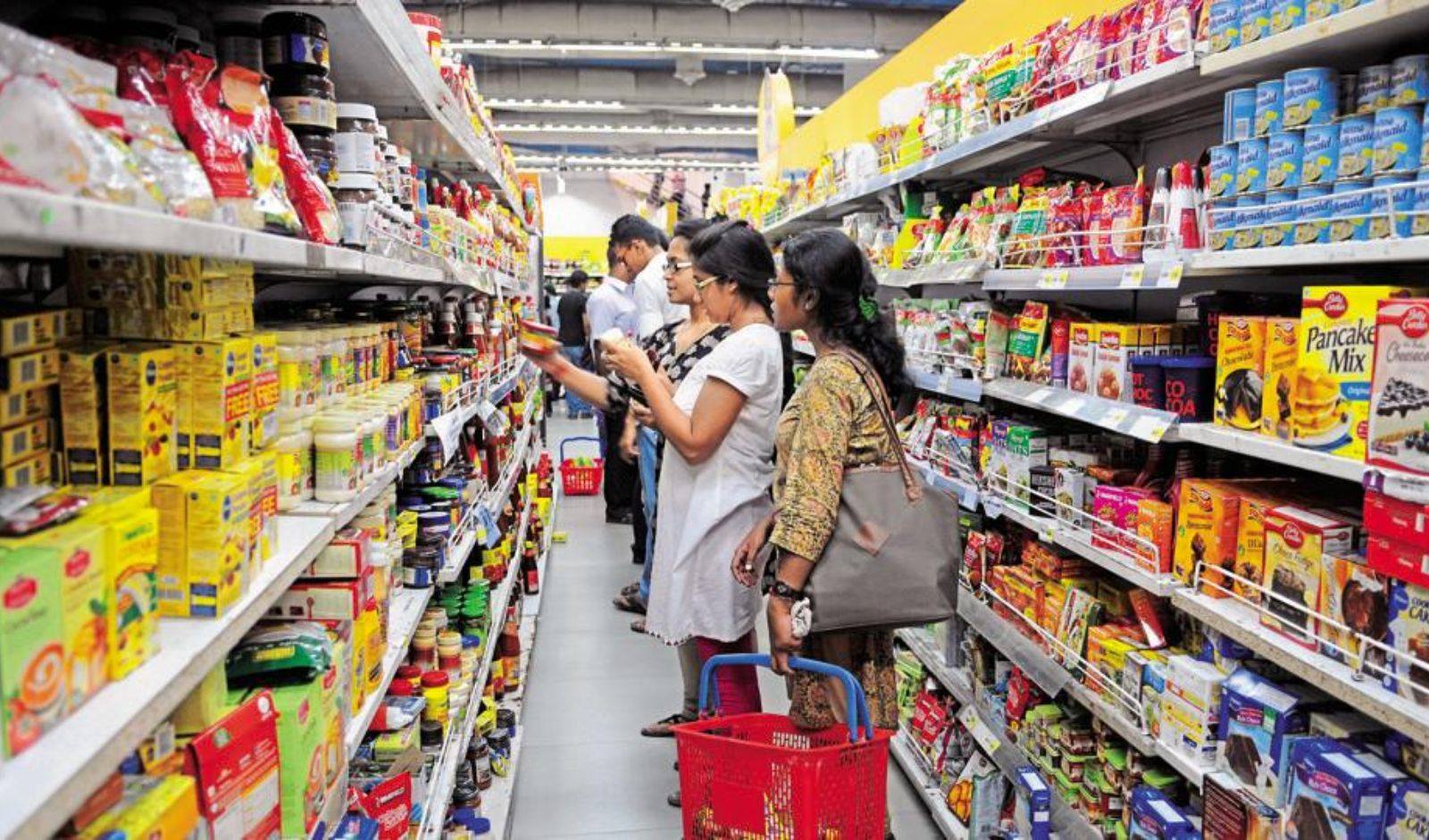
For decades, India's retail growth had been focused in metropolitan cities, where organised retail, international brands and premium consumption thrived. Tier-2 and tier-3 cities are now emerging as key markets, reflecting changing aspirations, greater digital access and evolving consumer preferences. The next phase of Indian retail growth will be defined by how industry players respond to these new consumer expectations.
Aspiration Is No Longer Constrained by Geography
Consumers in tier-2 and tier-3 are empowered with access to the digital space and social media. They have the ability to research and discover brands before making any purchase.
This has bridged the information gap between metro and non-metro consumers and given power to the latter to be informed about brands and products. But the purchase decision is still based on quality, value and functionality.
The Growing Importance of Omnichannel Retail
While online discovery plays a key role in the purchase journey, it does not always translate into an online purchase, especially in categories wherein the customer needs to see the product before they buy.
Having the option of both digital and in-store channels may create an integrated retail ecosystem wherein the customers may pick and choose depending on their inclination. A seamless retail ecosystem can be created with digital discovery as an acquisition channel while driving physical stores to deliver product expertise and ease of purchase.
Premiumisation Requires a Local Understanding
Consumers in tier-2 and tier-3 cities now have easier access to a wide range of product categories such as fashion apparel and footwear, sportswear and accessories.
Whilst premiumisation is being fuelled by aspirational consumption, there is also a practical consideration for quality and value for money, for categories where purchase decisions are informed by price-points and the utility of products. A local understanding of product categories and consumer behaviour will be key to merchandising and planning.
Growth Must Be Matched by Retail Economics
As retail organizations enter new markets, it is essential that investment in supply chains, inventory, store formats and staffing is carefully balanced with economic realities of these markets.
By analysing key metrics such as productivity per store, inventory turnover, repeat purchase rates and servicing costs, the retailers will be able to accurately forecast the commercial viability for these new markets and make decisions regarding future investment.
From Expansion to Market Development
While expansion into new geography is an important component of growth, market development requires a separate evaluation. Development of a market involves understanding the local customers and their needs, developing relevant products and services through category management, and having the competencies to educate the consumer about new products and concepts.
In newer categories where consumer awareness is low, and demand is difficult to forecast, product development and category management can help build product relevance and consumer trust.
India's tier-2 and tier-3 cities have different economic realities and consumer expectations, and require a fundamentally different approach to retail management. By understanding local consumer behaviour and evaluating the suitability of physical retail formats, digital channels or a combination of both, industry players can make informed decisions on market entry and expansion.
Ultimately, India's retail growth story will no longer be defined by its metros. There are opportunities to not only capture an expanded consumer base, but also to create new retail formats suited to local markets. To succeed in this environment, companies will need to combine digital capabilities with physical retail know-how and balance growth ambitions against economic realities. Most importantly, they will have to earn consumer trust and loyalty – at both local and national levels.
Authored By:
Arun Malhotra, Founder & Managing Director, Brandman Retail Limited
-
According to a report by Google and Redseer projects India’s quick commerce market to be USD 13 billion in FY2026 and USD 90 billion by FY2031.
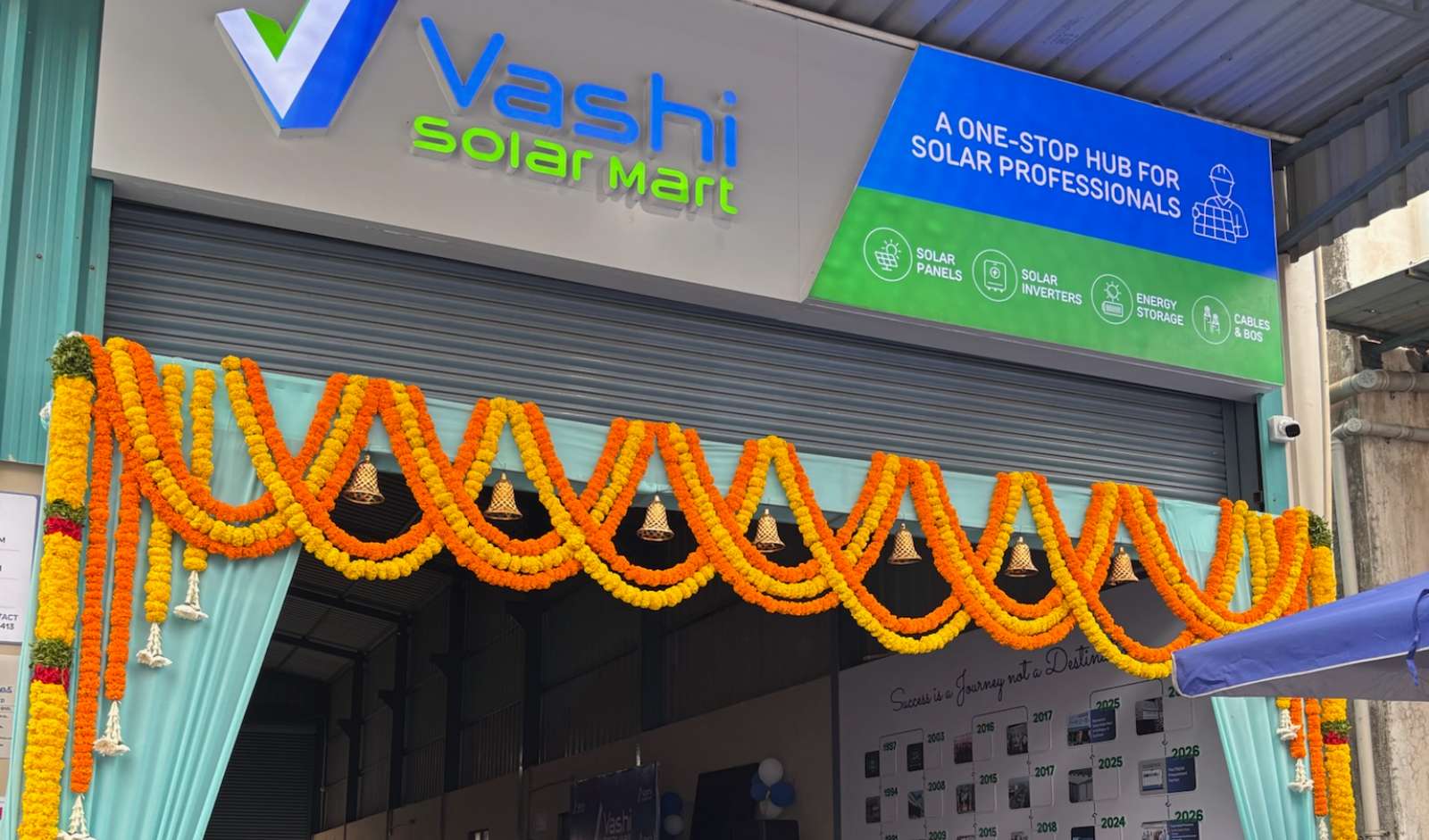 Vashi Integrated Solutions is expanding its solar distribution network to address procurement challenges faced by rooftop solar installers in India. Its first phase will cover 10 states, with a focus on Tier ll and Tier lll markets.
 Meesho's Q2 FY27 results reflect higher customer engagement, stronger festive demand and a growing seller network. The company also reported Rs 345 crore in quarterly free cash flow and a 68 percent year-on-year reduction in net losses.
-
Baggy jeans are a streetwear staple, blending comfort with contemporary style. Here are six brands in India to explore for your wardrobe.






Copyright © 2009 - 2026 Franchiseindia.com Ltd