




 218
/ 12 MIN READ
218
/ 12 MIN READ

When you listen to Manish Taneja talk about his journey with Purplle, and introspect, a lot of what he says seems like common sense- things you’d expect business leaders to know and practice as they build their brands. But Manish interestingly points out that the obvious is not often practiced in the industry. Many business leaders are swayed by market dynamics, competitor pressure, and investor pressure, etc., keeping aside that common sense- and fail to be honest with what they believe in and had set out to achieve.
Purplle’s story is a masterclass in sustainable business growth. Manish and his two co-founders started by evaluating their business idea with pragmatism, and fought every single stereotype founders and investors back in the day were conditioned to accept.
In the recent episode of Brick by Brick: Building Insurgent Brands hosted by DSG Consumer Partners, Manish discusses the extraordinary story of Purplle’s success. In the earlier days, the Purplle founders were rejected by many investors who felt that three men, with no experience or expertise in beauty, could not run a brand like Purplle. From there, they have worked together to disprove this and break many other conventions related to building successful businesses at every step of the way. Not only have they become a phenomenal success in Tier II and III cities by making products from FMCG giants accessible in these markets, but they have also launched their own product line- which offers great quality at affordable prices. This has garnered immense customer love and strongly established the in-house brand nationally.
Here are some of the most fascinating lessons from the session:
- Pragmatically Evaluate your Business Idea
For Manish and his co-founders, starting Purplle was purely a business call. There was no personally motivated goal they were trying to fulfill. They had identified that beauty and wellness were all set to be a large category in the next 15-20 years in Tier II and III cities in India, which had high gross margins, and high repeat purchases. All these three factors made the beauty category a favorable choice to go after. All three Founders were from Tier II cities and understood the customer profile in these markets well. So, even though they didn’t really have any experience with the category, they could relate to their core customer and effectively look to address their needs.
Manish advises that if founders are able to establish the existence of a large market, high gross margins, and high repeat purchases, they should be able to find success in bringing their idea to life, provided a clear brand voice and differentiation are established in their customers’ minds.
- Founders Must Have the Courage to Follow their Own Convictions
Manish advocates strongly that Founders should find what excites them and what they’re convinced about, and go all out to achieve it. They should not get pressured by market norms. Investors may push for contrarian decisions, competition may raise a whole lot of capital, or offer things like deep discounting to grab market share. But Founders should focus on building their businesses based on their own values. They should keep their minds clear of the external clutter and cultivate a razor-sharp focus on their own goals, allowing common sense and data-led logic to guide their decisions. A longer time to get to success as compared to the competition is totally acceptable as long as they are building long-term value for their own selves. When they do that, investor value will automatically follow. Founders must trust their capabilities and have conviction in their goals. If they don't, no one else will.
- The Power of Data is Unmatched and Invaluable
Back in 2017, things were bleaker for Purplle, as they had only under $100,000 in the bank and about $200,000 in receivables from large FMCG companies. Empowered by the insights they got from the consumer data they had amassed over the years, the team at Purplle decided to stop doing business with these FMCG majors, and instead use their limited funds to create and launch their own line of products that were lower on price points and yet high on quality, as compared to what was generally provided to these markets. This move turned things around for their business. From a low-margin, working capital-negative business, they instantly became a high-margin, working capital-positive business. Just by harnessing the insights from their data, they could turn around the fortune of the company.
Here is an example of the impact- the lipstick they launched as a replacement to a low-quality product like Elle 18 (but with a cheap price point of Rs 100), got them a 7X jump in lipstick sales within a single day of launch.
- Quality of Customers Trumps Quantity of Customers
Manish and his team have always focused on reaching out to customers who are likely to make purchases more than once and have a higher CLTV. Customer acquisition for the sake of inflated numbers in investor reports has never been the goal. They believe that tactics like high discounting might get you some traction in the short term, but will most definitely lead to poor CLTV in the long run.
This belief comes through in the way they have established their loyalty program too. Most businesses create free loyalty programs that reward customers with loyalty points, which are quite useless to the customer and are hardly ever used. Purplle instead has a standout loyalty program. Customers are asked to pay for it upfront and are offered real tangible benefits in return, i.e. real value is offered to the customer in exchange for the membership fee. Today, the members of the loyalty program contribute to one-third of the company’s revenue, and 50 percent of its repeat revenue, and all this is only from 6 percent of the total customer base of the company! Imagine what this could mean as the memberships go up!
- The Smart Way to Keep Customer Acquisition Costs Under Check is to Work on your Conversion Rate
Manish is cognizant of the fact that competition is always going to increase, and the general advertiser pool is also always going to get bigger too. CPCs are bound to go up with ad spaces being limited and advertisers competing for them constantly going up. The only way to counter this is to make sure your marketing, tech, and product teams are constantly looking at improving conversion rates. For Purplle, while their cost per app install has become 2.5X in the past couple of years, the customer acquisition cost has only effectively gone up by about 20 percent, because their team is constantly working on optimizing the conversion rate.
It is essential to constantly be in touch with the customers and understand their evolving needs so that Founders can bring products and innovations their customers are looking for. If they don’t keep themselves on top of their customers’ expectations, their offerings will soon be outdated, while media costs keep rising.
The goal, therefore, always has to be to offset the rise in media costs with an increase in conversion rates.
- Attract Top Talent by Empowering Them to Share in the Success
In the initial years, finding top talent for any Founder is hard. Manish recommends finding good people via referrals and making the offer attractive to them by way of generous and transparent ESOPs. At Purplle, stocks offered to employees vest equally over four years, and there are no hidden clauses.
The founders at Purplle truly want their employees to be fairly rewarded as the organization grows. They believe that the wealth they are all creating as a team should be shared, and is not an exclusive right of the Founders and investors.
- Build a Culture of the Velocity of Experimentation
Manish points out that human beings naturally have a lot of biases, many of which are incorrect. He encourages his team at Purplle to run experiments constantly to be able to eliminate these biases and make the right business decisions.
His teams are nudged to write down their hypothesis, run the experiment on one set of customers ( while ensuring that this set of customers is not being exposed to any other such experiments), then look at the data, evaluate the results, and present the findings. Data-driven decision-making is a key pillar for Purplle’s success.
In this regard, Manish advocates the necessity of a good data science team that is constantly vested in running these experiments on different customer sets.
Manish’s journey with Purplle is fascinating and inspiring. From a banking background to building a beauty business, Manish has picked up several skills along the way. These days, he says he spends over 70 percent of his time on his talent- helping them find what drives them, and motivating and empowering them to achieve their goals. He has delegated the daily decision-making to his phenomenal team, while he sets the overall vision and culture for the organization.


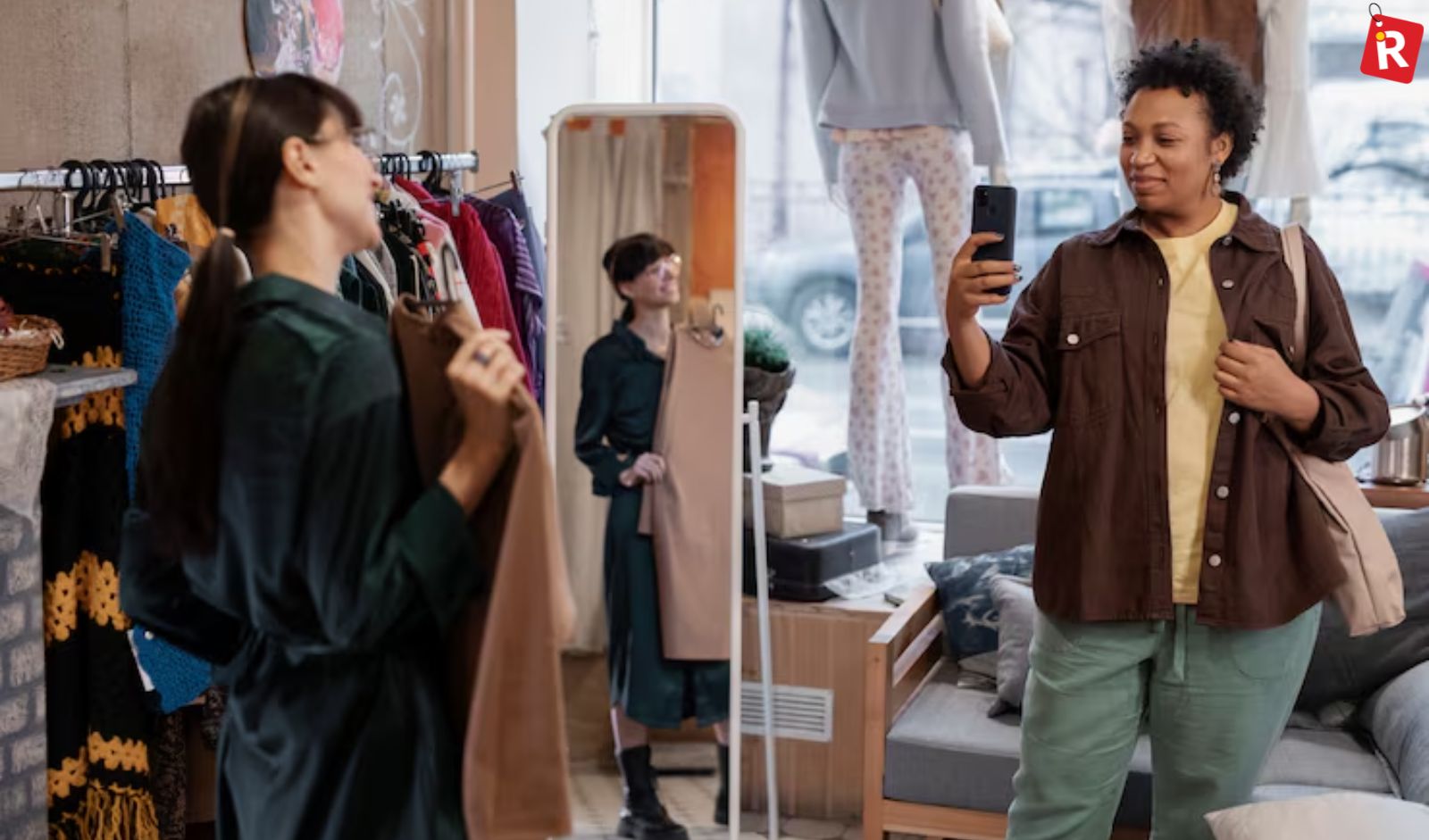
For years, businesses believed that visibility alone could drive growth. Bigger storefronts, louder campaigns, celebrity endorsements, festive discounts, the formula seemed straightforward. But today, that playbook is rapidly losing relevance. People are no longer walking into spaces just to buy something. They are walking in to feel something.
We are witnessing one of the biggest shifts in modern commerce: the transition from transactional shopping to experience-led engagement. And this shift is not temporary. It is fundamentally redefining how brands attract attention, build loyalty, and stay culturally relevant.
The reality is simple: products can be replicated, pricing can be matched, and marketing campaigns can be copied. What cannot be easily recreated is the feeling people associate with a space, a moment, or an experience. That emotional memory is becoming the real differentiator.
Today’s audiences are overwhelmed with choices. Every category is crowded. Every platform is noisy. Digital fatigue is real, and consumers are spending hours scrolling past thousands of advertisements every single day. In this environment, attention has become one of the most expensive currencies in business.
This is exactly why experience matters more than ever. People no longer want spaces that function. They want spaces that engage, inspire, entertain, and emotionally connect with them. Whether it is fashion, hospitality, beauty, lifestyle, or dining, audiences are gravitating toward brands that create memorable moments rather than just transactions.
A beautifully designed environment today does far more than showcase products. It influences mood, shapes perception, encourages interaction, and most importantly, creates recall. The physical world is no longer competing only on utility; it is competing on emotion.
One of the biggest indicators of this shift is the rise of “share-worthy” experiences. People are naturally drawn to spaces that feel immersive, aesthetically pleasing, and culturally relevant. In many ways, social media has transformed physical environments into extensions of storytelling. A space is no longer just a location; it has become content, identity, and community all at once.
This evolution has changed the role of modern businesses dramatically. Earlier, success was measured by footfall and sales alone. Today, engagement, emotional resonance, repeat visits, and organic conversations carry equal importance. The most successful brands are not merely attracting audiences; they are creating ecosystems where people want to spend time.
Experience-led environments are also changing the psychology of spending. When people feel emotionally connected to a brand, price sensitivity often reduces. They are not simply paying for a product anymore; they are paying for exclusivity, atmosphere, discovery, and belonging. This is why premium experiences continue to thrive even in highly competitive markets.
Another important factor driving this transformation is the rise of hyper-personalisation. Generic experiences are quickly losing relevance. Audiences today expect spaces and interactions to feel curated, intentional, and tailored. Whether it is through personalised service, unique design elements, community-driven events, or immersive storytelling, people want to feel seen and understood.
The era of one-size-fits-all engagement is fading fast. Modern audiences are incredibly self-aware and digitally exposed. They can instantly identify when something feels authentic and when it feels manufactured. As a result, businesses that focus purely on aggressive selling are struggling to build long-term emotional recall. On the other hand, brands that prioritise meaningful experiences are naturally creating stronger loyalty and deeper cultural relevance.
This shift is especially visible among younger audiences. They are not impressed by excess alone. They are looking for originality, relatability, creativity, and emotional value. A visually compelling environment, thoughtful interaction, or immersive moment often leaves a stronger impression than a traditional advertising campaign.
Interestingly, this change is also bringing physical spaces back into focus in a digital-first world. For years, there was a belief that online platforms would completely dominate the future. While digital convenience continues to grow, people are increasingly craving real-world experiences that cannot be replicated on a screen.
Physical environments now offer something digital platforms often cannot: human connection, sensory engagement, and emotional immersion. This is why the future will belong to businesses that understand how to merge functionality with storytelling. The goal is no longer just to sell. The goal is to create spaces people emotionally remember.
We are also entering a phase where audiences are choosing experiences that align with their identities. People want to associate with spaces and brands that reflect their lifestyle, aspirations, and personality. This emotional alignment is becoming far more powerful than traditional marketing tactics.
At the same time, the competition for attention is becoming more intense than ever. Businesses are no longer competing only with direct competitors. They are competing with every distraction in a person’s day, such as social media, entertainment platforms, digital creators, events, and endless streams of content. In such a crowded landscape, simply existing is not enough. Standing out requires emotional impact.
The businesses that will lead the future are the ones that understand a crucial truth: attention today cannot be demanded; it must be earned through experience.
Experience-led engagement is no longer about luxury alone. It is becoming an expectation across categories. Audiences want environments that feel intentional, interactive, and emotionally rewarding. They want moments worth remembering and experiences worth talking about.
Ultimately, the future belongs to businesses that move beyond transactional thinking and start building emotional ecosystems. Because in a world overloaded with products, advertisements, and digital noise, people may forget what they purchased, but they will always remember how a space made them feel.
And that is exactly why experience-led shopping is no longer a trend. It is the future.
Authored By:
Mr Nihal TC, CEO & Co-Founder, Blue Tyga

The arrival of the monsoon brings welcome relief from soaring temperatures, but it also introduces a new set of health and wellness challenges. Increased humidity, fluctuating temperatures, reduced physical activity, and prolonged indoor stays can affect everything from skin health and energy levels to sleep quality and muscle recovery. Acne flare-ups, dehydration beneath the skin's surface, stiffness, and fatigue become common concerns during the season.
Changing wellness trends
At the same time, wellness habits are evolving, particularly among Gen Z and millennials. Today's consumers are moving beyond reactive healthcare and embracing preventive wellness that integrates nutrition, fitness, skincare, recovery, and sleep. Social media trends around longevity, beauty-from-within, and holistic health have accelerated the demand for multifunctional products that support overall well-being rather than addressing a single concern.
Stay Rain Ready: 5 Wellness Essentials Gen Z & Millennials Need This Monsoon
1. RESET Marine Collagen

Rather than relying solely on topical skincare, many consumers are investing in ingestible beauty supplements that nourish skin from within. RESET Marine Collagen combines hydrolyzed marine collagen peptides with L-Glutathione, Hyaluronic Acid, Vitamin C, Vitamin E, and Biotin to support skin elasticity, hydration, collagen production, and healthy hair and nails. Available in a blueberry flavour, the supplement is designed to help improve skin texture and firmness with consistent use. During the humid monsoon months, when clogged pores and dullness become common, marine collagen offers nutritional support that complements everyday skincare routines, making it an increasingly popular choice among beauty-conscious consumers.
2. CeraVe Moisturizing Cream

One of the biggest skincare mistakes during the monsoon is over-cleansing. While humid weather encourages frequent face washing to manage oiliness, excessive cleansing can strip away the skin's natural protective barrier, leading to irritation, sensitivity, and breakouts. Dermatologists often recommend ceramide-based moisturisers to restore and strengthen the skin barrier. CeraVe Moisturizing Cream contains three essential ceramides along with hyaluronic acid to help retain moisture while reinforcing the skin's natural defence system. Suitable for various skin types, the fragrance-free formula provides long-lasting hydration without feeling heavy, making it a reliable everyday moisturiser during humid weather when maintaining skin balance becomes especially important.
3. Boldfit Resistance Bands
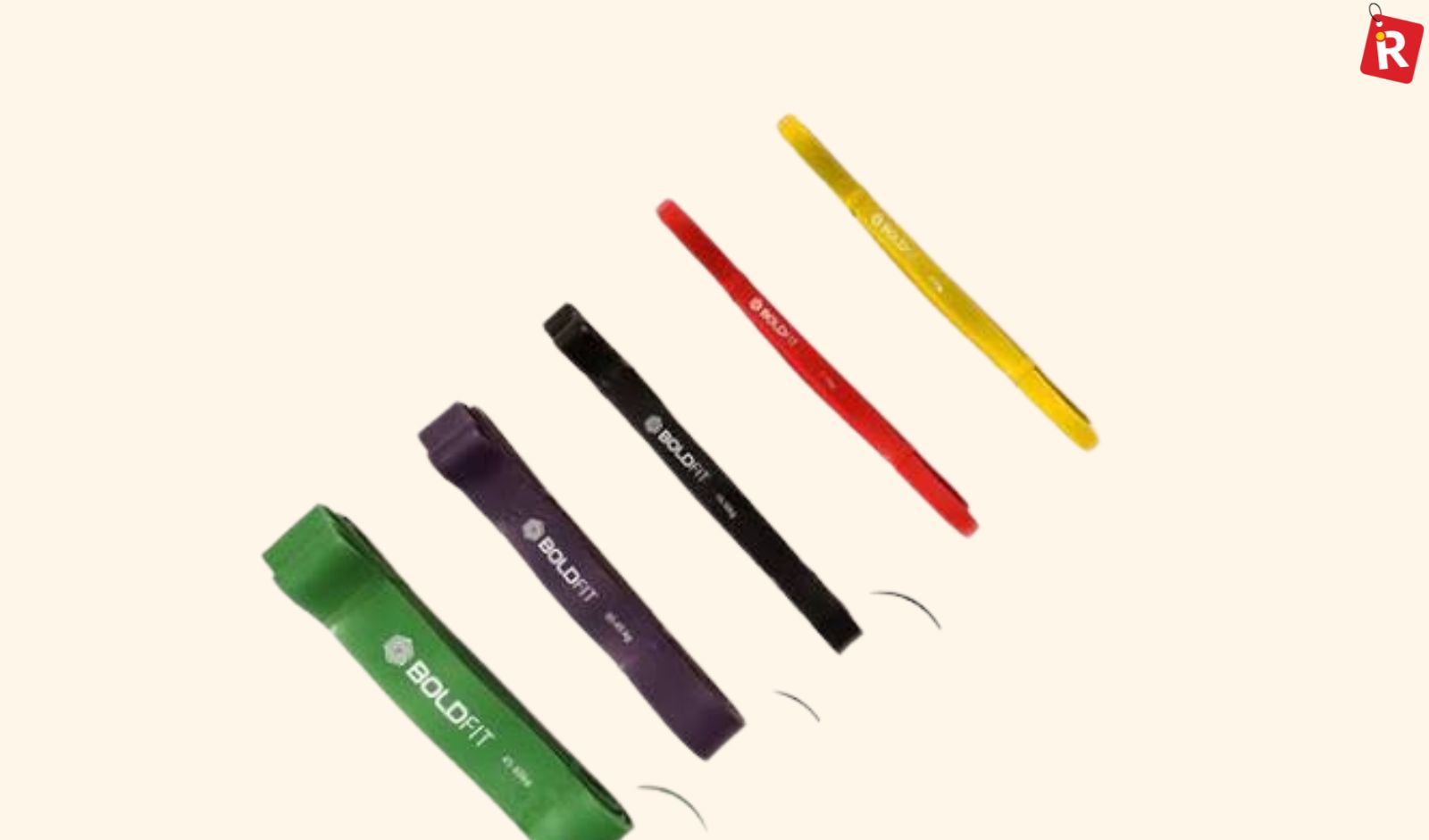
Monsoon showers often disrupt outdoor runs, walks, and gym schedules, making it easier to skip workouts altogether. However, fitness experts agree that consistency matters more than intensity, and simple home workouts can go a long way in maintaining overall health. Boldfit Resistance Bands offer a practical solution for indoor exercise, enabling users to perform strength training, mobility drills, stretching, and rehabilitation exercises without bulky equipment. Lightweight and easy to store, they are suitable for beginners as well as experienced fitness enthusiasts. Resistance bands help improve muscle strength, flexibility, posture, and joint stability, making them an ideal companion for rainy-day workouts. Pairing them with yoga or bodyweight exercises can help maintain energy levels, improve circulation, and counter the sedentary lifestyle that often accompanies prolonged indoor stays during the monsoon.
4. The Good Bug Synbiotic

Seasonal changes can affect digestion, making gut health an important part of monsoon wellness. The Good Bug Synbiotic combines probiotics and prebiotics to support a healthy gut microbiome, aiding digestion and overall digestive balance. A healthy gut is also closely linked to immune function, making synbiotic supplements increasingly popular among consumers seeking preventive wellness solutions. Easy to incorporate into a daily routine, the product reflects the growing demand for science-backed nutrition that supports holistic health. With gut health emerging as a major wellness trend, synbiotics are becoming a staple in many consumers' preventive healthcare routines.
5. Organic India Tulsi Green Tea
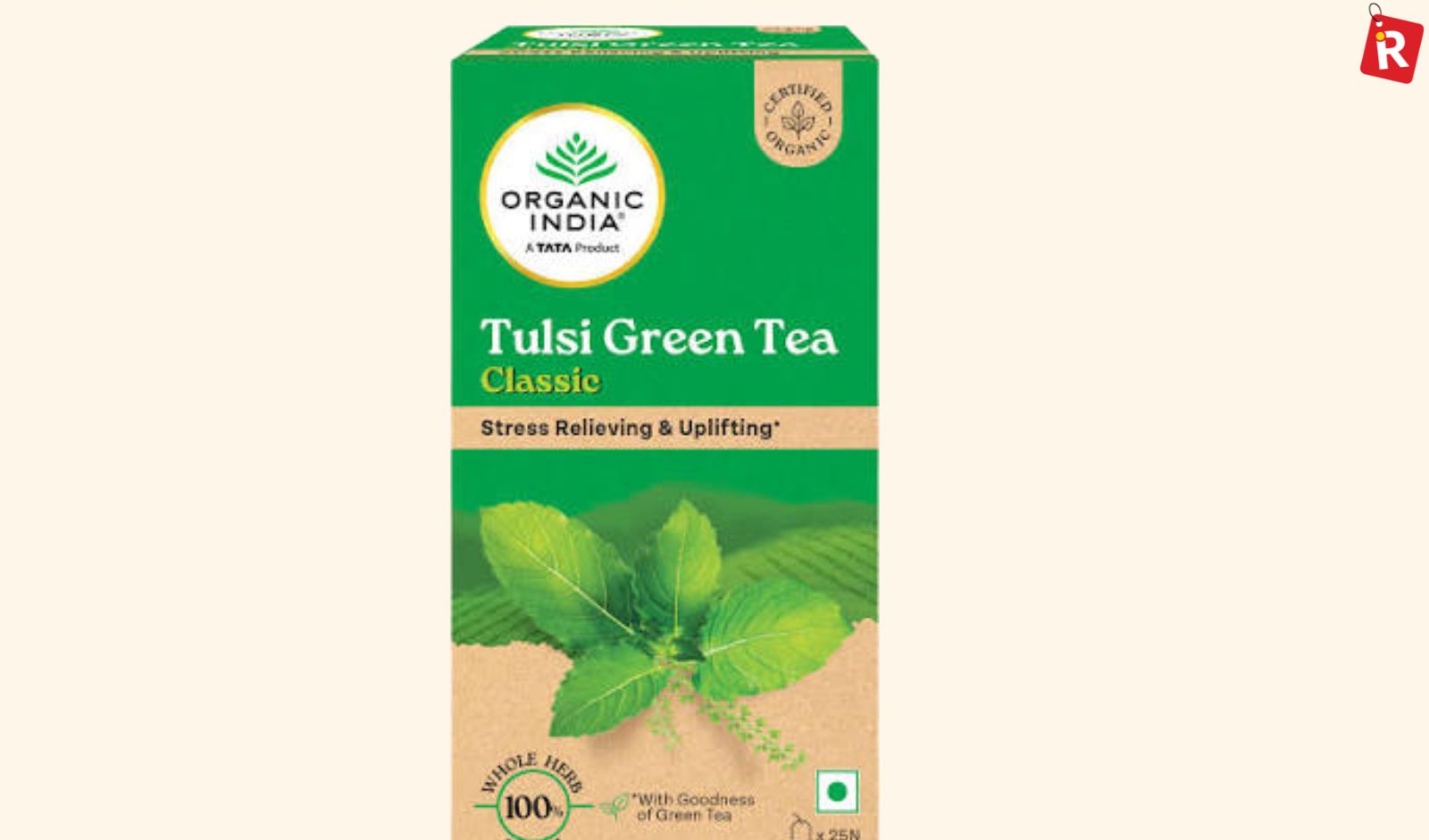
Warm herbal beverages are a comforting companion during the rainy season, and Organic India Tulsi Green Tea combines the goodness of green tea with tulsi, an herb long valued in Ayurveda for its wellness-supporting properties. The blend offers a refreshing way to unwind while fitting seamlessly into everyday self-care routines. Green tea also provides antioxidants that support overall health, making it a preferred beverage among consumers focused on preventive wellness. Whether enjoyed during work breaks or as part of an evening wind-down ritual, it complements a balanced lifestyle centred on mindful nutrition and daily well-being.
Market Insights: India's Holistic Wellness Market Continues to Expand
India's wellness industry is witnessing robust growth as consumers increasingly prioritize preventive healthcare over reactive treatments. Beauty supplements, clean nutrition, functional foods, recovery products, sleep aids, and science-backed skincare are among the fastest-growing categories. Industry reports estimate India's nutraceutical market to continue expanding at a double-digit CAGR over the next few years, while premium skincare and wellness supplements are gaining traction among younger consumers. Gen Z and millennials, in particular, are driving demand for products that combine convenience, efficacy, and clinically backed ingredients. This shift is encouraging brands to innovate across categories, bringing together nutrition, skincare, fitness, recovery, and sleep under a single holistic wellness ecosystem.
Conclusion
Monsoon wellness is no longer limited to treating seasonal concerns after they arise. Today's consumers are adopting a proactive approach that focuses on strengthening the body from within, supporting healthy skin, staying physically active, improving recovery, and prioritizing quality sleep. Whether through collagen supplementation, Ayurvedic recovery rituals, barrier-repair skincare, regular movement, or better sleep habits, these small daily practices can make a significant difference during the rainy season. As wellness continues to evolve into a lifestyle rather than a trend, holistic routines will remain central to helping consumers stay healthy, resilient, and energized throughout the year.
Frequently Asked Questions (FAQs)
1. What are the best wellness essentials to include in your monsoon routine?
A well-rounded monsoon wellness routine should include products that support skin health, hydration, immunity, fitness, gut health, and quality sleep. Essentials such as collagen supplements, ceramide-based moisturizers, electrolyte drinks, resistance bands for indoor workouts, and probiotic or synbiotic supplements can help maintain overall well-being during the rainy season.
2. Why does skincare need to change during the monsoon?
High humidity, excess oil production, and frequent cleansing can weaken the skin's natural barrier, leading to clogged pores, breakouts, and irritation. Switching to lightweight moisturizers with ceramides, gentle cleansers, and hydrating skincare products can help maintain healthy, balanced skin throughout the season.
3. How can I stay fit when it's raining outside?
Indoor exercises such as yoga, Pilates, bodyweight training, stretching, and resistance-band workouts are excellent ways to stay active during the monsoon. Even 20–30 minutes of daily movement can improve flexibility, strengthen muscles, boost circulation, and support overall physical and mental health.
4. Why is gut health important during the monsoon?
The rainy season can increase the risk of digestive issues due to changes in weather, food habits, and exposure to seasonal infections. Maintaining a healthy gut through a balanced diet, adequate hydration, and probiotic or synbiotic supplements can support digestion, immunity, and overall wellness.
5. How can Gen Z and millennials build a holistic wellness routine during the monsoon?
A holistic monsoon wellness routine combines balanced nutrition, regular physical activity, effective skincare, proper hydration, stress management, and quality sleep. Incorporating science-backed wellness products alongside healthy lifestyle habits can help improve resilience, boost energy levels, and support overall health throughout the season.

The fragrance and perfume business in India is quickly becoming one of the most interesting growth stories in the consumer goods industry. What was previously a small sector dominated by deodorants and occasional purchases has evolved into a dynamic and aspirational category, driven by rising earnings, digital disruption, and shifting lifestyle preferences.
Rising consumer demand, strong market predictions, and deep cultural roots make the perfume industry India's next significant consumer opportunity. At its core, the Indian perfume market is on a clear increasing trend. According to IMARC Group, The India perfume market was valued at USD 1,250.02 million in 2025 and is expected to reach USD 1,999.32 million by 2034, with a compound yearly growth rate of 5.36% from 2026 to 2034. Key drivers include rising disposable incomes, urbanization, and increased awareness of personal grooming and luxury perfumes. Enhanced product accessibility through organized retail and e-commerce, alongside the influence of social media and celebrity endorsements, is reshaping consumer preferences.
One of the most significant factors of this expansion is India's growing middle class and rising disposable income. With more than 120 million middle class families now prioritising personal care and premium lifestyle products, consumers are increasingly prepared to spend on perfumes as a symbol of status, identity, and self expression, in sharp contrast to previous decades when fragrances were considered a luxury. This tendency is especially visible among millennials and Generation Z customers, who see smell as an essential aspect of their lifestyle and social presence. India's e-commerce business, worth around $60 billion, has been a crucial accelerator, allowing developing and premium brands to reach customers in Tier 2 and Tier 3 cities through digitally driven promotions, trial offers, and direct to consumer models.
Digital marketplaces like Amazon and Flipkart, along with beauty retailers such as Nykaa and Myntra, have made global and niche perfumes more accessible. The Indian perfume market is heavily influenced by premium fragrances due to an aspirational consumer base seeking luxury. Key drivers include rising discretionary incomes and exposure to global brands, especially in urban areas where consumers favor high quality, long lasting scents. Titan's Scents Division reported a 25 to 30% increase in online perfume sales, highlighting the growth of e-commerce for luxury fragrances.
India's history with aromas is long and rich. Traditional fragrance processes, such as attar natural oils distilled from botanicals are regaining popularity, appealing to both cultural pride and cosmopolitan sensibilities. This cultural depth gives Indian brands an unique storytelling advantage, especially as consumers increasingly want products that combine tradition and current aesthetic. Product innovation is another significant trend that is boosting this opportunity. Consumers are increasingly drawn to natural, sustainable, and gender neutral scents, a trend that can be witnessed throughout worldwide marketplaces. Brands that promote eco friendly materials, ethical sourcing, and personalised perfume experiences appeal to younger, value-conscious customers.
The perfume business has also benefited from overall government and industry backing. Initiatives such as "Make in India" and "Startup India" have boosted investment in beauty and personal care manufacturing, fostering a supportive environment for both domestic and foreign firms looking to grow production and innovate locally. Furthermore, the supply chain ripple effects from raw material suppliers and processors to packaging and distribution are creating job and entrepreneurial opportunities beyond the brand labels themselves. Despite the enormous promise, challenges remain. High import tariffs on foreign premium fragrances can make items expensive, and the densely competitive field requires ongoing innovation and brand difference. Fake goods and grey market issues may harm customer trust and genuine growth. However, these challenges are not impossible in a market that is becoming more advanced and controlled.
Authored By:

Abdulla Ajmal, CEO of Ajmal Group

Clothing is a crucial part of fashion. Since the boom of social media and fashion influencers, almost everyone is conscious of the clothes that they wear. Along with fashion, people have grown significantly aware of brands as well. Branded clothes, cosmetics, accessories, and shoes have become a part of everyday life for everyone.
Indian affordable clothing
This booming interest and rising brand consciousness have benefitted many Indian brand that have made fashion affordable. Today, we have many retail fashion brands who are offering affordable fashion through omnichannel approach.
Here is a list of five Indian fashion brands who grew significantly in recent years for their affordable fashion:
1. Zudio
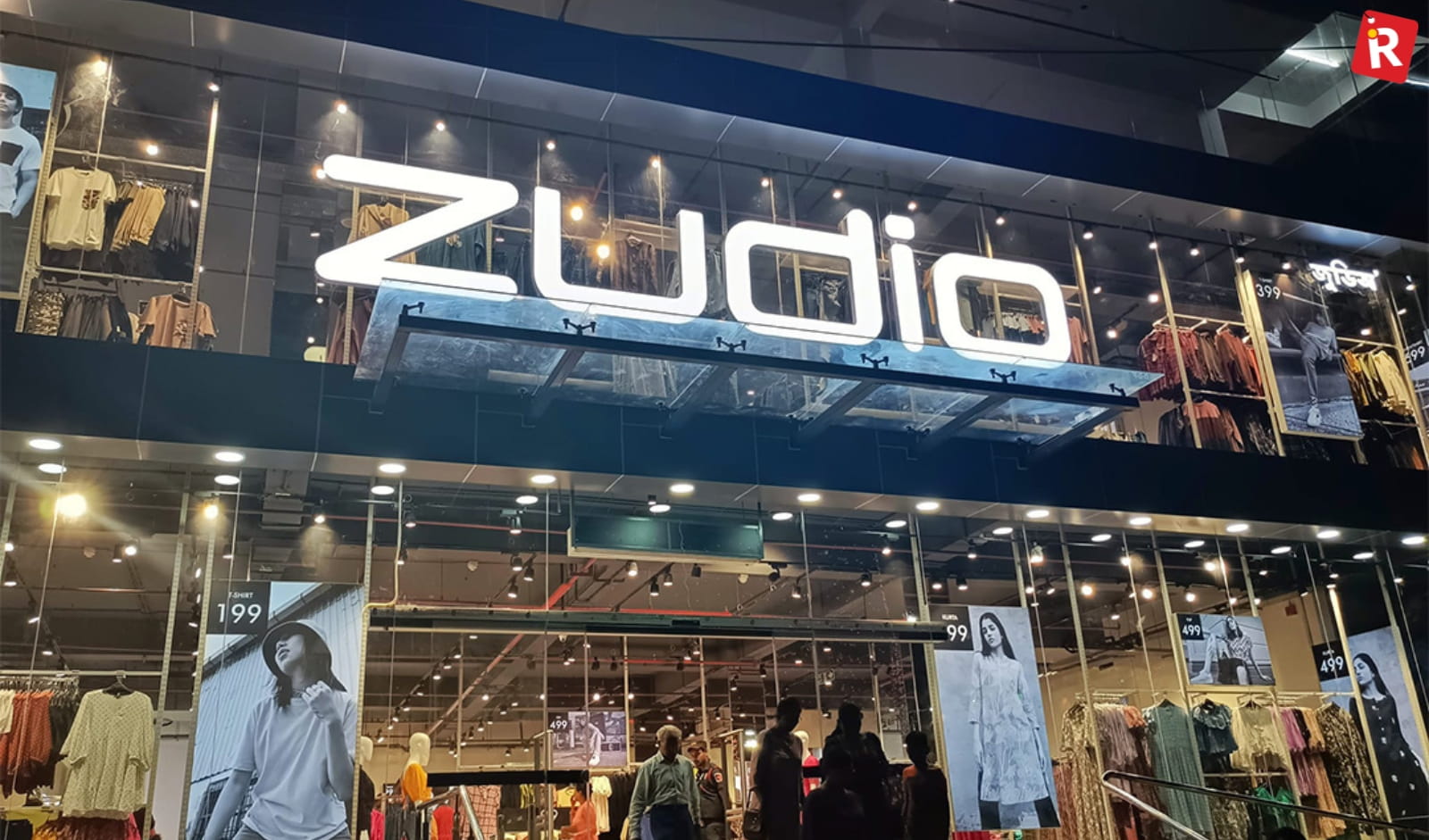
Founded in 2016, this Mumbai-based Indian value fashion retail brand is owned by Trent Limited, a part of Tata Group. The primary focus of Zudio to offer trendy and affordable fashion has made it into one of India's fastest-growing apparel retail chains. This store-led value-fashion retail brand offers wide range of products including: Women's ear, Men's wear, Kids' wear, footwear, beauty and cosmetics and more.
Most of the items in Zudio ranges from Rs 299 to 999, making it a favourite for students, young professionals, and families.
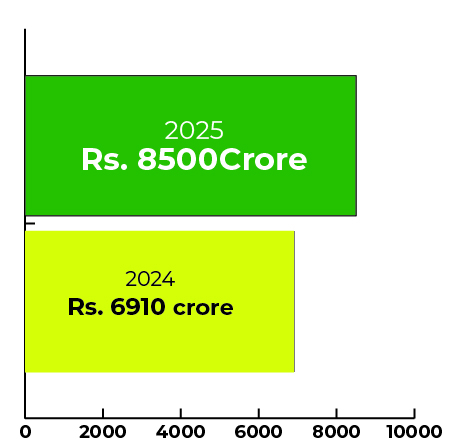
Zudio revenue: In FY2025, Zudio crossed USD 1 billion (over Rs 8,500 crore) in annual revenue, making it one of India's largest value-fashion brands.
Zudio stores: Zudio has grown to nearly 1,000 stores across India and a few international locations as well.
2. SNITCH
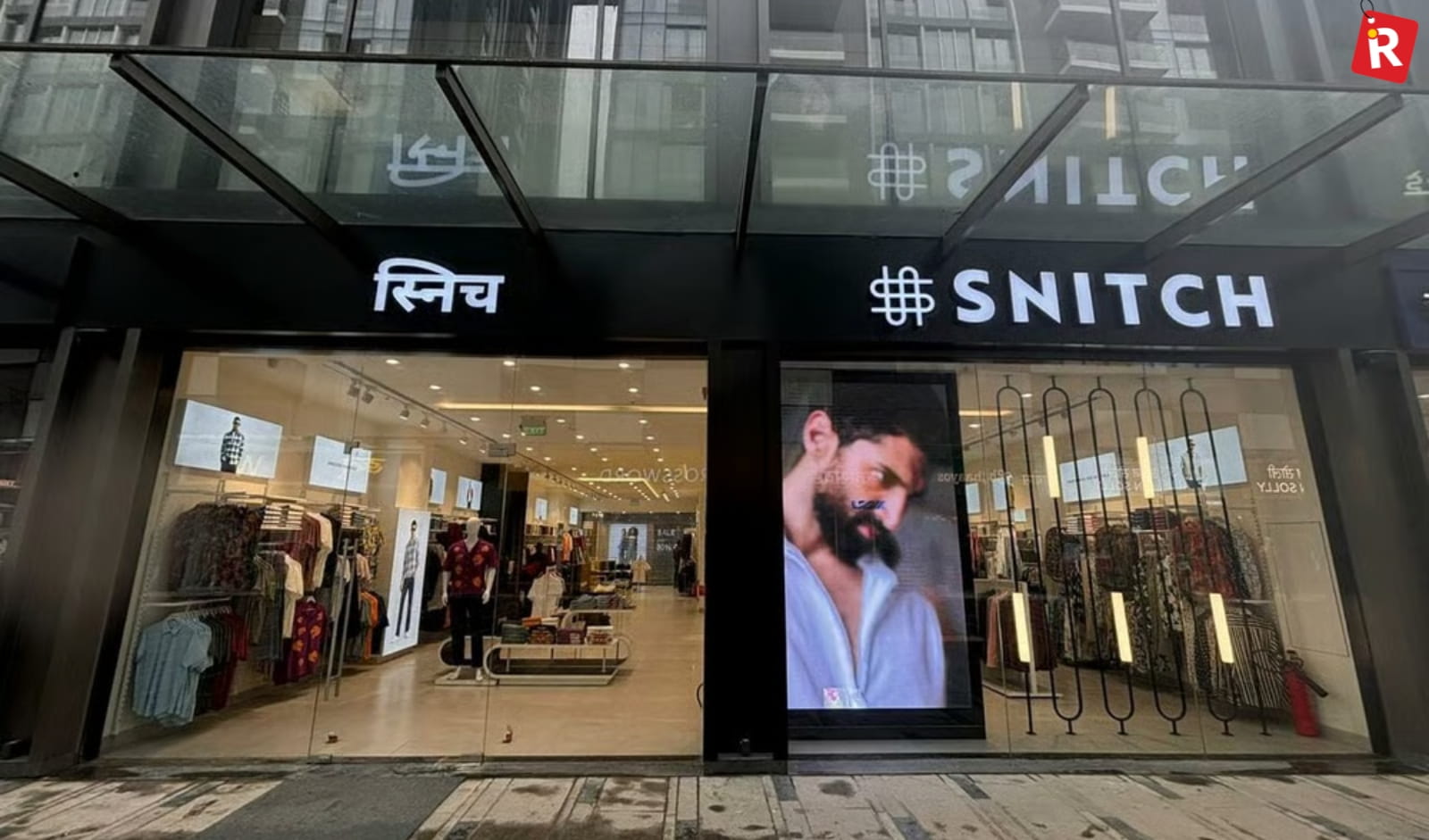
Another fashion brand that has grabbed eyeballs in the past few years is the Direct-to-consumer (D2C) and omnichannel brand SNITCH. This men's fashion brand was founded by Siddharth Dungarwal in 2020. Headquartered in Bengaluru, SNITCH focuses in fast-fashion apparel and accessories or men. This brand garnered national recognition after it's appearance on Shark Tank India.
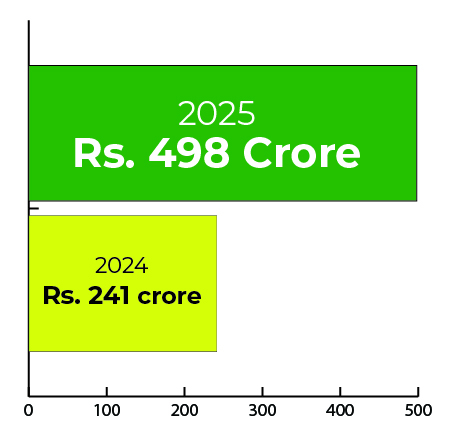
Revenue: In FY25 crossed the Rs 500 crore income mark which is over double it's income in FY24 (Rs 498 crore).
Omnichannel approach: Snitch has expanded rapidly from an online-first brand to an omnichannel retailer with over 100 physical stores across India.
3. The Souled Store
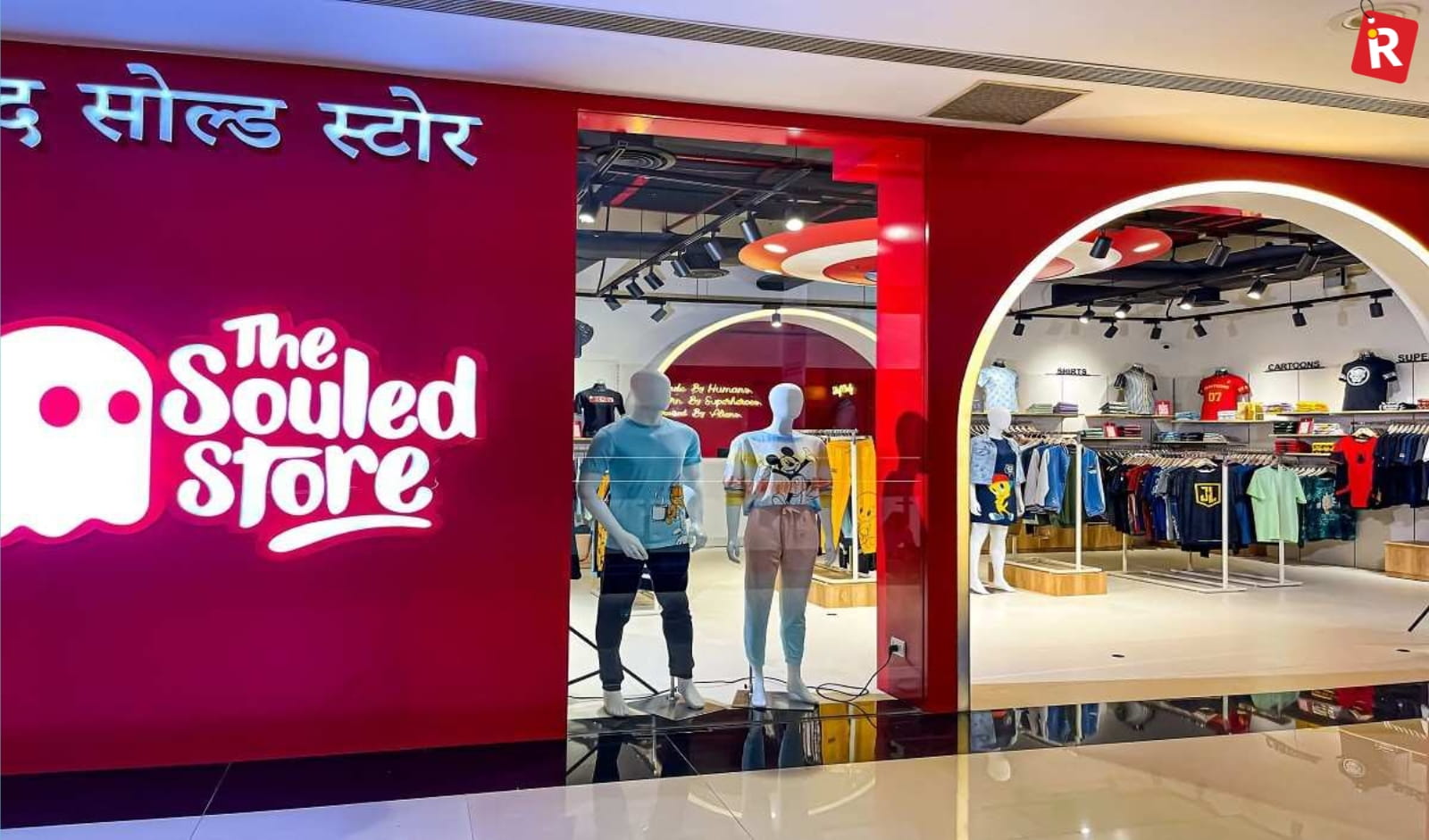
The Souled Store is a D2C and omnichannel fashion band grabbed the attention of Gen Z and millennials by offering a wide range of pop-culture merchandise and casual apparel. The Souled Store was founded by Vedang Patel, Aditya Sharma, Rohin Samtaney, and Harsh Lal, in 2013, and incorporated in 2014.
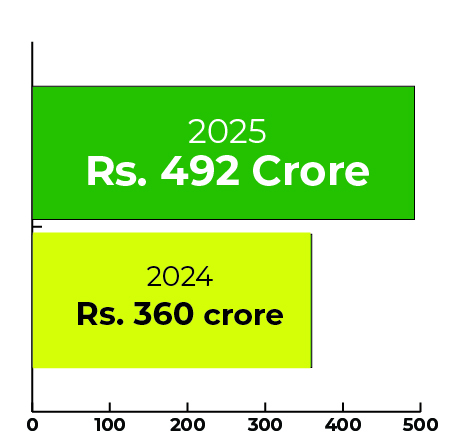
Revenue: The company earned Rs 942 crore from its core business operations in FY25 up 37% from Rs 360 crore in FY2024.
4. XYXX
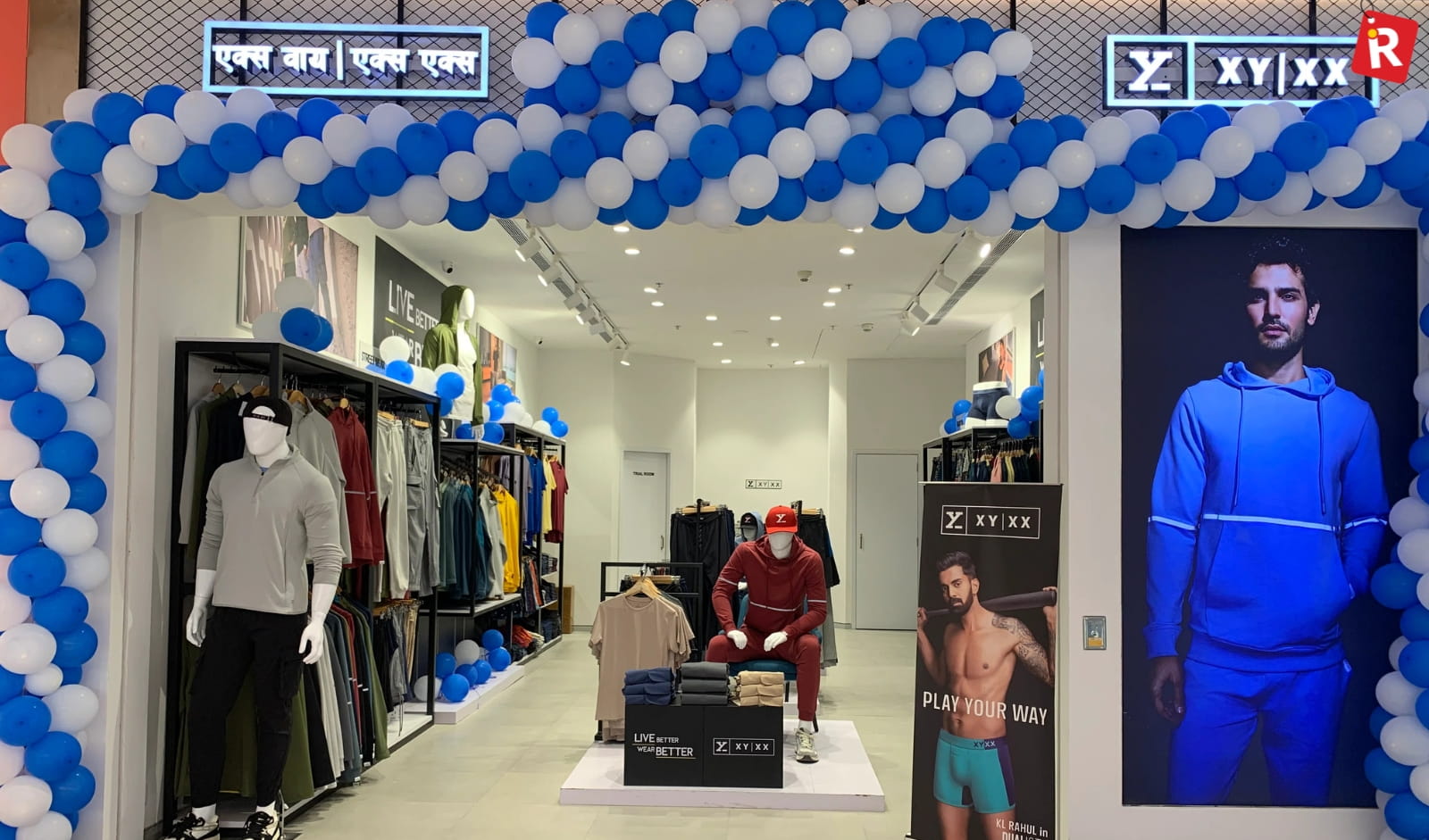
XYXX was founded in 2016, by Yash Vaghani and Shreyans Vaghani. It operates on a D2C and omnichannel approach. Along with that, XYXX has positioned itself as a comfort-focused lifestyle brand.
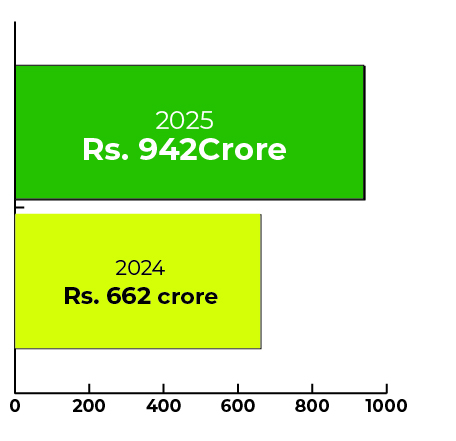
Revenue: The company reported a net profit of around Rs 26 crore in FY25. XYXX earned Rs 942 crore from operations in FY25. Which is an approximately 42.3% growth from FY24.
5. Rare Rabbit
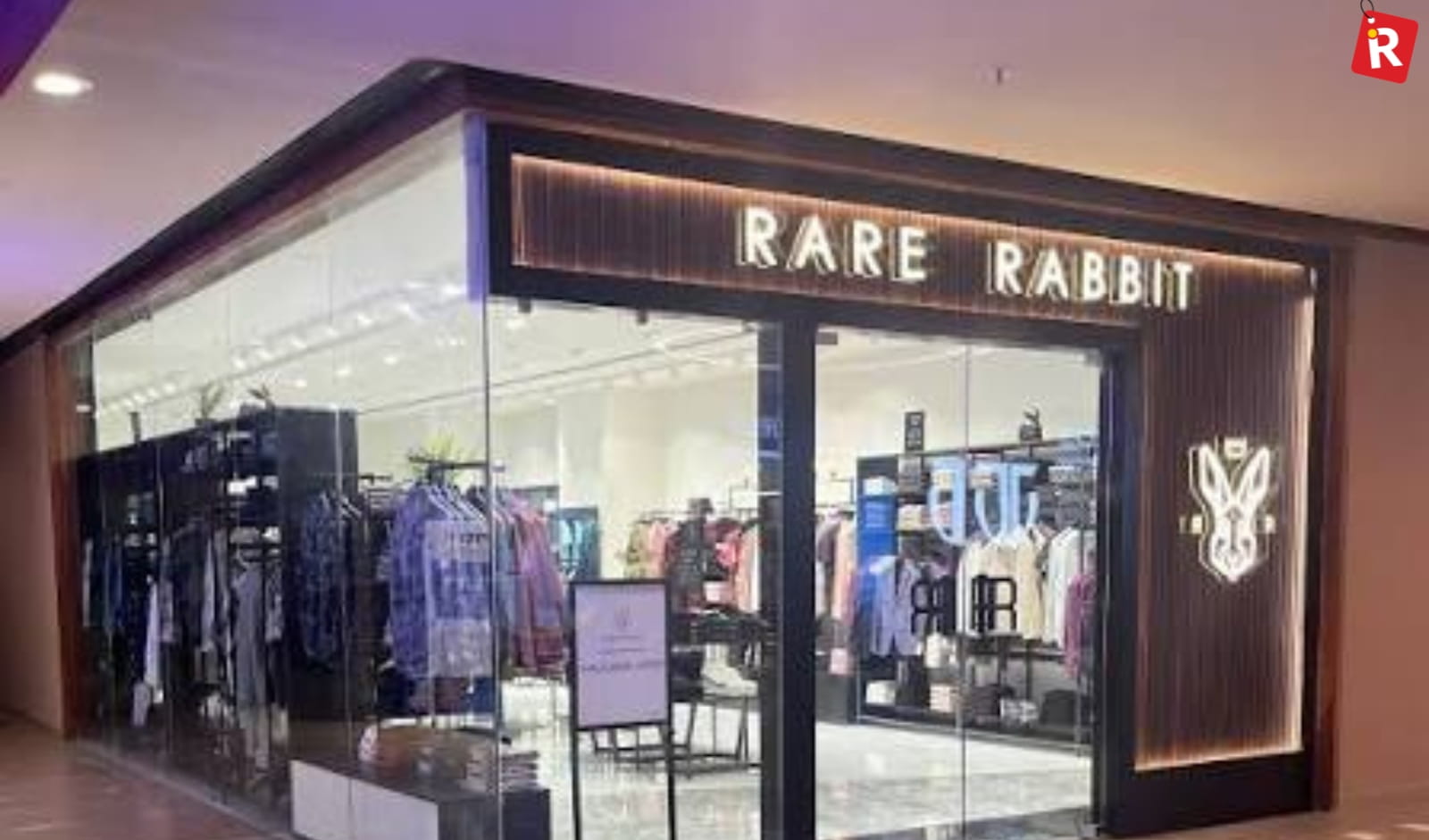
Rare Rabbit was founded by Manish Poddar and Akhil Kapoor in 2015. An Indian premium fashion brand, Rare Rabbit is operated by The House of Rare. This brand operates in an omnichannel approach.
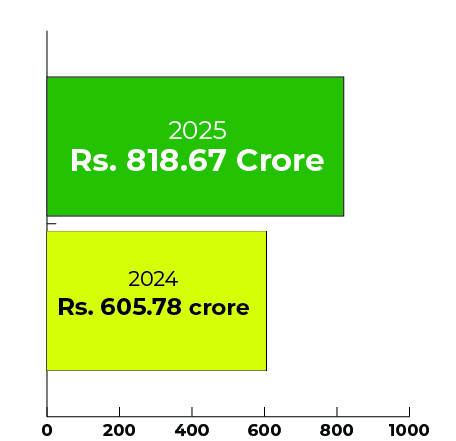
Revenue: In FY25, Rare Rabbit's income from operations is Rs 818.67 crore in revenue for FY25. This marks a 35% increase from the Rs 605.78 crore recorded in FY24, approximately.
Conclusion
Today, with these affordable fashion brands, fashion in India has trasformed from being a luxury to something affordable and accessible. Now, fashion is no more limited to just the business class, it has now become a household phenomenon. The growth of fashion brands like Zudio, Rare Rabbit, The Souled Store, and more, and their omnichannel approach is making it accessible both in retail stores and e-commerce platforms.
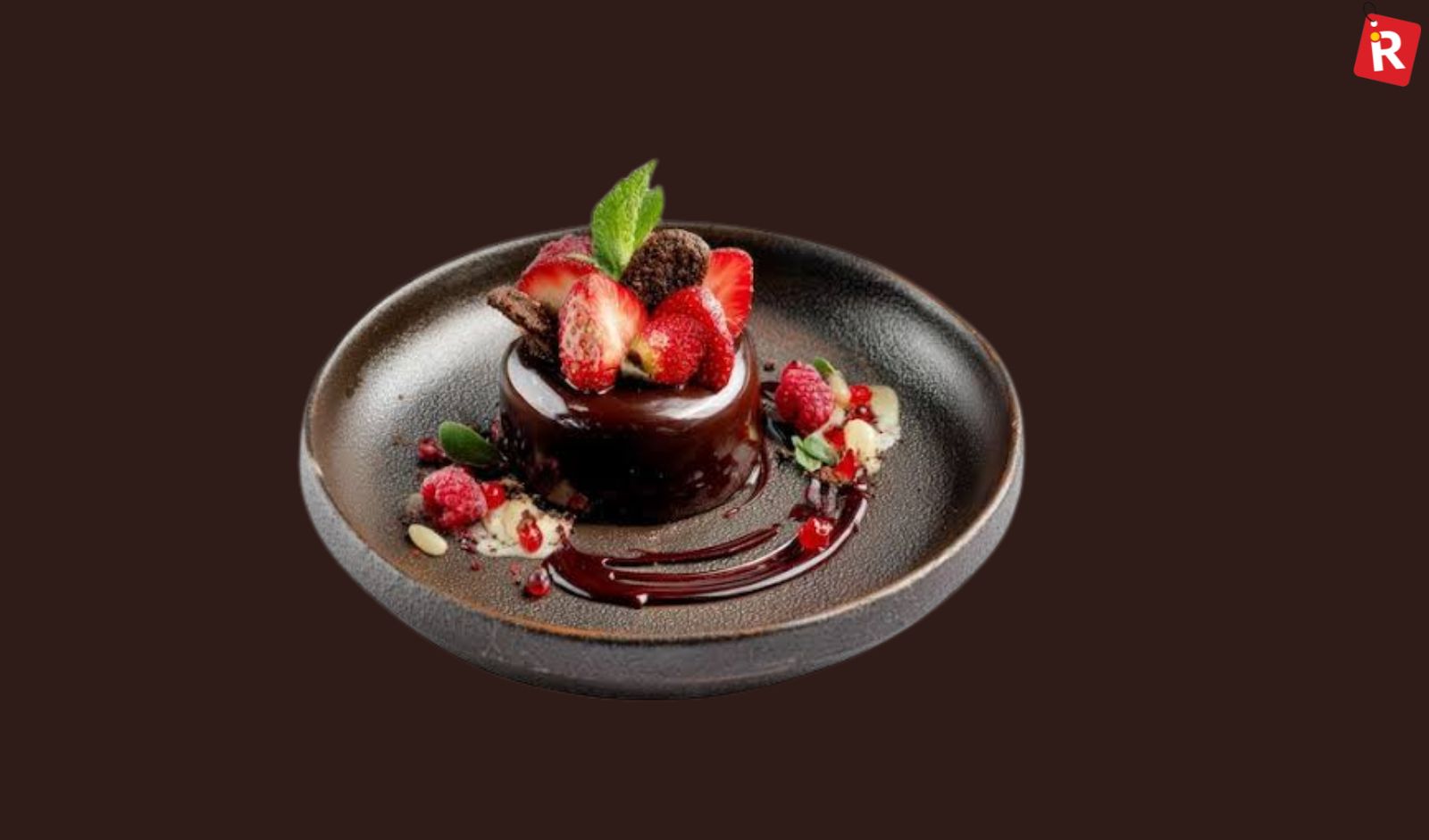
World Chocolate Day is more than just an excuse to satisfy your sweet tooth—it is a celebration of craftsmanship, innovation, and the timeless joy that chocolate brings. Over the years, consumers have moved beyond conventional chocolates and are increasingly exploring artisanal creations, clean-label products, gourmet desserts, and premium gifting experiences that combine quality with creativity.
From handcrafted bonbons and bean-to-bar chocolates to healthier chocolate spreads and mango-inspired desserts, India's premium chocolate landscape is evolving rapidly. Whether you're looking for an elegant gift or a guilt-free indulgence, today's chocolate brands offer something for every palate.
Here are two SEO-friendly subheads with introductory paragraphs that naturally lead into the brand list.
The Rise of Premium Chocolate Experiences in India
India's chocolate market has evolved far beyond traditional confectionery. Today's consumers are increasingly drawn to premium, artisanal, and handcrafted chocolates that offer superior ingredients, unique flavour profiles, and elevated packaging. From bean-to-bar creations and gourmet desserts to luxury gifting collections, chocolate has become an experience rather than just a treat. This shift is being fuelled by rising disposable incomes, changing consumer preferences, and a growing appreciation for quality craftsmanship.
World Chocolate Day: A Celebration of Indulgence and Innovation
Celebrated every year on July 7, World Chocolate Day is the perfect occasion to discover new brands and indulge in everything from decadent truffles and gourmet cakes to healthier chocolate spreads and artisanal bars. This year's standout brands are redefining chocolate through clean-label ingredients, ethical sourcing, seasonal flavours, and thoughtful gifting experiences. Whether you're shopping for yourself or looking for the perfect gift, these brands showcase the best of India's evolving premium chocolate landscape.
Read more: Top 5 Indian brands for affordable fashion
5 Types of Banarasi Paan You Must Try at Least Once
5 Must-Try Clay Masks for Instantly Fresher, Clearer & More Radiant Skin
Best Chocolate Indulgent Brands to Try This World Chocolate Day
1. The Cacao Pods

If luxury gifting and artisanal craftsmanship define your chocolate preferences, The Cacao Pods deserves a place on your World Chocolate Day wishlist. Inspired by European chocolate-making traditions while celebrating Indian sensibilities, the boutique chocolate atelier creates handcrafted chocolates in small batches using ethically sourced premium cacao. Every product is free from preservatives and artificial essences, allowing the natural flavours of chocolate to shine through. Its curated portfolio includes artisanal bonbons, signature truffles, elegant gaufrettes, handcrafted chocolate bars, and bespoke gifting collections for weddings, festivals, and corporate occasions. Combined with premium packaging and personalized notes, The Cacao Pods transforms chocolate into an elevated gifting experience.
2. The Cinnamon Kitchen
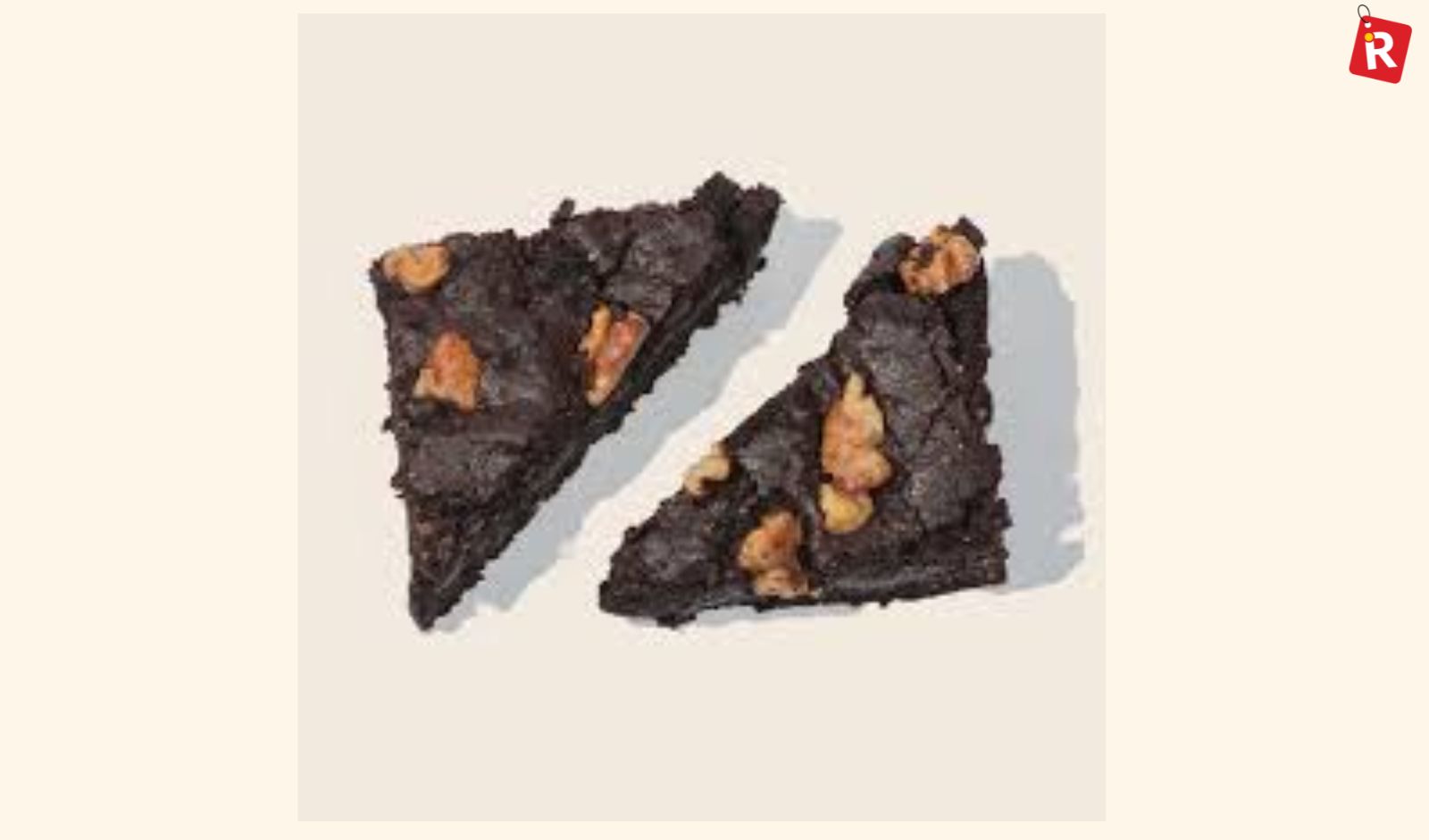
Known for its clean-label approach to desserts, The Cinnamon Kitchen is bringing a more mindful take to chocolate indulgence. Among its standout offerings is the Salted Caramel & Cacao Millet Brownie, which combines rich cacao with **wholesome millet to create a dessert that's both decadent and thoughtfully crafted. Made with clean ingredients and free from preservatives, the brand focuses on delivering premium desserts without compromising on quality. Its philosophy of blending indulgence with better-for-you ingredients makes The Cinnamon Kitchen a great choice for consumers looking to celebrate World Chocolate Day with desserts that are both delicious and consciously made.
3. Gladful
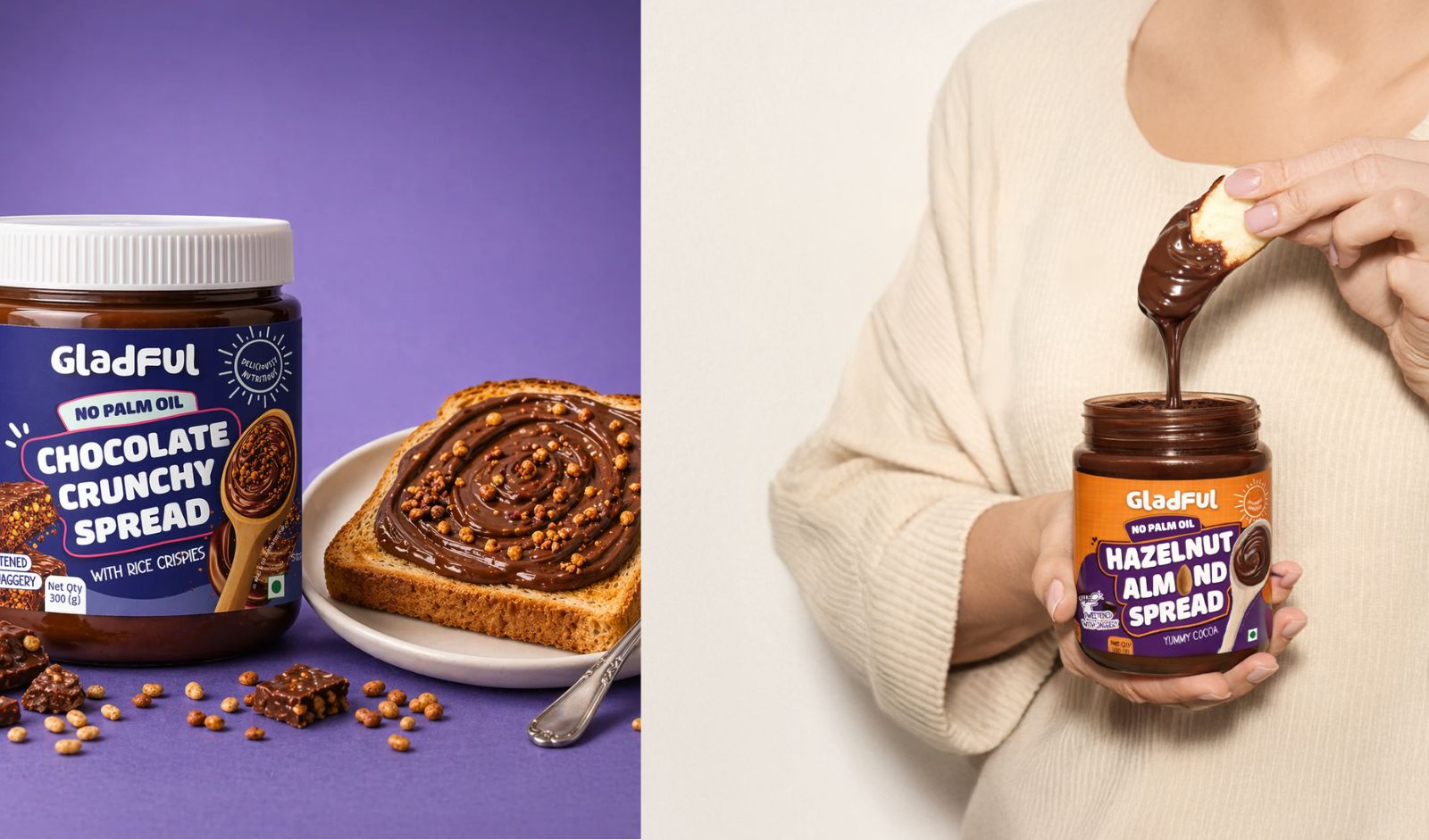
This World Chocolate Day, Gladful is redefining everyday chocolate indulgence with its clean-label range of chocolate spreads. Made without palm oil or refined sugar and sweetened using organic jaggery, the spreads contain significantly less sugar than conventional alternatives while maintaining rich flavour and creamy texture. The collection includes Hazelnut Almond Chocolate Spread, Chocolate Crunchy Spread, Chocolate Almond Spread, and Caramel Oat Cookie Spread. Crafted with wholesome ingredients such as cocoa, nuts, oats, groundnut oil, and organic jaggery, these spreads are versatile enough for toast, pancakes, smoothies, desserts, or simply enjoying straight from the jar, offering a healthier way to satisfy chocolate cravings.
4. Paul and Mike
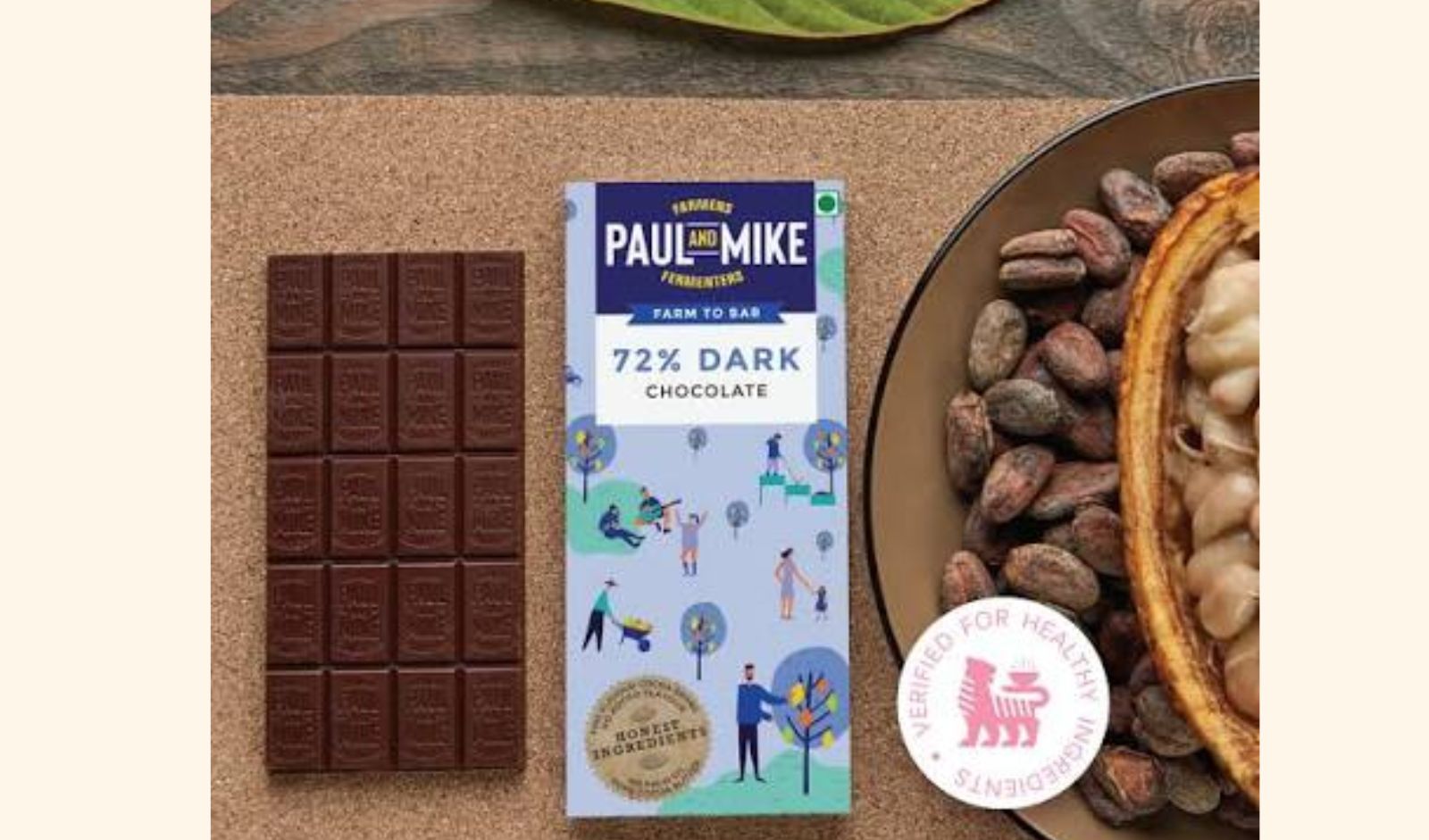
Among India's leading bean-to-bar chocolate makers, Paul and Mike has built a reputation for celebrating Indian cacao through premium craft chocolate. Working directly with Indian cacao farmers, the brand produces chocolates using locally sourced beans while experimenting with unique regional flavours and innovative combinations. Its award-winning bars range from classic dark chocolates to fruit-infused and spice-inspired variants, appealing to both traditional chocolate lovers and adventurous food enthusiasts. With transparent sourcing, premium ingredients, and elegant packaging, Paul and Mike has become a preferred choice for consumers seeking authentic bean-to-bar experiences made entirely in India.
5. Mason & Co
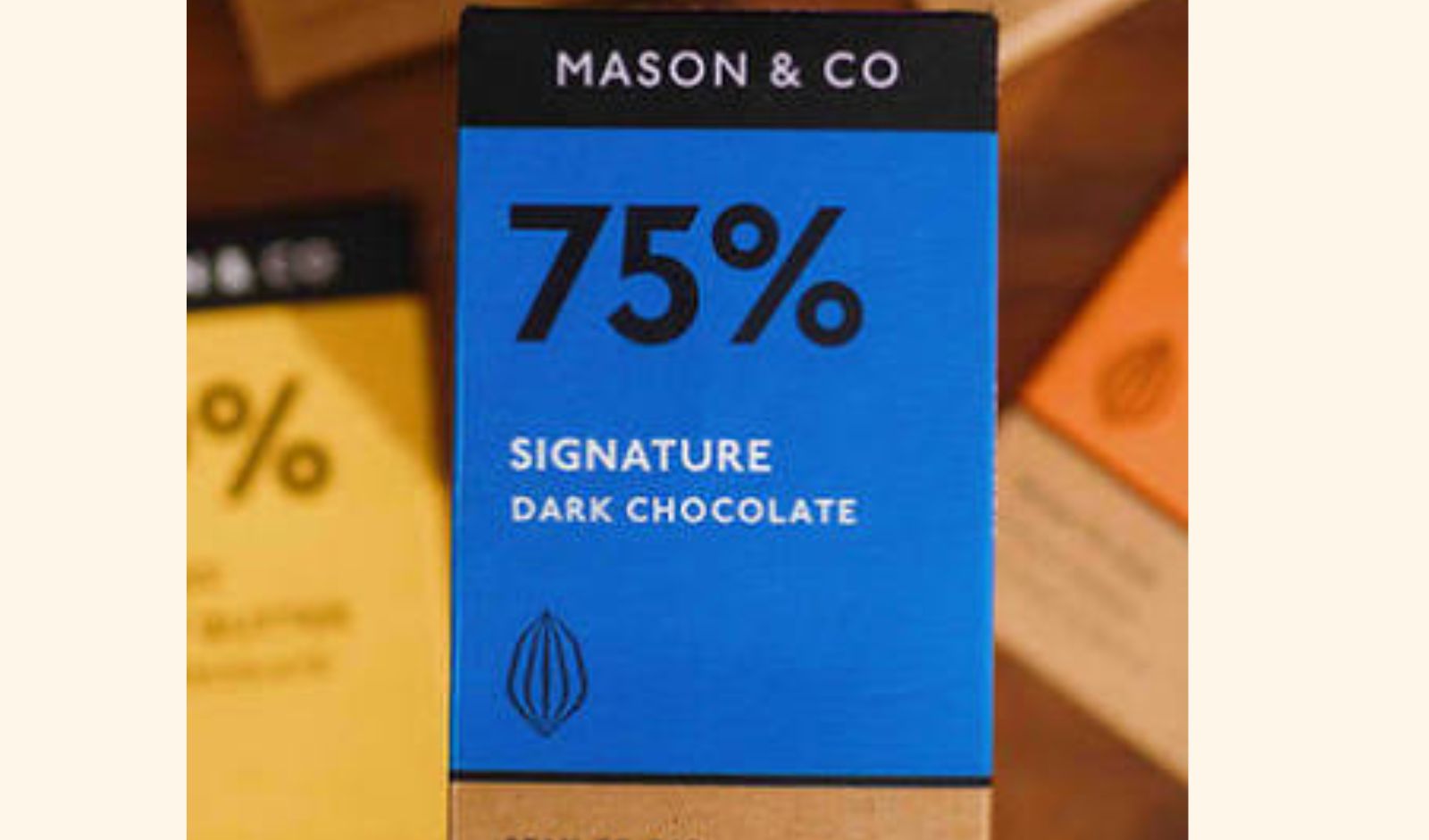
Mason & Co has carved a niche in India's premium chocolate segment by focusing on organic, vegan, and bean-to-bar chocolates. The brand sources high-quality cacao from South India and emphasizes minimal processing to preserve the natural characteristics of every bean. Its range includes dark chocolates with varying cocoa percentages, fruit and nut inclusions, and limited-edition craft collections that appeal to conscious consumers. Sustainability, ethical sourcing, and clean ingredients remain central to the brand's philosophy, making Mason & Co an ideal option for those looking for premium chocolates that combine exceptional taste with responsible production practices.
Know more: Top 8 International Watch Brands Defining Luxury and Lifestyle Trends in India
Best Cafes in Delhi NCR for Weekend Brunches and Coffee Dates
Top 5 Tech Products to Make Your Life Easier
India's Premium Chocolate Market: Key Insights
India's chocolate industry is witnessing a strong shift toward premiumisation as consumers increasingly prioritize quality over quantity. Urban shoppers are embracing artisanal chocolates, bean-to-bar brands, clean-label formulations, and healthier indulgence options with lower sugar and natural ingredients. Gifting has also become a major growth driver, with luxury chocolate boxes emerging as popular choices for festivals, weddings, birthdays, and corporate occasions. Meanwhile, the rise of e-commerce and direct-to-consumer brands has enabled boutique chocolate makers to reach customers across India, accelerating demand for personalized and premium chocolate experiences.
Conclusion
World Chocolate Day offers the perfect opportunity to discover brands that go beyond conventional chocolate. Whether you prefer handcrafted luxury from The Cacao Pods, seasonal gourmet desserts from The Cinnamon Kitchen, healthier spreads from Gladful, award-winning bean-to-bar creations from Paul and Mike, or organic craft chocolates from Mason & Co, today's premium chocolate landscape offers something for every kind of indulgence. As consumers continue to seek authenticity, quality, and memorable experiences, these brands represent the future of chocolate in India.
Frequently Asked Questions (FAQs)
1. Which are the best chocolate brands to try in India this World Chocolate Day?
Some of the top premium brands include The Cacao Pods, The Cinnamon Kitchen, Gladful, Paul and Mike, and Mason & Co.
2. What makes artisanal chocolate different from regular chocolate?
Artisanal chocolates are typically handcrafted in small batches using premium ingredients, minimal processing, and unique flavour combinations, offering superior taste and quality.
3. Are there healthier chocolate options available in India?
Yes. Brands like Gladful offer clean-label chocolate products made without refined sugar or palm oil, while several bean-to-bar brands focus on natural ingredients and ethical sourcing.
4. Which chocolate brands are best for luxury gifting?
The Cacao Pods is particularly known for bespoke luxury gifting, personalized packaging, handcrafted bonbons, truffles, and premium chocolate collections suitable for weddings, festivals, and corporate gifting.
5. Why are premium chocolates becoming popular in India?
Growing disposable incomes, evolving consumer preferences, premium gifting trends, health-conscious choices, and increased awareness of artisanal and bean-to-bar chocolates are driving demand for premium chocolate brands across India.
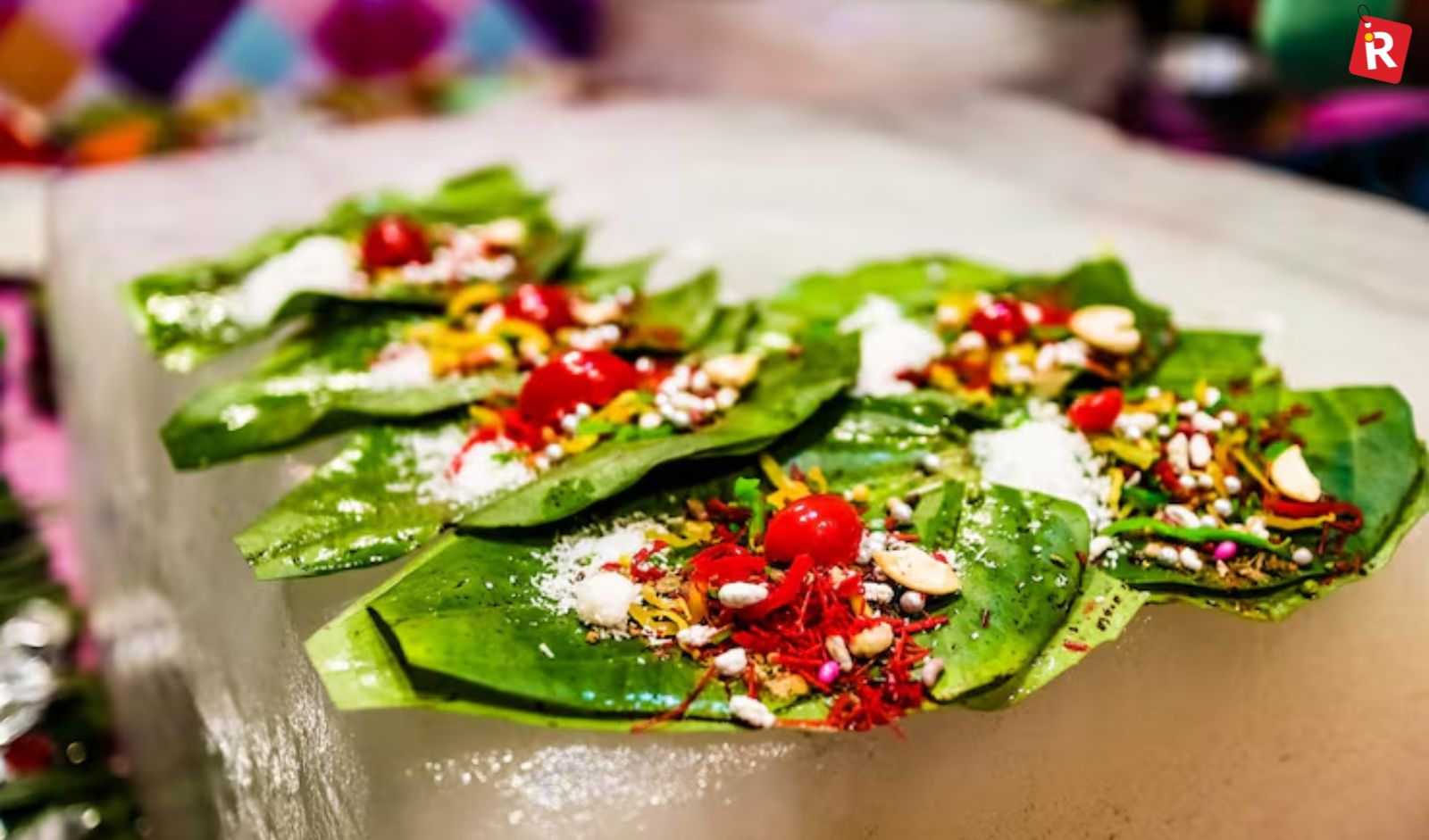
Few culinary traditions capture the essence of India's cultural heritage quite like Banarasi paan. Deeply rooted in the historic lanes of Varanasi, paan has evolved from being a simple post-meal digestive into an iconic delicacy celebrated for its craftsmanship, flavor, and cultural significance. Today, Banarasi paan is no longer confined to the ghats of the holy city. Mast Banarasi Paan have introduced innovative, tobacco-free variations that appeal to younger consumers while preserving the authenticity of the original. From traditional meetha paan to indulgent chocolate-infused creations, Banarasi paan has successfully reinvented itself without losing its soul.
Why Banarasi Paan Continues to Win Hearts
The popularity of Mast Banarasi paan lies in its perfect balance of tradition and innovation. Prepared using fresh betel leaves, gulkand, fennel seeds, coconut, candied fruits, and a variety of natural flavorings, each paan offers a unique sensory experience. While classic recipes continue to remain favorites, modern consumers are increasingly experimenting with dessert-inspired and fruit-based variants. This growing demand has encouraged premium paan makers to focus on high-quality ingredients, hygienic preparation, attractive packaging, and tobacco-free offerings, making Banarasi paan relevant for a new generation of consumers.
5 Types of Banarasi Paan You Must Try
1. Classic Meetha Paan
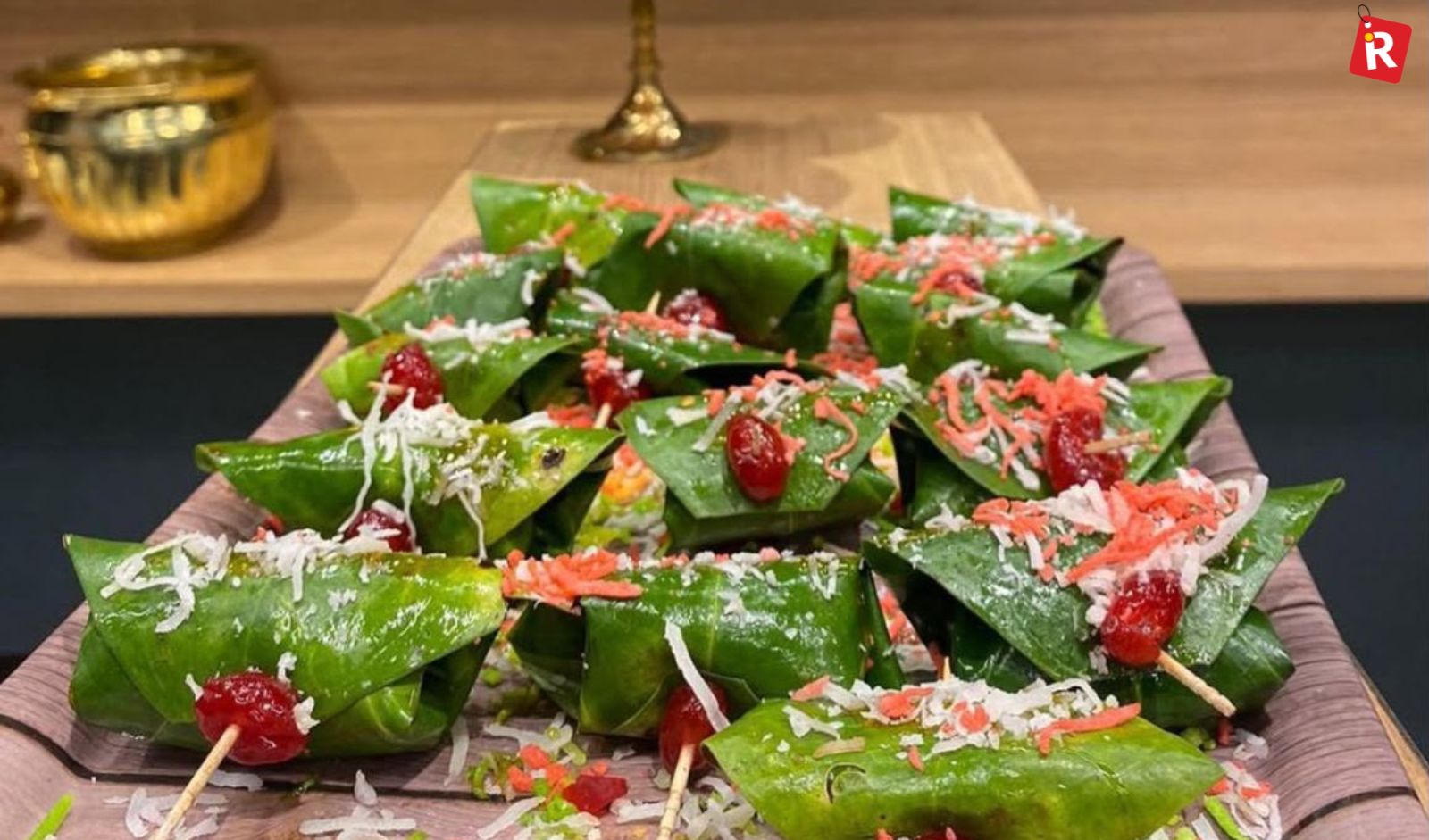
The Classic Meetha Paan remains the gold standard of Banarasi paan and is often the first choice for anyone exploring this culinary tradition. Crafted using fresh betel leaves layered with aromatic gulkand, fennel seeds, coconut, candied fruit, and traditional sweet fillings, it delivers a perfectly balanced flavor profile. The slight bitterness of the leaf gradually gives way to floral sweetness and a refreshing aftertaste that lingers pleasantly. Served after meals or during celebrations, Meetha Paan continues to represent the authentic taste of Varanasi and remains one of the most popular varieties across India.
2. Dry Fruit Chocolate Flavour Paan
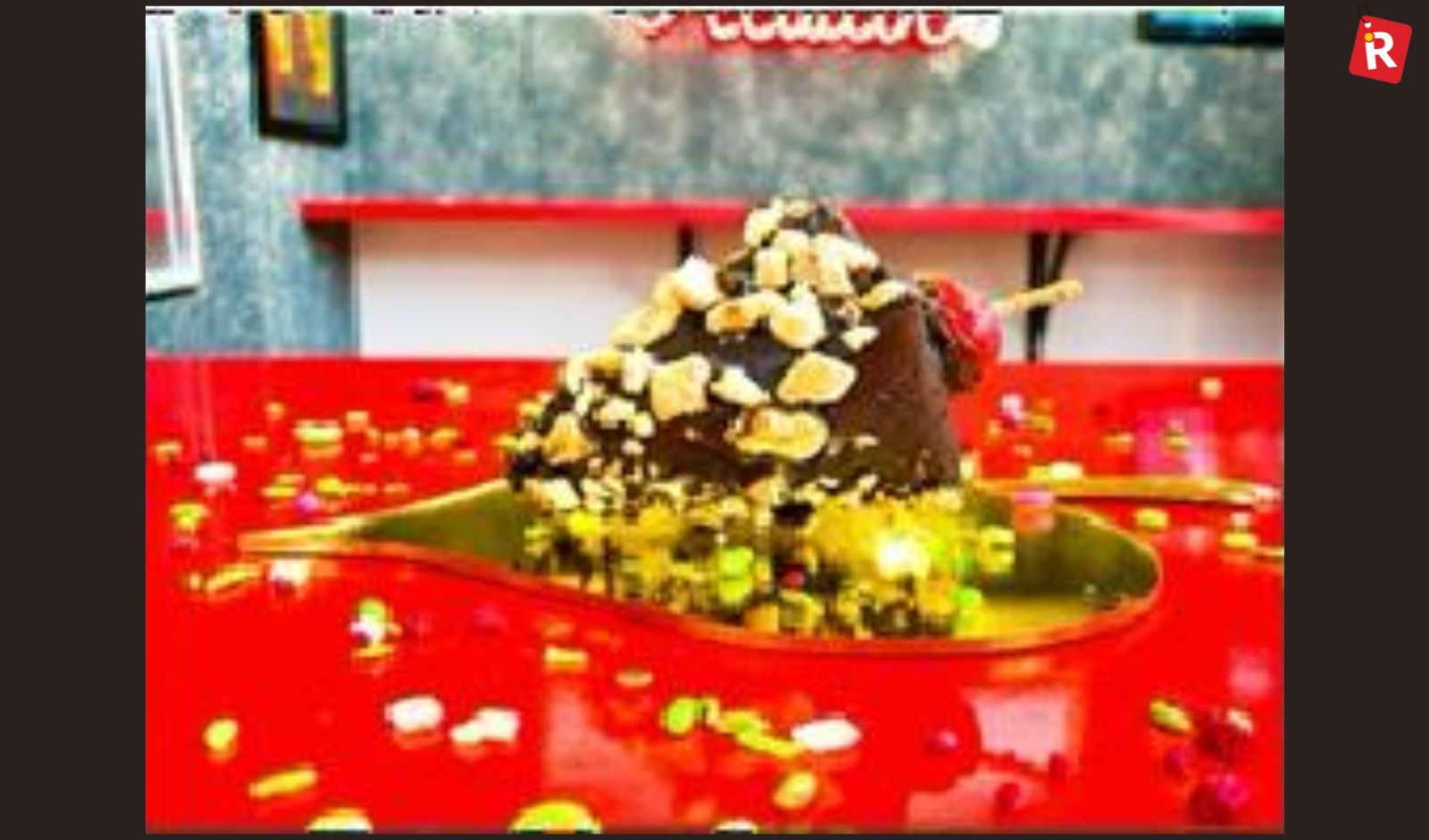
A contemporary interpretation of the traditional paan, Dry Fruit Chocolate Flavour Paan combines premium cocoa with crunchy almonds, cashews, pistachios, and other dried fruits to create a rich and indulgent experience. The subtle bitterness of chocolate complements the natural flavor of the betel leaf, while the dried fruits add texture and sweetness. Mast Banarasi Paan use imported cocoa and carefully selected ingredients to enhance the overall experience. Perfect as a dessert or gifting option, this variant has become especially popular among younger consumers looking for innovative flavors.
3. Mango Flavour Paan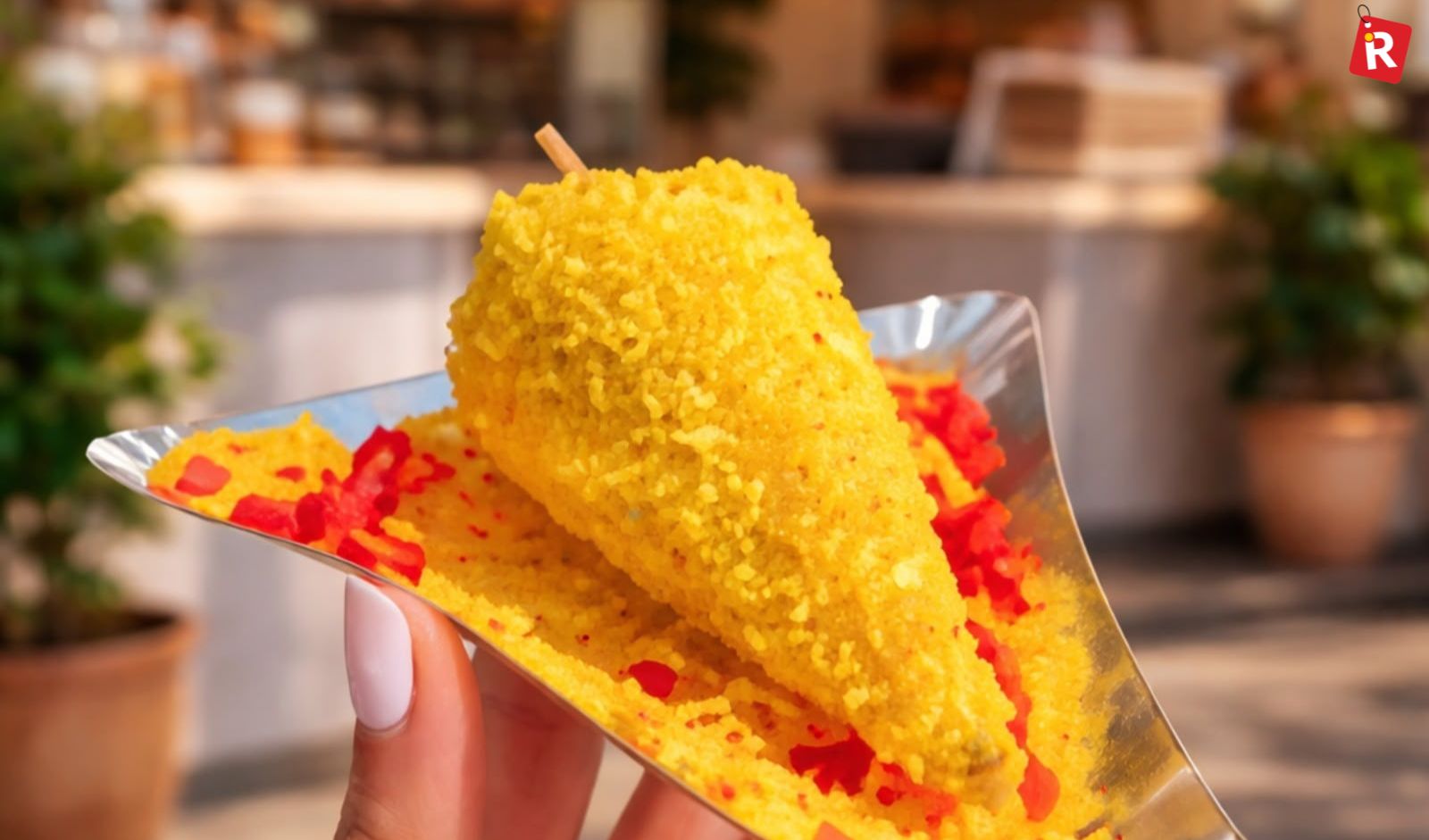
For those who enjoy fruity flavors, Mango Flavour Paan offers a refreshing twist on the traditional recipe. The natural sweetness and aroma of mango soften the sharpness of the betel leaf, creating a light and approachable flavor profile. It is an excellent choice for first-time paan eaters who may find traditional varieties slightly intense. Premium versions prepared with real mango extracts offer a noticeably richer taste than synthetic alternatives. Refreshing, mildly sweet, and easy to enjoy, Mango Flavour Paan has become one of the fastest-growing flavored variants in premium paan outlets across India.
4. Kulfi Flavour Paan
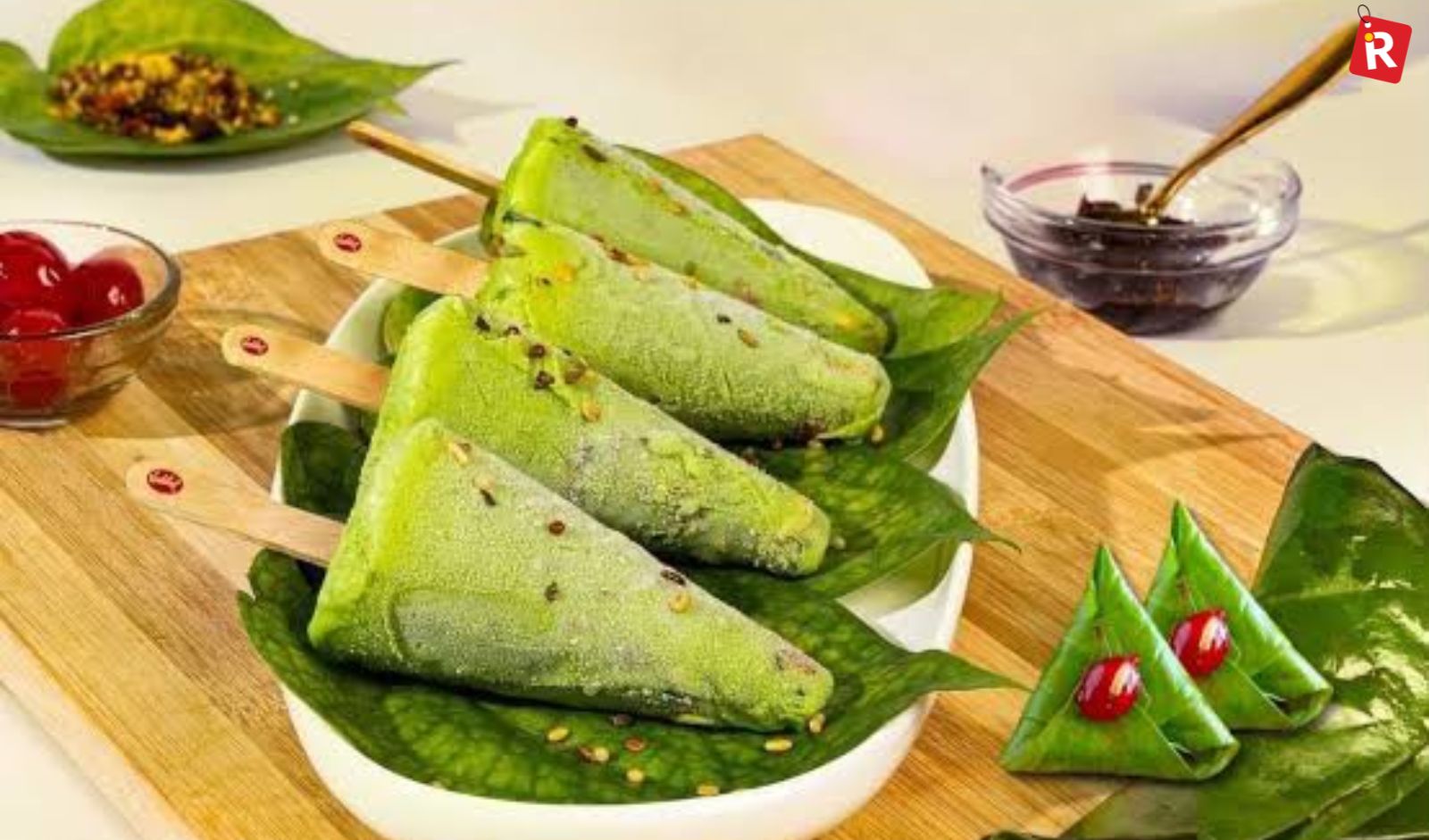
Kulfi Flavour Paan combines the nostalgia of India's favorite frozen dessert with the timeless appeal of Banarasi paan. Prepared using gulkand, fennel seeds, coconut, aromatic flavorings, and fresh betel leaves, it recreates the creamy richness associated with traditional kulfi while maintaining the freshness of paan. The milk-inspired flavors are beautifully balanced by floral notes and the herbal finish of the betel leaf. Completely tobacco-free, this variety has become a preferred dessert paan for families and consumers seeking indulgence without overwhelming sweetness. It delivers richness while still functioning as a refreshing digestive.
5. KitKat Chocolate Paan
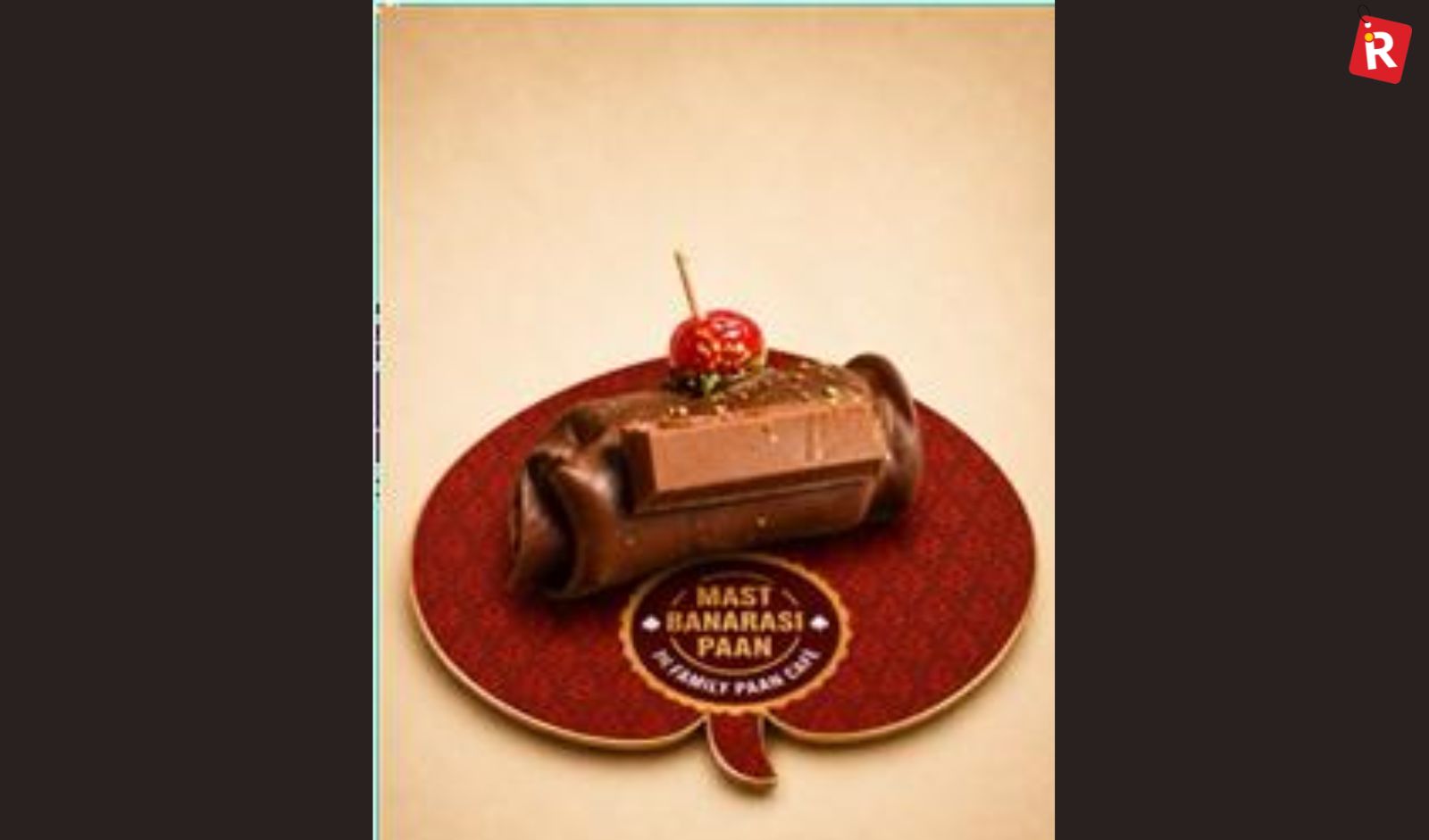
Among the most innovative paan varieties available today, KitKat Chocolate Paan has become a social media favorite for its unique presentation and satisfying texture. Built on a classic meetha paan base, it incorporates an entire KitKat bar, creating a delightful contrast between crispy wafer layers and soft betel leaves. The chocolate blends naturally with gulkand and traditional fillings, resulting in a balanced sweetness rather than an overpowering dessert. Fresh preparation is key to preserving the wafer's crunch, making this variety a memorable option for chocolate lovers and adventurous food enthusiasts alike.
Market Insights: How Premium Paan is Evolving
India's premium paan market has witnessed significant transformation in recent years. Consumers are increasingly opting for hygienically prepared, tobacco-free paan that combines traditional recipes with innovative flavors. Premium paan chains and specialty brands are expanding rapidly across metros and Tier II cities, introducing dessert-inspired varieties, customized gift boxes, and premium packaging to attract younger audiences.
The rise of food delivery platforms has further expanded access to premium paan, while social media has played a major role in popularizing visually appealing creations like chocolate, mango, and fusion paans. With growing emphasis on quality ingredients and healthier alternatives, Banarasi paan is evolving from a traditional street-side indulgence into a premium lifestyle offering that appeals across age groups.
Conclusion
Banarasi paan has successfully bridged the gap between heritage and innovation. While the classic meetha paan continues to preserve centuries-old traditions, newer varieties such as Dry Fruit Chocolate, Mango, Kulfi, and KitKat Chocolate Paan demonstrate how the category is adapting to changing consumer tastes. The growing popularity of tobacco-free, premium paan reflects a broader shift toward quality, hygiene, and experiential consumption. Whether you're a first-time visitor to Varanasi or simply exploring India's rich culinary traditions, these five Banarasi paan varieties offer an authentic and memorable experience that celebrates both craftsmanship and creativity.
Frequently Asked Questions (FAQs)
1. What makes Banarasi paan different from regular paan?
Banarasi paan is known for its premium betel leaves, carefully balanced fillings, traditional preparation techniques, and distinctive sweet flavor. It is considered one of the finest paan varieties in India.
2. Is Banarasi paan always tobacco-free?
No. Traditional Banarasi paan may or may not contain tobacco depending on the preparation. However, most premium paan brands today focus on tobacco-free varieties that emphasize flavor and freshness.
3. Which Banarasi paan is best for first-time eaters?
Classic Meetha Paan and Mango Flavour Paan are excellent choices for beginners because they offer a mild, sweet, and refreshing taste.
4. Can Banarasi paan be eaten as a dessert?
Yes. Modern dessert-inspired varieties such as Chocolate Paan, Kulfi Paan, and KitKat Chocolate Paan are specifically designed to be enjoyed as a sweet treat after meals.
5. Where can you buy authentic Banarasi paan?
Authentic Banarasi paan is widely available in Varanasi, but several premium brands, including specialty paan chains, now offer fresh, hygienically prepared Banarasi paan across major Indian cities and through online delivery platforms.
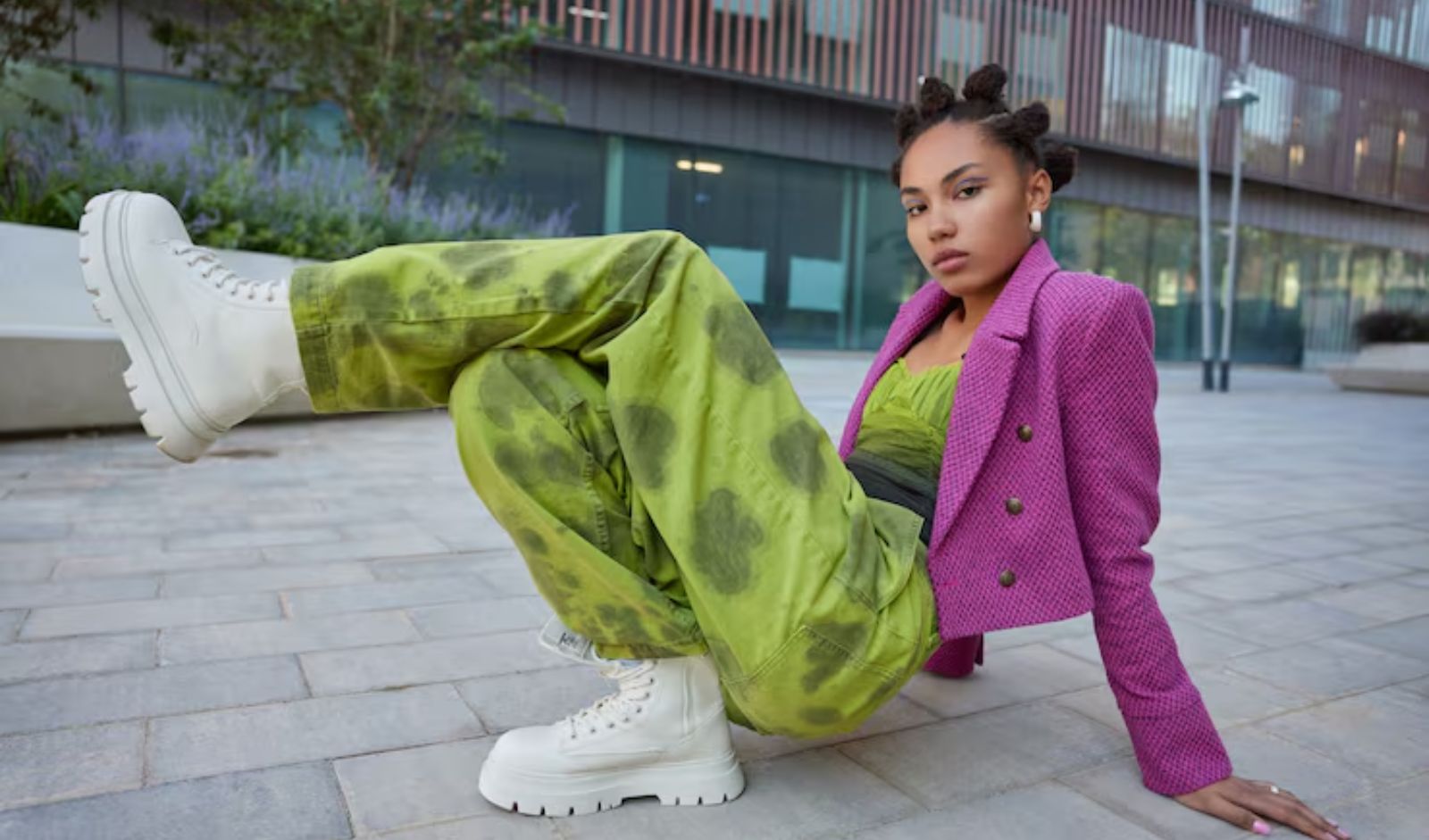
India's fashion market is undergoing a shift that most industry observers did not see coming, and the ones who did are still trying to fully explain it. Homegrown streetwear and premium apparel brands, which are often created by independent designers in their twenties with little corporate support, are not only surviving but thriving in an industry long ruled by international companies. They are positioning themselves at a premium level, thus building a community that international brands spend millions on creating, as well as taking responsibility for the agenda-setting process.
To really get why this is moving this way, you have to look past the homegrown labels themselves and pay attention to what the consumer is doing, the whole infrastructure part, and that wider cultural moment that made all of this possible in the first place.
The Consumer Has Changed Permanently
The starting point for any honest analysis of this shift is the Indian consumer, specifically, the urban youth between eighteen and thirty-five who are driving premium fashion purchasing today.
This consumer is fundamentally different from every generation before them. They have grown up with global fashion culture as a constant, not as something aspirational and distant, but as something they engage with daily through social media, content, and community. They understand construction, materials, and the design intent in a real way. They can tell the difference between something that is genuinely well-made and something that just carries a recognisable logo.
More importantly, this consumer has built a more nuanced sense of cultural identity. They feel proud of being Indian in a manner that doesn't clash with their global awareness, and both things coexist. They’re also moving toward products that show both facets clearly.
Why Authenticity Cannot Be Imported
What sets the homegrown labels thriving in the premium segment apart is that they are not attempting to replicate what already exists in global markets. Instead, they are building something distinctly their own.
This distinction matters enormously. Consumers on the premium end of the market are very good at spotting inauthenticity. An international brand may incorporate elements of Indian culture into its established design language, but it is unlikely to create something as authentic as a designer who has grown up within this context, understands its nuances and contradictions, and transforms that understanding into something genuinely original.
Meanwhile, the strongest homegrown streetwear designers in India right now are doing that too, pulling from Indian craft traditions, city-based subcultures, regional looks, and also global fashion currents all together, and they end up making pieces that are entirely their own. That creative position is a genuine competitive advantage. And it is one that no amount of localisation strategy can replicate.
The Role of Ecosystem in Brand Building
Talent alone, however, does not build a brand. One of the most significant and underappreciated factors behind the rise of Indian premium apparel brands has been the development of a supporting ecosystem of retail platforms, community spaces, and cultural infrastructure that gives emerging designers access to the right audience with the right context around their work.
For a homegrown label to command premium positioning, it needs more than a great product. It needs to be seen in the right environment, alongside the right brands, by consumers who are already primed to engage with premium fashion. The emergence of culture-first retail platforms in India over the last five years has been as important to this movement as the designers themselves.
When the right ecosystem exists, the economics of brand building shift significantly. A young designer no longer needs years and significant capital to build awareness and credibility from scratch. The right platform partnership can compress that journey dramatically, providing placement, positioning, discoverability, and access to a community that already trusts the platform's curation.
This is the model that has enabled labels across categories, including streetwear, premium basics, and contemporary Indian fashion, to achieve national relevance far faster than would have been possible even five years ago.
What the Data Is Telling Us
India's premium apparel market is growing at a rate that consistently outpaces broader fashion retail. The whole premiumisation shift, where consumers trade up and pay more for less volume but with better quality and also a deeper meaning, feels like it’s structural, not just some temporary cycle. This shift is being nudged by rising city incomes, more global exposure, and a generational mindset that puts identity and lived experience above mass buying.
Within this broader trend, the homegrown premium segment is growing fastest of all. The consumer appetite for Indian-origin brands that can credibly occupy the premium space is real, validated, and deepening. Every year, more consumers who were previously brand-agnostic about origin are actively choosing Indian labels not simply because they are Indian, but because they genuinely prefer what these brands offer.
For the fashion industry, this creates a significant opportunity. The brands and platforms that move decisively now, building trust, community, and cultural authority before the market becomes crowded, will have advantages that are very difficult to dislodge later.
The Next Five Years
The question worth asking is not whether homegrown Indian streetwear brands can succeed in the premium segment. They already are. The more interesting question is how far this movement travels.
My expectation, based on the trajectory I have observed closely over several years, is that a meaningful number of homegrown Indian labels will achieve genuine global recognition within the next decade. Not as symbols of India's economic rise or as novelty exports, but as legitimate creative forces that consumers in other markets seek out.
The market dynamics are already moving in this direction. The talent exists, the infrastructure is developing, and the consumer base is maturing. Also, the cultural confidence of the willingness of Indian designers to create entirely on their own terms rather than in reference to Western or Japanese benchmarks is at a level this industry has never seen before.
The only remaining question is whether this ecosystem will continue to prioritise culture over commerce. Historically, that is where promising fashion movements lose their way, not because the talent disappears, but because commercial pressures lead to compromises that slowly erode the authenticity that created the resonance in the first place.
The homegrown Indian streetwear movement is young enough to still get this right. And from where I sit, the best people in it are deeply aware of that responsibility.
Authored by
Anchit Kapil, Co-Founder, CrepDog Crew
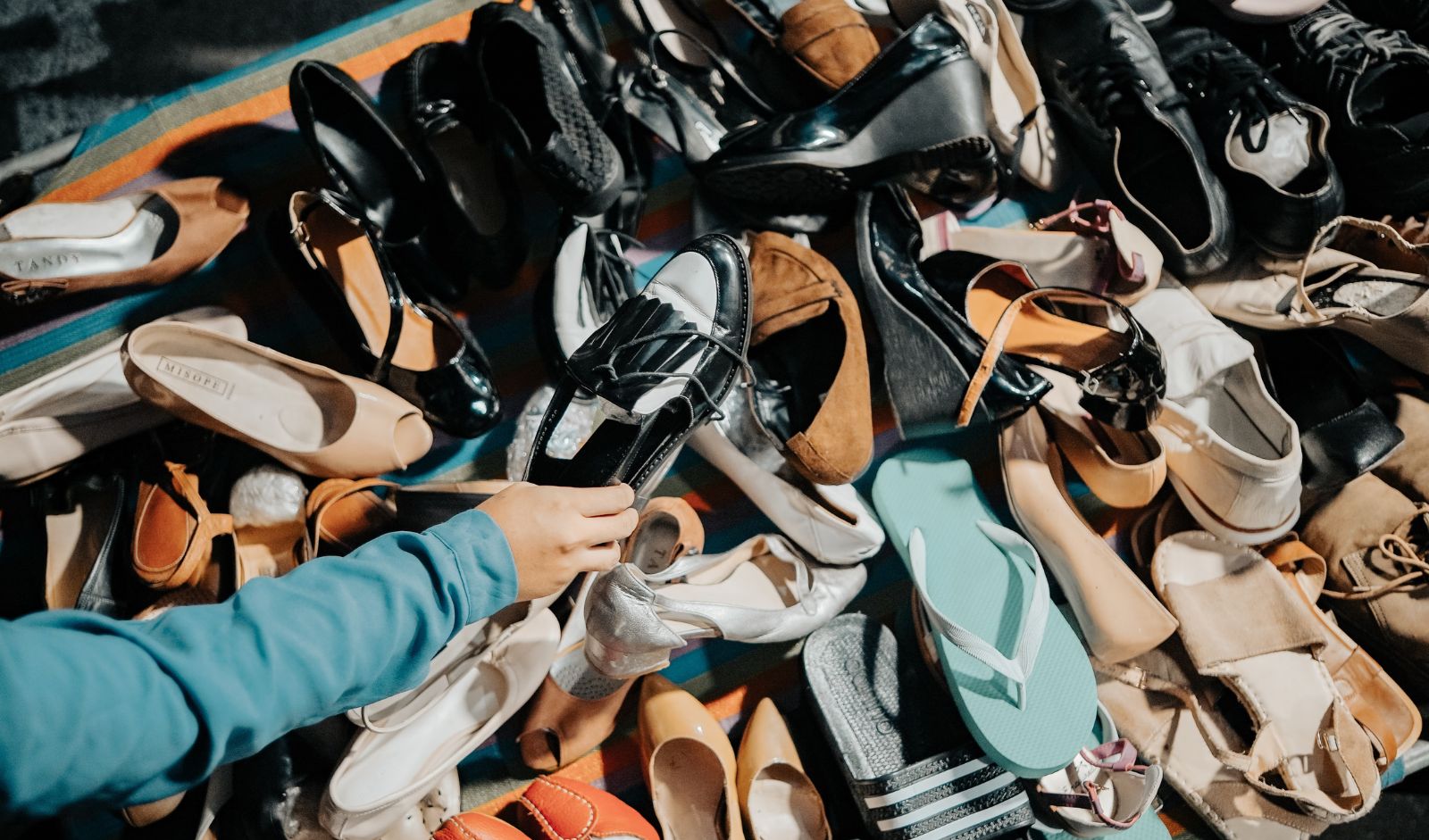
The footwear industry is undergoing a major transformation driven by technology, changing consumer expectations, and evolving fashion trends. What was once focused primarily on style and functionality is now increasingly shaped by personalization, comfort, digital engagement, and smarter retail experiences.
Globally, the footwear market is valued at over USD 450 billion, while online footwear sales are expected to cross USD 150 billion by 2027. These figures reflect how rapidly consumer buying behaviour is shifting towards digital-first and experience-driven purchasing patterns.
Consumers today expect footwear that reflects their lifestyle, identity, and everyday needs. At the same time, brands are under pressure to innovate faster, respond more accurately to market demand, and create stronger consumer connections across digital platforms.
One of the biggest shifts in the industry has been the growing focus on comfort-led innovation. Advances in material science and footwear engineering have enabled brands to develop lighter, more flexible, and performance-driven products. Features such as memory foam cushioning, breathable fabrics, lightweight soles, and adaptive designs are now becoming common across sports, casual, and lifestyle footwear categories.
Technology is also transforming the footwear design and production process. Earlier, product cycles often took several months before reaching the market. Today, digital design systems, AI-assisted forecasting tools, and rapid prototyping technologies are helping brands reduce turnaround time and respond more quickly to changing consumer preferences. This agility has become increasingly important in a market heavily influenced by social media trends and fast-moving fashion cycles.
The rise of personalization is another major trend redefining the footwear sector. Consumers, especially younger audiences, increasingly view footwear as a form of self-expression. AI-powered recommendations, customized designs, and digital-first launches are helping brands create more consumer-centric experiences while improving purchase confidence and product relevance.
Technology is now influencing not only products, but also the retail and distribution ecosystem. Many footwear companies are adopting AI-led systems that analyse purchasing behaviour, predict regional demand patterns, and optimize inventory planning more efficiently. These systems help reduce dead stock, improve product availability, and support better decision-making across the supply chain.
The rapid growth of e-commerce has further accelerated this transformation. Consumers today interact with brands across multiple digital touchpoints before making purchasing decisions. Digital campaigns, creator collaborations, interactive launches, and community-driven marketing are becoming important tools for building stronger engagement, particularly among Gen Z consumers.
Sustainability is also becoming closely linked with technology-driven efficiency in the footwear industry. Smarter inventory planning, improved production forecasting, and material innovation are helping brands reduce waste and improve operational efficiency while aligning with evolving consumer expectations around responsible consumption.
For India, this transformation presents a significant opportunity. With one of the world’s youngest and most digitally connected consumer markets, the country is witnessing growing demand for innovation-led footwear experiences across both urban and emerging markets.
The future of footwear will not be defined by fashion or technology independently, but by how effectively the two are integrated to create products and experiences that resonate with modern consumers. As fashion and technology continue to converge, the industry is moving towards a future where products are becoming smarter, experiences more personalized, and consumer engagement more immersive than ever before.
Authored By
Aayush Jindal, CEO, Asian Footwears
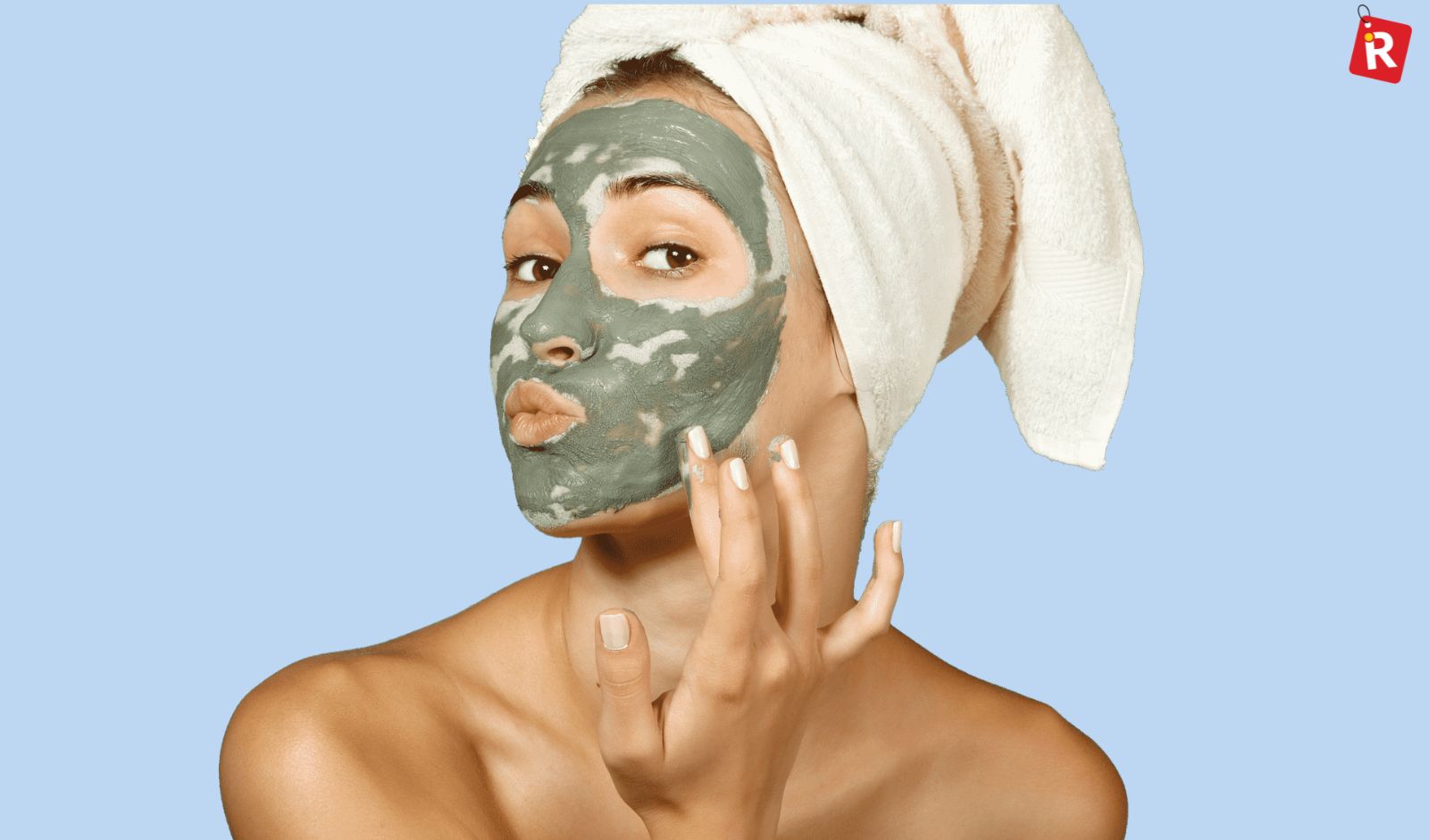
From pollution and excess oil to stress and changing weather, our skin faces multiple challenges every day. While a good cleanser and moisturizer are essential, a clay mask can elevate any skincare routine by offering a deeper cleanse that removes impurities, minimizes the appearance of pores, and revives tired-looking skin. Whether you're dealing with dullness, acne, or uneven texture, the right clay mask can leave your skin feeling refreshed and looking noticeably healthier.
The global skincare industry has also witnessed a growing demand for multifunctional face masks that combine natural ingredients with scientifically backed actives. Today's clay masks do much more than absorb excess oil—they brighten, hydrate, soothe, and improve overall skin texture. From Ayurvedic formulations to volcanic clay and charcoal-infused treatments, brands are innovating to meet the evolving needs of consumers seeking effective, easy-to-use skincare solutions.
Why Clay Masks Deserve a Spot in Your Skincare Routine
Clay masks work by drawing out dirt, excess sebum, and impurities lodged deep within the pores, making them an excellent weekly treatment for maintaining clear skin. Depending on the formulation, they can also help brighten the complexion, refine pores, reduce the appearance of blemishes, and improve skin texture. Modern formulas often combine traditional clays with active ingredients like niacinamide, vitamin C, botanical extracts, and antioxidants to deliver multiple skincare benefits in a single product.
How to Choose the Right Clay Mask for Your Skin Type
Not all clay masks are created equal, and selecting one based on your skin concerns can maximize results. Oily and acne-prone skin benefits from oil-absorbing ingredients such as volcanic clay and charcoal, while dull or uneven skin can benefit from brightening ingredients like vitamin C and niacinamide. If you have sensitive or combination skin, opt for creamy, non-drying formulas enriched with soothing botanicals that cleanse without compromising the skin barrier.
Read more: Top Lightweight Jewellery Brands Offering Luxury for Modern Women
Top 8 International Watch Brands Defining Luxury and Lifestyle Trends in India
Best Cafes in Delhi NCR for Weekend Brunches and Coffee Dates
1. Wildflower Naturals Kumkumadi & Donkey Milk Illuminating Clay Mask
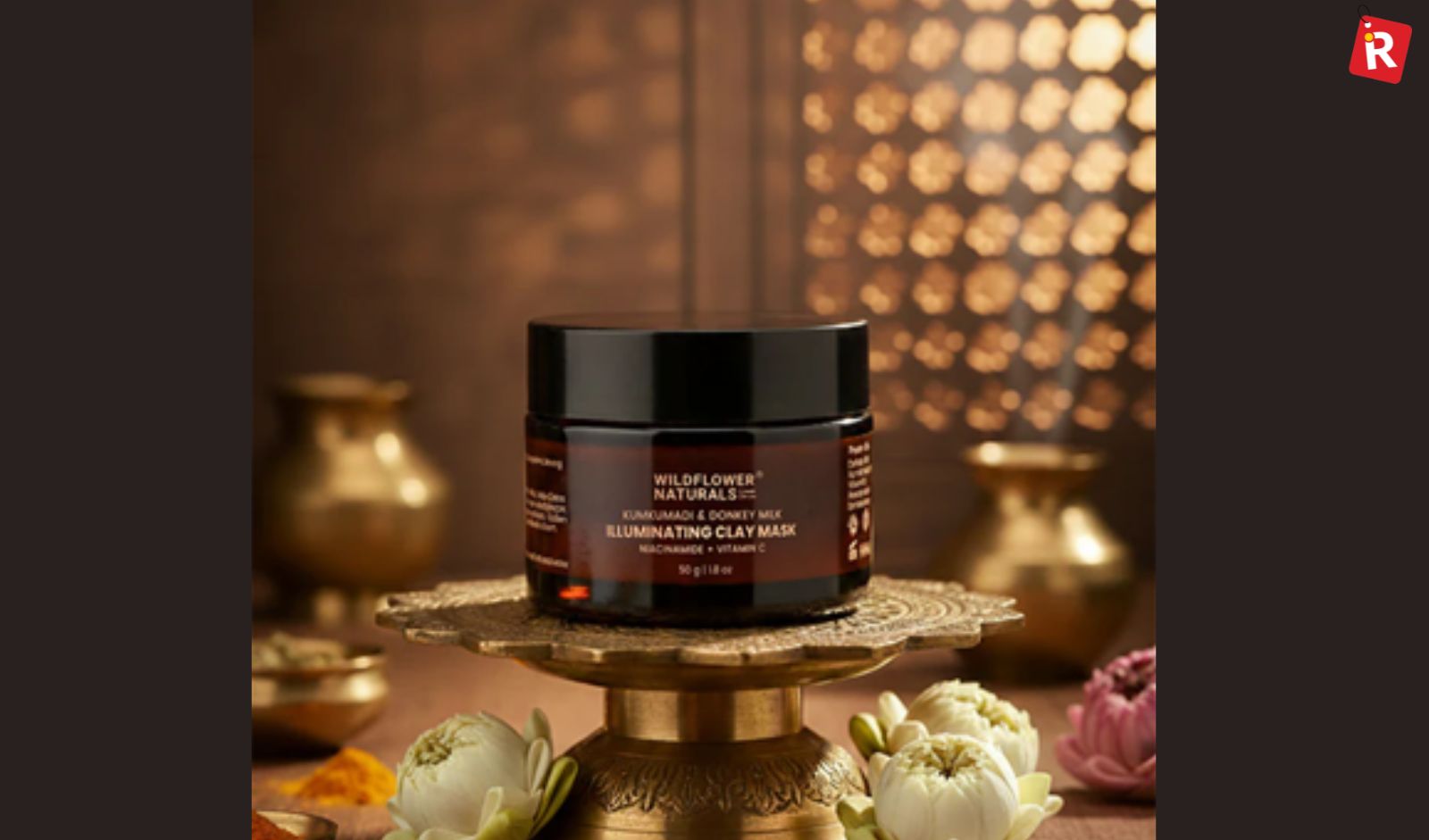
Blending Ayurvedic heritage with modern skincare science, the Wildflower Naturals Kumkumadi & Donkey Milk Illuminating Clay Mask is designed to revive dull and uneven-looking skin. The formula combines Kumkumadi Oil and Donkey Milk with niacinamide and vitamin C to enhance radiance while promoting a more even-looking complexion. Its mineral-rich clay base effectively removes dirt, excess oil, and impurities without stripping moisture, leaving skin feeling fresh and nourished. Free from sulphates and parabens, cruelty-free, and dermatologically tested, this mask is ideal for those looking to achieve a healthy glow while supporting overall skin clarity and vitality.
2. Innisfree Super Volcanic Pore Clay Mask
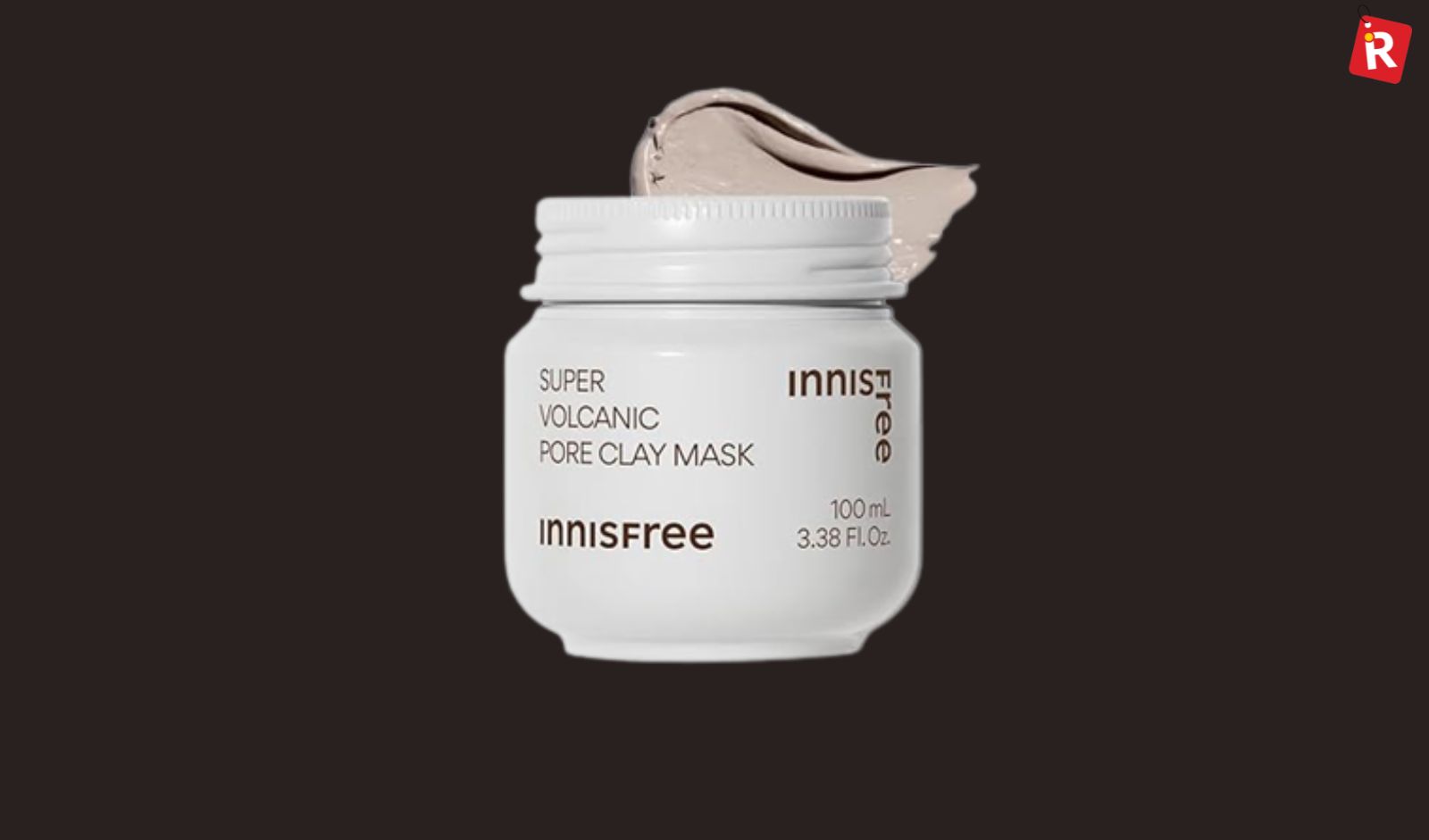
A long-standing favorite among skincare enthusiasts, the Innisfree Super Volcanic Pore Clay Mask is formulated with Jeju volcanic clusters known for their exceptional oil-absorbing properties. The mask helps remove excess sebum, deeply cleanse pores, and improve overall skin texture, making it especially suitable for oily and combination skin types. Regular use helps minimize the appearance of enlarged pores while leaving the skin feeling smoother and refreshed. Its lightweight yet effective formula offers a deep-cleansing experience without feeling overly harsh, making it a reliable addition to weekly skincare routines focused on pore care and oil control.
3. RAS Luxury Luminous Detoxifying & Pore Refining Clay Face Mask
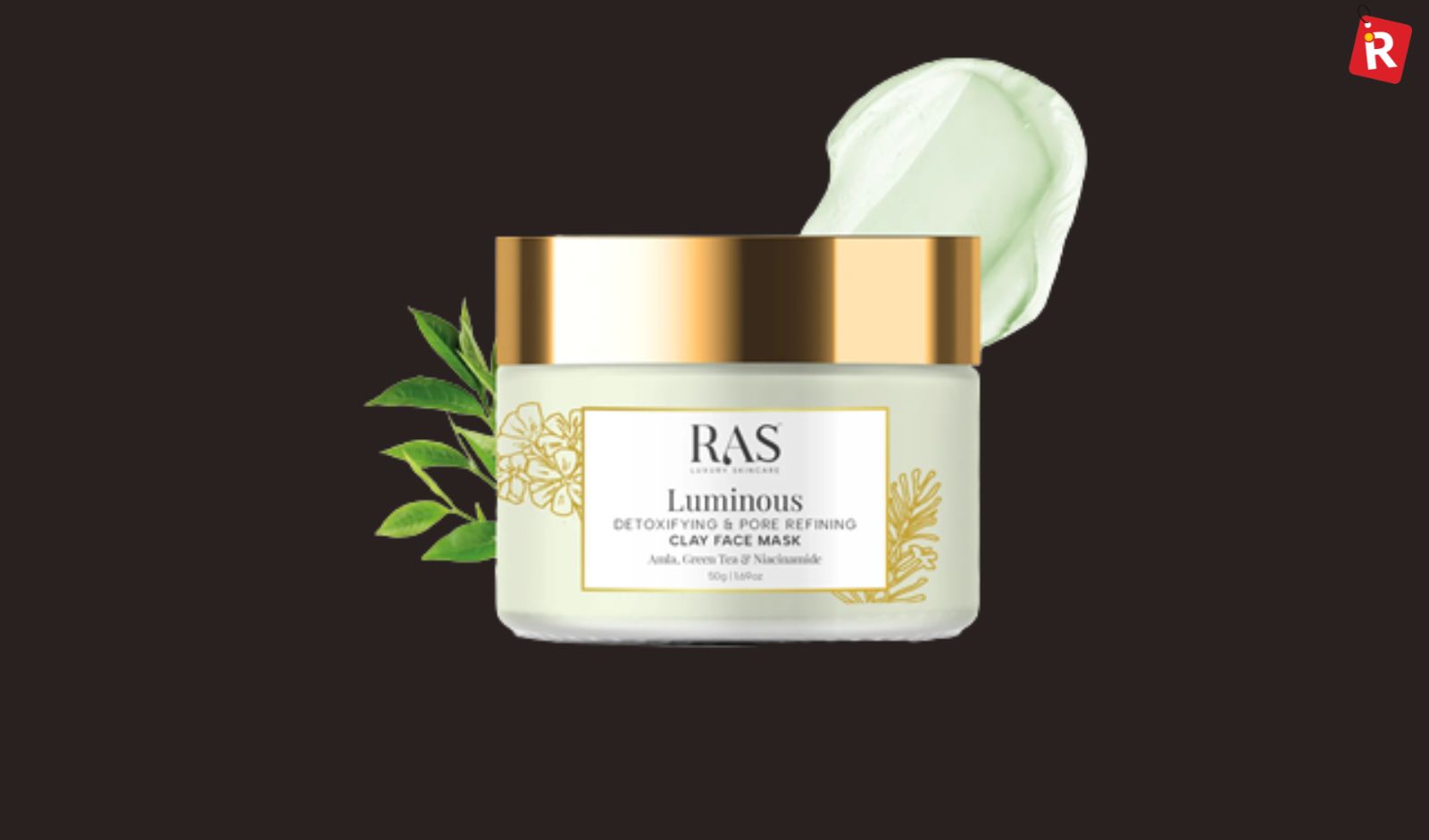
The RAS Luxury Luminous Detoxifying & Pore Refining Clay Face Mask combines mineral-rich kaolin clay with niacinamide, amla, green tea, neem, and antioxidant-rich botanical extracts to provide a balanced detoxifying treatment. Designed for congested skin and visible pores, the creamy formula helps remove impurities while maintaining hydration, preventing the dryness commonly associated with clay masks. The blend of botanical ingredients works to improve skin clarity, refine texture, and promote a brighter appearance. Its non-drying formulation makes it an excellent choice for consumers seeking effective pore refinement alongside nourishing skincare benefits.
4. Kiehl's Rare Earth Deep Pore Cleansing Masque
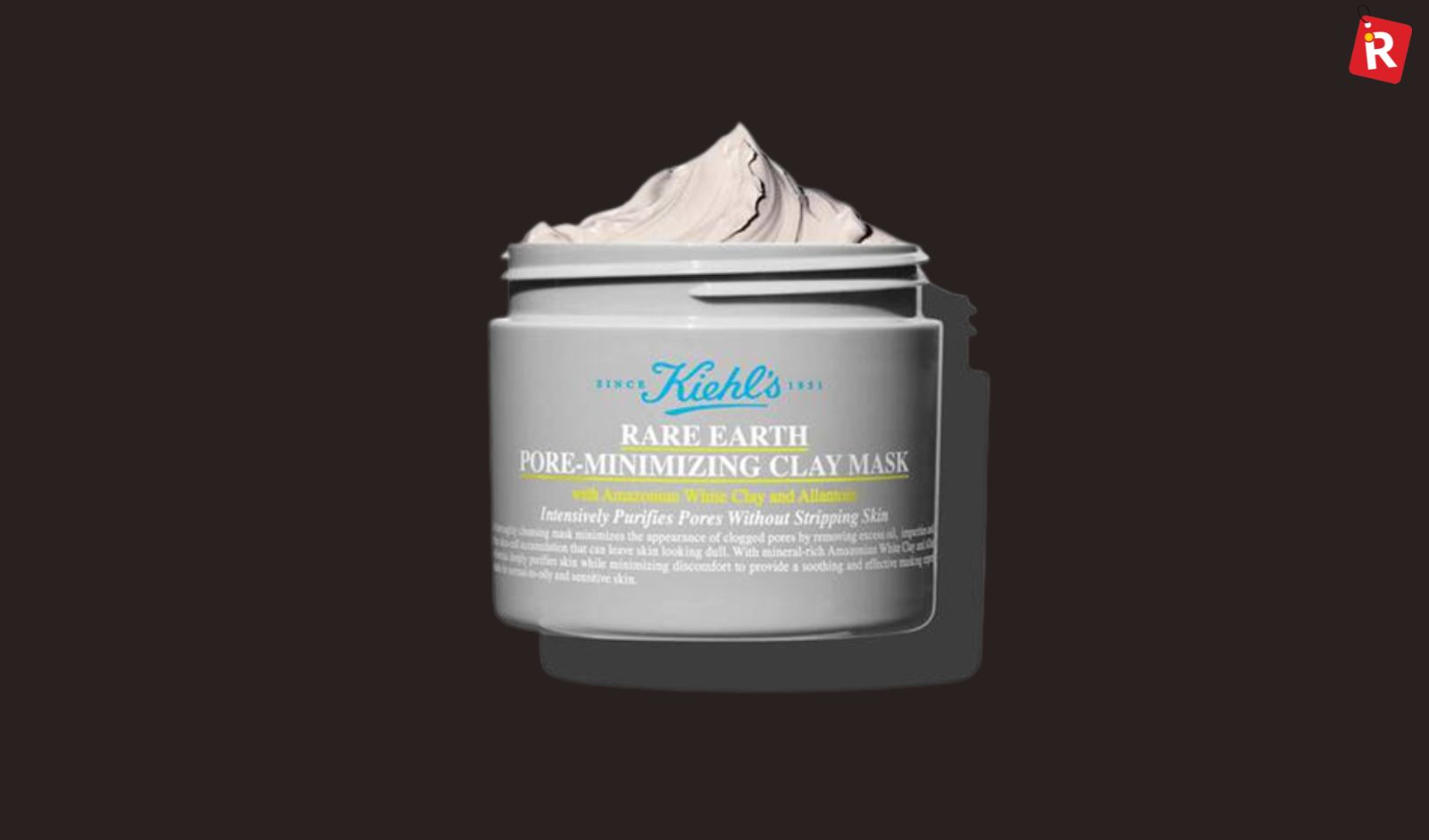
Kiehl's Rare Earth Deep Pore Cleansing Masque is powered by Amazonian White Clay, an ingredient renowned for its ability to draw out impurities and absorb excess oil. The mask provides a thorough cleanse that helps reduce the appearance of clogged pores while leaving the complexion looking cleaner and more balanced. Particularly suited for oily and acne-prone skin, it supports clearer-looking skin with regular use without compromising comfort. Its straightforward, effective formulation has earned it a strong reputation among consumers looking for a dependable deep-cleansing treatment to complement their everyday skincare regimen.
5. L'Oréal Paris Pure Clay Detox Mask
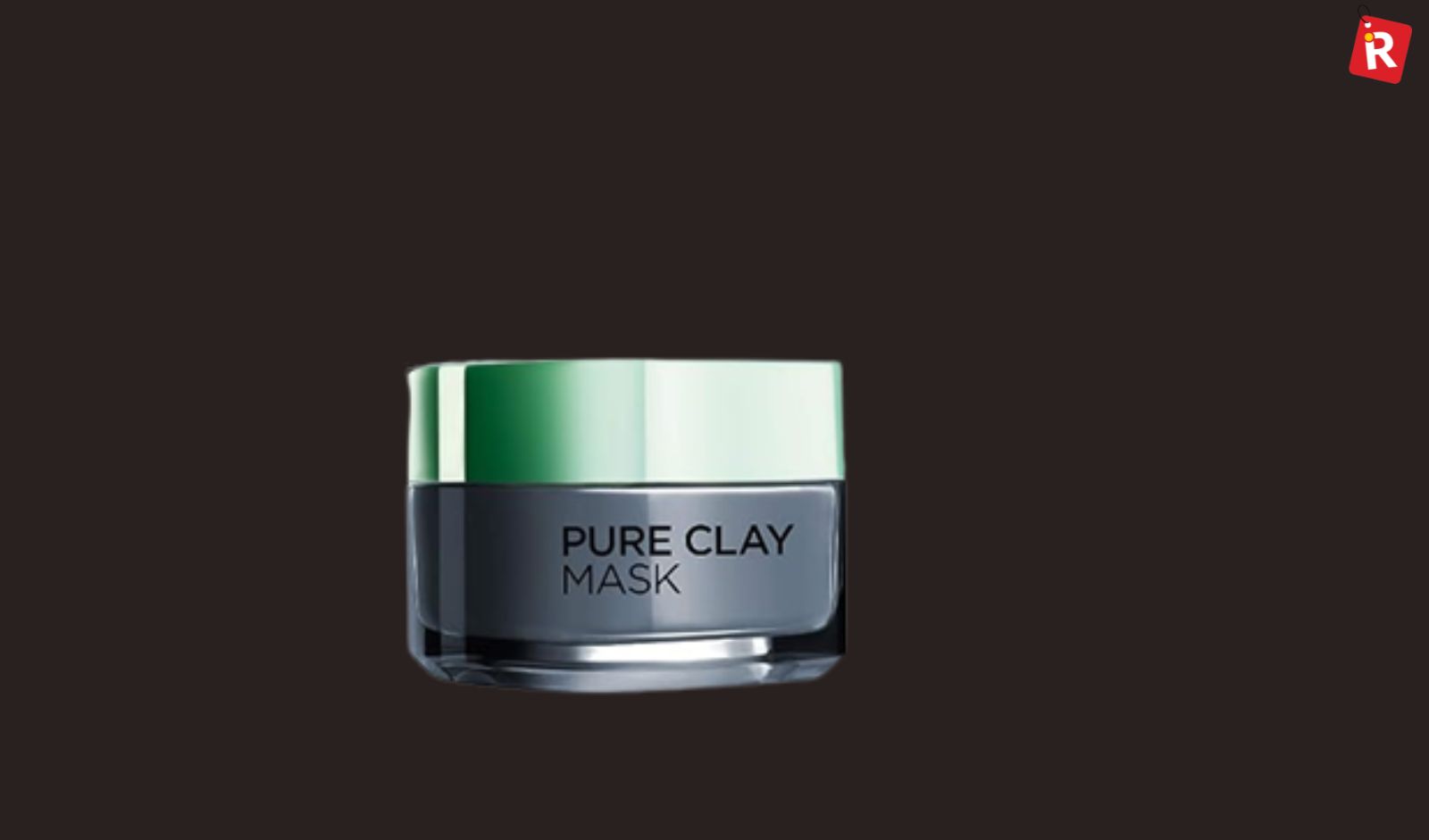
Designed for modern urban lifestyles, the L'Oréal Paris Pure Clay Detox Mask combines three mineral clays with charcoal to help remove impurities caused by pollution and environmental stressors. The formula detoxifies the skin while reducing excess oil and restoring a fresh, radiant appearance. Suitable for dull and tired-looking skin, the mask delivers an instant refreshed feel after use and helps improve overall skin clarity with consistent application. Its pollution-focused formulation makes it particularly relevant for consumers living in cities where environmental exposure can contribute to congestion, dullness, and uneven-looking skin.
Know more: Top 8 Ready-to-Drink Protein Shake Brands Riding India’s On-the-Go Nutrition Trend
Top Air Coolers for Homes and Commercial Spaces This Summer
5 Smart Kitchen Appliance Brands for Everyday Use
Market Insight
The clay mask segment is witnessing significant growth as consumers increasingly seek targeted skincare treatments that deliver professional-quality results at home. Rising awareness around skincare ingredients, the influence of social media beauty trends, and the growing popularity of self-care routines have accelerated demand for clay-based masks across premium and mass-market categories. Brands are also incorporating multifunctional ingredients such as niacinamide, vitamin C, probiotics, botanical extracts, and antioxidant-rich actives to address multiple concerns simultaneously. Additionally, the clean beauty movement has encouraged companies to develop formulations that are cruelty-free, dermatologically tested, and free from harsh chemicals, making clay masks more appealing to a wider consumer base.
Conclusion
Clay masks have evolved from simple oil-control treatments into advanced skincare solutions that address a variety of concerns, including dullness, enlarged pores, uneven texture, and environmental damage. Whether you prefer Ayurvedic formulations, volcanic clay, charcoal-based detox treatments, or botanical-rich blends, today's market offers options suited to every skin type and lifestyle. Incorporating a clay mask into your weekly skincare routine can help maintain healthier-looking skin while complementing your daily regimen. As innovation continues to shape the beauty industry, clay masks remain a versatile and effective skincare essential for achieving fresher, clearer, and more radiant skin.
FAQs on Must-Try Clay Masks for Instantly Fresher
1. How often should you use a clay mask?
Most clay masks can be used one to two times a week, depending on your skin type. Oily skin may benefit from twice-weekly use, while dry or sensitive skin should limit application to once a week to avoid over-drying.
2. Are clay masks suitable for all skin types?
Yes, clay masks are available for all skin types. Those with oily or acne-prone skin can opt for formulas with volcanic clay or charcoal, while people with dry or sensitive skin should choose hydrating, non-drying clay masks enriched with soothing botanical ingredients.
3. What are the main benefits of using a clay mask?
Clay masks help remove excess oil, unclog pores, eliminate impurities, and improve skin texture. Many modern formulations also contain ingredients like niacinamide, vitamin C, and botanical extracts that brighten the complexion, refine pores, and promote healthier-looking skin.
4. Should you apply a moisturizer after using a clay mask?
Yes. After rinsing off a clay mask, it's important to follow up with a moisturizer to restore hydration and strengthen the skin barrier. Applying a serum before moisturizing can further enhance the skincare benefits.
5. Can clay masks help reduce acne and blackheads?
Clay masks can support acne-prone skin by absorbing excess sebum, removing impurities, and keeping pores clear, which may help reduce the occurrence of blackheads and breakouts. However, they should be used as part of a consistent skincare routine rather than as a standalone treatment for acne.

Bathroom design has evolved far beyond functionality. Today, homeowners are looking for spaces that reflect personal style while offering comfort and practicality. Among the many tile options available, 3D wall tiles and mosaic tiles have emerged as two of the most popular choices for creating visually striking bathrooms. While both styles bring character and charm to a space, they differ significantly in appearance, application, and overall impact. If you are planning a bathroom renovation or designing a new space, understanding the strengths of each tile style can help you make the right choice.
Understanding 3D Tiles
3D wall tiles feature raised surfaces, textured patterns, and embossed effects that create depth and dimension. Unlike traditional flat tiles, they interact with light and shadow, making walls appear more dynamic and visually engaging. These tiles are often used to create feature walls, vanity backdrops, or decorative accents that instantly draw attention.
One of the biggest advantages of 3D wall tiles is their ability to transform simple spaces into contemporary design statements. Geometric patterns, wave-inspired textures, and sculpted surfaces can add a sophisticated architectural element to the bathroom without requiring additional décor.
For example, a textured vanity wall finished with 3D porcelain tiles can create a luxurious, spa-inspired atmosphere while maintaining a clean, modern aesthetic.
Understanding Mosaic Tiles
Mosaic tiles are made up of small pieces arranged to form patterns, designs, or artistic compositions. Available in materials such as ceramic, glass, stone, and marble, these tiles offer endless creative possibilities.
Unlike larger tiles, mosaic tiles excel at adding intricate detail. They can be used to create decorative borders, feature walls, shower niches, backsplashes, and even entire bathroom floors. Their versatility allows homeowners to experiment with colours, textures, and patterns that suit both traditional and contemporary interiors.
A fish-scale mosaic shower wall or a geometric mosaic floor, for instance, can become the focal point of a bathroom while adding personality and visual interest.
Comparing Visual Appeal
When exploring modern bathroom design, both 3D wall tiles and mosaic tiles stand out for enhancing visual appeal, but they do so in very different ways. Each style brings its own character, shaping the overall mood of the space.
3D wall tiles focus on depth, structure, and subtle movement. Their appeal lies in the way light and shadow interact with textured surfaces, creating a refined, contemporary look. This makes them a strong choice for minimalist bathrooms that prioritise clean lines and understated elegance.
On the other hand, mosaic tiles take a more decorative approach. They introduce colour variation, intricate detailing, and artistic patterns that instantly draw attention, making them suitable for more expressive or luxurious bathroom designs.
To offer flexibility across both design directions, brands like Simpolo Tiles & Bathware provide a diverse range of 3D wall tiles and mosaic-inspired collections, allowing homeowners to choose between modern subtlety and detailed visual richness.
The decision comes down to whether you prefer sculpted simplicity or a more ornate, artistic finish for your bathroom.
Which Style Works Better in Small Bathrooms?
Small bathrooms often require careful design choices to avoid feeling cramped.
In compact spaces, 3D wall tiles can create an illusion of depth, making walls appear larger than they are. Lighter shades and subtle textures work especially well in modern bathrooms with limited square footage.
Meanwhile, mosaic tiles can add visual richness without overwhelming the room when used strategically. Instead of covering every wall, many designers recommend using mosaics as accents around mirrors, shower niches, or vanity areas to maintain balance.
For small bathrooms, moderation is key regardless of the tile style chosen.
Durability and Maintenance
Durability is an important consideration for any bathroom surface.
3D wall tiles made from porcelain or ceramic are highly durable and moisture-resistant, making them suitable for long-term use. Their larger format also means fewer grout lines, which simplifies cleaning and maintenance.
Mosaic tiles are equally durable when properly installed, but they typically have more grout joints due to their smaller size. While this allows for greater design flexibility, it can require more frequent cleaning to keep grout lines looking fresh.
Homeowners looking for low-maintenance solutions often prefer textured wall installations, while those prioritising artistic expression may find the additional upkeep of mosaics worthwhile.
Conclusion
Both 3D wall tiles and mosaic tiles offer strong design value, but the right choice depends on your bathroom goals. If you prefer a modern, clean, low-maintenance space with subtle depth, 3D tiles are ideal for creating a structured, elegant look. If you want more creativity, colour variation, and artistic detail, mosaic tiles offer greater expressive freedom. Ultimately, the decision comes down to your preferred style, whether minimalist sophistication or decorative richness, and how you want your bathroom to look and function.
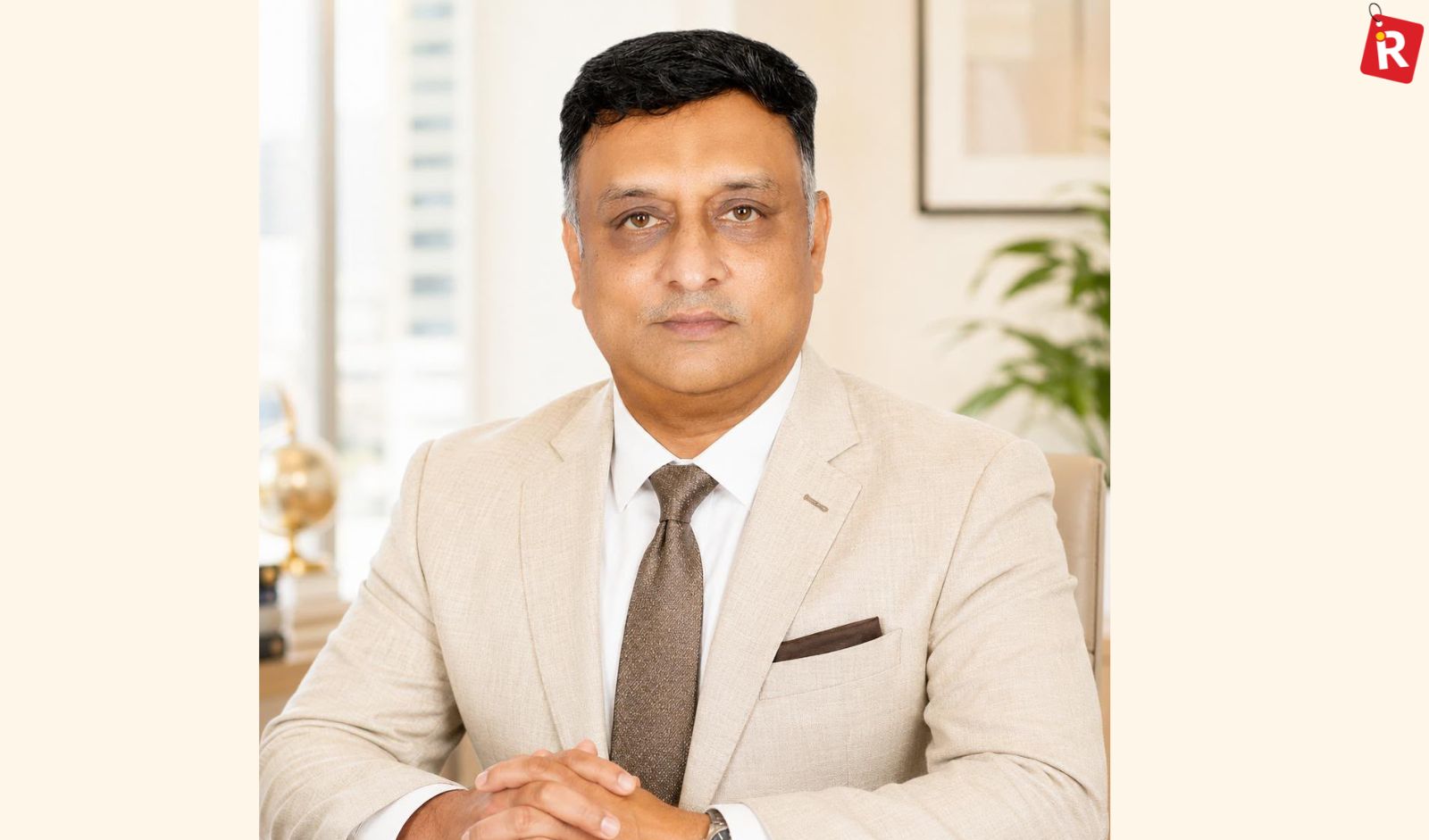 Established in 2017, Stone Sapphire India operates across stationery, toys, homeware, sports, and lifestyle categories through a pan-India omnichannel distribution network spanning general trade, modern retail, and e-commerce
-
Today’s audiences are overwhelmed with choices. Every category is crowded. Every platform is noisy. Digital fatigue is real, and consumers are spending hours scrolling past thousands of advertisements every single day.
-
Discover the top five wellness essentials Gen Z and millennials need this monsoon, from marine collagen and recovery oils to ceramide skincare and sleep support for healthier skin and overall well-being.
-
According to IMARC Group, The India perfume market was valued at USD 1,250.02 million in 2025 and is expected to reach USD 1,999.32 million by 2034, with a compound yearly growth rate of 5.36% from 2026 to 2034.






Copyright © 2009 - 2026 Franchiseindia.com Ltd