




Managing Editor, IndianRetailer.com & Retailer Media Jan 10, 2024 /
 160
/ 8 MIN READ
160
/ 8 MIN READ


In a world where shopping isn't just a transaction but a thrilling adventure, Neo Retail emerges as the secret sauce that turns mundane purchases into a journey of discovery. Say goodbye to the ordinary and step into the extraordinary as we dive headfirst into the Shopocalypse – the era where the rules of retail are rewritten, and Neo Retail reigns supreme.
The retail game is no longer a battle between brick-and-mortar and e-commerce; it's a fusion of the physical and the digital, creating an immersive shopping experience that feels like magic. Neo Retail is an exciting world where every click, tap, and swipe is a step towards the future of shopping.
The Genesis of Neo Retail
At its core, Neo Retail represents the "next frontier of productivity”, a paradigm shift that transcends traditional retail models. The seismic transformation in consumer behavior, driven by our deep integration with social media, has ushered in an era where shopping is not merely a transaction but an informed choice. The dichotomy of brick-and-mortar versus e-commerce is evolving into a seamless blend of physical and digital realms, and Neo Retail is at the forefront of this evolution.
The Blurring Lines: Omnichannel Experiences
What sets Neo Retail apart is its ability to seamlessly merge online and offline channels, providing consumers with omnichannel experiences. This transcends the conventional retail dichotomy, allowing businesses, even the smallest ones, to reach global audiences. The entire digital world becomes a vast marketplace, opening doors to unprecedented opportunities for businesses to dream big and connect with customers worldwide.
The Tech Behind the Magic
Neo Retail leverages cutting-edge technologies to redefine the shopping journey. Augmented Reality (AR), Virtual Reality (VR), and Artificial Intelligence (AI) are not just buzzwords; they are tools that neo-retailers employ to offer personalized and captivating shopping experiences. AI-driven chatbots provide real-time assistance, AR facilitates virtual try-ons, and VR transports customers to online showrooms. These technologies not only make shopping more convenient but also elevate customer satisfaction and engagement.
Data: The Sherlock Holmes of Neo Retail
Data analytics is the detective in this Neo Retail story, unraveling the mysteries of consumer behavior, preferences, and trends. With the potential to predict future cravings and optimize inventory, data analytics is the crystal ball that retailers use to stay one step ahead. It's not just about avoiding 'out of stock' signs; it's about tailoring the shopping experience to each individual's habits, creating a personalized touch that resonates with consumers.
Business Unleashed: Opportunities for All
From a business perspective, Neo Retail is a game-changer. It goes beyond the traditional concept of having a physical store. By integrating the online and offline worlds, businesses of all sizes can expand their reach globally. The democratization of retail fosters innovation, entrepreneurship, and employment in emerging nations, creating a ripple effect that empowers local economies.
Additionally, it isn't just about profit margins; but fostering sustainability and supporting local economies. By connecting consumers directly with local producers, Neo Retail promotes ethical and environmentally friendly practices. The emphasis on sustainability resonates with conscious consumers, driving demand for eco-friendly products and supporting the growth of responsible businesses.
The Crystal Ball
Diving into the world of Neo Retail is akin to stepping into a detective story. Data analytics plays the role of Holmes, decoding massive datasets to uncover trends, preferences, and shopping quirks. The ability to peek into the future allows retailers to predict consumer cravings, ensuring shelves are stocked with just the right products, eliminating the frustration of encountering 'out of stock' signs.
The magic of big data lies in its ability to provide a personalized touch. By understanding individual shopping habits, retailers can tailor their approach, making customers feel like VIPs. This personalized touch not only enhances the shopping experience but also strengthens the emotional connection between consumers and brands. Neo Retail is not just about transactions; it's about creating an ongoing relationship with every shopper.
The Economic Impact
Neo Retail is poised to unlock significant economic growth and efficiency gains across various sectors. Leveraging data analytics and machine learning algorithms, businesses can gain valuable insights into consumer behavior, preferences, and trends. This data-driven approach enables targeted marketing campaigns, personalized product recommendations, and optimized inventory management, leading to higher sales conversion rates and reduced costs.
Integrating Internet of Things (IoT) devices and smart sensors into stores enhances operational efficiency. Real-time tracking of goods, demand prediction, and supply chain improvements reduce waste, prevent stockouts, and boost overall productivity. This operational efficiency not only benefits retailers but also contributes to a more sustainable retail ecosystem.
Future of Shopping
Neo Retail is not merely a trend; it's a seismic shift that is reshaping the retail landscape. Its fusion of technology, data analytics, and a personalized touch is transforming the shopping experience into something irresistibly immersive. As we navigate this new era of retail, businesses, big and small, have the opportunity to embrace innovation, connect with global audiences, and contribute to a more sustainable and empowered future. Welcome to Neo Retail – where the future of shopping is unfolding before our eyes.


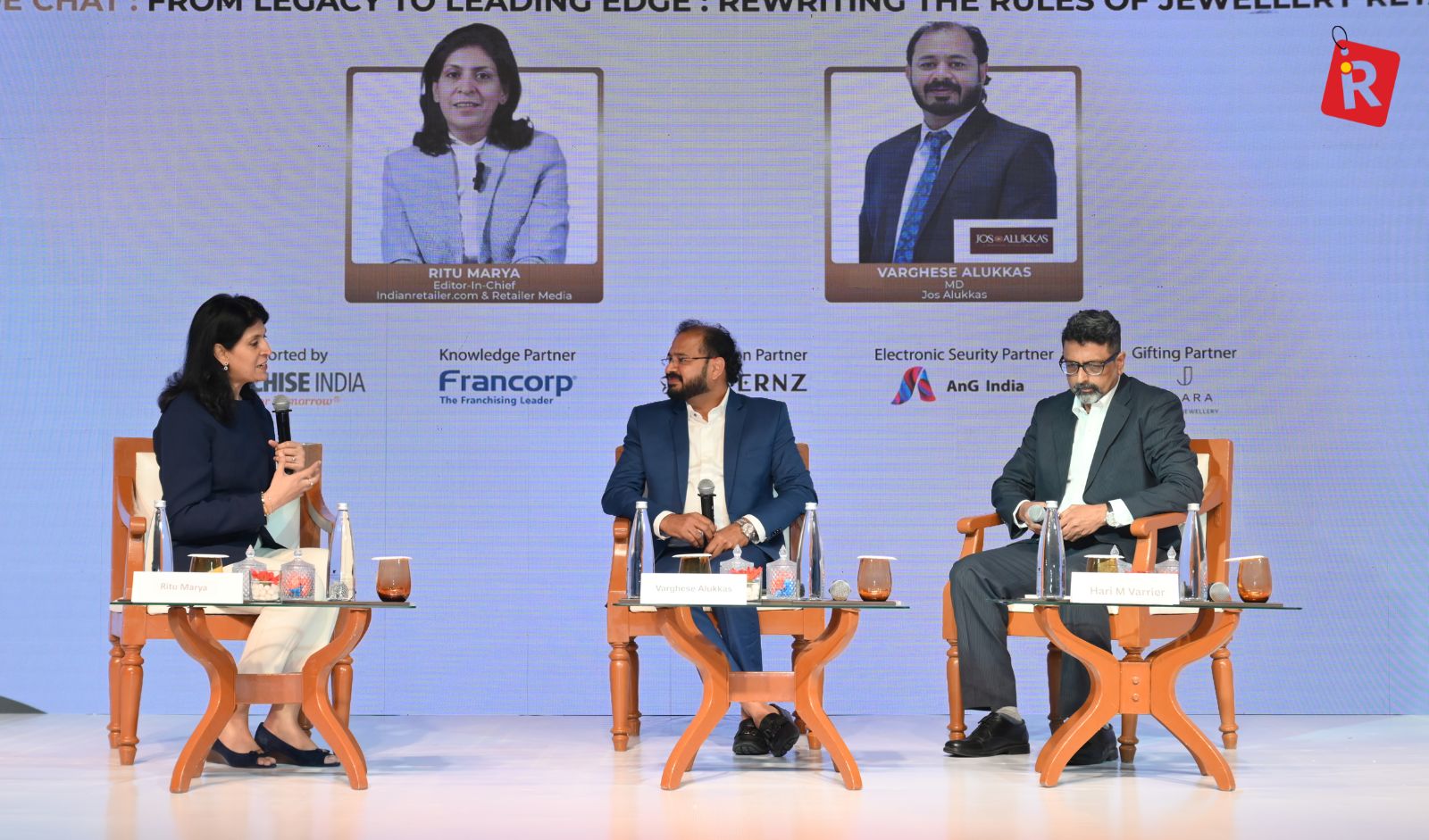
Gold has always been an integral part of the cultural and economic system of India. Jewellery is not just an ornament but an emotion passed down through generations, from weddings to wealth preservation. But this traditional link is today challenged by policy changes, global uncertainties and fast-changing consumer behaviour.
The change was highlighted during the fireside chat discussion at the JewelX Conclave 2026 in Mumbai between Ritu Marya, Editor-in-Chief, Retailer Media, and Varghese Alukkas, Managing Director of Jos Alukkas, along with Hari Varrier, Chief General Manager. The discussion was not of the journey of an individual brand but the entire Indian jewellery ecosystem.
From Family Legacy to Organisational Structure
Jewellery retail in India has been traditionally dominated by family-run businesses based on trust. As Ritu Marya noted, “Jewelry has been a family business always… the minute they buy the jewelry, they stop being a customer and become a custodian.”
Tracing his journey, Varghese Alukkas shared, “We are jewelers who started from 1964… from a single store in Thrissur, and today we are a third-generation business.”
However, the shift from legacy to scale hasn’t been easy. He explained that post 2016 reforms like demonetisation and GST forced the industry to formalise. “From the year 2020… things have changed a lot. People have started following a more organised way; centralised purchasing, standardising processes, and building professional teams.”
This change is indicative of a larger trend in India’s retail industry, where unorganised markets are gradually being replaced by organised, transparent systems.
Learning from Global Markets
Indian jewellers are no longer operating in isolation. Global exposure has influenced how businesses are run.
Alukkas noted, “Internationally, more professionals have been included in the system… and we also had to change based on customer awareness and expectations.”
Hari Varrier added, “As the industry becomes more dynamic, it’s essential to have modern management systems… bringing in professionals across supply chain, finance, and HR.”
This reflects a larger global trend where jewellery retail is becoming more brand-driven, experience-led, and tech-enabled, something Indian players are now rapidly adopting.
The Rise of the Informed Indian Consumer
Perhaps the biggest disruption has come from the consumer side.
“Ten years back, customers were not very aware,” said Alukkas. “Today, they check purity, certification, pricing, everything online before entering the store.”
This shift is reshaping the buying journey. Customers now demand transparency, certifications like BIS hallmarking, and clear buyback policies. As Varrier explained, “Consumers want to see analyser reports… what percentage of gold, what percentage of other metals. Trust is now data-driven.”
This change aligns with India’s digital boom, where smartphone penetration and social media have empowered even tier II and tier III consumers.
Why Modi’s ‘Don’t Buy Gold’ Remark Shocked the Industry
The most interesting point of the discussion was the mention of PM Narendra Modi’s appeal against excessive buying of gold.
Hari Varrier said candidly, “The government actually told consumers don’t buy gold… we lost all our buyers in the process.”
This statement sent shockwaves through the industry because gold imports significantly impact India’s trade deficit. India is one of the world’s largest importers of gold, and rising imports put pressure on foreign exchange reserves.
The intent behind the message was clear: encourage financial diversification and reduce dependency on physical gold. However, for jewellers, it created immediate demand challenges.
Varrier added, “This is the time when the industry needs to change… innovation and creativity are required.”
Shift Towards Old Gold and Exchange Economy
With rising gold prices and policy pressure, consumer behaviour has shifted dramatically.
“Today’s transactions are roughly 80 percent old gold coming in,” Varrier revealed.
Alukkas further explained, “The percentage of old gold exchange has increased from 30 to 35 percent to 65 to 70 percent.”
Instead of buying fresh gold, consumers are now exchanging old jewellery and paying only making charges. This trend reflects economic caution amid volatile gold prices and global uncertainty.
Globally too, similar patterns are emerging. High gold prices, geopolitical tensions, and inflation have pushed consumers towards recycling and resale rather than fresh purchases.
Global Trends Shaping Indian Jewellery
On the global stage, the jewellery industry is undergoing its own transformation. Sustainability, ethical sourcing, and lab-grown diamonds are gaining traction. Consumers are becoming more conscious of where their jewellery comes from and how it is manufactured.
India, being both a major consumer and processor of gold, is influenced by these trends. The discussion highlighted this global shift as part of the focus on certifications, transparency and storytelling in jewellery.
Varrier emphasised, “You can’t just sell diamonds like before… there has to be a story, and the salesforce needs to be trained accordingly.”
The Road Ahead
Despite challenges, the industry is not slowing down; it is evolving.
From a largely informal, family-driven sector, jewellery retail in India is becoming organised, tech-enabled, and consumer-centric. Government policies, emerging buyer behaviour, and global trends are pushing the industry towards transparency and innovation.
As Alukkas summed up, “We have to understand customer requirements and adapt… the business is no longer what it used to be.”
In many ways, the story of India’s jewellery industry today is a story of transition where tradition meets transformation. And as gold continues to shine in Indian households, the way it is bought, sold, and valued is being completely rewritten.
Meesho reported a solid performance for the first quarter of FY27, with growth across key business metrics supported by rising user engagement and operational efficiencies. The company’s Net Merchandise Value (NMV) grew 34 percent year-on-year to Rs 11,614 crore for the quarter ended June 30, 2026.
The growth was driven by an expanding user base and higher shopping frequency among existing customers, indicating deeper engagement on the platform.
User base expands
The company’s Annual Transacting Users (ATUs) rose 29 percent year-on-year to 274 million. At the same time, purchase frequency improved to 10.3 transactions per user annually.
This shows that users are not only joining the platform in larger numbers but are also shopping more frequently.
Orders see steady rise
Placed orders during the quarter increased 29 percent year-on-year to 725 million.
Meesho noted that this translates to more than 90 orders per second, highlighting the scale of its operations.
Revenue growth accelerates
Marketplace revenue from operations grew 48 percent year-on-year to Rs 3,707 crore.
The growth was supported by improved delivery conversion rates, driven by lower cancellations and reduced return-to-origin (RTO) levels, along with better monetisation.
Margins improve
Operational efficiencies helped strengthen margins. Contribution margin expanded to 4.6 percent of NMV, up 54 basis points quarter-on-quarter.
Marketplace adjusted EBITDA improved to (-1.2 percent) of NMV, reflecting continued cost optimisation and better logistics efficiency.
Cash flow improves
Meesho reported progress in its cash flow position, with last twelve months (LTM) free cash flow improving by around 15 percent to (-Rs 537 crore), compared to (-Rs 633 crore) earlier.
This indicates continued improvement in capital efficiency and business fundamentals.
Focus on efficiency and AI
Dhiresh Bansal, Chief Financial Officer at Meesho, said, “Our Q1 performance reflects the strength of Meesho's operating model. We delivered 34 percent year-on-year NMV growth, while Contribution Margin expanded to 4.6 percent, Marketplace Adjusted EBITDA improved to (1.2 percent) of NMV, and Last Twelve Months Free Cash Flow improved by approximately 15 percent.”
He added, “This quarter also marked our strongest Contribution Margin and Marketplace Adjusted EBITDA since listing, despite higher fuel costs and minimum wage increases in certain states, reflecting the structural improvements we've made across our platform.”
Highlighting the role of technology, he said, “AI is becoming foundational across every layer of our business, from product discovery and seller growth to logistics and engineering.”
The company noted that its growing investments in artificial intelligence are helping improve efficiency, reduce costs and enhance the overall user experience, positioning it for sustained long-term growth.

Borrowing habits in India continue to evolve as people balance immediate needs with long-term financial goals. Instead of depending solely on savings, many individuals now use credit in a planned and responsible manner. Personal Loans have become a flexible financing option for a variety of needs, from managing unexpected expenses to funding important life goals. The growth of digital lending has also made borrowing more convenient, with an online Personal Loan application offering a simpler, faster process. In 2026, Personal Loans will support a wide range of financial requirements. Here are six smart ways Indians are using them today.
1. Funding Professional Courses and Skill Development
Many professionals invest in certifications, technical programmes, and specialised training to improve their career prospects. These opportunities often require upfront payments that may not fit comfortably within a monthly budget. Rather than postponing a course, some borrowers take a short-term Personal Loan to cover course fees, examination fees, or professional certification expenses.
Several lending institutions offer loans that borrowers can consider for education-related expenses while preserving savings for other priorities. This allows individuals to continue building skills without delaying career growth opportunities.
2. Managing Medical and Healthcare Expenses
Healthcare expenses remain one of the most common reasons for borrowing. Planned procedures, diagnostic tests, and emergency treatments can create immediate financial pressure. Many families prefer to use a Personal Loan rather than withdraw money earmarked for retirement or other long-term goals. Repaying through fixed monthly instalments can also make budgeting easier.
When evaluating funding options for healthcare needs, borrowers may consider Personal Loans from financial institutions, such as Hero FinCorp, based on their individual requirements and repayment capacity. When used responsibly, a Personal Loan helps families address urgent medical needs without disrupting broader financial plans.
3. Renovating and Upgrading Homes
Home improvements often require significant spending, especially when several projects arise at the same time. Some of the common home-related expenses funded through Personal Loans are:
These improvements can increase comfort and functionality while allowing homeowners to spread costs across affordable monthly repayments. This makes renovation projects easier to plan and complete without placing excessive pressure on household savings.
4. Supporting Small Business and Side Hustle Needs
India's growing entrepreneurial culture has encouraged many individuals to explore side businesses and independent income streams. Some individuals use Personal Loans to support small-scale businesses or side hustle requirements. Common uses include:
For some entrepreneurs, a Personal Loan provides access to funds without creating a lengthy repayment commitment. This flexibility can help individuals act quickly when opportunities arise. It may also support smoother cash flow management during the early stages of a business or side venture.
5. Covering Major Family Expenses
Families regularly encounter planned expenses that require substantial funding. Educational costs, relocation expenses, and household commitments can place pressure on savings. Rather than delaying important decisions, some borrowers use a short-term Personal Loan to meet these obligations in a timely manner. Spreading repayment over several months helps households manage cash flow while continuing to meet routine expenses.
Careful planning remains important, particularly when balancing family needs with existing financial commitments. A well-planned borrowing strategy can help families address important expenses without disrupting long-term financial objectives.
6. Financing Travel and Personal Goals
Travel continues to be a priority for many Indians in 2026. Domestic holidays, international trips, and personal milestones often involve costs that extend beyond regular monthly spending. A Personal Loan can help individuals fund these experiences without waiting years to accumulate the entire amount. When borrowers calculate repayment obligations in advance, travel plans become easier to manage. This approach allows people to pursue meaningful experiences while maintaining control over their finances and protecting funds allocated for other priorities.
Conclusion
Personal Loans are increasingly used for practical, goal-oriented purposes rather than for impulsive spending. Education, healthcare, home improvements, business activities, family commitments, and travel are all legitimate reasons to borrow. The key lies in assessing repayment capacity and borrowing only what is necessary. An online Personal Loan application can offer convenience and faster access to funds, but responsible financial planning remains essential. Careful budgeting and realistic repayment planning can help individuals use Personal Loans effectively while working towards their financial goals.
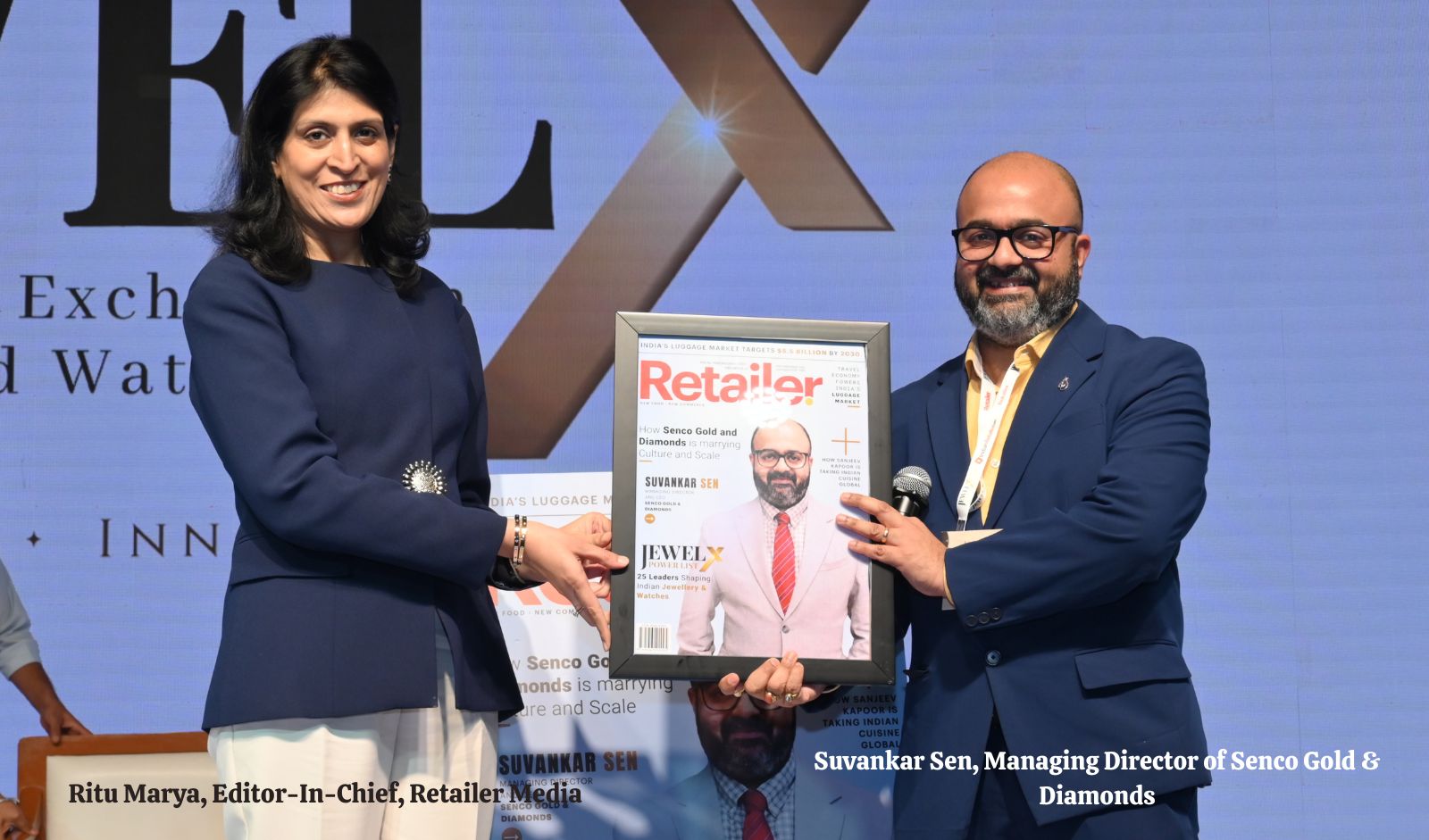
The gems and jewelry industry in India is in a defining decade, which will see tradition blending with change, scale blending with elegance, and skill blending with technology.
In a keynote address given at the JewelX Conclave 2026 in Mumbai, the Managing Director of Senco Gold & Diamonds, Suvankar Sen, gave a profound keynote address under the title “Jewellery 2030: Power, Purpose, Progress”. The keynote address was based on five main shifts, namely, formalisation, value-driven consumption, design innovation, omnichannel evolution, and sustainability with transparency.
The industry’s economic significance is already substantial. Being responsible for 7 percent of India’s GDP and generating employment for almost five million people, the gems and jewelry industry continues to be among the key drivers of economic growth in India.
According to the India Brand Equity Foundation (IBEF) report on the Gems and Jewellery sector, the market stood at Rs 7,31,255 crore in January 2026 and is projected to reach Rs 11,18,390 crore by 2030. The same IBEF report highlights that India’s gems and jewellery exports stood at USD 25.93 billion during FY26 from April to February, reflecting strong global demand across key markets such as the US, UK, and the Middle East.
Reflecting on the industry’s journey, Sen noted how consumer behaviour and market structures have evolved significantly over the past two decades. “If you look at the overall evolution of the jewellery industry over the last 15 to 20 years, we have seen how markets have expanded and how consumers in smaller towns developed aspirations to buy branded jewellery,” he said.
This shift towards organised retail, coupled with rising disposable incomes and changing lifestyles, has reshaped demand beyond traditional wedding-led purchases.
India’s jewellery consumption story today is far more diverse. The emergence of lightweight jewelry, daily wear ranges, and occasion-driven purchases has become prominent due to the increasing number of working women and changing trends in fashion. “It was not only wedding-focused traditional jewellery that was selling. New occasions, new lifestyles, and new consumers have emerged,” Sen added, underlining how socio-economic changes have broadened the category’s appeal.
At the same time, the industry is facing certain issues from a structural perspective. The rising cost of gold and silver has made capital demands high to expand business operations. However, Sen pointed to emerging solutions that could unlock the next phase of growth. “Opening stores today comes with capital challenges, but asset-light models and franchise partnerships are creating new opportunities for expansion into emerging markets,” he explained. This approach is particularly relevant as urbanisation drives demand across tier II, III, and IV cities.
One of the most significant shifts shaping the future is the changing consumer base. Younger audiences, including Gen Z and even Gen Alpha, are expected to drive consumption in the coming decade. “It is the 16-to 22-year-old consumers who will define jewellery demand for the next 10 to 15 years,” Sen said.
These consumers are digitally native, trend-driven, and value both design and brand purpose, pushing companies to rethink product offerings and engagement strategies.
This evolution is closely associated with the emergence of omnichannel retailing. The discovery journey increasingly begins online, while the final purchase often happens in store. “Consumers today explore brands on social media and digital platforms, but the physical store remains critical for delivering the final experience,” Sen noted.
As a result, the brands are now focused on the seamless integration of digital discovery and physical interaction so that customers have the same experience at every touchpoint.
In turn, technology becomes an integral part of the transformation. Whether it is about design recommendations through AI, inventory management or marketing, all processes are becoming more digital in the jewelry industry. “Adoption of technology has always been key, and going forward, AI will become central to improving efficiency and enhancing customer experience,” Sen highlighted.
Alongside technology, brand building remains a core priority. As competition intensifies, companies have been putting more effort towards the creation of robust brand identity through digital channels and by using innovative marketing techniques. “As brands, we must continuously invest in building trust and aspiration while expanding into newer markets,” Sen stated.
Additionally, the industry has been experiencing high investor interest in the industry, especially in the emerging category of lab-grown diamonds. This has been shown in the IBEF Gems and Jewellery report. The investment and growth in this category have increased. This category has attracted new businesses and established brands as well.
Government policy has further strengthened the industry’s growth trajectory. According to IBEF, measures such as 100 percent FDI under the automatic route, reduced customs duties, and export-friendly trade agreements have created a supportive ecosystem. The India-UK Comprehensive Economic and Trade Agreement (CETA) of July 2026 is likely to increase export volumes through the removal of import tariffs on Indian jewelry exported to the UK market.
India’s position as a global jewellery hub is also reinforced by its strong manufacturing base, comprising around 450 organised players, as noted in the IBEF report. With increasing formalisation and regulatory support, the industry is moving towards greater transparency and professionalism, factors that are critical for building consumer trust both domestically and internationally.
Looking ahead, sustainability and transparency are emerging as key priorities. Consumers are becoming more conscious of sourcing practices, ethical standards, and environmental impact, pushing brands to adopt more responsible practices.
Sen summed up the industry’s future outlook by emphasising the importance of efficiency and capital discipline. “We need to ensure that capital is invested wisely, inventory is optimised, and we respond quickly to what consumers want,” he said.
As India’s gems and jewellery sector moves towards 2030, it stands at the intersection of tradition and transformation. The vision outlined at JewelX Conclave 2026 underscores a clear direction, one where power comes from scale, purpose from trust, and progress from innovation.

As challenges persist in the global beverage alcohol market, India is emerging as one of the strongest growth engines. But what does it take to succeed in a market that is large, diverse, and highly regulated?
According to IWSR Drinks Market Analysis, total beverage alcohol volumes in India grew at a CAGR of 3 percent between 2019 and 2024, with a 6 percent rise in 2024 and an expected 4 percent growth in 2025. This steady momentum is expected to continue over the next decade. While beer leads in volume, whisky dominates consumption, underlining the strength of spirits. At the same time, ready to drink categories are growing faster, driven by younger consumers.
For brands, winning in India goes beyond product. Retail remains the key driver, with strong distribution and premium visibility critical to success. At the same time, brands are building direct consumer connect through digital platforms, content, and experiences, reshaping how spirits are discovered and consumed.
A Market Defined by Complexity and Opportunity
India’s alco-beverage industry is not a single market but a collection of state-driven ecosystems. Each state operates with its own excise rules, pricing structures, and licensing frameworks, making expansion both complex and strategic.
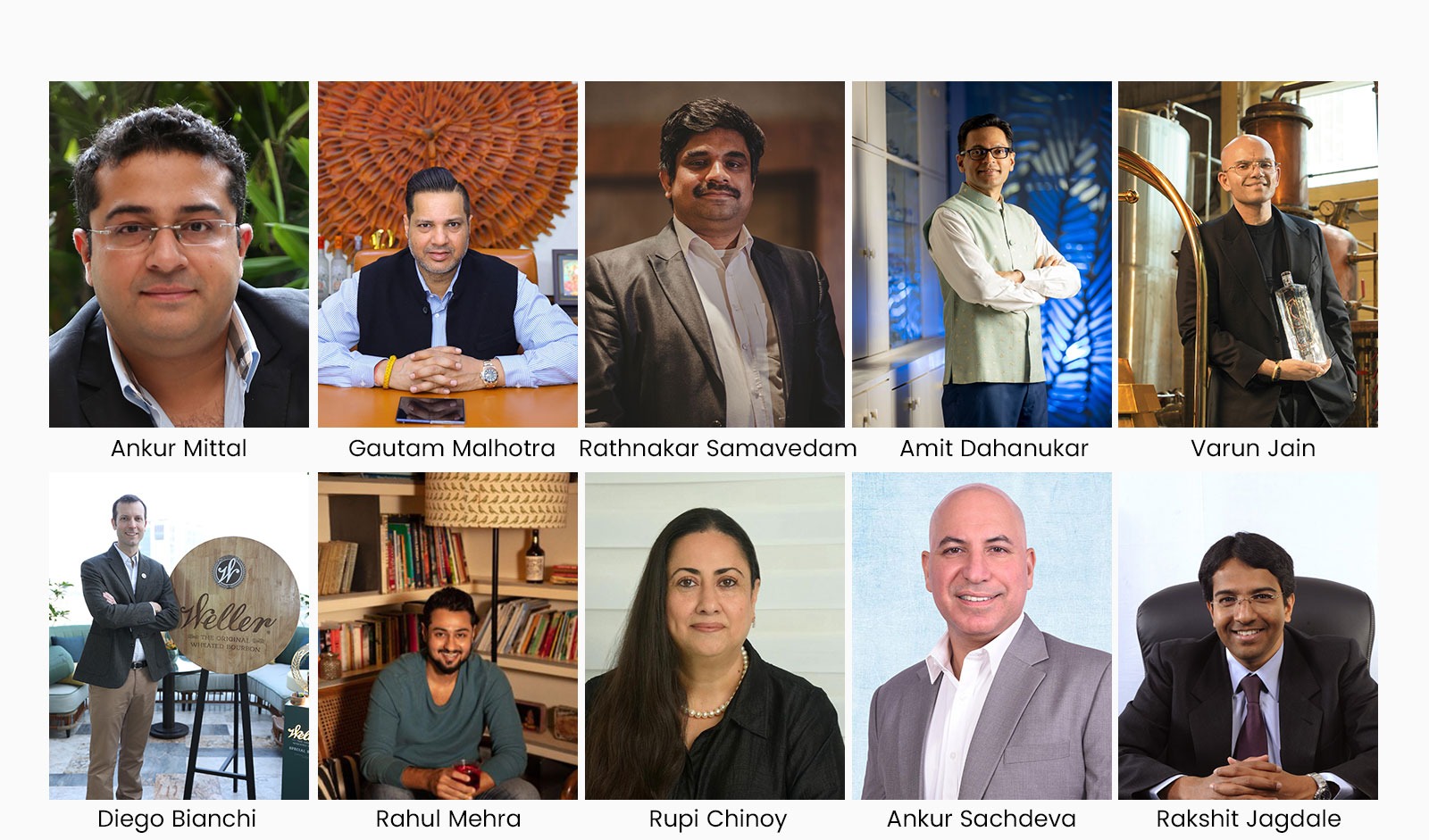
“India's alcoholic beverage industry is highly regulated, with each state having its own excise policies, taxation structures, registration requirements, and distribution frameworks,” said Gautam Malhotra, Director, Oasis Group.
This fragmentation has pushed companies to adopt highly localised strategies.
“I’d say it’s a combination of strong local partnerships, a state-specific compliance strategy, and disciplined execution,” added Rupi Chinoy, Director, South Seas Distilleries.
At the same time, scale remains a priority for established players.
“The addition of Imperial Blue has significantly strengthened our distribution footprint,” noted Amit Dahanukar, Chairman and Managing Director, Tilaknagar Industries.
Varun Jain, Founder and CEO, Smoke Lab Vodka (NV Group), “India’s regulatory landscape is highly fragmented, requiring state-specific strategies. Success depends on strong local partnerships, compliance and agile execution.”
Rahul Mehra, Co-founder and CEO, Third Eye Distillery, “India isn’t one market, it’s a collection of state-led markets. Success comes from understanding local realities, not forcing a national playbook.”
Together, these insights highlight a critical truth: succeeding in India requires balancing compliance with expansion while remaining deeply rooted in local market realities.
Retail as the Core Growth Engine
Retail continues to be the backbone of the Indian spirits market, driving both accessibility and brand visibility. From neighbourhood liquor stores to premium outlets and on-trade environments, each format plays a distinct role.
“Retail remains at the heart of our growth strategy,” said Dahanukar.
For premium and craft spirits, discovery often begins with experience rather than visibility.
Mehra said, “Premium spirits are discovered in a glass before a shelf. On-trade builds perception, while retail converts that curiosity into purchase.”
“Premium spirits are increasingly discovered through experience,” added Ankur Sachdeva, Co-founder and CEO, Uppal Brewers and Distillers.
International players echo this approach.
“Retailers are critical partners in building the bourbon category in India,” said Diego Bianchi, Vice President, Global Marketing, Buffalo Trace Distillery.
Jain highlighted, “Each channel plays a distinct role. Premium retail drives discovery, on-trade builds trial and perception, while modern retail improves visibility. A balanced presence is key for growth.”
Retail today is no longer just a point of sale—it is a platform for storytelling, education, and brand building.
Premiumisation Reshaping Consumer Demand
One of the most defining shifts in the Indian spirits market is premiumisation. Consumers are steadily moving from volume-driven consumption to quality-led choices.
“We are seeing a clear shift towards premiumisation, with consumers increasingly opting for quality over quantity,” said Rakshit Jagdale, Managing Director, Amrut Distilleries.
This shift is particularly pronounced among younger consumers.
“Young, urban drinkers today are far more curious and confident in their choices,” noted Sachdeva.
Mehra said, “Consumers today aren’t asking what a product is, but why it matters. Originality and quality matter more than legacy.”
Premiumisation is also expanding beyond metropolitan markets.
“Aspiration today is no longer geographically limited,” added Sachdeva.
Global brands are increasingly aligning with this shift.
“We are seeing a generation of Indian consumers who want to drink better, not just more,” said Bianchi.
Jain said, “Consumers are prioritising quality, authenticity and unique flavour profiles, with a growing shift towards experience-led occasions and experimentation.”
“Consumers today seek authenticity, craftsmanship, and experience. Premiumisation is being driven by a willingness to trade up for quality,” said Dahanukar.
The result is a strong demand for premium whisky, craft spirits, and differentiated offerings across price points.
 Digital Influence in a Restricted D2C Environment
Despite strict regulations on direct-to-consumer sales, digital platforms are playing a growing role in shaping consumer behaviour.
“Digital platforms are becoming increasingly important for consumer discovery and engagement,” said Sachdeva.
However, offline channels continue to dominate actual sales.
“In India, sales are primarily driven through offline channels,” said Chinoy.
Brands are therefore building hybrid strategies that combine physical availability with digital storytelling.
“We see the future as an integrated offline-plus-digital ecosystem,” said Malhotra.
Jain said, “Sales remain largely offline, but digital is now key for discovery, storytelling and engagement. The journey often starts online and ends offline.”
“Dahanukar echoed a similar view, noting, ‘Sales remain largely offline, but digital is becoming critical for discovery, engagement, and influencing consumer choices.’”
Even legacy brands are adapting to this shift.
“A good balance between online and offline channels is maintained,” stated Jagdale.
Mehra said, “Alcohol remains an offline business. Digital drives discovery, but real brand preference is built through physical experiences.”
In India’s regulated environment, digital is less about transactions and more about influence, shaping perceptions long before purchase.
Experience-Led Consumption and Brand Building
With restrictions on traditional advertising, brands are increasingly relying on experiences to build recall and loyalty.
“We engage consumers through digital platforms, retail visibility, and on-ground activations,” said Sachdeva.
Experiential marketing is becoming a key differentiator across categories.
“We are leaning on experiential moments like bartender collaborations and tasting events,” said Bianchi.
Community engagement is also gaining importance.
“We conduct tasting sessions and engage actively with whisky communities,” added Jagdale.
These strategies reflect a broader shift toward relationship-driven engagement.
Jain said, “Brand building today goes beyond marketing. It’s about creating meaningful experiences through culture, collaborations and lifestyle, driven by authenticity and consistency.”
Brands that create memorable experiences are more likely to build long-term loyalty in a restricted communication environment.
Balancing Scale with Craft
As competition intensifies, brands are increasingly focused on balancing scale with authenticity.
“We believe scale and craft are not contradictory,” said Malhotra.
For emerging players, maintaining this balance is critical.
“For us, scale has never come at the cost of craftsmanship,” added Sachdeva.
Even legacy players are taking a measured approach to expansion.
“We have always been careful about how we scale,” said Jagdale.
Jain said, “Scaling without compromising product integrity is critical. Long-term differentiation will come from quality, innovation and a strong brand narrative.”
This disciplined approach is helping brands stand out in a crowded and evolving market.
Category Insights: Whisky Leads, Craft Gains Momentum
Whisky continues to dominate the Indian spirits landscape, both in volume and value. From mass-market offerings to premium single malts, the category remains the backbone of the industry.
Amrut Distilleries, for instance, has built a strong global reputation with its single malts, exporting to over 50 countries.
Similarly, Uppal Brewers and Distillers is strengthening its presence in the premium whisky segment, while South Seas Distilleries is focusing on craft-led offerings.
Oasis Group continues to operate across both mass and premium segments, highlighting the diversity of the Indian market.
These examples underline how the industry is evolving across price points and consumer segments, from mass to super-premium.
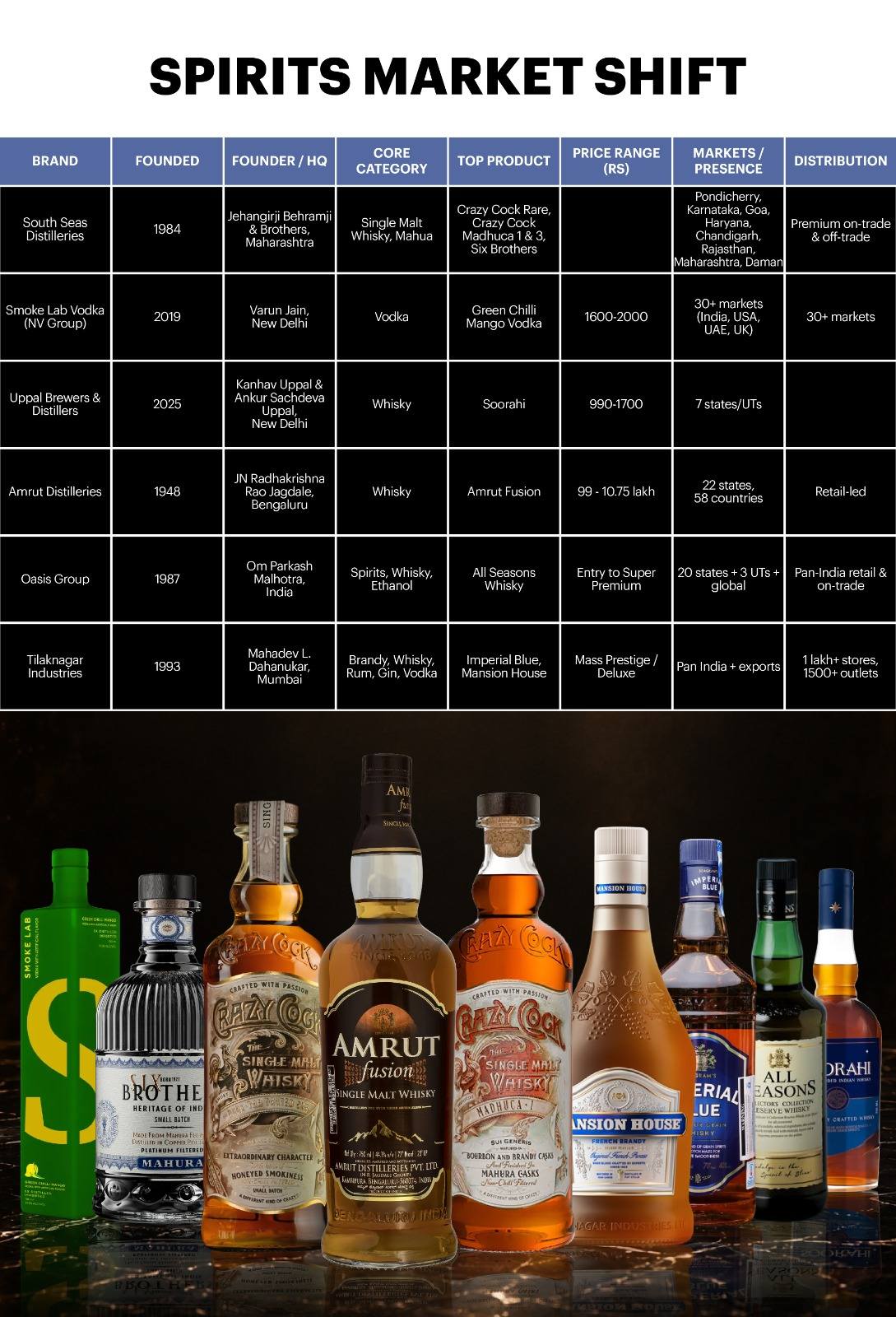 Pricing and Market Segmentation
The Indian spirits market is highly segmented, catering to a wide spectrum of consumers.
At the entry level, products priced below Rs 600 continue to drive volumes. Meanwhile, the Rs 1,000–Rs 3,000 range is emerging as a strong premium segment, particularly among urban consumers.
“The strongest growth continues to be witnessed in the whisky category,” noted Jagdale.
At the same time, super-premium and luxury segments are gaining visibility through experiential retail and on-trade channels.
This layered pricing structure allows brands to target multiple cohorts while building long-term loyalty.
Expansion and Future Growth Strategies
Looking ahead, most companies are focused on a combination of geographic expansion, premiumisation, and global outreach.
“We are targeting expansion into new states while introducing premium products,” said Sachdeva.
Exports are also becoming a key focus area.
“Our next growth priorities include expanding into new markets and strengthening exports,” added Chinoy.
For established players, international markets present strong opportunities.
“We are focusing on expanding our presence across global regions,” said Malhotra.
Even global entrants are taking a measured approach.
“Our strategy is centred on sustainable growth rather than rapid expansion,” noted Bianchi.
Jain said, “We are focused on expanding across key domestic and global markets while strengthening our premium portfolio and building consumer connections through collaborations.”
Mehra said, “Growth for us is about building brands that scale across India and globally, without losing their identity.”
Investor Perspective
“The clearest trend right now is that consumers are drinking more thoughtfully. Volumes aren’t rising sharply, but people are consistently choosing better quality over quantity—and that shift toward premium products is what’s really catching investor attention, as it brings stronger margins,” said Ankur Mittal, Co-founder, Inflection Point Ventures.
“India isn’t one national market but a collection of state-level markets. So scalability depends on whether a brand can grow beyond a single favourable region. At the same time, premiumisation must be earned through craftsmanship, quality, and storytelling, while regulatory complexity remains a fundamental cost that businesses must build for from day one,” he added.
“India’s economic growth is fuelling a strong shift toward premium lifestyle choices, with digital discovery and evolving consumer behaviour accelerating interest in the alco-beverage space,” said Rathnakar Samavedam, Investment Director and Managing Partner, Hyderabad Angels Fund.
“However, success depends on navigating complex state regulations and managing long receivable cycles, where working capital discipline is critical. We are particularly bullish on premium craft spirits, as consumers are willing to pay for authentic, heritage-led brands that offer stronger unit economics and resilience in a regulated market,” he noted.
The Road Ahead
India’s spirits market is at a pivotal moment. Strong demand fundamentals, rising premiumisation, and evolving consumer behaviour are creating new opportunities across categories.
At the same time, regulatory complexity, fragmented distribution, and limited direct consumer access continue to shape how brands operate.
What is emerging is a hybrid model where retail drives scale, digital builds awareness, and experiences create loyalty.
As Bianchi puts it, “India is not only growing in scale, but also in the way consumers are engaging with premium spirits.”
For brands, success in India will depend on navigating the balance between scale and storytelling, regulation and innovation, and tradition and modernity.

Fragrances have become an essential part of personal grooming, reflecting individuality, confidence, and style. Whether it's a fresh citrus scent for everyday wear, a woody fragrance for formal occasions, or a floral perfume for special moments, the right perfume leaves a lasting impression. As consumer preferences evolve, brands are introducing premium, long-lasting fragrances that cater to diverse tastes while offering innovative formats such as travel-friendly atomizers and refillable bottles.
Growing Fragrance Market
India's fragrance industry is experiencing strong momentum as consumers increasingly prioritize premium grooming and personal care products. Rising disposable incomes, urbanization, social media influence, and growing awareness of luxury fragrances have fueled demand for Eau de Parfum collections, niche perfumes, and travel-friendly fragrance formats. Consumers are also gravitating toward long-lasting formulations, refillable packaging, and gender-inclusive fragrance portfolios. Homegrown brands are competing alongside global players by introducing innovative scent profiles, sustainable packaging, and omnichannel retail strategies, making premium fragrances more accessible to a wider audience.
Best Perfume Brands for Men and Women
1. DENVER

DENVER has established itself as one of India's leading men's grooming brands, offering a wide range of fragrances that combine premium quality with everyday practicality. Its Autograph Perfume Atomiser, co-curated by Shah Rukh Khan, introduces a refillable, travel-friendly fragrance format designed for modern lifestyles. Alongside its signature men's collection, DENVER continues to expand its premium perfume portfolio with sophisticated woody, fresh, spicy, and aromatic scents suited for work, travel, and special occasions. The brand focuses on creating fragrances that complement confidence and style while delivering long-lasting performance, making it a popular choice among consumers seeking refined grooming essentials.
Read also: Top 5 Khapli Wheat Atta Brands in India for Better Nutrition
Top 5 Arabic Perfume Brands Gaining Popularity in India
Top 5 Imported Alcohol Brands Gaining Attention This Monsoon
2. Vokka

Vokka is steadily expanding its premium fragrance portfolio with perfumes designed for modern men and women who seek elegance, confidence, and long-lasting performance. The brand offers a diverse range of Eau de Parfum collections featuring floral, fruity, gourmand, woody, and musky fragrance profiles. While Uff Vanilla Perfume for Women blends caramel, peach, vanilla orchid, jasmine, musk, and woody notes for a warm, sophisticated scent, Womania Eau de Parfum celebrates the spirit of the modern Indian woman with a fragrance that reflects strength, grace, and versatility. Designed to transition effortlessly from workdays to celebrations, Vokka's perfumes combine premium ingredients, contemporary fragrance compositions, and stylish packaging, making them suitable for everyday wear as well as special occasions.
3. Bella Vita Luxury

Bella Vita Luxury has emerged as one of India's fastest-growing fragrance brands by offering premium-inspired perfumes for both men and women. Its diverse portfolio includes floral, aquatic, woody, oriental, and gourmand fragrances designed for different personalities and occasions. Popular collections such as CEO, Date, White Oud, Honey Oud, Glam, and Senorita cater to consumers seeking luxury-inspired scents with impressive longevity. The brand continuously expands its range with perfume gift sets, travel-friendly packs, and unisex offerings, making premium fragrances more accessible while maintaining a strong focus on quality and modern fragrance trends.
4. Oriflame

Oriflame offers an extensive perfume portfolio for both men and women, combining Scandinavian design philosophy with carefully crafted fragrance compositions. Its collections include popular ranges such as Giordani Gold, Possess, Love Potion, Eclat, and Nordic Waters, each catering to distinct fragrance preferences ranging from floral and citrus to woody and oriental notes. The brand collaborates with renowned perfumers to develop sophisticated scents suitable for daily wear as well as formal occasions. With elegant packaging, premium ingredients, and a wide variety of fragrance profiles, Oriflame continues to be a preferred choice for consumers seeking versatile and high-quality perfumes.
5. Yardley London

With a heritage spanning over two centuries, Yardley London remains one of the most recognized fragrance brands for both men and women. The brand is known for its classic floral perfumes inspired by English gardens alongside contemporary masculine fragrances featuring woody, fresh, and aromatic notes. Its collections include elegant lavender, rose, jasmine, citrus, and musk-based fragrances designed for everyday sophistication. Yardley London combines traditional perfumery with modern preferences, offering long-lasting scents that appeal across generations. Its commitment to timeless fragrance craftsmanship has helped the brand maintain a strong presence in India's growing personal care and fragrance market.
Know more: Best Sunscreens for Men and Women in India
Top 6 Beard Care Brands Every Modern Man Should Know
Top 5 Skin Brightening Soaps in India for Naturally Radiant Skin
Conclusion
Choosing the right perfume depends on individual preferences, occasions, and fragrance families that best complement one's personality. Brands such as DENVER, Vokka, Bella Vita Luxury, Oriflame, and Yardley London offer diverse collections that cater to both men and women, ranging from fresh everyday scents to luxurious signature fragrances. As the fragrance market continues to evolve with innovation and premiumization, consumers have more options than ever to discover scents that enhance their personal style while delivering lasting impressions.
FAQs on Perfume Brands for Men and Women in India
1. Which are the best perfume brands for men and women in India?
Some of the top perfume brands include DENVER, Vokka, Bella Vita Luxury, Oriflame, and Yardley London, offering a wide variety of fragrances for different preferences and occasions.
2. What is the difference between Eau de Parfum (EDP) and Eau de Toilette (EDT)?
Eau de Parfum contains a higher concentration of fragrance oils than Eau de Toilette, making it generally longer-lasting and more intense.
3. How can I make my perfume last longer?
Apply perfume to pulse points such as the wrists, neck, and behind the ears after moisturizing your skin. Avoid rubbing the fragrance after application.
4. Are refillable perfume atomizers worth buying?
Yes. Refillable atomizers are convenient for travel, reduce the need to carry full-sized bottles, and make fragrance touch-ups easy throughout the day.
5. How should I choose a perfume that suits me?
Consider your preferred fragrance family—floral, woody, citrus, oriental, gourmand, or fresh—and select perfumes based on the season, occasion, and your personal style.
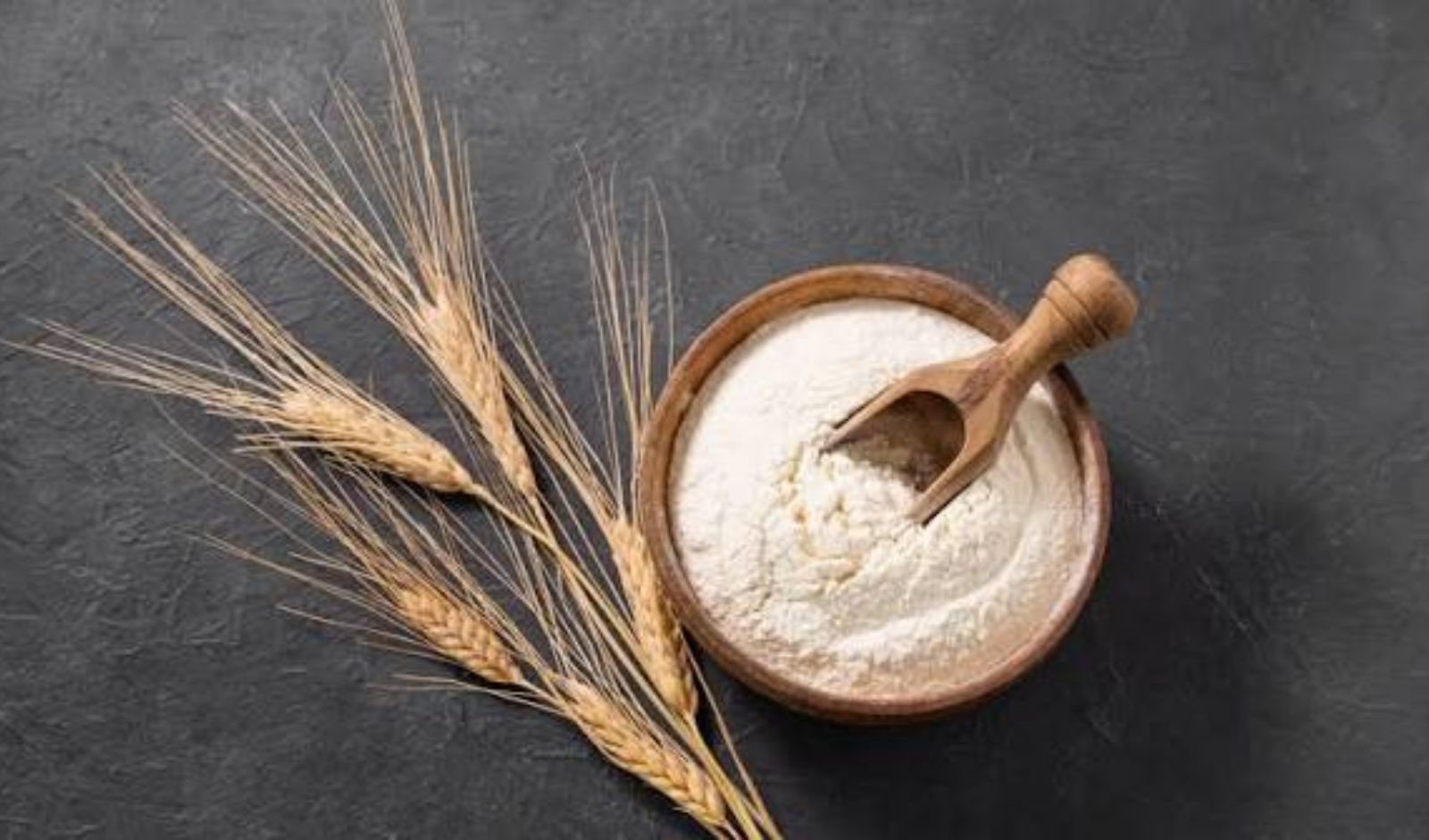
As Indian consumers become increasingly health-conscious, the demand for nutrient-rich ancient grains is rising rapidly. Among these, Khapli wheat atta, also known as Emmer wheat flour, has gained popularity as a healthier alternative to conventional wheat flour. Known for its high fibre content, natural protein, essential minerals, and comparatively lower glycaemic index, Khapli atta is finding a place in modern kitchens where nutrition and taste go hand in hand.
Unlike refined flours, Khapli wheat is minimally processed and is often stone-ground to preserve its natural nutrients and flavor. It is widely preferred by people looking to support better digestion, improve satiety, and enjoy soft, flavorful rotis without compromising on everyday nutrition. With several brands now offering premium-quality Khapli atta, choosing the right one can make a significant difference in both taste and health benefits.
Top 5 Khapli Wheat Atta Brands in India for Soft Rotis and Better Nutrition
1. Bharat Vedica Organic Khapli Wheat Flour
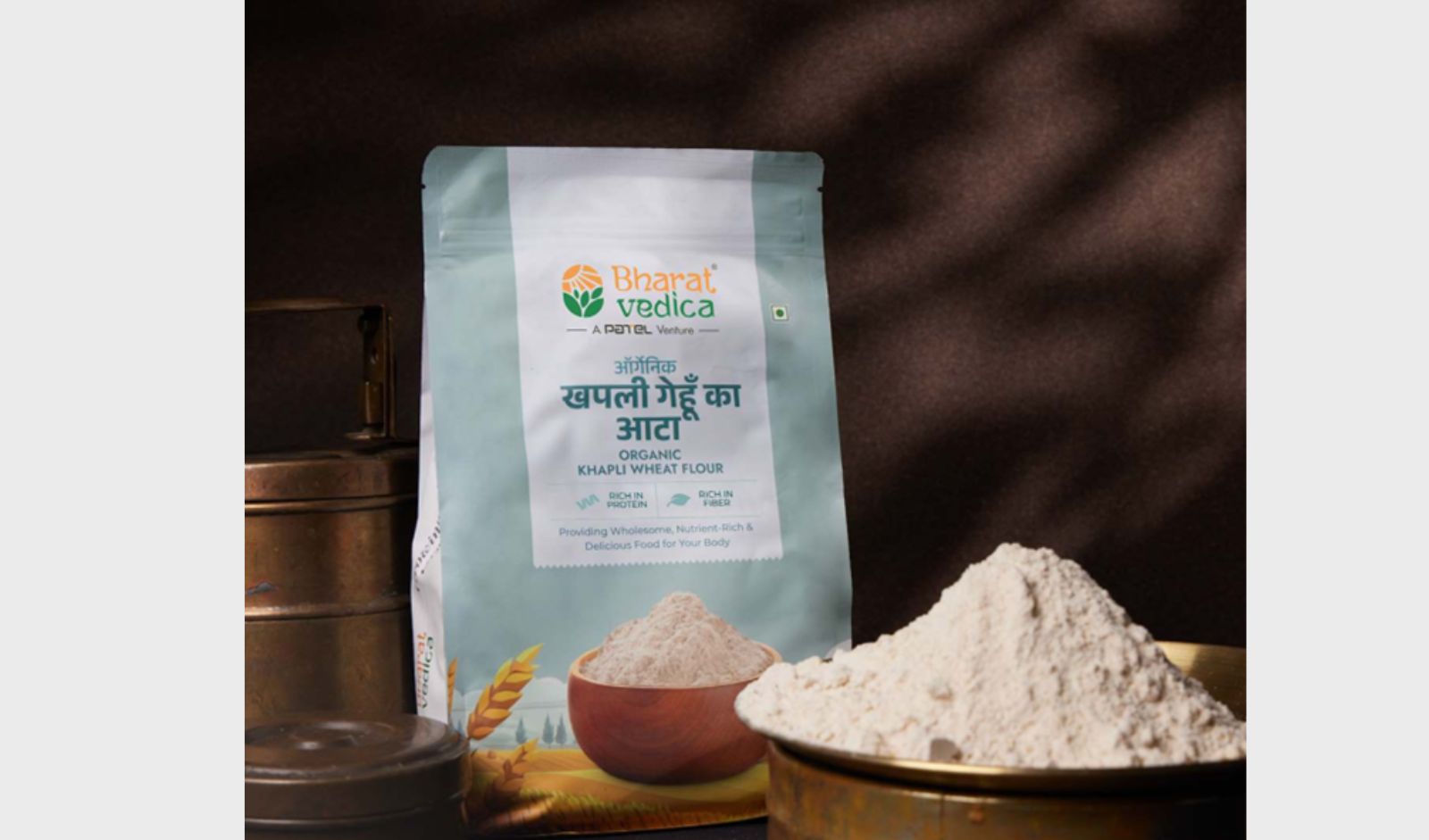
Bharat Vedica Organic Khapli Wheat Flour is made from organically cultivated Khapli (Emmer) wheat grown using sustainable farming practices. The wheat is traditionally stone-milled, helping preserve its natural fibre, protein, vitamins, and minerals while maintaining the authentic taste of the grain. The flour produces soft, fluffy rotis with a mildly nutty flavor that complements everyday Indian meals. Free from harmful chemicals, preservatives, and unnecessary additives, it reflects a commitment to purity and quality. Its organic sourcing and traditional processing make it an excellent choice for families looking to embrace healthier eating habits while enjoying wholesome homemade rotis every day.
Read also: Top 5 Emerging Food and Beverage Brands With Highest Growth Potential
Best Low Calorie and Sugar Free Food Brands in India Today
Top 10 Fine Dining Restaurants in India That Celebs Secretly Love
2. Two Brothers Stone Ground Khapli Atta
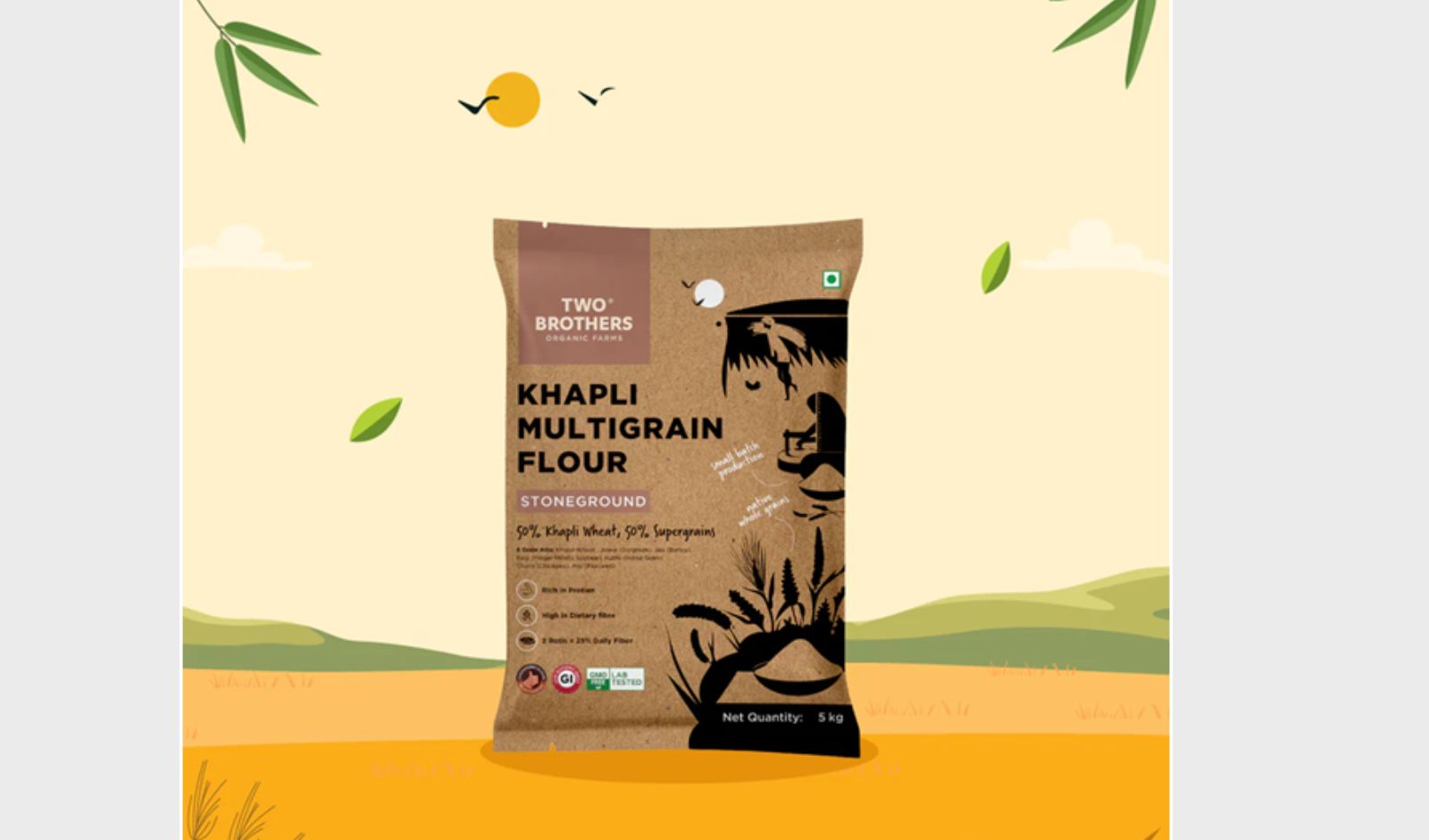
Two Brothers Stone Ground Khapli Atta is prepared using 100 percent ancient Emmer wheat and follows traditional stone-grinding methods to retain the grain's nutritional integrity. The minimally processed flour preserves natural fibre, protein, and essential micronutrients, making it a preferred option for health-conscious consumers. It delivers soft rotis with a rich, earthy flavor and pleasant texture while maintaining the wholesome goodness of ancient grains. The brand is known for promoting traditional farming and clean-label products, making this atta suitable for households seeking naturally nutritious alternatives to refined or heavily processed wheat flour for everyday cooking.
3. Farmveda Khapli Atta
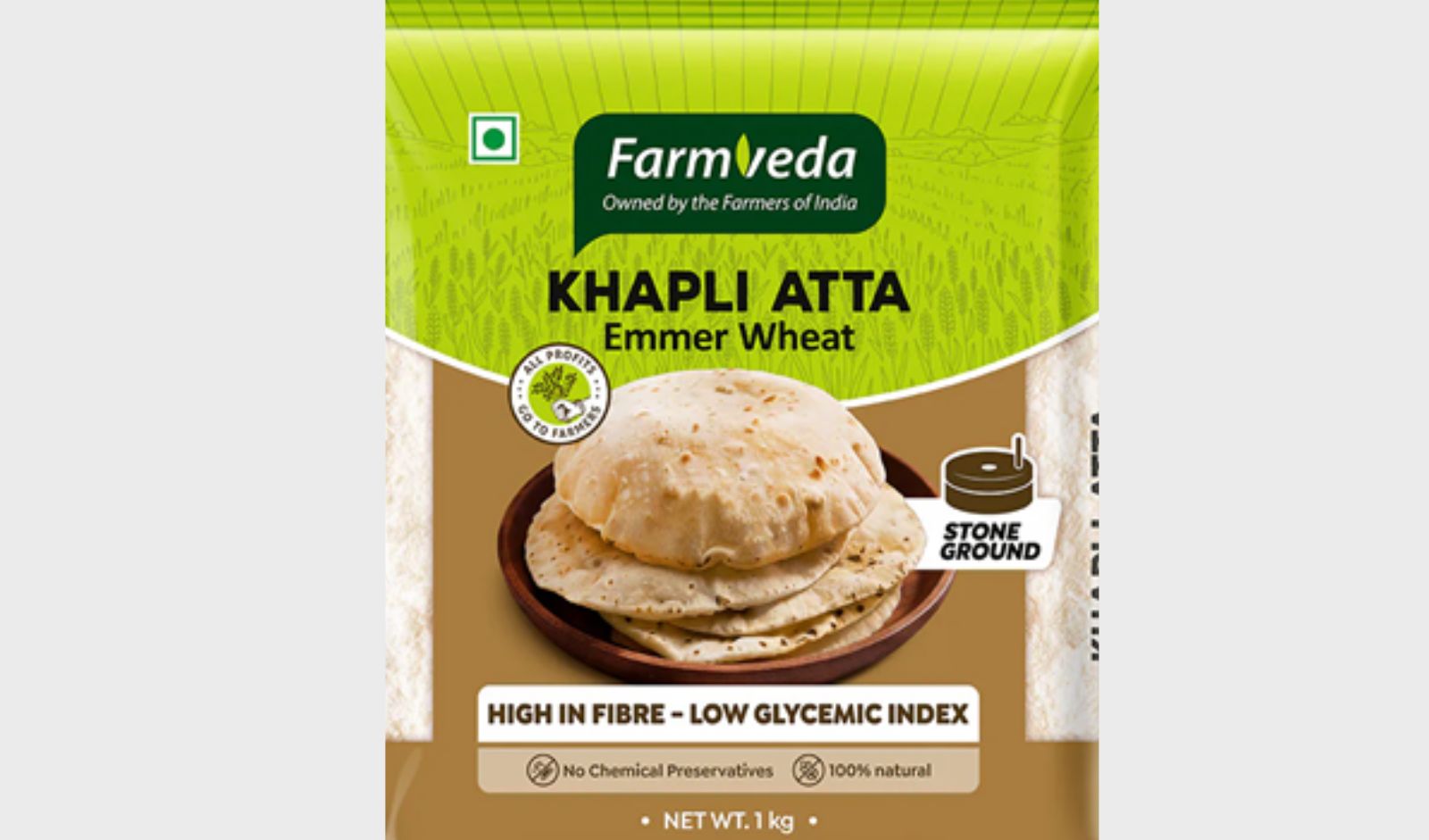
Farmveda Khapli Atta is crafted from carefully selected premium-quality Khapli wheat and stone-ground to help preserve its natural nutrients and dietary fibre. The flour offers a slightly nutty taste and creates soft, delicious rotis when kneaded and rested properly. Free from artificial additives and unnecessary processing, it supports a clean and balanced diet while delivering the wholesome benefits of ancient grains. Farmveda emphasizes quality sourcing and minimal processing, allowing consumers to enjoy authentic Khapli wheat in its natural form. It is an ideal option for those making the transition toward healthier everyday staples without sacrificing taste or texture.
4. Anveshan Cold-Pressed Khapli Atta
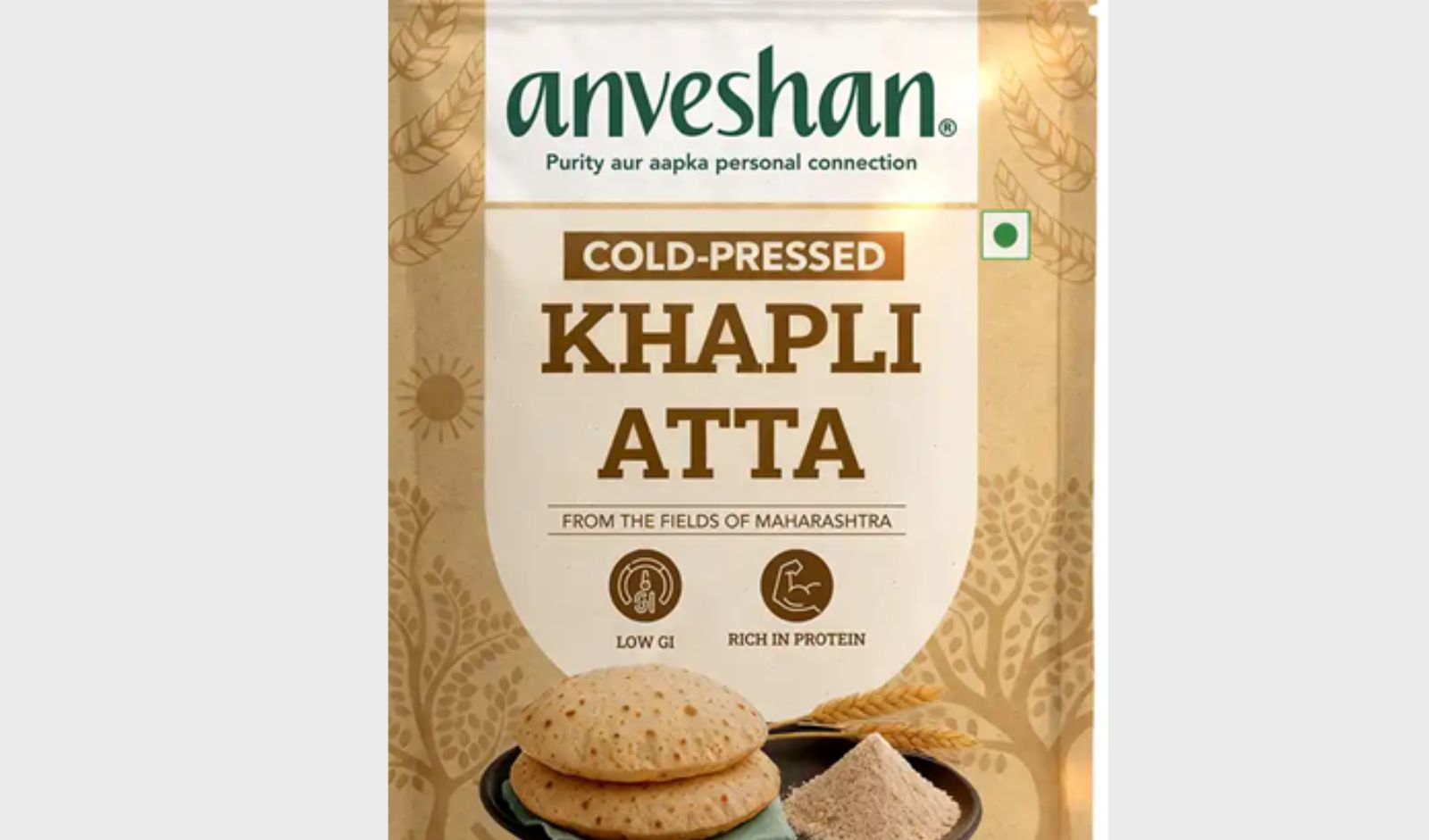
Anveshan Cold-Pressed Khapli Atta is produced using carefully sourced Khapli wheat that is traditionally stone-ground to preserve its natural fibre, protein, and nutritional value. The flour is free from preservatives, chemicals, and additives, making it suitable for consumers seeking clean-label pantry essentials. It produces soft, wholesome rotis with a rich, nutty taste while maintaining the authentic characteristics of ancient Emmer wheat. Its minimally processed approach ensures maximum retention of natural nutrients, making it a preferred choice for families focused on healthier lifestyles. The brand's emphasis on traditional processing methods further enhances the nutritional profile of this everyday flour.
5. Jiwa 30 Degree Khapli Wheat Flour
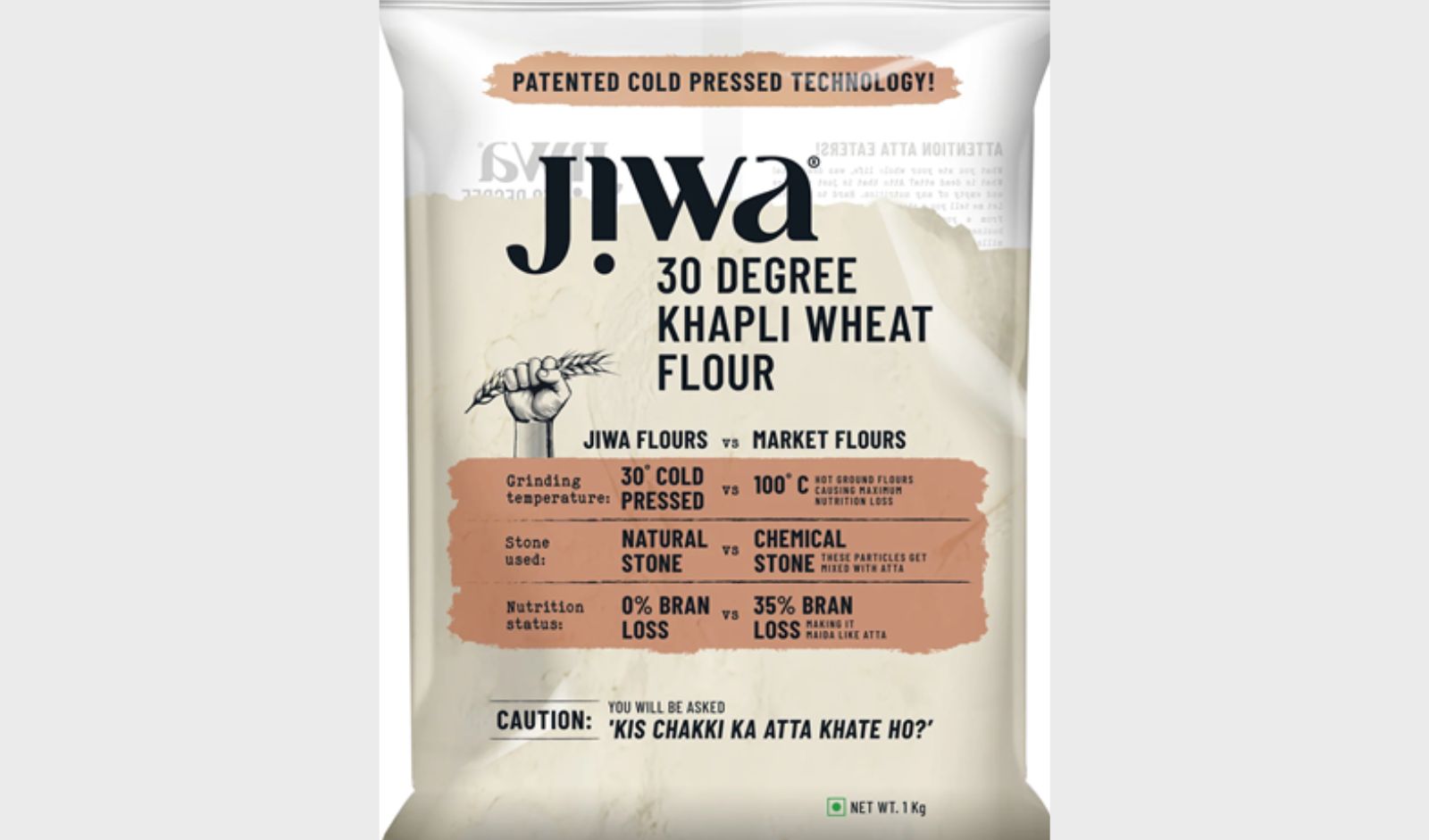
Jiwa 30 Degree Khapli Wheat Flour is made from carefully selected Khapli wheat and processed to preserve its natural flavour and nutritional goodness. Rich in dietary fibre and protein, the flour produces soft, nutritious rotis with a subtle nutty aroma that enhances everyday meals. Its consistent quality and minimal processing help retain the wholesome properties of ancient wheat, making it a reliable choice for consumers looking to incorporate healthier grains into their daily diet. Suitable for regular household cooking, Jiwa's Khapli atta combines traditional nutrition with modern quality standards to deliver a balanced and satisfying meal experience.
Know more: Best Perfume Brands for Men and Women in India
Top 5 Arabic Perfume Brands Gaining Popularity in India
7 Things You Should Know Before Choosing a Lumba Rakhi
Market Insight: Rising Demand for Ancient Grain-Based Flours
India's healthy foods market is witnessing strong momentum as consumers become more aware of preventive healthcare and nutritional eating habits. Ancient grains such as Khapli wheat, millets, and heritage rice varieties are experiencing renewed demand due to their higher nutritional value and lower levels of processing. Consumers are increasingly seeking clean-label products that are free from preservatives and artificial additives, while traditional stone-ground flours are gaining preference over refined alternatives. This shift is being driven by growing awareness around digestive health, diabetes management, weight management, and sustainable farming practices. As a result, premium Khapli wheat atta has evolved from a niche health product into an increasingly mainstream pantry staple across urban Indian households.
Conclusion
Healthy eating often begins with simple changes, and switching to Khapli wheat atta is one of the easiest ways to improve everyday nutrition without changing traditional food habits. Rich in fibre, protein, and essential nutrients, Khapli wheat offers a wholesome alternative to conventional wheat flour while delivering soft, flavorful rotis. Whether you prefer organic farming, traditional stone-grinding, or minimally processed ingredients, brands like Bharat Vedica, Two Brothers, Farmveda, Anveshan, and Jiwa provide reliable options to suit different preferences. As interest in ancient grains continues to grow, Khapli wheat atta is becoming an excellent choice for consumers looking to combine better nutrition with authentic taste.
Frequently Asked Questions (FAQs) on Top Khapli Wheat Atta Brands in India
1. What is Khapli wheat atta?
Khapli wheat atta is flour made from Khapli (Emmer) wheat, one of the oldest cultivated wheat varieties. It is naturally rich in dietary fibre, protein, iron, and essential minerals. Compared to regular wheat, it has a lower glycaemic index and is valued for its nutritional benefits and distinctive nutty flavor.
2. Is Khapli wheat atta healthier than regular wheat atta?
Khapli wheat atta is often considered a healthier alternative because it contains higher fibre and protein while being less processed. Its lower glycaemic index may help support better blood sugar management, improved digestion, and longer-lasting satiety when consumed as part of a balanced diet.
3. Does Khapli wheat atta make soft rotis?
Yes. When kneaded well and allowed to rest before cooking, Khapli wheat atta produces soft, fluffy rotis with a mildly nutty taste. Since it contains a different gluten structure than modern wheat, using slightly more water during kneading can help achieve the best texture.
4. Can Khapli wheat atta be used for everyday cooking?
Absolutely. Khapli wheat atta is suitable for daily use and can be used to prepare rotis, chapatis, parathas, puris, and even baked goods. Many households are switching to Khapli atta as part of a healthier lifestyle without making major changes to their regular meals.
5. Which are the best Khapli wheat atta brands in India?
Some of the leading Khapli wheat atta brands in India include Bharat Vedica Organic Khapli Wheat Flour, Two Brothers Stone Ground Khapli Atta, Farmveda Khapli Atta, Anveshan Cold-Pressed Khapli Atta, and Jiwa 30 Degree Khapli Wheat Flour. These brands are known for their quality sourcing, minimal processing, and nutrient-rich formulations.
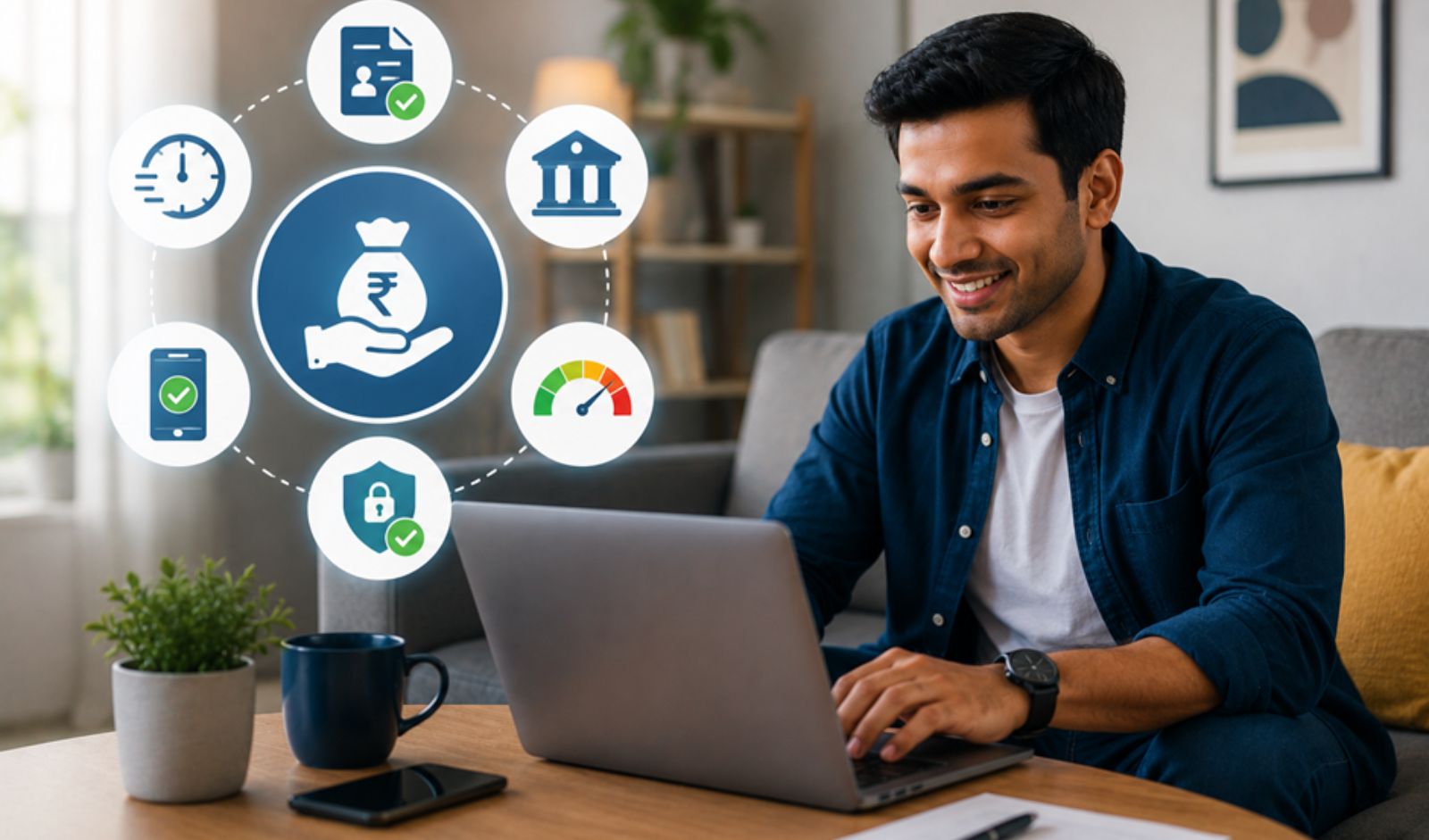
The idea of standing in a queue at a bank branch just to submit a loan application feels almost outdated now. Today, you can apply for personal loans online entirely from your phone or laptop, without ever stepping outside your home or office.
Why branch visits are no longer necessary
Digital verification systems, e-KYC, and online document uploads have replaced the need for physical paperwork almost entirely. Lenders can now verify your identity, income, and creditworthiness remotely, making the entire process faster and significantly more convenient for borrowers.
What you need before you start
Keep your PAN card, Aadhaar number, and recent salary slips or bank statements ready in digital format. Make sure your mobile number linked to Aadhaar is active, since most verification steps rely on OTP confirmation sent to this number.
The application process explained simply
You begin by filling in your personal and employment details on the lender's website or app. Next, you specify the loan amount and tenure you are looking for. Following this, you complete e-KYC verification, after which the lender reviews your application and provides a decision.
Checking your eligibility for a personal loan first
Before formally applying, it is worth checking your eligibility for a personal loan through a quick online calculator. This step typically only involves a soft inquiry, meaning it does not affect your credit score, and gives you a realistic sense of what you might qualify for.
How long does the entire process take
For applicants with clean documentation and a strong credit profile, many lenders provide approval decisions within a few hours, with disbursal following soon after acceptance of the loan terms. Even more complex profiles rarely take longer than a couple of days.
Verifying the lender before applying
Since the entire process happens online, it is important to apply for personal loans online only through verified, reputable platforms. Check for proper licensing information, read reviews from other borrowers, and avoid any lender asking for upfront payments before disbursal, which is a common red flag.
Signing the agreement digitally
Once approved, you will review and accept the loan agreement digitally, often through an e-signature process. Take the time to actually read through the terms rather than scrolling straight to the signature, since this document outlines your interest rate, fees, and repayment schedule clearly.
Tracking your application status
Most digital lenders provide a dashboard or status tracker, letting you monitor exactly where your application stands, whether it is under review, approved, or awaiting your final confirmation, without needing to call customer support repeatedly.
What to do if your application is rejected
If your application does not go through, do not panic. Ask the lender for the specific reason, work on improving that aspect, whether it is your credit score or debt-to-income ratio, and consider reapplying after a few months rather than immediately trying multiple other lenders in quick succession.
Final thoughts
Branch visits, paperwork, and long waiting periods are increasingly becoming a thing of the past. With the right documents ready and a verified platform chosen, you can complete your entire borrowing journey from the comfort of your home, saving both time and unnecessary hassle.

The monsoon season has long been associated with warm conversations, indoor gatherings, and leisurely evenings, making it one of the busiest periods for premium spirits. As Indian consumers continue to gravitate toward high-quality experiences, imported alcohol brands are witnessing growing demand across premium retail stores, luxury hotels, and fine dining establishments. From iconic Scotch whiskies to award-winning Japanese expressions, international labels are increasingly finding space in the collections of enthusiasts who value craftsmanship, heritage, and distinctive flavour profiles.
The trend is backed by strong industry fundamentals. According to the International Wine and Spirits Research (IWSR), India is among the world's fastest-growing markets for premium-and-above spirits, driven by rising disposable incomes, premiumisation, and a younger consumer base willing to experiment with global brands. The country's imported spirits segment has also benefited from the expansion of organised liquor retail, premium hospitality, and evolving consumer preferences that favour quality over quantity. This monsoon, several globally acclaimed alcohol brands are capturing attention for their rich heritage, exceptional craftsmanship, and memorable tasting experiences.
Top Imported Alcohol Brands Worth Trying This Monsoon
Whether you're building your premium spirits collection or looking for the perfect bottle to enjoy on a rainy evening, these five imported alcohol brands continue to stand out for their quality, consistency, and global reputation.
1. The Macallan Double Cask 12 Years – Scotland

The Macallan remains one of the most respected names in the world of single malt Scotch whisky, and the Double Cask 12 Years is among its most accessible yet refined expressions. Matured in a combination of American and European oak casks seasoned with sherry, it delivers remarkable balance without overwhelming the palate.
Expect notes of honey, dried fruits, vanilla, and gentle oak, complemented by a long, smooth finish. Its rich yet approachable profile makes it an ideal companion for monsoon evenings, whether enjoyed neat or with a splash of water. For whisky enthusiasts looking to experience traditional Speyside craftsmanship, The Macallan Double Cask 12 Years continues to set the benchmark.
Read more: New Vodka Brands Shaking Up India’s Premium Spirits Market
Top 5 European Beer Brands in India That Are Trending Among Beer Lovers
Top 5 UK Beer Brands in India Gaining Popularity in the Premium Segment
2. Glenfiddich 18 Year Old – Scotland

With over a century of whisky-making expertise, Glenfiddich has established itself as one of Scotland's most recognised single malt producers. The 18 Year Old expression reflects the distillery's meticulous approach to maturation, with every batch married in small quantities to achieve remarkable consistency.
The whisky offers layers of baked apple, dried fruit, cinnamon, and oak, resulting in a smooth, elegant sip that unfolds gradually. Its refined complexity makes it particularly suitable for relaxed indoor gatherings during the rainy season. Among imported Scotch whiskies available in India, Glenfiddich 18 Year Old remains a preferred choice for collectors and connoisseurs alike.
3. Lagavulin 16 Year Old – Scotland

For those who appreciate bold and smoky whiskies, Lagavulin 16 Year Old remains one of Islay's defining expressions. Produced on Scotland's rugged western coast, this single malt is celebrated for its distinctive peat smoke balanced by maritime freshness and subtle sweetness.
Years of maturation soften its powerful character, revealing layers of dried fruit, oak, spice, and a lingering smoky finish. Its robust profile pairs exceptionally well with cooler monsoon weather, making it a favourite among experienced whisky drinkers seeking a richer tasting experience.
4. Yamazaki 12 Year Old – Japan
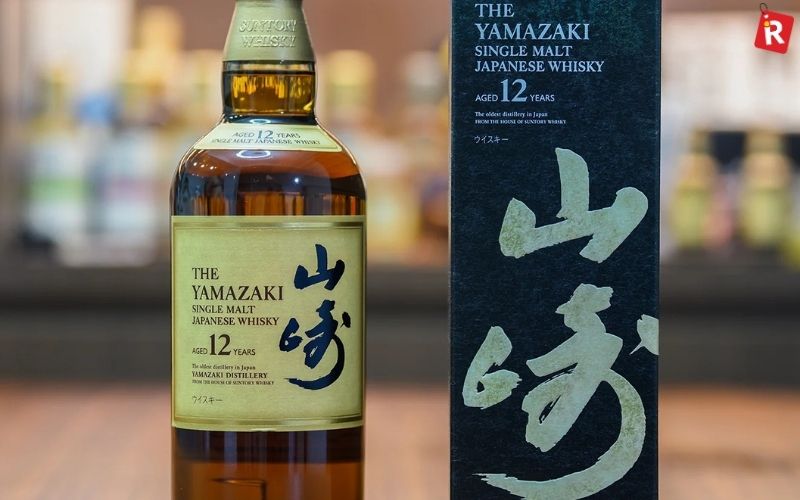
Japanese whisky has earned worldwide recognition for its precision and craftsmanship, and Yamazaki 12 Year Old continues to be one of its finest ambassadors. Produced by Suntory at Japan's oldest malt distillery, this premium single malt showcases delicate balance rather than intensity.
Floral aromas, orchard fruits, soft spice, and hints of Mizunara oak combine to create a sophisticated drinking experience that differs from traditional Scotch while maintaining exceptional complexity. Limited availability has only enhanced its desirability, making Yamazaki 12 Year Old one of the most sought-after imported whiskies among Indian premium spirit enthusiasts.
5. Jameson Black Barrel – Ireland

Jameson Black Barrel offers a richer interpretation of Ireland's iconic whiskey tradition. Aged in double-charred bourbon barrels, it develops deeper layers of caramel, toasted wood, vanilla, and gentle spice while retaining the signature smoothness that has made Jameson a global favourite.
Its approachable flavour profile makes it suitable for both neat sipping and premium cocktails, appealing to newcomers as well as seasoned whiskey lovers. As more Indian consumers explore premium Irish whiskey, Jameson Black Barrel continues to gain popularity for delivering complexity without sacrificing drinkability.
Know more: Best Sunscreens for Men and Women in India
Top 6 Beard Care Brands Every Modern Man Should Know
7 Things You Should Know Before Choosing a Lumba Rakhi
Final Sip
The growing demand for imported alcohol brands reflects India's evolving premium beverage landscape, where consumers increasingly seek authenticity, craftsmanship, and global heritage. From Scotland's celebrated single malts to Japan's refined whiskies and Ireland's smooth classics, these five imported labels offer distinct experiences suited to every palate.
As monsoon evenings bring people together over meaningful conversations and memorable moments, choosing a well-crafted imported spirit can elevate the occasion. Whether you're an experienced collector or someone exploring premium whisky for the first time, these globally recognised brands remain worthy additions to your collection.
Frequently Asked Questions on Top Imported Alcohol Brands for Monsoon
Q1. Which imported alcohol brand is best for beginners?
Jameson Black Barrel and The Macallan Double Cask 12 Years are excellent choices for beginners due to their smooth, balanced flavour profiles.
Q2. Which imported whisky is ideal for monsoon evenings?
Lagavulin 16 Year Old is widely appreciated during the monsoon for its rich smoky character, while Glenfiddich 18 Year Old offers a smoother and more elegant alternative.
Q3. Why are imported alcohol brands becoming popular in India?
Growing disposable incomes, premiumisation trends, wider retail availability, and increasing consumer awareness of global spirits have contributed to the rising demand for imported alcohol brands.
Q4. Is Japanese whisky different from Scotch whisky?
Yes. Japanese whiskies, such as Yamazaki 12 Year Old, generally focus on balance, subtlety, and precision, while Scotch whiskies often deliver bolder regional characteristics such as peat, smoke, or sherry influence.
Q5. How should premium imported whisky be served?
Premium whisky is best enjoyed neat or with a few drops of water to enhance its aromas and flavours. Large ice cubes may also be used if a chilled serving is preferred.

Health insurance requirements naturally evolve over time. A plan that was once perfect may become less relevant due to rising costs, inadequate coverage, or poor customer service.
To protect policyholders, the Insurance Regulatory and Development Authority of India (IRDAI) governs health insurance portability. This framework allows you to switch your insurance provider or alter your plan while fully preserving your hard-earned advantages, such as waiting period credits, Pre-Existing Disease (PED) coverage, and continuity benefits.
Health insurance is one of the most essential financial safeguards a person can have, protecting against the rising cost of medical treatments, hospitalisation, surgery, and post-operative care. Whether you are an individual, a working professional, or a business owner, Health insurance ensures that a sudden illness or accident does not wipe out your savings or push you into debt. Star Health offers a range of Health insurance plans tailored to different life stages, coverage needs, and budgets — from individual plans to comprehensive family floaters. When chosen correctly, Health insurance provides not just financial protection but also peace of mind, knowing that you and your loved ones can access quality healthcare without delay. Reviewing your Health insurance options regularly as your family and income grow helps ensure your cover keeps pace with your evolving medical needs.
1. Core Benefits of Porting Your Policy
Porting is more than a simple carrier switch; it is a strategic way to optimize your healthcare safety net without starting your insurance timeline fresh. Key benefits include:
Continuity of Waiting Periods: Any time you have already served under your previous insurer carries over. You do not have to restart waiting periods for specific illnesses or pre-existing conditions.
No Claim Bonus (NCB) Protection: Your accumulated NCB or cumulative bonus from the previous plan can often be transferred. This can be added to the sum insured of the new policy to strengthen your overall safety net.
Enhanced Coverage and Service: Porting gives you the freedom to move to an insurer providing broader coverage options (such as wellness benefits, modern treatments, or zero co-payments) or more responsive customer support and smoother claim processing.
No Hidden Porting Fees: There is no distinct administrative charge or extra premium applied simply for processing a porting request. You only pay the premium rate required by the new policy itself.
2. Step-by-Step Guide to the Porting Process
Portability cannot be executed mid-term; it is only available at the time of your annual renewal. To ensure a seamless transition without coverage gaps, follow this systematic procedure:
Step 1: Research and Compare Plans
Thoroughly review your current policy and contrast it with alternative market options. Evaluate features such as network hospital breadths, sub-limits, room rent caps, premiums, and the insurer's Claim Settlement Ratio (CSR).
Step 2: Initiate Early (45 Days Prior)
Contact your prospective insurer to request the standard Portability Form and Proposal Form. IRDAI rules dictate that you must formally submit these to your new insurer at least 45 days before your current policy expires. Requests submitted late (or past the 30-day notice window) run a high risk of rejection, forcing you to be evaluated as a brand-new applicant.
Step 3: Complete Forms and Submit Documents
Fill out all forms with complete accuracy to avoid validation delays. Assemble and submit the following required documentation:
Duly filled Portability and Proposal forms.
Existing policy certificates/schedules (ideally covering the last few consecutive years) along with recent renewal notices.
Official claim history records or a signed No-Claim declaration.
Valid identity, age, and address proofs (e.g., Aadhaar, PAN, Passport).
Comprehensive medical records or test reports if you have pre-existing conditions.
Step 4: Verification and Information Exchange
The new insurer will verify your health declarations and fetch your claim history directly from your old insurer using the central IRDAI/IIB portal. Per regulatory guidelines, old insurers are required to share this data promptly, typically within 7 days.
Step 5: Underwriting and Approval
The new insurer's medical underwriters evaluate your application risk profile. Once approved, a final premium quote is issued. Upon paying the premium, your new policy activates seamlessly on your old policy's expiry date, ensuring zero coverage gaps.
3. How Age and Underwriting Affect Portability
While IRDAI guidelines specify that insurers cannot reject a portability request solely based on a policyholder's age, your age and health status still exert significant structural influence over the process.
Impact on Premiums and Risk Ratings
Your new premium is calculated based on your age at the time of porting. As age increases, premiums generally climb due to higher baseline health risks. Furthermore, if you acquired a chronic illness during your previous policy term, the new insurer's medical underwriters may apply premium "loading" (additional risk charges) or specify modified policy terms.
Medical Underwriting Restrictions
Older applicants or those with known Pre-Existing Diseases face far stricter medical evaluation checks. Insurers routinely mandate fresh medical tests and health assessments before approving the request. Slow diagnostic test results can inadvertently cause processing delays, emphasizing the importance of starting early.
Plan Eligibility and Higher Cover Waiting Periods
Some individual retail health plans have strict maximum entry age limits. If your age exceeds a specific plan's entry criteria, the insurer can decline porting into that particular plan.
Additionally, if you attempt to enhance your financial cushion by increasing your sum insured while porting, the additional coverage amount is handled separately. It will be subject to fresh medical underwriting and a brand-new waiting period before claims can be made against that extra amount.
4. Transitioning Corporate Group Policies to Personal Cover
A common point of confusion is whether you can port a corporate group health insurance plan directly to a different retail insurer when leaving a job. Direct external porting from a corporate plan is not permitted. Instead, you must follow a regulated two-stage process:
Corporate Group Plan
(Stage 1: Internal Migration at least 45 days before leaving job)
Retail Individual Plan with SAME Insurer
(Stage 2: External Portability at the next annual renewal window)
Retail Individual Plan with NEW Insurer
Stage 1: Internal Migration
Under IRDAI guidelines, every member of a corporate group policy has the statutory right to migrate to an individual retail plan with the same insurance company upon leaving their organization.
You must notify your current insurer of your intent to migrate at least 30 to 45 days before your last working day or before the group policy expires.
Submit the required migration forms, select a plan from their retail portfolio, and pay the premium.
This stage ensures all your group time credits transfer directly into your personal policy. For instance, if you were in the group policy for 3 years, those 3 years are credited toward the waiting periods of your new individual plan.
Stage 2: External Portability
Once you have successfully established your individual retail cover with the original insurer, you hold a standard personal policy. When your next annual renewal window arrives, you are entirely free to apply for portability to switch to any other insurance company in the market.
5. Summary Checklist: Pitfalls to Avoid
To guarantee a smooth transition, keep this actionable summary checklist in mind before initiating your switch:
Timeline Check: Submit all documents 45–60 days prior to expiry. Avoid the temptation to wait until your final corporate working days have passed.
Absolute Disclosure: Always disclose your complete medical history and pre-existing conditions transparently to avoid unexpected claim rejections down the line.
Inspect Hidden Limits: Carefully verify whether your new plan introduces restrictive room rent caps, treatment-specific sub-limits, or co-payment clauses that were absent in your older policy.
Moratorium Boundaries: Under 2026 guidelines, be aware of the maximum 5-year limit governing your policy's moratorium period, which is calculated based on your total cumulative duration in the insurance scheme.
When shortlisting a health insurer, the health insurance claim settlement ratio is one of the most reliable indicators of how likely you are to receive a payout when you need it most. The health insurance claim settlement ratio measures the percentage of claims settled against those received in a given year — a higher ratio means the insurer processes most valid claims without unnecessary delays or rejections. Star Health consistently maintains a strong health insurance claim settlement ratio, reflecting its commitment to transparent claim processes and timely support for policyholders. Checking the health insurance claim settlement ratio before purchasing a plan protects you from choosing insurers with poor claims track records, which can become a serious problem at the time of hospitalisation. Alongside premium costs and hospital network size, making the health insurance claim settlement ratio a core criterion in your decision leads to better long-term value from your health cover.
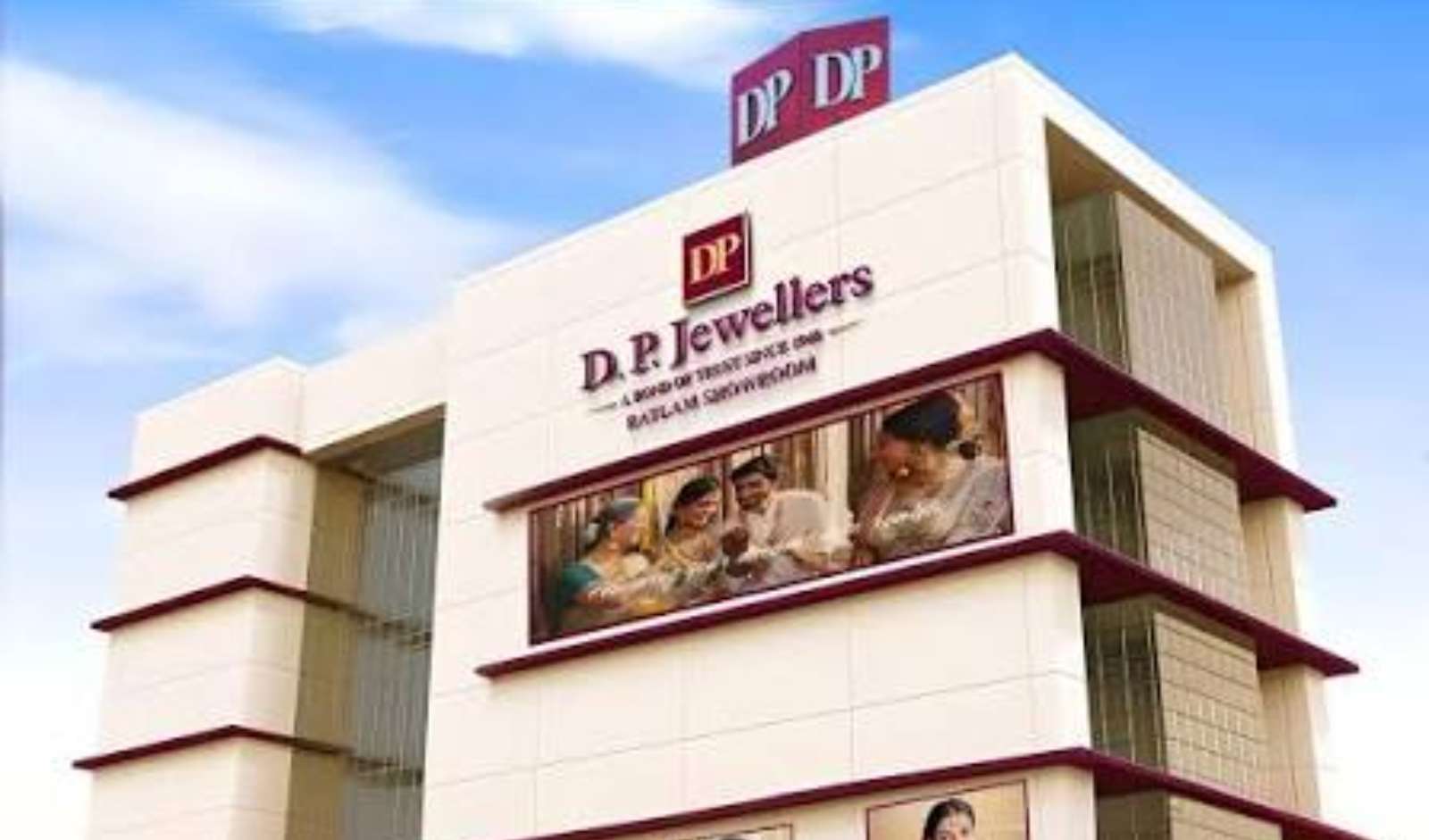 D P Abhushan recorded strong year-on-year growth in profit and revenue during the June quarter. Alongside its financial performance, the retailer is adding stores in Jabalpur and Dahod.
-
India’s jewellery industry is shifting from family-run to organised retail, driven by policy changes, rising gold prices, informed consumers, and growing reliance on old gold exchange amid global and domestic uncertainties.
 The parent company of Zomato and Blinkit reported higher quarterly earnings, supported by growth across food delivery, quick commerce and its District business.
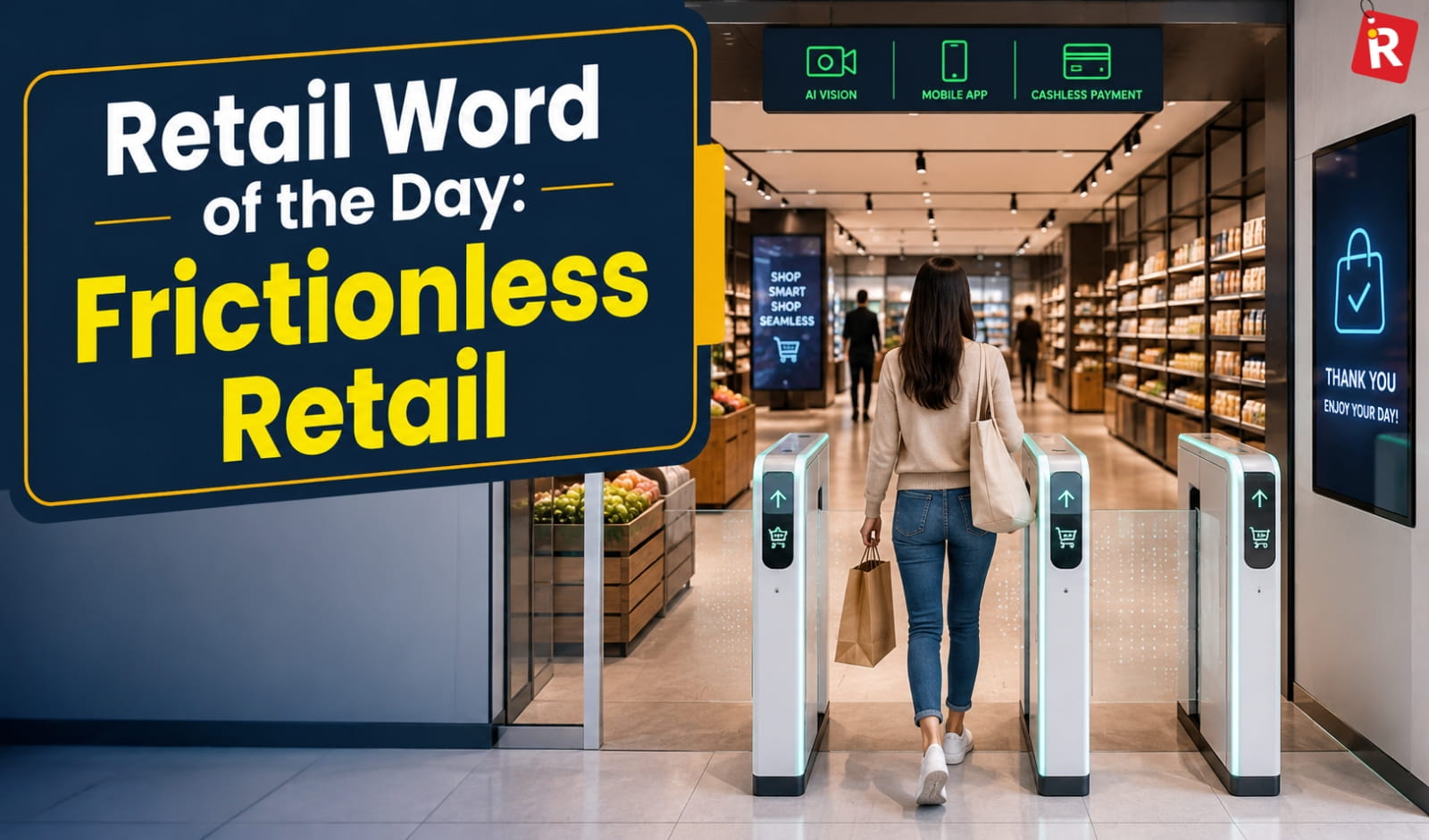 Learn how Frictionless Retail removes barriers from shopping through AI, self-checkout, digital payments, and seamless customer experiences.






Copyright © 2009 - 2026 Franchiseindia.com Ltd