
Personalized Customer Experiences Make It Non-intrusive
  • IR
  • IR
  • IR
Personalized Customer Experiences Make It Non-intrusive

Marketers and consumers have long recognized the value of personalized experiences. Besides improving customer outcomes, it opens up revenue-generation opportunities for brands. McKinsey research found that those growing more rapidly compared to their peers attributed 40 percent more of their revenue to their personalization strategy. According to another McKinsey study, more than 70 percent of consumers anticipate personalized interaction and even tend to be discouraged by its absence.

Yet, in a world of imperfect data, such personalization attempts can often have the contrary impact. As a consumer, how often have we felt irked by unwanted ads as we browse online?  And wondered why we are served a financial product ad, as you click on a sleep-inducing music video on YouTube? Consumers are likely to feel overwhelmed and intruded upon when incessantly bombarded with seemingly customized recommendations. Stereotyping by inference and imposing irrelevant or insensitive content can come in the way of successful personalization.

What can marketers, publishers and consumers do, to fine-tune personalization attempts to remove negative, disruptive experiences that impede consumer’s continued engagement with the brand?

Customer-first, Cautious approach from marketers/brands

Personalization must hit the sweet spot of meeting specific customer preferences while never crossing the privacy line. Although achieving personalization non-intrusively might feel like a tough balancing act, the constant target for marketers must be to preserve the consumer-brand relationship. This can be achieved through empathy for the consumer in every situation.

Appropriate controls over inappropriate ad placements and constant review of consumer reactions, can avoid potential consumer backlash.

Here are some practices to help make personalization of consumer experiences non-intrusive:

Focusing on first-party data: Since 2018, data regulations have evolved and become more stringent. In keeping with this trend, the likes of Google phasing out third-party cookies in Chrome and first-party cookies coming into focus can be a blessing in disguise for brands. They can look at alternative ways to gather consumer data and make sure of the credentials of their first–party data sources.

Using storytelling that connects back to the customer: Today, storytelling and content that is well-timed and immersive finds more takers, even before marketers impose the brand image. Consumers increasingly prefer more experiential content rather than the push method used in cookies, ads, and targeting content thrust into their space. An already engaged customer has a low risk of alienation

Using tech to enable non-intrusive personalization: The evolving privacy laws, cookie banners, and ad blockers have impacted how advertising analytics is done. Instead, marketers can choose from a host of privacy-friendly tracking technologies that empower cookie-proof tracking, cohort analyses, and statistical modelling solutions. These are more sophisticated than conventional methods that rely mostly on cookies.

Weeding out the irritability factor: Inappropriate ad insertions can damage the brand reputation and must be quickly addressed by marketers. Consciously using consumer insights and social science expertise to understand trigger areas will help the brand avoid content that could be irritating, off-putting, or even offensive.

Emphasizing the overall consumer journey: Obsessing over insights on individual touchpoints can make it intrusive for consumers. Instead, brands should consider consumer perception, attitudes, and data analytics on overall buying patterns and propensity from their interactions in a holistic way.

Being transparent about how they use the data: Brands have the opportunity to build trust by disclosing their awareness and serious attention to their consumer’s privacy concerns and how it translates into policy. Being open about how they collect and intend to use the data will help improve the trust factor and chances of consent from the consumer for their stated purpose.

As consumers, we can make choices too – taking care to set appropriate privacy settings including ad blockers, leveraging browsers that are inherently more privacy friendly, choosing paid subscriptions  (e.g. for YouTube) and regularly reviewing and unsubscribing to content we no longer want.

Publishers, especially those media houses that rely on ad revenues, can do well to reduce ad insertions and limit flashing pop-ups.

The consumer holds the final choice but can be much aided by the marketers.


Authored By

Andal Alwan, VP - Consumer, Retail and Logistics for APAC, Infosys.

Andal Alwan, VP - Consumer, Retail and Logistics for APAC, Infosys.

 
Stay on top – Get the daily news from Indian Retailer in your inbox
Top Stationary Brands In India Popular Among Students and Professionals
  • IR
  • IR
  • IR
Top Stationary Brands In India Popular Among Students and Professionals
 

If you’re the kind of person who gets oddly happy about a fresh notebook or feels powerful after buying a new pen, welcome—you’re my kind of person. India’s stationery scene has become seriously fun lately. From everyday basics to luxury stationery brands in India, there’s something for every type of student, creator, or professional who loves good writing tools and well-designed work essentials.

Why Stationery Still Matters in a Digital-Heavy World

Sure, we all live inside our phones and laptops, but nothing beats scribbling down a to-do list that you can physically cross off. Students keep saying handwritten notes help them remember things better. Professionals still love a planner they can flip through. And honestly, half of us just enjoy the vibe of using nice stationery. That’s basically why the love for the top stationery brands in India is still going strong.

The Rise of Trendy, Instagram-Ready Indian Stationery Brands

Walk into any stationery aisle today and you’ll instantly feel the glow-up—pastel pens, cute planners, grid notebooks, and desk accessories that make you want to organise your entire life. Many Indian stationery brands have moved way beyond boring designs. They’re fun, colourful, aesthetic, and very “add to cart” friendly. Blame it on journaling trends or Pinterest, but people genuinely want their stationery to match their personality now.

Shopping Stationery Is Now Super Easy

Another reason stationery feels more exciting these days? You can buy it literally anywhere. Your local store will always have the basics. Amazon and Flipkart are packed with options. And if you suddenly realise you need a pen right before a meeting, quick-commerce apps will save the day in minutes. Because of this convenience, people keep coming back to the best stationery brands without thinking twice.

Read more: Top 5 Premium Dark Chocolate Brands Rising in India’s Retail Market

Top 7 Shoe Brands Becoming Bestsellers Across Online Retail

Best 8 Cosmetics Brands Trending on Instagram and Quick Commerce

Top Stationary Brands In India Popular Among Students and Professionals

Here are five brands that students, creators, and professionals trust—and honestly, enjoy using.

1. Navneet

Top Stationary Brands In India Popular Among Students and Professionals

Navneet is basically everyone’s childhood stationery partner. From notebooks to long books to drawing pads, you’ll find Navneet in almost every school store or stationery shop across India. The paper quality is consistent, the prices are friendly, and the products just last. You’ll also find everything online on Amazon, Flipkart, and plenty of local e-stores. It’s one of those Indian stationery brands that has quietly stayed dependable for decades.

2. Classmate (by ITC)

Top Stationary Brands In India Popular Among Students and Professionals

Classmate is the comfort brand for students and professionals who like clean, smooth, fuss-free stationery. Their notebooks are sturdy, the cover designs keep getting cooler, and their pens are surprisingly good for the price. You can walk into almost any shop in India and spot Classmate instantly. It’s easily one of the top stationery brands in India simply because the products do exactly what you need—no drama.

3. Camlin Kokuyo

Top Stationary Brands In India Popular Among Students and Professionals

If you’re into art, design, or even casual doodling, Camlin Kokuyo is probably already on your desk. Their brush pens, colours, markers, and sketchbooks are super popular among students and creators. Professionals also love their premium writing tools. Camlin is available everywhere—offline stores, art shops, Amazon, Flipkart, you name it. It continues to be one of the best stationery brands because it serves both beginners and pros without overcomplicating anything.

4. Archies

Top Stationary Brands In India Popular Among Students and Professionals

Archies is for people who want their stationery to look cute, classy, or just a little extra. Their planners, journals, sticky notes, pens, and desk accessories instantly make your workspace more “you.” With over 100 stores across malls and high streets—and a solid online store—Archies makes aesthetic stationery very accessible. For gifting or for personal use, it’s one of the most loved stationery brands in India.

5. Scooboo

Top Stationary Brands In India Popular Among Students and Professionals

Scooboo is the place you go when you want stationery that feels premium without burning a hole in your wallet. Think Japanese pens, pastel markers, journaling kits, cute organisers, and everything Instagram-worthy. It’s one of the fastest-emerging luxury stationery brands in India, especially popular with students, young professionals, and content creators. Most of the magic happens online, but Scooboo is slowly popping up in modern stores too.

Know more: Top 7 Laptop Brands Rising in India’s Tech Retail

Top 5 Premium Chyawanprash Brands Leading the Health Segment

Top Inverter Brands in India for Reliable Home Power Backup

Market Insight: Why India Is Obsessed With Stationery Again

Stationery is having a moment—and it’s not just because of students. Journaling, content creation, remote work, and planner culture have pushed people to explore premium tools, colourful notebooks, and personalised accessories. E-commerce has made everything accessible, and social media has made stationery cool again. This is why Indian stationery brands are experimenting more with design, quality, and unique collections.

Conclusion

If you love stationery even a little bit, you’re in the right country. The top stationery brands in India today offer everything—practical basics, stylish designs, premium pens, artsy supplies, and even full-on workstation aesthetics. Whether you’re prepping for exams or revamping your work desk, these brands make the process way more fun than it needs to be.

FAQs on Top Stationary Brands In India

1. Which stationery brands in India are best for students?

Classmate, Navneet, and Camlin Kokuyo—mostly because they’re affordable, durable, and easy to find anywhere.

2. What are some luxury stationery brands in India?

Scooboo, Archies’ premium collections, and curated imported picks available online.

3. Where can I buy good stationery online?

Amazon, Flipkart, Scooboo’s website, and a few niche stationery stores carry great collections.

4. Which Indian stationery brands offer premium pens?

Camlin Kokuyo and Scooboo are great for smooth, high-quality writing tools.


Next Story
How to Plan a Romantic Anniversary Surprise?
  • IR
  • IR
  • IR
How to Plan a Romantic Anniversary Surprise?
 

Planning a romantic anniversary surprise is one of the sweetest ways to show your partner how much you care. It does not have to be expensive or complicated. What matters most is the thought you put into it. A simple, well-planned surprise can make the day unforgettable. Whether it is your first anniversary or your tenth, a little effort can create beautiful memories that last forever.

So, if you are thinking of doing something special this year, here is a simple guide to help you plan the perfect romantic surprise. Before you dive into the details, start by thinking about what your partner truly enjoys. Some individuals enjoy grand displays while others may prefer a little more earnestness and intimacy. 

Some people might like letters written by hand, a quiet stroll, their favourite dessert, or an intimate night in. Use these suggestions to help arrange the surprise. 

1. Start With a Meaningful Idea 

Every romantic gesture starts with a great idea. Think about the things you two remember and love the most. Was it your vacation? Your date night? The event when you first met? If you use your memories for inspiration, your surprise will be more emotional and personal. For example, you can remake your first date, make the meal you both love, or put on music that reminds you of that special day. 

These small details make it personable, and they add warmth to the celebration. This dimension could be anything from a day trip to a secluded picnic, or to spend a night under the stars -- all great ideas here! You’re looking for something that embodies your relationship and something that both of you will enjoy. And yes, don't forget to add a special treat like anniversary cakes to make the celebration sweeter and more meaningful. 

2. Create a Lovely Atmosphere 

A romantic setting does half the magic for you. A fancy space is not needed, and expensive decorations are not necessary. Simple items like a set of fairy lights, candles, soft music, or fresh flowers can change the entire atmosphere. If you want something intimate, you can decorate a room at home with photos, notes, or small reminders of your journey together. A cosy, personal atmosphere helps your partner feel cherished and loved. 

If you prefer something outdoors, choose a calm and beautiful spot, maybe a garden, beach, or terrace. A natural backdrop adds charm without much effort. Just make sure it's comfortable and not too crowded so you both can enjoy the moment peacefully. 

3. Add Personal Touches That Speak to Your Story

A romantic anniversary surprise feels special when the gesture is personal. Instead of something general, think about moments that truly belong to the two of you. You can recreate a small detail from your first date, like the dessert you shared or a song you both love. Leave short notes in everyday spots such as their coffee mug or wallet. Create a tiny memory trail at home with printed photos and small messages. If your partner enjoys surprises, plan little moments throughout the day like a favourite breakfast, a stop at a meaningful place or a quiet coffee date. These thoughtful touches show intention and make the day feel truly romantic.

4. Add a Romantic Experience 

Apart from the gesture, include an experience you can enjoy together. This helps you create new memories while celebrating old ones. You can book a relaxing spa session, cook dinner together, or take a walk under the stars. If you enjoy travelling, plan a short weekend getaway. If you prefer quiet moments, watch your favourite movie, dance to your favourite song, or simply spend the evening talking. The experience does not have to be perfect, what matters is that it strengthens your bond and gives you time to connect. 

5. Capture the Moment 

Anniversaries come once a year, so capture the moments whenever you can. Take photos, record small videos, or write down the memory in a journal. Years later, these small pieces of your story will feel priceless. You don't need a professional photographer; a simple mobile phone is enough. Just click pictures that feel real and natural. These captured moments add joy not just on the anniversary but long after the celebration is over. 

6. End the Day with Heartfelt Conversations 

A romantic anniversary surprise does not end with gifts or decorations. It ends with the warmth you share. Sit together, talk about your journey, share your favourite memories, and dream about the future. These conversations help you reconnect and appreciate the relationship even more. Love grows stronger when you express your feelings openly and honestly. 

Final Thoughts 

Planning a romantic anniversary surprise is all about expressing love in simple and meaningful ways. You don't need to do something huge; even small gestures can touch your partner's heart. Focus on creating happiness, comfort, and togetherness. Whether you decorate a room, plan a date, or organise a quiet evening at home, your effort will always be appreciated. A romantic surprise becomes truly special when it reflects your relationship and celebrates your journey. So, plan with love, keep it personal, and make your partner feel cherished. In the end, the memories you create together are the real celebration. 


Next Story
Top 5 Premium Dark Chocolate Brands Rising in India’s Retail Market
  • IR
  • IR
  • IR
Top 5 Premium Dark Chocolate Brands Rising in India’s Retail Market
 

For a growing set of urban shoppers, chocolate is no longer just a quick treat picked up at the counter. It is becoming a small, deliberate upgrade in the monthly basket, with consumers comparing cocoa percentages, scanning ingredient lists, and setting aside a higher budget for bars that feel “worth it.” India's overall chocolate market was estimated at $2.9 billion in 2024 and is projected to almost double to approximately $5.5 billion by 2033, growing at a CAGR of 7.30 percent from 2025-2033. The premium chocolate segment generated approximately $313.5 million in revenue in 2024 and is expected to grow at a CAGR of 8.9 percent annually through 2029, outpacing the wider category. ​

Dark chocolate is the fastest-growing product segment inside premium chocolate, driven by health positioning, higher cocoa content, and tighter alignment with global consumption trends. One recent estimate suggests India’s dark chocolate market has more than doubled in five years, from 41 million to 86 million US dollars, growing around 16 percent annually and gaining share against traditional milk chocolate.​

Why Premium Dark is Gaining Ground

Urban consumers are reading labels more closely, seeking higher cocoa percentages and shorter ingredient lists, and are increasingly willing to pay a premium for perceived quality and origin stories. Modern trade, quick commerce, and specialist confectionery platforms have made imported labels and Indian bean to bar brands far more visible than even five years ago, lifting trials beyond metro hotels and airports.​

At the same time, a small but growing slice of the market is trading up from festival gifting boxes and mass pouches to single origin bars, artisanal tablets, and curated dark assortments in the Rs 300 to Rs 600 per bar band. This has opened clear space for both global benchmarks like Lindt and homegrown specialists such as SMOOR, Fabelle, Mason and Co, and Paul and Mike to scale distribution and brand awareness.​

Read more: 5 Brands to Watch This Wedding Season for Gifting

Top Flavoured Cigarette Brands in India

Top 7 Shoe Brands Becoming Bestsellers Across Online Retail

Top Premium Dark Chocolate Brands

Within this context, five brands stand out for their traction in modern retail, assortment depth in dark chocolate, and growing visibility across marketplaces and specialty channels.​

Lindt Excellence

LINDT

Lindt has become the reference imported bar for Indian shoppers moving into premium dark chocolate, with its Excellence range commonly seen in modern trade, airport stores, and online platforms. The 70 percent cocoa bar is a key anchor, with multiple higher cocoa variants also listed by Indian e-commerce confectionery specialists.​

  • Pricing: A Lindt Excellence 70 percent cocoa bar in 100 g format typically carries an MRP of about Rs 599, with online grocery and quick commerce players often selling in the Rs 540 to Rs 580 band depending on promotions.​
  • Availability: Widely available through large supermarkets, airport duty paid stores, and e-commerce players such as Zepto, Flipkart, JioMart, and dedicated chocolate platforms like Cococart.​

SMOOR

smoor

Bengaluru based SMOOR has scaled rapidly from a boutique brand into a national premium chocolate player, backed by Rebel Foods and a growing network of cafes, kiosks, and experience centres. Its True Cocoa dark bars, including 70 percent couverture variants with jaggery or dates, are positioned at the higher end of the domestic premium ladder and help retailers trade consumers up from mass brands.​

  • Pricing: True Cocoa 70 percent dark couverture bars of about 65 g typically carry an MRP close to Rs 355 per unit, placing SMOOR firmly in the Rs 5 per gram premium bracket.​
  • Availability: Distributed through SMOOR’s own stores and lounges, its brand website, major metros’ modern trade, select airport counters, and large marketplaces that stock its bars and gift packs pan India.​

ITC Fabelle

ITC

Fabelle operates at the luxury end of ITC’s portfolio, historically anchored in hotel boutiques and curated gift packs but now expanding through online and selected retail channels. Dark variants, including Loaded Secret dark bars and the Divine Dark Trilogy collection, are used to introduce shoppers to high cocoa content within a distinctly Indian luxury framework.​

  • Pricing: A Fabelle Loaded Secret dark chocolate bar of around 115 g is listed at an MRP of about Rs 545 on specialist chocolate platforms, while dark bar gift sets such as the Divine Dark Trilogy can sit in the Rs 900 to Rs 1,650 range depending on configuration and channel.​
  • Availability: Sold via ITC hotel boutiques, the Fabelle website, select gourmet and modern trade outlets, food delivery apps in large cities, and general marketplaces where individual bars and gift packs are listed.​

Mason & Co

Mason

Auroville based Mason and Co is one of India’s earliest bean to bar chocolate brands, focusing on organic Indian cacao and vegan, gluten free dark bars. The portfolio features multiple 70 percent and higher cocoa variants with flavour inclusions such as chilli and cinnamon, sea salt, or orange, designed for consumers seeking craft positioning and shorter ingredient lists.​

  • Pricing: Mason and Co’s 70 percent dark bars of around 60 g generally carry an MRP close to Rs 345 to Rs 385, with online speciality grocers and curated food platforms often listing them around Rs 344 to Rs 384 after routine discounts.​
  • Availability: Distributed primarily via the brand’s own online store, natural and organic retailers, select gourmet grocers, and marketplaces like Urban Platter and niche e-commerce sites that focus on health and artisanal products.​

Paul & Mike

PNM

Paul and Mike, a farm to bar brand sourcing cocoa from Indian plantations, has quickly built recall for its higher cocoa dark chocolates with unusual flavour pairings and a strong presence in the “better for you” and artisanal space. The core dark range includes plain seventy two percent bars along with variants that layer nuts, spices, and botanicals, giving retailers multiple premium price points within a compact SKU set.​

  • Pricing: A seventy two percent plain dark chocolate bar of about 68 g is typically priced around Rs 310 MRP, while flavoured dark bars of similar size are commonly listed between Rs 300 and Rs 335 across speciality e-commerce.​
  • Availability: Available through the brand’s own website, gourmet and organic stores in major cities, and a wide range of online channels including BigBasket and specialist health and artisanal marketplaces.​

What this means for retailers

For retailers, premium dark chocolate now offers a clear ladder from mass brands at roughly Rs 1 per gram to specialty and imported bars that can reach Rs 5 per gram or more, without exiting the accessible gifting and self purchase space. Curating a tight mix of global benchmarks like Lindt, Indian premium labels such as SMOOR and Fabelle, and craft bean to bar options from Mason and Co and Paul and Mike allows stores to address both experimentation and repeat purchase behaviour in the same aisle.​

Read More - Top Flavoured Cigarette Brands in India


Next Story
India’s Festive Retail Enters the Millisecond Economy as Quick Commerce Grows By 120 Pc 
  • IR
  • IR
  • IR
India’s Festive Retail Enters the Millisecond Economy as Quick Commerce Grows By 120 Pc 
 

India’s festive retail season is witnessing a major shift, accelerated by digital-first behaviours, faster fulfilment, and rising consumer expectations. According to a new report by LS Digital, the country has entered the “Millisecond Economy,” a space where shoppers expect actions, decisions, and deliveries to happen almost instantly.

Despite this rapid digital evolution, cultural timing continues to guide spending, with Dhanteras alone accounting for an estimated Rs 8,500–10,000 crore worth of automotive deliveries.  The report further highlights how deeply festive sentiment continues to influence purchasing behaviour across categories.

Instant Delivery Defines the New Festive Experience

The report identifies a sharp rise in demand for faster fulfilment, with delivery speeds improving by nearly 15 percent year-on-year as platforms optimize real-time data intelligence, automated routing, and instant checkout flows. Quick commerce has become the most influential festive channel, growing 10 percent during peak periods and commanding nearly 78 percent of online festive search conversations. Consumers now expect instant access to everything—from forgotten puja items and festive décor to last-minute gifting essentials. 

Smaller towns, GenZ and q-commerce drive growth 

The report highlights how Tier II and smaller cities now drive 55 percent of festive online orders, positioning Bharat as a core growth engine for retailers. This surge is fuelled heavily by India’s rising Gen Z population, projected to contribute $250 billion in spending power by 2025, whose buying decisions are shaped by mobile-first discovery, digital payments, and a natural preference for rapid fulfilment. In urban India, nearly one in four consumers now navigate blended online–offline shopping journeys, discovering products on one channel and purchasing on another. For retailers, this makes omnichannel orchestration a baseline requirement rather than an advanced capability.

New-Age KPIs and Kirana Digitisation

As consumer journeys become more hybrid and fluid, retailers are rethinking how they measure festive performance. Interest in terms like omnichannel retailing, sales KPIs, and modern attribution models is rising rapidly as brands adopt cross-channel measurement, real-time fulfilment dashboards, and customer lifetime value-based strategies. India’s Kirana ecosystem is also undergoing a significant shift. 

While nearly 200,000 Kiranas have been impacted or have shut down due to changing competitive pressures, thousands of others are adapting quickly by digitising their inventory, integrating UPI payments, and building partnerships with hyperlocal delivery networks.

Festival led growth across categories

The impact of this evolving festive landscape is clearly visible across retail brands. Bigbasket has reported strong growth this year across categories like electronics, food, pharma, and especially event-based merchandise. The platform has seen a dramatic rise in festive-led demand across multiple occasions.

“Event merchandise demand has grown 200–300 percent across Raksha Bandhan, Ganesh Chaturthi, Diwali, Dussehra, Christmas, Halloween and more,” as shared by Seshu Kumar Tirumala, Chief Buying & Merchandising Officer,  Bigbasket. 

This shift is also evident in shopper behaviour on new age D2C brands. For instance, ergonomic brand Frido observed a significant surge in sales during the festive season.

“We’ve seen traffic rise by 28 percent and conversions by 18 percent compared to the pre-festive period,” observed Ganesh Sonawane, Co-founder and CEO, Frido.

Rise of thoughtful festive gifting 

The gifting segment is also experiencing a distinct transformation. Consumers are moving away from generic, convenience-based gifting toward more meaningful, experience-led choices.

“Earlier 70–80 percent of festive gift purchases were driven purely by convenience, “now, around 60 percent of consumers are choosing wellness-oriented options that feel meaningful,” shared Swagatika Das, Co-Founder & CEO, Nat Habit. 

She added that gifting kits and ritual boxes with a sustainable and premium appeal are increasingly favoured, as shoppers now view self-care products as a way to express emotional connection and care during the festive season.

There is no doubt that India’s festive retail has entered a new era—one defined by speed, cultural resonance, and deeply digital-first consumer journeys. With Bharat driving a majority of online orders, Gen Z shaping behaviour, and quick commerce becoming a default festive habit, India’s retail ecosystem is evolving faster than ever before to match the pulse of this millisecond economy.


Next Story
How Premiumization is Reshaping India’s Retail Industry
  • IR
  • IR
  • IR
How Premiumization is Reshaping India’s Retail Industry
 

India’s retail landscape is in the midst of a structural transformation powered by rising affluence, evolving consumer aspirations, and a decisive shift in developer and brand strategies. The premiumization wave—visible in malls, high streets, brand portfolios, and customer experience—is redefining what shopping means for the country’s growing middle and upper-middle class. No longer driven solely by transactions, retail in India is increasingly anchored in experiences, aesthetics, service excellence, and an elevated value proposition.

A new research report by Cushman & Wakefield revealed the scale and speed of this shift. According to the study, Superior Grade (Grade A+) malls will account for more than 70 percent of the 12.3 million sq. ft. of new Grade A supply expected in 2025 and 2026—marking a clear pivot from quantity to quality. As consumer behavior evolves and digital-born brands move offline, premiumization is shaping not just where Indians shop, but how and why they do so.

Superior Grade Malls Lead the Next Phase of Expansion

India’s Grade A mall stock currently stands at 61.5 million sq. ft., of which Superior Grade assets already account for 63 percent. These malls—often backed by institutional investors or renowned developers—are distinguished by their high occupancy rates, sophisticated design, curated brand mix, and tech-enabled services. Expectations for shopping have evolved, and malls are responding accordingly.

Of the total upcoming supply in 2025–26, 8.6 million sq. ft. will be Superior Grade spaces. The fact that over two-thirds of new inventory is positioned at the top end of the quality spectrum highlights the sector’s shift toward experience-driven development. Rental trends echo this preference: Superior Grade malls have seen a 29 percent increase in stock-weighted average rents since 2019, reaching an average of Rs 315 per sq. ft. per month.

Metro cities remain the epicentre of this transformation. Delhi NCR leads with 21.75 million sq. ft. of Grade A stock, followed closely by Mumbai, Bengaluru, and Pune. These markets are witnessing exceptionally low vacancy rates—around 3 to 4 percent—underscoring demand for premium formats.

The move toward better design, better curation, and better experiences resonates with the lifestyle upgrades sweeping across urban India. Malls are emerging not just as retail hubs but as social and cultural destinations—places where dining, entertainment, wellness, and experiential concepts converge.

Young, Aspirational Consumers are Fueling the Premium Wave

India’s demographic profile plays a central role in this transformation. With a median age under 30, the country’s young consumers possess higher purchasing power, global exposure, and a strong appetite for lifestyle upgrades. Their definition of value is shifting from price-led to experience-led.

These consumers are willing to pay more for authenticity, design, quality, and immersive brand interactions. This mindset is also driving digital-first premium brands—particularly in fashion, beauty, and lifestyle—to expand offline. When they do, they overwhelmingly choose Grade A malls or high-visibility high streets to build credibility and capture aspirational shoppers.

Premiumization is also altering the leasing landscape. As malls upgrade, value-focused brands are gradually losing share in Superior Grade assets, while premium, lifestyle, beauty, athleisure, and luxury categories are expanding. This shift mirrors global retail trends, but with uniquely Indian characteristics—particularly the rapid growth of beauty and wellness.

Category Evolution: Beauty, Athleisure, and F&B Take the Lead

The premiumization wave has reshaped the retail category mix inside malls. While hypermarkets, departmental stores, and cinemas once served as the core anchors, their footprint is now shrinking. In their place, experiential categories are rising.

The beauty and wellness segment, for instance, has become one of the strongest performers. It commands average trading densities between Rs 8,000 and 12,000 per sq. ft. per month, making it a high-priority category for mall developers. Indian consumers are increasingly engaging with premium beauty brands, skincare clinics, fragrance boutiques, and wellness services—reflecting both lifestyle aspirations and increased self-care spending.

Athleisure—driven by the fitness movement—continues to expand aggressively. Global giants and homegrown innovators are capitalizing on demand for premium, performance-oriented apparel.

One of the most significant transformations has occurred in the food and beverage (F&B) industry. Once considered auxiliary, F&B is now the new anchor. Restaurants, gourmet cafés, microbreweries, and themed dining spaces are driving stronger and more consistent footfall than many traditional anchors. Dining has become central to the modern mall experience, often influencing where consumers choose to spend their weekend leisure time.

Jewelry and consumer durables (CDIT) are also witnessing a steady rise, reflecting India’s growing appetite for premium lifestyle products.

High Streets Join the Premiumization Story

Parallel to mall evolution, India’s major high streets are undergoing their own premium makeover. Limited availability in superior-grade malls has prompted leading brands to expand into major high-street locations such as Linking Road (Mumbai), Khan Market (Delhi), Connaught Place (Delhi), and MG Road (Bengaluru). These streets offer unmatched visibility and organic footfall—valuable for premium brands seeking immediate recall.

Rents on prominent high streets have now surpassed their 2019 pre-COVID peaks and continue to rise steadily. This momentum serves as a testament to the demand for high-quality, high-traffic retail spaces in prime micro-markets.

While high streets remain more fragmented and unorganized compared to malls, their strategic relevance in premium retailing is stronger than ever.

Retail Giants Upgrade Strategies for a Premium Future

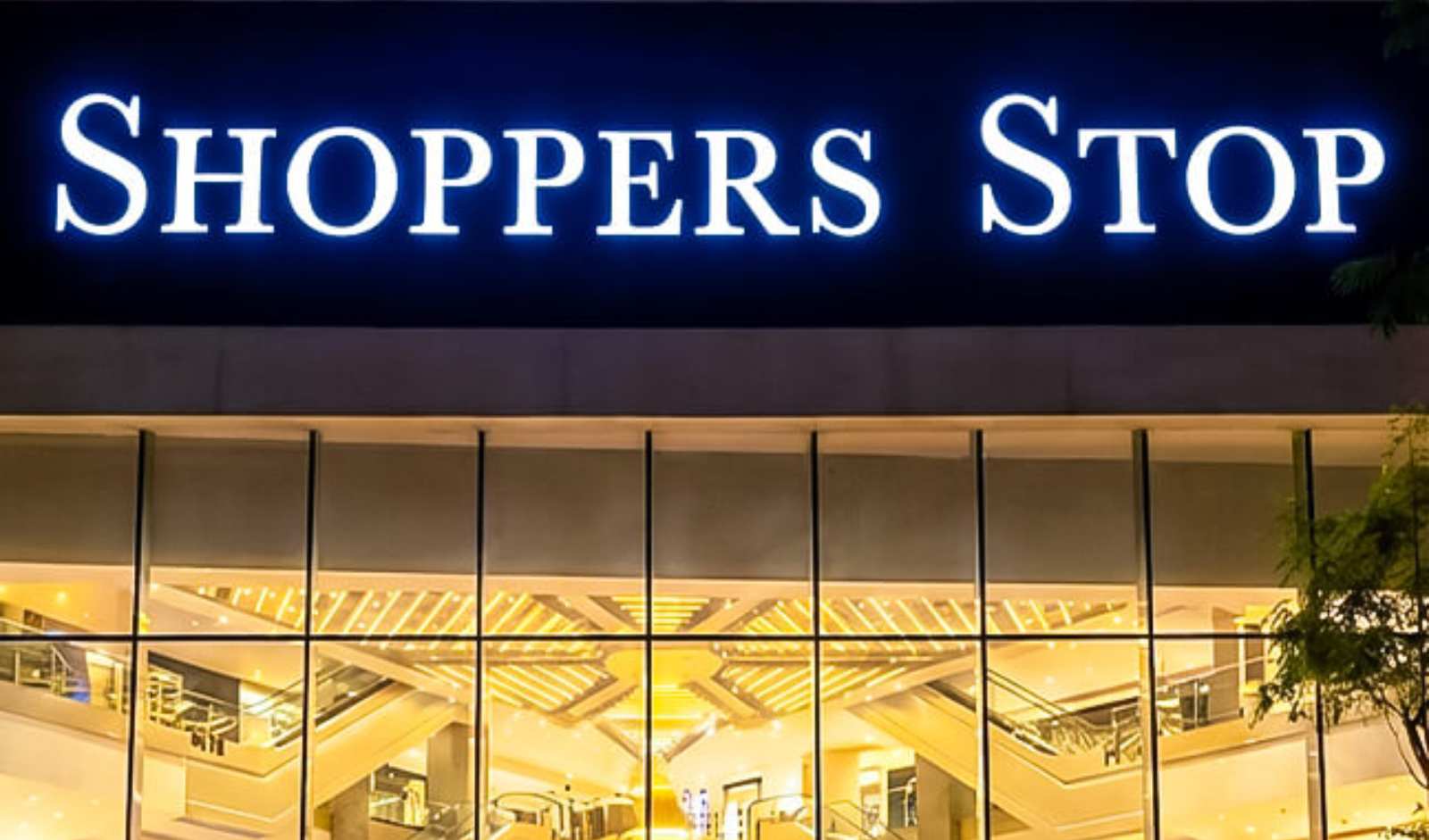
As premiumization accelerates, India’s leading retail groups are realigning their strategies to stay ahead. Aditya Birla Fashion, Reliance Retail, Shoppers Stop, and Tata Trent are all expanding premium private labels, enhancing store design, adopting omnichannel models, and investing in digital-first experiences. These strategies are not just about keeping pace with evolving shoppers; they are about setting benchmarks.

Shoppers Stop offers a compelling case study in premiumization-driven transformation. According to Kavindra Mishra, MD and CEO, “Today, retail is no longer just about transactions—it’s about creating a meaningful and seamless experience for the customer. It’s about providing comfort, warmth, and empathy at every touchpoint.”

One of the most successful initiatives driving this experience-led shift is the company’s personal shopper program. Mishra noted, “While only 3 percent of our store associates are personal shoppers, they contribute to nearly 25 percent of our total sales, demonstrating the immense value of personalized service and deep customer understanding.” In an era where premium shoppers demand attention, expert guidance, and convenience, such programs create differentiation.

Shoppers Stop’s Malad store exemplifies the future of experiential retail. The addition of a thoughtfully designed kids’ play area has significantly enhanced the experience for families. “The response has been overwhelmingly positive, prompting us to roll out similar play zones across 40 stores this summer,” Mishra shared. The store also houses a gaming arcade that encourages multi-generational engagement. “Parents and children playing together is redefining the purpose of a retail visit,” he added.

The results are already visible: premium brands now contribute 65 percent of Shoppers Stop’s total sales—a 7 percent year-on-year increase. This trajectory mirrors broader market trends, where consumers consistently gravitate toward elevated product and service experiences.

The Future: Experience, Technology, and Holistic Engagement

As premiumization matures, mall management and retail brands are expected to embrace more layered dimensions of customer experience. Future-ready malls will invest in design flexibility, sustainability, digital infrastructure, analytics-led tenant curation, and community engagement. The Indian shopper is no longer satisfied with merely purchasing products; they seek destinations that offer inspiration, comfort, and a sense of belonging.

Premiumization is not just a trend—it is a long-term evolution shaped by socio-economic progress, urbanization, and enhanced global exposure. With India’s consumption story strengthening and its aspirational class expanding, the retail industry is prepared for a new chapter where quality, experience, and emotional engagement define success.

The era of the premium consumer has arrived, and India’s retail real estate and brand ecosystem are transforming rapidly to welcome it.


Next Story
5 Brands to Watch This Wedding Season for Gifting
  • IR
  • IR
  • IR
5 Brands to Watch This Wedding Season for Gifting
 

If you’ve been invited to a wedding this season, you already know the drill — the hunt for the “perfect gift” begins the moment the invitation hits your WhatsApp. And with couples today having Pinterest boards for literally everything, gifting has become a serious sport. The good news? India is going through a gifting glow-up, and this year’s wedding season gifting brands are bringing freshness, craftsmanship, and insanely good-looking gifts to the table. Before we dive into the top five, here’s what’s shaping the wedding season trends in gifting this year.

Personal Gifts Are Now the Real Flex

The days of handing over a wrapped tray and hoping the couple likes it are gone. Monogrammed, curated, and personalised gifts are winning — because they feel thoughtful, and honestly, a little fancy too. This shift is what’s pushing premium wedding gifting brands into the spotlight.

Useful items over Flashy gifts

A random showpiece might have worked 10 years ago. Today’s couples want gifts they can actually use — think travel accessories, wellness boxes, artisanal sweets, luxe linens. Practical doesn’t mean boring anymore.

Indian Brands Are Owning the Moment

Made-in-India is having its most confident phase ever. From handcrafted leather to luxury Ayurveda to gourmet mithai, local labels are now among the top wedding gifting brands in India — and the quality speaks for itself.

Read more: Top Flavoured Cigarette Brands in India

Top 7 Shoe Brands Becoming Bestsellers Across Online Retail

Best 8 Cosmetics Brands Trending on Instagram and Quick Commerce

5 Brands to Watch This Wedding Season for Gifting

These are the five wedding gift ideas everyone is reaching for this season — whether they’re building trousseau hampers, shopping for groom gifting brands, or prepping thoughtful gifts for the couple.

1. Bombay Dyeing

5 Brands to Watch This Wedding Season for Gifting

Wedding gifting and home essentials have always gone hand-in-hand, but Bombay Dyeing has levelled up the entire category. Their prints are elegant (not gaudy!), the fabrics are soft yet durable, and the gifting bundles feel genuinely premium without being intimidating on price. Whether you’re packing a thoughtful couple’s hamper or helping a bride build her trousseau, this brand is a safe and stylish bet.

Retail presence: 350+ exclusive stores, thousands of shop-in-shops, and strong online availability. Basically, you’ll find them everywhere from malls to marketplaces.

What they do best: Premium home linen that looks straight out of a modern lifestyle catalog — bed sheets, comforters, dobby towels, and coordinated home sets.

2. Nappa Dori

5 Brands to Watch This Wedding Season for Gifting

If you’ve ever walked into a Nappa Dori store, you know the vibe — handcrafted luxury with personality. Their travel kits, document organisers, dopp bags, and trunk-style boxes feel tailor-made for groom gifting brands, but brides love them just as much. The best part? You can personalise a lot of these pieces with initials, making the gift feel like it was designed just for the couple. It’s subtle luxury at its finest.

Retail presence: Beautiful flagship stores in Delhi, Mumbai, Goa, Bengaluru, plus an international footprint in London and Colombo. Their online store ships globally.

What they do best: Handcrafted leather goods, trunk boxes, travel accessories, organisers, and design-led stationery.

3. Bombay Sweet Shop

5 Brands to Watch This Wedding Season for Gifting

Bombay Sweet Shop is what happens when creativity crashes into nostalgia. Their mithai isn’t just delicious — it’s fun. Think barks studded with mithai crumbs, chikkis that taste like childhood but look like art, and festive boxes that feel handwritten. For guests who want something fresh yet familiar, this brand is quickly becoming one of the most-loved wedding season gifting brands. And honestly, their packaging alone makes people smile.

Retail presence: A cult-favourite flagship in Mumbai with delivery across major cities through their website and food apps.

What they do best: Modern mithai — barks, laddoos, gourmet chikki, barfis, and seasonal wedding specials.

4. Forest Essentials

5 Brands to Watch This Wedding Season for Gifting

If there's one brand brides trust religiously, it’s Forest Essentials. Their pre-bridal glow kits, fragrance rituals, body polishes, and men’s grooming sets make them a powerhouse among bridal gifting brands. Every product feels indulgent but not over-the-top, making their gift boxes perfect for bridesmaids, the bride, the groom, or even the couple. Plus, their packaging already looks like a wedding invite.

Retail presence: 130+ stores across India in premium malls and high streets, plus a strong online store with global shipping.

What they do best: Luxury Ayurveda — skincare, bath and body, fragrances, grooming kits, and beautifully curated gift boxes.

5. Chumbak

5 Brands to Watch This Wedding Season for Gifting

Chumbak is for couples who love fun, colour, and personality in their home. Their gifting range is full of vibrant prints, beautifully designed mugs, serveware, cushion sets, frames, scented candles, and curated home décor bundles. These gifts feel fresh, youthful, and meaningful — perfect for bridesmaids, the couple’s home, or even sangeet/bridal shower hampers. Since it delivers pan-India and have easy gift box options, Chumbak is quickly trending as one of the top wedding gifting brands in India for those who want gifts that feel joyful and upbeat rather than formal.

Retail presence: 65+ stores across major Indian cities, a strong online store, and availability on platforms like Amazon, Myntra, Ajio, and Nykaa fashion. Their retail footprint is huge, making them one of the most accessible wedding season gifting brands today.

What they do best: Quirky lifestyle gifts — home décor, dining sets, travel accessories, fragrances, stationery, jewellery, and curated gift boxes that instantly brighten up any space.

Market Insight: What’s the Buzz in Wedding Gifting Right Now?

The wedding gifting world is being driven by younger buyers who want gifts with meaning, utility, and a story. Curated hampers that mix skincare, gourmet treats, travel essentials, or home linen are trending everywhere. Even retailers are seeing a rise in personalised packaging requests and customised box curation. The biggest shift? Couples want gifts they can use in their new life together — whether it’s for their home, their travels, or their daily rituals. That’s why brands offering authenticity, craftsmanship, and customisation are leading the gifting charts this season.

Conclusion

This wedding season feels refreshingly thoughtful. Whether you’re leaning towards Bombay Dyeing’s warm home essentials, Nappa Dori’s leather craftsmanship, Bombay Sweet Shop’s playful mithai, Forest Essentials’ wellness-rich rituals, or Chumabak's artistic design — these best gifting brands for weddings help you show up with something the couple will genuinely love. These aren’t gifts that get forgotten after the ceremonies. They’re gifts that stay.

FAQs on Top Wedding Gifting Brands and Trending Gift Ideas

1. Which are the top premium wedding gifting brands right now?

Forest Essentials, Nappa Dori, Vaunt Handcrafted, Bombay Dyeing, and Bombay Sweet Shop are leading the list.

2. What are some trending groom gifting brands?

Nappa Dori and Vaunt Handcrafted are extremely popular for groom gifting thanks to their travel accessories and leather goods.

3. What are some unique wedding gift ideas?

Personalised travel kits, luxe bedding sets, artisanal mithai boxes, pre-bridal skincare rituals, and handcrafted home accessories.

4. Are Indian brands good for bridal gifting?

Absolutely. Forest Essentials, Bombay Dyeing, and Nappa Dori are widely loved for bridal gifting because they blend luxury with thoughtful utility.


Next Story
Bigbasket Bets Big On Quick Commerce; Eyes 50-60 Pc Y-o-Y Growth Next Year
  • IR
  • IR
  • IR
Bigbasket Bets Big On Quick Commerce; Eyes 50-60 Pc Y-o-Y Growth Next Year
 

2025 proved to be a monumental year for Bigbasket as it took a leaf of faith and pivoted its business entirely to its quick commerce platform BB Now. Earlier, the platform’s main business was planned grocery delivery which enabled customers to place an order and choose a delivery slot.

“Before 2025, around 60-70 percent of our business was slotted delivery, and only 30–40 percent was Q-commerce,” noted Seshu Kumar Tirumala, Chief Buying Officer, Bigbasket.

In October 2024, Bigbasket decided to move entirely to Q-commerce. Earlier, the platform had two separate entry points on our platform—one for Q-commerce and one for slotted delivery. It merged both of them, expanded assortment, and opened larger dark stores.
“Over the last year, we opened about 800 dark stores, giving almost 90 percent of our original customers access to Q-commerce with 20,000–25,000 items, all delivered in 10–15 minutes,” he highlighted.
This pivot worked wonders for Bigbasket as its Q-commerce business has been growing 5–10 percent month-on-month for the last 12 months.

High-Growth Categories in 2025

In 2025, Bigbasket observed significant growth in its business especially from the four major categories including event-based merchandise, electronics, food and pharma. Consumer demand remained typically high during festivals leading consumers to purchase festival-related items—Ganesha idols, flowers, puja essentials—last minute via Q-commerce.
“Event merchandise demand has grown 200–300 percent across Raksha Bandhan, Ganesh Chaturthi, Diwali, Dussehra, Christmas, Halloween and more,” noted Tirumala.

Bigbasket added the electronics category to tap into consumer demand for gadgets and consumer durables. For instance, it tied up with Croma to add iPhone 16 units and sold large volumes on the launch day.
“Electronics now contribute 7–8 percent of overall sales and are growing fast—we expect this to rise to 10–15 percent in the next six months,” shared Tirumala.

In the food space, Bigbasket launched ready to eat food via a partnership with IHCL’s Qmin, now active in over 50 locations in Bengaluru. The platform also tied up with 1MG in the pharma space which has been performing well.
“Q-commerce opened opportunities for multiple new categories,” remarked Tirumala.

Metros vs Non-Metros: Similar Demand Patterns

Bigbasket observed uniform consumer demand across metros, Tier I, II & III markets across the country.
“We don’t see any difference in demand. For example, gold coins during Diwali contributed about 5 percent of sales, and demand came from all town categories. Tier III cities are slightly harder to service, but demand patterns are identical,” noted Tirumala.

Building a Tech-Led Supply Chain

Bigbasket doubled down on its tech-led supply chain and quality control system to prepare for the demands of quick commerce. The platform expanded to over 850 dark stores and deployed QC personnel in every store for checking perishable items like fruits and vegetables before dispatch, alongside conducting four to six audits a day.

It also uses machine learning to forecast the demand of goods across categories.
“Our systems were already mature—we only had to fine-tune them for Q-commerce. The systems have grown more accurate over the last year,” expressed Tirumala.

Private Labels: The Fastest-Growing Engine

Bigbasket operates its private labels including Fresho (fruits, vegetables, meats), BB Royal (staples), BB Royal Organics (organic staples), BB GoodDiet (healthy snacks) and Tasties Origins (regional snacks like Shankarpalli, Kalapusa, Mandige).
These private labels which were started to fill gaps in the food and grocery space and address the unmet needs of consumers contribute a significant portion to Bigbasket’s overall revenue.

“Private labels have grown faster than the overall business. BB Royal (staples) has grown significantly. Fresho (fruits, vegetables, meats) is growing fastest because fresh products have instant-use demand. Private labels now contribute 37–38 percent of total sales,” shared Tirumala.

Among these labels, it is the Fresh foods label Fresho which is growing at the fastest rate.
“Fresh products—Fresho fruits, vegetables, meats, milk, paneer, bread—are growing the fastest. Overall, private labels are growing ahead of business growth,” he added.

Growth Targets and Expansion Strategy

The company is now building its next phase of growth around sharper category depth and wider consumer occasions. Tirumala emphasised that fresh foods, organics, pharmacy and daily-use essentials will remain core revenue drivers, but the platform is equally focused on expanding new-use cases such as event-based merchandising and impulse categories like stationery, toys and games.

With Q-commerce becoming the default behaviour for millions of consumers, Bigbasket aims to deepen convenience-led consumption across every city tier. Fresho and private label categories, he added, will continue to outpace overall business growth as customers increasingly rely on Bigbasket for everyday staples and ready-to-use fresh foods.

Why Offline Retail Is Not on the Cards

Even as Bigbasket unlocks new categories, the company remains clear about where it wants to play and where it doesn’t. While several competitors experiment with hybrid models and offline retail touchpoints, Bigbasket has no plans to go down that route.

Seshu makes the company’s stance unambiguous: “No. We do experiments occasionally to study offline consumer behaviour, but offline is not a business line for us. Our focus is fully online.”

Q-Commerce Dominates Bigbasket’s Business Mix

This clarity extends to its business mix as well. The pivot that began just a year ago has now fundamentally reshaped the brand’s internal structure.
“From almost 0%, Q-commerce now contributes 85% of our business. Customers still have the option of slotted delivery, but organically most prefer 10–15 minute delivery,” he said.

Competition and Market Opportunity

On competition, particularly with aggressive Q-commerce players such as Zepto, Tirumala remains confident that the market has room to grow.
“The market is massive. Q-commerce plus e-commerce is only about 10% of India’s grocery business. There’s space for 4–5 large players. We want to remain among the top 5 grocery businesses in the country—offline or online.”

Technology as the Core Growth Driver

The company’s commitment to technology will continue to anchor this evolution.
“We already invest heavily in technology—it’s the heart of our business. This will continue,” Tirumala said.

Machine learning, real-time visibility, automation and predictive models will play an even bigger role in scaling Q-commerce operations sustainably.

Bigbasket’s Vision for the Next 2–3 Years

Looking ahead, Bigbasket’s roadmap is clear and ambitious.
“Our vision is to continue growing in Q-commerce at 50–60% year-on-year for the next 2–3 years, and expand strongly into adjacent categories where customers expect quick delivery,” he shared.

Fresh food, ready-to-cook and dairy, festival merchandise, organics, toys and stationery are expected to widen the platform’s relevance while retaining the fundamentals of speed, availability and quality.

Farmer Partnerships at the Heart of Bigbasket’s Supply Chain

A critical part of this long-term vision rests on Bigbasket’s deep farmer partnerships—one of the strongest differentiators in its supply chain. As Tirumala explained,
“Farmer partnerships are at the heart of our business.
We source 80–85 percent of fresh produce directly from farmers via 110 collection centres.
We help farmers with inputs, natural farming, organic certification and market linkages.
For organic staples, we procure from FPOs because certification is usually given at group level. Many farmers sell 80–90% of their produce to us.
For other agricultural commodities, we still buy nearly 50% directly from farmers.
We avoid intermediaries wherever possible.”

For a business built on quality, consistency and speed, these relationships allow Bigbasket to maintain control over the most time-sensitive categories—especially fruits, vegetables, milk and dairy. As instant-delivery platforms increasingly compete on freshness and supply chain strength, Bigbasket’s farmer network remains a strategic advantage.

With its operations reshaped, categories expanded and supply chain fortified, Bigbasket’s leap into Q-commerce marks not just a business pivot but a defining shift in how India buys groceries. And if its current trajectory continues, Bigbasket is poised to play a leading role in the next chapter of India’s grocery retail transformation.


Next Story
Top Flavoured Cigarette Brands in India
  • IR
  • IR
  • IR
Top Flavoured Cigarette Brands in India
 

India’s cigarette shelves have quietly transformed over the past decade, as menthol, ice-burst and capsule-flavoured sticks edge into the spotlight alongside regular kings and lights. From Classic Ice Burst and Gold Flake capsule variants to Marlboro Ice Blast, Benson & Hedges menthols and Four Square Clove Crush, adult smokers now find a wide range of “fresh,” clove, herbal and double-burst options in paan shops, neighbourhood kiranas and quick-commerce apps across major cities.​

Behind this variety lies a serious reality: India is the world’s second-largest consumer of tobacco, with nearly three in ten adults using some form of tobacco and tobacco use causing an estimated one million or more deaths every year in the country. Flavoured and capsule cigarettes may feel smoother or more “fun,” but global and Indian evidence is clear that they are just as harmful as regular cigarettes and contribute to the same heavy burden of cancer, heart disease and lung conditions. This article is meant purely as an informational guide for adult readers to understand how these brands are positioned in the market; your publication does not endorse smoking or any tobacco use, and health experts strongly recommend quitting entirely as the only way to reduce the risks.​

Health and Safety Notice

Tobacco use is a major cause of cancer, heart disease, stroke, and chronic lung illness in India, contributing to hundreds of thousands of deaths every year. Health agencies also stress that flavoured and menthol cigarettes are at least as harmful as regular cigarettes, even if they feel smoother or “lighter” to the throat. All products mentioned here are strictly for adults, and under Indian law cigarettes cannot be sold to anyone under 18 years of age.​

Flavoured cigarettes in India

Over the last decade, cigarette portfolios in India have shifted from mainly regular and simple menthol variants to a wide range of flavour capsules, clove blends, and “crush” formats. Global research shows that flavour capsule cigarettes—where smokers crush a bead in the filter to release menthol or other flavours—are among the fastest-growing segments in many low- and middle-income markets, including India. At the same time, studies warn that these smoother and more “fun” formats can make smoking more appealing and may encourage experimentation, especially among younger adults.​

Related articles:

Top 5 Herbal Cigarette Brands in India
Top 10 Female Cigarette Brands in India
Most Expensive Cigarette Brands in India
10 Best Cigarette Brands in India to Know

Top flavoured cigarette brands, prices, and availability

Below are some of the most visible flavoured brands in India, along with indicative prices and where adult smokers typically find them.

Classic (ITC) – Ice-burst, Menthol and Capsule Variants

CIB

Classic sits in the premium segment and offers menthol-led products such as Classic Ice Burst, which uses a crushable capsule to deliver a strong mint “burst” on top of a Virginia-style tobacco base. Recent listings on quick-commerce and hyperlocal grocery apps show Classic Ice Burst 20s generally around Rs 330–350 per pack, with 10-stick formats near Rs 170, though actual prices vary by state taxes and retailer. Availability is strong in metro paan shops, modern trade, and platforms like Swiggy Instamart and Zepto, especially in larger cities.​

Gold Flake (ITC) – Kings and smooth capsule blends

GF

Gold Flake is one of India’s most established cigarette names, and its Kings and Premium lines have been extended into smoother and sometimes capsule-style variants to cater to menthol and light-flavour preferences. Multi-brand grocery listings indicate Gold Flake Kings 20s around Rs 280–320 per pack in many markets, with smaller 10-stick packs typically under Rs 120, again depending on city and outlet. Gold Flake’s strength is deep distribution, making it widely available from local kirana stores and panwalas to larger supermarkets and select online tobacco retailers.​

Marlboro – Ice Blast and capsule lines

MC

Marlboro, distributed in India through licensed arrangements linked to Godfrey Phillips, focuses on capsule products such as Marlboro Ice Blast and Double Burst, which allow smokers to trigger a powerful cooling effect mid-smoke. Specialist online tobacco stores and imported-stock retailers often list Marlboro Ice Blast 20s in the approximate Rs 400–480 range, positioning it above most domestic brands as a more premium option. Availability is concentrated in larger cities, duty-paid tobacco shops, and niche e-commerce platforms, rather than deep rural distribution.​

Benson and Hedges – Premium menthol variants

BNH

Benson and Hedges (B&H) is marketed as an upmarket cigarette brand that pairs richer tobacco blends with a smooth draw, including menthol and sometimes crush-filter versions. Indian price references and quick-commerce listings place a 20-stick pack of Benson & Hedges around Rs 330–360, comparable to premium Classic SKUs and well above many mass brands. Distribution skews toward tier-1 and tier-2 city outlets, higher-end pan shops, liquor stores, and select online convenience platforms.​

Four Square (Godfrey Phillips) – Clove Crush, Tropical Mix, Saunf Mix

FCGF

Four Square, the flagship of Godfrey Phillips India, has aggressively expanded into flavour with its Four Square Crush line, including Clove Crush, Tropical Mix, Saunf Mix and similar blends featuring a crushable capsule in the filter. Hyperlocal delivery apps and tobacco e-shops commonly show Four Square Clove Crush 10s at about Rs 90 per pack, placing it as a more accessible flavoured option compared with many imported or premium brands. Four Square Crush variants are widely available across general trade, paan outlets and quick-commerce apps in multiple cities, helped by Godfrey Phillips’ strong distribution network.​

Read more

Top Coffee Alcohol Combinations That Are Trending in India
Top 5 Alcohol Must Try This Monsoon
Top Flavored Vodka Brands in India That Add a Twist to Every Sip
5 Brands to Watch This Wedding Season for Gifting

What adult buyers should remember

From a consumer-behaviour angle, flavoured and capsule cigarettes are popular because they feel smoother, fresher and less harsh, which many smokers mistake for being “milder” or safer. Scientific reviews, however, are clear that menthol and capsule products still deliver nicotine and toxic smoke, and are linked with similar or higher risks of dependence and disease compared with non-menthol cigarettes. India’s tobacco laws also restrict where and how cigarettes can be sold, ban sales to minors, and mandate large health warnings, underlining the official stance that there is no safe form of smoking.​

Short FAQs on flavoured cigarettes in India

Q. Are flavoured or menthol cigarettes safer than regular ones?

No—health bodies say they are just as harmful, and menthol’s cooling effect can even encourage deeper inhalation of toxic smoke.​

Q. Why do some smokers prefer capsule cigarettes?

The crush capsule lets them switch on a stronger mint, clove, or herbal flavour mid-stick, which many find smoother and more interesting than a fixed taste.​

Q. Are these brands legal to buy in India?

Yes for adults, but cigarettes of any kind cannot legally be sold to people under 18 or near schools, and all must carry statutory health warnings.​

Q. Do prices change a lot between cities?

Yes—final MRPs and street prices vary by state taxes, retailer margins, and whether you buy from local shops, modern trade, or hyperlocal delivery apps.​

Q. What is the healthiest choice if someone already smokes?

Medical advice is clear that the only meaningful way to cut risk is to quit entirely, not switch between different flavours or brands.​


Next Story
Dharmendra (1935–2025): Bollywood’s He-Man Who Built an Empire Beyond the Silver Screen
  • IR
  • IR
  • IR
Dharmendra (1935–2025): Bollywood’s He-Man Who Built an Empire Beyond the Silver Screen
 

Legendary Bollywood actor Dharmendra, one of Indian cinema’s most enduring icons, passed on November 24, 2025, at the age of 89. With his demise, India bids farewell to a towering figure whose legacy spans not only more than 60 years of cinematic brilliance but also an impressive entrepreneurial journey that reflected foresight, discipline, and a deep connection with the public.

Widely celebrated as the “He-Man of Bollywood,” Dharmendra’s screen persona was defined by strength, sincerity, and rugged charm — qualities that transcended cinema and shaped his business ventures as well.

From Superstar to Savvy Entrepreneur

Beyond the spotlight, Dharmendra quietly cultivated an entrepreneurial empire grounded in hospitality, real estate, and endorsements. According to estimates, his personal net worth ranged between Rs 335 - 450 crore, while the combined wealth of the Deol family is believed to exceed Rs 1,000 crore — a testament to his business acumen and strategic investments.

His most celebrated venture in the retail and hospitality space is the Garam Dharam restaurant chain. Launched in New Delhi in 2015, Garam Dharam Dhaba took inspiration from his rustic, larger-than-life cinematic persona, recreating the nostalgia of his films through design, décor, and menu curation. What began as a theme-based restaurant soon grew into a popular hospitality brand across North India, attracting fans, families, and food enthusiasts alike.

Riding on this success, Dharmendra expanded the brand with the launch of He-Man, an eatery opened on the Karnal Highway in 2022. The restaurant paid tribute to the iconic moniker that defined his career in the 1970s and 80s, translating his strongman legacy into a high-energy dining experience that resonated with travelers and fans on the busy highway corridor.

The Actor Who Ventured into Hospitality and Real Estate

Dharmendra’s deep interest in hospitality extended well beyond restaurants. Reports indicate that he owned residential properties worth over Rs 17 crore in Maharashtra, alongside Rs 88 lakh in agricultural land and Rs 52 lakh in non-agricultural holdings.

In one of his most ambitious real estate-hospitality projects, Dharmendra partnered with a restaurant chain to develop a 30-cottage resort across 12 acres near his farmhouse. This venture demonstrated his long-term vision — blending leisure, tourism, and experiential hospitality while making strategic use of his personal land assets. The project stood as a reflection of Dharmendra’s belief that hospitality, when infused with personality and storytelling, could become a lasting business vertical.

Brand Ambassador Who Embodied Strength and Authenticity

Dharmendra’s rare combination of warmth, credibility, and mass appeal made him a natural choice for brands seeking authenticity. In 2014, he was appointed brand ambassador for Okaya Power Group, aligning well with his image of reliability and resilience. He and his wife, Hema Malini, also served as ambassadors for Haryana Tourism, celebrating the state’s cultural heritage and strengthening its identity through their star power.

A Legacy That Transcends Cinema

Dharmendra leaves behind more than the memory of legendary roles — he leaves behind an empire shaped by instinct and integrity. His journey from actor to restaurateur and investor offers valuable lessons for India’s retail and hospitality industries: the power of personal branding, the importance of diversification, and the impact of building businesses with emotional resonance.


Next Story
Top 7 Shoe Brands Becoming Bestsellers Across Online Retail
  • IR
  • IR
  • IR
Top 7 Shoe Brands Becoming Bestsellers Across Online Retail
 

If you’ve shopped for shoes online recently, you’ve probably noticed something interesting—Indian brands are suddenly the hottest thing on every retail app. Whether you’re browsing for branded shoes, mens branded shoes, or stylish branded women shoes, it’s the homegrown labels that are selling out first. And honestly, it's not surprising. The comfort, pricing, and designs just make sense for Indian shoppers.

How Online Shoppers Are Really Buying Footwear Today

People aren’t clicking “buy now” just because a shoe looks good. They’re checking reviews, comfort tech, and even how well the color holds up after a few weeks. And since most of us want shoes that can handle both everyday chaos and weekend plans, the brands that offer practical yet stylish options are winning big. Whether you’re after shoes for men or shoes for women branded, the buying pattern is getting smarter.

Why Indian Brands Are Suddenly Outselling Global Labels

The secret? Indian brands know Indian feet. They get the sizing, they get how much walking we actually do, and they get the weather we deal with. Add in quick delivery, friendly return policies, and prices that don’t shock you—and you can see why shoppers think these are some of the best branded shoes on the market. They perform well and don’t ask you to empty your wallet.

Why Indian Footwear Brands Are Winning Big Online

A huge chunk of the hype comes from smart design and constant new launches. These brands drop fresh collections so often that online shoppers always have something new to explore. Plus, finding top branded shoes has become easier than ever—search, filter, pick your size, done. Whether you're into branded sports shoes or fashion-led casuals, Indian labels are covering every mood and every budget.

Top 7 Shoe Brands Becoming Bestsellers Across Online Retail

Let’s get into the seven Indian brands everyone’s adding to their carts right now.

1. Campus

Top 7 Shoe Brands Becoming Bestsellers Across Online Retail

Campus has quietly become the everyday favorite for anyone who wants reliable, stylish footwear without overthinking the budget. Their running and walking shoes feel surprisingly light, and the cushioning actually holds up. If you're hunting for shoes for men or everyday pairs for women, Campus almost always has something that fits the vibe. You’ll find them everywhere—Amazon, Flipkart, Myntra, Ajio, and their own website—usually with great deals.

2. Bata

Top 7 Shoe Brands Becoming Bestsellers Across Online Retail

Bata has gone from “school shoes brand” to “wow, this is actually stylish” real fast. Their lineup ranges from comfy workwear to chic flats and heels that women genuinely love. The brand does a great job balancing style with comfort, and people trust it for long-lasting pairs. Whether you're browsing for mens branded shoes or branded women shoes, Bata is one of those no-drama, dependable options across Myntra, Tata Cliq, Flipkart, and their official store.

3. Relaxo (Sparx)

Top 7 Shoe Brands Becoming Bestsellers Across Online Retail

Sparx is the kind of brand that quietly shows up with solid, everyday-friendly shoes and stays with you for years. Their sneakers and branded sports shoes are super popular among students and young professionals. Sparx is especially good if you want something sporty but don’t want to pay premium prices just for a logo. Check Amazon, Ajio, Flipkart, or the Relaxo online store—you’ll almost always find trending styles.

4. Red Chief

Top 7 Shoe Brands Becoming Bestsellers Across Online Retail

If your taste leans toward rugged leather and strong build quality, Red Chief probably already sits in your wishlist. Their leather boots and casual shoes feel tough in the best way, and they’re built for heavy daily use. And if you think they only make leather shoes, you’ll be surprised—their sneaker section has grown big recently. You can shop Red Chief on Myntra, Amazon, Flipkart, and the brand’s website.

5. Woodland

Top 7 Shoe Brands Becoming Bestsellers Across Online Retail

Ask anyone who loves the outdoors, and Woodland will make it into their top recommendations without hesitation. Those chunky soles and sturdy builds are practically their signature. Woodland shoes handle rough terrain, monsoon mud, and even city walking with equal ease. And they’re not just about boots—they've got sneakers, sandals, and casual shoes too. You can grab them on Amazon, Myntra, Flipkart, or their official store.

6. Mochi

Top 7 Shoe Brands Becoming Bestsellers Across Online Retail

If you want footwear that matches every outfit mood—dressy, casual, trendy, or all of the above—Mochi is your brand. Their heels and flats are especially popular among women who want fashionable yet comfortable pairs for long days. Men’s loafers and slip-ons from Mochi also do really well online. It’s a great pick for shoes for women branded, and you’ll find their collections on Myntra, Tata Cliq, Ajio, and their own site.

7. HRX

Top 7 Shoe Brands Becoming Bestsellers Across Online Retail

HRX has absolutely nailed the balance between sporty and stylish. Their running shoes feel lightweight, and the designs are very “gym meets streetwear.” If you prefer branded sports shoes that don’t feel bulky and come in trendy colorways, HRX is an easy recommendation. The brand is most active on Myntra and its official website, and it’s a big hit among fitness-focused shoppers.

Market Insight: Why Footwear Is Exploding in Online Retail

The shift is simple—everyone wants more value for their money, and footwear is one category where you instantly know if something feels good or not. With better size guides, quick exchanges, and influencer-driven discovery, online shoe shopping has become smoother than ever. Men are exploring more styles in shoes for men, women are finding better-designed shoes for women branded, and Indian brands are giving tough competition to big global players.

Conclusion

The best part about this shift is that Indian brands aren’t trying to imitate anyone—they’ve found their own voice in design and comfort. Whether you want everyday casuals, sporty pairs, or something dressy, these labels offer some of the best branded shoes you’ll find online. And if you haven’t already tried one of them, chances are your next pair might just be from this list.

FAQs on Top Shoe Brands

1. Which Indian brands offer top branded shoes online?

Campus, Woodland, and HRX are leading the charts, depending on whether you want casual, rugged, or sporty.

2. Where can I find mens branded shoes at good prices?

Amazon, Myntra, Flipkart, and Ajio usually have great deals and the widest choices.

3. Are Indian brands reliable for branded women shoes?

Definitely. Brands like Bata and Mochi offer stylish options that are genuinely comfortable.

4. Which brands are best for branded sports shoes?

Campus, HRX, and Sparx are excellent choices for budget-friendly, performance-driven footwear.


Next Story
Which Types of Fixed Deposit Offer the Highest Interest Rate in 2025
  • IR
  • IR
  • IR
Which Types of Fixed Deposit Offer the Highest Interest Rate in 2025
 

Every financial year begins with predictions, projections, and promises. Yet behind all that noise lies a familiar question investors still ask: where does my money feel safe, and still grow at a decent pace? For most, the answer circles back to something traditional, even old-fashioned—the fixed deposit.

And why not? It is one of the few instruments that have kept their essence intact while adapting quietly to each decade. Still, in 2025, a practical query lingers: among all fixed deposit options, which truly offer the highest FD interest rate 2025? And, perhaps more importantly, what trade-offs accompany those extra decimals?

Why are fixed deposits relevant

It might seem surprising that FDs still dominate personal savings in a market brimming with funds, ETFs, and digital products. Yet when uncertainty rises, most investors return to the same place—the steady line on the balance sheet. The fixed deposit earns its respect not from excitement but from dependability.

There is comfort in knowing exactly how much will come back and when. That clarity feels old-world, yes, but also necessary. For those structuring a secure investment 2025 plan, an FD forms the anchor around which riskier assets can move. Institutions such as Bajaj Finance have added a modern layer to this familiarity—digital applications, instant renewals, flexible payouts—all without disturbing the core idea of security first.

What affects FD rates

It helps to remember that deposit rates are not arbitrary. They move with the wider economy’s pulse: inflation, liquidity, credit demand, and the Reserve Bank’s policy stance all play their part. When credit demand rises, institutions increase rates to attract deposits. When the system has excess liquidity, rates soften.

NBFCs often edge slightly ahead of banks, simply because they compete harder for funds. Bajaj Finance, for instance, has kept its offerings competitive—around 7.30% p.a. for senior citizens and 6.95% p.a. for other investors. It is not a dramatic difference, yet over three or five years that small advantage compounds into a visible gap.

So, should one automatically choose the institution with the highest number? Not always. The real question is whether that rate sits on a foundation of credibility.

Choosing between cumulative and non-cumulative

Every FD asks for one early decision: do you want income now or later? A cumulative FD reinvests every bit of interest until maturity, allowing compounding to work quietly in the background. Non-cumulative options distribute interest at intervals—monthly, quarterly, half-yearly or annually.

Technically, cumulative FDs offer a higher effective yield. Still, the best type of fixed deposit depends on the saver’s rhythm of life. A retiree may prefer monthly payouts from Bajaj Finance, turning the deposit into a stable income stream. Someone saving for a long-term goal—say, higher education or a future home—will lean towards compounding.

It comes down to behaviour as much as mathematics. If regular cash flow brings peace of mind, take it. If discipline is easier when money stays untouched, let it grow.

How tenure shapes return

For years, people believed that longer tenures meant better rates. In 2025, the pattern looks different. Many institutions now offer peak rates for two- or three-year deposits. It reflects both investor preference for flexibility and the issuer’s need to manage shorter-term funding cycles.

Suppose an investor uses an online calculator—Bajaj Finance provides one—to test scenarios. The tool often reveals that a medium-term deposit matches a five-year one in yield but carries less lock-in. Such clarity transforms decision-making; it shows that time can be managed, not guessed.

Balancing safety with performance

Another choice appears when comparing banks with NBFCs. Banks bring deposit insurance, though limited in scope. NBFCs rely on reputation, supported by external ratings. The highest grades—AAA/STABLE from CRISIL and ICRA—signal exceptional credit health. Bajaj Finance holds both, which explains why it attracts investors who prefer a cautious balance between risk and return.

Yet even with high ratings, diversification matters. Splitting deposits across institutions or tenures adds another layer of safety. That, too, is part of planning—a reminder that security often comes from structure rather than slogans.

Matching product with purpose

Before chasing the highest rate, it helps to pause and ask a few grounded questions. What is this money meant to do? Is it meant to generate income or simply preserve value? How soon might it be needed? Once intent becomes clear, the product choice follows naturally.

A parent saving for school fees will focus on timing. A professional with irregular income may prefer the certainty of monthly payouts. A retiree might divide savings between cumulative and non-cumulative deposits, ensuring both liquidity and compounding. Bajaj Finance has both options, allowing investors to maintain several deposits concurrently with minimal friction.

Why the FD is a good choice in 2025

There are many ways to chase growth, but few that offer such composure. The fixed deposit may not lead performance charts, yet it delivers something rarer: stability that does not require constant supervision. For many households, it is the first investment they understand and the last they abandon.

Conclusion

The pursuit of the highest FD interest rate 2025 should not overshadow the reasons for saving. Numbers matter, but reliability matters more. The art lies in finding a balance—between rate and reputation, growth and access.

Bajaj Finance continues to illustrate that balance through competitive rates, strong credit standing, and straightforward digital access. For investors designing long-term, secure investment 2025 portfolios, such steadiness feels less like conservatism and more like common sense.

In the end, the best type of fixed deposit is not merely the one that pays the most; it is the one that lets an investor plan with confidence, sleep without worry, and watch savings grow exactly as intended—quietly, consistently, and on time.


Next Story
Reliance Retail Strengthens Grocery Leadership With Former Carrefour Executive Guillaume de Cologne
  • IR
  • IR
  • IR
 Reliance Retail Strengthens Grocery Leadership With Former Carrefour Executive Guillaume de Cologne
 

Reliance Retail has appointed Guillaume de Cologne, a senior international retail executive from France’s Carrefour Group to bolster its grocery operations as the company gears up for a planned public listing in FY27–28. The move is being viewed as part of a broader succession strategy for Damodaran Mall, who currently heads the grocery business.

Cologne, who came on board earlier this year, previously served as chief commercial officer at Carrefour and has led the retailer’s businesses in Turkey, Malaysia and Singapore. With more than three decades of global food retail experience, he is now working across Reliance’s B2B operations and consumer-facing formats, including supermarkets, neighbourhood stores and JioMart. Sources familiar with the matter said he has been tasked with enhancing store experience and embedding international operational standards across formats.

Mall, a seasoned retail leader who joined Reliance Retail in 2013 after key roles at Hindustan Unilever and the Future Group, continues to oversee the grocery division. The company has not indicated any timeline for leadership transition.

The leadership upgrade comes at a pivotal moment for Reliance Retail, which Axis Securities values at around $100 billion. Grocery remains the largest segment in India’s $1.15-trillion retail industry, projected to reach $1.8 trillion by 2030. Reliance currently runs nearly 5,000 grocery stores under banners including Reliance Smart, Smart Bazaar, Fresh Signature, Freshpik and Metro Cash & Carry, along with its online platform JioMart.

For FY25, the company reported revenue of Rs 2.91 trillion and EBITDA of Rs 25,094 crore, marking an 8.6% year-on-year rise. After consolidating operations and shutting several large stores last fiscal, Reliance has returned to expansion mode, adding over 400 stores in the September quarter.

Industry experts say Cologne’s appointment reflects Reliance’s intent to sharpen operational efficiency ahead of the IPO. However, they note that India’s highly diverse consumer market demands strong hyperlocal understanding. The company continues to compete with players such as DMart, More Retail, Amazon, Spencer’s and Lulu Hypermarket.


Next Story
Best 8 Cosmetics Brands Trending on Instagram and Quick Commerce
  • IR
  • IR
  • IR
Best 8 Cosmetics Brands Trending on Instagram and Quick Commerce
 

When you scroll through Instagram these days, it feels like every second reel features a new lipstick shade or glow hack—and honestly, we’re not complaining. The rise of cosmetics brands in India on social media has completely changed how people discover and shop beauty. Add quick commerce into the mix, and the shift is even sharper: products you see in a reel can land at your door in under 10 minutes.

Before we jump into the list of the best cosmetics brands dominating this space, let’s quickly look at what’s fuelling this trend.

Why Instagram-First Beauty Is Winning

Instagram has become the real testing ground for beauty brands in India. If the product looks good on camera, performs well in GRWM videos, and sparks comments, it’s already on its way to becoming part of your weekend cart. Reels, creator collabs, before–after swatches, and viral challenges have given Indian cosmetics brands a strong push, especially those with bold colour stories, clean formulations, and everyday affordability.

How Quick Commerce Changed Beauty Shopping

Remember when buying lipstick meant visiting a store or waiting for courier delivery? Not anymore. Today, top cosmetics brands are riding the quick commerce wave via platforms like Blinkit, Zepto, Instamart, and BigBasket Now. This instant discover-to-doorstep cycle is a big reason these labels are some of the fastest-growing top cosmetic brands in the world from India’s side of the beauty map.

Read more:

Top 7 Best Hair Serum Brands for Women in India’s Beauty Retail
Top Herbal Personal Care Brands in India
Best Sunscreen Brands in India
Top 6 Shampoo Brands to Control Oily Hair and Greasy Scalp
Top Italian Makeup Brands to Try

What Today’s Shoppers Really Want

Users want honest reviews, wearable swatches on different skin tones, compact packaging, and prices that don’t pinch. Add the thrill of fast delivery and the influence of Instagram trending makeup, and it’s clear why some homegrown brands are growing faster than legacy global names.

Best 8 Cosmetics Brands Trending on Instagram and Quick Commerce

Below are the best cosmetics brands currently winning big on Instagram and selling fast on quick commerce platforms.

1. Sugar Cosmetics

Best 8 Cosmetics Brands Trending on Instagram and Quick Commerce

Sugar is easily one of the most influential cosmetics brands in India, thanks to its bold lipsticks, long-lasting foundations, and punchy digital content. The brand has strong retail visibility with 45,000+ points of distribution, kiosks, and exclusive brand outlets across metros and Tier II cities. Sugar is available on Blinkit, Zepto, and Instamart, making it a quick commerce favourite. You can shop it online on Nykaa, Amazon, Myntra, and offline at Lifestyle, Shoppers Stop, and standalone stores.

2. Mamaearth Beauty

Best 8 Cosmetics Brands Trending on Instagram and Quick Commerce

Mamaearth, known for its toxin-free promise, has strengthened its makeup line with hydrating lip colours, lightweight foundations, and skin-friendly tints. The brand sells fast on Blinkit and Instamart, making it one of the most accessible Indian cosmetics brands for last-minute beauty needs. Its retail presence includes 100+ exclusive outlets and a broad presence in modern trade. Products are also easily available on Nykaa, Amazon, Flipkart, and Tira.

3. Lakmé

Best 8 Cosmetics Brands Trending on Instagram and Quick Commerce

A legacy name that still ranks among the top cosmetics brands, Lakmé has reinvented itself beautifully on Instagram with creator-led content and high-performance ranges like 9to5, Absolute, and Lumi. Lakmé is widely stocked on Blinkit, Instamart, and BigBasket Now, making it one of the most reachable beauty brands on quick commerce. You’ll find it across thousands of retail stores, Lakmé salons, and all major e-commerce platforms.

4. Kay Beauty by Katrina Kaif

Best 8 Cosmetics Brands Trending on Instagram and Quick Commerce

Kay Beauty blends glam with comfort and is one of the strongest Instagram trending makeup brands in India. Its longwear eyeliners, lip crayons, and hydrating skin tint are constant viral favourites. The brand is available on Blinkit and Zepto in key cities and has a strong shelf presence at Nykaa stores nationwide. Kay Beauty continues to grow as a premium yet accessible option across online marketplaces.

5. Plum 

Best 8 Cosmetics Brands Trending on Instagram and Quick Commerce

Plum is India’s leading clean beauty player and one of the most conscious beauty brands in India. Its newly expanded makeup line—featuring lipsticks, kajals, and tints—has gained strong traction on Instagram. Plum is active on Blinkit and Instamart and has retail presence across 30,000+ outlets, EBOs, and Nykaa/Lifestyle stores. You can also shop its full assortment through its D2C site and all major e-commerce marketplaces.

6. Insight Cosmetics

Best 8 Cosmetics Brands Trending on Instagram and Quick Commerce

Insight is one of the fastest-growing value-driven Indian cosmetics brands, known for affordability without compromising pigment or performance. Its lipsticks and HD foundation routinely go viral in budget beauty Reels. Insight has strong quick commerce availability via Blinkit and Instamart. Offline, it is heavily present in local beauty stores across the country and is also available online on Amazon, Nykaa, Purplle, and Flipkart.

7. Swiss Beauty

Best 8 Cosmetics Brands Trending on Instagram and Quick Commerce

Swiss Beauty has become a go-to brand for everyday users and makeup artists alike. With high-performing yet pocket-friendly products, it stands out among the best cosmetics brands for beginners. The brand’s presence on Blinkit, Zepto, and Instamart makes it extremely fast to access. Retail-wise, Swiss Beauty is visible across general trade, beauty stores, and modern retail chains. It's widely available online on Nykaa, Amazon, and Myntra.

8. Earth Rhythm

Best 8 Cosmetics Brands Trending on Instagram and Quick Commerce

Earth Rhythm, originally known for skincare science, has stepped confidently into makeup with hybrid products—think tinted sunscreens, lip oils, and glow balms. The brand is trending on Instagram thanks to creators who love ingredient-led beauty. It has a growing quick commerce presence on Blinkit and Instamart. You can shop it at Health & Glow, Nykaa stores, and leading online marketplaces.

Market Insight: Why These Brands Are Winning Right Now

These eight brands are growing because they understand the shift from aspiration to accessibility. Users want the reliability of top cosmetics brands with the freshness of new-age digital beauty. Their strong content strategies, wide shade ranges, clean ingredients, and instant availability through quick commerce have helped them stand out even against some of the most promoted top cosmetic brands in the world.

Check more:

8 Best Body Lotion Brands in India for Soft & Hydrated Skin
8 Best Body Wash Brands in India for Luxurious Skincare
7 Best Vegan Makeup Brands in India for a Cruelty-Free Glow
6 Best Body Oil Brands in India for Glowing & Hydrated Skin
Top 7 Laptop Brands Rising in India’s Tech Retail

Conclusion

The beauty landscape is evolving fast, and these homegrown stars are shaping the conversation. If you enjoy discovering new cosmetics brands in India and love the thrill of fast delivery, these labels should absolutely be on your radar. Their mix of Instagram virality, solid formulations, and widespread availability makes them perfect for today’s always-on beauty consumer.

FAQs on Best Cosmetics Brands

1. Which are the top cosmetics brands growing fastest in India?

Sugar, Mamaearth, Lakmé, Kay Beauty, Plum, Swiss Beauty, Insight, and Earth Rhythm are currently among the fastest-growing.

2. Can I buy these Indian cosmetics brands on quick commerce apps?

Yes, all eight brands are available on Blinkit, Zepto, Instamart, and BigBasket Now depending on your city.

3. Are these beauty brands in India suitable for beginners?

Absolutely. Brands like Insight, Swiss Beauty, and Sugar have easy-to-use, beginner-friendly makeup.

4. Which of these are also popular on Instagram?

Sugar, Kay Beauty, Plum, and Lakmé are especially strong performers for Instagram trending makeup.


Next Story
Handcrafted, Minimal, Durable: Why the New-Gen Shopper Is Choosing Quiet Luxury Footwear
  • IR
  • IR
  • IR
Handcrafted, Minimal, Durable: Why the New-Gen Shopper Is Choosing Quiet Luxury Footwear
 

Luxury today looks very different from what it used to be. For years, bright logos and eye-catching designs dominated fashion shelves. But the new generation of shoppers is quietly reshaping the market. They want products that blend into everyday life rather than shout for attention. This shift has created a strong demand for what many now call quiet luxury. In footwear, especially, this approach is becoming a defining preference. More people are now choosing shoes that feel authentic, thoughtfully made, and long lasting. Instead of chasing fast fashion, they are building wardrobes around pieces that reflect a slower, more intentional way of living.

Quiet Luxury Is About Choosing Better, Not More

Quiet luxury is not about being understated for the sake of trend. It is a mindset that values depth over display. The new-gen shopper wants fewer pieces but higher quality. They are drawn to footwear with subtle silhouettes, smooth textures, and earthy tones that pair well with almost anything in the wardrobe. These shoes do not rely on loud branding or heavy detailing. Their appeal comes from how well they are made and how naturally they elevate a look. This shift reflects a broader cultural movement toward conscious consumption, where timelessness takes priority over seasonality.

Why Craftsmanship Feels More Meaningful Than Ever

One of the biggest reasons quiet luxury footwear is gaining popularity is the growing appreciation for craftsmanship. Handcrafted shoes take time and skill to make. They involve careful stitching, balanced structure, and a deep understanding of materials. For many shoppers, this care shows. Mass production offers convenience, but it cannot replicate the individuality and comfort of shoes shaped by human hands. Handcrafted footwear often fits better, adapts to the foot more naturally, and develops character over time. The new buyer values this sense of connection. Each pair feels like it has a story, which makes the experience of wearing it richer and more personal.

Minimalism as the New Visual Language

Minimal footwear has become a staple across wardrobes because it removes noise and highlights form. Young professionals and modern consumers prefer pieces that transition smoothly between work, travel, and social settings. Clean lines and simple shapes offer that versatility without compromising taste. Minimal designs do not fight for attention. Instead, they allow the person wearing them to stand out. This subtle expression is one reason the category resonates so strongly with people who appreciate quiet luxury. It supports a lifestyle that is refined but effortless.

Durability Is Now a Core Expectation

Durability was once a nice-to-have feature. Today, it is a priority. Shoppers are more aware of the environmental and financial impact of replacing items frequently. High-quality footwear made with strong soles, sturdy construction, and resilient materials offers long-term value. Durable shoes age well. Good leather softens, contours, and deepens in tone. Well-made pairs do not lose charm with use; they gain it. This quality aligns perfectly with the principles of quiet luxury, where longevity is celebrated instead of replaced.

A Shift Toward Conscious, Intentional Buying

The move toward quiet luxury footwear is about more than design. It reflects changing priorities. People want to invest in pieces that align with their identity and values. They are increasingly selective, favoring items that feel honest, thoughtful, and meaningful. Handcrafted, minimal, and long-lasting footwear fits naturally into this mindset. It supports slow fashion without compromising style. It encourages shoppers to build collections that stay relevant year after year rather than follow cycles of trends that fade quickly.

The Future of Footwear Is Quietly Refined

As this shift continues, quiet luxury is expected to shape the future of modern footwear. The new generation’s preferences are clear. They want shoes that look good without trying too hard, feel good from the first step, and last more than just a season. Handcrafted, minimal, and durable footwear captures all of these qualities. It represents a thoughtful approach to style and a deeper respect for the art behind each pair. The appeal lies in its simplicity, its comfort, and its ability to communicate confidence without noise. Quiet luxury has become more than an aesthetic. It is a reflection of how people want to live: with intention, authenticity, and a sense of timeless elegance.

Authored by 

Abhishek Sharma, Co-founder, Dmodot


Next Story
How India's New Fashion Economy is Being Shaped by Tech-Infused Clothing
  • IR
  • IR
  • IR
 How India's New Fashion Economy is Being Shaped by Tech-Infused Clothing
 

A new era in Indian fashion is emerging, one that will be characterized more by deliberate innovation than by fads. Consumers of today look for apparel that fits their lifestyles in addition to style. Fashion is evolving more into a tool for comfort, self-assurance, and mobility as design and technology work together to simplify and improve daily living. Quality now encompasses performance, adaptability, and purpose in addition to appearance.

The new Indian consumer driving this change is someone always on the go. People want clothing that keeps up with their pace, whether they are fitness enthusiasts pursuing active goals, parents juggling multiple roles, or young professionals managing long workdays. Their expectations of fashion reflect the fast-paced, dynamic, and demanding nature of their lives. The way that clothing functions, how it breathes, stretches, protects, and lasts is becoming more important than how it looks. This is the point at which clothing technology is quietly revolutionizing daily wear by making it genuinely functional.

The rise of tech-infused apparel is rooted in a global shift that began decades ago. In the late 1960s and 1970s, breakthroughs in fabric engineering introduced materials that were both breathable and weatherproof, solving problems that had long plagued outdoor gear. By the 1980s, sportswear and outdoor clothing began experimenting with synthetic insulation and advanced dyeing techniques, borrowing principles from military and workwear to create garments built for performance.

This evolution transformed how clothing was conceived. Fabrics were no longer judged only by look and feel but by what they could do. Today, that approach has become commonplace in everyday fashion. Whether it's stretch that moves better, insulation that retains body heat or breathable layers that help regulate temperature, technology in clothing has become a natural response to evolving lifestyles. This shift is particularly significant for India, where climates, routines and cultural needs vary widely across regions and communities. Here, performance-led design offers more than just consistency and comfort. It gives people clothing that supports real life, not just idealized scenarios. In a country with such diverse requirements, technology is no longer an accessory but rather an essential component of creating a modern wardrobe that works for everyday living.

As fashion becomes more integrated into daily life, convenience is now defined by how effortlessly clothes perform. Consumers expect their wardrobes to align with their routines, garments that are easy to maintain, durable, and made to last. This growing preference for function-led design reflects a shift in mindset: fashion is no longer about owning more, but about owning better. For brands, this means the value of a garment lies not only in its look but in the experience, it delivers over time.

For brands, the real challenge now lies in making innovation accessible to everyone. Advanced fabric technology shouldn’t stay limited to premium collections, it needs to reach everyday wardrobes. This calls for steady investment in material research and development, paired with retail experiences that help consumers truly understand these innovations. Stores today are evolving into interactive spaces where people can feel the difference, touch the texture, test the lightness, and sense the comfort. When combined with smooth digital experiences, this approach helps build awareness, trust, and long-term loyalty around performance-led clothing.

The future of India’s fashion economy will be shaped by clothing designed with intention, where material science, sustainability, and personal comfort come together. As consumers grow more discerning, the demand for garments that deliver long-term value, longevity, and purpose will only strengthen. Technology will play a central role, not by making fashion complicated, but by making it more intuitive and responsive to everyday life. India is moving toward a mindset where clothes are expected to work as hard as the people who wear them. This shift is more than a trend; it is the foundation of a new fashion culture, one that blends innovation with practicality, and style with substance, redefining what it means to dress for the future.

Authored by


Nidhi Rastogi, Marketing Director, UNIQLO India


Next Story
Tier II & III Cities Drive 65 Pc of Festive Orders, Store Fulfilment Hits 51 Pc
  • IR
  • IR
  • IR
Tier II & III Cities Drive 65 Pc of Festive Orders, Store Fulfilment Hits 51 Pc
 

This year’s festive shopping showed a clear shift in how India buys fashion, beauty, and lifestyle products. Tier II and III cities drove 65 percent of all orders, and 51 percent of deliveries were fulfilled directly from nearby stores instead of warehouses. This “store-led fulfillment” means brands use their physical stores as mini-warehouses to ship products faster. Overall, growth was driven by convenience, easy access, and better value.

Fynd, the unified commerce platform backed by Reliance Retail Ventures Limited, released its Festive Season Report 2025, offering a detailed look at how shoppers behaved across September–October. With e-commerce penetration expected to cross 11 percent of total retail sales this year, India’s retail ecosystem is in the middle of a digital push shaped by affordability and smarter fulfillment.

The report observed that consumers are now making decisions based on value-for-money and convenience rather than festival-only deals. The analysis, based on data from over 60 brands across marketplaces including Myntra, Flipkart, Amazon, AJIO, Nykaa, and Tata CLiQ, showed that India’s smaller cities have become the new centre of gravity for festive commerce.

States showing the highest growth in order value

States like Delhi, Maharashtra, and Uttar Pradesh drove the highest number of orders this festive season, while Gujarat continued to grow as an upcoming demand center. The South, especially Karnataka, played a key role in both orders and fulfillment, with Bengaluru and Hyderabad leading in digital payment usage. Overall, 53 percent of transactions were made digitally, though cash-on-delivery still stayed popular in Tier II and III cities.

A major shift this year came from logistics. For the first time, store fulfilment equaled warehouse fulfilment at 51 p, showing how strongly omnichannel retail has grown. Keeping inventory closer to customers also helped brands avoid nearly 4 percent of potential sales loss. Marketplaces reduced heavy discounting too, with average discounts dropping from 44 percent to 34 percent as they focused more on profitability. Returns improved as well—Amazon cut its return rate to 8 percent and lowered RTO to just 2 percent.

Tier II & III markets lead across categories 

For fashion-led D2C brands, the shift toward smaller cities has been unmistakable. Premium menswear label Gargee Designers saw a major uptick in Tier II demand.

“We saw exceptional growth from Tier II markets this festive season, contributing almost 30 percent of total sales. Consumers in these markets are increasingly showing a preference for high-quality and made-to-order menswear,” said Ravi Gupta, Creative Designer and Director at Gargee Designers.

Luxury leather and accessories brand Brune & Bareskin also experienced a surge from non-metro regions. 

“This year, it’s the Tier II cities that are truly stepping into the spotlight. Consumers in these markets are increasingly seeking premium, personalized products and are willing to invest in quality. The growth from these markets isn’t just incremental—it’s signaling a long-term change in India’s luxury and lifestyle consumption pattern,” noted Tabby Bhatia, Founder, Brune & Bareskin.

Beauty and personal care brands were among the strongest performers this festive season, with the category emerging as one of the fastest-growing. Science-backed skincare brand Fixderma saw a major push from smaller towns.

“Tier II cities have truly become the growth engine for Fixderma, contributing close to half of our overall festive sales. Consumers are now actively seeking science-backed, dermatologist-recommended solutions. We also collaborated with Tier-II regional influencers who explained our products in local languages to enhance trust and reach,” said Anurag Mehrotra, Chairman at Fixderma.

Clean beauty brand BiE Beauty echoed this sentiment.

“Tier II cities are now almost at par with metros when it comes to beauty and skincare purchases. Their contribution this festive season has been tremendous, reflecting a strong shift in consumer awareness and spending power,” said Queenie Singh, CEO & Founder of BiE Clean Beauty.

At Maliao Cosmetics, the rise was even sharper. The brand recorded strong growth, led by non-metro regions.

“These regions now contribute close to 45 percent of our total festive orders—a growth of nearly 30 percent year-on-year. Consumers from these cities are increasingly embracing makeup as a form of self-expression and experimenting with new looks. Performance-based products and vernacular influencer campaigns have made Tier II markets the backbone of our D2C growth strategy this season,” said Mubashshir Syed, Operation Manager, Maliao Cosmetics.

Affordable cosmetics brand Glam21 also attributed its festive success to Tier II demand.

“The festive season was a significant event for Glam21, with Tier II markets contributing almost 70 percent of our total festive sales. These cities are the new growth drivers—digitally aware, influencer-led, and eager for affordable yet high-quality cosmetics. The customers here aren’t just following trends; they’re creating them,” said Bikash Goyal, Co-founder of Glam21.

India’s festive shopping trends in 2025 show how much the retail market has matured. Smaller cities are now driving most of the demand, and shoppers are choosing value, convenience, and quick delivery over big discounts. Brands that invest in omnichannel fulfillment and understand regional needs are growing the fastest. This festive season wasn’t just a sales boost—it clearly reflects how India shops today and how it will continue to shop in the future.


Next Story
Top 7 Laptop Brands Rising in India’s Tech Retail
  • IR
  • IR
  • IR
Top 7 Laptop Brands Rising in India’s Tech Retail
 

If you’ve shopped for a laptop recently, you already know how crowded the market feels. But here’s the good part: India has never had stronger options. Whether you're hopping between meetings, editing videos at midnight, or gaming until sunrise, the best laptop brands in India are everywhere — online, offline, and in every price range.

Before we dive into the Top 7 Laptop Brands in India, let’s quickly look at what’s changing in the way Indians buy laptops.

We’re Finally Choosing Brands for the Right Reasons

People aren’t buying laptops just because a website claims it’s “fast.” Buyers now check service networks, long-term usability, display quality, and even how comfortable the keyboard feels. That’s why the top laptop brands in India are the ones focusing on real-world experience, not flashy jargon.

Offline Stores Are Busy Again — And It Shows

Walk into a Croma or Reliance Digital on a weekend and it feels like a mini tech expo. You’ll see shoppers comparing screens side-by-side, flipping 2-in-1s around, checking keyboard travel, and testing speakers. Meanwhile, Amazon and Flipkart continue to influence pricing, making laptop brands stay competitive everywhere.

Everyone Wants Something Different

Gamers want raw power. Students want lightweight and affordable. Creators want fast processing and accurate colours. Office users want reliability. This mix is exactly why the best laptop brands are expanding into specialised devices — ultrabooks, convertibles, and the fast-growing lineup of gaming laptops.

Read more: Top 10 Laptop Brands in India

5 Best Payment Innovations Changing Indian Retail Right Now

Top 7 Laptop Brands Rising in India’s Tech Retail

Let’s talk about the Indian laptop brands that are winning because people genuinely trust them.

1. Apple

Top 7 Laptop Brands Rising in India's Tech Retail

Apple has turned the MacBook into a lifestyle upgrade. The M-series chips — especially the M2 and M3 — changed everything: instant app launches, silent operation, and battery that easily lasts 14–20 hours depending on the model. MacBooks also offer some of the best displays in the world with high brightness, sharp colour accuracy, and incredibly smooth performance. SSD storage starts at 256GB and goes all the way up to 2TB, and RAM on newer models ranges from 8GB to 24GB unified memory. Between the Apple Stores in Mumbai and Delhi, premium resellers, and online platforms, buying one is easy. Expensive? Definitely. But MacBooks hold their performance better than most.

2. Lenovo

Top 7 Laptop Brands Rising in India's Tech Retail

Lenovo is that brand you suggest when someone wants something safe, long-lasting, and dependable. ThinkPads come with military-grade durability, some of the best keyboards on any laptop, and specs that go up to Intel 13th/14th Gen processors, 32GB RAM, and high-speed SSDs. The Yoga series brings 2-in-1 versatility with bright OLED touchscreens and slim builds, while IdeaPads keep things simple with Ryzen or Intel U-series processors, 8GB–16GB RAM, and lightweight designs ideal for students. The brand also wins big because its service network is everywhere, making ownership hassle-free.

3. HP

Top 7 Laptop Brands Rising in India's Tech Retail

HP sits comfortably in the centre of Indian households and offices. Pavilion laptops are perfect for students with Ryzen or Intel Core i5/i7 processors, decent speakers, and bright FHD displays. Move up to the Envy or Spectre lineup and you get premium metal builds, OLED screen options, 16GB–32GB RAM, and long battery life that genuinely lasts a workday. HP also excels in thermals and webcam quality — subtle things that matter to real users. Their HP World stores across cities make purchase and repairs super convenient.

4. Dell

Top 7 Laptop Brands Rising in India's Tech Retail

Dell is for people who like reliability without surprises. The Inspiron lineup covers everyday users with i3/i5/i7 or Ryzen variants, plus 512GB SSDs and comfortable keyboards. The XPS series — Dell’s flagship — comes with stunning InfinityEdge displays (FHD+, QHD+, and 3.5K OLED options), aluminium-carbon builds, 16GB–64GB RAM configurations, and excellent colour accuracy for creators. For gamers, Alienware machines bring top-tier GPUs (RTX 4060/4070/4080), advanced cooling, and high-refresh-rate QHD screens. Dell’s biggest strength remains its service network, one of the fastest and most trustworthy in India.

5. ASUS

Top 7 Laptop Brands Rising in India's Tech Retail

ASUS went from “upcoming” to “everywhere” in no time. VivoBooks are the go-to for students with Ryzen 5/7 and Intel i5/i7 processors, bright OLED display options, and lightweight builds. ZenBooks, loved by creators and travellers, offer premium metal bodies, 2.8K OLED screens, long battery life, and 16GB–32GB RAM variants. For gaming, ROG and TUF laptops dominate the Indian market with RTX 4050–4080 GPUs, high-refresh-rate displays (144Hz–240Hz), strong thermals, and robust build quality. Most ASUS stores stay crowded because the brand simply offers something for every type of buyer.

6. Samsung

Top 7 Laptop Brands Rising in India's Tech Retail

Samsung may be quiet in the laptop space, but the Galaxy Book series is turning heads fast. Their AMOLED displays alone feel like a different league — vibrant, sharp, and stunning for creators or binge-watchers. The Galaxy Book 4 series packs Intel Core Ultra processors, 8GB–32GB RAM, 512GB–1TB SSDs, and incredibly thin builds. The ecosystem benefits are strong too: seamless sync with Galaxy phones, easy file-sharing, and multi-device continuity. Available at Samsung Smart Stores, Croma, and all major online platforms, the brand is quickly becoming a favourite among premium users who want sleek, modern machines.

7. Acer

Top 7 Laptop Brands Rising in India's Tech Retail

Acer is the practical choice. Aspire and Swift models give you solid performance with Intel Core i3–i7 or Ryzen 3–7 processors, lightweight builds, and 8GB–16GB RAM — all without inflating the price. Swift Go models even offer OLED displays at competitive pricing. If gaming’s your thing, the Predator series brings RTX GPUs, 144Hz–165Hz high-refresh screens, and strong thermals at far more reasonable rates than most competitors. Easy availability and decent after-sales support keep Acer relevant for anyone who wants value without compromise.

Market Insight: What’s Fueling the Growth?

Everyone needs a laptop now — not just working professionals. Students attend online classes, creators edit daily content, gamers stream for hours, and small businesses rely on digital tools more than ever. Tier-II and Tier-III cities are driving bigger volumes each year. Brands that offer faster service, better displays, reliable performance, and wide availability are the ones seeing the strongest growth.

Conclusion

Choosing a laptop in India used to be confusing. Now, thanks to stronger retail presence and better product variety, the decision is easier than ever. The top laptop brands in India aren’t just offering powerful machines — they’re offering dependable service, smarter designs, and performance you don’t have to worry about. No matter your lifestyle or budget, there’s a brand in this list that fits you perfectly.

Check more: Top Inverter Brands in India for Reliable Home Power Backup

Best Smart TV Brands for Budget Buyers in India

FAQs on Top Laptop Brands Rising in India

1. Which are the top laptop brands in India right now?

Apple, Lenovo, HP, Dell, ASUS, Samsung, and Acer lead the market thanks to reliability, strong specs, and wide availability.

2. Which brands offer the best gaming laptops?

ASUS ROG, Dell Alienware, Acer Predator, and MSI are the most popular among Indian gamers.

3. Which laptop brand lasts the longest?

Lenovo ThinkPads, Dell XPS and Latitude models, and Apple MacBooks are known for long-term durability.


Next Story
How India’s FMCG Giants Navigated Q2 FY26
  • IR
  • IR
  • IR
How India’s FMCG Giants Navigated Q2 FY26
 

The FMCG sector entered FY26 at an interesting crossroads. On one hand, companies benefited from cooling commodity prices, urban demand resilience, and the return of premiumization trends across categories. On the other hand, the industry faced the perfect storm of external disruptions: a nationwide GST rate transition that triggered cautious trade behavior and destocking, erratic monsoons that dented seasonal categories, inflation in key inputs such as coffee, milk, and cocoa, and uneven recovery in rural markets.

Against this dynamic backdrop, the July–September quarter (Q2 FY26) delivered a mixed set of earnings for India’s top FMCG firms. A closer look, especially in comparison with Q1 results, reveals a sector that is steady but navigating significant short-term volatility.

Emami

Among the companies most visibly affected was Emami. The Kolkata-based homegrown FMCG major posted a steep 29.7 percent decline in consolidated net profit, dropping to Rs 148.35 crore in Q2 from Rs 210.99 crore in the same period last year. Revenue too fell sharply to Rs 798.51 crore from Rs 890.59 crore. This poor showing was attributed primarily to temporary trade disruption ahead of a much-anticipated GST rate cut, which led to distributors holding back orders. Excessive rains across several regions further hurt demand in affected categories, particularly those with seasonal dependence.

The contrast with Emami’s Q1 performance could not have been sharper. In the April–June quarter, Emami had reported a 9 percent rise in net profit to Rs 164 crore despite muted revenue. Operational efficiency improvements and cost discipline helped strengthen Q1 earnings, painting a picture of a business structurally on track. The sudden Q2 dip, therefore, appears largely circumstantial, rather than a reflection of weakening consumer franchise.

Tata Consumer Products

In sharp contrast to Emami’s uneven trajectory, Tata Consumer Products demonstrated solid momentum in both quarters. The company reported an 11 percent year-on-year rise in consolidated net profit to Rs 404 crore for Q2 FY26. Revenue jumped 17 percent to Rs 4,966 crore, buoyed by strong growth across beverages, foods, and its international portfolio. EBITDA rose 7.2 percent, indicating healthy operating leverage.

Significantly, these results came on the back of an already strong Q1, during which Tata Consumer had recorded a 15 percent rise in net profit to Rs 331.75 crore and nearly 10 percent revenue growth. Sequential improvement in both topline and bottomline suggests that Tata Consumer is among the few FMCG majors that managed to consistently expand volumes, improve mix, and maintain pricing discipline through H1 FY26.

Godrej Consumer Products

The story for Godrej Consumer Products (GCPL) was more nuanced. The company reported a 4 percent growth in consolidated sales in Q2 FY26, reaching Rs 3,802.46 crore, supported by a 3 percent increase in underlying volume growth. However, profit declined by 2 percent, and consolidated EBITDA fell by 3 percent. Margins continued to be under pressure, hovering around 19.3 percent.

Q1 FY26 had presented a similar pattern for GCPL. Revenues had grown by 10 percent to Rs 3,662 crore, although EBITDA had slipped 4 percent. Net profit remained nearly flat at Rs 452.5 crore, slightly below market expectations. When compared to Q1, the Q2 performance reflects stability in topline growth but limited progress in margin recovery.

ITC

A company that maintained steady, if unspectacular, performance through both quarters was ITC. The diversified conglomerate posted a 2.6 percent rise in consolidated net profit to Rs 5,187 crore in Q2 FY26. On a standalone basis, profit increased by 4.1 percent. The quarter’s performance must be read in context: ITC’s hotels business was demerged in January 2025 and therefore excluded from continuing operations, making year-on-year comparisons complex. Nonetheless, ITC’s core segments—cigarettes, packaged foods, and agribusiness—remained stable.

The company’s Q1 performance had reflected a similar trend. Standalone net profit remained flat at Rs 4,912 crore, slightly missing analyst estimates due to elevated input costs for edible oils, wheat, cocoa, and maida. Consolidated profit rose 3 percent, supported by resilience in FMCG and agribusiness. The comparison shows that ITC is operating in a zone of steady, predictable growth.

Hindustan Unilever

For Hindustan Unilever (HUL), Q2 FY26 was a quarter marked by disruption. The company reported a modest 3.6 percent rise in net profit to Rs 2,685 crore, aided significantly by a one-off positive impact from a tax resolution between UK and Indian authorities. Revenue grew only 2 percent. More importantly, underlying volume growth was flat, reflecting the impact of GST rate changes across 40 percent of its portfolio, which led to trade adjustments and temporary demand softness.

The contrast with HUL’s Q1 results is noteworthy. In Q1 FY26, the company had reported stronger numbers, with a 7.6 percent rise in net profit to Rs 2,732 crore and 3.9 percent growth in revenue. Underlying Sales Growth came in at 5 percent and volume growth at 4 percent—figures that starkly outperform Q2 levels. This sequential decline suggests that GST transition disruptions disproportionately affected HUL, given the breadth of its portfolio and depth of its general trade presence.

Dabur India

Dabur India, meanwhile, delivered a steady Q2 FY26 performance with some areas of strength. The company reported a 6.5 percent rise in net profit to Rs 444.8 crore, slightly below Street expectations. Revenue grew 5.4 percent to Rs 3,191.3 crore, and EBITDA rose 6.6 percent, with margins holding at a stable 18.4 percent.

In Q1 FY26, Dabur had reported a nearly 3 percent rise in profit to Rs 513.9 crore, beating analyst estimates, although revenue growth had remained muted at 2 percent. A comparison between the two quarters suggests that Dabur gained demand momentum in Q2, particularly in personal care, home care, and packaged foods, even as seasonal categories remained weak due to unseasonal rains.

Nestle India

Nestle India was another major player that faced profitability headwinds in Q2. The company reported a 23.6 percent fall in net profit to Rs 753.2 crore, even as revenue rose 10.6 percent to Rs 5,643.6 crore. Demand, however, held strong across categories, driven by festive buying and robust performance in noodles, chocolates, and beverages. On a consolidated basis, net profit dropped 17 percent, reinforcing the pressure of input cost inflation.

The company had also posted a profit decline in Q1 FY26, with net profit falling 13.3 percent to Rs 647 crore. Revenue increased 5.8 percent to Rs 5,096 crore. The back-to-back profits decline underscores the margin challenges Nestlé has been grappling with due to global commodity volatility.

Heritage Foods

Heritage Foods rounded out the list of FMCG-linked companies with relatively stable but margin-pressured performance. The company reported a 5 percent rise in net profit to Rs 51 crore in Q2, supported by 9 percent growth in revenue to Rs 1,112.5 crore. However, EBITDA declined by 7.2 percent as high procurement costs squeezed margins, bringing the EBITDA margin down to 6.9 percent from 8.2 percent a year earlier.

In Q1 FY26, Heritage Foods had reported a steep 30.7 percent decline in net profit to Rs 40.5 crore despite a healthy 10.1 percent revenue growth, indicating that margin volatility has been a persistent challenge for the dairy major across the first half of the fiscal.

To Sum Up

Across the board, Q2 FY26 results show an FMCG sector that continues to balance steady consumer demand with a complex macroeconomic environment. Companies like Tata Consumer and Dabur are benefiting from diversified portfolios and strategic innovations that continue to attract consumers. Others, like HUL and Emami, were more visibly affected by GST-related trade adjustments. Margin pressures remain a common theme for players dependent on agricultural inputs, such as Nestlé and Heritage Foods. Yet, the demand environment—especially in urban markets—remains solid, with premium categories continuing to outperform.


Next Story
How Homegrown Ethnic Wear Brands Are Winning with Craft and Innovation
  • IR
  • IR
  • IR
How Homegrown Ethnic Wear Brands Are Winning with Craft and Innovation
 

India’s ethnic wear market has entered a defining phase. Once dominated by traditional family-run boutiques and legacy craft houses, the category is now brimming with new-age labels, digital-first brands, and ambitious regional players scaling rapidly across the country. As consumer expectations evolve—from craftsmanship and authenticity to modern aesthetics and omnichannel access—brands are recalibrating to stay relevant.

In this competitive landscape, leaders like Soch, Fabindia, and Mysore Saree Udyog (MSU) are showcasing how sharp positioning, deep-rooted craftsmanship, and technology-led retail innovation can drive long-term growth.

Read more: Fashion & Lifestyle Retail: Q2FY26 Reinforces Positive Q1 Trajectory

Staying Relevant in a Crowded Market

With the ethnic wear category becoming increasingly cluttered, brands are sharpening their unique value propositions. For Soch, differentiation extends beyond product design—its strength lies in storytelling.

“Our storytelling — through campaigns that celebrate women, culture, and craft — further differentiates us. Each collection is thoughtfully curated to reflect India’s diverse heritage while staying relevant to evolving fashion sensibilities,” shared Vinay Chatlani, Co-Founder & CEO, Soch Apparels.

Heritage-driven brands like Fabindia and Mysore Saree Udyog continue to anchor their identities in authentic craftsmanship and long-standing artisan partnerships.

“While the ethnic wear space has become crowded with trend-driven and craft-inspired labels, we stay rooted in genuine craft and long-standing partnerships with artisan communities across India. Our products are not interpretations of heritage; they are crafted in their purest form, using traditional techniques sustained over decades,” said Sumit Arora, President – Apparel, Fabindia.

For MSU, trust, pricing transparency, and consistency remain the foundation of its consumer promise.

“The focus remains unchanged: offer exceptional products, fair prices, and a seamless experience. A 20-year price-match guarantee reflects our promise of honesty and value,” added Kamlesh Talera, Founder, Mysore Saree Udyog.

Know more: Best Brands Coming Up with Black Friday Sale 2025

Offline Still Dominates Sales

Despite accelerated e-commerce adoption in India, ethnic wear continues to be an emotionally driven category where touch, fabric feel, and fit influence purchase decisions.

“Currently, our offline channel remains our core strength, contributing approximately 80 percent of overall revenue,” said Chatlani.

Talera echoed this trend:
“Today, 95 percent of customers prefer visiting a store and physically seeing the product. Only 5 percent buy online.”

The Omnichannel Shift

While stores are the backbone, brands are doubling down on digital commerce to build seamless omnichannel journeys.

“Although the online segment has historically been smaller, it is experiencing exponential growth, with a projected 60–70 percent growth in online sales this year, driven by increasing digital adoption and our omni-channel initiatives,” shared Chatlani.

Fabindia is pursuing a similar path.
“We are building more experiential formats and investing in digital commerce to reflect an omnichannel world. We also continue to strengthen our digital platforms to ensure convenience, accessibility, and a consistent brand experience across every touchpoint,” said Arora.

Domestic Expansion Plans

With rising demand in tier II and III markets, brands are expanding strategically across the country.

“Domestically, we plan to add 20–25 new stores annually, focusing on disciplined expansion for deeper penetration in high-potential clusters and cities where the brand is already strong,” shared Chatlani.

For MSU, the first phase of expansion is focused on South India.
“The first and second phases would definitely be more southern, and then we may go further up North. Whether it is Maharashtra, Andhra, Karnataka, or Tamil Nadu, these are the states we would look at initially,” said Talera.

Fabindia continues to blend company-owned and franchise-led growth.
“We are reaching customers through a balanced mix of company-owned stores and a strengthened franchise model,” added Arora.

Read more: Top Inverter Brands in India for Reliable Home Power Backup

Taking Indian Craft Global

As global interest in Indian ethnic wear surges, brands are expanding internationally.

“Following the recent launch of our first three stores in Malaysia, we are exploring additional locations across Singapore and Dubai in the near future,” shared Chatlani.

Fabindia, too, is exploring markets with strong affinity for Indian craftsmanship.
“We continue to operate select international locations and explore opportunities in markets that have an affinity for Indian craftsmanship and culture,” expressed Arora.

MSU’s global footprint is driven organically.
“We have customers from various parts of the world, such as America, the UK, Australia, and Dubai, and we have a lot of repeat customers,” added Talera.

Commitment to Craftsmanship

Ethnic wear remains inherently craft-centric, and each brand preserves authenticity in its own way.

“Our collections blend heritage and contemporary design, each telling its own story. Crafted through the collaboration of our design team and partner artisans, each piece stays true to Soch’s ethnic DNA while embracing modern trends,” shared Chatlani.

“Our products are based on longevity. We have certain products today that we have been selling for the last 38 years. Every designer has to spend a certain number of hours on the shop floor. That is how our products keep evolving,” said Talera.

“At its core, Fabindia remains a craft-led brand… presenting that craft through thoughtful design, relevant formats, and richer storytelling that resonates with modern Indian consumers,” added Arora.

Technology as a Growth Lever

Technology is becoming increasingly critical for scaling production and enhancing retail experiences.

“We have used a lot of technology right from 1987, and every year we have been upping our game. We have developed separate software for the weavers, where their younger generation feels much happier and smarter working with us,” highlighted Talera.

“We are investing in digital commerce and stronger systems that support omnichannel retail,” added Arora.

Sustainability as a Core Philosophy

As consumers seek transparency and ethical production, sustainability is becoming central to brand identity.

“Our commitment extends to reducing waste, encouraging mindful consumption, and fostering a circular approach that celebrates craft, culture, and community,” shared Arora.

“We are trying to push younger generations to understand and accept more and more natural silk and cotton products, which are an integral part of our legacy,” said Talera.

Category Expansion

Ethnic wear brands are evolving into holistic lifestyle brands to increase consumer wallet share.

“The goal is to build Soch as a holistic ethnic lifestyle brand that caters to diverse wardrobe needs—from everyday elegance to grand celebrations,” expressed Chatlani.

“Each category reflects Fabindia’s philosophy of craft, sustainability, and thoughtful design, enabling consumers to experience the brand’s ethos across multiple facets of everyday life,” added Arora.

Explore more: Top 5 Premium Chyawanprash Brands Leading the Health Segment

Festive Demand Strong as Ever

India’s festive season continues to be the biggest revenue driver.

“Festivals like Diwali and Durga Puja drive strong demand across categories. We align our collections, campaigns, and retail experiences around these moments—offering new drops, exclusive offers, and culturally resonant storytelling that enhance both engagement and sales,” highlighted Chatlani.

Vision & Market Outlook

Even as competition intensifies, market potential remains robust.

“Our vision for the coming years is to establish Soch as India’s most loved ethnic wear brand with a strong global presence, recognized as a truly omni-channel brand,” shared Chatlani.

“The ambition is clear: to scale responsibly, stay true to our values, and bring genuine Indian craft to more consumers across geographies,” remarked Arora.


Next Story
Best Brands Coming Up with Black Friday Sale 2025
  • IR
  • IR
  • IR
Best Brands Coming Up with Black Friday Sale 2025
 

Black Friday Sale 2025 is quickly becoming the week everyone’s waiting for. Brands are already hinting at early deals, extra coupons, and quick flash offers, so people have started saving their favourites and checking prices every day. The best part is the mix this year — big global labels, popular beauty brands, homegrown names, and major online platforms are all joining in. If you’ve been following the Best Black Friday Deals 2025, this is definitely the week to watch.

How Shoppers in India Are Preparing for the Deals

People have started saving items in carts, checking app notifications, and comparing bank offers well before the sale goes live. With so many Black Friday Brands 2025 dropping category-specific deals, shoppers want simple directions—what to buy, when the sale starts, and which platform makes the discount worthwhile. That’s exactly why we’ve broken everything down in one place, so you can browse quickly and decide even faster.

Best Brands Coming Up With Black Friday Sale 2025

If you are waiting for the biggest Black Friday Discounts across beauty, fashion, lifestyle, and tech, we are here to help you. Here’s a simple breakdown of Top Brands' Black Friday Sale offers at the India Black Friday sale 2025:

Read more: 

How Homegrown Ethnic Wear Brands Are Winning with Craft and Innovation
Top Inverter Brands in India for Reliable Home Power Backup
Top 5 Premium Chyawanprash Brands Leading the Health Segment
Best Night Suit Brands for Women in India
Best Smart TV Brands for Budget Buyers in India

Fashion & Lifestyle Brands Black Friday Sale Deals 

1. H&M

best brands coming up with Black Friday ale 2025

H&M joins the Black Friday Sale 2025 on 28 November with up to 70 percent off and extra savings on select pieces. Expect jackets, winter basics, and accessories to drop to their best prices.

2. ZARA

best brands coming up with Black Friday ale 2025

ZARA’s Black Friday offer on 26 November brings up to 40 percent off across coats, shirts, boots, and eveningwear. It’s one of the most-awaited Black Friday Brands 2025 deals for fashion shoppers.

3. Uniqlo

best brands coming up with Black Friday ale 2025

Uniqlo’s 18–22 November sale brings 50 percent discounts and extra coupons on Heattech, winter outerwear, and loungewear. A dependable option during the India Black Friday Sale 2025 for quality basics.

4. Nike

best brands coming up with Black Friday ale 2025

Nike is offering up to 30 percent off with an additional 10 percent off via the GEARUP code. It’s a solid pick if you want performance gear with meaningful savings this season.

5. Adidas

best brands coming up with Black Friday ale 2025

Adidas has early Black Friday deals live, including a Buy 2 Get 70 percent Off offer. It’s one of the Top Brands Black Friday Sale shoppers don’t want to miss.

6. Levi’s

best brands coming up with Black Friday ale 2025

Levi’s starts its India sale on 27 November with up to 65% off, plus an additional 10 percent using code EXTRA200. A dependable pick for jeans and seasonal denim drops.

7. Decathlon

best brands coming up with Black Friday ale 2025

Decathlon’s 28 November event brings up to 70% off, along with BFS100–300 coupon savings, making it a strong pick for sports, fitness, and winter adventure gear.

Beauty and Personal Care Brands Black Friday Sale Deals

1. Nykaa 

best brands coming up with Black Friday ale 2025

Nykaa’s Pink Friday Sale begins on 20 November with B1G1 offers, up to 80 percent off, and coupon benefits. It’s easily one of the Best Black Friday Deals 2025 in beauty.

2. Mamaearth

best brands coming up with Black Friday ale 2025

Mamaearth’s 22 November sale offers Buy 3 at Rs 899 along with an additional SAVE25 coupon. A practical option for stocking up on everyday skincare during the Black Friday Sale 2025.

3. Sephora India

best brands coming up with Black Friday ale 2025

Sephora India runs its 28 November–1 December Black Friday Sale with up to 50 percent off. A strong pick for premium makeup, skincare, and fragrances.

4. The Body Shop

best brands coming up with Black Friday ale 2025

The Body Shop joins from 27–30 November with a flat 50 percent off. A great deal for its body butters, haircare, and gifting essentials.

Electronics, Appliances, and E-Commerce Brands Black Friday Sale Deals 

1. Amazon India

best brands coming up with Black Friday ale 2025

Amazon’s Black Friday Sale 2025 begins on 27 November (26 for Prime) with up to 65% off plus a 10% bank discount. Ideal for tech, home gadgets, and last-minute essentials.

2. Flipkart

best brands coming up with Black Friday ale 2025

Flipkart’s 23 November sale offers up to 80% off with an extra 10% discount on HDFC, Axis, and BOB cards. Great for quick grabs during the India Black Friday Sale 2025.

3. Myntra

best brands coming up with Black Friday ale 2025

Myntra’s 26 November sale brings 40–80% off plus Myntra credit rewards. A strong pick for shoppers mixing fashion, beauty, and winter accessories in one go.

4. Tata Cliq

best brands coming up with Black Friday ale 2025

Tata CLiQ is running its Black Friday Sale across Tata CLiQ Fashion, Tata CLiQ Luxury, and Tata CLiQ Palette from November 20 to 30, 2025, offering 50–80% off on Tata CLiQ Fashion, up to 50% off on Tata CLiQ Luxury, and up to 60% off on Tata CLiQ Palette.

6. Ajio

best brands coming up with Black Friday ale 2025

Ajio’s 26 November sale includes a flat 80% off plus a 12% bank discount. It’s one of the more aggressive offers for fashion shoppers this Black Friday.

7. Savana

best brands coming up with Black Friday ale 2025

Savana runs its 20–22 November sale with up to 80% off and an extra 25% discount via coupon code. Ideal for shoppers chasing the Biggest Black Friday Discounts on budget beauty.

Market Insight: Why Black Friday Matters in India Now

Black Friday has quickly become a major shopping moment in India. With global brands joining local retailers and e-commerce giants, shoppers now expect early deals, bundled savings, and clear value. Tier II and III cities have accelerated growth thanks to faster delivery networks and app-first behavior. As more Black Friday Brands 2025 roll out deeper pricing, the week now feels like a second festive season — only with sharper discounts and more categories participating.

Final word

And that wraps up the best of Black Friday Sale 2025. With so many brands listing clear dates and solid discounts, it’s easier to decide what’s worth buying and what can wait. If something on your wishlist finally fits your budget this week, go for it. Just keep an eye on the timings, compare a couple of offers, and enjoy picking up the things you actually want.

Explore more:

Top 7 Innerwear Brands for Women in India
Top 10 Hair Styling Brands for Men in India
Top 7 Best Hair Serum Brands for Women in India
Top Cake Brands Capturing Consumer Demand in India’s Retail
Top 7 Women’s Loungewear Brands Trending in India

FAQs on Black Friday Sale 2025

1. What’s the easiest way to get the best deal during Black Friday?

Just save your favourites early. When the sale starts, compare the final price on two apps and check if a bank offer applies. That’s usually enough to spot the best deal without going through every platform.

2. What’s the exact Black Friday Sale 2025 timing in India?

Most brands start dropping deals between 20 and 28 November, but the main rush begins on 28 November. Platforms like Amazon and Myntra open some offers a day early, so it helps to check the app once in the evening.

3. Are Black Friday deals in India actually worth it?

Yes — especially for fashion, beauty, and electronics. Many brands offer their lowest prices of the year, and categories like laptops, winterwear, sneakers, and skincare see genuine discounts.


Next Story
Fashion & Lifestyle Retail: Q2FY26 Reinforces Positive Q1 Trajectory
  • IR
  • IR
  • IR
Fashion & Lifestyle Retail: Q2FY26 Reinforces Positive Q1 Trajectory
 

India’s fashion and lifestyle sector delivered a robust performance in the second quarter of FY26, with most leading brands reporting steady revenue growth, stronger profitability, and improving consumer sentiment heading into the festive season. From Aditya Birla Lifestyle Brands and Arvind Fashions to Raymond Lifestyle, Reliance Retail, Shoppers Stop, and Trent, Q2FY26 reflected a sector on the rise—despite macro challenges, inflationary pressures, and global trade uncertainties.

Below is a detailed analysis of how India’s top fashion and lifestyle retailers performed in Q2FY26 compared with Q1, and what these results reveal about the sector’s trajectory for the rest of the year.

Aditya Birla Lifestyle Brands: A Turnaround Quarter

Aditya Birla Lifestyle Brands Limited (ABLBL), formed after the demerger of Madura Fashion and Lifestyle, delivered one of the most striking performances of the quarter. The company reported a consolidated net profit of Rs 23.44 crore in Q2FY26, marking a significant turnaround from a net loss of Rs 58.77 crore in the same quarter last year. Revenue rose 3.71 percent to Rs 2,037.90 crore, while total income increased 3.7 percent to Rs 2,059.02 crore. The company also kept its cost base tight, with total expenses rising only around 3 percent to Rs 2,027.95 crore.

This turnaround comes after a steady Q1FY26, where ABLBL posted a net profit of Rs 24.06 crore—up 4.92 percent from the previous year’s Rs 22.93 crore.

Compared with Q1, Q2 profit was slightly lower, but the return to profitability on a year-on-year basis signals stronger business fundamentals and brand resilience.

Arvind Fashions: Sustaining Double-Digit Growth

Arvind Fashions Ltd (AFL), home to U.S. Polo Assn., Arrow, Calvin Klein, Tommy Hilfiger, and Flying Machine, delivered a strong second quarter. Its consolidated net profit surged 25.13 percent year-on-year to Rs 56.35 crore, compared with Rs 45.03 crore in Q2FY25. Total income rose 11.7 percent to Rs 1,430.52 crore, while total expenses increased 10.65 percent.

Amisha Jain, MD & CEO of Arvind Fashions, attributed the strong showing to sustained consumer spending and policy reforms. “In Q2 FY26, we sustained our strong growth trajectory with an 11.3 percent increase in revenue. The recent GST reforms are expected to further boost consumer confidence and spending,” she said.

The performance builds on AFL’s impressive Q1FY26, where revenue grew 16 percent to Rs 1,107 crore, EBITDA rose 20.3 percent to Rs 148 crore, and PAT grew significantly to Rs 13 crore. The company also focused on retail expansion, adding 29 new exclusive brand outlets and witnessing strong growth across retail, online, and wholesale channels.

While Q1 delivered higher growth rates, Q2 validated AFL’s steady and disciplined march toward its FY26 target of 12–15 percent revenue growth with a robust profitability focus.

Raymond Lifestyle: Resilience Amid Global Headwinds

Raymond Lifestyle Limited reported another strong quarter, with total income rising 8 percent to Rs 1,865 crore in Q2FY26. EBITDA improved significantly to Rs 259 crore, with a margin of 13.9 percent—driven by an enhanced product mix, improved operating leverage, and disciplined cost optimization, even as the company increased advertising spends to build long-term brand equity.

Gautam Hari Singhania, Executive Chairman of Raymond Lifestyle, highlighted both the opportunities and challenges the company is navigating. “Our quarterly performance reflects encouraging momentum driven by a strong domestic demand across core lifestyle categories. Even as we navigate global macroeconomic headwinds, we remain focused on agility and strategic foresight—closely tracking opportunities from the UK-India Free Trade Agreement and potential risks from US tariff changes,” he said.

In Q1FY26, Raymond Lifestyle delivered even stronger growth—total income increased 18 percent year-on-year to Rs 1,475 crore, and EBITDA grew 36 percent to Rs 122 crore. While Q2 growth tapered slightly due to external headwinds and tariff-led pressure in international markets, the strong domestic performance ensured continued upward momentum.

Reliance Retail: A Market Leader Strengthens Its Dominance

Reliance Retail Ventures Ltd (RRVL) once again showcased the scale and power of India’s largest retailer. The company reported a profit after tax of Rs 3,457 crore in Q2FY26, up 21.9 percent from Rs 2,836 crore last year. Gross revenue jumped 18 percent to Rs 90,018 crore, and operational revenue climbed 19 percent to Rs 79,128 crore.

Mukesh D. Ambani, Chairman and Managing Director of Reliance Industries Ltd commented, “I am happy to highlight the growth momentum of our retail business. All formats registered higher volume, propelling strong growth in both revenue and EBITDA. There has also been a sustained pick-up in our quick hyperlocal delivery model.”

The company’s performance remained strong sequentially as well—though Q1FY26 had delivered even sharper growth with net profit rising 33.2 percent to Rs 3,267 crore and EBITDA rising 10.9 percent to Rs 6,044 crore. RRVL continued its aggressive expansion strategy, opening 388 new stores in Q1 and taking its total footprint to 19,592 stores across 77.6 million sq. ft.

While Q2 growth moderated slightly from Q1, the overall momentum—coupled with the success of its hyperlocal and omnichannel initiatives—cements Reliance Retail’s leadership in the Indian retail space.

Shoppers Stop: Premiumization Drives a Strong Quarter

Shoppers Stop Ltd delivered a strong Q2FY26, with standalone sales rising 10 percent to Rs 1,175 crore and EBITDA increasing 11 percent. The company also saw its like-for-like department store growth rise to 9.4 percent, supported by a 6 percent increase in footfall—a noteworthy return to positive customer entry growth after several years. Profit before tax turned positive at Rs 9 crore for the quarter.

Kavindra Mishra, MD and CEO, highlighted the company’s strategic focus. “Our Core business has delivered stupendous growth through premiumization, customer engagement, and our growing First Citizen and Premium Black Card base, resulting in sales growth of 7 percent,” he said. He also noted that new businesses INTUNE and ss.beauty.in grew 75 percent in Q2 despite market headwinds.

This performance follows a strong Q1FY26, where GAAP revenue grew 6 percent year-on-year to Rs 1,094 crore and EBITDA surged 21 percent to Rs 176 crore. The company’s digital-first approach, loyalty-driven premium offering, and expansion into value and beauty categories position it well for the festive season.

Trent: Continued Momentum in Flagship and Value Formats

Tata Group’s Trent continued its growth trajectory, reporting a consolidated net profit of Rs 376.86 crore in Q2FY26, up 11.25 percent from last year’s Rs 338.75 crore. Revenue from operations grew 16 percent to Rs 4,817.68 crore.

Sequentially, however, the company saw a 12.3 percent dip in profit and a slight 1.4 percent decline in revenue compared with Q1FY26. In Q1, Trent posted revenue of Rs 4,884 crore and profit of Rs 430 crore, driven by growth across Westside and Zudio, although the company noted subdued demand in its fashion portfolio.

The Q2 numbers, though slightly softer sequentially, reflect strong year-on-year performance and underline Trent’s ability to drive volumes and footfalls through value-fashion formats and rapid store expansion.

A Sector Building for Festive Tailwinds

Q2FY26 demonstrated the resilience and evolving maturity of India’s fashion and lifestyle industry. While Q1 set a strong foundation, Q2 proved that consumer demand remains stable, retail channels are contributing meaningfully, and premiumisation is gaining momentum across categories. With the festive season underway and macroeconomic indicators improving, the fashion and lifestyle sector is poised for an even stronger finish to FY26.


Next Story
The Ultimate Men’s Day Gifting List for Fashion-Loving Men
  • IR
  • IR
  • IR
The Ultimate Men’s Day Gifting List for Fashion-Loving Men
 

Men’s Day is the right moment to celebrate the men who bring joy, strength, and stability to everyday life. It is a day to pause and show appreciation for everything they do, often quietly and without expecting anything in return. A thoughtful gift can express that gratitude in a simple and warm way. Fashion gifts work especially well because they are stylish, practical, and personal. They fit into a man’s daily routine and reflect the way he likes to present himself.

A fashion gift can be for anyone, a partner, a father, a brother, a colleague, or even for oneself. The right choice can lift confidence and brighten the day. A clean T-shirt, a smart pair of shoes, a good perfume, or a well-made accessory can instantly upgrade his look and bring a sense of freshness. This guide brings together Men’s Day fashion gifts that are easy to pick and suitable for different ages, tastes, and budgets. It includes simple pieces, premium options, and ideas that match both classic and modern style preferences. Each gift is chosen to help the receiver feel valued and understood.

1. Trendy T-Shirts and Shirts

A good T-shirt or shirt is one of the safest gifts for Men’s Day. It is simple, useful, and always welcome. Classic white tees suit every skin tone and age group. They work for casual days and can be styled in many ways. Linen shirts are a great choice for men who prefer a cleaner and more polished look. Pastel linen shirts also work well for office-goers who like light and fresh colours. Oversized tees suit younger men who enjoy relaxed and modern fashion. These clothing pieces fit easily into any wardrobe and can be worn throughout the year. They help create a mix of casual and smart looks without much effort.

Brands to consider:

  • Uniqlo – premium basics, soft fabrics
  • H&M – trendy printed and oversized tees
  • Jack & Jones – casual shirts
  • Louis Philippe – crisp, formal, and linen shirts

2. Smart Watches and Minimal Watches

Watches are timeless gifts that suit men of all ages. They carry both style and purpose, which makes them a strong choice for Men’s Day. Smartwatches work well for fitness lovers and men who enjoy technology. They help track health, workouts, and daily tasks. Minimal watches with leather or metal straps are better for men who prefer a clean and elegant look. These designs match formal and casual outfits with ease. When choosing a watch, the dial size matters. A large dial suits broader wrists, while a smaller or slimmer dial looks better on narrow wrists. A well-chosen watch becomes a daily companion and adds a refined touch to his overall style.

Brands to consider:

  • Fossil – minimal, stylish watches
  • Titan – classic everyday wear
  • Apple – advanced smartwatch features
  • Noise – budget-friendly smartwatches

3. Sneakers and Slip-Ons

Shoes can change the look of any outfit and make it appear more put-together. White sneakers are a common favourite because they match almost every style and colour. They work well for daily wear and suit men of all ages. Slip-ons are a smart choice for men who value comfort and quick dressing. They are light, easy to wear, and ideal for travel or long days. Some men enjoy bold fashion, and for them, colourful or patterned sneakers can be a good gift. But such designs should be chosen only when the receiver has a clear liking for standout styles. A well-selected pair of shoes adds confidence and becomes a reliable part of his wardrobe.

Brands to consider:

  • Nike – everyday sneakers
  • Adidas – classic white sneakers
  • Puma – sporty looks
  • Skechers – comfortable slip-ons

4. Perfumes and Grooming Kits

Perfumes add personality to a man’s presence and leave a lasting impression. They make thoughtful Men’s Day gifts because they feel both personal and refined. Citrus fragrances work well for daytime as they smell fresh and light. Woody notes are deeper and are better suited for evening outings or special events. Grooming kits are also strong gift choices, especially for men who like simple and clean routines. These kits often include face wash, moisturiser, and shaving essentials. Beard kits help men maintain a neat and polished look, while skincare combos support healthy and fresh skin. These practical gifts fit easily into daily life and help him feel confident and well-groomed.

Brands to consider:

  • Dior Sauvage – premium gifting perfume
  • Nautica – fresh everyday scents
  • The Man Company – grooming kits
  • Beardo – beard oils and combos

5. Wallets, Belts and Leather Accessories

Leather accessories make strong Men’s Day gifts because they last long and look premium. A clean, well-made wallet suits men of all ages and can be used every day. It adds a touch of style without being too bold. A classic leather belt is also a reliable choice, as it matches both formal and casual outfits. Many men prefer simple designs in black or brown, which stay useful for years. Matching leather sets, such as a wallet and belt combo, make the gift feel more curated. They show that the giver has put thought into choosing something practical and stylish. These accessories fit easily into any wardrobe and bring a polished touch to daily dressing.

Brands to consider:

  • Tommy Hilfiger – premium wallets
  • Woodland – durable leather belts
  • Wildhorn – affordable leather sets
  • Hidesign – handcrafted leather pieces

6. Sunglasses

Sunglasses add instant style to any man’s look and make a strong Men’s Day gift. They are both fashionable and functional, which makes them a smart choice for daily use. The frame should match his face shape for the best fit. Aviators suit most men, while round or square frames look good on specific face types. UV protection is essential, as it shields the eyes from harsh sunlight and improves comfort outdoors. A good pair of sunglasses can upgrade even a simple outfit. It adds confidence and gives a polished touch to casual wear. When chosen carefully, sunglasses become a reliable accessory that he will reach for every day.

Brands to consider:

  • Ray-Ban – aviators and wayfarers
  • Fastrack – budget-friendly options
  • Oakley – sporty designs
  • John Jacobs – trendy frames

7. Jackets and Layering Essentials

Layering pieces helps create a neat and well-structured outfit, making them strong Men’s Day gift options. Denim jackets work for almost every man because they suit many body types and can be paired with most clothes. They offer a classic look that stays in style. Bomber jackets are better for men who enjoy a bold and sporty appearance. They add shape and make any basic outfit look sharper. Overshirts are ideal for men who prefer simple and minimal fashion. They are light, easy to wear, and suitable for everyday use. These layering pieces also match well with Indian weather, as they are neither too heavy nor too warm. Each option brings comfort, style, and effortless dressing.

Brands to consider:

  • Levi’s – denim jackets
  • Superdry – bomber jackets
  • Zara – lightweight overshirts
  • Roadster (Myntra) – affordable casual jackets

8. Premium Athleisure Wear

Athleisure has become a regular part of many men’s wardrobes and makes a practical Men’s Day gift. It blends comfort with a clean and modern look. Co-ord sets are popular because they offer a ready-made outfit without any effort. Hoodies provide warmth and a relaxed style, while joggers give comfort for travel, workouts, or casual days. These pieces work well for men who are active, as well as those who prefer easy dressing. Neutral colours like navy, black, and grey suit almost everyone and are simple to style. They match well with sneakers and basic T-shirts. Athleisure pieces fit into daily life and help create a polished look without losing comfort.

Brands to consider:

  • HRX – budget athleisure
  • Adidas Originals – high-quality co-ords
  • Under Armour – performance wear
  • boohooMAN – trendy streetwear sets

9. Statement Jewellery for Men

Men’s jewellery is becoming more popular and makes a thoughtful Men’s Day gift. It allows men to express their style in a simple and personal way. Minimal chains and slim bracelets are ideal for men who like clean and subtle fashion. These pieces blend easily with everyday outfits and do not feel too bold. For men who enjoy stronger style statements, bold rings or mixed-metal bracelets are good choices. They add character and stand out without being overwhelming. Jewellery offers flexibility because it works for both casual and semi-formal looks. A well-chosen piece shows that the giver understands his taste and personality. It brings a unique touch to his overall style and feels meaningful.

Brands to consider:

  • BlueStone – premium chains and rings
  • CaratLane – minimal men’s jewellery
  • Giva – silver accessories
  • Tribe Amrapali – bold pieces

10. Gift Hampers for Men’s Day

Brands to consider:

  • The Man Company – grooming + perfume hampers
  • Nykaa Man – curated grooming and skincare combos
  • Fossil – watch + accessory gift boxes
  • Hamleys (for fun add-ons)

Gift hampers make gifting easy and premium. You can buy ready-made ones or create your own.

Good combinations include:

  • Perfume + wallet
  • Shirt + tie
  • Grooming kit + sunglasses
  • Watch + bracelet
  • T-shirt + cap + socks

These combinations feel thoughtful and stylish at the same time.

How to Choose the Right Men’s Day Gift

Choosing the right fashion gift becomes simple if you keep a few things in mind:

  • Know his style. Does he prefer classic or modern? Simple or bold?
  • Check his size. Clothes, shoes, and jackets need correct sizing.
  • Consider his lifestyle. A tech lover may like a smartwatch, while a traveller may prefer sneakers.
  • Stay within your budget. Good gifts don’t need to be expensive. Even small fashion gifts can feel special.
  • Think about everyday use. Gifting something he can use daily adds value.

A bit of personal understanding makes the gift meaningful.

Read More - Top Inverter Brands in India for Reliable Home Power Backup

The Bottom Line!

Men’s Day reminds everyone to value the men who guide, support, and stand by them. A fashion gift becomes a simple way to honour that bond. It carries meaning because it is useful and personal. A well-fitted T-shirt, a clean pair of sneakers, a classic perfume, or a curated hamper shows thought and care. Each item reflects his taste and daily style. Such gifts help men feel seen. They show that someone notices what he likes, what he wears, and how he presents himself. A fashion gift also becomes part of his routine, which makes it even more special. It feels honest and warm without being complicated. A good gift speaks on behalf of the giver. It quietly tells him that he matters. It reminds him that his comfort, style, and confidence are important. Men’s Day becomes meaningful when the gift matches the man and celebrates who he is.


Next Story
Top Inverter Brands in India for Reliable Home Power Backup
  • IR
  • IR
  • IR
Top Inverter Brands in India for Reliable Home Power Backup
 

Power cuts are still a common problem in many parts of India. Some cities face long outages during summer. Some towns get short but frequent cuts throughout the day. In both cases, daily life becomes difficult without a good power backup system. This is why choosing the right inverter matters for every Indian home.

A good inverter keeps your fans running, lights on, and basic appliances safe. It protects your work-from-home setup and keeps your fridge and Wi-Fi stable. But with so many options in the market, picking the right brand can feel confusing. This guide makes it easy by covering six of the best inverter brands in India. These brands are trusted for quality, performance, battery life, and after-sales service.

Read more:

Best Electric Kettles in India for daily use
Top 7 Kitchen Appliance Brands Retailers Should Stock This Winter
Best Consumer Durable Brands In India
Top Affordable Home Appliance Brands In India 
Top 10 Garment Steamer Brands in India for Wrinkle-Free Clothes

Why Choosing the Right Inverter Matters

Indian homes have different needs. A small flat may need backup for a few lights and a fan. A bigger home may need power for a fridge, TV, or washing machine. Power cut patterns also vary from city to city. That is why choosing the right inverter is not just a purchase. It is a long-term decision that affects comfort, safety, and electricity use.

A good inverter offers:

  • Stable power
  • Safe voltage supply
  • Long backup hours
  • Low maintenance
  • Strong service network
  • These points matter in every Indian household.

Discover Top 6 Inverter Brands in India

1. Luminous

Luminous

Luminous is one of the most trusted inverter brands in India. Many households depend on it because it offers steady backup and durable performance. The brand has built a strong name over the years through reliable products and wide availability. Its inverters work well in both cities and small towns, which makes them suitable for different types of homes. Luminous also has a large service network, so customers can get quick support when needed. The brand offers pure sine wave inverters, smart models, and options that work with solar power. Its products are known for low noise, safe voltage output, and long battery life. This makes Luminous a preferred choice for families looking for stable and long-term power solutions.

Key Features

  • Pure sine wave technology
  • High efficiency
  • Low noise operation
  • Long battery life

Popular Models

  • Luminous Zelio
  • Luminous Eco Volt
  • Luminous Power Sine

Why It Works for Indian Homes: Luminous inverters handle frequent cuts well. The brand also offers solar hybrid models, which are useful for areas with long outages. Its batteries are also known for stability and long backup time.

2. Microtek

microtek

Microtek is a well-known name in the Indian power backup market. Many families trust it because its inverters offer steady performance and safe power output. The brand focuses on simple technology that fits daily household needs. Microtek inverters are easy to install, easy to use, and do not require heavy maintenance. This makes them a practical choice for homes looking for dependable backup at a fair price. The brand offers both pure sine wave and square wave models, giving buyers options based on their load and budget. Its safety features help protect appliances from voltage issues, which is useful in many parts of India. With wide availability and good service support, Microtek remains a reliable option for everyday power needs.

Key Features

  • Pure sine wave and square wave options
  • Built-in voltage protection
  • Good power efficiency

Popular Models

  • Microtek UPS SEBz
  • Microtek Smart Hybrid
  • Microtek iMerlyn

Why It Works for Indian Homes: Microtek offers a wide range of inverters for different budgets and power needs. If your area has old wiring or voltage fluctuation, Microtek’s safety features help protect your appliances.

3. V-Guard

vgaurd

V-Guard is known for its strong build quality and clean, modern design. Many Indian families trust the brand because its inverters last long and work well in different weather and power conditions. V-Guard focuses on stable power output, which keeps home appliances safe. Its pure sine wave models are especially helpful for sensitive devices like TVs, laptops, and kitchen appliances. The brand also offers smart inverters that can be monitored through a phone, adding more convenience for users. V-Guard has a wide service network across India, so customers can get quick help when needed. With reliable performance and thoughtful features, V-Guard remains a preferred choice for homes looking for safe and steady power backup.

Key Features

  • Pure sine wave output for sensitive electronics
  • Intelligent charging
  • Low power consumption

Popular Models

  • V-Guard Prime
  • V-Guard Smart Pro
  • V-Guard Smart 1200

Why It Works for Indian Homes: V-Guard inverters are ideal for homes that use many appliances together. The pure sine wave output keeps devices like LED TVs and mixers safe. The smart inverter series also allows smartphone control, which is useful for everyday monitoring.

4. Exide

exide

Exide is one of India’s oldest and most trusted battery brands, and it brings the same reliability to its inverter range. The brand is known for strong build quality and stable performance, which makes its inverters suitable for homes facing long or frequent power cuts. Exide inverters are designed to work smoothly with the brand’s high-performance batteries, giving users longer backup and steady power. The systems charge fast and deliver consistent output, which helps protect appliances from sudden voltage changes. Many households choose Exide because it offers long-lasting products and dependable service support. With its focus on durability and efficiency, Exide remains a preferred name for families looking for reliable home power solutions.

Key Features

  • Heavy-duty battery support
  • Fast charging
  • Good backup time

Popular Models

  • Exide Pure Sine Wave
  • Exide Home UPS

Why It Works for Indian Homes: Exide inverters are designed for Indian power conditions. Areas with long outages benefit from Exide systems because the battery quality is superior. This gives consistent backup even during high summer demand.

5. Amaron

amaron

Amaron is widely known for its durable inverter batteries, but its inverter systems offer the same level of reliability. The brand focuses on long-term performance, which makes it a strong choice for homes that face frequent power cuts. Amaron inverters are built to deliver steady power and handle regular use without much maintenance. Their pure sine wave output keeps appliances safe and helps reduce noise during backup. Many households prefer Amaron because the systems work well with different battery types and offer good load handling. The inverters also provide stable voltage, which protects devices from sudden drops or spikes. With a growing service network and dependable quality, Amaron remains a trusted option for home power backup.

Key Features

  • Pure sine wave technology
  • Strong battery compatibility
  • Good load handling

Popular Models

  • Amaron Hi-BackUp
  • Amaron Pure Sine Wave UPS

Why It Works for Indian Homes: Indian households that face both voltage drops and long outages find Amaron helpful. The brand’s systems are steady and safe for larger appliances. Backup time is strong, especially when paired with Amaron batteries.

6. Livguard

Best Inverter Brand in India

Livguard is a fast-growing brand in the Indian power backup market. It offers modern inverter systems that focus on strong performance and high energy efficiency. Many new homeowners choose Livguard because its products are simple to use and deliver steady power during outages. The brand designs its inverters to charge quickly and protect appliances from voltage changes. Livguard also uses intelligent battery management, which helps extend battery life and improve backup hours. Its pure sine wave inverters are suitable for both basic and sensitive home devices. With a growing service network and user-friendly features, Livguard has become a dependable choice for families looking for stable and efficient power backup solutions.

Key Features

  • Intelligent battery charging
  • Longer backup
  • Pure sine wave design

Popular Models

  • Livguard LGSW
  • Livguard Li-Hub Series

Why It Works for Indian Homes: Livguard offers inverter systems that adapt well to frequent power cuts. The brand’s focus on intelligent power management helps extend battery life. This is useful in Indian homes where load varies throughout the day.

Types of Inverters in India

Choosing the right inverter begins with understanding the types available.

  • Pure Sine Wave Inverter: Gives smooth and stable power. Safe for all appliances including TVs, computers, and refrigerators. Best choice for most Indian homes.
  • Square Wave Inverter: Basic and low-cost. Good for simple devices like lights and fans. Not ideal for sensitive or heavy appliances.
  • Solar Hybrid Inverter: Allows you to connect solar panels. Reduces electricity bills and is helpful in areas with long outages.

What to Check Before Buying an Inverter

Every home has different power needs. Before buying an inverter, consider these points.

1. Load Requirement: List what you want to run during a power cut. Fans, lights, TV, Wi-Fi, fridge, or mixer. This helps you choose the right VA rating.
2. Battery Type: Tubular batteries last longer and are ideal for Indian conditions. Flat plate batteries are cheaper but need more care.
3. Backup Time: Check how many hours of backup you need. Areas with long cuts may need stronger batteries.
4. Power Technology: Pure sine wave is best for stable power. It protects electronics and reduces noise.
5. Safety Features: Look for overload protection, short circuit safety, and voltage stabilisation.
6. Service Network: Choose a brand with strong service support in your city or town.

Explore More: Best Smart TV Brands for Budget Buyers in India: Smart TV Deals and Low-Cost Options

Charge It Up!

Indian homes need dependable power backup systems because power cuts are still common in many parts of the country. Whether a family lives in a metro city or a small town, a reliable inverter helps keep daily life comfortable. It keeps fans, lights, and basic appliances running without interruption. The six brands mentioned above offer strong performance, safe power output, and long-term value. Each brand has its own strengths, so the right choice depends on the home’s load needs, budget, and expected backup duration. Service support in the local area also matters, as it ensures quick help when needed. A good inverter does more than provide backup. It protects appliances, saves repair costs, and gives families peace of mind during frequent or long outages.


Next Story
Top 5 Premium Chyawanprash Brands Leading the Health Segment
  • IR
  • IR
  • IR
 Top 5 Premium Chyawanprash Brands Leading the Health Segment
 

If you grew up with a spoon of chyawanprash landing on your plate every winter, you already know it’s basically a seasonal ritual in Indian homes. What’s new now is the shift toward premium chyawanprash brands—the ones obsessed with cleaner herbs, transparent sourcing, and recipes that don’t wander too far from the classical texts. And honestly, shoppers today want more than “immunity”; they want to know what they’re actually putting into their bodies.

Before we dive into the top 5 premium chyawanprash brands leading the health segment, let’s talk about what sparked this glow-up.

Why Premium Chyawanprash Is Suddenly Everywhere

This surge didn’t happen by accident. People are tired of mystery-label products and sugar-heavy “Ayurvedic” pastes that taste more like dessert than wellness. Premium brands have stepped in with better-quality herbs, upgraded packaging, and way more transparency. Plus, the online wellness wave means your favourite chyawanprash brands in India show up at your doorstep faster than your morning milk.

How Customers Are Choosing Their Chyawanprash

Two things decide the sale these days:

1. Are the herbs authentic and clearly listed?
If the label looks like a puzzle, people swipe left.

2. Is the recipe actually based on classical Ayurveda?
No one wants a jar that claims centuries of wisdom but tastes like syrup.

The premium category wins because it focuses on purity and the recipe—not shortcuts.

Where Premium Chyawanprash Fits Into Today’s Health Routine

Chyawanprash is no longer a “winter-only” thing. People take it for digestion, lung support, energy, or just to feel more balanced through the week. And because premium brands have cleaned up the taste and texture, the whole experience feels less like a chore and more like a wellness ritual.

Top 5 Premium Chyawanprash Brands Leading the Health Segment

These brands have taken an age-old formulation and made it feel relevant to the way we live (and shop) today.

1. Dabur Chyawanprash (Dabur Ratnaprash / Dabur Chyawanprakash)

top 5 premium chywanprash brands in india


Dabur’s premium line-up takes the iconic formula and gives it a cleaner, more targeted twist. Ratnaprash focuses on strength and stamina, while Chyawanprakash keeps the sugar low and the herbs high-quality. You’ll find these variants everywhere—supermarkets, chemists, Dabur’s site, Amazon, Flipkart—you name it. It’s familiar, but with a premium upgrade that doesn’t feel dated.

2. Baidyanath Kesari Kalp

top 5 premium chywanprash brands in india


Kesari Kalp is Baidyanath’s richer, more indulgent chyawanprash. Saffron, gold bhasma, and high-grade amla make the blend feel luxurious without drifting from Ayurvedic tradition. It’s a favourite among shoppers who like their wellness with a touch of royalty. Kesari Kalp is available in Ayurvedic stores, chemists, and major online marketplaces. Baidyanath’s herbal credibility gives it instant seriousness.

3. Zandu Chyavanprash Avaleha


top 5 premium chywanprash brands in india


Zandu stays loyal to the traditional Avaleha format—smooth texture, concentrated herbs, and a solid amla foundation. It’s exactly the kind of product people pick when they want zero gimmicks and maximum authenticity. Zandu’s premium chyawanprash is available in medical stores, supermarkets, Zandu Care’s website, and other online platforms. The brand’s pharmaceutical heritage makes it a safe bet for purists.

4. Kapiva Organic Chyawanprash

top 5 premium chywanprash brands in india


Kapiva is the modern kid in the room—organic amla, clean sweeteners, no artificial preservatives, and a lighter texture that younger consumers love. It feels like the perfect middle ground between classical Ayurveda and clean-label wellness. Kapiva is big online—Amazon, Flipkart, Nykaa, Kapiva’s website—and also shows up in select modern trade stores in metro cities. It’s the millennial-friendly take on an ancient recipe.

5. Himalaya Chyavanaprasha

top 5 premium chywanprash brands in india


Himalaya brings its research-first approach to chyawanprash with a version that’s lighter, smoother, and easy for families to take daily. It keeps the Ayurvedic base but tones down the heaviness, making it ideal for people who prefer milder wellness blends. You’ll find it in every supermarket, pharmacy, and online store. Himalaya’s science-meets-Ayurveda vibe works well for routine wellness.

Market Insight: Why Premium Chyawanprash Is Winning

The premium chyawanprash category is growing faster than the mass one because consumers are no longer blindly buying jars. They’re comparing sugar levels, checking ingredient transparency, and choosing brands that actually talk about sourcing. With preventive wellness becoming a lifestyle rather than a phase, the premium segment is where most of the momentum is. Even legacy brands are revamping their high-end lines because D2C labels have raised the bar.

Conclusion

Premium chyawanprash isn’t a fancy upgrade anymore—it’s becoming the new normal for people who want cleaner, more thoughtful wellness. Whether you prefer organic blends, classical Avaleha textures, or low-sugar modern versions, the top chyawanprash brands in India are finally giving us options that feel honest and delicious. A spoon a day just hits differently when you know exactly what’s inside the jar.

FAQs

1. Is premium chyawanprash really better than regular ones?

Usually yes, because premium variants focus on cleaner ingredients, less sugar, and more transparent formulations.

2. Which brands offer low-sugar or sugar-conscious chyawanprash?
Kapiva, Dabur Chyawanprakash, and Himalaya have lighter or reduced-sugar versions.

3. Can chyawanprash be taken throughout the year?
Absolutely. Many people take it daily for digestion, energy, and overall balance—not just during winter.


Next Story
Gold Glitters Brighter: How India’s Jewelry Retailers Performed in Q2 FY26 Compared to Q1
  • IR
  • IR
  • IR
Gold Glitters Brighter: How India’s Jewelry Retailers Performed in Q2 FY26 Compared to Q1
 

Despite volatile gold prices, cautious consumer sentiment in parts of urban India, and an evolving festival calendar, India’s jewelry market delivered a remarkably strong performance in the September quarter (Q2 FY26). The period, which captured the onset of festive buying—from Onam to Navratri—saw an acceleration in revenue growth, operating performance, and profitability across leading players such as Titan, PC Jeweller, Kalyan Jewellers, Sky Gold and Diamonds, and Senco Gold.

While Q1 FY26 had already set a robust tone driven by wedding purchases, regional festivals, and resilient consumer demand, Q2 performance indicates that the sector has moved into a higher gear shaped by improved festive traction, strategic promotions, export momentum (for B2B players), and sharper operational discipline.

Titan

Titan, India’s most influential jewelry and watchmaker, delivered its strongest quarterly performance in recent years during Q2 FY26. Consolidated net profit surged 59 percent to Rs 1,120 crore, up from Rs 704 crore a year ago. Revenue rose 22.17 percent to Rs 16,461 crore, reflecting broad-based demand recovery and powerful festive traction.

Compared to Q1 FY26, where Titan reported a net profit of Rs 1,091 crore (up 52.6 percent year-on-year) and revenue of Rs 16,523 crore, the company maintained consistency in topline performance while expanding profitability on a sequential basis. Titan’s Q1 margins had expanded meaningfully—PBIDT margin increased by 141 basis points to 11.7 percent—setting a strong foundation for continued growth.

The jewelry business remained Titan’s cornerstone. During Q2, jewelry revenue grew 29.3 percent to Rs 16,522 crore. Titan’s domestic jewelry segment—Tanishq, Mia, and Zoya—grew 18 percent to Rs 12,460 crore. CaratLane brought additional momentum with a 32 percent growth in its domestic business during the quarter, following an even stronger 39 percent growth in Q1. Titan credited CaratLane’s targeted coins promotion for driving conversions during the festive build-up.

PC Jeweller

PC Jeweller’s results reflect a remarkable turnaround journey that began last fiscal and continues to build momentum. In Q2 FY26, the company posted a 17.3 percent year-on-year jump in consolidated net profit to Rs 209.5 crore while revenue surged 63.4 percent to Rs 825.2 crore. EBITDA more than doubled to Rs 177.5 crore, improving margins to 21.5 percent from 17 percent a year ago.

Compared to Q1 FY26, where PC Jeweller reported a 122 percent jump in profit on the back of an 81 percent rise in sales, Q2 continues the growth arc but with a greater emphasis on profitability, operational efficiency, and debt reduction.

The company’s ongoing deleveraging efforts stood out as a major theme. PC Jeweller has reduced its bank debt by another 23 percent in Q2, following reductions of 9 percent in Q1 and more than 50 percent during FY25. The company reiterated that it is targeting a debt-free status by the end of FY26.

Sequentially, Q1 had delivered EBITDA of Rs 210 crore—higher than Q2—but the improved Q2 EBITDA margin of 21.5 percent reflects disciplined growth. With no finance cost post FY26 (once debt-free), profitability is expected to strengthen further.

Kalyan Jewellers

Kalyan Jewellers had a powerful Q2 FY26 with consolidated net profit rising to Rs 260.51 crore, nearly double the Rs 130.60 crore reported in Q2 FY25. Revenue rose 30 percent to Rs 7,856.02 crore, supported by strong showroom performance and rising ticket sizes.

The company’s Q2 EBITDA climbed 56 percent to Rs 497 crore, improving margins to 6.3 percent from 5.3 percent a year earlier. This margin improvement reflects both scale benefits and sharper operational execution.

On a sequential basis, Kalyan saw a marginal decline in net profit from Rs 264.08 crore in Q1 FY26, though revenue increased 8 percent quarter-on-quarter. Q1 had been particularly strong—profit after tax surged 48.7 percent year-on-year to Rs 2,640.84 million (Rs 264.08 crore) on revenue growth of 31 percent.

Sky Gold and Diamonds

Sky Gold and Diamonds emerged as one of the fastest-growing companies in the jewelry manufacturing segment. The B2B gold jewelry maker posted extraordinary Q2 FY26 performance, with revenue nearly doubling—up 93.1 percent to Rs 1,484.5 crore. EBITDA surged 157.5 percent to Rs 99.9 crore, while PAT rose 82.6 percent to Rs 66.99 crore. Margins expanded sharply from 5.1 percent to 6.73 percent.

Compared to Q1 FY26, where Sky Gold delivered revenue of Rs 810.81 crore and net profit of Rs 32.59 crore (up 55.19 percent year-on-year), Q2 saw powerful sequential momentum: revenue grew 31.2 percent, EBITDA grew 39.9 percent, and PAT expanded 53.7 percent.

With ambitions to become a Rs 7,600 crore enterprise by FY27, Sky Gold’s Q1-Q2 FY26 performance showcases exceptional growth and global orientation, making it one of the standout performers in the sector.

Senco Gold

Senco Gold delivered a mixed but strategically strong performance in Q2 FY26. Revenue grew only 2 percent year-on-year to Rs 1,536.1 crore, largely due to high base effects and elevated gold prices. However, net profit surged a massive 302 percent to Rs 48.8 crore, driven by higher diamond sales, lower expenses, and increased margins.

Adjusted EBITDA rose 30 percent to Rs 106.5 crore, reflecting the company’s focus on higher-margin categories. Senco opened five new showrooms during the quarter, maintaining its aggressive expansion path.

A comparison with Q1 FY26, where Senco recorded a 28 percent revenue jump due to festival-driven demand and opened nine new stores, indicates the following:

* Q1 was topline-heavy, benefiting from Akshay Tritiya and several regional festivals.

* Q2 was margin-heavy, benefiting from operational efficiencies and stronger diamond jewellery traction.

Senco also highlighted reduced tax expenses and improved cost controls in Q2, helping strengthen profitability despite limited revenue growth. EPS rose significantly year-on-year in Q2, although it remained lower sequentially.


Next Story
Best Night Suit Brands for Women in India
  • IR
  • IR
  • IR
Best Night Suit Brands for Women in India
 

If there’s one thing women have collectively agreed on, it’s this: scratchy tees and mismatched shorts are cancelled. We’re in our soft-girl comfort era, and the demand for cute, breathable nightwear for women has gone through the roof. From buttery cotton sets to satin co-ords that feel like a warm hug, the new wave of women night wear is stylish, mood-boosting, and honestly addictive.

Why Nightwear Became the New Self-Care Ritual

Somewhere between longer WFH days and wanting to sleep like a queen, investing in a good night suit for women went from “unnecessary” to “absolutely essential.” It’s that small everyday luxury that instantly puts you in a calmer headspace. And now, Indian brands are stepping up with cuts, prints, and fabrics that actually understand how Indian women sleep, move, and lounge.

Shopping for Night Suits Is a Whole Aesthetic Now

We used to grab whatever was on sale. But today? Women want breathable cotton for summer, cozy knits for winter, and fun prints that make unwinding feel a little extra. Plus, whether you shop online or walk into a store, the options are endless. That’s why the newest Night Suit Brands in India are trending — they know sleepwear is personal, not boring.

Best Night Suit Brands for Women in India

Here are the brands everyone is quietly obsessed with — and for good reason.

1. Clovia

Best Night Suit Brands for women in India

Clovia makes sleepwear that feels easy, cute, and designed for real life. Whether it’s cotton shorts sets, button-down co-ords, or winter-friendly fleece, everything feels comfortable without looking sloppy. Their Bralico stores are expanding, and the online collection is huge. You can shop on Clovia’s website, Amazon, Nykaa, Ajio, and their app. If you like playful, breathable night wear for women, Clovia rarely misses.

2. Zivame

Best Night Suit Brands for women in India

Zivame understands that nightwear should feel like a smooth exhale. Their soft cottons, modal sets, and breezy kaftans make bedtime feel almost spa-like. They have 140+ Zivame Studios across India if you prefer trying pieces on, and their online store has tons of prints. You’ll also find Zivame sleepwear on Myntra, Ajio, and Amazon. It's a go-to for women who want comfy pieces that wash well and last.

3. Enamor

Best Night Suit Brands for women in India

Enamor’s nightwear collection is perfect if you like minimal, well-tailored sleep sets that don’t twist or cling while you sleep. Their buttoned cotton PJs and soft lounge tanks are especially popular. Enamor is available in exclusive stores, large department stores, and online on Amazon, Nykaa Fashion, and their website. Great for women who want clean silhouettes with quiet elegance.

4. Marks & Spencer

Best Night Suit Brands for women in India

If your ideal bedtime vibe is “effortless luxury,” M&S has you covered. Their modal sets, satin nighties, and brushed-cotton pyjamas feel premium but breathable — perfect for Indian climates. With 90+ stores in India and a large online presence, M&S makes finding quality nightwear easy. You can shop on their site, Myntra, Ajio, or visit a store if you like touching fabrics before buying.

5. H&M

Best Night Suit Brands for women in India

H&M brings global sleepwear trends to the Indian wardrobe — ribbed lounge sets, oversized tees, cotton shorts, and satin coordinate sets that feel elevated but are priced accessibly. They have widespread retail stores across major cities and a strong app/website presence. For women who love minimalist, modern night suits for women's styles, H&M hits the sweet spot between chic and comfy.

6. Westside (Zudio + WES Lounge)

Best Night Suit Brands for women in India

Westside’s sleepwear is one of the best-kept secrets. Their cotton night suits, pretty prints, and relaxed fits are perfect for everyday wear, and the price points are super friendly. With 200+ stores across India and offline-first collections, Westside is a favourite for women who prefer seeing fabric quality in person. You can also shop on Tata Cliq and their website for easy online picks.

Market Insight: Nightwear Is the New Everyday Wear

Indian women are investing more in home comfort than ever before. Thanks to hybrid work culture and a rising interest in self-care, nightwear for women has evolved into lounge-plus-sleepwear — pieces that look cute enough for a video call but comfy enough for an afternoon nap. Online sales of Night Suit Brands in India have doubled in the last few years, with Tier II cities leading the spike.

Conclusion

Good sleep hits different when you’re wearing something soft, breathable, and made for movement. These Best Night Suit Brands for Women in India combine comfort, style, and real-life practicality — making bedtime (and lazy Sundays) something to look forward to. Whether you like playful prints, luxe satin, or everyday cotton, there's a perfect set waiting for you.

FAQs

1. Where can I shop trending night suit brands online?

Nykaa, Myntra, Ajio, Amazon, Tata Cliq, and brand websites like Clovia, Zivame, and Enamor have great options.

2. Which brands offer affordable nightwear for women?

Clovia, Westside, Zudio, and Enamor offer stylish yet budget-friendly sets.

3. Are premium night suits worth the price?

Yes — brands like M&S and H&M offer better fabrics, longer durability, and smoother fits.


Next Story
Best Smart TV Brands for Budget Buyers in India: Smart TV Deals and Low-Cost Options
  • IR
  • IR
  • IR
Best Smart TV Brands for Budget Buyers in India: Smart TV Deals and Low-Cost Options
 

Buying a smart TV in India no longer needs a large budget. The market has grown fast, and many trusted brands now offer feature-rich TVs at low prices. A shopper can choose a compact 32-inch model for smaller rooms or a bigger 50-inch screen for a living space. Even at low cost, these TVs offer clear picture quality, smooth performance, and easy smart features. Today, buyers have more choices than ever. The rise of new brands and stronger competition has pushed prices down. This allows families to enjoy modern entertainment without spending too much. Many homes now stream movies, shows, and sports on affordable smart TVs with ease.

This guide helps readers compare the best smart TV brands in India and understand what matters in a budget model. It highlights real performance, useful features, and service support. It also considers the trust buyers place in each brand. A smart shopper knows the value of good deals, clear features, and long-term reliability. With the right choice, anyone can enjoy a smooth viewing experience without crossing their budget.

Read more:

Best Electric Kettles in India for daily use
Top 7 Kitchen Appliance Brands Retailers Should Stock This Winter
Best Consumer Durable Brands In India 
Top 7 Innerwear Brands for Women in India
Top 10 Hair Styling Brands for Men in India

Why Budget Buyers Have Great Options Today

A few years ago, smart TVs were expensive and came only from premium global brands. But with local manufacturing and strong competition, the market has opened up. Today, brands like Xiaomi, OnePlus, Realme, Thomson, and others deliver superb performance at prices under ₹15,000 to ₹20,000. During sale seasons, the deals get even better. Indians who watch OTT content now expect fast apps, strong processors, vibrant colours, and smooth interfaces even in low-cost TVs. Brands have responded well to this need.

Explore Top Smart TV Brands for Budget Buyers in India

STV

1. Xiaomi / Redmi

From a retail point of view, Xiaomi remains one of the strongest performers in the low-cost smart TV segment. Shoppers walk in looking for value, and Xiaomi delivers exactly that. The brand offers multiple screen sizes, which helps retailers cater to small homes, rental apartments, and budget family setups. Customers often ask for the 32-inch and 43-inch models because they offer good features at an attractive price. Most Xiaomi and Redmi TVs come with Google TV or Android TV, which simplifies the user experience. Retail counters note that buyers appreciate features like built-in Chromecast, Google Assistant, and access to all major OTT apps. The A-Series moves fast during sales because it combines affordability with strong performance. Retailers also see high repeat purchases from families who previously bought Xiaomi smartphones. For price-sensitive shoppers, Xiaomi consistently remains a top recommendation on the shop floor.

STV

2. OnePlus (Y Series)

In stores, OnePlus is seen as a premium-looking product at an affordable price. The Y-Series attracts customers the moment they see the slim bezels and modern design. Many first-time TV buyers visit retail outlets because they trust the OnePlus name from the smartphone category. Retail feedback shows that buyers appreciate the clean OxygenPlay interface, which makes browsing very simple. The Android TV setup is smooth, and the built-in Google Assistant is a strong selling point. During sale seasons, several OnePlus models fall under ₹15,000, which increases footfall and leads to quick conversions. Retail staff often highlight its picture clarity and polished finish, which directly appeals to young professionals and small families. For shoppers who want a stylish TV without stretching their budget, OnePlus remains one of the most convincing options on the retail shelves. The brand’s strong after-sales network also adds confidence for walk-in customers.

STV

3. Realme

Realme has built a solid presence in offline stores by offering strong value in the entry-level and mid-range TV categories. Retailers often recommend Realme TVs to students, bachelors, and young couples looking for dependable performance at a low price. The brand’s Android certification makes it easy for sales staff to demonstrate access to the Play Store, OTT apps, and smooth navigation. Customers respond well to the vivid picture quality and balanced sound output, especially for models priced under ₹13,000. Many Realme TVs move quickly during festival offers, as buyers see them as affordable yet modern. The brand’s youthful positioning also helps retailers connect with a younger audience seeking stylish products without spending too much. Realme’s consistent pricing strategy keeps competition high in the store, and retailers appreciate its fast-moving smaller-size units. For everyday entertainment needs, Realme remains a reliable pick in retail outlets.

STV

4. Thomson

Thomson holds a strong position in Indian retail stores because of its aggressive pricing. It appeals to buyers from tier-2 and tier-3 markets who want a smart TV that fits their budget. Retailers often highlight the brand’s wide size range, starting from compact 24-inch models up to larger 50-inch screens. Most units run on Android TV OS, which makes it easy for customers to understand features like OTT apps, voice support, and casting. Thomson TVs are known for strong colours and good brightness, which impress buyers during in-store demos. Due to its low pricing, many walk-in customers choose Thomson without hesitation. The brand also attracts families looking for a second TV for bedrooms or small halls. Retail counters appreciate its consistent stock availability and fast movement during sale periods. For buyers wanting smart features at the lowest rates, Thomson remains a popular retail favourite.

STV

5. Sansui

Sansui has regained momentum in Indian stores with its new line of budget-friendly smart TVs. Retailers describe Sansui as a dependable brand that offers strong sound, smooth menus, and solid picture quality at reasonable prices. Many customers prefer the brand’s Full HD models because they deliver clear visuals at a mid-range budget. A 40-inch Sansui Android TV often sells around ₹17,000, which makes it appealing for families upgrading from older non-smart TVs. Sales teams often highlight features like Dolby sound, Android TV support, and good build quality. Customers appreciate the easy navigation and stable performance. Sansui also attracts older buyers who trust its long-standing name in home appliances. The brand’s return to the market has helped retailers offer more choices in the budget Full HD segment. For shoppers wanting a balance of quality and affordability, Sansui remains a dependable retail recommendation.

What to Look For in a Budget Smart TV

When buying a low-cost smart TV, keep these points in mind:

  • Operating System: Google TV and Android TV offer the widest app support.
  • Screen Resolution: For smaller screens, HD is fine. For 40-inch and above, Full HD or 4K makes more sense.
  • Sound Quality: Many budget TVs have average speakers, so consider extended sound options.
  • Connectivity: Choose TVs with at least two HDMI ports and strong Wi-Fi.
  • After-Sales Service: Check brand service availability in your city.
  • Deals: Look for festival discounts, bank offers, and exchange deals for the best value.

Final Thoughts

Buying a budget smart TV in India is now simpler than ever. Many trusted brands offer modern features at low prices. Viewers get smooth apps, clear pictures, and good sound without spending too much. The market has grown, and brands compete to give better quality at affordable rates.
A buyer only needs to compare key features. The screen size, picture quality, operating system, and sound all matter. Deals and discounts during online sales can also help reduce the final cost. With a little research, shoppers can find strong options from leading brands. Many homes today enjoy smart streaming on a tight budget. This shift shows how far the Indian TV market has come. With the right pick, anyone can set up a good entertainment space without stretching their wallet. The best value comes from checking reviews, comparing models, and watching for seasonal offers.

Explore more:

Top 7 Women’s Loungewear Brands Trending in India
Top 7 Best Hair Serum Brands for Women Driving Growth in India’s Beauty Retail
Top 5 Lip Care Brands Trending This Winter in India
Top Hoodie Brands Trending Among Gen Z Shoppers
Best Vegan Beauty Brands in India Setting New Retail Trends

FAQs on Best Smart TV Brands for Budget Buyers in India

Q. What are the best smart TV brands in India for budget buyers?

Brands like Xiaomi, OnePlus, Realme, Thomson, Sansui, Kodak, and iFFALCON offer the most budget-friendly options with strong features.

Q. Are low-cost smart TVs reliable?

Yes. Many budget TVs now come with Android TV, smooth interfaces, and solid build quality. Always check reviews and service centers before buying.

Q. Can I get a 4K smart TV at a low price?

Yes. Several brands offer 43-inch 4K TVs at budget prices, especially during online sales.

Q. Do budget smart TVs support OTT apps?

Most Android and Google TVs support apps like YouTube, Netflix, Prime Video, and more.

Q. How can I find the best smart TV deals?

Watch for sale seasons, check online marketplaces, use bank offers, and compare models before buying.


Next Story
Why Consumers Are Choosing Handcrafted Heirlooms Over Fast Fashion
  • IR
  • IR
  • IR
Why Consumers Are Choosing Handcrafted Heirlooms Over Fast Fashion


Over the last decade, India’s fashion industry has transformed faster than any runway cycle. The ₹6.7 lakh-crore apparel market has seen the rise of fast-fashion chains expanding aggressively across metros and malls. Yet, even as brands chase speed and volume, a quieter revolution is unfolding: consumers, especially Gen Z, are choosing handcrafted heirlooms over mass-produced clothes.

A generation ago, fast fashion symbolised aspiration, affordable, global, and instant. Today, it symbolises waste. Studies show that nearly 60% of fast-fashion items are discarded within a year, contributing heavily to landfill and carbon emissions. Gen Z, which makes up over 27% of India’s population, is driving a counter-movement built on authenticity, sustainability, and identity.

For them, heritage is not “old-school”; it’s original. Sarees, once considered traditional wear, are being reinterpreted as cultural statements, pieces that connect the wearer to their roots while expressing individuality. According to internal data from Indian Silk House Agencies, more than 35% of first-time saree buyers in 2025 are under 35, a number that has doubled in three years.

Under my leadership, Indian Silk House Agencies has grown at an average CAGR of 55–60% over the last four years, and we’re targeting ₹1,000 crore in revenue with 400 stores by FY30. We currently operate 64 stores across 12 states, with a new outlet opening every 14 days. Our expansion model is asset-light and impact-heavy connecting urban retail with rural craftsmanship.

Each Indian Silk House Agencies saree is more than a product; it’s the work of one of 62 weaving clusters across India, from Benaras to Baluchari, Kanchipuram to Chanderi, supporting over 15,000 artisans and 26 GI-tagged crafts. Where fast-fashion brands rely on synthetic fabrics and outsourcing, we rely on the human touch, direct sourcing, and traceability.

When consumers today make a purchase decision, they are factoring in more than price and design. There’s a growing social consciousness in India, elections are fought on promises of upliftment and inclusion, and the same values now influence consumer behaviour. Shoppers want their money to make a difference. Increasingly, they are comparing what fast fashion represents, disposability, imitation, and anonymity, with what handcrafted fashion stands for: durability, originality, and human connection.

A fast-fashion item is worn less than ten times before being discarded, while a handcrafted saree is often worn hundreds of times, cherished for years, and even passed down generations. Fast fashion is machine-made, synthetic, and faceless. Handcrafted heirlooms are natural, sustainable, and personal, every thread linked to an artisan’s story. While fast fashion promotes sameness, handcrafted creations celebrate individuality. In short, fast fashion sells clothes; handcrafted fashion sells meaning.

Indian Silk House Agencies e-commerce arm, AllSilks.com, amplifies this shift by blending technology with tradition. The platform now houses India’s largest curated collection of sarees online, covering every weaving tradition under one digital roof. With same-day delivery in select cities and immersive in-store digital browsing, We have created India’s first true omni-channel saree ecosystem. AllSilks.com promotes informed buying, consumers can trace the weave, region, and artisan story behind each saree. In a market dominated by convenience, we are selling connection.

Our surveys reveal that 78% of Gen Z customers view sarees and handlooms as symbols of Indian identity rather than outdated attire. They want what’s real, rare, and responsible. On social media, hashtags like #SareeNotSorry and #HandloomRevolution trend because this generation sees wearing a saree as both an aesthetic and ethical choice.

Fashion influencers are shifting too. Instead of flaunting new outfits every week, many showcase re-wearing heirlooms, styling vintage weaves, and celebrating authenticity. In this ecosystem, fast fashion looks passé; handcrafted feels progressive.

Indian Silk House Agencies growth is powered by a philosophy that’s as emotional as it is entrepreneurial: “Heritage is not a liability, it’s an asset.” By creating an ecosystem that uplifts artisans while delivering luxury retail experiences, we are proving that sustainability and scalability can coexist.

Our omni-channel network doesn’t just sell products; it sustains livelihoods, preserves techniques, and strengthens India’s cultural economy. Each saree sold contributes to rural employment, women’s empowerment, and the revival of heritage crafts, a model that aligns business success with national growth.

As India’s economy surges toward becoming the world’s third largest, its consumers are re-evaluating what progress looks like. In fashion, progress now means responsibility. The country that once exported raw materials and imported finished goods is now exporting stories, of artistry, sustainability, and pride.

The saree, once confined to special occasions, is evolving into a wardrobe essential for the conscious generation. Fast fashion may dominate numbers today, but handcrafted fashion is winning hearts, and hearts, as we know, shape markets. In the end, true luxury isn’t about what’s worn once and forgotten, it’s about what’s woven with meaning, and worn with pride.

Authored By

Darshan Dudhoria, CEO – Indian Silk House Agencies


Next Story
Inside India’s D2C Athleisure Boom: Comfortwear as the New Lifestyle Code
  • IR
  • IR
  • IR
Inside India’s D2C Athleisure Boom: Comfortwear as the New Lifestyle Code
 

The fashion industry has undergone a massive transformation with the introduction of trends and the imitation of celebrities by the general public. The rise of the D2C brands has been central to this shift, and at the heart of it lies the introduction of ‘athleisure’. With its philosophy of ‘one style for every occasion’, it has been able to win the hearts of people across the globe.

‘Athleisure’ had started as a segment for the fitness enthusiasts, and now it has the whole world under its grip. People are now giving equal importance to both fitness and style, and therefore, the ‘athleisure’ industry is now worth billions. They are now selling their products directly to the consumers, who have now formed small communities of their own.

Athlesiure is now being sported by celebrities and influencers alike, and it has become a part of a wider fashion revolution. How has athleisure transformed the fashion domain over a short period of time? Let’s have a closer look.

The Shift From Product to A Lifestyle

Earlier, brands were primarily focusing on selling products according to their prices, design, and even celebrity appeal. Now the shift has been to selling a particular way of life. They are promoting an active lifestyle, which has become synonymous with confidence, and achieving a work-life balance.

The everyday choices of people are now being driven more by comfort than by norms. They are trying to find pieces that can fit every occasion. They want to wear a comfortable pair of jeggings to both their pilates class as well as their business meeting. They are no longer fitting into the traditional expectations of their body type. As these clothes are available in all shapes and sizes, one does not have to worry about not finding clothes that are not suites to one’s body type.

Community Building: The Cornerstone of Fashion Revolution

In today’s modern world, people are leading by example. Community has become the most popular and advantageous marketing tool, which has helped scale businesses’ operations to greater heights.

The gym culture has become infamous across the globe, and more celebrities are keen on redefining the way people see gym wear. Brands are also partnering with celebrities and popular influencers to market their products and endorse their particular line of new products. People can be seen adopting the airport look of these influencers in their daily routine to look chic and comfy at work. People are now valuing trust and authenticity over traditionalism, which has led to the advent of a fashion revolution.

Data Analysis as a Powerful Tool for Introducing Trends

The traditional businesses did not have sufficient access to the data that was required to study the customer behaviour. The D2C business these days has this advantage, which they are making full use of. They can track what style the customers prefer, what they return, and which collection is able to generate the maximum sales. After studying these behaviors, they keep modifying their collection and keep coming up with styles that are most suited to the customer’s needs and lifestyles.

Social Media As A Catalyst For Change

People are no longer following billboards or television ads to know about the latest developments in fashion. Everything is now easily accessible on their smartphones with the aid of social media. They are able to get their knowledge about the latest trends and fashion fads with the click of a button.

As social media becomes personalised with an individual’s motivational content, wellness tips, etc, they are now trusting it to be a source of viable information that could help them make decisions.

With the growing importance of social media, brands are now creating product lines that are environmentally safe and driven by practices that do not leave a major carbon footprint in the long run. These practices have been advertised by social media and have become a norm for any given business organisation. The companies are becoming more and more transparent about their processes and working according to the demand of the customer.

The Introduction of Experience Centers in Retail Spaces

These new lines of products are available at physical stores, but their experience is now transcending the normal experiences. With the introduction of ‘experience centers’, the brands have been able to deliver a top-notch experience to their consumers. Consumers can try out the latest line of products and also make use of the available services like cafes, wellness centers, and spaces.

Brands are now successfully delivering a more holistic experience to consumers and redefining the way in which fashion industries operate across the globe. Customers start forming emotional connections with a brand, which helps drive their future purchases. Their purchases are shifting from being a transaction to becoming an emotional experience of immense value. This has resulted in increased goodwill for the businesses and a stronger trust for the consumers.

The Future of Athleisure

Atheisure is transforming from being active wear to becoming everyday wear. Traditional attire is now taking a backseat and is now it is being replaced by something that is more comfortable and stylish. The D2C brands are becoming more affordable, and therefore, they are making their way into the wardrobes of the general populace. As more and more celebrities are supporting this style, this is becoming aspirational for the common man, and by being accessible, it is gaining popularity.

Brands are now understanding the modern consumer and are effectively able to introduce the required changes to their line of products. The consumers are now being driven by inclusivity and belongingness, which the brands are able to integrate into their design and product range. This has led to a cultural movement that has been shaped by customer ideology, behavior, and trends, all at once.

The D2C athlesiure wear has been able to deliver a combination of comfort and style, which has led more and more customers under its grip. It will gradually transform the whole domain of fashion by becoming more accessible to people across the globe. 


Authored by


Tejasvi Madan, Founder of Beyond Bound


Next Story
How Homegrown Durable Brands Are Powering India’s Next Wave of Retail Growth
  • IR
  • IR
  • IR
How Homegrown Durable Brands Are Powering India’s Next Wave of Retail Growth
 

India’s consumer durables market is in the middle of a defining shift. What was once a general-trade-driven industry is today expanding aggressively through omnichannel retail, category diversification, and deeper penetration into Tier II and III cities. Homegrown brands that traditionally focused on rural and semi-urban markets are now transforming intonational and global players. 

Omnichannel Retail Play

Today, homegrown brands follow an omnichannel distribution strategy for addressing the consumer needs of access, convenience and comfort. 

For Summercool, this shift has been a long journey. Today, the brand has a formidable retail presence of more than 4,000 stores across India. It also sells through Amazon, Flipkart, and its own website as well—ensuring the customer can buy wherever they prefer.

“When we started, we personally went shop-to-shop asking dealers to keep our products. Today, we are working hard to ensure our products are accessible wherever the customer chooses to buy,” remarked Ashutosh Gupta, Director of Sales and Marketing, Summercool Home Appliances.

Livpure has taken a similar omnichannel approach but at a much wider scale. The brand now reaches over 18,000 pin codes, supported by 10,000 retail counters, 1,000 distributors, and placements across modern trade, CSD, and INC canteens.

“Online, the brand is present on e-commerce marketplaces, quick commerce platforms like Blinkit and Zepto, alongside its own direct-to-consumer website,” said Rakesh Kaul, Managing Director, Livpure.

Raj Cooling, historically a strong B2B player, is also embracing the shift. The brand continues to rely on its 5,000+ distributor network, but it is now building direct-to-consumer and e-commerce channels as well.

“We have recently started selling on Amazon and Flipkart… and we’re planning to enter quick commerce platforms like Zepto, Blinkit, Big Basket, and JioMart within the next month,” noted  Kalpesh Ramoliya, Founder & Chairman, Kalpesh Ramoliya. 

Revenue split

Offline continues to drive the bulk of revenues—especially in cooling categories—but digital is steadily expanding its share.

Summercool closed FY25 at approximately Rs 200 crore, with 90 percent of revenue still coming from offline retail. But the brand’s growing urban consumer base is shifting that balance.

“Earlier, we were a brand for rural people… but strong traction from urban consumers naturally pushed us toward the online market,” said Gupta.

Livpure’s revenue distribution varies by category.

“Our Water-as-a-Service model is 100 percent online via our D2C platform, while water purifiers as products contribute about 40 percent from online and 60 percent from offline channels,” Kaul explained.

At Raj Cooling, exports form a sizable chunk of revenue—around 15 percent—alongside B2B, D2C, and e-commerce channels. The company now exports to 32 countries, from the USA to Brazil.

The online shift may be gradual, but it is definitely underway—and being embraced as an engine of future growth.

Tier II & III Cities driving growth 

If one theme repeats across the industry, it is the rising purchasing power and aspirations of India’s smaller towns. These markets, once overlooked, are now leading demand for energy-efficient and reliable appliances.

Summercool’s future roadmap reflects this shift clearly.

“We received a positive response from India’s smaller cities, and we want to repay that trust by getting even closer to them,” shared Gupta. The brand is strengthening its presence across Tier II and III markets, particularly in the South and East.

Livpure is also betting big on offline expansion, with a strong focus on emerging cities. The brand plans to open 30 exclusive stores by March 2026 and scale to 100 by FY27, targeting Delhi NCR, Jaipur, Hyderabad, Pune, Mangalore, and fast-growing Tier III hubs like Ludhiana and Panipat.

Raj Cooling, preparing to launch its first retail stores, is taking a similar route—starting with Ahmedabad and Indore and then expanding into Rajasthan, Delhi, Tamil Nadu, and the Malabar region.

Tier II and III India isn’t just contributing to growth—it is shaping brand strategy.

Indian Brands Push Beyond Borders

As domestic operations strengthen, brands are simultaneously building their global footprint.

Summercool, already present in Nepal, is exploring Bangladesh, Sri Lanka, and African countries—markets that resemble India’s early-stage demand for reliable, value-driven appliances.

Livpure has built a larger global base, supplying to South Asia, North Africa, and GCC countries, and now eyeing Europe.

“We’ve started exploring Europe and plan to establish a presence there soon,” Kaul expressed.

Raj Cooling is taking a partnership-led route abroad. “

"The idea is to either manufacture there or export from India and collaborate with local white-label companies—starting with Dubai within the next two years,” added Ramoliya.

Indian appliance brands are no longer local challengers—they are emerging as global contenders.

Product diversification 

Across brands, cooling continues to anchor the business, but diversification is accelerating.

Summercool—built on strong cooler demand—is now entering the air-conditioner category for the first time.

“Launching ACs is more than just adding a new product but it’s about offering customers a complete cooling ecosystem under one trusted Indian brand,” Gupta shared.

Livpure is focusing on four core categories: water, air cooling, kitchen appliances, and sleep solutions.

“We want to be among the top players in each of them,” Kaul said, highlighting the long-term potential.

Raj Cooling is planning launches in refrigerators, washing machines, and water heaters—marking its entry into mainstream white goods.

The race is clearly shifting from single-category dominance to portfolio-driven growth.

Shift in consumer behaviour 

Brands unanimously report a smarter, more informed consumer—especially in semi-urban India.

Summercool has seen demand rise for energy-efficient, durable, and value-driven products, driven by reviews and word-of-mouth. The brand believes the strongest growth is coming from Tier II and III families looking for honest pricing and reliable performance.

Raj Cooling observes a similar trend.

“People in rural and semi-urban areas have become more demanding, well-informed, and smart with their expenses,” remarked Ramoliya. Rising electricity costs and inconsistent power supply are pushing consumers toward long-lasting, energy-saving products.

The shift signals a maturing market—where product performance matters as much as price.

Future outlook 

With demand rising and distribution widening, the next phase is all about scale.

Summercool aims to grow sustainably through product diversification, leveraging strong consumer feedback and next-gen technology. Its long-term vision is to become a reliable name across multiple home appliance categories.

Livpure is targeting 35 percent year-on-year growth and plans to cross Rs 1,200 crore in the next 24 months, bolstered by innovation-led expansion in kitchen and sleep categories.

Raj Cooling has set an ambitious goal: scaling from Rs 400 crore to Rs 1,500 crore by FY2030.

“The mission is to take Raj Cooling to every Indian household that cannot afford appliances offered by legacy and premium brands,” expressed Ramoliya.


Next Story
Top 7 Innerwear Brands for Women in India
  • IR
  • IR
  • IR
Top 7 Innerwear Brands for Women in India
 

Let’s be honest — innerwear used to feel like a chore. You’d walk into a store, guess your size, hope for the best, and leave before someone asked, “Need help with the fitting?”

But things have changed. The new innerwear brands for women are comfortable, cute, and actually understand Indian body shapes. And shoppers today? We're all done with scratchy straps and confusing cup sizes. The Top innerwear brands in India are basically rewriting the whole experience.

Read More:

Top 7 Best Hair Serum Brands for Women
Top 7 Women’s Loungewear Brands Trending in India
Top 5 Lip Care Brands Trending This Winter in India
Top Hoodie Brands Trending Among Gen Z Shoppers
Best Vegan Beauty Brands in India Setting New Retail Trends

Why Innerwear Became a Whole Personality

There was a time when innerwear was “buy whatever’s there.” Now, women want stretchy straps, breathable fabrics, and fits that don’t remind you they exist. That’s why the best innerwear brands for women are suddenly everywhere — giving us options that match our real lives, not unrealistic catalog poses.

Where to shop: Online or Offline?

Yes, we love a good fitting room moment, but most discovery happens online. Size calculators, try-at-home features, reviews from real people — all of it makes shopping so much easier. Whether you're eyeing Affordable innerwear brands for daily use or checking out Premium innerwear brands for that “feel fancy” mood, everything’s literally two clicks away.

Top 7 Innerwear Brands for Women in India

1. Clovia

Top 7 Innerwear Brands for Women in India


Clovia is for women who want comfort with personality. Think soft wireless bras, quirky prints, and maternity options that aren’t boring. Their Bralico stores are popping up everywhere, and their online presence is huge. You can shop Clovia on its website, app, Nykaa, Ajio, Amazon — basically anywhere you normally shop. The pricing is friendly, the fits are reliable, and the vibe is youthful without trying too hard.

2. Zivame

Top 7 Innerwear Brands for Women in India


Zivame is that brand that made bra shopping… normal. Their sizing tools and inclusive fits take away all the awkwardness. Whether it's a T-shirt bra, everyday cotton, or shapewear you didn’t know you needed, Zivame has it all. With 140+ Zivame Studios across India and a strong online store, it’s easy to find your fit. You’ll spot them on their own site, Myntra, Ajio, and Amazon.

3. Enamor

Top 7 Innerwear Brands for Women in India

Enamor is for women who want structure but can’t compromise on softness. Their T-shirt bras and full-coverage styles sit smoothly under everything and feel secure without being stiff. You’ll find Enamor in its own stores, major department stores, and online on Nykaa Fashion, Amazon, and the Enamor website. Their quality feels dependable — like that one bra you keep washing and rewashing because it just works.

4. Jockey

Top 7 Innerwear Brands for Women in India

Jockey is basically the comfort blueprint. Their cotton bras, seamless basics, and wirefree options make them perfect for everyday wear. With over 1,100 stores plus massive department store visibility, Jockey is always within reach. You can shop Jockey.in, Ajio, Amazon, Nykaa, and tons of offline stores. If you want Affordable innerwear brands that never disappoint, this is the brand everyone circles back to.

5. Marks & Spencer

Top 7 Innerwear Brands for Women in India

M&S is where comfort meets “wow, this actually looks expensive.” Their silhouettes feel premium but still breathable, especially their plus-size and wired selections. They have more than 90 stores in India, so fittings are easy. You can shop M&S on their website, Ajio, Myntra, and in-store if you like the proper try-on experience. It’s one of those Premium innerwear brands you buy once and instantly understand the hype.

6. Triumph

Top 7 Innerwear Brands for Women in India

Triumph is for women who appreciate support that doesn’t feel like armor. Their bras last ages, the finishes are smooth, and the fits hold shape beautifully. You’ll find Triumph in department stores, their exclusive outlets, and online on Myntra, Ajio, and Amazon. Their designs are consistent — you discover a fit you love, and it stays that way across collections.

7. Amante

Top 7 Innerwear Brands for Women in India


Amante is comfort with a hint of elegance. Now supported by Reliance Retail, the brand is expanding fast, both online and offline. Their sports bras, smooth T-shirt bras, and pretty everyday basics are easy favorites. You can pick up Amante on its website, Myntra, Ajio, and at its stores across India. The brand feels premium without being high-maintenance, striking the sweet middle spot.

Market Insight: Why Innerwear Is Suddenly a Hot Category

Innerwear isn’t a secret purchase anymore — women talk about it, review it, and compare fits openly. That’s why brands are forced to level up. Better sizing, breathable fabrics, plus-size inclusivity, and a wave of newer silhouettes have pushed the market forward. Tier II and III cities are buying more than ever, with demand booming for both Affordable innerwear brands and Premium innerwear brands that deliver real value.

Conclusion

Good innerwear changes how your whole day feels — and honestly, these Top 7 Innerwear Brands for Women in India understand that better than anyone. Whether you’re building a basics drawer or trying something premium, these brands make it easier to find pieces that feel good, fit right, and last longer than just a few washes.

Explore more:

Best Thermal Wear Brands for Men & Women
Top 7 Premium Tea Brands Making Mornings Warmer
Top Blanket Brands Driving Strong Retail Sales in India
5 Best Payment Innovations Changing Indian Retail Right Now
Best Electric Kettles in India for daily use

FAQs on Best Innerwear Brands for Women in India

1. Which brands are trending right now for women’s innerwear?

Clovia, Zivame, Marks & Spencer, Jockey, Enamor, Triumph, and Amante are leading the charts.

2. Which brand is best for budget-friendly options?

Clovia, Enamor, and Jockey are great if you want comfort without overspending.

3. What about premium options?

Marks & Spencer, Triumph, and Amante are strong picks for premium-quality fits.

4. Where can I shop these top innerwear brands in India?

Almost everywhere — online on Myntra, Ajio, Amazon, Nykaa, and offline at Zivame Studios, Shoppers Stop, Lifestyle, M&S stores, and Reliance-managed stores.


Next Story
Top 10 Hair Styling Brands for Men in India (Wax, Gel, Clay and Cream)
  • IR
  • IR
  • IR
Top 10 Hair Styling Brands for Men in India (Wax, Gel, Clay and Cream)
 

Men’s grooming in India has grown fast in the last few years. More men now pay attention to how their hair looks, whether they are going to work, college, or a social event. Styling products have become a daily need, and brands now offer many options such as wax, gel, clay, and cream. With so many products in the market, choosing the right one can feel confusing for many men. This section helps make the choice easier.

The Indian market offers several trusted brands that focus on men’s hair needs, weather conditions, and different hair types. Some products give a clean, polished look. Others help create textured, messy styles that stay in place for long hours. Many men also prefer matte finishes today, while others like shine for sharp party looks. This guide brings together ten well-known names that offer reliable performance and long-lasting hold. Each brand has its own strengths, whether it is natural ingredients, strong grip, easy washability, or salon-like results. These options help men pick the best styling product based on their hairstyle and daily routine.

Read more:

Top 9 Hair Care Brands in India: For Men and Women
Top 8 Men’s Grooming D2C Brands Defining India’s Market
Top 7 Best Hair Serum Brands for Women in India
Best Cologne Brands for Men Available in India
Best Men's Grooming Brands in India for a Perfect Look

Why Choosing the Right Hair Styling Brand Matters

Hair styling is not only about how you look. It also affects your hair and scalp health. The best hair brands for men in India focus on safe ingredients, easy washability, and long-lasting hold. Some products offer a matte finish for natural styles. Others offer shine for a sleek look. Some help create volume, while others help define curls or waves.

Choosing the right product matters because:

  • It helps you get the style you want.
  • It protects your hair from damage.
  • It prevents dryness and buildup.
  • It keeps your scalp clean and healthy.

Men today want simple, effective, and easy-to-use products. And that is exactly what these top brands provide.

Discover Top 10 Hair Styling Brands for Men in India

beardo

1. Beardo

Beardo is one of India’s most recognised grooming brands for men. The brand is popular for its strong-hold waxes, clays, and creams that suit Indian hair and weather. Its clay wax is known for a matte finish and firm grip, which works well for office and casual styles. Beardo focuses on easy styling, quick washability, and clean results. The products do not leave residue and are safe for daily use. Men with short, medium, or slightly long hair find the brand reliable because it keeps the hair in place without making it stiff. Beardo also uses pleasing fragrances, which adds to its appeal. It remains a leading choice for men’s hair styling in India.

Key Points:

  • Matte finish clay wax with strong hold
  • Lightweight products that wash off easily

setwet

2. Set Wet

Set Wet is one of the oldest and most trusted hair styling brands in India. It is known for its affordable range of gels, waxes, and creams. The brand offers classic wet-look gels, matte wax, and everyday styling solutions that work well for students and young professionals. Set Wet products are easy to use and give a flexible hold, which makes them suitable for casual and simple hairstyles. The brand stays relevant because of wide availability and its long history in Indian grooming. Men who want a clean, quick style often choose Set Wet because it offers dependable results. Its fresh fragrances also make the products pleasant to use daily.

Key Points:

  • Budget-friendly styling options
  • Flexible hold for daily looks

gatsby

3. Gatsby

Gatsby is a Japanese styling brand that has become highly popular among Indian men. It is known for modern, trend-based products like gel, wax, water-gloss gel, and its well-known powder clay. The powder clay is unique because it adds instant volume without making the hair sticky. This works well for men with thin or flat hair who want a fuller look. Gatsby products are lightweight and offer a clean, fresh fragrance. The brand is easy to find in Indian stores and online platforms, which adds to its popularity. Young men prefer Gatsby because it supports sharp, textured styles that stay in place throughout the day.

Key Points:

  • Powder clay for instant volume
  • Lightweight products with fresh fragrance

ustraa

4. Ustraa

Ustraa is a homegrown Indian brand created for modern men who want clean grooming products. The brand focuses on safe, simple, and effective formulations. Its wax and clay are known for strong hold and a natural matte finish. Ustraa uses ingredients like lemon oil and apple cider vinegar, which help support scalp health. This makes the products suitable for men who want both style and care. The texture of Ustraa’s styling products feels natural and does not leave heavy buildup. Men who prefer subtle but long-lasting styles often choose the brand. Ustraa’s approach to clean grooming has made it one of the fastest-growing names in India.

Key Points:

  • Strong hold with natural matte texture
  • Uses essential oils for scalp comfort

mens

5. Schwarzkopf Taft

Schwarzkopf Taft is a global styling brand trusted by professional salons in many countries. The brand is known for strong, long-lasting hold and glossy finishes. Taft offers gels, waxes, and creams that help men create structured and polished hairstyles with ease. The products are smooth, easy to apply, and stay effective even in humid conditions. Men who want salon-quality results at home often choose Taft because the hold remains firm for long hours. The brand also works well for formal events, office looks, and controlled hairstyles. Its reputation for professional performance has made Taft a preferred choice among men who value precision and reliability.

Key Points:

  • Salon-grade strong hold
  • Works well for polished, structured styles

How to Choose the Right Hair Styling Product

Choosing the right product depends on hair type, length, and the look you want.

  • Wax: Good for medium to strong hold. Ideal for messy, textured looks or sharp definition.
  • Gel: Best for shiny looks and wet styles. Ideal for sleek, sharp hairstyles.
  • Clay: Gives a matte finish and natural texture. Great for volume and a strong hold.
  • Cream: Perfect for soft, natural styles. Works well for wavy or long hair.

Simple Hair Styling Tips for Men

  • Use a small amount first. Add more only if needed.
  • Warm the product in your palms before applying.
  • Apply on slightly damp or dry hair for best results.
  • Use a comb for sharp looks. Use fingers for casual styles.
  • Shampoo well to avoid product buildup.

Explore More: 

Top Cake Brands Capturing Consumer Demand in India’s Retail
Top 7 Women’s Loungewear Brands Trending in India
Top 5 Lip Care Brands Trending This Winter in India
Best Premium Jacket Brands in India for Luxury Shoppers
Top 8 Geyser Brands in India for a Warm Winter

Style Up!

India’s grooming market is growing fast. Men now look for safe and effective styling products. The top hair styling brands in India focus on clean ingredients and strong performance. They offer wax, gel, clay, and cream for all hair types. Each product is made to give a firm hold and an easy wash.

These brands help men create many looks. Some prefer a neat office style. Others like a messy, textured finish. Many choose a sharp party look. With the right product, every style becomes simple. Men today also care about healthy hair. Good brands add nourishing ingredients. These help reduce damage from heat and pollution. They also keep the hair soft and manageable. Trying different products can help men understand what works best. Every hair type needs something different. With quality men’s haircare products, daily grooming feels effortless. Good hair becomes easy, quick, and part of everyday confidence.


Next Story
Tier II Cities Power D2C Shipment Surge, Drive 13 Pc Festive Growth
  • IR
  • IR
  • IR
Tier II Cities Power D2C Shipment Surge, Drive 13 Pc Festive Growth
 

This festive season proved to be a milestone for direct-to-consumer (D2C) brands in India. According to a report by Emiza, a Made-in-India third-party logistics provider, homegrown brands witnessed exponential demand, with overall festive order volumes growing 13 percent year-on-year. D2C shipments surged 30 percent this season, while Tier II cities contributed nearly 60 percent of total festive shipments.

This marks a significant deepening of e-commerce penetration across the country and highlights a clear shift in consumer buying behaviour—from traditional retail to online brand-driven purchases.

“The festive season is showing that consumer expectations are evolving faster than ever. Shoppers in smaller cities now demand the same speed and reliability as those in metros. For providers like us, it’s about anticipating demand and using technology to make every delivery predictable and efficient,” said Ajay Rao, Founder of Emiza.

In terms of categories, beauty and personal care (BPC) recorded an impressive 50 percent growth, driven by festive gifting and the rising appeal of premium homegrown beauty brands. Meanwhile, the fashion segment continued its strong run, observing 15 percent growth this festive season.

Fashion Finds New Growth in Tier II India

For fashion-led D2C brands like Gargee Designers and Brune & Bareskin, Tier II markets have emerged as major growth engines.

“We saw exceptional growth from Tier II markets this festive season, contributing almost 30 percent of total sales. Consumers in these markets are increasingly showing a preference for high-quality and made-to-order menswear,” shared Ravi Gupta, Creative Designer and Director at Gargee Designers.

Similarly, Brune & Bareskin, known for its handcrafted leather and bespoke accessories, recorded a strong surge in festive orders from non-metro regions.

“This year, it’s the Tier II cities that are truly stepping into the spotlight. Consumers in these markets are increasingly seeking premium, personalized products and are willing to invest in quality. The growth from these markets isn’t just incremental—it’s signaling a long-term change in India’s luxury and lifestyle consumption pattern,” said Tabby Bhatia, Founder of Brune & Bareskin.

BPC Brands Lead the Festive Growth

The beauty and personal care segment stood out as the fastest-growing category this festive season, driven largely by rising demand from Tier II and Tier III markets.

“Tier-II cities have truly become the growth engine for Fixderma, contributing close to half of our overall festive sales. Consumers are now actively seeking science-backed, dermatologist-recommended solutions. We also collaborated with Tier-II regional influencers who explained our products in local languages to enhance trust and reach,” noted Anurag Mehrotra, Chairman at Fixderma.

Echoing this trend, Queenie Singh, CEO & Founder of BiE Clean Beauty, said, “Tier II cities are now almost at par with metros when it comes to beauty and skincare purchases. Their contribution this festive season has been tremendous, reflecting a strong shift in consumer awareness and spending power.”

At Maliao Cosmetics, the festive surge was equally pronounced. The brand  witnessed an exceptional rise in festive sales driven largely by Tier II and Tier III markets.

“These regions now contribute close to 45 percent of our total festive orders—a growth of nearly 30 percent year-on-year. Consumers from these cities are increasingly embracing makeup as a form of self-expression and experimenting with new looks. Performance-based products and vernacular influencer campaigns have made Tier II markets the backbone of our D2C growth strategy this season," shared Mubashshir Syed, Operation Manager, Maliao Cosmetics

Bikash Goyal, Co-founder of Glam21, echoed similar sentiments, highlighting how Tier II India is shaping the beauty retail story.

“The festive season was a significant event for Glam21, with Tier II markets contributing almost 70 percent of our total festive sales. These cities are the new growth drivers—digitally aware, influencer-led, and eager for affordable yet high-quality cosmetics. The customers here aren’t just following trends; they’re creating them,” he said.

The New Festive Growth Story

From beauty to bespoke fashion, India’s D2C brands are capitalising on thd e expanding aspirations of non-metro consumers. Reliable logistics, digital accessibility, and localized marketing have transformed Tier II India into the next big frontier of growth.  

This festive season, one thing is certain: India’s D2C growth story now runs through Tier II cities — and they’re not just participating in the boom; they’re leading it.


Next Story
Top 7 Best Hair Serum Brands for Women Driving Growth in India’s Beauty Retail
  • IR
  • IR
  • IR
Top 7 Best Hair Serum Brands for Women Driving Growth in India’s Beauty Retail
 

We’ve all had that moment — standing in front of the mirror, hair doing its own thing, and you’re just like, “Okay, this needs help.” Enter hair serums — the tiny bottles that literally rescue your mood and your mane. From fighting frizz to giving that glossy finish, they’re now the most-loved step in every woman’s hair routine.

What’s interesting? These little miracle drops are also fueling a massive boom in India’s beauty retail market. From luxury shelves to quick-commerce apps, hair serum brands for women are everywhere — and they’re getting smarter, cleaner, and way more targeted.

Read more:

Top 6 Hair Serum Brands in India: Tamed, Twinkling Tresses
Top 7 Women’s Loungewear Brands Trending in India
Top 8 Hair Dryer Brands in India You Must Try for Salon-Style Hair at Home
9 Best Hair Color Brands in India for Every Shade and Style!
Top 9 Hair Care Brands in India: For Men and Women

When Did Hair Serums Become Everyone’s New Obsession?

Somewhere between the rise of heat styling and the war against humidity, hair serums quietly became the real MVP. They’re light, easy, and actually work. A few drops after your shower and — bam — you’ve got manageable, shiny hair that feels salon-ready. No mess, no heavy residue, just instant good-hair energy. The best hair serum for frizzy hair isn’t a luxury anymore — it’s survival gear for Indian weather. And let’s be honest, we’re all lowkey addicted to that smooth finish.

The Ingredient Glow-Up: Why Labels Matter Now

We’ve officially entered our “check the ingredient list” era. If a serum has argan oil, macadamia, or peptides — we’re in. If it’s heavy on silicones or chemicals — nope. The new-gen best hair serum brands for women in India are focusing on natural actives that actually repair and protect, instead of just coating your hair. Think of it as clean skincare, but for your scalp and strands.

Shopping Serums Is a Whole Vibe Now

Gone are the days of buying whatever’s on the pharmacy shelf. Now, you scroll through Nykaa, Amazon, or walk into Sephora and feel like a kid in a candy store. Whether you’re after a lightweight hair growth serum for women or something to instantly kill frizz, there’s literally a serum for every hair mood. And the best part? You don’t have to break the bank — the top hair serums in India range from affordable daily picks to luxe indulgences.

Top 7 Best Hair Serum Brands for Women Driving Growth in India’s Beauty Retail

Let’s get into the brands that are actually worth your bathroom shelf space (and your rupees).

1. L'Oréal Paris

Top 7 Best Hair Serum Brands for Women Driving Growth in India’s Beauty Retail

This one’s basically the OG. The L'Oréal Paris Extraordinary Oil Serum has achieved cult status — lightweight, non-greasy, and perfect for Indian hair that battles dryness and dust every day. It works equally well pre-blow-dry or on non-wash days. You’ll spot it in literally every beauty store, salon, and online platform — from Nykaa to your local chemist. Affordable luxury that always delivers.

2. Streax Professional

Top 7 Best Hair Serum Brands for Women Driving Growth in India’s Beauty Retail

If your hair is constantly moody (read: frizzy), Streax Professional’s Vitariche Gloss Hair Serum is a quiet saviour. It gives that smooth, polished look in seconds and smells amazing too. No stickiness, no drama — just soft, shiny hair. You’ll find it in salons, beauty stores, and e-commerce sites everywhere. It’s the underrated pick you’ll keep repurchasing once you try it.

3. Livon

Top 7 Best Hair Serum Brands for Women Driving Growth in India’s Beauty Retail

Say “hair serum,” and most of us instantly think of Livon. It’s nostalgic and effective — and the new advanced formula makes it even better. Designed for Indian hair, it helps detangle, control frizz, and add a glossy finish without the greasy feel. Perfect if you’re hunting for the best hair serum for frizzy hair that’s both budget-friendly and reliable. Available pretty much everywhere — from Big Bazaar to Nykaa.

4. Plum Goodness

Top 7 Best Hair Serum Brands for Women Driving Growth in India’s Beauty Retail

Clean beauty fans, meet your new hair hero. Plum Goodness Olive & Macadamia Hair Serum is all about softening dry, damaged ends without silicone overload. It’s vegan, cruelty-free, and infused with natural oils that actually nourish. Plus, it smells like a dream. You can grab it on plumbodylovin.com, Nykaa, or even at select department stores — proof that clean can be chic.

5. BBLUNT

Top 7 Best Hair Serum Brands for Women Driving Growth in India’s Beauty Retail

Born out of salons and Bollywood sets, BBLUNT knows exactly what Indian hair needs. Their Climate Control Serum keeps your hair smooth even on the most humid days (you know, monsoon season-level humid). It tames without killing volume and keeps your natural texture intact. Available at BBLUNT salons, Nykaa, and Amazon — it’s one of those best hair serum brands for women in India that just gets it right.

6. The Ordinary

Top 7 Best Hair Serum Brands for Women Driving Growth in India’s Beauty Retail

Science girls, this one’s for you. The Ordinary Multi-Peptide Serum for Hair Density is all about long-term results — fuller roots, stronger strands, and healthier scalp. It’s technically a hair growth serum for women, but it also adds shine and bounce. Available at Sephora, Nykaa Luxe, and Cult Beauty, it’s perfect if you love minimal packaging and maximum impact.

7. L’Occitane en Provence

Top 7 Best Hair Serum Brands for Women Driving Growth in India’s Beauty Retail

If your hair deserves a little luxury, L’Occitane’s Aromachologie Repairing Serum is it. It smells divine (like you just left a spa) and works wonders on dry, colour-treated hair. The blend of five essential oils repairs, protects, and adds softness that lasts for days. Find it at L’Occitane boutiques, online, or in department stores. Definitely one of the best hair serum for women who love a bit of indulgence in their routine.

Market Insight: The Serum Boom Is Real

The haircare aisle has officially leveled up. What started as a niche product has now become one of the fastest-growing categories in India’s beauty retail. Thanks to social media, salon culture, and ingredient awareness, serums are now everyday essentials — not just a “fancy extra.” The demand for the best hair serum brands for women in India is skyrocketing, with both D2C and offline players jumping in. Basically, India’s haircare market is having its glow-up moment.

Conclusion

At this point, skipping serum feels like skipping conditioner — it just doesn’t make sense. Whether you’re team frizz-fighter or chasing that soft shine, these Top 7 Best Hair Serum Brands for Women have something for everyone. The only rule? Don’t overthink it. Pick the one that fits your vibe, pump it, and let your hair do the talking.

Explore more:

Top 5 Lip Care Brands Trending This Winter in India
Top Hoodie Brands Trending Among Gen Z Shoppers
Top 7 Room Heater Brands in India That Combine Comfort and Efficiency
Best Premium Jacket Brands in India for Luxury Shoppers
Best Masala Chai Brands That Define Indian Winters

FAQs on Best Hair Serum Brands for Women in India

1. Which serum is best for frizzy Indian hair?

L'Oréal Paris Extraordinary Oil and BBLUNT Climate Control are top picks for instant smoothness and shine.

2. What’s a good hair growth serum for women?

The Ordinary’s Multi-Peptide Serum and Plum’s Olive & Macadamia range both support scalp health and thickness.

3. Are premium hair serums worth it?

Yes! Serums like L’Occitane offer a luxe experience and deep nourishment that lasts longer.

4. Where can I buy the top hair serums in India?

You’ll find them on Nykaa, Amazon, Sephora, and even at top salons and department stores across major cities.


Next Story
How Festive Gifting Became A Growth Engine for D2C Brands This Season
  • IR
  • IR
  • IR
How Festive Gifting Became A Growth Engine for D2C Brands This Season
 

Every year, the festive season in India brings with it a wave of excitement—not just for consumers but also for homegrown direct-to-consumer (D2C) brands that look forward to this period as a crucial business high point. From creative launches to limited-edition gifting collections, brands across food, beauty, and wellness go all out to capture festive demand. This year was no different, with D2C players witnessing a strong uptick in both online and offline sales, backed by innovation and evolving consumer preferences.

Nutty Gritties, a healthy snacking brand, launched innovated its offerings in terms of flavours and formats.

"For instance, matcha was trending, so people asked, can we do some matcha-flavored nuts? We came up with matcha nuts—a matcha-flavored trail mix. Then our customers told us they were looking for something with chocolate. So, we collaborated with a chocolate brand and created a chocolate box with our trail mixes. We also came up with a luxe collection for gifting,” shared Dinika Bhatia, Founder of Nutty Gritties.

Similarly, Farmley launched festive gift hampers including its wide range of products. 

“Farmley began with roasted and flavored makhanas but has since diversified into a wider portfolio. Today, it offers date bites, trail mixes, raw dry fruits, snacks made with makhana flour, and healthy desserts. Healthy desserts are where we see massive future potential. They are deeply relevant to both Indian and international audiences, especially around festive gifting,” noted Agarwal, Co-founder of Farmley.

Surge in Festive Sales

This festive season, both digital and physical retail channels witnessed remarkable traction. Brands across categories reported sharp spikes in consumer demand, fueled by gifting, limited-time offe rs, and improved market sentiment following revised GST rates.

In beauty, Recode Studios recorded nearly a 35 percent increase in sales compared to last year, driven by exclusive festive product drops, influencer collaborations, and on-ground experiential events.

“For us, festivals are not only about higher sales, but also about beauty as a means of self-expression and creativity. The huge turnout of customers this season has once againac reiterrandated our resolve to innovate and develop products that instill confidence and highlight individuality,” shared Dheeraj Bansal, Co-founder of Recode Studios.

Similarly, ergonomic lifestyle brand Frido is on track to close the quarter with 40 percent growth over last year’s festive sales, reflecting higher website traffic and improved conversion rates.

“We’ve seen traffic rise by 28 percent and conversions by 18 percent compared to the pre-festive period,” said Ganesh Sonawane, Co-founder and CEO of Frido.

Even everyday consumption brands experienced a sharp rise in festive orders, as gifting and social gatherings surged during Diwali.

“The sales almost double even in terms of regular consumption because during Diwali, people are hosting a lot. The numbers are more than 2x actually during Diwali as compared to an average month,” added Bhatia of Nutty Gritties.

The Bigger Picture

What stands out this year is how India’s D2C ecosystem has matured. It’s no longer just about discount-driven sales but kabout tapping into cultural moments with innovation, personalization, and meaningful gifting. From healthy indulgences to experiential beauty, brands are finding new ways to connect with consumers who are looking for authenticity and creativity in their festive purchases.

As digital-first Indian brands continue to blend tradition with modernity, the festive season remains not just a sales period—but a powerful storytelling opportunity that helps them build deeper emotional and brand value with consumers year after year.


Next Story
Top Cake Brands Capturing Consumer Demand in India’s Retail
  • IR
  • IR
  • IR
Top Cake Brands Capturing Consumer Demand in India’s Retail
 

India’s cake industry, once the domain of bakeries and homegrown favorites, has transformed into a dynamic, multi-crore retail market characterized by innovation, accessibility, and premiumization. With Indian consumers now celebrating personal milestones and every occasion with cakes, from birthdays to corporate events, the demand for quality, variety, and delivery has boomed across metros and deeper into Tier-II cities. In 2024, industry estimates value the Indian cake market at over Rs 7,000 crore (approximately $840 million), with projected double-digit annual growth, driven by rising incomes, urbanization, and the rapid ascent of the organized retail and e-commerce sectors.

This growth is not only changing the way cakes are consumed but also opening opportunities for both traditional bakeries expanding into modern retail formats and digital-first brands riding India’s online boom. No longer limited to local favorites or festival treats, today’s best-selling bakery items in India span everything from classic Black Forests and truffle cakes to designer birthday cakes and eggless, gluten-free bakes. The combination of creative product ranges, robust supply chains, and tech-enabled convenience is fueling higher brand loyalty and shifting consumer expectations, making the cake category a high-value, high-frequency anchor for India’s evolving retail and bakery brands.

India’s Rising Cake Market

The Indian cake market’s expansion is closely linked to the larger bakery sector, which is currently valued at over Rs 65,000 crore ($7.8 billion), making it one of the fastest-growing processed food segments in the country. Cakes are at the heart of this growth, contributing a significant share as consumers increasingly favour ready-to-eat products and celebration-led purchases. Urban-centric premiumization, a variety of health-focused options, and online ordering have made cakes an everyday indulgence, not just a special treat. E-commerce now contributes more than 20 percent of cake sales in major cities, while smaller towns are experiencing a retail bakery surge, reflecting broader shifts in Indian food retailing patterns.

Consumer Trends Fueling Growth

  • Celebration Culture: Cakes have become synonymous with all types of celebrations, expanding from birthdays and anniversaries to baby showers, office parties, and regional festivals.
  • Customization: Personalised cakes and themed designs are highly sought after, especially among Gen Z and millennial buyers.
  • Convenience: Doorstep delivery, easy online ordering, and wide in-store availability have made cakes accessible every day of the week.
  • Health Awareness: Eggless, gluten-free, and sugar-free cakes cater to diverse dietary preferences, widening the market base.

Such trends are encouraging both legacy and new-age brands to innovate, improving product quality and ramping up retail footprints across touchpoints.

Top Cake Brands Capturing Indian Retail Demand

The following cake brands exemplify how innovation, reach, and reliability are defining leaders in India’s growing cake company segment. These brands have leveraged their inception stories, wide product varieties, and strategic use of both physical and online channels to become top choices among Indian consumers.

MONGINIS

Monginis

Founded in 1956, Monginis is one of India’s most recognized bakery brands, pioneering cake retailing with its vast franchise network. With 900+ outlets across major metros and small cities, Monginis is synonymous with affordable celebration cakes, pastries, and bakery snacks. Its mass-market appeal is anchored in consistency, product freshness, and a legacy of trust, making it one of the top cake brands in India for families and corporates alike.

THEOBROMA

Theobroma

Launched in Mumbai in 2004, Theobroma has swiftly evolved into a premium cake and patisserie brand, celebrated for its decadent brownies, dense chocolate cakes, and artisan bakes. The brand now operates over 100 outlets across Mumbai, Pune, NCR, Bengaluru, and Hyderabad, with rapid expansion in tier-I cities. Theobroma’s focus on ingredients and recipe integrity has established it as one of the best cake brands in India for discerning urban consumers seeking indulgent taste experiences.

BAKINGO

Bakingo

Bakingo’s digital-first model has disrupted the cake marketplace, catering to the fast-growing demand for customized and designer cakes. Founded in 2016, Bakingo offers same-day and midnight delivery in 30+ Indian cities. Its USP lies in online convenience, bespoke cakes, and festival specials, making it a go-to for those prioritizing timely deliveries and creative product choices. Bakingo’s success underscores the importance of tech-enabled service in the evolving cake market.

7 HEAVAN

7th Heaven

As India’s largest bakery chain by store count, 7th Heaven boasts 200+ outlets and an extensive franchise reach spanning metros, small towns, and mall kiosks. Since its inception in 2012, the brand has focused on in-store baking (live kitchen format), providing fresh cakes in under 7 minutes, an innovation that sets it apart. Known for affordability, fast service, and a menu spanning cakes, pastries, and other bakery goods, 7th Heaven appeals to value-conscious, high-volume retail buyers.

JUST BAKE

Just Bake

Operational since 2005, Just Bake has built a strong regional presence, especially in South India. With a footprint of over 250 stores, Just Bake blends local flavours with classic and designer cakes, making it a favorite for party planners and large celebrations. The brand’s reliability, variety, and consistent delivery make it a staple in many Indian cities.

How These Brands Fuel Cake Market Growth

Each of these cake companies in India responds to new consumer needs:

  • Monginis and 7th Heaven leverage deep offline networks, making them top bakery brands in India with strong neighborhood access.
  • Theobroma and Just Bake offer premium, artisanal products, enhancing the category’s profile and boosting average order values.
  • Bakingo champion online ordering and customization, supporting celebration-led purchases and real-time delivery trends.

Their strategies, combining physical and digital retail, focusing on both affordability and differentiated experiences, have made them central to India’s best-selling bakery items segment.

Product Pricing and Availability

Here’s a quick guide to the price range and where to buy these top cake brands in India:

Brand Typical Price Range Where to Buy
Monginis Rs 500–1,500 for 500g     Monginis stores, online, Swiggy/Zomato, select supermarkets
Theobroma   Rs 750–2,500 for 500g   Theobroma outlets, theobroma.in, Swiggy/Zomato
Bakingo   Rs 600–2,000 for 500g     Bakingo.com, Swiggy/Zomato, own mobile app
7th Heaven Rs 450–1,200 for 500g     7th Heaven stores, malls, Swiggy/Zomato, online retailer app
Just Bake   Rs 500–1,500 for 500g     Just Bake outlets, Swiggy/Zomato, and regional e-commerce

Availability is strong in urban centres and steadily expanding into smaller cities, thanks to robust retail networks and last-mile delivery partnerships.

Read More - Top 5 Lip Care Brands Trending This Winter in India

Why These Brands Lead India’s Cake Retail Market

Breadth of reach: Strong franchise expansions and omni-channel strategies make cakes from these brands easy to find and order, both in physical stores and online.

  • Product Innovation: From designer cakes to health-conscious bakes, brands consistently offer new formats and themes in sync with evolving tastes.
  • Customer Experience: High reliability in terms of timely delivery, freshness, and customization is driving repeat purchases.
  • Value for Money: Most brands maintain pricing that caters to both premium and budget shopper segments, making cakes accessible across Indian demographics.

As India’s cake market continues its rapid ascent, these brands not only mirror consumer aspirations but also shape celebrations nationwide, cementing their spot at the top of the best cake brands in India for 2025 and beyond.


Next Story
Top 7 Women’s Loungewear Brands Trending in India
  • IR
  • IR
  • IR
Top 7 Women’s Loungewear Brands Trending in India
 

Let’s admit it — we’re all living in loungewear now. What used to be “clothes for lazy Sundays” has become a whole fashion vibe. Whether you’re working from your couch, hopping on a quick coffee run, or binge-watching your comfort show for the fifth time, lounge wear for women is no longer just about comfort — it’s about personality. And guess what? The new-age loungewear brands in India totally get that.

Why We’re All Obsessed with Loungewear

Because it’s effortless. You can roll out of bed, throw on a cute loungewear set for women, and still look put-together enough to step out. The fits are relaxed, the fabrics are soft, and the whole “I didn’t try too hard but still look great” energy is undefeated. Basically, comfort has gone cool — and everyone wants in.

How Indian Brands Are Redefining Cozy Chic

Once upon a time, loungewear meant old tees and faded pyjamas. But now? Indian designers are making best women’s loungewear brands that look just as good on your feed as they feel IRL. Think pastel co-ords, dreamy knits, satin sets, and kaftans that could pass off as brunch outfits. So, if you’re ready to ditch the boring stuff, here are the top 7 women’s loungewear brands that’ll instantly upgrade your “staying in” style.

Read more:

Top Hoodie Brands Trending Among Gen Z Shoppers
Best Thermal Wear Brands for Men & Women
Top Trolley Bag Brands in India You Can Count On
Best Sandal Brands for Women in India
Top 5 Sustainable Fashion Brands for Women in India

Top 7 Women’s Loungewear Brands Trending in India

Here is a curated list of best lougewear brands that are winning the hearts of Indian women:

1. The Calm Collective

Top 7 Women’s Loungewear Brands Trending in India

If peace and Pinterest had a baby, it would look like The Calm Collective. Their loungewear is soft, breathable, and made for people who treat comfort like a love language. From neutral tones to relaxed fits, every loungewear set for women they make feels like an instant mood boost. You can shop them online at thecalmcollective.in or Nykaa Fashion — perfect for cozy nights or “don’t feel like dressing up” days.

2. House of Comfort

Top 7 Women’s Loungewear Brands Trending in India

The name says it all. House of Comfort keeps it slow, sustainable, and super soft — think bamboo cotton pyjama sets and robes that you’ll never want to take off. It’s one of those loungewear brands in India that actually practices what it preaches: ethically made, breathable, and built to last. Find them on their website and at pop-up boutiques in Mumbai and Delhi.

3. Clovia

Top 7 Women’s Loungewear Brands Trending in India

Clovia has mastered the art of easy comfort. From playful printed pyjama sets to chic camisoles and soft cotton robes, this brand brings fun into everyday lounging. It’s one of the best women’s loungewear brands for anyone who wants a balance of comfort and style without spending big. With a strong online store, availability on Myntra, Amazon, and multiple Clovia retail outlets across India, it’s comfort made convenient.

4. Zivame

Top 7 Women’s Loungewear Brands Trending in India

Zivame has gone way beyond lingerie — their loungewear range is a fan favorite for a reason. From airy cotton pyjama sets to satin night suits and comfy shorts, they’ve mastered everyday ease. Their stores across India and a strong online presence make shopping super easy. Whether you’re hunting for basics or cute printed co-ords, Zivame’s collection is where comfort meets confidence.

5. Nykd by Nykaa

Top 7 Women’s Loungewear Brands Trending in India


If you want comfort without spending a fortune, Nykd by Nykaa is your best bet. Their loungewear set for women comes in cotton, jersey, and modal — perfect for everyday lounging or quick grocery runs. The fits are flattering, the prices are friendly, and the colors? Chef’s kiss. Available online and in Nykaa stores across India, it’s your easy upgrade from boring sleepwear to wearable loungewear.

6. Wunderlove by Westside

Top 7 Women’s Loungewear Brands Trending in India

Wunderlove, Westside’s in-house label, is every woman’s go-to for chic and cozy loungewear. Think soft joggers, oversized tees, and pastel co-ords that feel like a hug. The brand’s retail presence across India gives shoppers an easy way to touch, feel, and try before they buy — which is rare in the loungewear scene. Perfect for those who want stylish comfort without breaking the bank.

7. H&M India

Top 7 Women’s Loungewear Brands Trending in India

If there’s one global brand that truly gets comfort-cool, it’s H&M. Their loungewear collection — oversized sweatshirts, ribbed leggings, cozy knits — is all about minimal design and maximum comfort. Available across H&M stores in major Indian cities and online, it’s a go-to for the best loungewear for women who like to keep it effortless yet elevated.

Market Insight: Comfort Has Officially Gone Mainstream

Here’s the fun part — loungewear isn’t “home wear” anymore. You’ll spot people wearing it to cafés, airports, and even casual Fridays at work. Social media made cozy clothes aspirational, and Indian brands caught on quick. Now, the best loungewear for women is about self-expression, sustainability, and that relaxed-but-polished aesthetic. Tier-II shoppers are joining in too, shopping online for stylish comfort instead of just sleepwear.

Conclusion

If you still think loungewear is just about pyjamas, you’ve been missing out. The new crop of loungewear brands in India proves that comfort can totally be chic. Whether you like minimal, bold, or luxe, these top 7 women’s loungewear brands have something that fits your vibe. Because honestly, if you’re going to live in loungewear — might as well look amazing doing it.

Explore more:

Top 5 Lip Care Brands Trending This Winter in India
Best Vegan Beauty Brands in India Setting New Retail Trends
Best Instant Noodle & Ramen Brands Gaining Popularity
Top Budget-Friendly Winterwear Brands for Indian Shoppers
Top 7 Premium Tea Brands Making Mornings Warmer

FAQs on Women’s Loungewear Brands

1. What are the best women’s loungewear brands in India right now?

The Calm Collective, Pause, June Studio, House of Comfort, Nykd by Nykaa, Lea Clothing Co., and The Label Life are definitely leading the game.

2. Where can I buy trendy loungewear sets online?

You can shop from official brand websites or fashion platforms like Myntra Luxe, Nykaa Fashion, and Ajio Luxe.

3. Are luxury loungewear brands for women worth it?

Totally — they use premium fabrics and designs that last way longer (and look amazing on Zoom calls or airport runs).

4. What styles of loungewear are trending right now?

Oversized co-ords, ribbed knits, linen kaftans, and satin loungewear set for women are trending big this year.


Next Story
Chocolate Leads Festive D2C; Protein Bar Gifting Rises in 4 States
  • IR
  • IR
  • IR
 Chocolate Leads Festive D2C; Protein Bar Gifting Rises in 4 States
 

India’s festive food consumption is undergoing a noticeable shift as shoppers increasingly turn to digital platforms for gifting and regional flavours. According to GoKwik’s latest Great Indian Festive Food Map report, based on October purchase patterns, nostalgia, viral trends, and wellness have started to redefine what Indians are ordering during the festive season.

Chocolate Tops the Festive Gifting List Online

Chocolate has emerged as the most-ordered festive food category online this year — surpassing the combined sales of all other categories tracked. With its longer shelf life, easy logistics, and rising preference for premium gifting, chocolate has become the go-to choice for cross-city and cross-state festive gifting on D2C platforms.

Thekua’s Pan-India Breakout Moment

Traditional Indian sweets continue to hold their ground, powered by a wave of nostalgia-led buying. Thekua, usually associated with Chhath Puja and rooted in Bihar’s food culture, became the only regional sweet to witness orders from every Indian state and union territory.

Surprisingly, the highest order volumes didn’t come from Bihar or Jharkhand. Instead, West Bengal, Maharashtra, and Delhi-NCR led the demand — a sign that migrant communities are using online platforms to reconnect with flavours of home or share them with friends and family.

Global Flavours Enter the Festive Menu

International influences are also making their way into India’s festive palate. The Middle Eastern dessert Kunafa — popularly dubbed “Dubai chocolate” on social media — saw a sharp rise in festive demand. Close to 50 percent of all Kunafa orders came from Kerala, reflecting the state’s strong cultural and culinary connect with Gulf countries.

Wellness Finds Its Place in Festive Gifting

Health-focused festive gifting is no longer niche. Protein bars saw a surge in adoption as a “better-for-you” festive snack, particularly in Maharashtra, Delhi-NCR, Uttar Pradesh and Karnataka. The trend signals a growing appetite for guilt-free celebrations and opens up space for brands offering low-sugar, high-protein and functional festive assortments.

White-Space Opportunities for D2C Brands

GoKwik’s analysis also points to clear gaps that can unlock growth for digital-first food brands:

  • Fresh Sweets such as gujiya and rasgulla continue to be driven largely by neighbourhood mithai shops and quick-commerce platforms. A reliable, premium, fresh-delivery D2C model remains an open opportunity.
  • Planned Festive Gifting still lags, with Soan Papdi retaining its reputation as a default “last-minute fix”. There is headroom for thoughtfully curated and pre-planned gifting options.

"Festive commerce is no longer defined by geography — it’s defined by identity. Thekua trending in Mumbai or a Middle Eastern dessert peaking in Kerala shows how migration, media and modern lifestyles are reshaping what India buys during festivals. For D2C brands, these insights are cultural signals and business signals,” said Chirag Taneja, Co-Founder & CEO, GoKwik.

With festive shopping continuing to accelerate online, industry experts believe that emotion-led assortments, regional storytelling and fresher gifting innovations will likely drive the next wave of growth for India’s D2C food brands.


Next Story
Top 5 Lip Care Brands Trending This Winter in India
  • IR
  • IR
  • IR
Top 5 Lip Care Brands Trending This Winter in India
 

As temperatures dip and humidity falls, India’s lip care market reliably spikes, driven by hydration needs, SPF-for-day routines, and barrier-repair at night. Industry estimates peg the Indian lip care products market at around $0.22 billion in 2024, with steady growth expected over the next decade thanks to e-commerce accessibility, ingredient-conscious buyers, and premiumization in formats like masks, oils, and tinted balms. This is the season when functional claims, moisturize, repair, protect, meet practical formats consumers can carry, gift, and repurchase. In short, winter magnifies exactly what lip care does best, making it a perfect moment to discover the best lip care products for winter.

Read more:

Top 6 Lip Gloss Brands in India: Shine, Hydration, and Glamour
Top Hoodie Brands Trending Among Gen Z Shoppers
Best Vegan Beauty Brands in India Setting New Retail Trends
Top 7 Clean Beauty Brands Expanding Offline in India

That context matters, because the most successful picks this season deliver more than “basic balm.” The top lip care products combine occlusives for overnight recovery, humectants and butters for daytime comfort, and SPF/tint hybrids for commute-to-office polish. Layering has also gone mainstream, think hydrating balm followed by a protective topcoat for extreme dryness, while natural and Ayurveda-led formulas continue to woo ingredient-sensitive users. 

Against this backdrop, five brands stand out for traction, accessibility, and performance: Nivea, Vaseline, Lakmé, Nykaa (house brand), and Himalaya/Mamaearth. Together, they cover the full range of needs, from tinted daily wear to heavy-duty repair, making them smart bets for readers hunting the best lip balm for dry lips, lip balms for winter, and truly trending lip balm options.

The five winter-ready lip care brands to shop for hydration, repair, and tint, proven picks with broad retail reach.

Nivea

Nivea

Nivea remains a cold-weather mainstay for a simple reason: consistent, comfortable hydration at accessible prices. Its tinted balms (like Cherry Shine) deliver soft color with a smooth slip that works well for office and daily wear, while Original Care and Care and Colour variants address sensitive users who want moisture without a strong fragrance. The brand’s breadth of distribution, from kiranas and pharmacies to national chains and beauty marketplaces, makes replenishment effortless. For readers assembling a winter routine that’s practical and dependable, Nivea reliably balances performance, price, and shade/flavor choice, slotting neatly into the “best lip care products” conversation without fuss.

  • Pricing: Typically Rs 160–299 depending on variant and size.
  • Availability: Nykaa, Amazon, Flipkart, pharmacies, supermarkets, local beauty stores.

vaseline

Vaseline

If heavy occlusion and overnight repair sit at the heart of your winter ritual, Vaseline is the straightest line to relief. Petroleum jelly-led formats, whether in Lip Therapy tins or stick balms, excel at sealing in moisture and supporting barrier function, especially when layered over a hydrating balm at bedtime. That simple, multi-use proposition is why it dominates winter baskets: the same jar that slug-proofs lips also helps with cuticles and stubborn dry patches. Add in mass-market reach and value pricing, and it’s easy to see why Vaseline is a go-to among top lip care products when temperatures fall, particularly for chapped and compromised lips.

  • Pricing: Commonly Rs 99–299 by variant and pack size.
  • Availability: Pan-India retail, pharmacies, kirana stores, major marketplaces.

lakme

Lakmé

Lakmé owns the day-ready niche with tint-plus-care led by Lip Love (SPF), a format tailor-made for India’s bright winter days when dryness and UV can simultaneously nag. The brand’s color cosmetics heritage shows in shades that flatter Indian tones, while textures remain comfortable and easy to reapply. For commuters and office-goers who want lip balms for winter that don’t sacrifice polish, Lakmé offers an effortless bridge between skincare and color. Wide offline counters and a strong e-commerce presence also mean quick restocks. For many readers, this will be the pragmatic pick: a trending lip balm that looks as good as it feels.

  • Pricing: Typically Rs 160–325 depending on variant and shade.
  • Availability: Nykaa, brand website, Amazon, Flipkart, nationwide beauty counters.

nykaa

Nykaa (House Brand)

Nykaa’s private-label balms, Lip Crush Macaron, Serial Kisser, and other lines, stand out for playful flavors, crowd-friendly tints, and giftable packaging. Strong visibility on bestseller shelves, frequent promotions, and wide flavor/shade ranges make these ideal for daily carry and seasonal gifting. The formulas deliver dependable hydration at attractive price points, while formats stay portable and fun. If you value discovery and variety as much as moisture, Nykaa’s in-house range is a natural add to your shortlist of best lip care products for winter, especially when holiday deals sweeten the cart.

  • Pricing: Roughly Rs 149–399 across lines and packs.
  • Availability: Nykaa app/website and Nykaa stores; select cross-listed marketplaces during promotions.

himalaya

Himalaya/Mamaearth (Natural/Ayurveda-led)

For ingredient-conscious shoppers, Himalaya and Mamaearth provide gentle, butter/oil-rich options that suit sensitive or easily irritated lips. Himalaya’s classic balms are pharmacy staples, simple, soothing, and budget-friendly, while Mamaearth adds modern tints and Made Safe-style positioning, appealing to those who want care with a touch of color. Expect shea/cocoa butter, vitamin E, and plant oils to take center stage, and fragrance to be restrained. This duo fits neatly into “top lip care products” for families and individuals who prefer clean, herbal-leaning formulas—especially useful in winter when the barrier needs calm, consistent nourishment.

  • Pricing: Himalaya ~Rs 35–199; Mamaearth ~Rs 179–299 (MRP ~Rs 299 for 2 g).
  • Availability: Brand websites, Nykaa, Amazon, Flipkart, pharmacies, supermarkets; broad offline retail for Himalaya.

How to build a winter-proof lip routine

  • Start with moisture, then seal: Apply a hydrating balm first, then a thin layer of an occlusive (like petroleum jelly) at night to minimize transepidermal water loss.
  • Daytime strategy: Opt for tints with SPF for commute and desk time—hydration plus sun protection keeps lips comfortable and polished.
  • Reapply smartly: Keep stick or tube formats at hand for hygienic, quick top-ups. Reserve thicker masks or occlusives for evening wind-down.
  • Scan the label: Shea/cocoa butter, beeswax, plant oils (coconut, almond, jojoba), and vitamin E are reliable allies. Sensitive users should choose fragrance-light, dermatologist-tested claims.
  • Match budget to usage: Mass favorites like Nivea, Vaseline, and Himalaya deliver excellent cost-to-comfort value; Nykaa’s private label is great for variety and gifting; Lakmé holds the fort for tint + SPF.

Quick picks by use case

  • All-day hydration, minimal fuss: Nivea Original Care; Himalaya classic balm.
  • Overnight repair for very dry lips: Vaseline Lip Therapy or petroleum jelly layered over a humectant balm.
  • Day-ready, color + protection: Lakmé Lip Love (SPF).
  • Fun, giftable, and flavorful: Nykaa Lip Crush Macaron and Serial Kisser.
  • Clean-leaning tinted option: Mamaearth tinted balms.

Read More - Top Budget-Friendly Winterwear Brands for Indian Shoppers

Why these are the top lip care products this season

  • Seasonal fit: Together, these brands cover tint + SPF, daily moisture, and heavy-duty occlusion, exactly what winter asks for.
  • Accessibility: National retail footprints and strong marketplace presence make restocks easy, even during peak season.
  • Value and choice: Pricing ladders from ~Rs 99 to ~Rs 399+ ensure every wallet finds a match, while flavors, tints, and formats let you personalize.
  • Ingredient alignment: Natural oils, butters, and gentle actives squarely address dryness, sensitivity, and barrier support.

FAQs on Top Lip Care Brands

Lips get chapped in winter because cold, dry air and low humidity strip moisture from their delicate skin, which does not produce oil.

Look for ingredients like shea butter, beeswax, hyaluronic acid, and ceramides, as they help to deeply moisturize and protect your lips.

No, licking your lips actually makes them drier because saliva evaporates quickly, taking moisture away with it.

Apply lip balm several times a day, especially before going outdoors and before bedtime, to keep lips hydrated and protected.

Yes, honey and aloe vera are natural moisturizers with healing properties that can soothe and repair dry, cracked lips.


Next Story
Top Hoodie Brands Trending Among Gen Z Shoppers
  • IR
  • IR
  • IR
Top Hoodie Brands Trending Among Gen Z Shoppers
 

Let’s be honest — hoodies have officially become a personality trait. Whether you’re headed to college, a late-night chai run, binge-watching indoors, or pretending to “step out for fresh air,” a hoodie in India just fits. It’s the comfort, the style, the “don’t try too hard but still look good” energy — and Gen Z has turned it into a whole fashion mood.

Why Is Everyone Living in Hoodies?

Because hoodies are basically warm hugs you can wear. They work when you’re dressing cute, lazy, sporty, or somewhere in between. And with memes, anime, streetwear and fandom culture ruling Instagram, a hoodie isn’t just clothing anymore — it’s a statement and the new trending hoodie for almost every plan. You’re not buying just one; you’re building a hoodie roster for every vibe.

Read more: 

Best Thermal Wear Brands for Men & Women
Top Budget-Friendly Winterwear Brands for Indian Shoppers
Best Premium Jacket Brands in India for Luxury Shoppers
Top Winter Wear Brands In India

How Gen Z Decides Which Hoodie to Buy

Before we jump into the list of Top Hoodie Brands Trending Among Gen Z Shoppers, here’s the mental checklist most of us secretly run:

“Is the fabric soft enough to sleep in?”

“Will this look good with literally everything I own?”

“Can I wear this for three days straight without anyone noticing?”

“Oversized or extra oversized?”

If a hoodie scores a yes on comfort, fit, and aesthetics → added to cart. That’s pretty much the formula behind Gen Z hoodie trends right now.

Why Indian Hoodie Brands Are Taking Over

A few years ago, hoodies meant boring basics or expensive international labels. Now, Indian top hoodie brands in India are dropping limited collections, collabs with creators, anime designs, aesthetic fits, and colors that actually get Gen Z. Plus, we love repping something homegrown that feels global — so the shift to Indian streetwear was kind of meant to happen.

Top Hoodie Brands Trending Among Gen Z Shoppers

Here are the best hoodie brands and best hoodies in India that deserve a spot in your closet:

1. Bewakoof

Top Hoodie Brands Trending Among Gen Z Shoppers

Bewakoof is that friend you go to for fun, relatable hoodies that don’t drain your wallet. Expect meme-y prints, fandom graphics and super comfy fabrics that you’ll absolutely overuse. Their oversized hoodie brands energy is everywhere on campuses. Shop on bewakoof.com, Myntra, Ajio, Flipkart and even quick-commerce apps for last-minute “I need a hoodie tonight” emergencies. Perfect for budget-friendly style with personality.

2. The Souled Store

Top Hoodie Brands Trending Among Gen Z Shoppers

If your personality is 70% pop culture, this brand gets you. From Harry Potter to Marvel, anime, cricket and Bollywood nostalgia — The Souled Store hoodies are pure serotonin. Soft, durable and full of character. They’ve got stores in malls, high-traffic spots, and a massive online presence on their website, Myntra and Amazon. Ideal for anyone who wants their hoodie to scream their fandom before they even speak and find the best hoodie for men or women in one place.

3. H&M India

Top Hoodie Brands Trending Among Gen Z Shoppers

Yes, it’s not an Indian brand — but let’s be real, Gen Z’s hoodie drawer is incomplete without H&M basics. Their neutrals, varsity styles, Y2K colors and oversized fits are effortless but always look put-together. You’ll find them at H&M stores across metros, and online on hm.com, Myntra and Ajio. Great if you want elevated “I just threw this on” energy without trying too hard — truly one of the top hoodie brands for basics.

4. Urban Monkey

Top Hoodie Brands Trending Among Gen Z Shoppers

Urban Monkey is for the cool kids — the ones who love streetwear, skate vibes and a little edge. Premium feel, unique prints and drops that sell out faster than concert tickets. They often collaborate with artists and creators, which keeps the brand unpredictable and fun. Available at urbanmonkey.com and select niche streetwear stores. If you want a hoodie that looks like you know fashion, start here — one of the best hoodie brands for street-style lovers.

5. Freakins

Top Hoodie Brands Trending Among Gen Z Shoppers

Freakins is for the ones who treat hoodies like outfits, not just layers. Think cropped hoodies, co-ords, bold colors and fits that photograph really well. Popular among college-goers and content creators, they’re great for casual days that need a little flair. Shop at freakins.com, Myntra, Ajio and Nykaa Fashion. If your vibe is comfy-cute-trendy at the same time — this is your brand and a go-to for top hoodie brands in India.

6. Superdry India

Top Hoodie Brands Trending Among Gen Z Shoppers

Superdry is for people who take their hoodie game seriously. Thick fabrics, structured fits and that signature logo that instantly looks premium. It’s more of an investment piece — but one that lasts for years. Available at Superdry stores in malls, and online via Tata Cliq Luxury, Myntra and Ajio Luxe. If airport outfits and winter layering are your aesthetic, Superdry hits the mark and stands tall among the best hoodies in India for quality.

Market Insight: Hoodies Aren’t Just Clothes Anymore

Hoodies have moved from “winter wear” to “lifestyle wear.” With creators, college culture, K-style, and Instagram making streetwear mainstream, hoodies are now worn all year. Tier-II and III shoppers are also hopping on the trend thanks to social media and e-commerce. The biggest shift? People now choose hoodies based on expression — not just warmth. Limited drops, gender-fluid fits, sustainable cotton and collabs are driving demand like never before.

Conclusion

If you’ve been rotating the same two hoodies for months, it might be time to refresh your lineup. These top hoodie brands Trending Among Gen Z Shoppers bring comfort, style and main-character energy without trying too hard. Minimal, fandom, edgy or premium — pick your hoodie personality and watch it become your go-to for almost every plan.

Explore more:

Top 10 Denim Jacket Brands in India
Top Korean Luxury Footwear Brands in South Korea
Best Vegan Beauty Brands in India Setting New Retail Trends
Best Instant Noodle & Ramen Brands Gaining Popularity

FAQs on Top Hoodie Brands in India

Nope! Light, breathable hoodies work for AC classrooms, cafés, road trips and late-night hangs — all year long.

Oversized tops the list, followed by cropped, baggy sleeves, and gender-neutral fits that anyone can rock.

Bewakoof and Freakins offer trendy, wallet-friendly hoodies without compromising on style.

Absolutely — they get the Gen Z aesthetic, are more relatable, and you won’t see five people wearing the same piece like fast-fashion drops.


Next Story
How Local Entrepreneurs Are Driving Access to Better Consumer Durables in Semi-Urban India
  • IR
  • IR
  • IR
How Local Entrepreneurs Are Driving Access to Better Consumer Durables in Semi-Urban India
 

India's consumer durable market is set to reach USD 34 billion by 2025, with semi-urban areas likely to account for a considerable percentage. Already accounting for 35–40% of total demand, these towns and district headquarters no longer rely on urban spillovers. Pacing this transition is the quiet yet potent role of local entrepreneurs who are filling the gap between international brands and small-town homes. By linking trust, financial creativity, and social connections, they're making durable goods accessible and affordable.


Building Trust and Proximity

Consumer durable adoption in rural towns was traditionally constrained by low awareness and poor distribution channels. Entrepreneurs in local areas have plugged this gap by emerging not just as vendors, but as credible advisers. A local shop or repairman usually knows a household's requirements better than some distant brand showroom. In addition to product suggestions, they conduct exhibitions in public facilities and provide demonstrations while offering hands-on trial facilities, enabling the consumer to make informed choices.

Financing That Reflects Local Conditions:

Affordability has remained the largest hurdle in semi-urban markets. To counter it, entrepreneurs have created flexible financing products that reflect local cash flows. Instead of fixed EMIs, they permit weekly or fortnightly payments after a modest down payment. Without credit scores, business owners employ informal trust-based mechanisms based on self-help groups, kirana accounts, or panchayat recommendations. With the advent of fintech companies and microfinance institutions, all these models are getting digitized, so borrowing becomes transparent and manageable. This combination of community trust and digital technology is incrementally driving appliance penetration in semi-urban households.

Localized Logistics and Quick Adaptation

Delivering products to the customer's doorstep is another sector where local entrepreneurs shine. Though company supply chains tend to end at district hubs, distributors and retailers handle the all-important last mile. Shared delivery vehicles, e-rickshaws, and even bicycles are pressed into service to keep costs down and efficiency up. And importantly, delivery is frequently done with installation so that the product is ready for instant use. When things go wrong, local players also process returns and repairs quickly, establishing brand credibility that city service centers often cannot compete with. Their capacity to respond to local disruptions, be it in monsoons, traffic on market days, or festive crowds, sustains customer confidence.

Competitive Advantage through After-Sales Service

In consumer durables, the bond with the customer really starts after the sale. Local businesspeople have made after-sales a virtue by establishing multi-brand service centers that offer spare parts and expert engineers. Preventive maintenance camps, such as air cooler maintenance prior to summer or stabilizer inspections prior to monsoon, are typical. WhatsApp helplines and short training videos in local languages make customer care convenient. Trustworthy after-sales support prolongs the life of products, diminishes consumer stress, and makes loyalty both to the entrepreneur and the brand stronger.

The Digital Multiplier

Digitalization has revolutionized the way entrepreneurs interact with consumers. Semi-urban India, with more than 350 million rural internet users, is well-connected. Retailers display complete brand catalogs on tablets, order straight from central warehouses, and ship in a matter of days, even when a product is not available locally. Promotions are executed via WhatsApp Business accounts and short videos in local languages. All payments are hybrid as well: UPI for advances, EMIs driven by fintech for bigger buys, and cash for settlements at the end, where desired. Open digital commerce platforms are also empowering small businesses to increase their outreach without diluting customer ownership. This phygital model, fusing offline trust with online speed, enables entrepreneurs to take on e-commerce behemoths without losing customer relationships.

Women and Youth Driving Change

A motivating trend in semi-urban economies is the increasing number of young professionals and women entrepreneurs. Women-led self-help groups are now selling appliances such as fans, with many becoming the first point of contact for first-time buyers. Meanwhile, a high number of young technicians educated in metros are going back to their hometowns to handle installations, service connected devices, and link apps to smart appliances. Their talents not only instill confidence in contemporary goods but also generate local employment opportunities.

Beyond Commerce: Social and Economic Impact

The contribution of local entrepreneurs goes well beyond business. By bringing consumer durables within reach, they are enhancing everyday life and productivity in semi-urban India. Meanwhile, entrepreneurial networks create employment for delivery personnel, technicians, and finance partners, as well as financial inclusion through new credit models. Overall, this ecosystem is closing the rural-urban divide and making sure that small towns develop with dignity and ambition.

The Road Ahead

Semi-urban markets' momentum can't be denied, but it can only be sustained through cooperation. Brands need to offer organized support in the form of training, improved supply chains, and marketing alliances with local entrepreneurs. Fintechs and NBFCs would have to craft credit products specific to seasonal earnings. Governments must deepen the ecosystem by investing in rural digital infrastructure, warehouses, and vocational training. And entrepreneurs themselves need to keep mixing trust, technology, and personalized service to stay alive in a changing marketplace.

The consumer durable upsurge in semi-urban India is not being spearheaded by urban showrooms but by mass-market entrepreneurs who know their customers' demands significantly. By matching products to actual needs, financial innovation, local logistics domination, and digitization, they are making durable goods not only widely available but also accessible. Their contribution is key to creating a consumer economy that is inclusive and where aspirations are not confined to metros but flourish equally in small towns.


Authored by: 


The Weekend Leader - How Kalpesh Ramoliya and Harshad Sorathiya Built Raj  Cooling Systems into a Rs. 125 Turnover Crore Air Cooler Brand

Kalpesh Ramoliya, Founder And Chairman, Raj Cooling Systems


Next Story
Reinventing FMCG for 2026: Tech-Led Innovation Meets the New Consumer
  • IR
  • IR
  • IR
Reinventing FMCG for 2026: Tech-Led Innovation Meets the New Consumer
 

Fast-moving consumer goods (FMCG) players are entering an era of speedy reinvention. Confronted with risk-averse consumers, growing environmental pressure and intense competition in e-commerce, brands are aligning ever-new technologies with more acute behavioural understanding to create products that are relevant now and durable tomorrow. The outcome: product creation that happens quicker, hitting targets with greater precision, and increasingly integrating sustainability, traceability, and digital-first perspectives at its heart.

From mass-market to micro-targeted product design

Those days are behind us when a one-size-fits-all national (SKU) would meet the needs of most customers. With AI, data analytics, and cloud computing, companies can now dig into purchase behaviour, social waves, and regional tastes to design smaller-batch SKUs, targeted formulas, and tailored promotions. Generative and AI-based tools speed up idea-to-prototype cycles, emerging with interesting ingredient pairings, forecasting shelf life performance, and even recommending naming ideas from consumer sentiment data. These functionalities are core to the latest investing fervour in consumer businesses.

Quick commerce and e-commerce are redrawing distribution boundaries

Channels for digital have redefined product expectations: convenience, speed, and discoverability are as important as cost. The rise of e-grocery and "quick commerce" (minute-delivery) platforms has compelled FMCG teams to adopt unit sizes, packaging formats, and supply chain responsiveness that render products appealing to browse online and fulfil instantly. In geographies such as India, quick-commerce took an enormous chunk of e-grocery orders in 2024, compelling brands to reconsider pack sizes, on-demand promotions, and assortment strategies. Product innovation increasingly begins with a channel-first strategy, constructing SKUs in click-through picture format, cart conversion, and last-mile logistics.

Intelligent and active packaging functions as a feature

Smart packaging (biosensors, freshness indicators, and IoT-based tags) enhances product value by enhancing food safety, increasing shelf life, and providing consumers and retailers with real-time freshness information.

These technologies allow for claims to resonate with time-conscious shoppers (for example, "fresh guaranteed until X hours after opening") and minimize waste throughout the supply chain. Studies of biosensors and active packaging indicate these technologies are becoming viable opportunities for food and perishable FMCG categories. Puncturing traditional packaging paradigms, look for packaging to be developed as part of the product's functional promise and not just protection or branding.

Traceability and transparency, supply chain as a brand promise

Consumers are increasingly questioning claims of sustainability and asking for proof. Blockchain, distributed ledgers, and digital traceability tools allow brands to demonstrate the origin of ingredients, attest to fair-trade or low-carbon credentials, and accelerate the audit trail demanded by regulators and retailers. Although take-up has implementation hurdles to overcome, the strategic benefits are unambiguous: traceability lowers reputational risk, accelerates recall cycles, and turns the supply chain into a credibility asset that product teams can boast of at launch.

Sustainability shifts R&D imperatives

It is no longer a branding add-on but a product requirement. Consumers are more pragmatic and skeptical about green claims, demanding measurable impact and circularity rather than vague communication. This shifts R&D for products along three areas: ingredient selection, sourcing for lower-impact and regenerative, packaging designs for recyclability or reuse, in refill formats, or concentrated refills and formulations optimization toward lower energy or water use. Companies that incorporate lifecycle thinking into initial-stage NPD are able to bypass expensive reformulations down the line and meet constricting regulations and retailer buying standards.

New business models and consumption occasions

Altered lifestyles, busier days, single households, health awareness, and more home-cooked meals give rise to new consumption occasions. FMCG manufacturers meet them with formats (single-serve, multipack, microwaveable versions), product sets, and subscription models that capture repeat consumption. Concurrently, D2C channels enable brands to pilot test niche ideas at lower expense, iterate on messaging and packaging, and amplify winners rapidly. Product development cycles are thus shorter and more iterative, drawing from software practices such as A/B testing and quick MVP launches.

Health, personalization, and ingredient innovation

Health-conscious and functional benefits-oriented consumers fuel demand for personalized nutrition, gut-health products, clean-label, and plant-based alternatives. Technology speeds up ingredient innovation from fermentation-based proteins to precision fermentation for flavour and bioactives, to facilitate the creation of alternatives that match sensory and nutritional needs without sacrificing cost or scalability. Personalization using digital technology enables recommendations and modular product families tailored to unique health objectives.

The organizational transformation: cross-functional, data-driven product teams

These innovations in products need a new way of working. Successful FMCG companies are dismantling walls between R&D, marketing, supply chain, and data science. Cross-functional "product pods" accelerate decision-making and make digital and sustainability limitations part of the considerations from day one. Data infrastructure and consumer analytics investments become as vital as pilot plants and sensory labs.

The future of FMCG product innovation will be one of a pragmatic marriage of technology and human experience. Brands that combine data-enabled speed with authentic sustainability, channel-specific packaging innovation, and traceable supply chains will win. For shoppers, it means more relevant, healthier, and assuredly sustainable options, and for businesses, it means product roadmaps informed as much by sensors and algorithms as by market instinct.

Authored by:


Salloni Ghodawat, CEO of Ghodawat Consumer Ltd. (GCL)


Next Story
Best Vegan Beauty Brands in India Setting New Retail Trends
  • IR
  • IR
  • IR
Best Vegan Beauty Brands in India Setting New Retail Trends
 

If you’ve been noticing your skincare and makeup picks getting cleaner, greener, and kinder, you’re part of a fast-growing shift. The Vegan Beauty Wave in India isn’t just a “trend”—it’s becoming a default choice for a lot of beauty lovers who want glam without guilt. And honestly, it’s refreshing to see shelves full of vegan beauty products that are colourful, fun, and still seriously effective.

Why is Everyone Suddenly Talking About Vegan Beauty?

A few years back, “vegan beauty” felt like something only hardcore, conscious shoppers cared about. Today, it’s what most of us are Googling before we buy a serum or lipstick. People want cleaner ingredients, no animal testing, and brands that care about the planet as much as we do. So, it’s no surprise that vegan beauty brands in India are getting so much love.

What’s Changing Inside Beauty Stores?

Next time you walk into a beauty store (or scroll through Nykaa for the 5th time in a week), you’ll spot more labels saying cruelty-free, plant-based, toxin-free, vegan, and sustainable. The beauty aisles are evolving quickly. With more Vegan Cosmetic Brands in India entering both online and offline retail, going vegan with makeup or skincare doesn’t feel like a compromise anymore—it actually feels exciting.

Read more: 

Top 6 Shampoo Brands to Control Oily Hair and Greasy Scalp
Best Gel-Based Sunscreens Brands to Try on This Sunscreen Day
Top Herbal Personal Care Brands in India: Nature’s Best for Your Skin and Hair
10 Most Loved Beauty Brands by Indian Consumers

Quick Tip Before Trying Vegan Beauty

Want to pick the right top vegan beauty brands in India for your routine? Look for:

  • Ingredients that sound like skin treats, not chemistry lab codes
  • Cruelty-free and vegan certifications
  • Shades and textures made for Indian skin and climate
  • A brand that is easy to find again—both offline and online

Best Vegan Beauty Brands in India Setting New Retail Trends

Here are 5 top vegan beauty brands in India that make vegan beauty feel cool, high-performing, and super accessible:

1. Insight Cosmetics

Best Vegan Beauty Brands in India Setting New Retail Trends

Insight proves that vegan makeup brands in India don’t need luxury price tags to perform well. Their lipsticks, eyeliners, and base makeup are surprisingly good, beginner-friendly, and suit Indian tones. Insight is everywhere—local beauty stores, cosmetic markets, plus online on Nykaa, Amazon, Flipkart, and more. If you want to try vegan makeup without overthinking your budget, this is a solid start.

2. mCaffeine

Best Vegan Beauty Brands in India Setting New Retail Trends

If coffee is your love language, mCaffeine will feel like self-care heaven. Known as one of the best vegan skincare brands India shoppers swear by, it uses caffeine to energize, polish, and nourish the skin. Their body scrubs and body butter are cult favourites. You’ll spot mCaffeine in Nykaa stores, Health & Glow, Shoppers Stop, and of course online everywhere. A great pick if you’re building a vegan bath + body routine.

3. Kiro Beauty

Best Vegan Beauty Brands in India Setting New Retail Trends

Kiro is the glam girl of the vegan world. It’s clean, high-performing and feels premium—perfect if you’ve been hunting for cruelty free beauty brands India that don’t look “too clean” or basic. Think comfy lipsticks, pigmented eyes, and makeup infused with skincare. You’ll find Kiro on Nykaa, Tira, Amazon, and kirobeauty.com, along with growing placements in premium beauty stores.

4. The Nature’s Co.

Best Vegan Beauty Brands in India Setting New Retail Trends

The Nature’s Co. was going vegan before it became cool. This is one of the OG Vegan Cosmetic Brands in India that blends plant-based ingredients, aromatherapy and nature-centric beauty rituals. Their skincare, haircare, and spa-like products feel earthy, soothing, and mindful. You can shop for them through their website, Nykaa, Amazon and vegan-focused stores. They’re also seen across boutique retail and wellness pop-ups.

5. Plum Goodness

Best Vegan Beauty Brands in India Setting New Retail Trends

Plum is the friend everyone recommends when someone says “I want to switch to clean beauty.” It’s one of the top vegan beauty brands in India because the products actually work—especially for acne-prone, oily or sensitive skin. From skincare to body care to makeup, Plum has a “pick for everyone” vibe. It’s available in Nykaa stores, Health & Glow, Lifestyle, Shoppers Stop, and all major online platforms.

Market Insight: Why Vegan Beauty Is Winning Retail Attention

The demand for vegan beauty is exploding. Gen Z and millennials are reading labels, calling out greenwashing, and choosing brands that align with their lifestyle and values. Retailers are responding fast by dedicating more shelf space to vegan and cruelty-free categories. For Best Vegan Beauty Brands in India, the biggest win has been visibility—malls, beauty chains, airports, kiosks, quick-commerce, and D2C pop-ups are all stocking vegan lines now. It’s no longer niche—it’s becoming the norm.

Conclusion

Switching to vegan beauty doesn’t mean giving up on results, glam, or fun. With so many vegan makeup brands in India and some of the best vegan skincare brands India shoppers vouch for, it’s easier than ever to build a beauty routine that’s kind to the skin, animals and the planet. If you’ve been thinking of making the switch, start small—and you might just never go back.

Explore more:

7 Best Vegan Makeup Brands in India for a Cruelty-Free Glow
Top 6 Vegan Lip Gloss Brands in India for Glossy & Guilt-Free Lips
8 Best Vegan Milk Brands in India: A Healthier, Dairy-Free Alternative
7 Best Vegan Handbag Brands in India—Stylish & Sustainable Choices

FAQs on Best Vegan Beauty Brands in India

No. Cruelty-free means no animal testing, while vegan means no animal-derived ingredients. The ideal combo? Both!

Nykaa, Tira, Amazon, the brands’ own websites and beauty retail chains are your best bet. Many brands are now offline too.

Many Vegan Skin Care Products are gentle and ingredient-transparent, making them a good fit—but always patch test.

Start with Plum, Insight or mCaffeine—they make the Vegan Beauty Wave in India super easy to try without big investment.


Next Story
Best Instant Noodle & Ramen Brands Gaining Popularity
  • IR
  • IR
  • IR
Best Instant Noodle & Ramen Brands Gaining Popularity
 

If there’s one pantry item we all swear by, it’s noodles. Midnight hunger? Noodles. Don’t feel like cooking? Noodles. Need a quick comfort meal after a long workday? Definitely noodles. But the noodle scene in India has levelled up in the past few years. Today, the Best Instant Noodle & Ramen Brands aren’t just quick fixes — they’re flavourful, fun, and sometimes surprisingly gourmet.

Why Is Everyone Suddenly Talking About Instant Noodles and Ramen?

Blame K-dramas, Instagram food reels, late-night binge eating culture, and honestly… the sheer joy of slurping a warm bowl of noodles. What used to be a backup meal is now a food trend of its own. People are actively hunting for the best instant noodle in India that can deliver taste, comfort, and a little bit of “chef vibes” in just a few minutes.

Are Instant Noodles and Ramen the Same Thing?

Not really. Instant noodles are the classic “boil-drain-masala-mix” packets we’ve grown up with. Ramen, on the other hand, has more depth — think flavourful broth, layered seasoning, and a more authentic Asian slurp-worthy experience. The good news? India now has the best instant noodle brands and the best ramen brands that make it easy to try both styles at home.

Read more:

Top 6 Korean Instant Noodles Brands in India: For your Korean Cravings
Top 5 Snack Brands Going Global
Top 7 Clean Beauty Brands Expanding Offline in India
Top 7 Kitchen Appliance Brands Retailers Should Stock This Winter

What to Expect as You Explore New Noodle Brands

If you’re planning to try Top instant noodle brands beyond the usual choices, expect variety — bold Indo-Chinese flavours, Korean-style ramen, millet-based healthy noodles, cheesy fusion experiments, and cup noodles for on-the-go snacking. Some of these good ramen noodle brands are even making restaurant-style flavours taste unbelievably close to the real deal.

Best Instant Noodle & Ramen Brands Gaining Popularity in India

Here’s a quick guide to six Indian brands that are spicing up the noodle aisle and giving us new reasons to slurp:

1. Yu Foodlabs

Yu Foodlabs Instant Noodle & Ramen Brands

Yu makes instant meals feel gourmet. Their ramen bowls and noodle cups are made with real ingredients — no preservatives — yet taste like something you’d order at a café. Expect flavours like Korean-style spicy ramen and creamy fusion pasta bowls. Yu is easy to find online on Amazon, BigBasket, Blinkit, and Swiggy Instamart, and even at airports. Great for office snacking, travel, or days when you want comfort and flavour in one cup.

2. Wai Wai India

Wai Wai India Instant Noodle & Ramen Brands

Wai Wai has its own fan club, especially among those who love munching noodles straight from the pack. Pre-seasoned and versatile, you can eat it raw, boiled, or stir-fried. If you enjoy experimenting with noodles, this one’s fun. Wai Wai is widely available across supermarkets, local stores, Amazon, BigBasket, Blinkit, and Meesho. The Schezwan and Chicken flavours are a hit among Top instant noodle lovers who like a kick of spice.

3. Smith & Jones Ramen and Noodles

Smith & Jones Ramen and Noodles Brands

If you’re curious about ramen but don’t want to start with something too intense, Smith & Jones keeps it simple and pocket-friendly. Their flavour profiles work well for Indian taste buds — mildly spicy, comforting, and kid-approved. You’ll spot them in D-Mart, Reliance Smart, neighbourhood kiranas, and all major e-commerce platforms. It’s a hassle-free choice for anyone trying ramen at home without spending much.

4. SLURRP Farm Millet Noodles

Ching’s Secret Noodles Brands

Want noodles without the guilt? SLURRP Farm is your answer. Made with grains like ragi and foxtail millet, these noodles skip maida, artificial flavours, and MSG, making them a go-to for families with kids. They fit perfectly into the healthier best packaged noodles category. Their products are available on the brand’s website, Amazon, FirstCry, and offline at Nature’s Basket and Foodhall. Healthy but still yummy — a win for parents and foodies alike.

5. Ching’s Secret

Ching’s Secret Noodles Brands

If your heart belongs to Indo-Chinese flavours, Ching’s is your soulmate. Schezwan, Manchurian, Hot Garlic — every packet brings that restaurant-style zing to your bowl in under five minutes. You’ll find Ching’s everywhere: local shops, supermarkets, BigBasket, Blinkit, Amazon, and Swiggy Instamart. It continues to be one of the best instant noodle brands for those who crave spicy, saucy, desi-Asian flavours.

6. Maggi Fusian & Maggi Cup Noodles

Maggi Fusian & Maggi Cup Noodles Brands

Maggi needs no introduction, but its Fusian and Cup Noodles range deserves attention if you like adventurous flavours. Fusian’s Bangkok Sweet Chili or Singapore Tangy Pepper brings a global twist while keeping it affordable. Cup Noodles are great for college, office desks, and travel — just add hot water and enjoy. Maggi has one of the strongest retail footprints in India, making it easy to try different flavours wherever you live.

Market Insight: India’s Instant Noodle & Ramen Boom

India’s snacking culture has changed — speed matters, but taste matters more. With younger consumers exploring Asian food, there’s a clear shift towards top ramen noodles, Korean-inspired meals, and new-age winter thermal wear brands—strike; remove; oversight. — new-age flavour formats. Quick commerce platforms are playing a huge role in boosting sales too, as noodles are among the most frequently ordered items late at night. Expect more fusion flavours, premium noodle bars, and healthier noodle options in 2025.

Conclusion

Whether you’re craving something spicy, cheesy, healthy, or slurp-worthy, there’s a whole world of noodles waiting beyond the basics. The Best Instant Noodle & Ramen Brands in India are making noodle time exciting again — allowing you to experiment, explore, and find your personal favourite bowl. So go ahead, try a mix of these best ramen brands and discover what your next comfort-bowl moment tastes like.

FAQs on Best Instant Noodle & Ramen Brands

Yu, Ching’s Secret, SLURRP Farm, Wai Wai, Smith & Jones, and Maggi Fusian are among the best instant noodle brands currently trending.

No. Instant noodles are simpler and quicker; ramen has more depth, broth, and layered seasoning. India now has good ramen noodle brands that bring authentic flavour home.

Most supermarkets, kirana stores, Amazon, BigBasket, Blinkit, and Swiggy Instamart stock top ramen noodles and instant noodle bowls.

Millet-based or whole-grain noodles like SLURRP Farm are a better pick if you want something tasty and more nutritious.


Next Story
Top Budget-Friendly Winterwear Brands for Indian Shoppers
  • IR
  • IR
  • IR
Top Budget-Friendly Winterwear Brands for Indian Shoppers
 

Fashion in India is witnessing a pivotal shift, moving beyond the confines of catwalk-inspired trends to a landscape where comfort, practicality, and affordability dominate shopper priorities. As the country welcomes the chill of the winter season, Indian consumers are choosing cozy layers and intelligent fabrics that cater to active lifestyles, commutes, and dynamic wardrobes. This paradigm stems from changing work habits, increased focus on health, and the undeniable need for adaptable clothing. According to recent market analytics, the domestic apparel sector is projected to reach new heights by 2025, fueled by demand for versatile outerwear, especially in the budget-friendly segment. These dynamics are driving the rise of top affordable warmwear brands and solidifying the leadership of best winter wear brands in India that balance price and performance.

This transformation has propelled the growth of brands emphasizing warmth, utility, and value. Traditional synthetic-heavy designs are making way for natural, breathable textiles and superior fits. India's best-loved winter wear brands in India are tapping into local and global influences, blending sustainability with style, and ensuring winter essentials are accessible to all. These affordable warmwear brands now lead the charge, redefining what it means to dress warm and smart, without breaking the bank.

Winterwear Market and Trends

The Indian winterwear market is a multi-crore industry, with segments ranging from mass-market woolens to tech-driven thermals. Recent consumer research highlights the following trends:

  • Preference for functional fashion: Over 50 percent of shoppers now rank comfort and weather-adaptiveness as top factors when buying winterwear from leading winter clothing brands.
  • Rise in affordable options: Mass retailers, D2C brands, and e-commerce platforms are flooding the market with deals on best cold weather clothing brands, especially during seasonal sales.
  • Regional diversity: From metropolitan metros to tier ll and tier lll towns, affordable winter fashion is driving traffic online and offline, widening access for all consumer segments to some of the most trusted warm wear brands for men and warm wear brands for women.
  • Sustainability and ethics: Indian shoppers increasingly seek brands using eco-friendly materials, fair labor, and transparent supply chains in their winter collections.

With robust growth in India's apparel sector, winterwear enjoys heightened focus and evolving consumer expectations, both in terms of quality and price-efficiency.

The Top 5 Budget-Friendly Winterwear Brands

Indians today demand more than just warmth, they look for style, comfort, and affordability rolled into each garment. Here’s an expert list of five standout winter wear brands in India, each renowned for staying easy on the pocket while delivering superior value among the top affordable warmwear brands.

decathlon

1. Decathlon (Quechua, Wedze)

Decathlon has become an instantly recognizable name for active Indian consumers, courtesy its wide-ranging in-house labels like Quechua and Wedze. These brands are synonymous with quality outdoor essentials—think fleeces, puffer jackets, and premium thermal layers for men, women, and kids. Decathlon's focus is on durable, performance-grade materials at accessible prices, often under ₹1,999 for key winter pieces.

Beyond affordability, Decathlon offers a seamless shopping experience through spacious physical outlets across major cities, as well as a fully stocked online platform. The brand’s products cater to everyone: urban commuters, students, travelers, and fitness enthusiasts alike. Its winterwear collections are celebrated for ergonomic designs, long-lasting comfort, and all-weather adaptability, keeping shoppers warm from Himachal Pradesh to Bengaluru. This has helped Decathlon secure a strong position among the best cold weather clothing brands available to Indian consumers.

Brand Presence: 85+ stores nationwide, pan-India delivery via e-commerce, strong offline and online brand loyalty.

roadster

2. Roadster

Roadster, the flagship in-house label of Myntra, has made value fashion a reality for smart Indian buyers. This brand excels in affordable, rugged outerwear—think biker jackets, parkas, and knit sweaters—priced to please, with frequent deals under ₹1,500 during sales.

Roadster’s appeal lies in its sharp, trend-driven designs that reflect global street styles with an Indian twist. Frequented by college students and first-jobbers, Roadster also leads influencer-friendly campaigns and digital launches, making budget winterwear aspirational. Its comprehensive range covers men and women and is easily accessible to suburban and urban shoppers alike, making it one of the most recognized warm wear brands for men and warm wear brands for women.

Brand Presence: Online exclusive (Myntra, Flipkart), physical pop-ups, massive presence in Tier 1, 2, and 3 cities via e-retail.

H&M

3. H&M

The celebrated Swedish fashion giant has carved out a well-loved niche in India's winterwear landscape, with collections that bring together minimalist style and competitive pricing. H&M’s lightweight jackets, printed pullovers, and cozy sweatshirts are regularly spotted under ₹2,500, especially during festive promotions or end-of-season clearance.

H&M focuses on sustainable fabrics, clean silhouettes, and inclusive sizing, making it a hit among younger millennials and Gen Z consumers. With an omnichannel approach, H&M ensures widespread accessibility: multi-floor flagship stores in prime metros and a thriving e-commerce site offering doorstep delivery nationwide. H&M is widely regarded as one of the best winter wear brands in India for affordable, stylish outerwear.

Brand Presence: 50+ flagship outlets in metros, robust web store, collaborations with Myntra and other large platforms.

cantabil

4. Cantabil

For value-priced blazers, jackets, and smart winter tops, Cantabil is a go-to name for families and working professionals across India’s smaller cities. The brand’s core strength lies in conventional yet modern silhouettes, tailored for warmth and versatility. Cantabil's pricing is competitive, with most winterwear options falling in the ₹1,000 to ₹1,800 range, offering a refined feel without extravagant markups.

Cantabil’s vast retail network spans Tier 2 and Tier 3 towns, cementing its trust as an accessible brand for the fast-growing middle class. Whether you seek office-ready layers or casual wear, Cantabil balances function and style, backed by consistently positive consumer feedback. This makes it a preferred choice among affordable warmwear brands accessible countrywide.

Brand Presence: Over 400 brick-and-mortar outlets, prominent in small towns and cities, strong offline visibility.

redtAPE

5. Red Tape

Red Tape delivers sturdy and stylish jackets, sweatshirts, and winter footwear, ideal for men and women demanding durability at value pricing. Recognized for its lasting fabrics and contemporary tailoring, Red Tape is popular among urban and semi-urban shoppers who prioritize product longevity without premium tags.

The brand’s collections are engineered for transitional weather, lightweight yet protective, ensuring practical layering options for Indian winters. With price points starting around Rs 1,200, Red Tape routinely features in major marketplaces and flash sale events, providing maximum choice to cost-conscious buyers. It is among the best winter clothing brands for value and quality in India.

Brand Presence: National retail chain, major presence on Amazon, Flipkart, and Snapdeal, consistent in multi-brand retail stores across India.

Read More - Top Cozy Fashion Brands in India Redefining Everyday Comfort

Why These Brands Lead the Affordable Winterwear Market

Each of these brands has leveraged India’s demand for economical yet stylish winter fashion by focusing on:

  • Strategic pricing and accessible products throughout retail channels.
  • Innovative materials and ergonomic fits favored by active lifestyles.
  • Wide presence, from metro to small towns, ensuring inclusivity and choice for diverse shoppers.
  • Strong digital storefronts and local stores for smooth seasonal shopping and quick nationwide deliveries.

This top selection represents not only affordability, but also evolving tastes and rising expectations in Indian winterwear, defining a new generation of consumer-friendly fashion.


Next Story
Fabindia Plans to Scale Presence in Tier II & III Markets, Eyes Global Growth
  • IR
  • IR
  • IR
Fabindia Plans to Scale Presence in Tier II & III Markets, Eyes Global Growth
 

For decades, Fabindia has ruled the ethnic wear market on the back of its elegant styles, quality, and commitment to sustainability. In a market crowded with fashion brands offering ethnic wear, the brand has not only managed to sustain but also retain its position as one of the top players in the category. Beyond fashion, it has expanded into categories such as home and personal care. From Boomers and Millennials to Gen Z, it has succeeded in winning over customers by doubling down on innovation, storytelling, and omnichannel expansion.

“We are building more experiential formats and investing in digital commerce to reflect an omnichannel world. We continue to expand into new categories across home and wellness while staying rooted in the handmade ethos. At its core, Fabindia remains a craft-led brand. The difference lies in how we now present that craft through thoughtful design, relevant formats, and richer storytelling that resonates with modern Indian consumers,” shared Sumit Arora, President – Apparel, Fabindia.

Staying Ahead in a Competitive Market

Fabindia has succeeded in staying ahead of the curve in India’s competitive ethnic wear market on the back of its authenticity, purpose, and legacy of craftsmanship.

“While the ethnic wear space has become crowded with trend-driven and craft-inspired labels, we stay rooted in genuine craft and long-standing partnerships with artisan communities across India. Our products are not interpretations of heritage; they are crafted in their purest form, using traditional techniques sustained over decades,” expressed Arora.

Beyond apparel, the brand’s lifestyle offerings across home, wellness, and personal care reflect the same ethos of thoughtful design, ethical sourcing, and community impact. This consistency of purpose, combined with consumer trust built over the years, has helped the brand stand apart in the market.

Omnichannel Retail Play

Fabindia has an extensive retail presence with over 350 stores in India across metros and smaller cities. The brand also has an international presence in select locations such as Dubai, Italy, Singapore, and Mauritius. Online, the brand is available on platforms such as Myntra, Amazon, and Flipkart, as well as on quick commerce platforms including Blinkit, Zepto, and Instamart.

“Customers can explore the full range of apparel, home, and lifestyle collections through our retail stores and flagship website, supported by integrated logistics that allow services like ship-from-store and real-time inventory access. Alongside India, we also operate select international locations and continue to strengthen our digital platforms to ensure convenience, accessibility, and a consistent brand experience across every touchpoint,” shared Arora.

Commitment to Sustainability

Sustainability is the foundation of Fabindia’s business. The brand’s production ecosystem is built around India’s artisan communities and aims to support traditional crafts and hand-based techniques. It prioritizes natural fibres, responsibly sourced materials, and dyes that minimise environmental harm.

“For instance, the plastic used for wrapping sarees is environmentally friendly and designed to reduce ecological impact. Our commitment extends to reducing waste, encouraging mindful consumption, and fostering a circular approach that celebrates craft, culture, and community,” highlighted Arora.

By promoting slow production, preserving time-honoured processes, and ensuring fair wages for artisans, Fabindia creates products that are not only timeless and durable but also socially and environmentally responsible.

Venture into New Categories

Fabindia today is a holistic lifestyle brand that goes beyond clothing to offer a diverse range of categories rooted in Indian craftsmanship and natural living. Alongside apparel for women, men, and kids, the brand has a strong presence in home furnishings, décor, furniture, and accessories. It also offers jewellery and a curated assortment of artisanal and organic foods.

“Each category reflects Fabindia’s philosophy of craft, sustainability, and thoughtful design, enabling consumers to experience the brand’s ethos across multiple facets of everyday life,” remarked Arora.

Future Expansion Plans

Fabindia’s expansion strategy is focused on deepening its presence across India, with a strong emphasis on Tier-II and Tier-III markets, where it is seeing growing demand for authentic, purpose-led lifestyle brands.

“These regions are home to consumers who value culture, quality, and conscious consumption, and we are reaching them through a balanced mix of company-owned stores and a strengthened franchise model. Partnering with local entrepreneurs allows us to tap into regional insight while preserving brand standards and the craft-first ethos Fabindia stands for,” shared Arora.

Internationally, the brand continues to explore opportunities in markets that have an affinity for Indian craftsmanship and culture. Moreover, it is investing in digital expansion to ensure its products and experiences are accessible beyond physical retail.

“The ambition is clear: to scale responsibly, stay true to our values, and bring genuine Indian craft to more consumers across geographies,” concluded Arora.


Next Story
Best Thermal Wear Brands for Men & Women
  • IR
  • IR
  • IR
Best Thermal Wear Brands for Men & Women
 

Winter hits differently when you’re layered right — and the first layer is always the most important. A good thermal isn’t just innerwear anymore; it’s the secret to staying warm, comfy, and stylish without feeling like you’re wearing half your wardrobe. The best thermal wear in India keeps you cozy, light, and free to move, whether you’re stepping out for work, traveling, or curling up at home with a hot drink.

Why Thermals Have Become a Winter Must-Have

Gone are the days when thermals were those old-school, itchy, thick layers your parents forced you into. Today, thermal wear is smart, sleek, and designed for modern lifestyles. People now look for warmth, breathability, buttery-soft fabrics, and a good fit that doesn’t show under clothes. No wonder the best thermal wear brands India shoppers love are focusing on better fabrics, stretch, and stylish-looking thermals that don’t feel like “innerwear.”

Read more:

Best Premium Jacket Brands in India for Luxury Shoppers
Top Blanket Brands Driving Strong Retail Sales in India
Top 7 Room Heater Brands in India That Combine Comfort and Efficiency
Best Winter Skincare Brands in India
Top 8 Geyser Brands in India for a Warm Winter

How to Pick Winter Thermal Wear Brands You’ll Actually Enjoy Wearing

Before shopping for the best thermal wear brands for men & women, ask yourself two quick questions:

  • How cold does it really get where you live? If your city has mild winters, cotton-blend thermals are enough. If you’re visiting the mountains, you’ll need heavier insulation.
  • What’s your comfort fabric? Cotton keeps it natural, wool brings the heat, and bamboo/modal blends feel like second skin.

Look for a snug fit — not tight, not loose. A good thermal should feel like a warm hug, not a wrestling match.

Features That Make a Thermal Worth Your Money

A thermal is the one layer that sits closest to your skin, so it needs to feel good. The best thermal wear in India usually ticks three boxes: keeps you warm, lets your skin breathe, and doesn’t bulk up under clothes. Check for fabric stretch, a soft brushed inner layer, and if you run cold easily, opt for a higher GSM.

Know more: Best Masala Chai Brands That Define Indian Winters

Best Thermal Wear Brands for Men & Women

Here is the list of the best thermal wear brands that are winning over customers with their quality and warmth:

1. Jockey

Best Thermal Wear Brands for men & women

Jockey is that brand you pick when you want thermals that feel soft, breathable, and fuss-free. Their cotton-rich and micro-modal blends are perfect for everyday winter dressing. The women’s collection fits like a second skin, while the men’s range offers solid warmth without making you feel stuffed. Great for work, home, or layering under streetwear.

Where to shop: Jockey stores, Ajio, Amazon, Myntra, Jockey.in

2. Bodycare

Best Thermal Wear Brands for men & women

If you want warmth without feeling like you’re wearing armor, Bodycare is a winner. Their thermals are flexible, stretch well, and feel comfy even after long hours. They offer dedicated mens thermal wear brands and female-friendly designs that suit daily winter use, travel, and office wear. It’s a solid pick for anyone who wants reliable warmth minus bulk.

Where to shop: Bodycare stores, Amazon, Flipkart, Bodycareapparels.com

3. Dixcy Scott

Best Thermal Wear Brands for men & women

Dixcy Scott keeps things simple, practical, and pocket-friendly. Expect insulating poly-cotton and wool blends that trap warmth well without weighing you down. Their winter thermal wear brands India lineup comes in sleeveless to full-sleeve options for both men and women. If you want no-nonsense everyday thermals that just do the job, this is the brand to grab.

Where to shop: Local retail stores, Amazon, Myntra, Flipkart

4. Neva

Best Thermal Wear Brands for men & women

If you’re someone who is “always cold,” Neva might just become your winter staple. Their Heat-Tech fabric locks in warmth for hours without feeling heavy. People in North India love this brand because it truly holds up in colder climates. It’s one of those best thermal wear brands India buyers trust for durability, warmth, and comfort season after season.

Where to shop: Neva stores, Amazon, Meesho, Flipkart, Nevaindia.com

5. Lux Inferno

Best Thermal Wear Brands for men & women

Lux Inferno is for anyone who wants cozy, soft, stretchable thermals that still look good. Women get snug, stylish silhouettes and soft pastel shades, while the men’s collection focuses on long-lasting warmth. This brand makes winter layering feel easy and comfy, especially if you want something warm but not bulky.

Where to shop: Retail stores across India, Amazon, Flipkart

Market Insight: Thermal Wear Is No Longer “Basic” Winter Innerwear

Thermals are having a moment in India — and not just in hill states. With more people traveling to colder places, working from chilly offices, and wanting to look stylish without layering excessively, demand has shot up. The winter thermal wear brands India market is seeing a clear shift toward softer fabrics, body-flattering fits, and gender-specific designs.

Final Thoughts

If you’ve been layering sweaters like a walking laundry pile, it’s time to change the game. A good thermal becomes your invisible winter hero. The Best Thermal Wear Brands for Men & Women listed above offer warmth you’ll actually enjoy wearing — not tolerate. Pick what suits your city, your skin, and your style, and winter will suddenly feel a lot more comfortable and a lot less bulky.

Related Article:

Best D2C Winter Wear Brands Growing in Offline and Online Retail
Top Winter Wear Brands In India
How These Fashion Brands Plan to Disrupt the Winterwear Market
Top 10 Denim Brands in India

FAQs on Best Thermal Wear Brands

Cotton blends are great for mild cold, wool or merino wool work for strong winters, and modal/bamboo blends are perfect when you want softness and breathability against your skin.

Yes! Today’s thermals look stylish and pair well with jackets, hoodies, or even joggers for a casual winter outfit.

If you wear them daily, keep 2–3 sets so you can rotate comfortably between washes without rushing laundry.

Yes. Mens thermal wear brands usually offer broader, ribbed fits for grip and movement, while womens thermal wear brands focus on softer, slimmer, and seamless fits that layer well under outfits.


Next Story
Divine Hindu Bets Big on Quick Commerce; Plans Global Expansion
  • IR
  • IR
  • IR
Divine Hindu Bets Big on Quick Commerce; Plans Global Expansion
 

Launched in 2023 by brothers Aniruddha Singhai and Anurodh Singhai, Divine Hindu has emerged as one of the fastest-growing spiritual direct-to-consumer (D2C) brands, crossing Rs 100 crore in Annual Recurring Revenue (ARR) in one year.

Driven by the premiumisation of India’s largely unorganised spiritual retail market and rising demand for authentic products, the brand has scaled fivefold in just one year — from Rs 20 crore to Rs 100 crore — while remaining profitable. It has become a key player in India’s organized spiritual market, estimated to be worth over $10 billion.

Read more>> How D2C Brands are Becoming More Popular and Profitable Via Quick Commerce

Target Customers

Divine Hindu’s key customer segments include culture-rooted households aged 25–60, temple trusts and priests, and NRI families across the US, UK, Canada, Australia, and the Middle East. Nearly 45 percent of buyers are from South India. Popular purchase categories include certified gemstones, Rudraksha and Tulsi malas, Karungali bracelets, idols and murtis, sandalwood and other sacred woods, curated puja kits (for festivals and daily use), incense and dhoop, religious books, and spiritual jewellery.

“We also see strong demand for gifting packs and bulk temple orders, with quick commerce driving urgent festivals and last-minute puja needs,” shared Anurodh Singhai, Co-Founder, Divine Hindu.

Know more>> How D2C Brands Are Using Technology to Scale Smarter and Faster

Online vs Offline Retail

Divine Hindu is present across e-commerce marketplaces such as Amazon and Flipkart, and on quick commerce platforms including Blinkit and Zepto. The brand also has a presence in modern trade stores.

“E-commerce is the biggest growth engine today, with marketplaces and our own site driving the majority of new customers and repeat orders; quick commerce is the fastest-rising channel during festivals and urgent puja needs. Modern trade contributes a smaller share of growth than online,” noted Singhai.

Festive Sales Surge

Festive gifting plays a significant role in driving sales for the brand. Categories such as certified gemstones and spiritual jewelry, incense/agarbatti and dhoop, eco-friendly festival idols and curated puja kits, along with Rudraksha and Tulsi malas, witness the highest demand.

“Festive gifting is a major growth driver, contributing roughly 30–40 percent of seasonal sales. We see sharp spikes from Raksha Bandhan, Ganesh Chaturthi, Navratri/Durga Puja, Dussehra, Diwali, and year-end temple events. Best sellers include curated puja kits, idols, gemstone and karungali bracelets, incense hampers and premium sandalwood,” highlighted Singhai.

Consumer Behaviour Across Metros and Non-Metros

Divine Hindu observes distinct consumer behaviour patterns across Tier I, II, and III cities. Tier I shoppers prefer digital-first purchases, show higher awareness of certifications, and adopt quick commerce faster. Tier II buyers are comparatively more value-conscious, while Tier III shoppers are highly price-sensitive and seek guidance from priests or family.

“Tier III buyers seek guidance from priests or family, favour durable basics over novelty, and are highly price sensitive. Engagement via vernacular content, local festivals, and assured after-sales support drives conversion and loyalty in these markets,” expressed Singhai.

Check more>> Best D2C Winter Wear Brands Growing in Offline and Online Retail

Product Innovation

Divine Hindu continues to expand its product line with new formats and region-specific curation, backed by QR-based verification of lab-certified materials.

“We curated ready-to-use puja kits and variants tuned to South, North, East, and West rituals. We launched gemstone and karungali wearables, daily puja refills, and premium gifting hampers. On the tech front, we introduced how-to guide videos, vernacular education, AI-assisted recommendations, community Q&A,” shared Singhai.

Fundraise and Expansion Plans

The brand plans to expand its global footprint, starting with Amazon Global, targeting customers in the US, UK, UAE, and Canada. It also aims to strengthen both online and offline presence, including setting up experience centres in major Tier I and II cities. To support this growth, Divine Hindu recently raised Rs 1.56 crore in funding from investors including BeyondSeed, D2C Insider Super Angels, and Signal Ventures.

“We are looking to scale the omnichannel with flagship stores in metro and pilgrimage hubs and shop-in-shop in modern trade while doubling down on e-commerce and quick commerce,” expressed Singhai.

Beyond retail, the brand intends to expand product depth in certified gemstones, Rudraksha, Karungali, idols, sandalwood, books, and curated kits. It also plans to launch subscriptions for daily puja refills and gifting.

Read also>> 10 Most Reliable D2C Brands To Shop From Anytime

Future Market Outlook

India’s spiritual retail sector is undergoing a shift driven by formalization, rising demand for certified and sustainable items, and faster festival-led deliveries via quick commerce.

“The category will be formalized with trust and certification becoming default expectations. Premium design and eco-friendly materials will win share. Quick commerce will own festival peaks while brand stores drive education and high AOV. The export demand from the diaspora will rise steadily, and a few national brands will emerge as category leaders,” concluded Singhai.


Next Story
Top 7 Premium Tea Brands Making Mornings Warmer
  • IR
  • IR
  • IR
Top 7 Premium Tea Brands Making Mornings Warmer
 

If you’re someone who looks forward to that first cup of tea every morning, you’ll relate to this — the right tea doesn’t just wake you up, it sets the mood for your entire day. And now that so many premium tea brands are offering fresh, aromatic, wellness-led blends, people are happily upgrading their daily cup. These luxury tea brands in India are making tea-time feel like a little everyday luxury.

Why Premium Tea Is Becoming a Morning Ritual

Tea lovers today aren’t just looking for caffeine — they’re craving flavour, freshness, and a small moment of calm before the day begins. That’s why the best premium tea in India is finding a permanent spot in kitchen cabinets. When you brew a tea that smells heavenly and tastes clean, that five-minute tea break suddenly has meaning.

Read more:

Top 7 Green Tea Brands in India

Top 10 Tea Brands in India Creating Buzz Among Young Shoppers

What Makes the Best Premium Tea in India Stand Out

The charm of premium tea brands in India lies in the small things: where the leaves were grown, how they were processed, and how thoughtfully the blends were crafted. These aren’t teas you gulp down mindlessly — they’re meant to be enjoyed, slowly. From fragrant, single-estate Darjeeling to soothing chamomile, each cup feels like it was made just for you.

Why Premium Loose-Leaf Tea in India Is Winning Hearts

More people are switching to premium loose-leaf tea in India because once you taste real tea leaves — not powder stuffed inside a tea bag — it’s tough to go back. Loose-leaf tea has more aroma, more flavour, and lets you enjoy tea the way it’s meant to be enjoyed. It feels like a brewing ritual, not just a habit.

Top 7 Premium Tea Brands Making Mornings Warmer

Here are the best premium tea brands winning the hearts of Indian customers.

1. Vahdam India

top 7 premium tea brands in India that make mornings warmer

Vahdam is one of those premium tea brands that made Indian teas famous across the world — and deservedly so. What people love most is how fresh their teas are. Since they ship directly from Indian farms to homes worldwide, you can literally taste the difference in the first sip. Their range covers everything from Darjeeling and Assam classics to fun wellness blends with turmeric, lavender, and hibiscus. You’ll spot Vahdam online pretty easily, but they’re also available in premium stores, airport duty-free stores, and on Amazon, Tata CLiQ Luxury, and the Vahdam website. If you want a tea brand that’s proudly Indian and global at the same time, this one hits the sweet spot.

2. Tea Trunk

top 7 premium tea brands in India that make mornings warmer

Tea Trunk is the brand that got young India excited about tea again. Founded by a tea sommelier, their blends feel playful, creative, and a little bit gourmet. Think Marigold Green Tea, Rose Oolong, Chamomile Mint, and even Matcha in exciting flavours — perfect if you like teas that brighten your day. What sets Tea Trunk apart is the fun storytelling and packaging that immediately puts you in a good mood. You can find them online on their website and Amazon, and also at select cafés, airports, lifestyle stores, and boutique retail spaces in cities like Mumbai, Bangalore, and Delhi. Tea lovers who want flavour with personality always gravitate to this brand.

Related article:

Best Masala Chai Brands That Define Indian Winters

10 Best Herbal Tea Brands in India: Sip Your Way to Wellness

3. No. 3 Clive Road

top 7 premium tea brands in India that make mornings warmer

No. 3 Clive Road is for people who love slow, indulgent tea moments. Everything about this brand feels luxurious — from their hand-blended teas to the elegant, vintage-inspired packaging. Their blends take inspiration from old-world Delhi charm, complete with fragrance notes that feel like a story in a cup. They specialise in curated gift boxes that instantly impress. You’ll find them in high-end concept stores, luxury gifting boutiques, select airport stores, and, of course, online on their website. If you enjoy tea that feels like a luxury experience from the moment you open the box, this one’s a treat.

4. The Hillcart Tales

top 7 premium tea brands in India that make mornings warmer

The Hillcart Tales has a very regal, heritage vibe — and their teas live up to it. They offer artisanal blends with beautiful flavours like dessert teas, fruit-infused teas, and wellness-led options. If you like teas that feel rich, smooth, and layered with flavour, this brand will charm you instantly. It’s also a great pick for gifting because the packaging looks sophisticated without trying too hard. You’ll find them on their website, Amazon, and in select premium gourmet stores like Foodhall, Nature’s Basket, Spencer’s, and a few curated lifestyle stores across major metros.

5. Goodricke Tea

top 7 premium tea brands in India that make mornings warmer

Goodricke is a name every Darjeeling tea lover recognises instantly. They’ve been around for decades and are known for sourcing teas straight from their own tea gardens — so you know you’re getting the real deal. Whether you like a strong Assam to kickstart your morning or a fragrant Darjeeling for a lazy afternoon, Goodricke has it covered. They’re very easy to find too: supermarkets, tea stores, Amazon, and their own website stock a wide range. Goodricke is for people who like their tea classic, full-bodied, and steeped in legacy.

6. Tea Culture of the World

top 7 premium tea brands in India that make mornings warmer

If you enjoy trying teas from different parts of the world, Tea Culture of the World will feel like browsing through a global tea menu from home. They offer everything — cleansing herbal teas, matcha blends, white tea, black tea, and seasonal samplers for tea explorers. Their focus on wellness has made them a favourite among mindful consumers. You’ll find their teas online on their website and Amazon, and also at Nature’s Basket, Foodhall, premium cafés, and gifting stores in cities like Mumbai, Delhi, and Bangalore. It’s the brand you pick when you want tea to feel calming and good for the soul.

7. Sancha Tea Boutique

top 7 premium tea brands in India that make mornings warmer

Sancha is one of India’s oldest luxury tea brands in India, and you feel that legacy in their blends. Tea experts curate every batch with precision, and their stores give you the experience of smelling, exploring, and tasting teas before you buy — which tea lovers absolutely adore. Sancha makes classic teas beautifully, and their flavoured teas have a natural, delicate taste that feels premium. You can shop online, but their physical boutiques in Delhi, Mumbai, Bangalore, Goa, and other metros are worth visiting. They’re also stocked in select luxury retail stores and gourmet gift shops.

Market Insight: Why Premium Tea Is Brewing a Big Moment

Tea has become more personal — people want to enjoy flavours that feel authentic, fresh, and intentional. Wellness, gifting, and experimentation with tea culture are pushing premium tea brands into the spotlight. Luxury tea brands in India are becoming a popular choice for self-care gifts, housewarming presents, and festive hampers.

Final Sip

These top 7 premium tea brands make everyday tea feel like a small luxury. Once you start exploring blends that match your mood, energy, or weather, tea stops being “routine” — and becomes a moment you look forward to.

Explore more:

Trends and Future of Tea Trade in India and the Role of Supply Chain

How VAHDAM India is Positioning Indian-Origin Tea on The Global Stage

FAQs on Top Premium Tea Brands

Premium tea uses better-quality leaves, usually hand-plucked, fresh, and full of natural flavour. You taste the difference immediately — it’s smoother, more aromatic, and feels like a richer experience.

Loose-leaf tea is usually less processed and retains more natural oils and antioxidants, so yes — it often tastes better and can offer more wellness benefits.

Definitely! The packaging, quality, and flavour variety make them great choices for festive, corporate, or personal gifting.


Next Story
How D2C Brands Are Using Technology to Scale Smarter and Faster 
  • IR
  • IR
  • IR
How D2C Brands Are Using Technology to Scale Smarter and Faster 
 

Technology continues to shape India’s fast-evolving retail landscape. With 1 billion internet connections in 2024 and nearly 260 million online shoppers, digital platforms have changed how consumers discover and buy products. The rapid rise of digital payments has further fuelled this shift—India recorded 185.8 billion digital payment transactions in FY25, with UPI alone contributing 83.4 percent.

Today, D2C brands are increasingly using technology not only for customer acquisition but also to build transparency, improve supply chains, and personalise consumer experiences. From AI-based planning and feedback analysis to tech-enabled farming and manufacturing, D2C brands across sectors are using innovation to scale faster and more efficiently.

Read more: 

Best D2C Winter Wear Brands Growing in Offline and Online Retail

AI in Sustainable Automotive Manufacturing: Shifts in Mobility

TBOF: Farm-to-fork technology

For agritech-led brand Two Brothers Organic Farms (TBOF), technology is a tool to build trust. The company has introduced QR-based farm-to-fork technology, allowing customers to trace their food back to the exact plot where it was grown. This system is developed in-house and regularly upgraded to strengthen consumer confidence.

“Currently, 20 percent of our products are completely traceable to a specific plot. We are actively working to make every product at TBOF traceable back to the plot where it was grown, as we want to put the power back in the hands of consumers,” shared Ajinkya Hange, Co-Founder, Two Brothers Organic Farms.

TBOF also uses AI to improve inventory management, forecast demand, and maintain consistent product quality—while staying true to its regenerative farming values.

Akshayakalpa Organic: Bringing Tech to the Farm

While many D2C brands invest in customer-facing tech, Akshayakalpa Organic focuses on tech at the source—its farms.

The brand operates 1,750 digitally integrated farms across Karnataka, Tamil Nadu, and Telangana. These farms are equipped with systems to monitor soil health, dairy output, poultry performance, and even mushroom cultivation.

“Our farms are among the most technologically advanced. But we don’t ask farmers to pay for it. We invest in the technology and offer it as an extension service. That’s how we make innovation accessible at the grassroots. On the consumer side, we’ve always been digital-first,” said Shashi Kumar, CEO, Akshayakalpa Organic.

Arata: AI Led Growth in Beauty

Clean beauty brand Arata uses technology extensively across its business operations. The company uses software to track inventory and monitor competitive pricing. It also relies on AI for video content, subtitles, and advertising optimization to improve digital engagement and marketing efficiency.

“Arata collects consumer feedback through open-ended surveys and uses word cloud tools to identify common themes. These insights help shape product development and communication strategies,” expressed Dhruv Madhok, Co-Founder, Arata.

The results have been impressive. The brand tripled its revenue in the last fiscal year, expanded to quick commerce and major e-commerce platforms, and launched new products like the Super Shampoo to reach a wider consumer base.

Nat Habit: Tech-Enabled Supply Chain

Fresh beauty brand Nat Habit has built a tech-enabled Just-in-Time (JIT) supply chain that allows partner stores to place purchase orders every two to three days—much faster than the traditional monthly or quarterly cycles in the beauty industry.

“The just-in-time supply chain is backed by our technology-enabled prediction system, manufacturing system, and dispatch system. It enables partners to place POs via a platform we provide, ensuring quick fulfillment of 40–60 SKUs daily. This enables us to maintain the freshness of products,” shared Swagatika Das, Co-Founder, Nat Habit.

This model helps the brand deliver fresh products consistently and differentiates it from brands with long shelf-life offerings.

The Road Ahead

As seen across these examples, D2C brands across categories are moving beyond just digital marketing and investing in deeper technology across the value chain. They are adopting tech for transparency, quality control, smarter supply chains, personalised experiences, and stronger partner networks. As technology continues to evolve, D2C brands that invest in end-to-end innovation—from farms and factories to delivery and consumer engagement—will be better positioned to scale sustainably and build long-term consumer trust.

Explore more:

How India’s Retail Giants Are Wisely Using AI to Think, Predict, and Deliver

80% of Retailers to Expand AI Capabilities


Next Story
Best Premium Jacket Brands in India for Luxury Shoppers
  • IR
  • IR
  • IR
Best Premium Jacket Brands in India for Luxury Shoppers
 

If you love winters, you know one thing for sure — a great jacket can change your entire look. And for luxury shoppers, jackets aren’t just about staying warm; they’re about making a statement without saying a word. The best premium jacket brands in India know exactly how to blend comfort, craftsmanship, and luxury into a piece you’ll be excited to wear every season.

Why Luxury Jackets Are Becoming the “It” Fashion Investment

Not too long ago, people in India would wait for vacations abroad to buy luxury jackets. Today, we’ve moved past that. Indian shoppers now want jackets that feel exclusive, look sharp, and last for years. And honestly, once you’ve slipped into a beautifully constructed jacket from luxury brands, it’s tough to go back to mass-market winter wear

What Makes Premium Jackets Brands Worth Paying More For?

Let’s talk about the big question: “Why spend more on premium jacket brands?” Here’s the simple truth — the difference is in the details. Luxury jackets feel richer, drape better, use superior wool, leather, cashmere, and linings, and hold their shape season after season. Even the zippers, buttons, and stitching are on another level. And unlike fast-fashion jackets that look good for one winter, pieces from the top jacket brands in India age like fine wine and stay stylish for years.

How to Pick a Jacket That Matches Your Style

Before you explore the top jacket brands for men and women in India, think of the vibe you want. Is it sharp and city-chic? Go for structured wool coats or cashmere blends. More into a bold, trendy look? A great leather or bomber jacket will become your personality piece. Travelling to colder places? A premium down or quilted jacket is a must. And if you want that one go-anywhere jacket — a clean, well-tailored neutral coat from luxury jacket brands will always have your back.

Check more:

Top Winter Wear Brands In India

Top 10 Leather Jacket Brands for Men in India

India's D2C winterwear brands grow online and in stores

Top 7 Winter Wear Brands in India Under 3500 for Men and Women

Best Premium Jacket Brands in India for Luxury Shoppers

Here are the top jacket brands for men and women in India that truly understand luxury outerwear — along with where you can find them.

1. Hugo Boss

Best Premium Jacket Brands in India for Luxury Shoppers

Wearing Hugo Boss just feels different — the fit, the tailoring, the finishing, everything is spot-on. Their jackets nail that “I didn’t try too hard, but I look incredible” energy. From classic wool coats to polished leather designs, this is luxury that quietly speaks for itself.

Where to shop: Hugo Boss stores in major metros, Ajio Luxe, Tata CLiQ Luxury, and the Hugo Boss India site.

2. The Collective

Best Premium Jacket Brands in India for Luxury Shoppers

If you’re someone who wants options — and only designer ones — The Collective is your playground. It curates jackets from top global labels like Karl Lagerfeld, Ted Baker, and more. You’ll find everything from edgy to elegant under one roof.

Where to shop: The Collective stores across India and TheCollective.in.

3. Ralph Lauren

Best Premium Jacket Brands in India for Luxury Shoppers

Ralph Lauren jackets have that timeless, international-holiday-in-London charm. Think quilted jackets, trench coats, and winter coats that bring sophistication without being loud. If you’re into a refined aesthetic, this brand just gets it.

Where to shop: Ralph Lauren boutiques, The Collective, Tata CLiQ Luxury.

4. Zara (Premium Outerwear Collection)

Best Premium Jacket Brands in India for Luxury Shoppers

No, Zara isn’t a “classic” luxury house — but its premium outerwear collection earns a spot because so many luxury-leaning Indian shoppers swear by it. The cuts, fabrics, and limited-edition outerwear pieces often look way more expensive than their price tags.

Where to shop: Zara stores and Zara.com/in.

5. Michael Kors

Best Premium Jacket Brands in India for Luxury Shoppers

If your style is modern, polished, and travel-friendly, Michael Kors jackets will feel like they were made for you. They’re stylish but wearable — perfect for work looks, dinners, and winter city outings.

Where to shop: Michael Kors boutiques, Ajio Luxe, Tata CLiQ Luxury.

6. Calvin Klein

Best Premium Jacket Brands in India for Luxury Shoppers

Calvin Klein is for those who love minimal, clean, effortless luxury. Their jackets are sleek, versatile, and look expensive without trying. Whether it’s a luxury puffer or a sharp wool coat, CK pieces blend into your wardrobe seamlessly.

Where to shop: Calvin Klein stores, Ajio Luxe, Tata CLiQ Luxury.

Market Insight: The Luxury Jacket Brands Wave in India

Luxury jackets have quietly become one of the best winter jackets categories seeing real growth in India. People aren’t waiting for a trip to the mountains to buy a jacket anymore — they’re styling them for office days, dinners, and weekend plans. Big-city shoppers may have kicked off the trend, but Tier-2 buyers are joining in quickly, thanks to online luxury platforms that make browsing and buying super easy. With more global jacket luxury brands entering India and shoppers getting sharper about style, the premium jacket scene is set to grow — and honestly, it feels like we’re just getting started.

Final Thoughts

Think of a luxury jacket as that one winter piece that instantly lifts your whole vibe. It’s not just outerwear — it’s your “I’ve got great taste” moment. If you’re drawn to Ralph Lauren’s quiet elegance, Hugo Boss’s sharp, tailored edge, or the mix-and-match designer playground at The Collective, you’ll find a jacket that fits your personality, not just the weather. Go with the one that makes you feel excited to step out — because the right jacket doesn’t just keep you warm, it makes winter way more fun to dress for.   

 FAQs on Best Premium Jacket Brands in India

If you’re someone who loves quality, yes — they’re worth it. Premium jackets usually last for years, hold their shape, and instantly elevate your outfit. It’s more of a “buy fewer, buy better” kind of purchase.

If you like clean, classic looks, go for brands like Ralph Lauren or Hugo Boss. If you want something bolder, designer-led brands at The Collective or Valentino will speak to you.

Online platforms like Tata CLiQ Luxury, Ajio Luxe, Myntra Luxe, and The Collective’s website have plenty of options.

Explore more:

How D2C Brands Are Using Technology to Scale Smarter and Faster

Best D2C Winter Wear Brands Growing in Offline and Online Retail

Top 10 Indian Luxury Designers Who Are Shaping Global Fashion


Next Story
How D2C Brands Are Reshaping India’s $1 Trillion Retail Market
  • IR
  • IR
  • IR
 How D2C Brands Are Reshaping India’s $1 Trillion Retail Market
 

India’s retail sector is undergoing a major transformation, shaped by rising consumption, shifting consumer behaviour, and the rapid evolution of retail models. A recent CBRE report titled “India’s D2C Revolution: The New Retail Order” highlights that the retail market has grown from around $0.4 trillion in 2014 to $ 1 trillion in 2024, and is set to more than double to $ 2.2 trillion by 2034. This growth reflects increasing disposable incomes and changing buying patterns across generations. Today’s consumers combine aspiration with value-consciousness and show a growing inclination towards homegrown brands, even as they embrace international labels. The desire for convenience, paired with the Indian preference for in-person product experience, has further accelerated the adoption of omnichannel retail, where physical and digital shopping seamlessly complement each other.

The Rise of Omnichannel Shopping

Retailers in India are no longer relying on a single channel to serve customers. They are integrating physical stores, digital platforms, personalised services, AR/VR product trials, loyalty programmes, and efficient fulfilment systems to deliver a cohesive shopping experience. Omnichannel retail ensures smooth transitions across product discovery, purchase, delivery, returns, and post-purchase engagement. This holistic approach is reshaping consumer expectations and setting new standards in the Indian retail ecosystem.

Key Growth Indicators of India’s Retail and E-commerce Market

The upward trajectory of India’s retail sector is strongly linked to the boom in e-commerce. Online retail sales doubled from $ 45 billion in 2021 to $90 billion in 2024, reflecting fast-growing digital adoption. India’s e-commerce market is projected to reach $300 billion by FY30, up from $123 billion in 2024, supported by the expansion of digital access. Additionally, private consumption in India almost doubled from $1 trillion in 2013 to $ 2.1 trillion in 2024, showcasing the rising purchasing capacity of Indian consumers.

D2C Changing the Retail Game

The Direct-to-Consumer (D2C) model has emerged as a powerful retail strategy in India. Under this model, brands manufacture products in-house and sell directly to consumers via their own online or offline channels—such as brand websites, physical stores, and social media. Accelerated by the pandemic, D2C brands benefited from the surge in online shopping and are now leveraging their direct access to consumers to personalise experiences, innovate quickly, and optimise the purchasing journey.

 Many digital-first D2C brands that gained momentum between 2020 and 2022 are now expanding offline, marking their transition into mainstream retail. This shift is reflected in leasing activity, where D2C brands accounted for nearly 18 percent of total retail space leased in H1 2025, with 60 percent of this space taken up by fashion and apparel, homeware, and furnishings brands.

Technology remains the backbone of retail revolution 

Technology continues to be the driving force behind India’s evolving retail landscape. With 1 billion internet connections in 2024 and around 260 million online shoppers, the reach of digital platforms has seen massive expansion. Digital payments have further eased the buying process, with India recording 185.8 billion digital payment transactions in FY25, of which UPI contributed 83.4 percent. D2C brands are also harnessing data analytics—especially first-party and zero-party data—to strengthen consumer segmentation, run A/B tests, personalise communications, and optimise marketing spends for better returns.

Evolving Consumer Expectations Shaping Retail

With Millennials and Gen Z expected to make up 75 percent of the consumer base in emerging markets by 2030, retail trends are rapidly evolving to meet their expectations. Personalisation has become a key demand, as consumers now prefer products and services tailored to their needs and beliefs. Social media has also redefined product discovery and buying behaviour. 

As per the DHL 2025 E-commerce Report, 43 percent of Indian shoppers are influenced by content from creators, and 89 percent believe social media could become their top shopping channel by 2030. Convenience remains a major deciding factor, with 41 percent of Indian consumers shopping online at least 2–3 times a week. Quick commerce, digital payments, and on-demand services have raised the bar for convenience, while delivery cost and speed continue to influence nearly 50 percent of online purchase decisions.

Investor Interest in D2C: Focus on Sustainable Growth

India’s D2C landscape is maturing, and investor interest remains strong — but now with a sharper focus on sustainable and profitable growth. Brands that are able to reach the $11 million revenue mark faster tend to gain investor confidence more easily.

Today, profitability matters more than just scale. Investors are looking for brands with healthy margins, smart use of AI for personalisation, and a reduced reliance on marketplaces. Standing out with a clear value proposition is also essential — whether through customization, ethical and sustainable practices, or a “glocal” approach to products.

At the same time, the most successful brands are those that expand strategically across both online and offline channels, rather than chasing growth everywhere at once.

In short, the D2C brands that balance profitability, innovation, and focused expansion are the ones most likely to win in the long run.


Next Story
Best Masala Chai Brands That Define Indian Winters
  • IR
  • IR
  • IR
Best Masala Chai Brands That Define Indian Winters
 

There’s something magical about Indian winters — the foggy mornings, sweaters that finally come out of hiding, and of course, that steaming cup of winter masala chai that warms you from the inside out. One sip of a good masala chai and suddenly the cold feels a little less cruel. And no, not all chai is made equal — some masala chai brands in India have absolutely nailed the perfect balance of spice, aroma, and comfort, including the top masala chai brands.

Check more:

Top 7 Green Tea Brands in India—Sip Your Way to Health

Top 10 Tea Brands Creating Buzz Among Young Shoppers in India

10 Best Herbal Tea Brands in India: Sip Your Way to Wellness

Why Masala Chai Just Hits Different in Winter

Chai in winter isn’t just a drink — it’s a mood. The ginger clears your throat, cardamom lifts up your senses, and a hint of clove or cinnamon gives that cozy kick you can’t resist. The masala chai for Indian winter is like a warm hug in a cup — especially when you’re wrapped in a blanket and refusing to move. It’s the season when we automatically crave spiced tea over plain chai.

What Makes the Best Masala Chai Stand Out

A great masala chai isn’t about throwing spices together — it’s about balance. The top masala chai brands get this blend right. The tea leaves need to be strong enough to hold their own, while the masala blend should enhance the flavour, not overpower it. Whether you like bold and spicy or subtle with a sweet aroma, today’s masala chai blends Indian brands cater to every chai personality.

How to Choose Your Kind of Masala Tea for Indian Winter

Before we jump to the best picks, here’s a quick way to know what to look for in the best masala chai brands:

  • If you love a strong kadak cup, go for Assam leaf-based blends.
  • Want a soothing chai with Ayurvedic warmth? Look for tulsi, clove, and cinnamon.
  • Prefer something gourmet and café-style? Try artisanal blends from new-age masala tea brands in India.

Ready to meet the brands that make winter taste better?

Read more:

9 Best Coffee Machine Brands in India for a Perfect Brew

5 Bestselling Coffee Brands in India to Try Right Now

10 Best Indian Coffee Brands for Coffee Lovers

Top 10 Strong Coffee Brands Dominating the Indian Market

Best Masala Chai Brands That Define Indian Winters

Here are 5 best masala chai brands that make winter feel complete, each with its own signature chai personality:

1. Tata Tea Premium Masala Chai

Best Masala Chai Brands That Define Indian Winters

Tata gets the “ghar wali chai” flavour spot on. The masala blend brings together cardamom and ginger in a way that feels familiar and nostalgic. It’s a go-to if you want chai that tastes like home.

Where to shop: Every supermarket, local grocery store, Amazon, Blinkit, BigBasket.

2. Wagh Bakri Masala Tea

Best Masala Chai Brands That Define Indian Winters

If you like your chai strong and full of flavour, Wagh Bakri won’t disappoint. Their masala tea has a bold taste with a kick — perfect for that first cup in the morning. It’s one of those masala tea brands India swears by for good reason.

Where to shop: Tea stores, supermarkets, Amazon, Flipkart.

3. Society Masala Chai

Best Masala Chai Brands That Define Indian Winters

Society Tea keeps things classic with a spice mix that works beautifully for daily chai lovers. It has the right balance — neither too sharp nor too mild — making it perfect for families.

Where to shop: Local stores, Amazon, BigBasket, JioMart.

4. Chai Point Masala Chai

Best Masala Chai Brands That Define Indian Winters

Chai Point brings that café-style taste home. Their masala chai bags and premix make it super easy for office or travel chai cravings. If you love modern chai with traditional flavour, this one’s a winner among masala chai brands India cities love.

Where to shop: Chai Point outlets, Swiggy Instamart, Zepto, Amazon.

5. Vahdam India Masala Chai

Best Masala Chai Brands That Define Indian Winters

If you enjoy premium tea experiences, Vahdam’s masala chai is your upgrade. It’s aromatic, gourmet, and made with high-quality tea leaves and spices — ideal for gifting or self-pampering. One of the most loved masala chai blends Indian brands have taken global.

Where to shop: Vahdam’s website, Amazon, premium gourmet stores.

Market Insight: Why Masala Chai Is the Flavor of Indian Winters

Masala chai has always been a staple, but during winters, its demand spikes like crazy. More people are choosing spiced teas for immunity, warmth, and comfort. Young consumers are experimenting with new-age masala tea brands India offers, while traditional ones still dominate daily chai time, and the masala chai blends Indian brands offer keep expanding with new flavours. Whether it’s nostalgia or wellness, masala chai for Indian winter has become a seasonal essential.

Final Thoughts

If winter had a taste, it would be masala chai. And whether you’re loyal to Tata or Wagh Bakri, or love the gourmet touch of Vahdam, there’s a flavour for every kind of chai lover. With so many top masala chai brands stirring comfort into every cup, your winter brew is sorted. Just pick your blend, boil some milk, add your tea — and let the coziness begin.                               

FAQs

1. Which is the best masala chai brand for that cozy winter flavour?

If you want that classic “wrapped-in-a-blanket” winter chai experience, Girnar and Tata Tea Premium are easy favourites. Girnar gives a strong spice kick, while Tata Tea Premium feels more homestyle and comforting. For a gourmet twist, Vahdam is a winter winner too.

2. Are instant masala chai mixes as good as traditional boiled chai?

Surprisingly, yes — at least the good ones. Some top masala chai brands like Girnar and Chai Point nail the balance so well that you barely miss the traditional stove-top boil. The trick is choosing a brand with real spice extracts, not just flavouring.

3. I don’t like overly spicy chai. Which masala tea brand in India should I try?

Skip the super-kadak blends and try Chai Point or Vahdam’s milder versions. They offer masala chai blends by Indian brands that are warm and aromatic without the heavy punch of pepper and clove.

4. What’s the best way to store masala chai so the spices don’t lose flavour?

Metal or tinted glass containers work best. And avoid keeping your tea next to strong-smelling spices, or your chai may start tasting like garam masala sabzi!

Explore more:

Best Electric Kettles in India for daily use

Top Winter Wear Brands In India

Top 7 Kitchen Appliance Brands Retailers Should Stock This Winter

Top 10 Denim Brands in India

Top 5 Snack Brands Going Global


Next Story
Top Blanket Brands Driving Strong Retail Sales in India
  • IR
  • IR
  • IR
Top Blanket Brands Driving Strong Retail Sales in India
 

The home textiles market in India continues to grow, and blankets are an unexpected retail success. Blankets are no longer winter-only items. They are essential throughout the year. Made blankets are the popular choice throughout the country, as customers desire comfort, style, and long-lasting materials. Buyers seek textiles that suit air-conditioned homes, luxurious interiors and are great pieces for festive gifts. 

Many prominent brands have recognized and successfully catered to this shift in buyer behaviour, leading them to effective sales in brick-and-mortar shops and e-commerce websites. Brands are also expanding their offerings to include designed cotton and fleece blankets, to blankets made of innovative microfibers and even electric blankets. The variety of fabric, strong distribution networks, and awareness of home décor are some of the key elevating factors driving the sales. Hence, leading brands like Bombay Dyeing, Welspun, Divine Casa, Signature, and Cloth Fusion are successfully increasing sales. As all these brands are distinct in design, affordability, and quality there reflects the completed Indian textiles market.

Check more:

Top Winter Wear Brands In India

Top 7 Kitchen Appliance Brands Retailers Should Stock This Winter

7 Best Face Serum Brands in India for Glowing Skin

Top 8 Geyser Brands in India for a Warm Winter

The Blanket Boom in India

India’s home textile segment is expanding fast. Bedding products, especially blankets, now account for a major share of home furnishing sales. According to industry reports, the demand for the best blankets in India has grown significantly in metro and Tier ll cities. The rise of e-commerce, climate-controlled homes, and modern décor trends are fueling this growth.

Consumers are no longer looking for just the best blanket for winter in India. They are searching for year-round comfort, aesthetic designs, and easy-care materials. Retailers too are stocking up on branded blankets because they promise better margins and faster sales compared to unbranded options.

How to Select the Top Blanket Brands in India

1. Bombay Dyeing – Legacy Meets Luxury

Bombay Dyeing remains one of the best blanket brands in India due to its rich legacy and consistent quality. Its blankets are known for their soft texture, elegant prints, and long-lasting fabric. The brand offers a wide range, from lightweight options for mild winters to plush blankets for heavy cold regions. Their cotton and micro-polyester varieties are ideal for modern homes. With strong distribution in offline retail and leading e-commerce platforms, Bombay Dyeing continues to dominate sales every winter. It’s the go-to brand for buyers looking for both comfort and style.

What makes it stand out:

  • Uses advanced fabric technology for extra softness and durability.
  • Offers both lightweight and heavy-duty blankets, suitable for all seasons.
  • Designs often reflect modern Indian homes, bold patterns, soft tones, and durable stitching.

2. Divine Casa – Affordable Comfort for Every Home

Divine Casa, by CTM Textile Mills, has quickly become one of the best blanket brands in India for budget-conscious consumers. The brand offers blankets that are soft, stylish, and highly durable. Divine Casa’s AC blankets, reversible comforters, and microfleece varieties are among the most popular online. Divine Casa stands out is its balance between affordability and design. The brand frequently introduces trendy patterns inspired by global home décor styles. Retailers love Divine Casa because its products move fast, especially during the festive and winter seasons.

Why it’s popular:

  • Offers vibrant and reversible blankets made with microfibre and fleece.
  • Known for quick-drying, lightweight fabrics ideal for AC rooms and mild winters.
  • Affordable pricing without compromising on quality.

3. Signature – Trusted Warmth for Every Season

Signature is one of the most widely recognized names in the Indian blanket industry. Known for its mink and fleece blankets, the brand has earned consumer trust over decades. It’s among the best blankets in India for families seeking durable and comfortable products at reasonable prices. Signature’s mink blankets, in particular, are famous for their plush texture and high warmth retention, making them the best blanket for heavy winter in India. The brand is also popular in hotel and hospitality segments due to its consistent product quality and availability.

Key features:

  • Offers premium mink and acrylic blankets that feel soft and plush.
  • Focuses on high GSM (Grams per Square Meter) density for better insulation.
  • A wide retail distribution network across India.

4. Cloth Fusion – Modern Designs, Urban Appeal

Cloth Fusion represents the new generation of luxury blanket brands in India. Its blankets are stylish, lightweight, and crafted for modern lifestyles. The brand focuses on comfort and aesthetics, making its products a favorite among young professionals and urban households. From warm flannel blankets to reversible microfleece designs, Cloth Fusion’s collection suits all seasons. The brand also offers easy-care, machine-washable blankets that appeal to busy city dwellers. Its strong presence on platforms like Amazon and Flipkart helps it reach a wide audience.

What sets it apart:

  • Offers reversible blankets, comforters, and duvets with stylish patterns.
  • Focus on premium materials like brushed microfibre and down-alternative fillings.
  • Lightweight, machine-washable, and suitable for year-round use.

5. Welspun – Innovation at Its Best

Welspun has redefined the Indian home textile industry with innovation and sustainability. The brand’s blankets stand out for their advanced weaving techniques and temperature-regulating fabrics. It caters to both Indian and international markets, making it one of the top blanket brands in India with global recognition. Welspun’s winter blankets are made from soft microfibers that trap heat without adding bulk. The brand also offers lightweight options that are perfect for all-season use. For eco-conscious buyers, Welspun’s sustainable production process is an added advantage. If you’re looking for the best blanket for winter in India with long-lasting comfort, Welspun is a top contender.

Unique qualities:

  • Uses advanced spinning and weaving technology for long-lasting performance.
  • Focuses on sustainability and eco-friendly materials.
  • Offers luxury collections that align with global trends while catering to Indian climates.

Read more:

Top 7 Room Heater Brands in India That Combine Comfort and Efficiency

Best Masala Chai Brands That Define Indian Winters

Best Winter Skincare Brands in India

Trends Fueling Blanket Sales in India

The rise in blanket sales is not a seasonal phenomenon anymore. Several key trends are shaping this market:

  • Material Innovation: Brands are adopting micro-polyester, coral fleece, and hybrid cotton blends that offer warmth without heaviness.
  • Multi-Season Usage: Lightweight blankets suited for both winter and AC rooms are driving year-round demand.
  • Design and Décor Focus: Consumers now look for blankets that match their room aesthetics, boosting the decorative aspect.
  • E-commerce Growth: Online sales have surged, allowing brands to reach customers in smaller towns and Tier-II cities.
  • Gifting Culture: Blankets have become popular festive and wedding gifts, enhancing retail movement during Diwali and winter months.

What’s Driving Store Sales

For retailers, stocking the right blanket brands can significantly improve sales margins. Blankets offer good turnover during both festive and winter seasons and are easy to cross-sell with bedsheets and comforters.

Retail Tips:

  • Stock a balanced mix of value and premium brands.
  • Display reversible and designer blankets prominently.
  • Offer bundle discounts during festive months to boost volumes.
  • Educate consumers about fabric quality, GSM, and maintenance for better satisfaction.
  • Retailers who prioritize branded blankets over generic ones enjoy higher repeat sales and stronger consumer loyalty.

Final Thoughts

Blankets are no longer limited to northern winters. With changing lifestyles, urban cooling systems, and décor trends, the demand for premium and versatile blankets is set to rise further. Brands that blend quality with affordability, design, and sustainability are likely to dominate the market. Manufacturers from Panipat and Gujarat are also expanding into designer and export-quality blanket production, adding competition and creativity to the sector. With a focus on sustainable textiles and locally sourced materials, Indian blanket brands are ready to make a global impression.

The top five blanket brands exemplify how a traditional product can be reimagined through design and innovation. Each brand has carved its niche, catering to different price points and customer preferences. As India’s home décor and furnishing industry continues to expand, these blanket brands are not just keeping the country warm, they are reshaping the retail landscape, one cozy layer at a time.

FAQ:

Q1: Why are blankets no longer seen as winter-only products?

A: Consumers now use blankets year-round for comfort in air-conditioned homes and as décor accessories.

Q2: Which factors are driving the growth of India’s blanket market?

A: Innovation in materials, strong retail presence, and rising e-commerce visibility are key growth drivers.

Q3: Which cities are leading in blanket sales?

A: Metro and Tier-II cities are driving sales due to higher awareness of design and comfort preferences.

Q4: How are brands making blankets more appealing to consumers?

A: Brands are offering lightweight, reversible, and designer options suited for both comfort and style needs.

Q5: Why do retailers prefer selling branded blankets?

A: Branded blankets offer better margins, faster turnover, and higher customer trust compared to unbranded ones.

Explore more:

10 Best Indian Coffee Brands for Coffee Lovers

Top 10 Leather Jacket Brands for Men in India

Top 7 Korean Clothing Brands Taking India by Storm


Next Story
Rise of Multi-Functional Cookware in Urban Indian Homes
  • IR
  • IR
  • IR
Rise of Multi-Functional Cookware in Urban Indian Homes
 

For urban India, cookware has become a part of their standard of living. Consumers prioritize premium design and innovation along with multiple functionalities, which are well served by modern appliances like pressure cookers, air fryers, and mixer grinders. Busy dual-income families and young professionals value time-saving and health-conscious solutions that let them enjoy traditional cuisines in a healthier way.

Since COVID, multi-functional cookware has seen exponential growth, driven by rising disposable incomes, urbanization, and changing lifestyles. The Indian Kitchenware market was about ₹5.23 Cr in 2024 and is projected to more than double by 2033 (CAGR ~8.5%). Consumers now prefer design-savvy, multi-use appliances such as air fryers, electric pressure cookers, and OTG ovens, which help them make the most of shrinking kitchen spaces.

Government and industry authorities are also encouraging the adoption of efficient modern cookware. Initiatives like the National Efficient Cooking Programme (NECP) have introduced induction cooktops and smart appliances to millions of households, highlighting 25–30% cost savings and greener cooking methods.

The trend is driven not just by affluence but also by generational shifts and technology-led storytelling. Generation Z, being largely mobile-first, discovers brands on YouTube and Instagram through short videos that combine entertainment with utility—showing kitchen hacks, regional recipes, and modern appliance usage such as air fryers, pressure cookers, and mixer grinders.

Generation Z also values authenticity and purpose, favoring solutions that are eco-conscious, inclusive, and validated through reviews, unboxing videos, and influencer content. This has contributed to the adoption and sustained use of modern cookware.

Urban Demographics and New Consumer Priorities

Shrinking kitchen spaces and rising disposable incomes have prompted urban India to invest in premium cookware that serves multiple functions. Appliances like stackable pots, electric pressure cookers, air fryers, induction cooktops, and sandwich makers have become kitchen essentials, helping families maximize both time and space.

With social media amplifying these trends, cooking has become a premium and enjoyable experience. Features like preset programs, touchscreens, Bluetooth connectivity, and AI-assisted cooking make even traditional recipes accessible to beginners while adding style and convenience to the kitchen.

The Power of Storytelling and AI

AI-driven brand storytelling, including personalized explainer videos and dubbed influencer content, has made high-tech appliances more approachable. Social media and digital platforms reduce customer acquisition costs and improve retention for brands that align with urban consumers’ values and daily aspirations.

Beyond Urban Kitchens

In Tier 2 and Tier 3 cities, buying behavior is more value-driven. Appliances such as pressure cookers, mixer grinders, and multi-utility cookers gain traction when communication is localized and focused on trust, durability, and cultural relevance—for example, cookware suited for idli/dosa in the South or versatile cookers in the North.

Multi-functional cookware now reflects the modern Indian household—dynamic, health-focused, and style-conscious. As homes get smarter and kitchens more compact, emerging technologies will continue to transform cooking into an experience that combines practicality, health, and design. Appliances like air fryers, induction cooktops, pressure cookers, OTG ovens, and mixer grinders are set to define the future of Indian kitchens.

Authored by


Anil Gurnani, Chief Sales and Marketing Officer, TTK Prestige


Next Story
The Enduring Influence of Technology in Modern Indian Homes
  • IR
  • IR
  • IR
The Enduring Influence of Technology in Modern Indian Homes
 

When the dotcom bubble burst in 2000, few could have predicted the role technology would play in our daily lives. Moving into the housing space, technology has greatly reshaped the concept of a modern-day ‘home’. From home security to smart toilets, Indian homeowners have embraced tech at an exceedingly high rate. This, in turn, has placed the smart home market on the track to grow to Rs 140,000 crore by 2028, as reflected in The Redseer Report.No longer looked at as just a sheltering structure ,consumers are now crafting home spaces to be intelligent, aesthetic, and sustainable, utilizing technology as a feature that reimagines functionality. 


How technology has been integrated to shift consumer demand

This is most easily observed in the modern bathroom and kitchen spaces,functional areas that have now become centres of luxury, wellness & intelligent automation solutions. Led partly by a 4x increase in smart home device penetration since pre-COVID. It is important to note that 70% of customers are now willing to explore tech beyond just entertainment devices. This has, in turn, led to the transformation of the once humble kitchen and bathroom,reflecting on how deeply the Indian mindset has shifted.


Blending functionality, tech & sustainability; from utility to luxury

Drawing parallels between the spaces, the focus is to blend functionality, technology, and sustainability. Embracing smart, eco-friendly designs with bold colours and minimalist aesthetics. Having adapted to match consumer trends such as wellness sanctuaries and the focus on hygiene post the pandemic. This shift has driven innovation and growth. Moving the needle from utility to luxury, technology, personalization & hygiene.

To put this into perspective. Products such as Washlets, Basins, Bathtubs, Faucets, and Showers were once purchased purely for their utility. With technology integrated; temperature control, touchless mechanisms, and voice activation are here now;Shaping the present & the future.


India’s demand for smart sanitaryware

From a sanitary ware point of view, the industry has typically focused on durability and cost. However, with a rise in disposable incomes and global exposure, homeowners are now opting for smarter features. High-efficiency water-saving systems, all enabled by cutting-edge technology. Touchless faucets, auto-flushing toilets, heated seats, and electronic bidets are now mainstream. A prime example is the touchless sensor-based solutions, which are now being adopted in both public and private spaces. In colder climates, such as the north, heated seats and automated lids are also gaining significant popularity.

Offering not just comfort but also a feeling of thoughtful luxury. Additionally, homeowners today are looking for appliances and fittings that do more. Systems that reduce maintenance, elevate aesthetics, and contribute to sustainability. For example, dual-flush systems save water. Touch sensors make usage easier. Rimless toilets help with cleaning.

These innovations are not just convenient, they’re conscious. Expected to reach USD 716.5 million by 2030, the Indian smart toilet market has been able to grow at a CAGR of 12.1 percent. In 2024, more than 58% of luxury hotels being built included smart toilet systems (IMARC Group, 2024). This demonstrates consumer demand.
As Indian consumers continue to invest in “Wellness Sanctuaries’. Fittings and amenities that deliver premium experiences are expected to grow further. Air hinges, modular kitchens, design washbasins, rain showers, ambient lighting, and spa-like bathtubs are set to become popular in urban Indian homes. A signal of the rising standard of living and the willingness to spend not just for utility. Reflecting a broader change in how comfort and self-care are valued.

Conclusion: the home of tomorrow is already being built today


No longer hidden, the approach to Kitchen & Sanitaryware is now curated. Reflecting the homeowner’s attention to design and detail. The changing definition of the humble ‘home’ in India is a powerful story of progress, where innovation meets intention; a key marker in this transformation will be the sanitary ware market. Leading with technology, manufacturers and designers will continue to innovate, blurring the line between form and function. The home of tomorrow will not just serve a purpose, it will tell a story of the people who live there, their priorities, and their pursuit of a life that is both refined through technology and is sustainably responsible.


Authored By

Flush with Ambition: The India 2030 Vision for TOTO - TOTO India

Shiozawa Kazuyuki, Managing Director, TOTO India


Next Story
Getting festival-ready: How observability supports e-commerce during peak seasons
  • IR
  • IR
  • IR
Getting festival-ready: How observability supports e-commerce during peak seasons
 

The festive season is make-or-break for e-commerce businesses in India. The 2024 season alone saw e-commerce platforms clock in around $14 billion in Gross Merchandise Value (GMV). While the season presents incredible opportunities for e-commerce players, customers have little patience for slow or buggy apps. And with competitors just a click away, e-commerce providers need to ensure that their sites are performant 24/7, especially as traffic surges and sales spike.

Data supports this sentiment, with the State of E-commerce in India report revealing that almost two-thirds of e-commerce consumers will leave an app if it buffers for more than 10 seconds. Additionally, 59% stated that a faster load time would delight them the most, compared to other mobile shopping app features. To delight customers and boost sales, every digital touchpoint needs to run smoothly; this includes everything from website visits and app downloads, to speedy checkout flows. E-commerce businesses need a proactive observability strategy in place to ensure business uptime, and provide seamless customer experiences around the clock.

How observability turns the tide during the festive season

During the festive season every second counts. As huge numbers of consumers flood e-commerce websites, businesses need a robust strategy in place to proactively address unplanned outages or lag. AI-strengthened observability provides businesses with a 360-degree view of system telemetry across the tech stack, enabling them to swiftly identify SLO (Service-Level Objective) breaches, and performance dips before they impact customers.

Observability platforms with real-time monitoring enable businesses to spot and connect front-end friction with backend issues early, even before they reach the customer. These platforms track the entire customer journey, from browsing to ordering, identifying any friction points that might hinder their experience. AI-strengthened observability also enables engineers to get to the root cause of the error. It automatically collects user behaviour data to pinpoint experience issues and can initiate remedial actions, significantly shortening the mean time to resolution (MTTR).

A practical dissection

Imagine an e-commerce company is gearing up for its biggest sale of the year during Diwali. Despite being well-prepared with load testing and infrastructure scaling, a critical issue arises: when users reach the payment page, the site crashes. With traditional tools, a technical team might spend hours sifting through logs, and manually correlating data to get to the bottom of the issue.

Through continuous monitoring and tracking, AI-strengthened observability immediately flags the issue, but it doesn’t just report the crash. It goes a step ahead by providing an AI-powered session summary that fetches the entire user journey leading up to the failure. This summary takes the technical team directly to the point of friction, providing an instant diagnosis of the problem.

Instead of a vague and simple "payment page crash" alert for example, the system presents a comprehensive analysis report, eliminating the need for manual guesswork and prolonged investigations. With this precise information, the technical team can proactively resolve the issue in less time. This quick resolution minimises downtime, prevents digital interruptions, and ensures the company capitalises on every single sales opportunity during the festive season, leading to improved customer satisfaction and a successful festive sale.

Building reliable sales platforms

The festive season offers a huge sales boost for businesses, and in today's fiercely competitive market with countless consumer choices, app and website stability is non-negotiable for success.

By embracing AI-strengthened observability, businesses can move beyond siloed traditional insights and alerts. This technology enables them to take precise, proactive actions that ensure the stability of their digital platforms. As customers increasingly shop online and festive sales become a major opportunity for capital gain, no business can afford to miss out. AI-strengthened observability is the best path forward, not only for capitalising on festive sales but also for ensuring long-term success.

Authored by

 Rob Newell, Senior Vice President and Managing Director of Asia-Pacific and Japan at New Relic


Next Story
Top 7 Room Heater Brands in India That Combine Comfort and Efficiency
  • IR
  • IR
  • IR
Top 7 Room Heater Brands in India That Combine Comfort and Efficiency
 

You know it’s officially winter when getting out of bed feels like stepping into a freezer. That’s when a good room heater becomes your best ally. Whether you’re hiding under five blankets in Delhi or pretending Bangalore’s “mild cold” isn’t real, a reliable heater changes everything. The best part? You don’t have to settle for old-school, noisy ones anymore — today’s electric room heater brands are smart, sleek, and energy-savvy.

Why Everyone’s Obsessed with the Best Room Heaters for Winter

The best room heater brands in India have made things ridiculously convenient. These winter appliances in India warm up the room in minutes, save power, and even look like they belong in your Pinterest-worthy home setup. From quick fan heaters to silent oil-filled ones, there’s something for every type of cold.

How to Pick Best Room Heater That Actually Works for You

Choosing the right one depends on your vibe. Need instant heat while binge-watching? Go for a fan heater — they’re among the best room heaters for winter if you need quick warmth. Want slow, cozy warmth all night? Oil-filled radiators are your thing. And don’t skip safety features like auto shut-off and tip-over protection — they’re not just fancy add-ons; they keep you and your family safe. Ready to meet the top room heater brands that have nailed the balance between comfort and efficiency?

Read more:

Top Affordable Home Appliance Brands In India

Top 8 Geyser Brands in India for a Warm Winter

Best Electric Kettles in India for daily use

Top Cozy Fashion Brands in India Redefining Everyday Comfort

Top 7 Room Heater Brands in India That Combine Comfort and Efficiency

Here are the top 7 room heater brands in India that make winters a lot more bearable and redefine what the best room heater in India should feel like.

1. Havells

Havells heaters feel like they were designed by someone who actually hates the cold. The OFR 11 Fin model is a star — quick to heat, quiet, and even has cord storage so your floor doesn’t turn into a mess. It’s reliable, looks good, and doesn’t eat up electricity. You can grab one easily from Amazon, Flipkart, or just walk into Croma and get it instantly.

Havells heaters in India

2. Bajaj

Bajaj is the no-drama brand that just gets the job done. Its Majesty and RHX heaters warm up rooms in no time and are built like tanks. They’ve got safety shut-offs too, so you can leave them running without worrying. Perfect for families who need something sturdy for everyday use. Available everywhere — Amazon, Flipkart, or your neighborhood electronics shop. If you’re searching for the best room heater for a bedroom, Bajaj models are a solid pick.

Bajaj Brand room heaters

3. Orpat

If you’ve ever lived in a hostel or shared flat, you’ve probably seen an Orpat heater doing its thing. These little fan heaters are lightweight, super affordable, and heat up smaller spaces in minutes. The OEH series is a favorite for a reason — it’s portable, simple, and lasts years. You can find it online or at most local appliance stores.

Orpat brand room heaters

4. Usha

Usha heaters are basically the warm hug of the appliance world. The 3809F Oil-Filled Radiator is whisper-quiet and energy-efficient — perfect for those long winter nights. If you hate dry air or constant humming, Usha’s got your back. Available on Amazon, Tata Cliq, or almost any electronics store around the corner.

Usha Brand heater

5. Morphy Richards

Morphy Richards adds a touch of class to your winter routine. The OFR 13F model doesn’t just heat — it feels premium. Sleek build, smooth wheels, and safety tilt-over protection — it’s like the luxury sedan of heaters. You can pick one up from Amazon, Flipkart, or an authorized store nearby. It’s one of the best room heaters for winter if you want both comfort and design.

Morphy Richards room heaters

6. Crompton

Crompton’s heaters are the practical ones — reliable, efficient, and surprisingly stylish. The Insta Comfort and Solarium models heat up fast without frying your electricity bill. They’re built tough and have the kind of finish that doesn’t scream “utility gadget.” You’ll find them online or in most big appliance outlets.

Crompton brand room heaters

7. V-Guard

V-Guard heaters are compact, powerful, and perfect for daily use. The RH2QT and RH1000 are small but mighty, warming up mid-sized rooms with ease. Dual heat settings, cool-touch handles, and auto shut-off make them super safe. They’re available on Amazon, Flipkart, and V-Guard’s official site — easy to buy, easier to love.

V-Guard room heaters

How Top Room Heater Brands Are Powering Winter Appliances in India

The demand for winter appliances in India like heaters has shot up big time — especially in the north. More people are working from home and want comfort without a sky-high power bill. That’s why the top room heater brands in India are focusing on smarter heating — thermostats that auto-adjust, eco-modes that save energy, and designs that actually blend with your home. The “heater season” isn’t just about staying warm anymore; it’s about staying comfortable in style.

Final Thoughts

You know that feeling when it’s freezing outside but your room feels like a warm hug? That’s what a good heater does. Whether you love the no-nonsense dependability of Bajaj, the sleek vibe of Morphy Richards, or the calm, quiet warmth from Usha, each brand brings its own kind of comfort to your winter days. Grab one of the best room heater brands in India — and turn your space into that cozy corner you’ll never want to leave.

FAQs

1. What type of room heater is best for daily use?

For everyday use, go for an oil-filled radiator heater from brands like Havells or Usha — both among the best room heater brands in India.

2. Are energy-efficient room heaters available in India?

Yes! Brands such as Morphy Richards and Havells are known for their energy-efficient heaters that combine comfort with lower power consumption.

3. Where can I buy the best room heater in India online?

You can find top-rated electric room heater brands from all major retailers like Amazon, Flipkart, Croma, and the brands’ official websites.

Explore more:

Top 7 Kitchen Appliance Brands Retailers Should Stock This Winter

How Clean Skincare Brands Are Redefining India’s Beauty Market

Top 5 Snack Brands Going Global

Top 7 Clean Beauty Brands Expanding Offline in India

Top 5 Retail Categories Showing Strong Growth in India


Next Story
How Clean Skincare Brands Are Redefining India’s Beauty Market
  • IR
  • IR
  • IR
How Clean Skincare Brands Are Redefining India’s Beauty Market
 

The Indian skincare market is a battlefield, with brands competing for consumer attention by launching products with big claims almost every day. While some brands try to catch eyeballs by going organic, others emphasize science-backed formulations to deliver effective results. In this cluttered segment, where trends often overpower trust, brands like Deconstruct, Hyphen and Nat Habit have not only thrived but managed to remain one of the leading players in the market. 

Addressing the Market Gap

The origin of these new-age skincare brands stems from a clear gap in India’s cluttered skincare market. While numerous brands claimed to be safe and effective, there was often a mismatch between marketing promises and actual results.

“I found it frustrating to navigate the skincare aisle—trying to find products that worked, without relying on marketing claims that lacked substance. That frustration gradually turned into a deeper conviction: that skincare in India needed to evolve, not just in terms of formulation quality, but also in how it communicated with users,” shared Malini Adapureddy, Founder, Deconstruct.

For Vaishali Gupta, Co-Founder and Chief Growth Officer of Hyphen, the story was similar.

“We felt there still existed a gap in the Indian skincare space when it came to everyday solutions that were both science-backed and easy to trust. We wanted to build something that genuinely solved daily skin concerns with formulas that balanced performance and safety. That’s when Hyphen was born,” she said.

Both founders saw opportunity in creating brands that didn’t just sell products — but offered science-led, honest skincare that empowered consumers to make informed choices.

Scaling Through Trust and Transparency

In an age where beauty marketing often overshadows credibility, these brands have turned trust and transparency into their biggest growth drivers. By revealing ingredient lists, explaining formulations, and focusing on performance, they’ve built loyal communities that extend beyond cities and screens.

“We’ve made it a point to be transparent about every ingredient we use, why we use it, and who it’s meant for. Our formulations are gentle yet effective enough that even someone new to skincare can use them with confidence. We’ve built a brand that speaks with people, not at them,” expressed Adapureddy.

Gupta agreed that honesty drives advocacy.

“At the end of the day, it comes down to trust—and you can’t buy that. When you’re choosing affordable pricing in a price-sensitive country, launching a new brand in an already saturated market is never easy. We knew from day one that if we focused on effectiveness and performance, the results would speak for themselves. When consumers see visible results, they tell their friends, and with this word of mouth, the community grows,” she added.

Online-First Distribution

As consumers increasingly turn to digital platforms for their beauty purchases, these brands have strategically built their foundations online.

For Nat Habit, the direct-to-consumer (D2C) route remains the strongest growth engine.

“Currently, the majority of revenue comes from D2C, and e-commerce accounts for about 9 percent of our revenue. Both quick commerce and offline retail contribute 5 percent each, which are our newer channels,” noted Das.

Hyphen too continues to double down on its D2C strategy.

“We are proud to say that the largest chunk of business comes from D2C. We have always focused on accessibility, meeting consumers where they are instantly. In many ways, it’s helped us become part of their everyday lives—one skincare essential at a time,” shared Gupta.

Meanwhile, Deconstruct maintains a strong presence across leading e-commerce marketplaces such as Nykaa, Amazon, and Myntra, as well as on quick commerce platforms like Blinkit, Zepto, and Swiggy Instamart. Its omnichannel reach ensures accessibility without losing the intimacy of a digital-first relationship.

Factors Behind Explosive Growth

The results speak for themselves. In just a few years, these brands have achieved remarkable revenue milestones — driven by sharp product innovation, customer retention, and smart channel expansion.

Nat Habit recorded an annual revenue of Rs 130 crore in FY25, up from Rs 80 crore in FY24, with an impressive 52 percent repeat customer rate. The brand now targets a Rs 300 crore annual run rate by FY26.

Das attributes this surge to strategic diversification.

“First, we expanded into more channels. Initially, we were focused on our D2C website and Amazon, but now we are also present on platforms like Nykaa and Flipkart. Second, we introduced large product categories that were previously missing, such as shampoo and face wash. These categories required long R&D cycles and were launched later in the brand’s life, but they have contributed significantly to our growth in the past year,” she explained.

For Hyphen, the journey has been equally meteoric. The brand hit Rs 100 crore in turnover within a year of launch — a rare feat in the beauty startup ecosystem.

“We obsessed over every ingredient, every review, and every touchpoint. That’s what helped us scale from Rs 30 lakh to Rs 14 crore in under a year and hit an annualized Rs100 crore run rate within 12 months,” shared Gupta.

Deconstruct, meanwhile, achieved a tenfold jump in topline revenue, touching  Rs 200 crore this year. From inception, its mission has been to make science-led skincare understandable and accessible — blending education with efficacy.

“We have grown by focusing on what users genuinely need rather than chasing trends. Early research across metros and smaller towns revealed widespread confusion about how to begin a skincare routine. This insight shaped how we communicated and developed our products,” shared Adapureddy.

The Road Ahead

With growth numbers scaling rapidly, these founders are far from slowing down — each has a distinct roadmap for the next phase.

Hyphen aims to cement its place as one of India’s most loved skincare brands in the next two to three years. The company plans to strengthen its digital presence before expanding offline, ensuring that scale doesn’t come at the cost of intimacy.

“We’re not just building a brand but something enduring that resonates deeply with people. We want Hyphen to be a brand that’s found in every household in India—solving skin concerns with high-performance products. Alongside being a digital-first, fastest-growing brand with a cult consumer following, we aim to stay real, relevant, and rooted in what the consumer needs next,” said Gupta.

Deconstruct, on the other hand, has its eyes on international markets. The brand is targeting Rs 500 crore in annual revenue this year through a mix of product innovation, retail expansion, and global debut.

“Growth for us isn’t just about numbers. It’s about building a brand that grows with users, not ahead of them,” expressed Adapureddy.

Meanwhile, Nat Habit plans to sustain its strong D2C presence while scaling offline retail and expanding into more households nationwide.

“We plan to reach 70 lakh households in the next two to three years, up from 35 lakh today, and significantly expand our offline presence. We want to establish ourselves as a safe, pure, natural brand, while also being perceived as a science-driven, efficacy-focused brand leveraging R&D,” concluded Das.


Next Story
Best Electric Kettles in India for daily use
  • IR
  • IR
  • IR
Best Electric Kettles in India for daily use
 

You know those mornings when you’re half awake, juggling breakfast, checking emails, and pretending you’re not starving? Electric Kettle is that tiny appliance which quietly makes your day easier — no gas stove, no waiting, no fuss, just instant comfort. If you’ve been on the lookout for the best electric kettle in India, here’s a lineup that actually makes sense — real brands, real performance, and ones that fit into your everyday chaos perfectly.

Why Everyone’s Talking About Electric Kettles

These kettles aren’t just about heating water anymore. The best daily use electric kettles in India come with fast-boil tech, cordless bodies, and auto shut-off — because honestly, who wants to stand around watching water bubbles? Whether you’re working late, living in a hostel, or just want your tea now, these kettles are a quiet blessing. They’re built for speed, convenience, and the kind of multitasking we all do every day.

Explore more:

>> Top 7 Kitchen Appliance Brands Retailers Should Stock This Winter

>> Top 5 Retail Categories Showing Strong Growth in India

>> Top 7 Clean Beauty Brands Expanding Offline in India

>> Top Cozy Fashion Brands in India Redefining Everyday Comfort

>> Top Winter Wear Brands In India

How to Pick the Best Kettle Brand in India

Here’s the trick: go for a kettle that heats fast, feels sturdy, and doesn’t need babying. A wide mouth for cleaning is a bonus. The best kettle brands in India have figured out what Indian kitchens need — strong bodies, easy spouts, and enough capacity for everyone’s tea cravings.

Best Electric Kettle Brands in India for Daily Use

Here’s a curated list of top six brands offering the best electric kettles in India:

1. Philips

Best Electric kettle brands in India for daily use

Philips is that no-drama brand you can always rely on. Its kettles heat up water faster than you can find your favorite cup. The HD9306/06 model is a winner — sleek, sturdy, and safe. No weird smells, no overheating. It’s perfect if you want something that just works, every time. You’ll spot Philips kettles easily on Amazon, Flipkart, or at any Croma store.

2. Havells

Best Electric kettle brands in India for daily use

If you care about how your kitchen looks, Havells has you covered. The Aqua Plus kettle is light, smart-looking, and super quick to use. It’s one of those appliances you’ll actually enjoy using every morning. And the best part? You can find it everywhere — online, in stores, or even at those neighborhood appliance shops. Definitely one of the most practical picks for electric kettle India daily use.

3. Prestige

Best Electric kettle brands in India for daily use

Prestige is practically a household name. Its kettles are built like they know how much Indians love tea. Models like PKOSS are fast, tough, and easy to clean — nothing fancy, just dependable. If you want the best daily use electric kettle in India that can handle back-to-back chai sessions, Prestige is a no-brainer. You can find it almost anywhere — from Flipkart to the corner appliance shop.

4. Kent

Best Electric kettle brands in India for daily use

Kent’s kettles are for those who like things to look as good as they work. Glass body, stainless steel base, auto shut-off — they’ve nailed the design and the details. The Kent Elegant feels like something you’d see in a café. It’s one of the best electric kettle brands in India if you want your appliances to look fancy but still be reliable.

5. Bajaj

Best Electric kettle brands in India for daily use

Bajaj is that “works forever” brand. You buy it once and forget about replacing it. Their Majesty and Juvel kettles heat up fast, clean up easily, and can take a beating — pretty much everything you want from a daily-use gadget. If you’re hunting for the best kettle brand in India that balances price and performance, Bajaj hits the sweet spot.

6. Butterfly

Best Electric kettle brands in India for daily use

Butterfly has a loyal fanbase for a reason. Its kettles are no-frills, quick, and perfect for people who just want hot water, stat. The Butterfly EKN series is small but mighty — heats fast, looks neat, and doesn’t leak or spill. For anyone who wants a compact electric kettle India daily use option, Butterfly is worth every rupee.

Also Read: 

>> Top 5 Snack Brands Going Global

>> Best Rum Brands in India: Prices, Availability, Outlook​

>> Best Affordable Electronics Brands In India

>> Top 10 Denim Brands in India

Market Insight: Why Everyone Suddenly Owns One

Electric kettles used to be a luxury. Now, they’re almost like having an extra pair of hands in the kitchen. With the way Indian households run — constant chai, coffee, or Maggi cravings — these little machines have found their purpose. The demand for the best electric kettle brands in India has exploded because they’re practical, cheap to run, and they save actual time. And once you’ve used one, you’ll wonder how you ever survived without it.

Where to Buy the Best Electric Kettle in India

You don’t have to go hunting for these. The top electric kettle brands in India are just a click away on Amazon, Flipkart, Croma, and Reliance Digital. Prefer walking into a store? You’ll find them lined up in almost every home appliance section. If you’re smart, wait for a festive sale — that’s when the best daily electric kettles in India go for almost half the price.

Final Thoughts

A good electric kettle isn’t just about boiling water — it’s about saving time without cutting corners. From the tough builds of Prestige and Bajaj to the sleek glass designs from Kent, each of these brands brings its own personality to your kitchen. Once you get one, you’ll realize it’s not a “nice-to-have” — it’s the best little everyday luxury that makes mornings smoother, nights easier, and chai breaks faster.

FAQs

1. Which brand makes the best electric kettle in India for everyday use?

Brands like Philips, Prestige, and Havells are consistently rated among the best electric kettle brands in India for daily use because they combine safety, speed, and durability.

2. What should I look for when buying an electric kettle in India?

When choosing the best kettle in India, check for features like automatic shut-off, stainless steel interiors, capacity, and cordless operation. These make daily use easier and safer.

3. Are electric kettles energy efficient for daily use?

Yes! Most models from the top electric kettle brands in India are designed to heat water quickly while consuming minimal power—making them perfect for daily routines.


Next Story
How Homegrown Nutrition Brands Are Powering India’s $94 Billion Health Revolution
  • IR
  • IR
  • IR
How Homegrown Nutrition Brands Are Powering India’s $94 Billion Health Revolution
 

India’s nutrition market is growing rapidly, projected to be worth around $94.52 billion by 2034, with a CAGR of around 8.2 percent. To make the most of this market opportunity, various homegrown nutrition-based food and supplement brands have established a strong presence in the country. From supplement brands like Fitspire and Wellbeing Nutrition to protein snack brand SuperYou, these players are leaving no stone unturned in making the right nutrition accessible across India.

Rise of Nutrition-Based Brands

The emergence of these brands is rooted in long-standing gaps in the nutrition space. Although various nutrition and supplement brands existed in the market, there were real concerns about the efficacy and authenticity of products. Moreover, there was also a lack of innovation that lingered in the market.

“India is waking up to fitness like never before, especially post-COVID. But while the market is crowded with protein supplements aimed at gym enthusiasts, there’s a glaring gap in making protein accessible to everyone. SuperYou is our answer to this—a fun, affordable, and effective way to snack healthier,” shared Nikunj Biyani, Co-Founder, SuperYou.

“There was no brand offering a variety of products in the health and nutrition segment. There was also a challenge of authenticity and genuineness of the products. We wanted to do something that benefits the entire society, and so we launched Fitspire. Till now, we have helped almost 3 million people in building up nutritional efficiency,” said Vipen Jain, Co-Founder, Fitspire.

Product Innovation

Brands like SuperYou, Fitspire, and Wellbeing Nutrition have managed to sustain in the market on the back of their commitment to quality, innovation, and a consumer-centric approach.

While other brands in the market were focusing on supplements, SuperYou launched a protein wafer bar.

“Our mission is simple—replace India’s go-to snacks like biscuits, chips, and chocolates with better-for-you options. The protein wafer is just the beginning. There’s a lot of science behind making protein taste good. With SuperYou, we’ve managed to balance both nutrition and indulgence, ensuring there’s no compromise,” shared Biyani.

The brand later expanded into the supplements category by launching Bio-Fermented Yeast Protein.

“We wanted to bring this revolutionary technology to India and create a protein powder that’s truly ahead of its time. Bio-Fermented Yeast Protein is the future. It performs like whey, tastes great, but without any of the gut discomfort. It’s clean, sustainable, and highly digestible, which makes it perfect for a wide range of consumers—not just gym-goers,” he added.

Similarly, Fitspire strives to differentiate itself in the nutrition and supplements market by launching new product categories and innovating existing ones. The brand has introduced products like protein popcorn and a three-layer protein bar, and plans to launch protein milkshakes for kids and protein water in the near future. It has also added new flavors such as watermelon, badam, and Roohafza to its range of protein shakes.

“When we design a product, we do a deep market study and understand what our customers want from us. We reach out to them and ask them about the next product they would like to see from Fitspire. We also do a competition survey where we analyze which products competitors sell the most, how they are selling, and how they differentiate. We try to build a better product based on the competition and understanding our customer needs,” shared Jain.

Wellbeing Nutrition also focuses on quality and performance to build a loyal customer base.

“We avoid generic wellness messaging, focusing instead on real proof of results. With support from medical experts, influencers, and celebrity ambassador Sharvari, we’ve built strong trust and loyalty, reflected in repeat purchase rates exceeding 45 percent. Our focus remains on quality and efficacy, not price competition,” noted Saurabh Kapoor, Co-Founder, Wellbeing Nutrition.

Omnichannel Retail Play

All of these brands have cultivated an omnichannel presence across online and offline retail touchpoints. Online, they are available on major e-commerce and quick-commerce platforms alongside their D2C websites. Offline, they can be found in modern retail stores such as Reliance Retail and Modern Bazaar. Overall, online channels dominate the revenue mix for these businesses.

“A large share of our business comes from our website, followed by Amazon, Flipkart, and Snapdeal. Next, quick commerce contributes to about 20 percent of the business, which is expected to grow to 50 percent. Lastly, offline contributes to about 7–8 percent of the business,” shared Jain.

“Our revenue mix reflects the strength of our omnichannel strategy: about 70 percent comes from online channels, including D2C, marketplaces, and quick commerce. Quick commerce is an important growth lever, expanding 8x annually. Offline contributes roughly 25 percent through pharmacies, malls, airports, and EBOs. Exports currently account for 5–10 percent and are a growing focus area,” shared Kapoor.

Expansion Plans

As part of their expansion strategy, these brands plan to strengthen their domestic presence and enter new global markets.

“We want to get into international markets, including the U.S., Europe, the UK, Singapore, and Australia. We will also penetrate more into the Indian market by developing mass consumer products, especially through the quick commerce channels Zepto, Blinkit, and Swiggy Instamart,” expressed Jain.

“We will strategically expand offline and open EBOs in metros while driving awareness-led online growth. Internationally, we are building a stronger export presence and setting foundations for long-term global expansion,” shared Kapoor.

Long-Term Vision

Ultimately, these brands aspire to become leading players in the nutrition space—known for quality, efficacy, and innovation.

“Our long-term vision is to build a global premium brand rooted in science, innovation, and consumer trust, with sustainable unit economics. We aim to make preventive health a seamless part of everyday lifestyle, in India and globally,” shared Kapoor.

“We want to democratize protein consumption in India. Good health should be accessible to everyone, and that’s what SuperYou stands for. When people think of protein, we want them to think of SuperYou. Just like Ching’s became synonymous with Chinese food, we want to own the protein space in India,” expressed Biyani.


Next Story
Best Rum Brands in India: Prices, Availability, Outlook​
  • IR
  • IR
  • IR
Best Rum Brands in India: Prices, Availability, Outlook​
 

India’s rum scene is in a strong phase, with classic labels holding loyalty and newer premium rums earning attention in bars, airport stores, and modern retail. Legacy brands like Old Monk remain cultural icons, while premium names such as Amrut Two Indies and Camikara 3YO signal a shift toward better quality and recognition abroad. Availability has widened through duty‑free and premium outlets in major cities, and select state policies allow licensed online ordering, helping discovery and trial for newer expressions. Below is a verified, brand‑focused guide to 10 of the most talked‑about rums in India right now, what they are, why they matter, and how they’re positioned across the market. The market is estimated to have generated approximately $2.53 billion in 2024 and is expected to grow at about 4.3 percent CAGR from 2025 to 2030 to reach approximately $3.24 billion.

Certain industry estimates point to an even more robust outlook, with the market heading towards almost $3.90 billion by 2033 at a 5.3 percent CAGR. Statista puts the volume of rum consumed in India in 2025 at approximately 239 million liters for domestic use as well as for commercial purposes. The expansion is backed by growing retail sales in travel, which grew by 13 percent in 2024 as a result of greater exposure to craft and global labels among consumers. With retail formats evolving and online stores growing in a few states, premium rum is reaching people more easily. Demand for white, spiced, and flavoured rum is also growing with metro cocktail trends. India's rum market is further growing, blending old favorites with new-age ones that rival international levels.

Top Rum Brands in India

Old Monk: Iconic Dark Rum with Heritage

1. Old Monk: Iconic Dark Rum with Heritage

Old Monk is among India’s most famous rums, tied closely to Mohan Meakin’s long history in brewing and distilling that traces back to 19th‑century Kasauli, later evolving into the Mohan Meakin company after Indian ownership in the mid‑20th century. Most accounts place Old Monk’s national release in the 1950s, with widely cited sources noting a 1954 debut and distribution that initially included the armed forces before expanding to the broader market, helping it become a cult favorite for decades. Its dark, vanilla‑tinged profile and familiar squat bottle built brand recall; while market shares have shifted over time, Old Monk remains one of India’s best‑known IMFL brands with deep nostalgia and steady shelf presence across the country. Pricing varies by state taxes and formats; Old Monk typically competes in value and mid‑value ranges in licensed retail.​

Prices:

  • 750ml: Rs 650
  • 375ml: Rs 300
  • 180ml: Rs 160(Prices vary by state taxes and retailer margins.)

McDowells No1 Celebration Massmarket Reach and Consistency

Related: Top-Rated Rum Brands to Sip on This National Rum Day

2. McDowell’s No.1 Celebration: Mass‑market Reach and Consistency

McDowell’s No.1 Celebration, from the United Spirits portfolio, is positioned as a widely available, approachable dark rum that emphasizes smoothness and easy mixing in mainstream occasions. While precise launch history is less documented in open sources compared to Old Monk, the brand’s nationwide reach through state retail systems and private outlets has kept it visible in both metros and smaller towns, often at aggressive price points aligned with value‑led buyers and festive demand patterns. Local MRP varies meaningfully across states due to excise structures; shoppers will typically find Celebration in standard 750 ml packs with line extensions depending on the region.​

Prices:

  • 750ml: Rs 470 (Prices differ based on state excise duties and retailer discounts.)

Bacardi (Carta Blanca and Black): Cocktail‑first Versatility

Also read: Best Indian Alcohol Brands That Are Taking Over the Global Market

3. Bacardi (Carta Blanca and Black): Cocktail‑first Versatility

Bacardi’s India presence leans into global cocktail culture, with Carta Blanca (white) widely used in Mojitos and Daiquiris and Carta Negra (black) favored for fuller, spiced mixed drinks in bars. The strength of Bacardi’s brand equity is its consistency, bartender familiarity, and ready availability in metro retail and duty‑free channels, where shoppers can often find travel‑exclusive sizes and premium variants. Carta Blanca 750 ml typically sits in the mid‑range price band in city retail, with duty‑free assortments priced separately; taxes and MRP vary by state and channel.​

Prices:

  • Bacardi White 750ml: Rs 700 (Duty-free assortments and premium variants priced higher; state taxes may vary.)

Captain Morgan RUM

4. Captain Morgan (Original Dark, Spiced Gold): Flavour‑led and Widely Stocked

Captain Morgan has built a loyal following in India through Original Dark and Spiced Gold variants that pair well with cola or ginger ale and suit casual serves and party settings. The brand’s global Caribbean‑inspired identity and wide distribution in Indian metros, chain stores, and airport shops support strong visibility. It is commonly priced in the mid‑range for 750 ml bottles, with duty‑free liter formats often featured for travelers, though actual pricing will shift by city and promotional windows.​

Prices:

  • Original Rum 750ml: Rs 700
  • Spiced Gold 750ml: Rs 1,000
  • Duty-Free (1L): Rs 2,090 (Pricing varies by city and promotional offers.)

Amrut Two Indies

5. Amrut Two Indies: Premium Indian Blend with International Footprint

Amrut Two Indies is a premium rum from Amrut Distilleries that blends Indian jaggery‑based rum with select Caribbean rums, positioned for both sipping and elevated cocktails. The brand’s producer notes and retailer listings highlight tropical fruit, sugarcane, and gentle spice, with 42.8 percent ABV and oaked maturation specified in product data. Two Indies benefits from Amrut’s established credibility in premium whisky exports and is increasingly visible in premium Indian retail and duty‑free channels; recent Delhi Duty Free listings show Two Indies 75 cl offered around the upper‑mid price tier, subject to airport pricing and periodic offers. Product pages and databases corroborate key specs: Indian origin, blended style, and packaging in standard 750 ml/75 cl formats with international distribution.​

Prices:

  • 750ml: Rs 1,850
  • 180ml: Rs 465 (Prices differ based on region and retailer margins.)

Maka Zai (White and Gold)

Explore more:

Best Deluxe Blended Scotch Whisky Brands in India

Top Alcohol Delivery Websites in India

5 Indian Alcohol Brands That Are Making a Global Impact

8 Best Coconut Rum Brands to Try in India

7 Best Jamaican Rum Brands in India to Sip and Savor

6. Maka Zai (White and Gold): Goa Craft Rum Gaining Bar Traction

Maka Zai, meaning “I want” in Konkani, is a Goa‑based craft label with two core expressions: a White rum designed for clean, refreshing cocktails and a Gold rum aimed at light sipping and richer mixed drinks. While formal historical records are limited, Maka Zai’s growth has been driven by placement in premium bars, cocktail programs, and specialty retail in major cities, consistent with the broader rise of Indian craft spirits in metros. City‑level MRPs vary by state excise; availability tends to be strongest in Goa, Mumbai, Bengaluru, and other urban centers with active bar cultures.​

Prices:

  • 750ml in Mumbai – Rs 1,995
  • 750ml in Kolkata – Rs 1,460 (approximate, varies by state)

Camikara 3YO

7. Camikara 3YO: India’s Cane‑juice Rum with International Recognition

Camikara 3YO is a pure cane‑juice aged rum (no molasses) matured in oak for three years, aligning with the agricole tradition and standing apart from most Indian molasses‑based rums. In June 2025, multiple business and spirits outlets reported Camikara 3YO winning a Gold Medal at the Rum and Cachaça Masters Awards in London, widely noted as a first for an Indian rum at that level, marking a milestone for India’s premium rum credibility on the global stage. Camikara is produced by Piccadily Agro Industries; brand communications emphasize no added sugar, no color, and no additives, underscoring a purist style that appeals to enthusiasts seeking provenance and clarity of production. Pricing varies by state and store; Goa listings often reflect competitive MRPs relative to other premium Indian craft spirits.​

Prices:

  • 750ml in Goa – Rs 1,800 (approximate, varies by state)

Segredo Aldeia Cafe and White

8. Segredo Aldeia (Café and White): Small‑batch Goa Rum with Distinct Profiles

Segredo Aldeia is another Goa‑based craft rum brand known for characterful variants. The Café Rum highlights coffee notes with a smooth, roasted finish, while the White aims for crisp, clean mixing in citrus‑forward serves. Boutique positioning, small‑batch production, and creative flavor work have earned bar placements and consumer interest in metros. Price differences between Goa and Mumbai can be significant due to local taxes; cafés and specialty stores often stock limited quantities.​

Prices:

  • 750ml Café Rum in Goa – Rs 1,600
  • 750ml in Mumbai – Rs 3,210 (approximate, varies by store)


Short Story White

9. Short Story White: Bar‑friendly, Clean Profile

Short Story White is designed for highballs and easy home mixing, with a clean, light flavor that supports rather than dominates cocktails. Adoption in urban bars has been driven by its approachable profile and consistent performance in simple serves. MRPs vary by state; buyers will find different price points between NCR markets and Maharashtra due to excise and distribution structures.

Prices:

  • 750ml in Gurgaon – Rs 900
  • 750ml in Maharashtra – Rs 1,950 (approximate, varies by state)

Hercules Classic XXX

10. Hercules Classic XXX: Value Segment Mainstay

Hercules Classic XXX has long been associated with robust molasses‑forward flavor in the value tier, maintaining presence in many state markets where affordability and availability are primary drivers. While it lacks the premium cues of newer craft labels, its consistency and reach keep it relevant for consumers seeking dependable dark rum for cola serves. Prices vary widely by region and format, with 750 ml packs positioned in entry‑to‑value price bands in cities like Mumbai and Bengaluru.​

Prices:

  • 750ml in Mumbai – Rs 600 (approximate, varies by region)
  • Broad availability across Bangalore and Gurgaon retail outlets

Why these brands stand out 2025

  • Heritage Plus Trust: Old Monk remains a household name with a story rooted in India’s post‑independence distilling era, sustaining loyalty through familiarity and reach.​
  • Premium Indian Credibility: Amrut Two Indies leverages Amrut’s international reputation, with verifiable blend details, ABV, and duty‑free visibility that support a premium stance in India and abroad.​
  • Global recognition: Camikara 3YO’s Gold at the Rum and Cachaça Masters 2025 is a clear external signal that Indian rums can win on quality, not just local popularity, moving the category forward in perception and ambition.​
  • Cocktail culture: Bacardi’s dominance in classic cocktails and Captain Morgan’s spiced/dark options match bar needs across metros and airport channels, which helps keep rum visible to new drinkers and travelers.

Read More - Top 5 Retail Categories Showing Strong Growth in India

Availability and Pricing Notes

  • Duty‑free: Premium Indian rums like Amrut Two Indies feature in Delhi Duty Free and similar hubs, with airport pricing and promos updated regularly; travelers should check current rates near departure.​
  • State MRPs: Prices for the same bottle can vary widely due to state excise; always verify local MRP at licensed shops or official portals.
  • Craft Distribution: Brands such as Maka Zai and Segredo Aldeia are strongest in Goa and major metros, with selective placements in premium bars and specialty retailers; online ordering depends on state policy and licensing.​

The takeaway

In 2025, India’s rum category balances nostalgia and new energy: Old Monk anchors heritage; Bacardi and Captain Morgan power cocktail demand; Amrut Two Indies brings premium Indian blending to the fore; and Camikara puts India on the global map with a verified international win. For buyers, the choice is wider, the information clearer, and the quality bar higher, good reasons to explore beyond a single label and find a style that fits your glass and your occasion.

FAQs

Q1: Is rum really growing in India?

Answer: Yes, India is a major growth engine for beverage alcohol, with premiumisation in focus and rum projected to grow at roughly 4–5 percent CAGR through 2030–2033 across models.​

Q2: Why do prices vary so much across states?

Answer: Prices depend on state excise, MRP rules, and retailer mechanics where allowed, so always check local licensed outlets for current figures.​

Q3: Which rums are best for cocktails under Rs 2,000?

Answer: Bacardi White, Short Story White, Maka Zai White, and Amrut Two Indies fit common cocktail builds within or near this range depending on state.​

Q4: What’s a good Indian sipping rum?

Answer: Amrut Two Indies and Camikara 3YO are strong Indian options with premium positioning and growing availability.​

Q5: Where can I verify prices quickly?

Answer: Check city retailers and licensed platforms that publish current tags, and refer to state price cards where available.​


Next Story
Top 5 Snack Brands Going Global
  • IR
  • IR
  • IR
Top 5 Snack Brands Going Global
 

If you’ve ever packed a few packets of namkeen in your suitcase before travelling, here’s some good news — you won’t need to anymore. Indian snack brands going global are already doing the job for you! Our favourite spicy, crunchy, tangy snacks are popping up on shelves across the world, from Dubai to New York. And the best part? They’re not losing their desi charm while doing it.

Indian snacks are now having their international moment — not just in Indian stores abroad, but in mainstream supermarkets where global customers are falling in love with flavours like masala, chatpata, and peri-peri. Let’s see how top Indian snack brands are winning over the world, one bite at a time.

Also Read: Top 7 Kitchen Appliance Brands Retailers Should Stock This Winter

The World Is Hooked on Made in India Snack Brands

Let’s be honest — no other country does “snack time” like India. Our snacks aren’t just fillers; they’re full-on experiences. Whether it’s spicy bhujia, tangy banana chips, or crispy papad, every bite has a story. And now, the world is catching on. People abroad are exploring Made in India snack brands because they’re bored of plain old salted chips. They want flavour, spice, and a bit of chaos — basically, everything Indian snacks stand for. That’s why you’ll now see shelves abroad stocked with products that proudly say “Made in India.”

How Indian FMCG Brands in Global Market Are Reinventing Snacking

What’s changed? A lot. Snack companies that once sold locally are now shipping worldwide. Indian FMCG brands in the global market have realised that international consumers don’t just want toned-down versions — they want the real thing. From exporting ready-to-eat snacks to building their own global websites, Indian food brands expanding internationally are getting creative. They’re using better packaging, focusing on healthier recipes, and making sure every packet travels well without losing flavour. The result? A snack that’s still 100% Indian but ready for the world stage.

Also Read: Top 10 Must-Know Brands Redefining Travel Essentials in India

Top 5 Snack Brands Going Global

1. Haldiram’s

Top 5 Snack Brands Going Global

Haldiram’s is basically the Amitabh Bachchan of the Indian snack world — legendary, timeless, and everywhere. It started with humble bhujia and namkeen in Bikaner, and today you’ll find Haldiram’s stores and products across the US, UK, Singapore, and UAE. From frozen meals to sweets, it’s the go-to for anyone craving authentic Indian snacks abroad. It’s not just food — it’s comfort in a packet.

2. Bikaji Foods International

Top 5 Snack Brands Going Global

Bikaji knows how to make a snack feel like home. Its traditional Rajasthani-style bhujia, papads, and sweets are now stocked in over 40 countries. What sets Bikaji apart is how it’s kept its Indian identity intact while making packaging slick and global. It’s one of those top Indian snack brands that proves you can be traditional and trendy at the same time.

3. Too Yumm!

Top 5 Snack Brands Going Global

Too Yumm! is where snacking meets guilt-free pleasure. Known for its baked chips, multigrain rings, and veggie stix, it’s giving the “healthy snacks” category a real twist. The brand has already started building its global footprint, showing how Indian FMCG brands in the global market can go beyond spices and sweets — and win with innovation.

4. TagZ Foods

Top 5 Snack Brands Going Global

TagZ is that cool, young brand your friends are always talking about. Its popped potato chips (with 50% less fat) are a hit among health-conscious snackers. And the flavours? Totally desi — masala, peri-peri, achari. Now available in places like Singapore, Australia, and the UAE, TagZ is making sure Made in India snack brands aren’t just tasty — they’re also fun, bold, and modern.

5. Cornitos

Top 5 Snack Brands Going Global

Cornitos nailed the crossover. It brought Mexican-style nachos to India and gave them an Indian twist. From tikka masala nachos to peri-peri tacos, Cornitos has managed to blend cultures beautifully. Its growing presence in the US, Nepal, and Australia proves how best Indian snacks brands are rewriting the global snack story with flair.

Why Indian Snack Brands Going Global Are Winning Hearts

Here’s the simple truth — the world is obsessed with Indian food right now. From Netflix food shows to viral recipe videos, everyone’s talking about our flavours. So naturally, Indian snack brands going global are getting their time in the spotlight. Plus, younger consumers abroad love experimenting. They’re ditching plain chips for something with a kick — and Indian snacks deliver just that. This isn’t just about exports; it’s about sharing a piece of Indian culture through everyday food. Indian food brands expanding internationally know that, and they’re leaning into it fully.

Where to Buy Top Indian Snack Brands Abroad

Finding top Indian snack brands abroad is easier than ever. They’re stocked in popular Indian grocery stores like Patel Brothers and Lulu Hypermarket, but you’ll also spot them at Walmart, Tesco, and Costco. Online? Try Amazon Global or the brands’ own websites. Whether you’re craving bhujia in Boston or nachos in Melbourne, a few clicks are all it takes.

The Crunchy Takeaway

From iconic bhujia to cool popped chips, Made in India snack brands are proving that India knows how to snack — and how to sell it to the world. It’s not just about food anymore; it’s about culture, creativity, and confidence. As Indian FMCG brands in global market continue to make waves, one thing’s clear — the world isn’t just tasting Indian snacks, it’s falling in love with them.

FAQs

Q1. Which Indian snack brands are available internationally?

You’ll find Haldiram’s, Bikaji, Too Yumm!, TagZ, and Cornitos in multiple countries across the globe.

Q2. Why are Indian snack brands expanding abroad?

Because global consumers are hooked on bold, spicy, and authentic flavours — exactly what Indian snacks are known for.

Q3. Where can I buy Indian snacks outside India?

Look for them in Indian grocery stores, big supermarkets like Walmart or Tesco, or order online from Amazon Global.

Q4. What makes Indian snacks special internationally?

It’s the flavour explosion — every packet tells a story, and that’s something the world can’t resist.

Related articles

8 Best Peanut Butter Brands in India: Top Picks for Every Peanut Butter Lover

8 Best Vegan Milk Brands in India: A Healthier, Dairy-Free Alternative

Top 6 Canned Food Brands in India for Quick & Tasty Meals

Best Butter Brands in India: A Buttery Delight for Every Food Lover


Next Story
Top 7 Kitchen Appliance Brands Retailers Should Stock This Winter
  • IR
  • IR
  • IR
Top 7 Kitchen Appliance Brands Retailers Should Stock This Winter
 

Winter is the season of endless cups of chai, hot soups, and freshly toasted sandwiches. From kettles and coffee makers to ovens, toasters, and geysers, small kitchen appliances suddenly become household heroes. The post-festive buzz hasn’t vanished either with  shoppers still in the mood to buy, upgrade, or gift. There is also   growing love for energy-efficient kitchen appliances and smart devices, and retailers have every reason to rethink what’s on their shelves.

Why Winter Is the Season for Kitchen Appliance Sales

Winter changes how people shop and live. Cold mornings make everyone reach for that quick-boiling electric kettle, and weekend brunches suddenly need a toaster and sandwich maker. There’s also the gifting factor because a sleek coffee maker or compact OTG oven makes for a thoughtful yet practical gift. 

Also Read: Top Winter Wear Brands In India

How We Picked These Kitchen Appliance Brands

We didn’t just go by big names. The goal was to find brands that genuinely sell — the ones shoppers ask for, trust, and come back to. We looked at:

  • How well the brand performs in both online and offline retail
  • Innovation in appliance design
  • Seasonal relevance — especially what sells when temperatures drop
  • Retailer margins and after-sales support 

Basically, every brand here offers something that moves fast, looks great on shelves, and keeps customers coming back for more home and kitchen appliances.

Top 7 Kitchen Appliance Brands

Here’s our list of seven top kitchen appliance brands that can help retailers keep the cash registers ringing all winter long.

1. Philips India

Top 7 Kitchen Appliances Brands

Known for: Mixers, air fryers, toasters, kettles

Philips is that brand everyone’s mom swears by — and for good reason. Their products last, perform, and look good doing it. This winter, air fryers and kettles are clear winners in kitchen appliance sales. Retailers love the brand’s steady demand, and customers love the “no fuss, no fail” quality. Plus, Philips runs irresistible festive offers that still spill into winter — perfect for stores looking to drive traffic.

2. Bajaj Electricals

Top 7 Kitchen Appliances Brands

Known for: Heaters, OTGs, mixers, kettles

If reliability had a face in the home appliance market, it’d look like Bajaj. Affordable, familiar, and everywhere — the brand is unbeatable when it comes to everyday utility. OTGs and heaters fly off the shelves during December, while mixers and kettles keep the cash flow steady year-round. For retailers, Bajaj is that safe bet that always performs in kitchen appliance retail.

Also Read: Top 7 Clean Beauty Brands Expanding Offline in India

3. Havells

Top 7 Kitchen Appliances Brands

Known for: Electric kettles, induction cooktops, blenders

Think of Havells as the “modern minimalist” of the kitchen appliance brands aisle. Its sleek kettles and compact induction cooktops are favorites for people who want function with flair. Shoppers are drawn to the energy-efficient appliances, and retailers love how easily the brand’s products appeal to urban buyers. It’s one of those brands that elevates the store’s overall vibe.

4. TTK Prestige

Top 7 Kitchen Appliances Brands

Known for: Pressure cookers, induction stoves, mixer grinders

Prestige is the OG when it comes to Indian kitchens — it’s trusted across generations. But what’s interesting is how well it’s adapted to changing shopping habits in kitchen appliance retail. The brand’s induction stoves and mixer grinders make excellent gifting options, and festive shoppers often return for refills (because you can never have too many kitchen upgrades). Retailers see a nice lift in footfall every winter with Prestige on display.

5. Morphy Richards

Top 7 Kitchen Appliances Brands


Known for: Toasters, coffee makers, sandwich makers

Morphy Richards brings that European café vibe into Indian homes. Think perfectly toasted bread and freshly brewed coffee on a foggy morning — exactly the kind of comfort people want in winter. The products are compact, stylish, and perfect for gifting. Retailers who stock Morphy Richards often see customers upgrading from budget home appliances to something more aspirational.

6. Pigeon (by Stovekraft)

Top 7 Kitchen Appliances Brands

Known for: Budget-friendly induction cooktops, electric kettles

For retailers catering to Tier-2 and Tier-3 shoppers, Pigeon is a clear winner. It’s affordable without feeling “cheap,” and customers trust the quality. Induction cooktops and kettles are especially popular among working professionals and students — the two groups that make spontaneous appliance purchases. The brand moves fast, ensures good margins, and fits perfectly into the budget kitchen appliance segment.

7. Butterfly

Top 7 Kitchen Appliances Brands

Known for: Mixers, gas stoves, grinders

Butterfly has been quietly building a strong offline presence, and it’s paying off. Its products are sturdy, functional, and priced just right for mass markets. Mixer grinders and gas stoves see a bump in winter as more families cook at home. Retailers appreciate the brand for its dependability and repeat sales — no gimmicks, just good value in home and kitchen appliances.

Emerging Kitchen Appliance Brands to Watch

Keep an eye on Wonderchef, Kent, and Lifelong. These newer names are making waves through digital buzz and influencer tie-ups. They’ve nailed the sweet spot between affordability and aspiration in the small appliance category. With many now entering offline retail, they’re the ones to watch if you want to stay ahead of the curve — especially in metro markets where trends catch on fast.

How to Maximize Kitchen Appliance Sales This Winter

Winter is all about warmth and comfort — and smart merchandising can bring both into play. Bundle up appliances into ready-to-sell combos like “Winter Breakfast Sets” (toaster + coffee maker) or “Chai Time Essentials” (kettle + mugs + tea pack). Cross-merchandise with related items — imagine kettles next to premium tea brands or coffee makers beside artisanal coffee beans.

In-store demos and small influencer events also help, especially in high-traffic areas. And don’t underestimate festive leftovers — repackage them as winter offers with limited-time deals. Retailers who keep things visual, experiential, and value-driven see much better conversion through the colder months in kitchen appliance retail.

Final word

Winter isn’t just about heaters anymore — it’s about everything that makes home life warmer and easier. By curating the right brand mix, retailers can turn simple kitchen shelves into strong appliance sales zones. Customers are looking for quality, design, and small comforts that make a big difference.

Stocking these seven kitchen appliance brands this winter isn’t just smart — it’s the recipe for higher visibility, repeat customers, and a season full of steady sales.

FAQs

1. Which kitchen appliances sell best during winter in India?

Electric kettles, toasters, coffee makers, and OTG ovens see the highest demand during winter. These appliances make it easier to prepare warm food and beverages, which fits perfectly with seasonal needs.

2. What are the top kitchen appliance brands for Indian retailers to stock?

Retailers should focus on trusted brands like Philips, Bajaj, Havells, Prestige, Morphy Richards, Pigeon, and Butterfly — all known for consistent sales and customer loyalty.

3. How can retailers increase kitchen appliance sales during the winter season?

By creating combo deals like “Winter Essentials,” running demo events, and promoting energy-efficient models online and offline. Cross-merchandising with complementary items also works well.

4. Are energy-efficient kitchen appliances more popular among customers now?

Yes. With rising electricity costs and eco-conscious shopping trends, consumers increasingly prefer energy-efficient and smart kitchen appliances that save power without compromising performance.

Related Articles:

Best Consumer Durable Brands In India 

Top Affordable Home Appliance Brands In India

Top 8 Geyser Brands in India for a Warm Winter


Next Story
Top 5 Retail Categories Showing Strong Growth in India
  • IR
  • IR
  • IR
Top 5 Retail Categories Showing Strong Growth in India
 

India’s retail economy is among the world’s most dynamic, undergoing rapid shifts in how consumers discover, evaluate, and purchase, and in how brands build relevance across channels. Urban expansion, deeper digital adoption, and rising middle-class spending are powering a clear multi‑year growth runway: the market is estimated at roughly $1.06 trillion today and is projected to approach $1.93 trillion by 2030, reflecting sustained momentum and a resilient demand base.​

Five categories are setting the pace and reshaping the competitive landscape. E‑commerce and quick commerce continue to reset expectations on convenience and delivery speed; beauty and wellness capture premiumization and the self‑care shift; fashion anchors organized retail leasing and brand rollouts; F&B drives footfall and experiential formats; and consumer electronics benefit from smart devices, connected homes, and an upgrade cycle supported by rising incomes.​

These fastest-growing retail sectors in India reflect changing consumer trends and highlight new business opportunities across metros and smaller towns. Let’s take a look at the Top 5 Retail Categories in India that are driving this retail revolution and shaping the future of shopping in the country.

1. E-Commerce and Quick Commerce

E‑commerce is scaling quickly, with online retail expected to rise from about $75 billion in 2024 to roughly $260 billion by 2030, taking share from single digits to the mid‑teens of total retail. High‑frequency baskets, grocery, lifestyle, and general merchandise are set to lead that mix as platforms deepen penetration, improve unit economics, and standardize service levels nationwide. Quick commerce has matured from a novelty to a normalized habit in large swathes of urban India, operating across 80+ cities and growing at a high double‑digit compound pace, establishing India as the first truly scaled market for near‑instant delivery and elevating the baseline expectation for fulfillment speed across categories.​

2. Beauty, Cosmetics, and Wellness

Beauty, cosmetics, and wellness have emerged as high‑velocity segments, aided by an influx of international brands, expanding specialty retail, and content‑driven discovery. The category reflects a clear tilt to premium assortments and routine-based purchase behavior as affluent and aspiring consumers seek efficacy, transparency, and global quality benchmarks. Private labels are simultaneously gaining traction as shoppers recognize value without compromising on perceived quality, particularly in everyday‑use SKUs, a dynamic that is reshaping margins and assortment strategy for both marketplaces and offline chains.​

3. Fashion and Apparel

Fashion and apparel remain a cornerstone of organized retail, leading leasing momentum and signaling continued brand expansion. In Q2 2025, fashion contributed roughly a third of gross leasing, supported by new mall supply, portfolio churn toward higher productivity, and a sharpened focus on omnichannel inventory visibility. Retailers are extending networks beyond metros into Tier II–IV markets to capture value‑led consumption and broaden access to branded apparel, reflecting the dispersal of demand and the operational confidence to serve smaller catchments with optimized formats.

4. Food and Beverage (F&B)

Food and beverage has consolidated its role as a traffic engine for malls and mixed‑use destinations. The category accounted for about 22 percent of quarterly gross leasing, benefiting from rising dine‑in occasions, demand for varied cuisines, and health‑forward menus that translate into repeatable, social experiences. As new‑age malls emphasize placemaking and curated tenant mixes, F&B remains central to driving dwell time and cross‑category spend, even as key high streets continue to host experiential, chef‑led, and QSR formats.

5. Consumer Electronics

Consumer electronics is expanding on the back of connected living, affordable finance, and frequent upgrade cycles. Large‑format and multi‑brand chains now cover hundreds of locations across 200+ cities, offering breadth of assortment and assisted selling for complex purchases such as appliances and smart‑home ecosystems. The investment environment has also turned supportive, with deal volumes and values in consumer and retail rebounding in 2025, capital that is enabling omnichannel buildouts, supply‑chain modernization, and brand consolidation across growth categories.​

The Road Ahead!

What changes next is less about adding distribution and more about precision: personalization at scale, localized assortments, and agile supply chains. Online marketplaces already shape a majority of purchase decisions, with video reviews and peer signals rivaling traditional influencer models, an information shift that rewards authenticity and product truth over broad‑brush campaigns. Meanwhile, Tier II and III cities account for a majority of e‑commerce transactions, confirming that growth is no longer metro‑bounded; the strategic question is how to serve these markets with the right format, service promise, and cost structure.​

Policy and trade dynamics add further tailwinds. Evolving FTAs and tariff realignments are improving export competitiveness for “Made in India,” while domestic reform and infrastructure upgrades reduce friction within retail supply chains. This dual lens, deep home demand plus better global access, positions brands to scale domestically and selectively expand overseas with manufacturing and product credibility intact.​

Read More - Top Cozy Fashion Brands in India Redefining Everyday Comfort

Across categories, the through‑line is convergence: digital journeys blending into physical retail, stores doubling as media and service hubs, and data informing everything from site selection to SKU rationalization. For operators and investors, the priorities are clear: invest in omnichannel architecture, raise the bar on last‑mile reliability, build resilient vendor networks, and embed measurement that links traffic, conversion, and lifetime value. Do that well, and the upside is tangible: a near‑doubling of market size by 2030, deeper brand penetration beyond metros, and a consumer experience that is faster, more relevant, and measurably better than it was even two years ago.​

FAQs

1. Which retail categories are growing fastest in India right now?

Answer: The fastest-growing retail categories in India include e-commerce and quick commerce, beauty and wellness, fashion and apparel, food and beverage, and consumer electronics.

2. What factors are driving retail growth in India?

Answer: Key factors driving retail growth in India include increased disposable incomes, technological advancements, changing consumer preferences, and a shift towards organized retail.

3. How is consumer behavior changing in India’s retail sector?

Answer: Consumers in India are increasingly opting for online shopping, preferring branded and quality products, and showing a growing interest in health-conscious and sustainable options.

4. What is the projected growth of India’s retail market?

Answer: India's retail market is projected to nearly double from $1.06 trillion in 2024 to $1.93 trillion by 2030, with e-commerce expected to exceed 18% growth over the next six years.

5. How are D2C and offline retail models converging in India?

Answer: Direct-to-consumer (D2C) brands are increasingly establishing offline presence through physical stores and partnerships with organized retail spaces, blending digital and physical retail models to reach a broader customer base.


Next Story
Top 7 Clean Beauty Brands Expanding Offline in India
  • IR
  • IR
  • IR
Top 7 Clean Beauty Brands Expanding Offline in India
 

Remember when clean beauty was just an Instagram buzzword? Now it’s everywhere — from your favorite shopping mall to that new beauty kiosk at the airport. The shelves are packed with products that actually mean what they claim: vegan, cruelty-free, and skin-loving. What’s fun is that many of these clean beauty brands India didn’t start in fancy stores — they began online, won hearts, and are now building offline retail experiences you can walk into.

Rise of Clean Beauty Brands in India

Something big has shifted in how Indians buy skincare and makeup. It’s no longer just about shimmer or scent — it’s about knowing what’s inside the bottle. Walk into any clean beauty store India and you’ll spot familiar online favorites now taking up prime shelf space. These clean beauty brands are setting up sleek outlets and counters, turning your scrolls into strolls.

Also Read: Top 10 Tea Brands Creating Buzz Among Young Shoppers in India

From Clicks to Stores: Beauty Gets Personal

Buying beauty online was great… until you wanted to swatch that lipstick or test that serum. That’s exactly why these D2C clean beauty India offline growth stories are stepping into retail spaces — to let you feel, smell, and test before buying. Think of it as a full-circle moment: digital-first clean skincare brands India meeting their customers face-to-face, minus the filters.

Top 7 Clean Beauty Brands Expanding Offline in India

1. PAC Cosmetics

Top 7 clean beauty brands expanding offline in India

PAC started in Mumbai with one goal — to make professional-quality makeup that doesn’t cost a fortune or harm your skin. Makeup artists loved it first; now everyone does. With over 40 stores and counters across India, PAC’s cruelty-free, high-performance products — like the Ultra HD Foundation and Retro Matte Lipsticks — have become must-haves for makeup junkies who care about clean beauty brands in India.

2. Plum

Top 7 clean beauty brands expanding offline in India

Plum has been doing the “clean beauty” thing since 2013 — way before it was cool. Born in Mumbai, this vegan brand now has 250+ retail touchpoints, including Nykaa stores and its own colorful outlets. Its Green Tea Face Wash and E-Luminence Moisturizer are cult classics for a reason. Simple, effective, and always kind to your skin (and the planet) — Plum remains one of the best clean beauty brands expanding offline.

3. Minimalist

Top 7 clean beauty brands expanding offline in India

You’ve probably seen those white bottles all over Instagram — Minimalist made “ingredient transparency” a thing. Based in Jaipur, the brand is now taking its no-nonsense skincare offline with shop-in-shops and retail counters in metros. People love its honest, clinical vibe, and the 10 percent Niacinamide Serum is a fan favorite for doing exactly what it promises — no marketing fluff, just results. It’s also a standout among clean skincare brands India.

4. Just Herbs

Top 7 clean beauty brands expanding offline in India

If Ayurveda and modern skincare had a baby, it would be Just Herbs. Born in Chandigarh, the brand believes in makeup that acts like skincare — no toxins, no shortcuts. Its offline stores are growing fast, from boutique outlets to mall spaces. The Herb Enriched Skin Tint is its star — a tinted moisturizer that gives you glow and goodness in one. A true clean beauty brands India success story, it bridges the gap between tradition and innovation.

Also Read: Top 10 Korean Beauty Brands Overtaking Indian Brands

5. Conscious Chemist

Top 7 clean beauty brands expanding offline in India

Delhi’s Conscious Chemist keeps it real — science-backed skincare that’s safe for you and the planet. They started online, built a loyal following, and are now expanding into beauty retail chains. People love their Vitamin C Serum and Dewdrop Hydrating Gel Cream because they’re lightweight, effective, and made without the scary stuff — a perfect pick for anyone exploring vegan beauty brands in India offline retail.

6. Earth Rhythm

Top 7 clean beauty brands expanding offline in India

What started as a home-based passion project by Harini Sivakumar in Gurgaon is now a clean beauty powerhouse. Earth Rhythm’s focus on biodegradable packaging and clinically tested products sets it apart. You’ll find its counters in Shoppers Stop and standalone stores soon. Their Cleansing Balm and Barrier Repair Serum are cult favorites — gentle, green, and seriously good, making it one of the top clean beauty brands in our list.

Read more about Best Eco-Friendly Skincare Brands in India That Are Saving Your Skin and the Planet

7. Ilana Organics

Top 7 clean beauty brands expanding offline in India

Pune’s Ilana Organics started small — selling on Instagram — and now sits pretty in Nykaa Luxe stores and boutique beauty shops. Everything from its packaging to its formulas screams effortless cool. The Brightening Skin Serum is a crowd-pleaser — all glow, no guilt. It’s proof that vegan beauty brands in offline retail can be chic, simple, and totally effective.

Read more>> Top 10 Organic Lotion Brands Making Waves in India

Why Everyone’s Talking About Clean Beauty

Let’s be real — no one wants mystery ingredients anymore. People want skincare that’s honest, cruelty-free, and gentle on both skin and the environment. Gen Z and millennials are leading the shift, reading labels before they even read reviews. That curiosity and awareness are what’s driving these clean skincare brands in  India to create offline spaces that feel more like mini beauty experiences than stores.

The Future Looks Fresh (and Clean)

What’s happening in the D2C clean beauty India offline growth story feels exciting — brands that started with a few Instagram posts are now opening real stores, building real communities. As these top seven clean beauty brands continue to grow, it’s not just about buying better — it’s about connecting better. The future of clean beauty stores in India looks a lot like your top shelf: colorful, conscious, and completely clean.

Know more>> 10 Most Loved Beauty Brands by Indian Consumers

FAQs

1. What does “clean beauty” mean in the Indian context?

In India, “clean beauty” refers to skincare and makeup that is free from harmful chemicals, cruelty-free, and often vegan or naturally derived.

2. Why are clean beauty brands expanding offline in India now?

Brands are expanding offline to let consumers test, experience, and trust products beyond online shopping.

3. Which clean beauty brands in India have launched offline stores or kiosks?

PAC Cosmetics, Plum, Minimalist, Just Herbs, Conscious Chemist, Earth Rhythm, and Ilana Organics have launched offline stores or kiosks.

4. How can consumers verify if a brand is truly “clean”?

Consumers can check ingredient lists, certifications (cruelty-free, vegan), and brand transparency to verify if a product is truly clean.

5. What kind of offline formats are clean beauty brands using in India?

Offline formats include standalone stores, brand counters in malls, shop-in-shops, and retail partnerships with lifestyle stores.


Next Story
Snapdeal’s Value-First Journey: Connecting Bharat Sellers to Bharat Shoppers
  • IR
  • IR
  • IR
Snapdeal’s Value-First Journey: Connecting Bharat Sellers to Bharat Shoppers
 

Over the past few years, Snapdeal has solidified its position as a leading player in India’s value-conscious e-commerce space. Under the leadership of Achint Setia, CEO of Snapdeal, the platform has sharpened its focus on bridging the gap between small and medium sellers across the country and the increasingly discerning, value-conscious Indian shopper. Setia emphasized that the company’s mission has been clear and unwavering, “We are going after connecting the Bharat sellers to the Bharat value-conscious shopper.”

This strategy has been the engine driving Snapdeal’s growth across categories, geographies, and customer segments. Unlike some platforms that pursue high-ticket electronics or niche premium products, Snapdeal’s growth story is rooted in everyday lifestyle categories that resonate with the mass consumer.

Growth Driven by Fashion and Lifestyle

Achint Setia elaborated on the evolution of Snapdeal’s business model, “Growth drivers for us from a category perspective have been largely the fashion and lifestyle set of categories, which includes footwear, home décor, kitchen essentials, beauty and personal care, and a bunch of health and food supplements. That has been our focus, primarily in the Indian label, or what we call the unbranded merchandise space.”

Indeed, the shift from electronics to lifestyle has been striking. Today, nearly 90 percent of Snapdeal’s business stems from fashion and lifestyle categories. Electronics, once a core segment, now plays a much smaller role. Within these categories, Setia identified a key driver: the diversity of India’s seller base. Each seller brings a unique perspective and understanding of local consumer preferences, whether from Surat, Kolkata, Jaipur, or Tirupur. “Every seller that comes on board brings a different flavor of variety for the customers to choose from, a different flavor of their local understanding of what the market needs,” he noted.

Geography-Agnostic Growth

While many e-commerce platforms initially concentrated on metros, Snapdeal’s growth trajectory paints a different picture. More than 80 percent of its revenue comes from Tier II and beyond towns, though metros continue to show healthy growth. “We are seeing a sort of balanced growth between metros and non-metros,” Setia explained. “The customer is spread across for us. We are not targeting a small tier of premium customers in certain parts of the country. We are in a way agnostic to where the growth comes from, and we are seeing growth from all quarters in fact.”

The company’s broad reach aligns with its value-driven philosophy, targeting shoppers who seek good quality, trendy products at a fair price, irrespective of their location.

Impressive Recent Growth Figures

Snapdeal’s strategy is delivering tangible results. Setia cited the Swag Tantra Sale held in August, which marked the start of the festive season, as a testament to this growth. “We saw our units grow 100 percent year-on-year, and especially the focus category of fashion tripled year-on-year for us.” Such results underline the increasing appetite for fashion and lifestyle products among value-conscious consumers and reinforce Snapdeal’s category focus.

Future Growth Potential

Looking ahead, Setia believed fashion would remain a cornerstone of Snapdeal’s growth. Yet, he also sees opportunities beyond that. “We see tremendous opportunity in getting a lot of small and medium enterprise sellers on board, tremendous opportunity with still enough and more penetration that is yet to be unlocked when it comes to buying online in the value-com space,” he explained.

Currently, the potential customer base for value e-commerce is estimated at 200 to 250 million, with roughly 500–600 million people engaged in online content consumption and UPI transactions. “A lot of them are making UPI transactions, but they may not be making product UPI transactions,” he added. “Converting them from a pure play, money exchange, digital transaction to actually buying products is the opportunity which, with time, is getting unlocked.”

In addition to fashion, ancillary categories such as home décor, home furnishings, kids’ fashion, and fashion accessories are expected to continue driving growth. Women shoppers, in particular, are emerging as a key segment, purchasing products not only for themselves but also for the household.

Festive Season Strategy: Assortment, Deals, and Localization

Snapdeal’s approach to the festive season combines assortment, innovative pricing strategies, and local seller engagement. Setia outlined the company’s plans, “We have ramped up even more assortment and even more variety for customers. The deals will be really mouth-watering.”

Among the new initiatives is the introduction of Tehelka Deals, where customers can purchase items such as smartwatches, saris, kurtis, and Bluetooth headsets for just Rs 30—a significant reduction from their usual price points of Rs 600–800. Another innovation, the “Loot Hour,” offers additional discounts for select hours, enhancing the sense of excitement and urgency among buyers.

Localization remains a critical component of Snapdeal’s festive strategy. By onboarding sellers from multiple hubs across India—including Tirupur, Surat, Jaipur, Ludhiana, Panipat, Agra, and Kolkata—the platform ensures that local consumer preferences are represented in its offerings. “Dedicated effort to reach out to the sellers has led to tremendous traction, with many new sellers wanting to partner with us,” Setia highlighted.

Content-Led Marketing and Employee-Driven Initiatives

Snapdeal is also reimagining its marketing approach, moving away from traditional celebrity endorsements and focusing on authenticity-driven content. Starting with the “Nazar Tak Jai” brand campaign in July, the company engaged consumers with creative storytelling around value and quality. A rap song recently launched in-house, performed by one of Snapdeal’s own customer service team members, further exemplifies this approach.

“We are taking employee-generated content to the next level,” Setia explained. “It brings a lot more authenticity and trust with our customers when they see people themselves—people who actually sell stuff to them behind the platform—donning the hat.” The company is also planning a fashion show curated by employees, showcasing stylish looks available on Snapdeal.

Supply Chain and Logistics Optimization

Efficient logistics is critical during peak festive periods. Snapdeal operates a low-asset model with outsourced logistics, relying on a few large partners to scale operations during high-demand periods. Setia emphasized that technology underpins supply chain efficiency, “We do a fair bit of tech-led supply chain optimization at our end to figure out the best and most cost-effective way to get a packet from a seller's destination to a customer.”

This tech-driven approach helps Snapdeal allocate orders to courier partners optimally, minimizing costs and ensuring timely deliveries.

Impact of GST Rate Cuts

The recent GST rate cuts on consumer goods are expected to further stimulate demand. “We definitely believe it will add further momentum once the rate cuts come into effect,” he asserted. Categories such as footwear, home and kitchen essentials, and even high-priced apparel stand to benefit. “The good news is that we have integrated some of those cuts in our sale starting tonight itself,” he added.

Leveraging Technology for Personalization and Efficiency

As a technology-driven company, Snapdeal continuously leverages AI and advanced analytics to improve customer experience. Setia explained, “AI is unlocking a fair bit of computing power and speed, leading to real-time decisions which were not possible earlier. We can now understand a customer’s behavior—what they’ve added to cart, what products they visited, the time of day they shop—and show them the right product at the right time.”

Tech also plays a pivotal role in addressing return-to-origin (RTO) challenges, which are significant in the industry. By analyzing patterns and behaviors, Snapdeal can forecast RTO risks and reduce them effectively. Additionally, logistics optimization ensures that parcels move efficiently from sellers to customers.

Another innovation in the pipeline is image-based search, which allows customers to upload images to find similar products at value-focused prices. Setia emphasized that the feature is tailored to Snapdeal’s customer base, who often seek affordable alternatives to high-end trends.

Strategic Priorities for the Next 2–3 Years

Looking ahead, Snapdeal’s strategic priorities center on maintaining leadership in value commerce, expanding technology-led initiatives, and deepening seller partnerships. “We are very focused on continuing to provide value to our customers. Every efficiency we find, we pass back to the customer as a price benefit,” Setia explained.

AI and experiential shopping are also central to Snapdeal’s roadmap. Innovations like virtual try-ons and interactive product displays are expected to transform online shopping journeys, making them more immersive and personalized. Concurrently, onboarding and supporting smaller seller clusters remain critical for maintaining a broad and diverse assortment.


Next Story
Festive Season Surge: Growth Outlook for Hotels in 2025
  • IR
  • IR
  • IR
Festive Season Surge: Growth Outlook for Hotels in 2025
 

The Indian hospitality industry has always been deeply aligned with the country’s festive calendar. Festivals are not just cultural celebrations but also powerful demand generators for hotels. With families planning holiday getaways, corporates organizing retreats, and international travelers eager to experience India’s traditions, the festive months consistently drive the highest occupancy levels.

Looking ahead to the 2025 festive season, the outlook is strongly positive. Rising domestic demand, steady inflow of overseas visitors, and evolving guest expectations are set to make this year one of the most promising yet.

2024 vs. 2025: An Upward Shift in Demand

In 2024, Indian hotels reported average occupancy of 65–70% across tier-II cities and metros, with tourist hotspots such as Amritsar, Rajasthan, and Kerala touching nearly 75-80%. In 2025, the surge is expected to be even stronger. Occupancy is projected to hover between 75–80% nationwide, with Revenue Per Available Room (RevPAR) likely to grow by 8–10%.

Three core factors are driving this momentum:

  • Growing Disposable Income: India’s expanding middle class is spending more on travel and hospitality, making family getaways a priority.
  • Corporate Travel Recovery: Conferences and offsites, scaled back during the pandemic, are now back in full force, with many companies aligning them to festive months.
  • Inbound Tourism Growth: Initiatives like Incredible India 2.0 and enhanced air connectivity are attracting more international travelers seeking cultural and spiritual experiences.

Growth Drivers for Hotels

While demand is strong, hotels must focus on three levers to fully capture the opportunity:

  1. Smart Pricing Strategies

The festive period is peak season, but pricing needs balance. Excessive hikes risk driving guests towards alternatives like homestays. Hotels must adopt dynamic pricing powered by technology-driven revenue management to stay competitive and profitable.
 

  1. Festive Packages & Experiences

Today’s guests want more than a room—they want curated experiences. Bundling stays with gala dinners, spa sessions, cultural shows, or local tours creates memorable value. For instance, a two-night festive package with a gala dinner and city excursion is especially attractive for families.


  1. Personalized Guest Experience

First-time festive visitors often become loyal repeat guests if their stay exceeds expectations. Hotels must focus on personalization—from festive décor and traditional welcomes to AI-powered concierge services and eco-friendly practices such as sustainable décor and locally sourced festive menus.
 

The Road Ahead

The festive season presents immense potential, but competition is equally intense. Modern travelers are informed, connected, and value-driven. The winning formula lies in offering more than accommodation—delivering culturally rich, seamless, and joyful holiday experiences.

At Ramee Group of Hotels, we see the festive surge not merely as a business opportunity but as a chance to create lifelong memories for our guests. Our commitment to tailor-made experiences and heartfelt service positions us to exceed expectations this festive season.

As India steps into 2025 with optimism, the hospitality sector is poised for record-breaking growth. The festive boom is real, and the future of hotels has never looked brighter.

Authored by: 


Saurabh Gahoi – Senior Vice President, Ramee Group of Hotels


Next Story
India's Next FMCG Wave: How Regional Brands are Winning Trust & Market Share
  • IR
  • IR
  • IR
India's Next FMCG Wave: How Regional Brands are Winning Trust & Market Share
 

India’s FMCG sector is set to enter a new phase, shaped not just by market giants but regional champions. The competitive landscape of the sector has transformed over the recent years as regional brands are gaining the trust of consumers and securing meaningful share in the market. This is not just a passing chapter but a rebalancing of competition.

The Bedrock of Regional Growth

The most critical aspect of FMCG success has always been trust. This is because these products are used by consumers in their everyday life. Regional players are uniquely placed to cultivate consumer trust, especially in Tier 2 and Tier 3 towns, because they often feel more familiar. They reflect local food habits, packaging cues, and price points that align with everyday life.

Regional players can also ensure faster availability, freshness, and consistent quality because they operate closer to sourcing bases and distribution points. This reinforces reliability which matters deeply to consumers in non-metro regions of the country. Word-of-mouth also plays an important role in these markets, where endorsements from neighbours, shopkeepers, and community networks carry more weight than advertising campaigns. This allows a brand trusted in one category to expand into others leveraging the goodwill built over time.

Regional Momentum and Market Shifts

The surge in rural demand is one of the biggest factors why regional FMCG brands are thriving today. In the April-June quarter of 2025, rural India recorded FMCG volume growth of 8.4%, compared to 4.6% in urban markets, sustaining a trend of six consecutive quarters of rural-led growth. In this story, small manufacturers, often regional brands, have surpassed larger players consistently.

The rise in consumption of affordable premium products by rural consumers is also shifting the market dynamics significantly. According to an industry report, rural consumers now account for 51% of share in affordable premium FMCG, up from 45% just a few years ago. This is indicative of the fact that rural and semi-urban markets are now embracing quality and aspiration and are not just driven by the product prices.

Distribution dynamics have also shifted in the last five years with the rise of quick commerce and digital-first platforms. This has allowed regional brands to extend their reach far beyond their traditional territories. A local snack that was consumed by a particular region of the country is now delivered to metro cities in a short time, levelling the playing field against big competitors.

Another aspect of India’s retail landscape that benefits regional players is its fragmented nature. These regional brands are able to adapt quickly and better to the changing realities of local kirana stores, whether it is the stocking style, credit terms, or incentives. As one industry analysis recently described, Indian supermarkets increasingly reflect a “wrestling match” between national incumbents and regional challengers.

Regional Champions to National Contributors

The expansion of regional brands is gradual and strategic, but it is significantly defining the FMCG growth in India. Investors have also started to take notice of this. This is why large firms and private equity players are actively seeking to partner with or acquire regional brands seeing them as entry points into new geographies and consumer segments. Such collaborations help regional brands scale operations and strengthen supply chains, while preserving their local authenticity.

Regional brands are also becoming centres of innovation because their proximity to local markets allows them to spot changing trends quickly. This can range from healthier snacking options to locally inspired flavours. They run on a leaner structure and can experiment quickly, differentiating them from other products in the market. Their resilience is another strength, as they are able to manage inflationary pressures and work effectively with local suppliers.

Finally, many regional players build reputation through cultural resonance. Their products often tie into local rituals, festivals, and traditions, giving them a narrative depth that national brands find difficult to replicate. This authenticity becomes a long-term competitive advantage.

The Demands of Future

The ascent of regional FMCG brands carries important lessons for the wider industry. Scale and agility must coexist if companies are to remain relevant. Hyperlocal consumer insights are now critical; broad generalizations about “the Indian consumer” no longer suffice. India’s FMCG growth story is no longer defined by a few large names. It is increasingly a mosaic of regional champions shaping preferences from the ground up. By deepening trust, innovating with agility, and expanding with authenticity, regional players are set to power India’s next FMCG wave.


Authored by: 

Key People - Welcome to Annapurna Group

 Subir Ghosh Managing Director, Annapurna Group


Next Story
Phygital Festivities: How India’s 2025 Diwali Shoppers Blend Online and Offline
  • IR
  • IR
  • IR
Phygital Festivities: How India’s 2025 Diwali Shoppers Blend Online and Offline
 

India's festival season has long been a shopping spree, but Diwali 2025 is a watershed moment in the way individuals shop. The new-age Indian consumer walking into markets or malls today most probably started out on a screen. The 2025 consumer is not window shopping but "screen shopping," and his path to the shop starts on a mobile phone. The shift to phygital (physical + digital) retailing is changing festive shopping behavior. Consumers easily shift between online research and shop purchase, describing the surging ROBO (Research Online, Buy Offline) trend.

2025: Phygital Shopping Expands

Unlike last year's culture of ubiquitous growth, the festival season in 2025 is demonstrating a shift not in quantity but in what Indians purchase. This year's catchword is phygital, combining digital ease with touch in the physical space. Indian consumers are sophisticated in jumping between online and offline touchpoints to reap the best of both worlds. A recent national survey of urban families captures this change: the percentage of families planning to shop online for their primary festive buys has doubled, from 13% in 2024 to 28% in 2025. This 115% rise in digital-first shoppers is on account of greater convenience, better prices (thanks to GST rate cuts for electronics), and trust in e-commerce portals. While the majority of Indians will still be buying in stores for Dhanteras and Diwali ceremonies, the proportion is clearly tipping, online shopping is the fastest-growing channel hands down. Most importantly, Generation Z leads the way in this e-commerce phenomenon.

India's youngest shoppers, approximately mid-teens to late-20s, are the first to have known life with the internet and smart phones, and this comes through in their festive consumption behaviors. Gen Z is a generation of mobile natives, frequently shopping and purchasing directly from their mobile phones. They are equally price-conscious, comparing prices on sites and holding out for big sale events to find bargains. This generation likes to dig deep: YouTube product reviews, price comparison tools, Instagram polls among friends, everything is game before they make a purchase. By the time a Gen Z shopper puts a party dress or device in their cart (or walks through the door to collect it), they've probably tested every alternative. They care about authenticity and sustainability, too, preferring brands and retailers who align with their values. In 2025, over 80% of Indian festive consumers (the majority of whom are Gen Z) are social media followers or online influencers who seek purchase inspiration on social media. This means that consumer decision-making starts on screens well before the point of purchase, a phenomenon of this year's festive season.

Embracing a Hybrid Future

India's 2025 holiday season shopping shows a larger reality: the difference between online and offline is disappearing. Indian consumers have already indicated that they desire both worlds, the ease, access to information, and promotions of online shopping, and the tangible confidence and social interaction of shopping in physical stores. Those who comprehend this are winning: those who provide a smooth screen-to-store experience are gaining the wallet share of new-generation consumers.Conversely, sellers relying on exclusive use of only traditional methods or all-digital strategies run the risk of losing out on the huge chunk that anticipates an omnichannel strategy. With Diwali lights and consumers pouring into shopping centers (virtual and physical) across the nation, one can see the "phygital" dance in action, individuals scanning QR codes on the shelf, trying jewelry with AR, checking out using a phone, or buying online and picking up at curb at the store.

Gen Z shoppers, phones in hand, are driving the transformation, but other generations aren't far behind embracing the new comforts. In total, India's festive buying habits in 2025 are one of integration and change. It's still indulgence and tradition, gold coins on Dhanteras, new clothes for Diwali, gadgets and gifts for relatives, but the way these purchases are made has changed. The event is more and more omnichannel. Retailers aren't selling things; they're selling experience that transpires from apps to aisles. Sales numbers witnessing proven growth in both online and offline channels is irrefutable evidence that the festive retailing of the future isn't digital or physical, but overwhelmingly phygital, where tech meets the festive experience of shopping in the store.


Authored by


Gaurav Bhagat, Founder, Gaurav Bhagat Academy


Next Story
The Future of Retail Execution and Field Marketing
  • IR
  • IR
  • IR
The Future of Retail Execution and Field Marketing
 

Traditional trade, for long being the backbone of India's retail economy, is not fading but evolving, even as quick commerce platforms expand aggressively. The future of retail isn’t just a competition; it’s about finding a way for different channels to coexist. Each one is discovering its own unique space as consumer habits and economic challenges evolve.

Reimagining the Retail Format Divide

Kirana stores, once a homogeneous label, are now divided into two clear segments: the legacy grocer and the fast-emerging Independent Self Service (ISS) store. ISS stores are evolving as a vital mid-path between modern trade and conventional kiranas, retaining the personal credit lines and relationship-driven nature of traditional trade while offering the branding, experience, and assortment sophistication of large-format retail. This evolution is more than cosmetic: ISS stores saw a 10 percent growth in brand activations over the past year in towns with populations up to 500,000, and a marked 13 percent growth in towns exceeding one million residents.

Stress and Response of Traditional Kiranas

Though Kiranas continue to anchor neighbourhood retail, many are under increasing stress. Quick commerce (Qcom) players are really shaking things up in the competitive landscape by diving into hyper-local delivery and enhancing their logistics. However, this shift comes with a higher price tag than what traditional kiranas can typically handle. Brands are stepping up their game to safeguard their channels. They’re becoming more choosy about the promotional discounts available on Qcom platforms. They’re rolling out exclusive SKUs tailored just for online retailers and really showcasing the unique benefits that kiranas bring to specific niche markets. A clear divide is starting to emerge in terms of products, pricing, and overall experience.

Ascent of the ISS

Critical to the next phase of field marketing is the pivot toward ISS stores. These outlets now act as both relationship touchpoints and engagement platforms, mimicking many of the execution approaches familiar in modern trade. Brand activation in ISS outlets has begun to mirror modern trade: targeted shopper engagement throughadvise and experience, and availability-focused activations, all powered by real-time data capture. Over the last 12 months, action in ISS stores has outpaced that of traditional grocers, with grocers themselves increasingly transitioning to the ISS model to maintain relevance and access new growth levers.

Deeper Penetration, Smarter Execution

Brands are increasingly setting their sights on smaller towns, moving beyond just the top 20 urban centers and targeting Tier 2 and 3 markets, with towns of around one lakh people becoming the next big opportunity. In these areas, marketing efforts often kick off with classic grocery store strategies like eye-catching window displays, but the adoption of innovative sales strategies is picking up speed even in these smaller locales. India's retail market is set to soar to an astonishing USD 2,802 billion by 2034, with a remarkable growth rate of 11.4 percent CAGR. This phenomenal expansion is driven by urbanization and rising incomes, opening up exciting opportunities for growth.

Availability data capture, a capability once confined to organised retail, is becoming the norm in ISS environments. Brands now rely on tech-enabled field reporting to drive targeted, needs-based activation. For example, highly granular, photo-led audits and proprietary mobile reporting platforms like FRAMe are now mainstream. FRAME todaytracks over 1.7 million monthly field calls in  upwards of 170,000 stores, generating actionable insights into compliance, merchandiser productivity, and shopper behaviour patterns. This large-scale, real-time data ecosystem enables brands to balance sell-in, sell-out, and promotional levers with high precision.

Modern Trade and Omni-Channel Push

Organised trade is constantly evolving, with major retailers transforming some of their stores into hubs for omni-channel operations. Leading supermarket chains are redesigning their spaces for hyperlocal delivery, optimizing their floor area to manage walking and delivery to customers. Fashion and apparel categories are taking the lead in new retail space take-up, accounting for over a third of the retail absorption expected by 2025. Hot on their heels are the homeware and luxury segments. We're seeing a growing number of digital-first brands establishing a physical presence, as they come to realize that nothing can quite replace the experience of shopper interaction at the shelf - online strategies just can't match that!

The Next Wave

Category-driven branding and competitive heat in categories like diapers, feminine care, and healthy foods are forcing brands to compete for category dominance on the shelf itself. Physical activation paired with digital marketing is now a given, particularly as D2C players break through into physical stores. Merging of automated micro-fulfilment, high-end inventory tracking, and AI-based reporting is transforming the efficiency ratio in large retail environments at a steady pace.

In a nutshell

The future of retail execution and field marketing in India is not about sticking to a single strategy. It's really about mixing innovative formats, state-of-the-art field technology, hyperlocal approaches, and smart data insights. The industry is shifting gears, moving away from a 2 channel tactics to more tailored, locally relevant multi-channel strategy. This shift is paving the way for a retail landscape that's vibrant, inclusive, and ready for long-term growth.


Authored by:

Mahimm Gupta, Founder and Managing Director, PPMS Group


Next Story
India’s Retail Sector Poised to Nearly Double to $1.93 Tn by 2030
  • IR
  • IR
  • IR
India’s Retail Sector Poised to Nearly Double to $1.93 Tn by 2030
 

Valued at $1.06 trillion in 2024, the Indian retail sector is projected to almost double to $1.93 trillion by 2030, growing at a robust 10 percent CAGR. This growth is not just about numbers—it’s about a tectonic shift in how India consumes, buys, and engages with brands.

Digital-First India

The digital revolution is powering the next wave of retail growth. India’s online retail market is expected to jump from $75 billion in 2024 to $260 billion by 2030, doubling its share of the overall retail pie from 7 percent to 14 percent, according to Deloitte and FICCI’s latest report. More than ever, online marketplaces are influencing purchase decisions—currently accounting for 73 percent of all buying choices. Peer recommendations (51 percent) and YouTube reviews (40 percent) are increasingly trusted over traditional influencer marketing.

The D2C segment, in particular, is rewriting the rules of brand growth. Crossing $80 billion in 2024, it is projected to exceed $100 billion in 2025. For brands, this means a more direct and nuanced connection with consumers, enabling hyper-personalized marketing, faster feedback loops, and nimble adaptation to trends.

Gen Z: The New Consumption Powerhouse

At the heart of this digital and consumption surge is Gen Z, a generation that will account for 43 percent of India’s total consumption by 2025, wielding a direct spending power of $250 billion. This demographic is redefining aspirational buying. From fashion and electronics to personal care, Gen Z is driving demand for premium products and experiences, pushing brands to elevate their offerings. Even the luxury fashion resale market is catching this wave, projected to grow at a 13 percent CAGR through 2032.

Made in India: Quality Meets Trust

Consumers are increasingly looking inward. The preference for locally made products has grown across categories: 68 percent of shoppers favor Indian brands in Food & Beverages, 55 percent in Home Décor, and 53 percent in Personal Care. Local sourcing, regional flavors, and domestic manufacturing are emerging as clear competitive advantages, and with evolving Free Trade Agreements and tariff realignments, India’s products are now poised to reach new international markets with reduced barriers.

Tier II & III Cities: The New Engines of Growth

While metros have traditionally driven retail, Tier II and III cities are now commanding attention. More than 60 percent of e-commerce transactions originate from these markets. Retailers are responding by transforming malls and high street spaces into experiential hubs, blending physical and digital touchpoints. Cities like Bengaluru and Hyderabad accounted for 60 percent of total retail space absorption in 2024, signaling that the future of Indian retail lies beyond metro-centric strategies.

This shift is creating new jobs, fostering entrepreneurship, and strengthening regional economies. Brands that understand these markets—acknowledging cultural nuances, local preferences, and price sensitivities—are poised to capture loyal customer bases in cities that were previously underserved.

Quick Commerce: Speed as the New Differentiator

India is leading the world in quick commerce, operating in over 80 cities and growing at a staggering 70–80 percent CAGR. This model has redefined convenience, enabling FMCG and lifestyle brands to reach consumers faster than ever before. Quick commerce is not only about speed—it is reshaping supply chains, creating jobs in last-mile logistics, and allowing brands to penetrate smaller markets with unprecedented efficiency.

Sustainability as a Market Imperative

Beyond convenience and premiumisation, consumers—especially Gen Z and millennials—are making sustainability a priority. Over 60 percent prefer brands with transparent environmental and social practices. Demand is rising for eco-friendly packaging, clean-label products, and resale models. By FY32, sustainable, functional, and plus-size fashion is expected to exceed $18 billion, cementing sustainability as a business-critical factor rather than just a marketing statement.

Innovation and Hyper-Personalization

The next phase of India’s retail revolution is about hyper-personalized experiences and tech-enabled engagement. AI-driven insights, regionalized product offerings, and omnichannel integration are becoming standard expectations. Retailers are no longer competing just on product or price; the ability to anticipate and respond to shifting consumer behaviors, regional preferences, and purpose-driven demands is becoming a decisive differentiator.

A Domestic Base as a Global Springboard

Anand Ramanathan, Partner & Consumer Industry Leader, Deloitte South Asia emphasized, “India’s deep domestic consumption base sustains growth at home while creating a strong springboard for global competitiveness. The next wave of growth will be driven less by distribution expansion and more by the ability of FMCG, retail, and e-commerce players to anticipate shifting consumer behaviors, regional nuances, and the demand for purpose-led innovation.”

India’s domestic resilience, combined with improving global market access, positions the country to not only double its retail market by 2030 but also set benchmarks in resilience, sustainability, and innovation. Localized manufacturing, circular consumption models, and strategic adoption of technology will ensure Indian brands remain competitive globally.

The Road Ahead

Six key trends are shaping the evolution of Indian retail:

1. Digital-first consumption: Online marketplaces and social recommendations are influencing purchasing decisions.

2. Gen Z premiumization: Young consumers are driving aspirational, high-value buying.

3. Made in India trust: Local products are gaining loyalty across key categories.

4. Tier II & III city growth: Smaller cities are emerging as retail engines.

5. Quick commerce revolution: Speed and convenience are redefining market access.

6. Sustainability-led choices: Eco-conscious practices are shaping brand preference.

Challenges such as supply chain pressures, talent development, and global demand uncertainty remain. However, the sector’s long-term outlook is robust. With a thriving internal market, tech-driven innovation, and a consumer base that is both aspirational and value-conscious, India’s retail sector is set to lead not only domestically but globally.

The coming decade will be defined by agility, innovation, and an ability to marry domestic strength with global opportunity. Brands that understand these dynamics—prioritizing digital integration, regional customization, sustainability, and quick commerce—will not just survive but thrive in India’s retail renaissance.


Next Story
India Trails Global Gifting Market With Only $57.6K Raised In 2025
  • IR
  • IR
  • IR
India Trails Global Gifting Market With Only $57.6K Raised In 2025
 

India’s gifting and rewards sector has evolved steadily over the past decade, moving from traditional, offline gifting to a digital-first, experience-driven industry. A new report by Tracxn, a leading market intelligence platform, examines funding trends, investor activity, and exits in the global and Indian gifting space between 2015 and 2025 YTD.

Funding Trends: India and Global Snapshot

Funding in 2025 YTD has been muted, especially in India. So far, Indigifts is the only Indian startup to raise funds, securing $57.6K in an angel round. This is a sharp decline from $1.3M raised in 2024 and an even steeper fall compared to $32.7M in 2023 and $63.9M in 2022. Globally, gifting startups have raised $66.2M in 2025 YTD across four rounds, down from $99.8M in 2024 and $218M in 2023.

Over the last decade, Indian gifting startups have raised a total of $115.9M, while global startups secured $1.7B. All-time funding stands at $159.4M in India and $2.52B globally. Peak funding in India came in 2022 with $63.9M, driven by the pandemic-led rise in digital gifting. Globally, 2021 saw the highest funding at $559M, reflecting strong interest in festive, corporate, and personalized gifting solutions.

Neha Singh, Co-Founder of Tracxn, notes, “The gifting and rewards sector has quietly evolved into a globally relevant, innovation-led category. India has built a strong base of resilient, founder-led businesses that are defining new benchmarks in digital-first branding and operational efficiency.”

Investor Activity

2025 YTD has been a selective year for investors. In India, prominent founder-investors like Ritesh Agarwal and Vineeta Singh supported Indigifts. Globally, Raise emerged as the top-funded company this year, securing $63M in a Series D round with backing from marquee investors including Haun Ventures and GSR Ventures. Other notable global deals include Inkd Greetings raising $2.7M and Giftagram securing $441.9K.

Top Players in India

India’s gifting sector is led by established players attracting substantial funding. Xoxoday tops the list with $30.6M, followed by Ferns N Petals ($26.1M), ZoomIn ($21M), Printo ($17.7M), Bakingo and FlowerAura ($16M each), and eYantra ($10.9M). These investments reflect growing interest in personalized D2C gifting and employee experience solutions.

Global Leaders

Globally, high-growth digital-first companies dominate the gifting space. Raise leads with $220M funding, followed by Floward ($190.2M), Bloom & Wild ($174.3M), Snappy ($130M), and Bouqs ($97.8M). These companies are driving recurring gifting models, corporate gifting solutions, and sustainable flower delivery services.

Exits and IPOs

Exit activity in India has been limited in 2025, with no acquisitions recorded so far. Historically, India has seen only five known acquisitions, including Xoxoday in 2022 and ZoomIn in 2018. Globally, acquisitions continue steadily, such as Funky Pigeon ($32.2M) and Floom, indicating consolidation in mature markets. IPO activity remains rare, with no new public listings in India in 2025 and only 12 global listings historically.

Key Takeaways

The Indian gifting startup sector is still in its early stages. While funding volumes are low, select category leaders continue to attract capital, focusing on deep specialization, strong branding, and sustainable growth rather than blitzscaling. Areas like enterprise gifting, personalization tech, and niche D2C experiences remain fertile ground for long-term investment.

“As capital becomes more selective, this sector stands out for its ability to attract high-conviction investors, achieve strategic exits, and continue innovating for long-term value creation," concluded Singh.

Despite the slowdown in funding, India’s gifting and rewards market remains a promising space for innovative startups aiming to blend convenience, personalization, and technology for consumers and businesses alike.


Next Story
India’s Food Processing & Organic Market to Hit Rs 75,000 Cr by 2025
  • IR
  • IR
  • IR
India’s Food Processing & Organic Market to Hit Rs 75,000 Cr by 2025
 

India’s food sector is witnessing rapid transformation, driven by rising health consciousness, growing demand for organic products, and innovation in processing and packaging. With the organic food market projected to reach Rs 75,000 crore by 2025, and a majority of consumers willing to pay a premium for healthier alternatives, the industry is expanding quickly across fruits, vegetables, plant-based offerings, and processed foods.

Rapid Growth and Strategic Importance

India’s food processing and ingredients sector holds immense strategic importance globally, currently valued at $8–9 billion and steadily expanding. Growth is fueled by Ayurveda, herbal products, and initiatives like FSSAI’s Aahara food standards that emphasize actives and nutraceuticals. Strengthening food processing not only enhances farmer incomes—supporting nearly 68 percent of India’s population—but also adds value through exports. Ingredients like turmeric play a dual role, promoting both taste and health benefits, contributing to lower mortality rates and improved neurological health compared to global averages.

The sector is projected to reach $535 billion by 2025–26, driven by rising domestic consumption, exports, and government initiatives like Make in India. Traditional staples like Basmati rice and regional pickles continue to influence consumption patterns globally, while processed innovations are gaining momentum both domestically and abroad.

Innovation and Scientific Backing

Food ingredients form the backbone of the sector, with packaging playing a critical role in ensuring safety and quality. Supported by schemes like the Production Linked Incentive (PLI), the industry is witnessing strong growth. CSIR, through its 37 R&D labs nationwide, continues to drive innovation in food ingredients and packaging, while FSSAI mandates strict safety checks and labeling standards. India’s organic food market, valued at $1,917 million in 2024, is projected to grow at a CAGR of 20.13 percent to $10,807 million by 2033, reflecting strong consumer interest in healthier alternatives.

Sustainability and automation are shaping industry practices. Biodegradable and recyclable materials such as bamboo plates, sugarcane bottles, and edible tea cups are gaining traction, while high-speed automated production lines enhance hygiene and efficiency. Fortified products with enhanced nutrition and longer shelf life are strengthening industry standards. The food packaging segment is expected to grow 10–15 percent annually, supporting rising processed food exports and greater farmer participation in organic cultivation.

Economic and Employment Impact

India’s food processing industry contributes 32 percent of the nation’s total food market, nearly 14 percent of manufacturing GDP, 13 percent of exports, and 6 percent of total industrial investments. The sector supports more than 7 million jobs directly and indirectly, driving rural industrialization, reducing post-harvest losses, and positioning India as a hub for processed and value-added food products on the global stage.

Opportunities Ahead

Rising health consciousness, preference for plant-based and organic foods, and shifts in dietary patterns are opening new avenues for value addition, exports, and employment generation. With increasing innovation in ingredients, fortified products, and sustainable packaging, India’s food ecosystem is poised to strengthen its global competitiveness and meet evolving consumer needs.


Next Story
Indian Retailers Ride Festive Sales Boom This Season
  • IR
  • IR
  • IR
Indian Retailers Ride Festive Sales Boom This Season
 

This festive season, the buzz is real in  both online and offline space. Across categories, brands are seeing a strong surge in consumer demand, driven by festive gifting, offers and revised GST rates. In the beauty segment, D2C cosmetics brand Recode Studios reported nearly 35 percent higher sales compared to last year, driven by festive exclusives, influencer collaborations, and experiential consumer events.

“For us, festivals are not only about higher sales, but also about beauty as a means of self-expression and creativity. The huge turnout of customers this season has once again reiterated our resolve to innovate and develop products that instill confidence and highlight individuality,” shared Dheeraj Bansal, Co-founder, Recode Studios.

Similarly, Frido, a brand known for ergonomic products, expects to close the quarter with a 40 percent growth over last year’s festive sales.

“We’ve seen traffic rise by 28 percent and conversions by 18 percent compared to the pre-festive period,” said Ganesh Sonawane, Co-founder and CEO, Frido.

Lotus Electronics also reported exceptional success with its ‘Lotus Deal Festival,’ which drove remarkable growth across categories.

 “Attractive offers, exciting deals, and an enhanced shopping experience created a noticeable spike in engagement and overall sales. Lotus Electronics continues to connect with customers, truly living its promise of Rishta Behtar Zindagi Se,” shared Gaurav Pahwa, Director, Lotus Electronics.

Even marketplaces are feeling the festive lift. IndiaMART recorded a significant uptick two to three months before Diwali. From food flavors to packaging, fabrics to machinery, demand surged across multiple categories.

“We saw nearly 8 lakh enquiries and close to 1.6 lakh calls to sellers in apparels, home décor, upholstery, and textile categories,” added Dinesh Gulati, COO, IndiaMART InterMESH Ltd.

Shifts in Consumer Behaviour 

The festive season has also brought a noticeable change in the way people shop. Consumers are increasingly drawn to gifts that are thoughtful, sustainable, and meaningful rather than purely convenience-based.

In the beauty segment, shoppers are experimenting more with their makeup, embracing bold colors, long-lasting formulations, and multipurpose products suited to festival looks.

“Customers are still very focused on cruelty-free and skin-friendly options, which aligns perfectly with our brand philosophy,” shared Bansal. 

Skincare brand Nat Habit observed that gifting is becoming more personal and experience-driven.

 “Earlier, 70–80 percent of festive gifts were convenience-based. Now, around 60% of consumers are choosing wellness-oriented options that feel meaningful. Gifting kits and ritual boxes combining sustainability with a premium feel are in high demand. More people now see self-care not just as a personal ritual but as a way to express care and connection,” shared Swagatika Das, Co-founder and CEO, Nat Habit.

In jewelry, shoppers are gravitating towards conscious luxury — pieces that are as ethical as they are beautiful. Lab-grown diamond brands like Solitario are leading the change, offering versatility and sustainability.

 “We’re seeing a rising demand for modern pieces that work for both everyday wear and festive occasions. Jewelry is no longer just for weddings; millennials embrace it as a way to express individuality and values. With our lab-grown diamonds and the new Vermeil Collection, we’re helping redefine conscious luxury. This festive season is more than celebration — it’s a cultural shift where beauty, ethics, and inclusivity come together,” said Ricky Vasandani, Co-founder and CEO, Solitario.

Even in electronics, customers are leaning towards premium, tech-savvy, and energy-efficient products, from smartphones to large-screen TVs and home appliances. Shoppers are value-conscious but aspirational, prioritizing trust, quality, and long-term benefits.

“Omni-channel engagement has grown a lot, with people researching online and buying in-store for immediate availability and personalized service. It’s the perfect mix of digital convenience and offline assurance,” added Gaurav Pahwa, Lotus Electronics.

Indians Betting Big on Edible Gifting

Food and edible items remain a cornerstone of festive gifting. IndiaMART reported over 3 lakh enquiries and 1.4 lakh buying requirements in categories like food flavors, colors, additives, tofu, milk, ghee, and other dairy products.

B2B sellers are also investing heavily in processing machinery, covering pizza makers, bakeware, dairy and bakery equipment, confectionery and beverage machines, and fast-food setups.

“We saw close to 3.2 lakh enquiries and nearly 80,000 calls in these categories, showing the sheer scale and enthusiasm for festive preparations,” said Dinesh Gulati, IndiaMART.

This festive season isn’t just about shopping — it’s about changing mindsets, thoughtful gifting, and blending tradition with modernity. Across beauty, electronics, jewelry, and food, brands are seeing not only growth in numbers but also a more conscious, curated approach from consumers, reflecting how Diwali gifting is evolving in India.


Next Story
Jewelers Spark Festive Glow This Dhanteras Despite Rising Gold Prices
  • IR
  • IR
  • IR
Jewelers Spark Festive Glow This Dhanteras Despite Rising Gold Prices
 

Gold prices may have scaled new peaks this year, but India’s jewelry retailers are undeterred. As Dhanteras approaches — the day that marks the beginning of the festival of lights and is considered highly auspicious for buying gold — leading jewelers across the country are gearing up with new collections, attractive offers, and optimistic forecasts. Despite bullion prices being up by nearly 15 percent year-on-year, sentiment in the industry remains upbeat, with most players confident of strong festive and wedding season sales in the second half of FY26.

Senco’s Festive Optimism amid Rising Gold Prices

At Senco Gold & Diamonds, Dhanteras is not merely a day of purchases but a celebration of emotions — of joy, prosperity, and togetherness. The brand has unveiled an exquisite range of festive collections that fuse traditional craftsmanship with contemporary design sensibilities.

“This year, we’re delighted to offer our customers a beautiful fusion of tradition and modern design with our festive collections such as Shagun, Elements of Nature, Shakti & Lotus, and Aham — our men’s line, each perfectly suited for a Dhanteras purchase,” said Joita Sen, Director, Head of Marketing and Designs, Senco Gold & Diamonds.

Sen highlighted that this festive season, Senco is witnessing strong demand for precious yet lightweight jewelry that is versatile enough to be worn daily as well as on festive occasions. She also noted a growing preference for 9-carat jewelry, reflecting a more practical, value-conscious mindset among consumers.

The optimism is backed by strong business fundamentals. The Kolkata-headquartered jewelry retailer expects robust festive and wedding season sales in the second half of FY26, confident of sustaining 18–20 percent topline growth for the year, despite gold prices being up sharply. The company has ramped up its inventory across festive and bridal collections, expecting the third quarter — spanning Dhanteras, Diwali, and the peak wedding season — to be the strongest of the year.

“Year-on-year, gold prices are already up by 14-15 percent. Despite this, our outlook for consumer demand in Q3 and Q4 remains optimistic, underpinned by a positive economic environment and the recent GST rate cut,” said Suvankar Sen, MD & CEO, Senco Gold. “We are confident of achieving 18–20 percent topline growth for FY26,” he added.

CaratLane’s ‘Peepal’ Collection Marries Tradition with Modernity

While Senco is banking on the emotional and cultural value of gold, CaratLane – A TATA Product is focusing on reinterpreting heritage through contemporary aesthetics. Just ahead of Dhanteras, the brand launched its new festive collection titled Peepal, inspired by the serene and symbolic Peepal leaf, which holds deep spiritual significance in Indian culture.

The collection features diamonds and green alpanites meticulously set in 14KT and 18KT yellow gold, accentuated with green rhodium to evoke the natural elegance of the Peepal leaf. To celebrate the collection’s inspiration, CaratLane has also released a brand film showcasing the jewelry amid diya-lit visuals of a Peepal tree, symbolizing divinity, growth, and auspicious beginnings.

“At CaratLane, we’ve always believed that jewelry is more than adornment,” said Saumen Bhaumik, Managing Director, CaratLane. “Inspired by the sacred leaf of the Peepal — revered as a symbol of divinity and growth — we wanted to bring alive a symbol deeply rooted in our heritage, giving it a contemporary expression. The idea was to create designs that feel festive yet versatile — jewelry that can be treasured for a lifetime but worn effortlessly every day.”

To further boost festive sentiment, the brand is also offering around 25 percent discount on silver jewelry under its Shaya range and about 5 percent discount on making charges for selected jewelry items — a move designed to appeal to younger, design-conscious buyers seeking affordable luxury.

Kalyan Jewellers Targets Value and Flexibility

Meanwhile, Kalyan Jewellers, one of India’s largest jewelry retail chains, has announced a slew of offers to attract customers amid soaring gold rates. The company is applying its special board gold rate, which is among the lower rates in the market, coupled with up to 50 percent off on making charges.

Recognizing the growing consumer interest in structured payment options, Kalyan has also rolled out Easy Monthly Instalment (EMI) schemes spread over six or eleven months, enabling buyers to make systematic payments for high-value purchases. “Customers can choose to shop either before or on Dhanteras, depending on convenience or traditional preference,” said Ramesh Kalyanaraman, Executive Director, Kalyan Jewellers.

The company’s strategy of combining competitive pricing, festive discounts, and financial flexibility is designed to sustain strong consumer momentum throughout the festive period.

Malabar Gold & Diamonds Bets on Early Bookings

Similarly, Malabar Gold & Diamonds has joined the festive race with lucrative offers aimed at both early and last-minute shoppers. The company is offering up to 30 percent off on making charges for gold, uncut, and gemstone jewelry, and up to 30 percent off on diamond value.

To encourage early purchases, Malabar is extending advance booking offers — customers who pay at least 10 percent of the total jewelry value in advance receive a free silver coin and protection against gold price fluctuations. This ensures that buyers pay either the booked rate or the prevailing rate, whichever is lower.

Industry Adapts to Price Pressures with Design and Innovation

Across the industry, retailers are adopting innovative strategies to counterbalance the impact of elevated bullion costs. Many are promoting lightweight designs that use less gold but retain design intricacy, helping consumers buy within their budgets without compromising on aesthetics. Jewelers are also focusing on studded and diamond jewelry that emphasizes artistry and brand value over metal weight.

The festive period — typically spanning Dussehra, Dhanteras, and Diwali — also overlaps with the wedding season, which serves as a major sales driver for India’s $80-billion jewelry industry. Analysts predict that organized jewelry retailers are likely to post strong quarterly results, buoyed by steady demand, rising consumer confidence, and a positive macroeconomic backdrop.

Industry experts believe that while volume growth may remain moderate due to higher prices, value growth will continue to remain robust, supported by premiumisation, digital innovation, and the emotional significance of festive purchases. According to data from the World Gold Council, India’s gold consumption has remained resilient despite price volatility, with festive demand expected to stay healthy in the October–December quarter.


Next Story
Best D2C Winter Wear Brands Growing in Offline and Online Retail
  • IR
  • IR
  • IR
Best D2C Winter Wear Brands Growing in Offline and Online Retail
 

Winterwear in India is no longer just a seasonal niche. What used to be a demand for heavy coats in the cold months is evolving into a year-round lifestyle category. Cozy hoodies, fleece pullovers, light jackets, and layered outerwear have become staples even in milder seasons and in metro microclimates. From cozy hoodies to streetwear-inspired jackets, D2C brands are redefining how Indians layer up, both online and in stores.

In this article, we explore leading D2C winterwear brands in India and the evolving consumer dynamics behind their success. We will trace how these brands move from clicks to real-world retail, and how consumers are shaping the evolution of winter fashion in India.

The Rise of D2C Winterwear in India

Urban India is witnessing a growing appetite for casual, “always-on” apparel. The youth, especially in Tier l and Tier ll cities, invest in stylish layering pieces not just for cold rotations but for travel, evenings, indoor chills, and fashion statements. This shift has made winterwear part of the wardrobe year-round.

D2C players leverage data deeply. With direct control over customer touchpoints, they can track searches, heatmaps, purchase dropout points, and regional order patterns. This allows them to predict demand even for cities with mild winters but where evenings get chilly. Brands use that insight to localize drops, size mixes, and fabric choices city-by-city.

Beyond data, storytelling and influencer partnerships are powerful differentiators. D2C labels that tell a mood, an identity, or a sustainability narrative, amplified by creators and digital-first campaigns, cut through the noise and build brand loyalty beyond discounts.

Leading D2C Winterwear Brands Setting the Trend

Below are a few notable D2C or digitally native labels (or those transitioning into hybrid models) that have shown promise in the “winter/layering/outerwear” space in India. (Note: publicly available data is limited; where specifics on winterwear are modest, I focus on their outerwear or layering experiments.)

The Indian Garage Co

1. The Indian Garage Co. (TIGC)

The Indian Garage Co. (TIGC) is one of India’s fastest-growing D2C fashion brands, known for its trendy and affordable menswear and casualwear. The brand has built a strong online following and is now expanding rapidly into offline markets, with plans to open 100 stores within the next two years. Its men’s line includes stylish jackets, bomber silhouettes, quilted layers, and outer shirts with utility-inspired flap pockets. TIGC began its retail journey with three company-owned stores and follows a COCO (Company-Owned, Company-Operated) model before scaling up through franchises. The brand focuses on blending fast-fashion design sensibilities with data-backed consumer insights, offering urban, everyday clothing for India’s young population. With a strong presence across marketplaces and social media, TIGC stands as a modern, agile label reshaping India’s men’s fashion landscape through both online strength and offline retail growth.

The Bear House

2. The Bear House

The Bear House is a modern Indian menswear brand known for its clean, minimal, and versatile design approach. Initially operating as a digital-first D2C label, it has successfully transitioned into offline retail by opening its first high-street store in Chandigarh. The store allows the brand to present its full collection — from shirts and chinos to lightweight jackets, overshirts, and transitional layering pieces. The Bear House focuses on creating effortless clothing that combines comfort with contemporary aesthetics, catering to the modern Indian man who values simplicity and function. Its expansion into physical retail represents a strategic step to build deeper consumer connections and deliver a tactile brand experience. With plans to open more stores across India, The Bear House continues to grow as a refined, design-led menswear brand that bridges digital convenience with real-world fashion engagement.

Wildcraft

3. Wildcraft

Wildcraft is one of India’s most trusted homegrown outdoor brands, offering a complete range of performance-driven apparel, backpacks, and gear. While not a traditional D2C fashion label, Wildcraft plays a major role in India’s winterwear and outerwear segment through its technical and functional designs. The brand’s insulated jackets, windcheaters, fleece layers, and weather-resistant outer shells are known for their blend of outdoor utility and urban style. With over 200 exclusive stores and a presence in more than 5,000 multi-brand outlets across India, Wildcraft has established a robust omnichannel footprint. Its collections are crafted to support both everyday wear and adventure-driven lifestyles, appealing to consumers seeking durability with design. Focused on innovation and performance, Wildcraft continues to define India’s outdoor apparel market by merging protection, comfort, and style for every climate and activity.

Kisah Apparels

4. Kisah Apparels

Kisah Apparels is an emerging Indian brand known for its blend of ethnic and contemporary fashion. While its core lies in celebration and occasion wear, Kisah has been expanding into fusion-inspired layering pieces, jackets, and outerwear that reflect modern Indian aesthetics. The brand operates two offline stores and plans to open new outlets, including in Bangalore, using online consumer insights to guide store locations. Recently, Kisah raised Rs 13 crore to strengthen its omnichannel presence and accelerate retail growth. Its product line combines traditional craftsmanship with modern silhouettes, offering stylish, versatile clothing for festive and semi-formal occasions. Positioned at the intersection of culture and comfort, Kisah is gradually building a strong D2C identity while connecting deeply with urban shoppers seeking Indian-made, design-forward attire that transitions seamlessly between celebrations and everyday life.

Bewakoof

5. Bewakoof

Bewakoof has emerged as one of India’s most popular D2C fashion labels, known for its youth-driven approach and quirky, pop-culture-inspired designs. While the brand’s foundation lies in casualwear, graphic tees, joggers, and hoodies, it has steadily expanded into outerwear and layering pieces such as fleece sweatshirts, zip-ups, and lightweight jackets. These additions reflect a growing consumer demand for comfort-led fashion that suits both home and streetwear needs. Bewakoof’s winterwear range captures relaxed fits, easy styling, and expressive prints that resonate with college-goers and young professionals alike. On the retail front, Bewakoof is enhancing its offline visibility through pop-up stores, mall kiosks, and brand collaborations, aiming to merge its digital dominance with physical engagement. As a D2C innovator, Bewakoof continues to blur the line between casualwear and all-season fashion, representing India’s evolving lifestyle preferences.

The Souled Store

6. The Souled Store

The Souled Store stands at the forefront of India’s pop-culture apparel movement, blending comfort, creativity, and fandom into one cohesive experience. Originally famous for its licensed merchandise collections from Marvel, Disney, and DC, the brand has expanded into versatile winterwear, including fleece-lined hoodies, zip-up jackets, and oversized sweatshirts. Each piece balances function with expressive storytelling, appealing strongly to urban youth who seek identity-driven fashion. Beyond its strong digital reach, The Souled Store has rapidly grown its offline presence through exclusive stores in top Indian cities like Mumbai, Pune, and Delhi. These outlets offer interactive shopping experiences that allow customers to connect directly with their favorite fandom-inspired collections. Positioned as both a comfortwear and lifestyle brand, The Souled Store is redefining outerwear as a canvas for creativity, transforming everyday clothing into a vibrant expression of personality and pop culture.

Retail Insight: Omnichannel Is the Future of Winterwear

Driving foot traffic in cold-weather categories demands more than broad store count. Online data is feeding offline strategy: click heat zones, city-wise interest, drop-frequency, and style affinities guide where and how to open stores.

Brands are staging pop-ups and influencer-led store launches to create buzz. Limited “micro-capsule” drops, say, a bomber jacket drop only in Bangalore, drive urgency and footfall. Malls in Tier l cities are transforming from retail hubs to discovery zones: consumers expect to touch fabrics, try fits, and experiment. The scale of this shift is visible: D2C brands’ share in retail leasing rose from 8 percent in H1 2024 to 18 percent in H1 2025. Fashion and apparel account for about 60 percent of that newly leased space. In effect, the physical store is becoming an experiential frontier, not a fallback.

Wear it With Style!

India’s D2C winterwear story is happening in consumer expectations: they want seamless layers, lasting quality, sustainable logic, and immersive experiences. D2C brands that master layering as a lifestyle (not just a seasonal line) and move fluently between digital and physical touchpoints will win the next wave. Today’s younger consumers favour seasonless and travel-ready apparel. They don’t wait for winter; they pick pieces that fold into their lifestyle. That makes hoodies, quilted vests, lightweight puffer jackets, and hybrid fleece shells more valuable.

There is a clear shift from global fast-fashion brands to stylish Indian D2C labels. Consumers want something “of ”India”, tuned to Indian body types, climates, stories, and ethics. Sustainability, local production, and transparency matter. When a D2C brand emphasizes “Made in India, recycled insulations, low waste runs,” it strikes a chord. Consumers are also more willing to experiment with new brands, especially if they see social proof (reviews, creators, real-life use). In fact, in the digital fashion report by Bain, digitally native brands grew ~30 percent annually since 2019, aided by newer consumer openness.

FAQs

1. What are the top D2C winter wear innovations in India?

Answers: Innovations include modular outer layers (zip-on liners, packable jackets), recycled insulation, region-specific fabric blends (breathable fleece for hill climates), and limited capsule drops tied to weather signals.

2. Why are D2C brands investing in offline retail?

Answers: Offline stores offer tactile experience, higher brand visibility, and a bridge for undecided shoppers. Moreover, performance data online helps brands pick optimal store locations. The jump in retail leasing share by D2C brands (from 8 percent to 18 percent) signals this strategic pivot. 

3. How is the winter apparel market growing in India?

Answers: While hard winter clothing is still niche in many parts, the market of layering, mid-season jackets, and stylish outerwear is expanding. The overall apparel sector is projected to grow ~10–12 percent CAGR from 2024 to 2030. 

4. What makes D2C winter brands stand out to Indian consumers?

Answers: They offer direct transparency, local fit design, quick iteration, story-driven narratives (e.g. sustainability, made-in-India), and an emotional identity that global fast-fashion often lacks.


Next Story
How Indian Brands Are Lighting Up Diwali With Festive Campaigns 
  • IR
  • IR
  • IR
How Indian Brands Are Lighting Up Diwali With Festive Campaigns 
 

As the Festival of Lights approaches, leading Indian and global brands are rolling out heartwarming campaigns that celebrate togetherness, nostalgia, and the spirit of giving. From sweets to fashion, home décor to beauty, each brand is crafting its own story of Diwali, blending tradition with modern sentiment.

Industry analysts anticipate a robust 10-15 percent rise in advertising spending this festive season compared to last year. Almost 50 percent of the sector’s total annual ad expenditure is expected to be concentrated during the festive period.

Haldiram’s: “Aap Diwali Manate Hai, Hum Diwali Banate Hain!”

One of India’s oldest snacks and sweets retailers, Haldiram’s, has launched its new Diwali campaign, “Aap Diwali Manate Hai, Hum Diwali Banate Hain!” to mark the festive spirit. The brand showcased a wide assortment of premium festive collections, including traditional sweets, gourmet assortments, and gifting boxes. The lineup features Stuffed Dates, Exotic Baklava, Khajoor Anjeer Bites, Premium Mithai, and Dry Fruit Delights, all designed to merge heritage with a modern twist.

To capture the essence of the festival, Haldiram’s outlets across India have been decorated to create a festive shopping atmosphere that welcomes customers with joy and warmth.

Kailash Agrawal, President – Retail QSR, Haldiram’s, said, “At Haldiram’s, we’ve been part of countless Diwali celebrations. This year’s festive range reflects our legacy of blending tradition with innovation, ensuring every bite brings people closer together.”

L’Oréal Paris: “Mujh Mein Hai Diwali”

Leading beauty brand L’Oréal Paris has unveiled its first-ever Diwali campaign in India titled “Mujh Mein Hai Diwali.” Featuring Alia Bhatt alongside her close friends Akansha Ranjan Kapoor and Anushka Ranjan, the campaign celebrates sisterhood, nostalgia, and inner radiance.

The ad film, with lyrics by Rasoon Joshi and music by Sneha Khanwalkar, captures the essence of Diwali not just through lights, but through emotional connections and shared moments with loved ones. While highlighting the brand’s message, “Because You’re Worth It,” the film encourages women to embrace their inner glow. It also showcases the brand’s new Infallible Laque Resistance lipstick range—perfect for festive celebrations.

“With Mujh Mein Hai Diwali, we’re proud to present a film that celebrates not only the festive season but also the relationships and self-worth that lie at its heart. This is our first festive film in India, and we’re delighted to do so with a story that feels authentic and resonates deeply with our consumers,” shared Dario Zizzi, General Manager, L’Oréal Paris India.

Libas: “Roshni” — A Tribute to Women’s Inner Light

Fashion label Libas has launched its Diwali festive campaign, “Roshni,” a poetic celebration of the light within every woman. Drawing inspiration from India’s cultural legacy, the campaign portrays women as embodiments of the Devi—radiant, strong, and graceful.

Roshni seamlessly merges traditional beauty with modern spirit, paying homage to the inner glow that guides every woman through the season’s festivities.

Speaking about the launch, Nisha Khatri, Head of Marketing, Libas, said, “With Roshni, our festive campaign, we set out to capture the true spirit of the season—a celebration of light, joy, and the timeless strength and grace of the modern Indian woman. India has always been a land of Devis, and this collection embodies that essence—gentle yet fierce. Through powerful visuals and thoughtfully crafted festive pieces, the campaign brings this beautiful duality to life, resonating with today’s woman and her evolving sense of style.”

Starbucks India: #HumariSpecialJagah

This Diwali, Starbucks India’s campaign #HumariSpecialJagah explores the evolving meaning of togetherness. The film reflects how Diwali has transitioned from being celebrated in childhood homes to finding new “special places” in cities where friends, neighbours, and colleagues become family.

Through moments of warmth and connection, the campaign redefines what home and belonging mean during the festival—reminding viewers that the essence of Diwali lies in relationships, no matter where you are. It also showcases the brand's limited-edition Diwali menu featuring beverages and desserts infused with saffron, rose, and pistachio.

“By infusing saffron, rose, marigold, and pistachio into our beverages and reimagining mithai as modern desserts, we’ve created a menu that feels rooted in Indian tradition yet surprising in its innovation. With #HumariSpecialJagah, our stores become spaces where these connections are celebrated—over every cup and every bite,” shared Mitali Maheshwari, Head of Product and Marketing, TATA Starbucks.

Birla Opus Paints: Celebrating Love Through ‘Duniya Ko Rang Do’

Under the banner of Aditya Birla Group’s Grasim Industries, Birla Opus Paints celebrates Diwali with a touching digital film rooted in its brand philosophy, “Duniya Ko Rang Do.”

The story follows a retired couple preparing their home for their son’s visit. When his plans change, they initially feel disheartened, but the father’s decision to still paint their home symbolizes that Diwali’s true colour comes from love and presence, not just decoration. The film beautifully reminds audiences that celebration begins with the people beside us.

“What makes festivals memorable are the emotions behind the preparations, the anticipation, the small surprises, and the joy of being together. Our Diwali film celebrates the essence of togetherness—the warmth, the fun, and the love that make this festival truly special,” said Inderpreet Singh, Head of Marketing, Birla Opus Paints.

Pepperfry: “This Diwali, Bring Home the Comfort You Felt”

Furniture and home décor retailer Pepperfry’s festive campaign, “This Diwali, Bring Home the Comfort You Felt,” captures the essence of comfort, family, and familiarity. It encourages customers to recreate the warmth of festive homes by exploring its wide range of furniture and décor available both in-store and online.

The campaign emphasizes immediate joy, allowing customers to bring home comfort right away rather than waiting for deliveries—making every home ready for Diwali celebrations from the start.

Shoppers Stop: “Gifts of Love”

Fashion and beauty destination Shoppers Stop has launched its new Diwali film, “Gifts of Love,” featuring actor Tanya Maniktala. The campaign celebrates the art of thoughtful gifting, showing Tanya selecting perfumes, handbags, and ethnic wear for her loved ones—each chosen with affection.

Set inside a festive Shoppers Stop store and transitioning into a lively family gathering, the film underlines how heartfelt gestures transform simple gifts into tokens of love. The message is clear: the most meaningful Diwali gifts come from the heart.

“Gifts of Love reminds us that the most meaningful presents come from knowing, not guessing. When you know what truly delights your loved ones, every gift becomes a reflection of love, care, and connection,” said Jiten Mahendra, Customer Care Associate and Chief Marketing Officer, Shoppers Stop.

Zouk: “Saving Men, One Bag at a Time”

Homegrown cruelty-free lifestyle brand Zouk adds a humorous twist to Diwali 2025 with its playful campaign highlighting a universal household truth: men often end up becoming “walking storage units.”

The film follows a man who is tired of carrying everyone’s essentials—from phones and chargers to lip balms and keys—who decides to gift Zouk bags to his wife and sister this Diwali. The thoughtful gesture frees his pockets while delighting the women in his life with functional, stylish, and proudly Indian bags.

Founder Disha Singh shared, “This campaign celebrates those small, relatable moments every Indian family experiences. A Zouk bag isn’t just a practical solution; it’s a meaningful festive gift. So this Diwali, save yourself and gift her a Zouk.”

Alongside the campaign film, the brand has also introduced The Big Bag Festival, a season-long celebration featuring curated gift boxes and festive combos. The range includes exciting collaborations with Palmonas, Bombay Sweet Shop, and Renee Cosmetics, designed for sisters, partners, and colleagues alike.

From Haldiram’s sweets to L’Oréal Paris beauty hampers, Libas fashion to Pepperfry’s home décor, brands across sectors are lighting up Diwali with campaigns rooted in love, nostalgia, and human connection. Together, they highlight that the real joy of the festival comes from the precious moments that we share with our loved ones. 


Next Story
Top Winter Wear Brands In India
  • IR
  • IR
  • IR
Top Winter Wear Brands In India
 

As soon as winter knocks, our wardrobes start changing. The light cottons take a backseat, and out come the cosy jackets, snug hoodies, and soft scarves. But winter dressing today isn’t just about staying warm — it’s about feeling good and looking good while you do it.

What’s interesting is how many brands now make that easy. From global fashion labels to sporty everyday names, there’s something for everyone. Whether you like the sleek city look or something more casual and comfortable, the choices have never been better.

Also Read: Top Unisex Perfume Brands Winning Customers

Best Winter Wear Brands In India

India’s love for winter wear has really grown in the last few years. You see people mixing puffer jackets with sneakers, or layering a simple hoodie under a sharp coat — and it works. Brands like Superdry, Jack & Jones, Puma, H&M, Marks & Spencer, and Decathlon have played a big part in this shift. What’s nice is that all these brands get the Indian winter — not too harsh in some places, freezing in others — and design collections that actually fit that reality

Here’s a curated list of top six winter wear brands that deserve a spot in your wardrobe:

1. Superdry

Superdry winter wear brand

Superdry is a lifestyle brand that originated in the United Kingdom in 2003. The brand is considered to be one of the most popular winter wear brands for jackets and hoodies in India. It offers a wide range of products like  Puffer jackets, parkas, woollen coats, hoodies, scarves. The brand merges functional winter wear with street-style fashion. Catering to both men and women, its products are sold in mid to premium price range.

Superdry has a strong retail presence across online and offline retail in India. Online, the brand is available to shop on ecommerce platforms like Myntra, Ajio, Amazon and its D2C website. Offline, it has presence in exclusive retail stores in metro cities like Delhi, Mumbai, Bangalore and multi-brand outlets.

2. Jack & Jones

Jack & Jones winter wear brand

Jack & Jones, a Danish brand, entered India in 2010. The brand is among the best winter wear brands for jackets, coats, sweatshirts, hoodies, and  thermals. It also sells accessories like  Beanies, gloves and scarves. It offers fashionable clothing at budget-friendly prices. The brand’s collections have a mass appeal among college students and working professionals for its functional and trend-driven  design.

Jack & Jones has a well-established retail presence across online and offline touchpoints. The brand has standalone stores in metros and Tier I cities, alongside presence in multi-brand outlets. Online, it is available to shop on ecommerce marketplaces like Flipkart, Myntra and D2C website.

Also Read: Top 10 Denim Brands in India

3. Puma

Puma winter wear brand

Puma is a German sportswear which is considered to be one of the top winter wear brands in India. The brand’s winter wear collection featuring jackets, sweatshirts, hoodies and track pants are popular among masses. It also offers accessories like caps, gloves and scarves. It is majorly popular for athleisure that combine comfort with sporty aesthetics. Its products come under the mid to premium price range segment.

Puma has an extensive retail presence in India. In the offline space, the brand operates through exclusive brand stores and multi-brand outlets. In the online space, it is available to shop on ecommerce marketplaces like Amazon, Myntra and Flipkart, alongside the official brand website.

4. H&M 

H&M Winter Wear Brands In India

H&M, a Swedish fast-fashion brand, came to India in 2015. The brand is popular for its trendy, fast-fashion winter collection. It offers a variety of items including  coats, jackets, woollen pullovers, scarves and gloves. Some of its collections feature sustainable fabrics, making it a go-to choice for eco-conscious buyers. The brand caters to men, women and kids. Its products are priced at mid to premium ranges.

H&M has a robust retail presence in India. The brand has exclusive stores in metros and Tier I cities in the offline space. The brand also has online presence on ecommerce platforms like Myntra, Flipkart and Ajio, alongside its official website. 

5. Marks & Spencer (M&S)

Top Winter Wear Brands In India

Marks & Spencer is a British brand which came to India in 2001. The brand is one of the best winter war brands offering durability and  timeless style. The brand’s winter collection features items like woollen jackets, coats, thermals, sweaters and cardigans. It   also offers accessories like caps, gloves and scarves. It is popular among customers seeking winter wear for formal, semi formal and casual occasions. Catering to men, women and kids, the brand’s products fall into mid to premium price ranges.

Marks & Spencer has offline presence spanning exclusive stores and multi brand outlets in metros and Tier I cities in India. Online, the brand is available to shop on its official website alongside select ecommerce marketplaces like Myntran and Ajio.

6. Decathlon (Quechua & Wedze brands)

Decathlon winter wear brand in India

Decathlon, a French brand, entered India in 2009. The retailer’s in-house brands including  Quechua and Wedze offer affordable winter wear garments. Decathlon is considered one of the most popular winter wear brands for its functional and durable winter wear collections. The retailer has a strong presence across metro, Tier I and II cities in India. Online, it is available on its official website and ecommerce.

Find your style

Finding the right winter wear isn’t tricky anymore. You don’t have to pick between comfort and style — these top winter wear brands  give you both. From smart wool coats to relaxed fleece jackets, there’s a perfect piece for every mood, city, and chill level.So this winter, whether you’re heading to the mountains or just braving the early morning cold on your way to work, these brands have got you covered — literally and stylishly.

FAQs

1. Which are some of the best winter wear brands in India right now?

Brands like Superdry, Jack & Jones, Puma, H&M, Marks & Spencer, and Decathlon are among the top picks this season.

2. Where can I buy these winter wear collections?

You can find popular winter wear brands like Puma, Jack & Jones and H&M  on platforms like Myntra, Ajio, Amazon Fashion, and Tata CLiQ, or shop directly from their official brand websites and outlets in major malls.

3. What are some must-have winter wardrobe essentials?

A good puffer jacket, a pair of warm joggers, a comfy hoodie, and classic boots are winter must-haves. 


Next Story
Top Unisex Perfume Brands Winning Customers
  • IR
  • IR
  • IR
 Top Unisex Perfume Brands Winning Customers
 

If you wander through a modern mall in Mumbai or Delhi, chances are you’ll notice perfume counters labeled “For Everyone” or “Unisex.” It wasn’t always like this. India’s fragrance market, now over Rs 4,000 crore, has traditionally been split into men’s and women’s categories. But today, that line is blurring.

Millennials and Gen Z are driving this change. They want fragrances that reflect their personality rather than a gender label. Influencers showcase perfume wardrobes on Instagram, friends give each other scents regardless of traditional gender expectations, and suddenly, unisex perfumes are everywhere—from boutique stores in Gurgaon to D2C platforms like Nykaa Luxe.

Also Read: Best Affordable Electronics Brands In India

Why Indian Consumers Are Shifting to Unisex Perfumes

Why the shift? Partly, it’s about individuality. Partly, it’s about fun. Today’s young buyers aren’t satisfied with a perfume because it’s “for women” or “for men.” They care about the scent, how it feels, and whether it suits their lifestyle.

Pop culture helps, too. You might see a Bollywood actor spraying CK One in a vlog or an influencer talking about the latest Bella Vita launch. Affordable luxury makes it easier to experiment, and sustainability matters more than ever. People want fragrances that are cruelty-free, come in recyclable packaging, or even refillable bottles.

And yes—there’s a gifting angle. Weddings, Diwali, or just a thoughtful gesture to a friend—unisex perfumes are suddenly versatile gifts that suit almost anyone.

Best Unisex Perfumes You Should Know About

1. Bella Vita Luxury

Top Unisex Perfume Brands Winning Over Indian Customers

Bella Vita Luxury began in Gurugram in 2018. It started small but quickly became popular among city professionals. It  is one of the most affordable unisex perfume brands in India. People love the CEO Man Eau De Parfum, which has a subtle woody-spicy aroma. You could wear it at work or a weekend brunch, and it would feel just right. Their products are available on Nykaa, Amazon, and a few retail stores across India.

2. Yardley London

Top Unisex Perfume Brands Winning Over Indian Customers

Yardley London, a  British brand, founded in 1770, entered India in the 1950s. It  has a timeless charm. Its lavender scents are delicate, almost comforting. The brand’s perfume ranges are suitable for casual, semi-formal and formal occasions. The gentle mix of lavender, wood, and floral notes makes it a favorite for anyone looking for gender-neutral perfumes in India. Its long-standing presence and trusted reputation keep people coming back. The brand has an extensive retail presence across online and offline touchpoints in India. This spans offline retail stores, supermarkets, local retailers alongside ecommerce marketplaces like Amazon and Flipkart.

3. All Good Scents

Top Unisex Perfume Brands Winning Over Indian Customers

All Good Scents is one of the best affordable perfume brands in India, hailing from Ahmedabad. The brand merges French techniques with Indian tastes.  The brand’s scents like Urban Musk are light but noticeable, perfect for someone exploring unisex fragrances for the first time. Its cruelty-free and minimalist approach appeals to eco-conscious buyers.The brand is available to shop on marketplaces like Amazon and Flipkart alongside physical stores across India in the offline space.

4. Maison De Fouzdar

Top Unisex Perfume Brands Winning Over Indian Customers

Launched in 2020, Maison De Fouzdar is a homegrown brand which specialises in offering artisanal scents like  Amber Noir and Oud Safran. These layered scents get revealed as the day progresses. If you enjoy discovering something unique and personal, this is the kind of perfume that feels made just for you. It is one of the top unisex perfume brands in India for anyone who likes exclusive and unique scents.

Maison De Fouzdar is available to shop online via marketplaces like Nykaa Luxe, Amazon, and the official brand site. It also has an offline presence in cities like Delhi, Mumbai, and Bengaluru.

5. CK One

Top Unisex Perfume Brands Winning Over Indian Customers

CK One is a classic that barely needs an introduction. Globally launched in 1990’s, the brand came to India in 2000’s. It is best associated with light and citrusy scent which works well for everyone. Its versatile scents makes it one of the best unisex perfumes India offers for both casual and formal occasions. Its continued popularity is helped by pop culture mentions, wide offline and online availability, and a scent that feels familiar yet never boring.

Customers can shop the brand’s perfumes at physical stores like  Sephora, Shoppers Stop, alongside  online platforms like Amazon and Flipkart.

6. Ajmal perfumes

Top Unisex Perfume Brands Winning Over Indian Customers


Founded in 1951 in Assam, Ajmal perfumes  began as an agarwood business and grew into a global perfume brand. Aristocrat Unisex is rich and long-lasting. The brand is best known for its premium and  oriental-woody scents. It is one of the best gender-neutral perfume brands in India which blends heritage with modern taste. It has presence in over 300 cities in India on the offline front alongside presence in online marketplaces.

How unisex perfume market is evolving

Nowadays, perfume shopping is becoming increasingly experiential. These top gender neutral brands are focusing on expansion in malls and premium stores. This is being done to encourage customers to try out different fragrances in real-time and pick the best for them. Apart from this, perfumes are being seen as popular gift options in the festive season. This trend has gained momentum as various brands like Bella Vita and Yardley London come up with their gifting ranges.

Also Read: Top 10 Women’s Kurti Brands in India 

Where to shop best unisex perfume brands

These top 10 unisex perfume brands are available to shop in online and offline retail. Offline, these are available in multi-brand outlets like Sephora and Shoppers Stop. While in online retail, these can be found on marketplaces like Amazon, Flipkart and Nykaa and the brand's own D2C website.

With the expanding market for unisex perfumes, there is increased demand for unisex brands that not only offer fragrances but also align with the individuality of the customers. Top unisex perfume brands including International icons and homegrown brands are striving to deliver best quality fragrances which are both versatile and expressive.


Next Story
Also Worth Reading