





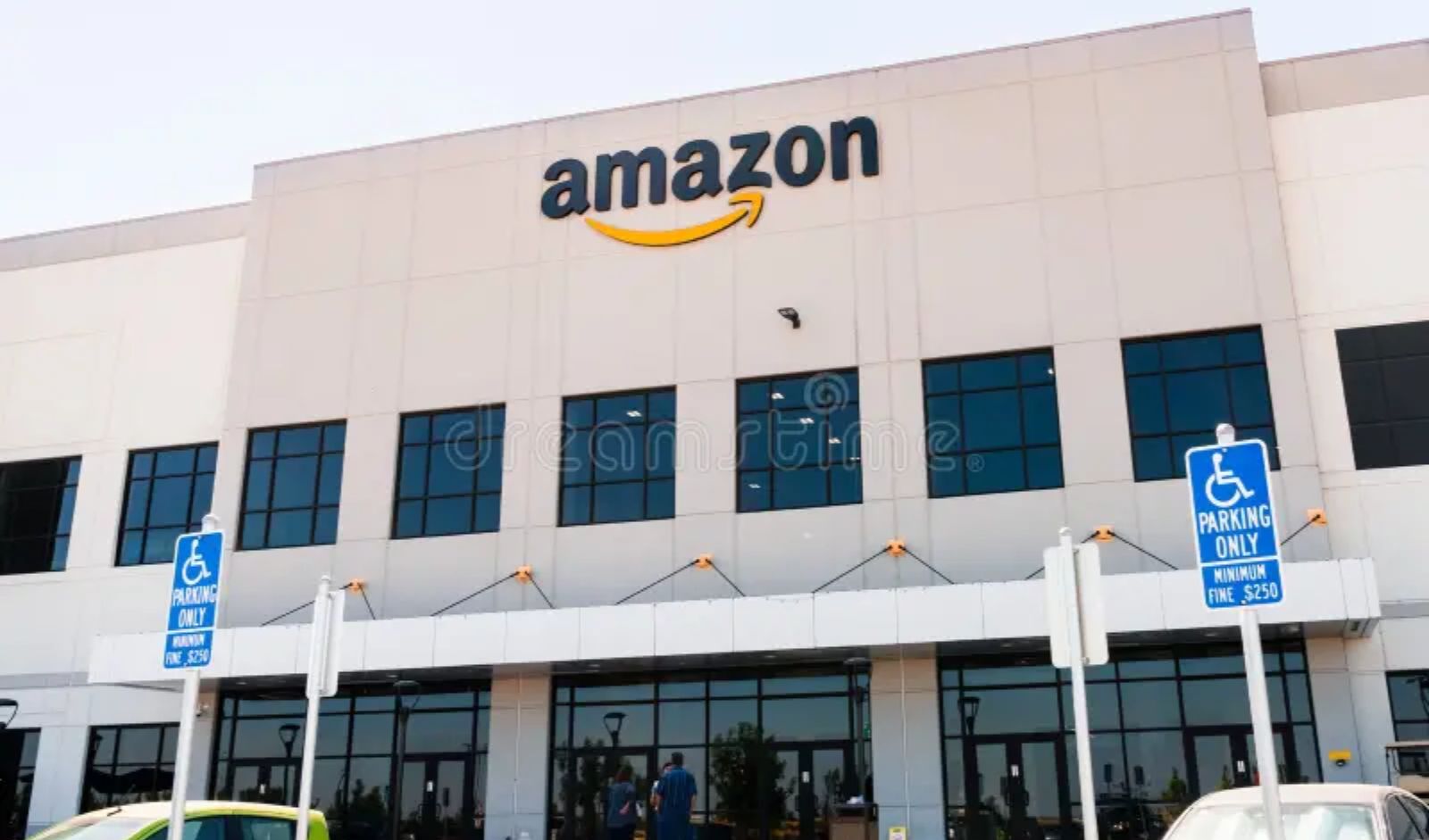
Ahead of the upcoming festive season, Amazon India has announced a significant expansion of its operations network with the launch of 12 new fulfillment centers (FCs) and the expansion of six existing FCs, adding a combined 8.6 million cubic feet of incremental storage capacity. The company said this expansion is equivalent to 100 Olympic-sized swimming pools of storage space.
This development marks the first Amazon fulfillment center in five cities — Hooghly, Tiruvallur, Krishnagiri, Visakhapatnam, and Hubballi. Additionally, the e-commerce giant is launching six new sort centers (SCs) in Hubli, Trivandrum, Rajpura, Gorakhpur, Moradabad, and Prayagraj, spread across 500,000 sq. ft.
The expansion builds on Amazon’s earlier announcement in June this year, when it unveiled five fulfillment centers and over 30 last-mile delivery stations, further strengthening one of India’s most advanced e-commerce logistics networks. The new sites will be operated and managed by strategic logistics partners, which the company said will significantly improve delivery speeds for customers nationwide.
“As India gets ready for the festive season, we are readying ourselves to enable sellers to serve customers across the country. The 12 new fulfillment centers and 6 new sort centers will significantly boost our ability to provide customers across the country, the fastest, safest, and most reliable deliveries. Our long-term focus remains on building and managing one of India’s leading logistics networks, focused on speed, safety, and reliability, that reaches customers in every single pin-code across India," said Abhinav Singh, VP Operations India & Australia at Amazon.
Earlier in 2025, the company also committed an additional Rs. 2,000 crore investment to strengthen its operations network. This investment will be used to expand infrastructure, enhance associate safety and well-being programs, and develop advanced tools and technologies for its fulfillment network. The move underscores Amazon’s ongoing effort to deliver to every serviceable pin code across India.
With these expansions and seasonal hirings, Amazon India is positioning itself to meet heightened demand during the festive season while also contributing to regional job creation and economic growth.
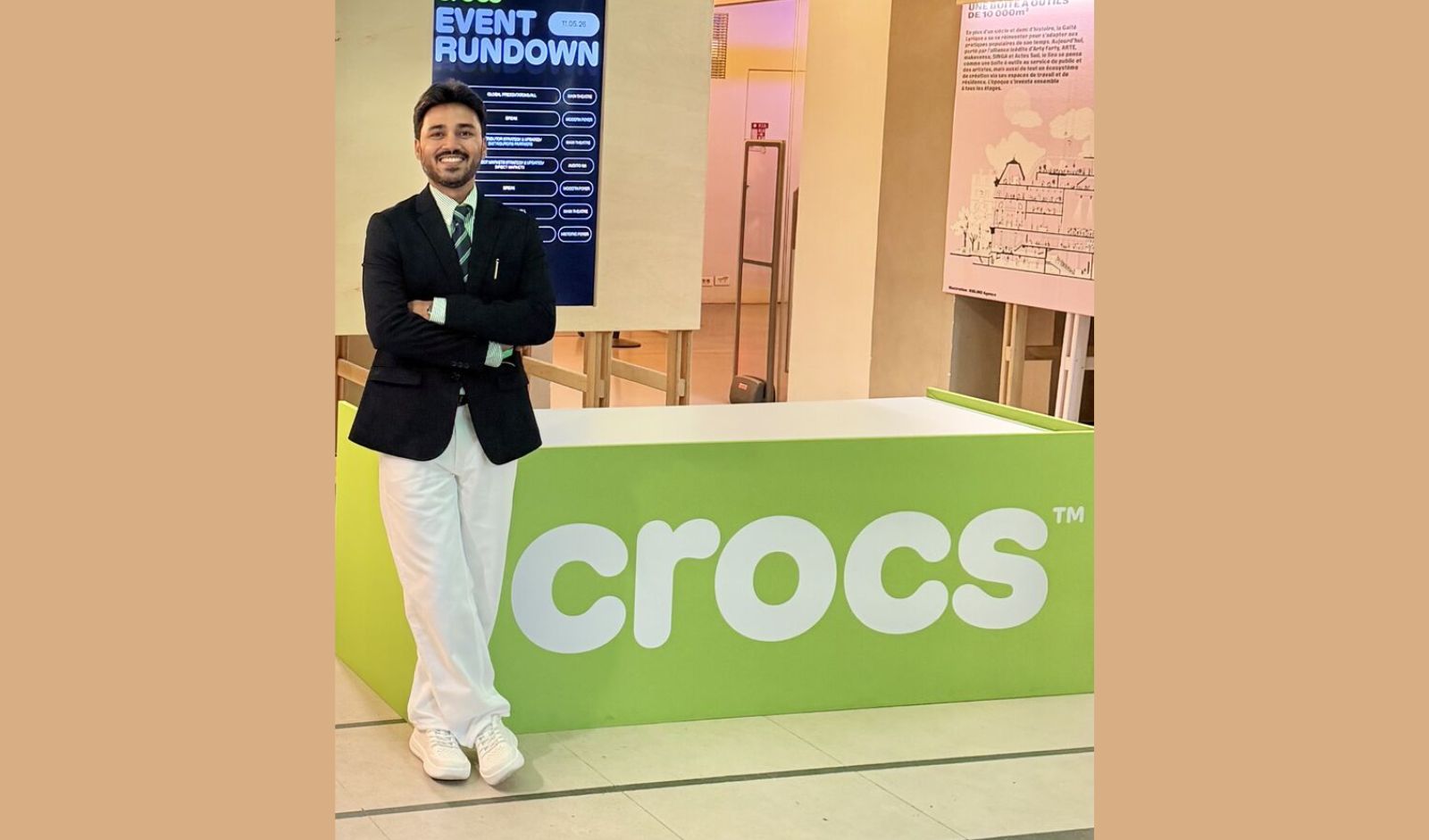
Footwear brand Crocs has named Kumar Harshit as Commercial Director – Retail & Wholesale for its India operations. The appointment comes as the company strengthens its leadership team while expanding its footprint in the Indian market.
In his new position, Harshit will lead Crocs' retail and wholesale operations across India and hold end-to-end profit and loss responsibility for its brick-and-mortar business. His role will cover company-owned stores, partner-operated outlets and wholesale distribution, with a focus on driving commercial growth and strengthening the brand's presence in the country.
Harshit highlighted the growth potential of the Indian market for Crocs. He indicated that his priorities would include improving the consumer experience and developing the commercial capabilities required to support the company's expansion strategy.
Harshit brings nearly two decades of experience in the fashion and footwear sectors. Prior to joining Crocs, he spent close to 17 years with Aditya Birla Fashion and Retail Ltd., taking on multiple leadership positions across retail, merchandising and sales.
Most recently, Harshit served as Vice President and Product Merchandise Director for Peter England from July 2025 to March 2026. Before that, he was Retail Director for Reebok India, where he was responsible for overseeing the brand's retail operations nationwide.
During his tenure at Aditya Birla Fashion and Retail, Harshit also managed Van Heusen's retail business across the company's emerging markets portfolio. He previously held the position of National Sales Head – Key Accounts for Louis Philippe and spent nearly nine years managing the brand's sportswear and denim categories.
The leadership appointment comes as Crocs continues to focus on expanding its business in India. The footwear brand is working to strengthen its retail network and support further growth across the market.
Reliance Consumer Products Ltd (RCPL), the FMCG business of Reliance Industries Ltd, recorded more than two-fold revenue growth during the June quarter of FY27, supported by growth across its beverage and daily essentials categories.
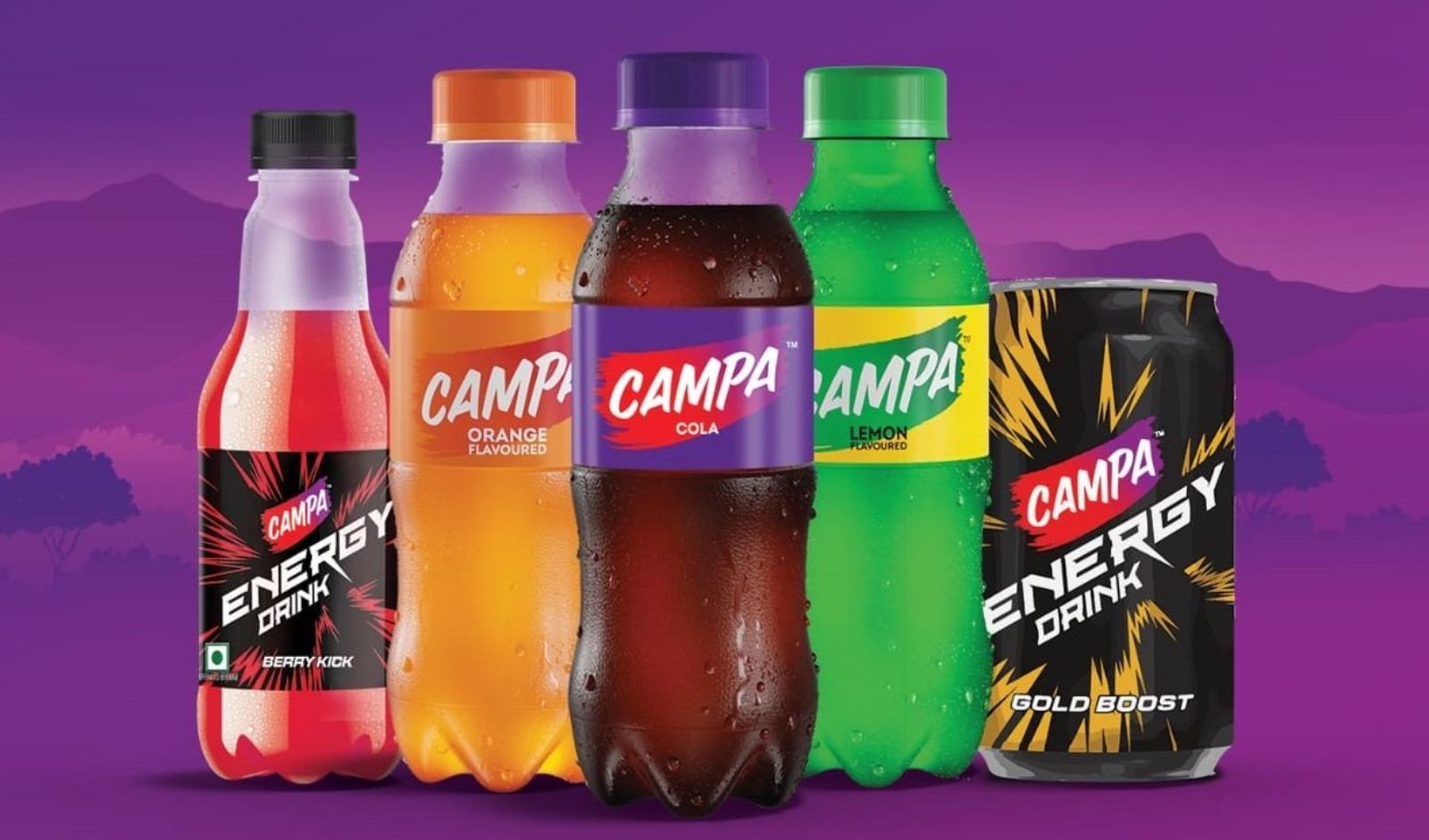
Campa, RCPL’s beverage brand, generated sales of Rs 2,900 crore in the first quarter, accounting for nearly one-third of the company’s overall topline. According to Reliance Industries Ltd’s earnings presentation, the brand delivered almost "50 per cent of FY26 sales in Q1".
Campa, which competes with established beverage companies including Coca-Cola and PepsiCo, also secured a "double-digit market share in key markets".
RCPL is now preparing to introduce Campa beverages in aluminium cans in India by the end of this month. The company has already rolled out Campa cans in Australia through Goodness Group, which was acquired by the Reliance group in February this year.
"We have now officially manufactured Campa cans in Australia. We will be doing a launch at the end of this month," said Ketan Mody, Executive Director, RCPL.
Reliance entered the growing beverage segment in August 2022 following the acquisition of Campa Cola. Since then, the company has been expanding the brand’s footprint across India by strengthening its supply chain, logistics network and bottling infrastructure.
Campa reported gross sales of more than Rs 4,700 crore in FY26 and has emerged as India’s fourth-largest carbonated soft drinks brand, with a double-digit market share.
The company’s daily essentials business, led by the Independence brand, posted sales of Rs 3,200 crore during the June quarter. Other FMCG segments, including home and personal care, processed foods, confectionery and chocolates, have also begun contributing to the company’s growth.
"Home care, personal care, processed food, confectionery, chocolates, everything has started kind of giving us good growth. this is where we feel a lot of growth would be coming during the next quarters. We continue our focus on pan-India distribution," added Mody.
RCPL is also strengthening its distribution network across India. The company currently works with more than 5,000 distributors and reaches over 3 million retail outlets.
"More than 80 percent of our sales are through external channels. And internationally, now we reach more than 40 markets," said Mody.
Earlier in June, Reliance Industries said it expects RCPL to achieve revenue of Rs one lakh crore ( $10.5 billion) over the next four years.
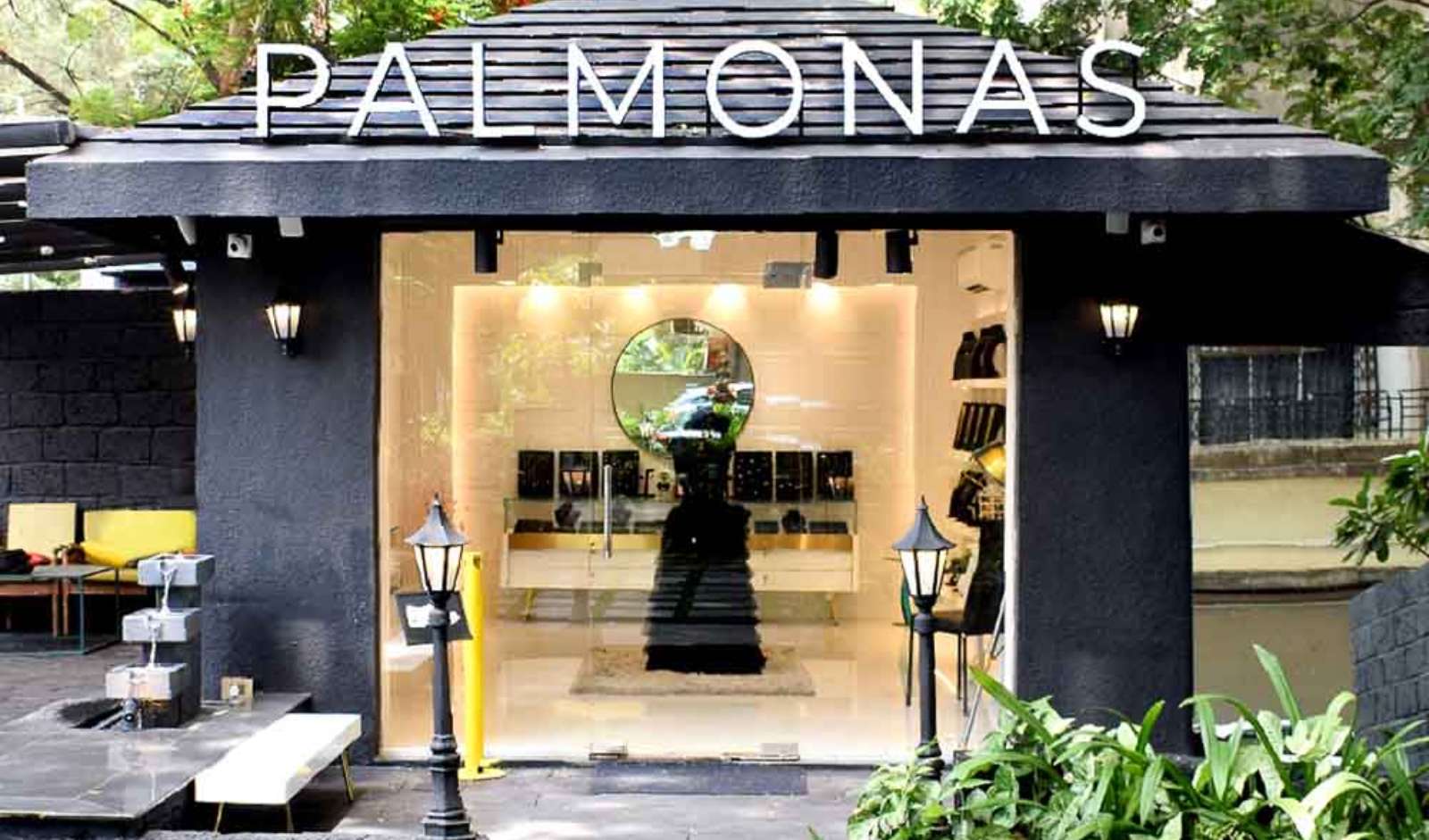
Zithara.AI, an AI-native customer engagement platform for offline retailers, has entered into a strategic partnership with jewellery brand Palmonas to strengthen customer engagement across its retail operations through data-driven solutions. As part of the collaboration, Palmonas will deploy Zithara.AI's AI-native CRM platform to bring customer data from multiple touchpoints onto a single platform. The system will enable customer segmentation, automated engagement workflows, and personalised communication to improve customer retention and encourage repeat purchases.
The company said the deployment is designed to create a more structured approach to customer engagement as Palmonas continues to expand its retail footprint. The integration will also help the brand collect and analyse customer data across both online and offline channels, enabling targeted campaigns, timely follow-ups, and personalised communication throughout the customer journey. The platform is expected to support better conversion of digital enquiries into store visits while strengthening customer retention and improving engagement across retail locations.
Hitesh Magoo, CMO, Demifine Fashion Pvt Ltd said, "At Palmonas, our focus has always been on creating meaningful customer experiences while expanding our retail presence. As more customers discover brands through digital channels, one of the biggest opportunities for offline retailers is converting that interest into store walk ins and lasting customer relationships. We were looking for a platform that could intelligently manage customer engagement across multiple stores while helping us improve walk in conversions and long term customer retention. Zithara.AI's AI native platform aligns with these objectives by enabling more personalised customer interactions that support stronger conversions, increased store walk ins, and sustainable revenue growth. We look forward to leveraging its capabilities to build deeper customer relationships as we continue to scale our retail footprint."
Varun Kashyap, Co-Founder, Zithara.AI said, "We are pleased to partner with Palmonas as they continue to expand their retail presence. Our platform is built to help brands organise and leverage their customer data to drive structured, consistent, and personalised engagement. This partnership reflects the growing focus among offline retailers on using technology to strengthen customer relationships and improve retention."
Sridevi Reddy, Co-Founder, Zithara.AI added, "Our focus is on enabling offline retailers to become more data driven and customer centric. Through this partnership, we aim to help Palmonas build stronger customer connections and deliver more personalised experiences at scale."
The partnership reflects the increasing adoption of AI-powered customer engagement tools among offline retailers looking to improve customer retention and operational efficiency. By integrating Zithara.AI's platform, Palmonas aims to build a more connected and scalable customer engagement framework to support its expansion plans.
Havells India Ltd reported a 16.64 percent decline in consolidated net profit for the first quarter ended June 30, 2026, as higher raw material costs and increased spending on advertising and promotions weighed on earnings despite strong revenue growth. The company posted a consolidated net profit of Rs 289.71 crore during the quarter, compared with Rs 347.53 crore in the corresponding period last year. Revenue from operations increased to Rs 6,518.19 crore, up from Rs 5,455.35 crore a year earlier.
Total expenses for the quarter rose to Rs 6,180.06 crore, compared with Rs 5,054.78 crore in the same quarter last year. The cost of raw materials and components increased sharply to Rs 4,023.54 crore from Rs 3,012.26 crore, reflecting higher input costs linked to the ongoing West Asia conflict. Advertising and sales promotion expenses also increased to Rs 286.51 crore, compared with Rs 142.9 crore in the year-ago period.
In its investor presentation, Havells said demand remained resilient during the quarter despite inflationary pressures and uncertainties arising from the West Asia conflict. The company added that it implemented calibrated and staggered price increases across product categories to offset higher raw material costs.
According to the company, the June quarter witnessed a reasonably strong summer season, although the delayed onset limited the full benefit for its cooling products business. It also noted that the significant increase in advertising and promotional spending affected profitability despite healthy revenue growth.

What is Brandformance?
Brandformance is a marketing strategy that combines brand building with performance marketing to increase brand awareness while delivering measurable business results such as sales, leads, conversions, and customer acquisition. It helps retailers balance long-term brand growth with short-term revenue generation.
Origin
The term Brandformance is a combination of "Brand" and "Performance." It gained popularity as businesses began integrating branding campaigns with data-driven marketing to maximise both customer engagement and return on investment (ROI).
Usage in Retail
Retailers use brandformance across digital channels like search, social media, marketplaces, influencer marketing, and connected TV to build brand visibility while driving measurable outcomes. It enables brands to optimise campaigns using customer insights, improve marketing ROI, and create consistent omnichannel experiences.
Examples of Brandformance
- A fashion brand partners with influencers while running targeted ads that drive online purchases.
- A beauty retailer combines storytelling campaigns with performance ads to boost engagement and conversions.
- An electronics brand launches festive campaigns supported by retargeting ads to increase sales and brand recall.
Why It Matters
Brandformance helps retailers create campaigns that not only strengthen brand equity but also generate measurable business growth. It improves marketing efficiency, enhances customer loyalty, and ensures every marketing investment contributes to both brand value and revenue.
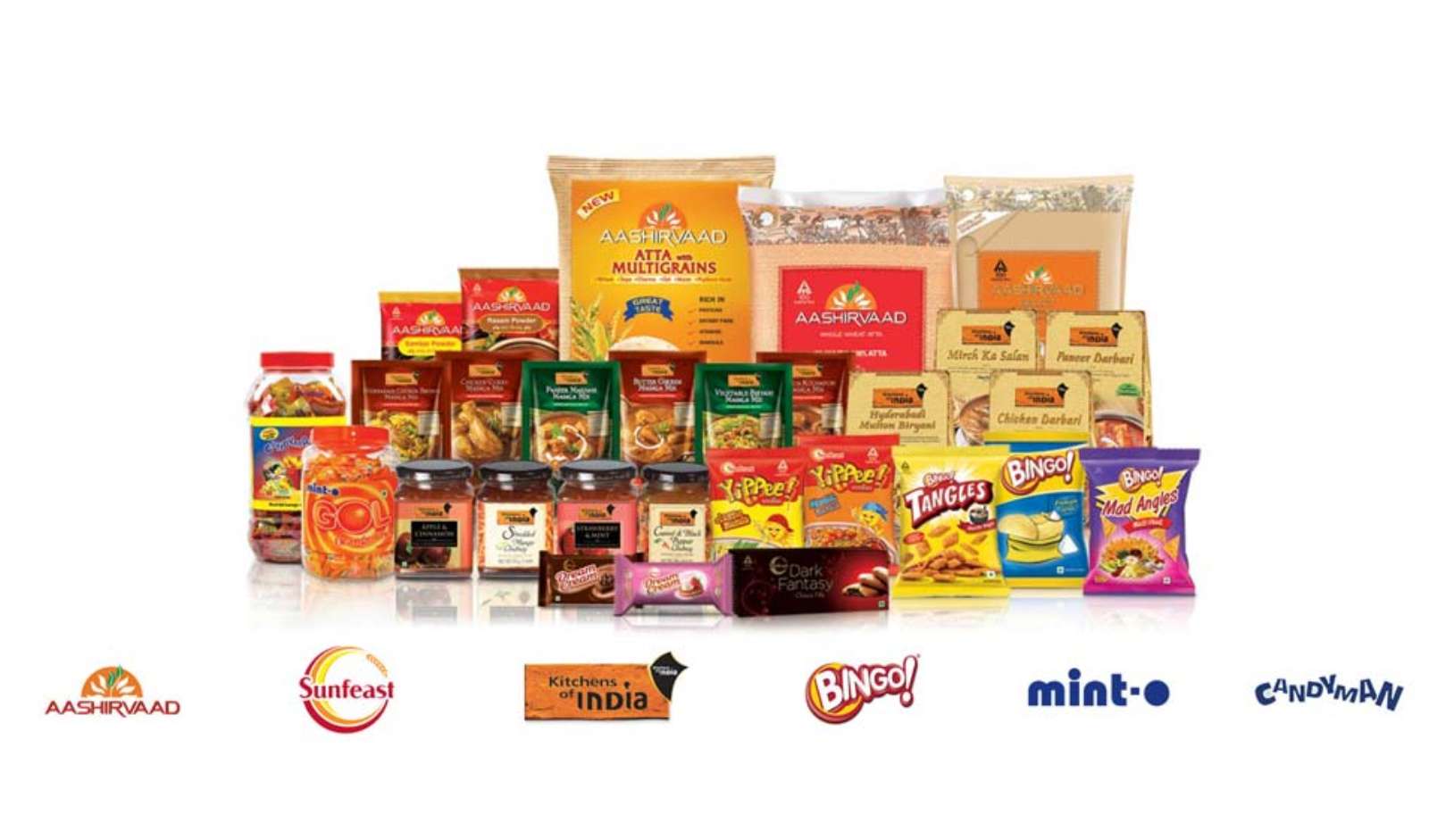
ITC expects consumer demand to strengthen in the second half of FY26, supported by the festive season, increasing premiumisation across urban and rural markets, and growing demand for health-oriented food products, according to Hemant Malik, Executive Director and Chief Executive of the company's Foods Business. While highlighting a positive demand outlook, Malik also pointed to higher edible oil prices and weather-related uncertainties as factors the company continues to monitor. However, he said overall consumption trends have improved and are likely to remain positive.
"We have seen improvement, and I think the improvement should continue. Everything is not always linear. There might have been pent-up demand, which is coming up now, so I am hopeful that it will continue," Malik mentioned in a report.
He noted that the second half of the financial year has traditionally been a stronger period for consumer spending in India due to the festive season, adding that product innovation and premiumisation will continue to support growth.
"I think the last six months are better months for the country," Malik said, while highlighting innovation and premiumisation as key growth drivers.
According to Malik, consumer preferences are shifting towards premium and super-premium products, with the trend extending beyond urban markets into rural India.
"When we do some store-level checks, we find that the portfolio of products available in rural is fairly similar to urban. Rural India is also seeing premiumisation, and even super-premium products are growing," he said on the sidelines of an event hosted by industry body FICCI.
Referring to data from consumer research firms, Malik said, "The shift of premium product usage in rural, super premium usage has moved from 30 percent to 42 percent."
He added that purchasing decisions are increasingly driven by product quality and value rather than price alone.
"The consumer is no longer buying just because of price. They understand quality, they understand the reason to purchase, and that is an opportunity for manufacturers and brand people to really think and understand the consumer," he said.
On commodity costs, Malik said edible oil prices remain elevated and continue to be an area of concern for the company.
"Prices still remain on the higher side, and with Hormuz trade again being closed, we will have to see what happens. That is one stress point from a commodity perspective," he said.
He also said ITC is keeping a close watch on the possible impact of El Nino and other weather-related developments, although improved monsoon conditions during July have been encouraging. Speaking about the company's health and wellness strategy, Malik said consumers are increasingly looking for products that combine nutrition with taste, prompting ITC to expand its portfolio in the category.
He highlighted products such as Yoga Bar, high-protein atta, sugar-free biscuits, and the recently launched Be Natural Coconut Cola, while adding that more health-focused offerings, including protein drinks, are under development.
"Consumer is looking for health and taste. Consumer is reading the back label and wants to understand what exactly the product is offering. The role of brands in building trust is becoming even more important," Malik said.
ITC's packaged foods portfolio includes brands such as Aashirvaad, Sunrise, Bingo!, Sunfeast, Fabelle, Sunbean, Yippee!, B Natural, ITC Master Chef and Farmland.
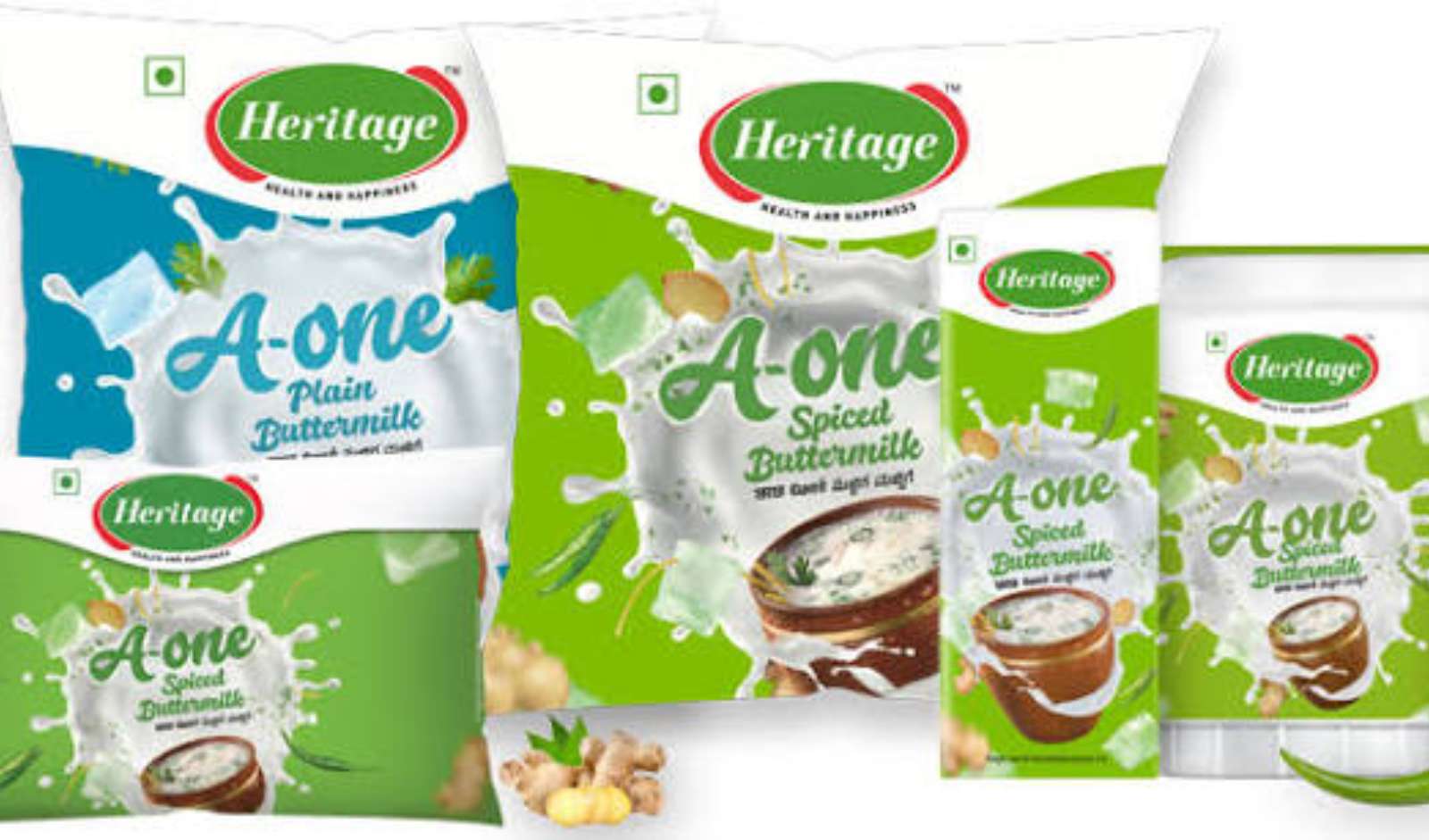
Heritage Foods Ltd. has reported its highest-ever quarterly consolidated revenue of Rs 1,338.1 crore for the quarter ended June 30, 2026. The company recorded an 18 percent year-on-year growth, supported by continued demand for its value-added dairy products despite higher raw milk prices and supply constraints.
Revenue from the company's value-added products (VAP) business increased 39.7 percent year-on-year to Rs 563.6 crore, accounting for a record 44 percent of total revenue during the quarter, compared to 36 percent in the same period last year. Milk procurement volumes grew 2 percent year-on-year to 18.10 lakh litres per day (LLPD). However, the average procurement cost rose 7.2 percent to Rs 46.61 per litre due to industry-wide milk price inflation. The average milk selling price increased 4 percent year-on-year to Rs 58.68 per litre, following calibrated price revisions.
The company recorded growth across several value-added categories during the quarter. Paneer sales increased 33 percent, curd 26 percent, buttermilk 60 percent, lassi 98 percent, and ice cream 25 percent. Heritage Foods' ice cream business, including its GETAWAY brand, generated more than Rs 55 crore in revenue during the quarter, registering 65 percent year-on-year growth.
As part of its business expansion strategy, Heritage Foods acquired the remaining 5.6 percent stake in Heritage Novandie Foods Ltd, making it a wholly owned subsidiary. The company also increased its stake in Peanut Butter and Jelly Ltd to 71 percent. The consumer ghee and butter portfolio posted 39.3 percent year-on-year growth, generating Rs 632.2 crore in revenue and contributing 49 percent of the company's overall revenue. Heritage Nutrivet Ltd, the company's wholly owned subsidiary, reported revenue of Rs 72.8 crore, up 37 percent year-on-year, with a profit before tax of Rs 2 crore.
During the quarter, Heritage Foods expanded its product portfolio with premium creamy shakes in Badam and Mango flavours. The company also said its Nourish+ High Protein Paneer has continued to gain consumer acceptance since launch and now contributes more than 15 percent of the overall paneer portfolio.
Brahmani Nara, Executive Director, Heritage Foods said, "We are pleased to report another quarter of strong execution, with Heritage Foods delivering record quarterly revenue of Rs 13,381 million, up 18 percent YoY, while our value-added products portfolio, reached an all-time high contribution of 44 percent of revenues. This performance reflects the strength of our integrated dairy model, resilient consumer franchise, expanding Value-Added Products portfolio, and disciplined execution across the value chain. The quarter was marked by elevated milk procurement costs and constrained milk availability across the industry. Despite these headwinds, we prioritized strengthening our procurement ecosystem, expanding market share, and accelerating the growth of our Value-Added Products portfolio, even as input cost inflation temporarily weighed on profitability."
One 97 Communications Ltd, the parent company of Paytm, reported an increase in domestic ownership during the quarter ended June 30, 2026, with Indian investors holding approximately 51.6 percent of the company's shares, according to its latest shareholding pattern filed with the stock exchanges.
The increase from 50.3 percent in the previous quarter reinforces Paytm's status as an Indian-Owned and Controlled Company (IOCC), which it first achieved in March 2026. The latest filing indicates continued participation from long-term domestic institutional and non-institutional investors.
Domestic institutional ownership reached an all-time high of 24.9 percent in Q1 FY27, compared to 23.1 percent in the previous quarter. Mutual funds accounted for much of the increase, raising their combined holding to 17.9 percent from 16.6 percent. The number of mutual funds invested in the company also increased to 43, up from 41 in the previous quarter.
Among the domestic mutual funds that increased their holdings were Motilal Oswal Mutual Fund, Bandhan Mutual Fund, Nippon Mutual Fund, Mirae Asset Fund and Kotak Mutual Fund. Domestic insurance companies also expanded their stake, taking combined ownership to 5.3 percent from 5.1 percent, with SBI Life Insurance among the key contributors.
The rise in domestic ownership follows an improvement in the company's financial performance. In FY26, Paytm reported its first full-year profit, posting a profit after tax of Rs 552 crore. Revenue from operations grew 22 percent year-on-year to Rs 8,437 crore, while EBITDA stood at Rs 502 crore, improving by Rs 2,008 crore compared to the previous year.
The company also received positive commentary from global brokerage Goldman Sachs last month. The brokerage increased its revenue estimates by 2 percent and EBITDA estimates by up to 6 percent, citing gains in the payments business and continued growth in financial services. It also noted that Paytm's valuation could improve further if the company sustains revenue growth of more than 20 percent.
The latest shareholding data reflects continued interest from domestic institutional investors as the company reports stronger financial performance and profitability.

Polycab India reported a 32.8 percent year-on-year increase in consolidated net profit for the quarter ended June 30, 2026, supported by strong growth in revenue across its core businesses. The company's consolidated net profit rose to Rs 796.65 crore in the first quarter of FY27, compared to Rs 599.70 crore in the corresponding quarter last year.
Revenue from operations increased 39 percent to Rs 8,209.73 crore, up from Rs 5,905.98 crore a year earlier. Total income also grew 38.9 percent to Rs 8,314.65 crore. On a sequential basis, net profit was up 1.4 percent from Rs 785.60 crore reported in the quarter ended March 31, 2026. However, revenue from operations declined 7.4 percent to Rs 8,864.48 crore. The company said the March quarter figures were balancing numbers between its audited annual results and published nine-month financials.
Material Costs Increase
Total expenses rose 39.9 percent year-on-year to Rs 7,256.42 crore, compared to Rs 5,185.33 crore in the same period last year. Total material costs, including raw materials, stock-in-trade purchases, inventory changes, and project costs, increased 44.8 percent to Rs 6,252.01 crore. The cost of materials consumed alone rose 55.6 percent to Rs 6,512.35 crore.
Employee benefit expenses increased 19.5 percent to Rs 261.48 crore, while finance costs rose 56.1 percent to Rs 80.02 crore. Depreciation and amortisation expenses were up 20 percent at Rs 102.87 crore. Profit before tax increased 32.2 percent to Rs 1,058.22 crore, compared to Rs 800.59 crore in the year-ago quarter. The profit-before-tax margin narrowed to 12.9 percent from 13.6 percent. Basic earnings per share increased to Rs 52.09 from Rs 39.36, while diluted earnings per share rose to Rs 51.94 from Rs 39.21.
Wires and Cables Remain the Key Growth Driver
Revenue from Polycab's wires and cables business, its largest segment, increased 37.7 percent year-on-year to Rs 7,201.79 crore from Rs 5,228.65 crore. Segment profit rose 24.9 percent to Rs 959.39 crore. Sequentially, revenue from the segment declined 7.2 percent, while segment profit fell 5.8 percent.
The fast-moving electrical goods (FMEG) business reported 67.6 percent growth in revenue to Rs 761.15 crore. Segment profit increased to Rs 60.63 crore from Rs 9.55 crore in the same quarter last year. Revenue from the engineering, procurement, and construction (EPC) business declined 11.4 percent to Rs 307.74 crore. However, segment profit increased 26.4 percent to Rs 33.83 crore.
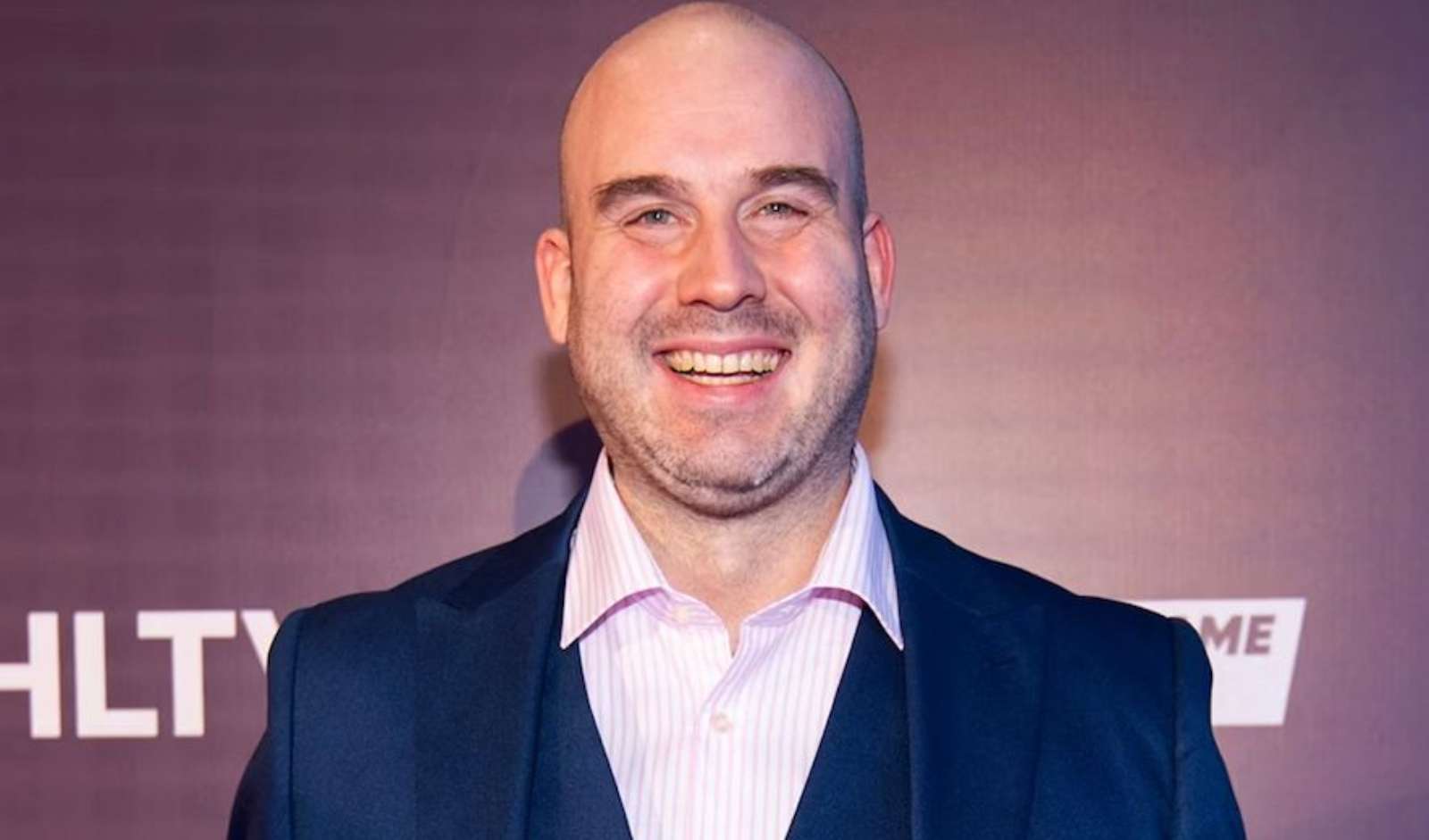
NODWIN Gaming has appointed Teemu Koski as the Chief Executive Officer of NODWIN Gaming MENA, effective July 1, 2026. In his new role, Koski will oversee the company's strategy, operations, business development, and expansion across the Middle East and North Africa (MENA). He will report to Merlin Wiedeking, CEO, NODWIN Gaming International.
Koski joined NODWIN Gaming in August 2025 as Chief Business Officer, MENA, where he led commercial partnerships, business development initiatives, and the company's data business across the region. He worked with publishers, media rights holders, technology partners, and commercial stakeholders to expand NODWIN Gaming's presence in MENA.
Alongside leading the MENA business, Koski will continue to oversee the company's global data monetisation operations. He will work with publishers, tournament operators, brand partners, and technology providers to strengthen the commercial value of esports data rights across NODWIN Gaming's international network. Before joining NODWIN Gaming, Koski spent more than 15 years at Elisa Corporation, where he founded and led Elisa Esports, helping develop the company's esports business in Europe.
Teemu Koski, CEO, NODWIN Gaming MENA said, "The MENA region is entering a defining period for gaming, esports, and youth entertainment, and the opportunity ahead is enormous. Over the past year, I've had the chance to work with an incredible team and partners across the region, and that has only strengthened my belief in what we can build together. As we look ahead, my focus is on growing a business that's deeply rooted in the region while bringing together publishers, brands, creators, governments, and technology partners to unlock new opportunities. Alongside leading our MENA business, I'm also looking forward to continuing our work around global data monetization and helping create even greater value across NODWIN's international ecosystem."
Merlin Wiedeking, CEO, NODWIN Gaming International added, "One of the things that stands out about Teemu is his ability to build businesses through strong relationships and a deep understanding of the market. As NODWIN continues to grow across international markets, we're focused on empowering local leadership that understands the people, the culture, and the opportunities within each region. MENA is one of our most important growth markets, and I'm looking forward to working closely with Teemu as we deepen our presence, build new partnerships, and create long-term value across the region."
The appointment is part of NODWIN Gaming's international expansion strategy as the company continues to strengthen its presence across gaming, esports, creator ecosystems, and live entertainment in emerging markets.
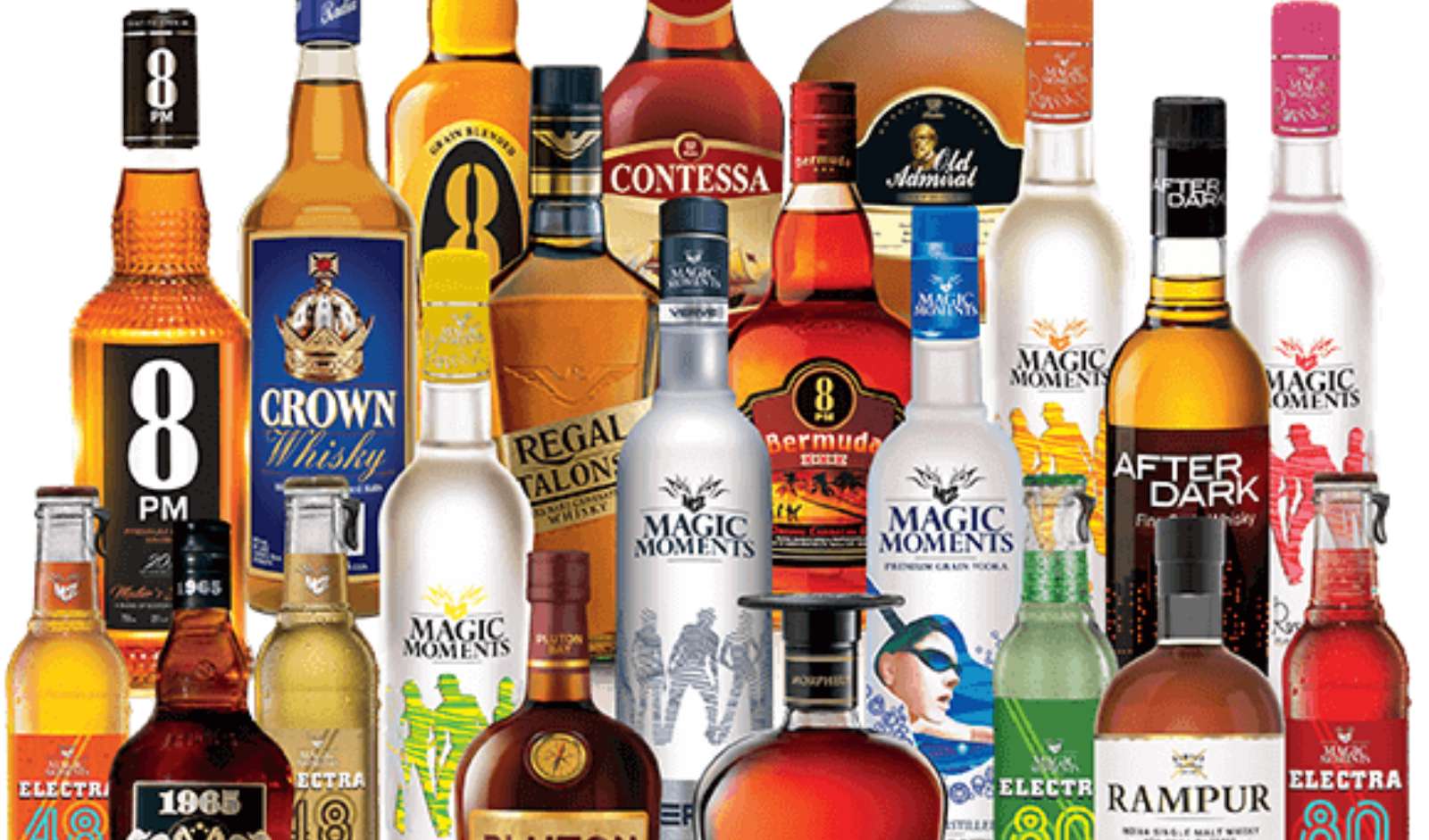
Radico Khaitan is aiming for another year of growth in its premium liquor business, with Managing Director Abhishek Khaitan saying the company expects its premium portfolio to grow by more than 20 percent during the current financial year. The company also plans to enter the tequila segment later this year as part of its premium expansion strategy.
According to a report, Khaitan said Radico Khaitan's luxury portfolio is expected to grow by more than 25 percent this fiscal. He added that the company remains focused on improving profitability despite inflationary pressures on packaging materials.
Khaitan said consumer demand in India continues to shift towards premium spirits, with vodka emerging as one of the fastest-growing categories. He noted that the company's flagship vodka brand, Magic Moments, sold 3.25 million cases during the April-June quarter, registering 43 percent growth compared to the same period last year. It was also the first time the brand crossed one million cases in monthly sales throughout an entire quarter.
He added that vodka's share of the Indian spirits market has increased from about 3.8 percent a year ago to nearly 6 percent, reflecting changing consumer preferences. According to Khaitan, Magic Moments now contributes around 22 percent of the company's total volumes and approximately one-third of its value.
Khaitan also said flavoured variants under the Flavours of India range, including Jamun, Mango, and Thandai, are witnessing steady demand across metropolitan markets as well as Tier II cities.
Highlighting regional consumption trends, he said consumers in states including Uttar Pradesh, Rajasthan, Madhya Pradesh, and Maharashtra are increasingly opting for white spirits. In Uttar Pradesh, vodka's share of alcohol consumption has risen from 10.4 percent in FY25 to nearly 17 percent. As part of its premiumisation strategy, Radico Khaitan plans to launch its tequila brand during the current financial year.
On profitability, Khaitan said the company expects higher sales of premium products to help offset rising costs of glass and tetra packaging. Radico Khaitan is targeting a margin expansion of more than 125 basis points during the fiscal.
Commenting on the India-UK Free Trade Agreement, Khaitan said lower import duties on Scotch whisky are expected to reduce procurement costs. He added that the company plans to import Scotch worth Rs 250-300 crore during the current financial year for blending purposes. Khaitan said premium whisky brands, including Royal Ranthambore, Rampur, and After Dark, continue to record steady demand, supporting the company's long-term focus on premium products.
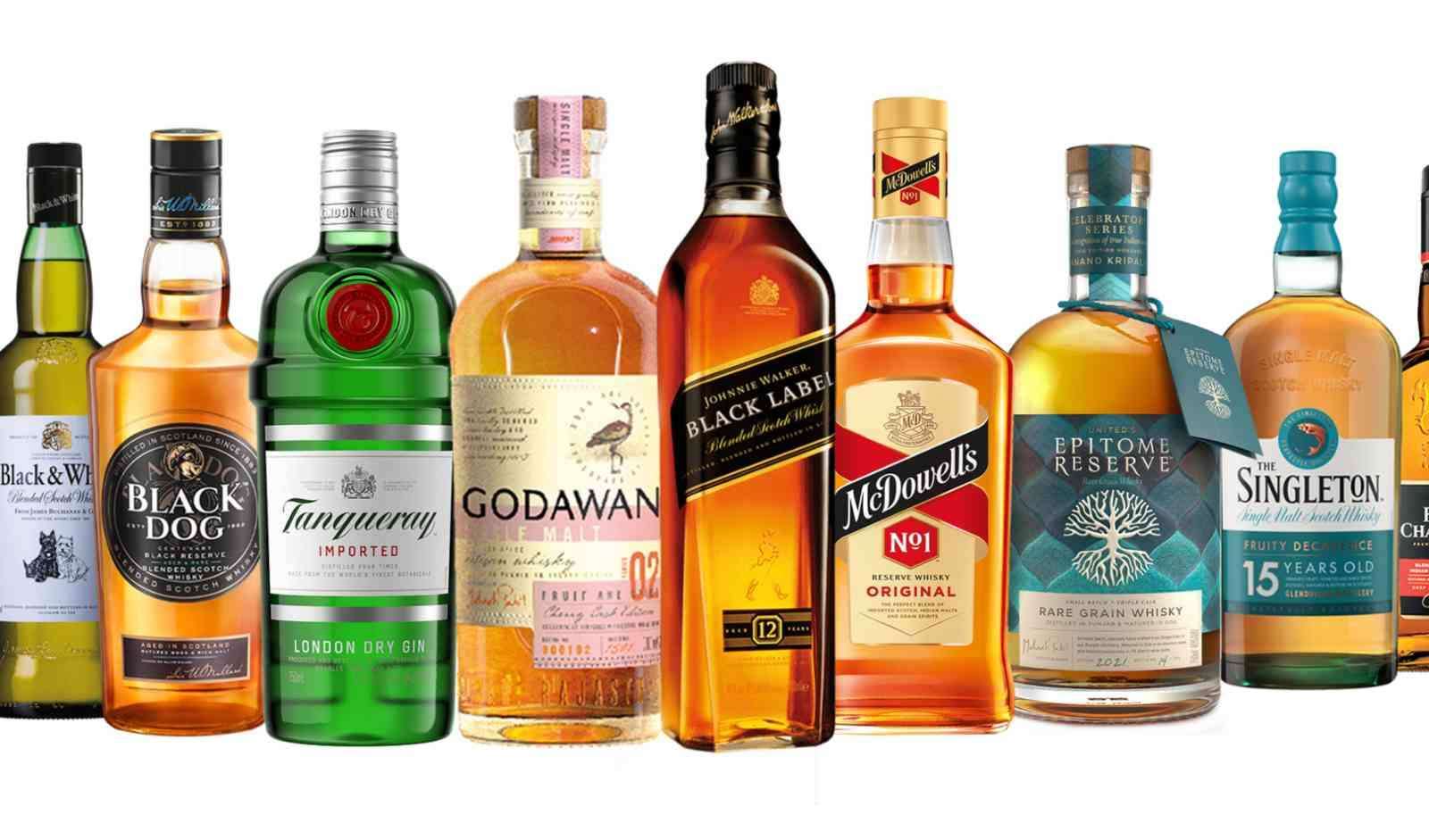
United Spirits Ltd, the Indian subsidiary of Diageo, increased its consolidated advertising and sales promotion expenditure by more than 15 percent in FY26 as it stepped up investments in brand building and strengthened its use of artificial intelligence and data analytics for consumer engagement.
According to the company's annual report, United Spirits spent Rs 1,295 crore on advertising and sales promotion during FY26, compared to Rs 1,121 crore in the previous fiscal. It also incurred Rs 12 crore towards its sports business during the year. The company said its increased marketing investments remained aligned with its long-term profitability objectives.
"Marketing reinvestment remained disciplined and consistent with long-term brand building priorities. Advertising & Promotion remained within the guided range, balancing growth investment with profitability discipline," the company said.
United Spirits added that data, advanced analytics, and artificial intelligence are playing a larger role in how it engages with consumers as demand shifts towards more personalised experiences.
"We are using data, advanced analytics, and artificial intelligence to respond to this change with greater precision. Our digital capabilities help us understand evolving preferences, design more relevant engagements, and deliver targeted communication across digital and physical touchpoints," it said.
The company said its digital strategy includes consumer engagement across cultural events such as Lollapalooza India and the Ziro Festival, along with increased activity across its owned and partner digital platforms. It has also expanded its AI-driven marketing capabilities through real-time consumer insights generated from social listening and analytics, enhanced customer relationship management (CRM) and consumer data platform (CDP) capabilities, integrated omnichannel engagement, and marketing mix modelling to improve media efficiency and advertising returns.
On the financial front, United Spirits reported a 3.86 percent increase in consolidated revenue from operations to Rs 27,816 crore in FY26, compared to Rs 26,780 crore in the previous year. Total income for the fiscal stood at Rs 28,294 crore. The company's premiumisation strategy continued to gain traction during the year. Its Prestige and Above (P&A) portfolio contributed 89.6 percent of net sales value in FY26, an increase of 1.1 percentage points year-on-year, while net sales in the segment grew 8.6 percent. The Popular segment accounted for 9 percent of net sales, down 0.7 percentage points, with net sales declining 0.3 percent.
Looking ahead, United Spirits said it will focus on recovering market share through commercial execution, targeted investments and competitive initiatives. The company added that it will continue investing in premiumisation, strengthening core brands, expanding its on-premise presence and growing its luxury portfolio.
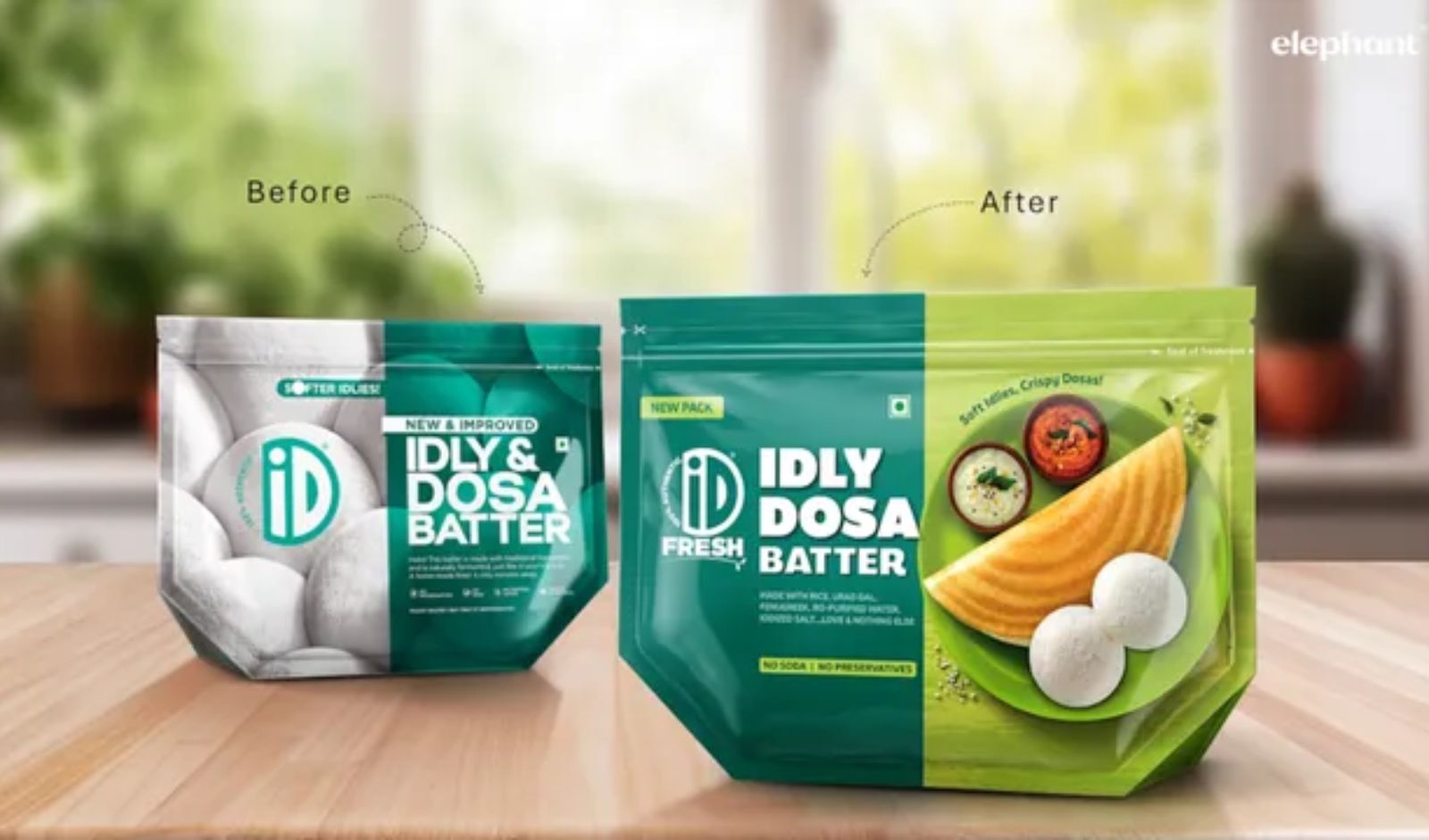
iD Fresh Food has introduced a refreshed packaging design across its product portfolio in partnership with design consultancy Elephant. The updated packaging aims to retain the brand's familiar identity while enhancing shelf visibility and presenting a more contemporary look.
The redesigned packs place greater emphasis on ingredients and product imagery, while introducing a design system that can be adapted across different product categories.
Commenting on the redesign, PC Musthafa, co-founder and CEO, iD Fresh Food, said the company wanted to modernise its packaging without losing the familiarity and trust it has established with consumers.
"Our objective was to refresh the packaging without changing what consumers already associate with iD. Elephant helped us retain the brand's core identity while creating a packaging system that feels more contemporary," added PC Musthafa.
Gaurav Kwatra, CMO, iD Fresh Food, added that the refreshed identity has been developed to create greater consistency across the company's growing portfolio while reinforcing its commitment to trust and transparency.
Ashwini Deshpande, co-founder, Elephant, said the redesign focused on updating the brand's visual language while preserving its recognisable identity. According to her, the revised packaging incorporates typography and ingredient-led imagery to improve product visibility across retail shelves and digital platforms.
Founded in 2005, iD Fresh Food operates in India and several international markets, including the UAE, the US, the UK, Oman and Saudi Arabia. The company said the refreshed packaging will be introduced across its product range in phases.
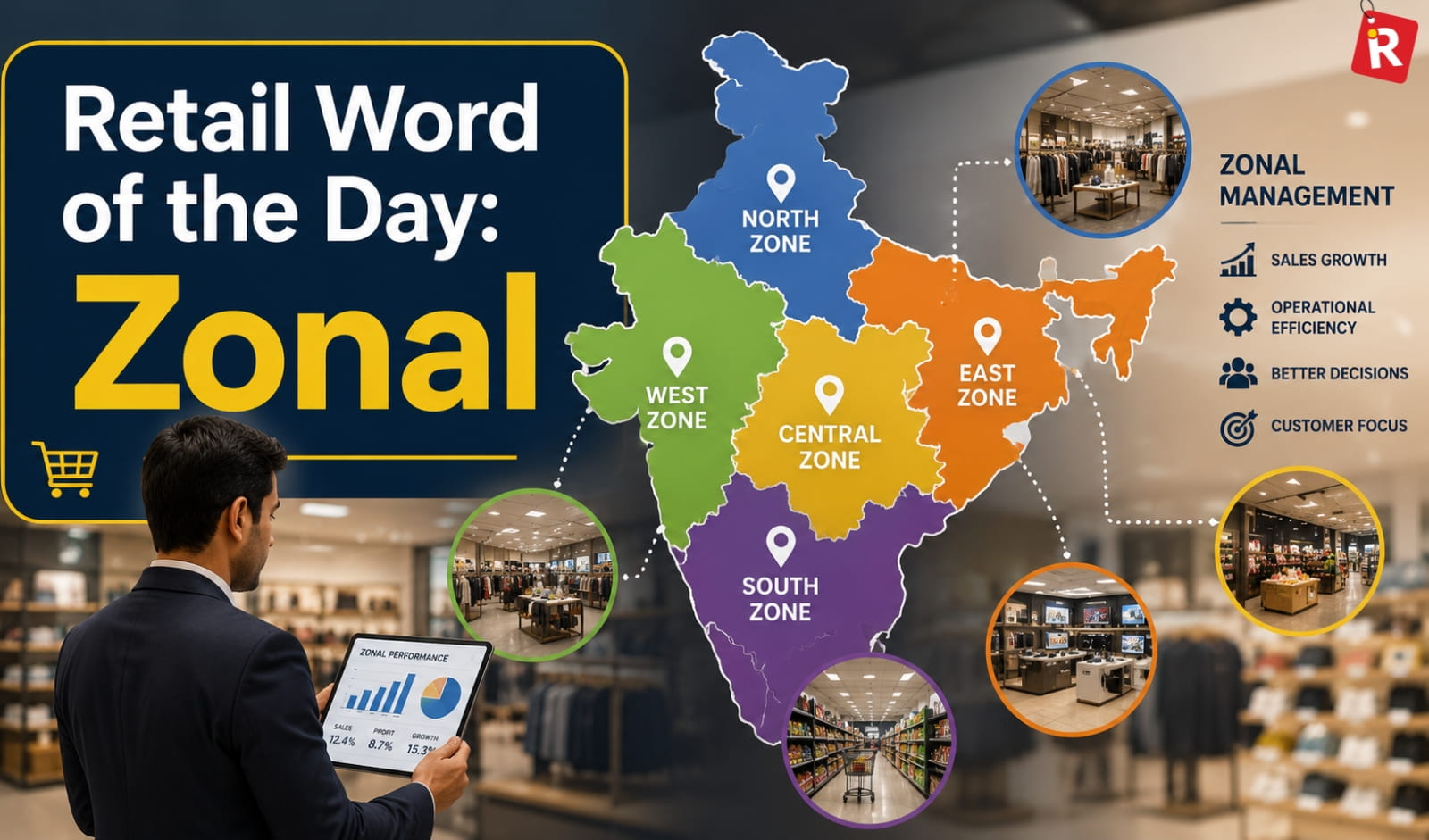
What is Zonal?
Zonal refers to the division of a retail business into specific geographic regions or zones for efficient management, operations, sales, and expansion. Large retail chains often organise their stores into zones—such as North, South, East, West, or Central—to streamline decision-making, improve operational efficiency, and address regional customer preferences.
Each zone is typically overseen by a Zonal Manager, who is responsible for store performance, sales growth, inventory management, staff supervision, and ensuring consistent brand standards across all outlets within the assigned region.
Origin
The term Zonal is derived from the word "Zone," meaning a defined geographic area. As retail businesses expanded across multiple cities and states, companies adopted zonal management structures to improve coordination, maintain operational consistency, and respond more effectively to regional market dynamics.
Today, zonal operations are a core part of modern retail management, particularly for supermarkets, fashion retailers, electronics chains, QSR brands, and omnichannel businesses with a nationwide presence.
Usage in Retail
Retail companies use a zonal structure to manage regional sales, monitor store performance, coordinate inventory distribution, execute local marketing campaigns, and ensure operational compliance. Zonal teams also analyse customer buying behaviour, seasonal demand, and regional trends to optimise merchandising and business strategies.
This approach enables retailers to make faster decisions while maintaining consistent service quality and operational excellence across multiple locations.
Examples of Zonal
A national supermarket chain appoints separate Zonal Managers for North, South, East, and West India to oversee store operations and sales performance. A fashion retailer launches a regional marketing campaign exclusively for its South Zone based on local customer preferences. An electronics brand evaluates inventory and sales performance zone-wise to improve product availability during festive seasons.
These examples demonstrate how zonal management helps retailers efficiently operate large store networks across diverse markets.
Why It Matters
A zonal management structure enables retailers to scale operations while maintaining better control over regional performance. It improves decision-making, enhances supply chain coordination, supports localised marketing strategies, and helps businesses respond quickly to changing customer demands. As retailers continue expanding into new cities and regions, effective zonal management plays a vital role in driving operational efficiency, customer satisfaction, and sustainable business growth.

At-home beauty and wellness platform Yes Madam has introduced instant salon and spa services, enabling customers to book professionals who can reach their homes within minutes. While instant spa services are now available across all cities where the company operates, instant salon services have initially been launched in select metro markets.\
The average fulfilment time for instant bookings is less than 30 minutes. Within the first month of the rollout, Yes Madam completed more than 30,000 instant service bookings. The platform currently handles over 3.5 lakh bookings every month.
The launch comes as consumer demand continues to grow for faster, on-demand services across sectors such as food delivery, mobility and grocery. Through the new offering, the company aims to provide quicker access to services including waxing, facials, massages and grooming for customers with urgent requirements, while creating additional earning opportunities for its service partners.
To support the rollout, Yes Madam has enhanced its technology platform to match customer requests with nearby professionals based on location, availability and service expertise, helping reduce response time while maintaining operational efficiency.
Aditya Arya, Co-founder and CEO, Yes Madam shared, "Yes Madam has consistently been a disruptor in the at-home beauty and wellness industry. We introduced mono-dose kits to improve hygiene and brought greater pricing transparency by separating product and service costs at a time when no one else in the industry was doing so. We are once again redefining the industry by becoming the only at-home beauty and wellness platform offering instant salon and spa services at this scale. We believe convenience is becoming a vital expectation across different services, and beauty and wellness should be no different.”
The company said it plans to gradually expand instant salon services to more cities while continuing to invest in technology and operational capabilities aimed at reducing fulfilment times further.
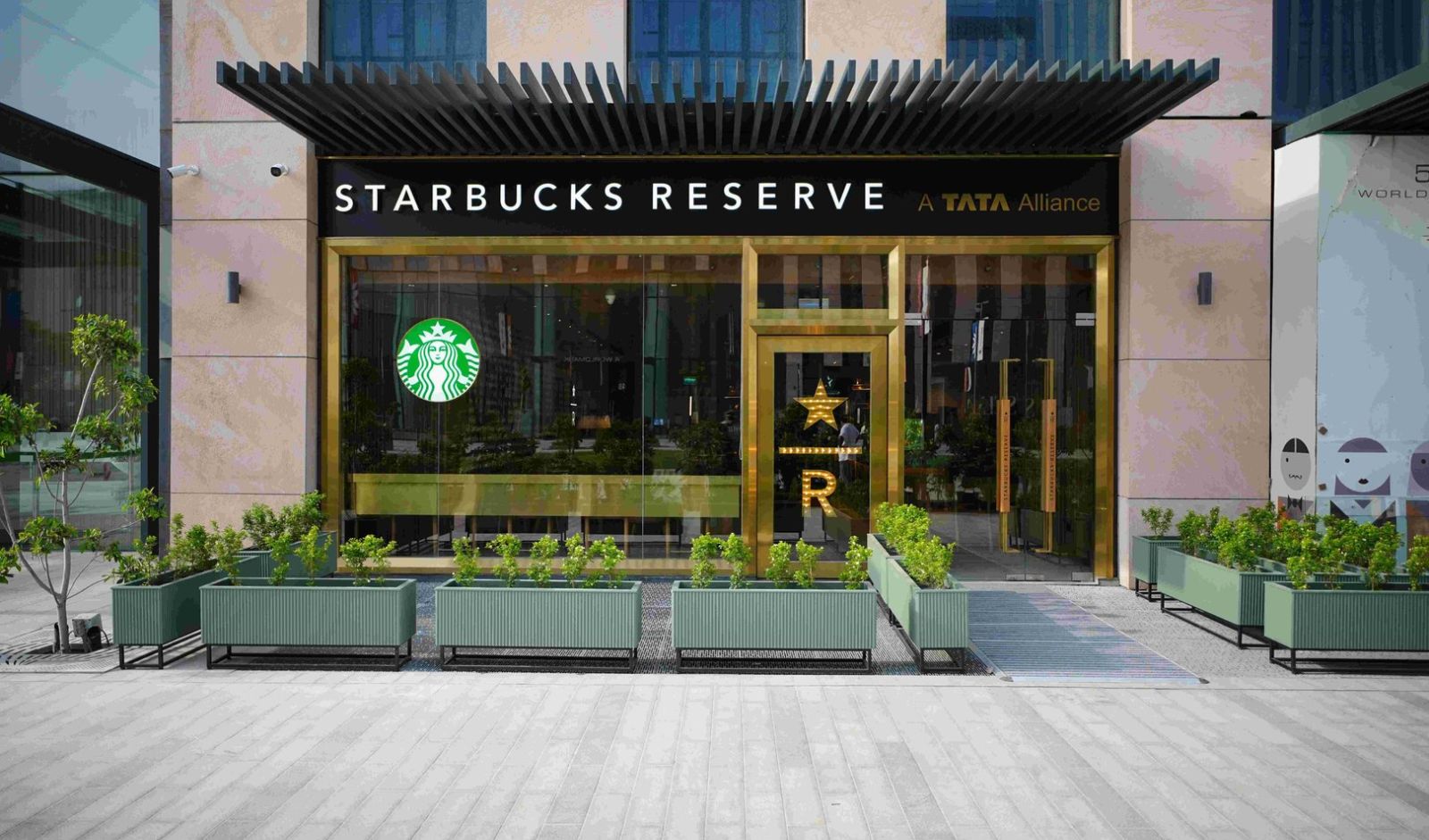
Starbucks has expanded its premium café network in India with the opening of a new Starbucks Reserve store at World St. in Worldmark Aerocity, New Delhi. The outlet further strengthens the coffee chain's presence in the premium café segment while adding to the food and lifestyle offerings at the mixed-use destination.
The newly opened café is Starbucks' fourth Reserve store in India and its third in the Delhi-NCR region. Designed around the brand's "third place" concept between home and work, the store offers a selection of premium and rare coffees, signature espresso beverages, handcrafted drinks and a curated food menu, including bake-in offerings.
The outlet is equipped with the Black Eagle espresso machine, allowing Starbucks Coffee Masters to prepare beverages with greater precision in brewing and extraction.
World St. at Worldmark is a pedestrian-focused dining and lifestyle destination spread across Worldmark 4, 5 and 6 in Aerocity. The development spans approximately 260,000 sq. ft. of gross leasable area across a stretch of nearly half a kilometre and features restaurants, cafés, bars, green courtyards, public art installations and open-air seating.
The destination hosts a mix of international and Indian food and beverage brands, including Olive Garden, P.F. Chang's and Magnolia Bakery. The addition of Starbucks Reserve further expands its portfolio of premium dining and café experiences.
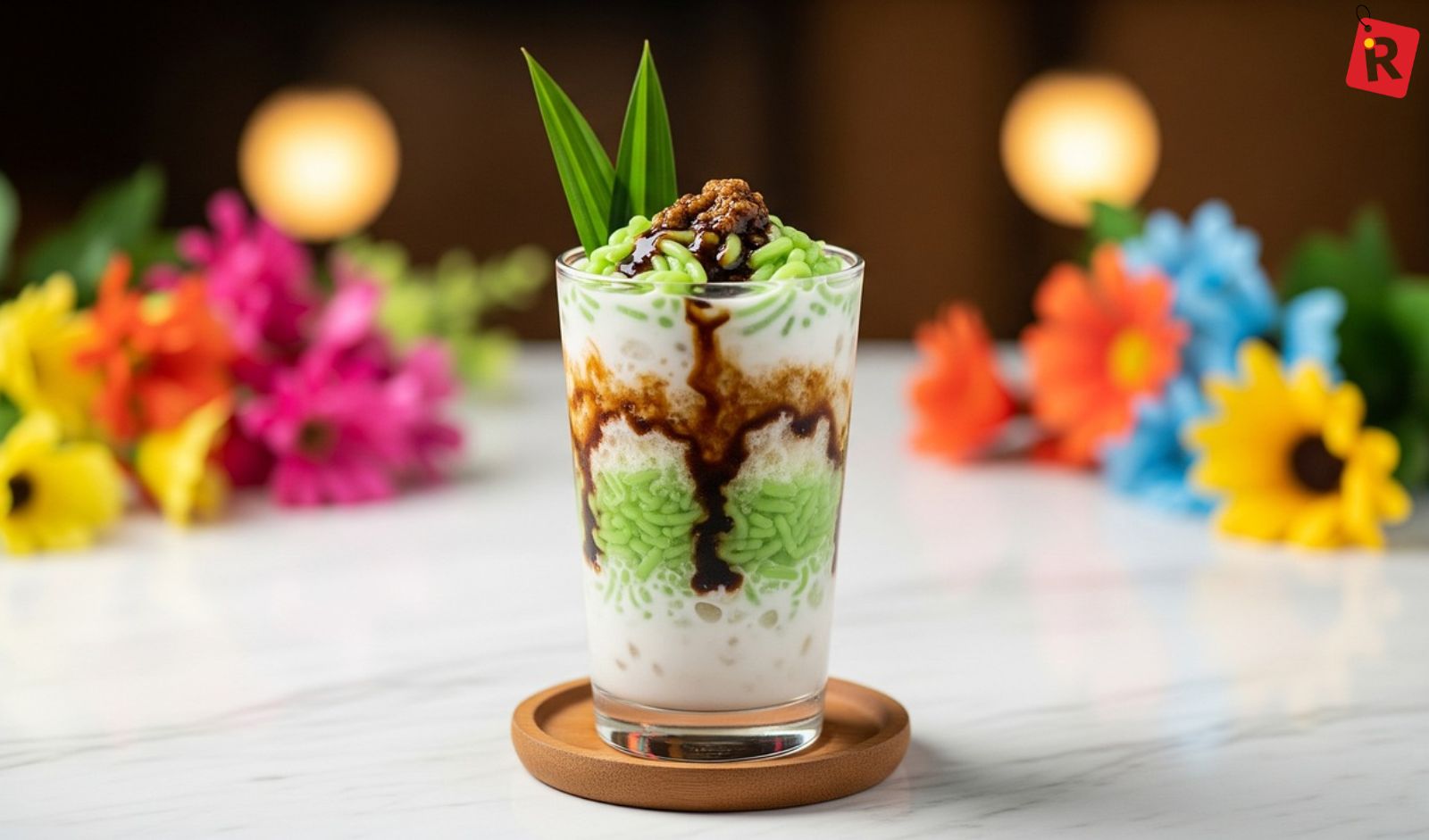
ITC has decided to step into India's carbonated soft drinks market with the launch of B Natural Coconut Cola. It is a premium sugar-free beverage made with tender coconut water, as the FMCG major sharpens its ambitions in one of the country’s most competitive consumer categories.
The drink under its B Natural portfolio was initially made available through quick commerce platforms before a bigger roll out. The strategy targets India’s rapidly expanding diet cola segment, where demand for low- and no-sugar beverages continues to outpace the broader drinks market.
B Natural Coconut Cola is priced at Rs 60 for a 250 ml can. Whereas, a 300 ml can of Diet Coke or Pepsi Black Zero Sugar is priced at around Rs 40, while smaller Rs 10 and Rs 20 packs are available in select markets.
This launch has made ITC into a direct competitor of Coca-Cola, PepsiCo and Reliance Consumer Products, which reignited India’s cola battle after reviving the Campa brand with a Rs 10 price tag for a 200 ml PET bottle two years ago.
In FY26, the company’s FMCG business reported gross revenue of Rs 22,000 crore, doubling year-on-year, with Campa alone crossing Rs 4,700 crore in gross sales. Reliance Retail Director Isha Ambani recently said Campa has become India’s fourth-largest carbonated soft drinks brand, achieving a double-digit market share in key markets.
The broader beverage market is increasingly shifting towards healthier alternatives, with low- and no-sugar drinks emerging as the fastest-growing segment across both carbonated and non-carbonated categories. Reflecting this trend, Varun Beverages reported that 63 percent of its consolidated sales volume in the March quarter came from low- and no-sugar beverages.
For ITC, the cola launch represents another step in expanding B Natural beyond its fruit juice portfolio. Over the past year, the company has extended the brand with no-added-sugar juices, a coconut water range, and Sunfeast-branded high-protein smoothies as part of its efforts to build a more diversified beverages portfolio.
With its premium positioning, health-focused formulation, and an initial quick-commerce-first strategy, ITC is betting that India’s next cola success story could be driven as much by wellness as by fizz.
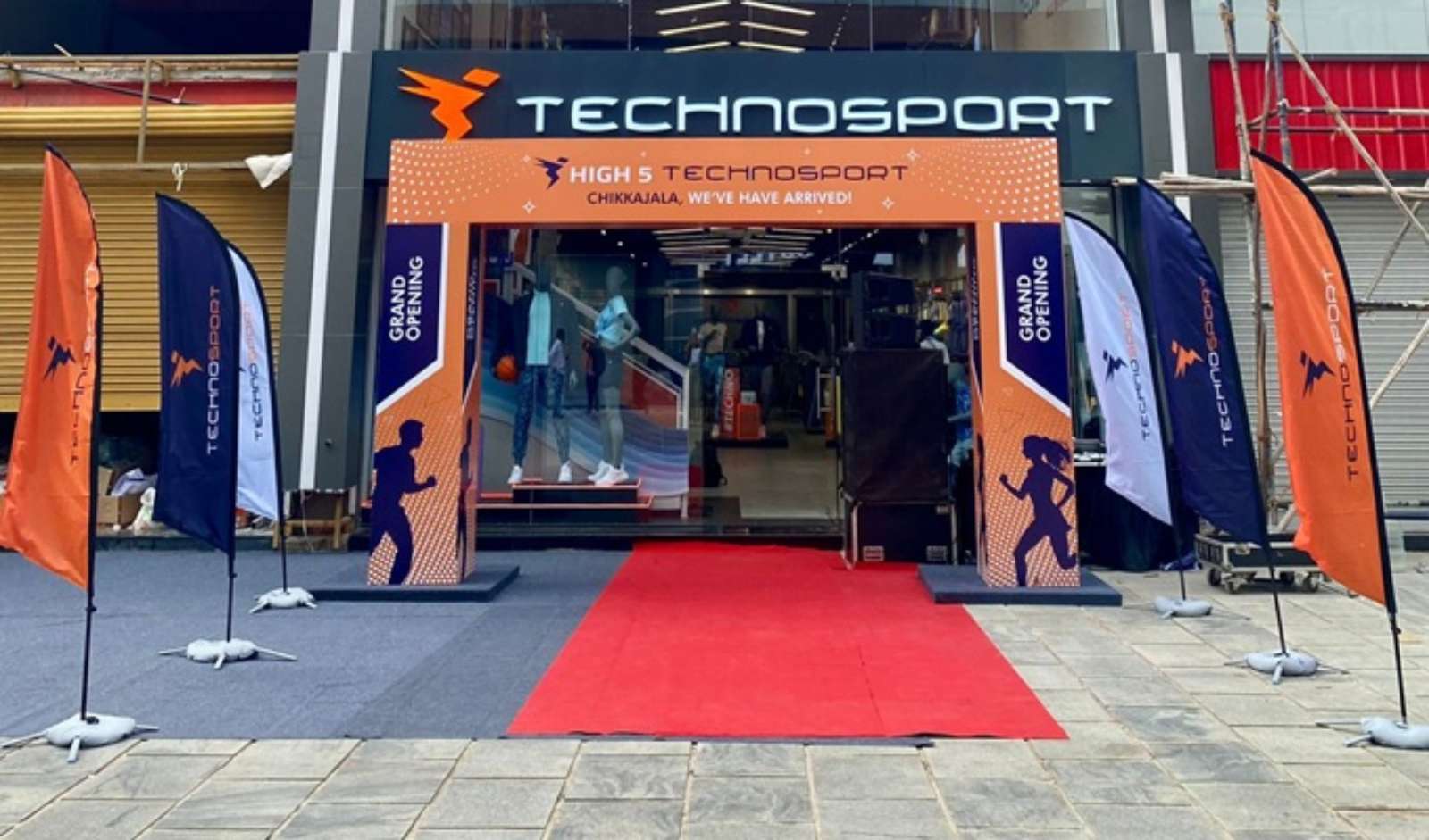
Activewear brand TechnoSport has expanded its supply chain infrastructure with the launch of a new 64,000 sq ft warehouse at Welspun One Logistics Park in Baglur, Bengaluru. The facility is expected to strengthen the company's national distribution network and support its retail and business growth plans.
The new warehouse has been set up to improve inventory management, speed up order fulfilment, and enhance product availability across markets as demand for activewear continues to grow in India. The expansion is part of TechnoSport's broader strategy to build a stronger supply chain while supporting its expanding offline and online retail presence.
The Bengaluru-based company has been expanding its retail network alongside investments in manufacturing and logistics. Earlier this year, TechnoSport introduced its TechnoSport Express retail format and announced plans to open 25 Express stores by the end of FY27, in addition to its target of approximately 130 exclusive brand outlets by the end of the current financial year.
The warehouse will serve as a key distribution hub, enabling the company to replenish inventory more efficiently and support retailers across different regions. It is also expected to improve operational efficiency as the company scales its business nationally. The expansion comes as TechnoSport continues to strengthen its manufacturing, retail, and logistics capabilities to support long-term growth in India's activewear market.

Beauty and personal care company Recode Studios has signed a Share Purchase Agreement to acquire a majority stake in premium beauty brand Aflairza as part of its expansion strategy in India's premium beauty segment. The acquisition will be completed in two phases, with Recode set to acquire a 51 percent stake in the brand.
Under the agreement, Recode Studios will initially acquire a 33 percent stake in Aflairza by the end of July 2026 through a combination of share purchases from existing promoters and a fresh capital infusion. The remaining stake will be acquired in the second phase, subject to agreed milestones, taking Recode's total holding to 51 percent. The first phase of the transaction is valued at Rs 8.32 crore.
Aflairza Professionals Private Limited, founded by Sagar Urvish Gandhi and Deep Parekh, operates in the premium beauty and cosmetics segment with a portfolio of professional-grade products developed using Korean formulations.
The acquisition is expected to strengthen Recode Studios' presence in the premium beauty category while expanding its product portfolio and market reach. The company said the investment aligns with its strategy to build a stronger position in India's growing beauty and personal care market. The transaction follows Recode Studios' recent expansion across offline retail channels and comes as the company continues to scale its omnichannel business after its public listing earlier this year.

What is a Microjourney?
A Microjourney refers to a small, specific interaction or step a customer takes during their overall shopping journey. Instead of focusing on the complete customer journey from discovery to purchase, a microjourney examines individual moments—such as searching for a product, reading reviews, scanning a QR code, adding an item to the cart, or completing a payment—that influence buying decisions.
Retailers use microjourneys to understand customer behaviour at every touchpoint and optimise each interaction to deliver a faster, smoother, and more personalised shopping experience.
Origin
The concept of Microjourney emerged alongside digital transformation, customer experience (CX), and omnichannel retail strategies. As consumers began interacting with brands across websites, mobile apps, social media, marketplaces, and physical stores, retailers realised that every small interaction could impact purchase decisions and brand loyalty.
Today, microjourneys play a crucial role in AI-powered retail, customer analytics, and experience design, helping brands improve engagement and conversions.
Usage in Retail
Retailers analyse microjourneys to identify where customers engage, hesitate, or drop off during the shopping process. Insights from these interactions help businesses optimise website navigation, product discovery, checkout experiences, personalised recommendations, loyalty programmes, and post-purchase engagement.
By improving every microjourney, retailers can reduce friction, increase customer satisfaction, and drive higher conversion rates across both online and offline channels.
Examples of Microjourney
A shopper searches for running shoes on a retailer's website, compares product reviews, and adds a preferred pair to the cart—each of these actions represents a microjourney. A customer scans a QR code inside a store to access product information before making a purchase. An e-commerce platform sends a personalised reminder about an abandoned cart, encouraging the customer to complete the order.
These examples show how small customer interactions collectively shape the overall shopping experience.
Why It Matters
Microjourneys help retailers understand customer intent, eliminate friction, and create seamless shopping experiences across every touchpoint. By optimising these individual moments, businesses can improve engagement, increase conversions, strengthen customer loyalty, and deliver more personalised retail experiences. As AI, omnichannel commerce, and customer analytics continue to evolve, understanding microjourneys has become essential for building successful, customer-centric retail strategies.
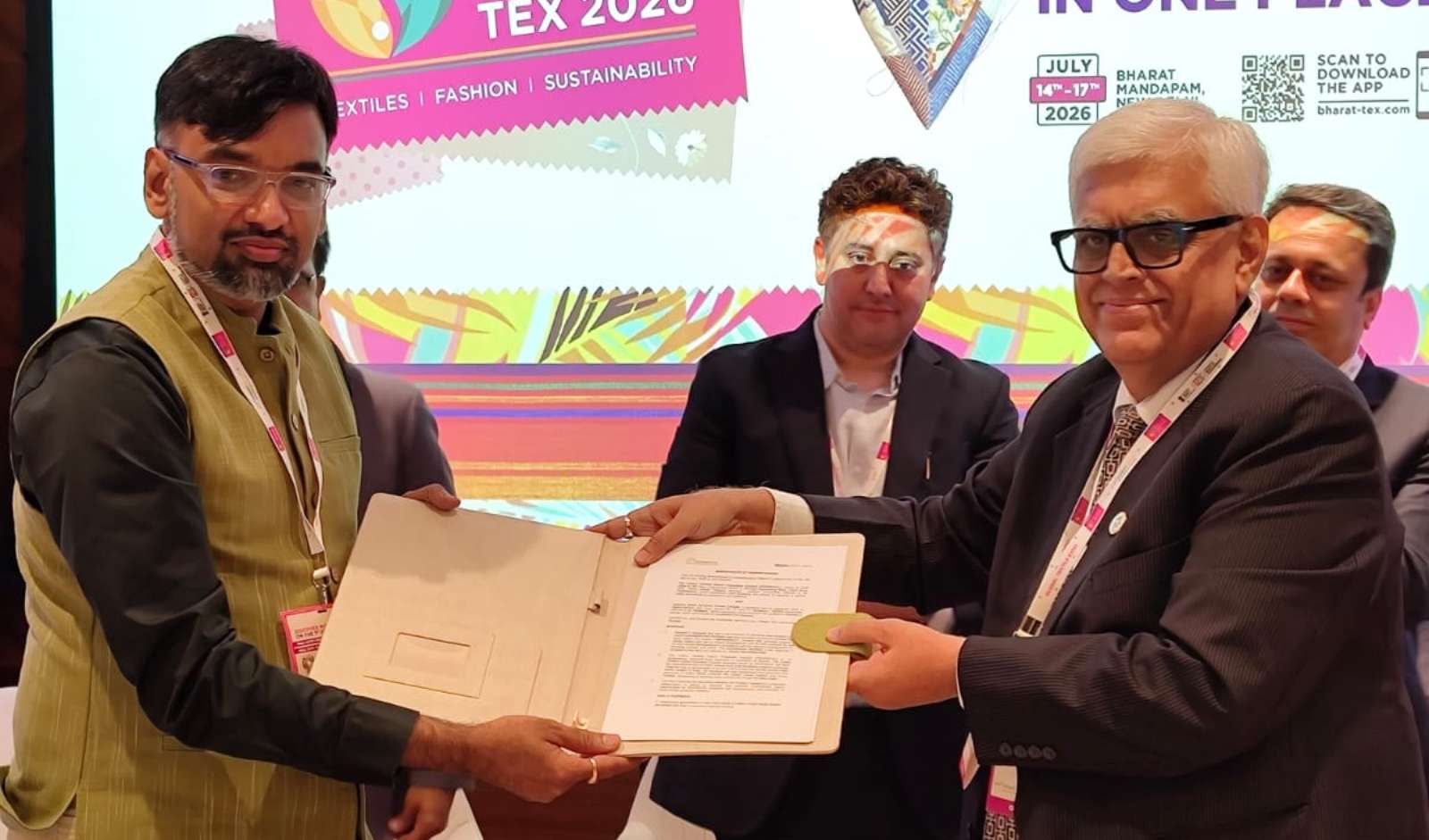
Amazon India has signed a Memorandum of Understanding (MoU) with The Cotton Textiles Export Promotion Council (TEXPROCIL) to support e-commerce exports from India's cotton textile sector. The agreement was signed during Bharat Tex 2026 in New Delhi in the presence of Dr. Siddhartha Rajagopal, Executive Director, TEXPROCIL. The partnership aims to help cotton textile manufacturers, exporters, and TEXPROCIL members expand their international business through Amazon Global Selling. It will focus on improving exporter readiness and increasing access to global markets.
India's cotton textile industry supports millions of farmers and thousands of manufacturers. The country is also among the world's leading exporters of home textiles, including bedding, bath linen, kitchen linen, and home furnishing products. As part of the collaboration, Amazon India and TEXPROCIL will conduct awareness and seller enablement programmes to help exporters understand international demand, cross-border trade processes, and selling through Amazon's global marketplaces.
Siddhartha Rajagopal, Executive Director, TEXPROCIL said, "India's cotton textile industry is globally recognized for its quality, craftsmanship, and manufacturing capabilities. E-commerce exports are rapidly emerging as one of the most significant growth opportunities for Indian textile businesses, enabling manufacturers to reach customers directly, diversify beyond traditional export channels, and build global brands. We are already seeing an increasing number of Indian home textile and apparel brands successfully expand their international presence through e-commerce. Through this collaboration with Amazon Global Selling, we aim to equip our members with the knowledge, tools, and ecosystem support needed to capitalize on this opportunity and accelerate their growth in international markets."
Srinidhi Kalvapudi, Head, Amazon Global Selling, India said, "India's textile industry has long been one of the country's strongest export sectors, with manufacturers producing world-class products that are sought after by customers around the world. Categories such as bedding, bath, and home furnishings continue to see strong demand across Amazon's international marketplaces, creating significant opportunities for Indian exporters to reach global customers. Through our collaboration with TEXPROCIL, we aim to help more cotton textile exporters harness e-commerce exports to build global brands and grow internationally. As global demand grows for quality, authenticity, and traceability, we see a significant opportunity for Brand India to further strengthen its position as a trusted source of high-quality, premium textile products. This collaboration is another step towards our goal of enabling $80 billion in cumulative ecommerce exports from India by 2030."
The initiative will include online and offline workshops, awareness sessions, and ongoing guidance for exporters. It will also provide training for nominated TEXPROCIL representatives, educational resources on cross-border e-commerce, and offline seller communities to encourage knowledge sharing. Under the MoU, TEXPROCIL will identify export-ready businesses, connect manufacturers with prospective sellers, and share Amazon Global Selling resources through its communication channels. The two organisations will also explore opportunities for central and state policy support to strengthen e-commerce exports, with Amazon contributing industry insights.
India's textile sector continued to record steady growth in FY 2025-26 despite global economic challenges. Total textile exports, including handicrafts, increased 2.1 percent, rising from Rs 3.10 lakh crore to Rs 3.16 lakh crore. Representing around 2,000 companies across key textile clusters, TEXPROCIL will work with Amazon India to help more cotton textile businesses expand their global reach through e-commerce.
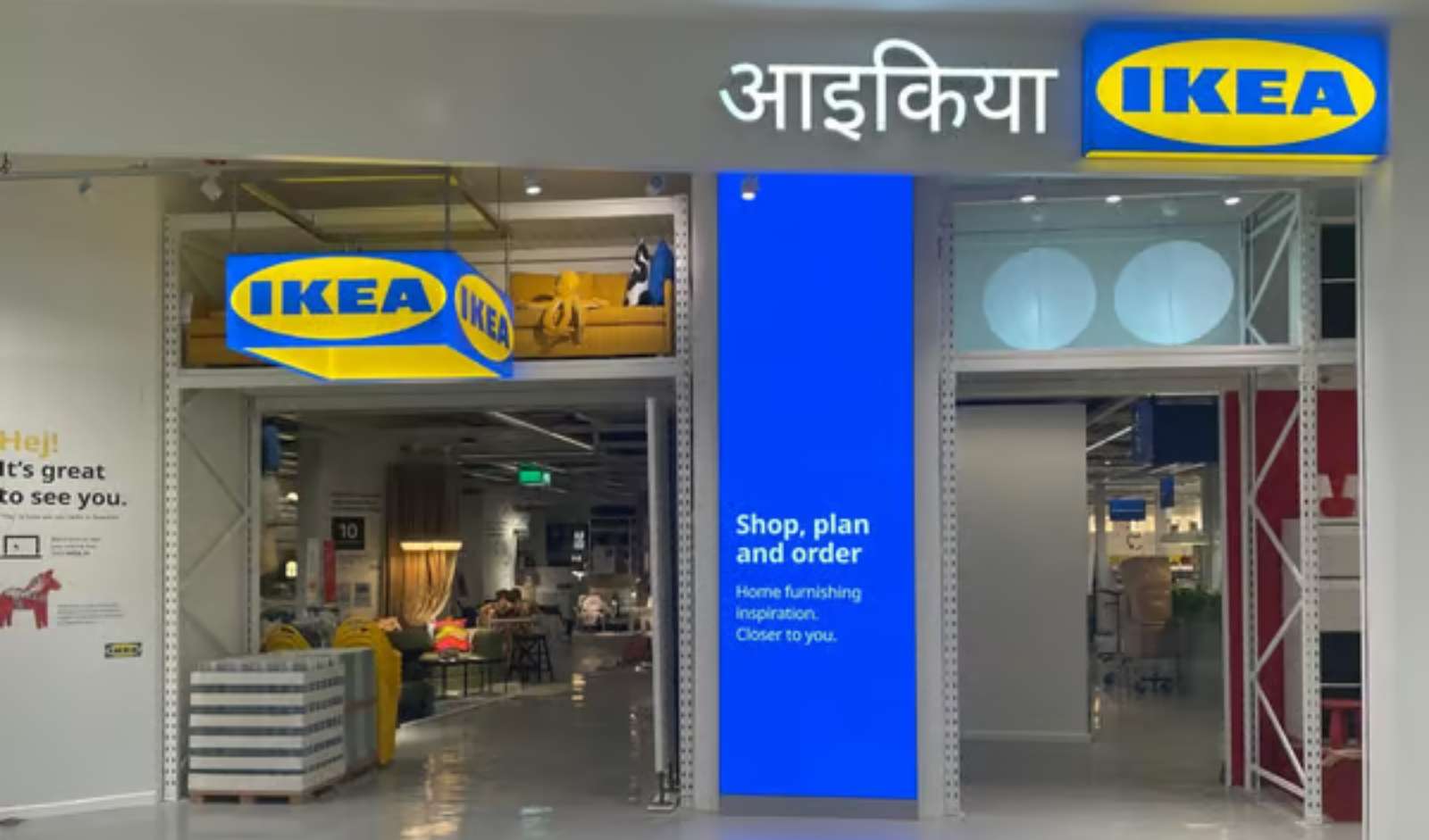
Swedish furniture retailer IKEA plans to invest more than Rs 21,000 crore in India by 2030 as it expands its store network, increases local sourcing, and strengthens its omnichannel business. The company is also targeting a turnover of Rs 8,000 crore by the end of the decade, according to IKEA India CEO Patrik Antoni. IKEA had committed to investing Rs 10,500 crore in India in 2013 after receiving approval to operate as a single-brand retailer. Antoni said the company has already exceeded that investment, supported by ongoing projects, including its upcoming mixed-use Lykli centres in Delhi-NCR.
"We made a commitment to the authorities that we would invest Rs 10,500 crore. This amount is already committed to India at the moment, and we see that we will probably double that investment going forward. By 2030, we should have doubled that at least," said Antoni.
The fresh investment will be used to expand IKEA's retail footprint, develop mixed-use projects, invest in renewable energy, strengthen sourcing operations and enhance technology capabilities. On the company's financial goals, Antoni said IKEA India aims to become profitable in the coming years while increasing its turnover fourfold by 2030.
"We are around Rs 2,000 crore of turnover today. We believe we can quadruple this by 2030. Rs 8,000 crore is the ambition," he said.
The retailer also plans to double its sourcing volumes from India over the next three to four years, supported by higher exports and growing domestic demand as it expands its store network.
"The ambition is to, within the coming three-four years, double the sourced volumes in India," Antoni said.
The Indian government approved IKEA's Rs 10,500 crore foreign direct investment proposal in 2013 to establish 10 stores and related infrastructure over 10 years. The retailer later announced plans to add 15 more stores. Currently, India permits 100 percent foreign direct investment in single-brand retail trading through the automatic route. IKEA has already invested in mixed-use developments in Noida and Gurugram, a solar farm in Rajasthan, a global capability centre, and sourcing operations across the country.
As part of its expansion strategy, IKEA plans to significantly increase its physical presence in India over the next few years.
"The plans looking forward are to really make another 25 stores in the coming three-four years. By 2030, we'll have about 30 stores," Antoni said.
The company entered the Indian retail market with its first store in Hyderabad in August 2018. It currently operates large-format stores in Hyderabad, Bengaluru, and Mumbai, while mixed-use developments are underway in Noida and Gurugram. IKEA also serves customers in more than 80 markets across India through its e-commerce platform. Antoni said improving accessibility through both physical stores and digital channels remains a key priority. Online sales currently contribute around 30 percent of IKEA India's revenue.
"E-commerce today is 30 per cent of what we sell. It is a very important part, and we believe that both e-commerce and maybe AI-driven commerce will also change. We are very actively pursuing this interest already," he said.
He added that while new store openings will support offline sales growth, online sales are expected to grow at a faster pace.
"We do not have so many stores yet. So when we open a new store, that drives a lot of offline sales... Of course, we are going to grow offline a lot. But online will grow not a bit faster than offline growth," Antoni said.
IKEA is also preparing to expand its workforce as part of its long-term growth plans.
"We have about 2,500 employees at the moment. But we're looking at doubling that until 2030, which means another 2,500 colleagues will come in," Antoni said, adding that the company is investing in leadership development to support future expansion.
Alongside store expansion, IKEA will continue increasing sourcing from India to support both domestic retail operations and exports.
JSW Group has been recognised as India's fastest-growing conglomerate brand in the Brand Finance India 100 2026 report. According to the latest rankings, the group's brand value increased 55 percent year-on-year to $ 2.3 billion. The annual report, published by Brand Finance, attributes the company's growth to factors such as capacity expansion, a focus on value-added products, and investments in sustainability.
The recognition comes as India's branded economy continued to grow during the year. The Brand Finance India 100 2026 report stated that the combined brand value of the country's top 100 brands reached a record $ 252.8 billion, registering a 7 percent year-on-year increase. The growth was supported by continued investments in digital transformation, infrastructure, manufacturing, financial inclusion, and innovation across multiple sectors.
Against this backdrop, JSW Group recorded the highest year-on-year growth among India's conglomerate brands, with a 55 percent increase in brand value. The Brand Finance India 100 2026 report ranks the country's 100 most valuable and strongest brands and includes 10 sector-specific rankings covering industries such as banking, information technology services, hospitality, and others.
According to Brand Finance, brand value represents the net economic benefit that a company would receive by licensing its brand in the open market, while brand strength evaluates a brand's performance on intangible measures compared to its competitors.
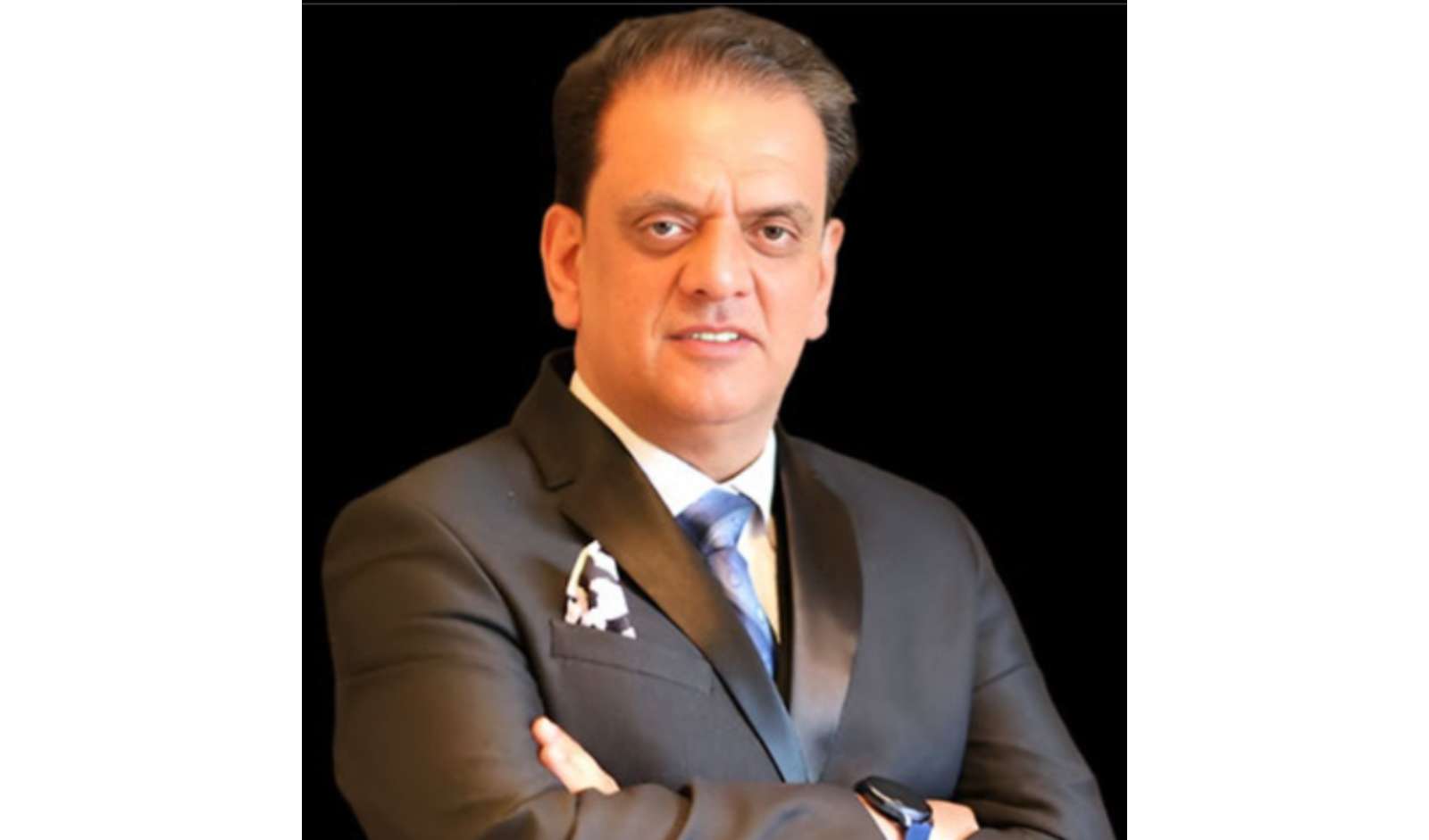
Avenue Supermarts Ltd, the company that operates the DMart supermarket chain, has appointed Lalit Ahuja as its Chief Operating Officer (COO). Ahuja announced his appointment through a LinkedIn post.
Sharing the update, Ahuja said, "Delighted to share that I have joined as Chief Operating Officer at DMart - Avenue Supermarts Ltd. Looking forward to help build an organization I have always admired to newer heights."
Ahuja brings nearly three decades of experience in the consumer goods and retail sectors. During his career, he has held leadership roles at Philips India, General Mills, Dabur, Godrej Consumer Products, Mars, and Apple. Before joining Avenue Supermarts, he served as Senior Vice President (Sales) and Business Head, Sub-Continent, at Zydus Wellness, where he spent more than 10 years.
In a separate leadership move, the company has redesignated Parvez Vandrewala from Chief Operating Officer to Head, Centre of Excellence, effective 1 November 2026, according to media reports. He will continue to be part of Avenue Supermarts' senior management team in his new role.
Amazon India has signed a Memorandum of Understanding (MoU) with the Telangana government to establish five new Ashray centres in high-footfall locations across Hyderabad. The initiative is aimed at expanding support infrastructure for delivery drivers working across the e-commerce and logistics sectors.
Under the agreement, the Telangana government, through the Cyberabad Municipal Corporation, will assist with site identification, facilitate the required approvals, and provide administrative support for setting up the centres. According to the company, the partnership reflects a joint effort to strengthen community infrastructure and improve access to rest and support facilities in the region. With the addition of the five new centres, Amazon India will operate a total of 14 Ashray centres in Hyderabad.
Launched in 2024, Ashray is Amazon's network of dedicated rest centres designed for delivery drivers across the e-commerce and logistics industry. The facilities are intended to provide accessible spaces for drivers during their workday.
Jayesh Ranjan, Special Chief Secretary to the Telangana Government for Metropolitan Area and Urban Development said, “We look forward to working with Amazon India to improve the working conditions of delivery drivers in Telangana.”
Amazon India currently operates more than 100 Ashray centres across 16 cities in the country and plans to expand the network to 250 centres by the end of 2026.
Salim Memon, Director, Operations, Amazon India said, “As we scale to 250 centres nationwide, we continue to invest in the well-being of the people who power last-mile delivery across India. This is part of our broader investment of over Rs 2,800 crore to strengthen associate safety, health, and well-being across our operations network.”
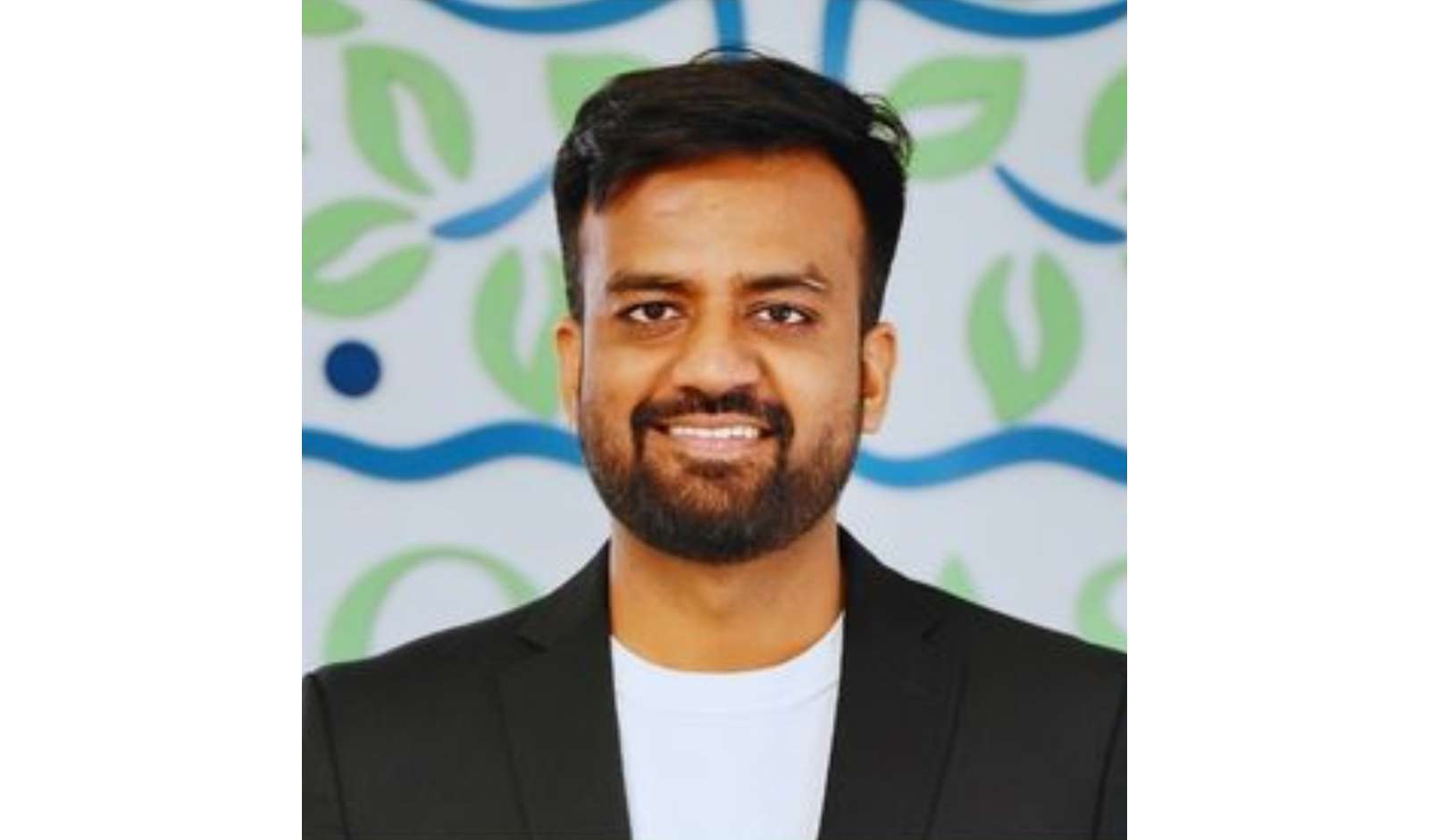
Honasa Consumer Limited has appointed Shivang Jain as the Chief Executive Officer of BTM Ventures, the parent company of Reginald Men and Molecular Company. In his new role, Jain will be responsible for the strategic direction, business operations, and expansion of BTM Ventures as the company looks to strengthen both brands in the personal care segment. The leadership appointment is part of Honasa Consumer's internal succession strategy, reflecting its focus on developing leadership talent from within the organisation.
Jain previously served as Vice President, Corporate Strategy and Chief of Staff at Honasa Consumer, where he worked closely with the company's founders on corporate strategy, portfolio expansion, business planning, and other strategic initiatives. Following Honasa Consumer's acquisition of a majority stake in BTM Ventures in December 2025, he will now lead the next stage of growth for Reginald Men and Molecular Company.
Varun Alagh, Co-Founder and CEO, Honasa Consumer Limited said, “Shivang has been at the core of many of our strategic initiatives and has played an important role in shaping Honasa’s growth journey. He understands our playbook for building and scaling consumer-first brands and has consistently demonstrated the ability to translate ideas into execution. We see a strong opportunity ahead for BTM Ventures, and I am confident Shivang will continue building the brands with agility, innovation, and a deep understanding of evolving consumer needs.”
Shivang Jain, CEO, BTM Ventures said, “I’m incredibly excited to take on this new role and lead the next phase of growth for BTM Ventures. Building brands has always been what energizes me, and this opportunity brings together two brands with strong foundations and immense potential. As consumers become increasingly conscious and discerning about the products they choose, there is a significant opportunity to build brands that truly resonate with their evolving needs. I look forward to working closely with our talented team to strengthen Reginald Men and Molecular Company, accelerate innovation, and create meaningful value for our consumers. Together, we’ll focus on building category-defining brands that deliver superior products and long-term trust.”
Jain brings more than 10 years of experience in corporate strategy, mergers and acquisitions, and business transformation. Before joining Honasa Consumer, he held positions at Avendus Capital, EY, and JPMorgan Chase and Co. He is a PGDBM graduate from XLRI Jamshedpur.
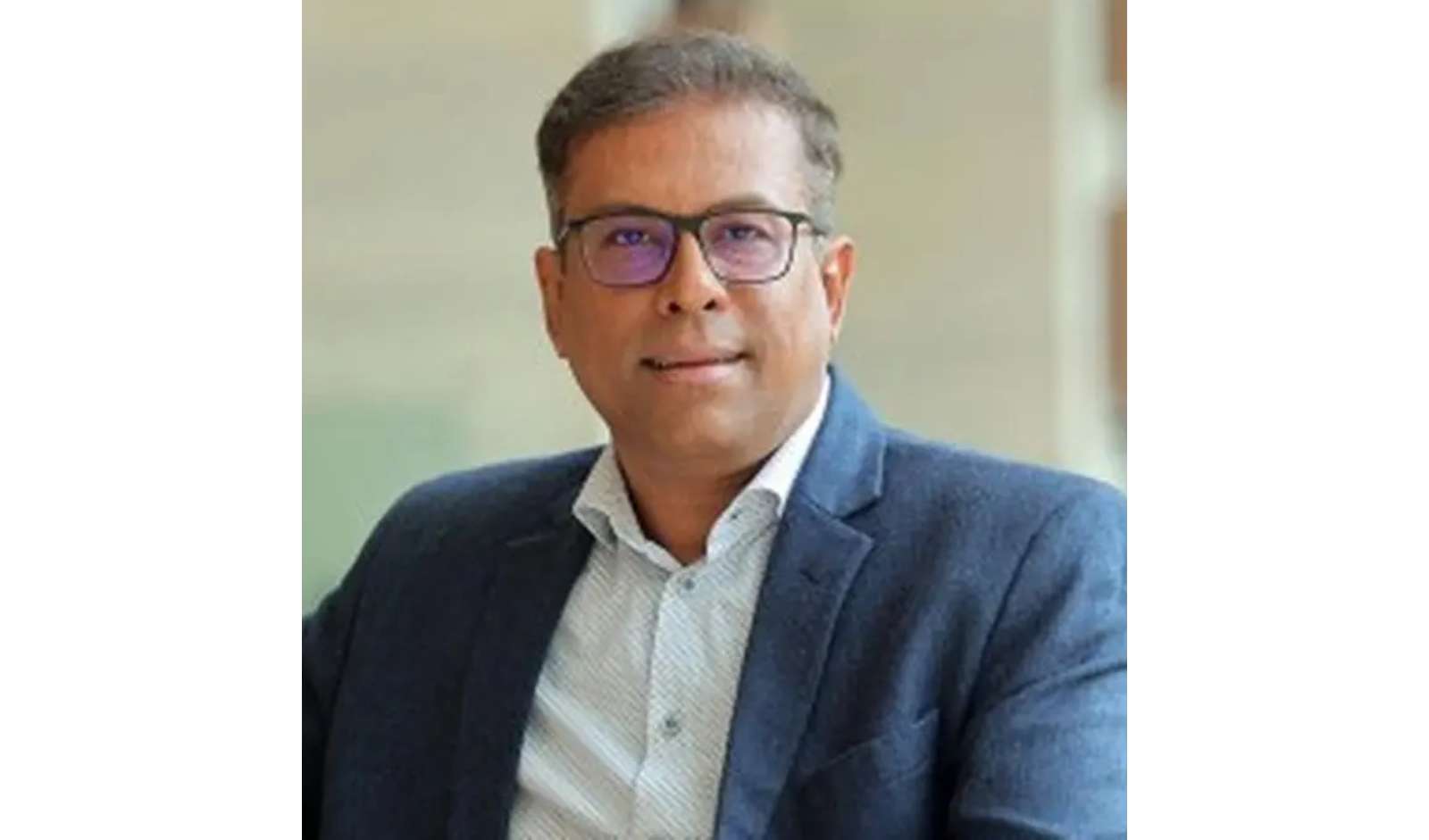
Bacardi has announced the appointment of Mahesh Kanchan as Managing Director for India and Southeast Asia, effective 1 October. He will succeed Vinay Golikeri, who has been elevated to the role of Regional President for Asia, Middle East, and Africa (AMEA) and Global Travel Retail (GTR) after leading the India and Southeast Asia business for more than three years and spending over two decades with the company.
Vinay Golikeri said, “It’s been a privilege to lead the India business, and I’m proud of the momentum we’ve built and the strength of the team. India remains a critical market for Bacardi, and I look forward to continuing to work closely with Mahesh to build on this progress as part of my wider AMEA role.”
Kanchan currently serves as Managing Director for Southeast Asia and brings more than 30 years of experience across the alcoholic beverages and FMCG sectors. In his new role, he will oversee Bacardi's operations across India and Southeast Asia and lead the company's next phase of business growth in the region.
Mahesh Kanchan said, “I’m excited to take on this role at a time of significant opportunity for Bacardi in India. We have a strong team, clear momentum and a business well positioned for its next phase of growth.”
India continues to be an important market for Bacardi, supported by its long-standing presence in the country, ongoing investments and business expansion. The company also highlighted India as a key source of leadership talent, with several senior executives progressing to global roles, including Bacardi Limited CEO Mahesh Madhavan.

Myntra Beauty has expanded its luxury beauty offering with the addition of French fragrance house Chloé to its platform, further strengthening its premium beauty portfolio in India.
The launch brings nearly 30 fragrance variants from the Chloé Eau de Parfum, Nomade and Lumineuse collections to Myntra's Luxe storefront. The fragrances are available in 30 ml, 50 ml, 75 ml and 100 ml sizes, with prices starting from Rs 9,000.
The company said the launch comes amid rising demand for international luxury beauty brands in India. Growing consumer interest in premium fragrances across metro cities as well as Tier II and Tier III markets has contributed to the expansion of its luxury assortment.
Luxury fragrances remain among the fastest-growing categories on its beauty platform. The company attributes this growth to increasing awareness of global beauty brands and a rising preference for premium and personalised fragrance options.
Deepak Joshi, Senior Director – Category Management, Beauty and Personal Care, Myntra said, "Today’s Indian beauty consumers have a strong and growing appetite for luxury. They are discerning, globally aware, and actively seek premium brands that mirror their self-expression. Myntra is uniquely positioned to serve this consumer. Our highly engaged premium beauty customer base, nationwide reach into both metros and emerging markets, and a discovery-led shopping experience driven by curated content and personalisation make us a compelling partner for global luxury brands looking to build meaningful scale in India. Chloé, with its timeless Parisian femininity and iconic fragrance craftsmanship, is a perfect fit for this audience, and its launch on Myntra Beauty further deepens our Luxe portfolio."
The Chloé fragrance range will be available through Myntra's Luxe storefront, which features a curated selection of premium and luxury brands across beauty and fashion categories.
Myntra continues to expand its premium beauty business by introducing global brands while enhancing the shopping experience through curated product selections, personalised discovery features and faster delivery options.
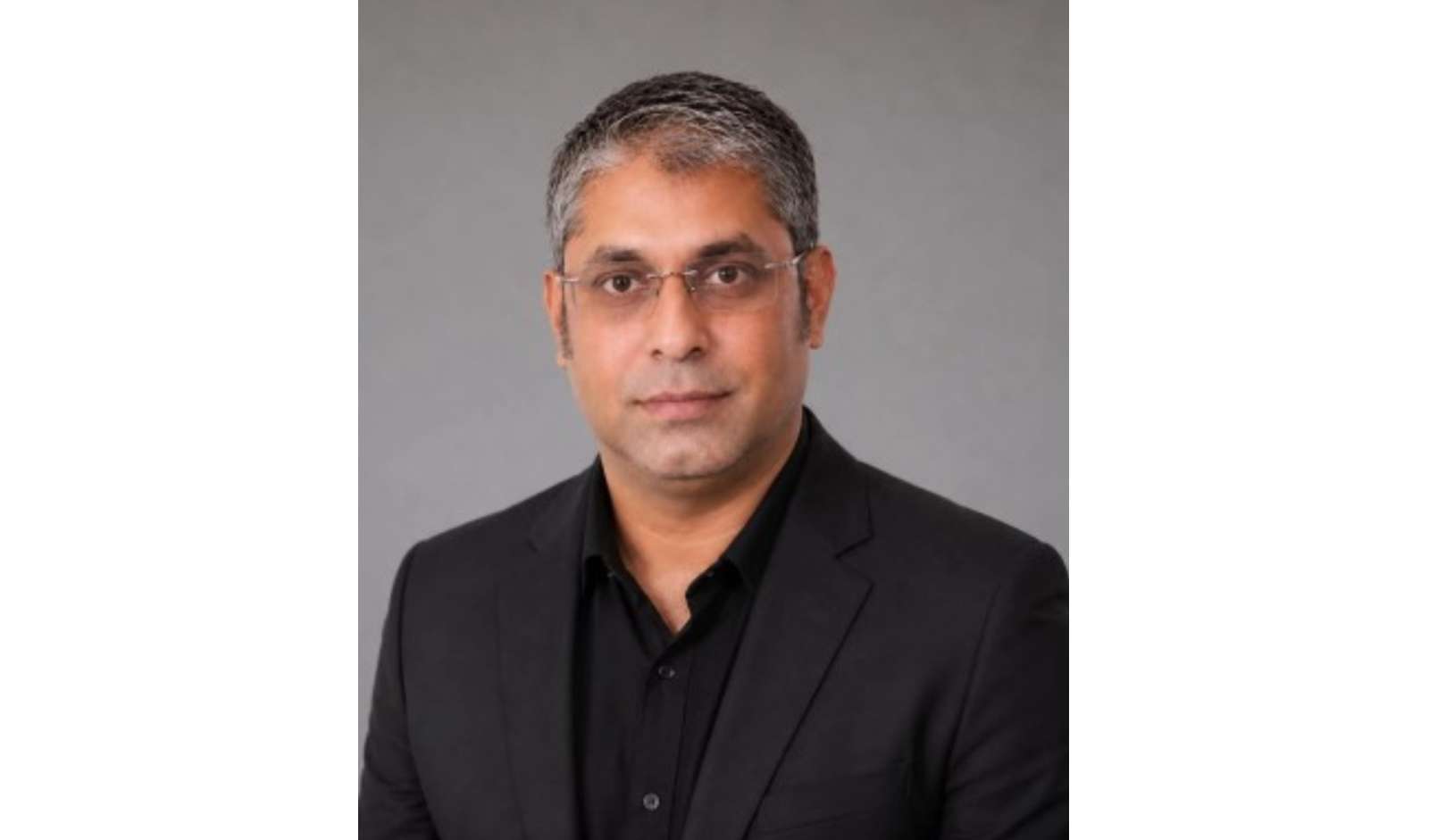
Premium lifestyle brand ARKS has appointed Dhruv Mathur as its Chief Executive Officer following a planned leadership transition. Co-founder and former CEO Abhinav Verma has stepped down from his executive responsibilities and will continue to support the company during the transition period.
Mathur, who has been closely associated with ARKS' operations and growth, will now lead the business as it enters its next phase of expansion. Verma, who co-founded the brand, played a key role in developing its business strategy, building operational capabilities, and supporting its growth since inception. The company said Founder Ranbir Kapoor will continue to guide ARKS as it focuses on expanding its product portfolio, strengthening customer engagement, building new collaborations and partnerships, and introducing future brand campaigns.
Ranbir Kapoor, Founder, ARKS said, "Abhinav has been part of the ARKS journey since day one and has played a key role in shaping the brand. It’s been great building this together, and I wish him all the very best for what’s ahead. As ARKS continues to grow, I’m excited to welcome Dhruv as CEO and look forward to the next chapter for the brand."
Abhinav Verma added, "Building ARKS has been one of the most fulfilling experiences of my career. Together, we have created a strong foundation, assembled an exceptional team, and built a brand with immense potential. I am deeply grateful to Ranbir for his trust, partnership, and shared vision throughout this journey. As I step away from my executive responsibilities, I do so with complete confidence in the team and in Dhruv's leadership. I will continue to support the transition and look forward to seeing ARKS reach even greater milestones."
Founded by actor Ranbir Kapoor, ARKS offers apparel and lifestyle products through its ARKS Studio stores in Mumbai and Delhi. The brand is also available through Broadway department stores in Hyderabad and Pune as it continues to expand its retail presence.
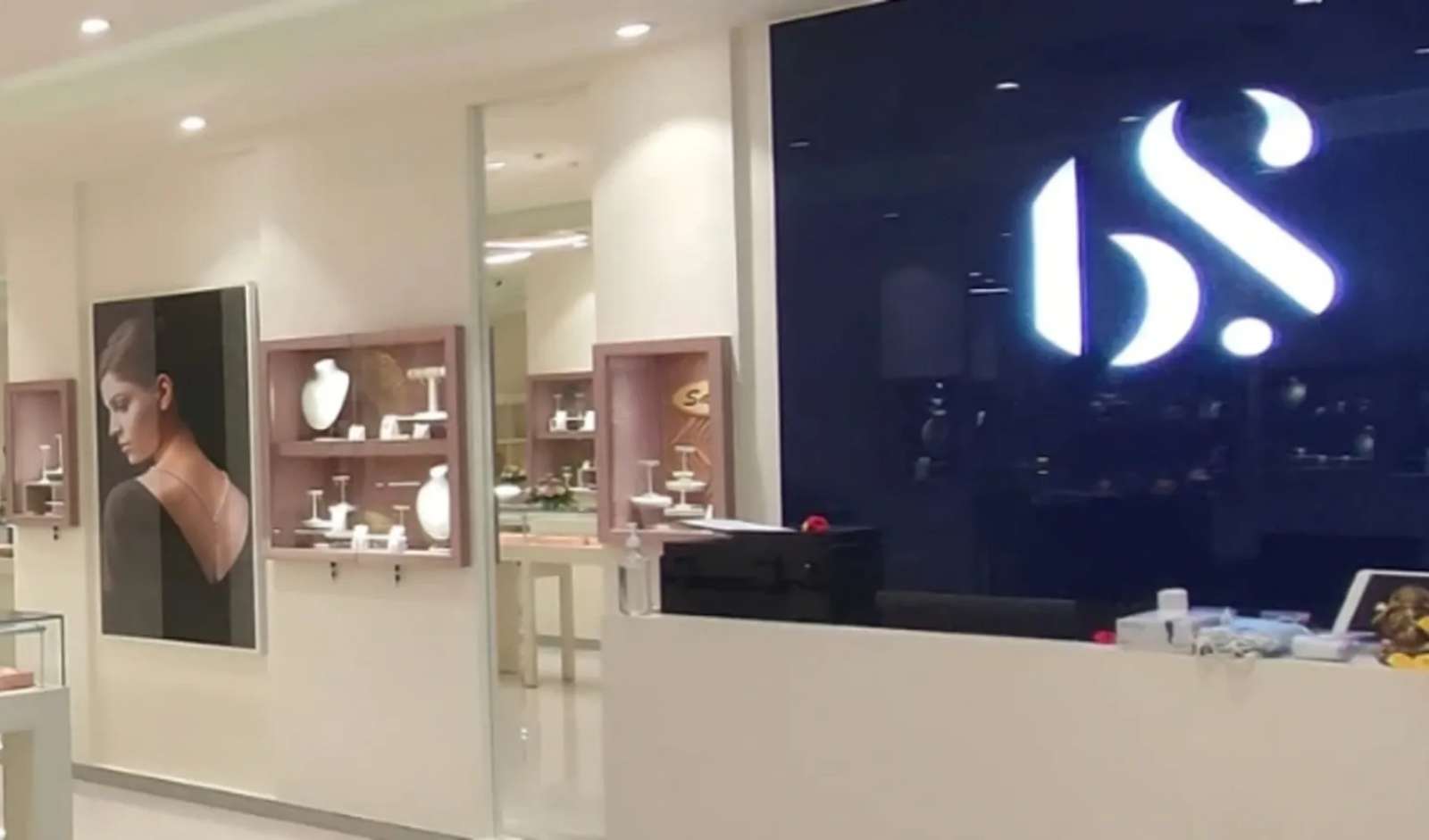
Jewellery retailer BlueStone is planning to more than double its retail footprint by FY2030, with most of its upcoming stores set to open on high streets as the availability of premium mall space across India remains limited. According to the company, it plans to increase its store count from 340 to 705 over the next few years and expand its retail workforce from around 2,100 to 4,000. BlueStone is also targeting revenue of Rs 12,000 crore by FY2030, up from Rs 2,342 crore in FY2026.
The expansion strategy comes as retailers across sectors continue to face a shortage of Grade A retail malls. According to property consultancy Anarock, India has about 110 million square feet of Grade A mall stock, compared with more than 400 million square feet in China and over 700 million square feet in the United States.
According to a report, BlueStone Jewellery and Lifestyle CEO Gaurav Singh Kushwaha said the company has already established a strong presence across leading shopping malls in the country.
“We are fairly saturated,” Kushwaha said, adding that BlueStone is already present in about 90 percent of India's "quality malls" and that three-fourths of future stores would be on high streets.
He noted that the limited supply of premium malls has prompted the company to focus on high-street locations for future growth. Kushwaha also cited Tata Group's Tanishq, which operates more than 500 stores, as an example of how jewellery retailers can successfully expand beyond shopping malls.
The shortage of premium retail space has also been highlighted by brands such as Wooden Street and Asics, particularly in major cities where new mall development has not kept pace with retailer demand. BlueStone continues to pursue its expansion plans despite fluctuations in gold prices, joining other organised jewellery retailers such as Kalyan Jewellers and Titan in expanding their physical retail presence.
Kushwaha said, “I hope it stays range-bound, doesn’t go up, doesn’t go down much. That’s the best environment to do business.”
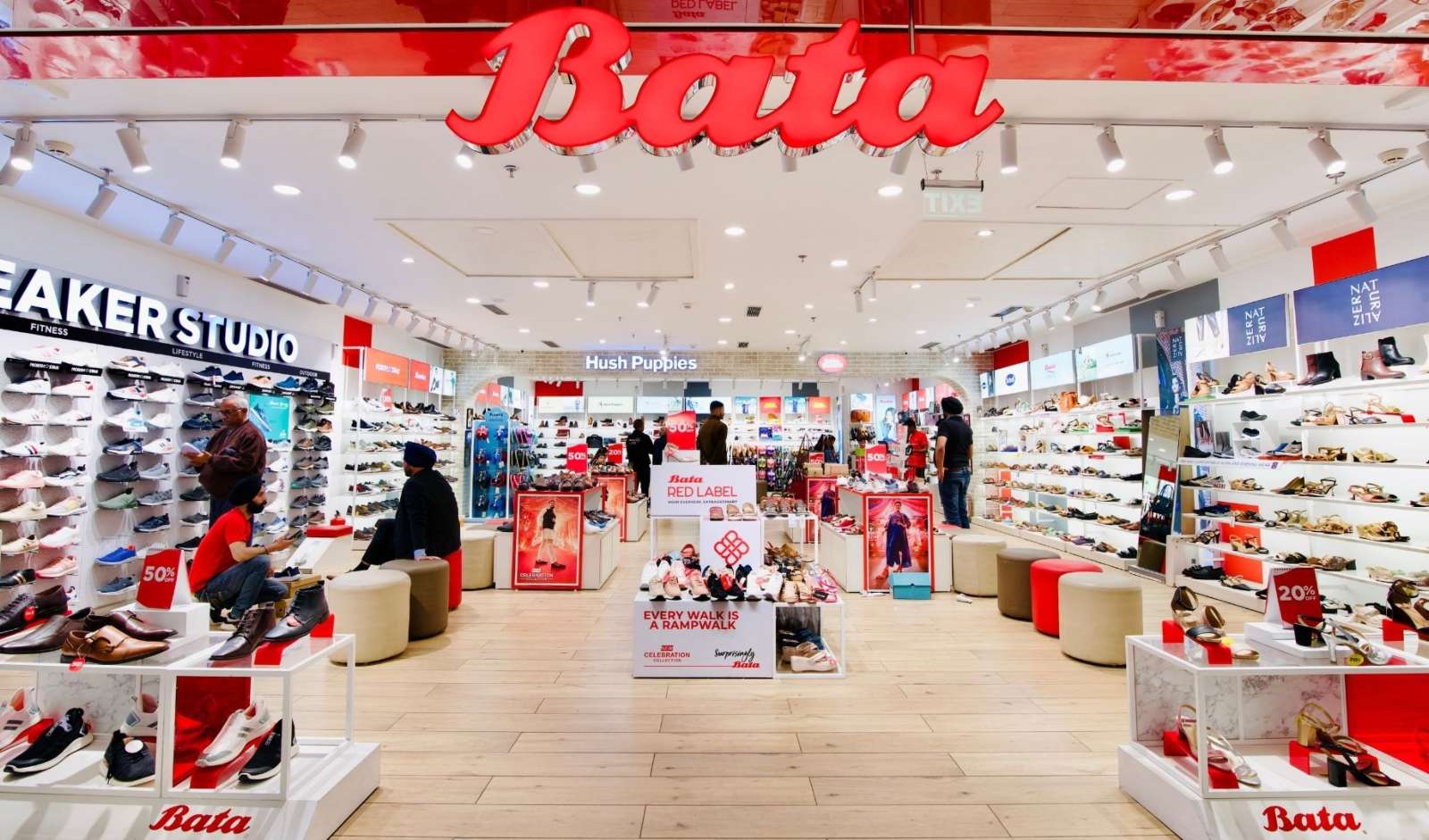
Bata India has crossed the milestone of 2,000 retail stores across the country and is now aiming to expand its network to 3,000 outlets over the next three years, with franchise-led growth expected to play a key role in the expansion strategy. The company became the first footwear retailer in India to surpass the 2,000-store mark in April 2026.
The retailer currently operates around 1,300 company-owned stores and nearly 700 franchise outlets. As part of its next phase of growth, Bata plans to increase its presence in Tier 3 and Tier 4 cities, where the franchise model is expected to support faster and more asset-light expansion.
Speaking about the company's expansion plans, Managing Director and CEO Gunjan Shah said Bata intends to add 1,000 stores over the next three years, with a significant share of the new outlets expected to be franchise-operated. In eastern India alone, the company plans to open 25 to 30 new stores during the coming year, with nearly 80 percent of them expected to follow the franchise format.
The eastern region remains an important market for the company, contributing around 12 to 15 percent of Bata India's overall revenue. Kolkata continues to be a key market within the region, and the company plans to direct a large share of its future investments in store expansion and renovation towards eastern India.
Alongside its physical expansion, Bata is continuing to strengthen its retail operations through its Zero-Based Merchandising (ZBM) model, which allows stores to stock products based on local consumer demand. The company plans to increase the number of ZBM-enabled stores to 800 by the end of 2026 to improve inventory planning and customer experience across its network.
Bata India also continues to focus on premium products and digital growth as part of its broader retail strategy while expanding its footprint across smaller cities and strengthening its omnichannel capabilities.
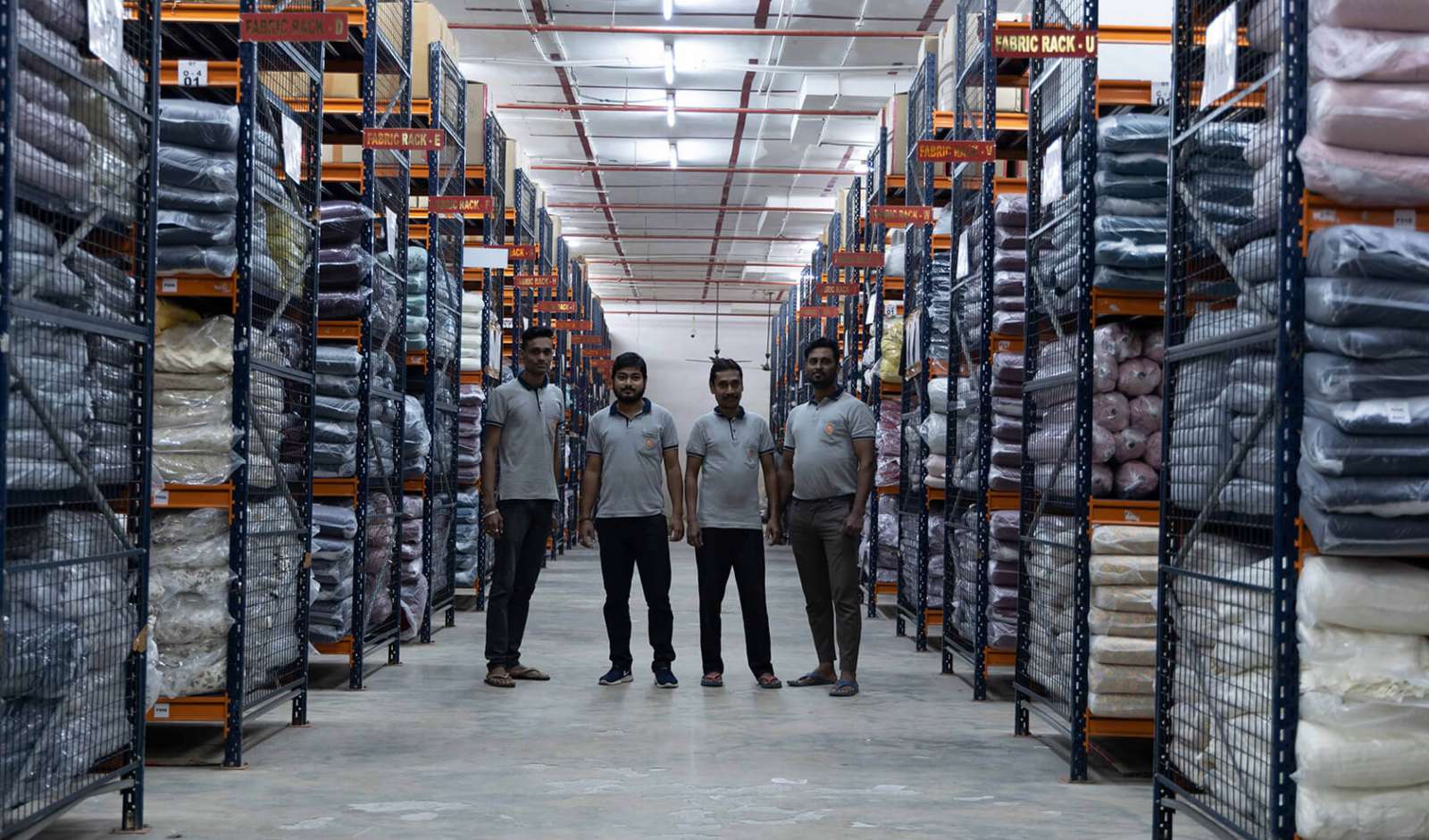
Hyderabad-based Marri Retail has received approval from the Securities and Exchange Board of India (SEBI) to move ahead with its initial public offering (IPO), marking a key step in the company's growth plans. Along with the proposed public issue, the apparel and jewellery retailer is preparing to expand its physical retail network by opening 13 new stores.
The company had filed its Draft Red Herring Prospectus (DRHP) earlier this year for an IPO comprising a fresh issue of equity shares worth up to Rs 522 crore and an Offer for Sale (OFS) of 2.7 crore equity shares by promoter Marri Venkat Reddy. It may also consider a pre-IPO placement of up to Rs 104.4 crore, which would reduce the size of the fresh issue if completed.
Marri Retail plans to use the proceeds from the fresh issue to support business expansion, reduce debt, and meet other corporate requirements. Of the total amount, Rs 115.6 crore has been earmarked for repayment or prepayment of borrowings, while Rs 250.5 crore will be invested in opening new retail stores. The remaining funds will be used for lease and sub-lease rental payments for certain existing stores and warehouses, along with general corporate purposes.
As part of its expansion strategy, the company plans to open 10 new apparel stores under The Chennai Shopping Mall brand, one integrated apparel store with a jewellery section, and two standalone jewellery stores. The company currently operates 34 stores across Telangana, Andhra Pradesh, Karnataka, and Maharashtra under brands including The Chennai Shopping Mall, JC Mall, JC Brothers, and Jeans Corner.
SEBI's approval allows Marri Retail to proceed with the IPO process, subject to market conditions and other regulatory requirements.
Avenue Supermarts Ltd, the operator of retail chain DMart, reported an 11.33 percent year-on-year increase in consolidated net profit to Rs 860.44 crore for the first quarter of FY2026-27, driven by steady growth in revenue despite softer performance at older stores in major metropolitan markets. The company had posted a consolidated net profit of Rs 772.81 crore during the April-June quarter of the previous financial year, according to its regulatory filing.
Revenue from operations rose 14.9 percent to Rs 18,794.53 crore in the quarter, compared to Rs 16,359.70 crore in the corresponding period last year. Total income, including other income, also increased 14.9 percent to Rs 18,820.31 crore. Total expenses for the quarter stood at Rs 17,637.17 crore, reflecting a 15.11 percent increase over the same period last year.
Sharing details on profitability, the company said, "PAT margin stood at 4.6 percent in Q1FY27 as compared to 4.7 percent in Q1FY26."
Commenting on the performance of DMart's physical retail business, Managing Director and CEO Anshul Asawa said stores that have been operational for more than two years recorded lower growth compared to last year.
"In large metros, growth in older stores, which have significantly higher revenue per square foot, was flat this quarter. While stores in non-metros continue to grow well," he said.
The company added three new DMart stores during the quarter, taking its total store network to 503 outlets. On the performance of the online grocery business, Avenue E-Commerce CEO Vikram Dasu said DMart Ready exited seven cities during the quarter as those markets made only a limited contribution to the business. As of June 30, 2026, DMart Ready operates in 11 cities.
Promoted by Radhakishan Damani and his family, DMart sells home and personal care products through its retail network across Maharashtra, Gujarat, Andhra Pradesh, Madhya Pradesh, Karnataka, Telangana, Chhattisgarh, NCR, Tamil Nadu, Punjab, and Rajasthan.
Fitness and wellness platform Cult.fit reported a strong financial performance for FY26, with operating revenue increasing 41.4 percent year-on-year to Rs 1,720 crore. The company also recorded positive EBITDA for the first time, marking a key milestone as it prepares for its proposed initial public offering (IPO).
Cult.fit's operating revenue grew from Rs 1,216 crore in FY25 to Rs 1,720 crore in FY26, supported by continued growth across its fitness subscription and products businesses.
Fitness subscriptions remained the company's largest source of revenue, contributing 64 percent of total operating revenue. The segment, which includes Cultpass memberships, Cult.fit centres, and platform services, generated Rs 1,104 crore during FY26, reflecting a 31 percent increase over the previous year.
The products business also posted strong growth, with revenue from sportswear, gym equipment, and fitness accessories rising 60 percent to Rs 523 crore. Other operating income, including advertising, royalty, centre setup income, and platform fees, contributed Rs 93 crore.
Including Rs 81 crore in other income, largely earned through interest on current investments and other non-operating sources, the company's total revenue for FY26 stood at Rs 1,802 crore.
Cult.fit also reported an improvement in profitability during the year. Its net loss narrowed by 48 percent to Rs 252 crore, compared to Rs 481 crore in FY25. The company posted a positive EBITDA of Rs 45 crore with an EBITDA margin of 2.62 percent, reflecting improved operating efficiency as the business expanded.
Total expenses increased 16 percent year-on-year to Rs 2,028 crore, a slower pace than revenue growth. The cost of materials rose 42 percent to Rs 363 crore, while service-related expenses, primarily trainer and instructor payments, increased 37 percent to Rs 356 crore.
The company further strengthened its financial position during the year. As of March 2026, Cult.fit reported current assets of Rs 1,260 crore, including cash and bank balances of Rs 373 crore.
What is Benchmarking?
Benchmarking is the process of comparing a retailer's performance, operations, products, or business practices against industry leaders or competitors to identify strengths, weaknesses, and opportunities for improvement. It helps retailers measure how well they perform across key business metrics and adopt best practices to enhance efficiency, customer experience, and profitability.
Benchmarking is widely used by retailers to drive continuous improvement and maintain a competitive advantage in a rapidly evolving market.
Origin
The concept of Benchmarking originated in the manufacturing industry during the late 20th century and was later adopted across retail, FMCG, logistics, and service industries. As businesses became increasingly data-driven, benchmarking evolved into a strategic management tool that enables organizations to compare performance using measurable key performance indicators (KPIs).
Today, benchmarking plays a vital role in helping retailers evaluate store operations, sales performance, inventory management, customer satisfaction, and digital transformation initiatives.
Usage in Retail
Retailers use benchmarking to compare important metrics such as sales per square foot, inventory turnover, customer footfall, conversion rate, average basket value, and employee productivity with competitors or industry standards. The insights gained help businesses optimise merchandising, pricing strategies, supply chain efficiency, marketing campaigns, and customer service.
Benchmarking also supports decision-making by identifying operational gaps and highlighting areas where retailers can improve performance and profitability.
Examples of Benchmarking
A supermarket chain compares its inventory turnover with leading grocery retailers to reduce stockholding costs and improve product availability. A fashion retailer evaluates its conversion rate against industry averages to optimise store layouts and enhance customer engagement. An electronics retailer measures customer satisfaction scores against competitors to identify opportunities for improving the shopping experience.
These examples show how benchmarking enables retailers to make informed, data-driven business decisions.
Why It Matters
Benchmarking helps retailers understand where they stand in the market and identify practical ways to improve business performance. By learning from industry leaders and monitoring key performance indicators, retailers can increase operational efficiency, strengthen customer experiences, improve profitability, and remain competitive. As retail becomes more technology-driven and customer expectations continue to evolve, benchmarking has become an essential practice for achieving sustainable business growth.
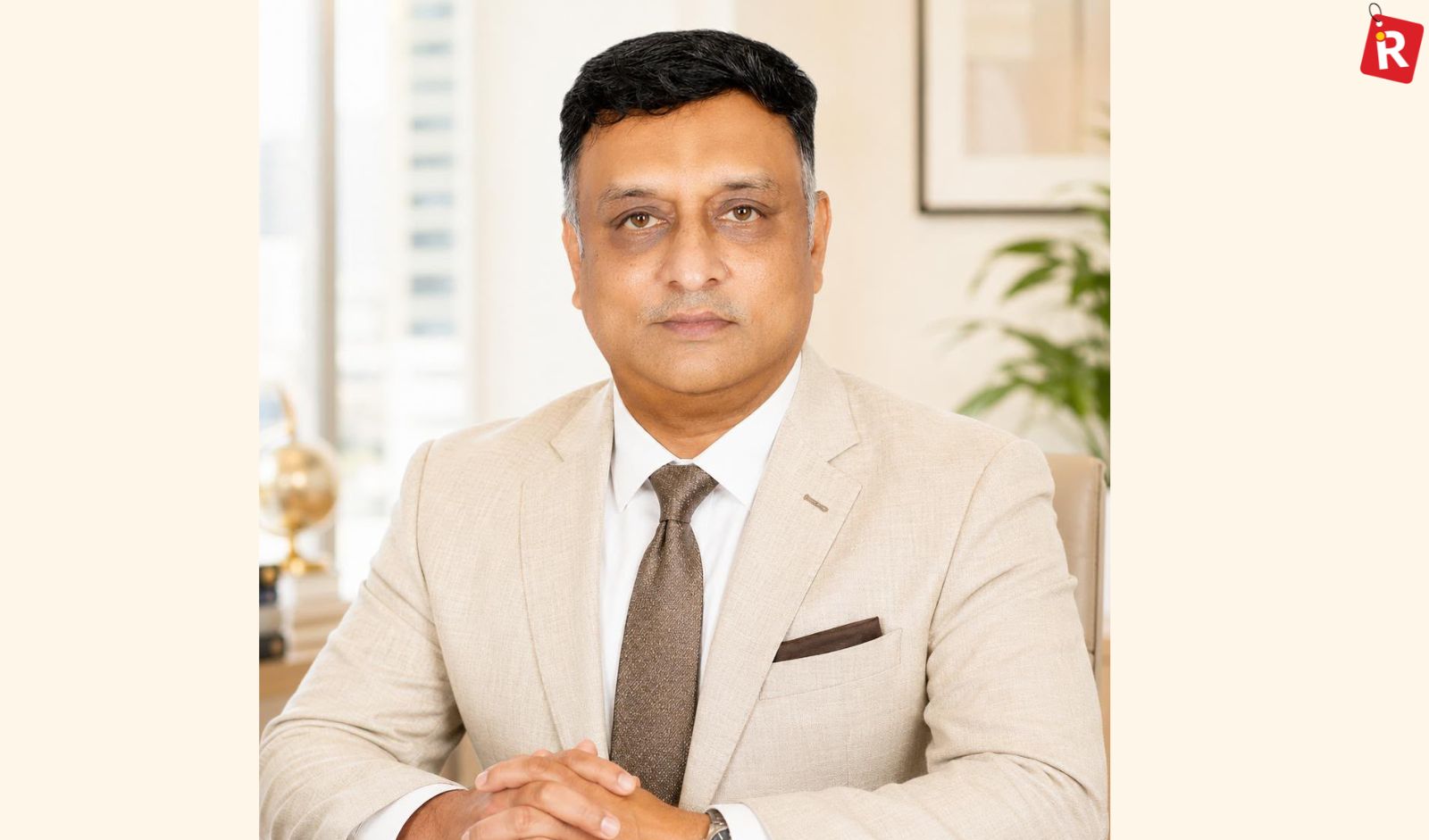
Stone Sapphire India Pvt. Ltd. has appointed Amit Srivastava as the Chief Executive Officer of its Home Division, as the company looks to strengthen its position in India's premium home and lifestyle market.
With nearly three decades of experience in the consumer goods and homeware sectors, Srivastava will oversee the company's next phase of growth, focusing on product innovation, operational excellence, premium brand development, and market expansion. His mandate also includes enhancing Stone Sapphire's omnichannel presence and driving long-term growth across the home category.
In his new role, Srivastava will lead the company's portfolio of international homeware brands, including BergHOFF, Baker's Secret, and LAV, while reinforcing its strategy of bringing premium home and lifestyle products to Indian consumers.
Commenting on his appointment, Amit Srivastava, Chief Executive Officer, Stone Sapphire India Pvt. Ltd. (Home Division), said:
"As CEO, I aspire to build a company that not only grows sustainably but also creates lasting value for customers, partners, and teams. Our goal is to deliver a true 'WOW' customer experience through innovation, quality, and thoughtful design. I believe Stone Sapphire has a tremendous opportunity to strengthen its leadership in the premium home and lifestyle space by combining trusted global brands with a strong consumer-first approach."
Welcoming Srivastava to the leadership team, Shobhit Singh, MD & CEO, Stone Sapphire India Pvt. Ltd., said:
"We are pleased to welcome Amit as the CEO of our Home Division. His proven track record in building and scaling premium consumer brands, coupled with his deep understanding of the home and lifestyle segment, makes him well-positioned to lead the next phase of growth for the business. We are aligned in our strategic vision, and I am confident that his leadership will strengthen our Home Division, accelerate innovation, and create long-term value for our customers and stakeholders."
Prior to joining Stone Sapphire, Srivastava played a key role in expanding Corelle's presence in India, where he led initiatives across sales, marketing, supply chain, retail partnerships, customer service, finance, human resources, and strategic alliances. He was instrumental in building the brand's distribution network and strengthening its position in the premium dinnerware segment.
Established in 2017, Stone Sapphire India operates across stationery, toys, homeware, sports, and lifestyle categories through a pan-India omnichannel distribution network spanning general trade, modern retail, and e-commerce. The company partners with several global brands while also developing its own portfolio of consumer products.
The leadership appointment comes as Stone Sapphire accelerates its expansion in the premium home and lifestyle segment, with a focus on innovation, brand building, and enhancing customer experience across channels.
Contemporary womenswear brand House of Fett is aiming to achieve Rs 80 crore in revenue in FY2026 as it accelerates its offline expansion and strengthens its presence across India's premium fashion retail markets.
Founded in 2018 by Esha Bhambri and Abhinav Gupta, the brand has remained entirely bootstrapped since its inception, relying on reinvested profits rather than external funding to finance its growth.
As part of its expansion strategy, House of Fett plans to increase its retail network from 15 stores in FY2025 to 24 stores by the end of FY2026. The upcoming outlets will expand the brand's footprint across key markets, including Delhi, Gurugram, Noida, Mumbai, Pune, Hyderabad, Raipur, Bengaluru, and Ahmedabad.
Alongside its retail growth, the company has scaled its workforce to nearly 200 employees across manufacturing, retail operations, and corporate functions.
To support faster store rollouts, House of Fett has established an in-house interiors and project execution team. The move is expected to streamline store development, ensure consistency in design and execution, and reduce reliance on external vendors.
The brand has also invested in technology to optimize inventory management. Its merchandising strategy focuses on limited stock and product exclusivity, supported by ERP systems and AI-powered inventory replenishment platforms. According to the company, this approach helped it record three times its average monthly revenue during its annual Black Friday sale, with several popular styles selling out due to controlled inventory levels.
House of Fett's product portfolio is built around contemporary western wear that blends global fashion influences with Indian preferences. The collections feature modern silhouettes, premium fabrics, and versatile designs aimed at urban consumers seeking everyday fashion with a premium appeal.
Speaking about the company's growth strategy, the founders said:
"Our objective has always been to build a sustainable fashion business with strong fundamentals. Every store has been funded through our own earnings, allowing us to grow responsibly while staying focused on product quality, customer experience, and long-term value creation."
With continued investments in retail expansion, technology, and design capabilities, House of Fett is looking to strengthen its position in India's premium womenswear market while maintaining its bootstrapped, profitability-led growth model.
Hansgrohe India has expanded its Wash portfolio with the launch of Avalegra, an integrated washplace solution that combines a wash basin and faucet into a single design. The product was unveiled at the brand's channel partner outlet, C B Xclusive in Mumbai, underscoring Hansgrohe's strategy to strengthen its premium bathroom solutions portfolio while expanding its consumer-facing retail presence in India.
The launch forms part of the company's broader retail expansion plans as it looks to complement its established business with architects, interior designers, and real estate developers through immersive retail experiences. Hansgrohe has been rolling out new retail formats across the country, allowing homeowners and trade partners to experience complete bathroom concepts that integrate ceramics, faucets, showers, accessories, and water technologies.
Avalegra further enhances the brand's integrated bathroom solutions portfolio by bringing together the wash basin and faucet in a coordinated system designed to improve functionality, aesthetics, and ease of installation.
The product features two distinct water delivery modes—a parabolic spray integrated into the basin and a laminar spray from a swivel spout—allowing users to switch between different water flows depending on their needs. Both spray functions are engineered to limit water consumption to five litres per minute, supporting water conservation while maintaining performance.
Hansgrohe has also focused on durability and maintenance in the product's design. Avalegra features a solid-surface basin that offers resistance to cleaning agents, chemicals, and daily wear. Its smooth interior contours help reduce dirt accumulation, while flexible silicone nozzles are designed to minimize limescale build-up, contributing to easier maintenance over time.
Commenting on the launch, Abdulkader Bengali, Managing Director, Hansgrohe India, said:
"India's premium bathroom segment is witnessing a clear shift towards integrated, design-led solutions that deliver unique water experiences without compromising on performance and long-term value. As we continue to strengthen our wash portfolio, innovations such as Avalegra reinforce our commitment to offering complete bathroom solutions that seamlessly combine water technology, contemporary design and sensory water experiences in one single solution. Through our various hansgrohe retail formats, we are also bringing these innovations closer to homeowners, architects, designers and channel partners, supporting our broader strategy of strengthening our consumer-facing retail presence while continuing to build on our strong professional network across India."
The introduction of Avalegra reflects the growing demand for premium, integrated bathroom solutions that combine design, sustainability, and functionality. As Hansgrohe continues to expand both its product portfolio and retail network in India, the company aims to strengthen its position in the premium bathroom segment by offering complete solutions that cater to evolving consumer preferences.
Pidilite Industries has expanded its product portfolio with the launch of Fevicryl YUDU, a premium range of children's art and craft supplies. The launch marks the company's entry into the premium children's art products segment, broadening the Fevicryl brand's presence beyond its existing arts and crafts offerings.
The Fevicryl YUDU range features a curated selection of child-safe creative tools, including brush pens, poster colours, 3-in-1 pencils, and other art essentials. Developed for use across multiple surfaces, the products are designed to support drawing, painting, colouring, and creative play while offering children greater flexibility to experiment with different forms of artistic expression. The entire range is non-toxic and intended for safe everyday use.
Commenting on the launch, Kashyap Gala, Senior Vice President, Consumer Products Division, Pidilite Industries Ltd., said:
"With Fevicryl YUDU - Banao Apni Stories, we wanted to create more than an art range, we wanted to create a brand that believes every child deserves the freedom to imagine, express and tell stories in their own unique way. Fevicryl YUDU equips children with the right creative tools to turn everyday thoughts, ideas and dreams into stories, helping them discover the joy of self-expression without limits."
To introduce the new range, the company has rolled out the 'Fevicryl YUDU – Banao Apni Stories' digital campaign, which positions the products as enablers of imagination and storytelling. The campaign also features a character-led creative universe aimed at making the art experience more engaging for children.
The launch comes as demand for premium, safe, and educational creative products continues to grow, driven by parents' increasing focus on hands-on learning and skill development. By entering this category, Pidilite is looking to strengthen Fevicryl's position in the children's creative products market while expanding its portfolio with products tailored to younger consumers.

Surya Roshni has invested Rs 16 crore in setting up captive solar power plants across three of its manufacturing facilities as part of its broader sustainability and renewable energy strategy. The initiative is expected to help the diversified manufacturing company reduce its carbon footprint while increasing the share of clean energy in its production operations.
The solar installations have been commissioned at the company's manufacturing units in Malanpur (Madhya Pradesh), Kashipur (Uttarakhand), and Bahadurgarh (Haryana), with a combined installed capacity of 4 MWp. The Kashipur and Malanpur plants each have a capacity of 1.5 MWp, while the Bahadurgarh facility houses a 1 MWp installation.
Designed using a mix of rooftop and ground-mounted systems, the captive solar plants are expected to improve energy efficiency across the manufacturing network. The Kashipur and Malanpur facilities are projected to generate nearly 1.8 million units of electricity annually each, while the Bahadurgarh plant is expected to produce around 1.2 million units. Collectively, the three facilities are estimated to generate close to 4.8 million units of renewable energy every year.
The renewable energy initiative is also expected to reduce the company's annual carbon emissions by approximately 3,936 tonnes of CO₂, supporting its long-term environmental goals and responsible manufacturing practices.
Commenting on the development, Padma Shri Jai Prakash Agarwal, Chairman, Surya Roshni, said:
"At Surya Roshni, sustainability is deeply integrated into our business philosophy and long-term growth strategy. The installation of captive solar power plants across our manufacturing facilities reflects our commitment towards responsible manufacturing and environmental stewardship. As we continue to expand our operations, we remain equally committed to reducing our carbon footprint and increasing the adoption of renewable energy solutions. This initiative is another important step towards building a greener and more sustainable future."
The investment aligns with Surya Roshni's ongoing efforts to integrate sustainable practices into its manufacturing operations. Over the years, the company has focused on improving energy efficiency, optimizing resource utilization, and investing in technologies that support environmentally responsible growth across its diversified business portfolio.
Founded in 1973, Surya Roshni operates across multiple segments, including lighting, consumer durables, wires and cables, fans, home appliances, PVC pipes, water pumps, water tanks, and steel pipes. The company has five manufacturing facilities across India and exports its products to more than 50 countries. With annual revenue exceeding ₹7,500 crore, it is also recognized as India's largest exporter of ERW steel pipes.

What is Click & Collect?
Click & Collect is an omnichannel retail service that allows customers to purchase products online and collect them from a physical store or designated pickup location instead of having them delivered to their homes. This shopping model combines the convenience of online shopping with the speed and flexibility of in-store pickup.
Retailers use Click & Collect to provide customers with faster order fulfilment, reduce delivery costs, and create a seamless shopping experience across digital and physical channels.
Origin
The concept of Click & Collect gained popularity as retailers began integrating e-commerce with brick-and-mortar stores. Initially introduced by large retail chains to improve customer convenience, it has become a standard feature across supermarkets, fashion retailers, electronics stores, and omnichannel businesses. The rapid growth of digital commerce and changing consumer expectations have further accelerated its adoption worldwide.
Usage in Retail
Retailers allow customers to browse products online, place an order through a website or mobile app, and choose a preferred store for pickup. Once the order is ready, customers receive a notification and collect their purchase without waiting for home delivery.
Many retailers also use dedicated pickup counters, drive-through collection points, or smart lockers to make the process quicker and more convenient. Click & Collect helps retailers increase store visits while offering customers greater flexibility and control over their shopping experience.
Examples of Click & Collect
A customer orders a smartphone online and collects it from the nearest electronics store later the same day. A supermarket allows shoppers to purchase groceries through its mobile app and pick them up from a designated collection point without entering the store. A fashion retailer enables customers to reserve clothing online and collect it from a nearby outlet after receiving a confirmation message.
These examples demonstrate how Click & Collect bridges online and offline retail, delivering a faster and more convenient shopping experience.
Why It Matters
Click & Collect has become an essential omnichannel retail strategy because it improves customer convenience, reduces delivery expenses, and increases in-store footfall. It also encourages additional purchases when customers visit stores to collect their orders. As consumer expectations for speed and flexibility continue to rise, Click & Collect is helping retailers deliver a more connected, efficient, and customer-centric shopping experience.

Tapping into the growing demand for premium fragrances among women consumers in India, Park Avenue Fragrances, a leading men’s fragrance and grooming brand from Godrej Consumer Products, has expanded its portfolio and forayed into the women’s perfume category with the launch of ‘Park Avenue for Her’.
The fragrance brand introduces four distinct Eau De Parfum variants for women such as Poise, Grace, Verve and Allure, each thoughtfully crafted to offer a unique olfactory experience with long-lasting notes spanning fresh, floral, spicy and warm woody accords.
As per insights from IMARC, overall perfumes market in India stands was estimated to be at USD 1,250 Million in 2025. Female leads the market with a share of 52% in 2025 reported IMARC. The launch of Park Avenue ‘for Her’ marks a significant milestone in the brands growth trajectory as it expands beyond its established men’s fragrance and grooming legacy and foray into India’s women’s perfume category.
Designed for the confident, modern woman with evolving lifestyles, The Park Avenue for Her fragrance seamlessly complements moods, occasions and everyday moments, from office hours, social evenings to personal celebrations and everyday life. The women’s range also makes for an elegant and indulgent gifting choice for women across celebrations and special moments.
Commenting on the launch, Samir Suryawanshi, Head of Marketing – Personal Care, Godrej Consumer Products Limited (GCPL), said, “India’s fragrance category is growing rapidly. This shift is accelerating the premiumisation of the category and creating strong momentum within women’s fragrances as well, where female consumers are seeking sophisticated and long-lasting fragrances. With a strong presence in male perfumes category, Park Avenue Fragrances see this as an opportunity to expand and build a holistic fragrance portfolio that caters to female consumers as well. Park Avenue for Her range of perfumes is launched through modern trade and e-commerce channels with an aim to drive penetration in urban markets.”
Park Avenue for Her is available in elegant 100ml perfume bottles priced at INR 799 as well as a specially curated 4-in-1 discovery gift set costing INR 849 featuring 20ml bottles of each fragrance. Park Avenue for Her range is available across modern trade outlets and on leading e-commerce platforms like Amazon, Flipkart, Nykaa, and Zepto.
Marico is targeting Rs 15,000 crore in revenue for FY27 as it continues to strengthen its premium portfolio, expand digital-first brands, and invest in technology to drive long-term growth. The FMCG company has also reaffirmed its Vision 2030, under which it aims to achieve Rs 20,000 crore in revenue over the next four years.
According to the company's latest annual report, Marico plans to expand its Total Addressable Market (TAM) to three times its current size by FY30 through portfolio expansion, premiumisation, innovation, and continued investments in digital and technology capabilities. Addressing shareholders, Harsh Mariwala, Chairman, Marico, said the company remains watchful of ongoing macroeconomic and geopolitical challenges but is entering FY27 with confidence.
"Our long-term vision remains unchanged: to deliver profitable growth, create enduring stakeholder value, and make a meaningful difference to society," Mariwala said.
Saugata Gupta, Managing Director and Chief Executive Officer, Marico, said the company has nearly doubled its Total Addressable Market since FY22 and plans to continue expanding it over the coming years.
"Having nearly doubled our Total Addressable Market (TAM) since FY22, we aim to expand it further to 3x by FY30 through sharper portfolio choices, accelerated premiumisation, and sustained investments in digital and technology capabilities," he said.
Marico said it aims to maintain a top-quartile volume growth trajectory in India while delivering teens' constant-currency growth in its international business.
Gupta added, "At a consolidated level, we aspire to deliver double-digit revenue growth, with mid-teens EBITDA CAGR. Our journey from Rs 10,831 crore in FY25 to Rs 13,611 crore in FY26 reflects the strategic clarity, strength of our brands, and our execution prowess. As we progress towards the Rs 15,000 crore mark in FY27 and embark on our Vision 2030 to achieve Rs 20,000 crore revenue, we remain confident that our evolved portfolio, disciplined approach, and strong execution capabilities will enable us to deliver sustained and profitable growth at scale."
The company said its digital-first portfolio ended FY26 with an annualised revenue run rate of more than Rs 1,100 crore, exceeding its initial expectations.
Gupta said, "Supported by a digital-first model and an agile innovation approach, we are increasingly focused on improving unit economics and driving profitable growth. It is encouraging that Beardo and Plix have already turned profitable, and we expect the total digital-first portfolio to achieve teens EBITDA margin by FY30."
Marico also crossed the Rs 1,000 crore revenue milestone in its foods business during FY26. The company plans to expand this portfolio to 15 times its FY20 revenue by FY30, supported by product innovation and a strategy focused on building larger and more profitable brands.
The premium personal care business continued to record growth, supported by the expansion of Marico's digital-first brands. Together, the foods and premium personal care businesses, including digital-first brands, now contribute around 23 percent of the company's India business revenue. Marico expects this share to increase to around one-third of domestic revenue by FY30.
The company also highlighted the growing importance of digital commerce in its business. Quick commerce contributed to stronger growth during FY26, with Marico's salience on quick commerce platforms increasing to around 5 percent. Overall, digital channels, including e-commerce and direct-to-consumer platforms, accounted for about 20 percent of the company's business in India.
Highlighting the role of technology in future growth, Gupta said, "Importantly, we view digital not just as a channel, but as a core capability across demand generation, go-to-market and innovation."

Phoenix Mills Ltd reported strong operational performance across its retail, commercial office, hospitality, and residential businesses for the quarter ended June 2026 (Q1 FY27). Following the business update, the company's shares gained 2.16 percent to close at Rs 2,065.80.
The company's retail portfolio continued to record steady growth during the quarter. Consumption across its operational retail assets increased 32 percent year on year to Rs 4,727 crore, supported by healthy consumer demand across most shopping malls. The company said select properties also benefited from ongoing repositioning and premiumisation efforts aimed at improving the tenant mix and overall customer experience.
During the quarter, Phoenix MarketCity Pune was relaunched as Phoenix Avenue of Stars, marking the next phase of the mall's development with a refreshed premium brand portfolio designed to meet changing consumer preferences in Pune.
The hospitality business also delivered growth during the quarter. The St. Regis Mumbai reported 15 percent year-on-year growth in revenue per available room (RevPAR), while Courtyard by Marriott Agra recorded 23 percent RevPAR growth. The increase was supported by healthy occupancy levels and double-digit growth in average room rates. In the residential business, Phoenix Mills recorded sales of Rs 64 crore during the quarter as it continued to sell its premium ready-to-move inventory.
Phoenix Mills is one of India's largest retail-led mixed-use real estate developers, with operations spanning planning, development, leasing, marketing, management, maintenance, and sales. The company has a presence across Mumbai, Bengaluru, Chennai, Pune, Raipur, Agra, Indore, Lucknow, Bareilly, and Ahmedabad.
The company had earlier reported a 50 percent increase in consolidated net profit to Rs 403.35 crore for the fourth quarter of FY26, compared to Rs 268.82 crore in the corresponding quarter of the previous year. Net sales rose 21.3 percent year on year to Rs 1,233.20 crore.
Colgate-Palmolive Company has reported an 8.4 percent increase in net sales for the first quarter of 2026, reaching Rs 5.324 billion compared to Rs 4.911 billion in the same period last year. Organic sales grew 2.9 percent, despite a 0.6 percent negative impact from lower private-label pet food sales. The company also retained its leadership in the global oral care market, with a 41.1 percent share in toothpaste and a 32.6 percent share in manual toothbrushes year to date.
On a GAAP basis, diluted earnings per share (EPS) declined 6 percent to Rs 0.80 from Rs 0.85 a year ago. However, Base Business EPS increased 7 percent to Rs 0.97, while gross profit margin stood at 60.6 percent, down 20 basis points year on year. Net cash generated from operating activities during the first three months of 2026 was Rs 747 million.
Noel Wallace, Chairman, President and Chief Executive Officer said, “We delivered a strong start to 2026, with broad-based top and bottom-line growth. Net sales and organic sales grew in every category and in four of five divisions with a nice balance of volume and pricing growth. Gross profit margin increased sequentially versus fourth quarter 2025 and operating profit, net income, earnings per share, and free cash flow all increased year over year, along with an increase in advertising spending. These results underscore the resilience of our business model as we are able to execute against our long-term strategy while delivering strong results in a difficult operating environment. While we expect the volatile macroeconomic conditions and slower category growth to continue in 2026, we are aligned behind our 2030 strategy to deliver consistent, compounded earnings per share growth and drive long-term shareholder value.”
During the quarter, the company reported sales growth across most of its business segments. Latin America posted the highest net sales growth at 14.8 percent, followed by Europe, Middle East, and Africa at 11.9 percent, Asia Pacific at 8.9 percent, and Hill's Pet Nutrition at 6.7 percent. North America recorded a 1.8 percent decline in net sales. Overall, reported volume increased 1.1 percent, pricing contributed 2.2 percent, and foreign exchange added 5.1 percent to total company sales growth.
Operating profit on a reported basis was Rs 964 million, down 10 percent year on year, while Base Business operating profit rose 4 percent to Rs 1.134 billion. Latin America, Europe, Middle East and Africa, Asia Pacific, and Hill's Pet Nutrition all reported higher operating profit, while North America recorded a decline.
The company also announced an expansion of its Strategic Growth and Productivity Program (SGPP) following approval from its Board of Directors on April 30, 2026. The revised programme is intended to support the company's long-term growth strategy through operational alignment. As part of the expansion, cumulative pre-tax charges are now expected to range between Rs 350 million and Rs 550 million, up from the earlier estimate of Rs 200 million to Rs 300 million. Annual pre-tax savings are projected to be between Rs 200 million and Rs 300 million once all projects are implemented. The company expects substantially all related charges to be incurred by December 31, 2028.
For the full year 2026, Colgate-Palmolive maintained its sales and earnings guidance while revising its gross profit margin outlook. The company continues to expect net sales growth of 2 percent to 6 percent, including a low single-digit positive impact from foreign exchange. Organic sales growth is projected to remain between 1 percent and 4 percent, reflecting the impact of its exit from the private label pet food business.
On both a GAAP and Base Business basis, the company now expects gross profit margin to decline during the year, compared to its earlier expectation of an increase. It continues to forecast higher advertising spending, both in absolute terms and as a percentage of net sales. The company also maintained its expectation of double-digit GAAP earnings per share growth and low to mid single-digit Base Business earnings per share growth.
LOOKS Salon has strengthened its presence in the premium beauty and wellness segment with the opening of a new flagship outlet at Grand Hyatt Mumbai.
Spanning nearly 2,000 sq. ft., the salon offers a wide range of services, including haircare, skincare, nail care, barbering, grooming and bridal solutions. The outlet uses international beauty brands such as Kérastase, Dermalogica, OPI and Redken across its service portfolio.
The newly opened location features dedicated Kérastase ritual zones, specialised barbering sections, curated nail and grooming areas, and technology-enabled skincare treatment spaces. According to the company, the salon has been designed to serve hotel guests, business travellers, airline crew members, wedding clients and local consumers.
The expansion aligns with LOOKS Salon's broader strategy of increasing its presence in premium hospitality destinations while strengthening its luxury beauty and wellness offerings.
Samir Srivastav, CEO, LOOKS Salon said, "The launch of LOOKS Salon at Grand Hyatt Mumbai reflects our vision of bringing luxury beauty, wellness, and hospitality together. We are delighted to partner with one of India's most iconic hospitality brands and look forward to delivering exceptional experiences to both hotel guests and Mumbai's discerning consumers."
The company said the new salon will also support Grand Hyatt Mumbai's wedding and events business by offering on-site beauty, grooming and wellness services for brides, grooms and their families.
Founded in 1989, LOOKS Salon operates a network of more than 250 salons across India and employs over 6,000 professionals, providing hair, beauty, nail and makeup services nationwide.
Flipkart has expanded its zero-commission policy to cover all products in its fashion category by removing the earlier price cap of Rs 1,000.
The move is expected to benefit around 90,000 active sellers, allowing them to retain full margins on their sales.
Previously, the policy was limited to fashion items priced up to Rs 1,000. With the removal of this cap, sellers across all price segments in fashion will now be included.
Kapil Thirani, Vice President, Flipkart Fashion, said, “By extending this seller-first initiative across the entire fashion category, we are making a long-term investment in our sellers so they can invest more confidently in innovation, assortment expansion and brand building.”
Founded in 2007, Flipkart has grown into a large e-commerce platform with over 500 million registered users and more than 1.4 million sellers.
Fashion e-commerce platform Myntra has expanded its partnership with Barcelona-based fashion brand Desigual by introducing the brand's apparel collection on its platform. The move follows the launch of Desigual's accessories, handbags and backpacks on Myntra last year and marks the next phase of the brand's expansion in the Indian market.
The newly introduced collection features 90 styles across Desigual's key categories, including dresses, denim and jackets. The range reflects the brand's signature design language through colourful silhouettes, statement denim, graphic knitwear and expressive outerwear.
With the apparel launch, Desigual aims to strengthen its visibility in India and expand its reach among digitally engaged consumers. Through Myntra's customer base of more than 75 million monthly active users, the brand expects to connect with shoppers seeking international fashion labels. The company also plans to introduce seasonal collections throughout the year to further broaden its product portfolio in India.
Venu Nair, Chief of Strategic Partnerships and Omnichannel, Myntra said, “The encouraging response to Desigual's accessories on our platform demonstrates the Indian consumer’s growing appetite for design-led international fashion. India has emerged as one of the world's most dynamic fashion markets, and Myntra is uniquely positioned to enable iconic global brands like Desigual to tap into this massive opportunity and strategically scale their presence. The expansion into the brand’s apparel collection reinforces our commitment to scaling international brands in India, leveraging our deep market insights and extensive reach to build discovery, aspiration, and long-term growth across the country.”
The launch comes as demand for international brands on Myntra continues to grow across the country. According to the company, Tier II cities account for 45 percent of demand for international brands on the platform, highlighting increasing consumer interest in premium global fashion beyond metropolitan markets.
Myntra currently offers a portfolio of more than 500 international brands, catering to consumers across premium, trend-led and accessible luxury fashion categories.

What is Retail Velocity?
Retail Velocity refers to the speed at which products are sold through a retail store or sales channel over a specific period. It measures how quickly inventory moves from store shelves to customers and is a key indicator of product demand, inventory efficiency, and overall retail performance.
A high retail velocity indicates that products are selling quickly, while a low retail velocity may signal weaker demand, pricing issues, or inventory imbalances.
Origin
The concept of Retail Velocity evolved from inventory management and retail analytics, where businesses sought to measure product movement and sales efficiency. As organised retail, e-commerce, and omnichannel commerce expanded, retail velocity became a critical performance metric for retailers, FMCG companies, distributors, and consumer brands.
Today, it is widely used to optimise merchandising strategies, inventory planning, product assortment, and supply chain operations.
Usage in Retail
Retailers use retail velocity to identify best-selling products, forecast demand, and improve inventory management. Products with high retail velocity are often prioritised for replenishment, featured in promotional campaigns, and allocated more shelf space.
Brands also analyse retail velocity across different stores and regions to understand customer preferences, improve product distribution, and optimise pricing strategies. In e-commerce, retail velocity helps businesses evaluate product performance and ensure popular items remain in stock.
Examples of Retail Velocity
A supermarket observes that a popular breakfast cereal sells out within two days of restocking, indicating high retail velocity. An electronics retailer tracks smartphone sales across multiple cities to identify fast-moving models and adjust inventory accordingly. An online fashion brand analyses retail velocity during festive sales to replenish trending apparel before stock runs out.
These examples demonstrate how retail velocity helps businesses make faster, data-driven merchandising and inventory decisions.
Why It Matters
Retail Velocity is a crucial metric for improving sales performance, reducing excess inventory, and enhancing customer satisfaction. By understanding how quickly products move, retailers can optimise stock levels, reduce carrying costs, improve cash flow, and maximise revenue opportunities. As AI-driven forecasting, omnichannel retail, and data analytics continue to evolve, retail velocity has become an essential metric for building agile, efficient, and profitable retail operations.
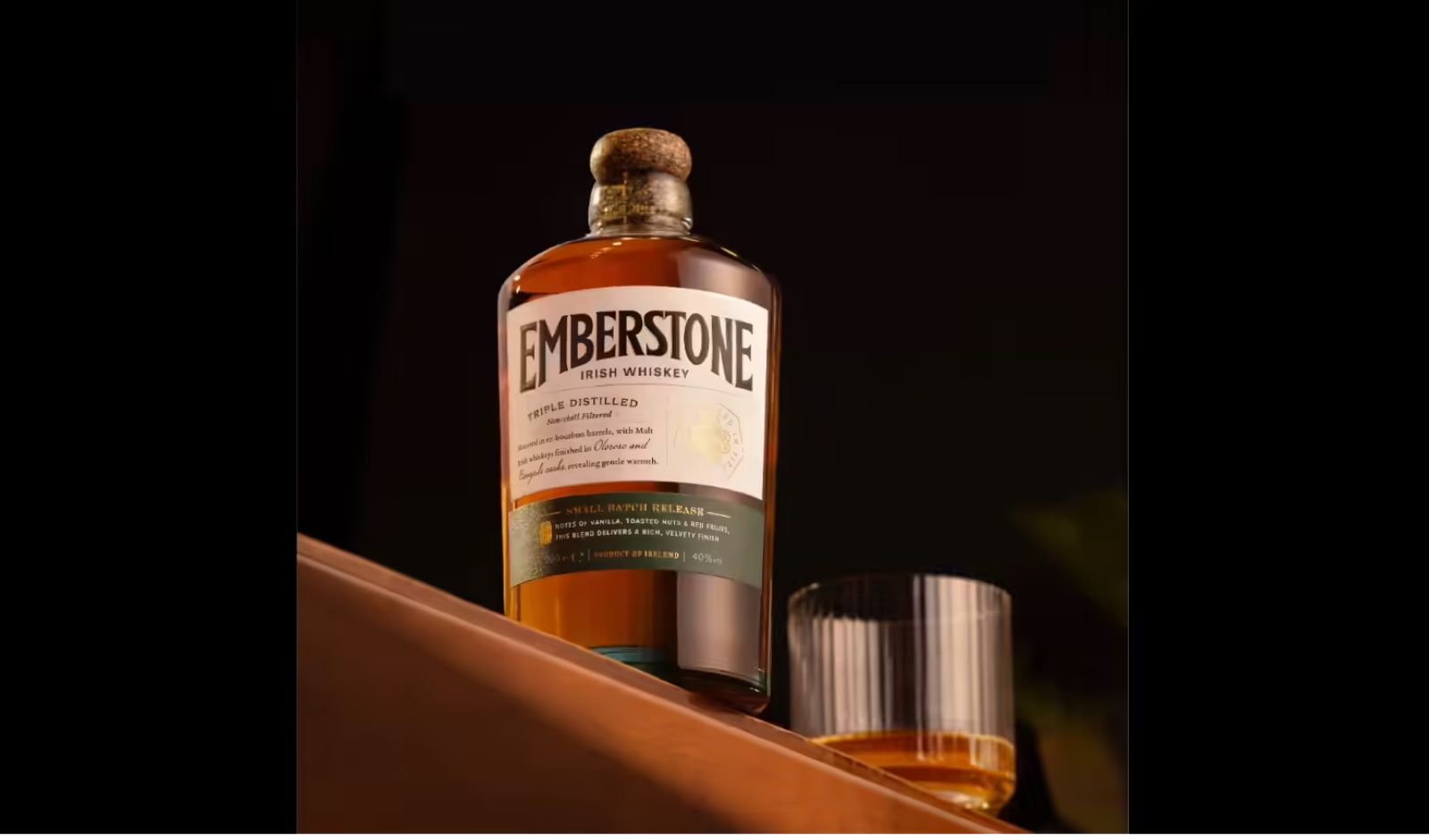
Premium spirits importer and distributor My Barrel & Beyond has expanded its portfolio in India with the launch of Emberstone Irish Whiskey, aiming to tap into the country’s growing demand for premium whisky.
Crafted in Ireland using traditional distillation techniques, Emberstone is a triple-distilled and non-chill filtered Irish whiskey. It is matured in ex-bourbon casks and further finished in Oloroso sherry and Banyuls wine barrels. The company said the product is made in small batches and targets consumers looking for high-quality international spirits.
Mayank Yadav, founder of My Barrel & Beyond, said, “The Indian premium spirits consumer is becoming increasingly discerning, seeking brands with authenticity, provenance and meaningful stories. Emberstone represents a thoughtful expression of Irish whiskey crafted with patience, respect for tradition and an unwavering commitment to quality.”
The launch comes at a time when India is witnessing a steady rise in demand for imported and premium alcoholic beverages, driven by evolving consumer preferences and interest in global drinking experiences.
Initially, Emberstone will be available in Delhi, Haryana and Uttar Pradesh. The company plans to expand its presence to Rajasthan, Himachal Pradesh, Goa, Maharashtra and Karnataka later this year as part of a phased rollout strategy.
The whiskey is bottled at 40 percent ABV and is priced between Rs 2,500 and Rs 3,350 for a 700 ml bottle, depending on the state.
Headquartered in Gurugram, My Barrel & Beyond imports and distributes premium wines and spirits across retail, HORECA and other channels through its sister company (My Wines & Spirits).
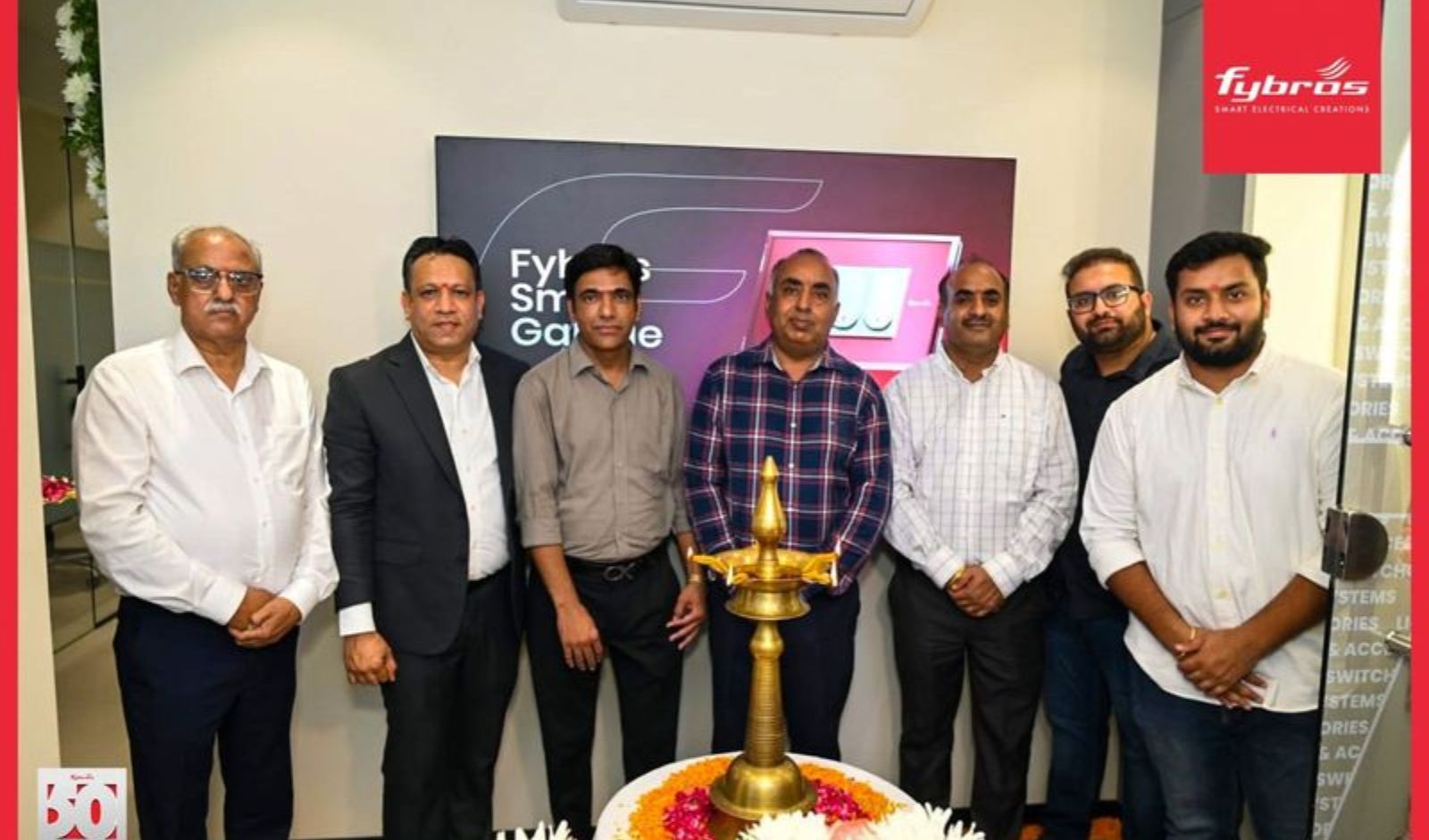
Fybros, a New Delhi-based electrical solutions brand, has expanded its retail presence with the launch of a new Smart Galerie in Ludhiana, Punjab.
The experience centre aims to provide an interactive platform for customers and industry stakeholders to explore the company’s product offerings.
The Smart Galerie has been designed as an immersive space where customers, along with architects, electricians, contractors, and channel partners, can engage with Fybros’ range of electrical products. The facility showcases the company’s latest innovations, premium product designs, and advancements in electrical technology.
The launch aligns with the brand’s broader strategy to expand access to its solutions through experience-led retail formats.
A company spokesperson said, “At Fybros, our journey has always been driven by innovation and trust. For more than five decades, we have focused on building products that power lives safely and efficiently. The launch of our Smart Galerie in Ludhiana reflects our commitment to making premium electrical solutions more accessible while enhancing customer experience through interactive retail spaces.”
With over 26 Smart Galeries already operational across India, the company continues to expand its presence in key markets. It also plans to open additional experience centres to bring its ecosystem closer to consumers.
Founded in 1968, Fybros has grown from a family-led business into a nationally recognised brand. The company offers a wide range of products, including wires and cables, switches and accessories, switchgears, LED lighting solutions, and fans.
The latest launch reflects Fybros’ ongoing focus on strengthening access to smart and reliable electrical solutions across residential, commercial, and industrial segments.
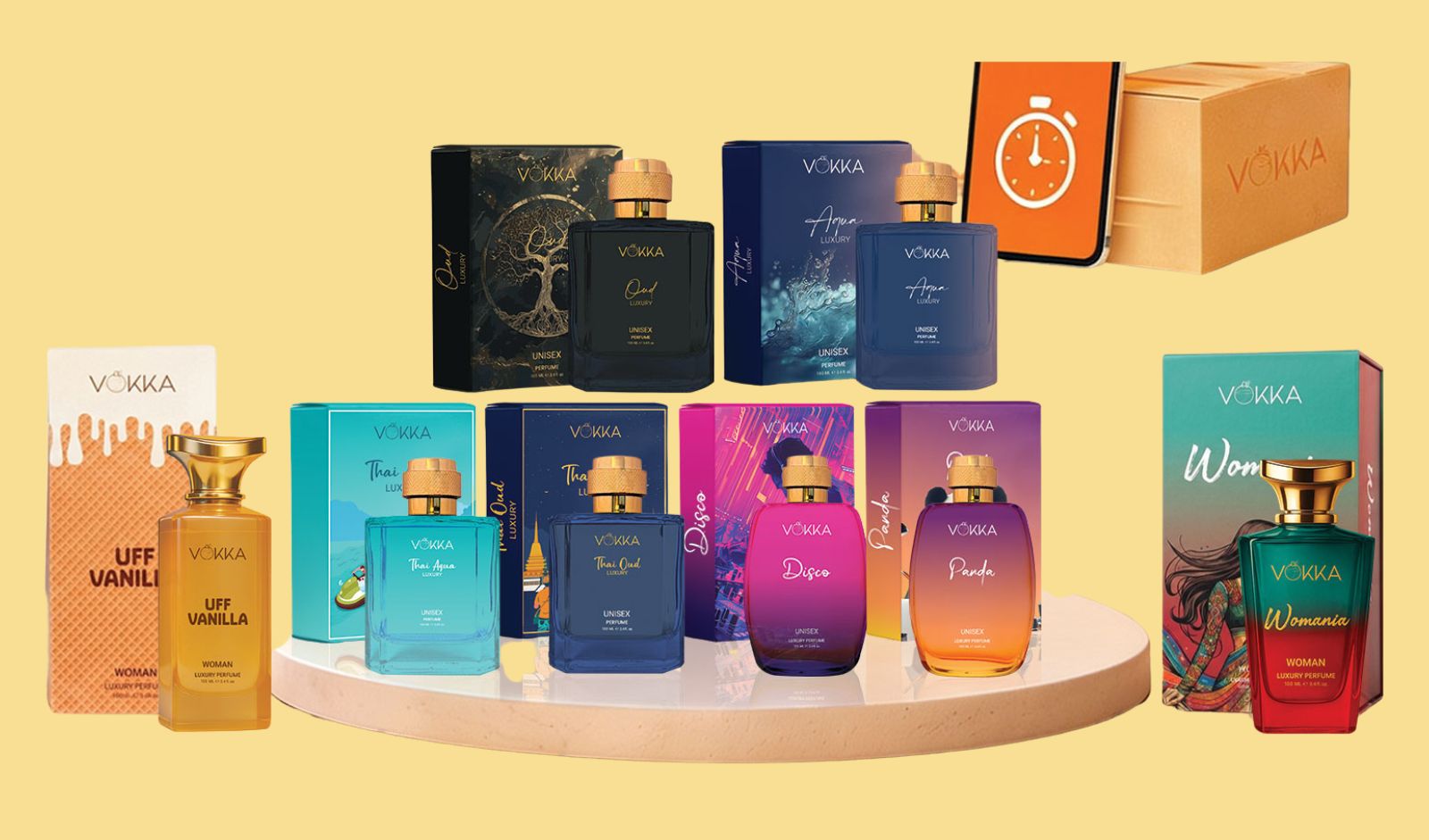
An Indian fragrance and personal care brand, Vokka, on July 8, announced
that its products are now available across India's leading quick commerce
platforms, including Blinkit, Zepto, Swiggy Instamart, and Amazon Now.
The expansion takes Vokka's quick commerce presence to 320+ cities across
India, including 240+ cities on Blinkit, 60+ cities on Zepto, 10+ cities on
Swiggy Instamart and Delhi NCR cities on Amazon Now. The wider availability
gives consumers faster access to Vokka's fragrance and personal care
portfolio through their preferred instant delivery platforms.
Positioned as one of India's most affordable perfume brands, Vokka continues
to make premium fragrances accessible at everyday price points.
The brand's current portfolio includes unisex and women's perfumes starting
at Rs 225, unisex combo packs starting at Rs 399, men's and unisex gift sets
starting at Rs 450, and unisex perfume body lotion combos starting at Rs
399, offering premium fragrance and personal care options for everyday use
and gifting.
Commenting on the development, Sonam Khurana, Founder and CEO at Vokka said,
"Quick commerce is changing the way consumers shop for beauty and personal
care products. Customers increasingly expect convenience, speed and value,
and this expansion allows us to meet those expectations. With our
availability across Blinkit, Zepto, Swiggy Instamart and Amazon Now,
consumers can access Vokka's range of perfumes, combo packs, gift sets and
body lotions in as little as 10 minutes. Our focus remains on making premium
fragrance experiences affordable and easily accessible to consumers across
India."
Founded in 2024, Vokka has served more than 2.5 million customers across
India. The company continues to expand its distribution network across
online marketplaces, quick commerce platforms and other retail channels
while strengthening its presence in the affordable premium fragrance
segment.
Fitness and active lifestyle platform Cult.fit’s early investor and actor Hrithik Roshan is set to partially exit his stake through the company’s upcoming initial public offering (IPO), according to its draft red herring prospectus (DRHP).
The filing shows that Roshan plans to sell 6.33 lakh shares as part of the offer for sale (OFS). He currently holds a 0.20% stake in the company, amounting to 19.01 lakh shares, valued at around Rs 4 crore. The final value of his share sale will depend on the IPO price band, which has not yet been disclosed.
Cult.fit is targeting a public issue size in the range of Rs 3,500–4,000 crore. The IPO will include a fresh issue of shares worth Rs 950 crore along with an OFS of up to 178.6 million shares by existing investors and shareholders. The final offer size may change once the pricing details are finalised. The company intends to list on both the Bombay Stock Exchange (BSE) and the National Stock Exchange (NSE).
Several institutional investors and early backers will also dilute their holdings through the OFS. These include Chiratae Ventures, Temasek, Fitness First, Tata Digital, Accel, Kalaari Capital, Schroders Capital and Epiq Capital, among others.
Promoter Mukesh Bansal is also set to sell a portion of his stake. Chiratae, through its affiliated entities, plans to offload up to 2.81 crore shares, while Temasek will sell up to 2.47 crore shares. Fitness First, Mukesh Bansal and Tata Digital will also divest significant portions.
The company may additionally undertake a pre-IPO placement of up to Rs 190 crore, which would reduce the size of the fresh issue.
Founded in 2016 by Mukesh Bansal and Ankit Nagori, Cult.fit operates a network of over 700 fitness centres across India and runs businesses such as Cultsport and Carefit. Its network includes owned gyms, franchised outlets, marketplace partners and Gold’s Gym-branded centres.
The company plans to utilise proceeds from the fresh issue to expand its physical footprint and strengthen operations. Around Rs 276.6 crore has been earmarked for setting up new Cult Elite and Cult Neo centres, while Rs 217.5 crore will go towards lease and rental expenses. It also plans to allocate Rs 120 crore for debt repayment, Rs 75 crore for marketing, and Rs 23.4 crore for expanding its Cultsport retail presence.
Financially, Cult.fit reported revenue from operations of Rs 1,720.6 crore in FY26, marking a 41.6% increase from the previous year. Its net loss narrowed to Rs 251.9 crore, reflecting continued improvement in profitability. Adjusted EBITDA turned positive at Rs 144.8 crore, with margins improving to 8.41%.
The company has raised over USD 714 million across multiple funding rounds and was last valued at around Rs 12,600 crore following a recent investment led by Temasek.
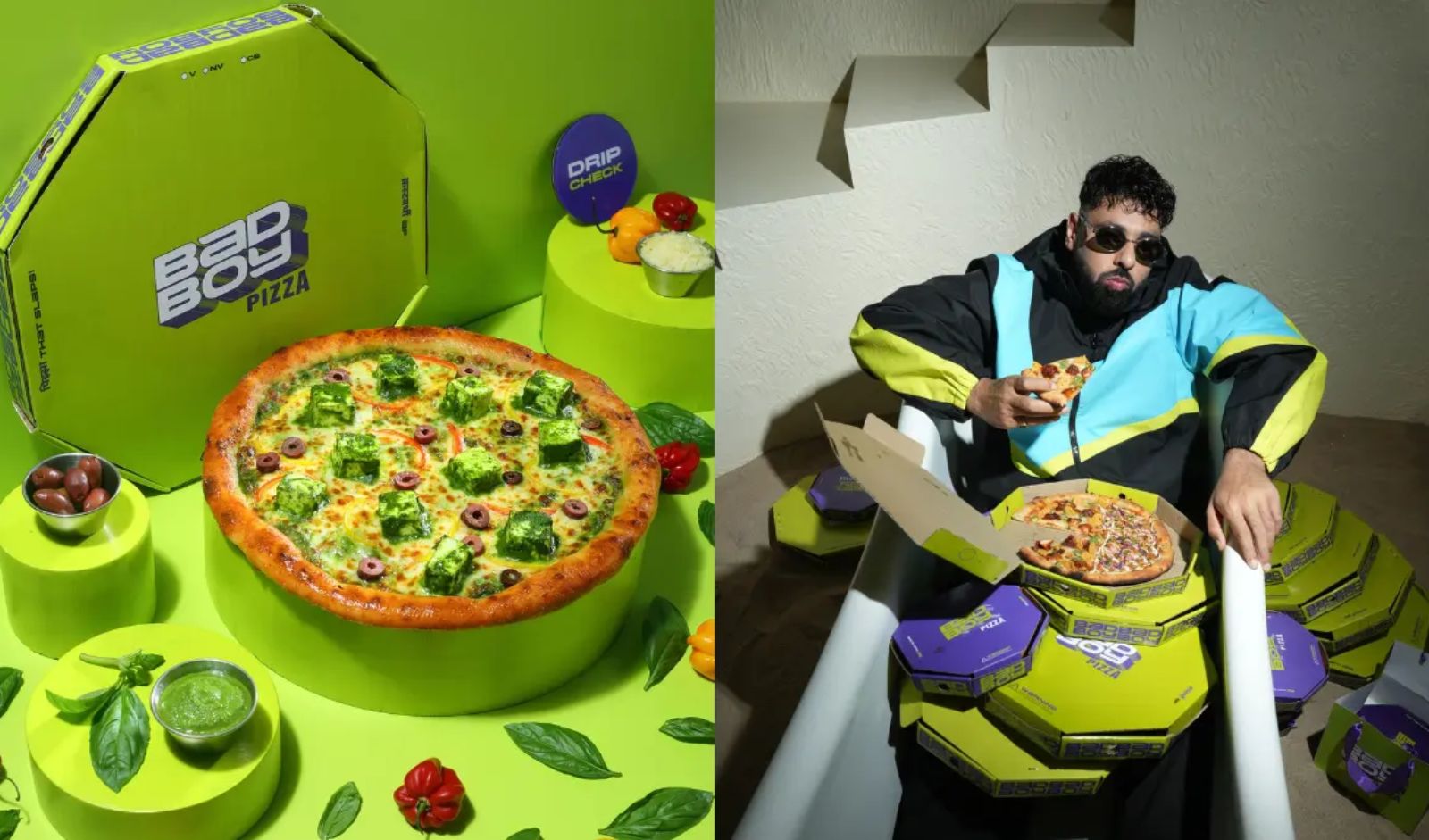
Celebrity-backed quick service restaurant (QSR) brand Bad Boy Pizza, co-founded by rapper Badshah and entrepreneur Karan Tanna, has outlined its long-term expansion plans as it completes one year of operations. The company is targeting an annualised recurring revenue (ARR) of Rs 200 crore and aims to operate more than 70 outlets by 2028.
As part of its next phase of growth, the brand plans to open five flagship outlets by December 2026, including three in Mumbai and one each in Surat and Ahmedabad. Looking beyond India, the company also plans to enter the US and UK markets by 2029.
Bad Boy Pizza focused on building its dine-in business during its first 10 months of operations and achieved operational profitability at its flagship Mumbai outlet in its second month. It added that nearly 95 percent of its revenue currently comes from dine-in customers, while the brand has recorded a repeat customer rate of more than 60 percent.
The company expects to maintain a store-level EBITDA margin of 22 to 24 percent, with an outlet payback period of 15 to 18 months. It also revealed that it has received more than 180 franchise enquiries from both domestic and international markets.
Under its expansion strategy, Bad Boy Pizza plans to operate 30 outlets across western India by December 2027, with a target ARR of Rs 100 crore. Beginning in mid-2027, the company intends to expand into Delhi-NCR, Bengaluru, and Hyderabad through joint ventures and multi-unit franchise partnerships before launching in London and New York.
Badshah, Co-Founder, Bad Boy Pizza said, "Our growth over the past year has proven that when you build an authentic, uncompromising product, it forms its own community. We are incredibly proud to pioneer a brand-new subculture pizza brand out of India, one with the cultural relevance and scalability to resonate in food capitals across the world. We look forward to introducing the Bad Boy experience to millions of new diners."
Karan Tanna, Co-Founder, Bad Boy Pizza added, "We set out to premiumize the neighbourhood pizza experience by engineering a brand tailored specifically for the next generation of global consumers. By identifying a clear white space in the market, we focused heavily on world-class culinary innovation and sustainable, highly profitable unit economics. As we scale internationally, our focus remains firmly on cluster-led growth and industry-leading outlet performance. We aim to capture a share of India's $2 billion pizza market by scaling to over 70 outlets, utilizing a cluster-based approach to launch in major Indian metros and internationally in London and New York."
Launched in 2025, Bad Boy Pizza specialises in New York-style pizzas with Indian-inspired flavours and follows a dine-in-focused operating model. The company said it will continue to pursue a cluster-based expansion strategy across key Indian cities before entering international markets.
Pepperfry has announced the next phase of its retail expansion strategy, focusing on increasing customer access and strengthening its omnichannel presence across India.
The company plans to add 35 new stores by the end of August, ahead of the festive season, expanding its footprint across metros as well as Tier 1 and Tier 2 cities.
The planned expansion is aimed at improving market reach and supporting business growth during a key consumption period. With this move, the company is working towards scaling its retail network to over 250 stores in the near term, reflecting its broader growth strategy in the organised furniture and home retail segment.
Pepperfry also reported a significant milestone, with the fourth quarter of FY26 marking its first profitable quarter since inception. The company said this achievement reflects improvements in operational efficiency and the scalability of its omnichannel business model.
Hussaine Kesury, Chief Business Officer, Pepperfry, said, "Our expansion ahead of the festive season marks another important milestone in Pepperfry’s growth journey. As we continue to strengthen our retail presence across India, we are making the Pepperfry experience more accessible while enhancing the integration between our digital and physical channels."
He added, "Our stores are evolving into complete retail destinations with Sell from Store capabilities, offering an expanded assortment and enabling customers to discover and purchase seamlessly."
The company operates through a mix of online and offline channels, offering furniture, home décor, and lifestyle products. Its retail stores are designed to provide an immersive shopping experience, combining digital tools with physical displays to simplify the buying process.
Founded in 2012 by Ambareesh Murty and Ashish Shah, Pepperfry serves customers across 80 cities through its digital platform and retail network. It is part of TCC Concept Limited, which focuses on building technology-driven consumer businesses.
The company stated that continued investments in retail expansion, technology, and customer experience are expected to support its long-term growth. By strengthening its omnichannel capabilities, Pepperfry aims to enhance customer engagement while maintaining operational efficiency.
With the upcoming store additions and focus on integrated retail experiences, Pepperfry continues to expand its presence in India’s organised furniture and home retail market.
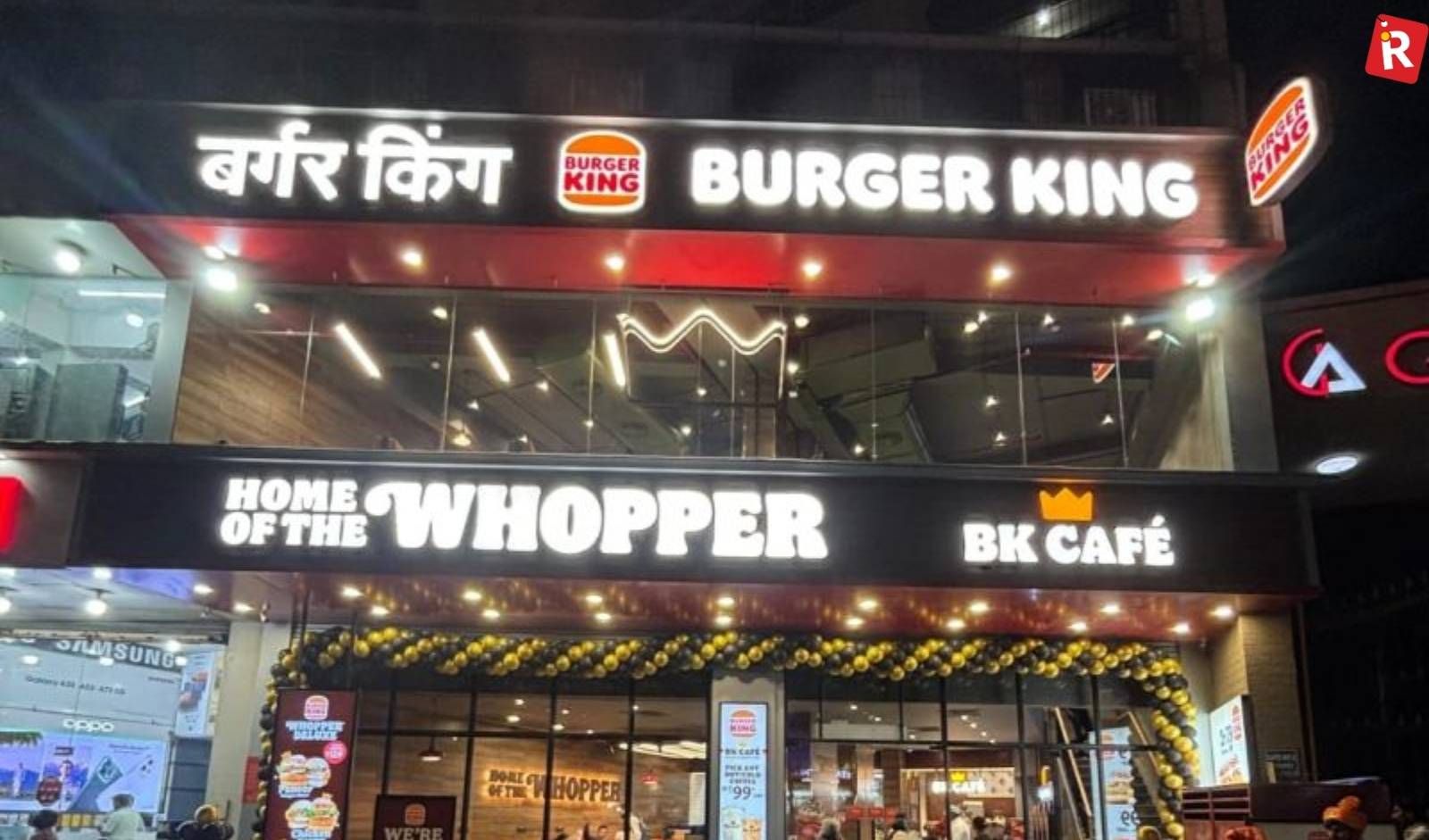
Restaurant Brands Asia Ltd (RBA) announced that Inspira Global has completed the acquisition of a controlling stake in the company through its food and beverage platform, Lenexis Foodworks.
The deal includes a fresh capital infusion, acquisition of the entire shareholding held by the previous promoters, and the completion of a mandatory open offer.
Following the transaction, Inspira Global now holds a 41.78 percent stake in Restaurant Brands Asia. The company noted that upon the exercise of all warrants, Inspira Global’s total shareholding could increase to 48.04 percent, supported by an additional capital infusion of Rs 450 crore.
Inspira Global is promoted by Madhusudan Agrawal and Aayush Agrawal. Lenexis Foodworks, its food and beverage platform, operates quick service restaurant brands such as Chinese Wok, The Momo Co., and Big Bowl.
As part of the changes following the transaction, the board of Restaurant Brands Asia has approved the appointment of Madhusudan Agrawal as Chairman and Aayush Agrawal as a Non-Executive Director. The leadership changes come after the shift in shareholding.
Restaurant Brands Asia said it will continue to operate the Burger King and Popeyes brands under its existing master franchise and development agreements with Restaurant Brands International Inc.
The agreements for Burger King operations in India and Indonesia have recently been extended until 2050, offering long-term visibility for the business.
The company stated that the fresh capital infusion and the expanded leadership team are expected to support its future plans. These include expanding its restaurant network, improving customer experience, investing in technology and digital capabilities, and strengthening operational efficiency.
Restaurant Brands Asia is the national master franchisee of the Burger King brand in India and also operates Burger King and Popeyes outlets in Indonesia through its subsidiaries.
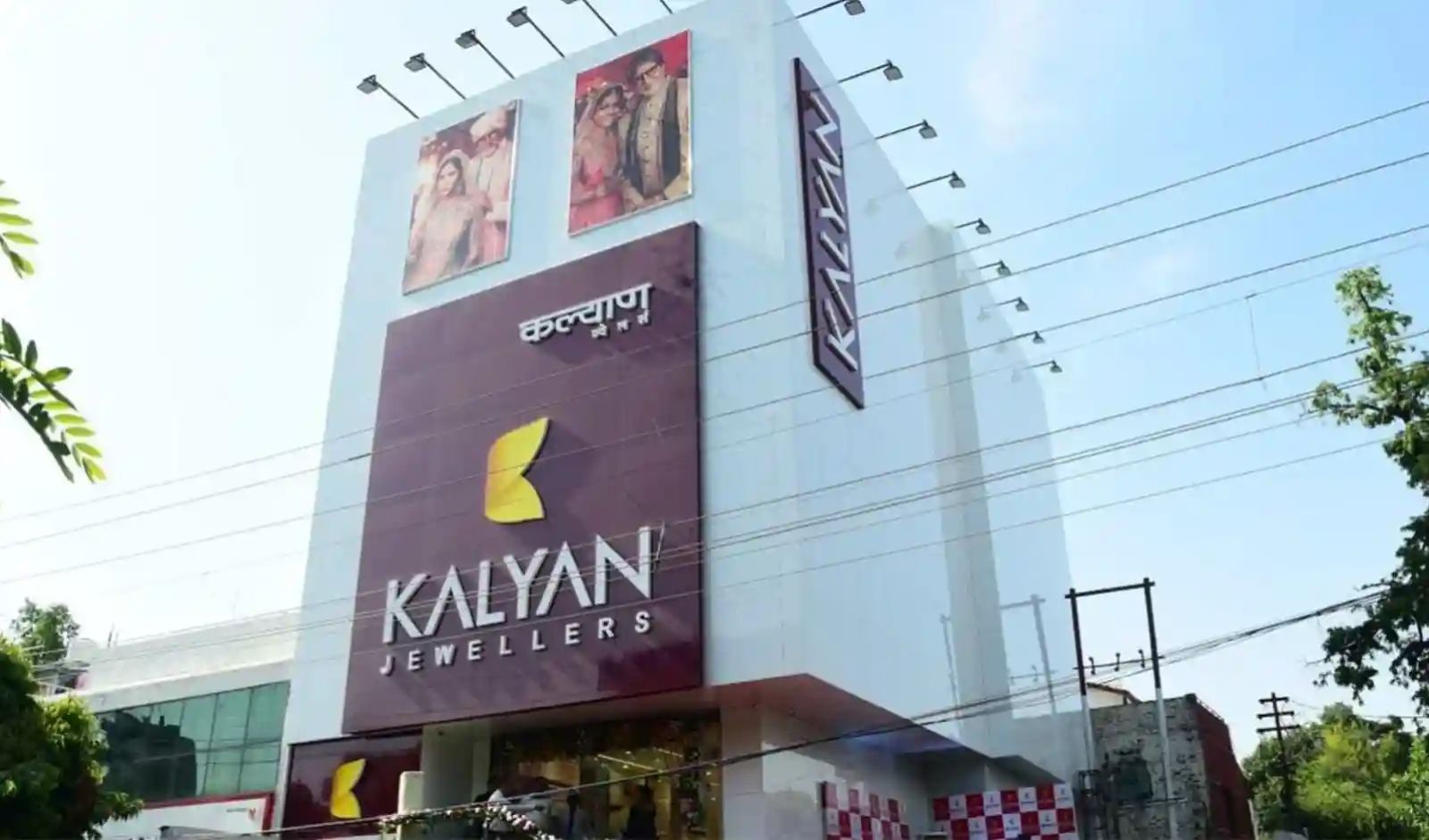
Kalyan Jewellers reported a 38 percent year-on-year increase in consolidated revenue for the first quarter of FY27, supported by steady growth across its India and international operations.
The company had posted consolidated net revenue of Rs 7,314.74 crore in the same quarter last fiscal.
In India, revenue grew 38 percent compared to the year-ago period, with same-store sales growth of 28 percent. The performance reflects continued demand across markets and improved sales from existing showrooms.
The company’s gold recirculation campaign, introduced in the second half of May, saw a positive response. Recycled gold contributed more than 46 percent of revenue during the quarter, with the share exceeding 55 percent in June. This indicates increasing consumer participation in gold exchange and reuse programmes.
International operations recorded 35 percent growth during the quarter. The Middle East market contributed around 30 percent growth despite a temporary impact on footfall in April due to geopolitical factors. Overall, international markets accounted for about 14 percent of the company’s consolidated revenue.
The digital platform Candere registered significant growth, with revenue rising 112 percent year-on-year in Q1 FY27. This highlights continued traction in the online jewellery segment.
During the quarter, Kalyan Jewellers expanded its retail network by opening 12 showrooms under its main brand and five Candere showrooms in India. The company indicated that the current quarter has begun on a positive note, supported by preparations for the upcoming festive and wedding season.
As of June 30, 2026, Kalyan Jewellers had a total of 524 showrooms across India and international markets.
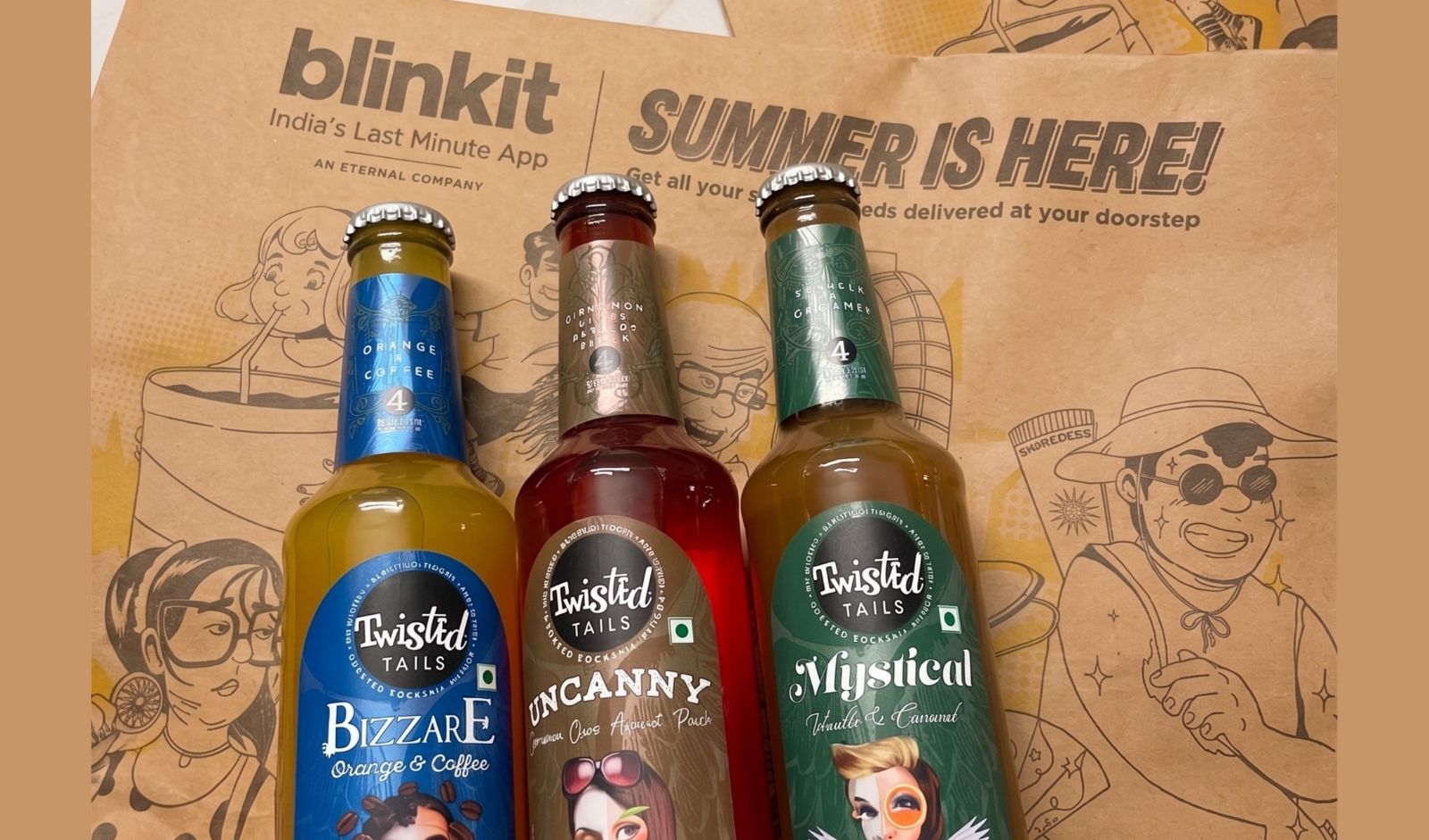
Twisted Tails, a non-alcoholic ready-to-drink (RTD) cocktail and mixer brand, has expanded its retail presence by launching on Blinkit across Delhi NCR. The move marks the brand's entry into the quick commerce segment as part of its omnichannel expansion strategy.
With the Blinkit launch, consumers in Delhi NCR can order the brand's beverages for delivery within minutes. The company said the expansion complements its existing sales channels, which include its direct-to-consumer website, premium retail stores such as Le Marché and Nature's Basket, as well as e-commerce platforms including Amazon and Flipkart.
Twisted Tails offers non-alcoholic RTD cocktails and mixers made with real fruit juices, spices, lower added sugar, and no artificial flavouring. The beverages can be consumed chilled, over ice, or mixed with a spirit of choice.
The company's portfolio currently includes four 250 ml variants priced at Rs 200 each: Bizzare (Orange & Coffee), Mystical (Vanilla & Caramel), Uncanny (Cinnamon, Clove, Apricot & Peach), and Enigmatic (Tea & Jasmine). According to the brand, each variant has been developed with a distinct flavour profile and identity.
Radhika Sharda, Co-founder, Twisted Tails said, "This is a massive milestone for us as now we are where our consumers are, at the moment they need something whether planned or unplanned. Twisted Tails stands for choice, versatility and self-expression; we don’t define your moment, but rather we fit into it. With the launch on Blinkit in Delhi NCR, we are more discoverable and more accessible to being part of these spontaneous moments whether, it’s hosting friends, stocking up for the weekend or simply unwinding after a long day. As we always say, there’s 'One for every tale'."
Atin Khanna, Co-founder, Twisted Tails added, "Quick commerce has rapidly become a platform where consumers discover and try new products, making it a great fit for Twisted Tails. With our launch on Blinkit in Delhi NCR, we bring world-class, global flavour profiles made with high-quality, real ingredients to your doorstep in minutes. Twisted Tails is made to elevate your beverage experience, letting you experiment and turn everyday moments into tales worth telling.”
Raghav Sharda, Co-founder, Twisted Tails said, "Building a modern beverage brand is about more than expanding distribution; it's about creating meaningful availability across every relevant consumer touchpoint. Our entry into quick commerce with Blinkit complements our presence across D2C, premium retail and e-commerce, strengthening our omnichannel strategy while ensuring Twisted Tails is available wherever today's consumer chooses to discover and shop for premium beverages."
Earlier this year, Twisted Tails was recognised as the Best Mixer of the Year 2026 at the India Bar Awards & Cocktail Week India. The company said its latest expansion is aimed at improving product accessibility while strengthening its presence across direct-to-consumer, modern retail, e-commerce, and quick commerce channels.

Value retailer MR.D.I.Y. India has expanded its product portfolio with the launch of Adorea Beauty, its first dedicated beauty brand. The new range is designed to offer affordable beauty products across multiple categories, catering to the evolving preferences of Indian consumers.
With this launch, MR.D.I.Y. aims to strengthen its presence in the beauty segment by introducing products that combine accessibility, quality, and value. The brand said Adorea Beauty has been developed to simplify beauty shopping while offering products aligned with current consumer trends.
The newly introduced portfolio comprises nearly 200 products spanning color cosmetics, skincare, nail care, and other everyday beauty essentials. The collection includes products across eye, lip, face, and nail categories, along with glitter collections and skincare products formulated with ingredients such as rice, matcha, hyaluronic acid, and vitamin C.
The skincare lineup features clay masks, face washes, scrubs, toners, bubble sheet masks, sheet masks, nose strips, under-eye hydrogel patches, and makeup removers. According to the company, the portfolio has been curated keeping Indian consumer preferences, everyday usage, and value-conscious buying habits in mind, with guidance from beauty industry professionals.
Vikas Gupta, Group CEO, MR.D.I.Y. India said, "At MR.D.I.Y., our focus has always been on making quality products accessible to everyone. With Adorea Beauty, we are extending that promise into the beauty category, bringing together a thoughtfully curated range of beauty products that combine quality, affordability and the latest trends. As consumer preferences continue to evolve, we remain committed to expanding our portfolio with products that meet our customers' evolving needs."
Priced from Rs 45, the Adorea Beauty range is now available at more than 400 MR.D.I.Y. stores across India. The retailer said the launch is intended to improve access to affordable beauty products across metro cities as well as Tier II markets as it continues to expand its retail footprint.

DeVANS Modern Breweries has expanded its premium spirits portfolio with the launch of Gingalalahu, an Indian craft dry gin, marking the company's entry into the premium gin category. The gin is handcrafted in small batches of 200 litres and bottled at 42.8 percent ABV. It is distilled using nine botanicals and follows the traditional style of a classic dry gin without artificial flavourings or added sweeteners. According to the company, the small-batch pot still distillation process is designed to deliver a balanced flavour profile.
Prem Dewan, Chairman and Managing Director, DeVANS Modern Breweries Ltd said, “The launch of Gingalalahu marks an exciting milestone for DeVANS as we enter the premium craft gin category. The modern consumer is increasingly seeking authentic spirits that are rooted in craftsmanship and quality. With Gingalalahu, we have created a gin that celebrates the qualities of the finest natural botanicals complemented with small-batch distillation techniques. We are delighted that the craftsmanship behind Gingalalahu has been recognized in respected international spirits competitions and by industry experts even before its commercial debut. This recognition is a testament to our commitment to quality as we introduce Gingalalahu to consumers. Our vision to create premium Indian spirits through craftsmanship and authenticity has been set in motion.”
Gingalalahu is currently available in Jammu, Chandigarh, Gurugram, and Goa. The company said retail availability will be expanded to Delhi NCR and Mumbai in the coming weeks as it strengthens its presence in the premium spirits market.

KARAM Safety has expanded its retail network to more than 800 stores across India and announced plans to extend its presence to over 2 lakh hardware and paint shops nationwide. The expansion is aimed at improving access to certified personal protective equipment (PPE) across urban, semi urban and rural markets.
Since launching its Retail Division in 2021, the company has steadily expanded its footprint with a focus on Tier II and Tier III cities. Over the past five years, KARAM Safety has built a retail network spanning hardware, tools, welding, sanitary ware, and paint stores, making workplace safety products more widely available to workers, contractors, and small businesses.
The company's retail operations are supported by a network of Sales Executives, Area Sales Managers, and Regional Sales Managers, helping strengthen market coverage, customer engagement, and product availability across the country. KARAM Safety's product portfolio includes safety helmets, protective eyewear, safety shoes, industrial gloves, cut-resistant sleeves, safety harnesses, and lanyards for workers across multiple industries.
Hemant Sapra, President, Global Sales and Marketing, KARAM Safety said, "Reaching 800 retail stores is a significant milestone in KARAM Safety's journey to make workplace safety more accessible across India. Safety should not be limited to large industrial centres; it must reach every worker, irrespective of location. Our retail expansion has enabled us to bring certified safety solutions closer to underserved markets, helping strengthen safety awareness and encouraging the adoption of quality PPE at the grassroots level. This achievement reinforces our commitment to building a stronger safety culture across the country."
As part of its omnichannel strategy, the company has also expanded its digital presence through KARAM Safety Online, its dedicated e-commerce platform. The platform offers certified PPE products, including safety helmets, gloves, eyewear, footwear, and fall protection equipment, enabling customers across India to purchase workplace safety products online.
KARAM Safety said its retail expansion supports its long-term plan to build a scalable business serving individual consumers alongside its existing industrial customer base. The company has focused on making industrial-grade PPE available through local retail outlets instead of relying only on traditional industrial distributors and business procurement channels. It added that this approach has also increased awareness among customer groups such as pesticide dealers, rural brick manufacturers, and cement dealers.
Rajesh Nigam, President, Technical, KARAM Safety said, "Our retail expansion has been driven by a clear objective to make industrial-grade safety products easily available where people work and live. The support of our channel partners, distributors, and retailers has been instrumental in helping KARAM Safety scale rapidly and reach new customer segments. Beyond traditional industrial markets, we have successfully expanded awareness among diverse customer groups, significantly broadening the reach of workplace safety products across the country."
The company continues to work with retailers, dealers, and distributors while strengthening engagement through initiatives such as its loyalty rewards programme. KARAM Safety said the latest expansion marks another step towards increasing the availability of certified workplace safety products as it works towards its goal of reaching more than 2 lakh hardware and paint shops across India.

IKEA India has appointed Jessamine Avila as its Chief Marketing Officer (CMO), strengthening its leadership team as the home furnishings retailer continues to expand its omnichannel presence in the Indian market. In her new role, Avila will be part of IKEA India's Growth and Marketing function, where she will lead the company's marketing strategy, enhance brand relevance, and support expansion across both physical stores and digital platforms.
Avila brings more than two decades of experience in marketing and brand building, including 12 years with IKEA in global and market leadership roles. During her tenure, she held leadership positions in Australia and worked with IKEA's global marketing team in Malmö, Sweden, where she contributed to brand and marketing transformation initiatives focused on strengthening customer engagement and supporting long-term business growth.
At IKEA India, she will focus on building stronger customer engagement and developing the brand's presence across multiple channels to deliver a more consistent customer experience. The company said its marketing efforts in India have been centred on locally relevant campaigns, in-store experiences, and digital engagement to strengthen connections with consumers.
Avila said, "Together with the IKEA India team and our agency partners, I look forward to building meaningful communication that strengthens local relevance and brings IKEA closer to everyday life at home."
The appointment comes as IKEA India continues to strengthen its leadership team and expand its omnichannel retail strategy across the country.
P N Gadgil Jewellers reported a 41 percent year-on-year increase in revenue for the quarter ended June 30, 2026, supported by strong growth in its retail business and continued expansion of its store network. Retail revenue grew 56 percent compared to the same period last year, driven by same-store sales growth of 46 percent. As a result, the retail segment contributed around 78 percent of the company's total revenue during the quarter, increasing its share in the overall business.
The franchise business recorded 8 percent year-on-year growth, while the e-commerce segment registered a 20 percent increase. The company said the share of lower-margin gold bullion sales in retail revenue has returned to around 22 percent after being higher in the previous quarter. It added that a higher contribution from retail jewellery and studded products has strengthened the overall revenue mix.
The retail stud ratio increased to 10.9 percent during the quarter, supported by healthy demand for diamond and studded jewellery. P N Gadgil Jewellers also said its recently opened stores in North and Central India, which currently contribute around 3.4 percent of retail sales, are reporting higher stud ratios than its established markets in Maharashtra and Goa. According to the company, this indicates favourable product mix trends as these stores continue to scale.
At the end of June 2026, the company operated 78 stores, including 77 outlets in India and one in the United States.
The management reaffirmed its plan to open around 25 new stores during FY27, which is expected to take its total store count to approximately 103 by the end of the financial year. The expansion will be carried out in phases across its Legacy and LiteStyle formats, with a franchise-led strategy supporting entry into new markets while strengthening its presence in existing locations.
P N Gadgil Jewellers offers gold, silver, diamond, and platinum jewellery for weddings, festivals, and everyday wear. Its portfolio also includes LiteStyle by PNG, a sub-brand focused on lightweight jewellery. In the fourth quarter of FY26, the company had reported a 45.60 percent increase in profit to Rs 90.26 crore on a 123.16 percent rise in revenue to Rs 3,544.31 crore compared to the corresponding quarter of FY25.
Nestlé India is strengthening its focus on rural and semi-urban markets as it looks to build long-term growth, with Chairman and Managing Director Manish Tiwary highlighting rising consumer aspirations and increasing consumption beyond metro cities.
Speaking at the company's 67th Annual General Meeting (AGM), Tiwary said India offers significant growth opportunities, driven by wider household penetration, expanded distribution, and stronger engagement with consumers across different regions. He emphasised that understanding India's diverse consumer base remains central to the company's strategy.
"India is not one market, and it is certainly not one consumer. It is dozens of markets layered on top of each other by income, geography, language, aspirations, habit, and taste. The opportunity ahead of us is not just to serve the India that already knows us well."
Reflecting on the previous financial year, Tiwary said FY26 presented challenges for India's consumer economy as food inflation continued to influence purchasing behaviour.
"FY26 was not a straightforward year for India's consumption economy. Food inflation shaped household choices in ways that went far beyond price."
He said consumers adjusted pack sizes, purchase frequency, and product preferences during the year. While rural demand improved, it remained dependent on monsoon conditions and farm incomes. Urban demand stayed resilient but varied across income segments. He also pointed to rising energy costs, freight disruptions, and geopolitical uncertainties as factors affecting input costs. Despite these challenges, Tiwary said the company maintained its focus and achieved record domestic sales.
"Last year, more Indian households chose Nestle than ever before."
Nestlé India recorded its highest-ever domestic sales of Rs 23,071.5 crore, supported by double-digit volume-led growth and gains in market share. According to Tiwary, the company's long-term strategy is centred on increasing household penetration and encouraging higher purchase frequency.
"A sustainable growth in a country as large and dynamic as India must come from reaching more households and the frequency with which consumers choose our brands."
He added that rural India will play an important role in the company's future growth.
"This is especially true in rural markets where aspirations are rising and where the next wave of long-term consumption is being shaped."
Since April 2023, Nestlé India has added around 5.2 lakh retail outlets across urban, semi-urban, and rural markets to improve access to its products. The company is also increasing investments in Tier II and Tier III cities, technology, and manufacturing capacity.
"Over the next several years, we are making deliberate, thought-through bets. First, on expanding our presence in Tier ll and Tier lll towns where consumption is rising faster than in metros."
Tiwary said Nestlé India has committed around Rs 2,000 crore in capital expenditure over the last two years, including investments in its confectionery and food businesses as well as a greenfield manufacturing facility in Odisha.
Responding to shareholders, he said the company's long-term strategy is built around four key priorities: consumer centricity, penetration and volume growth, sustained investment behind brands, and accelerated adoption of technology. Tiwary also identified exports as an important growth opportunity, saying the company is "very, very focused" on expanding its international business from India.
He added that Nestlé India sees strong potential in the growing pet care market, where it offers products for both cats and dogs. The company is also exploring opportunities in the chocolate category, noting that India has become the world's largest market for KitKat. Commenting on taxation, Tiwary welcomed the reduction in GST rates across several categories before Diwali last year, saying it helped improve consumer sentiment and consumption.
On distribution, Tiwary said Nestlé India continues to work with partners across general trade, organised retail and quick commerce channels to improve product availability. He added that the company is investing in capacity expansion and new technologies, including its upcoming manufacturing facility in Odisha.
Titan Co Ltd reported a 41 percent increase in revenue for the June quarter of FY27, driven by strong performance across its jewellery, watches, and eyewear businesses. The company has now recorded more than 40 percent revenue growth for the third consecutive quarter, reflecting sustained demand across its key retail categories.
The Tata Group company had earlier reported standalone revenue growth of 40 percent in the December quarter of FY26, followed by 46 percent growth in the March quarter.
Its jewellery business, which contributes around 91.5 percent of the company's annual revenue of over Rs 75,000 crore, recorded a 39 percent growth during the April to June quarter of FY27. Titan said demand during the festive season and Akshaya Tritiya, along with relatively stable gold prices, supported the performance.
The company, which operates jewellery brands including Tanishq, Mia, Zoya, beYon, and CaratLane, said customer additions remained healthy during the quarter.
"Amidst (relatively) stable gold prices, the portfolio buyer growth came in early double-digits, and the average ticket sizes grew in high double-digits. The core jewellery categories of plain and studded grew (individually) in the mid-thirties, with coins continuing its investment-led strong double-digit growth momentum during this period," Titan said in its quarterly business update.
Titan's watches division reported 23 percent growth during the quarter. The company said analogue watches continued to perform well, supported by premium product demand, while the smart watches category declined in the low teens. The eyewear business also posted 23 percent growth, supported by demand across owned and international brands, marketing initiatives, and higher purchases across multiple product categories.
Among Titan's emerging businesses, overall revenue increased by 19 percent. The fragrances business grew in the mid-teens, women's bags recorded strong double-digit growth, while the ethnic wear brand Taneira reported low-single-digit growth.
"In the portfolio, Fragrances grew in mid-teens, Women’s Bags clocked strong double-digit growth for the quarter, and Taneira growth was in low single-digits," the company said.
Titan's international business delivered the highest growth during the quarter, with revenue increasing 128 percent.
"The jewellery business of Tanishq, Mia, and CaratLane (combined) saw strong traction in North America and clocked encouraging double-digit growth in GCC. The volatile geopolitical situation notwithstanding, the core Damas business is witnessing a gradual recovery across key parameters," the company said.
Titan is a joint venture between the Tata Group and the Tamil Nadu Industrial Development Corporation (TIDCO).
Indian apparel retailer Trent Ltd reported a 19 percent year-on-year increase in standalone revenue for the first quarter of fiscal year 2027, supported by continued expansion of its store network and steady demand for its fashion offerings.
The company’s revenue from operations rose to Rs 56.66 billion for the quarter ended June 30, compared to Rs 47.81 billion in the same period last year, according to a preliminary business update released on Monday.
Trent, part of the Tata Group, has been expanding its presence through its key retail formats, Westside and Zudio.
During the quarter, the retailer added one Westside store and 19 Zudio outlets. As of June 30, Trent operated a total of 1,312 stores, including 301 Westside locations and 982 Zudio stores. The Zudio count also includes seven stores in the United Arab Emirates. The company also runs 29 outlets under other lifestyle formats.
Industry-wide, several consumer goods companies such as Marico and Dabur have reported stable growth in the first quarter despite challenges such as uneven urban demand and higher input costs, according to Reuters.
Analysts continue to view Trent as a strong performer in the retail sector, driven by its focus on affordable fashion and aggressive store rollout. Brokerage firm HSBC had projected around 21 percent revenue growth for the quarter, citing sustained traction in both Westside and Zudio. Another brokerage, Bernstein, highlighted that faster expansion of Westside could further support growth alongside Zudio.
In April, Trent reported a 26 percent increase in fourth-quarter profit, aided by robust demand and expansion efforts.
Luxury furniture manufacturer and retailer Stanley Lifestyles has expanded its international presence by entering the Sri Lankan market through a strategic partnership with Singer Sri Lanka PLC. The collaboration marks the company's first foray into Sri Lanka as it continues to strengthen its global footprint.
As part of the partnership, Stanley Lifestyles has opened its flagship Stanley Boutique Homes showroom at Ward Place in Colombo. The new showroom will feature the company's range of premium furniture collections, catering to the growing demand for luxury home furnishing solutions in the country.
The alliance combines Stanley Lifestyles' expertise in luxury furniture manufacturing with Singer Sri Lanka's established retail network and local market presence. Through the collaboration, both companies aim to strengthen the premium furniture segment in Sri Lanka by offering design-led home furnishing products.
India's homegrown direct-to-consumer (D2C) fashion brands are gaining a stronger foothold in the country's occasion wear market, with Myntra reporting a significant rise in demand during the recently concluded wedding season. According to the fashion e-commerce platform, demand for D2C women's occasion wear brands increased by 1.8 times, while the overall women's occasion wear category recorded 50 percent year-on-year growth, highlighting the increasing consumer preference for Indian brands.
To strengthen its ethnic wear portfolio, Myntra expanded its women's collection with more than 40 new brand launches and over 2.2 lakh styles. The latest additions include brands such as Tussya by Shreya, Suramya, MAYRAKE, House of Purvaja, House of Doras, Vastra Heritage, and Aatman Creation.
Myntra is also expanding access to premium homegrown fashion labels in Tier II and Tier III cities by onboarding regional sellers and integrating them into its national e-commerce ecosystem. The company said this approach is creating new growth opportunities for local businesses while contributing to employment generation and strengthening supply chain and fulfilment infrastructure across emerging markets.
Celebrity, influencer, and founder-led collaborations continued to contribute to category growth. During the season, brands introduced collections in partnership with personalities including Ananya Panday, Ada Sharma, Sonakshi Sinha, Anya Singh, Neha Dhupia, Priyanka Chahar Choudhary, Sujata Biswas, Tania Biswas, Ria Mehta, and Aditi Hundia.
Looking ahead, Myntra expects consumer demand during the festive season to continue reflecting preferences for fusion-led styling, contemporary silhouettes, and versatile occasion wear. Emerging festive trends are expected to include minimally embellished kurta sets, dhoti-pant kurta sets, and floral Kasavu sarees.
The company said its wedding season offering combined emerging D2C labels, established ethnic wear brands, celebrity-led collections, and trend-focused assortments. Supported by AI-driven personalised recommendations, nationwide delivery capabilities, and its M-Now quick-commerce service in select cities, Myntra aims to meet growing demand for ethnic and occasion wear during the upcoming festive season.
What is Upselling?
Upselling is a retail sales strategy where a retailer encourages a customer to purchase a higher-value, premium, or upgraded version of the product they are already considering. Instead of introducing a completely different product, upselling focuses on offering better features, improved quality, or added benefits that enhance the customer's purchase.
It is one of the most effective techniques retailers use to increase average order value (AOV) while delivering greater value to customers.
Origin
The concept of Upselling has been a core part of retail and sales for decades. Traditionally, sales associates recommended premium alternatives during in-store shopping. With the rise of e-commerce, artificial intelligence, and personalised shopping experiences, upselling has become increasingly data-driven. Today, retailers use customer insights, purchase history, and AI-powered recommendations to present relevant upgrades throughout the shopping journey.
Usage in Retail
Retailers apply upselling across physical stores, e-commerce platforms, and omnichannel environments. Sales associates may recommend a premium smartphone with advanced features, while online retailers often display "Upgrade Your Choice" or "Recommended Premium Option" suggestions before checkout.
Brands also use upselling to promote extended warranties, premium memberships, larger product variants, or enhanced service packages. When executed effectively, upselling improves customer satisfaction by helping shoppers choose products that better meet their needs while increasing overall sales.
Examples of Upselling
A customer visits an electronics store to purchase a basic laptop, and the salesperson recommends a higher-specification model with faster performance and additional storage. A fashion retailer encourages a shopper to upgrade from a standard leather wallet to a premium handcrafted collection. An online beauty retailer recommends a luxury skincare serum instead of the standard variant, highlighting its advanced ingredients and long-term benefits.
These examples show how upselling benefits both retailers and customers by enhancing the overall shopping experience.
Why It Matters
Upselling enables retailers to grow revenue without increasing customer acquisition costs. By encouraging customers to choose higher-value products, businesses can improve profitability, increase average basket value, and strengthen customer relationships. As personalisation, AI-driven recommendations, and omnichannel retail continue to evolve, upselling remains a key strategy for improving sales performance and delivering a more personalised shopping experience.
Maya Tata has taken over the e-commerce marketing function for Westside, the flagship fashion and lifestyle brand of Trent, following her exit from Tata Digital. In her new role, she will oversee the brand's online marketing initiatives as Trent continues to strengthen its omnichannel and international growth strategy.
The 37-year-old began her career within the Tata Group under the mentorship of Ratan Tata and later worked at Tata Capital's Tata Opportunities Fund before moving to Tata Digital. At Westside, Maya Tata is expected to focus on expanding the brand's digital retail operations and improving customer engagement, both of which are central to Trent's long-term strategy of integrating online and offline shopping experiences.
Westside remains Trent's largest business, contributing around 40 percent of the company's overall revenue. The retailer has been strengthening its omnichannel capabilities by connecting its physical store network with digital commerce while also expanding its international footprint. The brand recently entered the UAE, marking its first overseas market as part of Trent's broader global expansion plans.
Trent plans to add around 50 new Westside stores every year after opening 52 stores in FY2026. During the financial year, the company reported revenue of nearly Rs 19,700 crore and expanded its retail network to 1,286 stores across 321 cities, spanning brands including Westside, Zudio, and Star Bazaar.
Noel N. Tata, Chairman of Trent, said the retailer aims to build Indian brands with global appeal while creating an international business that complements India's export ambitions. He added that Westside's launch in the UAE marks the beginning of its international expansion, with digital commerce expected to play a key role in supporting the brand's future growth across global markets.
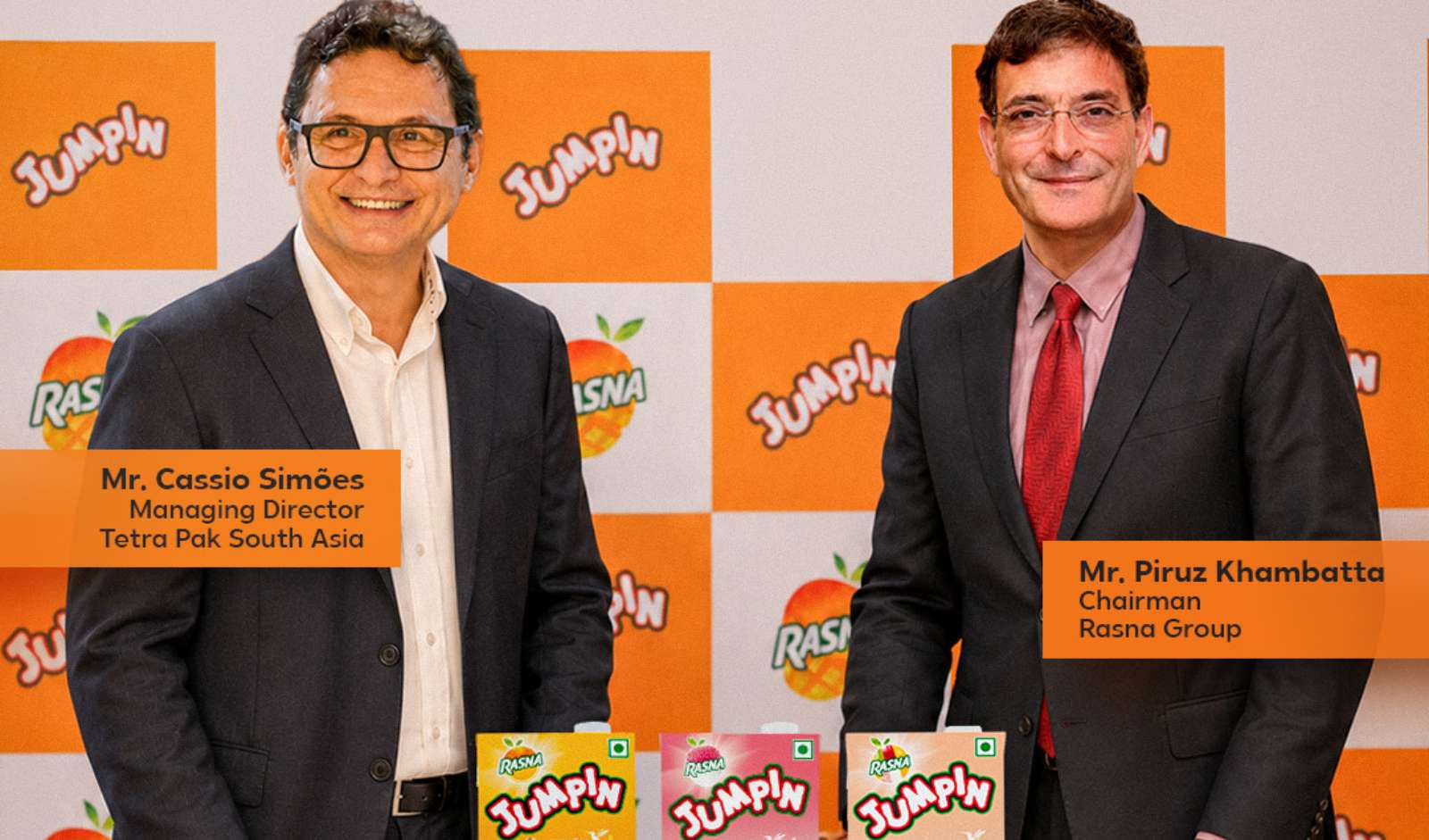
Rasna has expanded its ready-to-drink (RTD) beverage portfolio with the nationwide launch of a 1-litre Jumpin family pack, strengthening its presence in India's growing fruit beverage market. The company said the new offering builds on its existing 125 ml and 200 ml packs and is aimed at meeting increasing consumer demand for larger family-sized beverage formats.
The beverage contains a high fruit content and is fortified with 10 vitamins and minerals. It will be packaged in Tetra Pak cartons manufactured in India under the 'Make in India' initiative and will be available through modern trade, e-commerce platforms, quick commerce platforms, and general retail outlets across the country.
As part of the launch, Rasna is also reviving Jumpin's rapper-led advertising format with a new campaign featuring a young boy and a rapper. The company will support the rollout with television advertising, outdoor campaigns, digital platforms, OTT integrations across JioCinema/Hotstar, ZEE5, and YouTube, along with promotional activities on Instagram and other digital channels.
Piruz Khambatta, Group Chairman, Rasna Pvt Ltd said, "Jumpin represents our vision of bringing international-quality fruit beverages to Indian consumers at an affordable price while staying true to our 'Make in India' philosophy. All the fruits used in Jumpin are sourced and processed in India, and the product is packed in safe, high-quality Tetra Pak packaging manufactured in India. We have focused on delivering superior taste, real fruit goodness, and essential nutrition, creating a beverage that appeals to modern families while supporting Indian farmers, processors, and manufacturing ecosystems. Our specially developed Orange variant, crafted to suit children's taste preferences, is a testament to our commitment to innovation and consumer-centric product development."
Cassio Simões, Managing Director, Tetra Pak South Asia said, "Indian consumers are increasingly seeking safe, convenient, and high-quality beverage options that fit seamlessly into their daily lives. The launch of Jumpin in the 1-litre Tetra Pak carton reflects this evolving demand, combining all these qualities in a package designed for modern households. We are proud to partner with Rasna in bringing this new range to consumers across India, while supporting the country's growing food and beverage ecosystem through packaging solutions manufactured in India."
According to the company, the new range has been developed for families seeking convenient beverage options and urban consumers looking for vitamin-fortified drinks. The 1-litre packs are available in Litchi, Mixed Fruit, and Orange flavours and contain Vitamin C along with 10 essential vitamins.
To support the launch, Rasna has rolled out trade activations, product sampling initiatives, and digital campaigns across Facebook, Instagram, and LinkedIn. The 1-litre Jumpin Tetra Pak is priced at Rs 110, while the 125 ml packs are available at Rs 10 and the 200 ml packs are priced at Rs 20.
Sustainable fashion brand VIRGIO has appointed Hansa Nigam as its Chief Marketing Officer (CMO), expanding her responsibilities as the company looks to strengthen its brand presence and accelerate growth. Nigam, who joined VIRGIO in 2023, has been instrumental in shaping the company's brand identity and consumer engagement strategy. In her new role, she will lead marketing and growth initiatives while focusing on customer acquisition and strengthening VIRGIO's position at the intersection of fashion, technology, and sustainability.
The leadership announcement comes as VIRGIO continues to expand its business through a model centred on demand-led production, responsible sourcing, and technology-driven decision-making. The company said it aims to build stronger customer relationships as consumer interest sustainably and transparently continues to grow.
Before joining VIRGIO, Nigam held marketing and brand strategy roles at OnePlus, where she led campaigns for the OnePlus Nord portfolio across India and international markets. She also worked at Glance, overseeing digital marketing for celebrity-led brands, and previously served in strategic planning at The Glitch, working with several consumer brands.
Hansa Nigam, Chief Marketing Officer, VIRGIO said, "I'm honoured to take on this role at such an exciting stage in VIRGIO's journey. Over the past few years, we've built a brand that is not just responding to how consumers shop today, but reimagining how fashion can be discovered, experienced, and produced. I'm excited to continue building on that momentum, creating marketing that inspires people, strengthens our community, and helps shape the future of conscious fashion."
The company said the leadership move reflects its continued investment in strengthening its brand as it expands its presence in India's sustainable fashion market.
What is Basket Value?
Basket Value refers to the total monetary value of all products purchased by a customer in a single transaction. It is one of the most important retail performance metrics, helping businesses measure how much customers spend during each visit.
Retailers closely monitor basket value to understand purchasing behaviour, evaluate promotional campaigns, and identify opportunities to increase average customer spending.
Origin
The term Basket Value originated from traditional supermarkets, where shoppers carried physical baskets while selecting products. Over time, the concept evolved to represent the total purchase amount regardless of whether customers shop in physical stores or online. Today, basket value is a key performance indicator (KPI) across supermarkets, fashion stores, e-commerce platforms, quick commerce, and omnichannel retail.
Usage in Retail
Retailers use basket value to assess customer spending patterns and improve sales strategies. By analysing average basket values, businesses can introduce cross-selling, upselling, product bundling, loyalty programmes, and targeted promotions that encourage customers to purchase more items or higher-value products.
In e-commerce, basket value also helps brands evaluate marketing campaigns, optimise product recommendations, and improve checkout conversions. Increasing basket value allows retailers to generate higher revenue without necessarily acquiring more customers.
Examples of Basket Value
A customer purchases groceries worth ₹2,500 in a supermarket; the basket value for that transaction is ₹2,500. An online fashion shopper buys clothing and accessories totaling ₹4,800, representing the basket value of that order. A quick commerce platform tracks basket values during festive promotions to measure the effectiveness of discounts and bundled offers.
These examples illustrate how basket value helps retailers understand customer spending and business performance.
Why It Matters
Basket value is a critical indicator of retail profitability and customer purchasing behaviour. A higher basket value generally reflects successful merchandising, effective promotions, and stronger customer engagement. Rather than focusing solely on increasing footfall, many retailers aim to improve basket value by enhancing product assortment, personalised recommendations, and shopping experiences.
As organised retail and digital commerce continue to evolve, basket value remains a key metric for driving sustainable revenue growth and improving overall retail performance.

Swiss brand Victorinox, best known for the Original Swiss Army Knife, has identified India as one of its fastest-growing markets globally and a key part of its long-term growth strategy. The company plans to strengthen its presence in the country over the next five years, with a focus on expanding its watches and travel gear categories.
The announcement coincided with the visit of Victorinox's global leadership team to Mumbai, including Veronika Elsner, Chief Marketing Officer, Patrik Hauert, Chief Sales Officer, and Yvonne Fischer, Chief Product Officer. The visit reflects the company's growing focus on India as a strategic market for future investments, product launches, and brand development.
According to Victorinox, changing consumer preferences in India have elevated the country's role within its global business. The company said Indian consumers are increasingly choosing products that combine quality, heritage, and functionality, while the country's gifting culture has also emerged as an important source of insights for its international strategy.
As part of its five-year roadmap, Victorinox will prioritise watches and travel gear, with upcoming product launches designed around the needs and preferences of Indian consumers.
"India has shown remarkable momentum, and we see this as the start of a much larger story," said Veronika Elsner, Chief Marketing Officer, Victorinox.
Patrik Hauert, Chief Sales Officer, Victorinox said, "Our ambition is to be a Swiss brand that really understands India. By joining Swiss precision with India’s traditions of celebration and meaningful gifting, we think we can form deeper emotional bonds with Indian consumers while staying true to who we are."
The company noted that India's gifting culture, spanning both personal occasions and corporate gifting, has played an important role in shaping consumer demand for its products. Victorinox believes these consumer preferences are increasingly influencing discussions around product strategy at its global headquarters in Ibach, Switzerland.
Yvonne Fischer, Chief Product Officer, Victorinox said, "Innovation has always been at the heart of Victorinox, and as India becomes one of our most strategic growth markets, Indian consumer insights are playing an even more important role in shaping how we think about product and direction. The INOX Gold Edition was our first step in this kind of journey, and we now have a really exciting pipeline of products and innovations, that will further strengthen our relevance for Indian consumers while staying unmistakably Victorinox."
FSN E-Commerce Ventures, the parent company of beauty and fashion retailer Nykaa, expects its consolidated net revenue to grow by nearly 30 percent in the first quarter of FY27, driven by a significant improvement in its fashion business. In a regulatory filing, the company said it expects consolidated Gross Merchandise Value (GMV) and Net Sales Value (NSV) to grow in the early thirties on a year-on-year basis for the quarter ended June 30, 2026.
The company said its fashion business has started the financial year on a stronger note, with NSV growth expected in the mid-fifties, marking a sharp improvement over previous quarters. "Nykaa’s Fashion vertical has started FY2027 on a notably stronger footing, with NSV growth expected to be in mid-fifties, marking a sharp acceleration from previous quarters. The Fashion business continues to see improvement in GMV to NSV funnel, supported by reduction in leakages," the company said.
Nykaa attributed the improved performance of its core platform business to a wider portfolio of brands and recent marketing investments, which helped attract new customers. The company's flagship beauty business is expected to record growth in the late twenties during the quarter. At the end of June, Nykaa operated 324 physical stores across the country.
The company had reported a sharp increase in consolidated net profit for the March quarter of FY26, which rose to Rs 78.75 crore, supported by higher beauty sales and lower losses in its fashion business. Revenue from operations for the quarter increased by about 28 percent to Rs 2,648.17 crore. For the financial year ended March 31, 2026, Nykaa's consolidated net profit nearly tripled to Rs 203.94 crore, compared with Rs 72.07 crore in FY25. Revenue from operations for the year grew 26 percent to Rs 10,022.35 crore, reflecting continued growth across its beauty and fashion businesses.
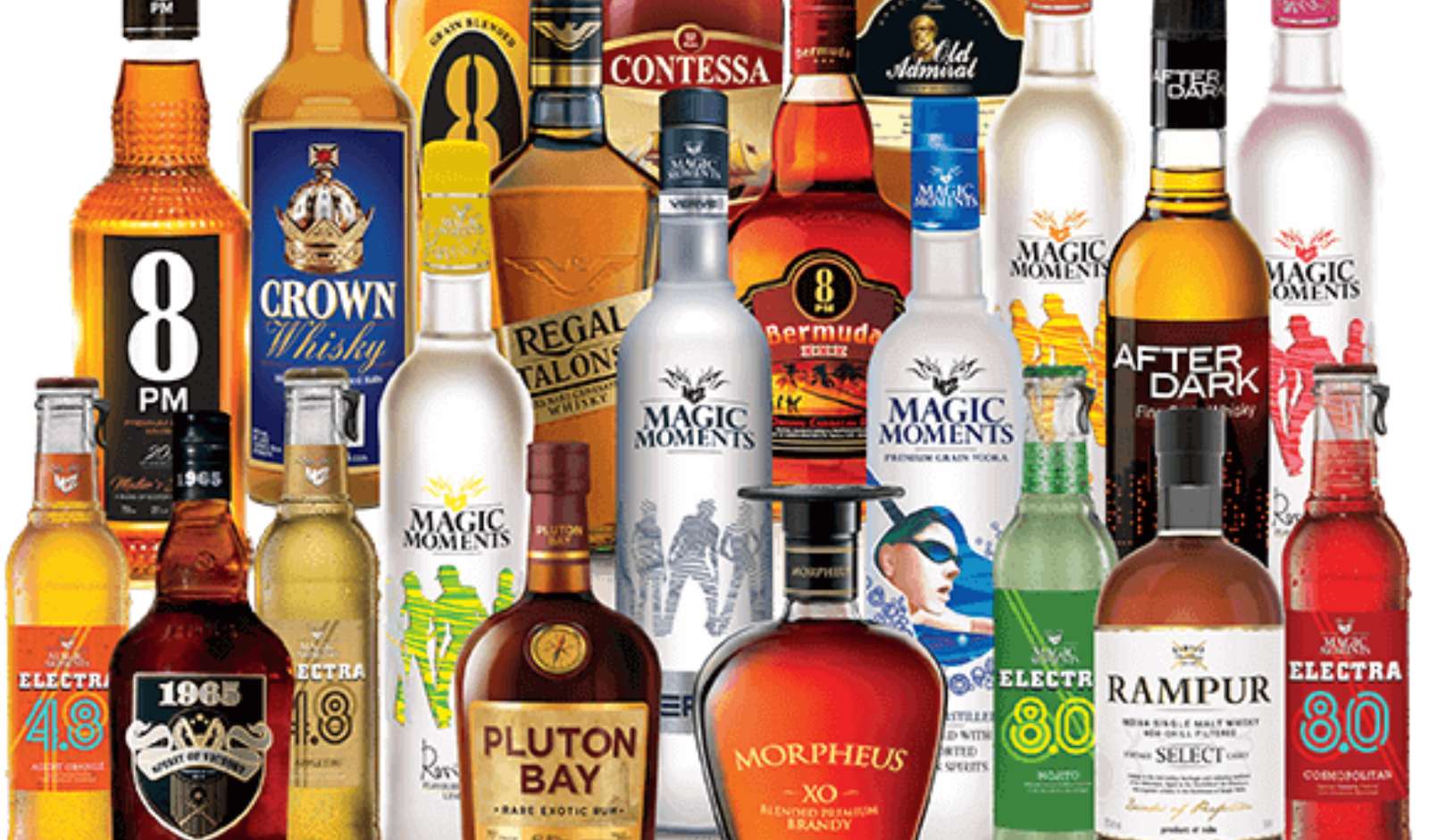
Home-grown liquor company Radico Khaitan expects its premium and above portfolio to grow by 20 percent in FY27, supported by premiumisation, rising demand for white spirits, and improving operating margins despite short-term volatility in raw material costs, according to Managing Director Abhishek Khaitan.
The company, which owns brands including Rampur Indian Single Malt, Jaisalmer Indian Craft Gin, Magic Moments Vodka, Morpheus Brandy, and 8 PM Whisky, crossed Rs 6,000 crore in net sales during FY26. At the same time, EBITDA exceeded Rs 1,000 crore for the first time. Outlining the company's outlook, Khaitan said it expects 20 percent growth in premium volumes, 25 percent value growth in the luxury portfolio, and improved profitability. "We would see a 120 basis point margin expansion this year," he said. Radico Khaitan reported an EBITDA margin of nearly 16.8 percent in FY26 and expects it to expand by around 125 basis points during FY27.
The company's luxury portfolio, which includes Rampur Indian Single Malt and Royal Ranthambore, generated a turnover of Rs 475 crore in FY26 and is expected to grow by 25 percent over the next two to three years. To strengthen its presence in the category, Radico Khaitan recently launched Rampur 1943 Virasat, priced between Rs 3,500 and Rs 4,000 for a 750 ml bottle. "With this, we are trying to now cater to the entire spectrum of the Indian single malt," Khaitan said. He added, "We started with a very high-end price point of Rs 8,500 and for eight years have been investing in our malt capacities... now that investment is bearing results," noting that Rampur is the only Indian single malt partnered with Air India across its international flights.
In FY26, Radico Khaitan sold 36.62 million cases, with its Prestige and Above portfolio accounting for 16.7 million cases, or 45.6 percent of total volumes. The segment generated Rs 3,063.7 crore, contributing 70.3 percent of the company's IMFL revenue. The portfolio includes brands such as After Dark, Magic Moments, Morpheus Brandy, and Royal Ranthambore.
Khaitan also highlighted the growing preference for white spirits in India, particularly vodka. While vodka accounts for 28 percent of the global spirits market, its share in India has increased from 3 percent three years ago to 4.5 percent last year and reached 6 percent between April and June this year. "This is a huge shift in the liquor industry... I think white spirits are the future," he said, adding that younger consumers and women are driving the category's growth.
The company's flagship Magic Moments Vodka, which holds nearly 60 percent market share in India's vodka segment, sold more than one million cases every month between April and June. Quarterly sales reached about 3.3 million cases, up from 2.27 million cases in the same period last year, reflecting growth of more than 45 percent. Khaitan said flavoured vodka, which accounts for 65 to 70 percent of the Indian vodka market, continues to perform well, with variants such as mango, jamun, and thandai attracting younger consumers.
On exports, Khaitan said overseas markets currently contribute around 8 percent of the company's total sales value. Radico Khaitan's products are available in 100 countries and 63 duty-free outlets, with plans to expand to 100 duty-free shops. "Our exports are getting quite robust. There is this intrigue or mystique about the Indian brands, especially the single malts, which is really taking the foreign consumers. The Indian brands are getting popular globally," he said.
On capital expenditure, Khaitan said the company has no major investment plans for FY27. "So, on a run rate basis, it will be more like Rs 150 to 175 crore, in which around 50 to 60 crore is maintenance capex. The rest goes into specific brand-related activities like malt maturation, facilities, and barrels," he added.
Dabur India expects its profit after tax to grow by a double-digit percentage in the first quarter, supported by price increases that helped offset the impact of elevated inflation and improve operating margins, the company said in its quarterly business update. While the company did not disclose specific figures, it said the expected increase in profit comes despite continued cost pressures across its operations.
Like several FMCG companies, Dabur reduced pack sizes and increased product prices to manage rising input costs. Higher crude-linked plastic packaging expenses, driven by developments in the Middle East, had put pressure on margins during the quarter.
"Despite the challenging geopolitical backdrop and hyperinflationary pressures across our key markets, consumer sentiment remained resilient, with business trajectory improving sequentially, quarter-on-quarter," the company said.
The company also reported strong momentum in its international business, where it expects high-teen growth in rupee terms during the first quarter. Egypt, Turkey, Bangladesh, and the UK each delivered strong double-digit growth in rupee terms.
"With the Middle East situation expected to ease, we remain optimistic about improving consumption across our international markets in the coming quarters," the firm added.
In India, Dabur said rural demand continued to outperform urban markets during the quarter. It also expects e-commerce, quick commerce, and modern trade to record strong double-digit growth.
Among product categories, the company expects hair oils and shampoos to deliver high-teen growth, while its oral care portfolio is projected to post near double-digit gains. Its herbal franchise and Meswak toothpaste brand also recorded strong double-digit growth. The food business continued to report high double-digit growth, while the beverages segment showed sequential recovery.
Earlier this week, FMCG peer Marico said it expects consolidated first-quarter revenue to grow in the low-twenties percentage range, driven by steady performance across its core, digital, and international businesses.
State-owned oil marketing company Hindustan Petroleum Corporation Ltd. (HPCL) has partnered with hospitality technology firm FoodMojo to introduce 24x7 multi-brand food courts and non-fuel amenities at select highway fuel stations across India. The initiative is aimed at expanding HPCL's non-fuel retail business while offering travellers a more comprehensive highway experience.
The first project under the collaboration will come up at HPCL's Kurgaon Wayside Amenity under the Prayagraj Retail Regional Office. Spread across 8,000 sq. ft., the facility will include multiple food brands, cafés, local dhabas, clean restrooms, EV charging facilities and other services designed for highway commuters.
The companies said the integrated facility will bring together fuel, food and convenience services at a single location, providing long-distance travellers with a one-stop highway destination.
Commenting on the initiative, HPCL said, "At HPCL, we don’t just fuel your journey—we make every stop worthwhile."
The partnership comes as oil marketing companies continue to explore new non-fuel revenue opportunities by enhancing the value of their highway retail infrastructure. With demand increasing for well-maintained and organised highway stopovers, the initiative is expected to improve customer convenience while making better use of existing fuel stations.
As part of the collaboration, FoodMojo will manage the food and hospitality operations using its technology-driven platform. The offering will include a mix of quick-service restaurants, premium cafés and regional dining concepts, along with digital food ordering, streamlined supply chain operations and hospitality training programmes to support local employment.
Following the launch of the Kurgaon project, HPCL plans to expand the format to more high-footfall fuel stations located on major national highways across India.
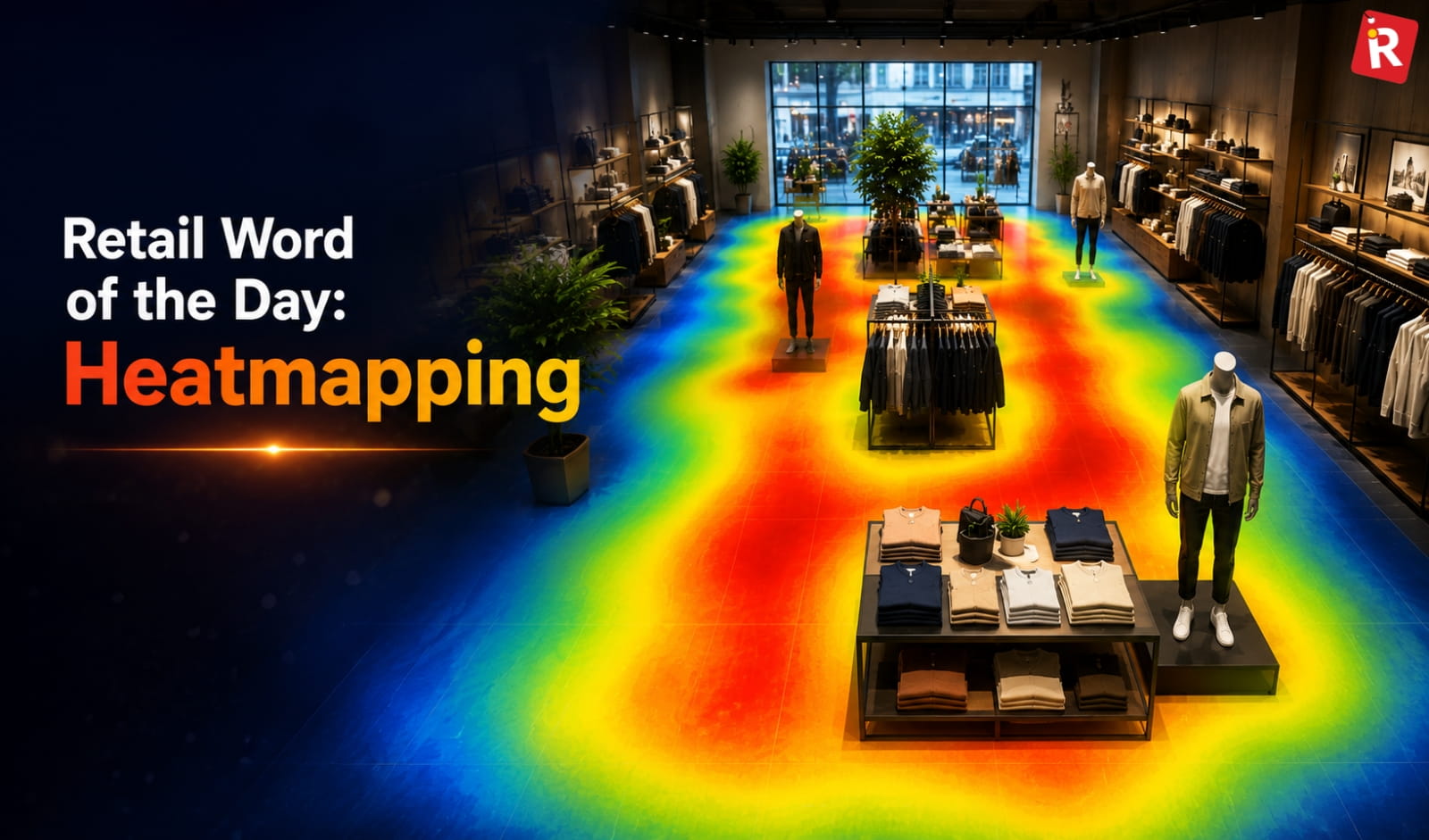
What is Heatmapping?
Heatmapping is a data visualization technique that helps retailers understand how customers interact with physical stores or digital platforms by displaying activity levels using different colours. Areas with the highest customer engagement are shown in warm colours like red and orange, while less active areas appear in cooler shades such as blue and green.
In retail, heatmapping enables businesses to identify where shoppers spend the most time, which products attract the highest attention, and how customers move throughout a store or website.
Origin
Heatmapping was first introduced in the field of data visualization and later became widely used in digital analytics to study user behaviour on websites. With advancements in retail technology, artificial intelligence, computer vision, Wi-Fi tracking, and in-store sensors, heatmapping has evolved into an essential tool for understanding customer movement and shopping behaviour inside retail stores.
Today, retailers use heatmapping to improve store layouts, optimize product placement, and create better shopping experiences.
Usage in Retail
Retailers use heatmapping to analyse customer traffic patterns, identify high-traffic zones, and understand how shoppers navigate stores. This information helps businesses position best-selling products in strategic locations, improve visual merchandising, reduce congestion, and increase product visibility.
In e-commerce, heatmaps reveal where users click, scroll, or spend the most time on a webpage. These insights help retailers optimize website layouts, product pages, checkout processes, and promotional banners to improve customer engagement and conversion rates.
Examples of Heatmapping
- A supermarket analyses customer movement to position promotional products in high-footfall areas.
- A fashion retailer studies store heatmaps to redesign product displays and improve shopper flow.
- A shopping mall uses heatmapping to understand visitor traffic across different zones.
- An online retailer analyses click heatmaps to optimize product pages and increase conversions.
- A retail brand uses heatmapping to evaluate the effectiveness of seasonal displays and promotional campaigns.
These examples demonstrate how heatmapping helps retailers make data-driven decisions that improve customer experience and business performance.
Why It Matters
As retail becomes increasingly data-driven, heatmapping provides valuable insights into customer behaviour that traditional sales reports cannot reveal. It enables retailers to optimize store layouts, improve merchandising strategies, enhance customer journeys, and maximize sales opportunities.
For retailers, heatmapping supports smarter business decisions by combining customer behaviour analytics with operational planning. As AI-powered retail technologies continue to evolve, heatmapping is becoming an essential capability for creating more efficient, engaging, and profitable shopping experiences.
-
Harshit will lead Crocs' retail and wholesale operations across India and hold end-to-end profit and loss responsibility for its brick-and-mortar business.
-
Campa, RCPL’s beverage brand, generated sales of Rs 2,900 crore in the first quarter, accounting for nearly one-third of the company’s overall topline.
-
The partnership will enable Palmonas to unify customer data across online and offline channels, supporting personalised communication and stronger customer relationships.
-
The consumer electrical goods maker posted strong sales growth in the June quarter, while rising input costs and higher marketing spends impacted profitability.






Copyright © 2009 - 2026 Franchiseindia.com Ltd