




 19536
/ 9 MIN READ


Black Friday Sale 2025 is quickly becoming the week everyone’s waiting for. Brands are already hinting at early deals, extra coupons, and quick flash offers, so people have started saving their favourites and checking prices every day. The best part is the mix this year — big global labels, popular beauty brands, homegrown names, and major online platforms are all joining in. If you’ve been following the Best Black Friday Deals 2025, this is definitely the week to watch.
How Shoppers in India Are Preparing for the Deals
People have started saving items in carts, checking app notifications, and comparing bank offers well before the sale goes live. With so many Black Friday Brands 2025 dropping category-specific deals, shoppers want simple directions—what to buy, when the sale starts, and which platform makes the discount worthwhile. That’s exactly why we’ve broken everything down in one place, so you can browse quickly and decide even faster.
Best Brands Coming Up With Black Friday Sale 2025
If you are waiting for the biggest Black Friday Discounts across beauty, fashion, lifestyle, and tech, we are here to help you. Here’s a simple breakdown of Top Brands' Black Friday Sale offers at the India Black Friday sale 2025:
Read more:
How Homegrown Ethnic Wear Brands Are Winning with Craft and Innovation
Top Inverter Brands in India for Reliable Home Power Backup
Top 5 Premium Chyawanprash Brands Leading the Health Segment
Best Night Suit Brands for Women in India
Best Smart TV Brands for Budget Buyers in India
Fashion & Lifestyle Brands Black Friday Sale Deals
1. H&M

H&M joins the Black Friday Sale 2025 on 28 November with up to 70 percent off and extra savings on select pieces. Expect jackets, winter basics, and accessories to drop to their best prices.
2. ZARA

ZARA’s Black Friday offer on 26 November brings up to 40 percent off across coats, shirts, boots, and eveningwear. It’s one of the most-awaited Black Friday Brands 2025 deals for fashion shoppers.
3. Uniqlo

Uniqlo’s 18–22 November sale brings 50 percent discounts and extra coupons on Heattech, winter outerwear, and loungewear. A dependable option during the India Black Friday Sale 2025 for quality basics.
4. Nike

Nike is offering up to 30 percent off with an additional 10 percent off via the GEARUP code. It’s a solid pick if you want performance gear with meaningful savings this season.
5. Adidas

Adidas has early Black Friday deals live, including a Buy 2 Get 70 percent Off offer. It’s one of the Top Brands Black Friday Sale shoppers don’t want to miss.
6. Levi’s

Levi’s starts its India sale on 27 November with up to 65% off, plus an additional 10 percent using code EXTRA200. A dependable pick for jeans and seasonal denim drops.
7. Decathlon

Decathlon’s 28 November event brings up to 70% off, along with BFS100–300 coupon savings, making it a strong pick for sports, fitness, and winter adventure gear.
Beauty and Personal Care Brands Black Friday Sale Deals
1. Nykaa

Nykaa’s Pink Friday Sale begins on 20 November with B1G1 offers, up to 80 percent off, and coupon benefits. It’s easily one of the Best Black Friday Deals 2025 in beauty.
2. Mamaearth

Mamaearth’s 22 November sale offers Buy 3 at Rs 899 along with an additional SAVE25 coupon. A practical option for stocking up on everyday skincare during the Black Friday Sale 2025.
3. Sephora India

Sephora India runs its 28 November–1 December Black Friday Sale with up to 50 percent off. A strong pick for premium makeup, skincare, and fragrances.
4. The Body Shop

The Body Shop joins from 27–30 November with a flat 50 percent off. A great deal for its body butters, haircare, and gifting essentials.
Electronics, Appliances, and E-Commerce Brands Black Friday Sale Deals
1. Amazon India

Amazon’s Black Friday Sale 2025 begins on 27 November (26 for Prime) with up to 65% off plus a 10% bank discount. Ideal for tech, home gadgets, and last-minute essentials.
2. Flipkart

Flipkart’s 23 November sale offers up to 80% off with an extra 10% discount on HDFC, Axis, and BOB cards. Great for quick grabs during the India Black Friday Sale 2025.
3. Myntra

Myntra’s 26 November sale brings 40–80% off plus Myntra credit rewards. A strong pick for shoppers mixing fashion, beauty, and winter accessories in one go.
4. Tata Cliq

Tata CLiQ is running its Black Friday Sale across Tata CLiQ Fashion, Tata CLiQ Luxury, and Tata CLiQ Palette from November 20 to 30, 2025, offering 50–80% off on Tata CLiQ Fashion, up to 50% off on Tata CLiQ Luxury, and up to 60% off on Tata CLiQ Palette.
6. Ajio

Ajio’s 26 November sale includes a flat 80% off plus a 12% bank discount. It’s one of the more aggressive offers for fashion shoppers this Black Friday.
7. Savana

Savana runs its 20–22 November sale with up to 80% off and an extra 25% discount via coupon code. Ideal for shoppers chasing the Biggest Black Friday Discounts on budget beauty.
Market Insight: Why Black Friday Matters in India Now
Black Friday has quickly become a major shopping moment in India. With global brands joining local retailers and e-commerce giants, shoppers now expect early deals, bundled savings, and clear value. Tier II and III cities have accelerated growth thanks to faster delivery networks and app-first behavior. As more Black Friday Brands 2025 roll out deeper pricing, the week now feels like a second festive season — only with sharper discounts and more categories participating.
Final word
And that wraps up the best of Black Friday Sale 2025. With so many brands listing clear dates and solid discounts, it’s easier to decide what’s worth buying and what can wait. If something on your wishlist finally fits your budget this week, go for it. Just keep an eye on the timings, compare a couple of offers, and enjoy picking up the things you actually want.
Explore more:
Top 7 Innerwear Brands for Women in India
Top 10 Hair Styling Brands for Men in India
Top 7 Best Hair Serum Brands for Women in India
Top Cake Brands Capturing Consumer Demand in India’s Retail
Top 7 Women’s Loungewear Brands Trending in India
FAQs on Black Friday Sale 2025
1. What’s the easiest way to get the best deal during Black Friday?
Just save your favourites early. When the sale starts, compare the final price on two apps and check if a bank offer applies. That’s usually enough to spot the best deal without going through every platform.
2. What’s the exact Black Friday Sale 2025 timing in India?
Most brands start dropping deals between 20 and 28 November, but the main rush begins on 28 November. Platforms like Amazon and Myntra open some offers a day early, so it helps to check the app once in the evening.
3. Are Black Friday deals in India actually worth it?
Yes — especially for fashion, beauty, and electronics. Many brands offer their lowest prices of the year, and categories like laptops, winterwear, sneakers, and skincare see genuine discounts.


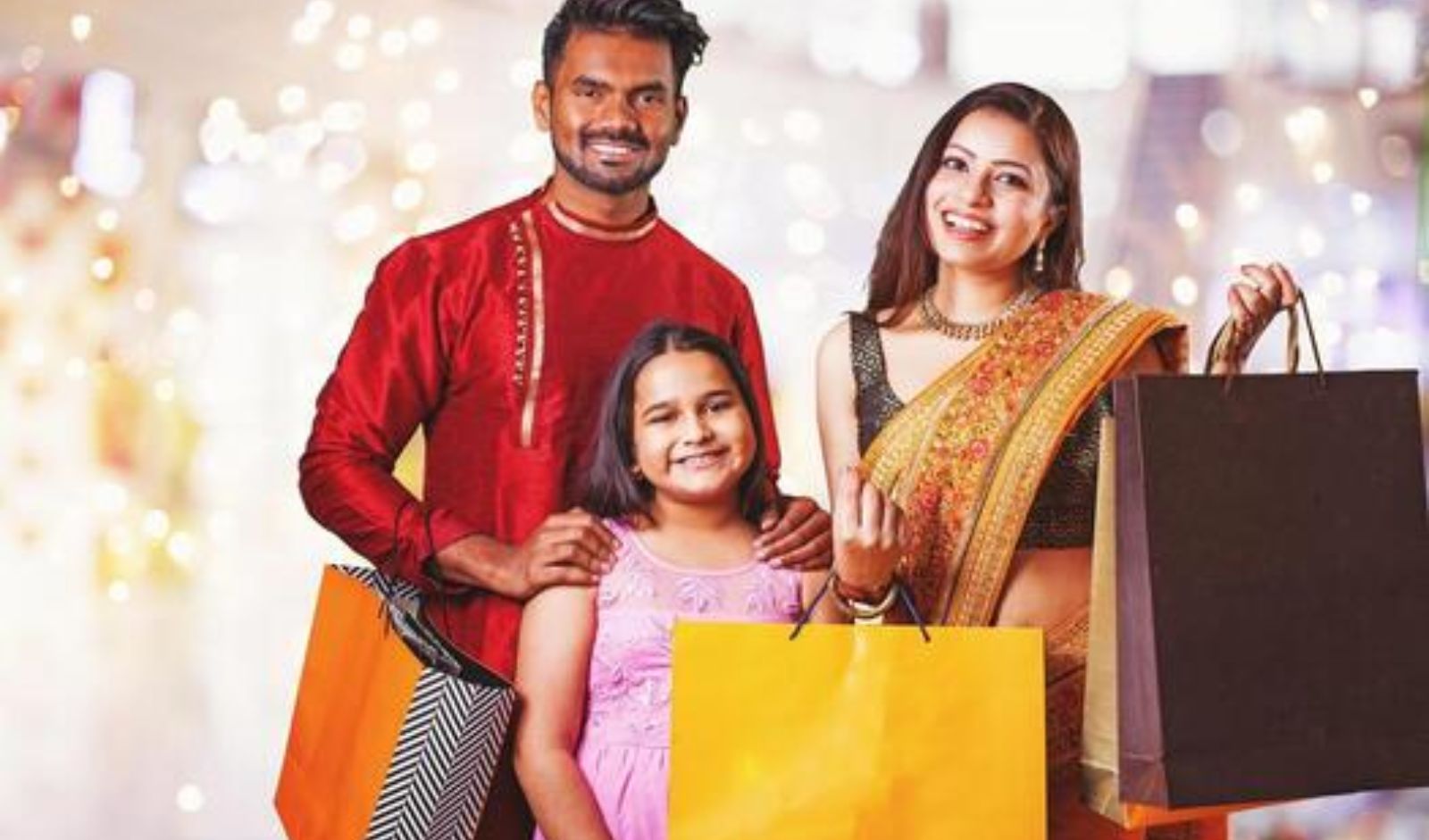
In FMCG, the festive lever is not a bigger discount. It is a pack that fits the occasion. Walk through a supermarket in the week before Diwali and look at how the same beverage is sold. A standard case of 24 bottles sits on the lower shelf, built for homes that drink it regularly and for shops that stock in bulk. Higher up is a smaller festive pack of eight or ten bottles, in festive packaging, light enough to carry on a family visit. A lot of festive shoppers pick the smaller one. Nobody cut the price to make that happen. The pack simply suited the moment.
Festive shopping in India is usually described through discounts, and in some categories that is fair. On a television or a washing machine, a festive offer can take thousands of rupees off the bill and decide the sale. FMCG runs on a different equation. Prices are already modest, and the manufacturer, the distributor and the retailer each depend on a slice of every unit. Once the shelf price has been pared down, there is little left to give away without one of them taking the hit.
There is demand to plan around. Equirus Capital’s July 2026 Consumer Sector Tracker expects FMCG demand to grow by 9 to 11 per cent between August and November 2026, helped by stronger purchasing power. With the market moving that way, brands want festive growth that does not mean handing over margin.
Dozens of small gifts, not one big purchase
A festival is not one big purchase. It is dozens of small ones. Employees, teams, support staff, neighbours, business associates, friends and relatives all get something. Most buyers do not want to spend thousands of rupees on each person. They do want what they give to look decent and to carry a little meaning. That is the opening for an everyday product. If the pack looks and feels like a gift, a familiar bottle becomes a sensible thing to take along.
Why smaller packs make commercial sense
The 24-bottle case is a sensible buy for a household that drinks the product every week, and for a shop that stocks it in bulk. It is not the pack most people want to carry into a relative’s home or hand out across an office. A pack of eight or ten is easier to carry, easier to share and easier to distribute, and a buyer can pick up several for different occasions: one for the team, one for the neighbours, one for the family. For the brand, it is a way to meet a new occasion without changing the product.
Premium without a bigger price tag
People often assume premium means a bigger pack or a higher price. In FMCG it needn’t. Smarter packaging, a festive look and a smaller pack can change how a product feels while the price stays inside a sensible gifting budget. Occasionally the packaging does it alone, with the price left exactly where it was. This kind of affordable premiumisation suits FMCG, where the buyer is spending a modest amount and still wants the result to look considered.
Something new for the retailer
Retailers have a stake in this too. A festive pack with a clear gifting purpose gives a shopkeeper something fresh to talk about, instead of one more item competing with its neighbours on price. It also gives distributors a reason to make room for it. The talk at the counter changes too. It is less about the discount on offer and more about what the pack is for.
Where discounts still belong
None of this means discounting is finished. In high-MRP categories, where the absolute saving can change a purchase, it will remain central. The point is that FMCG has a different festive opportunity, and copying the discount playbook from other categories can cost margin for little gain.
The bottom line
The question for FMCG brands is moving from how much to knock off the price to what the pack should be for. The brands that decide early what each pack is for, and fix size, packaging and price in the same conversation, usually go into the season better prepared than those that wait and then reach for a discount. And in festive weeks, plenty of shoppers are really looking for something to give. A brand that understands that can grow in the season without surrendering its margin.
Authored by:
Nikhil Doda, Co-founder & COO, Lahori Zeera
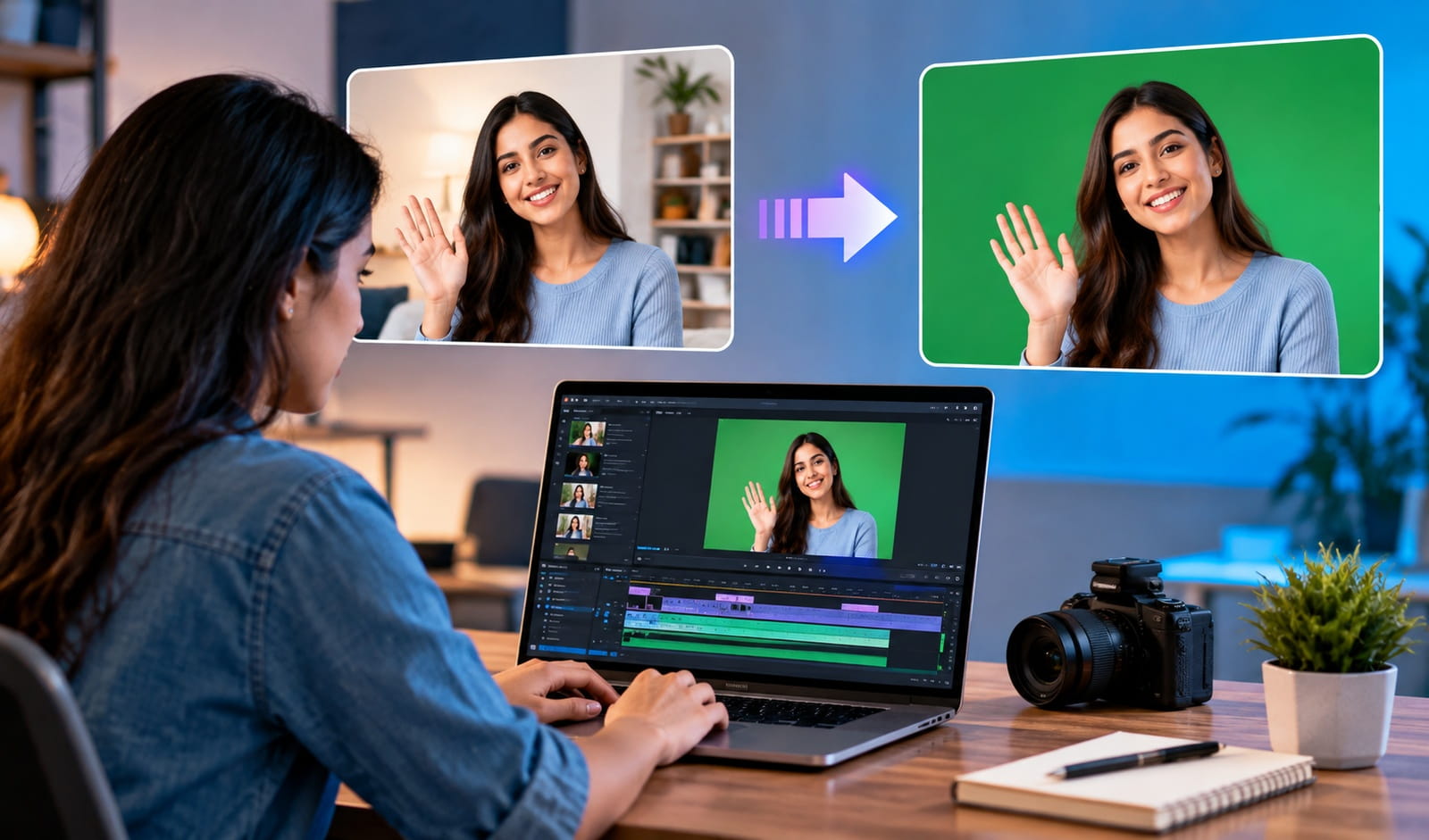
When it comes to making video content, you cannot do without extra touches. Most times, when they are for the public. The bulk of the work involves the post-production phase, including scanning the video frame by frame and with a viewer's lens.
If you are also a video editor with multiple tasks, you try to beat deadlines. Even as you want to ensure that you have the best output that appeals to your client.
One issue you may experience in your editing workflow is a software glitch or a blackout. Your main editing software or app can unexpectedly break down due to a bug or underlying issue. Another likely interruption is hitting the editor’s block, a situation in which you are unable to make clean edits after several attempts.
In these cases, the need for extra hands arises to ensure everything is in place while keeping your editing trademark intact. Plus, you may need a tool on the side that does not undermine the overall message of the content.
The Shift towards AI-Based Video Editing
If you’re a video editor with extra tasks on your hands, artificial intelligence comes in handy. With quick processing technology, AI tools make the workflow easier. And complement the manual process. This covers when you are looking to beat a deadline. Or make edits, which would ordinarily take up your time.
Also, you may have been in talks with your client for weeks and making preparations to ensure everything is in place. A downside is an unexpected crash or app outage. As such, you may want to consider extending the delivery timeline, which would result in losing the client's confidence.
AI-based video editing simplifies the process by automatically aligning all required components in a video. Your content can be solid with everything in place, including lighting and sound. But the background, objects, and watermark are essential elements that convey professionalism.
While you may not be a fan of AI video editing tools, they come to the rescue if you are unable to troubleshoot your daily editing process. You can always extend your trials and opt for a makeshift solution to ensure a professional look.
Vmake Labs AI Background Remover
If you are looking to try out AI-based video editing tools, particularly for background removal, Vmake Labs is one option to consider. Ordinarily, your previous AI choices may not seem promising - owing to the experience. A first glance at the Vmake Labs makes a different thought.
The Vmake Labs workspace comprises several tools, including the AI background remover. Clicking on it is intriguing, such that no signup is required to access the page. Unlike others that go through the hurdles of signups only to generate poor backgrounds.
With an easy-to-understand interface, the guide on the page is straightforward: upload your video, remove the background, and replace it with something better. No complex editing skills required.
How Vmake Labs AI Changes Video Background in Three Steps
Going through the prompt, you can try out and change Video Backgrounds with these three steps.
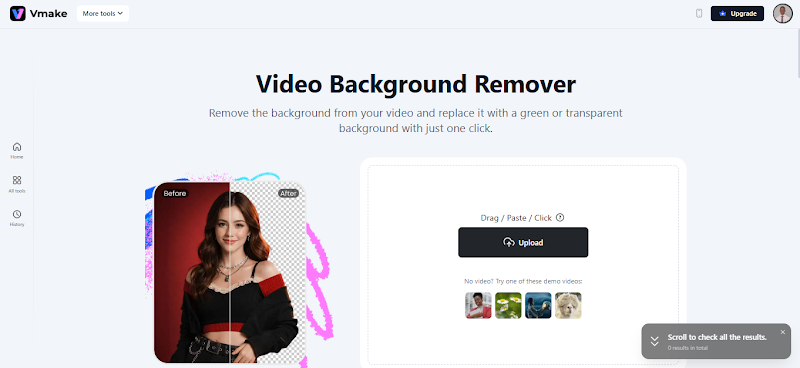
- Open the Vmake Labs Webpage
Trying out the Vmake Labs video background remover meant visiting their page. And this is one of the things you can simply do. The page and listed prompts were simple to read and follow through.
- Upload the Video with the Background
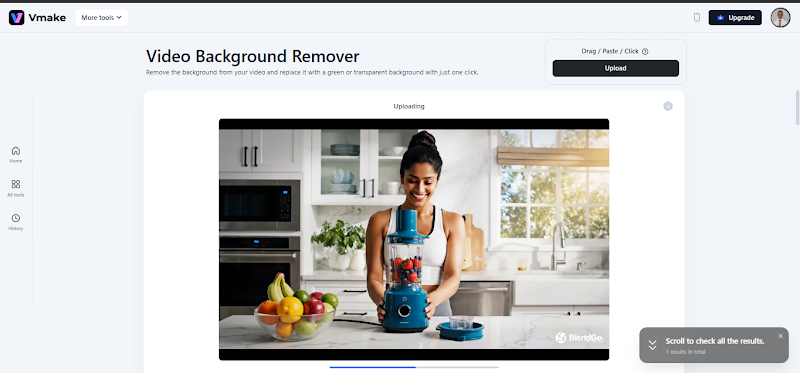
The Video Background Remover tool supports uploading files through a link and from a device. It is one of the easiest things that you can do. A quick click on the link redirects you to your folders and imports the files to the webpage.
- Download the Preview
The uploaded video is processed by the Vmake Labs tool with a prompt to download in a new green background while retaining the video quality.
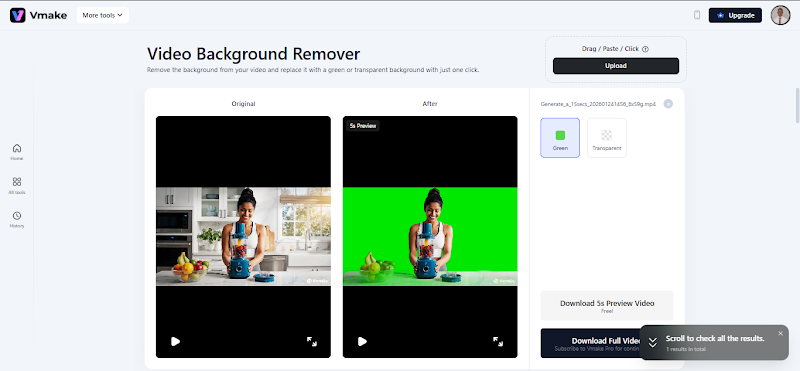
After the download, the background is gone. There were no weird edges in the new setting. There was a change in the background, with the same quality.
The Change in Your Workflow
Using tools like Vmake Labs AI solves an editor workflow problem. When it comes to certain situations - business videos, presentations, social media - the tools' input is okay.
The Video Background Remover handles tedious technical work for editors, enabling them to focus on tasks that require more expertise. For creators, it's a plus to record wherever the lighting works and feel comfortable. And backgrounds may not be a constraint or a worry.
Backgrounds matter in a story and contribute to the overall perfection. According to Sarah's experience, the Video Background Remover uses the best AI technology to filter out the works based on her experience. It has also contributed to her workflow by retaining the background quality just like the usual edits.
Vmake Labs-the Go-to Practice for Video Editing
The one-time AI video editing you fix for a client can gradually transition to daily custom. Over time, you can use the Vmake Labs Video Background Remover for client presentations and personal projects. Not only does it save time with training videos, but it also saves overall editing time.
With the online workspace, you will feel more confident in handling video projects. The Vmake Labs offers a reliable alternative without the subtle anxiety of a poor result. And this will make your overall video content workflow more professional.
On the other hand, the background remover does not have to replace the manual editing app. It is also not a bulky tool to master. Rather, it sometimes lessens the stress and thought process of your previous creation. It fits well into a video editor's workflow and lets you focus on other work that matters.

Whether you need money for a medical bill, home repair or family function, getting a loan decision quickly can make planning easier. Some borrowers receive pre-approved offers within minutes, while others may need to wait for additional checks. Preparing your documents, checking your eligibility and providing accurate details can reduce delays.
What Does Pre-Approval Mean?
Pre-approval is an initial offer from a lender indicating the loan amount and terms you may qualify for based on an initial assessment. It is not a final approval. The lender still needs to verify your documents, income and other details before sanctioning the loan. You may receive a pre-approved offer from your existing bank or when you check your eligibility or apply for a Personal Loan online.
How Can You Speed Up Pre-Approval?
You can help speed up the process by keeping your details ready and responding promptly to the lender. These seven steps can help reduce avoidable delays.
1. Check Existing Loan Offers
Banks and NBFCs may offer pre-approved loans to existing customers whose banking and repayment records they already have. You can check for these offers through net banking, the lender's app or official messages. Since some initial checks may already be complete, these offers can require fewer steps than a fresh application. However, final approval still requires verification.
2. Complete Your KYC in Advance
Know Your Customer (KYC) verification confirms your identity and address. Completing it in advance can save time during the application process. Before applying, check that:
Your PAN and Aadhaar details are correct.
Your Aadhaar-linked mobile number is active.
Your address details are up to date.
Your name and other personal details match across your documents.
Depending on the lender's process, you may be able to complete KYC online.
3. Keep Your Documents Ready
Lenders may request identity, address, income and bank records. Keeping clear digital copies ready can help you submit them without delay.
Document | Salaried applicants | Self-employed applicants |
Identity proof | PAN card | PAN card |
Address proof | Aadhaar or other valid proof | Aadhaar or other valid proof |
Income proof | Recent salary slips | Income tax returns and business financial records |
Bank statements | Recent personal account statements | Personal and business account statements |
Additional proof | Employment details, if requested | Business registration or GST certificate, if requested |
The exact requirements vary by lender. Save the relevant documents in an accepted format so you can upload them when asked.
4. Share Bank Statements Securely
Some lenders accept financial information through the Reserve Bank of India's Account Aggregator framework. With your consent, this system allows authorised financial information to be shared securely with the lender. It can reduce the need to download and upload bank statements manually. Check whether your lender supports this facility and review the consent request before sharing your data.
5. Check Your Eligibility First
An eligibility check gives you an idea of the loan amount you may qualify for before submitting a full application. It can help you choose an amount that matches your income and repayment capacity. Financial platforms such as the JioFinance app display Personal Loan offers from multiple banks and NBFCs. Its eligibility check uses a soft enquiry, which does not affect your credit score.
6. Enter Accurate Details
Lenders compare your application with your documents and credit records. Incorrect or inconsistent information can lead to additional checks and delays. Before submitting the form, verify your:
Name and personal details
Employer or business name
Monthly income and employment details
Current address and contact information
Make sure your income matches the supporting documents and correct any errors before submitting the application.
7. Respond Quickly to Lender Requests
During the review, a lender may ask for an OTP, a video KYC session, an additional document or confirmation of your details. Keep your phone and email accessible and respond as soon as possible. Prompt replies help prevent avoidable gaps between verification stages, although the overall timeline depends on the lender's checks.
What Happens After Pre-Approval?
Pre-approval is followed by final verification and loan sanction. The process generally includes these steps:
- Accept the offer and confirm the loan amount and tenure.
- Complete the lender's final checks.
- Review the Key Fact Statement (KFS), including the interest rate, charges and repayment details.
- Sign the loan agreement.
- Receive the loan amount in your bank account after disbursal is approved.
Check the offer's validity period and complete the required steps before it expires.
Conclusion
Getting pre-approval faster starts with good preparation. Check existing offers, complete KYC, keep your documents ready, verify your eligibility and provide accurate details. Responding promptly to lender requests can also help avoid delays. When you apply for a Personal Loan online, platforms such as JioFinance let you compare offers from different lenders in one place. Review the interest rate, fees and repayment terms before accepting an offer.
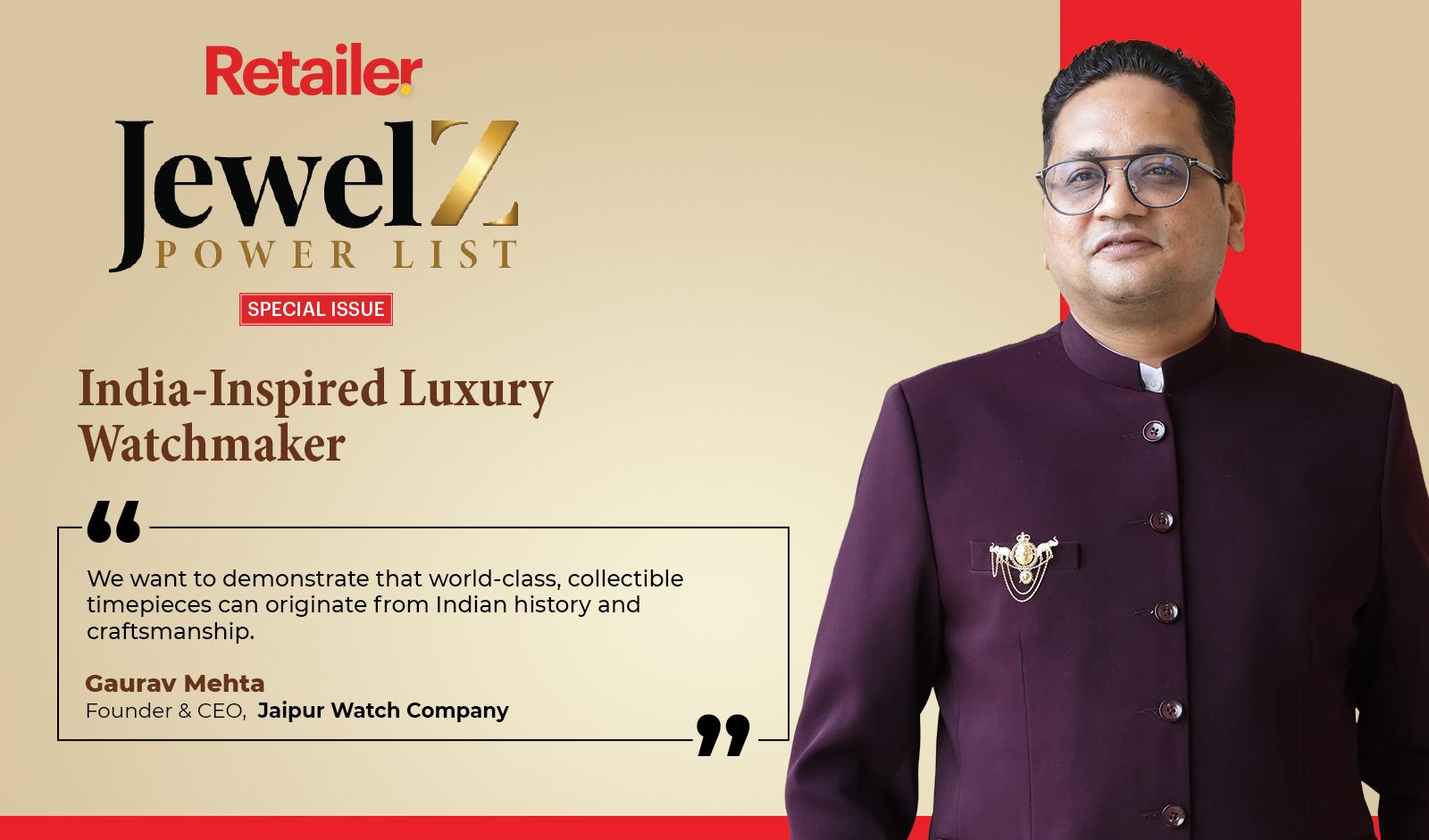
India’s luxury market is undergoing a shift, with consumers increasingly seeking products that offer more than material value. For Jaipur Watch Company, this change is creating an opportunity to build a distinct category around heritage, craftsmanship, and storytelling.
“The contemporary consumer is rapidly moving away from viewing luxury strictly as a material asset or generic gold investment,” Gaurav Mehta, Founder & CEO, Jaipur Watch Company, said. “Instead, there is a pronounced pivot toward high craftsmanship, storytelling, and emotional resonance.”
From a Passion for History to a Luxury Brand
Founded in 2013, Jaipur Watch Company reported a turnover of Rs 25 crore in FY2025 and currently operates 13 physical locations across India, spanning Exclusive Brand Outlets and luxury hotel shop-in-shops. The company has built its identity around combining horology with elements of Indian history, including vintage coins, Pichhwai art, royal insignias, and antique postage stamps.
The concept originated from Mehta’s personal fascination with history, coins, and mechanical craftsmanship. In 2012, he dismantled a quartz watch and placed an authentic British-India-era vintage coin on its dial. The response to the creation led him to recognize an opportunity in story-driven luxury.
“People were not just reacting to a timepiece, they were captivated by the piece of living history strapped to a wrist,” Mehta shared.
Creating Heirloom Timepieces
The brand’s positioning centers on what Mehta described as “heirloom timepieces” that serve as “custodians of authentic Indian history.” This philosophy also shapes its retail strategy, with physical stores designed as immersive brand environments where customers can explore limited editions, discuss custom commissions, and experience the craftsmanship firsthand.
“Feeling the weight of the case, appreciating the detail of a hand-painted dial under a magnifying glass, and testing how a watch sits on the wrist cannot be fully replicated on a screen,” Mehta said.
Connecting Digital Discovery with Physical Retail
At the same time, digital platforms remain central to discovery. The company’s D2C website and partnerships with luxury platforms help reach consumers beyond its physical network, while its “Design Your Own Watch” interface allows customers to explore personalized creations.
The strategy connects digital discovery with offline consultations and personalized service, creating multiple touchpoints through which consumers can interact with the brand before making a purchase.
Expanding India’s Luxury Retail Footprint
The next phase is focused on scale without compromising exclusivity. Jaipur Watch Company plans to expand from 13 locations to more than 25 luxury touchpoints across Tier-1 cities and emerging Tier-2 luxury hubs.
The company is also targeting markets in the Middle East, North America, and Europe, while investing in mechanical complications, micro-engraving, and custom case geometries.
Taking Indian Horology Global
“Our overarching vision for the next two years is to firmly anchor India on the global map of fine luxury horology,” Mehta expressed. “We want to demonstrate that world-class, collectible timepieces can originate from Indian history and craftsmanship.”
With its focus on limited production, heritage, and bespoke craftsmanship, Jaipur Watch Company is betting that the future of Indian luxury will not simply be about owning something expensive, but owning something with a story.
Rice is a kitchen staple across India, from everyday food to festive biryanis. However, affordability remains the main driver of household purchases, while the market is slowly changing as consumers pay more attention to grain quality, aroma, cooking performance, and branded packaged products. This shift gives rice companies opportunities to move beyond traditional sales, build differentiated portfolios, and reach consumers through new retail channels.
Rice feeds more than half of the world’s population and provides about 20 percent of total human caloric intake worldwide. More than 90 percent of the world's rice is produced and consumed in Asia, with China, India, Indonesia and Bangladesh among the leading producers.
Mordor Intelligence’s Rice Industry in India – Market Size & Demand report states that the rice market in India is estimated to be valued at USD 49.32 billion in 2026 and is expected to reach USD 62.09 billion by 2031, growing at a CAGR of 4.72 percent during 2026–2031.
Also read: How GRM Foods Is Growing 921 Basmati Rice Globally
Building Brands through Quality
With the competition getting tougher, companies are now betting on product consistency and consumer trust to stand out in the branded rice segment.
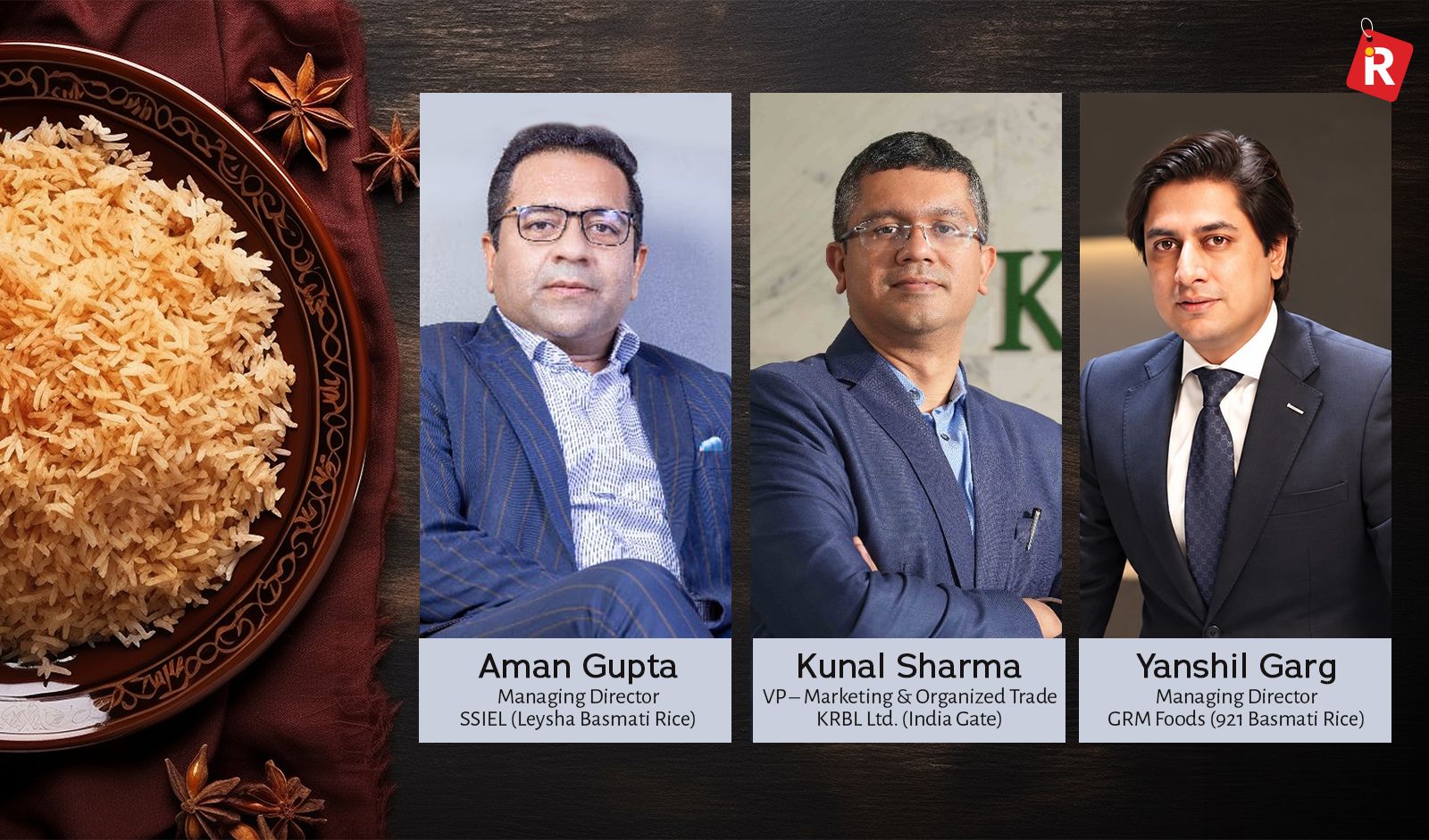
Aman Gupta, Managing Director of SSIEL (the parent company of Leysha), said the company's international experience provides a foundation for its domestic brand-building efforts.
"SSIEL has been in the rice business for several decades, and our journey began in 1967 as a rice mill. Over the years, we have evolved into an established Basmati rice exporter, reaching more than 70 countries and working with over 228 brands globally," Gupta said.
SSIEL has an annual processing capacity of approx 300,000 metric tonnes, exports exceeding 450,000 metric tonnes and manufacturing facilities spanning 85 acres across Taraori and Nissing in Haryana.
Explaining the opportunity in the domestic market, Gupta said, "We identified one of the biggest challenges in the Basmati rice category: maintaining purity, authenticity and consistent quality from sourcing to the consumer's plate."
The company is building Leysha as a premium Basmati brand, with plans to expand distribution across general trade, modern retail, e-commerce and HoReCa. Its FY27 ambition is to approach Rs 350 crore in domestic business and secure a double-digit share of the branded Basmati segment.
Also read: From Premium Perfumes to Pocket-Friendly Scents
Premiumisation and Everyday Consumption
Premiumisation is opening up opportunities but rice brands need to also appeal to households looking for pocket-friendly options for everyday meals.
"Indian consumers are increasingly moving towards branded packaged rice, prioritising grain quality, aroma, consistency and cooking performance. This shift is creating opportunities for brands like 921 to differentiate themselves through quality and products tailored to specific consumption occasions," said Yanshil Garg, Managing Director of GRM Foods.
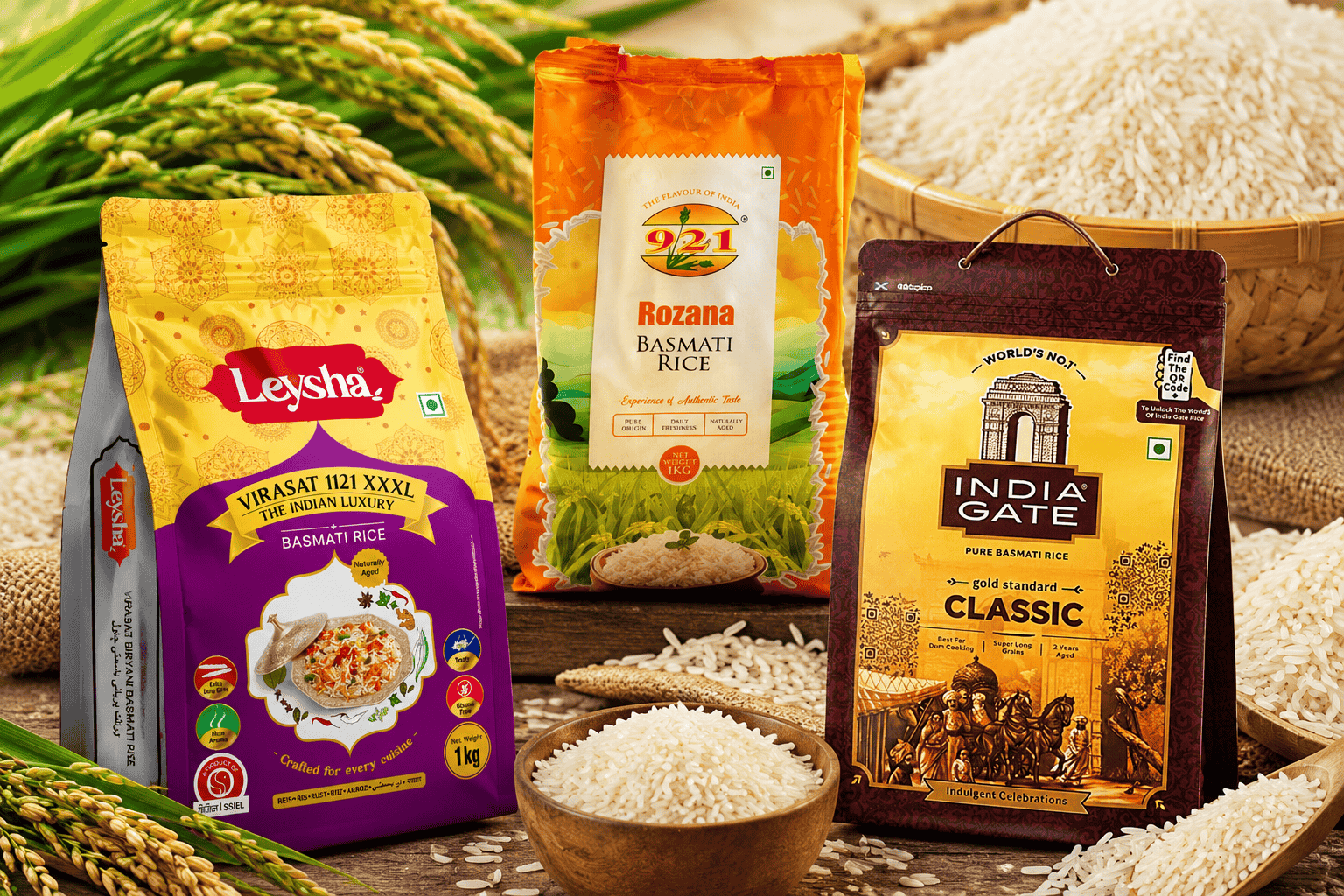
The company's portfolio includes premium varieties such as Biryani, Classic, Super and Pulav under 921 Basmati Rice, daily-use options such as Rozana and Everyday Long Grain, and speciality varieties such as Sticky Rice and Sushi Rice. Rehaan Basmati Rice extends its offerings across additional consumer segments.
Garg said the company has observed an approximately 25 percent seasonal increase in premium and super-premium sales during festive periods, indicating greater spending on quality rice for special occasions.
Meanwhile, KRBL is expanding its offerings beyond Basmati to address changing food preferences.
Kunal Sharma, Vice President – Marketing and Organized Trade at KRBL Ltd, said, "We are expanding beyond Basmati into a multi-category food organisation, with offerings spanning biryani masala, Poha, regional cuisine mixes, blended oils, brown rice and low-GI rice under India Gate Uplife."
The diversification is a way to serve consumers in different food categories as well as having a position in the main rice business.
Also read: Retail Sales Grow 8 Pc in September 2026 Ahead of Festive Season: Report
 Quick Commerce Creates New Opportunities
Distribution plays a role in the industry’s growth with traditional retail, organized grocery chains, and digital platforms.
GRM Foods reaches more than 25,000 retail outlets through over 400 distributors in India. Its products are also available on Swiggy Instamart, Zepto, BigBasket, Amazon and Flipkart.
"Quick commerce has emerged as a particularly strong growth engine, recording approximately 30 percent month-on-month growth and contributing around Rs 50 crore in annual sales. The channel currently accounts for roughly 10 percent of our revenue," Garg said.
The company has reported a customer repeat rate of approximately 30 percent, while its distribution strategy continues to combine physical retail with online channels.
General trade continues to be a key distribution pillar for KRBL, with digital platforms being a part of product discovery and convenience.
“Our omnichannel strategy blends the reach of general trade with modern retail, e-commerce and quick commerce,” Sharma said. General trade continues to be a key pillar of distribution, but digital channels are gaining importance for discovery and convenience.
Also read: Premiumization Reshapes India’s Home Appliance Retail Market
Supporting Export Market Growth Ambitions
International business is another big growth driver for Indian rice companies.
SSIEL is targeting export sales of Rs 2,400 crore in FY27 compared to Rs 2,134.76 crore in FY26, a growth of around 12.4 per cent. Beyond rice, the group is pursuing diversification into hospitality and beauty and personal care, with a five-year ambition to achieve a business scale of Rs 10,000 crore.
GRM Foods reported revenue of Rs 350 crore in FY25 and Rs 500 crore in FY26. It is targeting Rs 700 crore in FY27, with a longer-term goal of crossing Rs 3,000 crore by 2030.
"Our priority for FY27 is to accelerate growth by strengthening our domestic business, expanding exports and building a larger consumer franchise," Garg said.
The company currently exports to approximately 50 countries and aims to expand its presence to more than 100 countries by 2030. Domestic sales account for approximately 80 percent of its revenue, while exports contribute 20 percent. Its long-term objective is to move towards a 50:50 domestic-to-export revenue mix.
KRBL is also focusing on distribution expansion, household penetration and international growth.
Sharma said, "We will continue to build India Gate's brand equity, explore opportunities across consumer segments and strengthen our export business."
Also read: Diwali Dressing Gets a Retail Makeover
The Road Ahead
India’s rice market is moving into a phase where traditional consumption patterns are being supplemented by demand for premium varieties, convenient buying options and wider product choices. Exports offer scaling opportunities but domestic growth will depend on reaching more households without sacrificing affordability.
The challenge for rice companies is to translate the shift in consumer preferences into sustainable development through consistent quality, relevant product portfolios, and stronger distribution networks.
Also read: How Indian Fashion Brands Are Building the Next Premium Retail Market
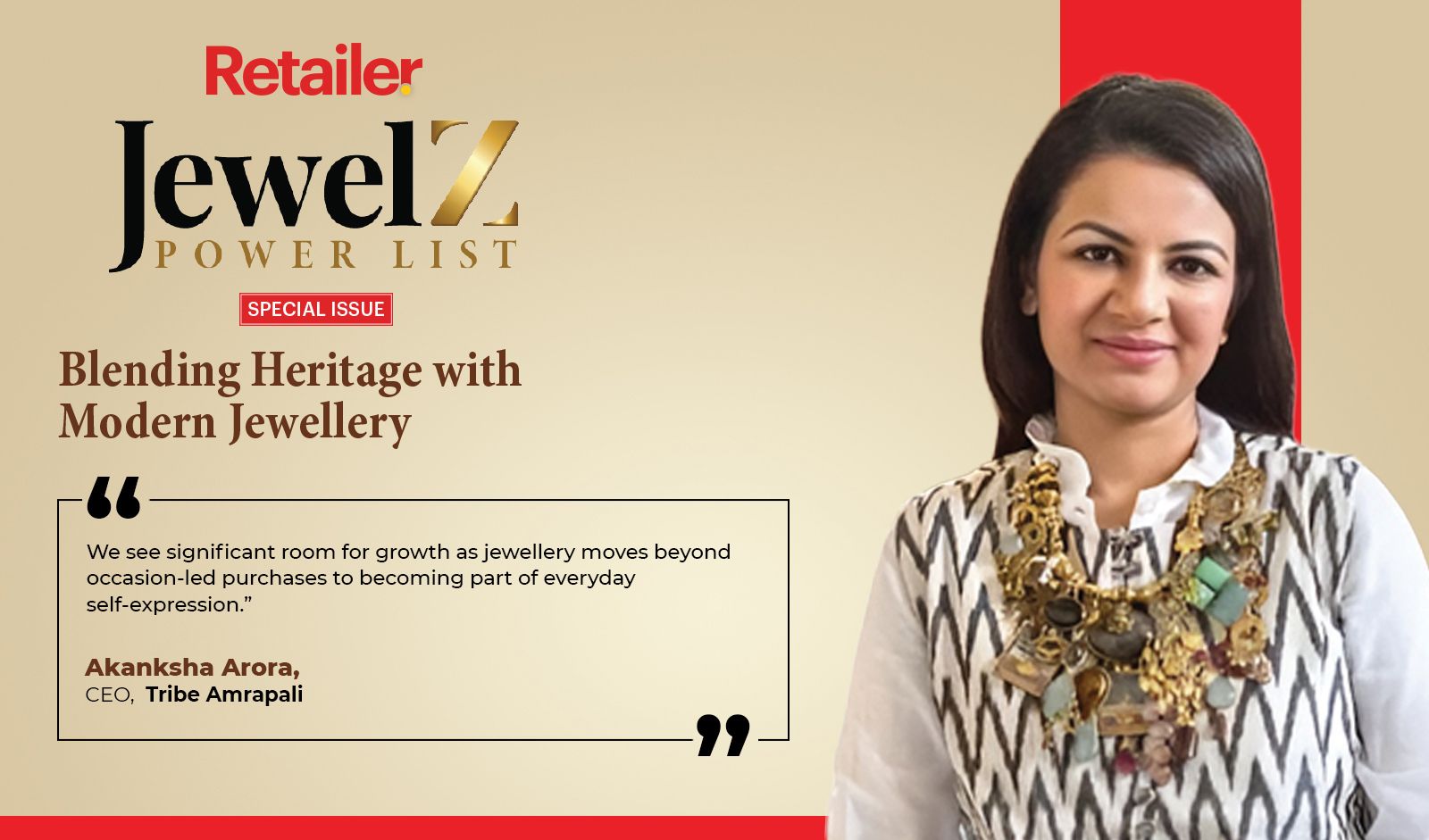
India’s jewellery market is witnessing a shift towards designs that reflect both culture, relevance, and everyday aesthetics. Tribe Amrapali is one such brand that fits into this space as it introduces customers to India’s heritage-influenced jewellery. Starting as an e-store in March 2013, Tribe Amrapali is now a multi-city retail brand that has a total of 42 stores in India.
From Heritage to Contemporary
Akanksha Arora, CEO, Tribe Amrapali, said, "India’s jewellery retail market is evolving rapidly, driven by premiumisation, organised retail and consumers seeking greater design and cultural value."
Arora claims that the use of jewelry is also expanding beyond customary events. "We see significant room for growth as jewelry moves beyond occasion-led purchases to becoming part of everyday self-expression."
The brand preserves its cultural identity, creative flair, and timeless appeal while fusing modern luxury with Indian crafts, symbolism, and storytelling to create contemporary jewelry pieces.
From E-Store to Retail
Tribe Amrapali’s journey began with a digital-first model. What started as a small team has since developed into a multi-city retail brand.
Arora said, "Tribe Amrapali began in 2013 as an e-store, born from a simple vision to make India’s rich jewellery heritage more accessible, contemporary and relevant to an evolving generation."
Its physical network currently includes 42 locations, enhancing its market presence. The company appeals to customers looking for unique jewelry, modern fashion, and cultural connections by striking a balance between innovation and its heritage-led identity.
Building an Omnichannel Brand
Retail remains an important part of Tribe Amrapali’s strategy, supported by its digital platform and select airport retail touchpoints.
Arora explained, "Our retail strategy entails an omnichannel approach, combining our own stores with select airport retail touchpoints alongside our digital platform."
The physical stores play an important role in creating the brand experience, while digital channels help Tribe Amrapali reach consumers beyond its store network.
"Our 42 stores across the country provide an immersive brand experience, while our e-commerce platform offers convenience and access beyond our physical footprint," Arora stated.
She added, "We see digital not as a separate channel, but as an extension of our retail experience, helping customers discover, explore and purchase our designs wherever they are."
Collaborations Expand the Story
Tribe Amrapali's brand development has also been aided by partnerships. Through collaborations with designers and creative experts, the brand has been able to reach a broader audience for fashion and lifestyle while introducing fresh viewpoints.
Arora mentioned, "Collaborations have been an important way for us to expand Tribe Amrapali’s creative vocabulary and connect with new and growing audiences."
Along with its Manikarnika and Baahubali collections, the firm has also leveraged film ties to link its craftsmanship with broader cultural storylines.
Future Growth
Tribe Amrapali intends to grow carefully throughout high-potential locations and travel retail over the next two years in order to increase its relevance among contemporary Indian customers.
Arora stated, "Our focus will be on expanding selectively across high-potential cities and travel retail, strengthening our digital presence, and creating distinctive retail experiences that bring our heritage and craftsmanship to newer audiences."
As Indian consumers increasingly seek jewelry that reflects personal identity, cultural roots, and contemporary living, Tribe Amrapali aims to bridge traditional artistry with modern retail. Its strategy centers on digital engagement, strategic physical growth, and reinforcing the link between India’s legacy and today’s evolving jewelry preferences.
Facts
- Brand: Tribe Amrapali
- Incorporated: March 2013
- Physical Stores: 42 stores
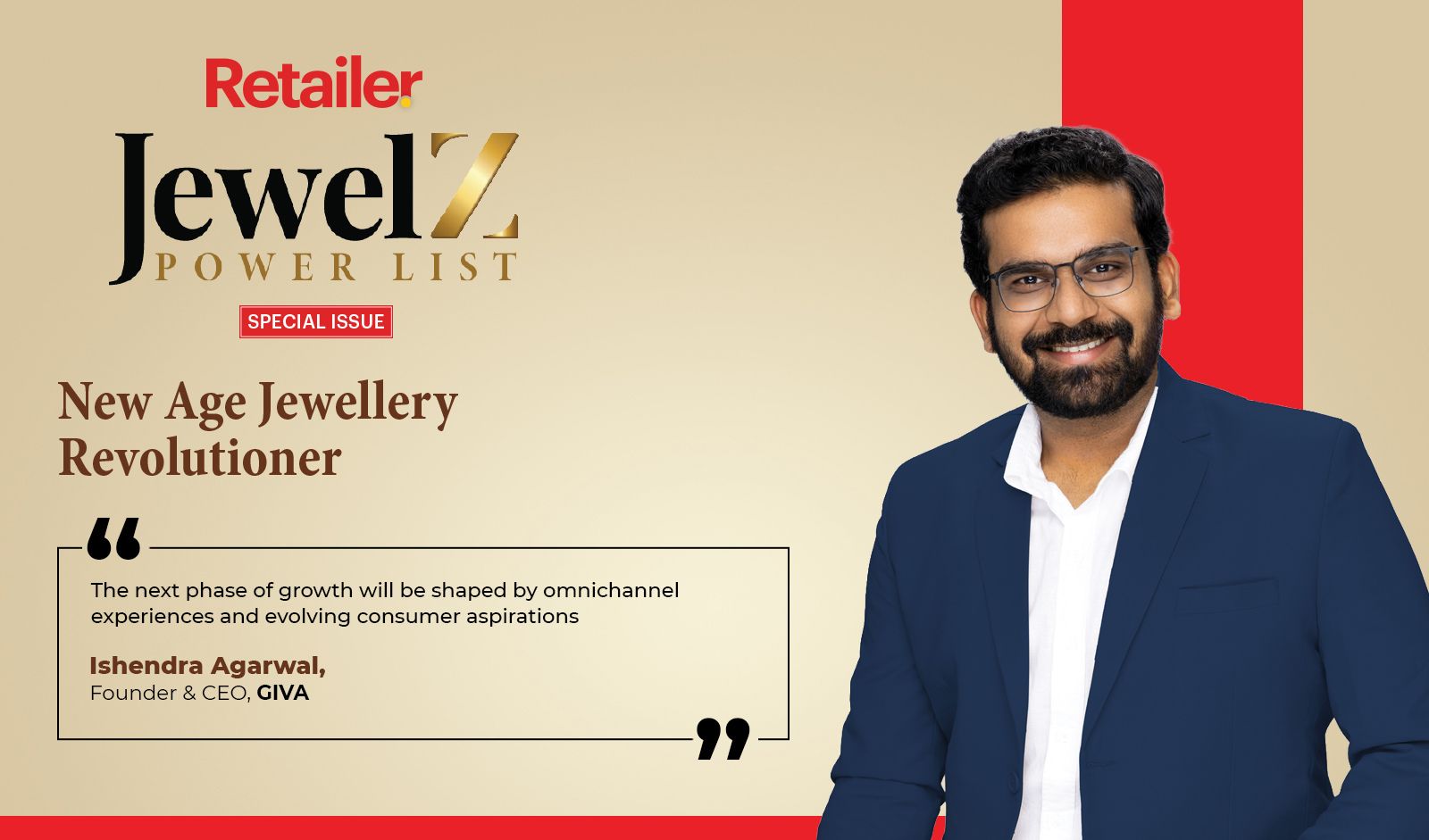
The history of jewellery shopping in India has now become a story of innovation rather than one based only on traditional practices. This has been possible due to the advent of a new range of jewellery brands. These have revolutionised the interaction between consumers and jewellery. One such brand is that of GIVA, founded in 2019 by Ishendra Agarwal.
Jewellery Scenario Undergoing Changes
The jewellery industry in India is gradually undergoing change with the growth in disposable income levels and changes in consumer behavior. As per Agarwal's observation on this development, he said, “The consumers today want jewellery that fits easily in their lifestyle, combining design, quality, credibility, and accessibility.”
GIVA was founded on the premise of affordable aspiration. What started as a sterling silver jewellery brand has gradually expanded into gold and fine jewellery, catering to different stages of a customer’s journey. “We started by making high-quality silver jewellery more accessible and have since expanded into gold jewellery and Heer by GIVA,” he explained.
From Vision to Scale
Founded with a clear gap in mind, GIVA focused on design-led, affordable jewellery backed by trust. Over the years, the brand diversified into multiple categories, including men’s and kids’ jewellery, while also strengthening its product portfolio.
“Our journey has been marked by strong digital-first growth, rapid retail expansion, and the launch of over 370 exclusive stores nationwide,” said Agarwal. This expansion reflects not just scale but also a response to growing consumer demand for accessibility and convenience.
Omnichannel Strategy
One of the important factors behind the success of GIVA is its strategy of being omnichannel. The company is operational via both offline shops and online mediums.
“Our retail strategy is built around accessibility and convenience,” Agarwal shared. “Rather than viewing online and offline separately, we see them as complementary channels.”
With over 370 stores in India, physical stores become experience centres while digital mediums facilitate discovery and repurchasing. In this way, the customer can switch from one medium to another effortlessly.
The Role of Experience and Collaboration
Apart from being an effective retail brand, GIVA has concentrated its efforts on achieving cultural relevance through collaboration and storytelling. “We believe every collaboration should feel authentic and add value to our customers,” Agarwal explained.
Linking personality and brand has been instrumental for the company to relate to different audience groups without affecting its positioning strategy. Events-based campaigns further reinforce emotional connect with the consumer.
Looking Ahead
As the Indian jewellery industry grows, the emphasis is now on organised retail and tech-based experiences. Agarwal sees strong growth potential in emerging categories and markets.
“The next phase of growth will be shaped by omnichannel experiences and evolving consumer aspirations,” he said.
GIVA hopes to leverage these strategies to further build on its existing platform. “Ultimately, we aim to make GIVA one of the most trusted and accessible brands of jewellery in India,” added Agarwal, as they have been on a similar path as the entire Indian jewellery retail industry.
Facts:
- Brand: GIVA
- Year of Incorporation: 2019
- Physical Store Count: 370+

Scroll through any week of retail headlines in India and a pattern jumps out. A snack brand closes a Series B. A beauty label raises growth capital. A footwear chain files its draft papers. Consumer names such as Lenskart and Meesho have already made the leap from startup decks to the stock-market ticker, and a long line of D2C brands is watching closely.
For decades, retail success in India was built on reading the customer: what sells in Ludhiana versus Kochi, how festive demand shifts year to year, which SKU deserves the eye-level shelf. That instinct still matters. But a new layer of literacy is now being demanded of everyone in the business, from the founder pitching investors to the store manager who has just been handed ESOPs. They need to understand how markets price a business.
Market Literacy Is Becoming a Retail Skill
Three shifts are pushing capital-market fluency down the retail org chart.
Listed peers have become the benchmark. When Avenue Supermarts or Trent publishes quarterly numbers, the market's reaction tells every private retailer what investors value right now, whether that is same-store sales growth, margin discipline or store expansion pace. Founders who can read that reaction negotiate better in their own funding rounds.
Equity is reaching the shop floor. ESOP pools at funded D2C brands increasingly extend beyond the head office to category managers, regional leads and senior store staff. An employee who holds stock options but has never seen a share price move is holding something they do not fully understand.
Treasury decisions are getting sharper. Mid-sized retailers and franchise owners sitting on seasonal cash surpluses are asking where that money should sit between peaks. Making that call well requires a basic grasp of risk, liquidity and volatility.
The problem is that most retail professionals learned business on the floor, not on a trading screen. And the market is an expensive classroom when lessons are paid for with real money.
Retail Already Knows How to Rehearse
Here is the irony: retail is one of the industries most comfortable with rehearsal. Brands open pilot stores before a national rollout. They soft-launch a product in two cities before committing to a full production run. Merchandisers test planograms in a handful of outlets and watch the sell-through before redesigning every shelf in the chain.
The same logic applies to markets. Before putting capital at risk, it makes sense to run a pilot, and that is exactly what trading simulators offer: a live-like market environment where orders, price swings and losses are real in every sense except the financial one.
What a Simulator Actually Teaches
A good practice environment teaches lessons that no explainer video can.
How orders behave. The difference between a market order and a limit order feels academic until you watch one fill at a price you did not expect.
- What volatility feels like. Seeing a position swing several percent in an afternoon builds a gut sense of risk that a spreadsheet cannot.
- Position sizing. Retailers understand inventory exposure intuitively. Simulators translate that instinct into how much capital to commit to a single idea.
- Emotional discipline. The urge to exit too early on a small gain, or hold too long on a loss, shows up even with virtual money. Better to meet that urge in practice.
The barrier to starting has also dropped sharply. Many tools now run straight in the browser, and some go as far as offering demo trading without account registration, so there is no sign-up form, no KYC and no personal data to hand over. For a busy store manager, that means a fifteen-minute session during a lunch break rather than an afternoon of onboarding. For a training team, it means an entire batch of employees can try the same exercise in a workshop without anyone creating a login.
Choosing the Right Practice Ground
Low friction is useful, but the practice ground still matters, because habits formed in a simulator tend to follow people to the platform they eventually trade on. A few principles help.
Stay inside the regulated ecosystem. India offers solid practice options built around SEBI-regulated markets, including NSE's own learning and virtual-trading initiatives and the paper-trading modes that many SEBI-registered brokers provide inside their apps. Practising on instruments and rules you will actually use is far more valuable than practising on something you never should.
Check before you click. The Reserve Bank of India maintains a public Alert List of platforms that are not authorised to offer forex trading to Indian residents, and SEBI publishes registers of authorised intermediaries. A two-minute check is the retail equivalent of verifying a new supplier's GST number.
Be wary of practice tools built to convert. A simulator that constantly nudges you towards depositing money, promises guaranteed returns, or pushes leveraged forex and binary-style bets is a sales funnel, not a classroom.
Treat it as training, not a game. The point is to build judgement. Keeping a simple log of each trade, the reason behind it and the outcome turns play into learning.
A 30-Day Plan for Retail Teams
For founders and HR leads who want to build market literacy into their teams, a simple monthly structure works well.
- Week 1: Foundations. Short sessions on how exchanges work, what moves a share price, and how to read a listed retailer's quarterly results.
- Week 2: First trades. Each participant builds a small virtual portfolio of listed consumer and retail companies they know from the floor.
- Week 3: Stress test. Track the portfolio through a results season or a market-moving event and discuss what happened and why.
- Week 4: Reflection. Review trade logs together. Which decisions were driven by analysis, and which by emotion? What would the team do differently with real capital?
The cost is close to zero. The payoff is a team that understands its own ESOPs, reads competitor results with sharper eyes, and speaks the same language as the investors funding the next stage of growth.
The Retail Lesson, Applied to Markets
Every experienced retailer knows the rule: test small, learn fast, then scale. It is how winning formats are born and how costly mistakes are avoided. As Indian consumer businesses move deeper into the world of capital markets, the people who build them would do well to apply that same rule to their own financial learning.
The next big retail listing will be celebrated on the floor of the stock exchange. The people best placed to benefit from it will be the ones who rehearsed long before the bell rang.

Changing consumer habits, higher-value orders and the need for convenience are changing the face of India’s retail landscape. Quick commerce is now moving beyond groceries to medicines, beauty products, smartphones, apparel and home appliances. What started as a convenient way to restock groceries is evolving into a wider retail channel for beauty, healthcare, fashion and electronics.
According to Ashutosh Goyal, CEO of Hyyzo, a report by Google and Redseer projects India’s quick commerce market to be USD 13 billion in FY2026 and USD 90 billion by FY2031. Beauty, home, and electronics in quick commerce are expected to grow from USD 3 billion to USD 21–27 billion over the same period.
Also read: Retail Sales Grow 8 Pc in September 2026 Ahead of Festive Season
Beyond Grocery: A Wider Retail Basket
Quick commerce is expanding beyond groceries into personal care, medicines, fashion, and electronics, catering to immediate consumer needs while adapting fulfilment models to category-specific requirements.
“Quick commerce is evolving from being a grocery convenience model into a broader on-demand retail infrastructure,” said Saquib Ali, Co-founder of DocPharma.
Ali said healthcare requires more than fast delivery. “A medicine cannot simply be treated like another SKU in a grocery basket,” he said, highlighting the importance of prescription validation, pharmacist intervention, inventory accuracy, compliance, and appropriate storage.
He added that consumer adoption depends on more than delivery speed. “What is driving adoption is not speed alone. It is the combination of availability, convenience and reliability.”
For healthcare, this shift matters because medical needs can be urgent and unplanned. “The opportunity is therefore not simply to make delivery faster, but to build the infrastructure that makes faster fulfilment possible,” Ali said.
Also read: How India’s Fragrance Retail Is Evolving
Consumer Behaviour Is Changing
Quick commerce is also changing shopping frequency and purchase occasions. Consumers increasingly place smaller, immediate orders instead of waiting for their next planned shopping trip.
“The biggest change is the shift from ‘I need to shop’ to ‘I need this now,’” Ali said.
He noted that expectations now extend beyond delivery time to include real-time inventory visibility, easy ordering, accurate fulfilment and transparent tracking. In healthcare, he said, “A customer may want a medicine quickly, but they also expect the system to get the right medicine to them.”
Hyyzo's data for October 1–13, compared with September, reflects the expansion of shopping occasions. Orders placed between midnight and 6 AM increased from 1.3 percent to 15.1 percent of total quick commerce orders, while the share of orders between 6 AM and noon rose from 21 percent to 29 percent.
“Quick commerce is changing not just what people buy, but when and how,” Goyal said.
The data also shows a shift towards higher-value purchases. Orders exceeding Rs 2,000 increased from 6.7 percent to 19.2 percent of total orders, while the average non-electronics order value rose approximately 74 percent, from Rs 544 to Rs 946.
Also read: India’s Ethnicwear Battle for the Festive Wallet
Beauty and Personal Care Find New Opportunities
Beauty and personal care are emerging as important categories in quick commerce, supported by immediate consumption needs and repeat purchases.
Dhruv Sayani, Founder and Managing Director of KT Professional and Ccigmaa Lifestyle, said the channel has changed when consumers purchase personal care products. “People now order more often, and more of those orders are on impulse, because quick commerce has become part of everyday retail,” he said.
Brands are also using product recommendations to encourage complementary purchases. Sayani explained that consumers purchasing hair colour may also need specialised shampoo and conditioner, creating an opportunity to introduce related products during checkout.
He said the company's shampoo and conditioner lines under KT Professional are growing month on month, with repeat purchases remaining strong.
“After that, retention is easy, because the whole game is product quality,” Sayani said, explaining the importance of product performance in encouraging customers to return.
Seasonality also influences demand. According to Sayani, winter sales of the brand's haircare products can increase threefold to fivefold compared with off-peak months. To meet demand, the company adjusts production schedules, stock buffers, and dark-store allocation in advance.
Also read: How GRM Foods Is Growing 921 Basmati Rice Globally
 Higher-Value Orders Reshape Retail Economics
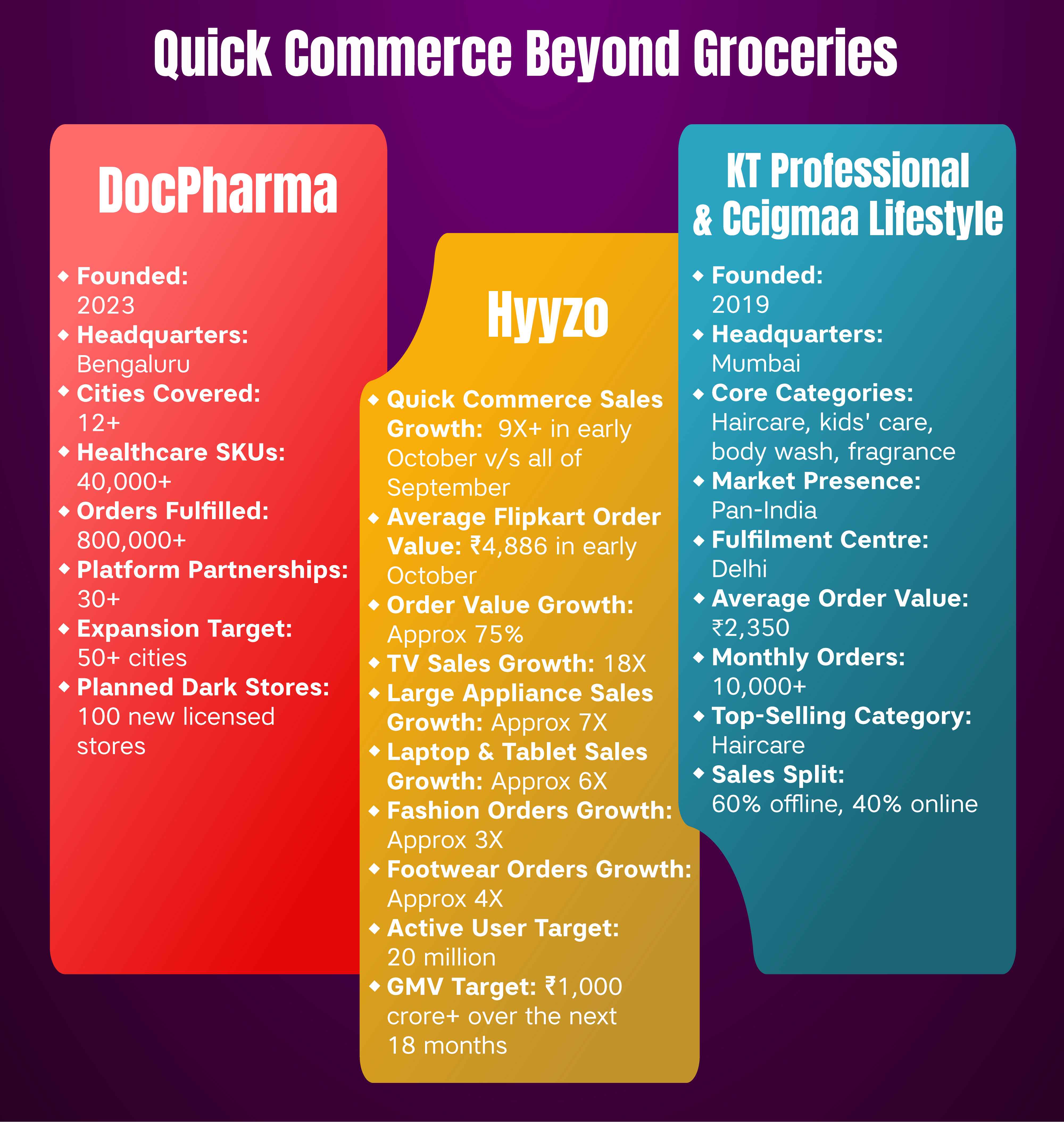
Electronics is contributing to the increase in quick commerce order values, particularly during festive sales. According to Hyyzo, mobiles accounted for approximately 30 percent of Flipkart sales value through its platform in early October, compared with 14 percent in September.
The average Flipkart order value through Hyyzo rose approximately 75 percent, from Rs 2,786 in September to Rs 4,886 in early October, driven by purchases of mobiles, laptops and televisions.
Goyal said that although higher-value categories increase order sizes, their profitability varies. “Electronics drives scale but carries much thinner margins than fashion, footwear, watches and beauty, which remain the margin engine,” he said.
He added that consumers continue to compare prices and look for cashback and bank offers, particularly when purchasing expensive products. As quick commerce expands, balancing speed with value will remain important.
Sayani, meanwhile, reported an average selling price of Rs 550 and an average order value of Rs 2,350 across his brand. He said higher basket values can help cover picking, packing and last-mile delivery costs more effectively than smaller grocery orders.
Also read: BMW Group India’s Hardeep Singh Brar on Luxury Car Retail Trends
Infrastructure Will Determine the Next Phase
As quick commerce expands into specialised categories, inventory management, fulfilment infrastructure and retail partnerships will become increasingly important.
DocPharma recently raised USD 2 million in Pre-Series A funding led by Equentis. The company plans to expand its healthcare fulfilment network from more than 12 cities towards 50-plus cities, including the addition of 100 licensed dark stores. It has fulfilled more than 800,000 orders and works with over 30 healthcare and wellness platforms.
Ali said the company's focus is on creating a connected network that integrates inventory, technology, pharmacists, dark stores, pharmacies and delivery infrastructure.
“We see quick commerce moving from a delivery proposition to an infrastructure proposition,” he said, adding that healthcare fulfilment must be built around accuracy, compliance, availability and trust.
For Hyyzo, expansion will focus on reaching more shoppers through retail partnerships rather than building its own warehouses or delivery network. Goyal said the company is targeting 20 million active users and more than Rs 1,000 crore in gross merchandise value over the next 18 months.
Sayani said his company's plans include strengthening its presence in core cities while entering additional urban markets, supported by consumer marketing and product availability on quick commerce platforms.
As more retail categories move to faster delivery models, the opportunity will depend on whether platforms and brands can combine convenience with reliable fulfilment, competitive pricing and sustainable economics. Quick commerce is no longer limited to replenishing household essentials; it is becoming another route through which consumers discover, purchase and replenish products across India's retail market.

Baggy jeans have become a popular choice for fashion enthusiasts looking to combine comfort with contemporary streetwear style. With their relaxed silhouettes, loose leg openings and versatile designs, baggy-fit denim works across casual outfits, oversized T-shirts, hoodies, crop tops and sneakers.
From established denim labels to trend-led fashion brands, shoppers in India can choose from a wide ranger of baggy jeans in different washes, fits and price segments. Whether you prefer a minimalist look, vintage-inspired denim or bold streetwear styling, the right brand can help you build a versatile wardrobe.
Here are six baggy jeans brands in India worth exploring for your streetwear wardrobe.
1. Levi's

Levi's is a well-established denim brand offering a range of fits, including baggy and relaxed silhouettes. Its baggy jeans are an option for shoppers who want a streetwear-inspired look while prioritising classic denim styling.
The brand's loose-fit designs can be paired with oversized graphic T-shirts, sweatshirts, sneakers and casual jackets. Blue, black and faded denim washes offer flexibility for everyday styling.
Why choose Levi's?
- A recognised denim brand with multiple fits and washes.
- Options for casual, vintage-inspired and contemporary streetwear looks.
- Suitable for shoppers seeking baggy silhouettes from an established denim label.
Read also: How AI Is Rewriting the Rules of India’s Fast-Fashion Retail
5 Hair Care Products to Add to Your Festive Beauty Routine
The Cold Revolution: Why Frozen Foods Are India’s Next FMCG Growth Engine
2. H&M

H&M offers trend-led denim styles for shoppers who want to experiment with contemporary silhouettes. Its baggy and ultra-baggy jeans can work well for relaxed streetwear outfits, particularly when paired with oversized tops and chunky sneakers.
The brand is worth considering for shoppers who like to update their wardrobes with changing fashion trends. Depending on the collection, shoppers can find different washes, rises and leg shapes.
Why choose H&M?
- Trend-focused denim silhouettes.
- Options for relaxed and oversized styling.
- Easy pairing with everyday casual and streetwear staples.
3. Zara

Zara is an option for shoppers who prefer fashion-forward denim with a contemporary, more polished streetwear aesthetic. Its denim collections feature relaxed and wide-leg silhouettes, offering alternatives to traditional slim and straight-fit jeans.
For a balanced outfit, baggy jeans can be styled with a fitted T-shirt, a cropped jacket or a structured shirt. Minimal accessories and clean sneakers can help create a more refined streetwear look.
Why choose Zara?
- Contemporary silhouettes and trend-led styling.
- Options for casual outfits with a more elevated finish.
- Versatile denim that can transition from everyday wear to social outings.
4. Freakins

Freakins is a homegrown fashion brand known for its denim-focused range and trend-led women's styles. It is worth exploring for shoppers looking for baggy jeans, wide-leg fits and distressed designs that complement contemporary streetwear.
Its fashion-led approach makes it relevant for those who want denim to be a statement piece rather than simply an everyday wardrobe essential. Depending on the style, baggy jeans can be paired with crop tops, oversized shirts, fitted tanks or graphic tees.
Why choose Freakins?
- Denim styles designed around contemporary women's fashion.
- Options for wide-leg, baggy and distressed looks.
- Styling flexibility for casual and street-inspired outfits.
5. Urbanic

Urbanic caters to shoppers interested in trend-driven fashion, including relaxed silhouettes and contemporary denim styling. Its fashion offering makes it an option for those looking to experiment with baggy jeans as part of a youthful, social-media-influenced wardrobe.
Baggy denim can be styled with fitted tops, oversized sweatshirts, statement belts and platform shoes. Light-wash denim works well for laid-back daytime looks, while darker washes can create a more understated streetwear outfit.
Why choose Urbanic?
- Trend-led designs for fashion-conscious shoppers.
- Options to experiment with contemporary silhouettes.
- Styling possibilities across casual and streetwear-inspired looks.
6. Snitch

Snitch is an Indian menswear brand offering contemporary casualwear, including loose and baggy denim styles. It is worth considering for shoppers who want to build relaxed outfits around oversized T-shirts, shirts, sneakers and other streetwear staples.
Washed denim, distressed detailing and loose silhouettes can help create a casual, urban look. Shoppers should compare the individual product's cut, rise and length to find the fit that suits their preferred styling.
Why choose Snitch?
- Contemporary menswear with casual, trend-led styling.
- Baggy and loose-fit denim options.
- Denim that can be incorporated into everyday streetwear wardrobes.
Know more: How D2C Brands Can Build Stronger Teams While Scaling Across Markets
Premiumization Reshapes India’s Home Appliance Retail Market
Top 10 Dining Destinations to Visit During the Festive Season
How to Style Baggy Jeans for Streetwear
Choosing the right pair is only part of creating a streetwear look. Styling, proportions and footwear also influence the overall appearance.
- Oversized T-shirts: Pair baggy jeans with graphic tees for a relaxed, urban aesthetic.
- Fitted tops and crop tops: Balance the volume of loose denim with a more fitted upper silhouette.
- Hoodies and sweatshirts: Combine baggy jeans with layered casualwear for a laid-back look.
- Sneakers: Chunky sneakers, skate shoes and classic low-tops complement loose denim.
- Denim washes: Light blue and faded washes work well for vintage-inspired outfits, while black and dark blue denim offer a more understated look.
Conclusion
Baggy jeans have become a versatile option for building a contemporary streetwear wardrobe, offering an alternative to conventional slim and straight-fit denim. Brands such as Levi's, H&M, Zara, Freakins, Urbanic and Snitch provide different approaches to relaxed denim, from established denim styling to trend-focused designs.
The best baggy jeans brand in India ultimately depends on individual preferences, budget, fit and styling requirements. Before purchasing, compare waist measurements, rise, leg width, fabric composition and length to find a pair that delivers both comfort and the desired streetwear aesthetic.
Frequently Asked Questions (FAQs) on Baggy Jeans Brands in India
1. Which are the best baggy jeans brands in India?
Levi's, H&M, Zara, Freakins, Urbanic and Snitch are six brands worth exploring for baggy jeans. Their offerings vary by fit, style, price and target audience.
2. How are baggy jeans different from wide-leg jeans?
Baggy jeans generally feature a loose fit through the waist, hips and legs, depending on the design. Wide-leg jeans primarily have a wider leg opening and may fit more closely around the waist and hips.
3. How can you style baggy jeans for a streetwear look?
Pair baggy jeans with oversized graphic T-shirts, hoodies, crop tops or casual jackets. Sneakers, belts and simple accessories can complete the outfit.
4. Are baggy jeans suitable for everyday wear?
Yes. Baggy jeans can be suitable for everyday wear because their relaxed fit allows freedom of movement. Comfort also depends on the fabric, waistband, rise and overall cut.
5. Which colour baggy jeans should you choose?
Blue and light-wash denim are versatile choices for casual outfits. Black and dark blue jeans work well for understated styling, while grey and distressed washes can add a more statement-driven streetwear element.
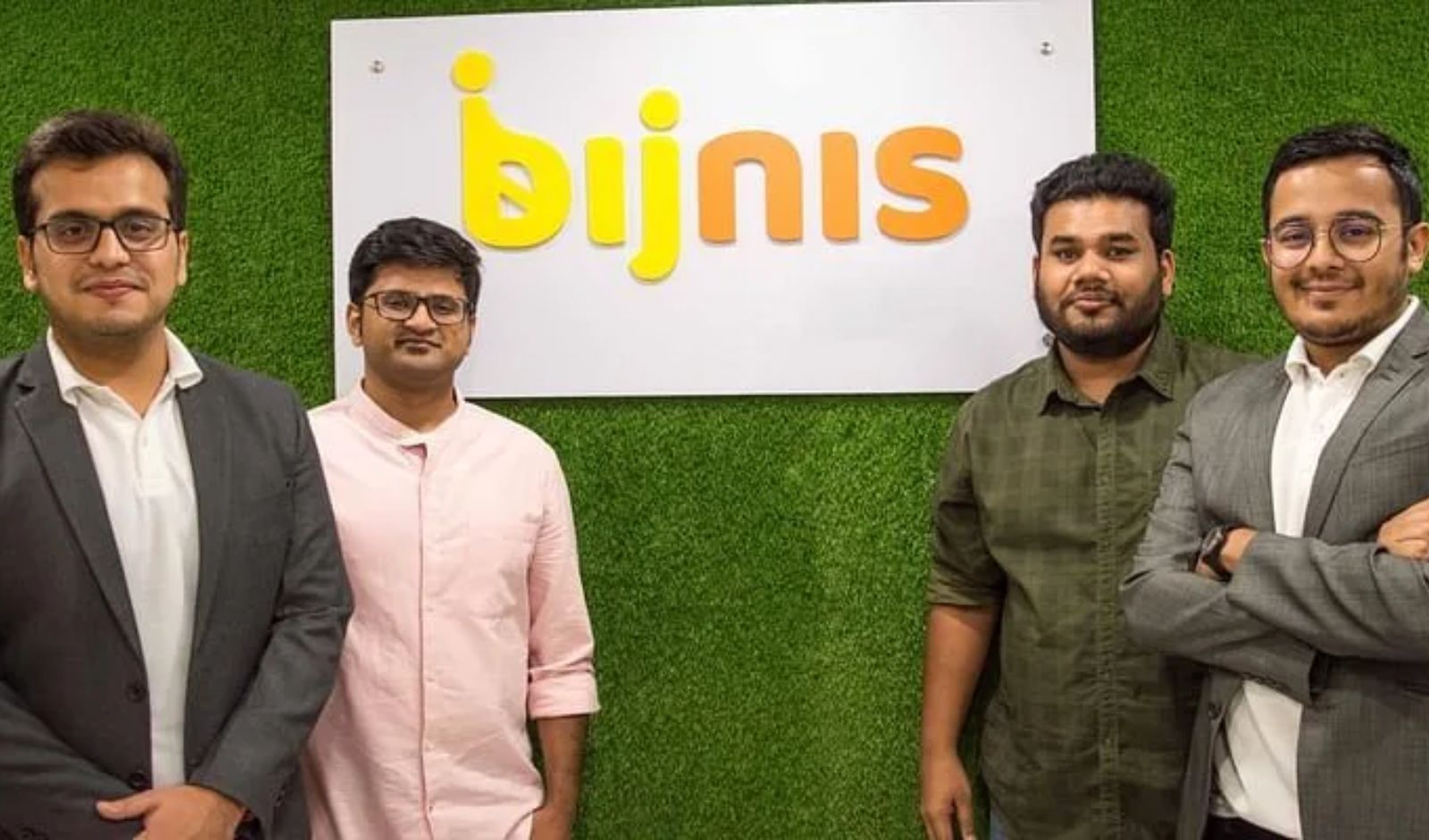 {Funding Alert} B2B Quick Commerce Startup Zorit Raises Rs 27 Cr, Reports Rs 120 Cr Annualised SalesThe company's funding history includes investments from Matrix Partners, now known as Z47, Sequoia Capital, now Peak XV Partners, and WestBridge Capital.
-
The brands that decide early what each pack is for, and fix size, packaging and price in the same conversation, usually go into the season better prepared than those that wait and then reach for a discount.
-
Explore how AI-powered background removal tools can simplify video editing, reduce repetitive tasks and help creators produce professional-looking videos for business, presentations and social media.
-
Learn how to speed up Personal Loan pre-approval with seven practical steps, including completing KYC, preparing documents, checking eligibility and avoiding application delays.






Copyright © 2009 - 2026 Franchiseindia.com Ltd