






Astrology usage in India is seeing a significant behavioural shift, moving away from periodic horoscope checks toward real-time, personalised digital consultations. The trend has become particularly visible at the start of the year, with new data from Astrotalk showing a 50 percent rise in overall query volumes in January 2026 compared to the same month last year.
The data indicates that more than half of the questions raised during the month were situational and forward-looking, centred on how the year ahead would unfold across relationships, careers, finances, and health. Users are increasingly seeking context-specific guidance rather than general zodiac-based predictions.
Love and relationships emerged as the most prominent category, accounting for nearly 60 percent of all queries. A large number of users sought clarity on personal relationships, including marriage timelines and emotional uncertainty. Frequently asked questions included “When will I get married?” and “Will I have a love or arranged marriage?”, reflecting the emotional drivers behind astrology engagement.
Career- and finance-related queries together made up around 28 percent of the total volume. Employment concerns were especially pronounced, with “When will I get a job?” ranking among the most commonly asked questions, highlighting rising anxiety around job security, income stability, and professional direction at the start of the year.
Puneet Gupta, Founder and CEO, Astrotalk stated, "What we’re seeing is a fundamental shift in how people engage with astrology. Users are no longer treating astrology as something they check occasionally. They’re turning to it in real time, during moments of uncertainty, decision-making and emotional need. The rise in relationship-led and situational queries shows that astrology today is being used less as a prediction tool and more as a source of perspective and reassurance in everyday life.”
The shift aligns with broader behavioural patterns observed on the platform. During 2025, Astrotalk recorded a 50 percent year-on-year increase in job-related anxiety, driven in part by concerns around artificial intelligence and potential career disruption. Queries such as “Is AI going to take my job?” featured frequently, signalling deeper worries about long-term employment prospects.
Overall, the findings point to a broader cultural change in the way astrology is consumed in India. Rather than serving only as a predictive practice, astrology is increasingly being used as a real-time support tool to help individuals navigate uncertainty and make sense of change.
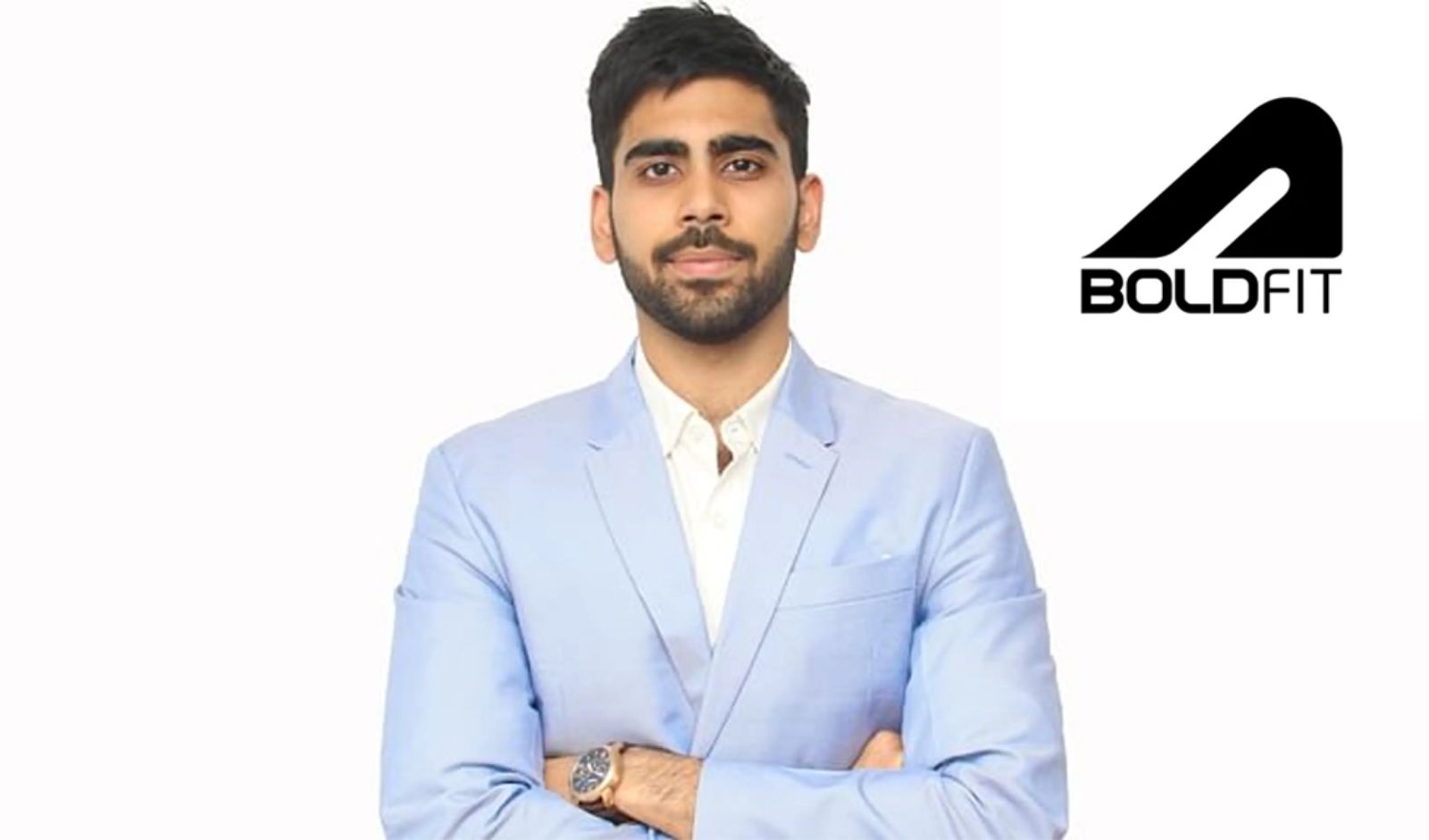
D2C fitness and sportswear brand Boldfit has raised around Rs 400 crore (approximately $41.8 million) from Bharat Value Fund as part of its Series B funding round. The fund is a Category II Alternative Investment Fund managed by The Wealth Company Alternates, which is part of Pantomath Group.
The Bengaluru-based company plans to use the fresh capital to expand its retail presence across India, invest in product innovation and strengthen its manufacturing capabilities. Boldfit also intends to explore selective acquisitions to expand its presence and capabilities across product categories.
Founded in 2018 by Pallav Bihani, Boldfit offers performance sportswear, athletic footwear, sports equipment, and fitness essentials. The company claims to serve more than 2 crore customers annually across India.
Pallav Bihani, Founder, Boldfit shared, "We’re building a deeply integrated sports business, investing in product innovation, manufacturing excellence and nationwide retail to create the scale and capabilities required to serve India’s sporting ambitions,”
The latest investment builds on Boldfit's earlier plans to expand its offline retail network. In November 2024, the company raised Rs 110 crore from Bessemer Venture Partners and outlined plans to open physical stores over the following 12 to 18 months.
With the latest funding round, Boldfit's total funding has crossed Rs 510 crore. The company's investors also include cricketer KL Rahul and former tennis player Sania Mirza.
The funding comes amid growth in India's fitness and sports goods market, estimated to be worth $16 billion and projected to reach $35 billion by FY31. Rising disposable incomes, increasing health awareness, and improved access through e-commerce, organised retail, and quick commerce are among the factors supporting market expansion.
Investor interest in India's sportswear and athleisure segment has also continued. In June, sportswear startup Agilitas raised Rs 225 crore from Nexus Venture Partners and Rainmatter, with contributions of Rs 200 crore and Rs 25 crore, respectively.
In January, D2C athleisure brand CAVA announced a Rs 40 crore Series A funding round led by Sharrp Ventures, with participation from V3 Ventures and existing investor Spring Marketing Capital.
Boldfit's latest funding is expected to support its next phase of growth, with retail expansion, manufacturing and product development forming key parts of its strategy.
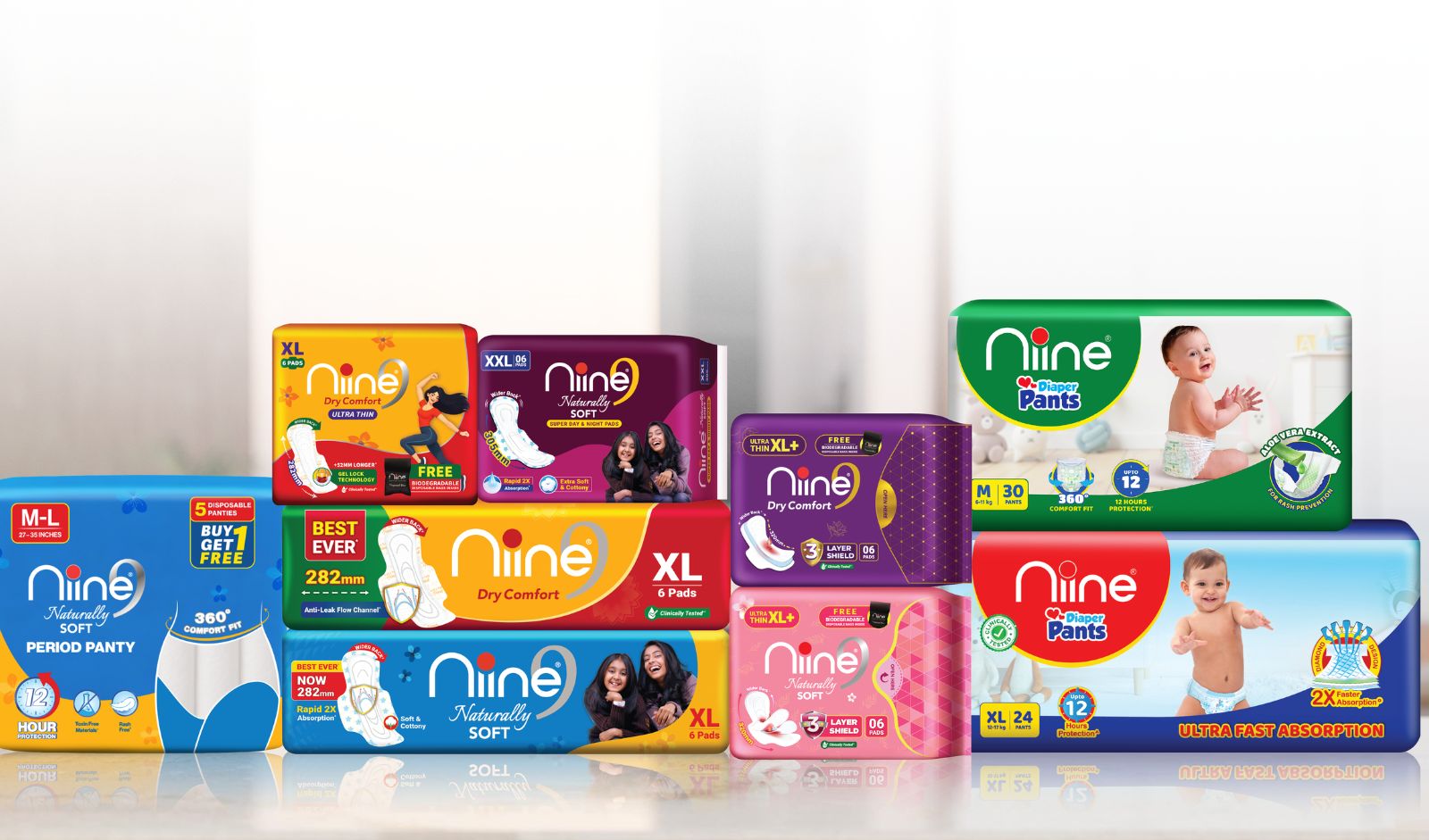
Niine, an Indian hygiene brand, has set a target of achieving more than Rs 1,000 crore in revenue by FY30 as part of a five-year growth strategy focused on manufacturing expansion, wider distribution, and portfolio diversification. Founded in 2018 with sanitary napkins, the company has expanded into baby care and plans to address hygiene needs across different stages of life.
As part of its roadmap, Niine has invested more than Rs 100 crore in expanding its Gorakhpur manufacturing facility in Uttar Pradesh, with further investments planned to support future growth. The company aims to extend its general trade coverage to all states, up from its current presence in more than 18 states, while strengthening distribution across modern trade, general trade, and e-commerce. It also plans to increase its reach in metropolitan areas and Tier 2 markets through strategic partnerships and a broader hygiene portfolio.
Niine recorded revenue of Rs 32.46 crore in FY19, its first full year of sales after launching in May 2018. Revenue increased to Rs 325 crore by FY26, representing 10-fold growth. The company also became EBITDA-positive in FY26 and is targeting an EBITDA margin of 15 percent by FY30. Its Gorakhpur facility, classified under Uttar Pradesh's super mega industrial category, has created more than 1,000 direct jobs.
Product innovation and menstrual hygiene awareness remain part of the company's strategy. Niine introduced resealable sanitary napkin packs and biodegradable disposal bags, while its vending machine initiatives across educational institutions and public facilities aim to improve access to menstrual hygiene products.
The brand has also undertaken awareness campaigns, including #LetsTalkPeriods and a partnership with Rajasthan Royals, to encourage conversations about menstruation and involve men in menstrual hygiene awareness. Its Niine Movement and Run4Niine initiatives have further supported these efforts. In May 2026, the company marked Menstrual Hygiene Day with a digital film series highlighting the different experiences and needs of consumers during menstruation.
Amar Tulsiyan, Founder, Niine, said, "We learnt that the categories people find hardest to discuss are often the ones most in need of a better product. That’s why we started a conversation nobody wanted to have with our ‘Let’s Talk Periods’ campaign. Niine will continue to step into hygiene spaces that are not explored enough. Our Rs 1,000 crore ambition reflects the scale of the opportunity ahead, and we intend to achieve it by reaching many more Indian homes with a portfolio that caters to every stage of life."
The company plans to build on its manufacturing investments and distribution network to expand its presence in India's hygiene market and reach more households through its growing product portfolio.

Medical cannabis wellness startup Awshad has reported that consumers aged 30–40 account for approximately 44 percent of its customers with known age data, making them its largest consumer segment. As the company completes five years of operations, its data indicates growing interest in wellness products among working-age Indians, with consumers aged 20–30 emerging as its second-largest customer group.
Anxiety and sleep-related products are among the largest categories in Awshad's portfolio, reflecting consumer interest in stress management, mental wellbeing and sleep support.
The trend comes amid growth in India's health and wellness market. The market was valued at approximately $164.35 billion in 2025 and is projected to reach $257.94 billion by 2034. Rising health awareness, preventive healthcare, and changing consumer preferences are contributing to the sector's expansion.
Awshad's five-year data show that anxiety-related products account for approximately 40 percent of its orders, while insomnia and sleep-related products contribute around 20 percent. Together, these categories represent approximately 60 percent of the company's total order volume.
The startup has recorded more than 12,000 orders across over 1,400 cities, covering all 36 states and Union Territories. Its data also indicates differences in purchasing patterns across age groups, with older consumers contributing a more significant share of demand in categories such as chronic pain management.
Richa Jaggi, Co-founder, Awshad shared, "What stands out from our five-year data is how strongly wellness is becoming part of the everyday consumer conversation nowadays, particularly among working-age consumers. The consumer today is more aware, more willing to explore different wellness options, and increasingly looking at wellbeing as part of a regular lifestyle rather than an occasional consideration.”
Shivam Singhee, CEO, Awshad, said, “For the industry, this shift represents a larger opportunity but also a responsibility to build consumer trust as the category grows. Consumers are looking beyond simply discovering new products. They want transparency, consistency, and credible information before making wellness part of their regular choices.”
With its customer base spread across more than 1,400 cities, Awshad sees an opportunity to expand its reach as wellness products gain traction through digital commerce and mainstream retail. The company believes that understanding consumer demographics, product preferences, and repeat purchasing behaviour will become increasingly important for brands operating in India's growing wellness market.
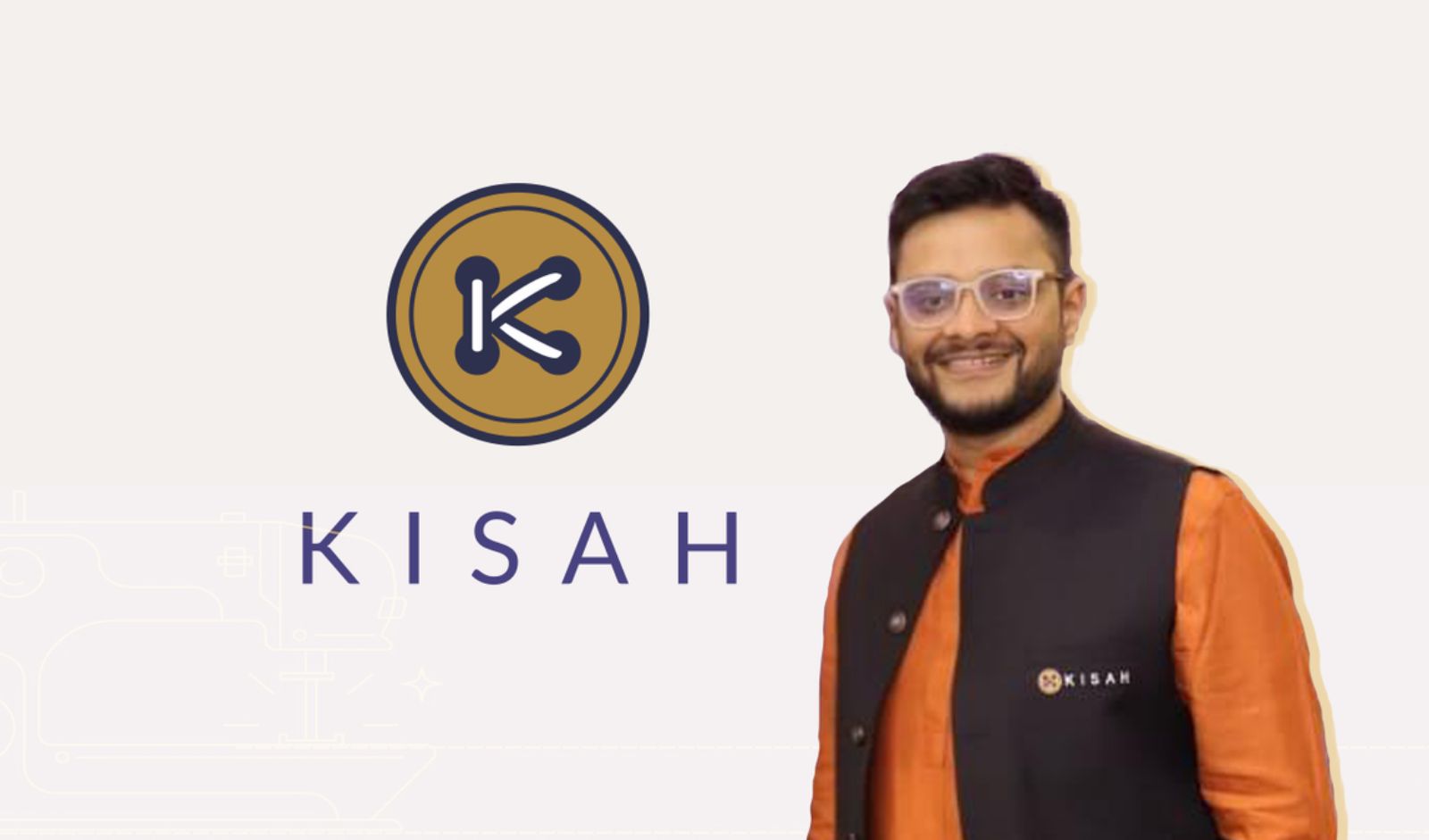
Omnichannel menswear brand KISAH has raised Rs 35.9 crore (approximately $3.7 million) in a Series A funding round led by Fireside Ventures, valuing the company at around Rs 211 crore (approximately $22 million) post-money. The Kolkata-based startup will primarily use the funds to expand its retail footprint while strengthening its supply chain, warehousing, technology and backend infrastructure.
The company plans to use its current retail operations to develop a scalable expansion model, with franchisees expected to fund much of its future store growth.
“We are learning retail right now. We’ve had very good positive early signs for us. The idea is that we are using this money to create our playbooks, and then the retail expansion is something which should be funded by franchisees,” shared Yash Sarawagi, cofounder, KISAH.
Before this round, KISAH had raised approximately Rs 10 crore from angel investors, including Sagar Daryani, founder of Wow! Momo, and Apoor Salarpuria of the Salarpuria Group.
Founded in 2018 by Sarawagi, KISAH initially operated as a marketplace-led business before expanding through its direct-to-consumer (D2C) platform and physical stores. His sister, Yashwi Ladsaria, later joined as co-founder, followed by Saurav Kothari. The brand sells through online platforms such as Myntra, Amazon, AJIO, and Nykaa.
KISAH offers contemporary ethnicwear and occasionwear for men and children, targeting wedding guests and consumers beyond the traditional groom segment. Its portfolio includes kurtas and sherwanis alongside modern styles such as bomber jackets, flared trousers and sneakers. According to Sarawagi, its products sell at an average price of around Rs 4,000 on Myntra, compared with approximately Rs 1,000 for the platform's overall ethnicwear category.
The brand began its offline expansion with a store in Kolkata's Gariahat in 2025, generating Rs 45-50 lakh during its first partial year before reaching annual sales of around Rs 70 lakh. It subsequently opened a flagship store in Bengaluru's Indiranagar in September 2025 and another at Hyderabad's Sarath City in November 2025.
KISAH currently operates 12 stores across markets including Bengaluru, Kolkata, Hyderabad, Mumbai and Visakhapatnam. It plans to expand further in Bengaluru and explore markets such as Jaipur and Visakhapatnam.
The company aims to reach approximately 100 stores and Rs 500 crore in revenue before entering broader categories. Over the next 12-18 months, it also plans to integrate its online and offline operations to strengthen its omnichannel shopping experience.
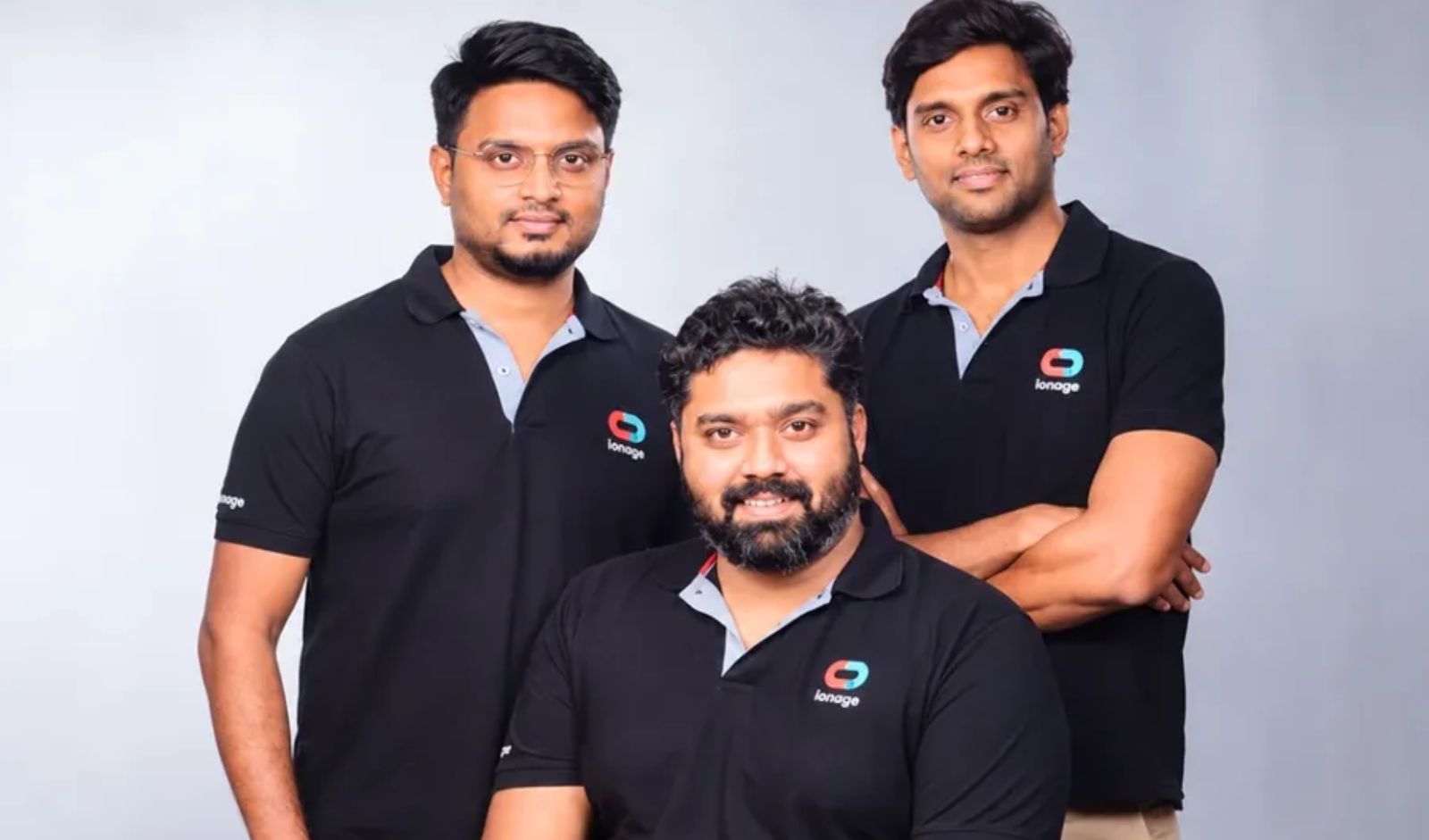
Electric vehicle (EV) charging and energy management platform Ionage has raised $1.3 million in a pre-Series A funding round from strategic investors and a consortium of senior executives from global energy and infrastructure companies. The startup will use the funds to expand its coverage across India's active EV charging networks, improve charger discovery and payment services, and help small and medium-sized charge point operators (CPOs) establish and manage charging stations.
Ionage currently supports more than 25,000 four-wheeler charging points, 63 fleets and 75 charging partners across 33 states and Union Territories, covering nearly 3,000 cities. The company also claims its platform operates on more than 70 percent of India's charging hardware, connecting with major EV charger manufacturers during installation.
The funding comes amid challenges in India's expanding EV charging ecosystem, including unreliable public chargers and limited integration between different networks. Ionage estimates that nearly two in five public chargers are non-functional at any given time. It also cited a ratio of one charger for every 235 EVs in 2025.
To address these gaps, the company provides a software and interoperability platform connecting charging operators, original equipment manufacturers (OEMs), property owners, and EV drivers. Its solutions enable users to discover charging stations, access services, and make payments across networks without relying on separate applications for individual operators.
“We’re building the layer that fixes that: the operating system every charger can run on, whoever owns it, so that discoverability and reliability stop being the exception and start being the default,” said Vimal Kumar V, co-founder and CEO, Ionage.
The company's product portfolio includes Nexus, a charging network management platform for operators, and the IONAGE App, which helps drivers locate chargers, plan routes and make payments. It also operates Flo, a marketplace connecting charging operators with fleet operators, and CASA, a home charging and energy management solution currently in beta. Its Discovery API provides real-time charging information to vehicle systems and maps, while its business software development kit is in closed beta.
Ionage has also begun using artificial intelligence and machine learning for intelligent load balancing and energy trading. Over the next 18 months, it plans to support charging operator clusters in Tier II cities and help smaller businesses develop charging infrastructure. The startup is targeting monthly energy throughput of at least 20 million units within 12 months, following reported month-on-month growth of 25 percent or more.
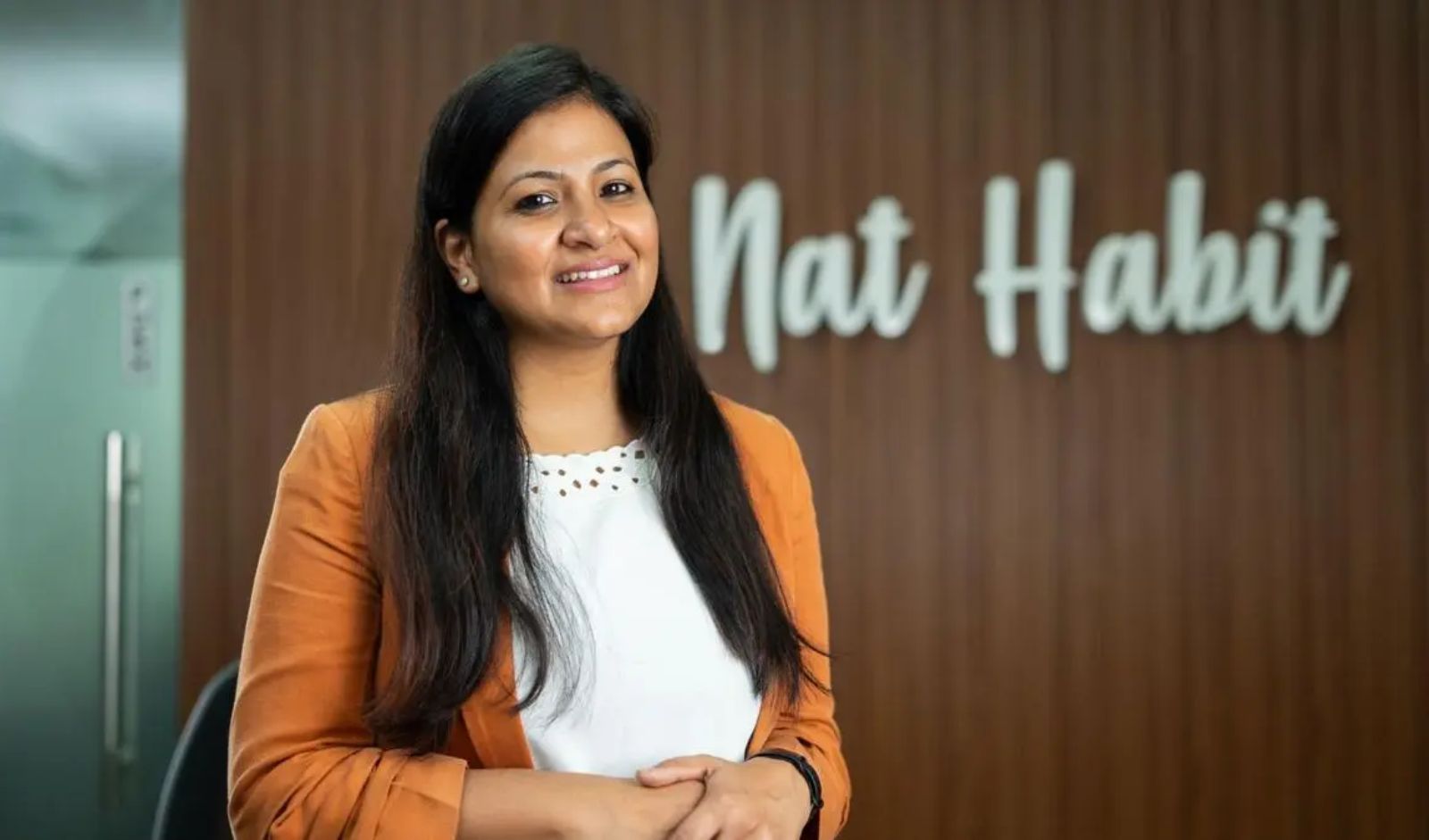
Direct-to-consumer (D2C) personal care brand Nat Habit is raising Rs 142.6 crore ($15 million) in a Series C funding round led by Trident Growth Partners, with participation from existing investors Bertelsmann, Firstport, Linklight Ventures and others.
Nat Habit's board is issuing 22.5 lakh Series C preference shares at Rs 633.5 apiece to raise the capital.
Trident Growth Partners is leading the investment with Rs 91 crore, followed by Bertelsmann with Rs 37 crore and Linklight Ventures with Rs 6.8 crore. Mirabilis, Firstport and Dharmayug Investments will contribute the remaining amount.
The company will use the fresh capital for business expansion, brand building, general corporate purposes, and other requirements. Of the total proceeds, Rs 2.6 crore will be allocated towards reducing the employee stock ownership plan (ESOP) pool.
Nat Habit's post-money valuation stands at approximately Rs 800 crore.
Following the fresh share allotment, Trident Growth Partners will hold an 11.44 percent stake in the company, while Bertelsmann's shareholding will stand at 17.54 percent. Before the latest issue, co-founders Swagatika Das and Gaurav Agarwal each held a 16 percent stake in the business, as per the regulatory filing.
Nat Habit has also rebranded itself as Breathe Life, signalling a broader positioning beyond its origins as an Ayurvedic personal care brand. The company offers Ayurvedic personal care products, including shampoos, face washes and moisturisers, and is expanding its positioning towards a wider lifestyle proposition.
The company has yet to file its annual financial statements for FY26. In FY25, revenue from operations increased 47.2 percent year-on-year to Rs 106 crore. However, its losses rose to Rs 29 crore during the same financial year.

D2C silver jewellery brand Unniyarcha has raised Rs 10 crore in an early-stage funding round led by Sauce VC, with participation from Consumer Collective Atrium. The company will use the funds to strengthen its branding and marketing efforts, expand manufacturing and supply chain operations, and introduce new product categories.
Founded in 2021 by Divya Nambiar and Pulkit Bhat, Gurugram-based Unniyarcha designs and manufactures traditional and contemporary silver jewellery in-house. The brand currently works with 70 artisans and follows an in-house manufacturing model to manage its product development and production.
Unniyarcha's product range includes necklaces, earrings, bangles, pendants, and men's jewellery. The company primarily sells through its direct-to-consumer (D2C) website and online marketplaces, while also using quick-commerce platforms to reach customers.
Its own website contributes around 50 percent of total sales, while quick-commerce platforms account for 45 percent. The remaining sales come from e-commerce marketplaces, highlighting the role of its owned digital channel and quick-commerce distribution in its business.
The latest funding round is expected to support the brand's growth across product categories and operational capabilities. Unniyarcha has identified manufacturing capacity and supply chain expansion as key priorities as it prepares to scale its business.
The investment comes amid growing interest in silver jewellery for everyday wear. According to Sauce VC partner Yash Dholakia, India's silver jewellery market is estimated to be worth $3-4 billion and remains largely unbranded.
Unniyarcha operates in a competitive market that includes established brands such as Shaya by CaratLane, Giva and Palmonas. The company, which began as an online-first silver jewellery business, continues to sell through its official website and major e-commerce marketplaces as it looks to expand its presence in the category.
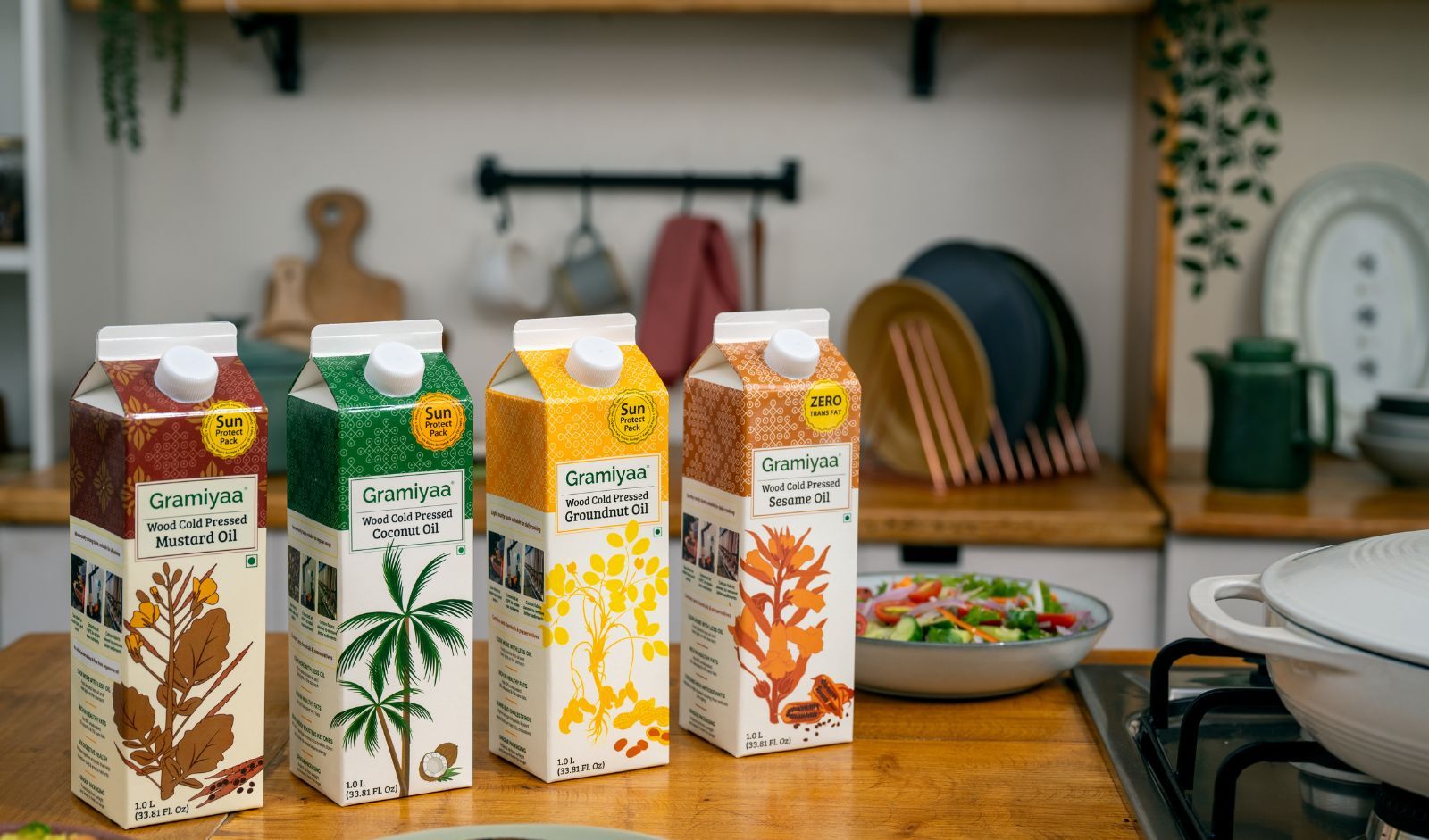
Bengaluru-based cold-pressed oil brand Gramiyaa has secured Rs 18.65 crore in a Series A funding round led by new investor Optiscape Network Holdings. Existing investors Homegrown Ventures, Campus Fund, and others also participated in the round.
The funding follows Gramiyaa's pre-Series A round in March 2025, when the company raised Rs 7.2 crore from Homegrown Ventures, with participation from Campus Fund and Mumbai Angels.
Gramiyaa's board has allotted 32,968 Series A compulsorily convertible preference shares (CCPS) at Rs 5,657 per share to raise the capital. Optiscape Network Holdings invested Rs 9 crore, making it the largest contributor to the round. Homegrown Ventures invested Rs 4.5 crore, while Campus Fund contributed Rs 4 crore. Sarya Global Holdings invested Rs 90 lakh, and Rasagna Pulapaka participated with an investment of Rs 25 lakh.
Gramiyaa's valuation increased by 49 percent to Rs 110 crore in the Series A round, compared with Rs 74 crore during its pre-Series A funding. The company plans to use the proceeds for growth capital and other general corporate requirements.
Founded in 2016 by Sibi Manivannan, Gramiyaa manufactures cold-pressed oils in-house using traditional oil-making methods. Its product portfolio includes groundnut, coconut, sesame, and mustard oils, along with virgin coconut and olive oils.
The direct-to-consumer (D2C) brand sells through its official website and multiple online retail and quick-commerce platforms, including Amazon, Blinkit, Zepto, Instamart, BigBasket, DMart Ready and FirstClub.
Following the latest share allotment, Homegrown Ventures remains Gramiyaa's largest external shareholder, holding a 17.34 percent stake. Campus Fund holds 9.86 percent, while Optiscape Network Holdings owns an 8.28 percent stake.
The company's co-founders, Sibi Manivannan, Mohamed Yaseen and Naveenrajaman RL, retain stakes of 26.04 percent, 13.02 percent and 13.02 percent, respectively.
Gramiyaa has yet to file its financial results for FY26. In FY25, the company's revenue grew 72.7 percent year-on-year to Rs 19 crore. However, its losses increased nearly 12.7 times to Rs 4 crore during the same period.
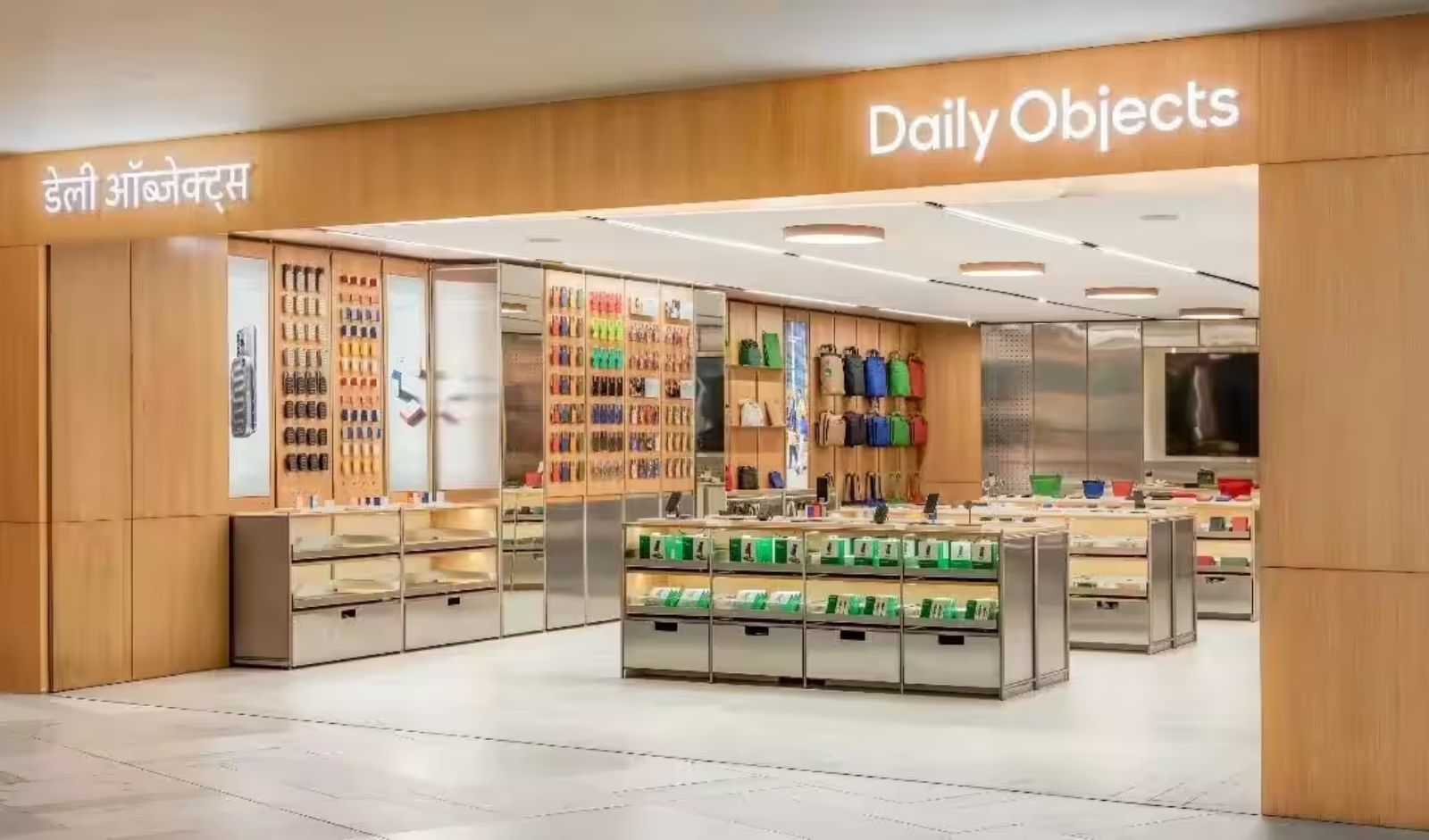
Design-focused lifestyle and technology accessories brand DailyObjects has secured Rs 332 crore (approximately $35 million) in a Series C funding round led by Xponentia Capital Partners, Anicut Capital, and Axiom Asia Private Capital.
The funding round, which included both primary and secondary transactions, values the company at around Rs 1,050 crore. The fresh capital will be used to strengthen the brand’s retail presence, expand product development and research capabilities, enhance brand-building initiatives, and explore opportunities in international markets.
As part of the transaction, early investor Roots Ventures partially exited its stake in the company, generating an 18X return on its investment. The firm will continue to remain a shareholder alongside existing investors, including 360 One Asset and Trifecta Capital.
DailyObjects plans to significantly expand its offline footprint by opening 150 exclusive brand outlets (EBOs) across India over the next five years. At present, the company operates through nearly 350 retail touchpoints, including its own stores and Apple Premium Reseller locations.
The company also intends to invest heavily in product innovation, focusing on design, materials, quality enhancement, and research and development across its existing categories. While DailyObjects initially started as a phone case brand, it has since diversified into technology accessories, workspace essentials, carry products, and lifestyle merchandise.
Founded in 2012 by Pankaj Garg and Saurav Adlakha, DailyObjects has built a portfolio spanning multiple consumer lifestyle categories. The company said it remains committed to maintaining capital efficiency while pursuing profitable growth through retail and product expansion.
With the latest investment, DailyObjects’ total funding raised to date has reached nearly $50 million. Its investor base includes firms such as Seedfund and 360 One Ventures, with the company’s previous funding round raising $10 million in May 2024.
Prior to the current round, the company had raised approximately Rs 100 crore in equity capital over the past decade to support business growth and scale operations.
Operating revenue increased 31 percent to Rs 110 crore in FY25, compared to Rs 84 crore in FY24. However, total expenditure also rose by 29.7 percent, reaching Rs 124.5 crore from Rs 96 crore in the previous fiscal year. As a result, losses widened to Rs 16 crore in FY25, up from Rs 10 crore in FY24.
Looking ahead, DailyObjects has projected revenue between Rs 230 crore and Rs 244 crore in FY26 and is targeting EBITDA profitability. The company plans to achieve this through growth across its direct-to-consumer channels, exclusive retail stores, airport retail locations, and distribution through more than 250 Apple Premium Reseller outlets.
In addition to strengthening its domestic presence, DailyObjects is assessing opportunities in overseas markets. The company is currently in the research and evaluation stage and expects to make more concrete decisions regarding international expansion from the next financial year onward.
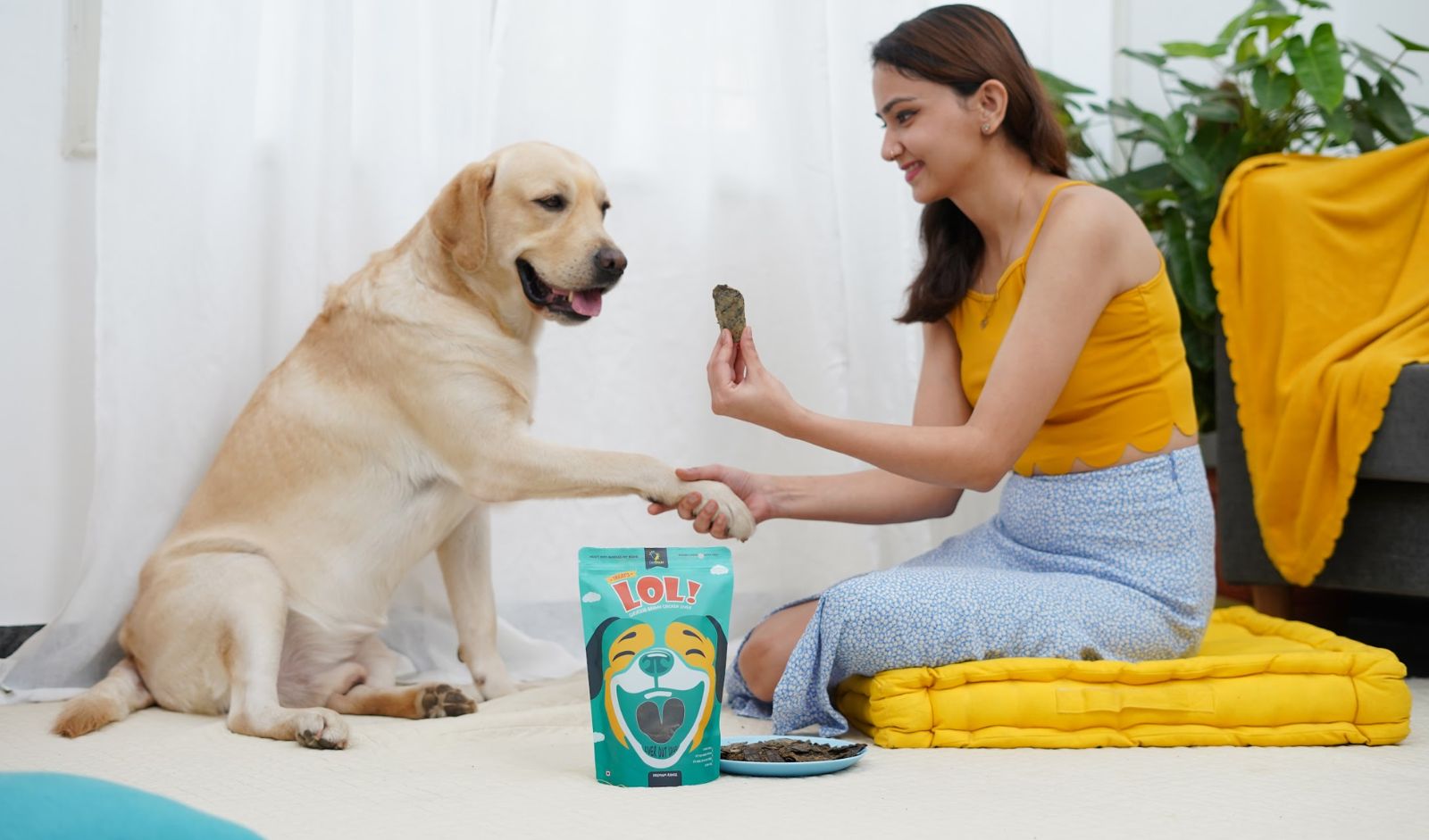
Pet nutrition startup TailBlaze Longevity has secured $300,000 in a pre-seed funding round led by US-based venture capital firm Comma Capital. The company was also recently featured on Bharat Ke Superfounders, further highlighting its presence in India’s growing pet care ecosystem.
The newly raised capital will be deployed to launch HeartPour, strengthen its team in Ahmedabad, and broaden its reach among pet parents across the country. Ahead of the product’s commercial rollout, TailBlaze plans to offer complimentary servings of HeartPour to the first 500 dogs.
Founded in August 2025 by Manaal Maniyar and Palak Devpura, TailBlaze Longevity focuses on canine nutrition and longevity. The company’s mission is to help dogs live three to five years longer through nutrition plans centered on higher protein and lower carbohydrate formulations.
The Ahmedabad-based startup said that HeartPour, its new wet dog food range, is the result of four years of research and development. The product combines high-protein ingredients and superfoods with an Ayurvedic PanchTatva blend consisting of curcumin, black pepper, parsley, amla, and tulsi.
In addition to HeartPour, TailBlaze has developed FreshTail, a proprietary technology designed to produce shelf-stable fresh meals. Its portfolio currently includes more than 200 products, spanning organic dog food, natural treats, grooming products, and pet accessories. The treats category features ingredients such as coconut, hemp, fish, and strawberry.
The startup operates through a WhatsApp-first commerce model while also selling via quick commerce platforms and online marketplaces, including Blinkit and BBNow.
The funding comes amid rising investor interest in India’s pet nutrition sector. Several startups are focusing on science-backed and functional nutrition products to address pet health and longevity.
Among them, Right4Paws is developing species-specific whole-food nutrition products and raised Rs 14 crore in Series A funding in December last year to expand manufacturing, research and development, talent acquisition, and functional product offerings.
Similarly, Benny’s Bowl secured $1.4 million in February this year to develop functional pet foods targeting areas such as gut health, allergies, renal health, skin and coat care, and weight management.
Meanwhile, Zoomies Pet Care raised Rs 5 crore in pre-seed funding in March to scale its clean-label, human-grade pet food business. Larger pet care platforms such as Supertails, which has raised $30 million in Series C funding, are also broadening their offerings across technology-enabled services, personalized pet care, and healthcare solutions.
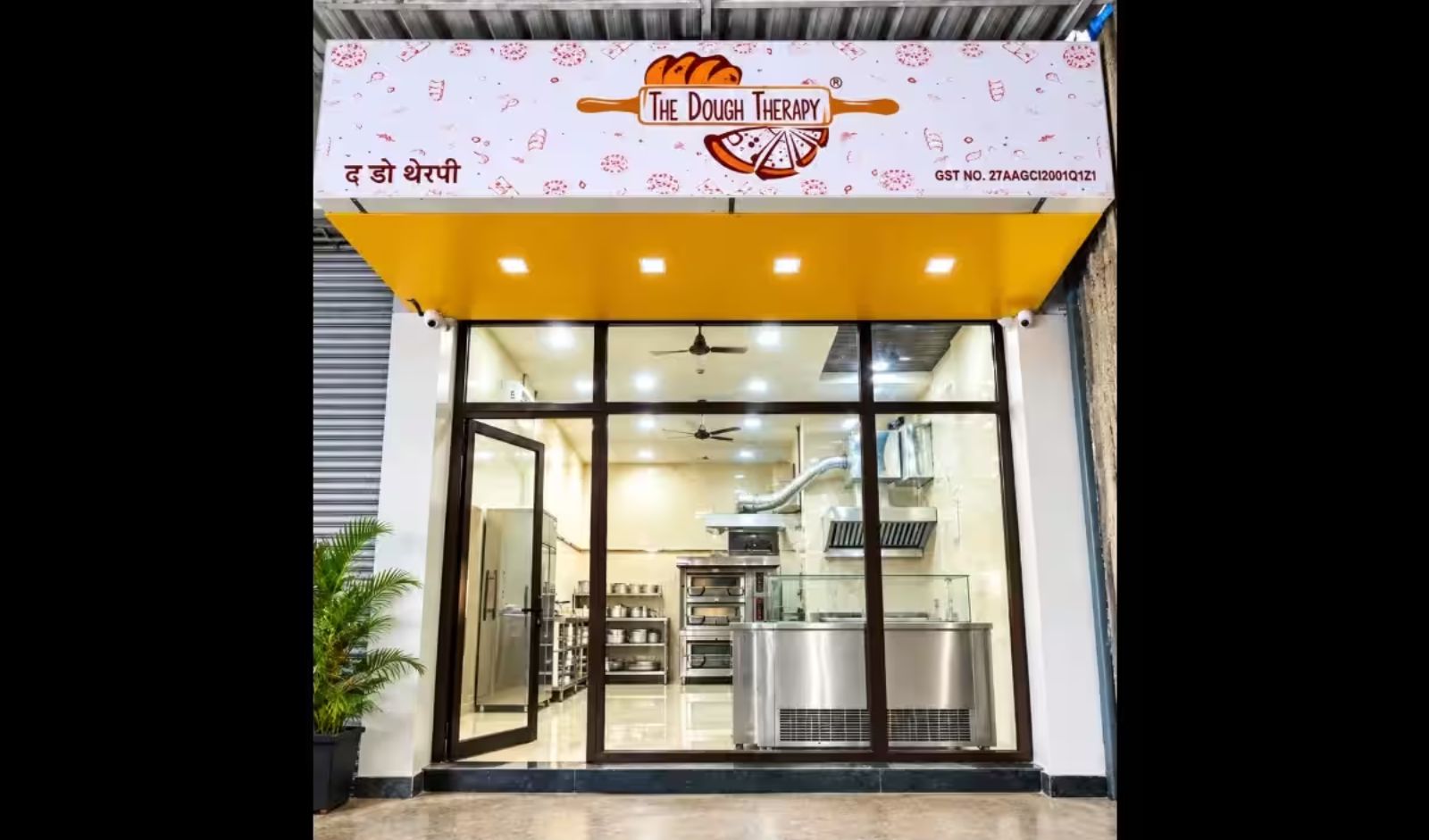
Gourmet pizza chain The Dough Therapy has secured Rs 5.25 crore in a seed funding round at a valuation of Rs 35 crore. The investment was led by Michigan Capital Advisors, formerly known as Melwani Finance, with participation from Equiglobe Investment.
The newly raised capital will be deployed to strengthen its footprint in Mumbai and support its broader multi-market growth plans. Around 60 percent of the funds will be directed towards business expansion, while 15 percent will be invested in marketing initiatives. The remaining 25 percent will be used to enhance supply chain capabilities, centralized operations, and kitchen technology infrastructure.
Established in 2020 by Abhishek Dedhia, Mohit Chheda, and Gaurav Majrekar, The Dough Therapy has expanded from a single outlet to a network of 10 stores across Mumbai. The brand specializes in gourmet pizzas and currently offers a menu featuring more than 30 vegetarian and vegan pizza varieties.
The company stated that it has developed a strong customer base comprising both first-time and repeat consumers, creating a foundation for its next stage of growth.
As part of its expansion roadmap, The Dough Therapy aims to increase its network to 20 outlets within the next 12 months. The brand is also preparing to enter additional cities across India as it seeks to bring its gourmet pizza offerings to a wider consumer base.
To support this growth, the company plans to adopt a multi-format strategy that will include company-owned stores, select dine-in formats, and franchise partnerships, enabling it to scale operations across new markets while maintaining brand consistency.
The funding marks a significant milestone for the Mumbai-based food service brand as it looks to strengthen its position in India’s growing gourmet pizza and quick-service restaurant segment.
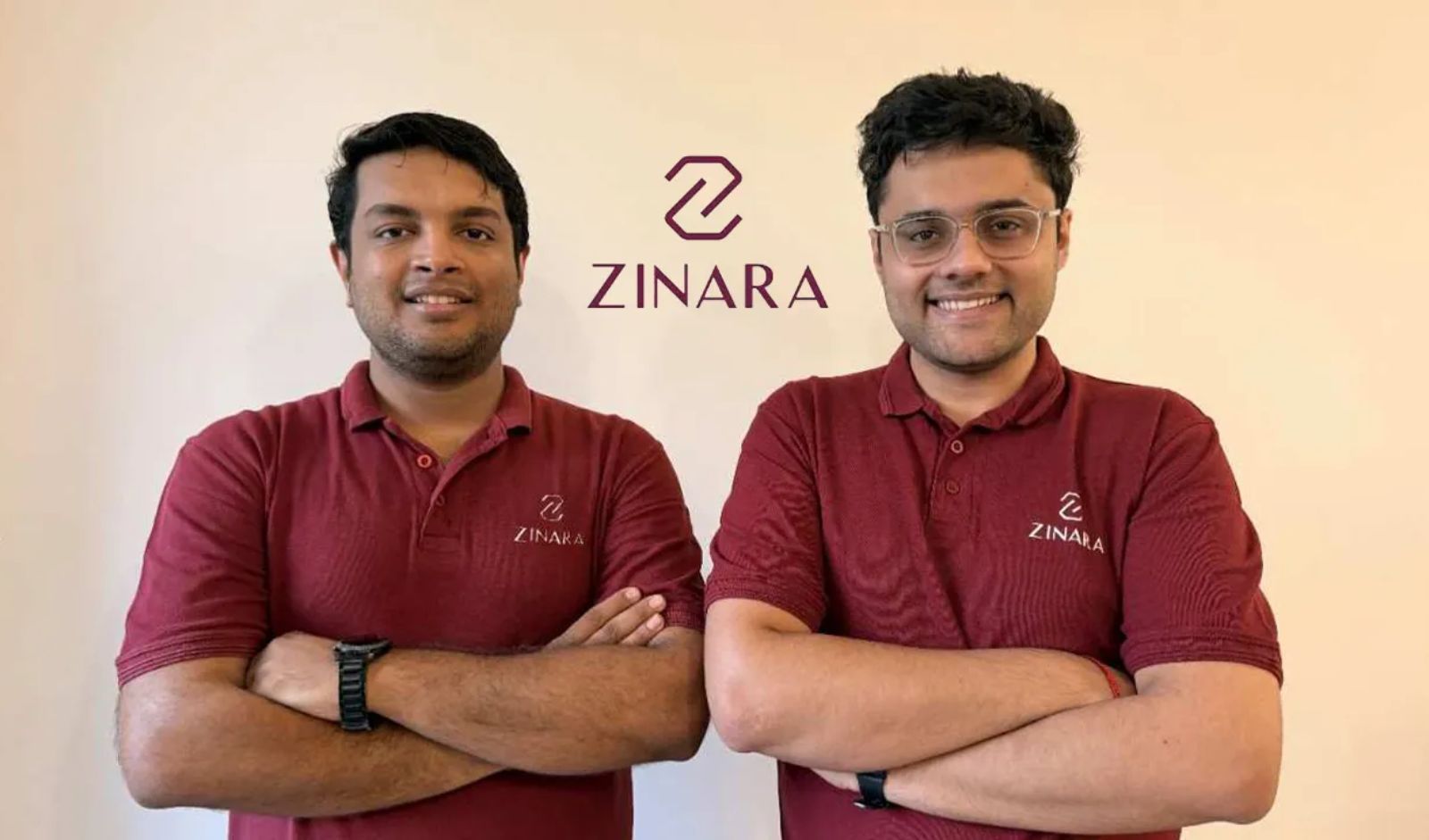
Delhi NCR-based lab-grown diamond jewellery brand Zinara has raised Rs 3.61 crore ($380K) in a pre-seed funding round led by Inflection Point Ventures (IPV). The round also saw participation from Nine Jewellery, Bollywood actress Nikita Dutta, and several angel investors.
The newly raised capital will be utilized to strengthen the company’s team, accelerate marketing efforts, and enhance its supply chain infrastructure. Zinara also plans to expand its product portfolio and increase its brand presence across India.
Founded by Harshit Abrol and Sumanyu Vyas, Zinara specializes in everyday diamond jewellery crafted using lab-grown diamonds and 18K gold vermeil. The brand currently offers a catalogue of over 400 designs and has surpassed Rs 1 crore in annual recurring revenue (ARR).
The founders bring experience from leading consumer and technology companies. Abrol previously worked with P&G and Apnaklub, while Vyas has held roles at Blinkit and Classplus. Leveraging a digital-first business model, Zinara serves customers across the country and provides additional customer benefits, including a lifetime warranty, buyback, and exchange options on its jewellery products.
The funding comes at a time when demand for sustainable and affordable luxury jewellery is witnessing growth in India, creating new opportunities for brands operating in the lab-grown diamond segment.
According to the company, IPV has invested more than Rs 900 crore across over 280 startups, strengthening its position as one of the active investors in India’s startup ecosystem.

Jewellery brand QWEEN is aiming to achieve Rs 100 crore in revenue during the current fiscal year as it accelerates its expansion across India through a combination of large-format retail stores, digital discovery, and technology-enabled shopping experiences.
The brand recently secured backing through a Rs 1,000 crore investment round led by global diamond company Rosy Blue and Japanese luxury jewellery firm Kashikey Co. Ltd. The funding is expected to support the company’s growth plans over the next two years.
Founded by Amit Kumar and Suyash Motarwar, QWEEN has opened its first retail outlet in Noida and is preparing to launch additional stores in Delhi and Bengaluru. The company plans to focus its expansion efforts on Tier I and Tier II cities as it builds a broader national presence.
QWEEN’s retail strategy centers on large-format jewellery stores exceeding 6,000 square feet, designed to offer consumers a more immersive shopping environment. The company expects each outlet to achieve operational breakeven within six to eight months of opening.
The brand currently offers a portfolio of more than 3,000 SKUs spanning plain gold jewellery, diamond jewellery and gemstone collections. Its assortment includes over 50 gemstone varieties, with products available through both physical stores and digital platforms.
As part of its omnichannel approach, QWEEN is integrating technology into the jewellery-buying journey by connecting online product discovery with in-store experiences. The company believes digital channels can play a larger role in helping consumers explore products before making purchases at physical locations.
After nearly two months of operations, the brand reports an average order value of approximately Rs 1.35 lakh at its offline stores, while online transactions average between Rs 45,000 and Rs 50,000. According to the company, this gap highlights the importance of experiential retail formats in influencing high-value jewellery purchases, while digital platforms continue to serve as an effective discovery channel.
QWEEN is positioning itself within the bridge-to-luxury jewellery segment by offering a wide product range alongside a modern retail experience. The company aims to provide consumers with greater flexibility and control in how they discover, evaluate, and purchase jewellery.
With strong financial backing, a growing store network and a technology-driven omnichannel strategy, QWEEN is looking to build a differentiated presence in India’s jewellery retail market. The brand’s focus on experiential shopping and digital engagement is expected to play a key role in its expansion across major urban and emerging cities.
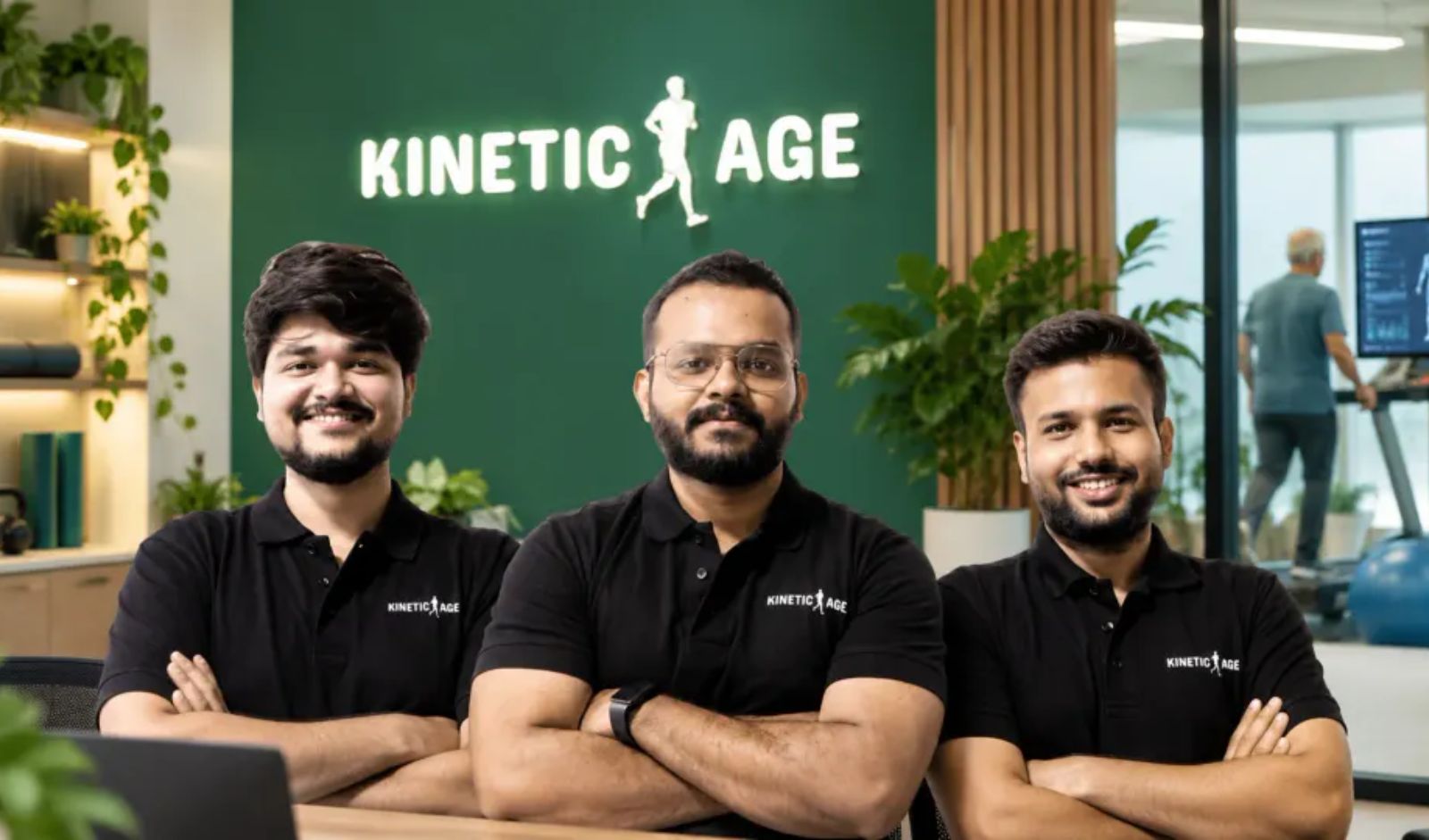
Bengaluru-based healthtech startup Kinetic Age has secured approximately $250,000 in a funding round led by AJVC and Agrasar Ventures. The company plans to use the fresh capital to strengthen its healthcare offerings and expand its customer base across India.
Founded by Akshat Saxena and Amogh Saxena, Kinetic Age focuses on providing coordinated healthcare solutions for individuals aged 40 years and above. The startup is building a care model centered on personalized and preventive healthcare, helping users manage their long-term wellbeing through continuous engagement and structured support.
The platform brings together multiple healthcare services under a single subscription-based model, including doctor consultations, physiotherapy, fitness training, nutrition guidance, diagnostics, and emotional wellness support. Through integrated care plans, the company aims to improve adherence to health recommendations by offering ongoing monitoring and assistance.
According to Kinetic Age, the newly raised funds will be utilized to enhance its service portfolio and scale operations, enabling the company to reach a larger segment of middle-aged and older adults seeking proactive healthcare management.
Over the past year, the startup claims to have served more than 600 patients in Bengaluru, delivering over 12,000 healthcare sessions. The company currently conducts more than 150 sessions daily and reports a monthly retention rate exceeding 70 percent, along with a Net Promoter Score (NPS) of more than 75.
Kinetic Age has also surpassed Rs 2.5 crore in annual revenue run rate (ARR) as demand for preventive and personalized healthcare services continues to grow. The company leverages AI-driven care protocols to support treatment planning and patient engagement while working with a network of 25 healthcare providers.
The startup further stated that referrals contribute significantly to its growth, with nearly one-third of its customers coming through existing user recommendations. As it expands its healthcare ecosystem, Kinetic Age aims to strengthen its position in India’s growing preventive healthcare and healthy ageing segment.
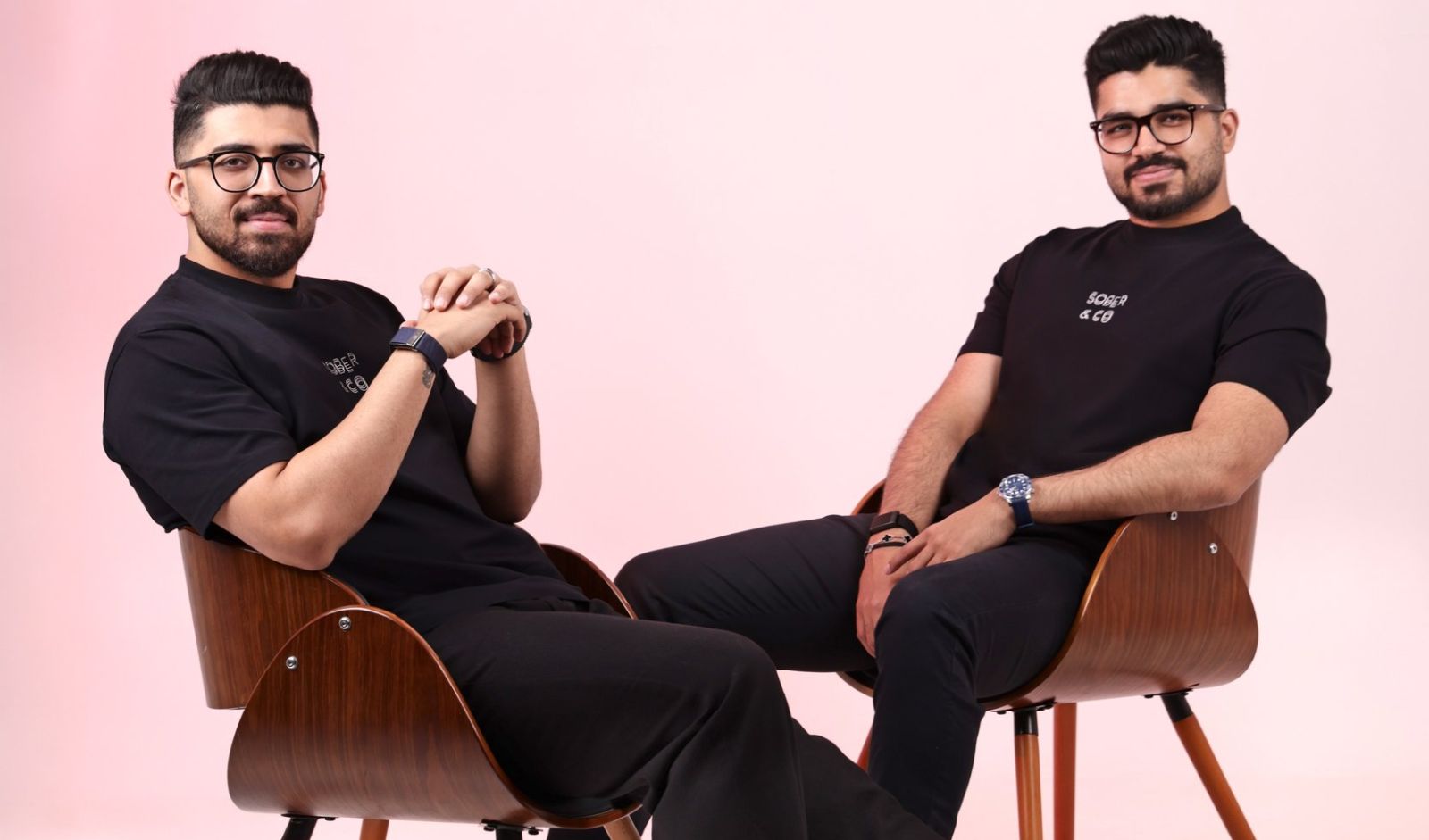
Sober & Co, a zero-sugar mixer brand known for beverages sweetened with monk fruit, has secured Rs 75 lakh in a funding round led by Sunaina Bhattacharya and Anuj Dhariwal on behalf of New Ground Collective, a syndicate comprising seven angel investors. The investment values the company at Rs 10 crore.
The fresh capital will be directed towards increasing inventory levels, enhancing manufacturing capabilities, scaling quick-commerce advertising efforts, and strengthening the team as the brand prepares for broader retail expansion across India.
As part of its growth strategy, Sober & Co plans to enter the Pune market by December 2026 and launch on Zepto, adding a second quick-commerce platform alongside its existing presence on Blinkit. The company also intends to increase marketing investments in Goa over the coming months.
Founded with a focus on healthier beverage alternatives, Sober & Co offers mixer products sweetened with monk fruit instead of sugar. The brand currently operates across retail, HoReCa, quick-commerce and direct-to-consumer channels.
The funding round comes amid strong business growth. According to the company, its gross merchandise value (GMV) increased by 34.8 percent during the first four months of FY27. On Blinkit, where the brand is available through 400 dark stores, sales have recorded an average monthly growth rate of 37.8 percent. The company also reported an improvement in CM2 margins from negative 9.09 percent to positive 1.7 percent and achieved breakeven in July.
Offline, Sober & Co products are available across 400 HoReCa and retail touchpoints in Kolkata and Goa.
Sunaina Bhattacharya, New Ground Collective said, “India’s consumers are becoming increasingly health-conscious, while still looking for products that offer great taste and a sense of discovery. Sober & Co. fits naturally into this shift, with exciting, naturally sweetened beverages that don’t compromise on experience. What impressed me equally were Sharaan and Nishaun - their energy, commitment and overall approach to building the brand really stood out. Personally, I love the bold branding, and the products genuinely taste great, they’re almost always stocked at my home. There is genuine customer pull for Sober & Co’s product which is a great start for a brand, and I see strong potential for Sober & Co. to become a leading brand in India’s evolving beverage market."
Sharaan Kriplani, Co-founder and CEO, Sober & Co said, “We’re not chasing every city or every channel at once. We’re building where the category is actually won — HoReCa for credibility, Blinkit for reach, and now D2C to own the customer relationship — and this capital lets us go deeper in Kolkata and Goa before we go wide."
Looking ahead, the company plans to expand its presence across HoReCa, quick-commerce and D2C channels while strengthening its retail footprint. Sober & Co intends to replicate its current city expansion model by first establishing distribution through HoReCa and quick-commerce networks before scaling retail operations.
The brand remains focused on the mixer segment and aims to strengthen its position in India’s growing better-for-you beverage market. According to industry estimates cited by the company, India’s cocktail mixer market is expected to grow from USD 222.4 million in 2023 to USD 471.53 million by 2032, reflecting a CAGR of 8.69 percent.
The upcoming launch on Zepto is expected to further strengthen Sober & Co’s quick-commerce presence as it expands beyond Blinkit and accelerates its reach among consumers seeking healthier mixer alternatives.
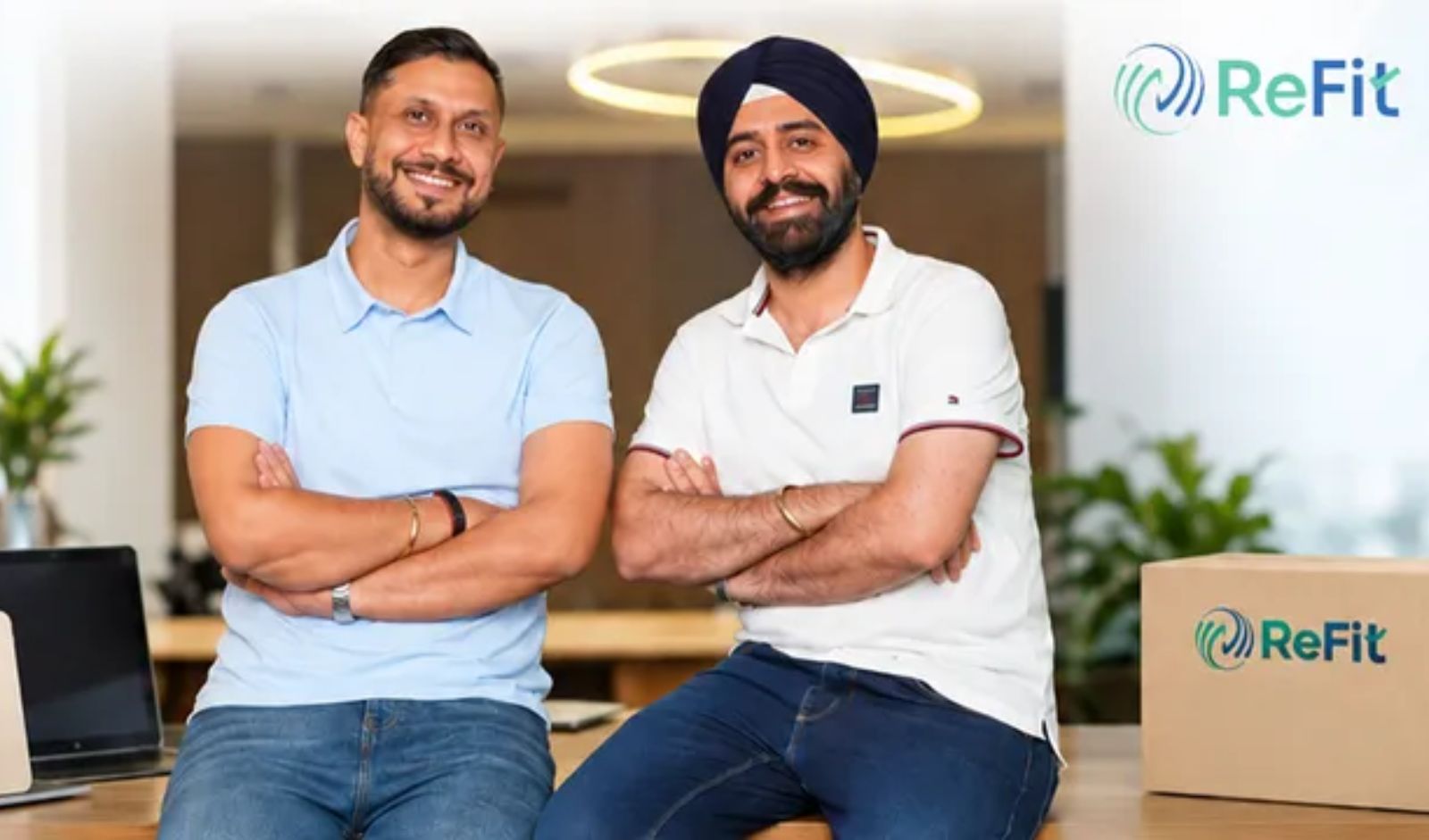
Delhi-based refurbished electronics platform ReFit Global has secured $1 million in a seed funding round from a UAE-based family office. The company, which also gained visibility through its appearance on Shark Tank India Season 3, plans to utilize the investment to accelerate growth across its retail, technology, and refurbishment operations.
The newly raised capital will support the expansion of its retail network, enhancement of refurbishment capabilities, development of technology infrastructure, and the creation of a fully integrated omnichannel platform.
Established in 2018 by Saket Saurav and Avneet Singh, ReFit Global operates across multiple segments of the refurbished electronics ecosystem, including refurbishment, distribution, retail and consumer-focused channels. The company is focused on building a technology-driven platform that brings together refurbishment expertise, distribution networks and omnichannel retail capabilities.
The company stated that it has developed a nationwide distribution network comprising more than 75 distributors, over 2,000 wholesalers and upwards of 50,000 retail outlets across India. This network enables the brand to serve customers across metro cities as well as Tier I, Tier II, and Tier III markets.
As part of its offline expansion strategy, ReFit Global has established 12 ReFit Xpress stores in addition to its B2B distribution operations. The company’s business model spans online marketplaces, offline retail channels, and strategic brand partnerships. Its sourcing and sales network includes collaborations with platforms such as Flipkart and Amazon, alongside several offline distribution channels.
Looking ahead, ReFit Global aims to strengthen both its B2B and direct-to-consumer initiatives across the refurbished electronics value chain. The company currently reports a refurbishment yield of 92 percent and offers repair capabilities up to L4, including advanced chip-level repairs.
The firm has also invested in technology-enabled processes covering device diagnostics, automated quality assessments, grading systems, post-quality-control workflows, and inventory management. These capabilities are intended to enhance product consistency, operational efficiency, and reliability across refurbished devices.
The funding comes at a time when India’s refurbished smartphone market continues to gain momentum. Industry data shows refurbished smartphone volumes increased 13 percent year-on-year during the first half of 2026, while the organised segment accounted for nearly 20 percent of the market, highlighting significant growth opportunities for structured re-commerce players.
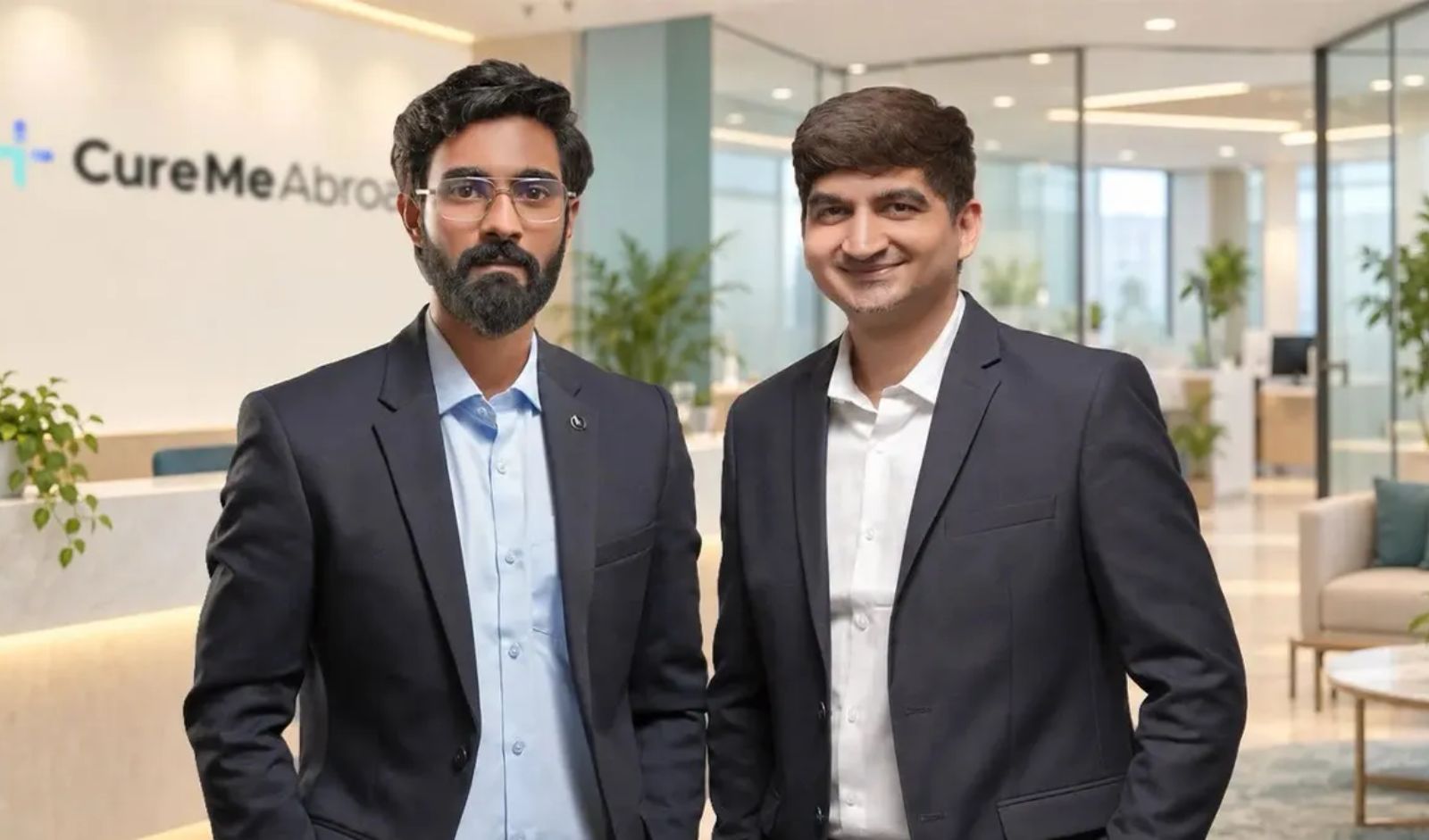
CureMeAbroad, a healthcare technology platform focused on helping patients access treatment options at accredited hospitals overseas, has raised $1.1 million in a pre-seed funding round led by healthcare-focused venture capital firm SteerX Ventures. Existing investor AIRA also participated in the funding round.
The latest investment comes a few months after the Pune-based startup secured $600,000 in April this year from a group of investors that included Roman Saini, Himanshu Ratnoo, Kunal Gupta, Devaiah Bopanna, Vikrant Potnis, and AIRA.
According to the company, the fresh capital will be utilized to expand its network of accredited hospitals, enter new international patient markets, strengthen its AI-powered platform, and scale its technology and operations teams. The company also plans to diversify beyond elective healthcare services by expanding into specialties such as orthopaedics and oncology. In addition, CureMeAbroad is exploring the establishment of physical experience centres in key global markets.
Founded in June 2025 by Aditya Oza and Mikhail Bohra, CureMeAbroad operates as a healthcare discovery and medical tourism platform that enables patients to compare hospitals, verify healthcare providers, obtain treatment cost estimates, and book medical procedures across multiple countries.
The platform combines healthcare discovery, treatment planning, transparent pricing, and patient support services into a single ecosystem aimed at simplifying cross-border healthcare decisions. The company currently records more than 22,500 monthly visitors and has established partnerships with hospitals across six countries.
CureMeAbroad said it is targeting $100 million in annual patient treatment bookings by FY2028, a significant increase from its current run rate of $4.8 million. The startup’s primary patient acquisition markets include the United States, the United Kingdom, Australia, and Canada, where demand for international treatment options continues to grow.
The company operates in a competitive global medical tourism market alongside platforms such as Bookimed, PlacidWay, The Medical Tourism Company, and Medical Departures. In India, it also competes with medical tourism facilitator Vaidam Health.
According to the company, it has received Medical Travel Facilitator Certification from Global Healthcare Accreditation (GHA). Its network currently includes more than 400 accredited hospitals across six countries, enabling patients to access a broad range of treatment options through a verified healthcare ecosystem.
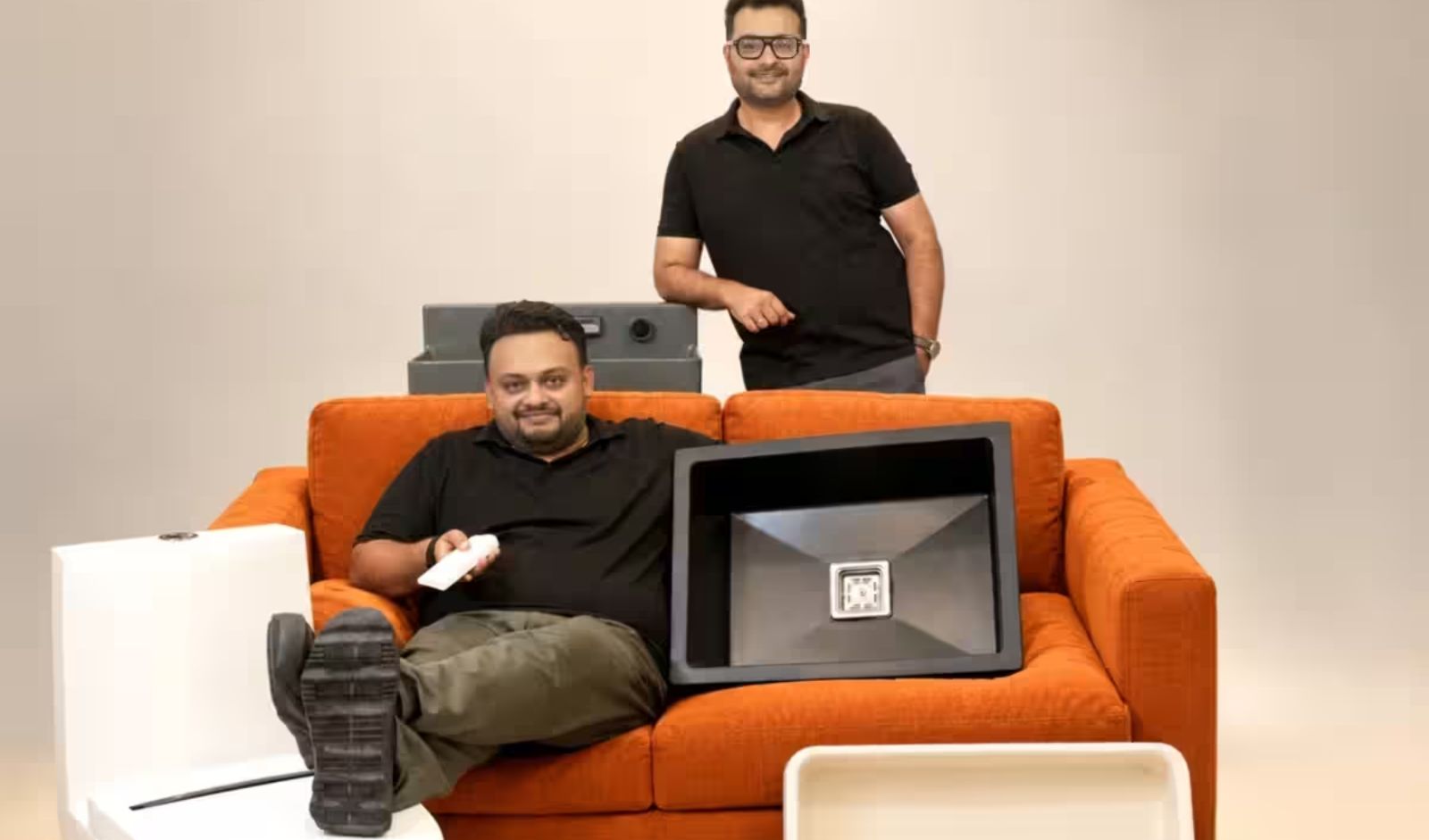
Design-led kitchen and bathroom brand Lorazzo has secured Rs 15 crore in a funding round led by Sauce, with follow-on participation from Sprout Venture Partners. The round also saw investments from Panthera Peak and Alteria Capital, as the company looks to accelerate its growth in India’s home improvement and sanitaryware market.
According to the company, the newly raised capital will be deployed towards expanding its product portfolio, strengthening product development capabilities, hiring talent, and enhancing its presence across online and offline sales channels. The funding will also support Lorazzo’s plans to expand into additional markets across India.
Founded in 2024 by Jatin Luthra and Saurabh Gupta, Lorazzo operates in the kitchen and bathroom solutions segment, offering a range of products designed to combine functionality, technology, and contemporary design. The company’s portfolio spans faucets, sinks, shower systems, bidets, wash basins, smart toilets, and other home improvement products.
Lorazzo has adopted an omnichannel approach, selling through e-commerce platforms, quick commerce channels, and offline retail networks. The company aims to modernize traditionally functional home categories by focusing on product innovation, design aesthetics, and consumer convenience.
Among its flagship offerings is the Intelli Smart Commode, a technology-enabled cleansing WC that features a heated seat, electronically operated bidets, an integrated air dryer, ambient lighting, and digital temperature controls. The product is priced at Rs 58,999, positioning it as a more affordable alternative to similar international products, which typically range between Rs 1.5 lakh and Rs 5 lakh.
The company also differentiates itself through extended product warranties of up to 20 years across select categories, including kitchen sinks, sanitaryware, mirrors, cabinets, and faucets. In addition, Lorazzo provides installation and after-sales service support across India.
The funding comes at a time when demand for premium home improvement products and smart bathroom solutions is gaining momentum in India, driven by rising urbanization, increasing home ownership, and growing consumer interest in design-focused living spaces.
Lorazzo said it has recorded sixfold revenue growth over the last 12 months and is now targeting Rs 100 crore in revenue over the next two years. The company plans to leverage the fresh capital to deepen its market presence, introduce new products, and strengthen its omnichannel distribution strategy as it scales operations across the country.

Healthcare and wellness-focused investment firm NDude Labs has announced a $3 million Series A investment in SuperMush, a functional wellness brand known for developing products formulated with research-backed ingredients such as nootropics, adaptogens, and functional mushrooms.
The funding round, led by NDude Labs, is expected to support SuperMush’s next phase of growth, including product portfolio expansion, investment in advanced formulations, and strengthening the operational infrastructure required to serve a wider customer base.
Founded in 2022 by Alli Schaper and Brian Friedman, SuperMush has established a growing presence in the functional wellness segment through an omnichannel retail strategy. The company currently has products available in more than 2,000 retail stores across the United States, including over 1,000 Target locations and Sprouts, while also maintaining a strong direct-to-consumer and marketplace business.
Over the past year, the brand expanded its presence to more than 1,000 Target stores and continued to record strong performance through its website and Amazon channels. It also broadened its product lineup with the introduction of Shilajit, Creatine, and Lion’s Mane gummies as part of its wellness-focused portfolio.
Vikram Sehgal, COO at NDude Labs shared, “NDude Labs invests in differentiated, science-backed products and founders with the vision and grit to build enduring brands. Our investment in SuperMush provides the capital to accelerate the company’s growth, along with the talent, systems and support needed to scale the business thoughtfully and sustainably.”
Alli Schaper, Co-founder and CEO, SuperMush said, “We are so excited to be partnering with NDude Labs for this next phase of our evolution. Over the last few years, we’ve built an incredible community, products and brand presence grounded in our mission to bring the power of functional mushrooms to the world. With their team and capital support, we are preparing to scale our efforts to reach more consumers and build a globally recognized brand.”
Brian Friedman, Co-founder, SuperMush stated, “We're extremely excited to partner with NDude Labs on this next chapter as we evolve SuperMush into the #1 premium functional supplement brand for active lifestyles. With their support, we're going to create the most effective, science-backed supplements using clinically studied ingredients at meaningful doses to help people think better, move better and feel their best.”
The company said it plans to continue building a portfolio centred on scientifically validated ingredients while expanding its presence across retail, direct-to-consumer channels, and online marketplaces. The strategy is aimed at strengthening its position in the growing functional wellness and dietary supplements market.
The investment also follows NDude Labs’ recent backing of Nutriventia, a nutraceutical ingredients company, highlighting the firm's continued focus on health and wellness businesses built around science-driven and ingredient-led innovation.
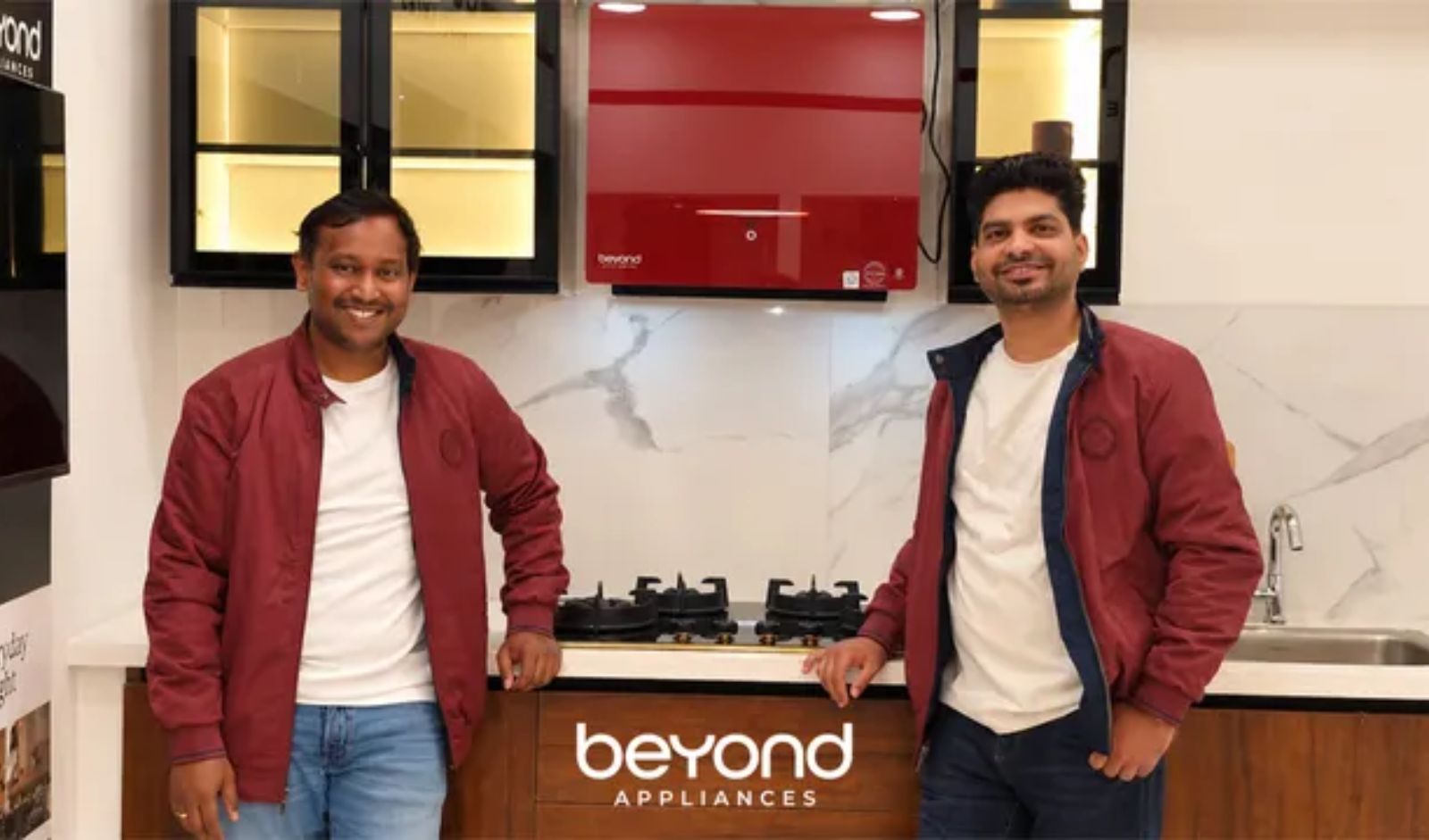
Beyond Appliances, a smart kitchen technology company focused on developing intelligent appliances for Indian households, has raised Rs 110 crore (US$11.4 million) in a Series B funding round led by Fireside Ventures, with participation from Dharana Capital and other investors.
The Bengaluru-based startup had earlier raised US$4 million in a Series A funding round led by Fireside Ventures, alongside Dharana Capital, in August last year. Prior to that, it secured US$2 million in seed funding from Fireside Ventures in November 2024.
According to the company, the fresh capital will be used to accelerate research and development efforts and set up a new manufacturing facility. The investment is expected to strengthen Beyond Appliances’ capabilities in developing and scaling its next generation of kitchen appliances.
Founded in 2024 by Eshwar K Vikas and Rakesh Patil, Beyond Appliances develops smart kitchen products that combine technology with everyday functionality for modern homes.
The company said it has expanded its product portfolio to include Android chimneys, Plug-N-Play chimneys, smart hobs, and cooktops. It has also widened its footprint across India while deepening consumer engagement as it continues to grow its operations.
Beyond Appliances stated that referral-driven sales are contributing significantly to its business, with customer recommendations accounting for 15 percent of its revenue. Its flagship kitchen appliance range remains the brand’s largest revenue contributor. The company also reported a twofold increase in its marketplace share over the past year, indicating growing consumer demand through online sales channels.
In addition to its digital presence, the brand operates through offline retail outlets and experience centres in Delhi, Mumbai, Bengaluru, and Hyderabad. Looking ahead, Beyond Appliances plans to enter 10 more cities over the next three years. During the same period, it is targeting an annual recurring revenue (ARR) of Rs 500 crore while maintaining a focused portfolio centred on kitchen appliances.
The funding comes at a time when smart kitchen technology is gaining traction within India’s consumer technology and home appliance market. Rising demand from urban consumers for connected, convenient, and energy-efficient cooking solutions is driving growth in the segment.
Several startups have attracted investor interest in this category. Upliance.ai, which develops AI-powered cooking appliances, previously raised Rs 34 crore from Khosla Ventures. More recently, EDT secured US$2.4 million in funding led by Sauce VC, while Curaa raised Rs 40 crore from 3one4 Capital in August this year to expand its kitchen appliances and tools portfolio.
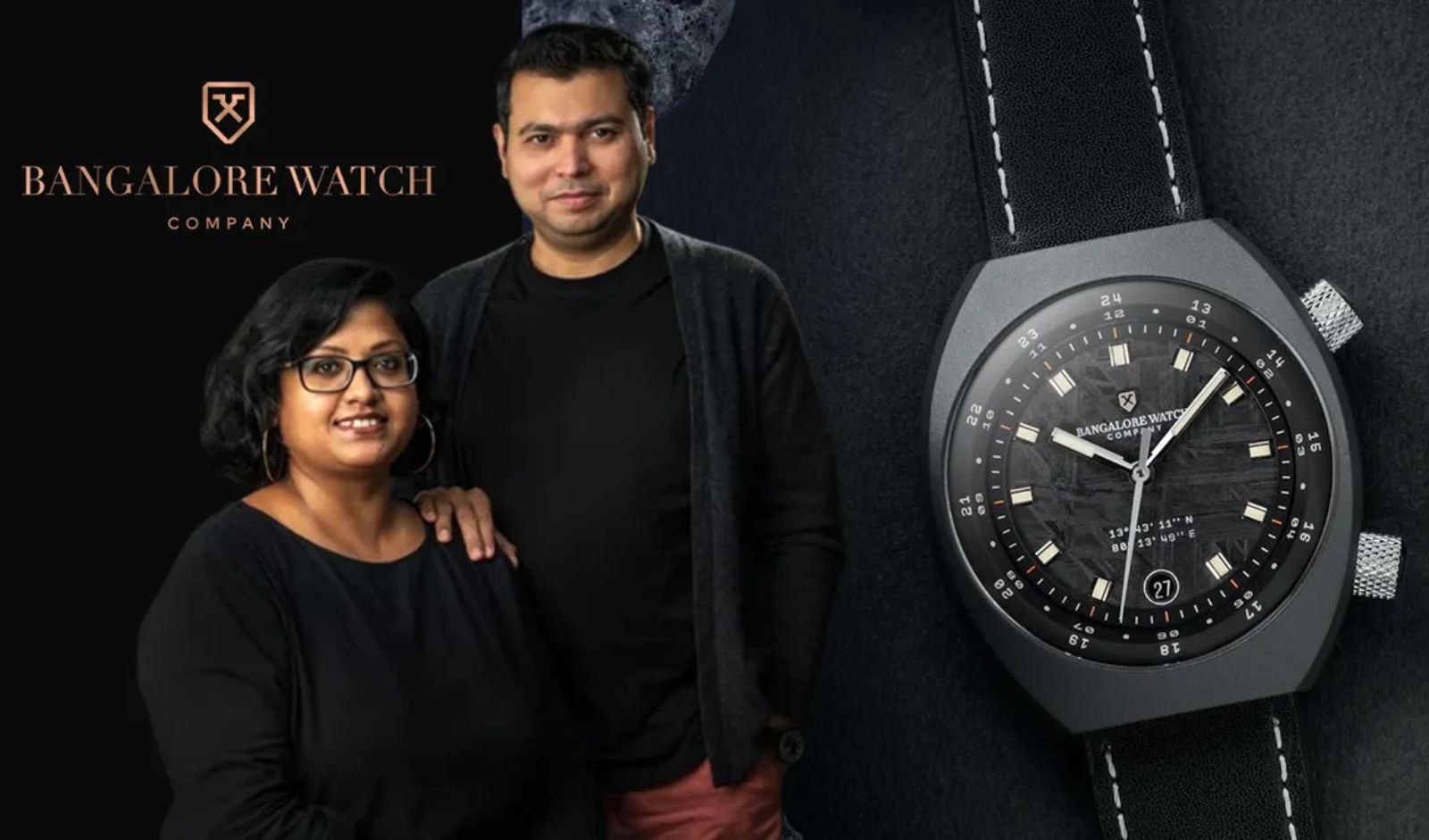
Indian luxury watchmaker Bangalore Watch Company (BWC) has secured $1.4 million in a seed funding round backed by a group of its customers, including family office principals and high-net-worth individuals from India and international markets.
The newly raised capital will support the brand’s expansion plans in the global independent watch industry. BWC intends to strengthen its presence in select international markets known for active watch collector communities while also evaluating opportunities for expansion within India.
Established in 2018 by Nirupesh Joshi and Mercy Amalraj, Bangalore Watch Company designs and manufactures mechanical watches in India and exports its products to more than 30 countries. The brand is known for creating collections inspired by themes such as aviation, space exploration, cricket, and outdoor adventures, drawing from contemporary Indian narratives.
At present, the company operates a flagship boutique in Bengaluru and offers watches priced between Rs 1.5 lakh and Rs 3 lakh. With an annual production capacity of approximately 1,500 watches, BWC is planning a significant scale-up and aims to increase output fourfold over the next three to five years.
Over the years, the company has developed several watches using unconventional materials, including aluminium recovered from fighter aircraft and materials sourced from aircraft carriers. It has also introduced its proprietary Cerasteel material and created a watch that qualified for spaceflight.
BWC has continued to build visibility within the international watchmaking community through participation in major industry events such as Dubai Watch Week 2025 and Geneva Watch Days 2026. The brand’s watches have also been shortlisted for the Grand Prix d’Horlogerie de Genève (GPHG) Awards on three occasions.
The latest funding is expected to help Bangalore Watch Company strengthen its manufacturing capabilities, expand its international reach, and further establish itself in the growing global market for independent luxury watch brands.
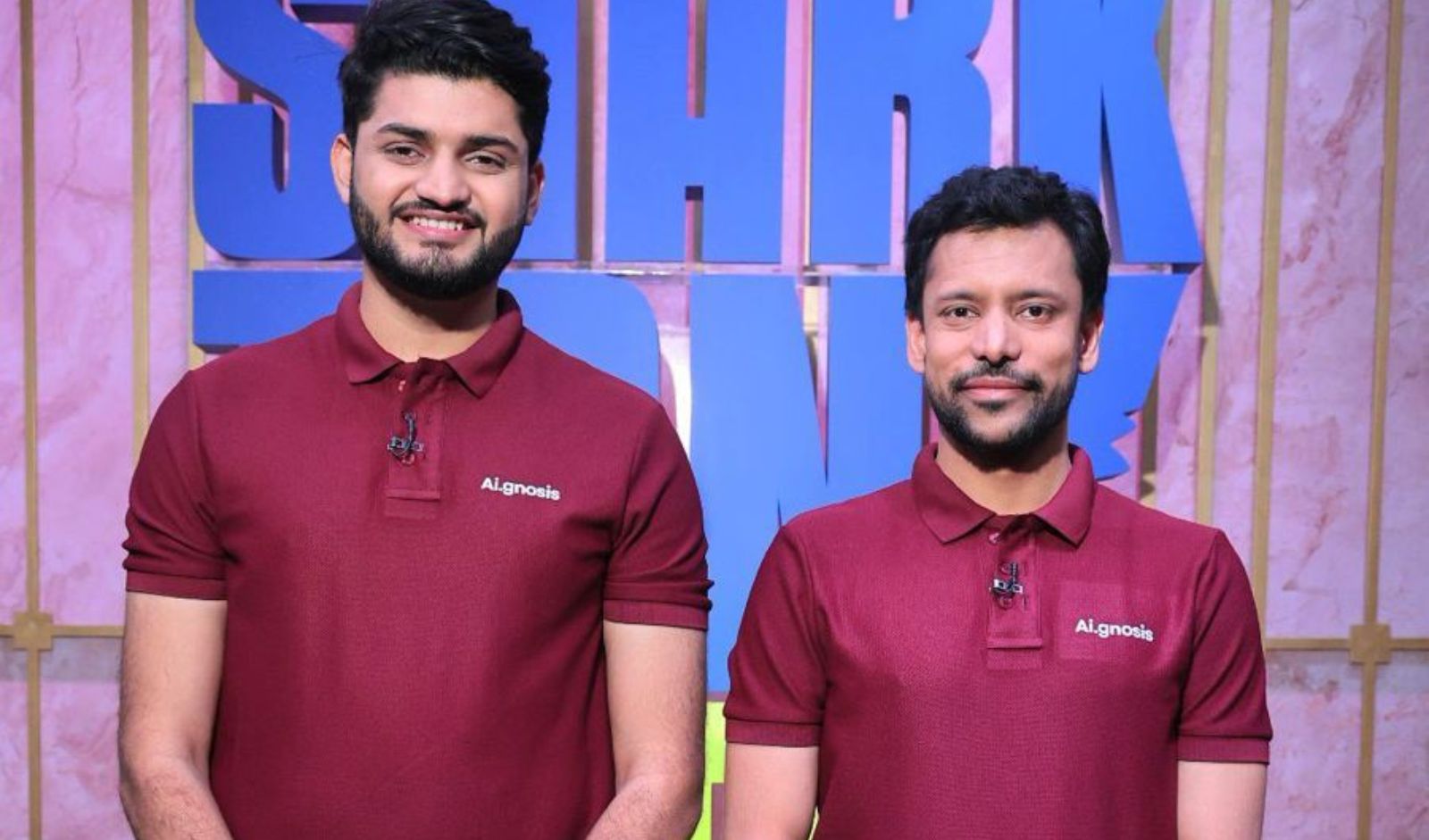
Jaipur-based healthtech startup Aignosis has secured Rs 4 crore in a seed funding round led by Antler, Nikhil Kamath, and a group of angel investors, including Varun Dua and IIMA Ventures.
The newly raised capital will be used to strengthen the company's AI-powered autism and developmental screening platform and expand its reach across India.
Founded by Raksheet Jain and Divyansh Mangal, Aignosis previously raised its first funding round in 2024 from investors such as Rajneesh Bhandari and Amit Jain. The startup has since completed the CDSCO regulatory process and obtained Class B certification. It was also selected as part of the Google for Startups Accelerator: AI First 2025 cohort.
Aignosis has developed an AI-assisted screening solution designed for children between 16 months and nine years of age. Using a standard laptop and webcam, the platform records a short video session consisting of nine stimulus-based modules. The system then applies computer vision technology to evaluate behavioural indicators, including gaze patterns, response to name, and reactions to facial expressions.
Based on the analysis, the platform generates a risk assessment report that highlights whether a child may require further clinical evaluation. The company clarifies that the tool is intended for screening purposes and does not provide a medical diagnosis.
The startup currently follows a Clinic-in-Clinic deployment model and has rolled out its solution across more than 20 government Primary Health Centres in Rajasthan. It has also entered into a partnership with Mankind Pharma, where the pharmaceutical company's medical representatives support screening camps conducted alongside paediatricians in different parts of the country.
In addition, Aignosis has begun working with Apollo Shines and is set to introduce its screening services across approximately 125 schools.
According to the company, it has conducted over 8,000 screenings to date and is targeting at least 1 lakh screenings by the end of FY27.
Looking ahead, Aignosis plans to expand its presence into Punjab, NCR, Haryana, Tamil Nadu, Jharkhand, Karnataka, and Maharashtra.
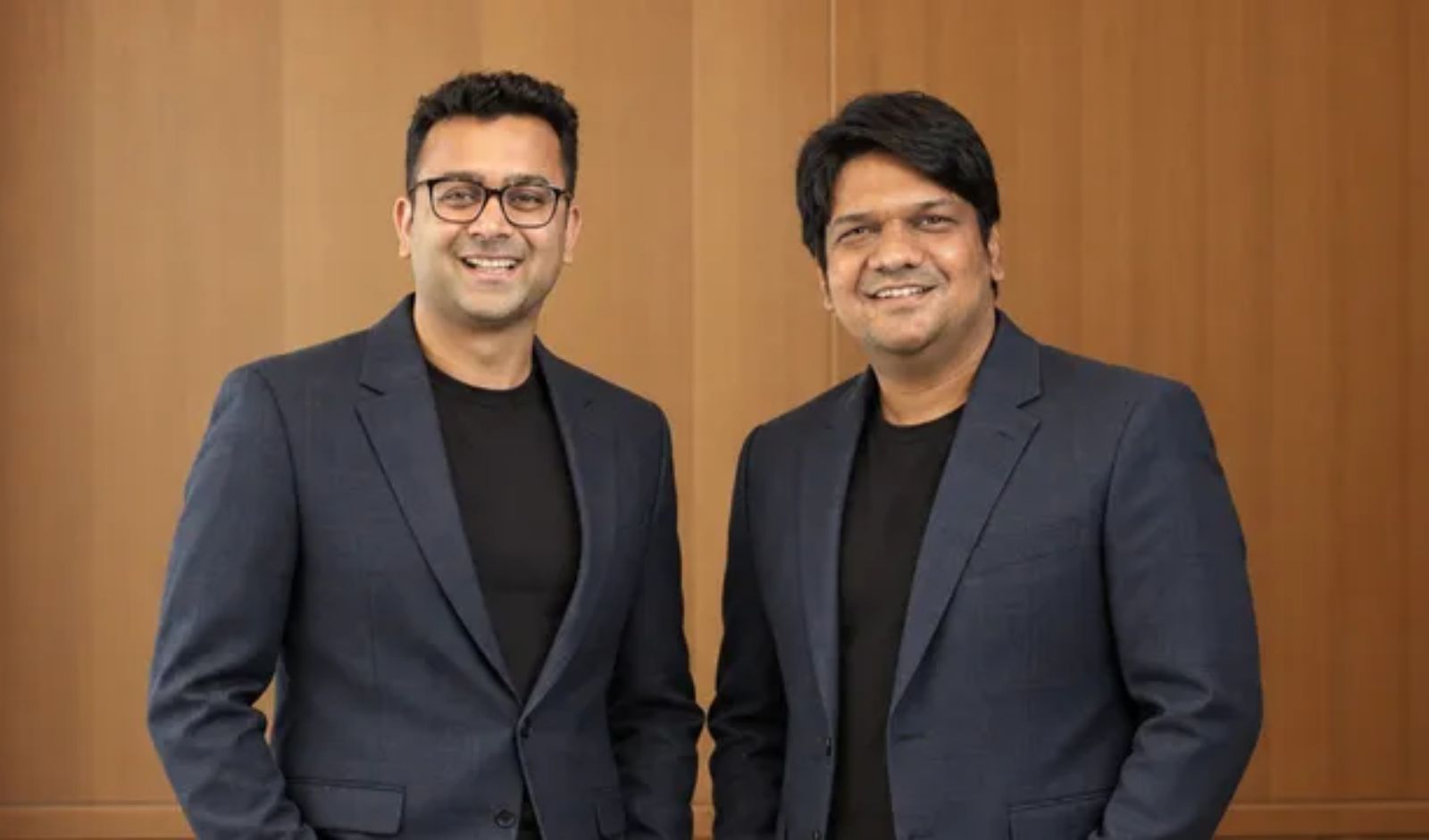
Bengaluru-based home interior materials startup Gravity has secured $15 million in a combination of equity and debt funding. The investment round was led by Info Edge Ventures and 3one4 Capital, with participation from Alteria Capital, Genesia Ventures, and several angel investors.
Founded by former Livspace executives Saurabh Jain and Lalit Mittal, Gravity is developing a technology-driven platform focused on India’s home interior materials sector. The company currently operates in the kitchen and wardrobe categories, bringing together specialist businesses through a shared ecosystem of technology, distribution, key account management, and operational infrastructure.
The businesses within its initial portfolio collectively generate revenues in the multi-hundred-crore range and are EBITDA positive.
With the fresh capital, Gravity plans to strengthen its technology capabilities, expand its distribution network, and enhance its key account management infrastructure. The startup also intends to invest in category expansion, brand development, and working capital requirements.
As part of its growth strategy, the company is looking to broaden its presence beyond kitchens and wardrobes by entering adjacent home interior categories, including doors and windows, lighting solutions, wall surfaces, home automation, and other interior systems.
Prior to launching Gravity, Saurabh Jain served as Chief Executive Officer of Livspace India, where he played a key role in scaling the company to an annualized revenue run rate of approximately Rs 1,500 crore. Co-founder Lalit Mittal previously held the position of Chief Business Officer for India and led Livspace’s expansion into more than 30 cities.
Gravity’s platform is designed to cater to architects, interior designers, modular showroom operators, and design-and-build firms that play a significant role in specifying and procuring materials for residential interior projects.
The company aims to streamline sourcing processes across a fragmented supplier ecosystem while improving product availability, fulfillment efficiency, and pricing transparency for industry stakeholders.
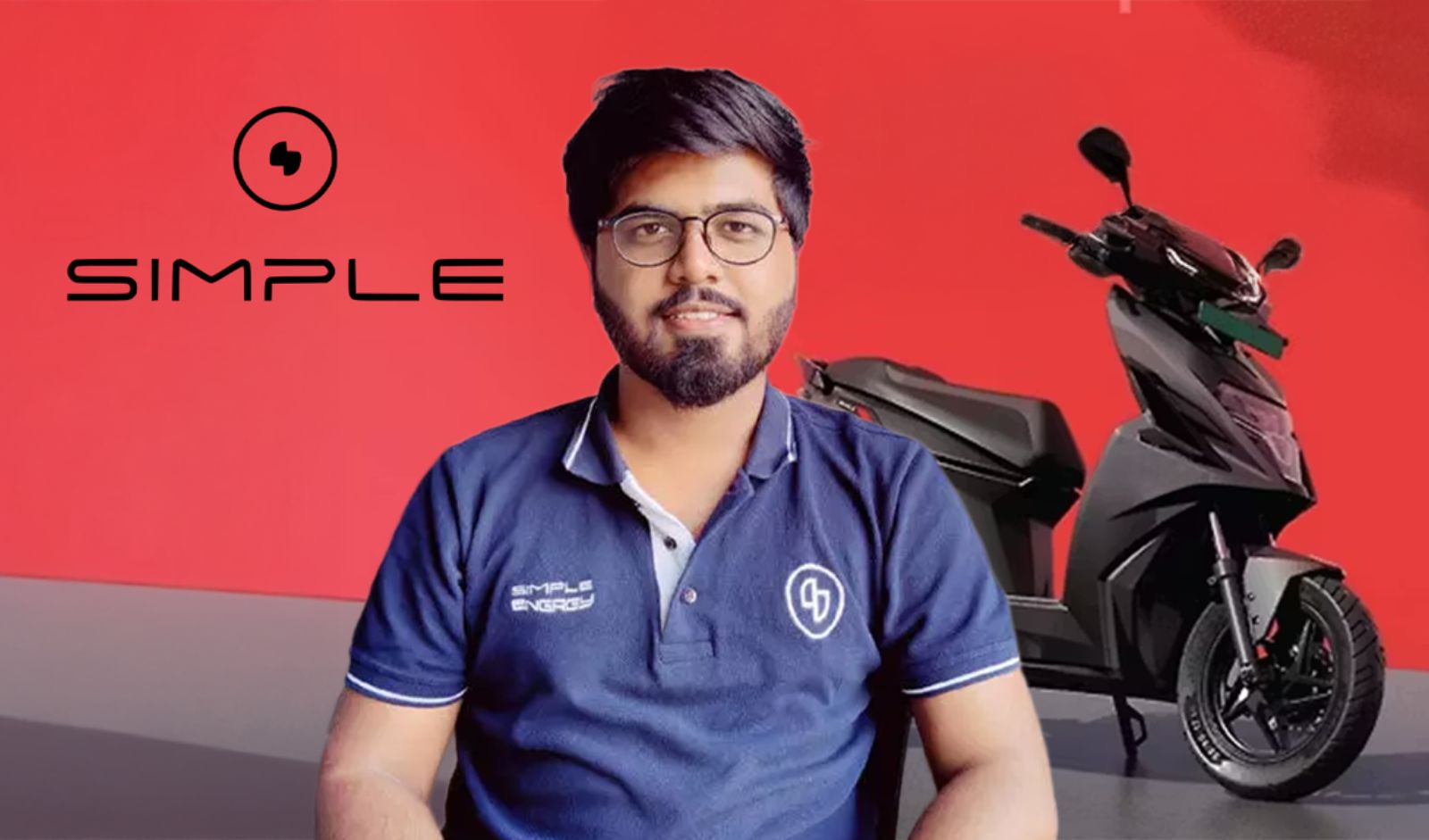
Electric two-wheeler manufacturer Simple Energy has secured Rs 1,750 crore (approximately $182 million) in a Series C funding round, marking the largest capital raise in the company’s history. The round also ranks among the biggest funding deals secured by an Indian electric two-wheeler original equipment manufacturer (OEM).
The investment round was led by the family office of Dr. Arokiaswamy Velumani, founder of Thyrocare Technologies. Existing stakeholders, including founder and Chief Executive Officer Suhas Rajkumar and co-founder and Chief Financial Officer Ankit Gupta, also participated in the round. Bengaluru-based high-net-worth individual (HNI) Amit Mishra and the Haran Family Office joined as investors.
The company stated that the entire amount was raised through equity financing. Following the latest round, Simple Energy’s cumulative capital raised has exceeded Rs 2,530 crore (around $263 million).
The fresh funding will be deployed to establish a new manufacturing facility, enhance production capacity, strengthen the company’s distribution and service network, recruit talent, and accelerate research and development efforts for upcoming products. A portion of the capital will also be allocated toward marketing initiatives and supply chain expansion.
At present, Simple Energy has a manufacturing capacity of 10,000 units per month and operates a network of more than 80 outlets across over 60 cities in India. Its product lineup includes the Simple One, Simple Wave, and Simple Ultra electric scooters.
On the financial front, Simple Energy reported operating revenue in the range of Rs 150–160 crore for FY26, compared to approximately Rs 40 crore in FY25. The growth represents a nearly fourfold increase in annual revenue. The company currently generates a significant share of its sales from southern India.
Prior to the Series C round, Simple Energy raised Rs 250 crore through a combination of debt and equity financing in June 2026. In September 2025, the company secured $10 million through an all-equity bridge round. Earlier fundraising efforts included a $20 million Series A round in July 2024, a bridge funding round exceeding $20 million in February 2023, and $21 million in pre-Series A funding in November 2021.
Founded in 2019 by Suhas Rajkumar and Shreshth Mishra, the company later added Ankit Gupta as a co-founder. Simple Energy designs and develops electric two-wheelers along with key components such as batteries, motors, chassis, and software platforms in-house.
Doctor-led longevity and preventive healthcare startup Vytalyou has secured Rs 9 crore in a pre-Series A funding round from investors Chetan Jain of Pharma Dose and Ratan Jain of Venus Industries. The investment values the company at approximately Rs 33 crore.
According to the company, the fresh capital will be used to scale its network of Incremental Lifestyle Clinics across Mumbai as it looks to strengthen its presence in the preventive healthcare and longevity segment.
Founded in 2025 by Chirantan Bose and Preetesh Bhandari, Vytalyou focuses on preventive healthcare solutions and longevity-driven medical services. The company combines diagnostic assessments with personalized health interventions and medically supervised treatment plans.
Headquartered in Mumbai, Vytalyou offers a range of services including pathology, radiology, cardio-respiratory evaluations, body composition analysis, genetic and cancer screening, gut microbiome assessments, personalized IV therapies, and regenerative healthcare interventions. The startup also provides non-invasive pain management solutions for chronic musculoskeletal conditions.
The company said it has served nearly 1,000 clients since launching its first centre. Around 50 percent of its customers have come through direct walk-ins, while the remainder have been acquired through referrals and word-of-mouth recommendations.
Looking ahead, Vytalyou plans to expand its footprint to 10 locations across India over the coming years as demand for preventive healthcare and wellness-focused services continues to grow.
The startup operates in India’s emerging longevity and preventive healthcare market, a segment that has attracted increasing investor interest in recent years. Several companies in the space have secured funding to support expansion and product development.
Earlier this year, longevity-focused startup Biopeak raised $2.7 million in follow-on funding. Cent, co-founded by Practo’s Shashank ND, secured approximately $5 million for its AI-driven early detection platform focused on cancer, cardiac, neurological, and metabolic health risks.
Meanwhile, Elevate Now raised Rs 18 crore in a seed funding round, while Decode Age secured Rs 14.48 crore in a pre-Series A round to advance its work in longevity research, biomarker discovery, multi-omics, and microbiome science.
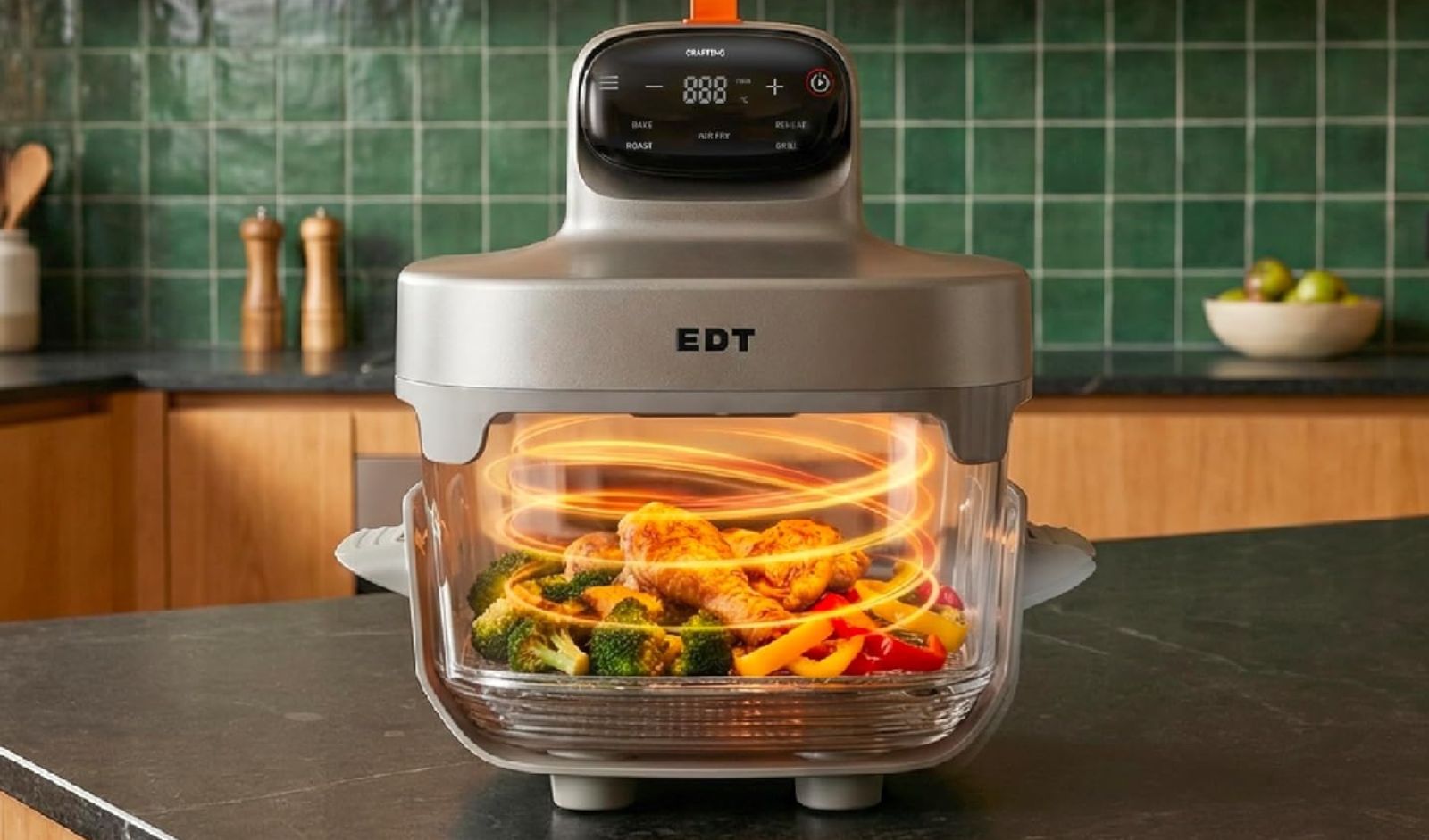
Mumbai-based consumer technology brand EDT has secured $2.4 million in a Pre-Series A funding round led by existing investor Sauce, with participation from its current angel investors.
The funding round also attracted investments from Alteria Capital, Raul Rai of Nicobar, Shibam Das and Arindam Paul of Atomberg, Ajith Pai of Delhivery, and Anushree Tainwala of Samsonite.
The company plans to deploy the fresh capital toward inventory creation ahead of the festive shopping season, introduction of new products, and strengthening its growth, supply chain, branding, and product development teams.
Launched in 2025 by Naiyya Saggi and Vyasateja Rao, EDT operates in the consumer technology space with a portfolio that includes kitchen appliances such as the LUMA air fryer oven and FLOW kettle. Its products are sold through multiple channels, including Amazon, Flipkart, Blinkit, Croma, FoodStories, and the company’s direct-to-consumer platform.
According to the company, its Amazon business recorded significant growth, expanding nearly sevenfold between March and July 2026.
Expanding beyond kitchen appliances, EDT has recently entered the beauty technology category with the launch of SUKI, a hair dryer powered by its patent-pending CareDry Algorithm. The company stated that the device features dual sensors that assess hair and airflow conditions 100 times per second, automatically adjusting heat levels to enhance the user experience.
SUKI is currently available on EDT’s D2C platform at a limited-period pre-order price of Rs 8,499. The company intends to make the product available across ecommerce marketplaces and retail outlets later this year.
Looking ahead, EDT revealed that it has three additional products under development across the home, kitchen, and beauty technology segments. The startup plans to focus on research and development, portfolio expansion, omnichannel growth, community engagement, and team building as it scales its operations.
Blitz, a startup focused on quick-commerce fulfilment solutions, has raised Rs 28.70 crore in a pre-Series B funding round led by existing investor IvyCap Ventures.
The company’s board has approved the issuance of 21,883 compulsorily convertible preference shares (CCPS) at a price of Rs 13,118 per share to secure the funding. IvyCap Ventures emerged as the lead investor with a contribution of Rs 12.70 crore. ICMG Group invested Rs 4.75 crore, while Vishal Dhupar participated with Rs 2.50 crore. The remaining capital came from a group of angel investors.
The latest investment has pushed Blitz’s post-money valuation to approximately Rs 440 crore, up significantly from Rs 175 crore during its Series A round. The company is also expected to bring in additional funds as part of the same round, which could further increase its valuation.
Blitz intends to use the fresh proceeds to support business expansion, scale operations, and meet general corporate requirements. The company had previously raised Rs 51 crore in a Series A funding round in November 2024, with IvyCap Ventures leading the investment.
Established in 2020 by Gaurav Piyush, Mayank Varshney, and Yash Sharma, Blitz provides fulfilment infrastructure for ecommerce and D2C brands, enabling delivery timelines ranging from 10 minutes to 60 minutes, as well as same-day and next-day services. The startup leverages a network of dark stores and fulfilment centres to accelerate order processing and improve delivery efficiency.
IvyCap Ventures continues to be the company’s largest external shareholder, holding a 23.47 percent stake. India Quotient owns 15.31 percent, while AL Trust holds 3.29 percent. ESOPs and MSOPs collectively account for 12.88 percent of the company’s equity.
Among the founders, Yash Sharma and Mayank Varshney each own 11.53 percent of the company, while Gaurav Piyush holds a 6.72 percent stake.
The shareholder base also includes several well-known angel investors. Snapdeal co-founders Kunal Bahl and Rohit Bansal hold 0.59 percent each, while QED Innovation Labs and Farid Ahsan, Founder and CEO of General Autonomy, own 0.34 percent each.
Blitz is yet to submit its FY26 financial statements. In FY25, the company reported operating revenue of Rs 50.6 crore, compared to Rs 22.18 crore in FY24. During the same period, its losses increased to Rs 24.33 crore from Rs 11.17 crore a year earlier
Primerry, a pediatric healthcare startup focused on children’s wellness products, has secured Rs 7.1 crore (approximately $760,000) in a pre-seed funding round. The investment will support the company’s efforts to develop child-friendly healthcare solutions and expand its presence across India.
Founded by Rushabh Nandu and Dr. Nihar Parekh, the round attracted participation from investors including Ashish Kacholia and Lashit Sanghvi, along with angel investors Mohit Sadaani, Hitesh Dhingra, Ajay Mehra, and Samir Palod, as well as select family offices.
The newly raised capital will be used to strengthen the company’s research and development capabilities, expand its leadership team, and increase distribution across key markets.
Primerry plans to launch its offerings in phases, beginning with a portfolio of eight SKUs priced between Rs 499 and Rs 1,499. Products will initially be available through the company’s direct-to-consumer platform, while expansion into quick-commerce channels is planned within the first year of operations.
Alongside its healthcare products, the startup has introduced PocDoc, a customizable carry case designed to help children organize and carry their wellness essentials. The company aims to encourage regular healthcare habits by combining functionality with a more engaging user experience.
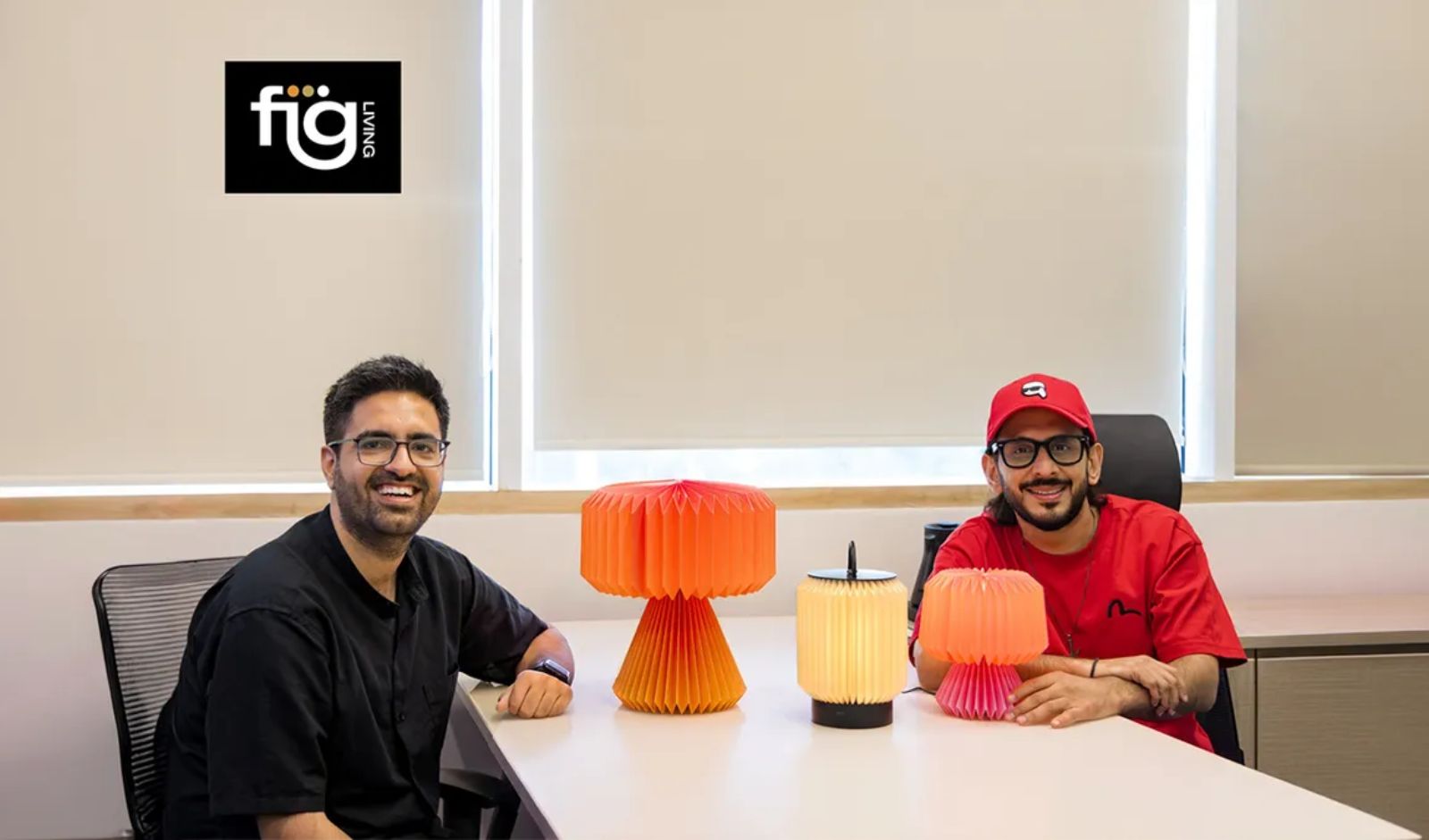
Aman Gupta, entrepreneur, investor, and co-founder of boAt, has invested in FIG Living, a design-focused home and living brand, through his investment firm SailThru Ventures.
The investment further strengthens Gupta’s long-standing association with Sushant Sharma, founder of FIG Living, who previously worked alongside him at boAt.
Established in 2025, FIG Living initially entered the market with a portfolio of lighting products, including table lamps, portable lamps, pendant lights, wall lights, and floor lamps. Since then, the company has diversified its offerings to include side tables, accent furniture, and tabletop décor products as part of its strategy to evolve into a broader home and lifestyle brand.
FIG Living currently operates at an annual revenue run rate of approximately Rs 12 crore and has served more than 40,000 customers. The brand reported growth of around 20 percent quarter-on-quarter and is aiming to achieve an annual revenue run rate of Rs 18 crore following the upcoming festive season.
The company follows an in-house product development model and has secured more than 36 design patents across its portfolio. A significant portion of its offerings, nearly 80 percent, is designed using knock-down and do-it-yourself (DIY) formats. This approach allows customers to assemble products independently while helping reduce logistics costs and improve operational efficiency.
With the fresh investment, FIG Living plans to broaden its distribution reach, enhance offline consumer experiences, and create additional customer engagement touchpoints. The company is also exploring opportunities for international design collaborations and partnerships as part of its next phase of growth.
Manufacturing operations are carried out in India through an affiliated facility located in Greater Noida. Going forward, the brand intends to expand its presence beyond lighting and strengthen its position across multiple home and lifestyle categories.
The investment comes at a time when India's home décor and lifestyle segment is witnessing increasing consumer demand for design-driven products, with brands focusing on innovation, local manufacturing, and omnichannel expansion strategies.

Amaani, a consumer-focused beauty and wellness company from the Middle East and parent of beauty brand AÏZA, has secured $5 million in a Series A funding round led by BECO Capital, with participation from Homegrown Ventures and Peak XV’s Surge.
With the latest investment, Amaani’s total funding has reached $8 million. The company previously raised $3 million in seed funding from Peak XV’s Surge in 2025.
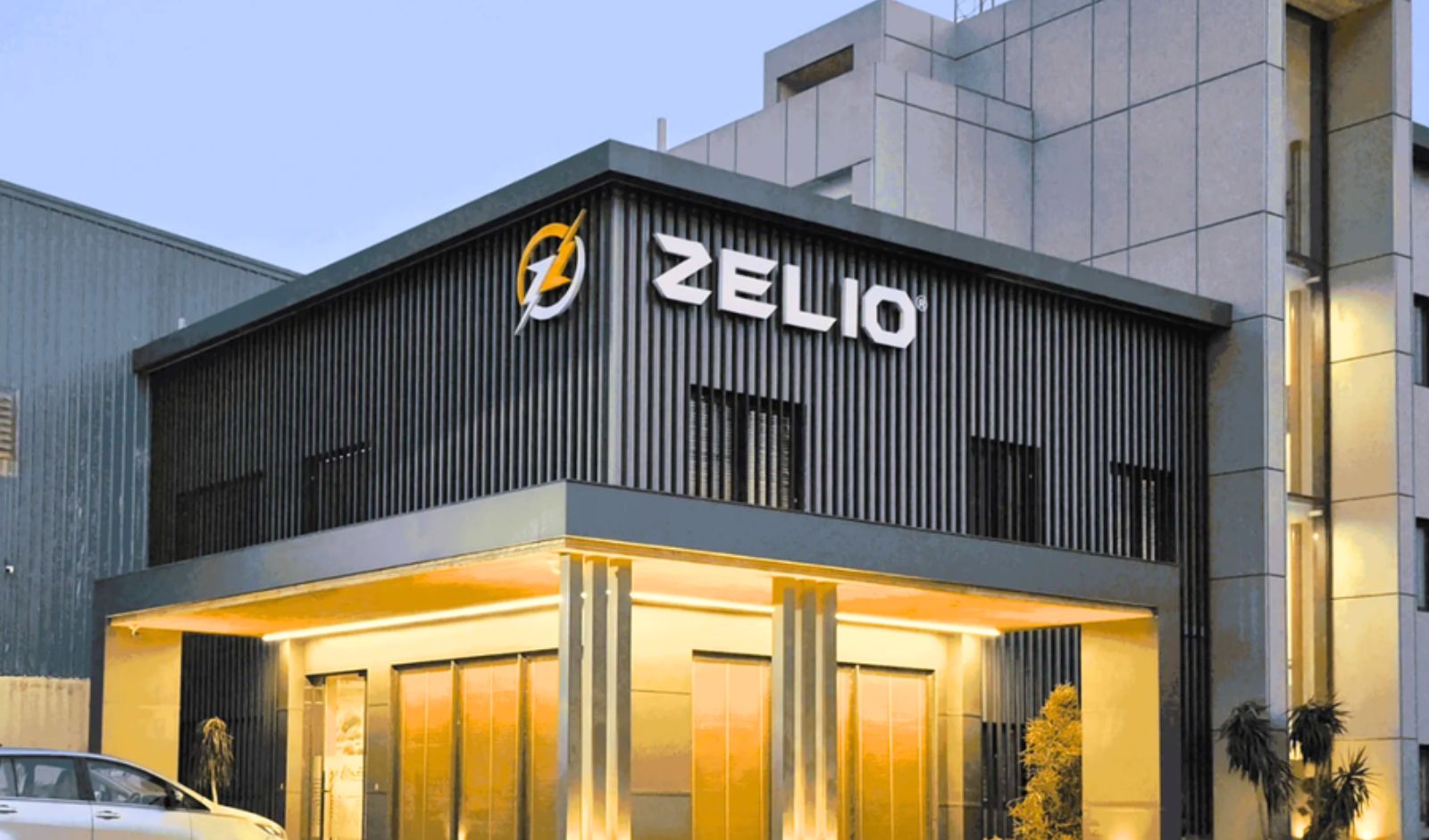
Electric vehicle manufacturer Zelio E-Mobility has announced plans to raise up to Rs 167.96 crore through a preferential issue of equity shares and convertible warrants as it looks to strengthen its manufacturing capabilities and expand its distribution footprint across India.
The proposal has been approved by the board of the BSE SME-listed company and remains subject to shareholder and regulatory approvals. The matter will be placed before shareholders at an Extraordinary General Meeting scheduled for October 20.
As part of the fundraising exercise, Zelio plans to issue up to 9.73 lakh equity shares at Rs 853 per share to four non-promoter investors, aiming to raise approximately Rs 83 crore.
Under the proposed allotment, Motilal Oswal Financial Services will receive 4.70 lakh equity shares valued at around Rs 40.09 crore, while Calliope Capital Advisors LLP is set to receive 3.68 lakh shares worth nearly Rs 31.39 crore. Param Value Investments will be allotted one lakh shares amounting to Rs 8.53 crore, and Hem Growth Opportunities Fund will receive 35,000 shares valued at approximately Rs 2.99 crore.
In addition, the board has cleared the issuance of up to 9.96 lakh convertible warrants priced at Rs 853 each to promoters Niraj Arya, Deepak Arya, and Kunal Arya. The warrant issue is expected to generate up to Rs 84.96 crore.
According to the company, at least 25 percent of the warrant subscription amount will be paid at or before allotment, with the balance payable upon conversion into equity shares. The warrants can be converted within 18 months from the date of allotment.
Following the proposed share issuance and complete conversion of the warrants, promoter and promoter group shareholding is expected to reduce from 72.76 percent to 70.87 percent on a fully diluted basis. Public shareholding is projected to increase from 27.24 percent to 29.13 percent.
Zelio has appointed SEBI-registered Brickwork Ratings India as the monitoring agency to oversee the utilization of the proceeds raised through the issue.
The company stated that the capital infusion will support its nationwide expansion strategy, including the development of its upcoming electric three-wheeler manufacturing facility in Patan, Haryana.
“Our next phase is about building the capacity and market reach needed to serve a much larger customer base across India. The proposed fundraise will give us greater room to expand our manufacturing footprint, strengthen our distribution network and accelerate the development of our upcoming three-wheeler facility in Patan. We have built the business with a focus on profitable growth, and the priority now is to take that foundation into more markets while continuing to invest in the capabilities needed for scale,” said Kunal Arya, Managing Director of Zelio E-Mobility.
The EV maker currently operates manufacturing facilities in Haryana, Odisha, and Tamil Nadu. Earlier this year, the company inaugurated a new production facility in Coimbatore with an annual manufacturing and assembly capacity of 60,000 electric two-wheelers. With the addition of the new plant, Zelio’s total installed production capacity has reached 2.4 lakh units annually.
The company currently works with over 400 dealers across more than 25 states and aims to expand its dealership network to over 550 outlets by the end of FY27.
Alongside the fundraising proposal, shareholders will also vote on related-party transactions worth up to Rs 50 crore each with Torque Innovation EV Auto Private Limited, AVR Auto Industries Private Limited, Jai Bharat Engineering Tools, Jai Bharat Auto Components, and Rajdhani Machinery Store. Zelio stated that these transactions, involving the purchase and sale of goods, will be undertaken in the ordinary course of business and on an arm’s-length basis.
Headquartered in Hisar, Haryana, Zelio manufactures electric two-wheelers under the Zelio brand and electric three-wheelers under the Tanga brand.
For FY26, the company reported standalone revenue from operations of Rs 303.54 crore, reflecting a 76.28 percent increase from Rs 172.19 crore in the previous financial year. Standalone profit after tax rose 75.41 percent to Rs 28.03 crore from Rs 15.98 crore a year earlier.
![{Funding Alert] Lab-Grown Diamond Jewellery Brand ONYA Secures Rs 12.5 Cr Funding](https://indian-retailer.s3.ap-south-1.amazonaws.com/s3fs-public/2026-09/Untitled%20design%20-%202026-09-24T164109.084.jpg)
Lab-grown diamond jewellery startup ONYA has secured Rs 12.5 crore in a pre-Series A funding round led by Divisa Family Office, with existing investor Zeropearl VC increasing its commitment by participating again after the company’s earlier Rs 5.5 crore seed funding round.
The round also builds on support from several angel investors who participated in the startup’s seed stage, including the founders of MyGate, the founder of UrbanVault, and other investors.
According to the company, the newly raised capital will be used to strengthen its retail presence, drive digital customer acquisition, enhance online personalization capabilities, and expand research and development efforts focused on product innovation, design, and manufacturing.
Founded in 2024 by Gaurav Choudhary and Himani Yadav, ONYA is a lab-grown diamond jewellery brand that combines technology-driven diamond creation with contemporary jewellery design.
Based in Bengaluru, the company offers IGI-certified lab-grown diamonds set in BIS Hallmarked gold, with a focus on personalized designs and craftsmanship. The brand states that its products provide consumers with an alternative to natural diamonds at approximately 20 percent of the cost, while also offering a lifetime exchange and buyback program.
ONYA has also developed its proprietary ONYA Setting, a patented ring-setting design, along with its flagship ONYA Signature Collection, which draws inspiration from Neoclassical architecture.
Since its launch, the company claims to have established a retail network of eight flagship stores across key locations in Bengaluru, Pune’s Amanora Gold Souk Mall, and Hyderabad’s Jubilee Hills. The brand further stated that it has achieved monthly recurring revenue of Rs 3.5 crore.
Looking ahead, ONYA plans to enter additional markets through a mix of company-owned outlets and franchise-led expansion.
The startup operates in India’s growing lab-grown diamond jewellery segment, competing with brands such as Aukera, Limelight, Jewel Box, Fiona, and other players in the category.
Investor interest in the segment has increased significantly in recent years. According to industry data cited by the company, nine dedicated lab-grown diamond startups collectively raised $26.4 million in 2025, compared to $4.7 million in 2024.
The sector has witnessed several notable funding rounds, including Aukera’s Rs 90 crore debt raise in July following a $15 million equity round led by Peak XV Partners. Limelight Lab Grown Diamonds also secured Rs 275 crore in a strategic funding round to expand its manufacturing and retail operations, while GIVA, which operates the lab-grown diamond brand Heer, raised Rs 530 crore in a Series C funding round. Other funded companies in the space include Jewelbox, Lucira Jewellery, True Diamond, and Fiona Diamonds.
Quick commerce healthcare platform Rio Health has secured Rs 43.08 crore (approximately $4.5 million) in a pre-Series A funding round led by new investor Version One Ventures, with participation from existing backers Xeed Ventures, Good Capital, and Amplify Partner.
Version One Ventures emerged as the largest investor in the round, contributing Rs 21.30 crore. Existing investor Xeed Ventures invested Rs 11.84 crore, while Good Capital Fund II infused Rs 9.47 crore. Amplify IV PCC also participated with an investment of Rs 47 lakh.
The funding round has valued the company at a post-money valuation of nearly Rs 170 crore. Following the transaction, Xeed Ventures holds a 21.11 percent stake in the company, while Good Capital owns 17.07 percent. Version One Ventures has acquired a 12.86 percent stake. Co-founders Ankur Agrawal and Amit Ahuja continue to hold 17.50 percent each in the business.
The newly raised capital will be deployed to strengthen Rio Health’s footprint across Delhi NCR, expand its network from three dark stores to more than 15 locations, and enhance the technology infrastructure supporting order management, inventory operations, and last-mile delivery. The company is also targeting an annual recurring revenue (ARR) of over Rs 150 crore within the next nine to twelve months.
According to the company, it currently processes more than 30,000 orders every month, with an average order value ranging between Rs 600 and Rs 700. Repeat customers account for nearly 80 percent of total orders.
Founded by Ankur Agrawal and Amit Ahuja, Rio Health operates a quick-commerce model for medicines and healthcare essentials, offering deliveries across Delhi NCR within 20 to 30 minutes. The platform provides access to over 20,000 SKUs, while additional long-tail medicines are sourced through its distributor network.
The company stated that each of its dark stores caters to a delivery radius of around three kilometres. It also leverages neighbourhood-level demand insights to forecast medicine requirements and optimize inventory across locations, enabling faster fulfilment and improved product availability.

Design-led lifestyle tech brand DailyObjects has appointed Zeenah Vilcassim as its Global Chief Marketing Officer (CMO), as the company strengthens its leadership team to support its international growth plans.
With more than 17 years of experience across markets including the US, Europe, the Middle East, China, and India, Vilcassim brings expertise in brand building, consumer business growth, and market expansion.
In her new role, she will oversee DailyObjects’ global brand and marketing strategy, helping the company build on its presence in India while accelerating its ambitions in international markets.
Before joining DailyObjects, Vilcassim led marketing for Nothing in India. She also served as CEO of Zomato Live, now known as District by Zomato, where she was responsible for building the business from the ground up. Earlier, she held the position of Chief Marketing Officer at Bacardi India, leading consumer and customer marketing initiatives across the company’s portfolio. She also worked as Global Brand Director for Whiskies at Bacardi, driving brand strategy across multiple international markets.
Pankaj Garg, Co-Founder and CEO, DailyObjects said, "DailyObjects is entering its next chapter. We want to build a brand that means something to people, wherever they are. Zeenah understands consumer behaviour well and has built brands at global companies, at fast-growing businesses and from scratch. She shares our ambition, and I'm excited to build the next phase of DailyObjects with her."
Zeenah Vilcassim, Global Chief Marketing Officer, DailyObjects shared, "DailyObjects has already built the foundations of a truly distinctive lifestyle brand: a strong understanding of contemporary consumers and a clear point of view on how design fits into their daily lives. Pankaj and Saurav's ambition to take this India-born brand to the world is something DailyObjects is strongly poised to achieve, with both its local relevance and international appeal. I look forward to joining them on the next stage of this journey, making DailyObjects a brand that is meaningful to consumers' daily lives wherever it goes."
The appointment comes at a time when DailyObjects is expanding its global footprint and strengthening its design-focused product portfolio. The company, which offers technology accessories, carry solutions, workspace essentials, and lifestyle products, recently showcased its offerings at IFA Berlin 2026, marking its first international exhibition and an important step toward building partnerships with global retailers and distributors.
Preventive pain care startup betterhood has secured Rs 11.5 crore in a seed funding round led by Sauce, with participation from existing investor Kairon Capital.
Earlier this year, the Bengaluru-based company had raised Rs 5 crore in the same funding round led by Kairon Capital. The round also saw participation from Yogesh Kabra, Rishubh Satiya, Rohit Chawla, Sifat Khurana, and Shayamal Vallabhjee.
The newly raised capital will be utilized to strengthen its product offerings, widen its presence across quick commerce and modern retail channels, and expand its content initiatives and physiotherapist network.
Established in October 2024 by Vikram Kadam and Neha Zade, betterhood focuses on preventive pain care solutions designed to address early symptoms of back, neck, and joint discomfort.
The brand offers a range of products including posture and ergonomic supports, orthotic soft goods such as back, knee, ankle, and wrist supports, as well as pain relief and recovery solutions.
The company said these product categories collectively account for an estimated Rs 20,000 crore market in India and continue to grow at a low- to mid-teen rate.
As part of its ecosystem approach, betterhood has developed Physio Circle, a nationwide community dedicated to creating awareness around posture, movement, pain prevention, and recovery. The network currently includes more than 7,000 physiotherapists.
The company has also introduced The Physio Edge, a certification program aimed at helping early-career physiotherapists bridge the gap between academic education and practical clinical experience.
Since launching operations, betterhood claims to have served more than 2 lakh customers and created over 1,500 educational content pieces across digital platforms focused on posture, movement, pain prevention, and recovery.
The preventive pain management segment has witnessed increased investor interest in recent years. Nivaan Care raised $7 million to expand its non-surgical chronic pain management clinics, while Litemed’s CURAPOD secured Rs 20 crore in a pre-Series A funding round to scale its photobiomodulation-based wearable pain management technology. Heatronics also raised Rs 1.8 crore to strengthen its preventive pain management and heat therapy device portfolio.
In 2025, Zanskar secured Rs 2.8 crore to broaden its pain care product range and invest in research and development for chronic pain and recovery solutions. Meanwhile, Stance Health raised $1 million to advance its technology-driven musculoskeletal care platform, which integrates diagnosis, physiotherapy, and recovery programs.
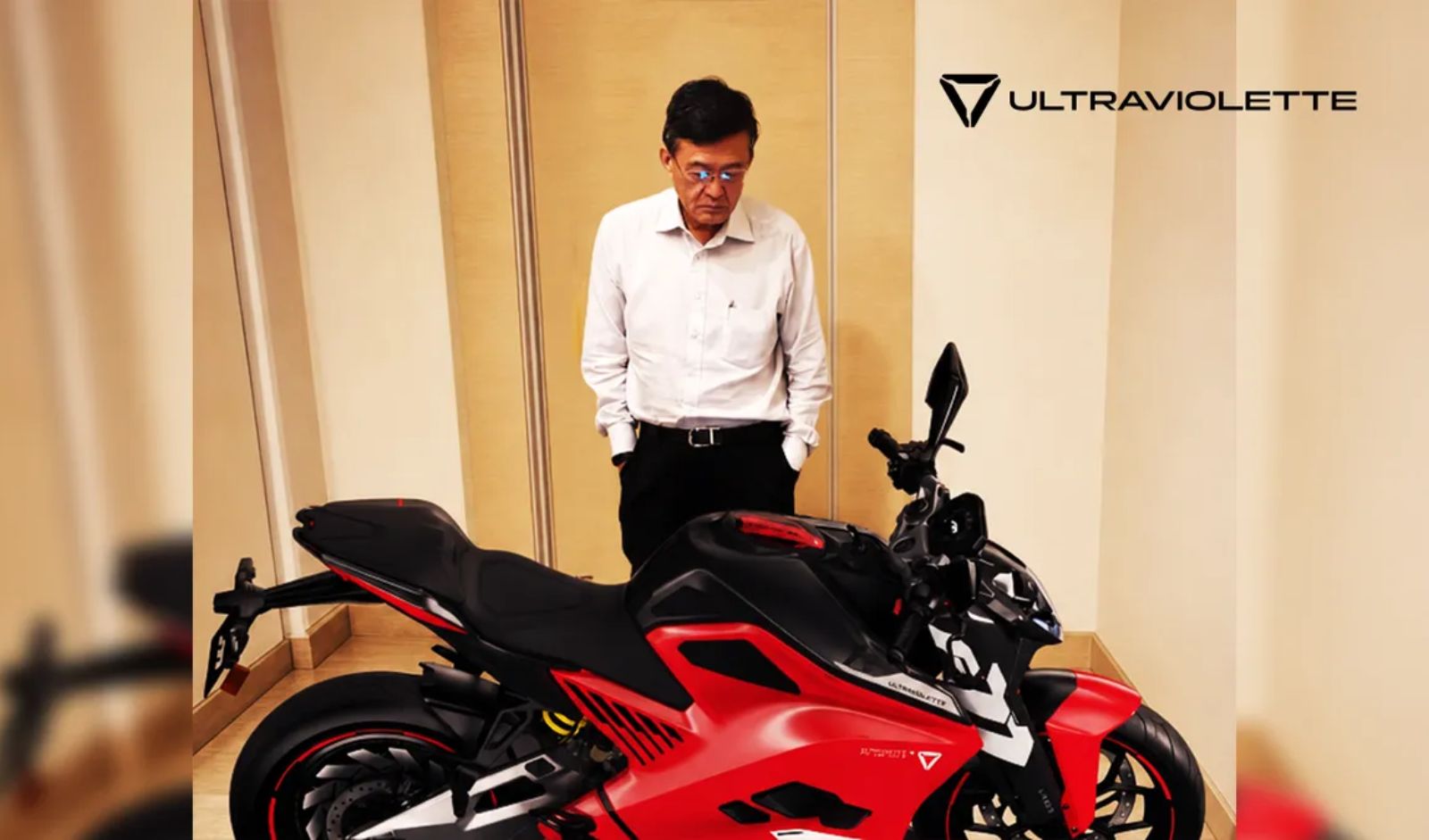
Electric mobility startup Ultraviolette has secured $85 million in a fresh funding round led by Yali Capital and TDK Ventures, with participation from Lip-Bu Tan, Chairman of Walden International, alongside existing investors.
The Bengaluru-based electric vehicle company plans to deploy the newly raised capital toward scaling production of its flagship F77 and X-47 electric motorcycles, as well as accelerating the rollout of its upcoming products, including the Tesseract scooter and Shockwave enduro motorcycle.
The funding will also be used to advance Ultraviolette’s next generation of EV platforms, focusing on key areas such as battery technology, power electronics, vehicle architecture, and intelligent software systems.
As part of its international growth strategy, Ultraviolette is preparing to enter the United States market in 2027 while expanding its presence across Latin America and Southeast Asia. The company currently markets its electric motorcycles in India and across 20 European countries.
The latest investment comes shortly after Ultraviolette announced plans for a new manufacturing facility capable of producing up to 500,000 units annually, strengthening its production capabilities to support future demand.
The company had previously raised $66 million as part of its ongoing Series E funding round, including $21 million from TDK Ventures and $45 million from Zoho Corporation and Lingotto. With the addition of the latest funding, Ultraviolette has raised a total of $151 million through disclosed fundraises since August 2025.
Founded in 2016 by Narayan Subramaniam and Niraj Rajmohan, Ultraviolette focuses on the development of electric vehicle platforms and advanced battery technologies. The startup’s investor base includes Lingotto, TDK Ventures, Qualcomm Ventures, Zoho Corporation, TVS Motor Company and Speciale Invest.
The company has developed battery architectures ranging from 48V to 400V and says its in-house technology stack supports multiple vehicle categories and mobility applications.
In addition to participating in the funding round, Lip-Bu Tan will join Ultraviolette as an advisor, bringing strategic guidance as the company scales its technology capabilities and global operations.

Carry-focused streetwear brand Indian Walker has raised an undisclosed amount in a pre-seed funding round from Palette Wealth Management (PWM), achieving a post-money valuation of Rs 20 crore.
The funding marks the Delhi-based brand’s first institutional investment. Indian Walker is part of CoFounder Circle (CFC) Venture Studio, a consumer-focused venture studio established by entrepreneur Darpan Sanghvi.
The newly secured capital will be deployed towards strengthening inventory, expanding its existing product categories, and introducing additional SKUs under its Level Up collection.
Founded in 2025 by Md. Sakib, Indian Walker specializes in backpacks and carry essentials designed for everyday commuting. The brand operates in the mid-premium segment and focuses on functional products tailored to urban consumers.
As part of its growth strategy, the company plans to strengthen its workforce across marketing, social media, and operations. Over the next two years, Indian Walker is targeting an annual recurring revenue (ARR) of Rs 100 crore while aiming to serve more than 1 lakh customers.
The brand’s flagship backpack range is priced between Rs 2,000 and Rs 4,000. Its Level Up collection, led by the Stride backpack, has recorded sales of over 10,000 units since its launch, the company said.
At present, Indian Walker sells through its direct-to-consumer (D2C) website. The company plans to expand its distribution footprint by launching on Amazon, Flipkart, and Myntra in the coming quarter. It is also evaluating opportunities across quick commerce platforms and additional online marketplaces.
The Indian streetwear and contemporary fashion market features several fast-growing brands, including Bluorng, Huemn, Six5Six, Almost Gods, Gully Labs, The Souled Store, and Freakins.
The funding comes amid continued investor interest in the fashion and D2C retail segment. In a related development, Snitch secured approximately Rs 340 crore (about $40 million) in a funding round led by 360 ONE Asset last year.
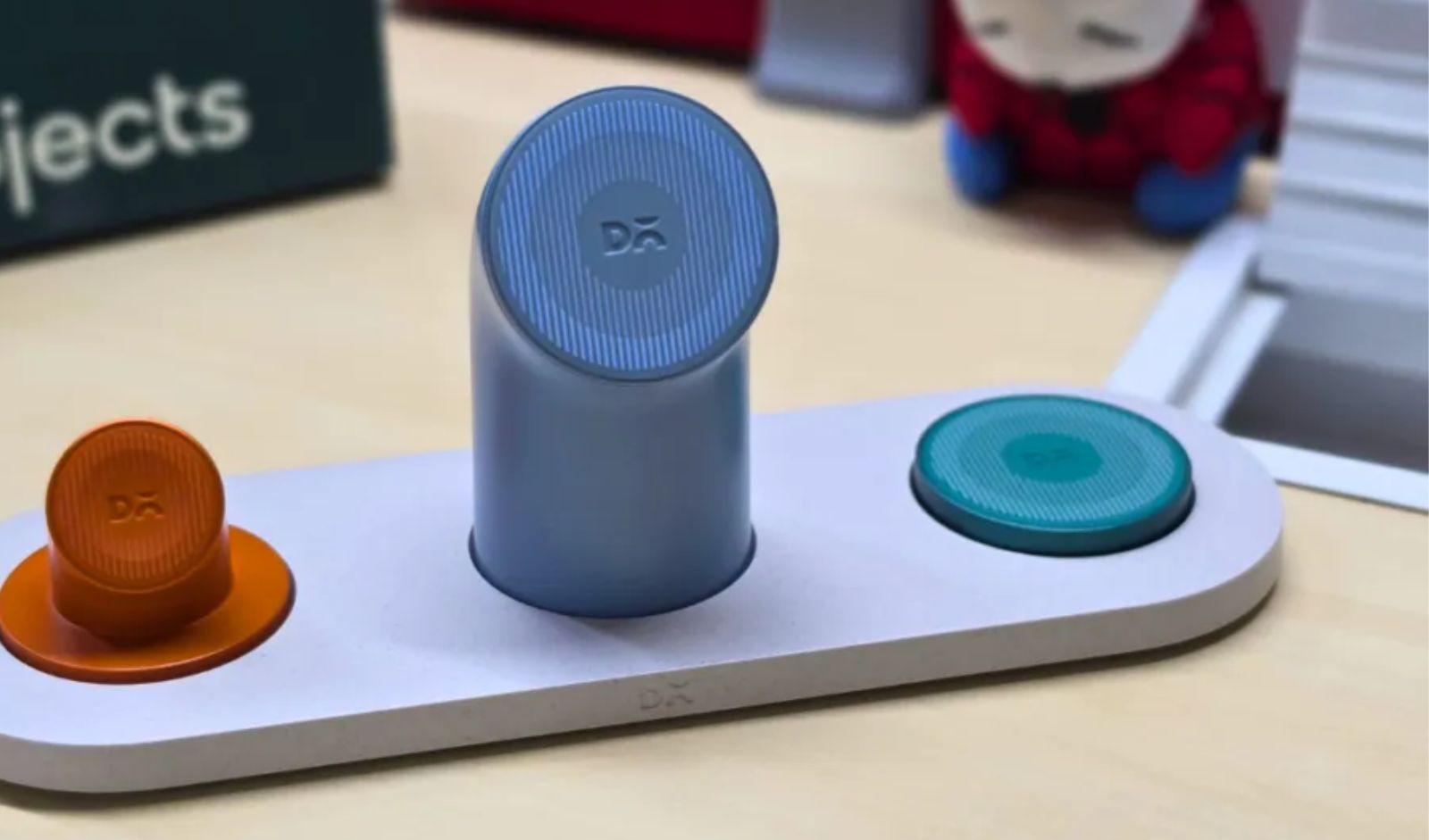
Lifestyle and tech accessories brand DailyObjects is reportedly in the final stages of securing a funding round worth approximately Rs 350 crore, with Xponentia Capital and Anicut Capital’s growth equity fund expected to lead the investment. The transaction could value the Gurugram-based company at around Rs 1,000 crore.
The proposed round is expected to include a mix of primary and secondary share sales. The fresh capital will likely be used to broaden DailyObjects’ product offerings, strengthen its distribution network, and support efforts to reach a larger customer base.
Founded in 2012 by Pankaj Garg and Saurav Adlakha, DailyObjects began as a design-led accessories brand focused on blending technology, utility, and aesthetics. Over the years, the company has expanded beyond smartphone accessories to build a wider portfolio that includes phone cases, laptop sleeves, smartwatch accessories, charging products, tech gadgets, organizers, bags, wallets, pouches, and workplace essentials.
The brand has also increased its offline retail presence through exclusive stores, airport outlets, and partnerships with Apple Premium Retail locations. According to reports, DailyObjects is now available across more than 250 retail locations spanning over 85 cities, including major metropolitan markets and airport retail hubs.
The company has been investing in both product expansion and offline growth as it works toward scaling revenue and improving profitability. Earlier this year, founder Pankaj Garg told CNBC-TV18 that DailyObjects expected to close FY26 with net revenue between Rs 215 crore and Rs 220 crore, while targeting revenue of Rs 400 crore in the current financial year. The anticipated growth is being driven by an expanding retail footprint and a broader product portfolio.
The upcoming funding round follows previous investments from firms including Seedfund, Unilazer Ventures, Roots Ventures, 360 One, and Trifecta Capital Advisors. The company has raised approximately $14.5 million in funding to date.
DailyObjects was exploring a fundraise of around Rs 300 crore through a combination of primary and secondary transactions, with Xponentia Capital expected to lead the round. The latest developments suggest that the size of the transaction has increased to approximately Rs 350 crore, with the inclusion of Anicut Capital’s growth equity fund.

Delhi-based high-protein frozen food brand Protein Pantry has secured Rs 9 crore in a seed funding round led by Sharrp Ventures, with participation from Peercheque, Consumer Collective by Atrium, and Indian Silicon Valley Capital. The round also saw backing from angel investors including Varun Alagh, Rishubh Satiya, Avnish Anand, Arush Chopra, Saurabh Munjal, Signal Ventures, and others.
The newly raised capital will be used to strengthen its manufacturing capabilities, scale production, and support ongoing investments in research and development as well as supply chain operations.
Founded in November last year by Disha Bhattacharya and Prashanth Bhushan, Protein Pantry operates in the clean-label frozen food segment, offering high-protein, ready-to-cook products designed for Indian households. The company said its products are made using kitchen-shelf ingredients and do not contain refined flour, preservatives, or palm oil. The brand follows a 1:10 protein-to-calorie ratio across its portfolio and manufactures all products in-house.
Protein Pantry has expanded its direct-to-consumer presence across Delhi, Mumbai, Bengaluru, and Jaipur. The brand is also available on quick commerce platforms including Blinkit, FirstClub, and Flipkart Minutes in Delhi, Mumbai, Bengaluru, and Hyderabad.
The company stated that it has served more than 30,000 households so far and recorded a strong repeat purchase rate. It is planning to extend its quick commerce presence to Pune, Kolkata, Lucknow, Chandigarh, Ludhiana, and Chennai by the end of the year.
The brand is focused on addressing growing demand for protein-rich food options beyond traditional supplements and snack products. Its current portfolio includes baked soya chaap, kebabs, cutlets, and falafels, all produced without refined flour, preservatives, or palm oil. Protein Pantry also develops its marinades, sauces, and chaap base at its own manufacturing facility.
Looking ahead, the company plans to introduce new product formats and expand its protein-focused portfolio over the next 12 to 24 months. It aims to strengthen its footprint across major Indian cities through both direct-to-consumer and quick commerce channels.

Electric commercial mobility startup Drivn has secured Rs 45 crore (approximately $4.7 million) in a seed funding round led by Avaana Capital, strengthening its efforts to build an integrated electric mobility platform for commercial transportation in India.
The funding comes several months after the company announced an $80 million capital commitment from Japanese financial services firm Nomura in February 2026. While that commitment was made at the group level, the latest investment has been raised by Drivn’s Indian operating entity. The company’s parent holding firm is headquartered in Singapore.
The board of Drivn’s Indian entity approved the issuance of 33,98,792 compulsorily convertible preference shares (CCPS) at a price of Rs 132.40 per share. Avaana Capital participated as the sole investor in the funding round, contributing the entire Rs 45 crore.
The company plans to utilize the newly raised capital to support business expansion, operational requirements, and other general corporate purposes.
Founded in 2025 by Manav Bansal and Alpna Jain, Gurugram-based Drivn is focused on developing a full-stack electric mobility ecosystem for large commercial vehicles. The startup operates in the electric transportation segment by owning and leasing electric intercity buses and heavy-duty trucks, while also providing fleet management and operational services to commercial fleet operators.
Beyond vehicle deployment, Drivn offers charging infrastructure solutions and battery lifecycle management services, aiming to support businesses transitioning from conventional fleets to electric mobility.
Following the latest investment, Drivn Transition PTE. LTD, the Singapore-based parent company, continues to hold a majority stake of 88.75 percent in the Indian business. Avaana Capital now owns 7.22 percent, while co-founder and Chief Executive Officer Manav Bansal holds 4.03 percent.
Despite securing funding and attracting strategic backing, the Indian entity remained at a pre-revenue stage during FY26. Regulatory filings show that the company reported a loss of Rs 1.96 crore during the financial year as it continued to invest in building its operations and platform capabilities.
The latest funding underscores growing investor interest in the commercial electric vehicle ecosystem, particularly in areas such as fleet electrification, charging infrastructure, and integrated mobility services.

Ayurvedic wellness brand Ubalance Naturals has introduced a new brand identity, ‘The Forest Within’, as part of its strategy to strengthen its presence in the premium wellness market. The refreshed identity will be implemented across the company’s portfolio of nine products and 18 SKUs, while supporting its goal of achieving Rs 100 crore in revenue by FY30.
The rebranding initiative is inspired by the company’s systems-based approach to wellness, which emphasizes the interconnected nature of the body’s functions rather than treating individual concerns in isolation. Beginning in September 2026, the new identity will be reflected across product packaging, digital channels, e-commerce platforms, and retail touchpoints.
Ubalance Naturals develops wellness products that combine Ayurvedic formulations with wild-sourced botanicals. The brand focuses on processing methods designed to preserve ingredient quality and offers liquid Ayurvedic formulations aimed at convenient consumption and effective nutrient absorption.
Gurmeet Kaur, Co-founder, Ubalance Naturals said, “Our customers have always trusted us for what’s inside the bottle. Now, the outside reflects the same authenticity and purpose. The Forest Within brings our philosophy of interconnected balance to life through a refined visual identity rooted in nature and true to who we have always been. Building on its established approach to wellness, Ubalance Naturals combines wild-sourced botanicals, careful processing to preserve ingredient integrity, and liquid Ayurvedic formulations designed for ease of consumption and efficient nutrient delivery. As the brand looks to the future, the rebrand will extend across packaging, digital platforms, e-commerce and retail touchpoints from September 2026, creating a cohesive premium experience that reflects the brand’s philosophy and ambitions. We are working towards a bold vision of expanding our reach to 100,000 families by 2028.”
The company said the refreshed identity is intended to reinforce its positioning within the premium wellness category while creating a unified brand experience across customer touchpoints, including packaging, social media, digital platforms, e-commerce channels, and physical retail environments.
Devendra Kumar Oberoi, Co-founder, Ubalance Naturals added, “Our purpose has always been rooted in a simple belief: when the body and mind find balance, human potential flourishes. The Forest Within brings this philosophy to life, giving our belief in interconnected wellbeing a new expression inspired by nature. Our identity has evolved, but our purpose remains unchanged.”
Alongside the brand refresh, Ubalance Naturals has outlined ambitious growth plans. The company aims to expand its customer base to 100,000 families by 2028 while working towards its long-term revenue target of Rs 100 crore by FY30.
The rebranding reflects a broader effort by wellness brands to build stronger consumer connections through purpose-led storytelling, premium design, and consistent brand experiences across online and offline channels. For Ubalance Naturals, the new identity is expected to support its next phase of growth while reinforcing its focus on holistic wellness rooted in Ayurveda and nature-inspired formulations.
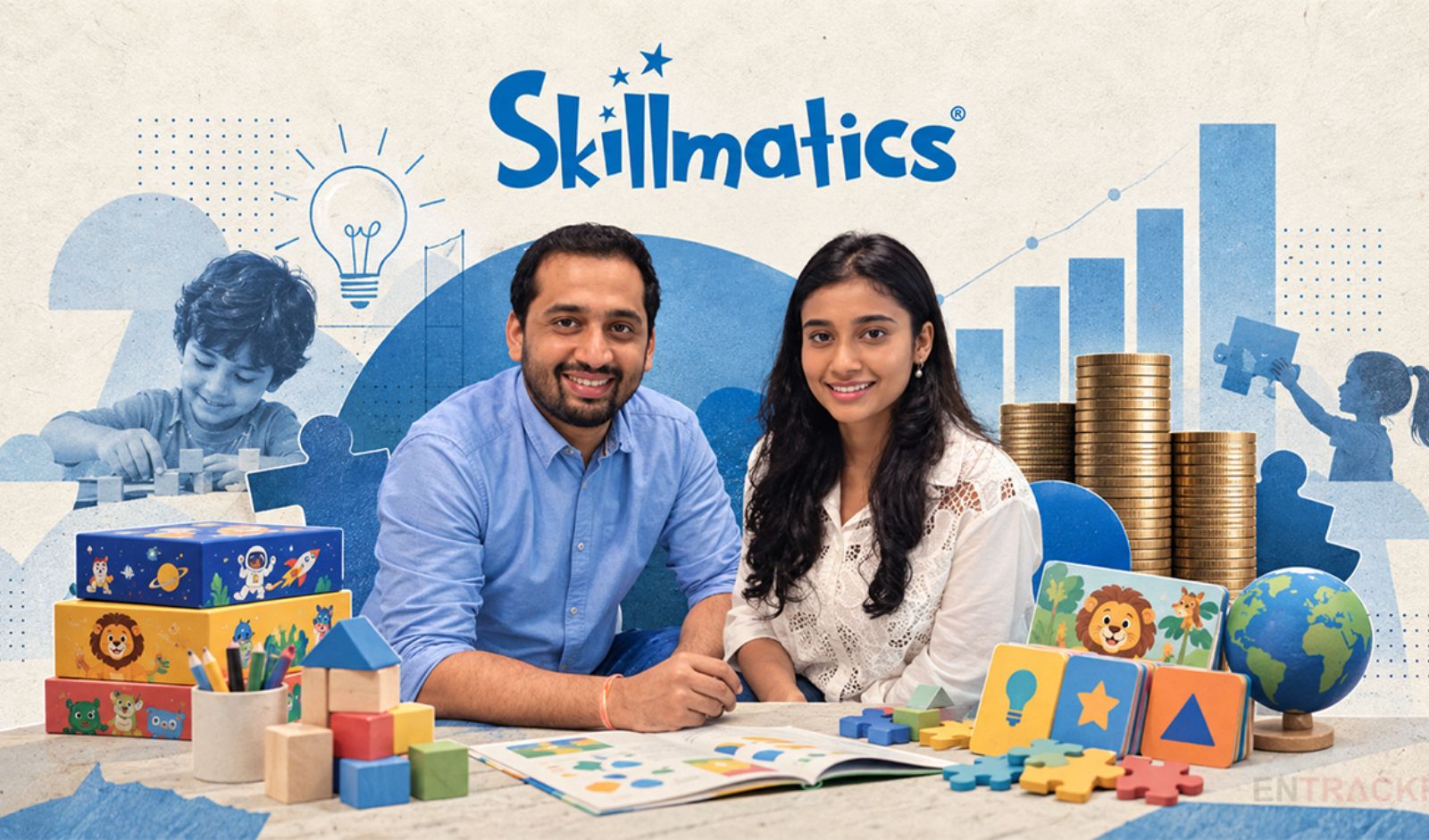
Educational toys and learning games company Skillmatics is reportedly exploring a fresh funding round as it seeks to accelerate growth and expand its business operations. The development comes after the company delivered strong revenue growth while maintaining profitability during FY26.
Skillmatics recorded Rs 659 crore in revenue from operations in FY26, reflecting a 34.5 percent increase from Rs 490 crore in FY25.
Founded as an educational and entertainment-focused brand, Skillmatics operates a direct-to-consumer (D2C) and omnichannel business catering to children aged one to 12 years. The company offers a range of educational toys, activity kits, and learning games through its own digital platforms, online marketplaces, and retail partnerships.
The Mumbai-headquartered company has established a significant international presence, with products available in over 25 countries and distributed through more than 3,000 retail stores worldwide. North America continues to be its largest market and a key contributor to growth.
International operations remained the primary revenue driver during FY26. Approximately 87 percent of the company’s operating income was generated from markets outside India, largely through its US subsidiary, Grasper Global Inc. In addition to operating revenue, Skillmatics earned Rs 7.52 crore through other income streams, taking its total revenue for the year to nearly Rs 667 crore, compared to Rs 496 crore in FY25.
Despite strong top-line growth, the company witnessed a significant increase in expenses. Total expenditure rose by 36.1 percent year-on-year to Rs 652 crore in FY26, up from Rs 479 crore in the previous fiscal.
Marketing continued to be one of the company's largest spending categories, accounting for nearly Rs 169 crore, or around 26 percent of overall expenditure. Manufacturing costs related to toys and games stood at approximately Rs 130 crore, while packaging, logistics, commissions, employee benefits, and other operational expenses also contributed to the higher cost structure.
As a result of rising costs, profit growth remained relatively moderate compared to revenue expansion. Skillmatics reported a net profit of Rs 17.57 crore in FY26, up 4.2 percent from Rs 16.86 crore a year earlier.
The company posted an EBITDA margin of 1.75 percent, while its return on capital employed (ROCE) stood at 5.14 percent during the fiscal year.
On a unit economics basis, Skillmatics spent nearly 99 paise to generate every rupee of operating revenue, highlighting the impact of marketing and expansion-related investments on profitability.
The company closed FY26 with current assets of around Rs 222 crore, including cash and bank balances of Rs 75.5 crore, providing a solid liquidity position as it prepares for its next phase of growth.
Backed by investors including Peak XV Partners and Sofina, Skillmatics has raised approximately $28 million across multiple funding rounds.
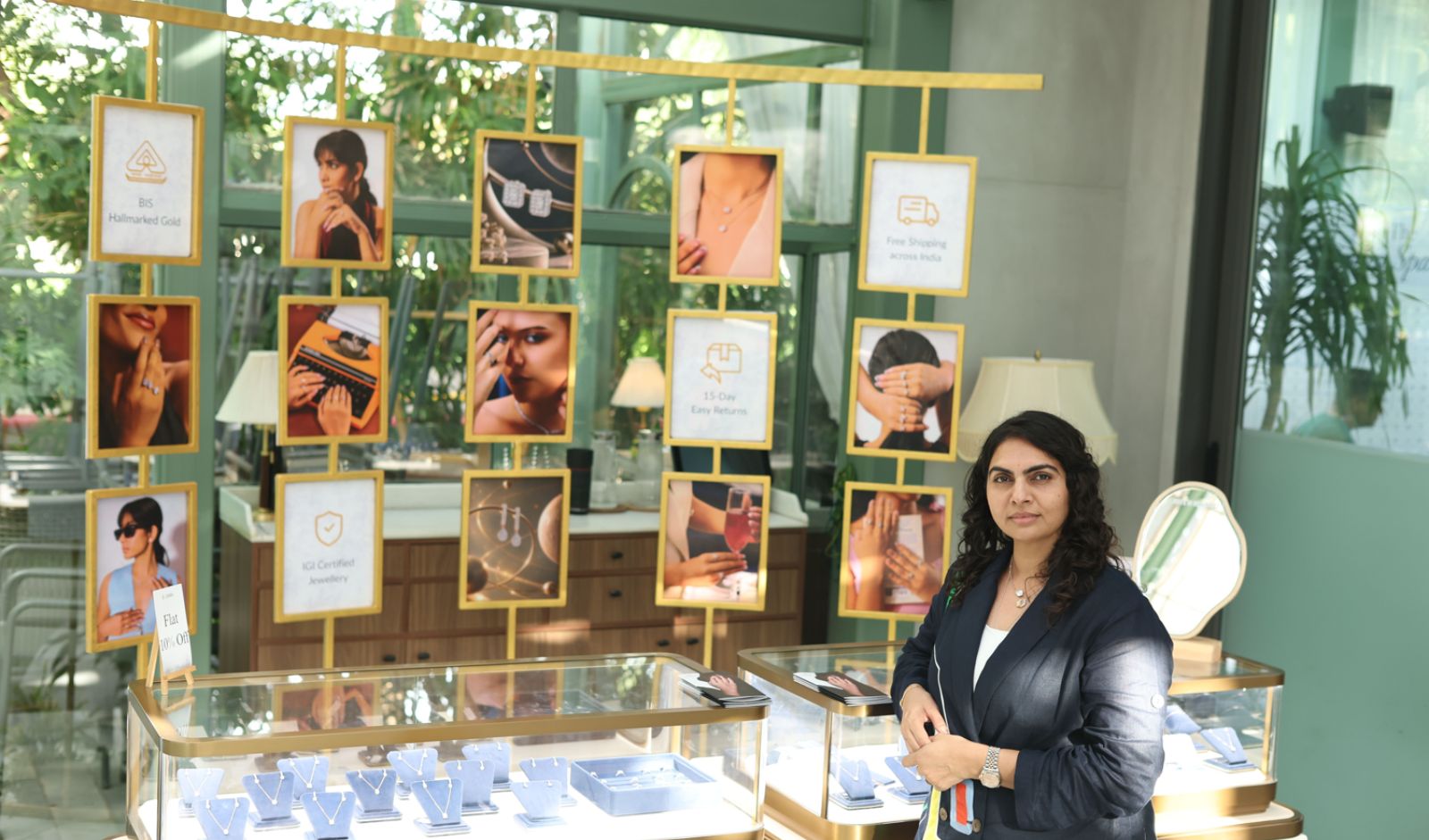
LIMIRA, a newly launched lab-grown diamond jewellery brand, has entered the Indian market with an e-commerce-only business model focused on design, self-expression, and transparency. The brand aims to offer consumers a digital-first jewellery shopping experience, catering to changing buying habits as more customers research and purchase jewellery online.
The launch comes as India's diamond jewellery sector continues to expand. According to the 2025 De Beers India Diamond Acquisition Study, India now accounts for 12 percent of global diamond jewellery demand, up from 10 percent in 2019, making it the world's second-largest diamond jewellery market.
At the core of LIMIRA's approach is a gender-neutral design philosophy that encourages consumers to choose jewellery based on personal preferences rather than traditional gender-based classifications. The brand's positioning is reflected in its tagline, “Not His, Not Hers, Just Yours.”
LIMIRA has introduced four debut collections—Orbit, Fortuna, Ember, and Eterne—each centred around a unique narrative. Orbit celebrates the connection between sisters and close female friendships, while Fortuna reinterprets the horseshoe as a symbol of luck and opportunity. Ember is inspired by meaningful moments and individual expression, and Eterne highlights enduring relationships, memories, and experiences. Through these collections, the brand seeks to position jewellery as a reflection of everyday emotions and personal stories, rather than only major life milestones.
The collection features lab-grown diamond jewellery crafted in 9KT and 14KT gold, available in rose gold, yellow gold, and white gold options. By operating without a physical retail footprint, LIMIRA is placing online discovery and shopping at the centre of its customer journey.
Rashmi Gajera, CEO, LIMIRA said, “We believe diamonds should not be reserved only for milestones and celebrations. They can be part of an individual’s everyday signature, reflecting who they are, how they feel and how they choose to express themselves. LIMIRA was created to rethink not only the jewellery itself, but the experience of discovering and buying it. Our e-commerce-only model allows us to put design, individuality and transparency at the centre of that experience, while lab-grown diamonds open up new possibilities for how consumers engage with diamond jewellery.”
The brand's launch aligns with changing consumer preferences, as jewellery buyers increasingly look for products that resonate with their personal identity, style, and values. Industry trends indicate that jewellery is becoming less tied to traditional occasions and more integrated into everyday fashion and self-expression.
As India's consumer market continues to evolve, LIMIRA is positioning itself to serve a growing segment of shoppers seeking design-led, accessible, and digitally enabled diamond jewellery experiences.
Digital physiotherapy platform Physioplus Healthcare has raised a strategic seed investment from HBF India at a valuation of $800,000, as the company looks to strengthen its technology capabilities and broaden its footprint across the country.
According to the company, the fresh capital will be used to enhance its technology platform, expand its professional network, and increase its presence in multiple markets across India.
Founded in 2022 by Samit Saxena, Jaswant Singh, and Madhukar Pareek, Physioplus Healthcare enables patients to connect with certified physiotherapists through a digital platform. The company offers services including physiotherapy discovery, virtual consultations, patient assessments, clinical documentation, and technology-driven monitoring.
The startup said its platform integrates digital practice management tools, patient records, and remote monitoring capabilities to support physiotherapy treatment and rehabilitation programs. Its offerings cater to a range of health concerns, including chronic pain, musculoskeletal disorders, sports injuries, and post-operative recovery.
Physioplus operates in the growing digital healthcare and physiotherapy segment, where several startups are leveraging technology to improve access to rehabilitation services. Last year, FlexifyMe raised $2.4 million in a pre-Series A funding round led by IvyCap Ventures and Signal Ventures to scale its online physiotherapy platform.
Meanwhile, Stance Health secured $1 million in pre-seed funding in 2025 to expand its technology-enabled musculoskeletal care model, while Rebee Health attracted investment from 1337 Ventures in 2025 to grow its wearable sensor-based digital physiotherapy platform.
With the latest funding, Physioplus Healthcare plans to further develop its digital infrastructure and strengthen its position in India’s evolving physiotherapy and rehabilitation technology market.
Baby-focused quick commerce startup Kiddo has secured Rs 12.5 crore in a pre-seed funding round led by Campus Fund, with participation from several strategic angel investors. The capital will be deployed toward customer acquisition, expansion of its dark store network across Delhi NCR, technology and product development, and strengthening its team.
Founded last year by Ankit Kawatra, Kiddo operates in the baby care and parenting essentials segment, offering rapid delivery services alongside life-stage-based product recommendations tailored for parents.
Industry estimates indicate that India’s baby care market was valued at $31 billion in 2022 and is expected to grow to $56 billion by 2029, supported by a compound annual growth rate of 13 percent to 14 percent.
Since its launch, Kiddo says it has built a catalogue of more than 30,000 SKUs spanning baby essentials, fashion, and related categories. The company currently serves customers in Delhi NCR, focusing on premium households, and plans to further expand its dark store footprint by the end of the year. It also states that its blended gross margins exceed those typically seen among horizontal grocery quick commerce platforms.
The startup operates in a competitive market alongside players such as FirstCry, AllThingsBaby, and OZi, which are targeting the growing baby and kids' commerce space.
Gurugram-based OZi raised $3.3 million in seed funding from Blume Ventures in October last year and later secured $6.2 million in a Series A round led by RTP Global in March this year. The platform offers more than 15,000 products and promises delivery within 60 minutes.
Another player, Bengaluru-based Peeko, raised $3.2 million from Stellaris Venture Partners in August last year before closing a Series A round worth Rs 67.4 crore led by Chiratae Ventures in August 2026. Peeko's portfolio includes baby apparel, toys, gear, and consumables.
The baby commerce sector is also witnessing increased activity from established companies. FirstCry, for instance, has been accelerating its faster-delivery initiatives as demand for convenience-led parenting solutions continues to rise across India.
Ecosys, a laundry and home cleaning products startup, has secured Rs 5 crore in a pre-Series A funding round led by GVFL Prarambh Fund, with participation from Proteus Partners, which is backed by operator-investors Puru Gupta and Sreejith Moolayil.
With this investment, the Mumbai-based company’s total funding raised to date has reached Rs 7.94 crore.
The fresh capital will be utilized to strengthen brand awareness, expand consumer reach through digital channels, and introduce new product formats across the laundry and home-cleaning categories.
Founded in 2017 by Sumit Goyal and Chirag Dangi, Ecosys develops eco-friendly cleaning solutions with a focus on reducing plastic waste. The company is known for its sustainable laundry and cleaning pods, which use 10 ml polyvinyl alcohol (PVA) capsules that dissolve completely in water, eliminating the need for conventional single-use plastic packaging.
The startup offers a range of household cleaning products, including laundry detergent pods, floor cleaners, glass cleaners, bathroom cleaners, and kitchen and utensil cleaning sprays. Its formulations are designed to be biodegradable, non-toxic, and suitable for households with children and pets.
The company operates in a rapidly growing market. Industry estimates suggest that India’s household cleaning products sector is expanding at an annual rate of nearly 14 percent, significantly outpacing the global average growth rate.
Ecosys positions itself as a premium and convenience-driven brand, distributing its products through e-commerce and quick-commerce platforms to reach urban consumers seeking sustainable cleaning alternatives.
The funding comes at a time when India’s home-care and laundry startup ecosystem is witnessing increased demand for environmentally conscious products, including laundry pods, refill solutions, plant-based cleaners, concentrated formulations, and low-waste packaging formats.
Several startups in the segment have attracted investor interest in recent years. Home-cleaning brand Koparo raised Rs 14.5 crore in an extended pre-Series A funding round last year, while Cleevo secured $1 million in seed funding. Sustainable home and personal care brand Beco raised $10 million from Tanglin Venture Partners, and Scrubsy recently secured Rs 27 crore from V3 Ventures in August this year.
Integrated aesthetic surgery platform TRUE ARTIS has secured Rs 11.4 crore in a seed funding round led by Zeropearl VC, as the company looks to expand its presence in the growing aesthetic healthcare segment.
The funding round also attracted participation from Eleven, a diversified business group founded by Sunil Sachdeva, co-founder of Medanta, along with a group of angel investors. Several healthcare and startup operators also participated in the round, including Arjun Vaidya, Dhruv Joshi, Ambarish Gupta, and Vivek Lohcheb, Chief Business Officer at PhonePe, as well as former senior executives from Airtel and OYO.
The fresh capital will be used to establish two new centres in Delhi NCR over the next six to eight months, while also strengthening its surgical infrastructure, recovery facilities, technology capabilities, and patient-care systems. The company also plans to expand its network of plastic and aesthetic surgeons.
Founded in 2025 by Ankit Joshi and Sandeep Upadhyay, TRUE ARTIS operates as an integrated platform for aesthetic surgery and cosmetic procedures. The company combines plastic and aesthetic surgeons, surgical facilities, hospital-grade safety standards, recovery services, and technology-driven patient management under one platform.
TRUE ARTIS offers a range of services across facial aesthetics, breast procedures, body contouring, hair restoration, and non-surgical aesthetic treatments. Its proprietary technology platform supports patients throughout their journey, from initial enquiries and consultations to surgery and post-procedure recovery.
The company stated that it has served more than 10,000 clients and completed over 400 surgeries during the last nine months. Its facilities are equipped with operating theatres, advanced medical equipment, dedicated recovery units, ICU backup support, and private patient suites.
To enhance access to specialised care, TRUE ARTIS works with a multidisciplinary network of full-time and visiting plastic surgeons. This model allows patients to consult multiple specialists through a single platform while receiving treatment under a unified care framework.
Currently, the company operates two centres in Delhi and Gurugram and collaborates with approximately 20 plastic surgeons across Delhi NCR.
The startup also reported a 98 percent client satisfaction rate and stated that its first centre has achieved EBITDA break-even. According to the company, revenue has been growing at a double-digit month-on-month rate, reflecting increasing demand for specialised aesthetic procedures and cosmetic healthcare services.
Premium travel and lifestyle brand Mokobara has secured Rs 170 crore (approximately $18 million) in its Series C funding round, led by existing investor Sauce.VC. The round also saw participation from Peak XV Partners, AYRA Ventures, and Niveshaay Investment.
The fundraise significantly exceeds the Rs 91 crore the company was reportedly seeking earlier and comes at a time when Mokobara has nearly doubled its annual revenue.
Founded in 2019 by Sangeet Agrawal and Navin Parwal, Mokobara offers a range of premium luggage, bags, and travel accessories. Over the past six years, the company has expanded its retail presence to more than 52 stores across India while continuing to strengthen its online business. The brand operates in a growing premium travel accessories market, competing with established luggage companies as well as emerging international brands targeting Indian consumers.
Mokobara was last valued at around $80 million following its Series B funding round in February 2024. The latest investment marks a notable increase in the company’s valuation.
Sauce.VC contributed Rs 109 crore of the total funding. Around Rs 90.7 crore was raised through the issuance of new preference shares, while the remaining portion included a secondary component. The secondary transaction provides liquidity to employee stock ownership plan (ESOP) holders and members of the founding team.
The funding follows a strong financial year for Mokobara. The company’s revenue increased from Rs 117.4 crore in FY24 to Rs 230.2 crore in FY25, reflecting substantial growth driven by investments in retail expansion, brand building, and team development.
The company has continued to invest in strengthening its offline retail footprint, a strategy that has become increasingly important as premium consumer brands seek to build deeper customer engagement beyond online marketplaces.
Mokobara’s latest fundraise also highlights growing investor interest in India’s travel and luggage segment. As more D2C brands establish successful omnichannel operations and expand their physical retail networks, the category continues to attract capital from investors looking to back premium consumer brands with scalable growth potential.
Gurugram-based beauty and personal care quick commerce startup Firi has secured $3 million in a funding round led by 360 ONE Asset.
The investment round also attracted participation from Better Capital, CRED founder Kunal Shah, and several other angel investors.
The newly raised funds will be used to broaden the company’s product portfolio by entering categories such as makeup, fragrances, and other beauty segments. Firi also plans to strengthen its operational footprint by adding more dark stores across Gurugram before expanding into additional markets.
Founded in 2026 by former Uber India executives Vivek Madani and Karishma Rathaur, Firi operates a curated beauty and personal care marketplace focused on rapid delivery. The platform leverages artificial intelligence to evaluate product reviews and other data points before selecting products for its catalog.
According to the company, it has analyzed more than 50 million consumer reviews and shortlisted approximately 3,000 products from the global beauty industry. The platform currently offers products across skincare, haircare, and body care categories.
Firi says its quick commerce model enables deliveries in select parts of Gurugram in as little as nine minutes, catering to growing consumer demand for faster access to beauty and personal care products.
The startup began its pilot operations in January 2026 and officially launched full-scale operations in September 2026. With the latest funding, the company aims to accelerate category expansion and strengthen its presence in the beauty quick commerce segment in India.
Fashion discovery platform Slayd has secured Rs 1.5 crore in a pre-seed funding round led by ajvc, an early-stage investment fund founded by Aviral Bhatnagar.
Following the investment, the startup has been valued at approximately Rs 16.66 crore post-money. The fresh capital will be used to strengthen its team and accelerate the growth of its private-label business, Slayd Originals.
Founded in 2025 by IIT Roorkee alumni Sparsh Jain, Harsh Porwal, and Kumar Prasang, Slayd operates as a fashion discovery platform that brings together products from more than 300 marketplaces and direct-to-consumer (D2C) brands. The company adds nearly 1 lakh new products every month and leverages a proprietary model that assesses products across more than eight parameters to identify emerging fashion trends.
The platform has surpassed 200,000 users and achieved more than 40 percent month-one retention. It also reports that its most active users engage with the platform more than 10 times per month. Currently, Slayd identifies over 2,000 products as emerging bestsellers.
The platform enables users to explore products across multiple fashion and e-commerce platforms through curated collections and personalized recommendations, helping simplify product discovery in a fragmented online retail landscape.
In addition to its discovery platform, the company has expanded into the private-label segment through Slayd Originals, which was launched in beta earlier this year. The brand is currently generating around 1,000 orders per month, the startup said.
“India sees more than 1 lakh new apparel designs launched every month across hundreds of fragmented e-commerce platforms. Yet shoppers still have to navigate multiple platforms to discover what's actually trending. Slayd is building the discovery layer for this fragmented market,” said Sparsh Jain, cofounder, Slayd.
The startup noted that insights generated from its product and trend analysis are also being used to identify styles that can be developed under the Slayd Originals label.
“Our advantage is that we can identify what shoppers want before building it ourselves. By controlling the design and supply chain, we can bring high-demand styles to customers at better prices, with better quality and a more consistent shopping experience,” said Harsh Porwal, cofounder, Slayd.
With the new funding, Slayd aims to expand its workforce and scale operations for Slayd Originals as it strengthens its position in India’s fashion discovery and D2C retail ecosystem.

INTENT, a newly launched Indian premium lifestyle apparel brand founded by Arpita Rout, has entered the market with its inaugural collection, introducing a fresh perspective on everyday clothing that focuses on the connection between the body, climate, and modern lifestyles.
The debut range includes T-shirts, oversized silhouettes, activewear, and everyday essentials designed to transition effortlessly across different aspects of daily life, from work and travel to fitness routines, weekends, and casual wear.
At the heart of the brand is its Body Sense Fibre philosophy, which explores how plant-based fibres can enhance comfort and support everyday performance. Rather than depending on highly synthetic fabrics or overtly technical apparel, INTENT combines natural materials with functional design to create products tailored to contemporary Indian consumers.
Bamboo-derived fabrics play a key role in the brand’s material strategy. The fibre has been selected for attributes such as softness, breathability, and a comfortable feel against the skin, aligning with the company’s focus on wearable, performance-oriented apparel.
According to founder Arpita Rout, the idea behind INTENT emerged from the observation that while people spend most of their lives in everyday clothing, those garments are often not designed around the realities of their bodies, local climate conditions, or daily routines.
“I wanted to create something beyond another clothing or sustainable fashion label. INTENT is about natural performance, bringing together thoughtful design, plant-based fibres and the natural abilities of those fibres to create clothing that feels relevant to real life. We live in our everyday clothes, and I believe they should do more than simply look good. They should feel good, move with us, and keep pace with the way we actually live," shared Arpita, Founder, INTENT
Created specifically for Indian consumers, the collection has been developed to address the demands of everyday environments, including heat, humidity, commuting, air-conditioned spaces, and extended hours of wear.
The brand’s approach to conscious fashion extends beyond traditional sustainability narratives. Instead, INTENT places emphasis on material selection, functionality, durability and repeat usage, with the aim of creating premium wardrobe staples designed for long-term use.
With its market debut, INTENT is positioning itself at the intersection of premium everyday fashion, natural fibres and performance-focused apparel. The company aims to create clothing that delivers functionality without relying on an overtly technical aesthetic.
“The future of everyday wear does not need to be louder or more complicated. It needs to be more intelligent, more comfortable, and more intentional,” added Arpita.
The launch collection is now available through INTENT’s official website.
Bengaluru-based furniture startup Furnishka is raising Rs 26.8 crore through an extended pre-Series A funding round, with participation from a mix of venture investors, angel backers and startup founders. Among the notable investors joining the round are PhysicsWallah founders Alakh Pandey and Prateek Maheshwari, along with Udaan co-founder Sujeet Kumar.
To facilitate the fundraising, Furnishka has allotted 3,183 preference shares at an issue price of Rs 84,157 apiece.
The investment round has attracted capital from Beenext Asia, Bhaarath Sang, Onyx InVen, Amit Jain, Shantanu Jain, Manish Dugar, Mohit Gupta, and Jnabiz Consulting, among others.
Bhaarath Sang has emerged as the largest contributor in the round, committing Rs 10.3 crore. Beenext Asia is investing Rs 3.35 crore, while Onyx InVen and Amit Jain are each contributing Rs 2.37 crore.
Mohit Gupta and Jnabiz Consulting are investing close to Rs 2 crore each. Udaan co-founder Sujeet Kumar is participating with an investment of around Rs 1 crore. PhysicsWallah founders Alakh Pandey and Prateek Maheshwari have each committed Rs 1.14 crore. Shantanu Jain and Manish Dugar are investing approximately Rs 94.3 lakh and Rs 15.1 lakh, respectively.
The transaction appears to be part of a broader funding exercise. While a substantial portion of the committed capital has already been credited to the company’s accounts, the remaining funds are expected to be received shortly.
With this latest raise, Furnishka’s cumulative funding has reached around Rs 70 crore. The company had previously secured Rs 27 crore in a pre-Series A round led by IndiaQuotient in October 2024. That round also saw participation from Sparrow Capital and angel investors, including Sujeet Kumar and Ramakant Sharma.
Founded in 2023 by Ganesh Pawar, Furnishka operates in the omnichannel furniture retail space, integrating online commerce with large-format physical stores. The company offers products across living room, dining room and bedroom categories, with an emphasis on customization, operational efficiency and streamlined supply chain management.

Bengaluru-based direct-to-consumer fashion startup UniqYou has secured Rs 15.8 crore in a seed funding round led by Arkam Ventures and Antler. The investment round also attracted participation from a group of prominent angel investors.
UniqYou’s board approved the issuance of 37,487 Compulsorily Convertible Preference Shares (CCPS) at an issue price of Rs 4,215 per share to raise the capital.
Arkam Ventures emerged as the largest investor in the round, contributing Rs 9.3 crore, while Antler invested Rs 4.96 crore. Angel investor Ankit Garg participated with an investment of Rs 1 crore. Other investors in the round included Abhishek Goyal, Chaitanya Ramalingegowda, Raveen Sastry and Nandita Sinha.
The startup was in discussions to raise approximately Rs 12 crore (around $1.3 million) through a funding round.
Following the latest share allotment, Arkam Ventures will hold a 14.93 percent stake in the company, while Antler’s shareholding will stand at 7.96 percent. Abhishek Goyal and Chaitanya Ramalingegowda will own 1.59 percent and 0.24 percent stakes, respectively.
UniqYou’s post-money valuation is pegged at around Rs 64 crore, or approximately $6.8 million. The newly raised capital will primarily be used to support working capital requirements and other general corporate purposes, according to the company’s filings.
Established in 2026, UniqYou operates in the women’s fashion segment and is focused on building a technology-driven shopping platform. The startup uses artificial intelligence to track emerging fashion trends and curate relevant products for consumers, aiming to offer a more personalized shopping experience.
The funding round comes at a time when investor interest in India’s fashion and apparel startup sector remains strong. Over the past two years, several fashion-focused brands have attracted significant capital to fuel expansion and innovation.
Pee Safe is gearing up for its next stage of growth with plans to broaden its brand portfolio, strengthen its international footprint, expand its quick commerce presence, and explore acquisition opportunities. The sexual and personal wellness company is also setting its sights on a public listing in FY29-30 while targeting revenue of nearly Rs 250 crore by FY27.
Founder Vikas Bagaria said that an IPO continues to be part of the company's long-term roadmap. Pee Safe expects to close FY27 with revenue of around Rs 250 crore, up from Rs 130 crore recorded in the previous financial year. The company, which posted a low single-digit EBITDA loss last fiscal, is now close to break-even and anticipates turning profitable during the current fiscal year. According to Bagaria, revenue exceeding Rs 200 crore this year would place the business firmly on the profitability track.
At present, Pee Safe has no immediate plans to raise additional capital after securing $32 million, or nearly Rs 290 crore, in a Series C funding round in January 2026 led by healthcare-focused private equity firm OrbiMed. However, the company may consider fresh fundraising if it moves forward with acquiring a business or brand.
The company is also expanding its portfolio through new product launches. Its recently introduced women-focused nutraceutical brand, Within, has entered the market with three SKUs. The range includes Inner Bloom, a powdered supplement designed to support gut and intimate health, and Lean Mode, which focuses on appetite management and weight control.
Pee Safe projects Within to contribute approximately Rs 5 crore in FY27, growing to Rs 25-30 crore in the following year and reaching nearly Rs 100 crore within the next three years. Additional products are expected to be introduced by December, leveraging the company’s existing distribution capabilities.
Pee Safe currently has a retail presence across nearly 55,000 outlets in 100 cities across India and operates in 22 international markets.
Digital channels remain the primary revenue driver, contributing nearly 70 percent of overall sales. Within this segment, quick commerce accounts for approximately 35-40 percent of revenue.

Electric two-wheeler manufacturer Ultraviolette Automotive is set to secure an additional Rs 373.04 crore as part of its ongoing Series E funding round, with participation from investors including Yali Capital and TDK Ventures.
The company will issue 8.15 lakh Series E3 compulsorily convertible preference shares (CCPS) at Rs 2,435 per share, raising approximately Rs 197.5 crore. In addition, Ultraviolette has allotted 7.24 lakh Series E4 CCPS, generating another Rs 175.5 crore.
Commenting on the development, the company said, “The investments are part of a currently ongoing fundraise; we have nothing further to add at the moment.”
Of the total amount being raised, around Rs 249.2 crore is being contributed by Yali Capital’s Yali Deeptech Fund I and existing investor TDK Ventures. While TDK Ventures first invested in Ultraviolette in August 2025 when it led the company’s $21 million funding round, Yali Capital is joining the startup’s investor base for the first time.
The funding round has also attracted participation from several angel investors, including Adi Hirji Jehangir, Anshumi Desai, Janak Desai, Mahak Khabia, and Zafar Ahmadullah, among others.
The latest investment follows the company’s $45 million Series E fundraise last year, backed by Zoho and Lingotto. To date, Ultraviolette has raised more than $135 million from investors such as TVS Motor Company, Qualcomm Ventures, Breathe Capital and Mudhal Partners.
The fresh capital comes at a time when Ultraviolette is accelerating its manufacturing expansion plans through the development of its upcoming BIGGA Factory.
The Bengaluru-based electric vehicle maker has outlined plans to invest more than Rs 1,000 crore over the next five years to strengthen its production infrastructure. Of this, approximately Rs 800 crore is earmarked for the new BIGGA Factory, while an additional Rs 200 crore will be deployed toward expanding its existing manufacturing facility in Bengaluru.
The company’s co-founders, Narayan Subramaniam and Niraj Rajmohan, previously stated that the new facility will initially have the capacity to manufacture up to 2.5 lakh vehicles annually, with scope to scale production to 5 lakh units in the future.
The capacity expansion aligns with Ultraviolette’s strategy to broaden its product portfolio and target larger customer segments within the electric two-wheeler market. In addition to its premium performance-focused offerings, the company is preparing to introduce new products such as the Shockwave and Tesseract.
Despite this expansion into broader market segments, the founders emphasized that the company’s long-term vision remains unchanged.
Currently, Ultraviolette’s Bengaluru facility has an installed annual production capacity of around 30,000 vehicles. This is being expanded to between 50,000 and 60,000 units, after which the facility will continue to serve as the company’s engineering, technology and manufacturing hub alongside the BIGGA Factory.
International expansion also remains a key growth priority. The company expects exports to contribute approximately 25 percent of its revenue over the next five years.
Highlighting the significance of the new facility, the founders said, “BIGGA Factory converts that technology foundation into industrial scale,” describing it as a critical step in Ultraviolette’s ambition to build a global electric mobility business.
Ultraviolette entered the United Kingdom market with the launch of its F77 motorcycles in November last year and has previously stated that it operates across 12 countries in Europe.

Actor Triptii Dimri has joined direct-to-consumer eye beauty startup Peep Beauty as an investor and co-creator, strengthening the brand’s efforts to build a dedicated beauty category around coloured contact lenses and eye-focused makeup products.
Dimri has been actively involved in shaping the brand since its early stages, contributing to creative direction, product discussions, and storytelling initiatives in addition to making a financial investment.
Her participation forms part of Peep Beauty’s Rs 12 crore ($1.2 million) pre-seed funding round, which was led by Sadev Ventures. The round also saw participation from iSeed, ISV and TDV, alongside a group of angel investors.
Among the angel investors backing the startup are Arjun Vaidya, co-founder of V3 Ventures; Puneet Gupta, founder of Astrotalk; Roman Saini, co-founder of Unacademy; Gaurav Khatri, co-founder of Noise; and Dhruv Bhasin, co-founder of Arata, among others.
Founded earlier this year by former Keventers co-founder Aman Arora, Peep Beauty operates in the coloured contact lens and eye makeup categories. The startup positions itself as India’s first dedicated eye beauty brand, focusing on products designed to enhance self-expression through eye-centric beauty looks.
The company entered the market with coloured contact lenses as its flagship offering, positioning them as fashion and beauty accessories rather than purely functional products. Peep Beauty said its lenses have been specifically developed for Indian eye tones and consumer preferences.
At present, the brand offers coloured contact lenses in five shades, with each pair priced at Rs 399. It has also expanded into eye cosmetics with the launch of six liquid eyeshadows. The matte variants are priced at Rs 799, while metallic options retail at Rs 849.
Earlier, Aman Arora had indicated that the eyeshadow range was introduced to complement the coloured lenses and help consumers create coordinated eye-focused looks.
Looking ahead, the startup plans to diversify its portfolio by adding products such as mascara and eyeliner. The broader objective is to offer a complete eye beauty ecosystem rather than positioning contact lenses as standalone products.
Peep Beauty also intends to significantly expand its contact lens portfolio over the coming years, increasing the number of available shades to between 15 and 20. In addition to traditional colours such as brown and grey, the company plans to introduce more experimental shades designed for themed events and occasions, including Halloween.
As a digital-first business, the startup will continue to focus on its direct-to-consumer platform while expanding distribution through e-commerce marketplaces and quick-commerce channels. The company also plans to collaborate with creators, makeup artists, dancers, and other cultural influencers to strengthen brand awareness and consumer engagement.
Actor Vijay Deverakonda has ventured into the beauty and personal care segment with the launch of Unhype, a functional skincare brand that he has co-founded and helped develop for the Indian market.
Targeted at consumers between 18 and 30 years of age, Unhype focuses on unisex skincare products designed for daily use. The brand’s formulations have been created to address common environmental and lifestyle factors such as heat, humidity, sweat, sun exposure, pollution, and hard water, which are often associated with skin concerns in India.
Deverakonda played an active role in the brand’s development, contributing to the formulation, testing, and refinement of products before their commercial launch. The actor reportedly tested multiple versions of the products on his own skin over a nine-month period.
Speaking about the venture, Vijay Deverakonda said, “A year ago, I met a team that had its own R&D and manufacturing facilities, and what stood out to me was that they wanted me to be involved in building the brand, not just be the face of it. That’s what made me want to come on board. We spent months working on the formulations, testing and refining them, and I personally tried every version on my own skin for nine months. We wanted to create high-quality products that are effective, simple to use, and affordable, without all the unnecessary hype around skincare. For me, the idea was to make skincare easy and something people can start incorporating into their routine from a young age.”
At launch, the brand is introducing two three-step skincare regimens known as the ‘VD Signature Routines’. Each routine includes a face wash, moisturiser and sunscreen, catering to different skincare needs.
The Acne Safe routine has been formulated for oily and acne-prone skin, while the Brightening routine is designed to address concerns related to tanning and dullness.
The company stated that all products have undergone independent third-party testing and certification, in addition to real-user evaluations. The sunscreen formulation incorporates new-generation UV filters and has been specifically developed for Indian skin tones and climatic conditions.
Unhype will debut through online channels, with pre-bookings opening on September 11. Product deliveries are scheduled to commence from September 21, 2026.

Slikk, India’s first quick-commerce fashion platform, has introduced a new brand identity and revamped app experience as it looks to strengthen its position in the online fashion retail space. The update reflects the company’s efforts to evolve beyond fast delivery and focus on creating a more engaging fashion discovery and shopping journey for consumers.
The rebranding initiative is based on insights gathered from over 2,500 customers. According to the company, extensive conversations and behavioural analysis helped it better understand how consumers discover, evaluate and purchase fashion products, as well as their expectations from modern fashion platforms.
These findings played a key role in shaping Slikk’s updated visual identity, app design and broader brand strategy. The company said the changes are intended to align more closely with evolving consumer preferences and create a more contemporary shopping experience.
As part of the transformation, Slikk has introduced a refreshed logo, a bold black-led visual identity and a redesigned app interface. The company believes the new look provides a stronger and more distinctive presence across its digital channels while reinforcing its ambition to become a preferred destination for fashion shopping.
Akshay Gulati, Co-founder & CEO, Slikk said, “We’ve built Slikk by paying close attention to how people discover, choose, and shop, and our customers have played a pivotal role in shaping where we go next. Speaking to them and analyzing their behavior gave us clear insight into what they want from a fashion platform, an experience that feels relevant, seamless and keeps them engaged. This new identity reflects our growth over the last two years.”
To mark the launch, Slikk has rolled out a campaign centered on the brand’s transformation. The accompanying brand film showcases a series of everyday situations, including a house party, a queue outside a venue, and a Bengaluru traffic jam, where the arrival of a Slikk package triggers a change in mood and atmosphere. The narrative culminates with the unveiling of the company’s refreshed identity and redesigned app.
The company said the updated platform aims to offer a more immersive fashion shopping experience by combining product discovery, visual appeal, and convenience within a single ecosystem.
D2C skincare brand Dot & Key has appointed Siddharth Vaya as Senior Vice President & Business Head, a move aimed at strengthening its leadership team as the company accelerates its expansion across skincare categories, omnichannel distribution, and consumer markets.
The appointment comes at a significant stage in Dot & Key’s growth journey. The skincare brand recently crossed the Rs 1,300 crore Net Sales Value (NSV) milestone and has recorded a 13-fold growth over the past three years, reflecting its rapid rise in India’s highly competitive beauty and personal care sector.
With nearly two decades of experience across the FMCG and personal care industries, Vaya brings a diverse leadership background spanning sales, marketing, category management, and business strategy. Throughout his career, he has worked with direct-to-consumer brands, multinational corporations, and leading Indian consumer goods companies, giving him extensive experience in building and scaling consumer-focused businesses.
Prior to joining Dot & Key, Vaya served as Chief Business Officer at Beardo, where he was responsible for driving business growth while maintaining a focus on profitability. During his tenure, he played a key role in scaling operations and strengthening the brand’s position in the grooming and personal care market.
Before Beardo, Vaya held multiple leadership roles at Marico Limited, one of India’s leading FMCG companies. He managed the company’s Saffola Oils portfolio as Category Head and also led Marico’s Male Grooming category, contributing to brand growth and category expansion initiatives.
Suyash Saraf, Co-Founder & CEO, Dot & Key Skincare said, “Siddharth brings a strong foundation in FMCG and category leadership, backed by a solid track record of scaling consumer brands. His experience spanning sales, marketing, and business, combined with a sharp understanding of the evolving Indian consumer, makes him a valuable addition to our leadership team as we enter this next phase of growth.”
In his new role, Vaya will lead the business as Dot & Key continues to strengthen its presence in the Indian skincare market. The company is expected to focus on expanding its category footprint, enhancing omnichannel capabilities, and driving sustainable, profitable growth across its operations.
Founded in 2018 by Anisha Agarwal Saraf and Suyash Saraf, Dot & Key has grown into one of India’s prominent skincare brands, offering products across categories such as sunscreens, moisturisers, face washes, serums, and lip care. Headquartered in Kolkata, the brand has built a strong presence through a combination of direct-to-consumer channels, e-commerce platforms, and offline retail partnerships.
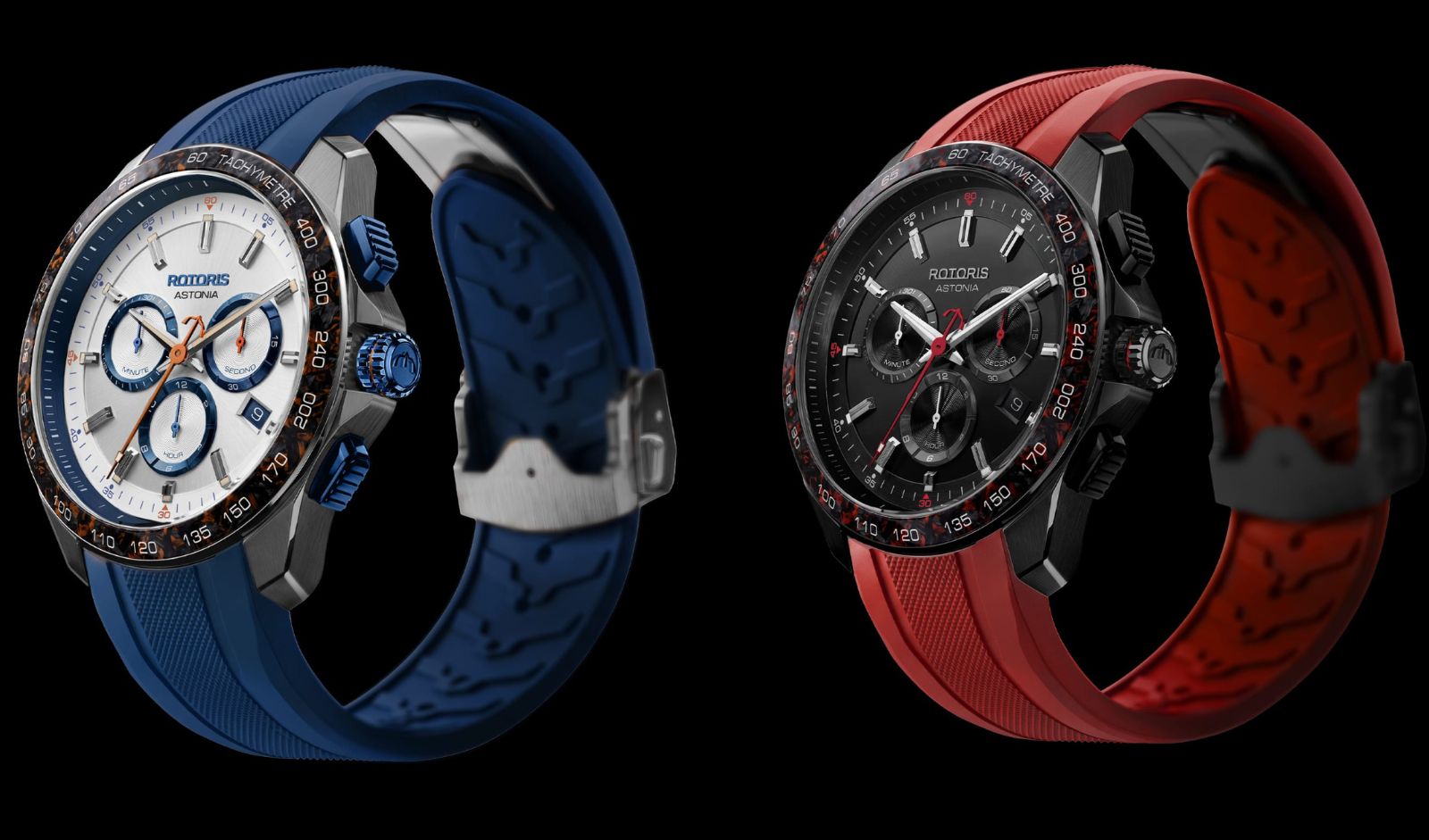
Indian design-led watchmaker Rotoris has unveiled Astonia, its most technically advanced timepiece to date, marking a significant step in the brand’s evolution within the premium watch segment. The new collection will be available through The Rotoris Registry, the company’s allocation-based ownership platform.
Powered by the Ronda 5030.D Swiss chronograph movement, Astonia combines Swiss engineering with premium materials and detailed craftsmanship. The movement features a twelve-hour counter, thirty-minute counter, small seconds display, date function, and Add and Split timing capabilities, positioning the watch as the brand’s most sophisticated offering so far.
The watch is housed in a 42mm case constructed using surgical-grade 316L stainless steel and grade-5 titanium, depending on the variant. It is protected by a high-clarity sapphire crystal, secured with a screwed-in steel caseback, and offers 100 metres (10 ATM) water resistance. Rotoris has also focused on finishing details, incorporating polished bevels, brushed and sandblasted surfaces, one-micron-thick plating, luminous carbon-fibre bezels, and a custom FKM rubber strap designed for enhanced comfort and a more universal fit.
Prerna Gupta, Co-founder, Rotoris said, “Astonia is designed and assembled under our own roof." She further added, "Owning both ends is what lets us push on the finishing, the materials, further than a house this young is expected to. That's the ambition: to keep moving the line of what a watch made here can be.”
The Astonia collection is being introduced in five distinct variants, each built on the same core architecture and Swiss movement platform. The lineup includes Titanium Ice, crafted from grade-5 titanium; Crimson Carbon, featuring a carbon-fibre bezel with crimson detailing; Sunset Carbon, inspired by sunset tones woven through the bezel; Velocity Green, equipped with a green sunray dial and 316L steel case; and Victory Gold, which combines ion-plated gold over steel with a black dial. Every caseback is engraved with the words “Become More”, facing the wearer’s wrist.
The launch also reflects Rotoris’ broader business strategy. The company continues to operate through a direct-to-consumer model, avoiding discounts and focusing on product-led value. Rather than relying on traditional retail channels, the brand manages allocations through The Registry, while its physical locations function as experience-focused galleries designed to showcase the brand and its craftsmanship.
Rotoris said the approach has already delivered strong results. Its founding collection of 2,100 numbered watches was fully allocated and sold directly through invitation-only access without any discounting. The company also noted that approximately 20 percent of those customers came from international markets, helping establish an early global customer base.
Following the same philosophy, Astonia will be limited to 2,175 pieces worldwide, with each watch individually numbered or produced as a limited edition.
Fleet management platform Carrum Mobility has secured $10 million (around Rs 96 crore) in a Series B funding round led by ride-hailing major Uber. The investment marks Uber’s second backing of the company after participating in its $7 million Series A funding round in January 2026.
The newly raised capital will be deployed to strengthen its presence in existing markets, enter new geographies, enhance its technology platform, and support the scaling of operations.
Founded in 2024 by Karan Jain, Carrum Mobility provides fleet management services focused on CNG and electric vehicle fleets. The company leverages technology and data-driven insights to optimize fleet utilization and manage driver operations more efficiently.
Carrum Mobility stated that its business has nearly doubled since Uber’s previous investment earlier this year, supported by growing demand for premium mobility solutions across key urban markets.
As of September 2026, the company operates a fleet of more than 5,000 vehicles across major cities including Bengaluru, Hyderabad, Mumbai, Pune, Delhi, and Kolkata. It also works with over 18,000 driver partners.
The company is further expanding its footprint and expects to launch operations in Chennai during September 2026.
Carrum Mobility operates in an increasingly competitive mobility ecosystem, where technology-enabled fleet operators are attracting significant investor interest.
Among its notable competitors is Everest Fleet, another fleet operator backed by Uber. Everest Fleet received a $20 million investment from Uber in November 2025, following an earlier $30 million investment in September 2024.
The latest funding underscores Uber’s continued focus on strengthening partnerships within India’s fleet management and mobility infrastructure segment as demand for organized transportation services grows.
Carrum Mobility said it has remained profitable since its first month of operations, a notable achievement in the mobility and fleet management sector.
The company also reported reaching an annualized revenue run rate of approximately Rs 400 crore within about two years of launching operations, highlighting its rapid growth trajectory in India’s mobility market.
With the fresh funding, Carrum Mobility is expected to accelerate its expansion strategy while investing in technology and operational capabilities to support the next phase of growth in the CNG and electric vehicle fleet management space.

Digital-first fashion and lifestyle brand Theater has secured Rs 56.25 crore (approximately $6 million) in a Series A funding round, marking a significant milestone in its growth journey after reporting strong performance over the last two financial years.
The funding round was led by Niveshaay, with participation from FirstPort Capital, Skagen Ventures, and several other investors. The latest raise comes less than two years after Theater secured $1.5 million in a pre-Series A funding round led by Prath Ventures in September 2024.
The company’s board approved the issuance of 2,145 Series A Compulsorily Convertible Preference Shares (CCPS) at an issue price of Rs 2,62,224 per share to raise the capital.
Niveshaay emerged as the largest contributor to the round, investing Rs 37 crore. FirstPort Capital followed with an investment of Rs 12.81 crore, while Skagen Ventures contributed Rs 3.36 crore. Other participants in the round included Saket Agarwal, Vishal Julka, and IPV International.
Theater’s post-money valuation has climbed to approximately Rs 402 crore (around $43 million), representing a 4.5-fold increase from its previous valuation of Rs 90 crore.
The company plans to utilize the newly raised capital to accelerate business expansion, address working capital requirements, strengthen its balance sheet, and support long-term growth initiatives.
Founded by Sarthak Aggarwal, Karan Jain, Vikram Jain, and Shruti Aggarwal, Theater operates as a digital-first fashion brand offering a range of products including footwear, handbags, stockings, socks, perfumes, and lifestyle accessories for both men and women.
Following the completion of the funding round, Eternal Emerging Enterprises Fund continues to be the company’s largest institutional shareholder with a 9.71 percent stake. Niveshaay now holds 9.20 percent, followed by FirstPort Capital at 3.19 percent and Vishal Julka at 2.54 percent.
Among the founding team, Sarthak Aggarwal remains the largest individual shareholder with a 20.63 percent stake. Karan Jain and Vikram Jain each own 16.39 percent, while Shruti Aggarwal holds 12.16 percent in the five-year-old fashion startup.
While the company has not yet filed its FY26 financial results, the sharp rise in valuation and successful completion of the Series A round indicate growing investor confidence in the brand’s business trajectory. Theater had reported a 2.37-fold increase in revenue to Rs 33.35 crore in FY25, and its upcoming FY26 performance will be closely watched to assess whether it has maintained its growth momentum.
AI-powered water infrastructure platform DigitalPaani has raised Rs. 22 crore in a funding round led by Navam Capital, with participation from Enzia Ventures, Chakra Growth Capital, 3one4 Capital, Momentum Capital, Achieving Women Entrepreneurs Early Growth Fund, and Echo River Capital. The fresh capital will be used to expand the company’s presence across industrial and municipal sectors, strengthen operational capabilities, and support its plans for international expansion.
According to DigitalPaani, a large proportion of critical water assets, including sewage treatment plants, operate at reduced capacity, often due to operational complexity rather than equipment failure. This can lead to water losses, compliance challenges, and missed opportunities for wastewater recycling and reuse.
Founded to address these issues, DigitalPaani has developed an AI-powered operating system designed to automate and optimise water infrastructure operations. The platform continuously analyses how a facility is designed to function and compares that with real-time operational performance. It identifies inefficiencies, diagnoses root causes, and takes corrective actions through automation, maintenance coordination, equipment management, workforce planning, and inventory optimisation.
The platform is designed to help infrastructure operators achieve better performance while reducing the complexity involved in managing large-scale water assets.
DigitalPaani has already established a notable presence in the sector, with its technology currently deployed across more than 95 facilities nationwide. The company says these facilities collectively treat over 150 million litres of water every day. Its customer portfolio includes organisations such as Britannia, The Leela Hotels, Tata Group, and the Delhi Jal Board, reflecting growing adoption of technology-led water management solutions across both private and public sectors.
The startup has also gained recognition within the global sustainability and innovation ecosystem. DigitalPaani was recently recognised by UpLink, an initiative of the World Economic Forum, as a leading innovator in the water sector. Additionally, co-founder and CEO Mansi Jain was named to the Forbes 30 Under 30 list, highlighting the company’s growing influence within the water technology space.
Mansi Jain, CEO & Co-Founder, DigitalPaani said, "When we started DigitalPaani, we knew the problem was massive — but the opportunity was bigger. This funding validates that intelligent infrastructure management is not a luxury — it's essential. Our team and customers have shown us what's possible, and we're just getting started on our journey to tackle water scarcity globally."
Anjan Ray, Investment Partner at Navam Capital shared, "Intelligent water management for industrial and commercial installations is vital. DigitalPaani's success with a large portfolio of marquee customers and exceptional depth in the domain makes us confident that they are positioned to become the operating system for water infrastructure across India and beyond."
With the newly secured capital, DigitalPaani plans to deepen its market penetration, scale operations to meet growing demand from institutional customers, and build the foundation for long-term growth. As industries and municipalities increasingly prioritise water efficiency, sustainability, and resource conservation, the company is looking to strengthen its role in transforming how water infrastructure is managed in India and, eventually, in global markets.

Direct-to-consumer athleisure brand BlissClub has secured Rs. 160 crore (approximately $16.8 million) in a Series B funding round led by Singularity AMC, with participation from Meesho CEO Vidit Aatrey and existing investors Elevation Capital and Eight Roads Ventures. The investment comes as interest in India’s direct-to-consumer fashion, activewear, and athleisure segment continues to attract investor attention.
The company’s board approved the allotment of 69,247 Series B compulsorily convertible preference shares (CCPS) at an issue price of Rs. 24,503.3 per share, enabling the company to raise Rs. 160 crore.
Among the investors, Singularity AMC emerged as the largest contributor with an investment of Rs. 70 crore, followed by Vidit Aatrey, who invested Rs. 50 crore. Existing backers Elevation Capital and Eight Roads Ventures invested Rs. 24.66 crore and Rs. 15.33 crore, respectively.
The newly raised capital is expected to support BlissClub’s expansion into additional product categories, strengthen its offline retail network, accelerate product development, and enhance hiring efforts as the company enters its next growth phase.
BlissClub’s valuation has risen by approximately 62 percent, reaching around Rs. 860 crore (about $91 million), compared to Rs. 532 crore recorded during its Series A round.
Following the latest investment, Elevation Capital remains the largest institutional shareholder with a 22.19 percent stake in the company, followed by Eight Roads Ventures at 14.24 percent. Singularity AMC, which led the Series B round, now holds 8.14 percent, while Vidit Aatrey owns 6.94 percent. Founder Minu Margeret continues to be the company’s largest individual shareholder with a 37.03 percent stake.
Founded in 2020 by Minu Margeret, BlissClub began as a women-focused activewear brand catering to the Indian market. Since then, it has evolved into an omnichannel athleisure business with more than 40 retail stores and a recently introduced menswear category. Its product portfolio includes leggings, tops, outerwear, and accessories, available through its own website, online marketplaces, and physical stores.
The company is yet to file its annual financial statements for FY26. In FY25, BlissClub reported operating revenue of Rs. 131.58 crore, representing a 51.5 percent increase from Rs. 86.88 crore in FY24. During the same period, its net loss narrowed by 54.1 percent to Rs. 20.16 crore, compared to Rs. 43.92 crore a year earlier.

Hyderabad-based nutrition supplements startup ZeroHarm Sciences has secured Rs. 65 crore (approximately $7.2 million) in a funding round led by Kotak Alternate Asset Managers Limited and Alkemi Growth Capital. The fresh investment will be used to accelerate the company’s growth across India, support its entry into international markets, and enhance its research and manufacturing capabilities.
As part of the round, Kotak Alternate Asset Managers invested Rs. 40 crore through its Kotak Life Sciences Fund I, while Alkemi Growth Capital contributed Rs. 25 crore.
The company plans to utilize the capital to strengthen its domestic market presence while expanding into overseas markets, including the United States, United Kingdom, and the Middle East. In addition, the funding will support investments in product innovation, manufacturing infrastructure, and research initiatives aimed at scaling its consumer health and wellness business.
A key focus area for ZeroHarm Sciences will be the development of its “Trust over Promise” platform, an initiative designed to demonstrate the effectiveness of nutritional supplements through measurable health outcomes.
Founded in 2020 by Sachin Darbarwar and Shweta Darbarwar, ZeroHarm Sciences specializes in plant-based nutritional supplements developed using proprietary nano-formulation technology. According to the company, its patented process transforms plant-derived nutrients into nano-sized particles, helping improve nutrient absorption and enabling controlled release at lower dosages.
ZeroHarm Sciences currently offers a portfolio of more than 60 SKUs spanning multiple health categories, including diabetes management, cardiovascular health, joint care, immunity, gut health, oncology support, women’s wellness, and performance nutrition.
Its products are sold through the company’s direct-to-consumer platform and major e-commerce marketplaces such as Amazon and Flipkart. The brand has also expanded into quick-commerce channels, enabling broader consumer access to its growing range of health and wellness products.
The company reports that it has served more than three lakh customers to date, providing a foundation for its next phase of growth.
The funding comes at a time when India’s nutraceutical and wellness sector is witnessing strong momentum, driven by increasing health consciousness, demand for preventive healthcare solutions, and growing consumer interest in science-backed nutrition products. Recent investments in the broader nutrition and wellness ecosystem highlight the sector’s continued attractiveness to investors.
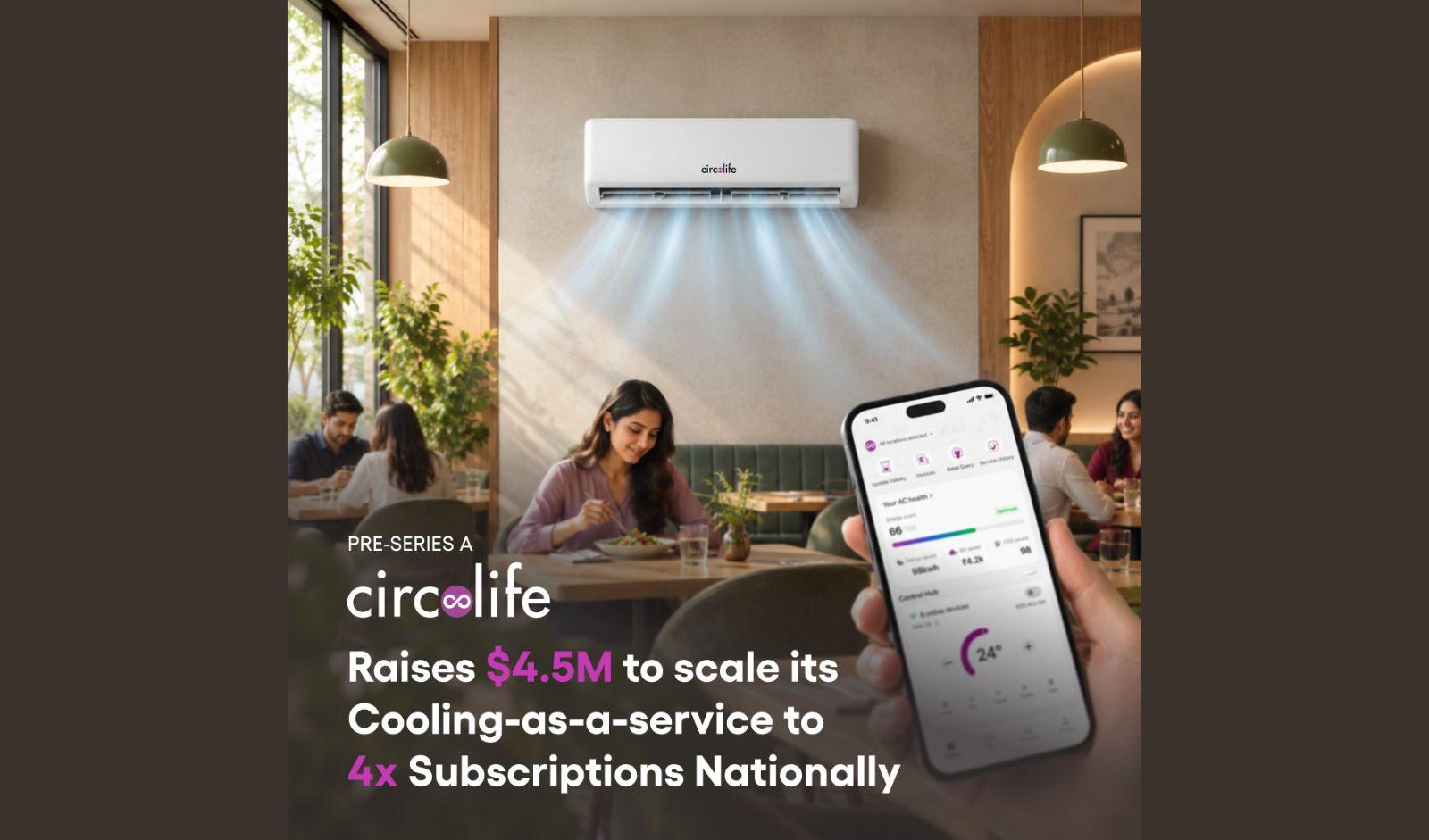
Cooling-as-a-Service (CaaS) startup Circolife has secured $4.5 million (Rs. 40.45 crore) in a Pre-Series A funding round to support its nationwide expansion plans. The round was anchored by Bharat Jaisinghani, Joint Managing Director of Polycab India Limited, and included participation from a mix of individual investors, family offices, and investment firms.
Among the investors participating in the round were Nitish Mittersain, Founder of Nazara Technologies; Intelliquity Ventures; Sumit Jalan; Siddharth Ladsariya and Anand Ladsariya; Anant Goenka; Sky Impact Capital; Rohit Dev; as well as family offices including S N Damani and Vyom Wealth.
Founded to simplify access to commercial cooling solutions, Circolife operates a subscription-based model that allows businesses to install air conditioning systems and pay a recurring monthly fee instead of purchasing and maintaining equipment outright. The company retains ownership of the units throughout the contract period, aligning its business model with long-term energy efficiency and operational performance.
Abhishek Murarka, Co-Founder and CEO, Circolife said, “Five cities and 10,000 subscriptions have shown us this model works. This raise is what lets us actually start building at national scale — the fleet, the field service, the technology — and make Cooling-as-a-Service India's default way to buy cooling, not an alternative to it.”
The company is also investing in AI-driven capabilities and advanced sensor technologies to create digital twins of both individual devices and entire customer sites. These digital models are intended to help optimise cooling performance, improve energy efficiency, and provide greater visibility into system operations.
Bharat Jaisinghani said, “Cooling has always been energy-hungry and high-maintenance, and Circolife makes it effortless — pay monthly, and never think about upkeep again. That effortlessness runs on real technology, quietly monitoring every unit to catch problems before they happen. That's the kind of deep-tech-meets-simple-experience business I look for, and why I backed this team from the start.”
Since launching operations in Mumbai in late 2023, Circolife has expanded to five Indian cities and built a customer base that spans restaurants, hotels, gyms, salons, co-living operators, and enterprise clients. The company currently manages around 10,000 subscriptions and is targeting a fourfold increase in its installed base over the next two years.
Nitish Mittersain, Founder, Nazara Technologies said, “I’m drawn to businesses where every customer and every transaction makes the platform smarter. That creates a powerful compounding advantage. Circolife may look like an AC subscription business on the surface, but underneath it is building a data and intelligence layer that can make the entire fleet more efficient with scale.”
The newly raised capital will be used to expand Circolife’s fleet, enter new markets, strengthen its installation and service capabilities, and further develop its AI-powered IoT platform. The company aims to grow its active unit base to 40,000 installations nationwide within the next 24 months.
Circolife is led by co-founders Abhishek Murarka (CEO), Tushar Patil (COO), and Devanshu Mishra (CTO), supported by Shalin Khanna (CDO & CMO) and strategic advisor Vineet Taneja, former President of Dyson APAC and former Country Head of Samsung India.
Bengaluru-based fabric care startup Iztri has secured Rs. 10 crore (approximately $1.1 million) in a seed funding round led by All In Capital and Suashish Group. The round also saw participation from several angel investors, including Anupam Mittal, Kunal Shah, Tanmay Bhat, Gaurav Munjal, Roman Saini, Abhishek Goyal, the JK Tyre family office, and Shadowfax founders Abhishek Bansal and Vaibhav Khadelwal. Existing backer PedalStart also participated in the funding round.
The fresh capital will be deployed to accelerate the company’s expansion plans, strengthen its operational and technology infrastructure, and deepen its hub network. Iztri also plans to expand beyond its core ironing service into adjacent fabric care segments such as dry cleaning and shoe care. The startup is targeting more than 100,000 customers over the next six months and intends to strengthen its footprint across southern India before entering the country’s top five metro markets over the next two to three years.
Founded in 2024 by Rohit Ramesh and Ankit Choudhary, Iztri began operations in early 2025. Ramesh, a former Unilever professional and MICA Ahmedabad alumnus, brings experience in consumer businesses, while Choudhary, an IIT Delhi graduate and former Shadowfax executive, has expertise in logistics and operations.
Rohit Ramesh, Co-founder, Iztri said, “Fabric care is one of the most frequent services used by urban households, yet the experience remains largely unchanged from decades ago. We started Iztri with a simple belief that reliability should not be a premium - it should be the default. Our ambition is to build the infrastructure that makes fabric care predictable, consistent, and trustworthy, starting with ironing and eventually covering the broader fabric-care needs of urban India.”
Aditya Singh, Co-Founder & Partner at All In Capital shared, “Fabric care is a large, high-frequency category that remains surprisingly unorganized despite the rapid adoption of organized services across other parts of the home services market. Iztri is approaching the opportunity by building the operating infrastructure around the service, rather than simply aggregating existing providers. Its hub-led model, focus on reliability and early customer traction give us confidence that the company can build a differentiated and scalable network. We believe Iztri is well positioned to lead the shift towards organized fabric care in urban India.”
Iztri currently serves more than 25,000 customers across Bengaluru, including residents of several premium housing societies. The company has also generated structured employment opportunities for over 200 blue-collar workers through its hub network, supported by standardized training, defined roles, and operational processes.
Suashish Group stated, “India’s laundry and dry cleaning industry is still highly fragmented, with a lot of room to build a better and more dependable service. Suashish Group is excited to partner with Rohit and Ankit, who have a strong understanding of the category and a clear view of what needs to change”.
Women’s hygiene and wellness brand Pee Safe has broadened its portfolio with the introduction of Within, a new brand dedicated to women’s health, wellness, and nutritional support.
The launch marks Pee Safe’s entry into the growing women’s nutraceuticals category, with the brand aiming to address a range of health concerns through targeted, science-backed formulations. Initially, Within products will be available through Pee Safe’s direct-to-consumer website, with plans to expand distribution across additional digital channels in the coming months.
The brand’s debut portfolio includes three products tailored to specific wellness needs. These include Inner Bloom, designed to support gut and intimate health; Lean Mode, focused on appetite and weight management; and Her Rhythm, which targets menstrual and hormonal wellness.
The product range has been developed using insights gathered from its engagement with women consumers over the years. The formulations have also undergone evaluation and refinement by Pee Safe’s medical advisory board to ensure they align with women’s evolving health requirements.
Vikas Bagaria, Founder, Pee Safe shared, “Pee Safe was built on the belief that women shouldn’t have to accept everyday health concerns as something they simply have to live with. With Within, we’re taking that belief into women’s health and nutraceuticals, recognizing that a woman’s needs evolve through her 20s, 30s, and 40s, and cannot be addressed with a one-size-fits-all solution. We’re building products around specific health needs, backed by science, medical expertise, and a deeper understanding of women’s bodies, rather than following trends. Our ambition goes beyond supplements; we want Within to help women understand what’s happening within their bodies, have the conversations they’ve often been hesitant to have, and make more informed choices about their health.”
With the launch of Within, Pee Safe is looking to strengthen its presence in the broader women’s wellness market by addressing preventive health and nutrition needs alongside its existing hygiene-focused offerings.
The company stated that the products are manufactured at facilities that hold certifications and registrations such as GMP, ISO, FDA registration, HACCP, and FSSAI licences. It also noted that ingredients used in the formulations undergo quality and safety assessments as part of the manufacturing process.
Direct-to-consumer men’s apparel brand DaMENSCH has secured fresh funding from existing investor A91 Partners and new backer Tancom Electronics. However, the latest capital infusion has come at a largely unchanged valuation, reflecting a market environment where apparel startups are increasingly being assessed on their path to profitability rather than growth alone.
The funding follows the company’s extended Series B round in May 2024, when it raised Rs 21.62 crore (approximately $2.5 million) from its existing investors.
DaMENSCH’s board has approved the issuance of 887 compulsorily convertible preference shares (CCPS) to A91 Partners at a price of Rs 1,69,052 per share, raising Rs 15 crore.
In a separate transaction, the company allotted 168 CCPS to Tancom Electronics at an issue price of Rs 1,42,692 per share, generating an additional Rs 2.40 crore. Combined, the two investments have brought in Rs 17.40 crore in fresh capital.
The round values DaMENSCH at around Rs 600 crore (approximately $63.5 million), broadly in line with its earlier valuation range of $70-75 million, indicating a flat valuation compared to previous fundraising activity.
The company intends to utilise the newly raised funds to support operational requirements and fuel future business growth.
Founded in 2018 by Anurag Saboo and Gaurav Pushkar, DaMENSCH operates as a D2C men’s fashion and lifestyle brand, offering a range of products across innerwear, casualwear and everyday essentials through its own website and online marketplaces.
To date, the company has raised more than $28 million in funding, including a $16.6 million Series B round led by A91 Partners in February 2022.
Following the latest investment, A91 Partners continues to be DaMENSCH’s largest shareholder with a 22.45 percent stake. Matrix holds 12.76 percent, while Saama Capital and Whiteboard Capital own 11.14 percent and 9.61 percent, respectively. Co-founders Gaurav Pushkar and Anurag Saboo each retain a 10.87 percent stake in the company.
DaMENSCH has not yet reported its FY26 financial performance. In FY25, the company recorded a 34 percent increase in revenue, reaching Rs 118 crore.
Quick food delivery startup Swish is set to bring Bertelsmann India Investments on board as a new institutional investor through a fresh funding round, underscoring continued investor confidence in the rapidly evolving 10-minute food delivery segment.
The Bengaluru-headquartered company is raising Rs 224.54 crore (approximately $24 million) through an extended Series B round spearheaded by Bertelsmann India Investments, with participation from several of its existing backers.
The latest fundraising comes within months of Swish’s previous capital infusion. Earlier this year, in March, the startup secured $38 million in a financing round led by Hara Global and Bain Capital Ventures.
Swish’s board has approved a special resolution to issue 4,123 Series B2 compulsorily convertible preference shares at a price of Rs 5,44,616 per share, enabling the company to raise the planned capital.
Under the proposed investment, Bertelsmann India Investments will contribute Rs 143.34 crore (around $15 million), marking its entry into the company’s shareholder base. Existing investors are also increasing their exposure, with Bain Capital Ventures investing Rs 62 crore (approximately $6.5 million), Accel contributing Rs 14.32 crore, and Hara Global adding Rs 4.8 crore.
Swish’s post-money valuation is expected to climb by more than 30 percent to roughly Rs 1,653 crore ($175 million), compared to its valuation of Rs 1,268 crore following the $38 million round announced earlier this year.
After the completion of the transaction, Bertelsmann India Investments is expected to hold an 8.67 percent stake in the company. Accel will continue as the largest shareholder with a 23.48 percent holding, followed by Hara Global at 17.93 percent and Bain Capital Ventures at 9.97 percent. Co-founders Aniket Shah, Sureshkumar Saran, and Ujjwal Sukheja are expected to retain ownership stakes of 10.98 percent each.
Founded in 2024, Swish operates a hyperlocal food delivery model centred on delivering meals within 10 minutes. The company relies on a network of strategically located cloud kitchens positioned close to customer demand clusters, allowing it to serve orders within a limited delivery radius and reduce turnaround times.
Before the current round, Swish had raised nearly $54 million in total funding, including a $14 million investment secured in March 2025.
The startup commenced operations in July 2024 and reported revenue of Rs 4 crore during the eight-month period ending FY25. During the same period, it posted a loss of Rs 19 crore. The company has not yet disclosed its financial performance for FY26.
Pet food and nutrition company Lickicious has secured Rs 19 crore in growth funding through a combination of equity investment and institutional debt, as it gears up to accelerate expansion and target Rs 100 crore in annual revenue.
The funding round received institutional support from Prath Ventures, while the startup also counts the founders of Atomberg and several senior industry executives among its early investors.
Established in 2024 by Shashwat Sahai and Chandan Jha, Lickicious operates under Nuvexo Wellness Pvt Ltd and offers a range of food and nutrition products designed for dogs and cats.
The newly raised capital will primarily be directed toward enhancing capacity, building organisational capabilities and broadening product categories. As part of its expansion strategy, the company is setting up a 60,000 sq. ft. manufacturing and distribution facility aimed at increasing production output, improving supply consistency and ensuring tighter quality control.
In addition, Lickicious plans to strengthen key business functions including research and development, manufacturing, quality assurance, supply chain management, branding and commercial operations.
The company is also looking to widen its product portfolio across multiple categories, formats and pet species, while expanding its reach through additional sales channels. This marks a shift from its current digital-first approach toward a more comprehensive omnichannel pet nutrition model.
Lickicious has set an ambitious goal of achieving Rs 100 crore in annual revenue and aims to establish itself among India’s top three pet food companies within the next ten years.
“Our next phase is about building better products, stronger manufacturing and a stronger brand,” said Shashwat Sahai, Co-founder of Nuvexo Wellness.
Commenting on the investment, Harmanpreet Singh, Managing Partner at Prath Ventures, noted that India’s pet food sector is increasingly being shaped by product quality and consumer trust. He added that Lickicious is making strategic investments in manufacturing capabilities, product innovation, category development and channel expansion to fuel its future growth plans.
The company’s offerings are built around principles such as palatability, transparent nutrition and quality standards, catering to the evolving needs of pet owners seeking nutrition-focused products for their dogs and cats.
Women’s wellness startup Nua has secured $50 million in a Series C funding round led by Peak XV Partners and Filter Capital, with continued backing from existing investors Mirabilis Investment Trust and Footpath Ventures.
The investment comprises a mix of primary and secondary capital, enabling partial exits for early backers including Kae Capital, Lightbox VC and a group of angel investors.
Headquartered in Mumbai, Nua has now raised nearly $71.5 million in total funding. Its previous fundraising came in February 2025, when the company secured $4 million (Rs 35 crore) in a pre-Series C round led by Mirabilis Investment Trust.
According to the company, the newly raised capital will be deployed towards strengthening brand visibility, expanding its distribution footprint, and accelerating investments in research, development, and product innovation.
Peak XV noted that Nua has grown into the second-largest online brand in India’s women’s wellness segment.
Established in 2017 by Ravi Ramachandran, Nua operates across multiple categories including period care, maternity care and intimate wellness products. The company states that its offerings currently reach more than 3 million women and girls every month.
Nua also reported significant business growth over the past two years, claiming that its annualised revenue run rate has increased fivefold—from Rs 100 crore to Rs 500 crore—while maintaining profitability.
In addition to its product portfolio, the company has expanded into digital wellness solutions through platforms such as the Nua Period Tracker App and SecretKeeper chat, aimed at supporting women with health-related information and guidance.
The latest funding will support Nua’s plans to strengthen its position in the women’s wellness market, broaden its range of products and services, and address the changing needs of women and girls through both physical and digital offerings.
The $50 million raise ranks among the largest funding rounds in India’s women’s hygiene and wellness sector. The deal exceeds the $32 million funding secured by Pee Safe earlier this year.

Sugar Cosmetics has secured Rs 144.5 crore in fresh funding from existing backer A91 Partners, as the beauty brand continues to grapple with slowing growth and profitability challenges. The investment comes at a time when several early investors are reportedly exploring exits, offering their holdings at significant discounts compared to the company’s peak valuation.
Sugar’s board approved the issuance of 1,12,248 Series CCPS at a price of Rs 12,871 per share, enabling the company to raise Rs 144.5 crore. A91 Partners subscribed to the entire allotment.
Sugar’s post-money valuation is approximately Rs 755 crore, marking a steep 75 percent decline from its peak valuation of nearly Rs 3,000 crore. Following the transaction, A91 Partners’ stake in the company is expected to rise to about 19.97 percent.
Sugar was in discussions to raise between Rs 140 crore and Rs 150 crore from A91 Partners at a valuation ranging from Rs 500 crore to Rs 600 crore.
The primary capital infusion also coincides with secondary stake-sale discussions involving some of Sugar’s existing investors. Market sources suggest that shareholders are seeking buyers for stakes worth as much as Rs 150 crore, with several early investors willing to sell at valuations considerably below the company’s earlier highs.
The situation highlights the sharp correction in valuations that many direct-to-consumer (D2C) startups have experienced since the funding boom of recent years.
Sugar Cosmetics was last valued at around $400 million (approximately Rs 3,000 crore) in 2022, when it raised $50 million in a Series D funding round led by L Catterton. During that period, the company was aggressively expanding its offline retail presence and had established itself as one of the country’s prominent youth-focused beauty brands.
Since then, however, the company’s financial performance has come under pressure. In FY25, Sugar reported a 20 percent decline in revenue to Rs 404 crore, compared to Rs 505 crore in FY24. Its net loss widened sharply to Rs 135 crore, nearly double the Rs 68 crore loss recorded a year earlier.
Founded by Vineeta Singh and Kaushik Mukherjee, Sugar Cosmetics began as a digital-first beauty brand before expanding into offline retail. Today, the company markets a range of makeup and personal care products through online marketplaces, its direct-to-consumer platform, and an extensive retail network.
The latest fundraising round presents a stark contrast to the optimism surrounding Sugar’s 2022 financing. While A91 Partners has chosen to increase its commitment to the business with fresh capital, other investors are reportedly looking for liquidity at substantially reduced valuations.
For Sugar, the new funding provides much-needed financial support as it works to steady operations and navigate a challenging market environment. At the same time, the revised valuation reflects a significant shift in investor sentiment, placing greater emphasis on sustainable growth, profitability, and stronger unit economics.
Despite the valuation reset, Sugar’s prospects are not entirely diminished. The company continues to benefit from strong brand awareness and a wide distribution footprint. Its ability to refine its product offerings, improve operational efficiency, and reignite growth will likely determine the next phase of its journey.

Homegrown sneaker brand Comet has secured approximately Rs 100 crore in a Series B funding round led by Belgian investment firm Verlinvest, as the company looks to accelerate its growth strategy through retail expansion, product innovation, and technology development.
The round also saw participation from existing investors Elevation Capital and Nexus Venture Partners, alongside a group of prominent angel investors including Urban Company cofounder Abhiraj Singh Bhal, Snap’s Global Chief Business Officer Ajit Mohan, and Bhaane founder Anand Ahuja.
The latest fundraise values the Bengaluru-based startup at around Rs 535 crore, representing a more than threefold increase from its post-money valuation of approximately Rs 167 crore following its Series A round in 2024.
Founded in 2023 by Utkarsh Gupta and Dishant Daryani, Comet has emerged as one of the new-age Indian sneaker brands seeking to carve out a space in the country’s growing premium footwear market. The company currently offers four sneaker models and plans to significantly broaden its portfolio over the coming months.
The fresh capital will be deployed towards expanding Comet’s physical retail presence, enhancing product development capabilities, strengthening technology infrastructure, and increasing investments in research and development. As part of its product strategy, the startup is also working on developing proprietary sole moulds and tooling systems for future footwear launches.
Comet plans to double its product lineup from four to eight footwear models by the end of next year. The company is also preparing to introduce a dedicated women-focused sneaker range, supported by customised sole tooling developed specifically for the category.
The brand has witnessed rapid growth since its last institutional funding round, reporting a ninefold increase in revenue during the period. Alongside its online operations, Comet has been steadily building an offline presence and is expected to reach 10 retail stores this month.
Looking ahead, the company aims to expand its retail network to 20 stores by the end of FY27, reflecting its focus on creating a stronger omnichannel presence and improving accessibility for consumers across key markets.
Financially, Comet reported strong topline growth in FY25, with revenue increasing nearly four times to Rs 29 crore. However, as the company continued investing in growth initiatives, its losses widened to Rs 4.39 crore during the same period. The startup has not yet filed its financial results for FY26.
The funding comes at a time when India’s sneaker and lifestyle footwear market is witnessing growing consumer interest in homegrown brands. Comet operates in an increasingly competitive segment that includes emerging players such as Gully Labs, Neeman’s, ARCs, and Doc Sneakers, all of which are targeting young consumers through design-led products and direct-to-consumer business models.
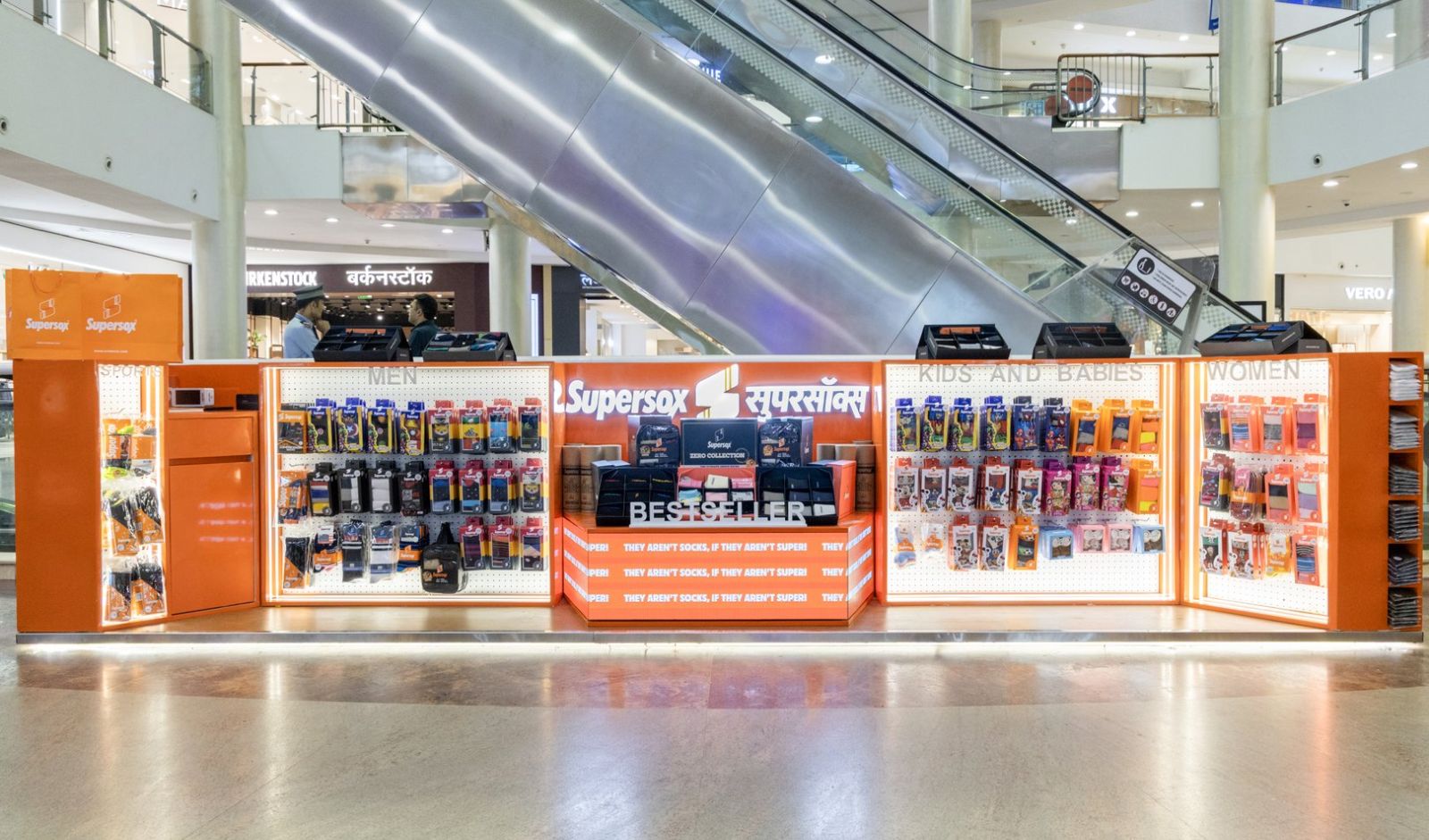
Homegrown socks and hosiery brand Supersox has made its debut in physical retail with the launch of its first-ever kiosk at Lakeshore Mall, Thane West, Maharashtra. The move marks a significant milestone for the brand as it expands beyond its established online and general trade operations to strengthen its direct engagement with consumers through an offline retail presence.
The new kiosk represents Supersox’s entry into organised retail and is expected to serve as a platform for showcasing the brand’s extensive portfolio to shoppers in a high-footfall environment. Located at Lakeshore Mall, a prominent shopping destination situated off the Eastern Express Highway in Thane, the outlet is strategically positioned to attract a diverse customer base from the Mumbai Metropolitan Region.
At the kiosk, consumers will be able to explore a wide range of products across categories for men, women, and children. The offering also includes licensed collections developed in partnership with globally recognised entertainment franchises such as Disney and Marvel. These collections feature popular characters including Spider-Man, the Avengers, Disney Princesses, Mickey Mouse, and The Lion King, catering to both children and adult fans of the brands.
Supersox has built a sizeable product portfolio over the years and currently offers more than 10,000 stock-keeping units (SKUs) and over 100,000 unique designs. The company draws on more than five decades of experience in the socks and hosiery industry, having established a presence across e-commerce platforms and general trade networks before making its move into dedicated retail formats.
The brand believes the physical retail channel will provide customers with a more immersive shopping experience, allowing them to interact with products firsthand and discover the breadth of its collections in a way that online channels cannot fully replicate.
Harsh Saraf, Director, Supersox said, "Expanding into retail allows us to bring the Supersox experience closer to our customers. It gives shoppers the opportunity to physically see our products, explore our wide range and directly engage with the brand, helping us build stronger relationships with our customers."
The launch comes as an increasing number of digitally driven consumer brands look to establish a presence in offline retail to complement their online operations. Physical stores and kiosks are increasingly being viewed as important touchpoints for enhancing brand visibility, strengthening customer engagement, and driving product discovery.
For Supersox, the Lakeshore Mall kiosk serves as the first step in this direction and could pave the way for further retail expansion in the future. By combining its existing online reach with an offline presence, the company aims to create a more integrated shopping experience for consumers.
The brand has also strengthened its consumer outreach through celebrity associations and is currently backed by Bollywood actor Kartik Aaryan, who serves as its brand ambassador.
Cradlewise, a direct-to-consumer startup focused on sleep technology for infants and children, has secured $12 million in a Series A funding round led by 3one4 Capital and Prudent Investment Management. The fresh investment will support the company’s plans to scale operations, broaden its product portfolio, and strengthen its presence in international markets.
The San Francisco-headquartered company said it will deploy the capital towards growth initiatives, channel expansion, product research and development, and geographic expansion. As part of its next phase of growth, Cradlewise also plans to diversify its distribution network through offline retail stores, strategic partnerships, and additional sales channels, complementing its existing online and ecommerce presence.
Founded in 2019 by husband-and-wife duo Radhika Patil and Bharath Patil, Cradlewise has built its business around technology-enabled sleep solutions for young children. Its flagship product is an AI-powered smart crib equipped with sensors and an integrated monitoring system that can detect early signs of a baby stirring. The crib automatically responds with adaptive motion designed to soothe the child before they fully wake up.
The smart crib is connected to a mobile application that allows parents to monitor their child remotely, track sleep patterns, and access personalised sleep insights. Over time, the platform learns a baby’s sleep behaviour and adapts its responses accordingly. Currently, Cradlewise’s products cater to children up to 24 months of age.
With the latest funding, Cradlewise is looking beyond its core crib business. The startup plans to develop a broader range of sleep-focused products for older children, including software-led sleep routines, new sleep hardware, and lower-cost product offerings. It is also working on reusable sensing and electronics modules that could reduce development timelines for future products.
The round takes Cradlewise’s total funding to $26 million. Existing investors include Sean O’Sullivan Ventures, Footwork VC, Charles River Ventures, 3one4 Capital, and Prudent Investment Management. Prior to this, the company raised $7 million in seed funding in 2021.

Wearable technology startup Ultrahuman has secured $70 million in fresh funding in a round led by Qualcomm Ventures, with participation from Labcorp, Alpha Wave, Blume Ventures, Nexus Venture Partners, Alteria, and other investors.
The Bengaluru-headquartered company said the newly raised capital will be directed towards product innovation across areas including sensing technologies, artificial intelligence, miniaturised electronics, health algorithms, clinical science, and research initiatives.
The funding round follows reports of Ultrahuman’s latest capital raise that surfaced through the company’s regulatory filings earlier this week.
The round values the company at approximately $363 million post-money, representing a significant increase from its earlier Series B valuation. Ultrahuman had previously raised $35 million in Series B funding and $17.5 million in Series A funding in October 2022.
With the new investment, Ultrahuman is looking beyond its roots as a wearable health technology company and aims to position itself as a human-computer interface platform powered by data generated from the human body. Its ecosystem currently integrates information from products such as the Ultrahuman Ring, Blood Vision, M1 and M2 Live continuous glucose monitoring systems, Ultrahuman Home, and the Jade AI platform. Together, these solutions monitor physiological, biochemical, metabolic, and environmental parameters.
The company has also expanded its research-focused efforts through Pulsomics, an opt-in initiative that enables Ultrahuman Ring users to participate in health studies. Existing research programmes are centred on areas such as sleep quality, VO₂ Max, and glucose metabolism.
In addition, Ultrahuman offers a range of health-tracking capabilities, including AFib Detection, Cycle & Ovulation Pro, and Cardiovascular Fitness Age, alongside its PowerPlugs feature set that delivers additional health and wellness insights.
The startup has demonstrated strong financial growth in recent years. For FY25, Ultrahuman reported revenue of Rs 565 crore and a profit after tax of Rs 73 crore. The company has also indicated plans to achieve approximately Rs 1,000 crore in revenue during FY26, supported by further expansion in global markets.
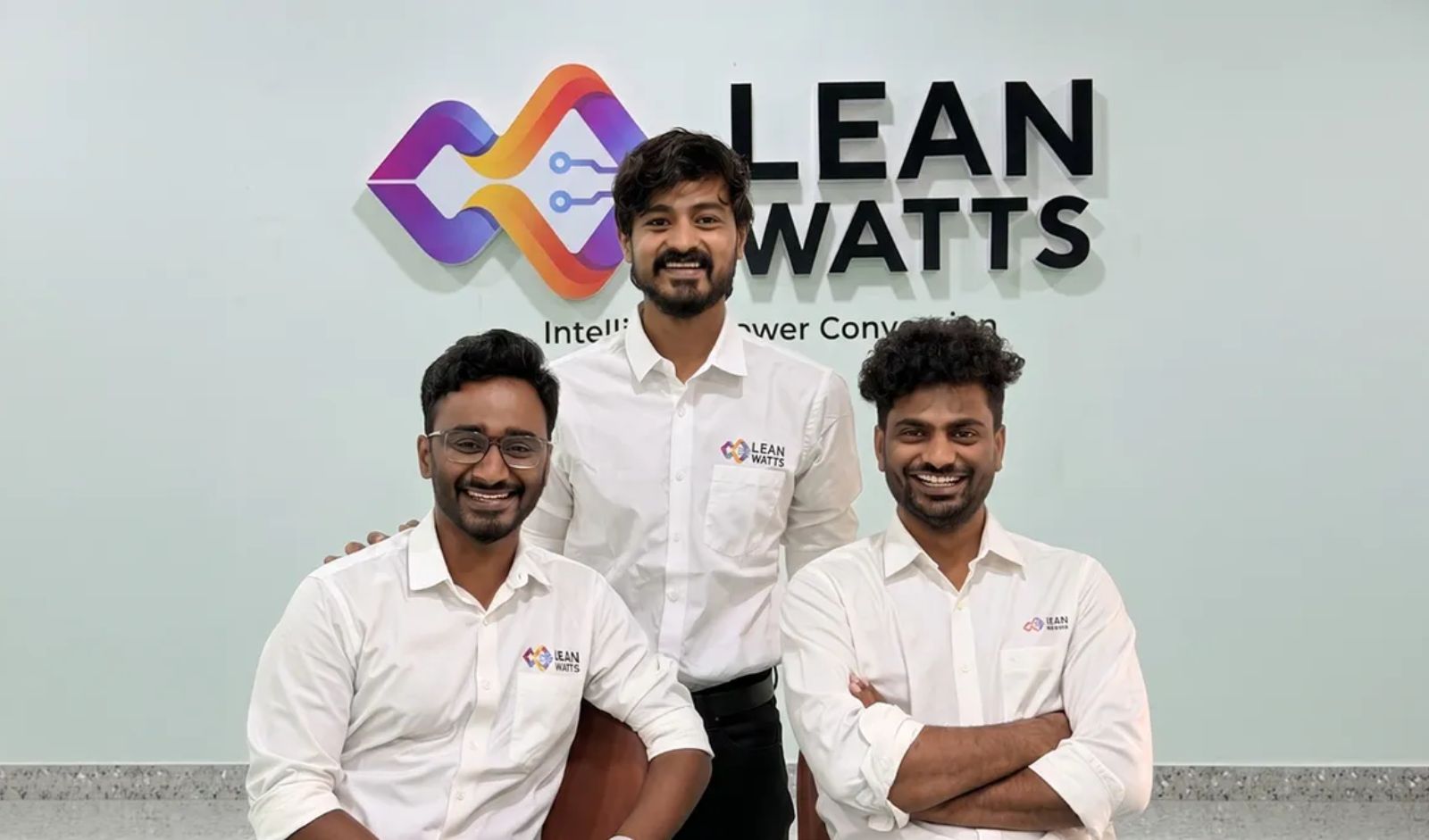
Leanwatts, a Hyderabad-based power electronics startup, has secured approximately $2 million (Rs 18.15 crore) in seed funding through two tranches. The round was led by Trivest Partners and also saw participation from angel investors Abraham George and Alok Rungta.
The newly raised capital will be deployed to strengthen its supply chain network, deepen localisation efforts, expand manufacturing capacity, and accelerate the growth of its power electronics portfolio. Established in October 2023 by Pradeep Chowdary, Sujith Kumar, and Abhilash Reddy, Leanwatts designs and manufactures power electronics solutions. The company has built in-house expertise spanning hardware design, embedded firmware and software development, product engineering, validation, testing, and quality assurance.
The startup began its journey with a focus on electric vehicle charging technologies and currently offers a range of portable and onboard chargers between 500W and 6.6kW. These solutions cater to electric two-wheelers, L2 and L5 vehicles, as well as electric tractors.
Going forward, Leanwatts aims to diversify its product portfolio by entering segments such as public EV charging infrastructure, rectifiers, power modules, hybrid inverters, and other power conversion technologies.
In addition to product development, the company is collaborating with engineering institutes on industry-focused research and development initiatives. Leanwatts is targeting an annualised revenue run rate of nearly Rs 60 crore ($6.25 million) by March 2027, supported by the scaling of its existing EV programmes and the rollout of new applications.
The startup operates in a competitive landscape alongside companies such as Neenjas Electric, Dynolt, and IPEC.
India’s power electronics sector has witnessed growing investor interest in recent years, particularly among startups building solutions for EV charging, power conversion systems, inverters, and related technologies. Recent funding activity in the space includes Zenergize Technologies raising $4 million in a pre-Series A round and Enerzolve Smart Technologies securing $5.1 million.
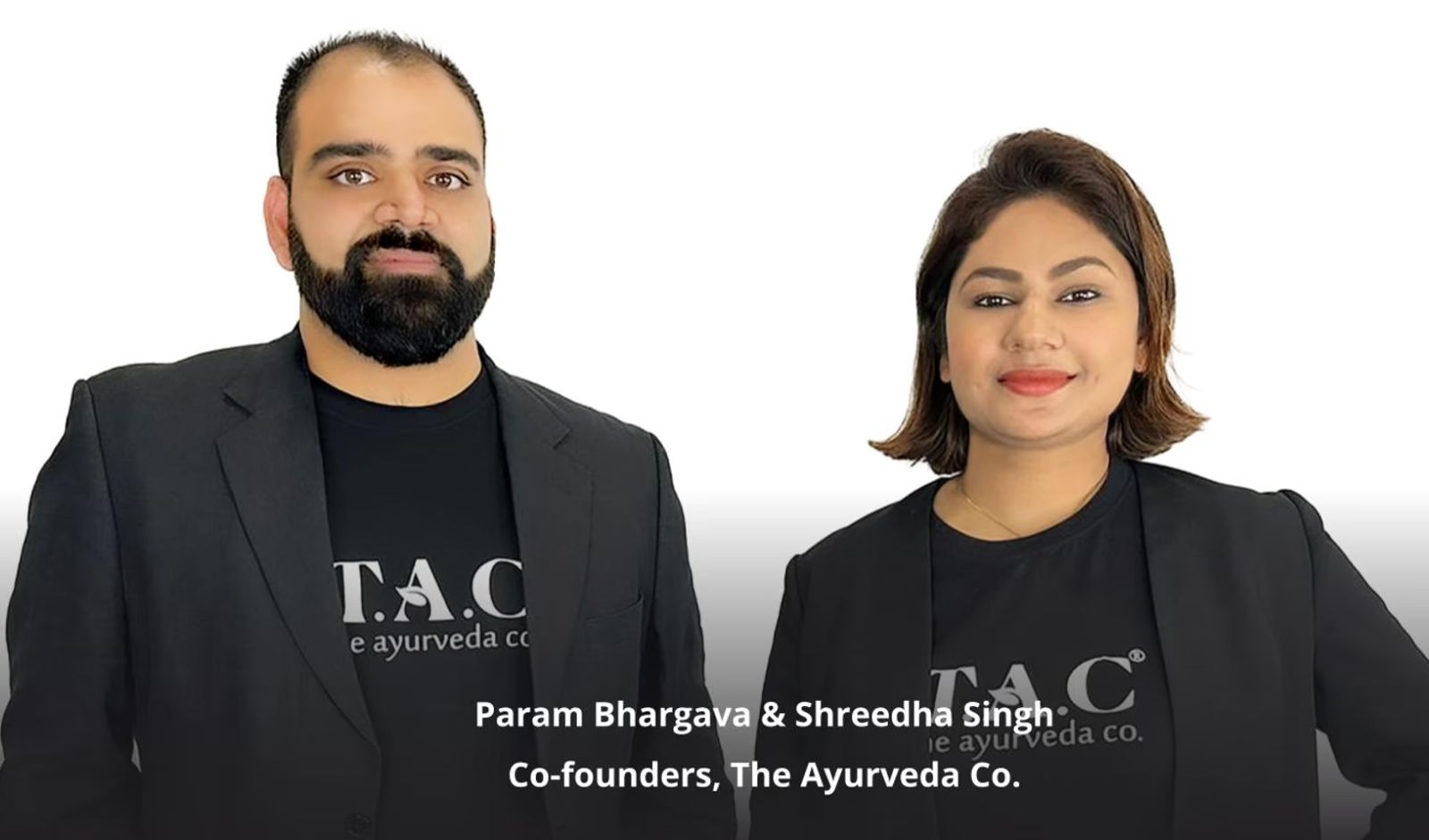
The Ayurveda Co. (TAC), the Ayurveda-based beauty and personal care brand that once crossed Rs 150 crore in annual gross merchandise value (GMV), is winding up operations, according to an announcement by co-founder Shreedha Singh Bhargava.
Bhargava disclosed that the company ceased operations in July last year, following which its assets were liquidated. The formal closure process is now underway.
"The brand has been inactive since, and I'd rather say this out loud than let it quietly disappear," Bhargava said.
Founded by Shreedha Singh Bhargava and Param Bhargava, TAC positioned itself as a modern Ayurveda-focused beauty and personal care brand catering to younger consumers. Within a few years, the startup built a significant presence across online and offline channels and expanded its reach nationwide.
Looking back at the company’s growth phase, Bhargava highlighted the scale the business achieved during its relatively short journey.
"It is difficult to reduce all that I feel into a post, but in that 4-5 year sprint with brutally expedited learnings, TAC scaled to Rs 150+ crore in annual GMV, built a team of 1,000+ people across on-roll & off-roll roles, established a significant retail + online presence & reached consumers across the country," Shreedha Singh Bhargava stated.
The founder also spoke openly about the financial and personal challenges faced while trying to sustain the business. According to Bhargava, she and her co-founder took several measures to keep operations running, including pledging family assets and foregoing salaries for an extended period.
Despite the outcome, Bhargava expressed pride in what the company and its team were able to achieve.
"I take full responsibility for what did not work, and I am still incredibly proud of what we built together," Bhargava commented.
As TAC officially closes its chapter, Bhargava thanked employees, investors, partners, customers, and mentors who contributed to the company’s journey. She also acknowledged the support of her colleagues and family members, including her brother, Atharva Singh.
"As I close this chapter, I am deeply grateful for the people who trusted us, built with us, challenged us, backed us & stayed with us. These memories are etched in my heart."
Looking ahead, Bhargava indicated that she is considering her next professional move.
-
With the latest funding round, Boldfit's total funding has crossed Rs 510 crore.
-
Niine recorded revenue of Rs 32.46 crore in FY19, its first full year of sales after launching in May 2018.
-
The startup has recorded more than 12,000 orders across over 1,400 cities, covering all 36 states and Union Territories.
-
KISAH had raised approximately Rs 10 crore from angel investors, including Sagar Daryani, founder of Wow! Momo, and Apoor Salarpuria of the Salarpuria Group.






Copyright © 2009 - 2026 Franchiseindia.com Ltd