





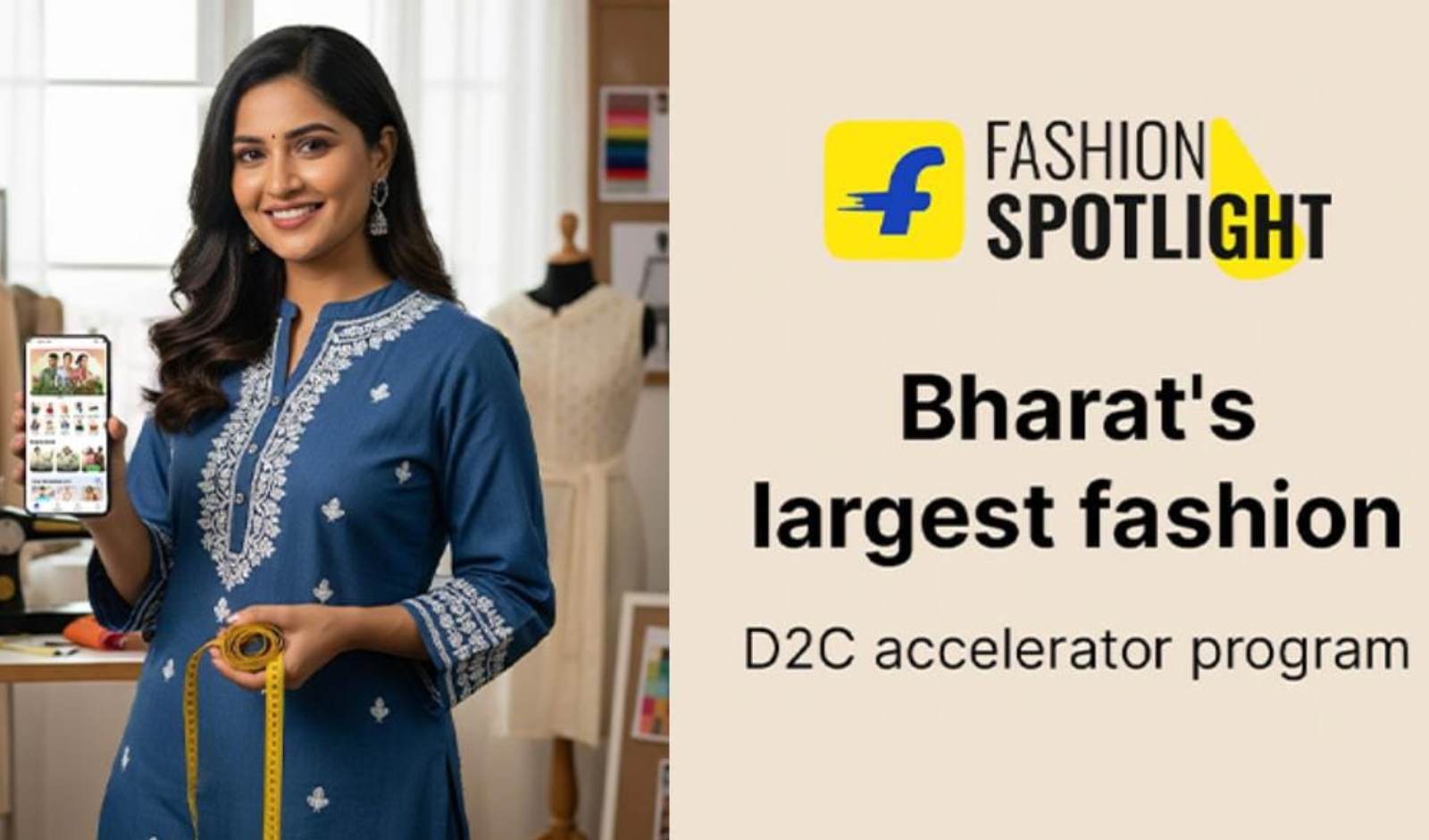
Flipkart has announced the launch of Fashion Spotlight, a flagship program designed to accelerate the growth of digital-first fashion brands, particularly from tier-ll and smaller markets. The rollout comes ahead of the 2025 festive season, a peak period for fashion consumption in India.
The program aims to onboard around 500 brands by year-end, scaling 10 times from its current base of over 100 D2C fashion brands already live on Flipkart Fashion. Brands such as Rare Rabbit, Miraggio, and Zouk have already seen exponential growth on Flipkart, over 500 percent, 2300 percent, and 200 percent year-on-year growth respectively.
Fashion Spotlight will integrate Flipkart’s full-stack retail capabilities including video cataloguing, image search, live commerce, and virtual try-ons. The focus is on driving discovery, visibility, and consumer trust for upcoming brands while solving for the biggest bottleneck faced by D2C entrepreneurs, scaling distribution.
Kunal Gupta, VP, Flipkart Fashion said, “The D2C revolution in fashion is being driven by a new wave of entrepreneurs across India who are deeply rooted in regional cultures and consumer needs. Spotlight is built for them - for the brands building for hot climates, local use cases, and fabric innovations that deliver the right fashion to the people of Bharat. Our goal is to enable them in their zero-to-one journey, by supporting them till they achieve scale and product-market validation. This is not just about distribution, it is about building a generation of brands that are born digital, are local-first, and ready to serve the next 200 million fashion consumers.”
The program will initially focus on onboarding 50 high-potential brands that address specific customer needs such as unique styles, value-driven offerings, and regional relevance. Structured around three pillars, curated discovery, iterative product feedback, and guaranteed visibility, Fashion Spotlight provides a managed service layer where Flipkart helps brands test product-market fit and refine assortments based on cohort insights.
Flipkart data highlights that fashion is a key growth driver on the platform, with one in three customers making their first-ever purchase in the category. Purchase intent for fashion on Flipkart has grown three times over the past year compared to social media platforms. Consumer preferences are also evolving, with demand surging for regional handloom sarees (30X YoY increase in searches), fusion jewellery (5X rise), and ready-to-wear sarees (10X jump in the last 18 months).
By aligning with festive demand and the rising entrepreneurial ecosystem in tier-ll+ cities, Flipkart is aiming to position Fashion Spotlight as a democratized launchpad for India’s next generation of fashion brands.
Apple Pay payment service was launched in India on Tuesday, allowing users to make contactless payments through iPhone, iPad and Apple Watch. This marks the country's entry into one of the world's largest digital payment markets.
Apple Partners with Axis Bank
Apple has collaborated with Axis Bank to bring the service to a country dominated by UPI. The service is initially available for Axis Bank-issued Visa and Mastercard credit cards. Plans to add support for more banks over time are in line.
Apple is seeking a fee of about 20 basis points (0.2%) on transactions, which is a significant bite out of the roughly 40 to 50 basis points (0.4% to 0.5%) of margin in the payments layer.
As per media reports, the fee structure is broadly consistent with Apple Pay's commercial model in other markets as well. HDFC Bank, ICICI Bank and SBI Card are not supporting Apple Pay at launch as negotiations over commercial terms continue, one of the people told TechCrunch.
Apple, Axis Bank, HDFC Bank, ICICI Bank and SBI Card did not respond to requests for comment on the launch. Earlier this month, Reuters reported that Apple was preparing to launch Apple Pay in India in October, starting with Axis Bank credit cards.
Apple Pay Enters a UPI-Dominated Market
This launch comes at a time when India's digital payments boom has been driven largely by UPI, the state-backed system that lets consumers move money directly between bank accounts.
UPI handles the bulk of digital payments in India, where scanning a QR code to pay directly from a bank account has become commonplace. Apple Pay, by contrast, initially addresses a much smaller card payments market.
Nevertheless, Apple Pay could appeal to India's growing base of iPhone users, who tend to be more affluent and are more likely to use premium credit cards. Those customers could make the service hard for banks to ignore, despite UPI's dominance.
Even if Apple Pay remains a niche service, the economics could still make India meaningful for Apple. The transaction fee the iPhone maker would charge would give it another way to monetise its growing base of iPhone users in the country, the people said.
Initial Availability and Payment Acceptance
At launch, eligible Axis Bank customers can add their credit cards to Apple's Wallet app and use Apple Pay for online purchases as well as contactless payments at supported terminals, the people said.
An Apple Pay transaction could work at a terminal operated by an independent payments provider that has enabled the service but fail at another terminal whose acquiring bank has not, one of the people said. That could make acceptance uneven during the initial rollout, even for customers with supported cards.
Apple Expands Its India Business
The launch adds another piece to Apple's growing business in India, where it has been expanding iPhone sales, local manufacturing and its retail footprint.
Apple accounted for 28% of India's smartphone market by value in 2025, up from 23% a year earlier, per an earlier report by Counterpoint Research.
India already accounts for about a quarter of global iPhone production, and that share could rise to 30% to 35% over the next five years, Indian English daily Business Standard reported last month, citing an Indian government official.
Flipkart is ramping up its workforce and logistics infrastructure ahead of the festive shopping season as it prepares for a potential increase in customer demand during its Big Billion Days sale.
The e-commerce major has created more than 2.5 lakh direct and indirect employment opportunities across India as part of its festive preparations. Nearly 75,000 of these opportunities are being created for first-time workers, while around 1.4 lakh roles are linked to last-mile delivery operations.
The seasonal hiring programme covers logistics, warehousing, delivery and other supply-chain functions, strengthening Flipkart's operational capacity during one of the busiest periods for India's e-commerce industry.
900+ Festive Delivery Hubs Added
Alongside workforce expansion, Flipkart has added more than 900 festive delivery hubs across the country. This takes its overall Ekart logistics network to more than 7,000 facilities.
The expanded infrastructure is aimed at increasing delivery capacity and improving last-mile fulfilment as order volumes rise during the festive period. A larger network of delivery hubs can also help the company manage demand across different geographies while bringing products closer to customers.
The expansion comes as e-commerce companies increasingly prepare their supply chains for concentrated demand during major festive sales, when categories such as fashion, electronics, beauty, home and lifestyle typically see increased online shopping activity.
Tier II and III Cities Gain Importance
Flipkart's festive preparations also highlight the increasing importance of Tier II and Tier III cities in India's e-commerce growth story.
The expansion of delivery infrastructure and seasonal employment across the country is enabling e-commerce platforms to serve customers beyond the major metropolitan markets. As online shopping becomes more accessible across smaller cities and towns, logistics networks are becoming an important part of retailers' ability to expand their geographic reach.
For e-commerce companies, the festive season also provides an opportunity to test and strengthen their fulfilment capabilities in emerging markets, where improving delivery infrastructure can support sustained online consumption beyond seasonal peaks.
Flipkart Minutes Adds Quick-Commerce Capacity
Flipkart is also expanding its Flipkart Minutes quick-commerce business, adding another layer to its fulfilment strategy.
Customers in eligible locations can receive certain products through the service within minutes, depending on product availability and local coverage. The expansion of quick commerce alongside the company's broader logistics network reflects the increasing consumer expectation for faster delivery across both everyday and festive purchases.
With festive shopping increasingly spread across marketplaces, quick-commerce platforms and offline retail, delivery speed and fulfilment capacity are becoming important elements of the overall retail experience.
Building Capacity for the Festive Peak
Flipkart's combination of 2.5 lakh employment opportunities, 900+ additional festive delivery hubs and a 7,000-plus-facility Ekart network underlines the scale of infrastructure required to manage India's peak online shopping season.
The workforce expansion also creates temporary and seasonal earning opportunities across the supply chain, while the additional logistics capacity is expected to support higher order volumes during the festive period.
As Indian e-commerce continues to expand beyond metros, investments in delivery networks, warehousing and last-mile talent are likely to remain central to how online retailers scale their operations across the country.
Instamart has partnered with global lifestyle retailer MINISO to add more than 90 products to its quick commerce platform, strengthening its presence in lifestyle, gifting, toys, and general merchandise categories. The partnership marks another step in Instamart's strategy to diversify beyond grocery and daily essentials as quick commerce platforms increasingly expand into non-food categories.
Under the collaboration, customers will be able to access a wide range of MINISO products spanning bags and accessories, kitchen and dining, stationery, art and hobbies, toys, and lifestyle products. The assortment also includes licensed merchandise and collectibles inspired by popular franchises and characters such as Harry Potter, Hello Kitty, My Melody, Kuromi, BT21, and Disney's Stitch. The catalogue features products including backpacks, water bottles, tiffin boxes, notebooks, mugs, plush toys, and other lifestyle accessories.
Gautam Swaroop, Chief Business Officer, Instamart said, "At Instamart, we're constantly bettering our assortment to reflect how and what customers shop today. MINISO has created a unique space in the lifestyle category with products that are fun, functional, design-led and accessible. By bringing the brand to Instamart, we're giving customers the convenience of getting these favorites delivered to their doorsteps while continuing to build a more comprehensive everyday shopping destination."
Charmaine Chan, Vice General Manager, Miniso India said, "We are pleased to announce that MINISO is now available on Swiggy Instamart. From well-designed, high-quality, and value-for-money lifestyle products to IP collaborations and collectible toys that bring joy, comfort, and emotional connection, MINISO continues to make everyday life more fun and inspiring. Through our partnership with Opptra, we look forward to bringing MINISO closer to more consumers across India with greater speed and convenience."
MINISO products will be available across major metropolitan markets starting August 21, with plans to expand both the product assortment and geographic reach in the coming months. The launch aligns with Instamart's broader push into quick commerce lifestyle retail, where categories such as electronics, beauty, personal care, toys, gifting, home products, and general merchandise are seeing increasing consumer demand.
Opptra, MINISO's digital commerce distribution partner in India, is supporting product supply, fulfilment, and catalogue management for the launch on Instamart. As competition intensifies in India's quick commerce market, partnerships with lifestyle and global retail brands are becoming a key growth driver for platforms seeking to increase basket sizes and attract a wider customer base.

fit20, the Netherlands-based strength training brand known for its 20-minute once-a-week workout model, is preparing to enter the Indian market as part of its global expansion plans. The company, which currently operates across Europe, the Middle East, Africa, and North America, has appointed Dr. Dheeraj Dogra to lead its India operations and expansion strategy.
fit20 follows a high-intensity, low-frequency strength training model aimed at improving health, strength, and long-term fitness outcomes. According to the company, its training method is supported by research conducted over seven years involving nearly 15,000 participants.
As part of its India expansion, the brand plans to initially focus on metro markets including Delhi NCR, Mumbai, Bengaluru, and Hyderabad. The company is also expected to expand through franchise partnerships and corporate wellness programmes.
fit20 said further details regarding launch timelines, studio openings, and franchise opportunities in India will be announced in the coming months. The India entry comes at a time when organised fitness and wellness brands are increasing their focus on structured training formats and expansion across urban markets.
Blinkit reported 95 percent year-on-year growth in net order value in 4QFY26, along with its second consecutive quarter of adjusted EBITDA profitability at Rs 370 million, representing 0.3 percent of net order value.
Sequential growth moderated to 8 percent quarter-on-quarter compared to 14 percent in 3QFY26, impacted by seasonal factors and increased competitive intensity. The company has indicated expectations of stronger performance in 1QFY27.
The quick commerce segment continues to see increased competition, with seven active players and more than 6,000 dark stores operating across markets. Aggressive pricing strategies, reduced minimum order values, and lower delivery charges have intensified customer acquisition and retention efforts, leading to near-term pressure on margins.
Despite this, industry profitability is expected to be driven by scale, network density, and order throughput. Larger platforms are likely to benefit from these factors over time. Projections suggest that Blinkit could capture more than 100 percent of the industry profit pool from FY27E over the next two to three years.
During the quarter, Blinkit added 216 net new stores, taking its total network to 2,243 locations. The company continues to target 3,000 stores by March 2027. In Delhi NCR, one of its more established markets, adjusted EBITDA margins have reached 5 percent to 6 percent.
The broader quick commerce market has also seen expansion by other players. Flipkart has crossed 800 stores and is targeting around 1,600 by the end of 2026. Amazon Now has built approximately 450 stores and could scale to 1,000 to 1,200 stores over the same period.
In parallel, food delivery performance has improved. The segment reported 19 percent year-on-year growth in net order value, with adjusted EBITDA margins reaching 5.5 percent. Monthly transacting customers increased by 22 percent year-on-year to 25.4 million, supported by value-driven initiatives and improved engagement on the platform.
The company continues to focus on scaling its quick commerce operations while maintaining profitability in a competitive environment.
PhonePe has crossed 50 million lifetime registered merchants on its platform as of April 28, 2026, marking a key milestone in its expansion across India’s digital payments ecosystem. The company said its merchant network now spans more than 98 percent of the country’s postal codes. The growth reflects its transition from a payments-focused platform to offering a wider range of merchant services aimed at supporting small businesses.
PhonePe attributed this scale to its long-term focus on simplifying digital onboarding for small merchants. The rollout of QR codes helped reduce the cost of accepting digital payments, while the PhonePe Business app enabled merchants to manage transactions and access additional services such as loans, SmartSpeakers, and POS devices.
The company also expanded its reach through on-ground sales teams, channel partners, and local language support. This approach has helped bring small retailers and kirana stores into the digital ecosystem, moving them beyond cash-based operations.
Yuvraj Singh Shekhawat, Chief Business Officer, Merchant Business, PhonePe said, “Reaching 50 million merchants is a significant milestone in our effort to make financial services more accessible to merchants across India. For many of our partners, the journey began with a simple QR code, but that relationship has since matured. Today, digital payments serve as a gateway to a wider range of formal services, including credit. We remain committed to building the necessary infrastructure to ensure that we can achieve financial inclusion for the smallest of merchants and they can participate in the nation’s digital growth.”
PhonePe’s merchant ecosystem is supported by solutions such as SmartSpeakers, point-of-sale terminals, and access to credit. These offerings are designed to address payment acceptance and working capital needs while improving ease of adoption for digital transactions.
With this milestone, PhonePe continues to strengthen its position in India’s merchant payments segment, focusing on expanding access to financial tools for small businesses.

Flipkart has announced a fresh round of senior leadership promotions, elevating executives across quick commerce, travel, appliances, enterprise solutions, and policy functions as the company strengthens its leadership structure for the next phase of growth.
Kunal Gupta has been promoted to Senior Vice President. He currently leads the Minutes and Grocery businesses, two areas that have become important growth segments for the company. Flipkart said Gupta has played a key role in business turnarounds and in building growth across categories, including fashion, mobiles, and large appliances.
In an internal note, Kalyan Krishnamurthy said the company’s progress has been driven by leaders who combine business ownership with the ability to manage complexity and deliver consistently. The company also announced Vice President-level promotions across several verticals.
Anurag Nair has been elevated after leading the Small Home Appliances and Large Appliances categories and driving strategic initiatives. Cleartrip Chief Business Officer Gaurav Patwari has also been promoted, with Flipkart citing growth and improving profitability at the travel platform.
Nishitkumar Mehta has been recognised for leading finance and HR transformation projects, while Tafeem Uddin Siddiqui has been elevated for his work in public policy and government affairs. The leadership changes come as Flipkart sharpens focus on quick commerce and category-led expansion while preparing for its next growth cycle.
Swiggy Instamart reported a sharp rise in gold and silver purchases during Akshaya Tritiya, highlighting how festive buying habits are shifting toward quick commerce platforms in India. The platform recorded a 49x increase in gold orders and a 24x jump in silver sales during the festival period. Demand was led by small-ticket purchases, as consumers chose lower-value gold items amid elevated bullion prices.
Akshaya Tritiya is traditionally associated with buying precious metals, but this year many shoppers preferred affordable denominations that could be delivered quickly through online platforms. The trend reflects growing demand for convenience-led festive shopping in urban markets.
Swiggy Instamart also saw higher-value mixed baskets, with some carts combining gold products and grocery essentials worth up to Rs 2 lakh. This points to changing consumer behaviour, where investment purchases and daily shopping are increasingly happening in a single transaction.
The strong festive demand indicates that quick commerce players are expanding beyond groceries into categories such as gifting, lifestyle, and precious metals. For retailers, it signals fresh opportunities in impulse-led and occasion-based shopping through fast delivery channels.

Fashion and lifestyle e-commerce platform Myntra has appointed Alia Bhatt as its brand ambassador for both Myntra and Myntra Beauty, as it looks to strengthen its presence in the fashion and beauty segments. The partnership is aimed at improving consumer engagement and expanding the platform’s reach across different demographics, particularly Gen Z and millennial shoppers. The move aligns with Myntra’s focus on driving discovery and accessibility in fashion and beauty categories.
As part of the collaboration, Bhatt features in her first campaign for Myntra Beauty, marking the launch of the ‘Glow Up Days’ event. The campaign reflects everyday beauty usage patterns and highlights the platform’s effort to make premium products more accessible.
Bhatt said, “For me, fashion and beauty have always been about confidence and expressing who you are, authentically. What I truly admire about Myntra is how intuitively it brings together brands, trends, and technology to make shopping feel seamless and inspiring. And what better way to kick things off than with a campaign that speaks to something every beauty lover feels - you shouldn’t have to ration your favourite products! This was such a fun way to launch this journey. I am genuinely excited to be part of what Myntra is building in Indian fashion and beauty retail.”
Sunder Balasubramanian, Chief Marketing Officer, Myntra added, “At Myntra, we’ve always been driven by the commitment to make the best of fashion and beauty discoverable and accessible to every Indian consumer. Alia's ability to connect across generations and geographies makes her a natural extension of that intent. Her first campaign with us for Myntra Beauty brings this to life in a way that's fun, sharp, and deeply relatable. We're deeply excited about this partnership and what it holds in the future."
Myntra continues to invest in its beauty segment, which has become one of its fastest-growing categories, supported by a wide brand portfolio and a focus on personalised shopping experiences.

British cosmetics brand LUSH Cosmetics has launched on Myntra, marking its entry into India’s e-commerce space. The move is part of the company’s global expansion plans and has been enabled through a licensing partnership with Bilberry Brands India Pvt Ltd.
Founded in 1995 in the UK, Lush has built a global presence in handmade and cruelty-free cosmetics. With this launch, the brand is introducing over 150 products on Myntra across skincare, haircare, bath, body, and fragrance categories. The range includes bath bombs, solid shampoo bars, handmade soaps, and fresh face masks.
Through Myntra, Lush will gain access to a monthly user base of over 75 million consumers, many of whom are actively exploring premium beauty and lifestyle products online.
Venu Nair, Chief of Strategic Partnerships and Omnichannel, Myntra said, “At Myntra, we are committed to bringing the best of global beauty to our customers. In this endeavour, we are delighted to launch LUSH, an iconic, values-driven brand on Myntra Beauty, which our discerning customers will love and appreciate. As we continue to pioneer the beauty space in India through tech-led experiences, our association with Bilberry Brands has been key in bringing LUSH’s world-renowned expertise in fresh, handmade cosmetics to our audiences.”
Vishal Anand, Founder and CEO, Bilberry Brands India Pvt Ltd added, “India is one of the most exciting beauty markets in the world today, with consumers increasingly looking for brands that stand for authenticity, sustainability, and transparency in ingredients. Our vision is to build Lush in India as a truly omnichannel brand that combines immersive retail experiences with strong digital access. Associating with Myntra allows us to bring LUSH to millions of consumers across the country while continuing to build the brand thoughtfully through our own platform and retail network.”
Lush currently operates in more than 50 countries with over 1000 stores worldwide. The company sold over 21.2 million bath bombs globally in the last year.
Swiggy Ltd has partnered with Sarvam, an India-based AI company, to introduce multilingual, voice-led commerce across its platforms, including Food Delivery, Instamart, and Dineout. The collaboration builds on Swiggy’s recent rollout of Model Context Protocol integrations and its efforts to develop AI-driven commerce experiences. With Sarvam’s technology, the company aims to make conversational commerce more accessible to users across different languages.
India’s digital commerce ecosystem has largely operated in English and a limited number of regional languages. The partnership aims to address this gap by enabling users to interact with Swiggy’s services through voice in multiple Indian languages.
The companies have introduced two key use cases. The first allows users to place orders through phone calls without requiring an app or internet access. The second integrates Swiggy with AI-native platforms, including Indus, Sarvam’s chat application, enabling conversational ordering and transactions.
Sarvam’s voice models support 11 Indian languages, including Hindi, Tamil, Telugu, Kannada, Bengali, and Marathi. The integration will allow users to order food, shop for groceries, and book dining experiences through voice-based interactions, supported by payment infrastructure through Razorpay.
Madhusudhan Rao, Chief Technology Officer, Swiggy said, “At Swiggy, our mission is to deliver unparalleled convenience to our consumers. After rolling out MCP integrations across our services, the next step was to make these experiences truly accessible to every Indian. True accessibility means meeting users where they are, in the languages they speak. By leveraging Sarvam’s sovereign models built for India’s diverse linguistic landscape, alongside a secure payments infrastructure, we are creating a distinctly India-first experience. Soon, users will be able to simply ask their AI assistant in their preferred language to order food or groceries, and reserve tables, with the AI agent seamlessly handling discovery, ordering, and checkout.”
Pratyush Kumar, Co-Founder, Sarvam said, “India is a voice-first nation, and the next billion users of AI will experience it in the language they choose. Our partnership with Swiggy brings that vision to life in one of the most everyday, high-frequency use cases there is: ordering food and groceries. By embedding Sarvam's full-stack AI into the heart of Swiggy's commerce experience, we are taking AI from a novelty for the few to a utility for the many. This is what it means to build AI for India, at population scale.”
Khilan Haria, Chief Product Officer, Razorpay said, “India’s next phase of digital commerce will be shaped by experiences that feel effortless and intuitive. Our partnership with Swiggy brings this to life by enabling everyday moments like ordering food through voice, powered by Razorpay’s agentic payments infrastructure and Sarvam AI’s Indic language intelligence - allowing AI agents to understand intent and complete transactions seamlessly. By bringing together conversational AI and seamless payments, we’re moving closer to a future where everyday commerce is faster, more natural, and built around how people actually interact.”
The partnership reflects a broader shift towards AI-led and voice-enabled commerce in India, aimed at improving accessibility and user experience across digital platforms.
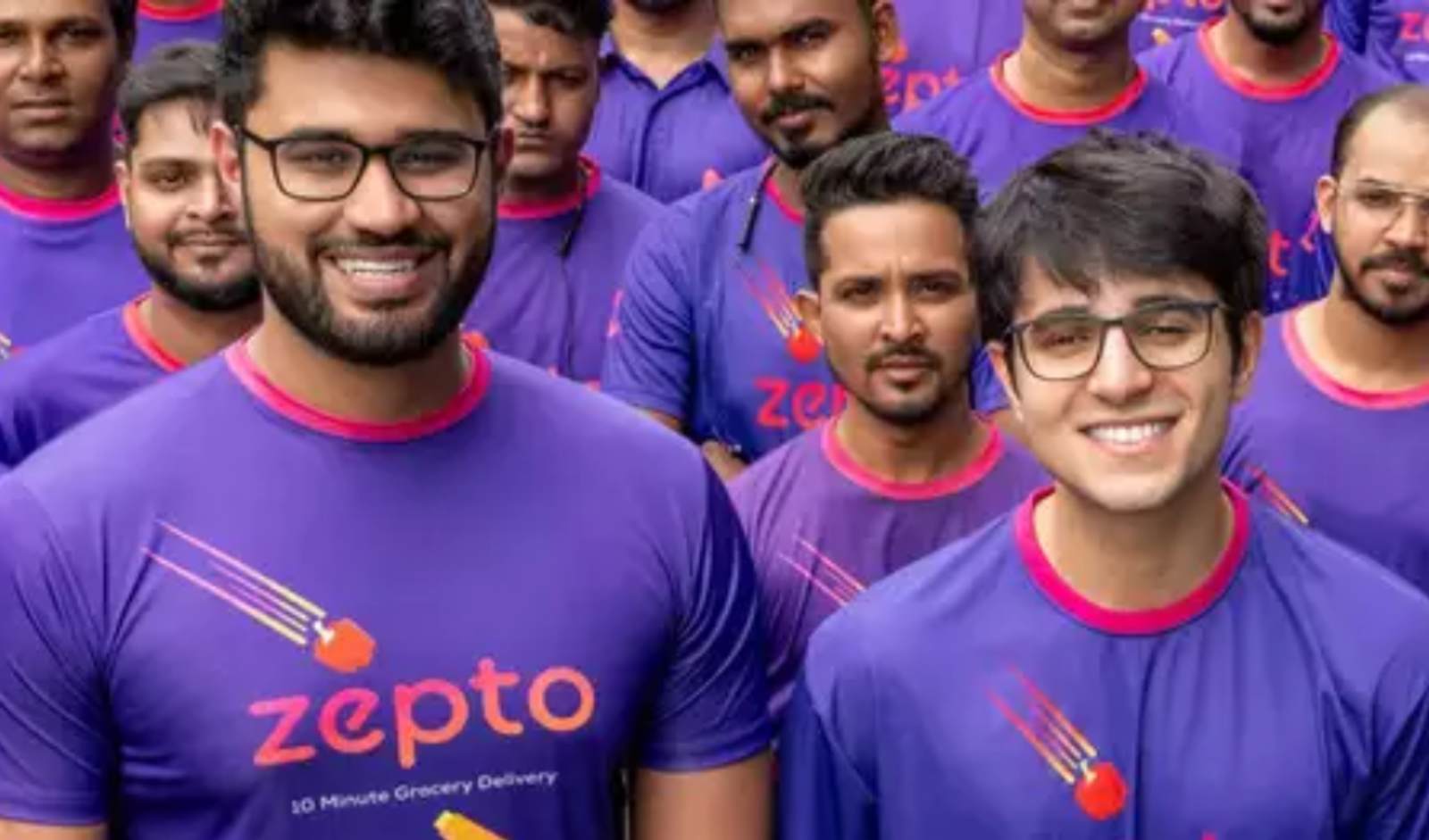
Quick commerce platform Zepto has introduced a set of new in-app features, including a Pay Later option and real-time images of fresh produce, as it shifts its focus from delivery speed to what it describes as "behaviour-led commerce." The company said the quick commerce segment is moving beyond the focus on fastest delivery timelines and is now prioritising convenience and reducing friction in everyday shopping.
The Pay Later feature is designed for frequent, low-value transactions and enables one-tap checkout without One-Time Passwords or third-party redirects. As per the company’s interface, the service offers instant credit of up to Rs 10,000.
“Meet Zepto Pay Later, a BNPL experience built completely inside the Zepto app. Shopping is now going to be smoother than ever. It’s already live for a small percentage, and we plan to scale this up to the entire user base very soon,” Zepto Co-Founder Kaivalya Vohra said in a post on LinkedIn.
In addition, Zepto has launched Real Lens, a feature that shows daily updated, timestamped images of fresh produce from nearby stores. Users can switch between catalogue images and actual product visuals available at their selected location. The company expects this feature to address trust concerns in online grocery purchases and improve conversion rates while reducing returns and complaints.
Zepto has also rolled out an Add After Checkout feature, which allows users to include additional items in an existing order within a limited time window without placing a new order. The original delivery timeline remains unchanged.

Jewellery retailer Jos Alukkas has introduced an Augmented Reality feature on its website that allows customers to virtually try on jewellery using their smart devices. The technology has been developed in partnership with mirrAR and is aimed at improving the online jewellery shopping experience.
The new AR feature allows customers to view and try products such as necklaces, earrings, bangles, and rings using their device camera. The tool enables users to see how jewellery appears on them before making a purchase, offering a digital alternative to in-store trials.
The feature is available through the company’s website, where customers can select a product and choose the Virtual Try On option. The jewellery then appears on the screen through the device camera. The service works on most smartphones and desktop devices without requiring additional downloads.
John Alukkas, Managing Director, Jos Alukkas said, “Jewellery is deeply personal, and customers often want to see how a piece looks on them before making a purchase. With this new AR feature, we are bringing the showroom experience directly to our customers’ screens. It reflects our continued efforts to align traditional retail strengths with evolving digital expectations.”
The company said the feature is designed to improve customer confidence while shopping online. By allowing users to preview products digitally, the tool aims to support purchase decisions and reduce potential returns.
Meghna Saraogi, Founder and CEO, mirrAR said, “We are excited to collaborate with Jos Alukkas to bring cutting-edge AR technology to the jewellery industry. This solution bridges the gap between physical and digital retail, helping customers shop with confidence online.”
The launch forms part of Jos Alukkas’ broader digital strategy to strengthen customer engagement and support omnichannel retail operations. The company aims to expand its online capabilities while continuing to serve customers through both digital and physical retail channels.
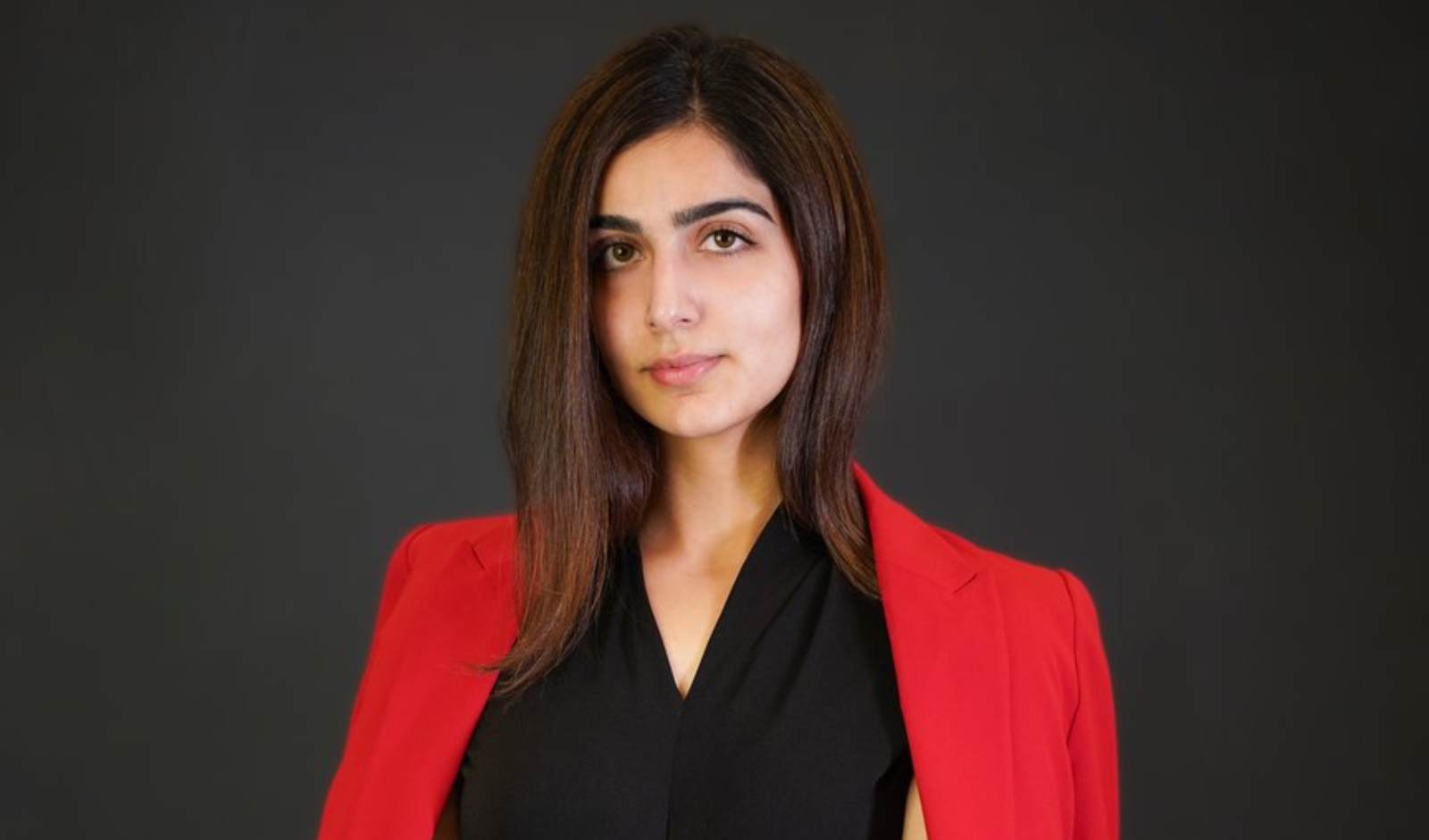
BeyondBound, a direct-to-consumer women’s activewear brand from India, has launched its collection on Myntra, an online fashion and lifestyle marketplace. The move marks a step in the brand’s expansion as it seeks to reach a wider base of digital shoppers across the country.
Founded in 2024, BeyondBound focuses on women’s athleisure designed for everyday use as well as fitness activities. The brand offers apparel intended to support different routines, including workouts, workdays, and daily wear.
With its launch on Myntra, the company aims to strengthen its online retail presence and make its products available to consumers across metropolitan cities as well as emerging markets in Tier ll and Tier lll locations.
Tejasvi Madan, Founder of BeyondBound said, “Our vision with BeyondBound has always been to build a brand that empowers women to feel confident, strong, and comfortable in their everyday lives. Going live on Myntra is an exciting step in that journey as it allows us to bring our collections to a much wider audience across India. We are excited to collaborate with a platform that has redefined online fashion retail and look forward to connecting with more women who resonate with our philosophy of strength, inclusivity, and self-expression.”
The brand’s product range includes sports bras, leggings, jackets, crop tops, and performance wear designed for activities such as yoga, strength training, and cardio. The collections are developed with a focus on breathable fabrics, flexibility, and durability. By joining Myntra’s online marketplace, BeyondBound aims to increase its visibility in India’s digital fashion sector while expanding its customer base across different regions of the country.
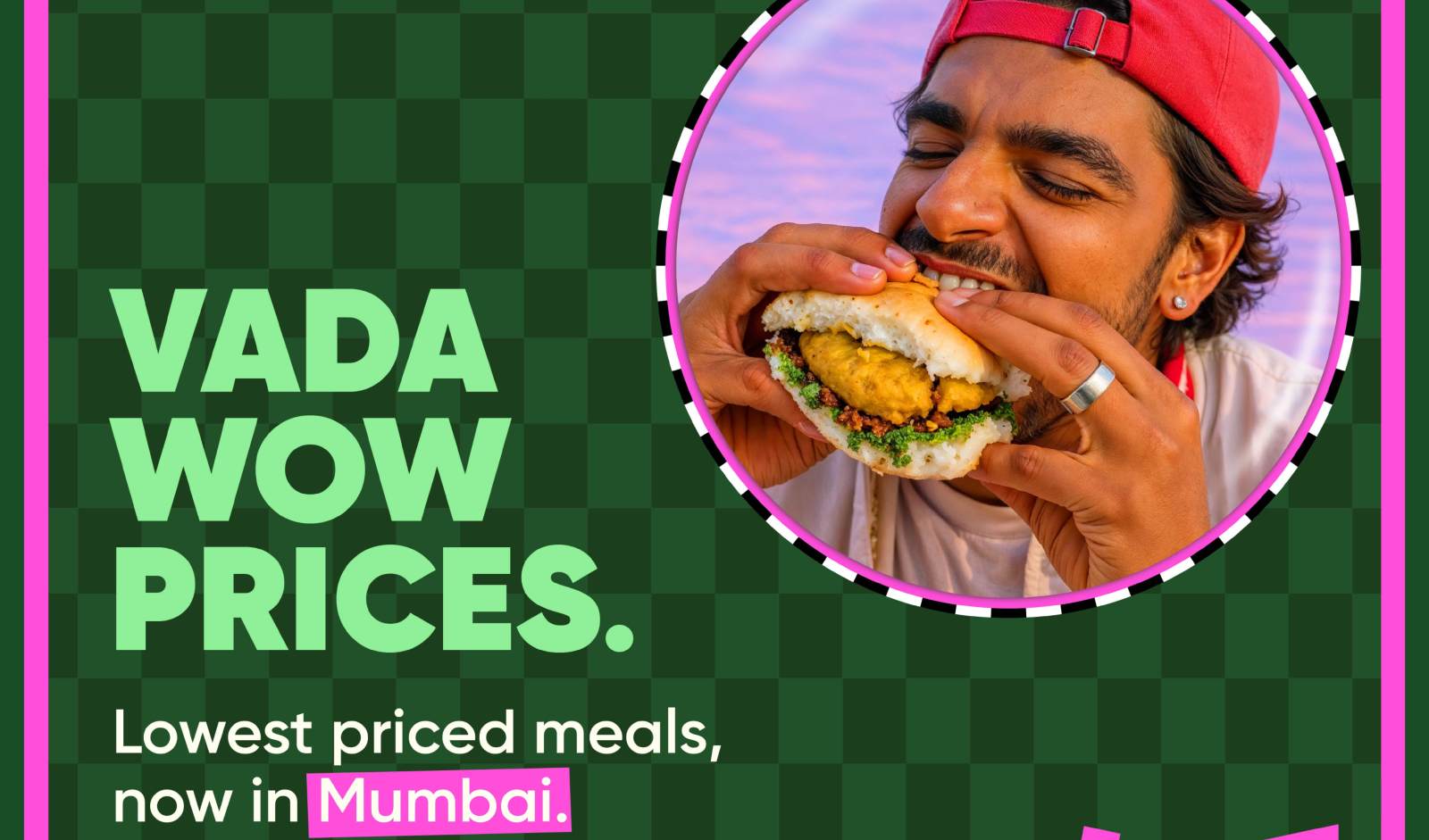
Affordable food delivery platform Toing has launched its services in Mumbai as part of its ongoing expansion across India. The app has expanded to 18 cities over the past seven months and is currently available in locations including Pune, Agra, Vadodara, Guwahati, Nashik, Nagpur, Patna, Aurangabad, Bhopal, Delhi, Gurugram, Noida, Faridabad, Ghaziabad, Chandigarh, and Ahmedabad.
Toing said the platform focuses on offering lower menu prices for food and beverage items available on the app. According to the company, it aims to match or offer prices lower than restaurant table menu rates. The platform also states that it does not charge packaging or platform fees on orders placed through the app.
Users on the platform can order a variety of food items, including biryani, burgers, and bowls priced under Rs 99. The company was launched in the second half of 2025, with Pune as its first operating market. Since then, the app has expanded into several cities across India.
With the Mumbai launch, the platform has onboarded multiple restaurants across the city. Some of the restaurants listed on the app include Meraki, Punjab Depot, Sweet Country Cake Shop, Borivali Biryani Centre, Sandwizza, Thepla House, Theobroma, Burger King, Faaso’s, Taco Bell, Wendy’s, Dabba Garam, Charcoal Eats - Biryani and Beyond, Tibb's Frankie, YBFC, Cheelizza - India Ka Pizza, Ghost Kitchens, Sadak Chaap, Peetuk, House of Biryan - Biryani, Kepsa and More, Tea Post, Marrakesh, Rolls Mania - Rolls, Wraps and More, and Mad Momos.
The platform offers a range of food categories, including North Indian dishes such as chole bhature and biryani, Chinese cuisine, desserts, and fast food options, including pizzas, burgers, and momos.
Sidharth Bhakoo, Chief Business Officer, Toing said, “Toing is creating a new category of food customers targeting the Gen Z, college goers, and the value-conscious customers, and it guarantees the lowest prices to its customers. Recently, we launched Toing in key educational hubs- like Guwahati, Nashik, Nagpur, and in Delhi NCR. This expansion reflects both the strength of the value proposition and our commitment to serving the evolving needs of young consumers. Mumbai has a large base of Gen Z and college goers and hence, offers the perfect landscape for Toing."
According to the company, the app has recorded more than 2 million downloads across India and currently holds a user rating of 4.5. The platform is positioning itself in the value-focused food delivery segment as it continues expanding into new markets.
Amazon India has signed a memorandum of understanding with the Army Women Welfare Association (AWWA) to support women from army families in building sustainable businesses. The partnership was announced ahead of International Women's Day on March 8 and was formalised during the ElevateHER event held in Bengaluru. The initiative is part of the company’s Amazon Saheli program, which supports women entrepreneurs across India.
“At ElevateHER 2026, Deepti Varma, VP of People eXperience and Technology at Amazon Stores India and Emerging Markets, announced a new partnership between Amazon Saheli and the Army Women Welfare Association (AWWA) — formalised through a Memorandum of Understanding,” the company said in a statement.
Under the collaboration, women entrepreneurs from army families will receive structured onboarding, training, and support to sell products on the Amazon marketplace. The program will also provide access to customers across India.
“Through the collaboration, women entrepreneurs from Army families will receive structured onboarding, capability building, and access to customers across India, helping them build sustainable businesses on the Amazon marketplace,” the statement added.
“There are many incredibly capable and talented women whose potential often remains untapped simply because opportunity and access do not arrive at the right time,” Varma said.
The partnership also builds on Amazon’s existing initiatives aimed at supporting veterans and their families. In 2025, the company signed a memorandum of understanding with the Army Welfare Placement Organisation to create employment opportunities for veterans.
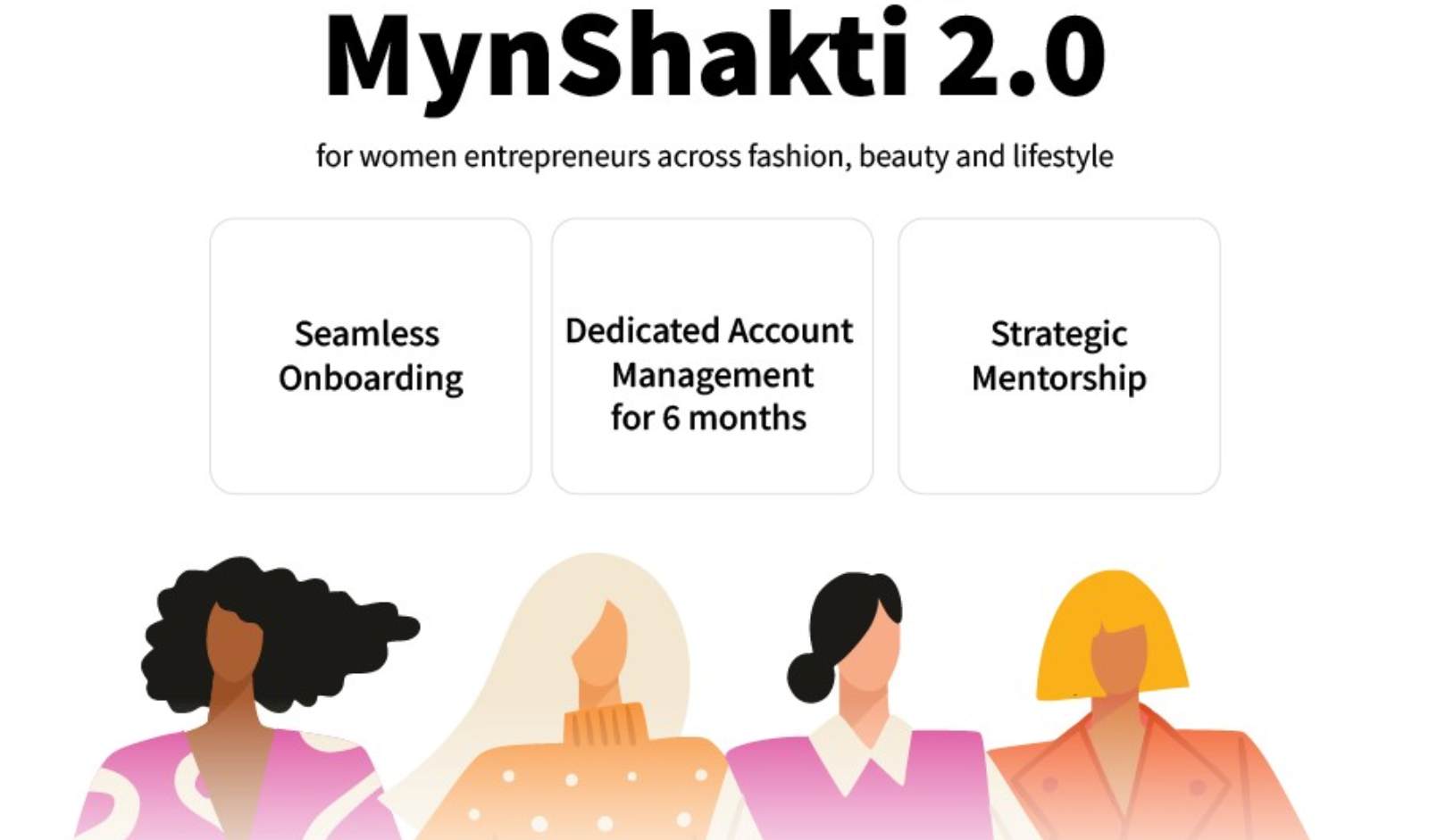
Myntra has launched MynShakti 2.0, the second phase of its women seller enablement programme under the ShECommerce initiative. The programme aims to onboard and support 100 women-led businesses across fashion, beauty, and home categories.
The announcement comes ahead of International Women’s Day and builds on the outcomes of the first edition of MynShakti, which supported 20 women entrepreneurs. These businesses operated across categories such as clothing, jewellery, educational toys, pet apparel, and personal gifting. Many of the participating brands were early-stage ventures with fewer than 50 SKUs.
Through access to Myntra’s platform, the brands were able to reach a wider customer base, improve operational processes, and expand their presence across India.
MynShakti 2.0 will provide structured support to women-led businesses that join the programme. The initiative includes onboarding assistance, dedicated account management, and training sessions designed to help brands build their presence on the platform.
Participants will receive end-to-end onboarding support along with dedicated account managers for six months to help them manage operations and improve performance on the platform. The programme will also include mentorship sessions and expert-led webinars covering areas such as marketing, order fulfilment, and platform utilisation.
A new addition in the second edition is a vernacular video series designed to simplify seller onboarding and account management. The videos will be available in regional languages to encourage participation from women entrepreneurs in Tier II and Tier III cities.
Govindraj MK, Chief Human Resources Officer, Myntra said, “India’s e-lifestyle landscape is being shaped by a new generation of entrepreneurs, with women increasingly taking the lead in building brands that cater to the evolving aspirations of diverse consumer cohorts. MynShakti, under our ShECommerce vision, is focused on enabling women-led brands with the right tools, insights, and mentorship to scale sustainably. Following a successful first edition, we are expanding the program with a sharper structure and deeper support to empower more women entrepreneurs to build, lead and transform meaningful brands at scale.”
Women entrepreneurs operating made-in-India fashion, beauty, and lifestyle brands can apply to the programme through Myntra’s survey link or through its social media channels, including LinkedIn and Instagram. With the launch of MynShakti 2.0, Myntra aims to support women-led businesses in scaling their operations and expanding from local enterprises to national brands within the digital commerce ecosystem.
Digital payments platform PhonePe is preparing for an initial public offering that could value the company between $9 billion and $10.5 billion, or around Rs 75,000 crore to Rs 87,000 crore, according to sources familiar with the development. The company is expected to raise around $1.05 billion through the sale of shares.
The anticipated valuation is lower than the company’s previous funding round in 2023, when PhonePe raised $100 million at a valuation of $12 billion.
The proposed IPO will be entirely an Offer for Sale by existing shareholders. Major investors, including Walmart, Tiger Global, and Microsoft Global Finance, are expected to sell shares worth about Rs 10,115 crore, or roughly $1.1 billion, through the offering, according to updated draft papers.
PhonePe promoter WM Digital Commerce Holdings Pte plans to sell 45,942,496 shares out of 3,71,517,890 shares, representing around a 12 percent stake in the company. The shares are valued at Rs 1,996.8 per equity share based on the weighted average cost of acquisition.
Tiger Global and Microsoft are also expected to exit their holdings in the company through the IPO. The Walmart-backed fintech firm filed its draft papers for the IPO in September and aims to complete the listing process by April, subject to market conditions and geopolitical developments.
According to the company’s draft red herring prospectus, PhonePe has reported significant growth in revenue over the past three financial years while reducing losses. Revenue from operations increased to Rs 71,14.85 crore in FY25 from Rs 2,914.28 crore in FY23, reflecting a compound annual growth rate of 56.25 percent.
The company has also expanded its revenue streams beyond its core UPI payments business. Merchant payments contributed 14.75 percent of revenue in FY23 and increased to 30.78 percent by September 2025.
Financial services, including lending and insurance distribution, grew from 0.96 percent in FY23 to 11.55 percent in the first half of the current financial year. Together, merchant payments and financial services accounted for 42 percent of total revenue, indicating broader monetisation across the platform. Losses have also reduced during this period. Restated losses declined by more than Rs 1,060 crore between FY23 and FY25 to Rs 1,727.41 crore. Loss margins improved to minus 22.64 percent from minus 90.68 percent during the same period.
PhonePe reported positive adjusted EBITDA in FY24 and FY25 and achieved adjusted EBIT profitability in FY25. The company generated free cash flow of Rs 1,90.47 crore in FY25 and more than Rs 2,50 crore in the six months ended September 30, 2024.
Founded in 2016 and headquartered in India, PhonePe had more than 65 crore registered users and a merchant network of over 4.7 crore as of September 30, 2025. The platform offers services including consumer and merchant payments, lending, insurance distribution, and newer platforms such as Share Market and Indus Appstore.
Eternal has announced an expanded strategic collaboration with OpenAI to enhance artificial intelligence capabilities across its businesses, including Zomato, Blinkit, District, and Hyperpure, as well as partner platforms and internal systems. The company said it will work with OpenAI’s Enterprise API platform to explore new ways customers and partners interact with its services.
The collaboration will include deploying advanced AI tools within partner applications and integrating advanced coding models into Stitch, Eternal’s in-house AI orchestration and automation platform.
Eternal is building AI as a core infrastructure layer across its consumer and enterprise commerce ecosystem. As part of the collaboration, OpenAI models will be deployed across select use cases such as AI-assisted workflows for merchants and delivery partners, contextual AI assistants within partner portals, and experiments around next-generation search and discovery interfaces.
“These efforts are aimed at making AI useful in everyday decisions and workflows while maintaining the reliability and speed its platforms require,” Eternal stated.
The partnership will also extend to Nugget, Eternal’s AI-native venture, where OpenAI models will be applied in selected areas to accelerate product development and iteration cycles.
Internally, the company is considering integrating OpenAI’s latest coding models, including GPT-5.3-Codex, into Stitch. The platform currently supports end-to-end automation across engineering and non-engineering teams. Eternal expects the integration to improve workflow automation, reduce manual processes, and support faster product releases.
In addition, Eternal and OpenAI plan to explore a structured Partner Upskilling Program designed to increase AI adoption across its restaurant and delivery partner ecosystem. The initiative will focus on introducing advanced AI tools and assistants within partner platforms to improve operational efficiency, compliance processes, and business decision-making.
“From high-leverage areas like software development to real on-ground implications of influencing operations, we are learning about the evolving implementations of newer and developing tools in the AI landscape. We are happy that this collaboration with OpenAI will open up even more surface area for us to learn and innovate,” said Albinder Dhindsa, Group CEO, Eternal.
The expanded collaboration highlights Eternal’s focus on embedding AI deeper into its commerce platforms as it looks to improve operational efficiency and user experience across its ecosystem.

Glance, a global consumer technology company focused on AI-led agentic commerce, has announced a collaboration with NVIDIA to scale the next phase of its Visual Generative AI stack. The partnership aims to enable real-time, high-quality image and video generation with improved speed and cost efficiency, making generative AI tools more widely accessible to consumers.
The company said it will integrate NVIDIA RTX PRO 6000 Blackwell Server Edition, along with NVIDIA TensorRT and NVFP4 inference, into its agentic shopping platform. The move is expected to enhance inference speed and operational efficiency for visual generative AI workloads across multiple production environments.
Glance has been applying deep learning to visual and art-led applications that require performance and efficiency at scale. Unlike many visual Gen AI platforms that operate on a pay-per-use model, Glance’s AI engine is built on the principle that generative creativity should be freely accessible to consumers, with monetisation occurring through commerce integrations. To support this approach, the company has developed an end-to-end Visual Generative AI stack designed to prioritise speed, operational efficiency, and cost control.
Through its collaboration with NVIDIA, Glance is optimising several workflows within its agentic shopping platform, including:
- Personalised Image Generation: Transforming user selfies into high-quality avatars, enabling consumers to explore different looks and styles in real time.
- Text-Based Image Editing: Allowing users to modify images using natural language prompts to accelerate content and asset creation.
- Text-to-Video Generation: Supporting short-form video creation powered by advanced generative video models.
According to Glance’s internal testing, these enhancements have enabled up to 20 times faster image generation and up to 16 times faster video generation, while reducing per-unit compute costs.
Arvind Jayaprakash, Senior Vice President Of Technology, Glance said, “Our collaboration with NVIDIA is core to how we are building Glance’s agentic shopping platform. To make generative AI truly consumer-grade, it must be fast, visually compelling, and economically sustainable. Building our own Visual Gen AI stack and optimizing it on NVIDIA’s accelerated computing platform allows us to operate complex visual models efficiently at scale -- delivering real-time consumer-grade image and video generation with the performance and cost profile required for global adoption.”
Vishal Dhupar, Managing Director, Asia South, NVIDIA said, “As Visual Gen AI moves from experimentation to production at scale, performance and efficiency becomes critical. Glance’s agentic shopping platform demonstrates how accelerated computing can meet those demands by delivering real-time image and video generation.”
The partnership signals a broader shift in how AI infrastructure is being integrated into commerce platforms. As generative AI transitions from pilot projects to large-scale deployment, companies are prioritising speed, efficiency, and cost optimisation to support global user adoption.

SILA has acquired a 100 percent stake in SMS Integrated Facility Services Private Limited from Samara Capital in an all-cash transaction valued at Rs 270 crore on an enterprise value basis. The acquisition supports SILA’s long-term plan to build a scaled and integrated business services platform, with a focus on technology-led service delivery and long-term client relationships. With this transaction, SILA significantly expands its national footprint and operational scale.
SMS operates across India and serves more than 500 clients, supported by a workforce of over 21,000 employees. Following the acquisition, SILA will have operations in more than 125 cities with a combined employee base exceeding 50,000. The company’s consolidated revenue is expected to cross Rs 2,000 crore across its core verticals, including facility management, food services, material handling equipment leasing, and real estate advisory.
Rushabh Vora, Co-Founder and Managing Director, SILA, said the SMS team has transformed the business in recent years and built it into a strong service provider. He noted that the acquisition advances SILA’s objective of creating a resilient business services platform and is expected to generate cost and growth synergies. Vora added that the transaction will also help strengthen SILA’s service capabilities in specialised areas such as healthcare and data centres.
Tarun Ramrakhiani, CEO, SMS, said the company has focused on consistent execution and long-term partnerships. He stated that joining SILA brings together two organisations with a people-first culture and a shared focus on problem-solving and innovation. According to Ramrakhiani, the partnership combines SMS’s operational expertise with SILA’s platform and resources to enhance service delivery for clients.
SILA plans to continue growing through a mix of organic expansion and selective acquisitions within the business services segment. The company follows a similar approach to its earlier acquisition of the food facility services business from Shapoorji Pallonji Group in 2022.
Founded by brothers Rushabh and Sahil Vora, SILA raised institutional capital from Norwest in 2019. The company has also received investments from Piramal, JSW, and Mahendra Singh Dhoni’s family office, among others. The acquisition of SMS marks a key step in SILA’s effort to scale its operations and deepen its presence across India’s facility and business services landscape.
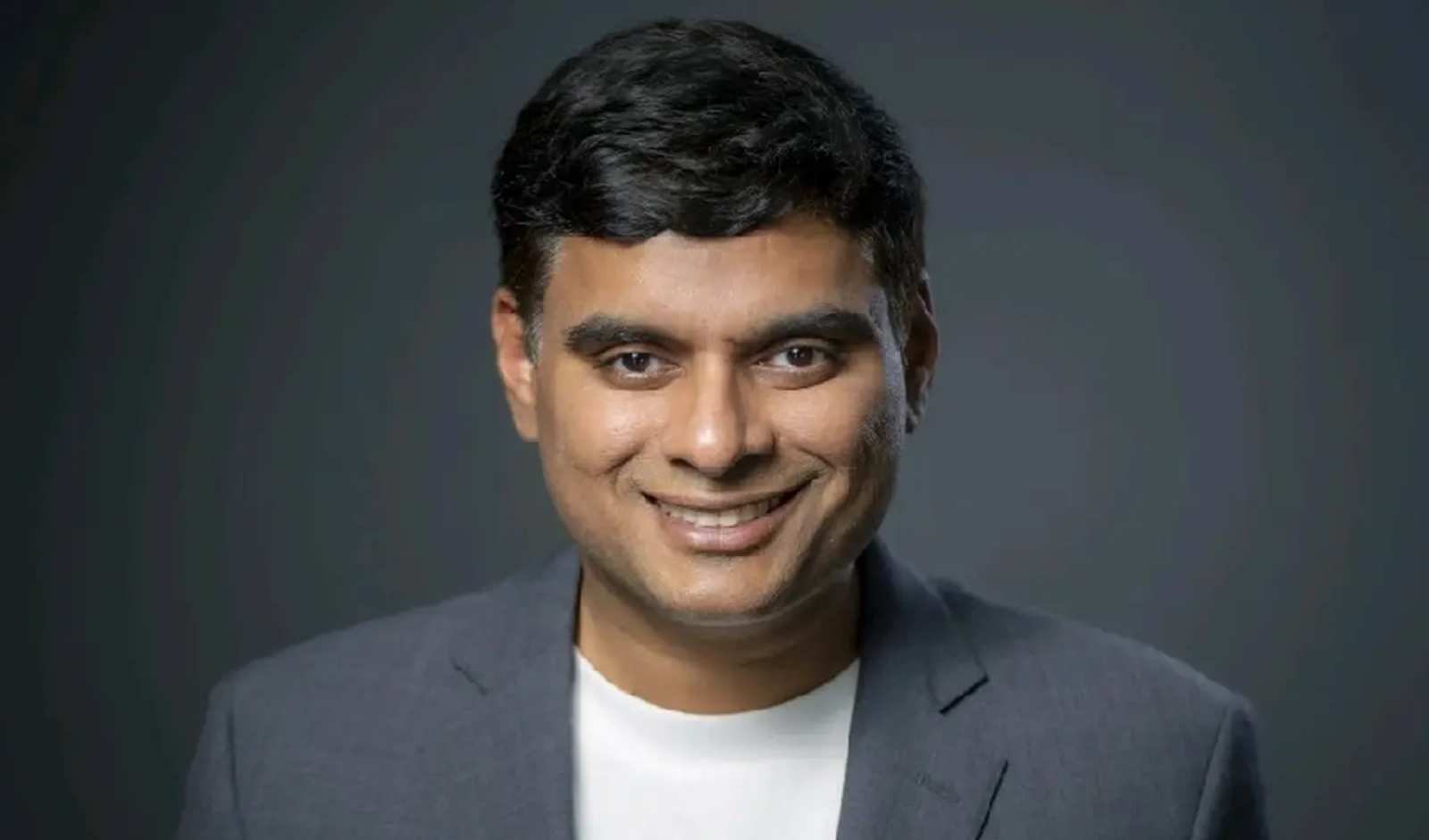
Myntra, the Walmart-owned fashion e-commerce platform, has appointed Pramod Adiddam as its Chief Technology Officer, effective immediately. Adiddam takes over the role following the exit of Raghu Krishnananda, who served as Chief Product and Technology Officer for over five years before leaving the company in April 2025. In his new role, Adiddam will lead Myntra’s technology function and report to CEO Nandita Sinha.
Adiddam brings more than two decades of experience in building and managing large-scale consumer technology platforms. Prior to joining Myntra, he held senior leadership positions at Google and Instacart, where he worked across platform engineering and marketplace expansion initiatives.
Sinha said, “Technology underpins Myntra's ability to deliver a simple and intuitive customer experience to millions of shoppers. As Myntra continues to grow in scale and depth of offerings, Pramod's expertise in building and operating large, global platforms and his ability to combine deep technical understanding with disciplined execution will be key as we continue to strengthen our technology foundations at scale.”
The appointment comes as Myntra continues to invest in its technology stack to support growth across categories, customers, and fulfilment capabilities.
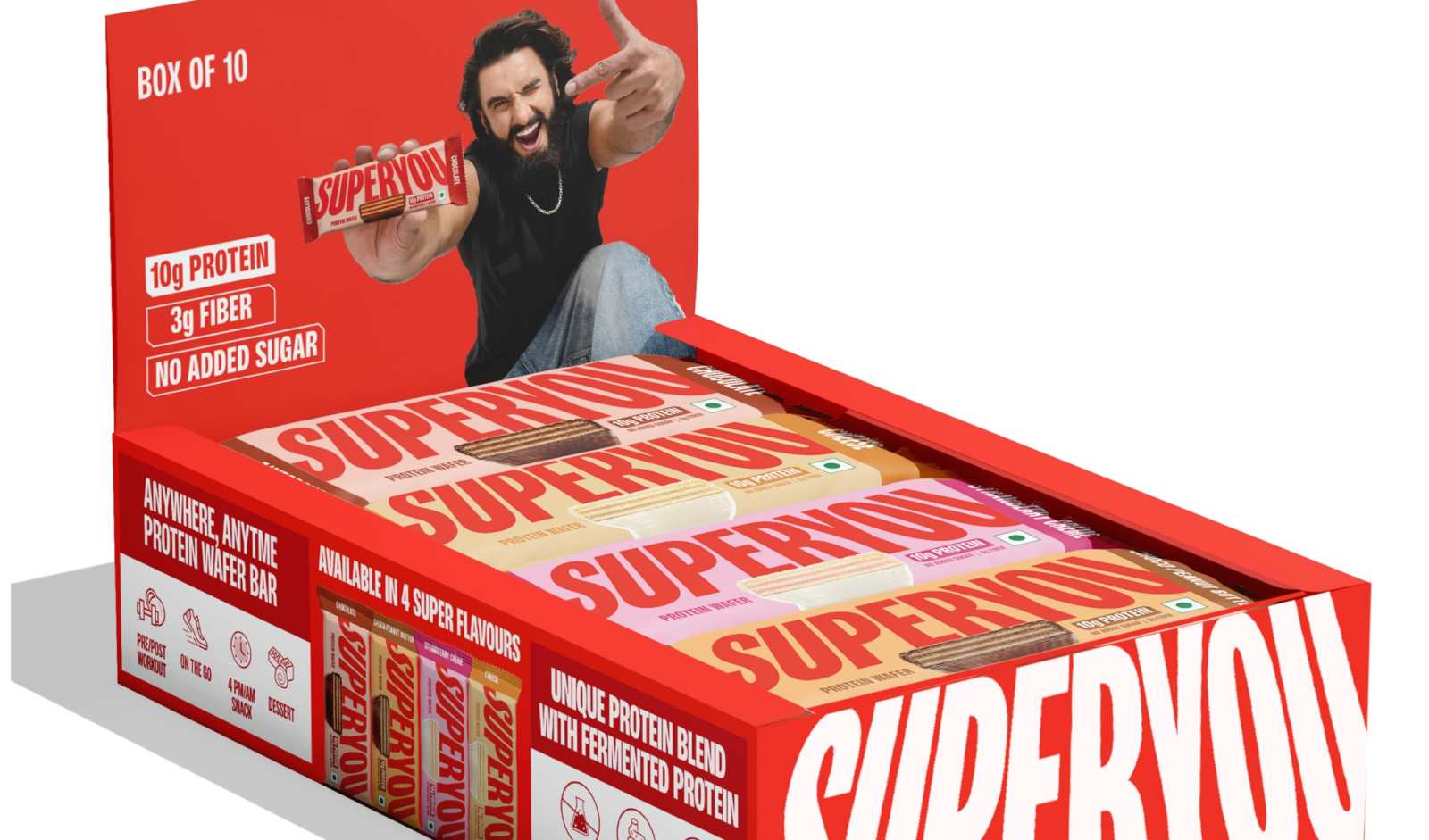
SuperYou, the consumer nutrition brand co-founded by actor Ranveer Singh and entrepreneur Nikunj Biyani, has partnered with Unicommerce to streamline its e-commerce and quick commerce operations. As part of the partnership, SuperYou has adopted Unicommerce’s flagship platform Uniware to manage orders and inventory across quick commerce platforms, online marketplaces, and its direct-to-consumer website.
Through Uniware, SuperYou will operate its multi-channel business via a single dashboard, providing real-time visibility into orders, inventory levels, and warehouse processes. The order and warehouse management systems are expected to support faster fulfilment as demand for instant and same-day deliveries increases.
The platform will also centralise returns management, offering greater control over reverse logistics across marketplaces, quick commerce platforms, and the brand’s own website. This is expected to improve inventory reconciliation and reduce manual processes as volumes grow.
Nikunj Biyani, Co-Founder of SuperYou said, “As a digital-first brand, it is important for us to have a reliable operations backbone as we grow across e-commerce and quick commerce channels. Unicommerce’s unified dashboard enables us to manage orders, inventory, and fulfillment across marketplaces, our website, and quick commerce platforms, and support a consistent customer experience.”
Kapil Makhija, Managing Director and Chief Executive Officer of Unicommerce said, “We are delighted to partner with SuperYou as the brand continues to build a strong, digital-first presence. As consumer brands evolve to meet rising expectations for speed and convenience, the way operations are run needs to evolve as well. This partnership reflects a shared focus on building scalable, future-ready commerce operations.”
The collaboration highlights how digital-first and celebrity-backed brands are increasingly investing in technology-driven systems to support operational efficiency as they scale across multiple online channels.
Swiggy Ltd has announced the rollout of Model Context Protocol integrations across its core platforms Swiggy Food, Instamart, and Dineout, marking a significant shift towards conversational commerce. The move allows users to place food orders, shop for groceries, and make dining reservations directly through AI tools such as ChatGPT, Claude, Google Gemini, and other compatible assistants.
With this launch, Swiggy’s quick commerce arm Instamart becomes the first platform globally in its category to adopt Model Context Protocol. The integration enables users to browse and purchase from an assortment of over 40,000 products using natural language commands instead of navigating through traditional app interfaces.
Model Context Protocol is an open-source framework that connects AI systems with live data and external services in a secure manner. Through this setup, Swiggy has exposed a set of tools that allow AI agents to complete end-to-end tasks on behalf of users. These include searching for products or restaurants, comparing options, building carts, applying offers, confirming delivery details, and tracking orders. For dining out, the system can retrieve available time slots, apply offers, and confirm table bookings in a single interaction.
The integration reflects a broader shift towards what Swiggy describes as agent-led commerce, where users express intent once and allow AI systems to manage the steps required to fulfil it. Instead of manually selecting items or filtering options, users can issue prompts such as ordering ingredients for a specific recipe or finding a highly rated meal based on preferences. The AI then handles decision-making, cart creation, and checkout.
Madhusudhan Rao, Chief Technology Officer at Swiggy said, “India’s convenience needs are deeply contextual, shaped by everyday moments, family routines, personal preferences, and time constraints. Swiggy has always focused on solving for convenience at scale, and conversational commerce takes that a step further by allowing users to simply express what they want, when they want it, whether it is to book a table at their favourite restaurant or order drinks and snacks for a match-viewing party. By bringing MCP to quick commerce, food delivery, and dining out, we’re removing friction from daily decisions and enabling a level of ease, personalisation, and joy that makes on-demand convenience feel effortless.”
Swiggy said the rollout lays the groundwork for future AI-led use cases such as meal planning, health-focused shopping, dietary preferences, and occasion-based ordering. Users can ask an AI assistant to identify a recipe, select ingredients for a specific number of people, and add them to an Instamart cart. Similar flows can be used for curated grocery lists, brand comparisons, or restaurant discovery and reservations through Dineout.
The company added that the integrations are designed to remain privacy-first while allowing AI agents to act contextually across multiple services. The approach aims to reduce friction in everyday decision-making by shifting complexity from the user to the AI layer.
To use the feature, users can connect Swiggy services with supported AI assistants by adding a custom connector within the tool’s settings and selecting the relevant Swiggy service endpoint for Food, Instamart, or Dineout. Swiggy has also published technical documentation through its public GitHub repository for developers and advanced users.
With conversational interfaces gaining traction, Swiggy’s move positions it among early adopters of AI-driven commerce workflows in India’s food delivery and quick commerce ecosystem.
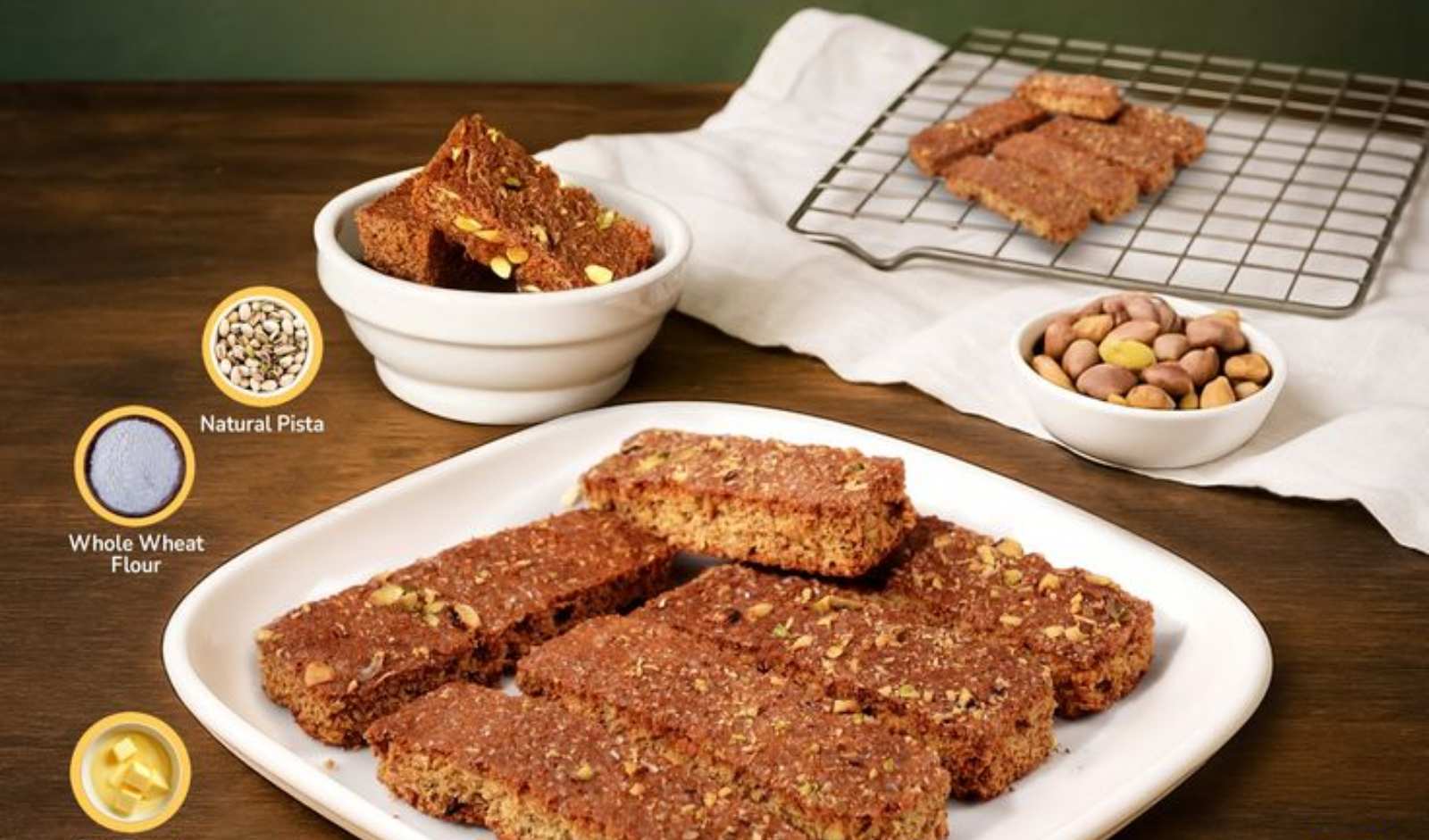
Hyderabad-based food brand Frissly has introduced a 100-minute fresh delivery service as part of its effort to offer certified organic and clean-label food products with greater transparency. The company said the model is intended to ensure customers receive food that is freshly prepared and handled under strict standards rather than stored for extended periods or produced in large batches.
Frissly, which offers products made with organic and non-GMO ingredients, stated that the focus of the initiative is to make fresh and hygienic food accessible to families while maintaining consistency in processing, sourcing, and ingredient selection. The company’s approach prioritises small-batch production rather than mass manufacturing, which it believes supports quality control and freshness.
The brand positions its offering as an alternative in a packaged foods market that has seen an increase in highly processed and chemically modified products. Frissly’s founders have highlighted childhood nutrition and trust as key drivers behind the company’s product philosophy.
“Our focus has always been on building food that families can trust. Fast delivery alone doesn’t mean anything if the food isn’t honest. Our 100-minute promise is about delivering freshness with integrity, food made under strict standards, with full transparency on when it was prepared and how it was handled,” said Pratap Varma, Founder.
Frissly uses certified organic whole grains, millets, red rice, cold-pressed oils, natural sweeteners such as jaggery, honey, palm jaggery, coconut sugar, and candy sugar, and spices sourced from farmers across the country. The brand avoids refined flour, refined sugar, refined oils, preservatives, artificial colours, emulsifiers, synthetic additives, and other processing agents that do not meet its internal standards.
While clean-label food brands are often associated with purity and nutrition, Frissly has emphasized taste and texture as part of product development. The company combines traditional methods and modern food science to deliver flavour profiles without using artificial taste enhancers. The company believes this balance is important for younger consumers and for households looking to maintain traditional eating habits while adopting newer food formats.
Packaging has also been a focus area for Frissly as it expands its delivery capabilities. Materials are selected to retain freshness and minimize environmental impact, which aligns with the brand’s stated sustainability goals.
As part of its expansion plans, Frissly intends to extend its 100-minute delivery service beyond Hyderabad into other regions, including Telangana, Karnataka, Tamil Nadu, Maharashtra, and Andhra Pradesh. The company aims to scale its logistics and sourcing infrastructure while continuing to uphold its clean-label standards.
The introduction of rapid fresh delivery highlights the ongoing development of India’s packaged and ready-to-cook food segment, where consumers are paying closer attention to ingredients, traceability, and nutritional integrity. With more brands entering the clean-label and organic category, delivery models that preserve freshness and limit processing have become an area of differentiation.
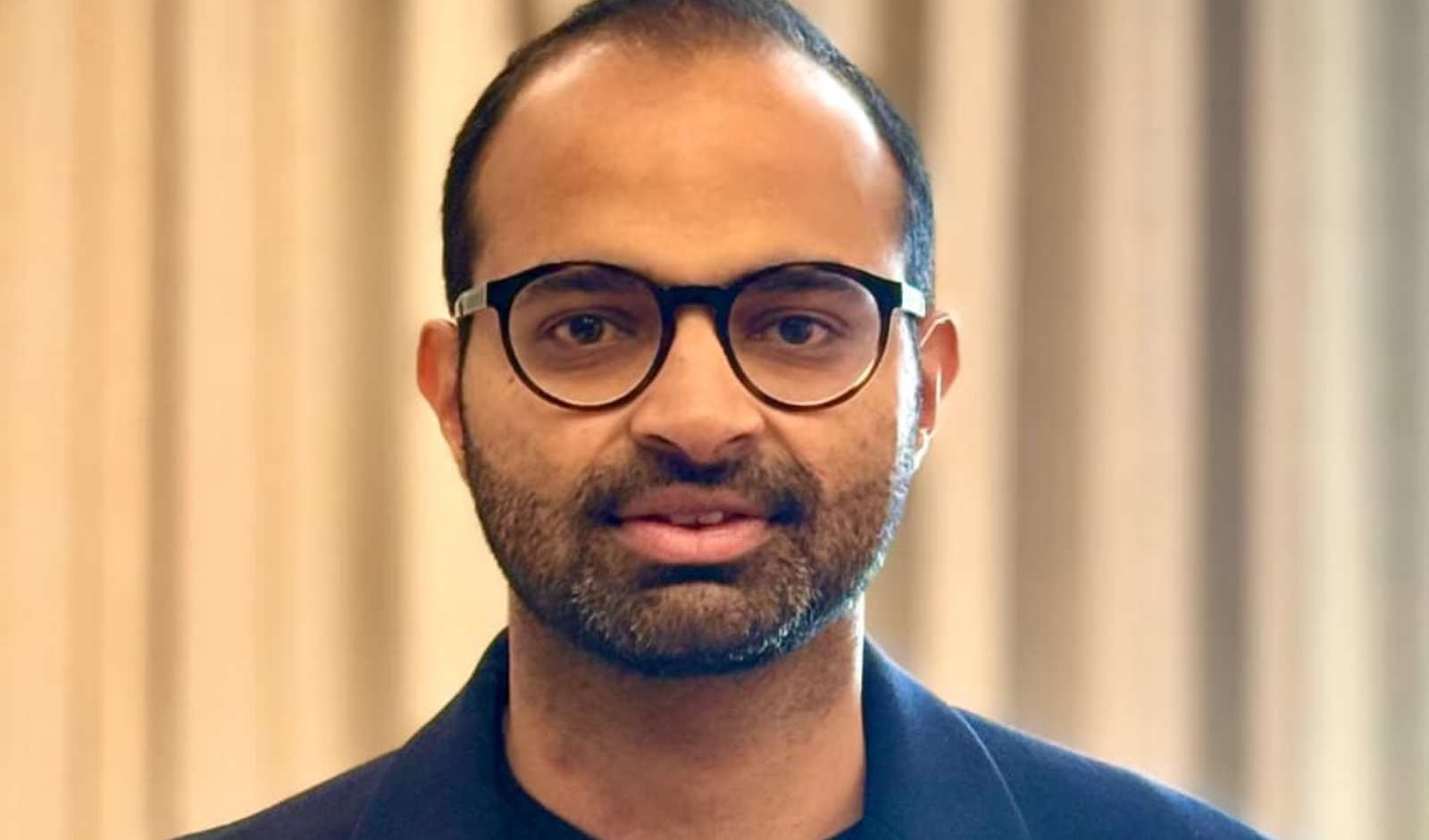
boAt has announced the elevation of Sammyak Jain as Business Head of International Business as the company increases its focus on global expansion into international markets. The company aims to strengthen leadership capabilities and scale its presence beyond India as it sees overseas markets becoming meaningful contributors to growth.
With the new mandate, Jain will lead international strategy, market entry and expansion, partnerships, and operational models across key geographies. He will also continue to oversee Enterprise and ODM Sales while heading Strategy and Operations. Jain has been part of boAt’s leadership since 2022 and has been involved in shaping strategic priorities during a phase of category expansion and brand diversification.
The appointment signals the company’s intention to replicate its domestic growth model in select international markets. According to boAt, global growth is expected to be a core part of its long-term plan as it seeks to build a stronger portfolio and supply chain capabilities suited for multiple regions.
Before joining boAt, Jain spent close to six years at Bain and Company, where he grew from Associate Consultant to Senior Manager. During this period, he advised companies in India and globally on strategy, growth and operational transformation. Prior to Bain, he worked with Rocket Internet and interned with Kearney and Deloitte. Jain holds a B.Tech from IIT Delhi and an MBA from IIM Calcutta.
Gaurav Nayyar, CEO of boAt said, “Global expansion is central to boAt’s long-term growth strategy. boAt’s journey beyond India is accelerating, with several international markets now becoming meaningful growth drivers. This elevation is part of our effort to strengthen leadership and sharpen our global execution.”
Jain said the expanded role comes at a critical time for the brand. “This is an exciting moment for boAt as we take our India born brand to the world. I’m grateful for the trust placed in me and look forward to building high-impact international businesses that stay true to boAt’s bold, consumer-first DNA.”
The company has not disclosed specific International rollout timelines or markets but is expected to pursue a mix of partnerships, distribution models and category-focused launches as part of its expansion strategy. The leadership elevation comes as global consumer electronics brands see rising competition in audio and wearables led by shifts in pricing, innovation and supply chain localization.
Zomato has announced a strategic partnership with Amazon Pay aimed at adding more value to everyday food ordering for users across India. As part of the collaboration, customers can earn Zomato Money on every order paid for using Amazon Pay Balance, integrating digital payments with loyalty rewards.
Under the new arrangement, Zomato users who choose Amazon Pay Balance as their payment method will receive Zomato Money based on the day of the week. Payments made between Monday and Friday will earn 3 percent Zomato Money, while orders placed on Saturdays and Sundays will earn 5 percent. The rewards earned can be redeemed on future Zomato orders, encouraging repeat usage.
The partnership reflects a broader effort by both companies to strengthen their ecosystems by combining frequent-use services such as food delivery and digital payments. With food ordering being a regular activity for many urban consumers, the integration is expected to improve payment convenience while offering consistent incentives.
Rahul Gupta, Vice President Product at Zomato said, “We are building an ecosystem that helps us further Zomato's mission of better food for more people. Through strategic collaborations with partners like Amazon Pay, we're making food ordering not just convenient, but genuinely rewarding for millions across India.”
Vikas Bansal, CEO of Amazon Pay India said, “We are delighted to partner with Zomato in bringing even more value to our users. At Amazon Pay, we are focused on enabling rewarding, trusted and effortless payments for everyday needs. With this collaboration, millions of users can now use their Amazon Pay Balance on Zomato and enjoy instant cashback every time they order their favorite food.”
To access the benefits, users need to link their Amazon Pay Balance with their Zomato account. This can be done by navigating to the payment settings section within the Zomato app or by selecting the linking option during checkout. Once linked, users must apply the relevant promotional code available in the offer section before completing payment using Amazon Pay Balance.
Adding money to Amazon Pay Balance is also positioned as a simple process. Users can top up their balance using Amazon Pay UPI, debit cards issued in India, credit cards, or net banking. Funds can be added by opening the Amazon app, selecting Amazon Pay on the home screen, and choosing the add money option. While most top-ups are credited instantly, some transactions may take up to 15 minutes to reflect.
The collaboration allows users to utilise an existing digital wallet balance for food orders while earning rewards that lower the cost of future purchases. This creates a closed loop where payments and rewards reinforce each other, benefiting frequent users of both platforms.
As competition in food delivery and digital payments continues to intensify, partnerships such as this are becoming a key way for platforms to retain users and increase transaction frequency. By combining Zomato’s large food ordering base with Amazon Pay’s digital payments infrastructure, the two companies are aiming to offer a smoother and more rewarding experience for consumers ordering food online.
Food and grocery delivery platform Swiggy has raised Rs 10,000 crore through a qualified institutional placement, according to a regulatory filing with the stock exchanges. The fundraise marks one of the largest recent capital infusions in India’s consumer internet and retail services space and comes at a time when competition in quick commerce continues to intensify.
From a retail industry standpoint, the successful closure of the QIP underlines sustained institutional confidence in India’s digital-first consumption platforms, particularly those operating across food delivery, grocery, and convenience retail. Swiggy operates at the intersection of logistics, technology, and everyday consumption, making access to long-term capital critical as companies in this segment scale infrastructure and compete on speed, assortment, and customer experience.
The fresh capital significantly strengthens Swiggy’s balance sheet. Following the QIP, the company’s cash reserves are estimated to rise to around Rs 15,000 crore. In addition, Swiggy is expected to receive approximately Rs 2,400 crore from the sale of its stake in urban mobility startup Rapido, once the transaction is completed. Together, these inflows provide the company with a sizeable financial cushion to fund expansion and manage competitive pressures.
India’s quick commerce market has seen rapid growth over the past two years, driven by changing consumer expectations around delivery timelines and convenience. Retail categories such as groceries, fresh produce, and daily essentials have increasingly shifted toward app-based ordering, especially in urban centres. This has led to aggressive expansion by multiple players, with a strong focus on dark store networks, last-mile delivery, and technology-led efficiencies.
Swiggy’s fundraise is therefore closely tied to the broader dynamics shaping organised digital retail in India. As competition heats up, companies are prioritising faster delivery promises, deeper category penetration, and improved unit economics. Capital raised through institutional routes like QIPs allows platforms to invest in supply chain optimisation, expand warehouse coverage, and improve service reliability without immediate pressure on short-term profitability.
For investors, Swiggy’s ability to attract large-scale institutional capital at this stage highlights the perceived long-term value of integrated food and grocery platforms in India’s evolving retail landscape. While pricing discounts are typical in QIP transactions, the strong participation from domestic and global funds suggests continued belief in the sector’s growth potential.
As the quick commerce segment moves into its next phase, balance sheet strength is likely to become a key differentiator. Swiggy’s latest fundraise positions it to navigate the current competitive cycle while continuing to build scale across food delivery and grocery retail in India.

Instamart has introduced a Period Tracker and Care feature that brings cycle tracking and menstrual-care shopping into a single in-app experience. The update is designed to make it easier for users to access essential products and manage their cycles without switching between different apps or searching across multiple categories.
The new feature places two functions, tracking and shopping, in one dedicated section on Instamart. Users can log their cycle, receive reminders, and view a curated selection of items commonly needed during the menstrual period. This approach is intended to address a recurring challenge reported by users, many of whom rely on external apps for tracking and then turn to quick-commerce platforms for last-minute orders.
Insights gathered from user behaviour and conversations on social media indicated that many customers struggle to remember cycle dates or assemble menstrual-care items in time. The consolidated feature aims to reduce this gap by presenting all relevant tools and products in one place. The range includes pads, tampons, menstrual cups, hot-water bags, pain-relief items and food products often associated with PMS cravings such as chocolates and ice cream.
The feature gained early visibility after a customer’s LinkedIn post describing the update as a “thoughtful addition” went viral. Several users shared that the reminders helped them prepare in advance or put together small kits to use during PMS. Much of the feedback reflected relief at having a tool that eliminates the need to depend on multiple apps or last-minute decision-making.
This response mirrors a broader trend in the digital retail and quick-commerce industry, where platforms are starting to integrate wellness and everyday care features into existing user journeys. The shift suggests that convenience-led platforms are expanding their scope from fulfilling immediate orders to addressing routine needs that recur throughout the month.
With menstrual care now available through a one-tap process, Instamart is working to create a more seamless experience within its platform. The introduction of the Period Tracker and Care feature marks a step toward combining essential health-related tools with rapid delivery, reflecting the ongoing evolution of consumer expectations for convenience.
Zepto has completed the automation of its backend supply chain across India after a year of development and deployment. The update was shared by founder and CEO Aadit Palicha, who noted that the shift to automated systems is now fully integrated across the company’s network. The move positions Zepto to streamline its operations at a time when the quick commerce sector is facing growing demand and increasing infrastructure pressure.
According to Palicha, Zepto currently processes about 25 lakh FMCG units each day through automated systems. In a social media post, he wrote that the company has now scaled automation nationwide, enabling daily handling of high-volume inventory through machine-led capabilities. A video posted alongside the announcement showed the automation flow within one of its facilities.
The company reported that automation has increased outbound labour productivity by more than 45 percent when compared to manual tasks. This gain is expected to lead to annual operational savings projected in the hundreds of crores. As part of the transformation, Zepto’s engineering teams have built proprietary software to manage automated assets and integrate them with the company’s broader logistics infrastructure.
Palicha stated, “Our engineering teams have successfully developed internal software to direct these automated assets and connect them with our main logistics systems.”
The milestone comes at a time when the quick commerce industry is navigating challenges tied to supply chain capacity, sourcing pressure and infrastructure constraints. Earlier this year, Zepto Café, the company’s 10-minute food delivery unit, reduced operations due to sourcing limitations and shortages of trained staff across kitchens.
The rapid expansion of the sector has also increased demand for hyperlocal warehouses. Market estimates suggest that current requirements could be nearly three times the available supply. These compact warehouses, generally between 2,000 and 8,000 square feet, are often located within residential neighbourhoods and increasingly repurposed from vacant commercial spaces such as empty stores, unused service apartments and office floors.
As Zepto scales its footprint, the automation push is expected to play a central role in improving operational efficiency and cost management while supporting faster fulfilment. The company said the improvements will remain a priority as consumer expectations for speed and reliability continue to shape the competitive landscape in India’s quick commerce segment.
Amazon has announced that it is on track to invest Rs 12.7 billion in cloud and AI infrastructure across India as part of its long-term expansion strategy in the country. The investment will enhance Amazon Web Services' capacity in Telangana and Maharashtra, two states that have emerged as important hubs for data infrastructure and digital innovation.
Alongside infrastructure expansion, Amazon outlined new plans to support more than 15 million small businesses through AI-enabled tools integrated across its ecosystem. These include agentic AI seller assistants, upgraded seller central capabilities, generative AI listing tools, a creative studio for ad development and a video generator aimed at reducing the cost of video advertising. The company noted that these tools are designed to give micro and small entrepreneurs access to technology that helps streamline operations, improve listings and strengthen product visibility regardless of whether they operate in metro cities or tier 3 locations.
Amazon also shared upcoming updates for consumers using Amazon.in. The platform is expected to become more intuitive and personalised as AI features expand over the next few years. Rufus, Amazon’s AI assistant currently available to users, can help customers interpret complex queries, compare products, review price histories and access visual explainers. Additional features such as Lens AI for image-led searches and AR View for real-world visualisation will further support product discovery.
Another part of Amazon’s plan focuses on education and AI literacy. The company announced an initiative to reach 4 million government school students by 2030 with an AI curriculum that includes hands-on experimentation, teacher training, and career exposure. This programme aligns with the National Education Policy 2020 and intends to prepare students in underserved regions for future workforce opportunities.
Samir Kumar, Country Manager at Amazon India said, “AI can be a great equaliser in India. We believe every Indian, students, small businesses, and customers, should benefit from this transformation.”
Amazon stated that these initiatives reflect its continued commitment to supporting India’s digital growth and helping build a competitive AI and cloud ecosystem. As demand for advanced technologies increases across retail, commerce and public services, the company’s investments aim to strengthen India’s capacity to support innovation at scale.

The Estée Lauder Companies and Jo Malone London have introduced the Jo Malone London Scent Advisor, an AI-powered digital tool designed to guide customers through fragrance selection in an online environment. The launch addresses a long-standing challenge in online fragrance retail, where shoppers often lack the sensory interaction that helps them make confident choices in stores.
The tool is now available on JoMalone.com in the United States and United Kingdom. It uses advanced artificial intelligence to recreate Jo Malone London’s in store consultation format through a conversational interface. Customers can describe the type of fragrance they want, either for personal use or as a gift, and the tool interprets their preferences using Jo Malone London’s olfactory data. The system is built on Google’s Gemini and Google Cloud’s Vertex AI platform.
Jo Dancey, Global Brand President at Jo Malone London said, “We are entering a new era of digital scent discovery where AI can bridge the gap between curiosity and confidence. With the launch of our AI Scent Advisor, we’re strengthening the way consumers explore scents, bringing the Jo Malone spirit of curiosity and creativity to online fragrance discovery. This smart advisor lets people describe in their own words what they’re drawn to and translates that into meaningful, tailored scent recommendations. It’s designed to feel like having one of our fragrance experts at your side, wherever you are.”
The tool was developed by The Estée Lauder Companies’ AI and innovation teams, combining proprietary data with the technical capabilities of Google Cloud. It supports the company’s focus on expanding its fragrance portfolio and enhancing customer engagement across digital touchpoints. The launch follows the recent opening of The Estée Lauder Companies’ Fragrance Atelier in Paris, which underscores the company’s intentions to grow its position in the global fragrance category.
Brian Franz, Chief Technology, Data and Analytics Officer at The Estée Lauder Companies said, “This innovation marks a pivotal step in The Estée Lauder Companies’ ongoing commitment to leveraging technology to elevate consumer experiences. It reimagines what personalized digital experiences can feel like while unlocking deeper insights into our consumers and their preferences. By powering AI-driven innovation, we are bringing to market products and experiences that truly resonate with our consumers.”
Jose Gomes, VP, Retail and Consumer Packaged Goods at Google Cloud said, “Our partnership with The Estée Lauder Companies is a great example of how Google Cloud’s AI capabilities can solve complex business challenges while preserving what makes a brand distinctive. What's notable here is the deep collaboration between technology providers and industry leaders who understand their customers and their craft. The result is delivering expert, personalized guidance online, demonstrating how companies can deploy AI to enhance what they already do well.”
The introduction of the Jo Malone London Scent Advisor continues the brand’s efforts to explore digital innovation and personalised tools. Recent initiatives include its Scent Layering tool and a TikTok fragrance filter, reflecting the brand’s focus on evolving digital engagement within the beauty and fragrance retail sector.
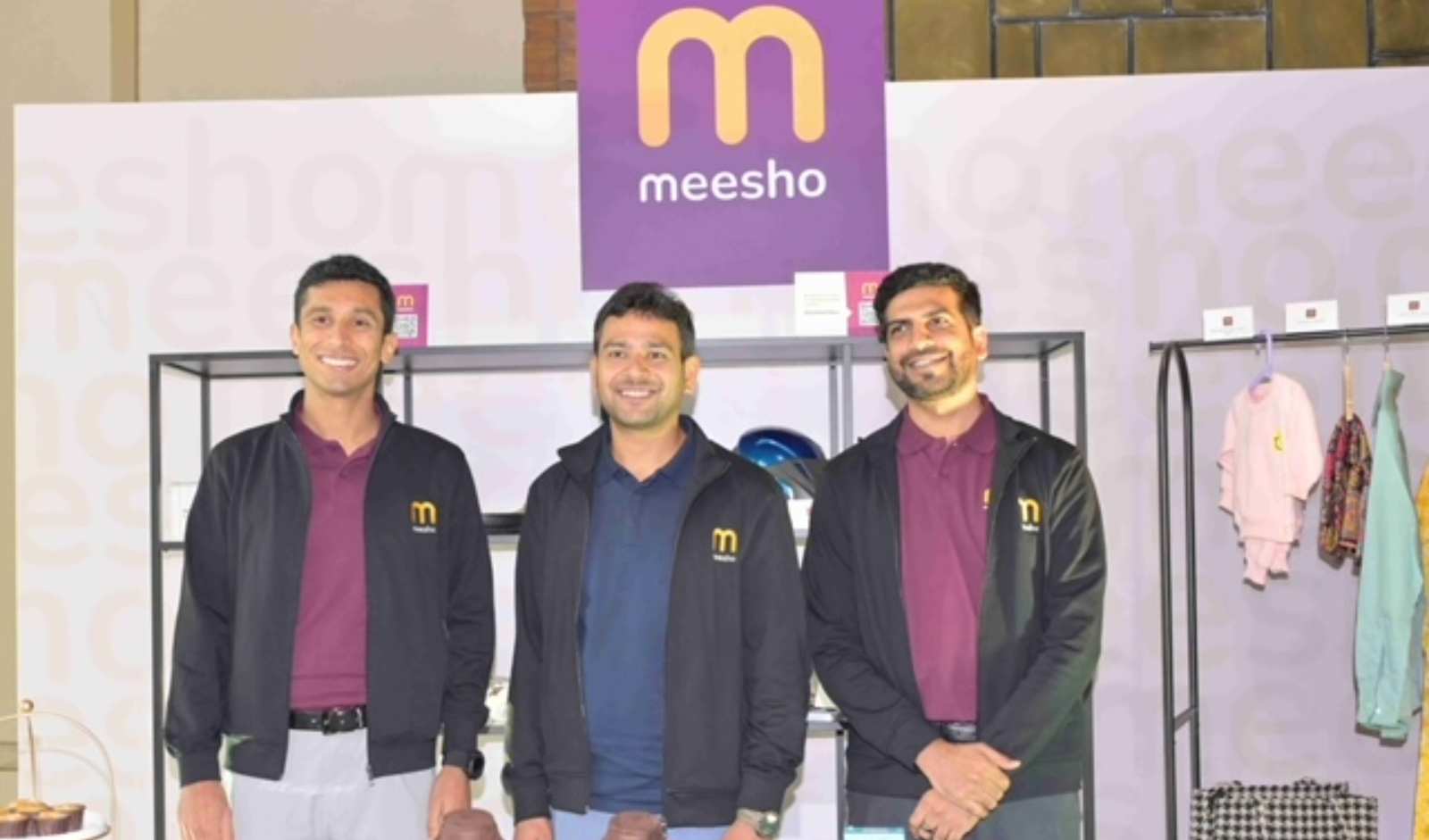
Meesho has announced the opening of its much-anticipated initial public offering (IPO), scheduled for Wednesday, December 3, 2025. The IPO will see Meesho’s equity shares with a face value of Rs 1 each open for bids as the company prepares for its official stock market debut. Anchor investor bidding will take place one day prior to the offer opening, on Tuesday, December 2, 2025. Investors can participate in the offering until Friday, December 5, 2025.
The company has set the price band of the issue at Rs 105 to Rs 111 per equity share. Retail and institutional investors are eligible to place bids for a minimum lot size of 135 shares and in multiples of 135 shares thereafter.
Meesho’s IPO comprises two components: a fresh issue of equity shares that will raise up to Rs 42,500 million and an Offer for Sale (OFS) involving up to 105,513,839 equity shares. The shares for sale come from a mix of existing shareholders, including company promoters Vidit Aatrey and Sanjeev Kumar. Corporate investors offering shares include Elevation Capital V Limited, Peak XV Partners Investments V, Venture Highway Series 1 (a series of Venture Highway SPVs LLC), Golden Summit Limited, Y Combinator Continuity Holdings I LLC, Sarin Family India LLC, Crimsn Holdings LLC, Titan Patriot Fund Ltd, and Gemini Investments L.P. Additionally, Man Hay Tam and Rajul Garg are offering shares as individual shareholders.
The public issue is structured in accordance with Rule 19(2)(b) of the Securities Contracts (Regulation) Rules, 1957, as amended, and SEBI’s Issue of Capital and Disclosure Requirements Regulations, 2018. The IPO is being led through the Book Building Process, where at least 75 percent of the shares will be allocated to Qualified Institutional Buyers on a proportionate basis. Out of this institutional allotment, up to 60 percent may be allocated to anchor investors at the discretion of the company and its book-running managers, with one-third reserved for domestic mutual funds, subject to valid bids at or above the final allocation price.
The remainder of the issue is allocated with up to 15 percent earmarked for non-institutional investors and up to 10 percent for retail individual investors.
Meesho’s equity shares will be listed on both BSE Limited and the National Stock Exchange of India Limited (NSE), with NSE designated as the primary exchange for this offering.
The lead managers overseeing the IPO process include Kotak Mahindra Capital Company Limited, J.P. Morgan India Private Limited, Morgan Stanley India Company Private Limited, Axis Capital Limited, and Citigroup Global Markets India Private Limited. KFin Technologies Limited has been appointed as the registrar to the issue.
This IPO is poised to be one of the notable listings for the retail sector in 2025 and is expected to attract broad participation from institutional as well as retail investors, reflecting continued interest in Indian digital commerce platforms.
Kult, a leading AI and personalisation platform in India’s beauty tech sector, has announced the appointment of Parag as Chief Financial Officer. With over 20 years of experience in finance and business transformation, Parag brings a strong track record of scaling operations and driving growth across high-growth industries. His addition comes at a crucial time as Kult accelerates its expansion and finalises major inventory financing deals with banks and institutional lenders.
Parag’s background includes senior financial roles at several global organisations. He served as group CFO for College Dekho, directed financial operations for PayPal India, and led India’s market expansion as CFO for AT&T. He also held the group CFO position at Nimbuzz BVI, where he established financial controls for global operations. His expertise in mergers and acquisitions, corporate development, investor relations, and business transformation is expected to support Kult’s growth plans following its recent $20 million Series A funding round.
Karishma Singh, Founder and CEO of Kult E-Commerce said, “Parag’s experience with MNCs and startups is a unique combination. MNC experience brings quality benchmarks and startup experience brings the dynamism. Parag comes at a time when the company is closing large inventory financing with banks and institutional lenders. Thus having a CFO as a financial steward was the need of the hour.”
Parag added, “The beauty category has immense potential. Even though there are large players, the market is still at a very nascent stage. Kult’s approach through personalization and AI will have a niche carved out for itself, and I am sure it will emerge as a market leader eventually. The team is young and their enthusiasm is commendable. I am very excited and looking forward to working as a team and taking Kult to new heights.”
This appointment is part of Kult’s broader leadership expansion, which has also seen the addition of Rishi as Chief Business Officer and Ravish as Head of Marketing. The management team brings together deep expertise in e-commerce, beauty, and technology, positioning Kult to continue revolutionising beauty shopping in India through its technology-first platform.
The Open Network for Digital Commerce has appointed Rohit Lohia as Chief Business Officer, adding leadership depth as the network scales across retail, mobility, and logistics. Lohia brings experience across consulting, entrepreneurship, and senior roles in fintech, payments, and operations, having served as Senior Vice President at Paytm and as a board member at Paytm Money Limited and One97 Communication India Limited.
At Paytm, Lohia worked on business growth, product development, and risk, following earlier stints co-founding startups in fintech and e-commerce and working with Boston Consulting Group. He holds a PGDM from IIM Bangalore and a BTech from IIT Roorkee.
“We are thrilled to welcome Rohit to the ONDC team. Rohit brings valuable experience in building and scaling new-age digital businesses. Coupled with his deep understanding of the e-commerce landscape, his expertise will help drive the ecosystem towards new unlocks and sustainable value creation through the Open Network construct,” said Vibhor Jain, Acting CEO and COO, ONDC.
“I’m excited to join ONDC at this juncture. My aim is to foster an ecosystem where transparent access, innovation, and operational excellence go hand in hand. Together, we will empower small businesses and enable a win-win relationship between sellers and buyers by unlocking value across the digital commerce landscape,” said Rohit Lohia, Chief Business Officer, ONDC.
Incorporated on December 30, 2021, ONDC is a Section 8 company under the Department for Promotion of Industry and Internal Trade, Ministry of Commerce and Industry. The network aims to create an open, unbundled, interoperable framework to deepen digital commerce penetration across India.
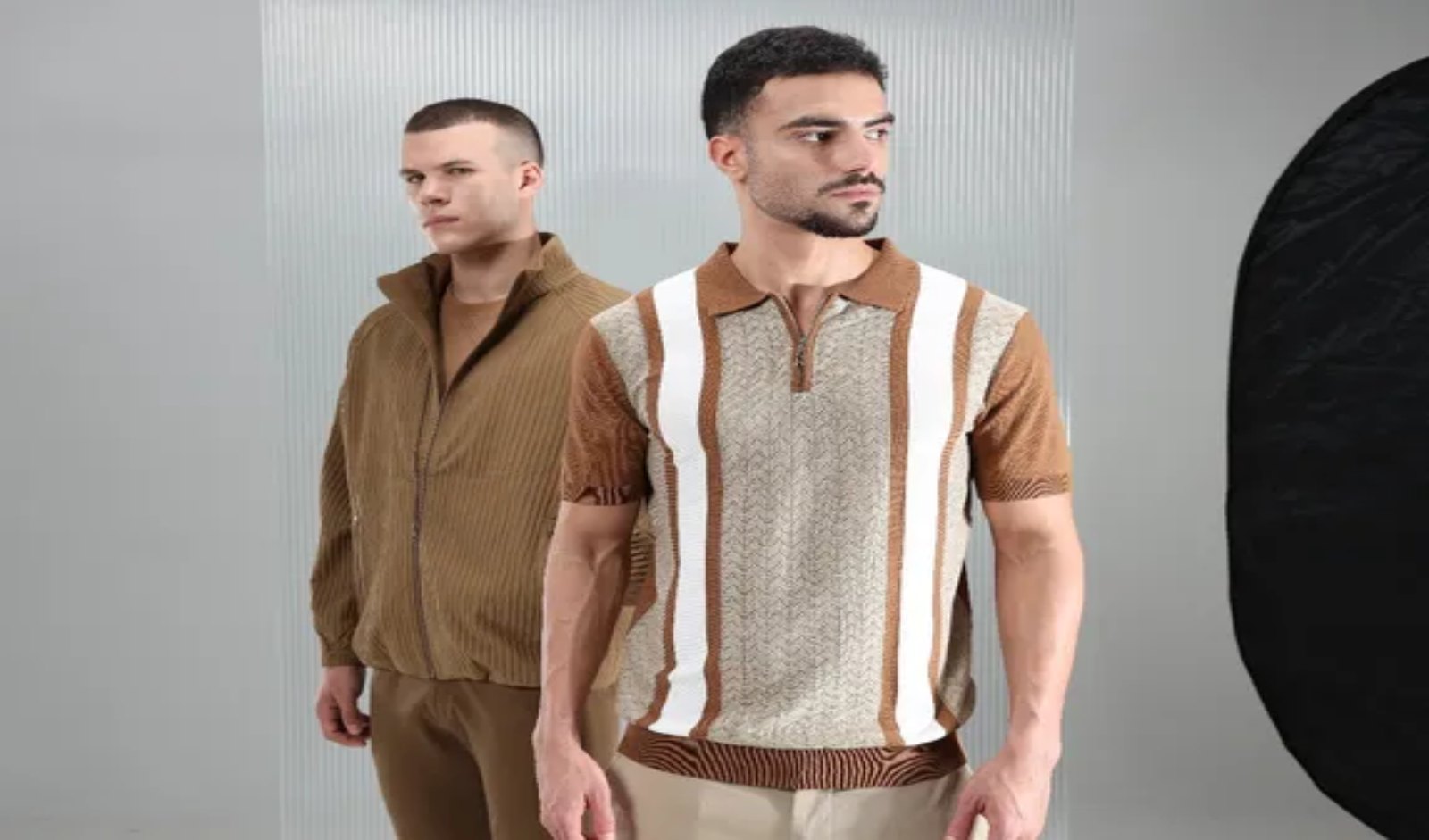
ENGYNE, a premium menswear label known for its refined design and high-quality craftsmanship at accessible pricing, has announced a new collaboration with StyleZen, an AI-driven, app-based fashion platform. StyleZen offers curated looks and doorstep delivery within 60 minutes, bringing together technology, speed, and personalization in men’s fashion retail.
The partnership aims to enhance convenience and accessibility for style-conscious professionals and millennials across India’s NCR region. By combining ENGYNE’s focus on quality and fit with StyleZen’s AI-led styling platform, the two brands are introducing a new retail experience that blends smart technology with fast fulfillment.
The curated collection includes polos, shirts, knitwear, and jackets, reflecting StyleZen’s minimalist design philosophy interpreted through ENGYNE’s contemporary aesthetic. The color palette features deep navy, olive, charcoal, marigold, and clay, offering versatility across professional and casual wear.
Each piece is crafted from high-quality fabrics such as Supima cotton, blended textiles, and fine jersey. The garments feature bio-washes, textured weaves, and subtle embroidery to maintain a clean, modern look while ensuring comfort and durability throughout the day.
Dinesh D, Director and Co-founder of ENGYNE said, “Our association with StyleZen felt organic because both brands believe in making fashion intuitive and personal. The process allowed us to explore new directions in form, texture, and expression while retaining the design discipline ENGYNE stands for. This collection is about the modern man who wants his clothes to reflect confidence without effort. It is thoughtful, sharp, and true to our idea of accessible luxury.”
This collaboration strengthens ENGYNE’s digital presence and brings the brand closer to consumers seeking flexibility and immediacy in fashion retail. The campaign visuals highlight the versatility of the collection across work, travel, and leisure, underlining the brand’s approach to style that moves with the wearer.
With this partnership, ENGYNE continues to expand its digital and creative footprint, merging design-led craftsmanship with the efficiency of app-based retail. The collection is now available through ENGYNE’s online store and the StyleZen app, offering customers an elevated shopping experience built on speed, style, and convenience.
Eternal reports strong Q2FY26 growth across quick commerce, food delivery, and B2C revenue, supported by inventory transition and new category expansion on District.
Eternal reported consolidated adjusted revenue of Rs 13,968 crore, up 172 percent year over year and 85 percent quarter over quarter, with B2C NOV at Rs 23,164 crore, up 57 percent year over year and 15 percent quarter over quarter.
Quick commerce NOV rose 137 percent year over year and 27 percent quarter over quarter, reaching the highest growth rate in ten quarters, while adjusted EBITDA margin improved to negative 1.3 percent of NOV from negative 1.8 percent in Q1FY26 as the network expanded by 272 net new stores to 1,816 locations. Management expects approximately 2,100 stores by December 2025 versus prior guidance of 2,000, and targets 3,000 by March 2027, with about 80 percent of Q2FY26 NOV on owned inventory moving toward 90 percent next quarter.
“We have transitioned most of the business to own inventory model... about 80 percent of the NOV was on our own inventory... expected to go to... about 90 percent in the next quarter,” said Akshant Goyal, Chief Financial Officer, adding that the shift should expand net margin by about 1 percentage point over the next four to six quarters.
Food delivery NOV increased 14 percent year over year, slightly above the prior quarter’s 13 percent, with adjusted EBITDA margin at 5.3 percent of NOV versus 5.0 percent in Q1FY26, and absolute adjusted EBITDA above Rs 500 crore versus Rs 451 crore in Q1FY26. The segment remains within the long-term guidance range of 5.0 to 6.0 percent adjusted EBITDA margin as growth trends begin to recover.
Hyperpure’s core restaurant business grew 42 percent year over year and 15 percent quarter over quarter to Rs 940 crore, while adjusted EBITDA margin improved to negative 0.9 percent from negative 2.2 percent in Q1FY26, with expectations for profitability over the next two quarters as the non-restaurant business is scaled down to zero.
District added a new ‘stores’ category alongside dining-out, movies, and event ticketing, onboarding approximately 3,400 outlets across six cities and enabling over 60,000 transactions, with plans to scale the segment further. “Our customer base continues to expand rapidly... building District as the one-stop destination in India for discovering multiple going-out use-cases,” said Deepinder Goyal, Founder and CEO, who also confirmed District’s launch in the UAE to unify dining-out and live events on a single app in that market.
From a retail perspective, Eternal’s transition to owned inventory in quick commerce, store network growth, and category expansion indicate a push for margin stability, assortment control, and localized availability, while District’s ‘stores’ category extends reach into offline discovery and transactions. The guidance to 2,100 stores by December 2025 and 3,000 by March 2027 frames the near-term capacity and market coverage plan for last-mile retail.
Amazon’s Great Indian Festival 2025 has set new benchmarks for scale and reach. The event recorded over 276 crore customer visits, with 70 percent from tier ll and lll cities, and reported the highest-ever number of sellers registering sales across regions including Kangra, Haridwar, Muzaffarpur, Jamnagar, Darjeeling, Shimoga, and Salem. With five days left in the 30-day event, Amazon highlighted all-time-high engagement and GST-linked savings across categories.
“The Amazon Great Indian Festival 2025 has once again set new benchmarks with a record-breaking 276 crore customer visits, reaffirming Amazon's position as India's most loved and trusted online shopping destination. We are particularly proud that our services reached every serviceable pin code across India, with more than 70 percent of our customers coming from tier ll and lll cities. Our sellers and brand partners have seen multi-fold growth across categories such as smartphones, appliances and consumer electronics to home and kitchen, beauty, fashion, and more - reflecting the trust customers from all parts of the country continue to place in us. This year's festival enabled more than Rs 1,000 crore in customer savings through bank offers, enabled GST benefits through sellers, and cashback rewards. We are equally delighted to see strong growth for lakhs of sellers, from small businesses and local artisans to made-in-India brands. Our sellers provide customers with a vast selection, complemented by our enhanced delivery and payment innovations, including 60 percent more same-day deliveries than last year, no-cost EMI, and attractive bank and exchange offers. We are humbled by the customer trust that motivates us to make festive shopping more rewarding than ever before,” said Saurabh Srivastava, VP, Amazon India.
Prime delivery scaled nationwide. More than 4 crore products were delivered the same day and next day to Prime members, with same-day deliveries at 1.4 crore, up 60 percent year on year, and next-day deliveries at 2.8 crore, up 22 percent year on year. Metro same- and next-day speeds grew 29 percent for Prime members. Two-day deliveries in tier ll and lll cities rose 37 percent. Around 70 percent of new Prime members came from tier ll and lll cities.
Seller participation reached new highs. Small and medium businesses formed more than two-thirds of participants from tier ll and lll cities. The festival recorded the highest-ever number of sellers nationwide receiving at least one sale. Amazon Bazaar saw over 2x growth in seller participation, with more than 50 percent of Bazaar sellers achieving their highest-ever single-day sales. Sellers crossing Rs 1 lakh in sales rose 15x on Amazon Bazaar versus last year. Eighteen states and Union Territories saw their highest-ever number of sellers cross Rs 1 lakh, including Madhya Pradesh, Assam, Punjab, and Andhra Pradesh.
Payments and credit adoption continued to shift behavior. One in four customers used Amazon Pay. One in four orders used UPI, up 23 percent year on year. One in six purchases across mobiles, large appliances, TVs, and electronics used EMI; four out of five of these were No Cost EMI. No Cost EMI usage rose 10 percent year on year across appliances, fashion, groceries, baby, and pet products. Amazon Pay ICICI Bank credit card usage increased 10 percent year on year; cardholder expenditure rose 15 percent, and transaction volume grew 13 percent. Gift cards grew 42 percent. Amazon Pay Later saw 84 percent increase in new issuances and a 15 percent rise in usage. With Rewards Gold, customers could get assured 5 percent cashback across 15 plus brands and categories on completing 25 payments in 3 months using Amazon Pay UPI. International flights grew 10 percent by value and 15 percent by bookings during the event.
Category demand showed clear trading-up patterns. In consumer electronics and appliances, premium smartphones above Rs 30,000 grew 30 percent, with 65 percent of demand from tier ll and lll cities. TV upgrades from 43 inches to 55 inches rose 10 percent year on year. TVs 75 inches and larger grew 70 percent. QLED TVs grew 105 percent, and Mini-LED increased 500 times. MacBook Air M4 demand rose 21x. Sony Home Theatre systems grew 320 percent year on year.
Fashion and Beauty recorded up to 95 percent growth in tier ll and tier lll cities driven by selection across top brands and rising interest in premium and festive categories. Lab-grown diamond jewellery rose 390 percent year on year. Precious jewellery and silver coins increased 200 percent. Premium apparel brands grew 150 percent. Korean beauty products rose 75 percent. Premium watches increased 55 percent. Professional beauty, haircare, and footwear grew 40 percent.
Mobility and services accelerated. Two-wheelers grew 105 percent year on year, with more than 550 models from 18 OEMs across over 4,000 pin codes and 2,000 plus towns and cities, and average delivery time of 6 days. Customer favorites included Xtreme 125R and Bajaj Pulsar 125 for petrol, Ather Rizta and Chetak 3501 in electric scooters, and KTM 250 in premium bikes. The premium portfolio expanded with launches from Royal Enfield and brands like KTM, Triumph, JAWA, Yezdi, and KeeWAY. Connected mobility products rose 88 percent year on year, led by wireless car play systems, dashcams, and smart mobility devices.
Grocery and essentials saw faster adoption beyond metros. Amazon Now continues ultra-fast service in select pin codes in Bengaluru, Delhi, and Mumbai. Amazon Fresh grew 60 percent from tier ll and lll cities; fruits and vegetables drove 50 percent of demand. Seeds and dry fruits grew 50 percent each. Hair care rose 60 percent, sports nutrition 40 percent, and whey protein 30 percent. Organic, sustainable, and premium products, including Two Brothers, Khapli Atta, and eco-friendly baby brands like Bambo Nature, grew 100 percent. Premium gifting doubled in non-metros. Coffee grew 30 percent overall and 60 percent in tier ll and lll cities.
Home, kitchen, and outdoors reflected seasonal demand. Festive lights and decor spiked 500 percent. Made in India brands like Atomberg, Borosil, and Pexpo recorded their highest festive sales, growing 38 percent year on year. Treadmills rose 60 percent. Safety and security products grew 25 percent, led by digital door locks, security cameras, and home automation. Outdoor living and landscaping tools grew 137 percent and 46 percent respectively, with portable power stations, self-start generators, and gazebos among top sellers.
Devices and marketplace formats also advanced. Three of the top five most-purchased TVs were Xiaomi Fire TV models; the Xiaomi 55-inch QLED Fire TV and 43-inch 4K Fire TV led their size segments. Kindle Paperwhite was the top e-reader. Amazon Bazaar daily shoppers grew 150 percent, with new customers up more than 400 percent; over 65 percent were from tier ll and lll cities. Amazon Business saw new business customer sign-ups rise 30 percent year on year, bulk orders up 120 percent, and corporate gifting up about 60 percent.
From a retail perspective, the event shows sustained expansion beyond metros, faster delivery SLAs, and deeper seller participation. The mix shift toward premium, supported by GST-linked price advantages and flexible credit, suggests better contribution margins for brands and sellers. The gains in mobility, electronics, and premium fashion point to higher ticket sizes, while Bazaar growth and Amazon Business performance reflect broader reach across value shoppers and SMEs.
Swiggy has joined the Deliver-E Coalition, a global industry alliance hosted by the UN Environment Programme that aims to speed up the shift to zero-emission food and grocery deliveries. The coalition will promote the adoption of electric two- and three-wheelers across delivery platforms and share practical solutions to operational barriers. It was announced in Dubai earlier this week.
The coalition’s founding Charter brings Members together to “dramatically speed up the implementation of zero-emission deliveries by shifting to electric vehicles, bicycles and other means of zero-emission two- and three-wheeler deliveries, thereby unlocking economic, social, and environmental benefits for all stakeholders and the wider society.” The group will focus on knowledge exchange, best practices, progress tracking, and common problem solving. The UN Environment Programme will host the Secretariat and support the sector’s transition.
For Swiggy, the move aligns with a clear operating goal. The company targets a 100 percent electric vehicle delivery fleet by 2030. That ambition directly links sustainability with last-mile efficiency, unit economics, and partner enablement. In the last year, Swiggy expanded its EV enablement partner network by over 2x and onboarded 50+ collaborators across OEMs, fleet operators, charging infrastructure providers, Fleet-as-a-Service firms, and financiers. Swiggy also scaled its EV delivery fleet by 7x, which resulted in more than 4,500 tonnes of CO₂ emission reduction through EV-enabled deliveries.
The retail impact spans customers, stores, and margins. Cleaner last-mile fleets can lower fuel-linked volatility and reduce per-order delivery costs as EV utilization improves. That supports steadier pricing and better contribution margins on core food and quick-commerce orders. For stores, a more reliable, lower-variance fleet can cut late deliveries and cancellation spikes, protecting conversion and repeat rates. As the EV pool grows, route density and battery-swapping or fast-charging access become critical levers to keep service times predictable.
Neha Singhvi, VP- Public Affairs, Communications and ESG said, “At Swiggy, we are committed to working towards building a sustainable delivery network. For us, EV adoption is not just an operational shift, but a long-term transformation of how last-mile logistics works in India and we are committed to building an ecosystem that enables this. Joining the Deliver-E Coalition gives us a powerful platform to accelerate our efforts in building a cleaner, more inclusive delivery ecosystem. As one of India’s largest on-demand convenience platforms, our scale brings both responsibility and opportunity to champion green mobility, support delivery partners in adopting EVs, and help cities breathe easier. With the Deliver-E Coalition, we aim to deepen these efforts by leveraging global learnings, advancing clean delivery technologies, and supporting delivery partners through the transition.”
Execution depends on access and affordability. Swiggy has widened its EV ecosystem across Tier-l and Tier-ll cities, with delivery partners able to access over 70 EV models. Options range from low-speed vehicles for non-license holders to high-speed bikes with a range of more than 100 kilometers. To reduce barriers, Swiggy offers flexible rentals, ownership pathways, and third-party fleet access via collaborators including Yulu, Zypp, Baaz, Bike Bazaar, Hero, TVS, Kinetic, RidEV, and others. A recent partnership with Bounce aims to make electric mobility more accessible and affordable for thousands of Swiggy and Instamart partners.
From a supply chain standpoint, EV expansion requires tighter planning around charging availability, battery health, and shift scheduling. Pooling demand in high-density zones, using data to match vehicle type to route length, and aligning incentive structures with uptime will be key to keep service levels consistent. As the coalition builds shared playbooks, learnings on financing, maintenance, and charging models can shorten the adoption curve and lower total cost of operations.
For market positioning, membership in a UN-hosted alliance signals accountability and shared standards. The ability to quantify CO₂ savings and tie them to order-level metrics can strengthen brand trust with consumers and enterprise partners. If Swiggy sustains 7x fleet growth momentum while expanding partner financing and charging access, the path to the 2030 target becomes more practical. The long-term upside is a delivery network with lower emissions, steadier costs, and better on-time performance.
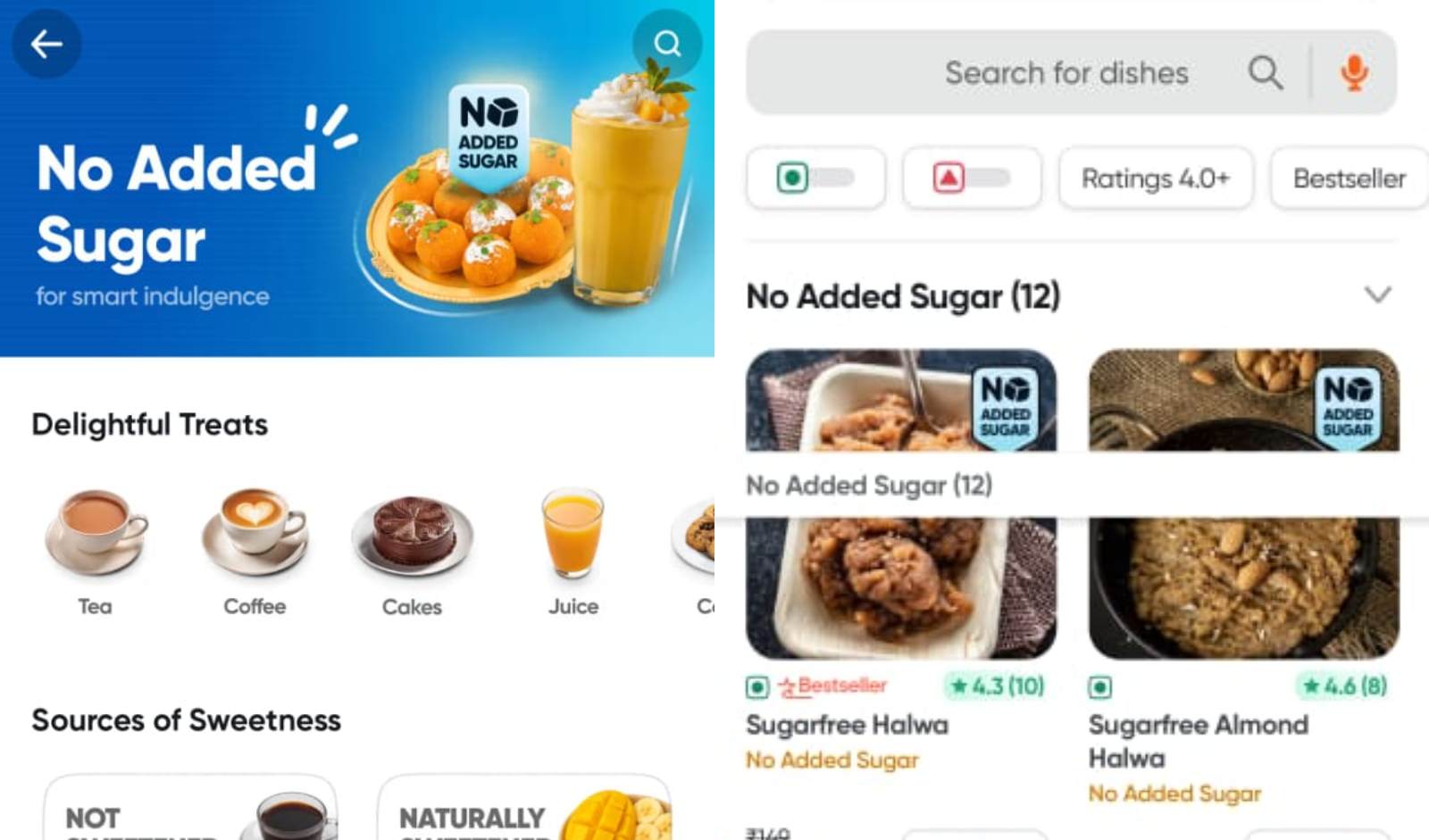
Swiggy has expanded its healthy food offering with the launch of a new “No Added Sugar” category, giving health-conscious consumers an easier way to order everyday favorites without compromising on taste. The new feature covers more than 1.5 lakh items from over 50,000 restaurants and is currently live across 10 major cities including Bengaluru, Delhi NCR, Kolkata, Chennai, Hyderabad, Mumbai, and Pune. The company plans to take it to more cities soon.
This launch builds on Swiggy’s “High Protein” category introduced in July and marks another step in its strategy to tap into India’s growing appetite for mindful eating. The platform’s focus now extends beyond diets to ingredient transparency and nutritional awareness, a shift that reflects how food-tech platforms are responding to consumer demand for both convenience and health.
The “No Added Sugar” category has two main sections: Naturally Sweetened and Not Sweetened. The first covers foods prepared with ingredients such as dates, fruits, and purees, examples include Date and Nut Smoothie, Banana Pancakes, Apple Cinnamon Oats, and Fig and Almond Energy Bars. The second category lists sugar-free tea, coffee, and juices. Each listing excludes free sugars such as sucrose, jaggery, honey, and processed sweeteners, ensuring alignment with modern health and nutrition standards.
Swiggy’s data reveals the scale of this initiative: the new category already includes over 20,000 ice creams, 12,000 juices, 10,000 hot beverages like tea and coffee, and 7,000 cakes across the 10 cities. This variety shows how mainstream menus are adapting to health-focused choices, and how restaurants are using platforms like Swiggy to reach evolving dietary preferences faster.
Deepak Maloo, Vice President, Food Strategy, Customer Experience and New Initiatives, Swiggy said, “The festive season is here, and we know that celebrations are incomplete without gorging on your favorite sweets with the inevitable guilt of added sugar. We believe mindful eating shouldn't mean missing out. That's why we launched the 'No Added Sugar' category, packed with delicious food and beverage items made only with natural or approved low-calorie sweeteners. This is just the start. We are committed to constantly adding new dishes, expanding to more cities and improving the product basis customer feedback. Looking ahead, we also intend to enhance transparency by clearly outlining the source of the sweetener, be it dates, monk fruit, or others, ensuring you always make the most informed choice.”
The move is well-timed. With the festive season driving sweet consumption, Swiggy’s category offers customers an alternative without guilt. For restaurants, it opens a route to position their menus within the growing “clean eating” segment and reach a premium audience willing to experiment with natural sweeteners.
On the supply side, the expansion calls for tighter partner collaborations. Retailers and restaurant partners must source ingredients that meet specific labeling and certification standards, which can influence both pricing and margin structures. However, the payoff could be stronger visibility on the platform and better order volumes from health-conscious users.
For Swiggy, this category helps reinforce its role beyond just convenience delivery, it positions the platform as a food advisor that brings curated choices to consumers. It also reflects the app’s broader retail strategy: using data to identify demand shifts early and converting them into new marketplace categories.
The “No Added Sugar” lineup is likely to evolve further as consumer awareness grows. Swiggy has already indicated upcoming transparency features that will list the source of sweetness, whether it comes from dates, monk fruit, or other natural alternatives. This focus on label clarity could help set new benchmarks for online food retail, especially as customer trust increasingly depends on visible ingredient data.
For consumers, the benefit is practical: access to favorite foods without worrying about hidden sugars. For partners, it means adapting fast to meet an urban market that’s craving both indulgence and control. And for Swiggy, it signals how a platform built on convenience is now reshaping everyday eating with precision and purpose.
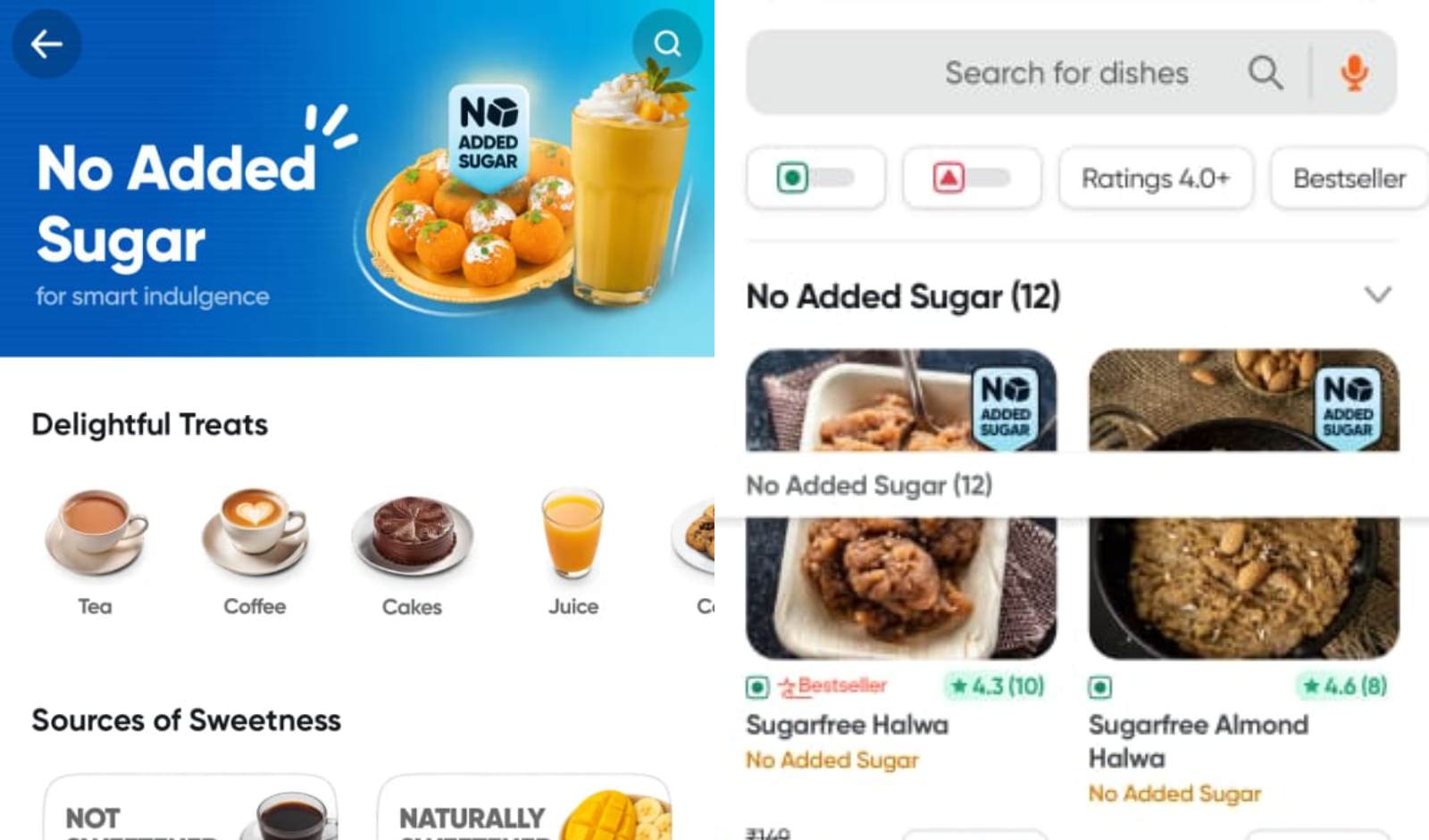
Swiggy has expanded its healthy food offering with the launch of a new “No Added Sugar” category, giving health-conscious consumers an easier way to order everyday favorites without compromising on taste. The new feature covers more than 1.5 lakh items from over 50,000 restaurants and is currently live across 10 major cities including Bengaluru, Delhi NCR, Kolkata, Chennai, Hyderabad, Mumbai, and Pune. The company plans to take it to more cities soon.
This launch builds on Swiggy’s “High Protein” category introduced in July and marks another step in its strategy to tap into India’s growing appetite for mindful eating. The platform’s focus now extends beyond diets to ingredient transparency and nutritional awareness, a shift that reflects how food-tech platforms are responding to consumer demand for both convenience and health.
The “No Added Sugar” category has two main sections: Naturally Sweetened and Not Sweetened. The first covers foods prepared with ingredients such as dates, fruits, and purees, examples include Date and Nut Smoothie, Banana Pancakes, Apple Cinnamon Oats, and Fig and Almond Energy Bars. The second category lists sugar-free tea, coffee, and juices. Each listing excludes free sugars such as sucrose, jaggery, honey, and processed sweeteners, ensuring alignment with modern health and nutrition standards.
Swiggy’s data reveals the scale of this initiative: the new category already includes over 20,000 ice creams, 12,000 juices, 10,000 hot beverages like tea and coffee, and 7,000 cakes across the 10 cities. This variety shows how mainstream menus are adapting to health-focused choices, and how restaurants are using platforms like Swiggy to reach evolving dietary preferences faster.
Deepak Maloo, Vice President, Food Strategy, Customer Experience and New Initiatives, Swiggy said, “The festive season is here, and we know that celebrations are incomplete without gorging on your favorite sweets with the inevitable guilt of added sugar. We believe mindful eating shouldn't mean missing out. That's why we launched the 'No Added Sugar' category, packed with delicious food and beverage items made only with natural or approved low-calorie sweeteners. This is just the start. We are committed to constantly adding new dishes, expanding to more cities and improving the product basis customer feedback. Looking ahead, we also intend to enhance transparency by clearly outlining the source of the sweetener, be it dates, monk fruit, or others, ensuring you always make the most informed choice.”
The move is well-timed. With the festive season driving sweet consumption, Swiggy’s category offers customers an alternative without guilt. For restaurants, it opens a route to position their menus within the growing “clean eating” segment and reach a premium audience willing to experiment with natural sweeteners.
On the supply side, the expansion calls for tighter partner collaborations. Retailers and restaurant partners must source ingredients that meet specific labeling and certification standards, which can influence both pricing and margin structures. However, the payoff could be stronger visibility on the platform and better order volumes from health-conscious users.
For Swiggy, this category helps reinforce its role beyond just convenience delivery, it positions the platform as a food advisor that brings curated choices to consumers. It also reflects the app’s broader retail strategy: using data to identify demand shifts early and converting them into new marketplace categories.
The “No Added Sugar” lineup is likely to evolve further as consumer awareness grows. Swiggy has already indicated upcoming transparency features that will list the source of sweetness, whether it comes from dates, monk fruit, or other natural alternatives. This focus on label clarity could help set new benchmarks for online food retail, especially as customer trust increasingly depends on visible ingredient data.
For consumers, the benefit is practical: access to favorite foods without worrying about hidden sugars. For partners, it means adapting fast to meet an urban market that’s craving both indulgence and control. And for Swiggy, it signals how a platform built on convenience is now reshaping everyday eating with precision and purpose.
Myntra is expanding its hyper-speed fashion delivery service, M-Now, to Pune after strong traction in cities like Bengaluru, Mumbai, Delhi, Hyderabad, and Kolkata. The service lets shoppers receive fashion, beauty, and lifestyle products starting in just 30 minutes, a timeline that sets a new pace for urban convenience in Indian e-commerce.
For Myntra, Pune represents a logical next step. The city’s mix of professionals, students, and fashion-driven consumers creates a ready base for fast fashion delivery. With this expansion, customers will have access to more than 20,000 styles from 600 brands through eight dark stores strategically located across the city. These local fulfillment centers are key to keeping delivery times short and product stock aligned with seasonal trends.
During its pilot run in Pune, which coincided with the Myntra Big Fashion Festival (BFF), the brand recorded a fourfold increase in M-Now orders compared to regular days. The trial also revealed clear consumer patterns: Women’s Western Wear, Men’s Casual Wear, and Women’s Indian Wear topped the order charts. Traditional wear demand spiked further during Ganesh Chaturthi, hinting at how localized cultural moments drive category surges.
Top-selling brands in Pune’s pilot included Levi’s, USPA, Puma, Libas, Kalini, The Souled Store, Jack and Jones, Jompers, CeraVe, Maybelline, Metro, Mochi, Fossil, CASIO, Titan, Rare Rabbit, adidas, ASICS, and Inc5. These results reaffirm Myntra’s strength across both global labels and emerging Indian fashion players.
Maneesh Kumar Dubey, Vice President, Category Management, Myntra said, “Pune has emerged as a vibrant confluence of culture, youth, technology and fashion, making it an important market on the M-Now roadmap. The festive season provided the perfect launchpad, with our pilot phase seeing a sharp 4X surge in orders during the recently concluded Myntra Big Fashion Festival and increased demand around Ganesh Chaturthi, especially for Indian wear. This expansion underscores Myntra’s commitment to delivering speed, convenience, and an elevated fashion experience to customers across India.”
The timing of M-Now’s Pune entry aligns well with the festive season, a period that typically sees accelerated apparel and accessories sales. The service aims to make last-minute festive shopping smoother, whether for a new outfit, beauty essentials, or gift items. For shoppers used to instant delivery for groceries or electronics, having fashion available in under an hour adds a new layer of convenience that could influence purchase frequency and average basket size.
From a retail operations lens, M-Now represents an efficient supply chain model for agile delivery. The use of dark stores shortens the last-mile radius, improves inventory turnover, and reduces logistics costs linked to longer-distance deliveries. It also helps Myntra turn its trend-led, fast-fashion assortment into a real-time retail experience, narrowing the gap between product discovery and delivery.
The model also strengthens customer stickiness. Instant delivery can encourage impulse buying, faster repeat purchases, and stronger brand recall during peak festive windows. With customer expectations shifting toward immediacy, M-Now positions Myntra ahead of many e-commerce competitors who still operate on one- or two-day delivery promises.
Across India, M-Now has grown 2.5 times every quarter, reflecting a steady demand for last-minute, need-based shopping. Categories like Women’s Western Wear, Women’s Indian Wear, Men’s Casual Wear, and Beauty and Personal Care continue to dominate orders, showing how fashion consumption patterns now blend planned purchases with instant decisions. This signals a larger behavioral shift in urban consumers, speed now plays as big a role as style or price.
For Myntra, M-Now is more than a delivery feature; it is a strategic move to strengthen margins and deepen market share. Faster delivery means faster product rotation across warehouses and higher conversion rates on trending items. It turns time into a differentiator in a segment where product overlap is common.
As Pune joins the growing list of M-Now markets, the move highlights how fashion e-commerce is adapting to instant gratification culture. By merging operational precision with fashion freshness, Myntra is not just delivering clothes faster—it’s redefining what convenience in fashion retail means for India’s customers.

Stahl, one of India’s fastest-growing premium cookware brands, has entered quick commerce through a partnership with Swiggy Instamart. This move brings its best-selling cookware range to customers in key metro cities, delivered in as little as 10–15 minutes.
The partnership aligns with changes in urban shopping habits, where convenience and speed are becoming as important as product quality. Traditionally, premium cookware purchases through online channels could take up to a week to arrive. With Instamart, households in Mumbai, Delhi NCR, Bangalore, Hyderabad, Kolkata, and Gurgaon can receive cookware almost instantly.
Stahl’s curated collection on Instamart includes its artisan ranges of Tawa, Kadhai, and Frypan, crafted with triply stainless steel for durability, residue-free cooking, and chip-proof performance. The platform also offers Xpress Cookers in 1L, 1.5L, and 2.5L sizes, designed to be safe, efficient, and suited for faster cooking. To encourage early adoption, introductory offers include up to 15 percent off pressure cookers and 20 percent off other cookware.
Dhruv Agarwal, Director and CEO, Stahl Kitchens said, “India’s culinary landscape revolves around three essential pieces of cookware, tawas, pressure cookers, and kadhais. The inclusion of frypans on Instamart reflects the evolving aspirations of Indian households embracing global cooking trends. Whether you are looking for the perfect festive cooking partner or a last-minute gift to give your loved ones this Diwali, with this partnership, a new Stahl cookware can be at your doorstep in just a few minutes.”
From a retail operations lens, this entry into quick commerce expands Stahl’s distribution without the overheads of new physical stores. It leverages Swiggy’s established delivery infrastructure to reach customers faster, reducing friction between intent and purchase. For the brand, this improves customer acquisition and retention in urban markets where impulse buying and gifting play a significant role.
For shoppers, the benefit is clear. They can buy premium cookware on short notice, whether for festive cooking or replacing a worn-out kitchen essential. By offering its highest quality products in this format, Stahl positions quick commerce as a channel for aspirational goods, not just everyday necessities.
From a supply chain perspective, the model requires tight inventory management at partner warehouses to ensure product variety and availability. Cookware is bulkier than typical quick commerce items, making efficient storage and fast picking critical. The integration of Swiggy’s systems with Stahl’s range also ensures accurate product representation and reduced chances of size or model mismatches.
This expansion also has margin implications. Premium cookware sold through quick commerce may command price stability by reducing discount dependency often seen in traditional ecommerce. The value proposition of speed and quality, especially tied to seasonal demand, gives Stahl room to protect profitability while adding convenience.
For the broader market, Stahl’s move signals that quick commerce is shifting from primarily serving FMCG needs to enabling access to higher-value lifestyle products. Other home and kitchen brands may follow, seeing the potential for increased order volumes and faster rotation of inventory.
By partnering with one of India’s most used quick commerce platforms, Stahl strengthens its presence in competitive urban markets and future-proofs its growth strategy. The launch during the festive season ensures high visibility at a time when consumers are already spending more on household upgrades and gifts.
Stahl’s approach combines product innovation, premium positioning, and channel agility, qualities that help it stand out in an evolving cookware market. For consumers, it simply means less waiting and more cooking, with reliable quality arriving at their doorstep almost instantly.
Myntra’s latest edition of the Big Fashion Festival closed on a record high, adding 2 million new customers and showing the power of India’s tier-two and tier-three cities. Non-metro shoppers contributed 70 percent of total orders, signaling how regional markets now drive India’s festive apparel demand. Cities including Jaipur, Indore, Lucknow, Coimbatore, and Vijayawada were among the most active, with strong traction for ethnic wear, wedding collections, beauty, and sportswear.
Customer choices showed a marked shift toward premium and international brands. Labels such as Calvin Klein, Levi’s, H&M, and USPA saw heavy demand, along with luxury names like Prada, MAC, YSL, and Estée Lauder. The Myntra Luxe segment grew 80 percent over last year’s event, powered by brands like Michael Kors, GUESS, Lacoste, and Tissot. For consumers and stores alike, that trend points to deeper value perception in premium categories.
The festival also served as a launchpad for multiple celebrity-led ethnic collections that refreshed the festive catalog. Limited-edition lines such as Inddus X Malaika Arora, Chaap X Adah Sharma, and Laxmipati X Rashmika Mandanna helped retailers capture festive intent early. Customers gravitated toward styles like embroidered kurtas, peplum sharara sets, draped skirts, and kaftan sets, expanding subcategories that combine occasion wear with comfort.
Myntra’s Gen-Z platform, FWD, reported a 2X increase in demand compared to regular days, with ethnic wear leading at 2.5X growth. Younger shoppers continued to favor niche Indian and global brands including SZN, Freakins, Bonkers Corner, and Lulu and Sky, underscoring the growing link between trend discovery and digital retail among newer audiences.
Over 450 international brands were available during BFF, reaffirming Myntra’s position as a key marketplace for premium and mass international labels. Brands such as MANGO, NEXT, and Gant gained visibility among non-metro customers through curated deals and wider accessibility.
Festive engagement was also shaped by Myntra’s new experiential formats. The “one customer getting their order free every minute” concept created excitement throughout the event, while the ‘Trend First’ widget localized shopping journeys by surfacing region-specific festive looks. These tools helped drive higher dwell time and discovery rates, improving conversion across fashion and beauty categories.
Bharath Kumar, Senior Director, Revenue and Growth, Myntra said, “This year’s festive season brought in a renewed momentum in the industry following the recent GST reforms and the Myntra Big Fashion Festival enabled fashion consumption for millions of customers across metros and non-metros. As brands passed on the GST savings to customers ahead of time, starting with BFF, festive fashion categories experienced a strong momentum, international and luxe brands gained a significant rise in demand, indicating the spending intent of the customers. The phenomenal response to BFF’s 3X savings construct, combined with convenience-led propositions like M-Now and M-Express, highlights the deep resonance of Myntra’s festive offerings with today’s shoppers.”
For operations, Myntra doubled M-Now orders this season, offering one lakh plus SKUs from over 700 brands across top cities. Fast-moving categories included ethnic wear, jewellery, perfumes, watches, and sports footwear. The high-speed delivery promise of M-Now and M-Express supported last-minute festive shoppers while boosting fulfilment efficiency for partner brands.
The workforce story also stood out. Around 30 percent of seasonal hires in warehouses were women, reflecting Myntra’s ongoing push for inclusion within the supply chain. Over 11,000 new job opportunities were created through third-party logistics partners for the festive season. By the final day of BFF, 80 percent of all orders were already delivered through Myntra’s last-mile network, including collaborations with kirana partners covering 98 percent of active pin codes.
At a store and supply level, brands participating in BFF benefited from faster inventory turnover, higher sell-through rates, and improved exposure to new buyers. Retailers with premium positioning could sustain margins despite discounts, as customer appetite for global and luxury items stayed strong.
For Myntra, this year’s festival underlined how India’s fashion retail landscape is becoming more connected, inclusive, and premium-led. Tier-two and tier-three shoppers are shaping sales momentum, technology is driving discovery, and fulfilment speed is now a key differentiator in fashion retail success.
Meesho has wrapped up its Mega Blockbuster Sale 2025, reporting record participation from customers, sellers, and brands. The week-long event reflected how Indian festive shopping is changing, with technology, affordability, and trust shaping new buying behaviors across the country.
This year’s sale drew shoppers from metros and smaller towns alike, highlighting the growing depth of e-commerce in India’s festive economy. Families in Tumkur browsed kidswear, first-time users in Bavla discovered products using image search, and businesses from Delhi to Vishakhapatnam launched millions of new listings ahead of Diwali.
Meesho saw around 206 crore customer visits during the event, with shoppers spending more than 117 million hours on the platform. Prepaid transactions rose by nearly 57 percent, a clear indicator that digital payments are now commonplace in India’s retail routines.
While apparel and accessories remained festive staples, consumers also leaned into fresh categories. Office supplies grew by around 97 percent year on year, sports and fitness items by 86 percent, health and wellness products by 69 percent, and books by 66 percent. What was traditionally a festival-focused shopping event is now also serving everyday needs.
Festive shopping wasn’t only about discounts. Nearly 30,000 creators joined the platform during the sale, producing close to 3.5 lakh short videos across social media and Meesho’s in-app feature, Video Finds. Together, their content generated about 1.3 billion views, turning discovery into an interactive, content-led experience that worked as a digital version of India’s bustling marketplaces.
On the supply side, sellers launched close to 4.6 crore new products for the event. Around 49,000 new sellers came onboard, pushing seller participation up by 57 percent compared to last year. Importantly, this growth did not come only from cities like Delhi, Mumbai, and Bengaluru but also from towns such as Warangal, Chhapra, and Cuddapah. The sale marked a season of scale for small and mid-sized businesses eager to tap festive demand.
Behind the scenes, Meesho’s technology backbone ensured that the sale ran smoothly. During peak hours, the platform handled nearly 52,000 active users every minute. AI-based product feeds guided shoppers towards relevant selections, while the app itself was downloaded more than 2 crore times during the sale. With 45 percent of customers now coming from tier 4 and smaller towns, the platform is widening access to festive commerce in India’s heartland.
Meesho’s Mega Blockbuster Sale 2025 reflected the scale and diversity of India’s festive economy. From household essentials to celebratory fashion, from small-town sellers to digital-first creators, the platform became a hub for festive activity across Bharat. With the Maha Diwali Sale scheduled for October 4 to October 15, 2025, the momentum of festive shopping is set to continue into the season’s biggest celebration.
Amazon India has announced the expansion of its grocery service, Amazon Fresh, to more than 270 cities across the country, marking one of the platform’s biggest retail outreach milestones. The expansion coincides with the Amazon Great Indian Festival, giving customers access to a broad range of everyday essentials and festive products. Newly added locations include Gorakhpur, Dehradun, Jalandhar, Zirakpur, Coimbatore, Nellore, Vizianagaram, Jamshedpur, Asansol, and Durgapur, among others, strengthening Amazon Fresh’s presence in both metros and Tier ll and Tier lll cities.
Amazon Fresh is positioned as Amazon.in’s comprehensive grocery service, designed to cater to a growing segment of online shoppers looking for convenience in daily needs. The service has scaled significantly in the past two years. From offering around 4,000 products in 2023, it now lists more than 40,000 items—a ten-fold increase. Customers can shop fresh fruits and vegetables, dairy, packaged foods, frozen items, staples, household products, beauty and personal care, pet supplies, and more. The platform has also added over 3,000 regional favorites, such as Rajdhani atta, Eastern masalas, GRB sweets, and Sri Bhagyalaxmi staples, allowing customers to stay connected to local tastes and traditions.
Srikant Sree Ram, Director - Amazon Fresh India, “Amazon Fresh has grown 4.5X in reach and 10X in selection in just two years, transforming how families across India shop for groceries online. By expanding to over 270 cities, we are making household essentials and festive favourites available to more households than ever before. This has been possible because of expansion in Amazon Fresh seller’s network and presence across cities, combined with Amazon's advanced delivery capabilities, establishing one of India's largest omnichannel grocery network. This Amazon Great Indian Festival, our focus is on delivering freshness, savings, and convenience, enabling customers to have everything they need while spending more time celebrating with their loved ones.”
Retail partners are playing a crucial role in Amazon Fresh’s rapid expansion. More Retail Limited (MRL) is among the sellers strengthening the network. Vinod Nambiar, Managing Director of MRL noted, “We are delighted with the growth on Amazon Fresh. We have converted more than 370 of our More offline stores to also serve Amazon Fresh customers. This has enabled our business on Amazon Fresh to grow at 65 percent year-on-year in 2024 and it continues to grow significantly.”
Behind the service, Amazon Fresh sellers have built a farm-to-doorstep supply model by working directly with more than 13,000 registered farmers across India. Each product undergoes a strict four-stage quality check, covering inspection, grading, storage in temperature-controlled facilities, and final quality assessment, before reaching customers.
For shoppers, the expansion comes with added festive savings during the Amazon Great Indian Festival. Customers can find deals from as low as Rs 1 and earn up to Rs 400 cashback on grocery baskets. Newly launched Diwali essentials such as lights, rangoli kits, and traditional sweets are also part of the selection. Regular offers like Amazon Fresh Super Value Days continue to provide customers with extra discounts on weekly shopping.
By expanding Amazon Fresh to more than 270 cities, Amazon is strengthening its position in India’s competitive online grocery market. It is not only addressing consumer demand for convenience and variety but also building one of the most extensive omnichannel grocery networks in the country.
Myntra has expanded its expedited delivery service, M-Now, to Kolkata, timed with the run-up to Durga Puja, one of the city’s biggest shopping seasons. The move takes Myntra’s quick-delivery proposition beyond Bengaluru, Mumbai, Delhi, and Hyderabad, making it available in areas such as Lake Town, Bidhannagar, Alipore, New Town, Behala, and Ballygunge.
M-Now is designed to meet the demand for speed-led fashion shopping, delivering trend-first selections within as little as 30 minutes. In Kolkata, the service is launching with 400 brands and more than 6,000 styles, covering both premium international names such as Levi’s, Tommy Hilfiger, Puma, Adidas, Mango, and Allen Solly, and homegrown fashion favorites like Manyavar, Taavi, Indo Era, Saree Mall, Libas, and the recently introduced Souragya by Sourav Ganguly. The initial rollout coincides with the peak pre-festive shopping rush, with high demand seen across categories including ethnic wear, occasion wear, and home products.
Maneesh Kumar Dubey, VP, Category Management at Myntra said, “Durga Puja is the biggest occasion for the natives of the region and the scale of celebrations in Kolkata is world-renowned. With M-Now launching in Kolkata ahead of this mega festive season, having access to fashion trends starting 30 minutes, is going to be a game-changer for last-minute shoppers. This expansion aligns with our commitment to delivering exceptional customer experiences via speed propositions. We aim to continue delighting customers with unmatched speed for moments where immediacy matters most.”
Myntra’s push with M-Now is backed by its network of more than 80 dark stores across Bengaluru, Delhi, Mumbai, Hyderabad, and now Kolkata. Nationally, the service offers over 1 lakh stock-keeping units across 700 brands. For consumers, M-Now adds convenience not only during festivals but also for impulse and last-minute shopping needs, expanding beyond Myntra’s M-Express service, which already fulfills nearly 50 percent of orders within 48 hours in over 600 cities.
Recent customer trends point to a growing appetite for gifting and festive categories. During Raksha Bandhan, M-Now saw a 3X rise in gifting-related orders, with accessories jumping by 5X in key metros. The introduction of brands such as Snitch, Anouk, Boldfit, YSL, and Cava further strengthened the platform’s appeal for younger, trend-focused shoppers.
Read More - Next Opens First Exclusive Brand Store in India with Myntra Partnership
For Kolkata, Myntra is pairing speed with a curated festive mix that reflects the city’s shopping culture. The current assortment emphasizes embroidered kurtas, kurta sets, festive footwear, and oxidised jewelry across men’s, women’s, and kidswear. With the Myntra Big Fashion Festival also underway, featuring deals like OMG Deals, Grab or Gone, and Prime Time Deals, shoppers in the city now benefit from both value-driven offers and immediate delivery choices.
By entering Kolkata with M-Now, Myntra strengthens its position in India’s e-lifestyle retail landscape, where delivery speed is becoming as crucial a differentiator as product and price. For the brand, this expansion highlights how digital-first players are reimagining convenience during critical festive periods to capture strong regional demand.
Swiggy, a key player in India’s food and quick commerce sector, has taken a significant step by approving the sale and transfer of its quick commerce business, Instamart, to a wholly owned subsidiary called Swiggy Instamart Private Limited. This restructure, approved by the company’s board, includes all related assets, liabilities, intellectual property, contracts, and employees. The deal will be carried out as a slump sale, with completion expected after the third quarter of FY26, subject to shareholder approval.
The move allows Swiggy to create a focused, efficient, and strategically aligned corporate entity dedicated solely to the development and performance of Instamart. This transfer is designed to offer more operational flexibility and better resource deployment while maintaining full ownership under the listed parent company. Swiggy clarified that the shareholding structure will remain unchanged post-acquisition.
The quick commerce business, comprising over a quarter of Swiggy’s standalone revenue in FY25 with Rs 21,295.84 million, has shown rapid growth but also incurred operating losses during the period. Restructuring Instamart as a subsidiary could help Swiggy sharpen its strategic focus on this fast-growing segment and potentially explore new operational models, such as inventory-led strategies, similar to what rival platforms have explored.
Alongside this, Swiggy has approved the sale of its stake in Roppen Transportation Services Pvt Ltd, the operator of bike taxi service Rapido, for nearly Rs 2,400 crore. This sale aligns with Swiggy’s plan to avoid conflicts of interest as Rapido looks to enter food delivery. The transactions are conducted on an arm’s length basis, with both companies controlled by the Prosus group.
Read More - Swiggy Raises Platform Fee to Rs 15, Zomato Moves to Rs 12 Ahead of Festive Demand
Rakesh Krishnan, Vice President of Large Appliances at Flipkart, emphasized how Swiggy’s ongoing corporate restructuring and asset management reflect a commitment to strengthening market position and responding to evolving consumer needs. Creating separate entities for specific business arms allows better agility, operational transparency, and focused growth strategies.
With rapid growth in quick commerce driving significant portions of company revenue, Swiggy’s moves indicate a clear aim to optimize performance in distinct verticals while maintaining agility in one of India’s most competitive sectors. The restructuring may also prep the ground for future funding or operational innovations, strengthening Swiggy’s foothold in the expanding online grocery and food delivery market.
Flipkart, India’s leading homegrown e-commerce platform, has introduced Flipkart Trust Shield, an industry-first program aimed at simplifying post-purchase customer support. The program makes Flipkart the sole point of contact for any product-related issues within 30 days of delivery. This includes accidental damage and liquid damage cover, along with brand-assured warranty service on large appliances, mobiles, and select electronics.
By consolidating issue reporting and resolution under one roof, Flipkart Trust Shield eliminates the typical hassle of dealing with multiple brands or service providers. Customers can raise claims directly through the Flipkart app, track progress in real time, and expect resolution within two working days. This seamless experience is supported by 24/7 customer service and faster complaint redressal, adding an extra layer of confidence for shoppers.
Rakesh Krishnan, VP of Large Appliances at Flipkart said, “As festive season is a much-awaited time to purchase products for millions of customers, we understand that the post-purchase experience is just as important as the buying moment. Flipkart Trust Shield is a reflection of our customer-centric innovations that make shopping seamless from discovery to purchase. While many platforms focus primarily on the point of sale, Flipkart is happy to extend its responsibility into the ownership phase, providing consumers with peace of mind, hassle-free resolutions, and real-time visibility.”
Read More - Flipkart Trust Shield Sets New Standard for Post-Purchase Support
Unlike traditional return and replacement policies, where customers coordinate with different brand service centers, Flipkart Trust Shield streamlines the experience by keeping the customer connected directly with Flipkart at every stage. This approach reduces follow-ups and speeds up problem resolution.
As Flipkart expands its offerings and refines customer experience, Trust Shield reflects how consumers increasingly expect value beyond competitive pricing — especially in large-ticket categories like electronics and appliances. With this program, Flipkart is positioning itself as a trustworthy partner not just at purchase, but throughout the product ownership journey, setting new reliability standards in India’s online retail industry.
Thomas Cook (India) Limited has partnered with Blinkit to offer foreign exchange services through quick commerce delivery, making it the first initiative of its kind in the sector. Customers in Delhi, Mumbai, and Bengaluru can now order Thomas Cook’s Borderless Travel Card for leisure travel or its Study Buddy Card for students directly on Blinkit and have the blank forex card delivered to their doorstep within minutes.
The service addresses a key challenge in the forex space, which is often seen as complex and time-consuming. By integrating last-mile delivery with Blinkit’s quick commerce model, Thomas Cook India simplifies access for travellers. Once the blank card is delivered, customers complete their Video-KYC and card loading requirements through Thomas Cook’s forex team. The entire process can be finished within an hour, enabling customers to be travel-ready without visiting a branch.
Deepesh Varma, Executive Vice President, Foreign Exchange, Thomas Cook (India) Limited said, “As India’s leading omnichannel forex services company, our constant focus is on anticipating evolving consumer behaviour and driving industry-first solutions that deliver true value. Quick commerce is reshaping customer expectations across categories, and we saw a clear opportunity to integrate this into foreign exchange, which has become essential for international travel. By offering our blank forex cards via Blinkit, our trusted distribution partner, we are not only enhancing convenience but also redefining travel readiness, enabling customers to be fully equipped within minutes, right at their doorstep.”
The partnership comes at a time when quick commerce is gaining ground in India’s retail landscape. For Thomas Cook India, this step connects its foreign exchange services with the country’s evolving demand for speed and digital-first convenience. The initiative also complements the company’s other projects, including Ghar Pe Forex and recent digital rollouts on WhatsApp, Google Pay, and TC Pay.
Anish Shrivastava, Senior VP, Revenue, Blinkit said, “To save travellers the time and hassle, we’ve collaborated with Thomas Cook India to enable the convenient delivery of blank forex cards through Blinkit, right to their doorstep. We handle the delivery, while Thomas Cook India manages the secure V-KYC process and card activation. Together, we’re turning what was once a time-consuming task into a simple and seamless experience for customers.”
By combining Thomas Cook’s compliance and financial expertise with Blinkit’s rapid delivery strength, this model brings a new dimension to retail forex services. For travellers, it offers speed, security, and ease of access, positioning foreign exchange not as a bottleneck, but as an efficient step in the journey. For the retail industry, it sets a benchmark for how even specialized services can adapt to and benefit from quick commerce platforms.
The opening weekend of Meesho’s Mega Blockbuster Sale 2025 saw a massive surge with nearly 24 crore customers visiting the platform in just three days. The sale witnessed an average of 29,000 orders placed every minute, spanning popular categories like Fashion, Home and Kitchen, Personal Care and Beauty, and Electronic Accessories. Prepaid orders grew rapidly, climbing about 54 percent year-on-year, reflecting the increasing adoption of digital payments.
Video commerce played a significant role in helping customers discover products, with Meesho’s in-app feature 'Video Finds' generating around 39 crore views. Nearly 74 percent of the demand came from tier ll and smaller towns, showing Meesho’s successful reach beyond the metros. More than 48,000 sellers reported over double the order growth compared to regular days. The top-selling products varied widely, from kurtis and bedtime essentials to lipsticks, wallpaper, and perfumes, highlighting the diversity of festive shopping needs across India.
Meesho Mall, the platform’s branded shopping destination, drew a large influx of shoppers who favored beauty items, electronic accessories, footwear, and apparel brands during the event’s first three days.
A spokesperson from Meesho said, “The sale is an opportunity to unite consumers, sellers, brands, creators, and logistics partners on one platform. Our goal remains to provide a wide range of products at affordable prices, making the festive shopping experience seamless and accessible for everyone.”
The success of the Mega Blockbuster Sale reflects the rising prominence of content-driven commerce and expanding e-commerce penetration in smaller cities. This festive season, Meesho’s early sale positioned it as a leading player catering to evolving shopper preferences in a digital-first, value-conscious market.
When the clock struck midnight on September 21, Flipkart’s Big Billion Days 2025 kicked off with a surge in instant shopping that reflects how India’s festive celebrations are evolving. During the Early Access period, Flipkart Minutes recorded over 4.5 million unique visitors and a doubling of order volumes compared to regular days. The appetite for immediate delivery was clear, with the fastest recorded iPhone delivery happening in under three minutes during the first hour of the sale.
This shift underlines a new shopping culture in India, one where celebrations and essentials are purchased on impulse, delivered instantly, and span everything from daily groceries to premium smartphones and laptops. Flipkart’s platform handled orders ranging from dry fruits, medicines, and household staples to premium carts worth Rs 1.57 lakh featuring high-end iPhones.
The growing trust in instant delivery services is evident, as one in five shoppers took part in Flipkart’s smartphone exchange program during peak hours, with doorstep assessments completed in roughly 30 minutes, a first for festive shopping in India. This convenience and speed mark a clear change in consumer behavior, especially regarding big-ticket items like smartphones on both Flipkart Minutes and its quick commerce channels.
Cities like Delhi, Mumbai, Bengaluru, and Kolkata showed a doubling of order volumes compared to normal days. Beyond metros, the demand was even more pronounced in cities such as Pune, Ambala, Chandigarh, and Panchkula, which saw a fourfold increase, along with Tier ll locations covering Jaipur, Patna, Kanpur, and Mysore also recording significant upticks.
Apart from smartphones, other popular categories gaining traction include electronics like boAt soundbars, fitness trackers, trimmers, and iPads. Grocery essentials such as dry fruits and makhanas from brands like Farmley and Classic, as well as energy drinks like Sting and Hell, saw strong demand for quick replenishment or last-minute festive stocking. Even analogue watches from Fossil and Peter England performed well, as shoppers looked for stylish yet practical accessories for the festival season.
Read More - Flipkart Minutes Brings 10-Min Delivery to Big Billion Days
Hemant Badri, Senior Vice President at Flipkart said, “This Big Billion Days marks a turning point in how India shops. For the first time, millions of customers are celebrating the country’s biggest shopping festival not just online, but instantly - with Flipkart Minutes delivering everything from ice creams to iPhones in just 10 minutes. Thanks to recent GST reforms, this festive season has become even more fulfilling as customers save more while shopping. The momentum across metros and Tier II+ cities signals a cultural shift: shopping today is about immediacy, joy, and trust.”
Flipkart Minutes and the wider Big Billion Days sale offer a fusion of choice, value, and speed, making this shopping season a celebration of convenience tailored for the fast-paced lifestyles of Indian consumers.
As Flipkart prepares for the 12th edition of its flagship festival, The Big Billion Days 2025 (TBBD), Flipkart Minutes, its quick commerce service, aims to transform the customer experience by delivering products within 10 minutes starting at midnight. Available in 19 cities and over 3,000 pin codes, Flipkart Minutes will offer access to millions of products across categories such as mobiles, electronics, daily essentials, beauty, personal care, and groceries.
The sale will operate 24/7 across cities during TBBD, featuring blockbuster deals on popular products with a focus on rapid delivery, expanding beyond metro areas to Tier ll+ markets like Ambala, Guwahati, Jaipur, Lucknow, Kanpur, and Patna, which are showing strong growth in festive adoption.
Hemant Badri, Senior VP, Head of Flipkart Minutes, Supply Chain, Customer Experience and ReCommerce added, “Flipkart Minutes is poised to redefine the experience of India’s biggest shopping festival. Within a year, Minutes has established itself as the fastest-growing quick commerce platform in the country, built on innovation, value, and selection being its core strengths. This festive season, we are bringing everything from blockbuster smartphones and electronics to local sweets and festive hampers to customers’ doorsteps in minutes.”
New features for this TBBD edition include early access to deals for Flipkart Plus and Black members and innovative reward programs such as Boost Up! which multiplies SuperCoin savings up to 10 times, and the Sale Price Live CoinBack Hour offering up to 100 percent CoinBack in SuperCoins on eligible purchases.
Smartphone offerings on Flipkart Minutes include the iPhone 17, Apple iPhone 16, Samsung Galaxy S24 5G variants, Motorola Edge 60 Fusion 5G, Oppo K13X, Realme P4 5G, Poco F7, Nothing CMF Phone 2 Pro, and Vivo T4x 5G. The platform also facilitates real-time smartphone exchange, allowing customers to trade in old devices and upgrade instantly, making it India’s first hyperlocal quick commerce platform with this feature.
The electronics category includes popular products such as Apple AirPods Pro (2nd Gen), boAt Aavante Bar 480 speakers, Samsung Fit 3, Philips Multigroomer Trimmer, Samsung Galaxy Book 4 laptop, Logitech Wireless Mouse, Ambrane MagSafe chargers, Philips Hair Straightener, and Apple iPad A16.
Personal care and essentials are heavily discounted, with offers up to 80 percent off on deodorants and perfumes, lipsticks starting at Rs 49, shampoos and diapers up to 70 percent off, whey proteins up to 50 percent off, and dry fruits, olive oil, coffee, tea, pulses, and millets available at generous discounts. The sale features both trusted homegrown brands such as Himalaya, Beardo, and BellaVita, and global brands including Lakme, Maybelline New York, Faces Canada, and Nivea.
Celebrating local flavors, Flipkart Minutes will feature Swadeshi brands like Chitale Bandhu, Bedekar, Suhana, Bikaji, Balaji, Gowardhan, and more, bringing regional favorites directly to customers. Festive gifting options span over 900 categories, including special consumer packs from Cadbury, Anand Sweets, Haldirams, and Bikaneri Basket. Fresh produce will be available starting at Rs 9, alongside gourmet brands such as Akshayakalpa, Organic India, 24 Mantra, and Epigamia offering discounts up to 50 percent.
Read More - Flipkart Sees 30 Pc Seller Growth Ahead of Festive Season
Emerging and D2C brands will also have a prominent presence, with gourmet and beverage brands like Habanero, Samyang, Barilla, Monin syrups, and Raw Pressery juices, alongside popular D2C partners such as Farmley, GOBOULT, boAt, Himalaya, Mamaearth, and More.
Flipkart Minutes blends rapid delivery with extensive product variety and savings, aiming to meet the diverse needs of customers across India during the biggest festive shopping event.
Instamart has initiated the Quick India Movement 2025, a 10-day sale event live on the Swiggy and Instamart apps, offering discounts ranging from 50 to 90 percent across a variety of product categories. Emphasizing quick commerce, this sale promises delivery within 10 minutes*, enhancing convenience during the festive season by combining substantial savings with rapid service.
The sale features over 50,000 products, including smartphones, gadgets, personal care items, and festive essentials from brands like Apple, OnePlus, JBL, Marshall, L’Oréal Paris, Barbie, LEGO, and Dove. A unique customer engagement feature allows shoppers to vote for their preferred deals, with the most popular offers available during the daily Golden Hour from 5:00 to 7:00 PM. Selected deals include the OnePlus 13R 12 GB RAM and 256 GB storage at Rs 38,999, Hammer AirFlow Wireless Airbuds at Rs 349, and the Cello Opalware Dinner Set (20 pieces) at Rs 799.
The sale further incentivizes buyers with hourly price drops, providing opportunities to acquire desired products at discounted rates throughout the event. Amitesh Jha, CEO of Instamart stated, “The Instamart Quick India Movement is the country’s mega festive season sale delivering thousands of products at unbeatable value and speed. Consumers can now enjoy the thrill of festive deals and the joy of instant gratification, no more waiting for days for their orders to arrive. The sale starts today, unlocking GST savings early.”
Highlighting key offers, notable deals include the OnePlus Nord CE4 Lite priced at Rs 16,999 (MRP Rs 18,999), OPPO K13x 5G at Rs 12,499 (MRP Rs 16,999), Lenovo IdeaPad Slim 3 (i5, 16 GB RAM, 512 GB SSD) at Rs 48,999 (MRP Rs 70,790), and the JBL Flip 5 Bluetooth Speaker at approximately Rs 4,999. Personal care bargains include the Plum Green Tea Face Wash at Rs 99 (MRP Rs 199). The sale also presents special deals on LEGO and Barbie products, making it a comprehensive shopping destination during the festive period.
Instamart has collaborated with various banks and digital wallets to provide extra discounts during the event. Shoppers can avail up to 10 percent instant discounts with cards from Axis, ICICI, RBL, HSBC, IDFC, and AU Bank, plus an additional 10 percent cashback for Swiggy HDFC Bank Credit Card users. Digital wallet offers include Rs 100 cashback on PhonePe Credit Card via UPI, up to Rs 150 cashback through Amazon Pay, Rs 50 off with Simpl, and assured cashback up to Rs 200 on MobiKwik.
Partnerships with trusted brands such as boAt, Philips, Bergner, Pampers, Airwick, and Nestasia reinforce the sale’s broad product range and highlight its appeal to diverse consumer needs. Instamart’s Quick India Movement Sale effectively blends rapid delivery with attractive pricing, catering to festive shoppers prioritizing speed and value.
Flipkart is reinforcing its seller ecosystem in preparation for the upcoming festive season, reporting a 25 to 30 percent increase in transacting sellers over the past six months. The marketplace saw seller growth of up to 30 percent in the June to August 2025 quarter, positioning its network of MSMEs, artisans, and entrepreneurs for India's largest annual shopping event. The company attributes this momentum to AI-powered tools, simplified seller solutions, faster payment settlements, and expansion into emerging markets.
Since early 2025, Flipkart has focused on improving the seller experience by revamping its Seller Hub and app to simplify listing, navigation, and fee structures. Sellers now have free access to the AI-powered NXT Insights Platform, which provides real-time analytics on pricing, market trends, and inventory. This platform also offers GenAI-driven recommendations to help sellers in categories like Fashion, Electronics, and General Merchandise enhance their competitiveness. The New Seller Success Program has further contributed by increasing the success rate of new entrepreneurs by 2 to 3 times through dedicated onboarding support.
Sakait Chaudhary, SVP and Head of Marketplace at Flipkart said, “The festive season is a pivotal opportunity for our seller community, and Flipkart remains committed to helping them succeed. Through AI-led platforms like NXT Insights and simplified Seller Hub operations, we are equipping sellers with the right tools and knowledge to drive growth with confidence.”
Read More - Flipkart Expands Beauty Portfolio with Korean Skincare Brands
The marketplace's growth is also evident in emerging trade centers such as Kannauj, Khurja, and Shantipur, where local artisans are leveraging the platform to reach a national audience. Trisha Talasani, a Hyderabad-based seller added, “The festive season is the most important time for our business, and Flipkart has made it easier to prepare and grow. As a grooming category seller from the South, it’s encouraging to see my business grow 400 percent this year through Flipkart’s continued support.”
E-commerce marketplace Flipkart has announced the launch of several Korean skincare brands on its platform, a move designed to capitalize on the increasing demand for K-beauty products among Indian consumers. The new brand additions include Faceshop, TirTir, Beauty of Joseon, K Glo, Soyaang, K Riot, Rom&nd, and Thank You Farmer.
To support the launch, Flipkart will feature the new brands in dedicated storefronts. This strategy aims to provide consumers with a curated selection of products, such as K Glo’s performance-focused range, Soyaang’s ingredient-specific formulations featuring Centella and snail mucin, and K Riot’s affordable brightening solutions. The initiative targets ingredient-conscious online shoppers and makes global beauty trends more accessible.
Kartheek Kanumuru, Senior Director, Beauty and Personal Care, Flipkart said, “Korean skincare has rapidly gained popularity among Indian consumers who are increasingly prioritizing high-performance formulations backed by global beauty trends. At Flipkart, we have witnessed a growing demand for products that blend innovation, efficacy, and a deep-rooted skincare philosophy. With the launch of K Glo, Soyaang, and K Riot, we are excited to bring authentic, international skincare experiences to millions of our beauty shoppers across the country. This launch strengthens our commitment to offering trusted curation and expanding the spectrum of beauty discovery on Flipkart, reinforcing our position as the preferred destination for beauty enthusiasts.”
The partnership also provides a significant distribution channel for the newly launched brands. Ankit Agarwal, Founder and CEO, K-Riot said, "Through our partnership with Flipkart for Korean Beauty, we are democratizing access to authentic Korean beauty ingredients in India using Flipkart’s far-reaching audience. Our data-driven R&D tailors each product to Indian skin needs, sourcing only genuine ingredients directly from Korea. Our affordable pricing makes it possible for everyone, everywhere to experience the magic of Korean beauty traditions without compromise."
This expansion of its international beauty portfolio allows Flipkart to cater to emerging skincare trends and solidify its market position in the online beauty sector.
Myntra has announced the launch of BERSHKA, a youth fashion brand from the Inditex group, on its e-commerce platform. This strategic partnership expands Myntra’s international brand portfolio ahead of the key festive retail season, making BERSHKA’s assortment available to the platform's user base of over 70 million monthly active users.
BERSHKA, founded in 1998 and present in 68 markets, targets the youth demographic with trend-focused apparel and accessories. The initial launch on Myntra will feature over 1200+ styles across both Women’s Wear and Men’s Wear. The product range is designed to appeal to younger consumers who follow streetwear and pop culture trends and includes product categories such as statement denims, oversized hoodies, cargos, and dresses.
This partnership aligns with Myntra's strategy of curating a diverse portfolio of international brands to serve its broad customer base. The platform currently hosts over 450 international brands and reports that approximately 45 percent of the demand for these brands originates from non-metro areas. Furthermore, data indicates that 1 in 3 customers for international brands on the platform comes from beyond India’s top cities.
With a legacy of over 18 years, Myntra manages a catalog of over 4 million styles from more than 10k+ brands and has a market penetration of 98 percent across the country. The addition of BERSHKA reinforces the platform's position as a key distribution channel for global brands seeking to access the Indian retail market.
Myntra Jabong India Pvt Ltd, the business-to-business wholesale entity of the prominent fashion e-commerce platform, has significantly improved its financial performance for the fiscal year 2025. According to financial data accessed by the business intelligence platform Tofler, the company has successfully narrowed its losses while achieving revenue growth, indicating a positive trajectory towards profitability.
On a standalone basis, the company's losses for FY25 were reported to be approximately Rs 998 crore. This marks a notable improvement from the Rs 1,190.4 crore loss recorded in the fiscal year 2024. This reduction in losses suggests enhanced operational efficiency and effective cost management strategies within its wholesale operations.
In addition to curbing losses, Myntra's B2B arm also registered top-line growth. The company’s revenue from operations saw an increase of nearly 5 percent, rising to Rs 6,012.6 crore in FY25 from Rs 5,736.1 crore in the previous year. Correspondingly, the total income for FY25 grew by 5.1 percent year-on-year to reach Rs 6,094.1 crore. This simultaneous increase in revenue and decrease in losses points to a strengthening of the company's financial health and a more sustainable business model.
Read More - Myntra Expands Beauty Portfolio With Launch of Molten Beauty
The improved financials of the wholesale entity are critical for the overall stability and growth of the Myntra ecosystem, as it underpins the supply chain for the consumer-facing platform. An email sent to Myntra regarding these financial figures did not elicit a response.
Indus Appstore, India’s homegrown Android app marketplace, has achieved a significant milestone by reaching 10 crore devices. A key factor in this growth has been its localization feature, which allows users to navigate the platform in 12 Indian languages in addition to English. This strategy has resonated strongly with its user base, as 40 percent of users opt to browse the app store in a regional language, with Hindi, Marathi, Tamil, and Gujarati being the most popular.
The app store has established a substantial presence in Tier lll regions, which account for 70.6 percent of its total users. This demonstrates strong penetration in rural and small-city markets. The platform’s key user hubs are located in states such as Uttar Pradesh, Bihar, and Maharashtra, with Karnataka and Telangana also emerging as significant markets.
Analysis of the user base reveals that India’s younger demographic is a primary driver of the platform's success. Gen-Z users, aged 18-27, make up 33.7 percent of the audience. When combined with Gen-Y (aged 27-44), nearly 93.5 percent of the app store's users are under the age of 45. The core user profile is identified as a male between 28 and 44 years old residing in a Tier lll location. Among the various app categories, Social Media apps are the most downloaded nationwide, followed by Communication, Entertainment, and Finance apps.
Priya M Narasimhan, Chief Business Officer, Indus Appstore stated, “It’s a proud moment for all of us to cross the 10-crore milestone, and it is an important step in our journey of building a horizontal app store for India. We will continue to offer our users a seamless, safe, and rich app selection experience that makes Indus Appstore not only a destination for apps, but a platform where users can discover apps that are right for them. We will also continue to support the developer ecosystem by offering a level-playing field that allows them to distribute and reach the right users with features built for the Indian regional and cultural context.”
All user insights are based on an analysis of the app store's lifetime user data, underscoring the platform's data-driven approach to market growth and user engagement.
Flipkart, India’s homegrown e-commerce marketplace, is seeing significant growth in consumer technology adoption as the country prepares for the upcoming festive season. Based on insights from June to August compared with March to May 2025, the platform reports increased demand across categories ranging from AI-enabled laptops to gaming devices, wearables, smart home solutions, and even two-wheelers.
This growth highlights a broader trend in India’s retail market where technology is no longer only functional but also expressive and lifestyle-driven. Flipkart’s efforts to make premium products more accessible across regions, along with value-driven segments, have contributed to this shift.
Sujith Agashe, VP, Electronics at Flipkart, “India’s electronics market is no longer defined by just urban demand or access to devices. We are witnessing a dynamic shift across all tiers and consumer cohorts as we approach the festive season. From students in small towns to creators in Tier l+ cities and families in major metros, demand for consumer electronics is clearly rising. This is driven by advances in tech and AI, and increasingly shaped by how people personalize their usage, preferences, and perceived value. What’s clear is that the future of electronics is not just about access, it’s about aspiration, personalization, and performance. At Flipkart, we are partnering with brands to stay ahead of emerging trends, enabling access to advanced, sustainable, and lifestyle-enhancing technology for every Indian consumer.”
In metro markets such as Delhi NCR, Bangalore, and Mumbai, laptops and desktops recorded 1.4X growth between June and August compared to March to May 2025, with Tier l and Tier ll cities also showing momentum. Among 16–25-year-olds, usage of computing devices grew by 1.3X, underlining their role in hybrid learning, freelance work, and content creation.
Gaming devices posted a 1.15X rise in the same period, fueled by younger users experimenting with hands-on discovery formats. Digital cameras and storage devices also saw strong adoption in non-metro cities, pointing to a growing creator economy and increased local storage needs.
The adoption trend extends beyond electronics. Two-wheelers witnessed higher traction, with scooters rising 1.7X and electric vehicles up 1.2X between June and August versus March to May 2025.
Read More - Flipkart Fashion Spotlight to Support Tier-ll+ Entrepreneurs and D2C Labels
Regionally, North India reported a 1.22X growth in electronics demand, followed by South India at 1.17X. While Tier l cities led computing growth at 1.35X, Tier ll and Tier lll locations are driving demand for creator-oriented products, underscoring how digital adoption is spreading across markets.
As festive season demand builds, Flipkart is expanding its product range, improving accessibility, and enhancing consumer experiences with features like video assistance and AI-powered chatbots. These measures align with the company’s strategy to cater to both premium and value-seeking consumers across India’s diverse retail landscape.
Amazon has expanded Amazon Now, its ultra-fast 10-minute delivery service, to Mumbai, adding to existing coverage in select parts of Bengaluru and Delhi. The service offers thousands of everyday essentials across groceries, personal care, beauty, electronic accessories, small appliances, baby products, pet supplies, and last-minute festive needs, geared to drive higher-frequency shopping during the festive period.
The company has opened more than 100 micro-fulfillment centers across the three cities to enable rapid deliveries and plans to open hundreds more by year-end. These compact, technology-enabled sites are positioned close to consumer catchments and use advanced inventory systems to optimize product placement based on hyperlocal demand, reducing travel time and improving order-to-doorstep speed within minutes. The setup blends proximity with process rigor to maintain safety and consistency at scale.
Samir Kumar, VP and Country Manager, Amazon India said, “We launched Amazon Now in Bengaluru earlier this year, delivering essentials in just 10 minutes. The response has exceeded our most optimistic expectations, with daily orders growing at 25 percent month over month and Prime members tripling their shopping frequency after they begin using Amazon Now. Driven by this success, we’ve expanded to over 100 micro-fulfillment centers and plan to add hundreds more across Bengaluru, Delhi and Mumbai. With our robust operations infrastructure, we’re enabling faster, more convenient shopping across a vast selection as we head into the festive season, delivering essentials in minutes, groceries and over 40,000 items within hours, and millions more the same or next day.”
Read More - Amazon Takes on Blinkit, Zepto with 10-Min Delivery Rollout in Delhi
Amazon frames Amazon Now as a complement to its broader delivery stack, pairing ultra-fast essentials with hourly grocery delivery and same- or next-day fulfillment for a larger catalog. The goal is to increase conversion on immediate-need missions while preserving reliability, transparency, and safety standards. Rollout will continue across more neighborhoods in Bengaluru, Delhi, and Mumbai, with additional city launches planned in the coming months. Availability can be checked in the Amazon.in app by looking for the ‘10 mins’ icon on the top banner.
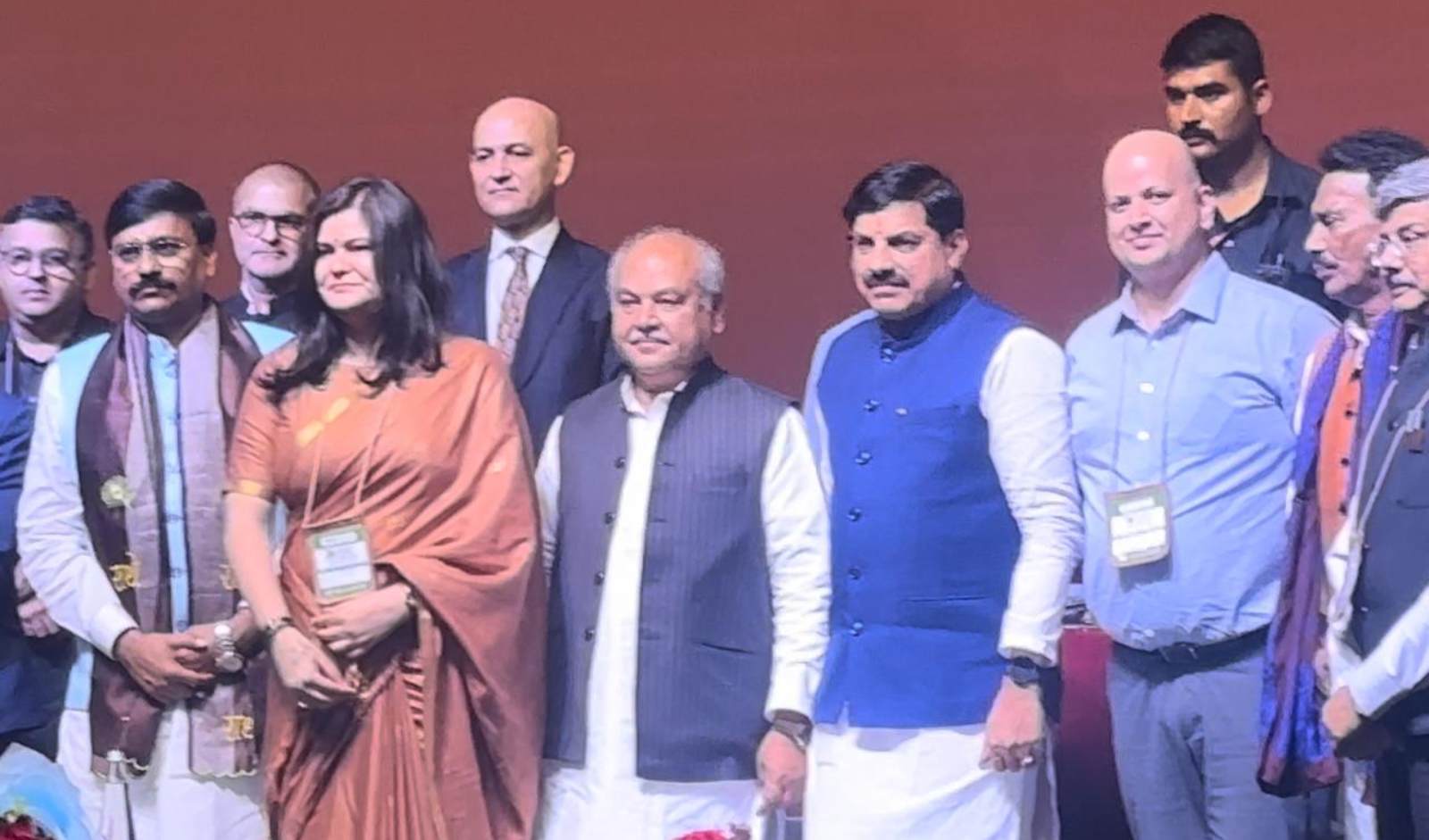
Delberto, India’s first SaaS-based e-commerce platform focused on underserved communities and artisans, has launched Craftgroom, a new digital marketplace developed in collaboration with the Madhya Pradesh Tourism Board (MPTB). The platform was officially introduced at the Regional Tourism Conclave 2025 in Gwalior.
Craftgroom is designed to provide artisans with structured online market access by integrating catalog management, order processing, payments, and fulfillment. It aims to help rural craftspeople focus on production while extending their reach to buyers across India and global markets. To ensure credibility, products sold on Craftgroom will carry an MPTB certification, verifying authenticity and adherence to quality standards.
Delberto has already onboarded more than 50 artisans onto the platform and is targeting 500 by the end of the year. Phase-wise training modules are being rolled out to help first-time sellers adopt digital tools, standardize product information, and access promotional opportunities aligned with state tourism campaigns.
Prateek Ojha, Founder of Delberto said, “We see Craftgroom as infrastructure for livelihoods. This initiative with MPTB allows us to combine authentication, logistics, and storefront tools into a single system so that genuine crafts from Madhya Pradesh can be discovered, trusted, and purchased at scale.”
The launch coincided with a series of tourism and heritage-focused announcements at the Conclave. These included the initiation of development projects worth Rs 17 crore at Phoolbagh under Swadesh Darshan 2.0, Rs 58.46 crore projects at Raja Mansingh Tomar Music and Arts University, and the release of an action plan for the conservation and beautification of Gwalior Fort. The event, themed “Timeless Gwalior: Echoes of Culture, Spirit of Legacy,” brought together policymakers, investors, and cultural stakeholders to align heritage promotion with sustainable entrepreneurship.
Through Craftgroom, Madhya Pradesh aims to integrate cultural heritage with modern retail infrastructure. By leveraging technology and state certification, the initiative is expected to create new opportunities for local artisans, strengthen their livelihoods, and expand their visibility in both domestic and international markets.
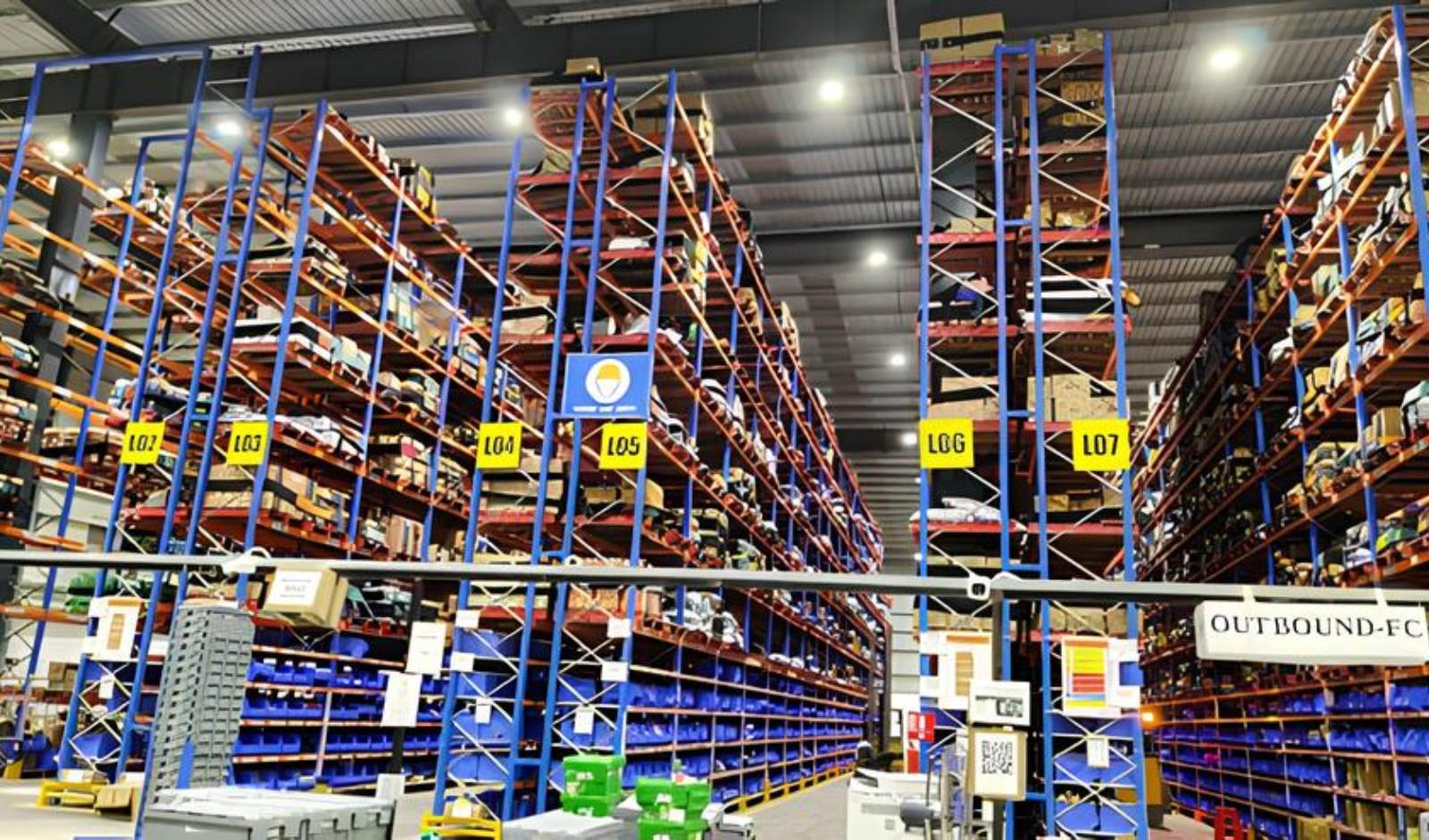
Flipkart has announced the expansion of its supply chain infrastructure and community partnerships across Assam and the Northeast to meet rising festive demand. The company is scaling warehousing capacity, logistics resilience, and employment opportunities while also enhancing market access for local sellers, artisans, and farmers.
The Northeast has emerged as one of Flipkart’s fastest-growing markets, registering 35 to 40 percent year-on-year growth driven by digital adoption and consumer aspirations. To serve this demand, Flipkart has established over 6 lakh sq ft of warehousing facilities in Guwahati, covering large, non-large, and grocery categories. In Tripura, the company recently launched a grocery fulfilment centre in Agartala with the ability to dispatch 5,000 orders daily.
To strengthen its quick commerce segment, Flipkart Minutes, the company has scaled Micro Fulfilment Centers (MFCs) across Guwahati. Nine such MFCs are currently operational, with more in progress, allowing faster access to groceries and essentials during the festive season. Additionally, Flipkart operates 391 small-format hubs in the region, including 31 in Guwahati, to ensure deeper last-mile coverage.
Festive operations are also creating new workforce opportunities. Flipkart has generated over 2.2 lakh seasonal jobs across warehousing, logistics, and last-mile delivery, including positions for persons with disabilities and underrepresented groups. Flipkart is building a trained workforce while strengthening community employment through initiatives like the Supply Chain Operations Academy (SCOA) and collaborations with social organisations.
The seller network in Assam has crossed 1 lakh, with categories such as ethnic wear, grooming, footwear, kids’ apparel, and home furnishings driving growth. Farmers are also gaining wider market access through Flipkart’s Samarth Krishi initiative. Producers of pineapples from Garo Hills, strawberries from Khasi Hills, Assam lemons, and baby kiwi from Bomdila are now supplying to markets in Ranchi, Patna, and Kolkata.
Rajneesh Kumar, Chief Corporate Affairs Officer, Flipkart Group said, “The Northeast is one of India’s fastest-growing markets, and Flipkart is proud to be a long-term partner in its growth story. By combining supply chain infrastructure with inclusive workforce practices and deep engagement with local sellers, artisans, and farmers, we are ensuring that the benefits of digital commerce reach every corner of the region. As we head into the festive season, our expanded presence in the Northeast, including Assam, will bring speed, convenience, and festive joy to millions of customers, while creating livelihoods and strengthening regional entrepreneurship.”
Flipkart is also advancing sustainability in the region with a goal to transition to 100 percent electric vehicles for last-mile delivery by 2030. Its Flipkart Reset program, aimed at driving circular economy practices, has engaged over 2,000 distributors and retailers in mobile exchange and trade-in programs. The Northeast now accounts for nearly 30 percent of Reset’s overall business.
With these initiatives, Flipkart is strengthening its role in the Northeast retail ecosystem by expanding infrastructure, enabling livelihoods, supporting sellers, and preparing for festive demand.
Swiggy has increased the platform fee for its food delivery business to Rs 15 from Rs 12 in certain geographies where it is witnessing a rise in demand. The hike, which was earlier revised to Rs 14 around August 14, has now been pushed up further by another rupee. The Rs 15 platform fee includes goods and services tax (GST).
This adjustment follows competitive moves across the category. Zomato raised the platform fee on food delivery orders to Rs 12 from Rs 10, as demand is expected to surge during the festive season. This fee excludes goods and services tax (GST). The platform fee is a flat charge that customers of Swiggy and rival Zomato pay on their food delivery orders. While the levy remains small relative to an average order value of Rs 500-600 on aggregator platforms, it contributes incrementally to improving overall margins.
Swiggy had first introduced a platform fee of Rs 2 in April 2023 and gradually raised it to Rs 12 as part of efforts to improve unit economics. Zomato followed a similar approach, though the last revision in its fee came in October 2024. The latest round of changes signals continued pricing optimization aimed at balancing demand growth with profitability, particularly ahead of seasonal peaks. Swiggy has not commented on the development.
The timing coincides with a period of higher investment for Swiggy. The hike comes at a time when Swiggy's net loss for the April-June quarter doubled year-on-year to Rs 1,197 crore due to higher investments in its quick-commerce arm Instamart. Its operating revenue during the quarter rose 54 percent to Rs 4,961 crore, while cash outflow stood at Rs 1,053 crore after accounting for operating, investing, and financing activities. These results reflect a growth-first posture with a focus on scaling adjacent categories, supported in part by fee-led revenue levers on the core platform.
For retail industry stakeholders, the platform fee trajectory indicates continued monetization through small, broad-based charges that are largely inelastic at the basket level. As both platforms refine fee structures by geography and season, the net effect is a marginal lift to contribution margins without significant drag on order volumes, especially where average ticket sizes remain in the Rs 500-600 range.
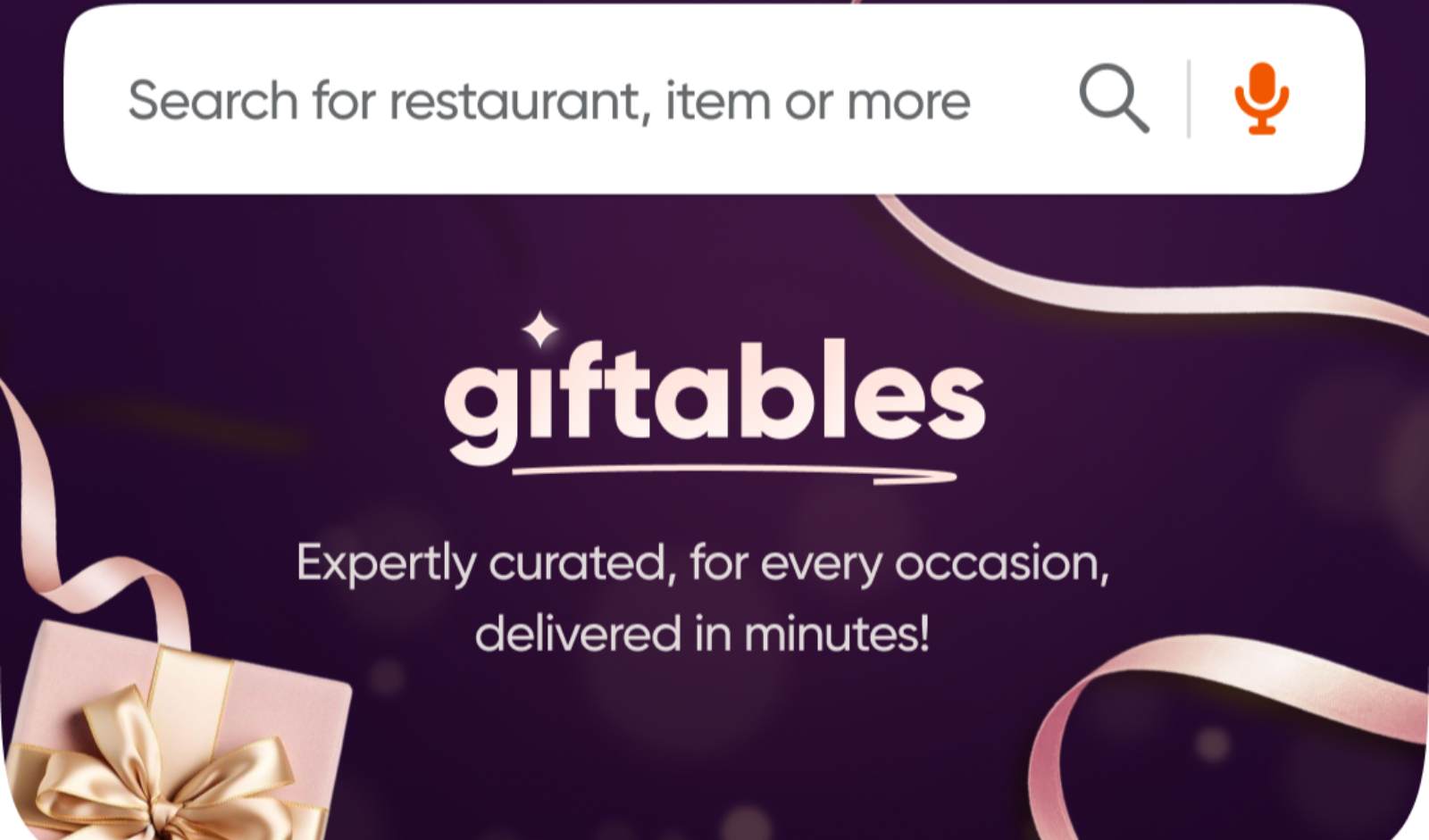
Swiggy Ltd has entered the retail gifting segment with the launch of Giftables, a category aimed at making personalized gifting easier for customers. The new offering allows users to explore curated options across multiple categories including chocolates, cakes, flowers, electronics, jewellery, toys, and more. The service has gone live in Bangalore and is expected to roll out in Mumbai, Delhi, and other metro cities in the coming days.
The gifting category is designed to address challenges often faced by shoppers during both planned and last-minute occasions. Customers frequently struggle with uncertainty about what to buy or end up switching between multiple platforms to complete a gifting experience. Giftables provides a consolidated solution by enabling users to browse gifts by occasion, recipient, or category. In addition, an AI-powered gifting chatbot is expected to be introduced soon, which will suggest curated options based on the recipient’s personality traits or preferences.
Giftables also allows users to personalize gift bundles. For instance, a cake from a preferred bakery can be paired with flowers, or sweets can be combined with perfumes and toys. This eliminates the need to place separate orders through different services such as food delivery and Instamart. Deliveries can be made either to the sender or directly to the recipient within 10 to 60 minutes, adding convenience for urban consumers.
Phani Kishan, Co-Founder and Chief Growth Officer at Swiggy said, “At Swiggy, our vision is to offer unparalleled convenience to our customers. With Giftables, we’re solving a real consumer pain point. Gifting is often last-minute and full of uncertainty. With Giftables on Swiggy, users get curated, high-quality options delivered in under an hour. No more juggling platforms or settling for uninspired gifts.”
Launched ahead of the year-end festive season, Giftables positions Swiggy in the retail gifting market while addressing consumer demand for convenience and personalization. The service is expected to play a role in reshaping how customers in metro cities approach everyday gifting.
Upliance.ai has announced the launch of Upliance 2.0, its latest smart kitchen appliance designed for Indian households. Priced at Rs 39,999, the new model builds on the success of Upliance 1.0 and introduces advanced features powered by UpAI, aimed at making cooking faster, healthier, and adaptable to diverse dietary needs.
The upgraded device is 40 percent faster than its predecessor and can heat up to 160°C, enabling browning and searing for Indian and global recipes. It comes with a glass lid featuring a virtual flame indicator to retain a familiar cooking experience. The product also incorporates a built-in weighing scale with macro-tracking, helping users align daily meals with nutritional goals. Cooking variants like low-oil, high-protein, high-fibre, kid-friendly, and Jain modes further expand its utility for different lifestyle requirements.
With over 750 guided recipes and AI-powered recipe generation, Upliance 2.0 enables preparation of both traditional Indian dishes such as dal, sabzi, rasam, and biryani, as well as international meals including pasta, risotto, hummus, and Thai curry. Recipes can be accessed offline once synced, ensuring uninterrupted cooking even without internet connectivity.
The appliance emphasizes ease of use and safety. Most cooking can be done in a single jar, while detachable parts like the blade and lid simplify cleaning. Made with food-grade, heat-resistant materials, the device is designed to fit seamlessly into everyday Indian kitchens.
Mahek Mody, CEO and Co-Founder of Upliance.ai said, “Indian kitchens are evolving faster than ever, families want meals that are healthier, faster, and more personalised, without losing the joy of home cooking. upliance 1.O showed us that technology could simplify cooking, but we also learned that India wants more – more choice, more health-focused options, more speed, and more joy and taste in everyday meals. That insight is at the heart of Upliance 2.0. With our belief in ‘Real Food. Zero Fuss.’, this advanced version goes beyond being just a smart appliance. It uses upliance.ai powered UpAI to adapt to individual tastes, offer healthier variants, and make nutritious meals possible even on the busiest days. We are proud to introduce India to most advanced kitchen appliances and will continue to stay ahead of the curve.”
Upliance 2.0 is being positioned as more than a cooking tool, it combines technology, health, and convenience to meet the requirements of India’s growing segment of urban, health-conscious consumers. Existing Upliance 1.0 users will continue receiving updates and recipe additions, with access to a special upgrade program.
With the Indian kitchen appliance market shifting toward smart and multifunctional products, Upliance 2.0 solidifies upliance.ai’s retail presence by aligning consumer demand for efficiency, personalization, and nutrition-focused cooking solutions.
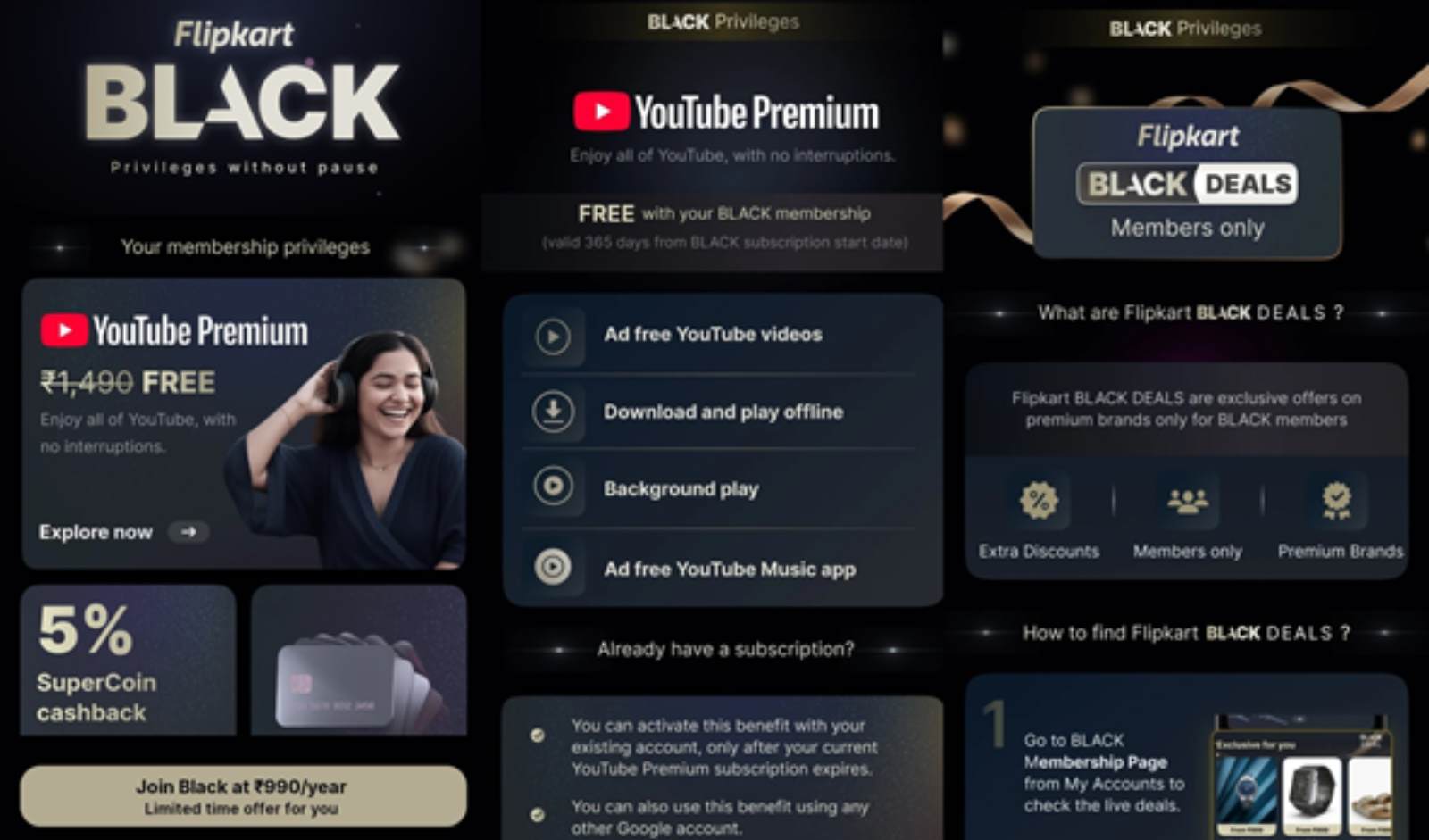
Flipkart has introduced Flipkart Black, a premium, paid subscription that evolves from its existing VIP program and is aimed at digitally native shoppers seeking value across shopping, entertainment, and travel. Priced at Rs 1499 annually, with an early-bird offer of Rs 990 during the first month of launch, the program is structured to let members personalize benefits and take control of their digital experiences through curated rewards beyond core e-commerce.
At launch, the membership includes a complimentary one-year YouTube Premium subscription offering ad-free videos, background play, offline downloads, and YouTube Music. Members also get access to Flipkart Black Deals on premium appliances and gadgets, 5 percent SuperCoins cashback on every purchase, early access to major shopping events, 15 percent instant bank offers during early-access windows, and priority customer support. The plan integrates lifestyle benefits with platform-native rewards to deliver consistent savings and convenience.
Flipkart Black extends perks into travel with Rs 1 rescheduling and cancellation on Cleartrip and Flipkart Travel, alongside direct access to dedicated customer support agents. The offer design emphasizes immediate value realization through bundled subscriptions and stackable savings on high-value categories during peak events, while maintaining ongoing value via accelerated rewards on routine orders.
Rahat Patel, VP, Loyalty, Flipkart said, “Our digitally savvy customers have evolved beyond the basic needs of value and convenience. They seek better control over their choices when it comes to online shopping and entertainment experiences. ‘Flipkart Black’ is designed to empower these customers with exactly that - by truly putting them in charge of their digital experiences and rewards.The first set of benefits is primarily focused on shopping, entertainment and travel. We will continue to expand this in future and keep solving for our customers. The value of the programme is hard to miss. Members instantly save through complimentary annual YouTube Premium and Cleartrip benefits. They will continue to get more savings on their Flipkart purchases as a bonus, in addition to other tailored rewards that suit their lifestyle.”
Positioning-wise, Flipkart Black differs from Flipkart Plus in its paid nature and target audience. Flipkart Plus remains an earned loyalty program centered on per-order delight and savings, while Flipkart Black is designed for affluent, digitally entrenched users who prioritize instant gratification and elevated experiences. Key differentiators include benefits beyond shopping (the one-year YouTube Premium and Rs 1 Cleartrip flexibility), instant value via member-only Black Deals on premium gadgets during major events, and continuous value through 5 percent SuperCoins cashback (up to Rs 100 per order).
Myntra has announced the extension of its rapid delivery service, M-Now, to Hyderabad, building on strong adoption in Bengaluru, Mumbai, and Delhi NCR. The expansion is supported by Myntra’s network of more than 60 dark stores across India, designed to handle high-volume orders and provide faster fulfillment, particularly during peak shopping cycles.
Through M-Now, shoppers in Hyderabad can access approximately 8,000 styles from over 500 brands, with delivery starting in as little as 30 minutes. The service offers a mix of premium and mass brands across fashion, beauty, and lifestyle, including Levi's, USPA, MANGO, Jack and Jones, Tommy Hilfiger, Vero Moda, Mochi, United Colors of Benetton, Louis Philippe, Bata, L'Oréal, Maybelline, and TRESemme.
Sharon Pais, Chief Business Officer, Myntra said, “Hyderabad is a fast-growing market with a vibrant and trend-conscious customer base, making it an ideal market for M-Now. Designed to serve those moments when immediacy matters most, the expansion of M-Now into the city strengthens our promise of convenience and raises the benchmark for speed in fashion, beauty, and lifestyle commerce.”
The announcement comes in the run-up to the festive season, when demand typically peaks. During Raksha Bandhan, M-Now logged a 3X surge in gifting-related demand, with accessories witnessing a 5X spike in Mumbai, Delhi, and Bangalore. Overall orders in these cities rose by approximately 1.5 times during the festival. Recently, brands such as Snitch, Anouk, Boldfit, YSL, and Cava have also been added to the M-Now catalog, expanding its offering further.
Myntra has been steadily building capabilities in speed-led commerce through initiatives like M-Express, which enables delivery within 24–48 hours. Currently, nearly 50 percent of Myntra’s total orders are delivered within 48 hours across more than 600 cities in India, demonstrating customers’ increasing preference for faster, convenience-driven retail experiences.
With M-Now, Myntra is targeting both planned and impulse shopping consumption. By expanding the service into Hyderabad, the retailer reinforces its ambition to scale ultra-fast delivery as a competitive differentiator in India’s online fashion, beauty, and lifestyle retail sector.
Food Square has entered India's quick commerce market through a partnership with Instamart, marking the first time a luxury gourmet food retailer has joined quick commerce at scale in the country. The collaboration makes premium food products available for delivery within 10 minutes across Mumbai.
The partnership introduces over 4,000 Food Square products to Instamart's platform, including caviar, truffle spreads, imported cheeses, fine condiments, oils, vinegars, chocolates, snacks, and baking essentials. Products are organized under a dedicated "Gourmet" section for customer navigation.
Instamart operates with over 35,000 total products spanning local, regional, gourmet, and imported selections. The platform positions itself as a comprehensive grocery delivery service combining speed with product variety.
"At Instamart, we are constantly innovating to meet the evolving needs of the modern Indian household, with a focus on delivering a high-quality assortment of fresh and truly authentic groceries. Through Food Square Gourmet, we're bringing a curated range of gourmet products straight to our customers' doorsteps, all within minutes. This collaboration not only strengthens our commitment to speed and convenience but also ushers in a new standard for premium grocery delivery. We're excited to make top-quality ingredients more accessible than ever to consumers in Mumbai," said Hari Kumar G, Chief Business Officer at Instamart.
The partnership represents Food Square's expansion from physical retail locations into digital commerce channels. The company positions the collaboration as enhancing accessibility to premium food products for Indian consumers.
"Food Square was always imagined as a playground for the curious, a place to explore the rare, the extraordinary, the best the world has to offer. With Instamart, we're making that playground accessible in minutes. This isn't just a partnership, it's a leap forward in how India discovers and experiences gourmet food," said Mayank Gupta, Co-Founder and Managing Director, Food Square.
"India is exploring flavour in bold, global ways. With Instamart, everyday luxury is no longer aspirational; it is instantly available. This partnership is not just about convenience, it is about shifting how we experience food," said Lalit Jhawar, Co-Founder and CEO.
Service availability covers key Mumbai neighborhoods including Andheri, Bandra, Goregaon, Powai, Vile Parle, and Tardeo. The partnership demonstrates how premium food retailers are leveraging quick commerce platforms to reach consumers seeking convenience without compromising product quality.
Flipkart marked the first anniversary of Flipkart Minutes, its quick commerce service launched in August 2024, reporting strong scale and retention across Tier l and Tier ll markets. The platform recorded 50 percent month-on-month value growth and attracted more than 50 million unique visitors in its first year, supported by Flipkart’s supply chain and technology stack. Operations now cover 19 cities and more than 2,900 pin codes, fulfilling millions of orders and generating over 1 lakh jobs across delivery and micro-fulfillment operations.
Flipkart Minutes operates in Ahmedabad, Ambala, Bengaluru, Chennai, Delhi NCR (Gurgaon, Noida, Ghaziabad, Faridabad), Guwahati, Jaipur, Kolkata, Kanpur, Lucknow, Mumbai, Pune, Patna, Thane, and other locations. Customer stickiness remains a key metric, with nearly 60 percent of users placing repeat orders within 14 days. The platform runs on E-Kart’s logistics backbone and a proprietary stack with real-time inventory sync, AI-led demand forecasting, dynamic routing, and smart substitutions to enable high fill rates and faster completion.
Demand has been strong among Gen Z, working professionals, and urban households, with non-metro cities such as Ambala, Guwahati, Jaipur, Lucknow, Kanpur, and Patna emerging as important demand centers. The assortment spans over 900 categories, with daily essentials, beverages, personal care, and electronics leading volumes. Flipkart Minutes also introduced real-time smartphone exchange, positioning itself as India’s first hyperlocal platform to enable the feature.
In its first year, Flipkart Minutes highlighted:
- Live in 19 cities and over 2,900 pin codes, serving millions of households
- Over 900 product categories available for faster delivery
- Nearly 60 percent of customers placed a repeat order within 14 days
- Top-performing cities include Delhi, Bangalore, Mumbai, Kolkata, and Pune
- Most ordered categories include daily essentials, beverages, personal care, and electronics
- Strong traction in non-metro cities including Ambala, Guwahati, Jaipur, Lucknow, Kanpur, and Patna
- Nearly 5 lakh mobile units sold and close to 20 lakh consumer electronics units delivered
- India’s first hyperlocal platform to enable real-time smartphone exchange
Partnerships have expanded Minutes’ ecosystem, including nearly 200 D2C brands for hyperlocal fulfillment and more than 1,000 Farmer Producer Organisations supplying fresh produce. These collaborations aim to improve brand visibility, reduce time-to-door, and enhance price realization for farmer partners, while educating FPOs on yield practices.
Kabeer Biswas, Vice President, Flipkart Minutes said, “Powered by a strong operating model and growing customer trust, Flipkart Minutes has emerged as one of India’s fastest-growing quick commerce platforms. In just one year, Flipkart Minutes has scaled significantly, with a growing base of consumers who trust us for their everyday essentials and more.”
“At Flipkart, we are committed to building a strong technology driven supply chain that enhances customer experience,” said Hemant Badri, Senior Vice President and Head of Supply Chain, Customer Experience, Re-Commerce and Minutes, Flipkart.
As Minutes enters year two, priorities include strengthening the tech backbone, expanding to new cities, deepening brand and FPO partnerships, and improving customer experience across speed, selection, and value.
Bigbasket, a Tata enterprise and one of India’s leading online supermarkets, reported a significant spike in demand during Janmashtami this year. Customer purchases were driven by puja essentials, festive decorations, and dairy products, supported by the company’s expanded product range and 10-minute delivery service.
Core festive categories such as milk, curd, sweets, idols, Ladoo Gopal poshaks, and décor items witnessed sharp growth. Dairy products, particularly milk and curd, led sales among household staples. The scale of demand highlighted a shift in consumer behavior toward online platforms for time-sensitive festive shopping needs.
Specially curated assortments for Janmashtami gained strong traction. Enough Kanha Poshaks were sold to dress over 15,000 Bal Gopals, reflecting a 500 percent increase versus last year. Sales of Krishna Sinhasans climbed by 700 percent year on year, while more than 8,000 flutes were purchased during the festival period. Decorative Matkis registered a 400 percent increase compared to last year, alongside higher demand for Bal Mukut, Pagdi, and Laddu Gopal jewellery.
The sales momentum was evident early in the day. By the afternoon itself, bigbasket had achieved nearly two-thirds of its total Janmashtami business from last year. Value-focused offers, discounts of up to 70 percent across grocery, merchandise, and gifting segments, combined with the convenience of express 10-minute delivery, amplified customer response.
This spike underscores the role of rapid commerce platforms in shaping modern festive shopping behavior. Bigbasket’s ability to anticipate customer needs through curated assortments and logistical efficiency reinforced its position as a preferred online destination for festival essentials. As retailers prepare for the upcoming festive season, these results highlight growing consumer reliance on fast delivery and specialized festive collections.
E-commerce platform Myntra has introduced a zero commission commercial structure for digital-first women's ethnic wear brands as part of its Myntra Rising Stars program. The three-month initiative, launching August 15, targets emerging made-in-India brands currently operating through direct-to-consumer platforms or social commerce channels.
The program aims to onboard 500 digital-first women's ethnic wear brands within the next three months, providing market entry support during the festive season consumption period. Eligible brands gain access to Myntra's 70 million user base across 98 percent of serviceable pincodes in India.
Under the zero commission structure, participating brands receive strategic account management services on a service-fee basis, leveraging Myntra's brand-building expertise and platform insights. The program includes end-to-end onboarding support, accelerated payment cycles, and access to M-Express delivery network infrastructure.
Brand visibility components include homepage and category page placement, social commerce integration through Glamstream and Myntra Minis short-form video content, and collaborative marketing opportunities using social and influencer assets. Participating brands receive access to performance dashboards covering business metrics, marketing analytics, and industry trend data.
The initiative specifically targets the festive season retail cycle, when ethnic wear demand typically increases across Indian markets. Myntra's approach addresses barriers facing emerging brands seeking to scale beyond direct-to-consumer channels into larger marketplace ecosystems.
"The Indian ethnic wear landscape beautifully reflects the richness of our cultural heritage and craftsmanship. The festive season being a high consumption period across the country, we are deeply committed to providing an ecosystem for the next generation of digital-first brands that celebrate this legacy with a zero commission construct. This enables the brands to kickstart their journey on Myntra and help them access over 70 mn user base covering 98 percent of serviceable pincodes, across India while also leveraging Myntra's tech capabilities," stated Sharon Pais, Chief Business Officer, Myntra.
The program represents Myntra's broader strategy to support domestic fashion brands while capitalizing on growing demand for ethnic wear in the Indian fashion retail market. By eliminating commission fees during the initial three-month period, the platform reduces financial barriers for smaller brands entering competitive marketplace environments.
Interested brands can apply through Myntra's social media platforms, including LinkedIn and Instagram, or contact MyntraRisingStars@myntra.com directly. The initiative reflects ongoing efforts by major e-commerce platforms to diversify vendor portfolios and strengthen relationships with emerging Indian fashion brands.
Online value-focused retail marketplace Snapdeal has reported a more than 100 percent year-on-year increase in units sold during its recently concluded Swagtantra Sale (6–11 August), signalling robust consumer sentiment ahead of the festive season.
The event saw sharp category-level gains. Fashion sales more than tripled compared to last year’s festive period, while dry fruits, a key gifting category, quadrupled. Seasonal product categories also surged, with rainwear sales increasing over 450 percent, reflecting strong alignment with monsoon demand.
Customer participation was led by non-metro markets, which contributed 83 percent of total festive period sales. States including Andhra Pradesh, Mizoram, Arunachal Pradesh, Jharkhand, Tamil Nadu, Kerala, and Maharashtra emerged as the top-performing regions.
On the supply side, the sale period marked significant growth in seller participation. Surat led as the largest seller hub, registering a 176 percent increase in active sellers, followed by New Delhi. Seller communities in Noida, Jaipur, Ludhiana, Kanpur, Jodhpur, and Rajkot also reported higher activity. Long-term sellers onboarded in 2017 or earlier contributed 20 percent of total sales, while newer sellers who joined during 2024 and 2025 accounted for 32 percent, indicating strong performance across tenure groups.
Achint Setia, CEO of Snapdeal said, “The festive season in India is more than just a time to shop, it’s a time for families to prepare, to gift, to celebrate together. The Swagtantra Sale brought this sentiment alive, with trend-led, quality products at prices Bharat loves. The enthusiasm we’ve seen from both customers and sellers sets the perfect tone for the celebrations ahead.”
The Swagtantra Sale’s results underscore Snapdeal’s positioning in value retail and its deep penetration in Tier-II and Tier-III cities, where affordability, variety, and trust remain strong purchase drivers. The combination of increased seller participation, expanding regional reach, and category-specific growth points to positive momentum for the rest of the festive season.
With apparel, gifting, and seasonal goods showing exceptional performance, along with increased buyer activity from emerging markets, Snapdeal’s Swagtantra Sale has created a strong foundation for upcoming festive campaigns and deeper marketplace engagement between sellers and customers.
Flipkart has announced the tenth edition of its flagship retail initiative, ‘Crafted by Bharat’, under the Flipkart Samarth program. Scheduled for August 15, 2025, the sale coincides with India’s 79th Independence Day and will highlight India’s artisanal, handloom, and handicraft heritage through a national-scale digital marketplace.
This year’s edition will feature over 1.4 lakh unique handcrafted products from more than 2,200 artisans and small businesses across India. The collection will include traditional art forms such as Warli, Patachitra, Madhubani, Pichwai, terracotta work, and a variety of regional wooden crafts and paintings.
The sale will also showcase products from state-run handicraft bodies, Self-Help Groups (SHGs), NGOs, and regional enterprises, spanning multiple categories such as furniture, furnishings, home décor, kitchenware, apparel, and more. A special storefront will spotlight women entrepreneurs from Tier ll and Tier lll cities including Bhadohi, Hathras, Hisar, Madurai, Chirakoot, Kannauj, Ramanagra, Ghazipur, Ujjain, Churu, and Ratangarh.
With the addition of over 100 new sellers this year, the platform aims to offer customers a more diverse and culturally significant product range while bolstering income opportunities for artisans. The initiative aligns with Flipkart’s focus on MSME growth, capacity building, and digital inclusion, providing sellers with pan-India reach, competitive pricing support, marketing assistance, and Key Account Manager guidance for sustainable business growth.
Rajneesh Kumar, Chief Corporate Affairs Officer, Flipkart Group said, “As we celebrate the 79th Independence Day, we are proud to bring together thousands of voices and craft traditions that define the soul of Bharat. Crafted by Bharat is a reflection of Flipkart’s deep-rooted commitment to empowering India’s artisans, weavers, and small businesses by enabling access to a nationwide digital marketplace. This initiative not only strengthens economic opportunities for underserved communities but also helps preserve India’s cultural identity through e-commerce. With Flipkart Samarth, we continue our commitment to empowering underrepresented communities, enabling them to thrive in a digital economy.”
Artisan entrepreneurs have also reported sustained growth through the program. Nafiz Ahmed, owner of RAKANO added, “We have seen our business grow steadily with every edition of the Crafted by Bharat sale. With Flipkart Samarth’s consistent support, we have gained the confidence to scale our business and connect with customers across India. From onboarding to cataloging and order fulfillment, the handholding we received has enabled us to scale confidently and sustainably.”
Launched in 2019, Flipkart Samarth now supports over 1.8 million livelihoods, providing indigenous and underserved communities with the tools, training, and national visibility needed to enhance income opportunities through e-commerce. The ‘Crafted by Bharat’ event is positioned as both a retail and cultural milestone, merging local craftsmanship with broad digital market access.
Instamart, India’s quick commerce platform, has partnered with Home Stop by Shoppers Stop to bring premium home décor, furnishings, crockery, and serveware directly to customers’ doorsteps in just 10 minutes. With this collaboration, Instamart becomes the first quick commerce player to offer over 100 curated Home Stop products to online shoppers in Mumbai, Bengaluru, Hyderabad, and Gurgaon.
The curated launch range spans linen and furnishings, dinnerware, kitchen storage, and decorative items, including artisanal candle holders, modern serveware, Buddha figurines, and jharokha t-light holders, designed to enhance both functionality and aesthetics in homes.
Manender Kaushik, AVP and Category Head, Instamart said, “Since the launch of the Home and Lifestyle category on Instamart, we’ve witnessed robust growth in the segment. This signals that quick commerce has evolved from a simple grocery delivery service into a more sophisticated marketplace encompassing larger and diverse categories… Our partnership with Home Stop marks a significant step towards making curated home décor and furnishings accessible to shoppers within minutes.”
From Shoppers Stop’s perspective, the tie-up offers new opportunity to blend brand legacy with faster fulfilment. Kavindra Mishra, MD and CEO of Shoppers Stop stated, “Home Stop offers a curated selection of contemporary, classic, and innovative home solutions that blend quality, style, and value… This partnership with Instamart marks a significant step in making the Home Stop experience instantly accessible through the power of quick commerce, allowing us to meet our customers at their doorstep, quickly and effortlessly.”
Instamart’s entry into the home and lifestyle segment began with essentials such as pillows, blankets, and décor accents, which saw strong traction with customers. In 2023, blankets emerged as one of the top-searched items on the platform. Building on this momentum, the assortment now spans thousands of products across home décor, furnishings, serveware, and storage solutions.
Currently operational in over 127 cities, Instamart has expanded its infrastructure with new megapods that can stock up to 50,000 SKUs, enabling fast delivery in multiple categories. The platform also recently introduced Maxxsaver, a feature designed to help customers plan purchases while availing maximum savings.
The partnership reflects a broader retail trend, quick commerce evolving into a lifestyle shopping channel, offering not just essentials but a wide assortment of premium and planned purchase products, fulfilled at unprecedented speeds.
Instamart is reporting an early and pronounced uptick in festive purchasing ahead of Raksha Bandhan, indicating a shift in consumer behavior toward advance planning rather than last-minute buying.
According to Manender Kaushik, AVP and Category Head, Instamart, “The consumer demand for Rakhi and gifting started showing up days before the festival this year, proving consumers aren't just turning to Instamart for their last-minute needs but also planning their festive purchases in advance.”
The platform crossed last year’s Rakhi sales earlier in the week and has recorded a 3.5x surge in Rakhi orders compared to the same period last year. “Having surpassed last year’s Rakhi sales earlier this week, we have now achieved a 3.5x surge in orders for Rakhi compared to the same period last year,” Kaushik said.
Assortment has expanded, with Instamart partnering with Kalyan Jewellers to offer Silver rakhis for the first time on quick commerce. “This year, we have increased the selection of Rakhis on the platform, partnering with Kalyan Jewellers to offer Silver rakhis for the first time on quick commerce,” he added. Users also received vouchers worth Rs 2100 from Kalyan Jewellers.
Gifting categories show strong momentum. “Talking about gifting, Rakhi hampers are up 8x year-on-year, sweets and chocolates have surged 8x and 4x compared to regular days—signs that people are choosing to go bigger, more thoughtful, and more indulgent with their gifting,” Kaushik noted.
For retailers, the data points to front-loaded demand, category expansion as a growth driver, and increased ticket sizes in seasonal gifting. The quick commerce format is being leveraged for premium and festival-led assortments, including jewelry-linked offerings, alongside value incentives such as partner vouchers.
Flipkart Minutes reported a marked increase in Raksha Bandhan gifting orders, underscoring the acceleration of quick commerce for time-sensitive occasions. The platform’s most active shopping window was 7 PM to 9 PM, with 8 PM recorded as the single busiest hour for Rakhi-related purchases. The pattern indicates that consumers are consolidating gifting decisions into late-evening peaks and relying on rapid fulfillment to meet same-day needs.
Demand was geographically broad-based. Activity spanned metro markets such as NCR, Bangalore, and Mumbai, and extended to tier-ll cities including Lucknow, Kanpur, and Patna, signaling deeper adoption of quick commerce beyond top metros.
Category performance reflected a mix of traditional and utility-led choices. Sweets, dry fruits, perfumes, and non-food gifting combos recorded significant growth. Utility-focused products, wristwatches, handbags, and wallets, also performed well, indicating preference for gifts that combine function with sentiment.
Within the Rakhi assortment, religious, designer, and assorted rakhis ranked among the top sellers. Festive chocolates and gift boxes saw more than a 5X uptick in orders. Sweets recorded a 12X demand surge, while dry fruits increased by 3X, reaffirming the central role of traditional snacks and sweets in the festival basket.
Search behavior pointed to a balanced interest in conventional and contemporary gifting. Top queries included “Celebrations assorted chocolates,” “Rakhi gift packs,” “Rakhi gift hampers,” “Dry fruit gift box,” “Stationery gift,” “Women perfume gift set,” and “Exotic dark chocolate gift packs.”
As real-time celebrations become more common, quick commerce continues to serve last-mile, last-minute demand. The Raksha Bandhan trends on Flipkart Minutes illustrate how rapid delivery is becoming embedded in festival shopping behavior, enabling timely gifting across both metro and tier-ll markets.
Myntra is reporting significant growth in its M-Now quick commerce service, coinciding with the beginning of the festive shopping period. In the period leading up to Raksha Bandhan, the platform recorded a 1.5X increase in orders. The M-Now service, which offers delivery in as little as 30 minutes, caters to customers in Bengaluru, Delhi, and Mumbai with an assortment that included over 300 Rakhi styles and more than 800 gift options.
Analysis of festive season consumer behavior indicates specific category trends. Demand for accessories has increased by 5X, pointing to a focus on gifting. Other key lifestyle categories, including apparel, footwear, and personal care, have also registered approximately 1.5X growth over the preceding month.
Geographically, Delhi NCR shows the highest growth with a 1.7X increase in orders, primarily driven by demand for ethnic wear, with kurtas being the most purchased item in the category. Mumbai experienced a 1.5X rise in orders, with purchasing patterns showing a mix of both traditional and contemporary apparel. In Bangalore, demand was highest for ethnic wear, indicating increased consumer interest in occasion-specific apparel. Notable brands driving sales in these categories include Libas, Indo Era, Manyavar, Jompers, True Browns, Palmonas, and Zaveri Pearls.
In all three metropolitan areas, product assortments oriented toward gifting, such as fragrance gift sets, handbags, watches, and beauty kits, saw an average demand growth of 3X over the last month. This trend is particularly evident among consumers prioritizing rapid delivery. The demand for international brands available on the M-Now platform grew by 1.5X overall, suggesting that premium products are a key component of festive season purchasing. Popular international brands showing high traction include Tommy Hilfiger, MANGO, Hidesign, Armani Exchange, GAP, Michael Kors, Levi's, MAC, The Ordinary, GUESS, New Balance, and adidas Originals.
Instamart, a major player in India’s quick commerce sector, has launched a collaboration with Kalyan Jewellers to enhance Raksha Bandhan retail offerings. This partnership introduces a promotional initiative where customers purchasing Rakhis on Instamart qualify for a Rs 2,100 voucher redeemable at Kalyan Jewellers. The overall voucher commitment is reportedly close to Rs 500 crore, positioning this as a significant move in the festive retail landscape.
From July 28 to August 9, Instamart’s ‘Gehna To Your Behna’ campaign automatically provides every customer who places an order above Rs 499 with a Kalyan Jewellers voucher. This voucher is valid for in-store purchases and covers gold, diamond, and platinum jewellery, with redemption extended through Diwali 2025. The campaign aims to merge practical gifting with longer-term value, allowing customers to select modern or traditional pieces at their convenience.
Manender Kaushik, AVP and Category Head at Instamart said, “Festivals carry deep sentimental value across India, and gifts are a way to express emotions, whether love, care, or appreciation for those closest to us... That’s why we’ve teamed up with Kalyan Jewellers to bring something really meaningful to our users, a gift that will last a lifetime.”
Instamart has identified notable shifts in festive shopping patterns. Last Raksha Bandhan, the platform recorded a volume of nearly 700 Rakhi orders every minute, with total sales rising fivefold. Popular categories included toys, chocolates, flowers, and make-up. For the current festive season, Instamart is offering silver rakhis with fast delivery, a new addition that has gained popularity among urban consumers.
Currently, Instamart operates across 127 cities, supporting its 10-minute delivery promise with a selection of up to 35,000 items. The launch of the Maxxsaver feature is intended to further encourage value-driven purchases and meet planned shopping needs among price-conscious users.
By partnering with Kalyan Jewellers and scaling up its festive product range, Instamart aims to capture greater consumer engagement during key gifting periods and reinforce its position in the competitive quick commerce segment. The approach reflects broader trends in Indian retail, with e-commerce and omnichannel strategies playing a larger role in driving festival-centric demand and repeat business.
Eternal reported a 67 percent year-on-year growth in consolidated adjusted revenue for Q1FY26, reaching Rs 7,563 crore. The company’s quick commerce business added 243 net new stores during the quarter, driving its Net Order Value (NOV) to Rs 9,203 crore, marking a 127 percent year-on-year increase and overtaking food delivery for the first time. In comparison, food delivery NOV rose by 13 percent during the same period.
Despite seasonal impacts and ongoing investments in store expansion, quick commerce margins improved from negative 2.4 percent in Q4FY25 to negative 1.8 percent in Q1FY26. Albinder Dhindsa, Founder and CEO of Blinkit, stated, “On the profitability front, margins improved from -2.4 percent of NOV in Q4FY25 to -1.8 percent despite continued investments in new store roll-outs and seasonal factors. We have visibility to get to 3,000 stores today, and we will communicate the timeline for getting there, after we get to our current milestone of 2,000 stores by Dec ‘25.”
Eternal’s going-out vertical reached an annualized NOV of Rs 8,000 crore, now accounting for nearly 20 percent of the combined size of its food delivery and quick commerce businesses. The segment has seen approximately 35 percent year-on-year growth, supported by a monthly base of two million active transacting customers and an average order value exceeding Rs 1,700.
Akshant Goyal, Chief Financial Officer, shared projections that the going-out platform “has the potential to scale to $3 billion in annual topline (NOV) with $150 million of Adjusted EBITDA sometime over the next five years.”
The company’s B2C verticals collectively posted a 55 percent year-on-year increase in NOV, reaching Rs 20,183 crore in Q1FY26. Eternal’s consumer businesses are now generating an annualized NOV of nearly $10 billion, with quick commerce contributing close to half of that figure.
Hyperpure, the company’s B2B supply arm, registered strong performance as well, with revenue rising 89 percent year-on-year and 25 percent quarter-on-quarter.
Operationally, Eternal expanded its warehousing footprint by 0.4 million square feet, bringing total warehouse space to over 5.6 million square feet. Including retail outlets, the company now manages approximately 10.4 million square feet across its supply chain. Over the next two to three quarters, Blinkit plans to shift from a marketplace model to an inventory ownership structure to optimize logistics and control.
In addition to retail and commerce operations, Eternal announced the launch of Greening India, an agroforestry initiative that will plant 2.5 million trees across 10,000 acres in FY26. Founder and CEO Deepinder Goyal stated, “These trees, once grown, have the potential to remove 1.5 million tonnes of carbon dioxide (CO2) from earth’s atmosphere over the next 30 years.”
-
boAt has elevated Sammyak Jain to lead its international business as the company prepares for overseas expansion. Jain will drive market entry, partnerships, and strategy across key regions.
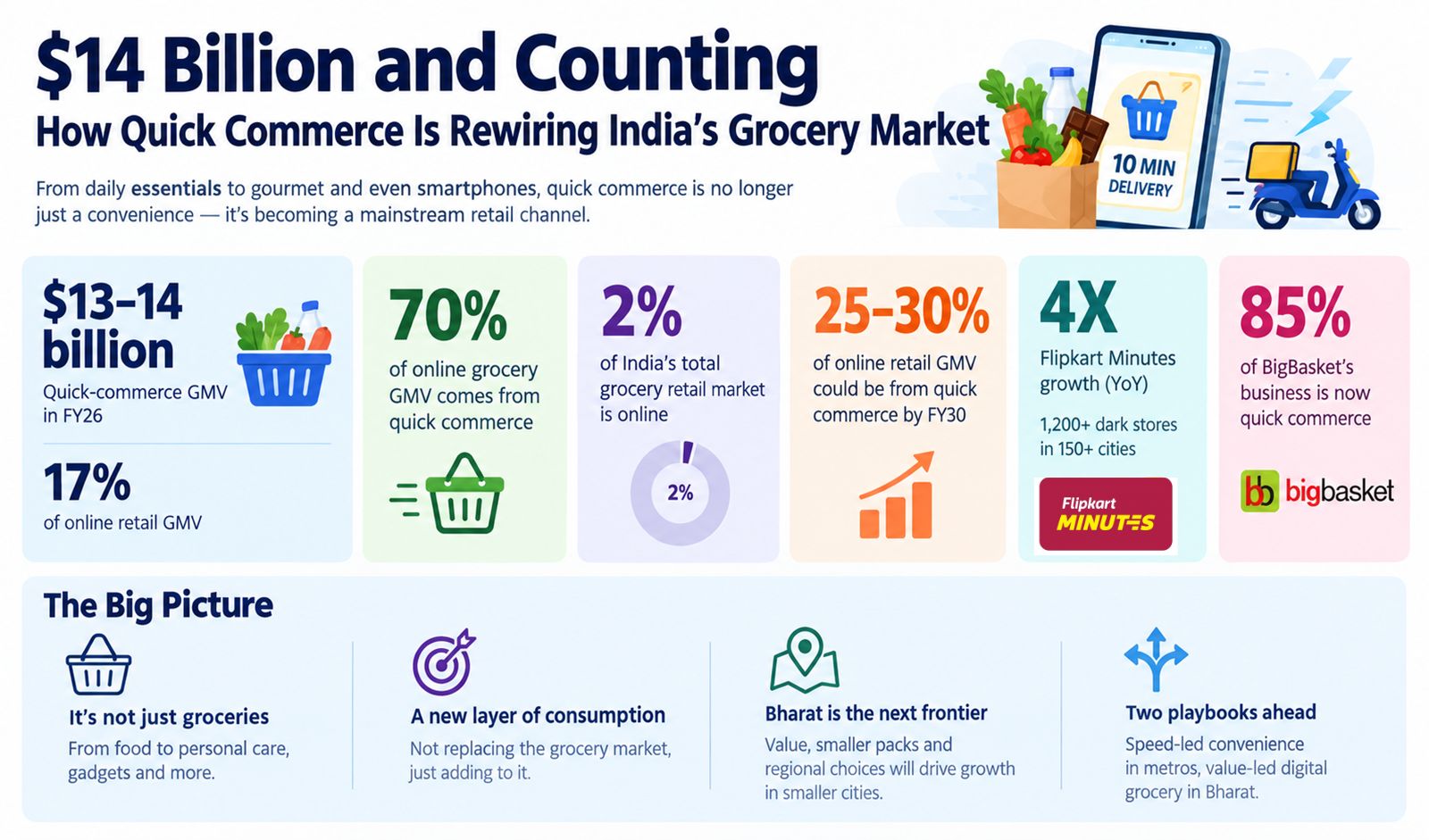 Quick commerce now accounts for around 70% of India’s online grocery GMV, despite online grocery being only about 2% of the country’s total grocery market.
-
Apple has collaborated with Axis Bank to bring the service to a country dominated by UPI. The service is initially available for Axis Bank-issued Visa and Mastercard credit cards.
 Discover 12 micro SaaS ideas you can build with AI and no-code tools, from booking systems and WhatsApp assistants to AI-powered business solutions.






Copyright © 2009 - 2026 Franchiseindia.com Ltd