Talk about the licensing industry around a decade ago, and one could only think of characters and TV properties conceptualised and extended into various categories. But now corporate licensing has emerged as an effective strategy to get major brands on board and tap a wider and a mature target group.
In licensing and merchandising industry, it is not about when a property or brand forays in India, but about when it is taken. Talking from licensee’s perspective, 6 years ago corporate licensing was a model only for certain kind of licensees so only big conglomerates used to practice corporate licensing. Others were peculiar about the characters and properties on screen.
The conglomerates like Reliance, Arvind Madura Garments were the league where corporate licenses were taken and extended. For instance: Espirit, the fashion and lifestyle brand falls into corporate licensing; Tommy Hilfiger first entering India through Murjani Group, the arrangement between Van Heusen and Madura Garments, Louis Phillipe, Arrow etc. taken by them. However, licensing was restricted to a certain level only, but in last 3 years, the entire market has changed, not only for corporate but every single genre.
Corporate licensing is pretty much booming in India. Such a strategy is not just an opportunity to enter India; it is about somebody taking the license as well. There is a plethora of conglomerates that have marked their presence in the licensing and merchandising industry but failed to make it to retail shelves.
How it started in India? Indian trade saw the light of different kind of licensing opportunities with corporate brands foraying into India. Initially people were very eccentric with just character licensing. The mindset was such that whatever is there on TV will sell which ruled the industry for decades. That perspective started changing with other brands being available. Bradford was the first one to get anything like that.
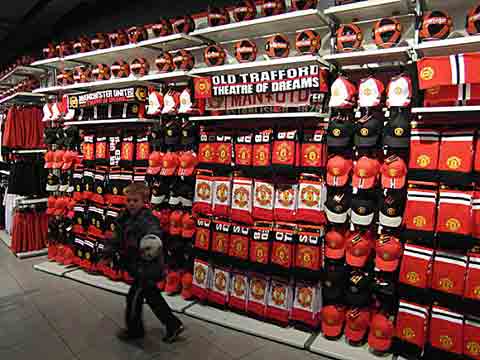
Other agencies and people who were into licensing gamut at that point of time were only and only practicing character licensing. We were one of the pioneers to get football clubs in India under proper licensing program besides of course Manchester United forming a retail alliance with Future group.
Be it sports licensing, corporate licensing, character licensing...it saw a complete shift in the way people perceived licensing. People are now more open to talking about licensing. When we started 10 years back, people were clueless about licensing and our pages were very different from what they are now. Things have really changed and the change has happened for multiple factors. Under corporate licensing, there is complete shift in the way people perceive and it is happening in every single way possible. Starting from mobile phones to stationary, home décor to fragrances and apparel to accessories, every single industry is now actually practicing licensing and going beyond characters.
Some licensee at that point of time had the maturity of leveraging on the model of corporate licensing and hence carved a niche for themselves. Now many of the people don’t even know that brands such as arrow and Van Heusen are not owned by Arvind, but have been licensed to them.
Then came a time when there came a clear dearth of brands in India. That is when corporate licensing became a feasible model for people to venture into brands. Then came retail boom which lead to crunch in shelf-space as retailers were only interested in stacking up ‘brands’ instead of entertaining every merchant. That prioritizing happens only through the brand power.
Today a lot of start-ups have entered into the retail eco-system who have fantastic quality but are not established as a brand power and hence face the credibility issue. In that case, getting a brand on-board benefits them the way a brand is to the retailers. People have now started looking at brand licensing as not just a mere tool to get brands, but a strategic tool for scaling up in their business.
Character vs Corporate The kind of licensing complete depends on the brand’s strategy and the target audiences and more than anything; it is majorly the target group that drives the licensing model. And also the investment capacity plays an important role in here. If suppose I extend Crocs kids to a licensee vs Cartoon network owned Ben 10. While the license in case of ben 10 is not available for more than 3 years in a row (both the parties have to renew the license), a corporate licensing deal will be no less than 5 plus 5 i.e. 10 years deal.
Again under character licensing I cannot do complete brand launch, it has to be one of the collections under my brand. If I am Mom &Me for instance, the collection would be a part of my entire collection and not a different store altogether. But if it is Marie Claire Kids, the licensee can have a Marie Claire kids store altogether or a shop-in-shop. Character licensing is at maximum restricted to shop-in-shop as the licensees lack the bandwidth to fill up an entire store. If it is Zara kids’ there would be entire store, but if Zara kids launch a Ben 10 Omni-verse collection as a licensed range, it is going to be one of the collections at Zara Kids store.
What’s in demand? Again the selection of brands for licensing varies from retailer to retailer. If it is the premium retailers, then they’d hunt for brand that are reputed and have a fashion appeal so as to woo the upper middle class and affordable luxury segment.
Thereafter we have certain retailers who have penetrated amazingly, but though unorganized retail and now want to be a part of modern trade. There they want a license which is not very niche but mass. They aren’t comfortable with niche segment.
Another segment is electronics and mobile segment where everyone has their own aspirations. Mass appeal is required along with a clear-cut positioning that a retailer wants to have in that segment. That becomes specific ambit for licensing.
Corporate licensing is also branching up in a lot of categories with real estate being the booming category. We see a lot of real estate developers approaching us for Paris Hilton, Lamborghini, Ferrari etc. and we have closed a deal for Fashion TV with Home & Soul.
...as narrated to Gargi Bhardwaj.
Connect With Us for Licensing Collaborations

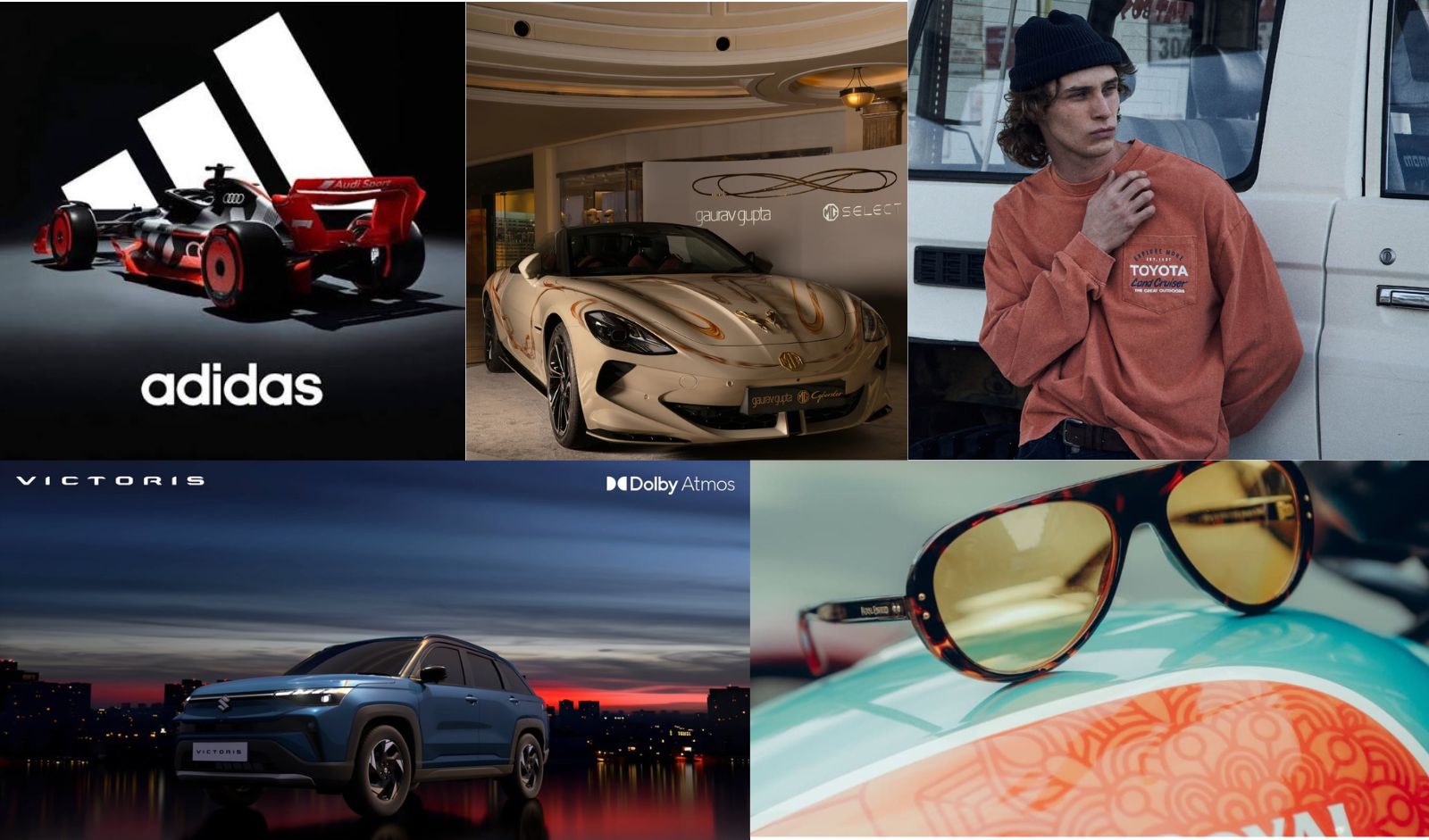
The automotive industry is no longer confined to engineering, performance, and mobility. Today, car and motorcycle brands are increasingly partnering with fashion houses, lifestyle labels, technology companies, and luxury designers to create experiences that go beyond the vehicle itself. These collaborations help brands connect with consumers on a cultural level while showcasing innovation, craftsmanship, and design.
From fashion-inspired SUVs and luxury EVs to immersive in-car entertainment and performance eyewear, these partnerships highlight how the worlds of automobiles, fashion, technology, and lifestyle are becoming more interconnected than ever.
Here are some of the most notable automobile collaborations that have captured attention in recent years.
Toyota x Pull&Bear
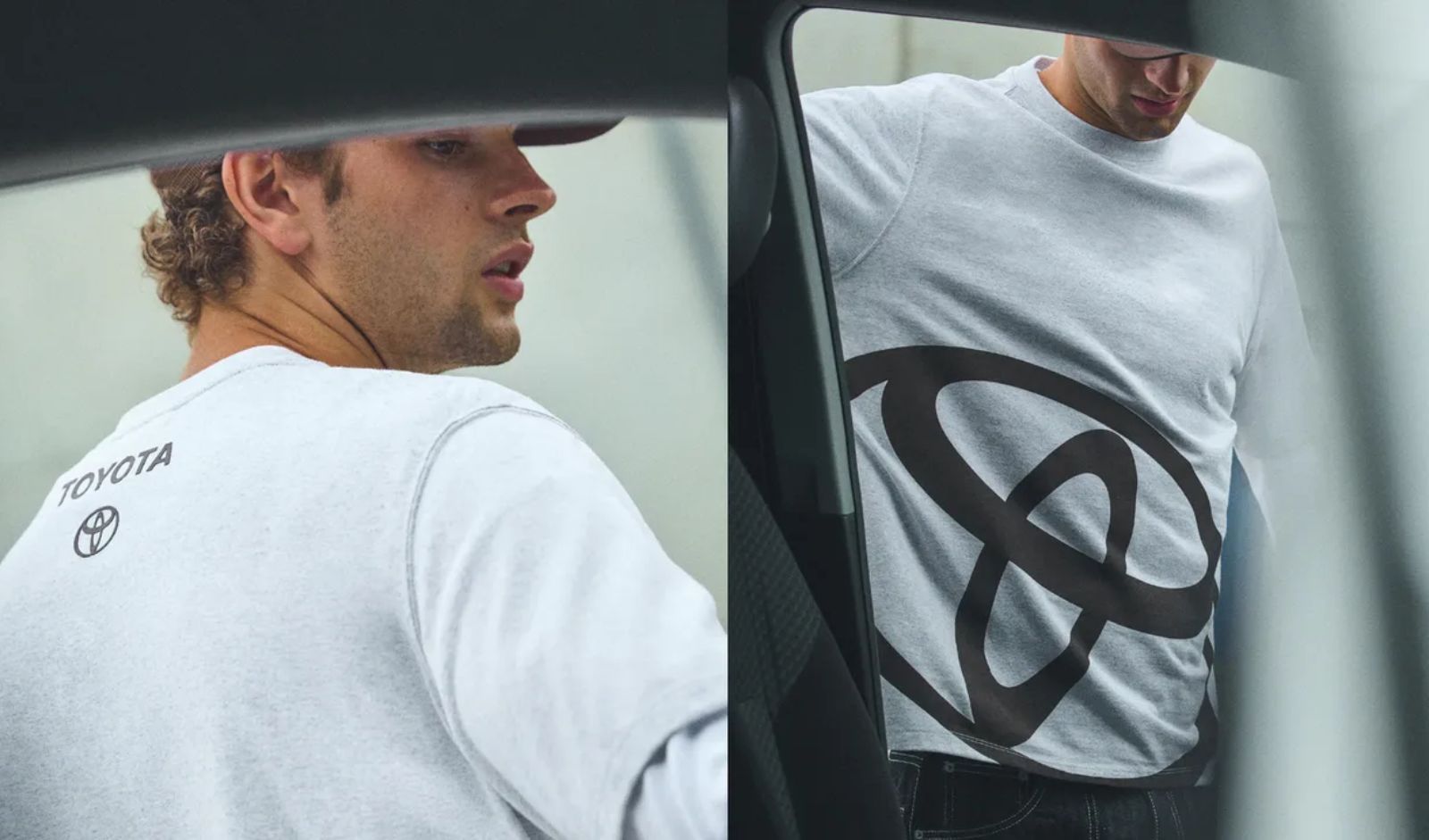
Toyota and Pull&Bear expanded their partnership with the launch of a global Toyota Celica-inspired apparel collection, marking the second collaboration between the automaker and the fashion retailer following the success of their Toyota Land Cruiser capsule in 2025. The seven-piece collection draws inspiration from the iconic Toyota Celica, reinterpreting the sports car’s legacy through contemporary streetwear and accessories. Available through Pull&Bear stores and online platforms worldwide, the range targets consumers who appreciate both automotive heritage and fashion culture. The collaboration reflects the growing influence of car culture on lifestyle and apparel segments, particularly among younger audiences.
By transforming one of Toyota’s most recognisable nameplates into wearable fashion, the partnership highlights how automotive brands are extending their reach beyond vehicles and into broader cultural and lifestyle conversations.
Mahindra X Fabindia
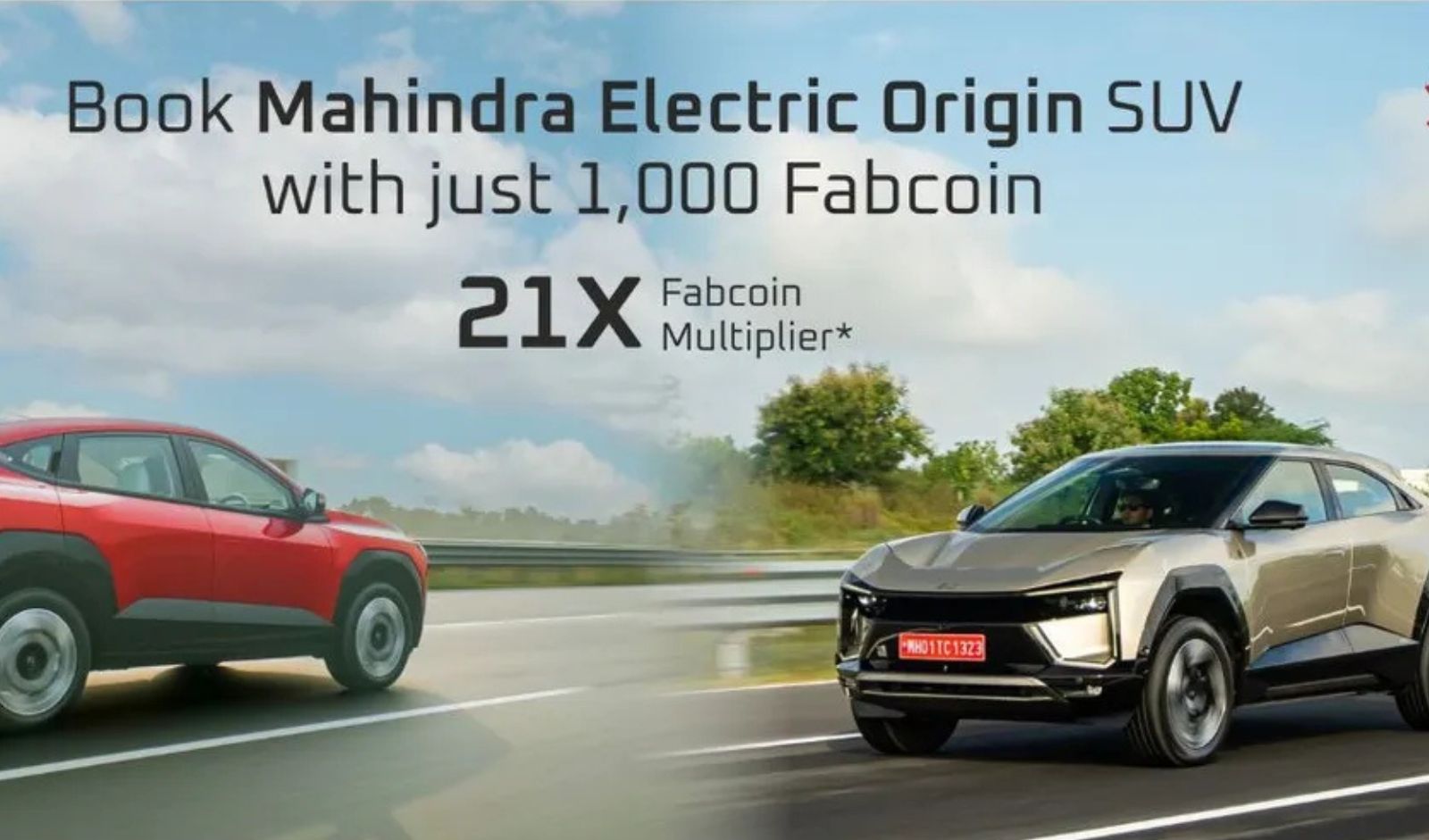
Mahindra and Fabindia joined forces in a unique collaboration that bridges lifestyle retail and electric mobility. Through the partnership, members of Fabindia’s loyalty programme, Fabfamily, can use their accumulated Fabcoins to book Mahindra’s Electric Origin SUVs, including the BE 6 and XEV 9e. Customers can initiate a booking with 1,000 Fabcoins, equivalent to a booking value of Rs 21,000, creating a distinctive link between retail rewards and EV ownership. The initiative reflects both brands’ shared focus on conscious consumption, sustainability, and customer-centric innovation.
By extending loyalty benefits beyond shopping and into mobility, the collaboration showcases how brands are reimagining rewards programmes to deliver meaningful lifestyle experiences while encouraging the adoption of electric vehicles in India.
Royal Enfield X Vallon
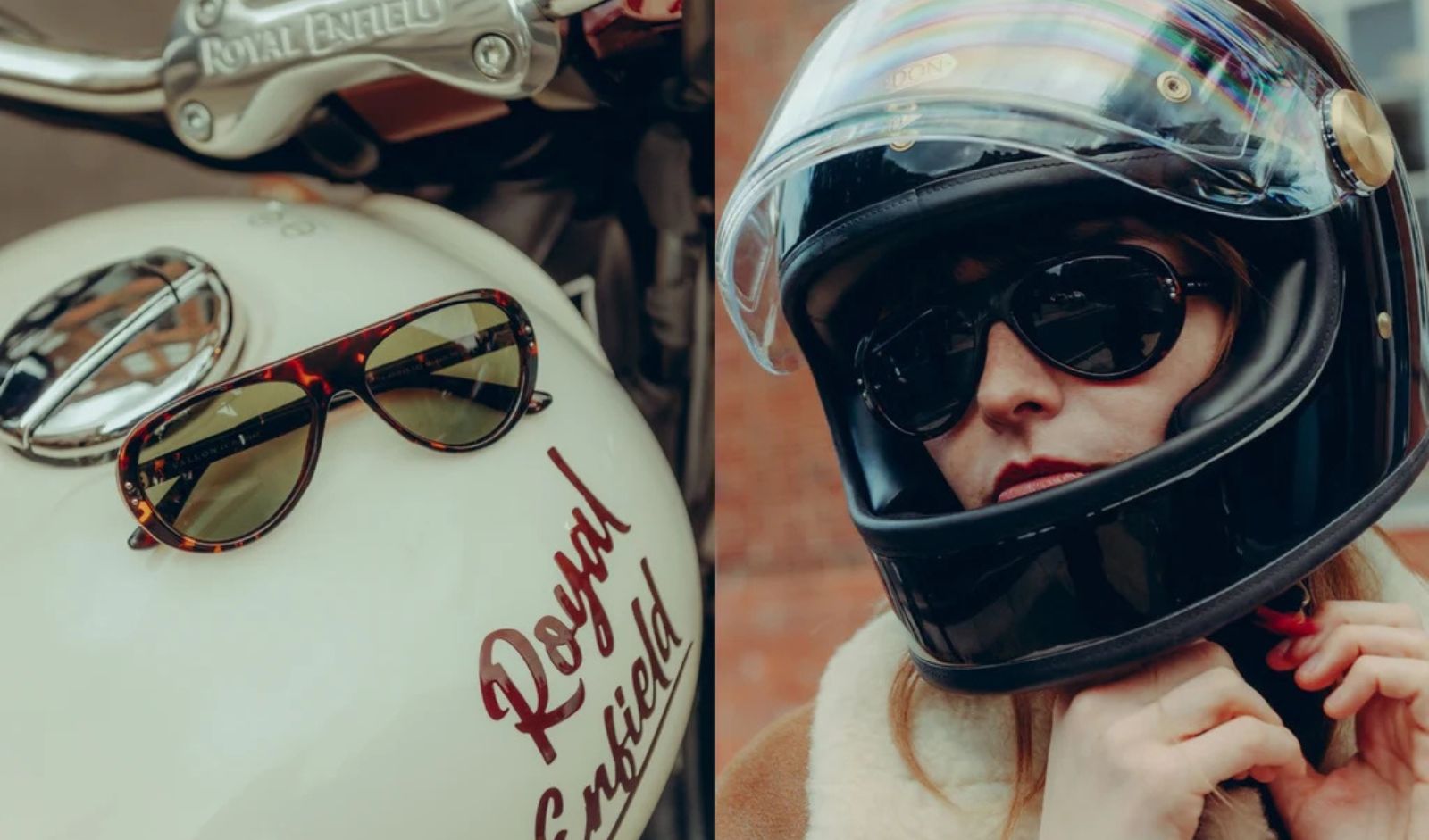
Royal Enfield partnered with Swedish eyewear brand Vallon to launch the Royal Enfield × Vallon Moto Aviators, a lifestyle eyewear collection inspired by the brand’s iconic Classic motorcycle range. First unveiled at Motoverse 2025, the collection draws design cues from the Classic 350, Goan Classic, and Classic 650, blending the spirit of 1970s motorcycling culture with modern performance. The range features three distinct variants that reflect the personality and colourways of each motorcycle while incorporating lightweight TR90 Grilamid frames and safety-rated lenses designed for riders. More than a product collaboration, the partnership extends Royal Enfield’s lifestyle ecosystem beyond motorcycles, reinforcing its connection with rider culture, heritage design, and adventure-led experiences.
The collaboration showcases how automotive brands are increasingly leveraging fashion and accessories to strengthen community engagement and brand identity.
Maruti Suzuki X Dolby
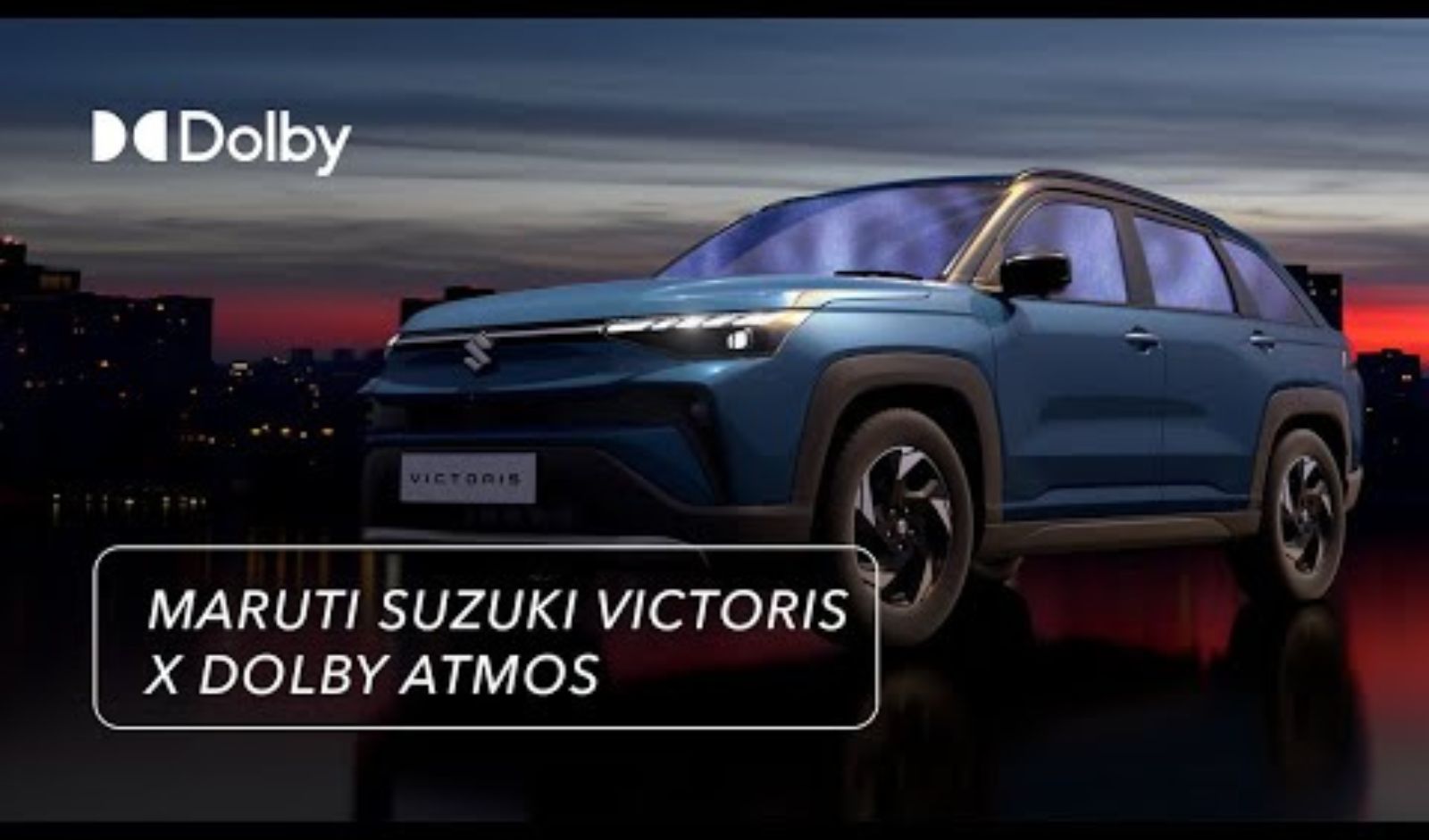
Maruti Suzuki partnered with Dolby Laboratories to bring Dolby Atmos immersive audio technology to the all-new Victoris SUV, making it the first Maruti Suzuki vehicle in India to feature the technology. Integrated with an 8-speaker Infinity by Harman sound system, Dolby Atmos creates a multidimensional audio experience that enhances music, podcasts, movies, and streaming content inside the cabin. The collaboration reflects the growing importance of in-car entertainment as a key purchase driver for modern consumers. Alongside connected technologies and advanced infotainment features, the partnership positions the Victoris as a technology-forward SUV designed for digitally connected drivers.
By introducing cinematic sound experiences to everyday journeys, Maruti Suzuki and Dolby are redefining how consumers engage with entertainment on the move, transforming the vehicle cabin into a true “Theatre on Wheels.”
MG Select X Gaurav Gupta
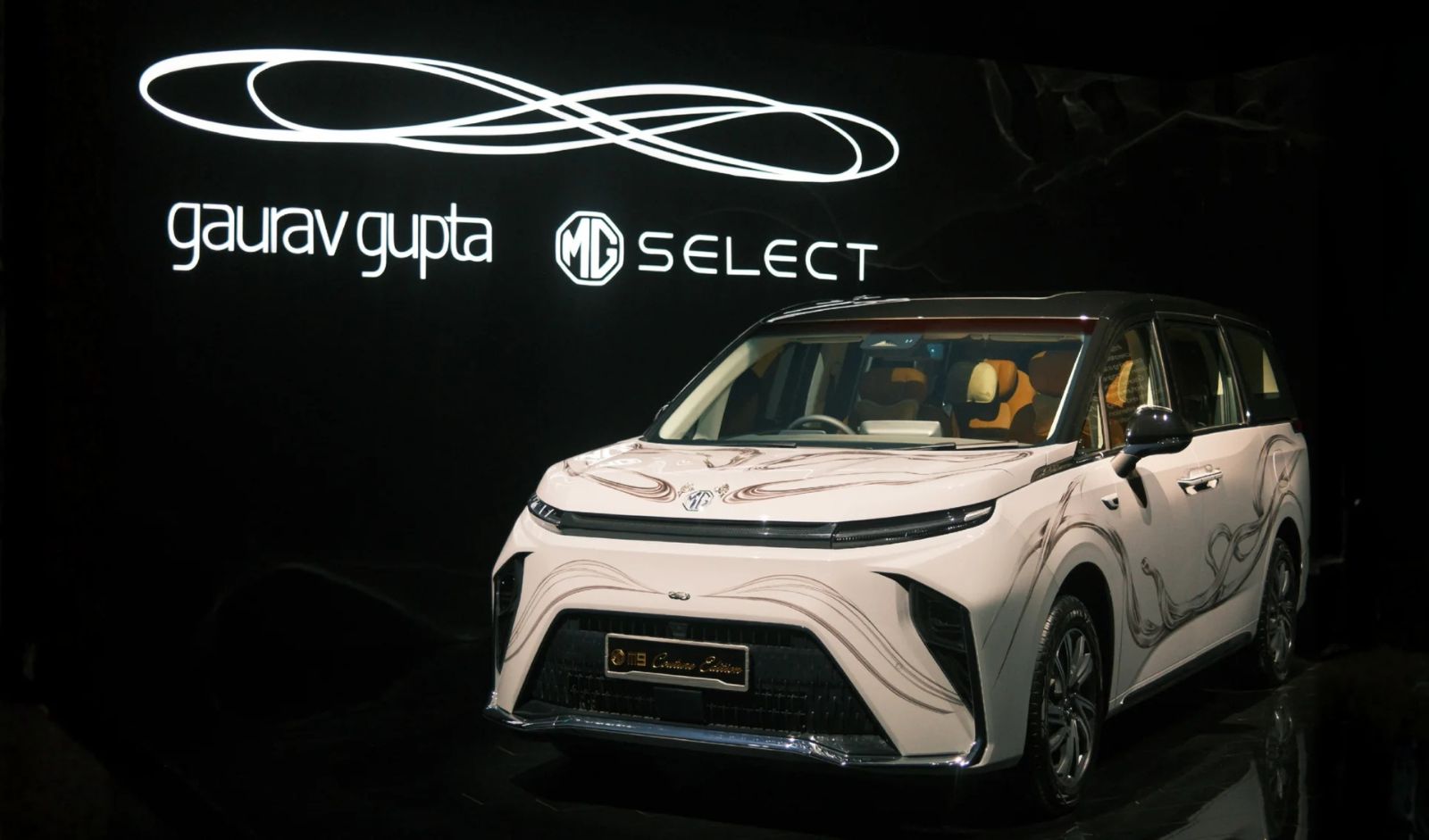
MG Select partnered with celebrated couturier Gaurav Gupta to create limited-edition couture versions of the MG Cyberster and MG M9, bringing together luxury mobility and high fashion. Inspired by Gupta’s signature Serpent Infinity motif, the vehicles feature bespoke detailing, embroidery-inspired design elements, tonal layering, and handcrafted finishes that translate couture craftsmanship into automotive design. First showcased alongside Gupta’s Light Song couture collection, the collaboration reflects a shared focus on artistry, innovation, and exclusivity. Limited to just 50 units of each model, the editions position automobiles as collectible lifestyle statements rather than simply modes of transport.
By blending fashion, design, and electric mobility, the partnership highlights the growing convergence of luxury automotive experiences and contemporary culture, while reinforcing MG Select’s premium lifestyle positioning in India’s evolving luxury vehicle market.
Audi X adidas
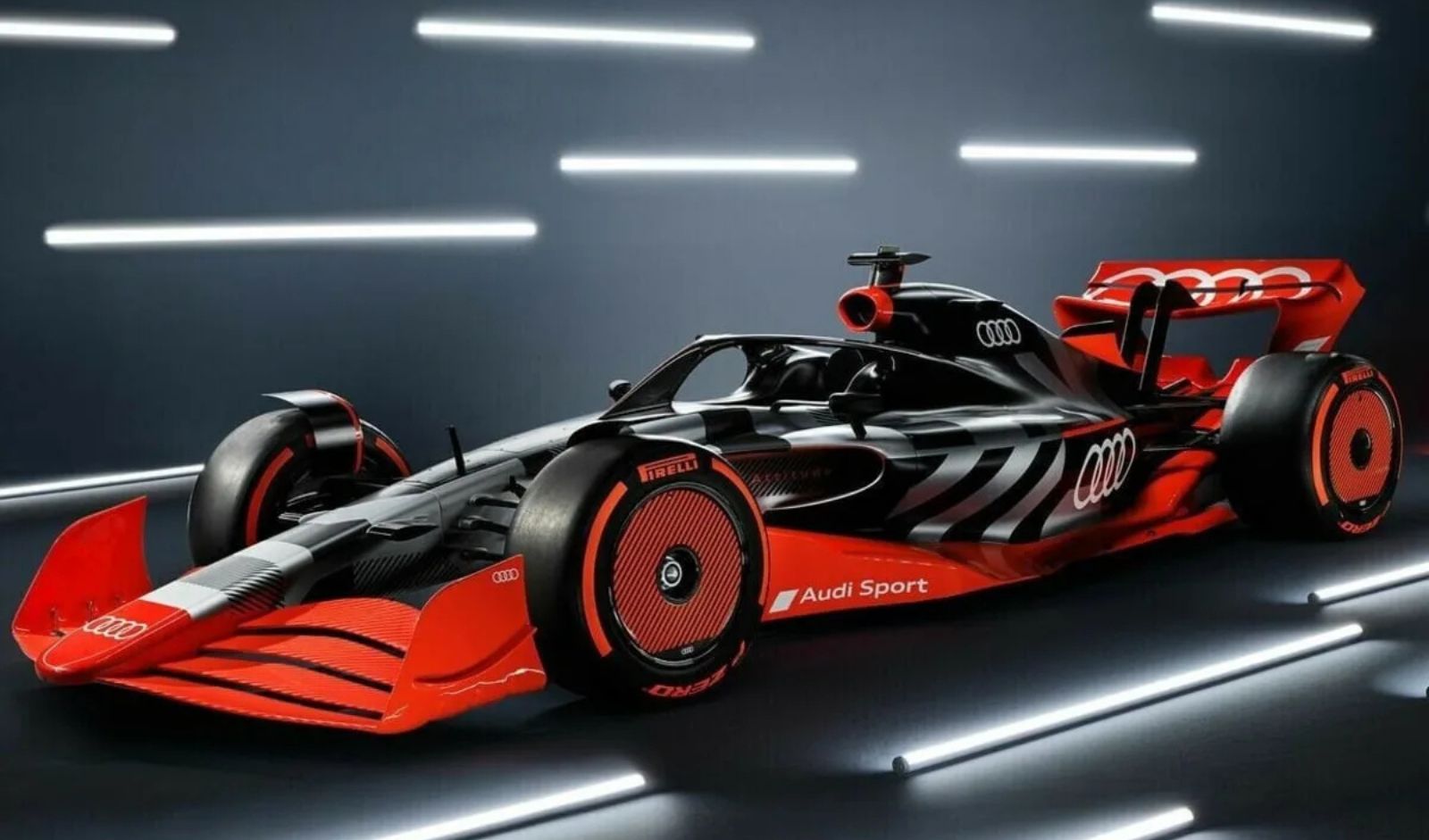
Audi and adidas joined forces ahead of Audi’s highly anticipated Formula 1 debut, launching the inaugural adidas x Audi Revolut F1 Team Collection. The collaboration combines motorsport performance with contemporary sportswear, featuring more than 160 apparel, footwear, and accessory products for both team members and fans. Divided into official teamwear and lifestyle-focused fanwear, the collection blends Audi’s engineering-led identity with adidas’ expertise in athletic performance and design. Inspired by the Audi R26 race car, the range incorporates minimalist aesthetics, performance-driven functionality, and everyday wearability.
The collaboration highlights how automotive and sportswear brands are increasingly converging to create lifestyle experiences that connect with fans through culture, fashion, and performance.
The Future of Automotive Collaborations
As consumer expectations evolve, automotive brands are looking beyond traditional product-focused partnerships. Today’s collaborations span fashion, technology, sustainability, entertainment, luxury, and lifestyle sectors.
In an era where consumers seek experiences as much as products, cross-industry collaborations are becoming powerful tools for innovation and brand building. For automotive companies, the road ahead is no longer just about transportation. It is increasingly about culture, creativity, and connection.
Tariffs on Indian goods by the US create opportunities for "Make in India" by shifting global supply chains, as companies seek to reduce reliance on the US market. The 50 percent tariffs imposed by the U.S. on imports from India came into effect on August 27, sending ripples through the Indian economy and the government. These tariffs may reduce India's exports to the U.S. by 40–45 percent, with some sectors facing a volume collapse up to 70 percent.
Micro, Small, and Medium Enterprises (MSMEs) dominate most hard-hit sectors, accounting for 45 percent of total exports and 70 percent in labor-intensive industries. Their limited margins and resources make adaptation to steep tariffs difficult, resulting in risk of closure and mass layoffs. They have the U.S. as a major export destination, and many are already seeing order cancellations and depressed demand.
Tariffs, particularly those imposed on imports to the USA, have played a significant role in encouraging domestic manufacturing and offering Indian exporters an opportunity to launch Make in India brands.
SECTORS FACING HIGHEST CONSTRAINTS
Gems and Jewelry: Tariffs on gems, diamonds, and ornaments have soared to over 50 percent, impacting Surat and Mumbai and risking shutdowns in SEZs.
- Seafood: Vannamei shrimp, now contend with tariffs rising from 0 percent to 60 percent. Andhra Pradesh, a major aquaculture hub, is worst affected.
- Textile and Apparel: Sector faces up to 63 percent tariffs, threatening export hubs in Tirupur, Delhi NCR, Ludhiana, and Bengaluru.
- Carpets and Handicrafts: Tariffs jumped to 52–59 percent, threatening the export viability for clusters in BhadohiMirzapur and J&K.
- Agricultural Produce: Basmati rice, spices, and tea incur 50 percent tariffs. Auto Components: Duties on auto parts increased to 25–50 percent, reducing competitiveness for exporters in Pune, Delhi NCR, and Tamil Nadu.
THE WAY FORWARD FOR INDIAN EXPORTERS
Sectors in India hit by tariffs can explore new opportunities by adopting strategic diversification, enhancing product value, and expanding into alternative markets beyond the US.
Key approaches include strengthening trade ties with the European Union and other regions, boosting domestic consumption, and investing in innovation and higher-value products.
However, the Biggest Opportunity that presents to exporters is boosting domestic consumption which can help absorb production excess caused by reduced exports, supported by India's growing economy and rising middle class. Indian Exporters are already at an advantage when it comes to the product.
They understand international quality - How Brands in the USA create designs and product lines, how they market - Armed with this knowledge, they can make their mark in domestic and new international markets to create Brands that resonate with audiences.
BUILDING MAKE IN INDIA BRANDS
India has the third-largest digital shopping base after the United States and China, with roughly 1.4 billion internet users and 250 million online shoppers. This means that D2C, or digital-first brands, that use the online platform to sell directly to consumers without the traditional distribution network of wholesalers, stockists, and retailers, are experiencing an upsurge. Currently, India is home to 800 or more direct-to-consumer brands with an estimated market size of over 80 billion U.S. dollars in 2024.
It is time for Manufacturers to learn from markets like China and Korea, and Vietnam, which are now focusing on building Brands and then exporting them globally. Within Asia, we are already seeing a huge influx of Asian Labels and designers who have seen great expansion. Brands like Uniqlo, Miniso, BYD, SHEIN, PopMart, Y.O.U.
Beauty, Skintific, and many more are even becoming household Brands in India by leveraging digital channels, and with India's large internet user base, digital marketing, social media engagement, influencer partnerships, and e-commerce are critical to building brand awareness and loyalty cost-effectively.
BRAND LICENSING STRATEGY
The apparel and jewelry sectors in India can leverage brand licensing strategies to drive growth by forming partnerships with established global and domestic brands, enabling them to tap into brand equity, accelerate market penetration, and diversify product offerings.
Market Entry and Expansion: Licensing well-known global brands (e.g., Fruit of the Loom, Marie Claire, Von Dutch, WeSC) will allow Indian apparel manufacturers to capture new consumer segments rapidly, using the trust and recognition built by the licensor. Similarly, creating themed jewelry collections can attract niche and mass-market segments for jewelers.
Premium Diversification: Licensee can introduce their apparel through these brands without heavy investments in manufacturing, relying on their global expertise for localized products for the Indian market.
Quality and Standardization: Licensed brands set quality benchmarks and style standards, raising product perception and justifying premium pricing in crowded markets.
Wider Distribution: Collaboration with established players and retailers expands access to organized retail and e-commerce networks, driving higher sales volumes and brand footprint.
Premiumization and Trust: Licensing enables a move toward branded, certified, and story-driven jewelry, catering to urban, aspirational consumers seeking authenticity and innovation.
Digital and D2C Channels: Brand-licensed jewelry drives higher engagement and visibility online; companies like Renaissance Global have built successful D2C portals with licensed brands and raised their branded segment revenue substantially.
Global Market Opportunities: Licensing international brands opens export channels and gives Indian jewelry businesses access to new markets, leveraging global fanbases and cultural trends.
KEY BENEFITS OF BRAND LICENSING
- Faster Market Penetration: Reduces the time and risk associated with launching new brands or entering new market segments, as licensed branding provides immediate recognition and demand.
- Consumer Trust and Loyalty: Well-known brands attract new buyers and reinforce credibility for licensee businesses.
Revenue Growth: Licensed segments in apparel and jewelry record higher compound growth rates than unbranded alternatives, partly because of increased customer willingness to pay a premium for branded products.
STRENGTHENING DOMESTIC DEMAND
The Indian government is planning to foster local consumption by implementing supportive policies, such as adjusting the Goods and Services Tax (GST) and providing financial incentives, to insulate the economy from export disruptions. Tariffs have encouraged investment in local production infrastructure as companies seek to avoid paying duties on imports. This will eventually result in more Indian products available for both domestic use and export under an Indian brand.
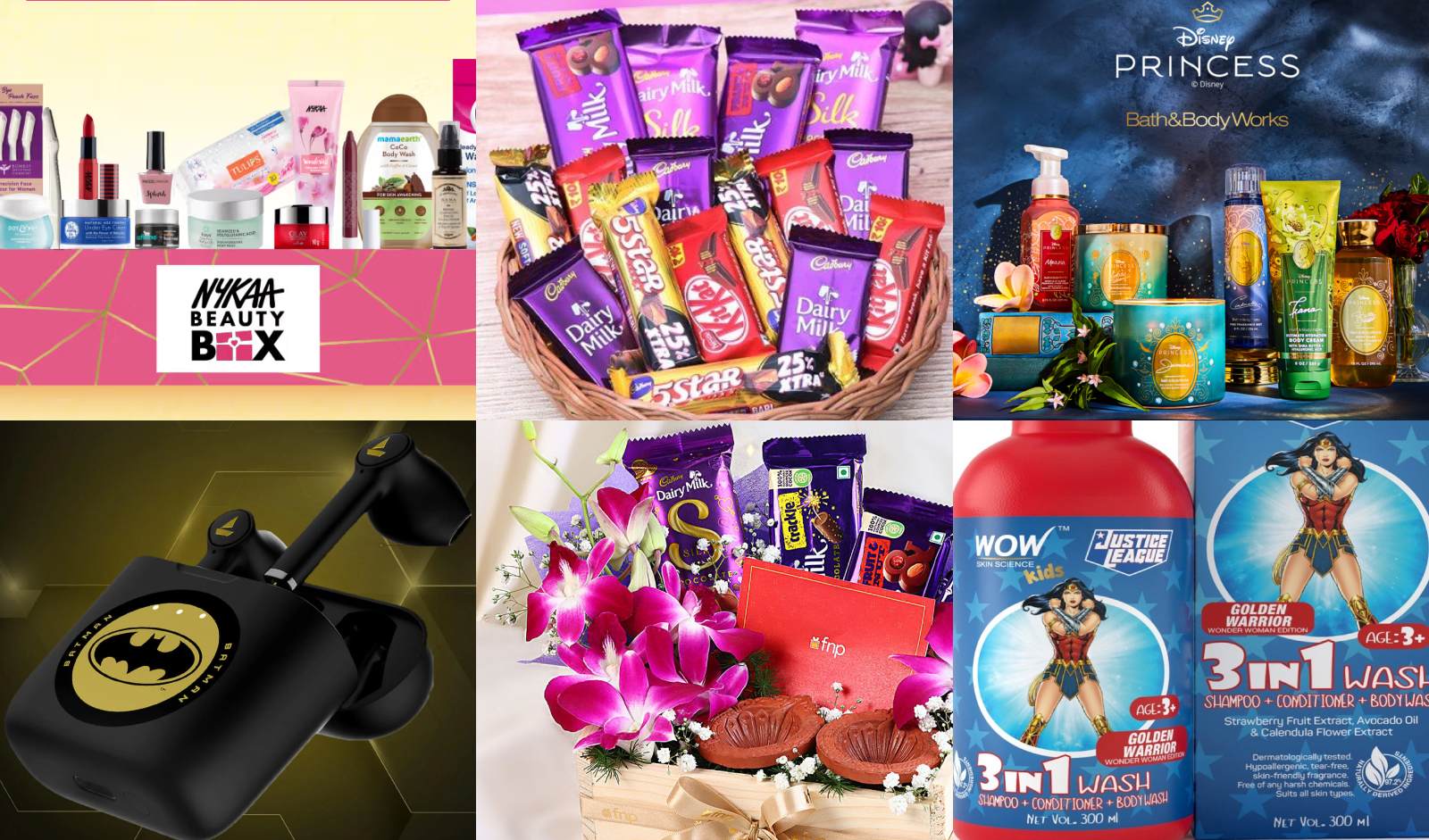
Raksha Bandhan 2025 is more than just tying rakhis. It has become a time to celebrate sibling bonds with special and thoughtful gifts. This year, many brands have joined hands to launch unique collaborations. These tie-ups bring together popular characters, nostalgia, and trendy products. From beauty kits to tech gadgets, the options are wide and exciting. Brands are focusing on packaging, emotions, and daily-use products. Many gift boxes are designed to match different tastes, whether it's skincare, fashion, sweets, or fitness. Tech and lifestyle brands are using superhero themes to add fun and energy to their offerings. Some brands are also offering personalised messages and quick delivery options.
These collaborations are not just creative, but also smart. They help brands connect with Gen Z and millennial consumers. They also give retailers new gift products to offer during the festive season. In 2025, Raksha Bandhan gifts are not only thoughtful but also full of colour, fun, and meaning. These brand tie-ups are a big part of that shift.
Why Raksha Bandhan Brand Tie-Ups Are a Big Deal in 2025
Today's consumers expect more than just products; they seek emotional connections and experiences. This shift has turned Raksha Bandhan into a strategic period for brands to introduce meaningful collaborations. These tie-ups serve to:
- Provide convenient, ready-made gift boxes for shoppers.
- Infuse traditional gifting with pop culture relevance.
- Feature exclusive, limited-edition products.
- Enhance personalization and engagement in gifting.
- As a result, Rakhi gifting is no longer a last-minute purchase but a deliberate choice to express affection with unique presents. The following brand collaborations highlight this trend.
Nykaa x Barbie Beauty Boxes
Nykaa, a leading player in India’s beauty and fashion retail sector, collaborates with Barbie, the globally recognized doll brand, to offer themed beauty gift options. While specific Raksha Bandhan Barbie boxes may not always be prominently displayed, Nykaa offers Barbie-themed products such as hair accessories and cosmetics that retailers and consumers can combine into personalized gift sets.
The box may include items like lipsticks and blush in Barbie pink shades, mini perfumes inspired by the Barbie theme, and skincare samples in pastel packaging. This partnership leverages Barbie's renewed popularity and Nykaa’s diverse product range to appeal specifically to younger consumers and those interested in fashion-forward gifting.
The Souled Store x Marvel Rakhi Gift Boxes
The Souled Store, known for its licensed pop culture merchandise, partners with Marvel to create Rakhi gift boxes that combine traditional celebration with superhero fandom. These sets typically include Marvel-themed rakhis, accessories such as mugs and keychains, and sometimes edible treats like chocolates or dry fruits.
Popular items include Marvel-themed t-shirts for siblings, stylish Rakhis featuring characters like Iron Man or Spider-Man, and comic-style packaging with options for personalized messages. This collaboration capitalizes on Marvel’s global appeal while fitting the local festive context. Retailers have also noted demand for similar products on platforms like Amazon and JioMart.
Archies x Cadbury Gift Collection
Archies, a well-established brand for greeting cards and personalized gifts, teams up with Cadbury to deliver classic Rakhi gift combos. These collections merge Archies’ traditional Rakhis and greeting cards with Cadbury’s widely loved chocolates, creating a balanced gifting option for consumers seeking familiarity.
The assortment features greeting cards with heartfelt Rakhi messages, Cadbury chocolate packs with festive sleeves, and combos that include plush toys and sweet notes. This partnership meets diverse consumer preferences and pricing needs, making it accessible and appealing across segments.
Ferns N Petals x Cadbury & Aura Gift Hampers
Ferns N Petals (FNP), known primarily for floral and gifting services, offers curated hampers in collaboration with Cadbury and the Aura brand. These gift sets combine fresh flowers, Cadbury chocolates, dry fruits, and designer rakhis to provide a multi-category gifting solution.
Additional hamper components may include soy wax scented candles, bath salts, scrubs, and body oils spa kits. Optional personalization and same-day delivery add convenience and customization. This collaboration meets current demand for luxurious, multi-dimensional gifting experiences that combine aesthetics with tradition.
Bath & Body Works x Disney Princess Collection
Bath & Body Works’ Disney Princess Collection offers fragrances and body care items inspired by characters such as Cinderella, Ariel, Moana, and Jasmine. The range includes body mists, lotions, glitter-packed shower gels, and gold-foiled packaging for a premium feel.
Although not exclusively marketed for Raksha Bandhan, these products offer attractive gifting choices for younger siblings and those appreciative of themed personal care items. This collaboration blends nostalgia, elegance, and personal luxury for a differentiated retail offering.
boAt x DC Comics Rakhi Edition Smart Wearables
boAt, a leading name in audio and wearable tech in India, collaborates with DC Comics to provide smart wearables featuring superhero designs. These include smartwatches with Batman, Superman, and Wonder Woman-themed watch faces, alongside limited-edition packaging that incorporates Rakhis and comic artwork.
With features like fitness tracking and health monitoring, these wearables combine utility with fandom, offering tech-savvy consumers stylish and meaningful gifts. This collaboration supports retailers aiming to provide high-value, functional gifting options with broad appeal.
WOW Skin Science x Justice League Skincare Hampers
WOW Skin Science, known for its natural and herbal-based skincare, partners with Justice League to launch themed skincare hampers. These sets include safe, paraben-free face washes, masks, and other wellness products, featuring packaging inspired by iconic characters like Wonder Woman.
The hampers come with refreshing scents and vibrant superhero-themed designs, offering a bold and energising gifting option. While not exclusive to Raksha Bandhan, these hampers fit perfectly into wellness-focused festive collections, especially for health-conscious consumers and superhero fans who enjoy a powerful twist to skincare.
How These Collaborations Are Changing Raksha Bandhan Gifting
The 2025 brand tie-ups illustrate that gifting now emphasizes experience as much as the product itself. Key drivers include:
- Personalization: Many brands offer the option to add names or custom messages.
- Pop culture integration: Collaborations with globally beloved icons like Barbie, Marvel, and DC Comics generate excitement.
- Practicality plus design: Combining function with attractive, themed packaging enhances gift appeal.
- Social shareability: Designed to be visually appealing and “share-worthy” on social media.
Choose Your Gift!
The trend of licensed brand collaborations has transformed Raksha Bandhan gifting in India. These partnerships reflect evolving consumer demands for innovative, themed, and meaningful products. Brands like Nykaa, The Souled Store, Archies, Ferns N Petals, Bath & Body Works, boAt, and WOW Skin Science demonstrate how licensing agreements can effectively connect cultural traditions with contemporary retail trends.
For retail professionals, understanding these collaborations is essential for informed inventory and marketing decisions. These partnerships offer versatile, trending products that enhance customer engagement during the Raksha Bandhan season by blending cultural significance and popular lifestyle themes. Incorporating such licensed collaborations can help retailers meet diverse consumer needs and drive festive season sales effectively.
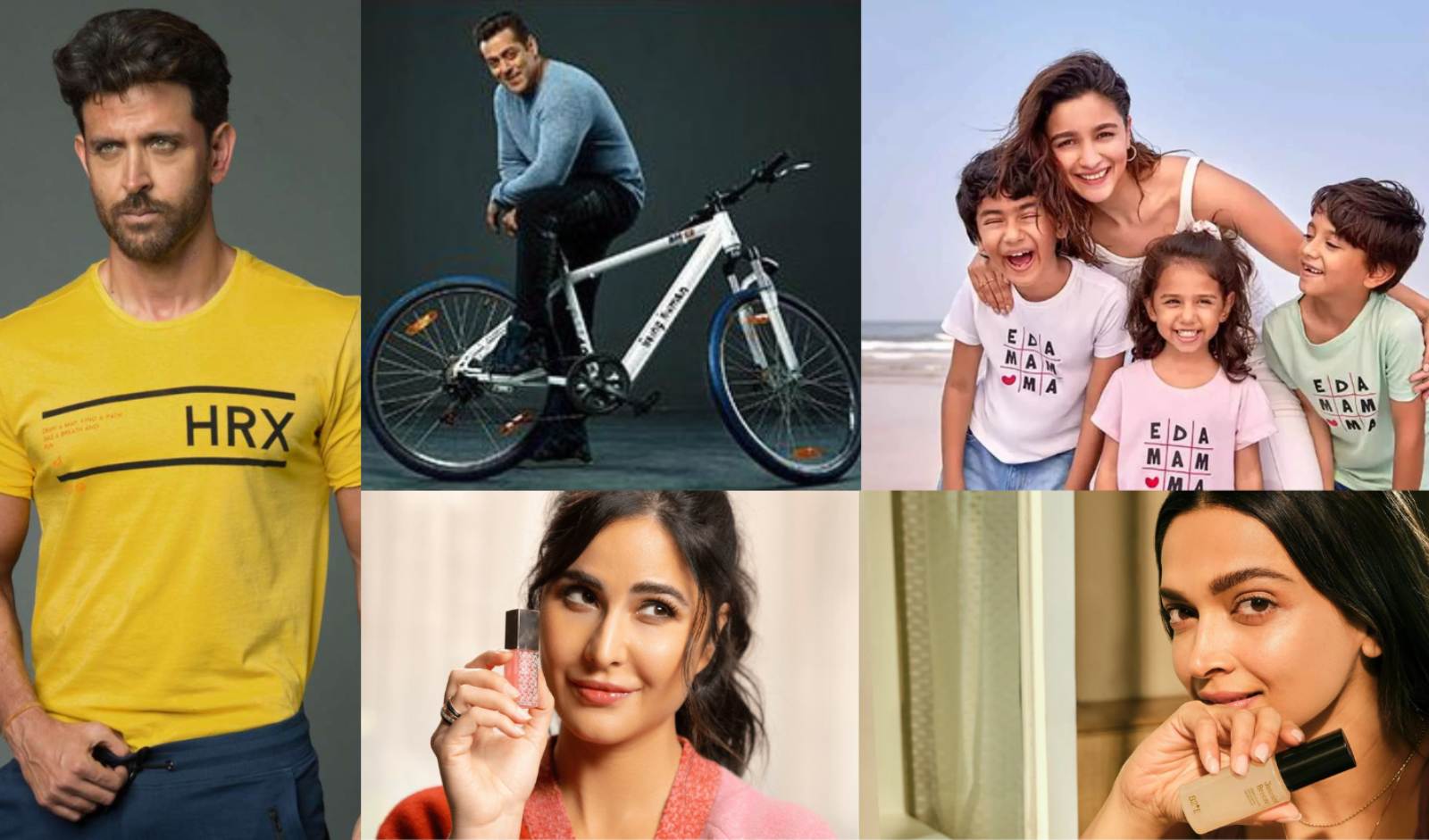
In India’s fast-changing retail landscape, celebrities are doing much more than endorsing products, they are actively building and owning consumer brands using brand licensing. This approach, rooted in strategic partnerships, allows stars to shape products that reflect their personal style, values, and ambitions, while leveraging experienced partners for execution. As consumer aspirations and digital engagement soar, brand licensing enables celebrities to transform their influence into valuable business ventures.
Celebrity brand licensing is rapidly expanding. It benefits both celebrities, who look for steady, scalable revenue, and business partners eager to tap into enormous fan bases. Instead of building companies from scratch, celebrities work with established players, ensuring quick market entry and professional management. For the Indian market, where star power, social media reach, and consumer aspirations run high, this model is reshaping how brands are created, marketed, and consumed.
A Shift from Endorsements to Ownership
The traditional model of celebrity endorsements in India’s retail has transformed into one where celebrities actively own and shape their brands. Instead of just lending their image, they take part in product development and brand strategy to ensure authenticity and alignment with their values. This involvement builds stronger consumer trust, as buyers connect more deeply with brands that genuinely reflect a celebrity’s persona and lifestyle.
To maximize impact, celebrities often partner with experienced manufacturers or retail players through brand licensing, combining operational expertise with their influential identity. They also use social media platforms such as Instagram and YouTube to engage directly with consumers, bypassing traditional marketing. This direct-to-consumer approach helps build long-term brand equity, positioning celebrity-owned ventures not just as marketing campaigns but as lasting contributors to India’s evolving retail landscape.
Top Indian Celebrity Brands Using Licensing
Check out this well known brands to know, what’s magic celebrities brings in there brands.
1. HRX by Hrithik Roshan
Product category: Activewear apparel, footwear, fitness accessories
HRX was launched in 2013 by Hrithik Roshan alongside co-founders Afsar Zaidi, Kamal Punwani, and Sid Shah, with the vision to create a fitness and lifestyle brand for India. The brand set out to make functional, stylish, and affordable activewear, targeting India’s growing youth market and fitness enthusiasts. The “X” in HRX symbolizes the “X-factor”, the drive to strive for one’s best. Initially focused on clothing, HRX rapidly expanded its portfolio to include footwear, accessories, and even collaborations in food and technology sectors. HRX’s business model is deeply integrated with partners: Myntra manages apparel, Cure. fit provides fitness solutions, and other licensing deals enable further category growth.
The brand is recognized for democratizing fitness fashion and operates both online and via exclusive offline stores.
Key Points:
- Pioneered Indian athleisure; launched in 2013
- Built its ecosystem via multiple brand partnerships
- Represents affordable, inclusive fitness and wellness for youth
2. Kay Beauty by Katrina Kaif
Product category: Cosmetics
Kay Beauty was co-founded by Bollywood actress Katrina Kaif and Nykaa in 2019. Their goal was to create an inclusive beauty brand that bridges glamour with skin health, focusing on shades and products meant for Indian skin tones. Katrina’s direct involvement in product development and marketing led to a brand defined by inclusivity and quality, launching with the hashtag #ItsKayToBeYou. Even during the 2020 pandemic, Kay Beauty gained traction, leveraging Nykaa’s e-commerce network and consumer base for fast nationwide reach.
Key Points:
- Founded in 2019 by Katrina Kaif and Nykaa
- Fills the gap in inclusive, skin-friendly beauty products in India
- Thrived and grew even during pandemic-era challenges
3. Ed-a-Mamma by Alia Bhatt
Product category: Children’s and maternity wear
Ed-a-Mamma, a sustainable children’s and maternity brand, was launched in 2020 by Alia Bhatt, inspired by her own need for trendy, eco-friendly kids’ attire during her pregnancy. Early success saw revenues multiply tenfold in just 18 months, with the brand quickly reaching a valuation of Rs 150–200 crore. Reliance Retail acquired a 51 percent stake, helping expand the brand into new categories and physical retail outlets across India. Ed-a-Mamma distinguishes itself with affordable, sustainable clothing designed for young families.
Key Points:
- Launched in 2020 by Alia Bhatt
- Noted for rapid scale and sustainability focus
- Expanded rapidly through the Reliance Retail partnership
4. Being Human by Salman Khan
Product category: Apparel and lifestyle
Being Human was started by Salman Khan’s charitable trust in 2012 as a way to fund education and healthcare initiatives. The brand began as a simple T-shirt line, then scaled up after a licensing deal with Mandhana Retail Ventures in 2013. The brand grew beyond basic tees, offering full lines of men’s and women’s apparel and accessories. Royalties from sales directly support Salman Khan’s philanthropic work. Being Human faced early challenges with imitation products but managed to build a unique presence in casual wear both in India and internationally.
Key Points:
- Founded in 2012 to support Salman Khan Foundation
- Became a full-range lifestyle brand post-2013 licensing deal
- Integrates charity with fashion retail
5. 82°E by Deepika Padukone
Product category: Skincare and self-care products
Actress Deepika Padukone launched 82°E in November 2022 as a self-care and skincare brand, starting with just two products, aiming to simplify beauty routines for consumers. The brand reflects Deepika’s advocacy for holistic self-care, emphasizing global appeal with Indian roots and a simplified approach to skincare. Within a year, 82°E expanded to a portfolio of twelve products and announced plans for retail and international growth through partnerships with companies like Reliance Retail’s Tira.
Key Points:
- Launched in November 2022
- Directly shaped by Deepika’s personal wellness philosophy
- Expanded quickly, preparing for international market presence
6. Anomaly by Priyanka Chopra
Product category: Haircare
Priyanka Chopra Jonas introduced Anomaly in 2021 in the US and brought it to India in partnership with Nykaa in 2022. Created with the help of global beauty incubator Maesa, Anomaly stands out for its focus on vegan, cruelty-free, and gender-neutral haircare using recycled plastic packaging. Anomaly has gained wide recognition, becoming one of the world’s top-earning celebrity beauty brands and resonating with Indian millennials and Gen Z thanks to its accessibility and ethical values.
Key Points:
- Launched in the US in 2021, entered India in 2022 with Nykaa
- Stresses sustainability and inclusivity in haircare
- Global reach with strong ethical brand platform
7. Hyphen by Kriti Sanon
Product category: Skincare
Hyphen was co-founded by actor Kriti Sanon and PEP Technologies (makers of mCaffeine) in 2023, combining science-backed solutions with a nature-inspired approach to skincare. The brand initially faced some market awareness challenges but swiftly rebounded, hitting a 100 percent repeat purchase rate and generating Rs 100 crore in revenue in its first year. Hyphen’s direct-to-consumer strategy is supported by aggressive digital campaigns and the use of PEP Technologies’ established networks, aiming for further expansion and award-winning design.
Key Points:
- Launched in 2023 by Kriti Sanon and PEP Technologies
- Science-meets-nature philosophy with high user retention
- Achieved Rs 100 crore in sales within first year
8. SOEZI by Sonakshi Sinha
Product category: Nail care and press-on extensions
SOEZI, co-founded by Sonakshi Sinha and Shrishti Raai, launched in May 2022 to fill a market gap for high-quality, easy-to-apply press-on nails. Sonakshi’s celebrity involvement and the brand’s fresh take on nail solutions helped SOEZI quickly gain traction in Indian beauty circles. Collaborations like Hello Kitty have broadened their appeal. The brand emphasizes stylish, affordable nail care and leverages both digital and retail partnerships for growth.
Key Points:
- Launched in May 2022
- Co-founded with entrepreneur Shrishti Raai
- Fast growth driven by celebrity marketing and partnerships
9. StarStruck by Sunny Leone
Product category: Innerwear
Sunny Leone’s StarStruck originally began as a makeup venture and expanded into innerwear under the “Infamous by StarStruck” label. The brand’s licensing is managed by Bradford License India, using events such as the India Licensing Expo to drive business-to-business partnerships. Focused on international expansion, StarStruck uses licensing to connect with manufacturers and retailers, enabling rapid scale without heavy capital outlay.
Key Points:
- Started by Sunny Leone, expanded via licensing partnerships
- Focuses on innerwear for women and international growth
- Uses industry events to secure distribution deals
10. NUSH by Anushka Sharma
Product category: Women’s casual and western wear
Anushka Sharma launched NUSH in 2017 in partnership with Suditi Industries, aiming to create trendy, affordable western wear inspired by her personal style. Suditi manages production and retail, while Anushka is responsible for brand direction and design curation. The brand is sold online and through leading retail stores, maintaining popularity among young, style-conscious consumers and weathered early issues with plagiarism by tightening design processes.
Key Points:
- Founded in 2017 by Anushka Sharma and Suditi Industries
- Personal style-driven brand in casual western wear
- Widely distributed online and offline
What the Future Looks Like
As per industry estimates, the celebrity endorsement market in India is valued at approximately Rs 2,434 crore and is growing at a compound annual growth rate (CAGR) of 6.25 percent. Within this larger ecosystem, brand licensing, especially involving celebrities, is evolving as a key business strategy. The celebrity-led brand licensing market in India is expected to continue growing. According to industry experts, the brand and celebrity licensing segment in India has been growing at an annual rate of 12 to 15 percent. Some emerging trends include:
- Entry of regional stars: Regional cinema and TV celebrities are exploring licensing opportunities to reach local markets.
- Cross-industry collaborations: Partnerships between music, fashion, and food are gaining popularity.
- Tier ll and Tier lll market penetration: Smaller towns are emerging as major consumption hubs.
- Sustainable branding: Younger consumers prefer eco-conscious products, pushing celebrity brands to adopt responsible practices.
International celebrity brands are also exploring Indian retail through local partnerships, hinting at greater competition in the future. The rise of celebrity-led consumer brands in India, powered by brand licensing, is reshaping the retail landscape. With a growing consumer base, digital marketing tools, and experienced business partners, Indian celebrities are not just endorsing brands, they’re building them. As the industry matures, success will depend on more than just fame. It will require strategic thinking, strong execution, and a long-term commitment to delivering value to consumers.
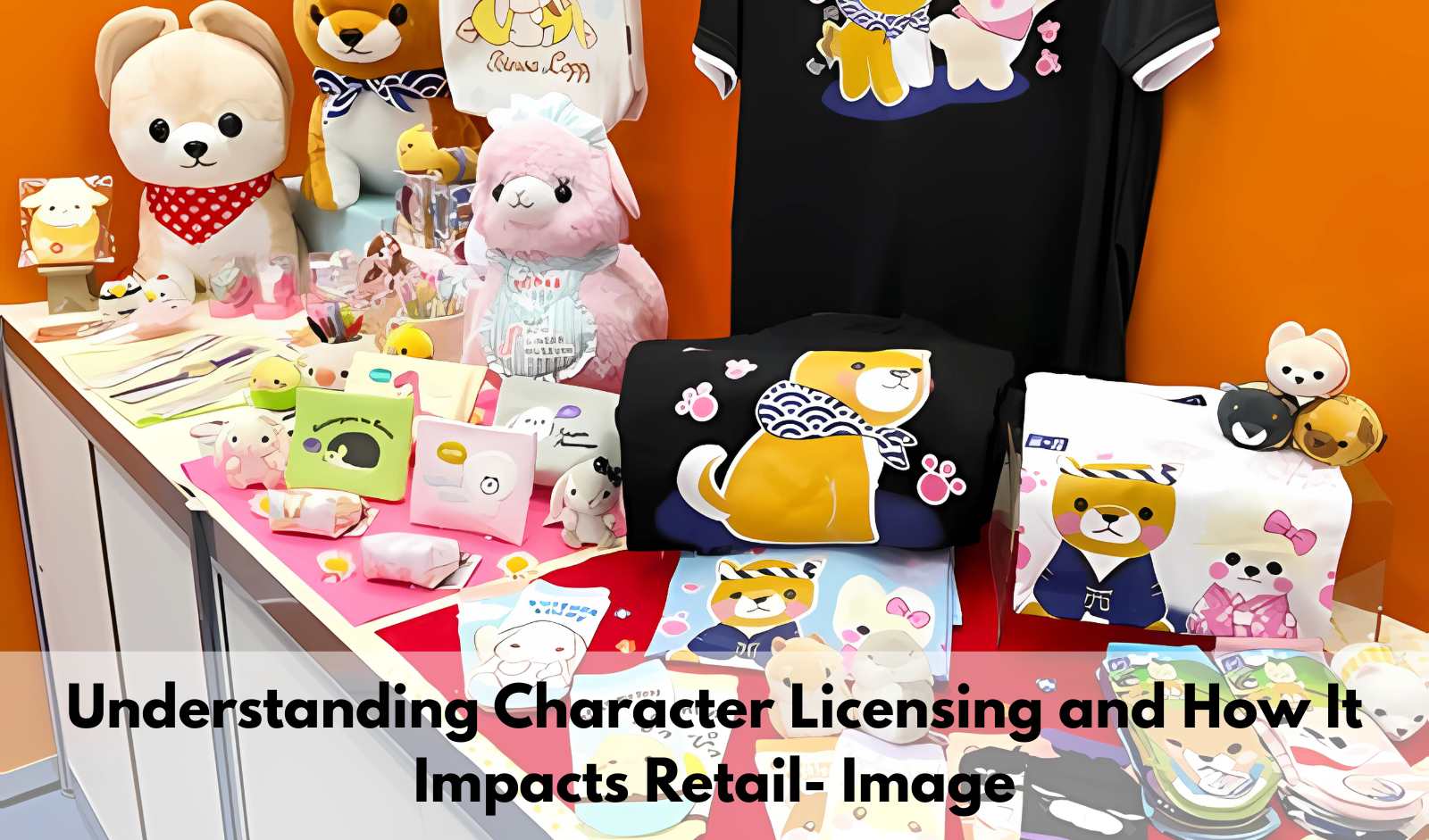
Character licensing is a common practice in the retail and entertainment industries. It allows businesses to use well-known characters, from cartoons, movies, books, or video games, on their products or services. This strategy helps brands connect with customers quickly by leveraging characters they already recognize and trust. Instead of creating new identities from scratch, brands can tap into existing fan bases, often leading to increased sales and market visibility.
In simple terms, character licensing is a business deal between the character’s owner (licensor) and another party (licensee), who pays a fee or royalty to use that character. This practice goes beyond just toys or apparel; it includes digital games, television shows, stationery, and even food packaging. While it can be a smart move for business growth, it’s also bound by copyright laws and legal contracts to protect the original creator's rights.
What is Character Licensing?
Character licensing is the legal process where a brand or company gets permission to use a character created by someone else. These characters could be from movies, TV shows, comics, books, or games. The company using the character doesn’t own it; they’re paying to use it, often through a licensing agreement that outlines the terms, usage rights, and payment structure.
This approach benefits both parties: creators earn money from their intellectual property, and companies can boost their brand visibility by using a recognizable character. A popular example would be putting a superhero or cartoon figure on school bags, T-shirts, or video games.
Types of Character Licenses
There are different kinds of character licensing based on where and how the character is used:
- Merchandising License: Allows the character to appear on physical products like clothing, toys, or school supplies.
- Film and Television License: Permits characters to be used in films, animated series, or live-action content.
- Digital License: Applies to online platforms and video games, where characters are featured in virtual environments or content.
Each type of license comes with specific legal and financial terms that both parties must follow.
Why Character Licensing Matters in Retail
In the retail sector, character licensing can make a big difference. Consumers are often drawn to products that feature their favorite characters, making them more likely to buy. For businesses, this helps increase product appeal without spending heavily on advertising or brand-building.
Retailers also use licensing to gain access to new markets or reach different age groups. For example, a company that sells kids’ products might license characters from popular cartoons, instantly making their product more relatable and marketable to children and their parents.
Copyright Law and Character Licensing
Copyright plays a key role in character licensing. It protects the rights of creators by ensuring others can't use their work without permission. Only original and creative characters are eligible for copyright, and they must be fixed in a tangible form, like drawings or scripts.
To be protected under copyright law, a character should meet these conditions:
| Element | Description |
|---|---|
| Originality | The character must be new and not copied from another existing work. |
| Creativity | The character must have unique traits, personality, or design. |
| Fixation | The character should exist in a recorded or tangible form (like a book or film). |
Characters like Mickey Mouse, Spider-Man, and Harry Potter are protected by copyright. Using them without permission can lead to legal consequences.
What is the Public Domain?
Public domain refers to characters or works no longer protected by copyright. These can be used freely by anyone without paying royalties or asking for permission. A character may enter the public domain if its copyright expires or if it was never protected to begin with.
Here’s how you can check if a character is in the public domain:
- Look at the publication date: Works published before 1923 are usually in the public domain.
- Check copyright records: See if the work is still under copyright.
- Review ownership transfers: If the copyright was sold or passed on, new terms may apply.
Examples of public domain characters include Alice from Alice in Wonderland, Dracula, and mythological figures like Hercules.
Licensing Agreements: What to Know
A licensing agreement is a formal contract between the owner of a character (licensor) and the party using it (licensee). This agreement includes several important terms:
- Grant of License: Defines what the licensee is allowed to do.
- Term and Territory: Specifies the duration of the license and the regions where it applies.
- Royalties and Fees: Details the financial payments involved.
- Quality Control: Ensures the character is used appropriately and consistently with its image.
These agreements are legally binding and help protect both parties. If the character is used in ways not permitted by the contract, it can result in penalties or legal action.
Tips for Negotiating a Licensing Agreement
If you’re considering entering a character licensing deal, here are a few key tips:
- Be clear and specific: Define exactly how and where the character will be used.
- Agree on fair royalty rates: Make sure the payment terms are balanced for both parties.
- Include quality standards: This helps maintain the character’s reputation.
- Add dispute resolution clauses: Having a clear path for handling disagreements (like arbitration) can prevent lawsuits.
Also, avoid common mistakes like using vague terms, skipping quality checks, or not specifying geographic limitations.
Character licensing is a valuable tool for creators and businesses alike. It allows intellectual property owners to earn revenue and gives companies a way to stand out in the market. However, it comes with responsibilities, especially around copyright laws and contract obligations.
Whether you're a small retailer looking to license a cartoon for a product, or a creator planning to license your own character, understanding the legal and business framework is essential. With careful planning and clear agreements, character licensing can be a strong growth strategy.
Starting a business in India requires more than just an idea and capital, it demands compliance with a complex legal framework. One of the first steps every entrepreneur must take is obtaining the right business licenses to operate legally. From small startups to large enterprises, businesses across sectors need specific permits to meet local, state, and central government regulations.
These licenses help ensure that the company follows all applicable laws, avoids legal complications, and builds credibility with customers, vendors, and stakeholders. Whether it’s a retail store in a metro city or a manufacturing unit in a tier ll town, failing to comply with licensing requirements can lead to heavy penalties, operational disruptions, and reputational damage.
Navigating the Indian licensing landscape can be overwhelming due to the diversity of laws and regulatory bodies involved. Different sectors require different registrations, ranging from GST and Udyam Registration for general business operations, to sector-specific clearances like FSSAI for food businesses and BIS certification for product standards. Some licenses, such as the Shop and Establishment Act, are mandatory for businesses with physical locations, while others like the Import Export Code (IEC) are necessary for those involved in global trade. Understanding which permits apply to your business, how to secure them, and what compliance measures to follow is essential for smooth operations and long-term success in India’s evolving business environment.
What Are Business Licenses and Why Are They Important?
Business licenses are legal documents issued by government authorities that allow companies to operate within a legal framework. These permits ensure that businesses follow local, state, and central government laws. Having the correct licenses helps avoid legal issues, builds trust with customers, and protects your brand’s credibility.
GST Registration – For Tax Compliance
Goods and Services Tax (GST) registration is mandatory for businesses with annual turnover above the threshold limit (Rs 40 lakh for goods and Rs 20 lakh for services, as per current norms). Even businesses below the limit can voluntarily register to take advantage of input tax credit. GST registration enables smooth tax filing, allows interstate trade, and enhances business transparency.
Udyam Registration – For MSMEs
If you are starting a small or medium-sized business, Udyam Registration is crucial. It is a government recognition for Micro, Small, and Medium Enterprises (MSMEs). It helps businesses avail of subsidies, lower interest rates, and government schemes. The registration process is simple, online, and based on investment and turnover.
FSSAI License – For Food Businesses
Any business that deals with the manufacturing, processing, storage, distribution, or sale of food must obtain a license from the Food Safety and Standards Authority of India (FSSAI). There are three types: Basic Registration, State License, and Central License, depending on the size and scale of operations. This license ensures food safety and consumer health standards are met.
Shop and Establishment License – For Retail and Offices
This license is required by all businesses operating from a physical location, such as shops, restaurants, or offices. Issued by the local municipal corporation, it helps regulate employee working conditions, opening hours, leave policies, and holidays. Most state governments require this license within 30 days of starting business operations.
Trade License – For Specific Business Operations
A trade license allows a company to carry out a specific trade or business activity in a particular area. Issued by municipal authorities, it is typically required for businesses like restaurants, salons, and small factories. The rules and fees vary from state to state. This license ensures that your operations don’t pose any health hazard or nuisance to the public.
Import Export Code (IEC) – For Global Trade
If your business deals in importing or exporting goods or services, you must apply for an Import Export Code (IEC) issued by the Directorate General of Foreign Trade (DGFT). It is a 10-digit number required to clear customs and receive shipments. The IEC has lifetime validity and is essential for expanding your business to international markets.
Professional Tax Registration – For Employers
Businesses that employ staff are required to register for professional tax, which is levied by state governments. The tax is deducted from the employee’s salary and submitted to the government. States like Maharashtra, Karnataka, and West Bengal mandate this registration. Failure to comply can lead to fines and legal complications.
Factory License – For Manufacturing Units
If your business involves manufacturing or production and employs ten or more workers with power (or twenty or more without power), you need a Factory License under the Factories Act, 1948. It is issued by the state labor department and ensures compliance with safety, health, and welfare regulations at the workplace.
Environmental Clearance – For Impactful Businesses
Industries that may have an environmental impact, such as those dealing with chemicals, textiles, or waste management, need environmental clearance from the Ministry of Environment, Forest, and Climate Change. This ensures that your business activities do not harm the environment and that waste disposal and emissions are regulated properly.
Fire Safety Certificate – For Public-Facing Spaces
If your business is located in a commercial building, mall, restaurant, or hotel, a fire safety certificate is often mandatory. This certificate is issued by the local fire department after a safety inspection. It certifies that your premises have the necessary fire safety equipment and follow proper evacuation procedures.
BIS Certification – For Product Quality Standards
Bureau of Indian Standards (BIS) certification is required for certain products like electronics, appliances, and industrial items to ensure they meet Indian safety and quality standards. Some items require mandatory BIS certification before they can be sold in India. This helps in building customer confidence and ensuring regulatory compliance.
Other Industry-Specific Licenses
Depending on your business model and industry, you may need additional permits. For example:
- Pharmaceutical businesses need Drug Licenses.
- Real estate agents need RERA registration.
- Broadcasting or media companies need Ministry of Information and Broadcasting clearances.
- Researching industry-specific compliance is essential before you begin operations.
Consequences of Not Getting the Right Licenses
Operating without the required licenses can lead to severe consequences. These include:
- Heavy fines and penalties
- Temporary or permanent shutdown
- Loss of customer trust
- Legal actions or lawsuits
- Timely compliance with licensing regulations protects your business from these risks.
How to Apply for Business Licenses in India
Most registrations today can be completed online through official government portals. Here’s a general process:
- Determine which licenses are applicable based on your business type.
- Collect all required documents such as PAN, Aadhaar, address proof, and business registration documents.
- Visit the respective online portal and complete the application form.
- Pay applicable fees and submit the documents.
- Track the status online and receive the certificate upon approval.
- Many entrepreneurs also consult legal experts or licensing consultants to avoid delays and ensure compliance.
Getting the proper licenses and permits before starting operations is essential for any business in India. It not only helps you follow the law but also builds a strong foundation for growth. Whether you run a retail store, food outlet, tech startup, or export company, understanding and securing the right licenses ensures long-term success.
Licensing and franchising are two widely used business expansion strategies that help companies grow without setting up entirely new operations. While both involve leveraging brand assets and creating partnerships, they are fundamentally different in terms of structure, control, and legal obligations. Licensing allows for the use of intellectual property in specific ways, while franchising establishes a broader and more controlled business relationship between brand owners and operators.
For businesses in sectors like retail, hospitality, or those entering the Indian market through strategic alliances, choosing between licensing and franchising has long-term implications. It impacts brand control, regulatory compliance, and the consistency of customer experience across locations.
So, what exactly sets licensing apart from franchising? Here's a detailed look.
Licensing Explained
Licensing is an agreement in which a company (the licensor) gives another company (the licensee) the right to use its intellectual property. This can include trademarks, patents, technology, or copyrighted material. In exchange, the licensee typically pays royalties or a flat fee.
The crucial distinction here is that the license grants usage rights over specific intellectual property but does not allow the licensor to control how the licensee runs its overall business.
Take Disney licensing its characters to McDonald’s for use on Happy Meals, for example. While Disney controls how its intellectual property is displayed, it does not interfere with McDonald’s operations. Similarly, Spotify offers access to music via licensing, and Apple provides software under licensing agreements to end users. These are specific, product-focused relationships, not full business system replications.
Licensing is best suited for businesses that want to extend the reach of their brand assets while allowing the licensee to operate independently.
Franchising Explained
Franchising is a much broader business arrangement. A franchisor grants a franchisee the right to operate under its brand using a proven model, including systems, training, and marketing support. In return, the franchisee pays an upfront fee and usually ongoing royalties.
Unlike licensing, franchising allows the brand owner to dictate how the business is run. This includes operational procedures, store layout, product offerings, and customer service standards.
McDonald’s is a prime example. Each location, though independently owned, follows strict brand guidelines to ensure uniformity. The same model applies to brands like RE/MAX in real estate and American Family Care in healthcare.
The aim of franchising is to replicate a successful business model and provide a consistent customer experience across markets.
Control: The Core Difference
The most significant distinction between the two models is control. In a licensing setup, the licensor controls the use of intellectual property but does not manage how the business is operated. In a franchise arrangement, the franchisor exerts detailed control over day-to-day business activities.
This difference has legal consequences. If a licensing agreement includes too much control over business operations, it may legally be considered a franchise, even if it is labeled as a license. Misclassifying a franchise as a license can lead to regulatory scrutiny.
Under the Federal Franchise Rule, a franchise is established if these conditions are met:
- A continuing commercial relationship exists;
- A trademark license is granted;
- The franchisor controls how the business operates;
- The licensee pays a fee.
- If all four elements are present, then the arrangement is subject to franchise law, regardless of what the agreement is called.
Legal and Regulatory Requirements
Licensing agreements are generally governed by contract law. They are relatively simple, faster to draft, and less expensive. There’s usually no need for registration or disclosure documents.
Franchising, however, is more heavily regulated. In many regions, including some Indian states, franchisors must comply with specific franchise laws. These include preparing a Franchise Disclosure Document (FDD), completing registrations, and meeting other compliance requirements.
While these steps protect the franchisee, they also increase legal and operational costs for the franchisor.
Business Goals and Use Cases
Licensing is often used to monetize brand assets or expand into complementary categories. For example, a beauty company could license its brand name to a wellness product manufacturer, with the license limited to branding use only.
Franchising is ideal for companies that want to grow through branded, identical outlets. Restaurant chains, fitness centers, and retail stores often use this model to maintain consistency in service and operations.
If you want to scale a uniform brand experience, franchising is more appropriate. If your goal is to diversify into new product categories without running the operations, licensing could be the better fit.
Can Licensing Replace Franchising?
Business owners often ask whether licensing can be a workaround to avoid the legalities of franchising. In most cases, the answer is no. Licensing cannot be used to build a network of branded outlets that follow a uniform system. Doing so would make the arrangement a franchise, and franchise laws would apply.
Mislabeling a franchise as a license, even unintentionally, can result in serious consequences, including legal penalties, court actions, and damage to brand credibility.
Pros and Cons of Licensing vs Franchising
Licensing is more cost-effective and less complicated legally. It’s suitable for businesses looking to generate revenue from intellectual property without becoming involved in daily operations. However, the trade-off is limited control and no assurance of consistent brand quality.
Franchising offers full control over operations and enables businesses to scale with consistent service and branding. It provides ongoing revenue through royalties but comes with regulatory obligations, legal costs, and the need for strong operational oversight.
How to Choose the Right Model for Your Business
Deciding between licensing and franchising depends on your business goals, appetite for control, and readiness for regulatory compliance.
If your focus is on extending brand reach without overseeing operations, licensing offers a flexible and efficient model. If your objective is to replicate a proven business model with full control over how it's delivered, franchising is the better option.
Before committing to either model, consult with legal professionals experienced in franchising and licensing. Getting the structure right from the beginning can help avoid legal complications and ensure your brand grows securely and sustainably, especially in a competitive market like India.
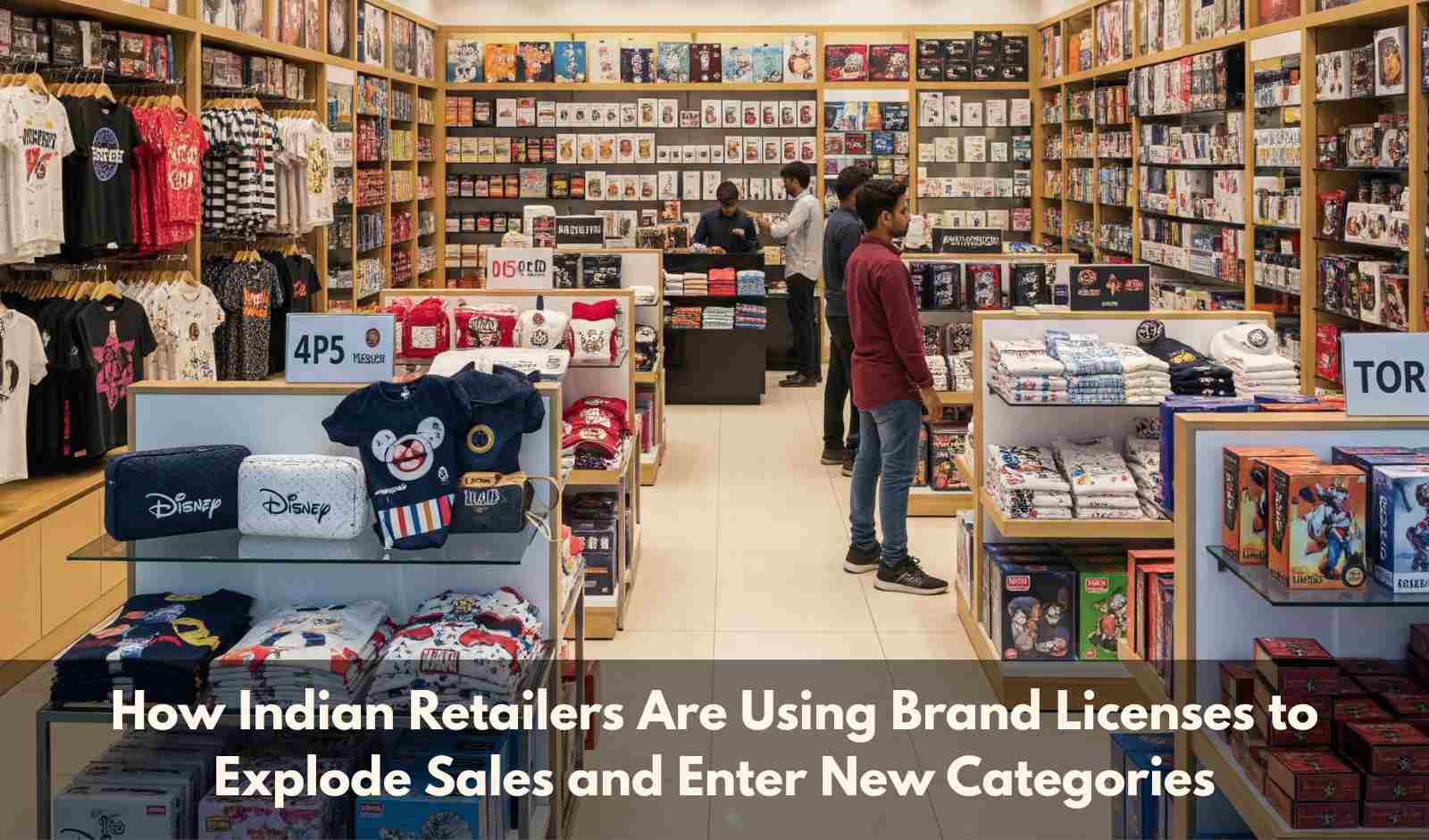
Brand licensing is becoming a critical growth lever in the retail industry, especially in a rapidly expanding market like India. It allows companies to scale operations, expand into new categories, and increase brand visibility, without significant capital expenditure. But the success of a licensing model depends heavily on structure, alignment, and protection of business interests.
If you're a brand owner or a retail operator in India, developing a sound licensing strategy can help you achieve scale while maintaining control. Here's how to approach it.
Secure Your Intellectual Property Before You License
Before offering your brand to other businesses through a license, it’s essential to protect your intellectual property (IP) under Indian law. This includes registering:
- Trademarks
- Logos and wordmarks
- Packaging designs
- Product designs
- Taglines and characters
Clearly define what part of your brand identity you're licensing, whether it’s a logo, brand name, a mascot, or a proprietary software design. Your ownership should be legally documented and acknowledged before any retail licensing discussions begin.
In India, IP enforcement can be complex. Having formal protection in place ensures you retain control over your brand's usage and have the legal standing to act if your identity is misused by licensees.
Choose the Right Licensing Partner for the Indian Retail Market
Selecting a licensee is not just about revenue potential, it’s about brand fit. For companies operating in India’s retail ecosystem, the wrong partner can quickly dilute brand value.
A licensing partner should align with your brand’s positioning and values. For example, if you're a premium lifestyle brand, partnering with a discount retail chain might hurt your long-term equity in India. Instead, look for licensees that already operate in your target consumer segment and have a track record of excellence in product quality and retail distribution.
When evaluating potential licensees in India:
- Assess their existing retail footprint
- Review their product standards and customer satisfaction metrics
- Check their ability to manufacture or source at scale
- Ensure they understand local consumer preferences
Brand licensing is a reflection of your business. A weak partner can damage your reputation quickly, especially in markets like India where word-of-mouth and brand perception hold high value.
Create a Detailed, Retail-Focused Licensing Agreement
Once a suitable partner is identified, drafting a comprehensive licensing agreement becomes the next critical step. This agreement serves as the backbone of the business relationship and must address:
- Scope of the license (which products and services it covers)
- Geographic territory (e.g., India-only or including other regions)
- Duration of the license
- Exclusivity clauses
- Branding guidelines
- Financial terms
For retail-focused licensing in India, royalty structures often follow one of these formats:
- A percentage of gross or net sales (e.g., 8–12 percent)
- A fixed annual or quarterly fee
- A combination of both, including a minimum guaranteed payment
Here’s an example: If a licensee agrees to pay 10 percent royalty on Rs 1,00,000 worth of products sold through retail stores in India, the licensor earns Rs 10,000 in royalty income. If the agreement includes a minimum guarantee of Rs 8,00,000 per year, that amount must be paid regardless of actual sales, providing financial assurance to the licensor.
Enforce Quality Control in the Retail Environment
In India’s retail space, where consumer trust plays a pivotal role in repeat purchases, consistent quality is essential. Licensing agreements must include robust clauses that allow brand owners to oversee:
- Product samples and approvals
- Packaging design
- Visual merchandising in retail stores
- Marketing and promotional materials
These clauses ensure the brand’s identity is represented accurately and consistently, whether the licensed product is sold in a Tier l shopping mall or a Tier lll local store. For instance, a brand known for its minimalism should not find its logo slapped on a loud, over-designed retail item without prior approval.
Retailers must also commit to ongoing compliance, including submitting periodic reports or undergoing random quality audits—especially when products are being sold across India’s fragmented retail channels, including offline stores, marketplaces, and quick commerce platforms.
Set Clear Terms for Duration, Renewal, and Exit
One area often overlooked in licensing strategies is how long the license will last, and what happens when it ends.
In the Indian market, where consumer trends shift rapidly and categories evolve fast, short-term licenses (1–2 years) are often used to test new product extensions. Longer-term partnerships (3–5 years or more) are ideal for products requiring sustained marketing or deep retail penetration.
Your agreement should clearly address:
- Renewal terms and renegotiation periods
- Adjustments to royalty rates over time
- Exit clauses for both parties
- Rights over leftover inventory or unsold stock
- Conditions that trigger early termination
This is especially important in India, where regulatory shifts or sudden changes in retail distribution channels (such as the rise of D2C or q-commerce) can disrupt plans mid-agreement.
Why Licensing Strategy Matters for Retail in India
Unlike casual brand collaborations, a well-structured licensing strategy provides long-term value. For retail businesses in India, licensing offers a cost-effective path to product diversification, faster go-to-market, and improved margins, without the overhead of building new manufacturing or branding from scratch.
For licensors, it’s an opportunity to build additional revenue streams, increase brand reach across India, and ensure product lines align with customer expectations at the point of sale. For licensees, it's a gateway to consumer trust, especially when operating in competitive sectors like fashion, home goods, toys, personal care, or electronics.
But the key lies in treating brand licensing as a serious business strategy, not just a commercial transaction. Without strong contracts, quality control, and alignment between partners, licensing can backfire, especially in India’s diverse and fast-moving retail landscape.
Remember a well-implemented licensing model can unlock substantial retail value in India. But success depends on upfront legal protection, thoughtful partner selection, retail-specific contract terms, and long-term strategic thinking. For retailers and brand owners alike, licensing offers a smart, scalable way to build value in India’s booming consumer economy.

In a groundbreaking move that promises to captivate the palates of coffee and dessert lovers across India, Barista Coffee, one of the country’s leading home-grown coffee chains, has teamed up with the American Pistachio Growers (APG) to launch a unique range of pistachio-based beverages and desserts. This collaboration isn't just about combining coffee and pistachios; it’s a fusion of quality, taste, and health that sets the stage for an exciting new coffee experience in India.
Why Barista Chose Pistachios
The partnership between Barista and APG comes at a time when food trends are rapidly evolving, and consumers are seeking out innovative, health-conscious options. With the global rise of pistachios, which have been gaining traction in both Western and Middle Eastern coffee cultures, Barista was quick to spot the potential of this trend in India.
Speaking about the rationale behind this collaboration, Rajat Agrawal, CEO of Barista Coffee, said, “At Barista Coffee Company, we constantly strive to curate offerings that align with our customer’s evolving preferences. Our partnership with the APG is a step ahead of our shared vision of quality and authenticity. California pistachios’ unique taste and health benefits are the perfect ingredient to complement our beverages. We are excited to bring this exclusive series to our guests across the country."
What makes pistachios such a great choice? Not only are they known for their rich, nutty flavor, but they also pack a punch when it comes to nutritional benefits. Loaded with protein, fiber, and healthy fats, California-grown pistachios are the perfect ingredient to elevate Barista’s beverages and desserts, offering customers a unique blend of indulgence and wellness.
The Pistachio Series
The Pistachio Series includes innovative drinks and desserts such as the California Pistachio Latte, California Pistachio Frappe, and California Pistachio Muffin. These offerings cater to a wide range of tastes, from the traditional coffee lover to those with a penchant for the nutty richness of pistachios. This marks a significant leap in Barista’s menu expansion, highlighting their commitment to blending international flavors with the local coffee culture.
Barista has always been known for its innovation, and this pistachio series is no different. From the moment the idea for pistachio-based beverages took shape, Barista worked closely with APG to ensure the highest quality of product, as well as to guarantee that each new offering resonates with the evolving tastes of Indian consumers.
According to Sumit Saran, India Market Representative for APG, "We are delighted to collaborate with Barista Coffee Company to promote California-grown pistachios in India. This initiative showcases the exceptional quality of American produce and strengthens the culinary ties between the two nations. California pistachios symbolize excellence, and we are elated to see them become a part of Barista Coffee's exciting new offerings."
The Rising Trend of Pistachios in India
Pistachios are already making a mark in the Indian market, and this collaboration serves to further boost their popularity. Traditionally used as a garnish, pistachios are now emerging as a snack and key ingredient in several culinary creations. The trend of pairing pistachios with coffee, already gaining popularity in Western countries, is starting to catch on in India as well.
In fact, pistachios are not only a trendy ingredient but also a highly marketable one, given their growing acceptance in diverse global food cultures. Mr. Agrawal explains, “We wanted to do something unique with this product launch—something that has a large-scale appeal and is widely recognized. With pistachios, we are tapping into an ingredient that is well-loved and understood in various cultures and regions."
And the results speak for themselves. The pistachio series, launched in December 2024, is already receiving an overwhelmingly positive response, with the initial sales promising strong growth in the coming months.
A common question for customers and industry insiders alike is whether the pistachio drinks and desserts are a limited-time offer or if they will become a permanent fixture on the Barista menu.
As Agrawal elaborates, "The idea is to launch something new for a limited time so we can sample the market and understand customer preferences. However, based on the early feedback we have received, we are hopeful that we can extend this collaboration and potentially add these pistachio products to our regular menu."
Why Barista?
When it comes to choosing a partner to introduce pistachios into the Indian coffee scene, Barista was the natural choice. Mr. Saran, from APG, explains, “When we thought of launching pistachio with an Indian company, where else would we go? Coffee and pistachios belong together, and Barista is the first choice. They understood the product, the vision, and the taste, and we’re thrilled to have them on board.”
With Barista's established reputation for offering high-quality coffee experiences in India, this collaboration comes with a promise to deliver the same level of excellence in every cup of pistachio-infused beverages.
What Sets California Pistachios Apart?
In a market where local brands dominate the dried fruit and nuts segment, APG's California pistachios stand out for their superior quality and taste. Mr. Saran emphasizes that California pistachios, known for their rich flavor and snackable consistency, are the ideal choice for Barista's offerings. "India doesn’t produce pistachios; in the past, Iranian pistachios were the norm, but they were often used just as garnishes. With California pistachios, we are changing the game—these are made for snacking and enjoying in coffee, not just as an accompaniment."
Thanks to their distinct texture and taste, California pistachios have quickly gained traction in the Indian market. From being used in ice creams to now being a trendy addition to coffee beverages, the market for these high-quality nuts is rapidly expanding.
Looking Ahead
The collaboration between Barista and APG is expected to not only elevate the coffee culture in India but also boost the overall demand for pistachios as a versatile ingredient in everyday snacks and meals. With India’s growing appetite for healthy snacking options and premium coffee experiences, this partnership is poised for long-term success.
Both Barista and APG are optimistic about the future. “The idea is to leverage our brand equity and continue pushing the boundaries of innovation," says Mr. Agrawal. "This category has seen rapid growth in the past few years, and we believe this collaboration will lead to many more exciting product integrations in the future."
The pistachio-infused beverages and desserts from Barista Coffee and APG represent a bold step into the future of coffee culture in India. With their commitment to quality, innovation, and customer satisfaction, this partnership is set to redefine how Indians enjoy their coffee and snacks, making it an experience that's as healthy as it is indulgent.

Kent RO Systems Ltd, a leader in the water purification sector, has announced a licensing partnership with BLACK+DECKER, a renowned global name in home products and innovations, to introduce advanced water purifiers.
Varun Gupta, Joint Managing Director of Kent RO Systems Ltd asserted, "We are thrilled to collaborate with BLACK+DECKER on this venture. The BLACK+DECKER brand is synonymous with innovation and excellence. Our new range of water purification products is engineered to deliver superior purification, ensuring that Indian households have access to safe and healthy drinking water."
Amit Datta, Commercial Director of Licensing at Stanley Black & Decker, highlighted the brand's commitment to enhancing home life, saying, "As a global leader in home products, we continue to offer solutions that allow consumers to make the most of their lives at home. We are dedicated to simplifying life at home by enhancing our brand portfolio across all regions."
Pranav Anand, Managing Partner at LicenseWorks, noted, "The partnership between BLACK+DECKER and Kent RO Systems exemplifies how brands can collaborate to drive growth, particularly for companies aiming to expand their home product offerings in India." This partnership is poised to deliver innovative solutions for consumers seeking high-quality water purification.

India’s licensing industry is witnessing a seismic shift. No longer a nascent market, it’s growing exponentially, thanks to a cocktail of innovation, strategic partnerships, and changing consumer behavior. At a recent panel discussion featuring industry stalwarts, the consensus was clear: the future of licensing is ripe with opportunities, provided the ecosystem evolves with the times. Here's a deep dive into the key trends shaping the licensing landscape in India, as shared by some of the top minds in the industry.
Trend 1: IP Creation Takes Center Stage
Rajat Agrawal, COO, Ultra Soft Toys, underscored the growing emphasis on intellectual property (IP) creation. “The potential for creating and monetizing original IPs is immense. Brands are increasingly realizing that building their own IPs can provide sustained revenue streams and unparalleled brand loyalty,” he said. However, Agrawal was quick to highlight that only one in ten IPs typically succeeds. “It’s about taking that calculated risk and capitalizing on the one that clicks,” he added.
This trend is echoed across the industry as brands recognize that creating original, culturally resonant IPs can offer a competitive edge. Successful IPs are not just products but narratives that captivate audiences and foster deeper connections.
Trend 2: The Partnership Formula
Shobhit Singh, CEO, Stone Sapphire India Pvt Ltd, emphasized the importance of cohesive collaboration between licensors and licensees. “The approach needs to be hand-in-hand. The IP and the product must promote each other seamlessly. This partnership is essential to overcoming challenges like pricing disparities and piracy,” Singh noted.
A case in point is the licensing of stationery, which often faces hurdles in schools due to cost differences. “When there is price parity between licensed and non-licensed products, these barriers will dissolve,” Singh added. He also called for collective efforts to tackle piracy by closing gaps in the licensing ecosystem, ensuring genuine products dominate the market.
Trend 3: Merchandise-First: A Misstep?
Hemang Vasani, Head of Licensed Consumer Products, Hasbro, observed a worrying trend: brands prioritizing merchandise over brand-building. “Merchandising should follow brand love, not precede it. Consumers need to connect with the brand emotionally before being sold a product,” Vasani stressed.
He highlighted Hasbro’s strategy of identifying “white spaces” in the market — areas where competitors haven’t ventured. For instance, leveraging beloved IPs like Peppa Pig for audio-based content localized to Indian cultural nuances has been a game-changer. “Localizing content not only builds brand love but also differentiates licensed products from counterfeits,” he explained.
Trend 4: The Eastward Shift
Harsh Lal, Co-Founder, The Souled Store, pointed to a cultural shift driving licensing trends. “What’s considered cool is increasingly moving eastward,” he said, citing the rise of K-pop, K-drama, and anime. “These trends have gone from being niche to mainstream, and this demand for Asian content and merchandise will only grow over the next 3-5 years.”
For brands, this means aligning with the zeitgeist. Whether it’s through collaborations with Asian artists or launching anime-inspired product lines, tapping into this cultural wave can unlock massive opportunities.
Trend 5: Strategic Alliances
Mahesh Kanchan, Marketing Director - India & Neighboring Countries, Bacardi, predicted that strategic alliances would dominate the future of licensing. “Creating brands is tough. The way forward will be big partnerships where brands from one category transition into another industry altogether,” he explained.
These alliances allow brands to pool resources, tap into new markets, and co-create products that appeal to wider demographics. Think of a beverage brand partnering with a clothing line to create lifestyle merchandise — the possibilities are endless.
Trend 6: Sustainability Partnerships
Tushar Malhotra, Director of Sales and Marketing, Bisleri International Pvt Ltd, highlighted sustainability as a critical licensing trend. “Brands must explore collaborations that give back to society while creating consumer value,” he said. He cited Bisleri’s initiative of installing benches made from recycled plastic, adorned with artwork by Mountain Foot Painting Artists (MFPA), as a prime example.
Such initiatives not only address environmental concerns but also enhance brand love by resonating with socially conscious consumers. Sustainability, therefore, is not just a responsibility but a strategic advantage in licensing.
Trend 7: Influencer-Driven IPs
Rikki Agarwal, Co-founder and Chief Business & Operating Officer at Blink Digital, underscored the disruptive potential of influencer-driven IPs. “The democratization of content has empowered influencers to create their own brands,” he said, pointing to global examples like PRIME By Logan Paul x KSI energy drink. “If you can master content distribution, you have the power to build brands from scratch,” Agarwal added.
In India, where influencer culture is burgeoning, this trend could redefine the licensing landscape. By leveraging their massive fan bases, influencers can launch IPs that resonate deeply with niche audiences, creating a new paradigm for brand-building.
Overcoming Price & Piracy Challenges
While opportunities abound, the licensing industry in India isn’t without its challenges. Price parity remains a significant hurdle, particularly in categories like stationery and apparel. “Schools often avoid licensed products because they’re more expensive, creating disparities among students,” Singh explained.
Piracy, too, is a persistent issue. However, Lal argued that piracy could be viewed as an opportunity. “If you offer customers a high-quality, affordable alternative, piracy diminishes,” he said, positioning The Souled Store as a brand that thrives by bridging this gap.
The Winning Formula
Localization emerged as a recurring theme throughout the discussion. Vasani highlighted Hasbro’s efforts to create culturally relevant products, such as a Diwali-themed Peppa Pig book. “Localization not only enhances brand relevance but also differentiates licensed products from counterfeits,” he said.
This approach resonates deeply with Indian consumers, who value products that reflect their culture and traditions. Brands that prioritize localization stand to gain significant market share in an increasingly competitive landscape.
A Licensing Renaissance
As India’s licensing industry matures, the opportunities are boundless. Whether it’s through strategic alliances, influencer-driven IPs, or sustainability initiatives, the key lies in staying ahead of the curve. What experts unanimously agree to is that the next wave of growth would come from fostering deeper partnerships, embracing innovation, and understanding the evolving preferences of Indian consumers.
In the words of Shobhit Singh, “Licensing in India is no longer just about selling products. It’s about creating experiences, building connections, and driving cultural conversations. The brands that get this right will shape the future.”
Rajat Agrawal concluded, "This is a transformative time for licensing in India. The decisions we make today will set the course for an industry poised to become a global leader."

In the world of home décor, where innovation and artistry intersect, collaborations often produce magic. One such enchanting partnership has emerged between two visionary brands: Pure Home + Living (PHL) and Dots & Doodles. Together, they’ve crafted The Las Palmas Collection, a curated range of décor items that reimagines modern living spaces with timeless design and bold creativity.
This collaboration marks a pivotal moment for both brands—one steeped in shared values, complementary aesthetics, and a desire to offer more than just décor. The Las Palmas Collection represents an exciting union of elegance and vibrancy, a collection where each piece is not just functional but a celebration of style.
The Visionaries Behind the Collaboration
Pure Home + Living, a stalwart in the home décor industry for over 12 years, has built a legacy by staying attuned to consumer desires and continuously evolving. Under the leadership of its founder, Dheeraj Sarna, the brand has mastered the art of balancing timeless essentials with seasonal refreshes.
“At Pure Home + Living, we understand the importance of staying relevant,” Sarna explains. “While we maintain a core collection of high-quality staples, our seasonal collections inject excitement and reflect the changing preferences of our customers.”
On the other hand, Dots & Doodles, founded in 2016 by design mavens Yamini Gandhi and Krisha Seth, has been a trailblazer in the realm of personalized stationery and creative gifts. Their vibrant, eco-conscious approach to design has garnered a devoted following.
“Dots and Doodles was born out of a passion for creating meaningful, joyful designs,” Gandhi shares. “Our work has always been about connecting art with everyday life, and this collaboration was an opportunity to bring that ethos into home décor.”
For both brands, The Las Palmas Collection offered the perfect platform to merge their strengths. With PHL’s expertise in luxury home furnishings and Dots & Doodles’ eye for bold, contemporary design, the partnership was a natural fit.
The Birth of The Las Palmas Collection
The genesis of The Las Palmas Collection was rooted in a shared vision: to create a range of products that feel effortless yet intentional, luxurious yet versatile. Drawing inspiration from the iconic palm motif, the collection reimagines this classic symbol in ways that are bold, sophisticated, and fresh.
“We wanted this collection to have a cohesive aesthetic, where every piece complements the others while still standing out individually,” Seth explains. “The palm motif became the unifying element, interpreted through various artistic lenses to bring diversity within a cohesive theme.”
From dinnerware and barware to scented candles and serveware, each item in the collection is crafted to elevate everyday living. The curated color palette—featuring soft, earthy tones accented with vibrant hues—adds a sense of harmony and adaptability to the pieces.
“The beauty of Las Palmas lies in its versatility,” Sarna adds. “Whether you’re hosting a formal dinner or setting up a casual gathering, the collection adapts seamlessly to the occasion.”
Designing with Purpose
The journey of crafting The Las Palmas Collection was as collaborative as the final product itself. Both teams worked closely, bringing their unique perspectives to the table while ensuring the collection stayed true to their shared vision.
“Pure Home + Living’s approach to blending functionality with elegance resonated deeply with us,” Gandhi shares. “It allowed us to bring our vibrant, contemporary designs into a space where they could truly shine.”
For PHL, working with Dots & Doodles offered a fresh perspective. “This collaboration allowed us to push creative boundaries while staying rooted in our commitment to quality and craftsmanship,” Sarna notes.
The design process was meticulous, with every detail—down to the patterns, textures, and finishes—carefully considered. The result is a collection that doesn’t just decorate a space but transforms it, infusing warmth and personality into every corner.
“Our goal was to create products that evoke emotion,” Seth explains. “We wanted each piece to feel personal and inviting, like a part of the customer’s story.”
A Reflection of Market Trends
The timing of The Las Palmas Collection couldn’t be more perfect. The home décor market is experiencing a shift, with consumers increasingly seeking products that reflect individuality and offer versatility.
“Today’s customers value personalization,” Sarna observes. “They’re looking for décor that doesn’t just fit into their homes but also tells a story.”
Dots & Doodles’ design philosophy aligns seamlessly with this trend. Known for its focus on individuality and self-expression, the studio brought this ethos into The Las Palmas Collection by creating pieces that are adaptable, unique, and rich in detail.
“Each item in the collection works beautifully on its own, but when combined, it creates something truly magical,” Gandhi explains. “This balance between individuality and cohesion is what makes Las Palmas so special.”
Early Success and Customer Enthusiasm
The market response to The Las Palmas Collection has been overwhelmingly positive. Pre-orders sold out within days, and social media has been abuzz with praise for the collection’s bold designs and thoughtful details.
“The early reactions have been beyond our expectations,” Sarna shares. “It’s incredibly fulfilling to see how customers are integrating these pieces into their homes and lives.”
For Dots & Doodles, the collaboration has opened new doors, allowing them to connect with a broader audience. “This partnership has been a pivotal moment for us,” Seth says. “It’s exciting to see our work resonate with people in a completely new way.”
A Multi-Channel Strategy
To ensure maximum reach, PHL and Dots & Doodles adopted a robust multi-channel strategy. The collection was launched through exclusive events, influencer partnerships, and a targeted digital campaign designed to engage both new and loyal customers.
“Our goal was to create buzz across all platforms,” Sarna explains. “From in-store displays to social media promotions, every element was designed to showcase the collection in its full glory.”
For Dots & Doodles, the collaboration also offered an opportunity to strengthen their direct-to-consumer (D2C) presence. “This partnership allowed us to explore new strategies for connecting with our audience,” Gandhi notes. “It’s been an incredible learning experience.”
Designing for Togetherness
At its core, The Las Palmas Collection is about more than just aesthetics—it’s about creating connections. Each piece is designed to bring people together, whether it’s over a shared meal or a quiet moment at home.
“Our vision was to design products that feel personal and meaningful,” Sarna shares. “We wanted these pieces to become part of our customers’ memories, adding warmth and joy to their everyday lives.”
This emotional resonance is evident in every aspect of the collection, from the intricate palm motifs to the thoughtfully chosen materials and finishes.
“The best design is the kind that evokes emotion,” Seth says. “With Las Palmas, we wanted to create something that feels not just beautiful but also deeply personal.”
The Future of Collaboration
The success of The Las Palmas Collection is just the beginning for both PHL and Dots & Doodles. Inspired by this experience, both brands are already exploring new opportunities for collaboration and innovation.
“This partnership has shown us the power of coming together,” Sarna remarks. “We’re excited to see where this journey takes us next.”
For Dots & Doodles, the collaboration marks a significant milestone in their journey. “It’s opened up so many possibilities for us,” Gandhi shares. “We’re eager to continue blending creativity and functionality in ways that surprise and delight our customers.”
Pure Home + Living: A Vision for the Future
As PHL looks to the future, collaborations like The Las Palmas Collection will play a central role in its growth strategy. With plans to open 25 new stores and achieve a six-fold increase in eCommerce sales over the next three years, the brand is poised for sustained success.
“We’re committed to staying ahead of the curve,” Sarna affirms. “By partnering with like-minded designers, we can continue delivering collections that resonate deeply with our audience.”
The collaboration between Pure Home + Living and Dots & Doodles is a shining example of what can happen when two visionary brands come together. Through The Las Palmas Collection, they’ve created a line of products that doesn’t just decorate spaces but transforms them, bringing art, emotion, and style into everyday life.

In a world where the art of storytelling transcends mediums, Leica India has found a kindred spirit in Chef Ranveer Brar. This unique collaboration between one of the world's most iconic camera brands and a culinary artist has sparked excitement in both photography and food circles alike. The partnership is more than just a convergence of two creative forces; it is a celebration of authenticity, craftsmanship, and the beauty of capturing life's moments in their rawest form.
Both Leica and Brar represent an appreciation for the finer details: whether it’s the crisp, honest texture of a photograph captured with Leica’s new Q3 43 camera, or the delicate layering of flavors in a dish crafted by Brar, their collaboration speaks to a mutual love for capturing life’s purest moments. As Brar steps into the role of Leica’s creative ambassador in India, this partnership aims to inspire a new generation of storytellers, bringing the essence of culinary and visual artistry to the forefront.
A Legacy of Craftsmanship
Since its inception, Leica has stood at the crossroads of heritage and innovation. With roots dating back to its beginnings as a microscope company in 1849, Leica has always placed the lens at the heart of its design philosophy. The company's latest release, the Leica Q3 43, is a testament to this commitment.
“We have launched the Leica Q3 with a 43mm Apochromatic Summicron lens—one of the best lenses in the world,” says Sunil Kaul, Managing Director, Leica Camera Asia Pacific. "This lens is closest to what your eyes see, almost as if you are perceiving the world through your own vision."
The Q3 43 is more than just a tool for professional photographers; it's designed for everyday use, offering durability, functionality, and an extraordinary ability to capture life’s fleeting moments. Leica's weather-sealed body allows the camera to perform in any condition, whether during the vibrant hues of Holi in Mathura or the chaotic beauty of the Bombay monsoons. The Q3 43 is positioned to make Leica’s world-class optics accessible to a broader audience, without compromising on the brand's renowned quality.
"Traditionally, Leica positioned itself at a higher price point due to the premium materials we use. But with this model, we're reaching a more economically accessible range of customers," Kaul adds. This strategic shift broadens Leica's appeal, while maintaining its heritage of excellence.

The Intersection of Photography and Culinary Arts
Chef Ranveer Brar, known for his culinary prowess and penchant for storytelling, found an immediate connection with Leica. As someone who weaves narratives through food, Brar saw in Leica a kindred brand that captures the world in its purest form.
Brar explains, “I was drawn to Leica because of the honesty and texture their cameras offer. The moment I held a Leica and captured an image, I felt an immediate connection. The quality of the images reflects the authenticity of the moment, and that is what resonates with me.”
This collaboration is not about conventional celebrity endorsements but rather about shared values—authenticity, craftsmanship, and storytelling. Brar’s culinary creations, much like Leica’s images, are deeply personal, telling stories of tradition, culture, and passion. Just as Brar transforms ingredients into art on a plate, Leica captures the magic of these creations in a single frame.
“Our alignment is quite clear; both Leica and I are storytellers, Leica conveys narratives through its images, while I express stories through food and culinary conversations,” says Brar.
The Power of the Leica Q3 43
Brar's experience with the Leica Q3 43 camera has been transformative. The 43mm lens, which captures images as close to human vision as possible, has become an extension of his culinary artistry. For Brar, the camera’s simplicity—featuring just five buttons—allows him to focus entirely on the image, rather than getting bogged down by technical details.
"I have had the pleasure of using the new Leica Q43 for an extended period, and I find it exceptional. The 43mm lens captures images in a way that closely resembles human vision, enhancing my ability to tell stories visually," Brar enthuses.
The fusion of high-quality imaging and ease of use makes the Q3 43 a perfect tool for creators who want to focus on their craft rather than the mechanics behind it. Whether capturing the intricacies of a beautifully plated dish or the vivid colors of fresh ingredients, Brar finds Leica to be the perfect companion on his culinary journey.
"Leica’s ability to preserve visual integrity is invaluable to my storytelling," he says, underscoring the importance of precision in both culinary presentation and photography.
A Partnership Built on Shared Values
Leica’s collaboration with Brar is more than just a marketing initiative. According to Kaul, it is an extension of Leica's philosophy of building a community around a shared passion for photography.
"Ranveer Brar is not just a brand ambassador—he was a customer first, someone who truly appreciates the art of photography. His journey with Leica is emblematic of how we see our customers: as friends and family. His love for photography and his willingness to share that passion with the world is what makes him such a natural fit for us," Kaul explains.
This partnership is rooted in a genuine connection between Brar's culinary artistry and Leica's dedication to capturing authentic, raw moments. It transcends the typical celebrity endorsement and is instead a celebration of storytelling in all its forms—whether through the lens of a camera or through the flavors of a dish.
"Both food and photography are about evoking emotions, preserving moments, and telling stories," Brar notes. "And Leica, much like cooking, is about staying true to the essence of the craft."

The Leica Philosophy
As Leica continues to expand its presence in India, the brand remains committed to its core values of quality and craftsmanship. With over a century of experience in mechanical engineering, Leica has extended its expertise beyond cameras, delving into new product lines such as watches and ultra-short-throw projection systems. But despite this diversification, the company’s focus remains clear: creating tools that allow people to tell their stories.
“We incorporate cutting-edge digital technology in every product we make today,” says Kaul. “But we don’t advertise it excessively because customers don’t buy technology; they buy benefits. Our goal is to create innovations that fascinate while delivering meaningful advantages.”
Leica’s philosophy is rooted in the belief that technology should enhance the user experience without overshadowing the essence of photography itself. This is why the company continues to invest in mechanical craftsmanship, ensuring that every product, from cameras to watches, is a testament to the brand’s commitment to quality and longevity.
Inspiring a New Generation of Creators
One of the most exciting aspects of the Leica-Brar collaboration is its potential to inspire a new generation of creators. Brar’s journey from chef to photographer exemplifies how creativity knows no boundaries, and his partnership with Leica is likely to encourage others to explore their artistic side.
“I believe my partnership with Leica will inspire young creators by demonstrating the power of storytelling through visual art,” Brar reflects. “Every creator is on a quest for inspiration, and with Leica, I aim to provide that spark, encouraging them to explore their own unique narratives.”
Through this collaboration, Leica hopes to engage not only professional photographers but also those in creative fields such as culinary arts, fashion, and design. By providing a platform for creators like Brar, Leica is opening up new avenues for artistic expression.
The Future of Leica in India
Leica’s expansion in India is an organic one, focusing not on aggressive retail growth but on building a community of passionate photographers and creators. With experience centers, or “Leica temples,” planned in key cities, the brand aims to offer its customers a holistic experience that goes beyond merely purchasing a camera.
"Our priority is to enhance the customer experience and service benefits for our clientele," Kaul states. "We are focused on developing a strategic distribution channel that includes experience centers where visitors can engage with the brand in a meaningful way."
Leica's future in India is not just about selling cameras; it’s about cultivating a culture of photography. As Kaul puts it, “In five years, I envision Leica as a brand that is not only more visible but also deeply integrated into the photographic community.”
A Journey of Craft and Creativity
The collaboration between Leica and Chef Ranveer Brar is a perfect representation of what happens when two worlds—culinary and photographic—collide in the best way possible. Both are forms of art, deeply rooted in craftsmanship, tradition, and a shared passion for telling stories.
As Brar continues to explore new horizons with his Leica Q3 43, his partnership with the brand symbolizes the broader vision Leica holds for its future in India and beyond. Together, they are not just capturing moments; they are creating timeless narratives that inspire, delight, and ignite the imagination of creators everywhere.

The Cannes Lions International Festival of Creativity has announced that it will recognise Mattel’s Chairman and Chief Executive Officer, Ynon Kreiz, as Entertainment Person of the Year. Presented in recognition of the vital role that entertainment plays in the marketing and communications landscape, the award celebrates the creativity that inspires others to produce truly compelling, meaningful, and entertaining content.
He has led a multi-year transformation strategy that established Mattel as an IP-driven, high-performing toy company. Under his leadership, Mattel Films has announced 16 motion pictures in active development with major studio partners. Its first movie, “Barbie,” became a cultural phenomenon, achieving the largest global box-office in 2023 and the industry’s 14th-highest grossing movie of all time. The culture shifting Barbie movie was nominated for eight Academy Awards including Best Picture and received the Oscar for Best Original Song.
Mattel has a growing entertainment offering in television, consumer products, digital games, live events and experiences, publishing, and music. Per Circana, in 2023 Mattel was the #1 toy company in the U.S. for the 30th consecutive year, achieving its largest annual share gain in the U.S. on record.
About the Award, Simon Cook, CEO, LIONS, said: “We are delighted to be honouring Ynon and recognising Mattel for their continued commitment to creativity in entertainment. The strong leadership of Mattel has led to it becoming an innovative global toy and family entertainment company. By unlocking the potential of its core assets and IP, Mattel has strengthened the company’s relevance and appeal of its iconic global portfolio. Through Barbie particularly, Ynon has opened the aperture of the brand, broadening its cultural resonance and commercial success.”
Commenting on the Award, Ynon Kreiz, Chairman and Chief Executive Officer, Mattel, said: “At its core, Mattel is a creative company fueled by innovation and guided by our purpose. We are driven by the knowledge that the people who buy our products are more than consumers, they are fans with an emotional connection to our brands. It is an incredible honour to be recognised by the prestigious Cannes Lions, and to share this with the global team at Mattel whose passion fosters our creativity, every day.”
Kreiz will deliver a keynote seminar on Friday 21 June, and collect the award during that evening’s Cannes Lions Awards Show.

The Global Licensing market is over $300 billion with some 40 brands logging more than $1 billion in annual licensing sales. It would not be an exaggeration to say that some of the brands are doing better in the licensing segment than their core operations combined.
Such is the power of a good, licensed brand.
Following the trend, almost all the premium and luxury brands are also riding the wave of collabs and licensing. Think of it, two well-established brands with a completely different set of audiences coming together that not only gives the newly launched project a 2x strength but also increases the target pool that you already had. A very good example of this could be the Kobe AD -Nike Collection. However, it’s not just limited to increasing your audience pool. Brand Licensing is a very effective strategy to enter a new market. The best part is that there is nothing like a standard template of product launch in licensing. It’s about how creative one can get in terms of your brand extension keeping the brand ethos in mind. Kobe -Nike Shoes were launched in 2016, to mark the retirement of the legend from basketball and was very popular amongst all segments be it sports lover, basketball lover, or just trend followers. It became a fashion statement.
More than a decade ago when half a century-old FMCG brand Pepsi decided to launch its apparel collection in the US market through licensing, who would have thought it would create a rage in the fashion industry. In 2019, there again was a demand for the Pepsi Apparel collection in India and I was spearheading the project, the Pepsi collection was launched in 2021 by Flying Machine and the designs and range were welcomed by every age group with arms wide open.
The brands with a stronger recall value and name should understand that it’s not necessary that they remain in the segment of their expertise. Likewise, the new manufacturers and retailers should know that marketing and building a brand is tough these days. Even when you have a significant manufacturing and supply chain it's not necessary that you have the expertise to build the brand, burn money to market it and gain customers’ trust at the same time. It’s a longer process than you could imagine. Hence the concept of licensing makes sense both for the licensor and the licensee.
Amongst other things, the pandemic has also taught us that, to pivot and adapting is a must for every business irrespective of being small or large. A lot of brands had faced losses due to lockdowns and hence being available in multiple segments is what will keep you afloat. While the entire world struggled to sustain another surprising point to note is that consumers spent $315.5 billion worldwide on licensed merchandise in the year 2021, which was roughly about 8 percent more than the pre covid era. One important reason behind this could be that a lot of corporates were and are still working from home and every individual is now gravitating toward a better and more comfortable lifestyle at home. And what better than to surround yourself with the consumer products and brands that you trust.
The brands which have a legacy are bound to get consumers' attention even in a new segment.
That’s the reason why the 130-year-old American brand, Westinghouse which is predominantly present in the Nuclear, Solar, and power segment, entered the Indian market. They got a great response from consumers. They thrive on technology and brand legacy that creates an instant connection with the target consumers. Hence television and smaller appliances quickly got popular amongst the millennials.
Small medium and large Business owners need to understand that if they are at the peak of their business or struggling to create a name in the market, brand licensing can grow business for both segments equally. Why do you think Puma X Emoji collab happened? Because collection deals like these allowed both businesses to share reputation, and expand market reach. Taking a completely different example, brands like John Deere and Harley Davidson have been so successful in launching their merchandise that the licensing arm has now become a successful lifestyle business that goes way beyond their core product. Then there is character licensing, where nostalgia and current trends are the only key factor. People get obsessed with authentic Marvel or friends or their favorite Disney characters merch. Deals like these give products more authenticity and credibility that otherwise would take decades to build. If at all we have learned from the changing world is that a fast-changing trend combined with nostalgia and a class-apart product is the best recipe for success. Hence justifying my point that no matter how small or big a business you have, licensing will only grow it further.
Also, not just in consumer/lifestyle products, we are talking about licensing in the Hybrid segment as well, which is catching pace. Playboy just recently launched its flagship club in India, Marie Claire Paris Launched its Salons, Charlie Chaplin vegan restaurants, and Billboard Cafe, all these are examples of successful hybrid concepts of licensing where brand partners have realized that licensing just not only works in merchandise but value and recall can be created in an experiential format as well.
Not just existing traditional business, Licensing is now catching up with D2C brands as well as in NFT and metaverse. Earlier the notion these newly launched brands had in mind that they should only work on promoting their brand, even removing the brick and mortar from the picture. However, that’s changing now, while India is still to catch up with the notion which is changed by several D2C platforms now. Companies like The souled store, Bewakoof have been doing authentic merchandise sales for a few years now. In fact, they can be credited to introduce the fashion of authentic licensed merchandise in India. As DTC companies increasingly go direct to brick-and-mortar retailers, their prospects for licensing are also rising.
Apart from bigger and renewed collaborations and licensing deals, I have also seen some unconventional deals that have made me believe that there is definitely a market for every brand and every product. You just need to know your segment. There was a Goa-based Apparel manufacturer who partnered with Frida Kahlo to launch some bright and amazing bigger print apparel range, which was specifically for a niche segment. The launch was successful, and the partnership was extended.
The electronic segment is another such category that has suddenly grown in the past 5 years exponentially for the Indian market. The consumer products in the electronic segment are a category where people want to only go with very selective brands. Hence, it’s important for brands with trust and legacy, and product expertise to make those products available to the consumer by taking the path of brand extension.
Building a brand is tough and gaining the trust of your customers is tougher. If you are new, then unless you have a marketing strategy like a boat or a product like Sugar it’s difficult to make a mark for yourself and build the consumer’s trust. Though, brands like sugar and boat also have a scope for licensing to do some limited-edition launches. In a hypothetical scenario, imagine the BOAT X Batman collection or the Sugar X Disney range of colorful trendy collections.
To put this in a nutshell, let’s look at how licensing can help you grow:
- See where you can expand your audience: If you are into the Consumer Electronic manufacturing segment, check which other brand can get expand your audience. For example, if you already cater to the youth maybe you can bring in some brand that has a legacy and nostalgia that can attract a mature audience as well, hence growing your audience pool.
- Partner with a good brand with a legacy or a story: The best part about licensing is how the products can tell a story and that’s important. When you are going for a partnership make sure the brand definitely has a story that you can associate your products with.
- Go for collaboration: When two or more businesses join hands, they mutually benefit from each other. They help brands engage with their audience and enhance their fan base.
- Build a legacy: Today, brands should not emphasize sales and profit maximization, but they must serve customers with their needs and upgrade their offering from time to time to be the foremost choice among the target audience.
- Product positioning: When you partner with any brand and you already have an existing product, make sure the newly launched products are positioned differently in terms of quality, pricing, reach, etc.
(This article is contributed by Shipra Dubey, Brand Consultant, Westinghouse India)

Another month, another acquisition. Looks like there is no stopping Reliance Industries Limited (RIL), which started in 1973 by Dhirubhai Ambani as a polyester business, later expanded into textile business, petroleum sector, chemical industry, mobile communication segment, food retail industry, etc. RIL is now one of the largest conglomerates in the world, having its product portfolio across almost every sector possible. RIL recently acquired Fynd (online shopping), Embibe (edtech content), Saavn(music content), Hamleys(toy retailer), Netmeds (onliene pharmacy), Asteria Aerospace (robotics and artificial intelligence company), Haptik (customer engagement), Hathway (broadband), DEN (cable) and many other companies across segments. In the past three years alone, the conglomerate has made acquisitions worth US $ 3 billion and this is excluding its most recent acquisition. According to Morgan Stanley Research report, out of the US $ 3 billion invested for acquisitions across various verticals, US $ 566 million were put in media and education sector, US $ 194 million in retail sector, US $ 1.2 billion in telecom and internet firms, US $ 100 million in digital and US $ 391 in the chemicals and energy space.
Enter 2021 and RIL announced another major acquisition – the firm rebranded its sports and lifestyle business IMG Reliance Ltd to RISE Worldwide Ltd after buying out shares of IMG Reliance from IMG Singapore Pte Ltd, in cash. And going forward, it becomes a wholly-owned subsidiary of Reliance Industries. This new entity or rather rebranded entity, RISE Worldwide will continue to drive the full portfolio of brand properties which were formerly owned and operated under the partnership called IMG Reliance Ltd, which was an equal joint venture between RIL and IMG Worldwide, an international sports marketing and management company, formed in 2010 to develop, market and manage sports and entertainment in India. RIL acquired 50% stake in IMG Worldwide for Rs.52.08 crore in cash.
Conceptualised with the belief ‘Together We RISE as 1’, RISE Worldwide’s motto represents the passion, positivity, optimism and leadership of a young India, globally. The portfolio under RISE Worldwide includes sports and sponsorship consulting, fashion and sustainability platform building, athlete talent management, licensing, broadcast production, lifestyle and entertainment with properties such as Hero Indian Super League, Lakme Fashion Week, Tata Open Maharashtra, Jio Wonderland, The Voice of Fashion, SU.RE Sustainable Resolution and others.
In a statement released by the entity, RISE Worldwide spokesperson said, “RISE Worldwide aims to provide a comprehensive solution to the sports, lifestyle and entertainment industries as one inclusive force creating a symbiotic ecosystem that engages in nation building by inspiring the youth through our various initiatives. We look forward to this dawn with new zeal and a DNA imbibed to RISE. Built on our existing relationships, trust and the knowledge of the industry, RISE seeks to help partners reach their target audience effectively as we bring their creative initiatives to life and provide consumers with world class experiences across each of our properties.”
RISE Worldwide’s athlete talent management division includes cricketers such as Rohit Sharma, Hardik Pandya, Jasprit Bumrah, Shikhar Dhawan, Shreyas Iyer and Krunal Pandya. The sports sponsorship and consultancy division represents brands like Dream11, boAt, BKT Tires, etc. in India and abroad. The company was also selected to exclusively market the global virtual inventory of the recently concluded Indian Cricket Team’s tour of Australia and is looking at engaging in sports production contracts as well across the world.
IMG Reliance had a turnover of Rs.181.70 crore with net profit at Rs.16.35 crore in FY 2020, Rs.195.55 crore with net profit at Rs.19.25 crore in FY 2019, and Rs.158.26 crore with net profit at Rs.15.82 crore in FY 2018, respectively.

The business relationship between a licensor and a licensee often goes kaput because of an error of judgement or stepping beyond the line of control. Here are the mistakes that must be avoided to ensure that the deal turns into a profitable and long-lasting one.
Top 5 Common Brand Licensing Mistakes:
-
Promising the Moon
Licensees in order to successfully bag the license often end up projecting a best case scenario rather than a more realistic view. There is an imperative need for licensees to realise that these projections help set the base for licensors to develop minimum sales targets, royalties etc. They further cultivate into clauses of the contract. Overpromising on the part of a licensee can cause the licensor to develop unrealistic expectations which can ultimately lead to a rift between the two and in worst case, cause termination of the contract.
-
Putting on Airs
When trying to negotiate a license, licensees often try to secure as many regions or channels as part of the deal. They sometimes are unable to understand the brand potential and strength in its true regards. They may overestimate the power of the said brand which leads them to believe that the brand power alone is enough to sell the product and gain traction. It is of utmost importance to check the brand potential and approach the licensor realistically with complete profile for all the distribution channels the licensee wishes to acquire.
-
Logo Slapping
Licensors when signing an agreement expect the licensee to custom design the attributes of the brand into their product and not just slap the logo to an already existing product. They wish for the licensee to develop the product in accordance with the brand’s style guide and in terms with their product attributes. If the developed product fails to meet the brand quality and expectations, the product is asked to be reworked upon and the licensee loses key sales opportunities. It also endangers the relationship and future association prospects of the two.
-
Contractual Bindings
Typically, the licensing agreements fall under the jurisdiction of chief financial officers or company presidents. They are the ones familiar with the terms and conditions of the agreement and are aware of the licensor’s expectations. It is important to keep in the loop people who execute tasks such as sales, marketing and product development. They must be made aware about the approval process or any required flow of communication to avoid confusion and efficient working. Licensees should also take precaution while entering into a verbal agreement with the licensor which in any way contradicts the written contract. If they don’t get their direction in writing, they can later be held liable for breaking the contract.
-
Selling in Unauthorised Channels
In order to meet the sales targets the licensee is often tempted into selling outside of their authorised channel of distribution. This can prove fatal to the licensor in case they don’t have trademark rights in the region or already have a licensee in place. For the licensee it can result in termination of the contract or very heavy penalties.

Promotional licensing is one of the major propellers of the licensing and merchandising industry in India. It conveniently draws out the ordinariness and gives you a platform to stand out. It also aids you in generating positive visual impressions and increases the shelf-life of the product.
Promotional licensing is generally defined as a marketing agreement between a manufacturer and a licensor to use its intellectual property (IP) in promoting a product.
What goes into promotional licensing is, however, better rooted than just an agreement. It gives you the freedom to develop a unique marketing approach and helps in positioning the product in accordance with ongoing trends. The task of transforming the product into being market-ready can be a daunting one. In order to achieve the desired results one has to initially work on developing the said product. The first step of creating a product is ideation and conceptualization which comes packed with an adherent need to identify audiences and segments which the manufacturer wishes to tap.
Promotional licensing paves the way for you to break into the market and an entirely new segment with a recognised factor in your hand, which is why it is of crucial importance to select an IP that is well-known within the targeted segment. Creating a detailed product roadmap to formulate a business plan for the IP will help market the product in suitable ways. It is imperative for marketers to understand and harness the power of an IP in order to imperalize a brand to its maximum attainable height. This will not only create value for the brand but also serve as a medium for people to connect with it. For instance, McDonald’s has collaborated with Nintendo for their ‘Happy Meal’ toys. They have licensed the ‘Super Mario’ range which includes Mario, Princess Peach, Luigi, Yoshi the Dinosaur, Koopa Tortoise Shell and the familiar question mark block. All of these products are easily recognised by all the 80s and 90s kids as well as the millennials and this gives McDonald’s an edge in terms of relatability. The retail or distribution channels established by a manufacturer further back the product.

With increasing competition in the retail sector, it is licensing that can get both the licensor and the licensee an extra edge in scripting a successful business story while also taking care of the many pitfalls that may come their way. Consider this: the sale of licensed merchandise has transcended to USD 280 billion globally, indicating that brand licensing has come out of its niche cocoon and is rapidly transforming into a full-fledged segment. In fact, it is today the most efficient growth strategy for both the licensor and the licensee, given the nature of investment and rate of returns. In the due course of its expansion, the magnitude of opportunities it has to offer is enormous. Brand licensing is now integrative of entertainment and character icons, sports, fashion, and corporate. Ruling the ranks when it comes to market-share in India is fashion with an estimated USD 594 million, followed by entertainment and character icons at USD 406 million. Sport follows with USD 30 million. In this context, Indian brands only contribute about 10% to licensing and merchandising activity in the country with a majority of the market-share commanded by Hollywood and US pop culture. But, with indigenous intellectual properties (IPs) in tow, the Indian market may soon be on the sunny side of the hemisphere. Brand licensing brings in its wake several perks for both parties. Therefore, it is imperative for a brand manager to understand the full context of the segment. Let’s discuss in detail what brand licensing has in store for licensors and licensees.
The Licensors Market
Revenue generation is the primary goal of every organisation and the correlation between investment and rate of return determines the risk and success parameters. Licensing yields dual returns in the form of sales and royalty. Apart from the quantitative aspects, licensing also helps in protecting a trademark and increases brand awareness. There are several benefits to brand licensing, some of which are:
- Brand Positioning: Licensing creates avenues for brands in multiple domains, enabling them to establish their presence. It helps in significantly increasing brand awareness and enhances brand image. It allows people to connect with the brand and encourages loyalty among both existing and potential buyers. Also, it serves as a means to protect the brand and its values.
- Expansion: An additional bonus to being a licensor is that you can have first-hand expansion experience without actually having to invest a lot. This not only helps you determine the category you want to foray into but also provides you with a systematic report on the flow of your goods.
- Counterfeit Prevention: Counterfeit products are the biggest plague to any distribution channel. They not only threaten the brand but also bring down the value of an IP. According to Forbes, in 2018 counterfeiting was the largest criminal enterprise in the world. Sales of counterfeit and pirated goods were valued at USD 1.7 trillion per year, which is more than drugs and human trafficking. Licensing significantly reduces the chances of counterfeit products hitting the markets.
The Licensee Market
Licensing is one tool that has the potential of quadrupling your market-share and increasing incremental revenue. With careful execution, it will be your gateway to competitive superiority. And it will significantly change people’s perception about your products. The benefits of licensing include:
- Shelf Space: Gaining and sustaining shelf space are the most important factors in retail of licensed goods since their demand prolongs their shelf life. This bombards the licensee with added exposure and awareness. It also helps the licensee in increasing sales through a wider assortment.
- Competitive Advantage: Thanks to the ever-growing economy, competition is on the rise. There are always new players popping up in every segment. Licensing not only helps maintain an upper hand but it also paves the way for you to enter into unexplored retail channels. Thereby, the scope of distribution increases manifold.
- Credibility and Customer Base: Licensed merchandise is all the rage these days. Thus, getting a marketing advantage with an established brand for partnership will increase the credibility of a brand in every respect. This will also promote brand loyalty in the existing consumer base and lure new ones.
In conclusion, it can be said that with proper marketing strategies and licensing development programme in check, there’s no stopping your products from finding a position in the limelight. Licensing corroborates for a win-win situation for both, the licensor and the licensee, if developed in accordance with each of their demands.

Brand licensing is an ever-evolving sphere which can yield unmatchable results with the right approach. What lies inside this sphere is much more than just marketing; it is a revenue driver that provides organisations with a palpable edge over the others. With the rise of ‘new media’ it has now become imperative for brands to be socially empowered. Licensing serves as a variable in channelizing the consumer base for each brand and the range of merchandise further elevates the demand. In fact, it serves as a perfect amalgamation of classic marketing strategies and organic advertising. If you have an eye out for expansion with minimal risk and investment, licensing should be your choice. It will strategically extend your brand to new categories, markets and audiences. In order to develop a competent licensing strategy the following pointers must be taken into account:
- Identifying Brand Persona: The concept of a brand may sound simple but it is, in reality, a complex mechanism that revolves around market segmentation and product differentiation. People connect with each brand in a different way. Identifying how your brand makes your consumers feel will help you in analysing your brand personality and values. It will help you in formulating the products you can foray into. This will guide you in selecting your potential licensing partners.
- Defining Licensing Objective: Brand licensing being multidisciplinary has a lot to offer. A brand can only benefit from brand licensing if the objectives are defined in accordance with expansion plans. Brand licensing can aid you with brand extension, driving revenue, increasing visibility, promotions, and more. The trick is to align a brand the right way in order for it to appear in upscale product classifications or distribution channels. Licensing also paves the way for a brand to explore multiple opportunities without any significant financial commitment. Another vital fact is that brand licensing goes beyond retail and has the largest scope in terms of opportunities. Hence, do not stick to the classic approach. Instead, foray into the segment of your choice. It is of crucial importance to hierarchically set the objectives as per your requirements.
- Finding the Right Partner: The final step in successfully establishing your license development programme is finding the right partner. Some of the most important things which should be taken into account while selecting a partner are the quality of products and services, expertise in the field, distribution channels and business values.
A brand licensing deal should be a perfect integration of values of both parties and must benefit them equally. In a world where growth is the only constant, licensing brings in the edge that will make your product stand out. It will help you reinforce the brand values, extend brand awareness, and grant entrance into new markets and retail channels without increasing your capital expenditure. With all this is in check you will be on your way to brand licensing success.
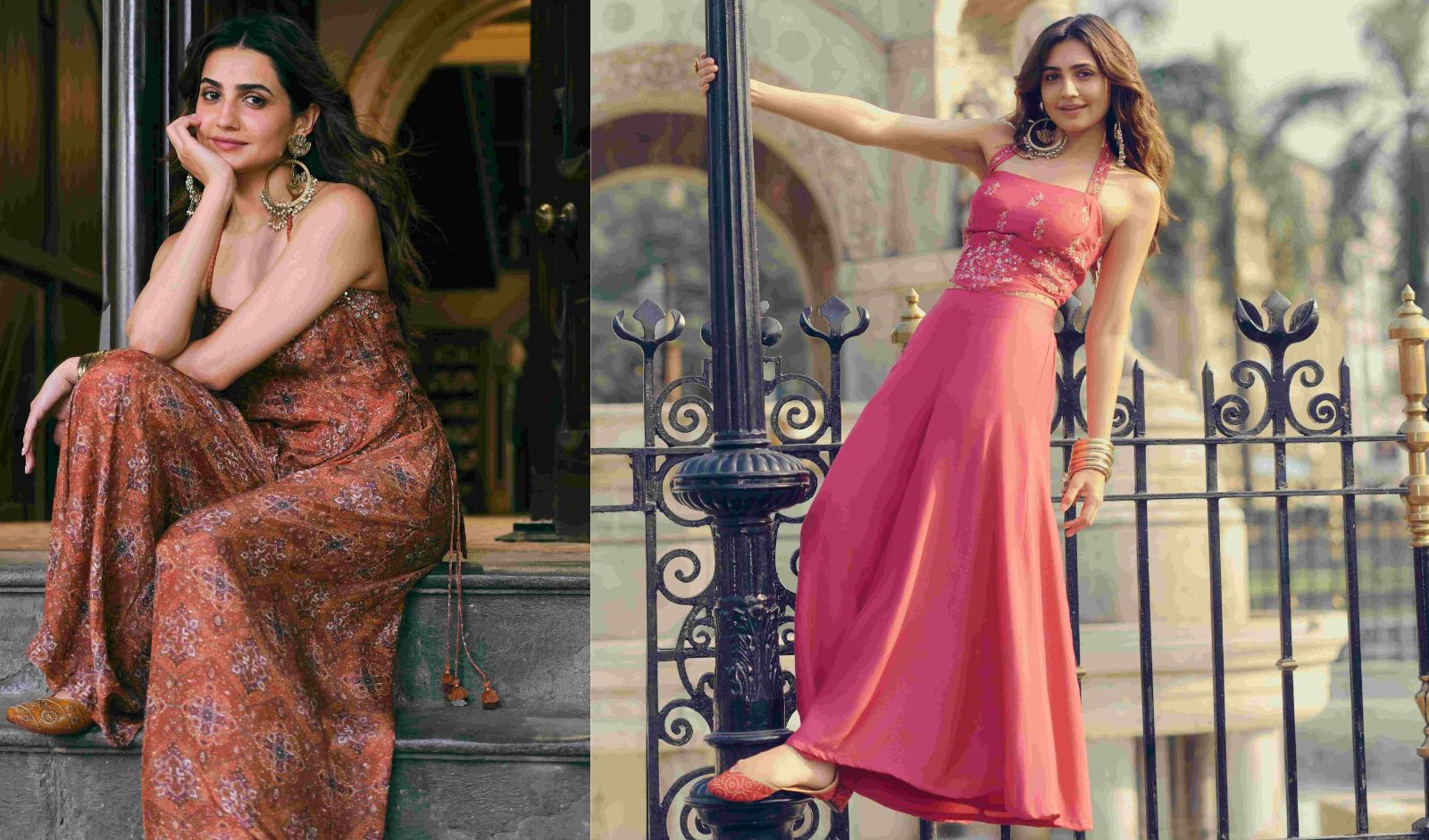 FASHION AND LIFESTYLEThe campaign captures Mumbai's contrasting character through its lively neighbourhoods, familiar landmarks and lesser-known corners.
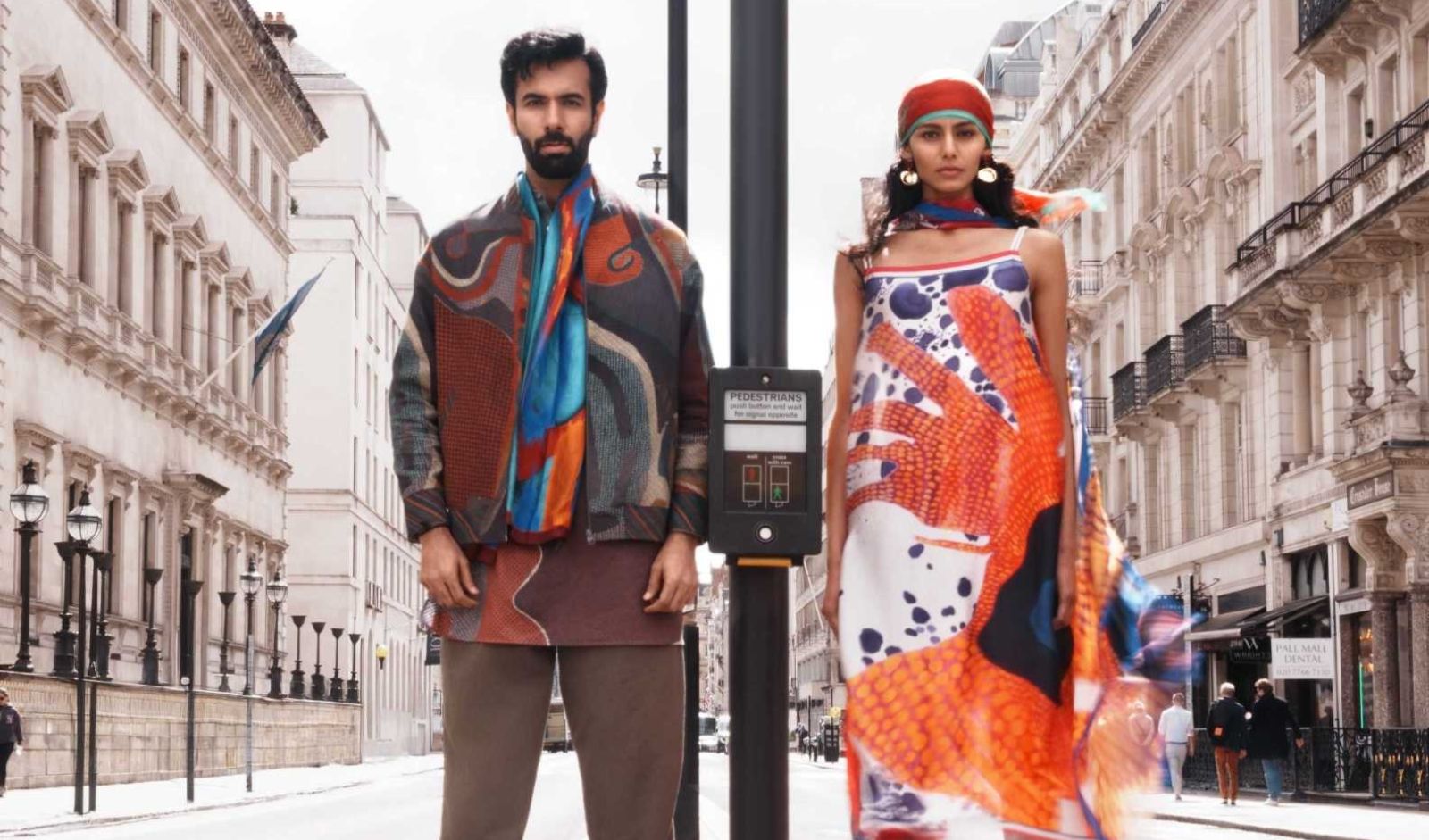 FASHION AND LIFESTYLEActor Danish Pandor, who walked at the London showcase, features in the campaign, reflecting the collection's emphasis on individuality and exploration.
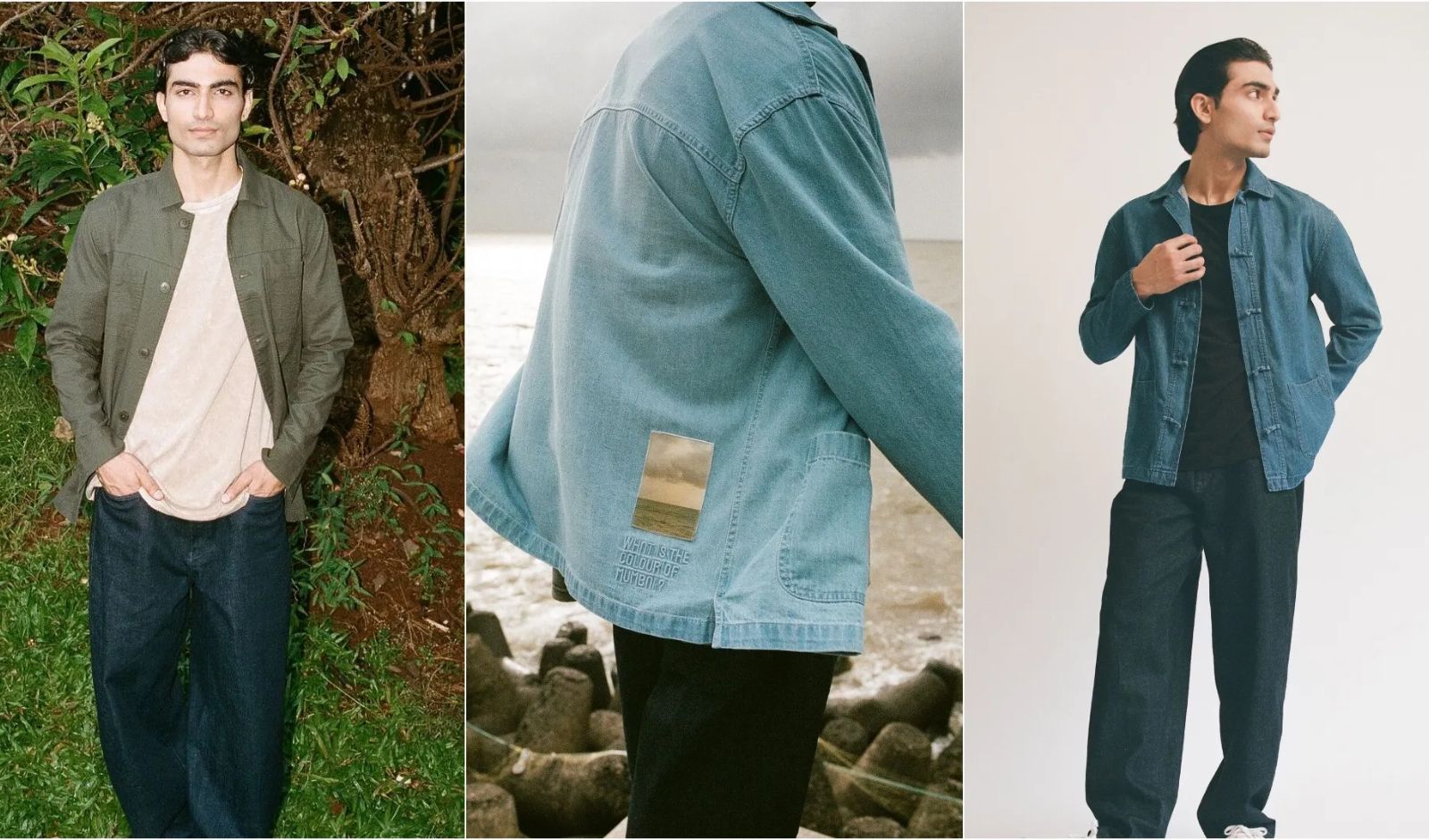 FASHION AND LIFESTYLEThe ready-to-wear collection features chore jackets, vintage-washed denim shackets and soft overshirts.
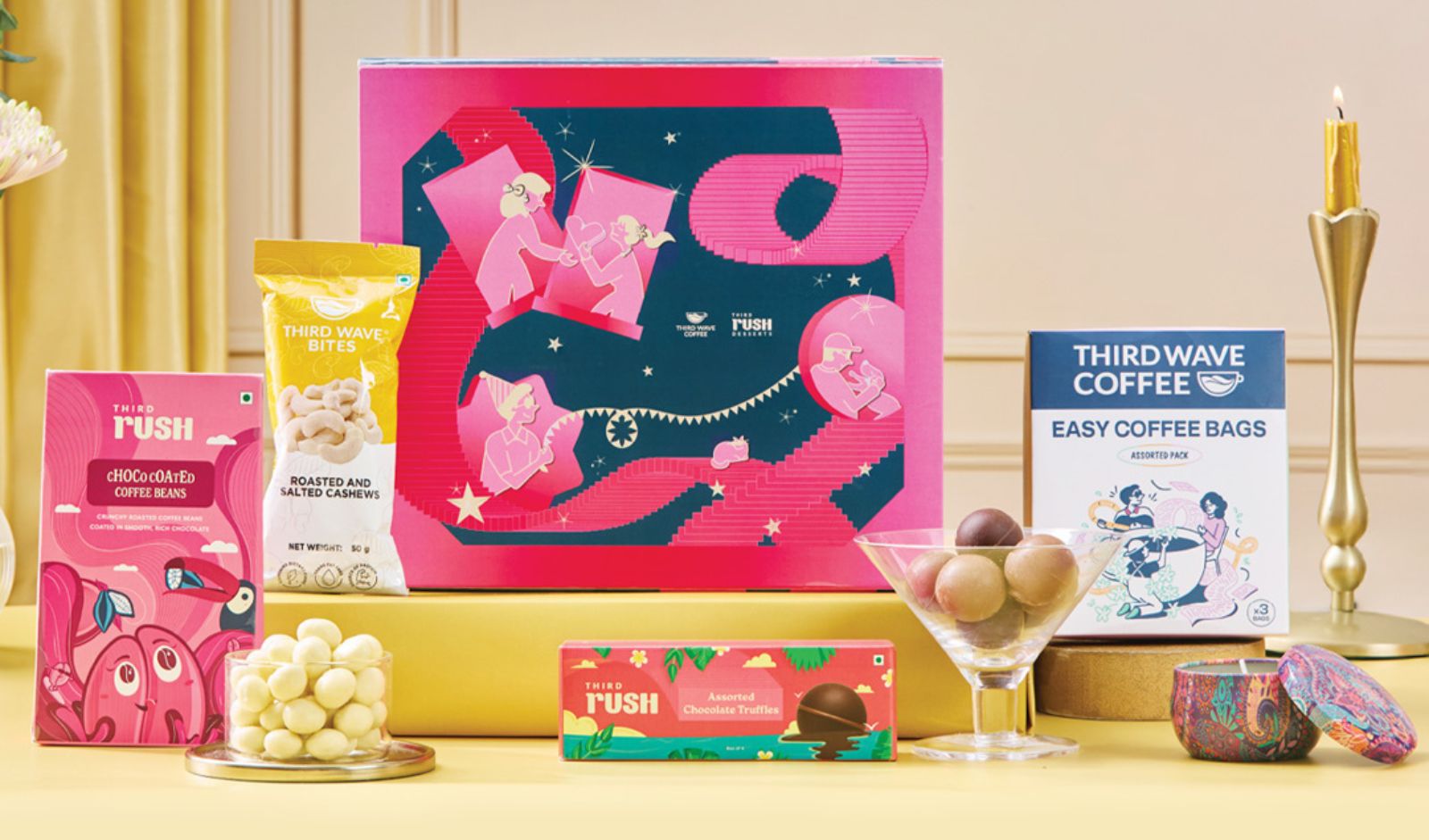 FASHION AND LIFESTYLEThe collection also features products from Third Rush Desserts, the company's recently launched dessert-focused brand.